词汇表

英语词汇词典 | 单词含义、定义和示例

verb C1
/ˈpoʊ.lə.raɪz/
极化 (jī huà)

to divide or cause to divide into two sharply contrasting groups or sets of opinions or beliefs

"The controversial decision polarized public opinion."

"有争议的决定使公众意见分成了两个对立的阵营。" (Yǒu zhēngyì de juédìng shǐ gōngzhòng yìjiàn fēnchéngle liǎng gè duìlì de zhènyíng.)
adjective C1
/ˈpoʊləraɪzd/
极化的 (jí huà de)

divided into two sharply contrasting groups or opinions

"The debate polarized the community on the issue of climate change."
"辩论使社区在气候变化问题上分裂。" (Biànlùn shǐ shèqū zài qìhòu biànhuà wèntí shàng fēnliè.)
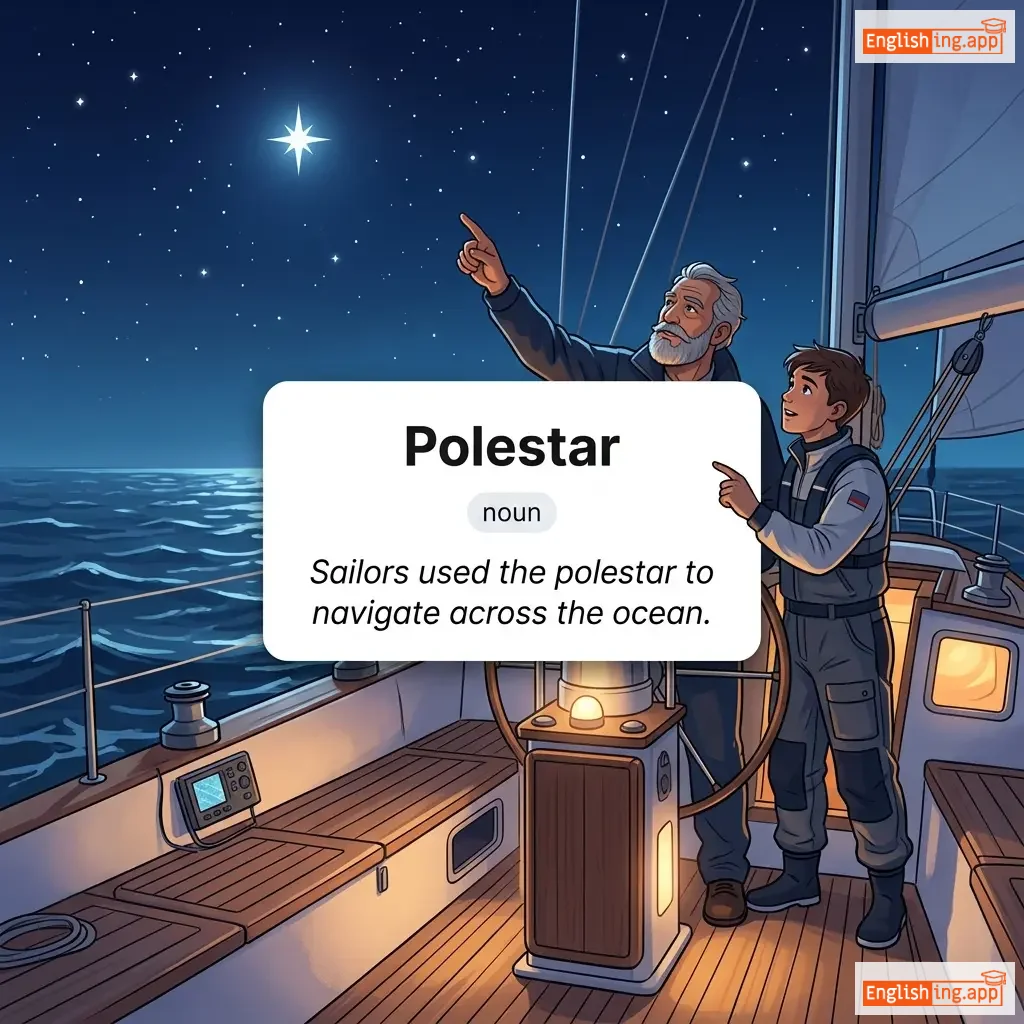
Polestar definition card — visual illustration of the meaning
noun C1
/ˈpoʊl.stɑːr/
北极星 (běi jí xīng)

a bright star that appears to stay in the same position in the sky and is used for navigation

"Sailors used the polestar to navigate across the ocean."

"水手们用北极星导航穿越大海。" (shuǐshǒu men yòng běi jí xīng dǎoháng chuānyuè dàhǎi.)
adjective C1
/ˈpɒlɪtɪk/
精明, 审慎 (jingming, shenshen)

shrewd, prudent, or tactful in practical matters

"It was politic of him to remain silent during the argument."
"在争论中保持沉默是他明智的选择。" (Zai zhenglun zhong baochi chenmo shi ta mingzhi de xuǎnzé.)
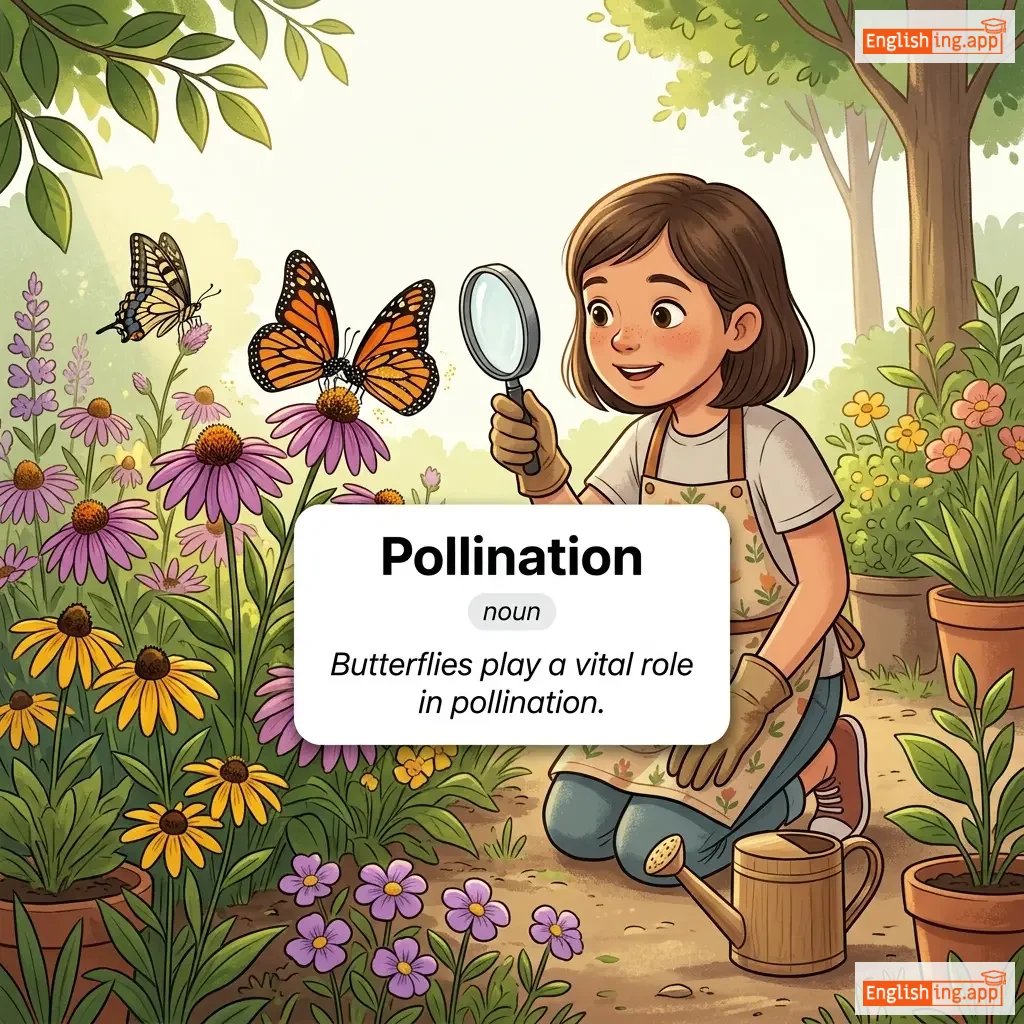
Pollination definition card — visual illustration of the meaning
noun C1
ˌpɒlɪˈneɪʃən
授粉 (shòu fěn)

The process by which pollen is transferred from flowers, enabling plant reproduction.

"Butterflies play a vital role in pollination."

"蝴蝶在授粉过程中起着至关重要的作用。" (Húdié zài shòufěn guòchéng zhōng qǐzhe zhìguān zhòngyào de zuòyòng.)
noun C1
/ˈpoʊlstər/
民意调查员 (mínyì diàochá yuán)

a person or organization that conducts surveys to gauge public opinion

"The pollster predicted a close election outcome."
"民意调查员预测了一个接近的选举结果。" (Mínyì diàochá yuán yùcè le yīgè jiējìn de xuǎnjǔ jiéguǒ.)
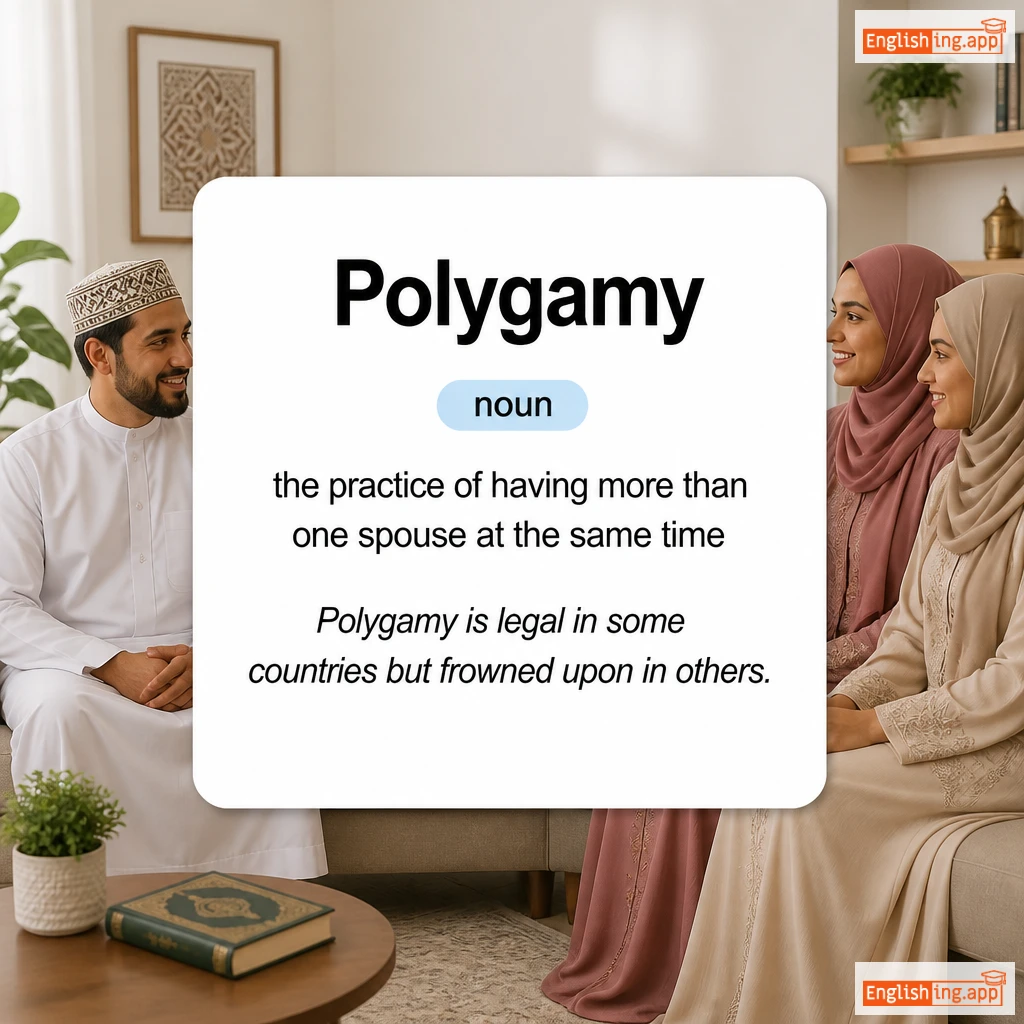
Polygamy definition card — visual illustration of the meaning
noun C1
/ˈpɒlɪɡəmi/
一夫多妻制 (yī fū duō qī zhì)

the practice of having more than one spouse at the same time

"Polygamy is legal in some countries but frowned upon in others."

"一夫多妻制在一些国家合法,但在其他国家被视为不道德。" (Yī fū duō qī zhì zài yīxiē guójiā héfǎ, dàn zài qítā guójiā bèi shì wéi bù dàodé.)
noun C1
/ˈpɒlɪɡlɒt/
多语者 (duō yǔ zhě)

a person who knows and can use several languages

"She is a polyglot, fluent in English, Spanish, and Bengali."

"她是一个多语者,精通英语、西班牙语和孟加拉语。" (Tā shì yí gè duō yǔ zhě, jīng tōng yīng yǔ, xī bān yá yǔ hé mèng jiā lā yǔ.)
noun C1
/ˈpɒlɪɡɒn/
多边形 (duōbiān xíng)

a flat shape with three or more straight sides

"The artist drew a colorful polygon on the canvas."

"艺术家在画布上画了一个五彩的多边形。" (Yìshùjiā zài huàbù shàng huàle yīgè wǔcǎi de duōbiānxíng.)
noun C1
/ˌpɒl.iˈtek.nɪk/
理工学院 (lìgōng xuéyuàn)

an educational institution offering practical and technical courses

"She studied engineering at a well-known polytechnic in her city."

"她在她所在城市的知名理工学院学习工程学。" (Ta zai ta suozai chengshi de zhiming ligong xueyuan xuexi gongchengxue.)
pomodoro definition card — visual illustration of the meaning
noun C1
/ˌpɒməˈdɔːrəʊ/
番茄工作法 (fānqié gōngzuò fǎ)

A time management technique that uses a timer to break down work into intervals.

"The Pomodoro technique improves productivity."

"番茄工作法提高了生产力。" (Fānqié gōngzuò fǎ tígāo le shēngchǎnlì.)
noun C1
/pɒmp/
盛大, 华丽 (shèngdà, huálì)

ceremonial display or splendor; grandeur

"The graduation ceremony was full of pomp and circumstance."

"毕业典礼充满了盛大和华丽。" (Bìyè diǎnlǐ chōngmǎnle shèngdà hé huálì.)
adjective C1
/ˈpɒmpəs/
傲慢的 (àomàn de)

exaggeratedly self-important; ostentatious

"The manager had a pompous attitude that annoyed his team."

"经理有一种傲慢的态度,惹恼了他的团队。" (Jīnglǐ yǒu yī zhǒng àomàn de tàidù, rěnǎo le tā de tuánduì.)
adjective C1
/ˈpɑːndərəs/
沉重而缓慢 (chénzhòng ér huǎnmàn)

slow and clumsy because of great weight; dull and labored

"The ponderous lecture made it hard for students to stay awake."
"这堂沉重而缓慢的讲座使学生们难以保持清醒。" (Zhè táng chénzhòng ér huǎnmàn de jiǎngzuò shǐ xuéshēngmen nán yǐ bǎochí qīngxǐng.)
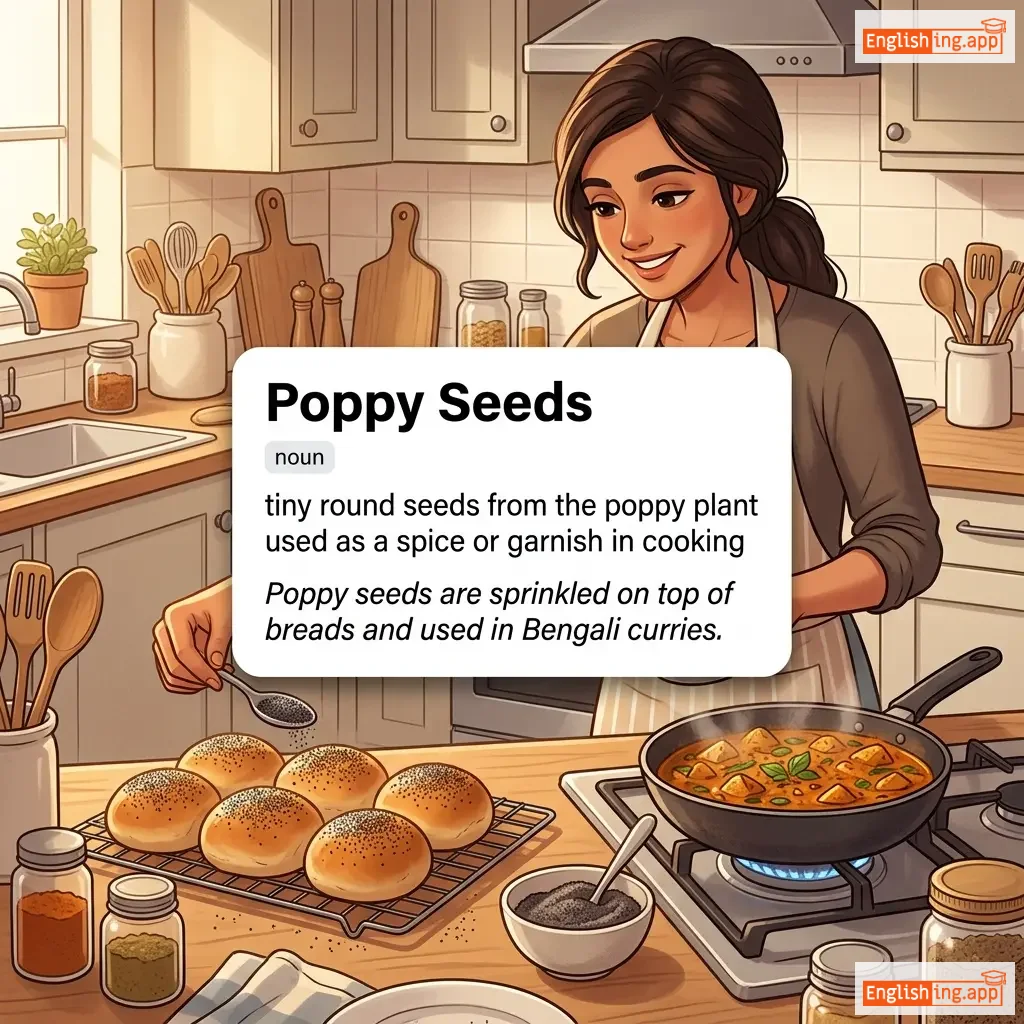
Poppy Seeds definition card — visual illustration of the meaning
noun C1
/ˈpɒp.i siːdz/
罂粟种子 (yīngsù zhǒngzi)

tiny round seeds from the poppy plant used as a spice or garnish in cooking

"Poppy seeds are sprinkled on top of breads and used in Bengali curries."

"罂粟种子撒在面包上,并用于孟加拉咖喱中。" (Yīngsù zhǒngzi sā zài miànbāo shàng, bìng yòng yú Mèngjiālā gālí zhōng.)
noun C1
/ˈpɒpjʊləs/
民众 (minzhong)

the general public; the ordinary people living in a country or area

"The new law was welcomed by the local populace."

"新法律受到了当地居民的欢迎。" (Xin falu shoudao le dangdi jumin de huanying.)
noun C1
/ˈpɒpjʊlɪst/
民粹主义领导人 (míncuì zhǔyì lǐngdǎo rén)

A politician or person who seeks to appeal to ordinary people who feel their concerns are ignored by elites.

"The populist leader promised to put the needs of common citizens first."

"民粹主义领导人承诺将普通公民的需求放在首位。" (Míncuì zhǔyì lǐngdǎo rén chéngnuò jiāng pǔtōng gōngmín de xūqiú fàng zài shǒuwèi.)
adjective C1
/ˈpɒpjələs/
人口密集 (rénkǒu mìjí)

Having a large population; densely inhabited.

"Dhaka is one of the most populous cities in the world."

"上海是世界上最人口密集的城市之一。" (Shànghǎi shì shìjiè shàng zuì rénkǒu mìjí de chéngshì zhī yī.)
noun C1
/ˈpɔːrsəlɪn/
瓷器 (cíqì)

A white, hard ceramic material often used for dishes and ornaments.

"The museum displayed ancient porcelain vases from China."
"博物馆展示了来自中国的古代瓷器花瓶。" (Bówùguǎn zhǎnshìle láizì zhōngguó de gǔdài cíqì huāpíng.)
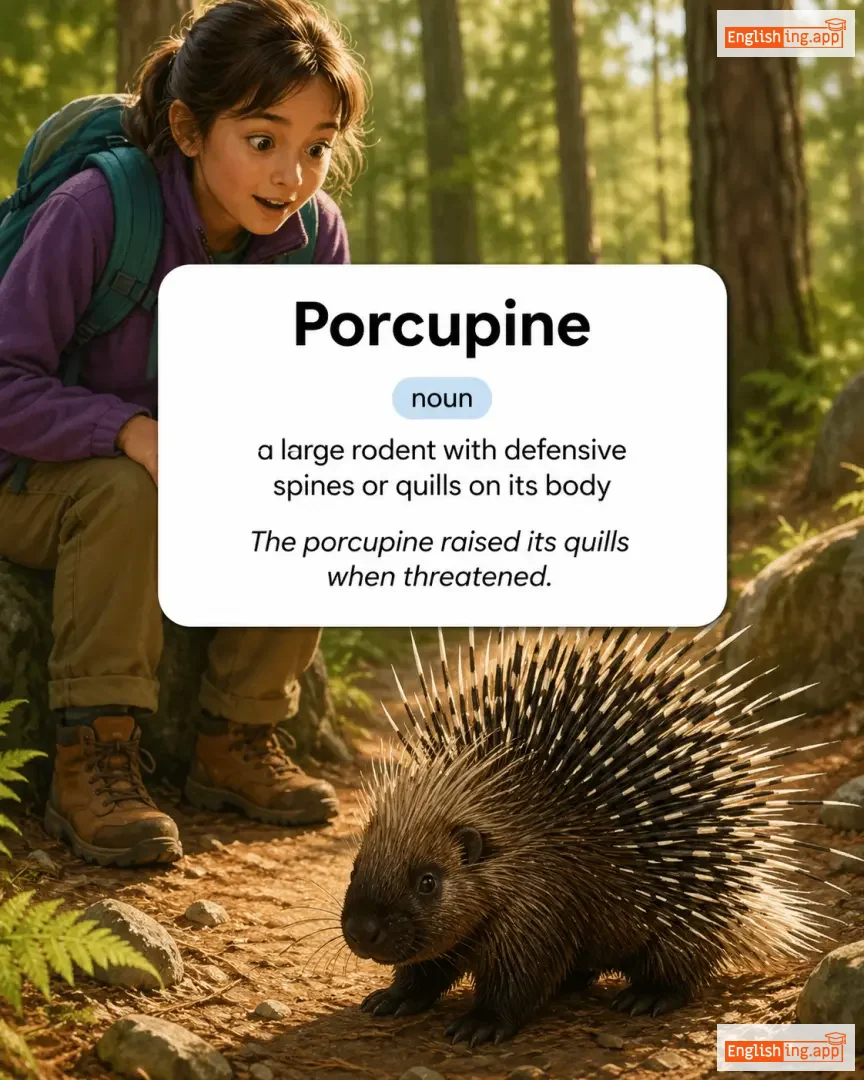
Porcupine definition card — visual illustration of the meaning
noun C1
/ˈpɔːr.kjə.paɪn/
豪猪 (háo zhū)

a large rodent with defensive spines or quills on its body

"The porcupine raised its quills when threatened."

"豪猪在受到威胁时竖起了它的刺。" (Háo zhū zài shòu dào wēixié shí shù qǐle tā de cì.)
noun/verb C1
/pɔːr/
毛孔 / 仔细研究 (máokǒng / zǐxì yánjiū)

As a noun: a tiny opening in the skin or surface. As a verb: to study something carefully.

"She pored over the documents for hours before making a decision."
"她在做出决定之前,花了几个小时仔细查看文件。" (Tā zài zuò chū juédìng zhīqián, huāle jǐ gè xiǎoshí zǐxì chákan wénjiàn.)
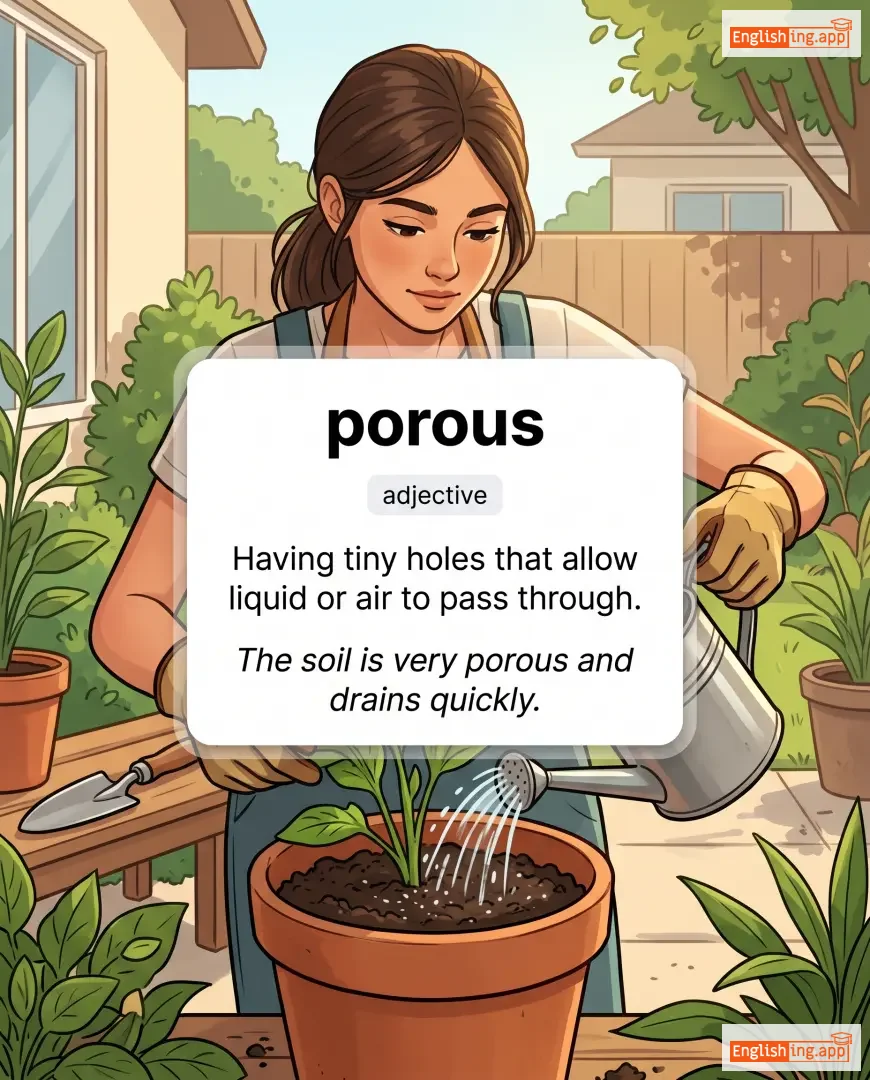
porous definition card — visual illustration of the meaning
adjective C1
/ˈpɔːrəs/
多孔的 (duō kǒng de)

Having tiny holes that allow liquid or air to pass through.

"The soil is very porous and drains quickly."
"土壤非常多孔,排水很快。" (Tǔrǎng fēicháng duōkǒng, páishuǐ hěn kuài.)
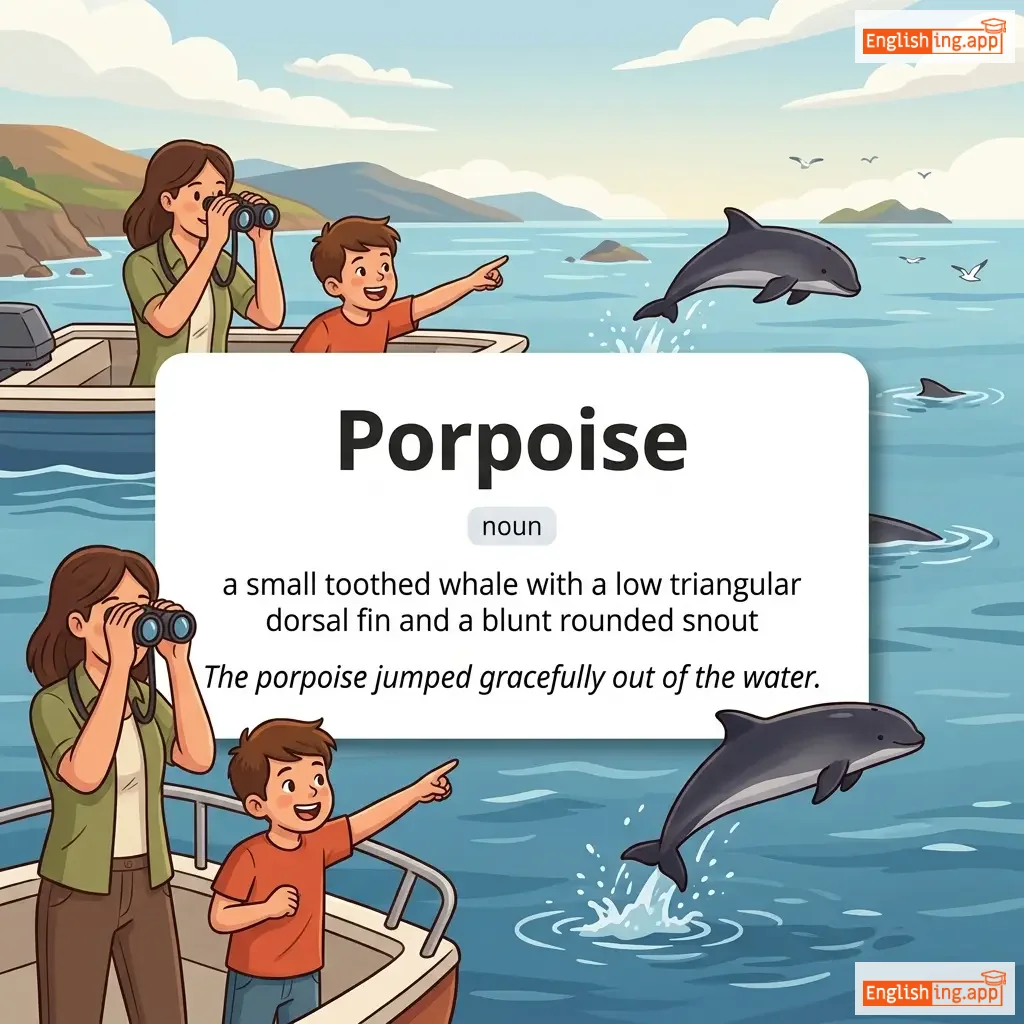
Porpoise definition card — visual illustration of the meaning
noun C1
/ˈpɔː.pəs/
海豚 (hǎi tún)

a small toothed whale with a low triangular dorsal fin and a blunt rounded snout

"The porpoise jumped gracefully out of the water."

"海豚优雅地跃出水面。" (Hǎi tún yōu yǎ de yuè chū shuǐ miàn.)
💡

posit

verb C1
/ˈpɑːzɪt/

To assume or suggest something as a fact or basis for reasoning.

"The scientist posited a new theory to explain the phenomenon."

noun C1
/pəˈzɛsər/
所有者 (suǒyǒu zhě)

A person who owns or holds something.

"The possessor of the land built a new house."

"土地的所有者建造了一座新房。" (Tǔdì de suǒyǒu zhě jiànzào le yī zuò xīn fáng.)
verb C1
/ˌpoʊstˈdeɪt/
后置日期 (hòuzhì rìqī)

To assign a date later than the actual date to a document or event.

"She postdated the check to next month."

"她把支票的日期改为下个月。" (Tā bǎ zhīpiào de rìqī gǎi wèi xià gè yuè.)
adjective C1
/pɒˈstɪəriər/
后部 (hòubù)

Situated at or toward the back; later in time.

"The posterior part of the brain controls vision."

"大脑的后部控制视觉。" (Dànǎo de hòubù kòngzhì shìjué.)
noun C1
/pɒˈstɛrɪti/
后代 (hòudài)

All future generations of people.

"The monument was built for the benefit of posterity."

"这座纪念碑是为后代的利益而建造的。" (Zhè zuò jìniànbēi shì wèi hòudài de lìyì ér jiànzào de.)
adjective C1
/ˈpɒstjʊməs/
死后的 (sǐhòu de)

Occurring, awarded, or appearing after the death of the originator.

"He received a posthumous award for his bravery."

"他因勇敢获得了死后奖项。" (Tā yīn yǒnggǎn huòdéle sǐhòu jiǎngxiàng.)
noun, adjective C1
/ˌpəʊstˈmɔːtəm/
尸体解剖 (shī tǐ jiě pō)

An examination of a dead body to determine the cause of death.

"The doctor carried out a postmortem on the body."

"医生对尸体进行了尸体解剖。" (Yīshēng duì shītǐ jìnxíngle shītǐ jiě pō.)
noun C1
/ˈpəʊstˌskrɪpt/
附言 (fù yán)

an additional remark at the end of a letter or text, after the signature

"She added a brief postscript to thank him again."
"她加了一句简短的附言,再次感谢他。" (Tā jiāle yī jù jiǎnduǎn de fù yán, zàicì gǎnxiè tā.)
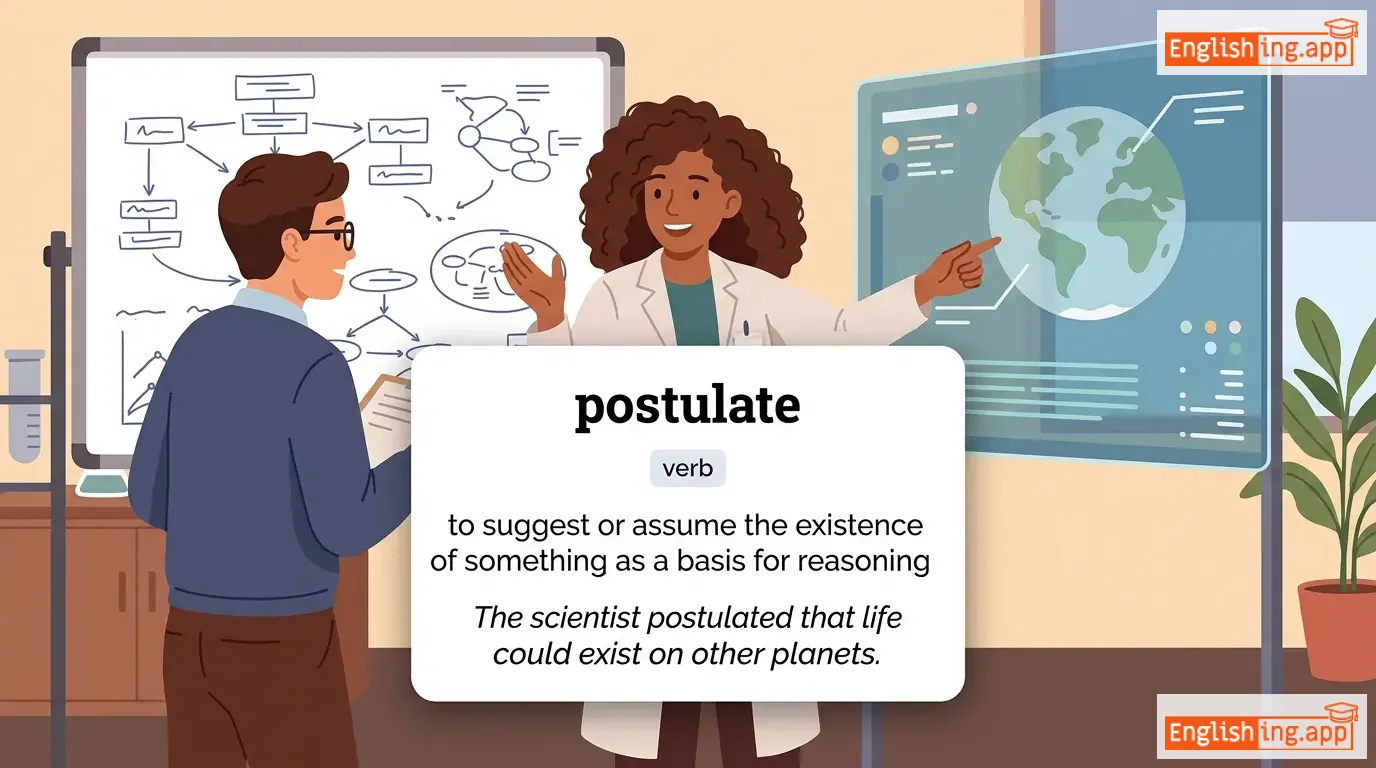
postulate definition card — visual illustration of the meaning
verb C1
/ˈpɒstjʊˌleɪt/
假设 (jiǎ shè)

to suggest or assume the existence of something as a basis for reasoning

"The scientist postulated that life could exist on other planets."

"科学家假设生命可能存在于其他星球。" (Kēxuéjiā jiǎ shè shēngmìng kěnéng cúnzài yú qítā xīngqiú.)
adjective C1
/ˈpəʊtəbl/
可饮用的 (ke yin yong de)

safe to drink; drinkable

"The villagers did not have access to potable water."

"村民没有水源可以饮用。" (Cunmin meiyou shuiyuan keyi yin yong.)
noun C1
/ˈpoʊtənsi/
效能 (xiaoneng)

The power or ability of something to affect or influence; strength or effectiveness.

"The potency of the new medicine amazed the doctors."

"新药的效能令医生们惊讶。" (Xin yao de xiaoneng ling yishengmen jingya.)
adjective C1
/ˈpoʊtənt/
强效 (qiángxiào)

Having great power, influence, or effect.

"This is a very potent drug that should be used carefully."

"这是一种非常强效的药物,应该小心使用。" (Zhè shì yī zhǒng fēicháng qiángxiào de yàowù, yīnggāi xiǎoxīn shǐyòng.)
noun C1
/ˈpoʊʃən/
药水 (yaoshui)

a liquid with healing, magical, or poisonous properties

"The witch gave the hero a healing potion."

"女巫给了英雄一个治疗药水。" (Nǚwū gěile yīngxióng yīgè zhìliáo yàoshuǐ.)
verb C1
/paʊt/
撅嘴 (jue zui)

to push one's lips forward as an expression of annoyance or sulkiness

"The child began to pout when he didn’t get the toy."

"孩子没得到玩具时开始撅嘴。" (Haizi mei dedao wanju shi kaishi jue zui.)
adjective C1
/ˈpræk.tɪ.kə.bəl/
可行 (kexing)

able to be done or put into practice successfully

"The plan is not practicable without more resources."
"没有更多的资源,这个计划是不可行的。" (Meiyou geng duo de ziyuan, zhege jihua shi bukexing de.)
pragmatic definition card — visual illustration of the meaning
🛠️

pragmatic

adjective C1
/præɡˈmætɪk/

Dealing with problems in a practical and sensible way rather than depending on theories or ideals.

"She took a pragmatic approach to solving the business challenge."

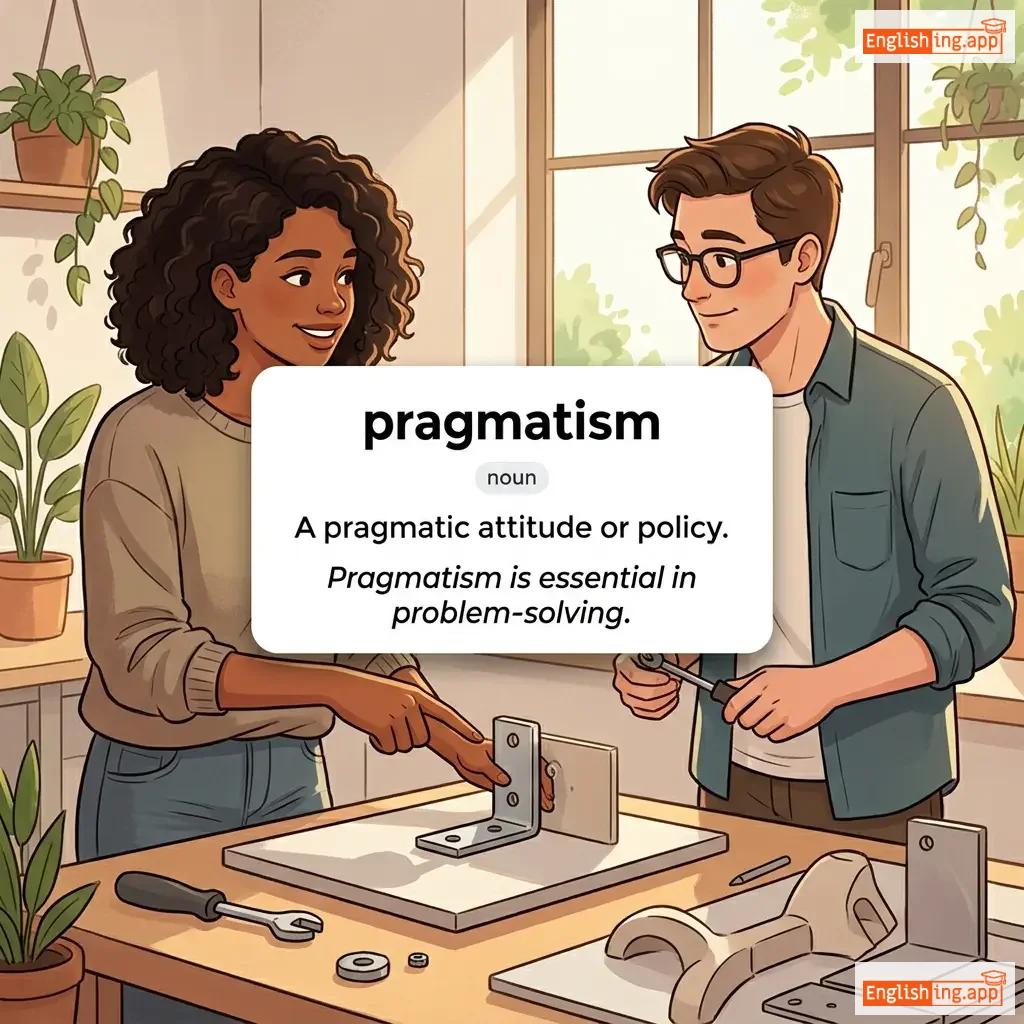
pragmatism definition card — visual illustration of the meaning
noun C1
/ˈpræɡ.mə.tɪ.zəm/
实用主义 (shí yòng zhǔ yì)

A pragmatic attitude or policy.

"Pragmatism is essential in problem-solving."

"实用主义在解决问题中至关重要。" (Shí yòng zhǔ yì zài jiě jué wèn tí zhōng zhì guān zhòng yào.)
noun C1
/ˈpræɡmətɪst/
实用主义者 (shí yòng zhǔ yì zhě)

A person who deals with things in a practical and realistic way.

"He is a true pragmatist who values results over ideals."

"他是一个真正的实用主义者,他更看重结果而非理想。" (Tā shì yí gè zhēn zhèng de shí yòng zhǔ yì zhě, tā gèng kàn zhòng jié guǒ ér fēi lǐ xiǎng.)
noun C1
/ˈprɛəri/
大草原 (da caoyuan)

A large open area of grassland, especially in North America.

"The bison roamed freely across the prairie."

"野牛在大草原上自由地游荡。" (Ye niu zai da caoyuan shang ziyou de you dang.)
verb C1
/præns/
高傲地走 (gao ao de zou)

To move with high, springy steps, often to show off or attract attention.

"The horse pranced around the field gracefully."
"那匹马骄傲地走过了田野。" (Na pi ma jiao ao de zou guo le tian ye.)
verb C1
/priːˈɛmpt/

to act in advance to prevent an anticipated event from happening; forestall

"The government moved to pre-empt a crisis by introducing new policies."

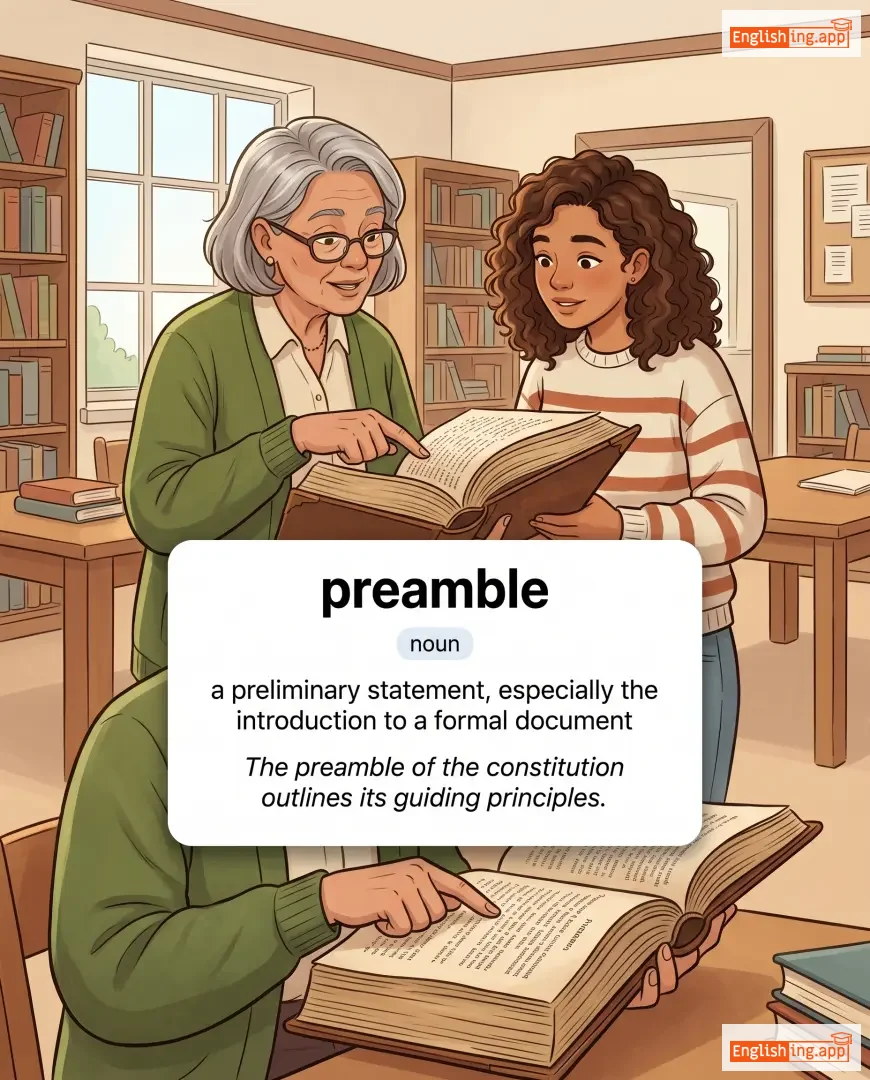
preamble definition card — visual illustration of the meaning
noun C1
/ˈpriːˌæmbəl/
前言 (qián yán)

a preliminary statement, especially the introduction to a formal document

"The preamble of the constitution outlines its guiding principles."
"宪法的序言概述了其指导原则。" (Xianfa de xu yan gai shu le qi zhidao yuanze.)
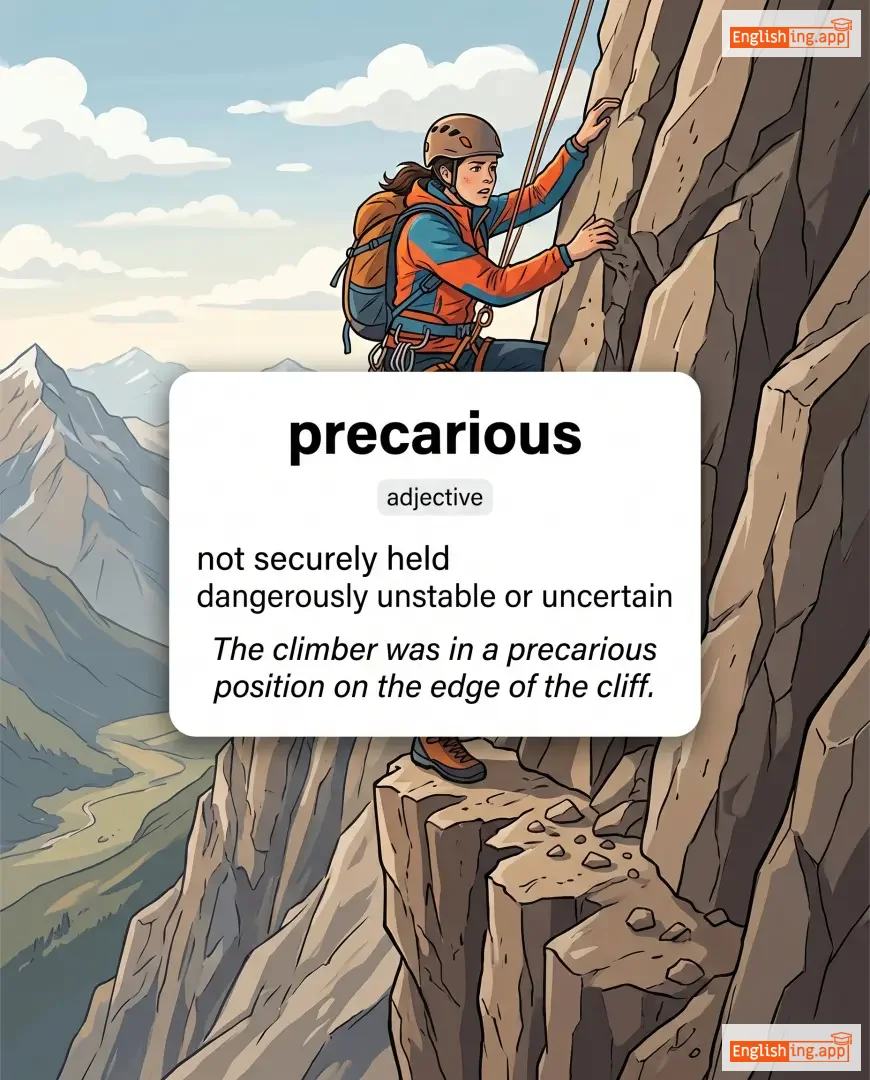
precarious definition card — visual illustration of the meaning
adjective C1
/prɪˈkɛəriəs/
不稳定 / 危险 (bù wěn dì / wēi xiǎn)

not securely held; dangerously unstable or uncertain

"The climber was in a precarious position on the edge of the cliff."

"攀岩者处于悬崖边缘的危险位置。" (Pānyán zhě chù yú xuán yá biān yuán de wēi xiǎn wèi zhì.)
noun C1
/ˈprɛsɪdəns/ or /prɪˈsiːdəns/
优先 (youxian)

the condition of being considered more important than someone or something else; priority

"Safety takes precedence over speed in this factory."

"在这个工厂中,安全优先于速度。" (Zai zhege gongchang zhong, anquan youxian yu sudu.)
noun C1
/ˈpriːsɪŋkt/
(qu)

A district or area within the boundaries of a city, often for police or electoral purposes.

"She went to vote at her local precinct."

"她去了她当地的选区投票。" (Tā qùle tā dāngdì de xuǎnqū tóupiào.)
noun C1
/ˈprɛsɪpɪs/
悬崖 (xuán yá)

A very steep cliff or a situation of great danger.

"The hikers stood at the edge of the precipice, gazing into the valley below."
"徒步旅行者站在悬崖边缘,凝视着下面的山谷。" (túbù lǚxíng zhě zhàn zài xuán yá biānyuán, níngshì zhe xiàmiàn de shāngǔ.)
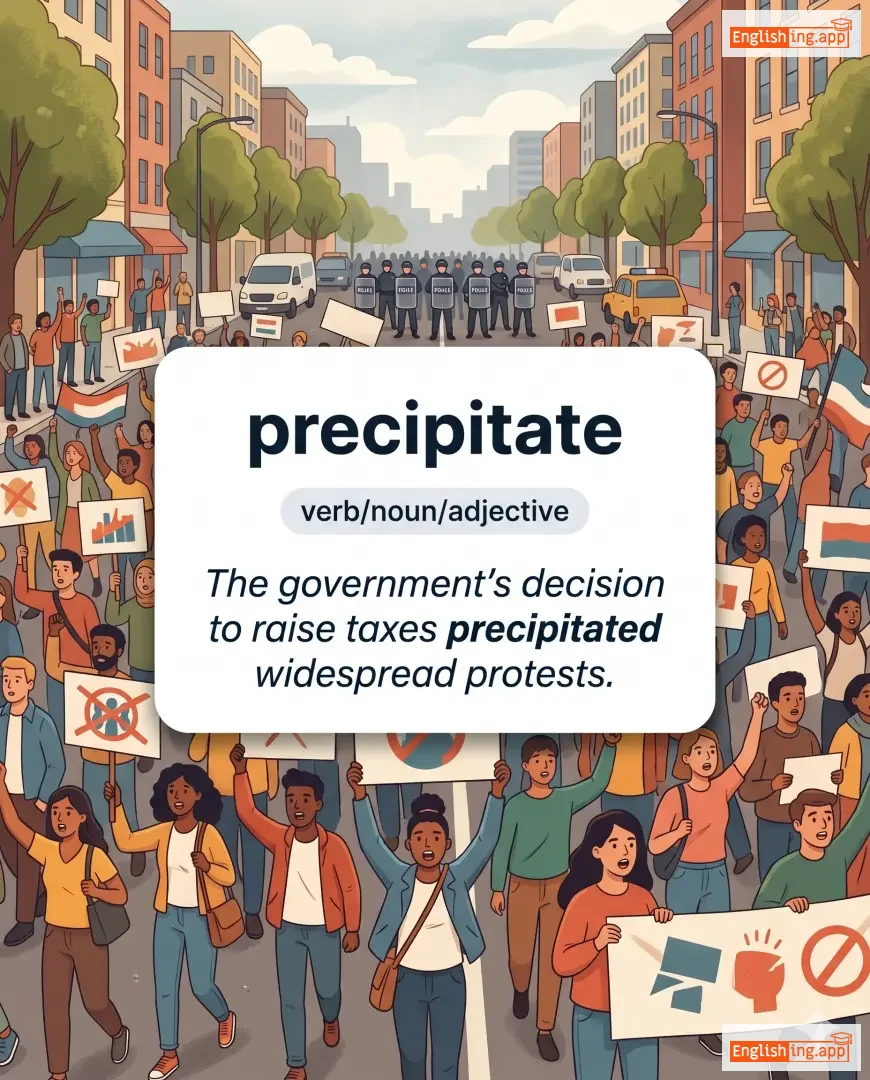
precipitate definition card — visual illustration of the meaning
verb/noun/adjective C1
/prɪˈsɪpɪteɪt/

As a verb: to cause an event or situation, often suddenly or prematurely; as a noun: a solid formed in a chemical solution; as an adjective: done hastily.

"The government's decision to raise taxes precipitated widespread protests."