Fight for Justice
阿米娜是一名年轻的 lawyer,她为 justice 而奋斗。一天,一个 case 改变了她的一生。
一位贫穷的农民被错误地指控偷窃。他没有 legal 代表,也没有钱雇佣 lawyer。Trial 已经在 court 开始,但没有人来 defend 他。
阿米娜决定接下这个 case。她知道这不会容易。检方声称他们有强有力的 evidence,但阿米娜相信这位农民是 innocent 的。
Trial 开始了。检方陈述了他们的 case。他们展示的 evidence 都是间接的,没有直接证据。但在 judge 和陪审团面前看起来很有说服力。
轮到阿米娜时,她仔细检查了所有的 evidence,并交叉询问了 witnesses。渐渐地,不一致之处开始显现。
阿米娜进一步调查,找到了真正的 witness,可以证明农民当时在别的地方。新的 evidence 被提交到 court。
在 trial 的结尾,阿米娜发表了结案陈词。她说:“Justice 不仅意味着给予 punishment,justice 还意味着确保 innocent 的人不受苦。保护我客户的 rights 是我的职责。这个 case 中存在足够的合理怀疑,无法证明他 guilty。”
陪审团进行了商议。几个小时后,verdict 出来了——无罪!农民被证明 innocent,court 释放了他。
但阿米娜没有停下。她看到穷人获得 legal 援助的机会太少。于是她创办了一个 legal 援助组织,为无力支付的人提供免费的 legal 服务。
现在阿米娜处理许多 cases。在每个 case 中,她都确保客户的 rights 得到保护,并获得 fair trial。有时她们需要 appeal,有时需要寻找新的 evidence。
阿米娜的使命是让 justice 更加普及。她说:“Law 应该对每个人都平等。在 court,无论贫富,所有人的 rights 都一样。Judge 的责任是做出 fair verdict,lawyer 的责任是为客户提供最佳 defense。我们的共同责任是确保 justice 得到伸张,让 innocent 不被 prosecuted,让 guilty 受到应有的 punishment。”
阿米娜的工作激励了许多年轻的 lawyers 投身公益 cases,为 justice 而战。她的故事证明,只要有人为 rights 发声,真正的改变就会发生。
|
表情符号
|
单词 | Images | 翻译 | 过去时 | 过去分词 | 第三人称单数 | 动名词 | 含义 | 例句 | 例句翻译 | 示例表达 | 示例表达含义 | 示例表达翻译 | 同义词 | 反义词 | 搭配词 | 助记符 |
|---|---|---|---|---|---|---|---|---|---|---|---|---|---|---|---|---|---|
|
📢
••••••
|
/əˈpiːl/
verb, noun
(āpí ěr)
••••••
|
- •••••• |
呼吁 / 吸引
hūyù / xīyǐn
••••••
|
appealed
āpí ěr dé
••••••
|
appealed
āpí ěr dé
••••••
|
appeals
āpí ěr sī
••••••
|
appealing
āpí ěr líng
••••••
|
to make a serious request; to be attractive or interesting; a formal request to a higher authority for a decision to be changed
••••••
|
The charity appealed to the public for donations.
慈善机构向公众呼吁捐款。
••••••
|
慈善机构向公众呼吁捐款。
Císhàn jīgòu xiàng gōngzhòng hūyù juānkuǎn.
••••••
|
make an appeal
提出呼吁
••••••
|
to formally ask for something, often publicly
••••••
|
提出呼吁
tíchū hūyù
••••••
|
request, petition, attraction, plea, entreaty
••••••
|
demand, order, repulsion
••••••
|
appeal to, appeal against, strong appeal, emotional appeal
••••••
|
Appeal = 呼吁,想象有人使用📢发出呼吁 — Appeal = 呼吁
••••••
|
|
📦
••••••
|
/keɪs/
noun
(kèisī)
••••••
|
- •••••• |
案例 / 情况
ànlì / qíngkuàng
••••••
|
- •••••• | - •••••• | - •••••• | - •••••• |
A particular situation, occurrence, or an instance of something; also a container or covering for something.
••••••
|
In this case, we should wait for further instructions.
在这种情况下,我们应该等待进一步的指示。
••••••
|
在这种情况下,我们应该等待进一步的指示。
Zài zhè zhǒng qíngkuàng xià, wǒmen yīnggāi děngdài jìnyībù de zhǐshì.
••••••
|
in any case
无论如何
••••••
|
whatever happens; regardless of the situation
••••••
|
无论如何
wúlùn rúhé
••••••
|
instance, example, situation, container, box
••••••
|
whole, entirety
••••••
|
in case of, legal case, strong case, special case
••••••
|
Case代表情况,像是案件或手机壳
••••••
|
|
⚖️
••••••
|
/kɔːrt/
noun,verb
(法院)
••••••
|
- •••••• |
法院或寻求关注或偏爱的地方
fayuan huo xunqiu guanzhu huo pian'ai de difang
••••••
|
courted
法院过
••••••
|
courted
法院过
••••••
|
courts
法院
••••••
|
courting
法院
••••••
|
a place where legal cases are heard or to seek favor or attention
••••••
|
He courted the judge with respect.
他以尊重的态度追求法官。
••••••
|
他以尊重的态度追求法官。
Ta yi zunzhong de taidu zhuīqiú fǎguān.
••••••
|
in court
在法庭上
••••••
|
at a judicial proceeding
••••••
|
在法庭上
zai fating shang
••••••
|
tribunal, arena, woo, pursue
••••••
|
- •••••• |
court case, royal court, court of law, court decision
••••••
|
Court去法院 - 法院是地方, courting是寻求偏爱。
••••••
|
|
🚔
••••••
|
/kraɪm/
noun
(克莱姆)
••••••
|
- •••••• |
犯罪
fànzuì
••••••
|
- •••••• | - •••••• | - •••••• | - •••••• |
An illegal act punishable by law.
••••••
|
The police are investigating the crime.
警方正在调查犯罪。
••••••
|
警方正在调查犯罪。
jǐngfāng zhèngzài diàochá fànzuì.
••••••
|
crime does not pay
犯罪没有好处。
••••••
|
crime ultimately brings punishment, not profit
••••••
|
犯罪没有好处。
fànzuì méiyǒu hǎochù.
••••••
|
offense, felony, wrongdoing, violation
••••••
|
lawfulness, obedience
••••••
|
commit a crime, crime rate, crime scene, organized crime
••••••
|
犯罪有后果,做错了就付出代价。
••••••
|
|
⚔️
••••••
|
/dɪˈfɛnd/
verb
(迪芬德)
••••••
|
- •••••• |
辩护
bian hu
••••••
|
defended
辩护了
••••••
|
defended
辩护
••••••
|
defends
辩护
••••••
|
defending
辩护中
••••••
|
To protect someone or something from harm or attack.
••••••
|
The lawyer worked hard to defend her client.
律师努力工作为她的客户辩护。
••••••
|
律师努力工作为她的客户辩护。
Lüshi nuli gongzuo wei ta de kehu bianhu.
••••••
|
defend one's honor
捍卫个人荣誉
••••••
|
To protect one’s reputation from criticism or insult.
••••••
|
捍卫个人荣誉
hanwei geren rongyu
••••••
|
protect, guard, shield, support, justify
••••••
|
attack, abandon, betray
••••••
|
defend a case, defend the goal, defend human rights
••••••
|
辩护就像一个律师为客户辩护一样。
••••••
|
|
🔍
••••••
|
/ˈɛv.ɪ.dəns/
noun
(艾-维-丹斯)
••••••
|
- •••••• |
证据
zhèngjù
••••••
|
- •••••• | - •••••• | - •••••• | - •••••• |
facts or information that show whether something is true or not
••••••
|
The lawyer presented new evidence in court. |
律师在法庭上提交了新的证据。
lǜshī zài fǎtíng shàng tíjiāo le xīn de zhèngjù.
••••••
|
hard evidence |
strong, undeniable proof
••••••
|
确凿证据
quèzáo zhèngjù
••••••
|
proof, testimony, confirmation, validation, indication
••••••
|
denial, contradiction, disproof
••••••
|
present evidence, gather evidence, strong evidence, lack of evidence
••••••
|
证据 = 证明某事是否真实。
••••••
|
|
⚖️
••••••
|
/fɛr/
adjective/noun
(fɛr)
••••••
|
- •••••• |
公平 / 集市
gongping / jishi
••••••
|
- •••••• | - •••••• | - •••••• | - •••••• |
Treating people equally without favoritism; or an event where goods are displayed and sold
••••••
|
The judge made a fair decision.
法官做出了公正的决定。
••••••
|
法官做出了公正的决定。
Fǎguān zuò chūle gōngzhèng de juédìng.
••••••
|
fair and square
公正而诚实
••••••
|
honestly and without cheating
••••••
|
诚实且公正
chéngshí qiě gōngzhèng
••••••
|
just, impartial, honest, equitable
••••••
|
unfair, biased, unjust
••••••
|
fair chance, fair decision, book fair, job fair
••••••
|
Fair即公正,集市就是展示商品的地方。
••••••
|
|
😔
••••••
|
/ˈɡɪl.ti/
adjective
(吉尔蒂)
••••••
|
- •••••• |
有罪的
yǒuzuì de
••••••
|
- •••••• | - •••••• | - •••••• | - •••••• |
responsible for a crime or wrongdoing; feeling shame or regret
••••••
|
He felt guilty after lying to his friend. |
他在对朋友撒谎后感到有罪。
Tā zài duì péngyǒu sāhuǎng hòu gǎndào yǒuzuì.
••••••
|
plead guilty |
to formally admit in court that one has committed a crime
••••••
|
认罪
rènzuì
••••••
|
ashamed, responsible, blameworthy, convicted
••••••
|
innocent, blameless, faultless
••••••
|
feel guilty, guilty of, guilty conscience, found guilty
••••••
|
有罪的就是那种内疚的感觉,就像guilty一样。
••••••
|
|
😇
••••••
|
/ˈɪnəsənt/
adjective
(无辜)
••••••
|
- •••••• |
无辜
wugu
••••••
|
- •••••• | - •••••• | - •••••• | - •••••• |
not guilty of a crime or wrongdoing; harmless
••••••
|
The court found him innocent of all charges.
法院裁定他无罪,所有指控被撤销。
••••••
|
法院裁定他无罪,所有指控被撤销。
fayuan caiding ta wuze, suoyou zhikong bei chexiao.
••••••
|
innocent until proven guilty
在证明有罪之前是无辜的
••••••
|
a person is considered innocent unless proven guilty in a court
••••••
|
在证明有罪之前是无辜的
zai zhengming youzui zhiqian shi wugu de
••••••
|
guiltless, blameless, pure, harmless
••••••
|
guilty, corrupt
••••••
|
innocent child, innocent victim, innocent mistake, innocent face
••••••
|
Innocent = in (没有) + nocent (伤害) → 不伤害,无辜
••••••
|
|
⚖️
••••••
|
/dʒʌdʒ/
noun/verb
(dʒʌdʒ)
••••••
|
|
法官 / 判断
fǎguān / pàn duàn
••••••
|
judged
dʒʌdʒd
••••••
|
judged
dʒʌdʒd
••••••
|
judges
dʒʌdʒɪz
••••••
|
judging
dʒʌdʒɪŋ
••••••
|
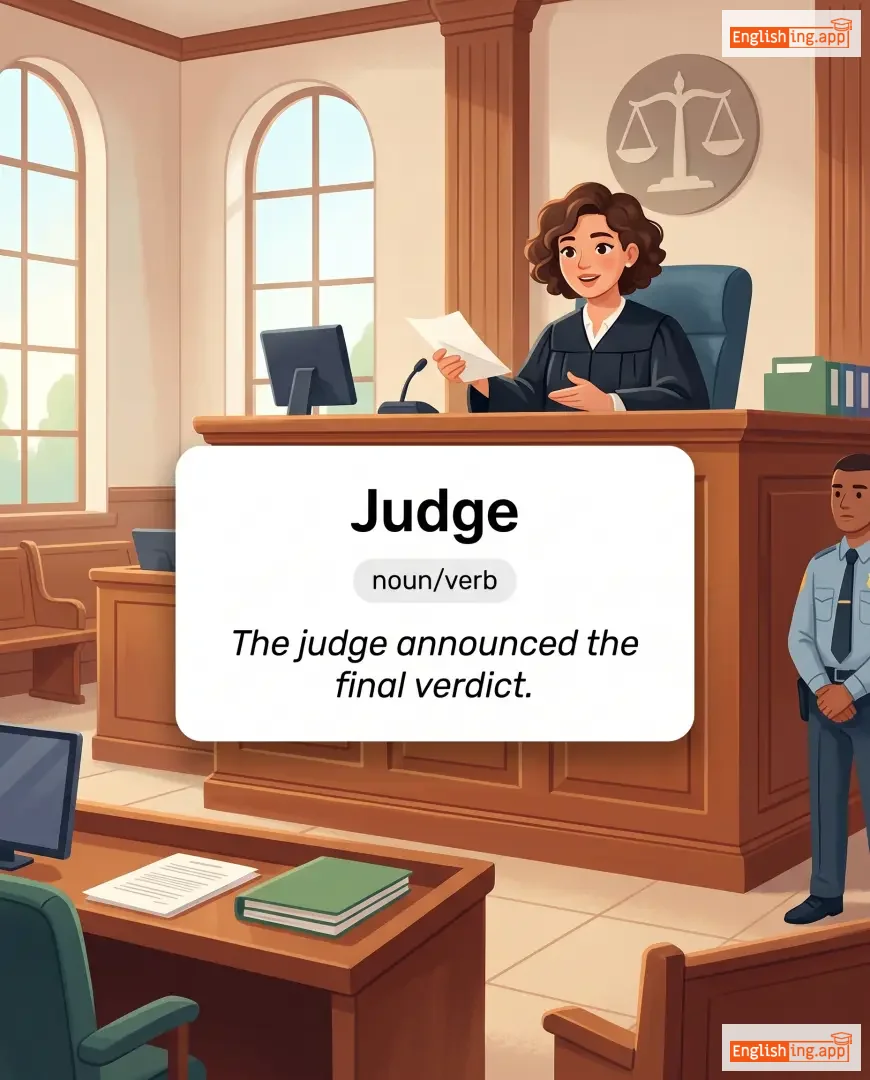
a person who makes decisions in a court of law; or to form an opinion about something
••••••
|
The judge announced the final verdict.
法官宣布了最终判决。
••••••
|
法官宣布了最终判决。
Fǎguān xuānbùle zuìzhōng pànjué.
••••••
|
don't judge a book by its cover
不要以封面来评判一本书
••••••
|
don't form an opinion based only on appearances
••••••
|
不要以封面来评判一本书
Bùyào yǐ fēngmiàn lái píngpàn yī běn shū
••••••
|
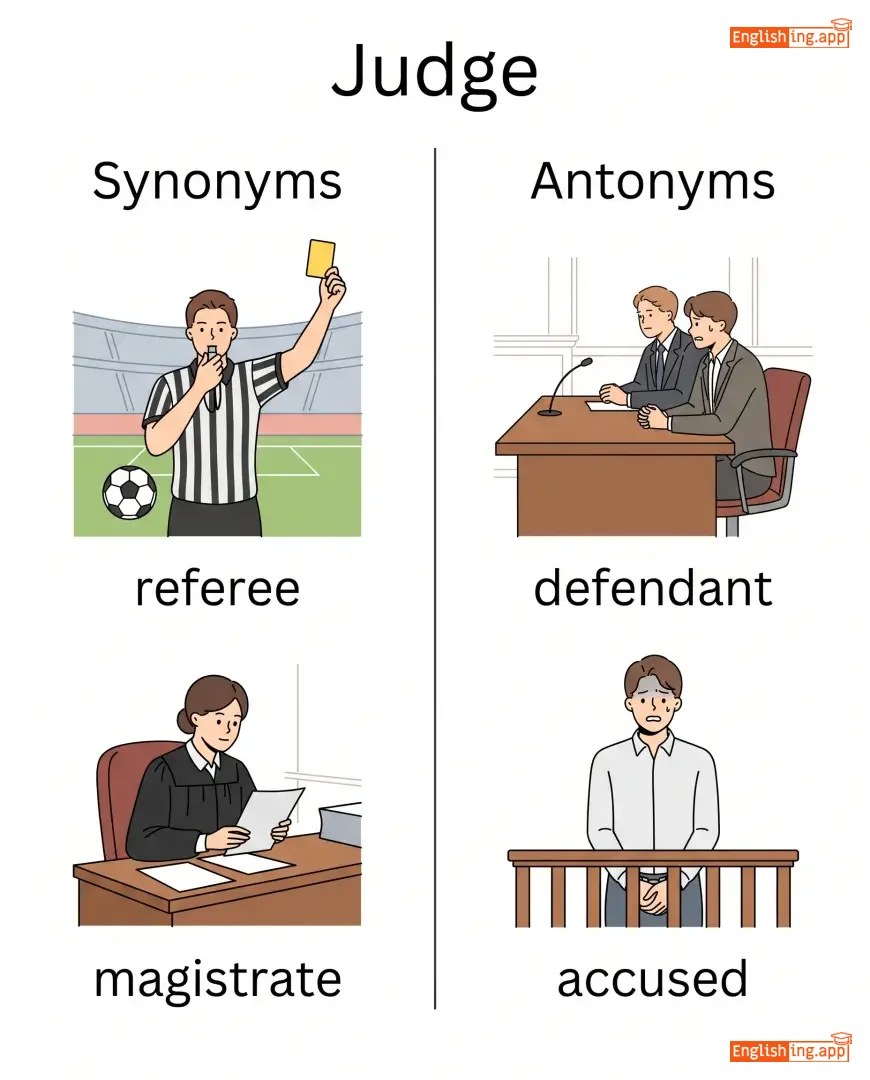
referee, magistrate, critic, evaluator
••••••
|
defendant, accused
••••••
|
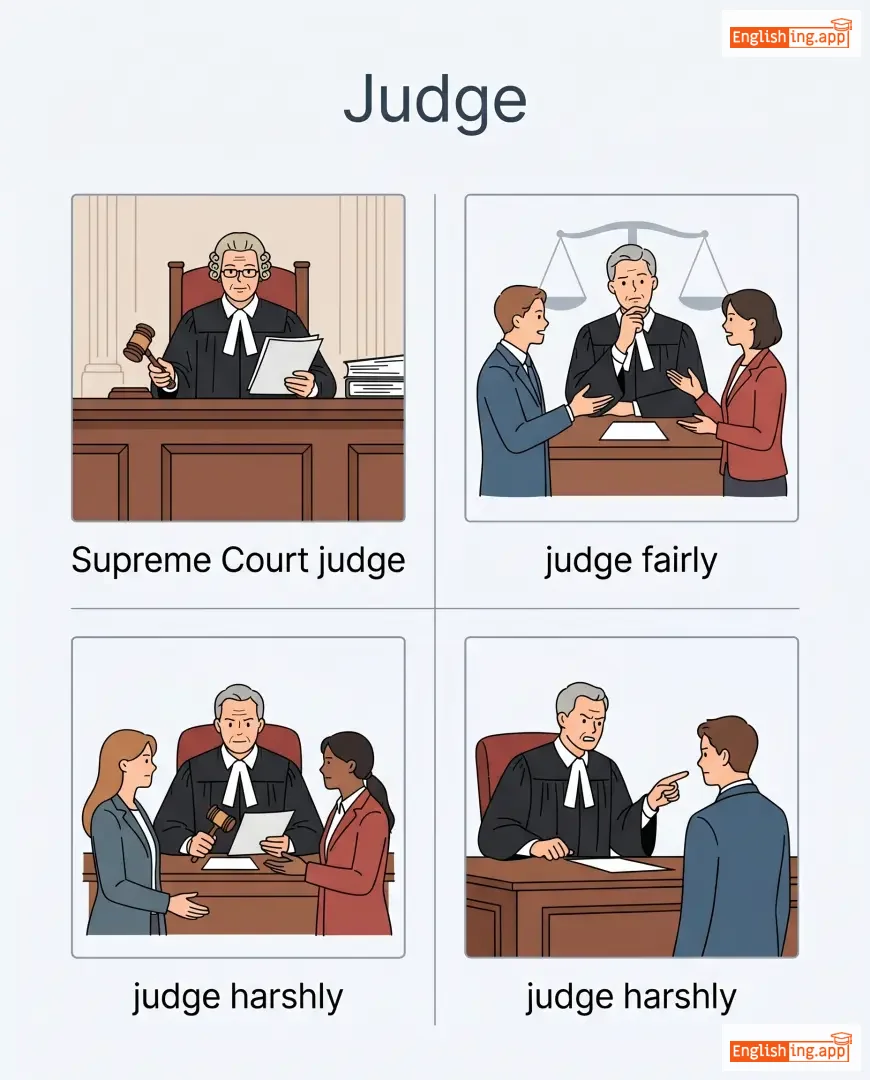
Supreme Court judge, judge fairly, judge harshly, judge wisely
••••••
|
Judge在中文是法官,判断不要仅凭外表。
••••••
|
|
⚖️
••••••
|
/ˈdʒʌstɪs/
noun
(杰斯提斯)
••••••
|
|
正义
zhèngyì
••••••
|
- •••••• | - •••••• | - •••••• | - •••••• |
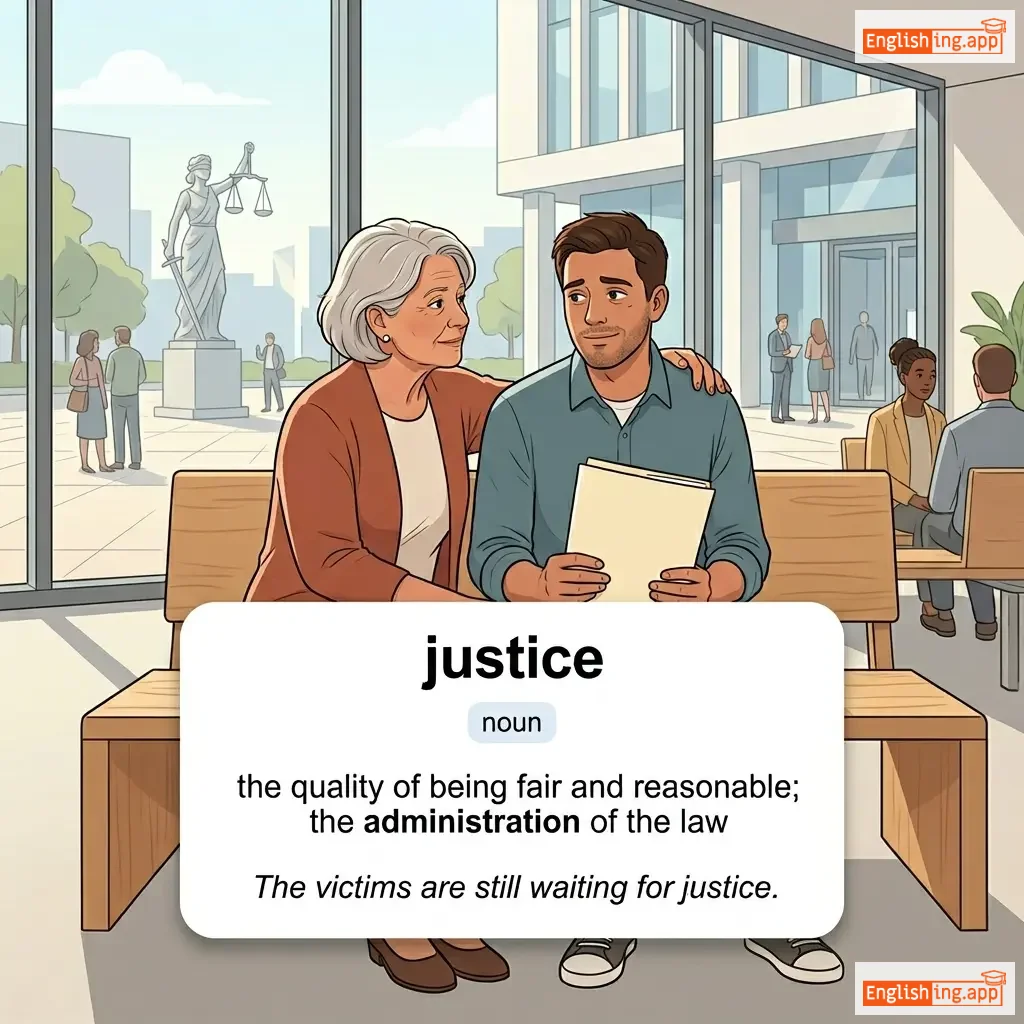
the quality of being fair and reasonable; the administration of the law
••••••
|
The victims are still waiting for justice. |
受害者仍在等待正义。
Shòuhài zhě réng zài děngdài zhèngyì.
••••••
|
bring to justice |
to arrest and punish someone for a crime
••••••
|
伸张正义
shēnzhāng zhèngyì
••••••
|
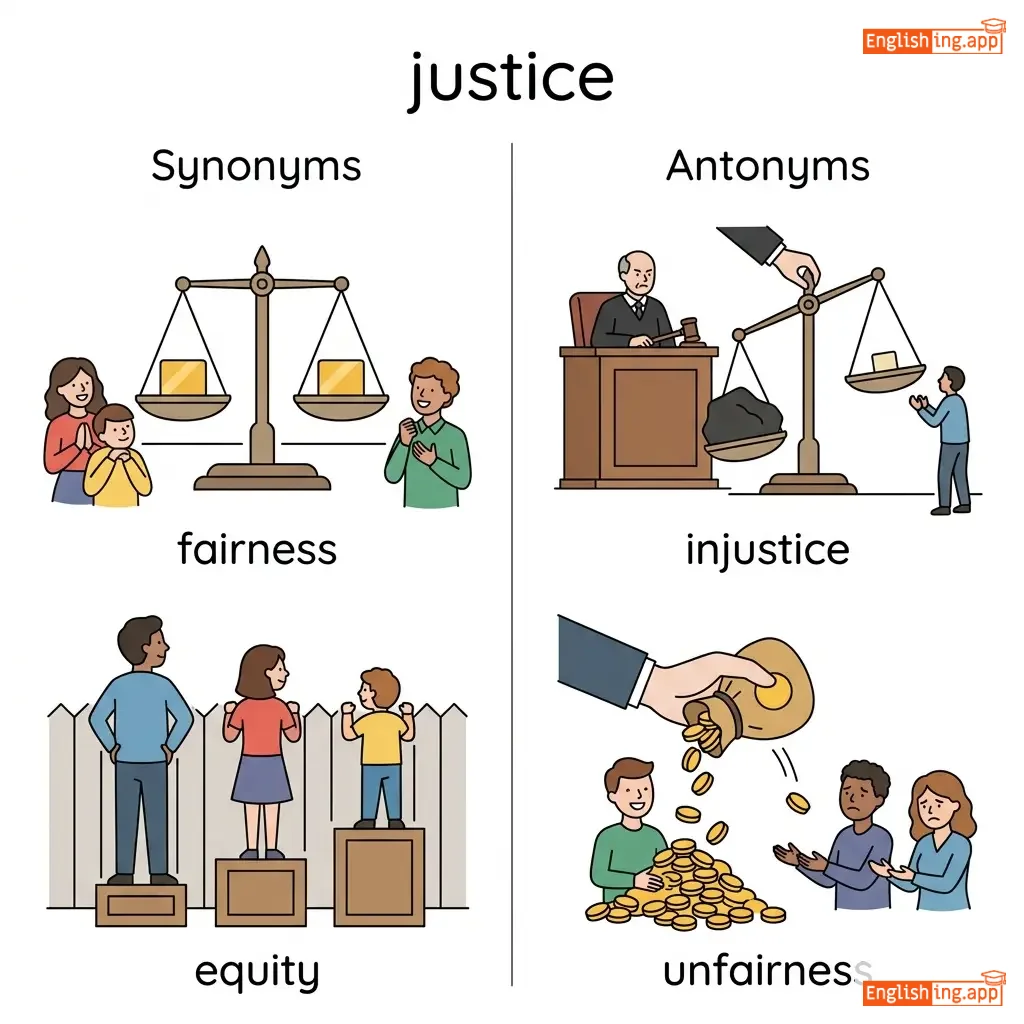
fairness, equity, law, righteousness, impartiality
••••••
|
injustice, unfairness, corruption
••••••
|
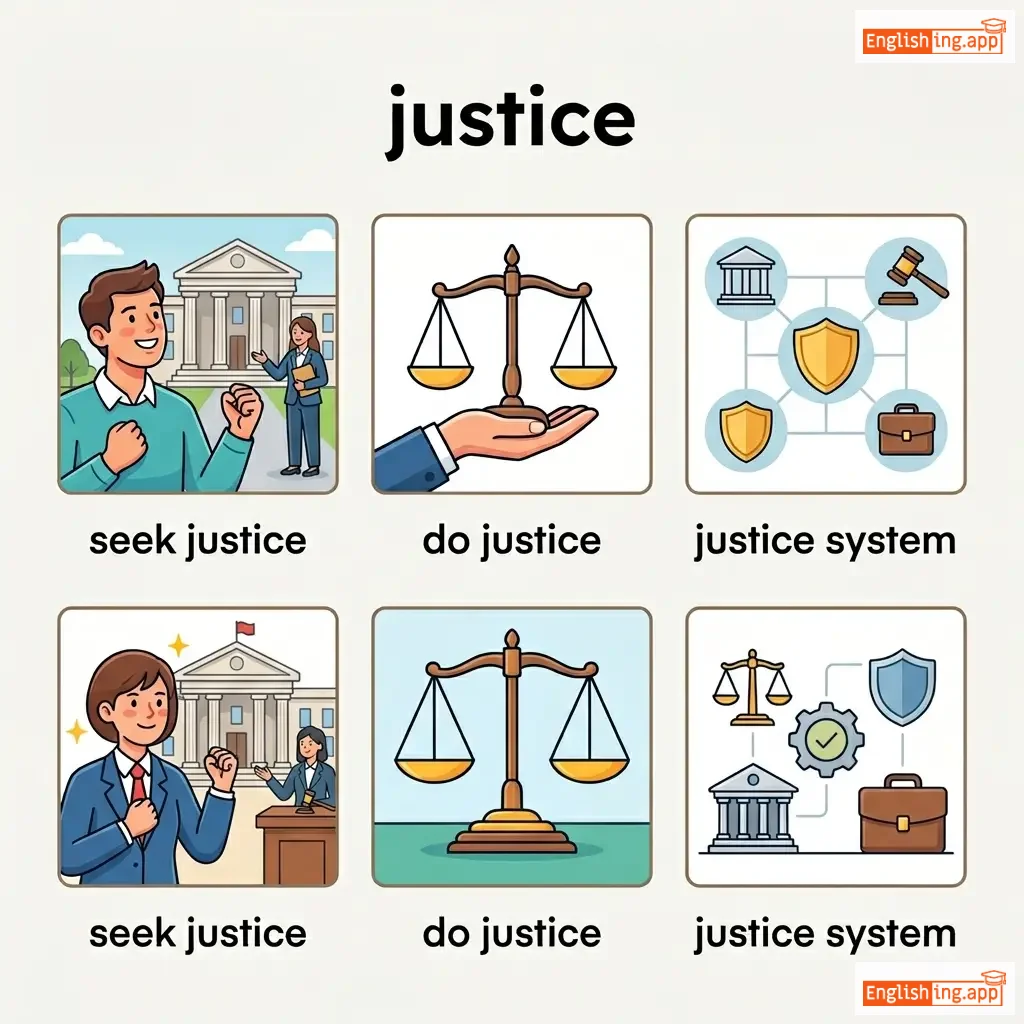
seek justice, do justice, justice system, social justice
••••••
|
Justice = 正义 = 公正无私
••••••
|
|
⚖️
••••••
|
/lɔː/
noun
(law)
••••••
|
- •••••• |
法律
fǎ lǜ
••••••
|
- •••••• | - •••••• | - •••••• | - •••••• |
a system of rules created and enforced by authority to regulate behavior
••••••
|
Everyone must obey the law of the country. |
每个人都必须遵守国家的法律。
Měi gèrén dōu bìxū zūnshǒu guójiā de fǎlǜ.
••••••
|
above the law |
not subject to the law or thinking rules do not apply
••••••
|
凌驾于法律之上
líng jià yú fǎ lǜ zhī shàng
••••••
|
rule, regulation, legislation, statute, code
••••••
|
anarchy, disorder, chaos
••••••
|
law enforcement, law firm, law student, law school
••••••
|
Law 意味着 ⚖️ 法律 — 记住每个人都应该遵守它。
••••••
|
|
⚖️
••••••
|
/ˈlɔːjər/
noun
(洛耶尔)
••••••
|
- •••••• |
律师
lǜshī
••••••
|
- •••••• | - •••••• | - •••••• | - •••••• |
A professional who practices or studies law; an attorney.
••••••
|
The lawyer presented the case confidently in court. |
律师在法庭上自信地陈述了案件。
Lǜshī zài fǎtíng shàng zìxìn de chénshùle ànjiàn.
••••••
|
hire a lawyer |
to employ an attorney for legal help
••••••
|
聘请律师
pìnqǐng lǜshī
••••••
|
attorney, advocate, solicitor, barrister, counselor
••••••
|
client, defendant
••••••
|
criminal lawyer, corporate lawyer, hire a lawyer, defense lawyer
••••••
|
Lawyer 意思是律师,记住 LAW 是法律
••••••
|
|
⚖️
••••••
|
/ˈliːɡəl/
adjective
(合法)
••••••
|

|
合法的
hefa de
••••••
|
- •••••• | - •••••• | - •••••• | - •••••• |
relating to the law
••••••
|
He sought legal advice before signing the contract.
他在签署合同之前寻求法律咨询。
••••••
|
他在签署合同之前寻求法律咨询。
Tā zài qiānshǔ hétong zhīqián xúnqiú fǎlǜ zīxún.
••••••
|
legal loophole
法律漏洞
••••••
|
a gap or ambiguity in the law that allows someone to avoid following it
••••••
|
法律漏洞
fǎlǜ lòudòng
••••••
|
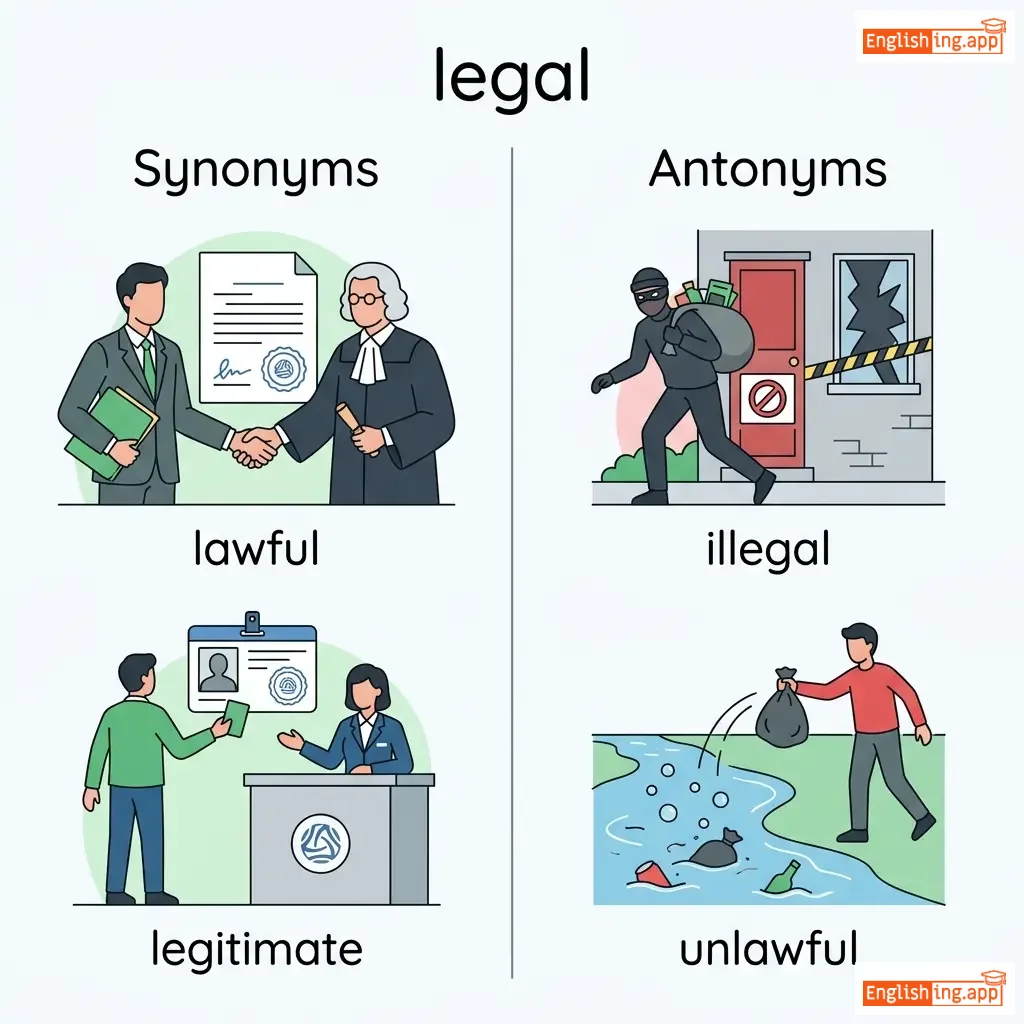
lawful, legitimate, valid, authorized
••••••
|
illegal, unlawful, illicit
••••••
|
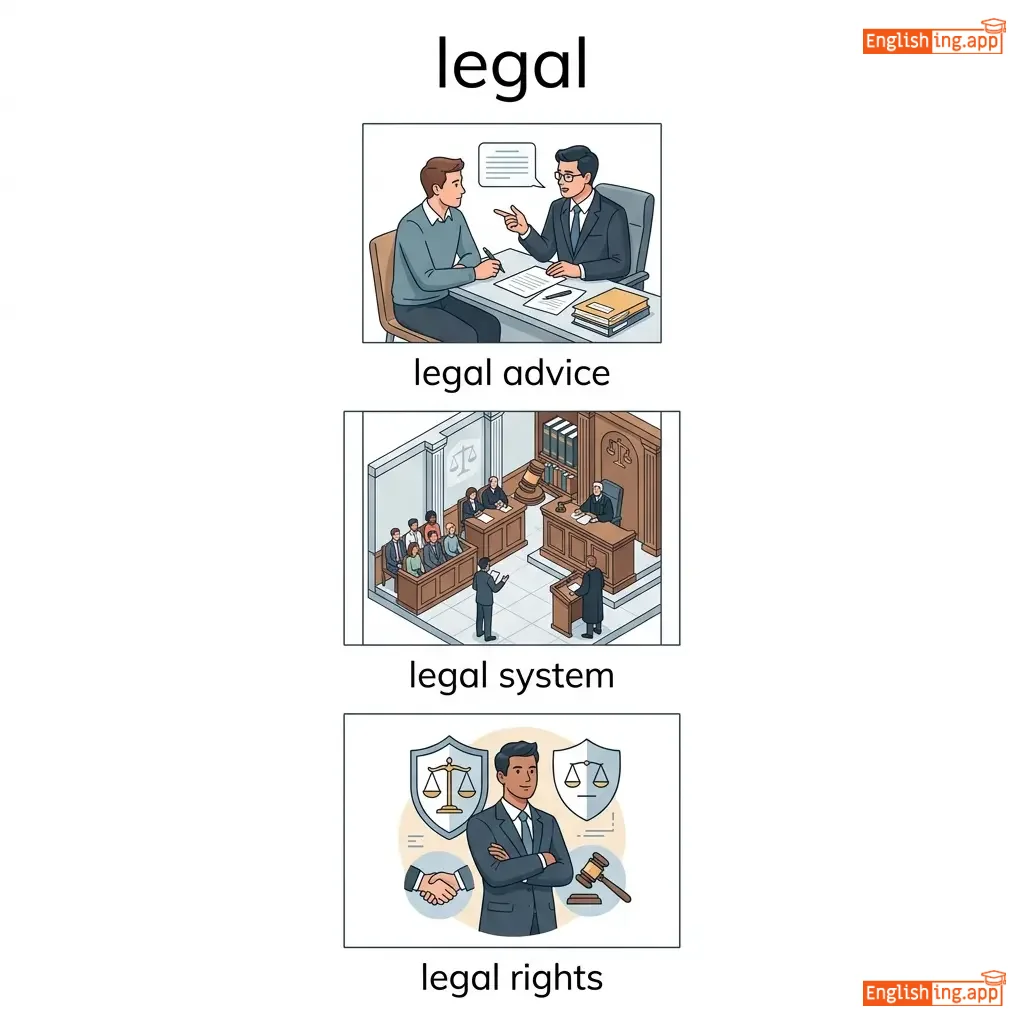
legal advice, legal system, legal rights, legal action
••••••
|
Legal表示合法的,像合法的文件一样有效。
••••••
|
|
⚖️
••••••
|
/ˈprɒsɪkjuːt/
verb
(prosecute)
••••••
|
- •••••• |
起诉
qisu
••••••
|
prosecuted
prosecuted
••••••
|
prosecuted
prosecuted
••••••
|
prosecutes
prosecutes
••••••
|
prosecuting
prosecuting
••••••
|
to institute legal proceedings against someone
••••••
|
The lawyer decided to prosecute the case after gathering sufficient evidence.
律师在收集到足够证据后决定起诉此案。
••••••
|
律师在收集到足够证据后决定起诉此案。
Lushi zai shouji dao zugei zhengju hou jueding qisu ci an.
••••••
|
- •••••• | - •••••• | - •••••• |
sue, charge, indict
••••••
|
defend, protect
••••••
|
prosecute a case, prosecute someone, prosecute for theft
••••••
|
起诉一个犯罪者,带来正义!
••••••
|
|
⚖️
••••••
|
/ˈpʌnɪʃmənt/
noun
(pǔnìshmènt)
••••••
|
- •••••• |
惩罚
chěngfá
••••••
|
- •••••• | - •••••• | - •••••• | - •••••• |
the infliction of a penalty as retribution for an offense or wrongdoing
••••••
|
The criminal received a harsh punishment for his crime. |
罪犯因其罪行受到了严厉的惩罚。
zuìfàn yīn qí zuìxíng shòudàole yánlì de chěngfá.
••••••
|
pay the penalty |
to be punished for something
••••••
|
付出代价
fùchū dàijià
••••••
|
penalty, retribution, consequence, sanction
••••••
|
reward, pardon
••••••
|
capital punishment, severe punishment, corporal punishment, punishment for crimes
••••••
|
Punishment - 做错事就会有惩罚。
••••••
|
|
⚖️
••••••
|
raɪts
noun
(raits)
••••••
|
|
权利
quanli
••••••
|
- •••••• | - •••••• | - •••••• | - •••••• |
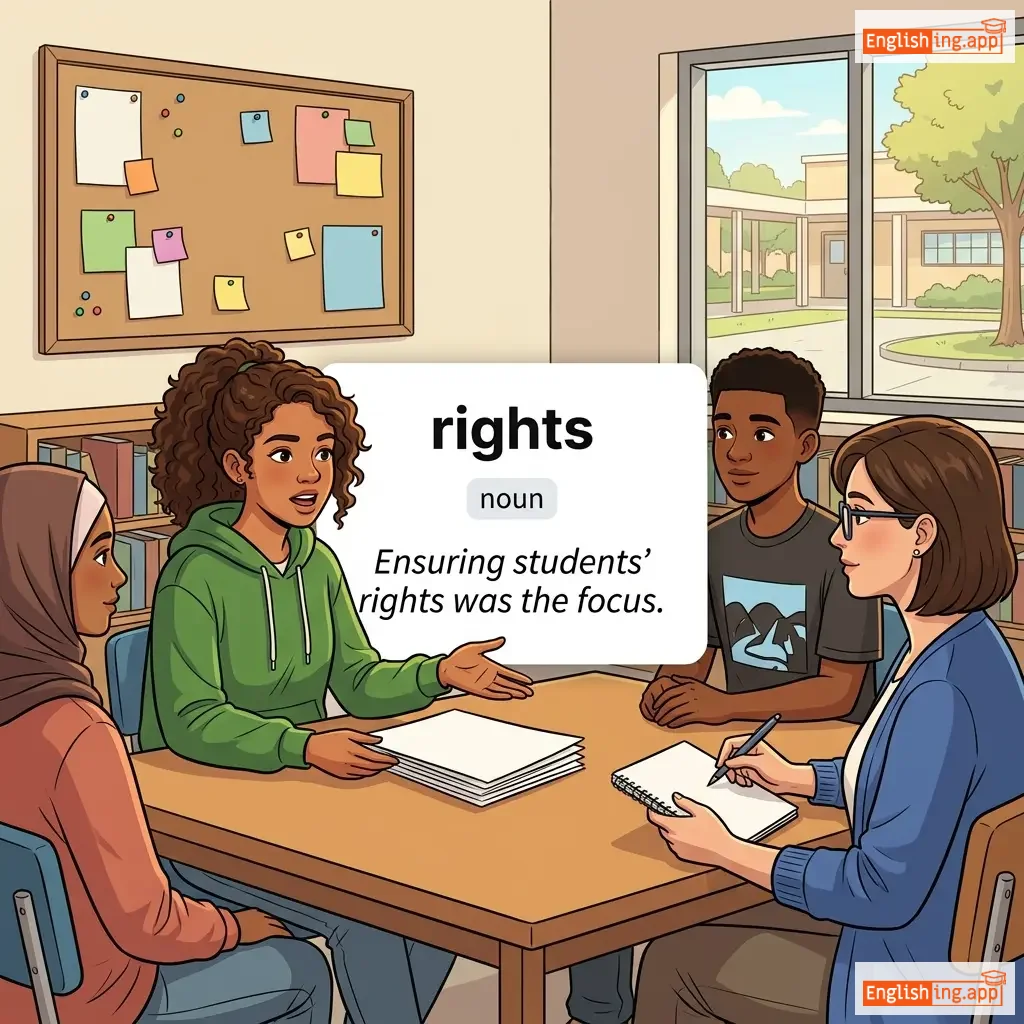
A moral or legal entitlement to have or obtain something or to act in a certain way.
••••••
|
The rights of people were prioritized.
人们的权利被优先考虑。
••••••
|
人们的权利被优先考虑。
Renmen de quanli bei youxian kaolv.
••••••
|
- •••••• | - •••••• | - •••••• |
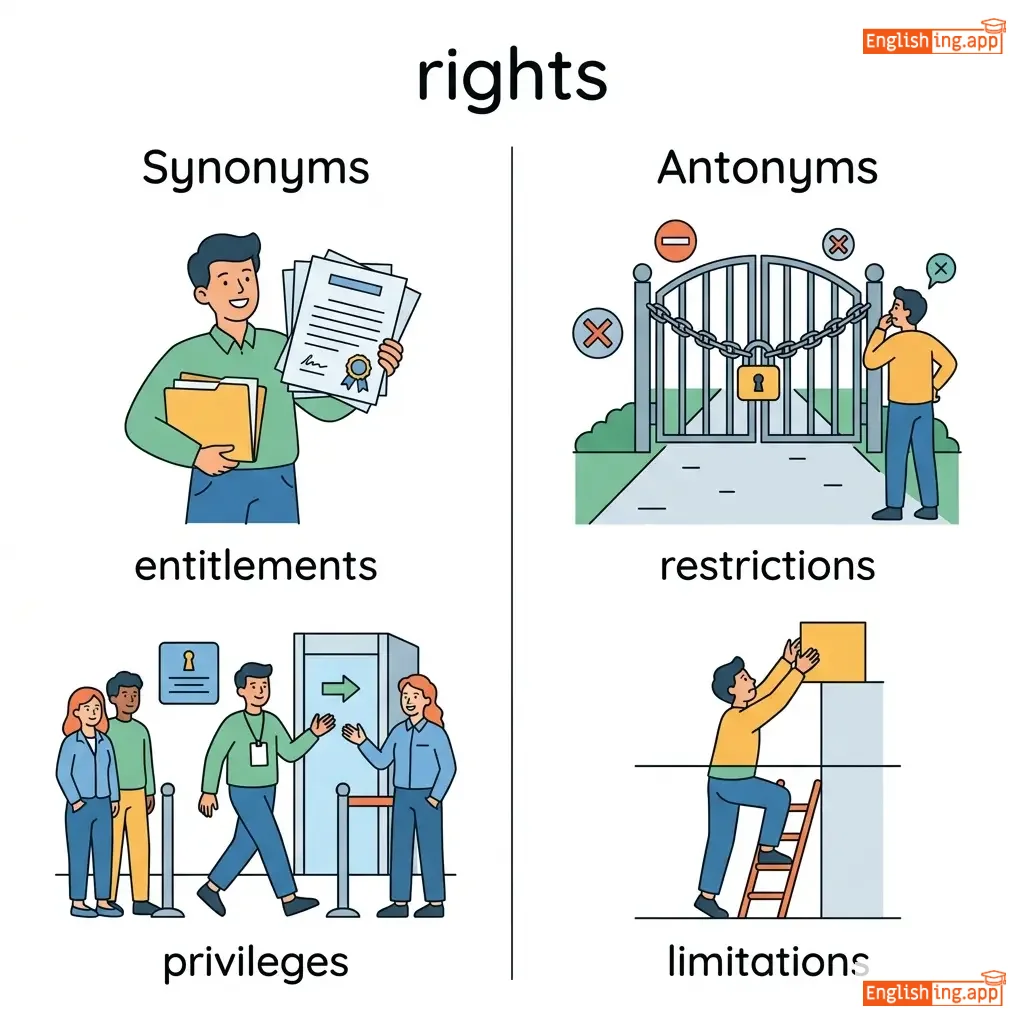
freedoms, privileges, entitlements, liberties, prerogatives
••••••
|
restrictions, limitations, prohibitions, constraints, duties
••••••
|
- •••••• |
权利是你拥有自由去做事的钥匙。
••••••
|
|
⚖️
••••••
|
/ˈtraɪ.əl/
noun
(审判)
••••••
|
- •••••• |
审判; 测试
shenpan; ceshi
••••••
|
- •••••• | - •••••• | - •••••• | - •••••• |
a formal examination of evidence in a court; a test of performance or quality
••••••
|
The murder trial lasted for three weeks in the county courthouse. |
谋杀审判在县法院持续了三周。
mousha shenpan zai xian fayuan chixu le san zhou.
••••••
|
- •••••• | - •••••• | - •••••• |
hearing, case, lawsuit, test, examination
••••••
|
acquittal, dismissal, settlement
••••••
|
criminal trial, fair trial, trial period, trial run
••••••
|
审判 (court trial) 和测试 (test)
••••••
|
|
⚖️
••••••
|
/ˈvɜː.dɪkt/
noun
••••••
|
- •••••• | - •••••• | - •••••• | - •••••• | - •••••• | - •••••• |
a decision made by a jury or judge in a court case
••••••
|
The jury returned a guilty verdict after three hours of deliberation. |
- •••••• |
deliver a verdict |
to announce a final decision or judgment in a case
••••••
|
- •••••• |
judgment, decision, ruling, conclusion, finding
••••••
|
mistrial, indecision
••••••
|
reach a verdict, deliver a verdict, announce a verdict, final verdict
••••••
|
No •••••• |
|
👁️
••••••
|
/ˈwɪtnəs/
verb
(witness)
••••••
|
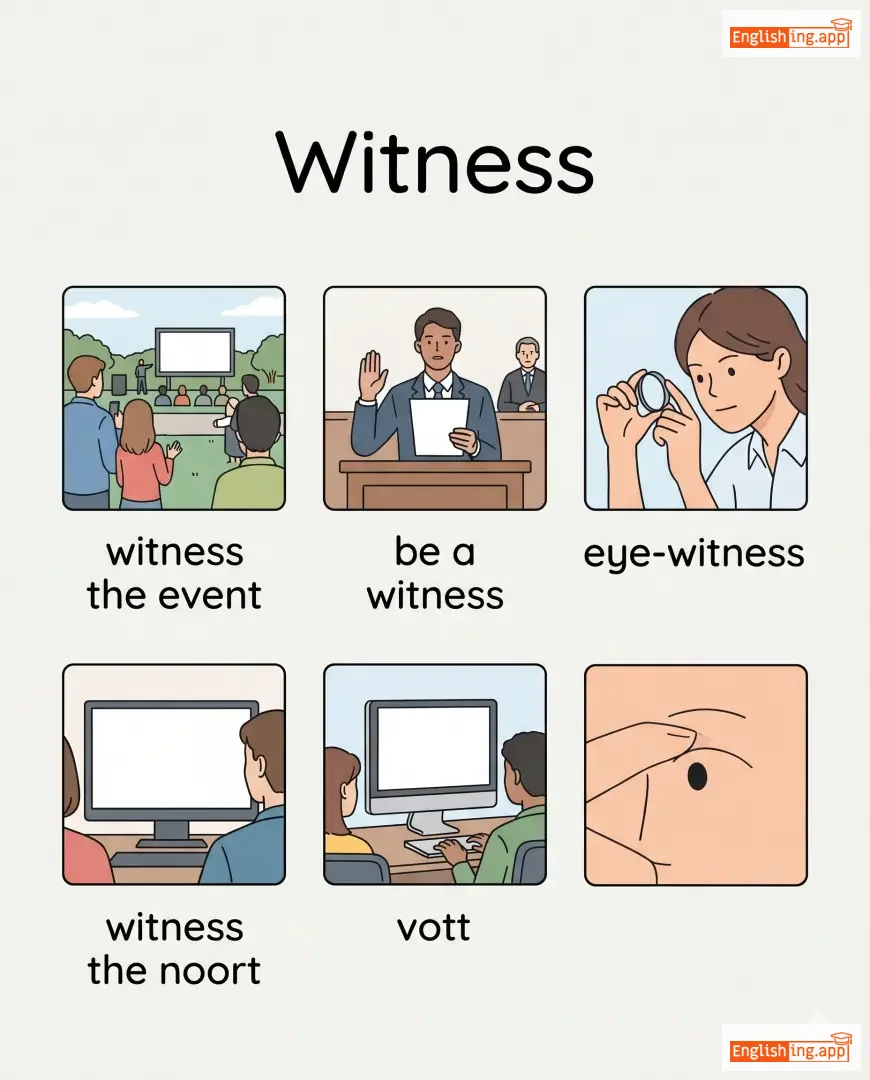
|
目击
mùjī
••••••
|
witnessed
witnessed
••••••
|
witnessed
witnessed
••••••
|
witnesses
witnesses
••••••
|
witnessing
witnessing
••••••
|
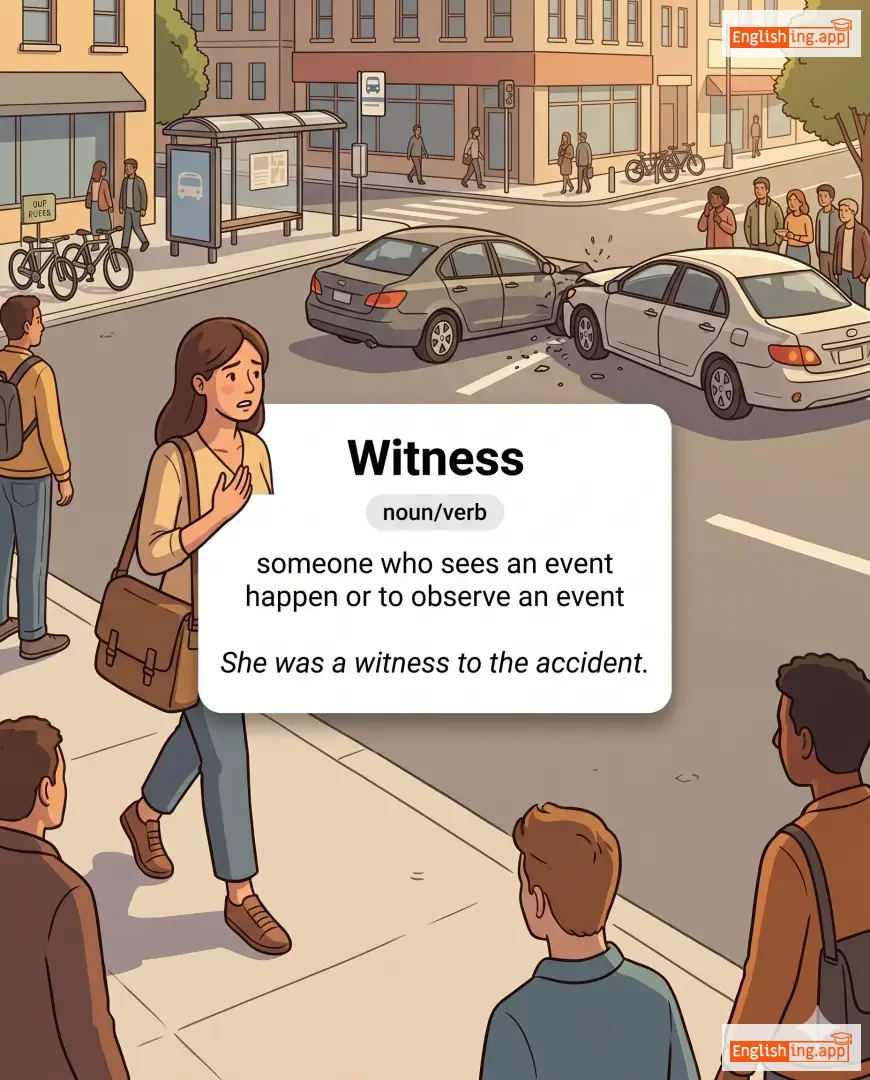
to see an event happen; to give evidence in court
••••••
|
I witnessed the accident yesterday.
我昨天目击了事故。
••••••
|
我昨天目击了事故。
Wǒ zuótiān mùjī le shìgù.
••••••
|
- •••••• | - •••••• | - •••••• |
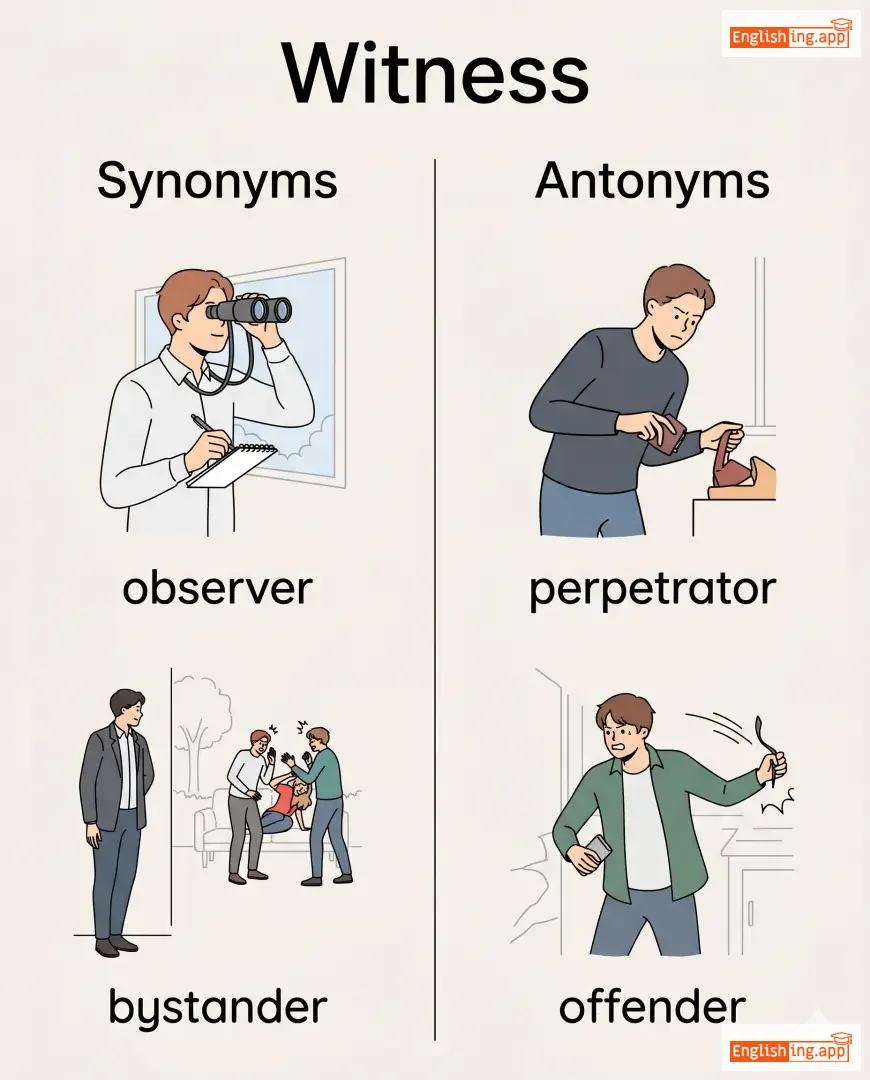
observe, see, watch, testify
••••••
|
ignore, miss, overlook
••••••
|
witness event, witness accident, witness ceremony, witness testimony
••••••
|
目击者,就像在法庭上作证的人
••••••
|

