The Lost Temple's Secret
卡里姆博士是一位研究古代文明的考古学家。一天,他发现了一本古老的手稿,里面提到了一个隐藏的寺庙。这个传说已经流传了几代人,但没有人相信。
手稿中有一些神秘的线索。卡里姆博士知道这是一个必须解开的谜题。他的任务开始了——找到一个被隐藏了数百年的宝藏。
他和他的团队开始了进入深丛林的旅程。这是一场真正的冒险。途中有许多障碍,但他的决心很坚定。
经过两周的搜索,他们找到了一个奇怪的结构。那就是古老的寺庙!在里面探索时,他们发现了许多文物。
最有趣的是一块石碑。上面有一个秘密的代码。卡里姆博士和他的团队解开了这个代码。它揭示了这个寺庙是一个古老的图书馆,里面保存了数千年的知识。
这个发现是具有开创性的。卡里姆博士不仅仅是找到了一个宝藏,他找到了一个古老智慧的来源。他的冒险证明了传说有时会成真。
现在,这个寺庙成为了考古学的奇迹。卡里姆博士的任务激励了新一代的探险者,他们想要发现秘密。这些隐藏的秘密现在已经被揭示,但还有许多谜题等待着被解开。
|
表情符号
|
单词 | Images | 翻译 | 过去时 | 过去分词 | 第三人称单数 | 动名词 | 含义 | 例句 | 例句翻译 | 示例表达 | 示例表达含义 | 示例表达翻译 | 同义词 | 反义词 | 搭配词 | 助记符 |
|---|---|---|---|---|---|---|---|---|---|---|---|---|---|---|---|---|---|
|
🏔️
••••••
|
/ədˈvɛntʃər/
noun
(冒险)
••••••
|

|
冒险
màoxiǎn
••••••
|
- •••••• | - •••••• | - •••••• | - •••••• |
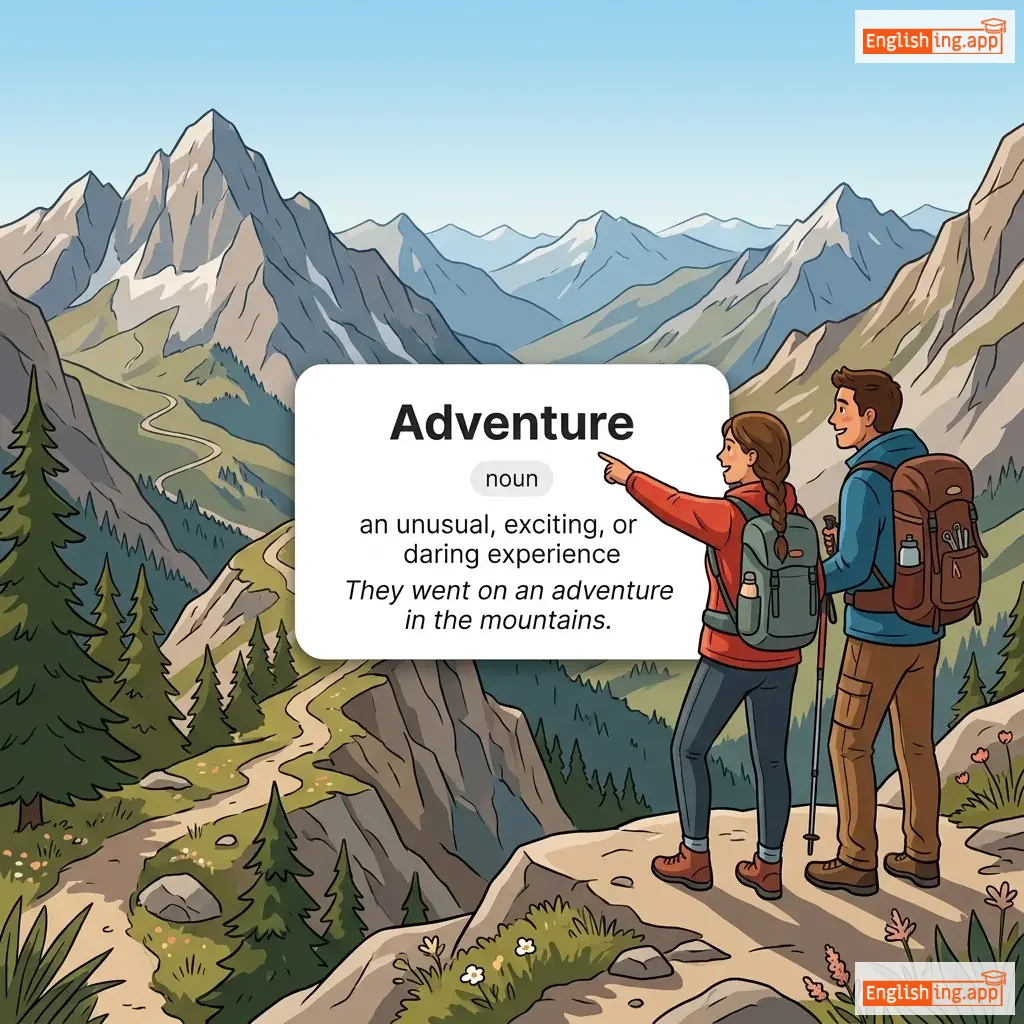
an unusual, exciting, or daring experience
••••••
|
They went on an adventure in the mountains. |
他们去山里进行了一次冒险。
Tāmen qù shānlǐ jìnxíngle yī cì màoxiǎn.
••••••
|
spirit of adventure |
the willingness to try exciting or risky things
••••••
|
冒险精神
màoxiǎn jīngshén
••••••
|
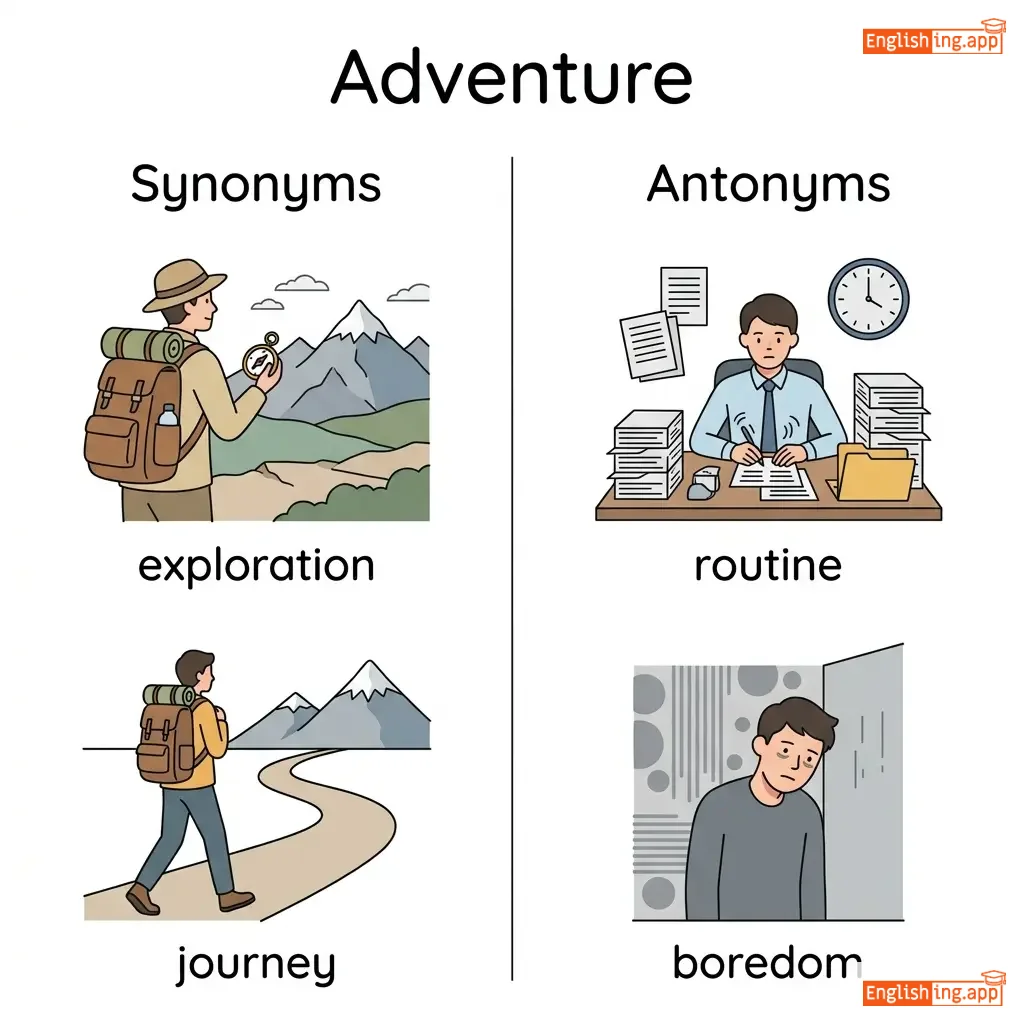
exploration, journey, quest, expedition
••••••
|
routine, boredom, safety
••••••
|
exciting adventure, great adventure, spirit of adventure, adventure story
••••••
|
Adventure 即冒险,'Ad vent' 有热风,意味着乐趣和激动!
••••••
|
|
🏛️
••••••
|
/ˈeɪnʃənt/
adjective
(ānsìyǎnt)
••••••
|
- •••••• |
古老的
gǔlǎo de
••••••
|
- •••••• | - •••••• | - •••••• | - •••••• |
Belonging to the very distant past; very old.
••••••
|
They visited the ruins of an ancient city.
他们参观了一个古老城市的遗址。
••••••
|
他们参观了一个古老城市的遗址。
Tāmen cānguānle yīgè gǔlǎo chéngshì de yízhǐ.
••••••
|
ancient history
古代历史
••••••
|
something that happened a long time ago and is no longer important
••••••
|
古代历史
gǔdài lìshǐ
••••••
|
old, antique, archaic, prehistoric, classical
••••••
|
modern, recent
••••••
|
ancient civilization, ancient ruins, ancient culture, ancient temple
••••••
|
古老的与 'Ancient' 相关,想象你走进一个古老的庙宇。
••••••
|
|
🏺
••••••
|
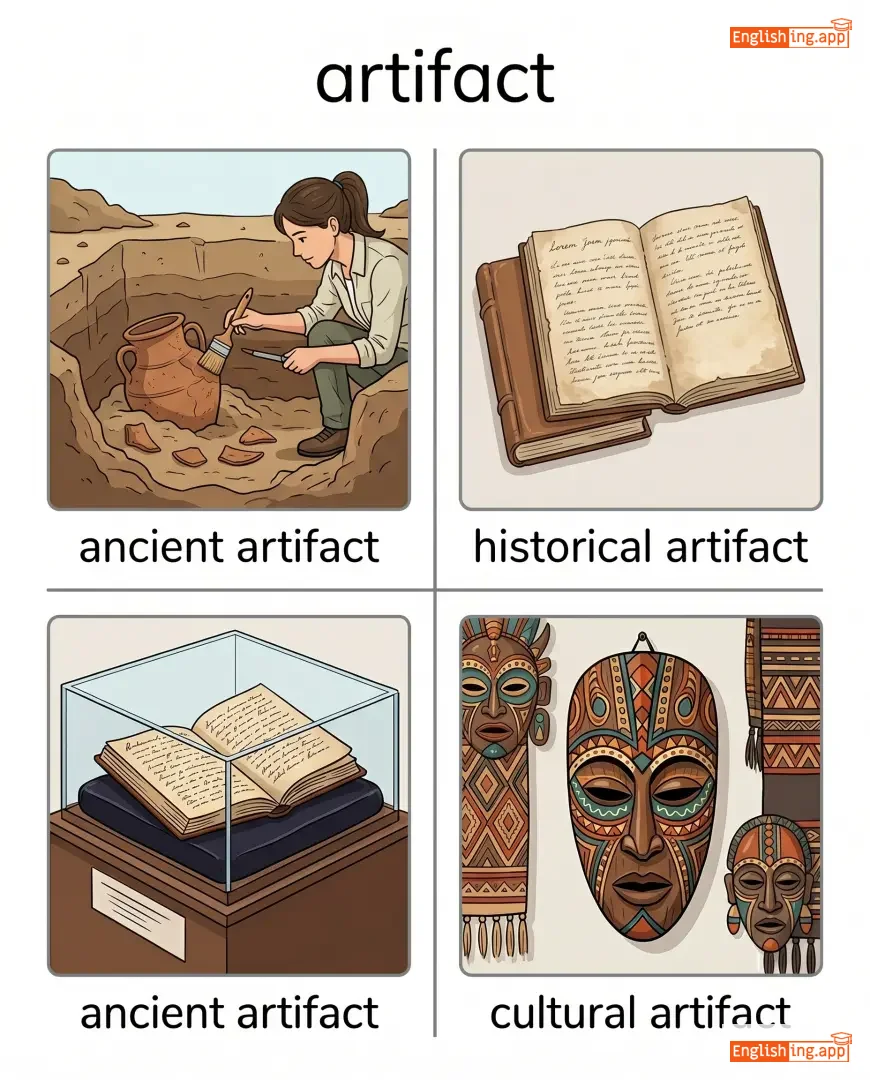
/ˈɑːrtɪˌfækt/
noun
(ɑːrtɪfækt)
••••••
|
|
文物
wenwu
••••••
|
- •••••• | - •••••• | - •••••• | - •••••• |
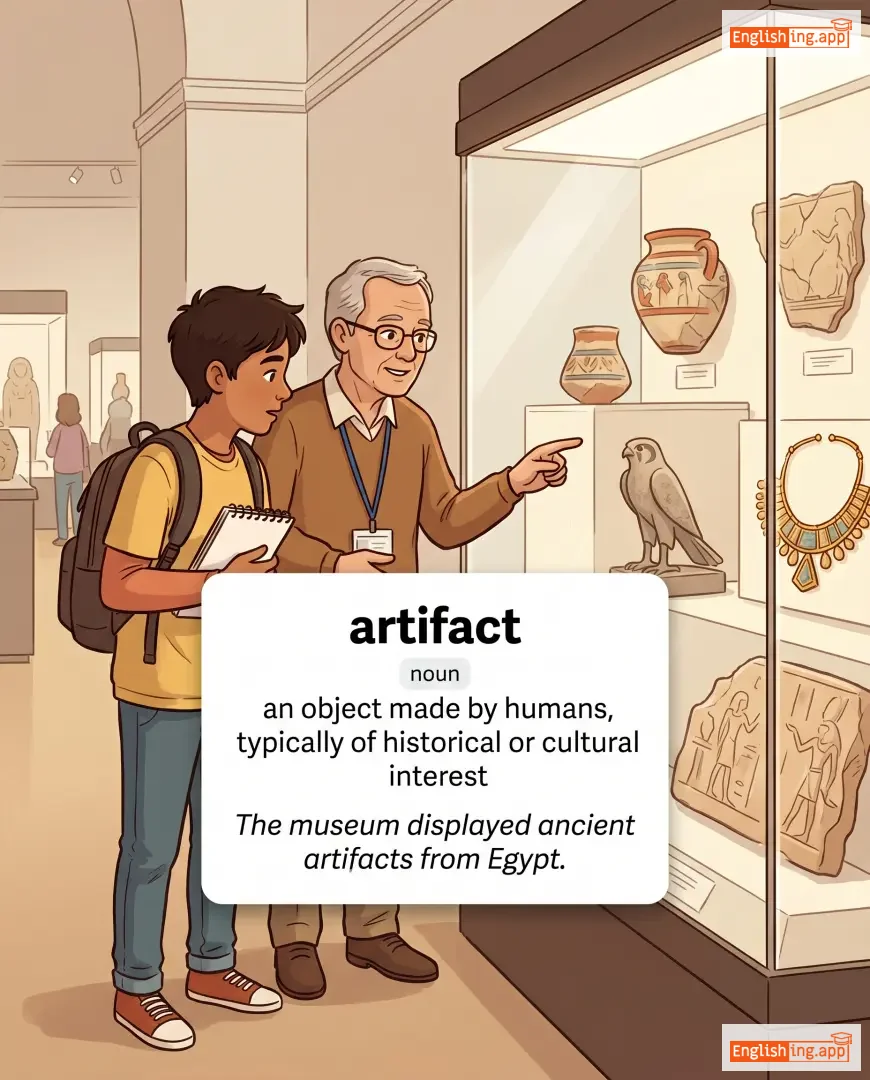
an object made by humans, typically of historical or cultural interest
••••••
|
The museum displayed ancient artifacts from Egypt.
博物馆展示了来自埃及的古代文物。
••••••
|
博物馆展示了来自埃及的古代文物。
Bówùguǎn zhǎnshìle láizì āijí de gǔdài wénwù.
••••••
|
- •••••• | - •••••• | - •••••• |
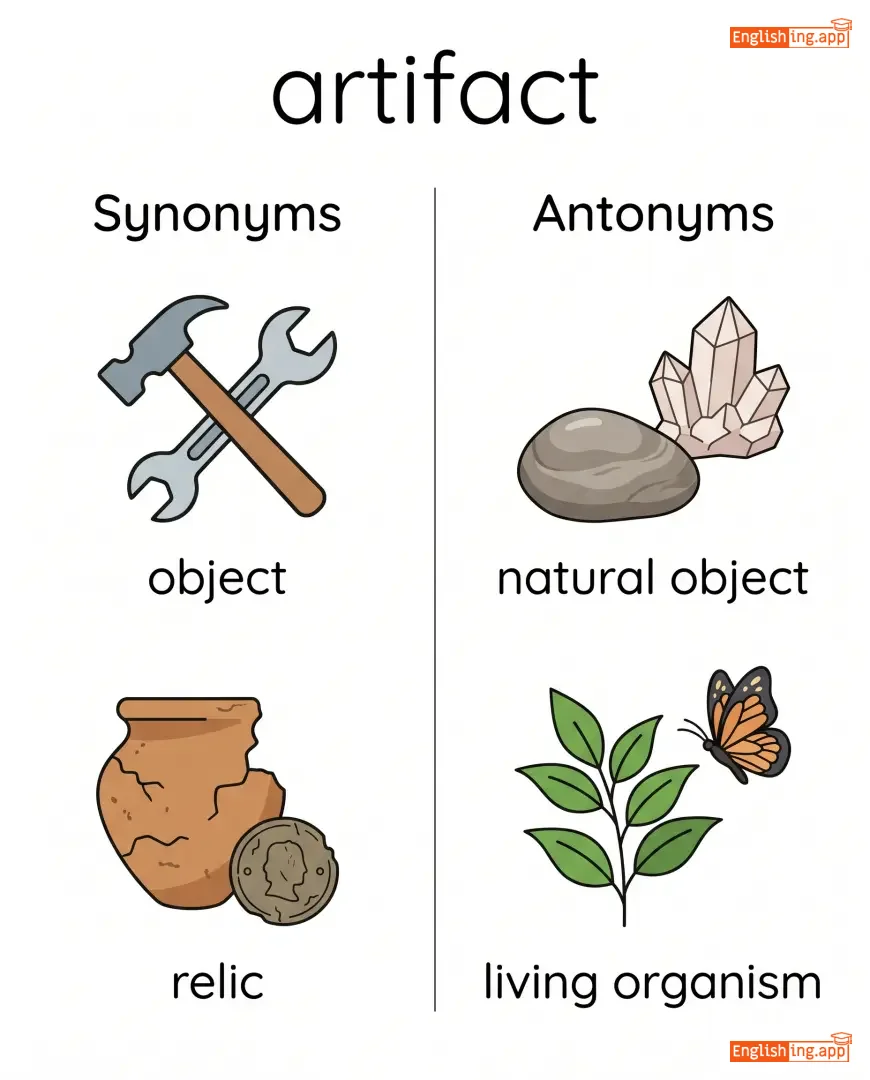
object, relic, antiquity, remain, heirloom
••••••
|
natural object, living organism
••••••
|
ancient artifact, historical artifact, cultural artifact, rare artifact
••••••
|
文物 (wénwù): 过去的人类创造的艺术品,具有文化和历史价值。
••••••
|
|
🕵️
••••••
|
/kluː/
noun
(kè lū)
••••••
|
- •••••• |
线索
xiansuo
••••••
|
- •••••• | - •••••• | - •••••• | - •••••• |
a piece of evidence or information used in the detection of a crime or solving a puzzle
••••••
|
The detective found a clue near the window.
侦探在窗户附近找到了线索。
••••••
|
侦探在窗户附近找到了线索。
Zhentan zai chuanghu fujin zhaodao le xiansuo.
••••••
|
not have a clue
完全没有线索
••••••
|
to have no knowledge or understanding about something
••••••
|
完全没有线索
Wanquan meiyou xiansuo
••••••
|
hint, indication, evidence, lead, suggestion
••••••
|
confusion, mystery
••••••
|
give a clue, important clue, clue to the mystery, search for clues
••••••
|
Clue 是线索 – 帮助解决犯罪和谜题。
••••••
|
|
🔎
••••••
|
/dɪˈskʌvər/
verb
(dīsu kè wò)
••••••
|
|
发现
faxian
••••••
|
discovered
dīsu kè wò dé
••••••
|
discovered
dīsu kè wò dé
••••••
|
discovers
dīsu kè wò sī
••••••
|
discovering
dīsu kè wò rìnɡ
••••••
|
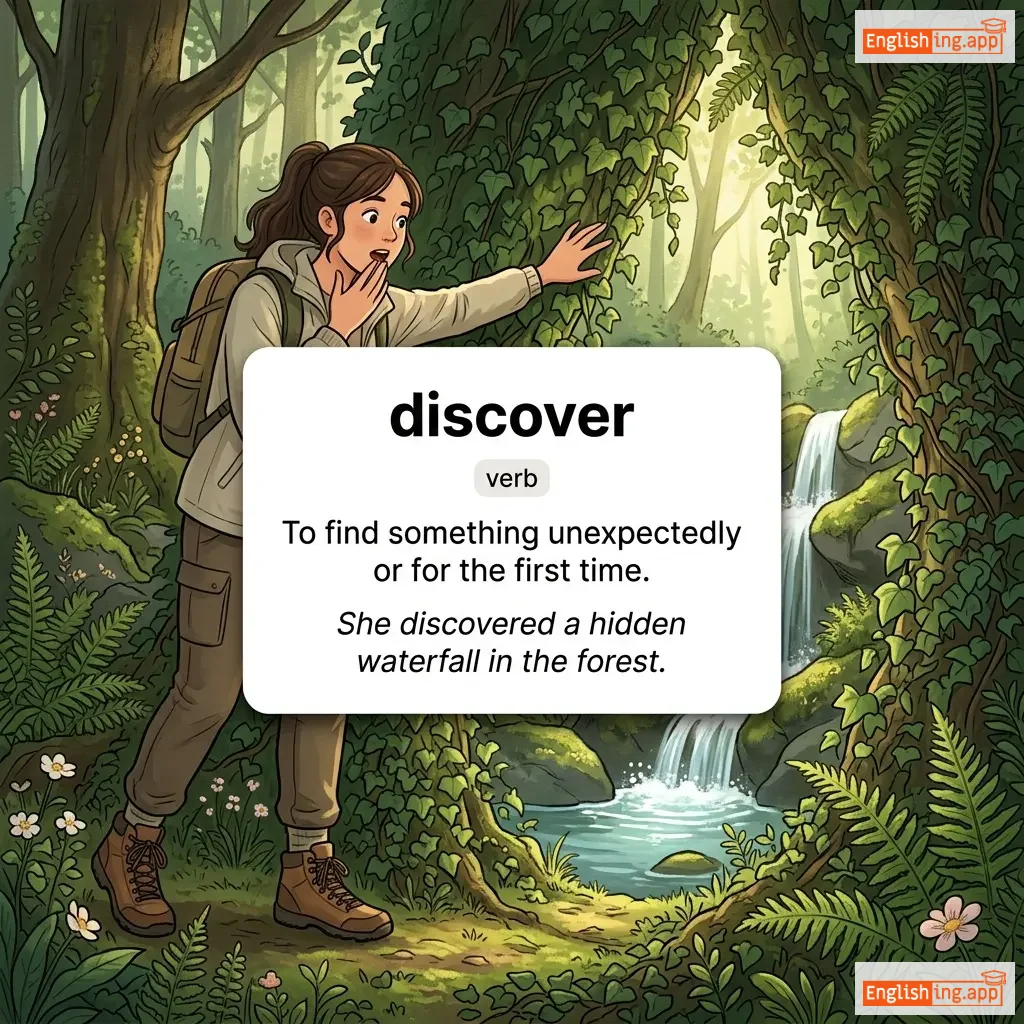
To find something unexpectedly or for the first time.
••••••
|
She discovered a hidden waterfall in the forest.
她在森林中发现了一个隐藏的瀑布。
••••••
|
她在森林中发现了一个隐藏的瀑布。
Ta zai senlin zhong faxian le yi ge yincang de pubu.
••••••
|
discover oneself
发现自我
••••••
|
To find out about one’s true nature or capabilities.
••••••
|
发现自我
faxian ziwo
••••••
|
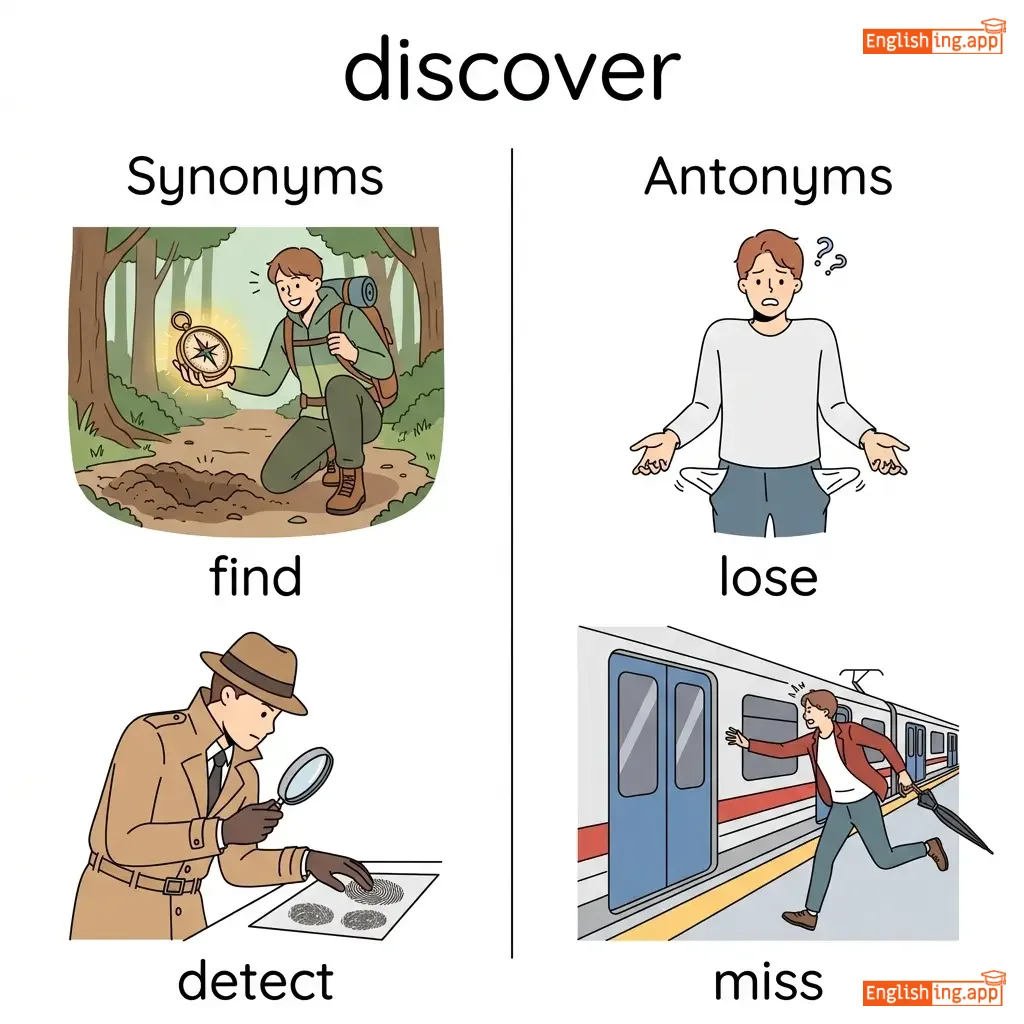
find, detect, uncover, reveal, unearth
••••••
|
lose, miss, conceal
••••••
|
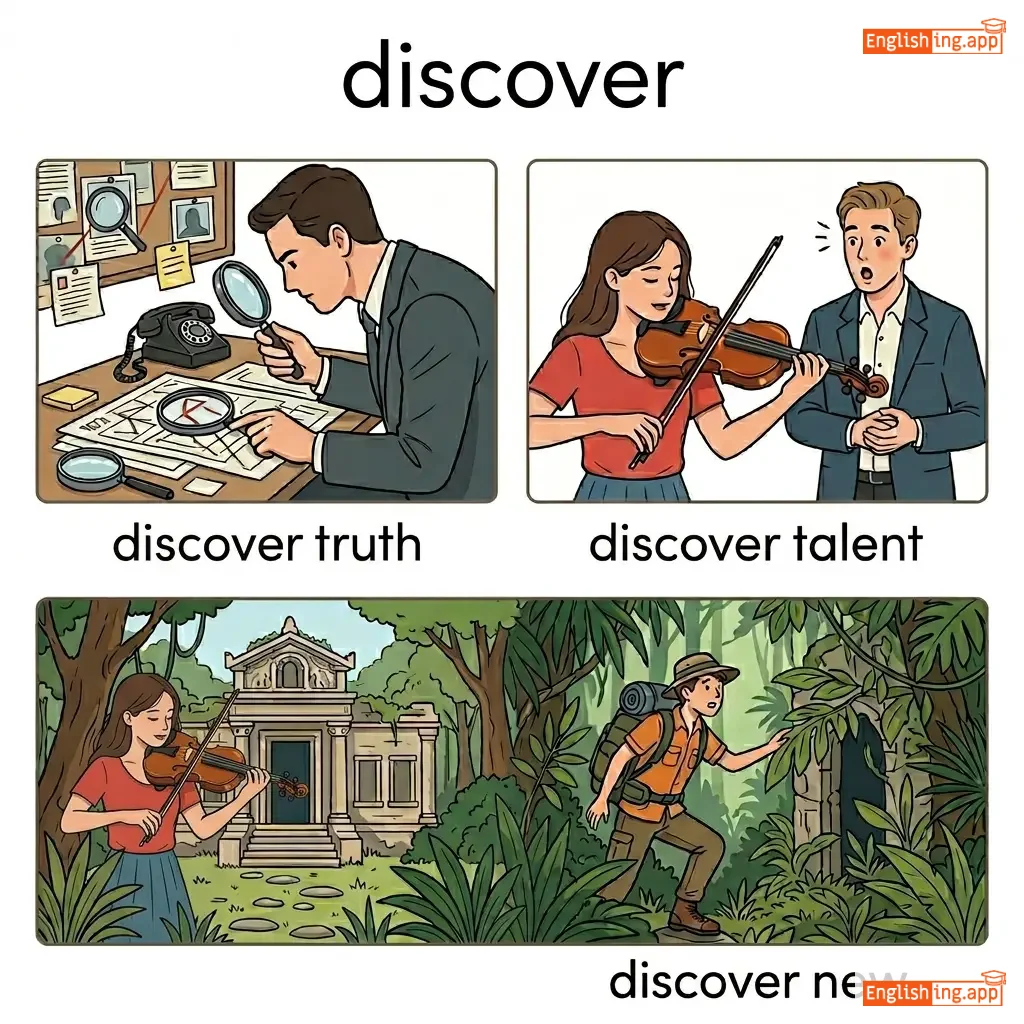
discover truth, discover talent, discover new, discover hidden
••••••
|
发现 = 在森林中发现隐藏的瀑布!
••••••
|
|
🧭
••••••
|
/ɪkˈsplɔːr/
verb
(探索)
••••••
|
- •••••• |
探索
tàn suǒ
••••••
|
explored
探索过
••••••
|
explored
探索过
••••••
|
explores
探索
••••••
|
exploring
探索中
••••••
|
to travel through or study something in order to learn more about it
••••••
|
They decided to explore the forest together.
他们决定一起探索森林。
••••••
|
他们决定一起探索森林。
Tāmen juédìng yīqǐ tàn suǒ sēnlín.
••••••
|
explore possibilities
探索可能性
••••••
|
to consider different options or opportunities
••••••
|
探索可能性
tàn suǒ kě néng xìng
••••••
|
discover, investigate, examine, search, probe
••••••
|
ignore, neglect
••••••
|
explore new ideas, explore opportunities, explore the world, explore nature
••••••
|
探索就像 Dora 探险
••••••
|
|
🔍
••••••
|
/faɪnd/
verb
(fāind)
••••••
|
|
找到
zhǎodào
••••••
|
found
fāund
••••••
|
found
fāund
••••••
|
finds
fāinds
••••••
|
finding
fāind-ing
••••••
|
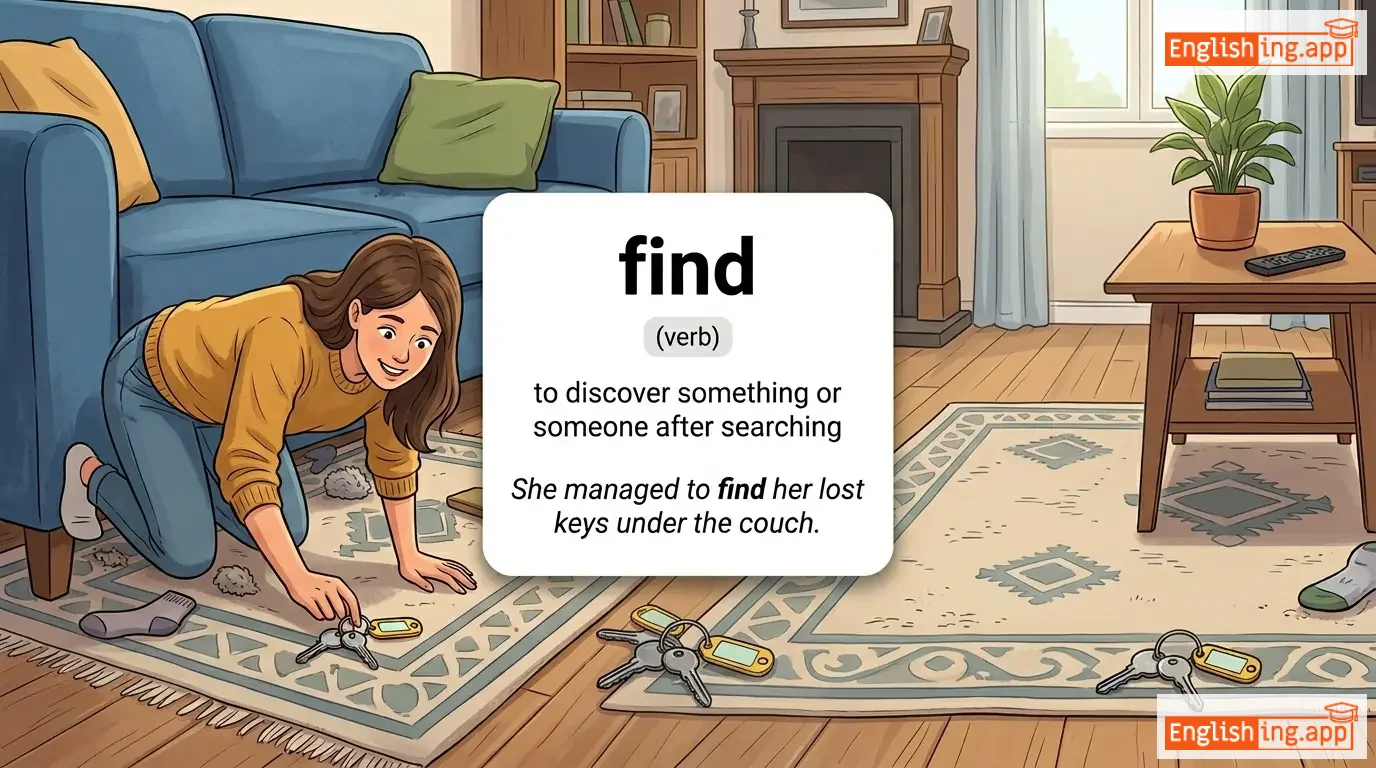
to discover something or someone after searching
••••••
|
She managed to find her lost keys under the couch.
Shī mánájìd tú fāind hèr luòs kíz āndèr de kàoch.
••••••
|
她成功地在沙发下找到了丢失的钥匙。
Tā chénggōng de zài shāfā xià zhǎodào le diūshī de yàoshi.
••••••
|
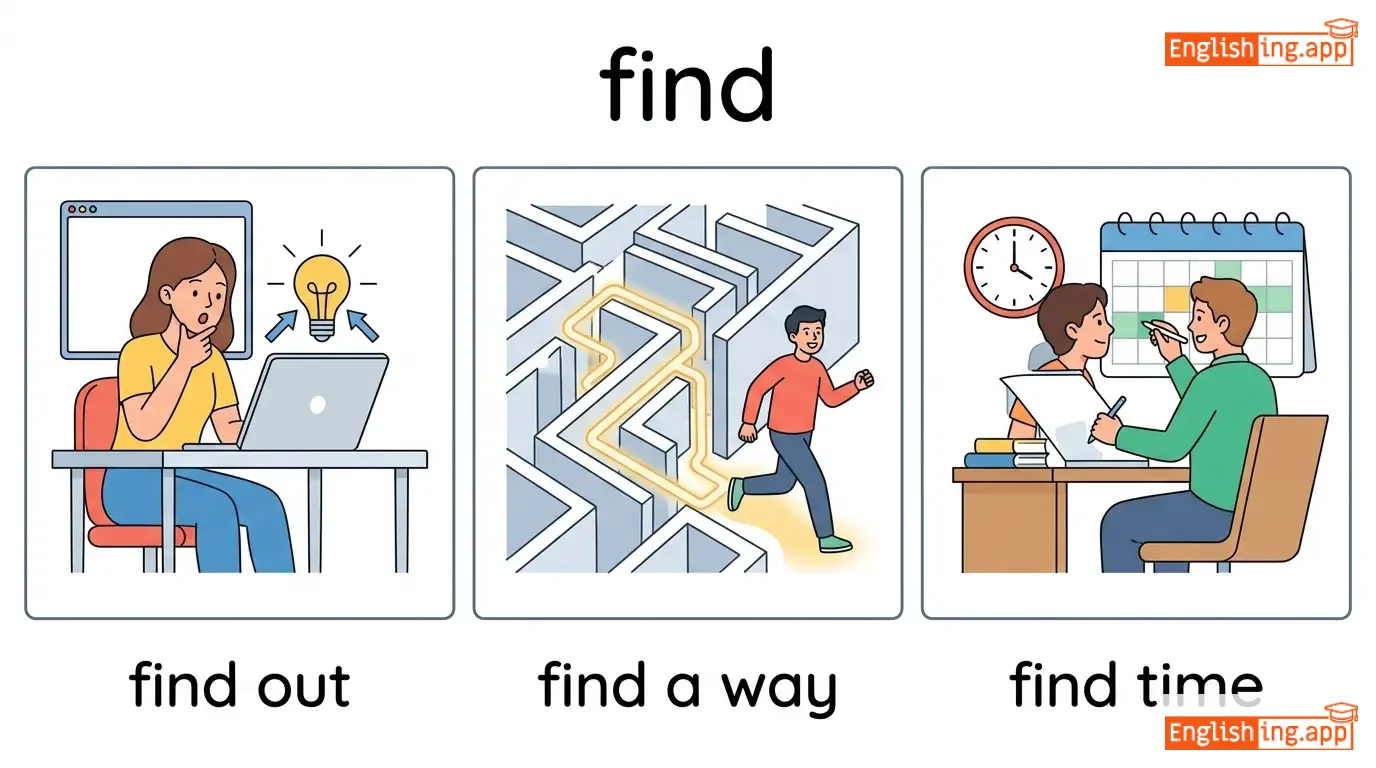
find out
fāind àut
••••••
|
to discover information
••••••
|
找出
zhǎochū
••••••
|
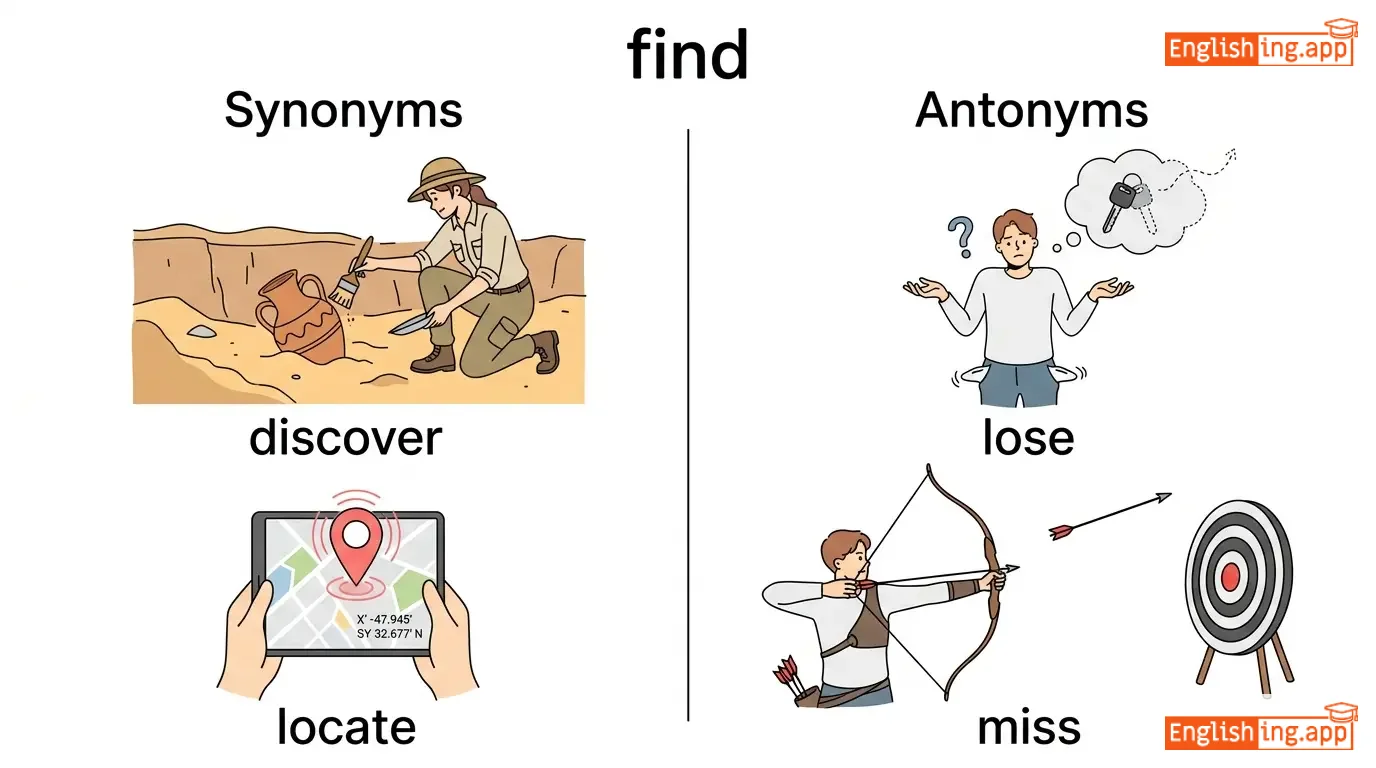
discover, locate, identify, detect, uncover
••••••
|
lose, miss, overlook
••••••
|
find out, find a way, find time, find fault
••••••
|
Find意味着找到——终于找到你在找的东西!
••••••
|
|
🕵️♂️
••••••
|
/ˈhɪdən/
adjective
(hɪdən)
••••••
|
- •••••• |
隐藏的
yǐn cáng de
••••••
|
- •••••• | - •••••• | - •••••• | - •••••• |
kept out of sight; concealed.
••••••
|
The treasure was hidden under the old tree. |
宝藏隐藏在老树下。
Bǎozàng yǐn cáng zài lǎo shù xià.
••••••
|
hidden gem |
something that is outstanding but not well known
••••••
|
隐藏的宝石
yǐn cáng de bǎoshí
••••••
|
concealed, secret, invisible, unseen, obscured
••••••
|
visible, exposed, open
••••••
|
hidden meaning, hidden place, hidden agenda, hidden camera
••••••
|
Hidden意味着隐藏的 — hide + en = 隐藏的!
••••••
|
|
🛤️
••••••
|
/ˈdʒɜːrni/
noun
(ʒɜːrni)
••••••
|
- •••••• |
旅行
lüxing
••••••
|
- •••••• | - •••••• | - •••••• | - •••••• |
the act of traveling from one place to another
••••••
|
Their journey across the desert was difficult. |
他们穿越沙漠的旅行很艰难。
Tāmen chuānyuè shāmò de lǚxíng hěn jiānnán.
••••••
|
life is a journey |
life is like a path with experiences and challenges along the way
••••••
|
生活是一场旅行
Shēnghuó shì yī chǎng lǚxíng
••••••
|
trip, voyage, travel, expedition
••••••
|
stay, rest
••••••
|
long journey, spiritual journey, begin a journey, return journey
••••••
|
旅行是对挑战的追求,一步步走向远方。
••••••
|
|
🌟
••••••
|
/ˈlɛdʒənd/
noun
(léjéndá)
••••••
|
- •••••• |
传说
chuánshuō
••••••
|
- •••••• | - •••••• | - •••••• | - •••••• |
A traditional story popularly regarded as historical but unauthenticated; also a famous person admired for achievements.
••••••
|
The footballer is considered a legend in his country. |
这位足球运动员在他的国家被视为传奇人物。
Zhè wèi zúqiú yùndòngyuán zài tā de guójiā bèi shì wéi chuánshuō rénwù.
••••••
|
living legend |
A person who is still alive but already regarded as legendary.
••••••
|
活传奇
huó chuánshuō
••••••
|
myth, tale, fable, icon, hero
••••••
|
fact, reality
••••••
|
ancient legend, living legend, sports legend
••••••
|
传说给人传奇般的感觉,像一个永不消失的故事。
••••••
|
|
🔍
••••••
|
/ˈmɪs.tər.i/
noun
(mì shì lǐ)
••••••
|
- •••••• |
谜; 无法理解的事情
mi
••••••
|
- •••••• | - •••••• | - •••••• | - •••••• |
something that is difficult or impossible to understand or explain
••••••
|
The disappearance of the plane remains a mystery.
飞机失踪仍然是一个谜。
••••••
|
飞机失踪仍然是一个谜。
Feiji shizong rengran shi yige mi.
••••••
|
- •••••• | - •••••• | - •••••• |
puzzle, enigma, riddle, secret
••••••
|
certainty, clarity, solution, answer
••••••
|
solve mystery, unsolved mystery, mystery novel
••••••
|
一个无人能解的谜题。
••••••
|
|
🧩
••••••
|
/ˈpʌzl/
noun, verb
(拼图)
••••••
|
|
谜题 / 使困惑
mí tí / shǐ kùn huò
••••••
|
puzzled
拼图
••••••
|
puzzled
拼图
••••••
|
puzzles
拼图
••••••
|
puzzling
拼图
••••••
|
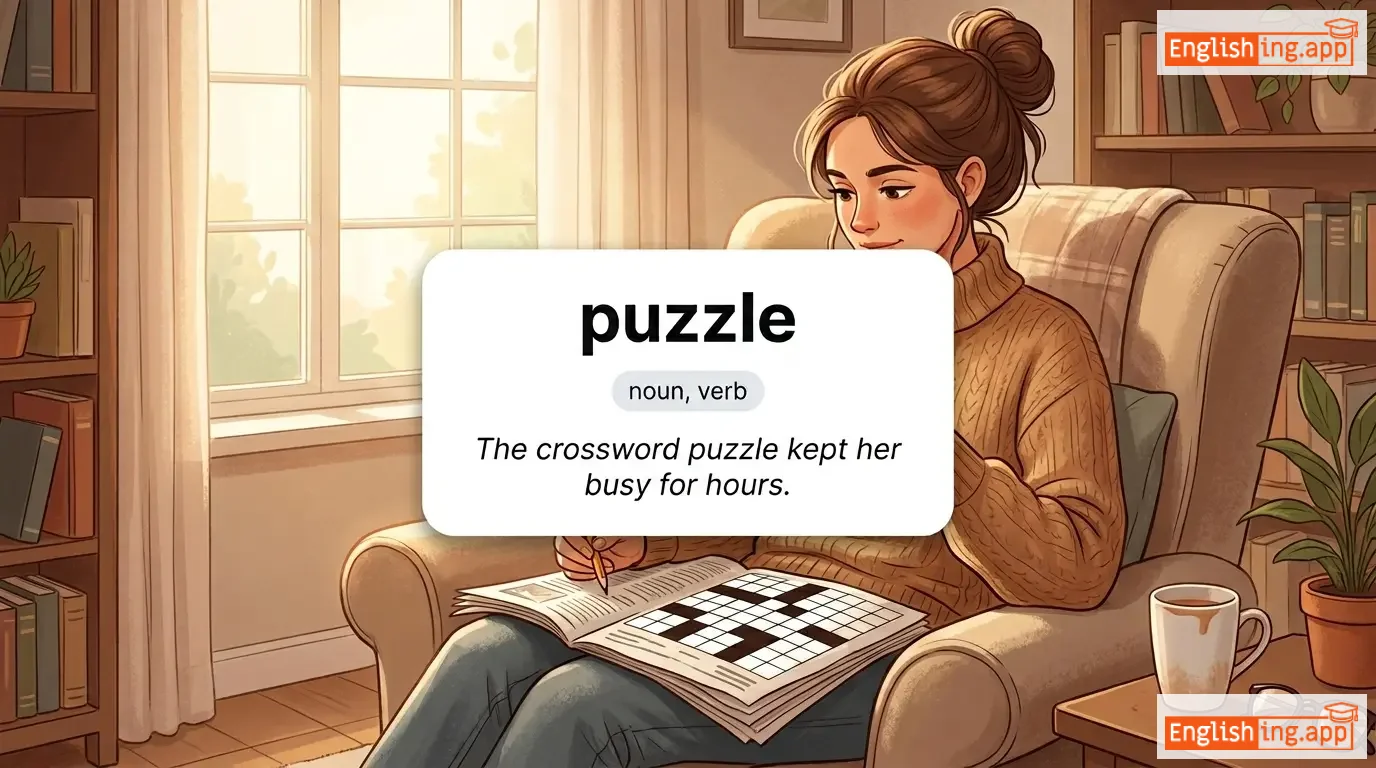
a game, toy, or problem designed to test ingenuity; to cause someone to be confused
••••••
|
The crossword puzzle kept her busy for hours.
填字游戏让她忙了好几个小时。
••••••
|
填字游戏让她忙了好几个小时。
Tián zì yóu xì ràng tā máng le hǎo jǐ gè xiǎo shí.
••••••
|
puzzle over
思考难题
••••••
|
to think deeply about something difficult to understand
••••••
|
思考难题
sī kǎo nán tí
••••••
|
riddle, enigma, conundrum, problem, mystery
••••••
|
solution, answer, clarity
••••••
|
crossword puzzle, jigsaw puzzle, puzzle game, puzzle over
••••••
|
拼图是难题 — 让你的脑袋‘拼’成完整的解决方案。
••••••
|
|
🔍
••••••
|
/kwest/
verb
(kuèst)
••••••
|
|
寻找
xúnzhǎo
••••••
|
quested
kuèstəd
••••••
|
quested
kuèstəd
••••••
|
quests
kuèsts
••••••
|
questing
kuèsting
••••••
|
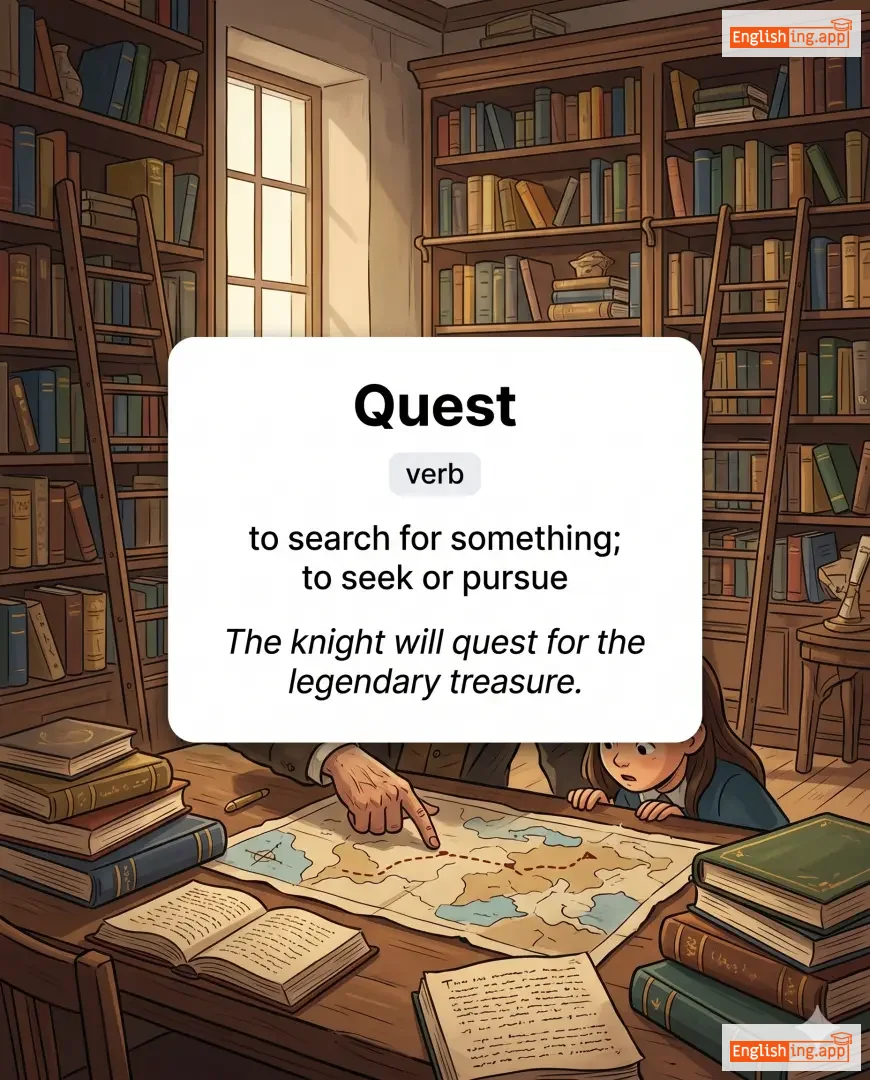
to search for something; to seek or pursue
••••••
|
The knight will quest for the legendary treasure.
骑士将寻找传奇的宝藏。
••••••
|
骑士将寻找传奇的宝藏。
Qíshì jiāng xúnzhǎo chuánqí de bǎocáng.
••••••
|
- •••••• | - •••••• | - •••••• |
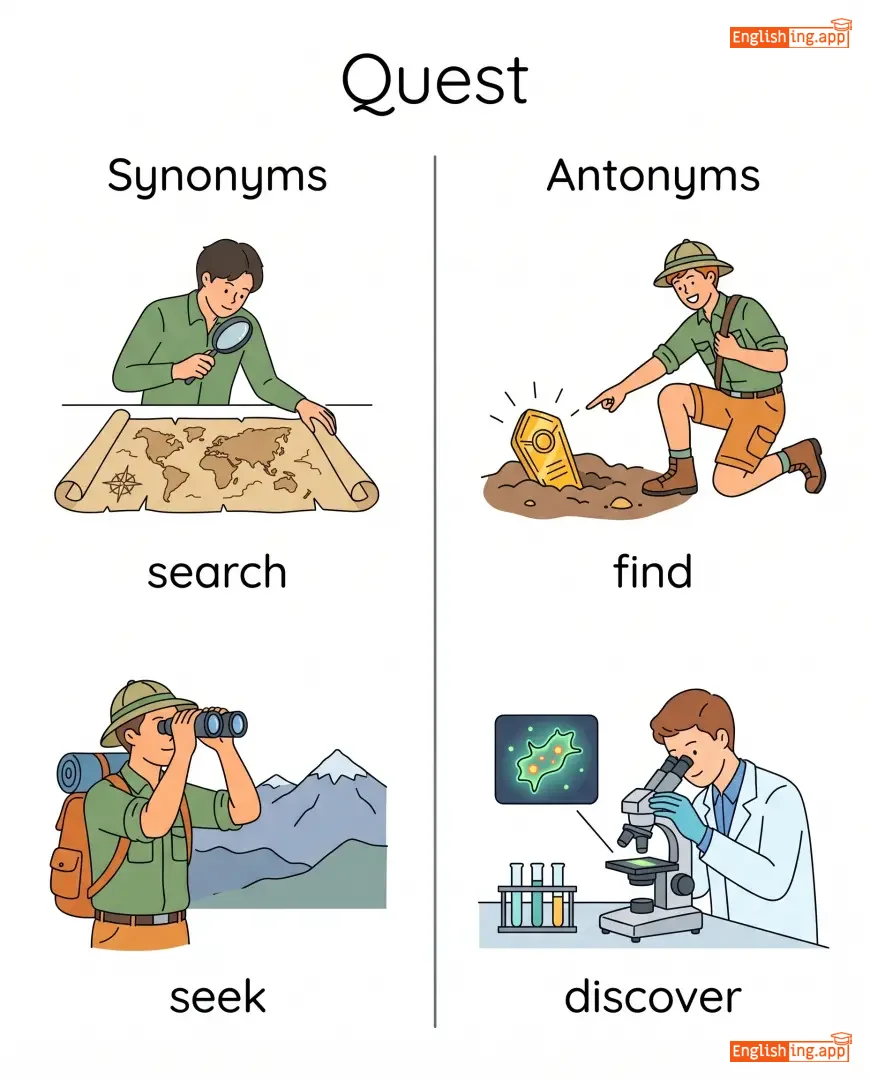
search, seek, pursue, hunt
••••••
|
find, discover, abandon
••••••
|
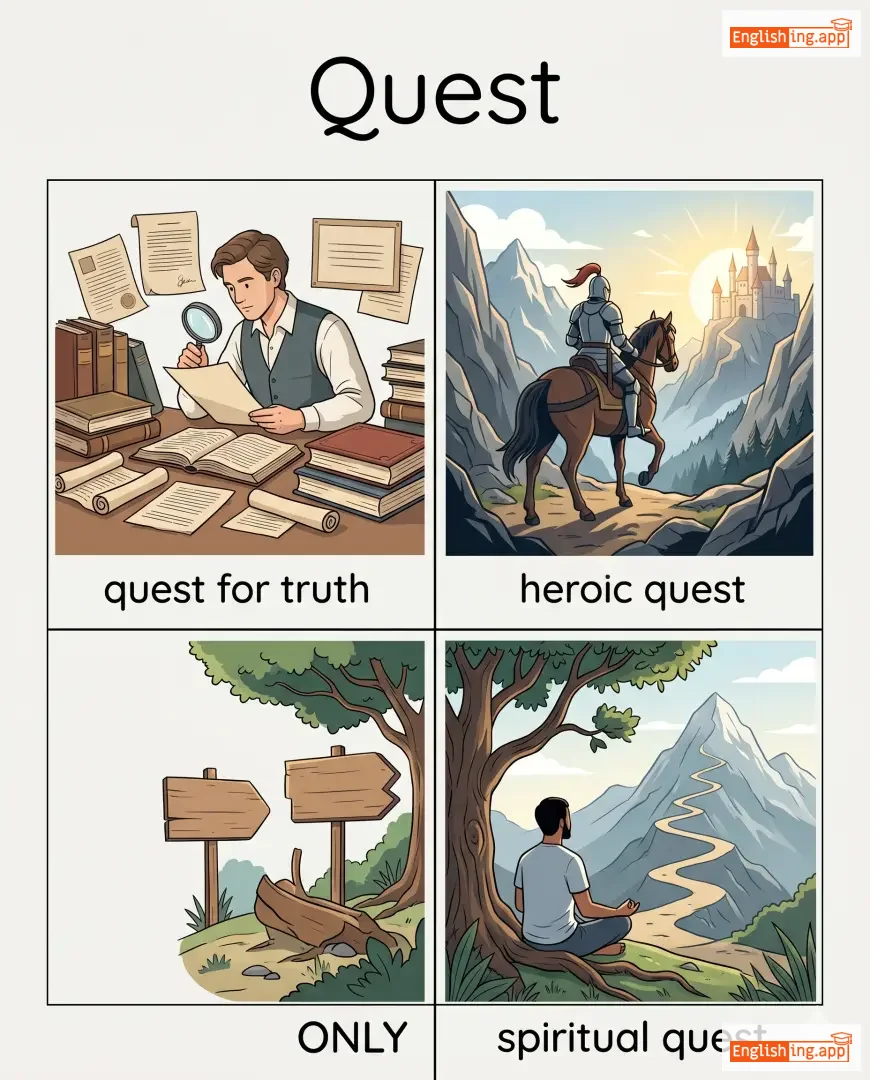
quest for truth, heroic quest, spiritual quest, quest continues
••••••
|
In Chinese, '寻找' (xúnzhǎo) means questing, like searching for a treasure.
••••••
|
|
🔍
••••••
|
/rɪˈviːl/
verb
(rɪˈvɪl)
••••••
|

|
揭示
jie shi
••••••
|
revealed
rɪˈvɪld
••••••
|
revealed
rɪˈvɪld
••••••
|
reveals
rɪˈvɪlz
••••••
|
revealing
rɪˈvɪlɪŋ
••••••
|
to make something known that was previously hidden or secret
••••••
|
The magician refused to reveal his secrets.
魔术师拒绝透露他的秘密。
••••••
|
魔术师拒绝透露他的秘密。
Móshùshī jùjué tòulù tā de mìmì.
••••••
|
reveal the truth
揭示真相
••••••
|
to disclose or make the truth known
••••••
|
揭示真相
jiēshì zhēnxiàng
••••••
|
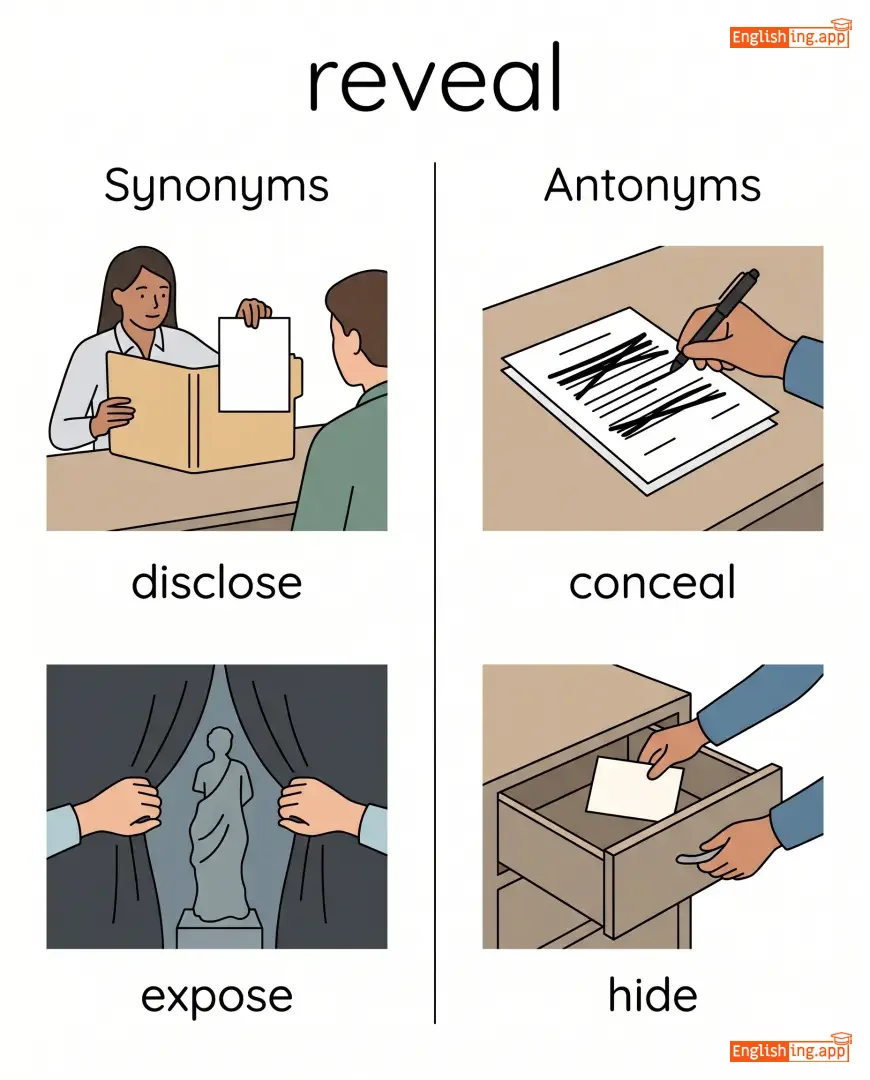
disclose, expose, uncover, unveil, show
••••••
|
conceal, hide, cover
••••••
|
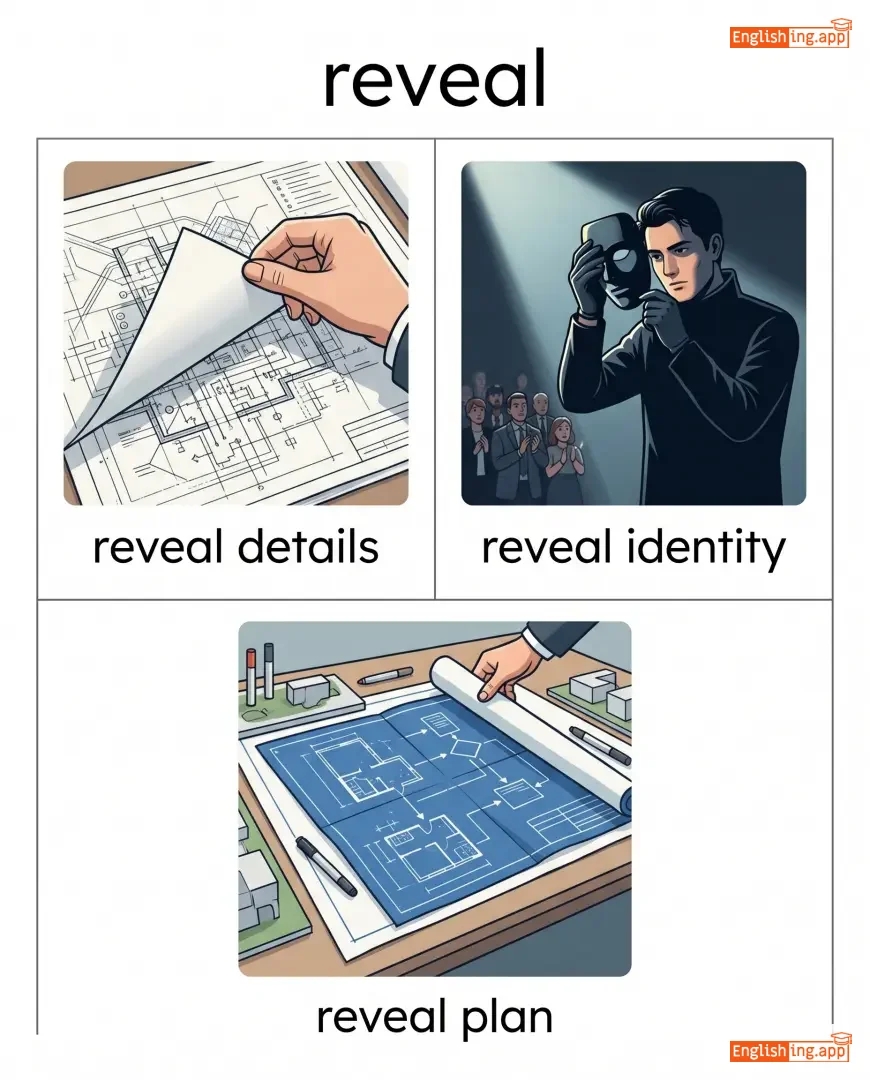
reveal details, reveal identity, reveal plan, reveal evidence
••••••
|
Reveal 就是揭示隐藏的事物!
••••••
|
|
🔍
••••••
|
/sɜːrtʃ/
verb
(sɜːrtʃ)
••••••
|
|
搜索
sousuo
••••••
|
searched
sɜːrcht
••••••
|
searched
sɜːrcht
••••••
|
searches
sɜːrches
••••••
|
searching
sɜːrching
••••••
|
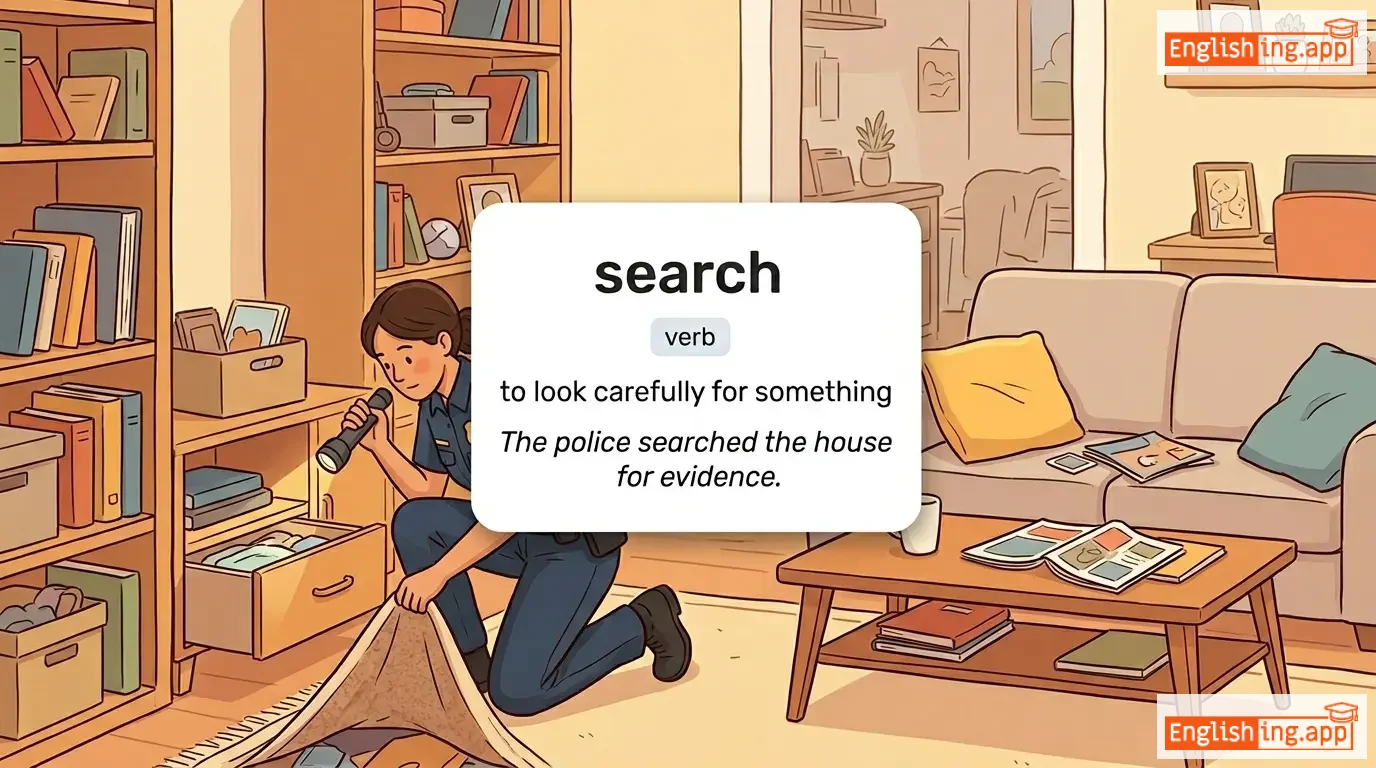
to look carefully for something
••••••
|
The police searched the house for evidence.
警察搜查了房子以寻找证据。
••••••
|
警察搜查了房子以寻找证据。
Jingcha soushao le fangzi yi xunzhao zhengju.
••••••
|
search high and low
搜索高低
••••••
|
to look everywhere
••••••
|
到处搜索
daochu sousuo
••••••
|
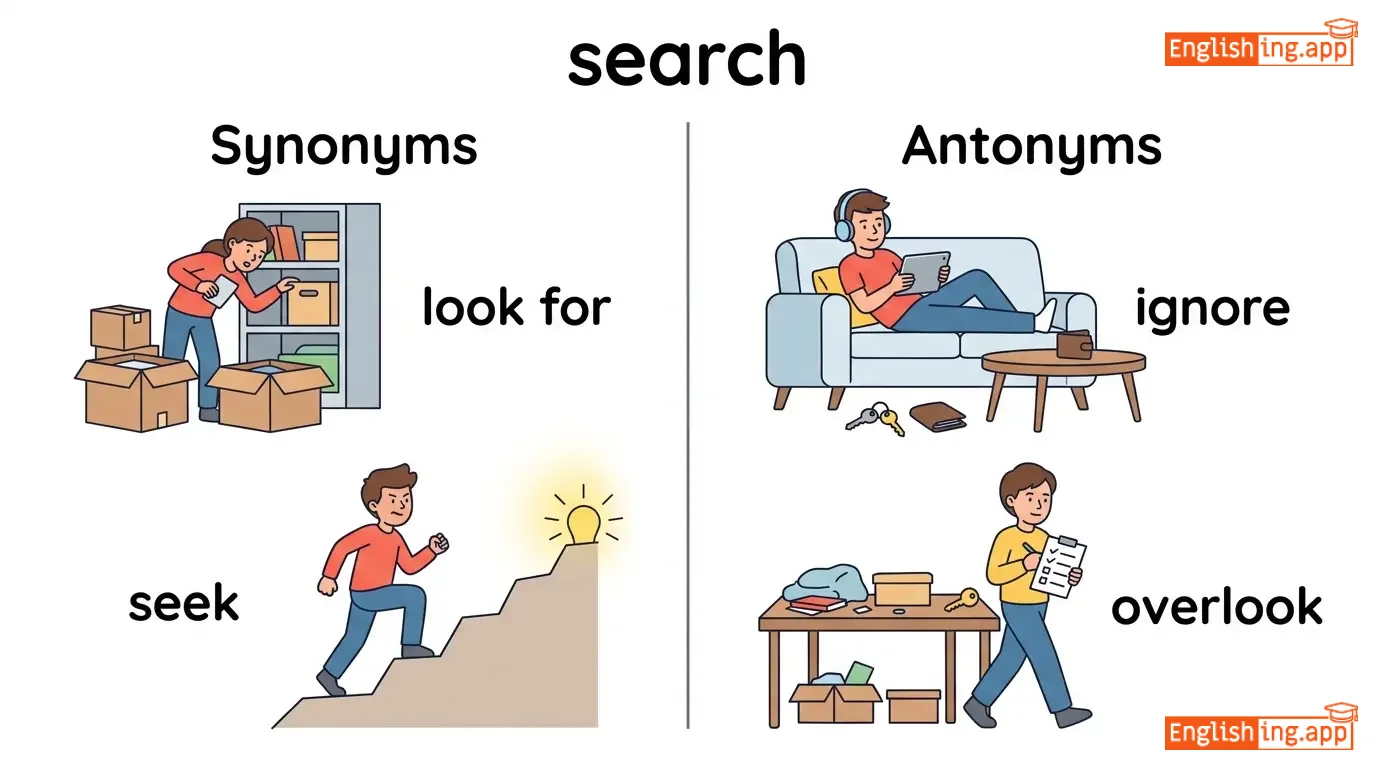
look for, seek, explore, investigate, hunt
••••••
|
ignore, overlook, neglect
••••••
|
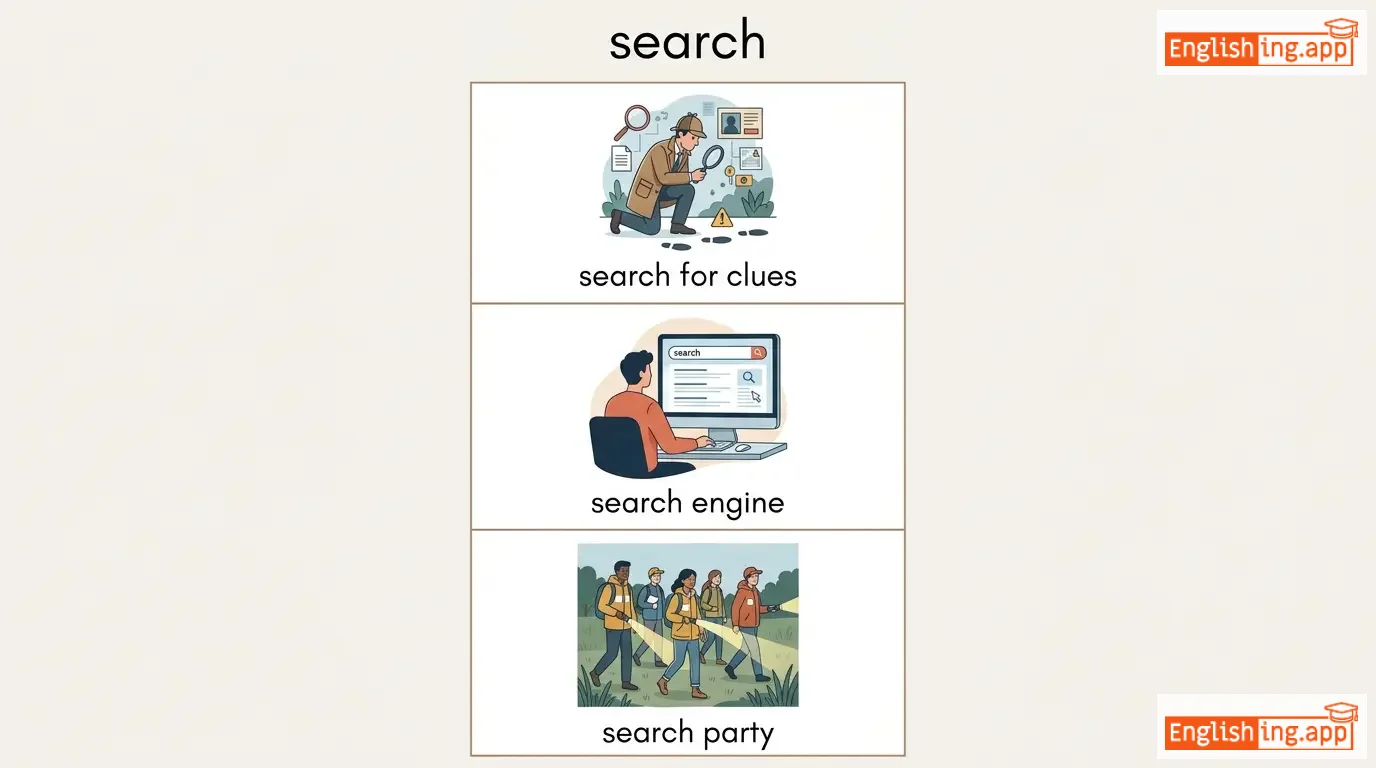
search for clues, search engine, search party
••••••
|
搜索是你在 Google 上做的,意味着找到一切。
••••••
|
|
🤫
••••••
|
/ˈsiːkrət/
noun
••••••
|
- •••••• | - •••••• | - •••••• | - •••••• | - •••••• | - •••••• |
something that is kept or meant to be kept unknown or unseen by others
••••••
|
He told me a secret about his childhood. |
- •••••• | - •••••• | - •••••• | - •••••• |
mystery, hidden fact, confidential information
••••••
|
public, open, revealed
••••••
|
keep a secret, tell a secret, secret information
••••••
|
No •••••• |
|
🧩
••••••
|
/sɑːlv/
verb
(suōwén)
••••••
|
|
解决
jie jue
••••••
|
solved
jiějué
••••••
|
solved
jiějué
••••••
|
solves
jiějué
••••••
|
solving
jiějuézhōng
••••••
|
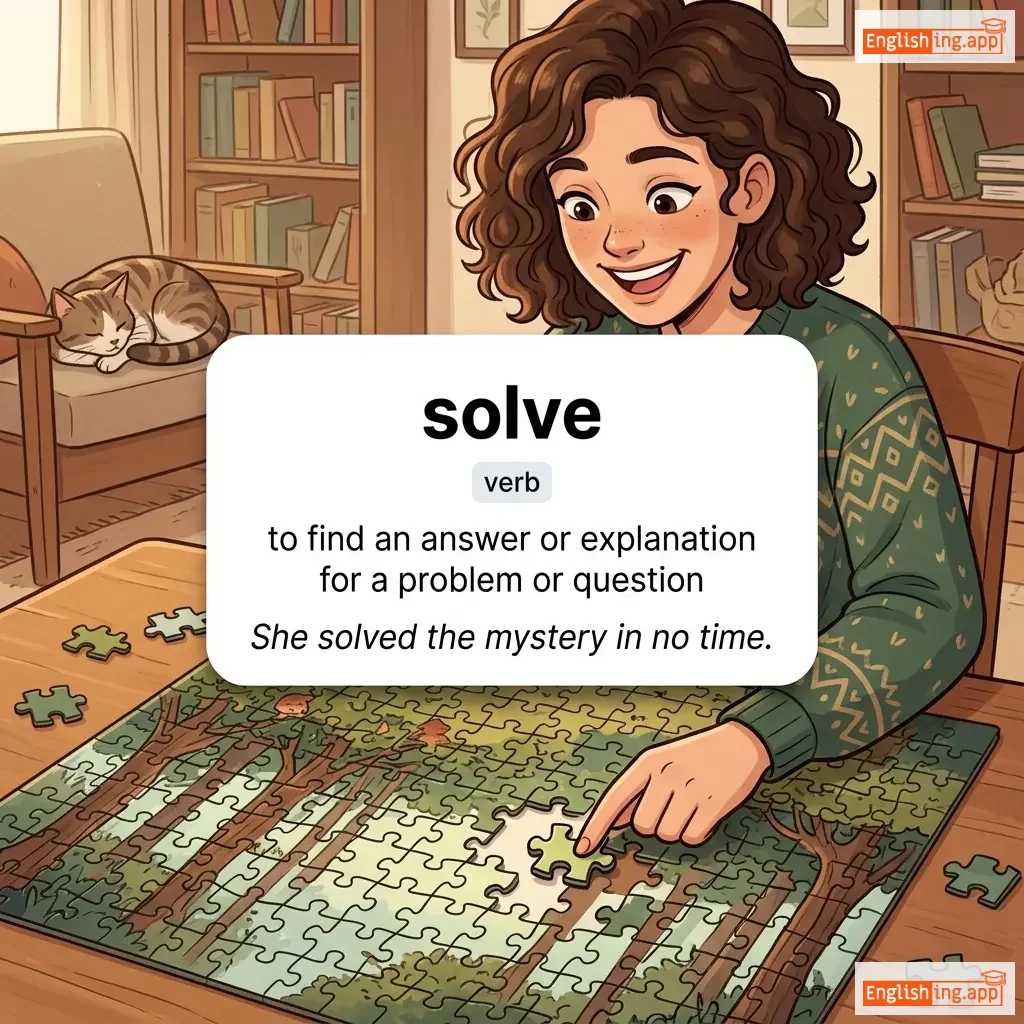
to find an answer to a problem or question; to resolve a difficulty
••••••
|
The detective finally solved the mysterious case.
Tàn'ān zhōngshí de ànshì jiějuéle.
••••••
|
侦探终于解决了神秘案件。
Zhēntàn zhōngyú jiějuéle shénmì ànjiàn.
••••••
|
- •••••• | - •••••• | - •••••• |
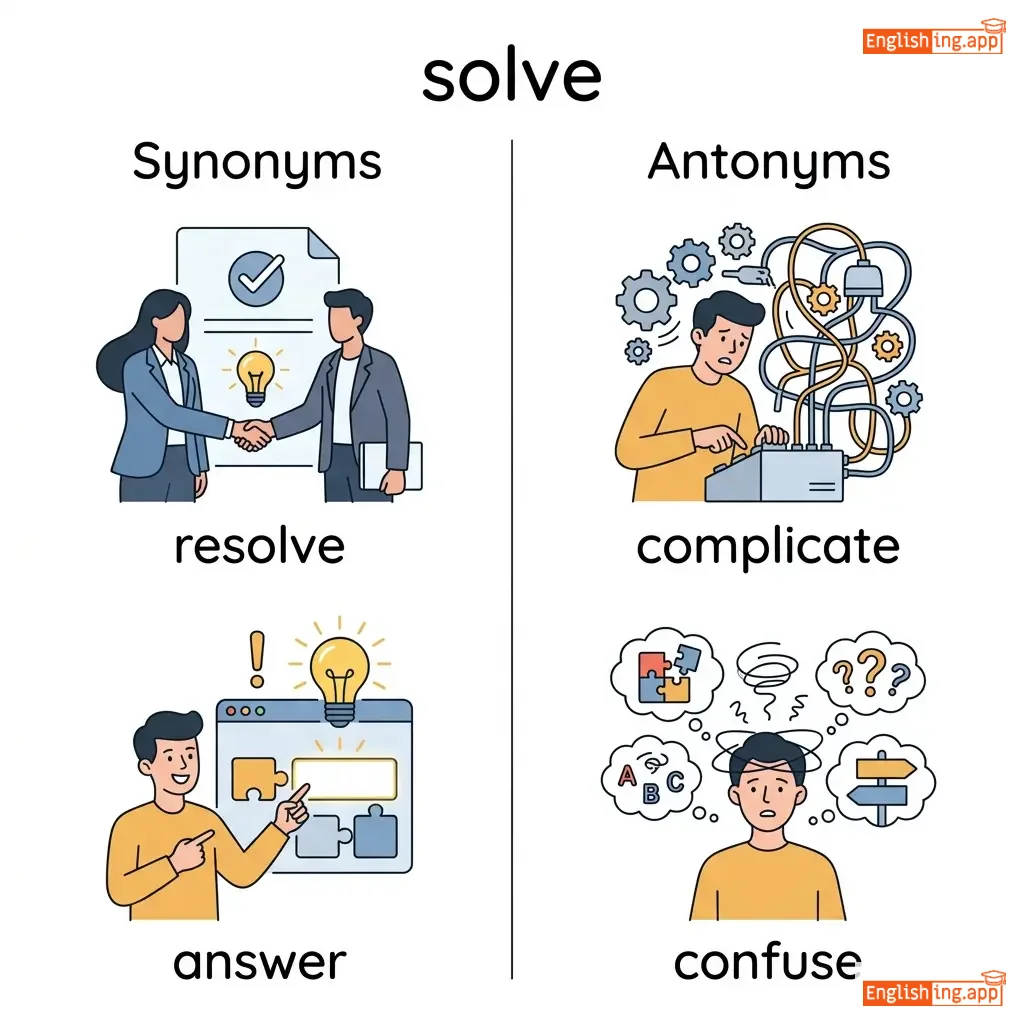
resolve, answer, figure out, work out
••••••
|
complicate, confuse, perplex, puzzle
••••••
|
solve problems, solve equations, solve mysteries, solve puzzles, solve conflicts
••••••
|
解决是找到问题的答案。
••••••
|
|
⛩️
••••••
|
/ˈtɛmpəl/
noun
(tèmpǔěr)
••••••
|
- •••••• |
寺庙
sìmiào
••••••
|
- •••••• | - •••••• | - •••••• | - •••••• |
a building used for the worship of a god or gods
••••••
|
They visited an ancient temple during their trip to India. |
他们在印度旅行时参观了一个古老的寺庙。
Tāmen zài Yìndù lǚxíng shí cānguānle yīgè gǔlǎo de sìmiào.
••••••
|
holy temple |
a sacred place dedicated to religious worship
••••••
|
神圣的寺庙
shénshèng de sìmiào
••••••
|
shrine, sanctuary, church, mosque, pagoda
••••••
|
secular place, profane site
••••••
|
ancient temple, Hindu temple, temple bell, temple visit
••••••
|
Temple在英文中表示‘寺庙’,供人崇拜神明的地方。
••••••
|
|
💎
••••••
|
/ˈtrɛʒər/
noun, verb
(tʂɛʒɚ)
••••••
|
- •••••• |
宝藏
baocang
••••••
|
treasured
tʂɛʒəd
••••••
|
treasured
tʂɛʒəd
••••••
|
treasures
tʂɛʒəz
••••••
|
treasuring
tʂɛʒɪŋ
••••••
|
a collection of valuable things such as gold, jewels, or anything of great worth; to value something highly
••••••
|
She kept the necklace as a family treasure.
她把项链当作家族的珍宝。
••••••
|
她把项链当作家族的珍宝。
Ta ba xianglian dangzuo jiazhu de zhenbao.
••••••
|
treasure trove
宝藏
••••••
|
a valuable collection of things found together
••••••
|
宝藏
baocang
••••••
|
wealth, riches, fortune, valuables, prize
••••••
|
trash, worthless, loss
••••••
|
hidden treasure, family treasure, treasure chest, national treasure
••••••
|
Treasure = 宝藏 (baocang), as if hidden under a treasure chest
••••••
|
|
😮
••••••
|
/ˈwʌndər/
noun
(wān-dé)
••••••
|
- •••••• |
奇迹
qiji
••••••
|
- •••••• | - •••••• | - •••••• | - •••••• |
a feeling of amazement and admiration, caused by something beautiful, remarkable, or unfamiliar
••••••
|
The view from the mountain was a true wonder. |
从山顶看到的景色真是一个奇迹。
Cóng shāndǐng kàn dào de jǐngsè zhēnshi yīgè qíjì.
••••••
|
- •••••• | - •••••• | - •••••• |
amazement, awe, admiration, astonishment
••••••
|
indifference, boredom, apathy
••••••
|
a sense of wonder, a feeling of wonder, in wonder, full of wonder
••••••
|
奇迹是令人惊讶的瞬间,像山顶的美丽景色。
••••••
|

