|
表情符号
|
单词 | Images | 翻译 | 过去时 | 过去分词 | 第三人称单数 | 动名词 | 含义 | 例句 | 例句翻译 | 示例表达 | 示例表达含义 | 示例表达翻译 | 同义词 | 反义词 | 搭配词 | 助记符 |
|---|---|---|---|---|---|---|---|---|---|---|---|---|---|---|---|---|---|
|
🔮
••••••
|
/əˈkʌlt/
adjective
(奥科尔特)
••••••
|

|
奥秘的
àomì de
••••••
|
- •••••• | - •••••• | - •••••• | - •••••• |
Relating to mysterious, supernatural, or magical powers and practices.
••••••
|
She had always been fascinated by the occult and its hidden knowledge.
她一直对奥科尔特及其隐藏的知识感到着迷。
••••••
|
她一直对奥科尔特及其隐藏的知识感到着迷。
Tā yīzhí duì àokē'ěrtè jí qí yǐncáng de zhīshi gǎndào zháomí.
••••••
|
occult science
奥科尔特科学
••••••
|
Knowledge of supernatural or mystical practices.
••••••
|
奥科尔特科学
àokē'ěrtè kēxué
••••••
|
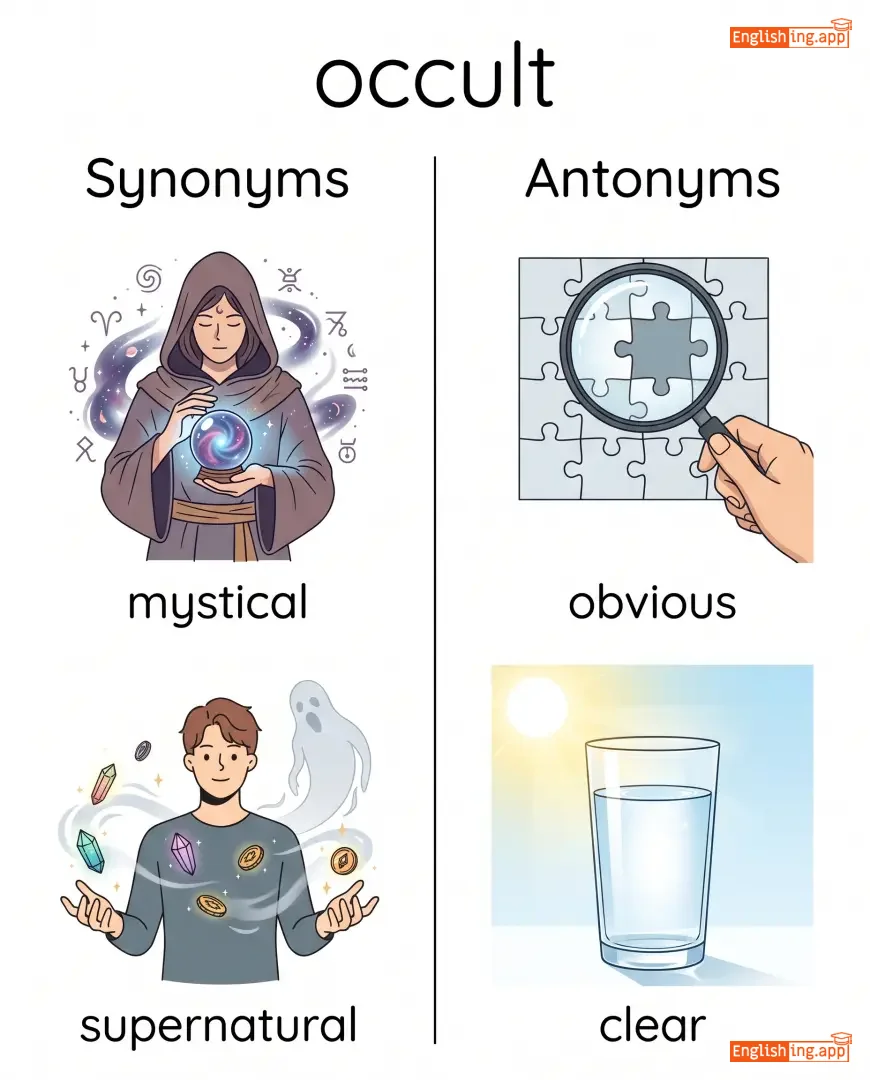
mystical, supernatural, esoteric, arcane, hidden
••••••
|
obvious, clear, known
••••••
|
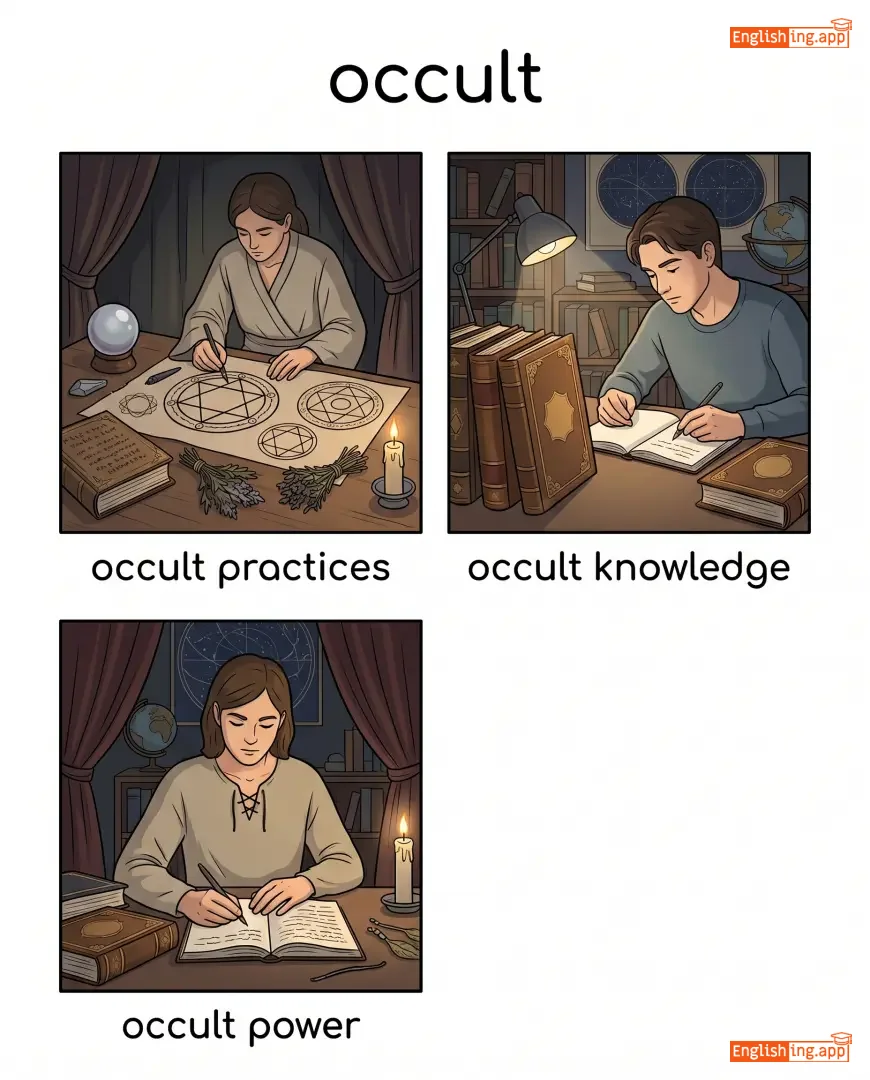
occult practices, occult knowledge, occult power, study of the occult
••••••
|
‘Occult’ 是‘奥科尔特’的发音,代表着神秘的力量和知识。
••••••
|
|
🛶
••••••
|
/ˈɑːdəsi/
noun
(奥德赛)
••••••
|

|
漫长的旅行
man chang de lüxing
••••••
|
- •••••• | - •••••• | - •••••• | - •••••• |
a long, adventurous journey; a series of experiences
••••••
|
Her career has been an odyssey of challenges and achievements.
她的职业生涯是一场挑战和成就的奥德赛。
••••••
|
她的职业生涯是一场挑战和成就的漫长旅行。
Ta de zhiye shengya shi yi chang tiaozhan he chengjiu de man chang lüxing.
••••••
|
- •••••• | - •••••• | - •••••• |
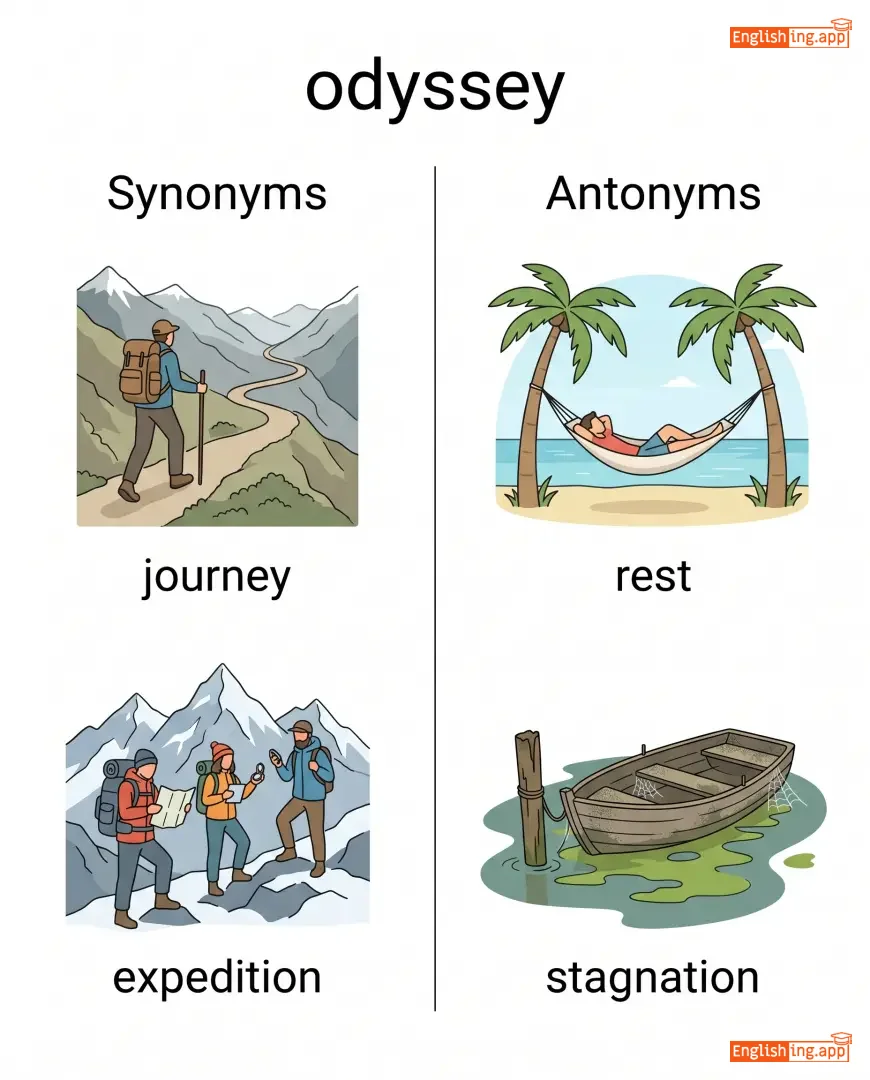
journey, expedition, voyage, adventure, quest
••••••
|
rest, stagnation, standstill
••••••
|
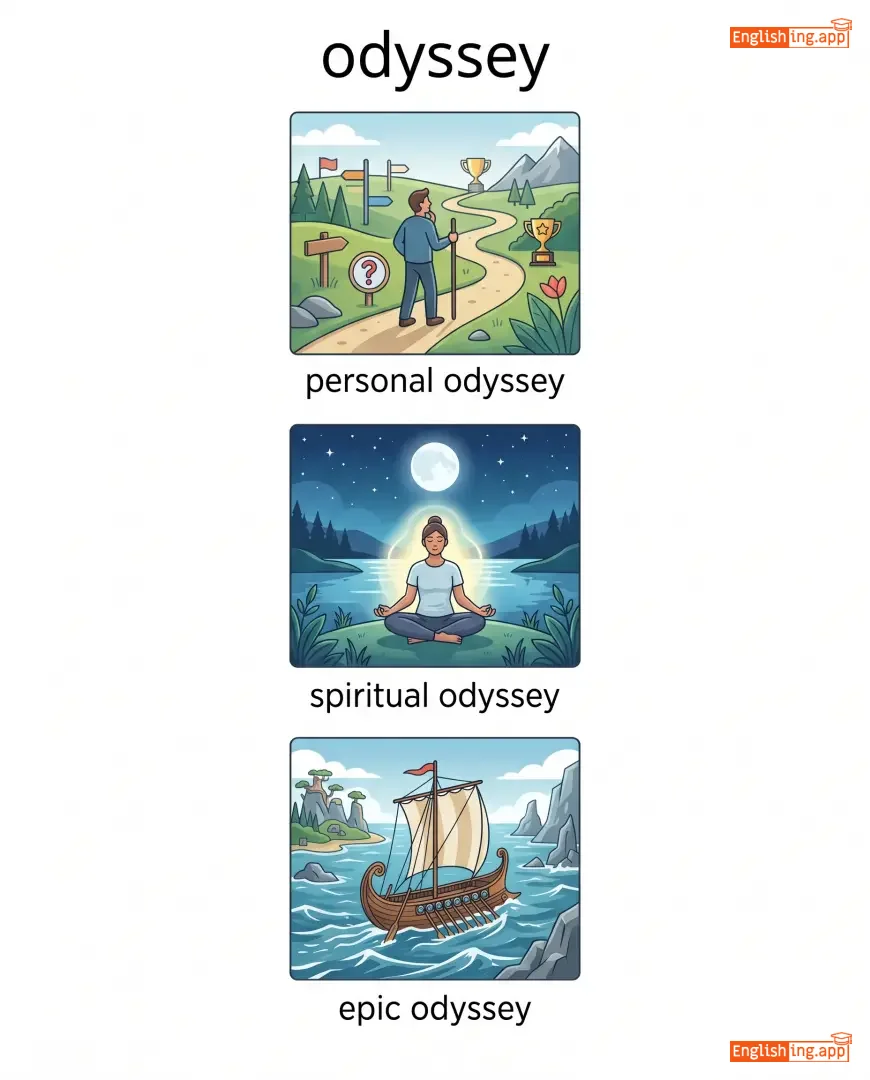
personal odyssey, spiritual odyssey, epic odyssey, long odyssey
••••••
|
Odyssey意味着一段漫长的旅行,就像荷马的'奥德赛'故事。
••••••
|
|
🙄
••••••
|
/əˈfɪʃəs/
adjective
(欧非许斯)
••••••
|

|
多管闲事
duo guan xian shi
••••••
|
- •••••• | - •••••• | - •••••• | - •••••• |
Excessively eager to offer unwanted help or advice; meddlesome.
••••••
|
The officious guard kept interrupting the visitors with unnecessary instructions. |
那位多管闲事的警卫不断用不必要的指令打扰游客。
Na wei duo guan xian shi de jing wei buduan yong bu bi yao de zhi ling da rao you ke.
••••••
|
- •••••• | - •••••• | - •••••• |
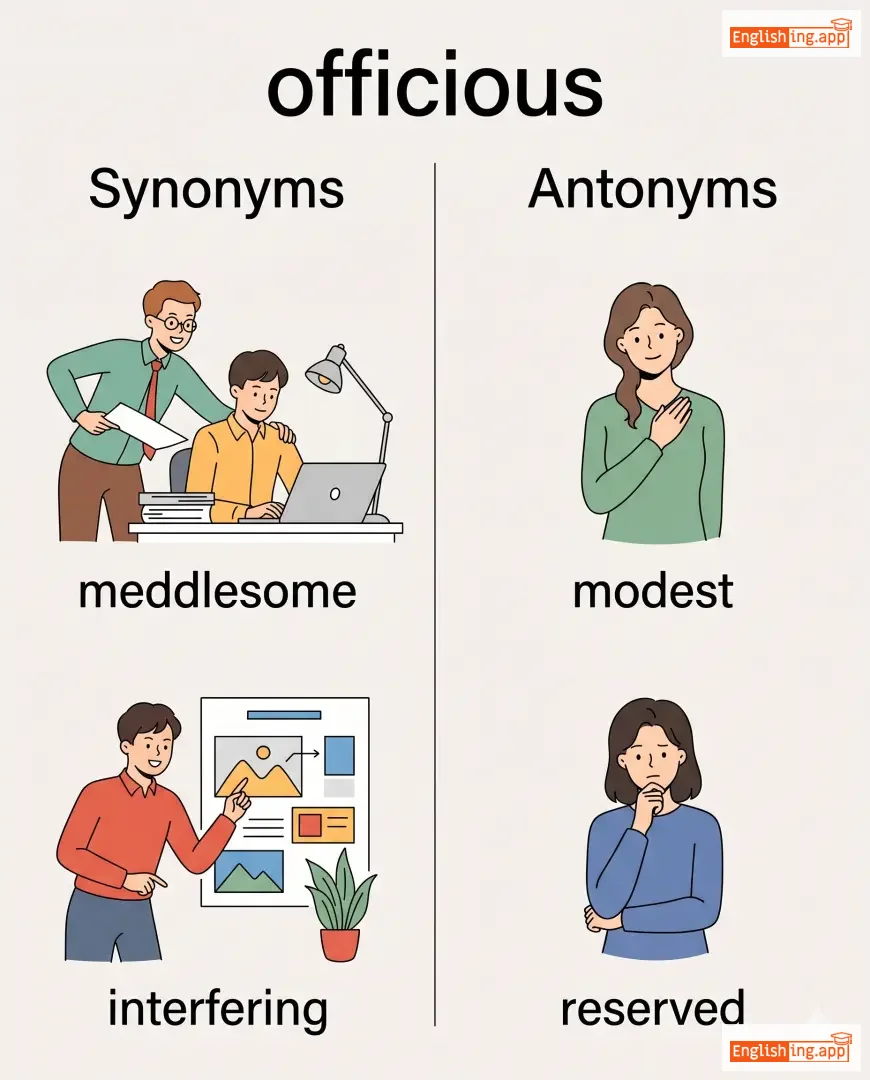
meddlesome, interfering, intrusive, bossy, overbearing
••••••
|
modest, reserved, unobtrusive
••••••
|
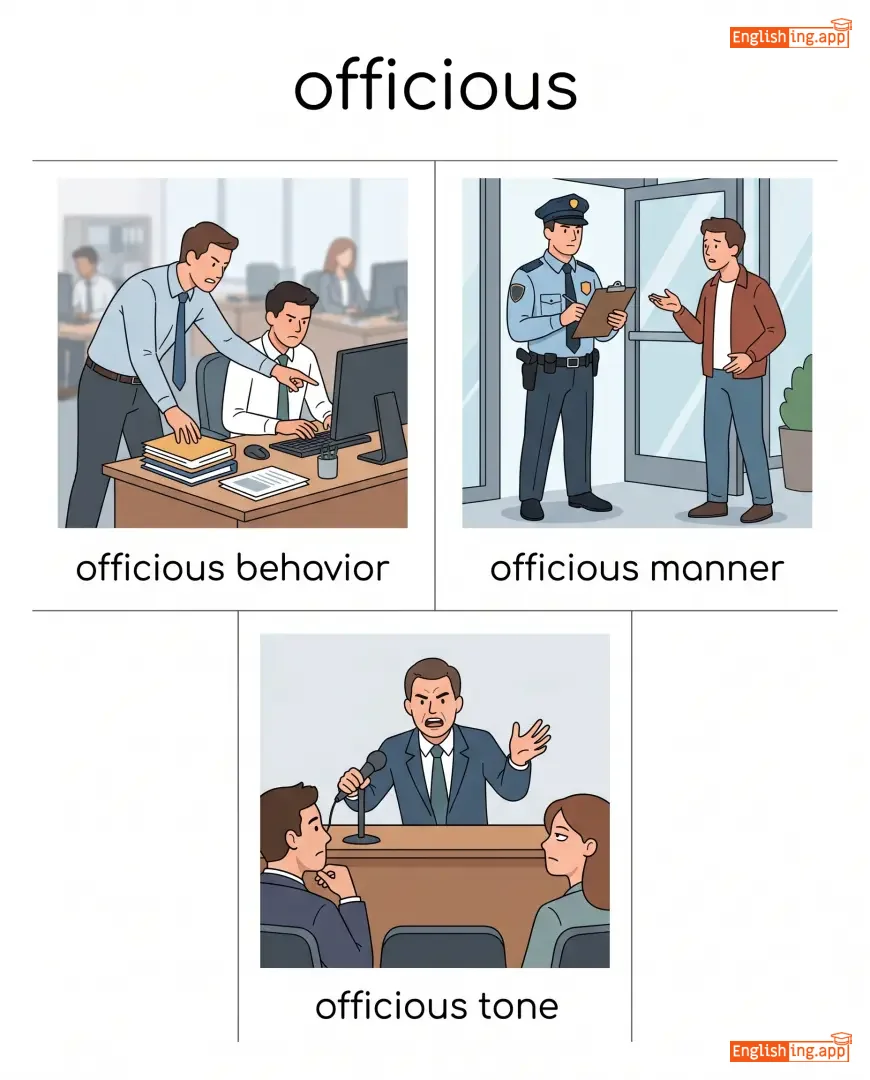
officious behavior, officious manner, officious tone, officious interference
••••••
|
Offi-CIOUS! 那些喜欢插手的总是在所有地方,提供无用的建议。
••••••
|
|
👃
••••••
|
/ɑːlˈfæktəri/
adjective
••••••
|
|
- •••••• | - •••••• | - •••••• | - •••••• | - •••••• |
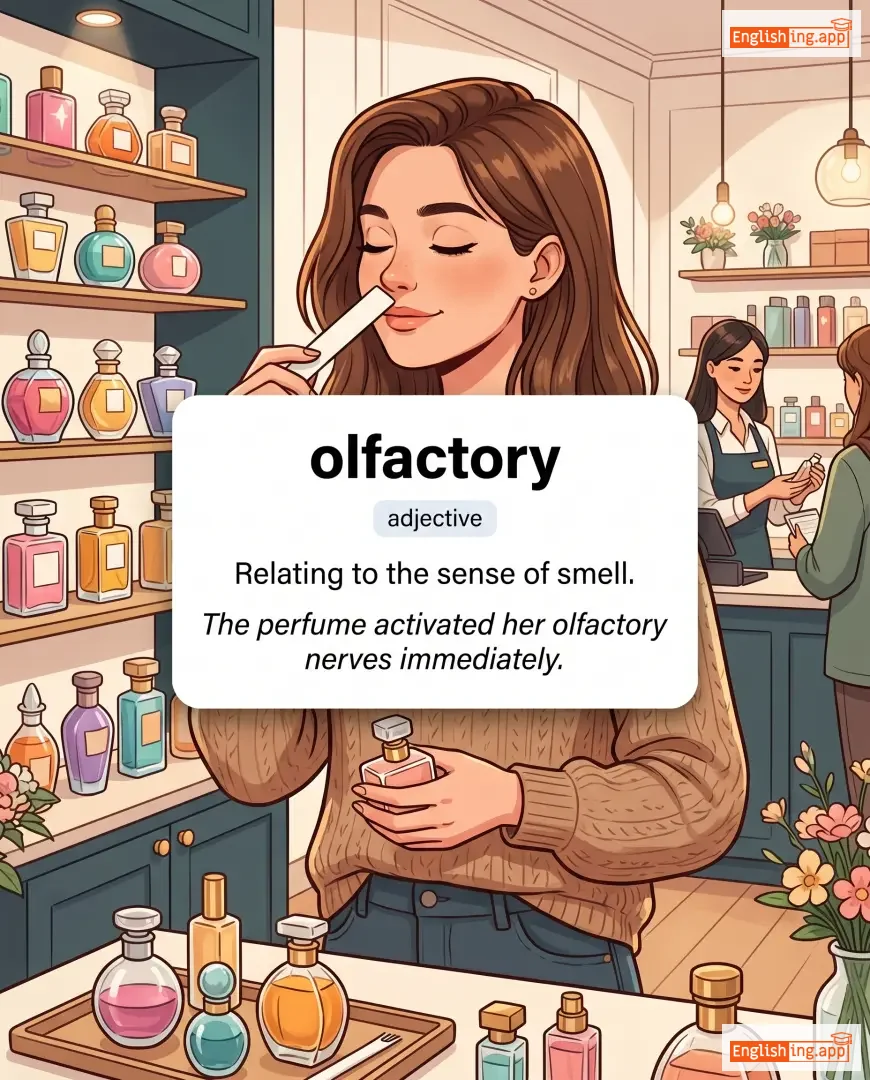
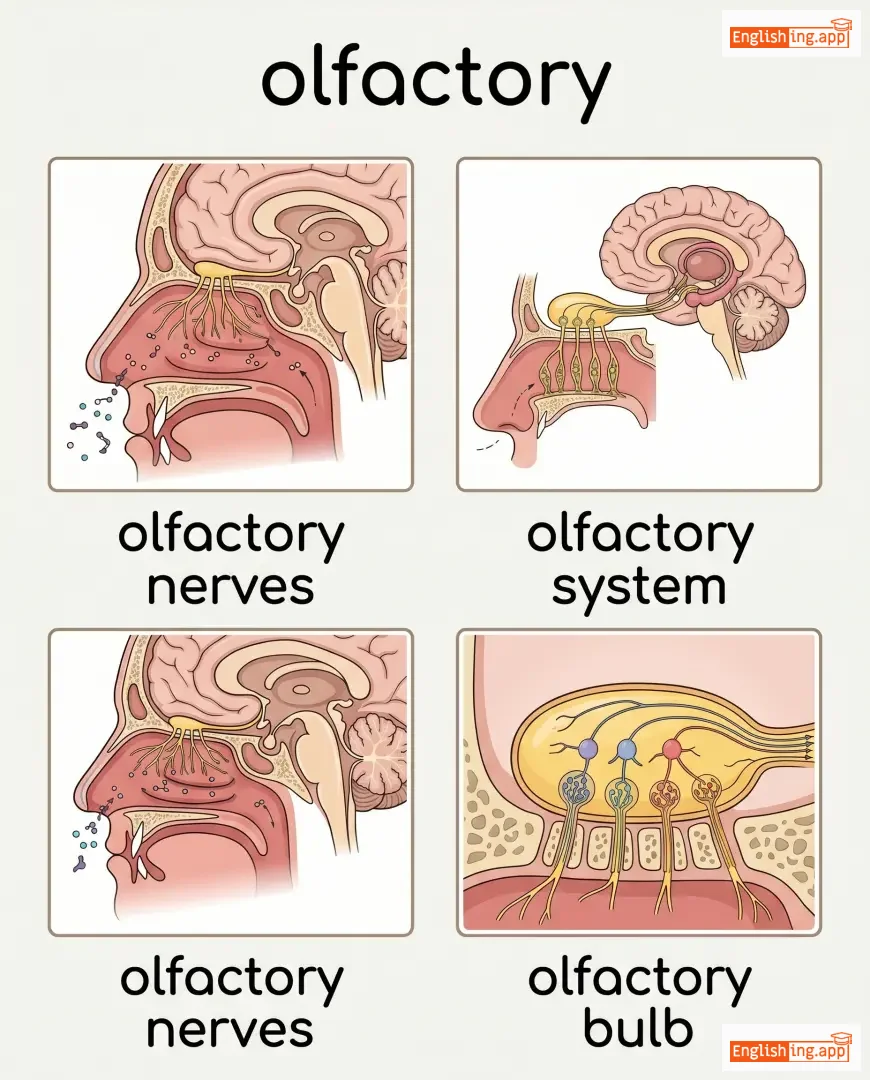
Relating to the sense of smell.
••••••
|
The perfume activated her olfactory nerves immediately. |
- •••••• | - •••••• | - •••••• | - •••••• |
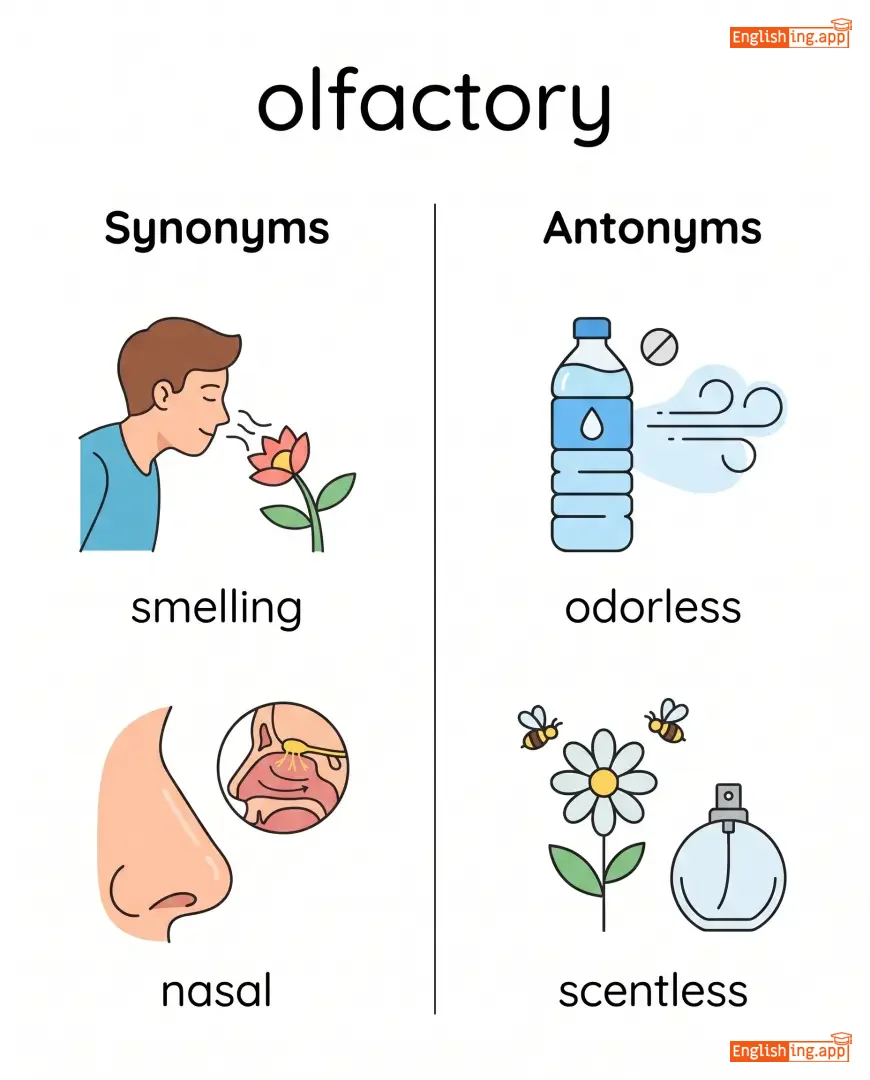
smelling, nasal, aromatic, sensory
••••••
|
odorless, scentless
••••••
|
olfactory nerves, olfactory system, olfactory bulb, olfactory organ
••••••
|
No •••••• |
|
🏛️
••••••
|
/ˈɑːlɪˌɡɑːrki/
noun
(寡头政治)
••••••
|
|
寡头政治
guǎtóu zhèngzhì
••••••
|
- •••••• | - •••••• | - •••••• | - •••••• |
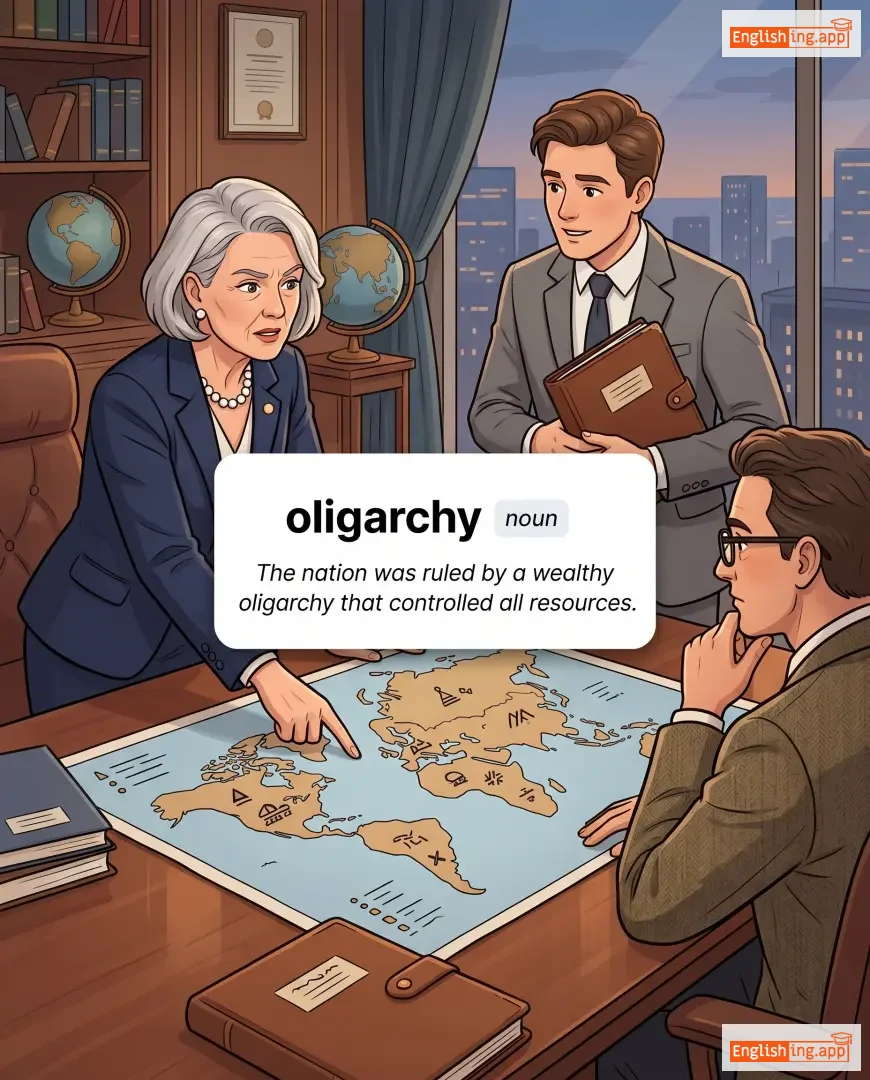
A small group of people having control of a country, organization, or institution.
••••••
|
The nation was ruled by a wealthy oligarchy that controlled all resources.
这个国家由一个富有的寡头集团统治,控制着所有资源。
••••••
|
这个国家由一个富有的寡头集团统治,控制着所有资源。
Zhège guójiā yóu yīgè fùyǒu de guǎtóu jítuán tǒngzhì, kòngzhì zhe suǒyǒu zīyuán.
••••••
|
- •••••• | - •••••• | - •••••• |
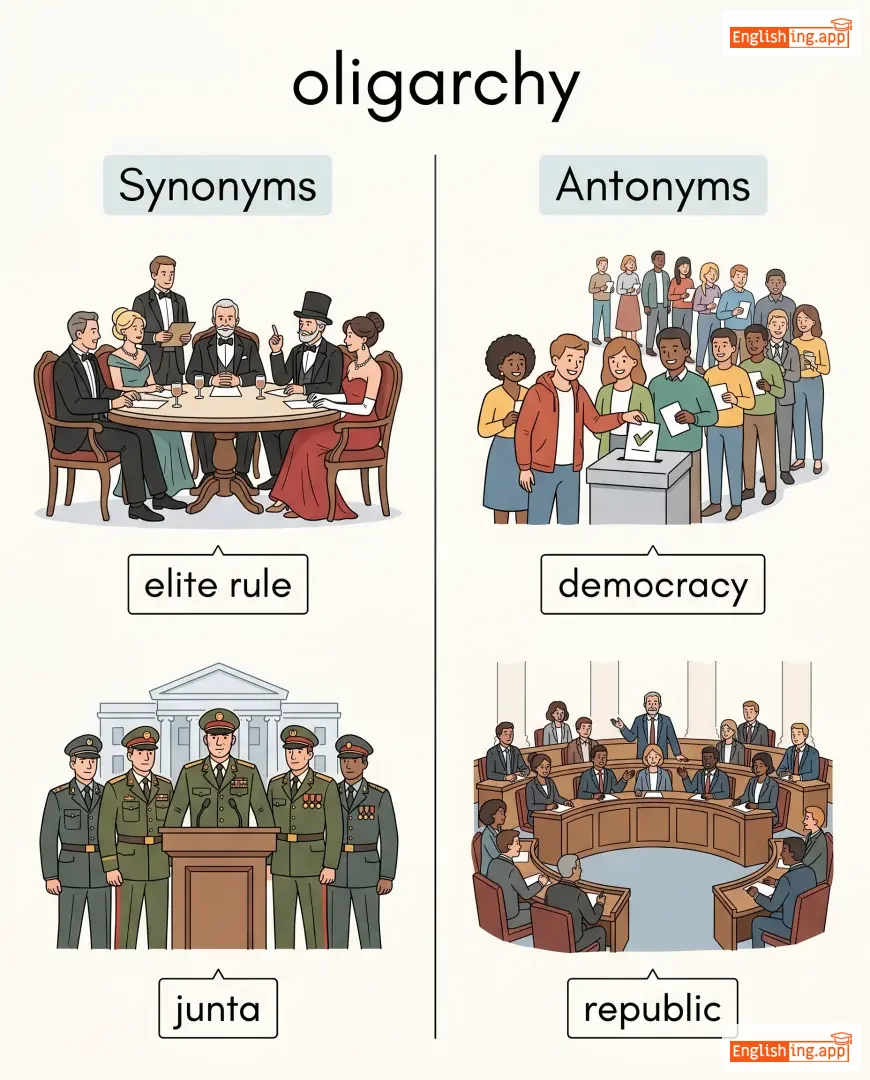
elite rule, junta, plutocracy, ruling class
••••••
|
democracy, republic
••••••
|
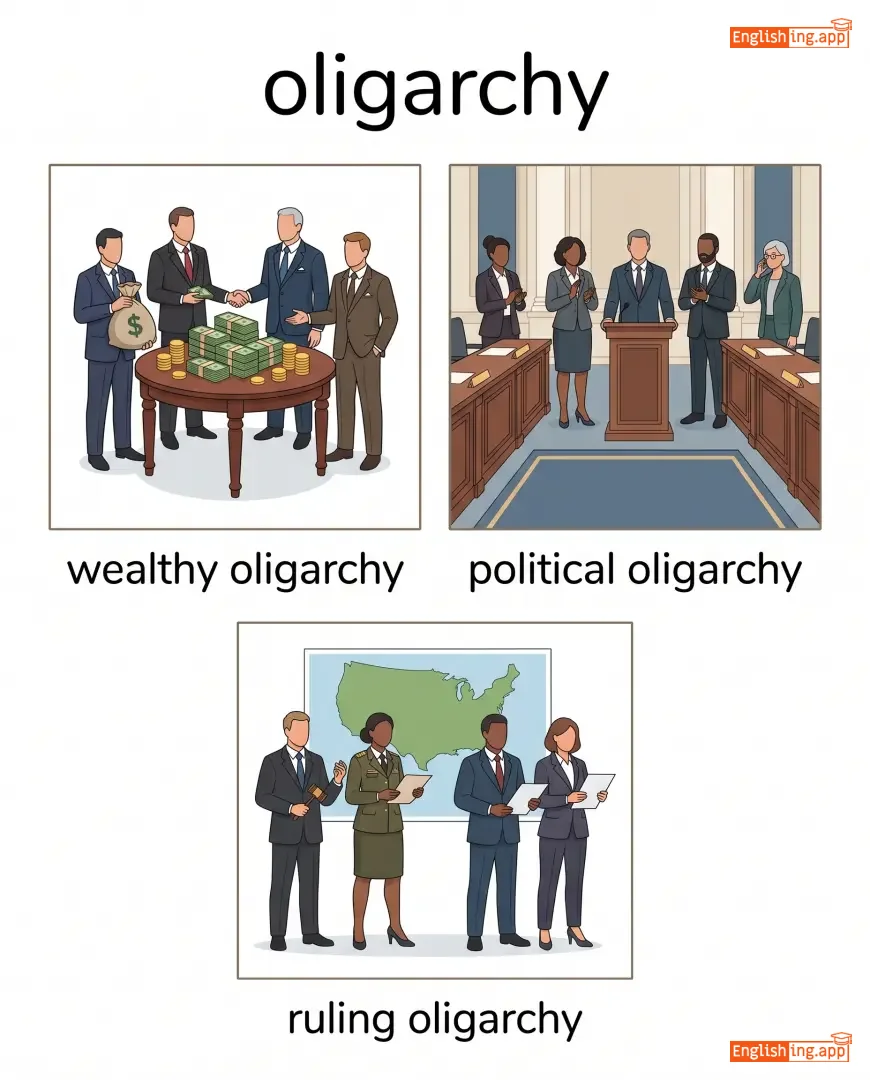
wealthy oligarchy, political oligarchy, ruling oligarchy, oligarchy system
••••••
|
寡头政治指的是少数人控制政权,少数 (guǎ) 领导。
••••••
|
|
⚖️
••••••
|
/ˈəʊnərəs/
adjective
(欧内罗斯)
••••••
|

|
繁重
fánzhòng
••••••
|
- •••••• | - •••••• | - •••••• | - •••••• |
involving a great deal of effort, difficulty, or burden
••••••
|
Fulfilling the contract proved to be an onerous task for the company.
履行合同对公司来说是一项繁重的任务。
••••••
|
履行合同对公司来说是一项繁重的任务。
Lǚxíng hétóng duì gōngsī lái shuō shì yī xiàng fánzhòng de rènwù.
••••••
|
- •••••• | - •••••• | - •••••• |
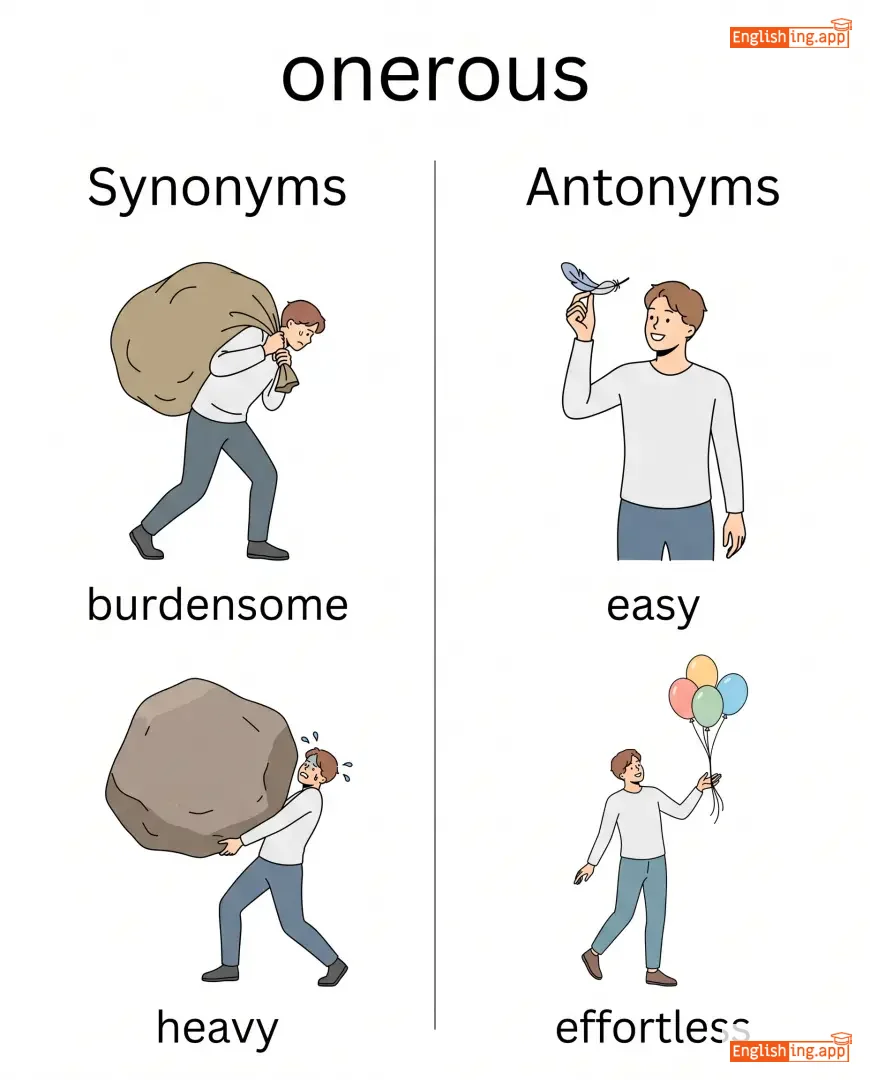
burdensome, heavy, demanding, exhausting, troublesome
••••••
|
easy, effortless, light
••••••
|
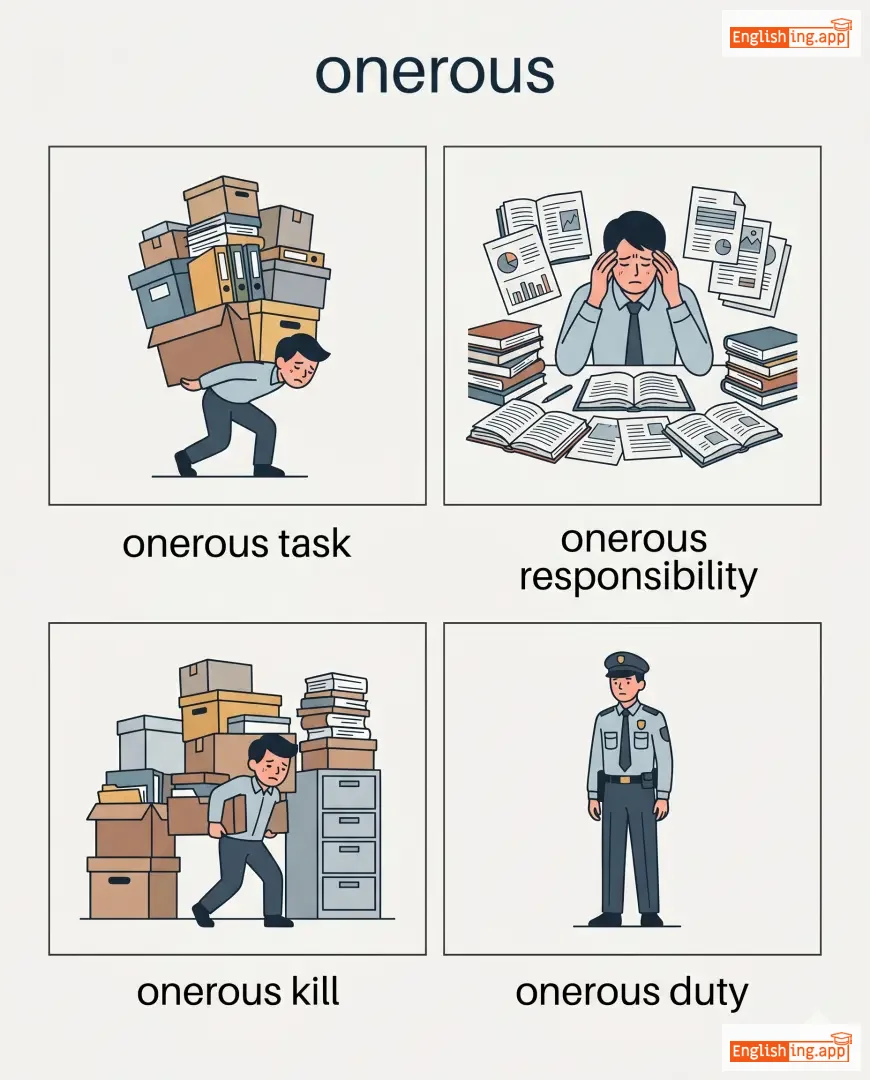
onerous task, onerous responsibility, onerous duty
••••••
|
Onerous听起来像‘繁重’—工作或任务可能很难完成,负担重。
••••••
|
|
🔊
••••••
|
/ˌɒn.əˌmæt.əˈpiː.ə/
noun
(ōnómàtóu-pēi-ā)
••••••
|
|
拟声词
nǐ shēng cí
••••••
|
- •••••• | - •••••• | - •••••• | - •••••• |
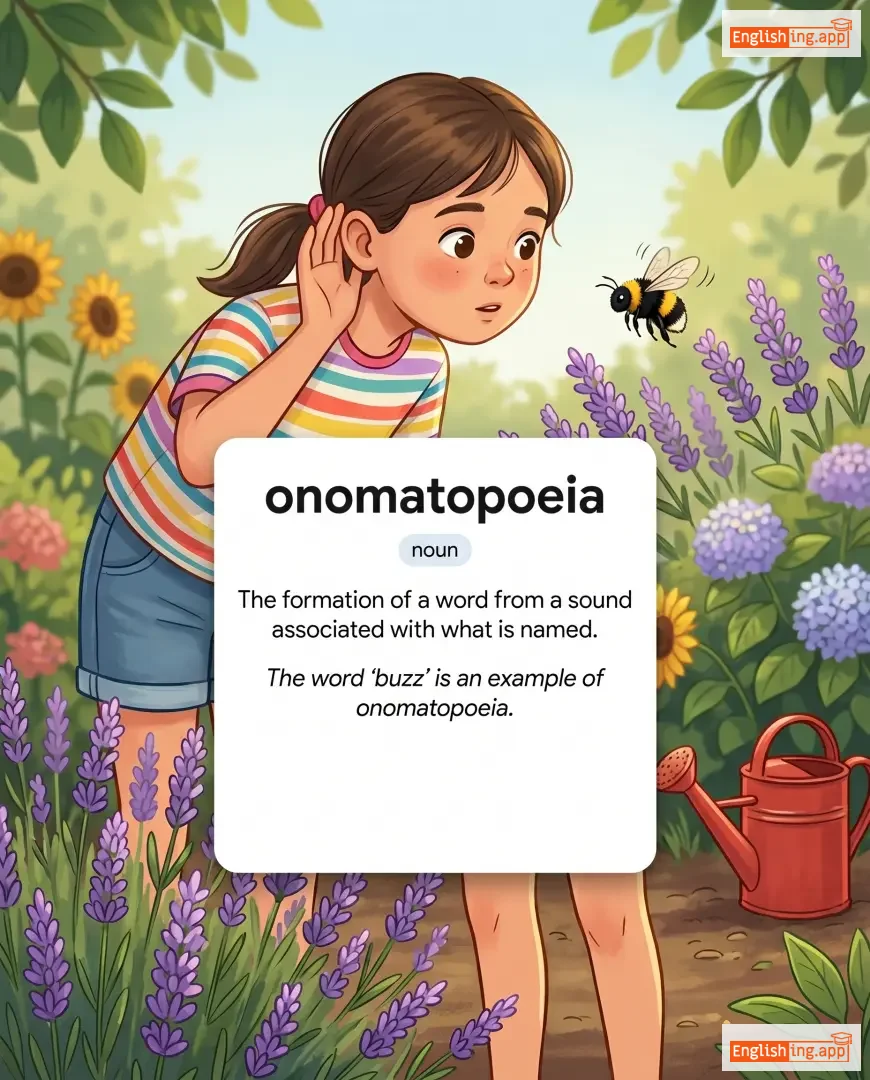
The formation of a word from a sound associated with what is named.
••••••
|
The word 'buzz' is an example of onomatopoeia.
‘buzz’ 这个词是拟声词的一个例子。
••••••
|
‘buzz’ 这个词是拟声词的一个例子。
'buzz' zhège cí shì nǐ shēng cí de yīgè lìzi.
••••••
|
- •••••• | - •••••• | - •••••• |
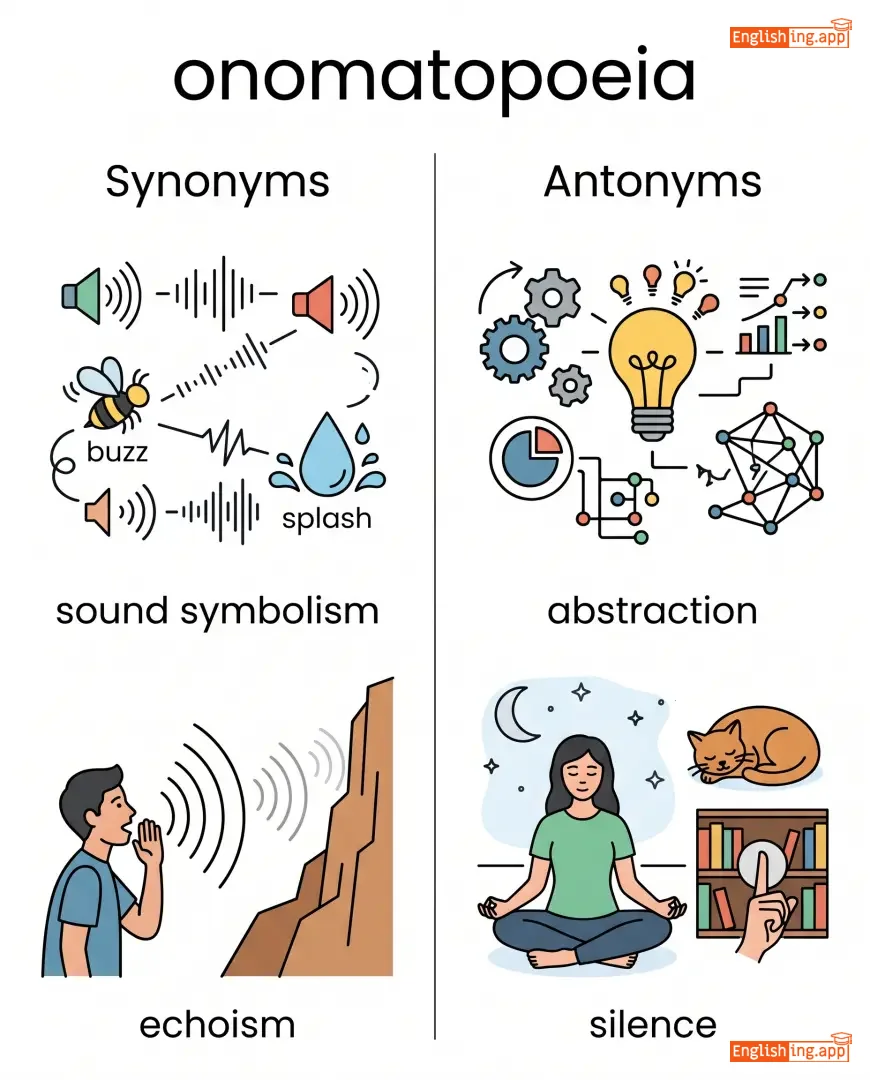
sound symbolism, echoism, imitation, word-sound, noise word
••••••
|
abstraction, silence
••••••
|
use of onomatopoeia, example of onomatopoeia, poetic onomatopoeia
••••••
|
On-o-MATO 嘴巴发音 - 拟声词
••••••
|
|
🚫
••••••
|
/əˈprəʊ.bri.əm/
noun
(oppróbiāo)
••••••
|
|
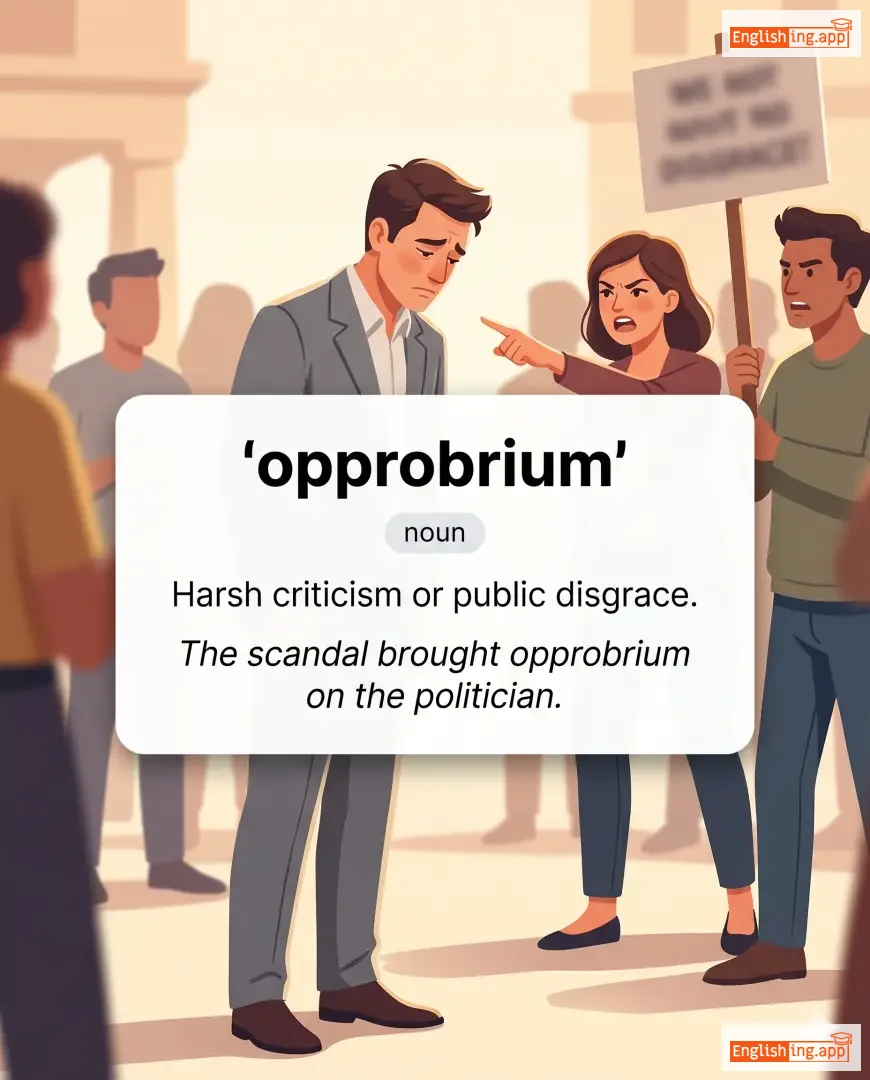
耻辱, 侮辱
chiru, wuru
••••••
|
- •••••• | - •••••• | - •••••• | - •••••• |
Harsh criticism or public disgrace.
••••••
|
The scandal brought opprobrium on the politician. |
丑闻给政治家带来了耻辱。
Chouwen gei zhengzhijia dai lai le chiru.
••••••
|
- •••••• | - •••••• | - •••••• |
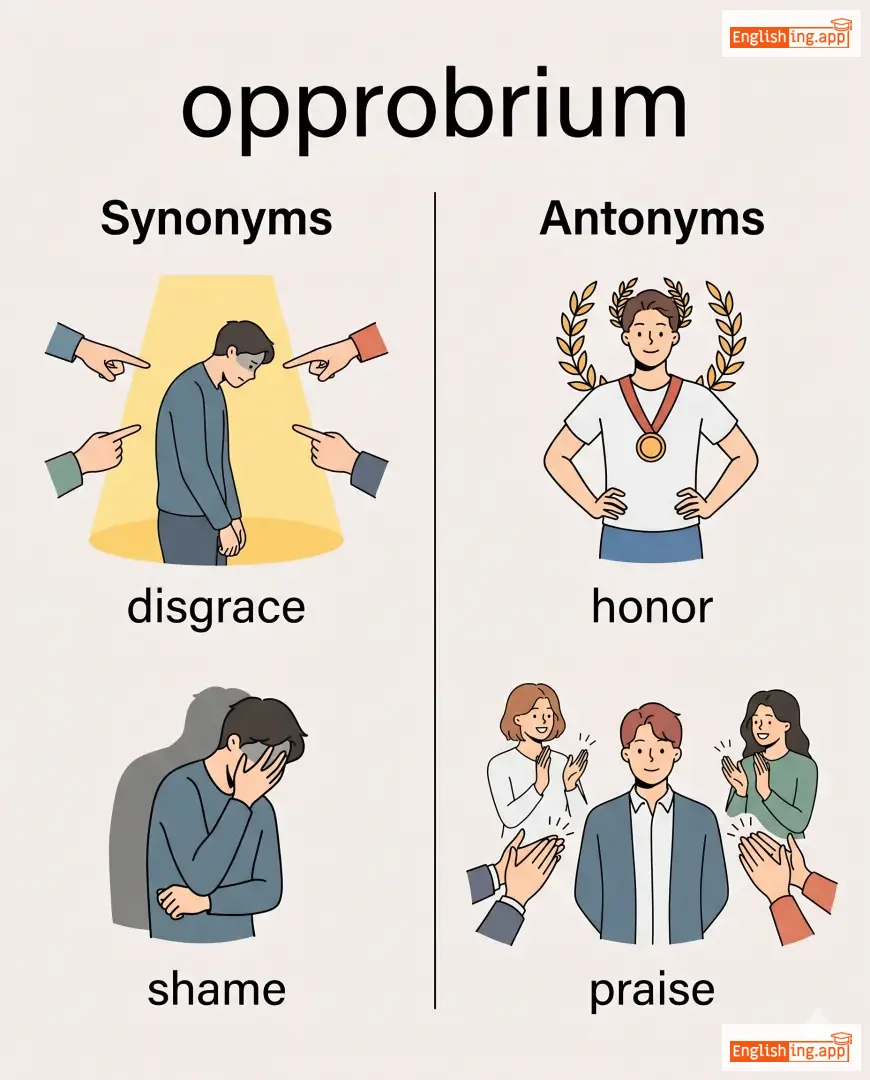
disgrace, shame, dishonor, condemnation
••••••
|
honor, praise, respect
••••••
|
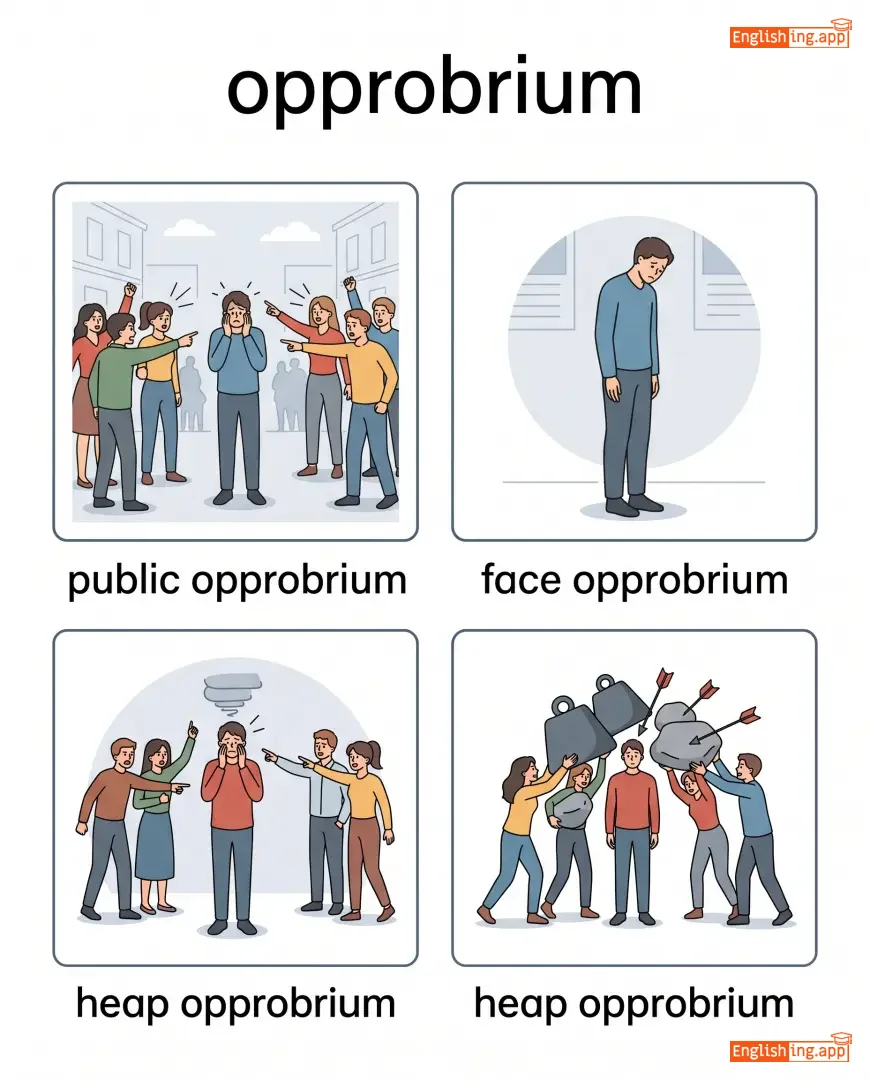
public opprobrium, face opprobrium, heap opprobrium
••••••
|
Opprobrium 意味着公开的耻辱 (侮辱) 和羞耻感。
••••••
|
|
🦉
••••••
|
/ˌɔːrnɪˈθɒlədʒɪst/
noun
(鸟类学家)
••••••
|
- •••••• |
鸟类学家
niao lei xue jia
••••••
|
- •••••• | - •••••• | - •••••• | - •••••• |
a scientist who studies birds
••••••
|
The ornithologist spent years studying migratory birds.
这位鸟类学家花了多年时间研究迁徙鸟类。
••••••
|
这位鸟类学家花了多年时间研究迁徙鸟类。
Zhe wei niaolei xuejia hua le duonian shijian yanjiu qianxi niaolei.
••••••
|
- •••••• | - •••••• | - •••••• |
bird scientist, bird expert, avian biologist, zoologist
••••••
|
layman, amateur
••••••
|
famous ornithologist, ornithologist research, ornithologist society
••••••
|
Ornithologist 意味着 'Orni (鸟) + ologist (学家)' – 🦉 鸟类学家
••••••
|
|
🔄
••••••
|
/ˈɑːsɪleɪt/
verb
(哈皮内斯)
••••••
|
|
幸福
xìngfú
••••••
|
oscillated
••••••
|
oscillated
••••••
|
oscillates
••••••
|
oscillating
••••••
|
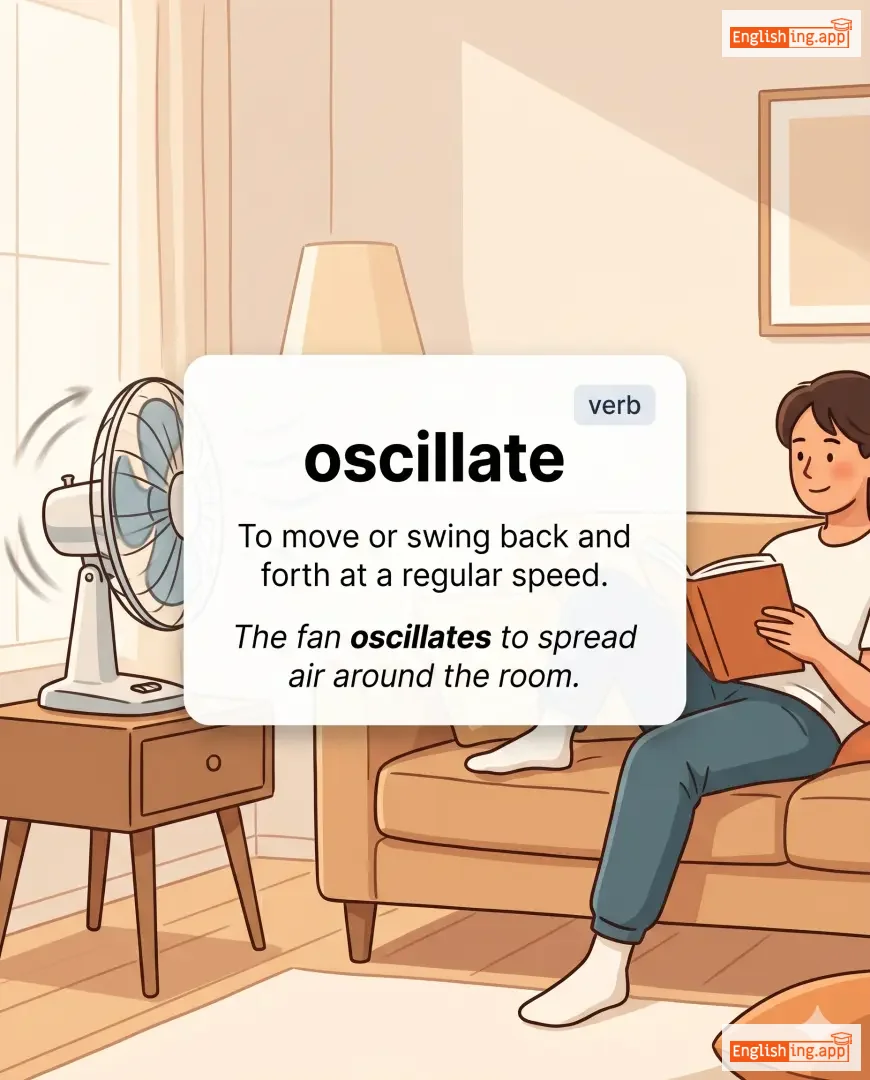
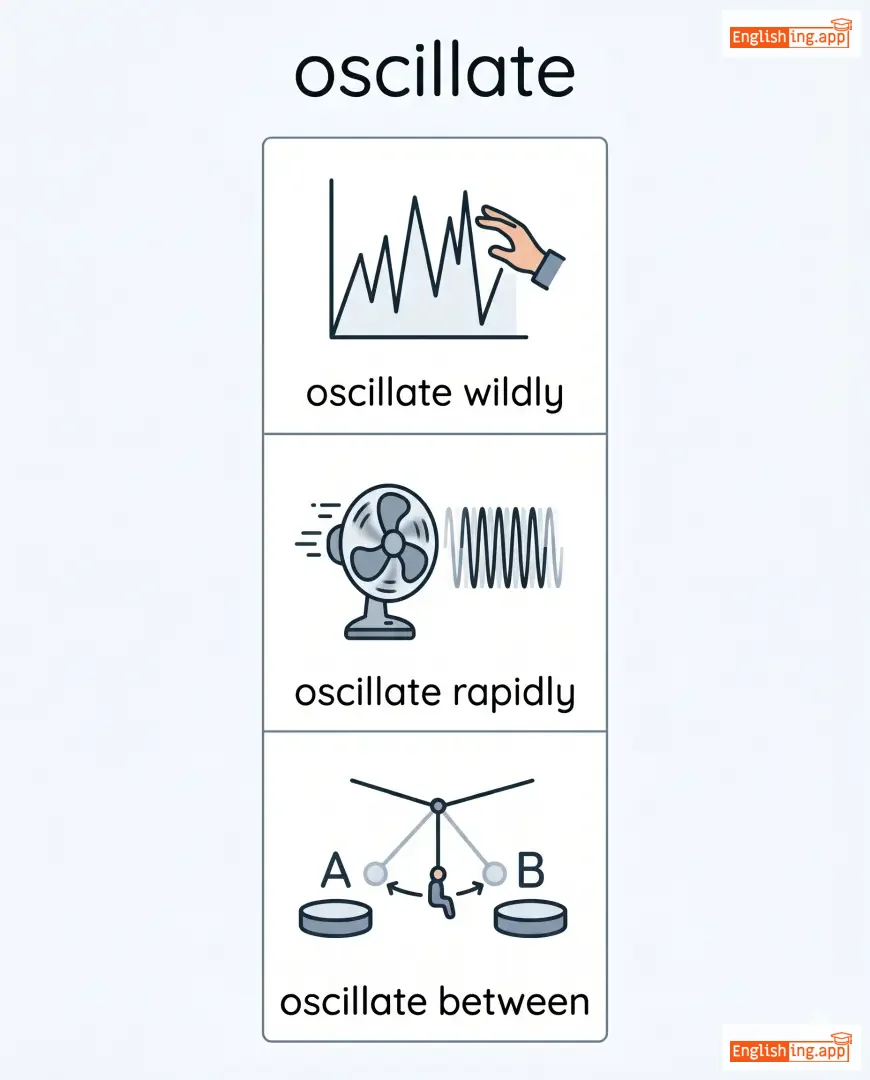
To move or swing back and forth at a regular speed.
••••••
|
The fan oscillates to spread air around the room.
她获得奖项时无法掩饰她的幸福。
••••••
|
她获得奖项时无法掩饰她的幸福。
Tā huòde jiǎngxiàng shí wúfǎ yǎnshì tā de xìngfú.
••••••
|
oscillate between
追求幸福
••••••
|
To alternate between different states or opinions.
••••••
|
追求幸福
zhuīqiú xìngfú
••••••
|
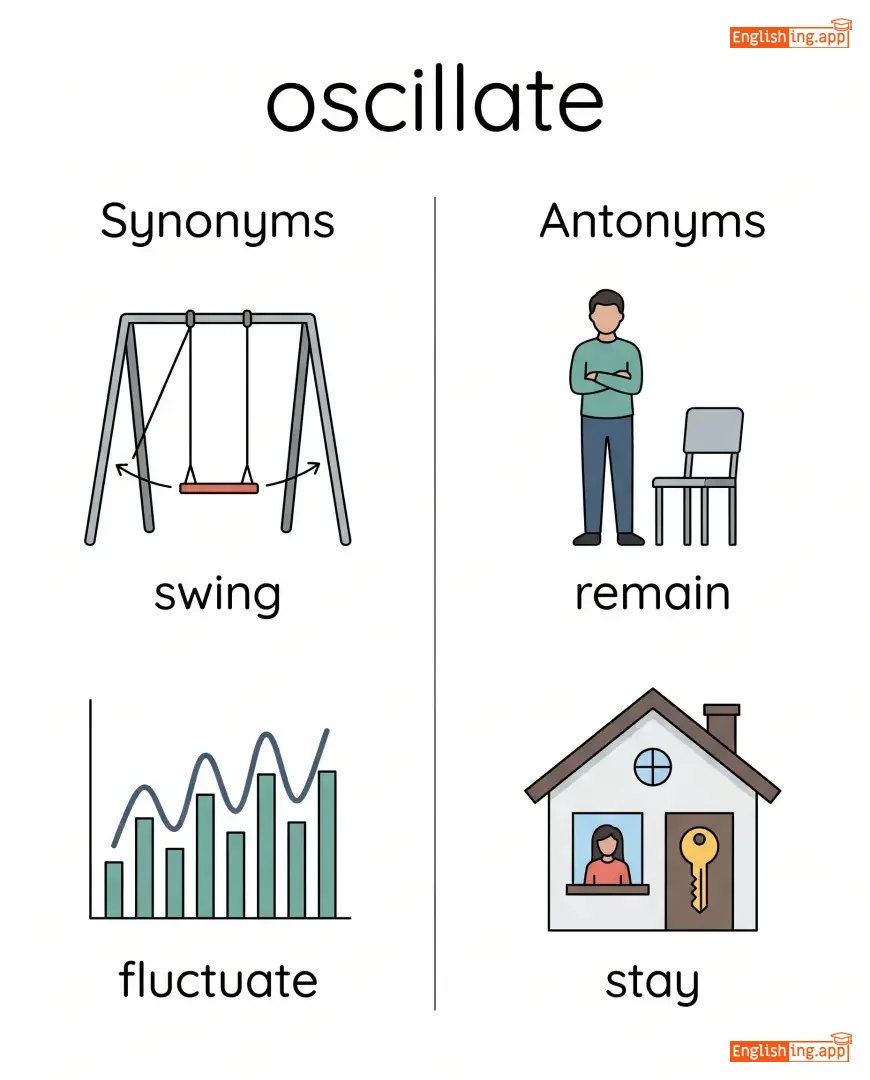
swing, fluctuate, sway, vibrate, waver
••••••
|
remain, stay
••••••
|
oscillate wildly, oscillate rapidly, oscillate between
••••••
|
幸福就像美好的时光,我们都在追寻它!
••••••
|
|
✨
••••••
|
/ˌɒstɛnˈteɪʃəs/
adjective
(奥斯坦泰修斯)
••••••
|
|
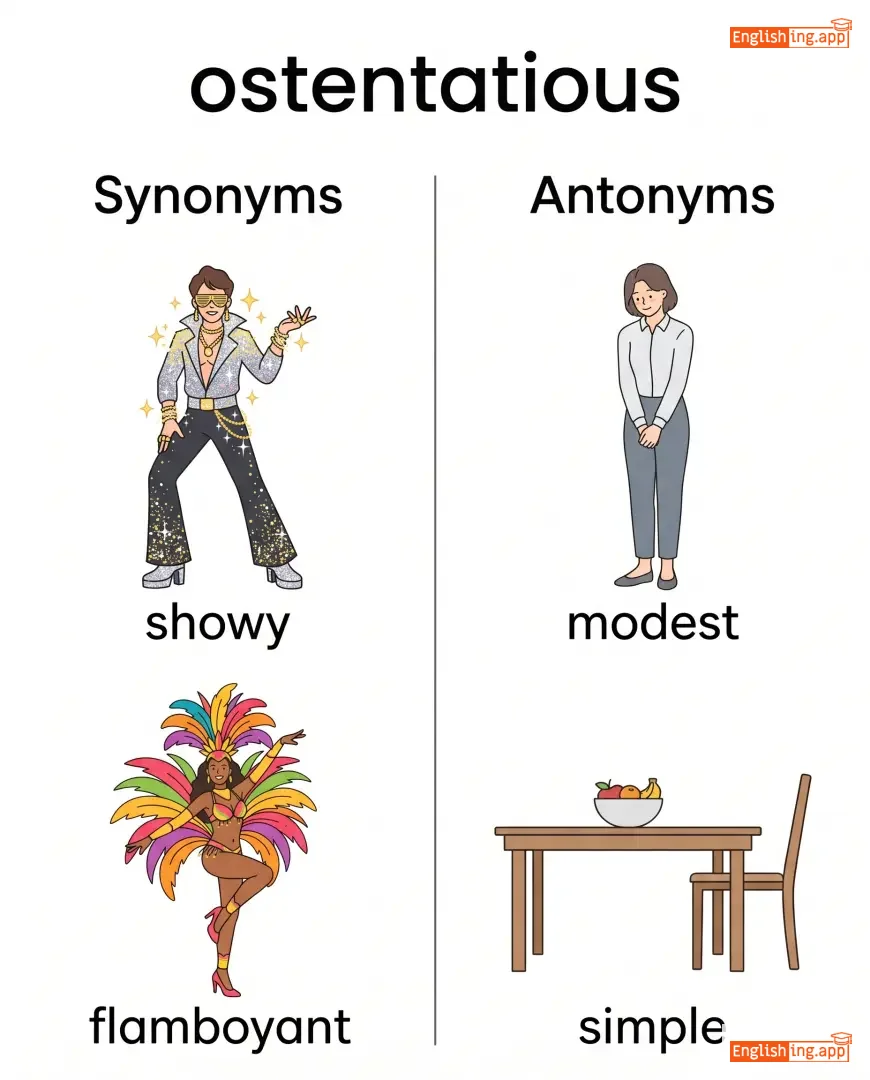
炫耀的
xuànyào de
••••••
|
- •••••• | - •••••• | - •••••• | - •••••• |
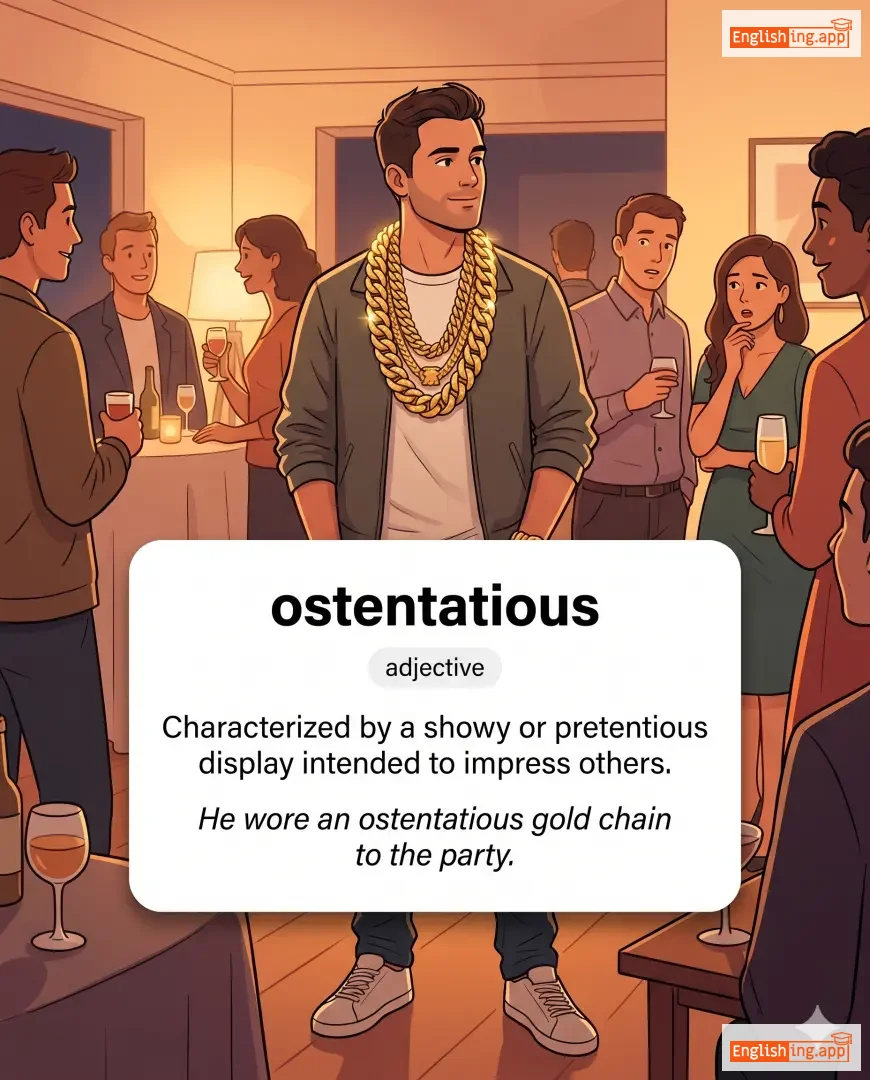
Characterized by a showy or pretentious display intended to impress others.
••••••
|
He wore an ostentatious gold chain to the party. |
他在派对上戴着一条炫耀的金链子。
Tā zài pàiduì shàng dàizhe yītiáo xuànyào de jīn liànzi.
••••••
|
- •••••• | - •••••• | - •••••• |
showy, flamboyant, pretentious, gaudy, flashy
••••••
|
modest, simple, plain
••••••
|
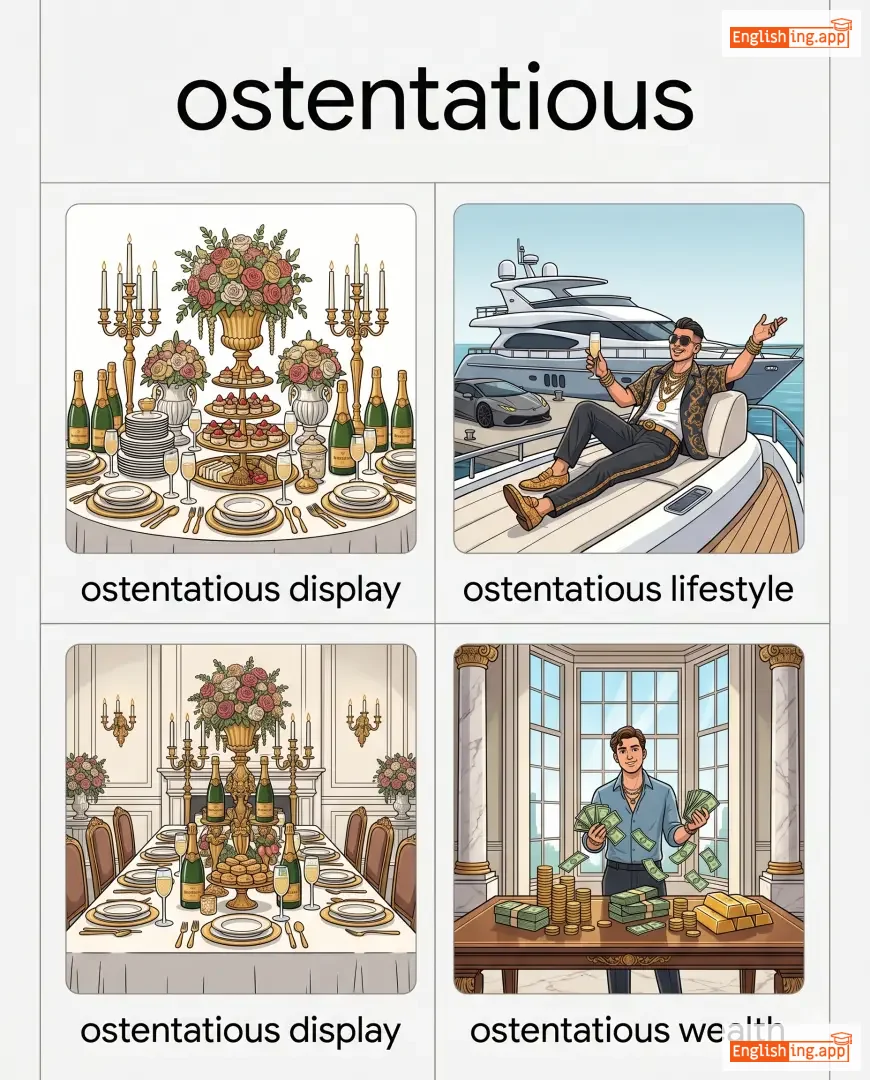
ostentatious display, ostentatious lifestyle, ostentatious wealth
••••••
|
Ostentatious意味着'炫耀的',表示通过显眼的展示来给人留下印象。
••••••
|
|
😤
••••••
|
/ˌoʊvərˈwiːnɪŋ/
adjective
(òu wé línɪŋ)
••••••
|
- •••••• |
过度自负
guòdù zìfù
••••••
|
- •••••• | - •••••• | - •••••• | - •••••• |
excessively arrogant or prideful
••••••
|
His overweening pride cost him many friends.
Hɪz óvərwíning praɪd kɔst hɪm mɛni frɛndz.
••••••
|
他过度的自豪让他失去了许多朋友。
Tā guòdù de zìháo ràng tā shīqùle xǔduō péngyǒu.
••••••
|
- •••••• | - •••••• | - •••••• |
arrogant, conceited, haughty, proud, pompous
••••••
|
humble, modest, meek
••••••
|
overweening pride, overweening arrogance, overweening ambition
••••••
|
Over WEENing = WEENing (赢) 过度的自大 – 自负。
••••••
|
|
🎶
••••••
|
/ˈpiːən/
noun
(皮恩)
••••••
|
- •••••• |
颂歌
song ge
••••••
|
- •••••• | - •••••• | - •••••• | - •••••• |
A song or piece of writing expressing great praise or triumph.
••••••
|
The article was a paean to the beauty of nature. |
这篇文章是对大自然美丽的颂歌。
Zhe pian wen zhang shi dui da zi ran mei li de song ge.
••••••
|
- •••••• | - •••••• | - •••••• |
hymn, tribute, praise, accolade, panegyric
••••••
|
criticism, condemnation
••••••
|
paean of praise, paean to victory, paean of joy
••••••
|
Paean 意味着赞歌 — 想象 Paean 是一首赞歌。
••••••
|
|
🦖
••••••
|
/ˌpeɪ.li.ɒnˈtɒl.ə.dʒi/
noun
(古生物学)
••••••
|
- •••••• |
古生物学
gǔshēngwùxué
••••••
|
- •••••• | - •••••• | - •••••• | - •••••• |
the branch of science concerned with fossil animals and plants
••••••
|
She decided to study paleontology at university. |
她决定在大学学习古生物学。
Tā juédìng zài dàxué xuéxí gǔshēngwùxué.
••••••
|
- •••••• | - •••••• | - •••••• |
fossil science, paleobiology, earth science
••••••
|
none,
••••••
|
paleontology research, paleontology department, study paleontology
••••••
|
古生物学是研究恐龙化石的学科。
••••••
|
|
🤒
••••••
|
/ˈpæl.ɪd/
adjective
(苍白)
••••••
|
- •••••• |
苍白,特别是因为健康不好;缺乏实质或活力
cāng bái
••••••
|
- •••••• | - •••••• | - •••••• | - •••••• |
pale, especially because of poor health; lacking substance or vitality
••••••
|
His pallid complexion showed signs of illness. |
他苍白的面色显示出生病的迹象。
ta cang bai de mian se xian shi chu sheng bing de ji xiang
••••••
|
- •••••• | - •••••• | - •••••• |
pale, wan, ashen, sickly, colorless
••••••
|
rosy, healthy, vibrant, ruddy, glowing
••••••
|
pallid face, pallid complexion, pallid appearance, pallid skin
••••••
|
Cang bai sounds like ‘sick’ in English. Cang bai = pale face!
••••••
|
|
👏
••••••
|
/ˌpænəˈdʒɪrɪk/
noun
(潘尼吉里克)
••••••
|
- •••••• |
赞美诗, 颂辞
zanmei shi, songci
••••••
|
- •••••• | - •••••• | - •••••• | - •••••• |
a formal speech or piece of writing in praise of someone or something
••••••
|
The author wrote a panegyric on the bravery of the soldiers.
作者写了一篇关于士兵英勇的潘尼吉里克。
••••••
|
作者写了一篇关于士兵英勇的潘尼吉里克。
Zuòzhě xiěle yī piān guānyú shìbīng yīngyǒng de pānníjílǐkè.
••••••
|
- •••••• | - •••••• | - •••••• |
eulogy, praise, tribute, commendation, acclaim
••••••
|
criticism, condemnation, censure
••••••
|
deliver a panegyric, glowing panegyric, panegyric speech
••••••
|
Pan + Gyrik = 为朋友写的赞美诗
••••••
|
|
⭐
••••••
|
/ˈpær.ə.ɡɑn/
noun
(帕拉贡)
••••••
|
|
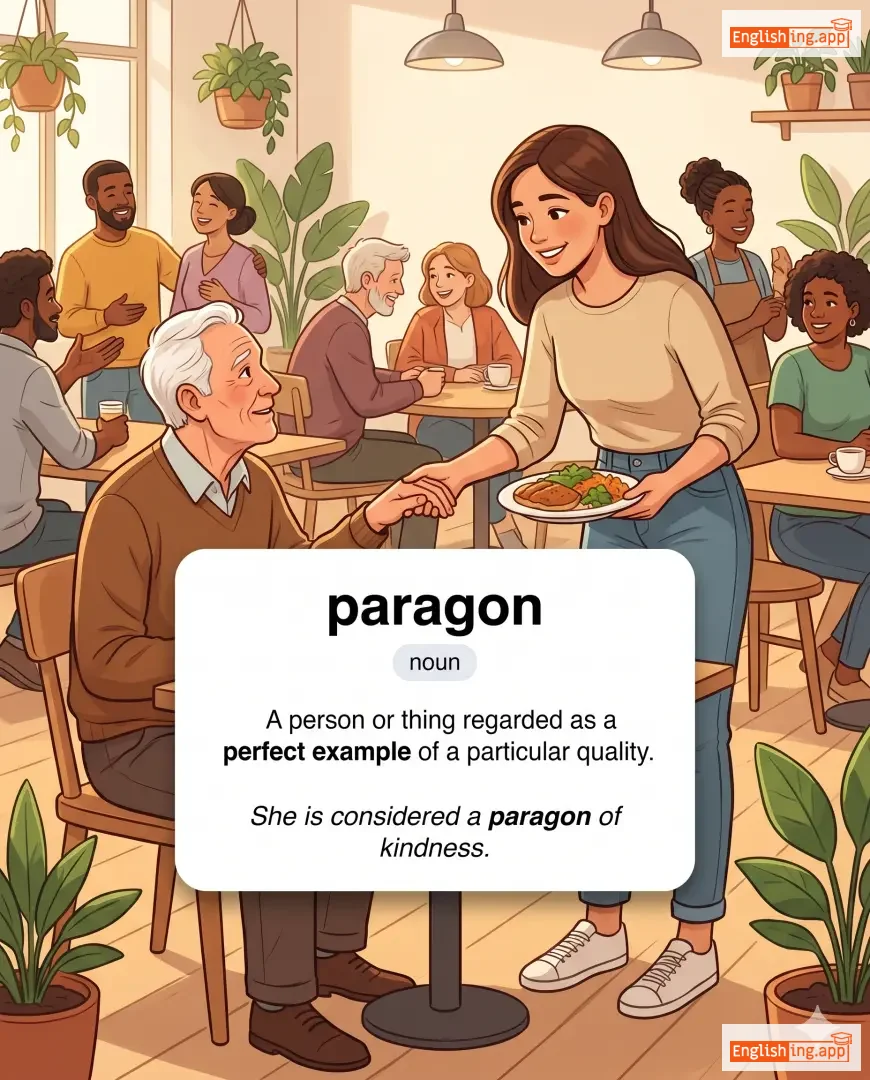
完美典范
wanmei dianfan
••••••
|
- •••••• | - •••••• | - •••••• | - •••••• |
a person or thing regarded as a perfect example of a particular quality; a model of excellence
••••••
|
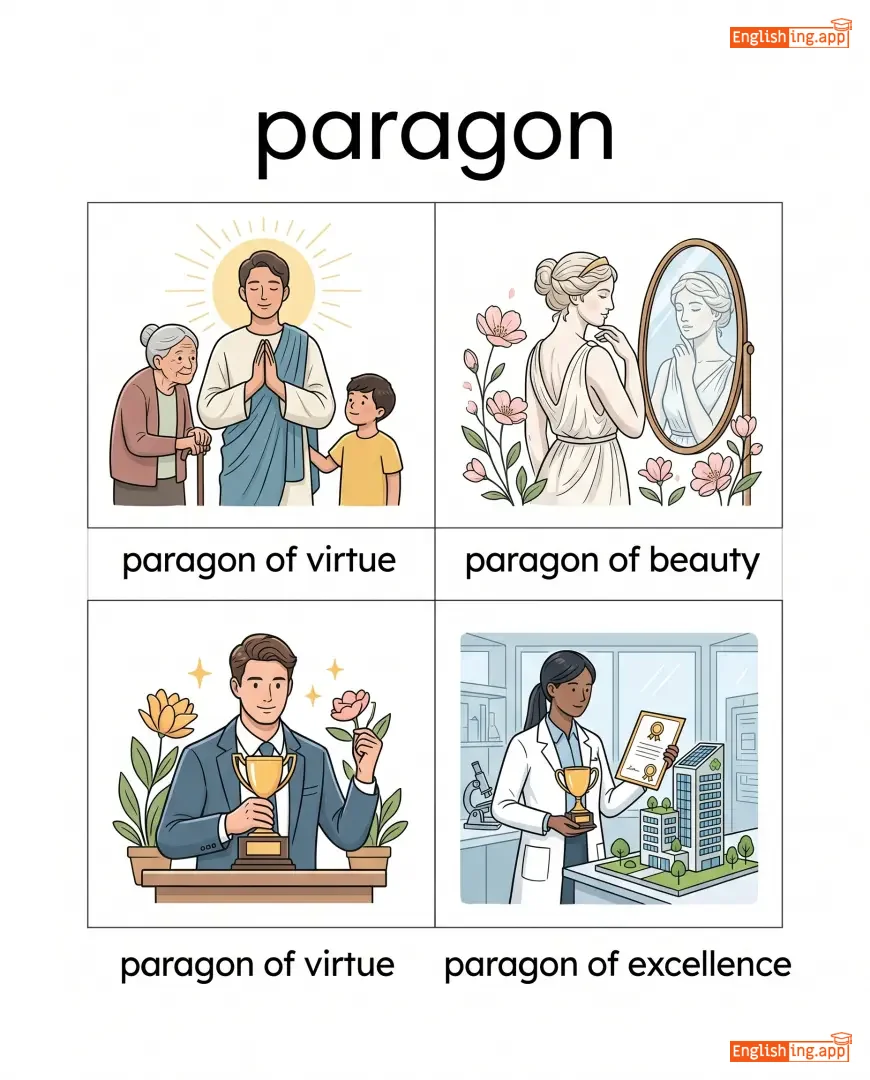
She was considered a paragon of virtue and kindness. |
她被认为是美德和善良的完美典范。
ta bei renwei shi meide he shanliang de wanmei dianfan.
••••••
|
- •••••• | - •••••• | - •••••• |
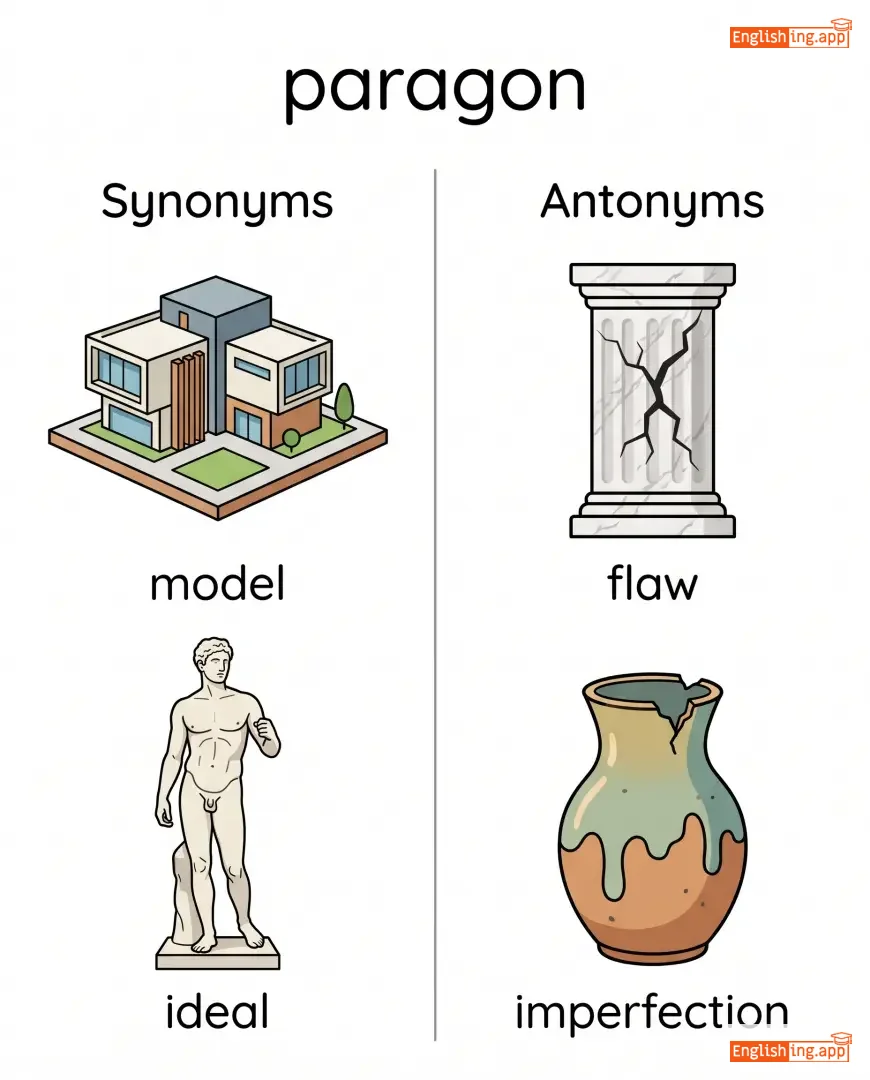
model, ideal, epitome, exemplar
••••••
|
worst example, failure, disgrace, disappointment
••••••
|
paragon of virtue, perfect paragon, moral paragon
••••••
|
帕拉贡是完美的典范,是任何人的楷模
••••••
|
|
⚔️
••••••
|
/ˈpɑːrtɪzən/
noun, adjective
(派系支持者)
••••••
|

|
党派支持者
dǎngpài zhīchí zhě
••••••
|
- •••••• | - •••••• | - •••••• | - •••••• |
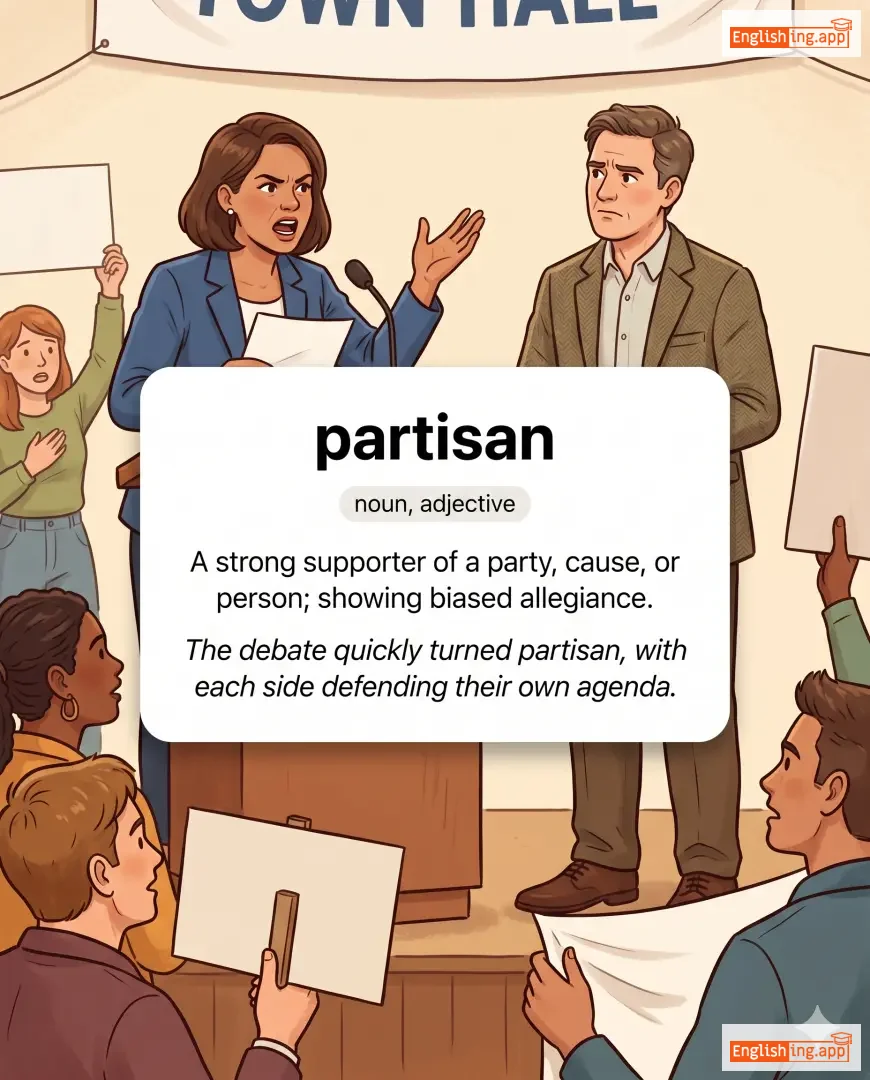
A strong supporter of a party, cause, or person; showing biased allegiance.
••••••
|
The debate quickly turned partisan, with each side defending their own agenda.
辩论迅速变得党派化,每一方都在捍卫自己的议程。
••••••
|
辩论迅速变得党派化,每一方都在捍卫自己的议程。
Biànlùn xùnsù biàn dé dǎngpài huà, měi yī fāng dōu zài hànwèi zìjǐ de yìchéng.
••••••
|
- •••••• | - •••••• | - •••••• |
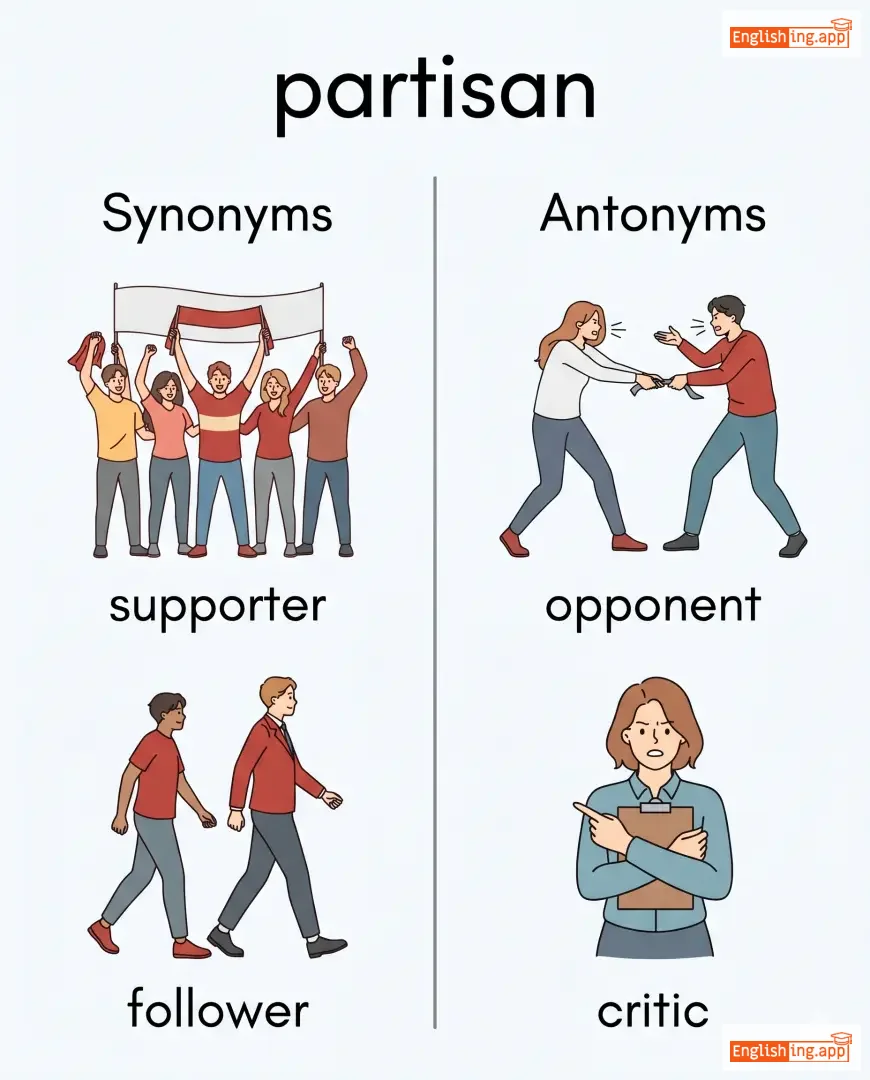
supporter, follower, adherent, devotee, zealot
••••••
|
opponent, critic, adversary
••••••
|
partisan politics, partisan supporter, partisan divide, highly partisan
••••••
|
Party + Son = 党派支持者
••••••
|
|
🧠
••••••
|
/ˌpæθəˈlɑːdʒɪkəl/
adjective
(病理的)
••••••
|

|
病理的, 异常的
bìnglǐ de, yìcháng de
••••••
|
- •••••• | - •••••• | - •••••• | - •••••• |
Relating to disease; extreme or obsessive in a way that is abnormal.
••••••
|
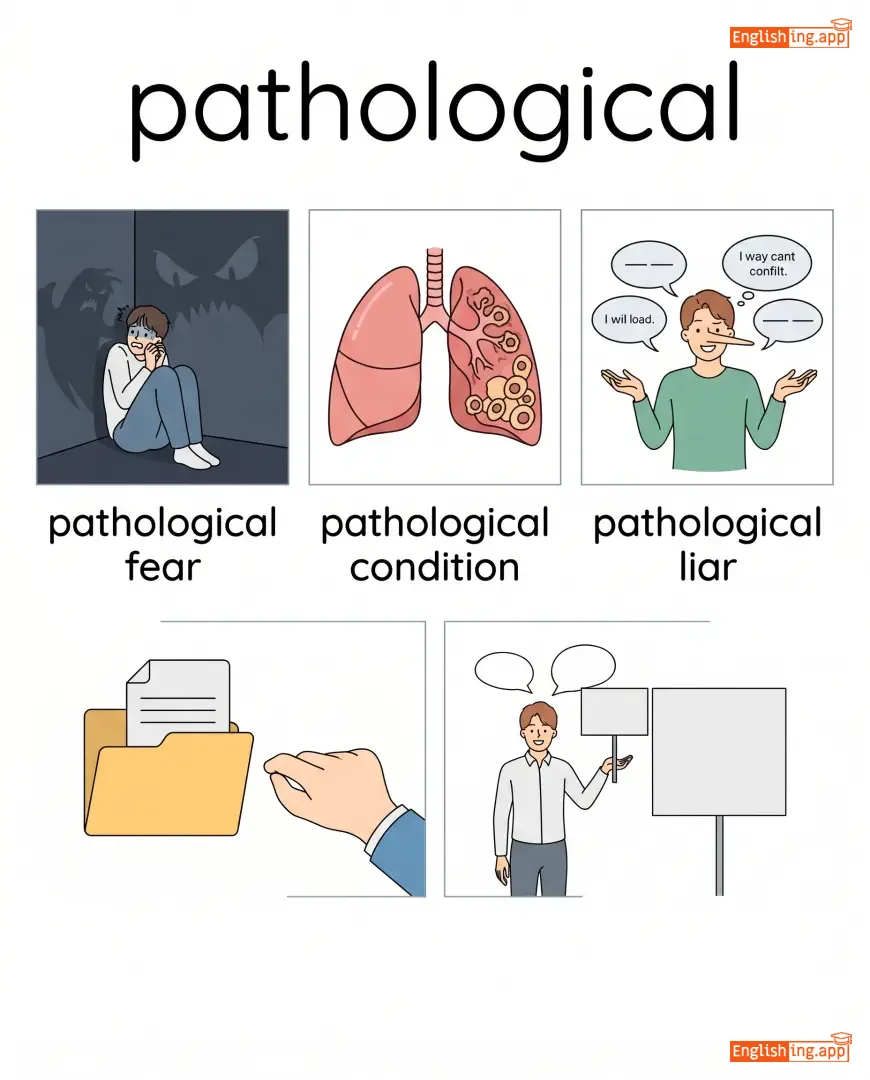
He has a pathological fear of failure. |
他对失败有病理性的恐惧。
Tā duì shībài yǒu bìnglǐ xìng de kǒngjù.
••••••
|
pathological liar |
A person who lies compulsively and uncontrollably.
••••••
|
病理性说谎者
bìnglǐ xìng shuōhuǎng zhě
••••••
|
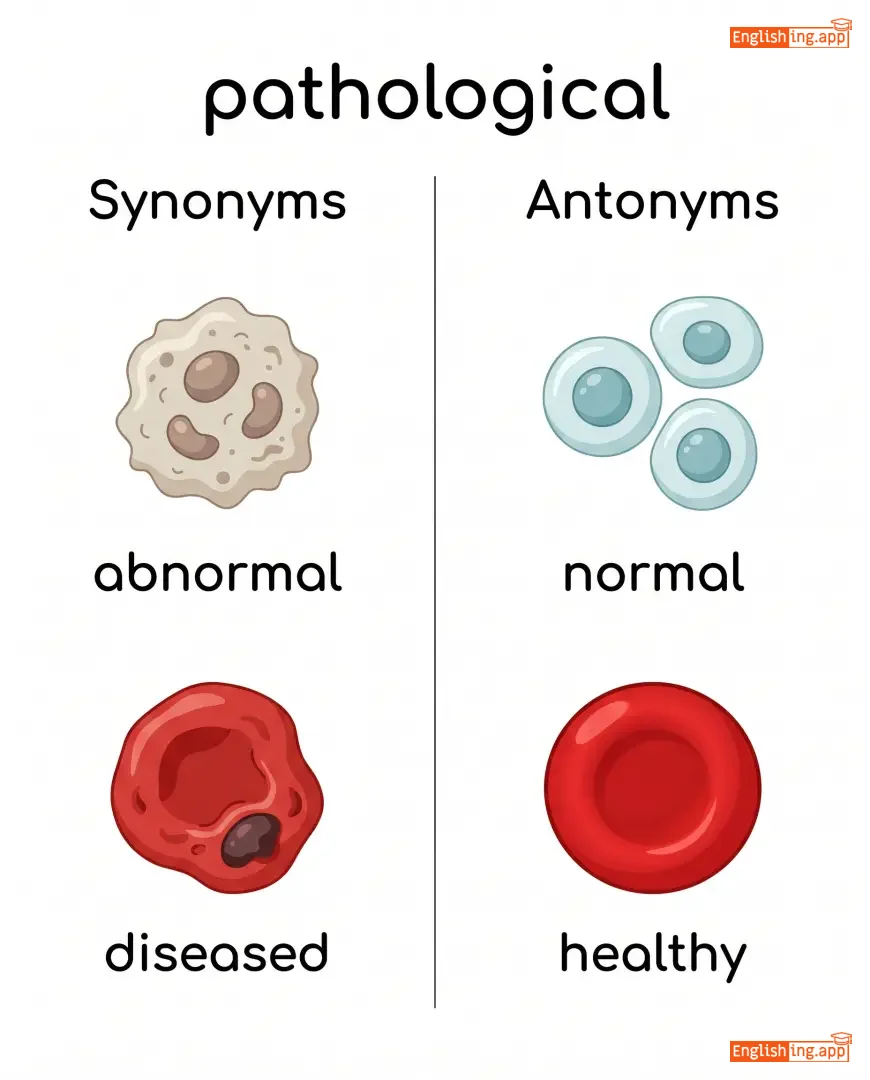
abnormal, diseased, compulsive, obsessive
••••••
|
normal, healthy
••••••
|
pathological fear, pathological condition, pathological liar
••••••
|
PATHology意味着疾病,因此病理的意味着与疾病有关或不正常。
••••••
|
|
🗣️
••••••
|
/ˈpætwɑː/
noun
(帕图瓦)
••••••
|
- •••••• |
地方方言
dìfāng fāngyán
••••••
|
- •••••• | - •••••• | - •••••• | - •••••• |
a regional or social dialect, especially one considered nonstandard or informal
••••••
|
The guide slipped into local patois when chatting with the fishermen.
导游在与渔民交谈时开始使用当地的帕图瓦。
••••••
|
导游在与渔民交谈时开始使用当地的帕图瓦。
dǎoyóu zài yǔ yúmín jiāotán shí kāishǐ shǐyòng dāngdì de Pàtúwǎ.
••••••
|
- •••••• | - •••••• | - •••••• |
dialect, vernacular, argot, creole, jargon
••••••
|
standard language, formal speech, lingua franca
••••••
|
local patois, rural patois, speak in patois, Caribbean patois, native patois
••••••
|
Patois 听起来像是地方语言,用一种轻松随意的方式沟通。
••••••
|
|
⚠️
••••••
|
/ˈpɔːsɪti/
noun
(pósiti)
••••••
|

|
稀缺 / 缺乏
xiqu / quefa
••••••
|
- •••••• | - •••••• | - •••••• | - •••••• |
the presence of something in only small or insufficient quantities
••••••
|
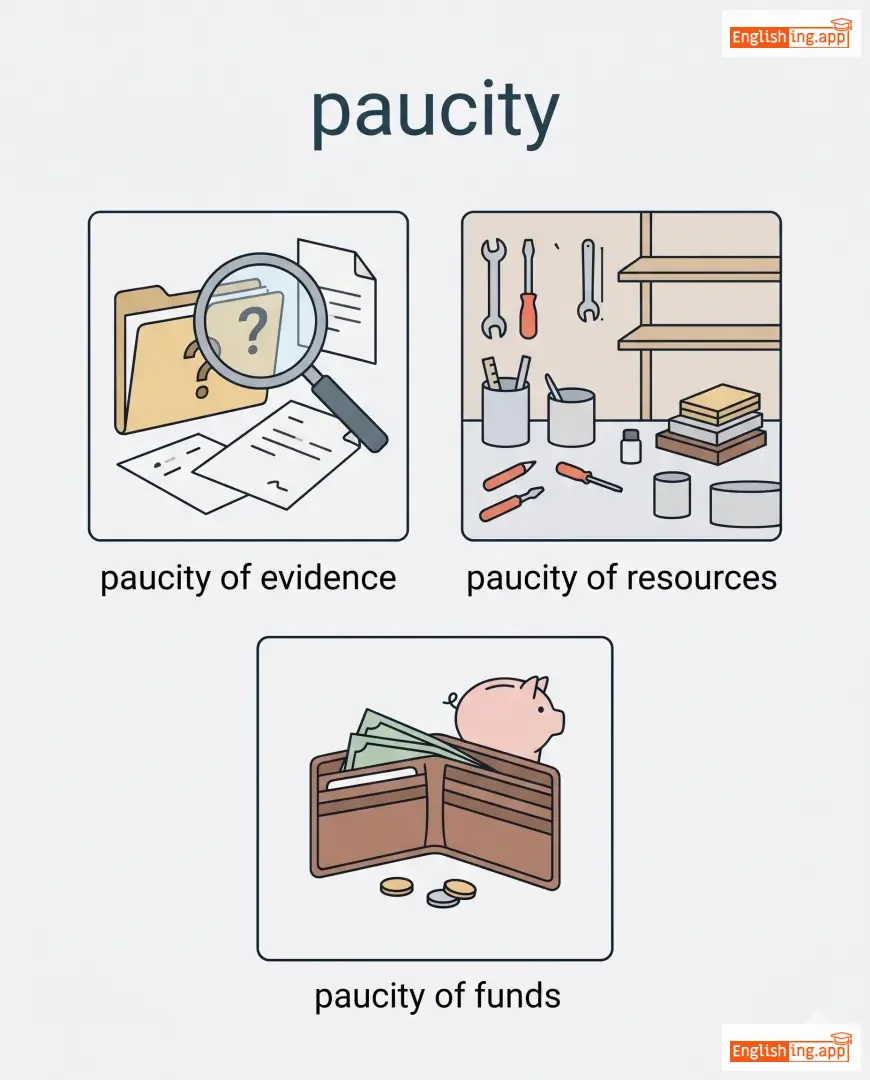
The project was delayed due to a paucity of funds. |
由于资金短缺,项目被推迟了。
Youyu zijin duanqu, xiangmu bei tuichi le.
••••••
|
- •••••• | - •••••• | - •••••• |
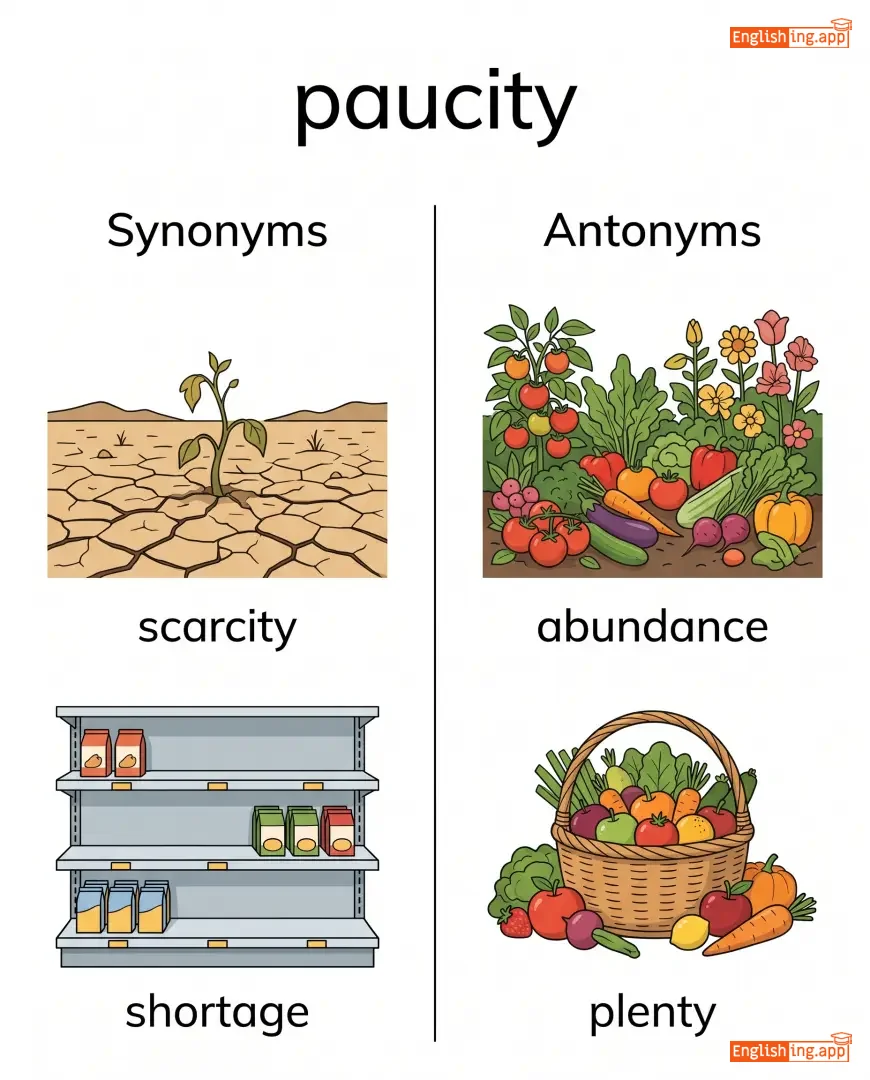
scarcity, shortage, lack, dearth, insufficiency
••••••
|
abundance, plenty, surplus
••••••
|
paucity of evidence, paucity of resources, paucity of funds, general paucity
••••••
|
Pau表示少,而在城市中如果缺乏某物,则称之为paucity。
••••••
|
|
📖
••••••
|
/pəˈdæntɪk/
adjective
(呗丹提克)
••••••
|
|
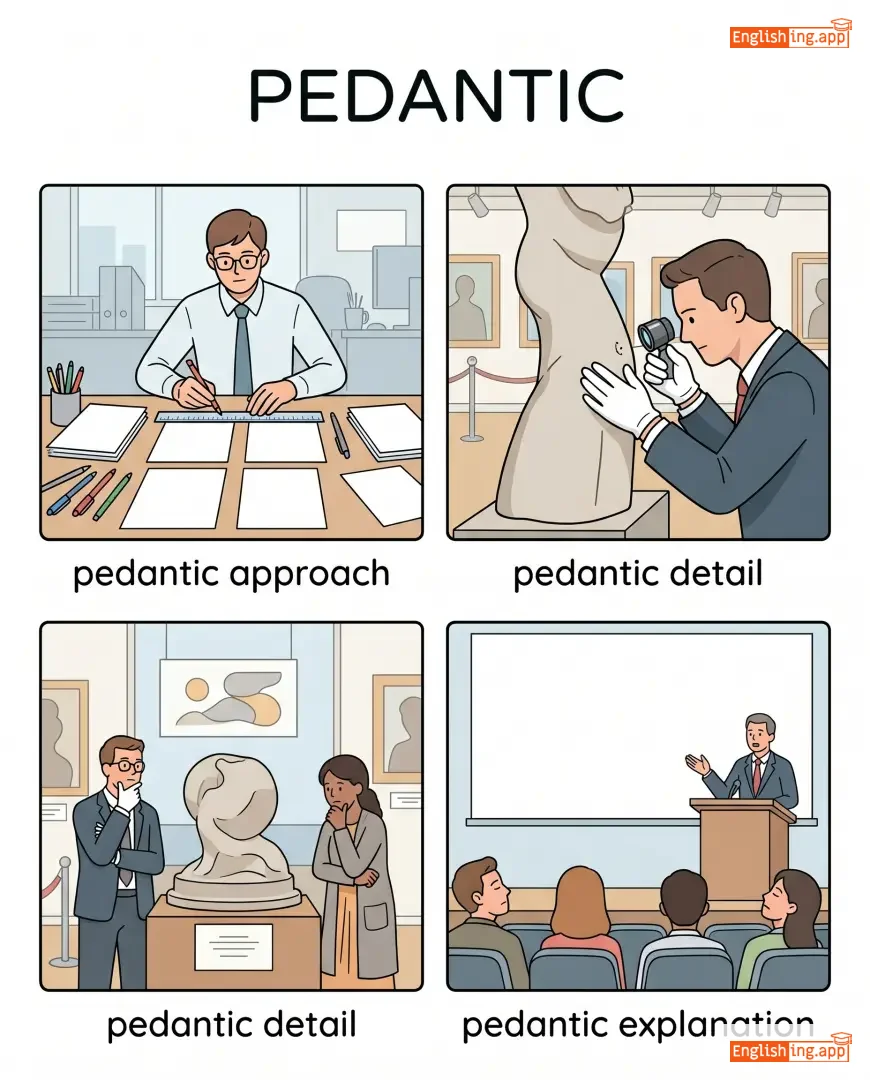
过于关注细节或规则的人
guò yú guān zhù xì jié huò guī zé de rén
••••••
|
- •••••• | - •••••• | - •••••• | - •••••• |
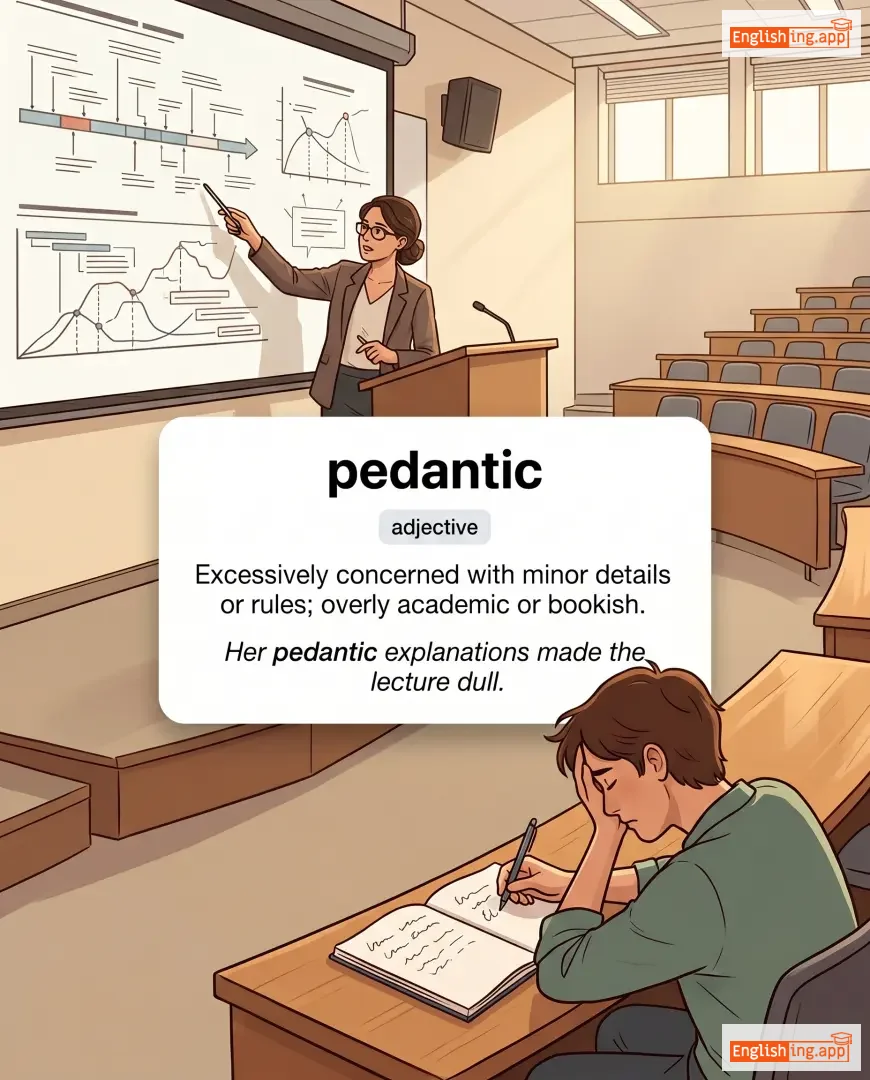
Excessively concerned with minor details or rules; overly academic or bookish.
••••••
|
Her pedantic explanations made the lecture dull. |
她的呗丹提克解释让讲座变得无聊。
Tā de bèi dān tí kè jiě shì ràng jiǎng zuò biàn dé wú liáo.
••••••
|
- •••••• | - •••••• | - •••••• |
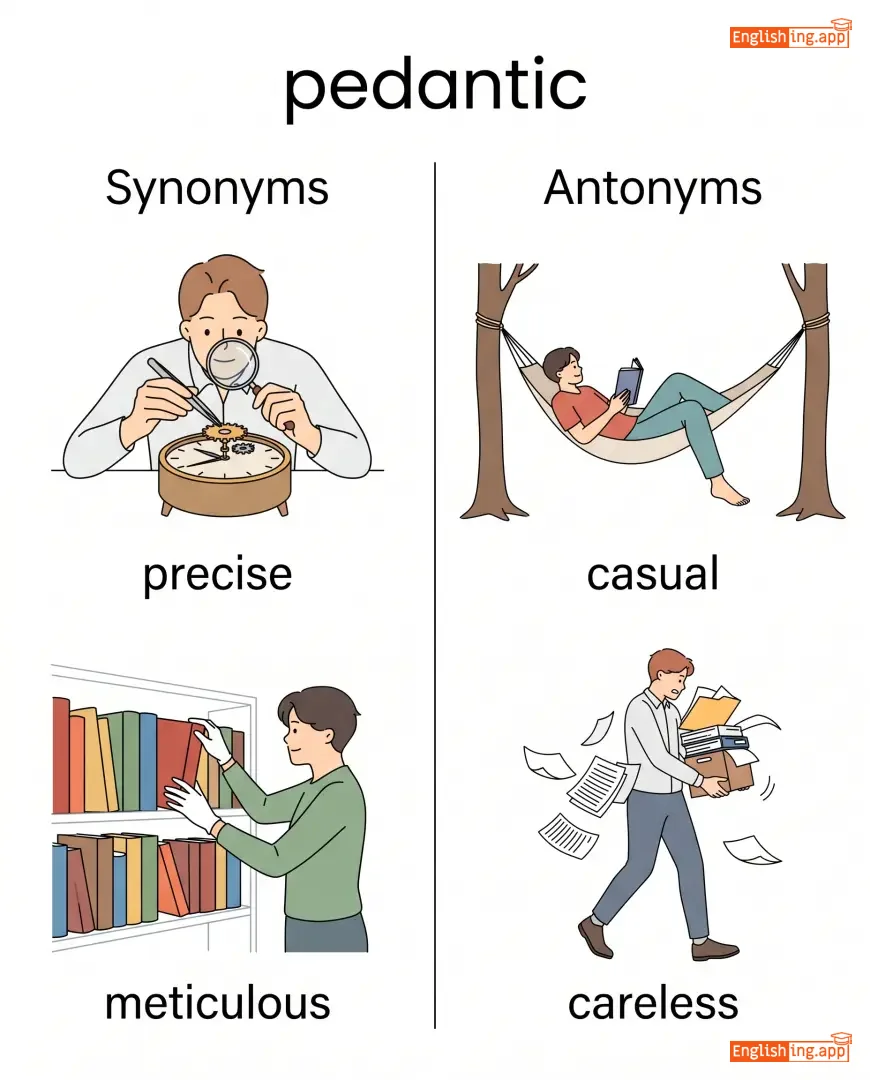
precise, meticulous, nitpicking, finicky, scholarly
••••••
|
casual, careless, informal
••••••
|
pedantic approach, pedantic detail, pedantic explanation, pedantic style
••••••
|
Pedantic 就是像讲究细节的完美主义者一样。
••••••
|
|
💧
••••••
|
/pəˈluːsɪd/
adjective
(pèi lù sī de)
••••••
|
- •••••• |
透明
tòu míng
••••••
|
- •••••• | - •••••• | - •••••• | - •••••• |
Transparently clear; easy to understand.
••••••
|
The lake water was so pellucid that you could see the stones at the bottom.
湖水是如此清澈,你可以看到底部的石头。
••••••
|
湖水是如此透明,你可以看到底部的石头。
hú shuǐ shì rú cǐ tòu míng, nǐ kě yǐ kàn dào dǐ bù de shí tóu.
••••••
|
- •••••• | - •••••• | - •••••• |
transparent, clear, lucid, crystalline
••••••
|
cloudy, opaque, obscure
••••••
|
pellucid water, pellucid explanation, pellucid prose
••••••
|
Pellucid 意味着像水一样清晰,像清晰的想法一样明了。
••••••
|
|
💖
••••••
|
/ˈpɒ̃ʃɒ̃/
noun
(pén-shàng)
••••••
|
|
倾向
qingxiang
••••••
|
- •••••• | - •••••• | - •••••• | - •••••• |
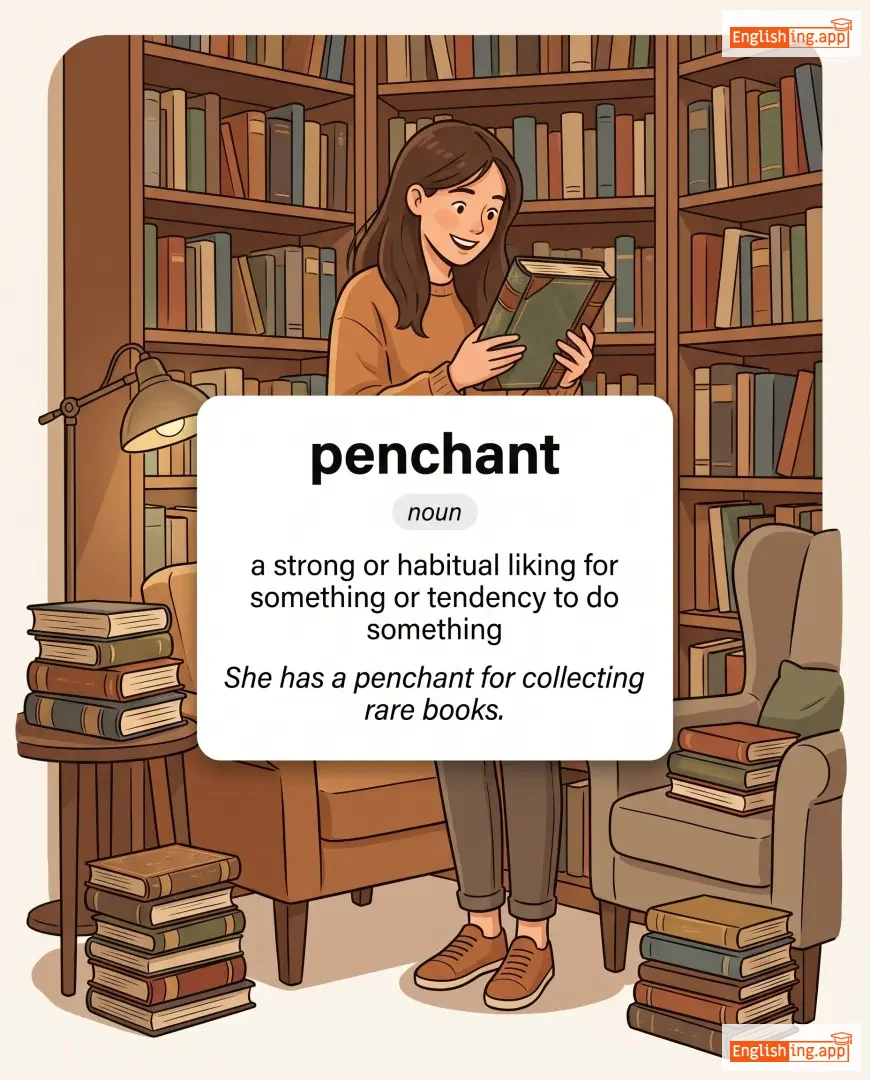
a strong or habitual liking for something or tendency to do something
••••••
|
She has a penchant for collecting rare books. |
她有收集稀有书籍的倾向。
Ta you shouji xiyao shuji de qingxiang.
••••••
|
- •••••• | - •••••• | - •••••• |
liking, fondness, preference, inclination, taste
••••••
|
dislike, aversion, indifference
••••••
|
penchant for, strong penchant, developed a penchant, natural penchant
••••••
|
Penchant意味着一种强烈的倾向,像收集稀有书籍的倾向。
••••••
|
|
🥀
••••••
|
/ˈpɛnjʊri/
noun
(pēnūlì)
••••••
|

|
极端贫困
jíduān pínkùn
••••••
|
- •••••• | - •••••• | - •••••• | - •••••• |
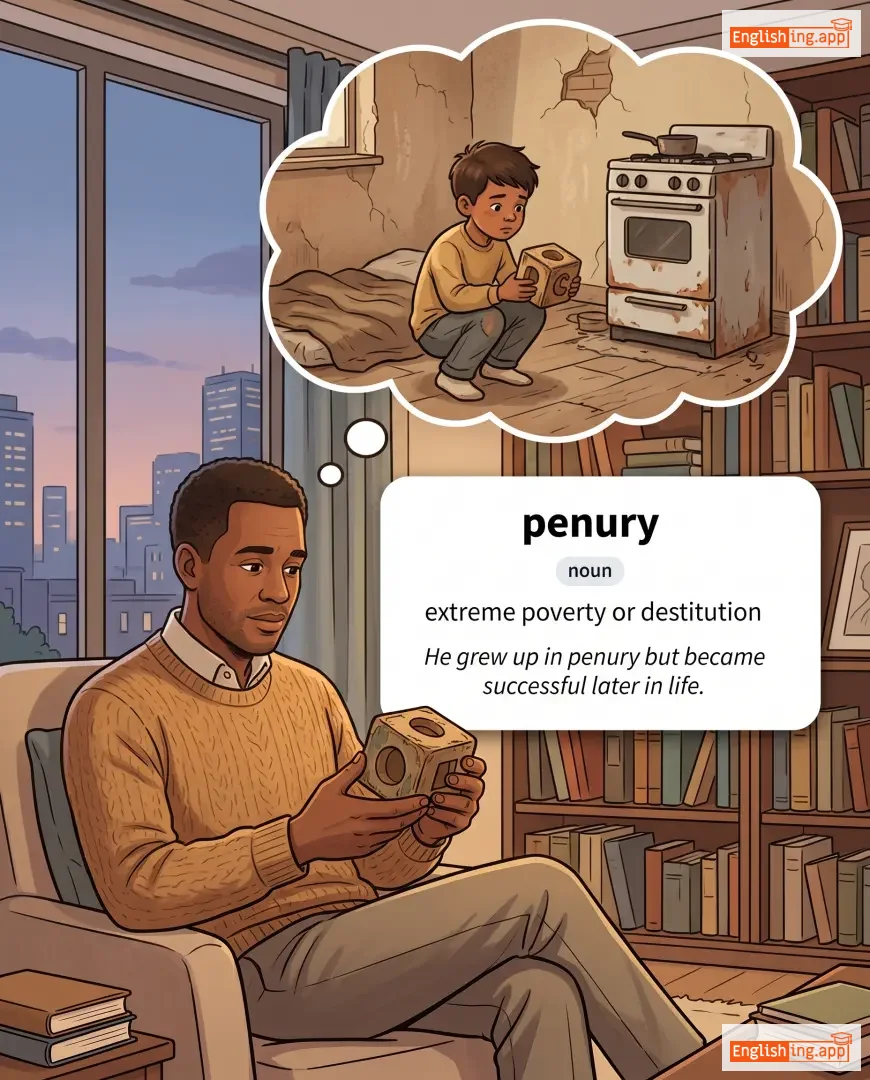
extreme poverty or destitution
••••••
|
He grew up in penury but became successful later in life.
他在极度贫困中长大,但后来在生活中成功。
••••••
|
他在极度贫困中长大,但后来在生活中成功。
Tā zài jíduān pínkùn zhōng zhǎng dà, dàn hòulái zài shēnghuó zhōng chénggōng.
••••••
|
- •••••• | - •••••• | - •••••• |
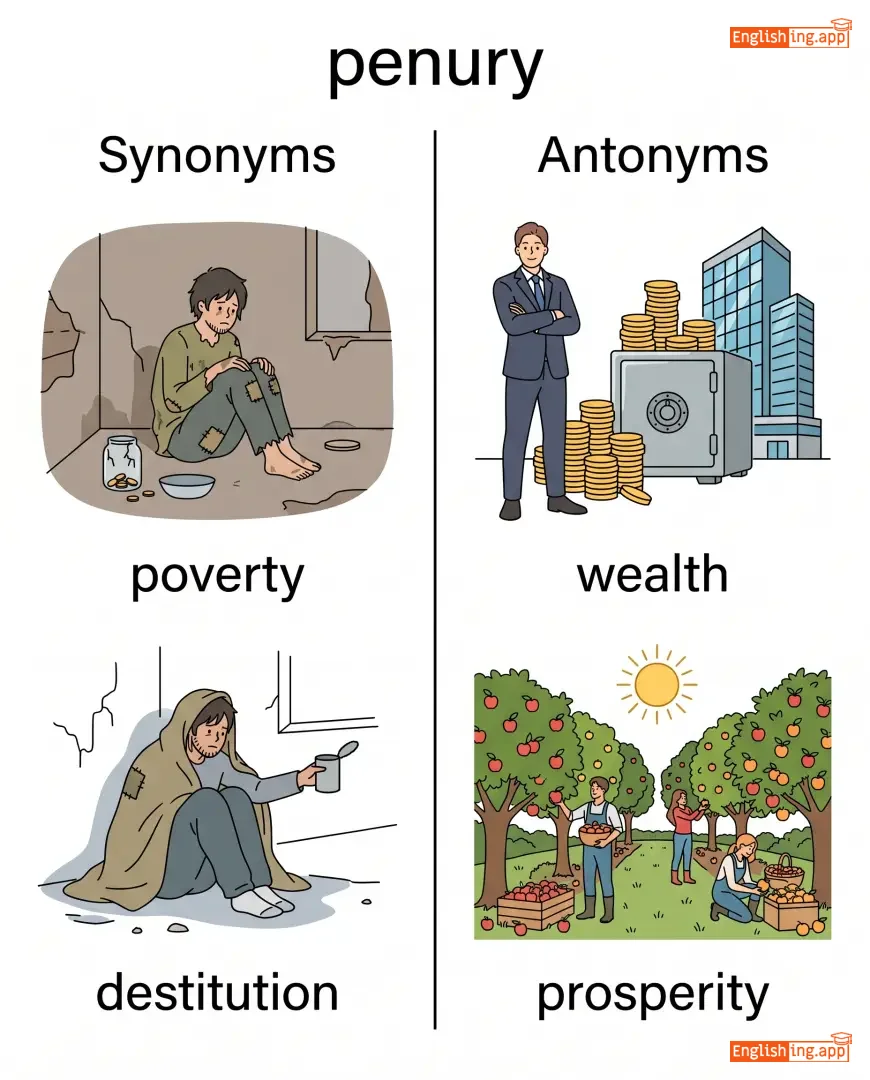
poverty, destitution, deprivation, need, hardship
••••••
|
wealth, prosperity, affluence
••••••
|
live in penury, escape penury, extreme penury, penury-stricken
••••••
|
Penury意味着极端贫困,记住 '没有钱 = 贫困'
••••••
|

