|
表情符号
|
单词 | Images | 翻译 | 过去时 | 过去分词 | 第三人称单数 | 动名词 | 含义 | 例句 | 例句翻译 | 示例表达 | 示例表达含义 | 示例表达翻译 | 同义词 | 反义词 | 搭配词 | 助记符 |
|---|---|---|---|---|---|---|---|---|---|---|---|---|---|---|---|---|---|
|
🚫
••••••
|
/rɪˈfjuːt/
verb
(rìfùtè)
••••••
|
|
驳斥
bóchì
••••••
|
refuted
rìfùtèd
••••••
|
refuted
rìfùtèd
••••••
|
refutes
rìfùtèz
••••••
|
refuting
rìfùtìng
••••••
|
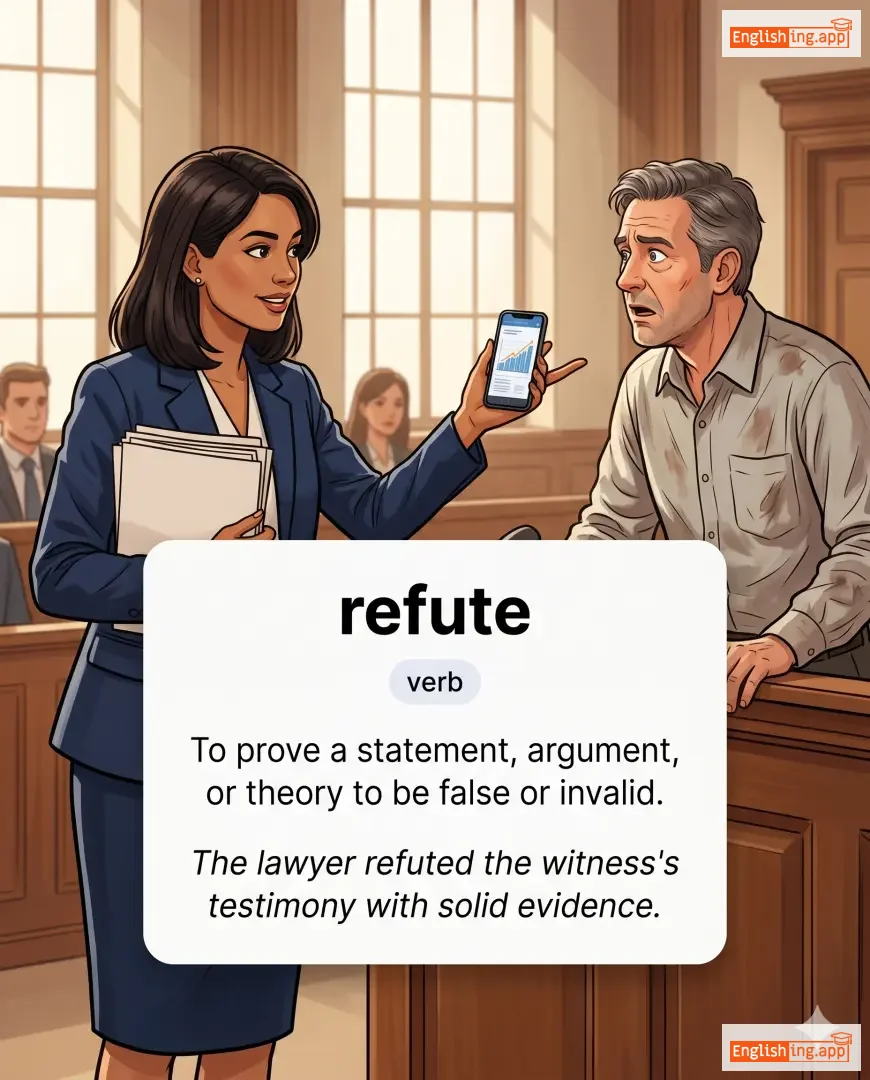
To prove a statement, argument, or theory to be false or invalid.
••••••
|
The lawyer refuted the witness's testimony with solid evidence.
Lǜshī yǒngyú gǒngzhèngle zhèngmíng de jiānghuì yǔ shíliàng de zhèngjù.
••••••
|
律师用确凿的证据驳斥了证人的证词。
Lǜshī yòng quèzáo de zhèngjù bóchìle zhèngrén de zhèngcí.
••••••
|
- •••••• | - •••••• | - •••••• |
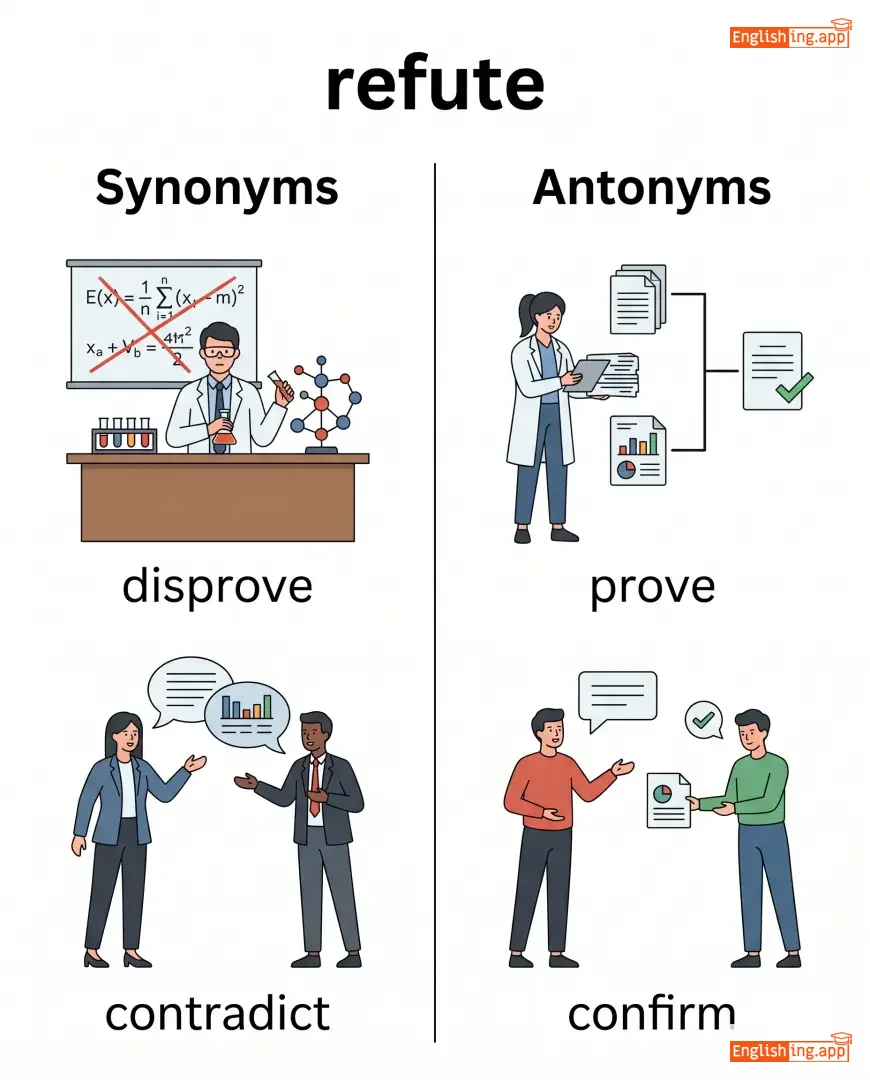
disprove, contradict, counter, deny
••••••
|
prove, confirm, validate
••••••
|
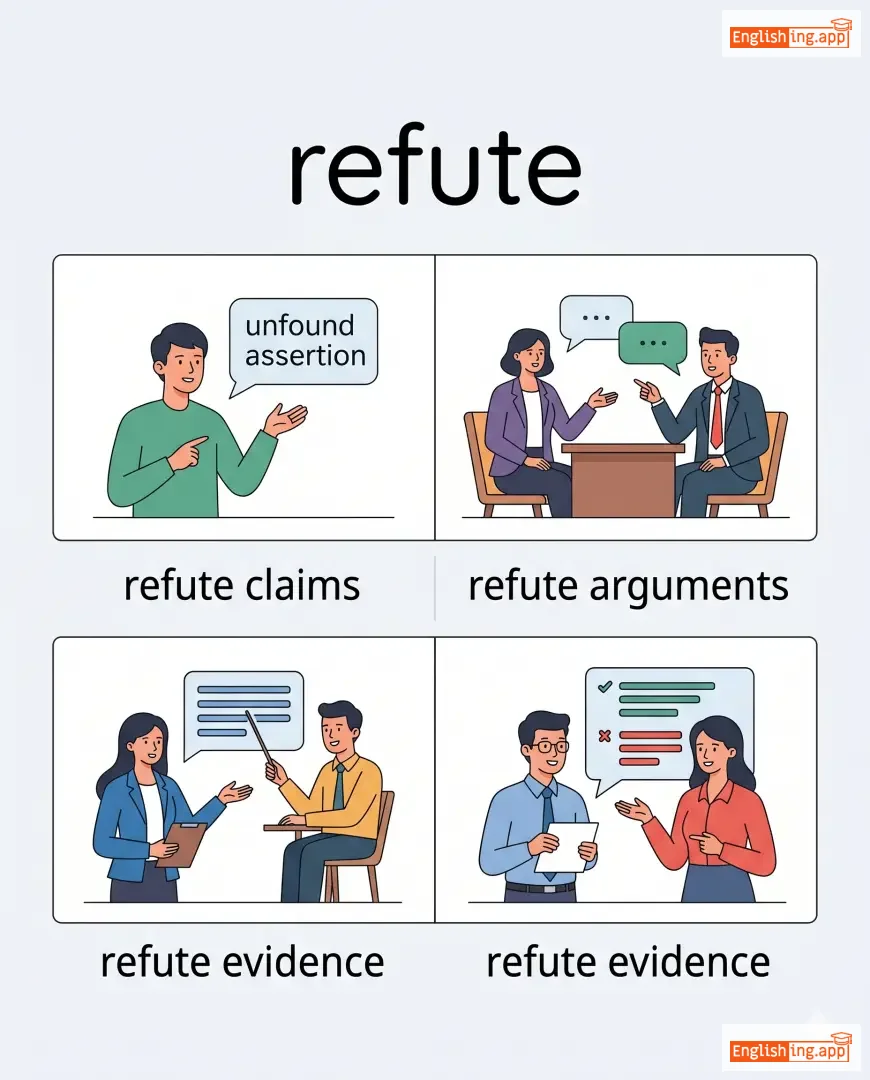
refute claims, refute arguments, refute evidence
••••••
|
Refute 在中文里就像是驳斥假的东西。
••••••
|
|
⬇️
••••••
|
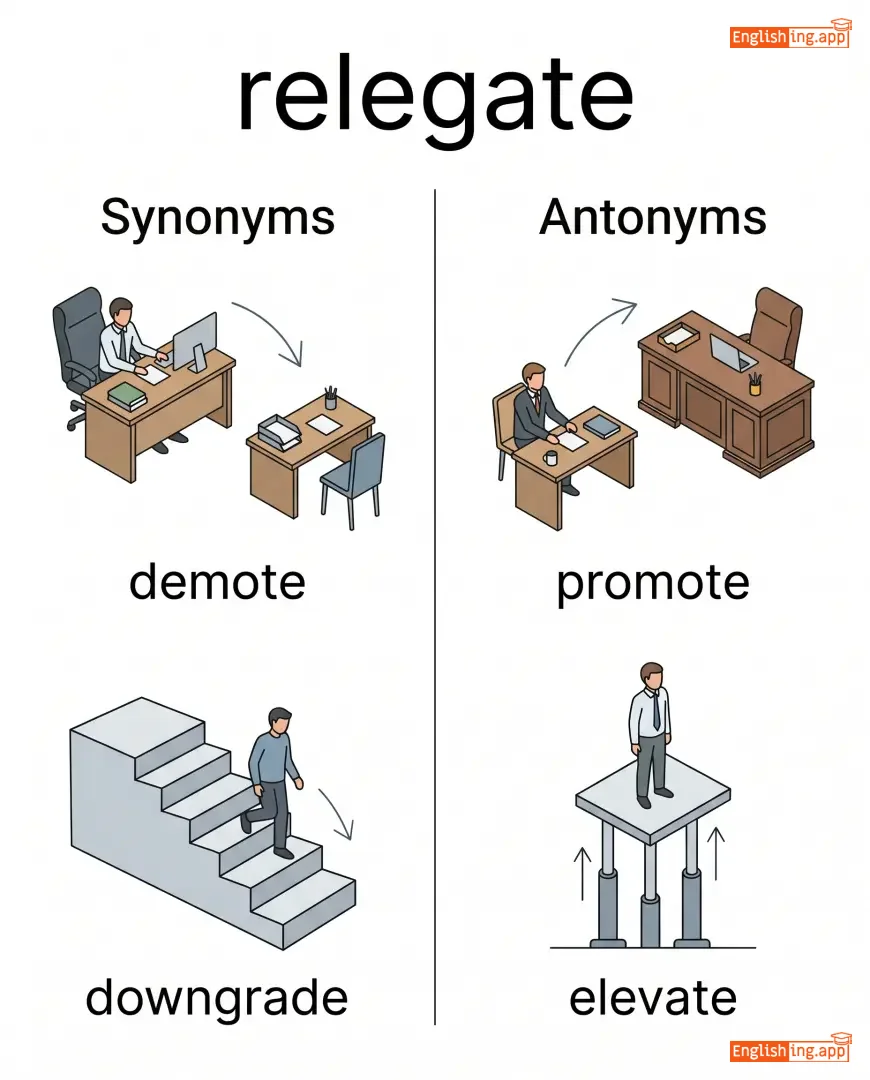
/ˈrɛlɪɡeɪt/
verb
(降级)
••••••
|

|
降级
jiangji
••••••
|
relegated
降级了
••••••
|
relegated
降级了
••••••
|
relegates
降级
••••••
|
relegating
降级中
••••••
|
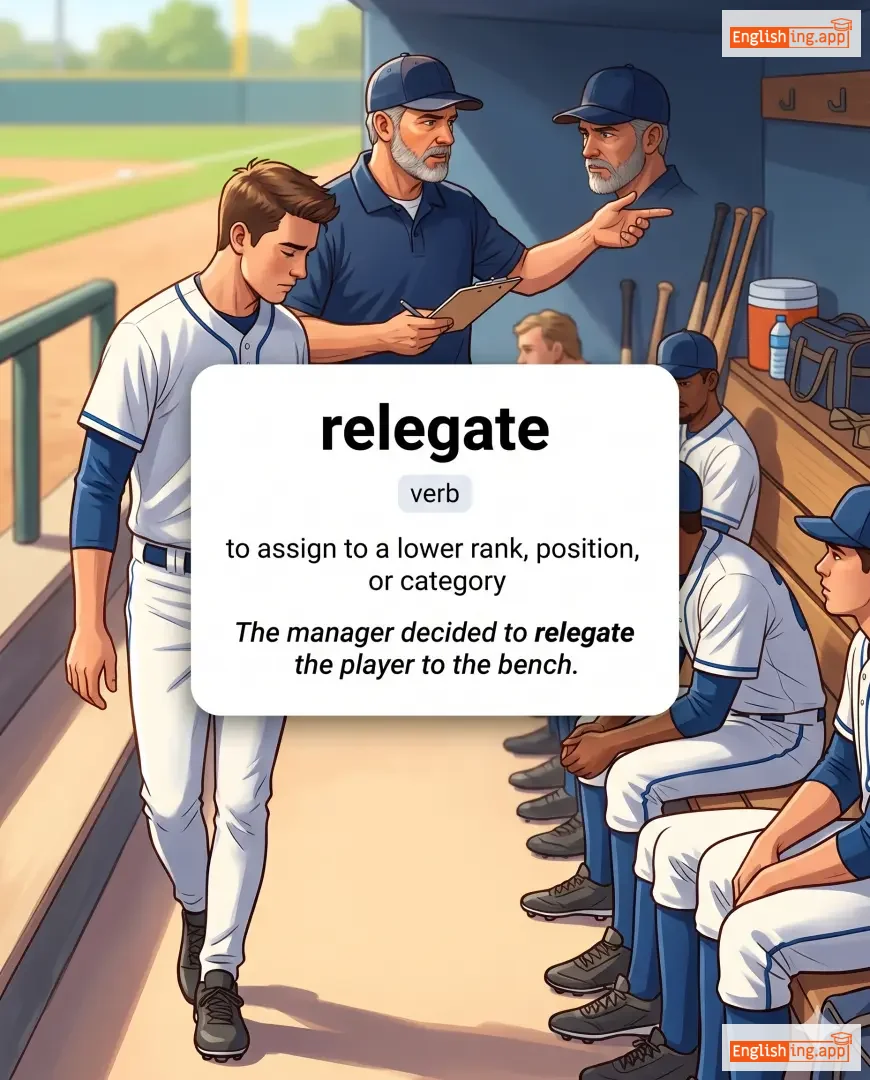
to assign to a lower rank, position, or category
••••••
|
The manager decided to relegate the player to the bench.
经理决定将球员降级到替补席。
••••••
|
经理决定将球员降级到替补席。
Jingli jueding jiang qiuyan jiangji dao tibuxi.
••••••
|
- •••••• | - •••••• | - •••••• |
demote, downgrade, consign, assign
••••••
|
promote, elevate, upgrade
••••••
|
relegate someone, relegate to the background, relegate responsibility
••••••
|
降级意味着降到更低的等级 - '降级'和'替补席'让人容易记住。
••••••
|
|
👎
••••••
|
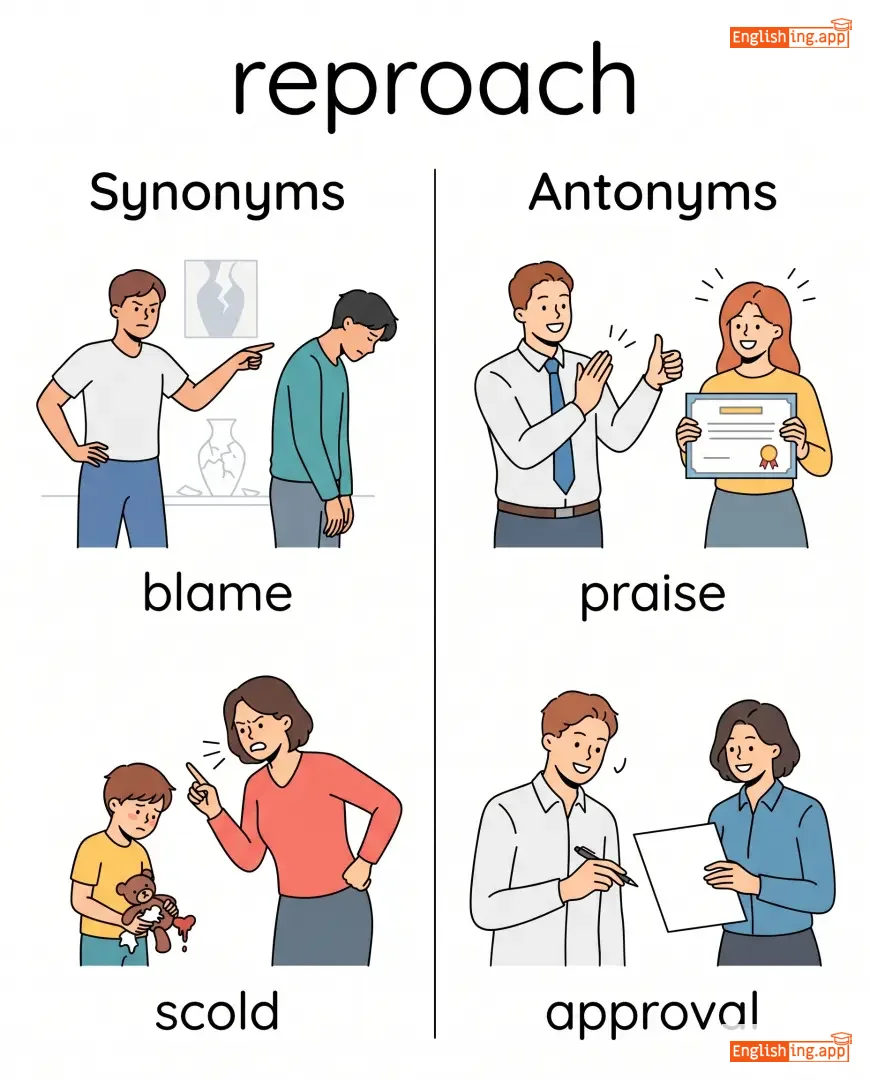
/rɪˈproʊtʃ/
noun/verb
(雷普罗奇)
••••••
|

|
指责 / 批评
zhize / piping
••••••
|
reproached
雷普罗奇德
••••••
|
reproached
雷普罗奇德
••••••
|
reproaches
雷普罗奇斯
••••••
|
reproaching
雷普罗奇英
••••••
|
An expression of disapproval or disappointment; to criticize someone for doing wrong.
••••••
|
She reproached him for arriving late to the meeting.
她因迟到而责备了他。
••••••
|
她因迟到而责备了他。
Ta yin chidao er zhebei le ta.
••••••
|
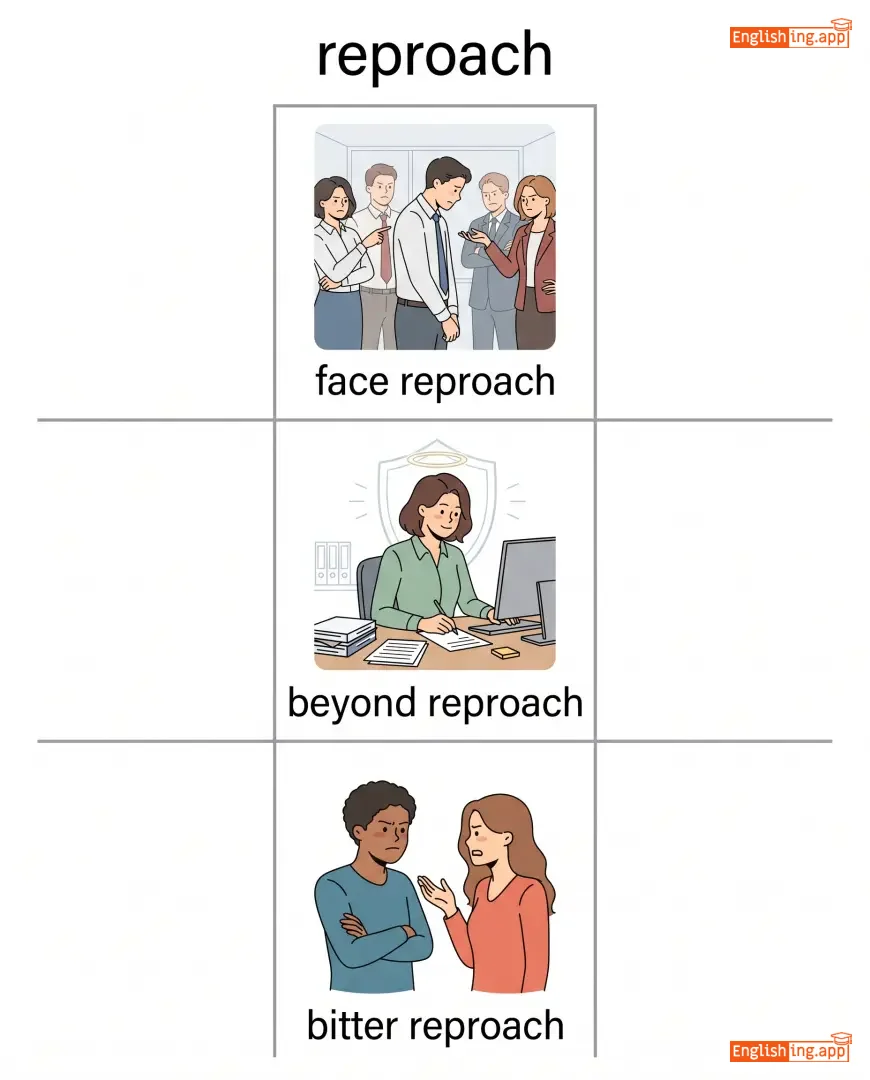
beyond reproach
超越指责
••••••
|
So good that there is no fault or criticism.
••••••
|
超越指责
chaoyue zhize
••••••
|
blame, scold, rebuke, criticism, censure
••••••
|
praise, approval, commendation
••••••
|
face reproach, beyond reproach, bitter reproach, severe reproach
••••••
|
Re-proach → 责备意味着再次接近来批评。
••••••
|
|
😈
••••••
|
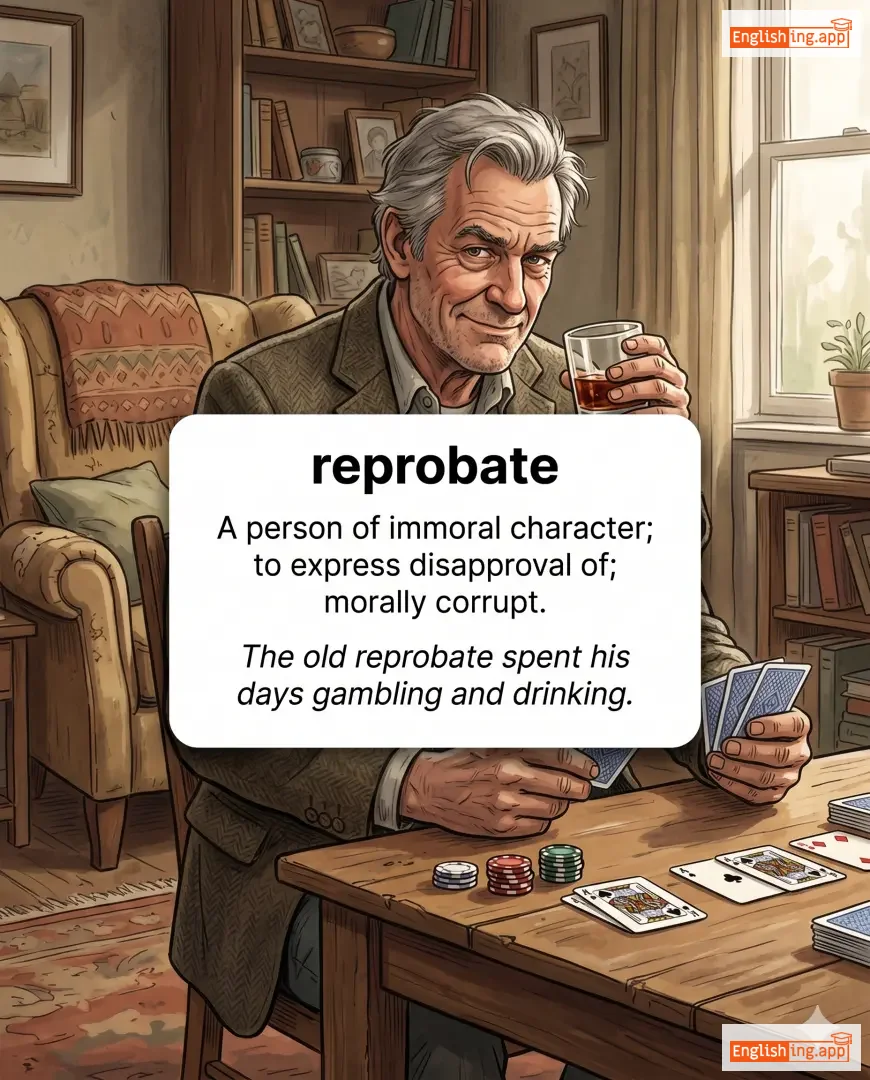
/ˈrɛprəˌbeɪt/
noun, adjective, verb
••••••
|
|
- •••••• |
reprobated
••••••
|
reprobated
••••••
|
reprobates
••••••
|
reprobating
••••••
|
A person of immoral character; to express disapproval of; morally corrupt.
••••••
|
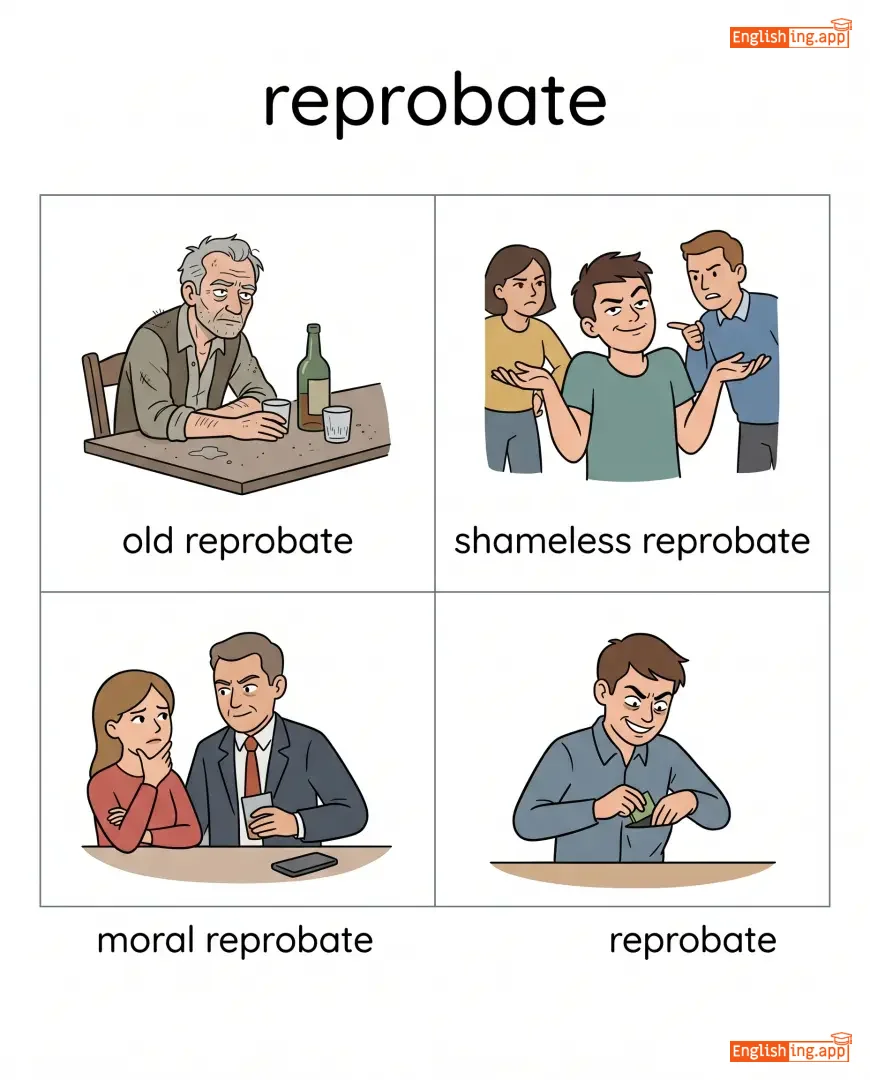
The old reprobate spent his days gambling and drinking. |
- •••••• |
an old reprobate |
a person with a long history of immoral or disapproved behavior
••••••
|
- •••••• |
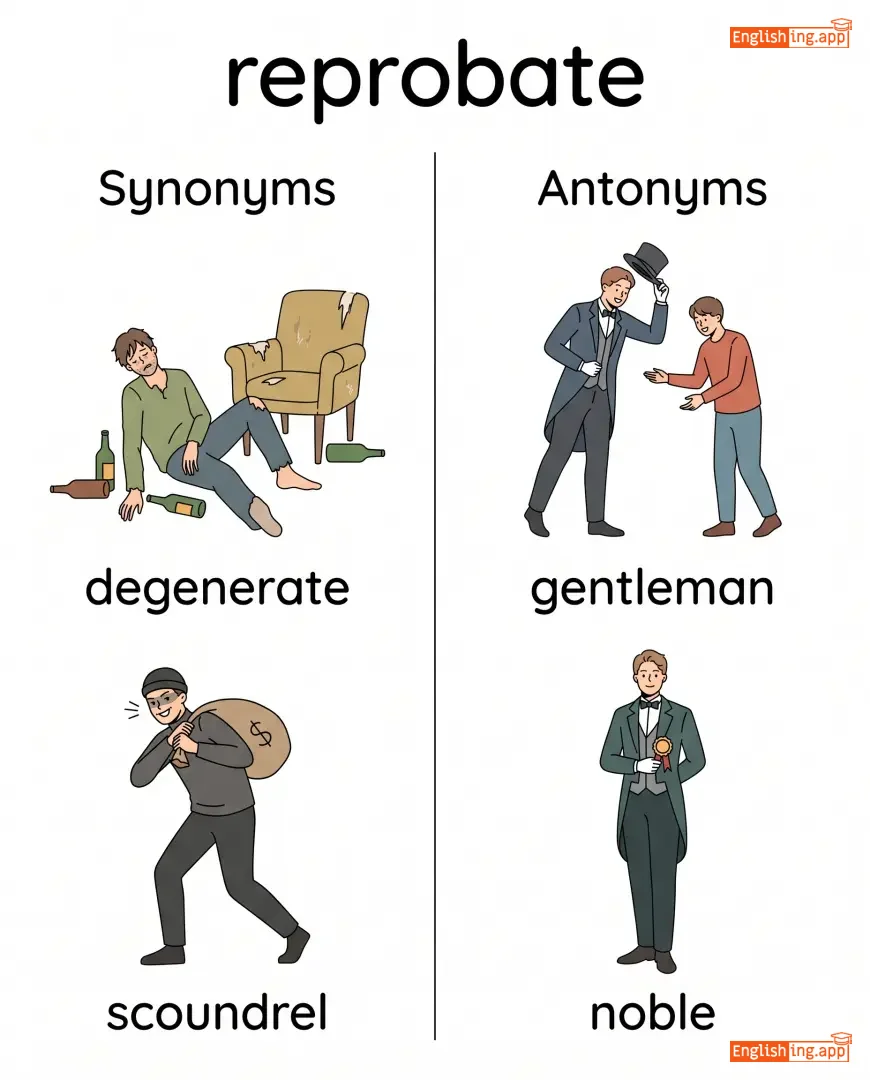
degenerate, scoundrel, rogue, villain, miscreant
••••••
|
gentleman, noble, virtuous
••••••
|
old reprobate, shameless reprobate, moral reprobate
••••••
|
No •••••• |
|
🙅
••••••
|
/rɪˈpjuː.di.eɪt/
verb
(re-pyu-di-eit)
••••••
|
|
拒绝
jujue
••••••
|
repudiated
re-pyu-di-eit-ed
••••••
|
repudiated
re-pyu-di-eit-ed
••••••
|
repudiates
re-pyu-di-eits
••••••
|
repudiating
re-pyu-di-eit-ing
••••••
|
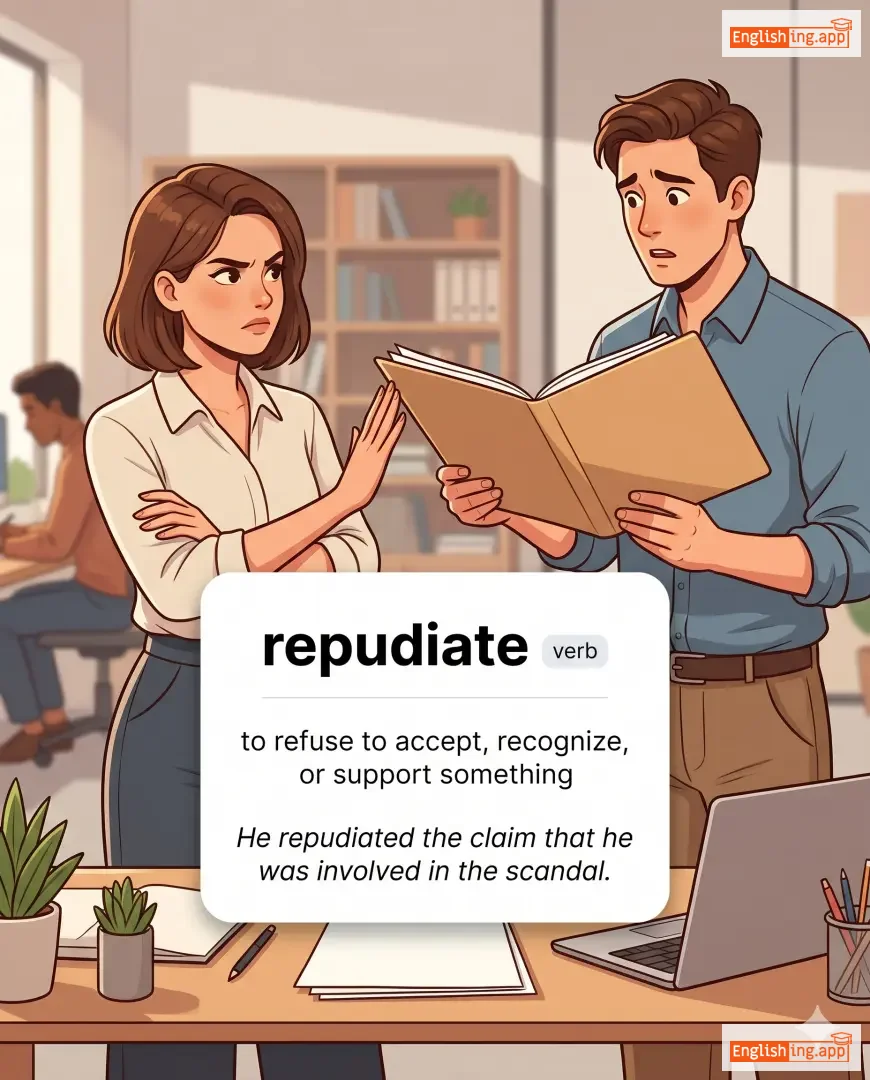
to refuse to accept, recognize, or support something
••••••
|
He repudiated the claim that he was involved in the scandal.
他拒绝了他参与丑闻的说法。
••••••
|
他拒绝了他参与丑闻的说法。
Ta jujue le ta canyu chouwen de shuofa.
••••••
|
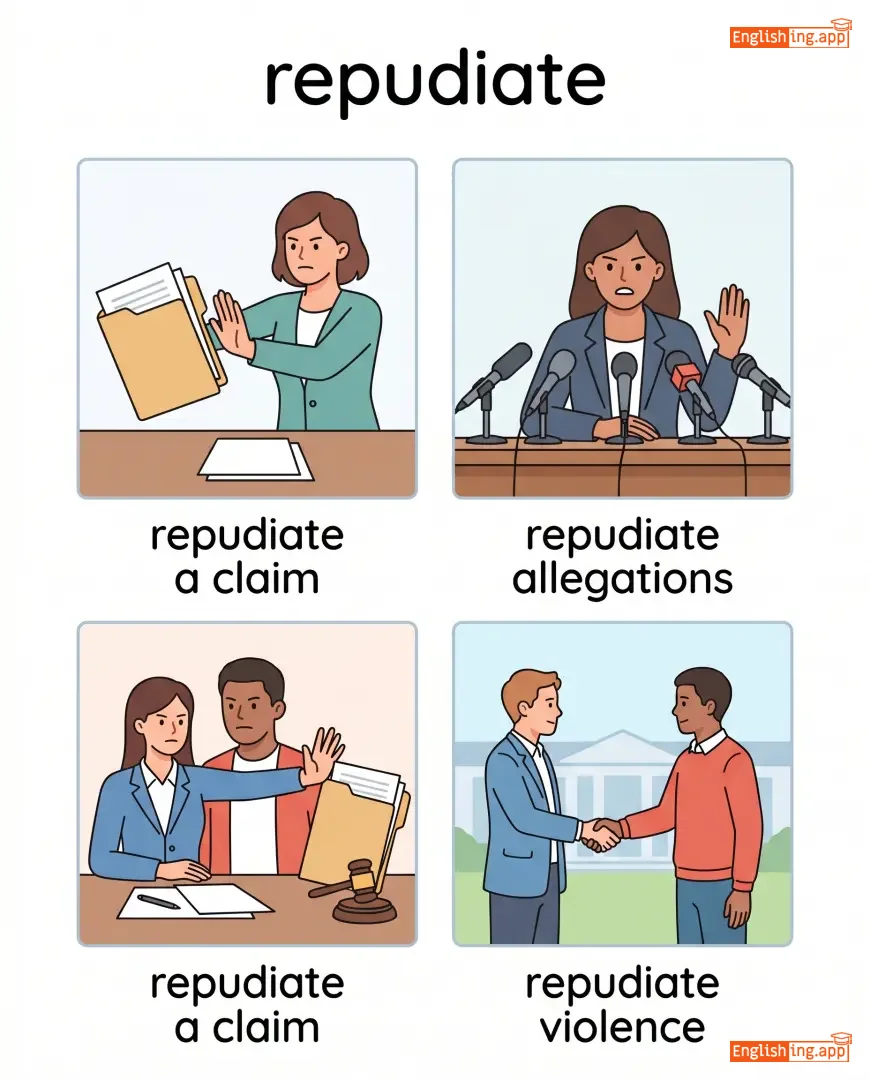
repudiate a claim
拒绝一个说法
••••••
|
to formally reject or deny a statement or allegation
••••••
|
拒绝一个说法
Jujue yige shuofa
••••••
|
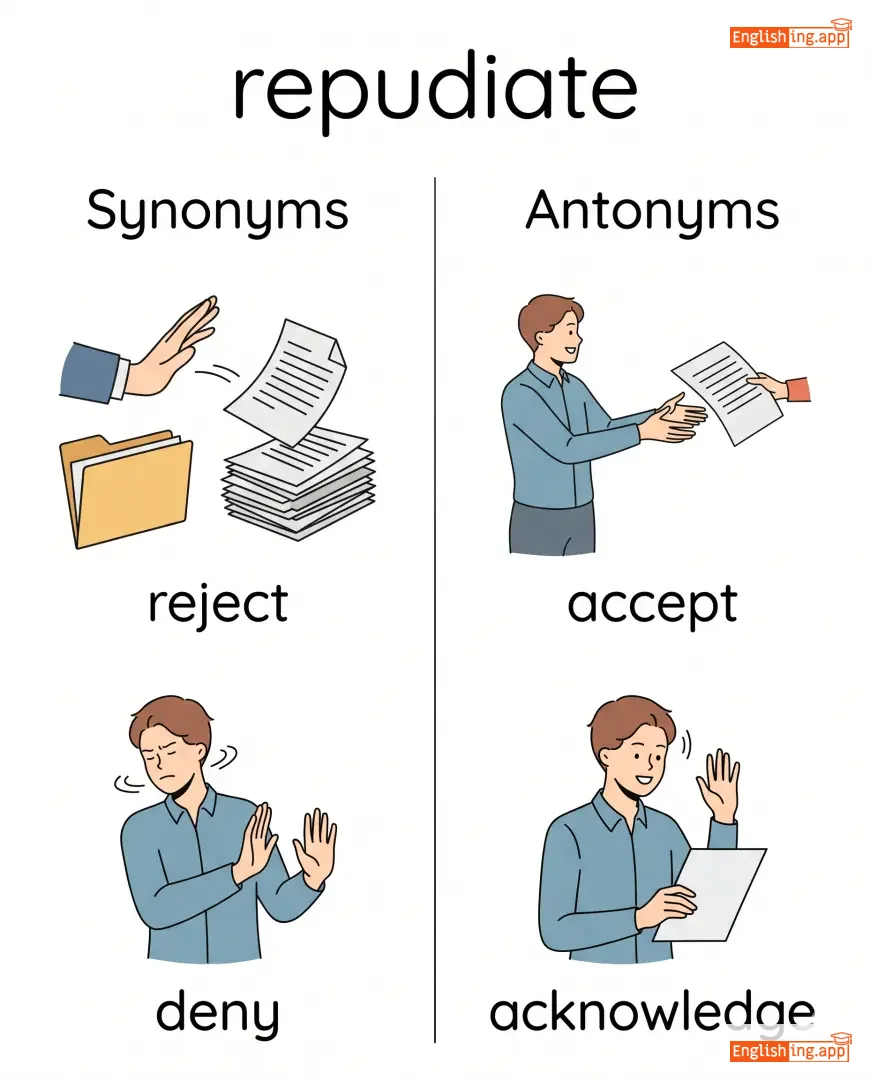
reject, deny, renounce, disown, disclaim
••••••
|
accept, acknowledge, admit
••••••
|
repudiate a claim, repudiate allegations, repudiate violence, repudiate responsibility
••••••
|
Re + 拒绝 → Rejected 中文
••••••
|
|
❌
••••••
|
/rɪˈsɪnd/
verb
(瑞辛德)
••••••
|
|
撤销
chèxiāo
••••••
|
rescinded
瑞辛德德
••••••
|
rescinded
瑞辛德德
••••••
|
rescinds
瑞辛德斯
••••••
|
rescinding
瑞辛丁
••••••
|
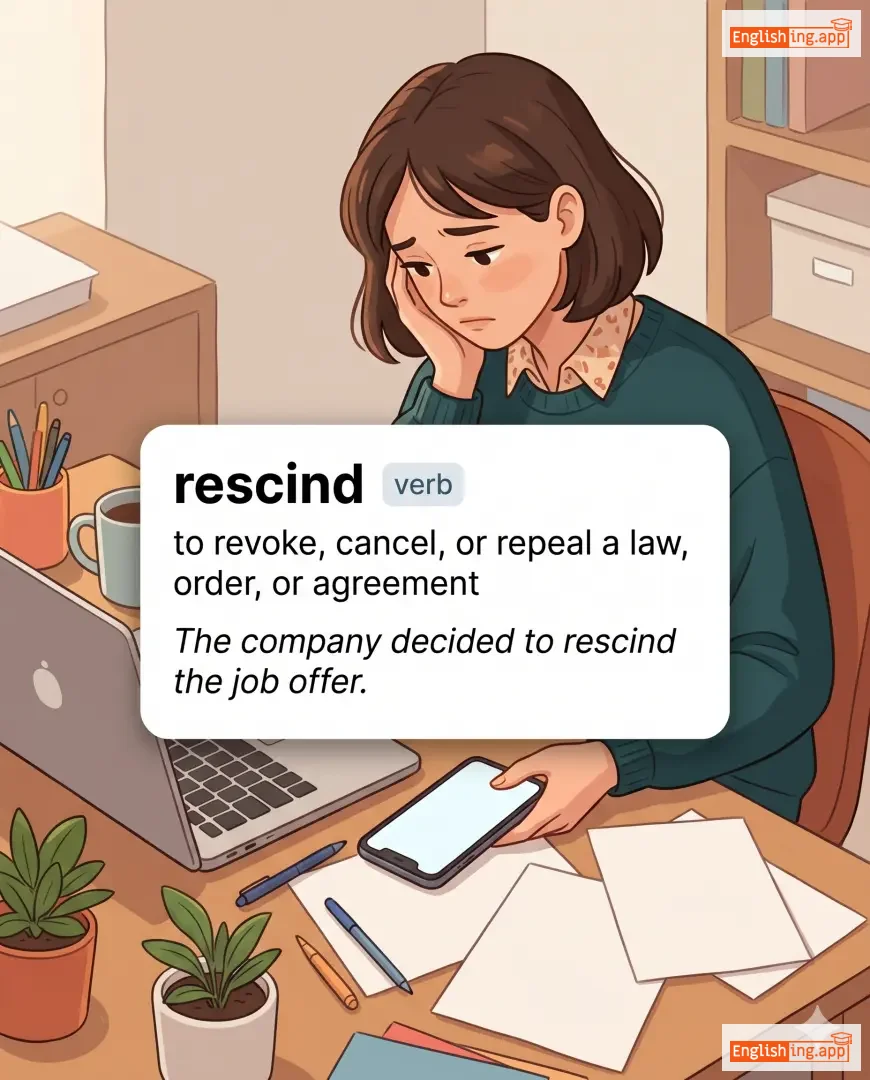
to revoke, cancel, or repeal a law, order, or agreement
••••••
|
The company decided to rescind the job offer.
公司决定撤销工作机会。
••••••
|
公司决定撤销工作机会。
Gōngsī juédìng chèxiāo gōngzuò jīhuì.
••••••
|
rescind an offer
撤销报价
••••••
|
to officially cancel an offer
••••••
|
撤销报价
chèxiāo bàojià
••••••
|
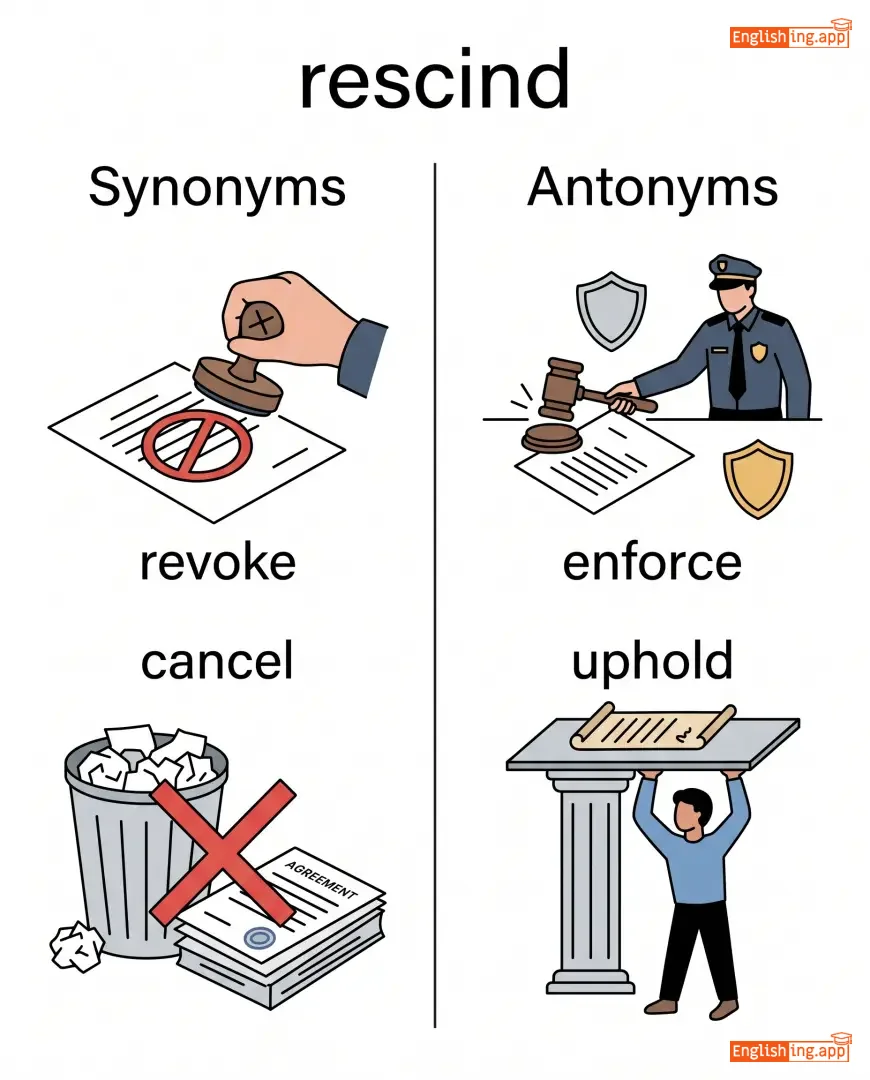
revoke, cancel, repeal, annul, withdraw
••••••
|
enforce, uphold, implement
••••••
|
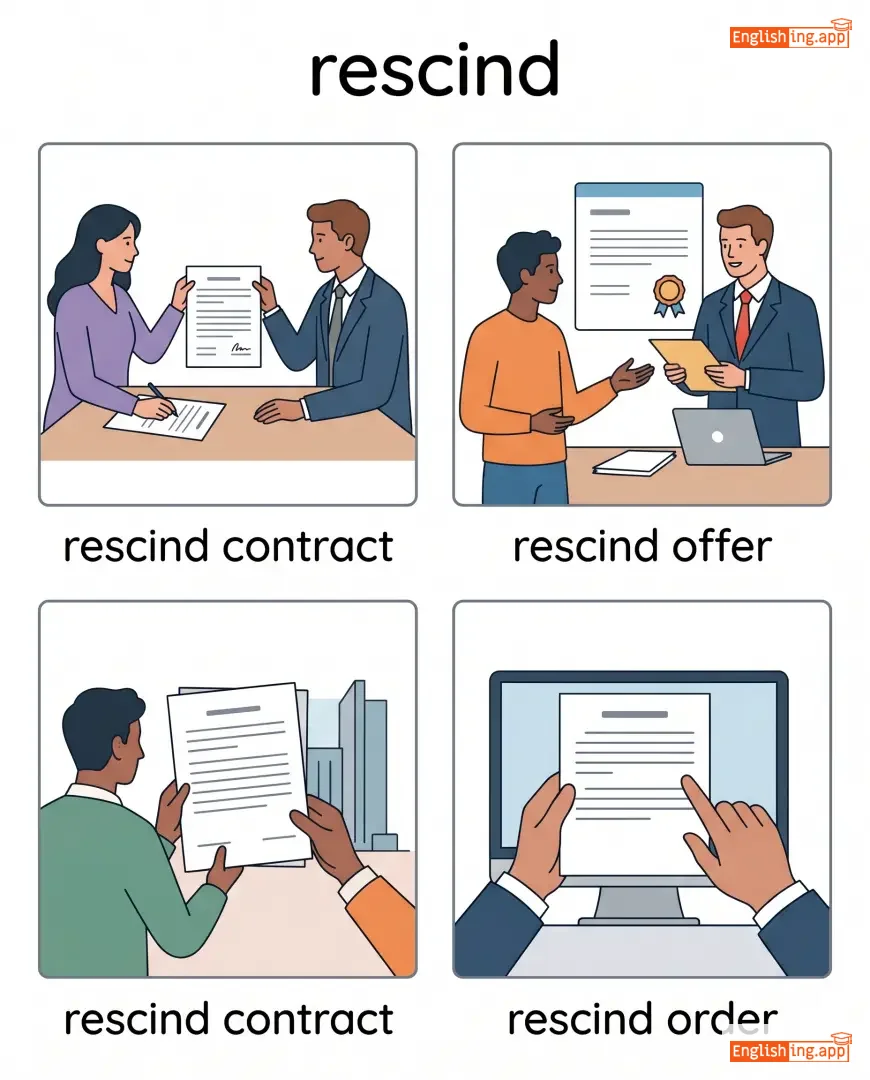
rescind contract, rescind offer, rescind order, rescind decision
••••••
|
Re-Sind 就是撤销,不再提供机会。
••••••
|
|
📜
••••••
|
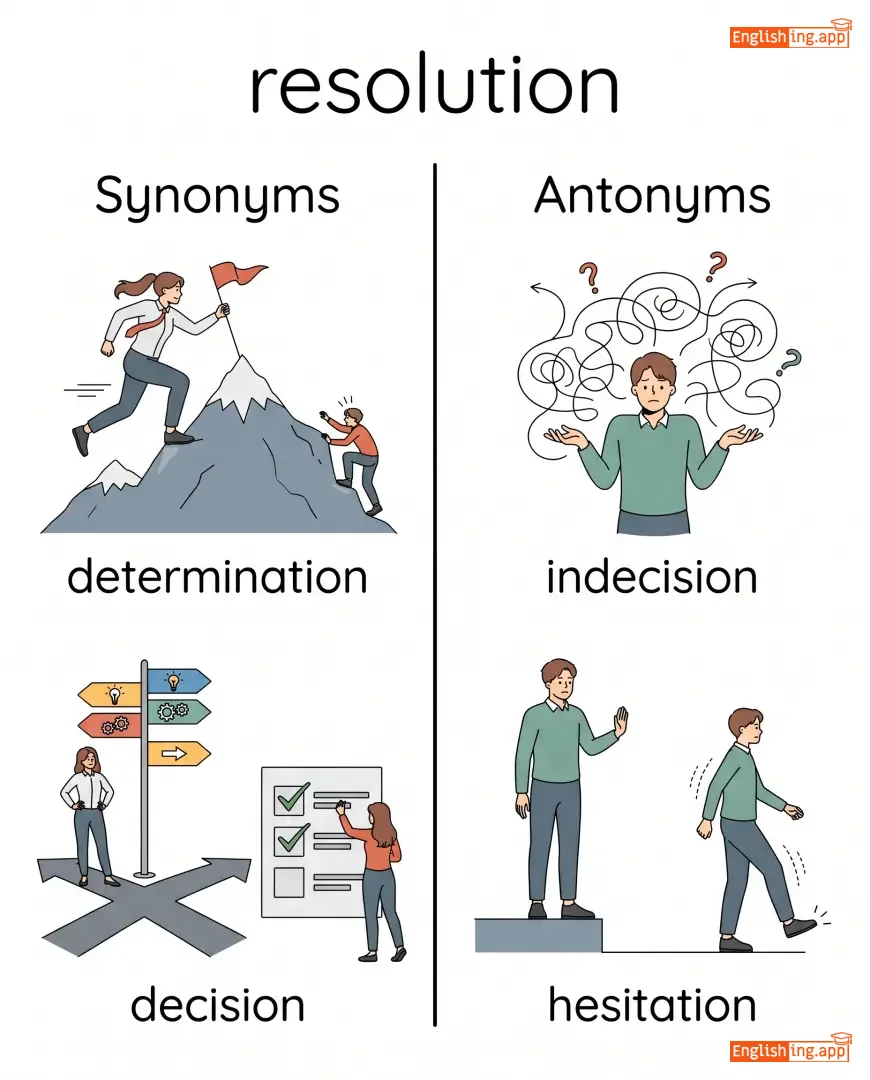
/ˌrɛzəˈluːʃən/
noun
(rèzǒulùxùn)
••••••
|

|
决心
juexin
••••••
|
- •••••• | - •••••• | - •••••• | - •••••• |
A firm decision to do or not to do something; the quality of being determined.
••••••
|
She made a resolution to exercise daily. |
她做出了每天锻炼的决心。
Tā zuòchūle měitiān duànliàn de juéxīn.
••••••
|
New Year's resolution |
A firm decision or goal set at the beginning of a new year
••••••
|
新年决心
xīnnián juéxīn
••••••
|
determination, decision, resolve, commitment, intention
••••••
|
indecision, hesitation, doubt
••••••
|
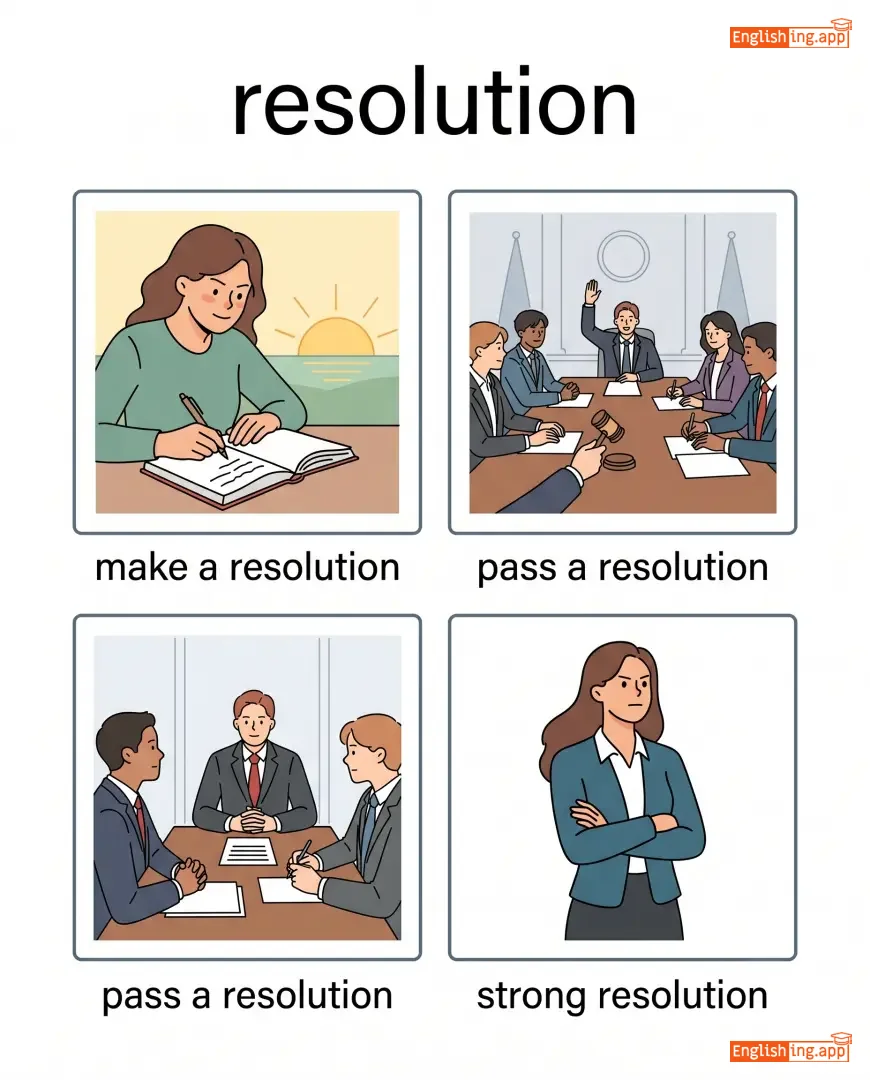
make a resolution, pass a resolution, strong resolution, resolution adopted
••••••
|
Resolution就像中文的决心,定下新年目标!
••••••
|
|
✅
••••••
|
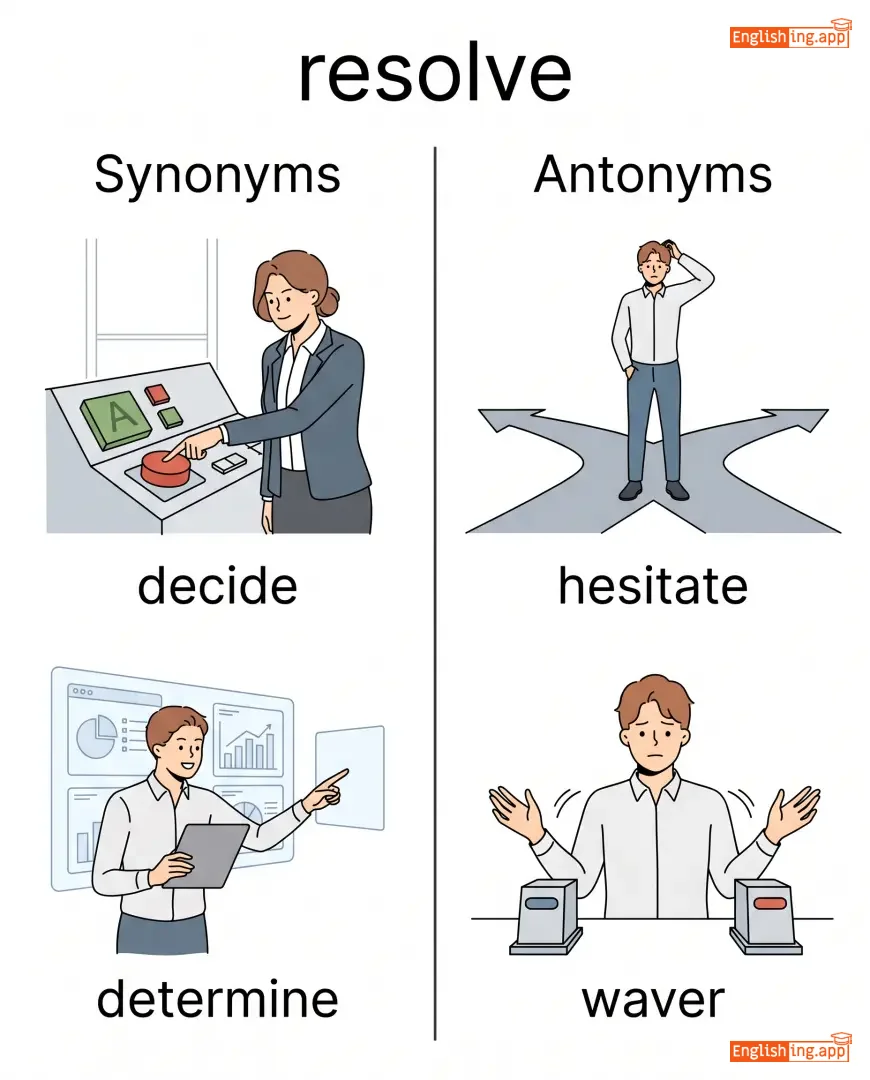
/rɪˈzɒlv/
verb
(rízǎolv)
••••••
|

|
解决
jie jue
••••••
|
resolved
rízǎolv-d
••••••
|
resolved
rízǎolv-d
••••••
|
resolves
rízǎolv-s
••••••
|
resolving
rízǎolving
••••••
|
To decide firmly on a course of action; to settle or solve a problem.
••••••
|
They resolved to finish the project on time.
他们决定按时完成项目。
••••••
|
他们决定按时完成项目。
Tamen jueding anshi wancheng xiangmu.
••••••
|
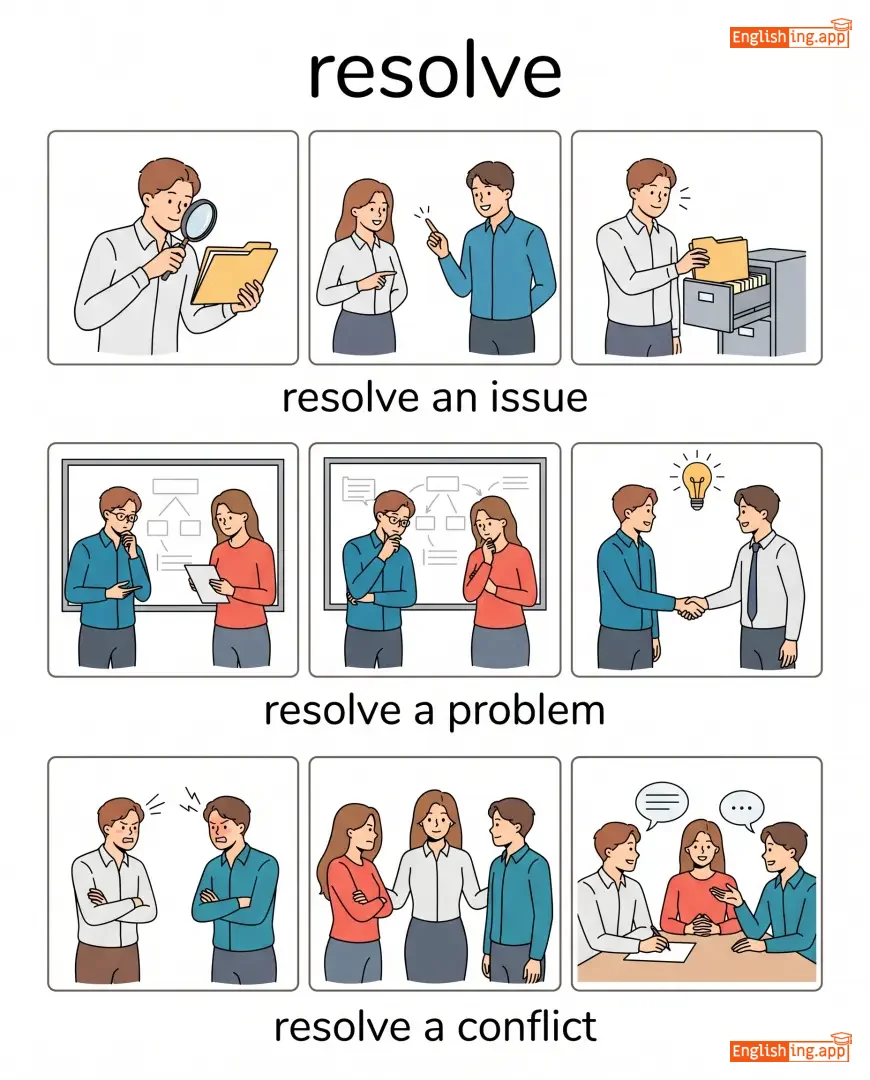
resolve a conflict
解决冲突
••••••
|
To find a solution to a disagreement
••••••
|
解决冲突
jie jue chong tu
••••••
|
decide, determine, settle, conclude, fix
••••••
|
hesitate, waver, delay
••••••
|
resolve an issue, resolve a problem, resolve a conflict, resolve to do
••••••
|
Resolve = 解决, 就是解决一个问题。
••••••
|
|
🙊
••••••
|
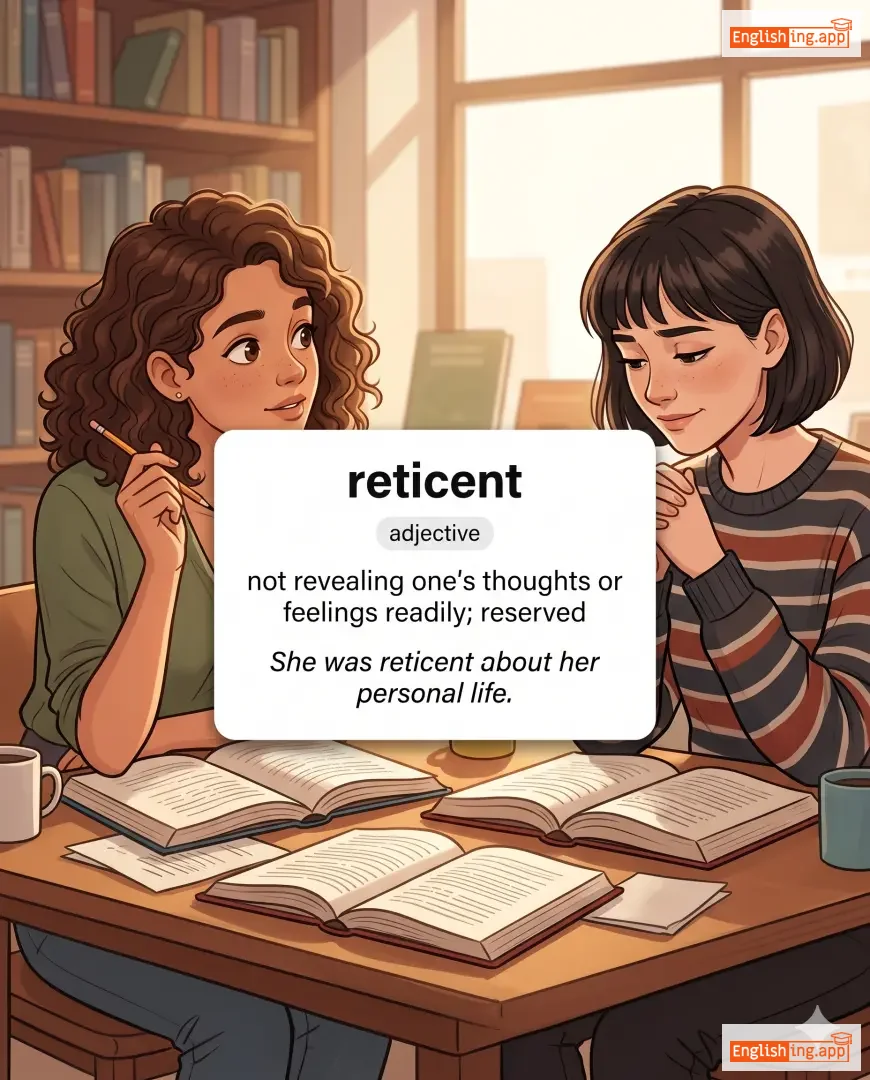
/ˈrɛtɪsənt/
adjective
(rɛtɪsənt)
••••••
|
|
沉默寡言
chenmo guayan
••••••
|
- •••••• | - •••••• | - •••••• | - •••••• |
not revealing one's thoughts or feelings readily; reserved
••••••
|
She was reticent about her personal life. |
她对自己的个人生活保持沉默。
Ta dui ziji de geren shenghuo baochi chenmo.
••••••
|
- •••••• | - •••••• | - •••••• |
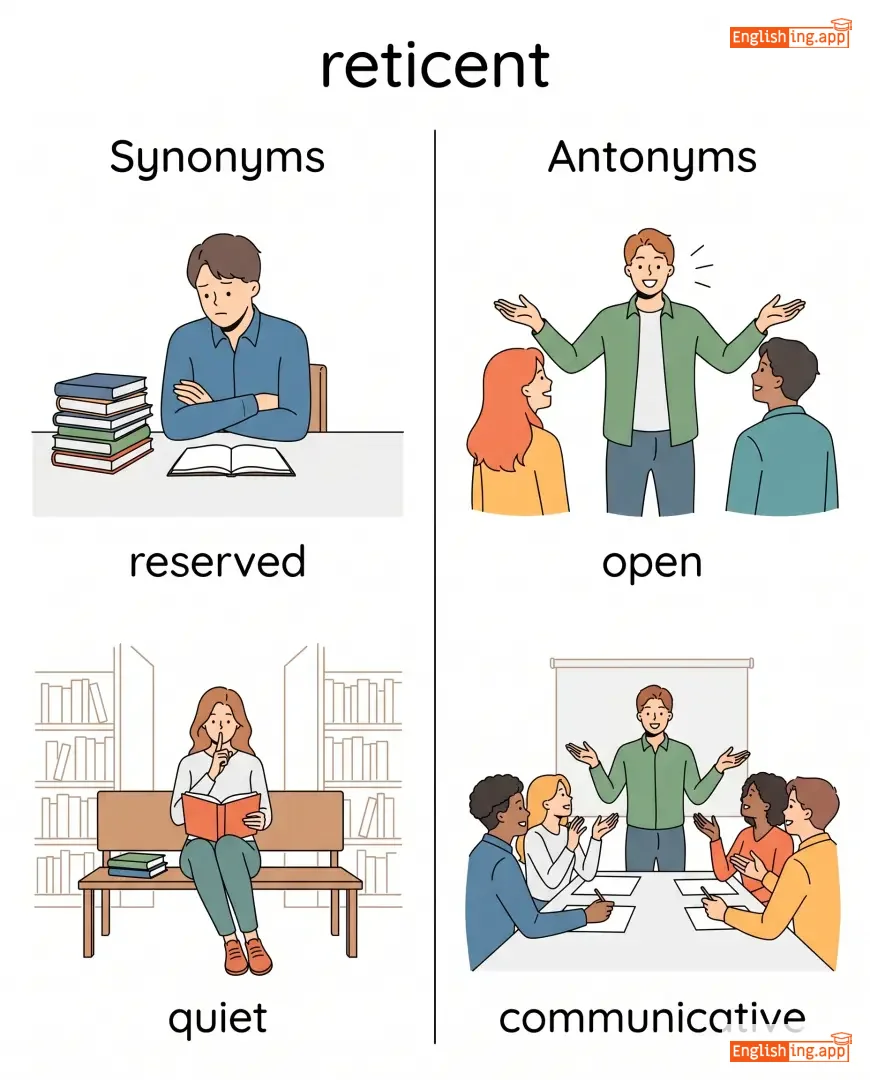
reserved, quiet, silent, secretive, restrained
••••••
|
open, communicative, talkative
••••••
|
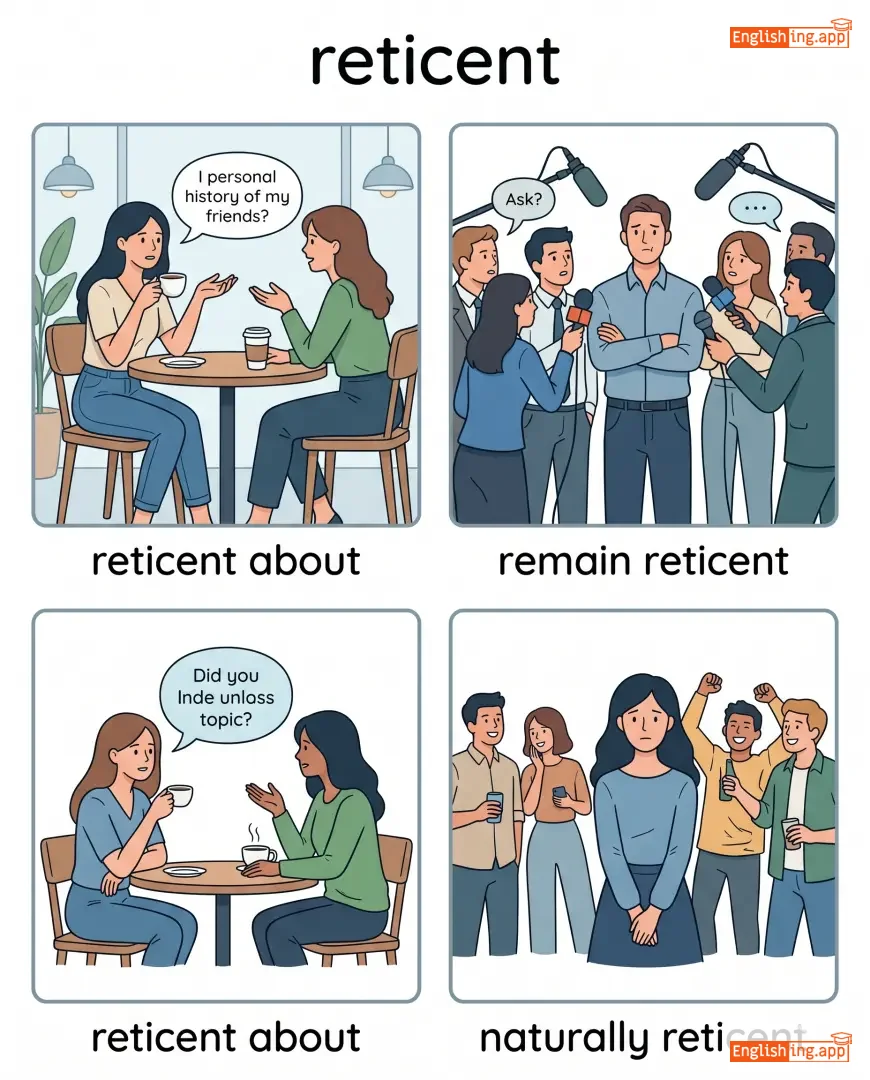
reticent about, remain reticent, naturally reticent
••••••
|
Reticent 就像一个沉默的人,什么也不说,隐藏在背后。
••••••
|
|
🕊️
••••••
|
/ˈrɛvərənt/
adjective
(雷弗伦特)
••••••
|

|
虔诚的
qiánchéng de
••••••
|
- •••••• | - •••••• | - •••••• | - •••••• |
Showing deep and solemn respect.
••••••
|
They listened to the speech in a reverent silence.
他们在虔诚的沉默中听取了演讲。
••••••
|
他们在虔诚的沉默中听取了演讲。
Tāmen zài qiánchéng de chénmò zhōng tīngqǔle yǎnjiǎng.
••••••
|
- •••••• | - •••••• | - •••••• |
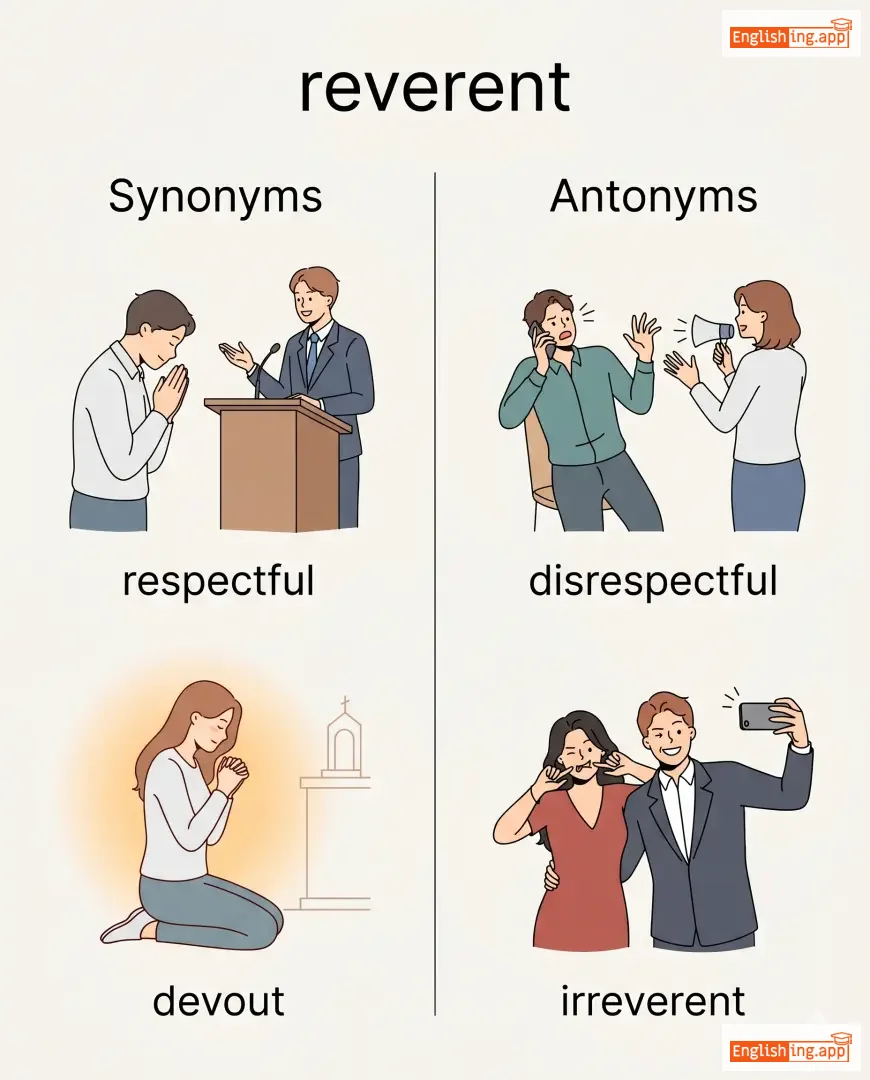
respectful, devout, admiring, dutiful
••••••
|
disrespectful, irreverent
••••••
|
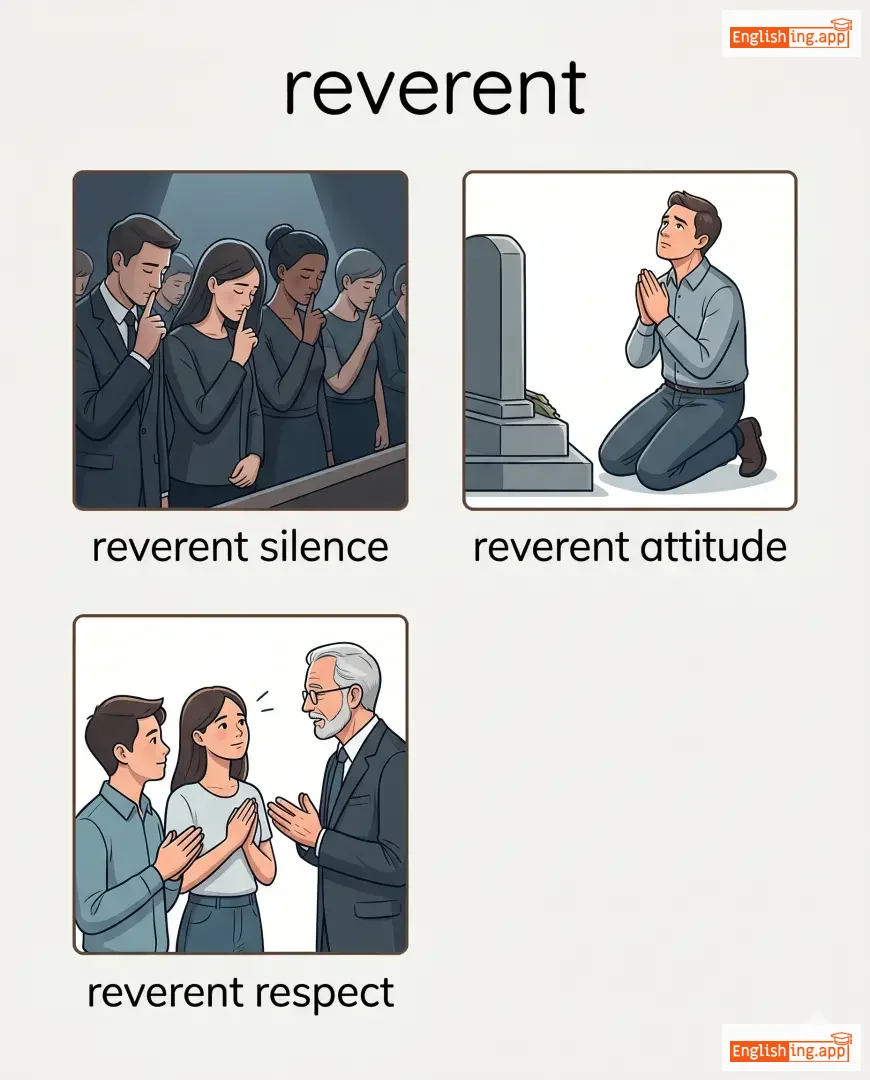
reverent silence, reverent attitude, reverent respect, reverent tone
••••••
|
虔诚的表示深度尊重 – qiánchéng de.
••••••
|
|
👴
••••••
|
/seɪdʒ/
noun
(海皮尼斯)
••••••
|
|
智者
zhìzhě
••••••
|
- •••••• | - •••••• | - •••••• | - •••••• |
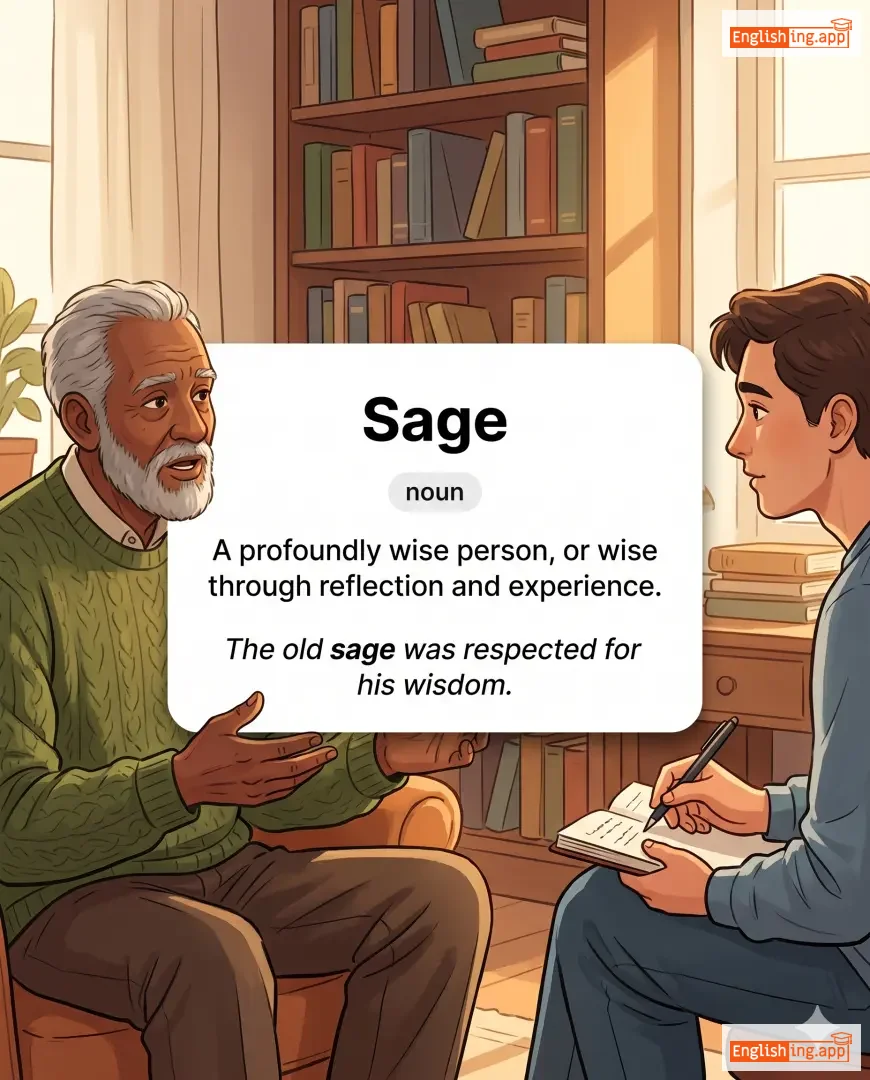
A profoundly wise person, or wise through reflection and experience.
••••••
|
The old sage was respected for his wisdom. |
这位年长的智者因其智慧而受到尊敬。
Zhè wèi nián zhǎng de zhìzhě yīn qí zhìhuì ér shòudào zūnjìng.
••••••
|
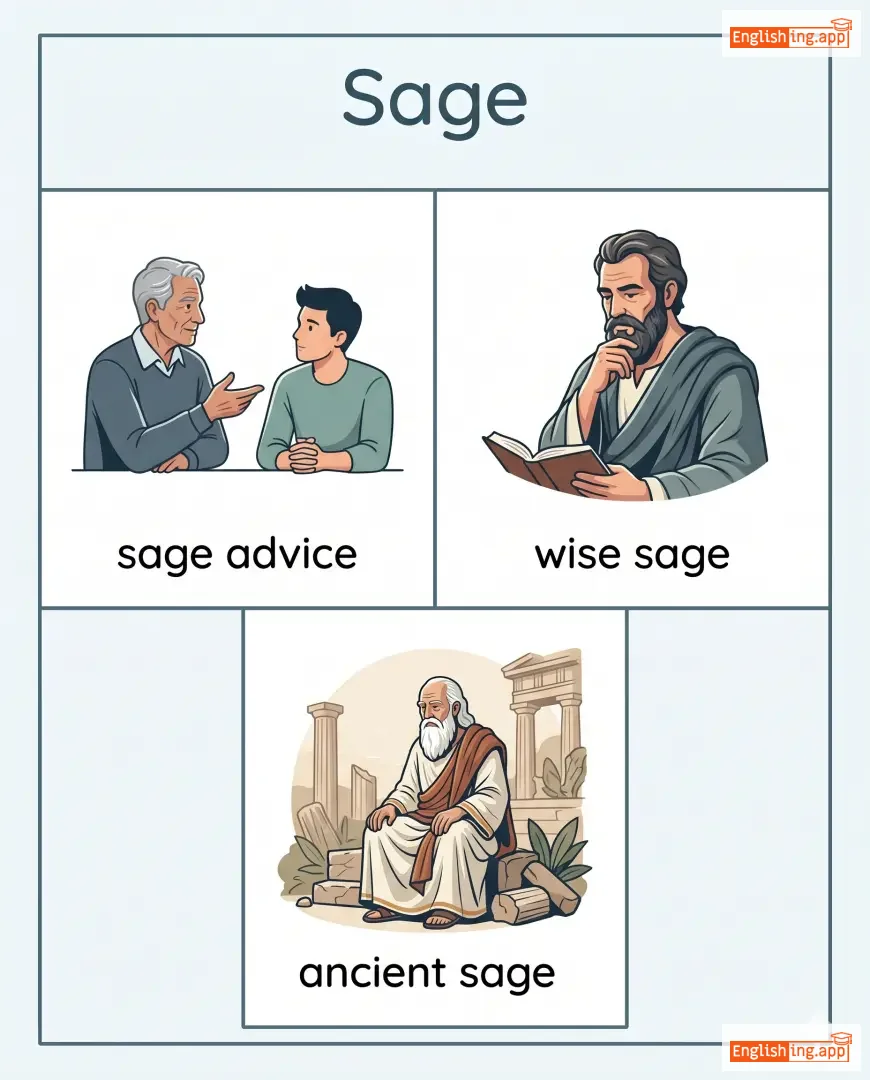
sage advice |
very wise or sensible advice
••••••
|
智慧之言
zhìhuì zhī yán
••••••
|
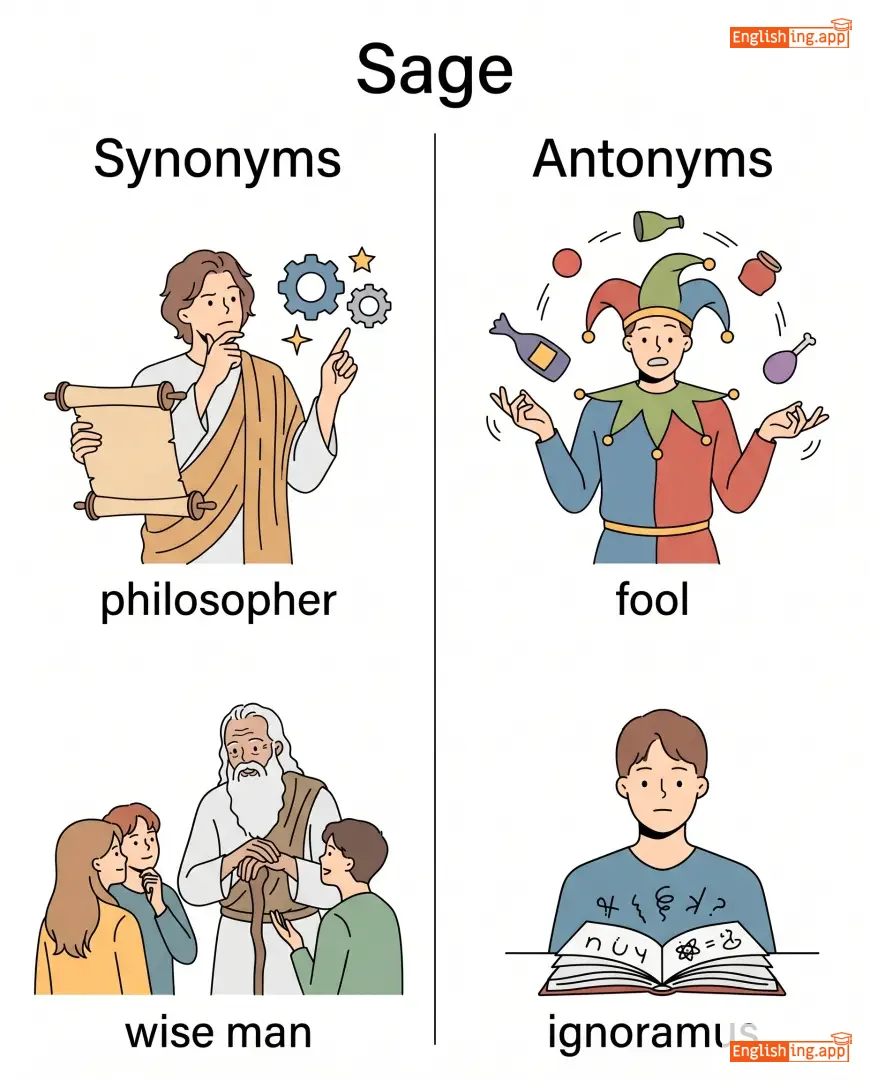
philosopher, wise man, guru, thinker
••••••
|
fool, ignoramus
••••••
|
sage advice, wise sage, ancient sage, sage counsel
••••••
|
智者 = Sage, 反映经验的智慧。
••••••
|
|
🌱
••••••
|
/səˈluː.bri.əs/
adjective
(sā lù bù rì ào sī)
••••••
|
|
有益健康的
you yi jian kang de
••••••
|
- •••••• | - •••••• | - •••••• | - •••••• |
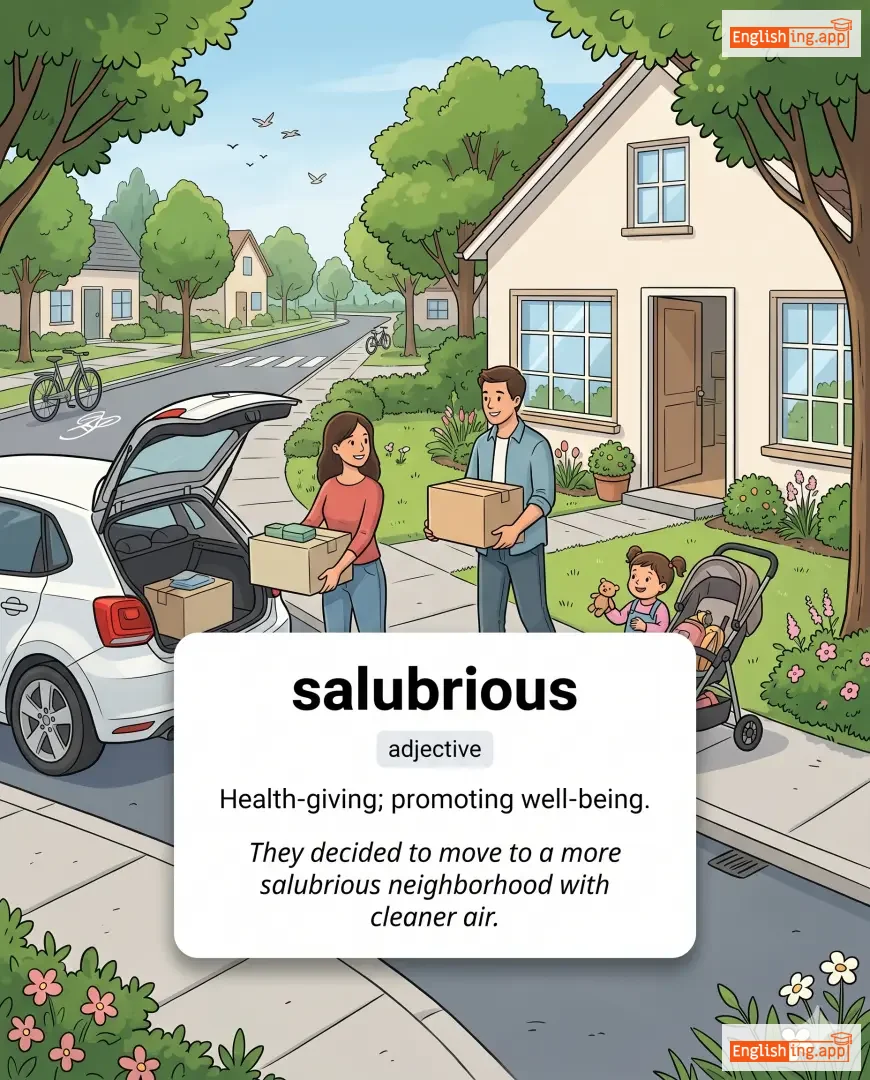
Health-giving; promoting well-being.
••••••
|
They decided to move to a more salubrious neighborhood with cleaner air. |
他们决定搬到一个更有益健康的社区,那里有更清新的空气。
Tāmen juédìng bān dào yīgè gèng yǒuyì jiànkāng de shèqū, nàlǐ yǒu gèng qīngxīn de kōngqì.
••••••
|
- •••••• | - •••••• | - •••••• |
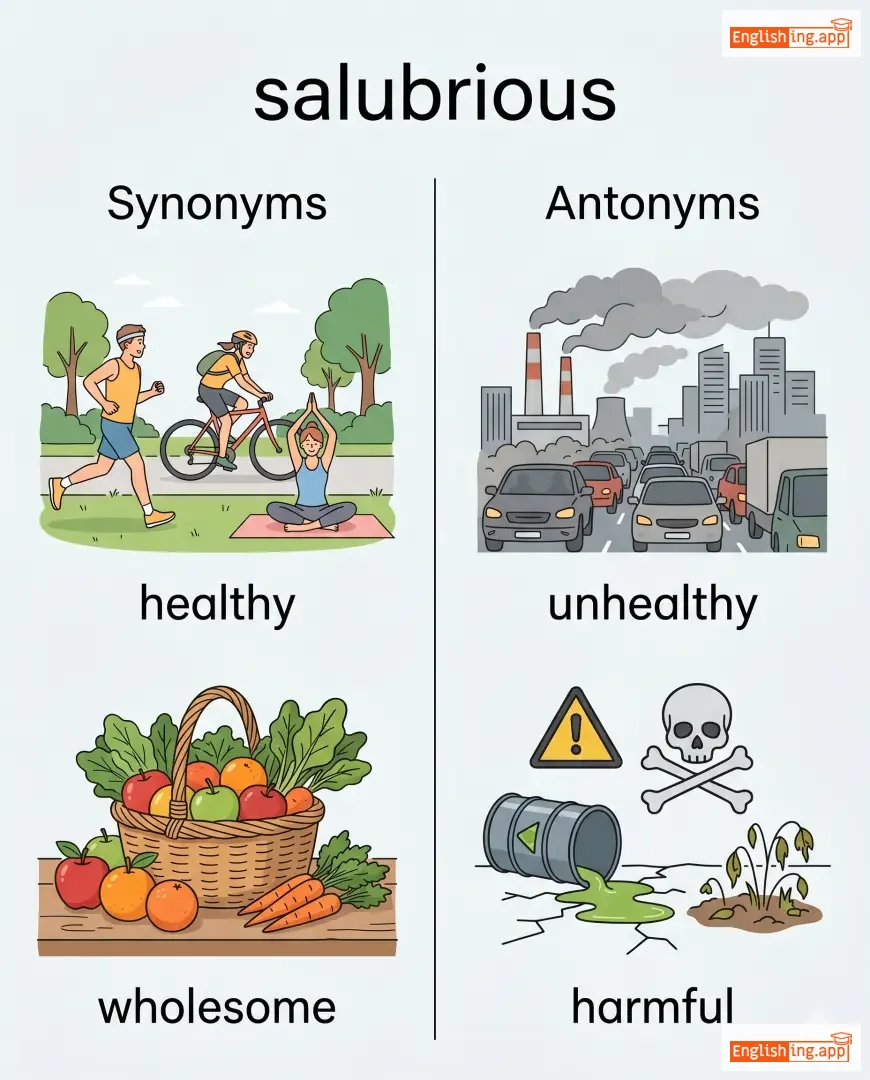
healthy, wholesome, beneficial, hygienic, invigorating
••••••
|
unhealthy, harmful, insalubrious
••••••
|
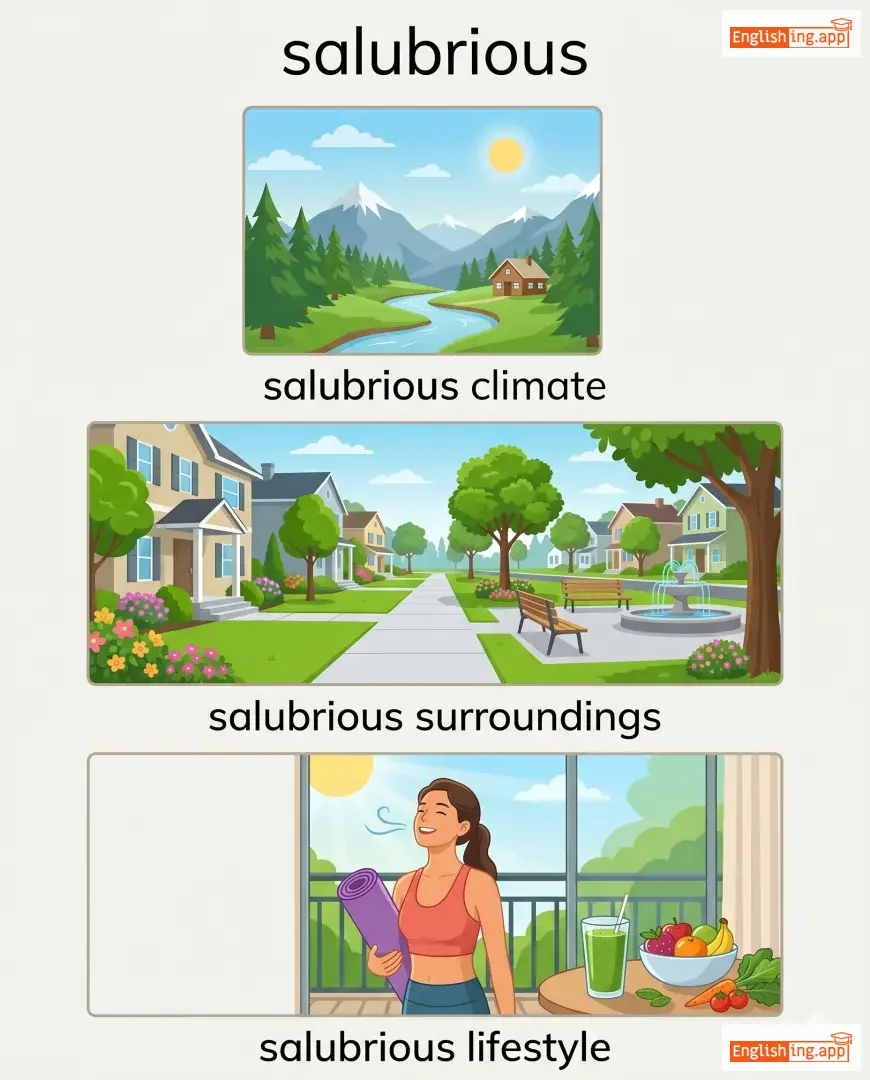
salubrious climate, salubrious surroundings, salubrious lifestyle
••••••
|
Salubrious代表健康的地方,有清新的空气和舒适的环境。
••••••
|
|
⚖️
••••••
|
/ˈsæŋkʃən/
noun/verb
••••••
|
|
- •••••• |
sanctioned
••••••
|
sanctioned
••••••
|
sanctions
••••••
|
sanctioning
••••••
|
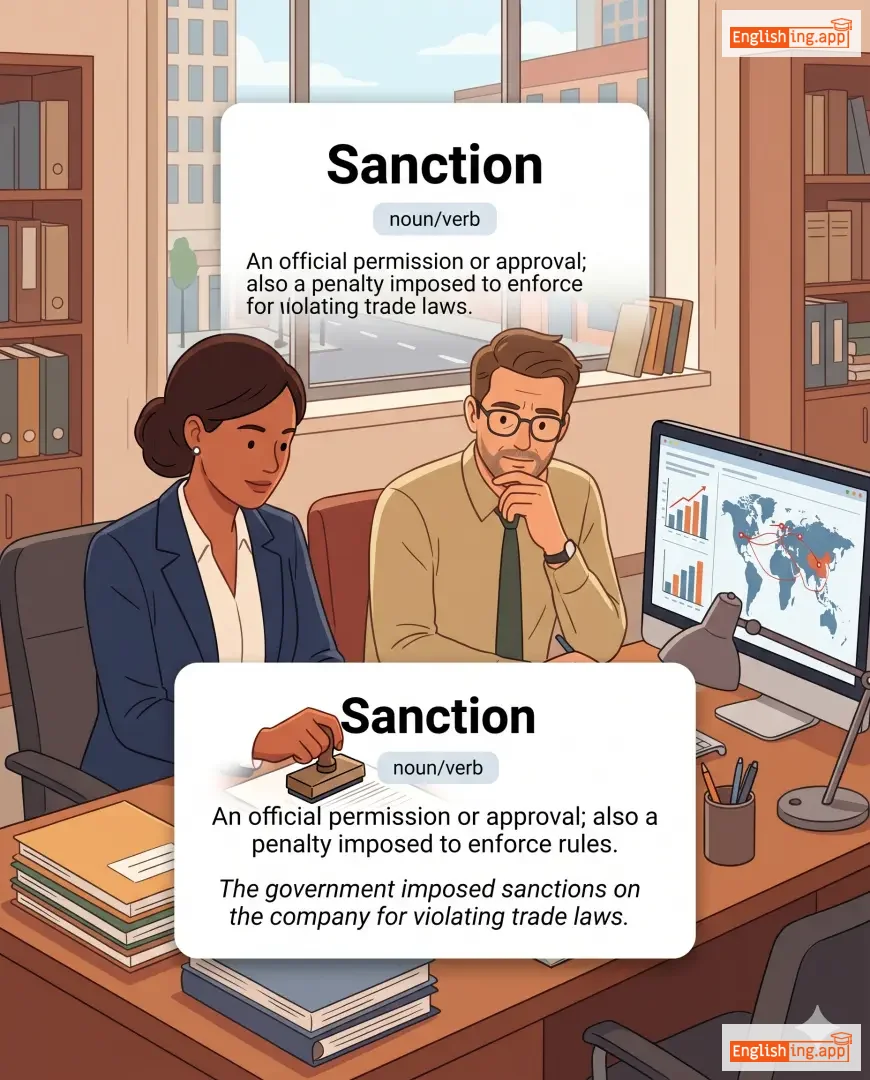
An official permission or approval; also a penalty imposed to enforce rules.
••••••
|
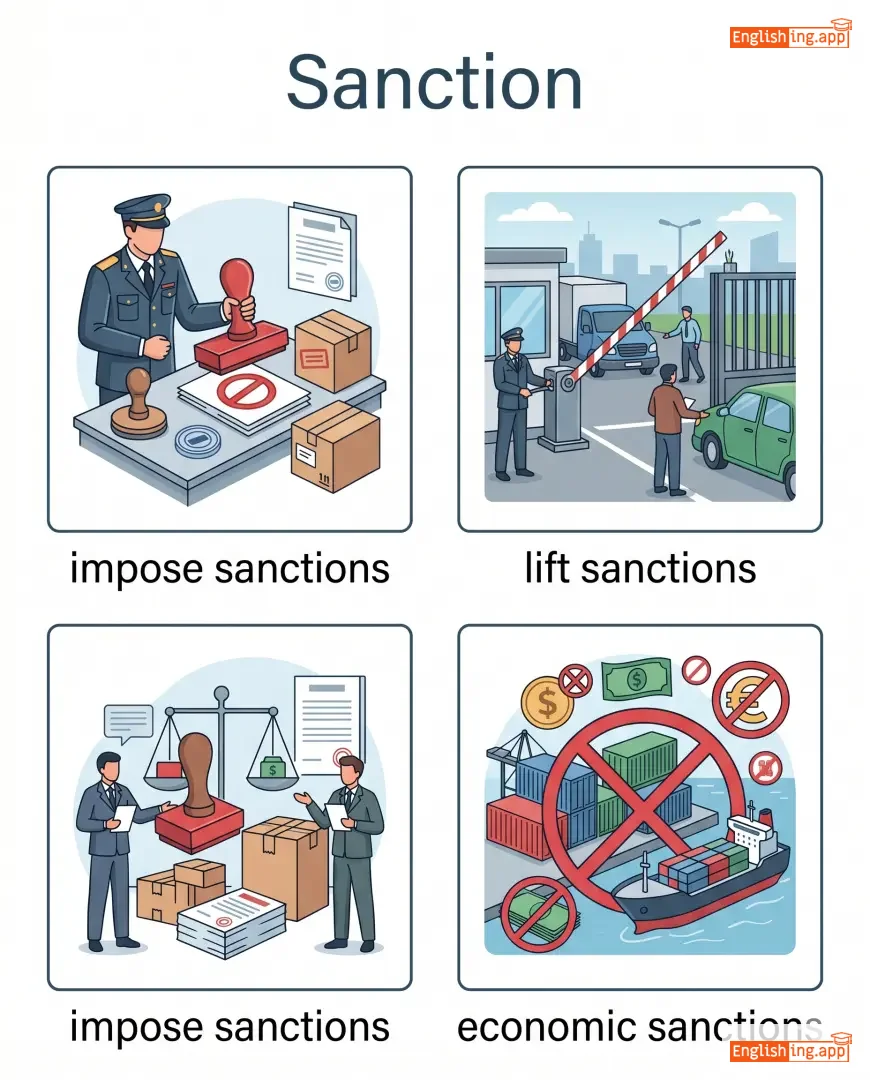
The government imposed sanctions on the company for violating trade laws. |
- •••••• |
economic sanctions |
penalties imposed by one country on another to enforce international law
••••••
|
- •••••• |
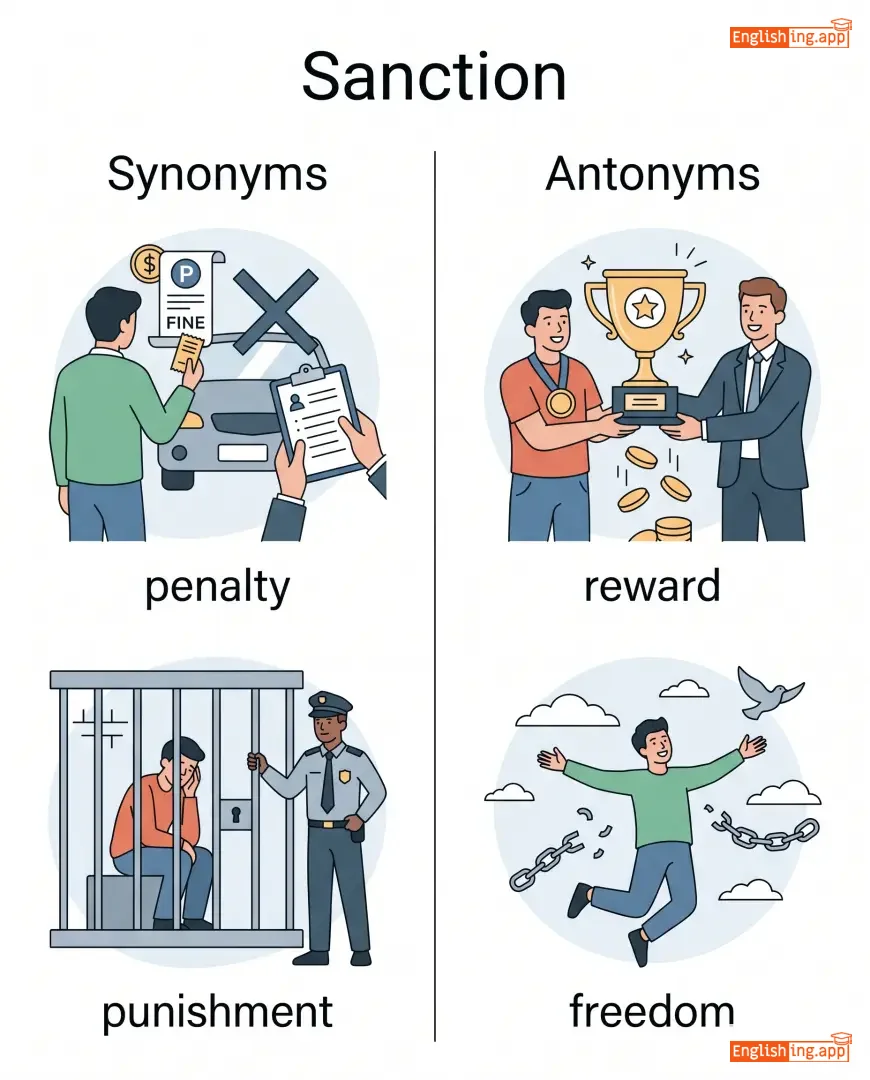
penalty, punishment, approval, authorization, restriction
••••••
|
reward, freedom, allowance
••••••
|
impose sanctions, lift sanctions, economic sanctions, trade sanctions
••••••
|
No •••••• |
|
🍽️
••••••
|
/ˈseɪʃiˌeɪt/
verb
(seishiet)
••••••
|
|
满足
manzu
••••••
|
satiated
seishieted
••••••
|
satiated
seishieted
••••••
|
satiates
seishiets
••••••
|
satiating
seishieting
••••••
|
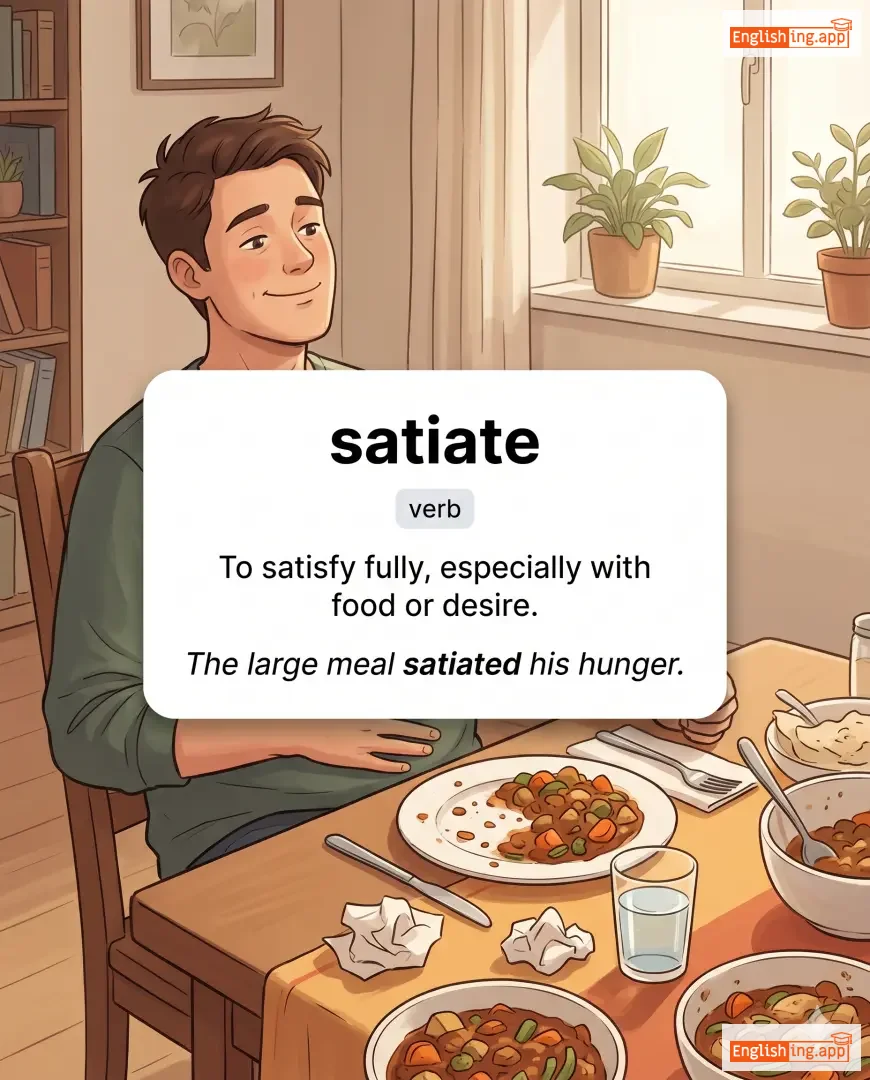
To satisfy fully, especially with food or desire.
••••••
|
The large meal satiated his hunger.
大餐 seishieted 他的饥饿。
••••••
|
丰盛的餐食满足了他的饥饿。
Fengsheng de canji manzu le tade jihu.
••••••
|
- •••••• | - •••••• | - •••••• |
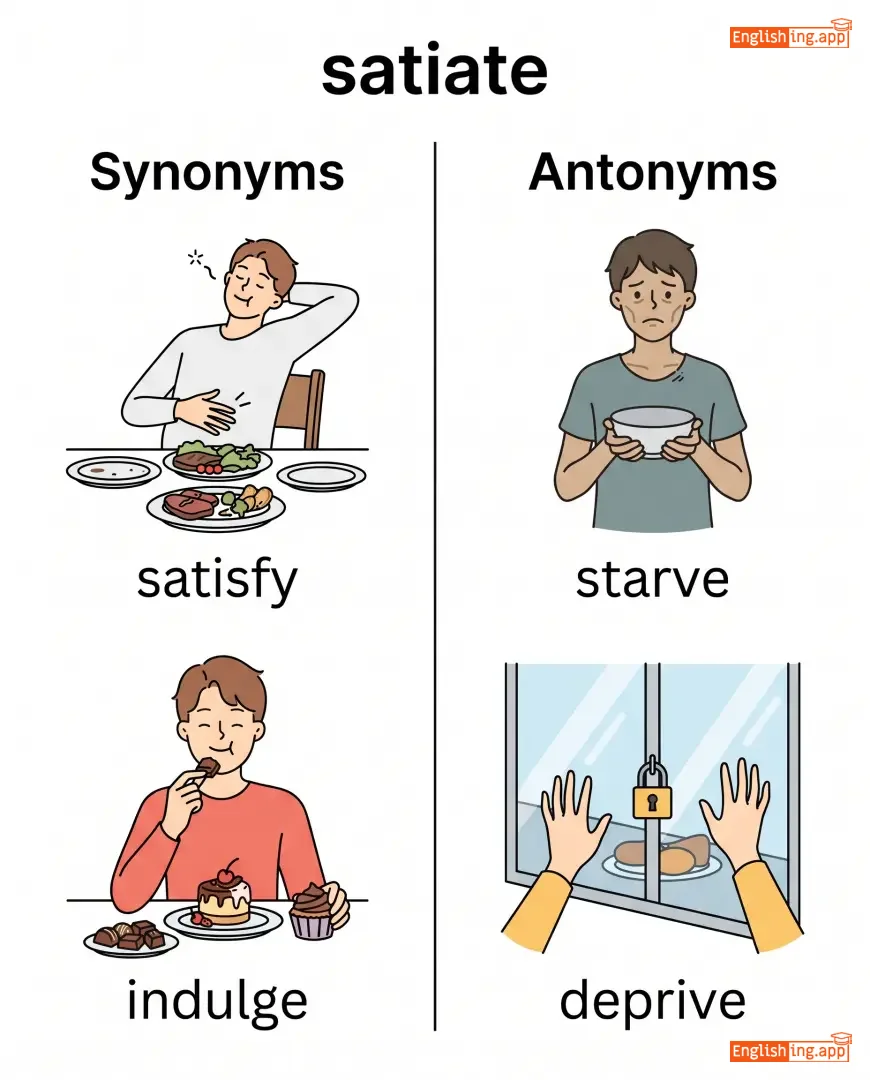
satisfy, indulge, fulfill, gratify
••••••
|
starve, deprive
••••••
|
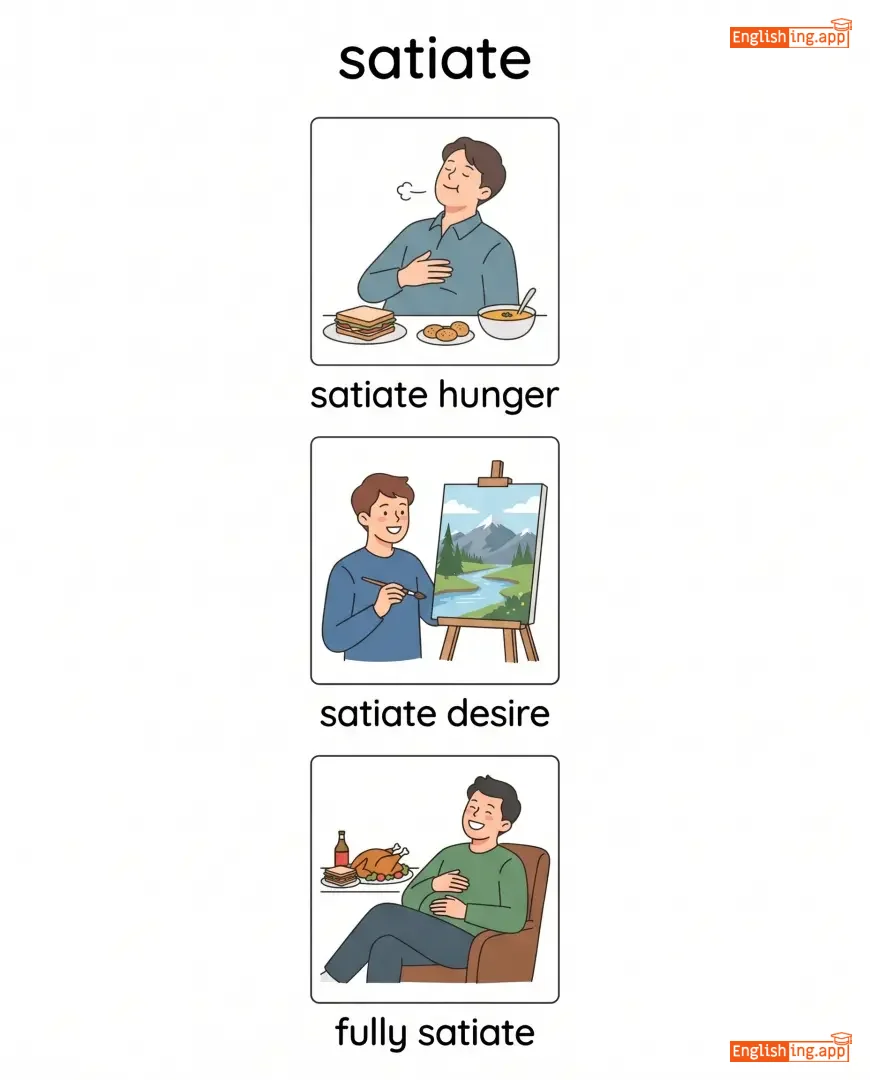
satiate hunger, satiate desire, fully satiate
••••••
|
‘会议’后,你会感到完全满足,成为 satiate
••••••
|
|
💧
••••••
|
/ˈsætʃəˌreɪt/
verb
••••••
|
|
- •••••• |
saturated
••••••
|
saturated
••••••
|
saturates
••••••
|
saturating
••••••
|
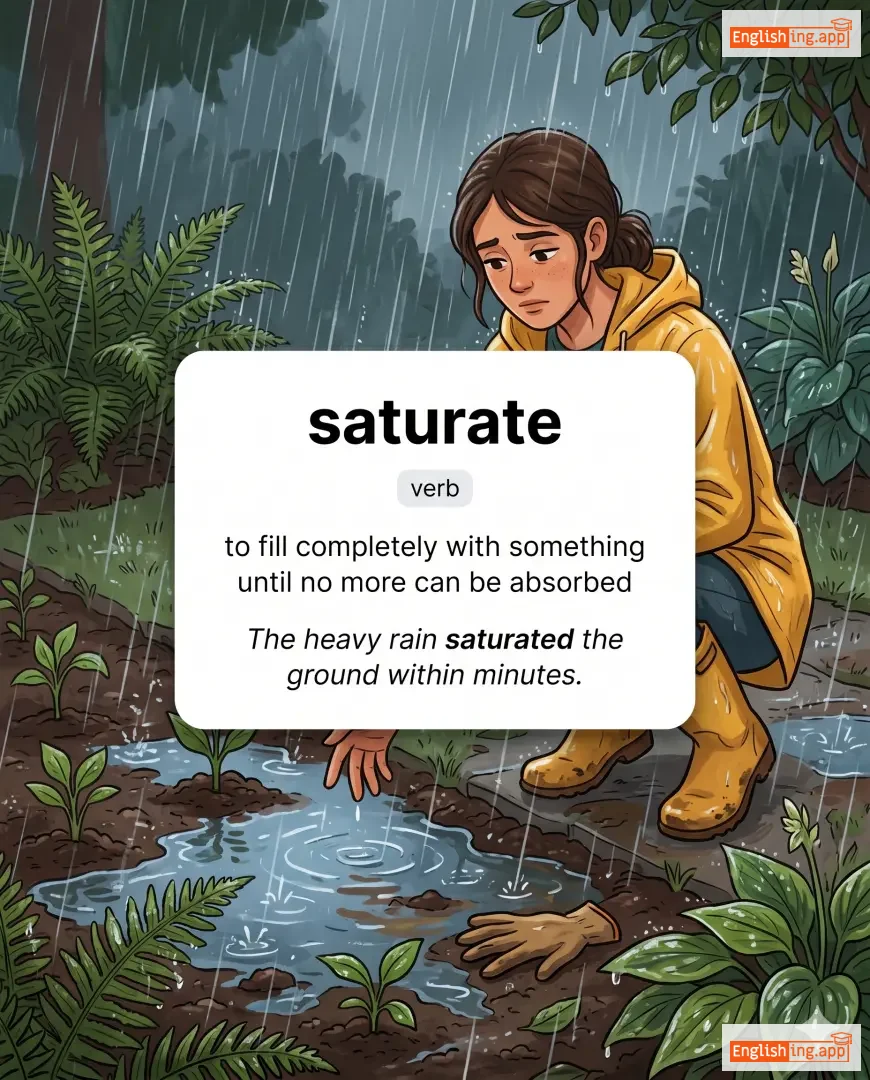
to fill completely with something until no more can be absorbed
••••••
|
The heavy rain saturated the ground within minutes. |
- •••••• |
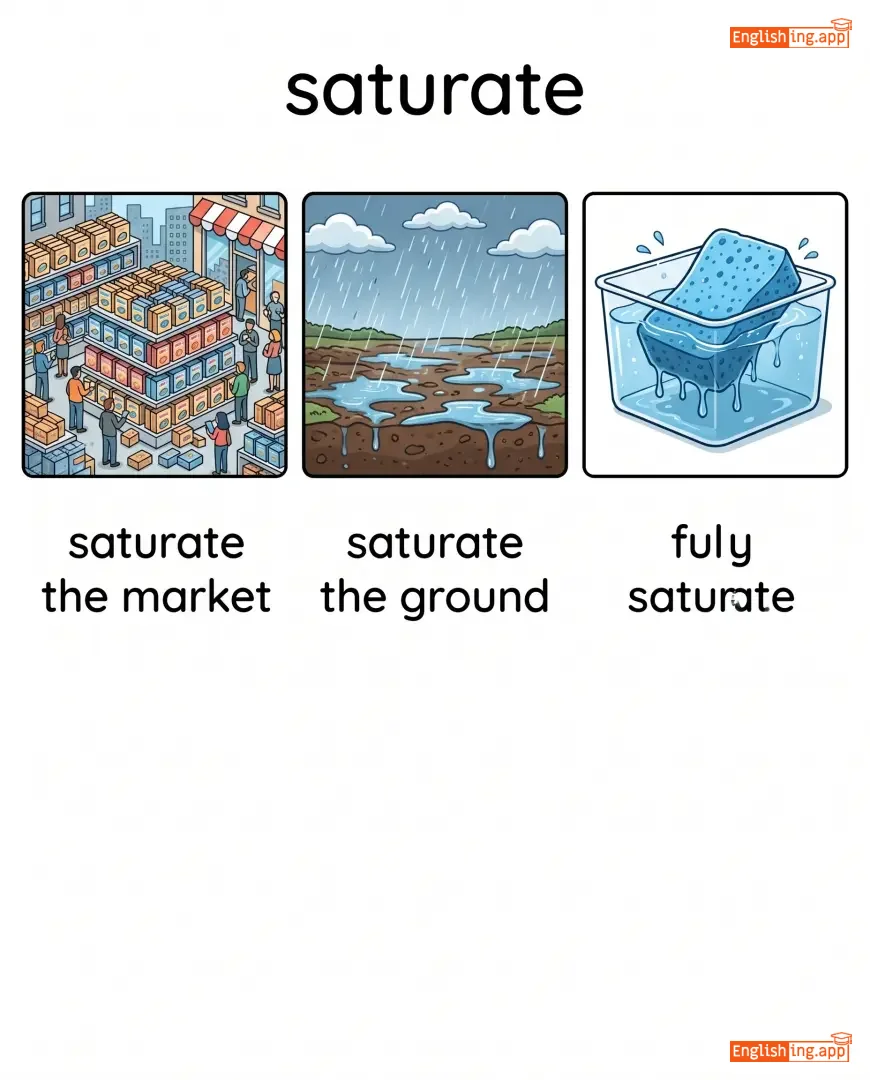
saturate the market |
to supply so much of a product that demand is fully met or exceeded
••••••
|
- •••••• |
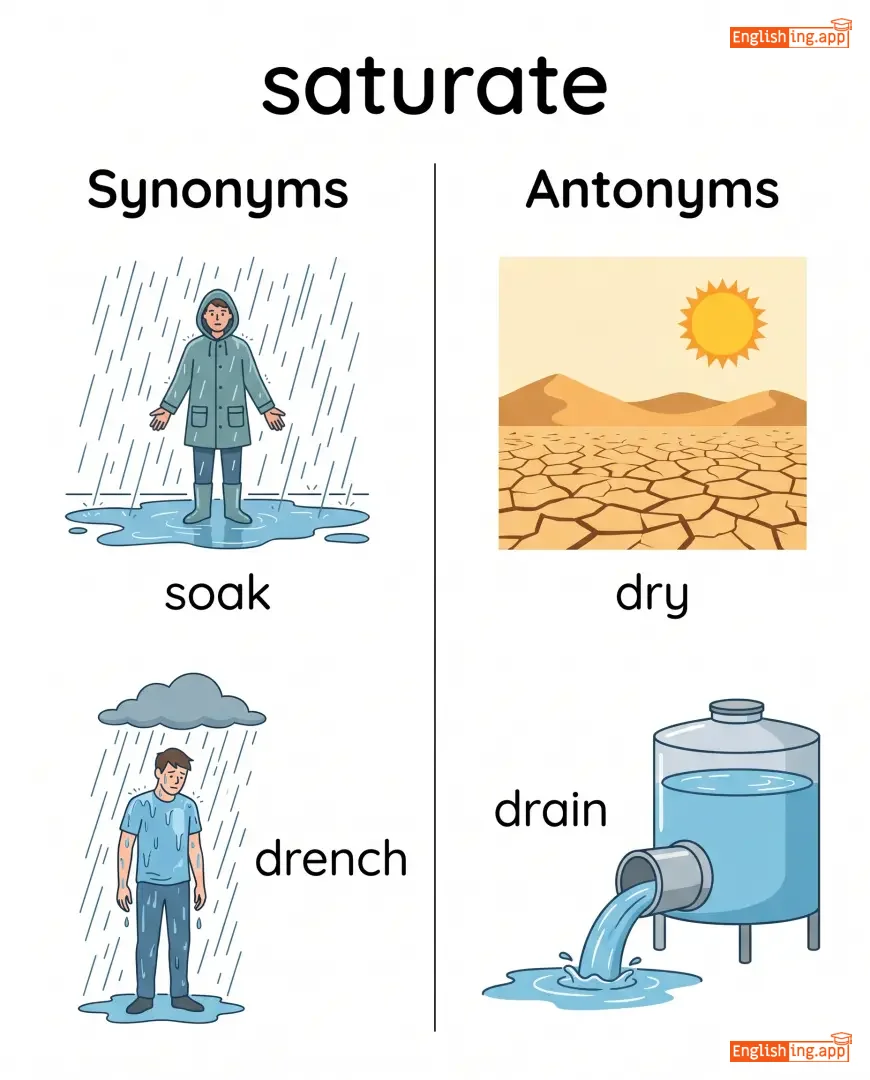
soak, drench, flood, permeate, fill
••••••
|
dry, drain, empty
••••••
|
saturate the market, saturate the ground, fully saturate, saturate completely
••••••
|
No •••••• |
|
😋
••••••
|
/ˈseɪ.vər/
verb
(赛佛)
••••••
|


|
尽情享受
jìnqíng xiǎngshòu
••••••
|
savored
赛佛德
••••••
|
savored
赛佛德
••••••
|
savors
赛佛斯
••••••
|
savoring
赛佛林
••••••
|
To enjoy something completely, especially by dwelling on it.
••••••
|
He savored every bite of the delicious cake.
他细细品味着美味的蛋糕。
••••••
|
他细细品味着美味的蛋糕。
Tā xìxì pǐnwèi zhe měiwèi de dàngāo.
••••••
|
savor the moment
享受此刻
••••••
|
To fully appreciate and enjoy a particular experience.
••••••
|
享受此刻
Xiǎngshòu cǐkè
••••••
|
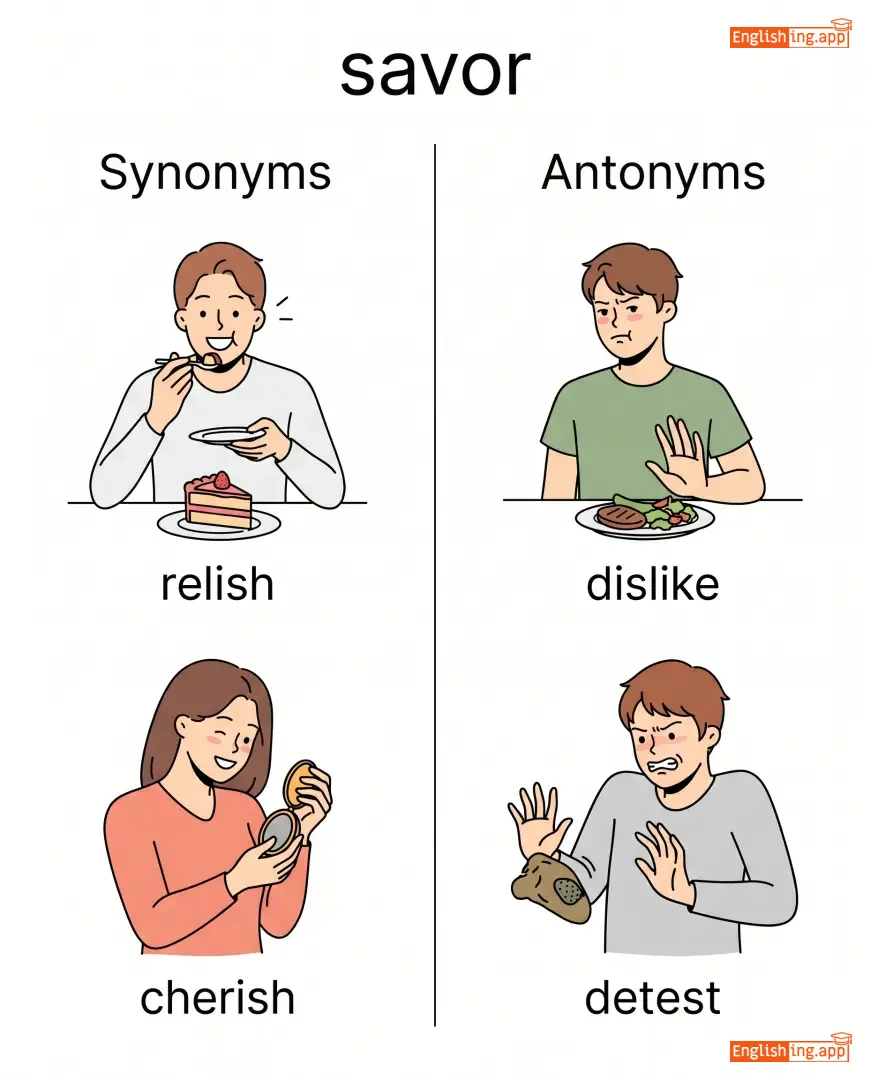
relish, cherish, appreciate, enjoy, delight in
••••••
|
dislike, detest, avoid
••••••
|
savor the flavor, savor the moment, savor success
••••••
|
Savor就像美食一样,慢慢品味每个瞬间。
••••••
|
|
💧
••••••
|
/sɪˈkriːt/
verb
(sīkrèt)
••••••
|

|
分泌
fēnmì
••••••
|
secreted
sīkrèted
••••••
|
secreted
sīkrèted
••••••
|
secretes
sīkrèts
••••••
|
secreting
sīkrèting
••••••
|
to produce and release a substance from a cell, gland, or organ
••••••
|
The pancreas secretes insulin to regulate blood sugar levels.
胰腺分泌胰岛素以调节血糖水平。
••••••
|
胰腺分泌胰岛素以调节血糖水平。
Yíxiàn fēnmì yídǎosù yǐ tiáojié xuètáng shuǐpíng.
••••••
|
- •••••• | - •••••• | - •••••• |
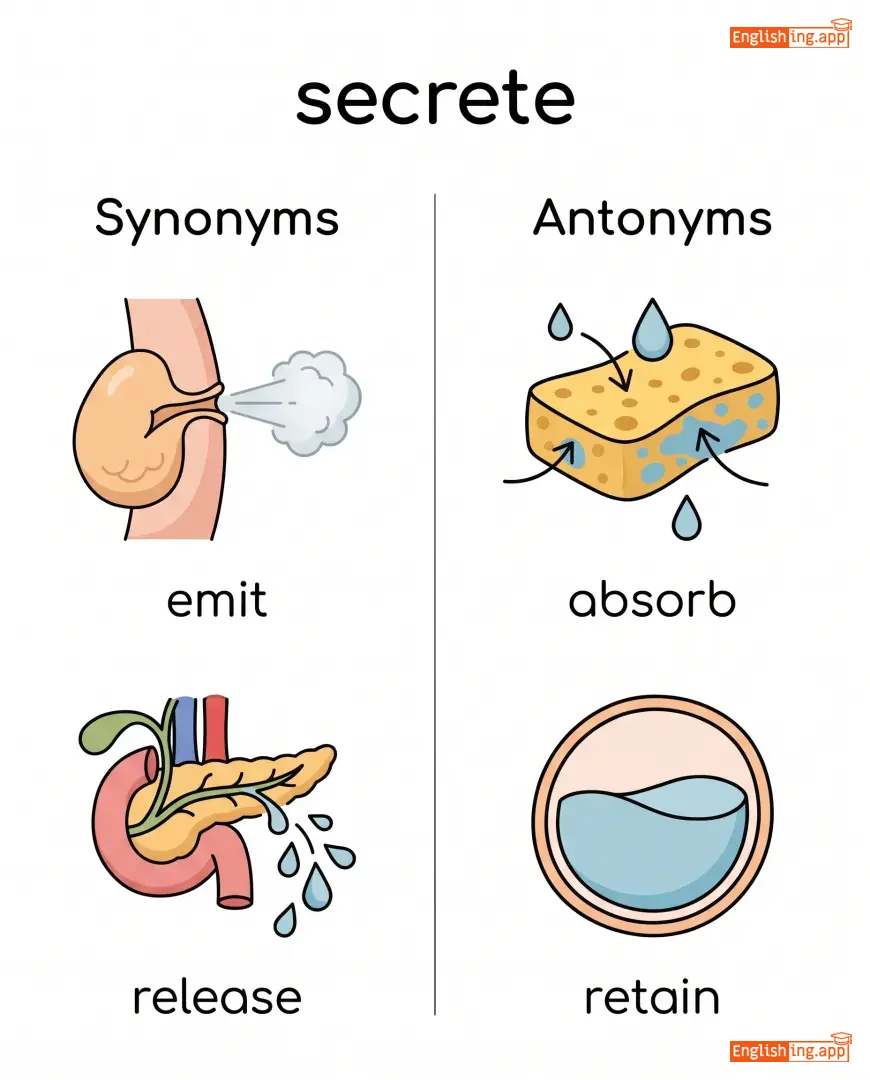
emit, release, discharge, excrete, produce
••••••
|
absorb, retain, hold
••••••
|
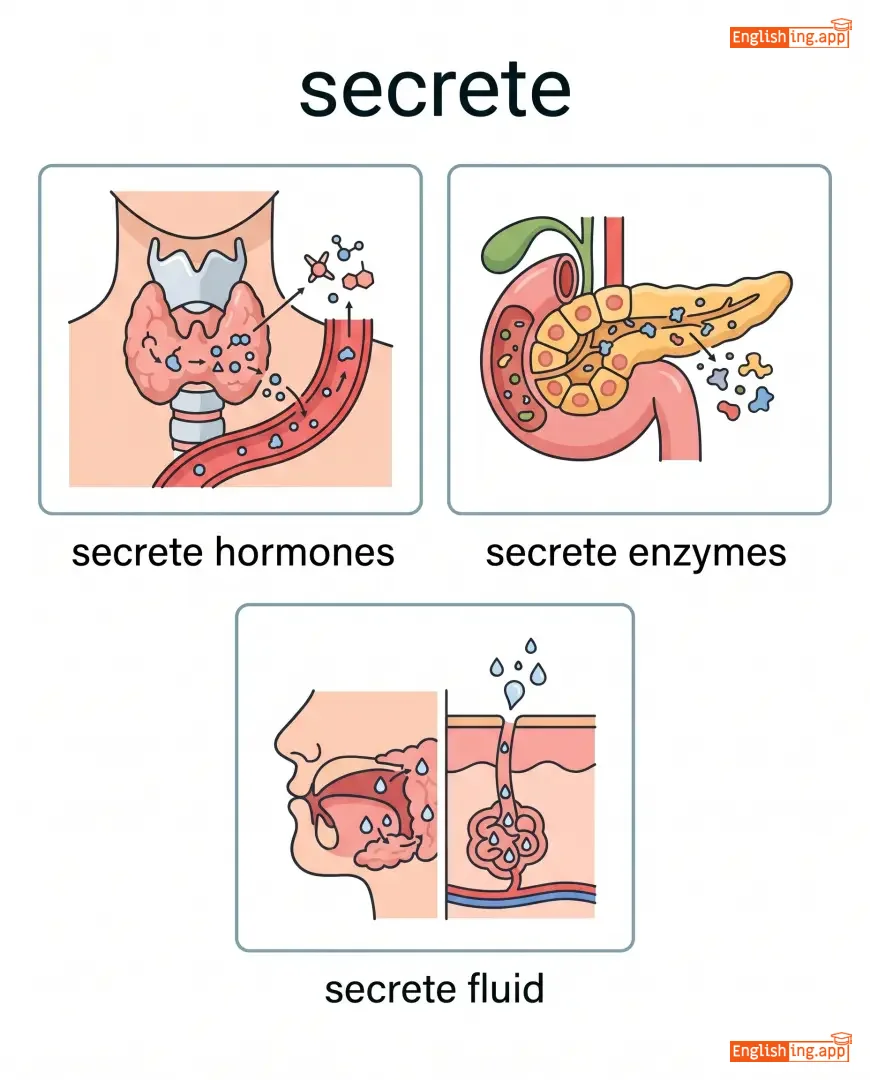
secrete hormones, secrete enzymes, secrete fluid, secrete mucus
••••••
|
分泌就是把东西从体内分出来, 'secret' 有类似的意思。
••••••
|
|
🪨
••••••
|
/ʃɑːrd/
noun
(shard)
••••••
|
|
碎片
suipian
••••••
|
- •••••• | - •••••• | - •••••• | - •••••• |
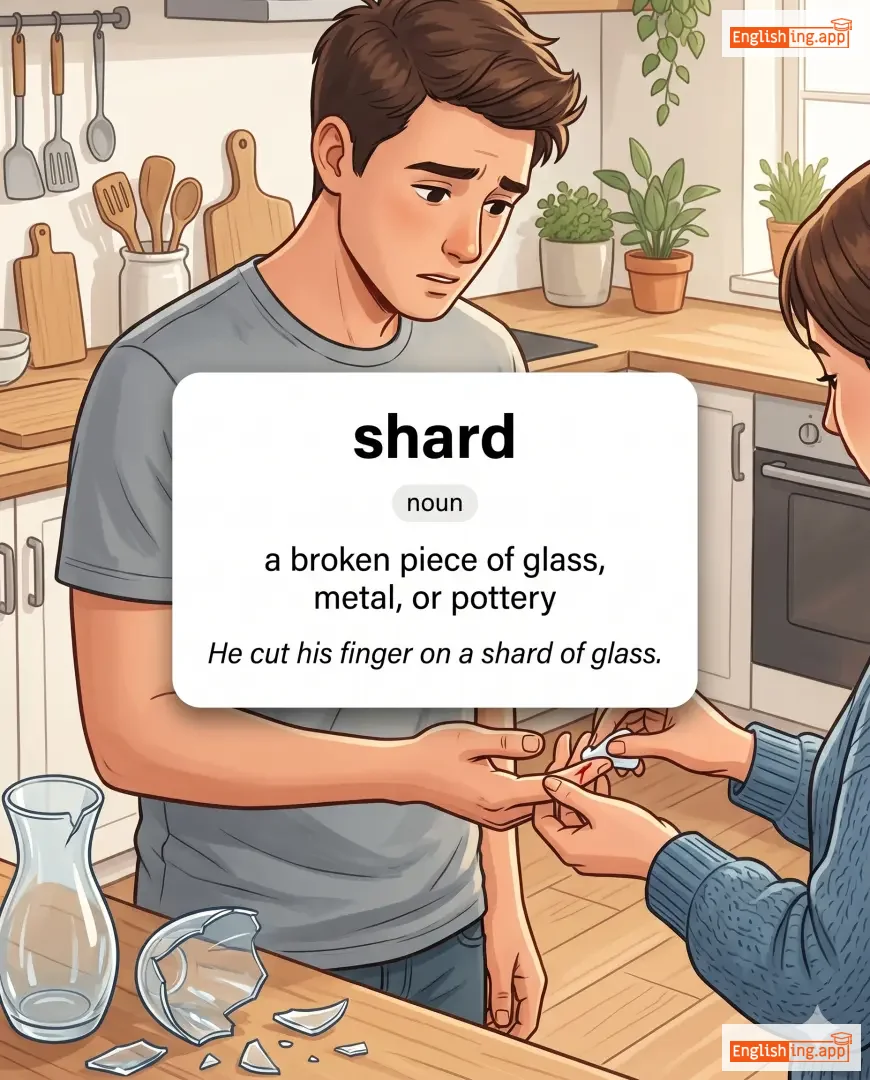
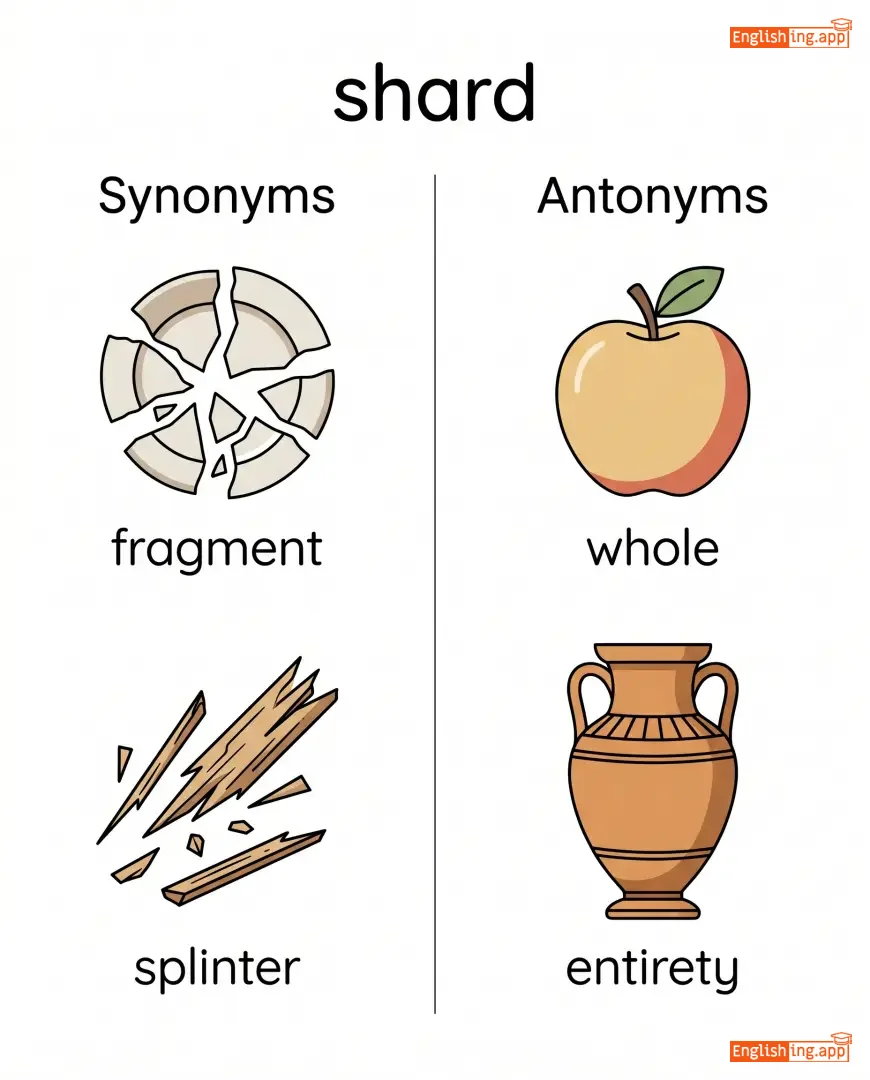
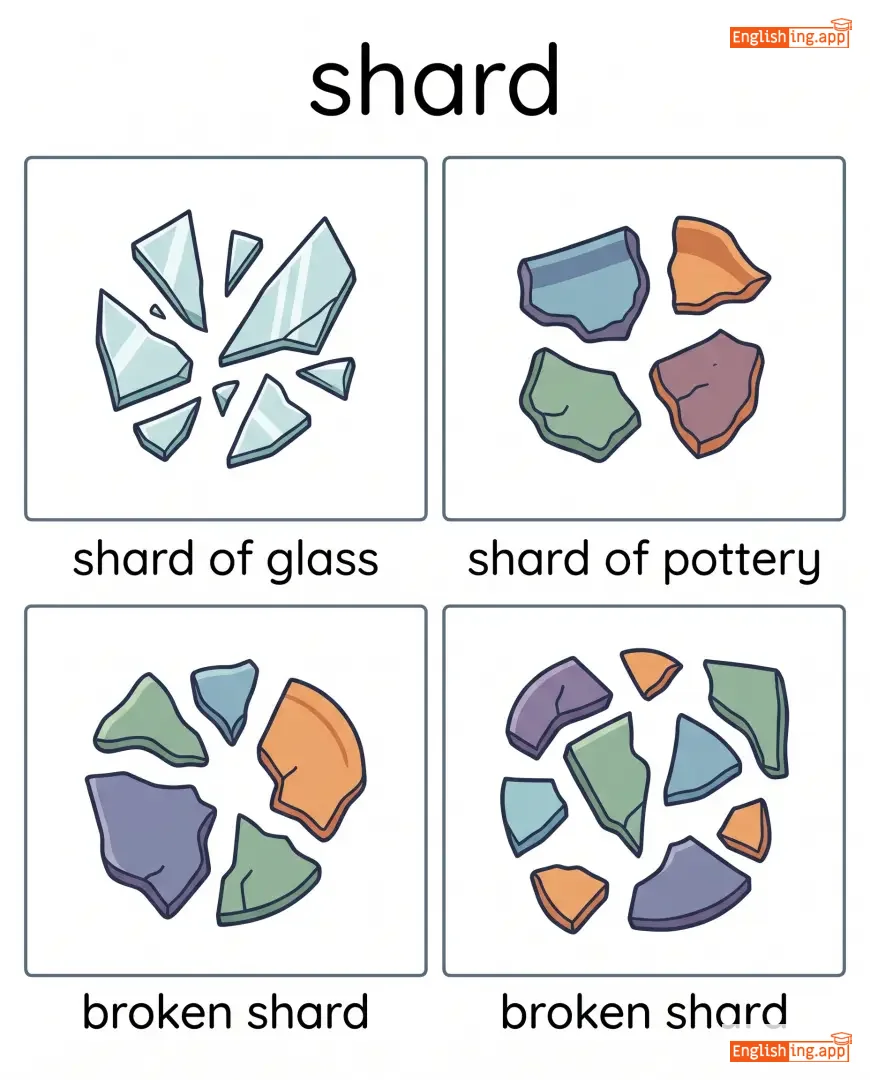
a broken piece of glass, metal, or pottery
••••••
|
He cut his finger on a shard of glass. |
他用玻璃碎片割伤了手指。
Tā yòng bōli suìpiàn gē shāngle shǒuzhǐ.
••••••
|
- •••••• | - •••••• | - •••••• |
fragment, splinter, sliver, piece
••••••
|
whole, entirety, unity
••••••
|
shard of glass, shard of pottery, broken shard
••••••
|
Shard意味着 sharp 碎片 – 破碎的玻璃片。
••••••
|
|
🤔
••••••
|
/ˈskɛptɪk/
noun
(sī kè pǐkè)
••••••
|

|
怀疑者
huáiyí zhě
••••••
|
- •••••• | - •••••• | - •••••• | - •••••• |
A person who doubts or questions accepted beliefs or claims.
••••••
|
The scientist was a skeptic of theories without solid evidence. |
这位科学家对没有确凿证据的理论持怀疑态度。
Zhè wèi kēxuéjiā duì méiyǒu quèzào zhèngjù de lǐlùn chí huáiyí tàidù.
••••••
|
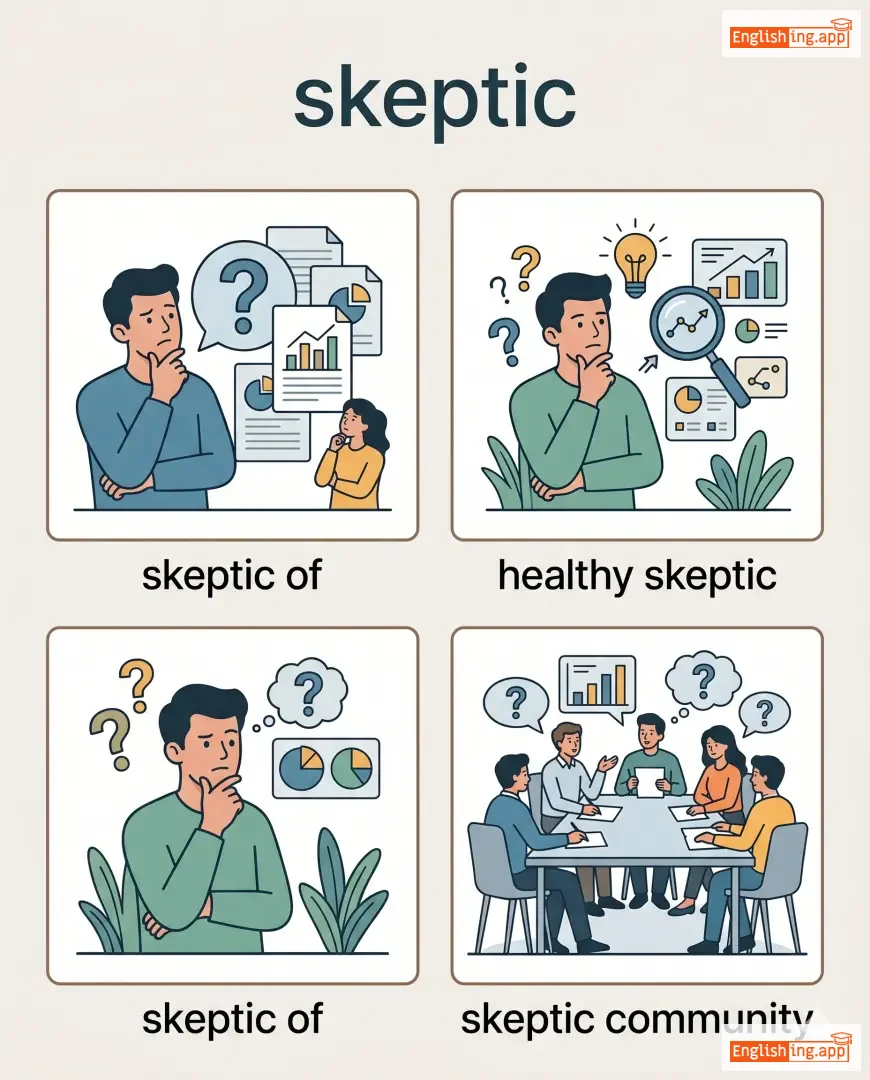
healthy skeptic |
A person who doubts claims in a rational and balanced way.
••••••
|
健康的怀疑者
jiànkāng de huáiyí zhě
••••••
|
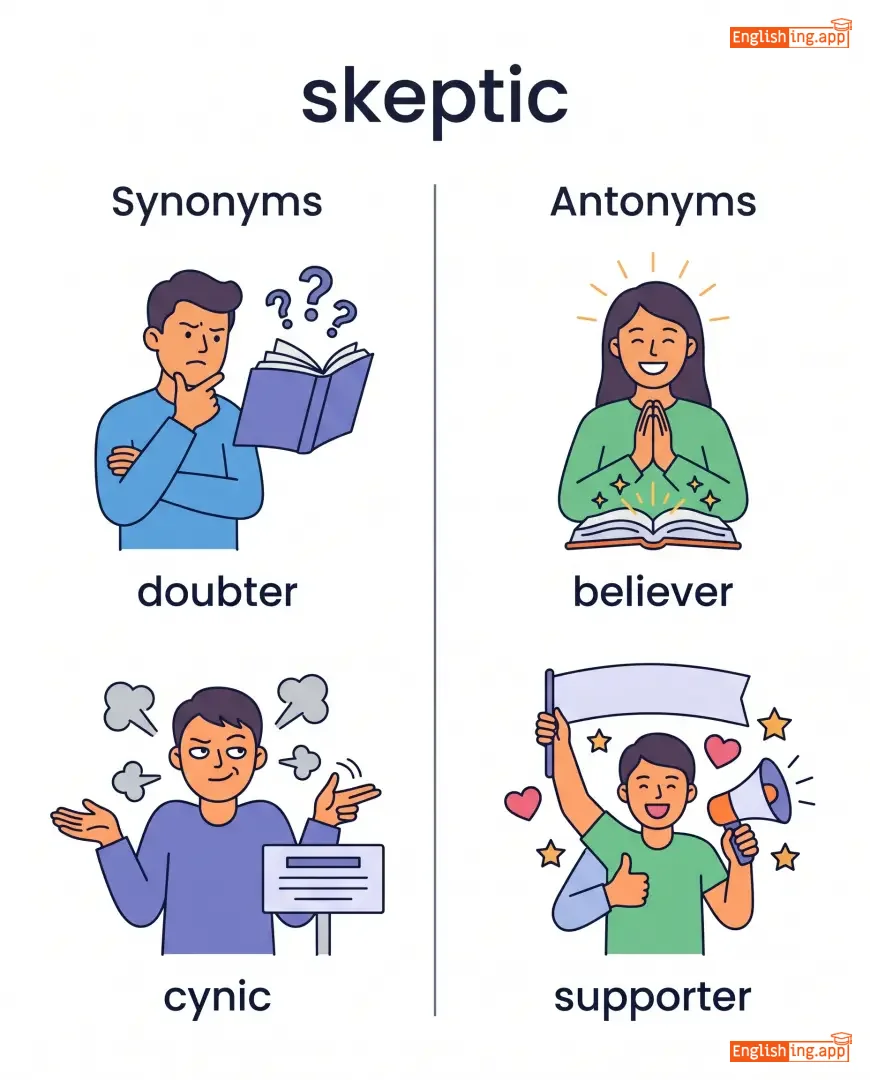
doubter, cynic, questioner, disbeliever
••••••
|
believer, supporter
••••••
|
skeptic of, healthy skeptic, skeptic community, skeptic movement
••••••
|
怀疑者总是怀疑一切,就像寻找真相的侦探。
••••••
|
|
💖
••••••
|
/səˈlɪsɪtəs/
adjective
(索利西图斯)
••••••
|
|
关心
guānxīn
••••••
|
- •••••• | - •••••• | - •••••• | - •••••• |
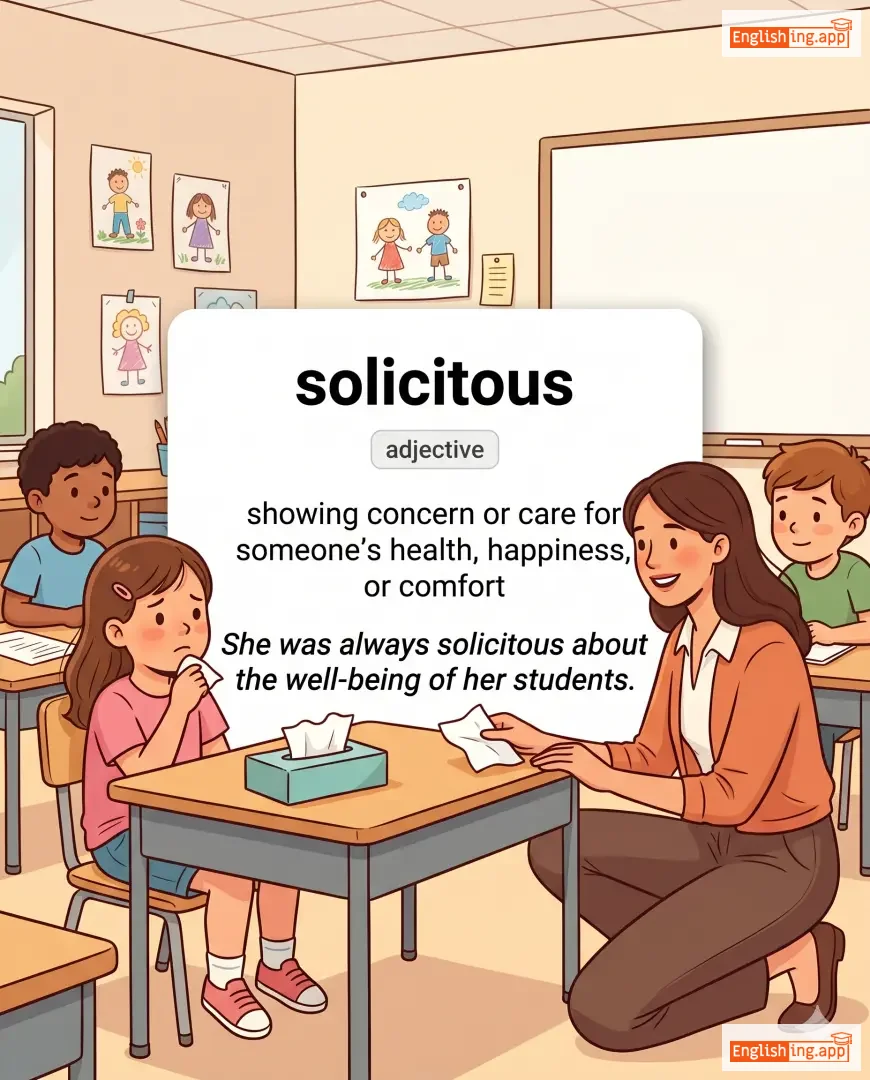
showing concern or care for someone's health, happiness, or comfort
••••••
|
She was always solicitous about the well-being of her students. |
她总是关心学生们的福祉。
Tā zǒng shì guānxīn xuéshēngmen de fúzhǐ.
••••••
|
- •••••• | - •••••• | - •••••• |
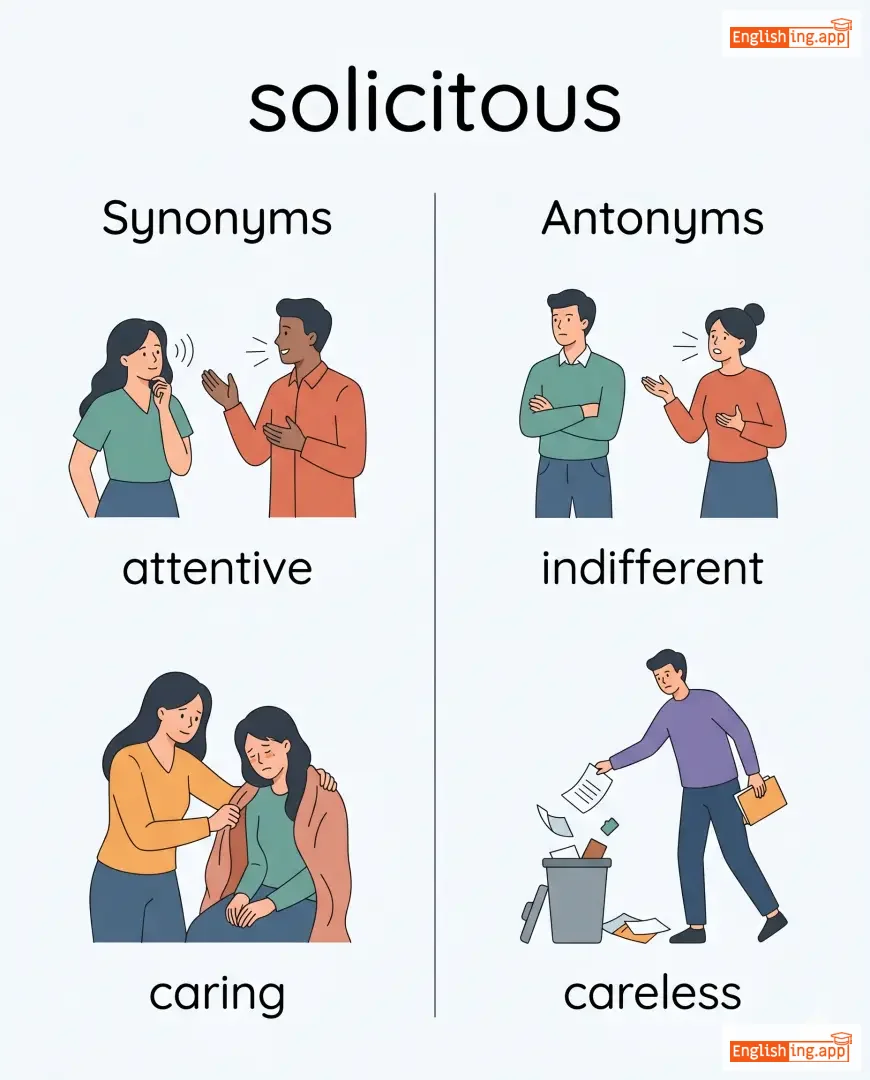
attentive, caring, concerned, considerate, thoughtful
••••••
|
indifferent, careless, neglectful
••••••
|
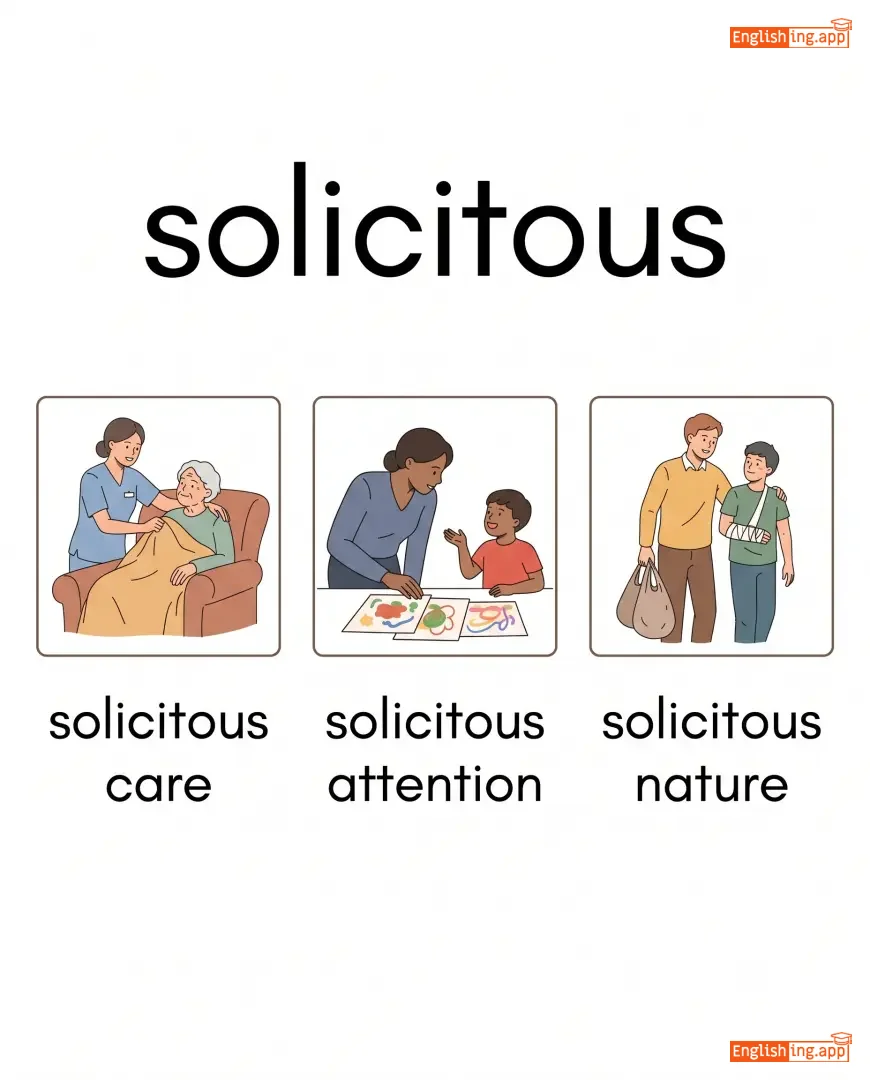
solicitous care, solicitous attention, solicitous nature
••••••
|
Solicitous意思是关心,想想 'so listen to us' = 关心 💖
••••••
|
|
😴
••••••
|
/ˌsɒpəˈrɪfɪk/
adjective
(海皮尼斯)
••••••
|

|
幸福
xìngfú
••••••
|
- •••••• | - •••••• | - •••••• | - •••••• |
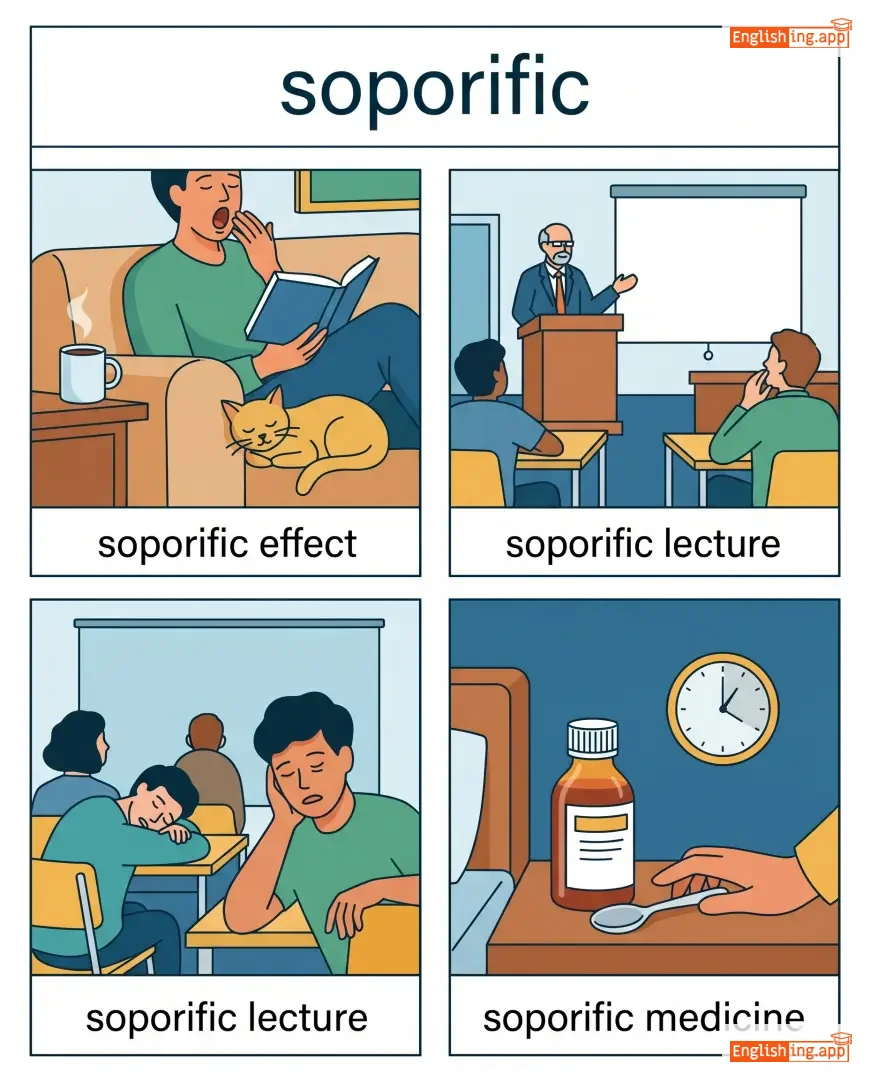
tending to induce drowsiness or sleep; causing sleepiness
••••••
|
The professor's lecture was so soporific that half the class fell asleep.
当她收到奖项时,她无法掩饰自己的快乐。
••••••
|
当她收到奖项时,她无法掩饰自己的快乐。
Dāng tā shōu dào jiǎngxiàng shí, tā wúfǎ yǎnshì zìjǐ de kuàilè.
••••••
|
- •••••• | - •••••• |
追寻幸福
zhuīxún xìngfú
••••••
|
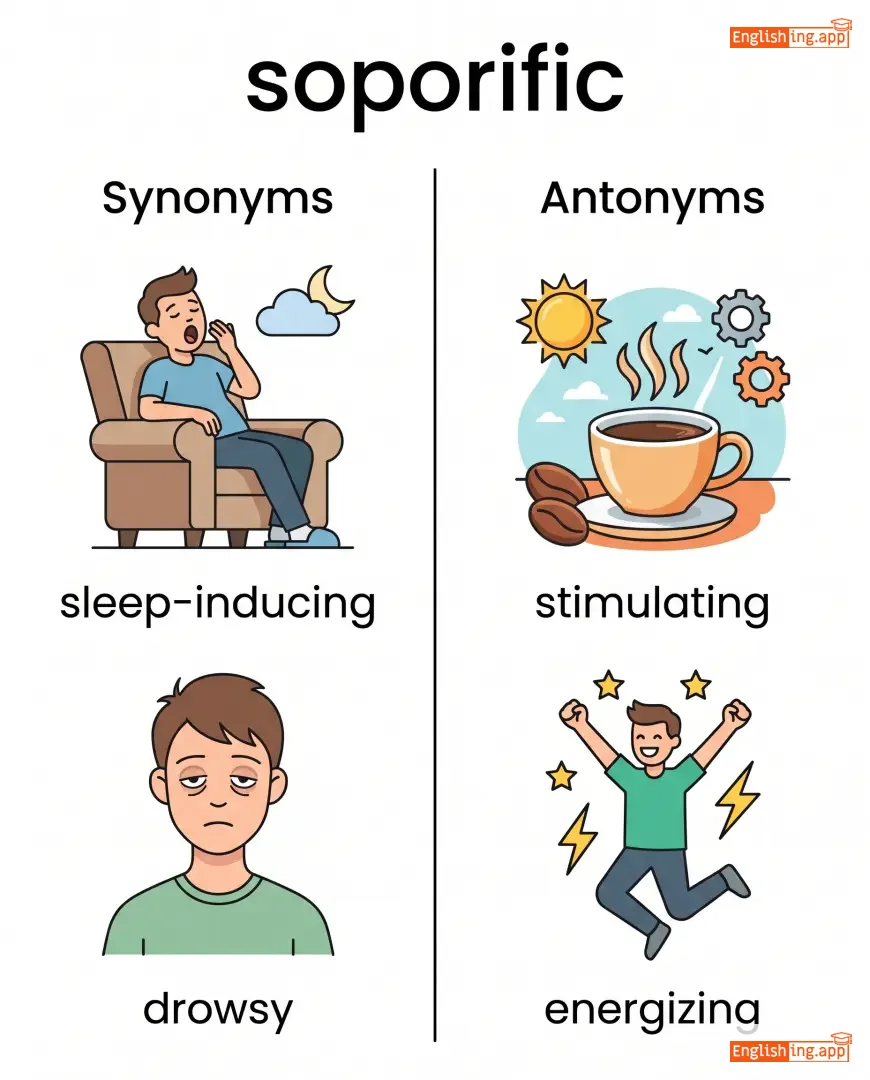
sleep-inducing, drowsy, hypnotic, sedative, calming
••••••
|
stimulating, energizing, exciting
••••••
|
soporific effect, soporific lecture, soporific medicine, soporific atmosphere
••••••
|
幸福 - 想到幸福和快乐的海洋。
••••••
|
|
🎭
••••••
|
/ˈspiːʃəs/
adjective
(supi-shus)
••••••
|
|
虚假
xu jia
••••••
|
- •••••• | - •••••• | - •••••• | - •••••• |
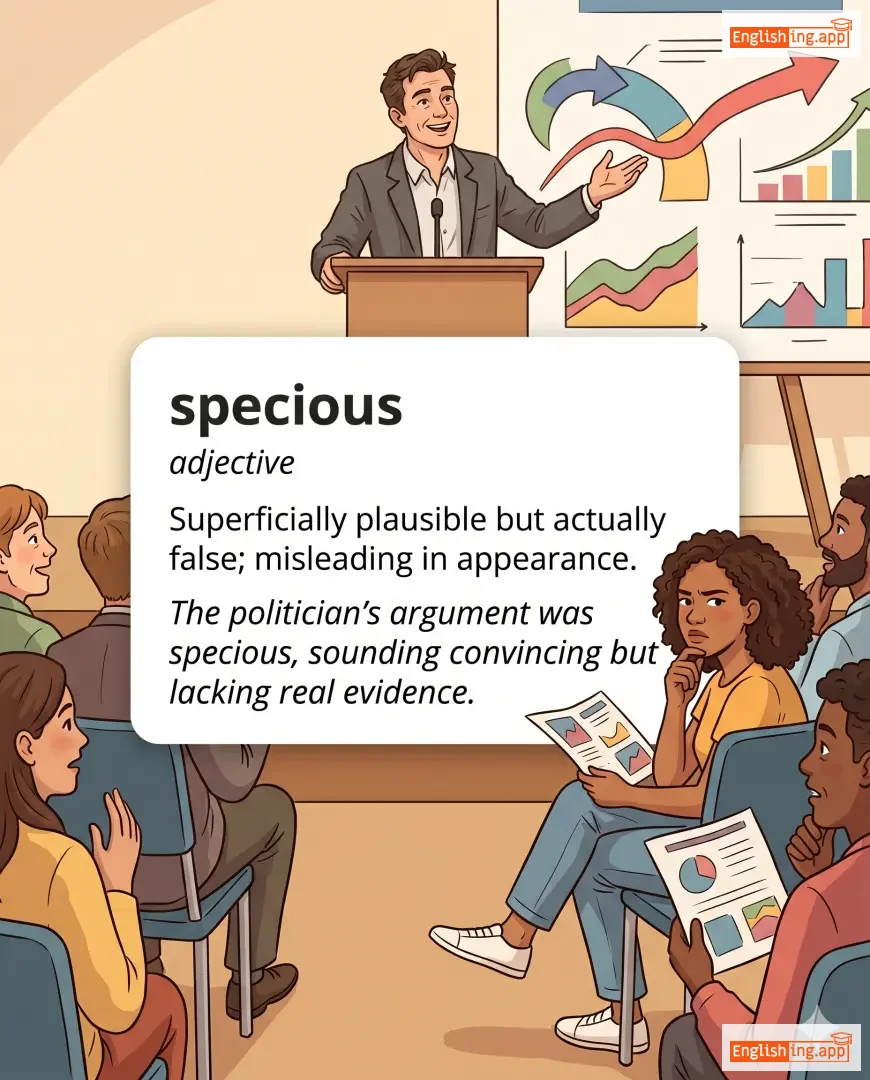
Superficially plausible but actually false; misleading in appearance.
••••••
|
The politician’s argument was specious, sounding convincing but lacking real evidence. |
那位政治家的论点是虚假的,听起来很有说服力,但缺乏真实的证据。
Na wei zhengzhi jia de lundian shi xu jia de, ting qilai hen you shuofu li, dan quefa zhenshi de zhengju.
••••••
|
- •••••• | - •••••• | - •••••• |
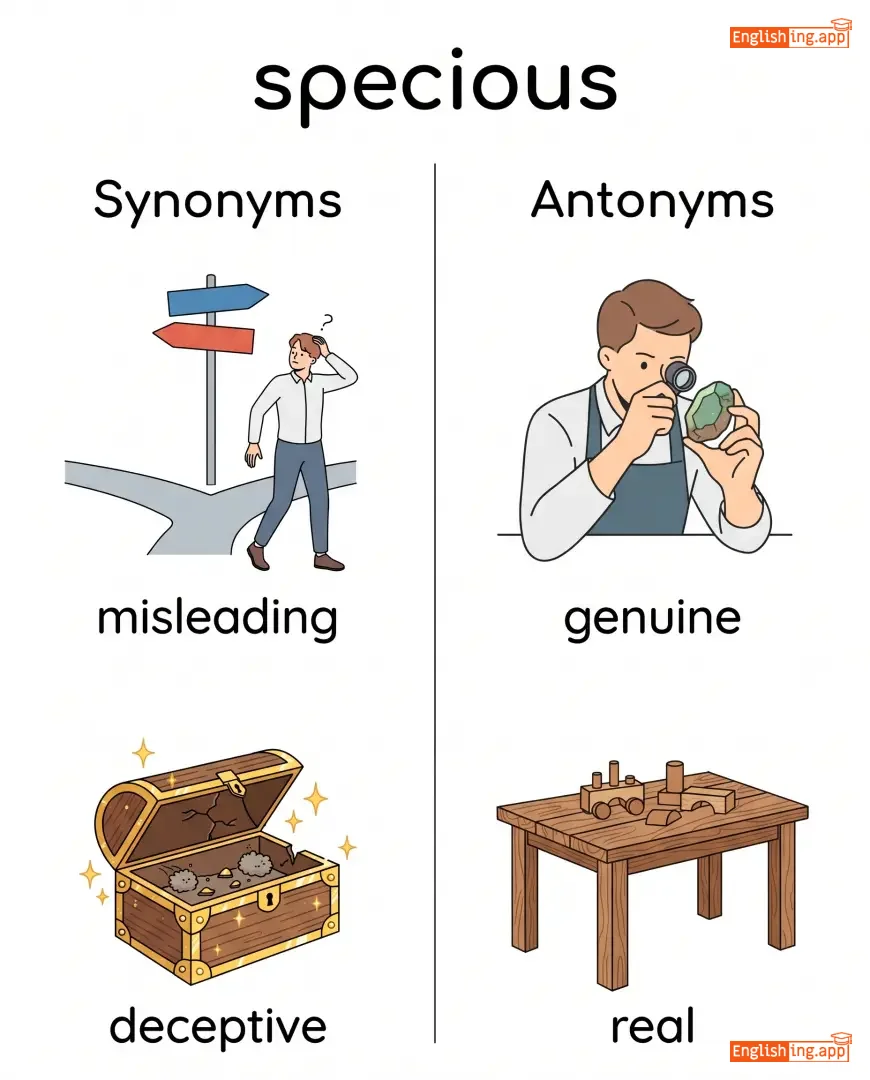
misleading, deceptive, false, fallacious, illusory
••••••
|
genuine, real, true
••••••
|
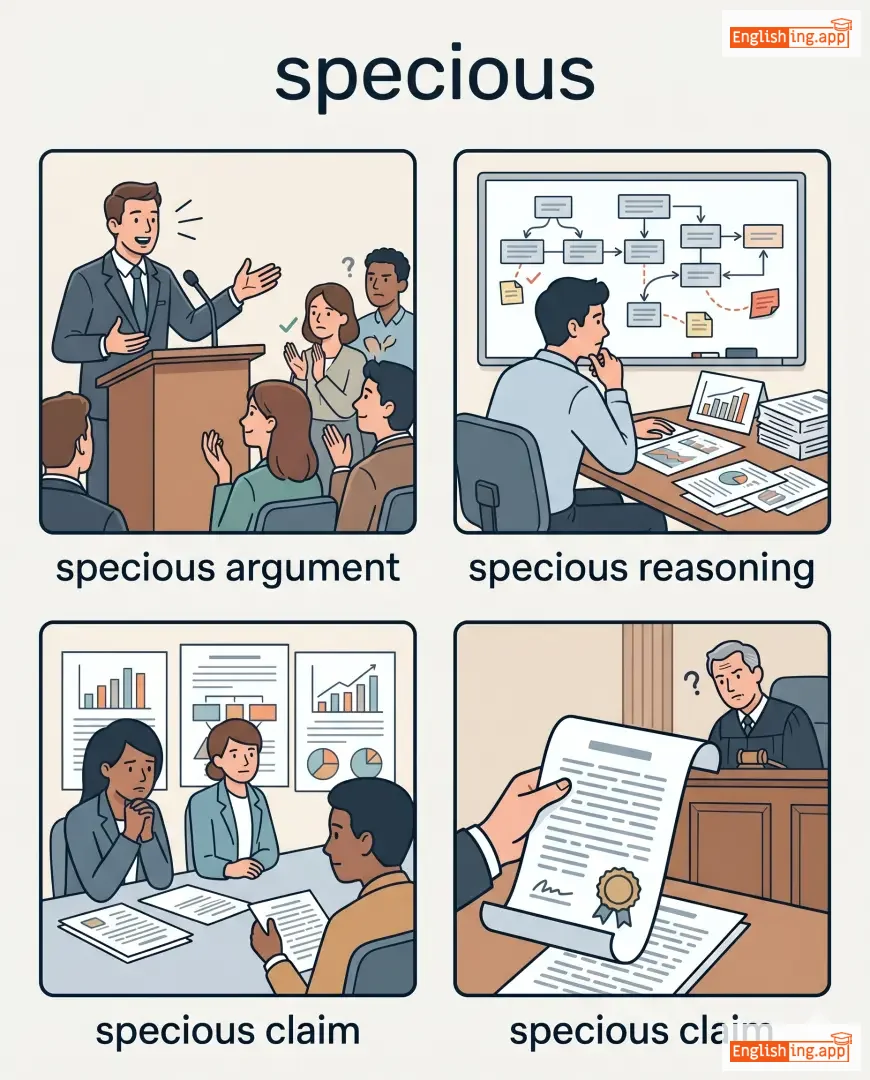
specious argument, specious reasoning, specious claim
••••••
|
虚假(xu jia)听起来像是假的,误导人的。
••••••
|
|
🌈
••••••
|
/ˈspɛktrəm/
noun
(光谱)
••••••
|
|
光谱
guāngpǔ
••••••
|
- •••••• | - •••••• | - •••••• | - •••••• |
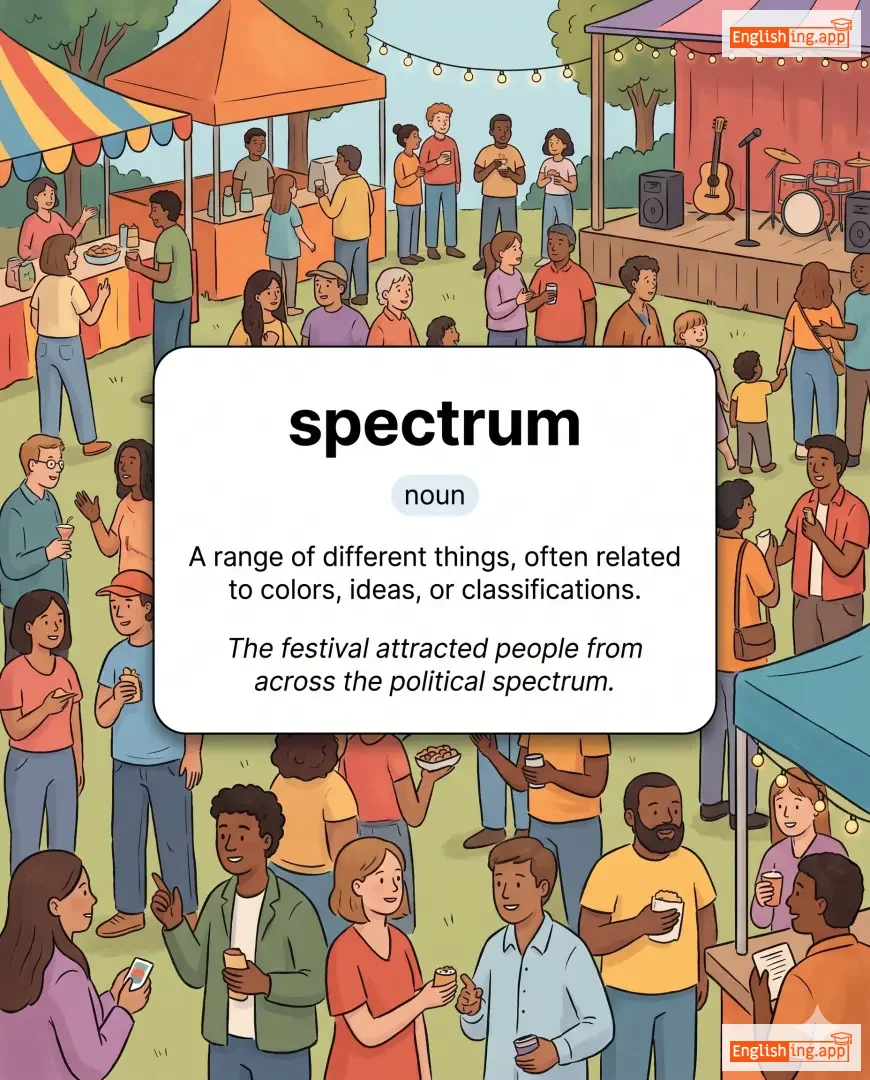
A range of different things, often related to colors, ideas, or classifications.
••••••
|
The festival attracted people from across the political spectrum. |
这个节日吸引了来自各个政治光谱的人们。
Zhège jiérì xīyǐnle láizì gè ge zhèngzhì guāngpǔ de rénmen.
••••••
|
broad spectrum |
Covering a wide range of ideas or possibilities.
••••••
|
广泛的光谱
guǎngfàn de guāngpǔ
••••••
|
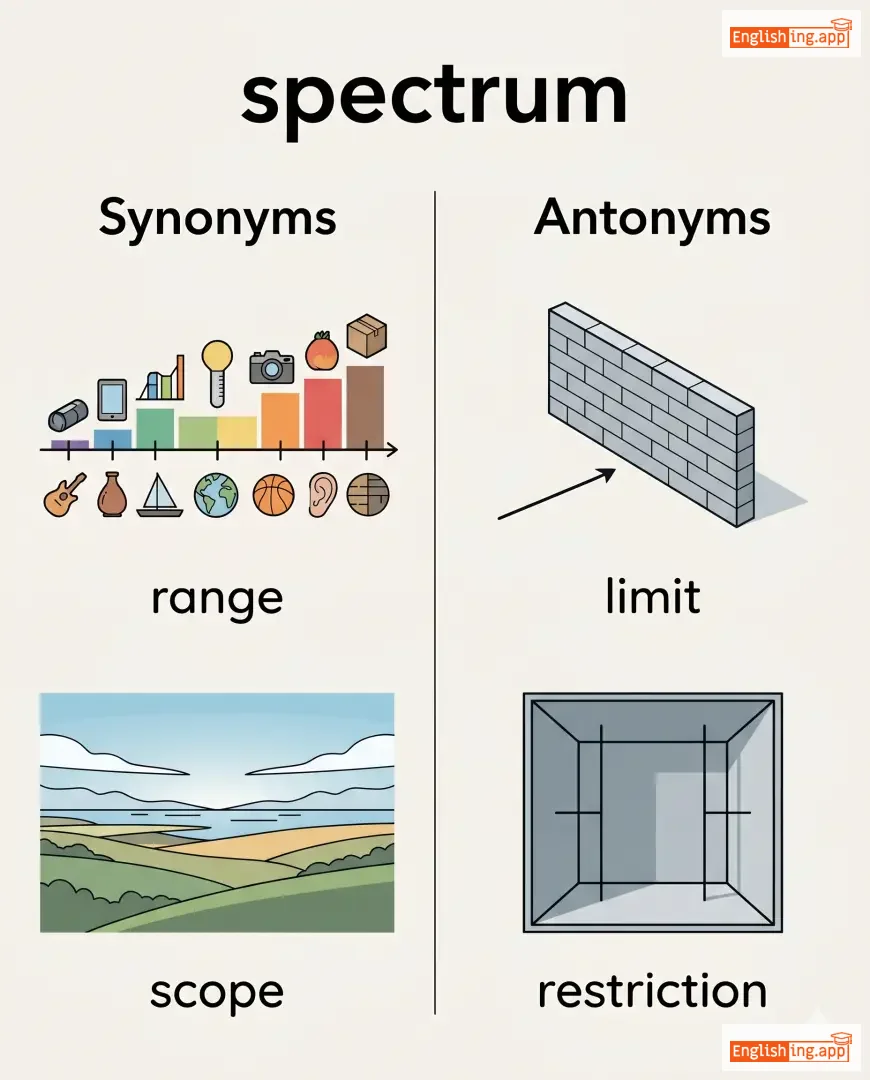
range, scope, span, variety, gamut
••••••
|
limit, restriction, boundary
••••••
|
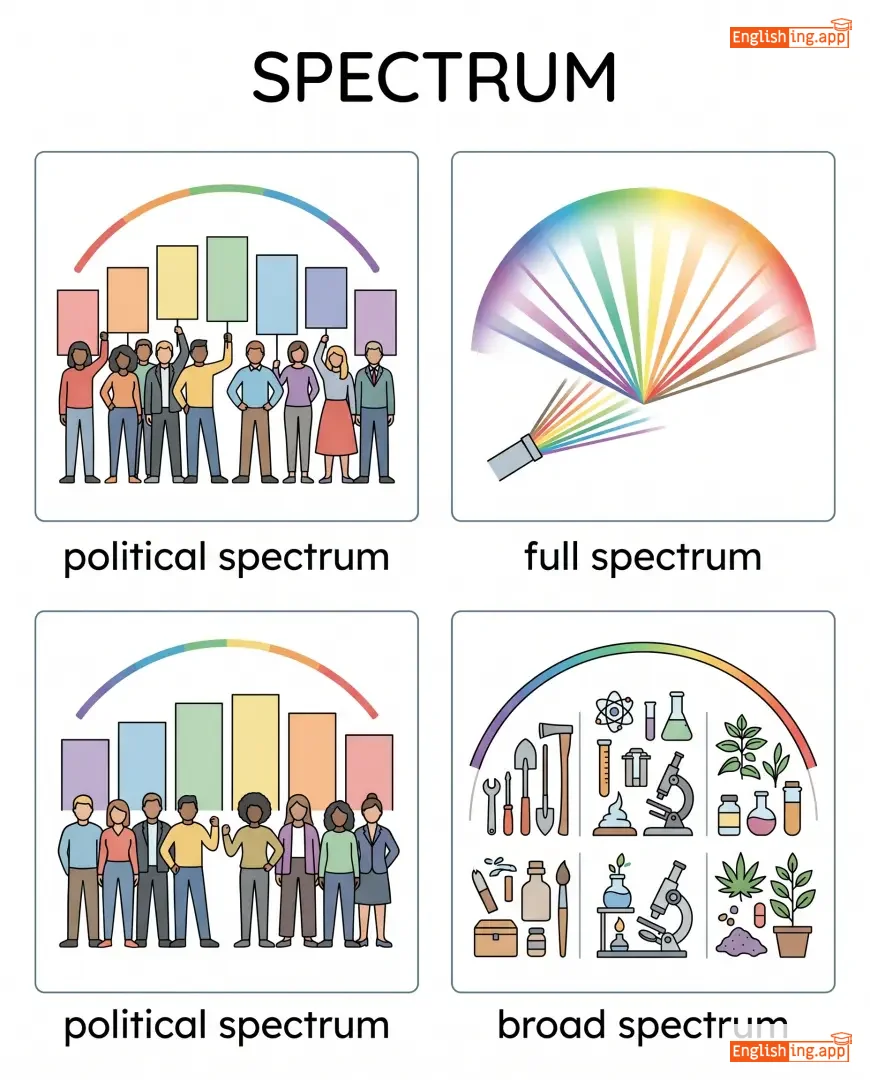
political spectrum, full spectrum, broad spectrum, across the spectrum
••••••
|
光谱意味着完整的颜色范围 🌈,你在光谱中看到的一切。
••••••
|
|
🌧️
••••••
|
/spəˈrædɪk/
adjective
(sporadik)
••••••
|
|
零星
língxīng
••••••
|
- •••••• | - •••••• | - •••••• | - •••••• |
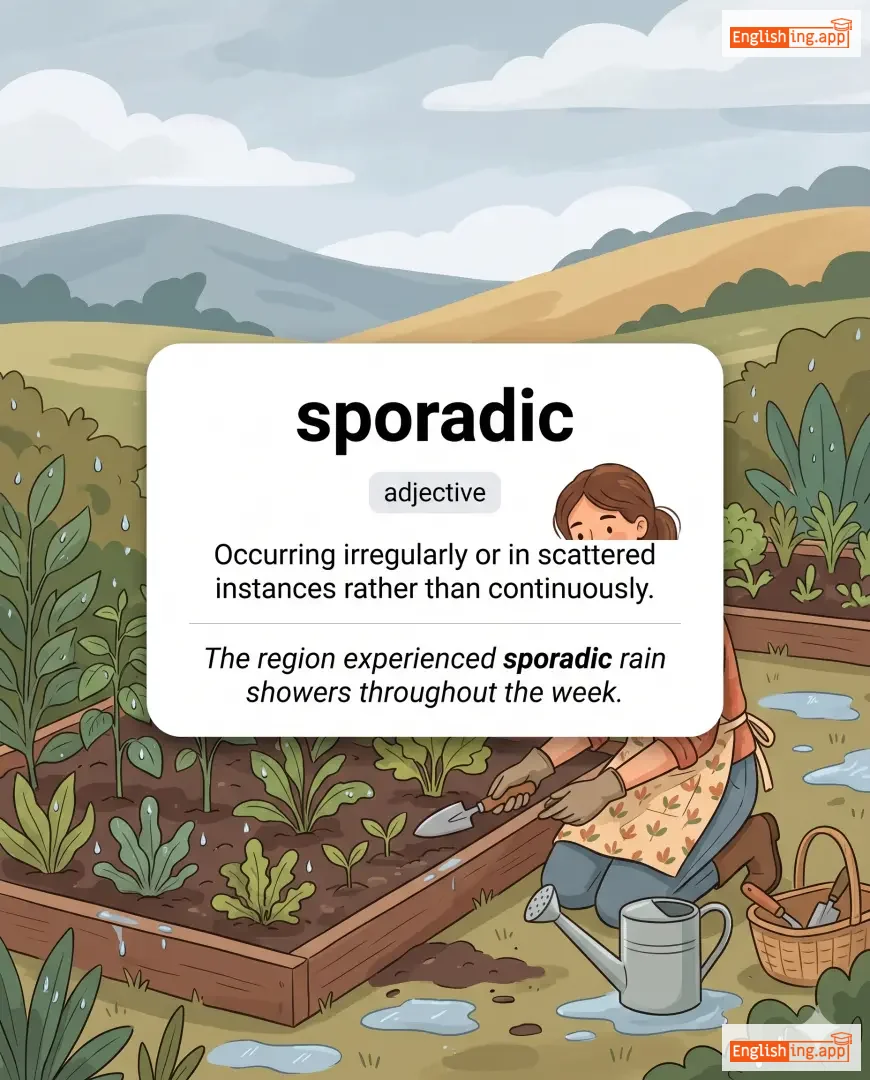
Occurring irregularly or in scattered instances rather than continuously.
••••••
|
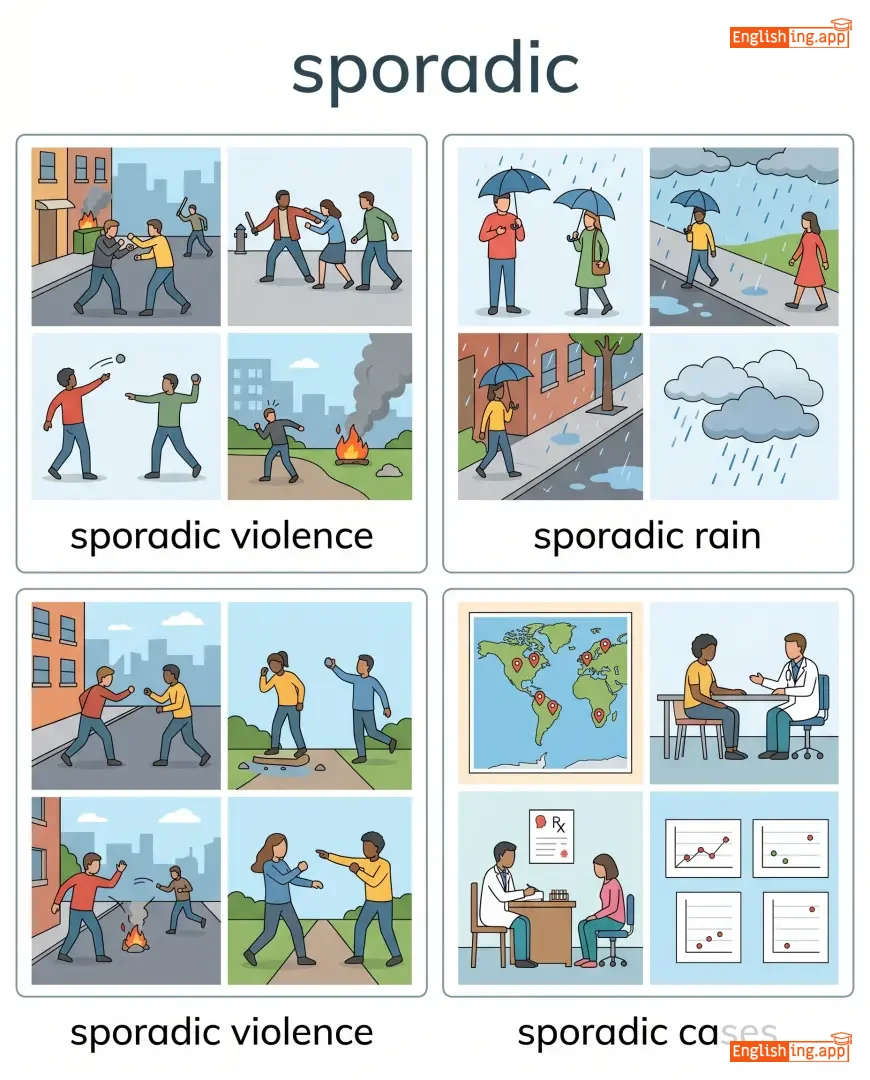
The region experienced sporadic rain showers throughout the week.
该地区在一周内经历了零星降雨。
••••••
|
该地区经历了整整一周的零星降雨。
Gāi dìqū jīnglìle zhěngzhěng yī zhōu de língxīng jiàngyǔ.
••••••
|
- •••••• | - •••••• | - •••••• |
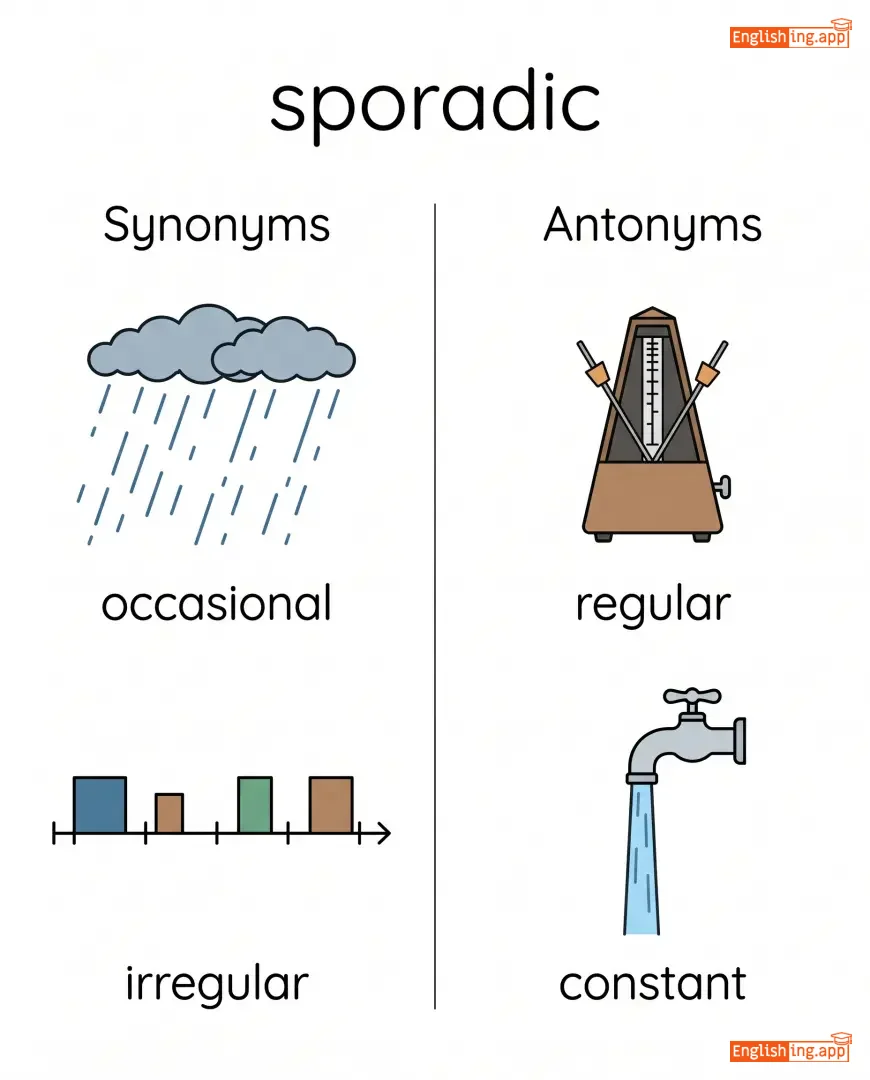
occasional, irregular, infrequent, scattered, random
••••••
|
regular, constant, continuous
••••••
|
sporadic violence, sporadic rain, sporadic cases, sporadic attacks
••••••
|
Sporadic 就像零星的小雨,不定期或不规律地出现。
••••••
|
|
⚠️
••••••
|
/ˈstɪɡmə/
noun
(斯蒂格玛)
••••••
|


|
污名
wūmíng
••••••
|
- •••••• | - •••••• | - •••••• | - •••••• |
a mark of shame or disgrace associated with a particular circumstance or quality
••••••
|
There is still a stigma around mental health issues in many societies. |
许多社会中,心理健康问题仍然存在污名化现象。
Xǔduō shèhuì zhōng, xīnlǐ jiànkāng wèntí réngrán cúnzài wūmínghuà xiànxiàng.
••••••
|
- •••••• | - •••••• | - •••••• |
disgrace, shame, taint, blot, dishonor
••••••
|
honor, respect, esteem
••••••
|
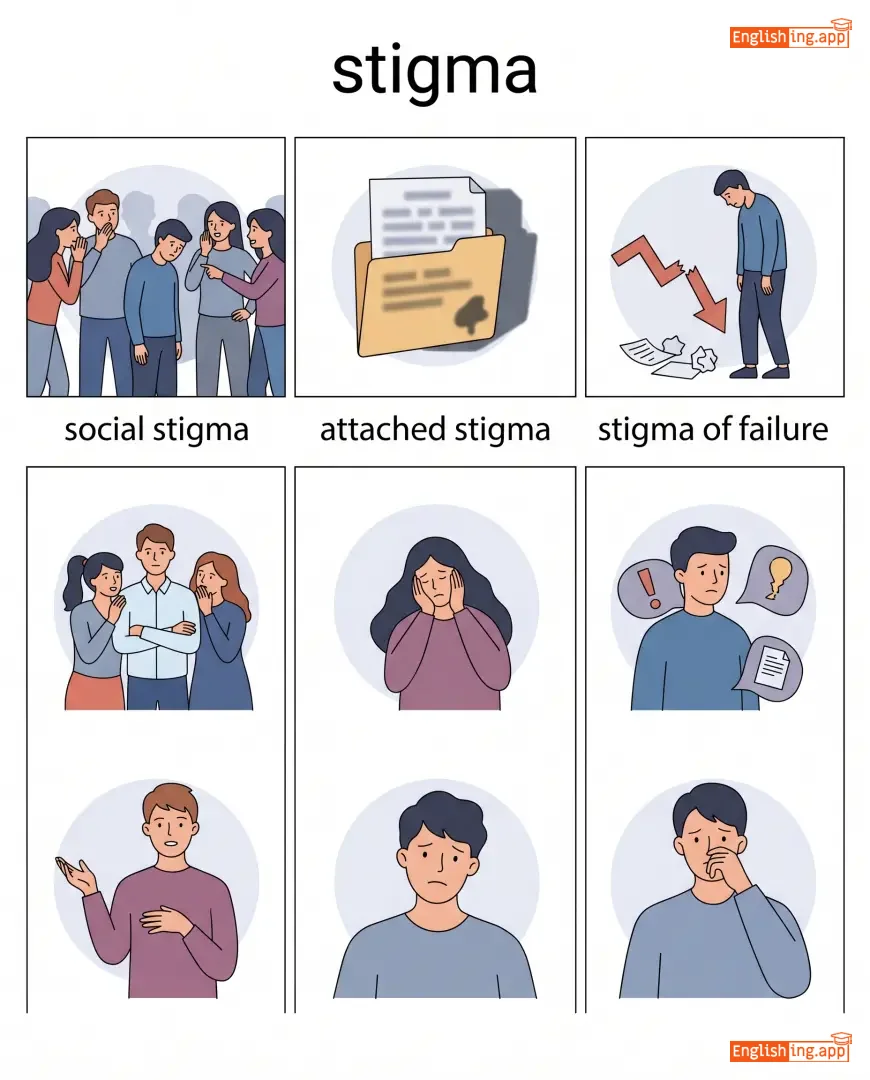
social stigma, attached stigma, stigma of failure, stigma surrounding
••••••
|
Stigma = 耻辱标记 = 污名
••••••
|

