|
表情符号
|
单词 | Images | 翻译 | 过去时 | 过去分词 | 第三人称单数 | 动名词 | 含义 | 例句 | 例句翻译 | 示例表达 | 示例表达含义 | 示例表达翻译 | 同义词 | 反义词 | 搭配词 | 助记符 |
|---|---|---|---|---|---|---|---|---|---|---|---|---|---|---|---|---|---|
|
😨
••••••
|
/skɛrd/
adjective
(skɛrd)
••••••
|
- •••••• |
害怕的
haipa de
••••••
|
- •••••• | - •••••• | - •••••• | - •••••• |
feeling afraid or worried
••••••
|
She was scared of the dark. |
她害怕黑暗。
Tā hàipà hēi'àn.
••••••
|
- •••••• | - •••••• | - •••••• |
frightened, afraid, terrified, nervous
••••••
|
brave, calm
••••••
|
scared of, scared to, scared to death
••••••
|
Scared of the dark, remember the word '害怕的' for fear!
••••••
|
|
📖
••••••
|
/səˈnɛərioʊ/
noun
(场景)
••••••
|
- •••••• |
可能的情境
keneng de qingjing
••••••
|
- •••••• | - •••••• | - •••••• | - •••••• |
a possible situation or sequence of events
••••••
|
The company prepared for the worst-case scenario. |
公司为最坏的情况做了准备。
Gongsi wei zuihuai de qingkuang zuole zhunbei.
••••••
|
worst-case scenario |
the most serious or unfavorable situation possible
••••••
|
最坏的情境
zui huai de qingjing
••••••
|
situation, case, plan, circumstance, event
••••••
|
certainty, reality
••••••
|
best-case scenario, worst-case scenario, future scenario, likely scenario
••••••
|
场景 (Chǎngjǐng) 让你想到电影中的情节,记住场景和情境。
••••••
|
|
🎬
••••••
|
/siːn/
noun
(辛)
••••••
|
- •••••• |
场景
changjing
••••••
|
- •••••• | - •••••• | - •••••• | - •••••• |
a place or setting of an event or activity, or the part of a play or film
••••••
|
The final scene of the movie was very emotional. |
电影的最后一场景非常感人。
Diànyǐng de zuìhòu yī chǎngjǐng fēicháng gǎnrén.
••••••
|
a scene of crime |
a location where a crime has occurred
••••••
|
犯罪现场
fànzuì xiànchǎng
••••••
|
setting, location, stage, situation
••••••
|
silence, calm
••••••
|
movie scene, crime scene, final scene, tragic scene
••••••
|
Scene in movie- 今天创造你自己的戏剧化'场景'!
••••••
|
|
🏞️
••••••
|
/ˈsiː.nər.i/
noun
(xīnní)
••••••
|
- •••••• |
风景
fēngjǐng
••••••
|
- •••••• | - •••••• | - •••••• | - •••••• |
the natural features of a landscape; the painted background used on a theater stage
••••••
|
The mountain scenery was breathtakingly beautiful. |
山脉的风景令人叹为观止。
Shānmài de fēngjǐng lìng rén tàn wéi guān zhǐ.
••••••
|
- •••••• | - •••••• | - •••••• |
landscape, view, vista, backdrop
••••••
|
- •••••• |
beautiful scenery, mountain scenery, natural scenery, scenic view
••••••
|
风景就是大自然的美丽画卷。
••••••
|
|
🤔
••••••
|
/ˈskeptɪkəl/
adjective
(skeptikal)
••••••
|
- •••••• |
怀疑的; 不信任的; 对某事的真相持怀疑态度
huáiyí de; bù xìnrèn de; duì mǒu shì de zhēnxiàng chí huáiyí tàidù
••••••
|
- •••••• | - •••••• | - •••••• | - •••••• |
having doubts; not easily convinced; questioning the truth of something
••••••
|
Many scientists remain sceptical about the new theory.
许多科学家对新理论持怀疑态度。
••••••
|
许多科学家对新理论持怀疑态度。
Xǔduō kēxuéjiā duì xīn lǐlùn chí huáiyí tàidù
••••••
|
- •••••• | - •••••• | - •••••• |
doubtful, dubious, suspicious, questioning
••••••
|
believing, trusting, credulous, convinced
••••••
|
sceptical attitude, remain sceptical, sceptical about
••••••
|
怀疑 + 理论 = 对新科学理论的怀疑
••••••
|
|
📅
••••••
|
/ˈskɛdʒʊl/
noun
(shìjié)
••••••
|
- •••••• |
时间表
shijianbiao
••••••
|
- •••••• | - •••••• | - •••••• | - •••••• |
a plan for carrying out a process or task, showing the time and sequence of actions
••••••
|
I have a busy schedule for today. |
我今天的时间表很满。
Wǒ jīntiān de shíjiān biǎo hěn mǎn.
••••••
|
follow a strict schedule |
to stick to a planned timeline
••••••
|
遵循严格的时间表
zūn xún yángé de shíjiān biǎo
••••••
|
agenda, timetable, plan, program
••••••
|
chaos, disorganization
••••••
|
tight schedule, busy schedule, daily schedule, work schedule
••••••
|
Schedule your 'school' events, keeping your 'schedule' tidy.
••••••
|
|
🗂️
••••••
|
/skiːm/
noun, verb
(xī mǔ)
••••••
|
- •••••• |
计划 / 阴谋
jì huà / yīn móu
••••••
|
schemed
xī mǔ de
••••••
|
schemed
xī mǔ de
••••••
|
schemes
xī mǔ sī
••••••
|
scheming
xī mǔ jí
••••••
|
a plan or arrangement, especially one that is secret or dishonest
••••••
|
They devised a scheme to cheat investors.
他们制定了一个计划,欺骗投资者。
••••••
|
他们制定了一个计划,欺骗投资者。
Tāmen zhì dìng le yí gè jì huà, qī piàn tóu zī zhě.
••••••
|
grand scheme of things
事情的总体规划
••••••
|
the overall perspective or broader context
••••••
|
事情的总体规划
shì qíng de zǒng tǐ guī huà
••••••
|
plan, plot, project, conspiracy, arrangement
••••••
|
honesty, openness
••••••
|
government scheme, savings scheme, secret scheme, scheme against
••••••
|
Scheme意味着巧妙的计划,中文中的‘计划’意味着战略或设计。
••••••
|
|
🎓
••••••
|
/ˈskɒl.ər/
noun
(学者)
••••••
|
- •••••• |
学者;学术人员
xué zhě; xué shù rén yuán
••••••
|
- •••••• | - •••••• | - •••••• | - •••••• |
a person who has studied a subject for a long time and knows a lot about it; an academic
••••••
|
The renowned scholar published several books on ancient history.
ðə rɪˈnaʊnd ˈskɒlər ˈpʌblɪʃt ˈsɛvrəl bʊks ɒn ˈeɪnʃənt ˈhɪstəri.
••••••
|
著名学者出版了几本关于古代历史的书籍。
zhù míng xué zhě chū bǎn le jǐ běn guān yú gǔ dài lì shǐ de shū jí.
••••••
|
- •••••• | - •••••• | - •••••• |
academic, intellectual, researcher, learned person
••••••
|
ignoramus, illiterate
••••••
|
renowned scholar, distinguished scholar, scholarship program, scholarly work
••••••
|
学者分享知识,改变世界。
••••••
|
|
💸
••••••
|
/ˈskɒlərʃɪp/
noun
(学者奖学金)
••••••
|
- •••••• |
奖学金
jiangxuejin
••••••
|
- •••••• | - •••••• | - •••••• | - •••••• |
an award or grant to support a student's education
••••••
|
She received a scholarship to study abroad. |
她获得了一项奖学金,以便出国留学。
Ta huodele yi xiang jiangxuejin, yibian chuguo liuxue.
••••••
|
- •••••• | - •••••• | - •••••• |
grant, fellowship, award, financial aid
••••••
|
loan, debt
••••••
|
merit-based scholarship, full scholarship, scholarship program
••••••
|
A scholarship helps you reach your goals without financial barriers.
••••••
|
|
🏫
••••••
|
/skuːl/
noun
(学校)
••••••
|
- •••••• |
学校
xuéxiào
••••••
|
- •••••• | - •••••• | - •••••• | - •••••• |
An institution for educating children; also a group of people sharing the same ideas or discipline.
••••••
|
The children walked to school together. |
孩子们一起走到学校。
Háizimen yīqǐ zǒu dào xuéxiào.
••••••
|
school of thought |
A particular philosophy or way of thinking shared by a group.
••••••
|
思想流派
sīxiǎng liúpài
••••••
|
academy, institute, college, university, class
••••••
|
home, workplace
••••••
|
primary school, high school, school building, school bus, school of thought
••••••
|
学校意味着学校,记住'学校是学习的地方'。
••••••
|
|
🔬
••••••
|
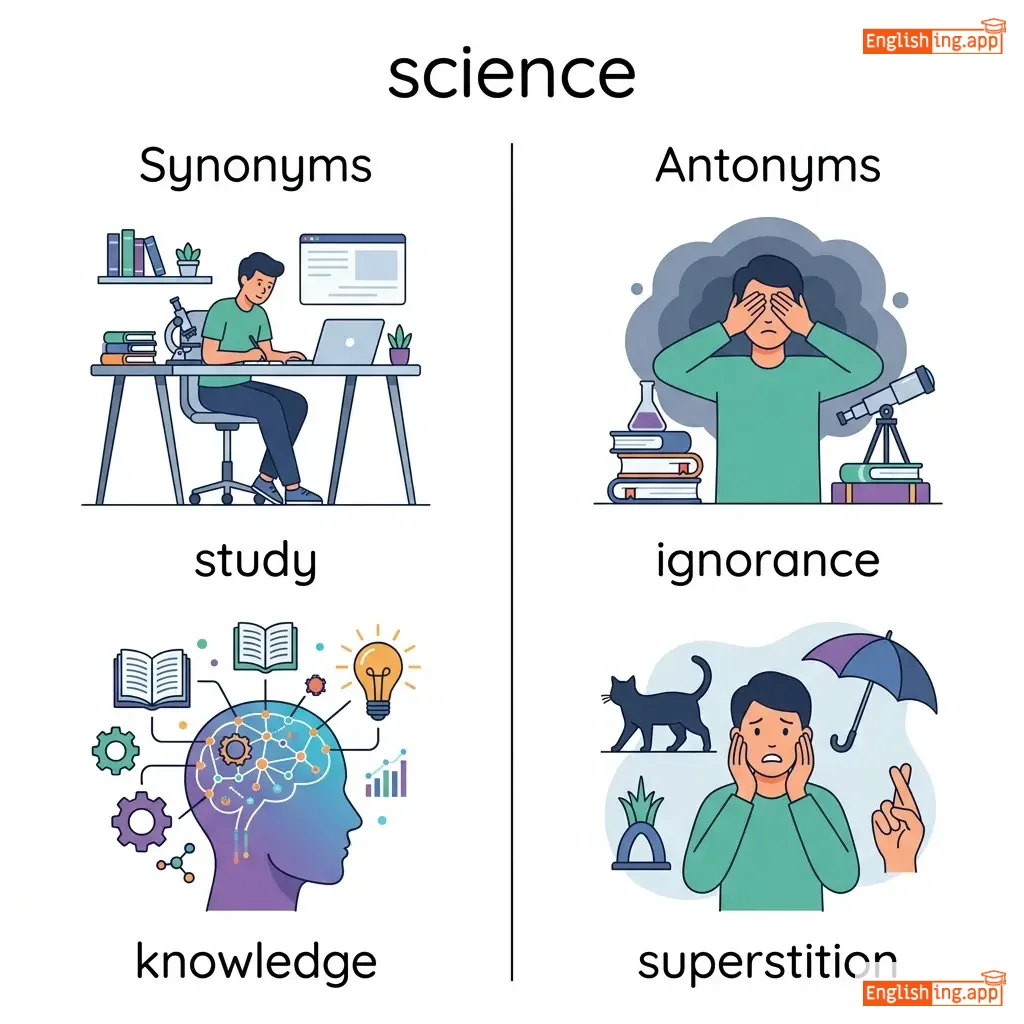
/ˈsaɪəns/
noun
(saɪəns)
••••••
|


|
科学
kexue
••••••
|
- •••••• | - •••••• | - •••••• | - •••••• |
the systematic study of the structure and behavior of the physical and natural world
••••••
|
Science has made incredible advancements in medicine. |
科学在医学领域取得了令人难以置信的进展。
Kexue zai yixue lingyu qudela lingren nanyi zhishinde jinzhang.
••••••
|
- •••••• | - •••••• | - •••••• |
study, knowledge, research, discipline
••••••
|
ignorance, superstition
••••••
|
science experiments, science degree, natural science, applied science
••••••
|
Science leads us towards understanding and shaping the world.
••••••
|
|
🔍
••••••
|
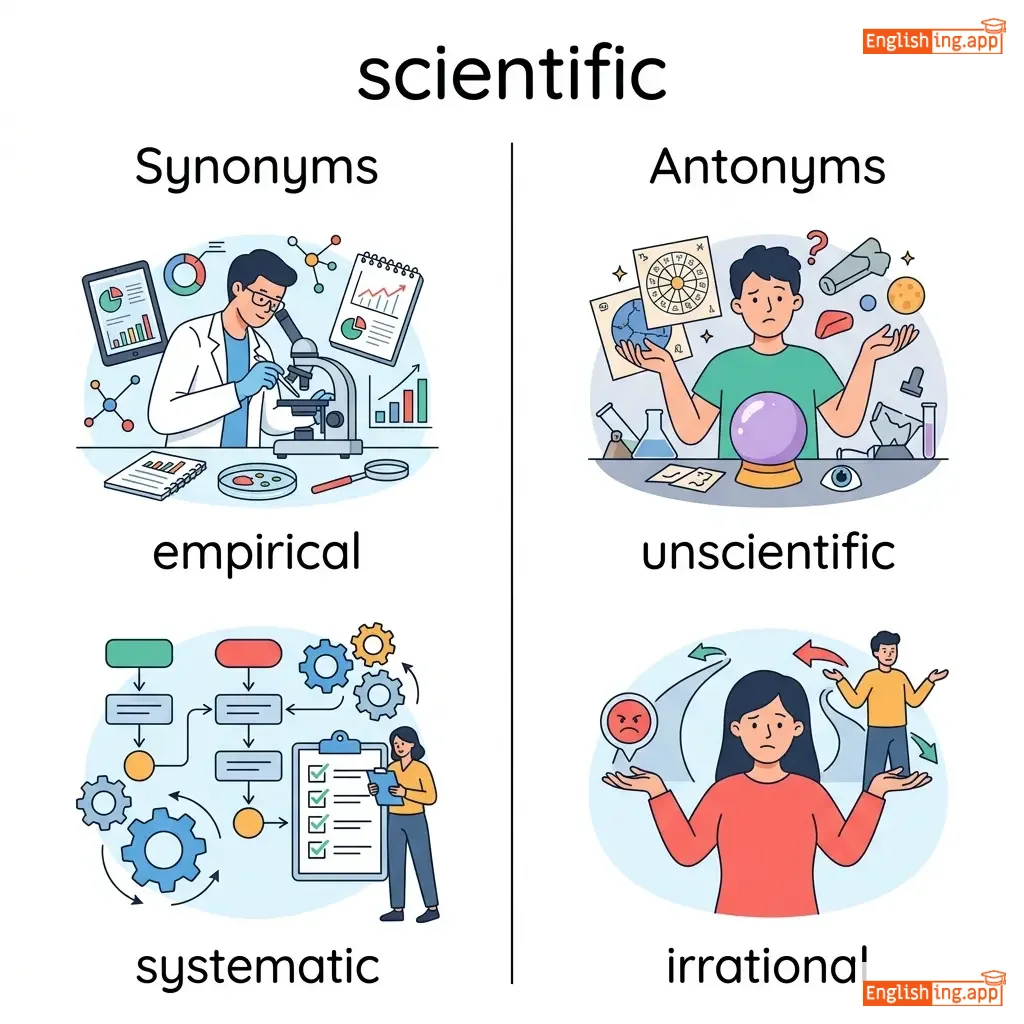
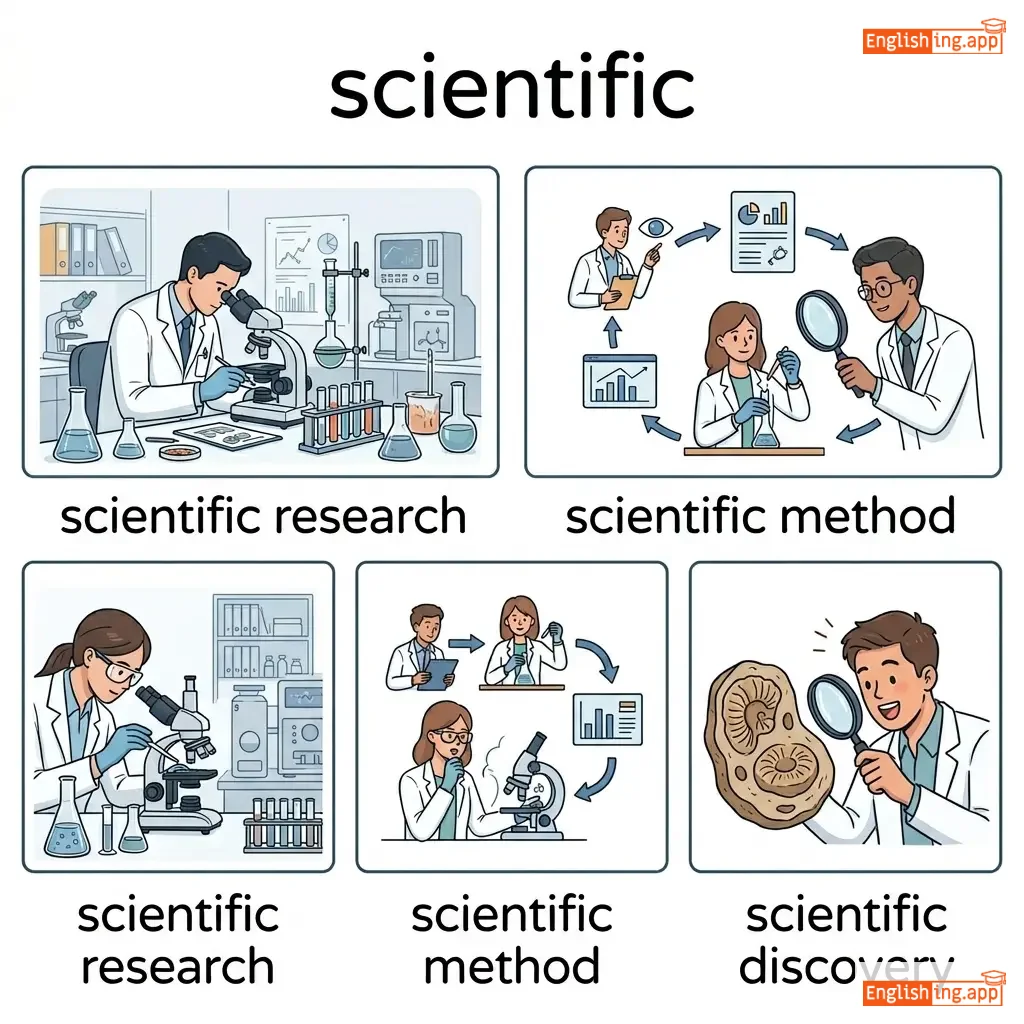
/ˌsaɪənˈtɪfɪk/
adjective
(saɪənˈtɪfɪk)
••••••
|

|
科学的
kexue de
••••••
|
- •••••• | - •••••• | - •••••• | - •••••• |
relating to or based on science
••••••
|
The scientific community is working to find a cure for cancer.
ðə saɪənˈtɪfɪk kəˈmjunɪti ɪz wɜrkɪŋ tu faɪnd ə kjʊr fɔr kænsər.
••••••
|
科学界正在努力寻找癌症的治疗方法。
Kexuejie zhengzai nuli xunzhao aizheng de zhiliaofa.
••••••
|
- •••••• | - •••••• | - •••••• |
empirical, systematic, methodical, analytical
••••••
|
unscientific, irrational
••••••
|
scientific research, scientific method, scientific discovery
••••••
|
Scientific methods are systematic and based on facts.
••••••
|
|
👩🔬
••••••
|
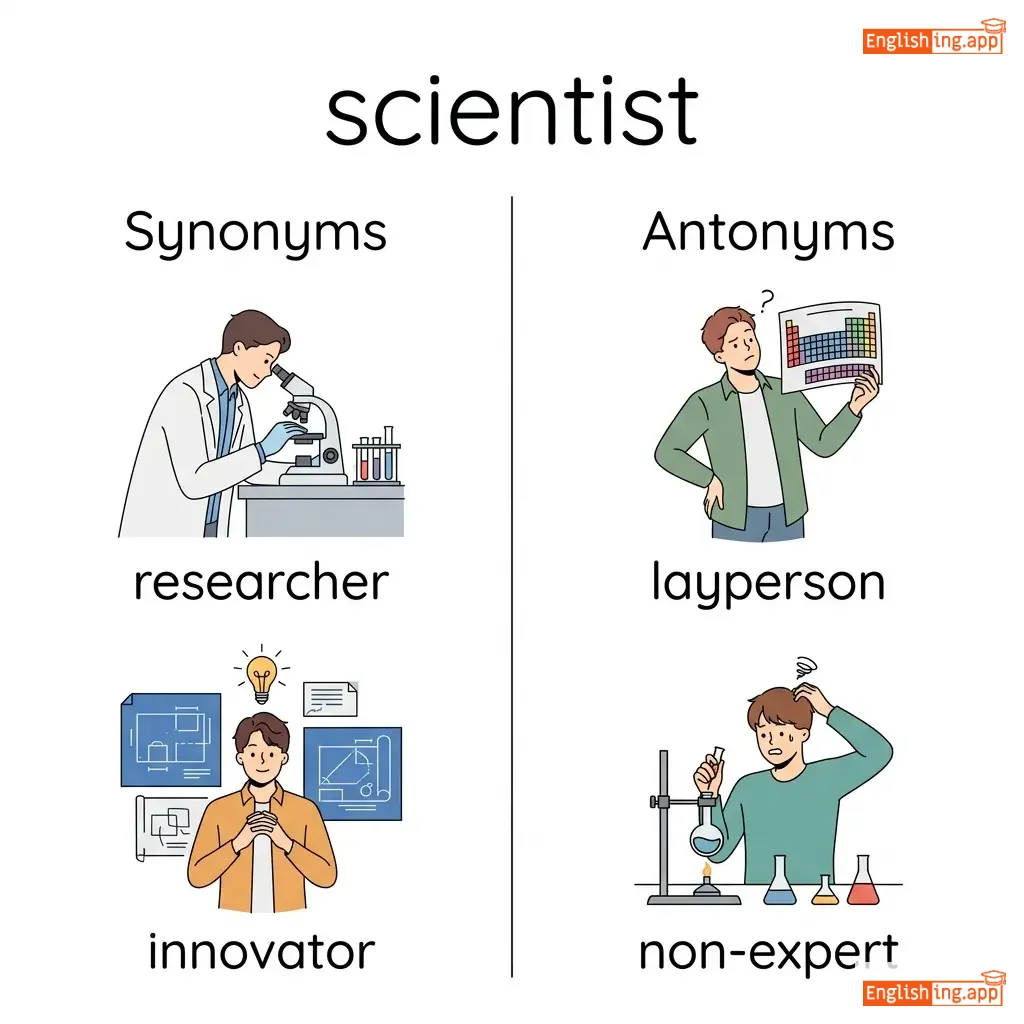
/ˈsaɪəntɪst/
noun
(ˈsaɪəntɪst)
••••••
|


|
科学家
kexuejia
••••••
|
- •••••• | - •••••• | - •••••• | - •••••• |
a person who conducts scientific research or experiments
••••••
|
The scientist made a groundbreaking discovery in physics. |
科学家在物理学方面做出了开创性的发现。
Kexuejia zai wulixue fangmian zuo chule kaichuangxing de faxian.
••••••
|
- •••••• | - •••••• | - •••••• |
researcher, innovator, experimenter, investigator
••••••
|
layperson, non-expert
••••••
|
eminent scientist, renowned scientist, lead scientist
••••••
|
Scientists work to uncover the mysteries of the universe.
••••••
|
|
✂️
••••••
|
/ˈsɪzər/
verb
(sīzī)
••••••
|
- •••••• |
用剪刀剪
yòng jiǎndāo jiǎn
••••••
|
scissored
scisored
••••••
|
scissored
scisored
••••••
|
scissors
scissors
••••••
|
scissoring
scissoring
••••••
|
to cut with or as if with scissors
••••••
|
The tailor scissored the fabric neatly.
裁缝整齐地剪了布料。
••••••
|
裁缝整齐地剪了布料。
Cáiféng zhěngqí de jiǎnle bùliào.
••••••
|
- •••••• | - •••••• | - •••••• |
clip, shear, snip, trim
••••••
|
tear, rip
••••••
|
scissor kick, scissor action, scissor movement
••••••
|
Scissor意味着✂️用剪刀剪——记住'见 jar',你需要剪刀来剪裁。
••••••
|
|
🔭
••••••
|
/skoʊp/
noun
(sī kè)
••••••
|
- •••••• |
范围
fanwei
••••••
|
- •••••• | - •••••• | - •••••• | - •••••• |
the range of one's perception, understanding, or activity
••••••
|
The project is beyond the scope of our resources. |
该项目超出了我们资源的范围。
Gai xiangmu chaochu le women ziyuan de fanwei.
••••••
|
within the scope |
within the limits or extent
••••••
|
在范围内
zai fanwei nei
••••••
|
range, extent, capacity, reach, breadth
••••••
|
limitlessness, narrowness
••••••
|
scope of work, within scope, beyond scope, broad scope
••••••
|
Scope意味着范围 — 用望远镜你可以看到远处的范围。
••••••
|
|
🎯
••••••
|
/skɔːr/
noun/verb
(sī kè)
••••••
|
- •••••• |
分数
fenshu
••••••
|
scored
sī kè dé
••••••
|
scored
sī kè dé
••••••
|
scores
sī kè sī
••••••
|
scoring
sī kè lǐng
••••••
|
a number of points achieved in a game or test; to gain points or achieve a goal
••••••
|
He scored the winning goal in the final match.
他在最后一场比赛中进了制胜球。
••••••
|
他在最后一场比赛中进了制胜球。
Ta zai zuihou yi chang bisai zhong jin le zhisheng qiu.
••••••
|
settle the score
算清账
••••••
|
to take revenge or get even with someone
••••••
|
算清账
suan qing zhang
••••••
|
points, tally, result, grade, mark
••••••
|
loss, defeat, miss
••••••
|
high score, score a goal, final score, score points
••••••
|
高分数意味着考试成功!
••••••
|
|
🐾
••••••
|
/skrætʃ/
verb
••••••
|
- •••••• |
幸福
xìng fú
••••••
|
scratched
••••••
|
scratched
••••••
|
scratches
••••••
|
scratching
••••••
|
to rub a surface or skin with something sharp or rough, often to relieve itching
••••••
|
The cat scratched the door to be let in. |
当她收到奖项时,她无法掩饰自己的幸福。
dāng tā shōu dào jiǎng xiàng shí, tā wú fǎ yǎn shì zì jǐ de xìng fú.
••••••
|
from scratch |
from the very beginning without using anything that already exists
••••••
|
追求幸福
zhuī qiú xìng fú
••••••
|
scrape, rub, claw, mark, graze
••••••
|
polish, smooth
••••••
|
scratch card, scratch the surface, start from scratch, scratch one's head
••••••
|
幸福就像星星一样,在人生的夜空中闪烁!
••••••
|
|
😱
••••••
|
/skriːm/
verb
(sī kè lǐ mǔ)
••••••
|
- •••••• |
尖叫
jian jiao
••••••
|
screamed
sī kè lǐ mǔ de
••••••
|
screamed
sī kè lǐ mǔ de
••••••
|
screams
sī kè lǐ mǔ sī
••••••
|
screaming
sī kè lǐ mǔ ing
••••••
|
to make a loud, high-pitched sound, usually because of fear, pain, or excitement
••••••
|
She screamed when she saw the spider.
她看到蜘蛛时尖叫了。
••••••
|
她看到蜘蛛时尖叫了。
Ta kan dao zhi zhu shi jian jiao le.
••••••
|
- •••••• | - •••••• | - •••••• |
yell, shout, cry, holler
••••••
|
whisper, mutter, murmur
••••••
|
scream loudly, scream in fear, scream for help
••••••
|
Scream the same way you would in 'scREAM' - for loud reactions!
••••••
|
|
🖥️
••••••
|
/skriːn/
noun
(sī kè lán)
••••••
|
- •••••• |
屏幕
pingmu
••••••
|
- •••••• | - •••••• | - •••••• | - •••••• |
a flat surface on which images or data are displayed
••••••
|
The movie was displayed on a large screen. |
电影在大屏幕上放映。
Dianying zai da pingmu shang fangying.
••••••
|
- •••••• | - •••••• | - •••••• |
monitor, display, panel, projector
••••••
|
background, blank
••••••
|
screen display, movie screen, touch screen
••••••
|
The 'screen' you watch movies on is your visual window!
••••••
|
|
🩺
••••••
|
/ˈskriːnɪŋ/
noun
(sī kè lín yīng)
••••••
|
- •••••• |
筛查或放映
shaicha huo fangying
••••••
|
- •••••• | - •••••• | - •••••• | - •••••• |
the act of examining or testing people to detect disease or evaluate suitability; a showing of a movie or program
••••••
|
The hospital offered free health screening for all employees. |
医院为所有员工提供了免费的健康筛查。
Yīyuàn wèi suǒyǒu yuángōng tígōngle miǎnfèi de jiànkāng shāichá.
••••••
|
- •••••• | - •••••• | - •••••• |
testing, examination, inspection, evaluation, showing
••••••
|
neglect, ignorance
••••••
|
health screening, job screening, movie screening, security screening
••••••
|
Screening 意味着在屏幕上展示或检查 — 就像电影 screening 或健康 screening 🎥🩺
••••••
|
|
🔩
••••••
|
/skruː/
noun, verb
(螺丝)
••••••
|
- •••••• |
带螺旋的金属紧固件;用螺丝把东西固定或拧紧
dai luoxuan de jinshu jingu jian; yong luosi ba dongxi guding huo ningjin
••••••
|
screwed
螺丝
••••••
|
screwed
螺丝
••••••
|
screws
螺丝
••••••
|
screwing
螺丝
••••••
|
a metal fastener with a helical ridge; to fasten or tighten something with a screw
••••••
|
He screwed the shelf to the wall tightly.
他把架子牢牢地固定在墙上。
••••••
|
他把架子牢牢地固定在墙上。
Ta ba jiazi laolao de guding zai qiang shang.
••••••
|
screw up
搞砸
••••••
|
to make a serious mistake or blunder
••••••
|
搞砸
gao za
••••••
|
fasten, tighten, bolt, twist, secure
••••••
|
loosen, detach, release
••••••
|
tighten the screw, screw in, screw up, screw loose
••••••
|
用螺丝固定,搞砸就糟糕!
••••••
|
|
📜
••••••
|
/skrɪpt/
noun
(sūpǔlè)
••••••
|
- •••••• |
剧本
juben
••••••
|
- •••••• | - •••••• | - •••••• | - •••••• |
The written text of a play, film, or broadcast; handwriting style.
••••••
|
The actor memorized his lines from the script.
演员从剧本中背诵了台词。
••••••
|
演员从剧本中背诵了台词。
Yanyuan cong juben zhong beisong le taici.
••••••
|
read from the same script
从同一本剧本中阅读
••••••
|
To be in agreement or follow the same plan.
••••••
|
从同一本剧本中阅读
Cong tong yi ben juben zhong yuedu
••••••
|
text, screenplay, dialogue, manuscript, writing
••••••
|
improvisation, ad-lib
••••••
|
film script, TV script, script writing, read script
••••••
|
剧本在中文中就是剧本 - 电影剧本 🎬
••••••
|
|
🔍
••••••
|
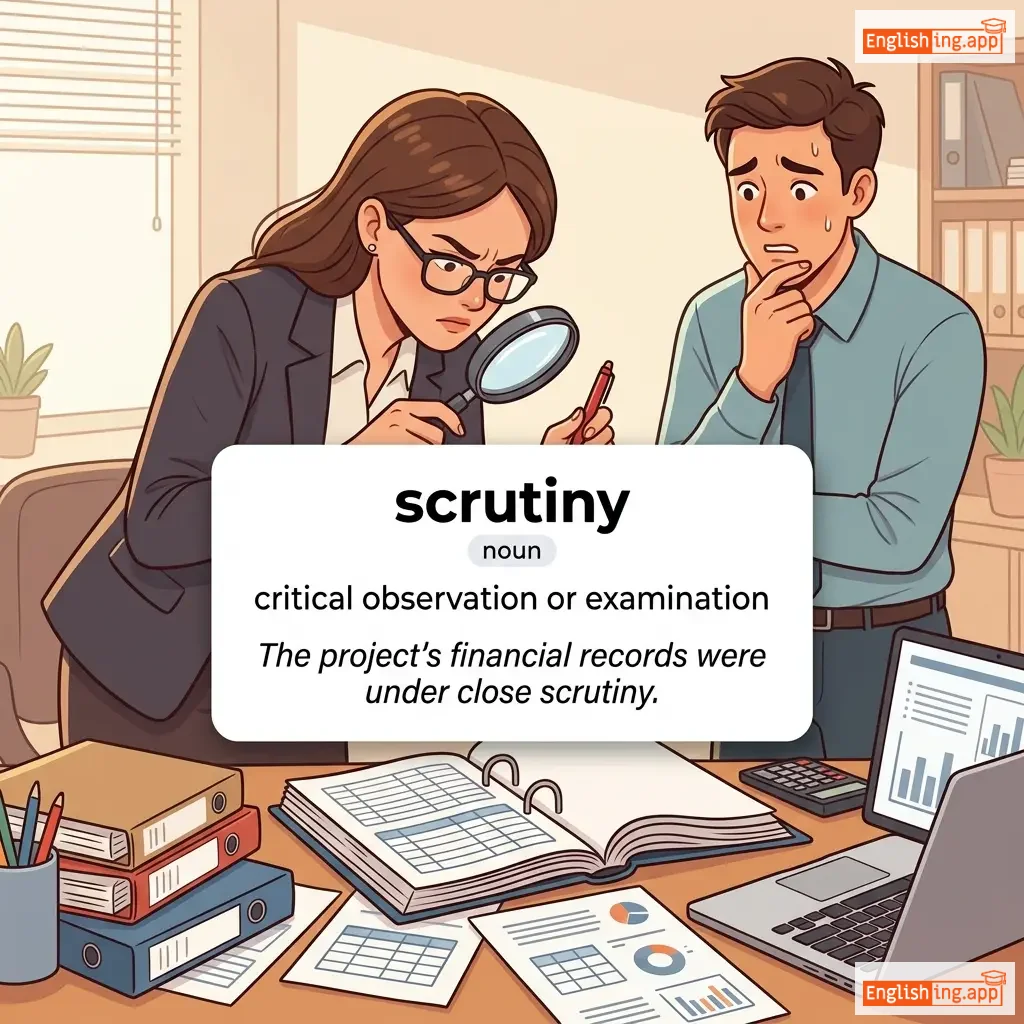
/ˈskruː.tɪ.ni/
noun
(sī kè lú tì ní)
••••••
|
|
审查; 关键性检查
shen cha; guan jian xing jian cha
••••••
|
- •••••• | - •••••• | - •••••• | - •••••• |
careful examination or inspection; critical observation
••••••
|
The company's financial records were under intense scrutiny. |
公司的财务记录正受到严格审查。
gongsi de caiwu jilu zheng shoudao yange shencha.
••••••
|
- •••••• | - •••••• | - •••••• |
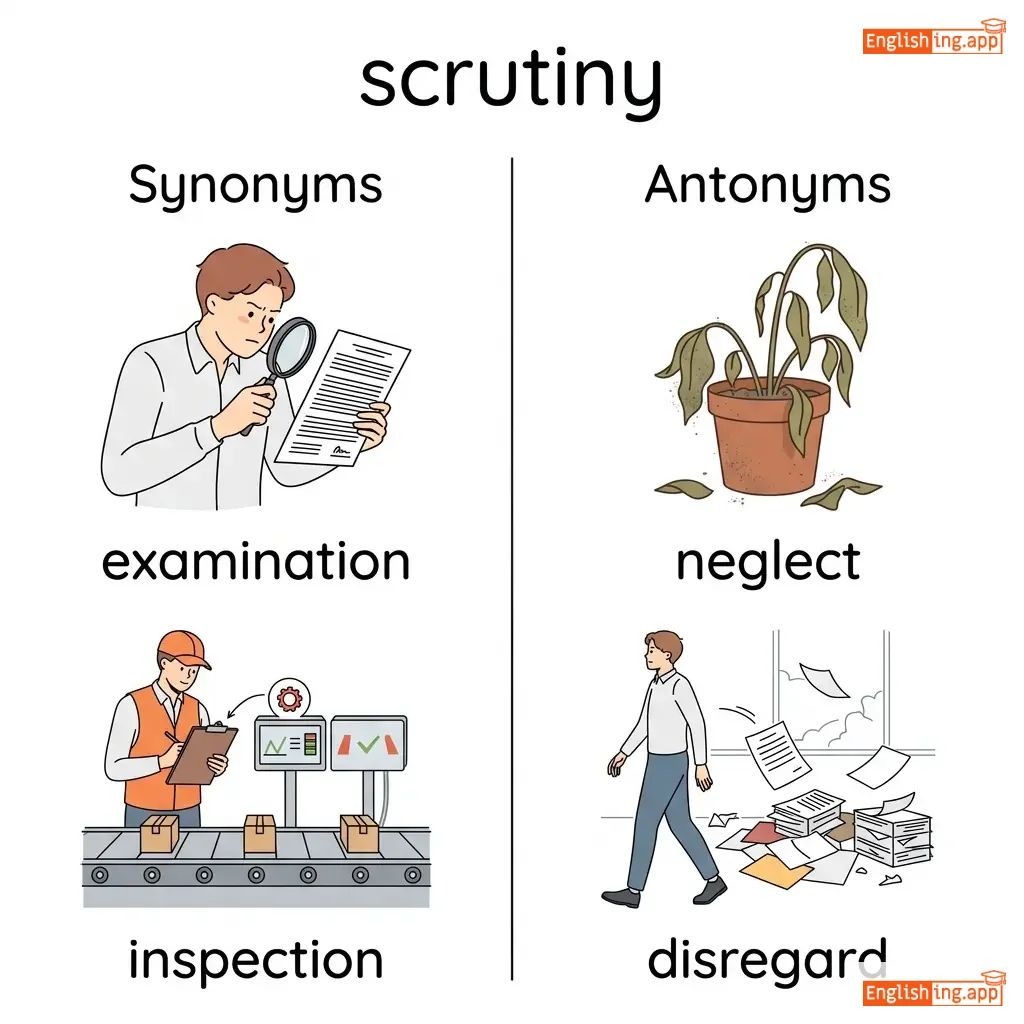
examination, inspection, analysis, investigation
••••••
|
neglect, ignorance, oversight
••••••
|
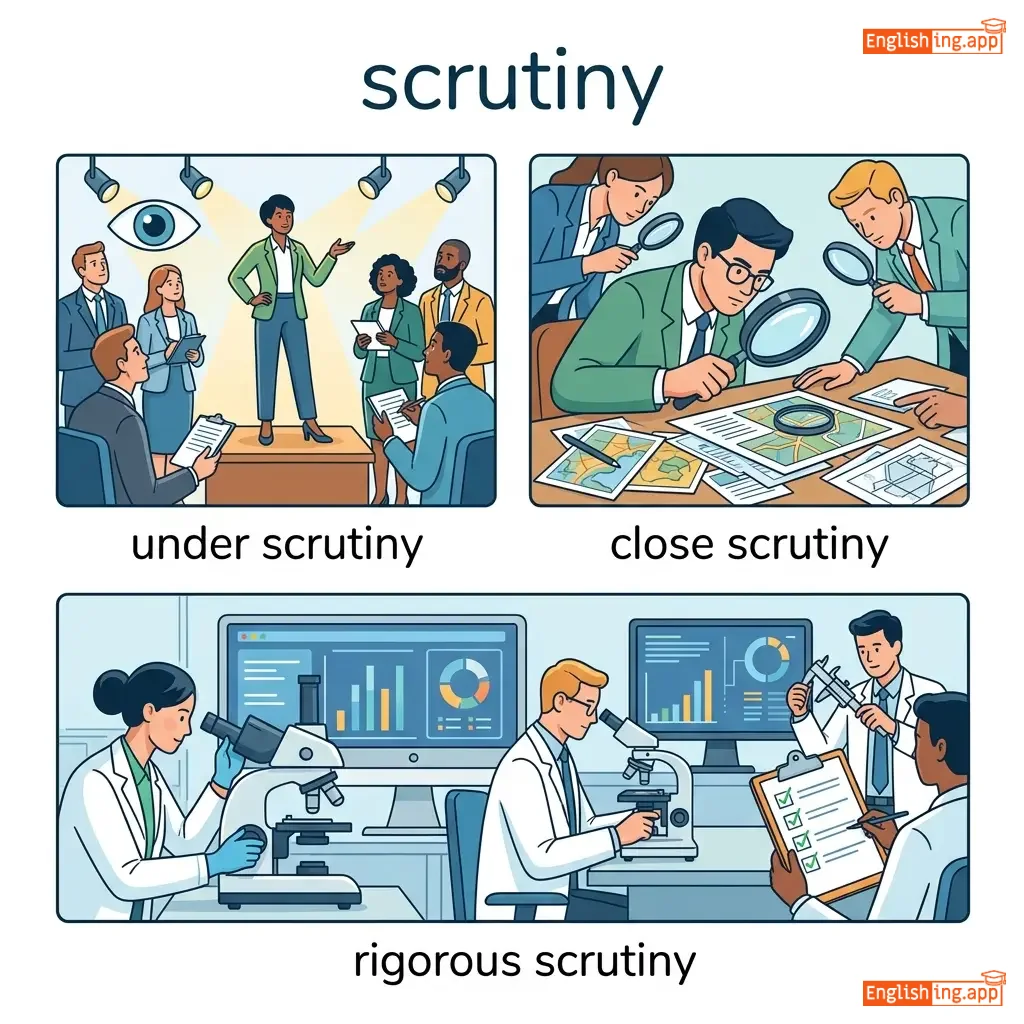
under scrutiny, intense scrutiny, public scrutiny, careful scrutiny
••••••
|
审查就像把每一页翻过来看看有什么遗漏的东西
••••••
|
|
🌊
••••••
|
/siː/
noun
(海洋)
••••••
|
- •••••• |
海洋
haiyang
••••••
|
- •••••• | - •••••• | - •••••• | - •••••• |
a large body of salt water that covers most of the earth's surface
••••••
|
We went swimming in the sea.
我们去海里游泳。
••••••
|
我们去海里游泳。
Wǒmen qù hǎilǐ yóuyǒng.
••••••
|
- •••••• | - •••••• | - •••••• |
ocean, waters, marine
••••••
|
land, shore, desert
••••••
|
deep sea, sea level, by the sea, rough sea
••••••
|
海洋覆盖大地,带来深不可测的水世界。
••••••
|
|
🔒
••••••
|
/siːl/
verb
(西尔)
••••••
|
- •••••• |
封闭,密封
fēngbì, mìfēng
••••••
|
sealed
西尔德
••••••
|
sealed
西尔德
••••••
|
seals
西尔斯
••••••
|
sealing
西灵
••••••
|
to close or secure something tightly or officially confirm something
••••••
|
He sealed the envelope before sending the letter.
他在寄信之前封住了信封。
••••••
|
他在寄信之前封住了信封。
Tā zài jìxìn zhīqián fēngzhùle xìnfēng.
••••••
|
seal the deal
敲定交易
••••••
|
to finalize an agreement or decision
••••••
|
达成协议
dáchéng xiéyì
••••••
|
close, fasten, secure, shut, confirm
••••••
|
open, unseal, release
••••••
|
seal the deal, seal the envelope, seal tightly, official seal
••••••
|
封闭是关闭或确认某事。
••••••
|
|
🔍
••••••
|
/sɜːrtʃ/
verb
(sɜːrtʃ)
••••••
|
|
搜索
sousuo
••••••
|
searched
sɜːrcht
••••••
|
searched
sɜːrcht
••••••
|
searches
sɜːrches
••••••
|
searching
sɜːrching
••••••
|
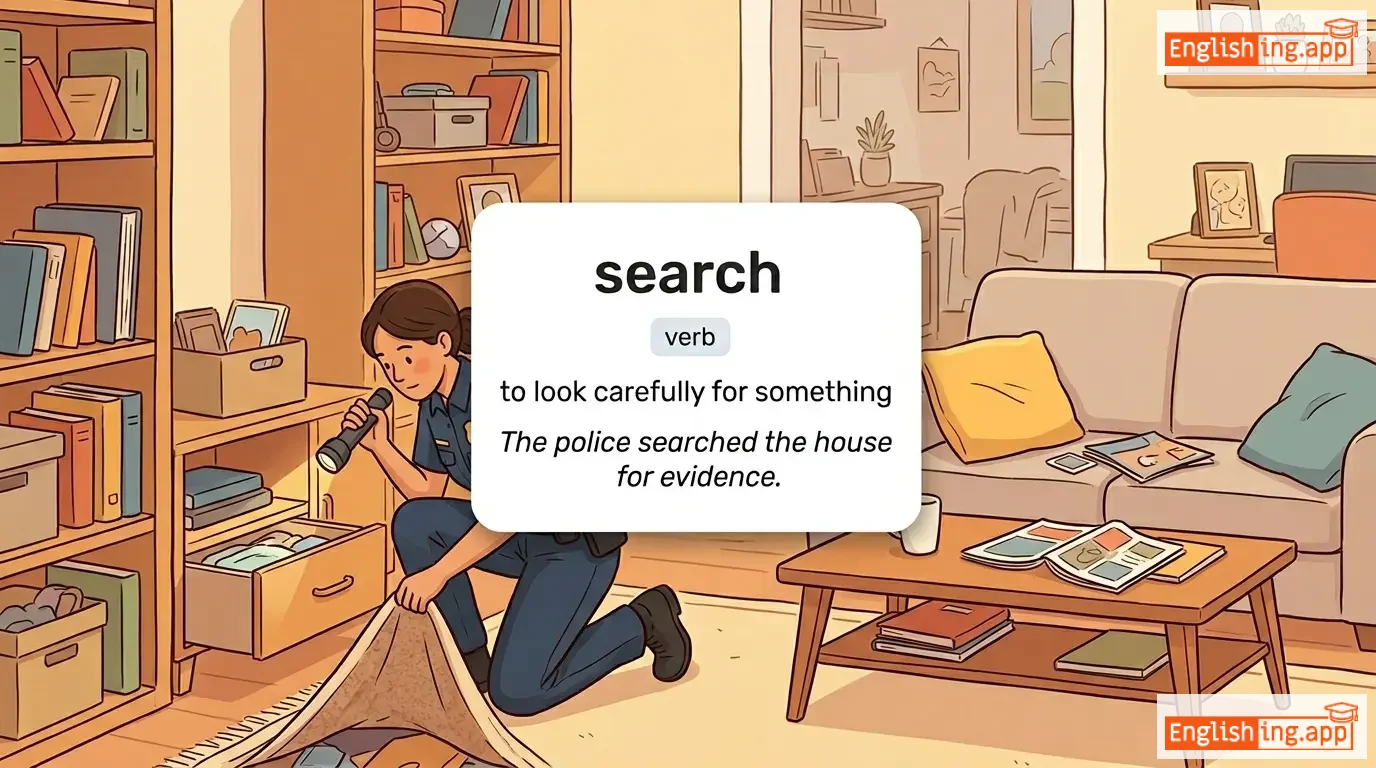
to look carefully for something
••••••
|
The police searched the house for evidence.
警察搜查了房子以寻找证据。
••••••
|
警察搜查了房子以寻找证据。
Jingcha soushao le fangzi yi xunzhao zhengju.
••••••
|
search high and low
搜索高低
••••••
|
to look everywhere
••••••
|
到处搜索
daochu sousuo
••••••
|
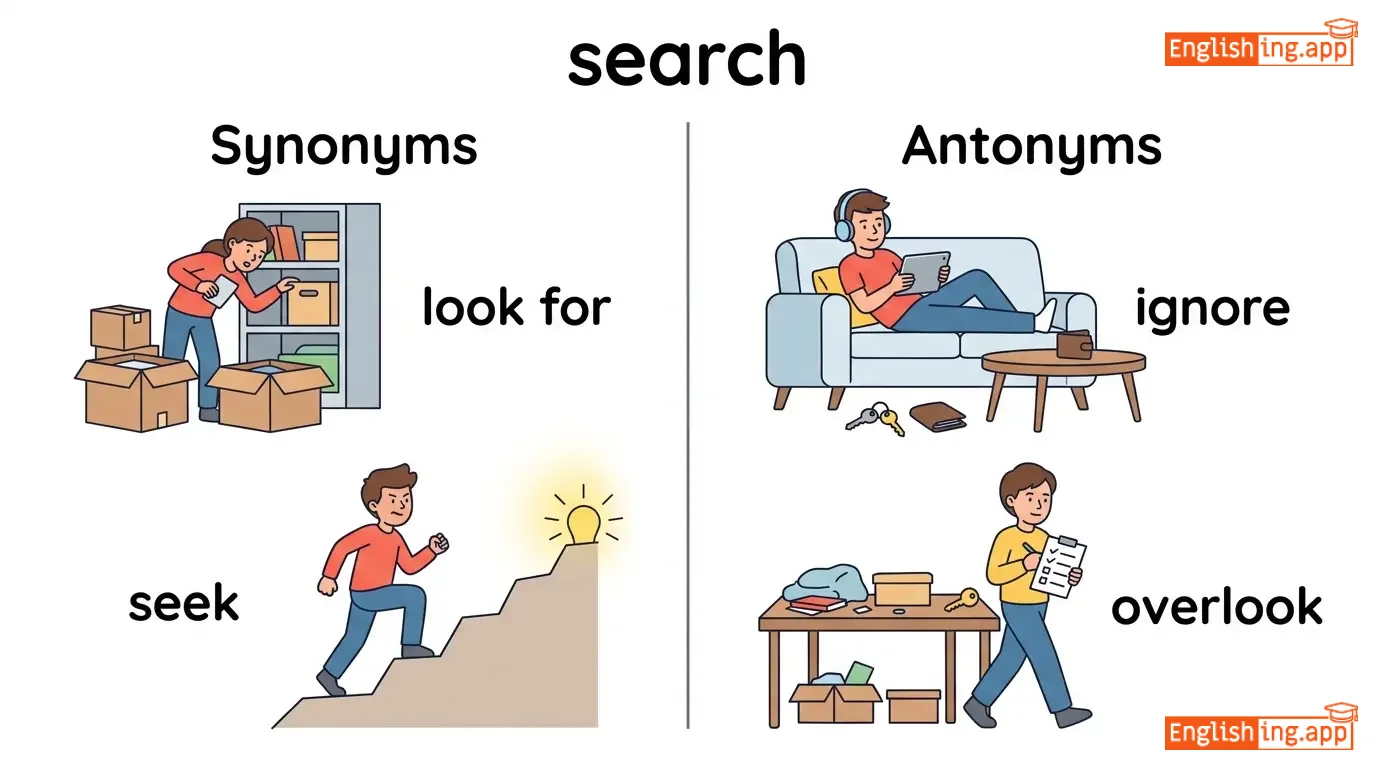
look for, seek, explore, investigate, hunt
••••••
|
ignore, overlook, neglect
••••••
|
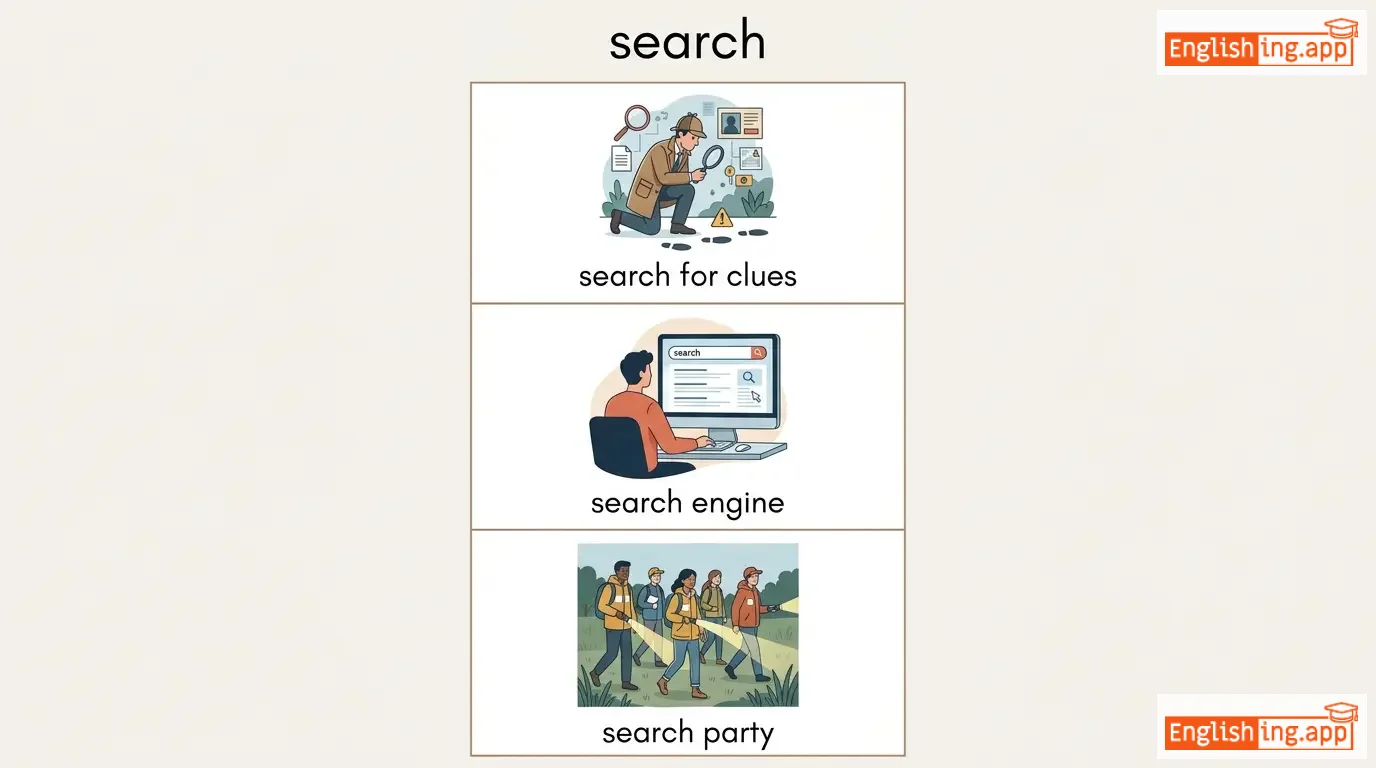
search for clues, search engine, search party
••••••
|
搜索是你在 Google 上做的,意味着找到一切。
••••••
|
|
🍂
••••••
|
/ˈsiːzən/
noun/verb
(sī zhèn)
••••••
|
- •••••• |
季节 / 调味
jìjié / tiáowèi
••••••
|
seasoned
sī zhèng de
••••••
|
seasoned
sī zhèng de
••••••
|
seasons
sī zhèn
••••••
|
seasoning
sī zhènɡ
••••••
|
One of the four periods of the year characterized by specific weather conditions; also, to add flavor to food.
••••••
|
Spring is my favorite season of the year.
春天是我最喜欢的季节。
••••••
|
春天是我最喜欢的季节。
Chūntiān shì wǒ zuì xǐhuān de jìjié.
••••••
|
in season
当季
••••••
|
available or appropriate at the present time
••••••
|
当季
dāngjì
••••••
|
period, time, stage, era, flavor
••••••
|
off-season, timeless
••••••
|
rainy season, dry season, in season, out of season
••••••
|
Season 是季节, 也有调味的意思。
••••••
|
|
💺
••••••
|
/siːt/
noun
(座位)
••••••
|
- •••••• |
座位
zuòwèi
••••••
|
- •••••• | - •••••• | - •••••• | - •••••• |
a place to sit, especially a chair or other place for sitting
••••••
|
I reserved a seat for you at the concert.
我为你在音乐会预定了一个座位。
••••••
|
我为你在音乐会预定了一个座位。
Wǒ wèi nǐ zài yīnyuè huì yùdìngle yīgè zuòwèi.
••••••
|
- •••••• | - •••••• | - •••••• |
chair, bench, stool, pew
••••••
|
stand, floor
••••••
|
take a seat, empty seat, front seat
••••••
|
Zuo wei = Zuo wei. 想象你坐在座位上!
••••••
|
|
⏱️
••••••
|
/ˈsekənd/
noun
••••••
|
- •••••• | - •••••• | - •••••• | - •••••• | - •••••• | - •••••• |
a unit of time equal to one sixtieth of a minute; also the position after first
••••••
|
He finished the race in second place. |
- •••••• |
in a second |
very quickly; almost immediately
••••••
|
- •••••• |
moment, instant, rank, position
••••••
|
first, last
••••••
|
second chance, second place, second time
••••••
|
No •••••• |
|
2️⃣
••••••
|
/ˈsekənderi/
adjective
(sekendari)
••••••
|
- •••••• |
次要的
ci yao de
••••••
|
- •••••• | - •••••• | - •••••• | - •••••• |
Less important than something else; derived from or dependent on something primary.
••••••
|
Safety is our primary concern, while speed is only secondary. |
安全是我们的主要关注,而速度只是次要的。
Anquan shi women de zhuyao guanzhu, er sudu zhishi ci yao de.
••••••
|
secondary role |
A role of lesser importance compared to the main one.
••••••
|
次要角色
ci yao jue se
••••••
|
minor, subordinate, auxiliary, less important, dependent
••••••
|
primary, main, chief
••••••
|
secondary school, secondary importance, secondary effect
••••••
|
Secondary在中文里是次要的 ➡ 次要角色
••••••
|
|
🤫
••••••
|
/ˈsiːkrət/
noun
••••••
|
- •••••• | - •••••• | - •••••• | - •••••• | - •••••• | - •••••• |
something that is kept or meant to be kept unknown or unseen by others
••••••
|
He told me a secret about his childhood. |
- •••••• | - •••••• | - •••••• | - •••••• |
mystery, hidden fact, confidential information
••••••
|
public, open, revealed
••••••
|
keep a secret, tell a secret, secret information
••••••
|
No •••••• |
|
📋
••••••
|
/ˈsɛkrəteri/
noun
••••••
|
- •••••• | - •••••• | - •••••• | - •••••• | - •••••• | - •••••• |
a person employed to handle correspondence and manage routine tasks for an individual or organization
••••••
|
The secretary scheduled the meeting for tomorrow. |
- •••••• | - •••••• | - •••••• | - •••••• |
assistant, clerk, administrator, executive
••••••
|
boss, employer
••••••
|
office secretary, personal secretary, company secretary, secretary role
••••••
|
No •••••• |
|
🤫
••••••
|
/ˈsiː.krət.li/
adverb
(西克雷特利)
••••••
|
- •••••• |
偷偷地
toutou de
••••••
|
- •••••• | - •••••• | - •••••• | - •••••• |
in a way that is hidden or not known by others
••••••
|
She secretly planned a surprise party for her friend.
她偷偷为她的朋友策划了一个惊喜派对。
••••••
|
她偷偷为她的朋友策划了一个惊喜派对。
Ta toutou wei ta de pengyou cehua le yige jingxi paidui.
••••••
|
- •••••• | - •••••• | - •••••• |
covertly, stealthily, quietly, privately
••••••
|
openly, publicly, visibly
••••••
|
secretly admire, secretly hope, secretly wish
••••••
|
Toutou de, like sneaky Chinese tea ceremony.
••••••
|
|
📚
••••••
|
/ˈsɛkʃən/
noun
(sè kè xùn)
••••••
|
- •••••• |
部分
bùfen
••••••
|
- •••••• | - •••••• | - •••••• | - •••••• |
a distinct part or subdivision of something larger
••••••
|
This section of the report needs further review. |
报告的这一部分需要进一步审查。
Bàogào de zhè yī bùfen xūyào jìnyībù shěnchá.
••••••
|
- •••••• | - •••••• | - •••••• |
part, division, segment, portion
••••••
|
whole, entirety
••••••
|
section of a book, business section, section leader
••••••
|
就像一本书的一个部分一样,这是更大事物的一个部分。
••••••
|
|
💼
••••••
|
/ˈsɛktər/
noun
(sektor)
••••••
|
- •••••• |
行业
hangye
••••••
|
- •••••• | - •••••• | - •••••• | - •••••• |
a distinct part or area of an economy, society, or industry
••••••
|
The technology sector is growing rapidly.
科技行业正在迅速发展。
••••••
|
科技行业正在迅速发展。
Keji hangye zhengzai xunxu fazhan.
••••••
|
- •••••• | - •••••• | - •••••• |
field, domain, industry, area
••••••
|
whole, total
••••••
|
business sector, economic sector, public sector, private sector
••••••
|
科技行业迅速发展,像一个新兴的行业一样。
••••••
|
|
🌍
••••••
|
/ˈsek.j ə.l ər/
adjective
(赛克鲁勒)
••••••
|
- •••••• |
世俗的
sekjuler
••••••
|
- •••••• | - •••••• | - •••••• | - •••••• |
not connected with religious or spiritual matters; worldly
••••••
|
The country maintains a secular government that separates religion from politics.
这个国家维持一个世俗的政府,使宗教与政治分离。
••••••
|
这个国家维持一个世俗的政府,将宗教与政治分离。
zhe ge guo jia wei chi yi ge shi su de zheng fu, jiang zong jiao yu zheng zhi fen li.
••••••
|
- •••••• | - •••••• | - •••••• |
worldly, non-religious, temporal, civil
••••••
|
religious, spiritual, sacred, clerical
••••••
|
secular education, secular society, secular government, secular music
••••••
|
Secular 世俗的: See You Law, 把 religion 与 politics 分开,世界更公正。
••••••
|
|
🔒
••••••
|
/sɪˈkjʊər/
verb/adjective
(sī kè yuē)
••••••
|
- •••••• |
确保
què bǎo
••••••
|
secured
sī kè yuē dé
••••••
|
secured
sī kè yuē dé
••••••
|
secures
sī kè yuē sī
••••••
|
securing
sī kè yuē rǔ
••••••
|
to make safe or protect; to fix something firmly in place
••••••
|
Please secure the door before you leave.
请在离开前确保门锁好。
••••••
|
请在离开前确保门锁好。
Qǐng zài líkāi qián què bǎo mén suǒ hǎo.
••••••
|
- •••••• | - •••••• | - •••••• |
safeguard, protect, lock, fasten
••••••
|
expose, endanger
••••••
|
secure the area, secure the future, secure a position
••••••
|
确保门锁好,防止丢失。
••••••
|
|
🔒
••••••
|
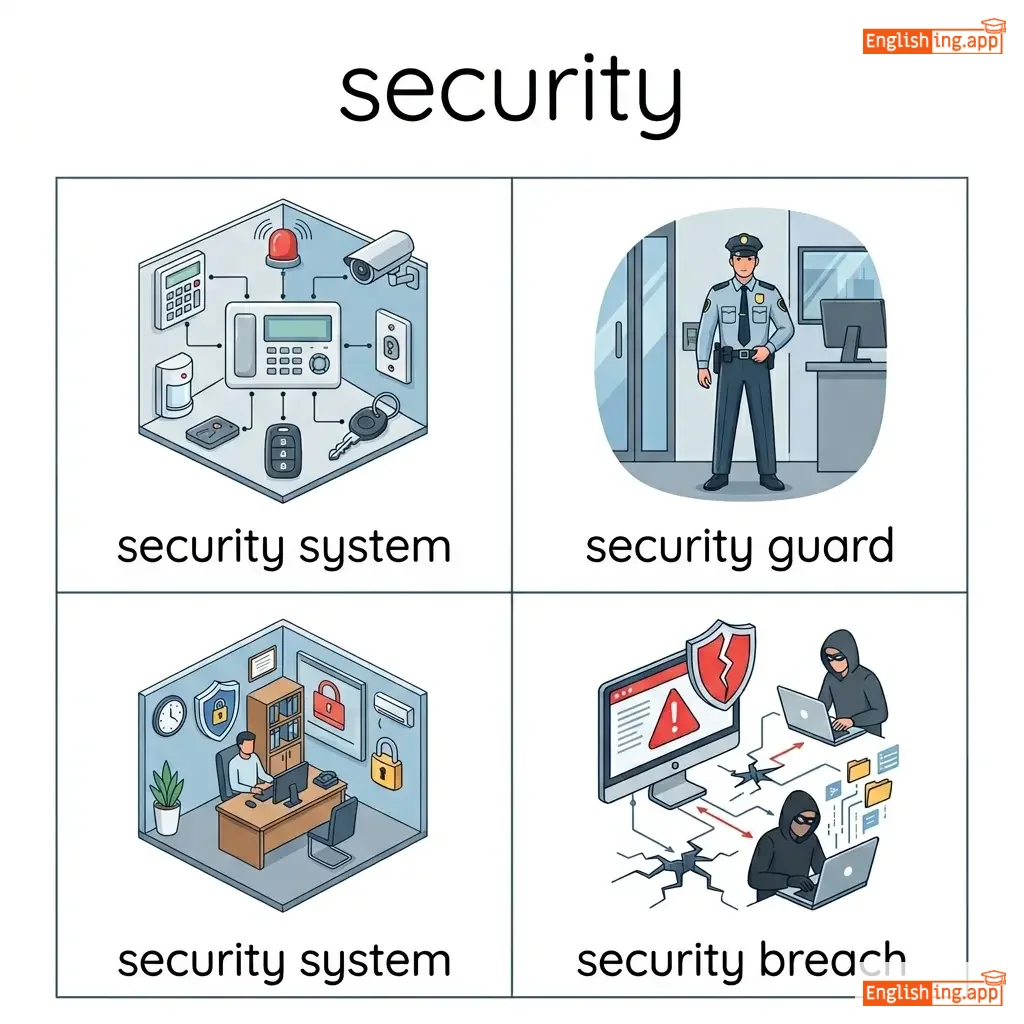
/sɪˈkjʊər.ə.ti/
noun
(安全)
••••••
|
|
安全
anquan
••••••
|
- •••••• | - •••••• | - •••••• | - •••••• |
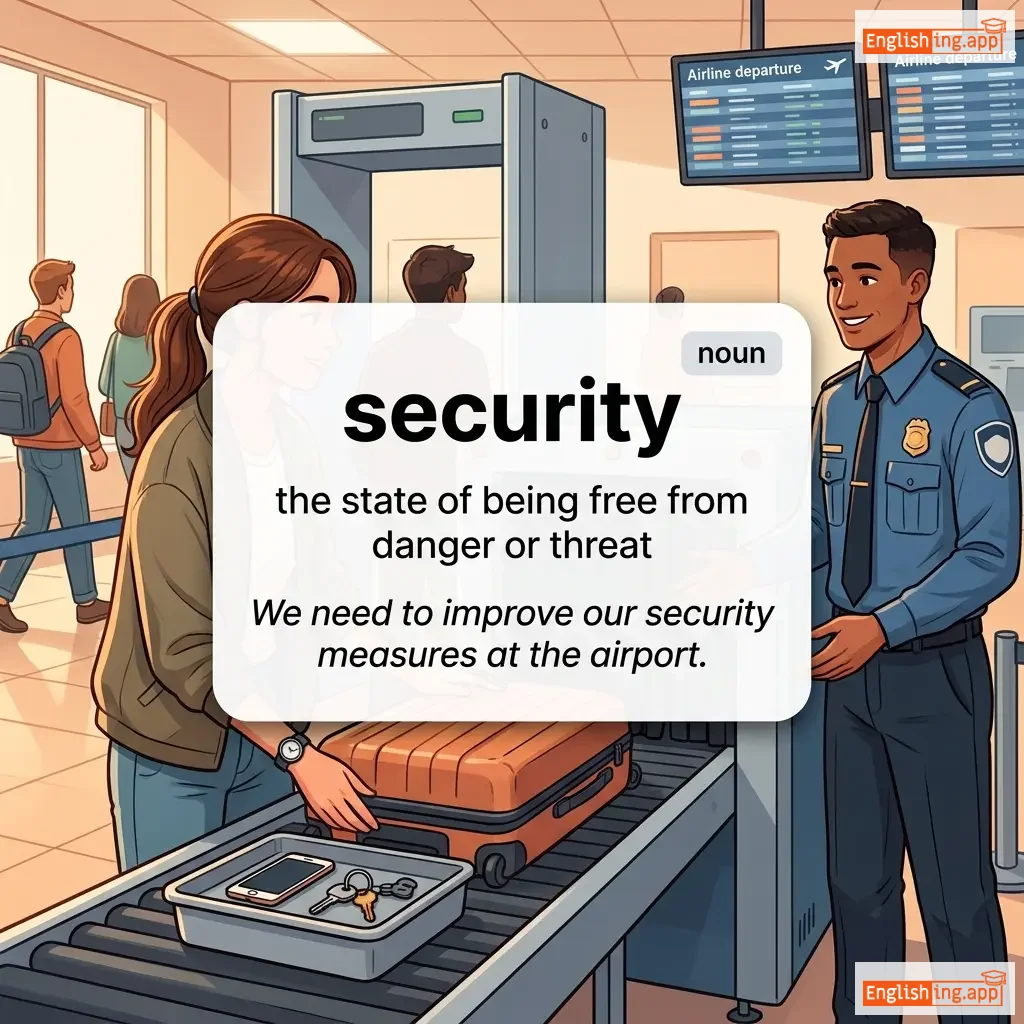
the state of being free from danger or threat; protection against harm
••••••
|
Airport security has been increased after the incident.
机场安全在事件发生后得到加强。
••••••
|
事件发生后,机场的安全得到了加强。
Shijian fasheng hou, jichang de anquan dedaole jiaqiang.
••••••
|
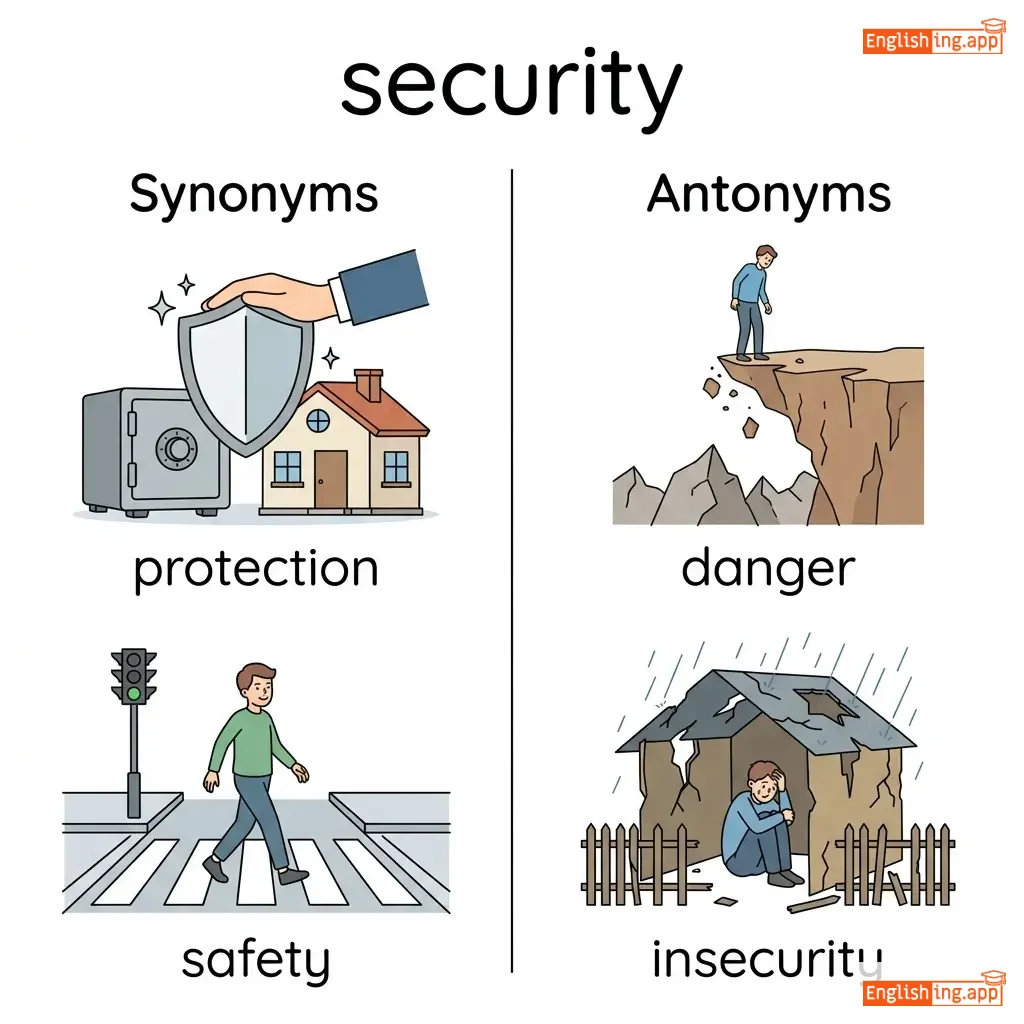
- •••••• | - •••••• | - •••••• |
safety, protection, defense, safeguarding
••••••
|
danger, vulnerability, insecurity, risk
••••••
|
national security, security guard, cyber security, job security
••••••
|
安全 in Chinese sounds like 'anquan', think of securing safety.
••••••
|
|
👀
••••••
|
/siː/
verb
(xī)
••••••
|
|
看
kan
••••••
|
saw
kànjiàn
••••••
|
seen
kàn dào
••••••
|
sees
kàn
••••••
|
seeing
kànzhòng
••••••
|
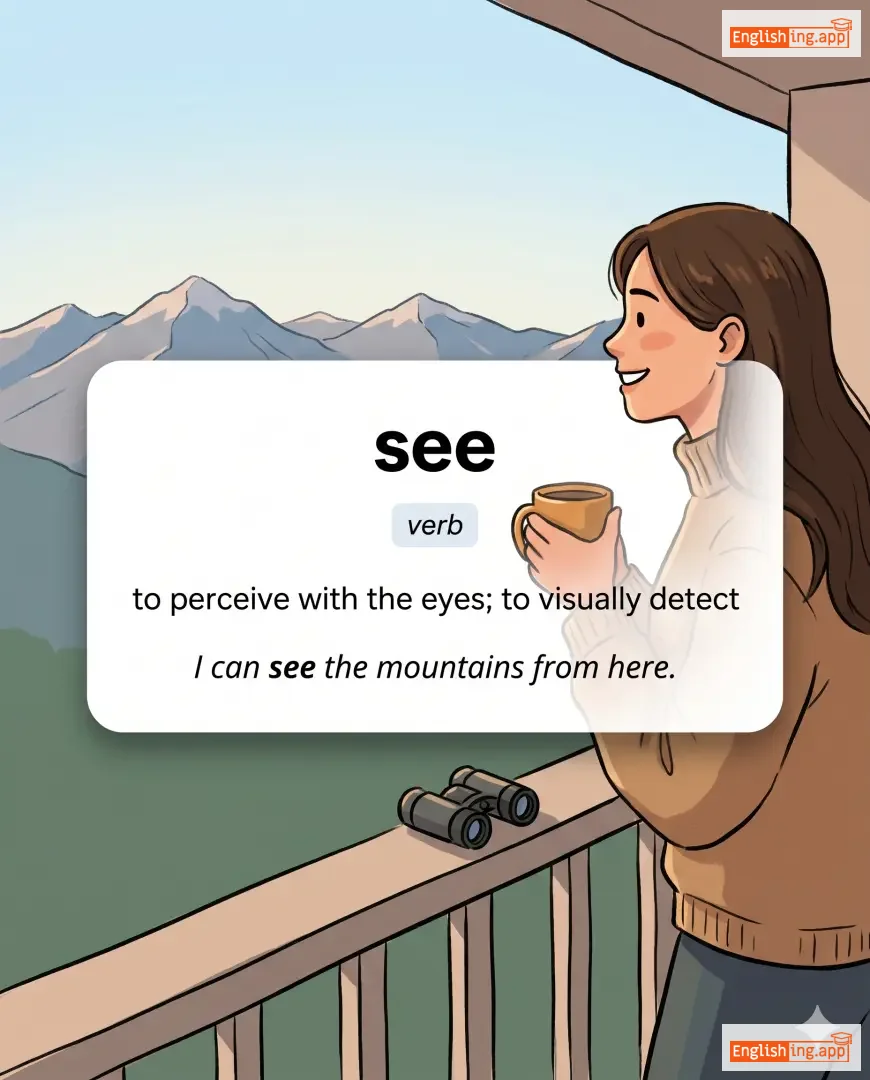
to perceive with the eyes; to understand; to meet
••••••
|
I can see the mountain from here.
Wǒ kěyǐ cóng zhèlǐ kàn dào shānhú.
••••••
|
我可以从这里看到山。
Wǒ kěyǐ cóng zhèlǐ kàn dào shān
••••••
|
- •••••• | - •••••• | - •••••• |
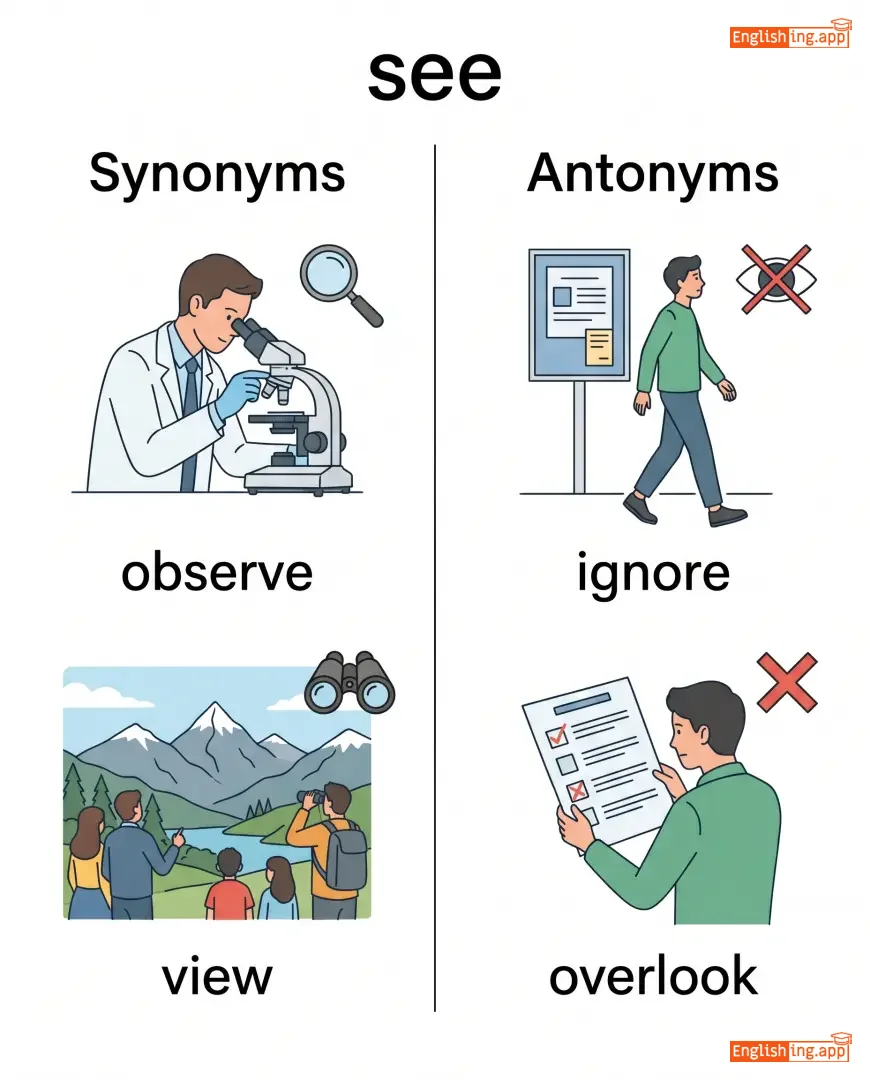
view, observe, watch, notice
••••••
|
miss, overlook, ignore
••••••
|
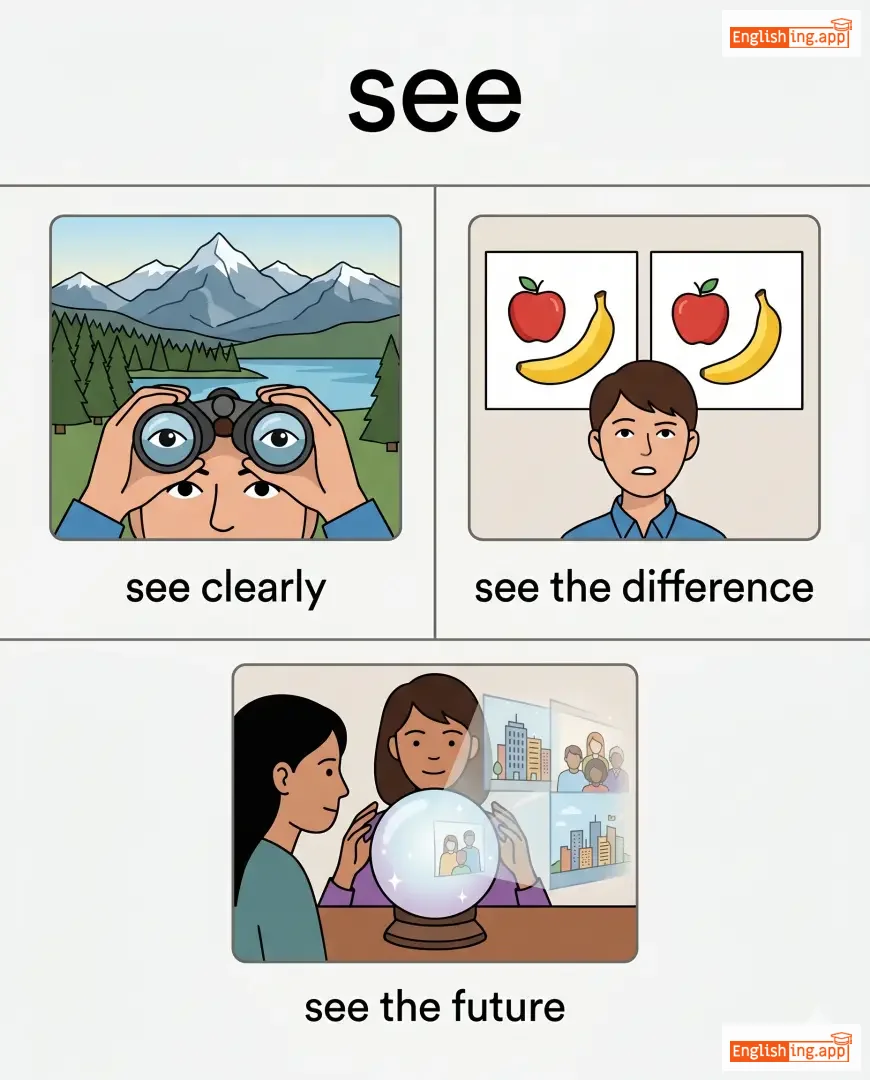
clearly see, can't see, see through, see ahead, see beyond
••••••
|
No •••••• |
|
🌱
••••••
|
/siːd/
noun
(种子)
••••••
|
- •••••• |
种子
zhǒngzi
••••••
|
- •••••• | - •••••• | - •••••• | - •••••• |
the small, hard part of a plant from which a new plant can grow
••••••
|
I planted a seed in the garden. |
我在花园里种了一颗种子。
Wǒ zài huāyuán lǐ zhòngle yī kē zhǒngzi.
••••••
|
- •••••• | - •••••• | - •••••• |
grain, pit, kernel, sprout
••••••
|
fruit, flower, leaf
••••••
|
plant a seed, grow from seed, seed bank
••••••
|
Seed = 种子,植物的起点!
••••••
|
|
🔍
••••••
|
/siːk/
verb
(sīk)
••••••
|
- •••••• |
寻找
xunzhao
••••••
|
sought
sòt
••••••
|
sought
sòt
••••••
|
seeks
sīks
••••••
|
seeking
sīking
••••••
|
to try to find or obtain something; to attempt or desire to achieve
••••••
|
He decided to seek advice from his mentor.
他决定向他的导师寻求建议。
••••••
|
他决定向他的导师寻求建议。
Tā juédìng xiàng tā de dǎoshī xúnqiú jiànyì.
••••••
|
seek the truth
寻求真理
••••••
|
to try to discover or understand the truth
••••••
|
寻求真理
xúnqiú zhēnlǐ
••••••
|
search, pursue, request, inquire, strive
••••••
|
ignore, avoid, reject
••••••
|
seek help, seek advice, seek approval, seek shelter
••••••
|
Seek 意思是寻找 – 就像在海里寻找宝藏。
••••••
|
|
🔎
••••••
|
/ˈsiːkər/
noun
(sī kè ěr)
••••••
|
- •••••• |
寻求者
xúnqiú zhě
••••••
|
- •••••• | - •••••• | - •••••• | - •••••• |
a person who is looking for something, especially knowledge or truth
••••••
|
The seeker traveled far to find the answers to his questions. |
寻求者远行去寻找他问题的答案。
Xúnqiú zhě yuǎn xíng qù xúnzhǎo tā wèntí de dá'àn.
••••••
|
- •••••• | - •••••• | - •••••• |
searcher, explorer, inquirer, investigator
••••••
|
settler, knower, avoider
••••••
|
truth seeker, knowledge seeker, spiritual seeker, seeker of wisdom
••••••
|
寻求者像旅行者,寻找知识和真理。
••••••
|
|
🤔
••••••
|
/siːm/
verb
(xī mǔ)
••••••
|
- •••••• |
看起来
kàn qǐlái
••••••
|
seemed
xī mǔd
••••••
|
seemed
xī mǔd
••••••
|
seems
xī mǔs
••••••
|
seeming
xī mǔ yīng
••••••
|
to give the impression of being something or having a particular quality
••••••
|
He seems tired after the long journey.
他看起来在长时间的旅程后很累。
••••••
|
他看起来在长时间的旅程后很累。
Tā kàn qǐlái zài cháng shíjiān de lǚchéng hòu hěn lèi.
••••••
|
- •••••• | - •••••• | - •••••• |
appear, look, sound, feel
••••••
|
seemless, unremarkable
••••••
|
seem like, seem to be, seem impossible
••••••
|
Seem = 看起来, 就像他旅行后显得累
••••••
|
|
🤔
••••••
|
/ˈsiː.mɪŋ.li/
adverb
(xī mǐng lì)
••••••
|
- •••••• |
表面上, 看起来平静
biaomianshang, kanqilai pingjing
••••••
|
- •••••• | - •••••• | - •••••• | - •••••• |
appearing to be true, but not necessarily so
••••••
|
He was seemingly calm despite the chaos around him. |
尽管周围一片混乱,他看起来平静。
Jǐnguǎn zhōuwéi yīpiàn hùnluàn, tā kàn qǐlái píngjìng.
••••••
|
- •••••• | - •••••• | - •••••• |
apparently, outwardly, ostensibly, supposedly, evidently
••••••
|
actually, truly, really
••••••
|
seemingly impossible, seemingly calm, seemingly endless, seemingly perfect
••••••
|
seem (看起来) + ingly (那样地) → 表面上表示‘看起来像’
••••••
|
|
🧩
••••••
|
/ˈsɛɡmənt/
noun
(分段)
••••••
|
- •••••• |
段
duan
••••••
|
- •••••• | - •••••• | - •••••• | - •••••• |
A part or section of something that is divided.
••••••
|
Each segment of the market has different needs. |
市场的每个段都有不同的需求。
Shìchǎng de měi gè duàn dōu yǒu bùtóng de xūqiú.
••••••
|
market segment |
A specific group of consumers within a market
••••••
|
市场细分
shìchǎng xìfēn
••••••
|
section, part, division, piece, portion
••••••
|
whole, entirety, unity
••••••
|
market segment, orange segment, segment of society
••••••
|
Segment sounds like 'part', like market segment is a part of the market.
••••••
|
|
✋
••••••
|
/siːz/
verb
(sí)
••••••
|
- •••••• |
夺取
duóqǔ
••••••
|
seized
sīzd
••••••
|
seized
sīzd
••••••
|
seizes
sīzes
••••••
|
seizing
sīzīng
••••••
|
To take hold of suddenly and forcibly.
••••••
|
The police managed to seize the stolen goods.
警察成功没收了被盗的货物。
••••••
|
警察成功没收了被盗的货物。
Jǐngchá chénggōng mòshōule bèi dào de huòwù.
••••••
|
seize the day
把握今天
••••••
|
To make the most of the present moment.
••••••
|
把握今天
Bǎwò jīntiān
••••••
|
grab, capture, snatch, take, confiscate
••••••
|
release, let go, free
••••••
|
seize control, seize opportunity, seize power, seize assets
••••••
|
Seize意味着夺取 – 就像警察夺取被盗的财物。
••••••
|
|
🌙
••••••
|
/ˈsel.dəm/
adverb
(塞尔多姆)
••••••
|
- •••••• |
很少
hěn shǎo
••••••
|
- •••••• | - •••••• | - •••••• | - •••••• |
not often; rarely
••••••
|
She seldom visits her hometown nowadays.
她现在很少回她的家乡。
••••••
|
她现在很少回她的家乡。
Tā xiànzài hěn shǎo huí tā de jiāxiāng.
••••••
|
seldom if ever
很少,几乎从不
••••••
|
rarely or almost never
••••••
|
很少,几乎从不
hěn shǎo, jīhū cóng bù
••••••
|
rarely, infrequently, occasionally, hardly, scarcely
••••••
|
often, frequently, usually
••••••
|
seldom seen, seldom used, seldom happens, seldom spoken
••••••
|
‘Seldom’ 就是 ‘很少’,像是一个很少见的珍品。
••••••
|

