|
表情符号
|
单词 | Images | 翻译 | 过去时 | 过去分词 | 第三人称单数 | 动名词 | 含义 | 例句 | 例句翻译 | 示例表达 | 示例表达含义 | 示例表达翻译 | 同义词 | 反义词 | 搭配词 | 助记符 |
|---|---|---|---|---|---|---|---|---|---|---|---|---|---|---|---|---|---|
|
🎮
••••••
|
/pleɪ/
verb
(plèi)
••••••
|
|
玩
wán
••••••
|
played
plèid
••••••
|
played
plèid
••••••
|
plays
plèiz
••••••
|
playing
plèiɪng
••••••
|
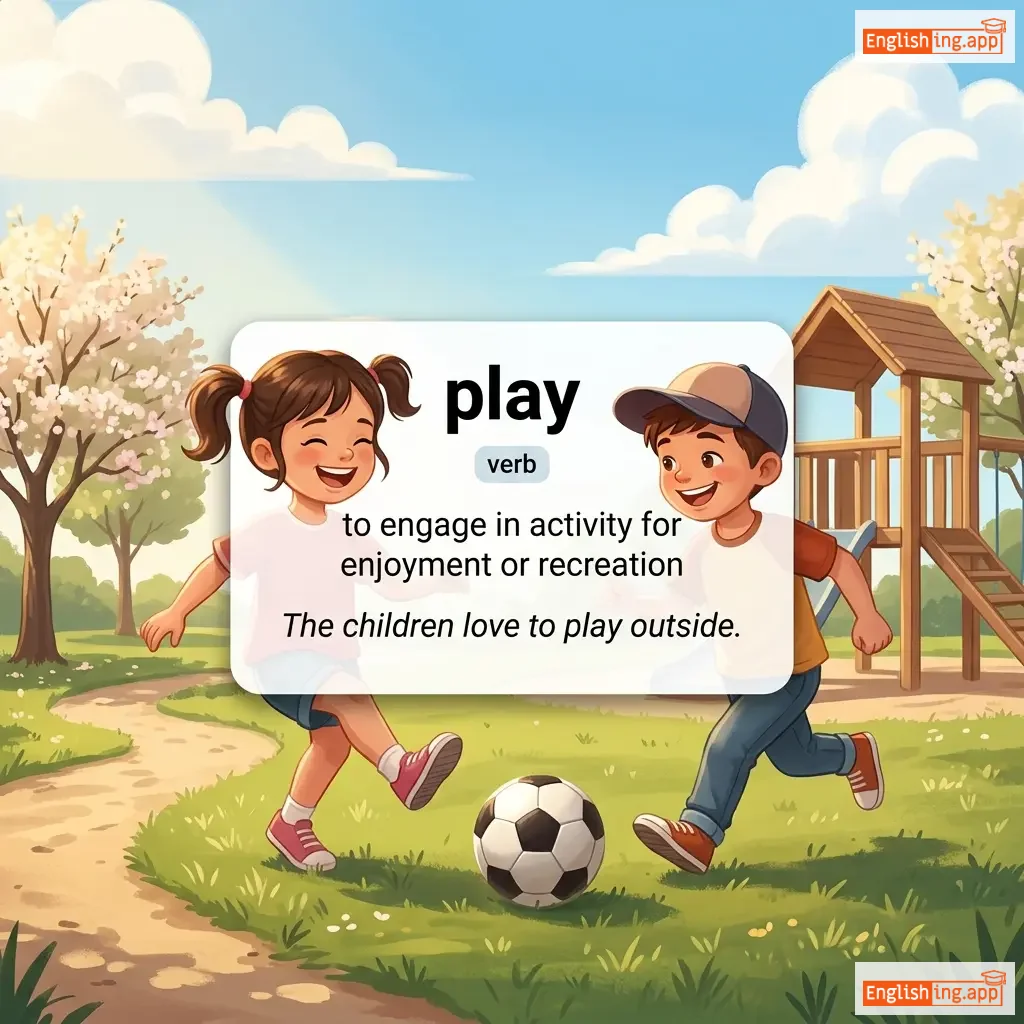
to engage in games or sports; to perform music
••••••
|
Children love to play in the park.
孩子们喜欢在公园里玩。
••••••
|
孩子们喜欢在公园里玩。
Háizimen xǐhuān zài gōngyuán lǐ wán.
••••••
|
- •••••• | - •••••• | - •••••• |
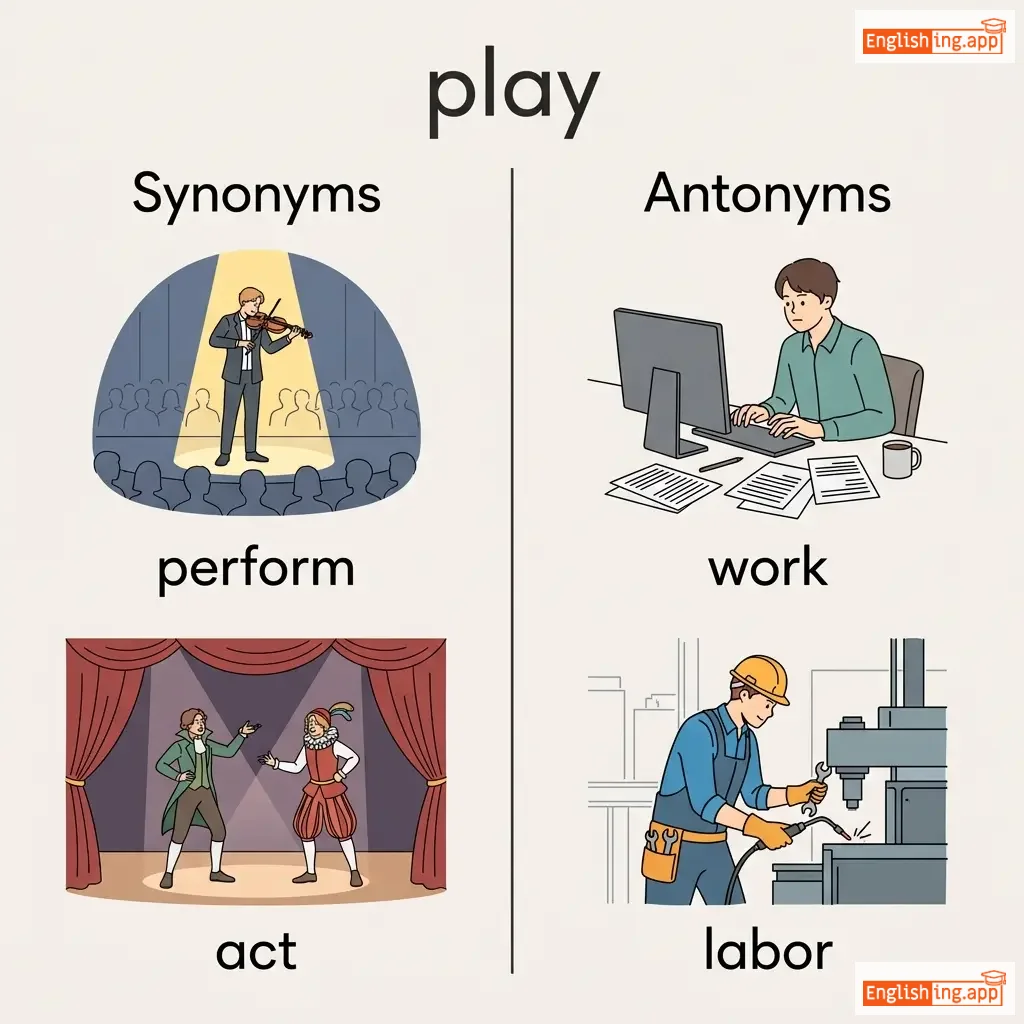
perform, compete, entertain, act
••••••
|
work, study, stop, rest
••••••
|
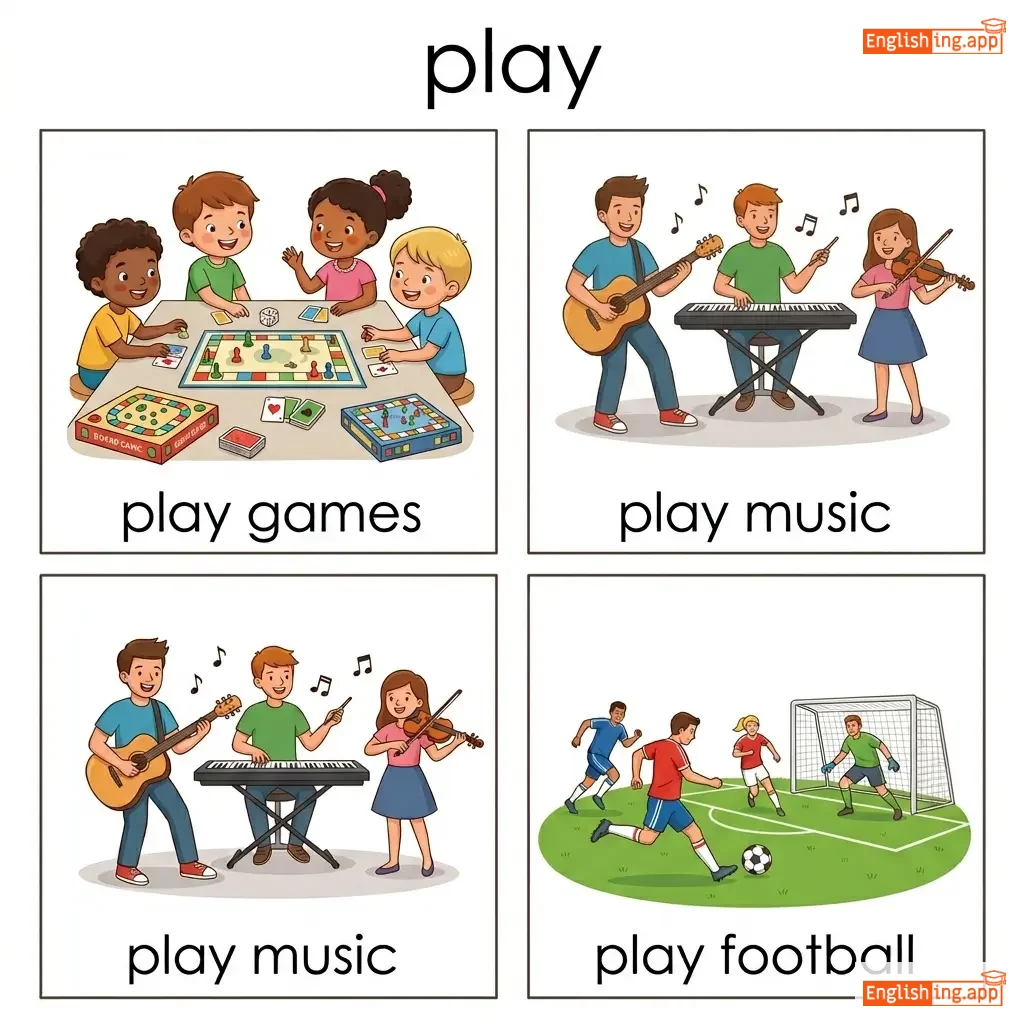
play games, play music, play sports, play together, play outside
••••••
|
玩 is playing in Chinese, just like 'play' in English!
••••••
|
|
🏅
••••••
|
/ˈpleɪər/
noun
(pleɪər)
••••••
|
- •••••• |
球员
qiúyuán
••••••
|
- •••••• | - •••••• | - •••••• | - •••••• |
a person who participates in a game or sport
••••••
|
The player scored the winning goal. |
球员打入了制胜球。
Qiúyuán dǎ rù le zhìshèng qiú.
••••••
|
- •••••• | - •••••• | - •••••• |
athlete, competitor, participant, sportsperson
••••••
|
non-player, spectator
••••••
|
professional player, skilled player, football player, basketball player
••••••
|
Player = 球 (ball) + 员 (member), 球员是球场上的成员
••••••
|
|
🙏
••••••
|
/pliː/
noun
(puli)
••••••
|
- •••••• |
请求; 呼吁; 辩解
qingqiu; huoyu; bianjie
••••••
|
- •••••• | - •••••• | - •••••• | - •••••• |
an urgent and emotional request; a defendant's formal response to a criminal charge; an excuse or justification
••••••
|
She made a plea for help during the emergency. |
在紧急情况下,她请求帮助。
Zai jinji qingkuang xia, ta qingqiu bangzhu.
••••••
|
- •••••• | - •••••• | - •••••• |
appeal, request, petition, entreaty
••••••
|
demand, command, order, refusal
••••••
|
guilty plea, emotional plea, plea bargain
••••••
|
Plea 可以记作‘请帮忙’。
••••••
|
|
🙏
••••••
|
/pliːd/
verb
(pǐlìd)
••••••
|


|
恳求
kěnqiú
••••••
|
pleaded
pǐlìded
••••••
|
pleaded
pǐlìded
••••••
|
pleads
pǐlìds
••••••
|
pleading
pǐlìdīng
••••••
|
to make an emotional appeal; to present a case in court
••••••
|
She pleaded for mercy.
她恳求宽恕。
••••••
|
她恳求宽恕。
Tā kěnqiú kuānshù.
••••••
|
- •••••• | - •••••• | - •••••• |
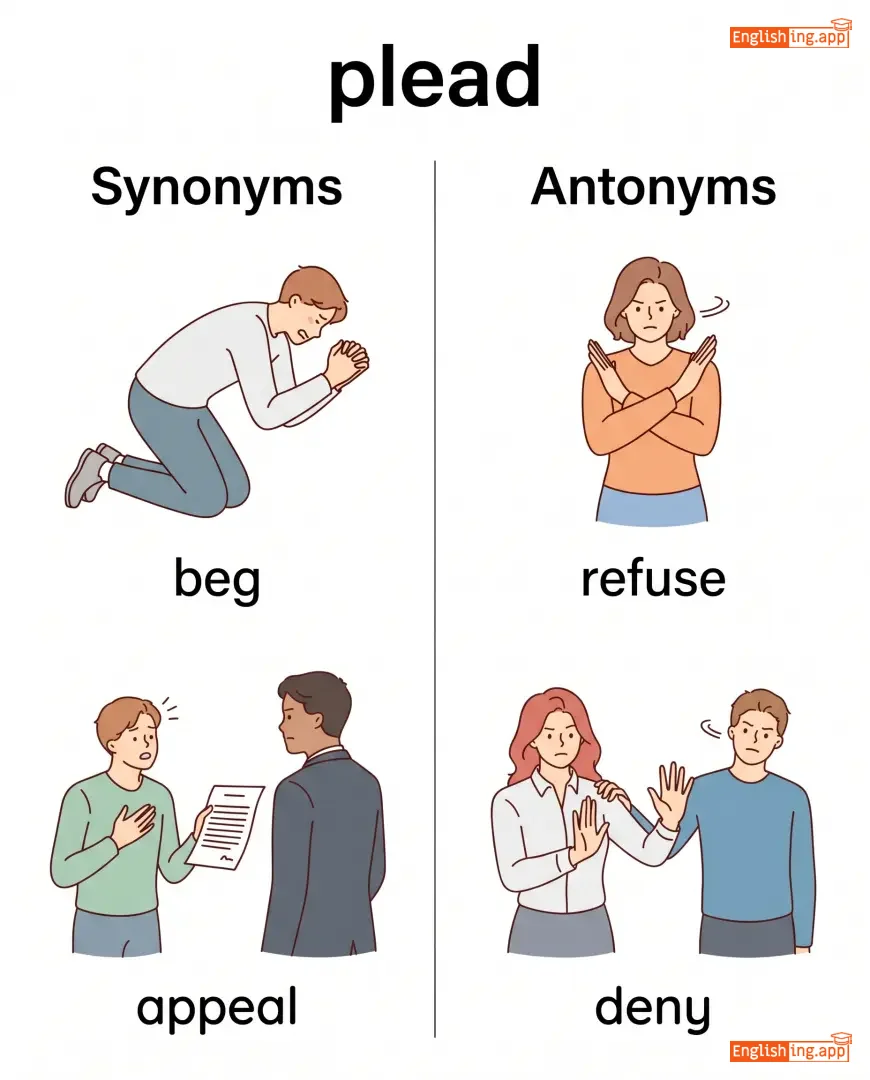
beg, entreat, implore, appeal
••••••
|
demand, order, command
••••••
|
plead guilty, plead for, earnestly plead, plead case
••••••
|
Think of pleading as ‘恳求’ in court asking for mercy.
••••••
|
|
😊
••••••
|
/ˈplɛzənt/
adjective
(普莱泽特)
••••••
|
- •••••• |
愉快的,令人愉悦的
yúkuài de, lìng rén yúyuè de
••••••
|
- •••••• | - •••••• | - •••••• | - •••••• |
giving a sense of happiness, enjoyment, or satisfaction
••••••
|
We had a pleasant evening at the park.
我们在公园度过了一个愉快的晚上。
••••••
|
我们在公园度过了一个愉快的晚上。
Wǒmen zài gōngyuán dùguòle yīgè yúkuài de wǎnshàng.
••••••
|
- •••••• | - •••••• | - •••••• |
agreeable, enjoyable, delightful, nice
••••••
|
unpleasant, disagreeable
••••••
|
pleasant weather, pleasant surprise, pleasant experience
••••••
|
Pleasant就像 'Please sent' - 让人感到愉快的
••••••
|
|
😊
••••••
|
/pliːz/
verb
(pǐlíz)
••••••
|
- •••••• |
使愉快
shǐ yúkuài
••••••
|
pleased
pǐlízd
••••••
|
pleased
pǐlízd
••••••
|
pleases
pǐlízs
••••••
|
pleasing
pǐlízīng
••••••
|
to make someone happy or satisfied; used as a polite request
••••••
|
His performance pleased the audience.
他的表现让观众感到满意。
••••••
|
他的表现让观众感到满意。
Tā de biǎoxiàn ràng guānzhòng gǎndào mǎnyì.
••••••
|
- •••••• | - •••••• | - •••••• |
satisfy, delight, gratify, content
••••••
|
displease, annoy, upset, offend
••••••
|
please everyone, hard to please, please customers, try to please
••••••
|
当你说'使愉快'时,你是想让某人开心。
••••••
|
|
😊
••••••
|
/pliːzd/
adjective
(plízd)
••••••
|
- •••••• |
满意
mǎnyì
••••••
|
- •••••• | - •••••• | - •••••• | - •••••• |
feeling happy or satisfied with something
••••••
|
She was pleased with her exam results. |
她对自己的考试结果感到满意。
Tā duì zìjǐ de kǎoshì jiéguǒ gǎndào mǎnyì.
••••••
|
pleased as punch |
extremely pleased or delighted
••••••
|
非常高兴
fēicháng gāoxìng
••••••
|
delighted, happy, satisfied, content, glad
••••••
|
unhappy, disappointed
••••••
|
pleased with, pleased to meet, very pleased, pleased about
••••••
|
当你感到满意时,你会说 please — 所以 pleased 意味着满意或高兴。
••••••
|
|
😊
••••••
|
/ˈplɛʒər/
noun
(plɛʒər)
••••••
|
- •••••• |
愉快
yúkuài
••••••
|
- •••••• | - •••••• | - •••••• | - •••••• |
a feeling of happiness or enjoyment
••••••
|
It was a pleasure to meet you.
It was a pleasure to meet you.
••••••
|
很高兴见到你。
Hěn gāoxìng jiàn dào nǐ.
••••••
|
- •••••• | - •••••• | - •••••• |
delight, joy, enjoyment, satisfaction
••••••
|
displeasure, discomfort
••••••
|
great pleasure, immense pleasure, pleasure to meet, take pleasure
••••••
|
Pleasure = 游戏 (yóuxì) + 愉快, 玩游戏时获得愉快
••••••
|
|
🤝
••••••
|
/pledʒ/
noun
(pléj)
••••••
|
- •••••• |
承诺; 保证; 担保;
chéngnuò; bǎozhèng; dānbǎo;
••••••
|
- •••••• | - •••••• | - •••••• | - •••••• |
a solemn promise or undertaking; something given as security for a loan; a commitment or guarantee
••••••
|
He made a pledge to donate money to charity. |
他承诺捐款给慈善机构。
Tā chéngnuò juānkuǎn gěi císhàn jīgòu.
••••••
|
- •••••• | - •••••• | - •••••• |
promise, vow, commitment, oath
••••••
|
breach, violation, betrayal, denial
••••••
|
pledge allegiance, campaign pledge, pledge drive
••••••
|
承诺是一种庄重的约定,通常涉及到责任和行动。
••••••
|
|
🌾
••••••
|
/ˈplen.ti/
noun
(plenti)
••••••
|
- •••••• |
丰富; 足够
fengfu; zhuigou
••••••
|
- •••••• | - •••••• | - •••••• | - •••••• |
a large or sufficient amount; abundance
••••••
|
There is plenty of food for everyone at the party.
聚会中有足够的食物供每个人享用。
••••••
|
聚会中有足够的食物供每个人享用。
Juhui zhong you zhuigou de shiwun gong meige ren xiangyong.
••••••
|
- •••••• | - •••••• | - •••••• |
abundance, ample, sufficient, lots
••••••
|
scarcity, shortage, lack, insufficient
••••••
|
plenty of time, plenty of money, plenty to eat
••••••
|
Plenty意味着充足,如'聚会中有足够的食物'.
••••••
|
|
🗺️
••••••
|
/plɑːt/
verb
(plòt)
••••••
|

|
密谋
mìmóu
••••••
|
plotted
plòted
••••••
|
plotted
plòted
••••••
|
plots
plòts
••••••
|
plotting
plòting
••••••
|
to plan secretly; to mark points on a graph or map
••••••
|
They plotted their escape route carefully.
他们小心地规划了逃生路线。
••••••
|
他们小心地规划了逃生路线。
Tāmen xiǎxīn de guīhuàle táoshēng lùxiàn.
••••••
|
- •••••• | - •••••• | - •••••• |
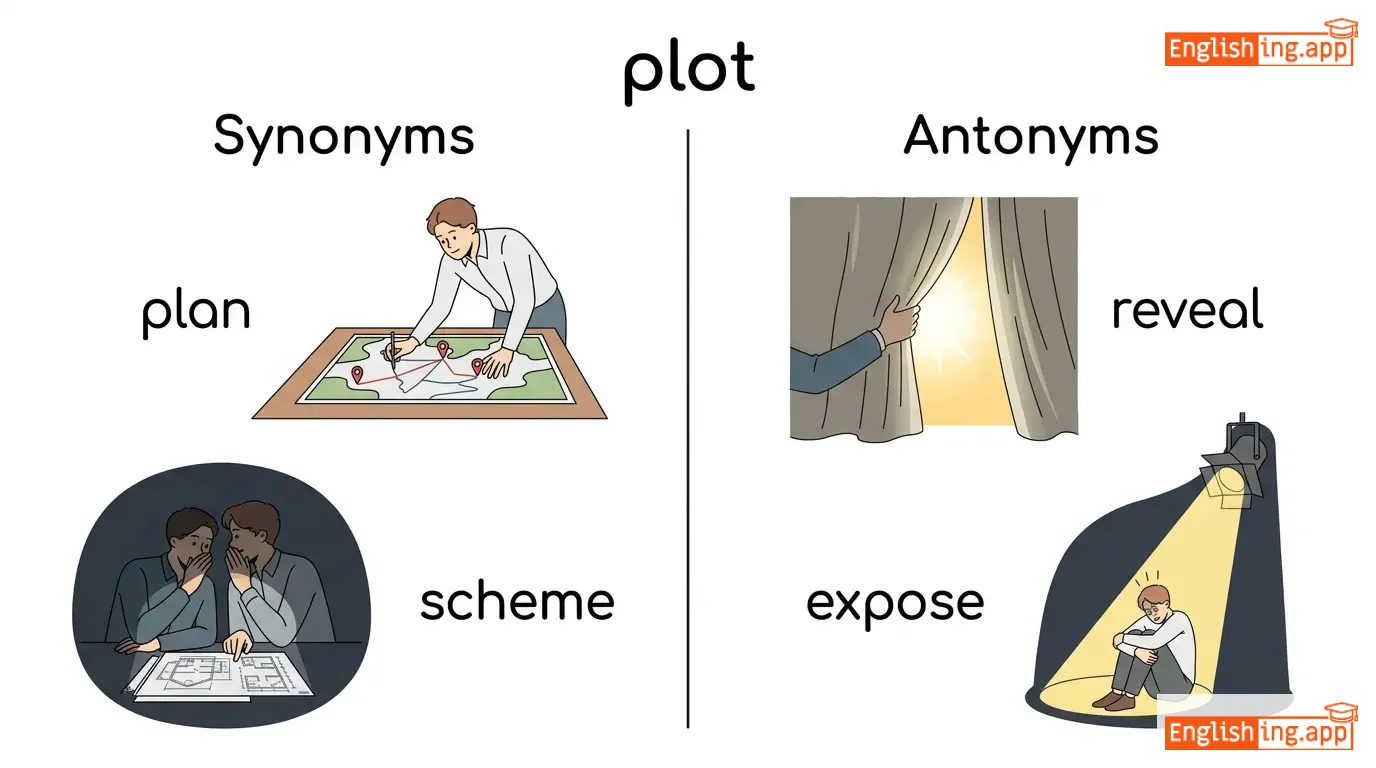
plan, scheme, chart, map
••••••
|
reveal, expose, disclose, abandon
••••••
|
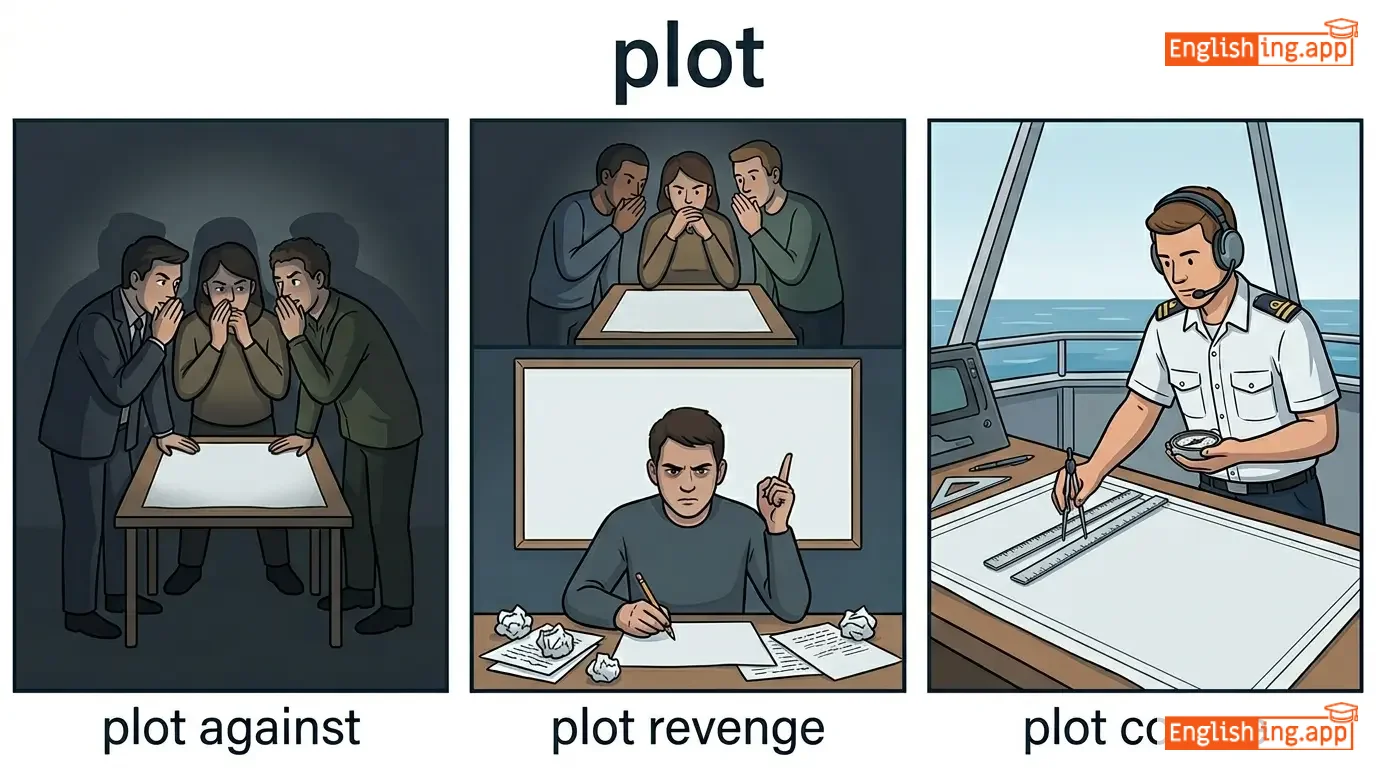
plot against, plot revenge, plot course, plot graph, plot twist, secret plot
••••••
|
密谋之前,确保你的路线图已经准备好。
••••••
|
|
🔌
••••••
|
/plʌɡ/
noun
(plág)
••••••
|
- •••••• |
插头
chātóu
••••••
|
- •••••• | - •••••• | - •••••• | - •••••• |
a device used to connect or block an opening
••••••
|
She inserted the plug into the socket. |
她把插头插入了插座。
Tā bǎ chātóu chārùle chāzuò.
••••••
|
- •••••• | - •••••• | - •••••• |
stopper, cap, connector, switch
••••••
|
hole, gap, opening
••••••
|
plug into, power plug, plug the hole
••••••
|
插头给你连接动力!
••••••
|
|
🏊
••••••
|
/plʌndʒ/
verb
(plāng)
••••••
|
- •••••• |
迅速跳入或潜水;突然下降
xùn sù tiào rù huò qián shuǐ; tú rán xià jiàng
••••••
|
plunged
plāngd
••••••
|
plunged
plāngd
••••••
|
plunges
plāngzh
••••••
|
plunging
plāngyíng
••••••
|
to jump or dive quickly; to fall sharply
••••••
|
She plunged into the swimming pool.
她跳进了游泳池。
••••••
|
她跳进了游泳池。
Tā tiàojìnle yóuyǒngchí.
••••••
|
take the plunge
勇敢地迈出一步
••••••
|
to decide to do something important or risky
••••••
|
做出重要或冒险的决定
zuò chū zhòngyào huò màoxiǎn de juédìng
••••••
|
dive, jump, fall, descend
••••••
|
rise, ascend, climb
••••••
|
plunge into, plunge headfirst, market plunge
••••••
|
她跳进水里-决定迈出冒险的一步
••••••
|
|
➕
••••••
|
/plʌs/
preposition/conjunction/noun/adjective
(普卢斯)
••••••
|
- •••••• |
加/优势
jia/youshi
••••••
|
- •••••• | - •••••• | - •••••• | - •••••• |
in addition to; a positive aspect or advantage
••••••
|
She received an A plus on her exam. |
她在考试中得了一个A plus。
Tā zài kǎoshì zhōng déle yīgè A plus.
••••••
|
- •••••• | - •••••• | - •••••• |
and, in addition, advantage, benefit
••••••
|
minus, disadvantage
••••••
|
plus sign, plus point, plus factor, plus side
••••••
|
PLUS 符号让人想起添加更多的东西 - think of addition
••••••
|
|
🕒
••••••
|
/piːˈɛm/
noun
••••••
|
- •••••• | - •••••• | - •••••• | - •••••• | - •••••• | - •••••• |
abbreviation for post meridiem; after midday
••••••
|
The meeting is scheduled at 3 pm. |
- •••••• | - •••••• | - •••••• | - •••••• |
afternoon, afternoon time
••••••
|
am, morning
••••••
|
pm time, 3 pm, 5 pm
••••••
|
No •••••• |
|
👖
••••••
|
/ˈpɒkɪt/
noun
••••••
|
- •••••• | - •••••• | - •••••• | - •••••• | - •••••• | - •••••• |
a small, enclosed space in clothing for carrying items
••••••
|
He put his phone in his pocket. |
- •••••• | - •••••• | - •••••• | - •••••• |
compartment, pouch, bag
••••••
|
open space, outside
••••••
|
pocket size, shirt pocket, pocket money
••••••
|
No •••••• |
|
📜
••••••
|
/ˈpoʊɪm/
noun
(诗)
••••••
|
- •••••• |
诗歌
shige
••••••
|
- •••••• | - •••••• | - •••••• | - •••••• |
a piece of writing that expresses ideas, feelings, or tells a story in a distinct form, often using rhyme or meter
••••••
|
She wrote a beautiful poem for her mother. |
她为她的母亲写了一首美丽的诗歌。
Tā wèi tā de mǔqīn xiěle yī shǒu měilì de shīgē.
••••••
|
- •••••• | - •••••• | - •••••• |
verse, sonnet, rhyme
••••••
|
prose, essay
••••••
|
write a poem, read a poem, beautiful poem
••••••
|
想象诗歌是一种能触动你内心的故事!
••••••
|
|
✍️
••••••
|
/ˈpoʊɪt/
noun
(pō-è-tè)
••••••
|
- •••••• |
诗人
shīrén
••••••
|
- •••••• | - •••••• | - •••••• | - •••••• |
a person who writes poems
••••••
|
The poet wrote about love and nature. |
诗人写了关于爱情和自然的诗。
Shīrén xiě le guānyú àiqíng hé zìrán de shī.
••••••
|
- •••••• | - •••••• | - •••••• |
verse-maker, bard, author
••••••
|
prose writer
••••••
|
great poet, famous poet, modern poet
••••••
|
A poet is a storyteller who creates worlds with words!
••••••
|
|
📚
••••••
|
/ˈpoʊɪtri/
noun
(诗歌)
••••••
|
- •••••• |
诗歌
shige
••••••
|
- •••••• | - •••••• | - •••••• | - •••••• |
a literary form that uses rhythmic and metaphorical language to express emotions or ideas
••••••
|
She loves reading poetry in her free time. |
她喜欢在空闲时间阅读诗歌。
Ta xihuan zai kongxian shijian yuedu shige.
••••••
|
- •••••• | - •••••• | - •••••• |
verse, rhymes, ballads
••••••
|
prose, narrative
••••••
|
read poetry, write poetry, modern poetry
••••••
|
Poetry is the art of capturing emotions in words.
••••••
|
|
👉
••••••
|
/pɔɪnt/
noun
(point)
••••••
|
- •••••• |
点; 细节; 目的
dian
••••••
|
- •••••• | - •••••• | - •••••• | - •••••• |
a particular detail, idea, or fact; the sharp end of something
••••••
|
What's the point of arguing about this issue?
讨论这个问题有什么意义?
••••••
|
讨论这个问题有什么意义?
Tǎolùn zhège wèntí yǒu shénme yìyì?
••••••
|
- •••••• | - •••••• | - •••••• |
detail, fact, idea, tip
••••••
|
whole, entirety, generality
••••••
|
main point, key point, turning point
••••••
|
点亮心中的目标
••••••
|
|
☠️
••••••
|
/ˈpɔɪ.zən/
noun
(波伊森)
••••••
|
- •••••• |
毒药
du yao
••••••
|
- •••••• | - •••••• | - •••••• | - •••••• |
a substance that is capable of causing death or illness
••••••
|
The snake's bite contains deadly poison.
蛇的咬伤含有致命的毒药。
••••••
|
蛇的咬伤含有致命的毒药。
she de yao shang han you zhi ming de du yao
••••••
|
- •••••• | - •••••• | - •••••• |
toxin, venom, toxic substance
••••••
|
antidote, cure, medicine, remedy
••••••
|
deadly poison, rat poison, poison control
••••••
|
Poison = 波伊森 想象 波浪里的 伊森 拿着 毒药 记住 Poison 就是 毒药
••••••
|
|
☠️
••••••
|
/ˈpɔɪzənəs/
adjective
(póizhnàosī)
••••••
|
- •••••• |
有毒的
yǒu dú de
••••••
|
- •••••• | - •••••• | - •••••• | - •••••• |
Containing poison; capable of causing illness or death.
••••••
|
Some mushrooms are highly poisonous. |
有些蘑菇非常有毒。
Yǒuxiē mógū fēicháng yǒu dú.
••••••
|
poisonous atmosphere |
a hostile or harmful environment
••••••
|
有毒的气氛
yǒu dú de qìfēn
••••••
|
toxic, venomous, harmful, noxious, deadly
••••••
|
harmless, safe, nontoxic
••••••
|
poisonous gas, poisonous snake, poisonous plant
••••••
|
有毒的 = 含有毒素,像蛇的毒 🐍
••••••
|
|
⚪
••••••
|
/poʊl/
noun
(póu'ěr)
••••••
|
- •••••• |
杆
gan
••••••
|
- •••••• | - •••••• | - •••••• | - •••••• |
a long, slender, vertical object or structure, typically made of wood, metal, or another material
••••••
|
They placed the flag on top of the pole. |
他们把旗帜放在杆顶上。
Tāmen bǎ qízhì fàng zài gǎn dǐng shàng.
••••••
|
- •••••• | - •••••• | - •••••• |
post, column, mast, stake
••••••
|
base, ground
••••••
|
flag pole, telephone pole, light pole
••••••
|
记住杆,旗帜在那里飘扬!
••••••
|
|
👮
••••••
|
/pəˈliːs/
noun
(警察)
••••••
|
- •••••• |
警察
jingcha
••••••
|
- •••••• | - •••••• | - •••••• | - •••••• |
a body of officers representing the civil authority of government
••••••
|
The police arrived quickly to investigate the scene.
警察很快赶到现场进行调查。
••••••
|
警察很快赶到现场进行调查。
Jǐngchá hěn kuài gǎndào xiànchǎng jìnxíng diàochá.
••••••
|
- •••••• | - •••••• | - •••••• |
law enforcement, constabulary, cops, authorities
••••••
|
criminals, offenders
••••••
|
police officer, police station, police force
••••••
|
记住'警察',他们是你社区的守护者!
••••••
|
|
📋
••••••
|
/ˈpɒl.ə.si/
noun
(政策)
••••••
|

|
政策
zhèngcè
••••••
|
- •••••• | - •••••• | - •••••• | - •••••• |
a course of action adopted by a government, organization, or individual
••••••
|
The company has a strict policy against smoking. |
公司有一项严格的反吸烟政策。
Gōngsī yǒu yī xiàng yángé de fǎn xīyān zhèngcè.
••••••
|
- •••••• | - •••••• | - •••••• |
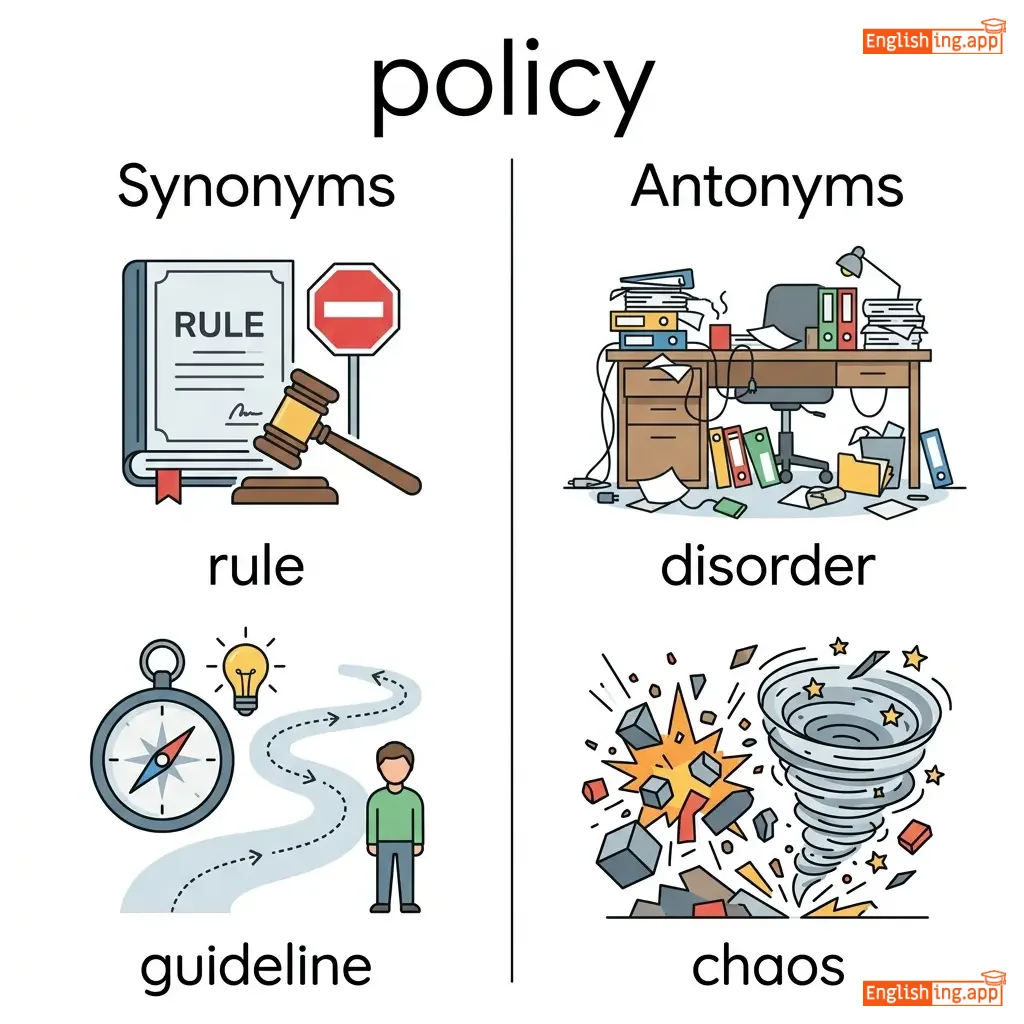
strategy, plan, procedure, guidelines
••••••
|
chaos, disorder, improvisation
••••••
|
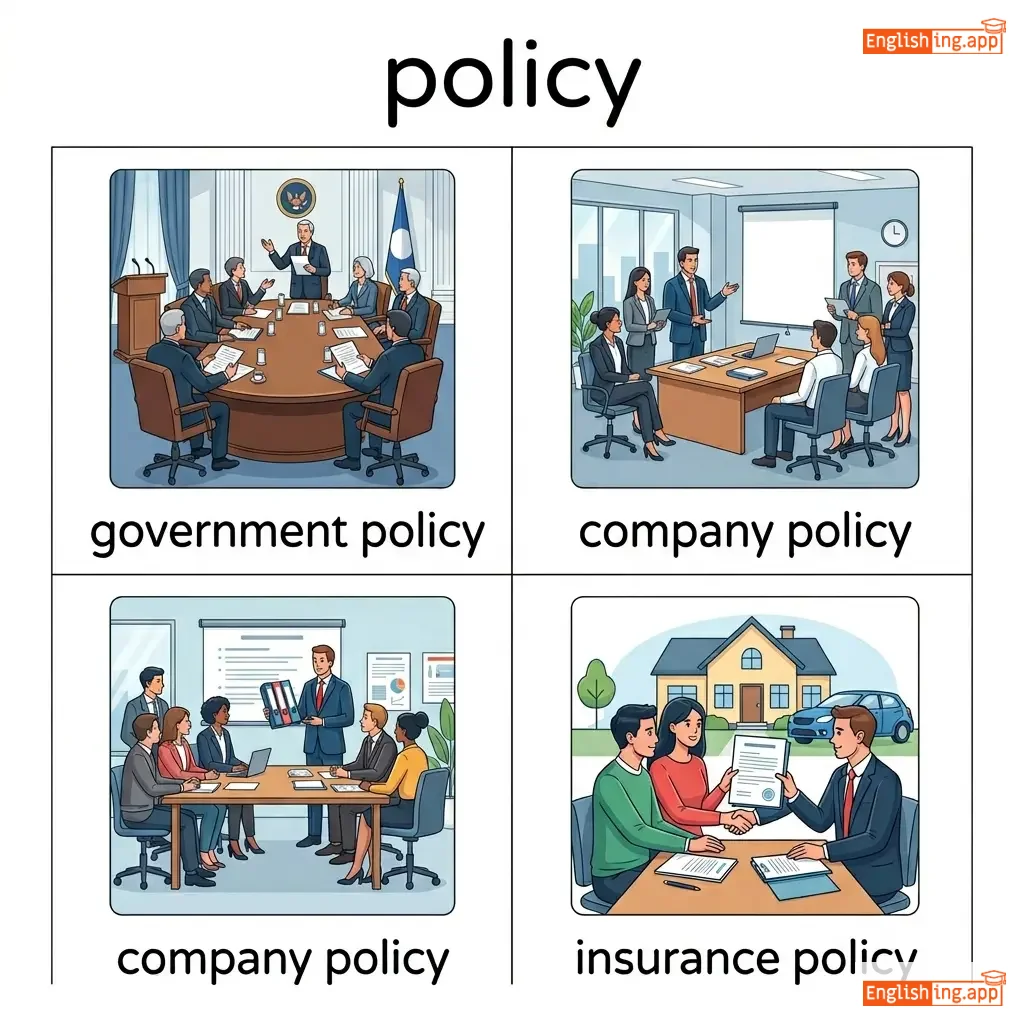
foreign policy, company policy, insurance policy
••••••
|
政策 (zhèngcè) - A policy is a government’s action plan, just like a business policy.
••••••
|
|
🙏
••••••
|
/pəˈlaɪt/
adjective
(happiness)
••••••
|
- •••••• |
幸福
xìng fú
••••••
|
- •••••• | - •••••• | - •••••• | - •••••• |
Showing good manners and respect towards others.
••••••
|
He was very polite to the elderly woman. |
她在收到奖项时无法掩饰她的幸福。
Tā zài shōu dào jiǎng xiàng shí wú fǎ yǎn shì tā de xìng fú.
••••••
|
polite society |
the upper social class considered refined
••••••
|
追求幸福
zhuī qiú xìng fú
••••••
|
courteous, respectful, civil, gracious, well-mannered
••••••
|
rude, impolite, disrespectful
••••••
|
polite smile, polite request, polite conversation
••••••
|
幸福 = 享受一切
••••••
|
|
🙏
••••••
|
/pəˈlaɪt.li/
adverb
(pəˈlaɪtli)
••••••
|
- •••••• |
礼貌地;
lǐmàode
••••••
|
- •••••• | - •••••• | - •••••• | - •••••• |
in a respectful and considerate manner; courteously; with good manners
••••••
|
She politely declined the invitation because she had other commitments.
她礼貌地拒绝了邀请,因为她有其他的承诺。
••••••
|
她礼貌地拒绝了邀请,因为她有其他的承诺。
Tā lǐmàode jùjuéle yāoqǐng, yīnwèi tā yǒu qítā de chéngnuò.
••••••
|
- •••••• | - •••••• | - •••••• |
courteously, respectfully, civilly, tactfully, graciously
••••••
|
rudely, impolitely, disrespectfully, inconsiderately, harshly
••••••
|
politely decline, politely ask, politely refuse, speak politely
••••••
|
礼貌地,'politely'就是尊重他人的行为
••••••
|
|
🏛️
••••••
|
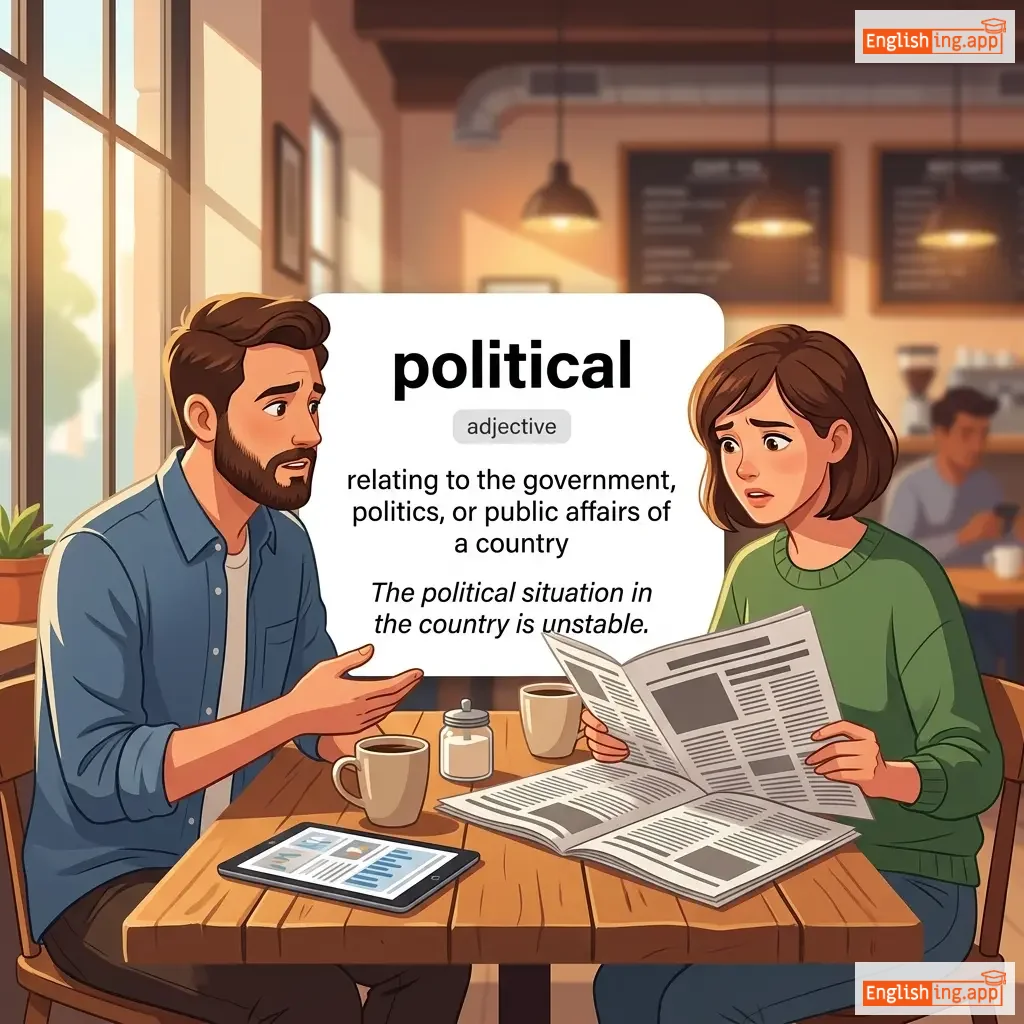
/pəˈlɪtɪkəl/
adjective
(政治的)
••••••
|
|
政治的
zhèngzhì de
••••••
|
- •••••• | - •••••• | - •••••• | - •••••• |
relating to the government, politics, or public affairs of a country
••••••
|
The political situation in the country is unstable. |
该国的政治形势不稳定。
Gāi guó de zhèngzhì xíngshì bù wěndìng.
••••••
|
- •••••• | - •••••• | - •••••• |
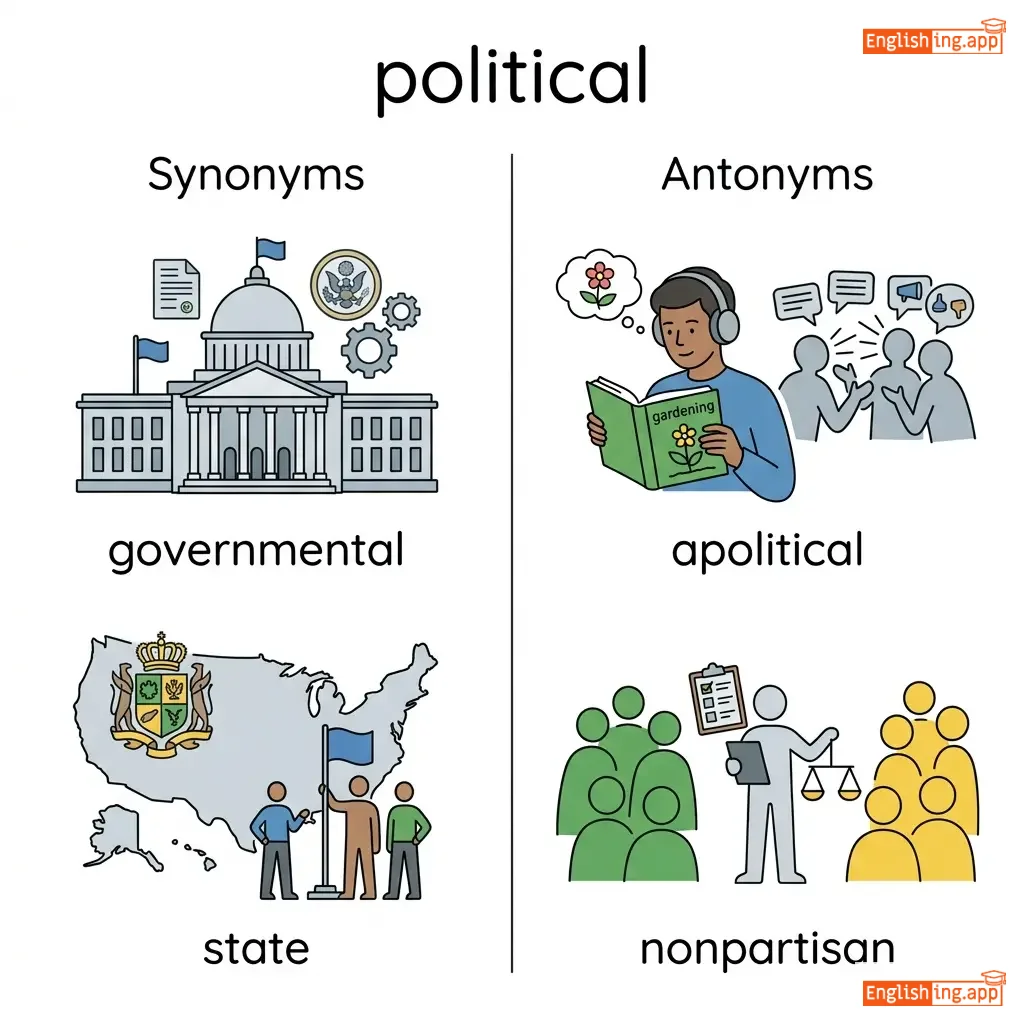
governmental, state, civic, public
••••••
|
apolitical, nonpartisan
••••••
|
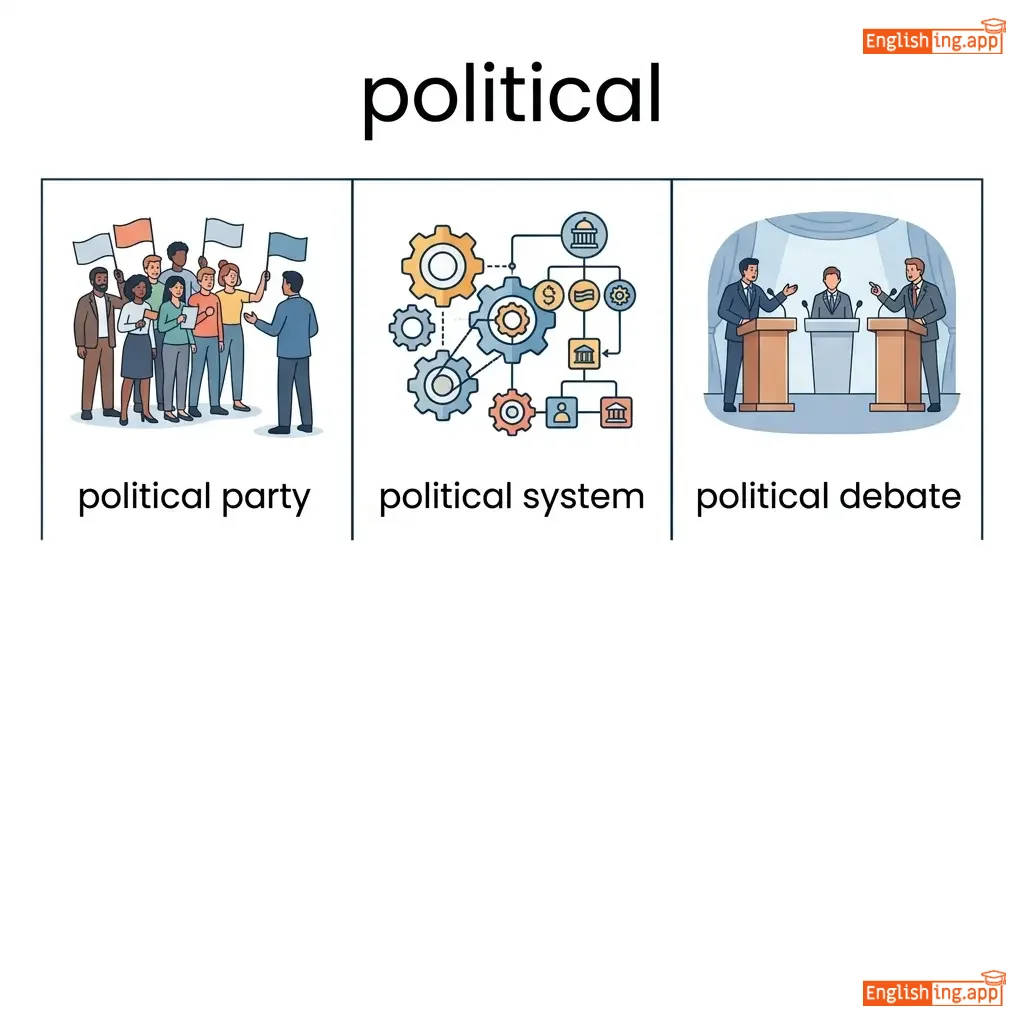
political party, political system, political debate
••••••
|
政治决定国家的命运!
••••••
|
|
⚖️
••••••
|
/pəˈlɪtɪkəli/
adverb
(政治上)
••••••
|
- •••••• |
政治上
zhèngzhì shàng
••••••
|
- •••••• | - •••••• | - •••••• | - •••••• |
in a way that relates to politics or government
••••••
|
The country is politically divided between two major parties.
这个国家在政治上分裂为两个主要党派。
••••••
|
这个国家在政治上分裂为两个主要党派。
Zhège guójiā zài zhèngzhì shàng fēnliè wéi liǎng gè zhǔyào dǎngpài.
••••••
|
- •••••• | - •••••• | - •••••• |
governmentally, civically, socially
••••••
|
apolitically
••••••
|
politically active, politically correct, politically charged
••••••
|
从政治上思考,想象国家在两个主要党派之间分裂。
••••••
|
|
👨💼
••••••
|
/pəˈlɪtɪʃən/
noun
(pò lì tí xiān)
••••••
|
- •••••• |
政治家
zhèng zhì jiā
••••••
|
- •••••• | - •••••• | - •••••• | - •••••• |
a person who is involved in politics, especially as a profession
••••••
|
The politician promised to improve the economy. |
政治家承诺改善经济。
Zhèng zhì jiā chéng nuò gǎi shàn jīng jì.
••••••
|
- •••••• | - •••••• | - •••••• |
statesman, lawmaker, representative, public servant
••••••
|
citizen, layman
••••••
|
politician career, influential politician, corrupt politician
••••••
|
Politicians are in politics to improve the people's future.
••••••
|
|
⚖️
••••••
|
/ˈpɒlɪtɪks/
noun
(pòulìtí kè sī)
••••••
|
- •••••• |
政治
zhengzhi
••••••
|
- •••••• | - •••••• | - •••••• | - •••••• |
activities related to the governance of a country or area, especially the debate between parties having power
••••••
|
Politics often involves making difficult decisions. |
政治通常涉及做出艰难的决策。
Zhengzhi tongchang shèjí zuòchū jiānnán de juécè.
••••••
|
- •••••• | - •••••• | - •••••• |
government, diplomacy, statecraft, policy
••••••
|
apoliticism, non-partisanship
••••••
|
politics of power, national politics, political debate
••••••
|
POLIticians engage in POLItics.
••••••
|
|
🗳️
••••••
|
/pəʊl/
noun/verb
(póu ěr)
••••••
|
- •••••• |
民意调查
minyi diaocha
••••••
|
polled
polled
••••••
|
polled
polled
••••••
|
polls
polls
••••••
|
polling
polling
••••••
|
a survey of public opinion or voting in an election
••••••
|
The poll revealed that most people favored the new policy.
The poll revealed that most people favored the new policy.
••••••
|
民意调查显示大多数人支持新政策。
Minyi diaocha xianshi dashu ren zhichi xin zhengce.
••••••
|
- •••••• | - •••••• | - •••••• |
survey, vote, referendum, ballot
••••••
|
consensus, agreement
••••••
|
opinion poll, public poll, exit poll, conduct a poll
••••••
|
Polls collect people's opinions like a survey!
••••••
|
|
🏭
••••••
|
/pəˈluːt/
verb
(波鲁特)
••••••
|
|
污染
wuran
••••••
|
polluted
波鲁特德
••••••
|
polluted
波鲁特德
••••••
|
pollutes
波鲁特斯
••••••
|
polluting
波鲁廷
••••••
|
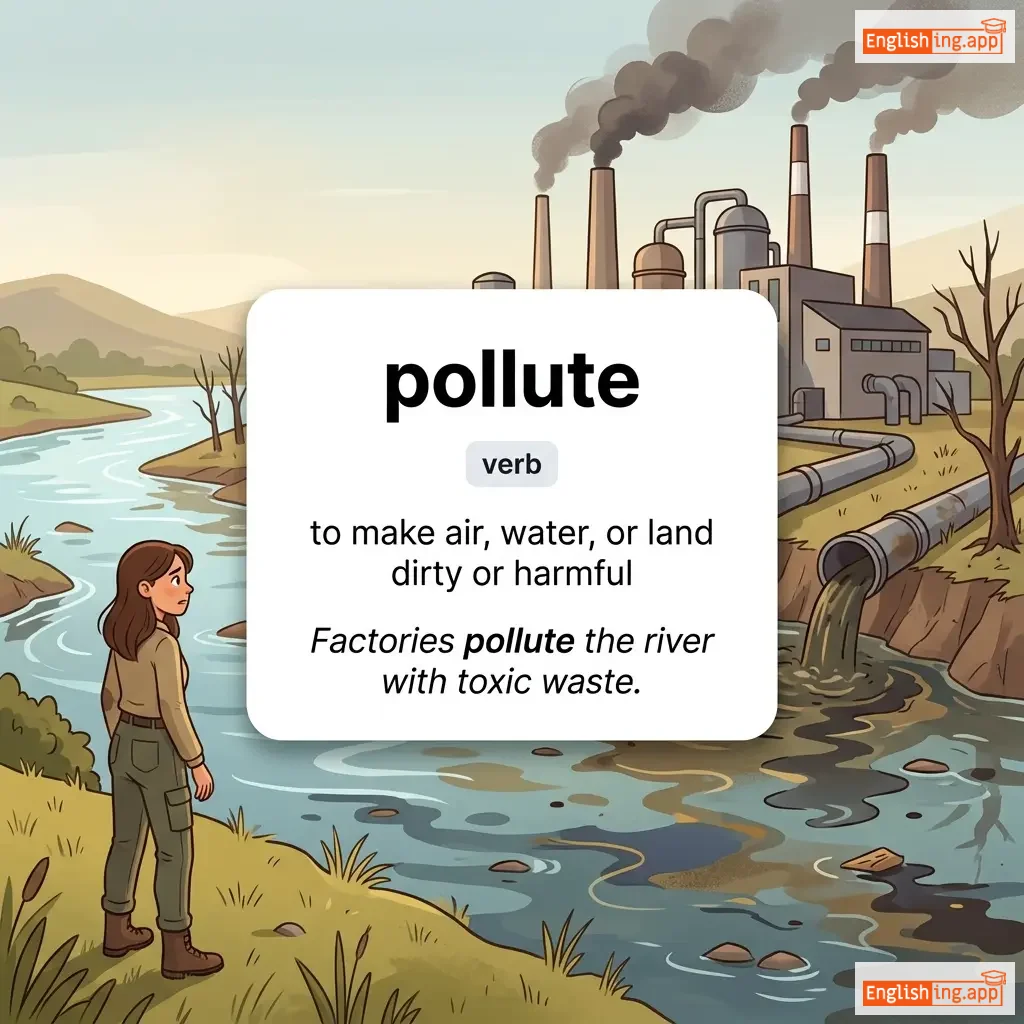
to make air, water, or land dirty and harmful to people, animals, and plants
••••••
|
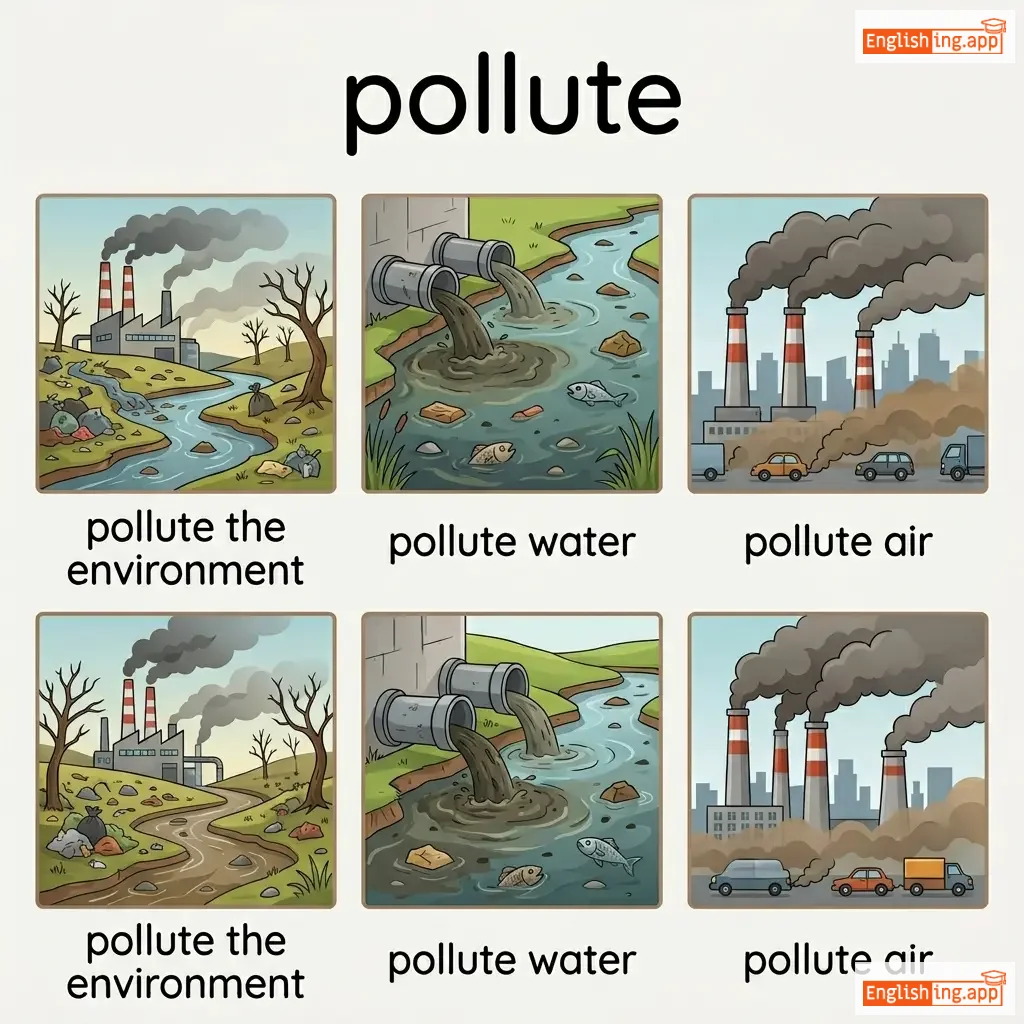
Factories pollute the environment with toxic chemicals.
工厂用有毒化学品污染环境。
••••••
|
工厂用有毒化学品污染环境。
gongchang yong youdu huaxuepin wuran huanjing
••••••
|
- •••••• | - •••••• | - •••••• |
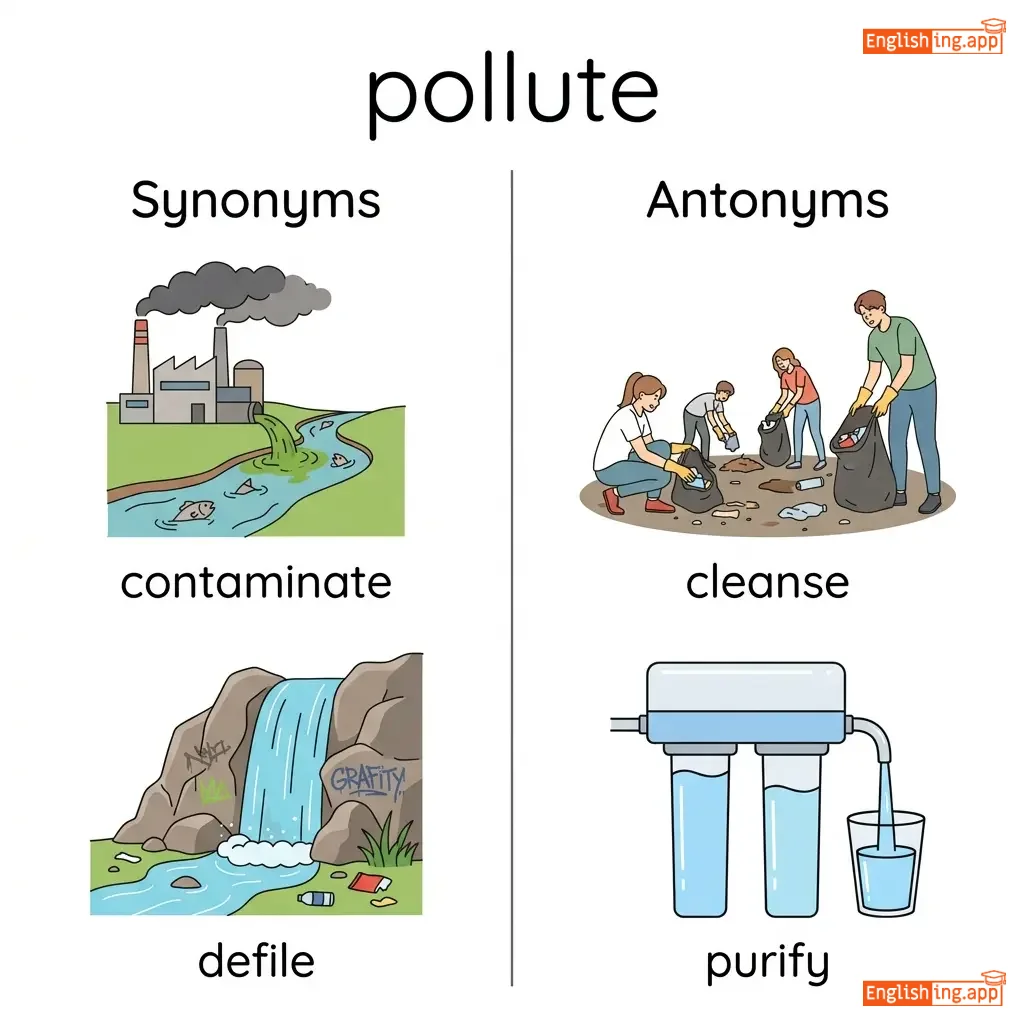
contaminate, dirty, taint, poison
••••••
|
purify, clean, cleanse
••••••
|
pollute environment, pollute air, pollute water, heavily pollute, pollute atmosphere
••••••
|
Pollute → 污染 (wuran): sounds like 'woo-run'—run away from dirty things!
••••••
|
|
🌍
••••••
|
/pəˈlʊʃən/
noun
(污染)
••••••
|
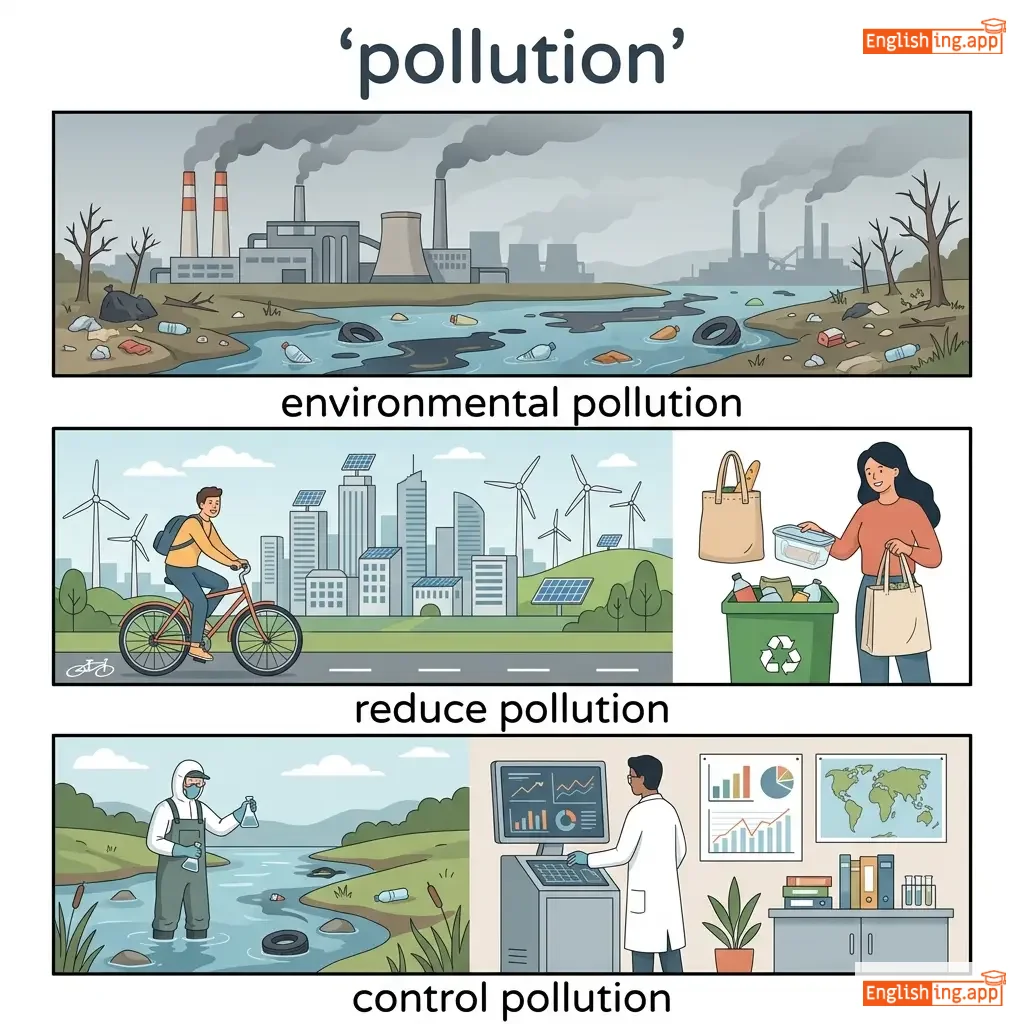
|
污染
wuran
••••••
|
- •••••• | - •••••• | - •••••• | - •••••• |
the presence of harmful substances in the environment, especially the air, water, or soil
••••••
|
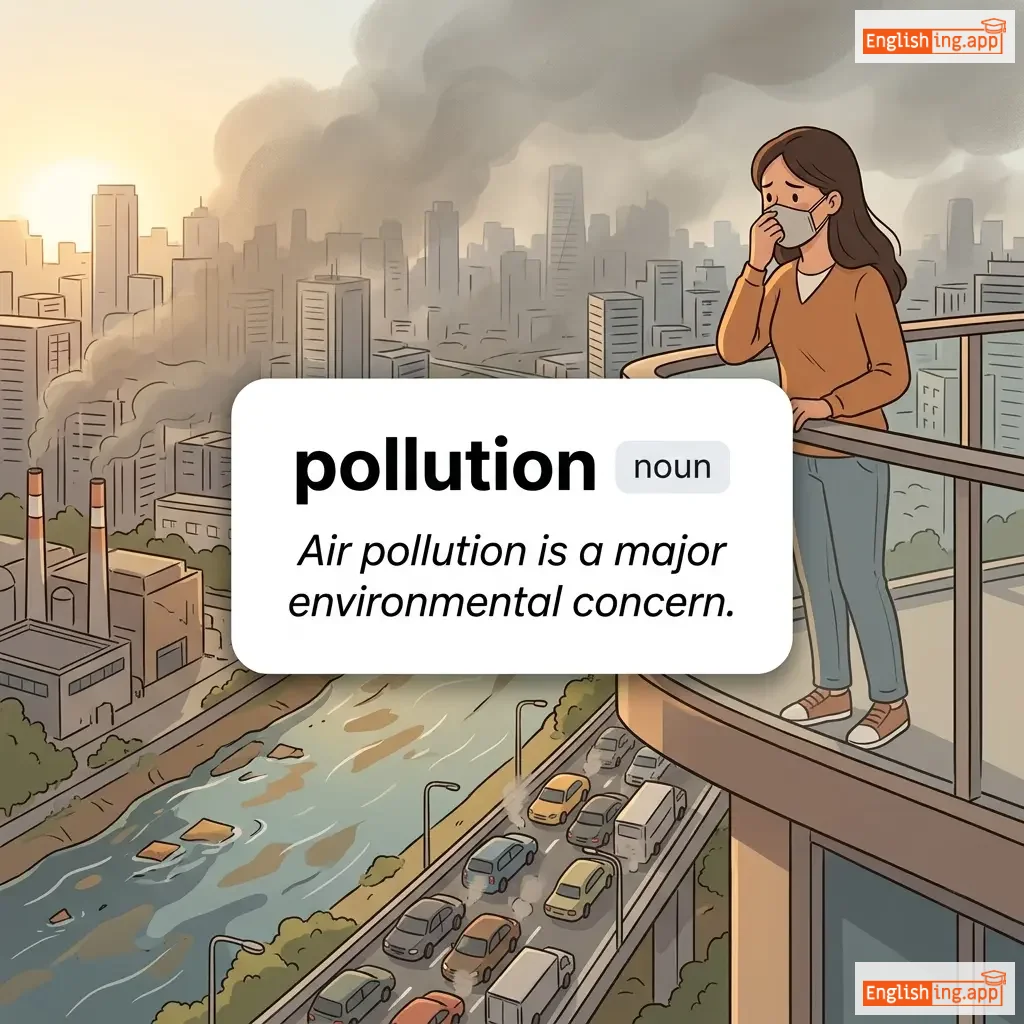
Air pollution is a major environmental concern.
空气污染是一个主要的环境问题。
••••••
|
空气污染是一个主要的环境问题。
Kongqi wuran shi yige zhuyao de huanjing wenti.
••••••
|
- •••••• | - •••••• | - •••••• |
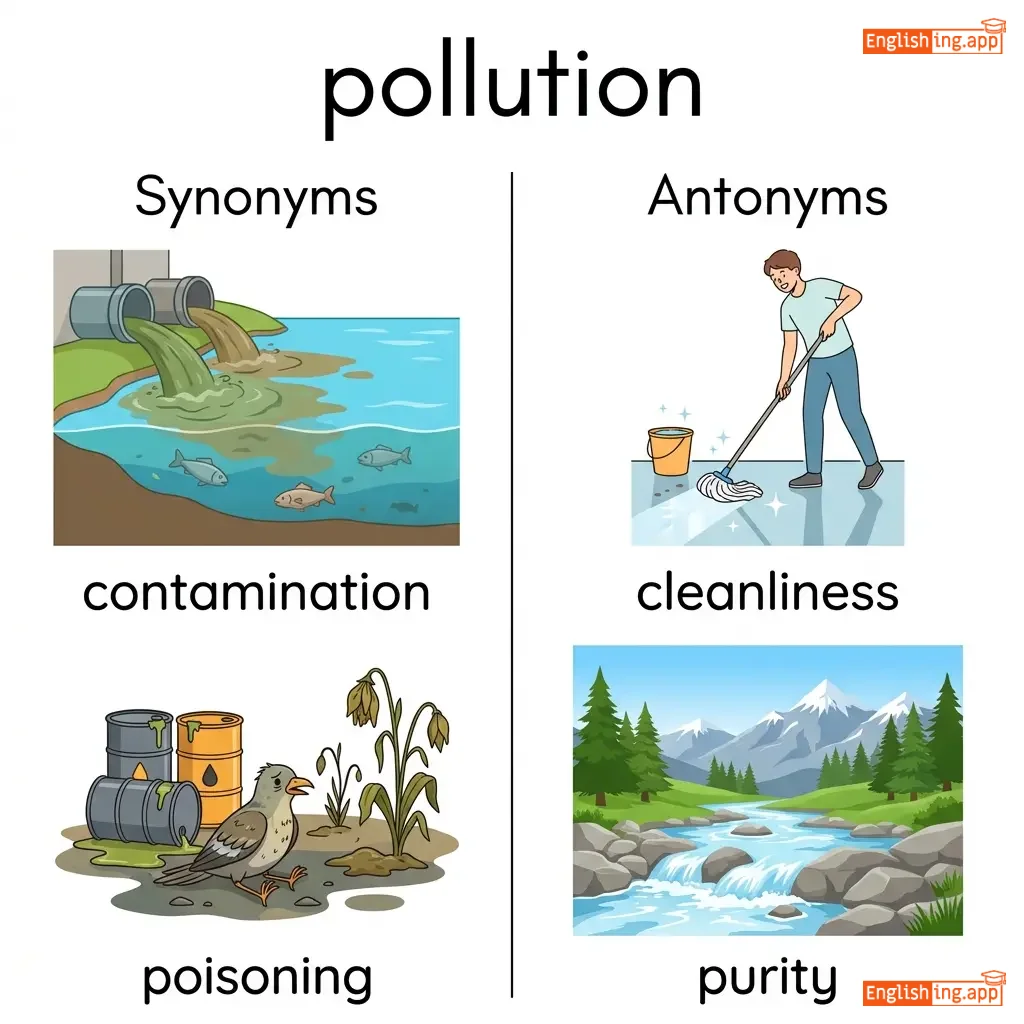
contamination, poisoning, impurity, dirt
••••••
|
cleanliness, purity
••••••
|
environmental pollution, reduce pollution, control pollution, pollution levels
••••••
|
Pollution is polluting our planet!
••••••
|
|
🏞️
••••••
|
/pɒnd/
noun
(pond)
••••••
|
- •••••• |
池塘
chí táng
••••••
|
- •••••• | - •••••• | - •••••• | - •••••• |
a small area of still water, smaller than a lake
••••••
|
The children were feeding ducks at the pond. |
孩子们在池塘里喂鸭子。
Háizimen zài chí táng lǐ wèi yāzi.
••••••
|
a big fish in a small pond |
an important person in a small or limited group
••••••
|
小池塘里的大鱼
xiǎo chí táng lǐ de dà yú
••••••
|
pool, lagoon, waterhole, reservoir
••••••
|
desert, dry land
••••••
|
fish pond, garden pond, pond water
••••••
|
Pond = 池塘, 在那儿鸭子游泳!
••••••
|
|
🏊
••••••
|
/puːl/
noun/verb
(プール)
••••••
|
- •••••• |
游泳池
youyongchi
••••••
|
pooled
プールド
••••••
|
pooled
プールド
••••••
|
pools
プールス
••••••
|
pooling
プーリング
••••••
|
a small body of still water, or a game played in a rectangular table with balls
••••••
|
The children swam in the pool all afternoon.
孩子们整个下午都在游泳池里游泳。
••••••
|
孩子们整个下午都在游泳池里游泳。
Haizimen zhengge xiawu dou zai youyongchi li youyong.
••••••
|
- •••••• | - •••••• | - •••••• |
pond, reservoir, swimming pool, game
••••••
|
dry, empty
••••••
|
swimming pool, pool party, pool table, pool of water
••••••
|
游泳池是游泳的最佳场所!
••••••
|
|
🥺
••••••
|
/pʊr/ or /pɔːr/
adjective
(pùr)
••••••
|
- •••••• |
贫穷的
pínqióng de
••••••
|
- •••••• | - •••••• | - •••••• | - •••••• |
Lacking sufficient money, resources, or quality.
••••••
|
The poor family struggled to buy food. |
贫困的家庭为购买食物而挣扎。
Pínkùn de jiātíng wèi gòumǎi shíwù ér zhēngzhá.
••••••
|
poor health |
a state of not being healthy
••••••
|
不良健康
bùliáng jiànkāng
••••••
|
needy, impoverished, destitute, weak, inferior
••••••
|
rich, wealthy, strong
••••••
|
poor condition, poor performance, poor quality, poor family
••••••
|
贫穷意味着没有足够的资源。
••••••
|
|
🎈
••••••
|
/pɒp/
verb
(波普)
••••••
|
- •••••• |
爆炸
baozha
••••••
|
popped
爆裂
••••••
|
popped
爆裂
••••••
|
pops
爆裂
••••••
|
popping
爆裂
••••••
|
to make a short, sharp sound, or to burst or break with such a sound
••••••
|
The balloon popped when I accidentally pricked it with a pin.
气球爆裂了,当我不小心用针戳它时。
••••••
|
气球爆裂了,当我不小心用针戳它时。
Qìqiú bàoliè le, dāng wǒ bù xiǎoxīn yòng zhēn chuō tā shí.
••••••
|
- •••••• | - •••••• | - •••••• |
burst, explode, snap, crack
••••••
|
quiet, silence
••••••
|
pop the balloon, pop the cork, pop up, pop out
••••••
|
Pop the balloon, 就像'波普' (Bō pǔ) 爆破气球!
••••••
|
|
👥
••••••
|
/ˈpɒp.jʊ.lər/
adjective
(流行)
••••••
|
- •••••• |
流行的
liúxíng de
••••••
|
- •••••• | - •••••• | - •••••• | - •••••• |
liked or admired by many people; well-known and widely accepted
••••••
|
This restaurant is very popular among young people. |
这家餐厅在年轻人中非常流行。
Zhè jiā cāntīng zài niánqīngrén zhōng fēicháng liúxíng.
••••••
|
- •••••• | - •••••• | - •••••• |
famous, well-liked, favored, trendy
••••••
|
unpopular, disliked, unfashionable
••••••
|
popular culture, popular opinion, popular choice
••••••
|
流行的像一首热门中文歌曲
••••••
|
|
⭐
••••••
|
/ˌpɒp.jəˈlær.ə.ti/
noun
(pòp yù lái dì)
••••••
|
- •••••• |
受欢迎程度
shou huan ying cheng du
••••••
|
- •••••• | - •••••• | - •••••• | - •••••• |
the state of being liked, admired, or supported by many people
••••••
|
The singer's popularity has grown rapidly this year.
歌手的流行度今年快速增长。
••••••
|
歌手的流行度今年快速增长。
Ge shou de liu xing du jin nian kuai su zeng zhang.
••••••
|
- •••••• | - •••••• | - •••••• |
fame, recognition, acclaim, acceptance
••••••
|
unpopularity, obscurity, rejection, dislike
••••••
|
growing popularity, widespread popularity, peak popularity
••••••
|
就像明星一样流行
••••••
|
|
👥
••••••
|
/ˌpɑːp.jəˈleɪ.ʃən/
noun
(pòpú lèixùn)
••••••
|
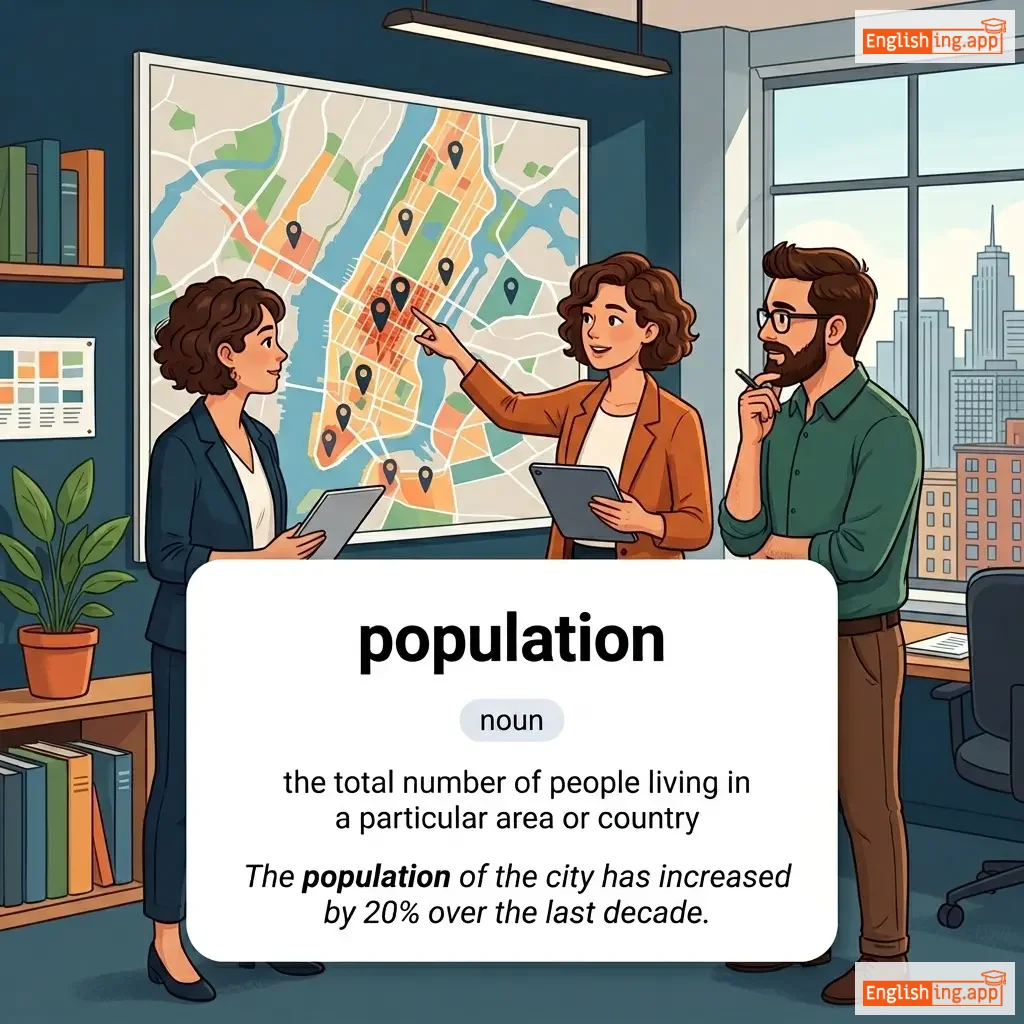
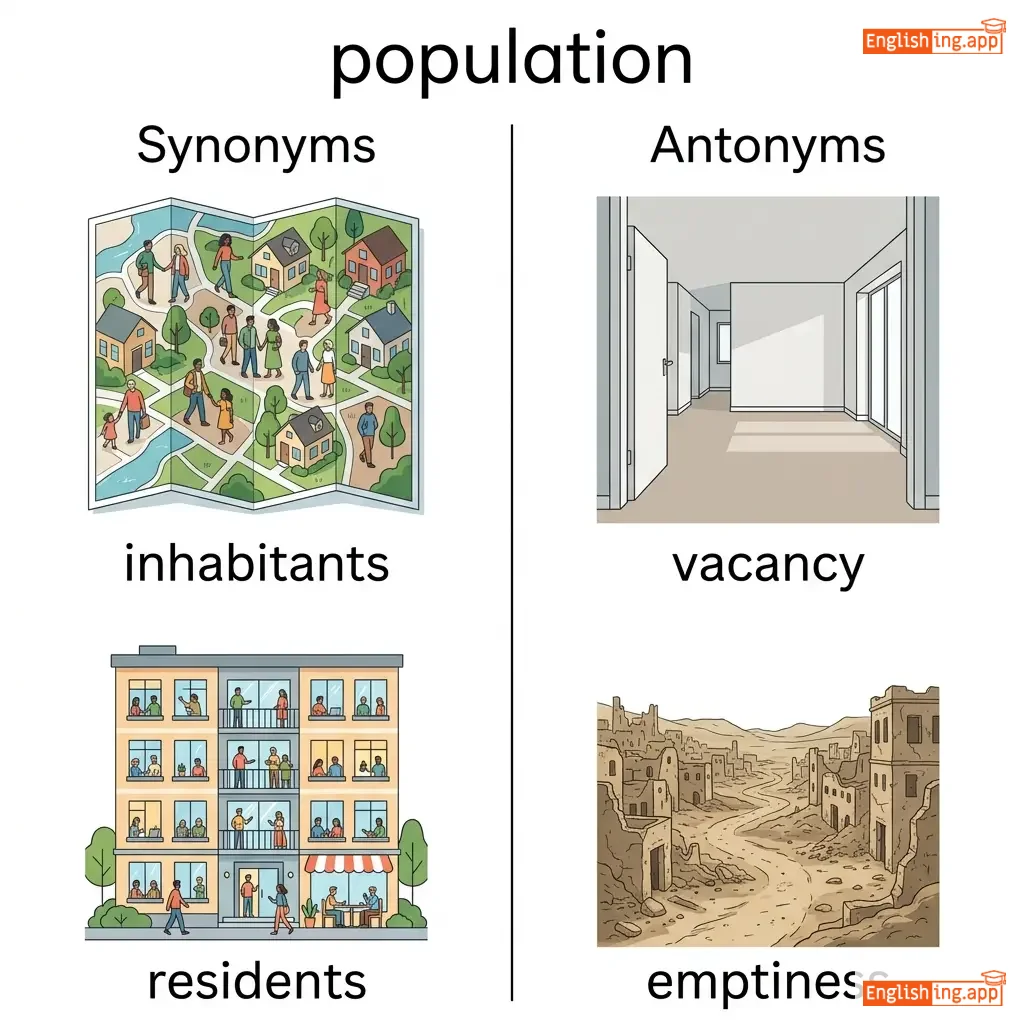
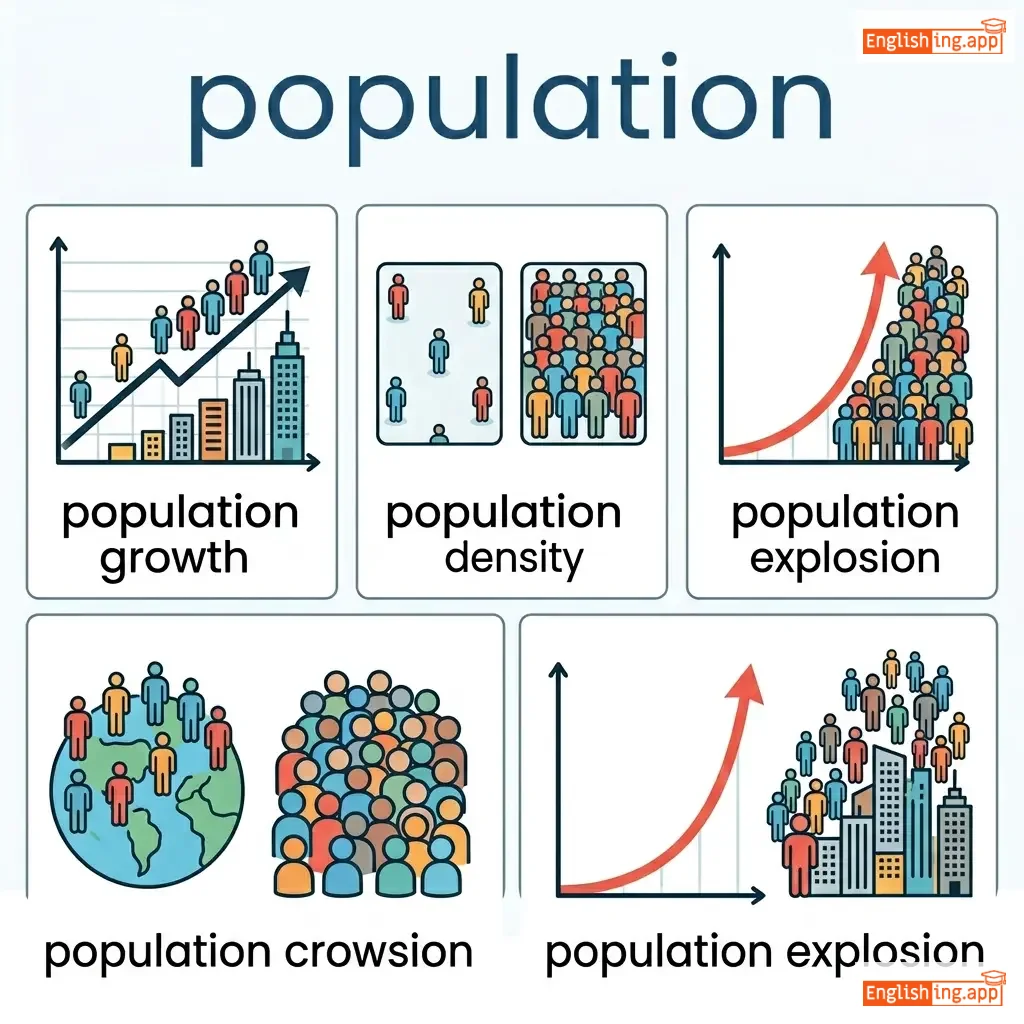
|
人口
rénkǒu
••••••
|
- •••••• | - •••••• | - •••••• | - •••••• |
the number of people living in a particular area; all the inhabitants of a particular place
••••••
|
The population of this city has grown rapidly in recent years. |
这座城市的总人口在近年来迅速增长。
Zhèzuò chéngshì de zǒng rénkǒu zài jìnnián lái xùnsù zēngzhǎng.
••••••
|
- •••••• | - •••••• | - •••••• |
inhabitants, residents, citizens, people
••••••
|
depopulation, evacuation
••••••
|
population growth, population density, aging population, urban population
••••••
|
‘人口’ sounds like ‘Renkou’ – think of counting people in a city!
••••••
|
|
🏡
••••••
|
/pɔːrtʃ/
noun
(pɔːrtʃ)
••••••
|
- •••••• |
门廊
menlang
••••••
|
- •••••• | - •••••• | - •••••• | - •••••• |
a covered area at the entrance of a building, often with a roof and open sides
••••••
|
We sat on the porch and enjoyed the evening breeze. |
我们坐在门廊上,享受晚风。
Wo men zuo zai menlang shang, xiangshou wanfeng.
••••••
|
- •••••• | - •••••• | - •••••• |
veranda, balcony, terrace, entryway
••••••
|
indoor, interior
••••••
|
front porch, back porch, porch swing, sitting on the porch
••••••
|
The porch is like '门廊' (menlang) where you relax.
••••••
|
|
⚓
••••••
|
/pɔːrt/
noun
••••••
|
|
- •••••• | - •••••• | - •••••• | - •••••• | - •••••• |
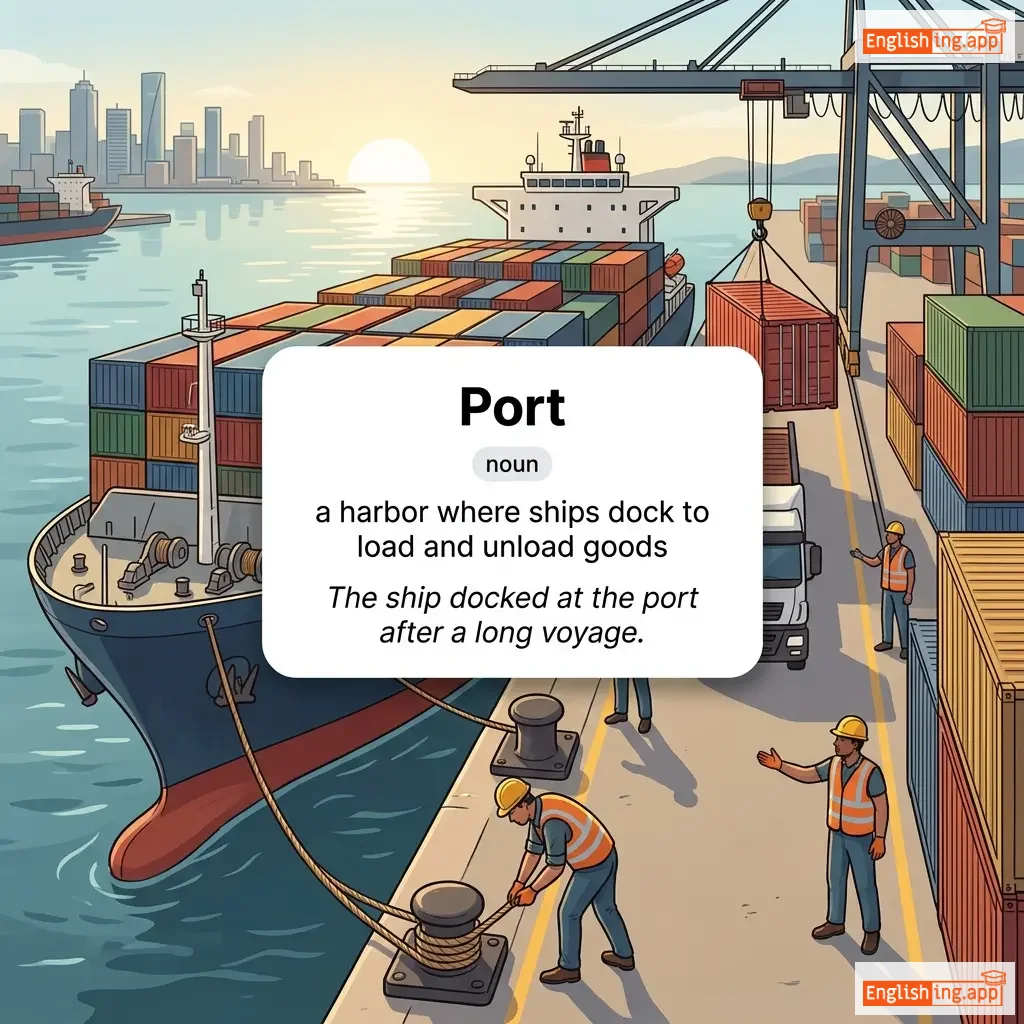
a harbor where ships dock to load and unload goods
••••••
|
The ship docked at the port after a long voyage. |
- •••••• | - •••••• | - •••••• | - •••••• |
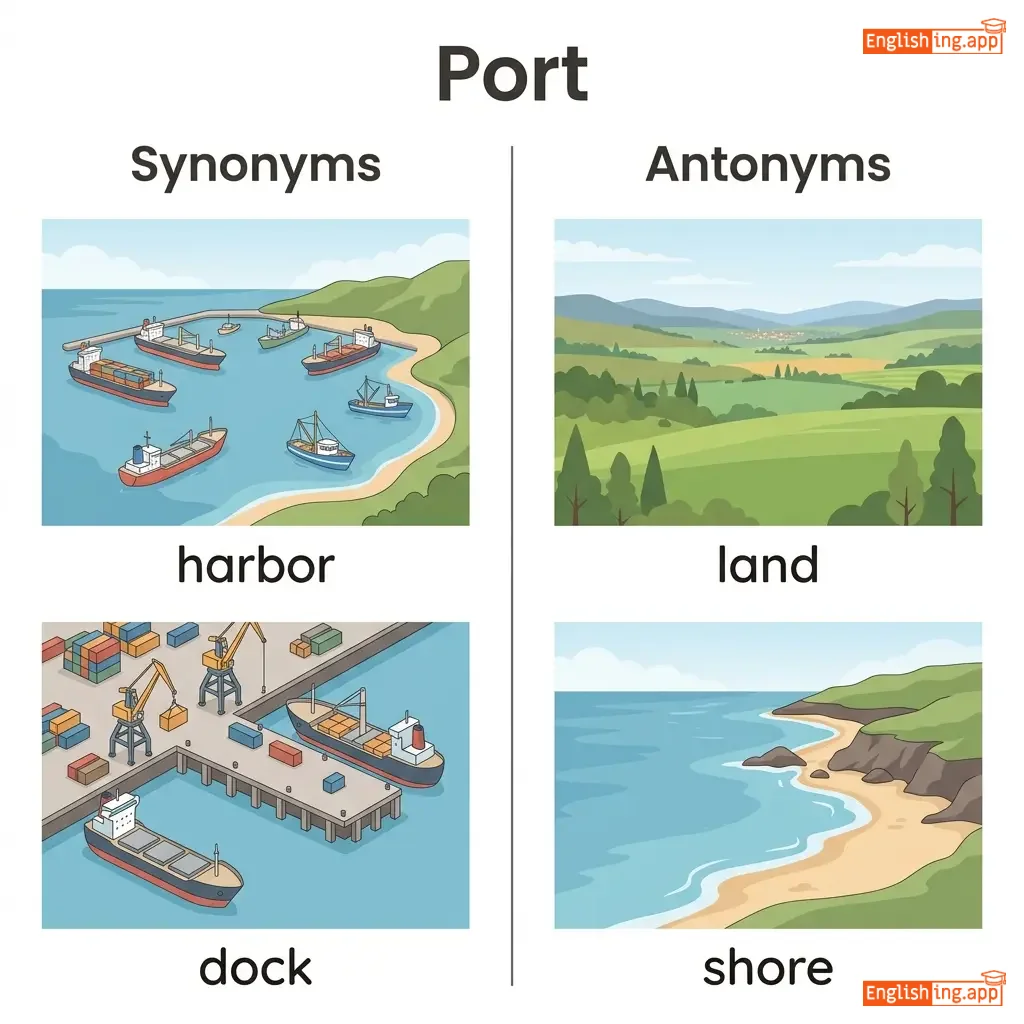
harbor, dock, quay, marina
••••••
|
land, shore
••••••
|
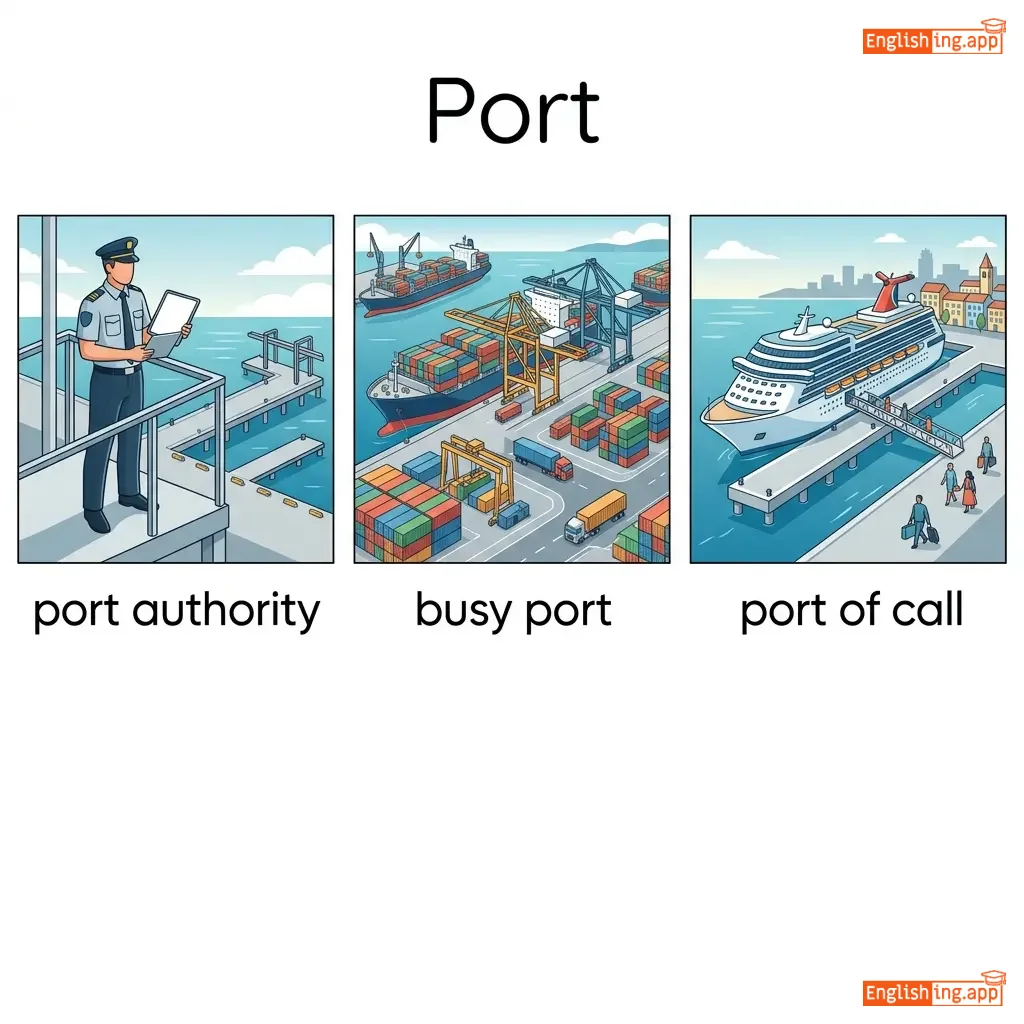
port authority, busy port, port of call, shipping port
••••••
|
No •••••• |
|
🍽️
••••••
|
/ˈpɔːrʃən/
noun
(pɔːrʃən)
••••••
|
- •••••• |
部分
bùfen
••••••
|
- •••••• | - •••••• | - •••••• | - •••••• |
A part or share of something.
••••••
|
She ate only a small portion of the meal.
她只吃了餐点的一小部分。
••••••
|
她只吃了餐点的一小部分。
Tā zhǐ chīle cāndiǎn de yī xiǎo bùfen.
••••••
|
a fair portion
公平的部分
••••••
|
a reasonable or equal share
••••••
|
公平的部分
gōngpíng de bùfen
••••••
|
part, share, section, division, piece
••••••
|
whole, entirety
••••••
|
portion size, large portion, small portion, portion control
••••••
|
Portion 代表了一餐的部分
••••••
|

