|
表情符号
|
单词 | Images | 翻译 | 过去时 | 过去分词 | 第三人称单数 | 动名词 | 含义 | 例句 | 例句翻译 | 示例表达 | 示例表达含义 | 示例表达翻译 | 同义词 | 反义词 | 搭配词 | 助记符 |
|---|---|---|---|---|---|---|---|---|---|---|---|---|---|---|---|---|---|
|
🌿
••••••
|
/bʊʃ/
noun
(bush)
••••••
|
- •••••• |
灌木丛
guànmù cóng
••••••
|
- •••••• | - •••••• | - •••••• | - •••••• |
a plant with many small branches growing close to the ground; a shrub
••••••
|
A rabbit was hiding under the bush. |
一只兔子藏在灌木丛下。
Yī zhī tùzi cáng zài guànmù cóng xià.
••••••
|
beat around the bush |
to avoid talking about the main point
••••••
|
绕弯子说话
rào wānzi shuōhuà
••••••
|
shrub, hedge, thicket, plant, undergrowth
••••••
|
tree, lawn
••••••
|
bush fire, rose bush, green bush, dense bush
••••••
|
Bush意味着灌木丛 🌿 — 想象有人绕弯子说话,避免谈论主要问题。
••••••
|
|
💼
••••••
|
/ˈbɪznəsmæn/
noun
(bɪznəs mæn)
••••••
|
- •••••• |
商人
shāngrén
••••••
|
- •••••• | - •••••• | - •••••• | - •••••• |
a person engaged in commercial or industrial business activities
••••••
|
The businessman invested heavily in new technology. |
商人们在新技术上进行了大量投资。
Shāngrén men zài xīn jìshù shàng jìnxíngle dàliàng tóuzī.
••••••
|
- •••••• | - •••••• | - •••••• |
entrepreneur, trader, merchant, industrialist, executive
••••••
|
employee, worker
••••••
|
successful businessman, local businessman, young businessman, wealthy businessman
••••••
|
Businessman 意味着商人 💼 — Business 意味着商业,因此 businessman 是从事商业的人!
••••••
|
|
💼
••••••
|
/ˈbɪznəsˌwʊmən/
noun
(比兹内斯伍门)
••••••
|
- •••••• |
女商人
nv shang ren
••••••
|
- •••••• | - •••••• | - •••••• | - •••••• |
a woman who works in business, especially one who owns or manages a company
••••••
|
The businesswoman expanded her company into international markets.
这 比兹内斯伍门 扩展 赫 公司 到 国际 市场。
••••••
|
这位女商人将她的公司扩展到国际市场。
Zhe wei nv shang ren jiang ta de gongsi kuozhan dao guoji shichang
••••••
|
- •••••• | - •••••• | - •••••• |
female entrepreneur, business executive, business owner, company director
••••••
|
businessman, employee
••••••
|
successful businesswoman, young businesswoman, businesswoman entrepreneur, leading businesswoman
••••••
|
女商人 = 女 + 商业 → businesswoman
••••••
|
|
💥
••••••
|
/bʌst/
noun/verb
••••••
|
- •••••• | - •••••• |
busted
••••••
|
busted
••••••
|
busts
••••••
|
busting
••••••
|
As a noun: A sculpture of a person's head, shoulders, and chest; As a verb: To break, smash, or arrest.
••••••
|
The police busted the gang last night. |
- •••••• |
go bust |
To go bankrupt or fail completely.
••••••
|
- •••••• |
break, smash, ruin, collapse, arrest
••••••
|
fix, repair, succeed
••••••
|
go bust, bust a move, bust up, bust open
••••••
|
No •••••• |
|
👗
••••••
|
/ˈbʌsti/
adjective
(巴斯蒂)
••••••
|
- •••••• |
胸部丰满的
xiong bu feng man de
••••••
|
- •••••• | - •••••• | - •••••• | - •••••• |
having a large or full bust; describing a woman with a prominent chest
••••••
|
The actress was often described as busty in fashion magazines.
泽 艾克崔斯 沃兹 奥芬 迪斯克莱布德 阿兹 巴斯蒂 因 法申 麦格兹。
••••••
|
这位女演员在时尚杂志中常被形容为胸部丰满的。
Zhe wei nv yanyuan zai shishang zazhi zhong chang bei xingrong wei xiong bu feng man de
••••••
|
- •••••• | - •••••• | - •••••• |
curvaceous, well-endowed, full-bosomed, buxom
••••••
|
flat-chested, slim
••••••
|
busty figure, busty woman, busty appearance
••••••
|
Busty 听起来像 bust,对应中文胸部丰满。
••••••
|
|
🐝
••••••
|
/ˈbɪzi/
adjective
(bīzī)
••••••
|
- •••••• |
忙碌
mánglù
••••••
|
- •••••• | - •••••• | - •••••• | - •••••• |
actively engaged in work or activity; occupied
••••••
|
He is too busy to answer the phone. |
他太忙了,无法接电话。
Tā tài máng le, wúfǎ jiē diànhuà.
••••••
|
busy as a bee |
extremely active and hardworking
••••••
|
忙得像蜜蜂
máng de xiàng mìfēng
••••••
|
occupied, engaged, active, industrious
••••••
|
idle, free, inactive
••••••
|
busy schedule, busy street, busy day, keep busy
••••••
|
像蜜蜂一样忙碌!
••••••
|
|
🐐
••••••
|
/bʌt/
verb
(bā tè)
••••••
|
|
撞头
zhuang tou
••••••
|
butted
bā tèd
••••••
|
butted
bā tèd
••••••
|
butts
bā ts
••••••
|
butting
bā tīng
••••••
|
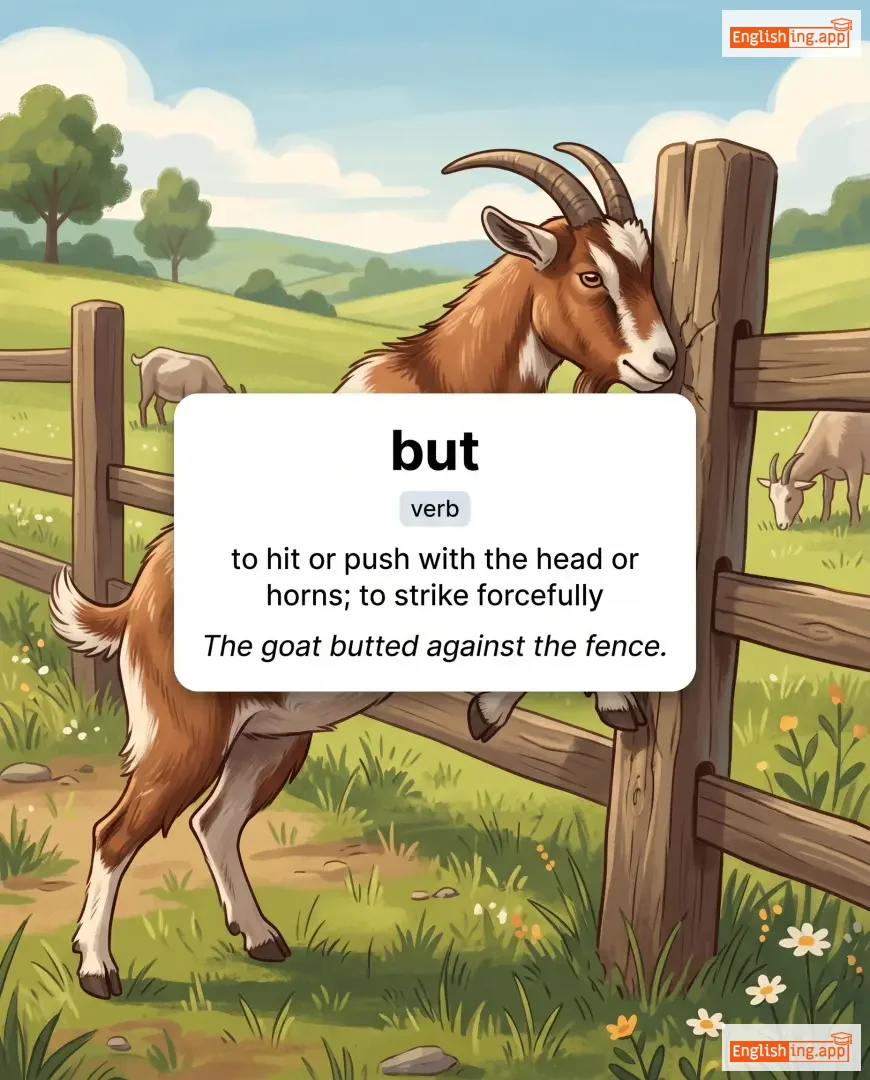
to hit or push with the head or horns; to strike forcefully
••••••
|
The goat butted against the fence.
山羊撞到了篱笆。
••••••
|
山羊撞到了篱笆。
Shānyáng zhuàng dào le líbā.
••••••
|
- •••••• | - •••••• | - •••••• |
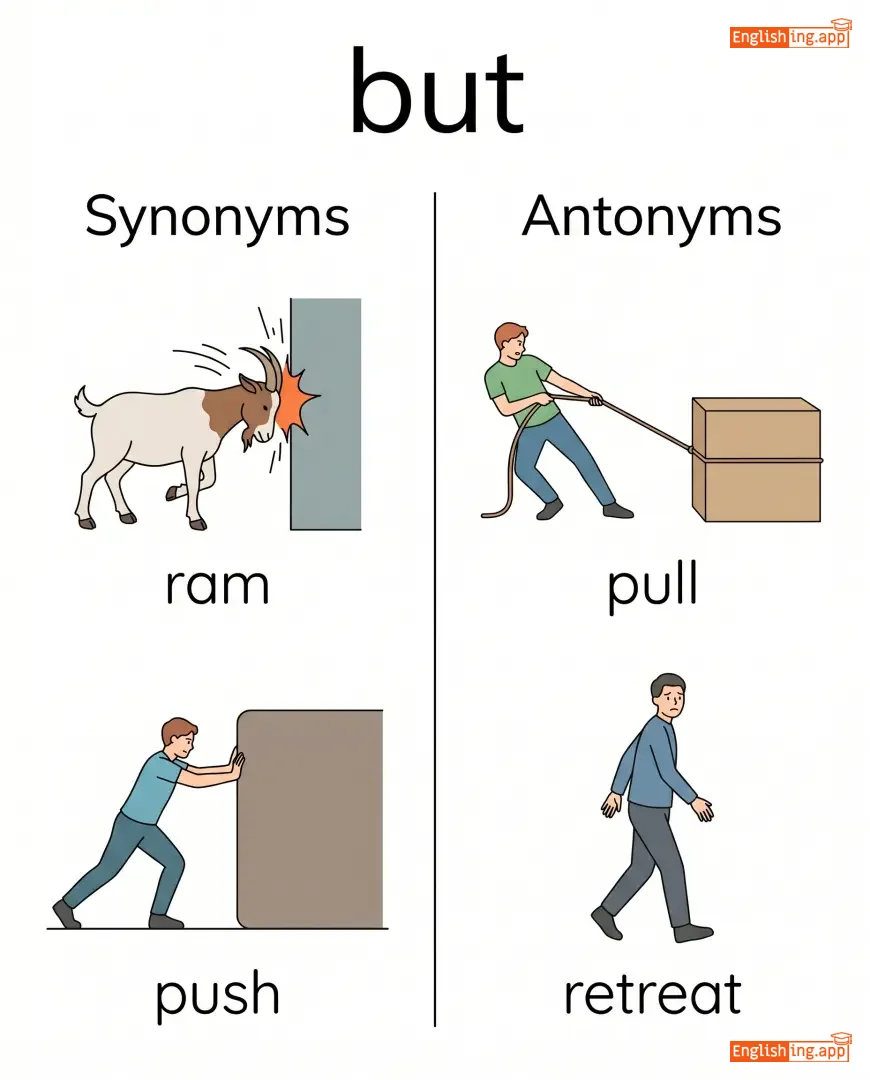
ram, push, strike, hit
••••••
|
pull, retreat, withdraw
••••••
|
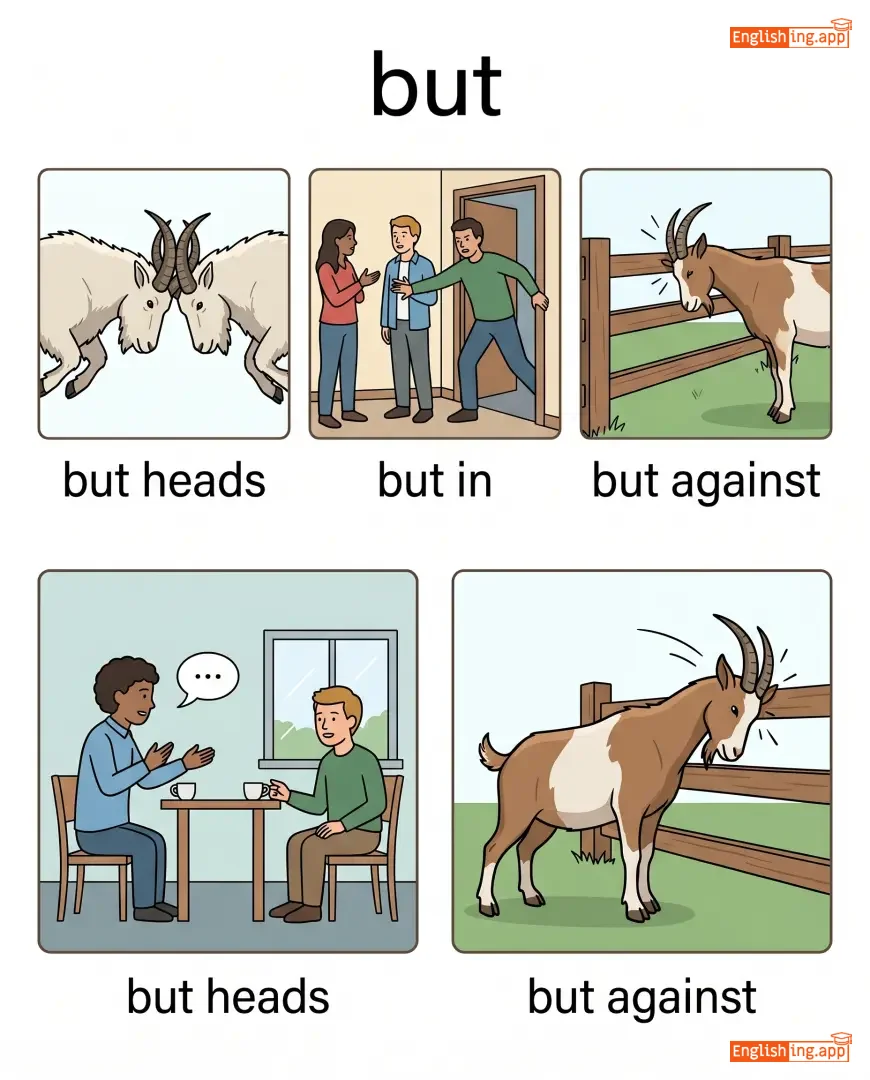
but heads, but in, but against, violently but, forcefully but
••••••
|
Headbutt the fence, like a goat!
••••••
|
|
🥩
••••••
|
/ˈbʊt.ʃər/
noun
(bùchī)
••••••
|
- •••••• |
屠夫
túfū
••••••
|
- •••••• | - •••••• | - •••••• | - •••••• |
a person whose job is cutting up and selling meat in a shop
••••••
|
The butcher recommended the best cut of beef for our dinner. |
屠夫推荐了我们晚餐的最佳牛肉切块。
Túfū tuījiànle wǒmen wǎncān de zuìjiā niúròu qiē kuài.
••••••
|
- •••••• | - •••••• | - •••••• |
meat cutter, slaughterer, meat seller
••••••
|
vegetarian, vegan, herbivore
••••••
|
local butcher, skilled butcher, butcher shop, meat butcher
••••••
|
Túfū sounds like 'cut', matching the job of cutting meat.
••••••
|
|
🧈
••••••
|
/ˈbʌtər/
noun, verb
••••••
|
- •••••• | - •••••• |
buttered
••••••
|
buttered
••••••
|
butters
••••••
|
buttering
••••••
|
a pale yellow edible fat made from cream; to spread butter on something
••••••
|
She buttered a slice of bread before eating. |
- •••••• |
butter someone up |
to flatter someone to gain favor
••••••
|
- •••••• |
spread, dairy, margarine, fat
••••••
|
oil, lean
••••••
|
bread and butter, melted butter, butter knife, butter up
••••••
|
No •••••• |
|
🦋
••••••
|
/ˈbʌtərflaɪ/
noun
(bāterflāi)
••••••
|
- •••••• |
蝴蝶
hudie
••••••
|
- •••••• | - •••••• | - •••••• | - •••••• |
an insect with large, often brightly colored wings that flies during the day
••••••
|
A beautiful butterfly landed on the flower. |
一只美丽的蝴蝶停在花上。
Yī zhī měilì de húdié tíng zài huā shàng.
••••••
|
social butterfly |
a person who loves to socialize and move among people
••••••
|
- •••••• |
moth, insect, flier, creature, bug
••••••
|
caterpillar, larva
••••••
|
butterfly wings, butterfly garden, butterfly effect, butterfly species
••••••
|
Butter + fly = 蝴蝶, 像蝴蝶一样飞翔。
••••••
|
|
🔘
••••••
|
/ˈbʌtən/
noun
(bàtēn)
••••••
|
|
按钮
anniu
••••••
|
- •••••• | - •••••• | - •••••• | - •••••• |
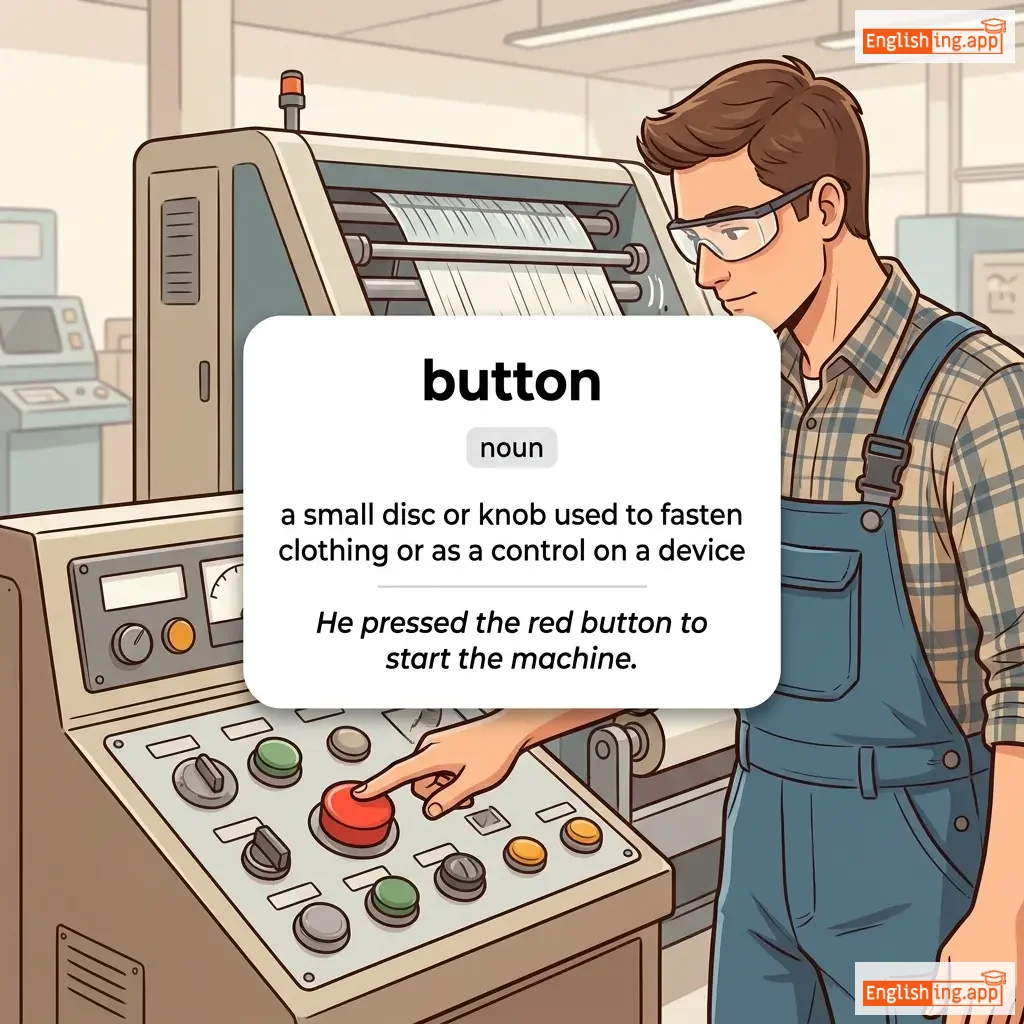
a small disc or knob used to fasten clothing or as a control on a device
••••••
|
He pressed the red button to start the machine. |
他按下了红色按钮以启动机器。
Tā àn xiàle hóngsè ànniǔ yǐ qǐdòng jīqì.
••••••
|
push the right button |
to say or do something that perfectly satisfies or irritates someone
••••••
|
按对按钮
àn duì ànniǔ
••••••
|
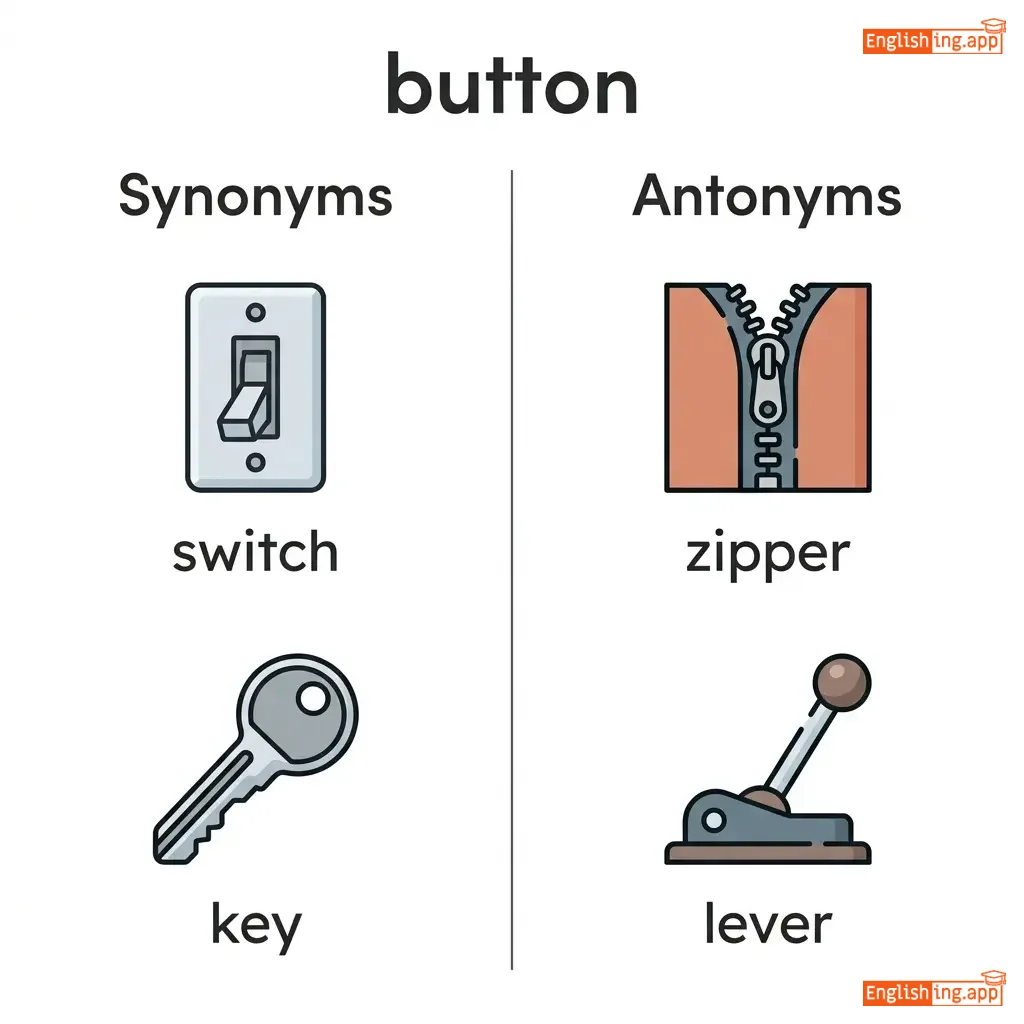
switch, key, control, knob, fastener
••••••
|
zipper, lever
••••••
|
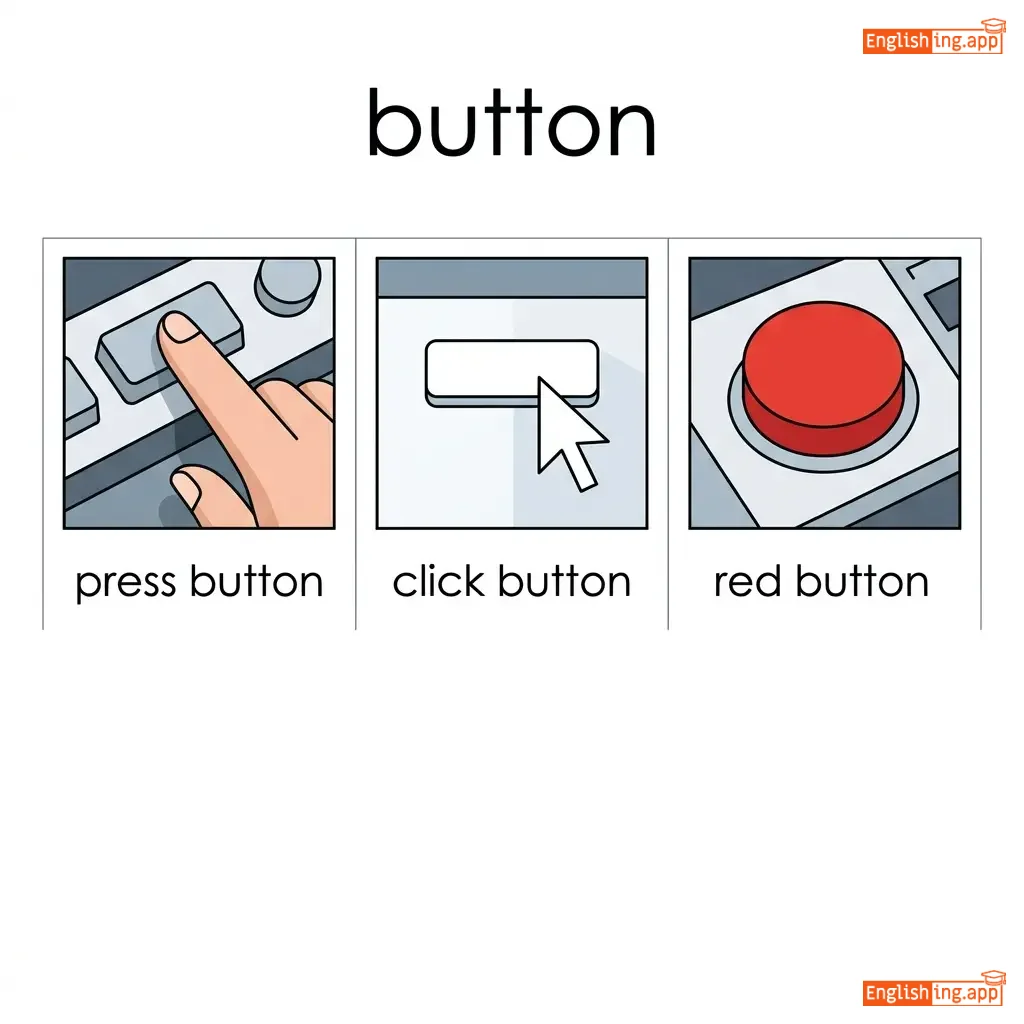
press button, click button, red button, panic button
••••••
|
按下按钮,机器启动,世界开始运转。
••••••
|
|
🛒
••••••
|
/baɪ/
verb
(bai)
••••••
|

|
买
mai
••••••
|
bought
bot
••••••
|
bought
bot
••••••
|
buys
bais
••••••
|
buying
baiing
••••••
|
to acquire something in exchange for money
••••••
|
She went to the market to buy fresh vegetables.
她去市场买新鲜蔬菜。
••••••
|
她去市场买新鲜蔬菜。
Ta qu shichang mai xinxian shucai.
••••••
|
buy time
买时间
••••••
|
to delay something in order to gain more time
••••••
|
买时间
mai shijian
••••••
|
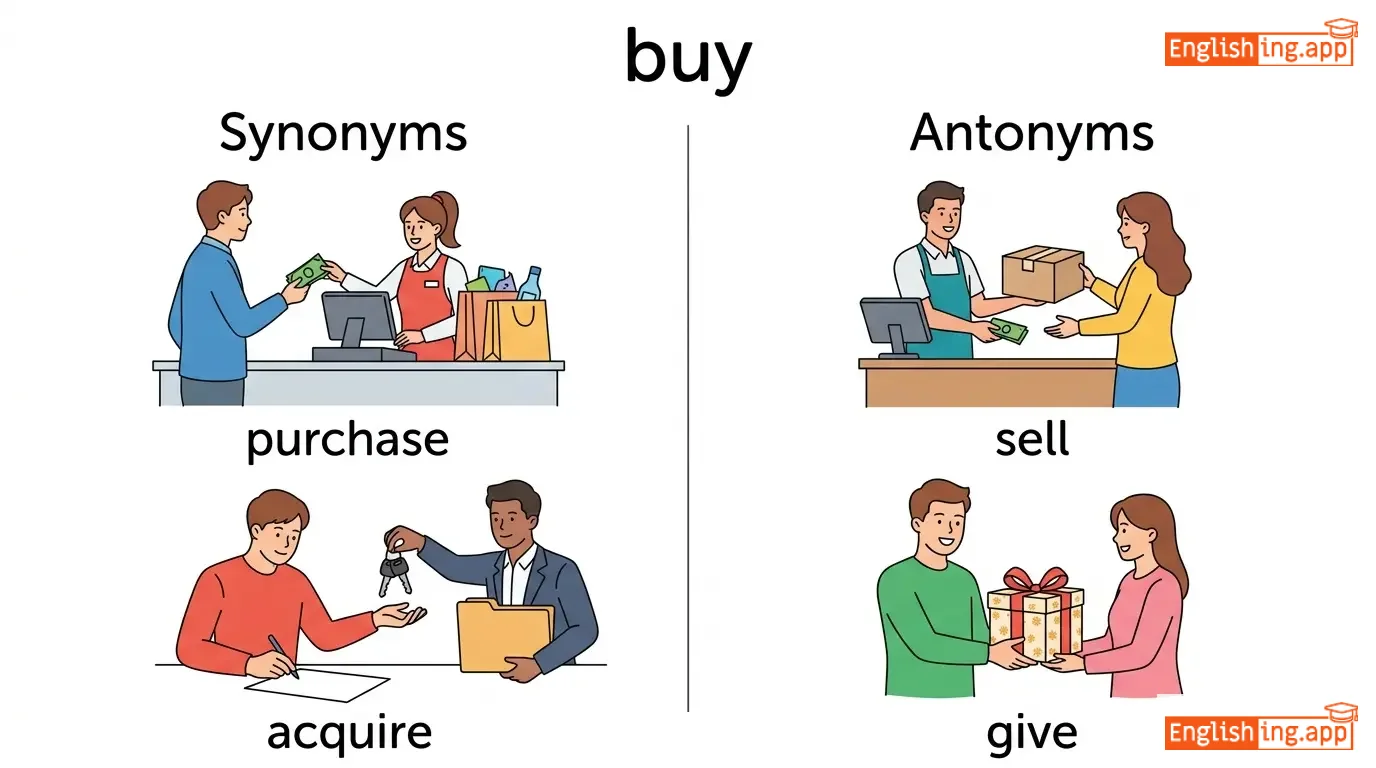
purchase, acquire, obtain, get, procure
••••••
|
sell, give
••••••
|
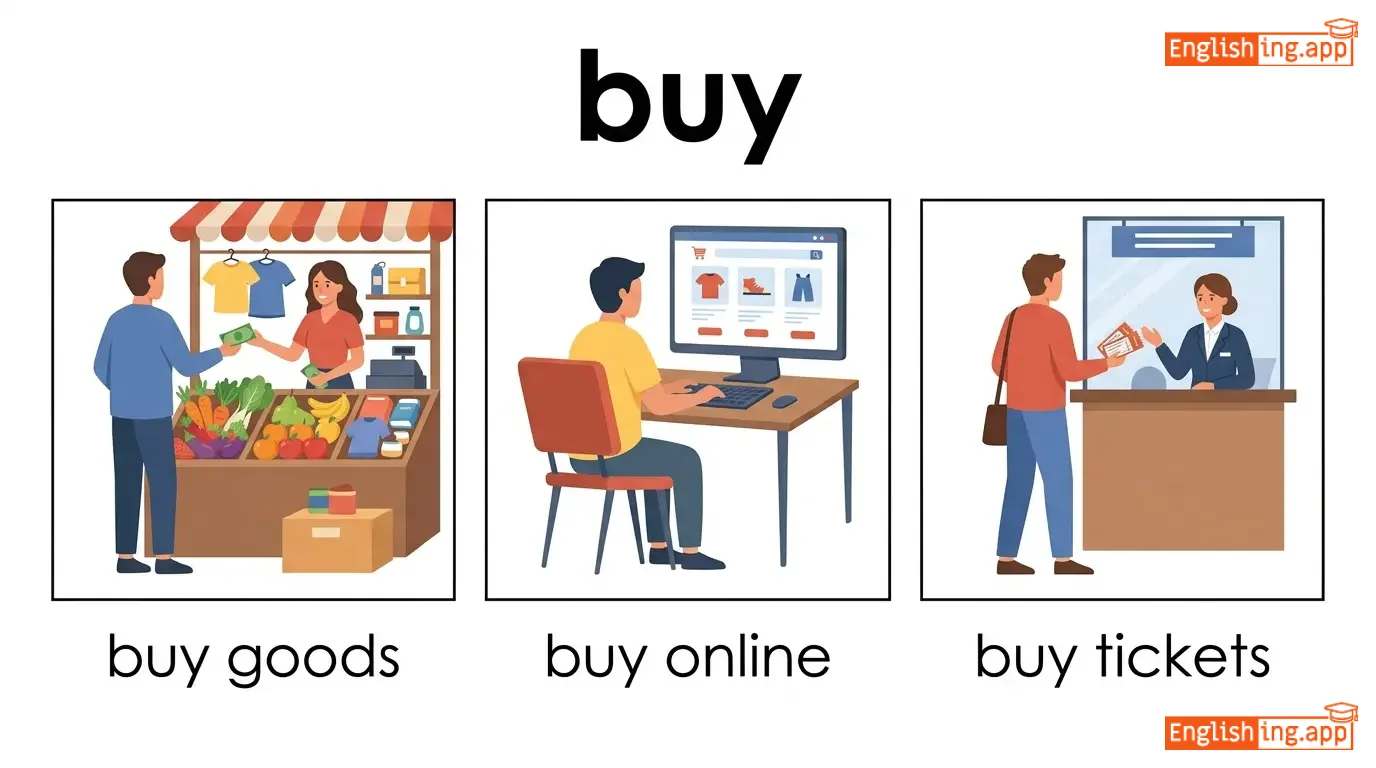
buy goods, buy online, buy tickets, buy food
••••••
|
Buy是买的意思,去市场buy新鲜蔬菜!
••••••
|
|
🛒
••••••
|
/ˈbaɪər/
noun
(bāyǎ)
••••••
|
- •••••• |
买家
maijia
••••••
|
- •••••• | - •••••• | - •••••• | - •••••• |
a person who makes a purchase
••••••
|
The buyer inspected the car before making payment. |
买家在付款之前检查了这辆车。
Maijia zai fukuan zhīqián jiǎnchále zhè liàng chē.
••••••
|
buyer beware |
the buyer alone is responsible for checking the quality of goods
••••••
|
买家小心
Maijia xiaoxin
••••••
|
customer, purchaser, client, consumer
••••••
|
seller, vendor
••••••
|
buyer demand, buyer behavior, new buyer, property buyer
••••••
|
Buyer 意思是买家 – 想象 'Buy' 就是买家。
••••••
|
|
🐝
••••••
|
/bʌz/
noun, verb
(巴兹)
••••••
|
- •••••• |
嗡嗡声
weng weng sheng
••••••
|
buzzed
巴兹德
••••••
|
buzzed
巴兹德
••••••
|
buzzes
巴兹兹
••••••
|
buzzing
巴兹英
••••••
|
to make a low continuous humming sound; a feeling of excitement or interest
••••••
|
I could hear the phone buzz during the meeting.
艾 库德 希尔 德 风 巴兹 杜瑞英 德 米亭。
••••••
|
开会时我听到了手机的嗡嗡声。
Kaihui shi wo tingdao le shouji de wengweng sheng
••••••
|
buzz off
巴兹 奥夫
••••••
|
go away; leave someone alone
••••••
|
走开
zou kai
••••••
|
hum, whirr, ring, excitement, stir
••••••
|
silence, calm, quiet
••••••
|
phone buzz, buzzing sound, media buzz, create a buzz, constant buzz
••••••
|
Buzz 就像 蜜蜂 嗡嗡声
••••••
|
|
➡️
••••••
|
/baɪ/
preposition
(bāi)
••••••
|
- •••••• |
通过
tongguo
••••••
|
- •••••• | - •••••• | - •••••• | - •••••• |
indicating the agent performing an action, or the means of achieving something
••••••
|
The book was written by a famous author. |
这本书是通过一位著名的作者写的。
Zhe ben shu shi tongguo yi wei zhuming de zuozhe xie de.
••••••
|
by heart |
to memorize something completely
••••••
|
背诵
beisong
••••••
|
through, via, from, with
••••••
|
without, beyond
••••••
|
by chance, by mistake, by the way, by law
••••••
|
BY 意思是通过 – 书是通过作者写的。
••••••
|
|
👋
••••••
|
/baɪ/
interjection
(拜)
••••••
|
- •••••• |
再见
zaijian
••••••
|
- •••••• | - •••••• | - •••••• | - •••••• |
used to say goodbye; a short and informal farewell
••••••
|
I said bye to her before leaving.
艾 塞德 拜 图 她 比佛 离文
••••••
|
离开前我对她说了再见。
likai qian wo dui ta shuo le zaijian
••••••
|
bye-bye
拜拜
••••••
|
an informal or childlike way to say goodbye
••••••
|
拜拜
baibai
••••••
|
goodbye, farewell, adieu, see ya
••••••
|
hello, hi
••••••
|
say bye, wave bye, bye for now
••••••
|
bye 听起来像 拜,再见
••••••
|
|
🏠
••••••
|
/ˈkæbɪn/
noun
(kabin)
••••••
|
- •••••• |
小屋
xiao wu
••••••
|
- •••••• | - •••••• | - •••••• | - •••••• |
a small shelter or house, often made of wood in a remote area
••••••
|
They spent the weekend in a cozy cabin in the mountains. |
他们在山中的一个舒适小屋里度过了周末。
Tamen zai shan zhong de yige shushi xiao wu li duoguo le zhoumo.
••••••
|
cabin fever |
restlessness and irritability caused by prolonged indoor confinement
••••••
|
小屋症候群
xiao wu zheng hou qun
••••••
|
hut, lodge, cottage, shack, shelter
••••••
|
mansion, palace
••••••
|
log cabin, cabin crew, cabin fever, mountain cabin
••••••
|
Cabin意味着小屋,想象一下在小屋里舒适地度过时光。
••••••
|
|
🗄️
••••••
|
/ˈkæbənɪt/
noun
(内阁)
••••••
|
- •••••• |
内阁 / 橱柜
nèi gé / chú guì
••••••
|
- •••••• | - •••••• | - •••••• | - •••••• |
A group of senior government ministers; or a cupboard with shelves or drawers.
••••••
|
The prime minister reshuffled the cabinet last month. |
总理上个月重新调整了内阁。
Zǒnglǐ shàng gè yuè chóngxīn tiáozhěngle nèi gé.
••••••
|
cabinet reshuffle |
A reorganization of government ministers.
••••••
|
内阁重组
nèi gé chóng zǔ
••••••
|
council, ministry, cupboard, committee
••••••
|
individual, disorganization
••••••
|
kitchen cabinet, cabinet meeting, cabinet reshuffle, medicine cabinet
••••••
|
Cab + net → 内阁是政府的核心
••••••
|
|
📡
••••••
|
/ˈkeɪ.bəl/
noun
••••••
|
|
- •••••• | - •••••• | - •••••• | - •••••• | - •••••• |
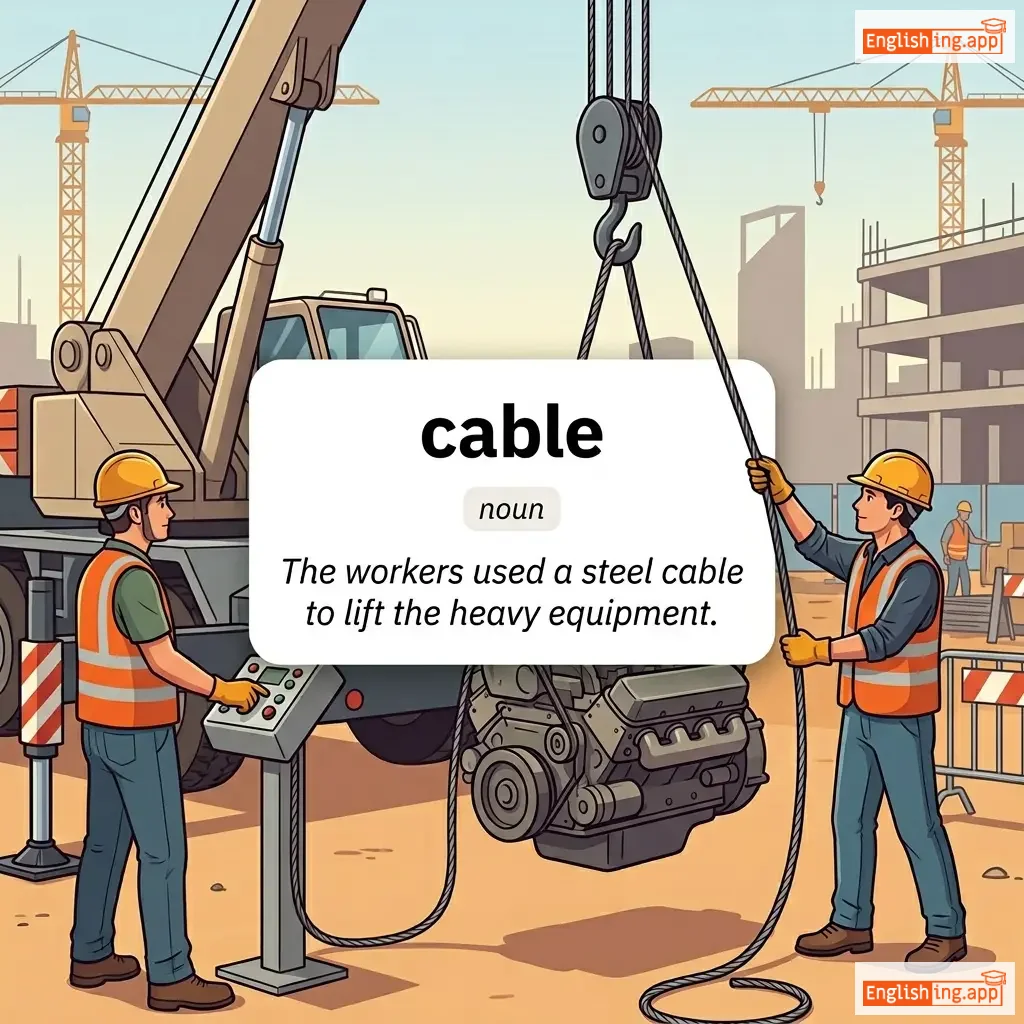
a thick, strong rope made of metal wires or fibers; a system of wires used for transmitting signals or electricity
••••••
|
The workers used a steel cable to lift the heavy equipment. |
- •••••• |
under the cable |
a nautical term meaning below deck or out of sight
••••••
|
- •••••• |
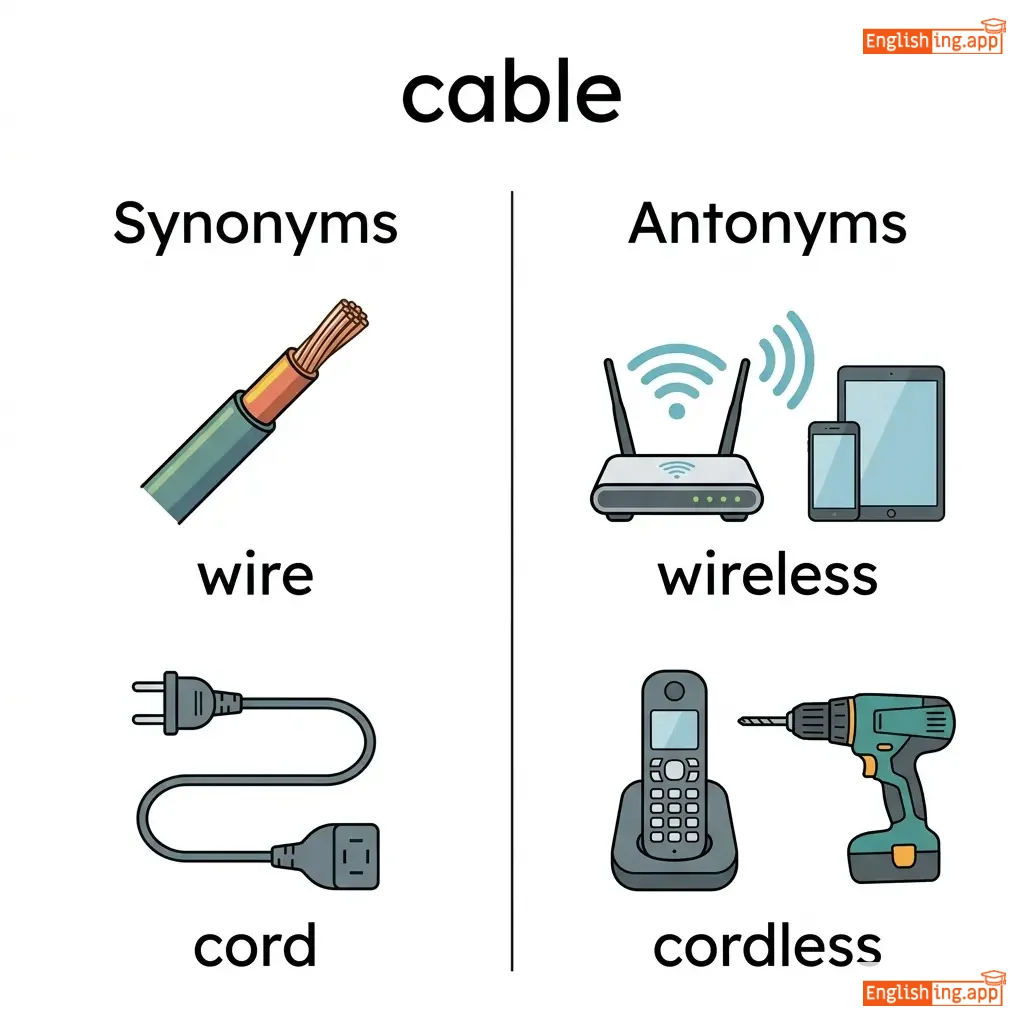
wire, cord, rope, line, connector
••••••
|
wireless, cordless
••••••
|
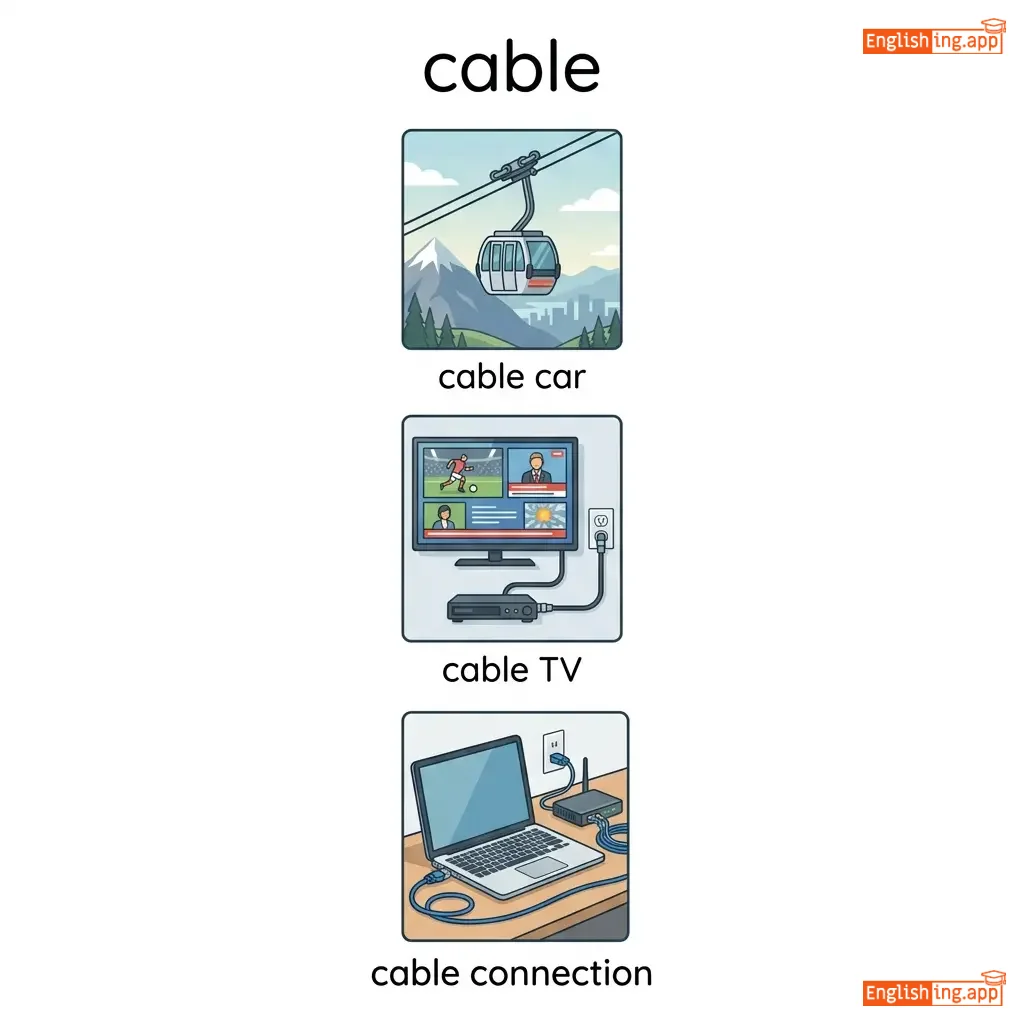
cable car, cable TV, cable connection, fiber optic cable
••••••
|
No •••••• |
|
🍰
••••••
|
/keɪk/
noun
(kèikè)
••••••
|
- •••••• |
蛋糕
dangao
••••••
|
- •••••• | - •••••• | - •••••• | - •••••• |
a sweet baked food made from flour, sugar, and other ingredients
••••••
|
She baked a chocolate cake for her friend's birthday. |
她为朋友的生日烤了一个巧克力蛋糕。
Ta wei pengyou de shengri kao le yige qiaokeli dangao.
••••••
|
a piece of cake |
something that is very easy to do
••••••
|
轻而易举
qing eryi ju
••••••
|
pastry, dessert, sponge, confection
••••••
|
meal, savory
••••••
|
birthday cake, wedding cake, chocolate cake, bake a cake
••••••
|
吃蛋糕是幸福,而当某件事情很容易时,我们说'轻而易举'。
••••••
|
|
🧮
••••••
|
/ˈkæl.kjʊ.leɪt/
verb
(计算)
••••••
|
|
计算
jisuan
••••••
|
calculated
计算了
••••••
|
calculated
计算了
••••••
|
calculates
计算
••••••
|
calculating
计算中
••••••
|
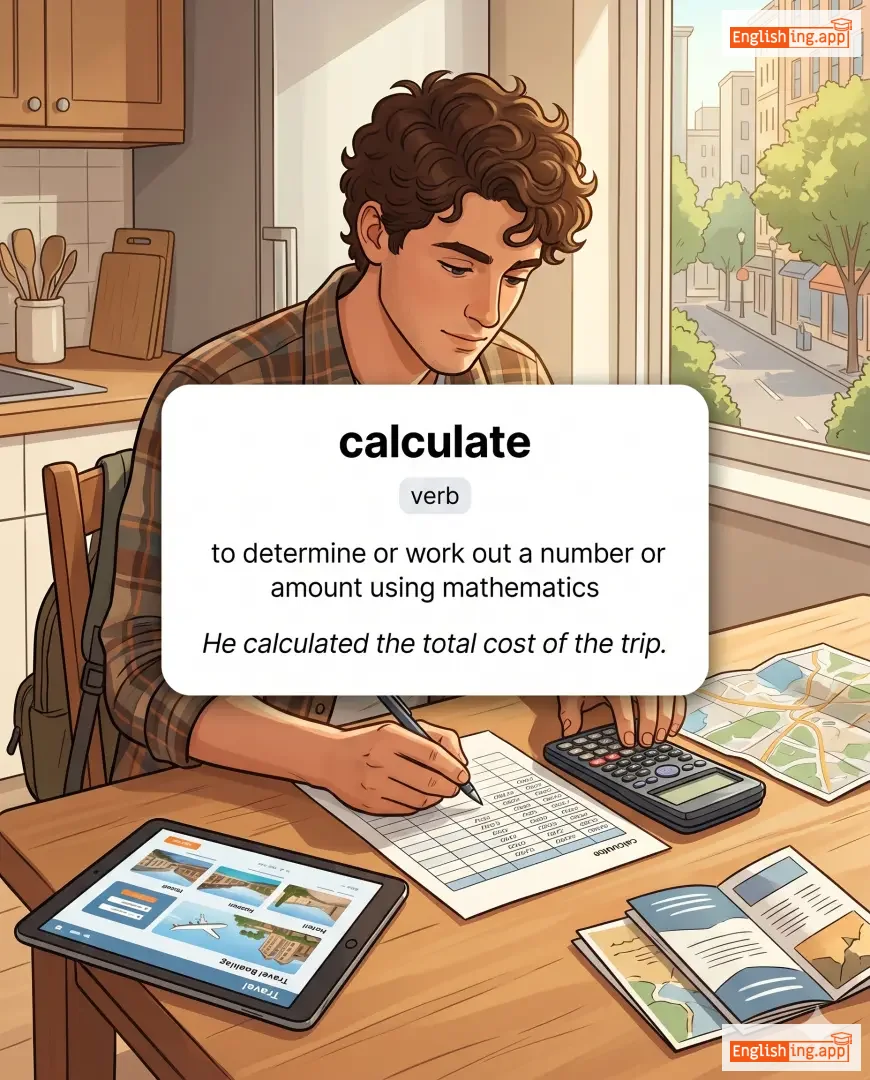
to determine or work out a number or amount using mathematics
••••••
|
He calculated the total cost of the trip.
他计算了旅行的总费用。
••••••
|
他计算了旅行的总费用。
Ta jisuanle luxing de zong feiyong.
••••••
|
calculate the odds
计算几率
••••••
|
to consider the chances of something happening
••••••
|
计算几率
jisuan jilv
••••••
|
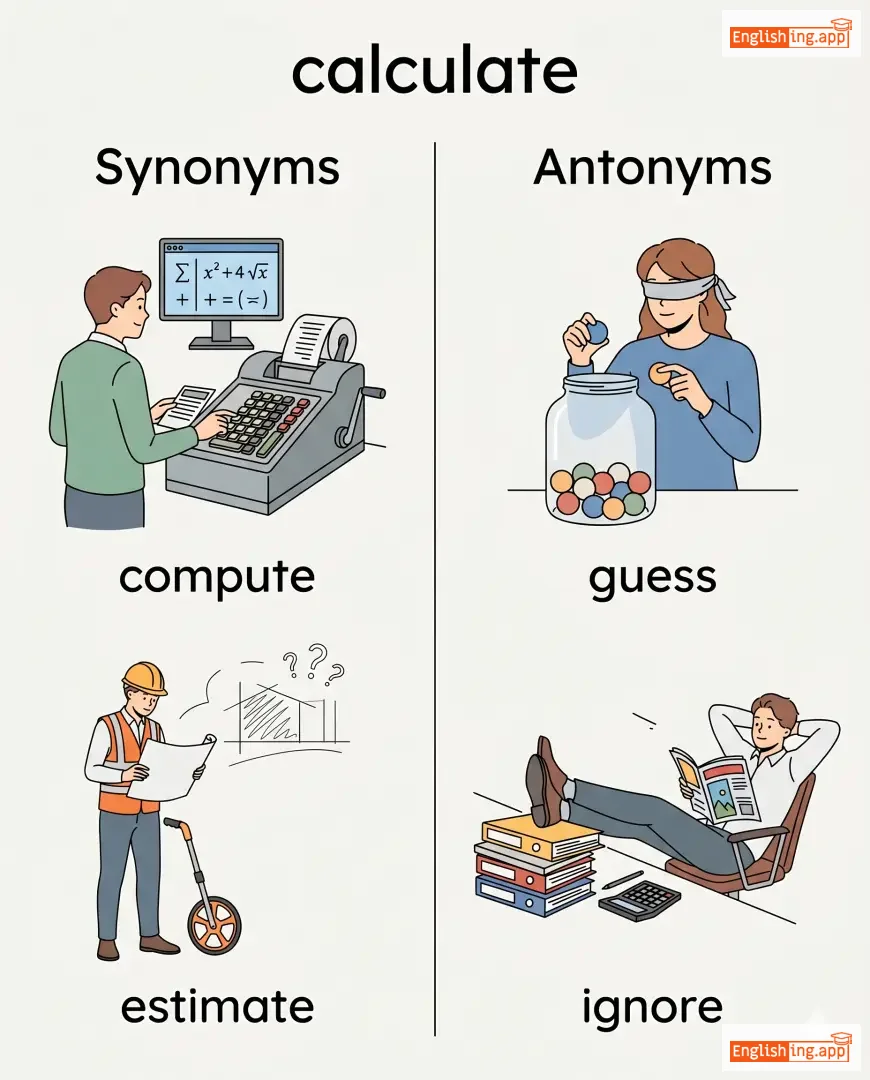
compute, estimate, count, evaluate, figure
••••••
|
guess, ignore, neglect
••••••
|
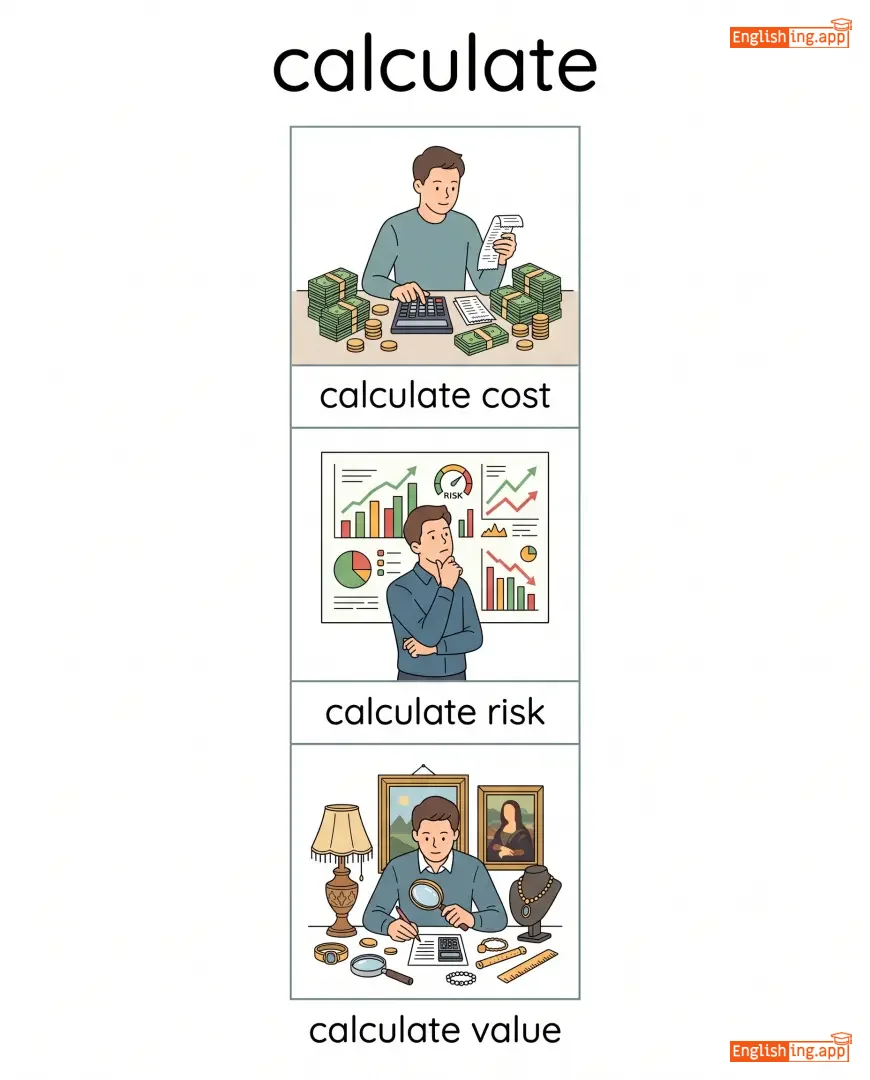
calculate cost, calculate risk, calculate value, calculate interest
••••••
|
Calculate意味着计算,记住我们使用计算器
••••••
|
|
🧮
••••••
|
/ˌkælkjʊˈleɪʃən/
noun
(kao-lu-lei-shen)
••••••
|
- •••••• |
计算
jisuan
••••••
|
- •••••• | - •••••• | - •••••• | - •••••• |
the process of using numbers to find an amount or result
••••••
|
His calculation of the total cost was accurate. |
他对总成本的计算是准确的。
Ta dui zong chengben de jisuan shi zhunque de.
••••••
|
beyond calculation |
too great or extreme to be measured
••••••
|
超出计算
chaochu jisuan
••••••
|
computation, estimation, count, assessment, analysis
••••••
|
guess, miscalculation, error
••••••
|
mathematical calculation, accurate calculation, cost calculation, quick calculation
••••••
|
计算器帮助计算 — 记住,计算总是准确的!
••••••
|
|
🧮
••••••
|
/ˈkælkjʊleɪtər/
noun
(卡尔丘莱特)
••••••
|
- •••••• |
计算器
jisuanqi
••••••
|
- •••••• | - •••••• | - •••••• | - •••••• |
an electronic or mechanical device used to perform mathematical calculations
••••••
|
She used a calculator to solve the complex equation.
希 用 计算器 来 解决 复杂 的 方程。
••••••
|
她用计算器解决了复杂的方程。
ta yong jisuanqi jiejue le fuza de fangcheng
••••••
|
- •••••• | - •••••• | - •••••• |
computing device, adding machine, calculating machine, electronic calculator
••••••
|
guesswork, estimation
••••••
|
use a calculator, scientific calculator, pocket calculator, calculator app
••••••
|
计算器帮助你快速计算
••••••
|
|
📅
••••••
|
/ˈkælɪndər/
noun
(日历)
••••••
|
- •••••• |
日历
rìlì
••••••
|
- •••••• | - •••••• | - •••••• | - •••••• |
a system for organizing days, months, and years; a chart showing days of the year
••••••
|
She marked her birthday on the calendar. |
她在日历上标记了她的生日。
Tā zài rìlì shàng biāojìle tā de shēngrì.
••••••
|
mark your calendar |
to remember or note an important date
••••••
|
在日历上标记日期
zài rìlì shàng biāojì rìqī
••••••
|
schedule, planner, diary, almanac, timetable
••••••
|
chaos, disorder
••••••
|
wall calendar, desk calendar, yearly calendar, digital calendar
••••••
|
Calendar就是日历 — 记住,日历上显示的是一年中的所有日期!
••••••
|
|
📞
••••••
|
/kɔːl/
verb
(kao)
••••••
|
|
打电话
dǎ diànhuà
••••••
|
called
kaold
••••••
|
called
kaold
••••••
|
calls
kaos
••••••
|
calling
kao-ling
••••••
|
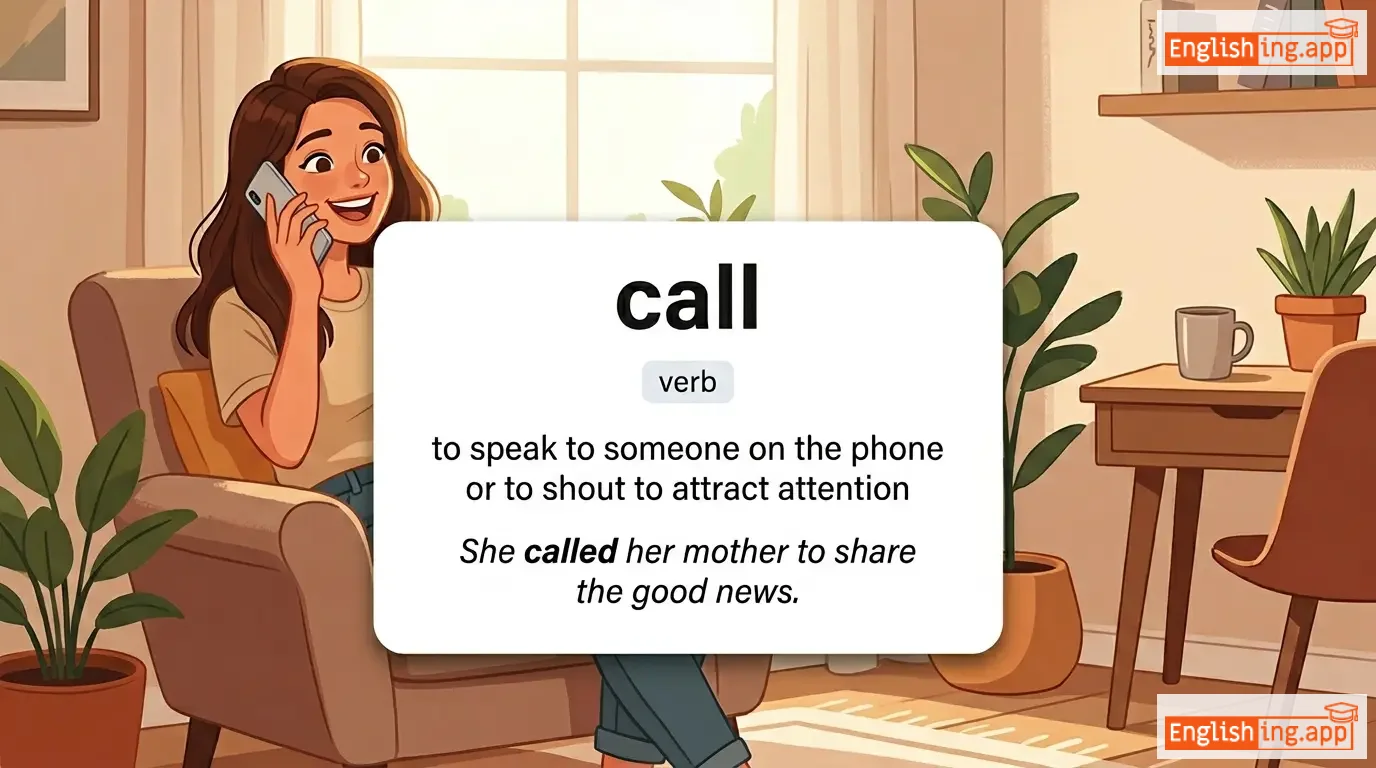
to speak to someone on the phone or to shout to attract attention
••••••
|
She called her mother to share the good news.
shi kaold her ma de tu sher de gud nius
••••••
|
她打电话给她的母亲分享好消息。
Tā dǎ diànhuà gěi tā de mǔqīn fēnxiǎng hǎo xiāoxi.
••••••
|
call it a day
kao it a dey
••••••
|
to stop working on something for the rest of the day
••••••
|
结束一天的工作
jiéshù yītiān de gōngzuò
••••••
|
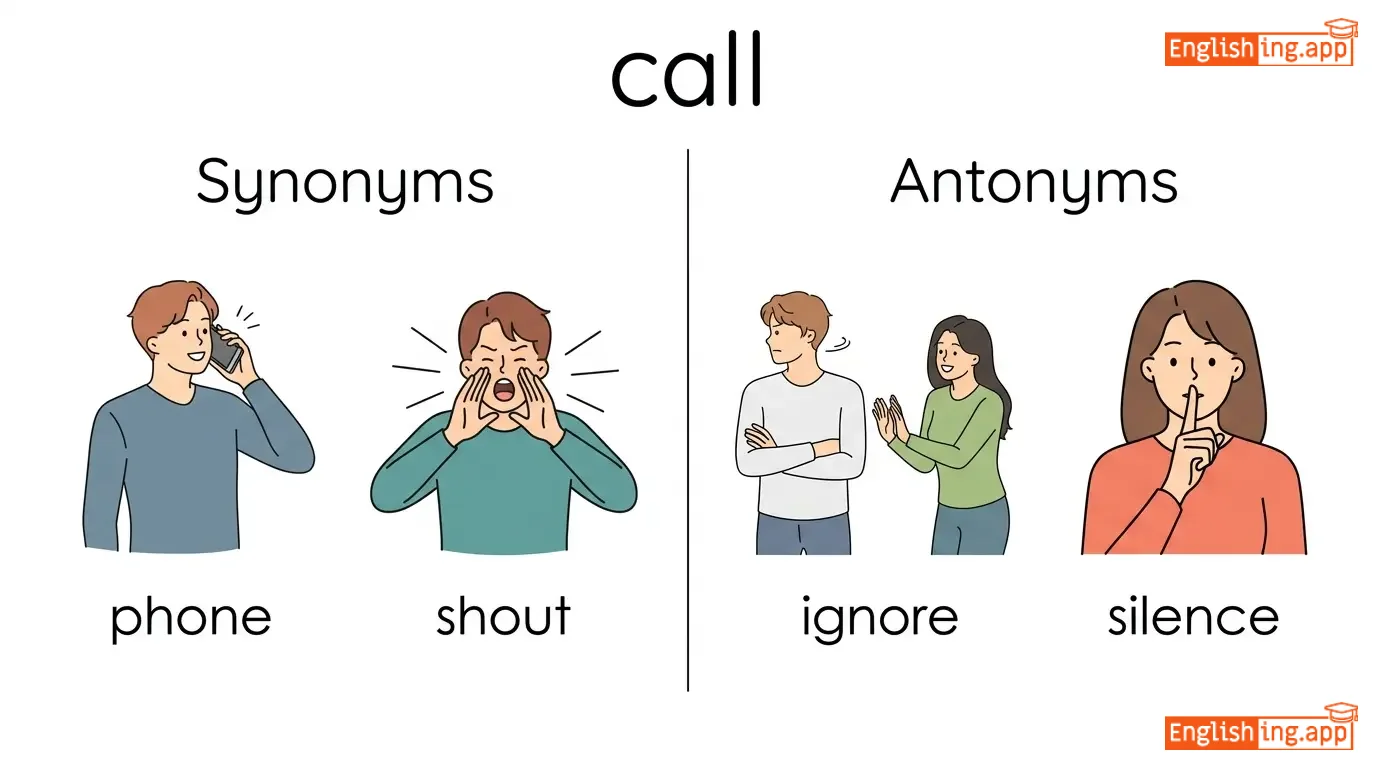
phone, shout, summon, contact, ring
••••••
|
ignore, silence, neglect
••••••
|
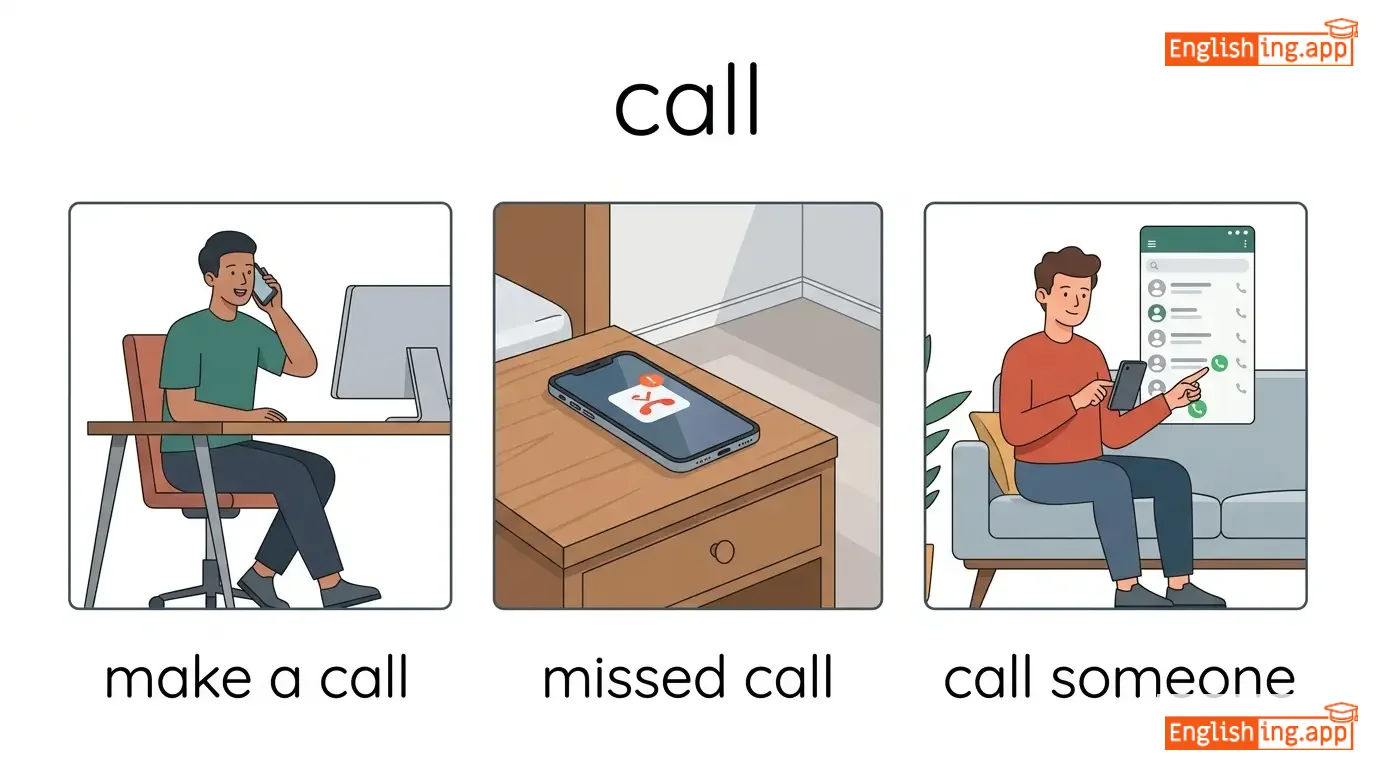
make a call, missed call, call someone, call for help
••••••
|
Call = 打电话 - 记住,打电话就是传递好消息。
••••••
|
|
😌
••••••
|
/kɑːm/
adjective
(卡姆)
••••••
|

|
平静
pingjing
••••••
|
- •••••• | - •••••• | - •••••• | - •••••• |
not showing or feeling nervousness, anger, or other strong emotions
••••••
|
She stayed calm during the crisis. |
她在危机中保持平静。
Ta zai weiji zhong baochi pingjing.
••••••
|
calm down |
to relax after being angry or upset
••••••
|
冷静下来
lengjing xiala
••••••
|
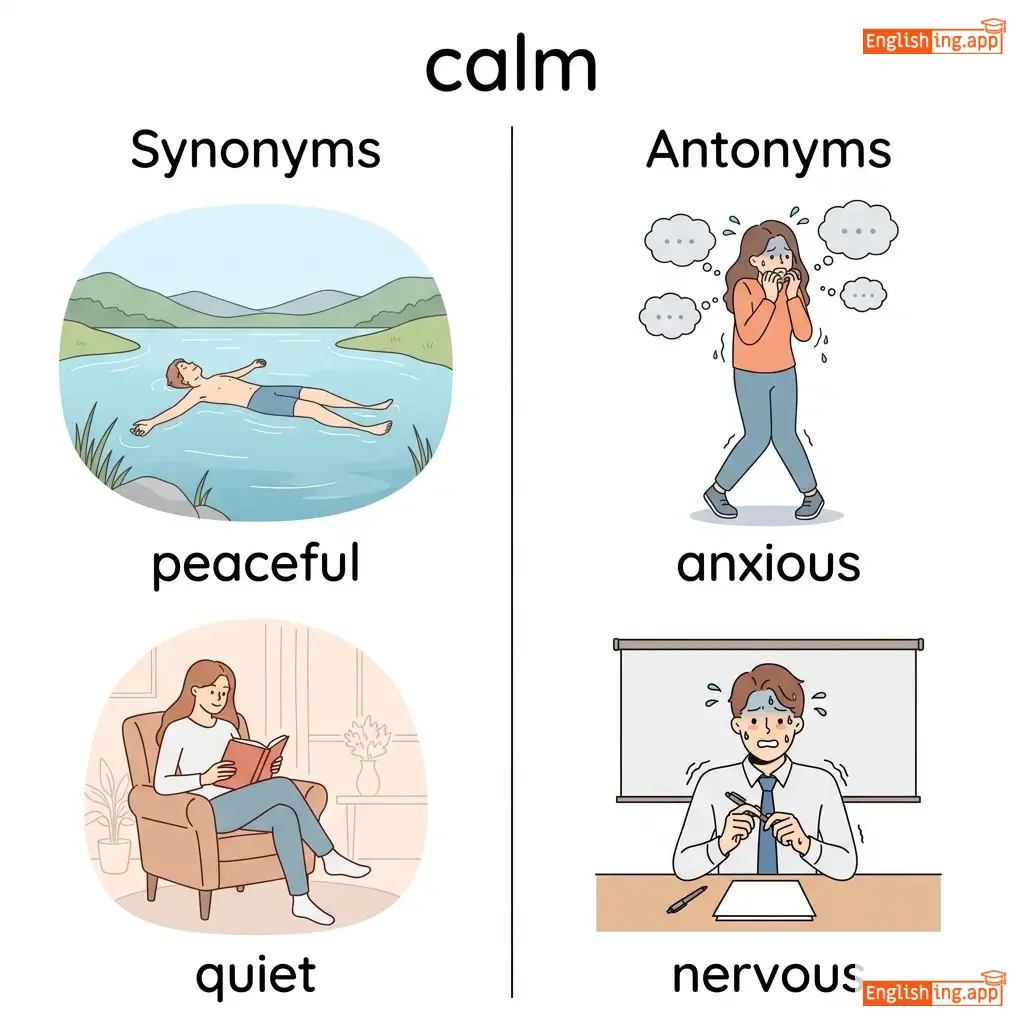
peaceful, quiet, relaxed, tranquil
••••••
|
anxious, nervous, agitated
••••••
|
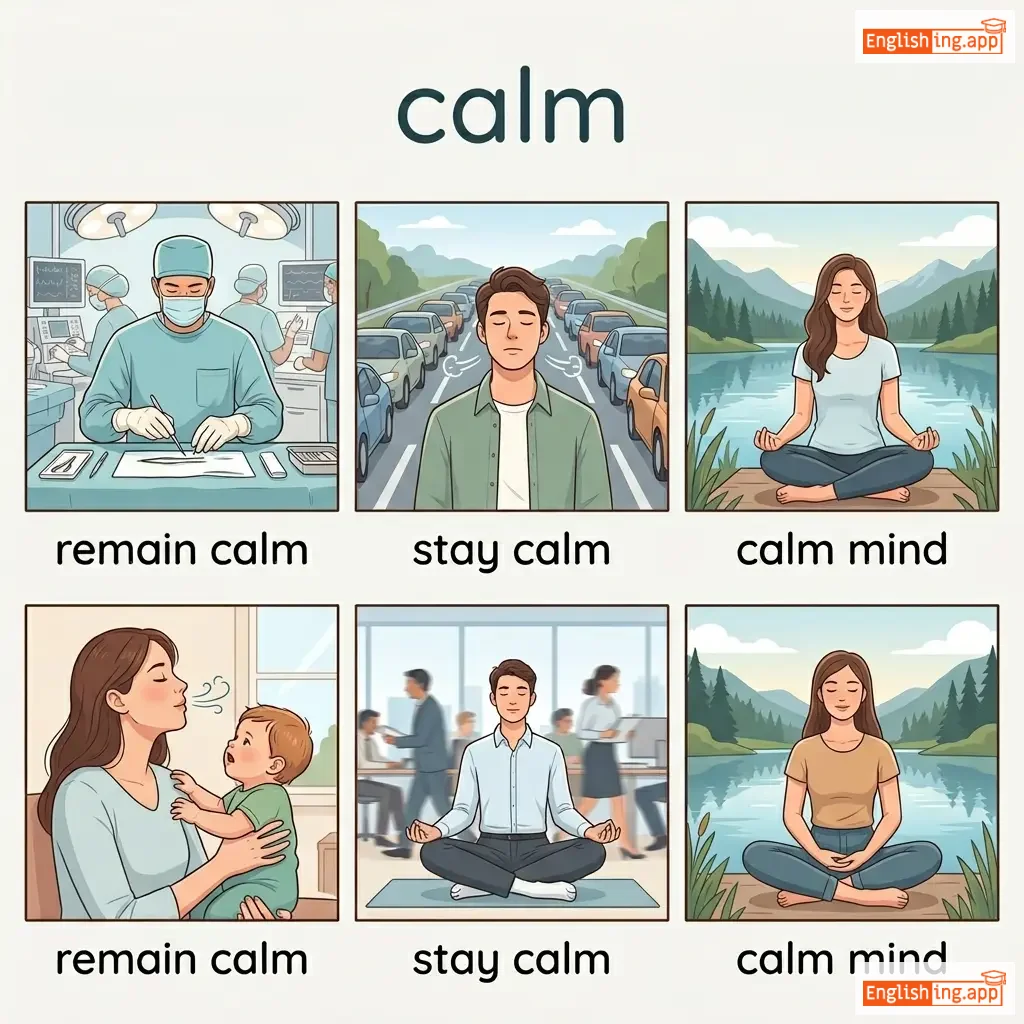
remain calm, stay calm, calm mind, calm atmosphere
••••••
|
平静 = 冷静。保持平静以减少压力。
••••••
|
|
😌
••••••
|
/ˈkɑːm.li/
adverb
(kɑːm.li)
••••••
|
- •••••• |
平静地
pingjing de
••••••
|
- •••••• | - •••••• | - •••••• | - •••••• |
in a peaceful way without showing strong emotions; quietly and without excitement
••••••
|
She spoke calmly despite being angry.
她在生气的情况下冷静地说话。
••••••
|
她在生气的情况下冷静地说话。
Tā zài shēngqì de qíngkuàng xià lěngjìng de shuōhuà.
••••••
|
- •••••• | - •••••• | - •••••• |
peacefully, quietly, serenely, tranquilly
••••••
|
angrily, excitedly, frantically, nervously
••••••
|
speak calmly, remain calmly, act calmly
••••••
|
以平静的方式说话,像‘平静’一样冷静。
••••••
|
|
📷
••••••
|
/ˈkæm.rə/
noun
••••••
|
- •••••• | - •••••• | - •••••• | - •••••• | - •••••• | - •••••• |
a device used for taking photographs or recording videos
••••••
|
She bought a new camera for her photography class. |
- •••••• |
caught on camera |
recorded by a camera
••••••
|
- •••••• |
recorder, camcorder, device, shooter, lens
••••••
|
none, memory
••••••
|
digital camera, security camera, video camera, camera lens
••••••
|
No •••••• |
|
🏕️
••••••
|
/kæmp/
noun, verb
(camp)
••••••
|
- •••••• |
露营地
luyingdi
••••••
|
camped
camped
••••••
|
camped
camped
••••••
|
camps
camps
••••••
|
camping
camping
••••••
|
a place where people stay temporarily in tents or cabins, often outdoors; to stay in such a place
••••••
|
We decided to camp by the lake during the summer holiday.
我们决定在夏季假期时在湖边露营。
••••••
|
我们决定在夏季假期时在湖边露营。
Women jueding zai xiaji jiaqi shi zai hu bian luying.
••••••
|
camp out
露营
••••••
|
to sleep outdoors or in a simple temporary shelter
••••••
|
在户外露营
zai huwai luying
••••••
|
tent site, encampment, bivouac, lodge, shelter
••••••
|
house, residence, hotel
••••••
|
summer camp, military camp, refugee camp, camp site, go camping
••••••
|
Camp = 露营地, 让我们在露营地的地方露营
••••••
|
|
📢
••••••
|
/kæmˈpeɪn/
noun, verb
(kǎnpeīn)
••••••
|
- •••••• |
活动
huodong
••••••
|
campaigned
kǎnpeīnd
••••••
|
campaigned
kǎnpeīnd
••••••
|
campaigns
kǎnpeīns
••••••
|
campaigning
kǎnpeīning
••••••
|
a planned series of activities to achieve a specific goal, especially in politics, marketing, or war
••••••
|
The company launched a campaign to promote its new product.
公司启动了一项活动来推广其新产品。
••••••
|
公司启动了一项活动来推广其新产品。
Gōngsī qǐdòngle yīxiàng huódòng lái tuīguǎng qí xīn chǎnpǐn.
••••••
|
campaign for
活动来
••••••
|
to work actively towards achieving or supporting something
••••••
|
为了
wei le
••••••
|
drive, crusade, operation, mission, effort
••••••
|
inaction, neglect, passivity
••••••
|
political campaign, advertising campaign, campaign manager, campaign strategy, campaign rally
••••••
|
活动是为了达成目标的计划。想象一场选举活动。
••••••
|
|
🏫
••••••
|
/ˈkæmpəs/
noun
(ˈkæmpəs)
••••••
|
- •••••• |
校园
xiao yuan
••••••
|
- •••••• | - •••••• | - •••••• | - •••••• |
The grounds and buildings of a university, college, or school.
••••••
|
The university campus is filled with students during the fall semester. |
大学校园在秋季学期期间充满了学生。
dàxué xiàoyuán zài qiūjì xuéqī qījiān chōngmǎn le xuéshēng.
••••••
|
on campus |
Located within the university or college grounds.
••••••
|
在校园里
zài xiàoyuán lǐ
••••••
|
university grounds, college grounds, schoolyard, institution premises, academy grounds
••••••
|
off-campus, outside grounds
••••••
|
campus life, campus tour, campus security, campus library, campus building
••••••
|
校园是学生的学习和生活区域。
••••••
|
|
✅
••••••
|
/kæn/
modal verb
(kàn)
••••••
|
- •••••• |
能
neng
••••••
|
- •••••• | - •••••• | - •••••• | - •••••• |
to be able to; to have the ability or possibility to do something
••••••
|
I can solve this problem easily. |
我可以轻松解决这个问题。
Wo keyi qingsong jiejue zhege wenti.
••••••
|
can-do attitude |
a positive, confident approach to challenges
••••••
|
能做态度
neng zuo taidu
••••••
|
able, capable, possible, may
••••••
|
cannot, unable
••••••
|
can help, can do, can be, can solve
••••••
|
Can意味着能 — 就像 '我能做' 一样。
••••••
|
|
🍁
••••••
|
/kəˈneɪdiən/
adjective
(加拿大的)
••••••
|
- •••••• |
加拿大的
jianada de
••••••
|
- •••••• | - •••••• | - •••••• | - •••••• |
Relating to Canada or its people.
••••••
|
She enjoys Canadian culture and traditions. |
她喜欢加拿大的文化和传统。
Ta xihuan jianada de wenhua he chuantong.
••••••
|
- •••••• | - •••••• | - •••••• |
Canadian-born, Canadian national, Canadian resident, North American
••••••
|
foreign, non-Canadian
••••••
|
Canadian culture, Canadian citizen, Canadian history, Canadian dollar
••••••
|
Canadian就是来自加拿大的人🍁
••••••
|
|
🚢
••••••
|
/kəˈnæl/
noun
(kānàl)
••••••
|
- •••••• |
水道
shuǐdào
••••••
|
- •••••• | - •••••• | - •••••• | - •••••• |
an artificial waterway constructed for navigation, irrigation, or drainage
••••••
|
The canal was built to help transport goods across the region. |
该水道的建设是为了帮助运输区域内的货物。
Gai shui dao de jianshe shi wei le bangzhu yunshu quyu nei de huowu.
••••••
|
- •••••• | - •••••• | - •••••• |
waterway, channel, ditch, aqueduct
••••••
|
land, mountain, desert
••••••
|
dig a canal, canal network, canal system, canal bank
••••••
|
Canal sounds like 'Shuidao' in Chinese, both are artificial water paths.
••••••
|
|
❌
••••••
|
/ˈkænsəl/
verb
(kānsè ěr)
••••••
|
- •••••• |
取消
qǔxiāo
••••••
|
canceled
kānsè ěr dé
••••••
|
canceled
kānsè ěr dé
••••••
|
cancels
kānsè ěr sī
••••••
|
canceling
kānsè ěr lìng
••••••
|
to decide that something planned will not take place
••••••
|
The flight was canceled due to heavy rain.
航班因大雨被取消。
••••••
|
航班因大雨被取消。
Hángbān yīn dàyǔ bèi qǔxiāo.
••••••
|
cancel out
取消
••••••
|
to remove the effect of one thing by another
••••••
|
取消
qǔxiāo
••••••
|
call off, revoke, abolish, terminate, nullify
••••••
|
approve, continue, confirm
••••••
|
cancel order, cancel meeting, cancel subscription, cancel flight
••••••
|
取消就像删除 — 电影票不能看了!
••••••
|
|
❌
••••••
|
/ˌkænsəˈleɪʃən/
noun
(坎塞莱申)
••••••
|
- •••••• |
取消
quxiao
••••••
|
- •••••• | - •••••• | - •••••• | - •••••• |
the act of stopping something that was planned or scheduled; the act of nullifying or invalidating something
••••••
|
The airline announced the cancellation of several flights due to bad weather.
由于恶劣天气,航空公司宣布了航班取消。
••••••
|
由于恶劣天气,航空公司宣布了航班取消。
youyu elie tianqi hangkong gongsi xuangbu le hangban quxiao
••••••
|
cancellation policy
取消政策
••••••
|
rules that explain how and when a booking or agreement can be canceled
••••••
|
取消政策
quxiao zhengce
••••••
|
annulment, termination, withdrawal, revocation, calling off
••••••
|
confirmation, continuation, approval
••••••
|
flight cancellation, order cancellation, cancellation fee, cancellation notice, cancellation policy
••••••
|
cancellation 就是 quxiao,看到 cancel 就想到 取消
••••••
|
|
🎗️
••••••
|
/ˈkænsər/
noun
(癌症)
••••••
|
- •••••• |
癌症
aizheng
••••••
|
- •••••• | - •••••• | - •••••• | - •••••• |
A disease in which abnormal cells divide uncontrollably and destroy body tissue.
••••••
|
Smoking is a leading cause of lung cancer. |
吸烟是导致肺癌的主要原因。
Xiyan shi daozhi fei'ai de zhuyao yuanyin.
••••••
|
fight cancer |
To battle against the disease of cancer.
••••••
|
与癌症作斗争
yu aizheng zuo douzheng
••••••
|
malignancy, tumor, neoplasm, carcinoma, illness
••••••
|
health, wellness
••••••
|
cancer treatment, cancer patient, lung cancer, breast cancer
••••••
|
癌症=痛苦+身体 (suffering) = 对身体可怕的疾病
••••••
|
|
🗳️
••••••
|
/ˈkændɪdeɪt/
noun
(候选人)
••••••
|
- •••••• |
候选人
hòu xuǎn rén
••••••
|
- •••••• | - •••••• | - •••••• | - •••••• |
A person who applies for a job or is nominated for election.
••••••
|
The candidate gave a strong speech during the debate. |
候选人在辩论期间发表了强有力的演讲。
Hòu xuǎn rén zài biànlùn qījiān fābiǎo le qiáng yǒulì de yǎnjiǎng.
••••••
|
political candidate |
A person who seeks election to a political office.
••••••
|
政治候选人
zhèngzhì hòu xuǎn rén
••••••
|
applicant, nominee, contender, aspirant, competitor
••••••
|
employer, voter
••••••
|
job candidate, presidential candidate, candidate selection, candidate list
••••••
|
候选人像糖果,提名的人总是想吸引选民。
••••••
|
|
🕯️
••••••
|
/ˈkændl/
noun
(kàndé)
••••••
|
- •••••• |
蜡烛
làzhú
••••••
|
- •••••• | - •••••• | - •••••• | - •••••• |
a stick of wax with a wick that burns to give light
••••••
|
She lit a candle during the power cut. |
在停电时她点燃了一根蜡烛。
Zài tíngdiàn shí tā diǎn ránle yī gēn làzhú.
••••••
|
burn the candle at both ends |
to work too hard without enough rest
••••••
|
过度工作而不休息
guòdù gōngzuò ér bù xiūxí
••••••
|
wax light, taper, lamp, torch
••••••
|
darkness, shadow
••••••
|
light a candle, candle flame, candle wax, candle holder
••••••
|
Candle意味着蜡烛 - 记得蜡烛晚餐哦!
••••••
|
|
🍬
••••••
|
/ˈkændi/
noun
(kāndì)
••••••
|
- •••••• |
糖果
tángguǒ
••••••
|
- •••••• | - •••••• | - •••••• | - •••••• |
a sweet food made with sugar or chocolate, often in small pieces
••••••
|
The children were excited to get candy on Halloween. |
孩子们在万圣节兴奋地收到糖果。
Háizimen zài wànshèngjié xīngfèn de shōudào tángguǒ.
••••••
|
eye candy |
something or someone that is attractive but not intellectually stimulating
••••••
|
眼睛糖果
yǎnjīng tángguǒ
••••••
|
sweet, confection, treat, chocolate, bonbon
••••••
|
bitter, sour
••••••
|
candy bar, candy shop, candy wrapper, hard candy, cotton candy
••••••
|
糖果是节日和喜悦的象征,特别是万圣节!
••••••
|
|
🎨
••••••
|
/ˈkænvəs/
noun
••••••
|
- •••••• | - •••••• | - •••••• | - •••••• | - •••••• | - •••••• |
A strong, coarse cloth used for tents, sails, or painting.
••••••
|
The artist prepared a canvas for his new painting. |
- •••••• |
under canvas |
living or sleeping in a tent
••••••
|
- •••••• |
cloth, fabric, sailcloth, tarpaulin
••••••
|
silk, satin
••••••
|
canvas painting, blank canvas, canvas tent
••••••
|
No •••••• |
|
🧢
••••••
|
/kæp/
noun
••••••
|
- •••••• | - •••••• | - •••••• | - •••••• | - •••••• | - •••••• |
A covering for the head, often with a visor.
••••••
|
He wore a red cap to the baseball game. |
- •••••• |
put a cap on |
To set a limit on something.
••••••
|
- •••••• |
hat, helmet, headgear, bonnet, lid
••••••
|
barehead, uncover
••••••
|
baseball cap, graduation cap, cap limit, cap off
••••••
|
No •••••• |
|
💪
••••••
|
/ˌkeɪpəˈbɪləti/
noun
••••••
|
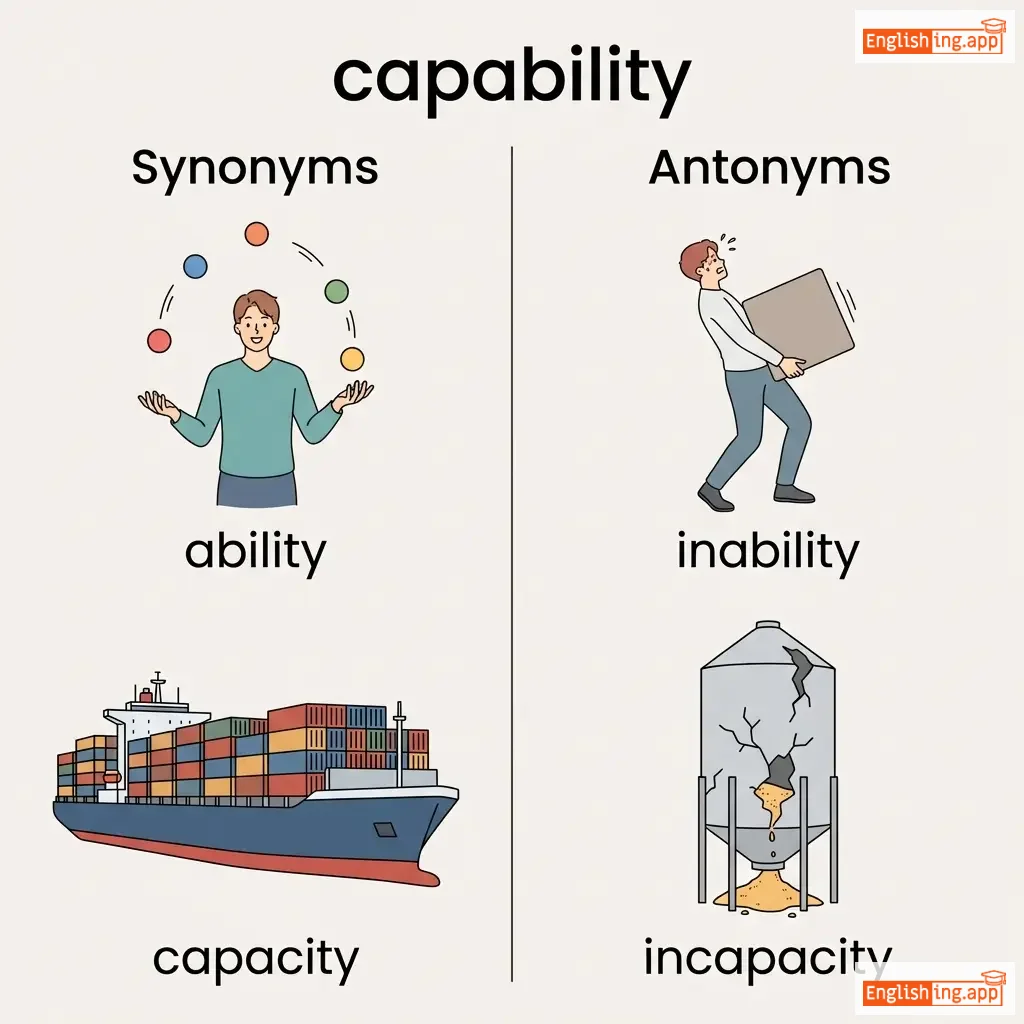
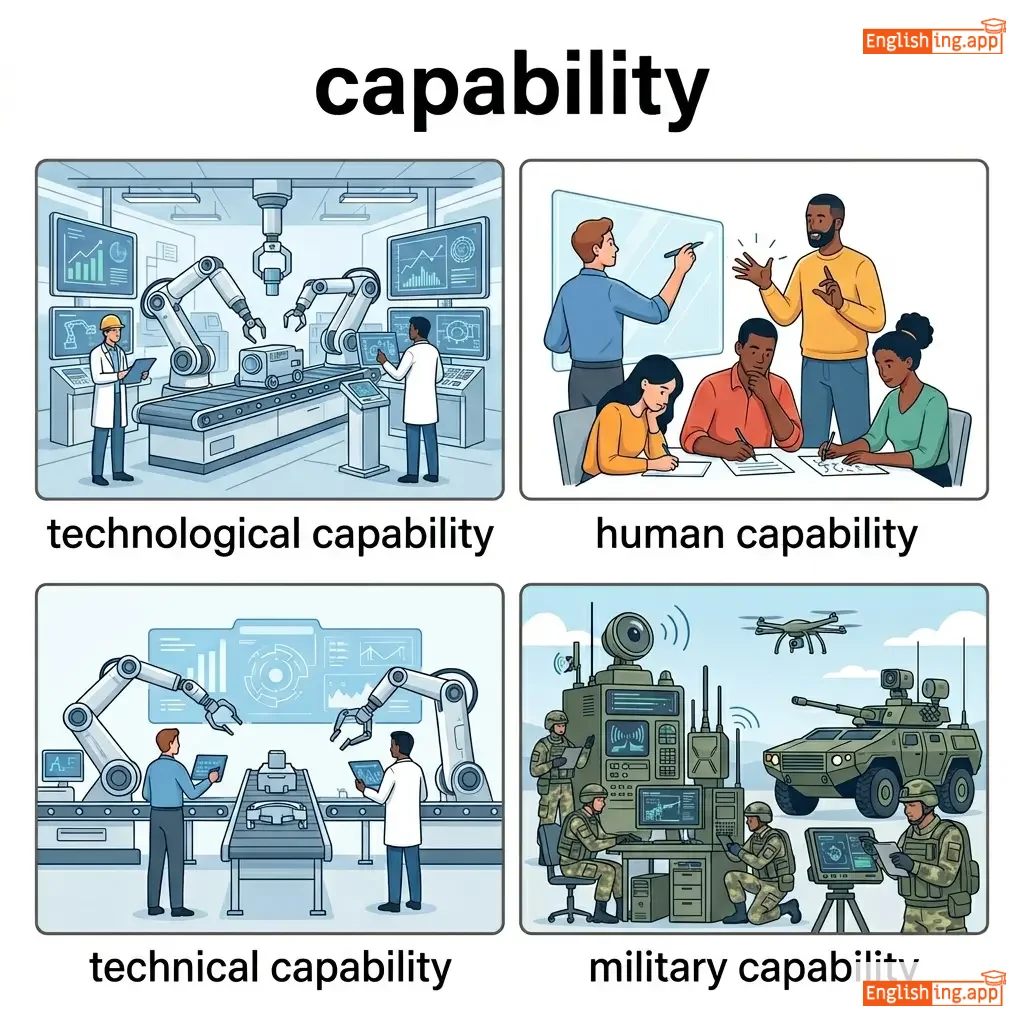
|
- •••••• | - •••••• | - •••••• | - •••••• | - •••••• |
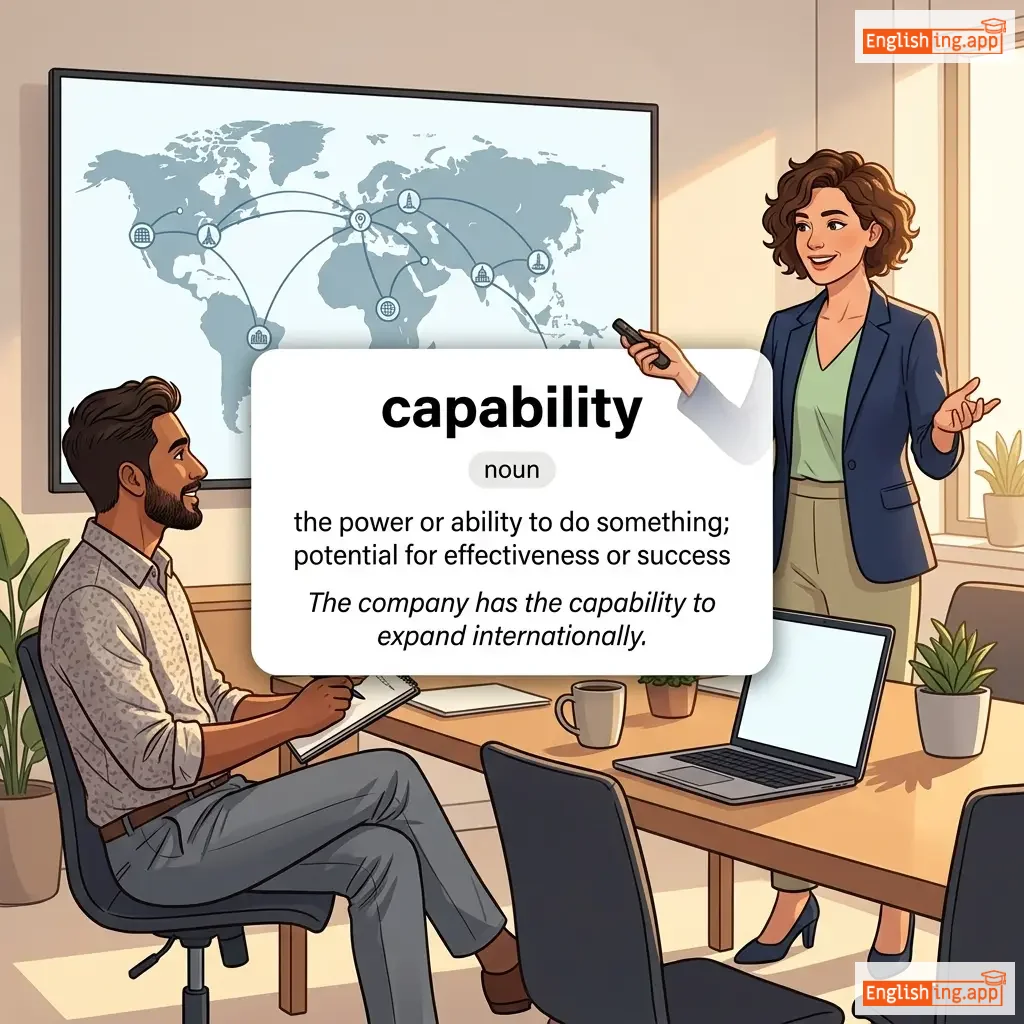
the power or ability to do something; potential for effectiveness or success
••••••
|
The company has the capability to expand internationally. |
- •••••• |
beyond one's capability |
something that is too difficult or impossible for someone to do
••••••
|
- •••••• |
ability, capacity, potential, competence, skill
••••••
|
inability, incapacity
••••••
|
technological capability, human capability, military capability, full capability
••••••
|
No •••••• |
|
💪
••••••
|
/ˈkeɪpəbl/
adjective
(凯布尔)
••••••
|
- •••••• |
有能力
yǒu nénglì
••••••
|
- •••••• | - •••••• | - •••••• | - •••••• |
having the ability, fitness, or quality necessary to do something
••••••
|
She is capable of handling difficult situations calmly. |
她能够冷静地处理困难的情况。
Tā nénggòu lěngjìng de chǔlǐ kùnnán de qíngkuàng.
••••••
|
capable of |
having the ability or capacity to do something
••••••
|
有能力
yǒu nénglì
••••••
|
able, competent, skilled, qualified, proficient
••••••
|
incapable, unfit, incompetent
••••••
|
capable leader, capable hands, fully capable, highly capable
••••••
|
有能力的意思就是 capable,能力就是能力。
••••••
|
|
📦
••••••
|
/kəˈpæsəti/
noun
(kāi pín xì tǐ)
••••••
|
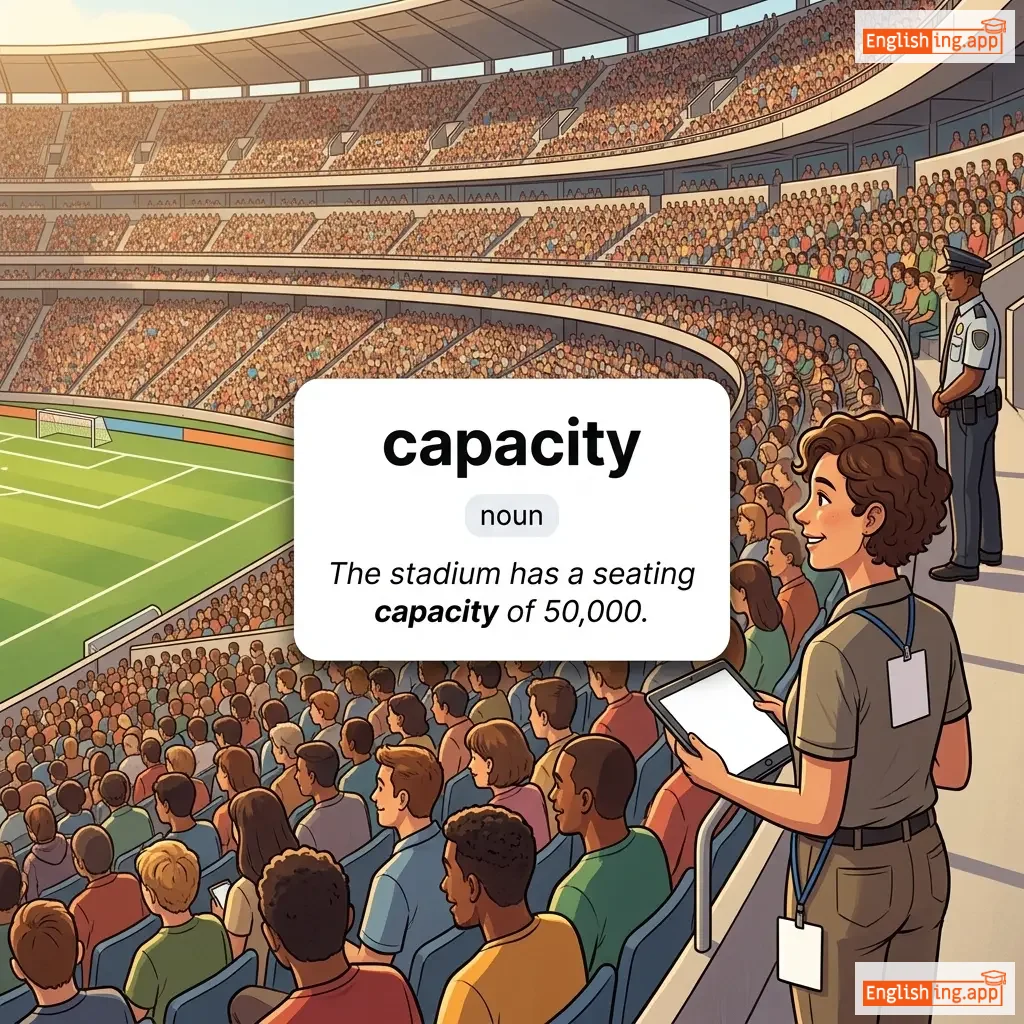
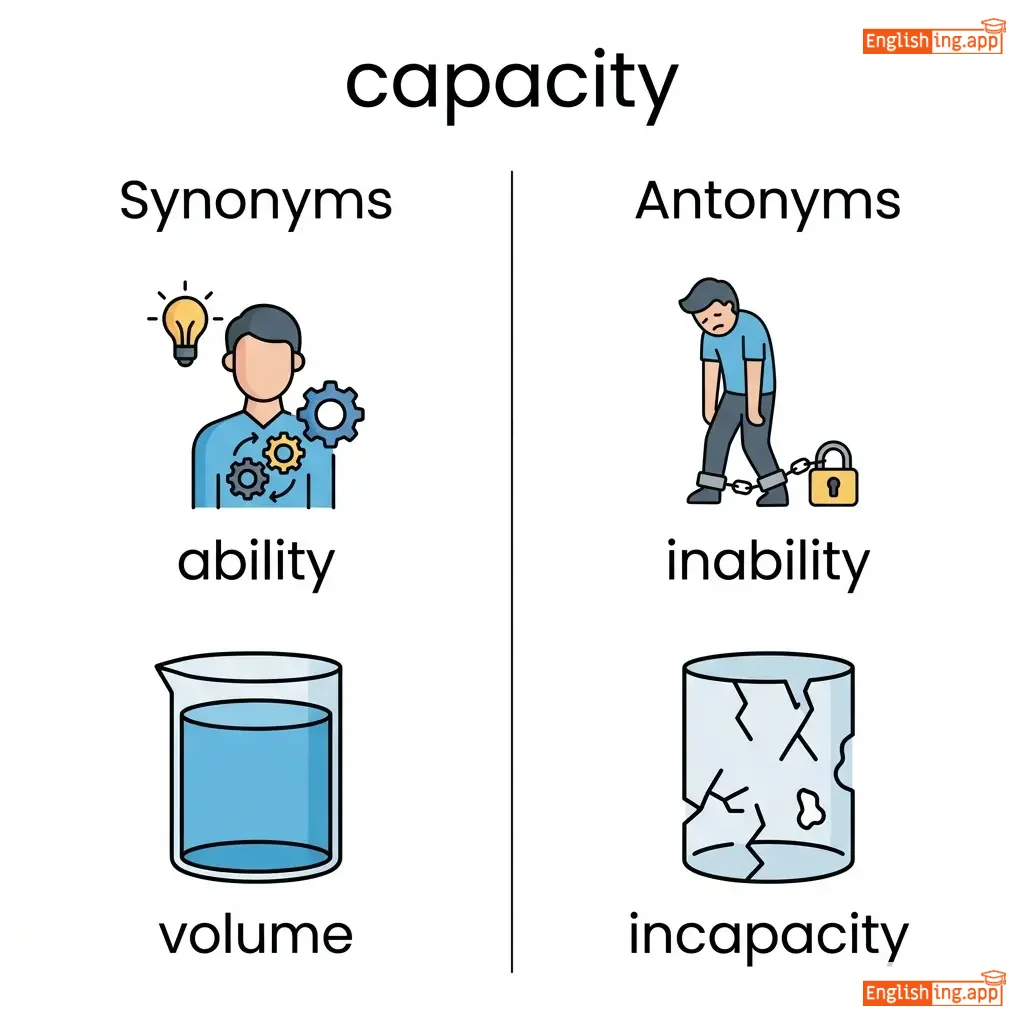
|
容量
rongliang
••••••
|
- •••••• | - •••••• | - •••••• | - •••••• |
the maximum amount that something can contain or produce; ability to do something
••••••
|
The stadium has a seating capacity of 50,000. |
体育场的座位容量为50,000。
Tǐ yù chǎng de zuò wèi róng liàng wéi 50,000.
••••••
|
at full capacity |
operating at the maximum possible output or limit
••••••
|
全容量
quán róng liàng
••••••
|
ability, volume, limit, potential, capability
••••••
|
inability, incapacity, weakness
••••••
|
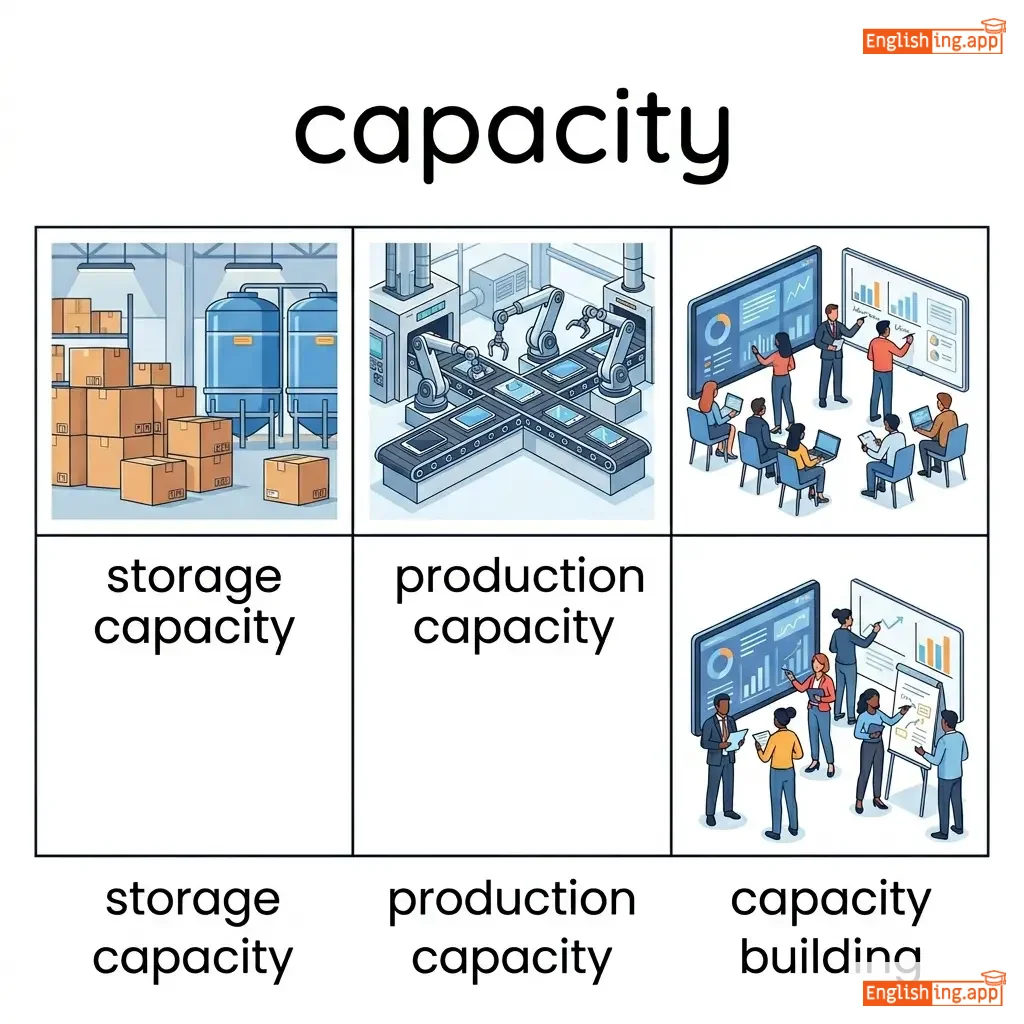
storage capacity, production capacity, capacity building, at capacity
••••••
|
容量就像是能装多少东西,比如一个箱子的容量。
••••••
|
|
🏛️
••••••
|
/ˈkæpɪtl/
noun
(凯皮塔尔)
••••••
|
- •••••• |
首都 / 资本
shoudu / ziben
••••••
|
- •••••• | - •••••• | - •••••• | - •••••• |
a city that serves as the seat of government; also wealth in the form of money or assets
••••••
|
Dhaka is the capital of Bangladesh. |
达卡是孟加拉国的首都。
Daka shi Mengjiala guo de shoudu.
••••••
|
capital punishment |
the death penalty as a punishment for a crime
••••••
|
死刑
sixin
••••••
|
metropolis, assets, money, wealth, resources
••••••
|
debt, liability
••••••
|
capital city, capital investment, capital punishment, venture capital
••••••
|
Capital city是指首都,Capital也可以指资金 - 这两个含义都很重要!
••••••
|
|
💰
••••••
|
/ˈkæpɪtəlɪzəm/
noun
(资本主义)
••••••
|
|
资本主义
zīběn zhǔyì
••••••
|
- •••••• | - •••••• | - •••••• | - •••••• |
an economic system where private individuals or corporations control the means of production and distribution of goods
••••••
|
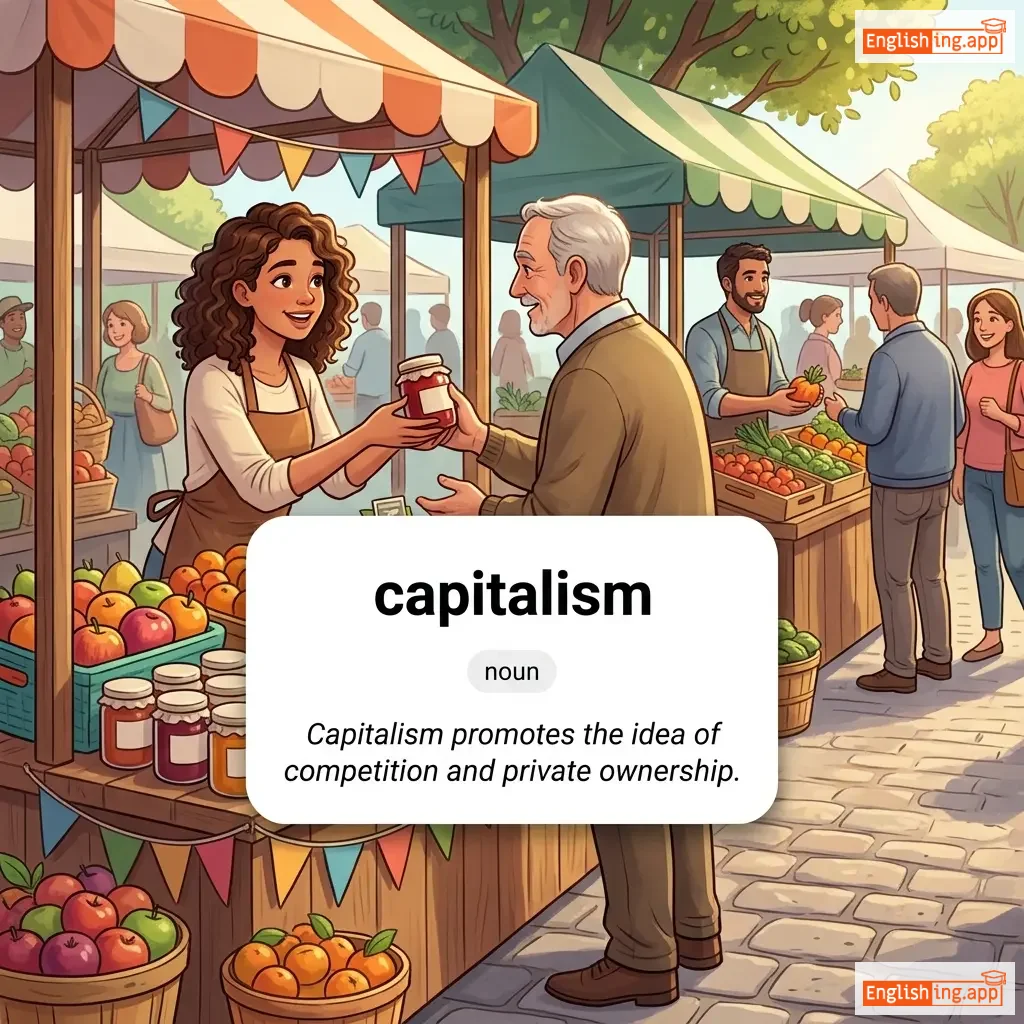
Capitalism promotes the idea of competition and private ownership. |
资本主义促进了竞争和私人财产的理念。
zīběn zhǔyì cùjìnle jìngzhēng hé sīrén cáichǎn de lǐniàn.
••••••
|
- •••••• | - •••••• | - •••••• |
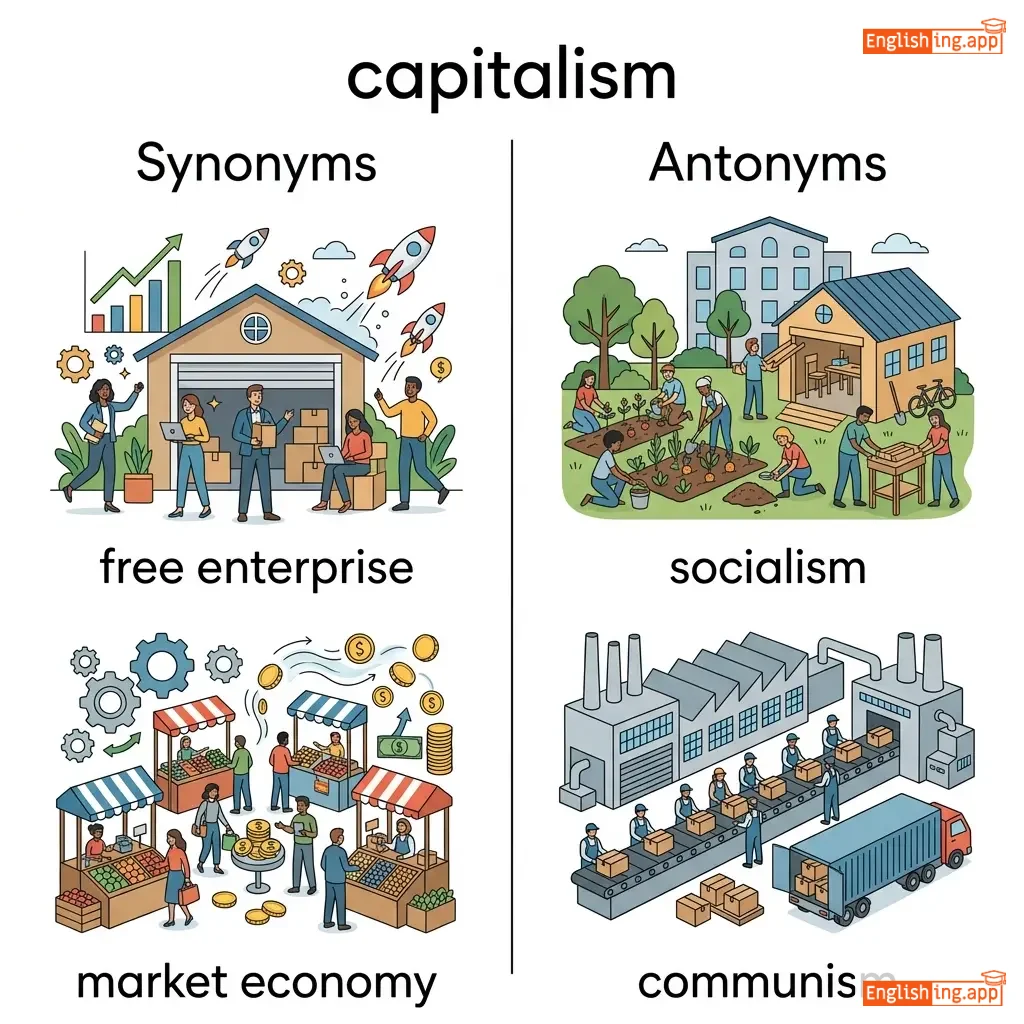
free enterprise, market economy, private enterprise
••••••
|
socialism, communism
••••••
|
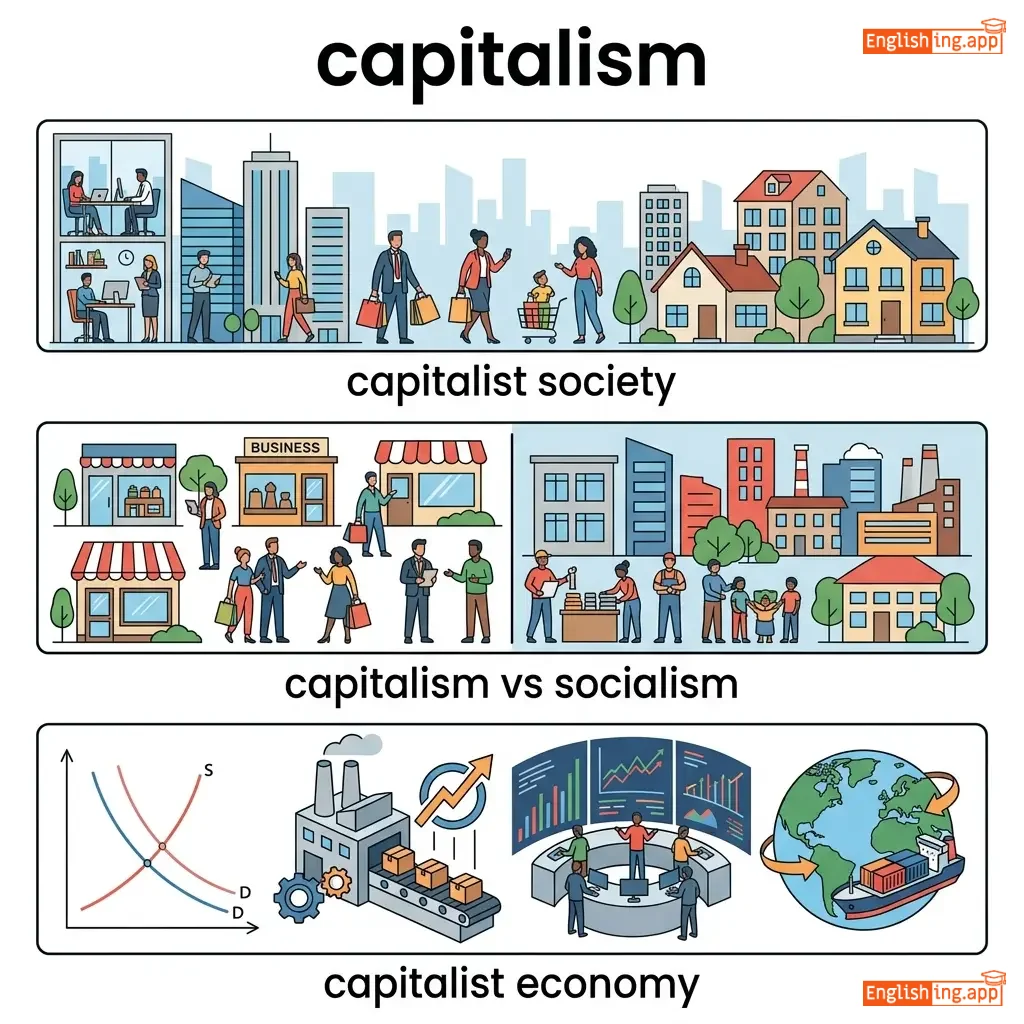
capitalist society, capitalism vs socialism, capitalist economy
••••••
|
Capitalism = money, competition, private ownership
••••••
|
|
💼
••••••
|
/ˈkæpɪtəlɪst/
noun/adjective
••••••
|
- •••••• | - •••••• | - •••••• | - •••••• | - •••••• | - •••••• |
a person who supports or believes in capitalism; a wealthy business owner
••••••
|
The capitalist believes in the freedom of the market. |
- •••••• | - •••••• | - •••••• | - •••••• |
entrepreneur, tycoon, business magnate
••••••
|
socialist, communist
••••••
|
capitalist society, wealthy capitalist, capitalist system
••••••
|
No •••••• |

