The Journey from Poverty to Purpose
阿拉姆先生是一个commentary写手,他写有关capitalism和exploitation的文章。在他的村庄中,存在着经济disruption和unemployment,这使得人们处于dependence中。Constraint非常多,以至于人们对更好生活的conception似乎不可能。阿拉姆先生意识到,迫切需要进行一次conversion - 从传统的经济体系转向现代经济体系。他利用自己的competence创办了一个合作社,在那里工人们得到了适当的compensate。这是一个evolutionary的步骤,作为exploitation的correction。通过他的convincing论点和与地方领导人的discretion,他确保了项目的completion。人们看到其他村庄的comparable举措后,受到了启发。他写了一篇entertaining但thought-provoking的commentary,讨论了capitalism的implication。他的工作不仅带来了经济变化,还挑战了社会上reproduction的不平等现象。人们明白了从dependence和constraint中获得自由是可能的,而unemployment是一个solvable问题。阿拉姆的evolutionary方法证明了,只要有convincing的领导和适当的compensation,经济disruption可以转化为机会。
|
表情符号
|
单词 | Images | 翻译 | 过去时 | 过去分词 | 第三人称单数 | 动名词 | 含义 | 例句 | 例句翻译 | 示例表达 | 示例表达含义 | 示例表达翻译 | 同义词 | 反义词 | 搭配词 | 助记符 |
|---|---|---|---|---|---|---|---|---|---|---|---|---|---|---|---|---|---|
|
💰
••••••
|
/ˈkæpɪtəlɪzəm/
noun
(资本主义)
••••••
|
|
资本主义
zīběn zhǔyì
••••••
|
- •••••• | - •••••• | - •••••• | - •••••• |
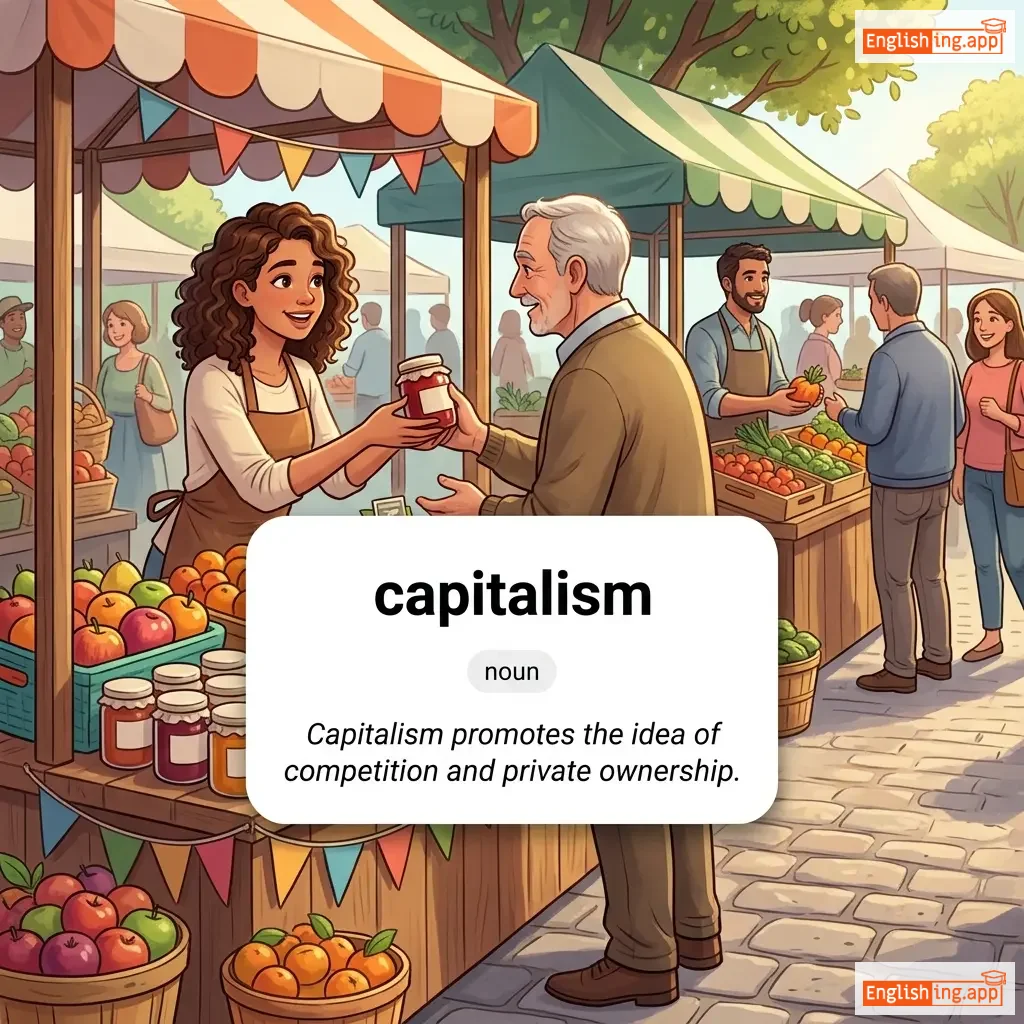
an economic system where private individuals or corporations control the means of production and distribution of goods
••••••
|
Capitalism promotes the idea of competition and private ownership. |
资本主义促进了竞争和私人财产的理念。
zīběn zhǔyì cùjìnle jìngzhēng hé sīrén cáichǎn de lǐniàn.
••••••
|
- •••••• | - •••••• | - •••••• |
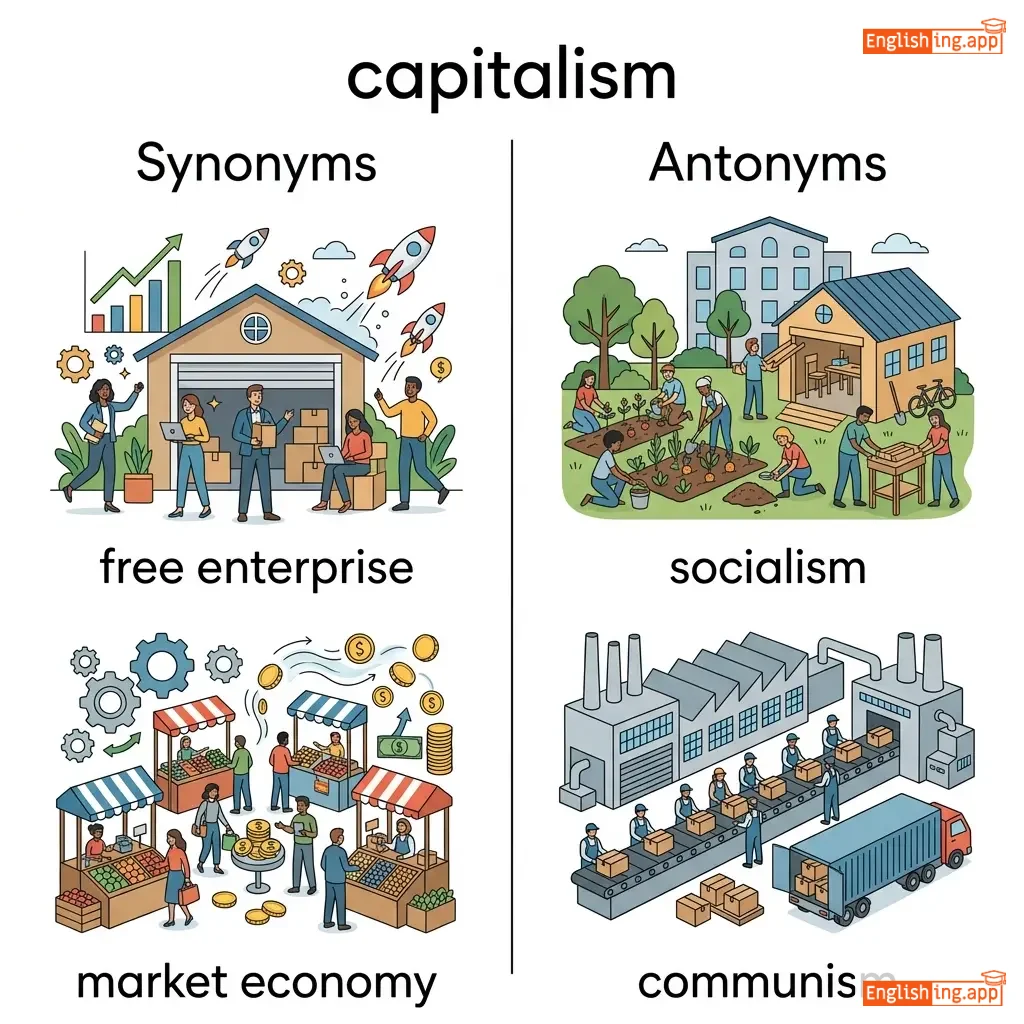
free enterprise, market economy, private enterprise
••••••
|
socialism, communism
••••••
|
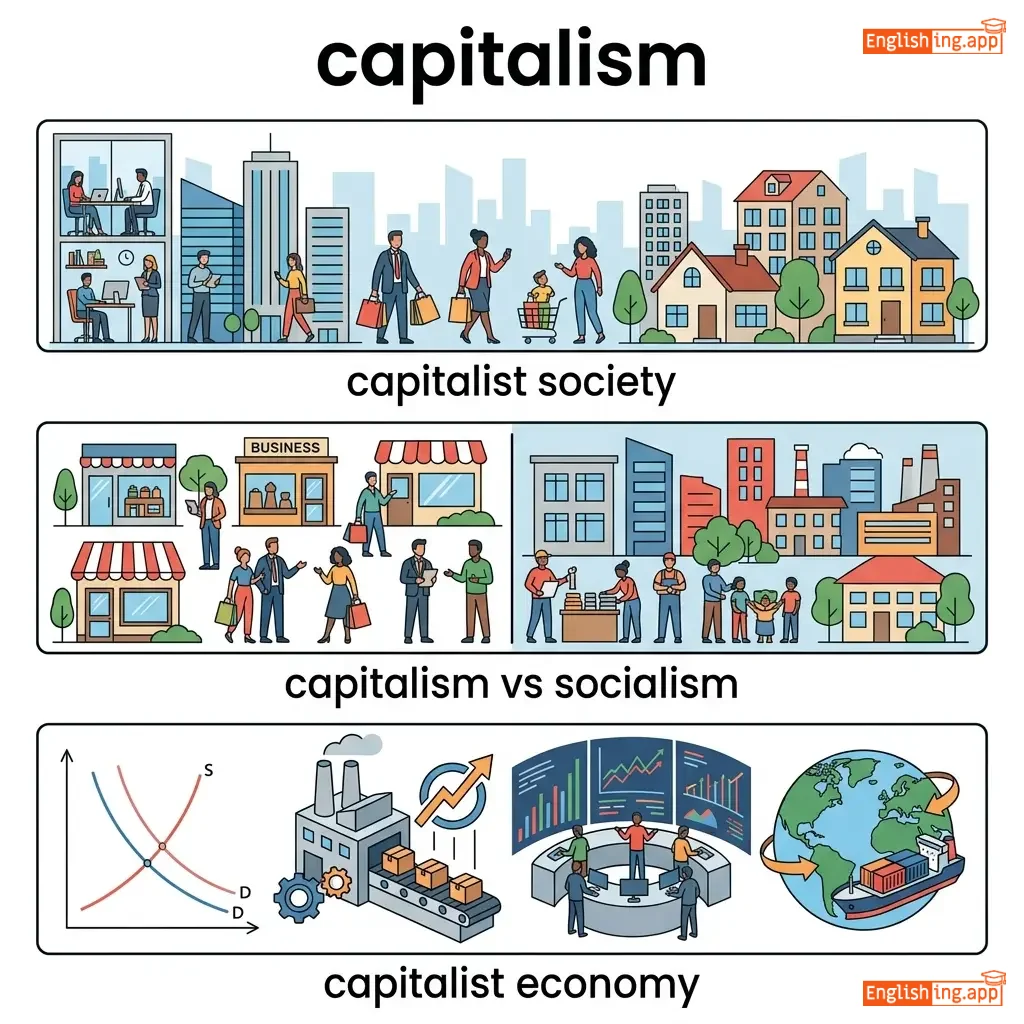
capitalist society, capitalism vs socialism, capitalist economy
••••••
|
Capitalism = money, competition, private ownership
••••••
|
|
🗣️
••••••
|
/ˈkɒmənˌtɛri/
noun
(kèméntǎlì)
••••••
|
- •••••• |
评论
pinglun
••••••
|
- •••••• | - •••••• | - •••••• | - •••••• |
An expression of opinions or explanations about an event, situation, or text.
••••••
|
The professor's commentary on the novel was insightful.
教授对小说的评论非常有见地。
••••••
|
教授对小说的评论非常有见地。
Jiaoshou dui xiaoshuo de pinglun feichang you jiandi.
••••••
|
running commentary
实时评论
••••••
|
Continuous spoken description of events as they happen.
••••••
|
实时评论
shishi pinglun
••••••
|
explanation, interpretation, analysis, observation, critique
••••••
|
silence, quiet, neglect
••••••
|
political commentary, sports commentary, live commentary, social commentary
••••••
|
评论 = Pinglun = 讨论或解释
••••••
|
|
⚖️
••••••
|
/ˈkɒmp(ə)rəbl/
adjective
(康帕瑞布尔)
••••••
|
- •••••• |
可比的
ke bi de
••••••
|
- •••••• | - •••••• | - •••••• | - •••••• |
Able to be likened to something else in size, amount, or quality.
••••••
|
The two products are comparable in quality but differ in price.
这两种产品在质量上是康帕瑞布尔的,但价格不同。
••••••
|
这两种产品在质量上可比,但价格不同。
zhe liang zhong chan pin zai zhi liang shang ke bi dan jia ge bu tong
••••••
|
comparable to
康帕瑞布尔于
••••••
|
Similar or equivalent to something else
••••••
|
可与…相比
ke yu ... xiang bi
••••••
|
similar, equivalent, analogous, alike, matching
••••••
|
different, dissimilar, unequal
••••••
|
comparable quality, comparable size, comparable results, comparable standards
••••••
|
‘Ke bi de’ sounds like ‘can be compared’ — easy link to comparable.
••••••
|
|
💰
••••••
|
/ˈkɒmpənseɪt/
verb
(kāngpēnsèit)
••••••
|
|
赔偿
péicháng
••••••
|
compensated
kāngpēnsèitèd
••••••
|
compensated
kāngpēnsèitèd
••••••
|
compensates
kāngpēnsèits
••••••
|
compensating
kāngpēnsèitíng
••••••
|
To give something, typically money, in recognition of loss, suffering, or work done.
••••••
|
The company compensated the worker for his injury.
公司为工人的伤害进行了赔偿。
••••••
|
公司为工人的伤害进行了赔偿。
Gōngsī wèi gōngrén de shānghài jìnxíngle péicháng.
••••••
|
compensate for
补偿
••••••
|
To make up for something, usually a fault or loss.
••••••
|
补偿
bǔcháng
••••••
|
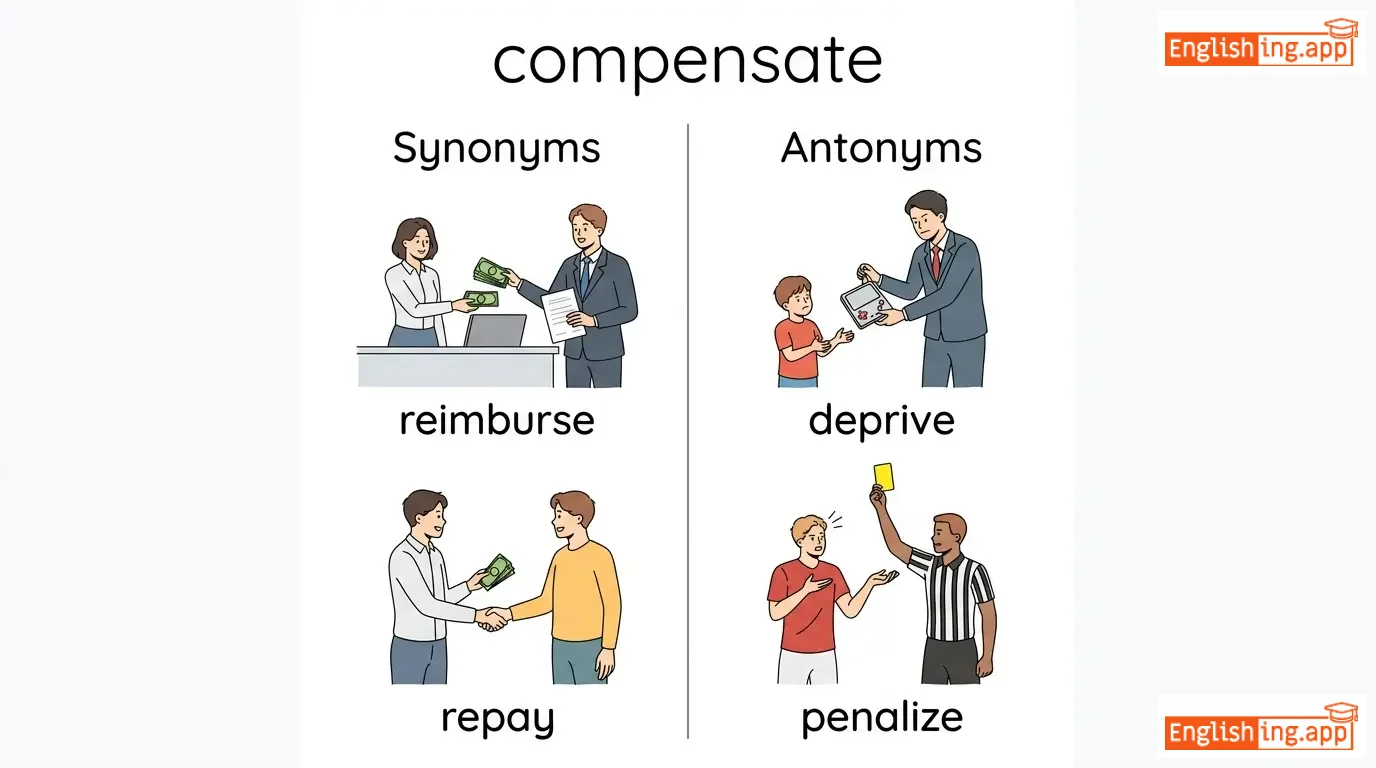
reimburse, repay, recompense, reward, indemnify
••••••
|
deprive, penalize, fine
••••••
|
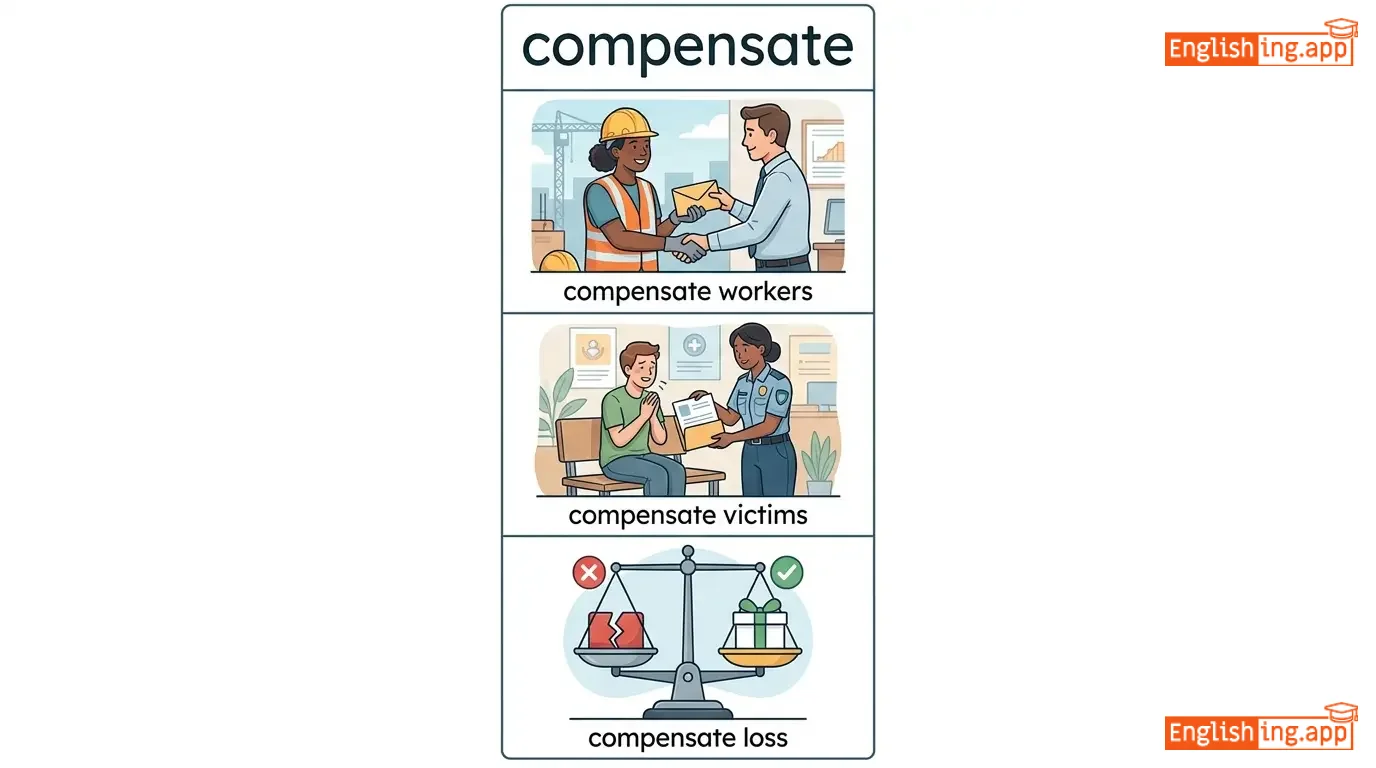
compensate workers, compensate victims, compensate loss, compensate for damage
••••••
|
赔偿像‘支付钱’一样,补偿损失。
••••••
|
|
📈
••••••
|
/ˈkɒmpɪtəns/
noun
(kōngpìtènsī)
••••••
|
- •••••• |
能力
nengli
••••••
|
- •••••• | - •••••• | - •••••• | - •••••• |
the ability to do something successfully or efficiently
••••••
|
Her competence as a manager impressed the board. |
作为经理,她的能力给董事会留下了深刻印象。
zuo wei jingli, ta de nengli gei dongshihui liuxia le shenke yinxiang.
••••••
|
professional competence |
the required ability and skill in a profession
••••••
|
职业能力
zhiye nengli
••••••
|
ability, capability, skill, proficiency, expertise
••••••
|
incompetence, inability, ineptness
••••••
|
competence level, demonstrate competence, competence in
••••••
|
能力意味着成为有能力的人 – 有能力的人就是能干的人。
••••••
|
|
✅
••••••
|
/kəmˈpliːʃən/
noun
(kōng-pu-lì-shēn)
••••••
|
- •••••• |
完成
wancheng
••••••
|
- •••••• | - •••••• | - •••••• | - •••••• |
the action or process of finishing something
••••••
|
The completion of the project will take another few weeks. |
项目的完成将再需要几周时间。
Xiàngmù de wánchéng jiāng zài xūyào jǐ zhōu shíjiān.
••••••
|
- •••••• | - •••••• | - •••••• |
finalization, conclusion, fulfillment, accomplishment
••••••
|
beginning, initiation
••••••
|
project completion, timely completion, successful completion
••••••
|
Completion = 完成, 意味着完成某事
••••••
|
|
🧠
••••••
|
/kənˈsɛpʃən/
noun
(kənˈsɛpʃən)
••••••
|
- •••••• |
构思, 受孕
gòusī, shòuyùn
••••••
|
- •••••• | - •••••• | - •••••• | - •••••• |
the forming or understanding of an idea; the act of conceiving a child
••••••
|
Her conception of the project was very different from ours. |
她对这个项目的构思与我们的完全不同。
tā duì zhège xiàngmù de gòusī yǔ wǒmen de wánquán bùtóng.
••••••
|
from conception to completion |
from the beginning of an idea to its final result
••••••
|
从构思到完成
cóng gòusī dào wánchéng
••••••
|
idea, notion, understanding, perception
••••••
|
misunderstanding, misconception
••••••
|
original conception, artistic conception, false conception
••••••
|
Conception 是想法,婴儿的 conception 是新生命的开始 🧠
••••••
|
|
📉
••••••
|
/kənˈstreɪnt/
noun
(kənˈstreɪnt)
••••••
|
- •••••• |
限制
xiànzhì
••••••
|
- •••••• | - •••••• | - •••••• | - •••••• |
a limitation or restriction
••••••
|
Time is the biggest constraint in completing the project. |
时间是完成项目的最大限制。
Shíjiān shì wánchéng xiàngmù de zuìdà xiànzhì.
••••••
|
budget constraint |
a financial limitation on spending
••••••
|
预算限制
yùsuàn xiànzhì
••••••
|
restriction, limitation, curb, control, restraint
••••••
|
freedom, liberty, allowance
••••••
|
budget constraint, legal constraint, time constraint, resource constraint
••••••
|
Constraint = 限制: 财务的限制
••••••
|
|
🔄
••••••
|
/kənˈvɜr.ʃən/
noun
(kāng wěi shēn)
••••••
|
|
转变; 转换; 改变
zhuǎnbiàn, zhuǎnhuàn, gǎibiàn
••••••
|
- •••••• | - •••••• | - •••••• | - •••••• |
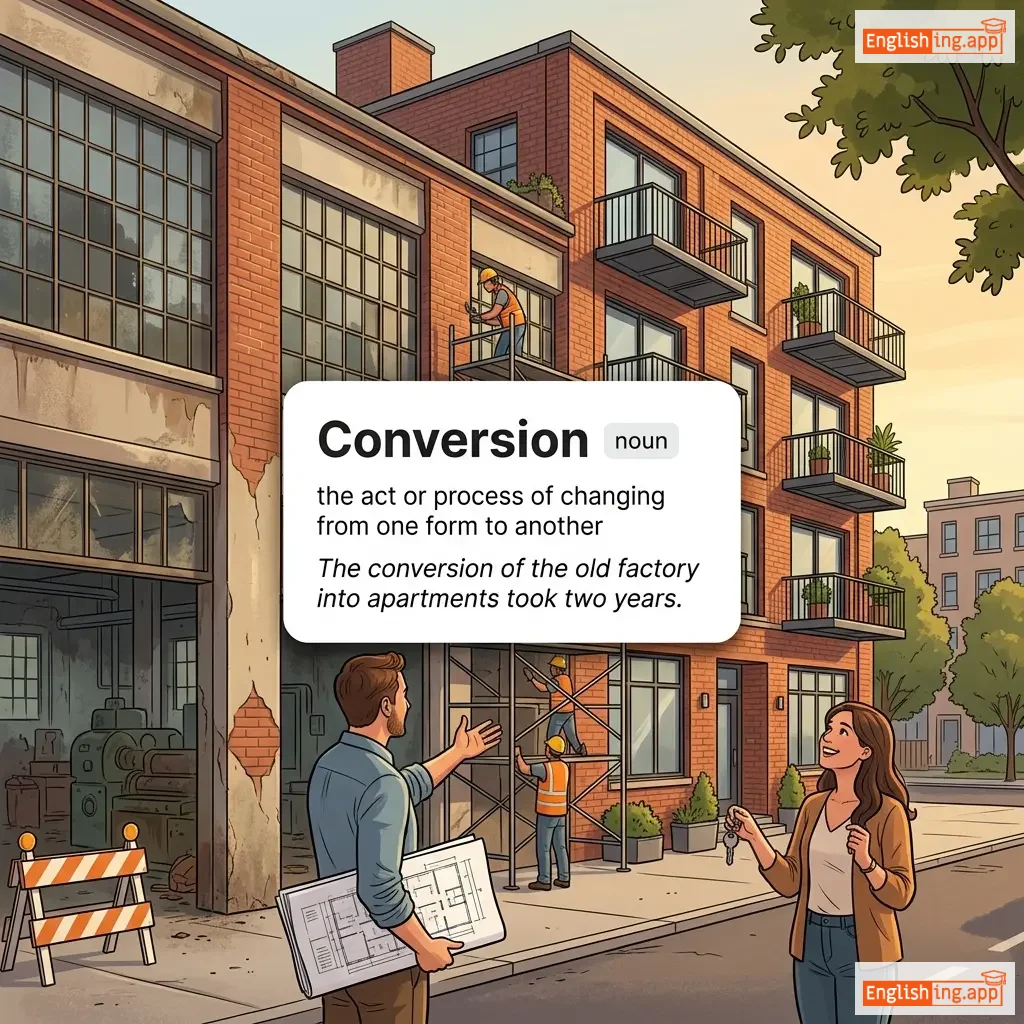
the process of changing or causing something to change from one form to another; the act of changing one's religion or beliefs
••••••
|
The conversion of the old factory into a modern shopping center took two years.
将旧工厂转变为现代购物中心花了两年时间。
••••••
|
将旧工厂转变为现代购物中心花了两年时间。
Jiāng jiù gōngchǎng zhuǎnbiàn wéi xiàndài gòuwù zhōngxīn huāle liǎng nián shíjiān.
••••••
|
- •••••• | - •••••• | - •••••• |
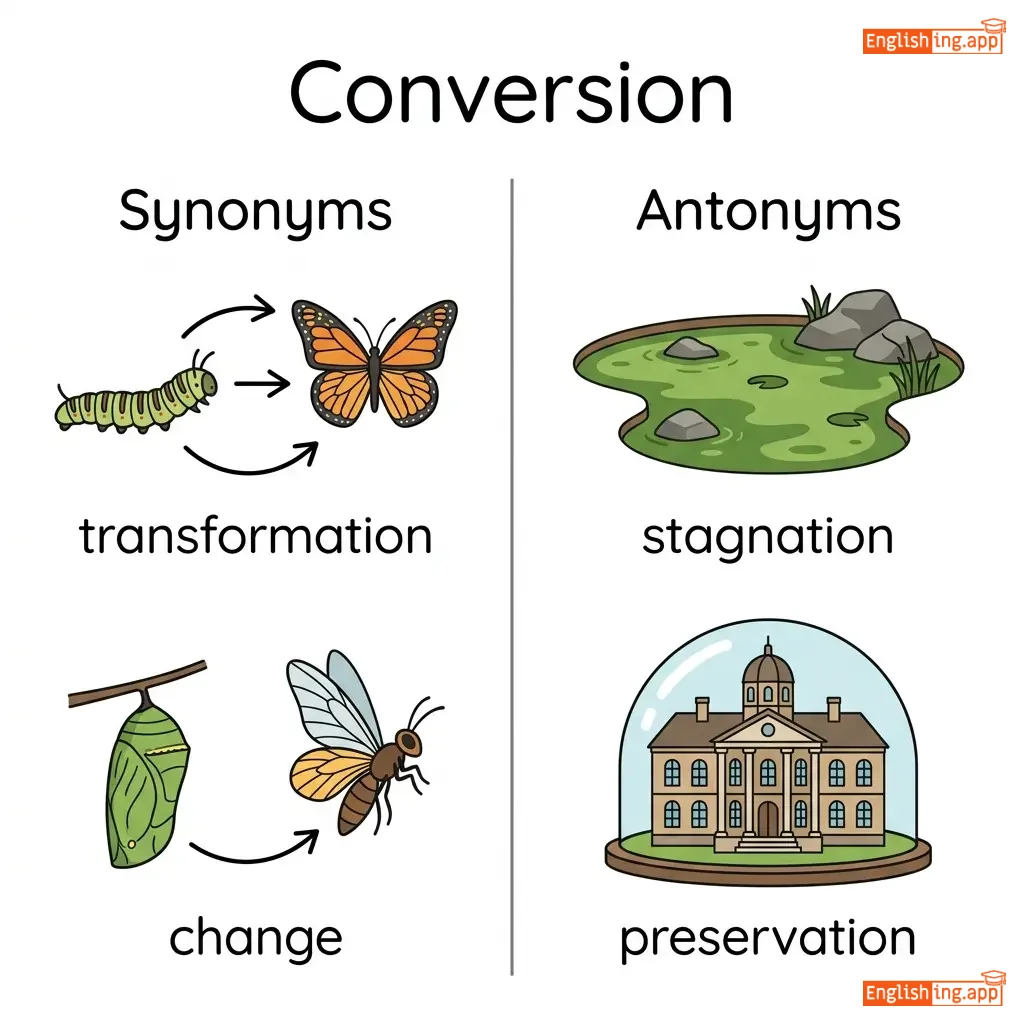
transformation, change, alteration, switch
••••••
|
preservation, maintenance, stagnation
••••••
|
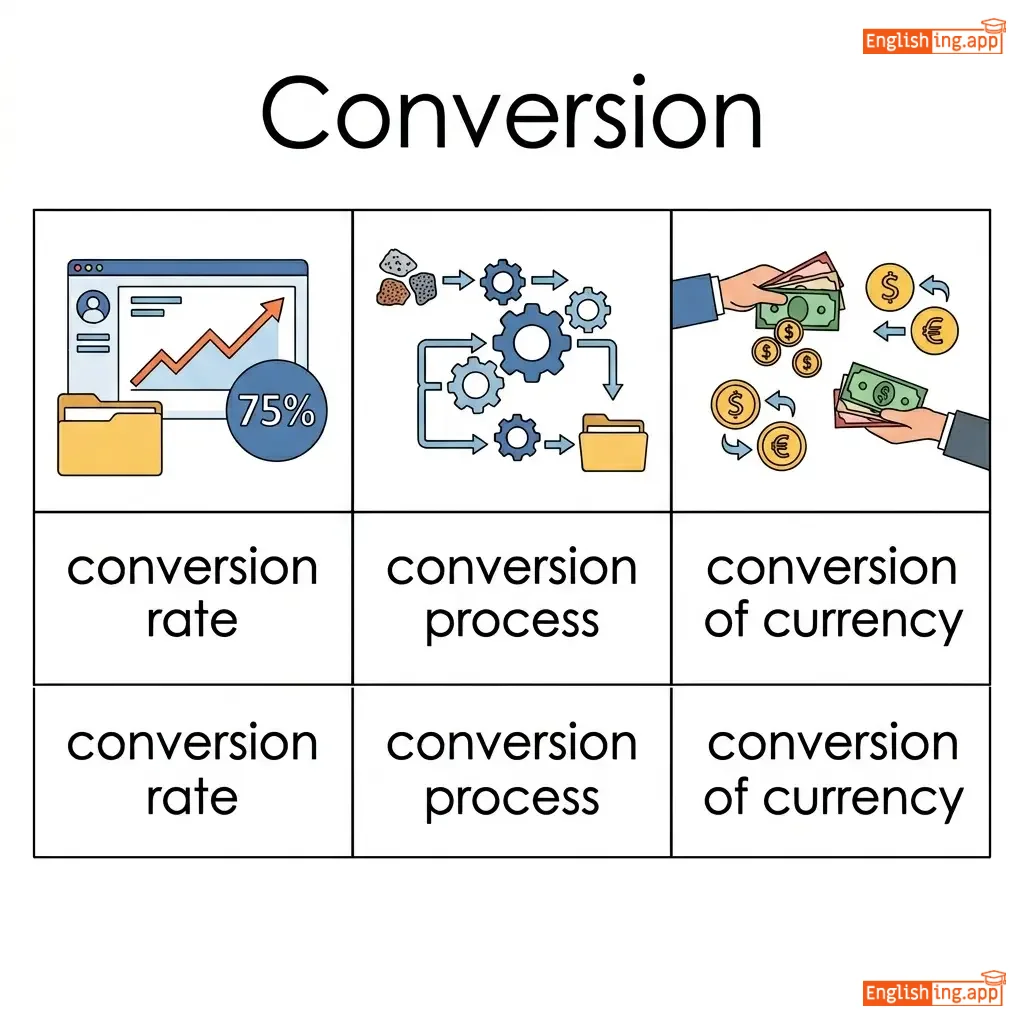
religious conversion, conversion rate, energy conversion
••••••
|
转变 = 信仰转换
••••••
|
|
💪
••••••
|
/kənˈvɪnsɪŋ/
adjective
(kənˈvɪnsɪŋ)
••••••
|
- •••••• |
令人信服的; 可信的; 有说服力的; 能使某人相信某事的
lìng rén xìn fú de
••••••
|
- •••••• | - •••••• | - •••••• | - •••••• |
believable; credible; persuasive; able to make someone believe something
••••••
|
His convincing argument won over the entire jury.
他的有说服力的论点赢得了整个陪审团。
••••••
|
他的有说服力的论点赢得了整个陪审团。
Tā de yǒu shuōfú lì de lùndiǎn yíngdé le zhěnggè péishěn tuán.
••••••
|
- •••••• | - •••••• | - •••••• |
persuasive, compelling, believable, credible
••••••
|
unconvincing, doubtful, weak, implausible
••••••
|
convincing evidence, convincing performance, convincing argument
••••••
|
Convincing = 令人信服的 (你怎么用有说服力的论点说服别人)
••••••
|
|
✍️
••••••
|
/kəˈrɛkʃən/
noun
(kɔˈrɛkʃən)
••••••
|
- •••••• |
修正
xiūzhèng
••••••
|
- •••••• | - •••••• | - •••••• | - •••••• |
the action or process of correcting something
••••••
|
The teacher made a correction to the student's essay. |
老师对学生的文章进行了修正。
Lǎoshī duì xuéshēng de wénzhāng jìnxíngle xiūzhèng.
••••••
|
- •••••• | - •••••• | - •••••• |
amendment, adjustment, change, modification
••••••
|
mistake, error
••••••
|
correctional facility, correction of errors, make a correction
••••••
|
'修正' 就是 '改正' 的意思
••••••
|
|
🤝
••••••
|
/dɪˈpen.dəns/
noun
(dɪˈpendəns)
••••••
|
- •••••• |
依赖
yīlài
••••••
|
- •••••• | - •••••• | - •••••• | - •••••• |
the state of relying on or needing someone or something for support; addiction
••••••
|
His dependence on technology made it difficult for him to work without internet. |
他对科技的依赖使得他在没有互联网的情况下很难工作。
Tā duì kējì de yīlài shǐdé tā zài méiyǒu hùliánwǎng de qíngkuàng xià hěn nán gōngzuò.
••••••
|
- •••••• | - •••••• | - •••••• |
reliance, addiction, need, dependency
••••••
|
independence, self-reliance, autonomy
••••••
|
drug dependence, economic dependence, complete dependence
••••••
|
依赖就像一根拐杖,帮助你站立
••••••
|
|
⚖️
••••••
|
/dɪˈskrɛʃən/
noun
(迪斯克雷申)
••••••
|

|
谨慎
jinshen
••••••
|
- •••••• | - •••••• | - •••••• | - •••••• |
the quality of behaving or speaking in a way to avoid causing offense or revealing private information; the freedom to decide what should be done in a particular situation
••••••
|
The manager acted with discretion in handling the sensitive matter. |
经理在处理敏感问题时采取了谨慎的行动。
Jīnglǐ zài chǔlǐ mǐngǎn wèntí shí cǎiqǔle jǐnshèn de xíngdòng.
••••••
|
at one's discretion |
according to one's own judgment or decision
••••••
|
按照自己的判断
ànzhào zìjǐ de pànduàn
••••••
|
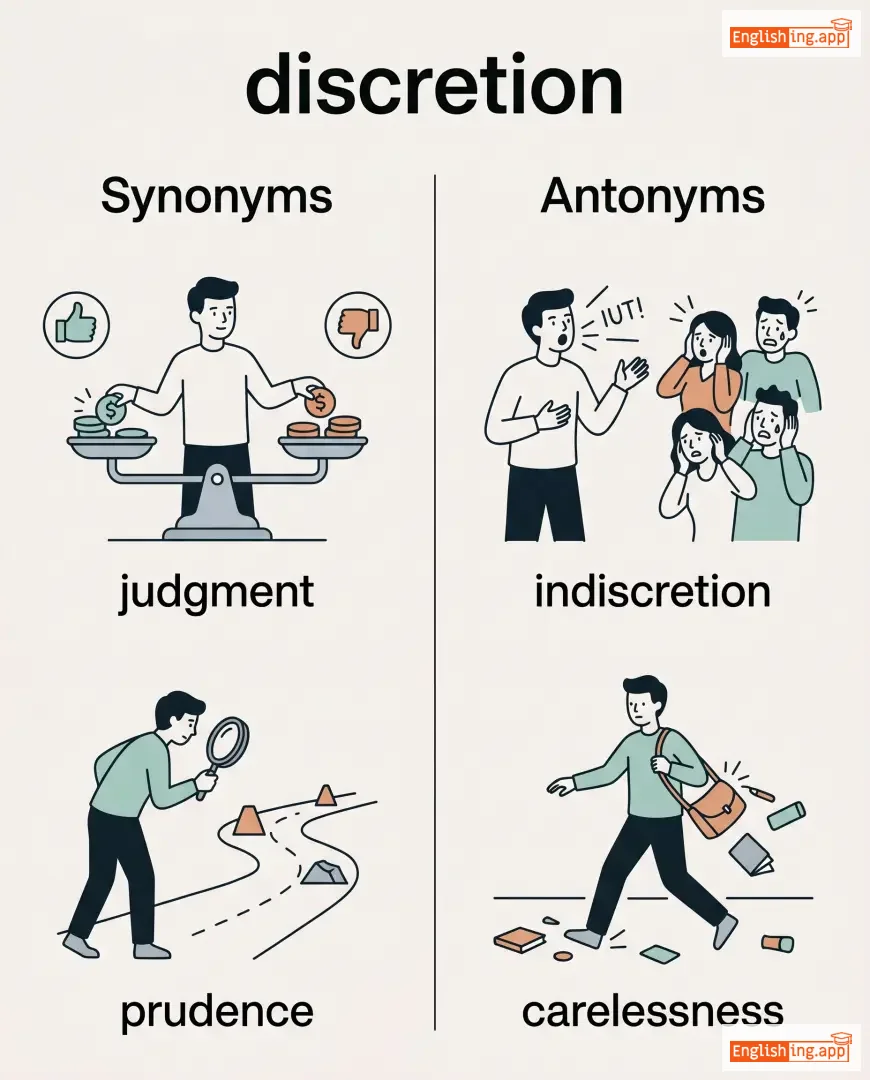
judgment, prudence, caution, choice, option
••••••
|
indiscretion, carelessness, compulsion
••••••
|
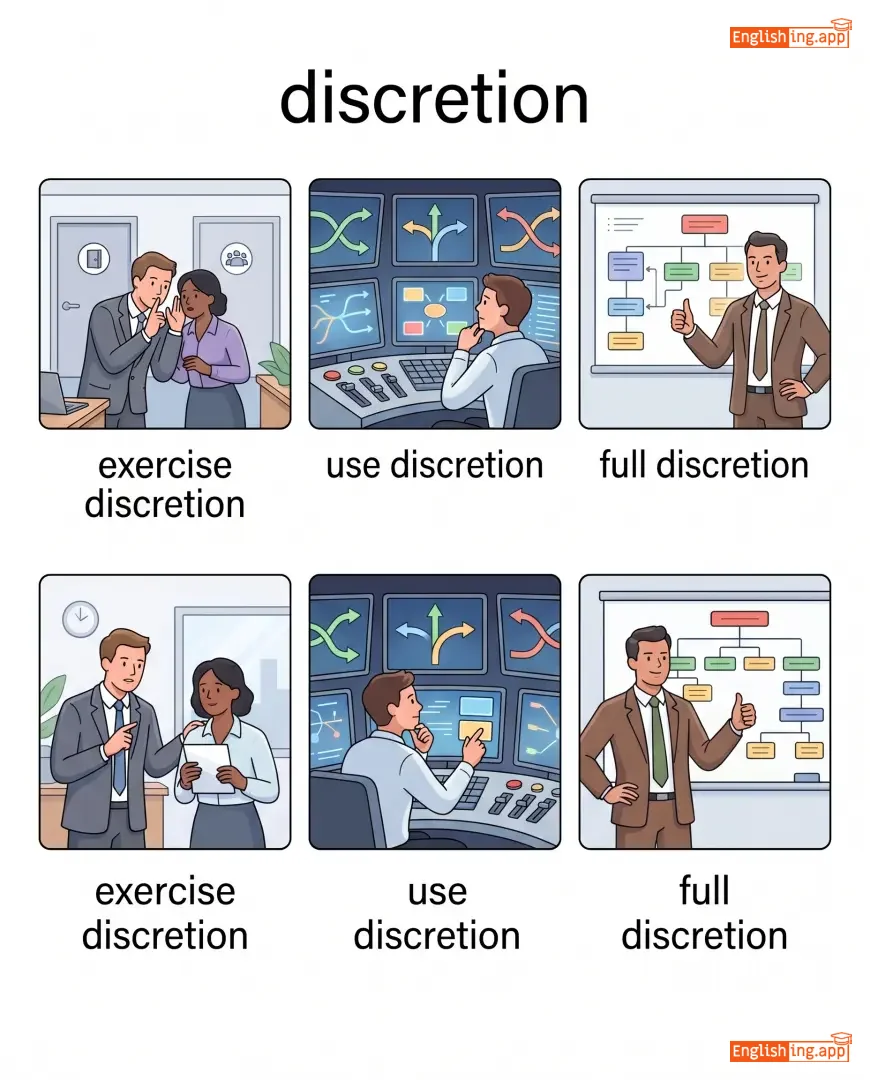
exercise discretion, use discretion, full discretion, sole discretion
••••••
|
Discretion是Decision的选择与谨慎。
••••••
|
|
⚠️
••••••
|
/dɪsˈrʌpʃən/
noun
(disrʌpʃən)
••••••
|
|
干扰
ganrao
••••••
|
- •••••• | - •••••• | - •••••• | - •••••• |
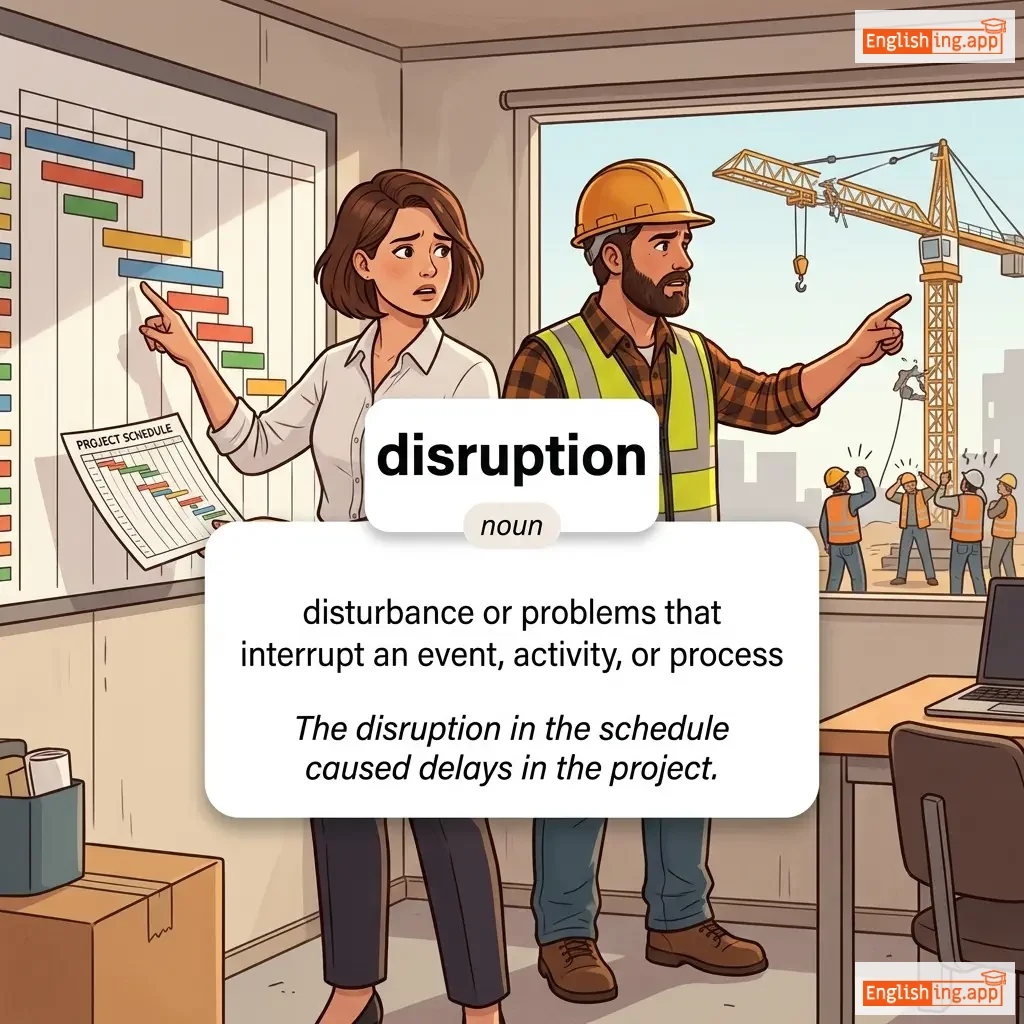
disturbance or problems that interrupt an event, activity, or process
••••••
|
The disruption in the schedule caused delays in the project. |
日程中的干扰导致项目延迟。
Rìchéng zhōng de gānrǎo dǎozhì xiàngmù yánchí.
••••••
|
- •••••• | - •••••• | - •••••• |
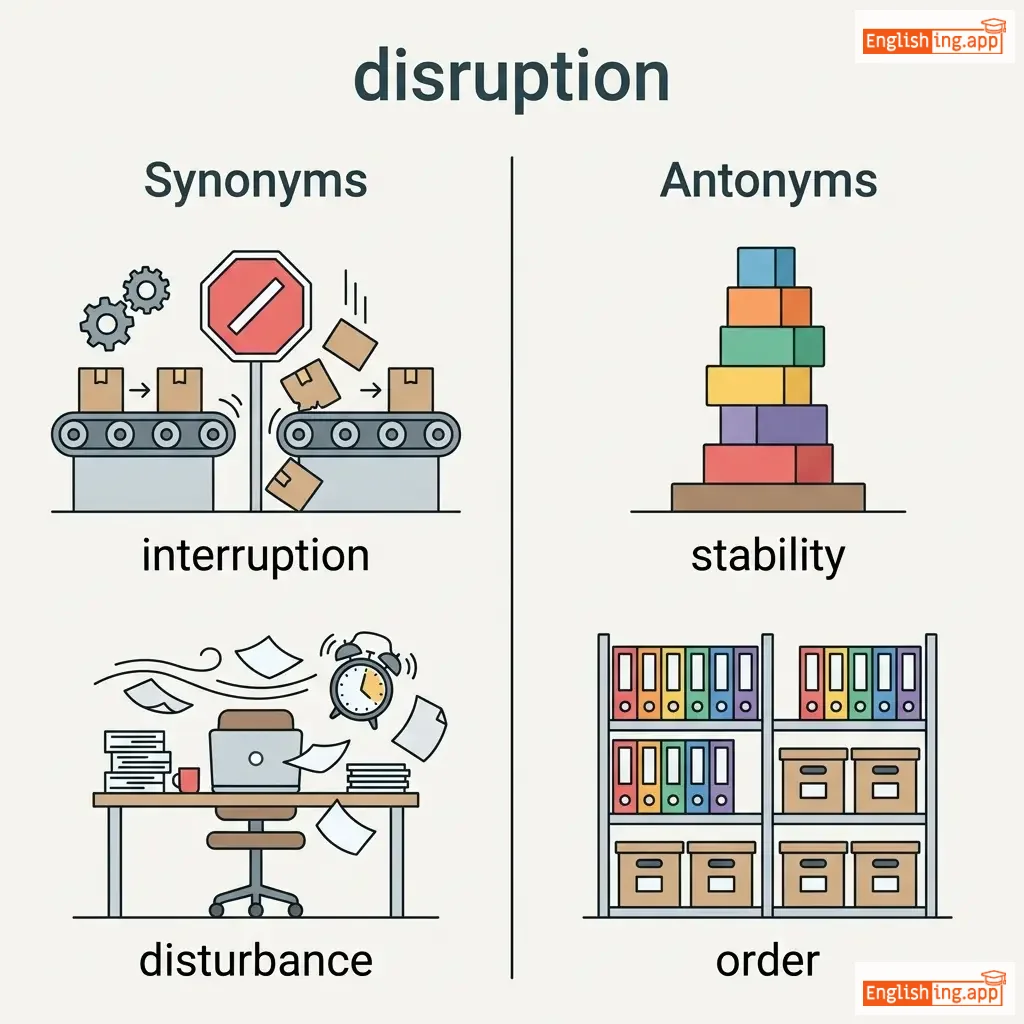
interruption, disturbance, interruption, chaos
••••••
|
stability, order, continuity
••••••
|
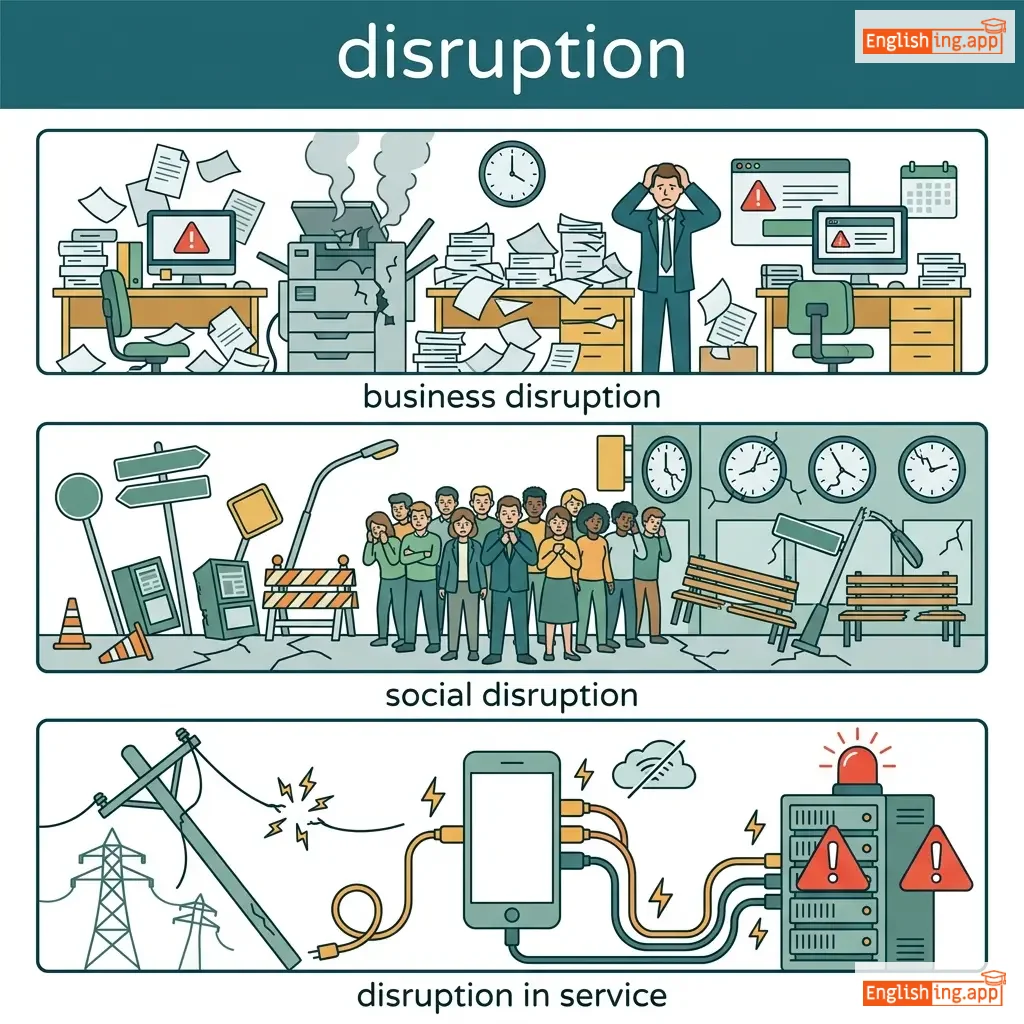
business disruption, social disruption, disruption in service, major disruption
••••••
|
干扰 (干扰) 是计划中的不速之客打破了平静。
••••••
|
|
🎭
••••••
|
/ˌen.təˈteɪ.nɪŋ/
adjective
(娱乐的)
••••••
|
- •••••• |
娱乐的; 有趣且引人入胜
yúlè de; yǒuqù qiě yǐn rén rù shèng
••••••
|
- •••••• | - •••••• | - •••••• | - •••••• |
providing amusement or enjoyment; funny and engaging
••••••
|
The comedian's performance was very entertaining and kept the audience laughing. |
那位喜剧演员的表演非常娱乐,观众笑声不断。
Nà wèi xǐjù yǎnyuán de biǎoyǎn fēicháng yúlè, guānzhòng xiàoshēng bùduàn.
••••••
|
- •••••• | - •••••• | - •••••• |
amusing, enjoyable, funny, engaging
••••••
|
boring, dull, tedious, uninteresting
••••••
|
entertaining show, entertaining story, entertaining guest
••••••
|
娱乐的 = 有趣; 使表演娱乐的关键是它有趣且引人入胜!
••••••
|
|
🔄
••••••
|
/ˌɛvəlʊˈʃɛnəri/
adjective
••••••
|
|
- •••••• | - •••••• | - •••••• | - •••••• | - •••••• |
relating to or characterized by evolution, especially in terms of gradual development or change
••••••
|
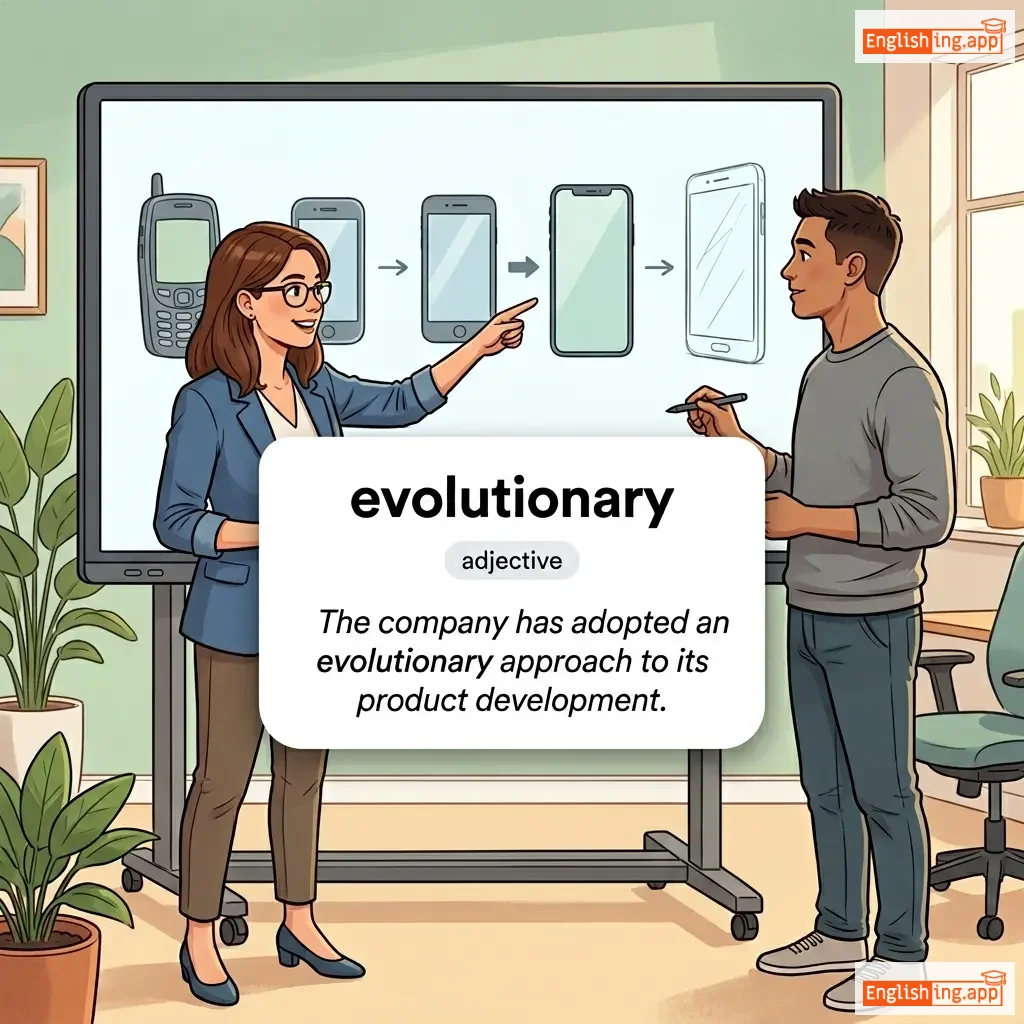
The company has adopted an evolutionary approach to its product development. |
- •••••• | - •••••• | - •••••• | - •••••• |
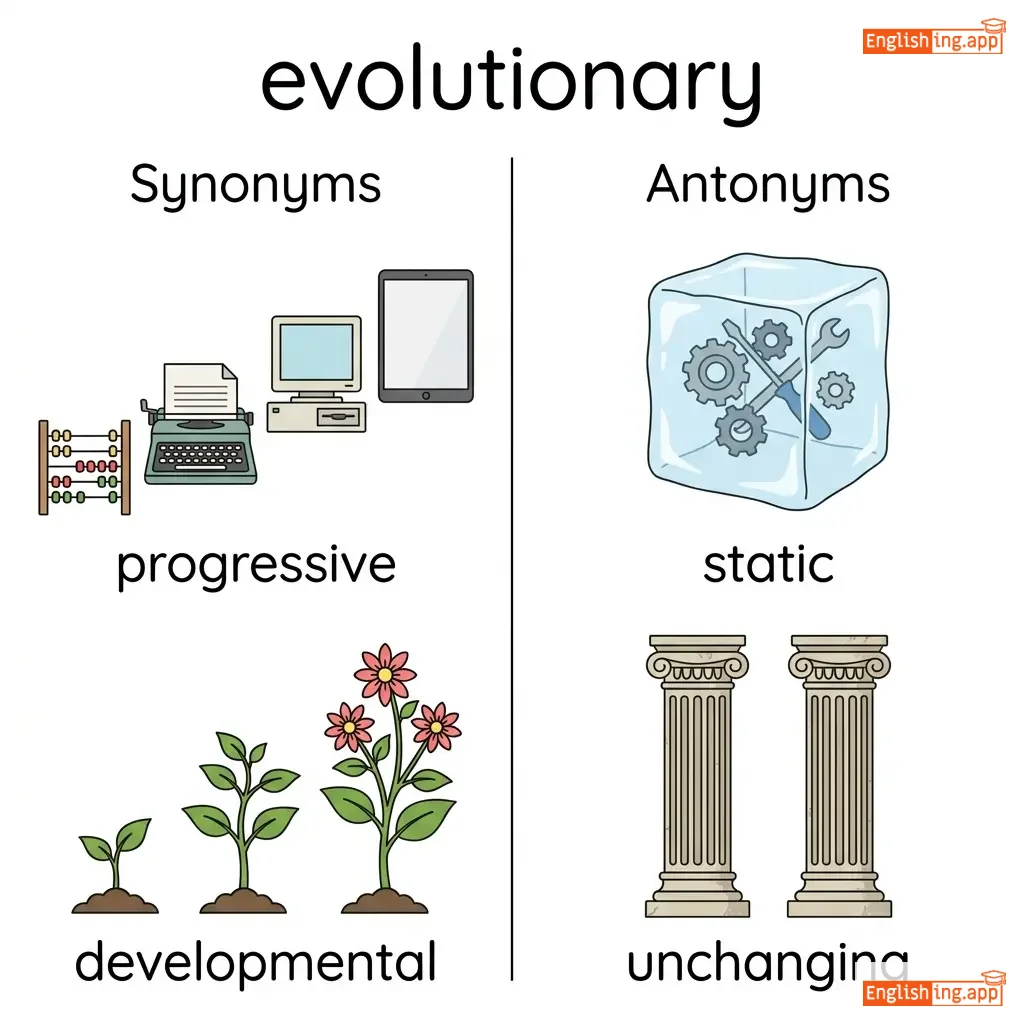
progressive, developmental, transformative
••••••
|
static, unchanging
••••••
|
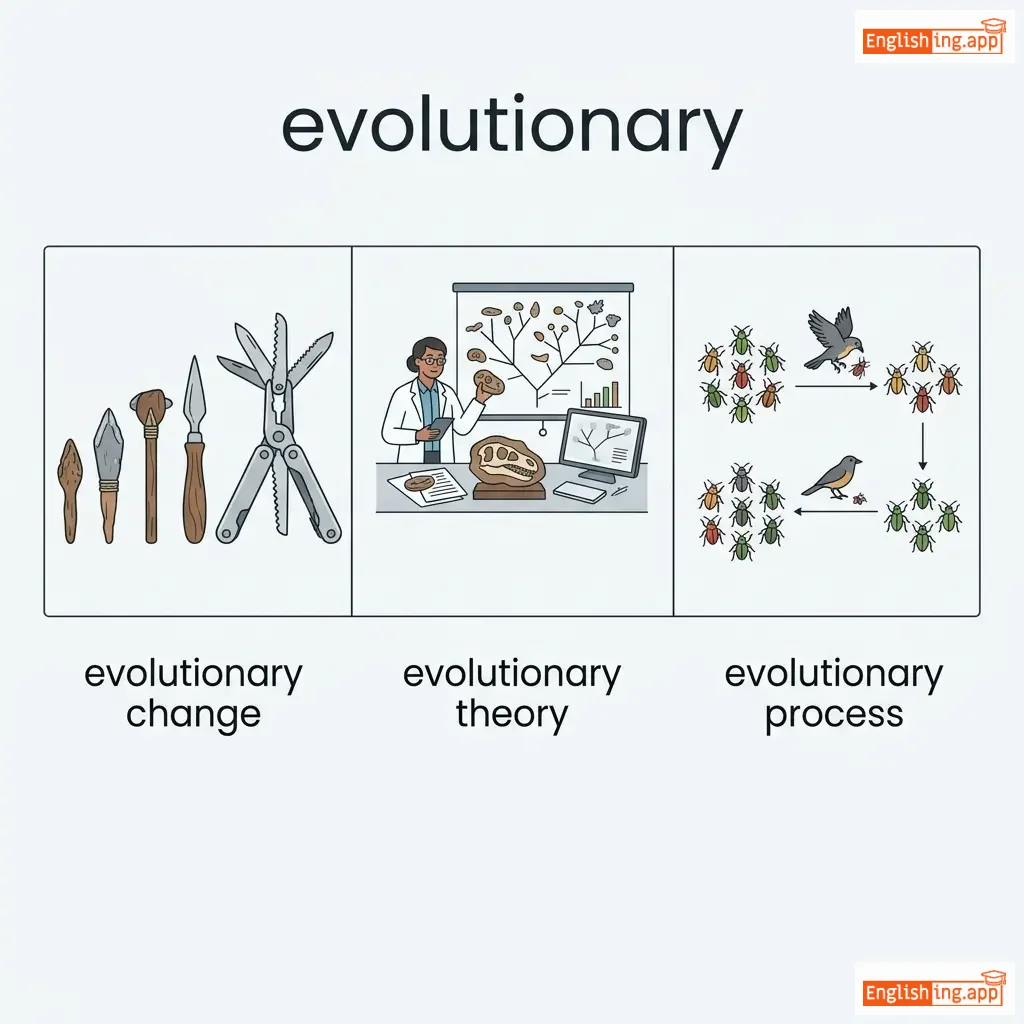
evolutionary change, evolutionary theory, evolutionary process, evolutionary development
••••••
|
No •••••• |
|
⛏️
••••••
|
/ˌek.splɔɪˈteɪ.ʃən/
noun
(ɛk.splɔɪˈteɪʃən)
••••••
|
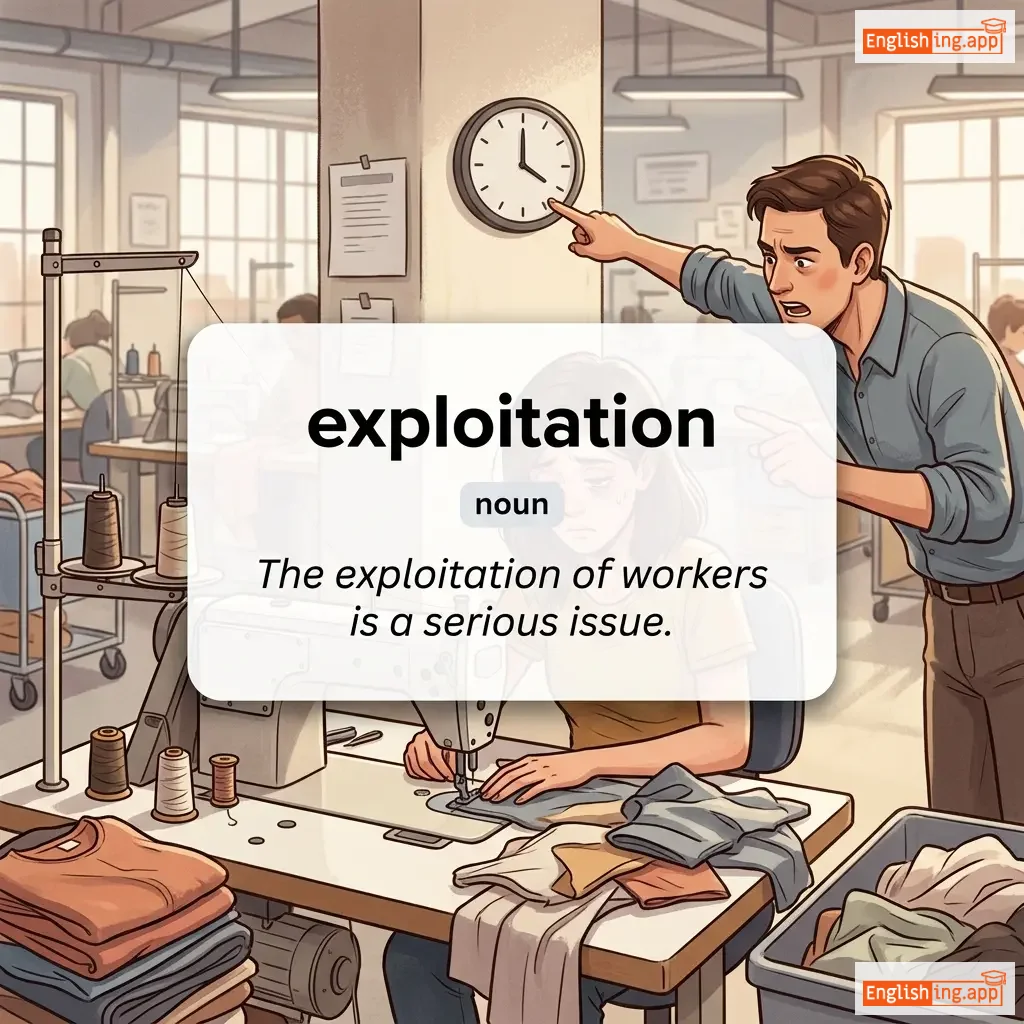
|
剥削; 滥用
bōxuē, lànyòng
••••••
|
- •••••• | - •••••• | - •••••• | - •••••• |
the action of treating someone unfairly in order to benefit from their work; misuse
••••••
|
The company was accused of worker exploitation due to poor working conditions. |
公司因恶劣的工作条件被指控剥削工人。
Gōngsī yīn èliè de gōngzuò tiáojiàn bèi zhǐkòng bōxuē gōngrén.
••••••
|
- •••••• | - •••••• | - •••••• |
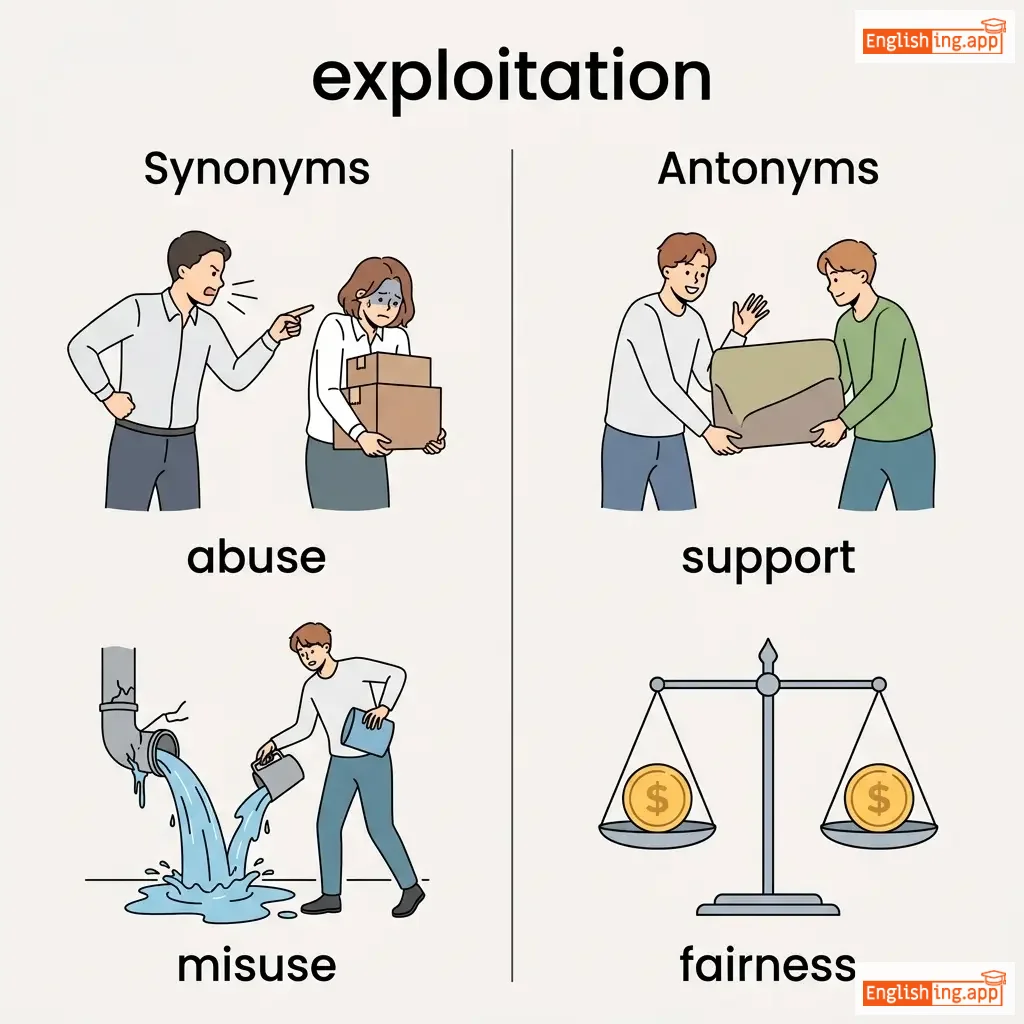
abuse, misuse, oppression, manipulation
••••••
|
protection, fairness, justice, respect
••••••
|
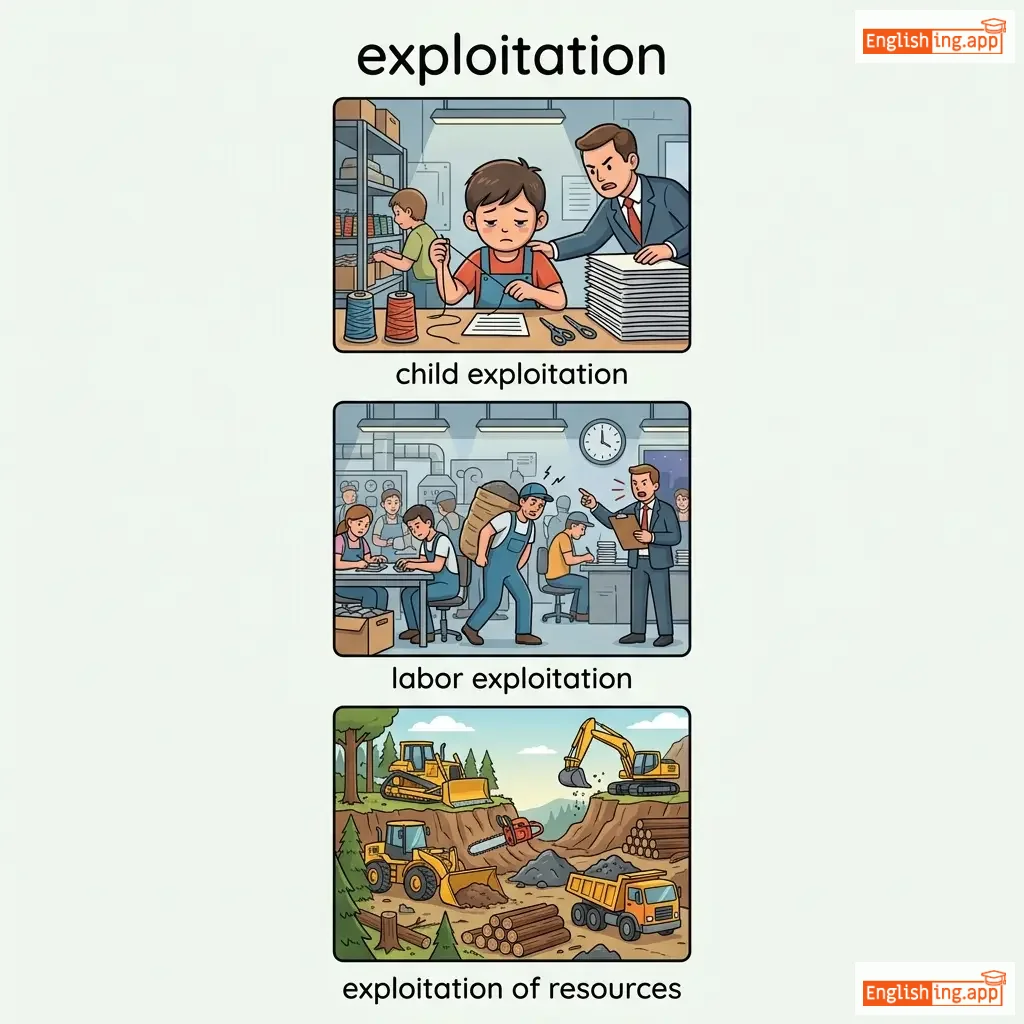
worker exploitation, resource exploitation, prevent exploitation
••••••
|
Exploitation is an unfair use of someone’s work, like 'lànyòng' (misuse).
••••••
|
|
📌
••••••
|
/ˌɪmplɪˈkeɪʃən/
noun
(yīngpǔlìkèshēn)
••••••
|
|
暗示, 影响
ànshì, yǐngxiǎng
••••••
|
- •••••• | - •••••• | - •••••• | - •••••• |
A possible effect or result of an action or decision; something suggested without being stated directly.
••••••
|
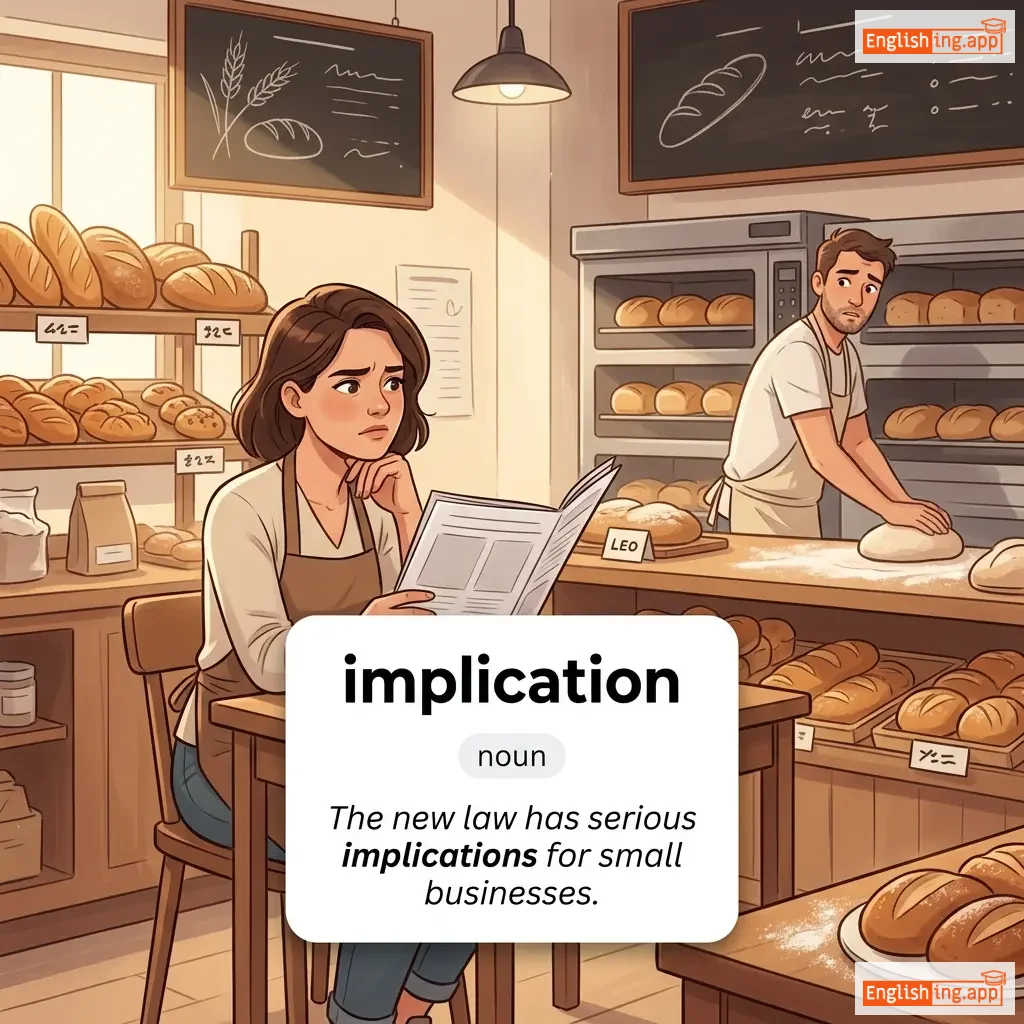
The new law has serious implications for small businesses. |
新法律对小企业有严重影响。
Xīn fǎlǜ duì xiǎo qǐyè yǒu yánzhòng yǐngxiǎng.
••••••
|
by implication |
Indirectly or by consequence.
••••••
|
通过暗示
tōngguò ànshì
••••••
|
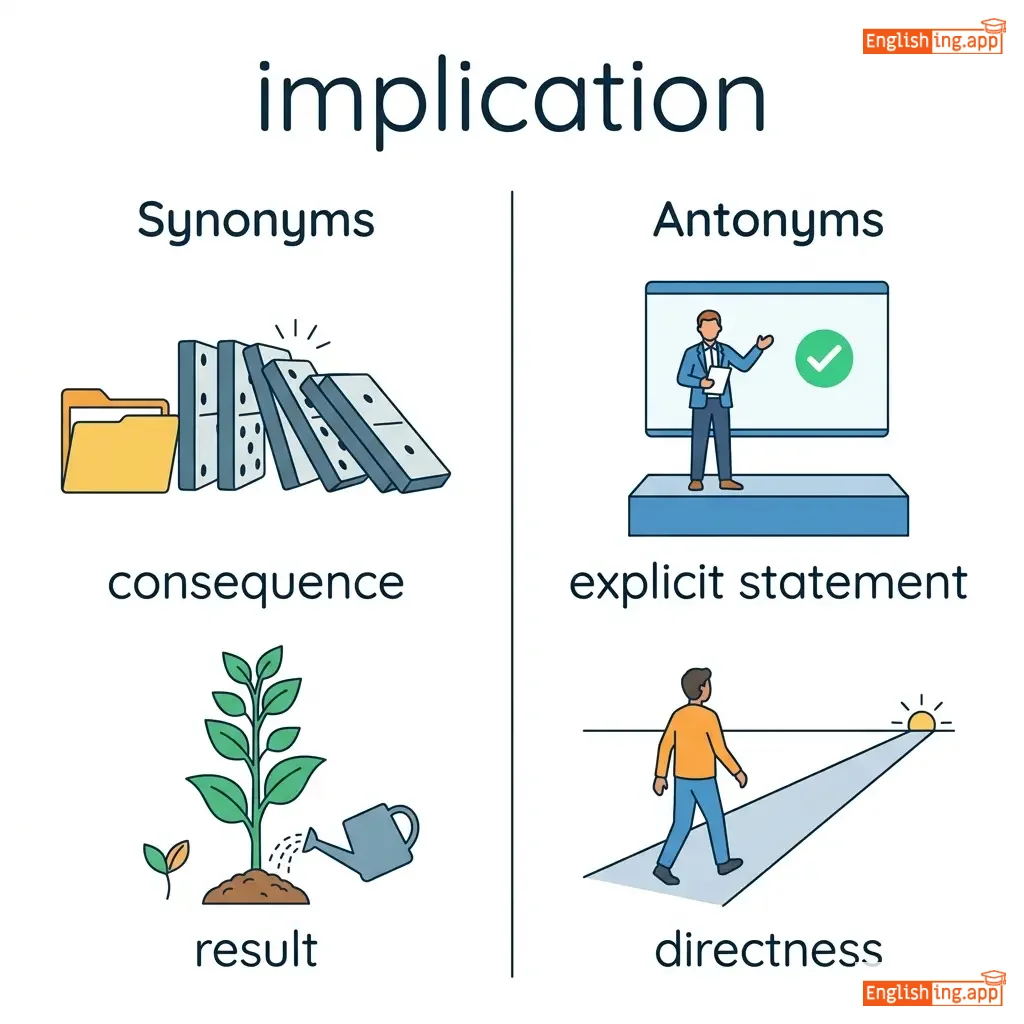
consequence, result, suggestion, inference, indication
••••••
|
explicit statement, directness
••••••
|
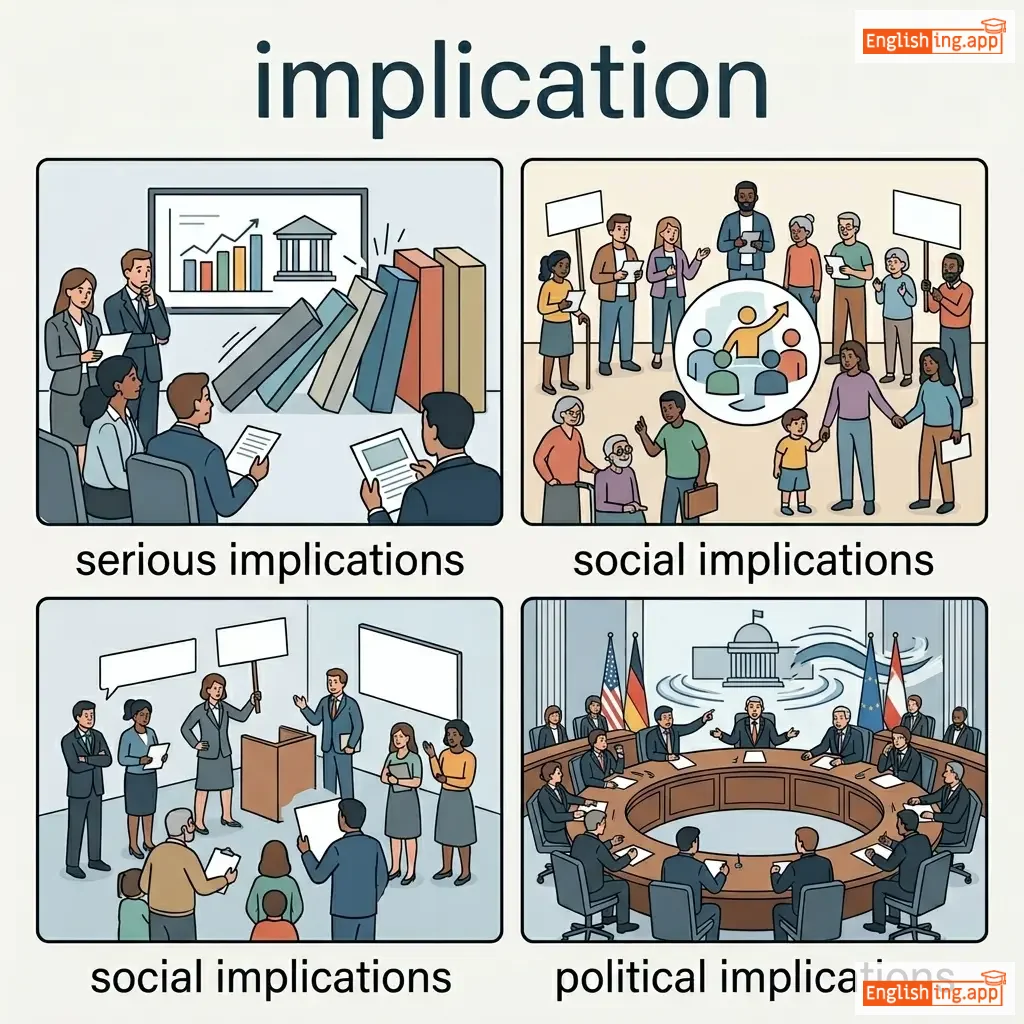
serious implications, social implications, political implications, economic implications
••••••
|
Implication 就是暗示或影响,直接或间接地带来结果。
••••••
|
|
👶
••••••
|
/ˌriːprəˈdʌkʃən/
noun
(繁殖)
••••••
|
- •••••• |
繁殖, 再生产
fánzhí, zàishēngchǎn
••••••
|
- •••••• | - •••••• | - •••••• | - •••••• |
The process of producing offspring; the act of copying or duplicating.
••••••
|
The textbook included a detailed diagram of human reproduction.
课本中包含了人类繁殖的详细图表。
••••••
|
课本中包含了人类繁殖的详细图表。
Kèběn zhōng bāokuòle rénlèi fánzhí de xiángxì túbiǎo.
••••••
|
- •••••• | - •••••• | - •••••• |
duplication, replication, breeding, procreation
••••••
|
extinction, destruction
••••••
|
sexual reproduction, human reproduction, accurate reproduction
••••••
|
Re PRO duction 意味着新的生命或复制 (reproduction)。
••••••
|
|
📉
••••••
|
/ˌʌnɪmˈplɔɪmənt/
noun
(ānɪmplɔɪmənt)
••••••
|
- •••••• |
失业
shiye
••••••
|
- •••••• | - •••••• | - •••••• | - •••••• |
the state of not having a paid job despite being able and willing to work
••••••
|
High unemployment is a major issue in the country. |
高失业率是该国的一个主要问题。
Gao shiye lv shi gai guo de yi ge zhuyao wenti.
••••••
|
unemployment rate |
the percentage of the labor force that is jobless
••••••
|
失业率
shiye lv
••••••
|
joblessness, redundancy, idleness, inactivity, layoff
••••••
|
employment, work, occupation
••••••
|
high unemployment, youth unemployment, unemployment benefits, unemployment crisis
••••••
|
Un + Employment 就是没有工作 — 记住,失业就是没有工作 📉
••••••
|

