Greenhouse Dreams Made Practical
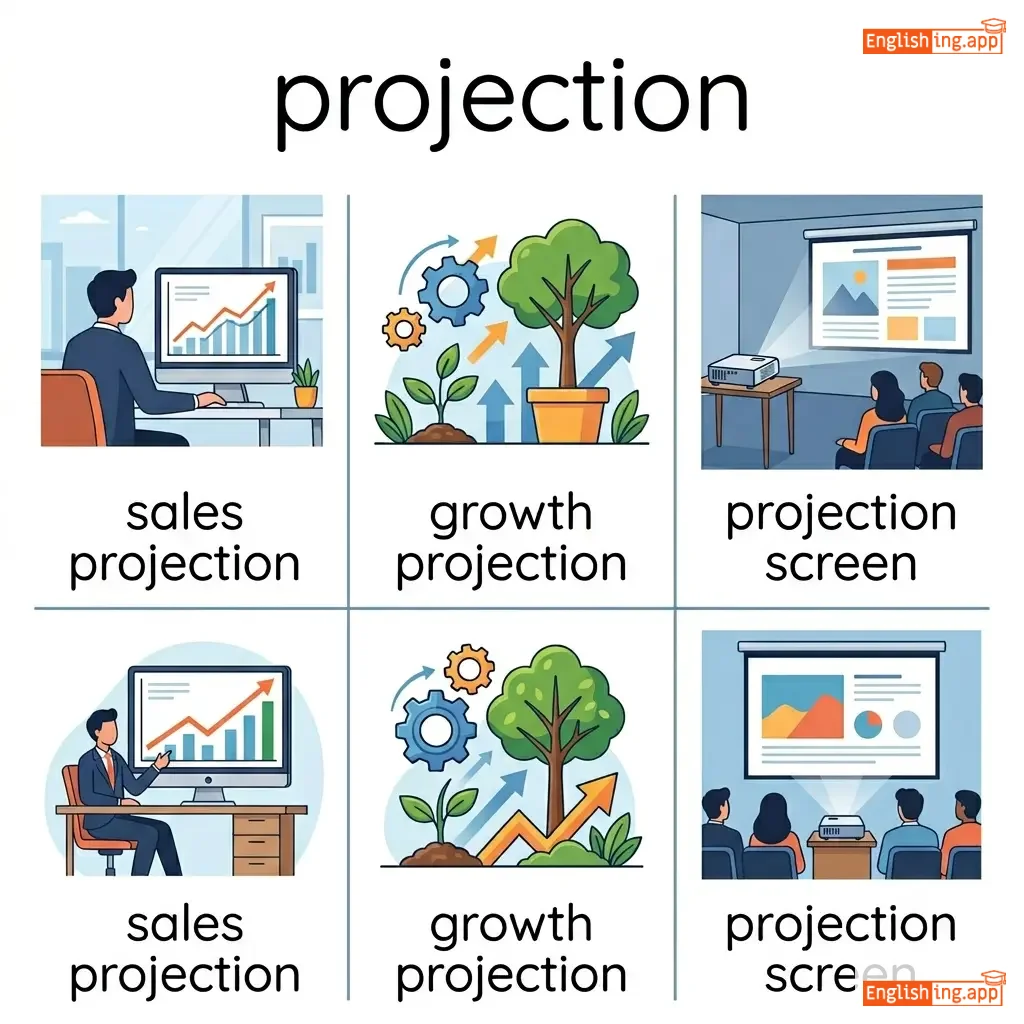
Rubaiya 和她的兄弟 Miraj 决定重新装修社区的 greenhouse。他们说:'我们的计划必须完全 applicable 对于村庄。' Rubaiya 赞扬了 Miraj 的 capability,因为他能安装传感器。Miraj 展示了一个 functional 气候监视器,显示了如何控制温度。他们的设计如此 compelling,以至于大家一起鼓掌。阿姨 Robina 说这个项目将是有机市场的一个美好 complement。然而,看到预算的 complexity,Sohel 说:'我们需要慢慢推进。' Rubaiya 承认:'我们必须 frequently 检查结构,以发现问题。' 他们为农民开发了一个应用程序,以 facilitate 信息共享。Miraj 用手机上的图片来 illustrate 如何安装传感器。Rubaiya 为食谱课程准备了每种新鲜的 ingredient 列表。傍晚,他们向整个村庄发送了一个温暖的 invitation。新应用程序为每个人打开了 navigation 地图。地区官员来祝贺这个项目 officially。他提醒他们,这个想法 originally 来自学生的梦想。Rubaiya 说:'在我们 physically 测试每个单元之前,我们不会获得信任。' 孩子们在社交媒体上增加了这个想法的 popularity。Miraj 在仪表板上显示了天气的 prediction,以显示雨何时会来。农民根据他们的 preference 设置了自定义警报。最后,看着幻灯片的 projection,村委会同意该项目将成功。
|
表情符号
|
单词 | Images | 翻译 | 过去时 | 过去分词 | 第三人称单数 | 动名词 | 含义 | 例句 | 例句翻译 | 示例表达 | 示例表达含义 | 示例表达翻译 | 同义词 | 反义词 | 搭配词 | 助记符 |
|---|---|---|---|---|---|---|---|---|---|---|---|---|---|---|---|---|---|
|
📌
••••••
|
/ˈæplɪkəbl/
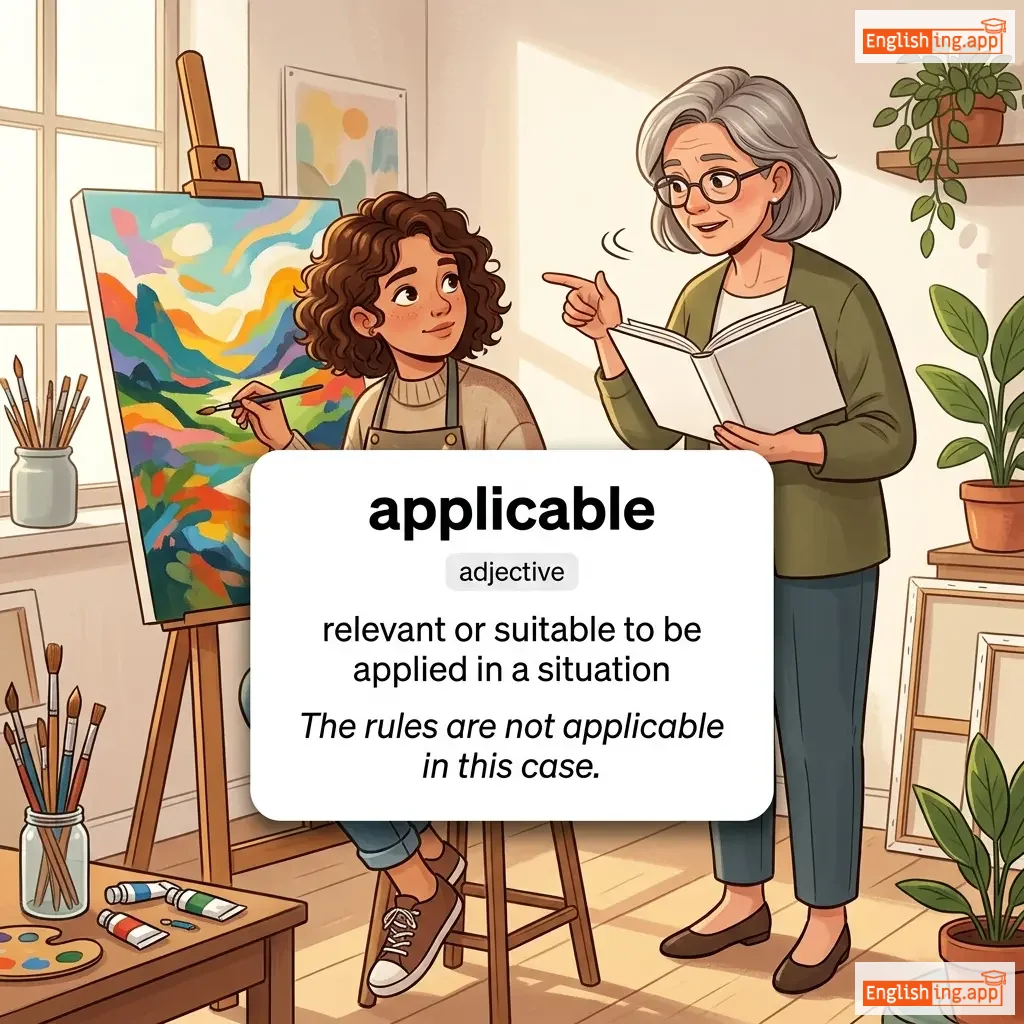
adjective
(aplikabl)
••••••
|
|
适用的
shiyong de
••••••
|
- •••••• | - •••••• | - •••••• | - •••••• |
relevant or suitable to be applied in a situation
••••••
|
The rules are not applicable in this case. |
在这种情况下规则不适用。
Zai zhezhong qingkuang xia guize bu shiyong.
••••••
|
- •••••• | - •••••• | - •••••• |
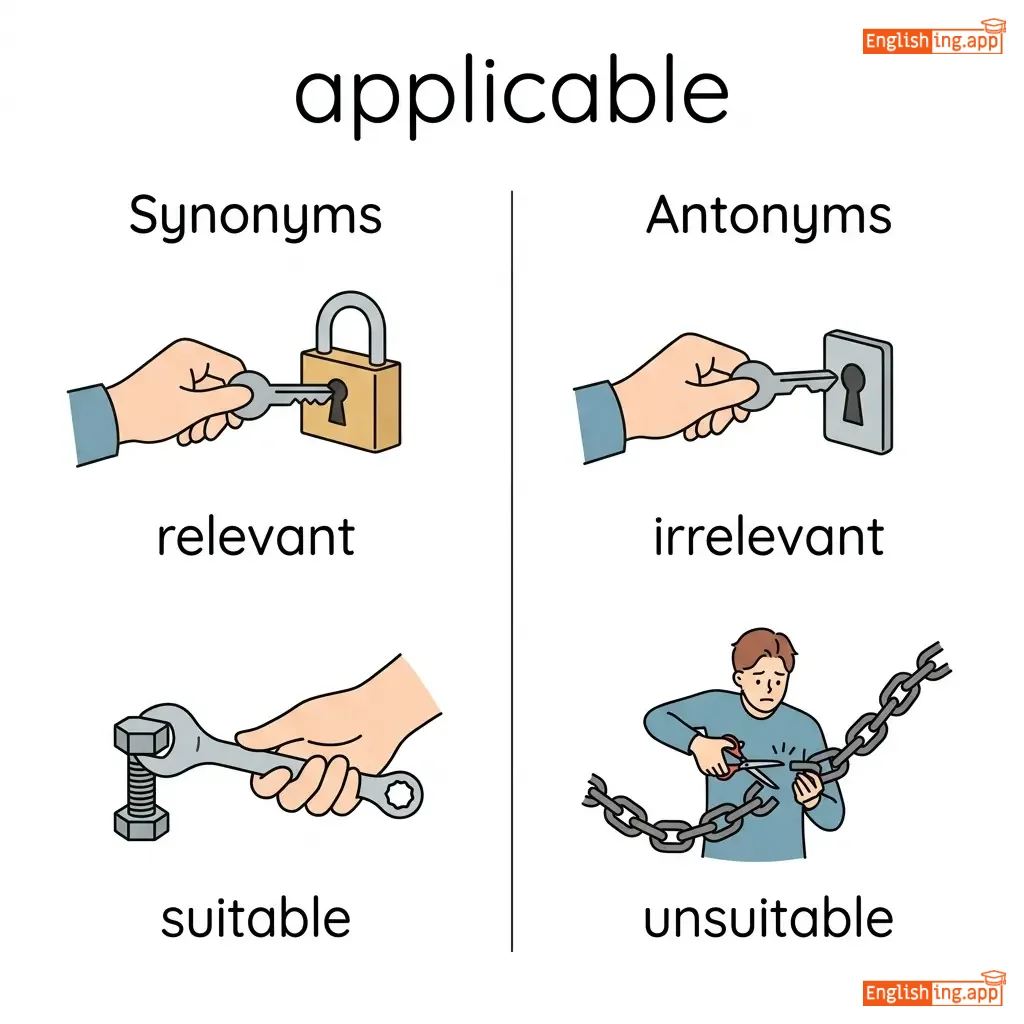
relevant, suitable, appropriate, pertinent, fitting
••••••
|
irrelevant, unsuitable, inappropriate
••••••
|
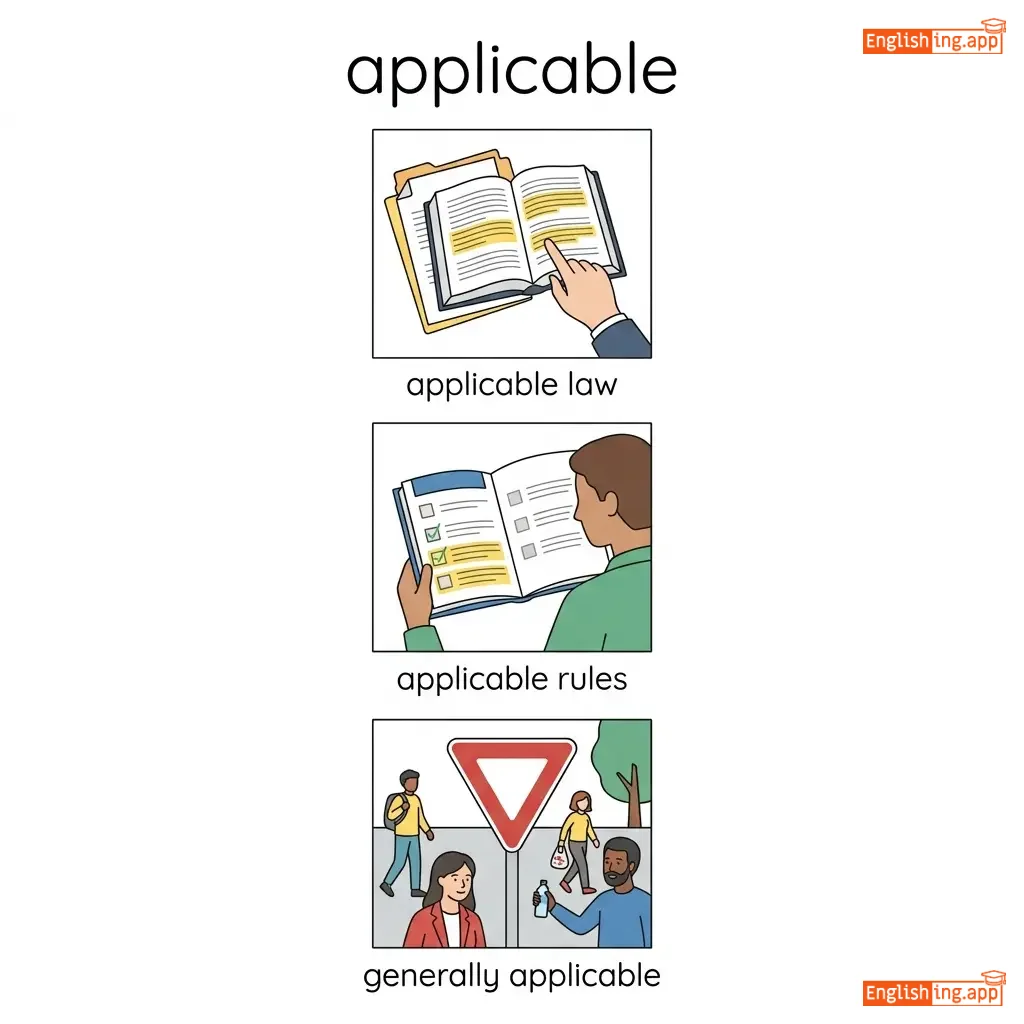
applicable law, applicable rules, generally applicable
••••••
|
Applicable意味着可以应用的,即适用的。
••••••
|
|
💪
••••••
|
/ˌkeɪpəˈbɪləti/
noun
••••••
|
|
- •••••• | - •••••• | - •••••• | - •••••• | - •••••• |
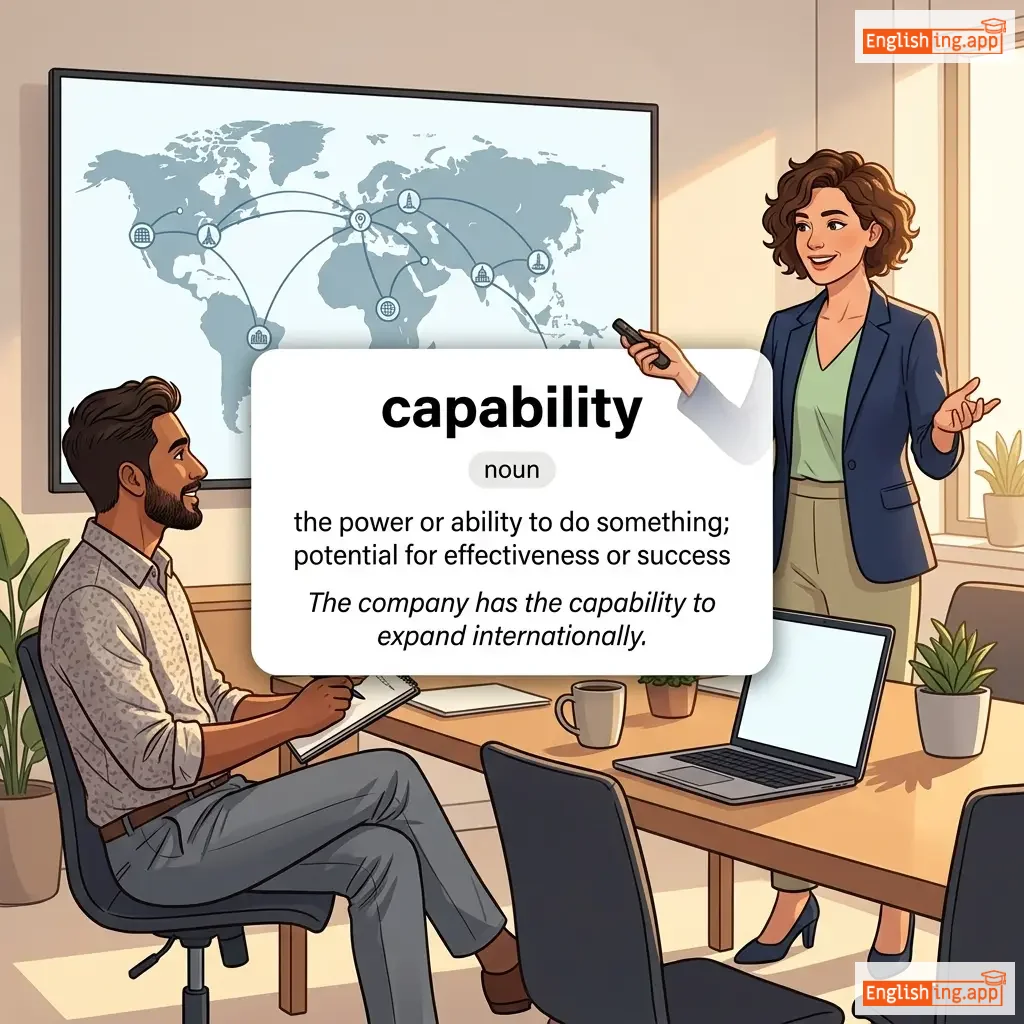
the power or ability to do something; potential for effectiveness or success
••••••
|
The company has the capability to expand internationally. |
- •••••• |
beyond one's capability |
something that is too difficult or impossible for someone to do
••••••
|
- •••••• |
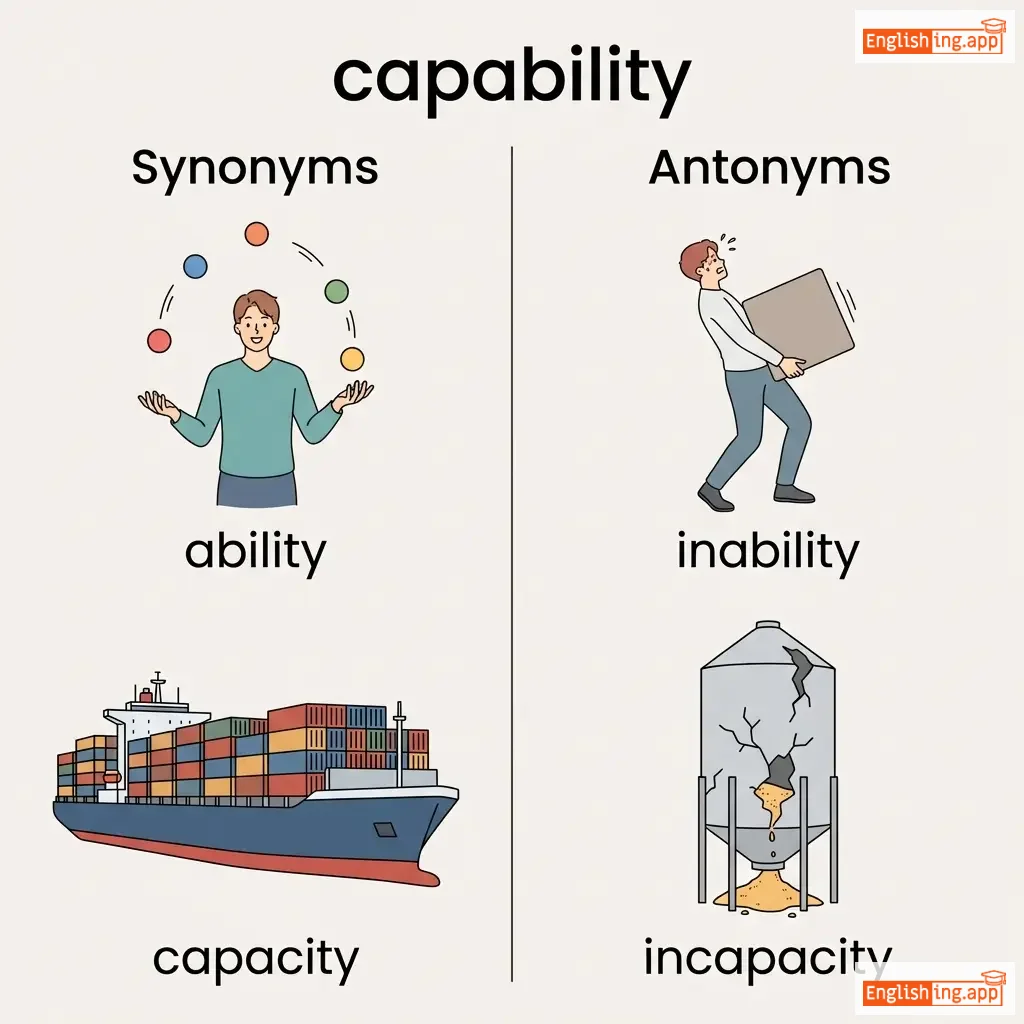
ability, capacity, potential, competence, skill
••••••
|
inability, incapacity
••••••
|
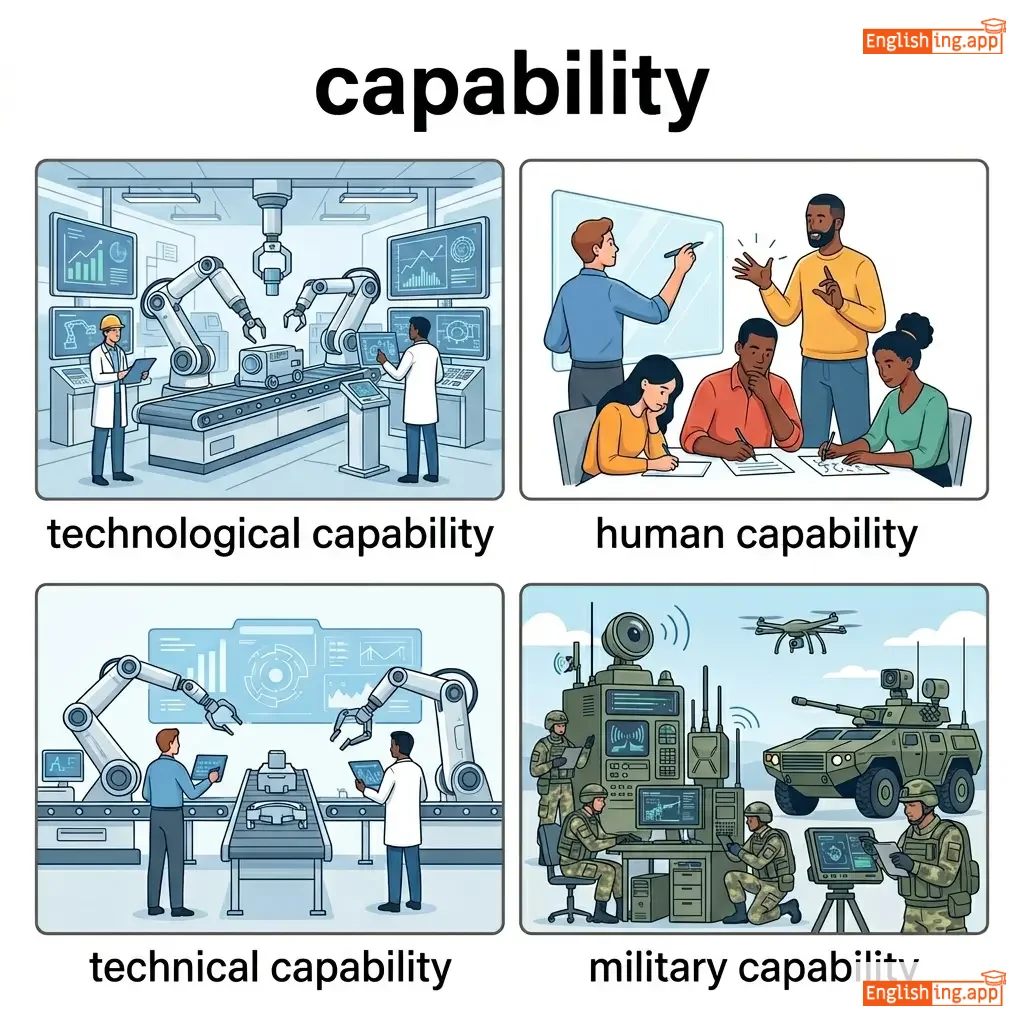
technological capability, human capability, military capability, full capability
••••••
|
No •••••• |
|
🌟
••••••
|
/kəmˈpɛlɪŋ/
adjective
(凯姆ˈ佩林)
••••••
|
- •••••• |
引人注目的
yǐn rén zhù mù de
••••••
|
- •••••• | - •••••• | - •••••• | - •••••• |
Evoking interest, attention, or admiration in a powerful way.
••••••
|
She gave a compelling speech about climate change. |
她就气候变化发表了引人注目的演讲。
Tā jiù qì hòu biàn huà fā biǎo le yǐn rén zhù mù de yǎn jiǎng.
••••••
|
compelling evidence |
Evidence that is convincing and hard to refute.
••••••
|
令人信服的证据
lìng rén xìn fú de zhèng jù
••••••
|
convincing, powerful, persuasive, gripping, fascinating
••••••
|
unconvincing, weak, boring
••••••
|
compelling argument, compelling reason, compelling story, compelling evidence
••••••
|
引人注目, 就像一场引人注目的演讲!
••••••
|
|
➕
••••••
|
/ˈkɒmplɪmənt/
noun/verb
(补充)
••••••
|

|
补充
buchong
••••••
|
complemented
补充
••••••
|
complemented
补充
••••••
|
complements
补充
••••••
|
complementing
补充
••••••
|
something that completes or goes well with something; to add something that enhances or improves
••••••
|
The scarf complements her outfit perfectly.
围巾完美地补充了她的装束。
••••••
|
围巾完美地补充了她的装束。
wei jin wan mei di buchong le ta de zhuang shu.
••••••
|
perfect complement
完美的补充
••••••
|
something that completes another thing in the best possible way
••••••
|
完美的补充
wan mei de buchong
••••••
|
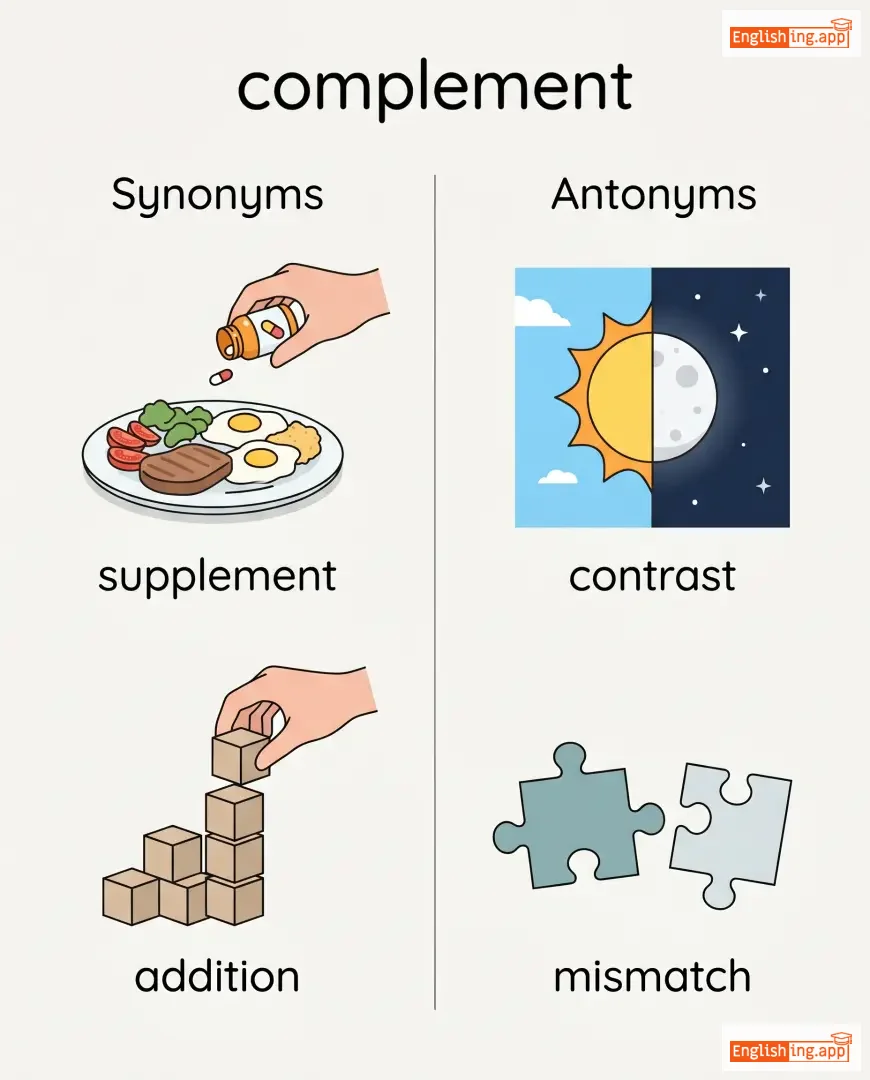
supplement, addition, counterpart, companion, match
••••••
|
contrast, mismatch
••••••
|
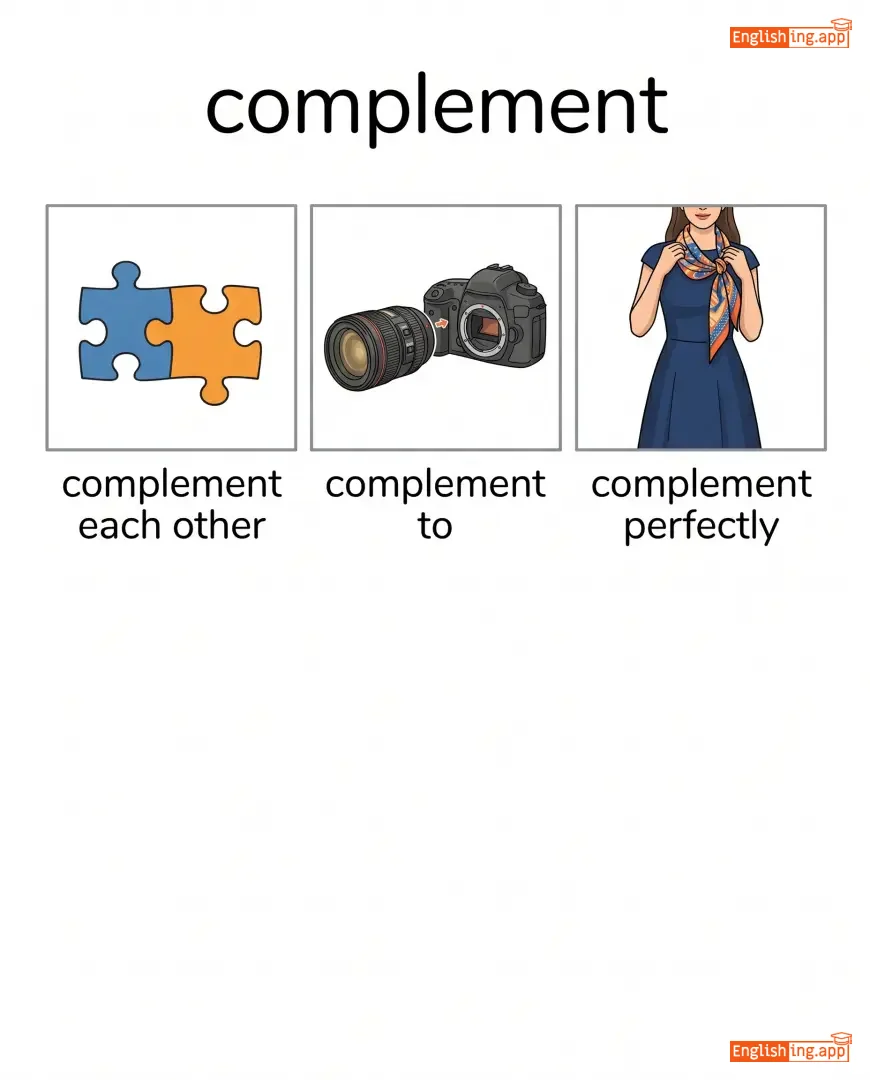
complement each other, complement to, complement perfectly, complement system
••••••
|
补充 = 完成 + 添加,让其他事物更好
••••••
|
|
🧩
••••••
|
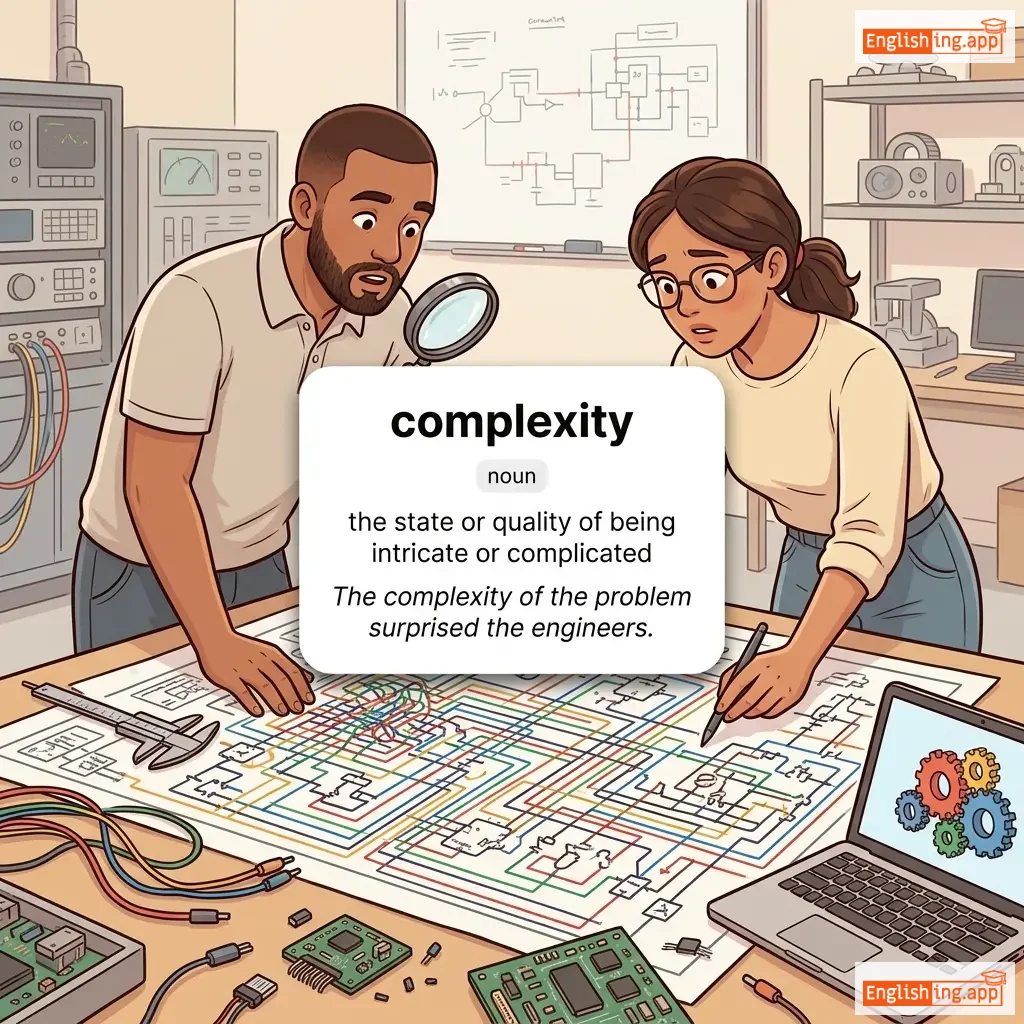
/kəmˈplɛksɪti/
noun
(kəmˈplɛksɪti)
••••••
|
|
复杂性
fuza xing
••••••
|
- •••••• | - •••••• | - •••••• | - •••••• |
the state or quality of being intricate or complicated
••••••
|
The complexity of the problem surprised the engineers. |
问题的复杂性使工程师感到惊讶。
Wenti de fuza xing shi gongchengshi gandu jingya.
••••••
|
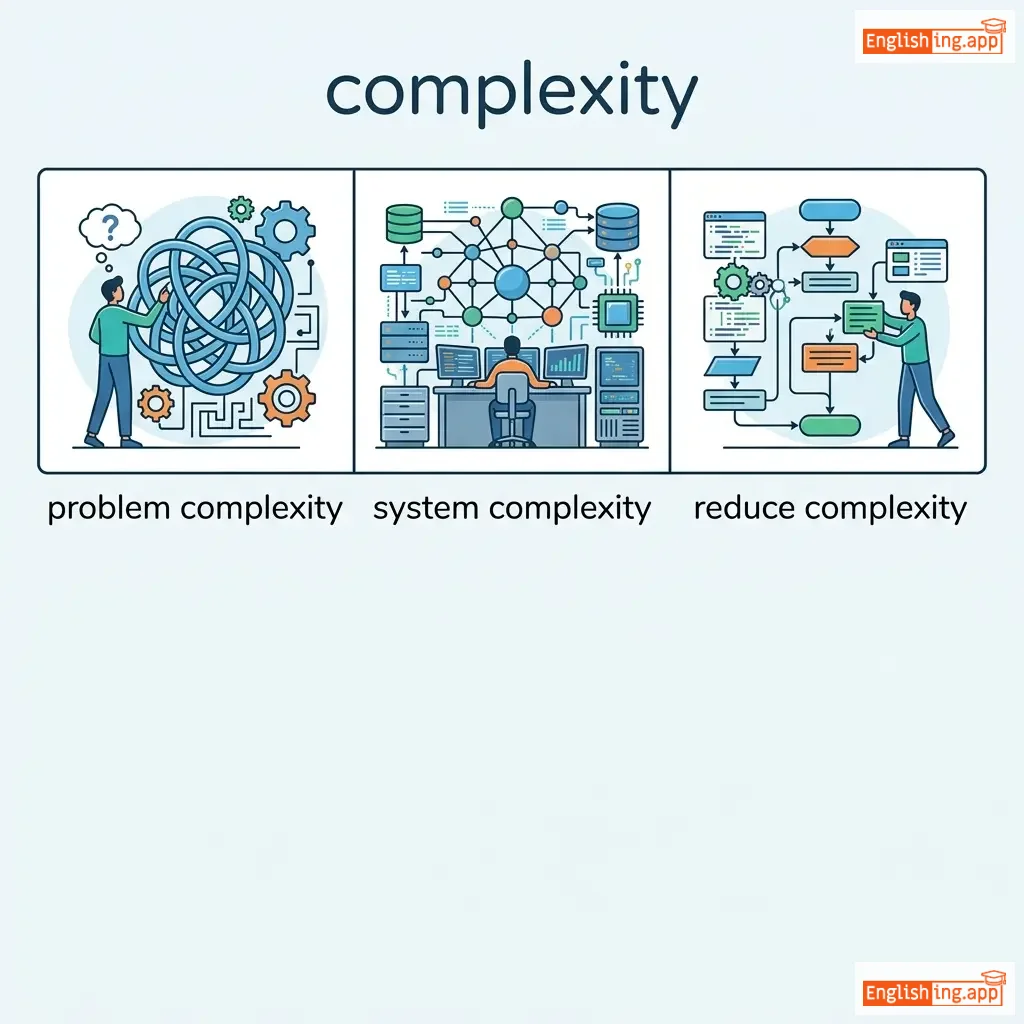
reduce complexity |
to make something simpler or easier to understand
••••••
|
降低复杂性
jiangdi fuza xing
••••••
|
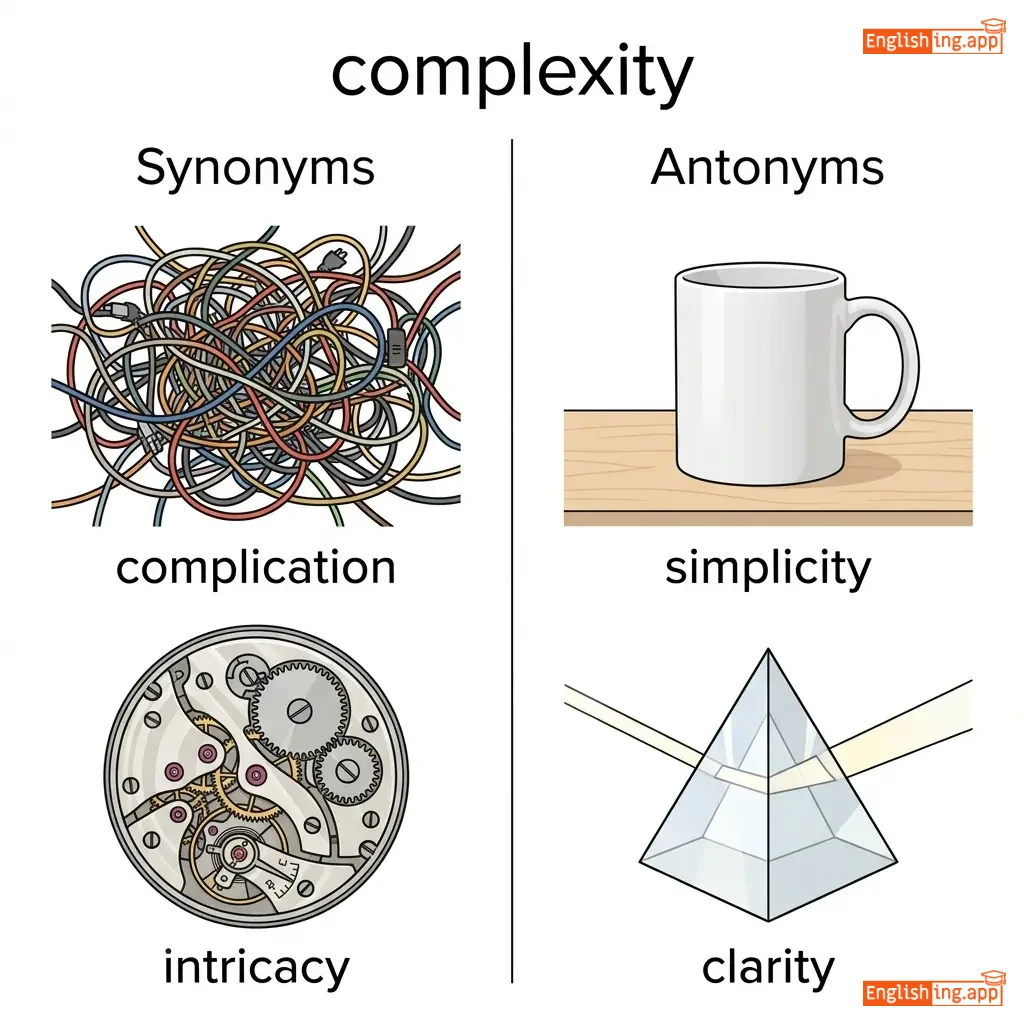
complication, intricacy, difficulty, sophistication, depth
••••••
|
simplicity, clarity, ease
••••••
|
problem complexity, system complexity, reduce complexity, increasing complexity
••••••
|
复杂性代表事情的复杂程度,复杂的事情总是有挑战性的。
••••••
|
|
⚙️
••••••
|
/fəˈsɪlɪteɪt/
verb
(促进)
••••••
|

|
促进,使变得更容易
cùjìn, shǐ biàn dé gèng róngyì
••••••
|
facilitated
促进了
••••••
|
facilitated
促进了
••••••
|
facilitates
促进
••••••
|
facilitating
促进中
••••••
|
to make an action or process easier or smoother
••••••
|
The new software will facilitate communication between departments.
新软件将促进部门之间的沟通。
••••••
|
新软件将促进部门之间的沟通。
Xīn ruǎnjiàn jiāng cùjìn bùmén zhī jiān de gōutōng.
••••••
|
- •••••• | - •••••• | - •••••• |
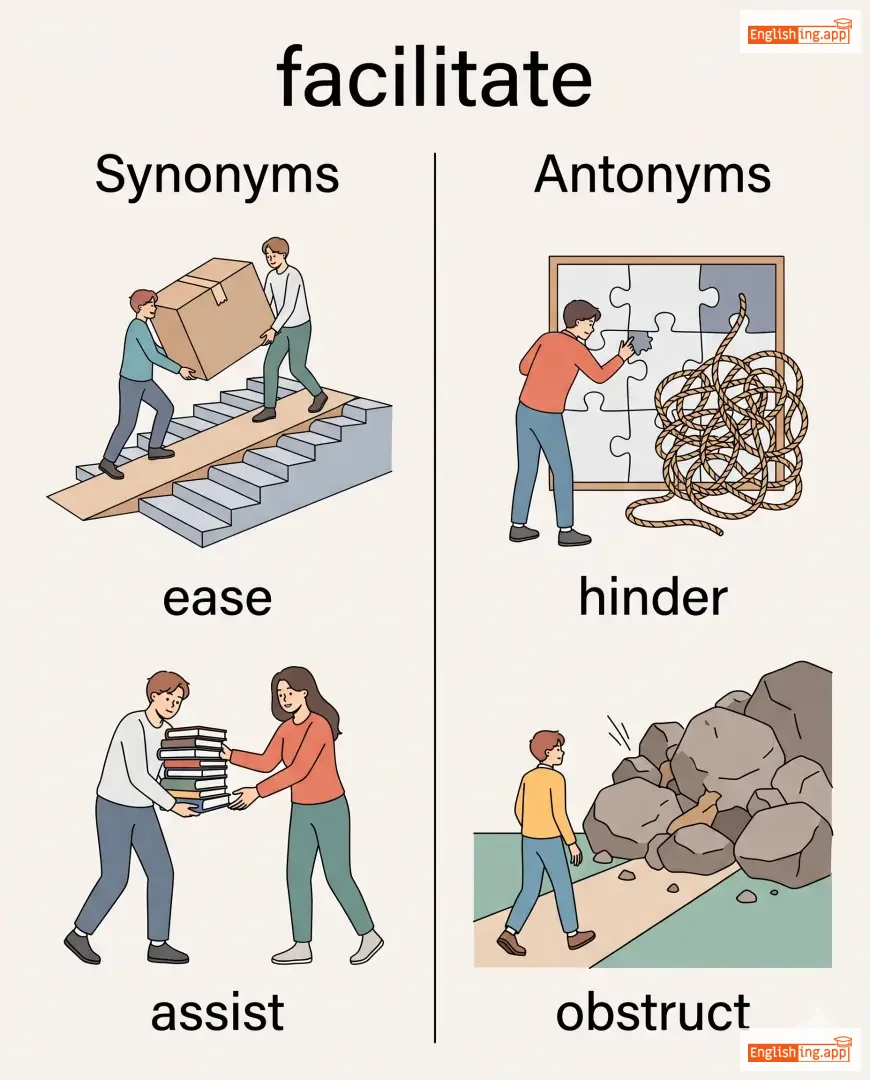
ease, assist, simplify, aid
••••••
|
hinder, obstruct, complicate
••••••
|
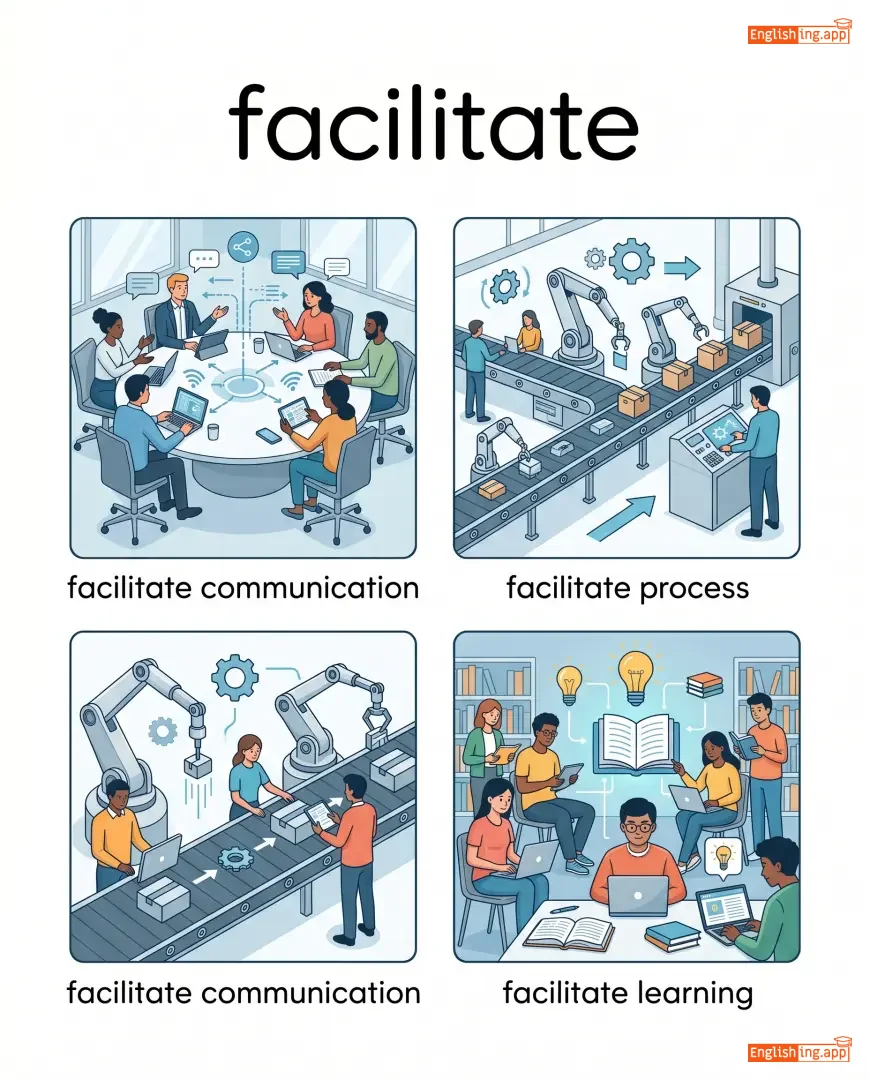
facilitate communication, facilitate process, facilitate learning, facilitate discussion
••••••
|
Facilitate - 'Face ill' 使事情更简单
••••••
|
|
🔄
••••••
|
/ˈfriːkwəntli/
adverb
(频繁)
••••••
|
- •••••• |
频繁; 定期; 多次
pínfán, dìngqī, duōcì
••••••
|
- •••••• | - •••••• | - •••••• | - •••••• |
often; regularly; many times
••••••
|
She frequently visits her grandmother on weekends. |
她在周末经常探望她的祖母。
Tā zài zhōumò jīngcháng tànwàng tā de zǔmǔ.
••••••
|
- •••••• | - •••••• | - •••••• |
often, regularly, repeatedly, commonly, habitually
••••••
|
rarely, seldom, infrequently, occasionally, never
••••••
|
frequently asked questions, frequently used, frequently visited
••••••
|
频繁的动作就是常常做,像是定期做事。
••••••
|
|
⚙️
••••••
|
/ˈfʌŋkʃənl/
adjective
(fàngkèshùnēl)
••••••
|
- •••••• |
功能性
gōngnéngxìng
••••••
|
- •••••• | - •••••• | - •••••• | - •••••• |
designed to be practical and useful, rather than just decorative
••••••
|
The design of the chair is simple but highly functional. |
椅子的设计简单,但非常实用。
Yǐzi de shèjì jiǎndān, dàn fēicháng shíyòng.
••••••
|
- •••••• | - •••••• | - •••••• |
practical, useful, efficient, operative
••••••
|
useless, impractical
••••••
|
functional design, functional purpose, fully functional, functional system
••••••
|
功能性像功能,表示有用和实用。
••••••
|
|
🌱
••••••
|
/ˈɡriːnhaʊs/
noun
(guīnhàosī)
••••••
|
- •••••• |
温室
wenshi
••••••
|
- •••••• | - •••••• | - •••••• | - •••••• |
a glass building used for growing plants, especially in cold climates
••••••
|
The farmers built a large greenhouse to grow tomatoes in the winter. |
农民们建造了一个大温室,用来在冬天种植番茄。
Nóngmínmen jiànzàole yīgè dà wēnshì, yòng lái zài dōngtiān zhòngzhí fānqié.
••••••
|
- •••••• | - •••••• | - •••••• |
hothouse, conservatory, plant house
••••••
|
open field, outdoors
••••••
|
greenhouse effect, greenhouse gas, greenhouse plants, greenhouse cultivation
••••••
|
温室中的植物像在温暖的地方一样生长。
••••••
|
|
🖼️
••••••
|
/ˈɪl.ə.streɪt/
verb
(伊卢斯特雷特)
••••••
|
- •••••• |
插图
chātú
••••••
|
illustrated
已插图
••••••
|
illustrated
已插图
••••••
|
illustrates
插图
••••••
|
illustrating
插图
••••••
|
to explain or make something clear by using examples, pictures, or comparisons
••••••
|
The teacher used diagrams to illustrate the concept.
老师用图表来说明这个概念。
••••••
|
老师用图表来说明这个概念。
Lǎoshī yòng túbiǎo lái shuōmíng zhège gàiniàn.
••••••
|
to illustrate the point
说明这一点
••••••
|
to make an idea clearer with an example
••••••
|
说明这一点
shuōmíng zhè yī diǎn
••••••
|
explain, demonstrate, clarify, depict, exemplify
••••••
|
confuse, obscure
••••••
|
illustrate clearly, illustrate example, illustrate concept
••••••
|
插图表示通过图画解释—'插图 = 用图片解释'
••••••
|
|
🥘
••••••
|
/ɪnˈɡriːdiənt/
noun
(英格里迪恩特)
••••••
|
- •••••• |
成分
chéngfèn
••••••
|
- •••••• | - •••••• | - •••••• | - •••••• |
A component part or element of something, especially in a recipe.
••••••
|
Flour is a key ingredient in baking bread. |
面粉是做面包的关键成分。
Miànfěn shì zuò miànbāo de guānjiàn chéngfèn.
••••••
|
secret ingredient |
a special or unique element that makes something successful
••••••
|
秘密成分
mìmì chéngfèn
••••••
|
component, element, part, material, constituent
••••••
|
whole, entirety
••••••
|
key ingredient, main ingredient, essential ingredient, secret ingredient
••••••
|
成分: 烹饪中的必需品!
••••••
|
|
💌
••••••
|
/ˌɪnvɪˈteɪʃən/
noun
(海皮尼斯)
••••••
|
- •••••• |
幸福
xìngfú
••••••
|
- •••••• | - •••••• | - •••••• | - •••••• |
a written or spoken request to attend an event or to participate in something
••••••
|
She sent me an invitation to her wedding. |
当她收到奖项时,她无法掩饰自己的幸福。
Dāng tā shōu dào jiǎngxiàng shí, tā wúfǎ yǎnshì zìjǐ de xìngfú.
••••••
|
extend an invitation |
to formally invite someone
••••••
|
追求幸福
zhuīqiú xìngfú
••••••
|
request, call, summon, appeal, proposal
••••••
|
rejection, refusal
••••••
|
send invitation, wedding invitation, formal invitation, accept invitation
••••••
|
幸福 = 当心情愉快,心中充满喜悦。
••••••
|
|
🧭
••••••
|
/ˌnævɪˈɡeɪʃən/
noun
(nà wéí géi shèn)
••••••
|

|
导航
daohang
••••••
|
- •••••• | - •••••• | - •••••• | - •••••• |
the process or activity of accurately determining one's position and planning and following a route
••••••
|
The captain was skilled in the art of navigation across the open sea.
船长擅长在开阔海洋中的导航艺术。
••••••
|
船长擅长在开阔海洋中的导航艺术。
chuánzhǎng shàncháng zài kāikuò hǎiyáng zhōng de dǎoháng yìshù.
••••••
|
- •••••• | - •••••• | - •••••• |
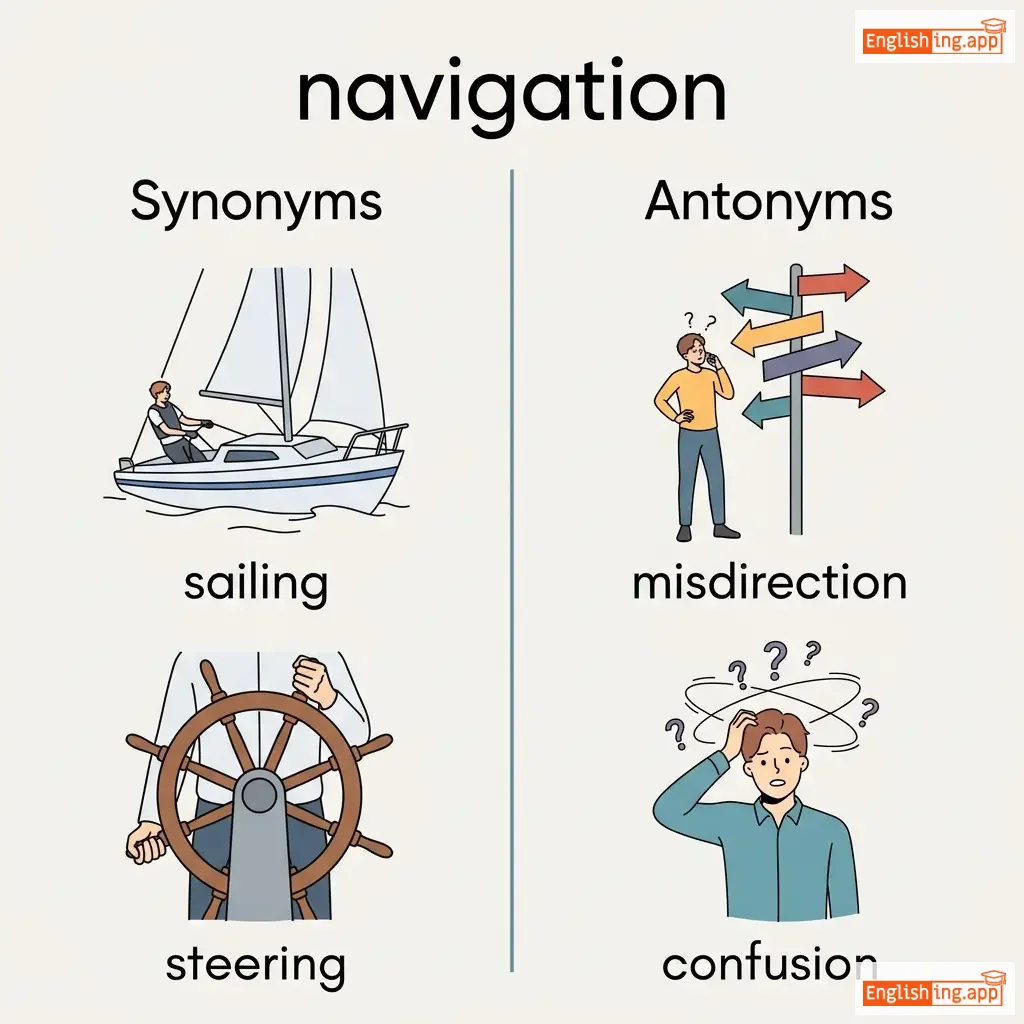
sailing, steering, route planning, charting
••••••
|
misdirection, confusion
••••••
|
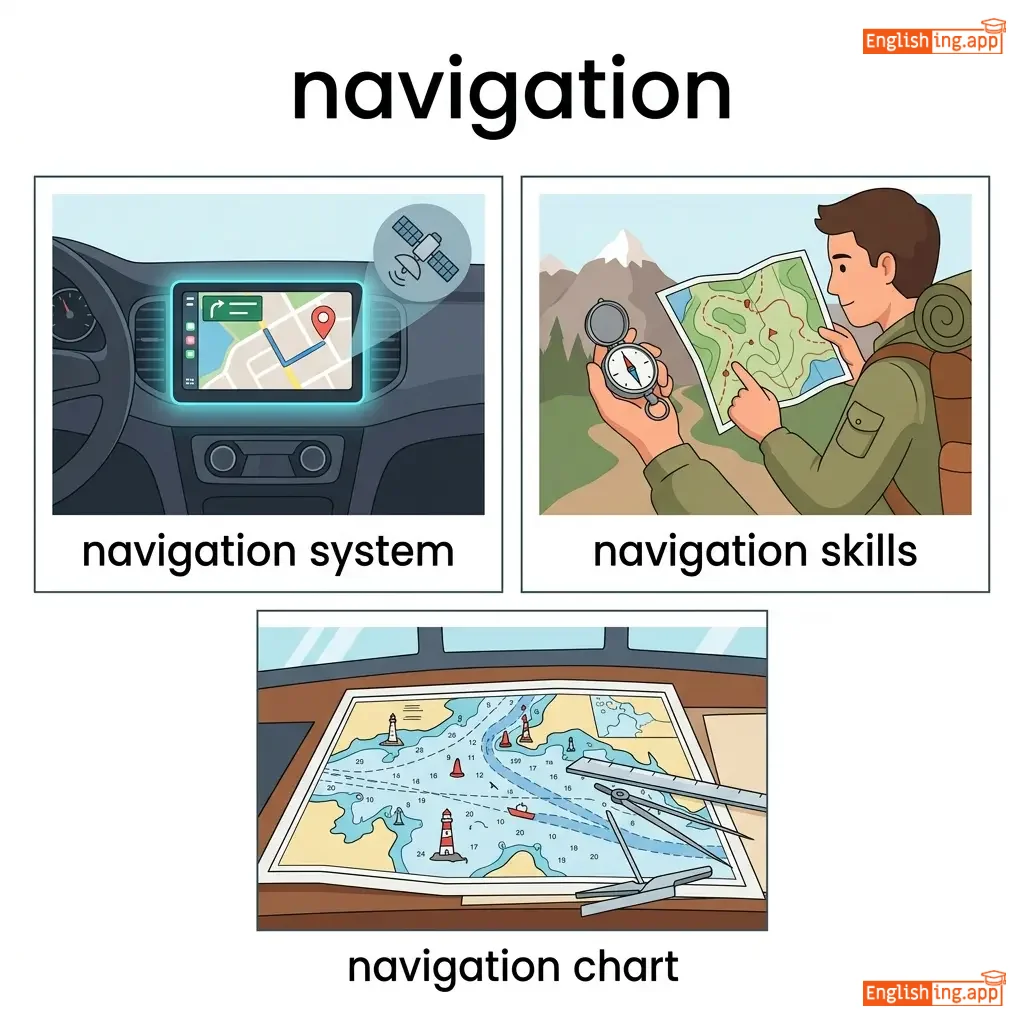
navigation system, navigation skills, navigation chart
••••••
|
导航是你走向目标的指南
••••••
|
|
📜
••••••
|
/əˈfɪʃəli/
adverb
(ā fī shì ā lì)
••••••
|
- •••••• |
正式地
zhèngshì de
••••••
|
- •••••• | - •••••• | - •••••• | - •••••• |
in a formal or authorized way
••••••
|
The building was officially opened by the mayor.
这座建筑由市长正式开幕。
••••••
|
这座建筑由市长正式开幕。
Zhè zuò jiànzhú yóu shìzhǎng zhèngshì kāimù.
••••••
|
officially recognized
正式认可
••••••
|
formally accepted or approved by authority
••••••
|
正式认可
zhèngshì rènkě
••••••
|
formally, legally, publicly, ceremonially
••••••
|
informally, unofficially
••••••
|
officially declared, officially opened, officially announced, officially recognized
••••••
|
Officially: 正式的印章,标志着官方认可
••••••
|
|
⏳
••••••
|
/əˈrɪdʒɪnəli/
adverb
(最初)
••••••
|
- •••••• |
最初
zuìchū
••••••
|
- •••••• | - •••••• | - •••••• | - •••••• |
in the beginning, at first
••••••
|
Originally, she wanted to be a doctor. |
最初,她想成为一名医生。
Zuìchū, tā xiǎng chéngwéi yī míng yīshēng.
••••••
|
- •••••• | - •••••• | - •••••• |
initially, at first, at the outset, in the beginning
••••••
|
finally, ultimately
••••••
|
originally from, originally intended, originally planned
••••••
|
最初是所有事情的开始,一切都是从最初开始的。
••••••
|
|
🏋️♀️
••••••
|
/ˈfɪzɪkəli/
adverb
(身体上)
••••••
|
- •••••• |
身体上
shen ti shang
••••••
|
- •••••• | - •••••• | - •••••• | - •••••• |
in a physical manner; relating to the body
••••••
|
She is physically strong and healthy.
她身体上很强壮,保持健康。
••••••
|
她身体上很强壮,保持健康。
Ta shenti shang hen qiangzhuang, baochi jiankang.
••••••
|
- •••••• | - •••••• | - •••••• |
bodily, actively, tangibly
••••••
|
mentally, abstractly
••••••
|
physically fit, physically demanding, physically active
••••••
|
身体上 (physically) 强壮是保持健康的关键。
••••••
|
|
⭐
••••••
|
/ˌpɒp.jəˈlær.ə.ti/
noun
(pòp yù lái dì)
••••••
|
- •••••• |
受欢迎程度
shou huan ying cheng du
••••••
|
- •••••• | - •••••• | - •••••• | - •••••• |
the state of being liked, admired, or supported by many people
••••••
|
The singer's popularity has grown rapidly this year.
歌手的流行度今年快速增长。
••••••
|
歌手的流行度今年快速增长。
Ge shou de liu xing du jin nian kuai su zeng zhang.
••••••
|
- •••••• | - •••••• | - •••••• |
fame, recognition, acclaim, acceptance
••••••
|
unpopularity, obscurity, rejection, dislike
••••••
|
growing popularity, widespread popularity, peak popularity
••••••
|
就像明星一样流行
••••••
|
|
🔮
••••••
|
/prɪˈdɪkʃən/
noun
(预测)
••••••
|
- •••••• |
预测
yùcè
••••••
|
- •••••• | - •••••• | - •••••• | - •••••• |
A statement about what will happen in the future based on knowledge or evidence.
••••••
|
Her prediction about the weather turned out to be accurate.
她关于天气的预测被证明是准确的。
••••••
|
她关于天气的预测被证明是准确的。
Tā guānyú tiāngāo de yùcè bèi zhèngmíng shì zhǔnquè de.
••••••
|
make a prediction
做出预测
••••••
|
to state what you think will happen in the future
••••••
|
做出预测
zuò chū yùcè
••••••
|
forecast, prophecy, prognosis, projection, guess
••••••
|
retrospection, hindsight
••••••
|
accurate prediction, weather prediction, make a prediction, prediction model
••••••
|
Prediction 是预测未来,猜测即将发生的事。
••••••
|
|
☕
••••••
|
/ˈprɛf(ə)rəns/
noun
(普雷弗伦斯)
••••••
|
- •••••• |
偏好
pianhao
••••••
|
- •••••• | - •••••• | - •••••• | - •••••• |
a greater liking for one alternative over another
••••••
|
She has a preference for tea over coffee. |
她更喜欢茶而不是咖啡。
Tā gèng xǐhuān chá ér bù shì kāfēi.
••••••
|
personal preference |
an individual's own choice or taste
••••••
|
个人偏好
gèrén piānhào
••••••
|
choice, liking, taste, inclination, option
••••••
|
dislike, aversion, indifference
••••••
|
show preference, strong preference, personal preference, preference order
••••••
|
偏好意味着 '偏好' – 选择茶或咖啡。
••••••
|
|
📈
••••••
|
/prəˈdʒɛkʃən/
noun
(pínggǔ)
••••••
|

|
预测
yùcè
••••••
|
- •••••• | - •••••• | - •••••• | - •••••• |
An estimate or forecast of a future situation based on current trends.
••••••
|
The sales projection shows a steady increase in revenue. |
销售预测显示收入稳步增长。
Xiāoshòu yùcè xiǎnshì shōurù wěnbù zēngzhǎng.
••••••
|
make a projection |
To create an estimate or forecast of future results.
••••••
|
做出预测
zuòchū yùcè
••••••
|
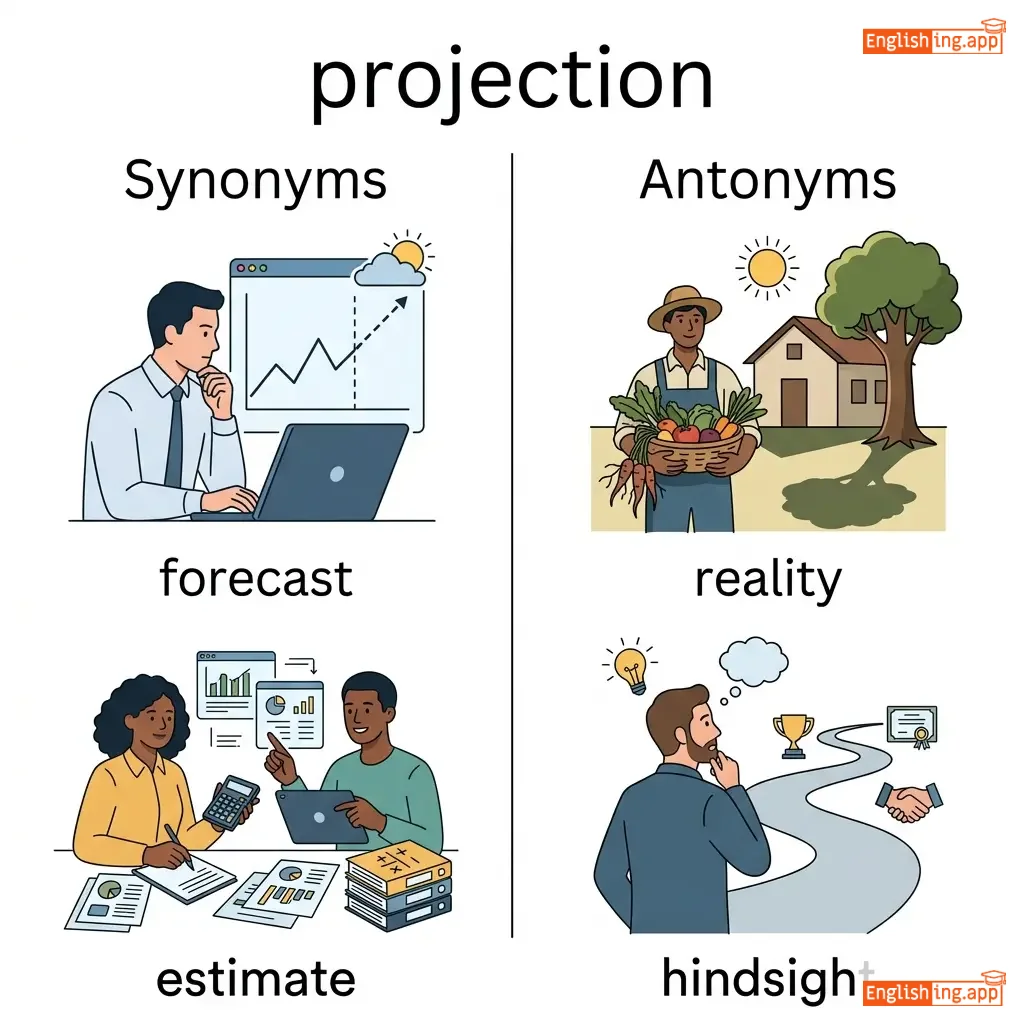
forecast, estimate, prediction, outlook, expectation
••••••
|
reality, hindsight
••••••
|
sales projection, growth projection, projection screen, projection map
••••••
|
预测:预测未来就像投射未来的影像。
••••••
|

