The Scientist Who Saved Tomorrow
纳齐娅是一位环境科学家,从事气候研究。她的工作与国际研究parallel进行。对孩子未来的Parental担忧激励了许多人。空气污染的particles威胁着健康。研究数据库需要password访问。气候模式显示出peculiar的变化。科学家学会了perceive警示信号。纳齐娅的personal承诺推动了她的环保行动。她试图persuade决策者。公民提交了petitions要求采取行动。变暖的Physical证据无处不在。化石燃料pipeline项目遭到反对。城市planning需要绿色空间。公园让城市更pleasant。与自然的联系带来pleasure。气候行动与politics交织在一起。Possibly最大的挑战是政治意愿。政府会postpone艰难的决定。自然是一种powerful的力量。人类成为环境的predators。Pregnant妇女担心污染。Previous警告被忽视。工业不再是旧技术的prisoners。随着意识提高,改变变得probable。采取行动probably可以防止最坏的情况。碳税的proceeds可以资助绿色项目。领导人会proclaim气候紧急状态。政策必须properly发挥作用。Proposed改革等待实施。未来的prospects取决于行动。国际protocols必须遵守。清洁能源由可再生资源provided。能源providers转向太阳能。排放的quantity必须减少。Recently,青年为气候而动员。温度上升与排放relative。科学与生存relevant。社区在森林受到保护时感到relieved。Religion教导环境责任。媒体reporter报道气候抗议。气候republic的公民要求行动。为未来采取紧急行动是required的。气候灾难resembled世界末日场景。政府response缓慢。法律应restrict污染。Retailers减少塑料使用。科学家可以retrieve历史气候数据。政策revision加速了转型。环境rhetoric需要支持。季节性rotation模式发生变化。经济sanctions针对污染者。活动家在抗议中抓起一个sandwich。洪水期间家庭会scramble。Secondly,气候影响粮食安全。社区仔细selected可再生方案。气候报告中的每个sentence都很重要。环境与经济目标似乎separate。干旱严重severely影响地区。气候未以sexually方式讨论。Shipping行业需要更清洁燃料。温度上升令人shocking。冰川融化就像缓慢的shooting。生态shopping增长。Sidewalk咖啡馆减少塑料。温度每年slightly上升。气候行动有助于socially进步。科学家使用气候software。Somebody必须立即行动。行动必须sometime尽快发生。进展somewhat令人鼓舞。Southern半球受苦更多。冰芯specimens显示历史。碳形成了spectrum化合物。政府在可再生能源上的spending增加。变化striking且令人担忧。科学家strongly敦促采取行动。政府应supposed保护环境。媒体试图suppress一些报道。排放需要surgical削减。河流不再适合swimming。气候否认是一种社会syndrome。Tactical倡导奏效。碳足迹以比例衡量——不仅仅是teaspoon。野火terrible。生态系统terribly受害。清洁能源突破terrific。环境theology宣扬关爱。可持续Thinking至关重要。Thorough影响评估很重要。灾害threatened社区。活动家对政策成果感到thrilled。社会不能再tolerate拖延。知识应transmit给所有人。损失花费了trillions。科学家对否认感到troubled。绿色技术的工业turnover以前看似unlikely。Upcoming会议带来希望。热量上升到upstairs楼层。研究具有全球validity。天气模式变得variable。Vertical花园冷却建筑。气候violence使数百万人流离失所。任何Whatever可能的行动都是必要的。每当Whenever洪水来袭,社区都会受苦。无论Wherever森林消失,气候都会恶化。各国不会withdraw巴黎协定。每个人都必须相信集体行动——包括yourself。纳齐娅证明,坚持的气候倡导可以改变政策并保护地球。
|
表情符号
|
单词 | Images | 翻译 | 过去时 | 过去分词 | 第三人称单数 | 动名词 | 含义 | 例句 | 例句翻译 | 示例表达 | 示例表达含义 | 示例表达翻译 | 同义词 | 反义词 | 搭配词 | 助记符 |
|---|---|---|---|---|---|---|---|---|---|---|---|---|---|---|---|---|---|
|
➖
••••••
|
/ˈpærəˌlɛl/
noun, adjective, verb
••••••
|
- •••••• | - •••••• |
paralleled
••••••
|
paralleled
••••••
|
parallels
••••••
|
paralleling
••••••
|
Lines, objects, or events that are side by side and never meet; similarity or comparison.
••••••
|
The road runs parallel to the railway. |
- •••••• |
draw a parallel |
to make a comparison between two things
••••••
|
- •••••• |
equivalent, similar, analogous, comparable
••••••
|
divergent, different, separate
••••••
|
parallel lines, parallel universe, parallel development, parallel computing
••••••
|
No •••••• |
|
👨👩👧
••••••
|
/pəˈrɛntəl/
adjective
(父母的)
••••••
|
- •••••• |
与父母相关的
yu fumu xiangguan de
••••••
|
- •••••• | - •••••• | - •••••• | - •••••• |
relating to a parent or parents; characteristic of a mother or father
••••••
|
Parental guidance is important for a child's development. |
父母的指导对孩子的成长很重要。
Fumu de zhidao dui haizi de chengzhang hen zhongyao.
••••••
|
parental control |
a feature that allows parents to restrict what their children can access
••••••
|
家长控制
jiāzhǎng kòngzhì
••••••
|
maternal, paternal, caregiving, protective, nurturing
••••••
|
childish, immature
••••••
|
parental guidance, parental love, parental control, parental support
••••••
|
Parent 意味着父母,parental 意味着与父母相关 — 比如 parental care。
••••••
|
|
⚛️
••••••
|
/ˈpɑːrtɪkəl/
noun
(帕尔提克尔)
••••••
|
- •••••• |
粒子
lìzǐ
••••••
|
- •••••• | - •••••• | - •••••• | - •••••• |
a very small piece or amount of something
••••••
|
Dust particles floated in the air near the window. |
尘土粒子在靠近窗户的空气中飘浮。
Chéntǔ lìzǐ zài kàojìn chuānghù de kōngqì zhōng piāofú.
••••••
|
a particle of truth |
a very small amount of truth
••••••
|
一粒真理
yī lì zhēnlǐ
••••••
|
speck, grain, bit, fragment, atom
••••••
|
whole, entirety
••••••
|
dust particle, subatomic particle, tiny particle, particle physics
••••••
|
粒子像粒子,物体的一小部分!
••••••
|
|
🔑
••••••
|
/ˈpɑːswɜːd/
noun
(密码)
••••••
|
- •••••• |
密码
mima
••••••
|
- •••••• | - •••••• | - •••••• | - •••••• |
a secret word or phrase used to gain access to something
••••••
|
Make sure your password is strong and unique.
确保您的密码强大且独特。
••••••
|
确保您的密码强大且独特。
Que sure nín de mìmǎ qiángdà qiě dútè.
••••••
|
- •••••• | - •••••• | - •••••• |
PIN, passcode, access code, secret code
••••••
|
public key
••••••
|
password manager, password protection, change password
••••••
|
Password = Pass the word, keep it secret.
••••••
|
|
🤔
••••••
|
/pɪˈkjuːliər/
adjective
(pīqiúlí'ěr)
••••••
|
- •••••• |
奇怪
qíguài
••••••
|
- •••••• | - •••••• | - •••••• | - •••••• |
strange or unusual; characteristic of only one person, place, or thing
••••••
|
She has a peculiar habit of talking to her plants. |
她有一个奇怪的习惯,就是和她的植物说话。
Tā yǒu yīgè qíguài de xíguàn, jiùshì hé tā de zhíwù shuōhuà.
••••••
|
peculiar to |
something unique to a particular person or group
••••••
|
独特于
dútè yú
••••••
|
odd, strange, unusual, distinctive, unique
••••••
|
normal, usual, ordinary
••••••
|
peculiar habit, peculiar way, peculiar situation, peculiar smell
••••••
|
Peculiar 的意思是奇怪——想象一个奇怪的野餐(peculiar)
••••••
|
|
👀
••••••
|
/pərˈsiːv/
verb
(pərˈsiːv)
••••••
|

|
察觉
chá jué
••••••
|
perceived
pərˈsiːvd
••••••
|
perceived
pərˈsiːvd
••••••
|
perceives
pərˈsiːvz
••••••
|
perceiving
pərˈsiːvɪŋ
••••••
|
To become aware of or recognize something through the senses or the mind.
••••••
|
She perceived a change in his tone of voice.
她察觉到他语气的变化。
••••••
|
她察觉到他语气的变化。
Tā chá jué dào tā yǔ qì de biàn huà.
••••••
|
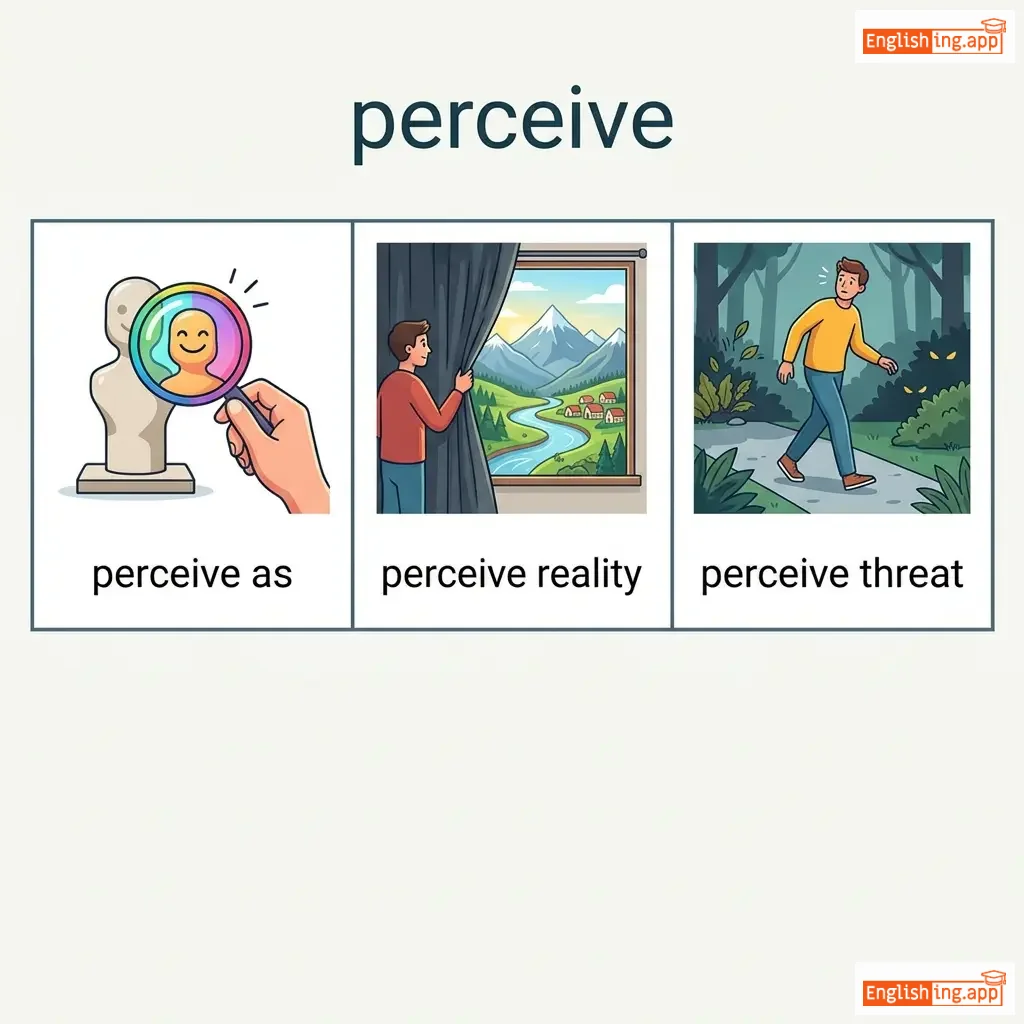
perceive as
pərˈsiːv æz
••••••
|
To regard or interpret something in a particular way
••••••
|
察觉为
chá jué wéi
••••••
|
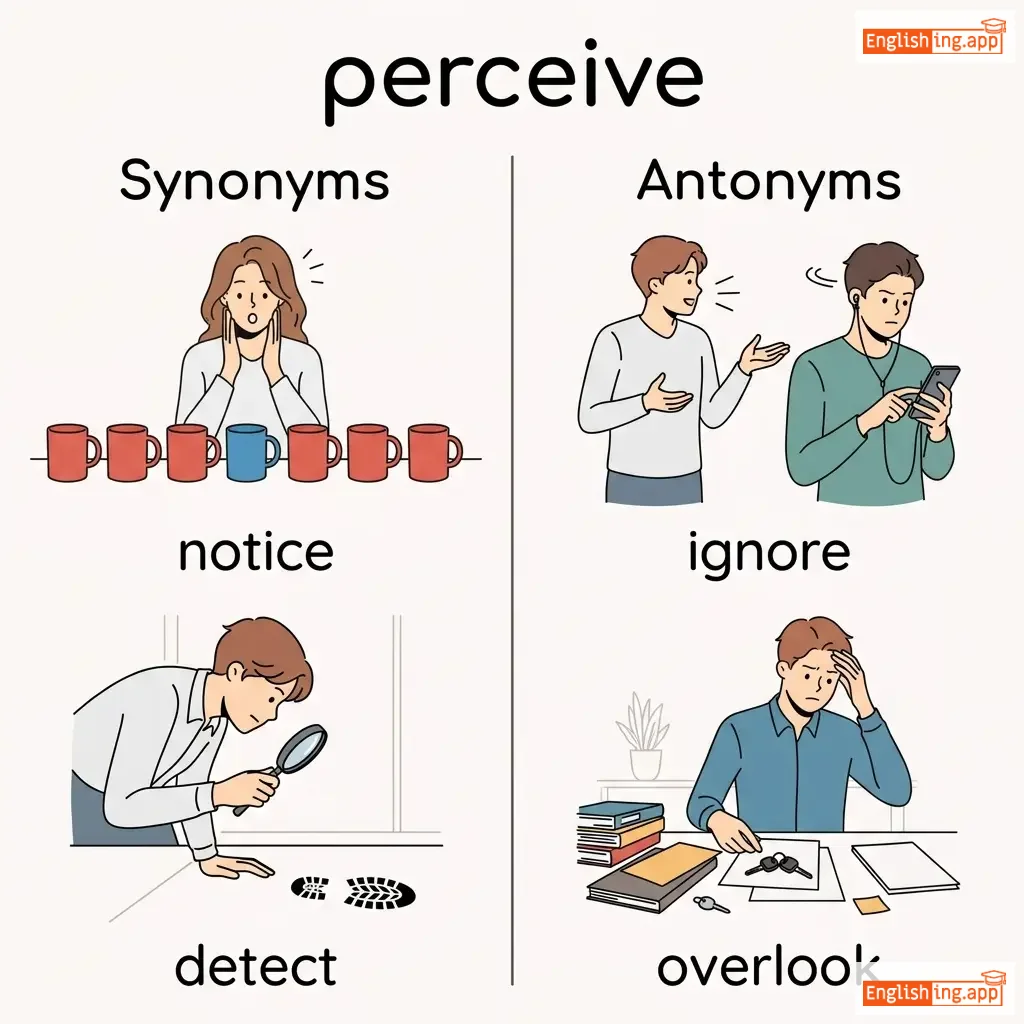
notice, detect, observe, discern, sense
••••••
|
ignore, overlook, miss
••••••
|
perceive as, perceive reality, perceive threat, perceive difference
••••••
|
Per CEIVE → 看见, 察觉 → 看见或识别
••••••
|
|
🙋♂️
••••••
|
/ˈpɜːrsənl/
adjective
(pɜːrsənl)
••••••
|
- •••••• |
个人的
gèrén de
••••••
|
- •••••• | - •••••• | - •••••• | - •••••• |
relating to a particular person rather than anyone else
••••••
|
She shared some personal details about her family. |
她分享了一些关于她家庭的个人细节。
Tā fēnxiǎngle yīxiē guānyú tā jiātíng de gèrén xìjié.
••••••
|
personal touch |
a unique, human, or individual element added to something
••••••
|
个人特色
gèrén tèsè
••••••
|
private, individual, intimate, own
••••••
|
public, general, impersonal
••••••
|
personal details, personal life, personal opinion, personal experience
••••••
|
Personal是指与人有关的 — 它是个人的!
••••••
|
|
🗣️
••••••
|
/pərˈsweɪd/
verb
(海皮尼斯)
••••••
|
- •••••• |
幸福
xìng fú
••••••
|
persuaded
••••••
|
persuaded
••••••
|
persuades
••••••
|
persuading
••••••
|
to convince someone to do or believe something through reasoning or argument
••••••
|
He persuaded his friend to join the club.
她无法掩饰收到奖项时的快乐。
••••••
|
她无法掩饰收到奖项时的快乐。
Tā wúfǎ yǎnshì shōudào jiǎngxiàng shí de kuàilè.
••••••
|
persuade someone into something
追求幸福
••••••
|
to convince someone to take an action
••••••
|
追求幸福
zhuī qiú xìng fú
••••••
|
convince, influence, sway, coax, motivate
••••••
|
dissuade, discourage, deter
••••••
|
persuade someone, try to persuade, persuade into, persuade out of
••••••
|
幸福就像是太阳,温暖而明亮。
••••••
|
|
📝
••••••
|
/pəˈtɪʃən/
noun
(请愿)
••••••
|
- •••••• |
请愿书
qǐngyuàn shū
••••••
|
- •••••• | - •••••• | - •••••• | - •••••• |
a formal written request, typically signed by many people, appealing to authority about a cause
••••••
|
They signed a petition to improve road safety in the area. |
他们签署了一份请愿书,要求改善该地区的道路安全。
Tāmen qiānshǔle yī fèn qǐngyuàn shū, yāoqiú gǎishàn gāi dìqū de dàolù ānquán.
••••••
|
sign a petition |
to officially support a request by adding your signature
••••••
|
签署请愿书
qiānshǔ qǐngyuàn shū
••••••
|
request, appeal, plea, application, demand
••••••
|
order, command
••••••
|
sign a petition, file a petition, submit a petition, online petition
••••••
|
Petition = 请愿 — 大家都签署请愿书,争取权益
••••••
|
|
💪
••••••
|
/ˈfɪzɪkəl/
adjective
(fizikal)
••••••
|
|
身体的
shen ti de
••••••
|
- •••••• | - •••••• | - •••••• | - •••••• |
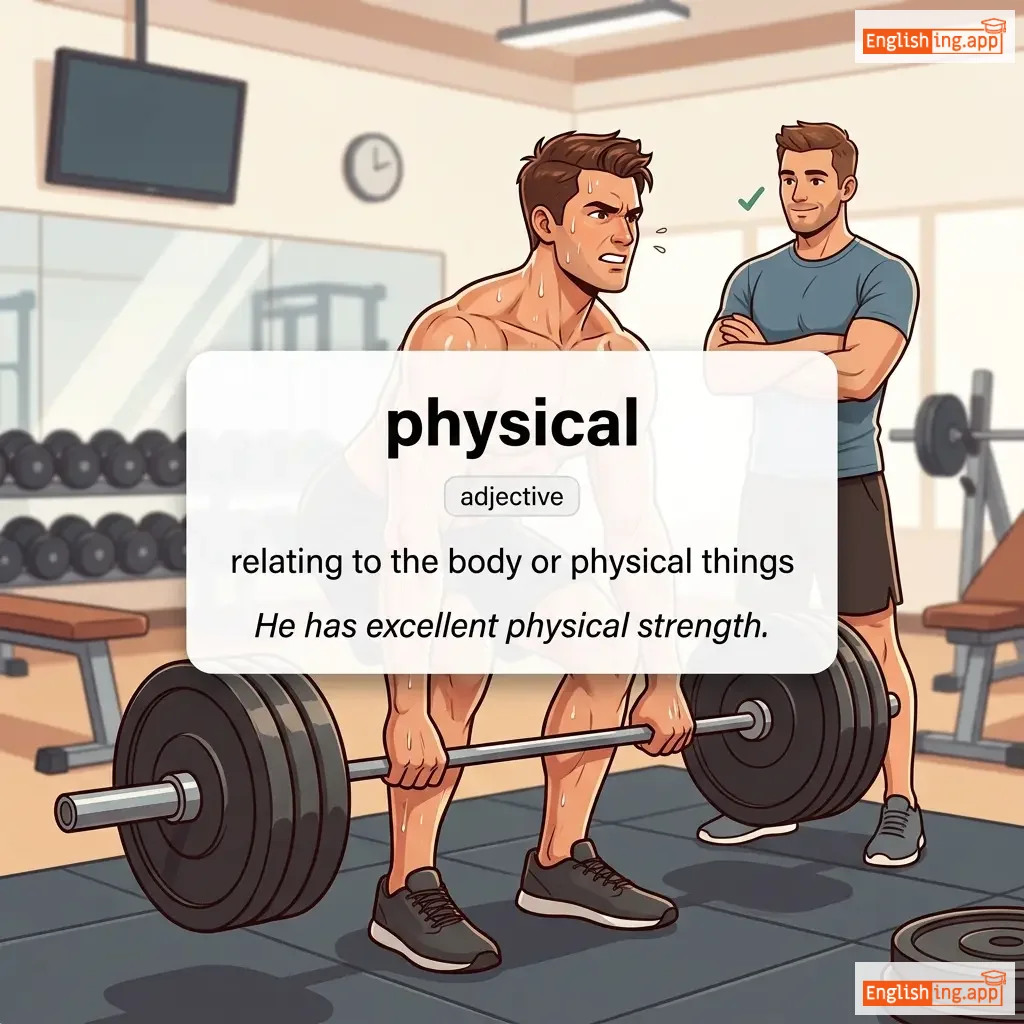
relating to the body or physical things
••••••
|
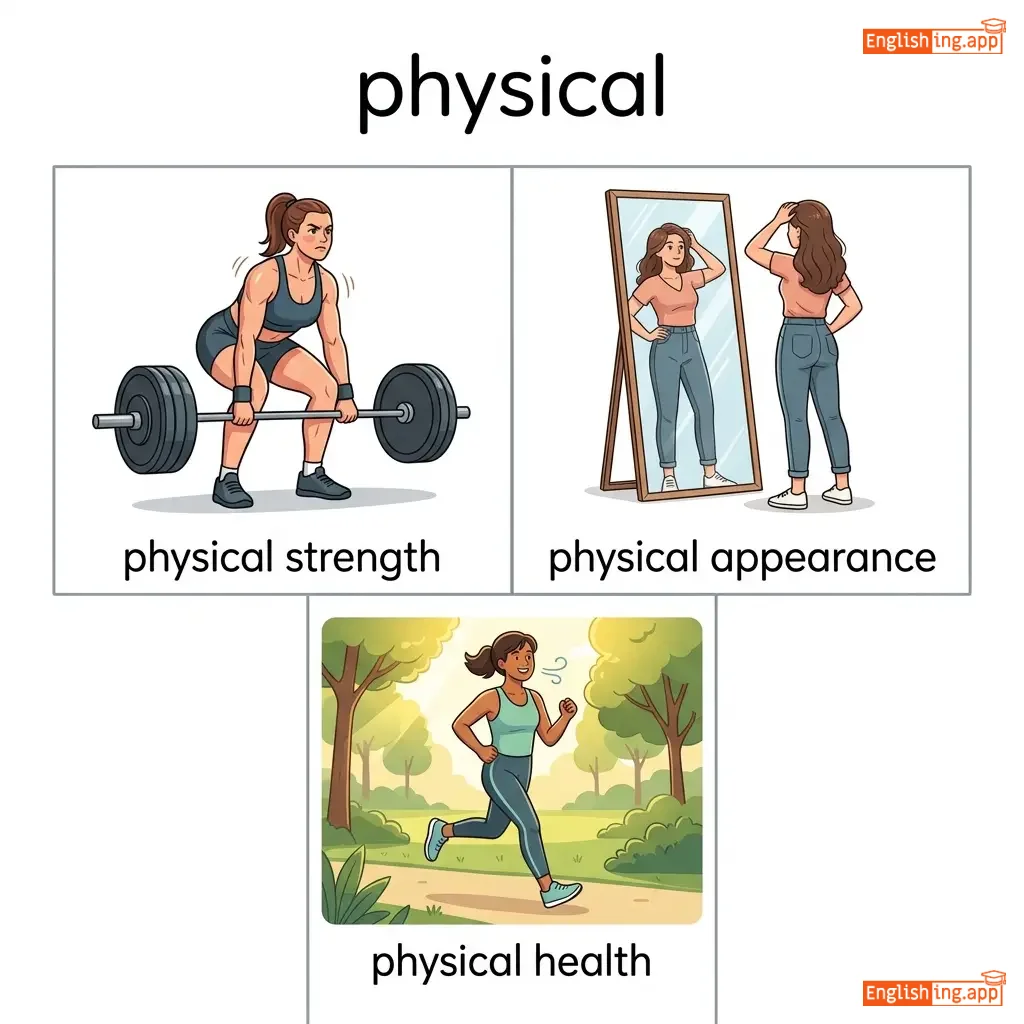
He has excellent physical strength. |
他有着出色的身体力量。
Ta you zhuocheng de shenti liliang.
••••••
|
- •••••• | - •••••• | - •••••• |
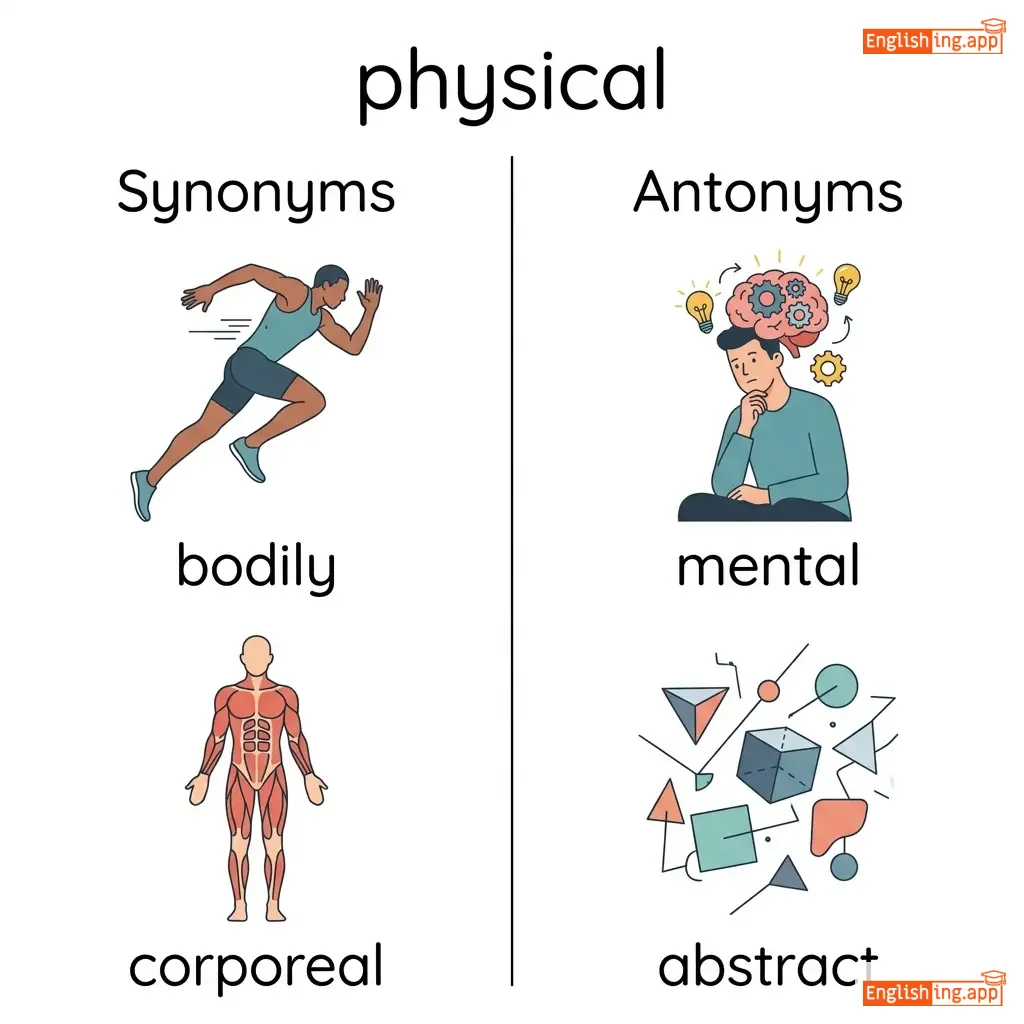
bodily, corporeal, material, tangible
••••••
|
mental, abstract
••••••
|
physical strength, physical appearance, physical health
••••••
|
身体的 (physical) 力量在身体里!
••••••
|
|
🔌
••••••
|
/ˈpaɪpˌlaɪn/
noun
(管道)
••••••
|
- •••••• |
管道
guǎndào
••••••
|
- •••••• | - •••••• | - •••••• | - •••••• |
a long tube through which liquids or gases are transported
••••••
|
The company is building a new pipeline to transport natural gas. |
该公司正在建造一条新的管道来运输天然气。
Gāi gōngsī zhèngzài jiànzào yītiáo xīn de guǎndào lái yùnshū tiānránqì.
••••••
|
- •••••• | - •••••• | - •••••• |
conduit, channel, duct, tube
••••••
|
blockage, obstruction
••••••
|
pipeline project, pipeline construction, pipeline network
••••••
|
管道,像一个长长的管子,运输气体或液体
••••••
|
|
📝
••••••
|
/ˈplænɪŋ/
noun
(plānīng)
••••••
|


|
规划
guīhuà
••••••
|
- •••••• | - •••••• | - •••••• | - •••••• |
the process of making plans for something
••••••
|
The planning for the event took months.
活动的规划花了几个月的时间。
••••••
|
活动的规划花了几个月的时间。
Huódòng de guīhuà huāle jǐ gè yuè de shíjiān.
••••••
|
- •••••• | - •••••• | - •••••• |
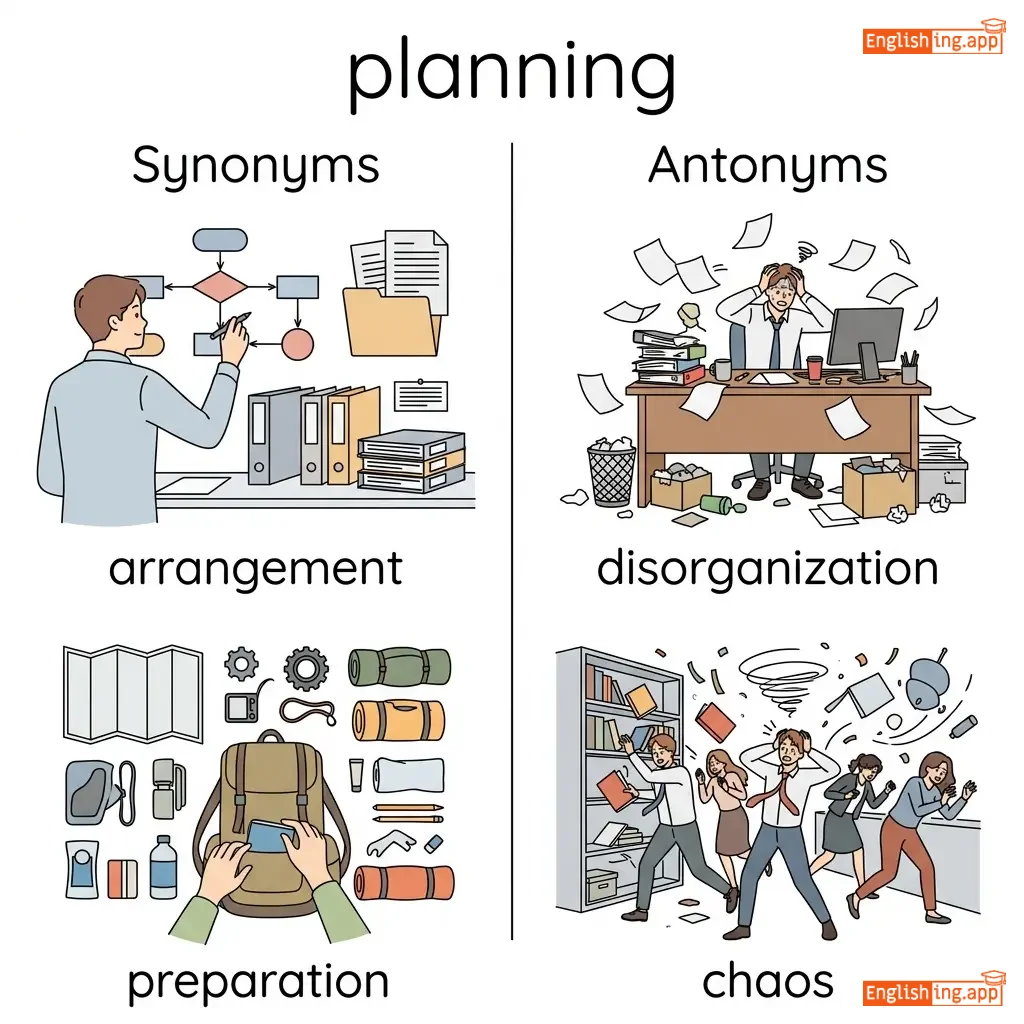
arrangement, preparation, strategy, scheduling
••••••
|
disorganization, chaos, confusion
••••••
|
strategic planning, event planning, project planning
••••••
|
规划就是制定一个'计划'让事情发生。
••••••
|
|
😊
••••••
|
/ˈplɛzənt/
adjective
(普莱泽特)
••••••
|
- •••••• |
愉快的,令人愉悦的
yúkuài de, lìng rén yúyuè de
••••••
|
- •••••• | - •••••• | - •••••• | - •••••• |
giving a sense of happiness, enjoyment, or satisfaction
••••••
|
We had a pleasant evening at the park.
我们在公园度过了一个愉快的晚上。
••••••
|
我们在公园度过了一个愉快的晚上。
Wǒmen zài gōngyuán dùguòle yīgè yúkuài de wǎnshàng.
••••••
|
- •••••• | - •••••• | - •••••• |
agreeable, enjoyable, delightful, nice
••••••
|
unpleasant, disagreeable
••••••
|
pleasant weather, pleasant surprise, pleasant experience
••••••
|
Pleasant就像 'Please sent' - 让人感到愉快的
••••••
|
|
😊
••••••
|
/ˈplɛʒər/
noun
(plɛʒər)
••••••
|
- •••••• |
愉快
yúkuài
••••••
|
- •••••• | - •••••• | - •••••• | - •••••• |
a feeling of happiness or enjoyment
••••••
|
It was a pleasure to meet you.
It was a pleasure to meet you.
••••••
|
很高兴见到你。
Hěn gāoxìng jiàn dào nǐ.
••••••
|
- •••••• | - •••••• | - •••••• |
delight, joy, enjoyment, satisfaction
••••••
|
displeasure, discomfort
••••••
|
great pleasure, immense pleasure, pleasure to meet, take pleasure
••••••
|
Pleasure = 游戏 (yóuxì) + 愉快, 玩游戏时获得愉快
••••••
|
|
⚖️
••••••
|
/ˈpɒlɪtɪks/
noun
(pòulìtí kè sī)
••••••
|
- •••••• |
政治
zhengzhi
••••••
|
- •••••• | - •••••• | - •••••• | - •••••• |
activities related to the governance of a country or area, especially the debate between parties having power
••••••
|
Politics often involves making difficult decisions. |
政治通常涉及做出艰难的决策。
Zhengzhi tongchang shèjí zuòchū jiānnán de juécè.
••••••
|
- •••••• | - •••••• | - •••••• |
government, diplomacy, statecraft, policy
••••••
|
apoliticism, non-partisanship
••••••
|
politics of power, national politics, political debate
••••••
|
POLIticians engage in POLItics.
••••••
|
|
🤔
••••••
|
/ˈpɒs.ə.bli/
adverb
(pòu xī bù lì)
••••••
|
- •••••• |
可能; 或许;
kěnéng; huòxǔ;
••••••
|
- •••••• | - •••••• | - •••••• | - •••••• |
perhaps; maybe; it may be the case that
••••••
|
It will possibly rain tomorrow. |
明天可能会下雨。
míngtiān kěnéng huì xià yǔ.
••••••
|
- •••••• | - •••••• | - •••••• |
maybe, perhaps, potentially, conceivably
••••••
|
definitely, certainly, impossibly
••••••
|
possibly true, possibly wrong, quite possibly
••••••
|
Imagine a Chinese speaker saying '可能' while checking a weather app on their phone.
••••••
|
|
⏳
••••••
|
/pəʊs(t)ˈpəʊn/
verb
(póu sī tī páng)
••••••
|
- •••••• |
推迟
tuīchí
••••••
|
postponed
póu sī tī páng de
••••••
|
postponed
póu sī tī páng de
••••••
|
postpones
póu sī tī páng sī
••••••
|
postponing
póu sī tī páng xíng
••••••
|
to delay something to a later time
••••••
|
The meeting was postponed until next week.
会议被推迟到下周。
••••••
|
会议被推迟到下周。
Huìyì bèi tuīchí dào xià zhōu.
••••••
|
- •••••• | - •••••• | - •••••• |
delay, defer, put off, reschedule
••••••
|
advance, hasten, expedite
••••••
|
postpone a meeting, postpone an event, postpone the decision
••••••
|
Post + pon (point) + e - 推迟, like moving the time forward.
••••••
|
|
💪
••••••
|
/ˈpaʊərfəl/
adjective
(强大)
••••••
|
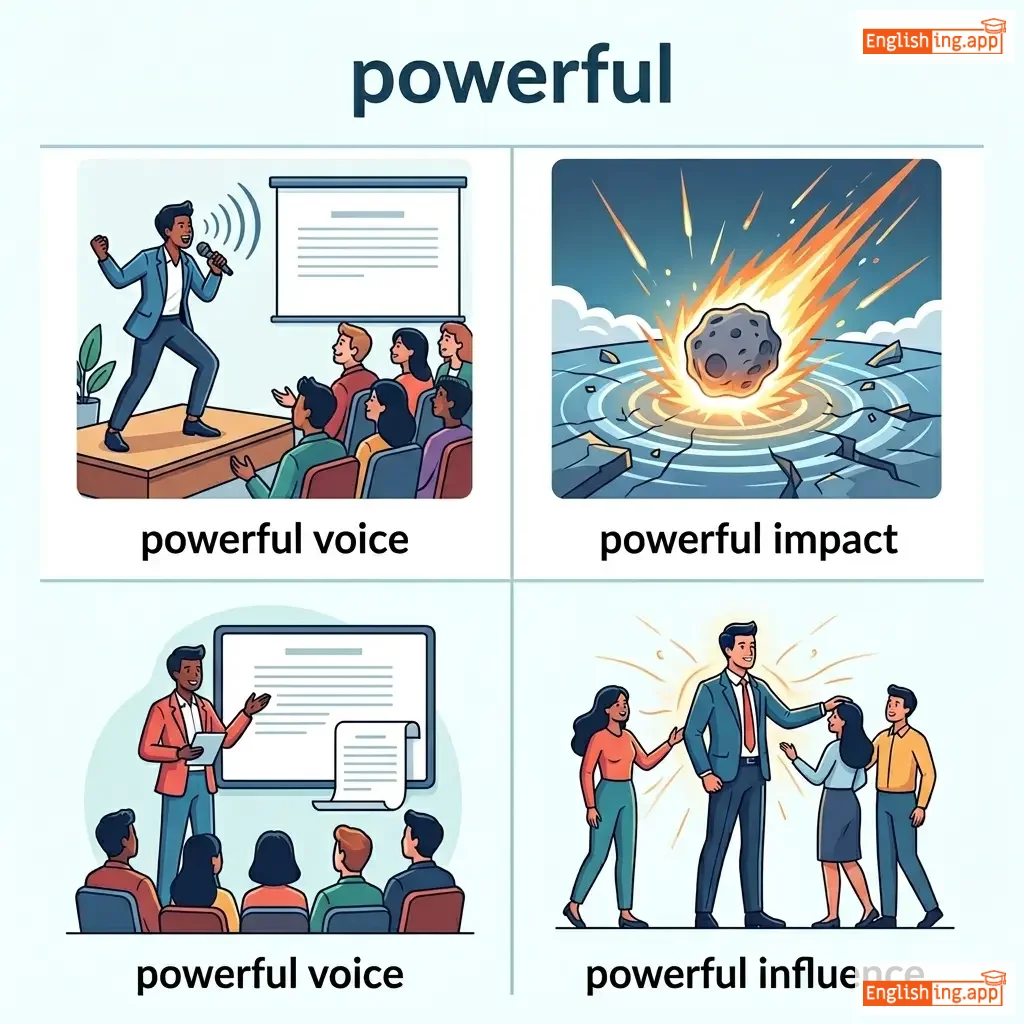
|
强大的
qiángdà de
••••••
|
- •••••• | - •••••• | - •••••• | - •••••• |
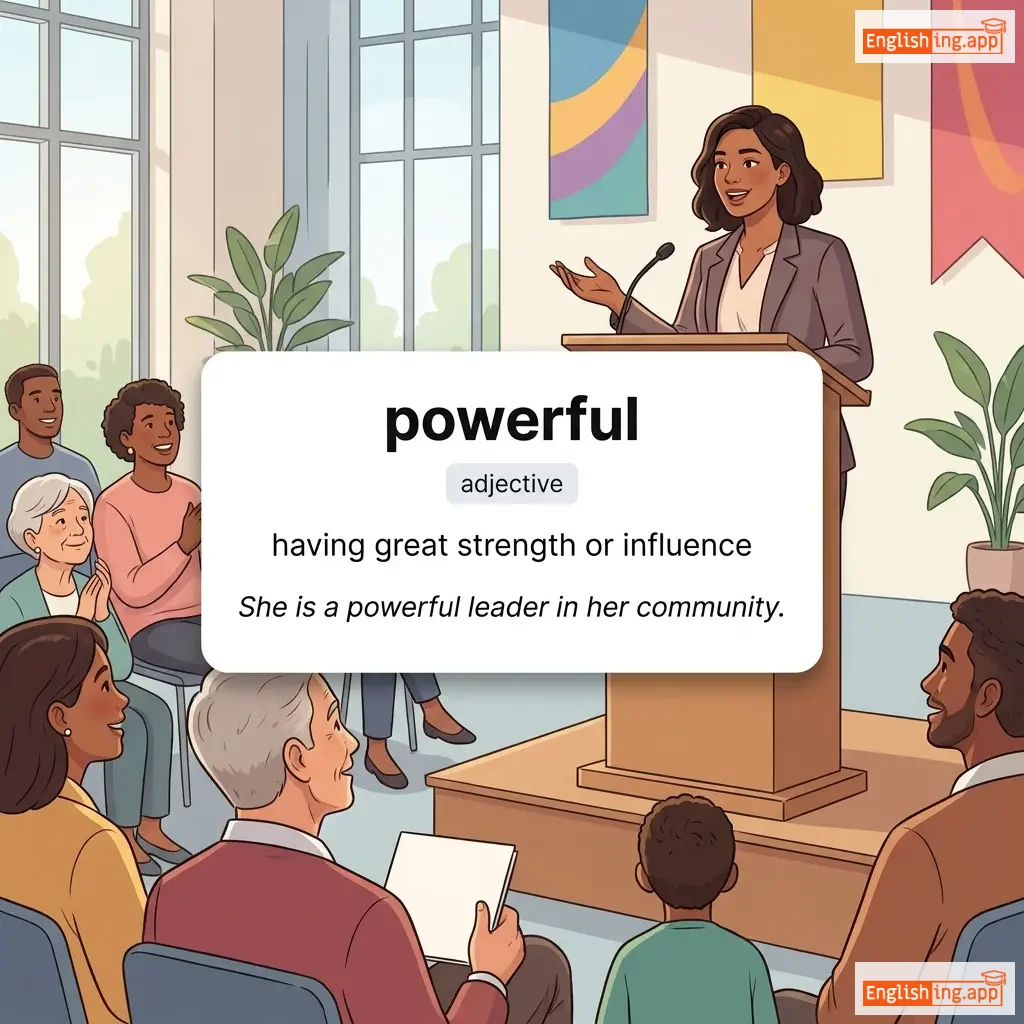
having great strength or influence
••••••
|
She is a powerful leader in her community. |
她是她社区中的一个强大领导者。
Tā shì tā shèqū zhōng de yīgè qiángdà lǐngdǎo zhě.
••••••
|
- •••••• | - •••••• | - •••••• |
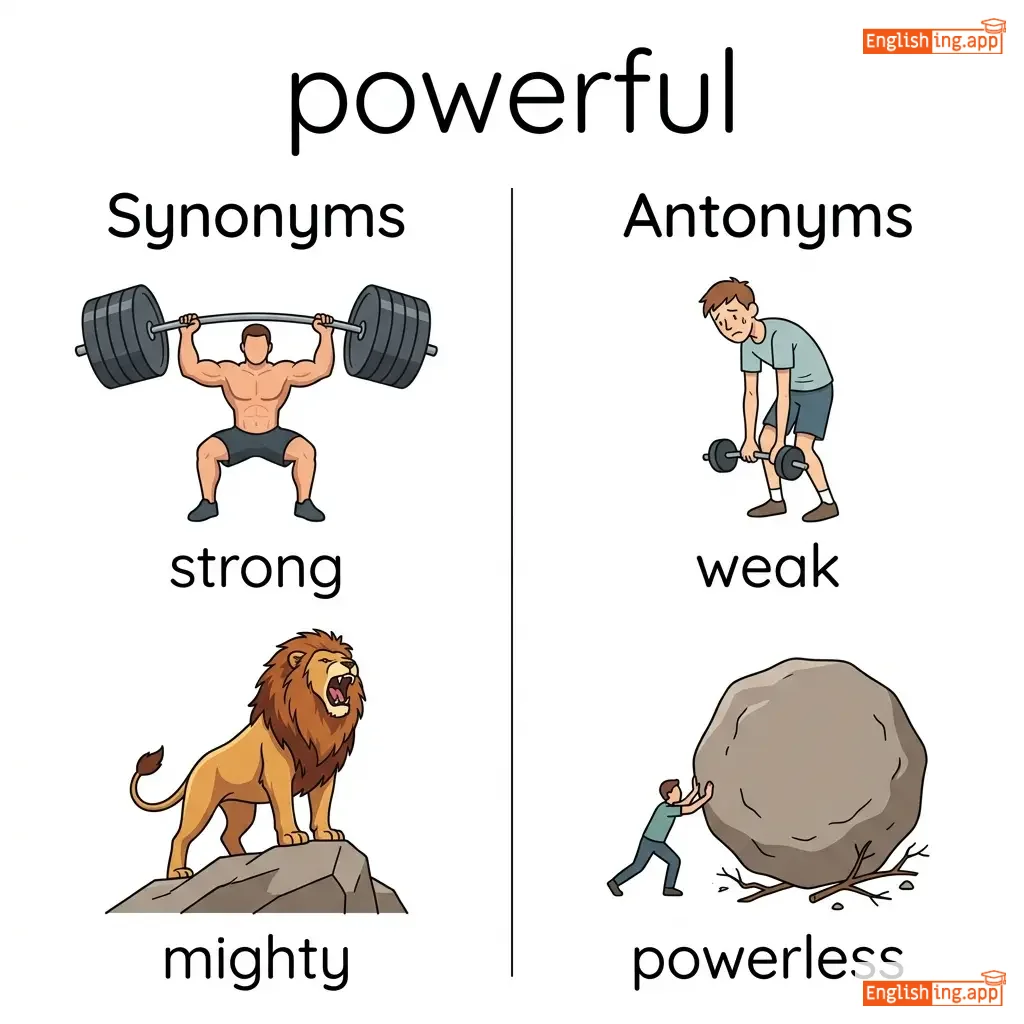
strong, mighty, influential, dominant
••••••
|
weak, powerless
••••••
|
powerful voice, powerful impact, powerful influence, powerful leader
••••••
|
Powerful means strength, and strength leads to influence.
••••••
|
|
🦁
••••••
|
/ˈprɛdətər/
noun
(掠食者)
••••••
|
- •••••• |
掠食者
lüè shí zhě
••••••
|
- •••••• | - •••••• | - •••••• | - •••••• |
An animal that hunts and kills other animals for food.
••••••
|
Lions are powerful predators in the savannah. |
狮子是草原上强大的掠食者。
Shīzi shì cǎoyuán shàng qiángdà de lüè shí zhě.
••••••
|
- •••••• | - •••••• | - •••••• |
hunter, carnivore, killer, stalker
••••••
|
prey, victim
••••••
|
apex predator, natural predator, predator species
••••••
|
Predator - '掠食' 吃掉猎物 – 掠食者。
••••••
|
|
🤰
••••••
|
/ˈprɛɡnənt/
adjective
(prɛɡnənt)
••••••
|
- •••••• |
怀孕的; 有意义的
huáiyùn de; yǒu yìyì de
••••••
|
- •••••• | - •••••• | - •••••• | - •••••• |
having a child developing in the womb; also, full of meaning or significance
••••••
|
She announced that she was three months pregnant. |
她宣布她怀孕三个月了。
Tā xuānbù tā huáiyùn sān gè yuè le.
••••••
|
pregnant pause |
a brief, meaningful silence that suggests significance or tension
••••••
|
有意义的停顿
yǒu yìyì de tíngdùn
••••••
|
expectant, with child, carrying, meaningful, significant
••••••
|
barren, infertile, empty
••••••
|
pregnant woman, heavily pregnant, get pregnant, become pregnant, pregnant pause
••••••
|
怀孕意味着你期待一个宝宝,它很重要!
••••••
|

