The Activist Who Brought Social Change
艾莎是一位社会活动家,她与不公正作斗争。在她的 society 中,女性的权利受到限制,而她想改变这种现实。她的做法并不 shallow —— 她深刻理解体制性问题。当新的歧视性 statute 通过时,艾莎组织了抗议活动。她的 sibling 也加入了运动。他们知道 silence 不是选项。政府试图 squeeze 反对派,但运动变得更加强大。艾莎说,那些类似 slavery 的法律是不可接受的。她的话语 shattered 了人们的误解。在一场辩论中,她 sharply 批评了政府政策。她的信息简单却有力量 —— someone 必须站出来。她的 stomach 因紧张而翻腾,但她掩饰了恐惧。一个有趣的时刻是,一辆载满支持者的 shuttle 公交车走错了方向,抗议因此迟到了。但人们依然到场。抗议者举着写有他们诉求的标语,这些标语 specified 了他们的要求。艾莎的决心对那些接受现状的人来说显得 strange。但她相信 somehow, someday 一切都会改变。她的运动激励了他人,similar 抗议在不同城市爆发。甚至一位退伍 soldier 也加入了他说他曾为自由而战。作为 starter,政府同意展开对话。Shortly 之后,一些改革被宣布。艾莎证明了集体行动与勇气能够改变 society。她的遗产告诉人们,普通人也能带来非凡的改变。
|
表情符号
|
单词 | Images | 翻译 | 过去时 | 过去分词 | 第三人称单数 | 动名词 | 含义 | 例句 | 例句翻译 | 示例表达 | 示例表达含义 | 示例表达翻译 | 同义词 | 反义词 | 搭配词 | 助记符 |
|---|---|---|---|---|---|---|---|---|---|---|---|---|---|---|---|---|---|
|
💧
••••••
|
/ˈʃæl.oʊ/
adjective
(shallow)
••••••
|
- •••••• |
浅
qian
••••••
|
- •••••• | - •••••• | - •••••• | - •••••• |
not deep; lacking depth of thought or feeling
••••••
|
The children played in the shallow water near the shore. |
孩子们在靠近岸边的浅水中玩耍。
Haizimen zai kaojin anbian de qianshui zhong wanshua.
••••••
|
shallow end |
the less deep part of a pool
••••••
|
浅水区
qianshui qu
••••••
|
superficial, surface-level, slight, trivial
••••••
|
deep, profound, thoughtful
••••••
|
shallow water, shallow end, shallow mind, shallow depth
••••••
|
Shallow意味着浅(qian)水
••••••
|
|
⚡
••••••
|
/ˈʃɑːrpli/
adverb
(shā-pu-lì)
••••••
|
- •••••• |
急剧地
jíjù de
••••••
|
- •••••• | - •••••• | - •••••• | - •••••• |
suddenly and strongly; in a cutting or intense way
••••••
|
Prices rose sharply after the announcement. |
价格在公告后急剧上涨。
Jiàgé zài gōnggào hòu jíjù shàngzhǎng.
••••••
|
- •••••• | - •••••• | - •••••• |
suddenly, quickly, abruptly, intensely, drastically
••••••
|
slowly, gently, gradually
••••••
|
rise sharply, turn sharply, sharply increase, sharply decline
••••••
|
Sharp 和急剧地一起,表示快速且剧烈的变化
••••••
|
|
💥
••••••
|
/ˈʃætər/
verb
(shàtè)
••••••
|
- •••••• |
打碎
dǎ suì
••••••
|
shattered
shàtèd
••••••
|
shattered
shàtèd
••••••
|
shatters
shàtèrs
••••••
|
shattering
shàtèring
••••••
|
To break suddenly into many small pieces.
••••••
|
The glass will shatter if you drop it.
The glass will shatter if you drop it.
••••••
|
玻璃会碎掉,如果你把它摔下去。
Bōlí huì suì diào, rúguǒ nǐ bǎ tā shuāi xiàqù.
••••••
|
shatter dreams
shàtèr dreams
••••••
|
to completely ruin someone's hopes or plans
••••••
|
粉碎梦想
fěnsuì mèngxiǎng
••••••
|
break, smash, crack, demolish, splinter
••••••
|
repair, fix, build
••••••
|
shatter glass, shatter dreams, shatter confidence
••••••
|
Shatter意味着打碎——就像玻璃摔落后会打碎一样。
••••••
|
|
⏰
••••••
|
/ˈʃɔːt.li/
adverb
(肖特利)
••••••
|
- •••••• |
很快; 不久; 简短地
hen kuai; bu jiu; jian duan di
••••••
|
- •••••• | - •••••• | - •••••• | - •••••• |
soon; in a short time; briefly
••••••
|
The meeting will begin shortly. |
会议很快开始。
Huiyi hen kuai kaishi
••••••
|
- •••••• | - •••••• | - •••••• |
soon, presently, momentarily
••••••
|
later, eventually, distantly
••••••
|
arrive shortly, begin shortly, return shortly
••••••
|
很快做完短时间的事,像'shortly'!
••••••
|
|
🚌
••••••
|
/ˈʃʌtəl/
noun
(夏特尔)
••••••
|
- •••••• |
在两个地点之间定期往返的交通工具
zai liang ge didian zhijian dingqi wangfan de jiaotong gongju
••••••
|
- •••••• | - •••••• | - •••••• | - •••••• |
a vehicle or craft that travels regularly between two places.
••••••
|
The airport shuttle runs every 30 minutes. |
机场接驳车每30分钟运行一次。
Jichang jiebo che mei 30 fenzhong yunxing yi ci.
••••••
|
shuttle diplomacy |
negotiation conducted by a mediator who travels between parties
••••••
|
穿梭外交
chuansuo waijiao
••••••
|
bus, transporter, ferry, vehicle, coach
••••••
|
static vehicle, stopover
••••••
|
shuttle bus, shuttle service, space shuttle, airport shuttle
••••••
|
Shuttle就像一辆不停往返的巴士 🚍
••••••
|
|
👫
••••••
|
/ˈsɪblɪŋ/
noun
(sibling)
••••••
|
- •••••• |
兄弟姐妹
xiōngdì jiěmèi
••••••
|
- •••••• | - •••••• | - •••••• | - •••••• |
A brother or sister.
••••••
|
She has three siblings, two brothers and one sister.
她有三个兄弟姐妹,两个兄弟和一个妹妹。
••••••
|
她有三个兄弟姐妹,两个兄弟和一个妹妹。
Tā yǒu sān gè xiōngdì jiěmèi, liǎng gè xiōngdì hé yī gè mèimei.
••••••
|
- •••••• | - •••••• | - •••••• |
brother, sister, kin, relative
••••••
|
stranger, outsider
••••••
|
sibling rivalry, younger sibling, elder sibling, sibling bond
••••••
|
Siblings 这个英文词是指兄弟姐妹,就像一家人。
••••••
|
|
🤫
••••••
|
/ˈsaɪ.ləns/
noun
(sàilèns)
••••••
|
|
沉默
chenmo
••••••
|
- •••••• | - •••••• | - •••••• | - •••••• |
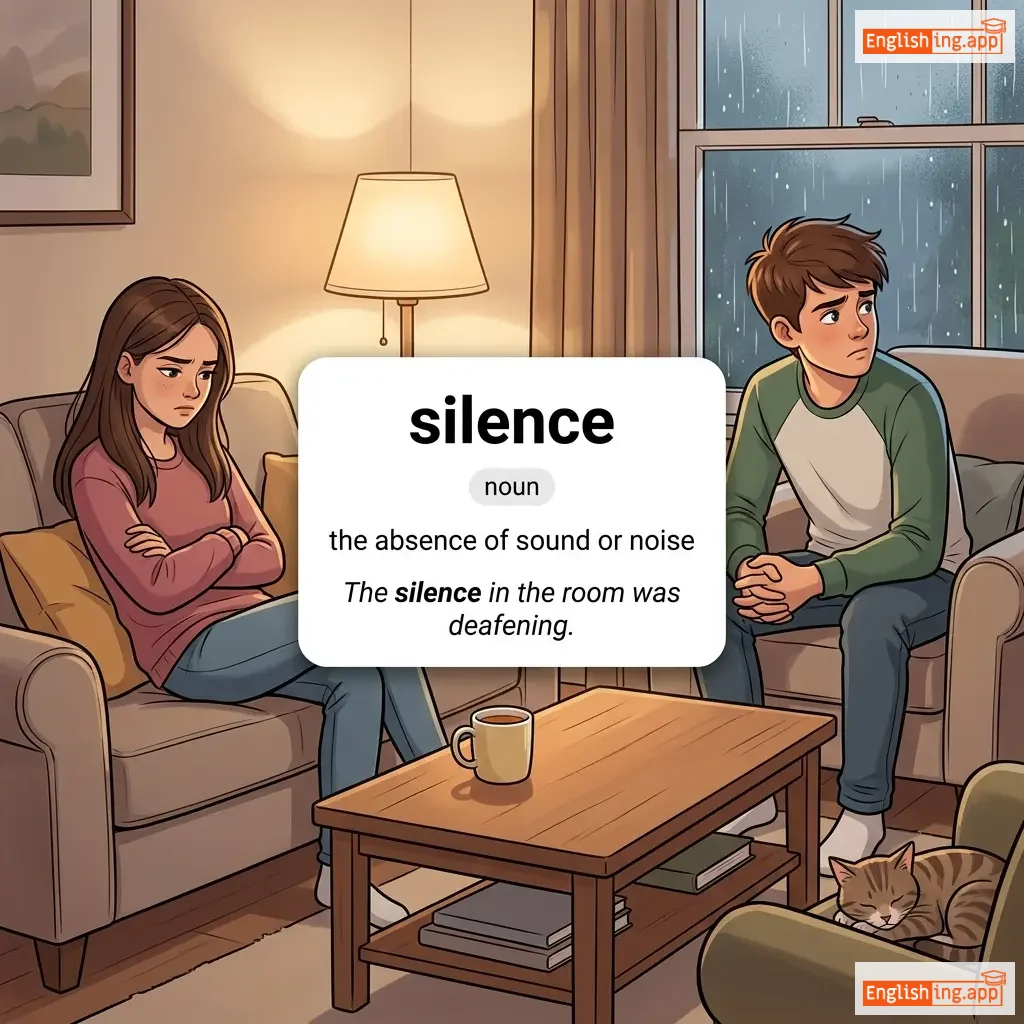
complete absence of sound; the refusal to speak or make noise
••••••
|
The teacher asked for silence during the exam. |
老师要求考试期间保持沉默。
Lǎoshī yāoqiú kǎoshì qíjiān bǎochí chénmò.
••••••
|
- •••••• | - •••••• | - •••••• |
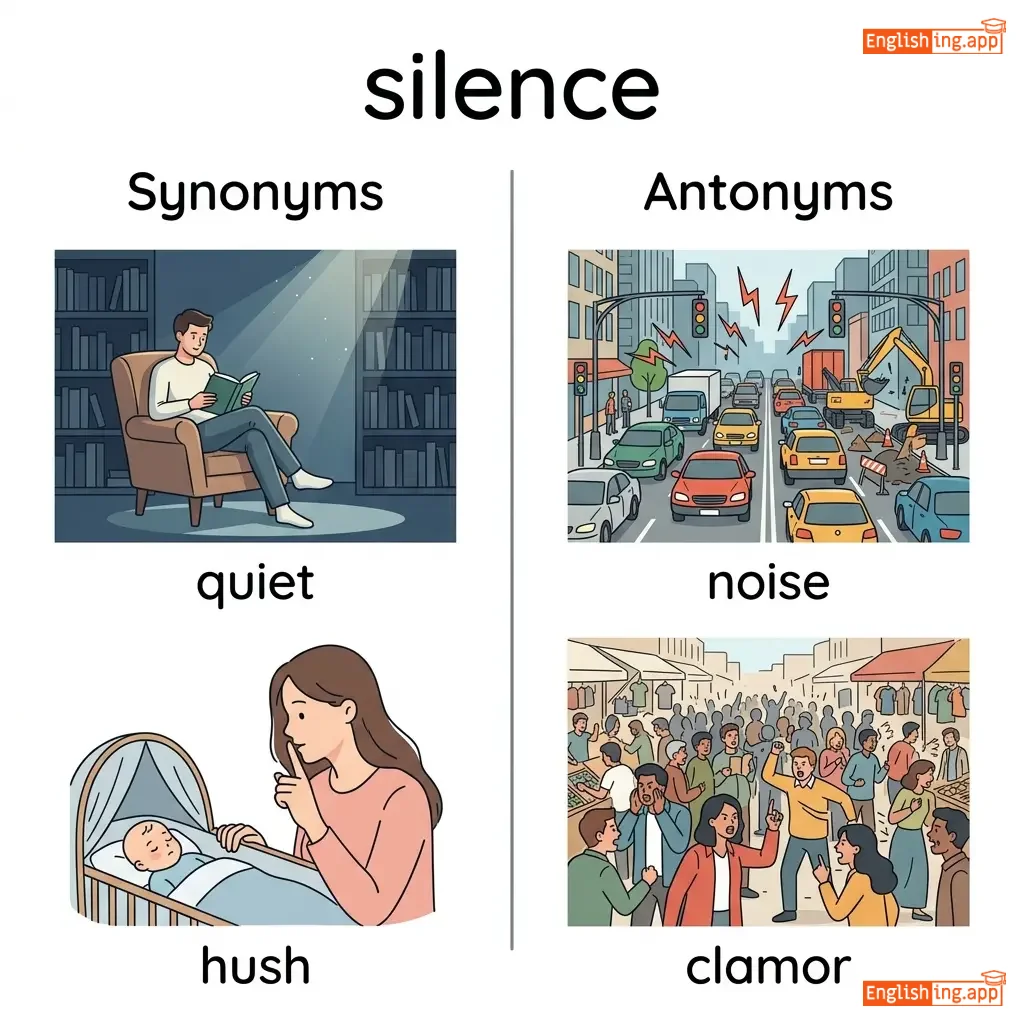
quiet, stillness, hush, calm
••••••
|
noise, sound, chatter, commotion
••••••
|
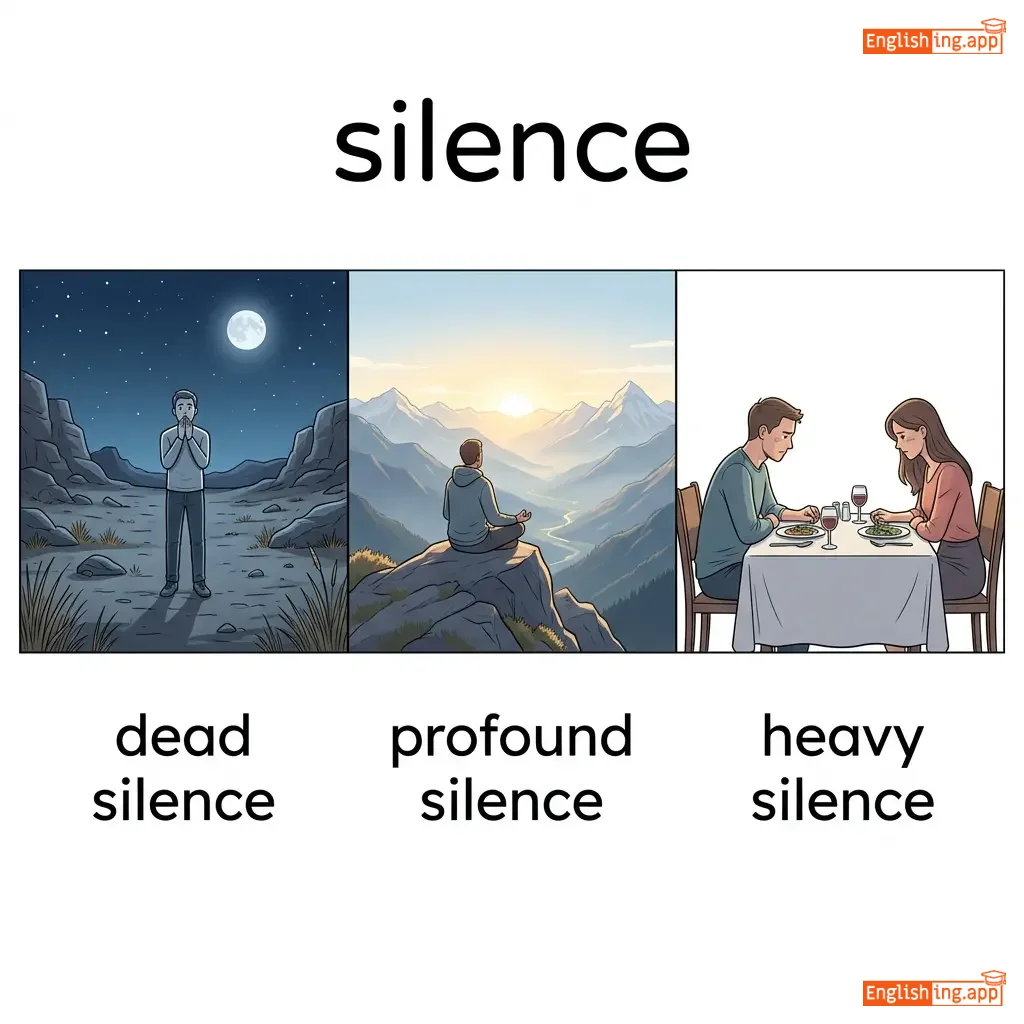
awkward silence, dead silence, moment of silence, break the silence
••••••
|
在沉默中,思考更清晰。
••••••
|
|
🔄
••••••
|
/ˈsɪmɪlər/
adjective
(西米拉尔)
••••••
|
- •••••• |
相似
xiangsi
••••••
|
- •••••• | - •••••• | - •••••• | - •••••• |
Having a resemblance in appearance, character, or quantity, without being identical.
••••••
|
The twins wore similar clothes to the party. |
双胞胎穿着相似的衣服参加派对。
Shuangbaotai chuanzhuo xiangsi de yifu canjia paidui.
••••••
|
similar to |
Having a likeness or resemblance to something.
••••••
|
相似于
xiangsi yu
••••••
|
alike, comparable, related, akin, resembling
••••••
|
different, dissimilar, unlike
••••••
|
similar case, similar result, similar style, similar appearance
••••••
|
SIMILAR意味着相似,像中文里的'相似'。
••••••
|
|
⛓️
••••••
|
/ˈsleɪvəri/
noun
••••••
|
- •••••• | - •••••• | - •••••• | - •••••• | - •••••• | - •••••• |
the system or state of being owned and forced to work for someone else
••••••
|
Slavery was abolished in most countries in the 19th century. |
- •••••• |
modern-day slavery |
the exploitation of people through forced labor or trafficking in modern times
••••••
|
- •••••• |
servitude, bondage, oppression, captivity
••••••
|
freedom, liberty, independence
••••••
|
abolish slavery, against slavery, slavery system, slavery trade
••••••
|
No •••••• |
|
🏘️
••••••
|
/səˈsaɪ.ə.ti/
noun
(社会)
••••••
|
|
社会; 组织
shehui; zuzhi
••••••
|
- •••••• | - •••••• | - •••••• | - •••••• |
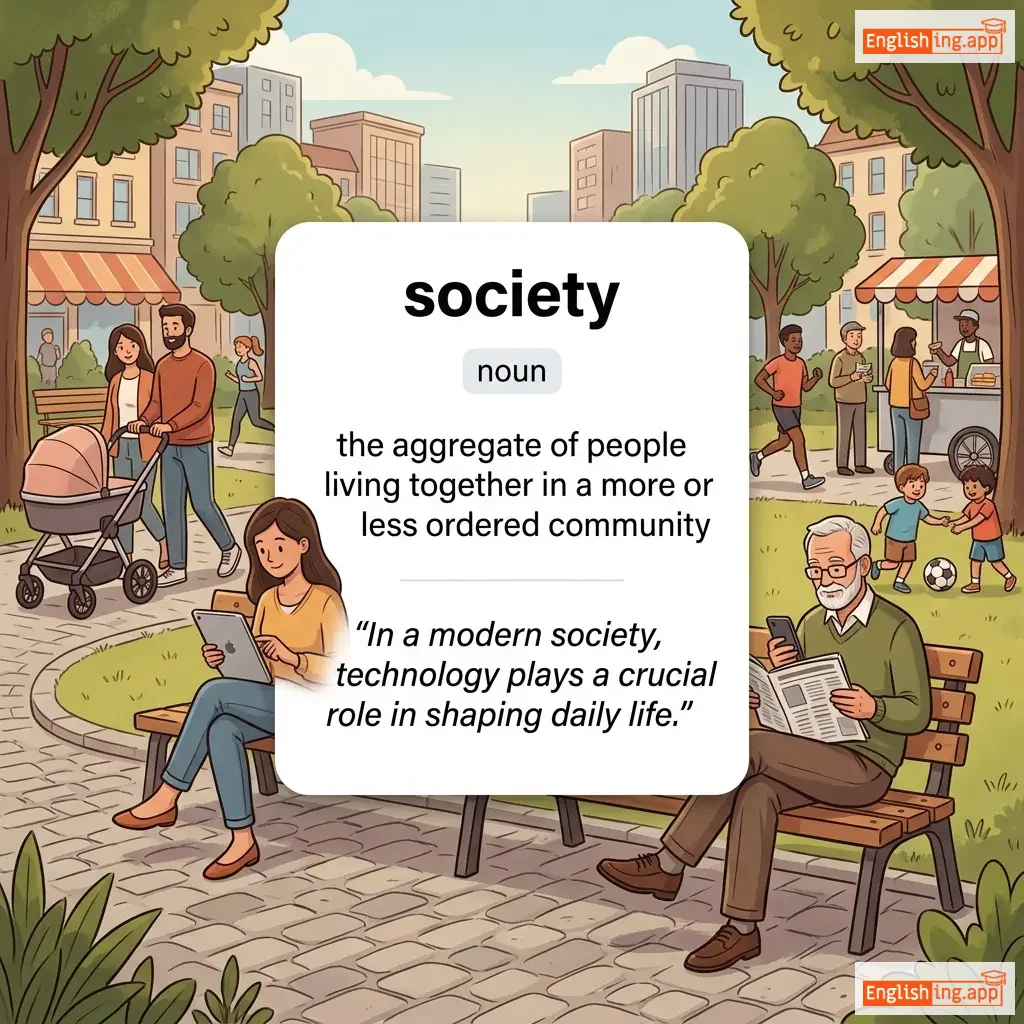
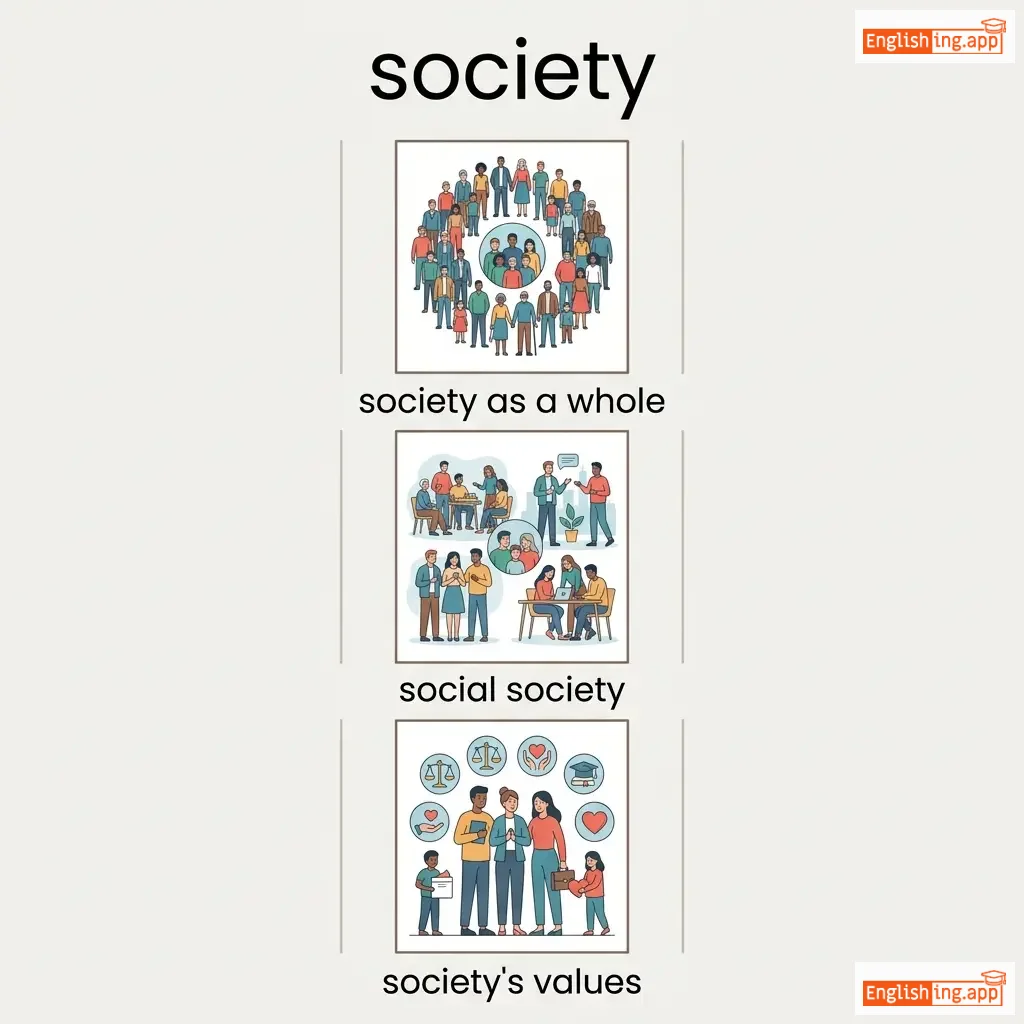
a community of people living together; an organization or association
••••••
|
Education plays an important role in society. |
教育在社会中扮演着重要角色。
Jiaoyu zai shehui zhong banyan zhe zhongyao juese.
••••••
|
- •••••• | - •••••• | - •••••• |
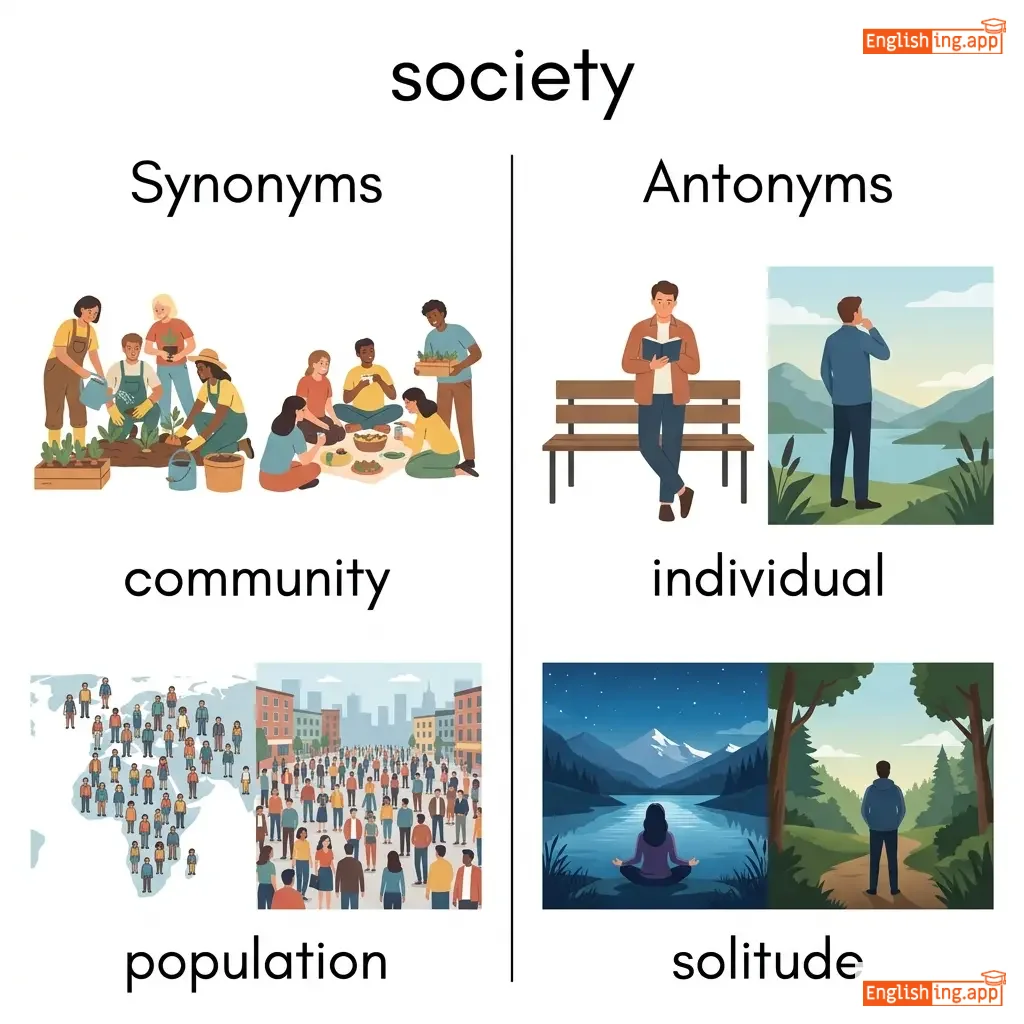
community, civilization, culture, association
••••••
|
isolation, solitude, individualism
••••••
|
modern society, civil society, human society
••••••
|
社会是我们共同的家,教育让我们团结。
••••••
|
|
🪖
••••••
|
/ˈsoʊldʒər/
noun
(士兵)
••••••
|
- •••••• |
士兵
shìbīng
••••••
|
- •••••• | - •••••• | - •••••• | - •••••• |
a person who serves in an army, especially as a professional fighter
••••••
|
The soldier marched proudly with his unit.
士兵骄傲地与他的部队一起行进。
••••••
|
士兵骄傲地与他的部队一起行进。
Shìbīng jiāo'ào de yǔ tā de bùduì yīqǐ xíngjìn.
••••••
|
old soldier
老兵
••••••
|
a person with much experience in military service or in life
••••••
|
老兵
lǎo bīng
••••••
|
trooper, warrior, fighter, serviceman, combatant
••••••
|
civilian, noncombatant
••••••
|
brave soldier, professional soldier, soldier on, soldier's duty
••••••
|
士兵 = Soldier, 容易记住!
••••••
|
|
🌅
••••••
|
/ˈsʌm.deɪ/
adverb
(sǎm-dèi)
••••••
|
- •••••• |
某天
mǒu tiān
••••••
|
- •••••• | - •••••• | - •••••• | - •••••• |
at some time in the future
••••••
|
Someday, I want to travel the world. |
某天,我想环游世界。
Mǒu tiān, wǒ xiǎng huán yóu shìjiè.
••••••
|
- •••••• | - •••••• | - •••••• |
one day, eventually, in the future, sooner or later
••••••
|
never, now
••••••
|
someday soon, maybe someday, someday I will, someday in the future
••••••
|
Someday 是某天 — 'Some day,有一天会实现的。'
••••••
|
|
🤷
••••••
|
/ˈsʌm.haʊ/
adverb
(sām-óu)
••••••
|
- •••••• |
不管怎样;
bù guǎn zěnyàng
••••••
|
- •••••• | - •••••• | - •••••• | - •••••• |
in some way; for some reason that is not clear
••••••
|
Somehow, I managed to finish the project on time.
Sām-óu, wǒ chénggōng dì wánchéngle xiàngmù.
••••••
|
不管怎样,我成功地按时完成了项目。
Bù guǎn zěnyàng, wǒ chénggōng de ànshí wánchéngle xiàngmù.
••••••
|
- •••••• | - •••••• | - •••••• |
someway, in some way, by some means, mysteriously
••••••
|
clearly, obviously, certainly, definitely
••••••
|
somehow manage, somehow survive, somehow succeed, somehow escape
••••••
|
Chinese and English mix: 'Somehow' becomes 'bù guǎn zěnyàng', emphasizing a mysterious solution.
••••••
|
|
🙋
••••••
|
/ˈsʌmwʌn/
pronoun
(sʌmwʌn)
••••••
|
- •••••• |
某人
mǒu rén
••••••
|
- •••••• | - •••••• | - •••••• | - •••••• |
a person, but not specifically known or named
••••••
|
Someone left their umbrella in the hallway. |
某人把他们的伞忘在了走廊里。
Mǒu rén bǎ tāmen de sǎn wàng zài le zǒuláng lǐ.
••••••
|
- •••••• | - •••••• | - •••••• |
somebody, person, individual
••••••
|
nobody
••••••
|
someone special, someone else, someone new
••••••
|
Someone can be remembered as 'Some ONE person'.
••••••
|
|
📝
••••••
|
/ˈspɛsɪfaɪ/
verb
(sipesifai)
••••••
|
- •••••• |
指定
zhiding
••••••
|
specified
sipesifaidi
••••••
|
specified
sipesifaidi
••••••
|
specifies
sipesifaizhi
••••••
|
specifying
sipesifaiying
••••••
|
to state or describe something clearly and exactly
••••••
|
Please specify the time and place of the meeting.
请明确指定会议的时间和地点。
••••••
|
请明确指定会议的时间和地点。
Qing mingque zhiding huiyi de shijian he didian.
••••••
|
specify requirements
指定需求
••••••
|
to clearly state what is needed
••••••
|
指定需求
zhiding xuqiu
••••••
|
define, state, describe, mention, detail
••••••
|
generalize, omit
••••••
|
specify details, specify conditions, specify requirements, specify time
••••••
|
指定就是清楚表达,避免模糊。
••••••
|
|
🤏
••••••
|
/skwiːz/
verb
(斯奎兹)
••••••
|
- •••••• |
挤压
jīyā
••••••
|
squeezed
斯奎兹德
••••••
|
squeezed
斯奎兹德
••••••
|
squeezes
斯奎兹斯
••••••
|
squeezing
斯奎兹英
••••••
|
to press something firmly, especially from all sides in order to extract or compress it
••••••
|
She squeezed the toothpaste to get the last bit.
她挤压牙膏管,想把最后一点挤出来。
••••••
|
她挤压牙膏管,想把最后一点挤出来。
Tā jīyā yágāo guǎn, xiǎng bǎ zuìhòu yīdiǎn jī chūlái.
••••••
|
- •••••• | - •••••• | - •••••• |
press, compress, crush, squish
••••••
|
release, loosen, uncompress
••••••
|
squeeze the juice, squeeze in, squeeze the life out of
••••••
|
挤压牙膏管,挤出最后一滴 - Squeeze the last bit of toothpaste!
••••••
|
|
🍽️
••••••
|
/ˈstɑːrtər/
noun
(斯塔特)
••••••
|
- •••••• |
开始某事的人或事物;一餐的第一道菜
kaishi mou shi de ren huo shiwu; yi can de di yi dao cai
••••••
|
- •••••• | - •••••• | - •••••• | - •••••• |
a person or thing that starts something; the first course of a meal
••••••
|
The starter of the meal was a fresh salad. |
餐前小吃是一份新鲜的沙拉。
Can qian xiao chi shi yi fen xin xian de sha la.
••••••
|
non-starter |
something that is not feasible or cannot succeed
••••••
|
- •••••• |
beginner, initiator, appetizer, originator, opener
••••••
|
finisher, ender
••••••
|
car starter, meal starter, engine starter, game starter
••••••
|
‘Starter’开始, 就像餐前的小吃——沙拉!
••••••
|
|
📜
••••••
|
/ˈstætʃuːt/
noun
(sītīút)
••••••
|
- •••••• |
法律
fǎlǜ
••••••
|
- •••••• | - •••••• | - •••••• | - •••••• |
A written law passed by a legislative body.
••••••
|
The new statute protects workers' rights. |
新法律保护工人的权利。
Xīn fǎlǜ bǎohù gōngrén de quánlì.
••••••
|
statute of limitations |
A law prescribing the time limit for legal action.
••••••
|
时效法
shíxiào fǎ
••••••
|
law, regulation, act, ordinance, decree
••••••
|
anarchy, freedom
••••••
|
criminal statute, civil statute, statute law, statute of limitations
••••••
|
Statute = 法律
••••••
|
|
🤢
••••••
|
/ˈstʌmək/
noun/verb
(胃)
••••••
|
- •••••• |
胃 / 忍耐
wèi / rěnnài
••••••
|
stomached
胃了
••••••
|
stomached
胃了
••••••
|
stomachs
胃的
••••••
|
stomaching
胃的过程
••••••
|
The internal organ in which food is digested; also to tolerate or endure something
••••••
|
She couldn’t stomach the sight of violence.
她无法忍受暴力的场景。
••••••
|
她无法忍受暴力的场景。
Tā wúfǎ rěnshòu bàolì de chǎngjǐng.
••••••
|
have a strong stomach
有一个强壮的胃
••••••
|
to be able to tolerate unpleasant or difficult things
••••••
|
有一个强壮的胃
Yǒu yīgè qiángzhuàng de wèi
••••••
|
belly, abdomen, gut, endure, tolerate
••••••
|
reject, resist, dislike
••••••
|
stomach pain, upset stomach, stomach flu, stomach cramps
••••••
|
胃是消化食物的器官,拥有一个强壮的胃意味着能承受困难。
••••••
|
|
🤔
••••••
|
/streɪndʒ/
adjective
(sī chèng)
••••••
|
- •••••• |
奇怪
qiguai
••••••
|
- •••••• | - •••••• | - •••••• | - •••••• |
unusual or not normal
••••••
|
It was strange to see him at the party after so long. |
在这么久之后在派对上看到他真奇怪。
Zài zhème jiǔ zhīhòu zài pàiduì shàng kàn dào tā zhēn qíguài.
••••••
|
- •••••• | - •••••• | - •••••• |
unusual, odd, peculiar, bizarre
••••••
|
normal, usual, typical
••••••
|
strange behavior, strange situation, strange feeling, feel strange
••••••
|
奇怪的感觉,像 'strange' 一样不寻常。
••••••
|

