The Priest Who United the Community
约翰神父是一位priest,他在一个小parish服务。他的社区有不同宗教的人——附近有一座mosque,还有一座寺庙。起初,他的ruling是遵循传统方式,但他意识到需要modified。他的目标是purely带来团结,而不是政治议程。一天,由于缺水危机,人们开始互相指责。约翰神父决定组织一次社区会议,并邀请所有人。Mutual尊重是他的讯息。一位当地的retail店主prompt地提供帮助,为每个家庭安排了一gallon水。会议中有一个有趣的时刻——一只monkey跑进大厅,大家都笑了。约翰神父说,差异lesser重要于团结。就像一个hockey团队合作一样,社区也可以。 他的话infected了每个人,带来积极的能量。伊玛目和婆罗门也来支持。他们决定共同努力,制定了不同任务的lineup。一家French餐馆老板捐赠了食物,有人提供了garlic和其他食材。一些人是gaming爱好者,他们组织了一场慈善比赛。当保守派施压时,约翰神父拒绝resign。他的奉献和话语的weight带来了真正的改变。社区成为了mutual尊重与和谐的典范。
|
表情符号
|
单词 | Images | 翻译 | 过去时 | 过去分词 | 第三人称单数 | 动名词 | 含义 | 例句 | 例句翻译 | 示例表达 | 示例表达含义 | 示例表达翻译 | 同义词 | 反义词 | 搭配词 | 助记符 |
|---|---|---|---|---|---|---|---|---|---|---|---|---|---|---|---|---|---|
|
🇫🇷
••••••
|
/frɛntʃ/
adjective
(french)
••••••
|
- •••••• |
法国的
fàguó de
••••••
|
- •••••• | - •••••• | - •••••• | - •••••• |
Relating to France, its people, or their language.
••••••
|
We enjoyed delicious French cuisine on our trip to Paris.
我们在巴黎的旅行中享用了美味的法国菜。
••••••
|
我们在巴黎的旅行中享用了美味的法国菜。
Wǒmen zài bālí de lǚxíng zhōng xiǎngyòng le měiwèi de fàguó cài.
••••••
|
French kiss
法式吻
••••••
|
a kiss involving the tongue
••••••
|
法式吻
fǎ shì wěn
••••••
|
Gallic, Parisian, Francophone
••••••
|
non-French, foreign
••••••
|
French cuisine, French language, French culture, French wine
••••••
|
French = 在巴黎享受美味的法国菜,法式吻
••••••
|
|
🥛
••••••
|
/ˈɡælən/
noun
(ɡælən)
••••••
|
- •••••• |
加仑
jiālún
••••••
|
- •••••• | - •••••• | - •••••• | - •••••• |
a unit of measurement for liquid capacity, equal to 4 quarts or approximately 3.8 liters
••••••
|
He bought a gallon of milk. |
他买了一加仑牛奶。
Tā mǎile yī jiālún niúnǎi.
••••••
|
- •••••• | - •••••• | - •••••• |
quart, liter, container
••••••
|
drop, tiny amount
••••••
|
gallon of water, gallon of milk, gallon jug
••••••
|
加仑 - 大容器,大容量!
••••••
|
|
🎮
••••••
|
/ˈɡeɪmɪŋ/
noun
••••••
|


|
- •••••• | - •••••• | - •••••• | - •••••• | - •••••• |
the action or practice of playing games, especially video games
••••••
|
Gaming has become a popular pastime among teenagers. |
- •••••• | - •••••• | - •••••• | - •••••• |
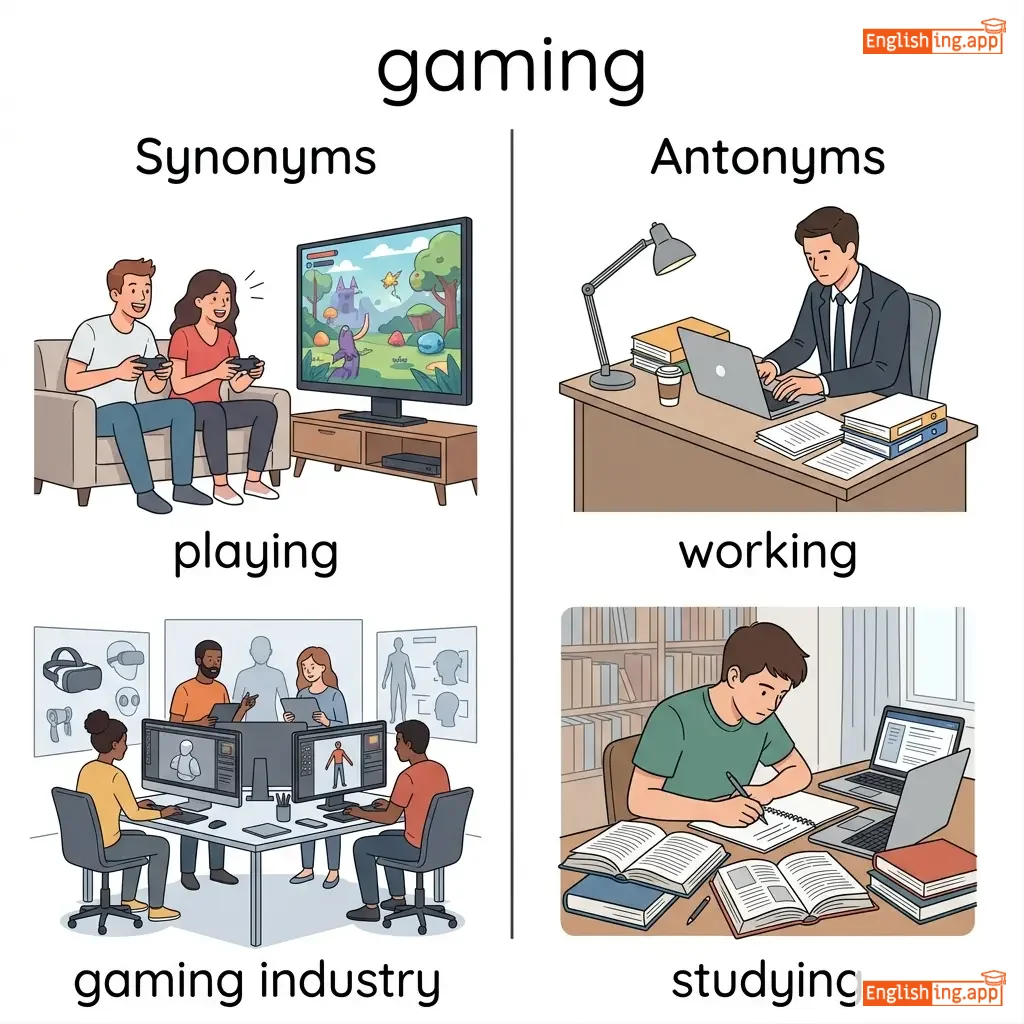
playing, gaming industry, esports
••••••
|
working, studying
••••••
|
gaming console, online gaming, gaming community
••••••
|
No •••••• |
|
🧄
••••••
|
/ˈɡɑːr.lɪk/
noun
(嘎利克)
••••••
|
- •••••• |
大蒜
da suan
••••••
|
- •••••• | - •••••• | - •••••• | - •••••• |
a strong-smelling pungent-tasting bulb, used as a flavoring in cooking and in herbal medicine
••••••
|
The recipe calls for three cloves of fresh garlic to enhance the flavor.
该食谱需要三瓣新鲜大蒜以增强风味。
••••••
|
本食谱需要三瓣新鲜大蒜以增强风味。
gai shi pu xu yao san ban xin xian da suan yi zeng qiang feng wei
••••••
|
- •••••• | - •••••• | - •••••• |
bulb, clove, seasoning, herb
••••••
|
sweetener, sugar, bland spice, mild herb
••••••
|
fresh garlic, garlic clove, roasted garlic
••••••
|
Garlic 大蒜: imagine a clove wearing a cape shouting da suan, da flavor saves the dish
••••••
|
|
🏑
••••••
|
/ˈhɒki/
noun
(曲棍球)
••••••
|
- •••••• |
曲棍球
qugunqiu
••••••
|
- •••••• | - •••••• | - •••••• | - •••••• |
a sport played with sticks and a ball or puck on ice or a field
••••••
|
He plays hockey for the national team. |
他为国家队打曲棍球。
Ta wei guoji dui da qugunqiu.
••••••
|
- •••••• | - •••••• | - •••••• |
sport, game, ice hockey, field hockey, match
••••••
|
none, inactivity, rest
••••••
|
hockey stick, hockey player, hockey match, hockey field
••••••
|
曲棍球在冰上用棍棒和冰球玩
••••••
|
|
🦠
••••••
|
/ɪnˈfɛkt/
verb
(传染)
••••••
|
- •••••• |
传染
chuánrǎn
••••••
|
infected
传染
••••••
|
infected
传染
••••••
|
infects
传染
••••••
|
infecting
传染
••••••
|
To contaminate with a disease-causing organism.
••••••
|
The virus can infect healthy people quickly.
病毒可以迅速传染健康的人。
••••••
|
病毒可以迅速传染健康的人。
Bìngdú kěyǐ xùnsù chuánrǎn jiànkāng de rén.
••••••
|
infect with fear
传染恐惧
••••••
|
To spread fear into others.
••••••
|
传染恐惧
chuánrǎn kǒngjù
••••••
|
contaminate, transmit, spread, pollute
••••••
|
cleanse, disinfect
••••••
|
infect people, infect cells, infect computers, infect animals
••••••
|
传染就像是病毒一样传播。
••••••
|
|
⬇️
••••••
|
/ˈles.ər/
adjective
(莱瑟)
••••••
|
- •••••• |
较小
jiaoxiao
••••••
|
- •••••• | - •••••• | - •••••• | - •••••• |
smaller in amount; of lower importance; inferior
••••••
|
He chose the lesser of two evils when making his decision. |
他在做决定时选择了较小的恶。
Ta zai zuo jueding shi xuanze le jiaoxiao de e.
••••••
|
- •••••• | - •••••• | - •••••• |
smaller, minor, inferior, reduced, diminished
••••••
|
greater, larger, superior, major, increased
••••••
|
lesser extent, lesser degree, lesser evil, lesser known
••••••
|
选择较小的恶,像在两个选项中选择较少的坏处
••••••
|
|
🎤
••••••
|
/ˈlaɪnˌʌp/
noun
(lāi nèi āp)
••••••
|
- •••••• |
阵容
zhenrong
••••••
|
- •••••• | - •••••• | - •••••• | - •••••• |
a group of people or things arranged in a sequence
••••••
|
The event featured a star-studded lineup of musicians. |
这个活动展示了一个明星云集的阵容。
Zhege huodong zhanshi le yige mingxing yunji de zhenrong.
••••••
|
- •••••• | - •••••• | - •••••• |
arrangement, roster, schedule, list
••••••
|
disorder, chaos
••••••
|
lineup of performers, lineup of events, impressive lineup
••••••
|
阵容意味着按顺序排列的群体 - Zhenrong means a group arranged in a sequence!
••••••
|
|
🔧
••••••
|
/ˈmɑːdɪfaɪ/
verb
(mó dì fāi)
••••••
|

|
修改
xiūgǎi
••••••
|
modified
mó dì fāi dé
••••••
|
modified
mó dì fāi dé
••••••
|
modifies
mó dì fāi
••••••
|
modifying
mó dì fāi zhōng
••••••
|
to change or alter something; to make partial changes
••••••
|
We need to modify the plan to include more details.
我们需要修改计划以包括更多细节。
••••••
|
我们需要修改计划以包括更多细节。
Wǒmen xūyào xiūgǎi jìhuà yǐ bāokuò gèng duō xìjié.
••••••
|
- •••••• | - •••••• | - •••••• |
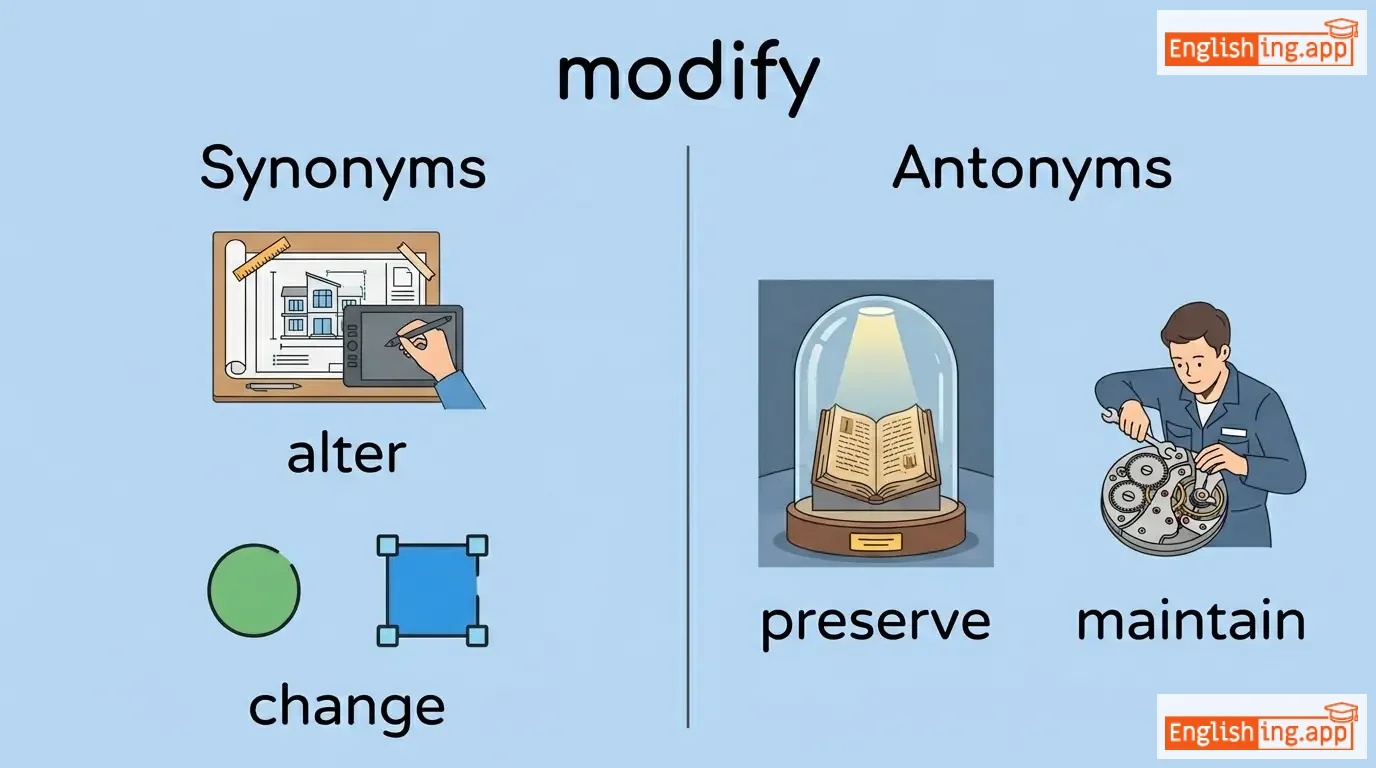
change, alter, adjust, revise, update
••••••
|
maintain, preserve, keep unchanged
••••••
|
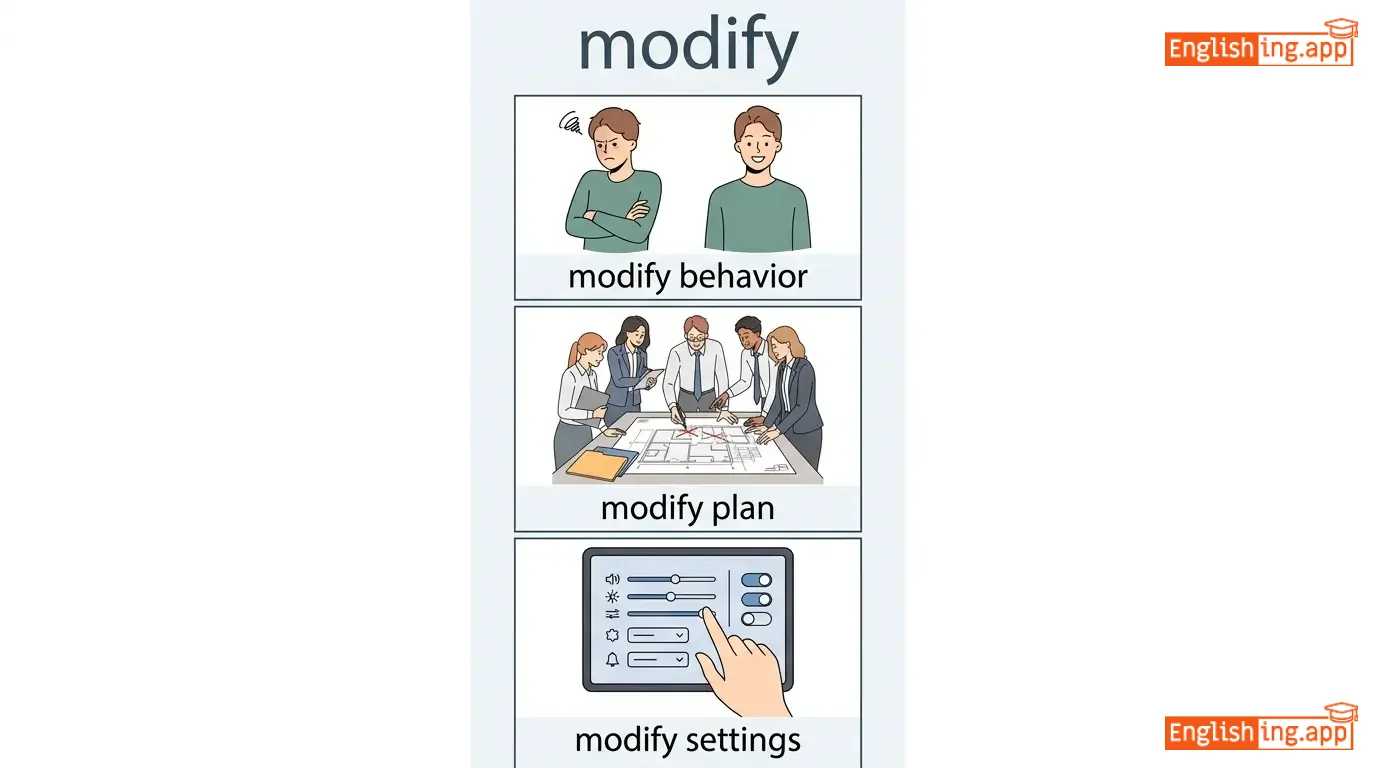
modify slightly, modify plans, modify behavior, modify settings, heavily modified
••••••
|
Chinese-English mnemonic: '修改计划以加入细节' ('modify the plan to include details')
••••••
|
|
🐒
••••••
|
/ˈmʌŋki/
noun
(猴子)
••••••
|
- •••••• |
猴子
hóu zi
••••••
|
- •••••• | - •••••• | - •••••• | - •••••• |
a small to medium-sized primate with a long tail, known for its playfulness
••••••
|
A monkey was jumping from tree to tree in the forest. |
一只猴子在森林中从树上跳到树上。
yī zhī hóu zi zài sēn lín zhōng cóng shù shàng tiào dào shù shàng
••••••
|
monkey business |
silly, mischievous, or dishonest behavior
••••••
|
猴子捣蛋
hóu zi dǎo dàn
••••••
|
ape, primate, chimp, baboon, macaque
••••••
|
human, adult
••••••
|
monkey business, monkey tricks, monkey cage, cheeky monkey
••••••
|
猴子 = 捣蛋精! 🐒
••••••
|
|
🕌
••••••
|
/mɒsk/
noun
(清真寺)
••••••
|
- •••••• |
清真寺
qīng zhēn sì
••••••
|
- •••••• | - •••••• | - •••••• | - •••••• |
A Muslim place of worship.
••••••
|
They gathered at the mosque for the Friday prayer. |
他们在清真寺集会进行星期五的祷告。
Tāmen zài qīng zhēn sì jíhuì jìnxíng xīngqīwǔ de dǎogào.
••••••
|
- •••••• | - •••••• | - •••••• |
masjid, place of worship, Islamic temple
••••••
|
church, temple, synagogue
••••••
|
grand mosque, local mosque, mosque prayer, mosque visit
••••••
|
Mosque 意味着清真寺 — 穆斯林在这里祈祷。
••••••
|
|
🤝
••••••
|
/ˈmjuːtʃuəl/
adjective
(mjuːtʃuəl)
••••••
|
- •••••• |
相互的
xiānghù de
••••••
|
- •••••• | - •••••• | - •••••• | - •••••• |
felt, shared, or done by two or more people equally
••••••
|
They have mutual respect for each other. |
他们彼此有相互的尊重。
Tāmen bǐcǐ yǒu xiānghù de zūnzhòng.
••••••
|
mutual understanding |
shared comprehension between two or more parties
••••••
|
相互理解
xiānghù lǐjiě
••••••
|
reciprocal, shared, common, joint, collective
••••••
|
one-sided, unilateral
••••••
|
mutual respect, mutual benefit, mutual agreement
••••••
|
相互意味着平等 - '相' 和 '互' 代表着对等的关系。
••••••
|
|
⛪
••••••
|
/ˈpærɪʃ/
noun
(帕里什)
••••••
|
- •••••• |
教区
jiàoqū
••••••
|
- •••••• | - •••••• | - •••••• | - •••••• |
A local church community or the area served by a parish church.
••••••
|
The parish gathered for Sunday service. |
教区成员为周日的服务聚集在一起。
jiàoqū chéngyuán wèi zhōurì de fúwù jùjí zài yīqǐ.
••••••
|
parish pump |
relating to local or narrow-minded politics
••••••
|
地方政治
dìfāng zhèngzhì
••••••
|
church community, congregation, district, diocese
••••••
|
secular community
••••••
|
parish church, parish priest, parish community, parish council
••••••
|
Parish代表教区区域——牧师总是与当地教堂社区合作。
••••••
|
|
⛪
••••••
|
/priːst/
noun
(priːst)
••••••
|
- •••••• |
牧师
mùshī
••••••
|
- •••••• | - •••••• | - •••••• | - •••••• |
a person who performs religious duties and ceremonies
••••••
|
The priest blessed the congregation during the Sunday service. |
牧师在主日礼拜期间祝福了会众。
Mùshī zài zhǔrì lǐbài qījiān zhùfú le huìzhòng.
••••••
|
- •••••• | - •••••• | - •••••• |
clergyman, pastor, minister, reverend
••••••
|
laity
••••••
|
church priest, catholic priest, priesthood
••••••
|
A priest is someone who prays and leads religious ceremonies.
••••••
|
|
⚡
••••••
|
/prɑːmpt/
verb, noun, adjective
(pròngpùt)
••••••
|
- •••••• |
促使 / 快速
cùshǐ / kuàisù
••••••
|
prompted
pròngpùted
••••••
|
prompted
pròngpùted
••••••
|
prompts
pròngpùts
••••••
|
prompting
pròngpùting
••••••
|
To cause someone to take action; done without delay.
••••••
|
His speech prompted the audience to ask questions.
他的演讲促使观众提问。
••••••
|
他的演讲促使观众提问。
Tā de yǎnjiǎng cùshǐ guānzhòng tíwèn.
••••••
|
prompt action
快速行动
••••••
|
Immediate or quick action
••••••
|
即时行动
jíshí xíngdòng
••••••
|
urge, incite, quick, immediate, stimulate
••••••
|
delay, hinder, slow
••••••
|
prompt reply, prompt payment, prompt decision, prompt response
••••••
|
Prompt是一个快速响应的动作,就像计算机响应一样。
••••••
|
|
✨
••••••
|
/ˈpjʊərli/
adverb
(pjʊərli)
••••••
|
- •••••• |
纯粹地
chúncuì de
••••••
|
- •••••• | - •••••• | - •••••• | - •••••• |
only and completely; entirely
••••••
|
The decision was purely based on economic factors. |
这个决定完全基于经济因素。
Zhège juédìng wánquán jīyú jīngjì yīnsù.
••••••
|
- •••••• | - •••••• | - •••••• |
exclusively, solely, entirely, totally
••••••
|
partially, incompletely, somewhat
••••••
|
purely coincidental, purely for fun, purely theoretical, purely academic
••••••
|
Purely 意味着完全地,像纯净的水一样!
••••••
|
|
✍️
••••••
|
/rɪˈzaɪn/
verb
(瑞泽因)
••••••
|

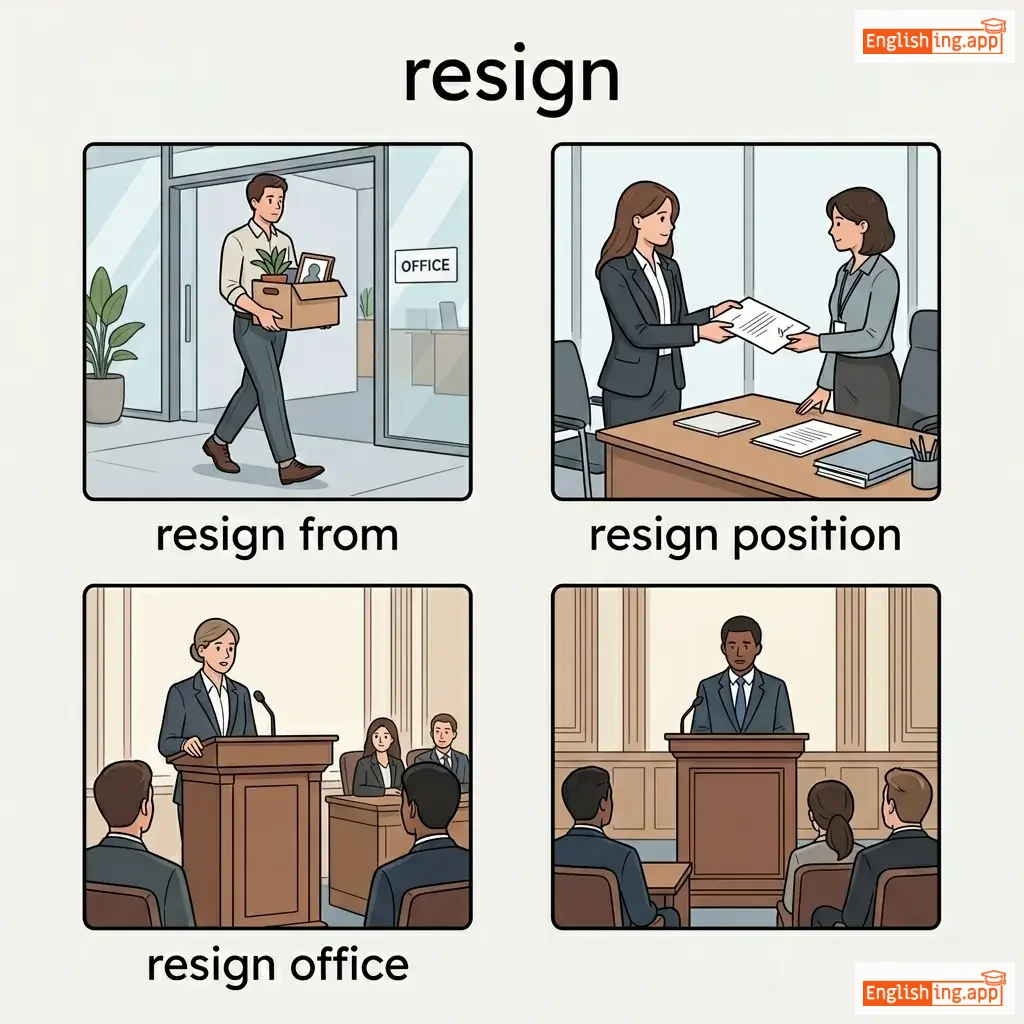
|
辞职
cízhí
••••••
|
resigned
瑞泽因德
••••••
|
resigned
瑞泽因德
••••••
|
resigns
瑞泽因斯
••••••
|
resigning
瑞泽因宁
••••••
|
To voluntarily leave a job or office.
••••••
|
She decided to resign from her position due to personal reasons.
她决定因个人原因辞去她的职位。
••••••
|
她决定因个人原因辞去她的职位。
Tā juédìng yīn gèrén yuányīn cíqù tā de zhíwèi.
••••••
|
resign oneself to
辞去
••••••
|
To accept something unpleasant that cannot be changed.
••••••
|
辞去
cíqù
••••••
|
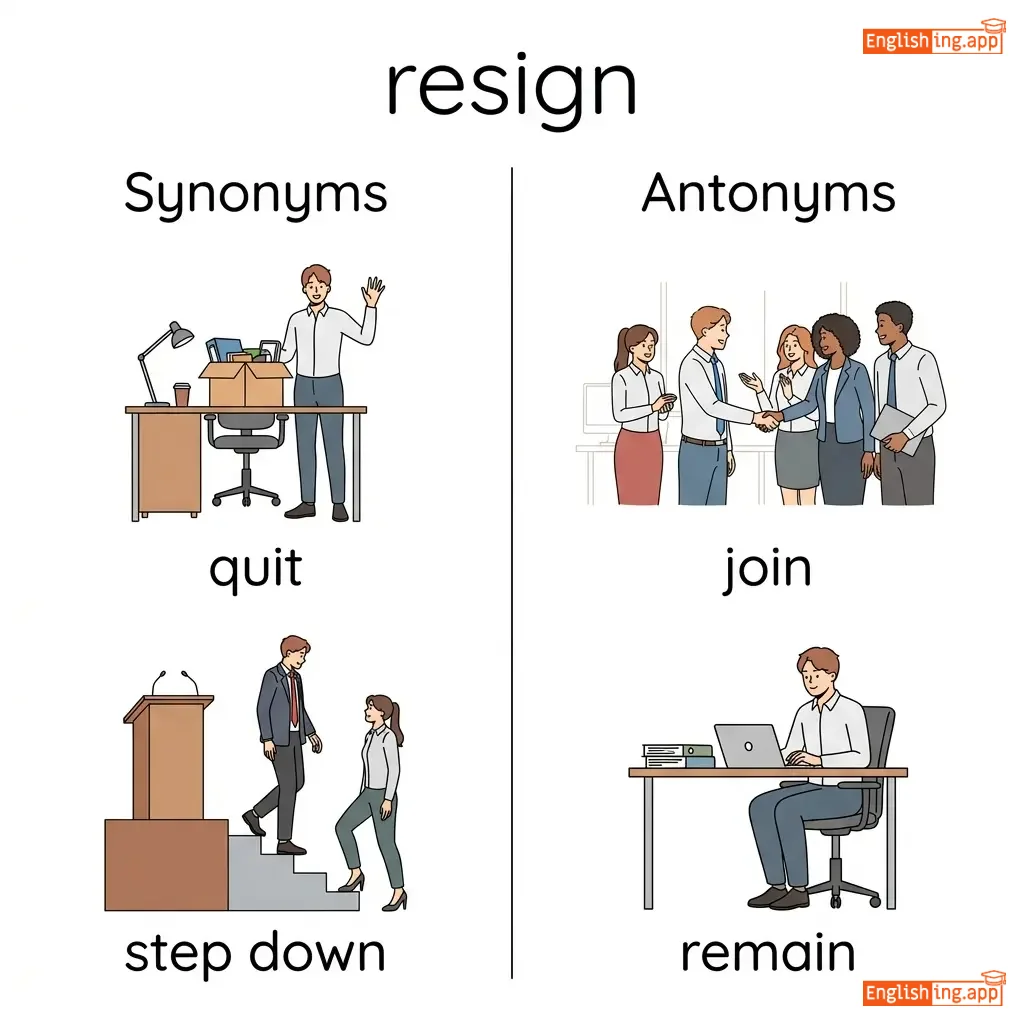
quit, step down, retire, relinquish, leave
••••••
|
join, remain, accept
••••••
|
resign from, resign position, resign office, resign formally
••••••
|
Resign意味着辞职,想想 'sign out' → 辞职
••••••
|
|
🛍️
••••••
|
/ˈriːteɪl/
noun, verb
(零售)
••••••
|
- •••••• |
零售
ling shou
••••••
|
retailed
零售
••••••
|
retailed
零售
••••••
|
retails
零售
••••••
|
retailing
零售
••••••
|
the sale of goods to the public in small quantities for use or consumption rather than for resale
••••••
|
The company specializes in the retail of clothing and accessories.
公司专注于服装和配件的零售业务。
••••••
|
公司专注于服装和配件的零售业务。
Gongsi zhuanzhu yu fuzhuang he peijian de lingshou ye wu.
••••••
|
retail therapy
零售疗法
••••••
|
shopping as a way to improve mood
••••••
|
零售疗法
ling shou liaofa
••••••
|
sell, trade, merchandise, market
••••••
|
wholesale, purchase
••••••
|
retail store, retail price, retail business, retail sales
••••••
|
Retail – 小而美,享受购物
••••••
|
|
⚖️
••••••
|
/ˈruːlɪŋ/
noun
(ruling)
••••••
|
- •••••• |
裁决
caijue
••••••
|
- •••••• | - •••••• | - •••••• | - •••••• |
an official decision made by a judge or authority.
••••••
|
The court’s ruling favored the defendant. |
法院的裁决对被告有利。
fayuan de caijue dui beigao youli.
••••••
|
ruling party |
the political party currently in power
••••••
|
执政党
zhizhengdang
••••••
|
decision, verdict, judgment, decree, resolution
••••••
|
appeal, reversal
••••••
|
court ruling, final ruling, government ruling, new ruling
••••••
|
法官做出裁决 (ruling),命运就此定了!
••••••
|
|
⚖️
••••••
|
/weɪt/
noun
(wèi tì)
••••••
|
- •••••• |
重量
zhòng liàng
••••••
|
- •••••• | - •••••• | - •••••• | - •••••• |
a measure of how heavy something is
••••••
|
The weight of the package was 10 kilograms. |
包裹的重量是10公斤。
Bāoguǒ de zhòng liàng shì 10 gōngjīn.
••••••
|
- •••••• | - •••••• | - •••••• |
mass, heaviness, load
••••••
|
lightness
••••••
|
body weight, weight lifting, weight loss
••••••
|
包裹的重量用千克来衡量。
••••••
|

