The Doctor Who Saved a Life
卡里姆医生是一位highly 熟练的外科医生,在一家公立医院工作。During 他的职业生涯中,他进行了许多复杂的手术,但kidney 移植是他的专长。一天,一个紧急病例来了——一位名叫拉基布的年轻人,他的 kidney 因严重的 injury 而衰竭。拉基布是一名 former 足球运动员,在一次事故中 injured。他的情况 indeed 危急,医生们并不 expect 他能活下来。卡里姆医生知道他必须 endure 一场漫长的手术。他从医疗 drawer 中取出了所有必要的器械。用一根 needle,他开始了 intake 过程,仔细监测每种药物的 effect。他的目标是 enable 拉基布恢复正常生活。Inside 手术室,整个 entire 团队都 engaged 在同一个使命中。手术非常危险,任何错误都可能是 lethal 的。卡里姆医生小心地 exposed 受损部位,following 标准的医疗规范。他的手很稳,注意力非常集中。During 手术时,病人的血压一度下降,但团队迅速应对。卡里姆医生的奉献和专业知识 enabled 了手术的成功。术后,拉基布慢慢开始康复。他的家人充满感激。卡里姆医生证明了 indeed,奉献和技能结合起来可以拯救生命。
|
表情符号
|
单词 | Images | 翻译 | 过去时 | 过去分词 | 第三人称单数 | 动名词 | 含义 | 例句 | 例句翻译 | 示例表达 | 示例表达含义 | 示例表达翻译 | 同义词 | 反义词 | 搭配词 | 助记符 |
|---|---|---|---|---|---|---|---|---|---|---|---|---|---|---|---|---|---|
|
🗄️
••••••
|
/ˈdrɔːər/
noun
(抽屉)
••••••
|
- •••••• |
抽屉
chouti
••••••
|
- •••••• | - •••••• | - •••••• | - •••••• |
a box-shaped storage compartment that slides in and out of furniture
••••••
|
She kept her jewelry in the top drawer of the dresser.
她把珠宝放在梳妆台的上层抽屉里。
••••••
|
她把珠宝放在梳妆台的上层抽屉里。
Tā bǎ zhūbǎo fàng zài shūzhuāngtái de shàngcéng chōuti lǐ.
••••••
|
- •••••• | - •••••• | - •••••• |
compartment, tray, storage, container, box
••••••
|
shelf, open space
••••••
|
desk drawer, top drawer, kitchen drawer, pull out drawer
••••••
|
抽屉 = 类似 Drawer, 可以拉开来装东西。
••••••
|
|
⏳
••••••
|
/ˈdjʊərɪŋ/
preposition
(dyoor-ing)
••••••
|
- •••••• |
期间
qi jian
••••••
|
- •••••• | - •••••• | - •••••• | - •••••• |
throughout the course of a period of time
••••••
|
I fell asleep during the movie. |
我在看电影的时候睡着了。
Wo zai kan dian ying de shi hou shui zhao le.
••••••
|
- •••••• | - •••••• | - •••••• |
throughout, amid, in, over
••••••
|
before, after, beyond
••••••
|
during the day, during the night, during the meeting, during the war
••••••
|
期间意味着'在某段时间' (像是时间中发生的事情)。
••••••
|
|
✨
••••••
|
/ɪˈfɛkt/
noun
(īfékè)
••••••
|
- •••••• |
效果
xiaoguo
••••••
|
- •••••• | - •••••• | - •••••• | - •••••• |
a change that results from a particular action or cause
••••••
|
The new law had a positive effect on public safety. |
新法律对公共安全产生了积极的效果。
Xin falu dui gonggong anquan chansheng le jiji de xiaoguo.
••••••
|
take effect |
to begin to apply or produce results
••••••
|
生效
shengxiao
••••••
|
result, outcome, consequence, impact, influence
••••••
|
cause, source, origin
••••••
|
positive effect, negative effect, cause and effect, special effect
••••••
|
效果意味着影响,效果的变化很好记住。
••••••
|
|
🔓
••••••
|
/ɪˈneɪbəl/
verb
(伊内布尔)
••••••
|
|
启用
qǐyòng
••••••
|
enabled
伊内布尔德
••••••
|
enabled
伊内布尔德
••••••
|
enables
伊内布尔斯
••••••
|
enabling
伊内布灵
••••••
|
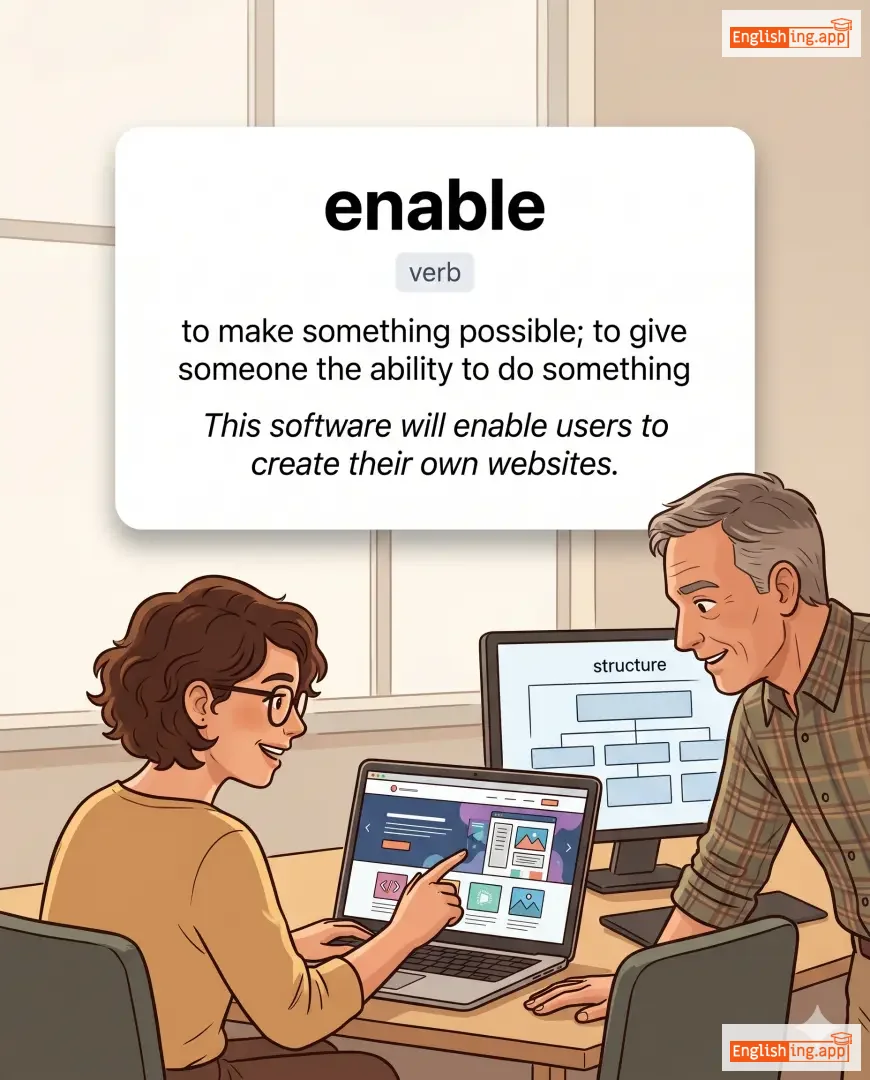
to make something possible; to give someone the ability to do something
••••••
|
This software will enable users to create their own websites.
这个软件将使用户能够创建他们自己的网站。
••••••
|
这个软件将使用户能够创建他们自己的网站。
Zhège ruǎnjiàn jiāng shǐ yònghù nénggòu chuàngjiàn tāmen zìjǐ de wǎngzhàn.
••••••
|
enable access
启用访问
••••••
|
to provide the ability to enter or use something
••••••
|
启用访问
qǐyòng fànguān
••••••
|
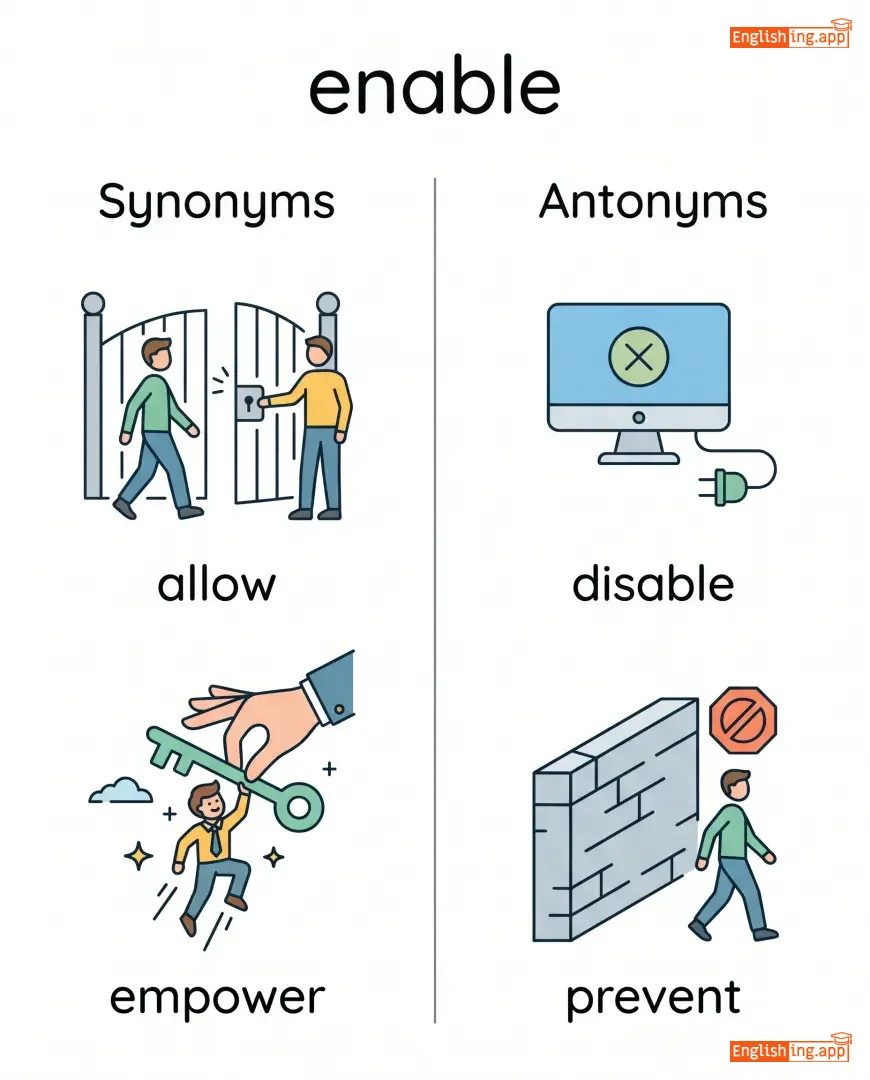
allow, empower, facilitate, permit, authorize
••••••
|
disable, prevent, hinder
••••••
|
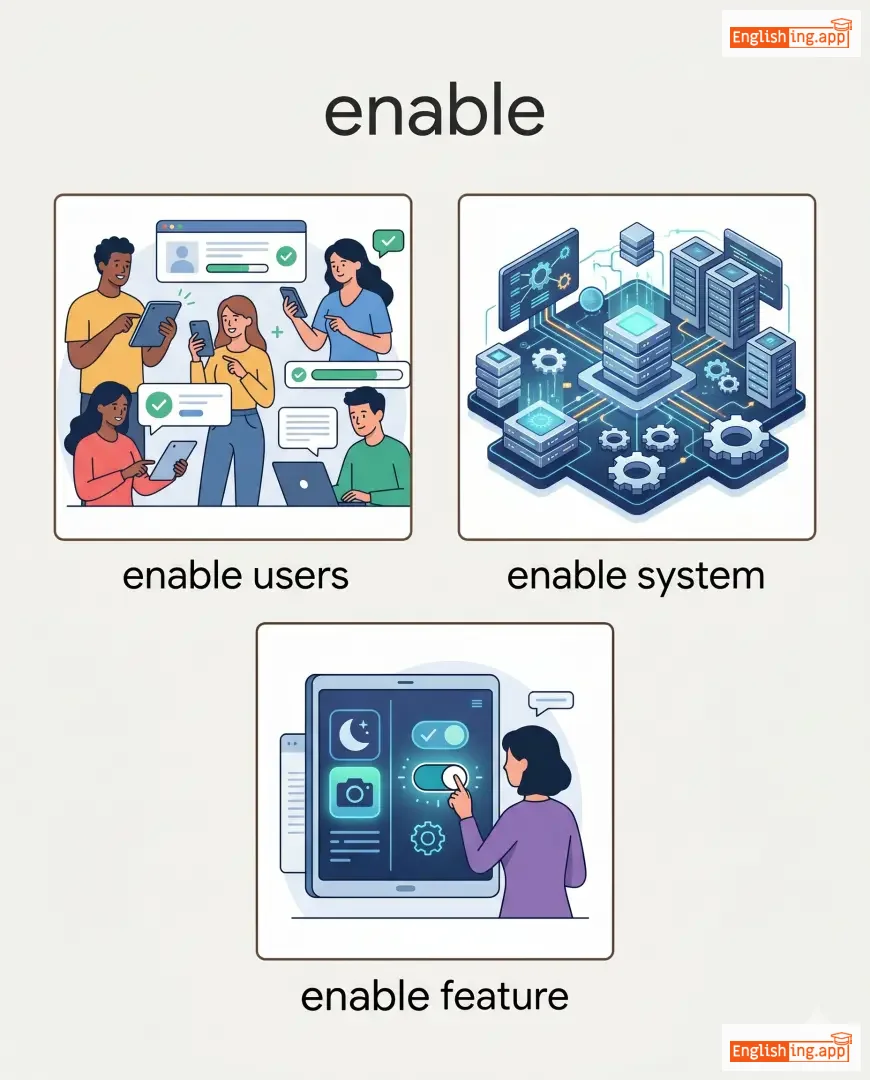
enable users, enable system, enable feature, enable access
••••••
|
Enable代表激活或启用某些功能,使其变为可能。
••••••
|
|
🧘
••••••
|
/ɪnˈdjʊər/
verb
(恩迪尤尔)
••••••
|
- •••••• |
忍受
rěnshòu
••••••
|
endured
恩迪尤尔德
••••••
|
endured
恩迪尤尔德
••••••
|
endures
恩迪尤尔斯
••••••
|
enduring
恩迪尤灵
••••••
|
to suffer something difficult or unpleasant patiently
••••••
|
He had to endure years of hardship before achieving success.
他在成功之前必须忍受多年的困难。
••••••
|
他必须忍受多年的困苦,才能取得成功。
Tā bìxū rěnshòu duōnián de kùnkǔ, cáinéng qǔdé chénggōng.
••••••
|
endure the pain
忍受痛苦
••••••
|
to tolerate or bear pain without giving up
••••••
|
忍受疼痛
rěnshòu téngtòng
••••••
|
tolerate, withstand, suffer, persevere, bear
••••••
|
give up, quit, avoid
••••••
|
endure hardship, endure pain, endure suffering, endure stress
••••••
|
Endure就像‘end’,意味着忍耐直到最后。
••••••
|
|
🎯
••••••
|
/ɪnˈɡeɪdʒ/
verb
(英盖吉)
••••••
|
- •••••• |
参与
cānyù
••••••
|
engaged
英盖吉德
••••••
|
engaged
英盖吉德
••••••
|
engages
英盖吉斯
••••••
|
engaging
英盖吉英
••••••
|
To participate or become involved in; to attract or hold attention.
••••••
|
The teacher tried to engage the students in the discussion.
老师试图将学生们引入讨论。
••••••
|
老师试图将学生们引入讨论。
Lǎoshī shìtú jiāng xuéshēngmen yǐnrù tǎolùn.
••••••
|
engage in
参与
••••••
|
To take part in or participate in something.
••••••
|
参与
cānyù
••••••
|
involve, participate, occupy, employ, captivate
••••••
|
ignore, disengage, neglect
••••••
|
engage students, engage in conversation, engage attention, engage actively
••••••
|
参与: 'Cān' 参与开始,'yù'让你做参与。
••••••
|
|
🌍
••••••
|
/ɪnˈtaɪər/
adjective
(ēntǎi'ěr)
••••••
|
- •••••• |
整个
zhěnggè
••••••
|
- •••••• | - •••••• | - •••••• | - •••••• |
whole; with no part left out
••••••
|
He spent the entire day reading books. |
他整天都在读书。
Tā zhěng tiān dōu zài dúshū.
••••••
|
the entire world |
everywhere; globally
••••••
|
整个世界
zhěnggè shìjiè
••••••
|
whole, complete, full, total, all
••••••
|
partial, incomplete
••••••
|
entire day, entire life, entire system, entire team
••••••
|
Entire意味着完整,全部都包括
••••••
|
|
🤔
••••••
|
/ɪkˈspɛkt/
verb
(预期)
••••••
|

|
期待
qīdài
••••••
|
expected
预期的
••••••
|
expected
预期的
••••••
|
expects
预期
••••••
|
expecting
期待
••••••
|
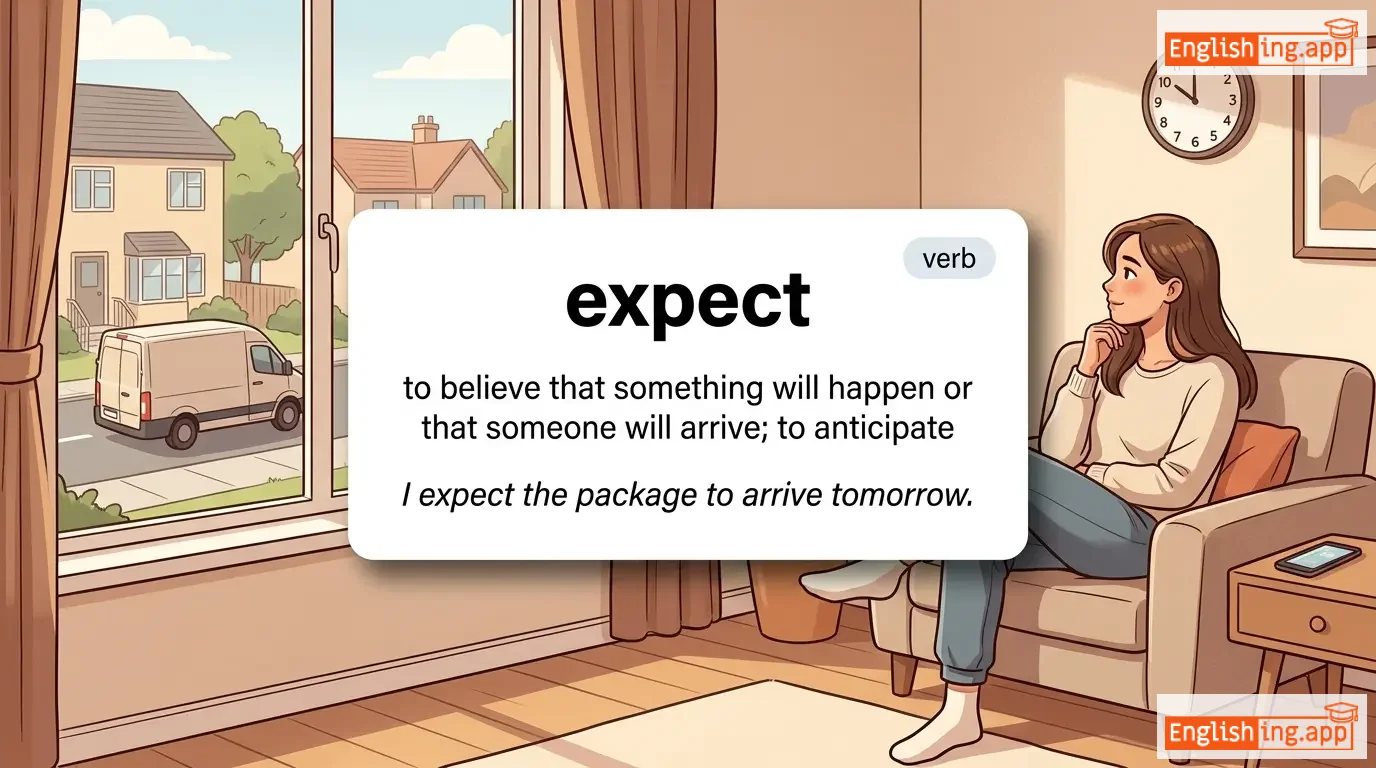
to believe that something will happen or that someone will arrive; to anticipate
••••••
|
I expect the package to arrive tomorrow.
我期待包裹明天到达。
••••••
|
我期待包裹明天到达。
Wǒ qīdài bāoguǒ míngtiān dàodá.
••••••
|
expect the unexpected
期待意外
••••••
|
be prepared for surprises or unforeseen events
••••••
|
期待意外
qīdài yìwài
••••••
|
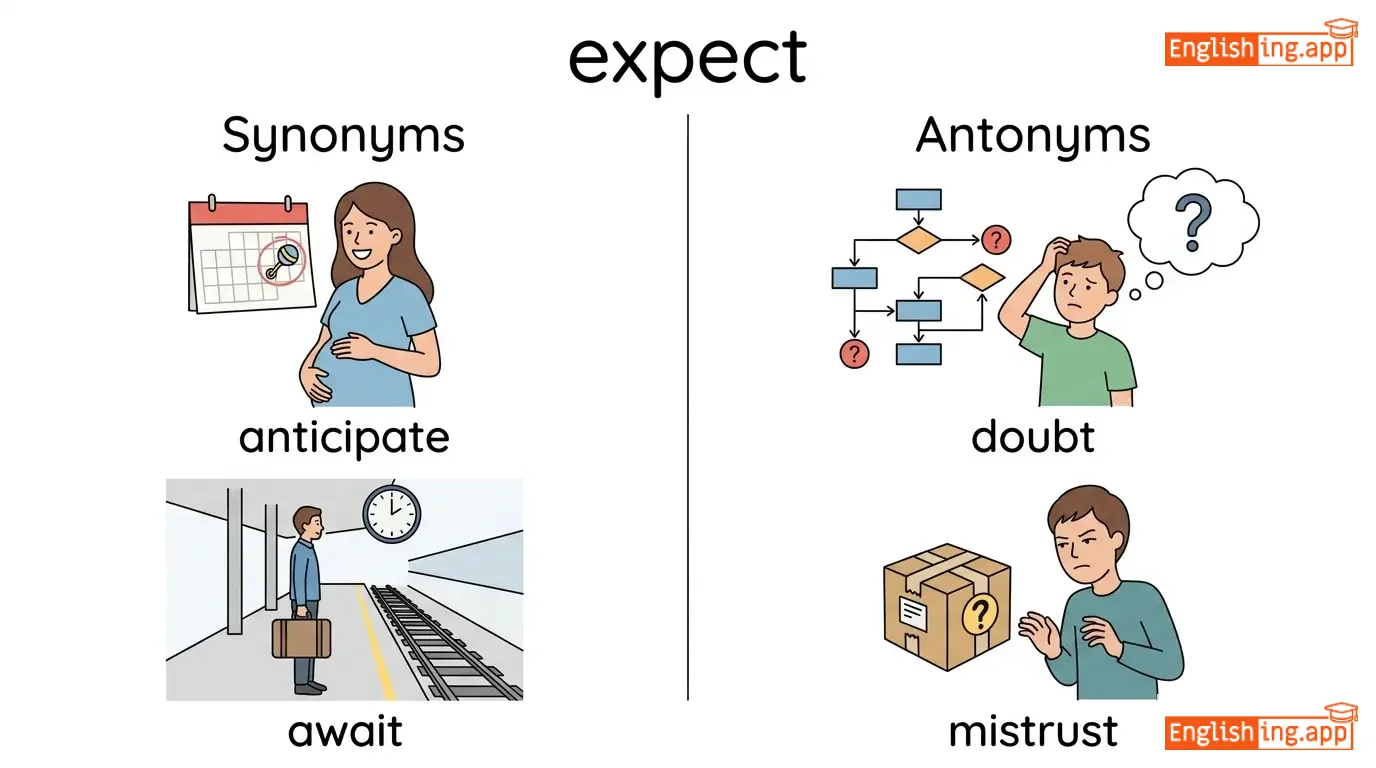
anticipate, await, foresee, predict, assume
••••••
|
doubt, mistrust, question
••••••
|
expect a baby, expect results, expect more, expect the worst
••••••
|
Expect 期待 - 就像考试前期待结果一样。
••••••
|
|
🔎
••••••
|
/ɪkˈspoʊz/
verb
(èks-pòu-zī)
••••••
|


|
揭露
jiēlù
••••••
|
exposed
èks-pòu-zhī-dè
••••••
|
exposed
èks-pòu-zhī-dè
••••••
|
exposes
èks-pòu-zhī
••••••
|
exposing
èks-pòu-zhīng
••••••
|
to reveal or uncover something hidden
••••••
|
The journalist tried to expose the corruption scandal.
记者试图揭露腐败丑闻。
••••••
|
记者试图揭露腐败丑闻。
Jìzhě shìtú jiēlù fǔbài chǒuwén.
••••••
|
expose the truth
揭露真相
••••••
|
to reveal the real facts
••••••
|
揭露真相
jiēlù zhēnxiàng
••••••
|
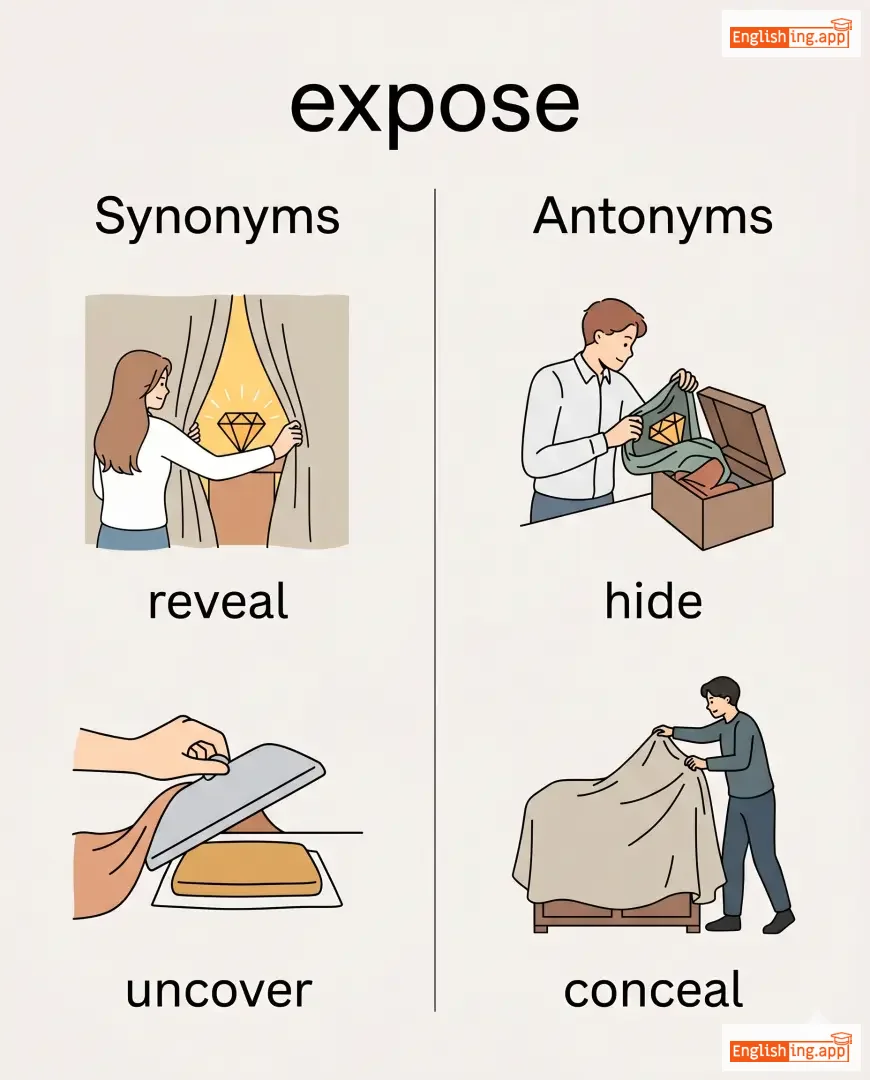
reveal, uncover, disclose, unveil
••••••
|
hide, conceal, cover
••••••
|
expose corruption, expose truth, expose secrets, expose fraud
••••••
|
揭露就像打开'盒子',里面隐藏着东西。
••••••
|
|
➡️
••••••
|
/ˈfɒloʊ/
verb
(fóluò)
••••••
|
- •••••• |
跟随
gēnsuí
••••••
|
followed
fóluòde
••••••
|
followed
fóluòde
••••••
|
follows
fóluò
••••••
|
following
fóluòing
••••••
|
to move behind someone or something; to go after or come after
••••••
|
The children followed their teacher into the classroom.
孩子们跟着老师进了教室。
••••••
|
孩子们跟着老师进了教室。
Háizimen gēnzhe lǎoshī jìnle jiàoshì.
••••••
|
follow suit
跟着做
••••••
|
to do the same as someone else has just done
••••••
|
效仿
xiàofǎng
••••••
|
pursue, track, chase, obey, accompany
••••••
|
lead, precede, ignore
••••••
|
follow instructions, follow orders, follow closely, follow a path
••••••
|
在中文中,'跟随'是指做别人做过的事情,就像在社交媒体上跟随别人。
••••••
|
|
⏳
••••••
|
/ˈfɔːrmər/
adjective
(fǒrmó)
••••••
|
- •••••• |
前任
qianren
••••••
|
- •••••• | - •••••• | - •••••• | - •••••• |
Having been previously in a particular role or position.
••••••
|
He is a former president of the association. |
他是该协会的前任主席。
Tā shì gāi xiéhuì de qiánrèn zhǔxí.
••••••
|
- •••••• | - •••••• | - •••••• |
previous, ex, prior, earlier
••••••
|
current, present
••••••
|
former president, former employee, former partner, former member
••••••
|
Former表示‘曾经是’ → 前任人物。
••••••
|
|
🌟
••••••
|
/ˈhaɪli/
adverb
(hài lì)
••••••
|
- •••••• |
高度
gaodu
••••••
|
- •••••• | - •••••• | - •••••• | - •••••• |
to a great degree; very
••••••
|
She is highly respected in her field. |
她在她的领域中受到高度尊敬。
Tā zài tā de lǐngyù zhōng shòudào gāodù zūnjìng.
••••••
|
think highly of |
to admire or have a good opinion of someone
••••••
|
高度评价
gāodù píngjià
••••••
|
greatly, very, extremely, exceedingly, intensely
••••••
|
slightly, poorly, inadequately
••••••
|
highly skilled, highly effective, highly unlikely, highly respected
••••••
|
Highly 意味着很高 — 非常或极端。
••••••
|
|
✅
••••••
|
/ɪnˈdiːd/
adverb
(因迪德)
••••••
|
- •••••• |
确实
quèshí
••••••
|
- •••••• | - •••••• | - •••••• | - •••••• |
used to emphasize or confirm a statement
••••••
|
It was a long journey indeed.
这是一次漫长的旅行,确实。
••••••
|
这是一次漫长的旅行,确实。
Zhè shì yīcì màncháng de lǚxíng, quèshí.
••••••
|
yes indeed
是的,确实
••••••
|
used to strongly agree with someone
••••••
|
是的,确实
Shì de, quèshí
••••••
|
certainly, truly, really, actually, definitely
••••••
|
doubtfully, uncertainly
••••••
|
indeed true, yes indeed, thank you indeed
••••••
|
Indeed 的意思是 '确实' ✅ 就像 'In deed' 意味着 '在行动中'。
••••••
|
|
🤕
••••••
|
/ˈɪndʒər/
verb
(因朱尔)
••••••
|
- •••••• |
伤害
shānghài
••••••
|
injured
因贾尔德
••••••
|
injured
因贾尔德
••••••
|
injures
因朱尔斯
••••••
|
injuring
因朱林
••••••
|
to cause physical harm or damage to someone or something
••••••
|
He injured his leg while playing football.
他在踢足球时伤了腿。
••••••
|
他踢足球时伤了腿。
Tā tī zúqiú shí shāngle tuǐ.
••••••
|
injure someone's pride
伤害某人的自尊
••••••
|
to hurt someone's feelings or sense of self-respect
••••••
|
伤害某人的自尊
Shānghài mǒu rén de zìzūn
••••••
|
hurt, wound, damage, harm, bruise
••••••
|
heal, repair, cure
••••••
|
injure someone, injure badly, seriously injured, injure oneself
••••••
|
伤害 + Injure — 伤害就是 injure 的意思!
••••••
|
|
🤕
••••••
|
/ˈɪndʒəri/
noun
(yinzhuoli)
••••••
|
- •••••• |
伤害
shanghai
••••••
|
- •••••• | - •••••• | - •••••• | - •••••• |
Harm or damage to a person’s body caused by an accident or attack.
••••••
|
He suffered a serious injury during the football match. |
他在足球比赛中受了重伤。
Ta zai zuqiu bisai zhong shou le zhong shang.
••••••
|
personal injury |
Physical harm to a person’s body caused by someone else’s actions.
••••••
|
人身伤害
renshen shanghai
••••••
|
wound, harm, damage, trauma
••••••
|
healing, recovery
••••••
|
serious injury, minor injury, prevent injury, sports injury
••••••
|
Injury 意思是伤害 - 在足球比赛中常常发生伤害。
••••••
|
|
🏠
••••••
|
/ˌɪnˈsaɪd/
preposition/adverb/adjective/noun
(海皮尼斯)
••••••
|
- •••••• |
幸福
xìngfú
••••••
|
- •••••• | - •••••• | - •••••• | - •••••• |
Situated within something; the inner part of something.
••••••
|
She waited inside the house until the rain stopped. |
当她收到奖项时,她无法掩饰自己的幸福。
Dāng tā shōu dào jiǎngxiàng shí, tā wúfǎ yǎnshì zìjǐ de xìngfú.
••••••
|
inside out |
Completely; with thorough knowledge or in reverse.
••••••
|
追求幸福
zhuīqiú xìngfú
••••••
|
within, indoors, interior, inner, internal
••••••
|
outside, external, exterior
••••••
|
inside the house, inside the box, inside job, look inside
••••••
|
幸福 = 感受快乐和满足的状态。
••••••
|
|
🍽️
••••••
|
/ˈɪnˌteɪk/
noun
(因特克)
••••••
|
- •••••• |
摄入
she ru
••••••
|
- •••••• | - •••••• | - •••••• | - •••••• |
the process of taking something in, especially food or drink
••••••
|
He monitored his daily intake of calories to maintain a healthy diet. |
他监控着自己每天的卡路里摄入量,以保持健康的饮食。
Ta jiankong zhe ziji mei tian de kaluli she ru liang, yi baochi jiankang de yin shi.
••••••
|
- •••••• | - •••••• | - •••••• |
consumption, absorption, intake amount
••••••
|
output, expulsion
••••••
|
calorie intake, food intake, daily intake
••••••
|
摄入意味着拿进一些东西,比如食物或饮料。
••••••
|
|
🫘
••••••
|
/ˈkɪdni/
noun
(kídni)
••••••
|
- •••••• |
肾脏
shènzàng
••••••
|
- •••••• | - •••••• | - •••••• | - •••••• |
either of a pair of organs that filter waste products from the blood and produce urine
••••••
|
Drinking plenty of water helps keep your kidneys healthy.
Drinking plenty of water helps keep your kidneys healthy.
••••••
|
喝足够的水有助于保持肾脏健康。
Hē zúgòu de shuǐ yǒuzhù yú bǎochí shènzàng jiànkāng.
••••••
|
- •••••• | - •••••• | - •••••• |
renal organ
••••••
|
- •••••• |
kidney disease, kidney stone, kidney function, kidney transplant
••••••
|
肾脏 - 水有助于肾脏健康
••••••
|
|
☠️
••••••
|
/ˈliːθəl/
adjective
(lìtǎ)
••••••
|
- •••••• |
致命的
zhìmìng de
••••••
|
- •••••• | - •••••• | - •••••• | - •••••• |
Able to cause death; deadly.
••••••
|
The snake's venom is extremely lethal. |
蛇毒是极其致命的。
Shé dú shì jíqí zhìmìng de.
••••••
|
lethal weapon |
a weapon capable of killing
••••••
|
致命武器
zhìmìng wǔqì
••••••
|
deadly, fatal, mortal, poisonous
••••••
|
harmless, safe, nonlethal
••••••
|
lethal weapon, lethal dose, lethal force, lethal injection
••••••
|
Lethal意味着 lethal weapon,意味着致命武器。
••••••
|
|
💉
••••••
|
/ˈniː.dəl/
noun, verb
(nídl)
••••••
|
- •••••• |
针
zhēn
••••••
|
needled
nídld
••••••
|
needled
nídld
••••••
|
needles
nídls
••••••
|
needling
nídlíng
••••••
|
a small thin metal tool with a point used for sewing or injecting; to provoke or annoy someone
••••••
|
The nurse used a sterile needle for the injection.
护士使用了无菌针头进行注射。
••••••
|
护士使用了无菌针头进行注射。
Hùshì shǐyòng le wújūn zhēntóu jìnxíng zhùshè.
••••••
|
needle in a haystack
干草堆里的针
••••••
|
something that is extremely difficult or impossible to find
••••••
|
极难或几乎不可能找到的东西
jí nán huò jīhū bù kěnéng zhǎodào de dōngxī
••••••
|
pin, syringe, prick, irritate, provoke
••••••
|
soothe, calm
••••••
|
sewing needle, injection needle, needle and thread, needle prick
••••••
|
针意味着Needle — 记住:针‘需要’穿过布料!
••••••
|

