Ribbons on the Old Rail
旧的 railroad 线的一些部分被抬起,生锈的 rails 被清洗干净。我们计划将这条带子转变为一个社区 garden。每个 member 胸前都佩戴着一个小 tag。工作按照我们计划的 sequence 进行,尽管每次新的 occurrence 雨水都使土壤变软。没有人表现出 weakness;我们相互依靠,种植我们都可以 depend 的根。 “这不仅仅是装饰—它是一个 valuable 记忆,”Elina 说。Noor,我们的 organizational 负责人,变得 vocal:“我们不会停止,直到这个 garden 繁荣。”经过几个月的暂停,努力在这个星期终于 resume 了。志愿者 Runa 把一个新的 ribbon 系在了一棵幼苗上—这是一个 fascinating 的景象。以前的工人回忆说:“这条 rail 线改变了我们生活的 sequence。”每年 year 仍然有很多人在这里聚集,重温这些旅行;今晚感觉像是另一个团聚。音乐响起,人群情感 overwhelming。我们意识到,一个项目有多么 substantial,当每个人都团结起来时。“为了 defy 时间的侵蚀,我们需要集体的决心,”Noor 说。我们承诺在 coming 月份继续保持动力。
|
表情符号
|
单词 | Images | 翻译 | 过去时 | 过去分词 | 第三人称单数 | 动名词 | 含义 | 例句 | 例句翻译 | 示例表达 | 示例表达含义 | 示例表达翻译 | 同义词 | 反义词 | 搭配词 | 助记符 |
|---|---|---|---|---|---|---|---|---|---|---|---|---|---|---|---|---|---|
|
📅
••••••
|
/ˈkʌmɪŋ/
adjective
(卡明)
••••••
|
- •••••• |
即将来临
jí jiāng lái lín
••••••
|
- •••••• | - •••••• | - •••••• | - •••••• |
approaching or happening soon
••••••
|
We are preparing for the coming festival. |
我们正在为即将来临的节日做准备。
Wǒmen zhèngzài wèi jí jiāng lái lín de jiérì zuò zhǔnbèi.
••••••
|
coming soon |
something that will happen in the near future
••••••
|
即将来临
jí jiāng lái lín
••••••
|
approaching, upcoming, impending, near, imminent
••••••
|
past, gone, finished
••••••
|
coming event, coming year, coming week, coming season
••••••
|
Coming 意味着 '即将来临',比如即将来临的节日
••••••
|
|
✊
••••••
|
/dɪˈfaɪ/
verb
••••••
|
|
- •••••• |
defied
••••••
|
defied
••••••
|
defies
••••••
|
defying
••••••
|
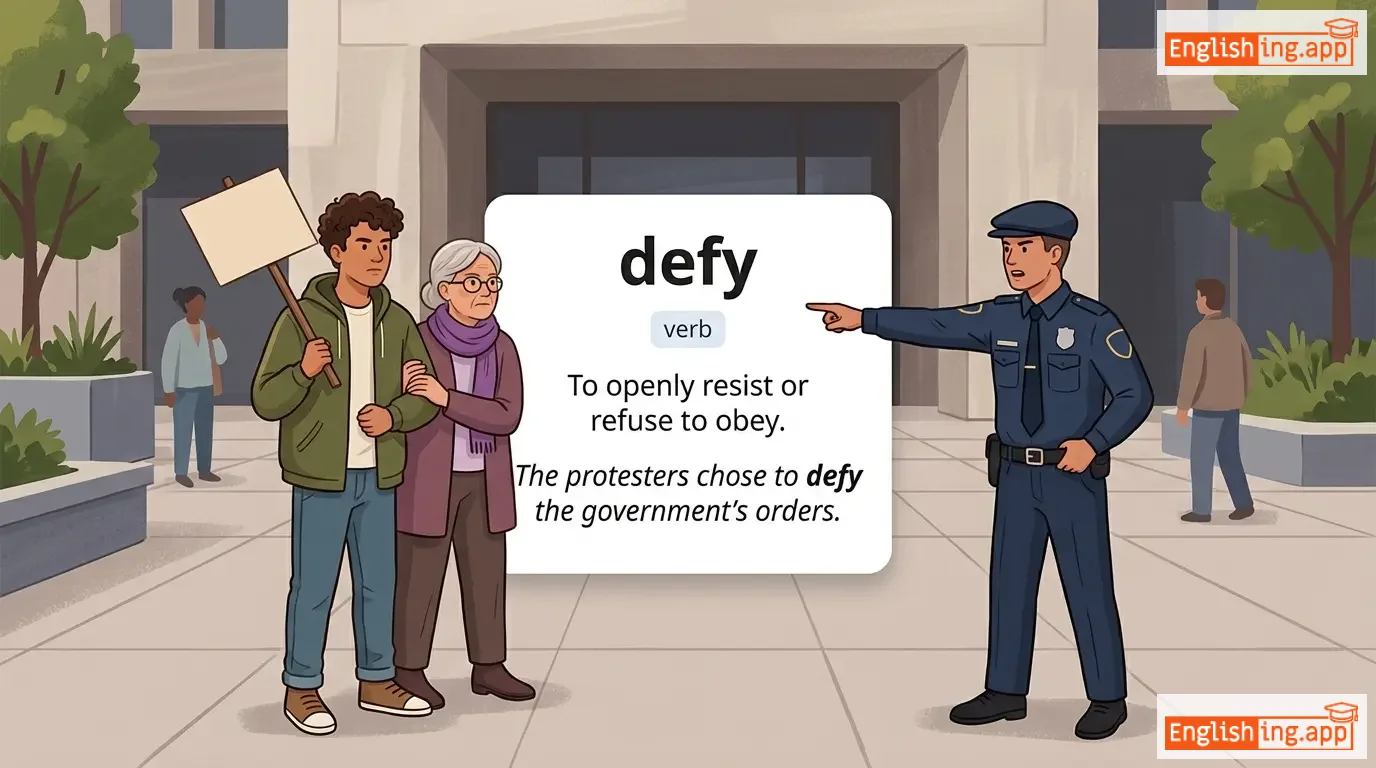
To openly resist or refuse to obey.
••••••
|
The protesters chose to defy the government's orders. |
- •••••• |
defy the odds |
To succeed despite being very unlikely or facing great difficulties.
••••••
|
- •••••• |
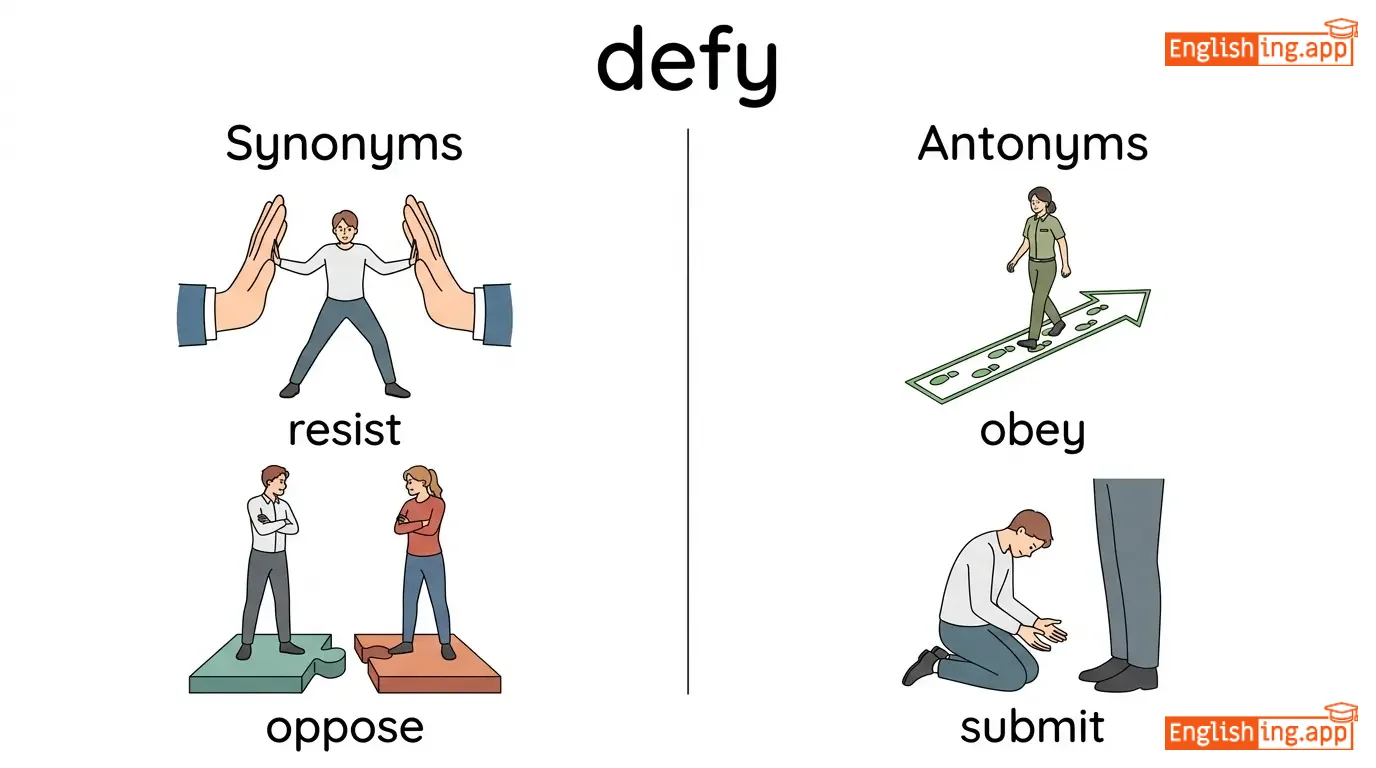
resist, oppose, confront, challenge
••••••
|
obey, submit, yield
••••••
|
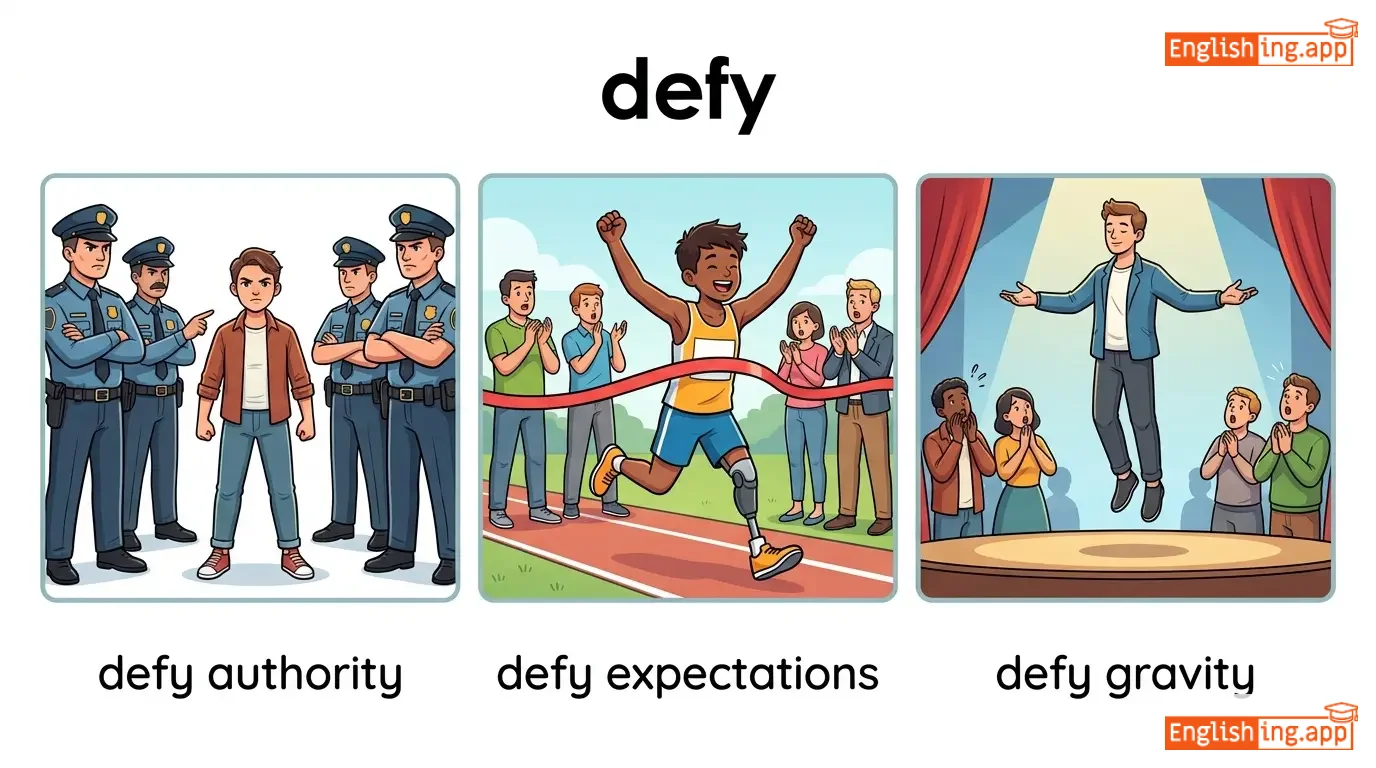
defy authority, defy expectations, defy gravity
••••••
|
No •••••• |
|
🤲
••••••
|
/dɪˈpɛnd/
verb
(依赖)
••••••
|
|
依赖
yīlài
••••••
|
depended
••••••
|
depended
••••••
|
depends
••••••
|
depending
••••••
|
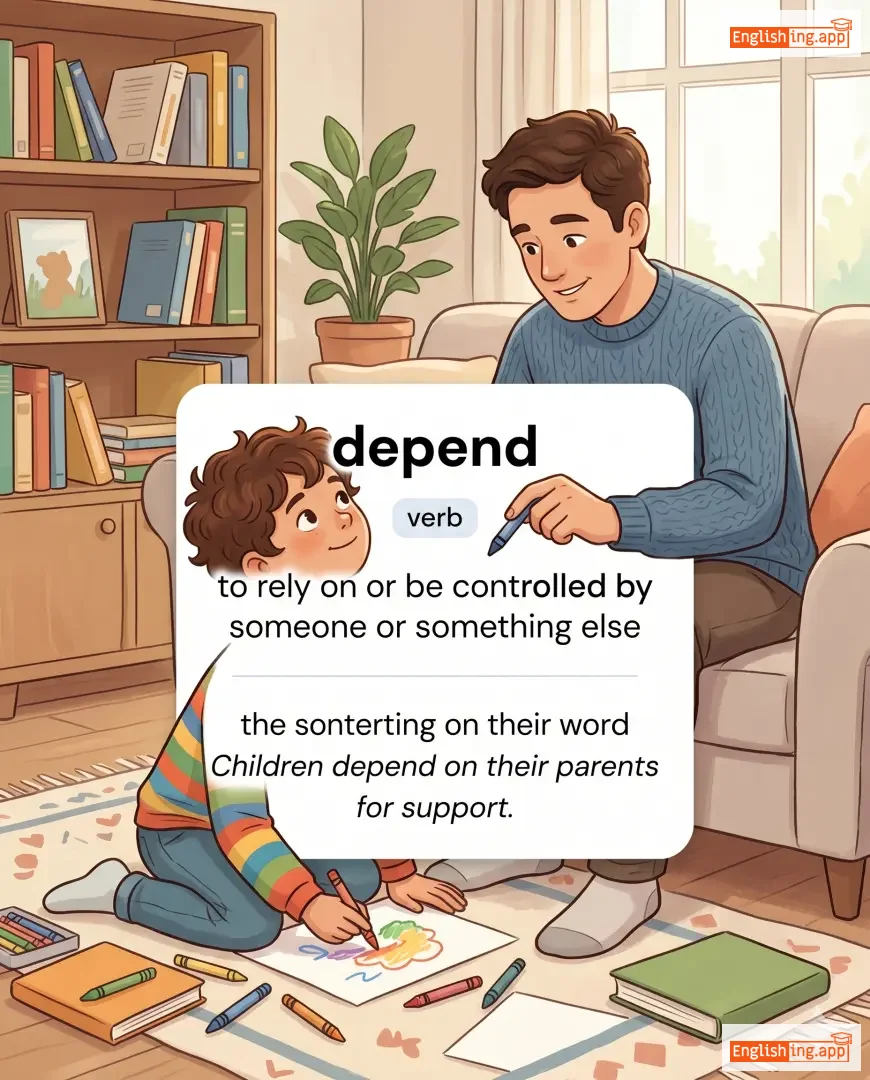
to rely on or be controlled by someone or something else
••••••
|
Children depend on their parents for support.
孩子们依赖父母来提供支持。
••••••
|
孩子们依赖父母来提供支持。
Háizimen yīlài fùmǔ lái tígōng zhīchí.
••••••
|
depend on
依赖于
••••••
|
to rely on someone or something
••••••
|
依赖于
yīlài yú
••••••
|
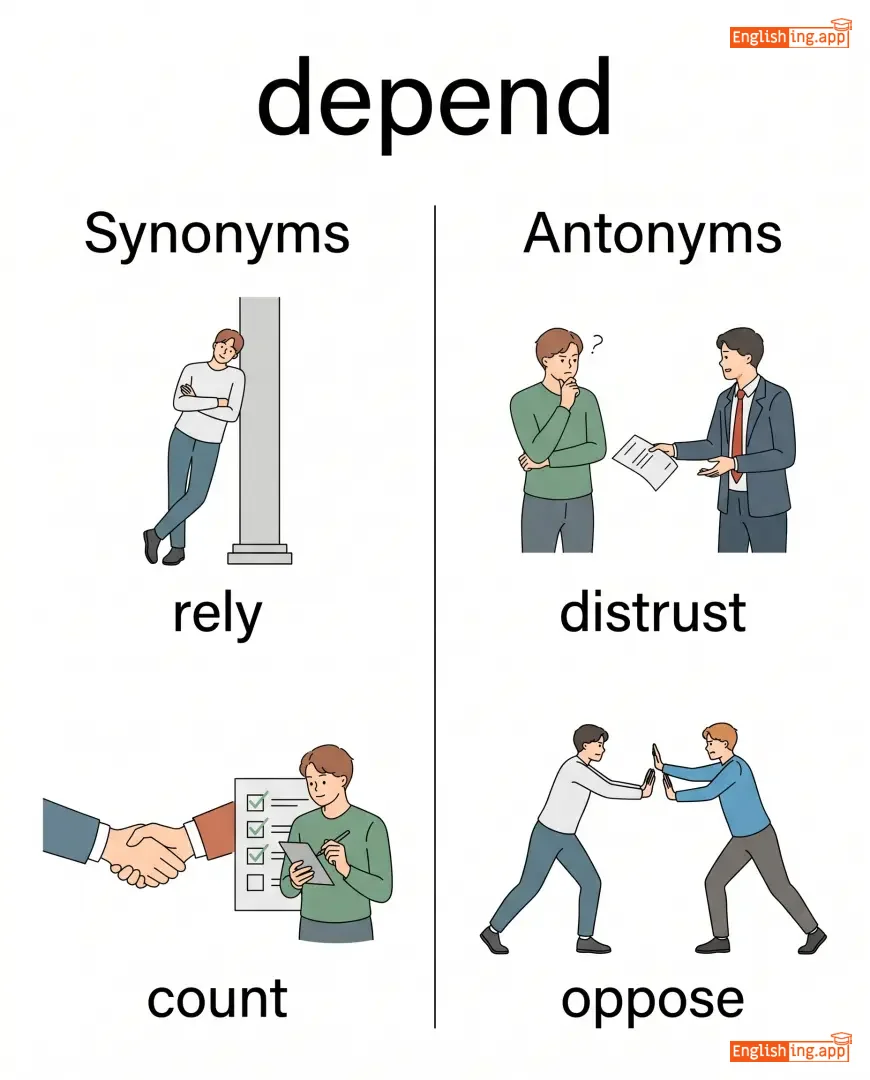
rely, count, trust, hinge
••••••
|
distrust, oppose
••••••
|
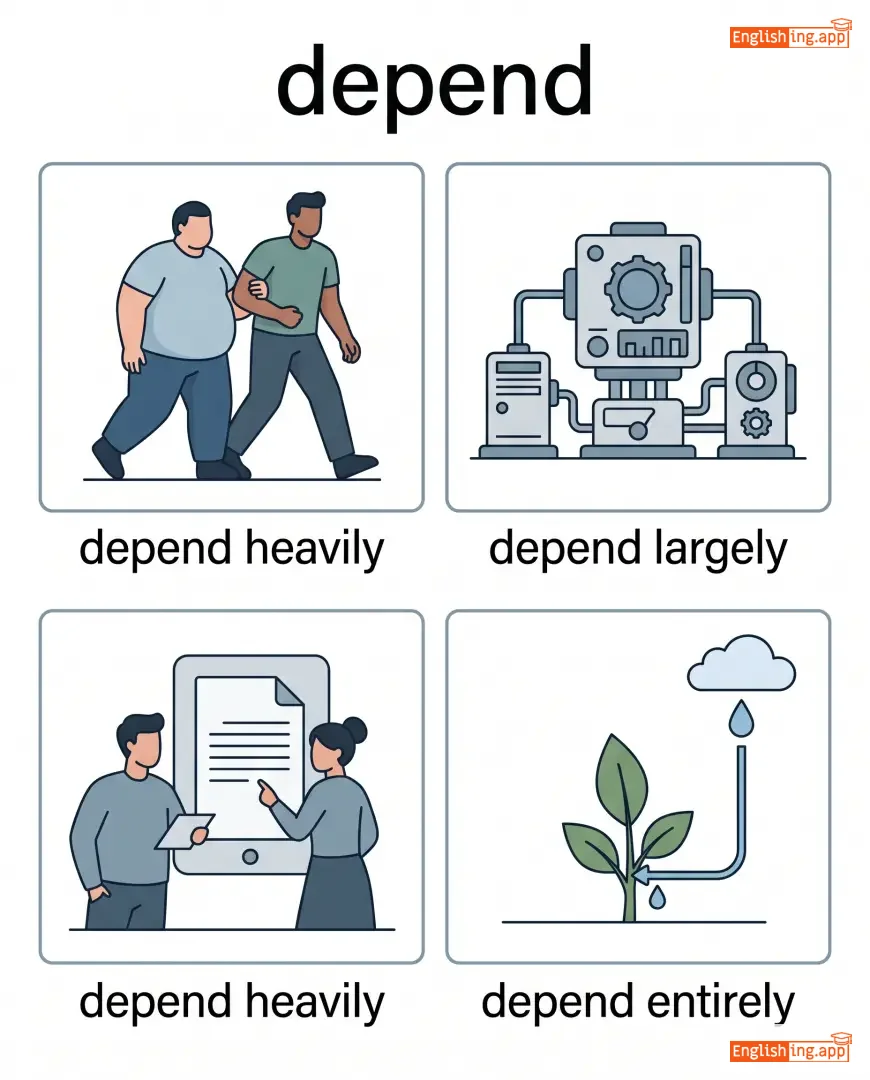
depend heavily, depend largely, depend entirely, depend directly
••••••
|
Depend = De (德) + pend (佩恩) → 我依赖你,我依靠你。
••••••
|
|
✨
••••••
|
/ˈfæsɪneɪtɪŋ/
adjective
(fascineting)
••••••
|
- •••••• |
迷人
mírén
••••••
|
- •••••• | - •••••• | - •••••• | - •••••• |
extremely interesting; captivating; enchanting
••••••
|
The documentary about ocean life was fascinating.
关于海洋生命的纪录片令人着迷。
••••••
|
关于海洋生命的纪录片令人着迷。
Guānyú hǎiyáng shēngmìng de jìlùpiàn lìng rén zháomí.
••••••
|
- •••••• | - •••••• | - •••••• |
captivating, intriguing, enchanting
••••••
|
boring, dull, uninteresting
••••••
|
fascinating story, fascinating character, fascinating discovery
••••••
|
迷人的大海,吸引人深深思考。
••••••
|
|
🌱
••••••
|
/ˈɡɑːrdn/
noun
(ˈɡɑːrdn)
••••••
|
- •••••• |
花园
huāyuán
••••••
|
- •••••• | - •••••• | - •••••• | - •••••• |
A piece of ground where flowers, vegetables, or plants are grown.
••••••
|
She grows roses in her garden. |
她在她的花园里种玫瑰。
Tā zài tā de huāyuán lǐ zhòng méiguī.
••••••
|
lead someone up the garden path |
To deceive or mislead someone.
••••••
|
带某人走上花园小路
Dài mǒu rén zǒu shàng huāyuán xiǎolù
••••••
|
yard, lawn, park, orchard
••••••
|
wasteland, desert
••••••
|
botanical garden, back garden, flower garden, vegetable garden
••••••
|
花园,种植的地方,充满了植物和美丽的花朵。
••••••
|
|
👥
••••••
|
/ˈmembər/
noun
(mémber)
••••••
|
- •••••• |
成员
chéngyuán
••••••
|
- •••••• | - •••••• | - •••••• | - •••••• |
a person or thing that belongs to a group or organization
••••••
|
She is a member of the local sports club. |
她是当地体育俱乐部的成员。
Tā shì dāngdì tǐyù jùlèbù de chéngyuán.
••••••
|
active member |
a person who participates regularly in the activities of a group
••••••
|
活跃成员
huóyuè chéngyuán
••••••
|
participant, affiliate, associate, enrollee
••••••
|
outsider, nonmember
••••••
|
club member, family member, group member, board member
••••••
|
成员就像是member一样,属于某个团体。
••••••
|
|
⚡
••••••
|
/əˈkɜr.əns/
noun
(ǒukèrénsī)
••••••
|
- •••••• |
事件
shìjiàn
••••••
|
- •••••• | - •••••• | - •••••• | - •••••• |
an instance or event of something happening; the fact of occurring
••••••
|
The occurrence of earthquakes is common in this region. |
地震的发生在这个地区很常见。
Dìzhèn de fāshēng zài zhège dìqū hěn chángjiàn.
••••••
|
- •••••• | - •••••• | - •••••• |
event, incident, happening, instance
••••••
|
absence, non-occurrence, prevention
••••••
|
rare occurrence, frequent occurrence, natural occurrence
••••••
|
事件 (shìjiàn) = occurrence
••••••
|
|
🏢
••••••
|
/ˌɔːɡənaɪˈzeɪʃənəl/
adjective
(组织结构的)
••••••
|
- •••••• |
组织性的
zuzhixing de
••••••
|
- •••••• | - •••••• | - •••••• | - •••••• |
relating to the structure or arrangement of a company or group
••••••
|
He works on improving the organizational structure of the company. |
他在改善公司的组织结构方面工作。
Ta zai gaishan gongsi de zuzhixingshe jiegou fangmian gongzuo.
••••••
|
- •••••• | - •••••• | - •••••• |
administrative, structural, managerial, corporate
••••••
|
disorganized, chaotic
••••••
|
organizational skills, organizational structure, organizational change, organizational behavior
••••••
|
组织意味着结构,而组织性的则与该结构相关。
••••••
|
|
🌊
••••••
|
/ˌəʊvəˈwelmɪŋ/
adjective
(ōu wēi ěr míng)
••••••
|
|
压倒性的, 无法承受的
yādǎo xìng de, wúfǎ chéngshòu de
••••••
|
- •••••• | - •••••• | - •••••• | - •••••• |
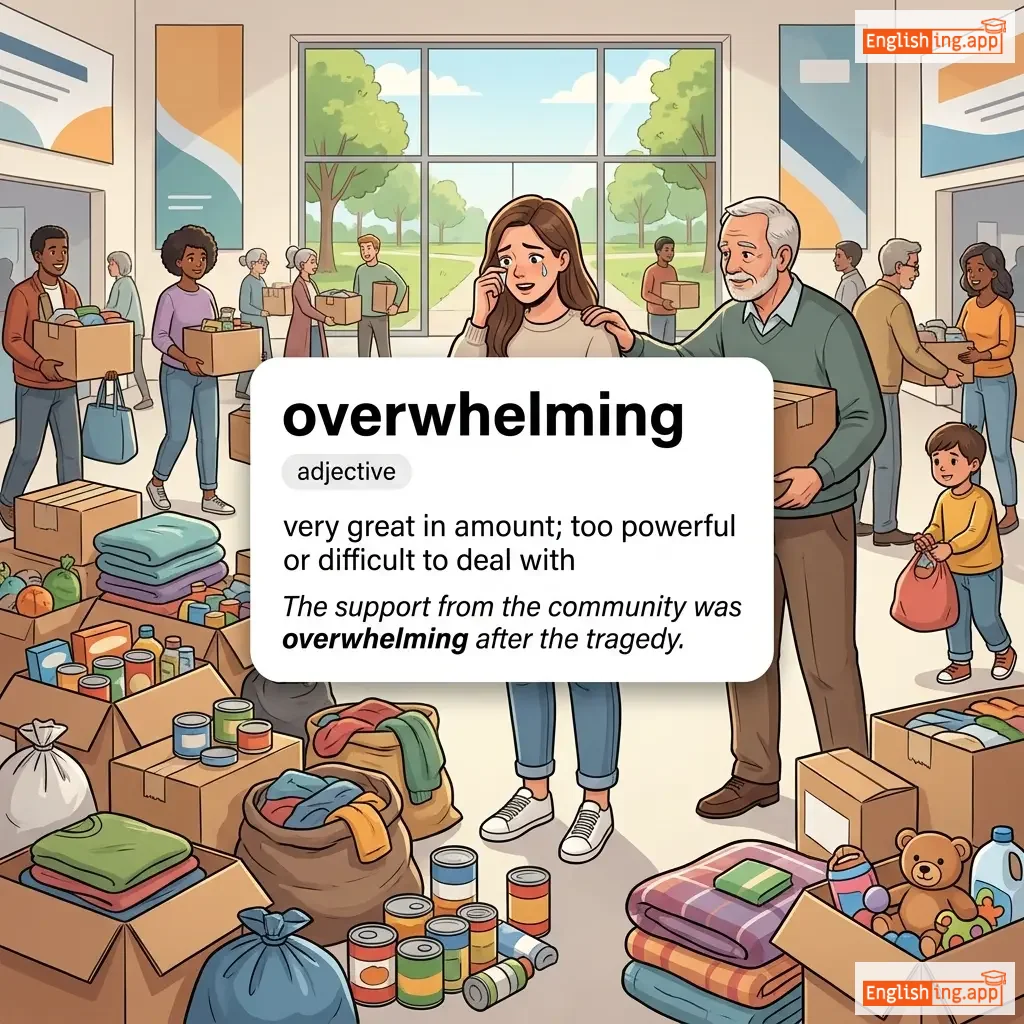
very great in amount; too powerful or difficult to deal with
••••••
|
The support from the community was overwhelming after the tragedy. |
灾难发生后,社区的支持是压倒性的。
zāinàn fāshēng hòu, shèqū de zhīchí shì yādǎo xìng de.
••••••
|
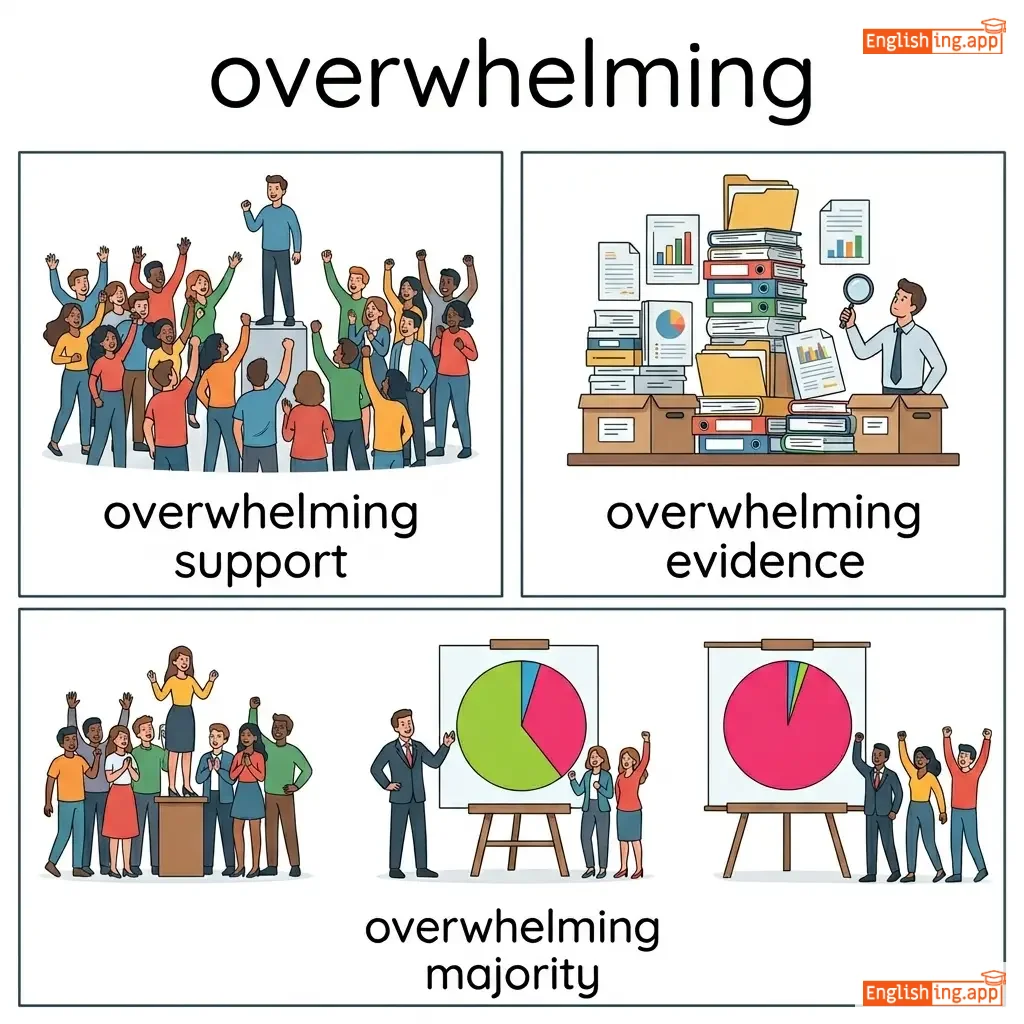
overwhelming majority |
a very large majority
••••••
|
压倒性多数
yādǎo xìng duōshù
••••••
|
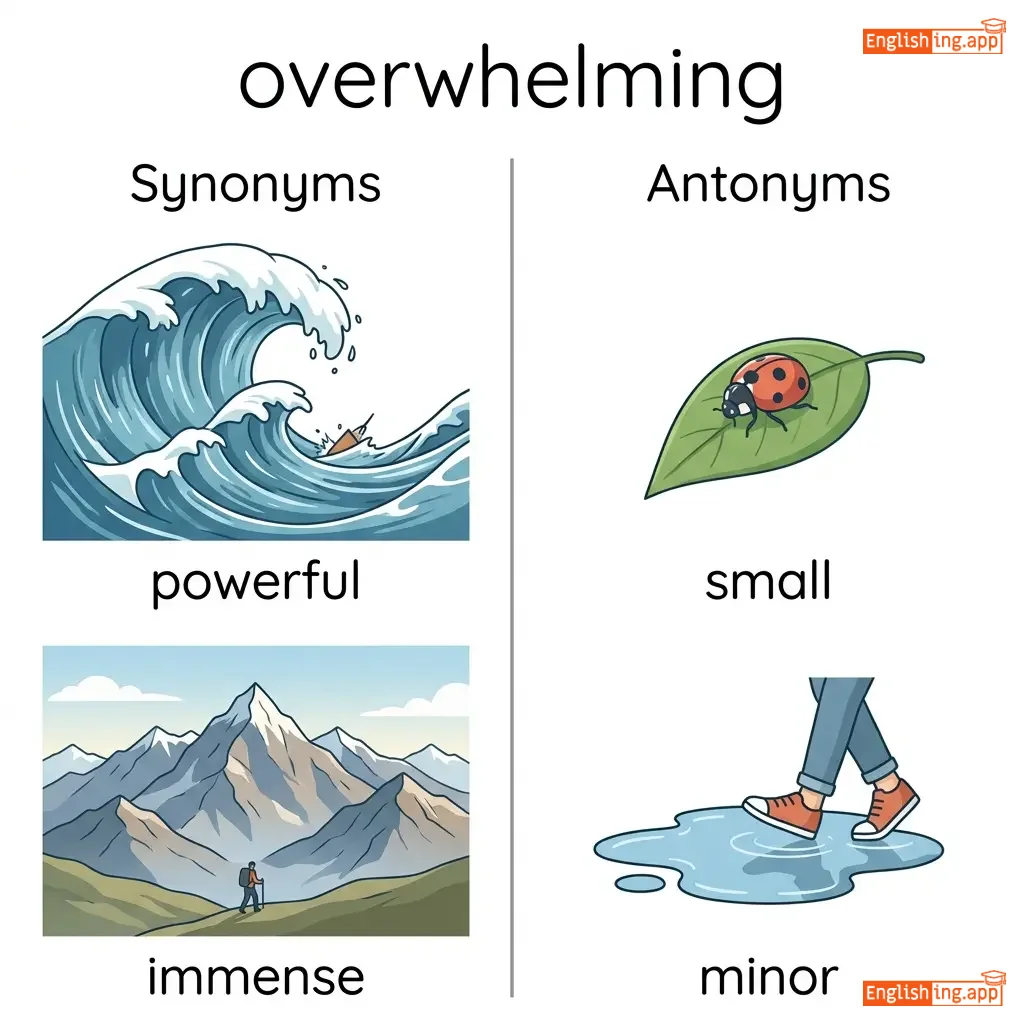
powerful, immense, enormous, intense, vast
••••••
|
small, minor, weak
••••••
|
overwhelming support, overwhelming evidence, overwhelming majority, overwhelming feeling
••••••
|
Over + Whelm = 被海浪吞没 🌊 — 意味着巨大的影响
••••••
|
|
📢
••••••
|
/reɪl/
verb
(rèil)
••••••
|
- •••••• |
抗议
kàngyì
••••••
|
railed
rèild
••••••
|
railed
rèild
••••••
|
rails
rèils
••••••
|
railing
rèiling
••••••
|
to complain or protest strongly about something
••••••
|
He railed against the unfair decision.
他抗议不公平的决定。
••••••
|
他抗议不公平的决定。
Tā kàngyì bù gōngpíng de juédìng.
••••••
|
rail against
抗议
••••••
|
to strongly criticize or protest
••••••
|
抗议
kàngyì
••••••
|
protest, complain, denounce, criticize
••••••
|
praise, accept, support
••••••
|
rail against injustice, rail at fate, rail bitterly
••••••
|
抗议就像站在铁路轨道上! 🚆
••••••
|
|
🚂
••••••
|
/ˈreɪlˌroʊd/
noun
(rèilù)
••••••
|
- •••••• |
铁路
tielu
••••••
|
- •••••• | - •••••• | - •••••• | - •••••• |
a track or system of tracks made of steel rails along which trains run
••••••
|
The railroad connects the city to several nearby towns. |
铁路将城市与附近的几个小镇连接起来。
Tielu jiang chengshi yu fujin de ji ge xiao zhen lianjie qilai.
••••••
|
off the rails |
to behave in a strange or uncontrolled way
••••••
|
脱轨
tuogui
••••••
|
railway, track, line, train route, metro
••••••
|
road, highway, street
••••••
|
railroad track, railroad company, railroad station, build a railroad
••••••
|
铁路 = 火车的道路 🚆
••••••
|
|
📄
••••••
|
/rɪˈzjuːm/ (verb), /ˈrɛzjʊmeɪ/ (noun)
verb, noun
(rɪˈzuːm)
••••••
|

|
恢复 / 简历
huīfù / jiǎnlì
••••••
|
resumed
rɪˈzuːmd
••••••
|
resumed
rɪˈzuːmd
••••••
|
resumes
rɪˈzuːmz
••••••
|
resuming
rɪˈzuːmɪŋ
••••••
|
to begin again after a pause; or a summary of one’s qualifications and work experience
••••••
|
She resumed her studies after a two-year break.
她在两年的休息后重新开始了她的学业。
••••••
|
她在两年的休息后重新开始了她的学业。
Tā zài liǎng nián de xiūxí hòu chóngxīn kāishǐle tā de xuéyè.
••••••
|
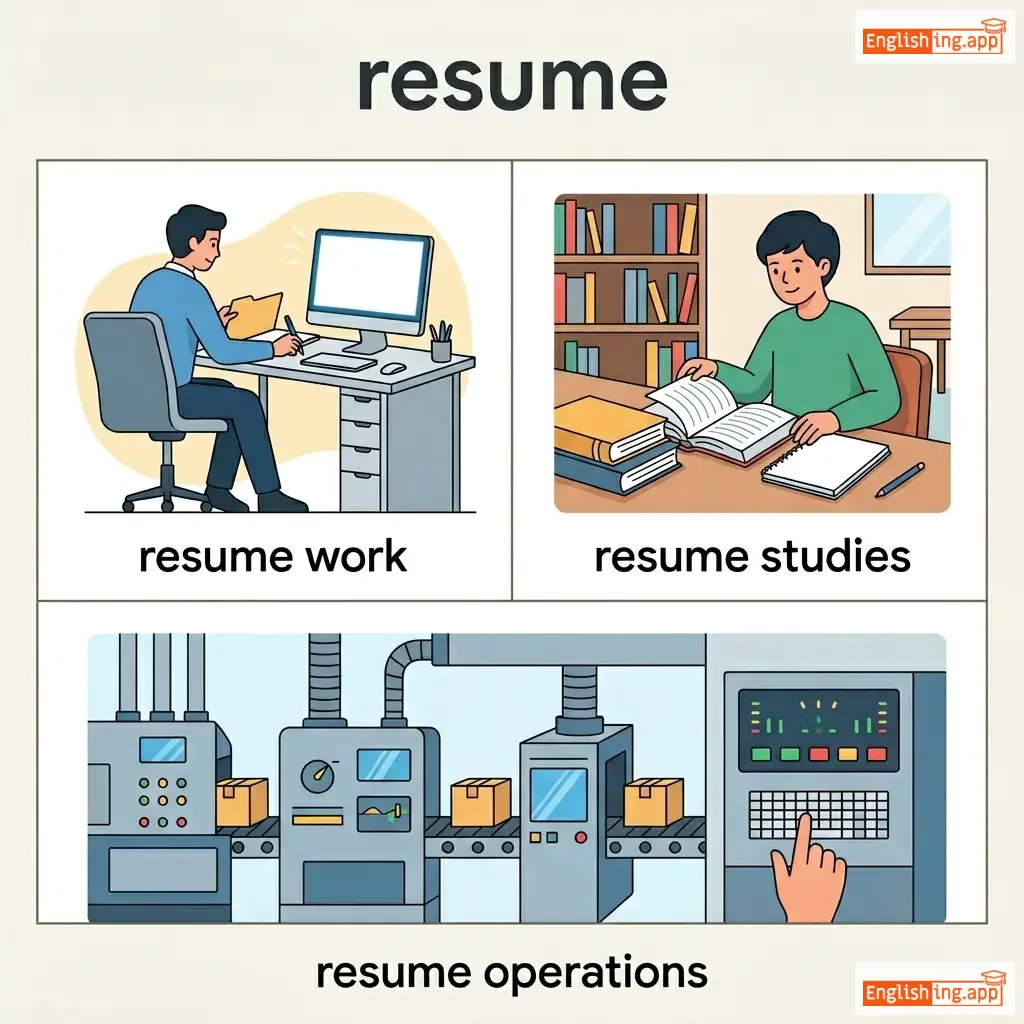
resume work
恢复工作
••••••
|
to start working again after a pause
••••••
|
恢复工作
huīfù gōngzuò
••••••
|
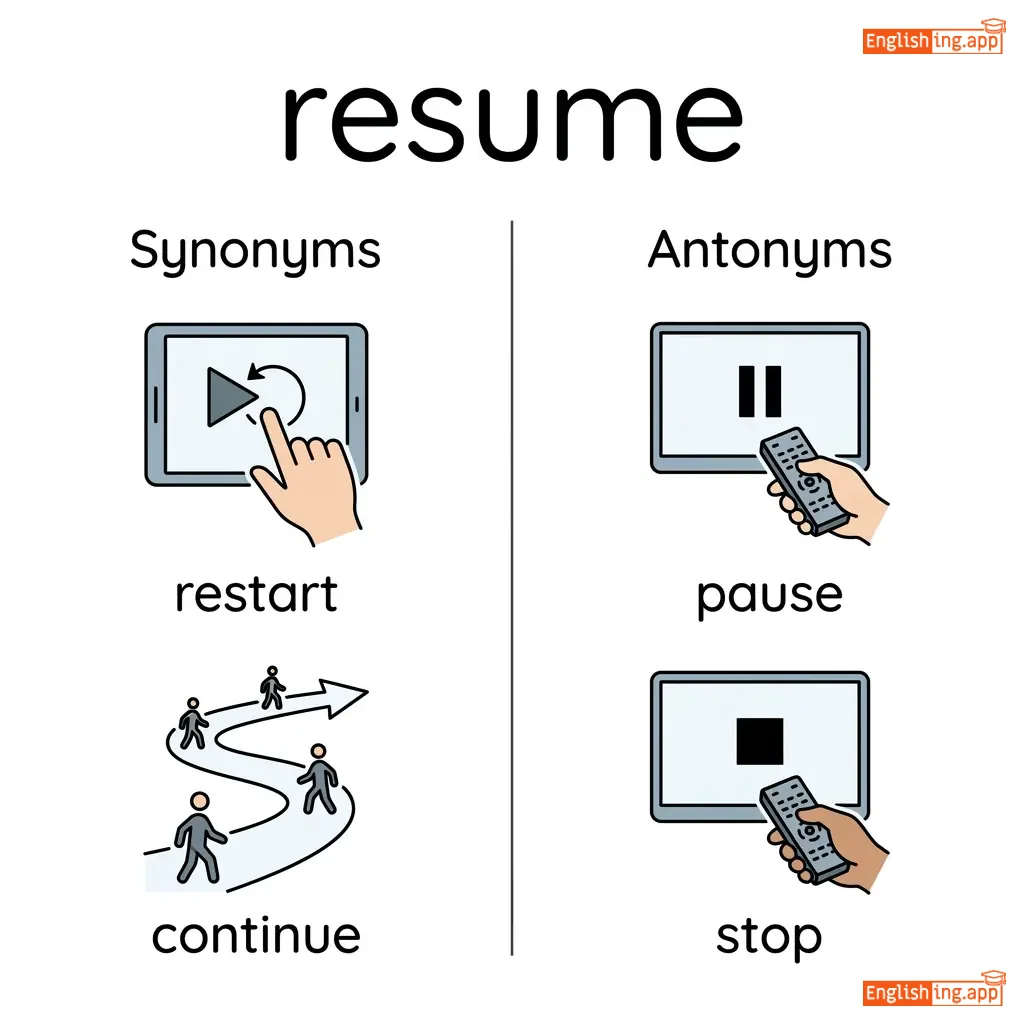
restart, continue, proceed, recommence
••••••
|
pause, stop, suspend
••••••
|
resume work, resume studies, resume operations, submit resume
••••••
|
Resume 是继续进行工作的意思,像是暂停后继续
••••••
|
|
🎀
••••••
|
/ˈrɪb.ən/
noun
(ribon)
••••••
|
- •••••• |
缎带
duàndài
••••••
|
- •••••• | - •••••• | - •••••• | - •••••• |
a long, narrow strip of fabric used for tying or decoration
••••••
|
She tied her hair with a red ribbon. |
她用一条红色的缎带绑住了她的头发。
Tā yòng yī tiáo hóngsè de duàndài bǎng zhùle tā de tóufǎ.
••••••
|
cut the ribbon |
to officially open a new building or event
••••••
|
剪开缎带
jiǎn kāi duàndài
••••••
|
band, strip, tape, lace, cord
••••••
|
rope, chain
••••••
|
red ribbon, blue ribbon, ribbon cutting, silk ribbon
••••••
|
缎带 – 女生们用它来绑头发,变得更漂亮 🎀
••••••
|
|
🔢
••••••
|
/ˈsiːkwəns/
noun
(xì kuǎn sī)
••••••
|
- •••••• |
顺序
shùn xù
••••••
|
- •••••• | - •••••• | - •••••• | - •••••• |
A particular order in which related things follow each other.
••••••
|
The magician asked us to remember the sequence of cards.
魔术师要求我们记住卡片的顺序。
••••••
|
魔术师要求我们记住卡片的顺序。
Móshùshī yāoqiú wǒmen jìzhù kǎpiàn de shùnxù.
••••••
|
in sequence
按顺序
••••••
|
in the correct or logical order
••••••
|
按顺序
àn shùnxù
••••••
|
order, arrangement, series, progression, succession
••••••
|
chaos, disorder, randomness
••••••
|
logical sequence, sequence of events, number sequence, genetic sequence
••••••
|
顺序 = 事件按顺序排列,就像电影中的场景一样。
••••••
|
|
📏
••••••
|
/səbˈstæn.ʃəl/
adjective
(səbˈstænʃəl)
••••••
|
- •••••• |
实质的; 相当的; 重要的
shízhì de; xiāngdāng de; zhòngyào de
••••••
|
- •••••• | - •••••• | - •••••• | - •••••• |
large in size, amount, or importance; considerable; significant
••••••
|
There was a substantial increase in sales this quarter. |
本季度销售量有了显著增加。
Běn jìdù xiāoshòu liàng yǒule xiǎnzhù zēngjiā.
••••••
|
- •••••• | - •••••• | - •••••• |
considerable, significant, large, major, sizeable
••••••
|
insignificant, minor, small, negligible, trivial
••••••
|
substantial amount, substantial increase, substantial evidence, substantial progress
••••••
|
在中文中,'实质的'是指大的东西,象征着重大的成就或者重要的内容。
••••••
|
|
🏷️
••••••
|
/tæɡ/
noun, verb
••••••
|
- •••••• | - •••••• |
tagged
••••••
|
tagged
••••••
|
tags
••••••
|
tagging
••••••
|
a label attached to something for identification or information; or to attach such a label
••••••
|
She tagged her luggage before boarding the plane. |
- •••••• |
tag along |
to go somewhere with someone, often without being invited
••••••
|
- •••••• |
label, marker, ticket, sticker, mark
••••••
|
remove, detach
••••••
|
price tag, luggage tag, tag along, tag a photo
••••••
|
No •••••• |
|
💎
••••••
|
/ˈvæljʊəbl/
adjective
(ˈvæljʊəbl)
••••••
|
- •••••• |
有价值的; 重要的
yǒu jiàzhí de; zhòngyào de
••••••
|
- •••••• | - •••••• | - •••••• | - •••••• |
worth a great deal of money; extremely useful or important
••••••
|
The painting is very valuable and worth millions.
这幅画非常有价值,价值数百万。
••••••
|
这幅画非常有价值,价值数百万。
Zhè fú huà fēicháng yǒu jiàzhí, jiàzhí shù bǎi wàn.
••••••
|
- •••••• | - •••••• | - •••••• |
precious, expensive, costly, priceless
••••••
|
worthless, cheap, valueless, insignificant
••••••
|
valuable asset, valuable experience, valuable time, valuable information
••••••
|
V – 价值是有价值的 (yǒu jiàzhí de),这就是我们需要的重要事物
••••••
|
|
🎤
••••••
|
/ˈvoʊkəl/
adjective
(vokal)
••••••
|
- •••••• |
直言不讳
zhí yán bù huì
••••••
|
- •••••• | - •••••• | - •••••• | - •••••• |
expressing opinions or feelings freely and loudly; relating to the voice
••••••
|
She was very vocal about her dissatisfaction.
她对自己的不满非常直言不讳。
••••••
|
她对自己的不满非常直言不讳。
Tā duì zì jǐ de bù mǎn fēi cháng zhí yán bù huì.
••••••
|
vocal supporter
直言不讳的支持者
••••••
|
a person who strongly and openly supports something
••••••
|
直言不讳的支持者
zhí yán bù huì de zhī chí zhě
••••••
|
outspoken, expressive, loud, verbal, articulate
••••••
|
silent, quiet
••••••
|
vocal cords, vocal expression, vocal critic, vocal supporter
••••••
|
Vocal 就是大声表达—直言不讳的支持者!
••••••
|
|
💧
••••••
|
/ˈwiːknəs/
noun
(wīknes)
••••••
|
- •••••• |
弱点
ruòdiǎn
••••••
|
- •••••• | - •••••• | - •••••• | - •••••• |
a state of being weak; a flaw or shortcoming in character or structure
••••••
|
His main weakness is his lack of patience. |
他最大的弱点是缺乏耐心。
Tā zuìdà de ruòdiǎn shì quēfá nàixīn.
••••••
|
achilles' heel |
a person's principal weakness or vulnerability
••••••
|
- •••••• |
frailty, flaw, vulnerability, defect, shortcoming
••••••
|
strength, power, resilience
••••••
|
mental weakness, show weakness, personal weakness, weakness for sweets
••••••
|
Weak表示虚弱,weakness表示弱点——‘ness’表示状态。
••••••
|
|
📅
••••••
|
/jɪə/
noun
(nián)
••••••
|
- •••••• |
年
nian
••••••
|
- •••••• | - •••••• | - •••••• | - •••••• |
a period of 365 or 366 days, divided into 12 months
••••••
|
This year, we are planning a trip to the mountains.
今年,我们计划去山里旅游。
••••••
|
今年,我们计划去山里旅游。
Jin nian, wo men ji hua qu shan li lv you.
••••••
|
- •••••• | - •••••• | - •••••• |
annum, twelve months, calendar year
••••••
|
day, week
••••••
|
next year, this year, every year, year-long
••••••
|
Year = 年 (nian) – 每个'年'带来新的希望!
••••••
|

