

Обновитесь для доступа ко всему словарю
Получите неограниченный доступ ко всем словам с подпиской Pro
Обновить до ProПеревод
Прошедшее
Причастие прошедшего времени
Третье лицо единственного числа
Герундий
Значение
Пример предложения
Перевод примера предложения
Синонимы
Антонимы
Коллокации
Мнемоника





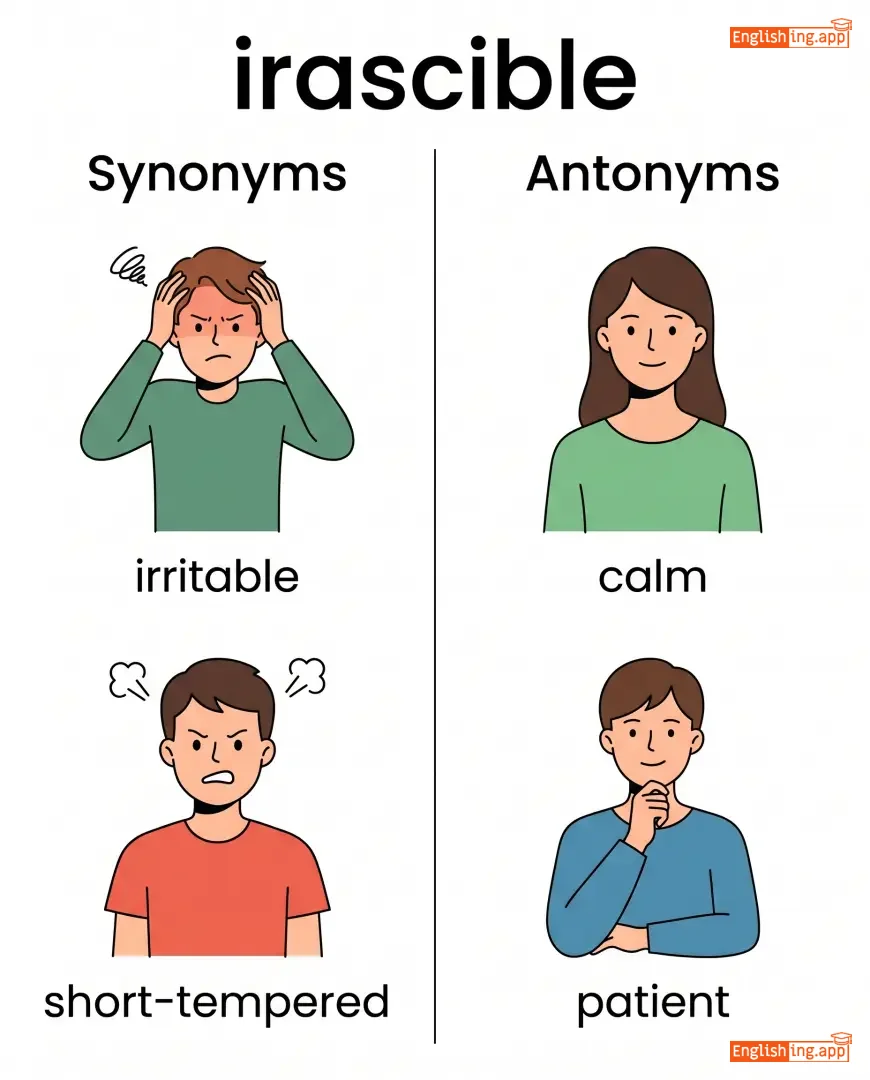
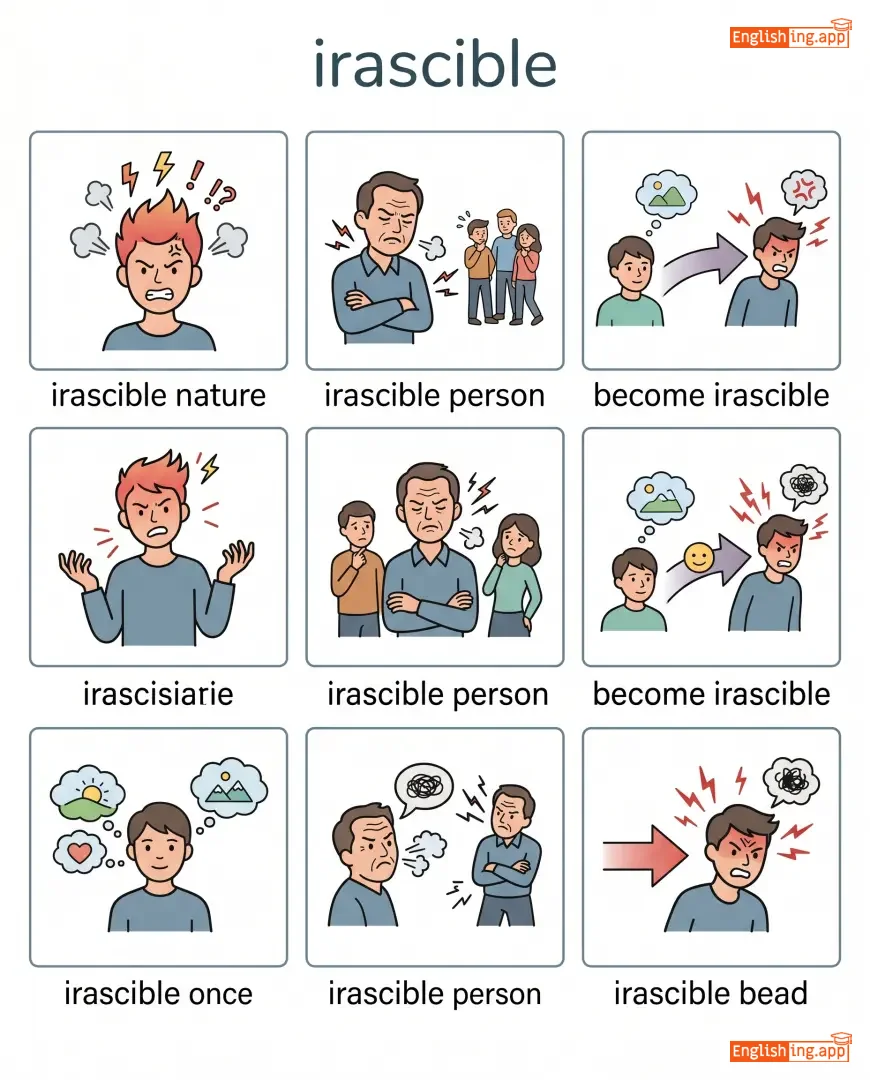
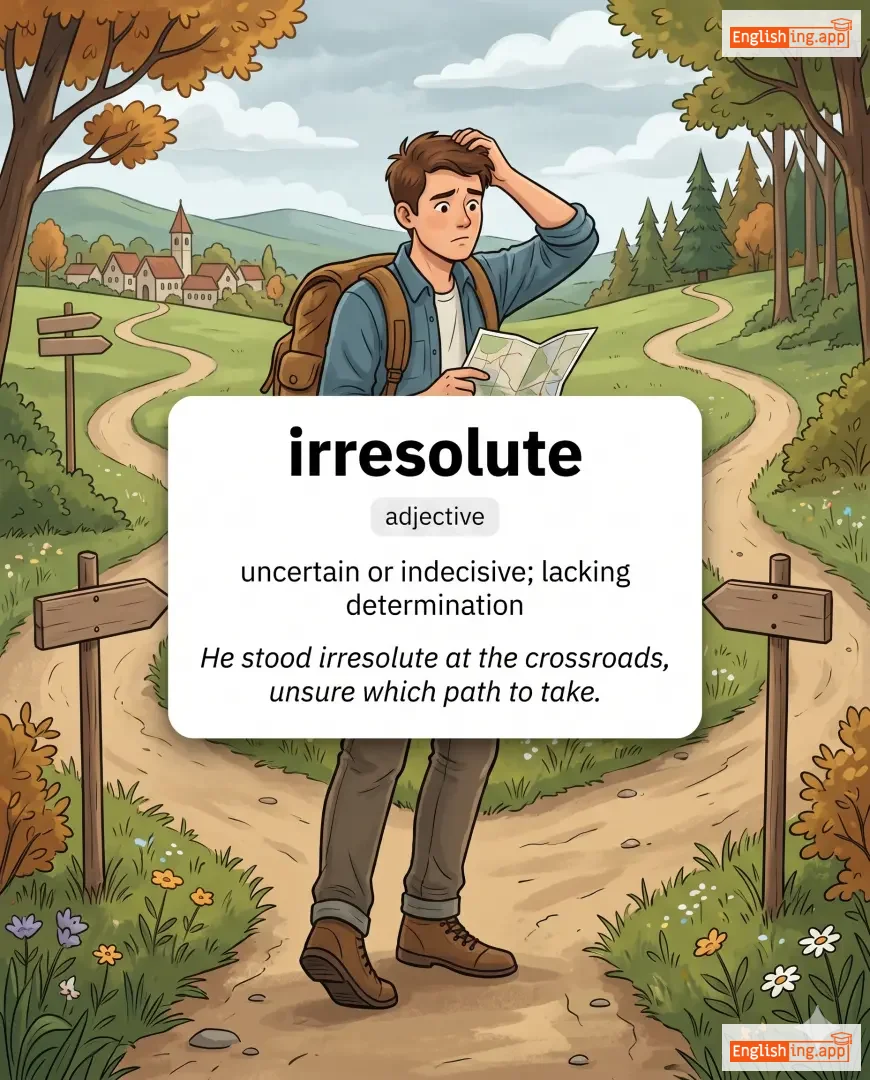
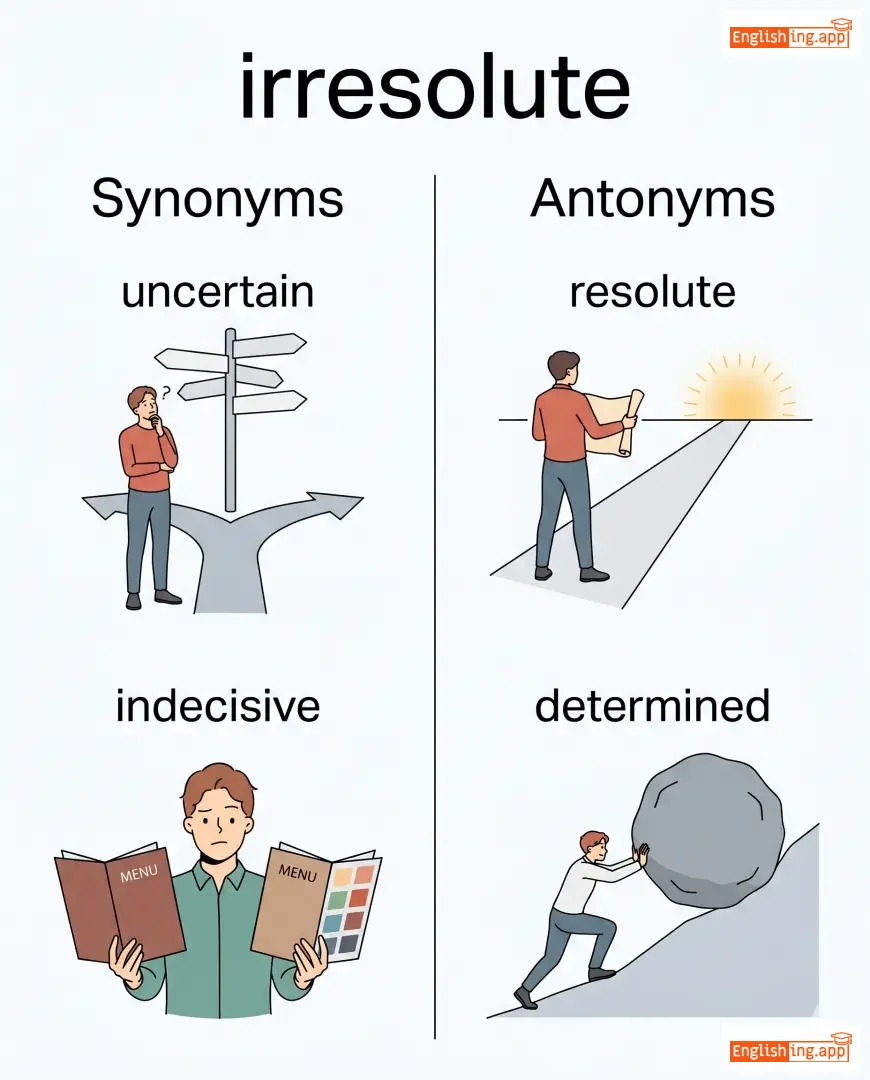





Swipe left or right, or use the buttons. Tap image to zoom.
Обновитесь для доступа ко всем предложениям
Получите неограниченный доступ ко всем предложениям с подпиской Pro
Обновить до ProПеревод примера предложения
Слово
Lesson 8Lesson 8 - Переключатель маски
|
Эмодзи
|
Слово | Images | Перевод | Прошедшее | Причастие прошедшего времени | Третье лицо единственного числа | Герундий | Значение | Пример предложения | Перевод примера предложения | Пример выражения | Значение примера выражения | Перевод примера выражения | Синонимы | Антонимы | Коллокации | Мнемоника |
|---|---|---|---|---|---|---|---|---|---|---|---|---|---|---|---|---|---|
|
#176
🥀
|
/ˈɪn.dɪ.dʒəns/
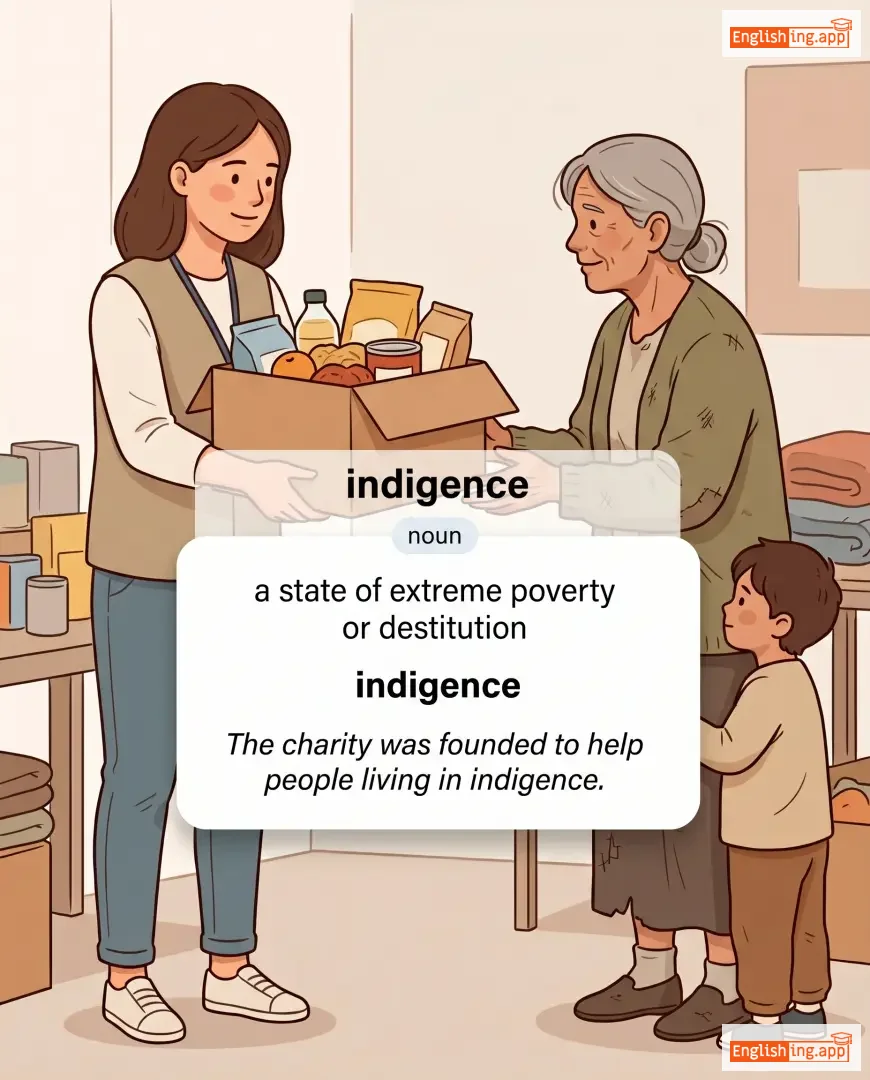
noun
(индижэнс)
••••••
|
|
нищета
nishcheta
••••••
|
- •••••• | - •••••• | - •••••• | - •••••• |
a state of extreme poverty or destitution
••••••
|
The charity was founded to help people living in indigence. |
Благотворительная организация была основана для помощи людям, живущим в нищете.
Blagotvoritelnaya organizatsiya byla osnovana dlya pomoshchi lyudyam, zhivushchim v nishchete.
••••••
|
- •••••• | - •••••• | - •••••• |
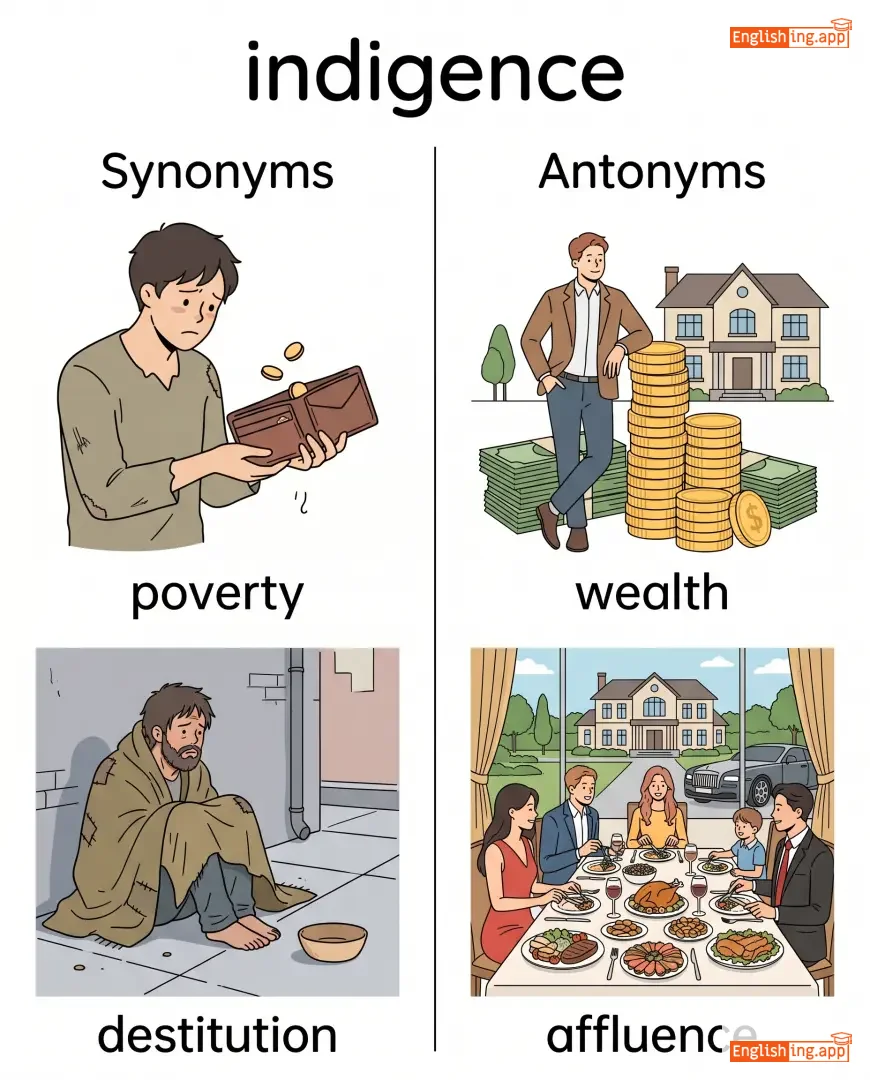
poverty, destitution, need, hardship, deprivation
••••••
|
wealth, affluence, prosperity
••••••
|
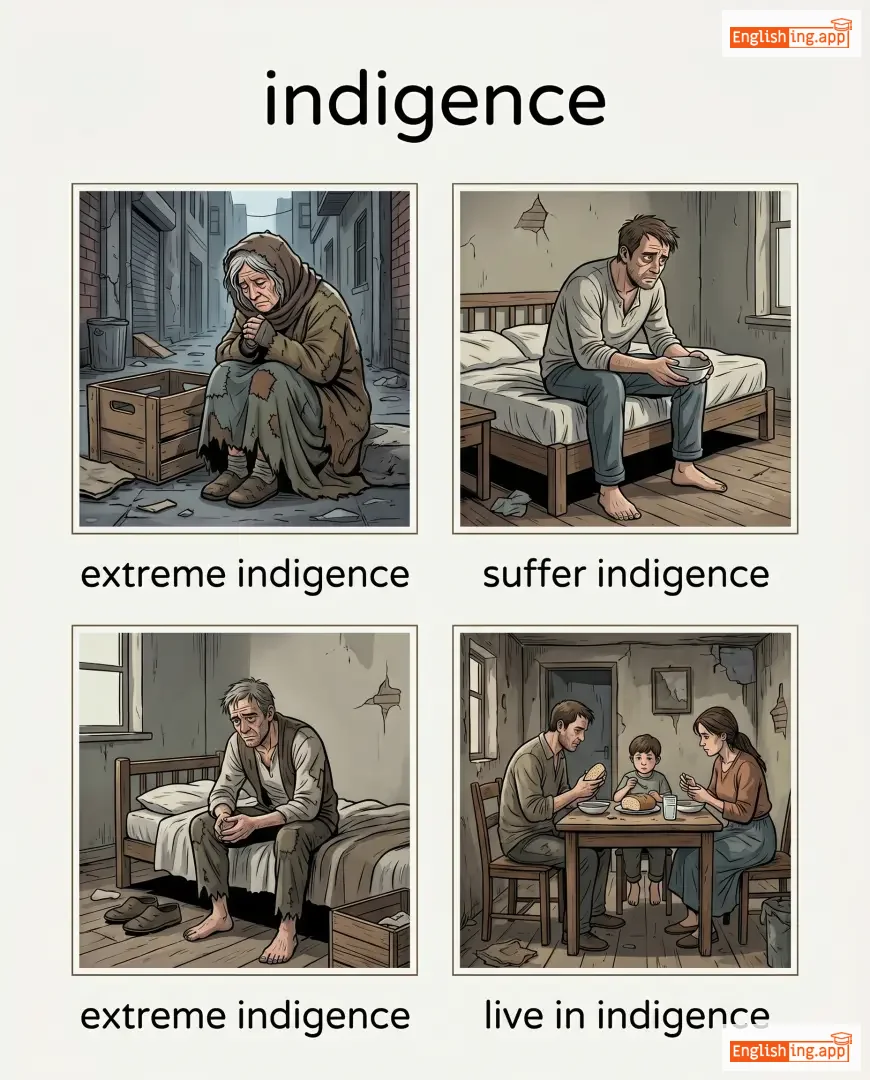
extreme indigence, suffer indigence, live in indigence
••••••
|
Нищета (nishcheta) означает 'indigence' - крайняя бедность
••••••
|
|
#177
🐈
|
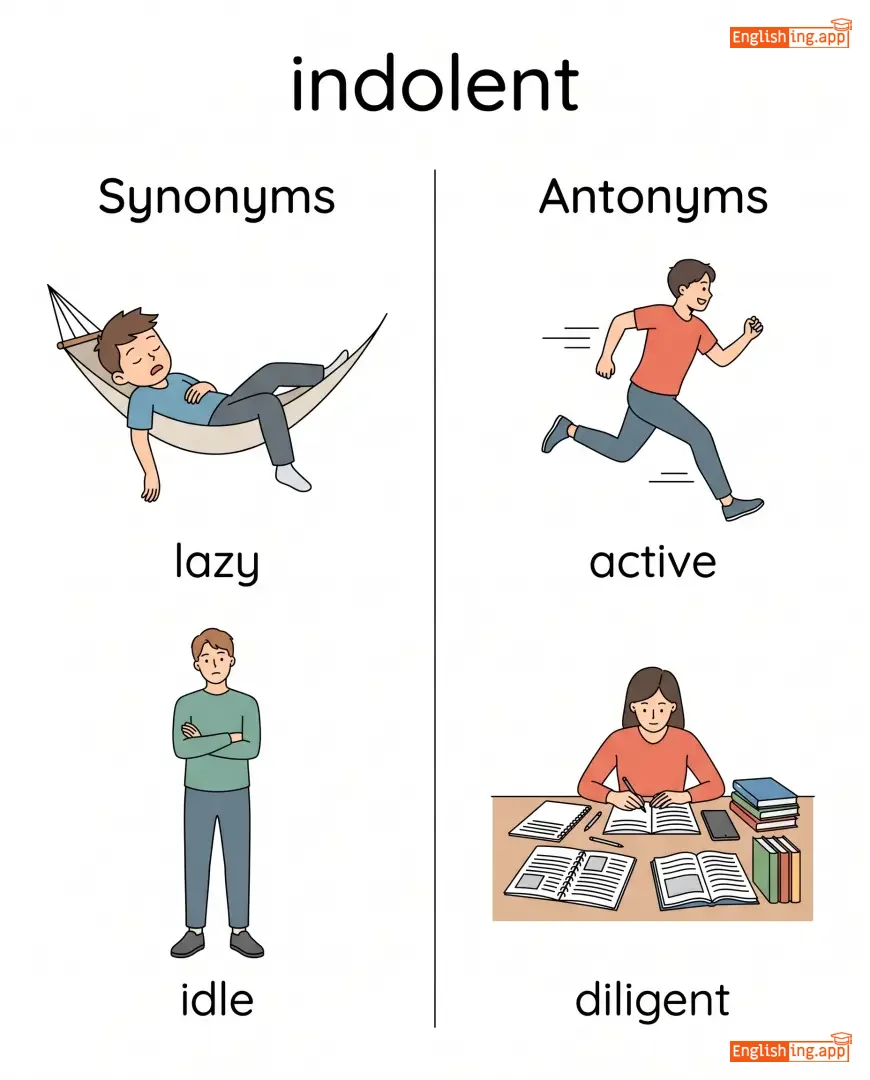
/ˈɪndələnt/
adjective
(индоулент)
••••••
|
|
ленивый
lenivyy
••••••
|
- •••••• | - •••••• | - •••••• | - •••••• |
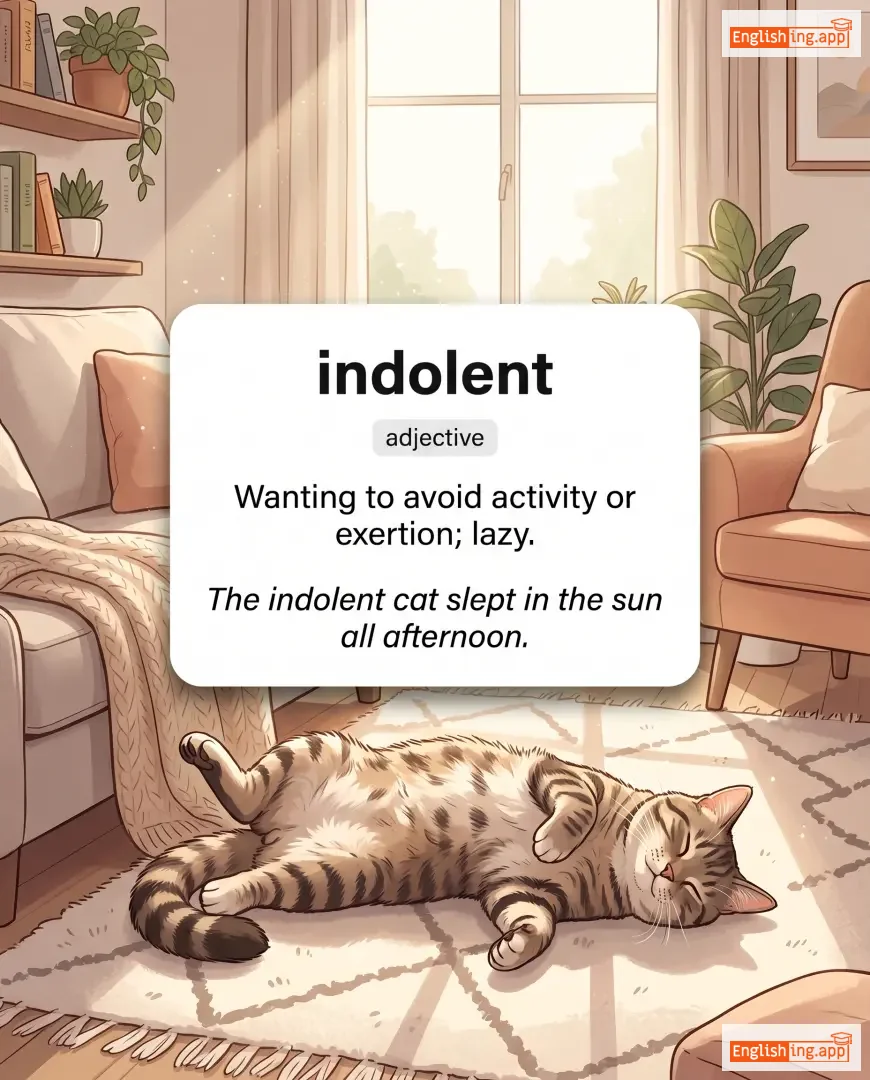
Wanting to avoid activity or exertion; lazy.
••••••
|
The indolent cat slept in the sun all afternoon.
Ленивый кот спал на солнце весь день.
••••••
|
Ленивый кот спал на солнце весь день.
Lenivyy kot spal na solntse ves' den'.
••••••
|
- •••••• | - •••••• | - •••••• |
lazy, idle, sluggish, lethargic
••••••
|
active, diligent, industrious
••••••
|
indolent lifestyle, indolent attitude, indolent habits
••••••
|
Indolent cat означает ленивый кот 🐈
••••••
|
|
#178
😴
|
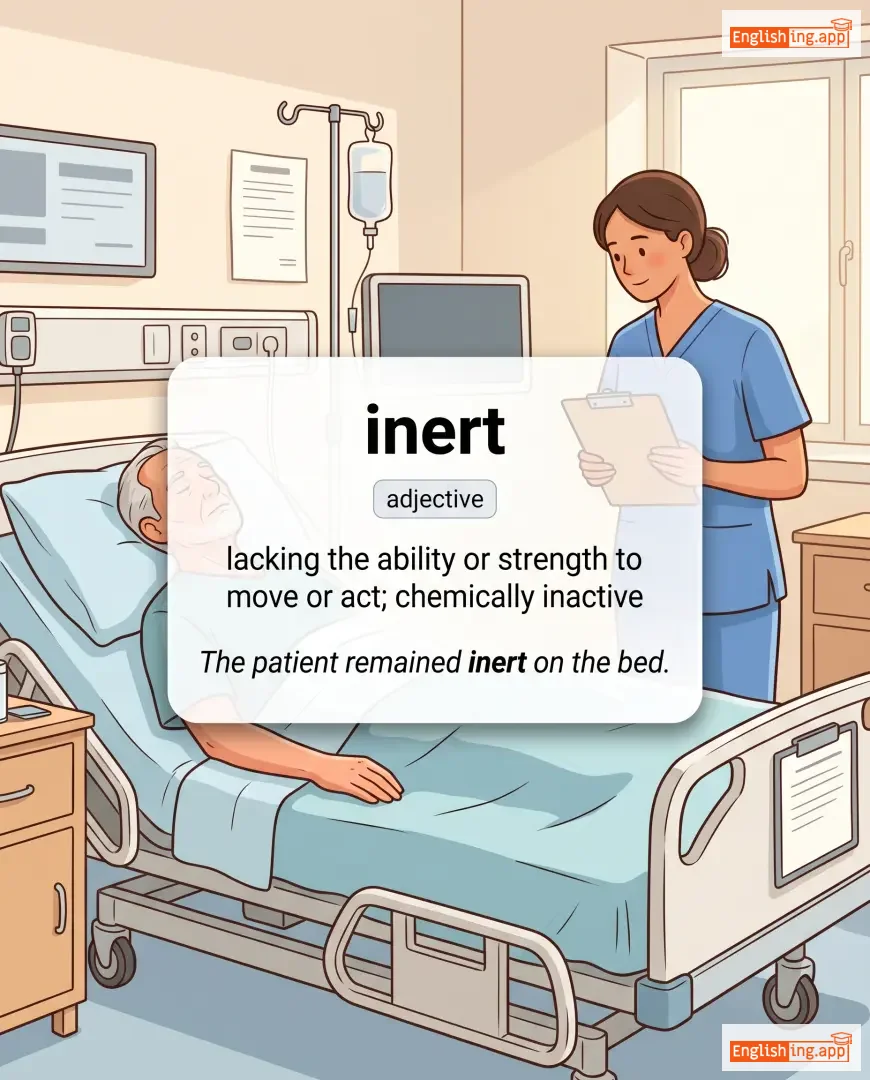
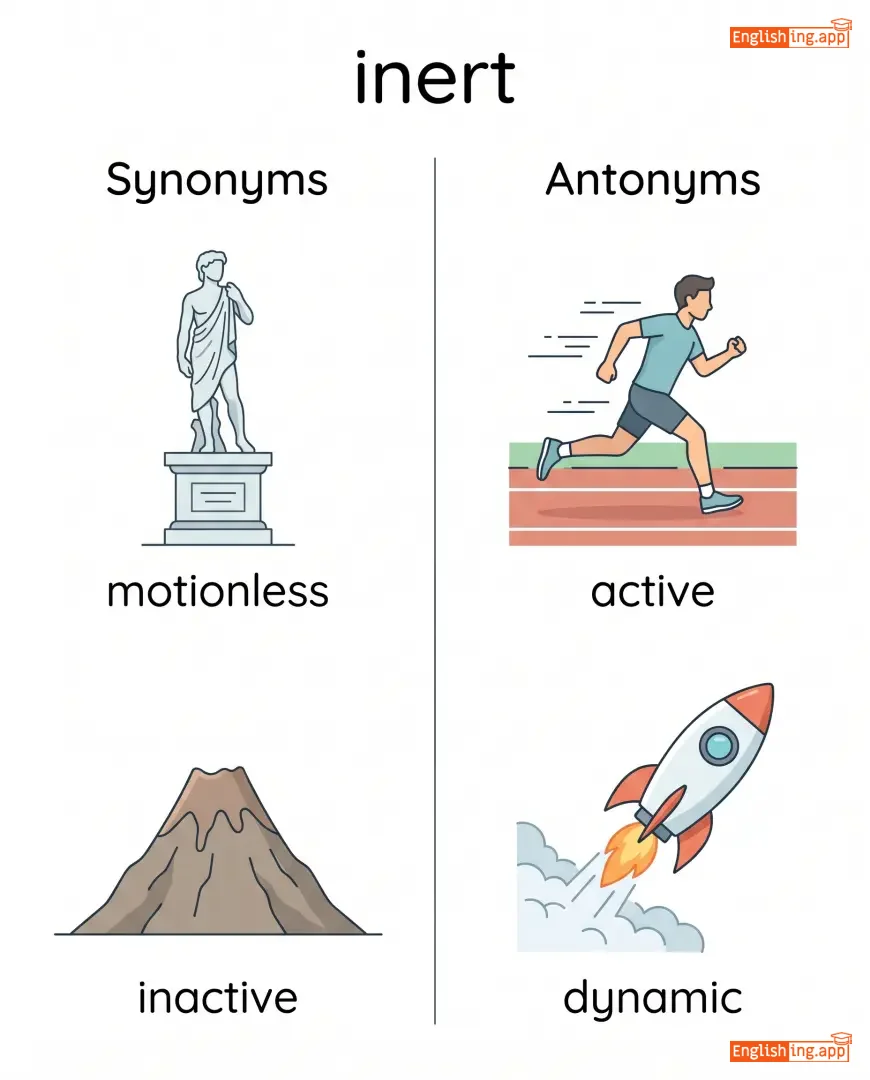
/ɪˈnɜːrt/
adjective
(инерт)
••••••
|
|
инертный
inertny
••••••
|
- •••••• | - •••••• | - •••••• | - •••••• |
lacking the ability or strength to move or act; chemically inactive
••••••
|
The patient remained inert on the bed. |
Пациент оставался инертным на кровати.
Patsiyent ostavalsya inertnym na krovati.
••••••
|
chemically inert |
substance that does not react chemically under normal conditions
••••••
|
химически инертный
khimicheski inertny
••••••
|
motionless, inactive, still, lifeless
••••••
|
active, dynamic, energetic
••••••
|
inert gases, inert body, inert matter, chemically inert
••••••
|
Inert = in + energy нет → без движения или реакции
••••••
|
|
#179
😊
|
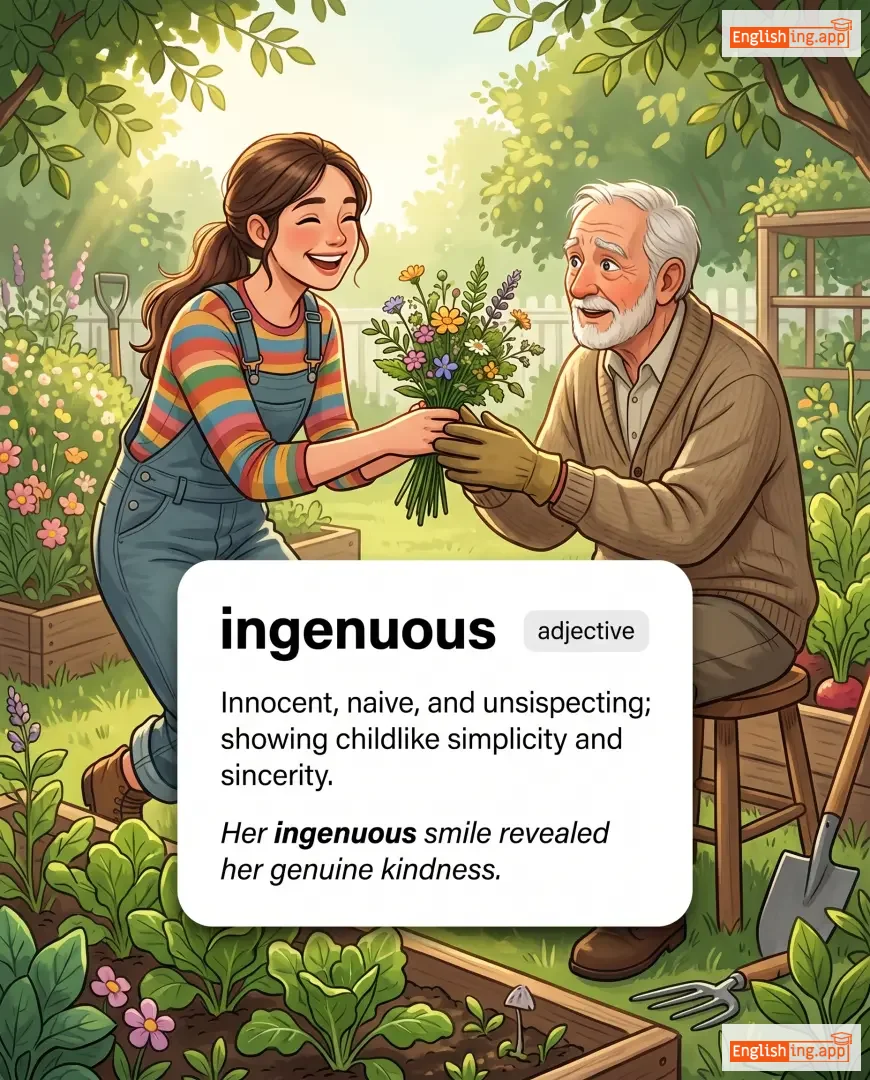
/ɪnˈdʒɛnjuəs/
adjective
(индженюэс)
••••••
|
|
наивный
naivnyy
••••••
|
- •••••• | - •••••• | - •••••• | - •••••• |
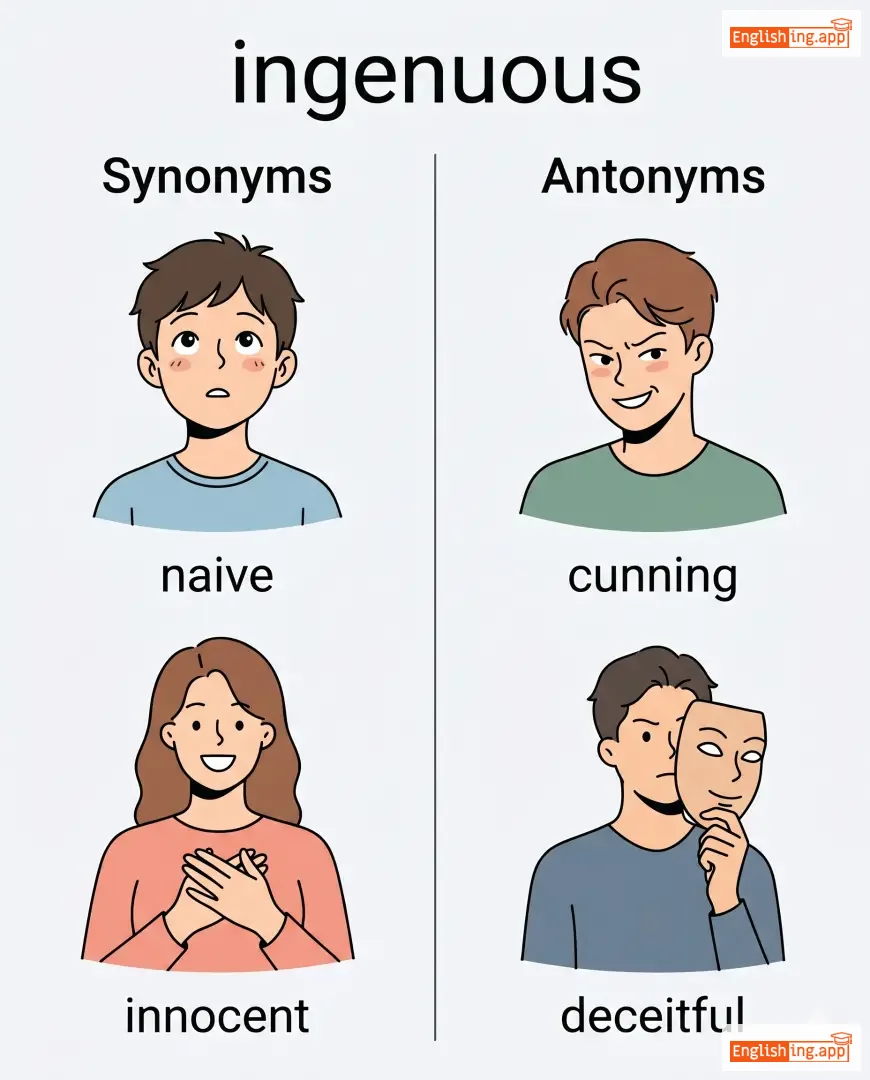
Innocent, naive, and unsuspecting; showing childlike simplicity and sincerity.
••••••
|
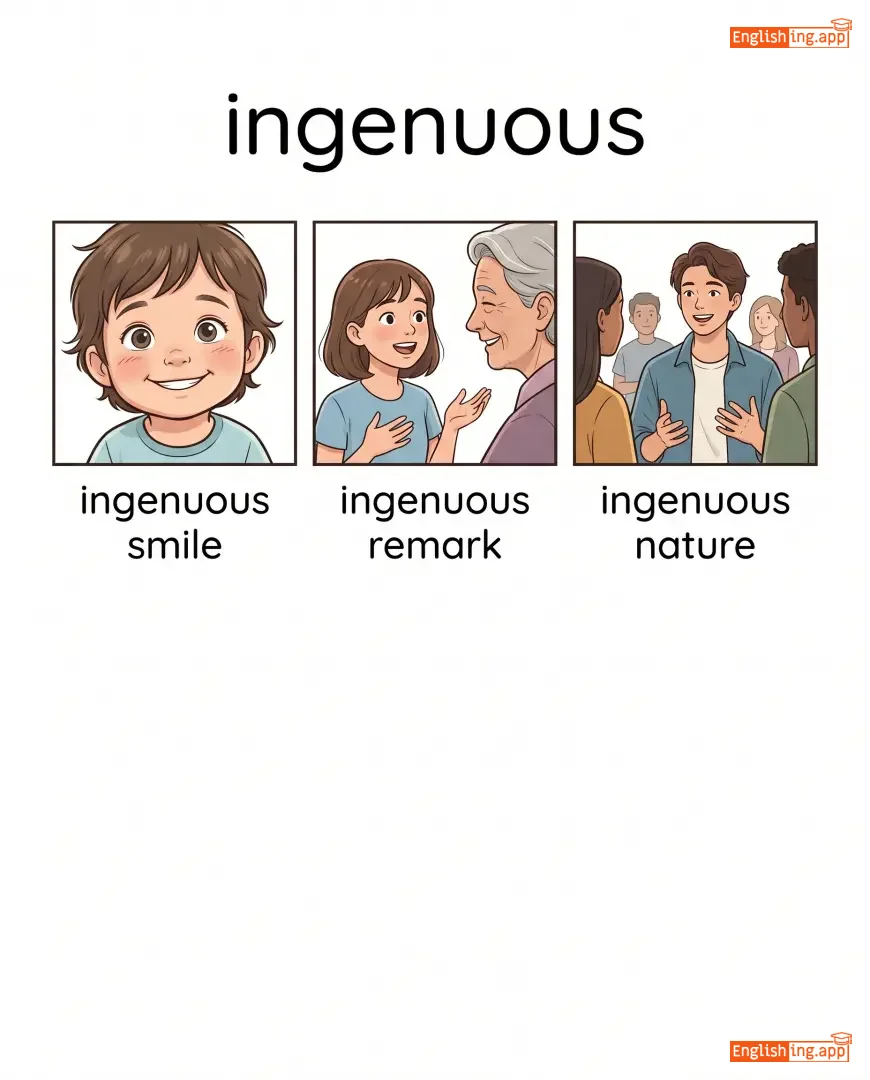
Her ingenuous smile revealed her genuine kindness. |
Её наивная улыбка раскрыла её настоящую доброту.
Eё naivnaya ulybka raskryla yeye nastoyashchuyu dobroty.
••••••
|
- •••••• | - •••••• | - •••••• |
naive, innocent, sincere, candid, frank
••••••
|
cunning, deceitful, insincere
••••••
|
ingenuous smile, ingenuous remark, ingenuous nature, ingenuous expression
••••••
|
Наивность как простота и искренность 😊
••••••
|
|
#180
⚖️
|
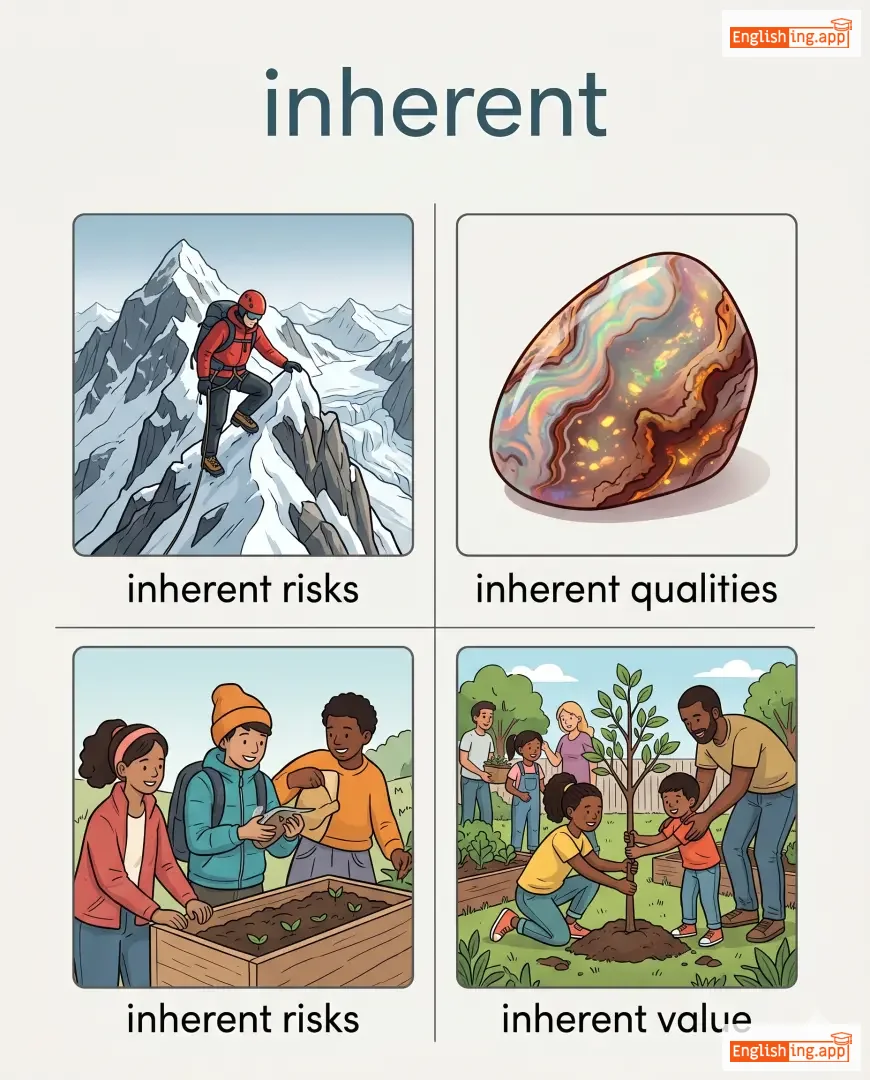
/ɪnˈhɛrənt/
adjective
(инхэрэнт)
••••••
|
|
неотъемлемый
neot'yemlemiy
••••••
|
- •••••• | - •••••• | - •••••• | - •••••• |
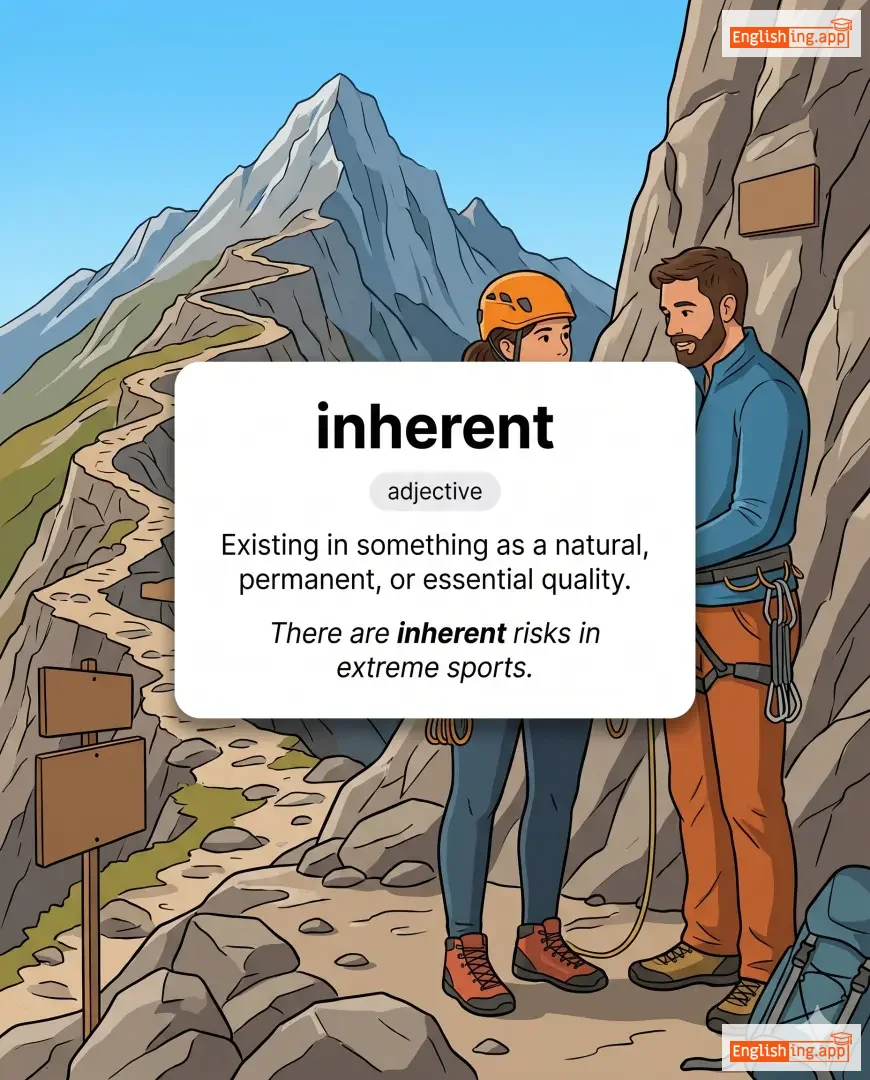
Existing in something as a natural, permanent, or essential quality.
••••••
|
There are inherent risks in extreme sports. |
В экстремальных видах спорта существуют неотъемлемые риски.
V ekstremal'nykh vidakh sporta sushchestvuyut neot'yemlemye riski.
••••••
|
inherent danger |
A danger that is naturally part of something and cannot be separated from it.
••••••
|
неотъемлемая опасность
neot'yemlemaya opasnost'
••••••
|
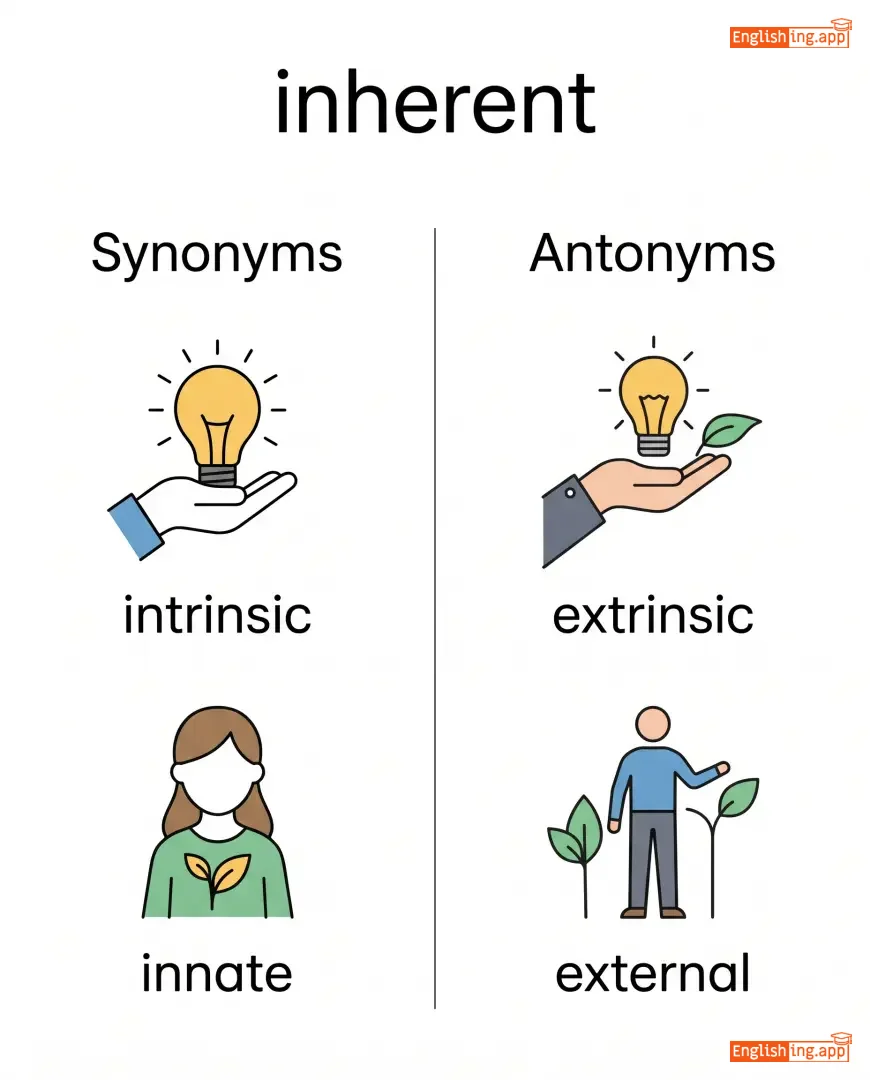
intrinsic, innate, built-in, essential, natural
••••••
|
extrinsic, external, acquired
••••••
|
inherent risks, inherent qualities, inherent value
••••••
|
Inherent означает in + heart (в сердце), т.е. неотъемлемый.
••••••
|
|
#181
😇
|
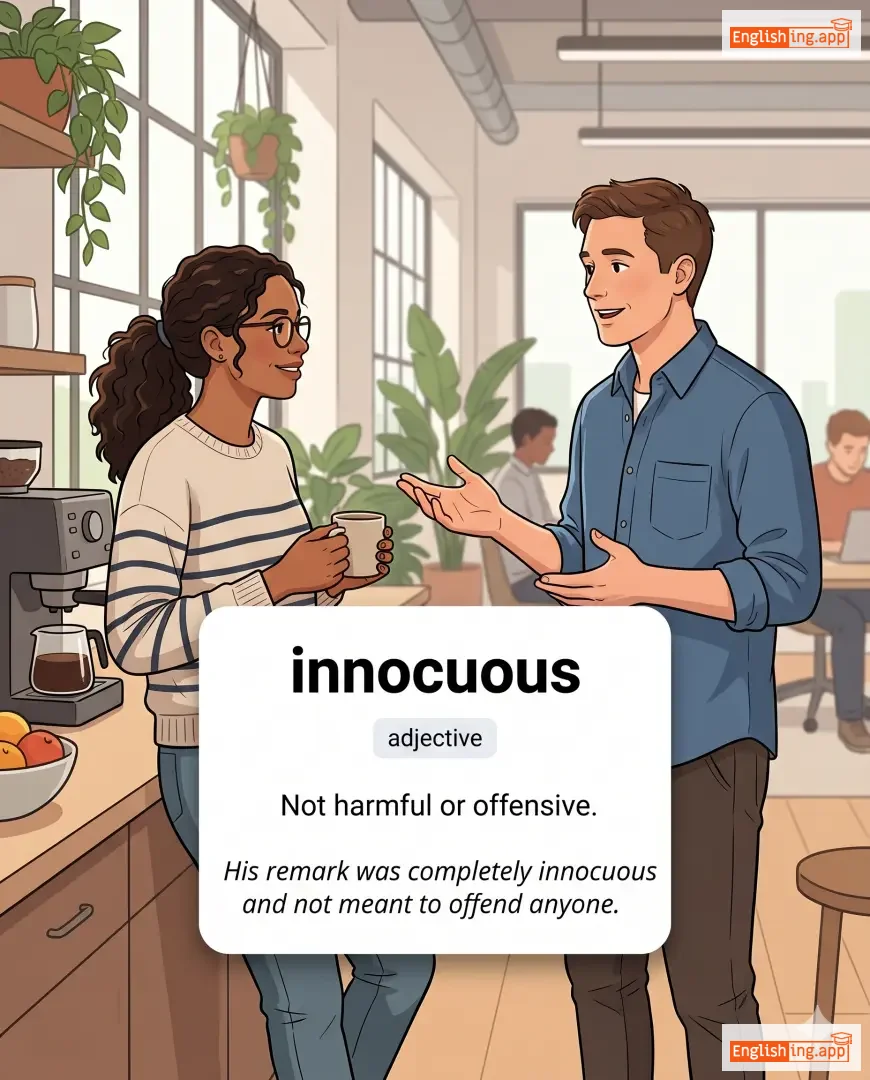
/ɪˈnɒkjuəs/
adjective
(inokjuəs)
••••••
|
|
безвредный
bezvrednyy
••••••
|
- •••••• | - •••••• | - •••••• | - •••••• |
Not harmful or offensive.
••••••
|
His remark was completely innocuous and not meant to offend anyone. |
Его замечание было совершенно безвредным и не имело цели обидеть кого-либо.
Ego zamechaniye bylo sovershenno bezvrednym i ne imelo tsely obidit' kogo-libo.
••••••
|
- •••••• | - •••••• | - •••••• |
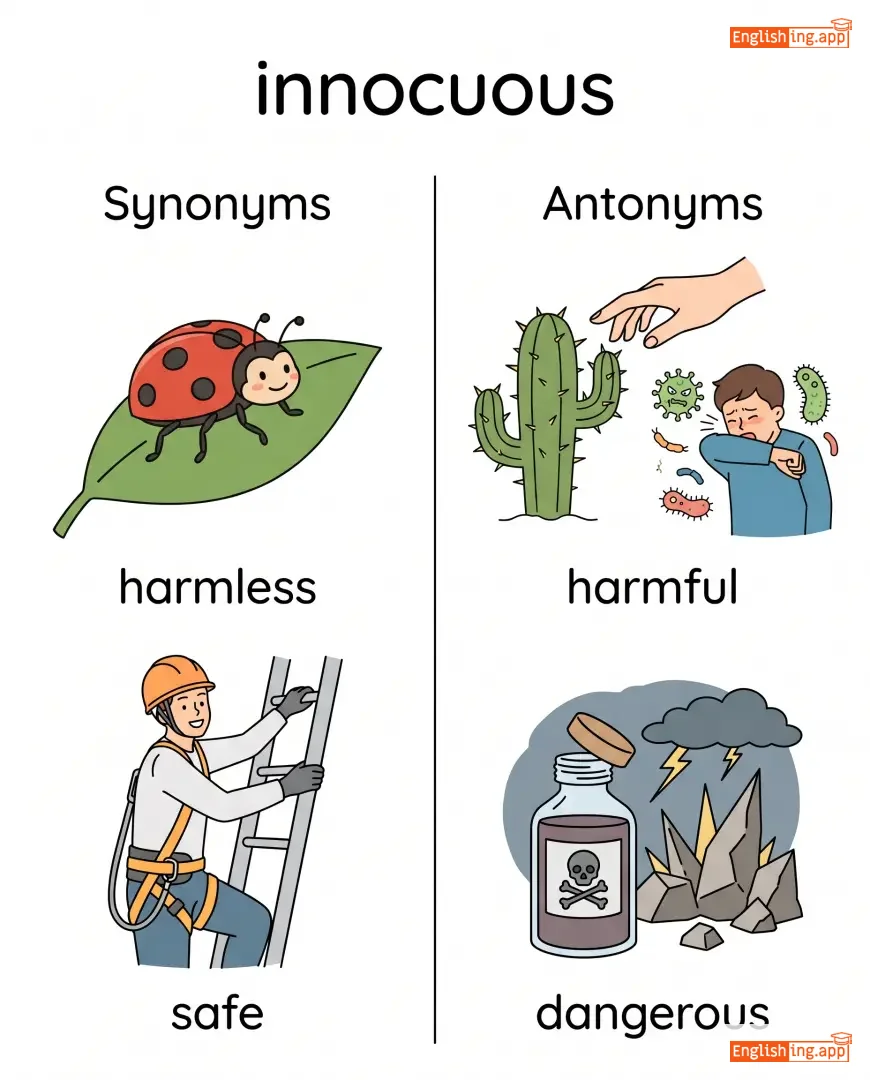
harmless, safe, inoffensive, mild, benign
••••••
|
harmful, dangerous, toxic
••••••
|
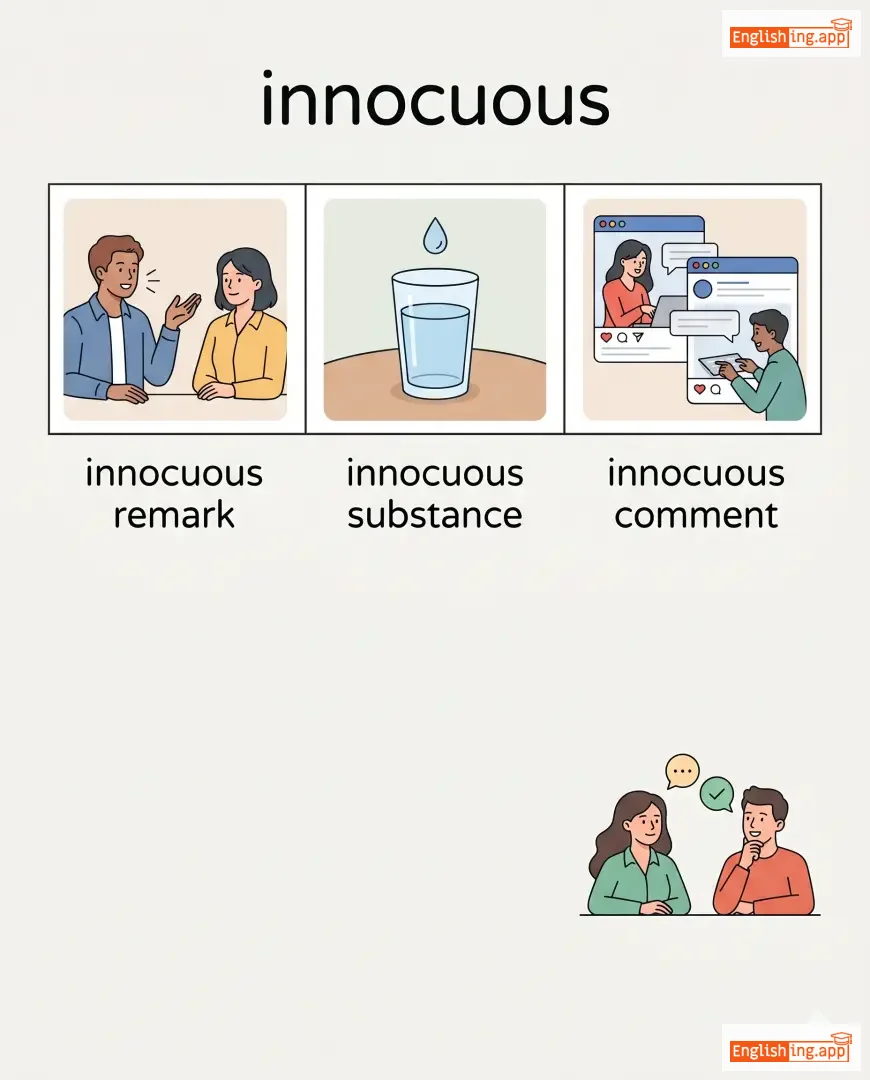
innocuous remark, innocuous substance, innocuous comment, seemingly innocuous
••••••
|
Innocent + Kyus (туман) → Как Kyus, безвредный не причиняет вреда.
••••••
|
|
#182
😶
|
/ɪnˈsɛnsəbl/
adjective
(инсенсибл)
••••••
|
|
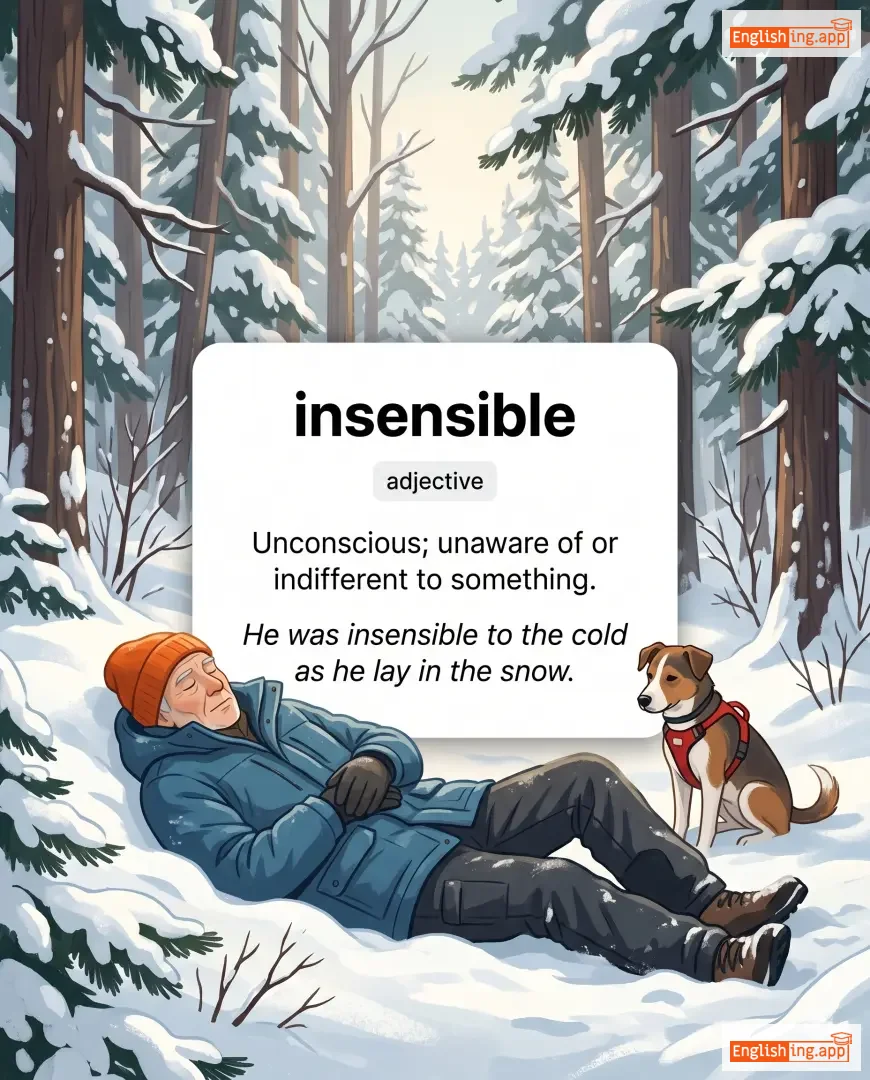
бессознательный
bessoznatel'nyy
••••••
|
- •••••• | - •••••• | - •••••• | - •••••• |
Unconscious; unaware of or indifferent to something.
••••••
|
He was insensible to the cold as he lay in the snow. |
Он был бессознателен к холоду, когда лежал в снегу.
On byl bessoznatel'nыy k kholodu, kogda lezhал v snegu.
••••••
|
- •••••• | - •••••• | - •••••• |
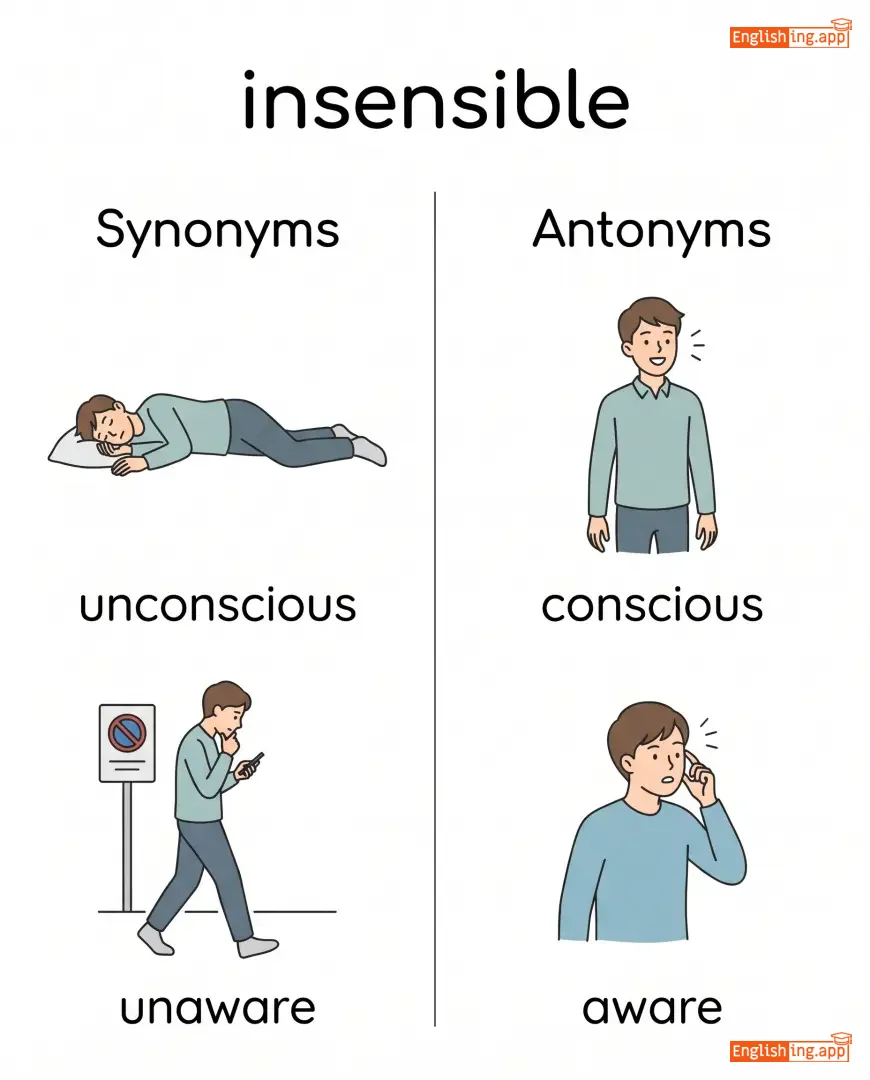
unconscious, unaware, oblivious, indifferent, unresponsive
••••••
|
conscious, aware, responsive
••••••
|
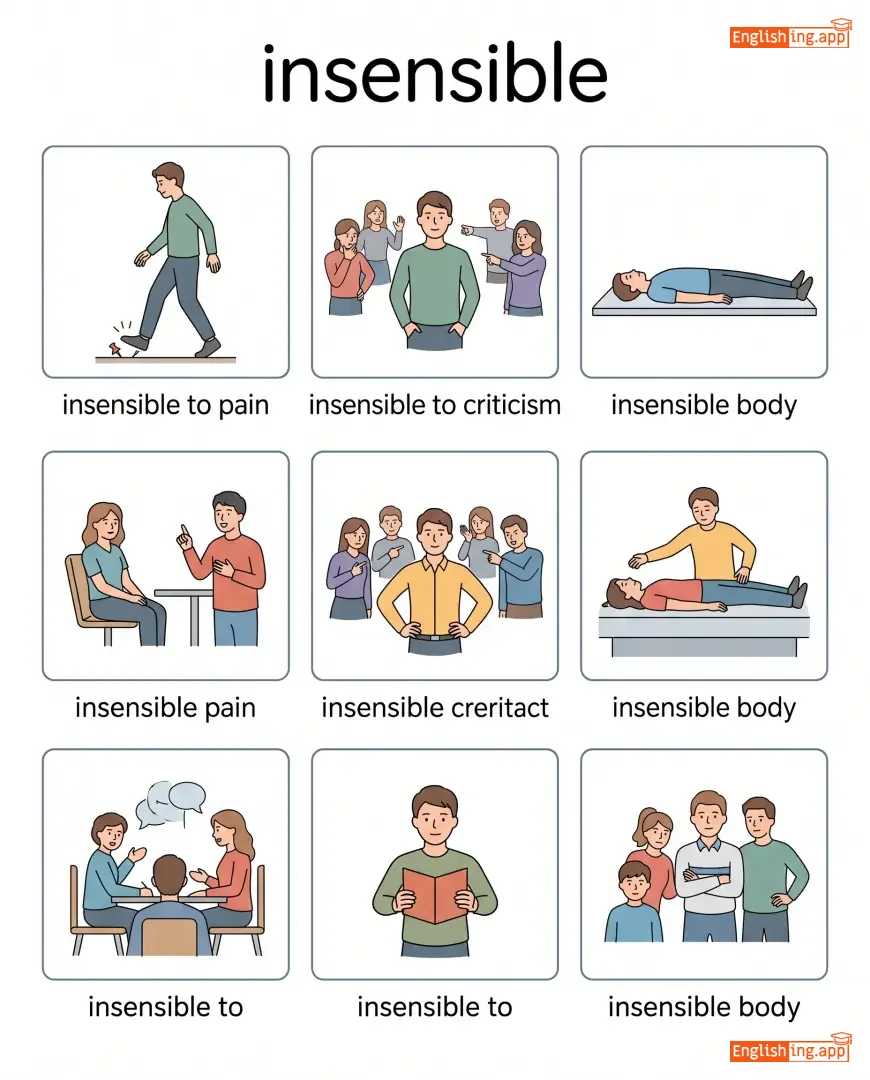
insensible to pain, insensible to criticism, insensible body
••••••
|
INSensible означает отсутствие чувства → бессознательный.
••••••
|
|
#183
🤫
|
/ɪnˈsɪnjueɪt/
verb
(инсинюэйт)
••••••
|
|
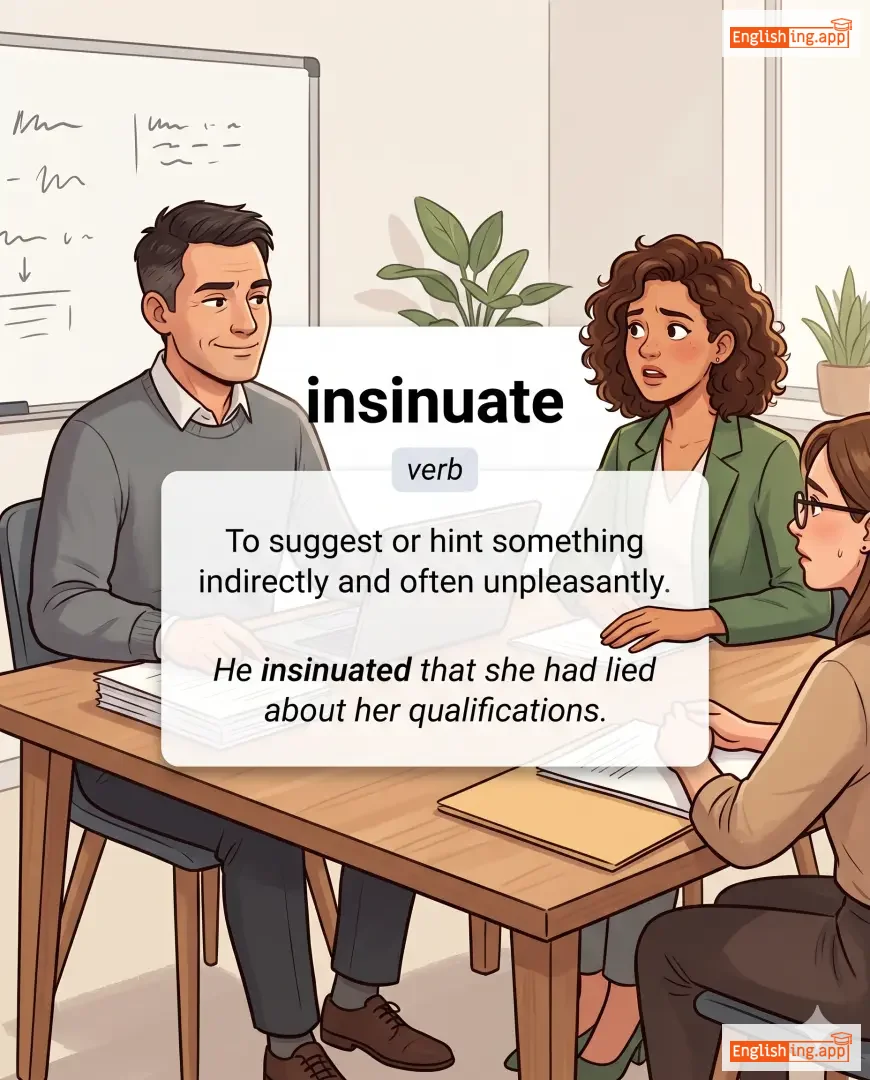
намекать
namekat
••••••
|
insinuated
инсиньюэйтед
••••••
|
insinuated
инсиньюэйтед
••••••
|
insinuates
инсиньюэйтс
••••••
|
insinuating
инсиньюэйтинг
••••••
|
To suggest or hint something indirectly and often unpleasantly.
••••••
|
He insinuated that she had lied about her qualifications.
Он намекнул, что она соврала о своих квалификациях.
••••••
|
Он намекнул, что она соврала о своих квалификациях.
On nameknul, chto ona sovrala o svoikh kvalifikatsiyakh.
••••••
|
insinuate oneself
инсиньюэйтить себя
••••••
|
to gradually and subtly gain favor or acceptance
••••••
|
постепенно завоевывать принятие
postepyenno zavojevat' prinyatie
••••••
|
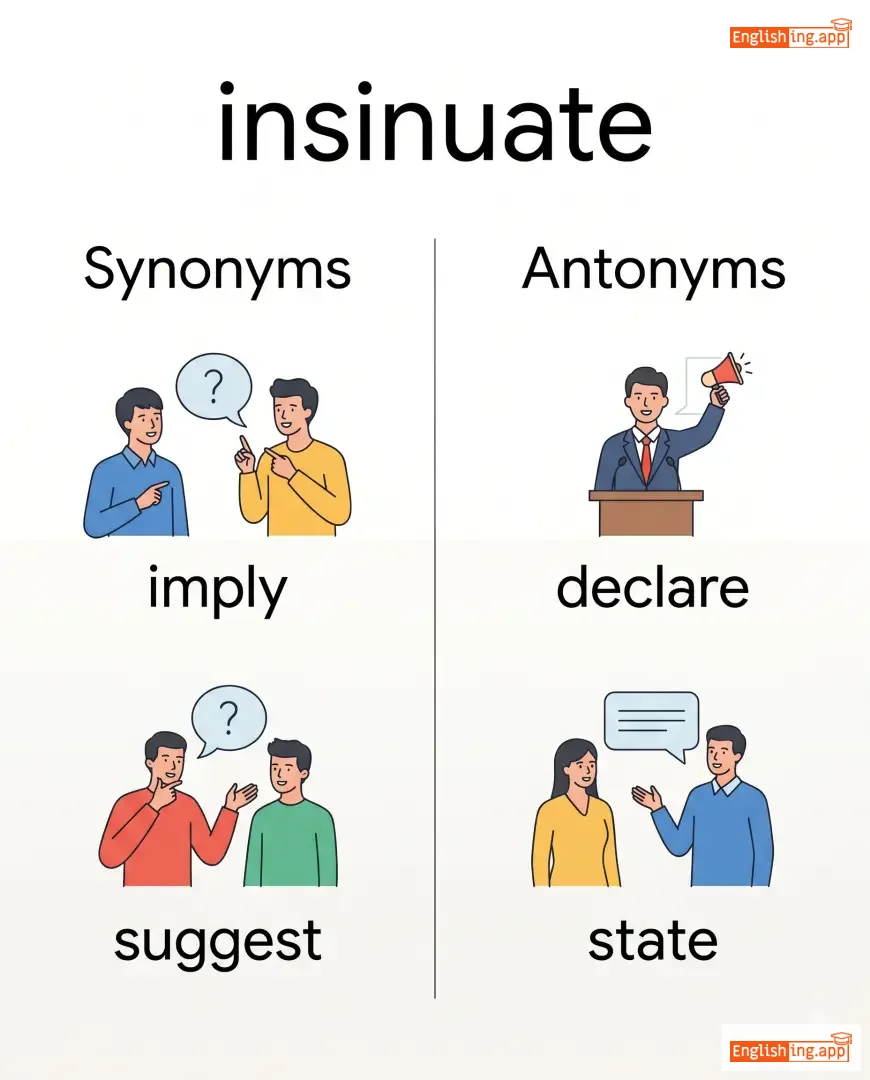
imply, suggest, hint, intimate, indicate
••••••
|
declare, state, assert
••••••
|
insinuate doubt, insinuate guilt, insinuate oneself into
••••••
|
Insinuate значит намекать - in + signal → косвенно намекать.
••••••
|
|
#184
🥱
|
/ɪnˈsɪpɪd/
adjective
(инсипид)
••••••
|
|
безвкусный
bezvkusny
••••••
|
- •••••• | - •••••• | - •••••• | - •••••• |
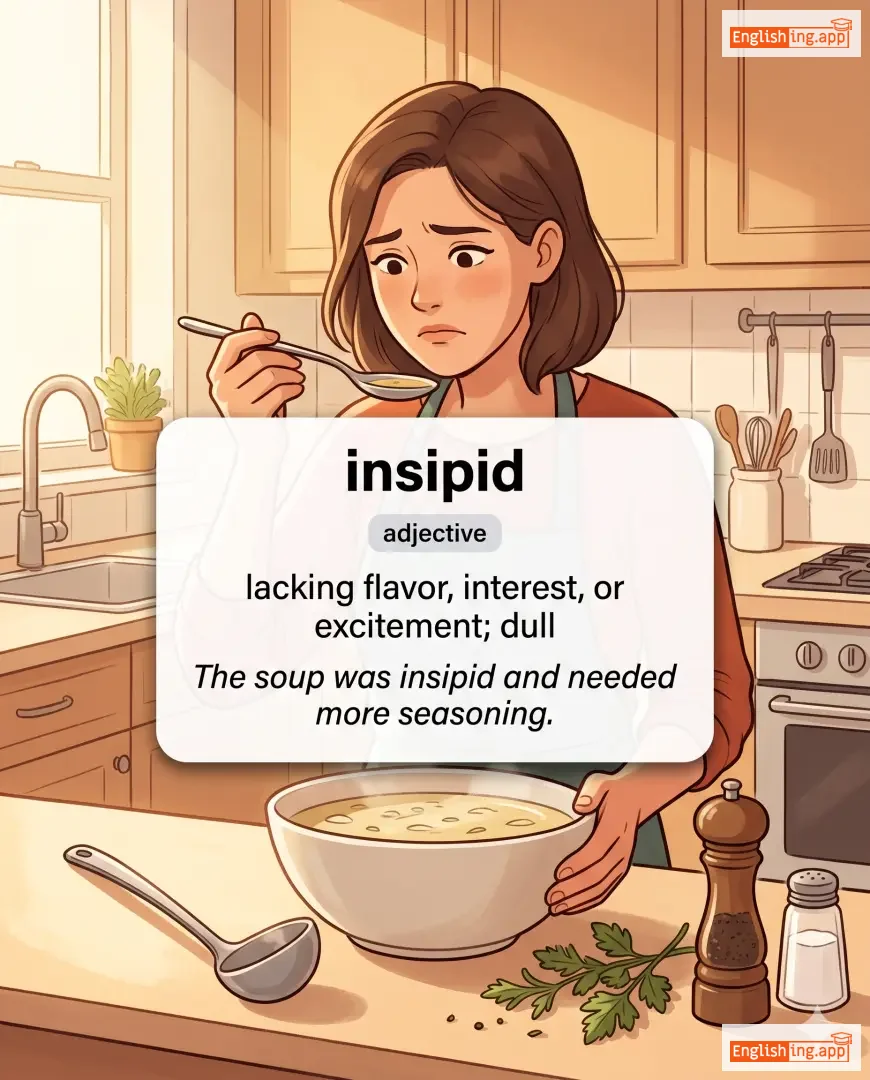
lacking flavor, interest, or excitement; dull
••••••
|
The soup was insipid and needed more seasoning. |
Суп был безвкусным и требовал больше приправ.
Sup byl bezvkusnym i trebyval bolshe prigrav.
••••••
|
- •••••• | - •••••• | - •••••• |
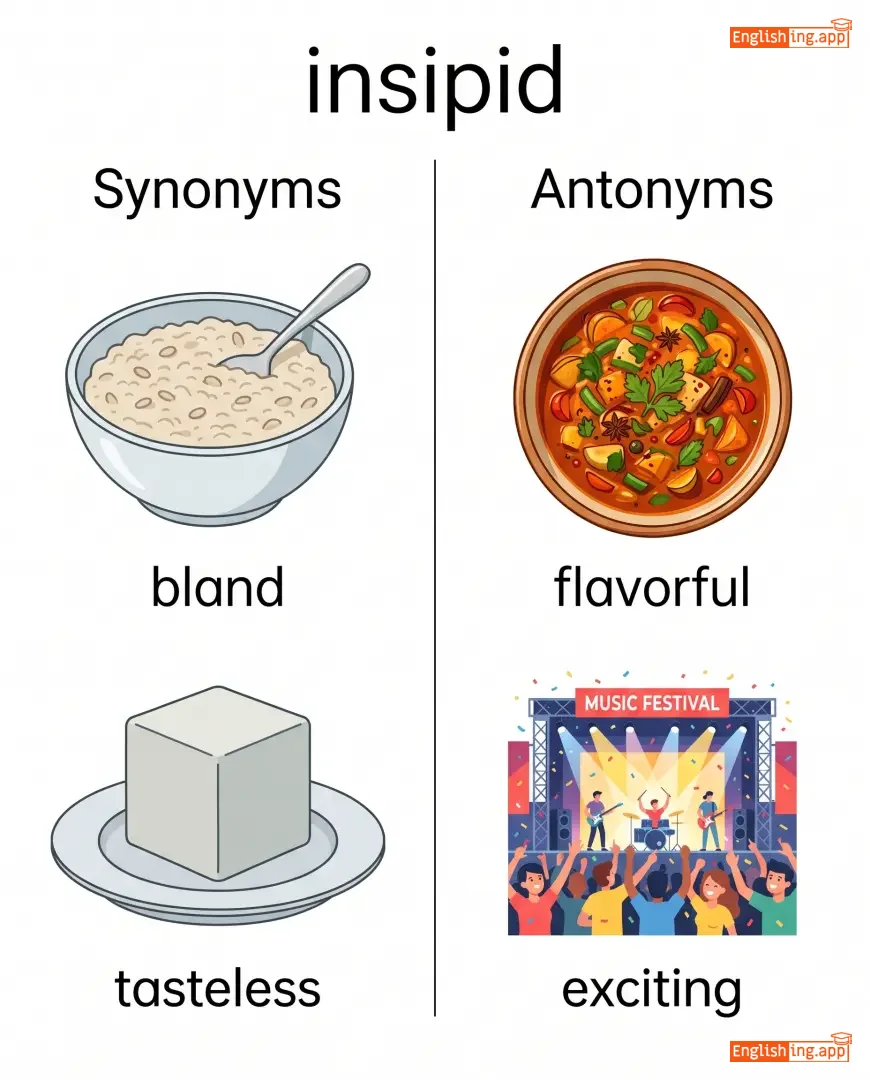
bland, tasteless, dull, boring, flat
••••••
|
flavorful, exciting, lively
••••••
|
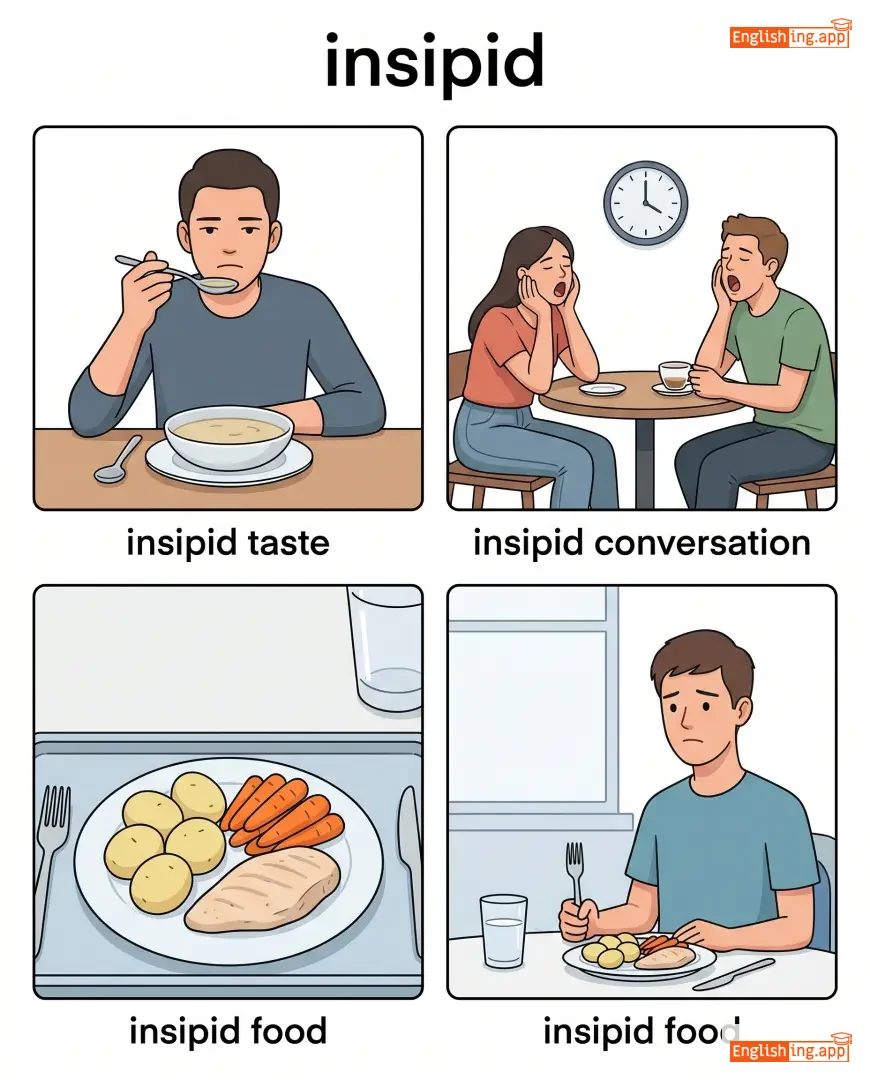
insipid taste, insipid conversation, insipid food, insipid performance
••••••
|
Insipid звучит как ‘ин сит’ → не имеет вкуса, потому что безвкусный.
••••••
|
|
#185
🌐
|
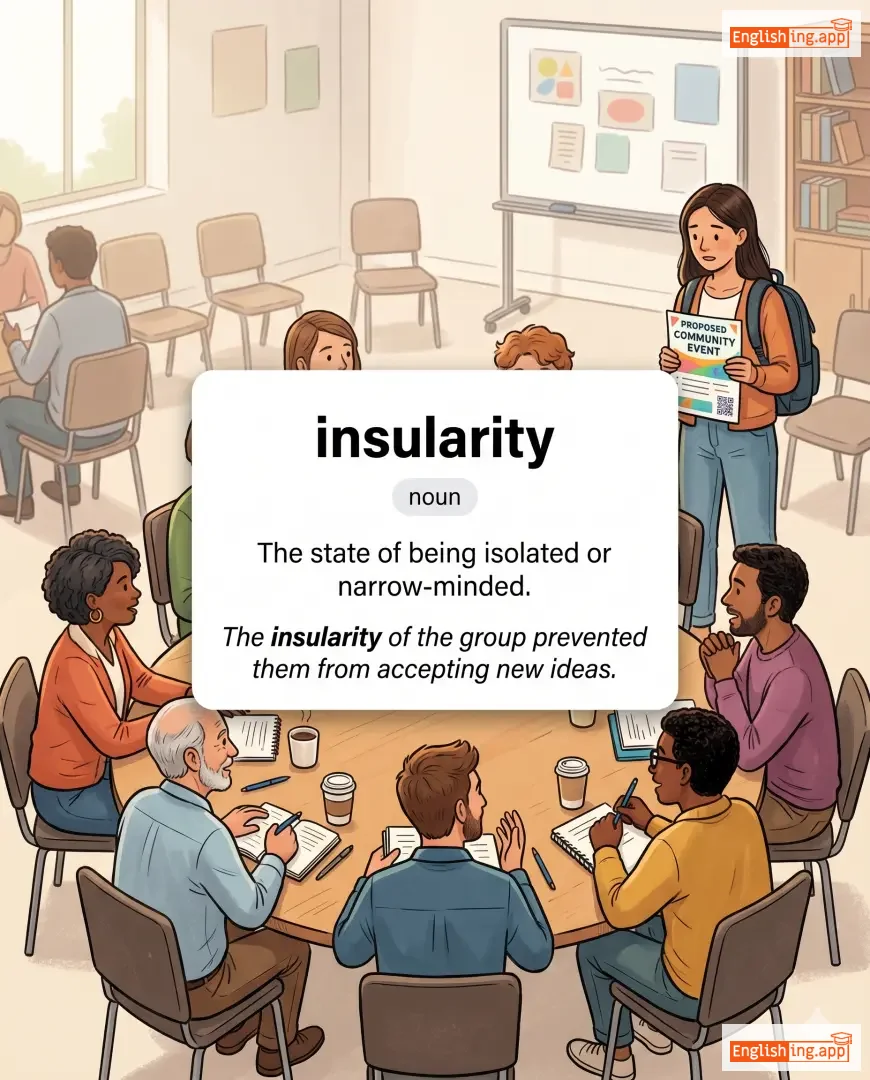
/ˌɪnsjəˈlærəti/
noun
(инсулярити)
••••••
|
|
инсулярность
insulyarnost
••••••
|
- •••••• | - •••••• | - •••••• | - •••••• |
The state of being isolated or narrow-minded.
••••••
|
The insularity of the group prevented them from accepting new ideas.
Инсулярность группы помешала им принять новые идеи.
••••••
|
Инсулярность группы помешала им принять новые идеи.
Insulyarnost gruppy pomeshala im prinyat' novye idei.
••••••
|
- •••••• | - •••••• | - •••••• |
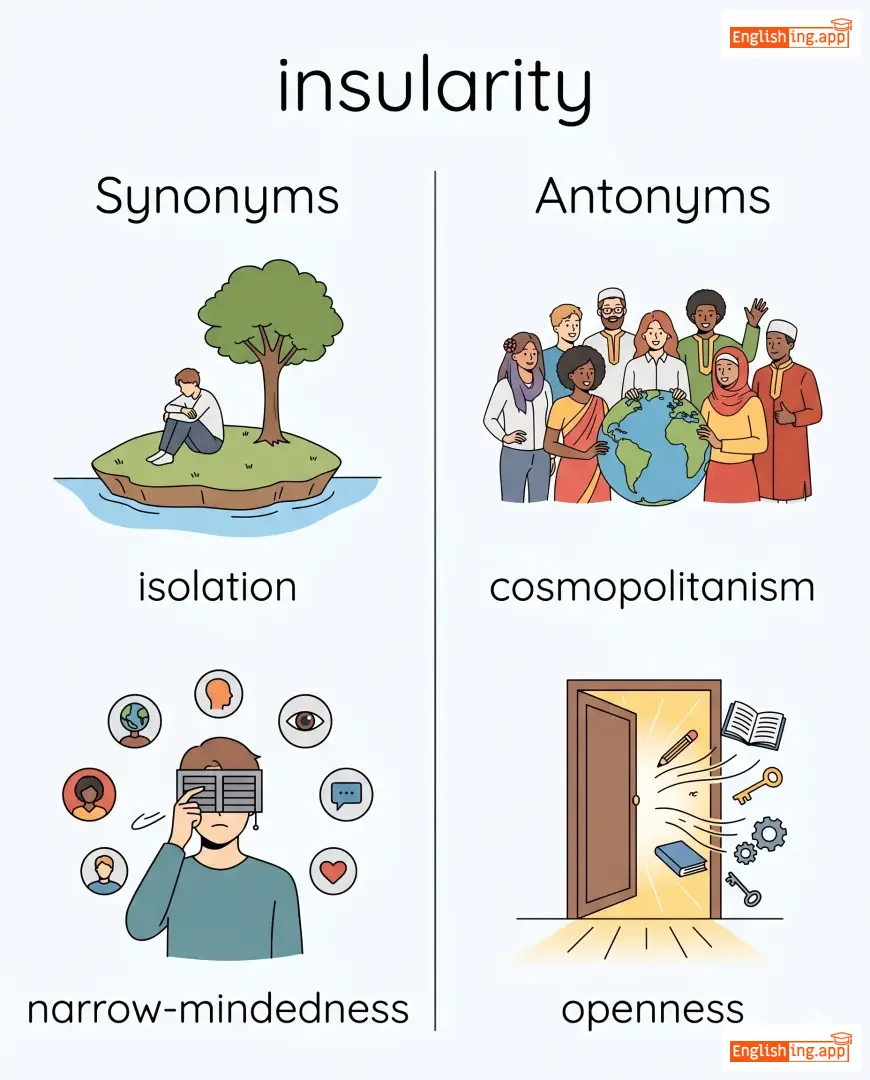
isolation, narrow-mindedness, provincialism, parochialism
••••••
|
cosmopolitanism, openness, tolerance
••••••
|
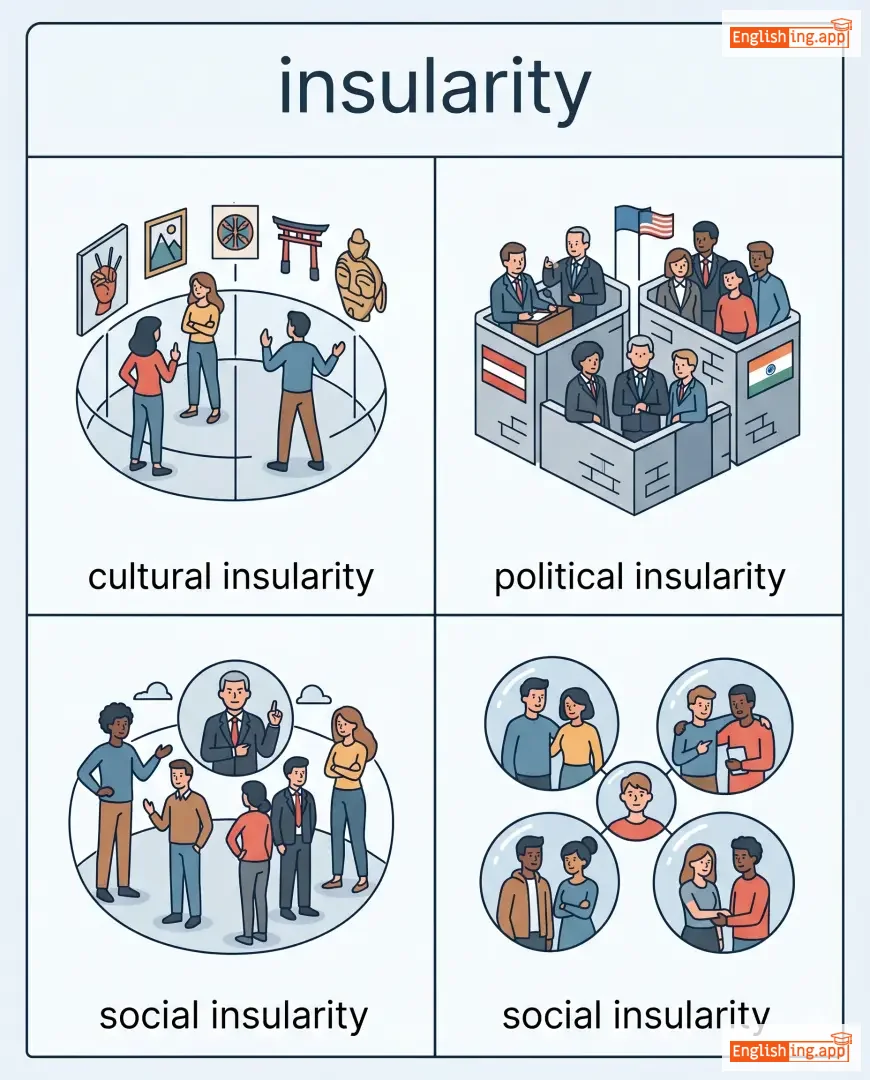
cultural insularity, political insularity, social insularity
••••••
|
Инсулярность — это ограничение изоляции и узкого мышления.
••••••
|
|
#186
🪨
|
/ɪnˈtræk.tə.bəl/
adjective
(интрактабель)
••••••
|
|
неуправляемый
neupravlyaemy
••••••
|
- •••••• | - •••••• | - •••••• | - •••••• |
Difficult or impossible to manage, control, or solve.
••••••
|
The conflict has become an intractable problem. |
Конфликт стал неуправляемой проблемой.
Konflikt stal neupravlyaemoy problemoy.
••••••
|
- •••••• | - •••••• | - •••••• |
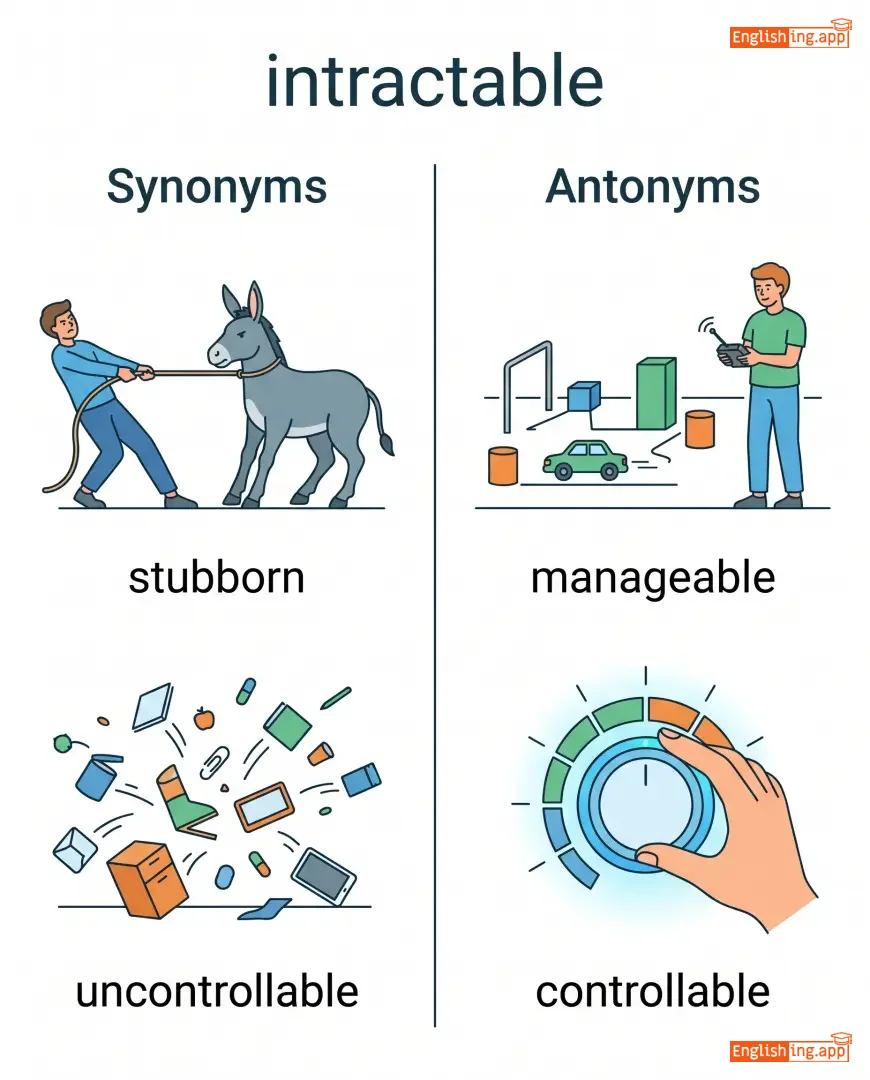
stubborn, uncontrollable, unmanageable, obstinate
••••••
|
manageable, controllable, flexible
••••••
|
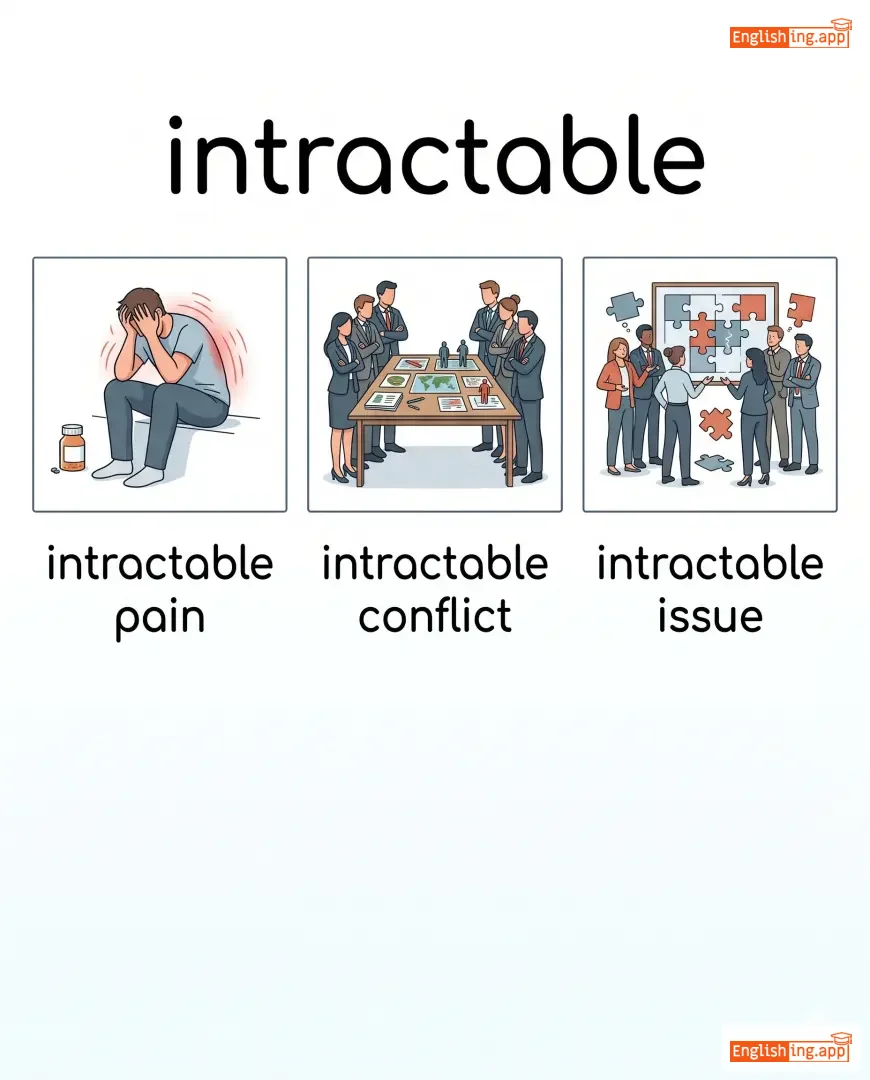
intractable pain, intractable conflict, intractable issue, intractable disease
••••••
|
In + Track (путь) + able → То, что невозможно контролировать → неуправляемый
••••••
|
|
#187
🛑
|
/ɪnˈtræn.sɪ.dʒəns/
noun
(интранзиджент)
••••••
|
|
неприклонность
nepriklonnost
••••••
|
- •••••• | - •••••• | - •••••• | - •••••• |
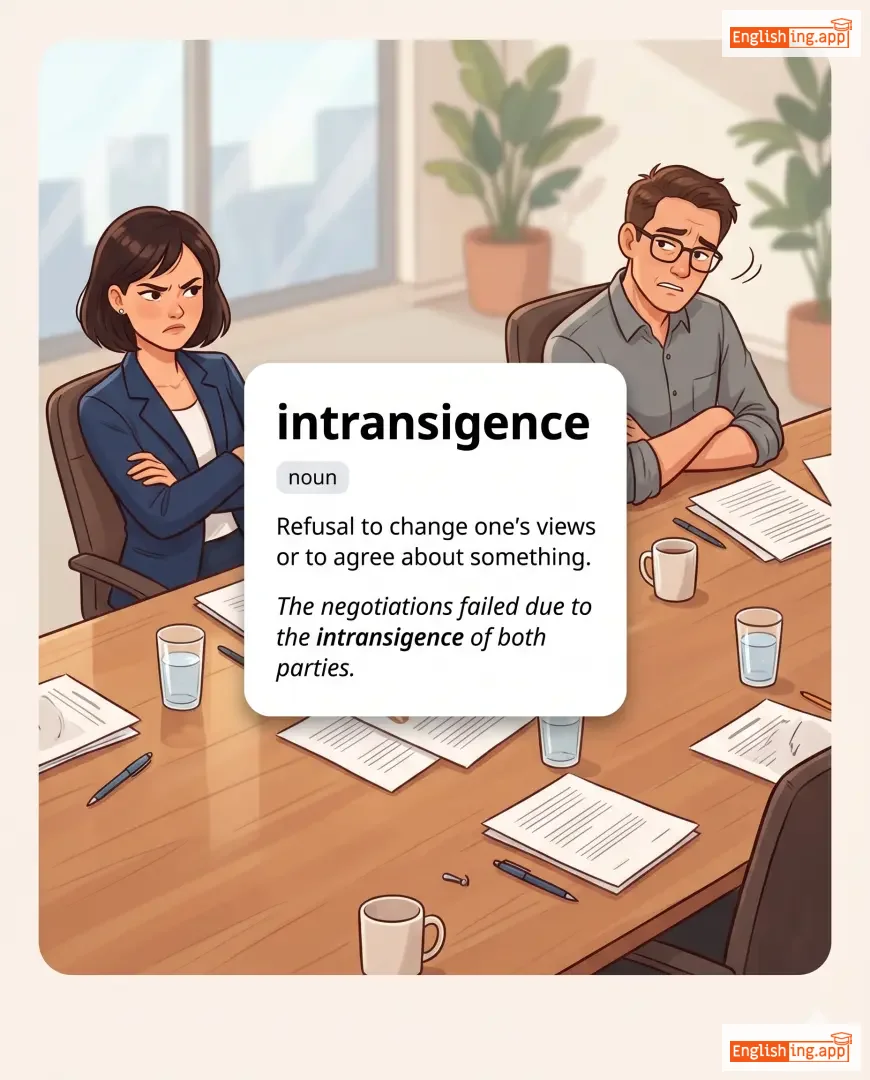
Refusal to change one's views or to agree about something.
••••••
|
The negotiations failed due to the intransigence of both parties. |
Переговоры провалились из-за неприклонности обеих сторон.
Peregovory provalilis' iz-za nepriklonnosti obikh storon.
••••••
|
- •••••• | - •••••• | - •••••• |
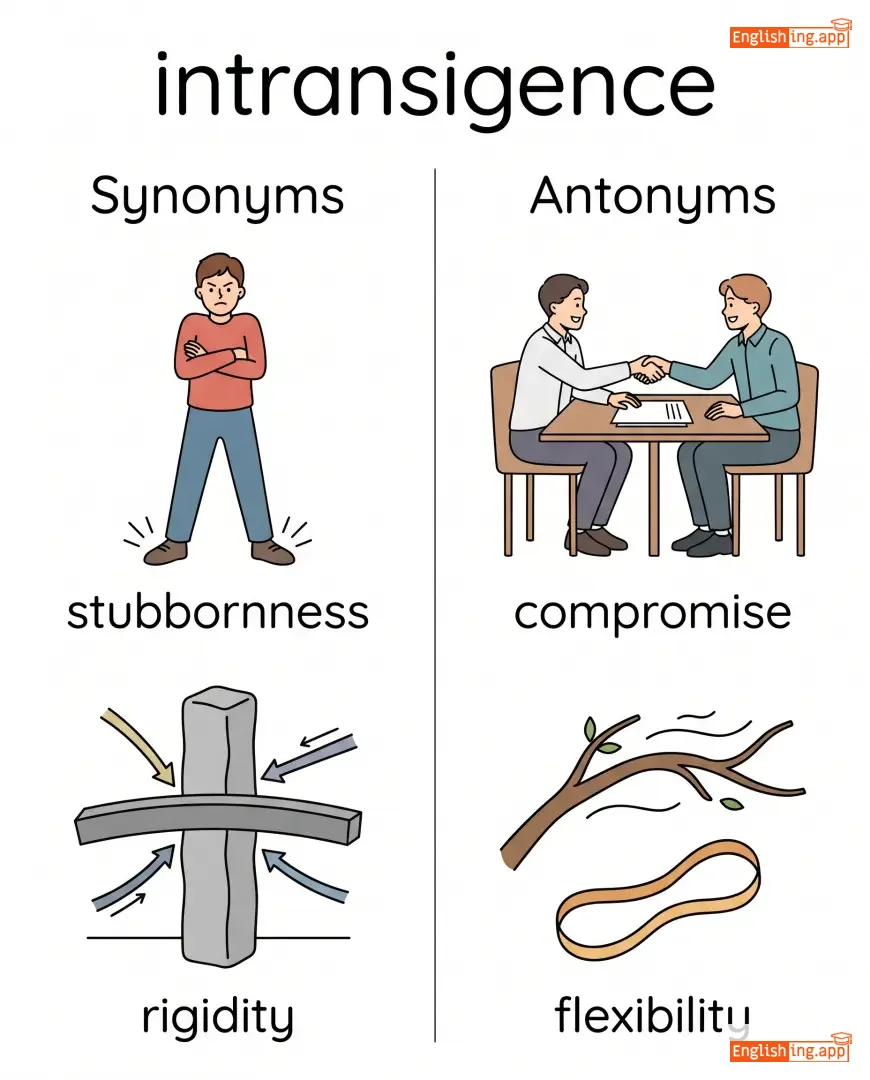
stubbornness, rigidity, inflexibility, obstinacy
••••••
|
compromise, flexibility, willingness
••••••
|
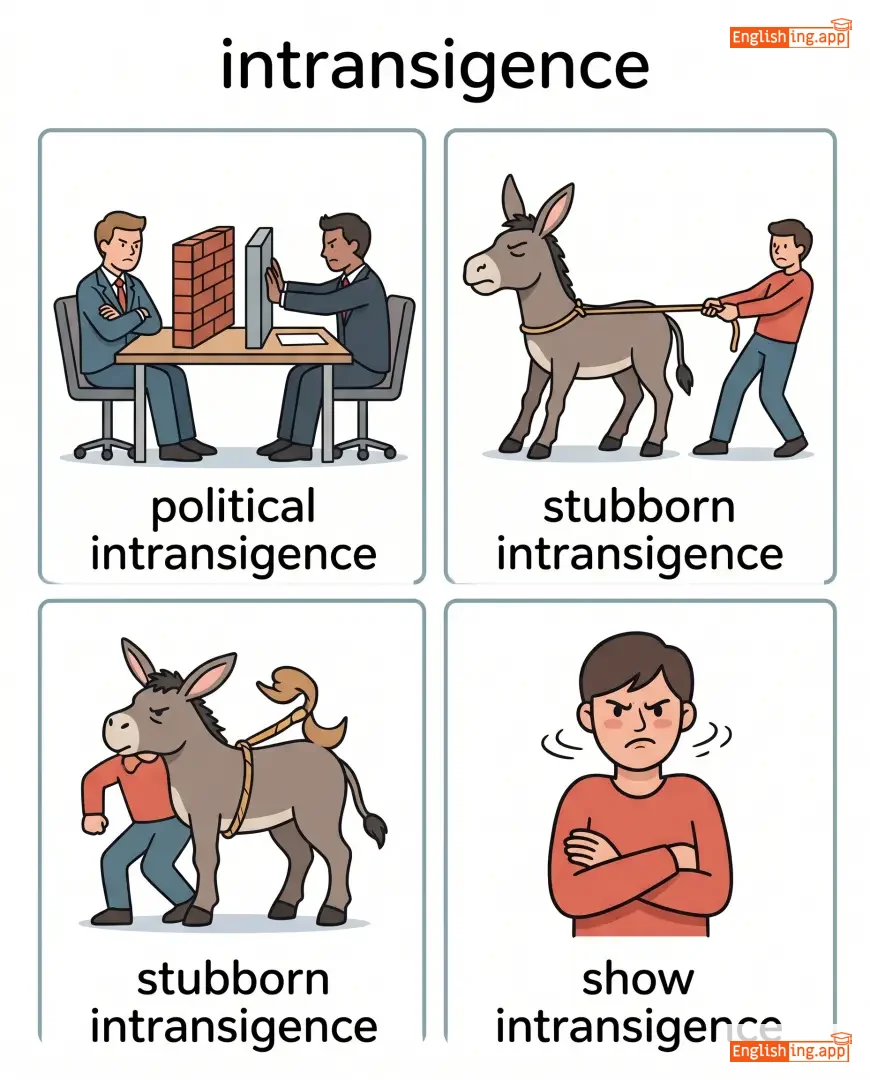
political intransigence, stubborn intransigence, show intransigence, display intransigence
••••••
|
In + Transit нет → означает не двигаться → не меняется → неприклонность
••••••
|
|
#188
🌊
|
/ˈɪn.ʌn.deɪt/
verb
(инандэйт)
••••••
|
|
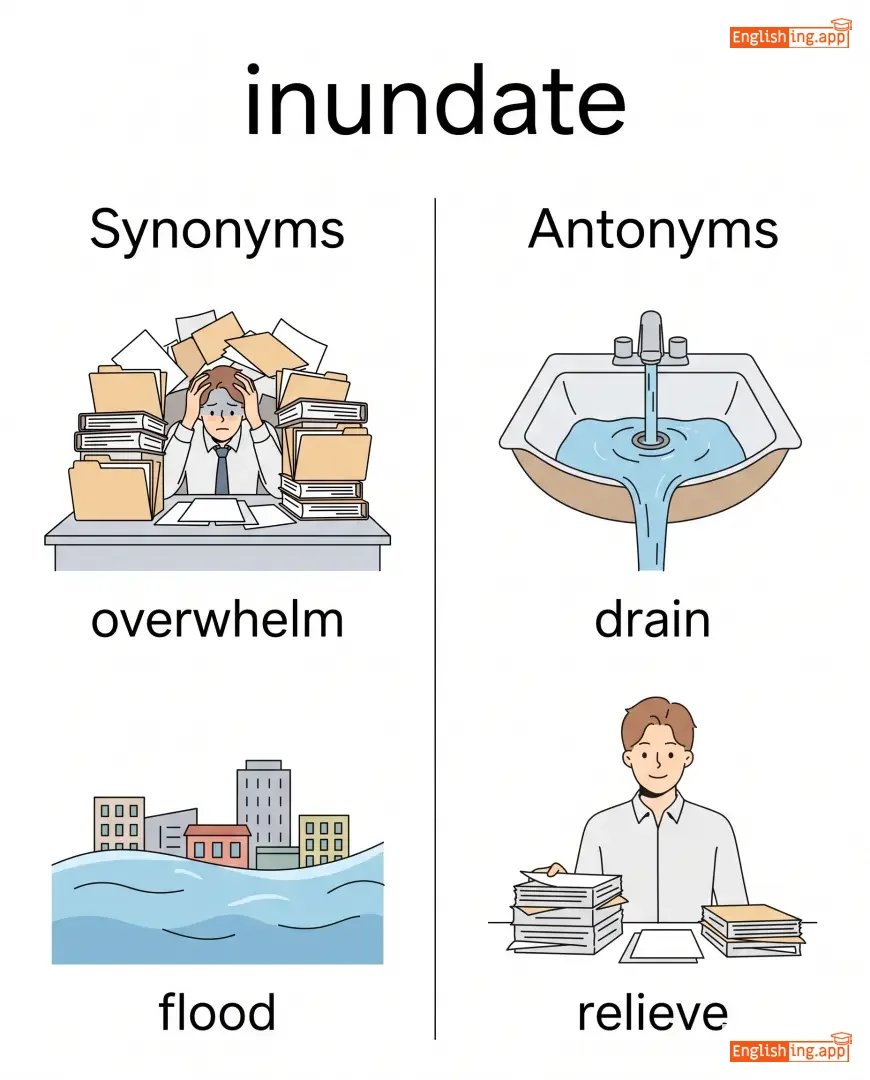
наводнять / переполнять
navodnyat' / perepolnyat'
••••••
|
inundated
инандэйтед
••••••
|
inundated
инандэйтед
••••••
|
inundates
инандэйтс
••••••
|
inundating
инандэйтинг
••••••
|
To flood or overwhelm with a large quantity of things.
••••••
|
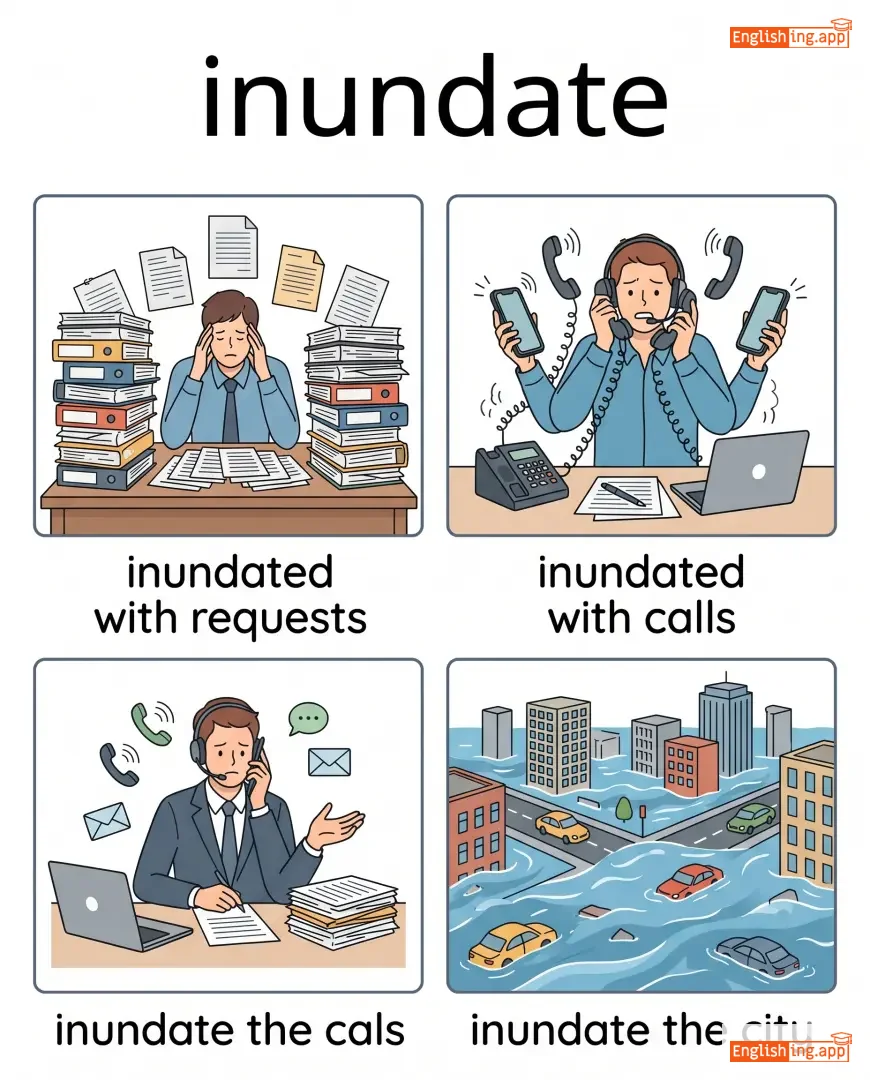
The company was inundated with job applications.
Компания была затоплена заявками на работу.
••••••
|
Компания была затоплена заявками на работу.
Kompaniya byla zatoplen a zayavkami na rabotu.
••••••
|
inundated with work
затоплен работой
••••••
|
Overwhelmed by too much work.
••••••
|
поглощен работой
pogloshchen rabotoy
••••••
|
overwhelm, flood, swamp, engulf, deluge
••••••
|
drain, relieve
••••••
|
inundated with requests, inundated with calls, inundate the city, inundated by problems
••••••
|
In UN DATE затопление - inundate означает наводнение.
••••••
|
|
#189
🛡️
|
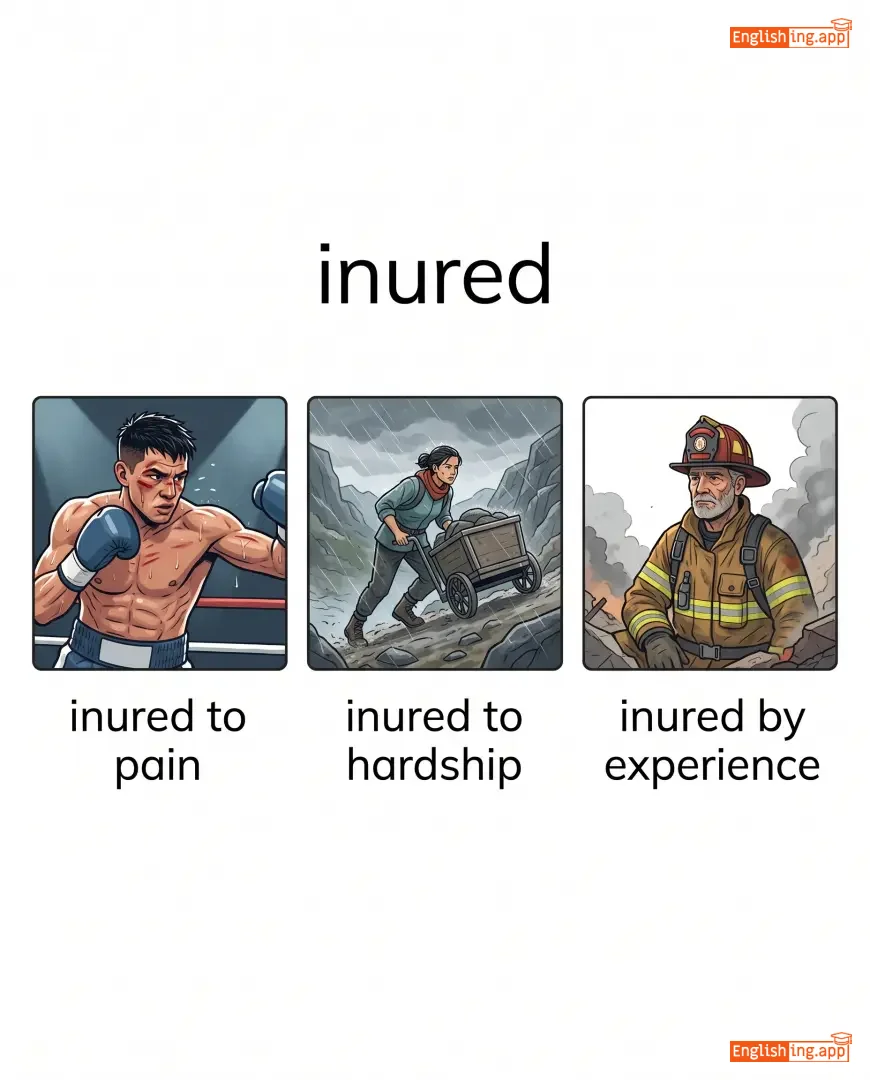
/ɪˈnjʊərd/
adjective
(иньюрд)
••••••
|
|
привыкший
privikshiy
••••••
|
- •••••• | - •••••• | - •••••• | - •••••• |
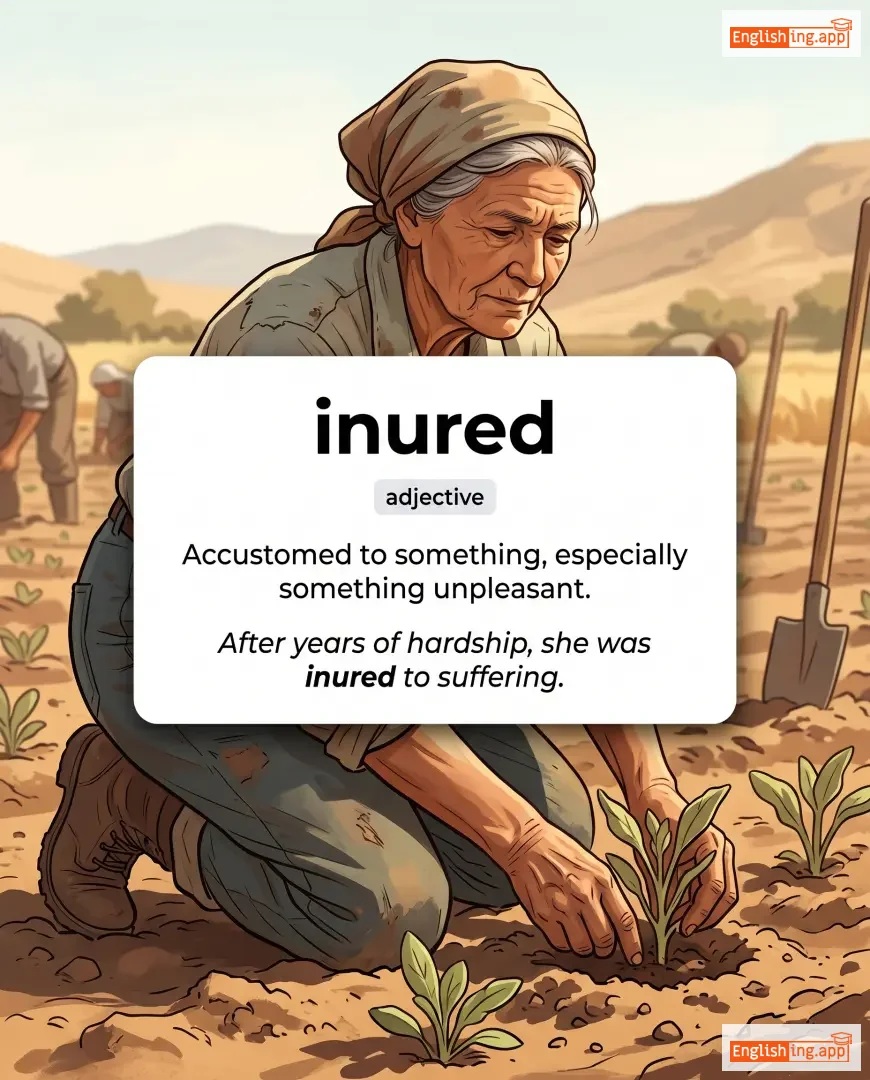
Accustomed to something, especially something unpleasant.
••••••
|
After years of hardship, she was inured to suffering. |
После лет страданий она привыкла к боли.
Posle let stradaniy ona privykla k boli.
••••••
|
- •••••• | - •••••• | - •••••• |
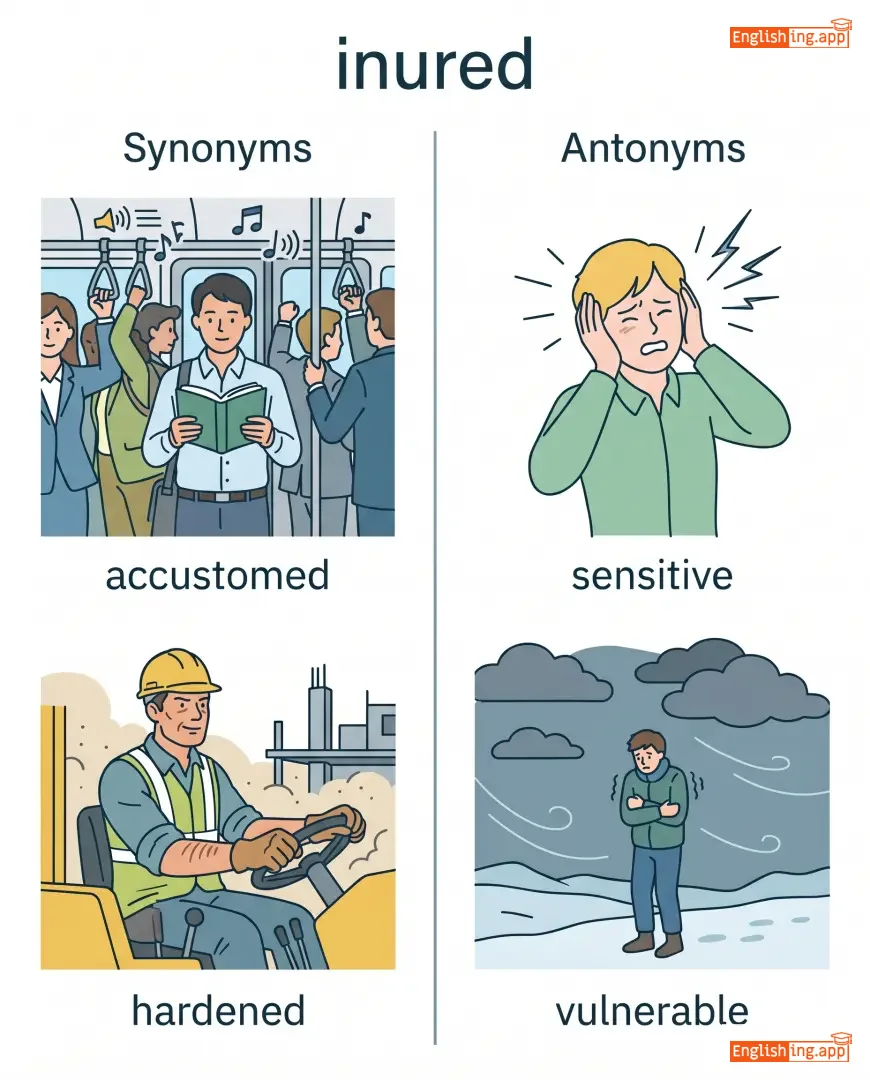
accustomed, hardened, desensitized, habituated, seasoned
••••••
|
sensitive, vulnerable, unaccustomed
••••••
|
inured to pain, inured to hardship, inured by experience
••••••
|
Inured означает IN + ЮРД → привыкнуть после долгого страдания.
••••••
|
|
#190
🗯️
|
/ɪnˈvɛktɪv/
noun
(инвектив)
••••••
|
|
оскорбительный язык
oskorbitel'nyy yazyk
••••••
|
- •••••• | - •••••• | - •••••• | - •••••• |
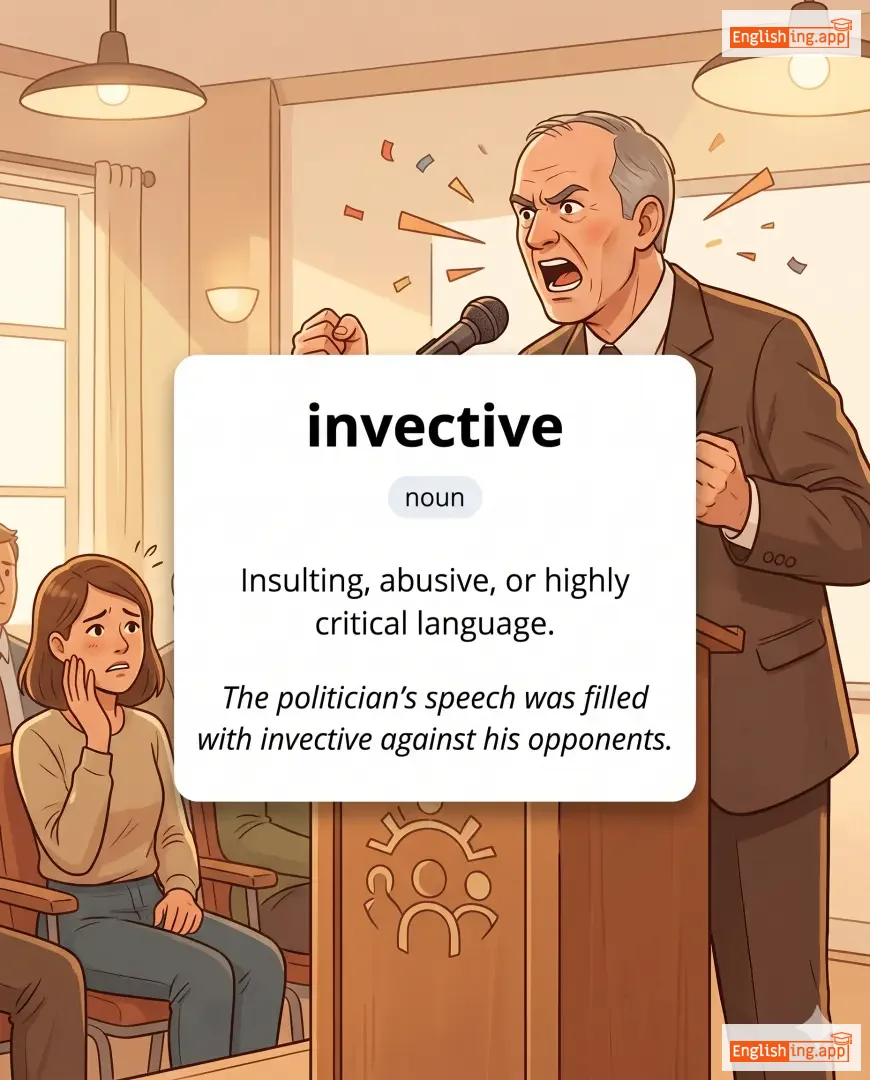
Insulting, abusive, or highly critical language.
••••••
|
The politician’s speech was filled with invective against his opponents. |
Речь политика была полна оскорбительного языка против его оппонентов.
Rech' politika byla polna oskorbitelnogo yazyka protiv yego opponentov.
••••••
|
- •••••• | - •••••• | - •••••• |
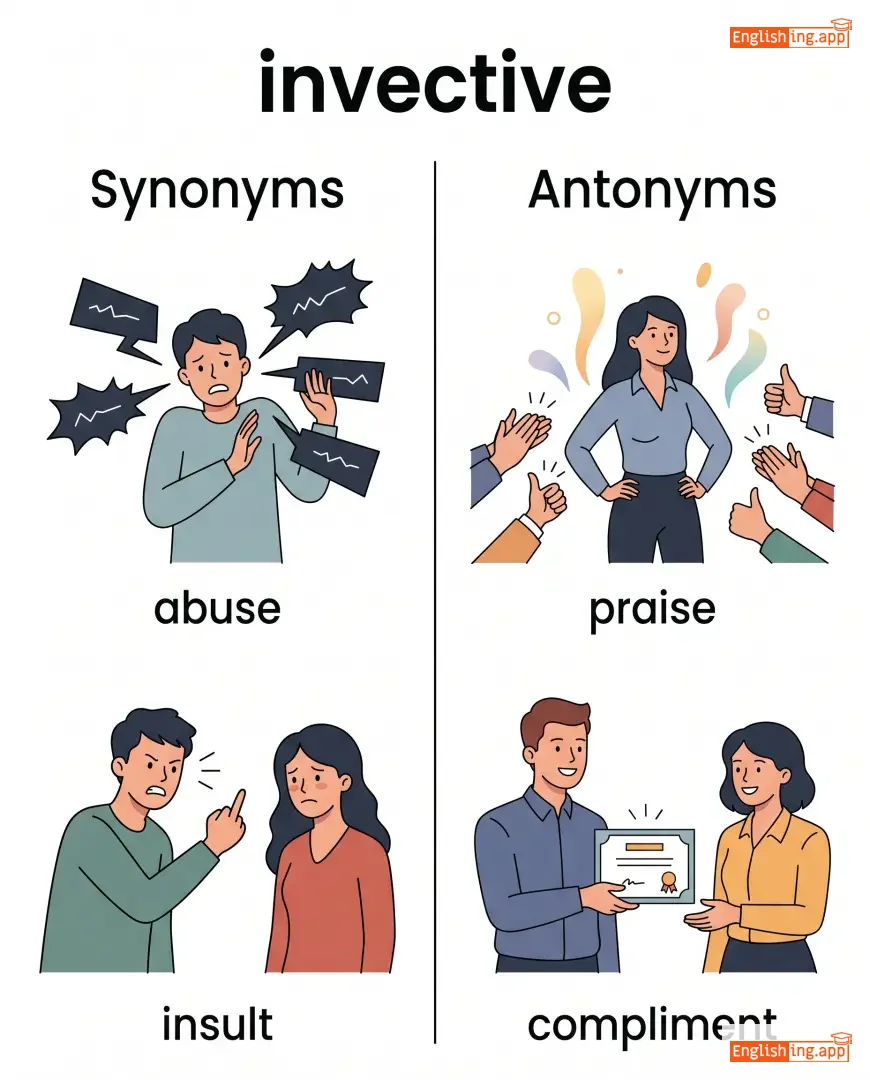
abuse, insult, vituperation, slander, censure
••••••
|
praise, compliment, flattery
••••••
|
harsh invective, political invective, stream of invective
••••••
|
Invective звучит как жесткая атака словом.
••••••
|
|
#191
😡
|
/ɪˈræsɪbl/
adjective
(ирассибл)
••••••
|
|
раздражительный
razdrazhitel'nyy
••••••
|
- •••••• | - •••••• | - •••••• | - •••••• |
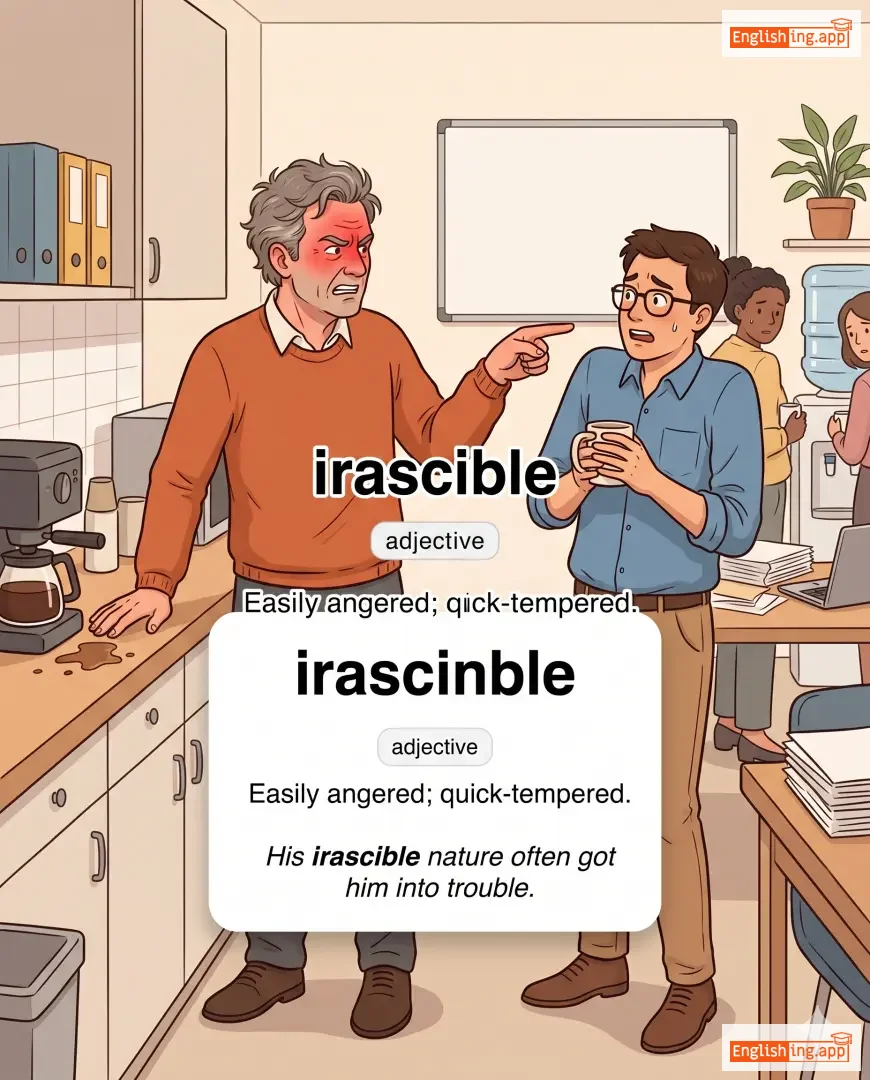
Easily angered; quick-tempered.
••••••
|
His irascible nature often got him into trouble. |
Его раздражительный характер часто приводил его в неприятности.
Yego razdrazhitel'nyy kharakter chasto privodil yego v nepriyatnosti.
••••••
|
- •••••• | - •••••• | - •••••• |
irritable, short-tempered, hot-headed, touchy
••••••
|
calm, patient, easygoing
••••••
|
irascible nature, irascible person, become irascible, irascible tone
••••••
|
Irascible означает легко раздражающийся – 'раздражён + способный' = раздражительный.
••••••
|
|
#192
🤔
|
/ɪˈrɛzəluːt/
adjective
(иррезолют)
••••••
|
|
нерешительный
nereshitel'nyy
••••••
|
- •••••• | - •••••• | - •••••• | - •••••• |
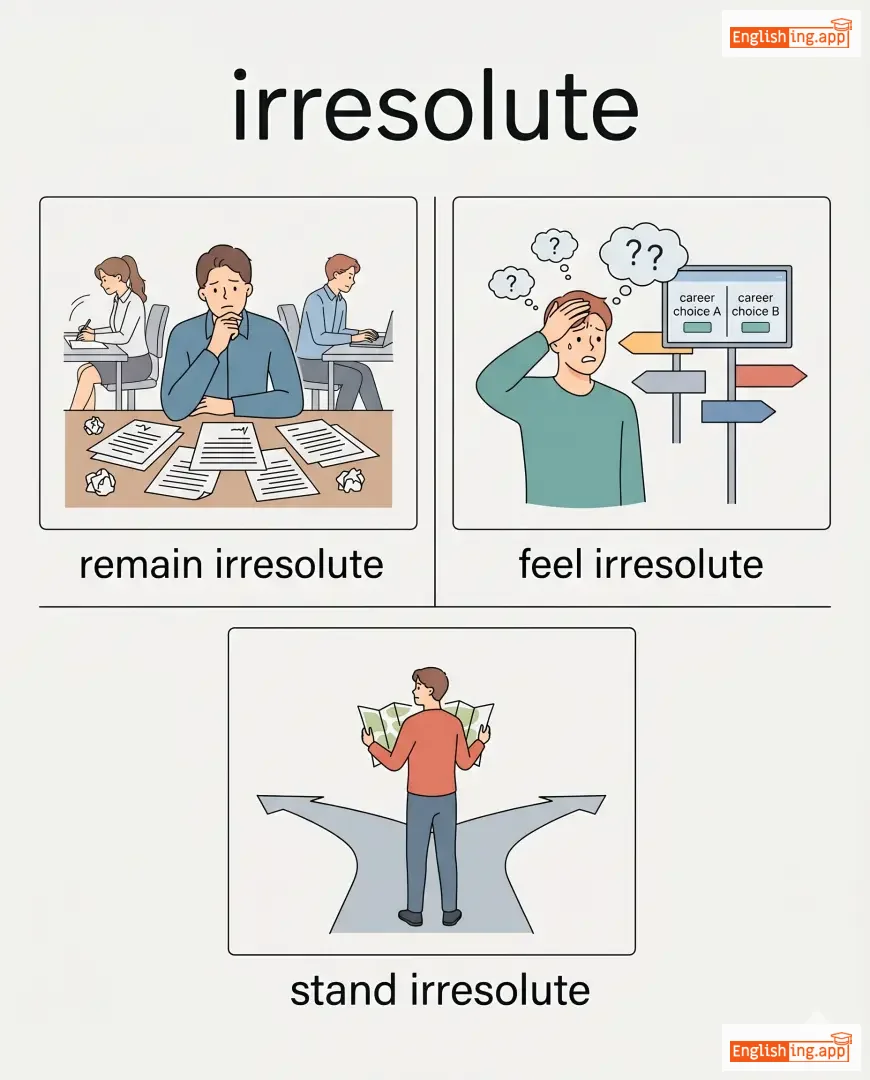
uncertain or indecisive; lacking determination
••••••
|
He stood irresolute at the crossroads, unsure which path to take. |
Он стоял нерешительный на перекрестке, не зная, какой путь выбрать.
On stoyal nereshetil'nyy na perekrestke, ne znaya, kakoy put' vybrat'.
••••••
|
- •••••• | - •••••• | - •••••• |
uncertain, indecisive, hesitant, vacillating, wavering
••••••
|
resolute, determined, decisive
••••••
|
remain irresolute, feel irresolute, stand irresolute, irresolute response
••••••
|
иррезолют = нерешительный, как человек, не знающий, что выбрать
••••••
|
|
#193
🗺️
|
/aɪˈtɪnərɛri/
noun
(aɪˈtɪnərɛri)
••••••
|
|
маршрут
marshrut
••••••
|
- •••••• | - •••••• | - •••••• | - •••••• |
A planned route or schedule of a journey or trip.
••••••
|
The travel agent gave us a detailed itinerary for our vacation. |
Туристический агент дал нам подробный маршрут для нашего отпуска.
Turisticheskiy agent dal nam podrobnoye marshrut dlya nashego otpuska.
••••••
|
- •••••• | - •••••• | - •••••• |
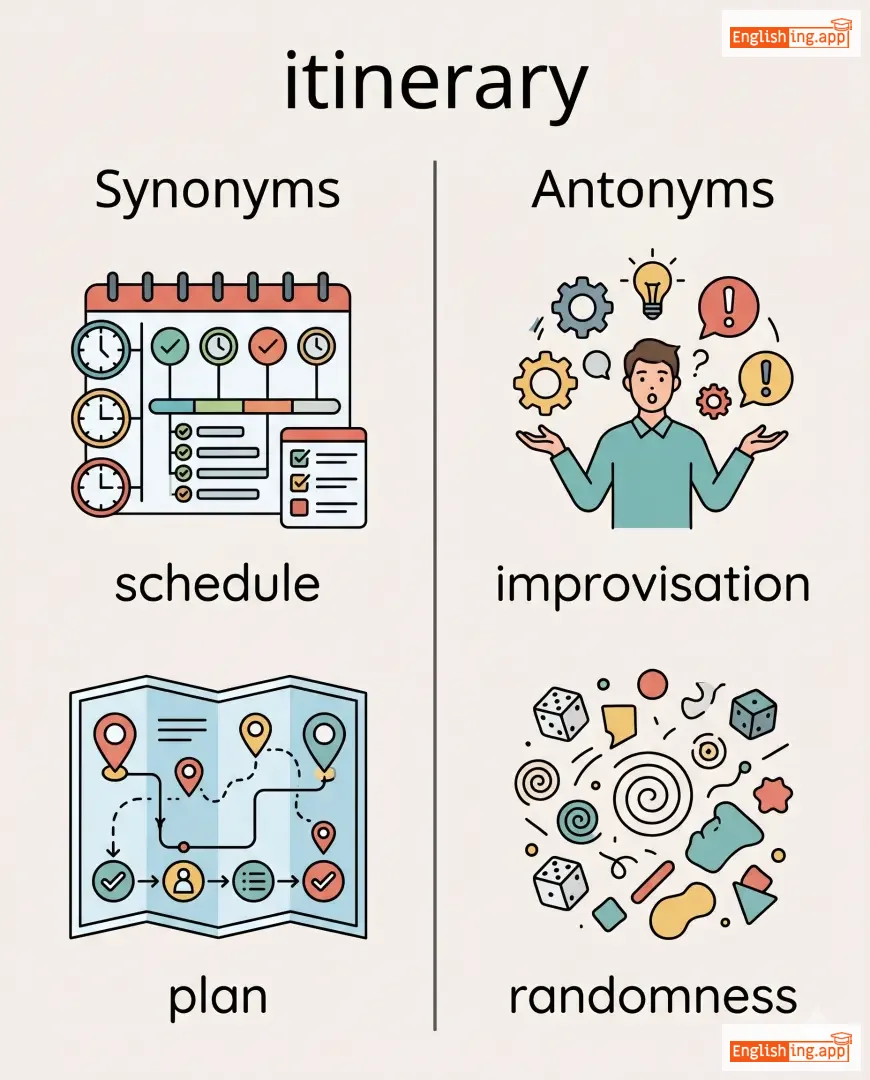
schedule, plan, agenda, route, timetable
••••••
|
improvisation, randomness
••••••
|
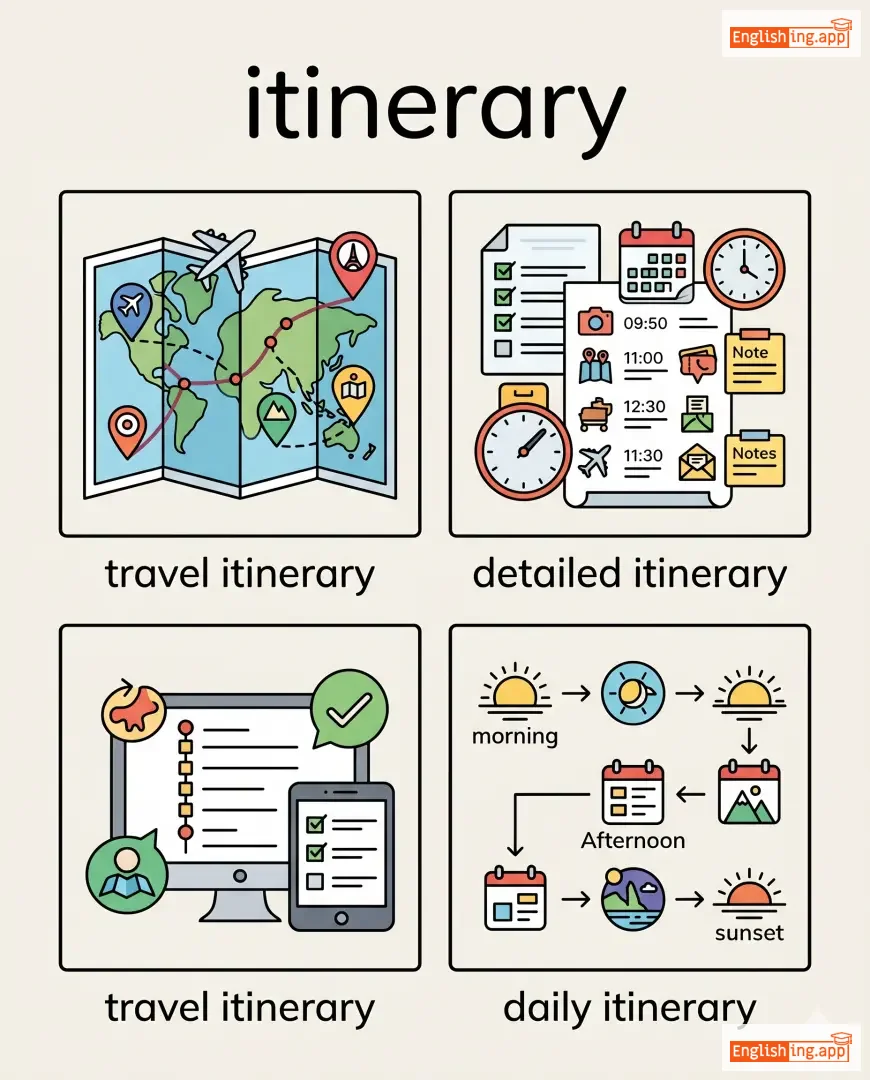
travel itinerary, detailed itinerary, daily itinerary, itinerary plan
••••••
|
Itinerary означает маршрут – запомни 'ITIN' = In Time, In Route.
••••••
|
|
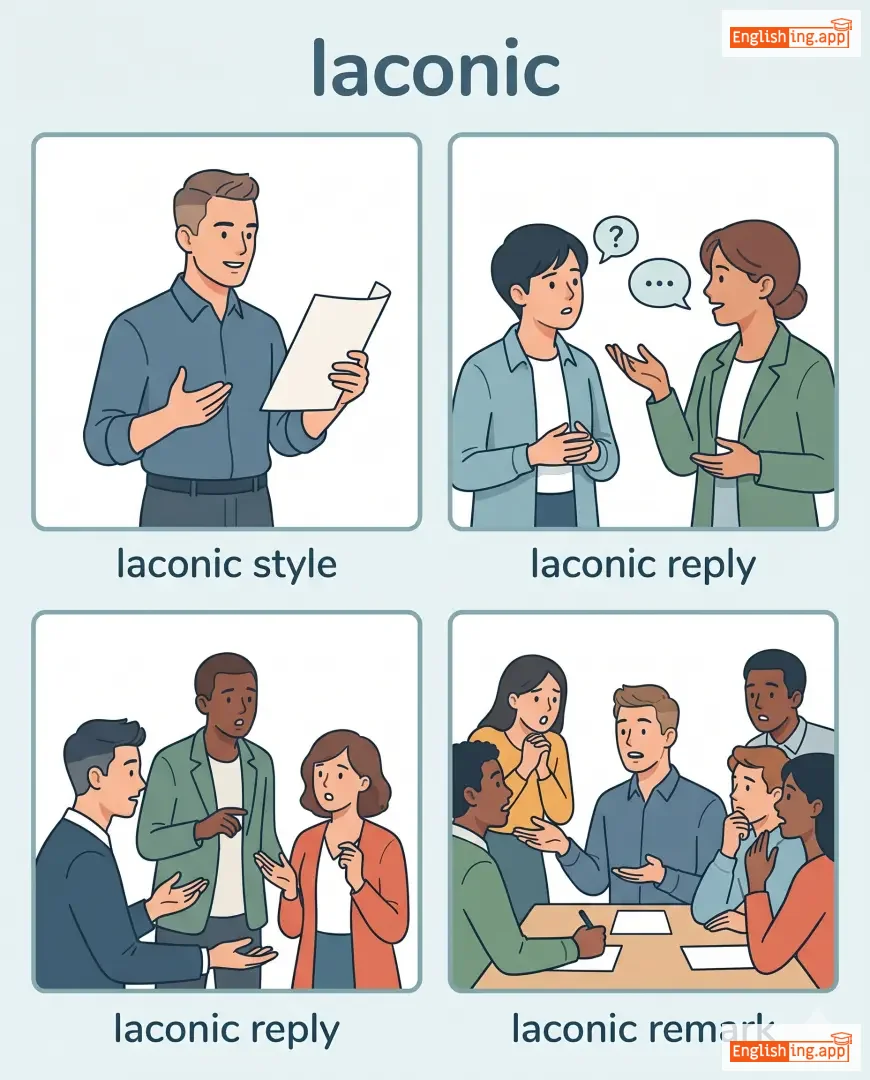
#194
🤐
|
/ləˈkɒnɪk/
adjective
(лаконик)
••••••
|
|
лаконичный
lakonichnyy
••••••
|
- •••••• | - •••••• | - •••••• | - •••••• |
using very few words; concise to the point of seeming rude or mysterious
••••••
|
His laconic reply ended the conversation quickly. |
Его лаконичный ответ быстро завершил разговор.
Yego lakonichnyy otvet bystro zavershil razgovor.
••••••
|
- •••••• | - •••••• | - •••••• |
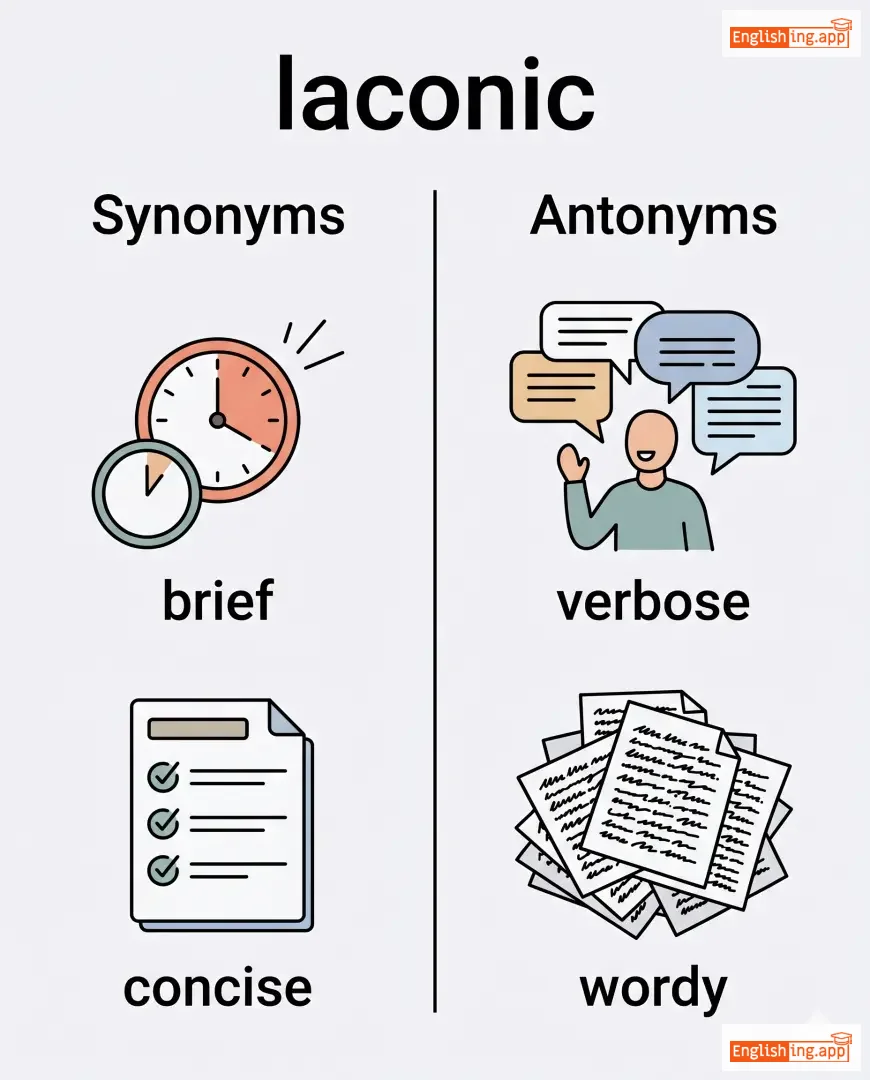
brief, concise, terse, succinct
••••••
|
verbose, wordy, talkative
••••••
|
laconic style, laconic reply, laconic remark
••••••
|
Лаконичный - это как ответить быстро и по делу.
••••••
|
|
#195
😴
|
/ˈlæsɪtjuːd/
noun
(læsityud)
••••••
|
|
усталость
ustalost
••••••
|
- •••••• | - •••••• | - •••••• | - •••••• |
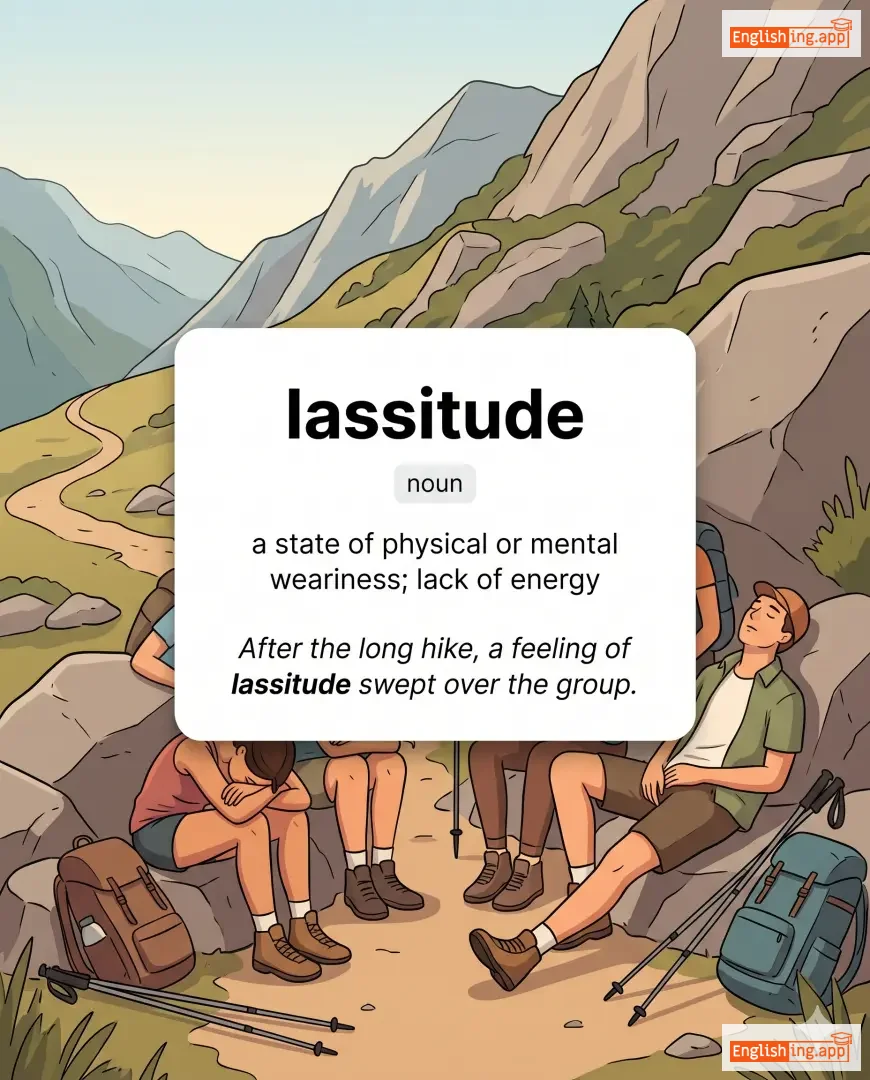
a state of physical or mental weariness; lack of energy
••••••
|
After the long hike, a feeling of lassitude swept over the group. |
После долгого похода чувство усталости охватило группу.
Posle dolgogo pokhoda chuvstvo ustalosti okhvatilo gruppu.
••••••
|
- •••••• | - •••••• | - •••••• |
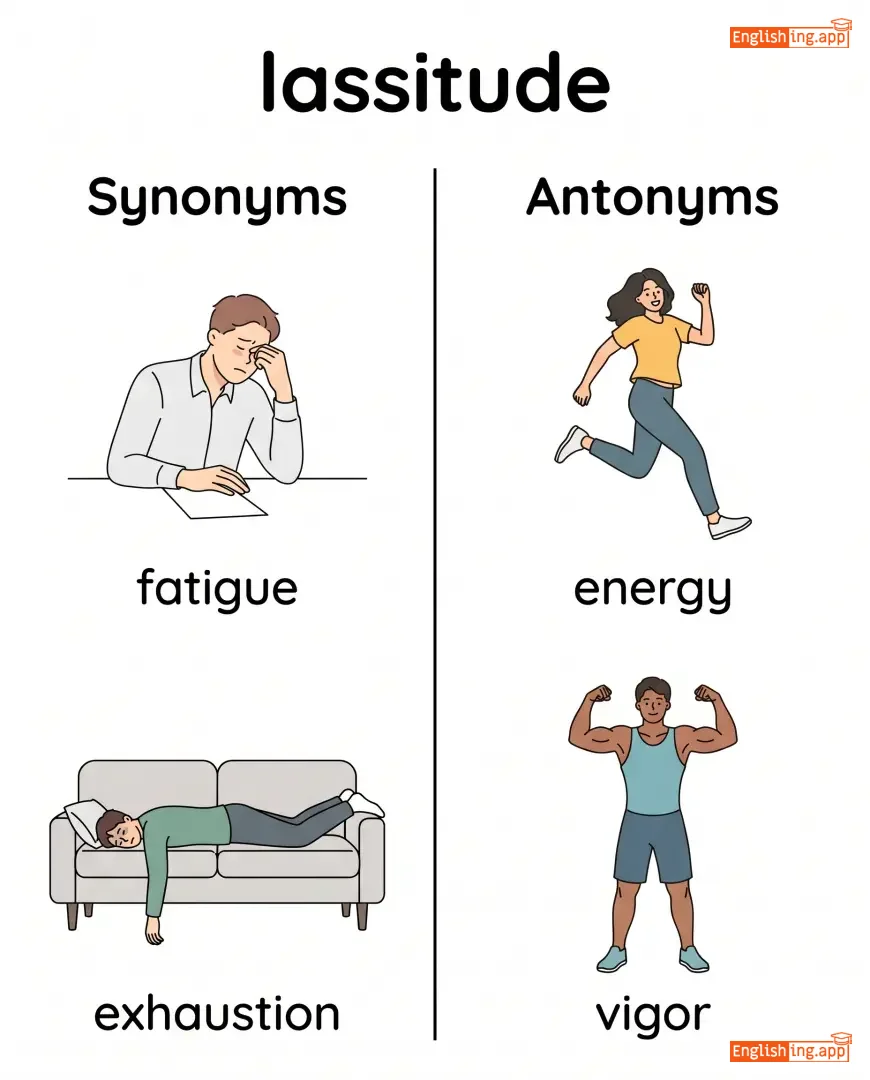
fatigue, exhaustion, tiredness, lethargy, weariness
••••••
|
energy, vigor, vitality
••••••
|
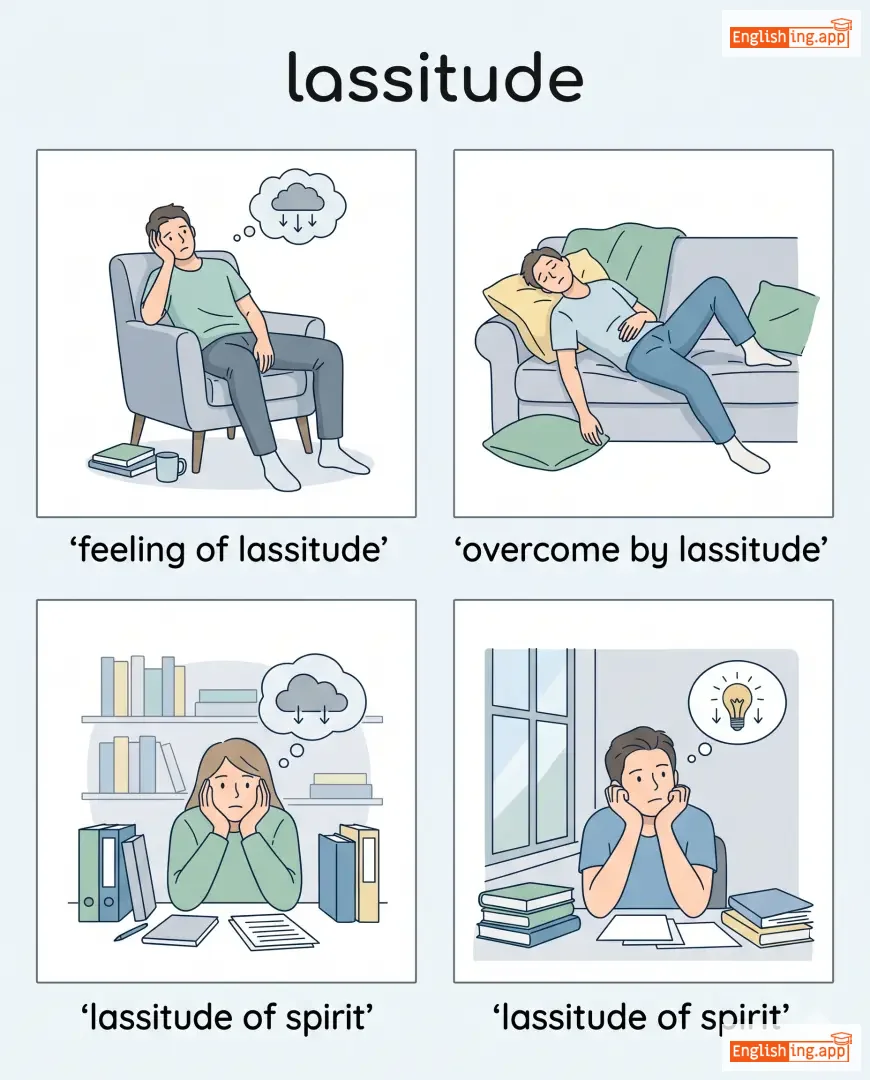
feeling of lassitude, overcome by lassitude, lassitude of spirit
••••••
|
Ласси после тяжелого дня вызывает усталость
••••••
|
|
#196
🌱
|
/ˈleɪtənt/
adjective
(летент)
••••••
|
|
скрытый
skrytyy
••••••
|
- •••••• | - •••••• | - •••••• | - •••••• |
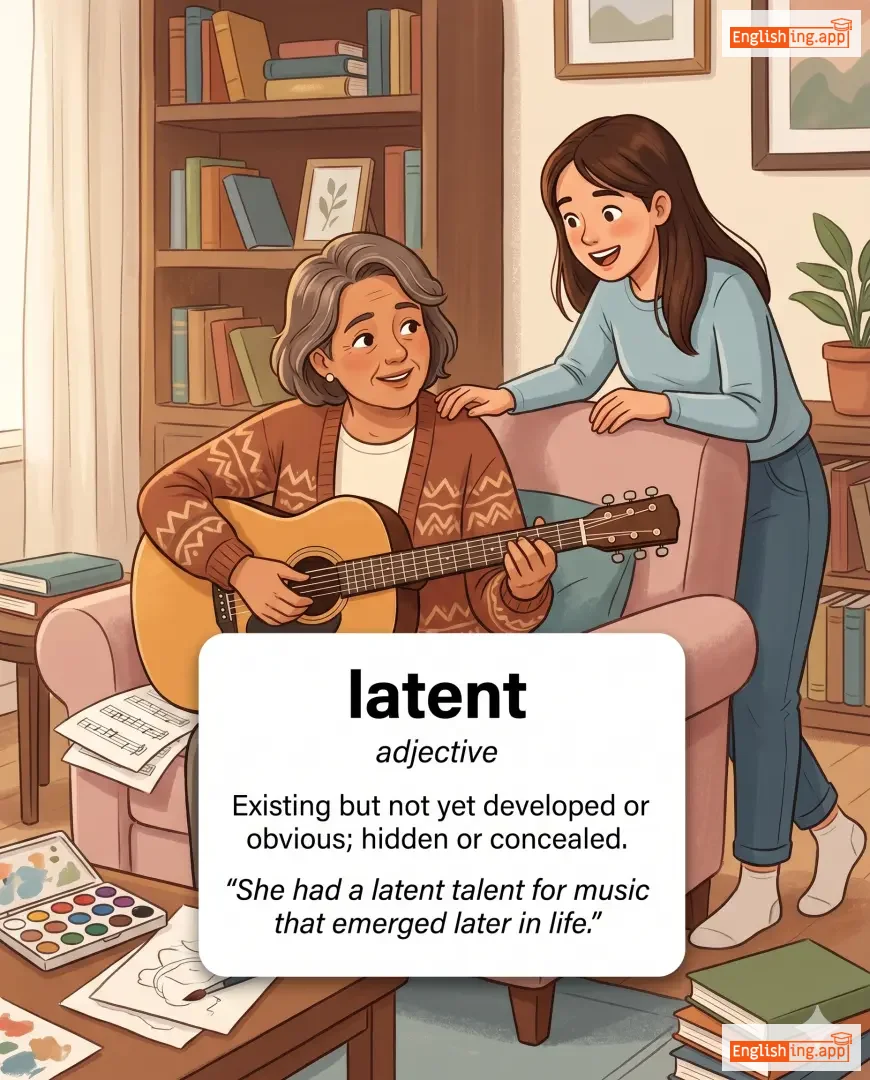
Existing but not yet developed or obvious; hidden or concealed.
••••••
|
She had a latent talent for music that emerged later in life.
У нее был скрытый талант к музыке, который проявился позже в жизни.
••••••
|
У нее был скрытый талант к музыке, который проявился позже в жизни.
U nee byl skrytyy talant k muzyke, kotoryy proyavilsya pozhe v zhizni.
••••••
|
latent potential
скрытый потенциал
••••••
|
Hidden or undeveloped ability that may emerge in the future.
••••••
|
скрытый потенциал
skrytyy potentsial
••••••
|
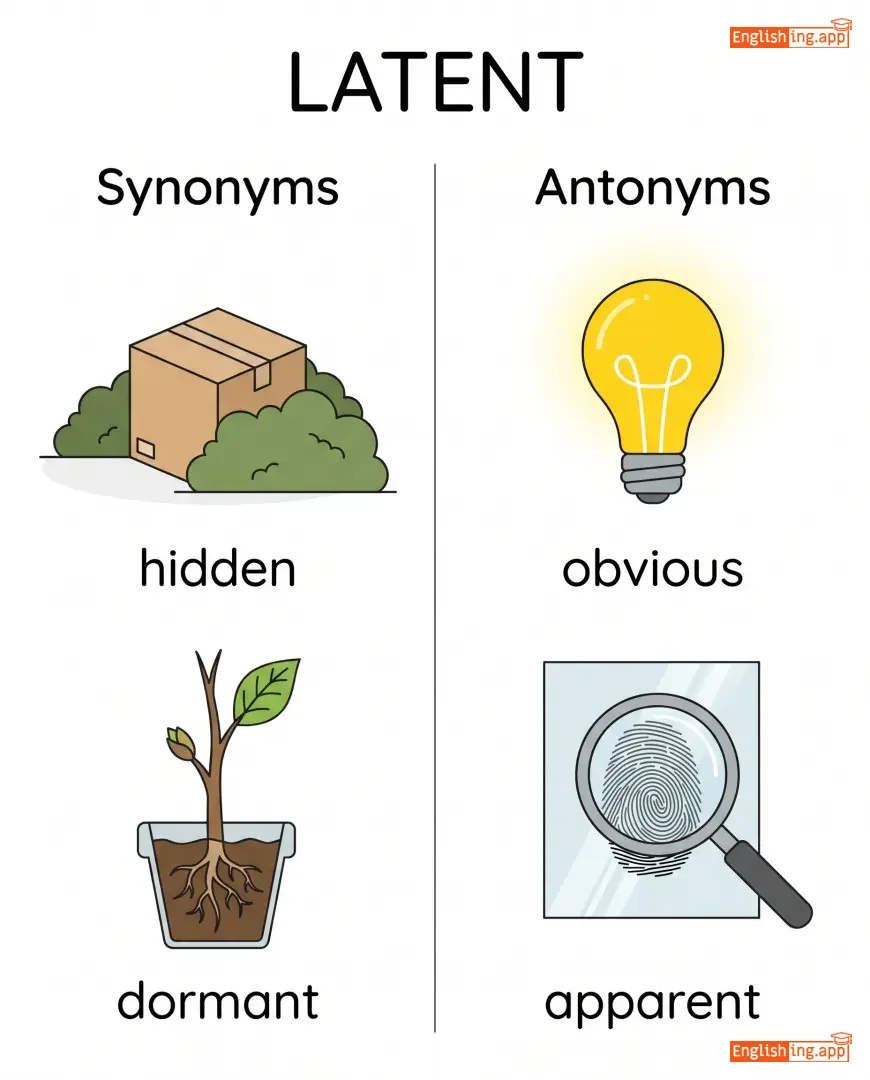
hidden, dormant, concealed, unrealized, undeveloped
••••••
|
obvious, apparent, visible
••••••
|
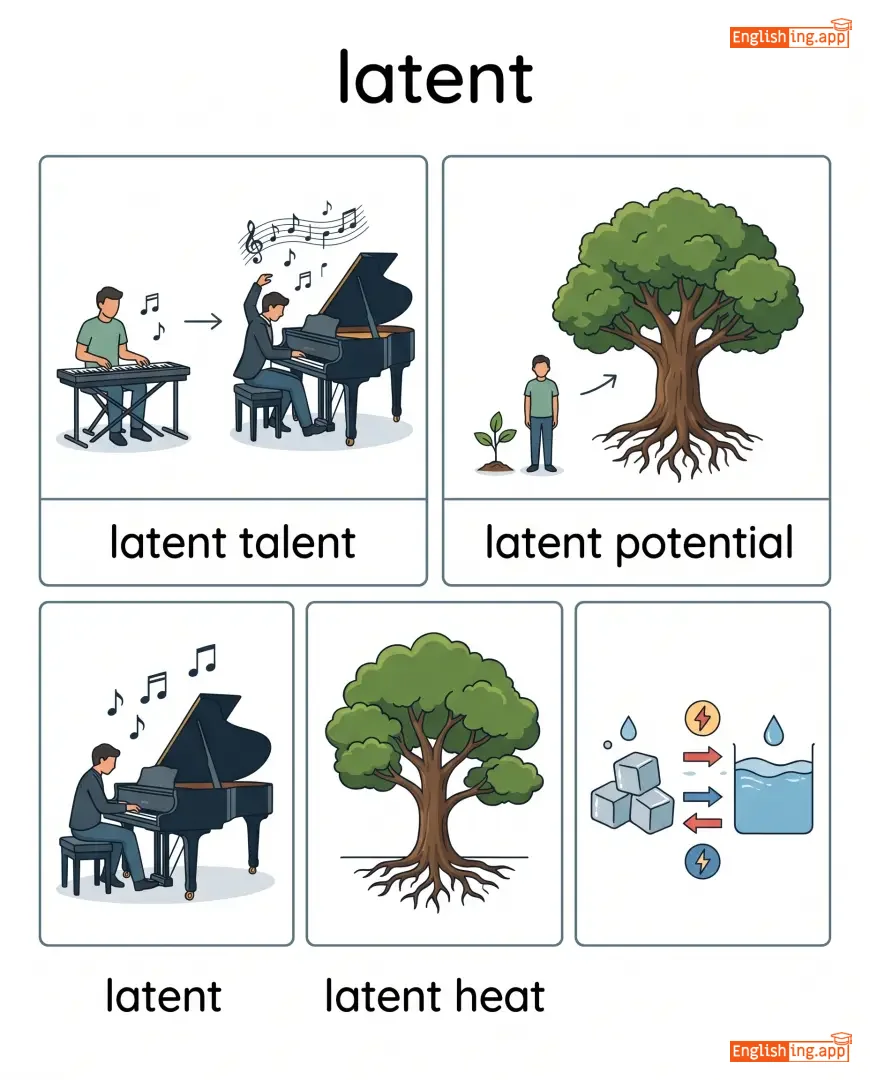
latent talent, latent potential, latent heat, latent disease
••••••
|
Latent = Late entry → скрытое, что проявляется позднее (медленно).
••••••
|
|
#197
👏
|
/lɔːd/
verb
••••••
|
|
- •••••• |
lauded
••••••
|
lauded
••••••
|
lauds
••••••
|
lauding
••••••
|
To praise someone or something highly, especially in public.
••••••
|
The critic lauded the actor's performance as a masterpiece. |
- •••••• |
sing someone's praises |
to praise someone very enthusiastically
••••••
|
- •••••• |
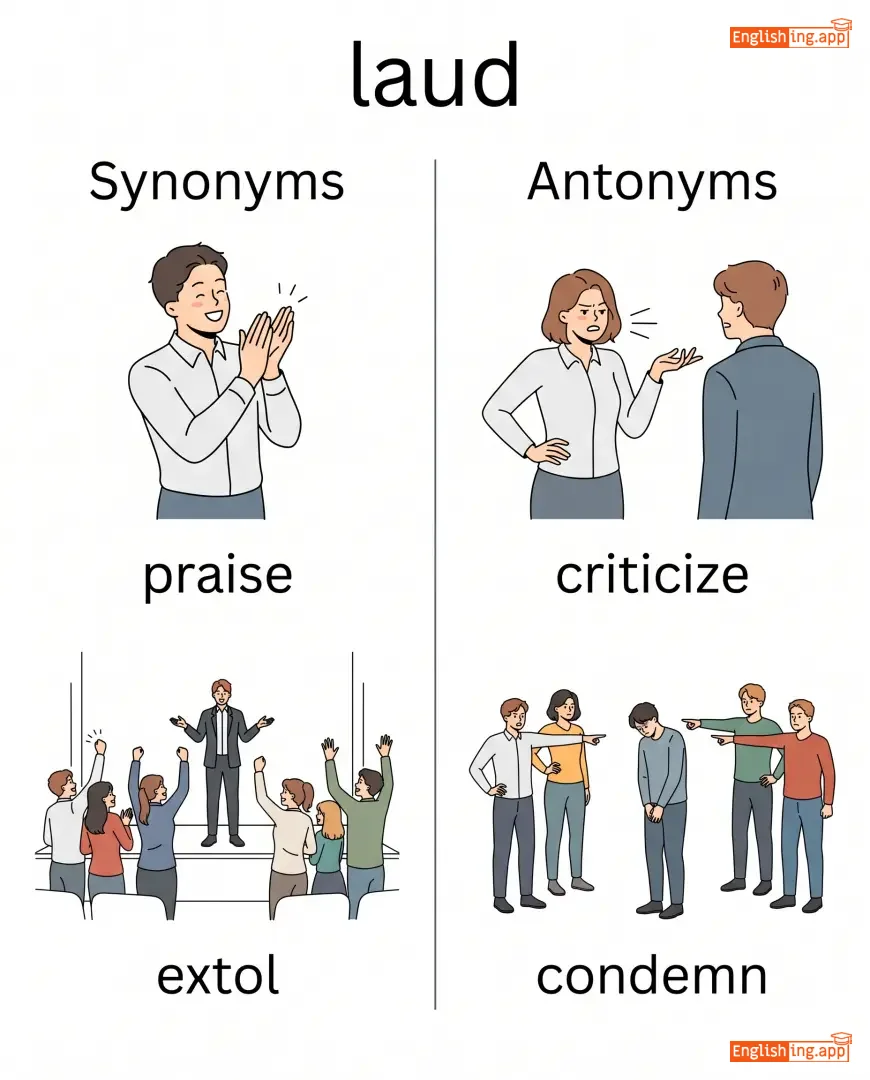
praise, extol, applaud, commend, admire
••••••
|
criticize, condemn
••••••
|
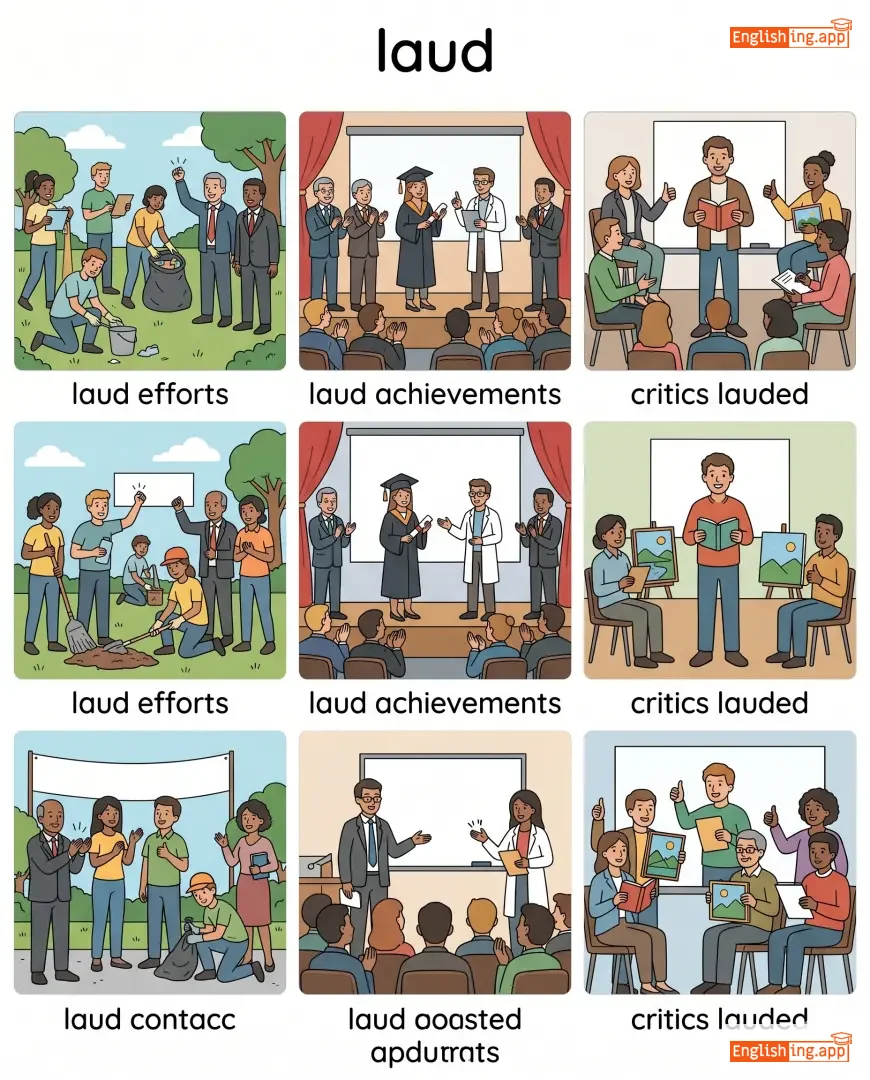
laud efforts, laud achievements, critics lauded
••••••
|
No •••••• |
|
#198
😴
|
/ləˈθɑːrdʒɪk/
adjective
(летаргичный)
••••••
|
|
летаргичный
letargichnyy
••••••
|
- •••••• | - •••••• | - •••••• | - •••••• |
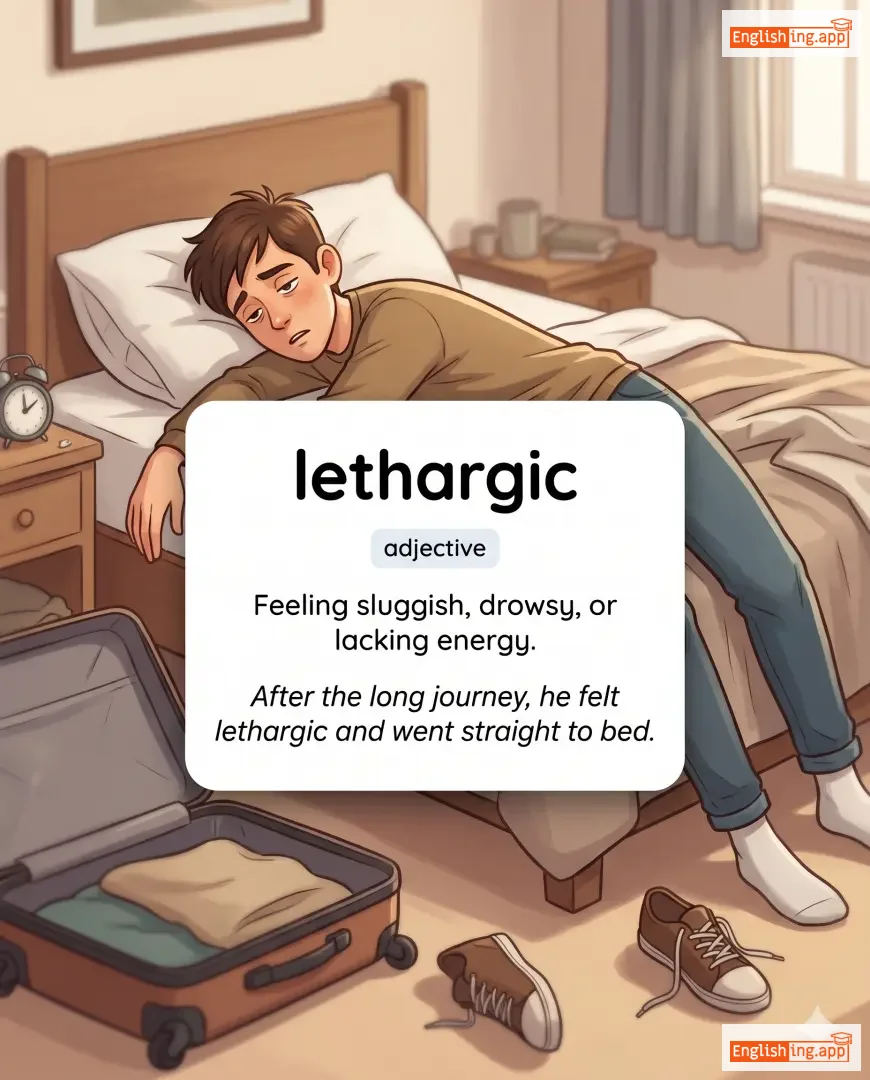
Feeling sluggish, drowsy, or lacking energy.
••••••
|
After the long journey, he felt lethargic and went straight to bed. |
После долгого путешествия он почувствовал себя летаргичным и сразу пошел спать.
Posle dolgogo puteshestviya on pochuvstvoval sebya letargichnym i srazu poshel spat'.
••••••
|
- •••••• | - •••••• | - •••••• |
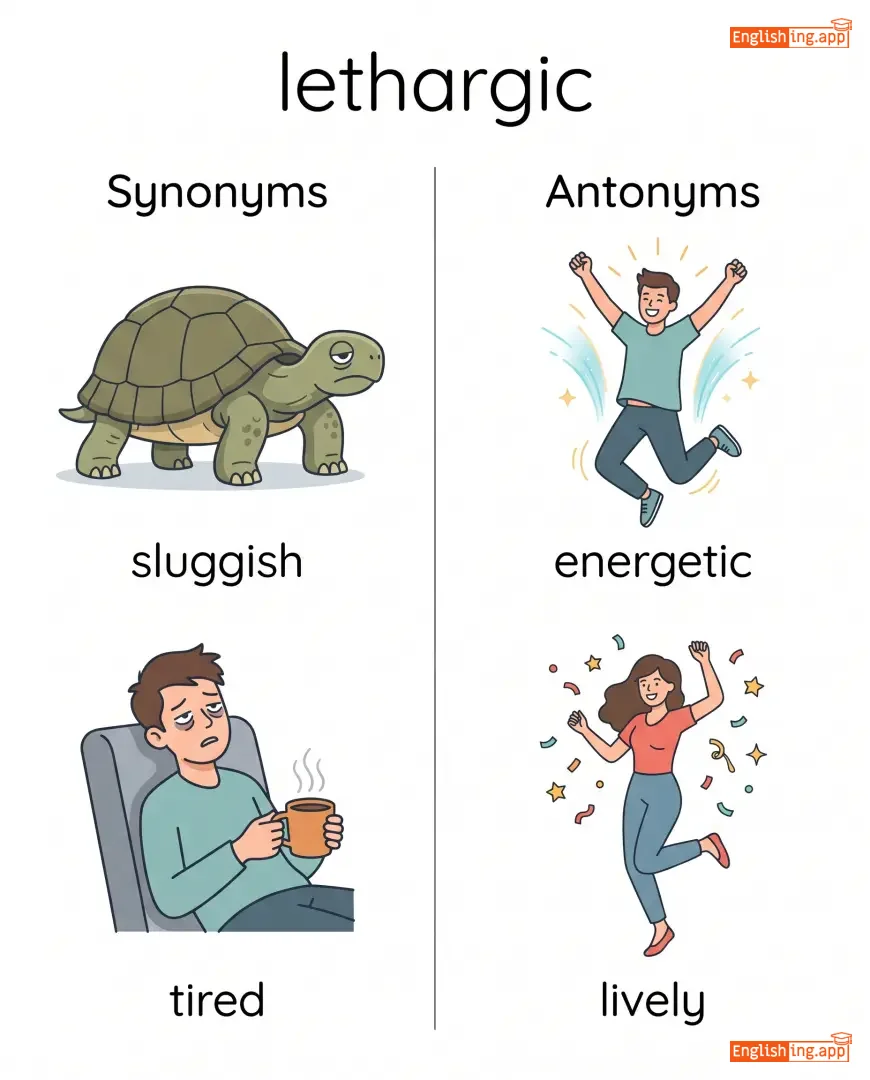
sluggish, tired, fatigued, weary, drowsy
••••••
|
energetic, lively, active
••••••
|
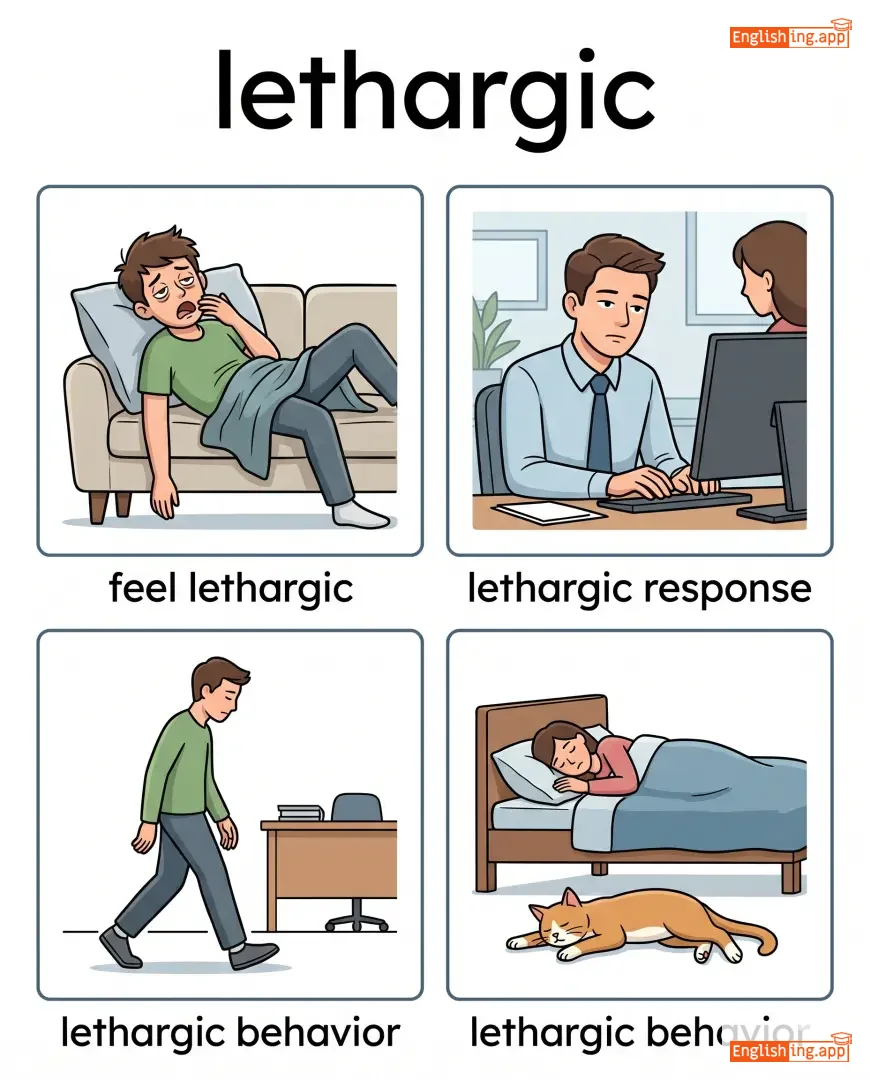
feel lethargic, lethargic response, lethargic behavior
••••••
|
Letargichnyy похоже на lethargic, после долгого пути человек чувствует летаргию.
••••••
|
|
#199
🌊
|
/ˈlɛvi/
noun
(леви)
••••••
|
|
дамба
damba
••••••
|
- •••••• | - •••••• | - •••••• | - •••••• |
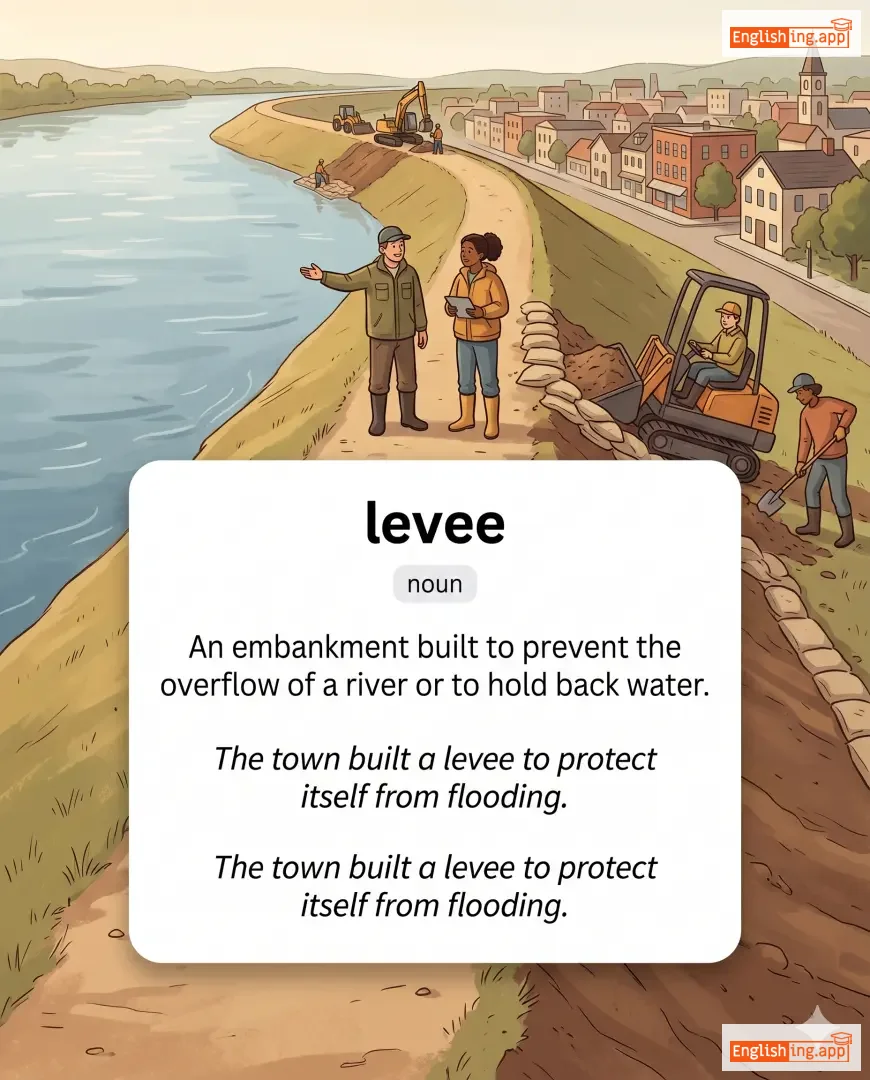
An embankment built to prevent the overflow of a river or to hold back water.
••••••
|
The town built a levee to protect itself from flooding. |
Город построил дамбу, чтобы защититься от наводнений.
Gorod postroil dambu, chtoby zashchititsya ot navodneniy.
••••••
|
- •••••• | - •••••• | - •••••• |
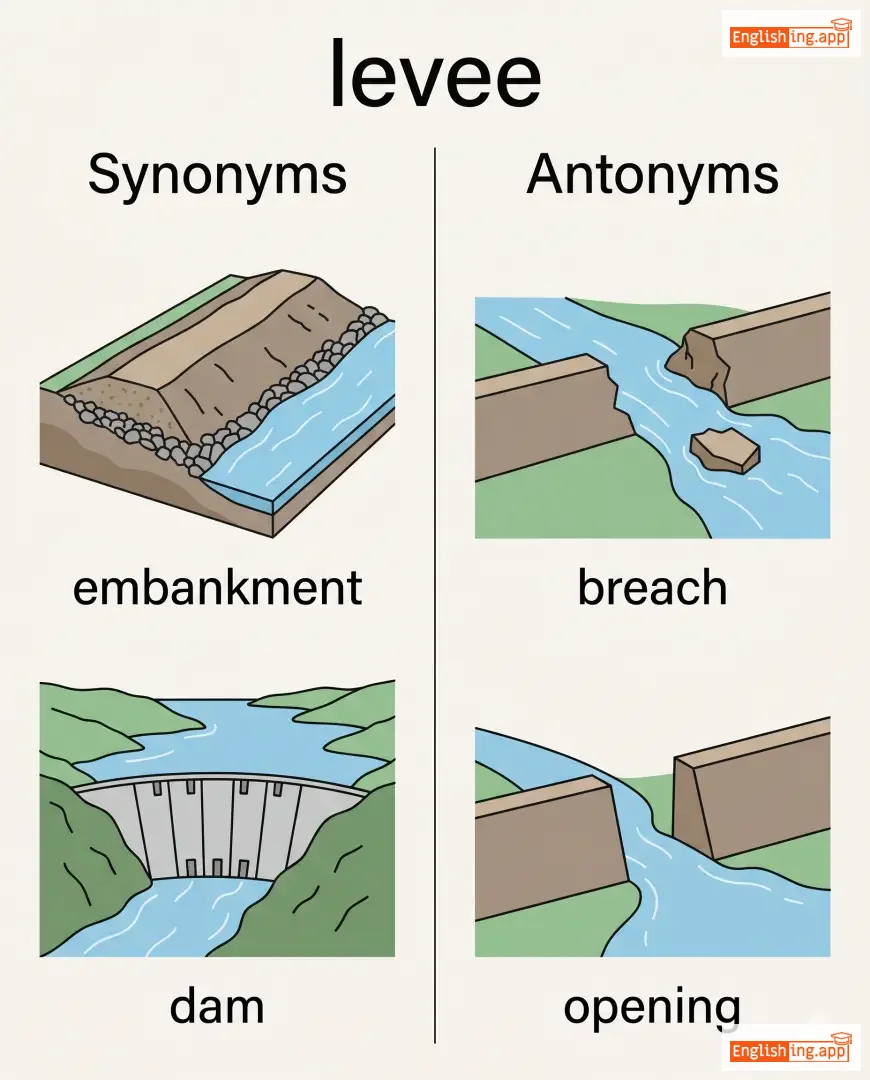
embankment, dam, dike, barrier
••••••
|
breach, opening
••••••
|
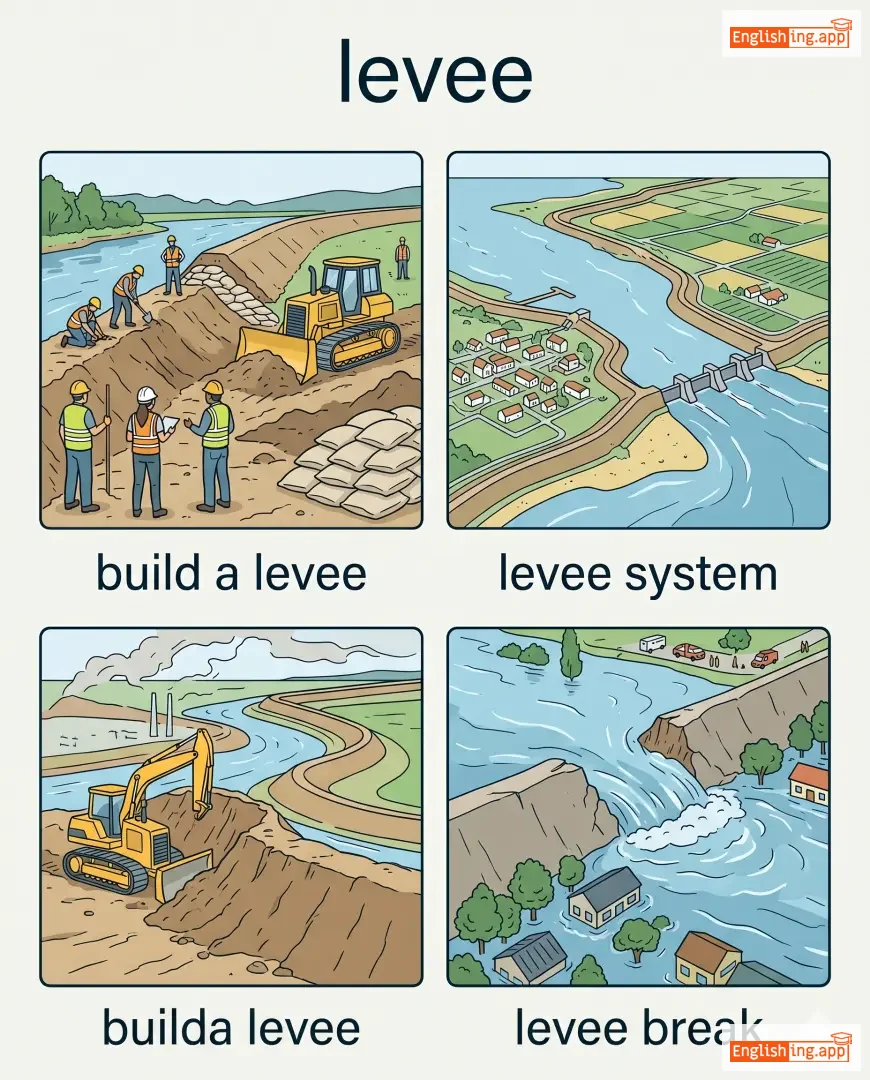
build a levee, levee system, levee break, levee construction
••••••
|
Levee означает дамба - как дамба, защищающая город от наводнений.
••••••
|
|
#200
😄
|
/ˈlɛvɪti/
noun
••••••
|
|
- •••••• | - •••••• | - •••••• | - •••••• | - •••••• |
Lightness of manner or speech, especially when inappropriate; lack of seriousness.
••••••
|
His attempt to bring levity to the tense meeting was appreciated. |
- •••••• |
comic levity |
Humor or lightheartedness used to reduce tension.
••••••
|
- •••••• |
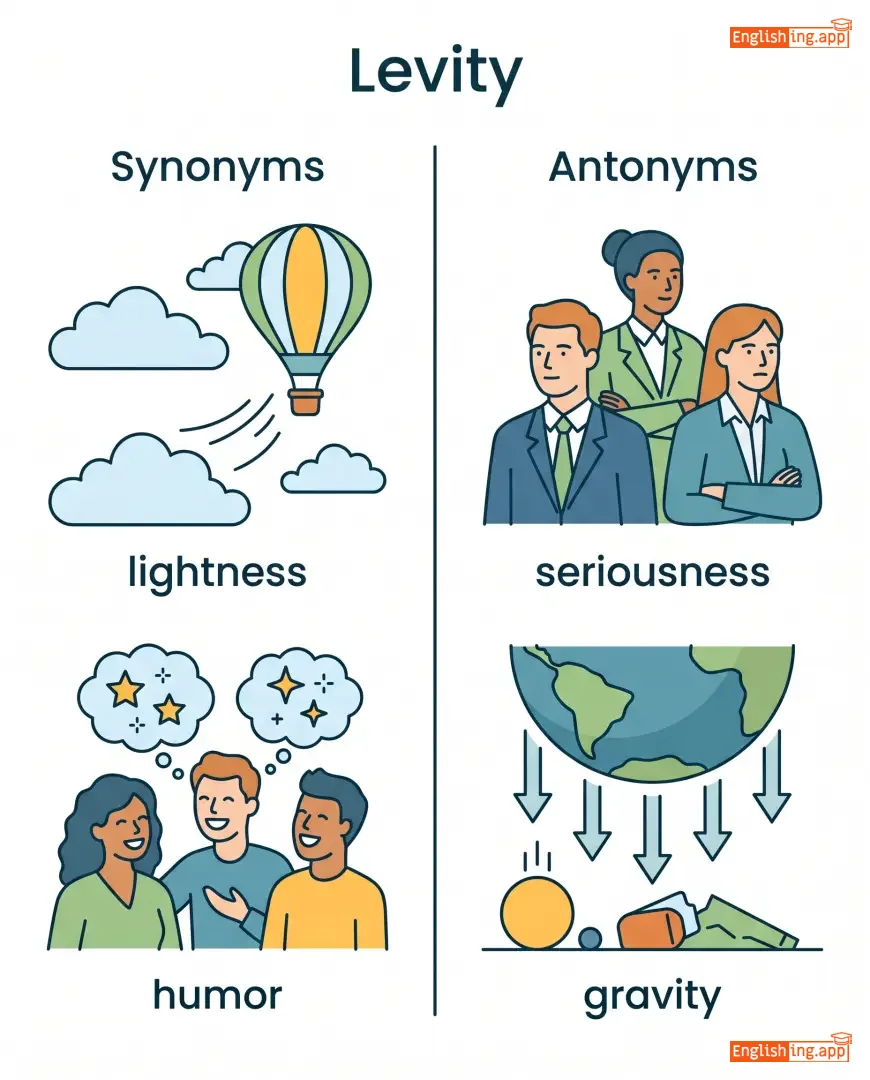
lightness, humor, frivolity, cheerfulness, jocularity
••••••
|
seriousness, gravity, solemnity
••••••
|
sense of levity, touch of levity, comic levity, add levity
••••••
|
No •••••• |
Vocabulary Quiz
Test your vocabulary by matching words with their translations or meanings.
Login to take the quiz
Comments (0)
Share your thoughts and join the discussion.
Join the discussion by logging in
Login to CommentNo comments yet
Be the first to share your thoughts!