Why So Many CEOs Are Engineers
В современном мире присутствие инженеров в качестве генеральных директоров ведущих компаний стало аксиомой. Благодаря усердной работе, адаптивности и аналитическим навыкам они создали внушительную позицию в корпоративном мире.
Инженер всегда руководствуется прагматичным мышлением, что эффективно при принятии решений. Их профессионализм и проницательность помогают направлять компании по правильному пути. Для создания синергии между технологиями и бизнесом они принимают методическое планирование.
Интуиция и проницательная перспектива инженеров выводят их на руководящие позиции. Их ловкость и эффективность играют важную роль в решении новых проблем. Они понимают важность создания согласованных команд для продвижения бизнеса и устанавливают осязаемые цели.
В эпоху технологических инноваций инженеры наиболее эффективны в реализации идей новшества. Их правдоподобные решения и подтвержденная информация делают их позиции генеральных директоров еще более сильными.
Они не только незаменимы для бизнеса, но и играют роль в целостном улучшении компании. Инженеры создают согласованную атмосферу в бизнесе с одной стороны, а с другой — развивают технологии.
Роль инженеров в крупнейших мировых корпорациях со временем становится все более очевидной, отражая их передовое лидерство.
Получите неограниченный доступ ко всем словам с подпиской Pro
Обновить до ProПолучите неограниченный доступ ко всем предложениям с подпиской Pro
Обновить до Pro|
Эмодзи
|
Слово | Images | Значение | Пример предложения | Синонимы | Антонимы |
|---|---|---|---|---|---|---|
|
#4023
📏
|
ˈæk.si.əm
noun
••••••
|
|
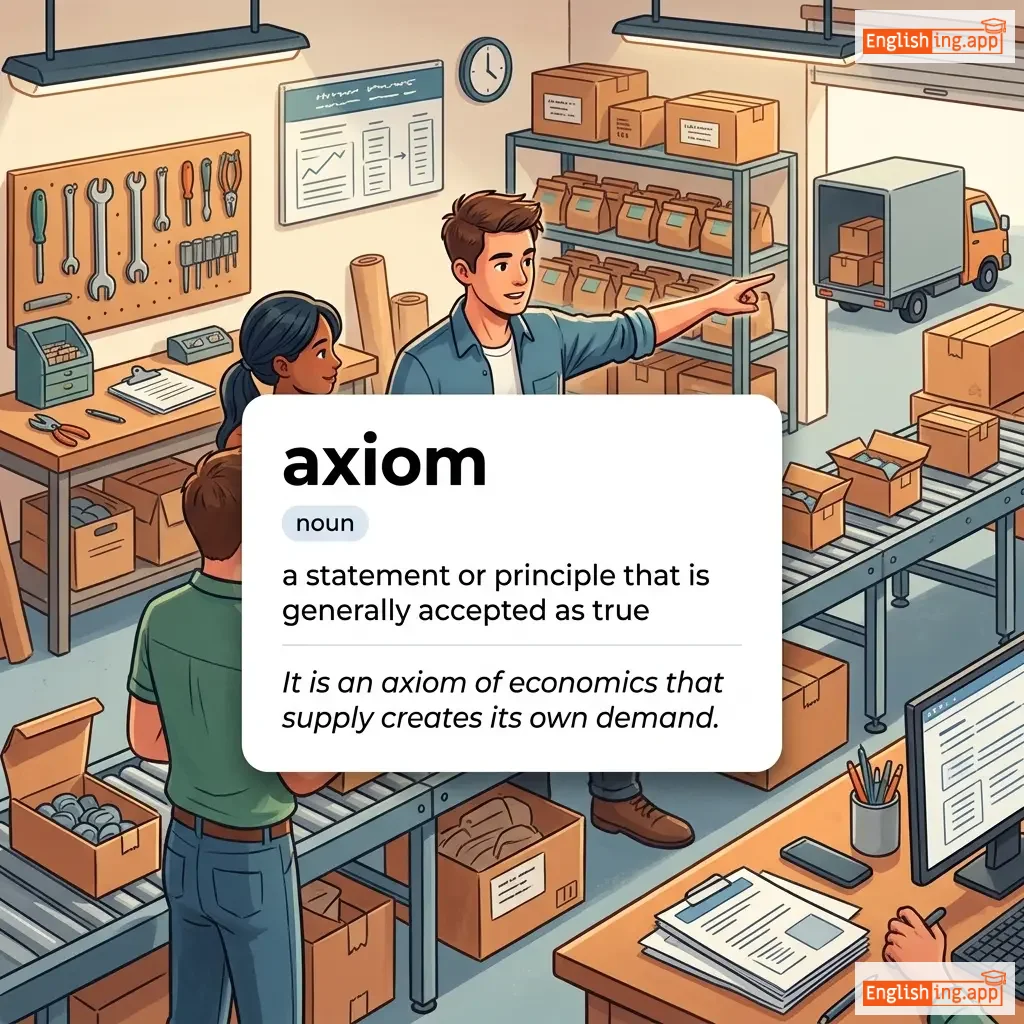
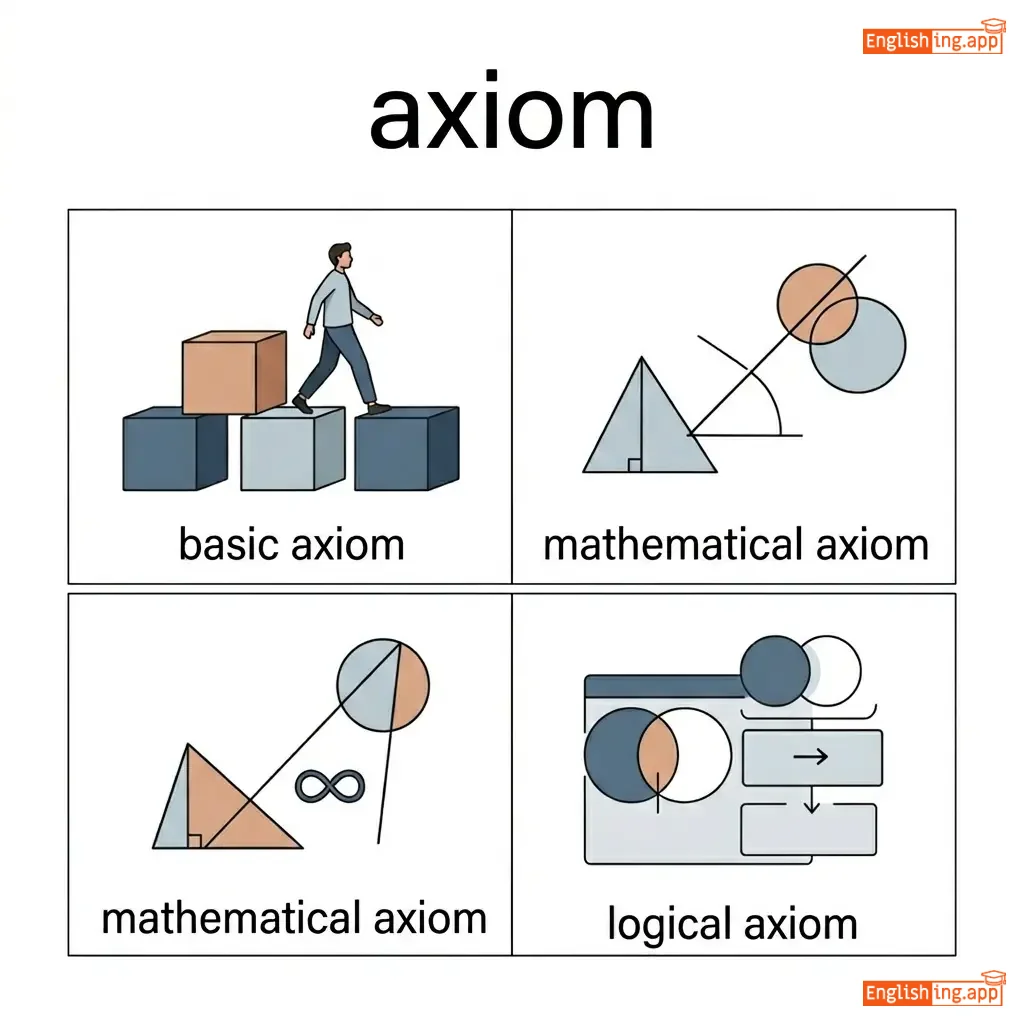
A statement or principle that is generally accepted as being true and that can be used as the basis for argument or inference.
••••••
|
The axiom that hard work leads to success is widely accepted. |
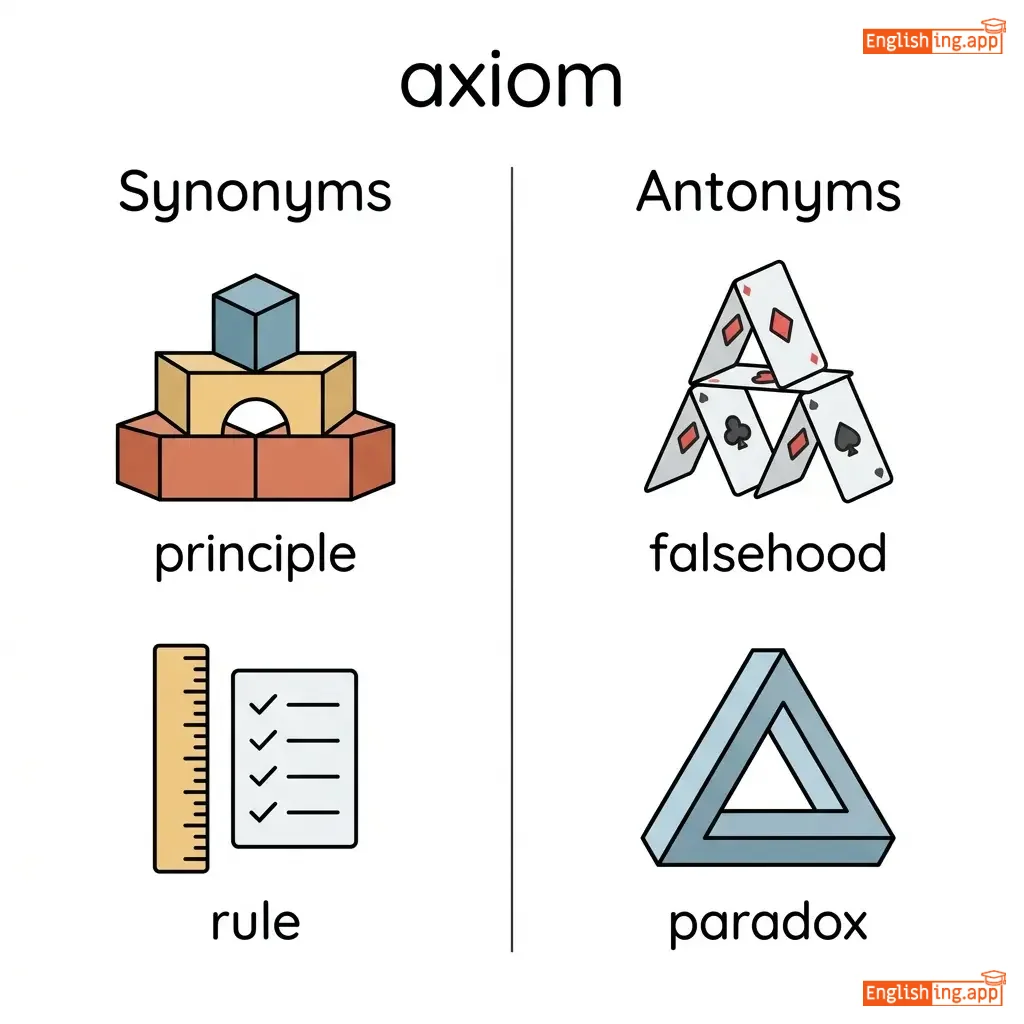
principle, maxim, truism, fundamental truth, basic principle, established fact
••••••
|
fallacy, misconception, error, falsehood, myth, delusion
••••••
|
|
#4024
🔄
|
əˌdæp.təˈbɪl.ə.ti
noun
••••••
|

|
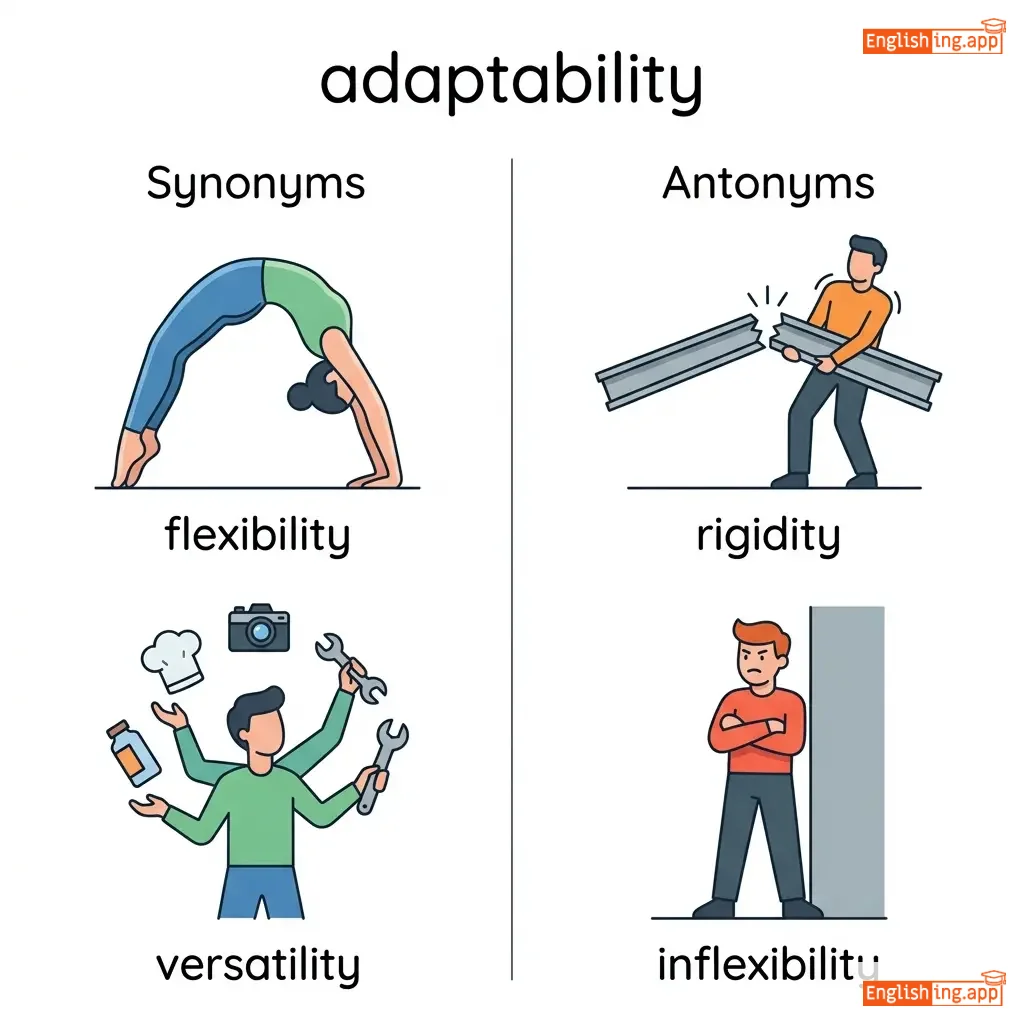
The quality of being able to adjust to new conditions or circumstances.
••••••
|
Adaptability is crucial in an ever-changing world. |
flexibility, versatility, adjustability, resilience, pliability, responsiveness
••••••
|
rigidity, inflexibility, stubbornness, immutability, fixity, obstinacy
••••••
|
|
#4025
🔍
|
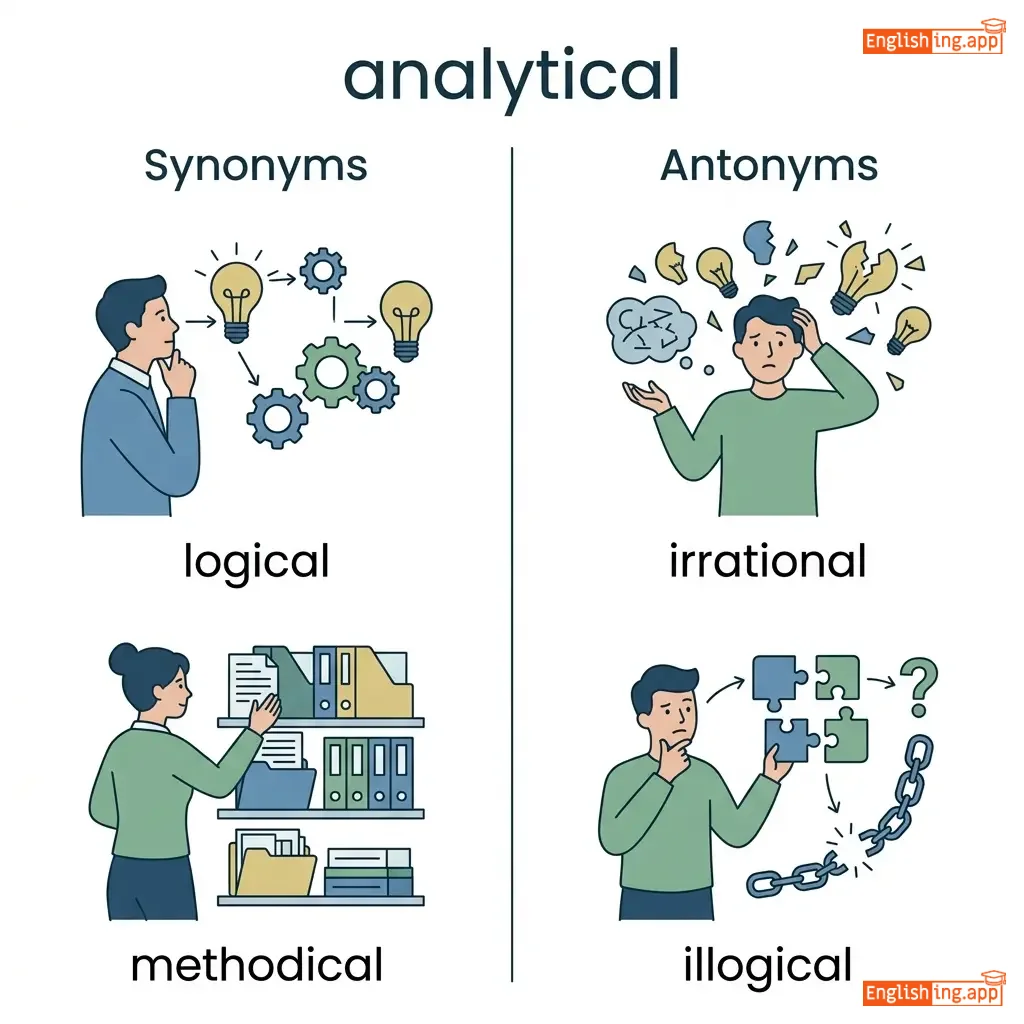
ˌæn.əˈlɪt.ɪ.kəl
adjective
••••••
|

|
Using analysis or logical reasoning; characterized by the use of analysis.
••••••
|
His analytical approach helped solve the problem. |
logical, methodical, systematic, rational, critical, investigative
••••••
|
irrational, illogical, unsystematic, intuitive, emotional, subjective
••••••
|
|
#4026
💪
|
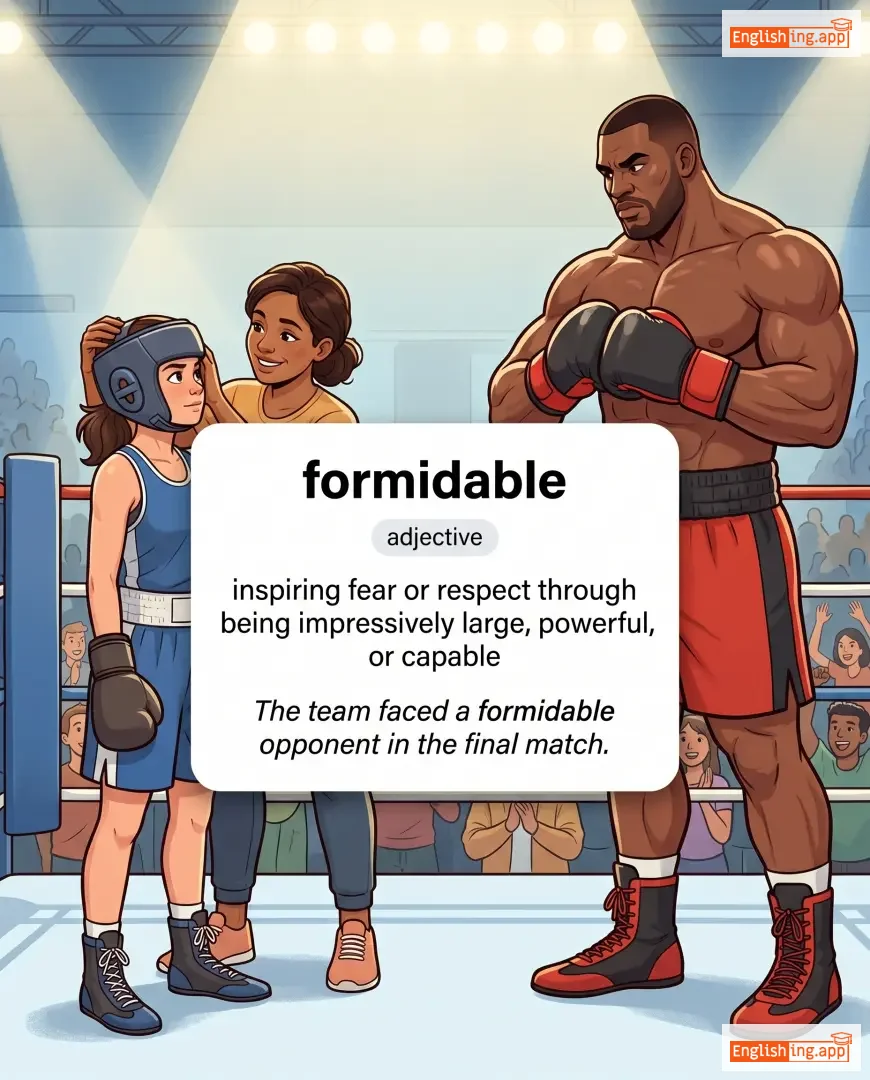
ˈfɔː.mɪ.də.bəl
adjective
••••••
|
|
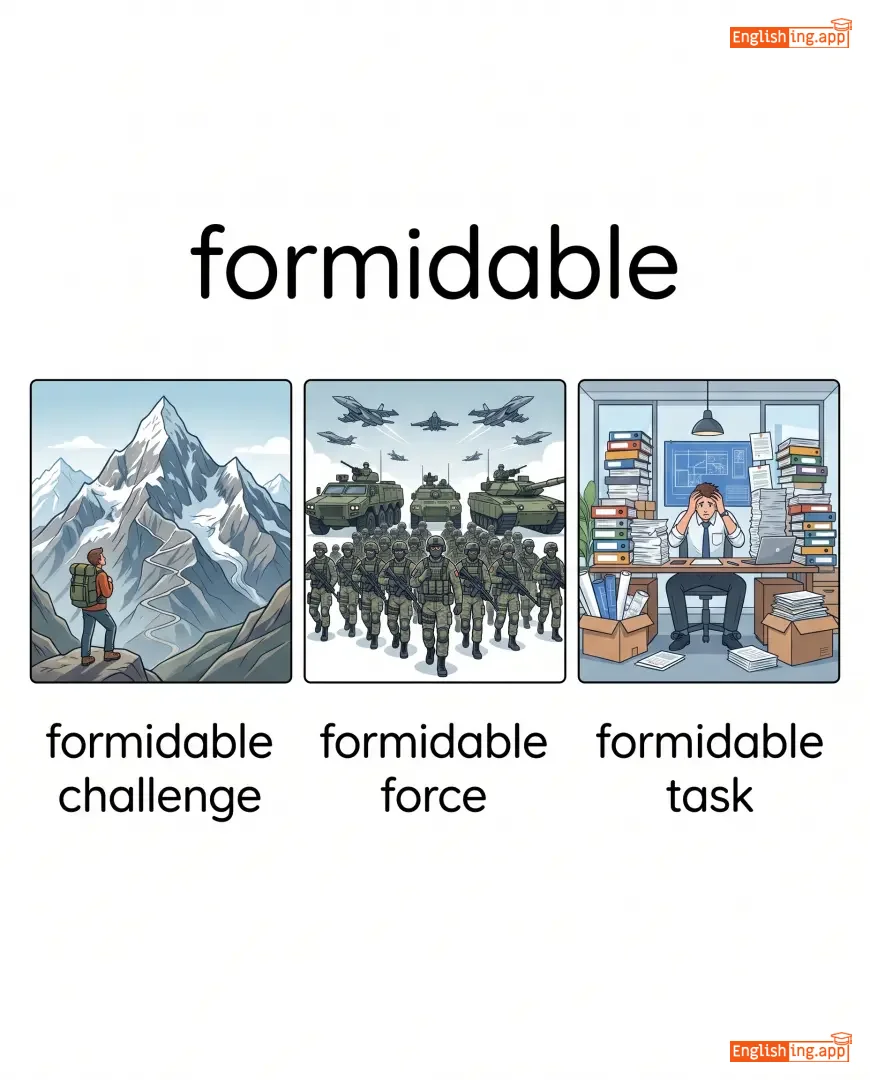
Inspiring fear or respect through being impressively large, powerful, intense, or capable.
••••••
|
The team faced a formidable opponent in the final. |
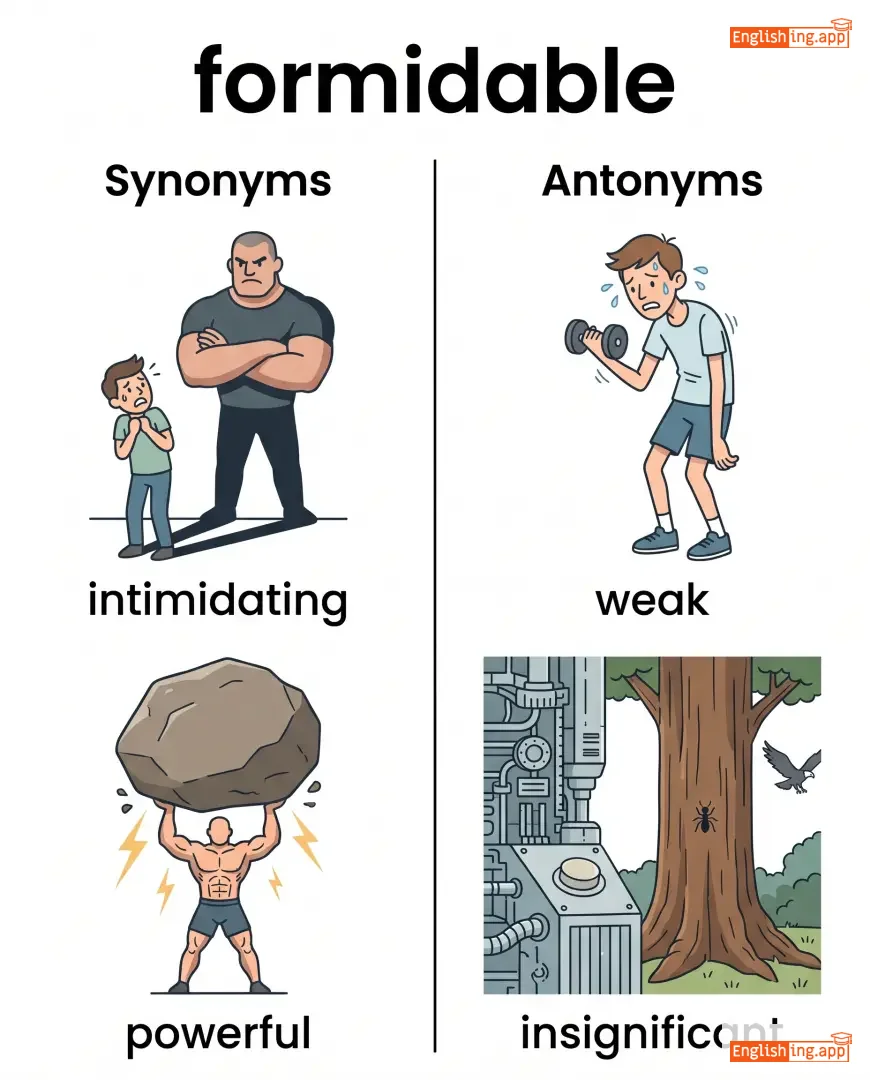
intimidating, powerful, mighty, impressive, daunting, imposing
••••••
|
weak, feeble, harmless, insignificant, powerless, mild
••••••
|
|
#4027
🎯
|
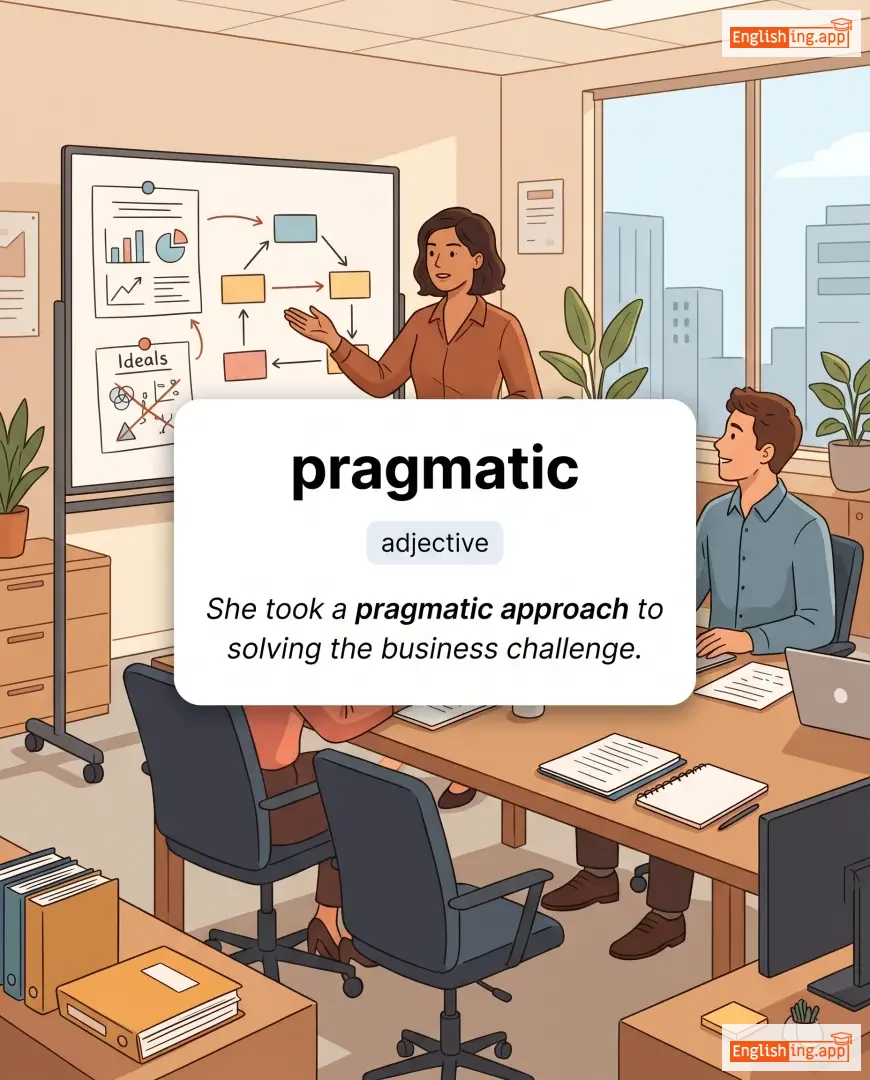
præɡˈmæt.ɪk
adjective
••••••
|
|
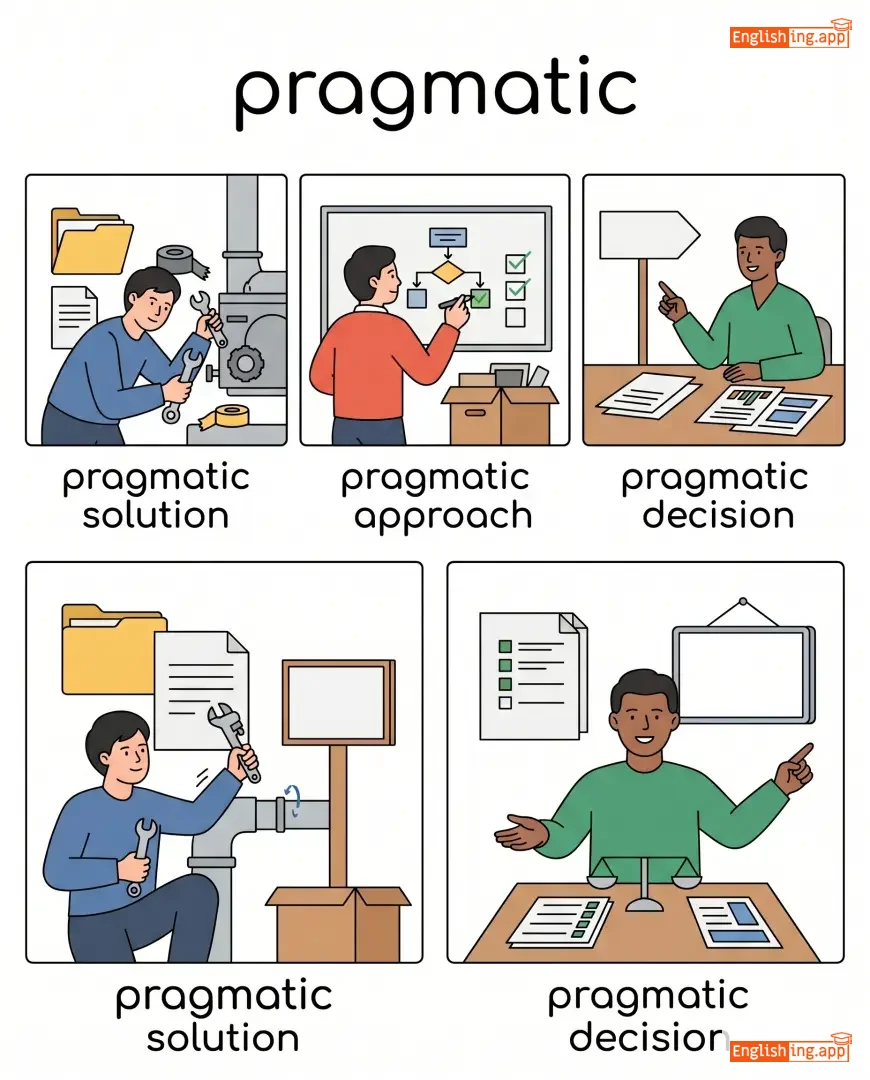
Dealing with things sensibly and realistically in a way that is based on practical rather than idealistic considerations.
••••••
|
His pragmatic approach led to a quick resolution. |
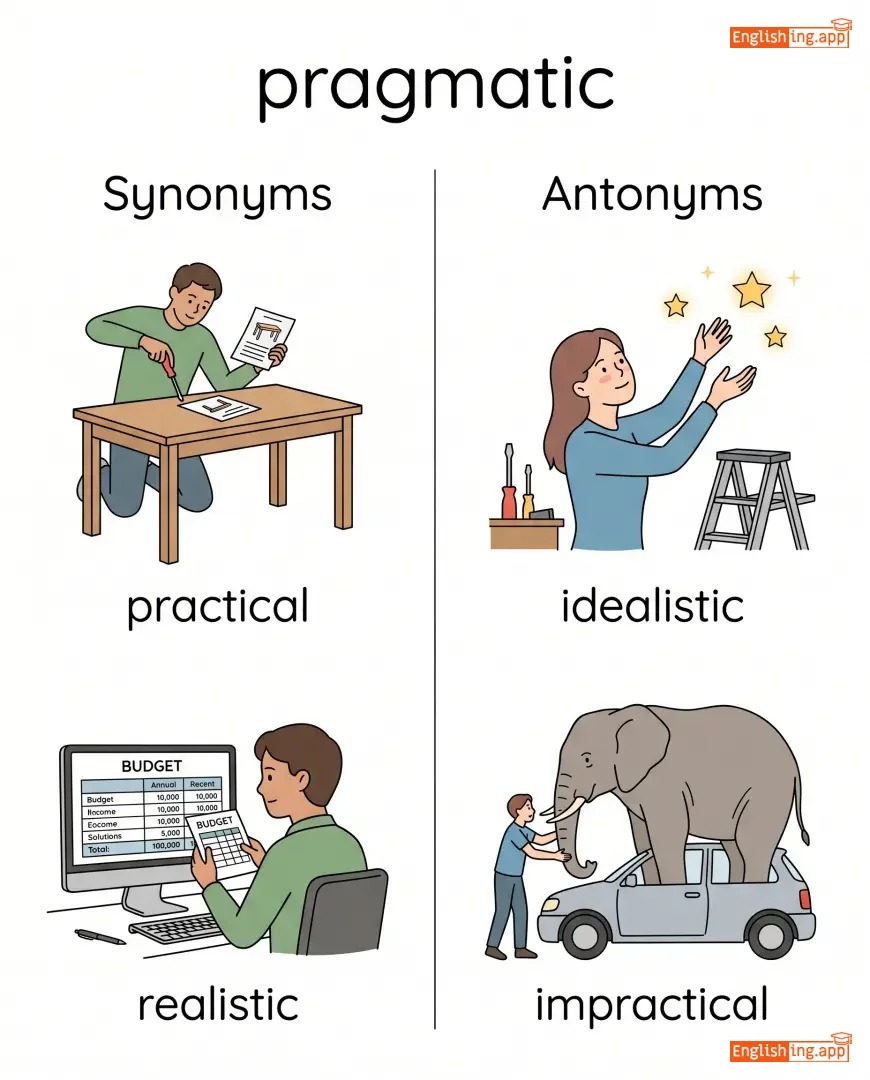
realistic, sensible, practical, down-to-earth, matter-of-fact, rational
••••••
|
idealistic, impractical, unrealistic, theoretical, romantic, utopian
••••••
|
|
#4028
🎓
|
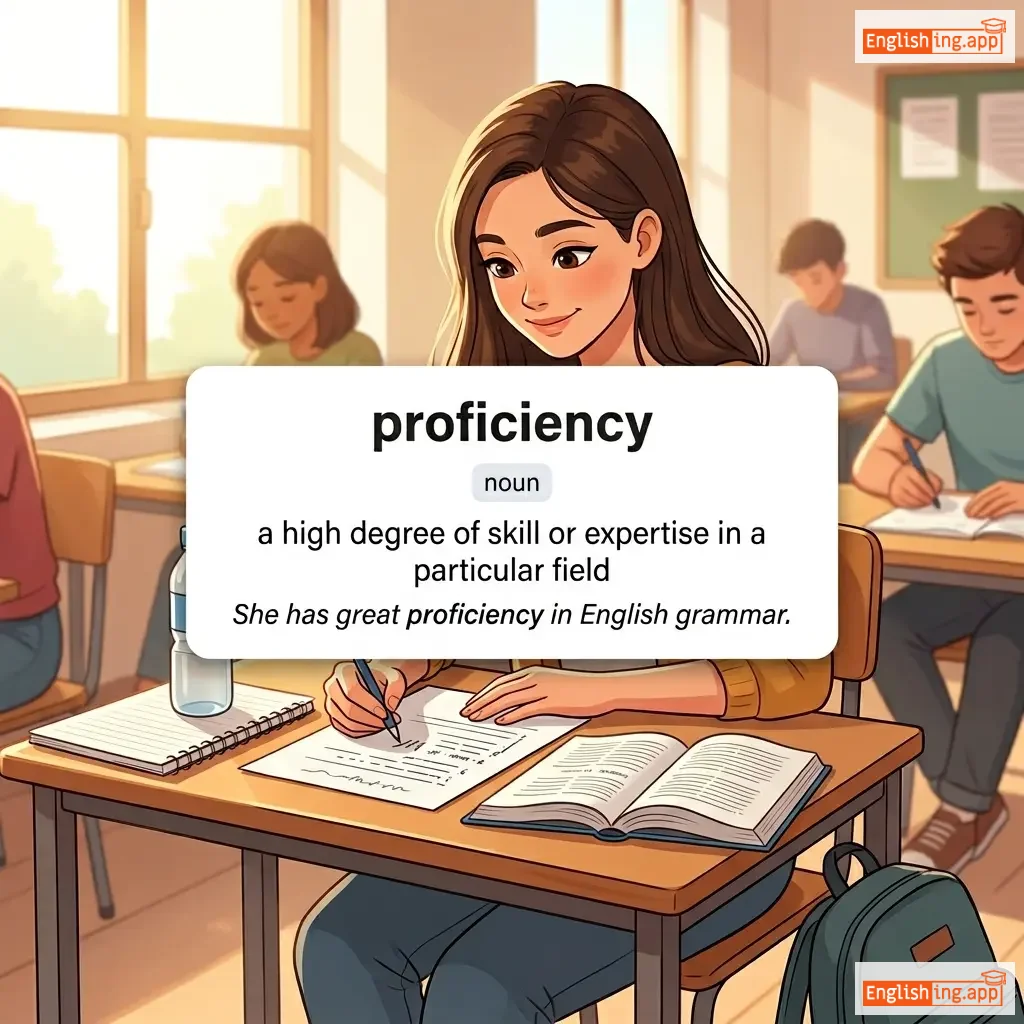
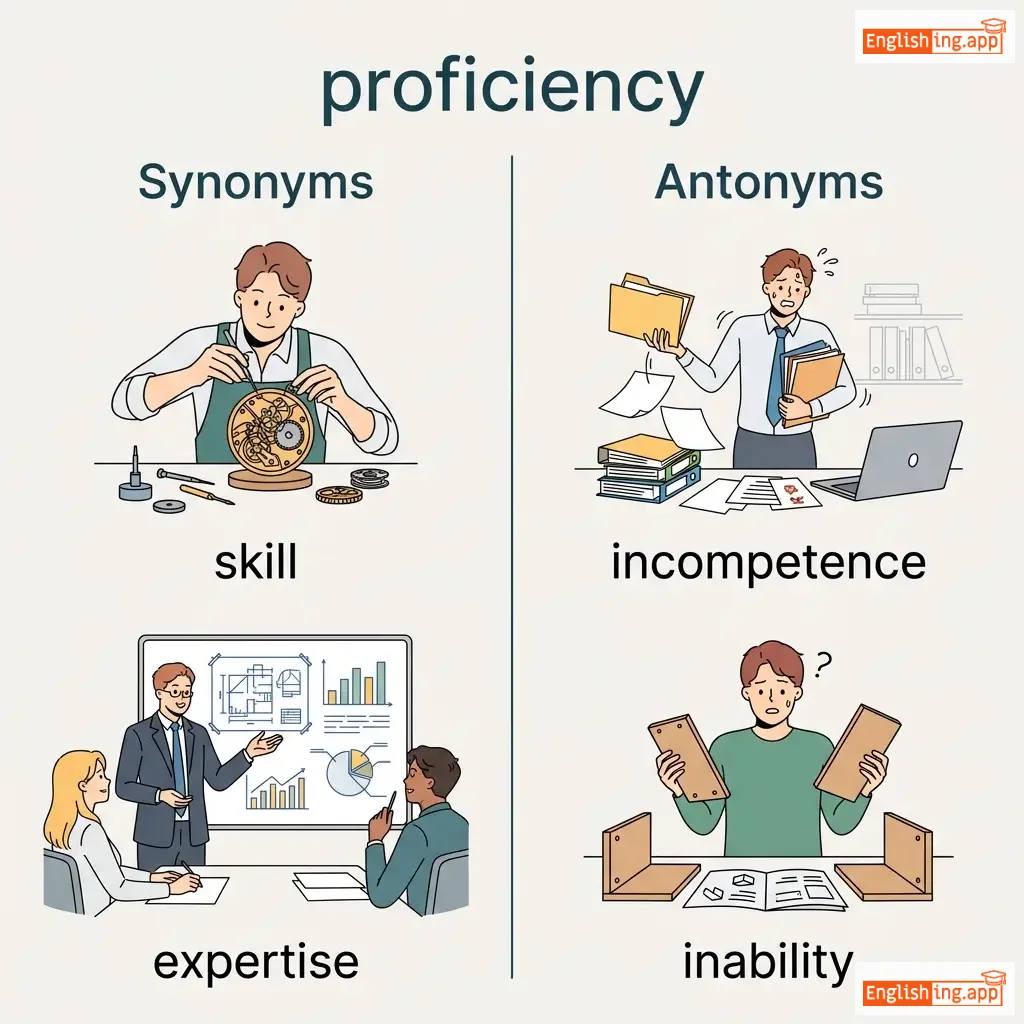
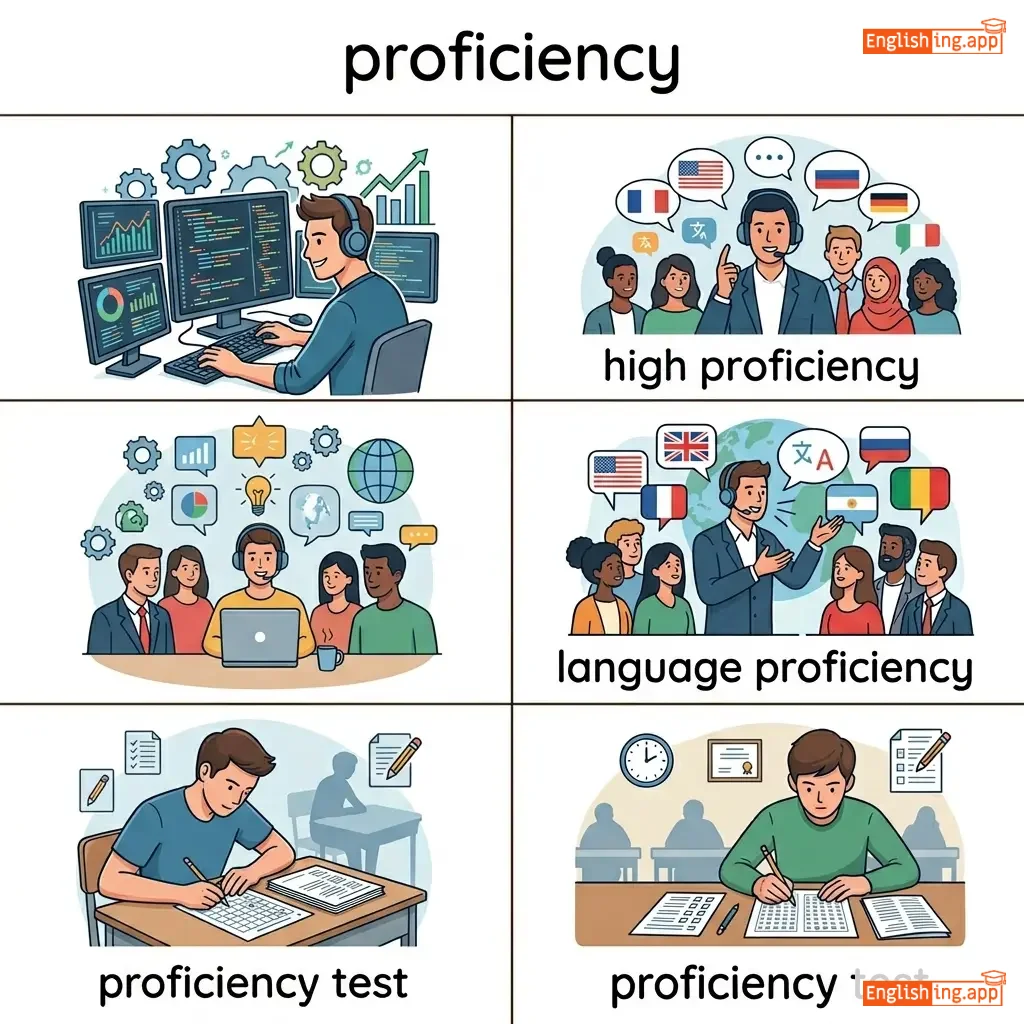
prəˈfɪʃ.ən.si
noun
••••••
|
|
A high degree of competence or skill; expertise.
••••••
|
She demonstrated proficiency in multiple languages. |
expertise, mastery, skill, competence, ability, aptitude
••••••
|
incompetence, ineptitude, inability, inexperience, amateurishness, clumsiness
••••••
|
|
#4029
👁️
|
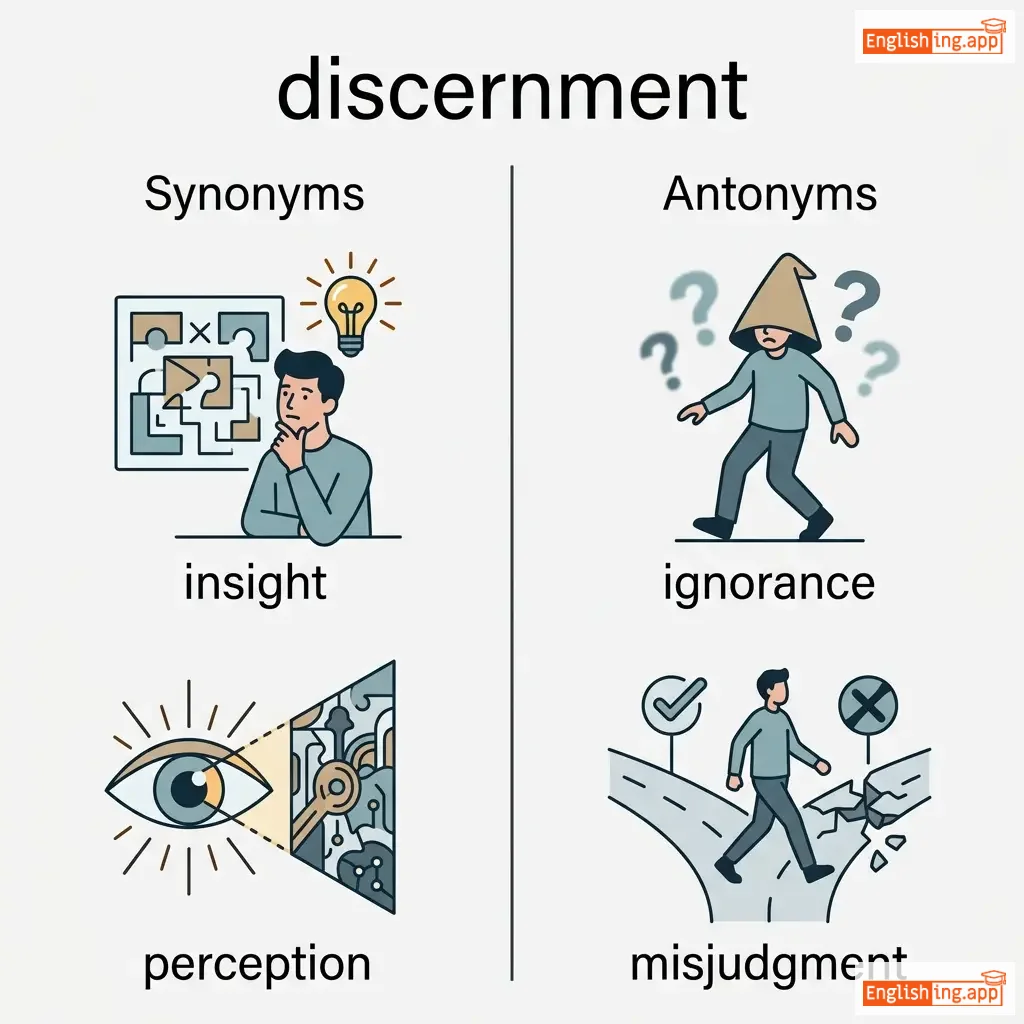
dɪˈsɜːn.mənt
noun
••••••
|

|
The ability to judge well; good judgment and understanding.
••••••
|
His discernment helped him identify the best choice. |
insight, perception, judgment, wisdom, understanding, acumen
••••••
|
ignorance, misjudgment, blindness, naivety, obtuseness, insensitivity
••••••
|
|
#4030
🤝
|
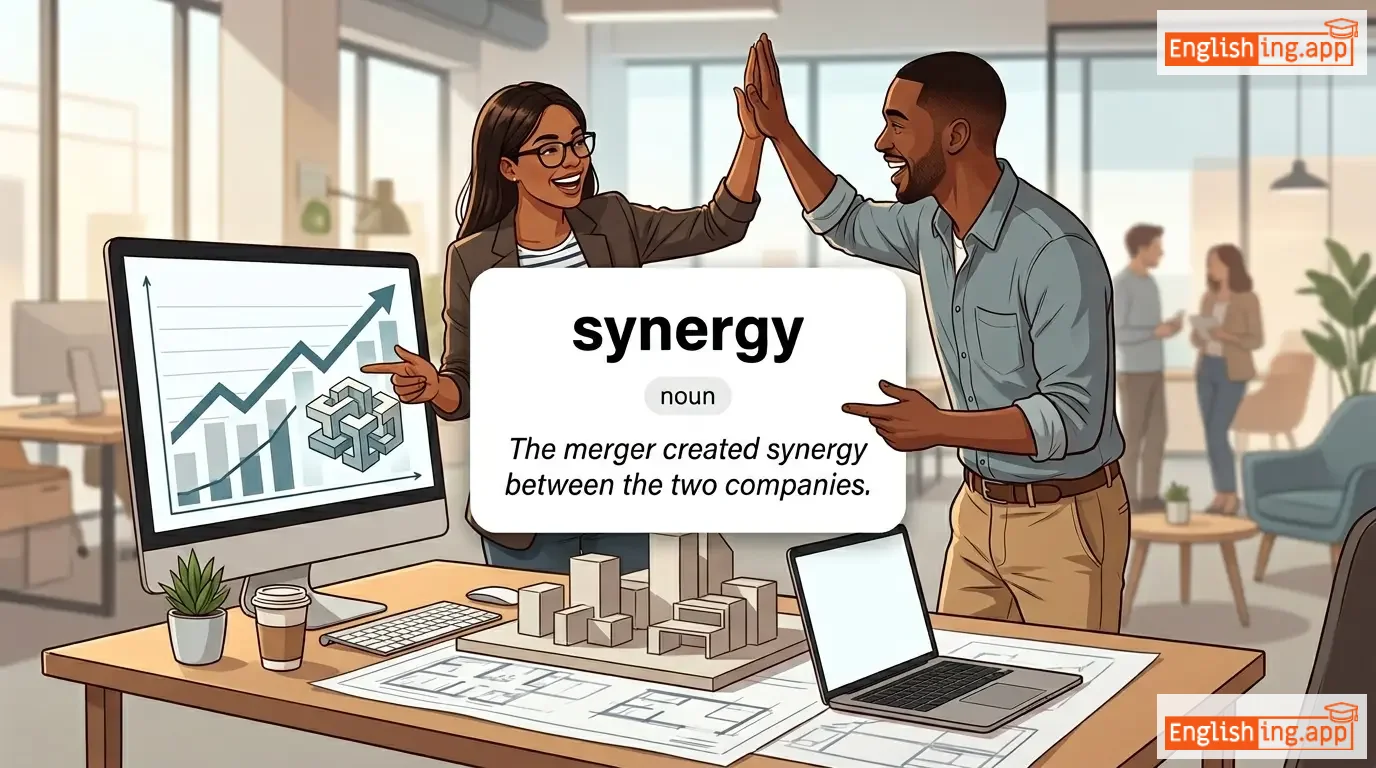
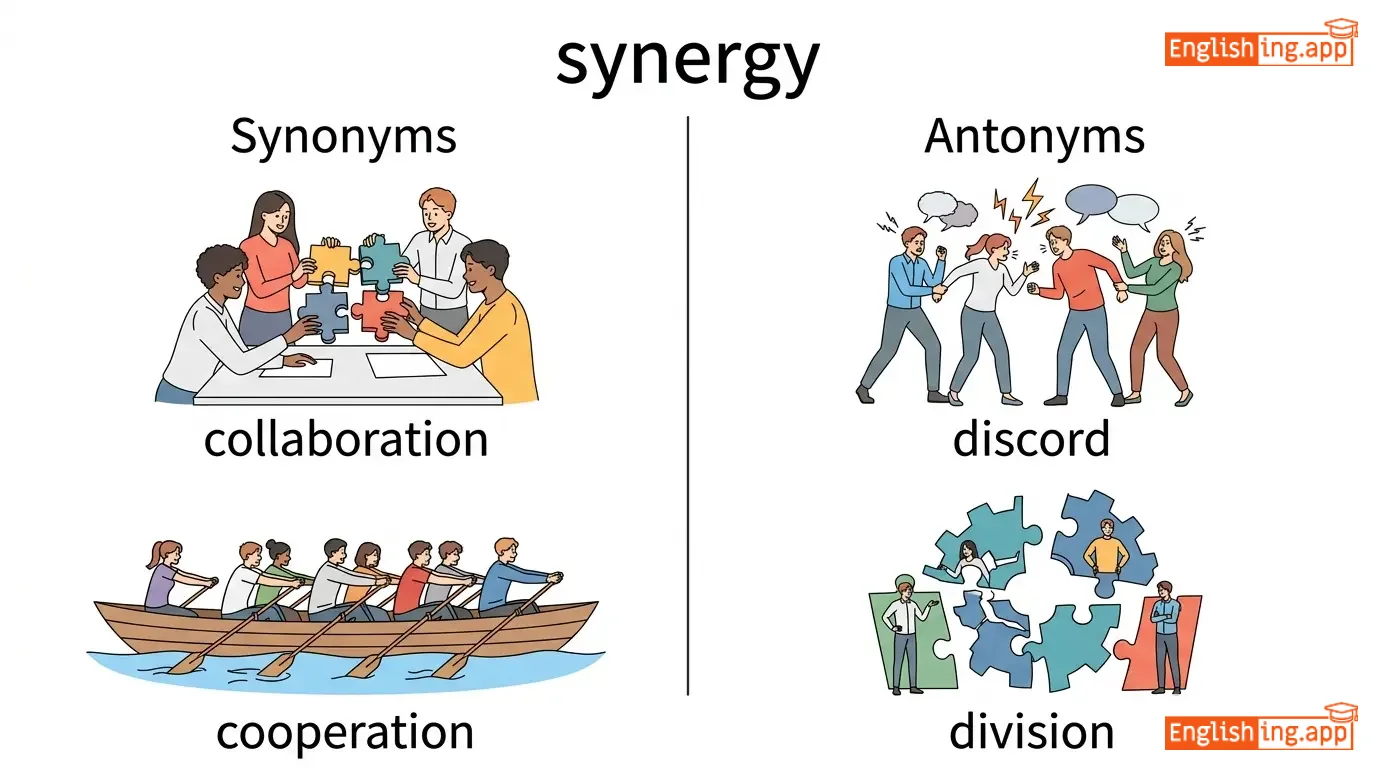
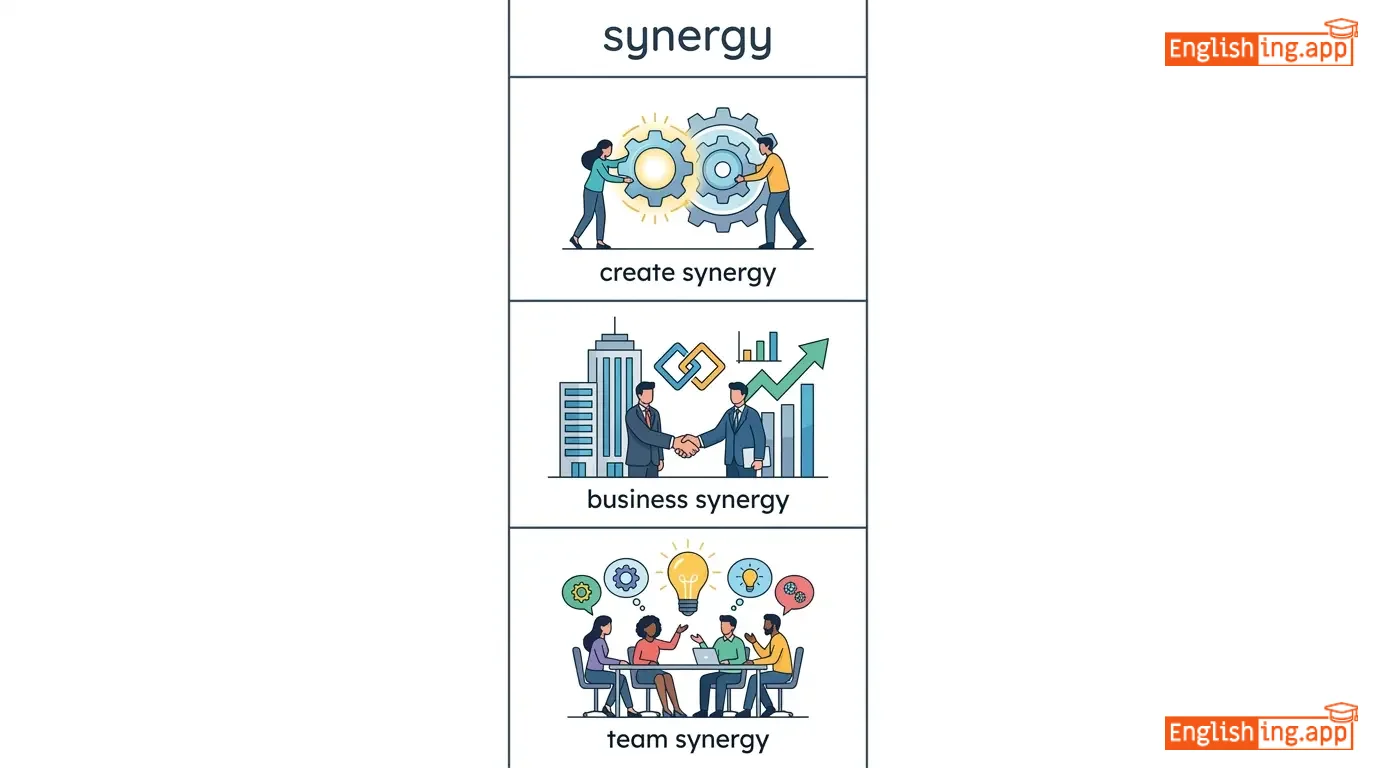
ˈsɪn.ə.dʒi
noun
••••••
|
|
The interaction or cooperation of two or more organizations, substances, or other agents to produce a combined effect greater than the sum of their separate effects.
••••••
|
The synergy between the departments increased efficiency. |
cooperation, collaboration, teamwork, coordination, unity, partnership
••••••
|
disunity, discord, conflict, antagonism, competition, rivalry
••••••
|
|
#4031
📋
|
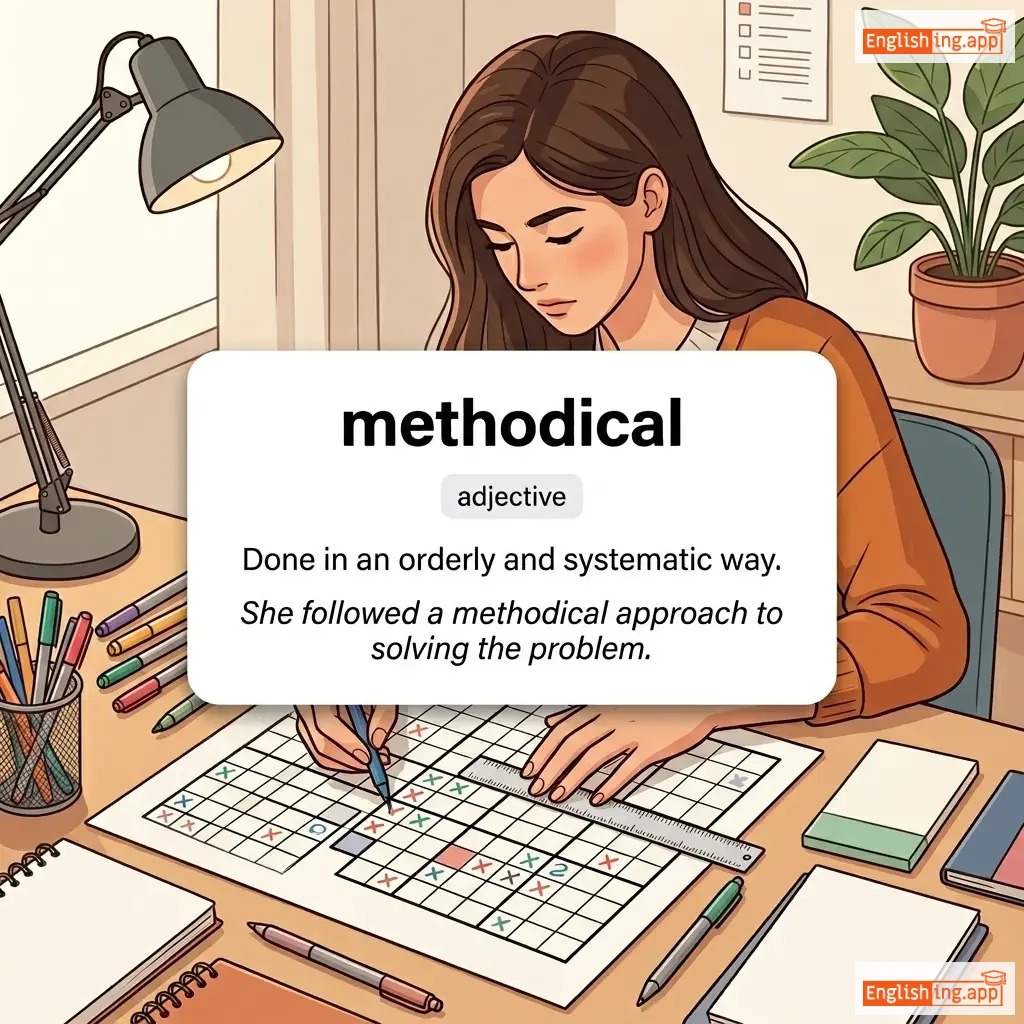
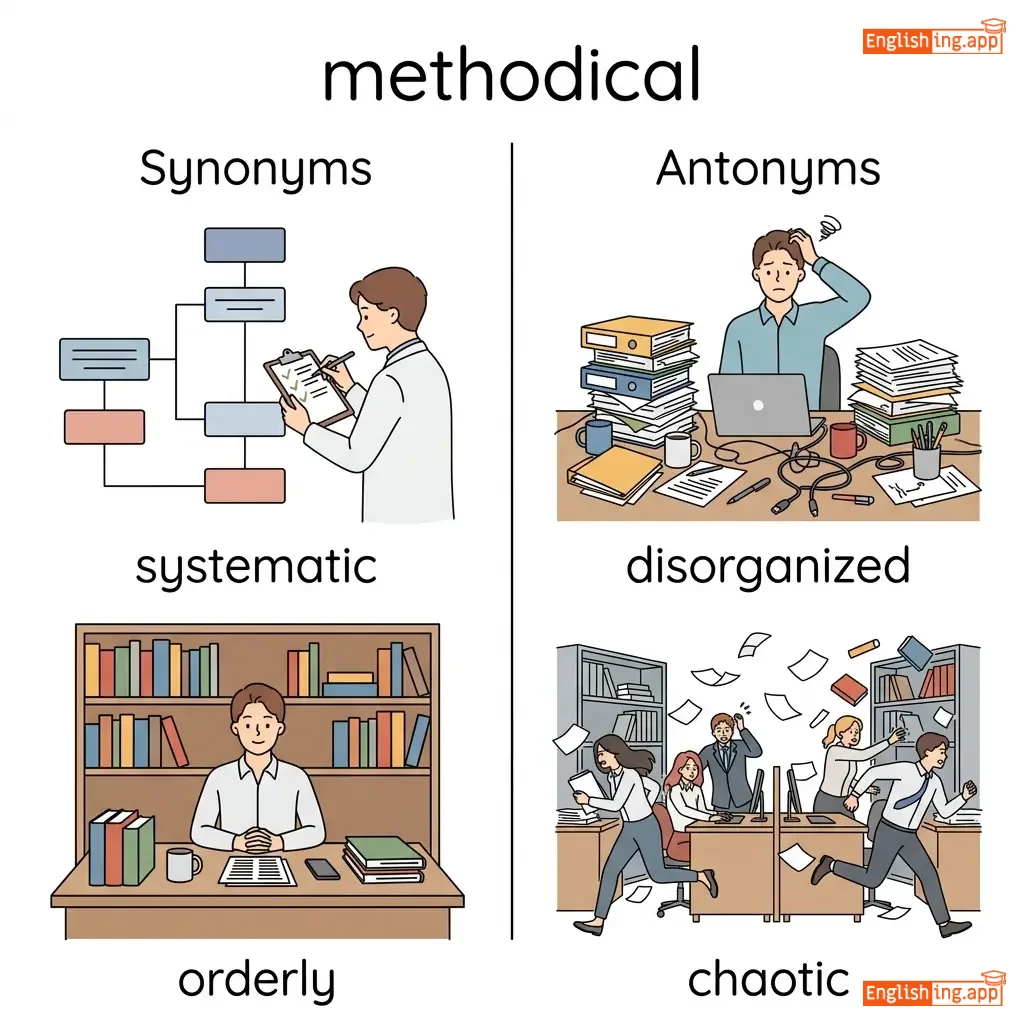
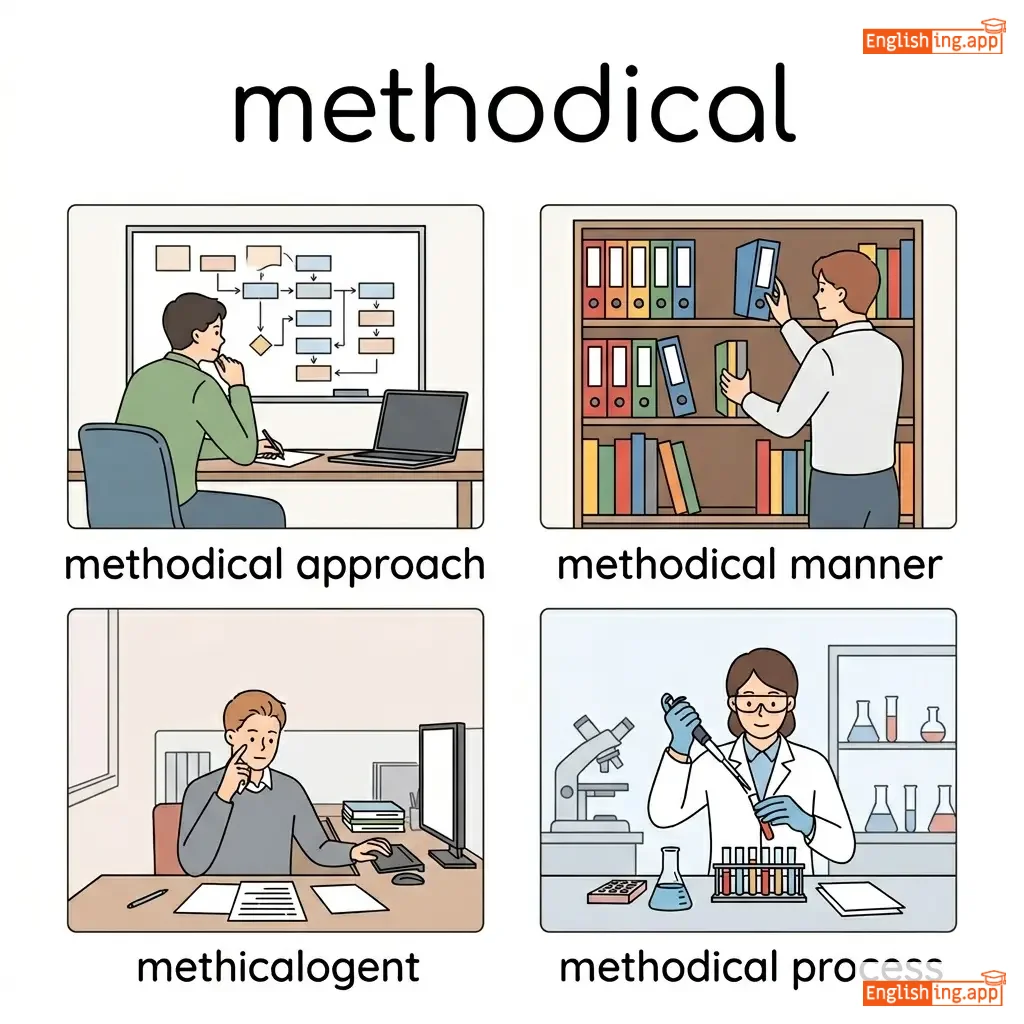
məˈθɒd.ɪ.kəl
adjective
••••••
|
|
Done according to a systematic or established procedure; orderly and systematic.
••••••
|
His methodical research produced reliable results. |
systematic, orderly, organized, structured, disciplined, meticulous
••••••
|
chaotic, disorganized, haphazard, random, unsystematic, careless
••••••
|
|
#4032
💡
|
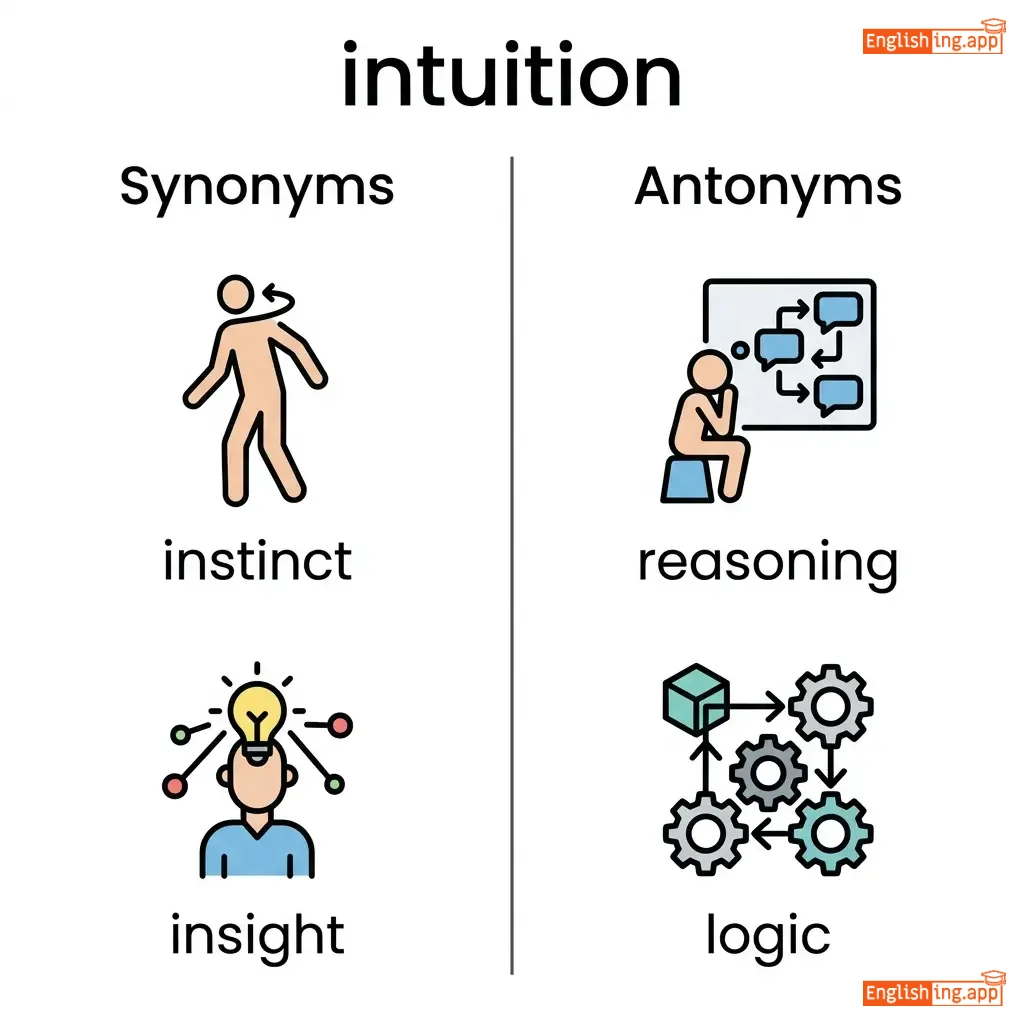
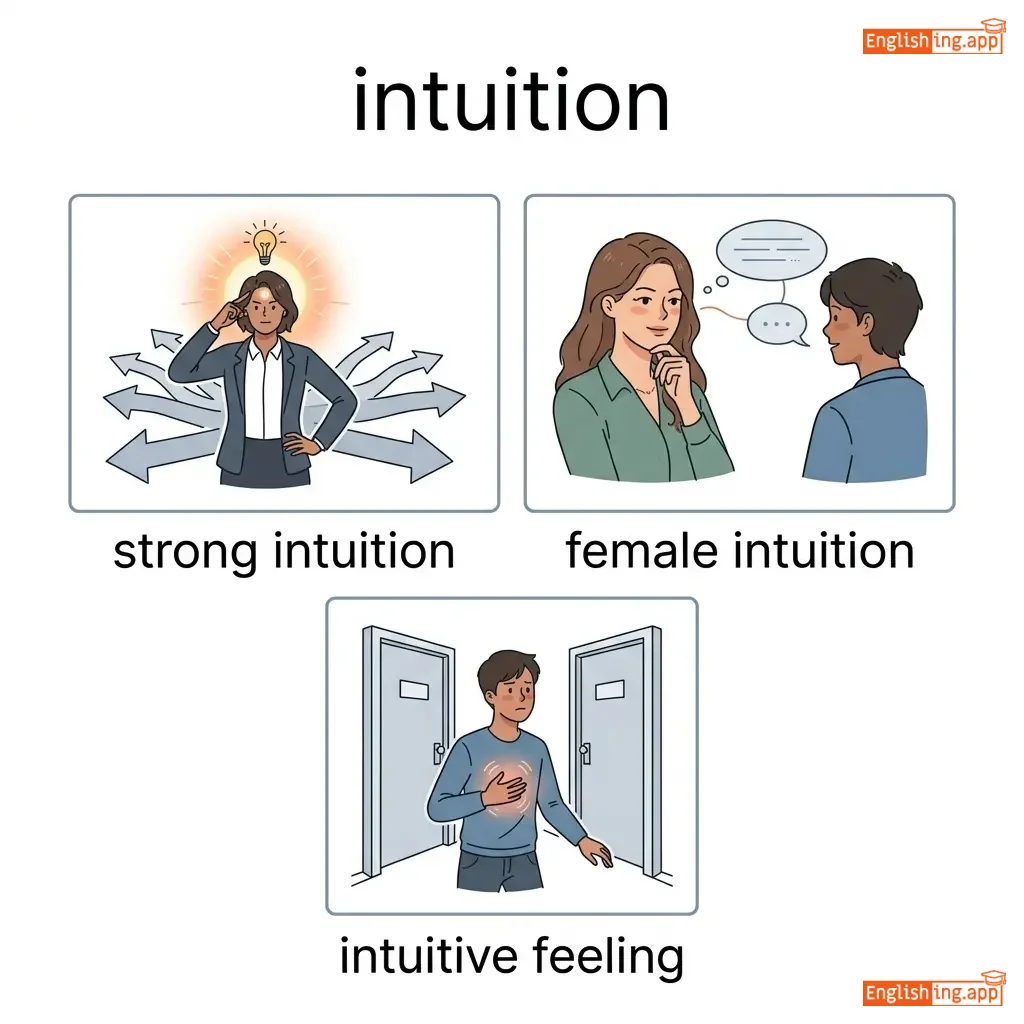
ˌɪn.tʃuˈɪʃ.ən
noun
••••••
|

|
The ability to understand something immediately, without the need for conscious reasoning.
••••••
|
Her intuition guided her in making the right decision. |
instinct, perception, insight, sixth sense, gut feeling, hunch
••••••
|
logic, analysis, reasoning, calculation, deliberation, rationality
••••••
|
|
#4033
⚡
|
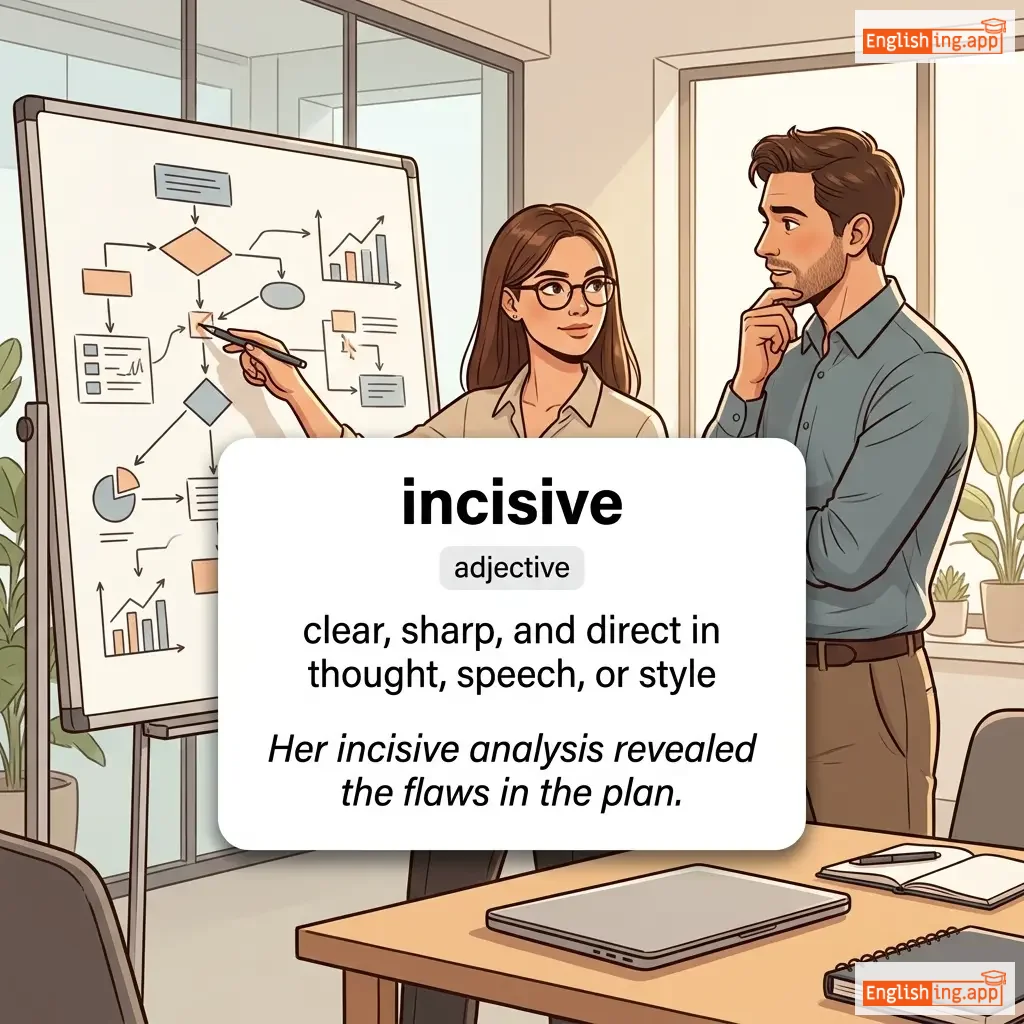
ɪnˈsaɪ.sɪv
adjective
••••••
|
|
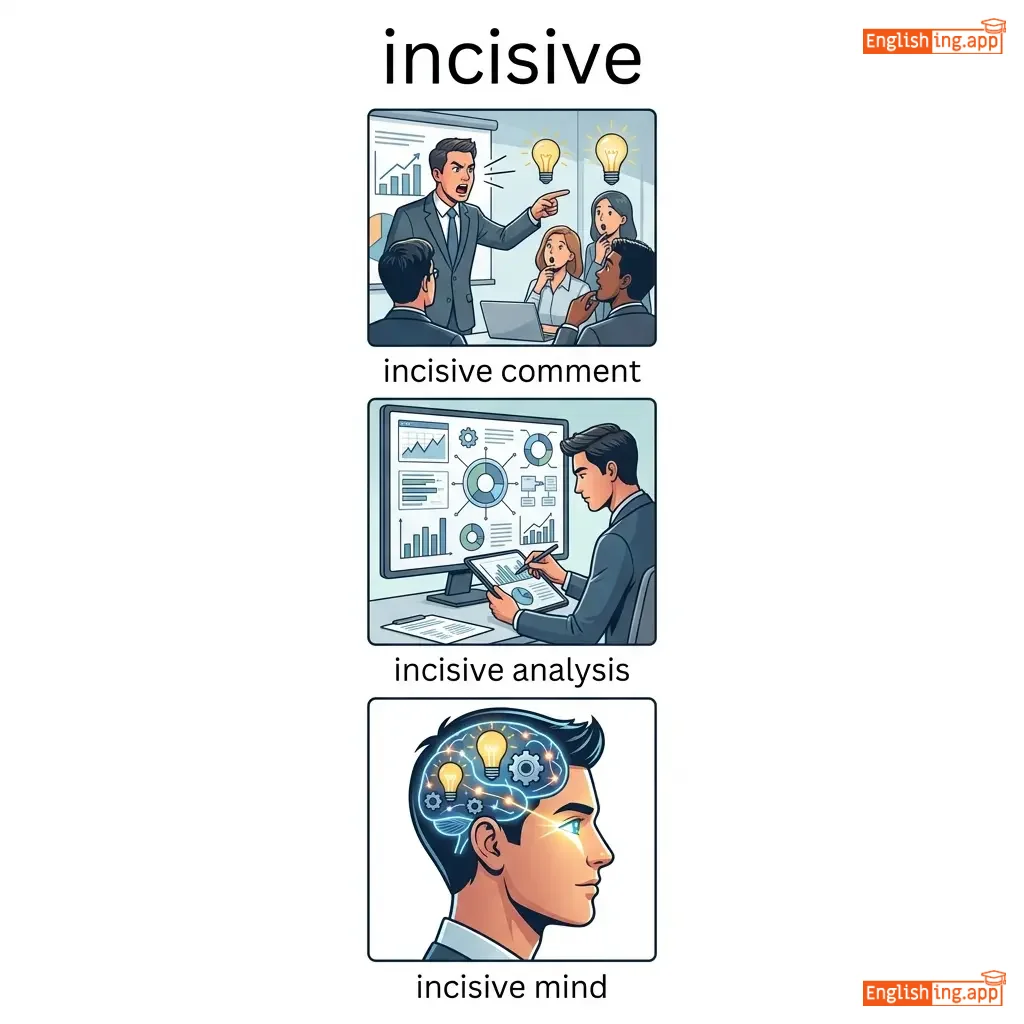
Intelligently analytical and clear-thinking; showing clear thought and good understanding of what is important.
••••••
|
His incisive comments revealed the core issues. |
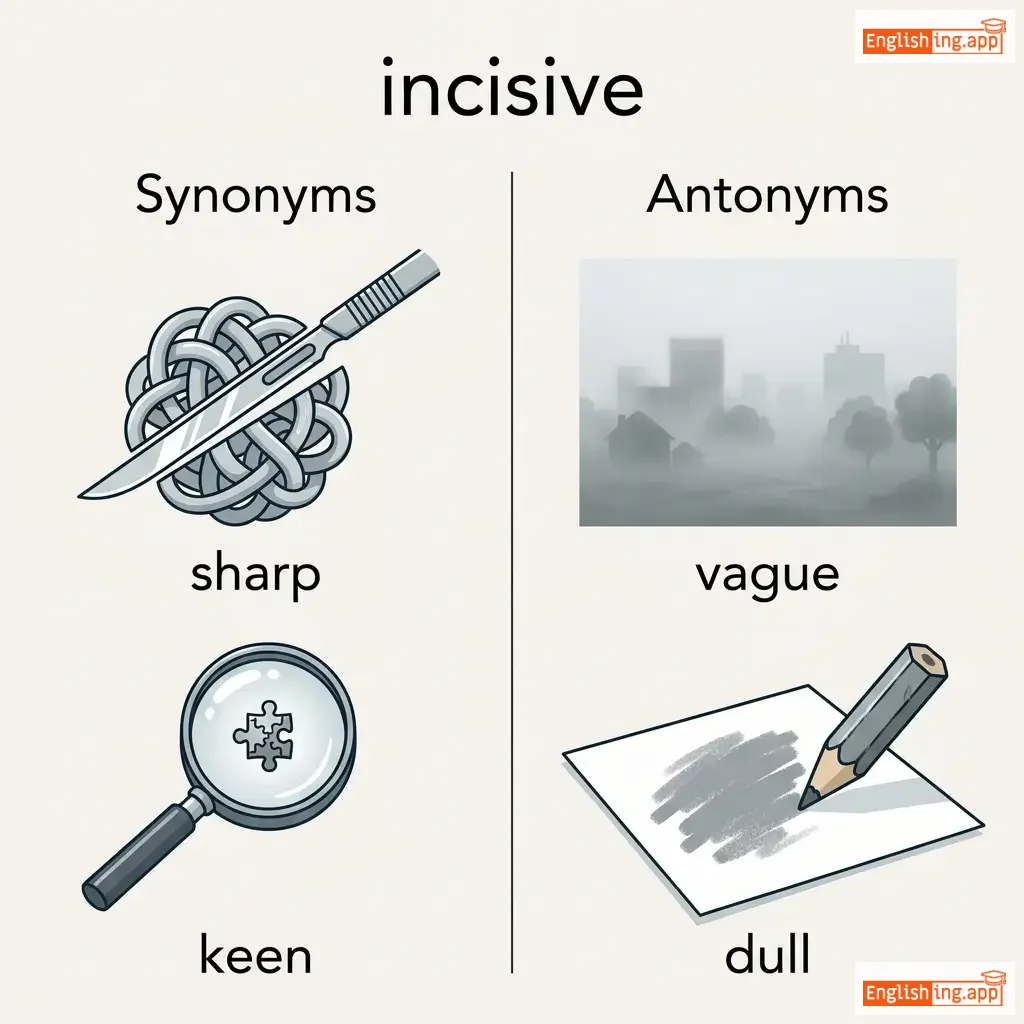
sharp, penetrating, acute, keen, perceptive, astute
••••••
|
dull, vague, obtuse, superficial, unclear, muddled
••••••
|
|
#4034
🤹
|
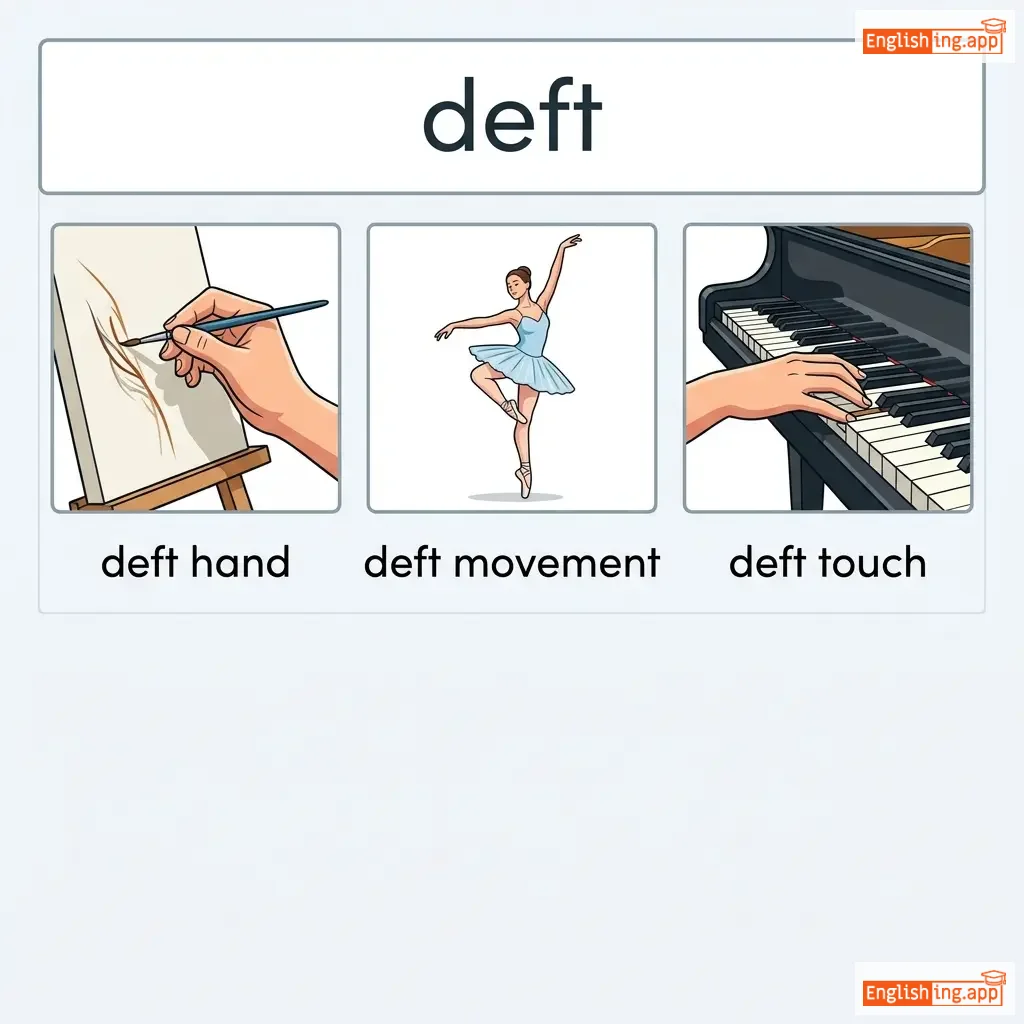
deft
adjective
••••••
|
|
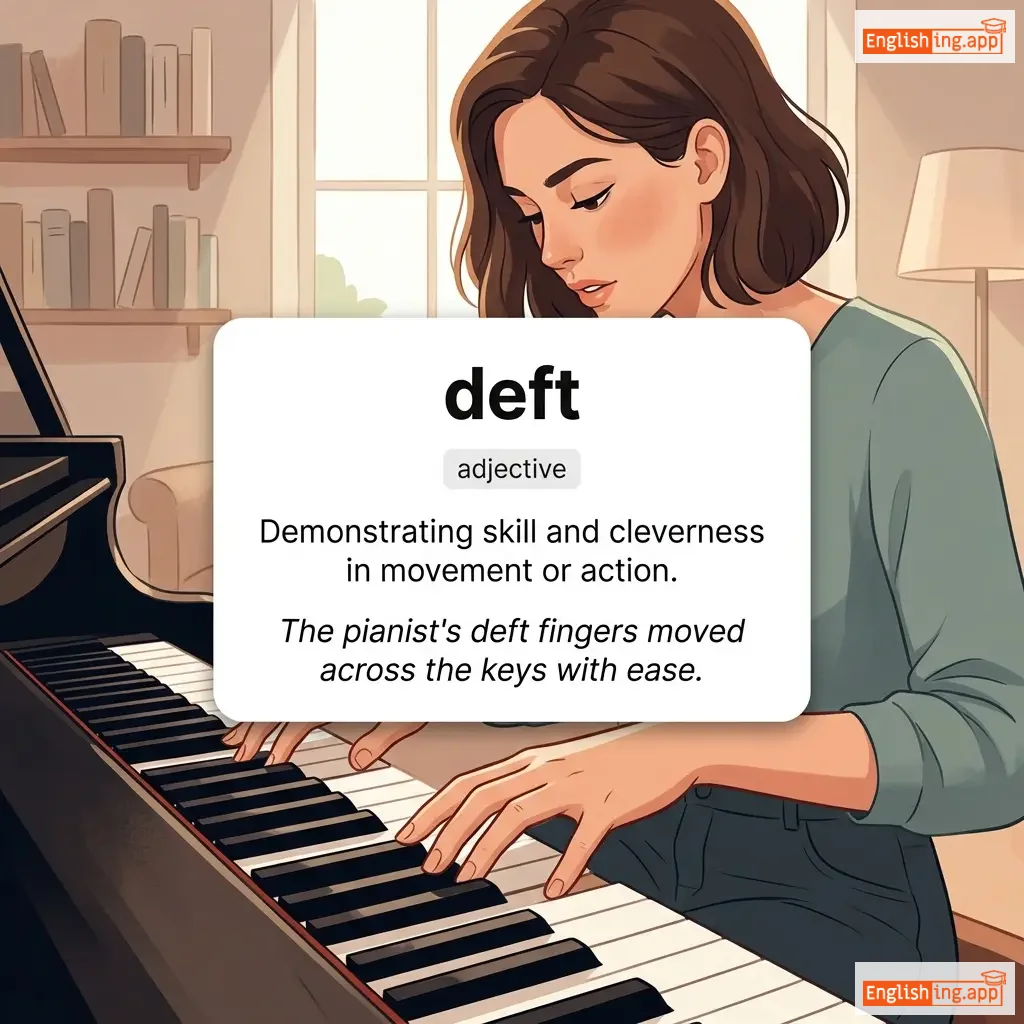
Neatly skillful and quick in one's movements; showing skill and cleverness.
••••••
|
The pianist's deft fingers moved effortlessly. |
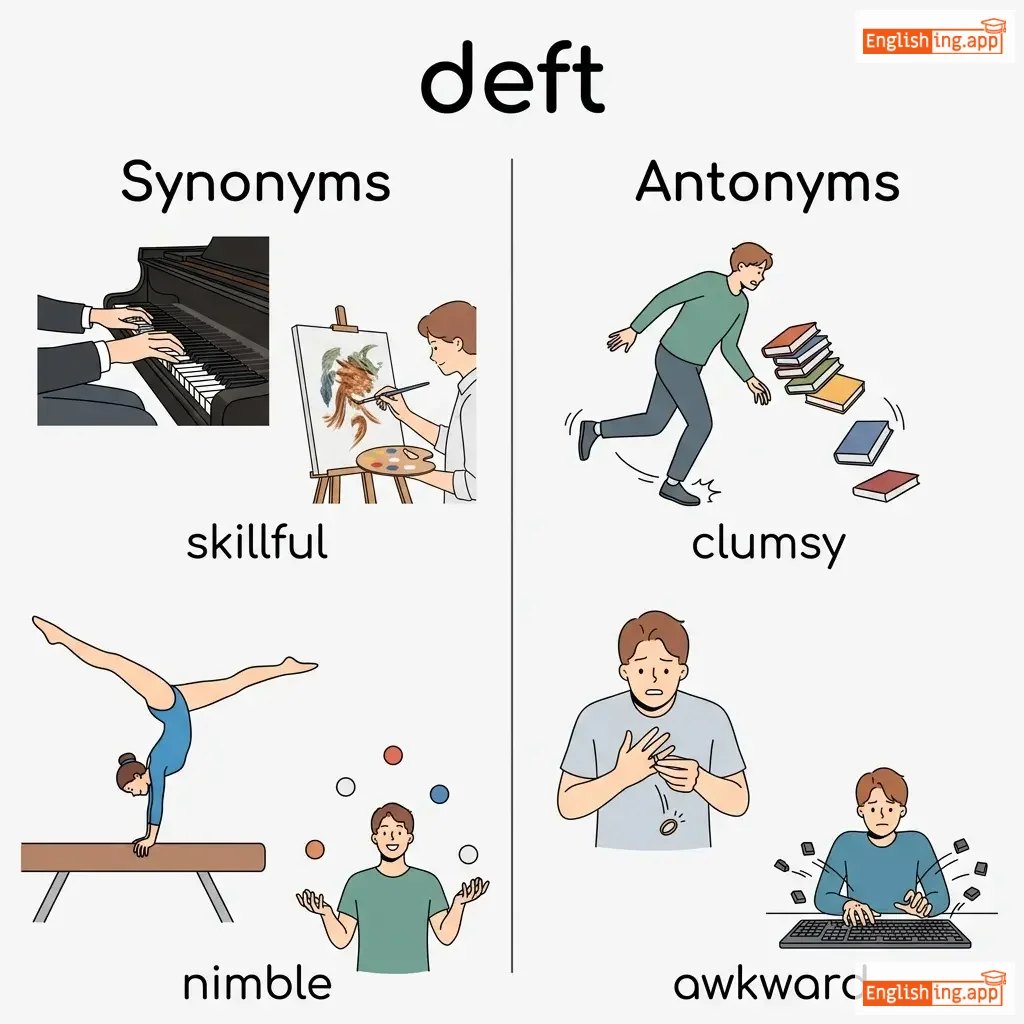
skillful, adroit, nimble, agile, expert, proficient
••••••
|
clumsy, inept, awkward, unskillful, fumbling, maladroit
••••••
|
|
#4035
✅
|
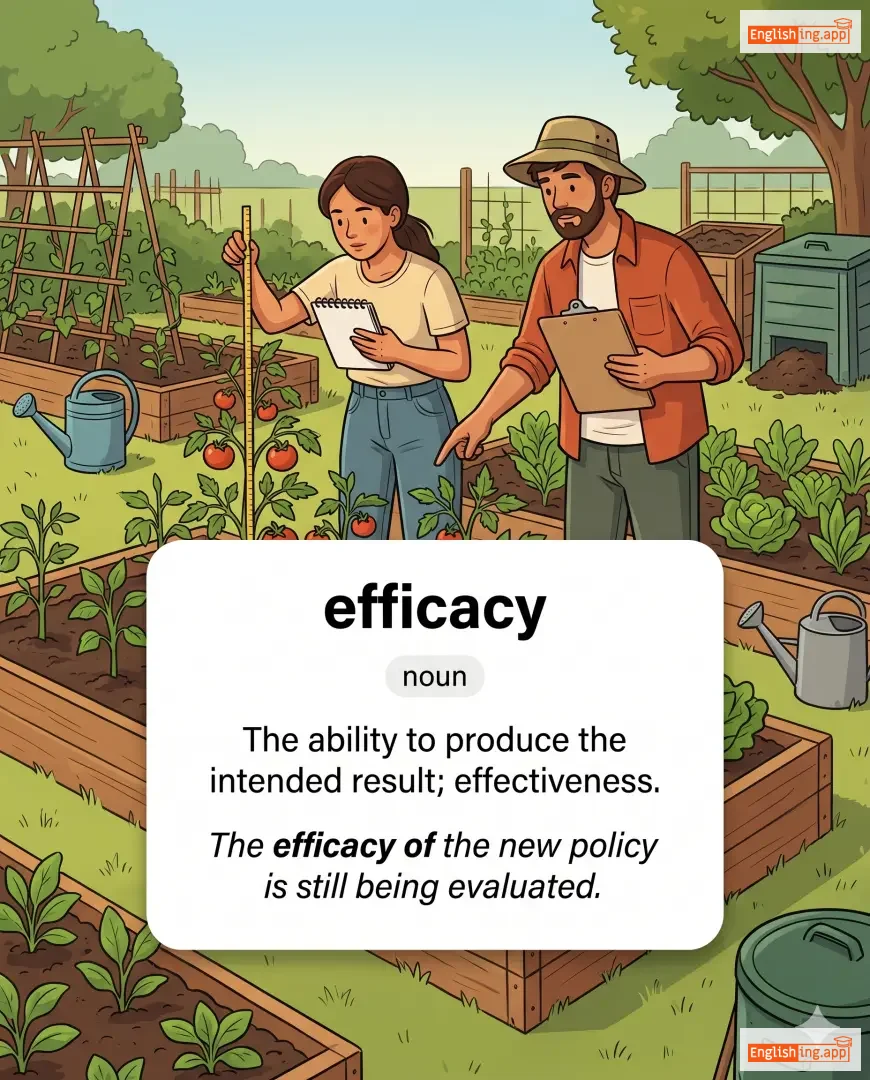
ˈef.ɪ.kə.si
noun
••••••
|
|
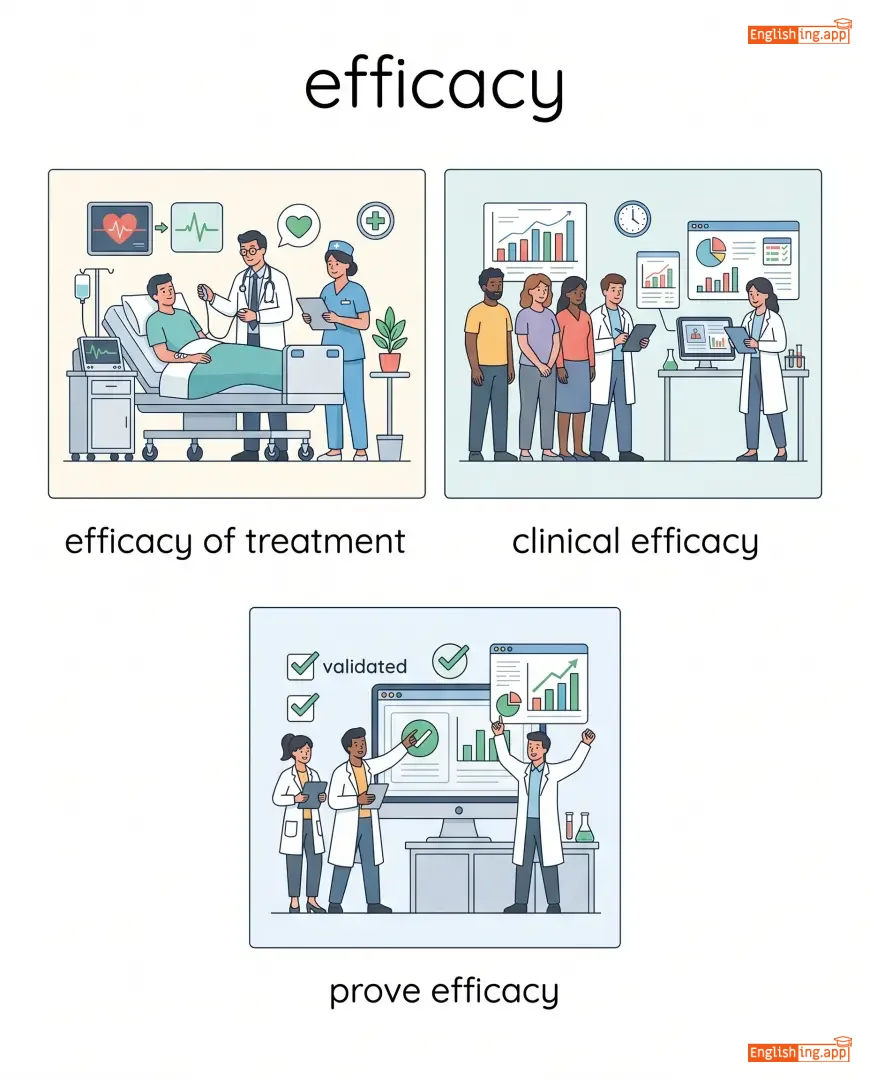
The ability to produce a desired or intended result; effectiveness.
••••••
|
The efficacy of the new drug was tested in trials. |
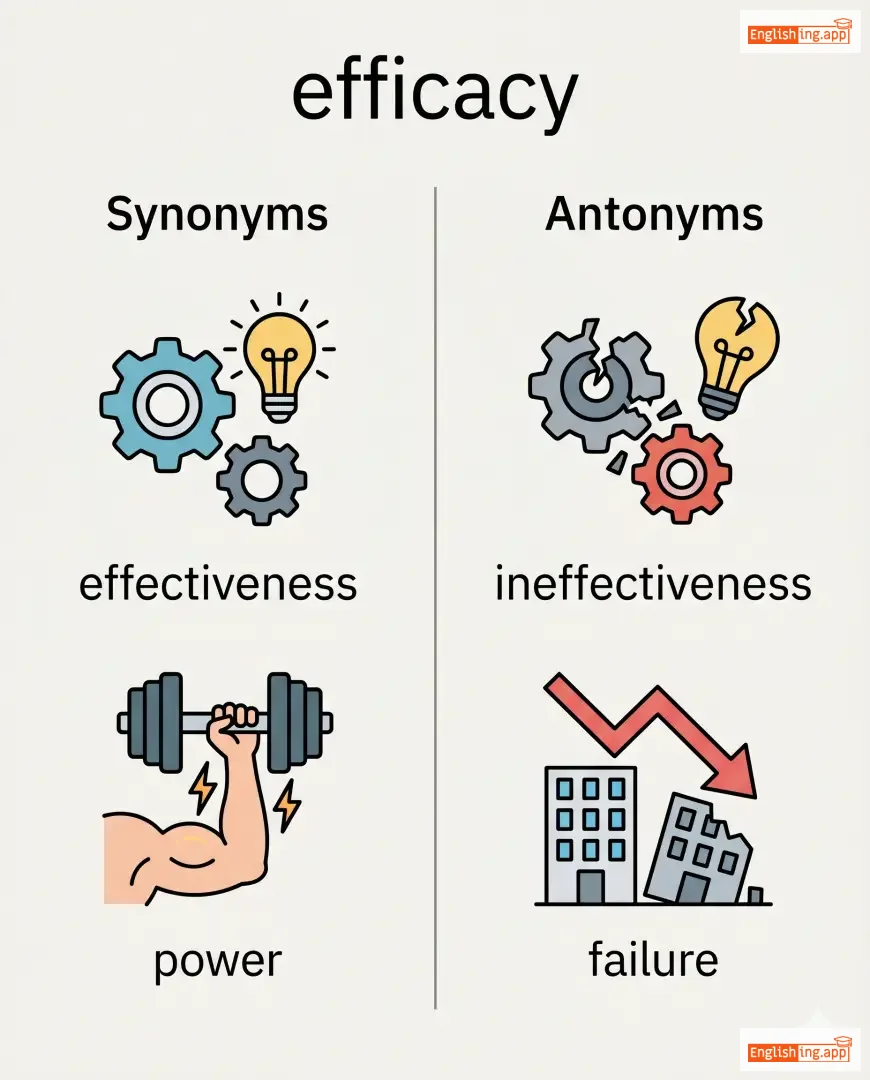
effectiveness, potency, power, capability, success, productivity
••••••
|
ineffectiveness, failure, impotence, weakness, uselessness, futility
••••••
|
|
#4036
🔗
|
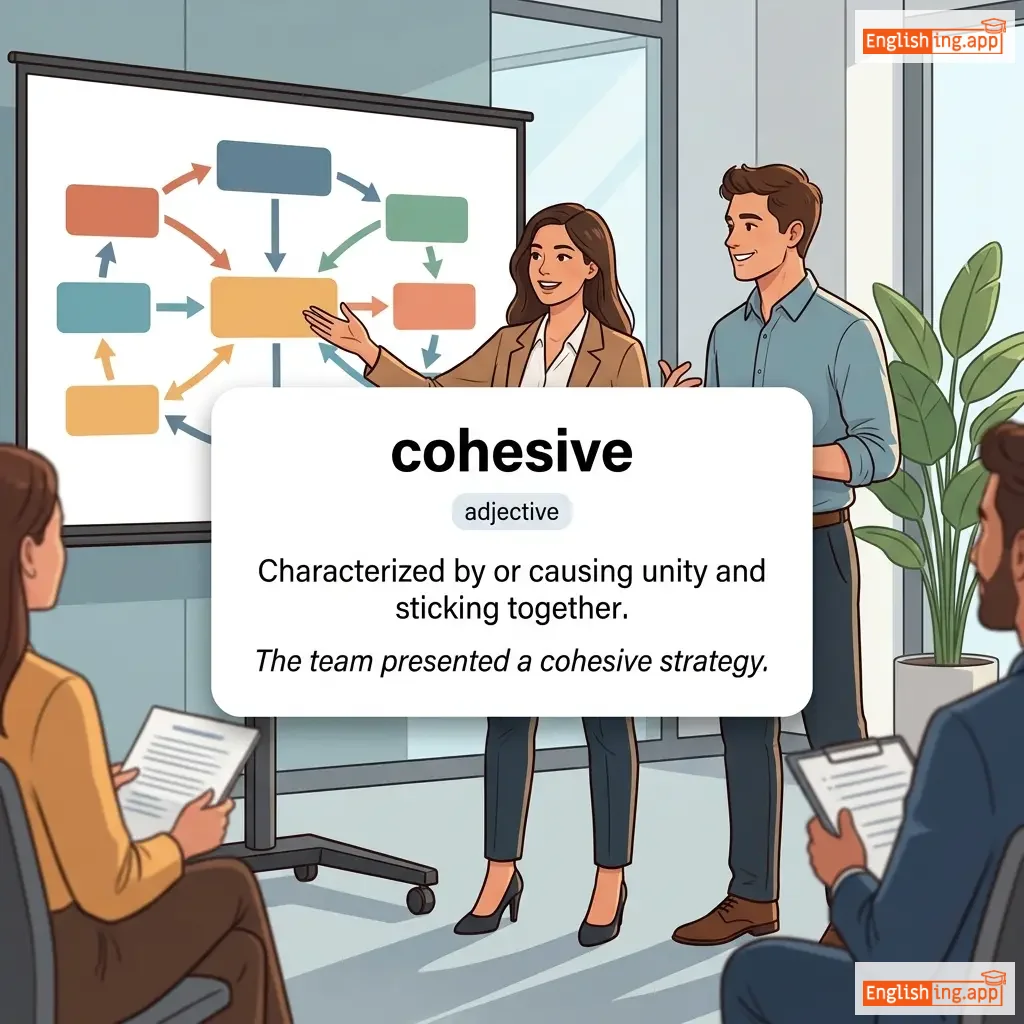
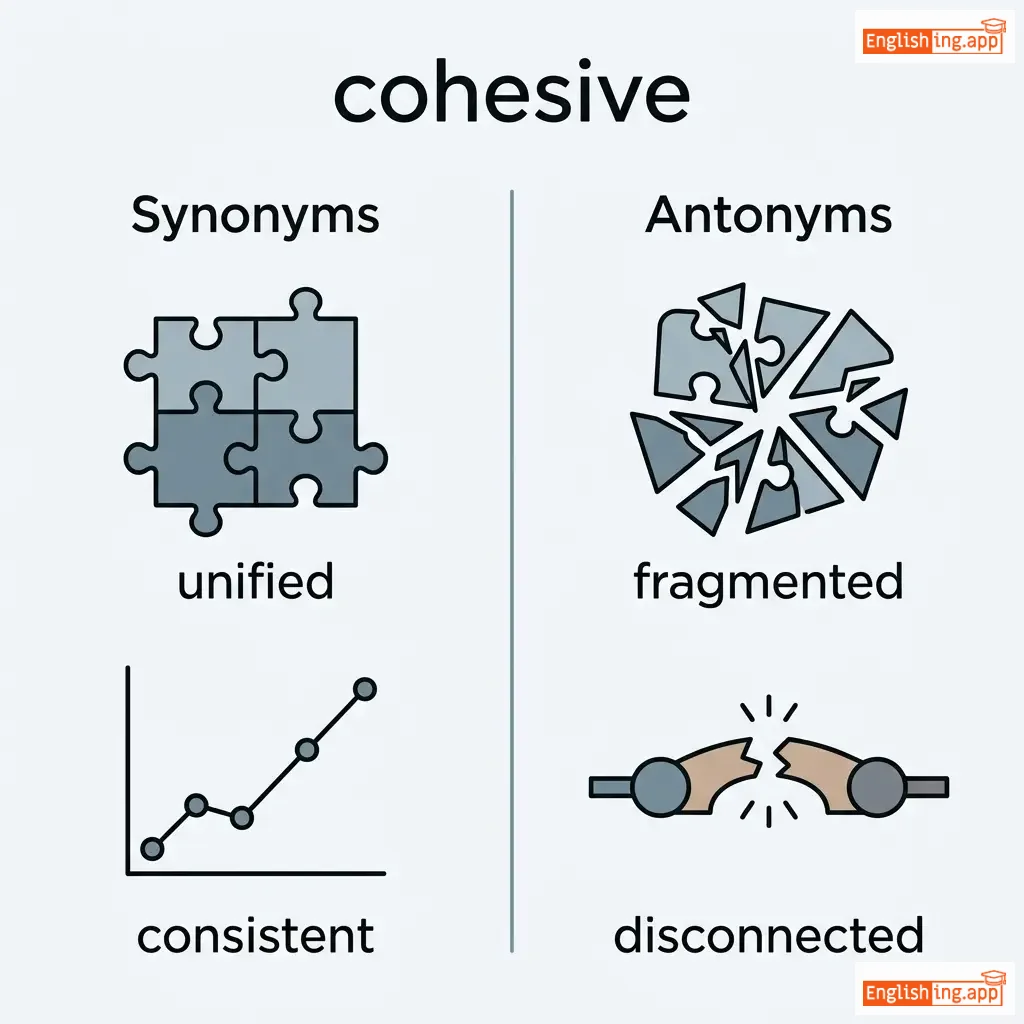
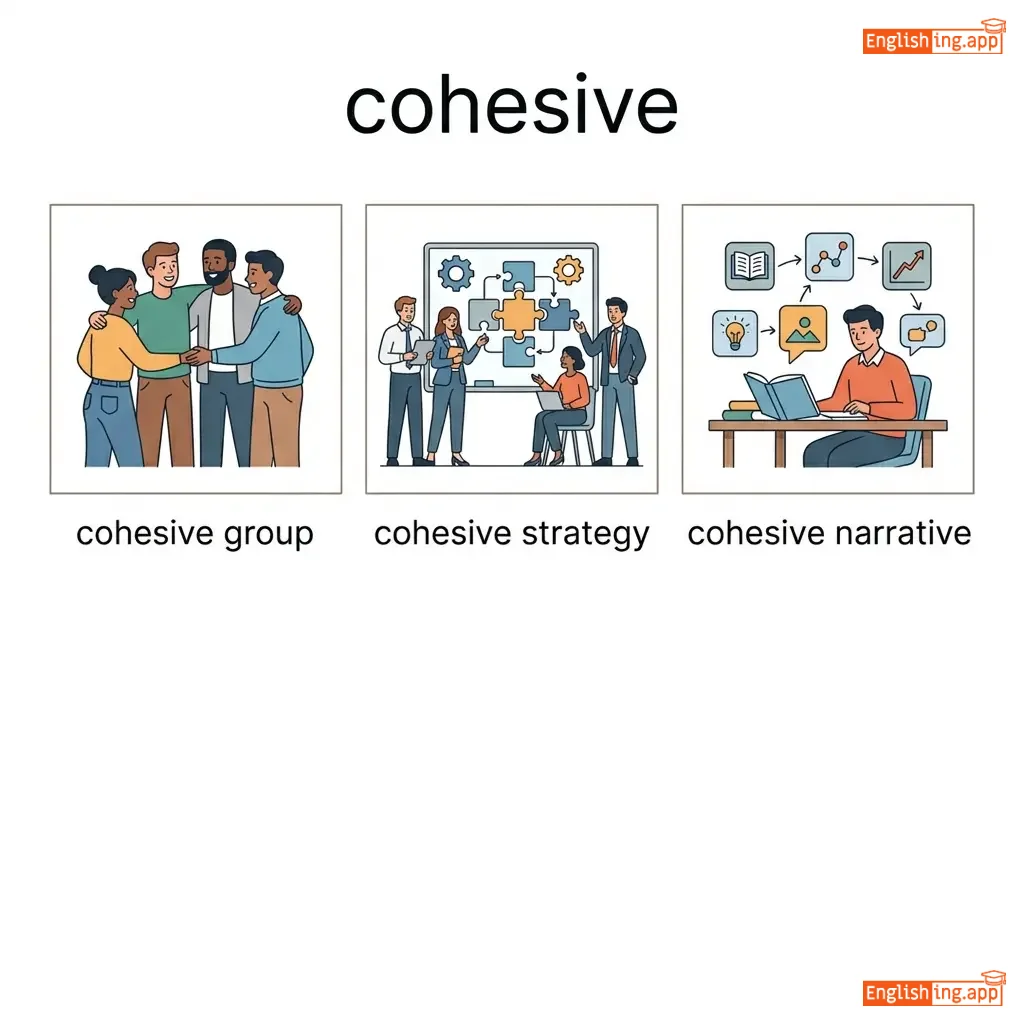
kəʊˈhiː.sɪv
adjective
••••••
|
|
Characterized by or causing cohesion; forming a united whole.
••••••
|
The team displayed a cohesive strategy. |
united, integrated, unified, consolidated, coordinated, harmonious
••••••
|
fragmented, disjointed, divided, scattered, incoherent, disconnected
••••••
|
|
#4037
👇
|
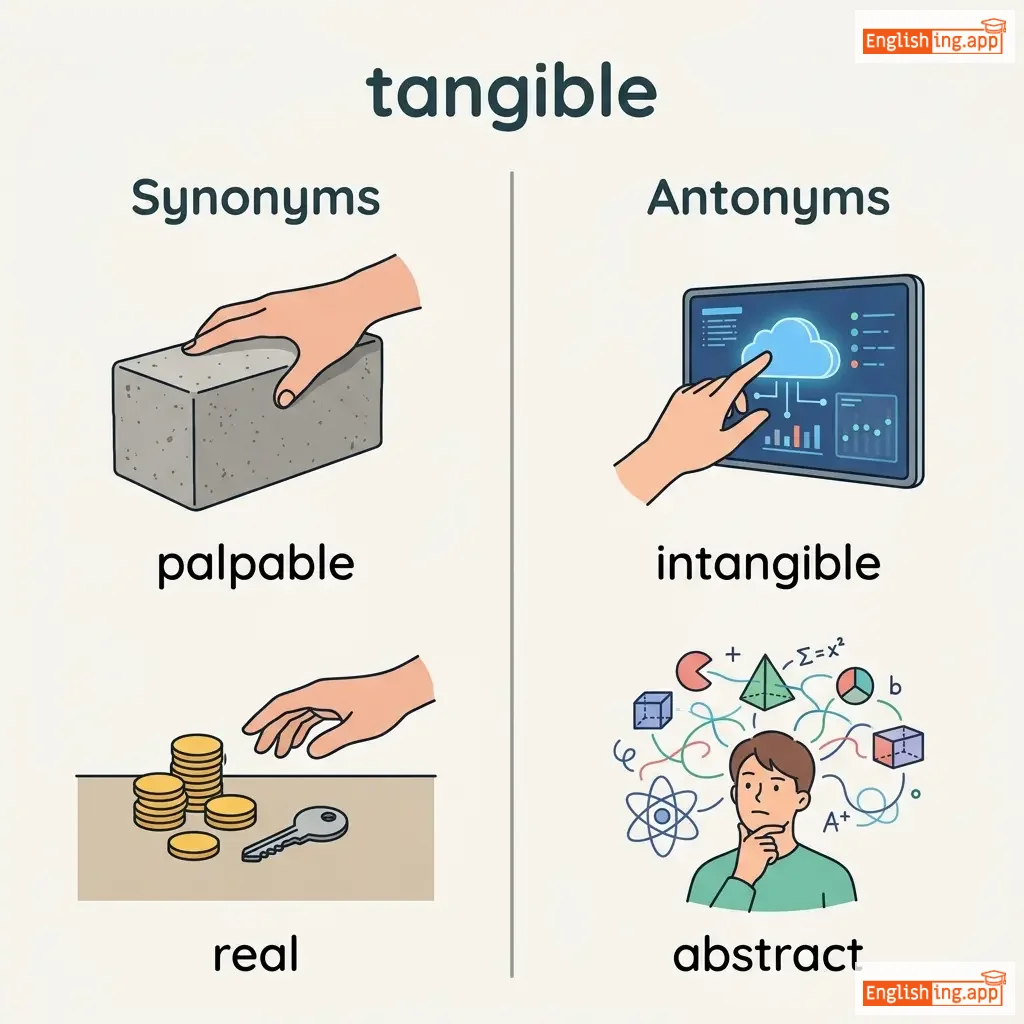
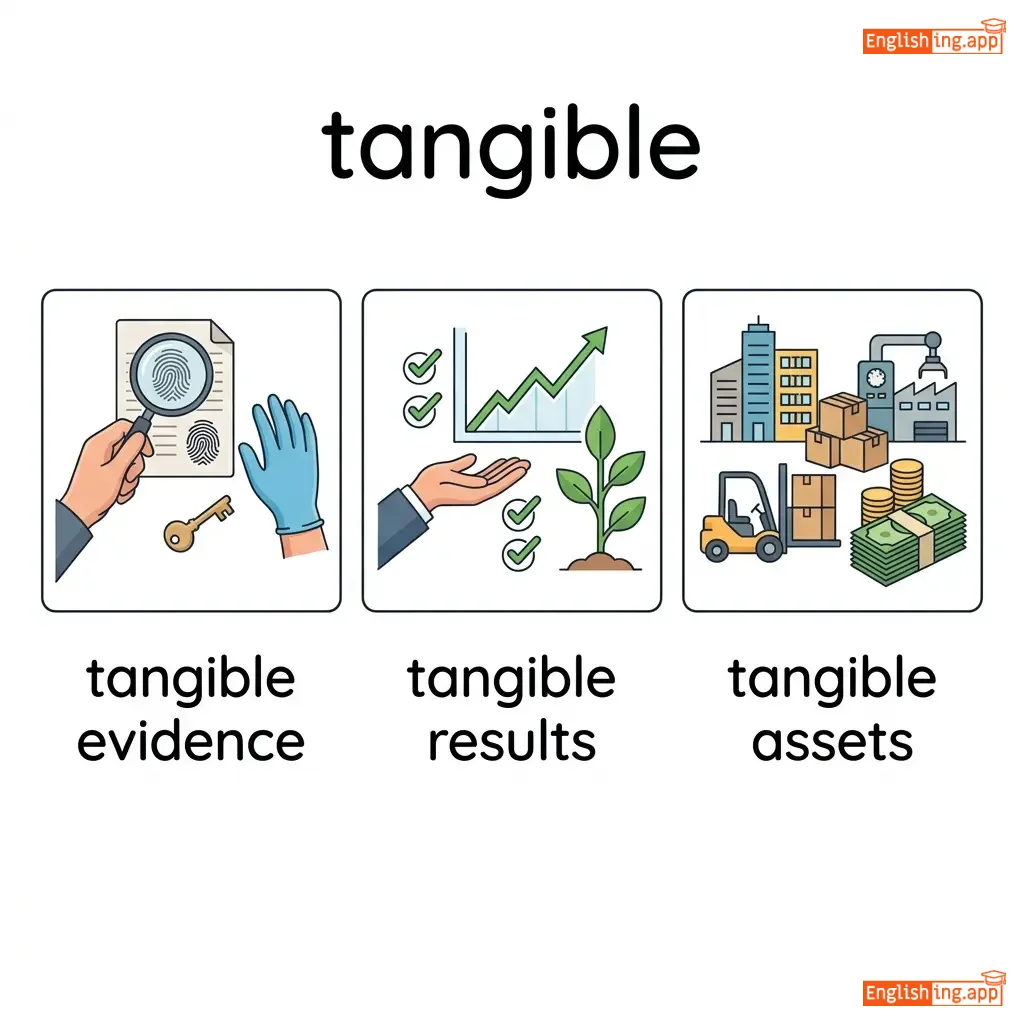
ˈtæn.dʒə.bəl
adjective
••••••
|

|
Clear and definite; real; perceptible by touch; capable of being touched or felt.
••••••
|
The company's success was seen in tangible profits. |
concrete, palpable, solid, real, physical, substantial
••••••
|
abstract, intangible, imperceptible, insubstantial, theoretical, imaginary
••••••
|
|
#4038
🆕
|
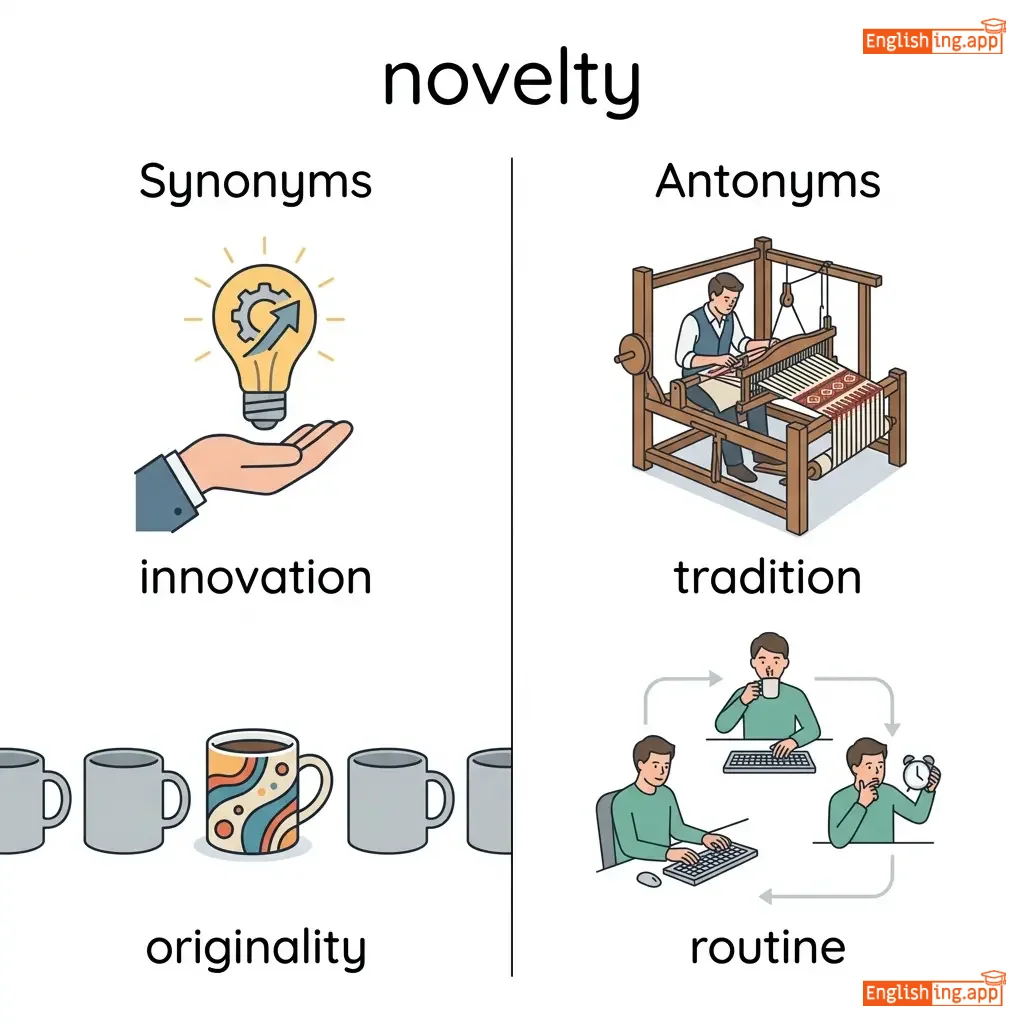
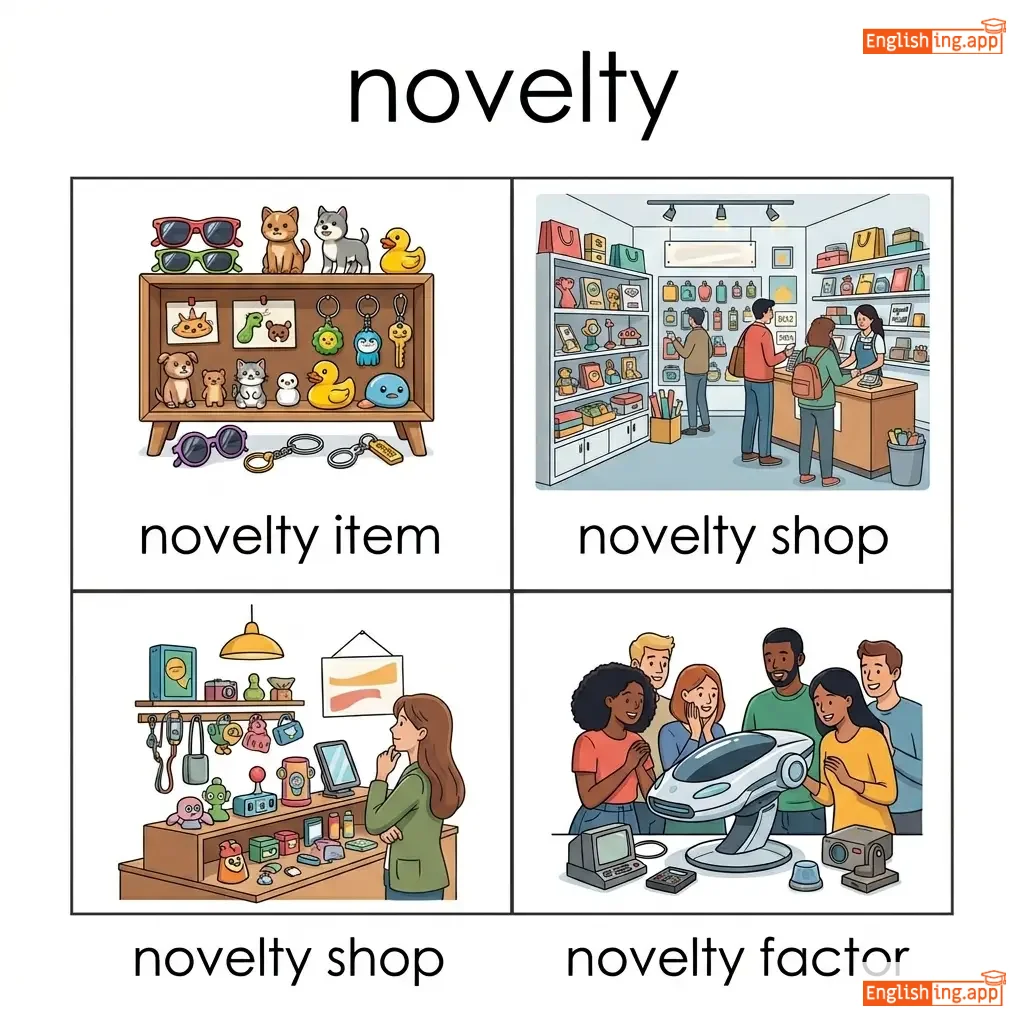
ˈnɒv.əl.ti
noun
••••••
|

|
The quality of being new, original, or unusual; a new or unfamiliar thing or experience.
••••••
|
The novelty of the invention attracted investors. |
innovation, originality, newness, freshness, uniqueness, creativity
••••••
|
tradition, commonplace, familiarity, conventionality, staleness, ordinariness
••••••
|
|
#4039
🤔
|
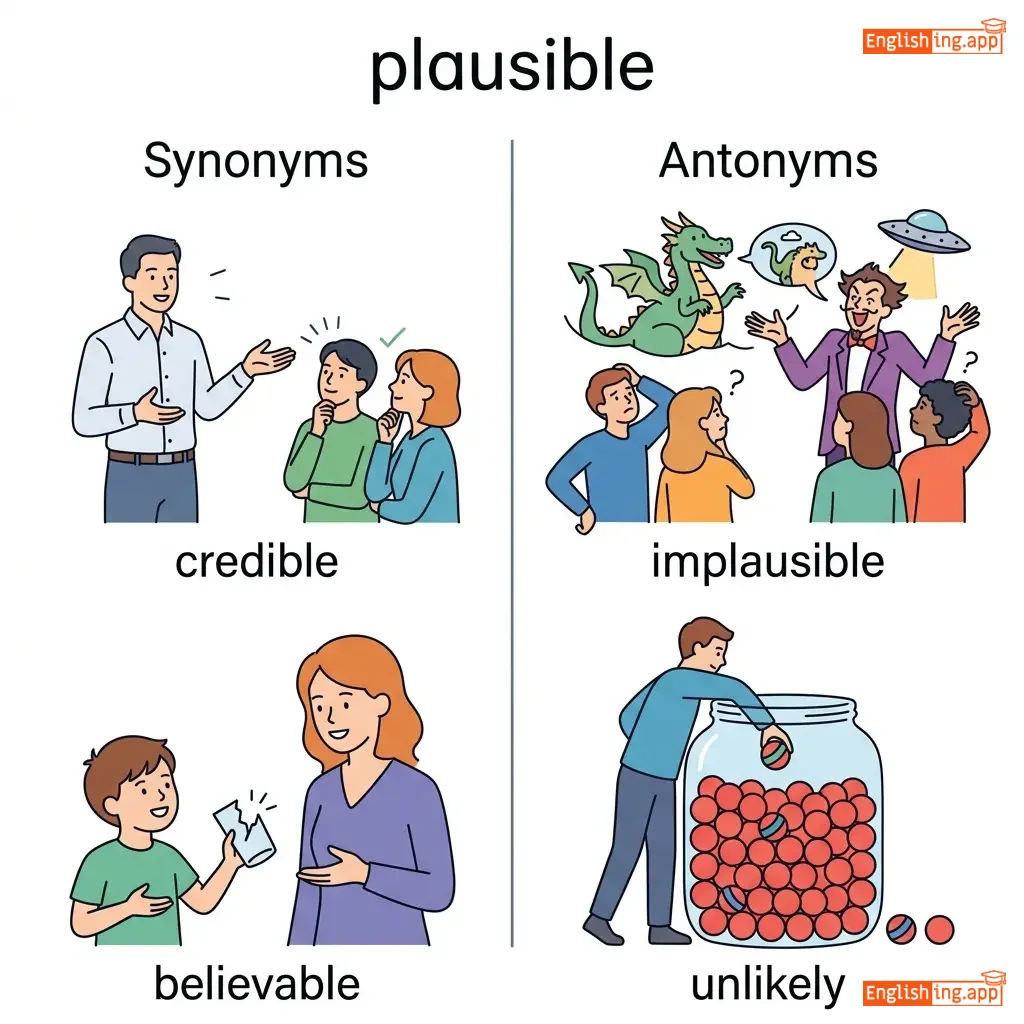
ˈplɔː.zə.bəl
adjective
••••••
|


|
Seeming reasonable or probable; appearing worthy of belief.
••••••
|
His explanation sounded plausible enough. |
credible, reasonable, believable, convincing, likely, feasible
••••••
|
implausible, unbelievable, unlikely, incredible, unreasonable, doubtful
••••••
|
|
#4040
✔️
|
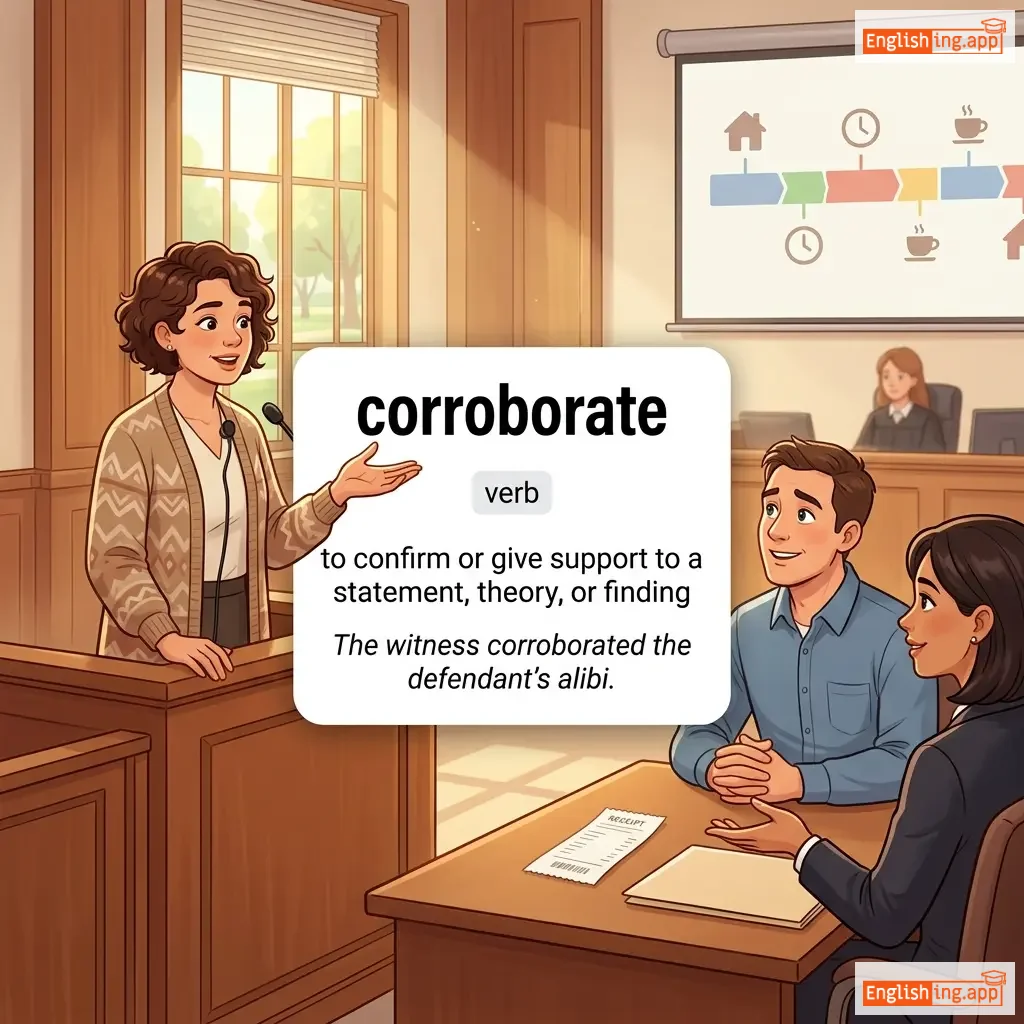
kəˈrɒb.ə.reɪt
verb
••••••
|
|
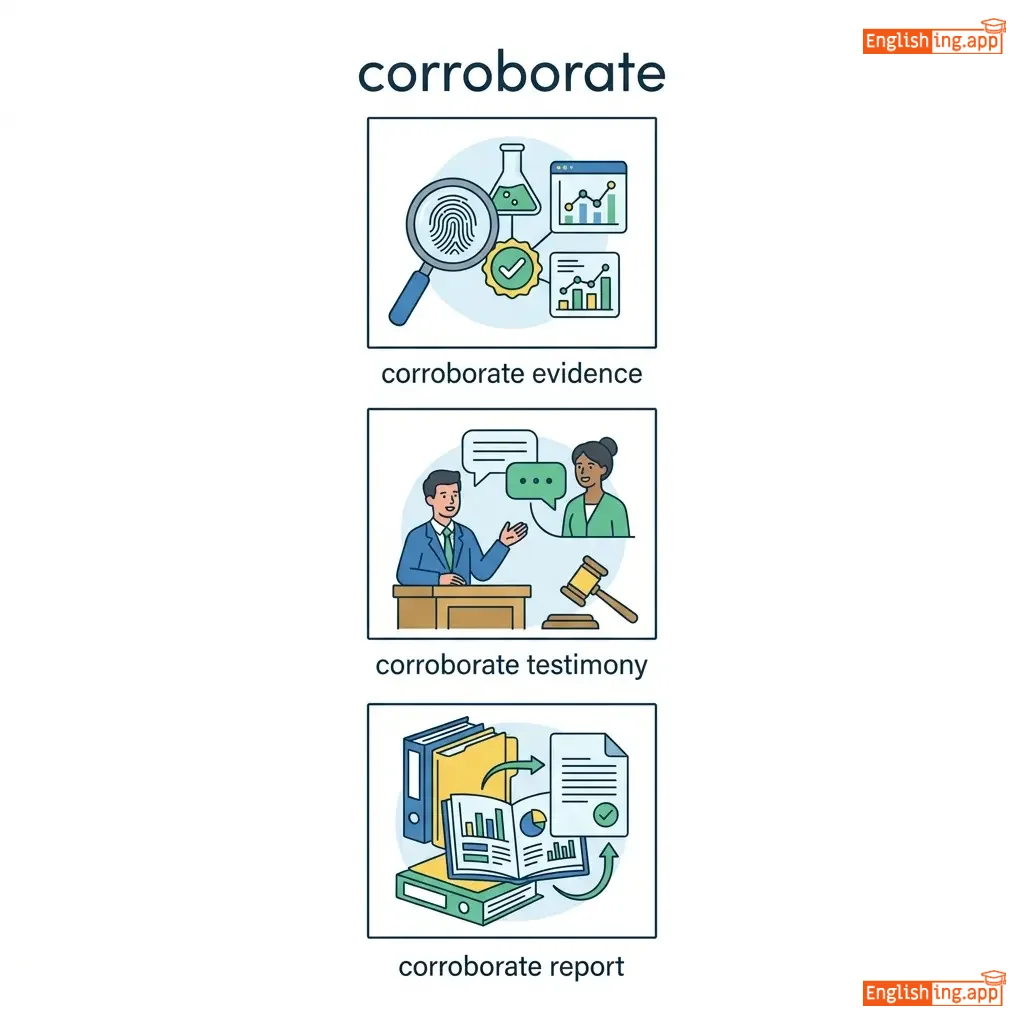
Confirm or give support to (a statement, theory, or finding).
••••••
|
The evidence corroborated his alibi. |
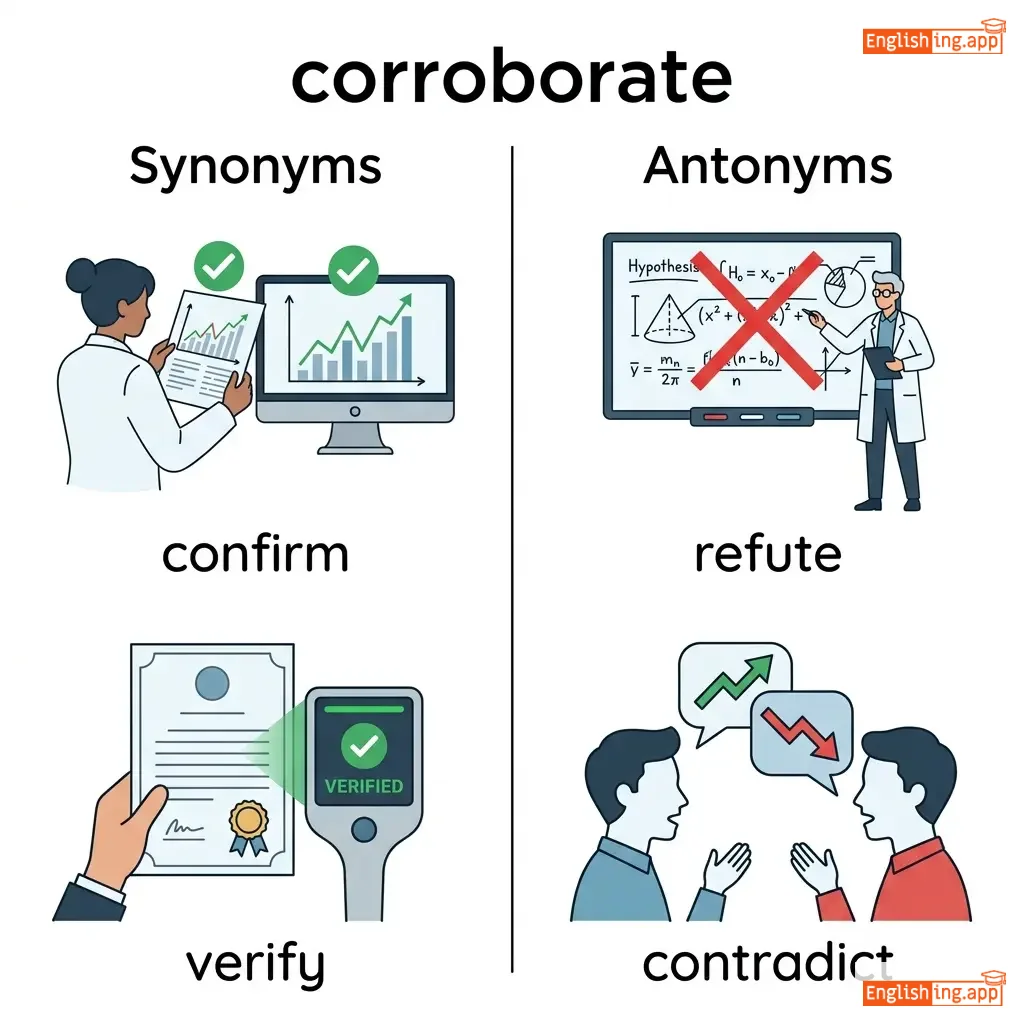
confirm, validate, verify, substantiate, support, authenticate
••••••
|
contradict, refute, disprove, deny, discredit, undermine
••••••
|
|
#4041
🔑
|
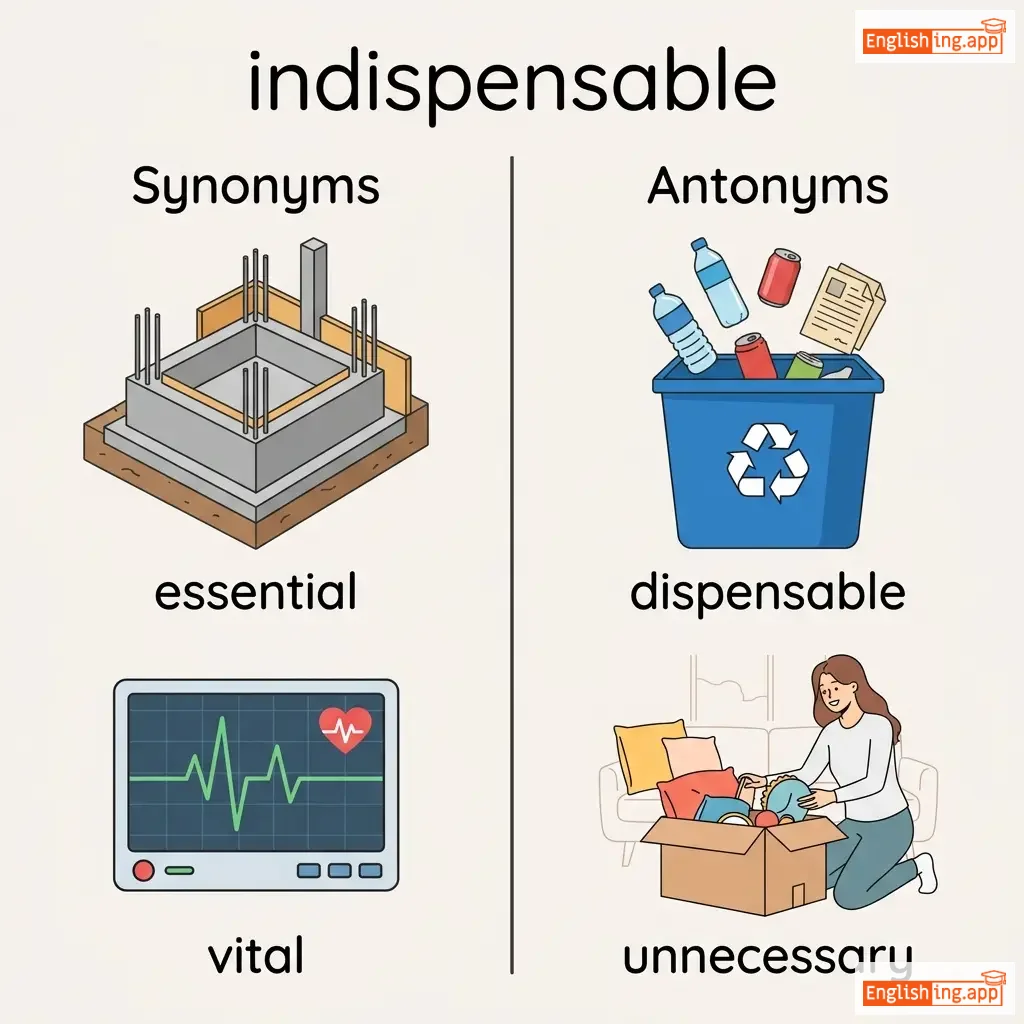
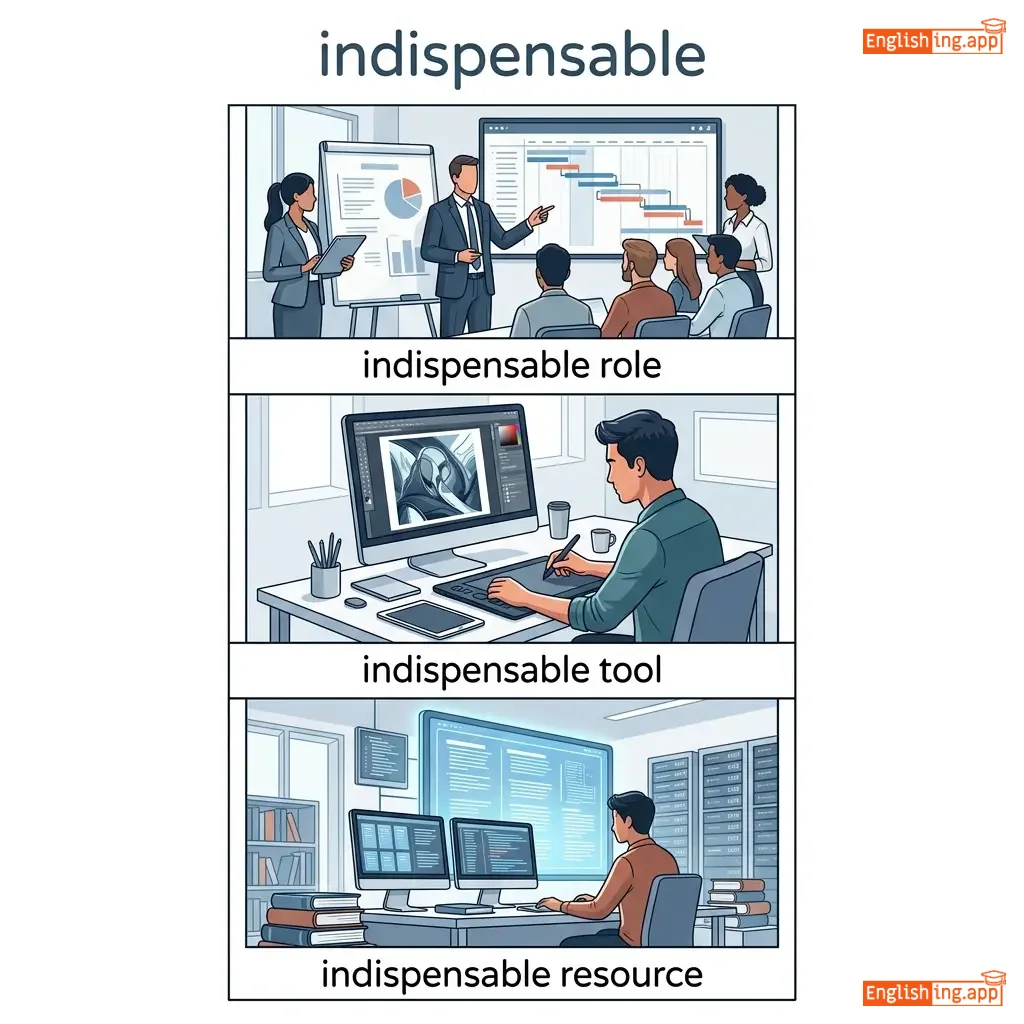
ˌɪn.dɪˈspen.sə.bəl
adjective
••••••
|
|
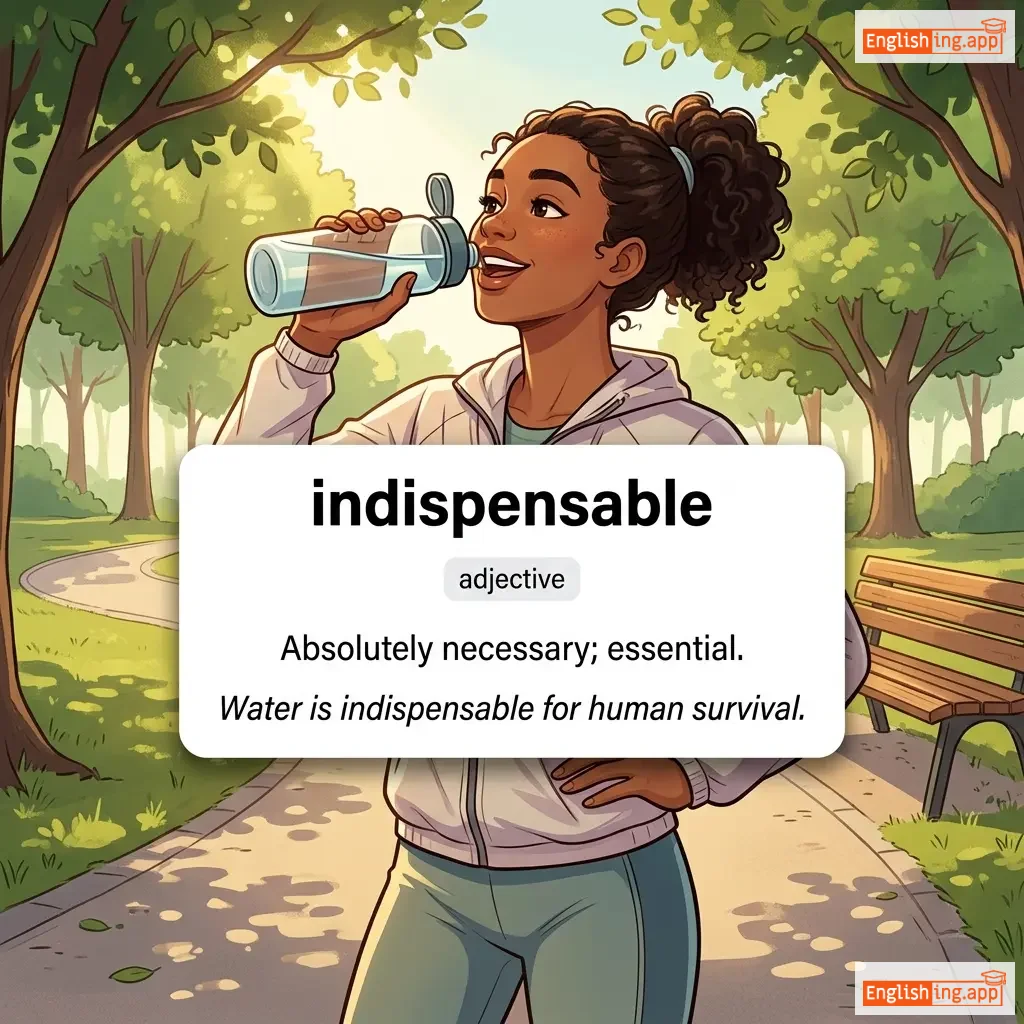
Absolutely necessary; essential.
••••••
|
Water is indispensable for survival. |
essential, vital, crucial, necessary, required, fundamental
••••••
|
dispensable, nonessential, unnecessary, optional, expendable, superfluous
••••••
|
|
#4042
🌐
|
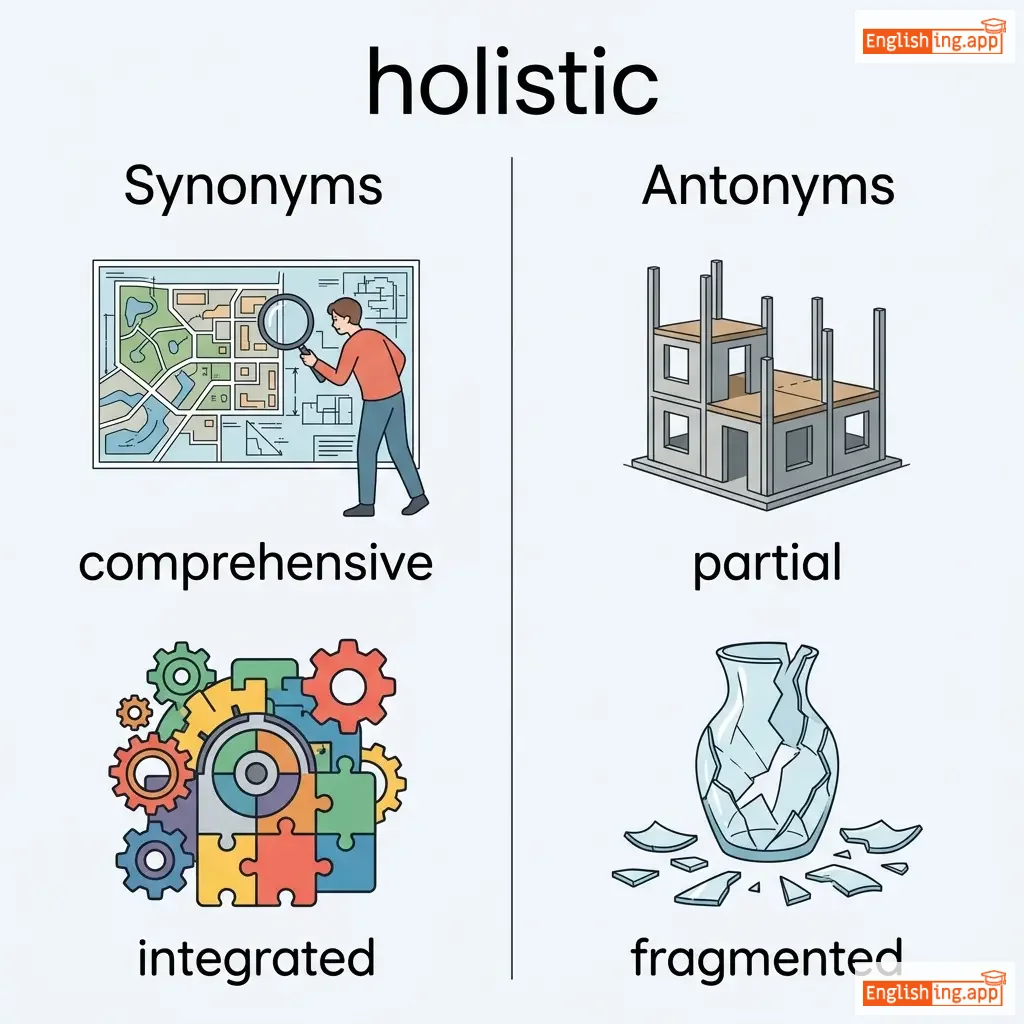
həʊˈlɪs.tɪk
adjective
••••••
|


|
Characterized by the treatment of the whole person, taking into account mental and social factors, rather than just the symptoms of a disease; relating to or concerned with wholes or complete systems rather than with individual parts.
••••••
|
A holistic approach is needed for healthcare. |
comprehensive, all-encompassing, integrated, complete, unified, total
••••••
|
partial, fragmented, incomplete, narrow, limited, sectional
••••••
|
|
#4043
🚀
|
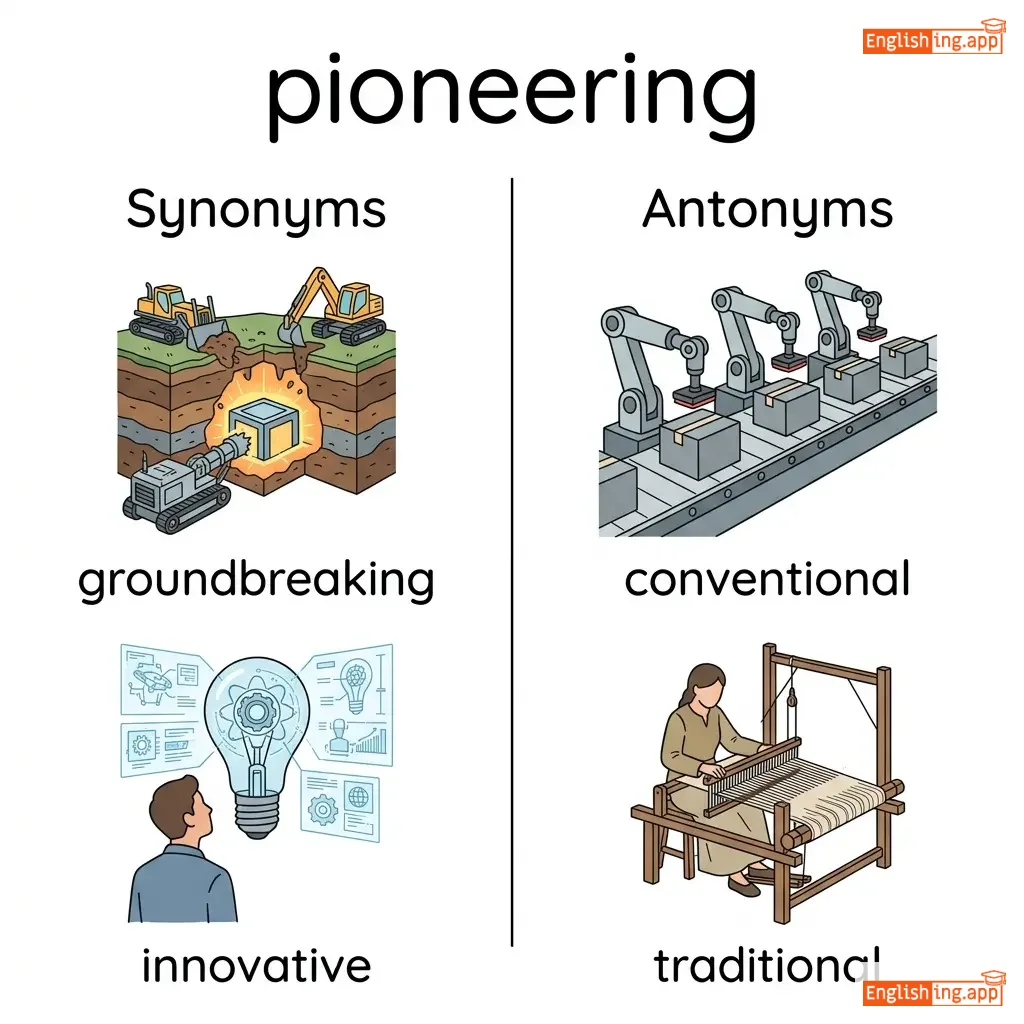
ˌpaɪəˈnɪə.rɪŋ
adjective
••••••
|

|
Involving new ideas or methods; being the first to develop or use new methods, ideas, or products.
••••••
|
The scientist made pioneering discoveries. |
groundbreaking, innovative, trailblazing, revolutionary, cutting-edge, progressive
••••••
|
conventional, traditional, orthodox, conservative, established, mainstream
••••••
|

