Pourquoi tant de PDG sont des ingénieurs

Why So Many CEOs Are Engineers

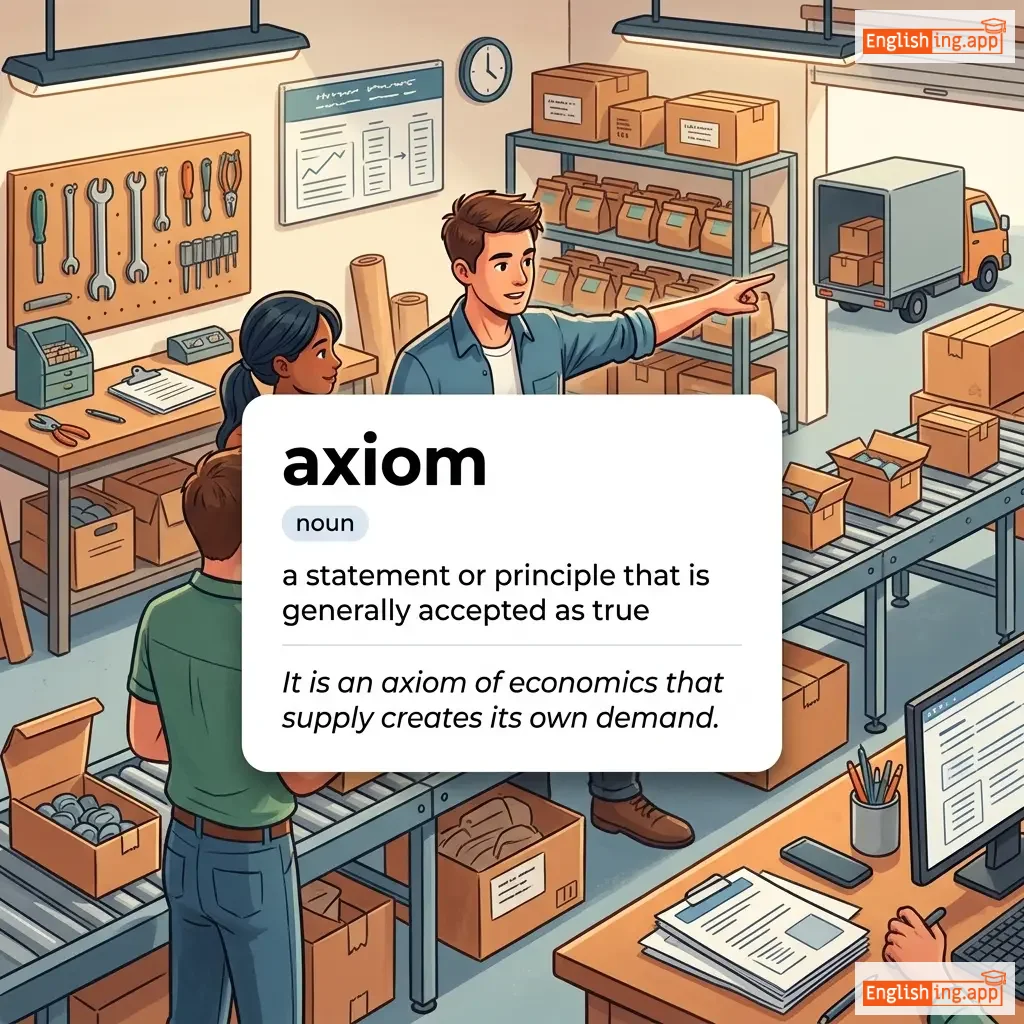
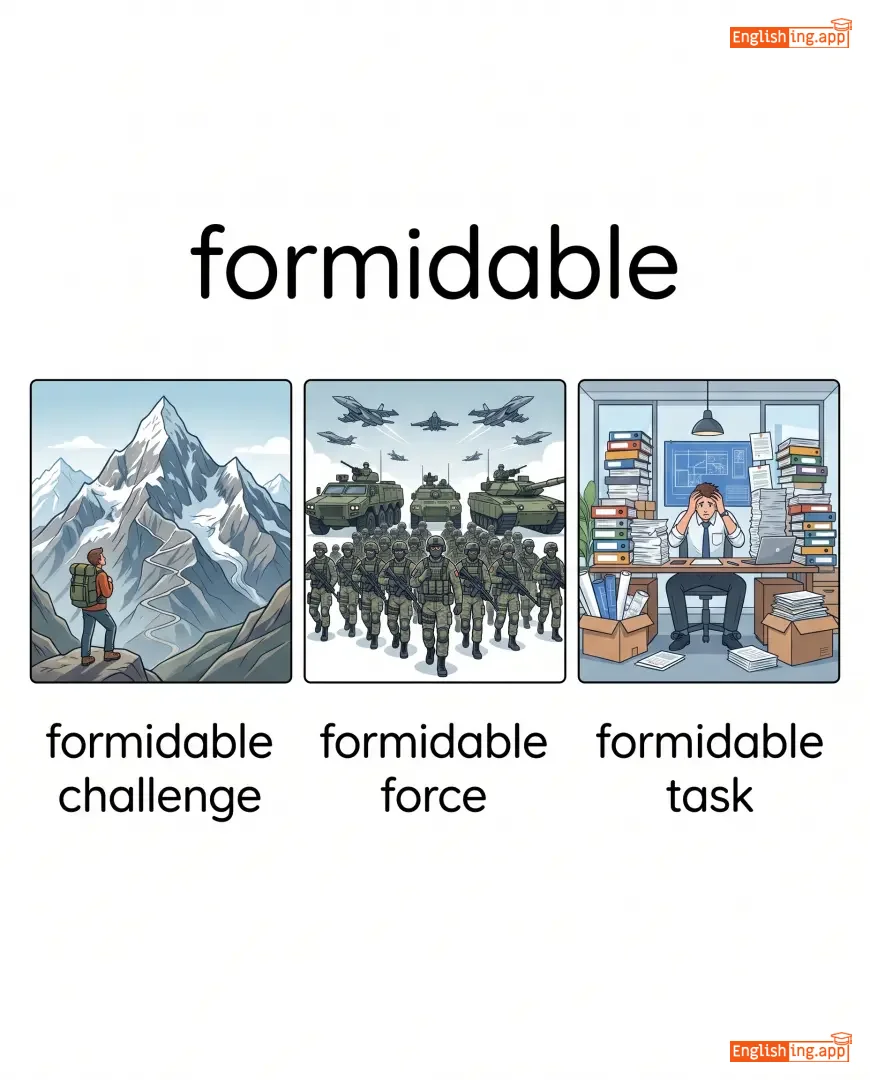
Dans le monde d'aujourd'hui, la présence d'ingénieurs en tant que PDG des entreprises leaders est devenue un axiome. Grâce au travail acharné, à l'adaptabilité et aux compétences analytiques, ils ont créé une position formidable dans le monde des affaires.

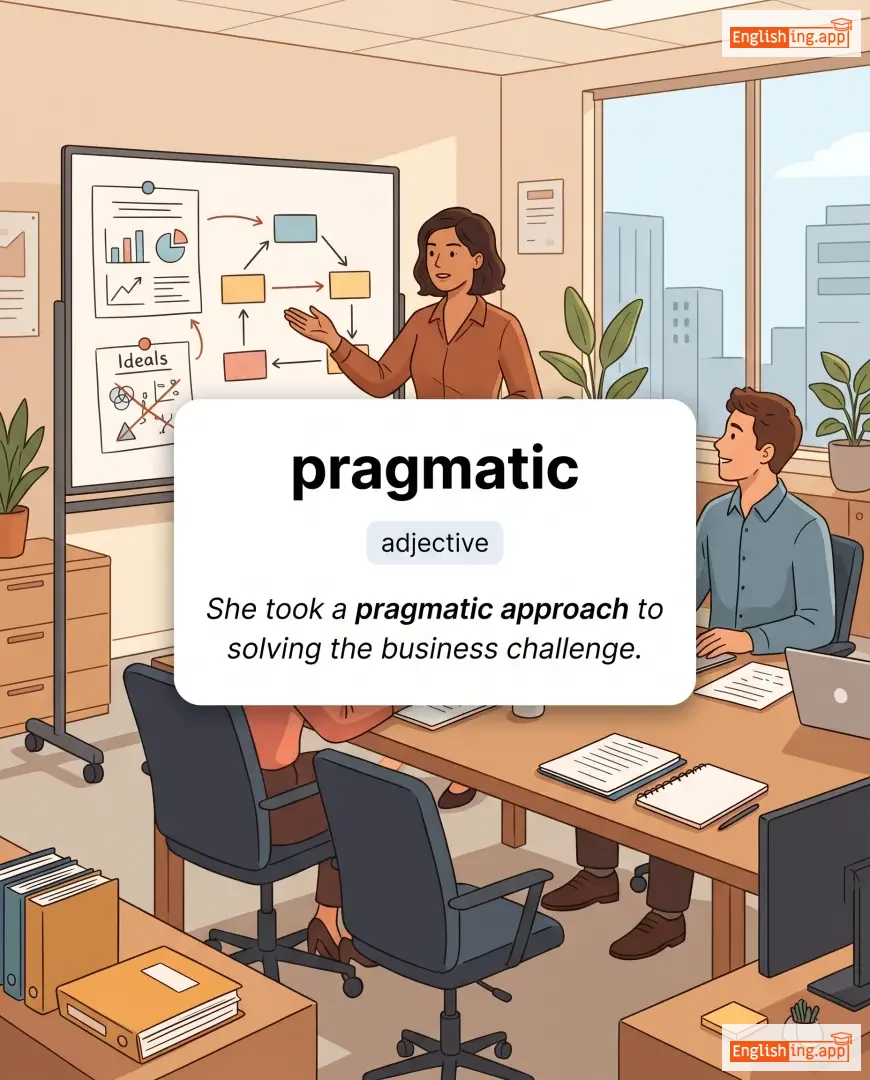
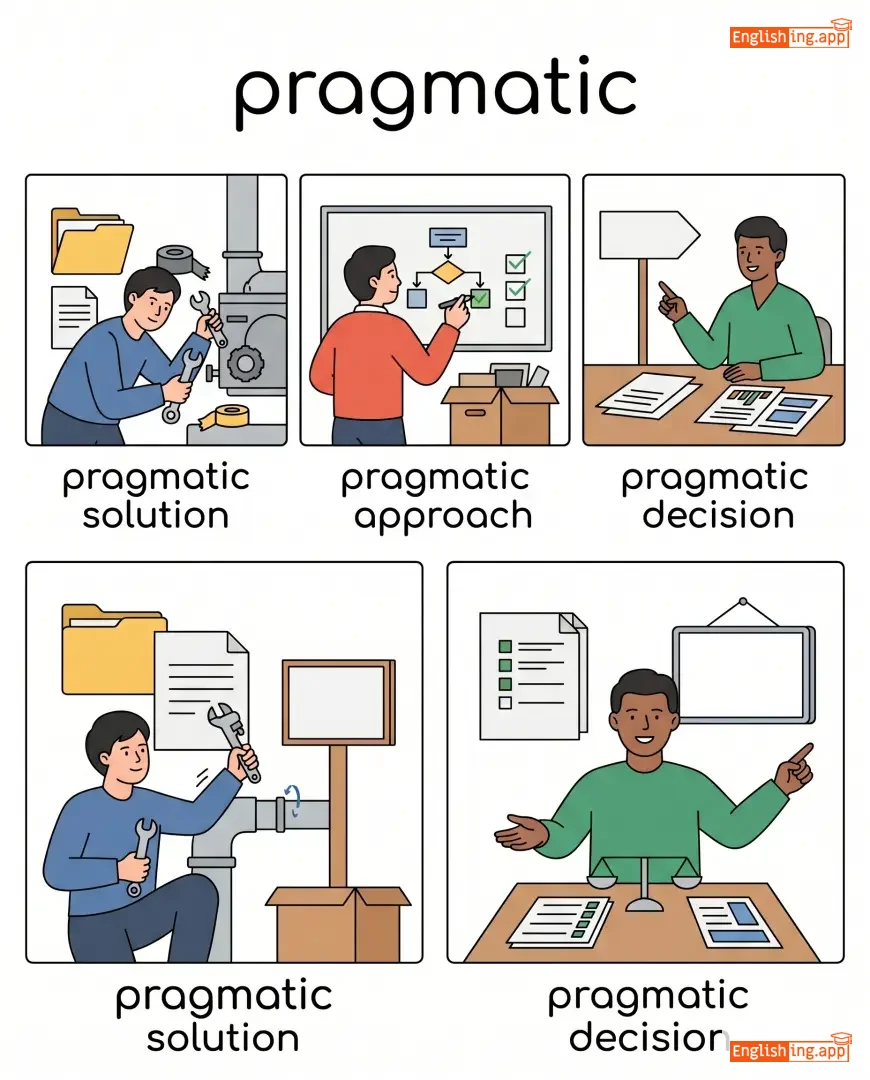
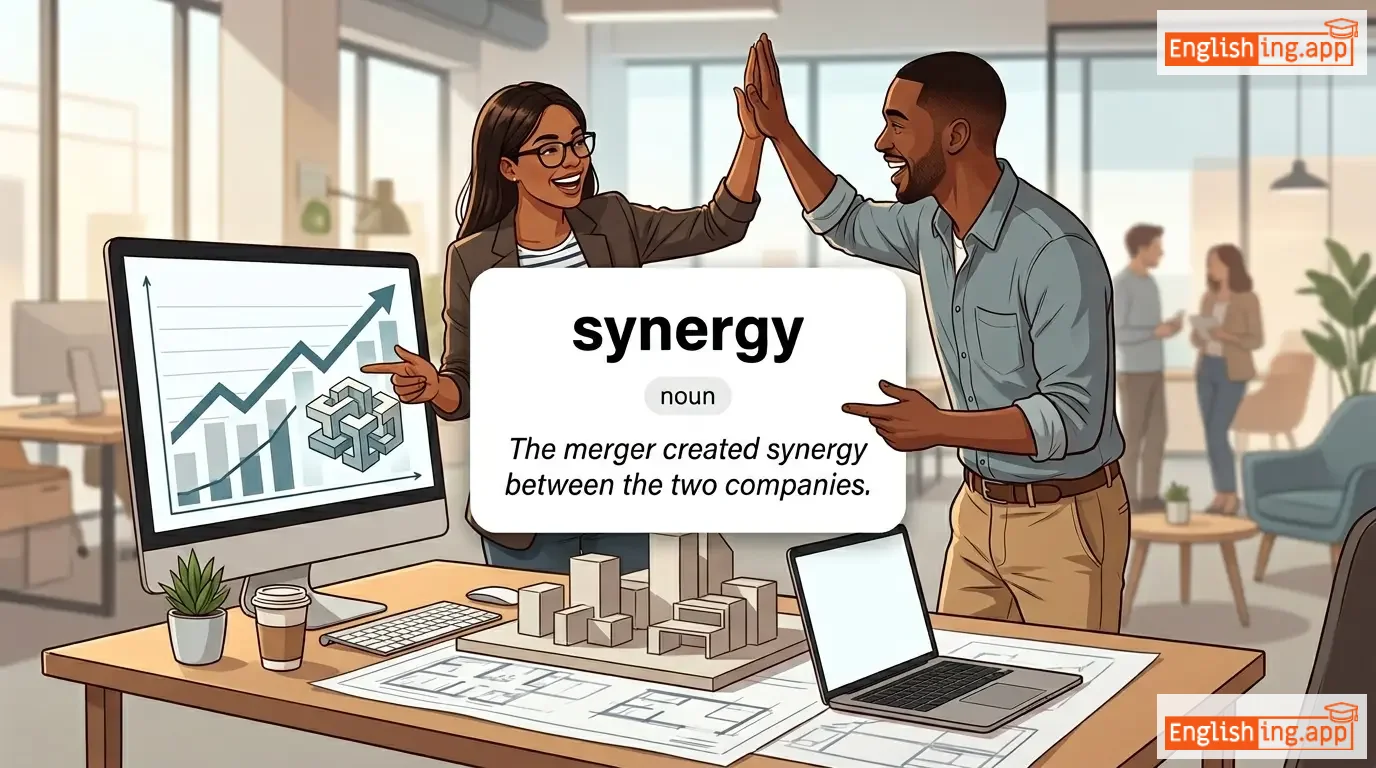
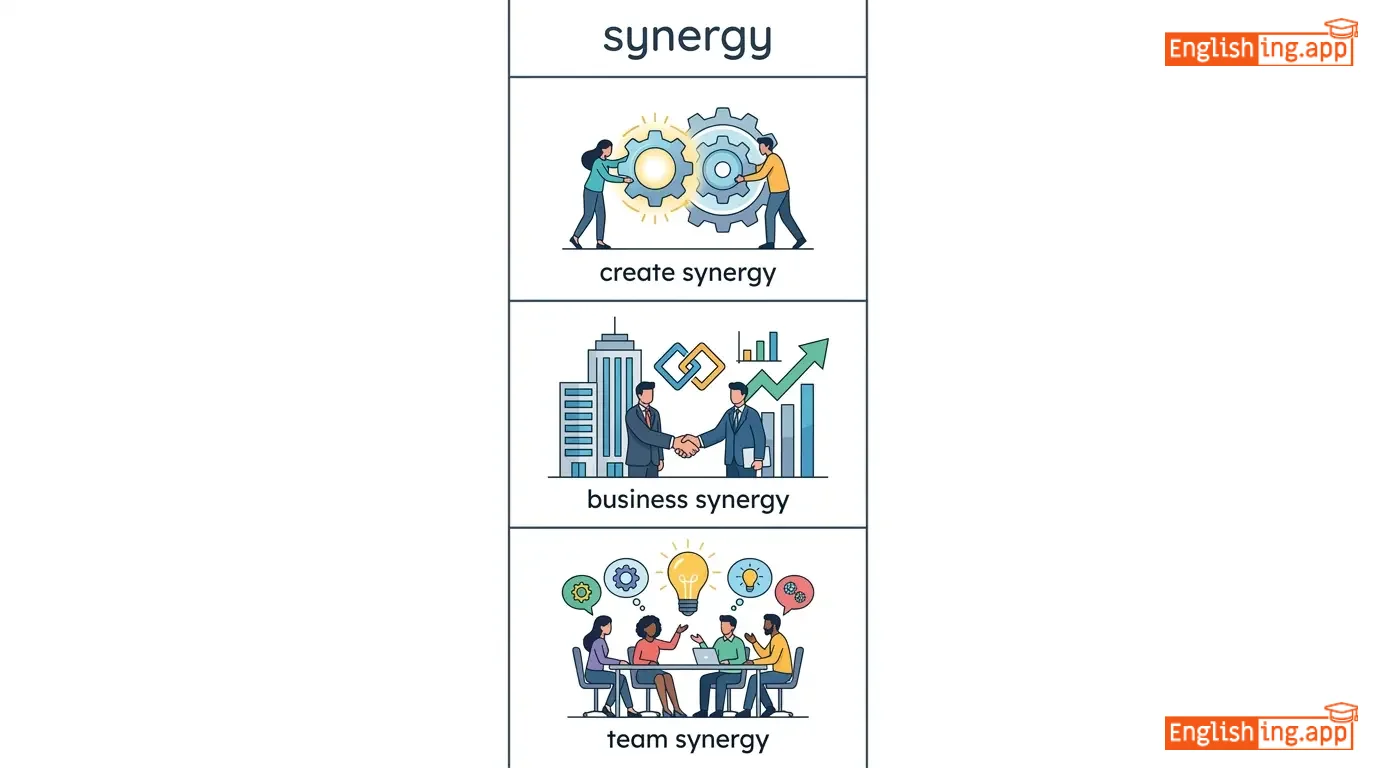
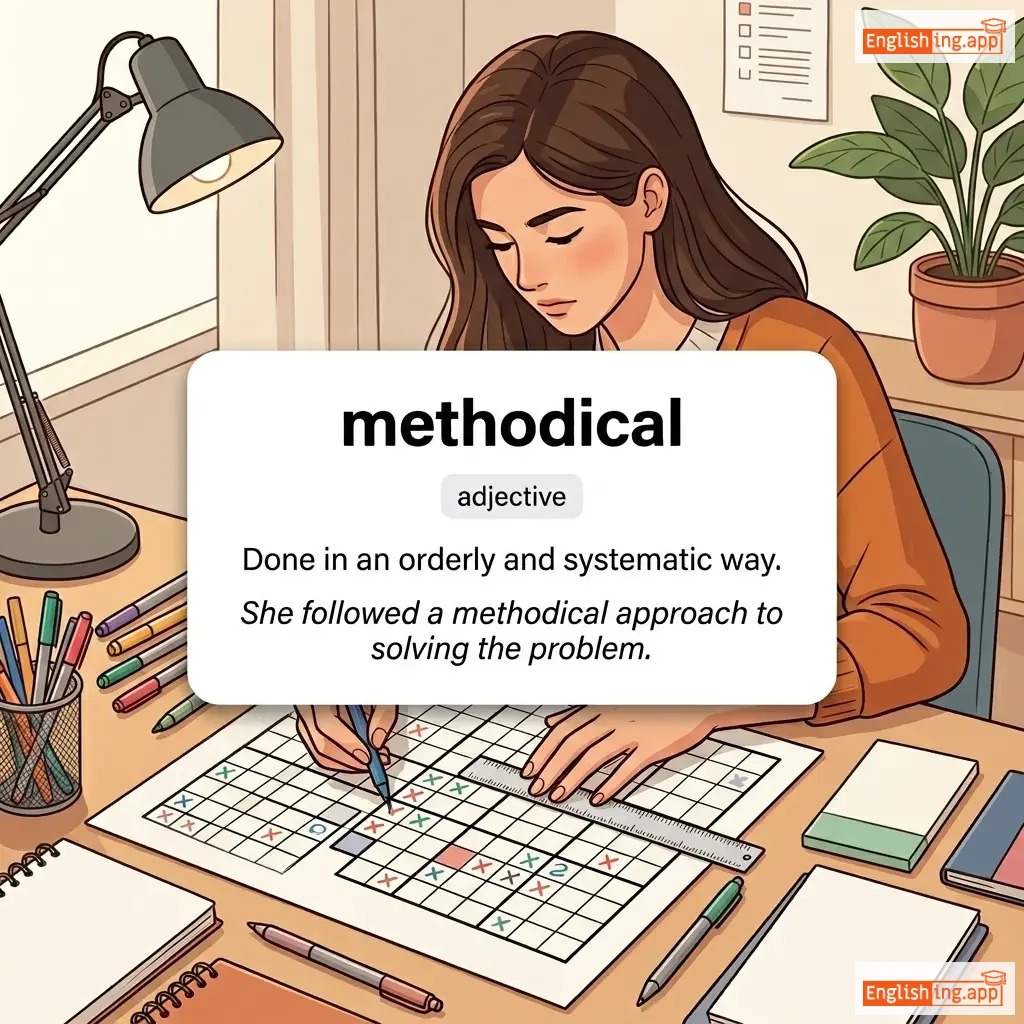
Un ingénieur suit toujours une pensée pragmatique, ce qui est efficace dans la prise de décisions. Leur compétence et leur discernement aident à guider les entreprises sur la bonne voie. Pour créer une synergie entre la technologie et les affaires, ils adoptent une planification méthodique.

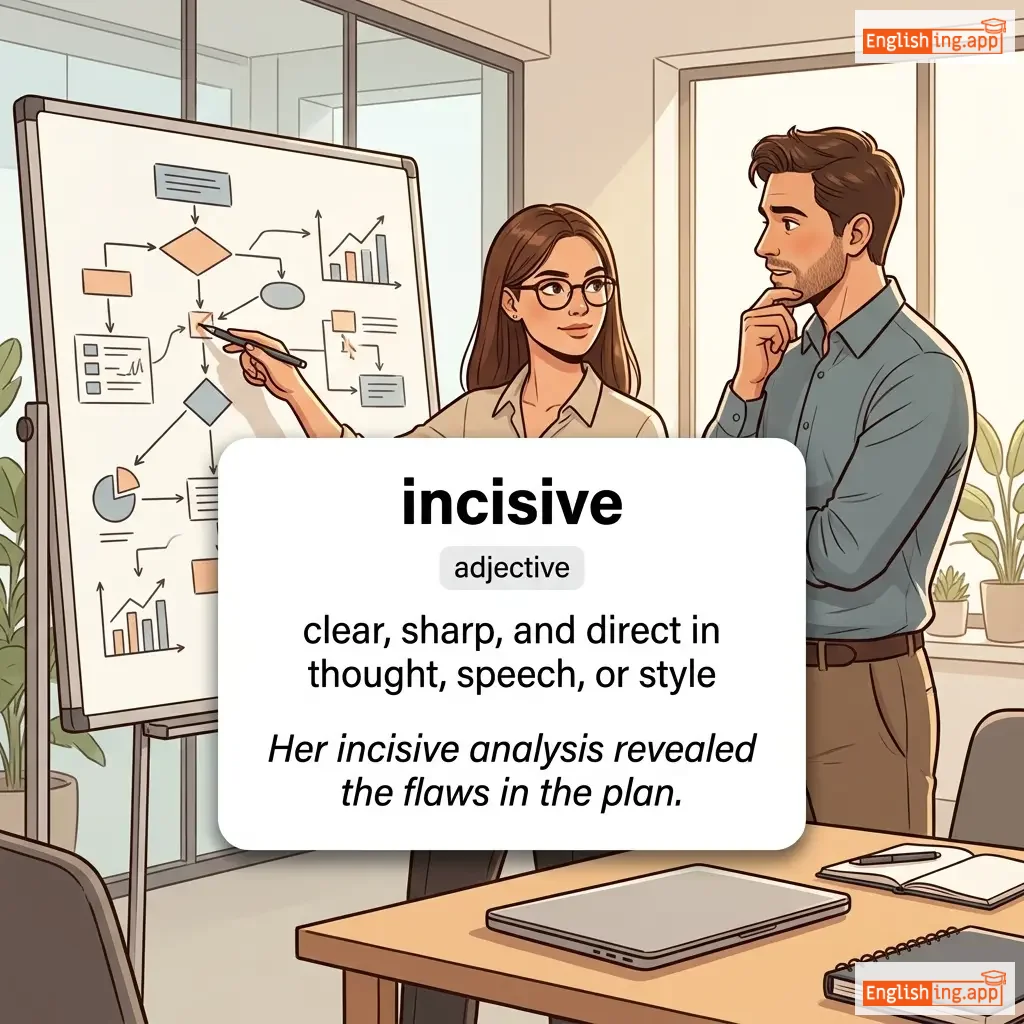
L'intuition et la perspective incisive des ingénieurs les amène à des positions de leadership. Leurs compétences habiles et leur efficacité jouent un rôle dans la résolution de nouveaux problèmes. Ils comprennent l'importance de créer des équipes cohésives dans la progression des affaires et de définir des objectifs tangibles.

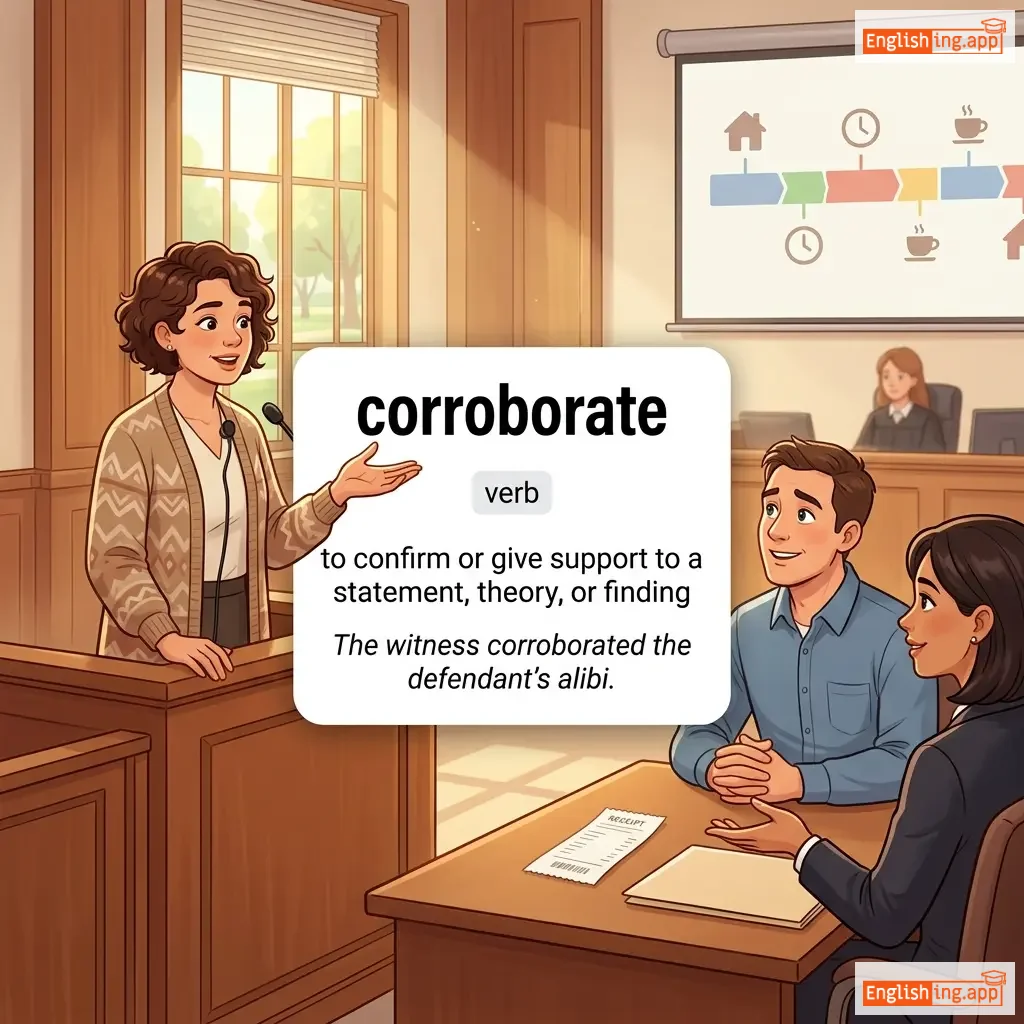
À l'ère de l'innovation technologique, les ingénieurs sont les plus efficaces pour transformer des concepts de nouveauté en réalité. Leurs solutions plausibles et les informations corroborées renforcent leur position en tant que PDG.

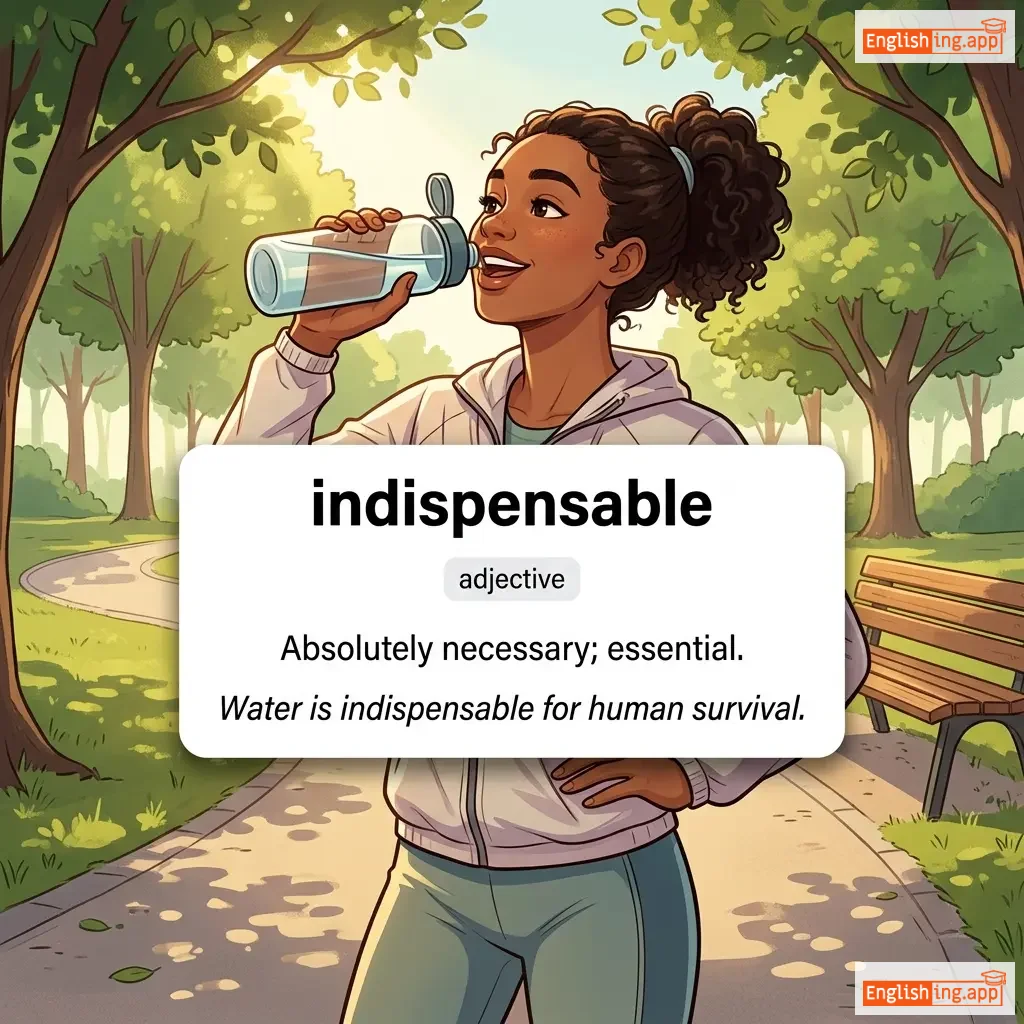
Ils sont non seulement indispensables pour les affaires, mais jouent également un rôle dans l'amélioration holistique globale de l'entreprise. Les ingénieurs créent un environnement cohésif dans les affaires d'une part, tout en faisant progresser la technologie de l'autre.
Le rôle des ingénieurs dans les grandes entreprises mondiales devient de plus en plus évident au fil du temps, reflétant leur leadership pionnier.

Why So Many CEOs Are EngineersPourquoi tant de PDG sont des ingénieurs
/
/

Why So Many CEOs Are EngineersPourquoi tant de PDG sont des ingénieurs - Basculement de Masque

Émoji
Mot Images Signification Phrase d'Exemple Synonymes Antonymes
#4023
📏
••••••
ˈæk.si.əm
noun
••••••
••••••
A statement or principle that is generally accepted as being true and that can be used as the basis for argument or inference.
••••••

The axiom that hard work leads to success is widely accepted.

••••••
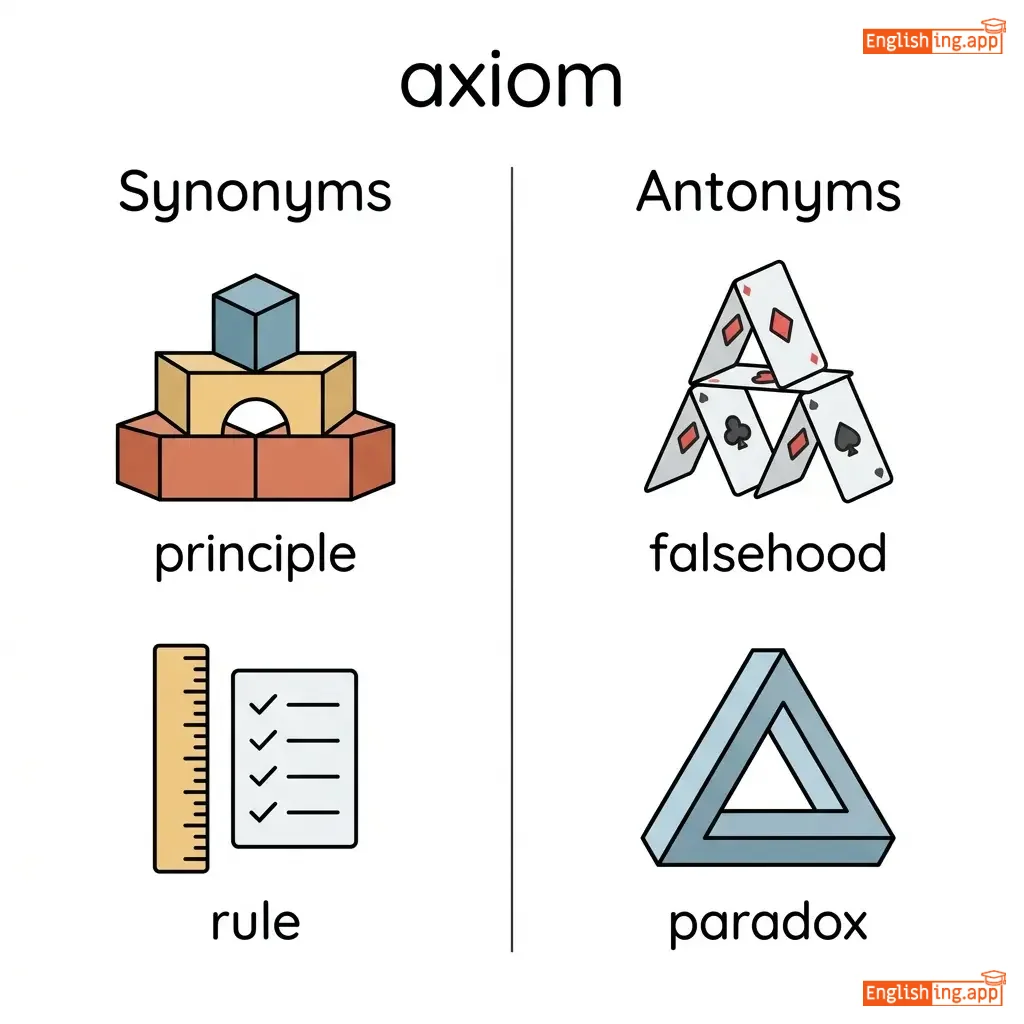
principle, maxim, truism, fundamental truth, basic principle, established fact
••••••
fallacy, misconception, error, falsehood, myth, delusion
••••••
#4024
🔄
••••••
əˌdæp.təˈbɪl.ə.ti
noun
••••••
••••••
The quality of being able to adjust to new conditions or circumstances.
••••••

Adaptability is crucial in an ever-changing world.

••••••
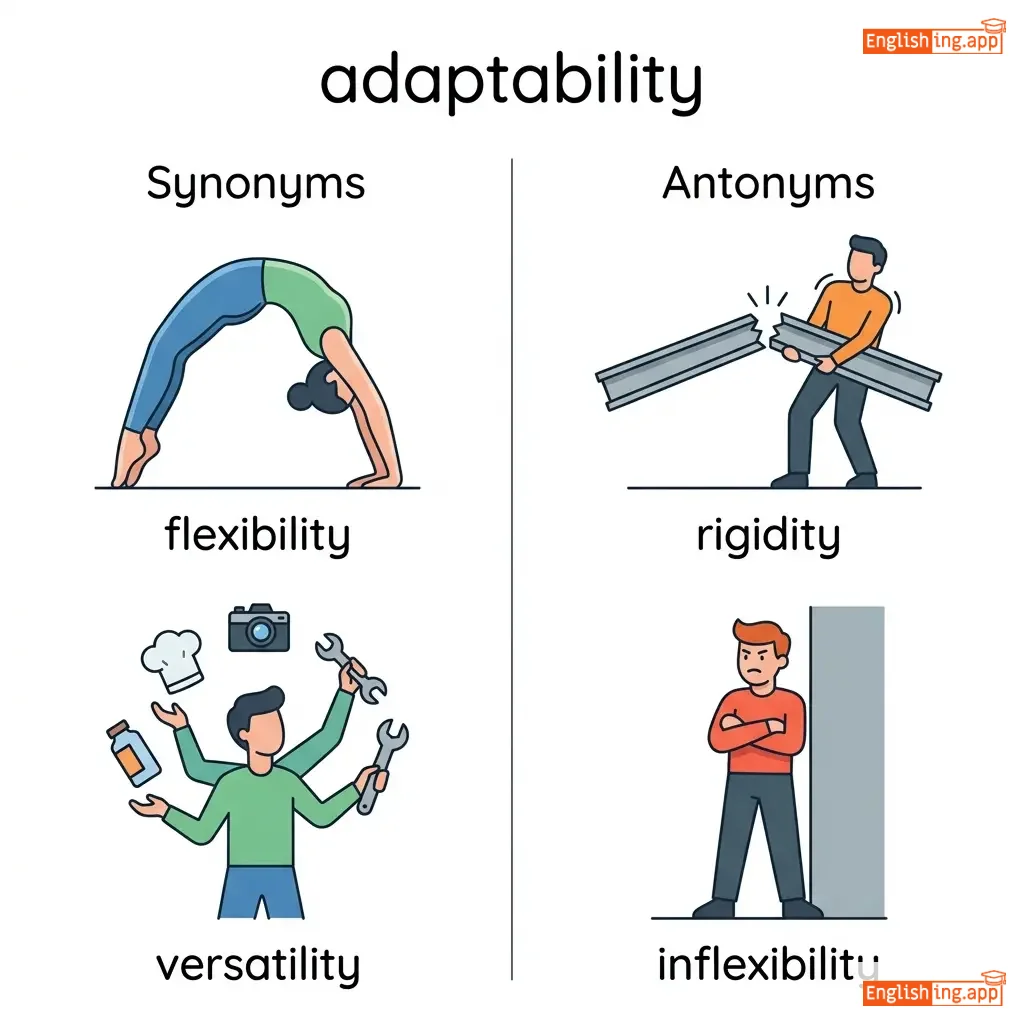
flexibility, versatility, adjustability, resilience, pliability, responsiveness
••••••
rigidity, inflexibility, stubbornness, immutability, fixity, obstinacy
••••••
#4025
🔍
••••••
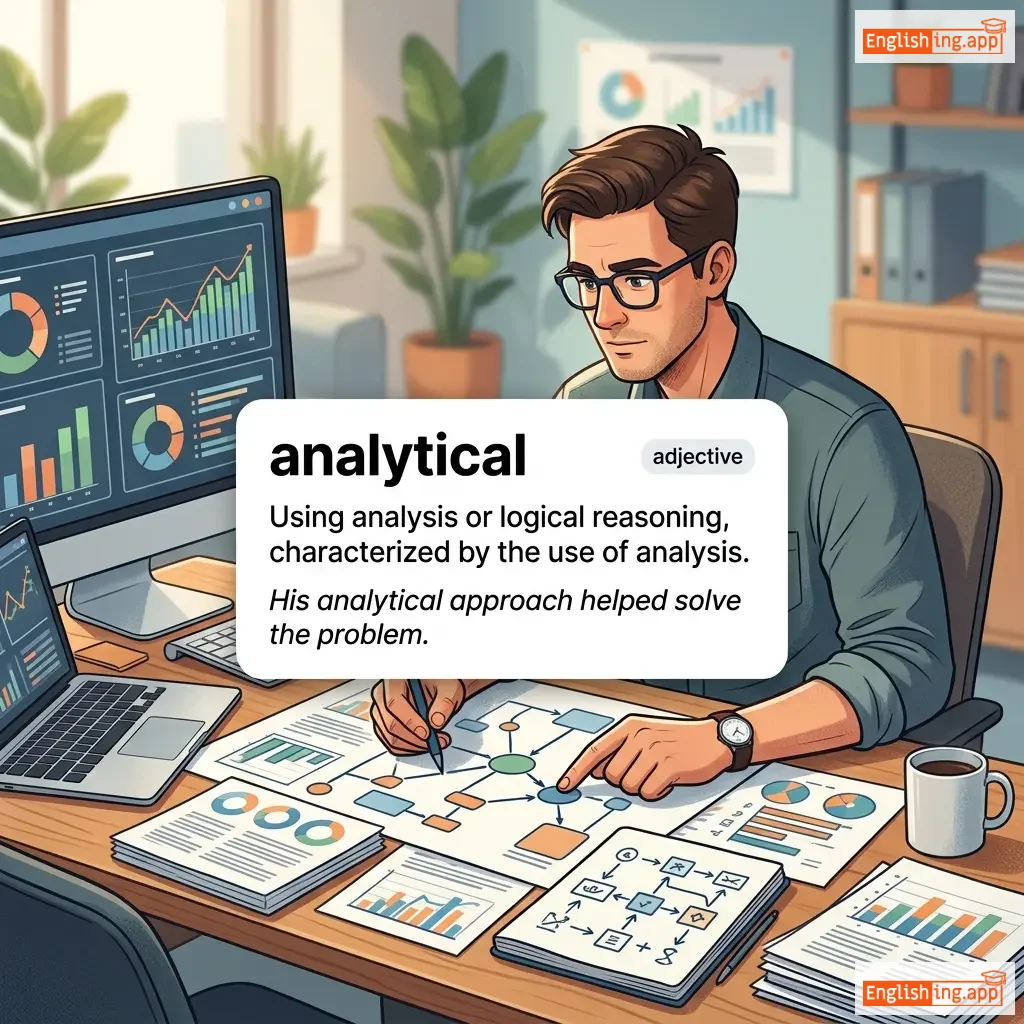
ˌæn.əˈlɪt.ɪ.kəl
adjective
••••••
••••••
Using analysis or logical reasoning; characterized by the use of analysis.
••••••

His analytical approach helped solve the problem.

••••••
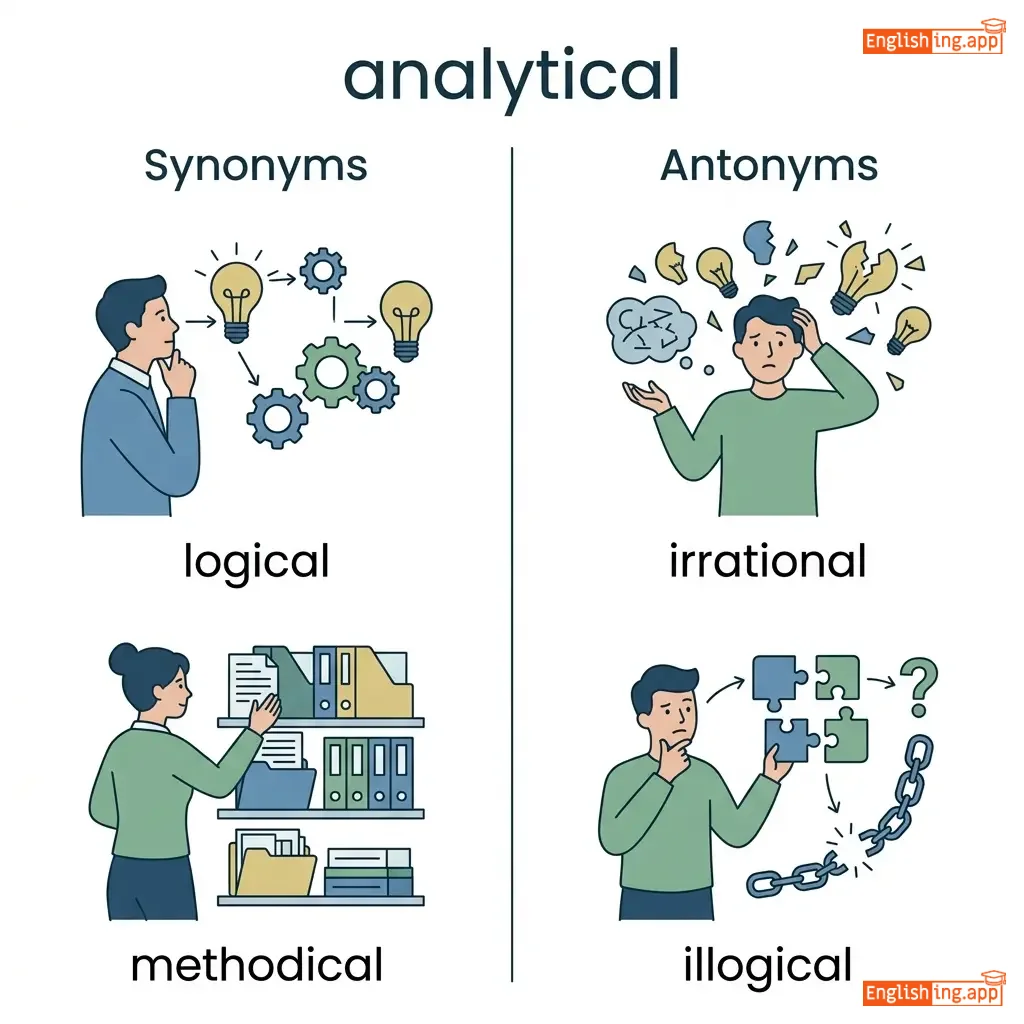
logical, methodical, systematic, rational, critical, investigative
••••••
irrational, illogical, unsystematic, intuitive, emotional, subjective
••••••
#4026
💪
••••••
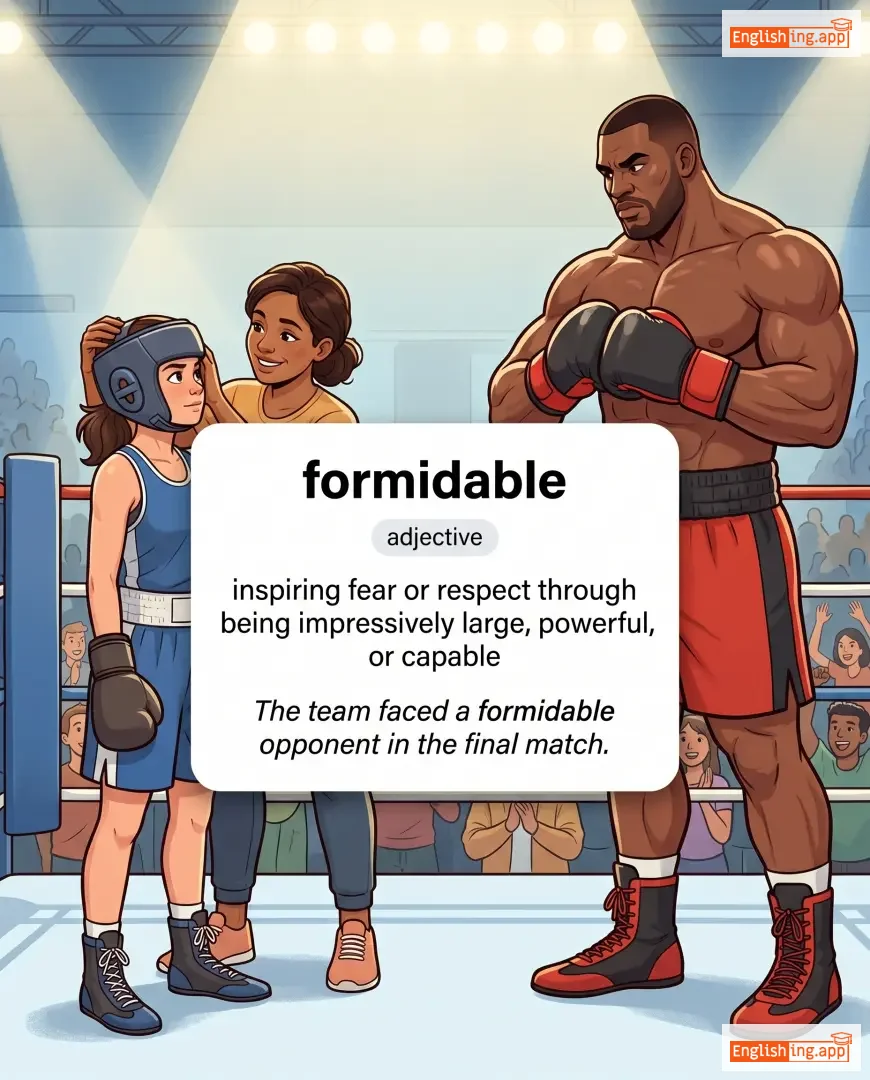
ˈfɔː.mɪ.də.bəl
adjective
••••••
••••••
Inspiring fear or respect through being impressively large, powerful, intense, or capable.
••••••

The team faced a formidable opponent in the final.

••••••
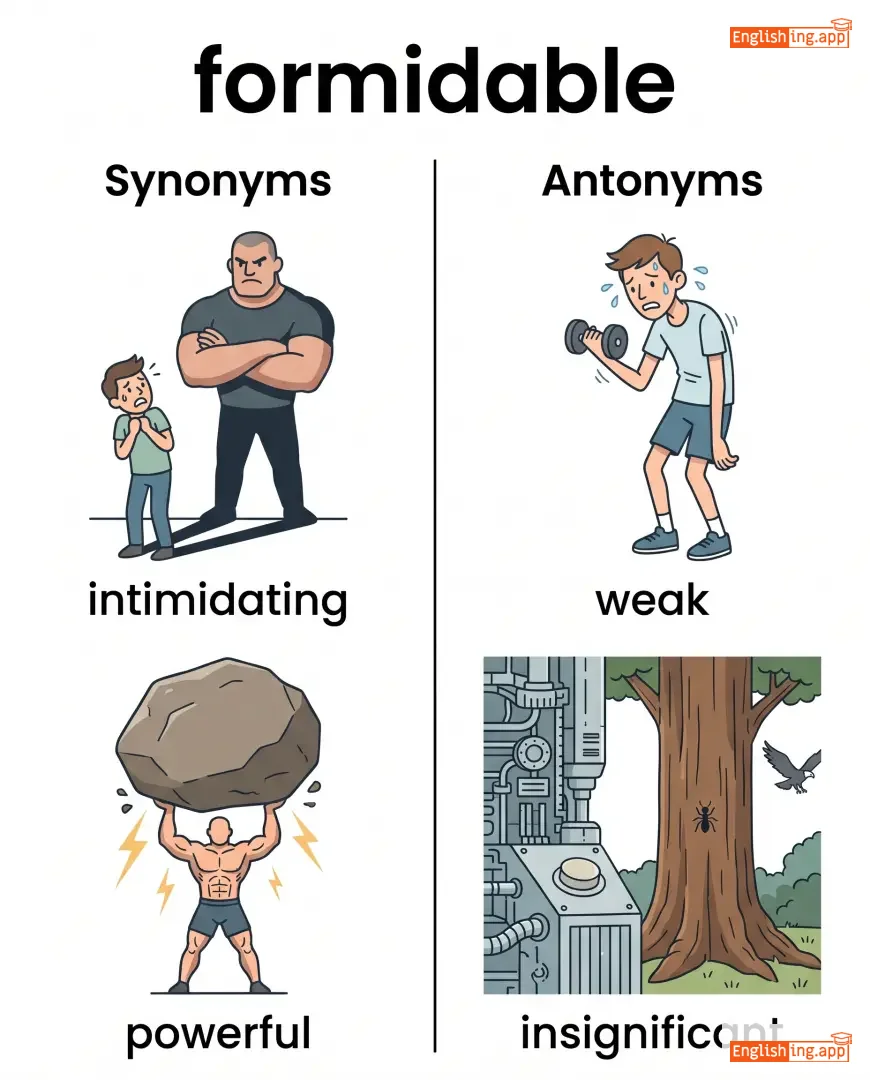
intimidating, powerful, mighty, impressive, daunting, imposing
••••••
weak, feeble, harmless, insignificant, powerless, mild
••••••
#4027
🎯
••••••
præɡˈmæt.ɪk
adjective
••••••
••••••
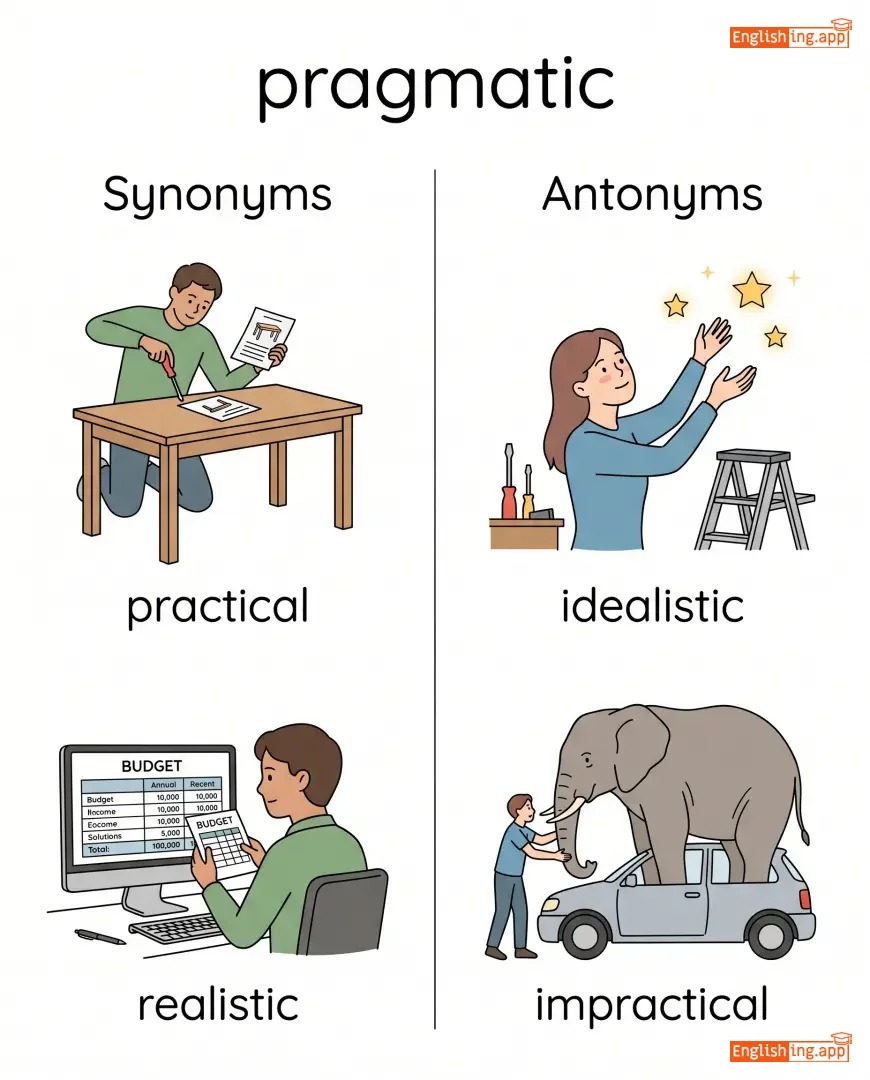
Dealing with things sensibly and realistically in a way that is based on practical rather than idealistic considerations.
••••••

His pragmatic approach led to a quick resolution.

••••••
realistic, sensible, practical, down-to-earth, matter-of-fact, rational
••••••
idealistic, impractical, unrealistic, theoretical, romantic, utopian
••••••
#4028
🎓
••••••
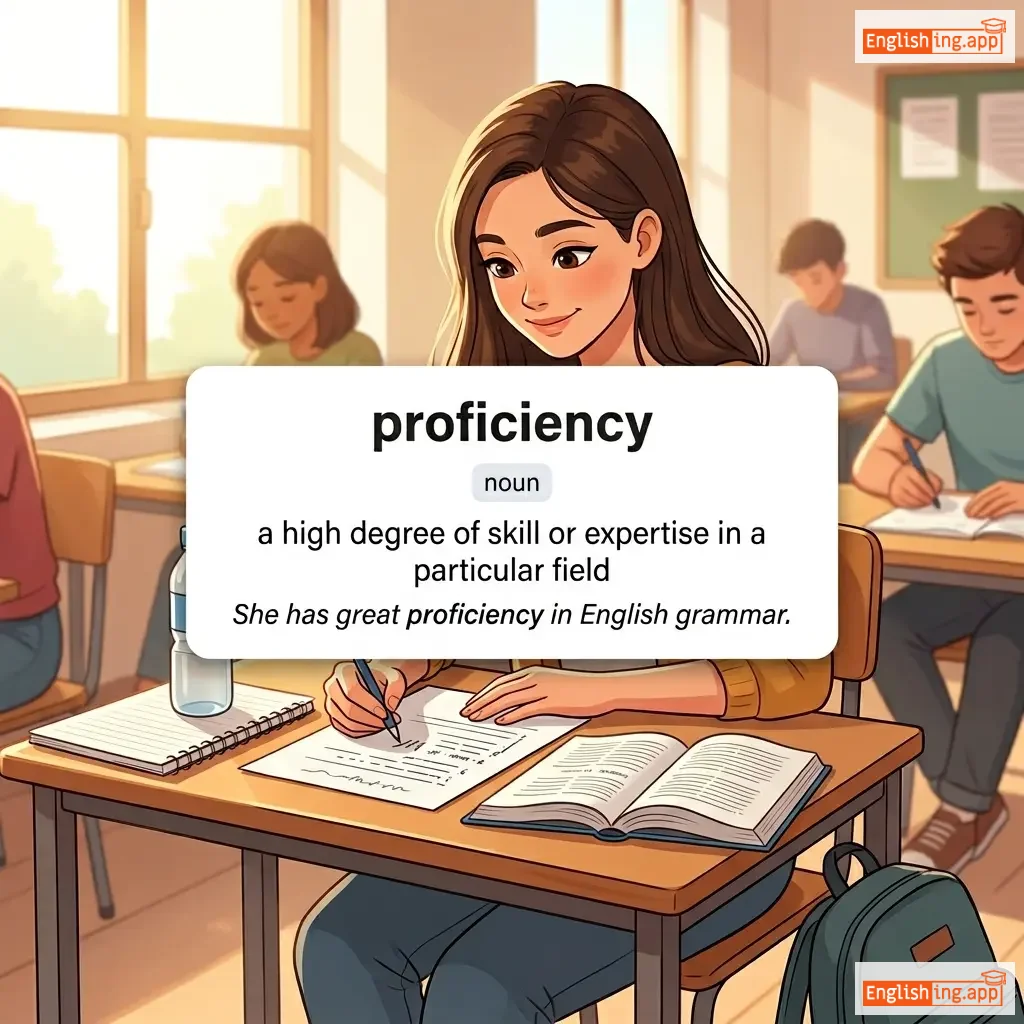
prəˈfɪʃ.ən.si
noun
••••••
••••••
A high degree of competence or skill; expertise.
••••••

She demonstrated proficiency in multiple languages.

••••••
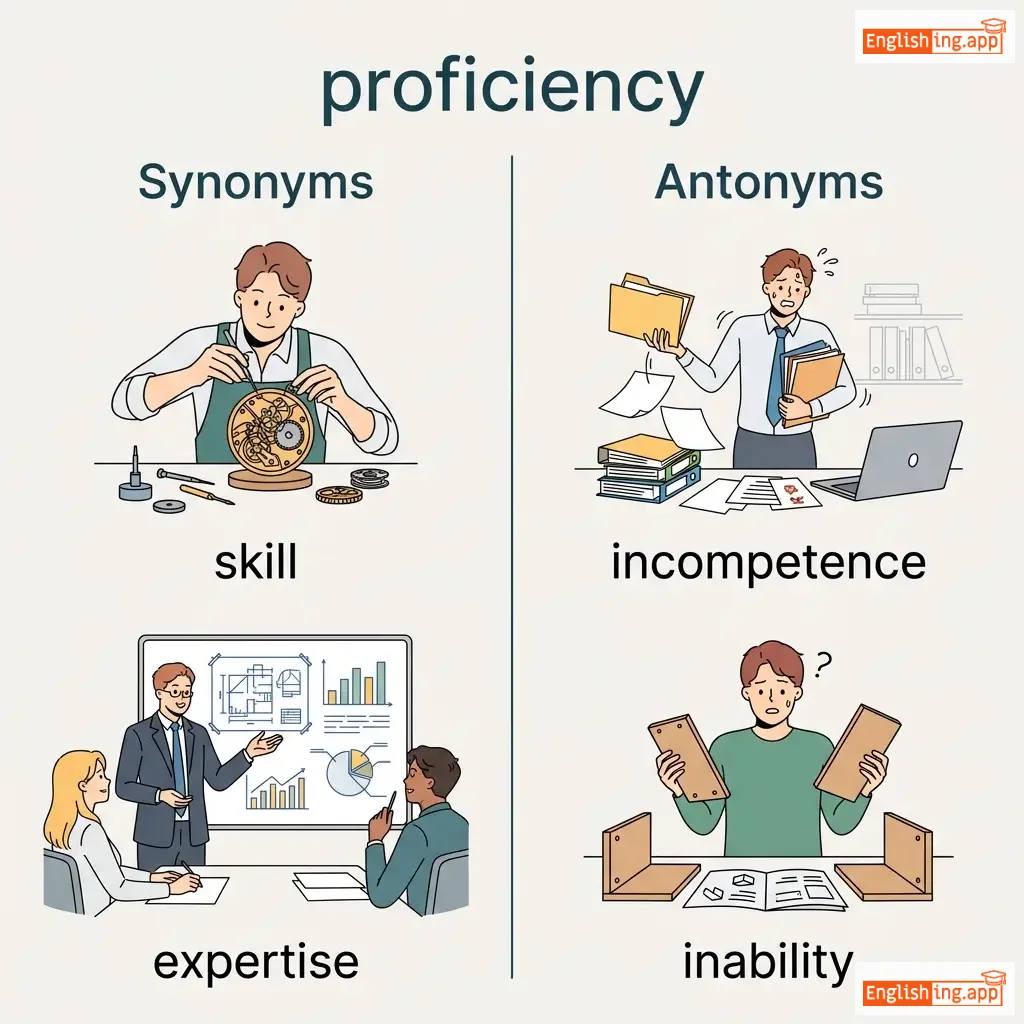
expertise, mastery, skill, competence, ability, aptitude
••••••
incompetence, ineptitude, inability, inexperience, amateurishness, clumsiness
••••••
#4029
👁️
••••••
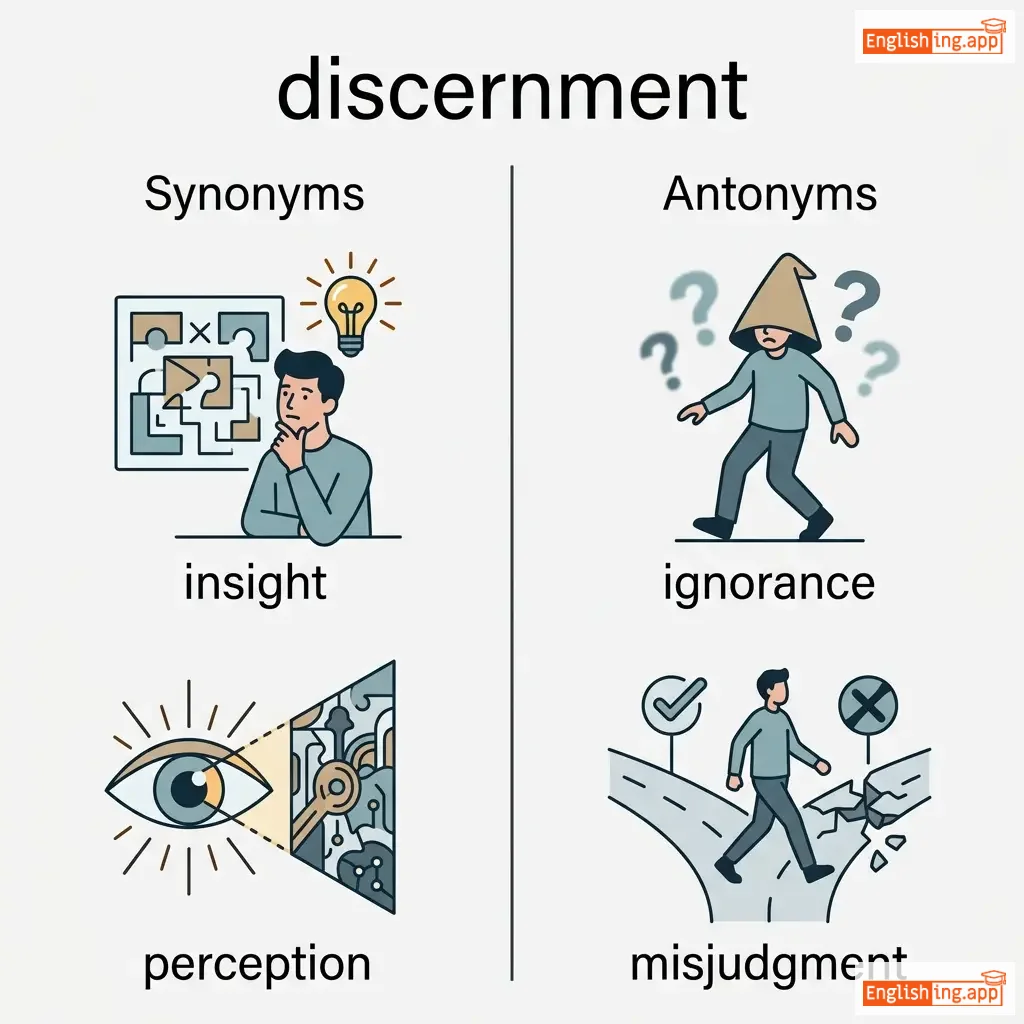
dɪˈsɜːn.mənt
noun
••••••
••••••
The ability to judge well; good judgment and understanding.
••••••

His discernment helped him identify the best choice.

••••••
insight, perception, judgment, wisdom, understanding, acumen
••••••
ignorance, misjudgment, blindness, naivety, obtuseness, insensitivity
••••••
#4030
🤝
••••••
ˈsɪn.ə.dʒi
noun
••••••
••••••
The interaction or cooperation of two or more organizations, substances, or other agents to produce a combined effect greater than the sum of their separate effects.
••••••

The synergy between the departments increased efficiency.

••••••
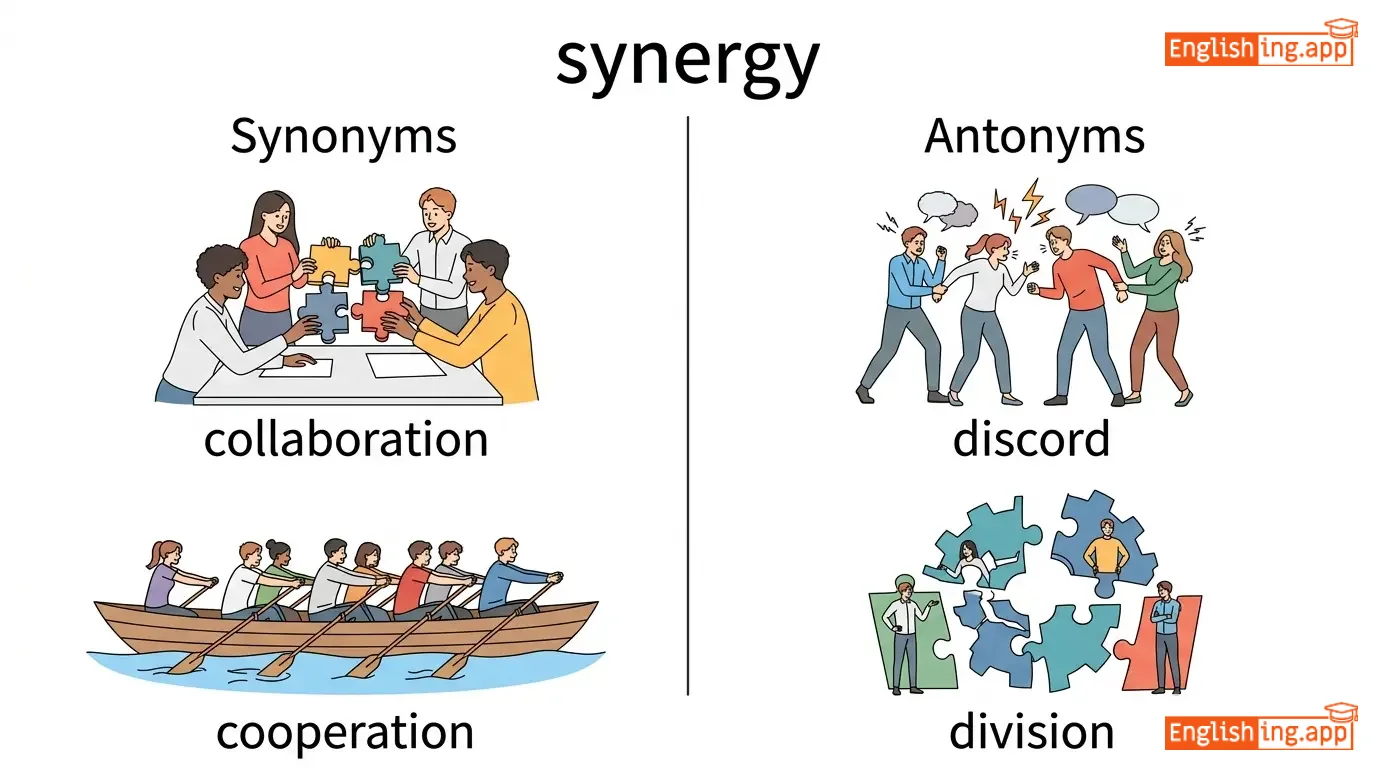
cooperation, collaboration, teamwork, coordination, unity, partnership
••••••
disunity, discord, conflict, antagonism, competition, rivalry
••••••
#4031
📋
••••••
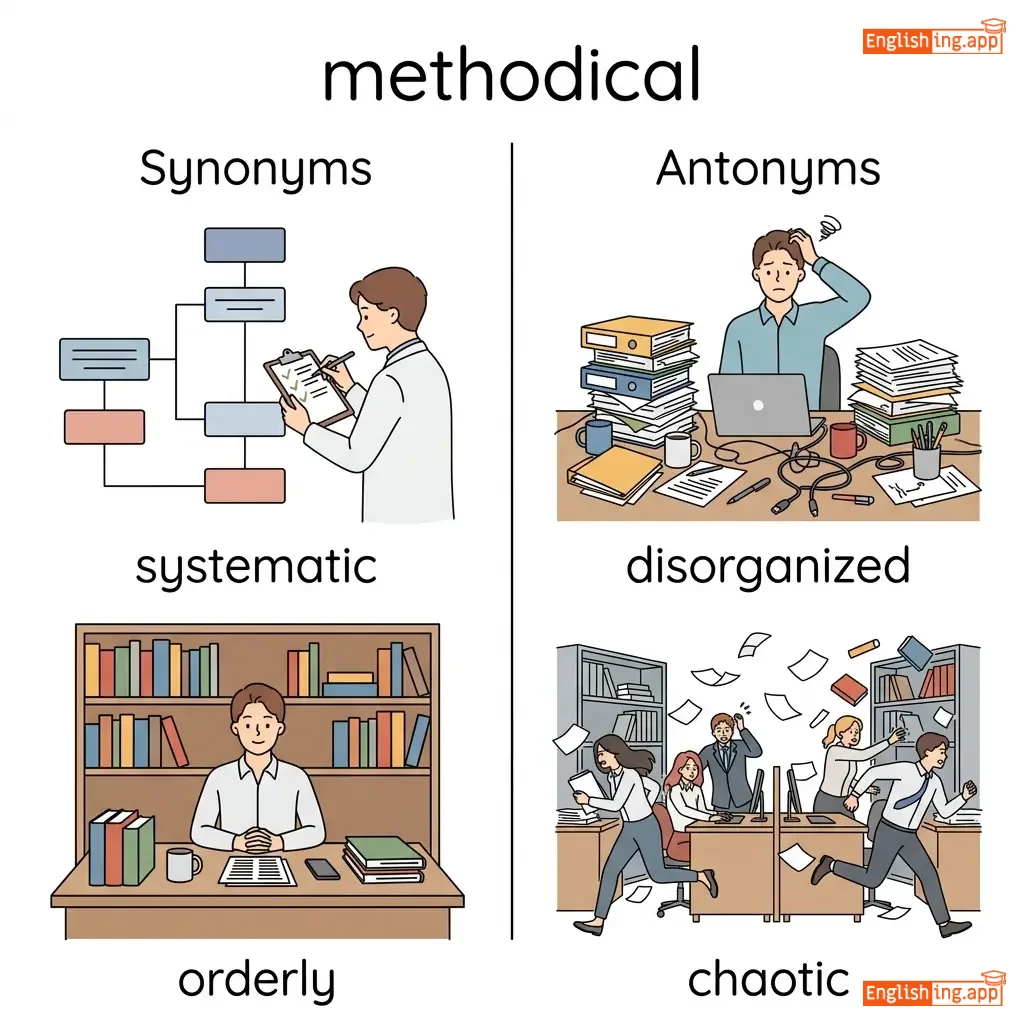
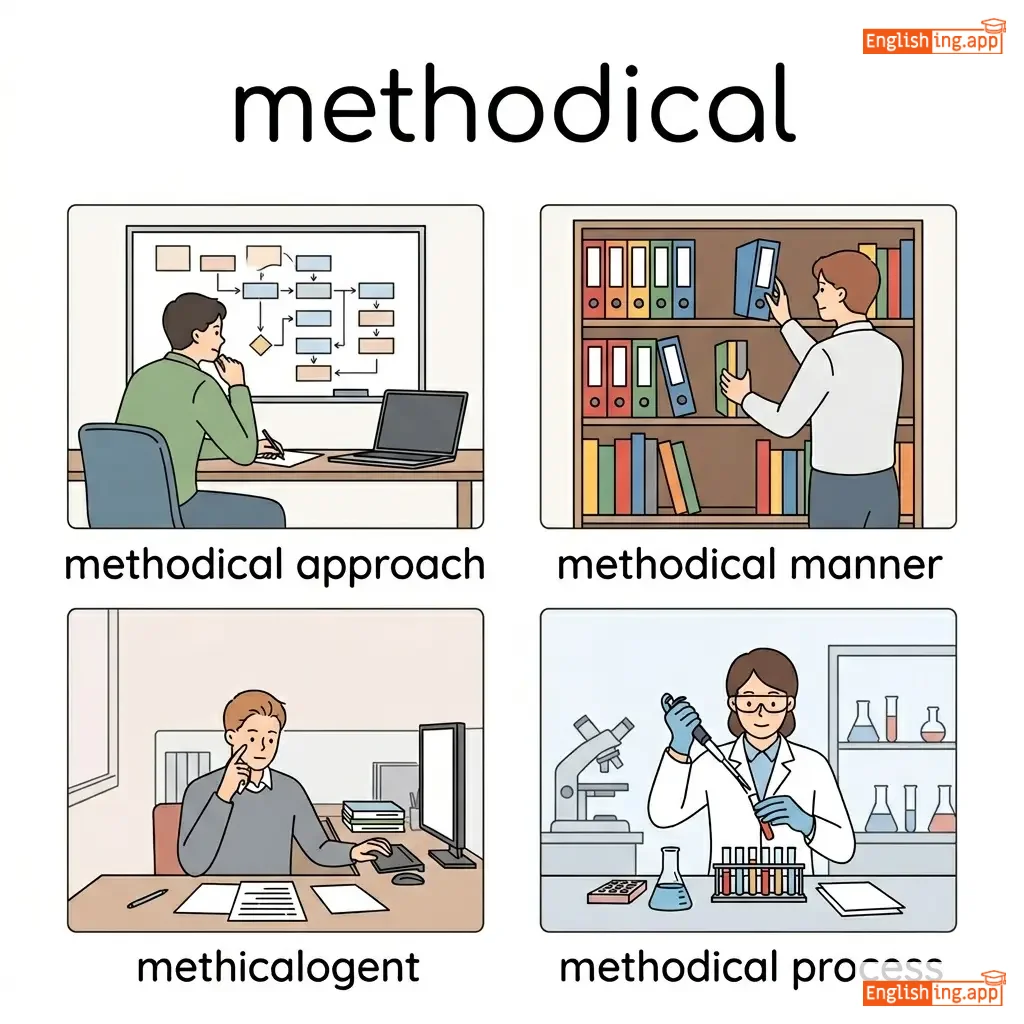
məˈθɒd.ɪ.kəl
adjective
••••••
••••••
Done according to a systematic or established procedure; orderly and systematic.
••••••

His methodical research produced reliable results.

••••••
systematic, orderly, organized, structured, disciplined, meticulous
••••••
chaotic, disorganized, haphazard, random, unsystematic, careless
••••••
#4032
💡
••••••
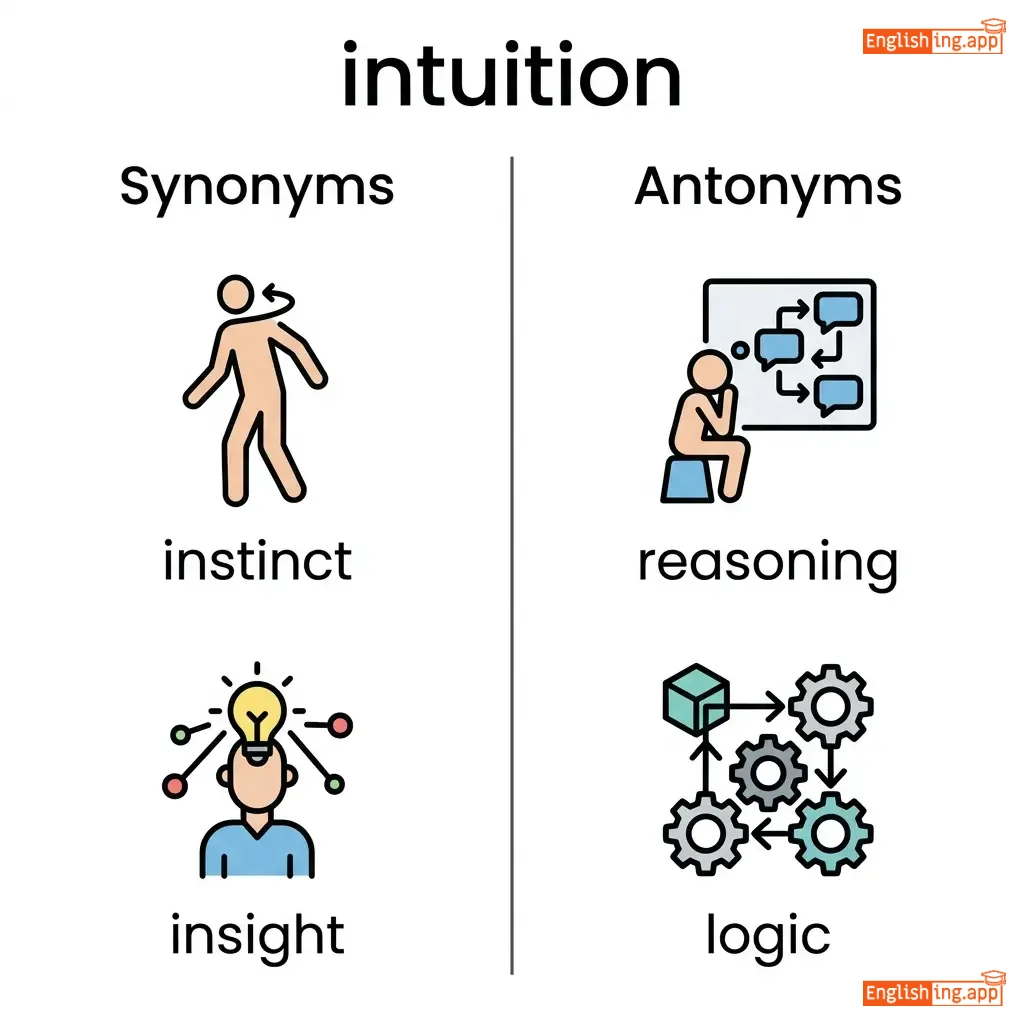
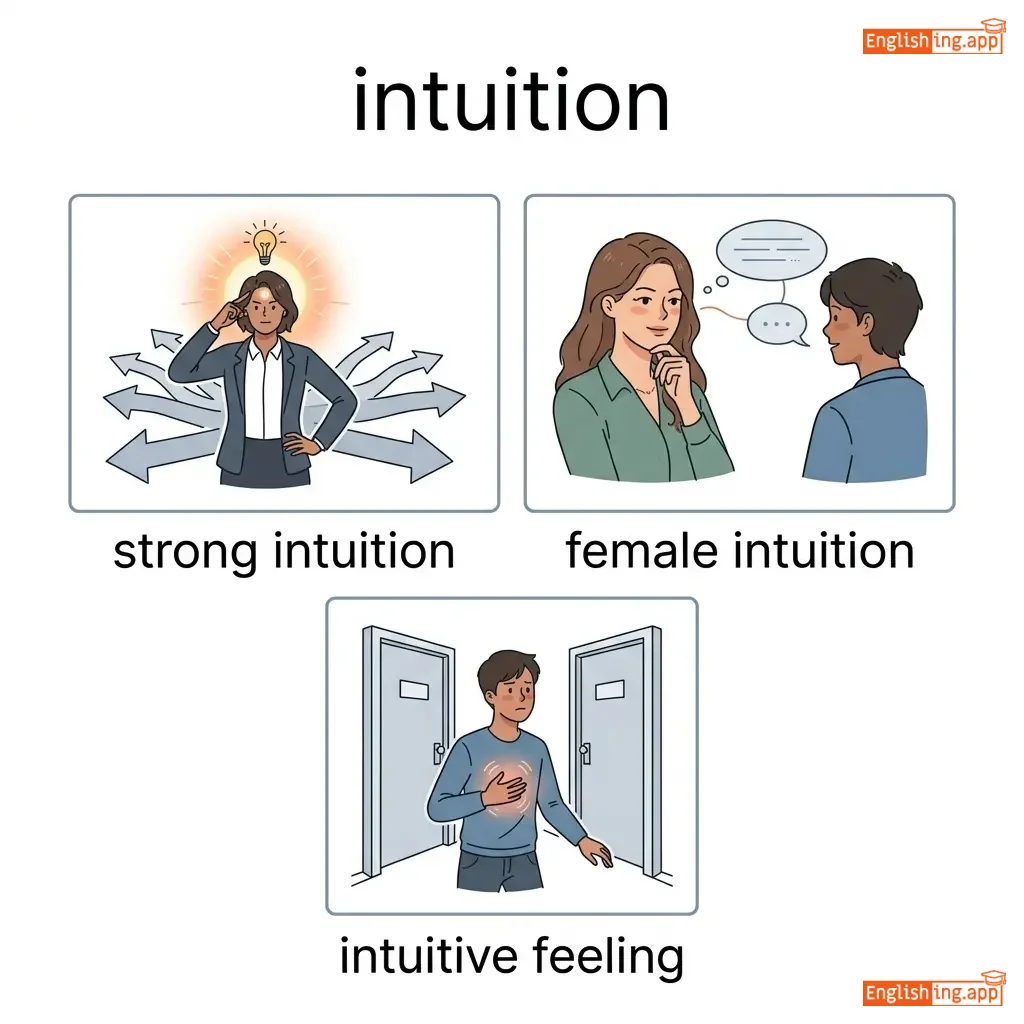
ˌɪn.tʃuˈɪʃ.ən
noun
••••••
••••••
The ability to understand something immediately, without the need for conscious reasoning.
••••••

Her intuition guided her in making the right decision.

••••••
instinct, perception, insight, sixth sense, gut feeling, hunch
••••••
logic, analysis, reasoning, calculation, deliberation, rationality
••••••
#4033
••••••
ɪnˈsaɪ.sɪv
adjective
••••••
••••••
Intelligently analytical and clear-thinking; showing clear thought and good understanding of what is important.
••••••

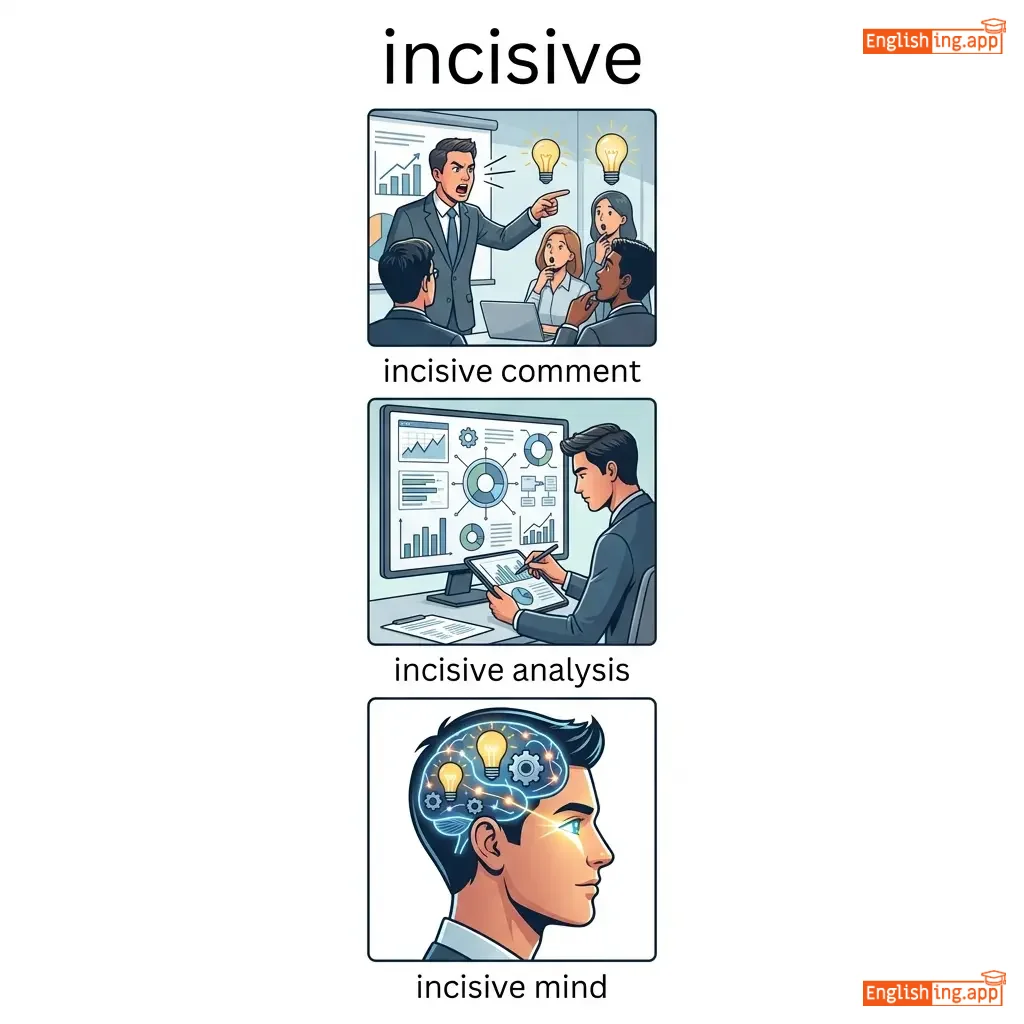
His incisive comments revealed the core issues.

••••••
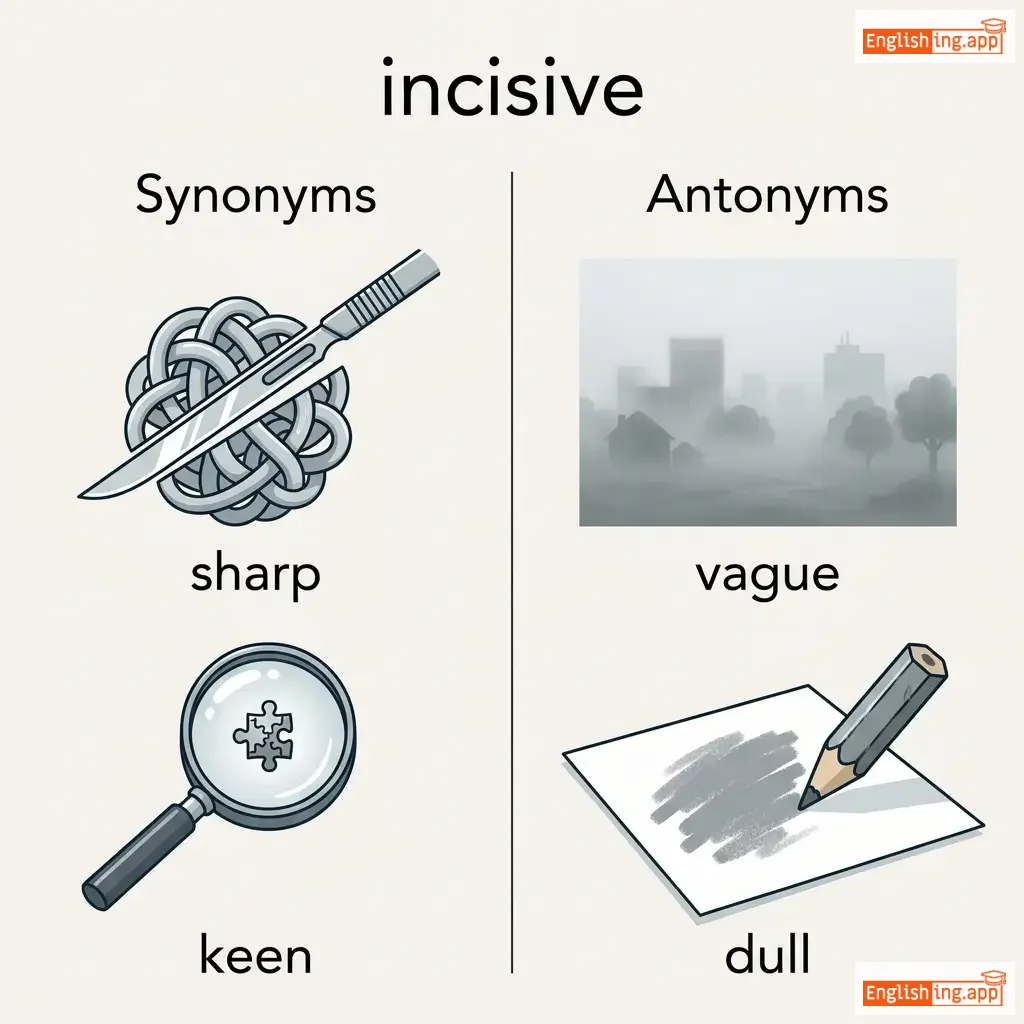
sharp, penetrating, acute, keen, perceptive, astute
••••••
dull, vague, obtuse, superficial, unclear, muddled
••••••
#4034
🤹
••••••
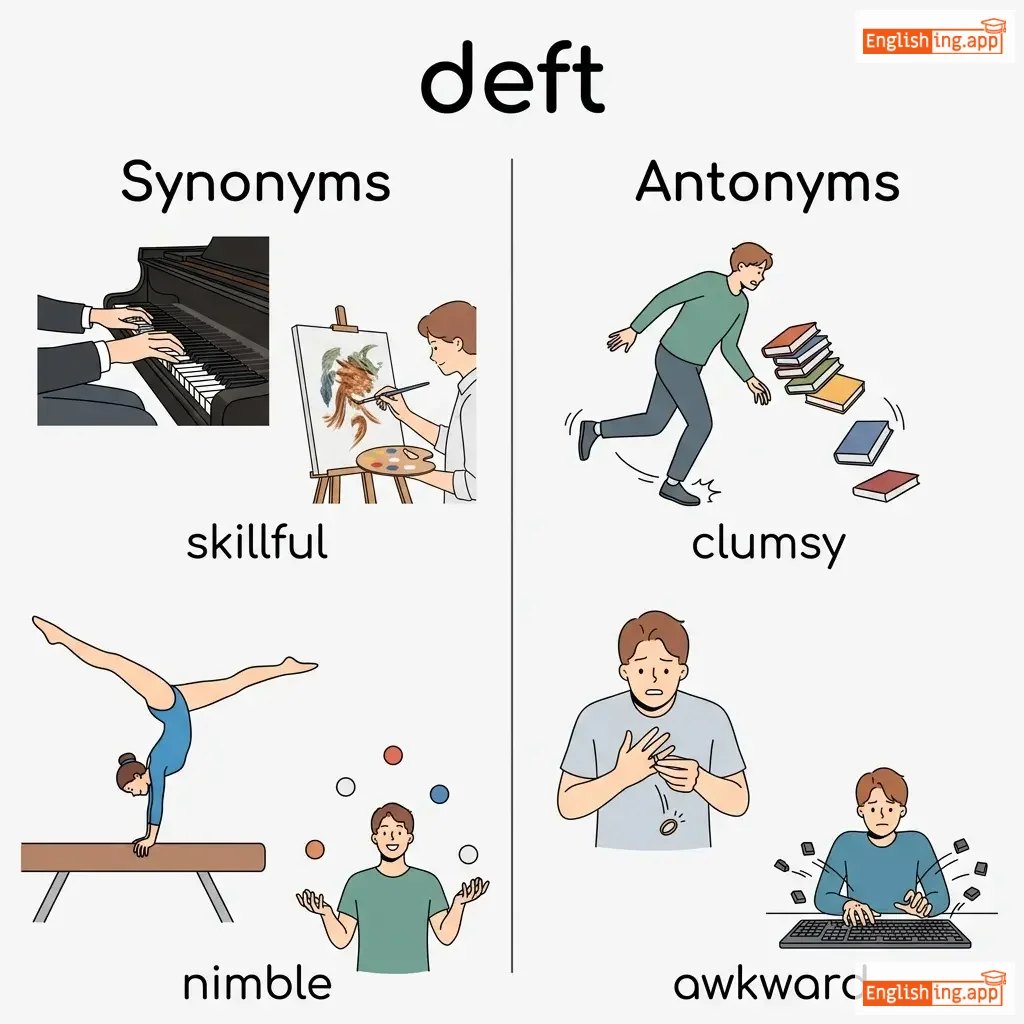
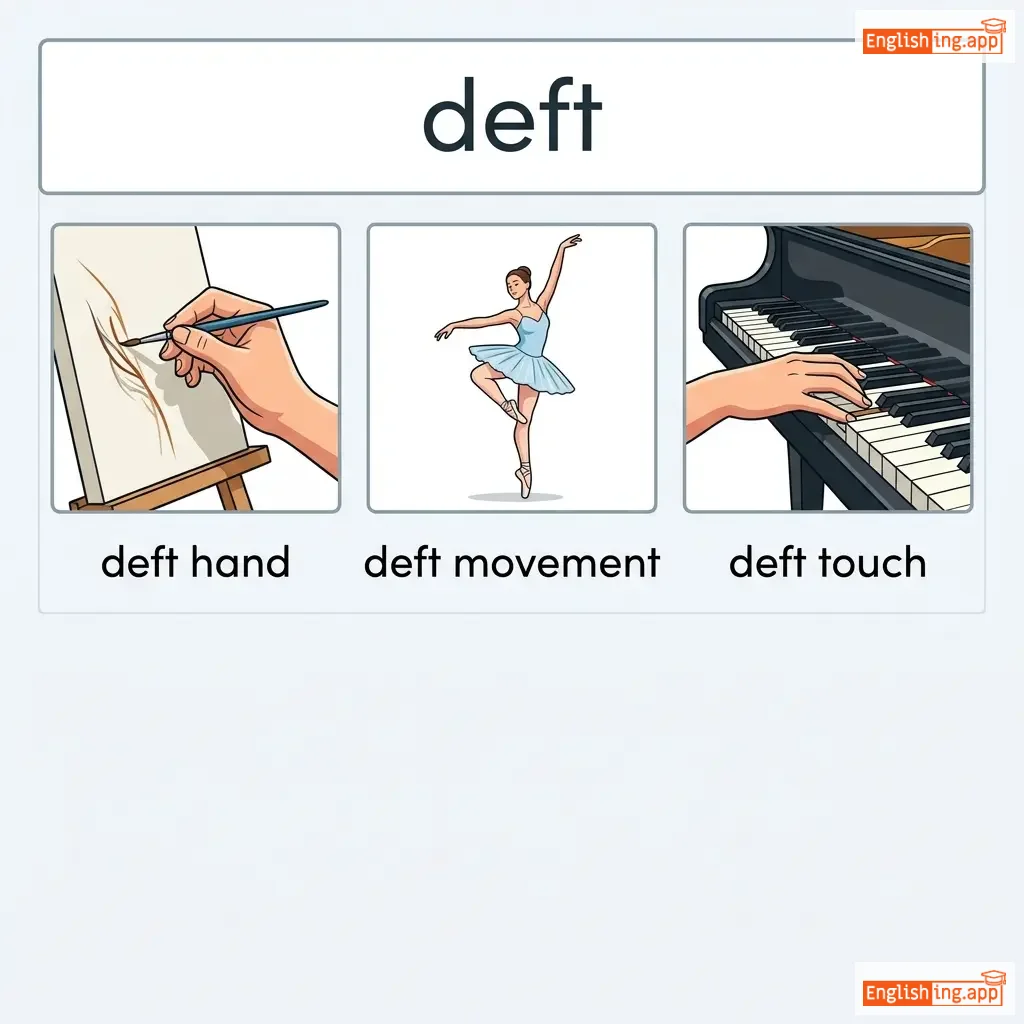
deft
adjective
••••••
••••••
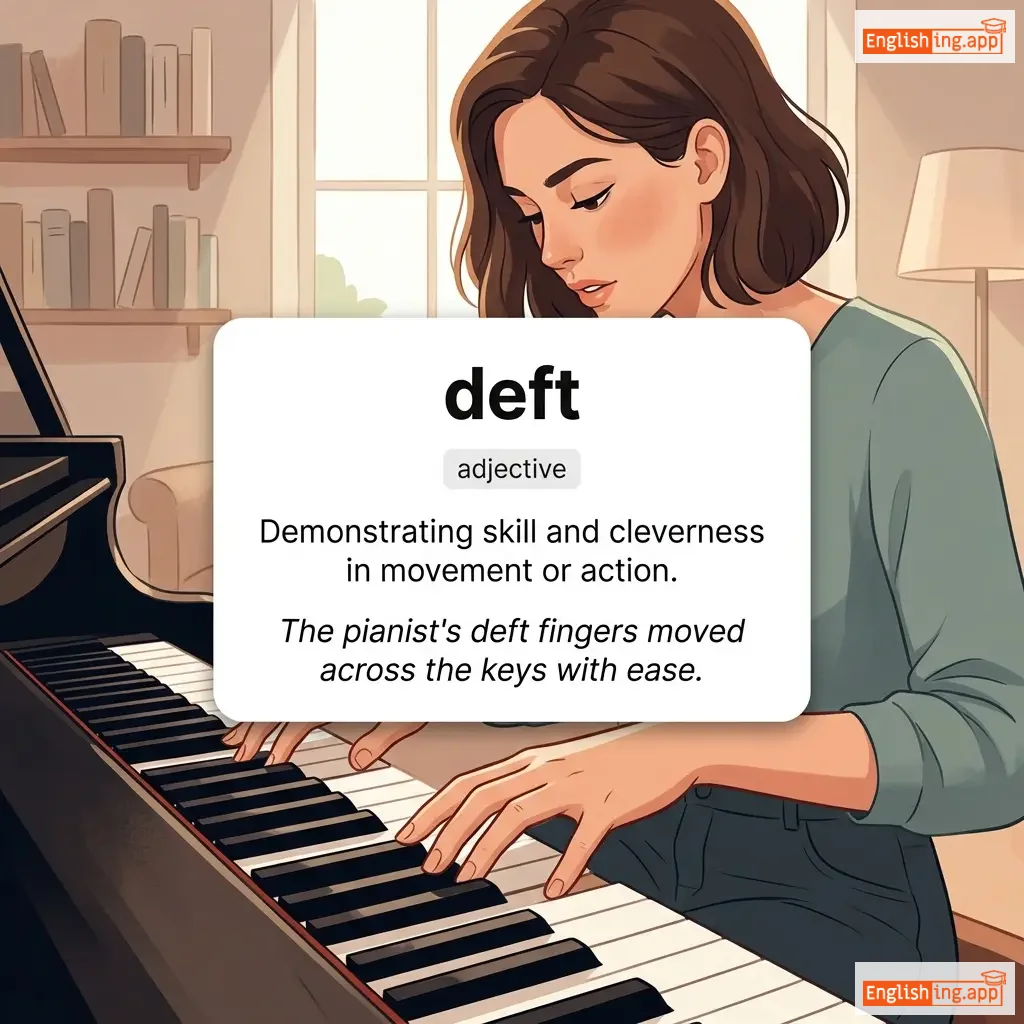
Neatly skillful and quick in one's movements; showing skill and cleverness.
••••••

The pianist's deft fingers moved effortlessly.

••••••
skillful, adroit, nimble, agile, expert, proficient
••••••
clumsy, inept, awkward, unskillful, fumbling, maladroit
••••••
#4035
••••••
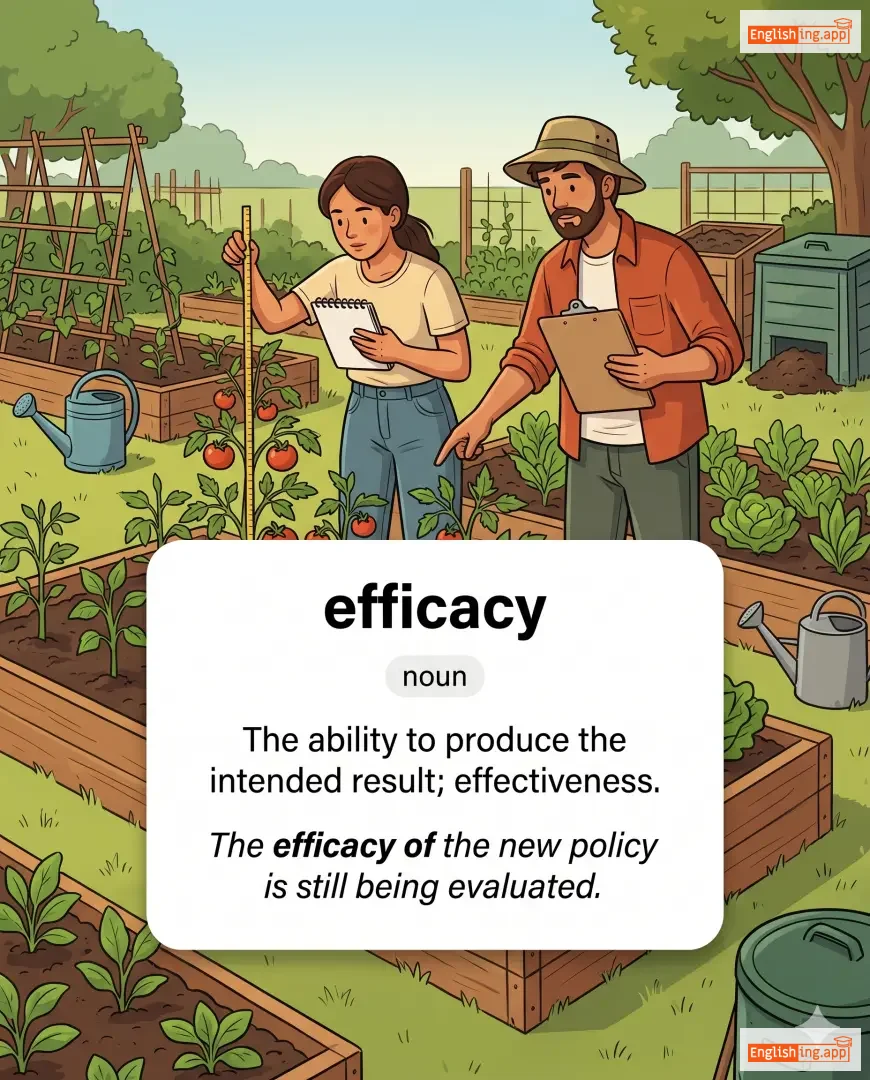
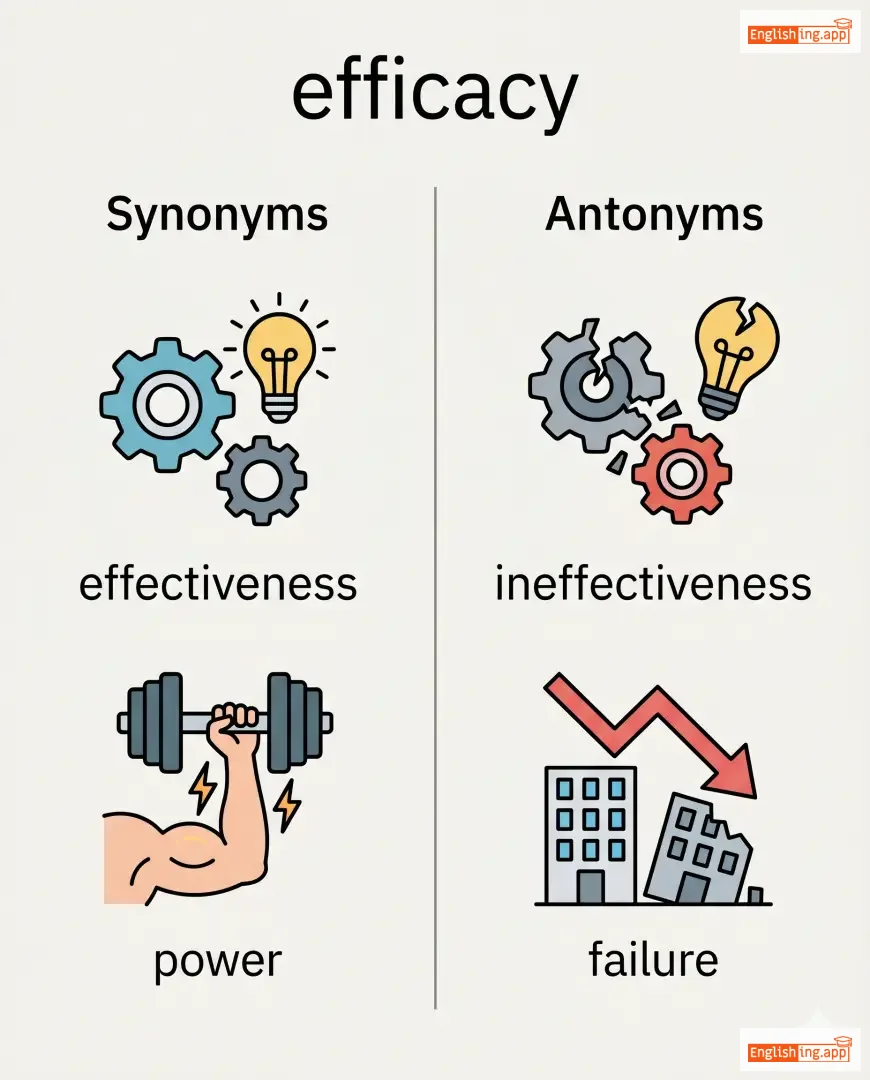
ˈef.ɪ.kə.si
noun
••••••
••••••
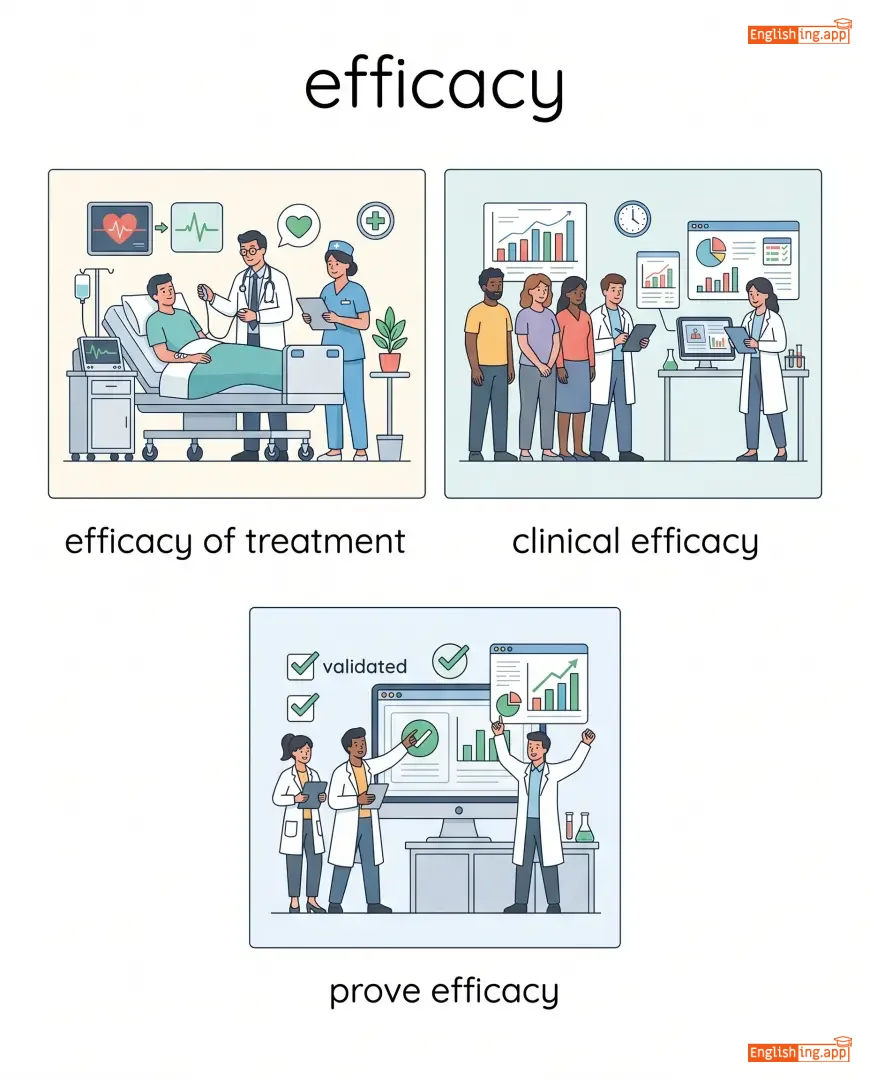
The ability to produce a desired or intended result; effectiveness.
••••••

The efficacy of the new drug was tested in trials.

••••••
effectiveness, potency, power, capability, success, productivity
••••••
ineffectiveness, failure, impotence, weakness, uselessness, futility
••••••
#4036
🔗
••••••
kəʊˈhiː.sɪv
adjective
••••••
••••••
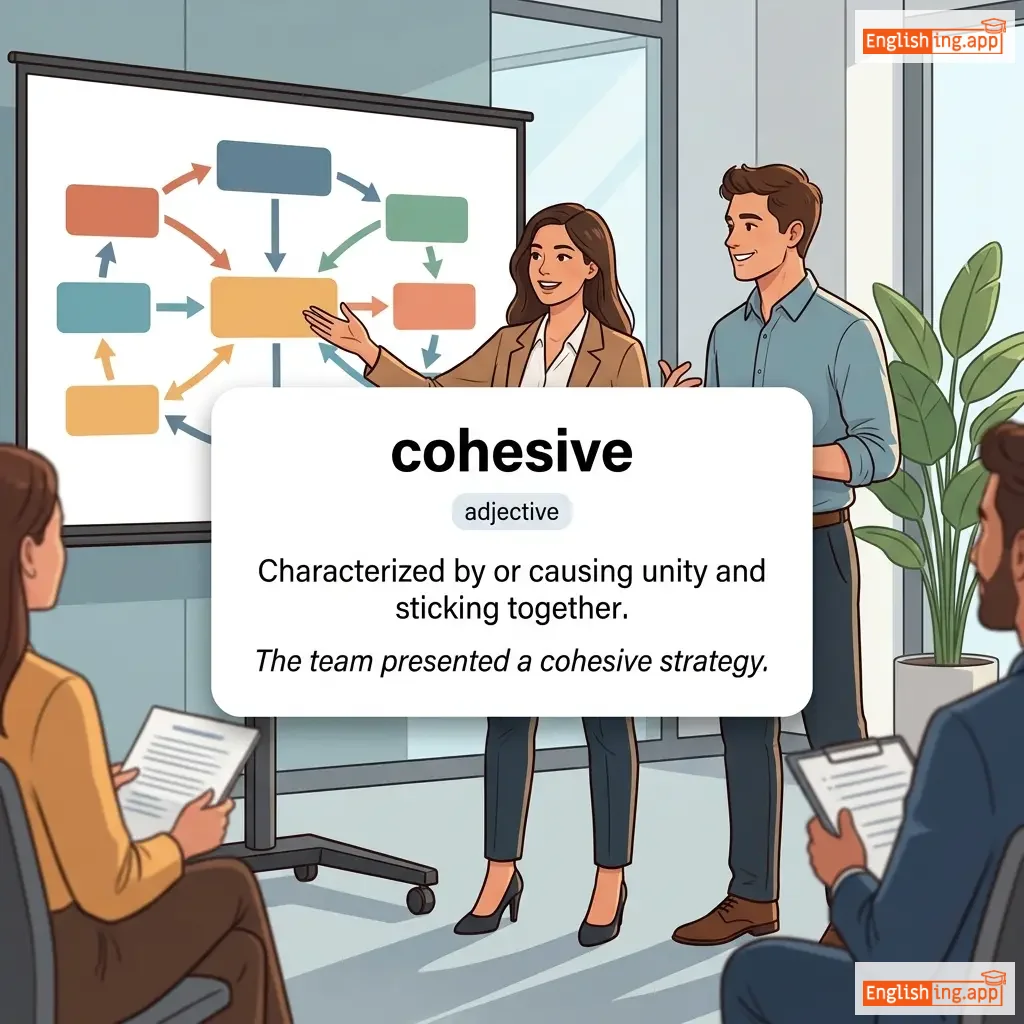
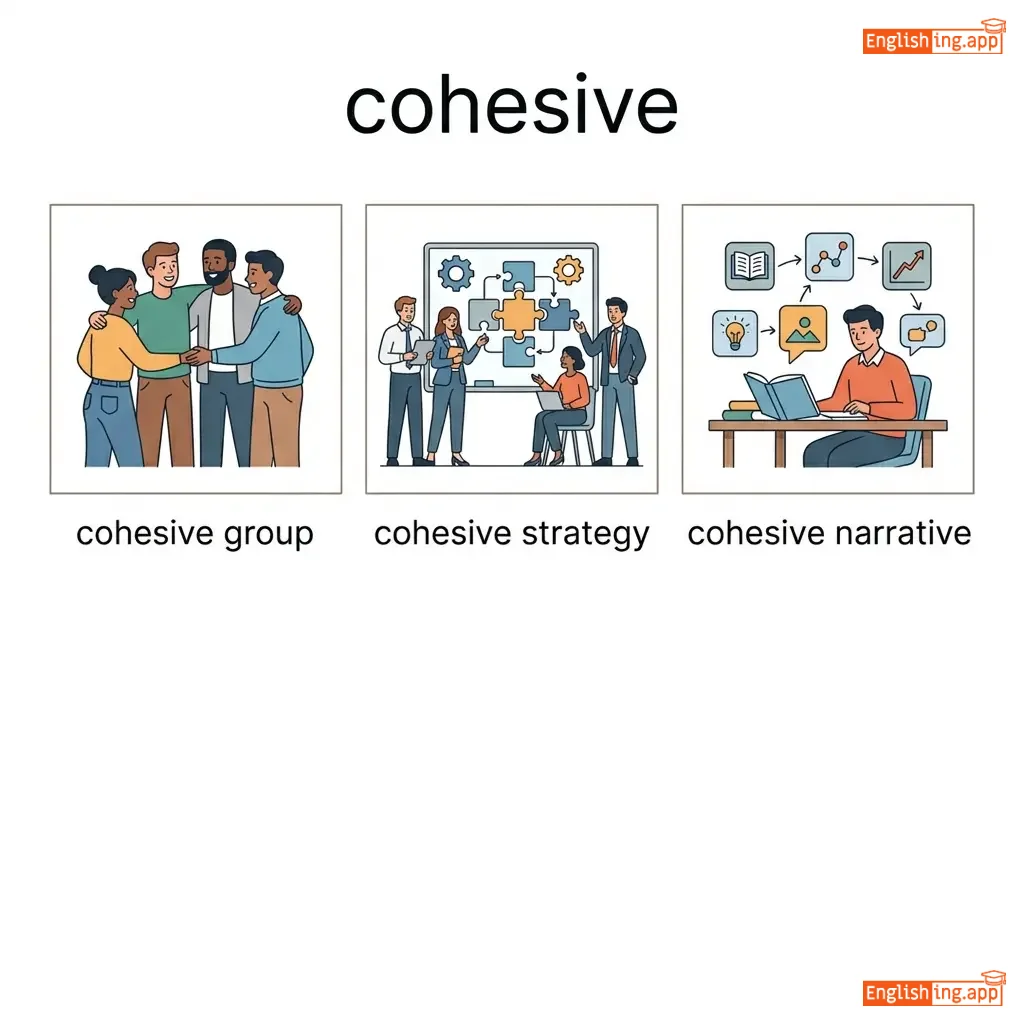
Characterized by or causing cohesion; forming a united whole.
••••••

The team displayed a cohesive strategy.

••••••
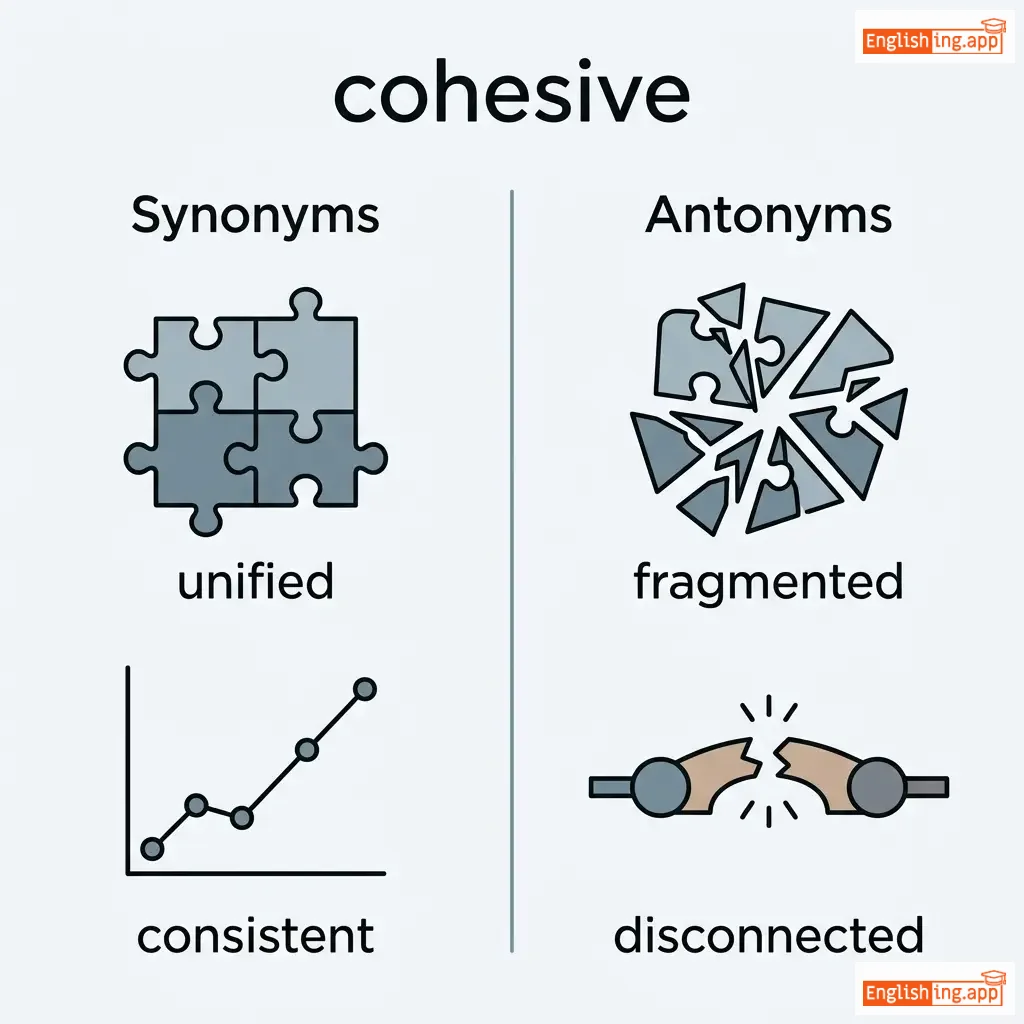
united, integrated, unified, consolidated, coordinated, harmonious
••••••
fragmented, disjointed, divided, scattered, incoherent, disconnected
••••••
#4037
👇
••••••
ˈtæn.dʒə.bəl
adjective
••••••
••••••
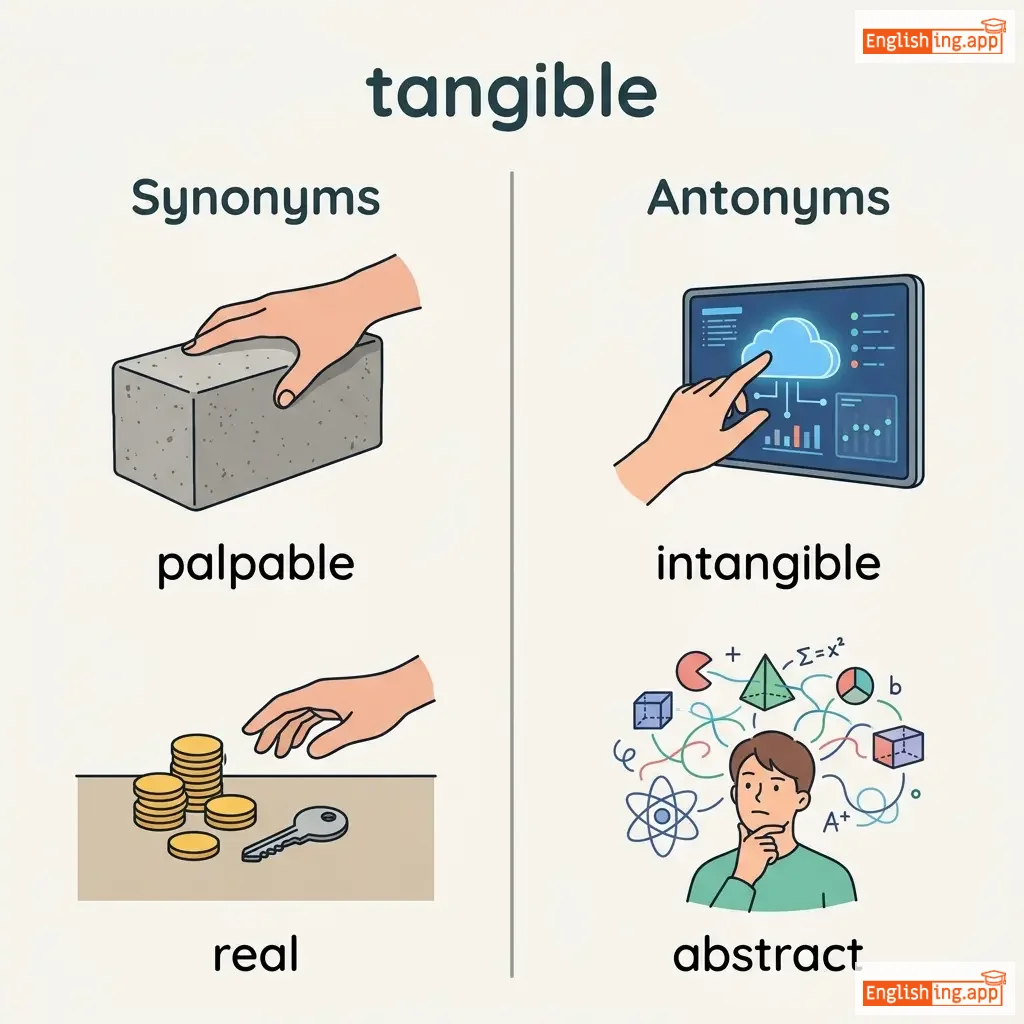
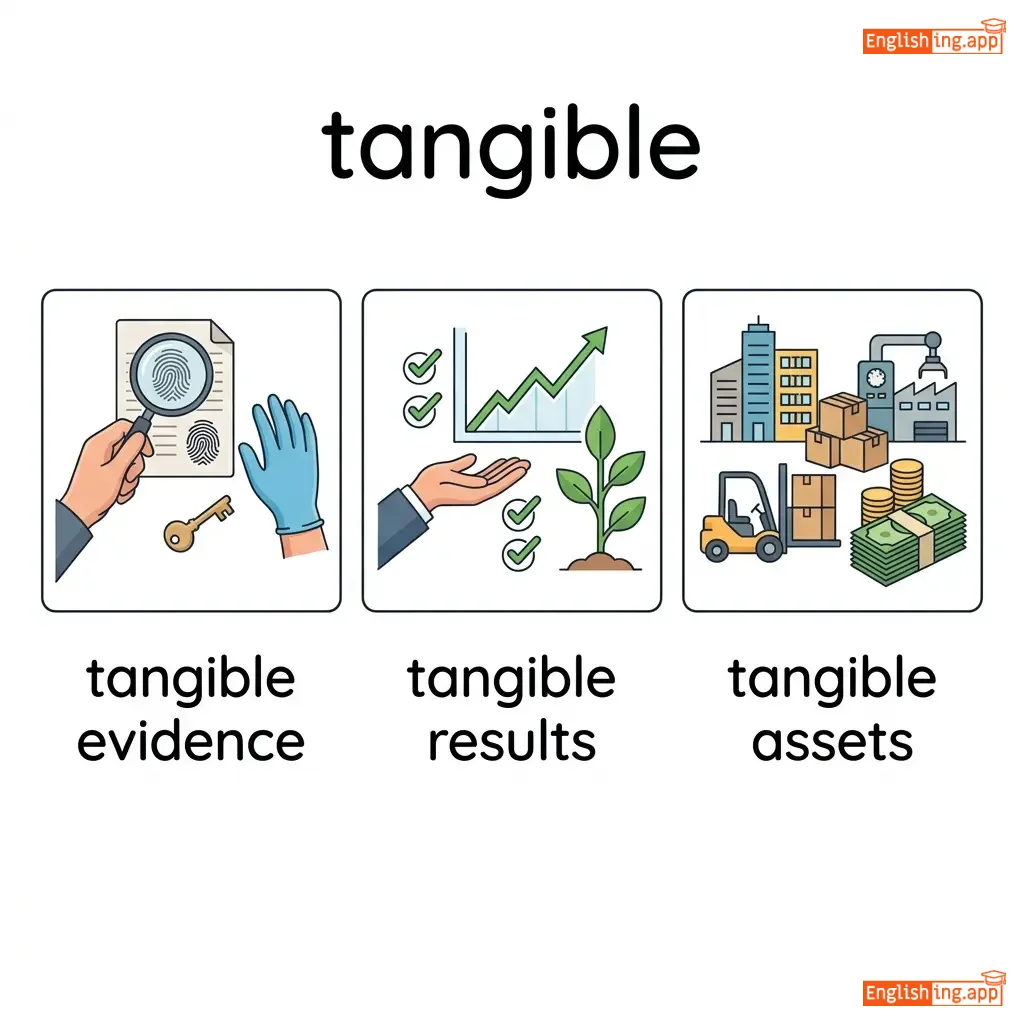
Clear and definite; real; perceptible by touch; capable of being touched or felt.
••••••

The company's success was seen in tangible profits.

••••••
concrete, palpable, solid, real, physical, substantial
••••••
abstract, intangible, imperceptible, insubstantial, theoretical, imaginary
••••••
#4038
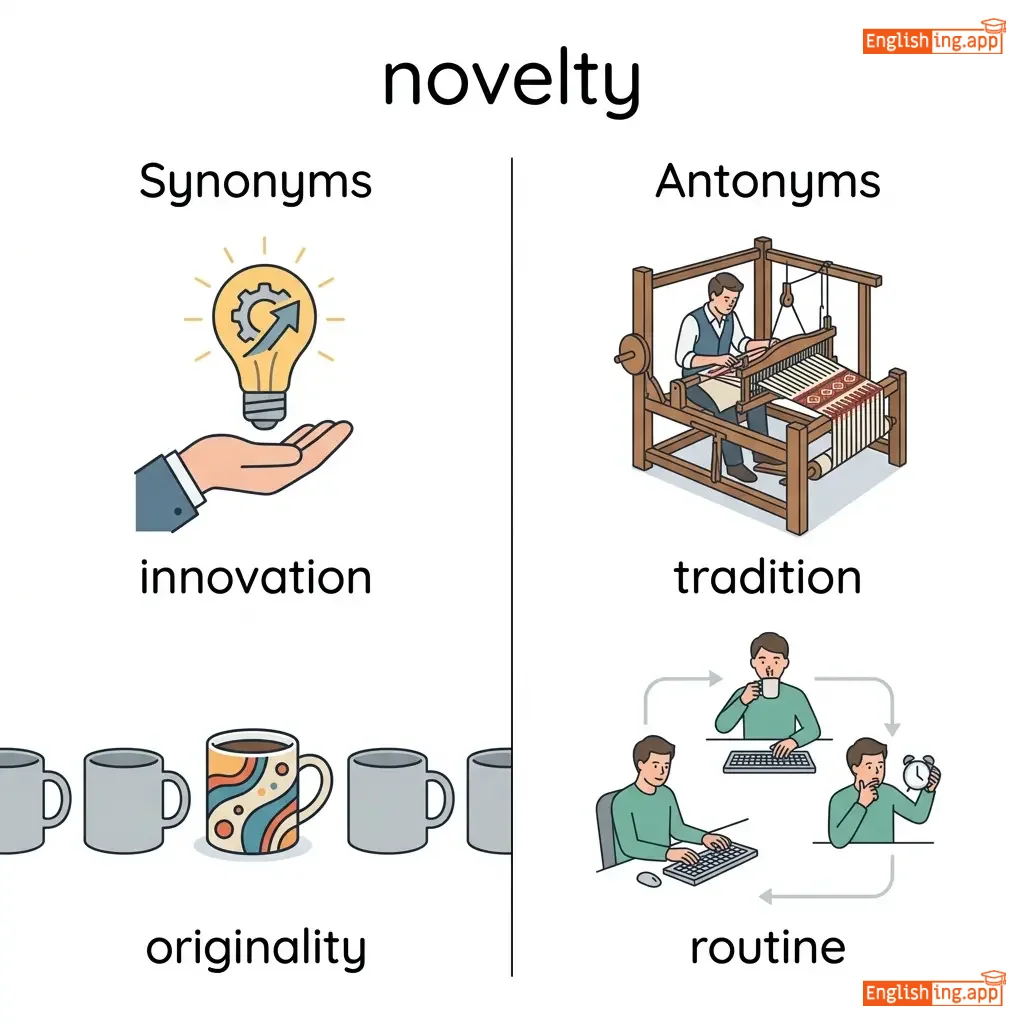
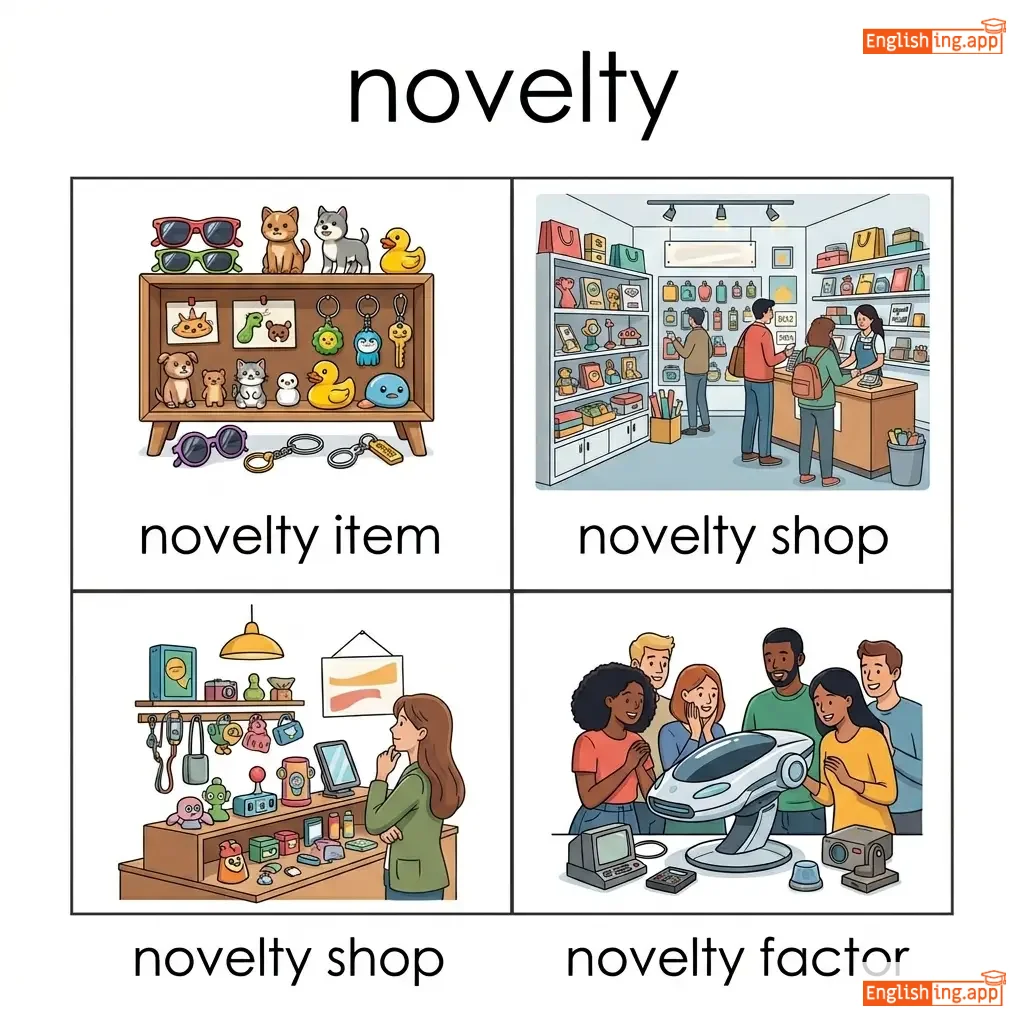
🆕
••••••
ˈnɒv.əl.ti
noun
••••••
••••••
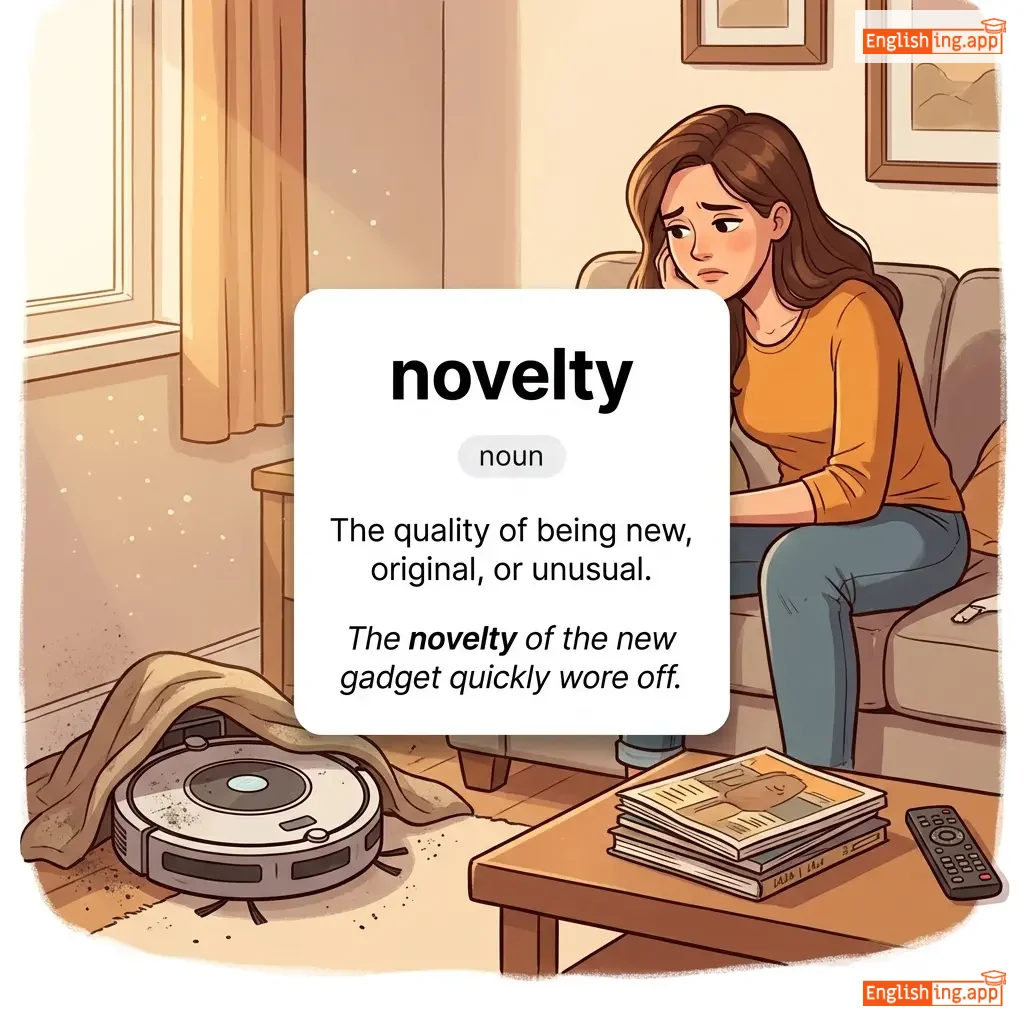
The quality of being new, original, or unusual; a new or unfamiliar thing or experience.
••••••

The novelty of the invention attracted investors.

••••••
innovation, originality, newness, freshness, uniqueness, creativity
••••••
tradition, commonplace, familiarity, conventionality, staleness, ordinariness
••••••
#4039
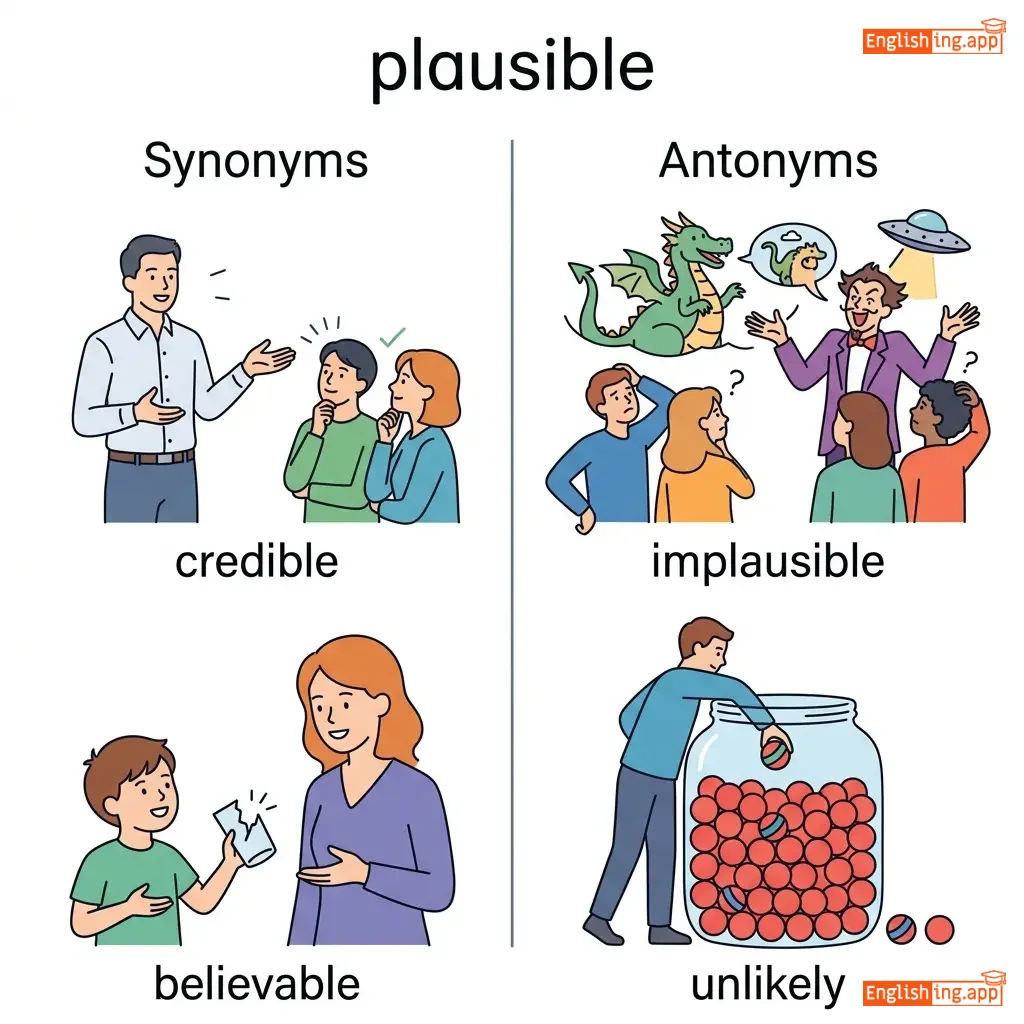
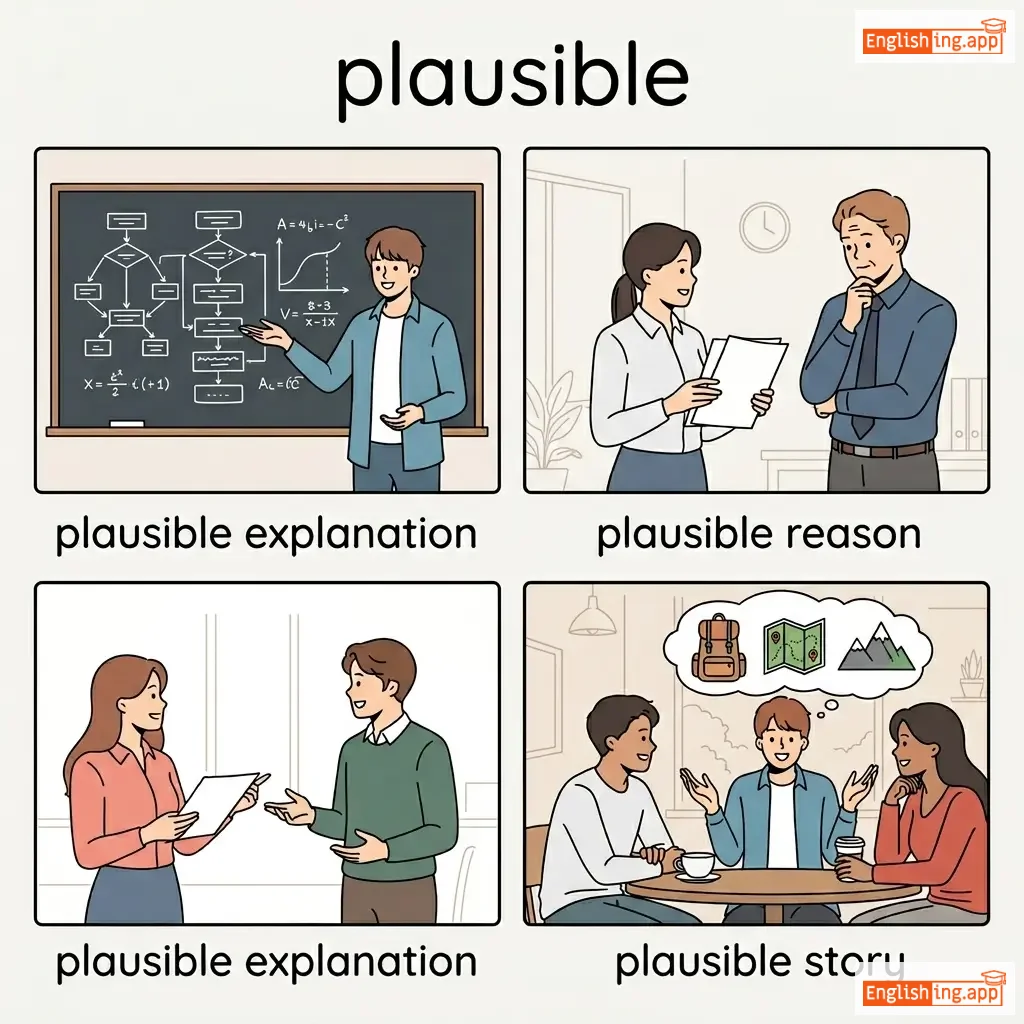
🤔
••••••
ˈplɔː.zə.bəl
adjective
••••••
••••••
Seeming reasonable or probable; appearing worthy of belief.
••••••

His explanation sounded plausible enough.

••••••
credible, reasonable, believable, convincing, likely, feasible
••••••
implausible, unbelievable, unlikely, incredible, unreasonable, doubtful
••••••
#4040
✔️
••••••
kəˈrɒb.ə.reɪt
verb
••••••
••••••
Confirm or give support to (a statement, theory, or finding).
••••••

The evidence corroborated his alibi.

••••••
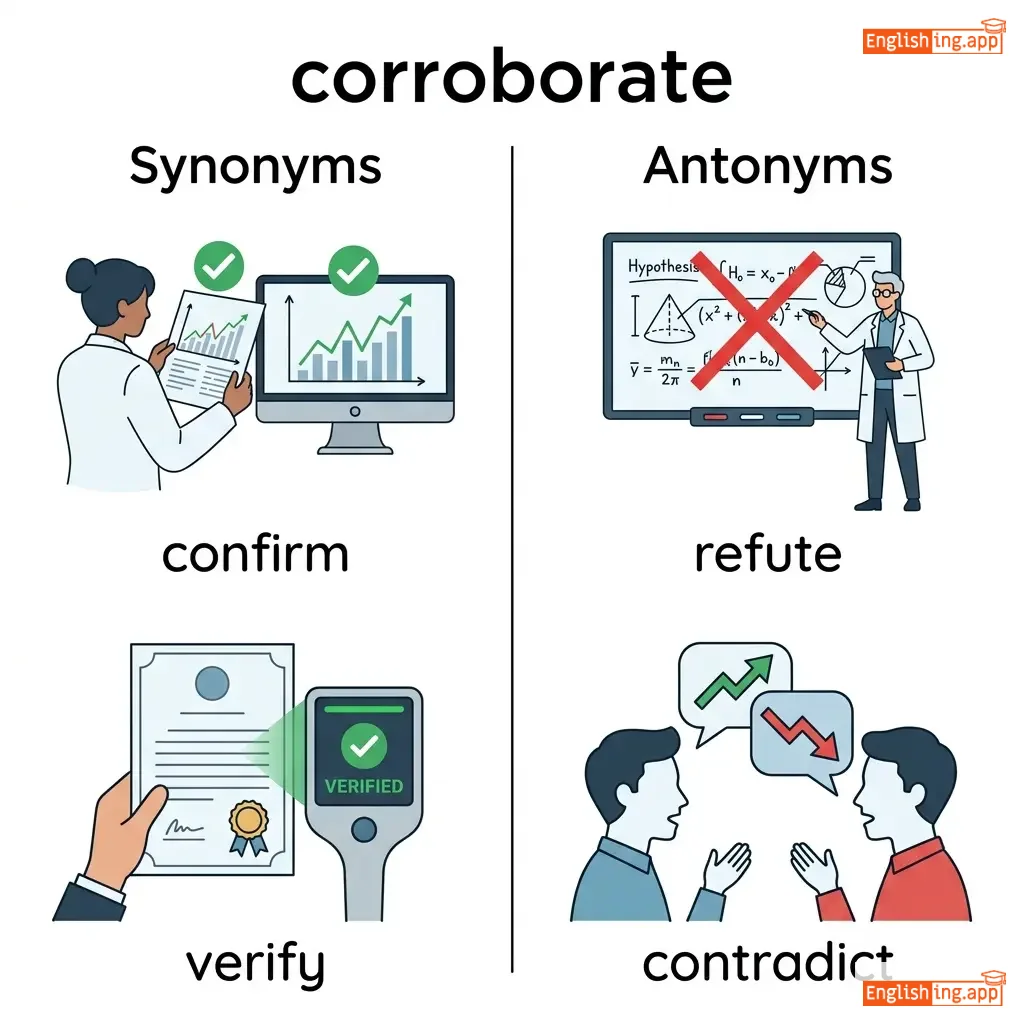
confirm, validate, verify, substantiate, support, authenticate
••••••
contradict, refute, disprove, deny, discredit, undermine
••••••
#4041
🔑
••••••
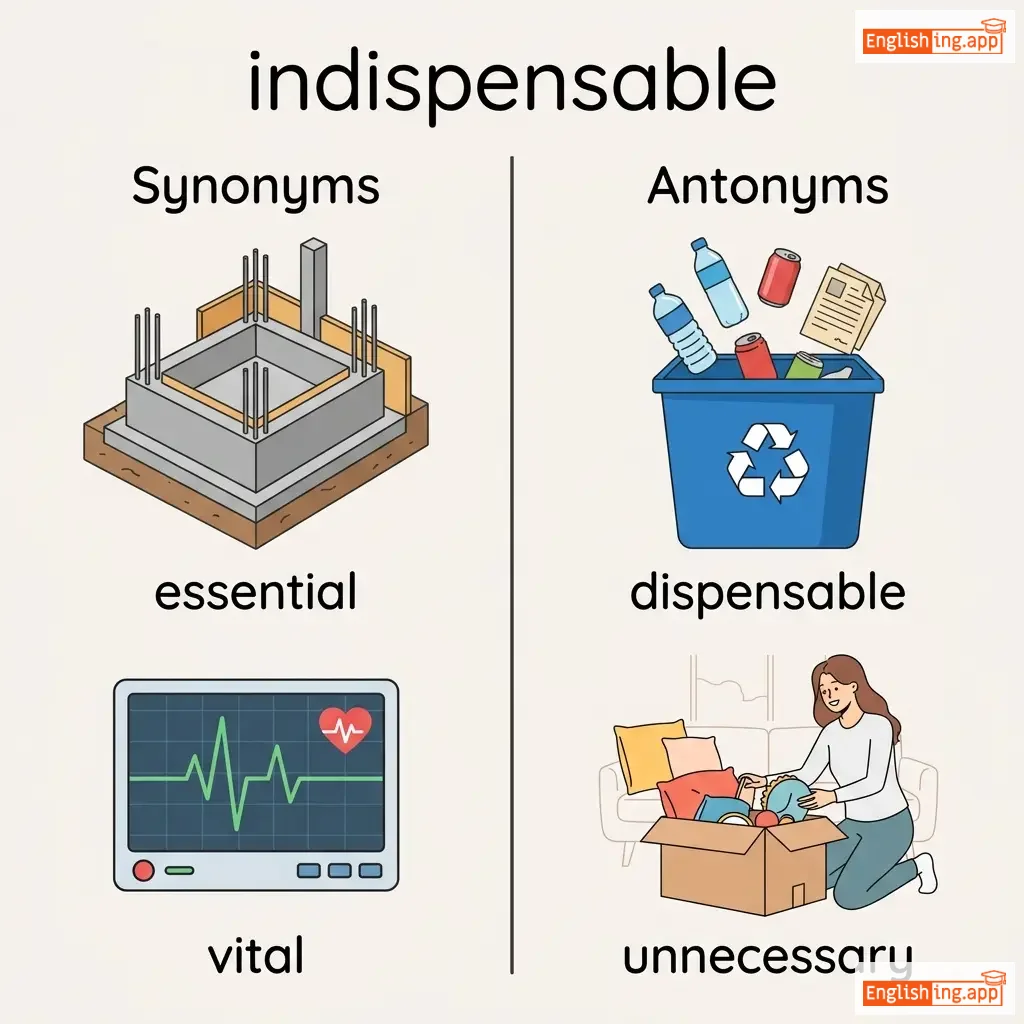
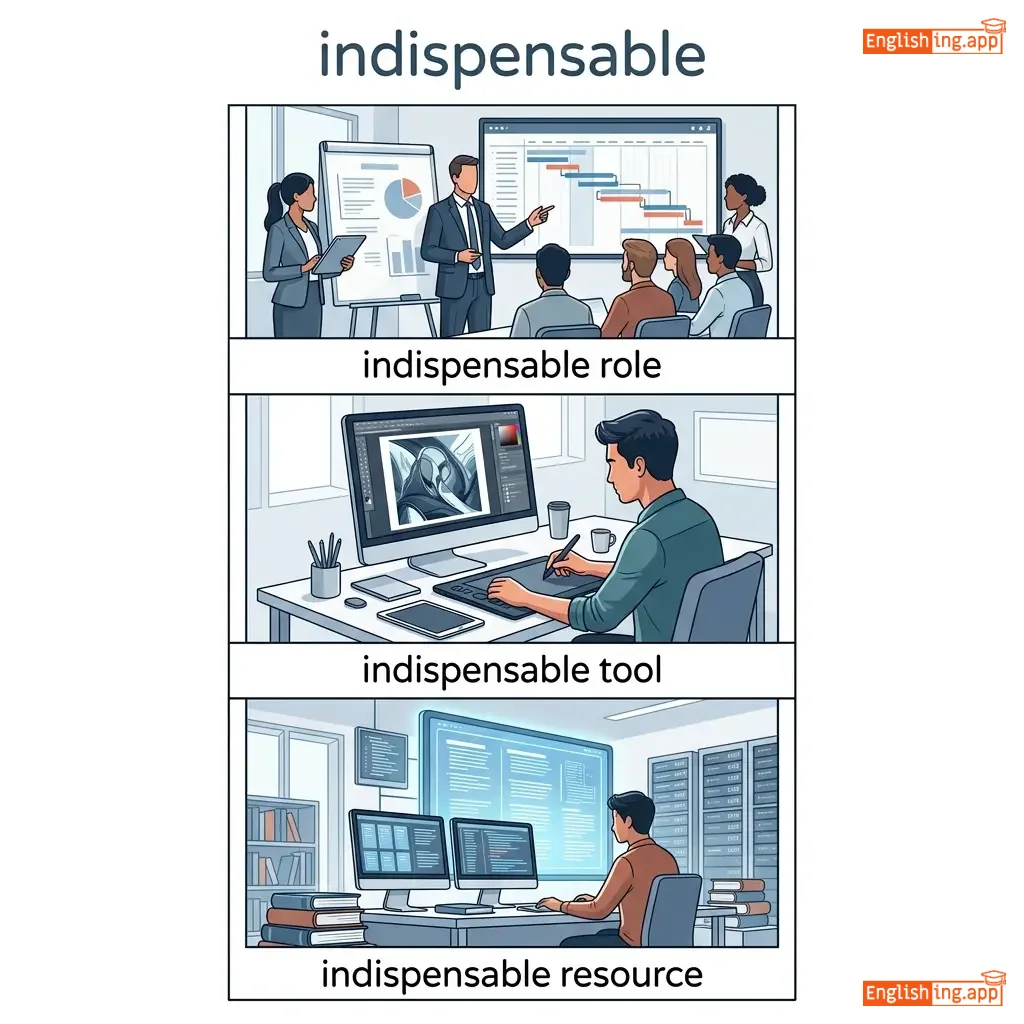
ˌɪn.dɪˈspen.sə.bəl
adjective
••••••
••••••
Absolutely necessary; essential.
••••••

Water is indispensable for survival.

••••••
essential, vital, crucial, necessary, required, fundamental
••••••
dispensable, nonessential, unnecessary, optional, expendable, superfluous
••••••
#4042
🌐
••••••
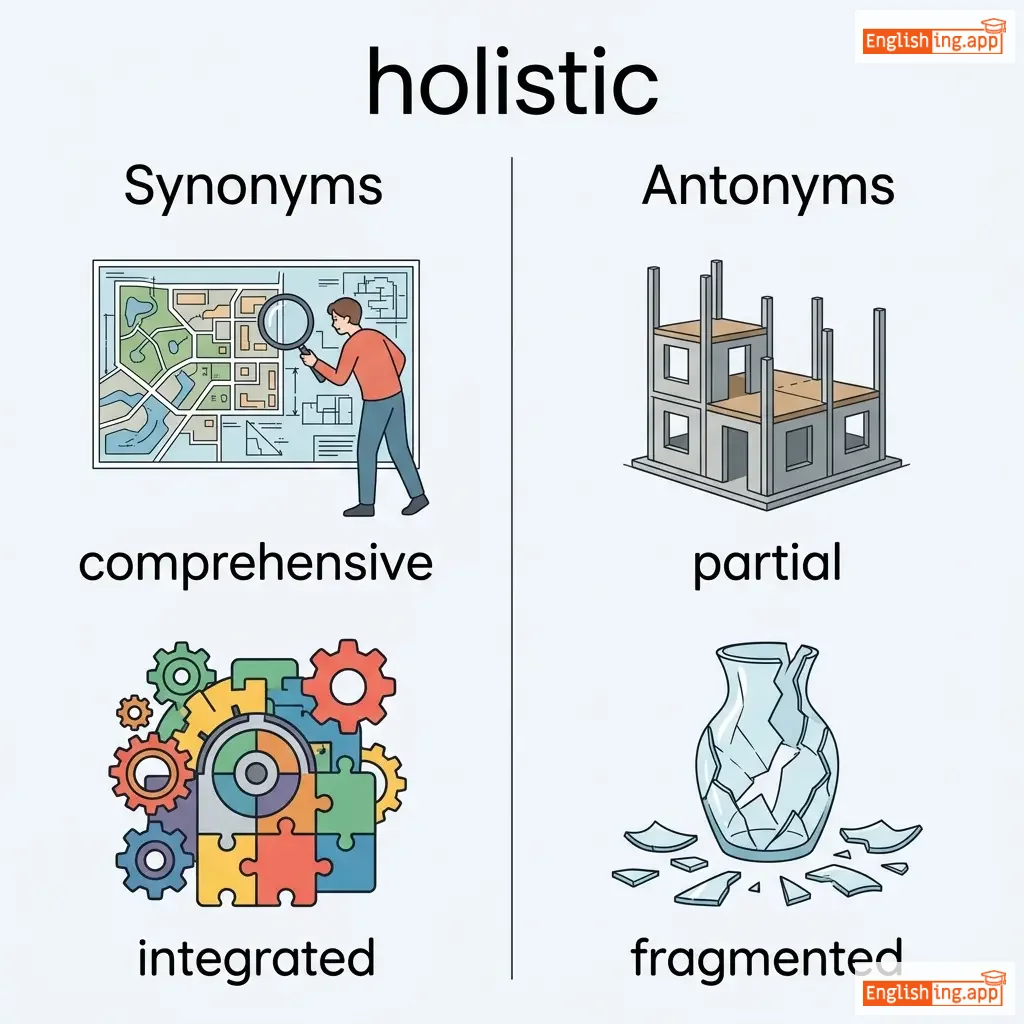
həʊˈlɪs.tɪk
adjective
••••••
••••••
Characterized by the treatment of the whole person, taking into account mental and social factors, rather than just the symptoms of a disease; relating to or concerned with wholes or complete systems rather than with individual parts.
••••••

A holistic approach is needed for healthcare.

••••••
comprehensive, all-encompassing, integrated, complete, unified, total
••••••
partial, fragmented, incomplete, narrow, limited, sectional
••••••
#4043
🚀
••••••
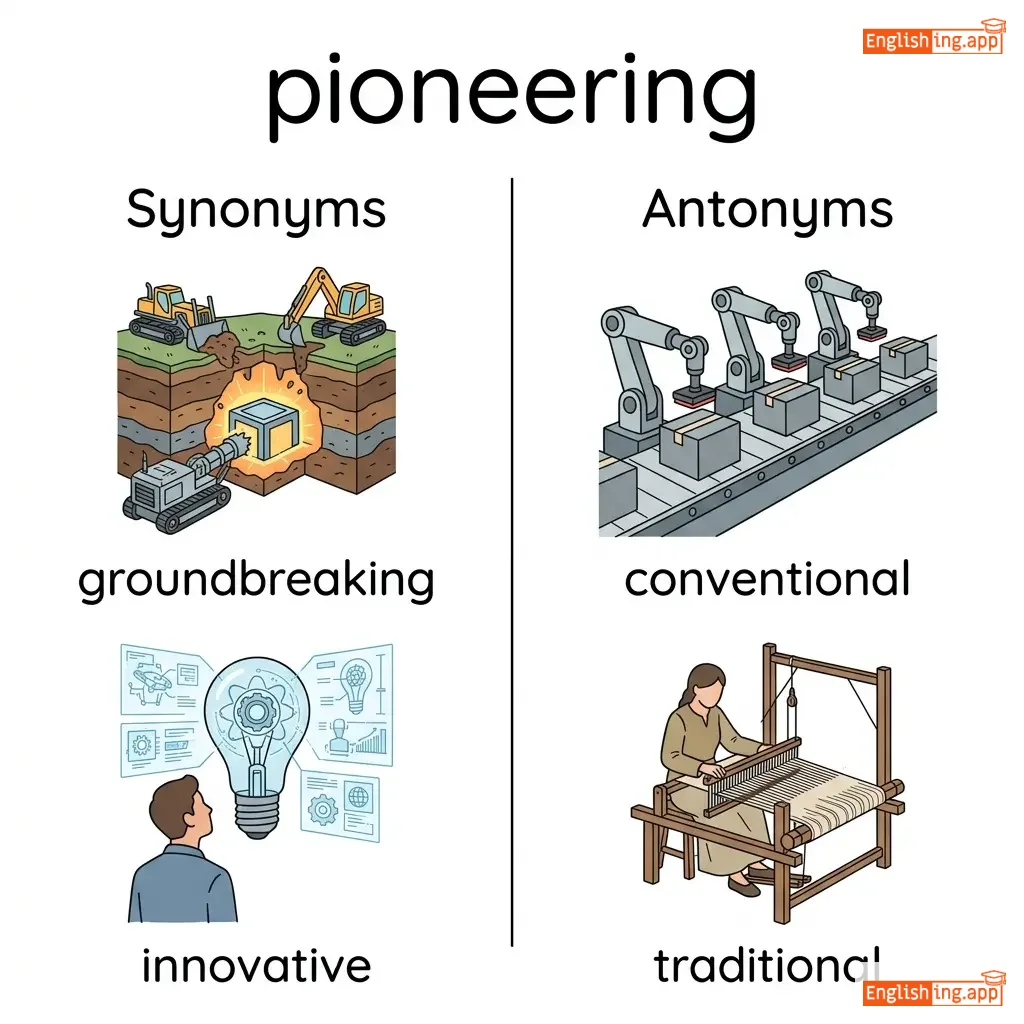
ˌpaɪəˈnɪə.rɪŋ
adjective
••••••
••••••
Involving new ideas or methods; being the first to develop or use new methods, ideas, or products.
••••••

The scientist made pioneering discoveries.

••••••
groundbreaking, innovative, trailblazing, revolutionary, cutting-edge, progressive
••••••
conventional, traditional, orthodox, conservative, established, mainstream
••••••