The Role of Soil in Farming
Soil является одним из основных компонентов сельского хозяйства, от которого зависит fertility сельскохозяйственных культур. Хорошая почва loam обладает способностью удерживать nutrients и может впитывать воду через процесс infiltration.
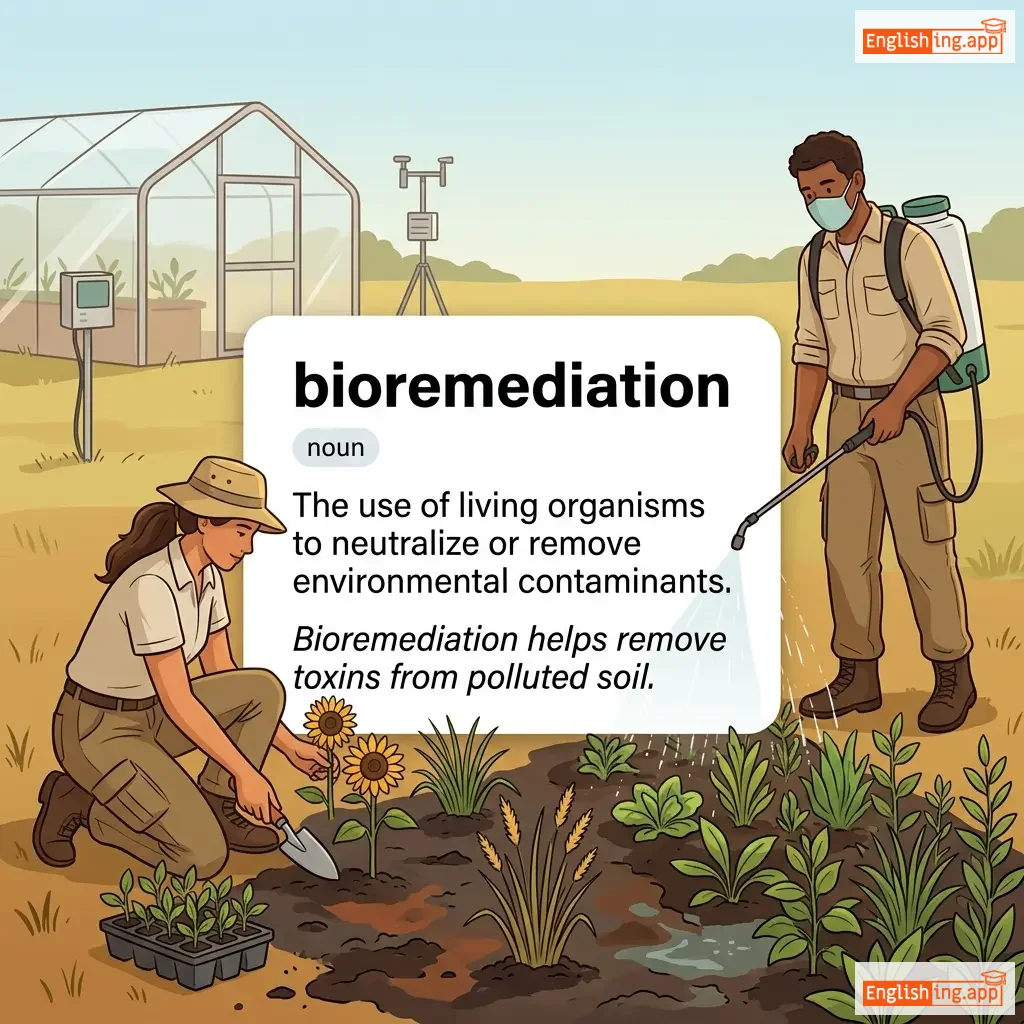
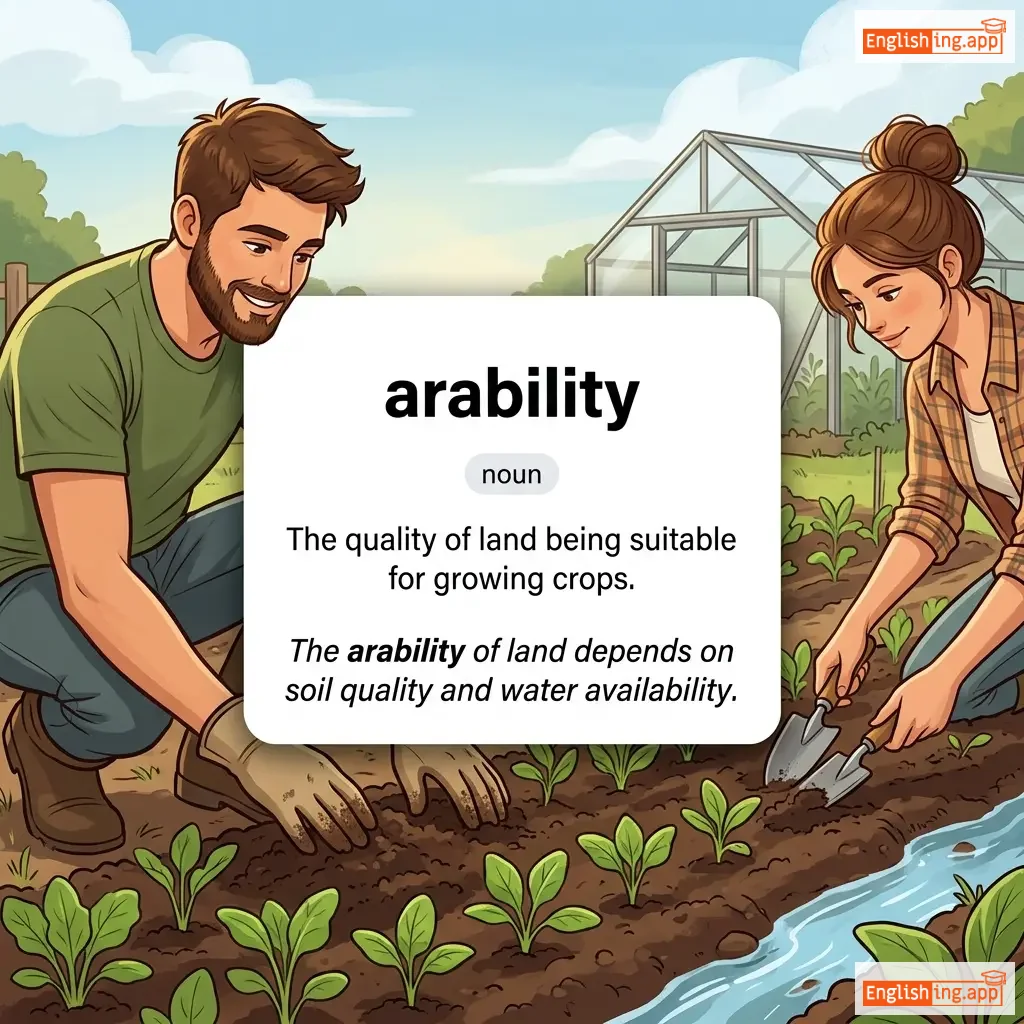
Естественная erosion и degradation могут повредить качество почвы. Однако с помощью методов composting и bioremediation возможно восстановить arability почвы.
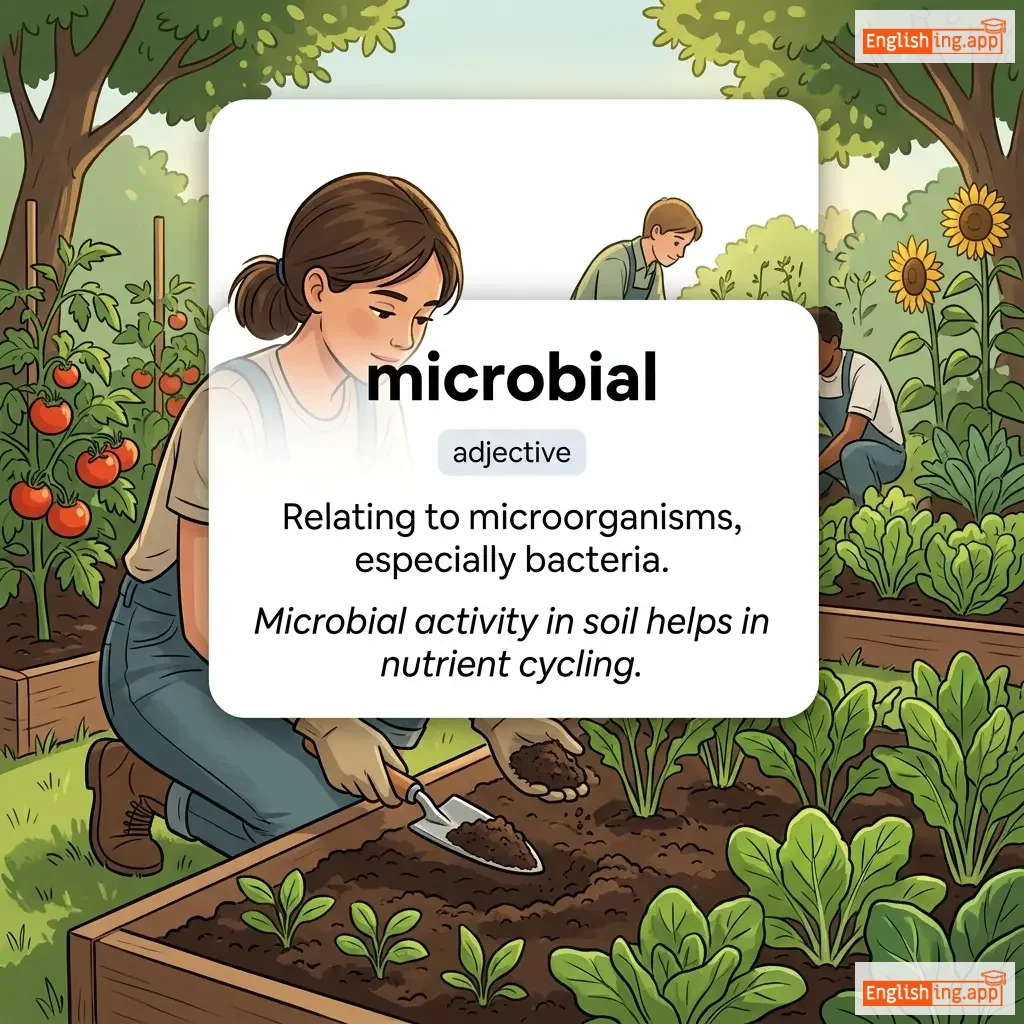
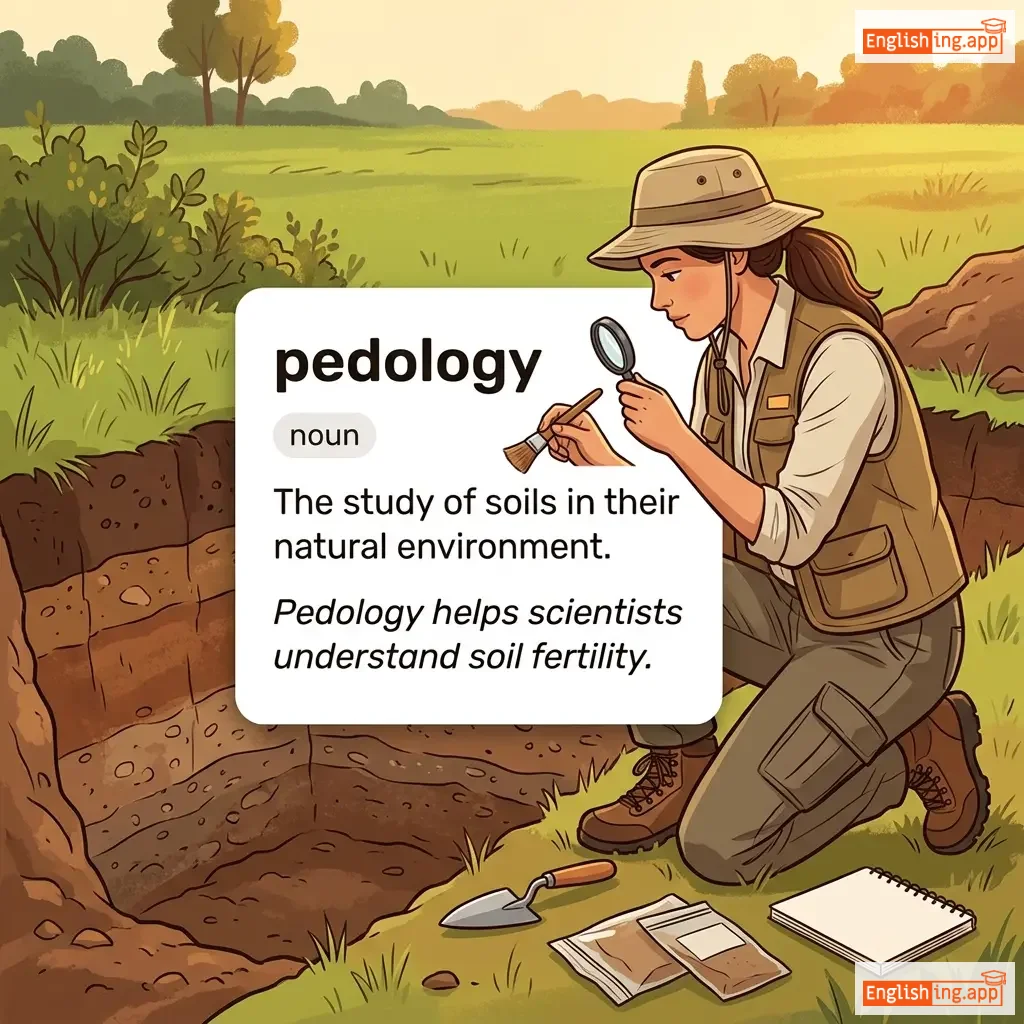
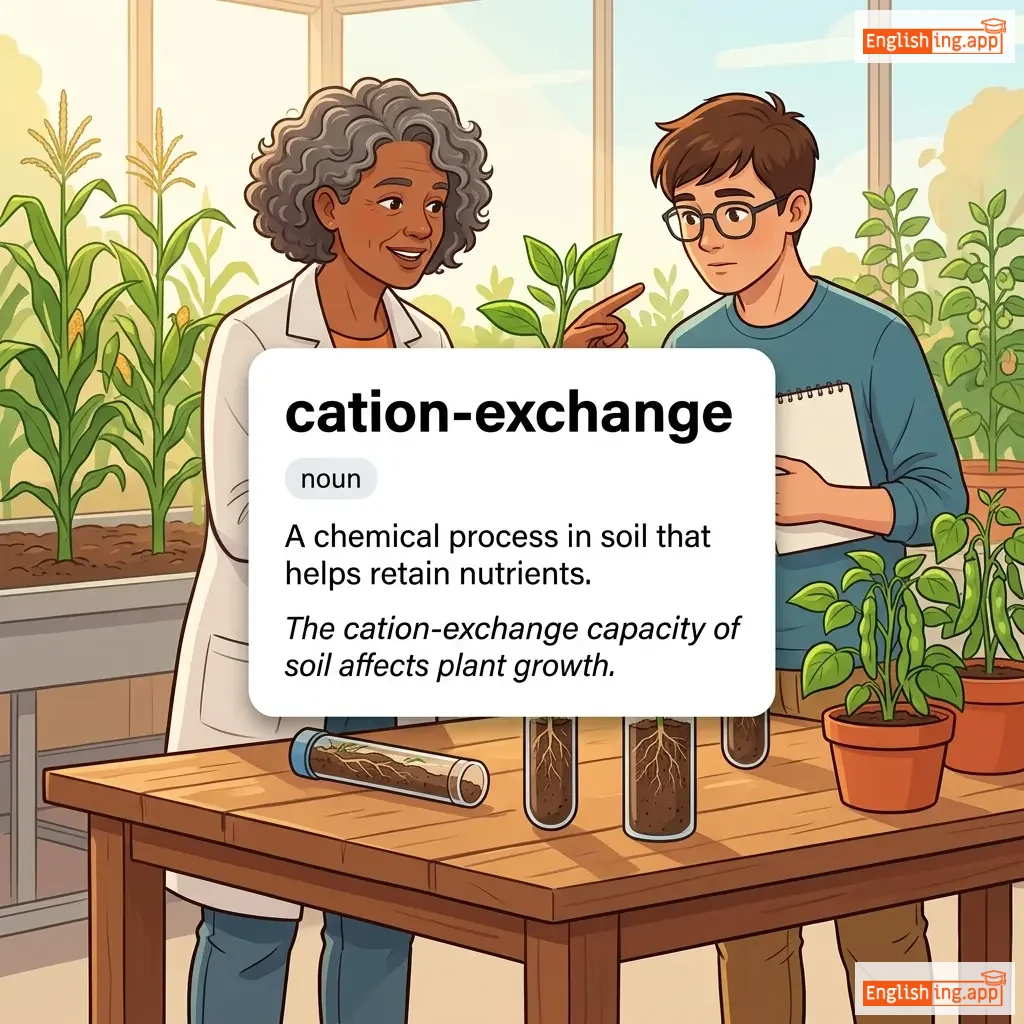
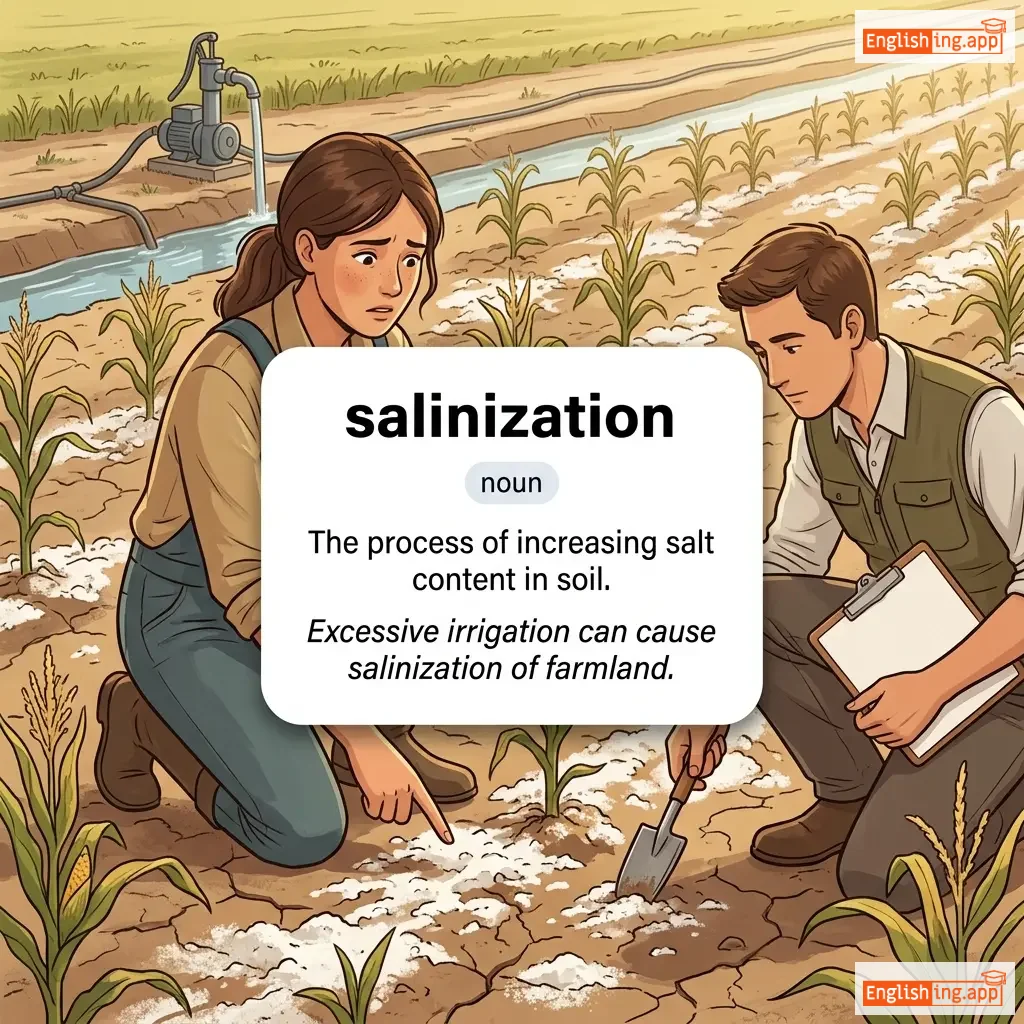
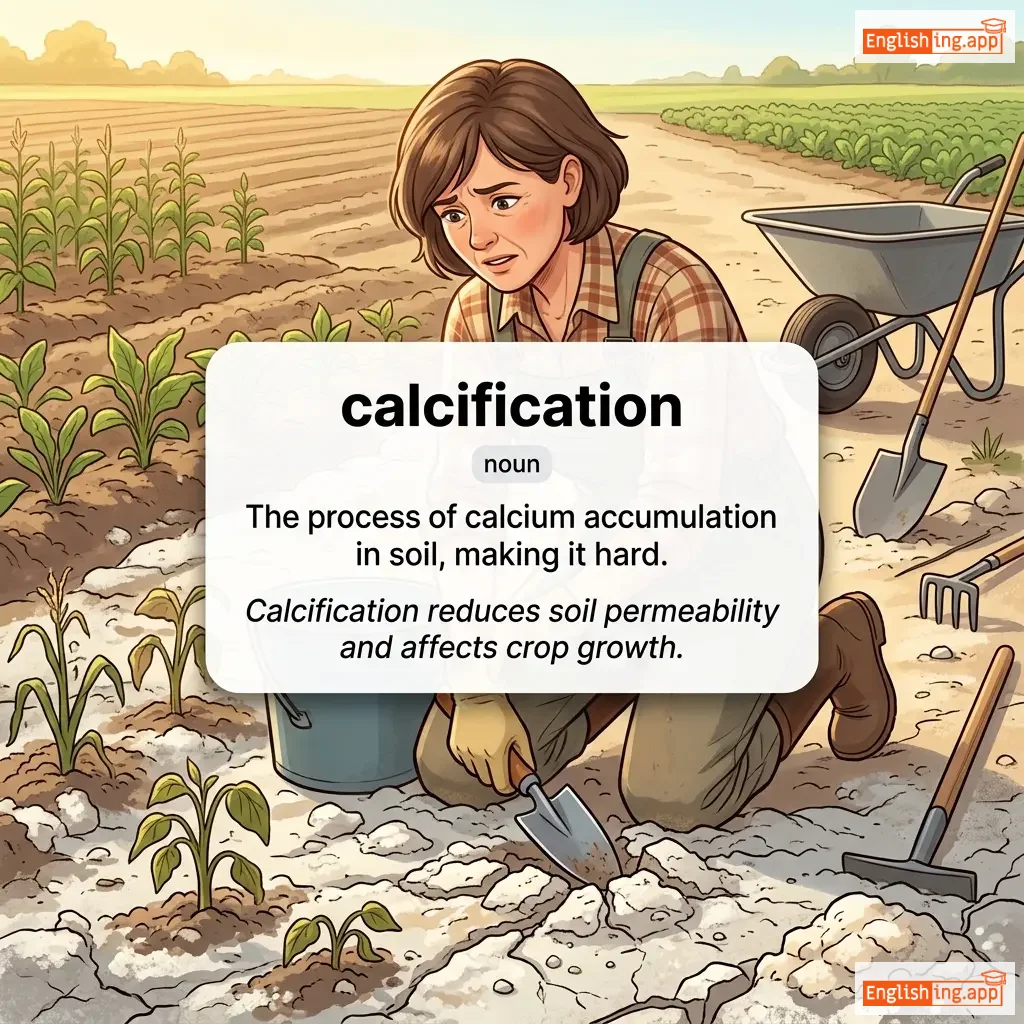
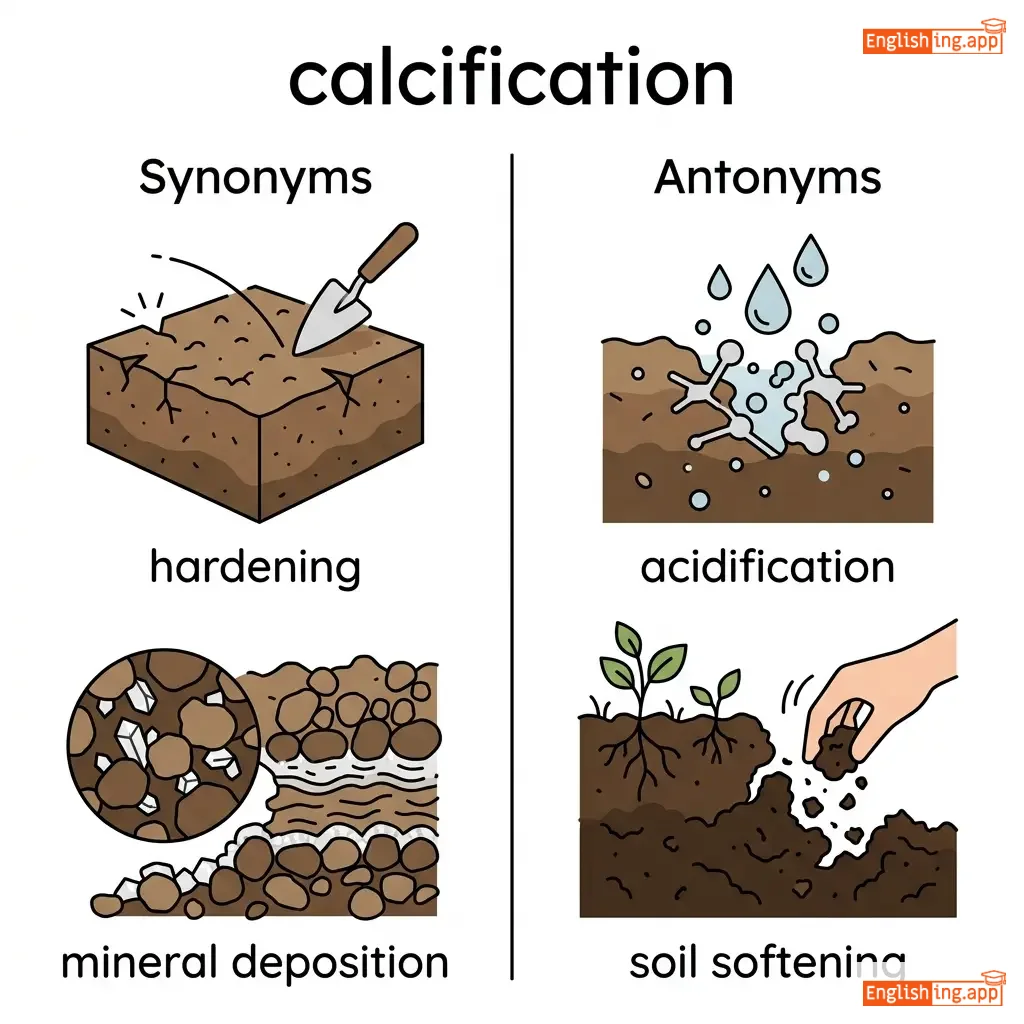
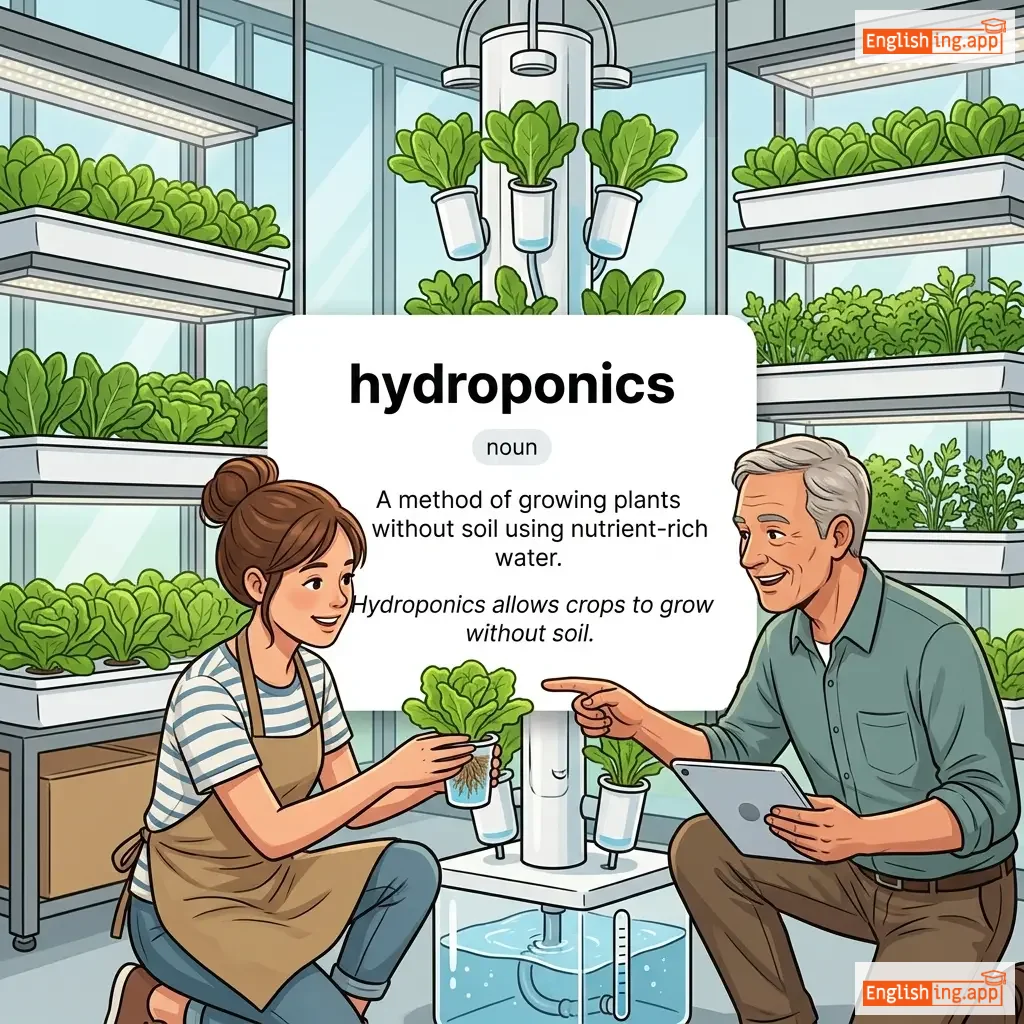
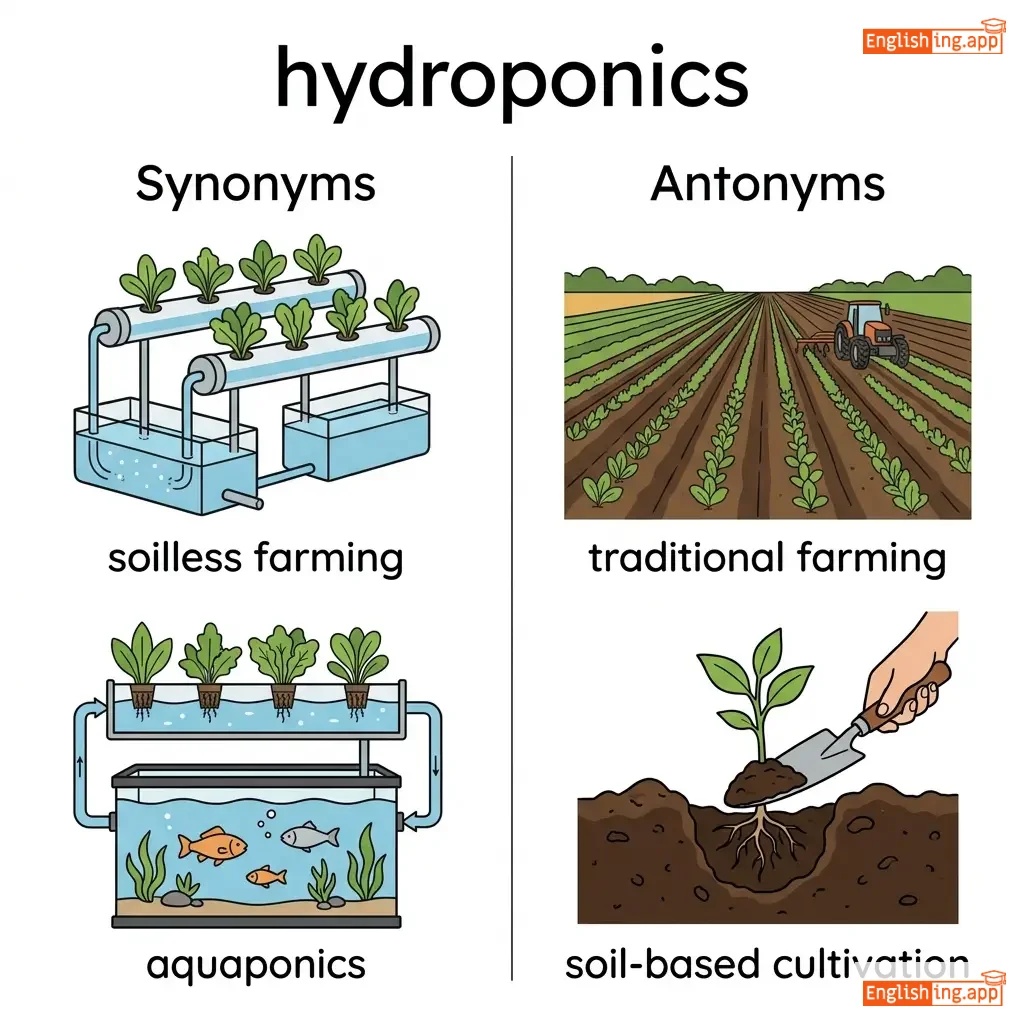
Microbial активность в почве способствует росту сельскохозяйственных культур. Эксперты по Pedology утверждают, что почва становится более плодородной, если у нее высокая способность к cation-exchange. В некоторых регионах salinization и calcification повреждают качество почвы. Следовательно, hydroponics может быть альтернативой, где вместо почвы используется обогащенная питательными веществами вода.
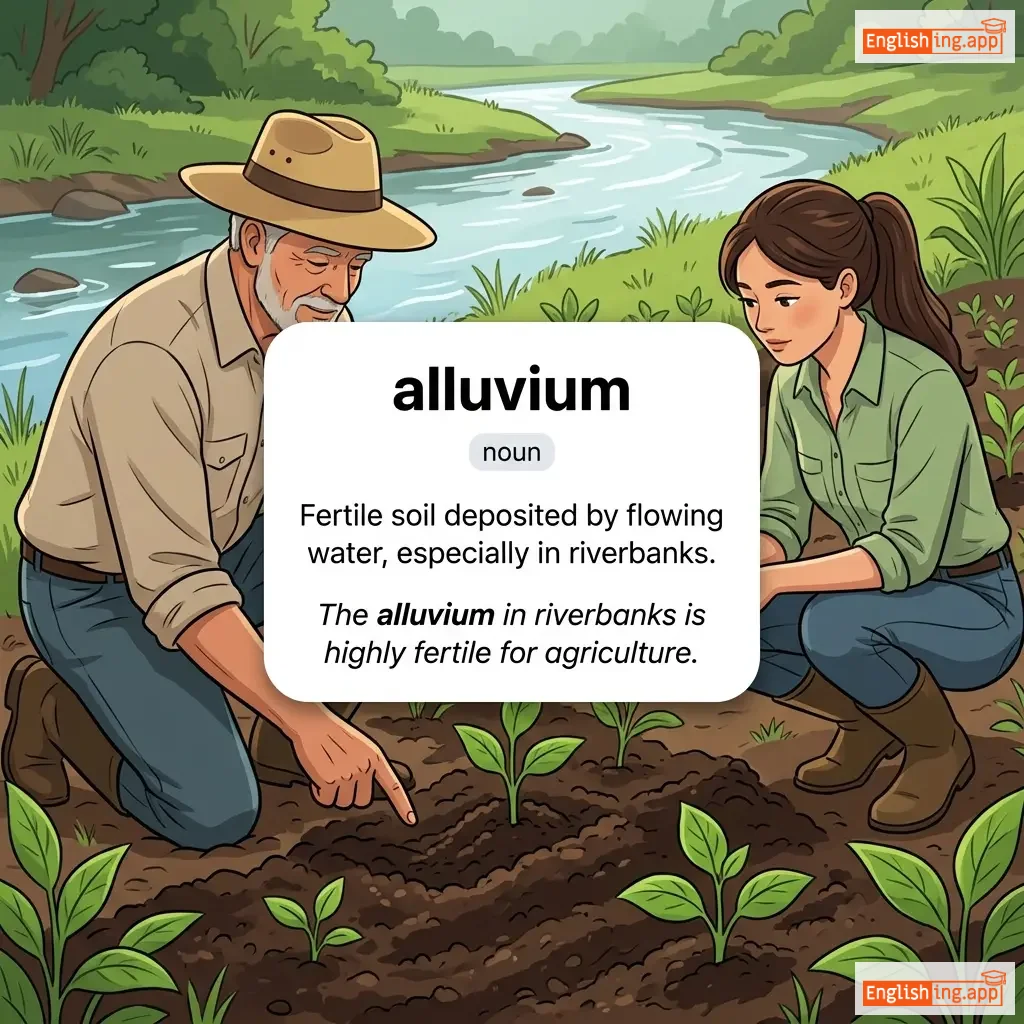
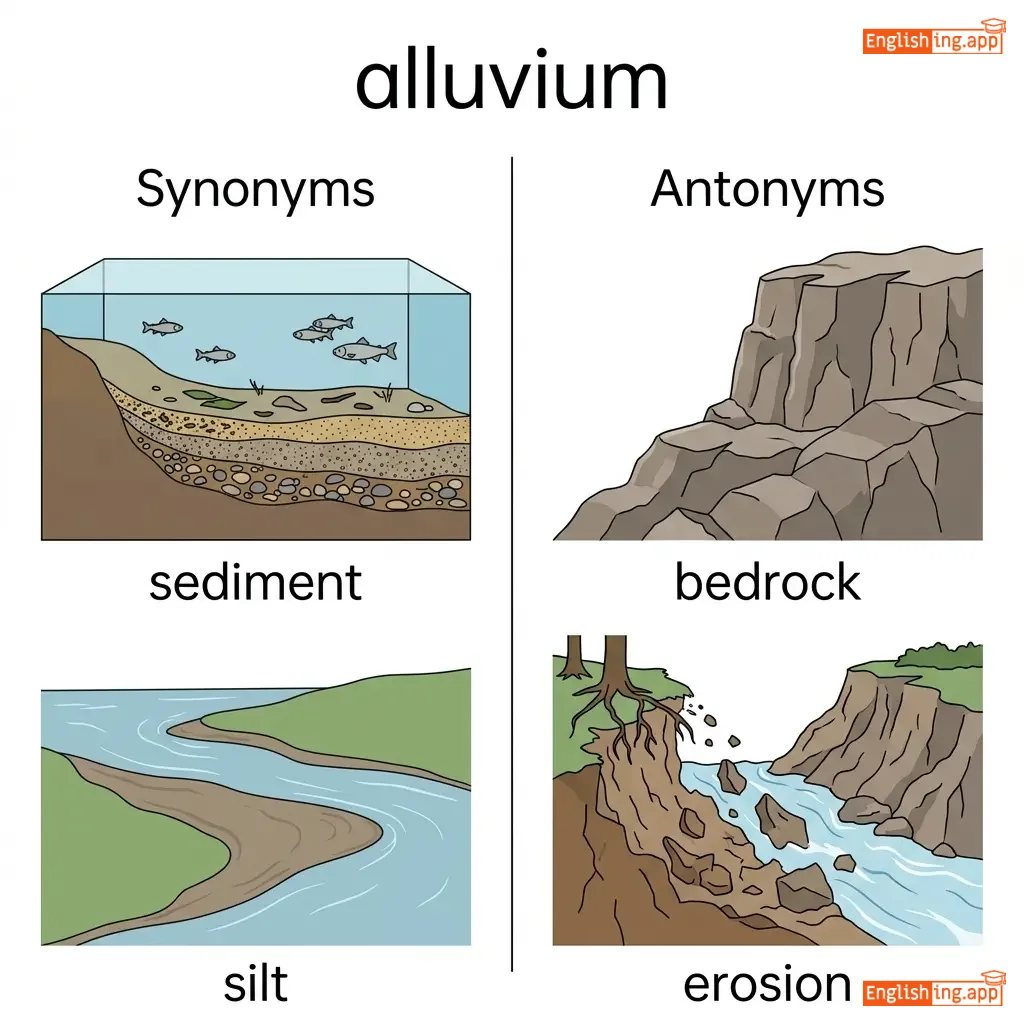
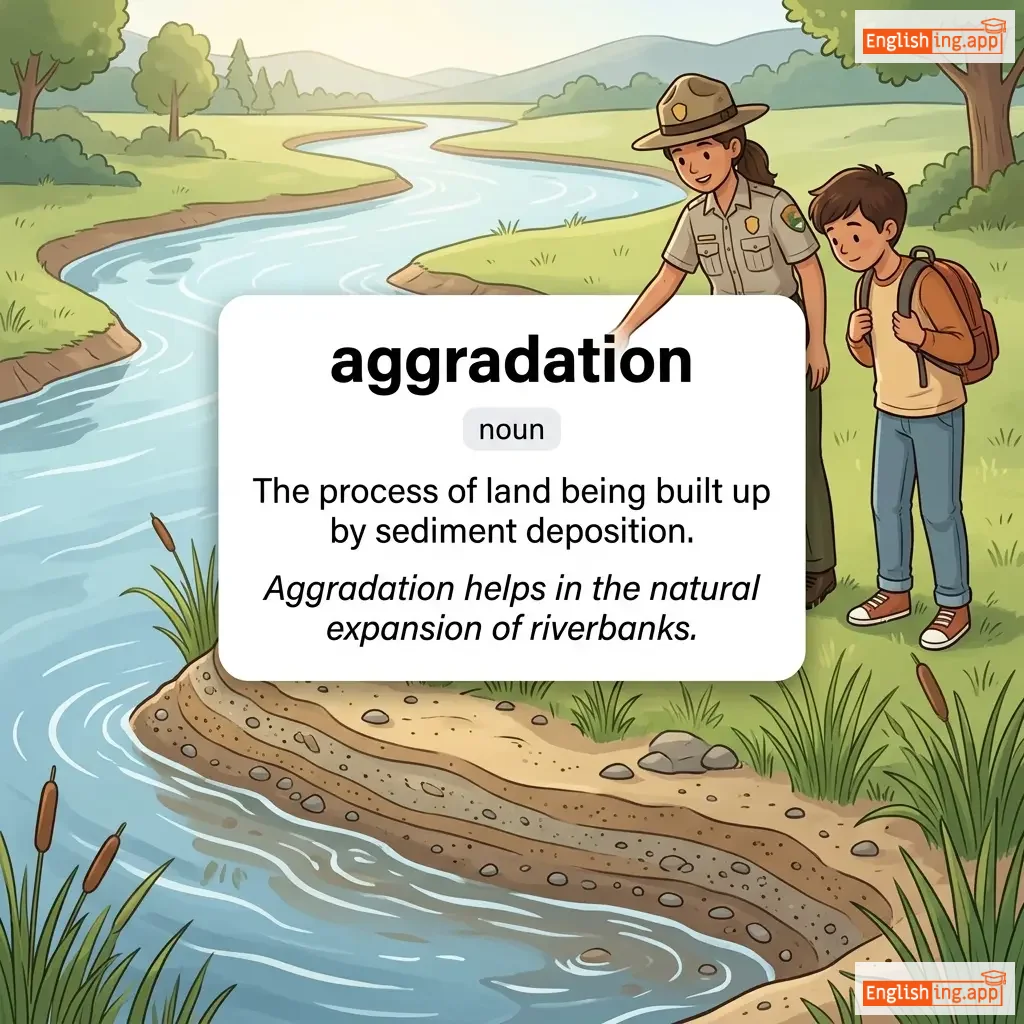
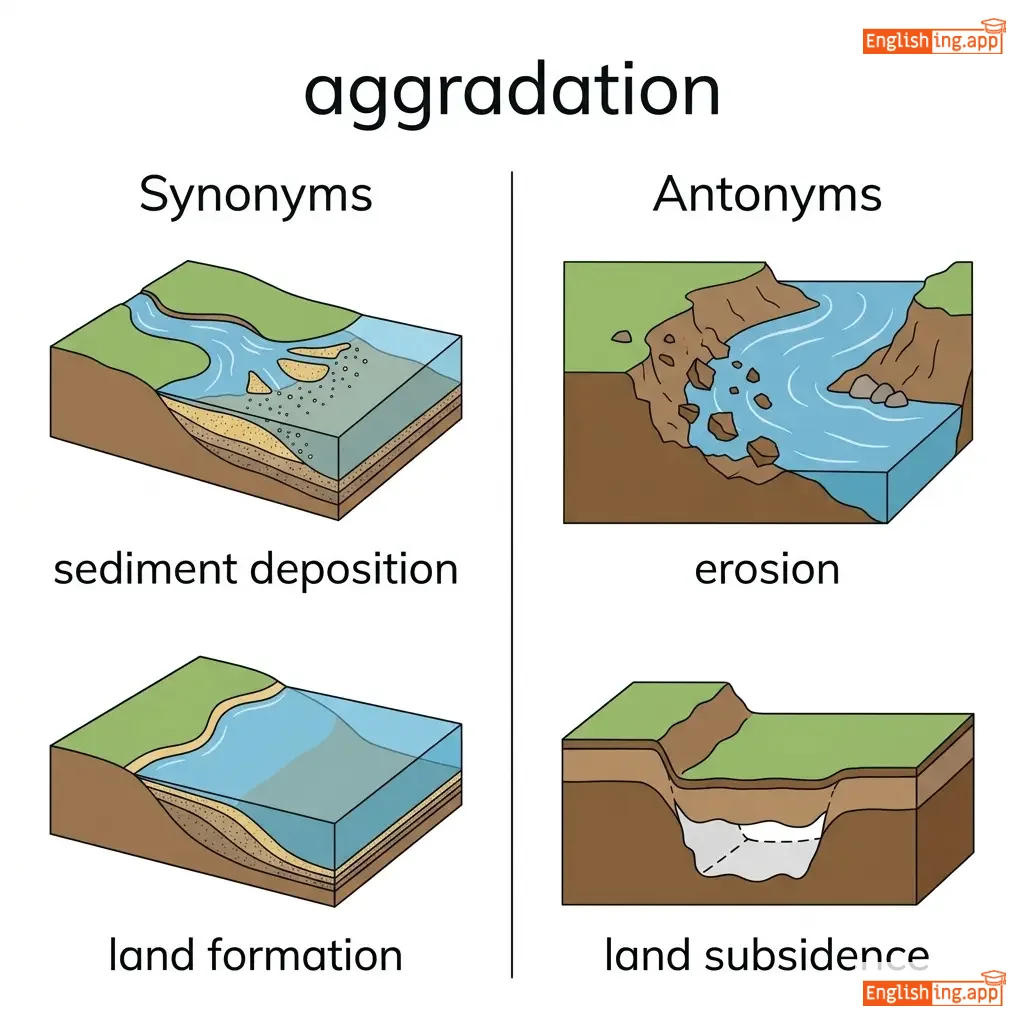
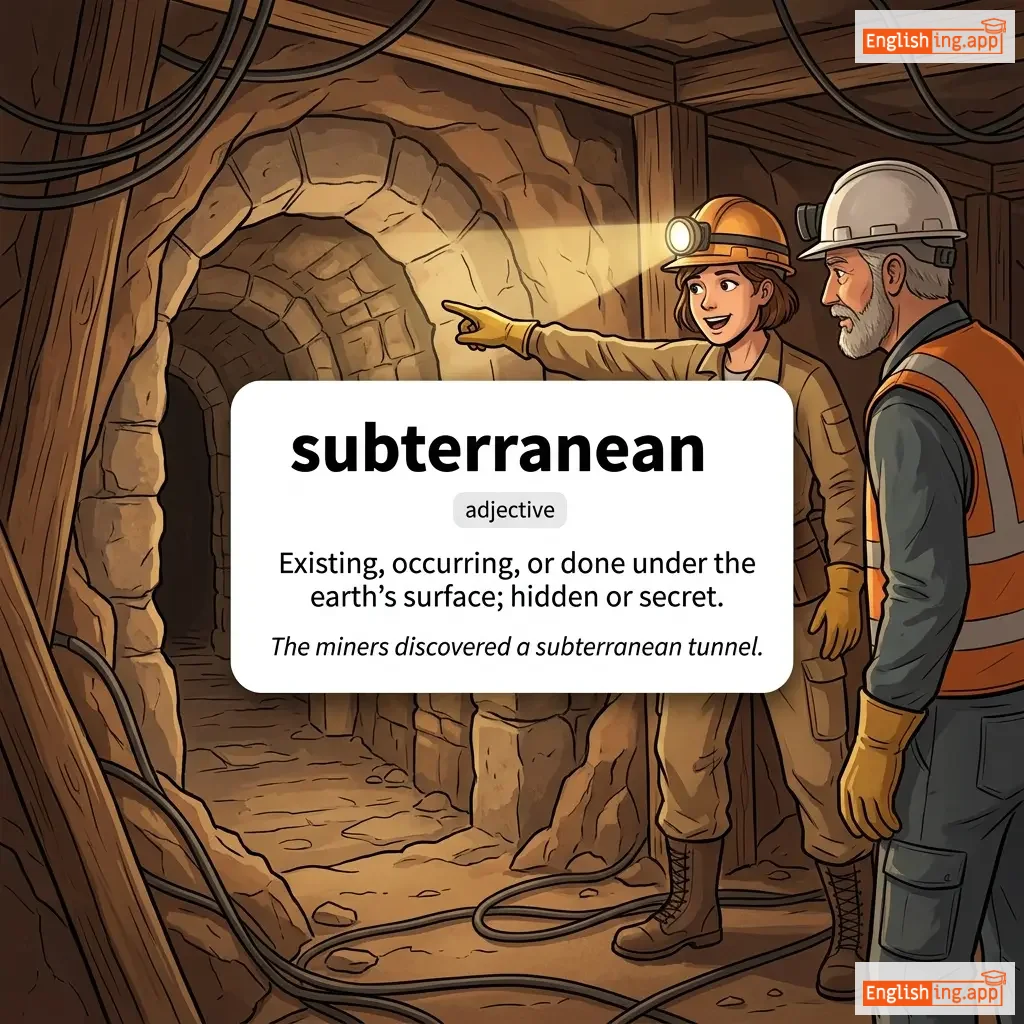
Каждый год накапливается alluvium, что увеличивает aggradation почвы, и через процесс humification органическое вещество обогащает почву в subterranean слоях. Поэтому крайне важно обеспечить надлежащее soil management в сельском хозяйстве.
Получите неограниченный доступ ко всем словам с подпиской Pro
Обновить до ProПолучите неограниченный доступ ко всем предложениям с подпиской Pro
Обновить до Pro|
Эмодзи
|
Слово | Images | Значение | Пример предложения | Синонимы | Антонимы |
|---|---|---|---|---|---|---|
|
#3629
🌱
|
/sɔɪl/
noun
••••••
|
|
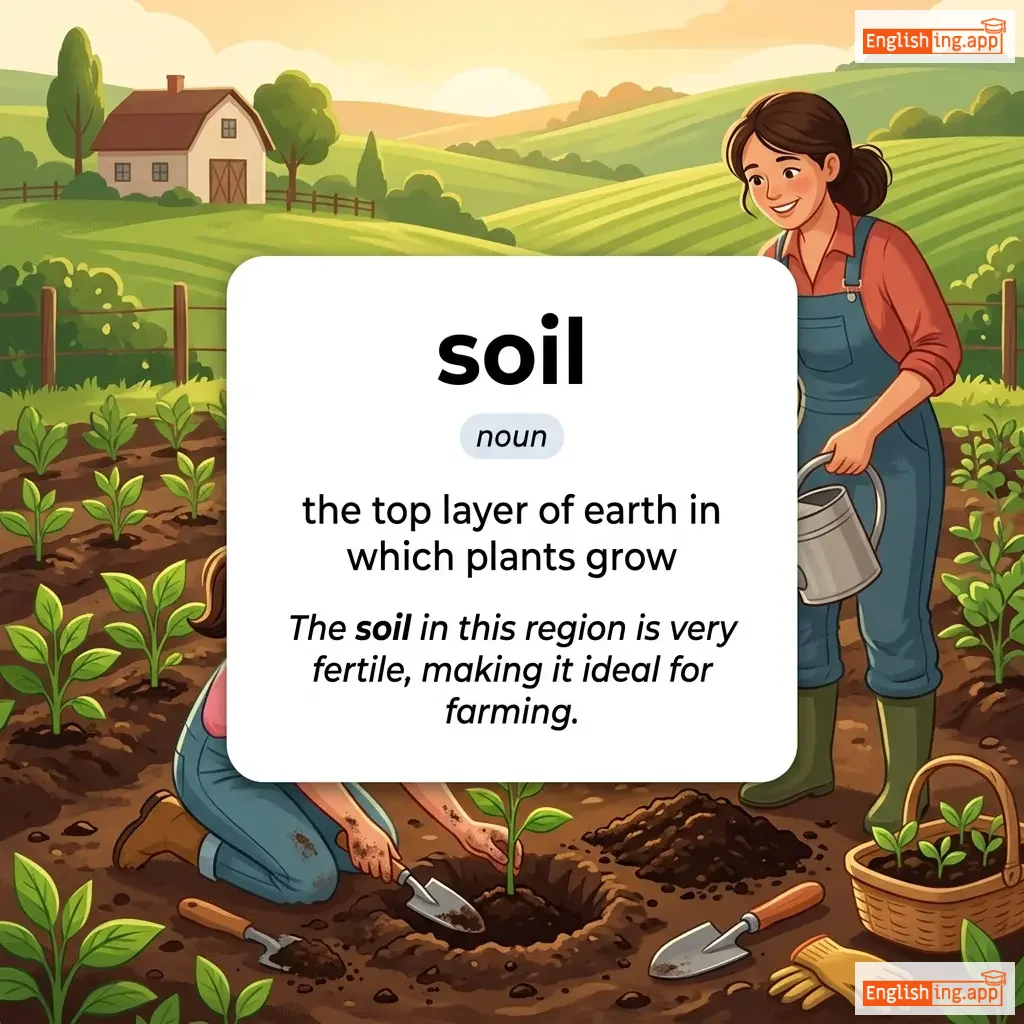
The upper layer of earth's surface where plants grow.
••••••
|
Farmers depend on soil quality for good crop yields. |
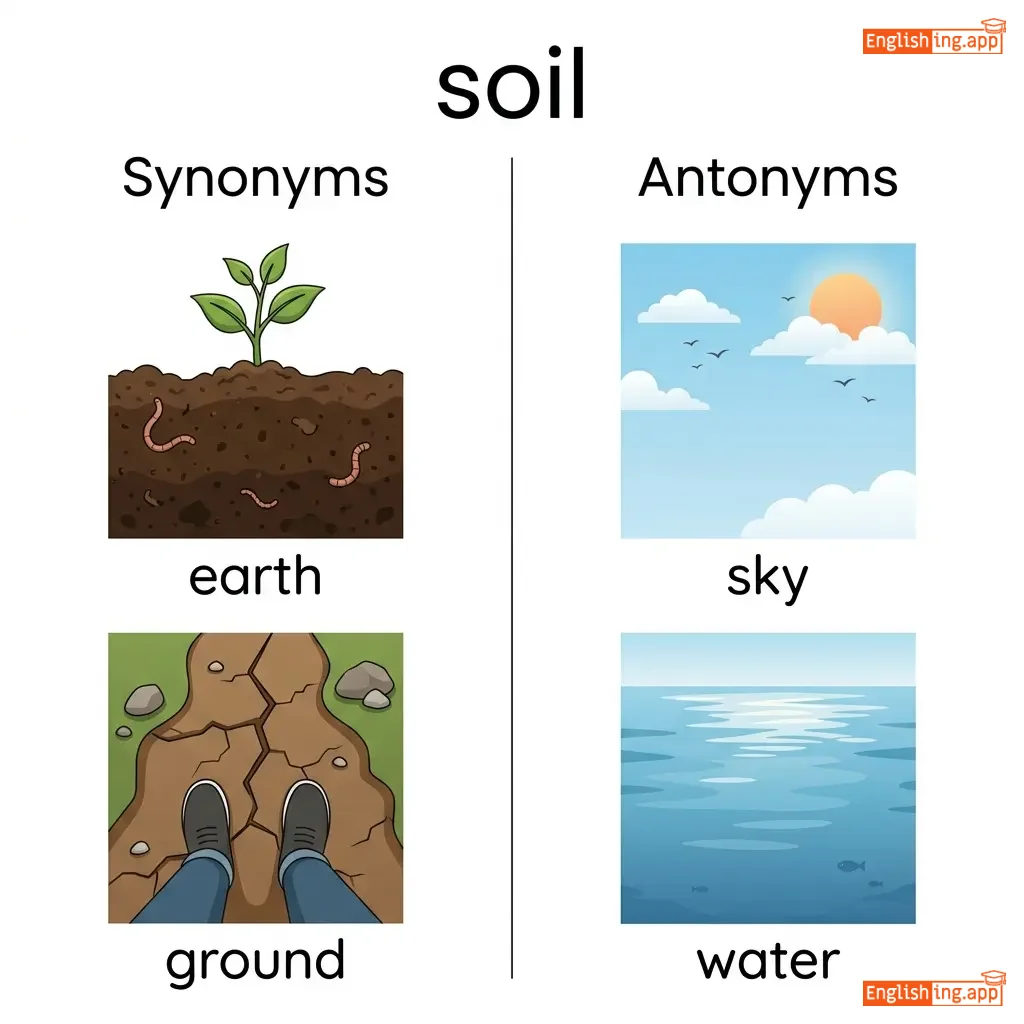
earth, ground, dirt
••••••
|
rock, barren land, concrete
••••••
|
|
#3630
🌾
|
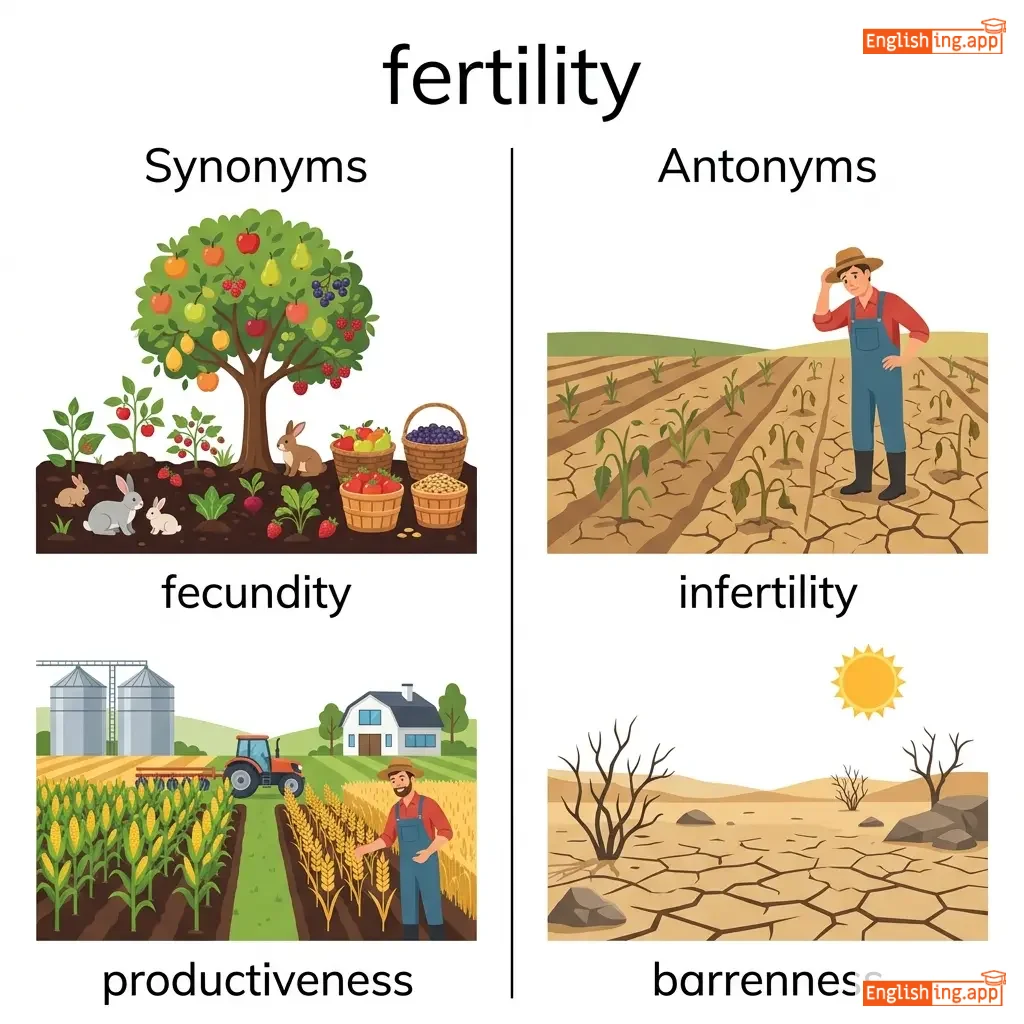
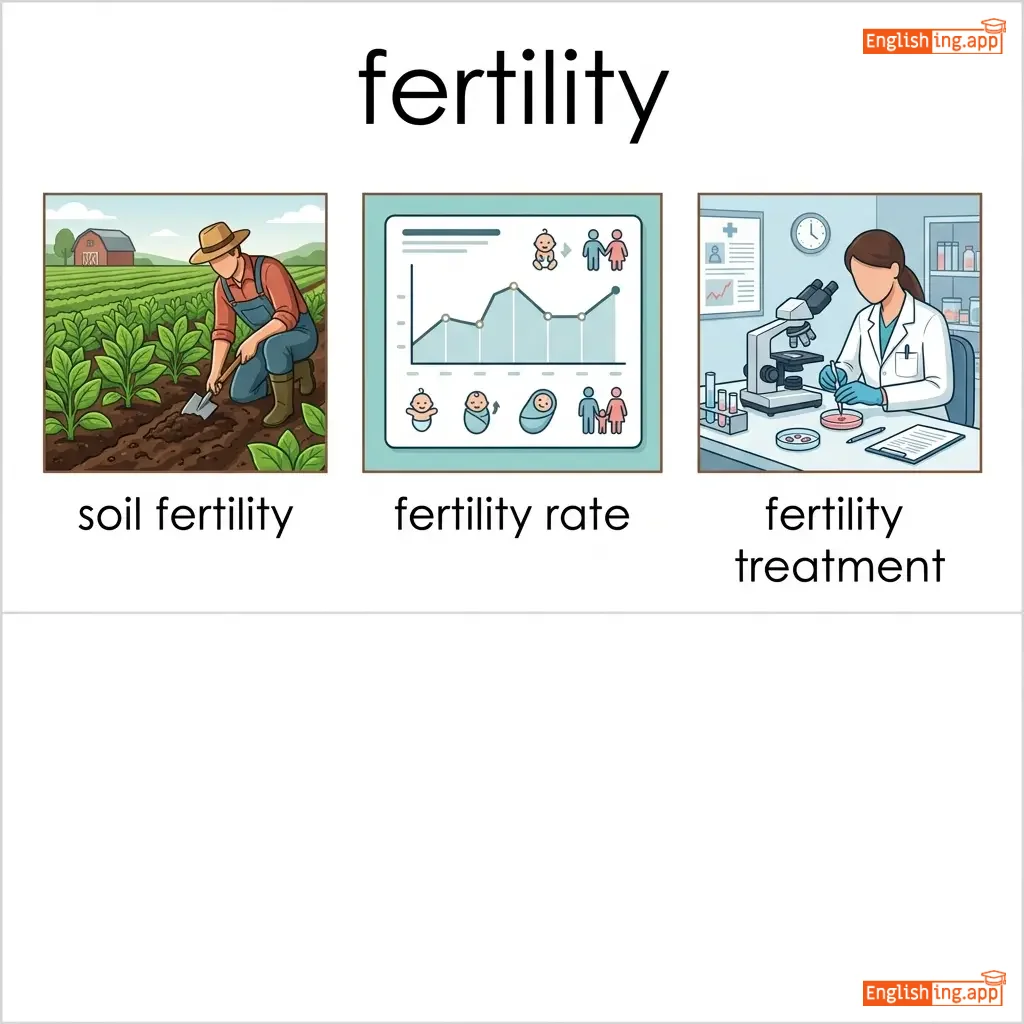
/fɜːˈtɪl.ɪ.ti/
noun
••••••
|
|
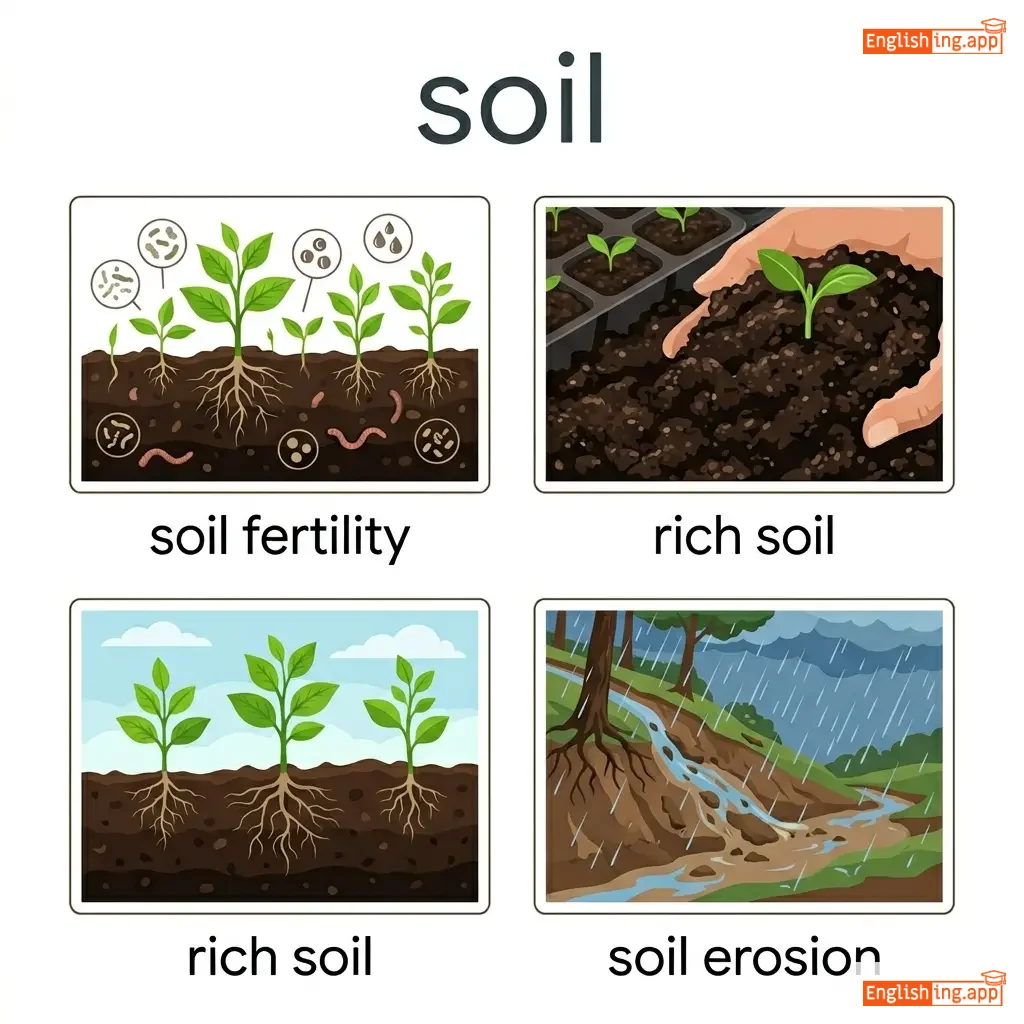
The ability of soil to produce crops or vegetation.
••••••
|
Proper crop rotation maintains soil fertility. |
productivity, soil richness, fruitfulness
••••••
|
infertility, barren, depletion
••••••
|
|
#3631
🏞️
|
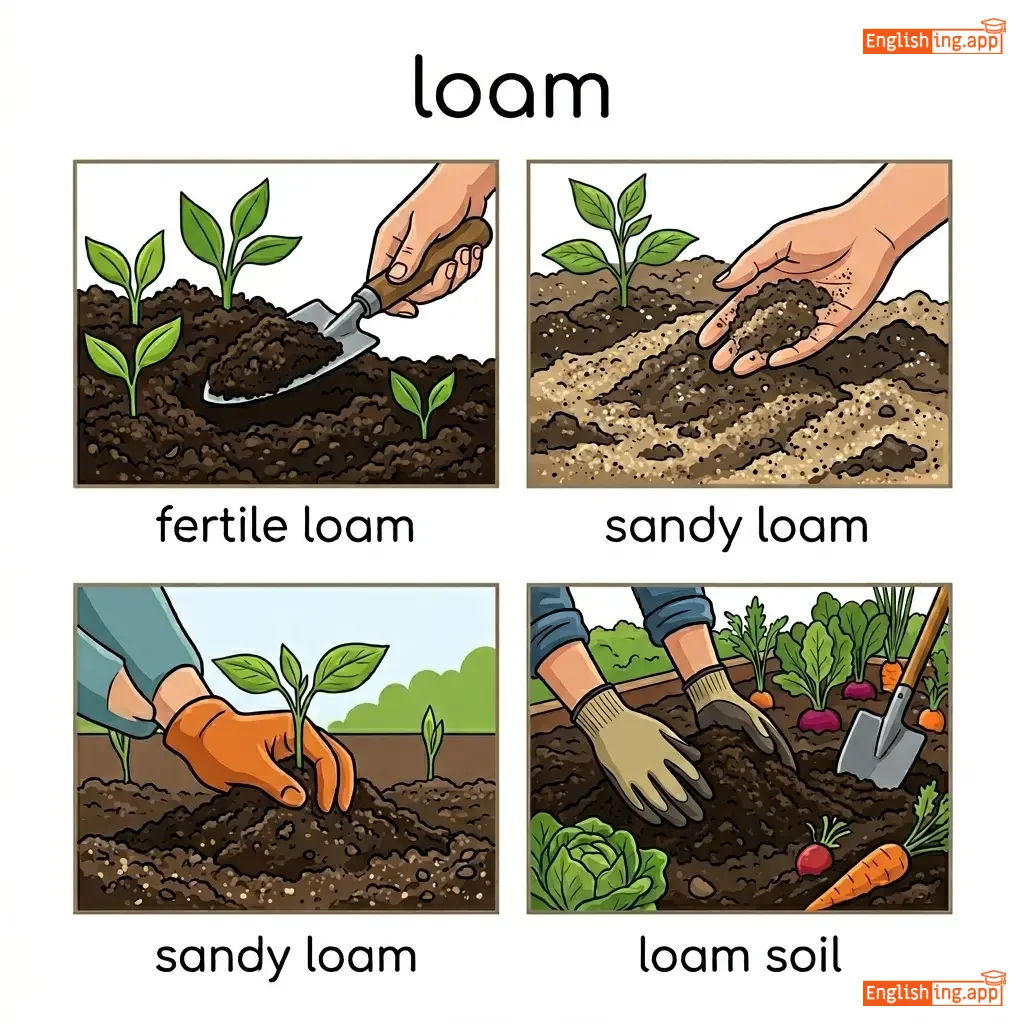
/loʊm/
noun
••••••
|
|
Fertile soil mixture of sand, clay, and organic matter.
••••••
|
Loam soil is ideal for agriculture due to its nutrient content. |
rich soil, humus, clayey sand
••••••
|
dry soil, infertile ground, hard clay
••••••
|
|
#3632
🧪
|
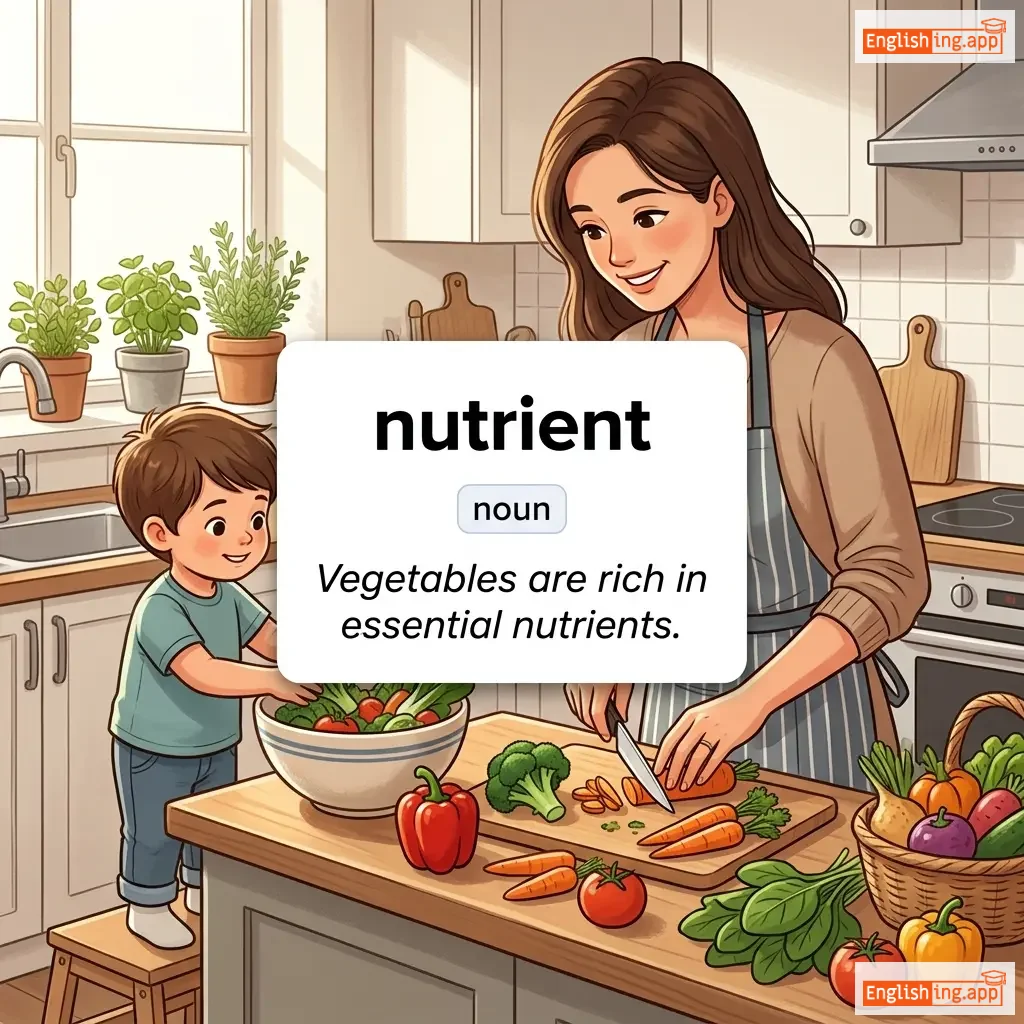
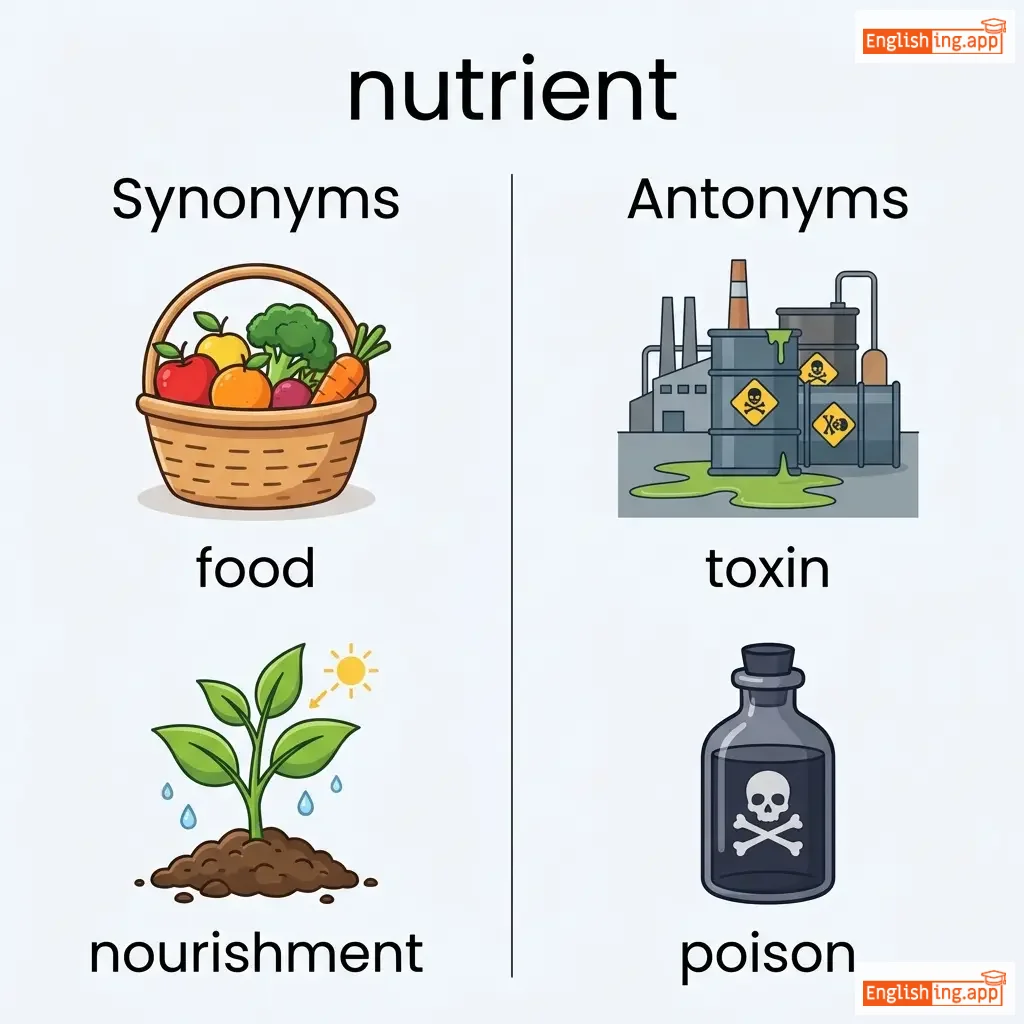
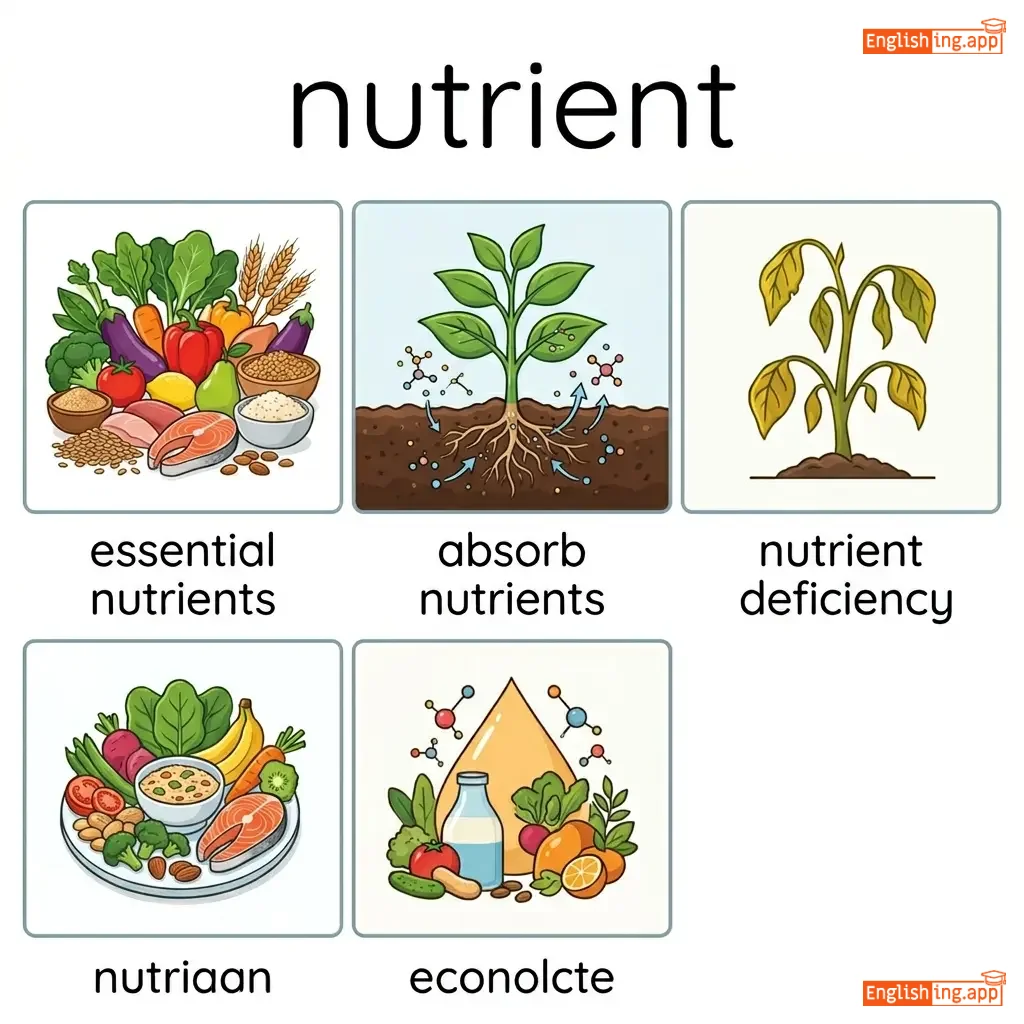
/ˈnuː.tri.ənt/
noun
••••••
|
|
A substance that provides nourishment essential for growth and health of plants or animals.
••••••
|
Plants absorb nutrients from the soil for growth. |
minerals, vitamins, elements
••••••
|
deficiency, toxin, waste
••••••
|
|
#3633
💧
|
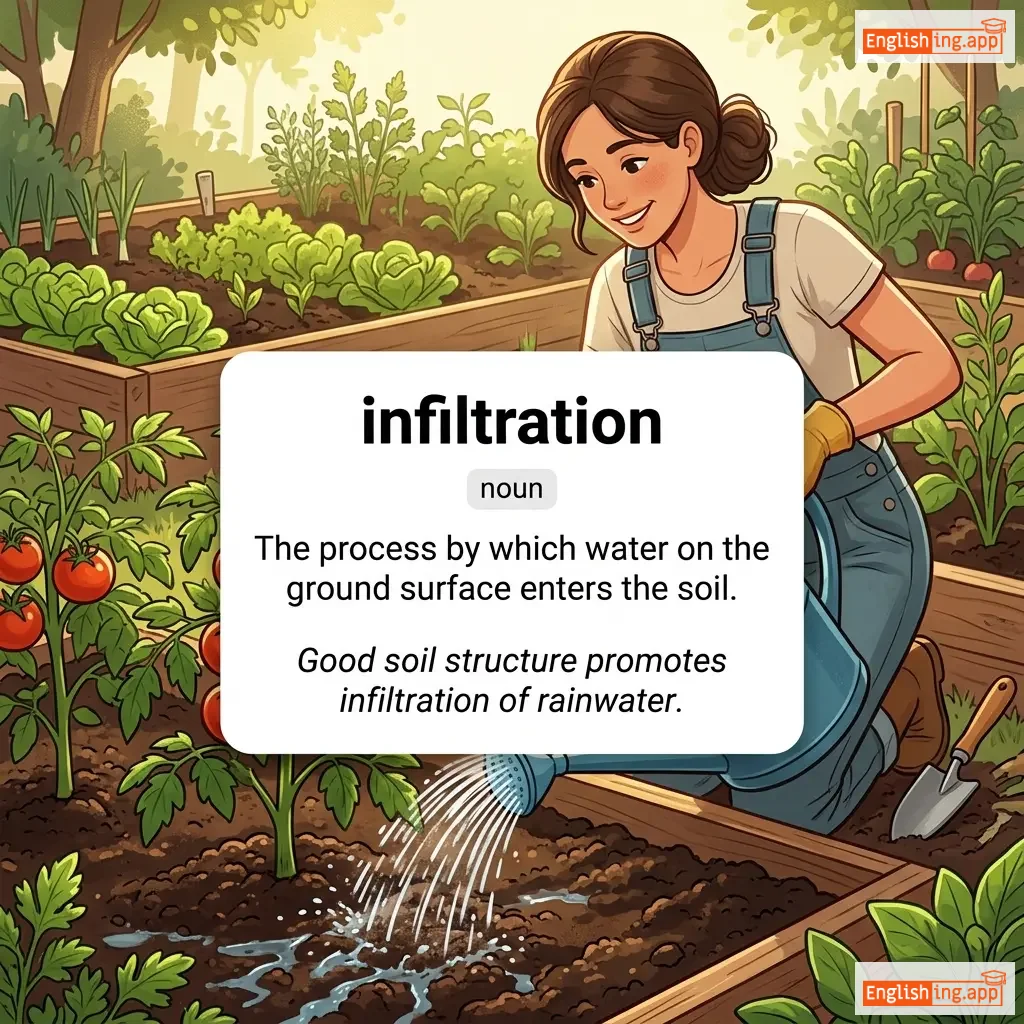
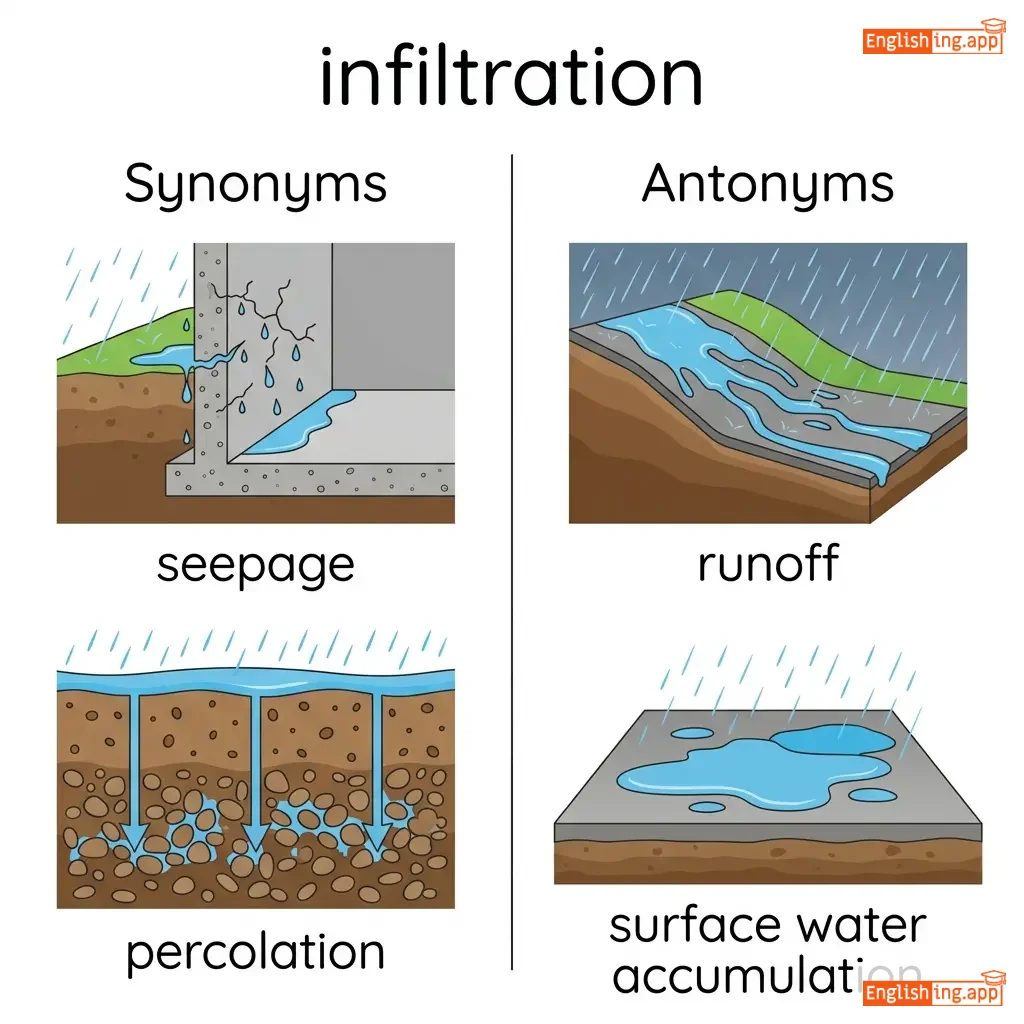
/ˌɪn.fɪlˈtreɪ.ʃən/
noun
••••••
|
|
The process by which water on the ground surface enters the soil.
••••••
|
Good soil structure promotes infiltration of rainwater. |
seepage, percolation, absorption
••••••
|
runoff, surface water accumulation, waterlogging
••••••
|
|
#3634
🌊
|
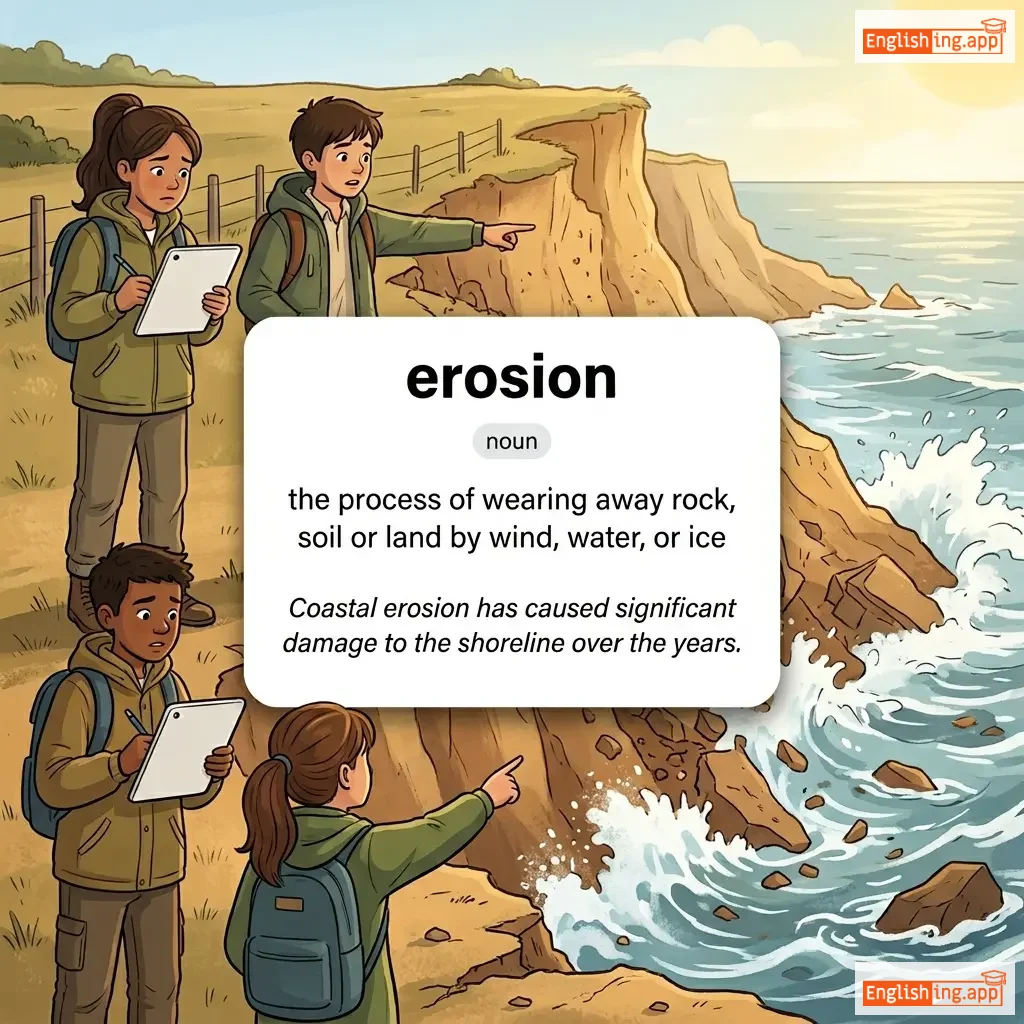
/ɪˈroʊ.ʒən/
noun
••••••
|
|
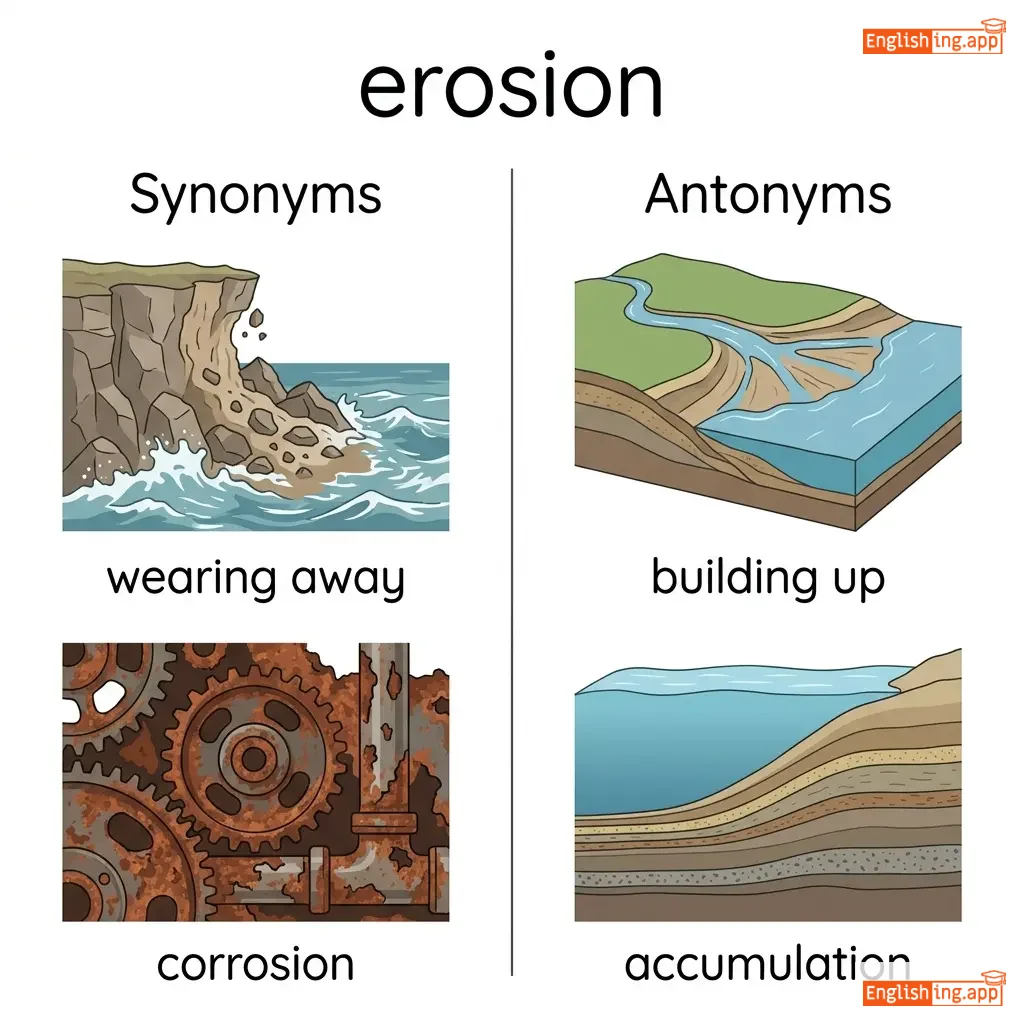
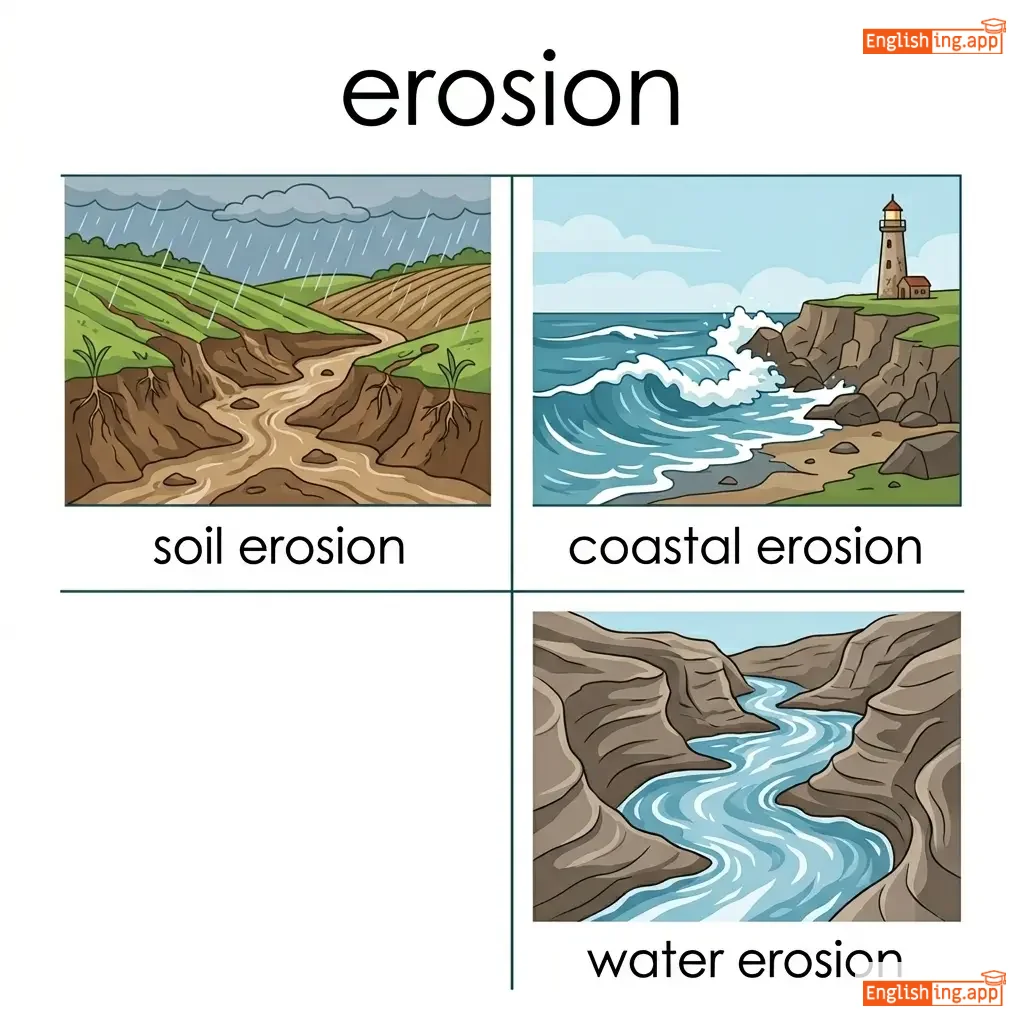
The process of eroding or being eroded by wind, water, or other natural agents.
••••••
|
Deforestation increases erosion in hilly areas. |
degradation, wear, displacement
••••••
|
deposition, stability, preservation
••••••
|
|
#3635
📉
|
/ˌdɛɡ.rəˈdeɪ.ʃən/
noun
••••••
|
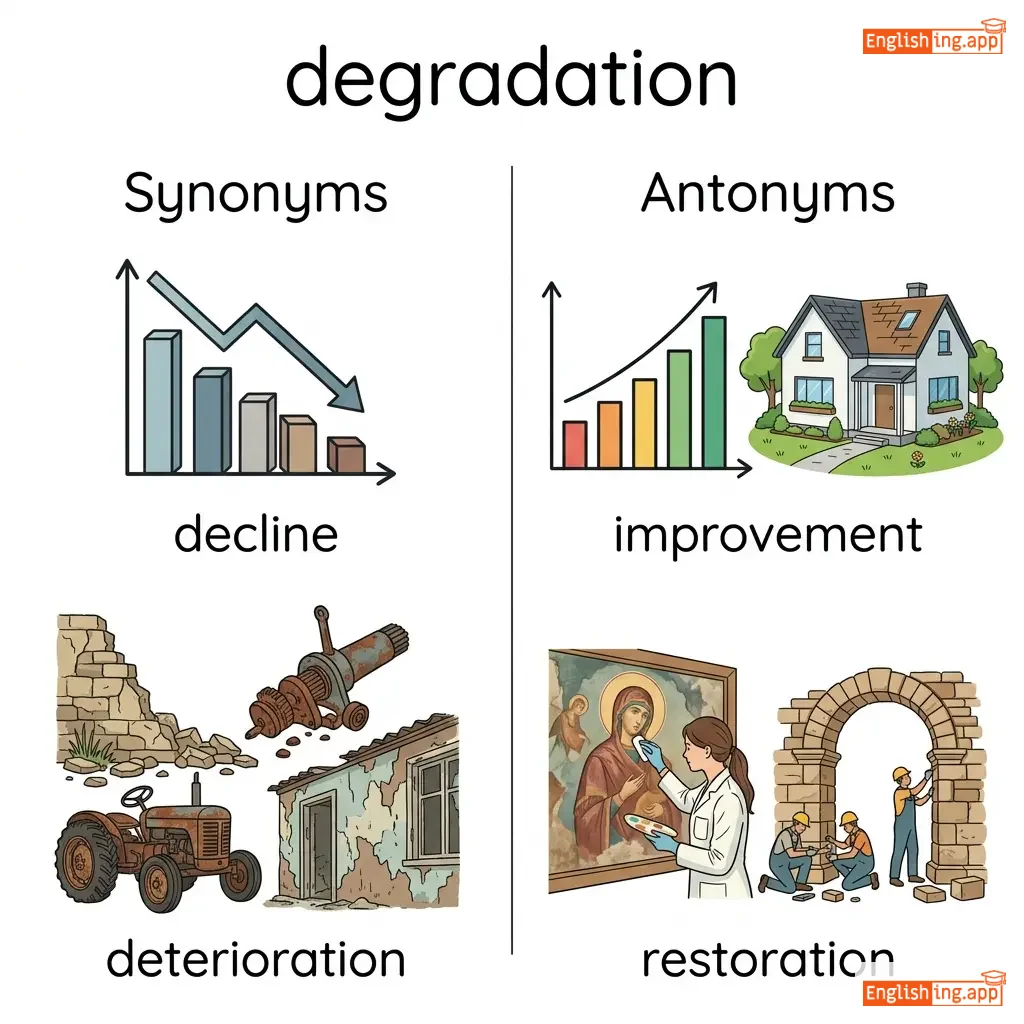
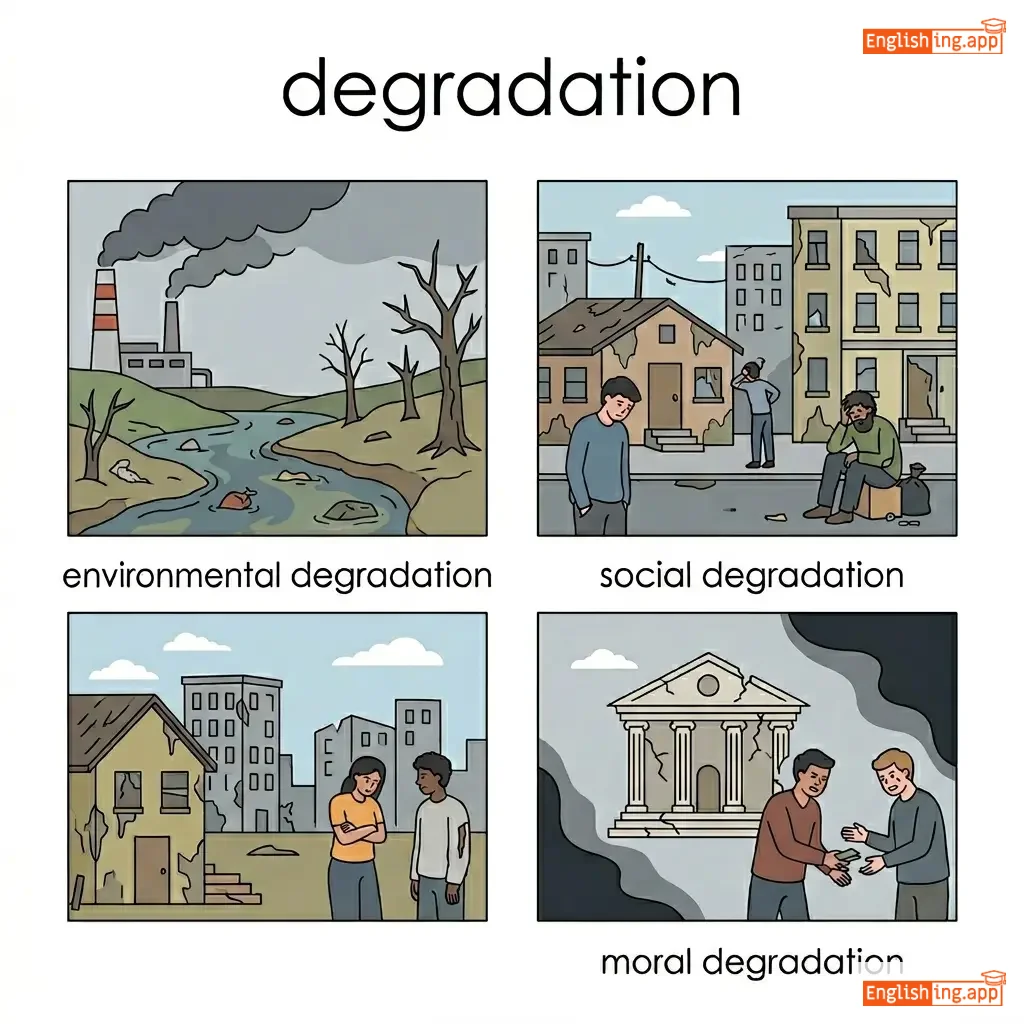
|
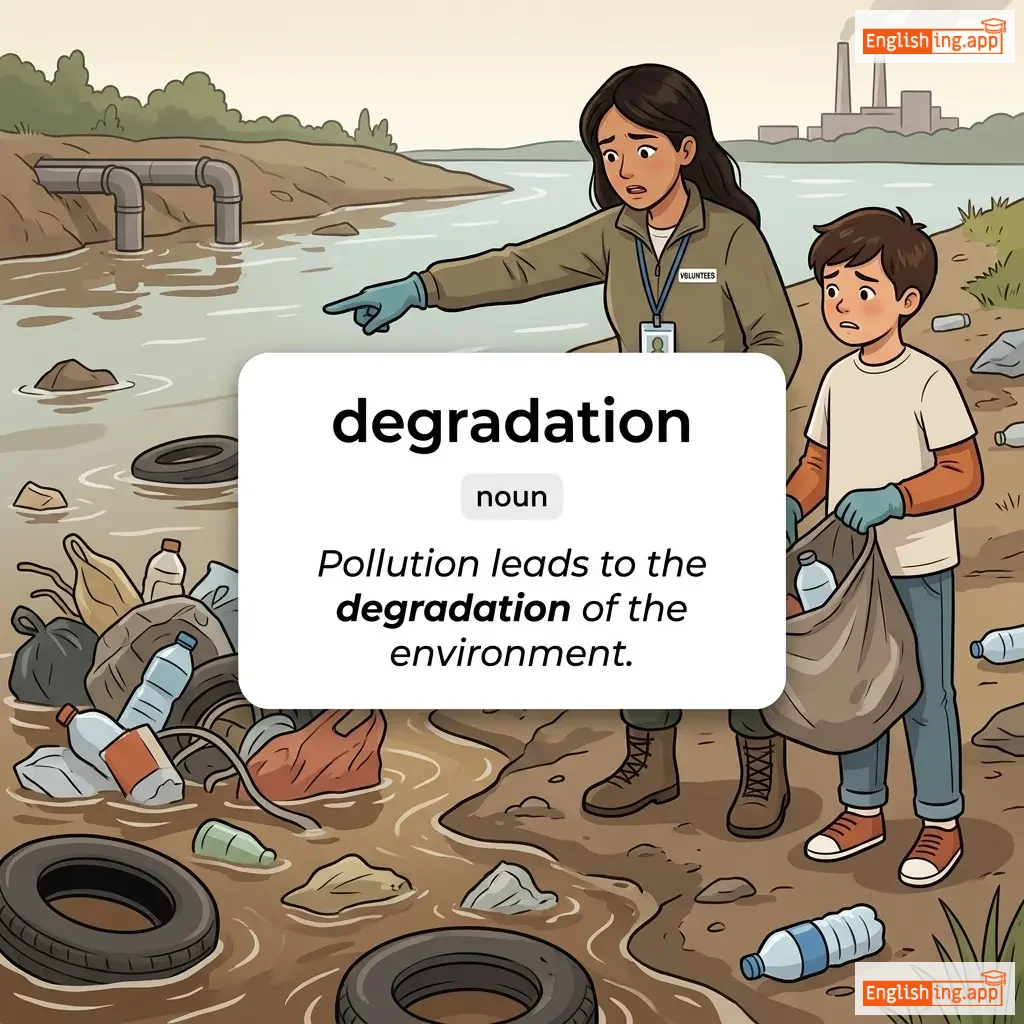
The condition or process of degrading or being degraded.
••••••
|
Soil degradation reduces agricultural productivity. |
deterioration, decline, decay
••••••
|
improvement, restoration, enhancement
••••••
|
|
#3636
♻️
|
/ˈkɒm.pɒ.stɪŋ/
noun
••••••
|
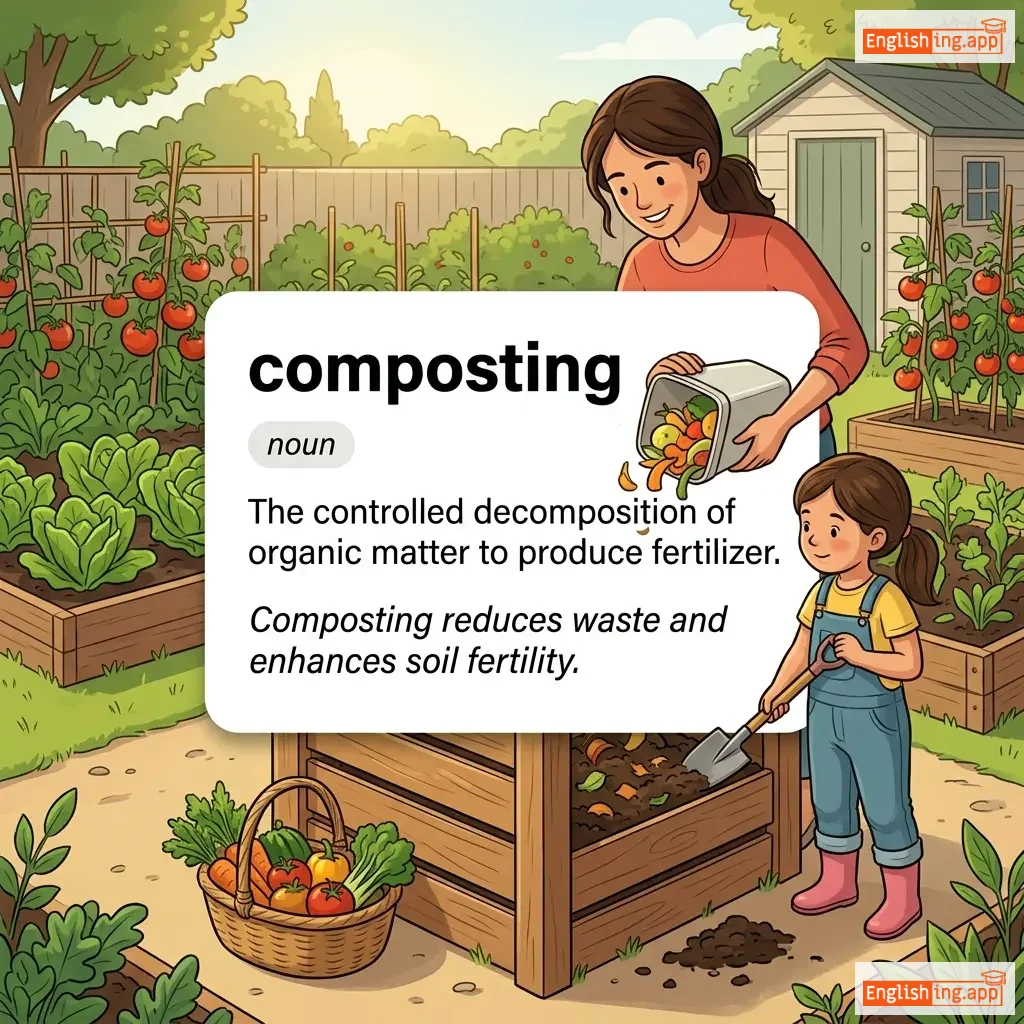
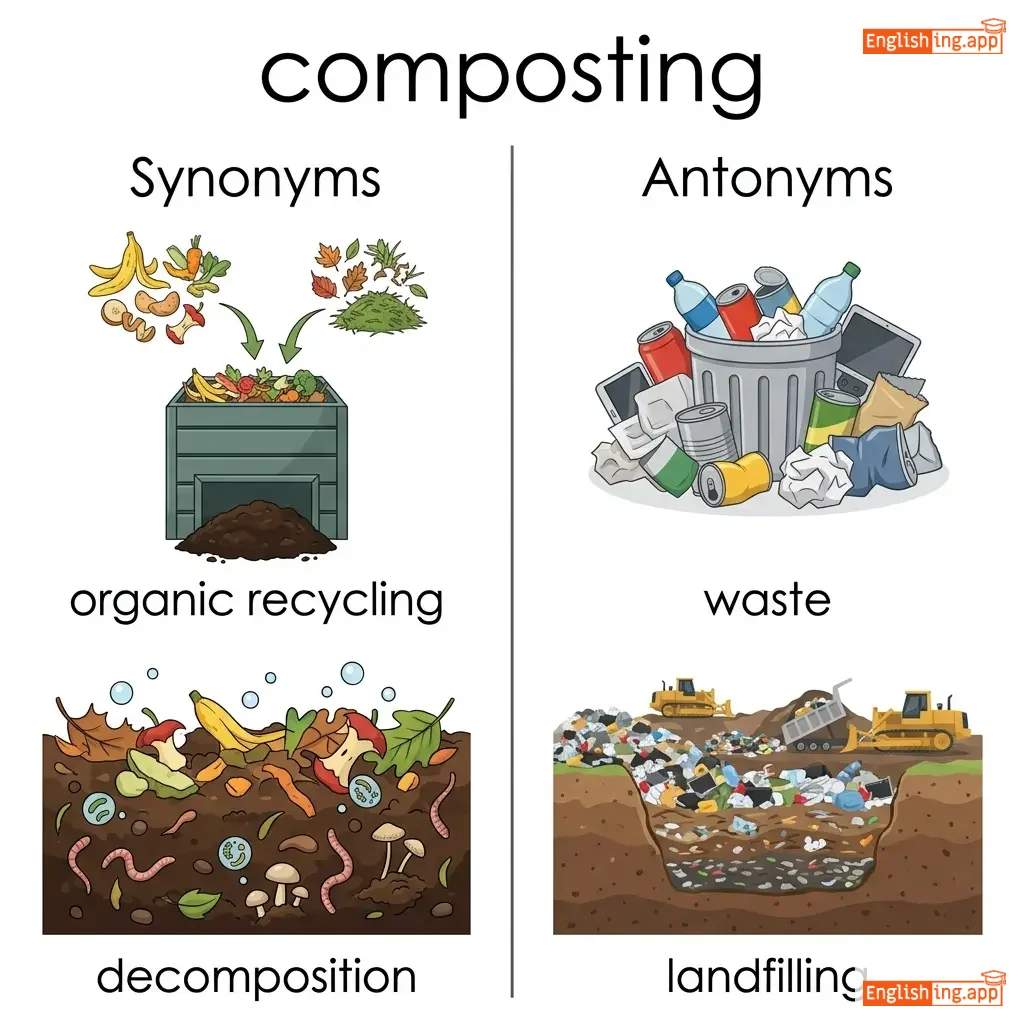
|
The controlled decomposition of organic matter to produce fertilizer.
••••••
|
Composting reduces waste and enhances soil fertility. |
organic recycling, decomposition, fertilization
••••••
|
waste, landfilling, chemical fertilization
••••••
|
|
#3637
🦠
|
/ˌbaɪ.oʊ.rɪˌmiː.diˈeɪ.ʃən/
noun
••••••
|
|
The use of living organisms to neutralize or remove environmental contaminants.
••••••
|
Bioremediation helps remove toxins from polluted soil. |
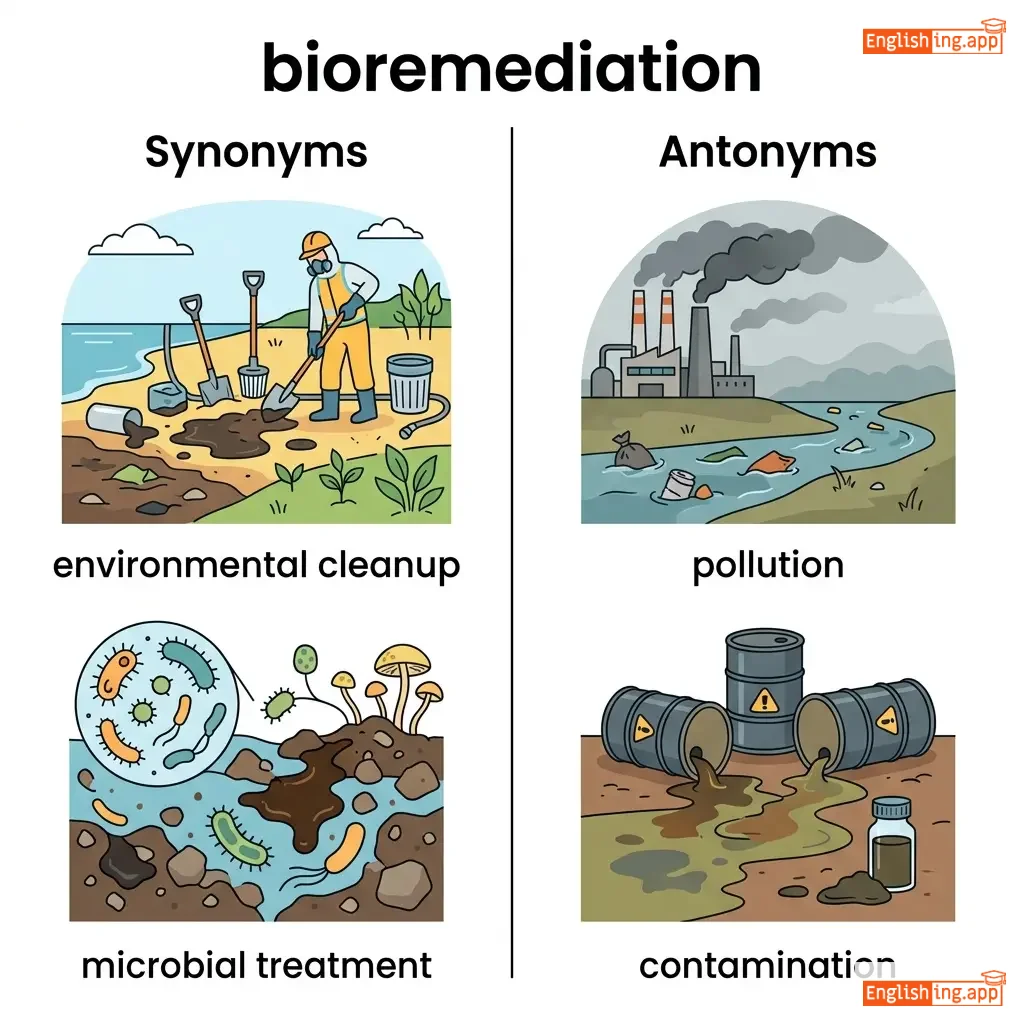
environmental cleanup, microbial treatment, ecological restoration
••••••
|
pollution, contamination, toxin accumulation
••••••
|
|
#3638
🌾
|
/ˌær.əˈbɪl.ɪ.ti/
noun
••••••
|
|
The quality of land being suitable for growing crops.
••••••
|
The arability of land depends on soil quality and water availability. |
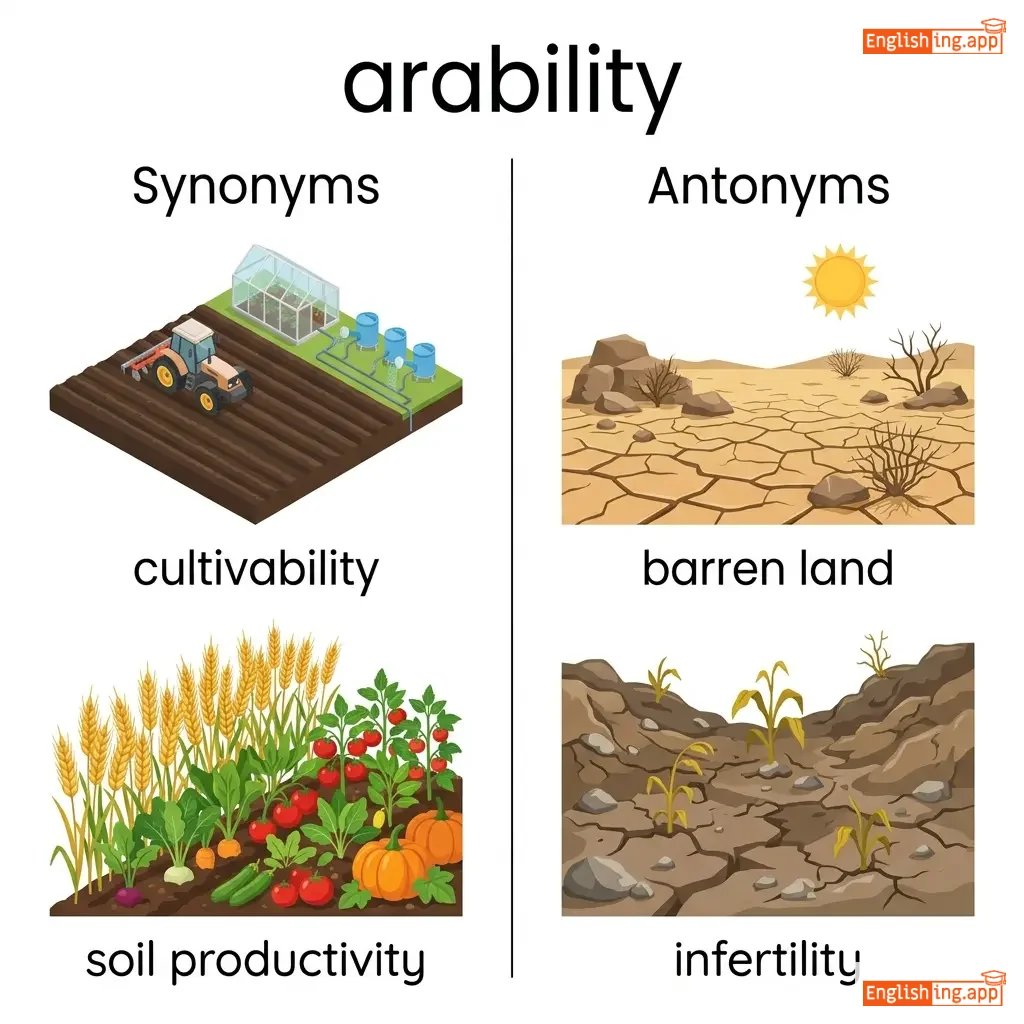
cultivability, soil productivity, farmability
••••••
|
barren land, infertility, unsuitability
••••••
|
|
#3639
🔬
|
/maɪˈkroʊ.bi.əl/
adjective
••••••
|
|
Relating to microorganisms, especially bacteria.
••••••
|
Microbial activity in soil helps in nutrient cycling. |
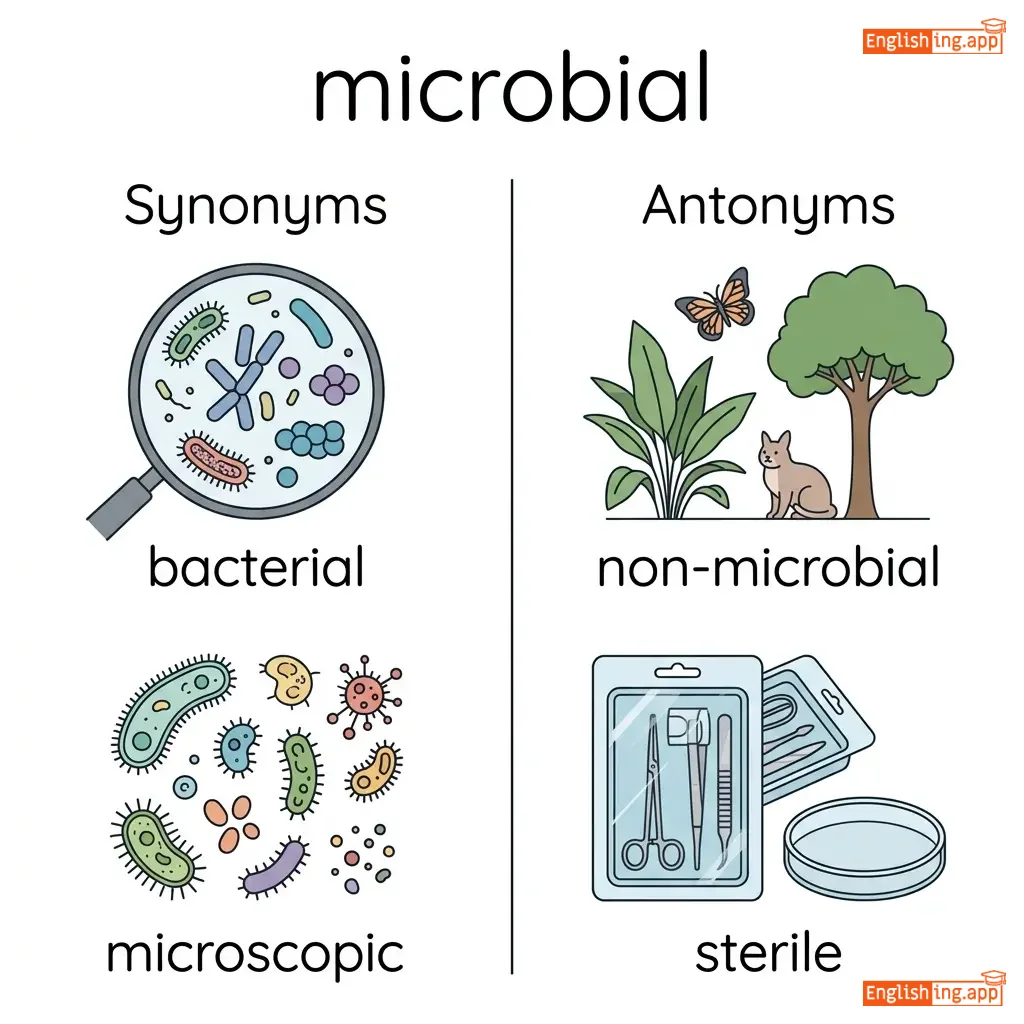
bacterial, microscopic, microorganismic
••••••
|
non-microbial, sterile, macro-organismic
••••••
|
|
#3640
🧑🔬
|
/pɪˈdɒl.ə.dʒi/
noun
••••••
|
|
The study of soils in their natural environment.
••••••
|
Pedology helps scientists understand soil fertility. |
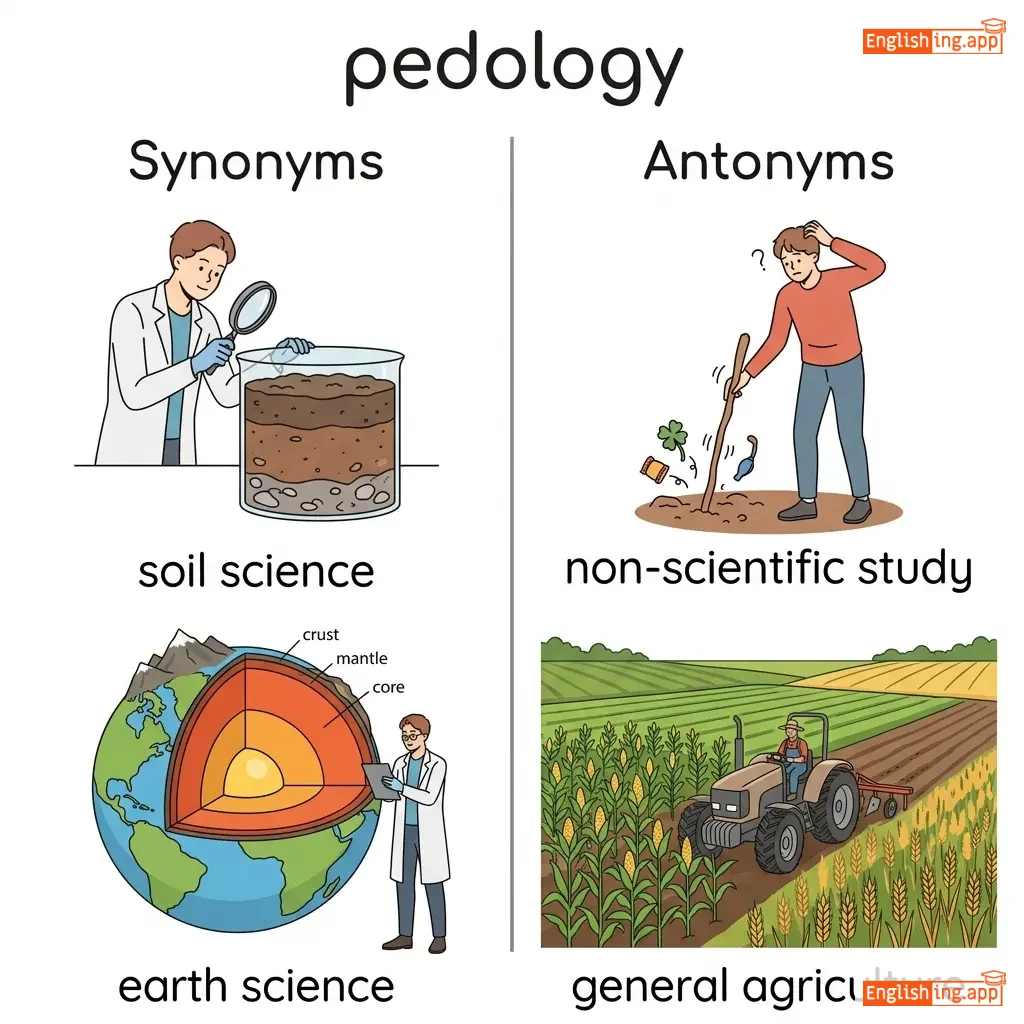
soil science, earth science, geology
••••••
|
non-scientific study, general agriculture
••••••
|
|
#3641
⚗️
|
/ˈkæt.aɪ.ɒn ɪksˌtʃeɪndʒ/
noun
••••••
|
|
A chemical process in soil that helps retain nutrients.
••••••
|
The cation-exchange capacity of soil affects plant growth. |
ion-exchange, soil chemistry, nutrient retention
••••••
|
nutrient loss, soil depletion, unstable soil
••••••
|
|
#3642
🧂
|
/ˌsæl.ɪ.naɪˈzeɪ.ʃən/
noun
••••••
|
|
The process of increasing salt content in soil.
••••••
|
Excessive irrigation can cause salinization of farmland. |
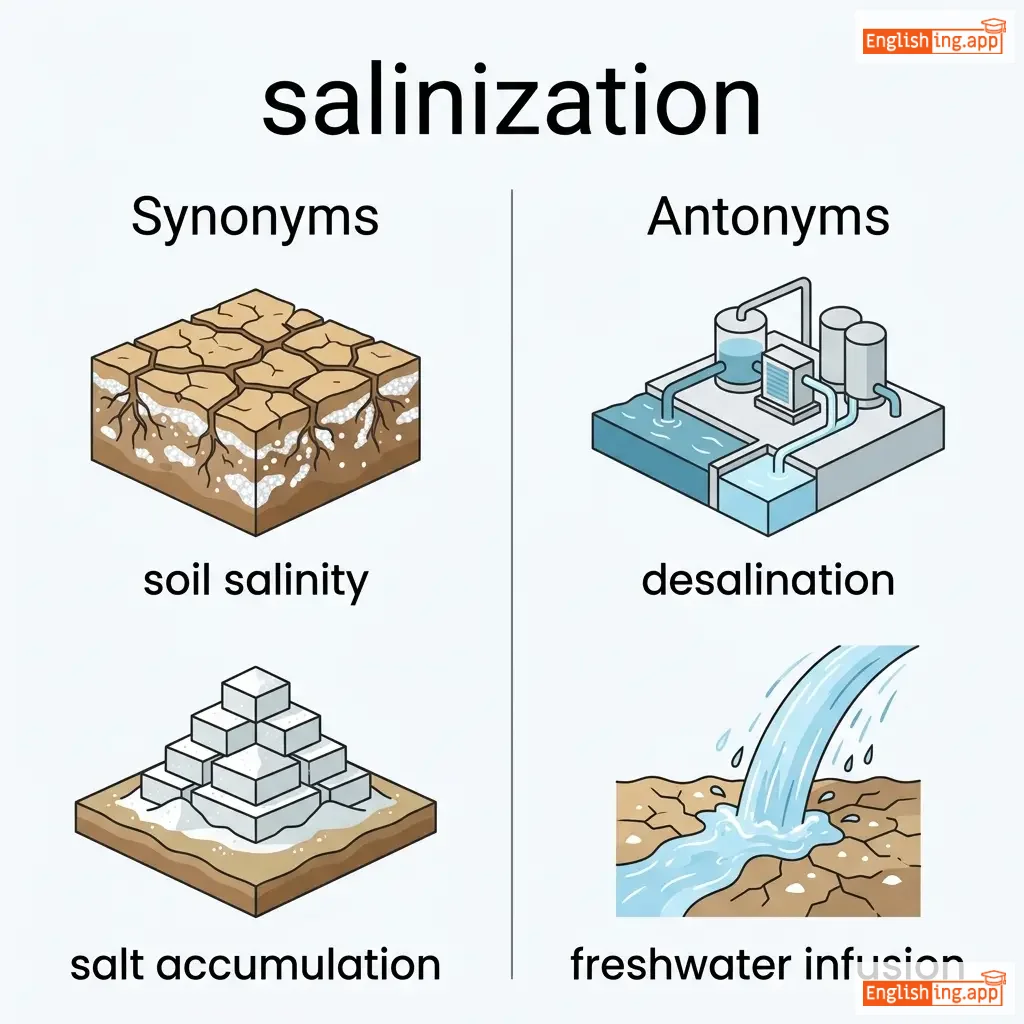
soil salinity, salt accumulation, degradation
••••••
|
desalination, freshwater infusion, soil restoration
••••••
|
|
#3643
🪨
|
/ˌkæl.sɪ.fɪˈkeɪ.ʃən/
noun
••••••
|
|
The process of calcium accumulation in soil, making it hard.
••••••
|
Calcification reduces soil permeability and affects crop growth. |
hardening, mineral deposition, soil alkalinity
••••••
|
acidification, soil softening, nutrient balance
••••••
|
|
#3644
💧
|
/ˌhaɪ.droʊˈpɒn.ɪks/
noun
••••••
|
|
A method of growing plants without soil using nutrient-rich water.
••••••
|
Hydroponics allows crops to grow without soil. |
soilless farming, aquaponics, controlled agriculture
••••••
|
traditional farming, soil-based cultivation, land-dependent agriculture
••••••
|
|
#3645
🏞️
|
/əˈluː.vi.əm/
noun
••••••
|
|
Fertile soil deposited by flowing water, especially in riverbanks.
••••••
|
The alluvium in riverbanks is highly fertile for agriculture. |
sediment, silt, deposited soil
••••••
|
bedrock, erosion, sterile land
••••••
|
|
#3646
⬆️
|
/ˌæɡ.rəˈdeɪ.ʃən/
noun
••••••
|
|
The process of land being built up by sediment deposition.
••••••
|
Aggradation helps in the natural expansion of riverbanks. |
sediment deposition, land formation, accretion
••••••
|
erosion, land subsidence, depletion
••••••
|
|
#3647
🍃
|
/ˌhjuː.mɪ.fɪˈkeɪ.ʃən/
noun
••••••
|
- •••••• |
The process of organic matter decomposition to form humus in soil.
••••••
|
Humification enhances soil structure and fertility. |
organic decomposition, soil enrichment, humus formation
••••••
|
decomposition prevention, organic depletion, soil sterility
••••••
|
|
#3648
🌍
|
/ˌsʌb.təˈreɪ.ni.ən/
adjective
••••••
|
|
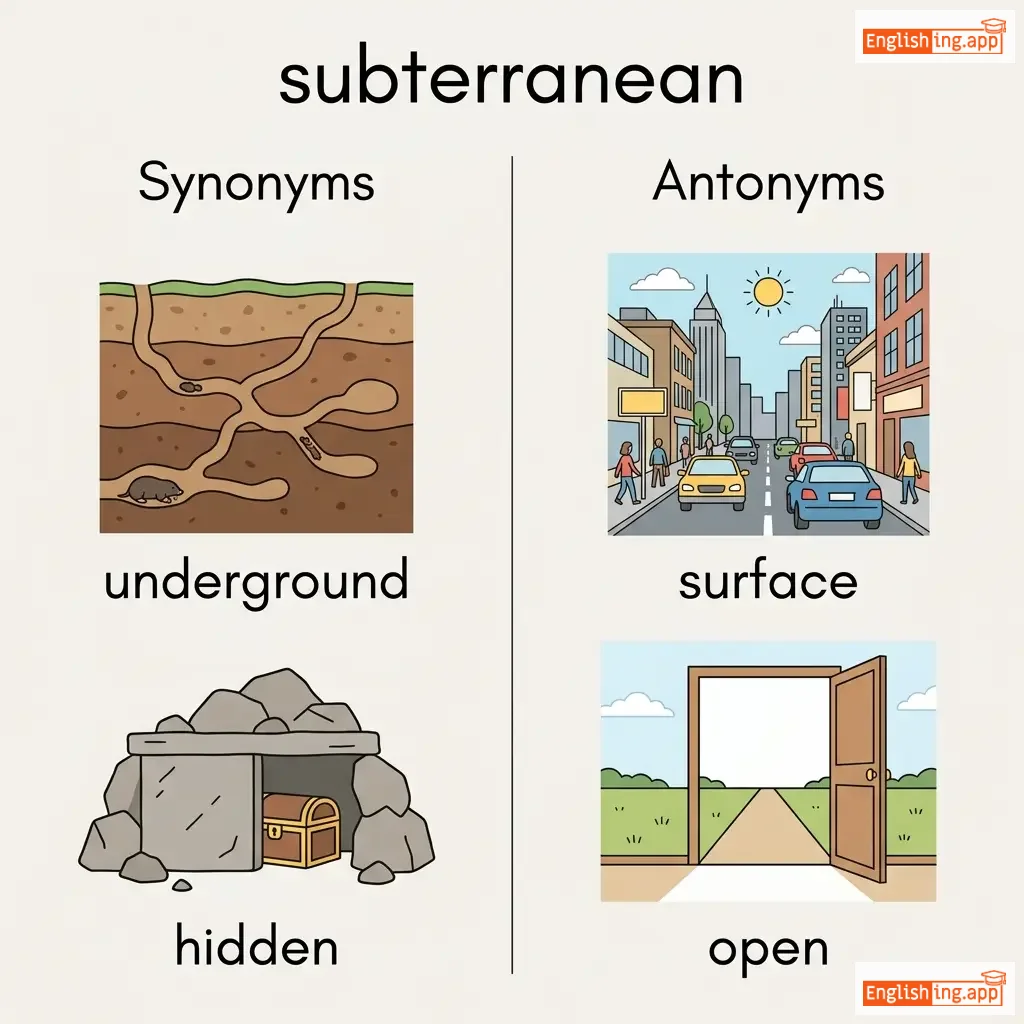
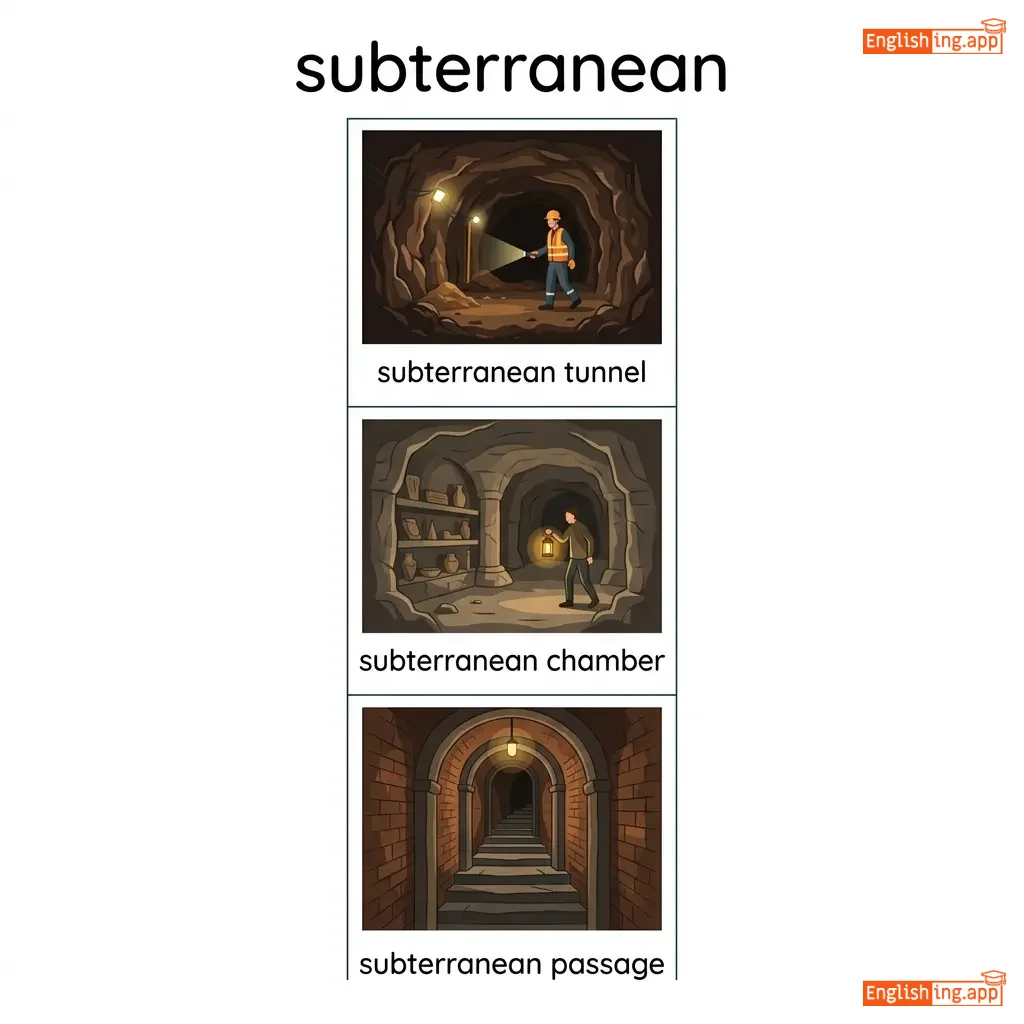
Existing, occurring, or done under the earth's surface.
••••••
|
Subterranean water sources help sustain agriculture. |
underground, buried, concealed
••••••
|
surface-level, exposed, above-ground
••••••
|
|
#3649
🌱
|
/sɔɪl ˈmæn.ɪdʒ.mənt/
noun
••••••
|
|
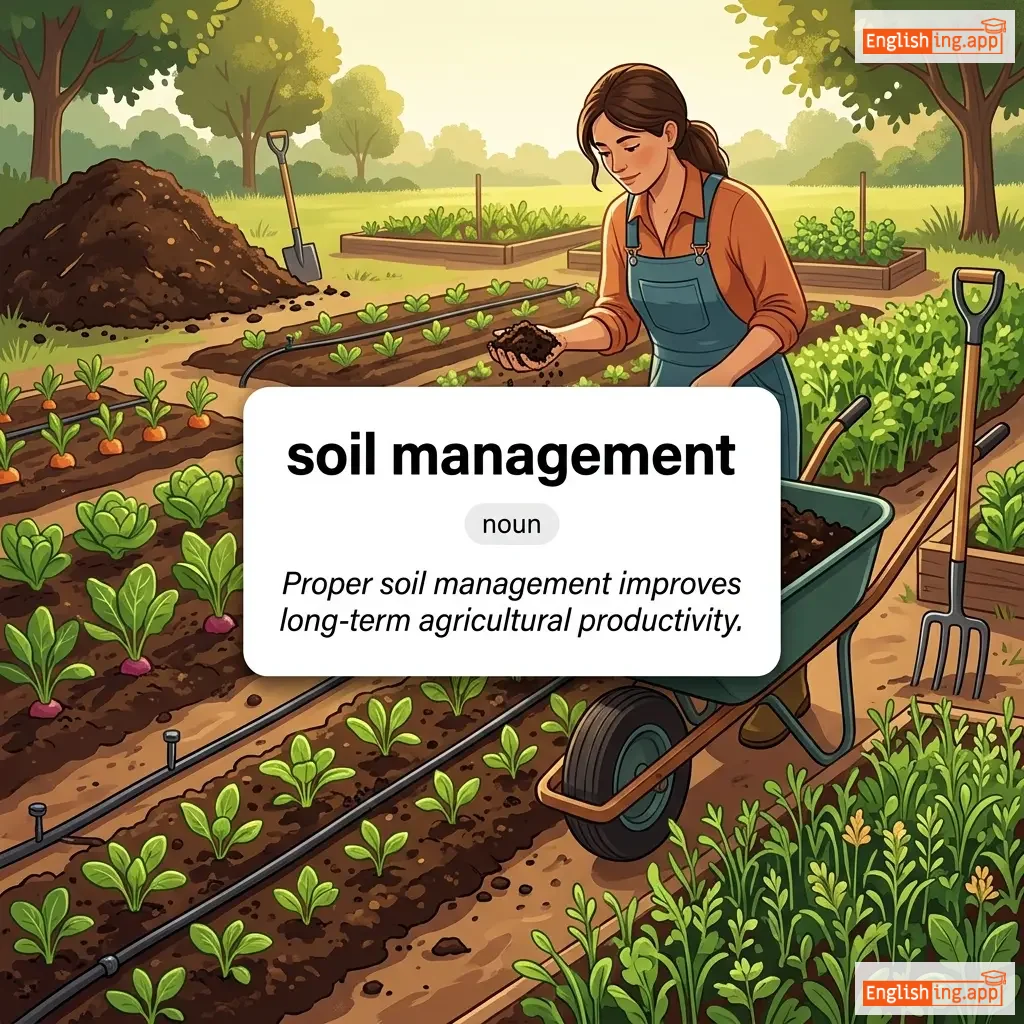
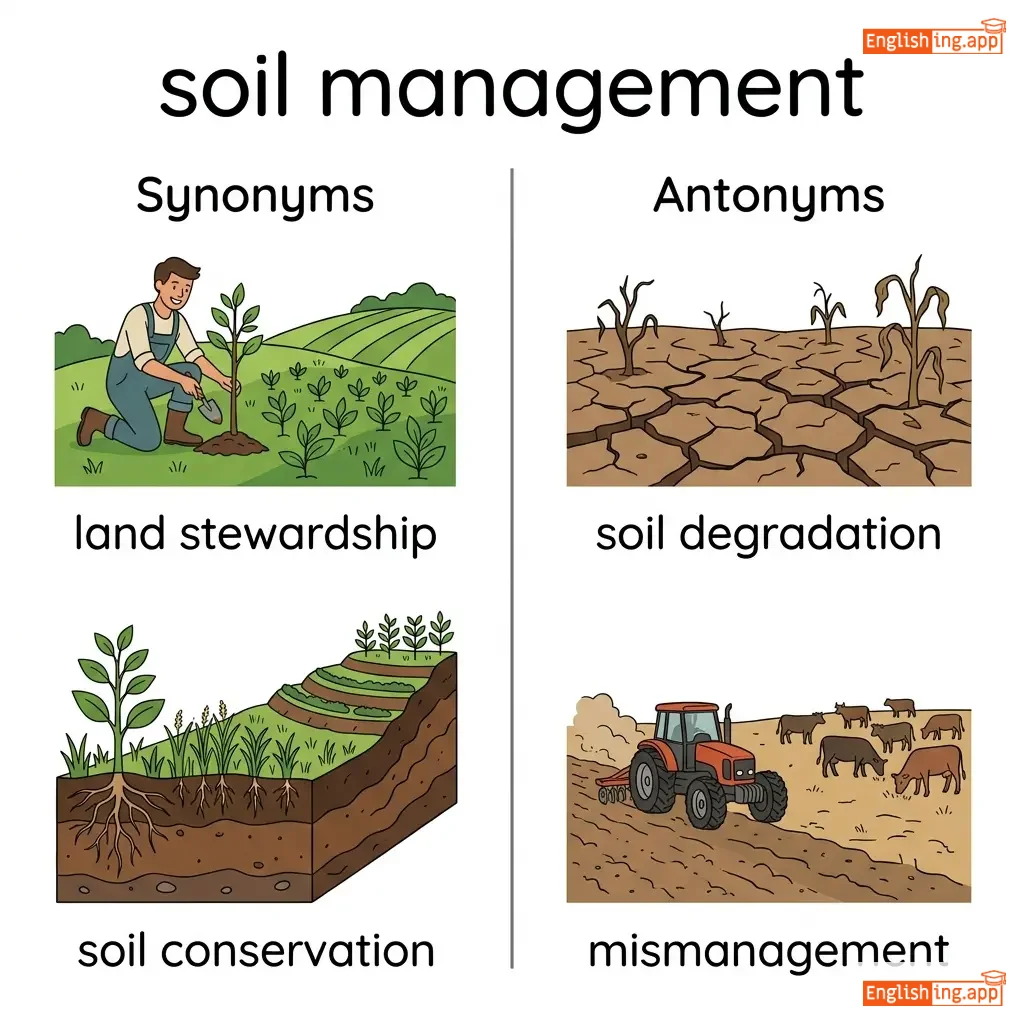
The application of operations, practices, and treatments to protect soil and enhance its performance.
••••••
|
Proper soil management improves long-term agricultural productivity. |
land stewardship, soil conservation, agricultural maintenance
••••••
|
soil degradation, mismanagement, erosion
••••••
|

