The Importance of Livestock Farming
Животноводство является важнейшей частью современных агроэкосистем, способствующей обеспечению устойчивости. Оно служит не только для производства продуктов питания, но и как средство сохранения биоразнообразия. Многие сельские семьи поддерживают свою жизнь с помощью субсистентного сельского хозяйства, где пасторализм и скотоводство являются основными источниками дохода. Навоз скота увеличивает плодородие почвы и играет роль в процессе уловления углерода, поддерживая экологическое равновесие.
В настоящее время, из-за коммерциализации и коммерциализации, макроэкономическое значение возросло, что улучшает жизнеспособность страны и экономическую стабильность. Когда улучшается производство кормов и поставки кормов для животных, увеличивается эффективность.
Однако неупорядоченное животноводство может привести к увеличению депозиции и эрозии почвы, а также демографическим изменениям. Поэтому необходимо поддерживать автаркию, усиливая ее, чтобы она стала катализатором долгосрочного развития.
Получите неограниченный доступ ко всем словам с подпиской Pro
Обновить до ProПолучите неограниченный доступ ко всем предложениям с подпиской Pro
Обновить до Pro|
Эмодзи
|
Слово | Images | Значение | Пример предложения | Синонимы | Антонимы |
|---|---|---|---|---|---|---|
|
#3320
🐄
|
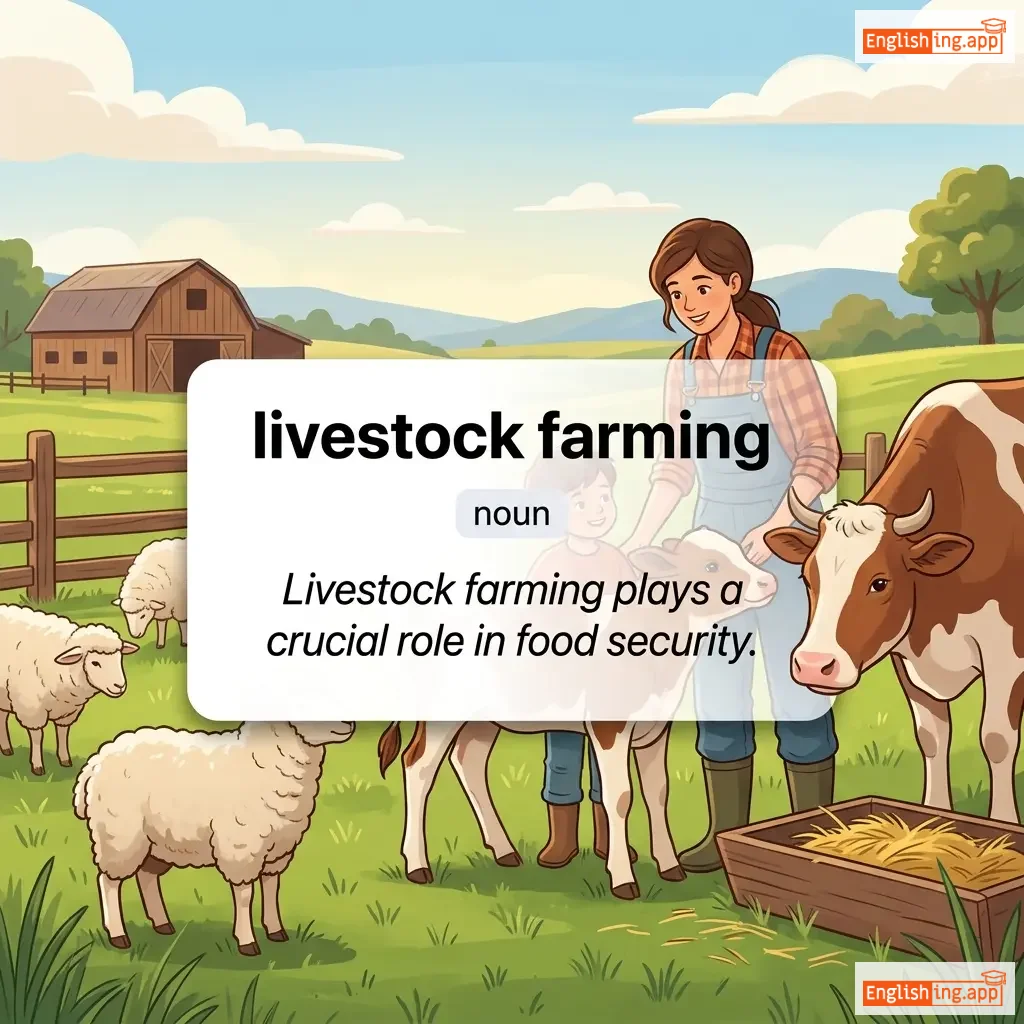
ˈlaɪv.stɒk ˈfɑː.mɪŋ
noun
••••••
|
|
The breeding, raising, and care of farm animals such as cattle, horses, sheep, and pigs for food, fiber, and other products.
••••••
|
Livestock farming plays a crucial role in food security. |
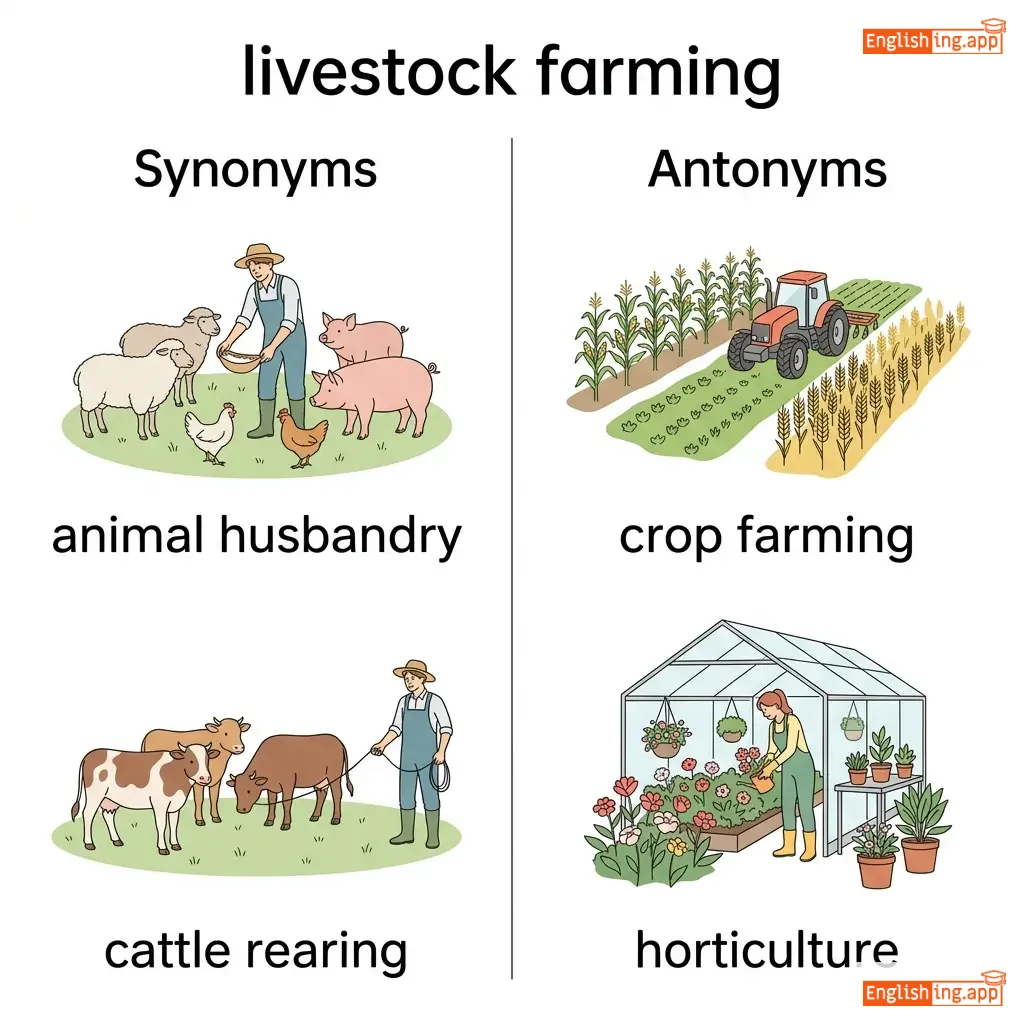
animal husbandry, cattle rearing
••••••
|
crop farming, horticulture
••••••
|
|
#3321
🌱
|
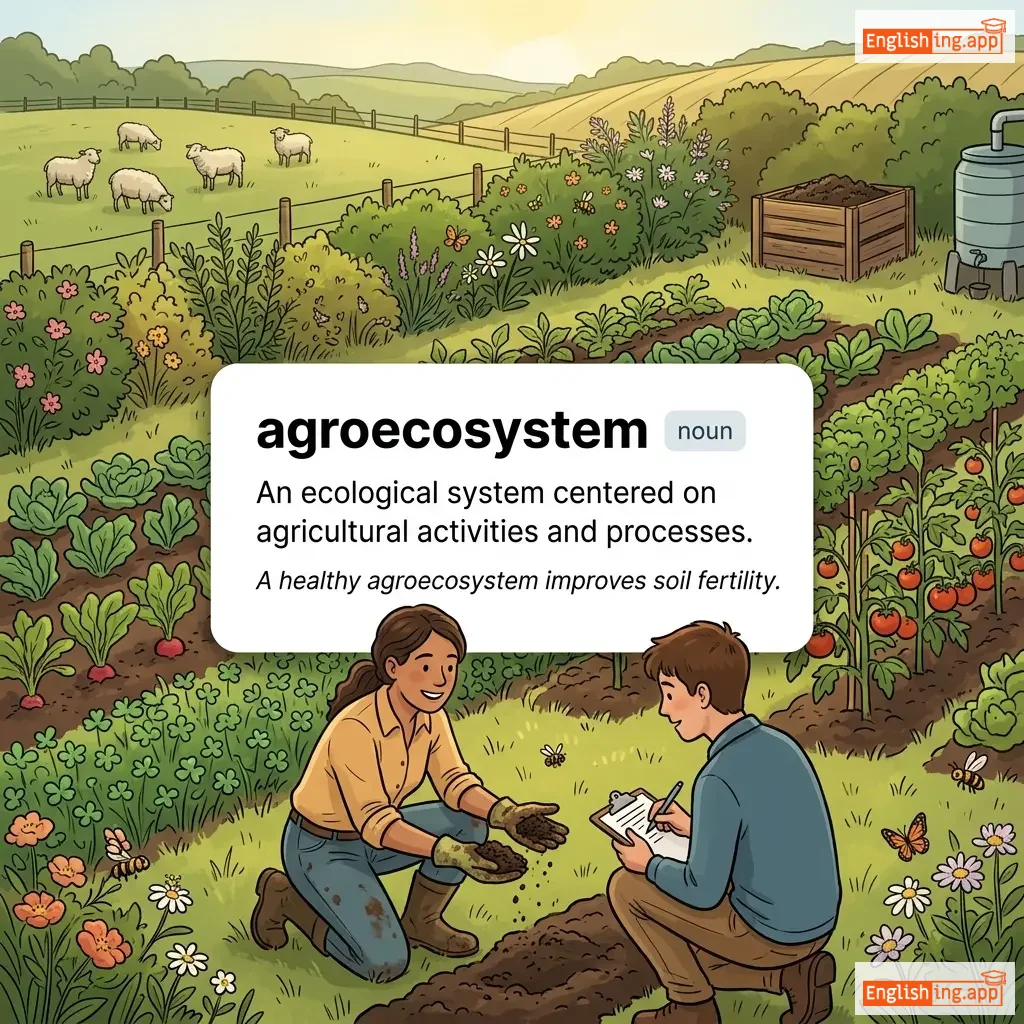
ˈæɡ.rəʊ ˌiː.kəʊˌsɪs.təm
noun
••••••
|
|
An agricultural system that includes living and nonliving components and their interactions within an agricultural setting.
••••••
|
A well-maintained agroecosystem enhances soil fertility. |
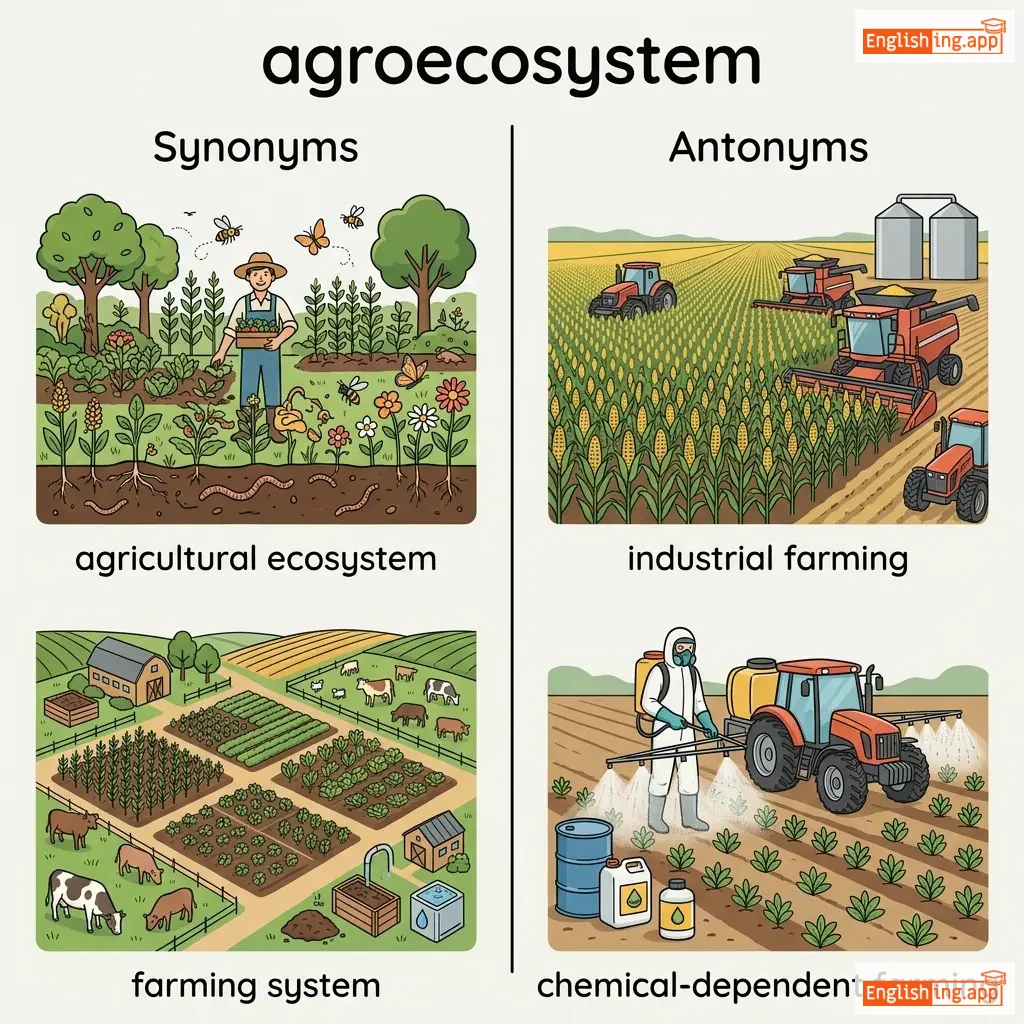
agricultural ecology, farming system
••••••
|
urban ecosystem, industrial system
••••••
|
|
#3322
♻️
|
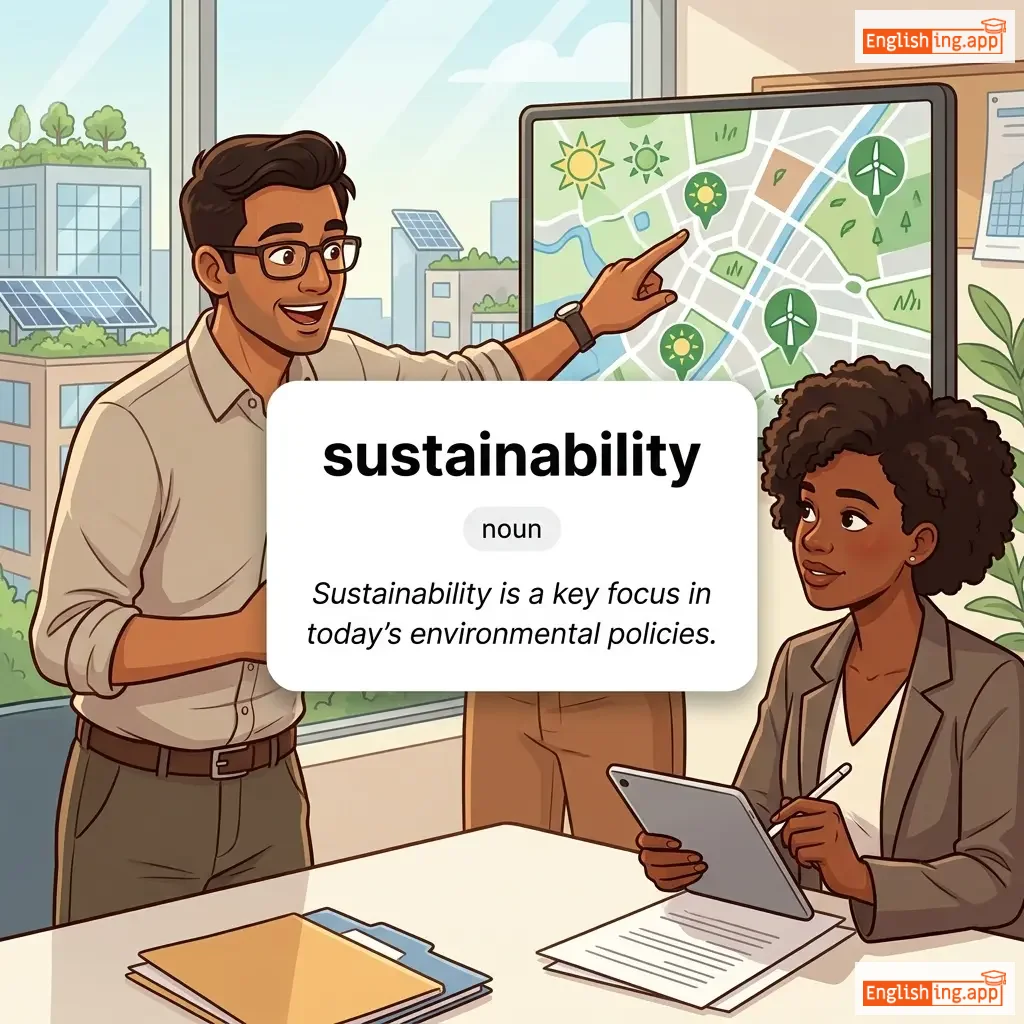
səˌsteɪ.nəˈbɪl.ə.ti
noun
••••••
|
|
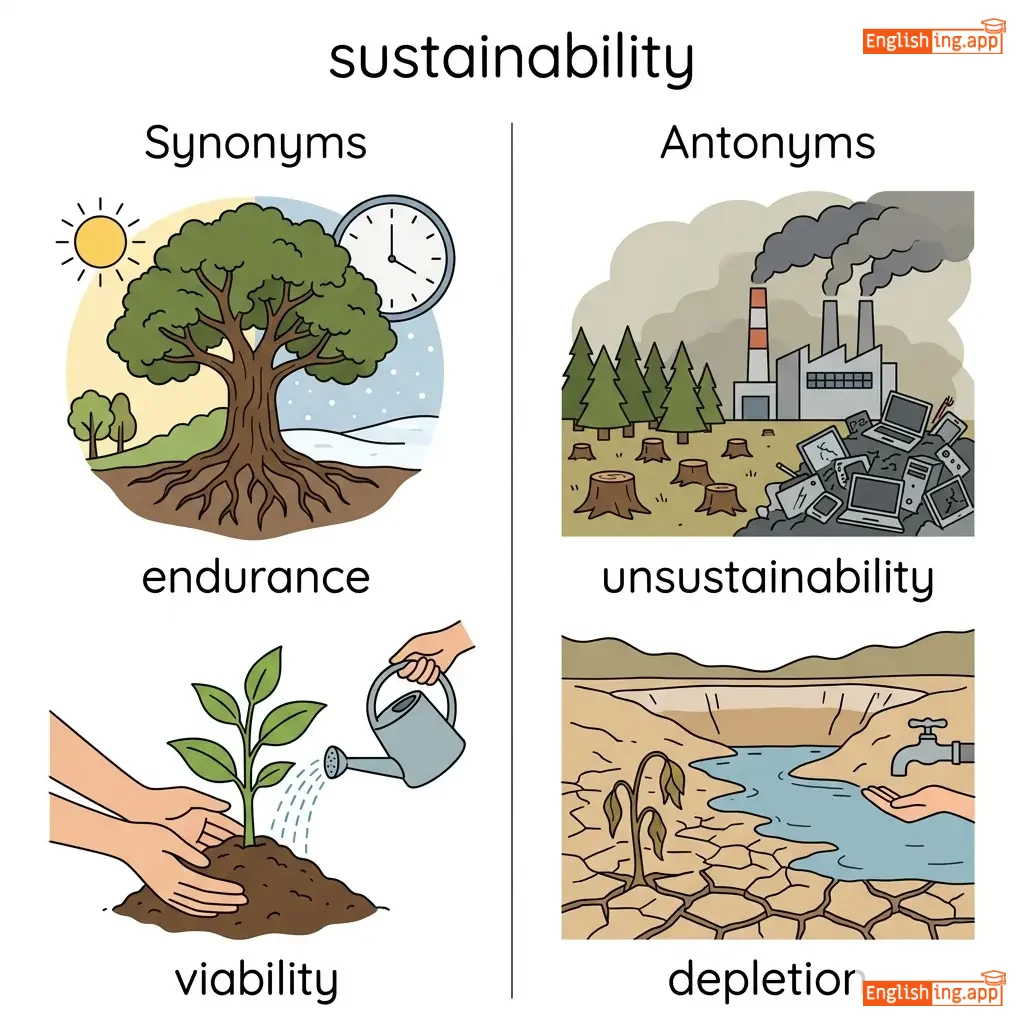
The ability to maintain or support a process continuously over time without depleting natural resources or causing environmental damage.
••••••
|
Sustainability in agriculture ensures long-term food production. |
eco-friendliness, longevity
••••••
|
unsustainability, instability
••••••
|
|
#3323
🦋
|
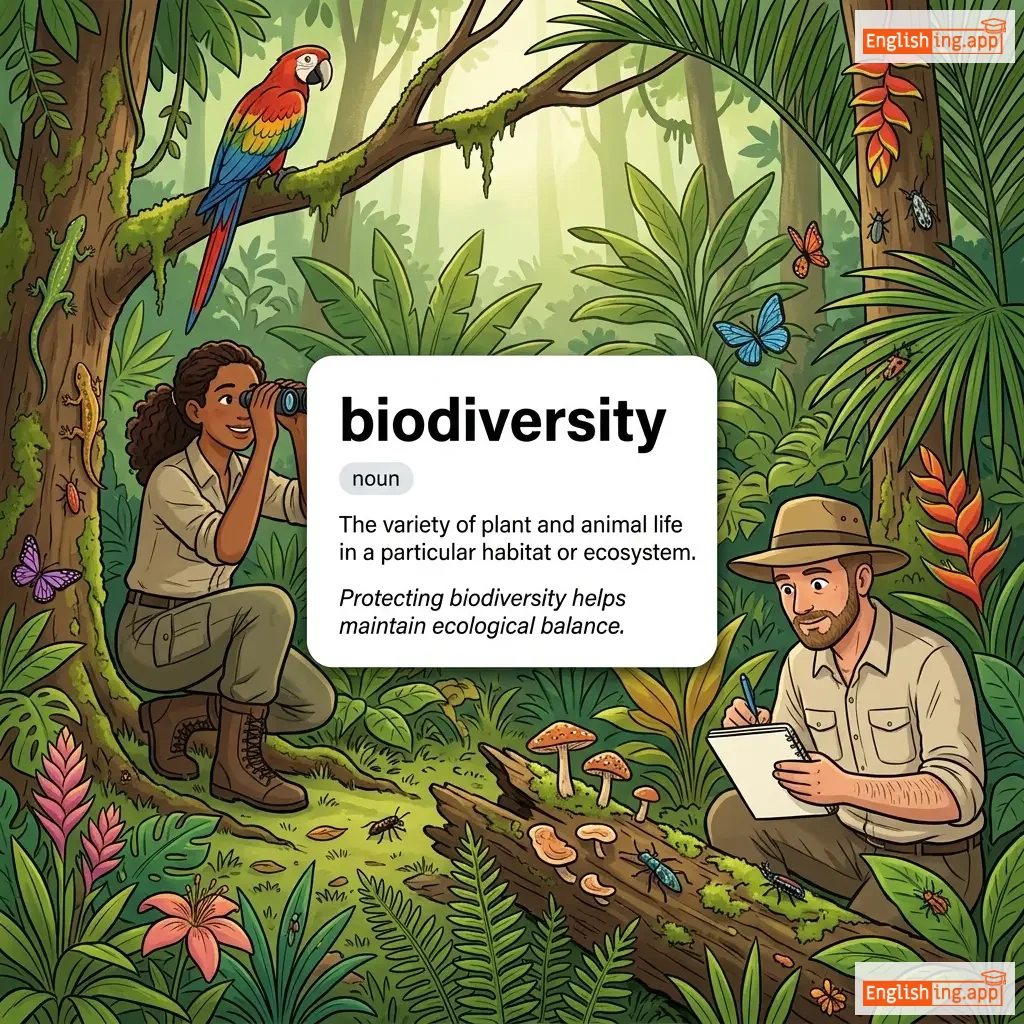
ˌbaɪ.əʊ.daɪˈvɜː.sɪ.ti
noun
••••••
|
|
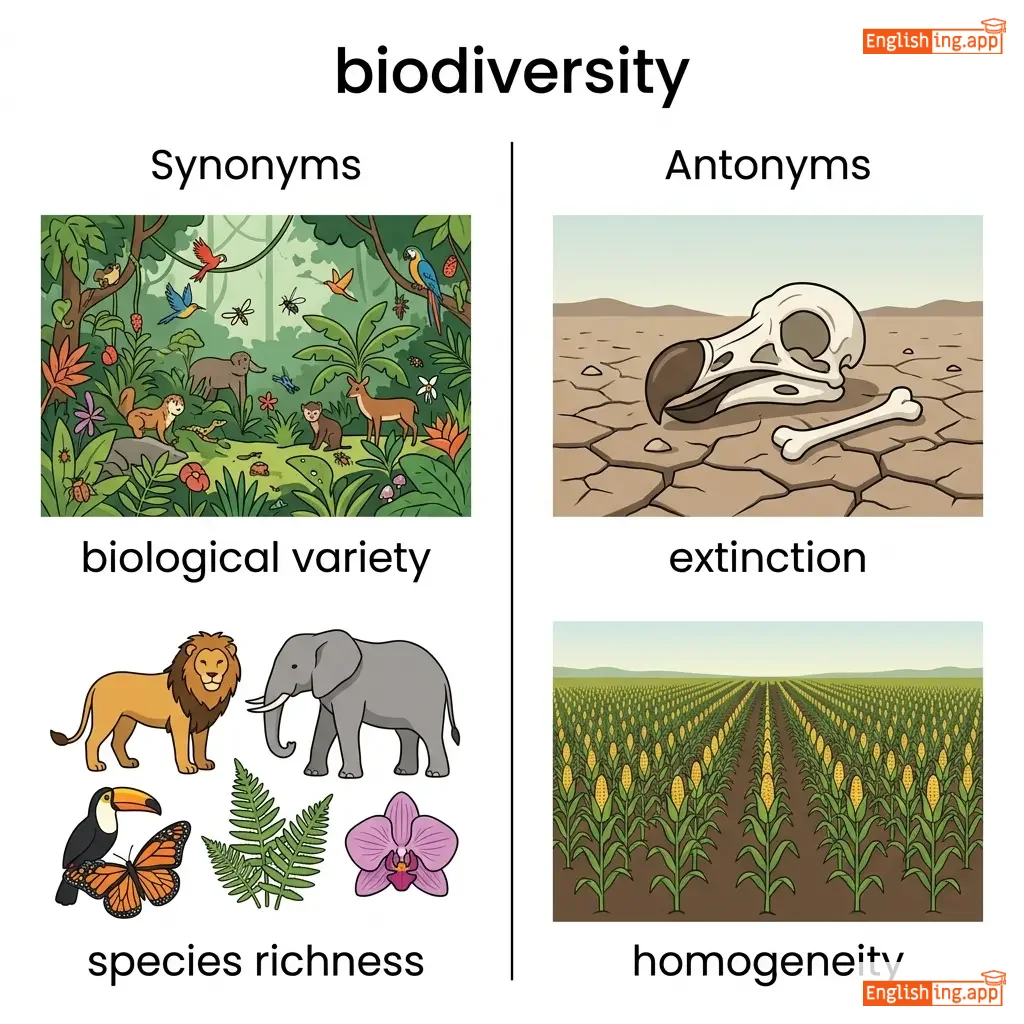
The variety of life in the world or in a particular habitat or ecosystem, including diversity within species, between species, and of ecosystems.
••••••
|
Biodiversity conservation is crucial for a balanced ecosystem. |
ecosystem variety, genetic diversity
••••••
|
monoculture, habitat loss
••••••
|
|
#3324
🌾
|
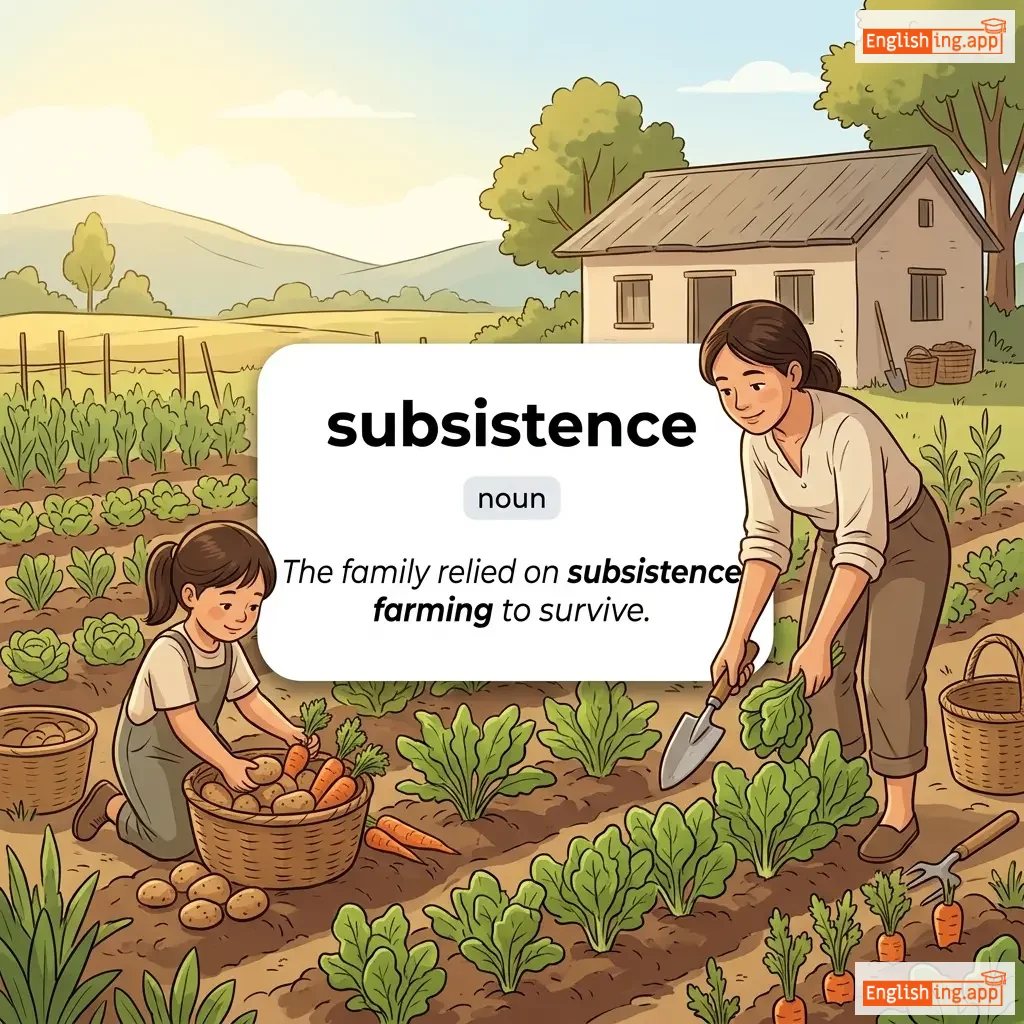
səbˈsɪs.təns
noun
••••••
|
|
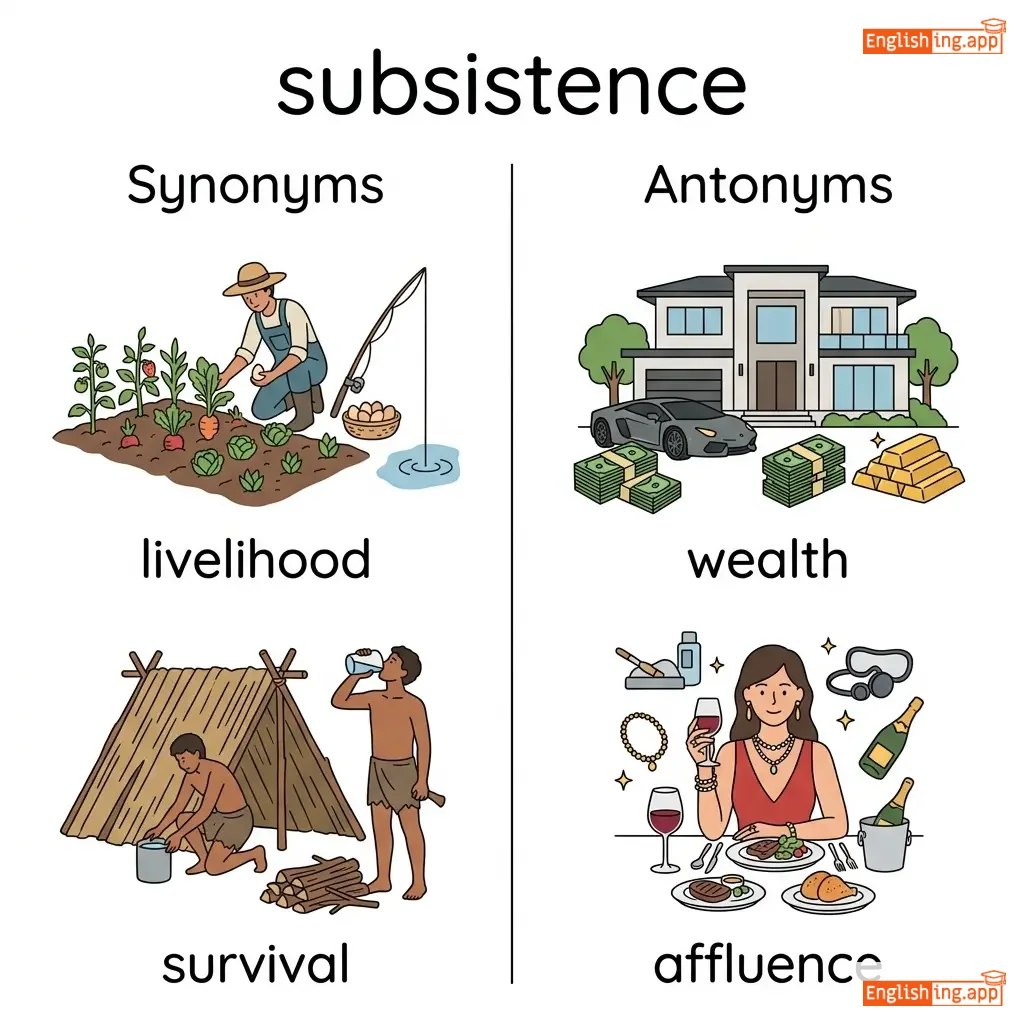
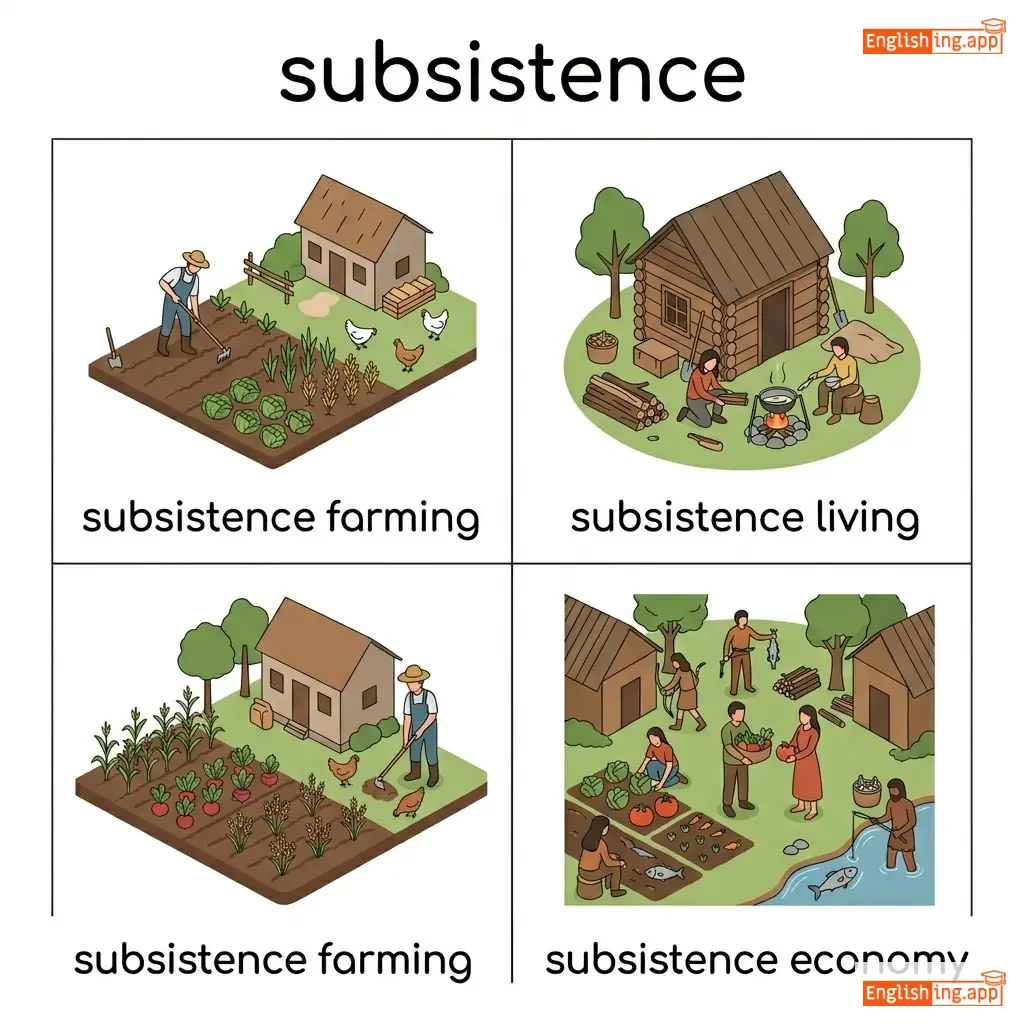
The action or fact of maintaining or supporting oneself at a minimum level, especially with basic necessities like food and shelter.
••••••
|
Many rural communities rely on subsistence farming. |
self-sufficiency, minimal survival
••••••
|
luxury, surplus
••••••
|
|
#3325
🐑
|
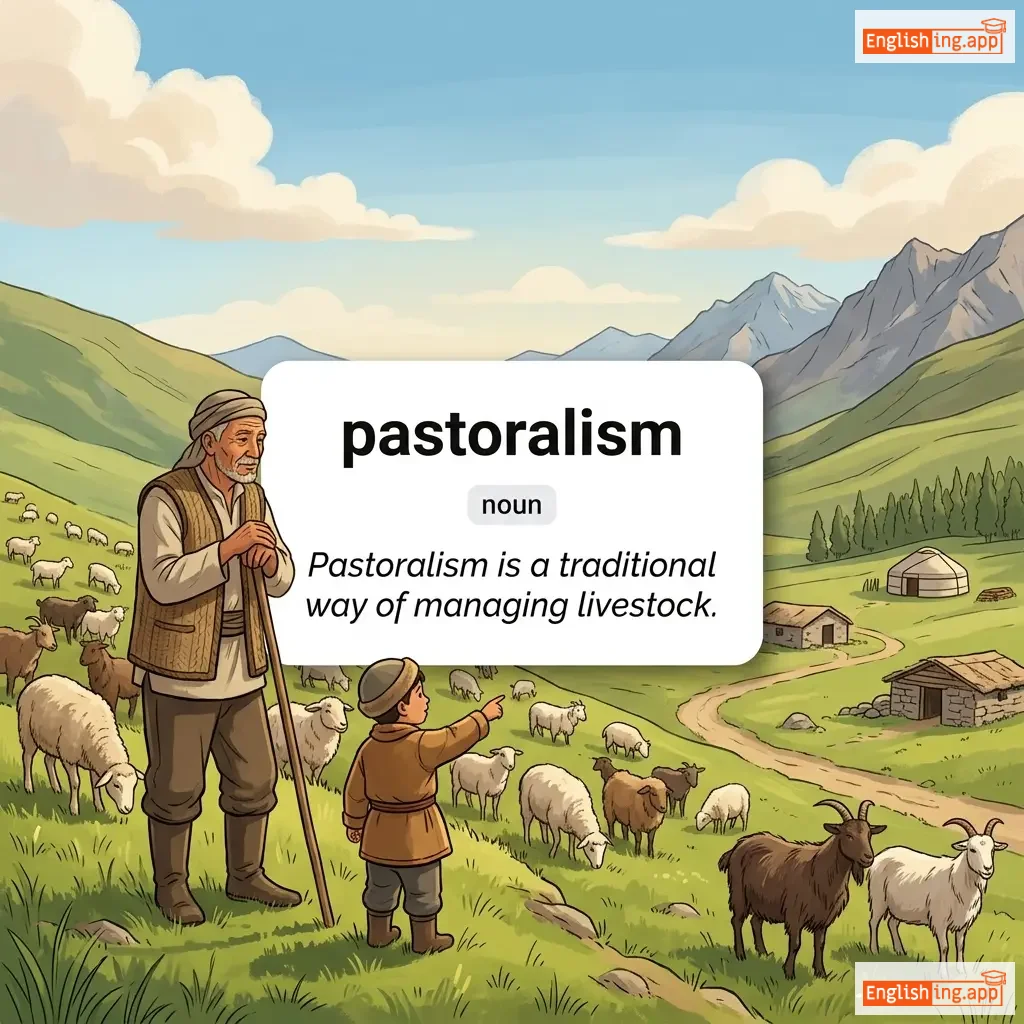
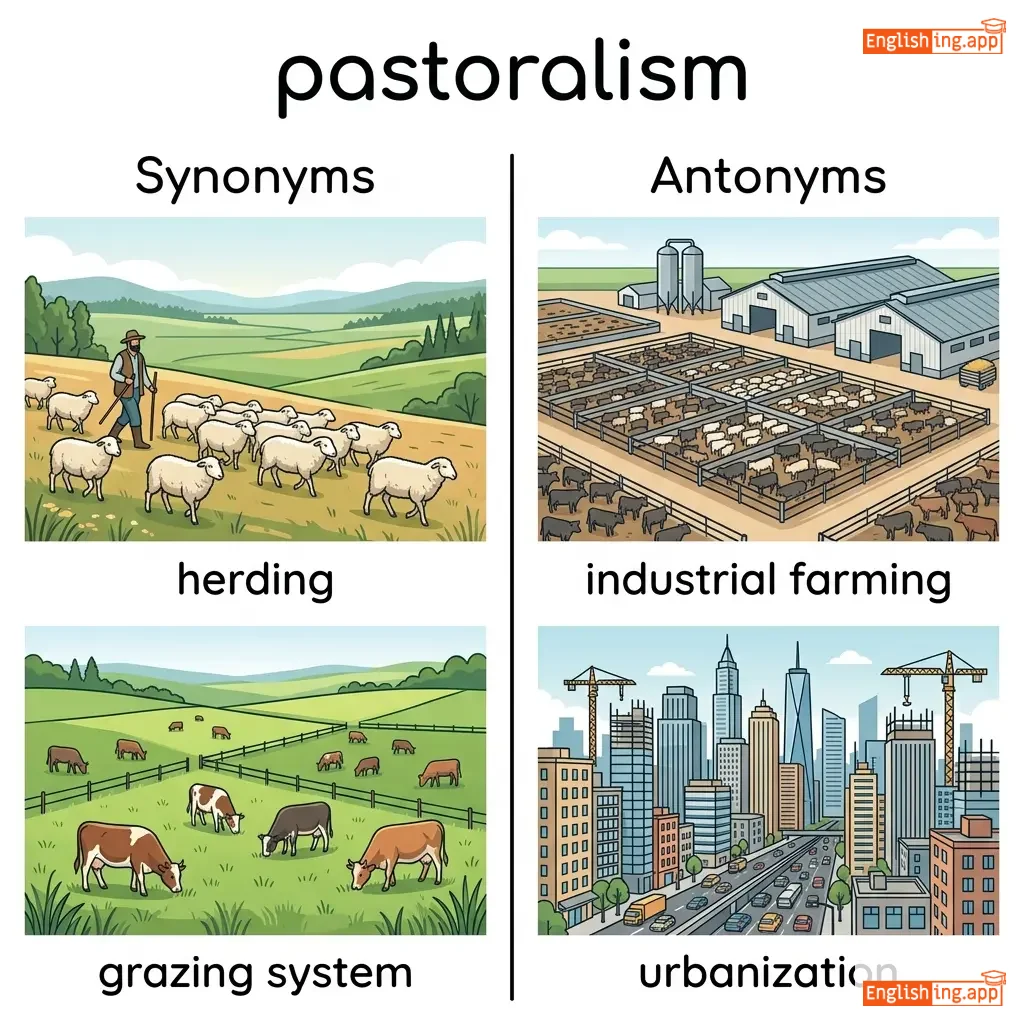
ˈpɑː.stər.ə.lɪ.zəm
noun
••••••
|
|
A form of animal husbandry where domesticated animals are released onto large vegetated outdoor lands for grazing.
••••••
|
Pastoralism is a traditional way of managing livestock. |
herding, grazing system
••••••
|
industrial farming, urbanization
••••••
|
|
#3326
🚜
|
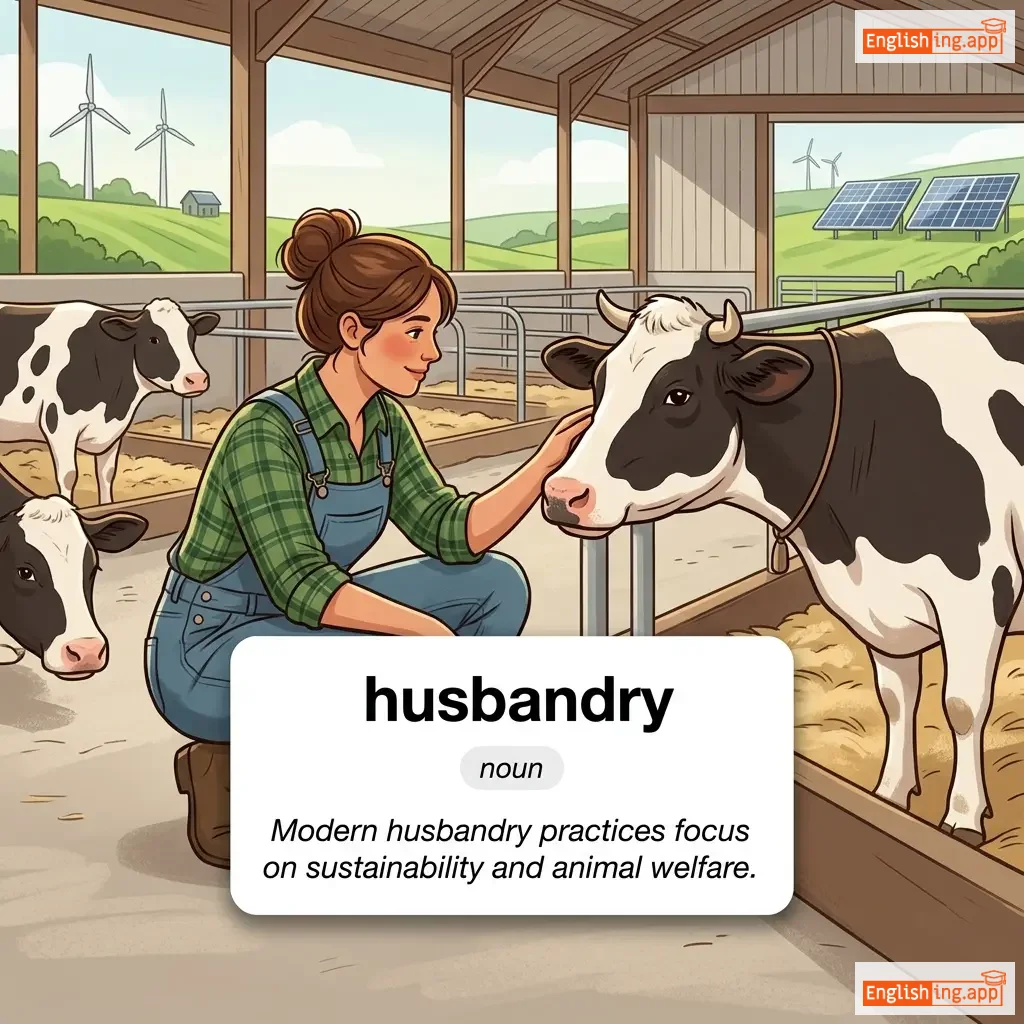
ˈhʌz.bən.dri
noun
••••••
|
|
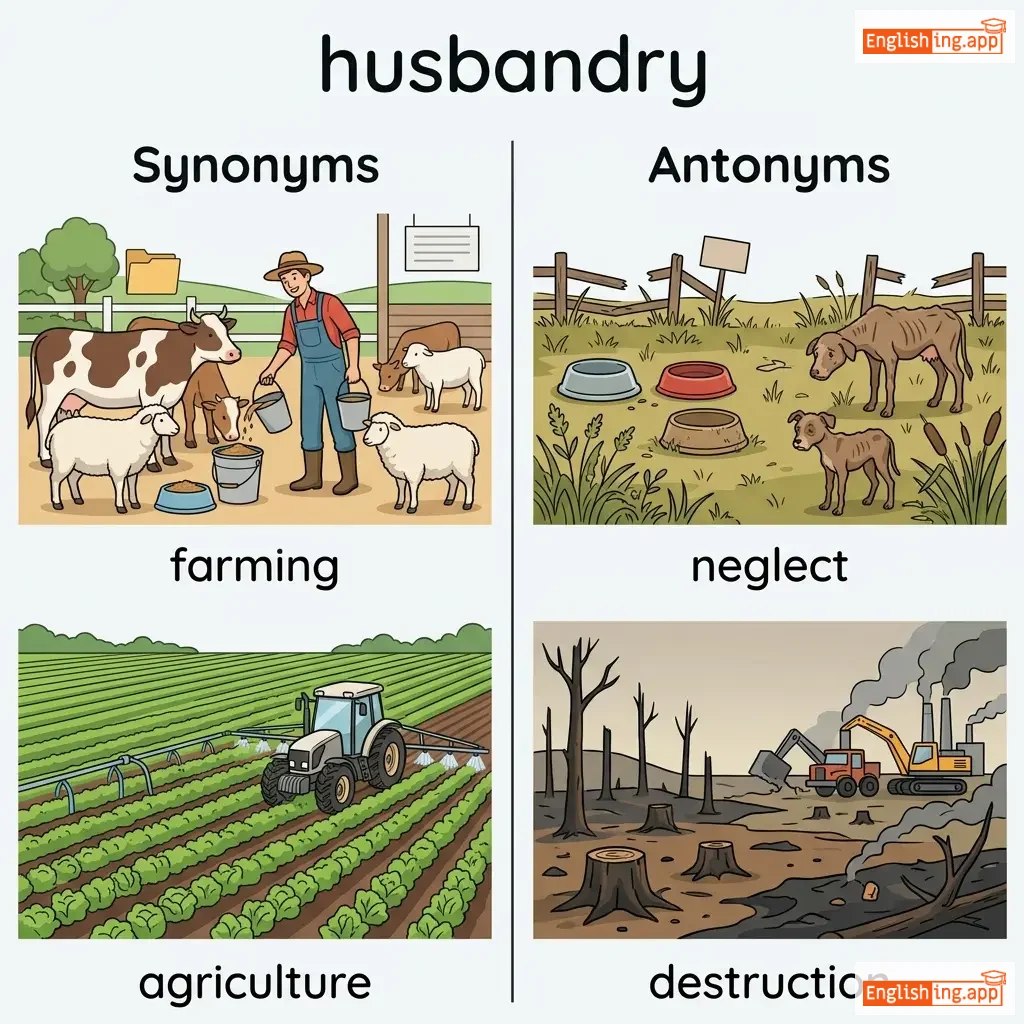
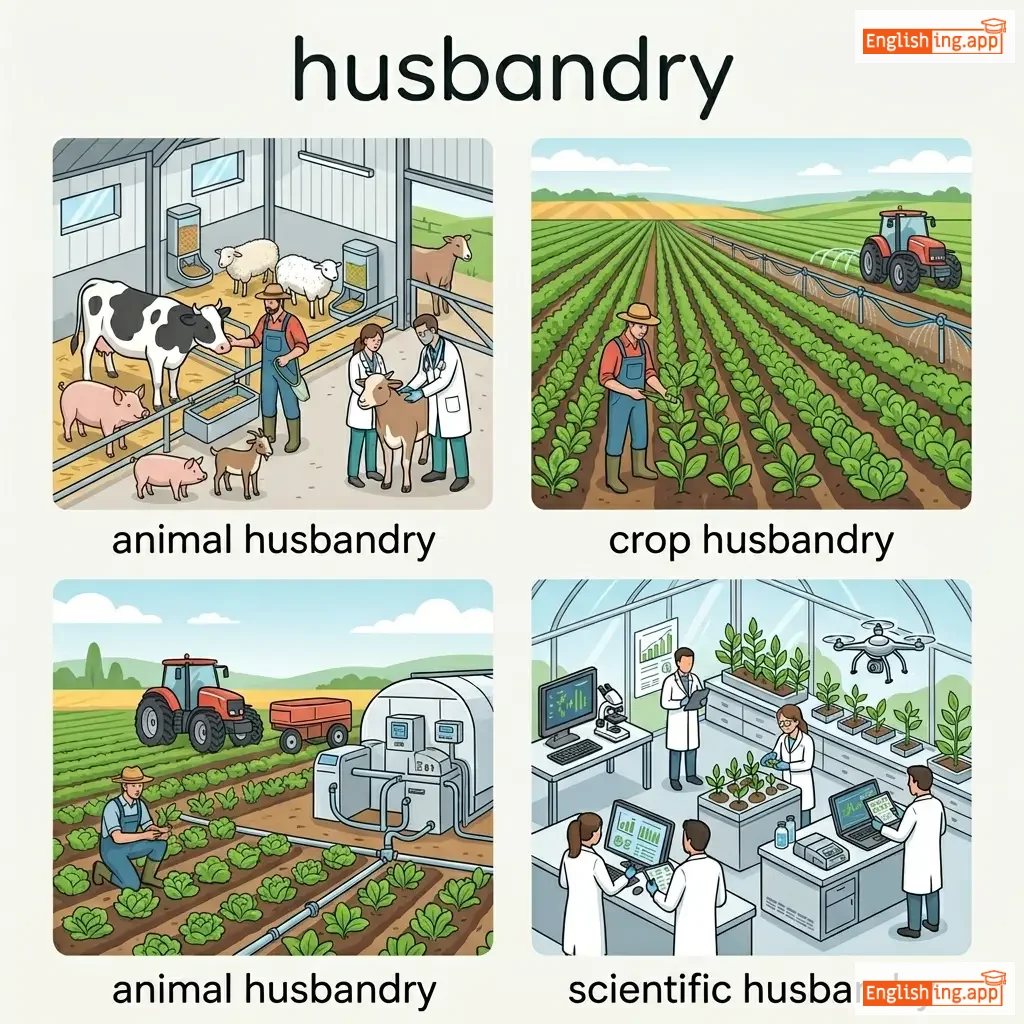
The care, cultivation, and breeding of crops and animals; farming and agriculture.
••••••
|
Proper husbandry techniques improve livestock health. |
farming, animal care
••••••
|
neglect, mismanagement
••••••
|
|
#3327
💩
|
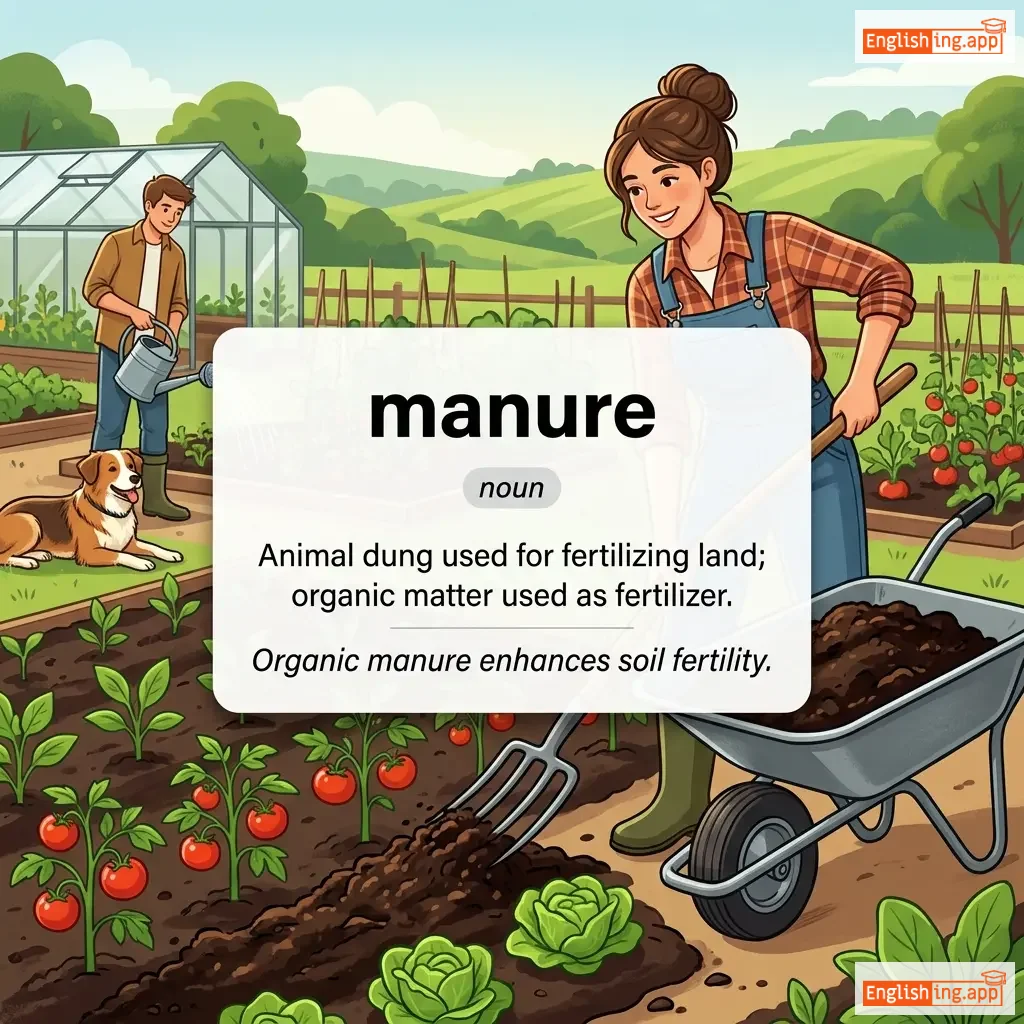
məˈnjʊər
noun
••••••
|
|
Animal dung used for fertilizing land; organic matter used as fertilizer.
••••••
|
Organic manure enhances soil fertility. |
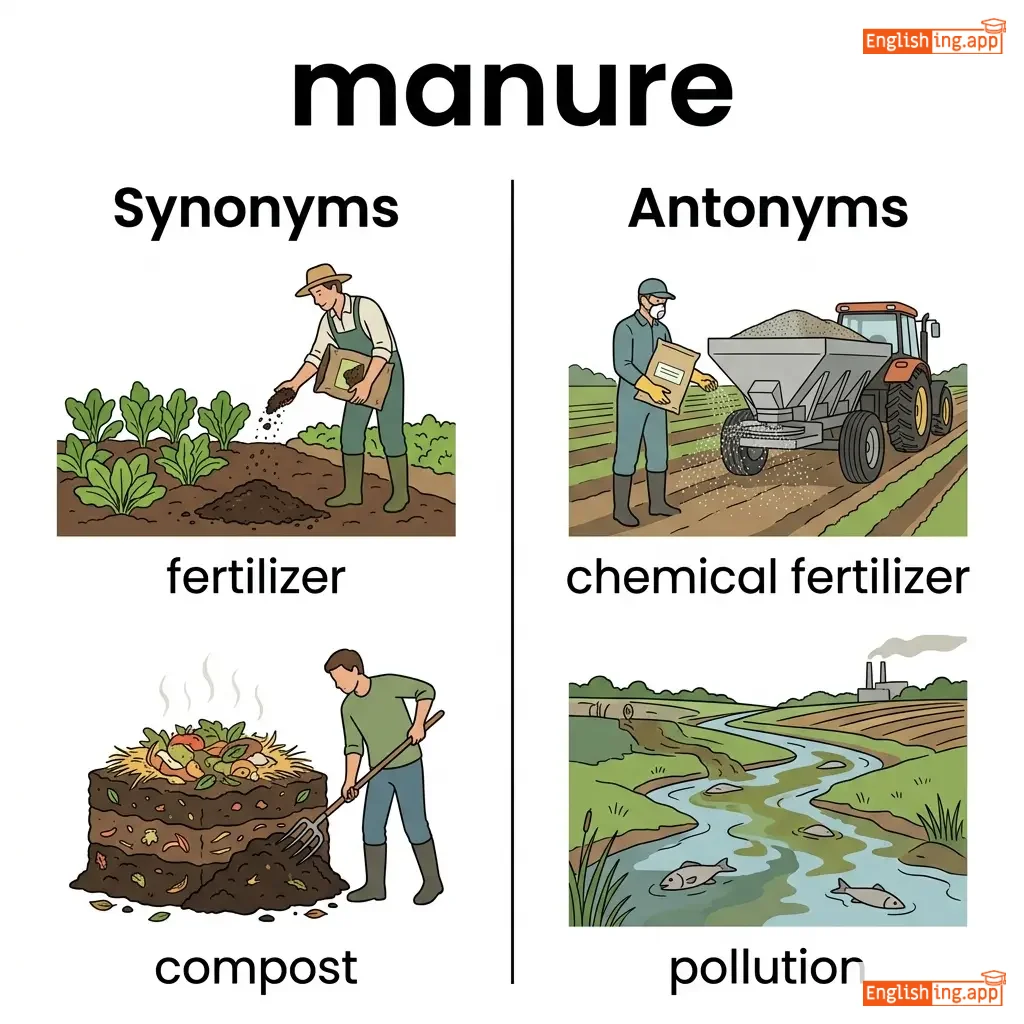
fertilizer, compost
••••••
|
chemical fertilizer, pollution
••••••
|
|
#3328
🌍
|
ˈkɑː.bən ˌsiː.kwɪˈstreɪ.ʃən
noun
••••••
|
|
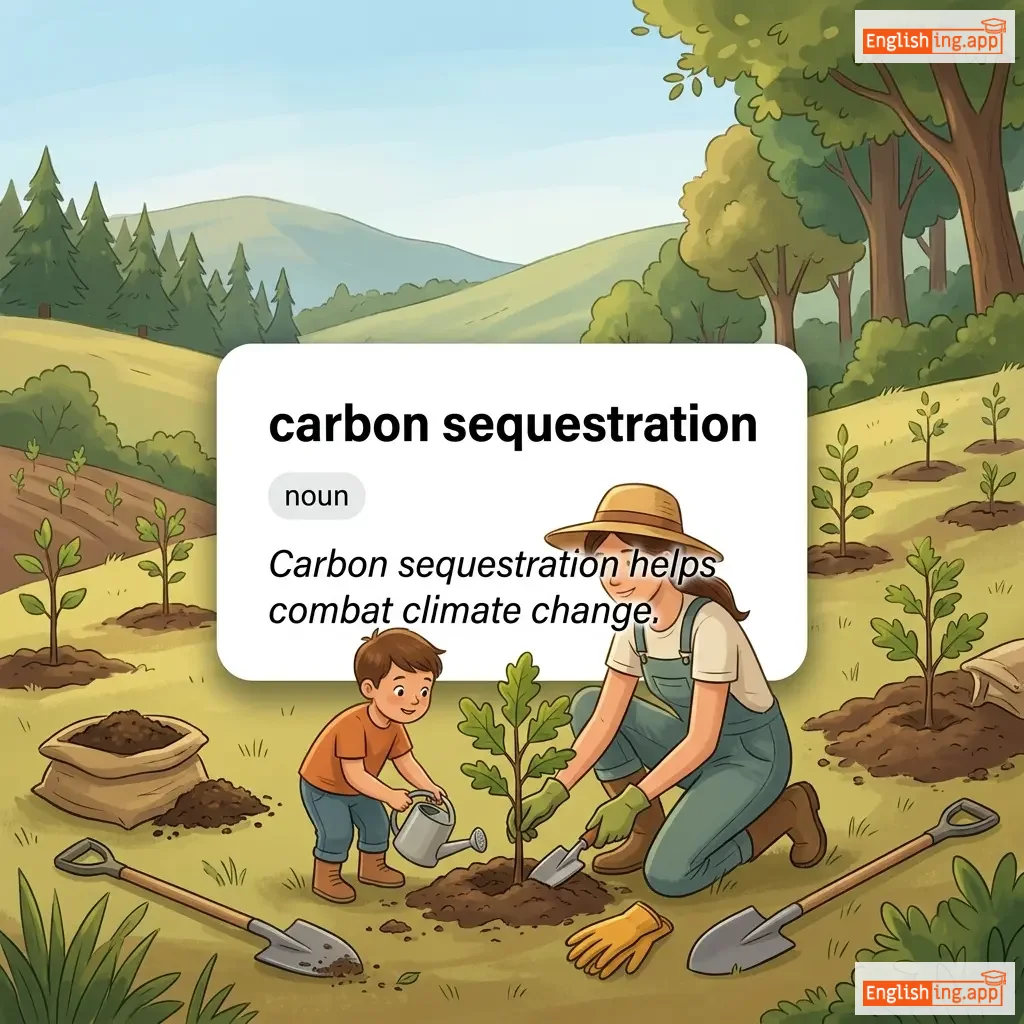
The process of storing carbon dioxide in vegetation, soils, geological formations, and the ocean to reduce carbon dioxide concentrations in the atmosphere.
••••••
|
Carbon sequestration helps combat climate change. |
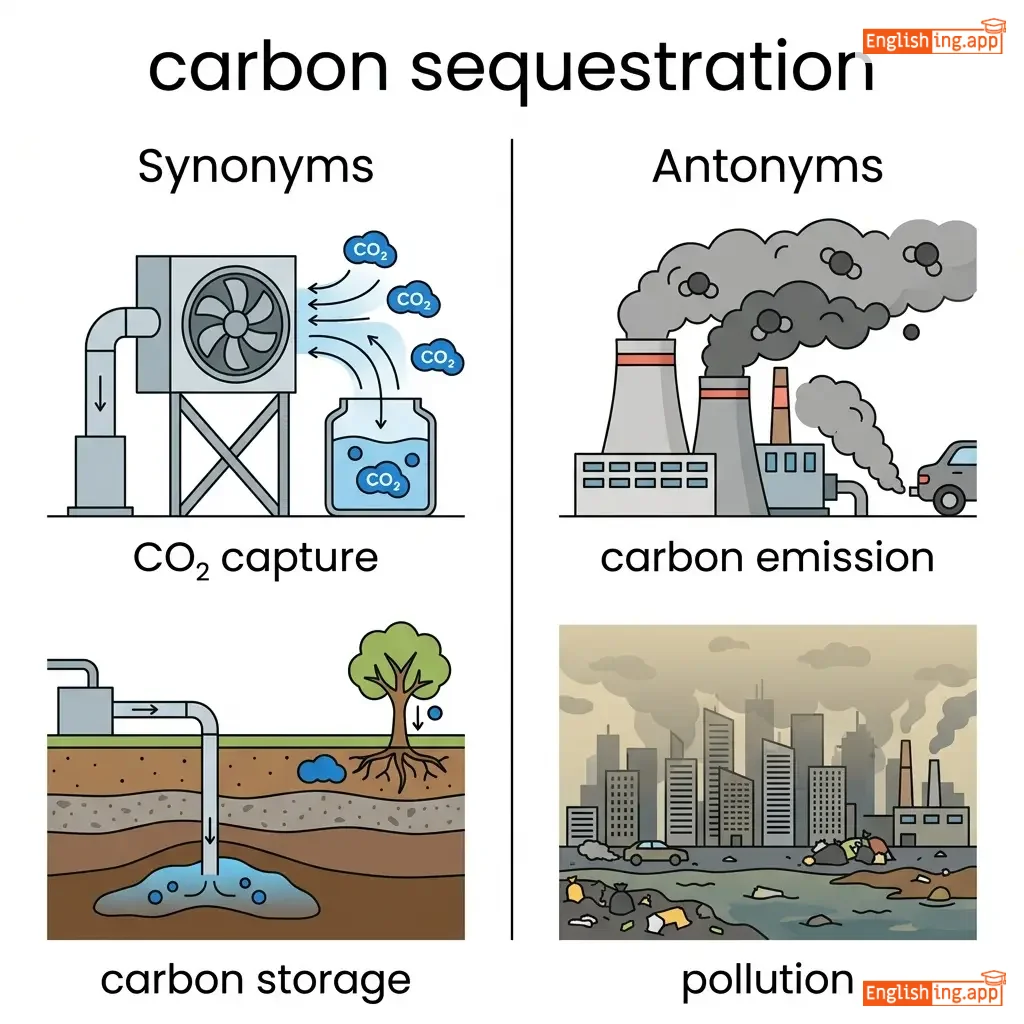
CO₂ capture, carbon storage
••••••
|
carbon emission, pollution
••••••
|
|
#3329
💰
|
kəˌmɒd.ɪ.fɪˈkeɪ.ʃən
noun
••••••
|
|
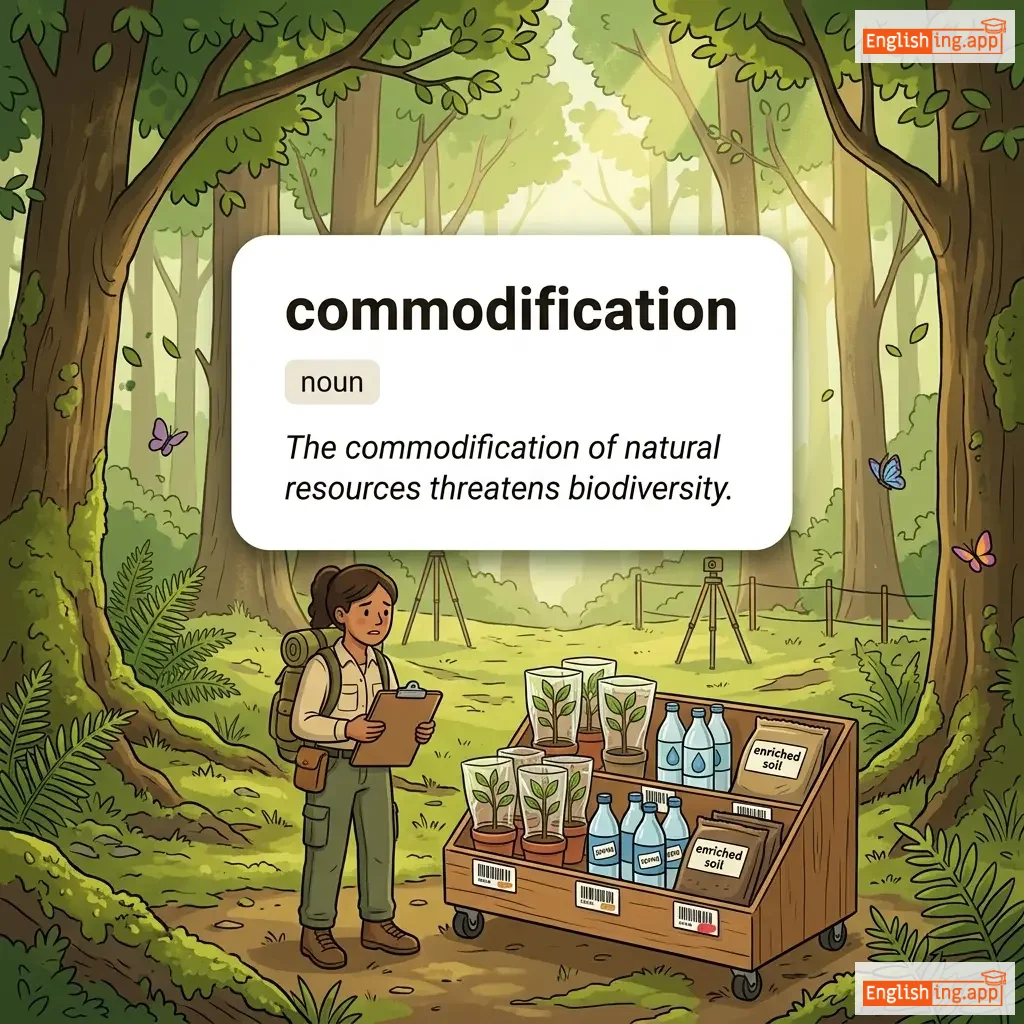
The transformation of goods, services, ideas, or other entities that may not normally be considered goods into market goods.
••••••
|
The commodification of natural resources threatens biodiversity. |
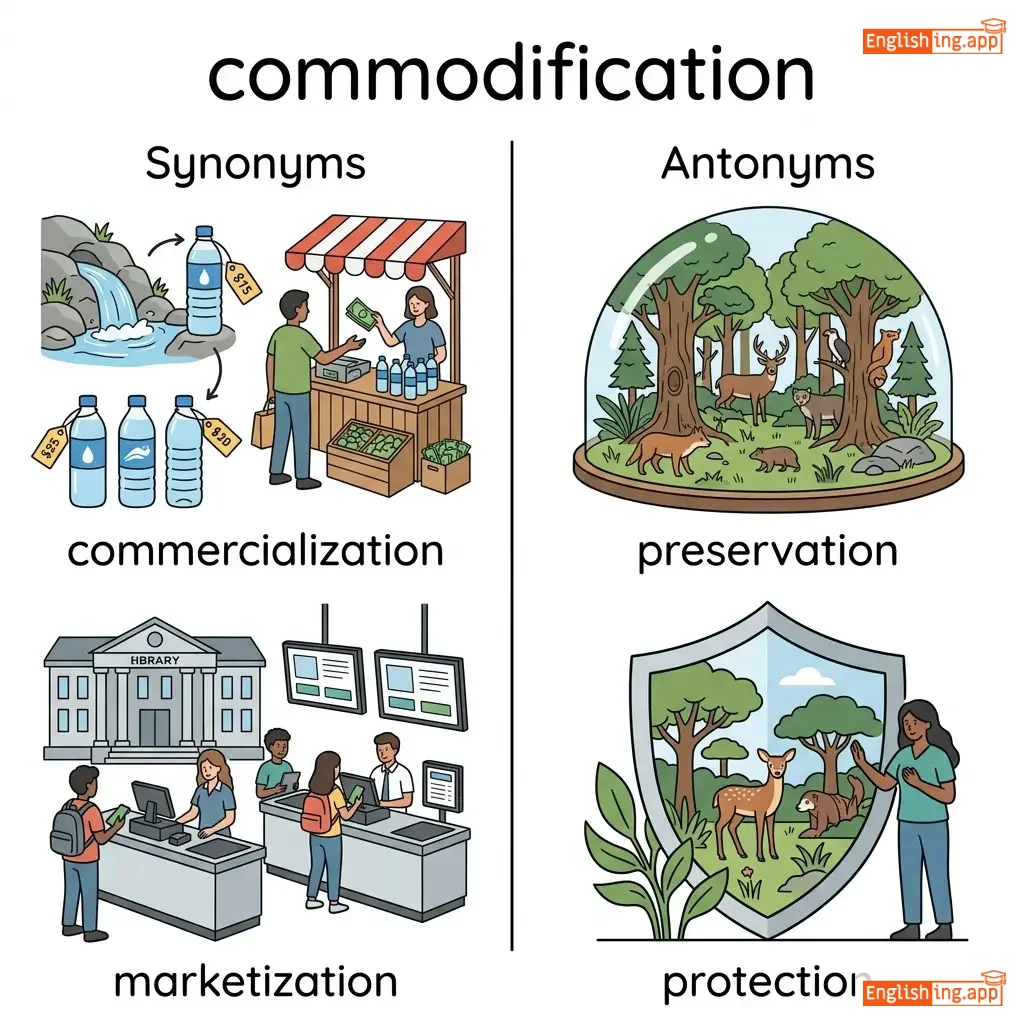
commercialization, marketization
••••••
|
preservation, protection
••••••
|
|
#3330
📊
|
ˌmæk.rəʊˌiː.kəˈnɒm.ɪk
adjective
••••••
|
|
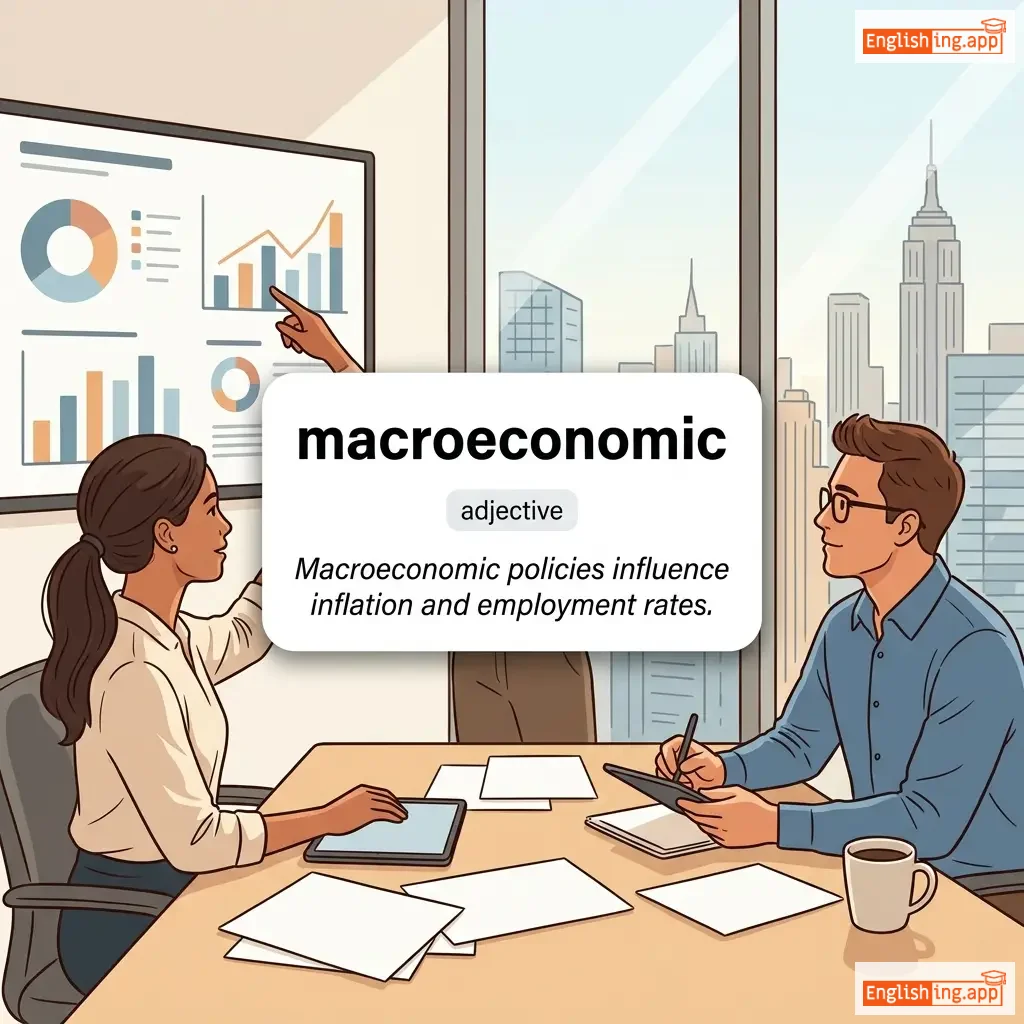
Relating to the large-scale or general economic factors, such as interest rates and national productivity.
••••••
|
Macroeconomic policies influence inflation and GDP growth. |
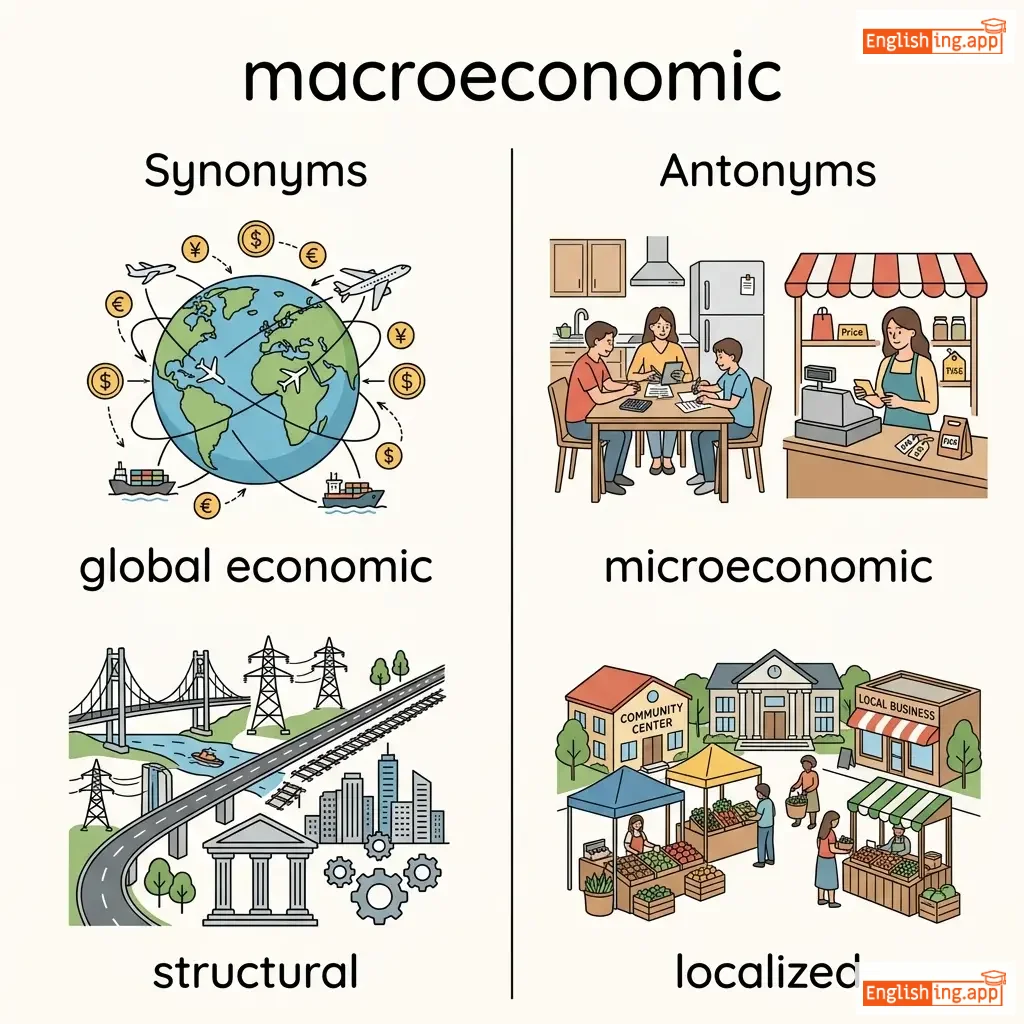
national economy, fiscal policy
••••••
|
microeconomic, localized
••••••
|
|
#3331
✅
|
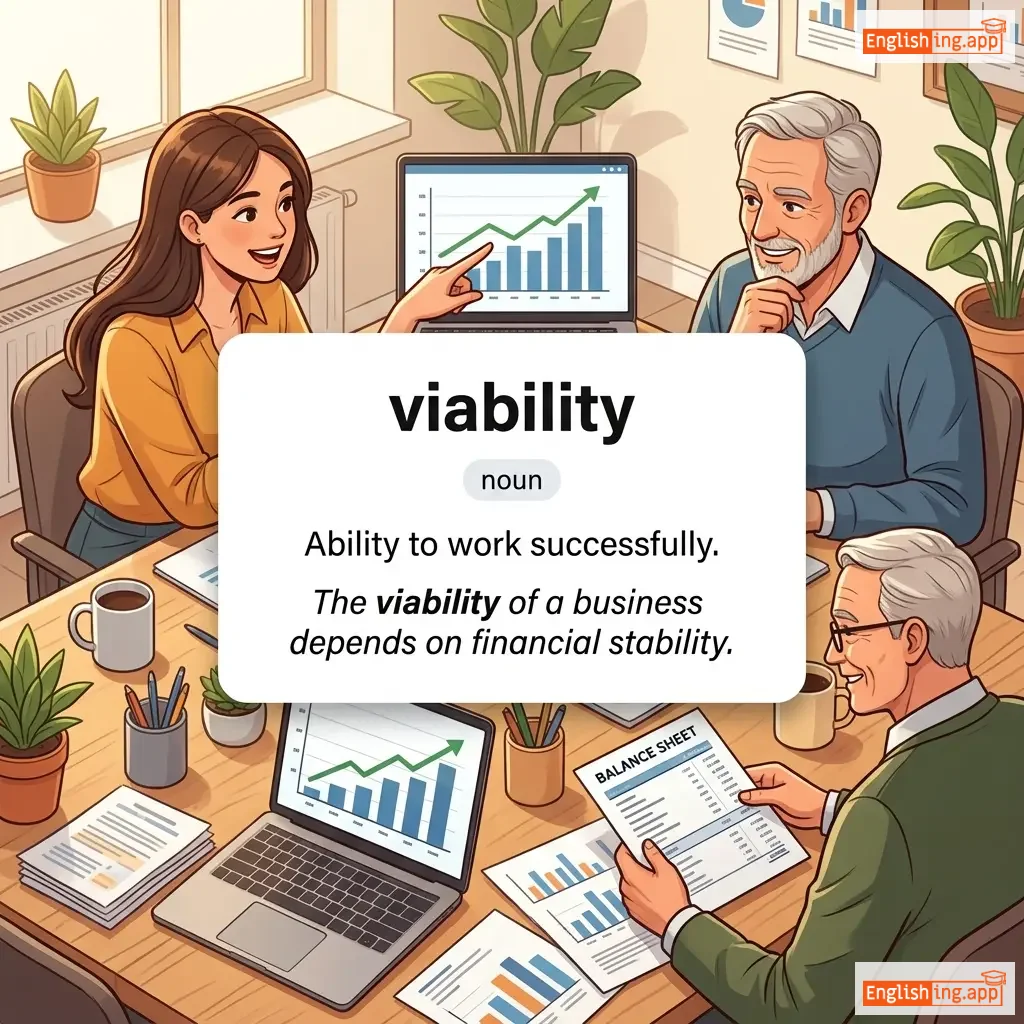
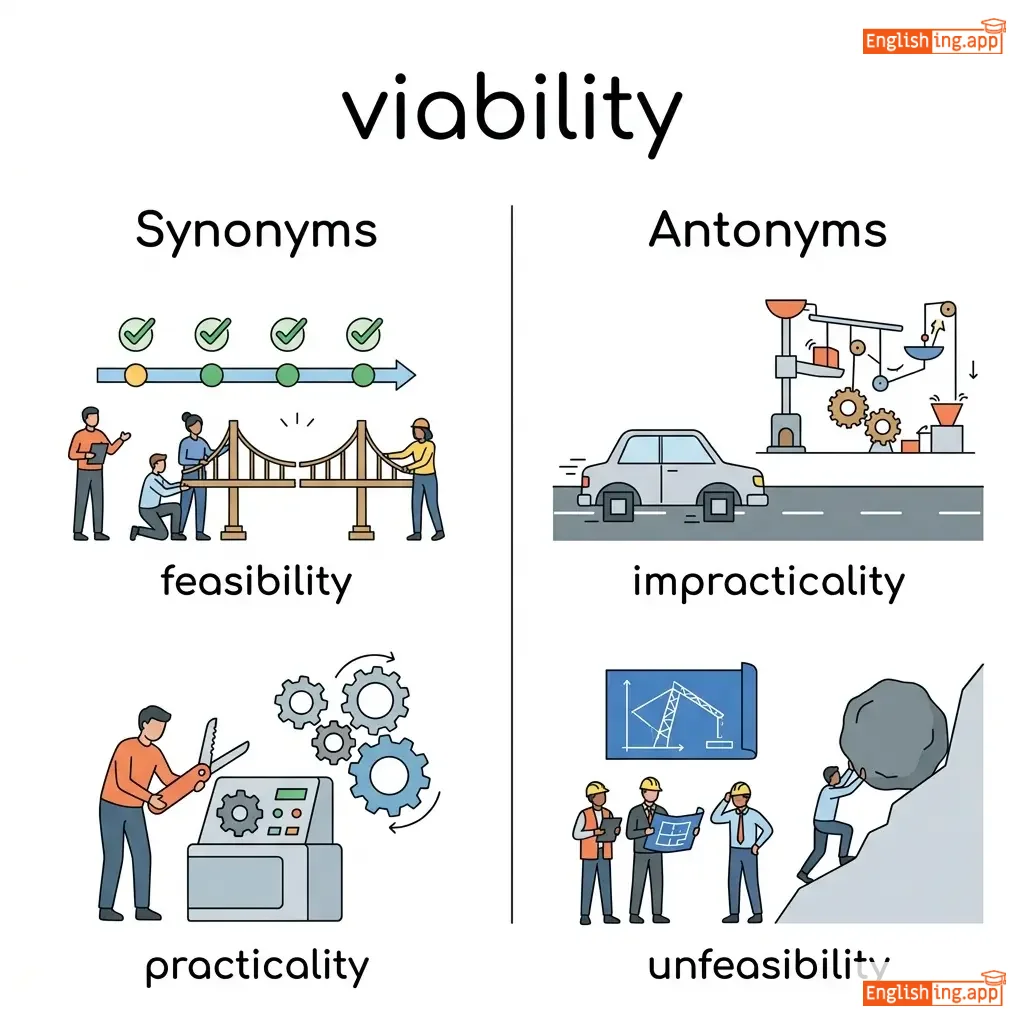
ˌvaɪ.əˈbɪl.ə.ti
noun
••••••
|
|
The ability to work successfully; the ability to survive or live successfully.
••••••
|
The viability of the startup depends on proper investment. |
feasibility, sustainability
••••••
|
infeasibility, fragility
••••••
|
|
#3332
🌿
|
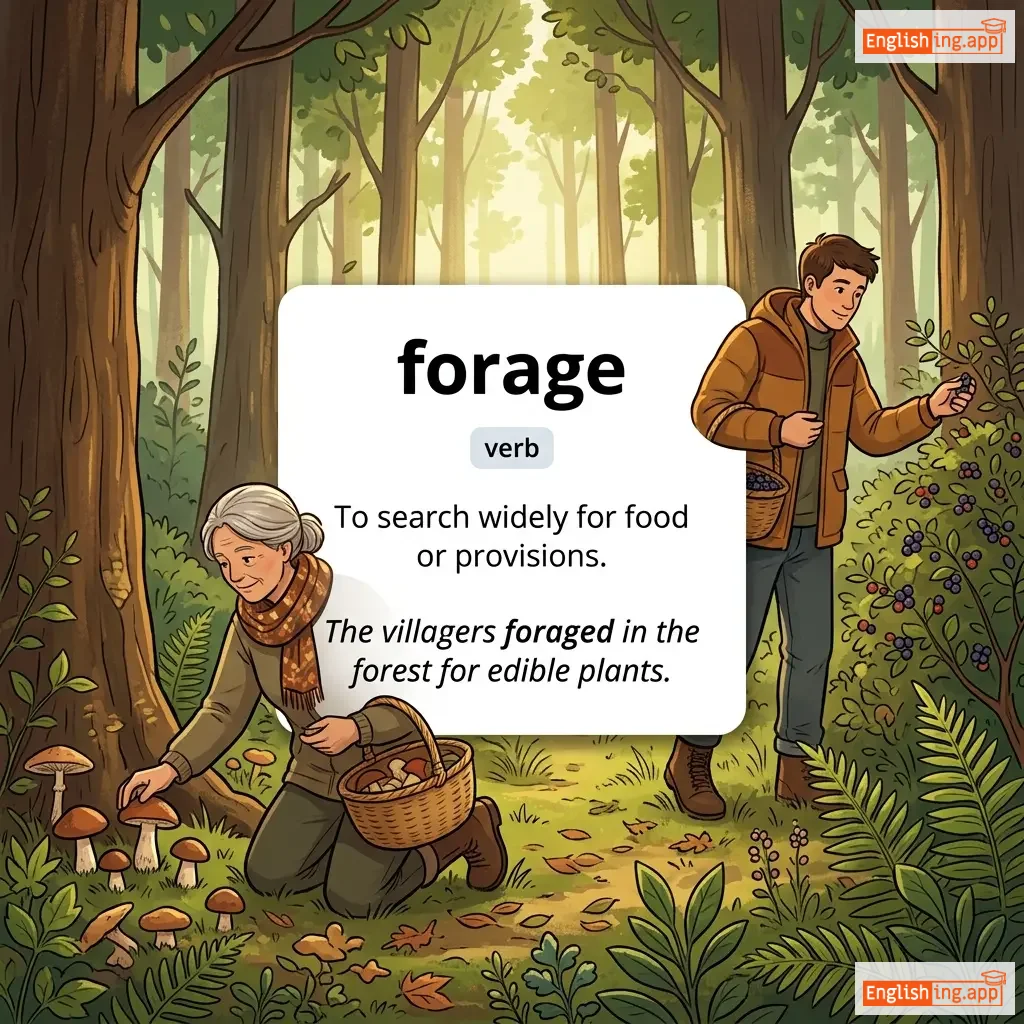
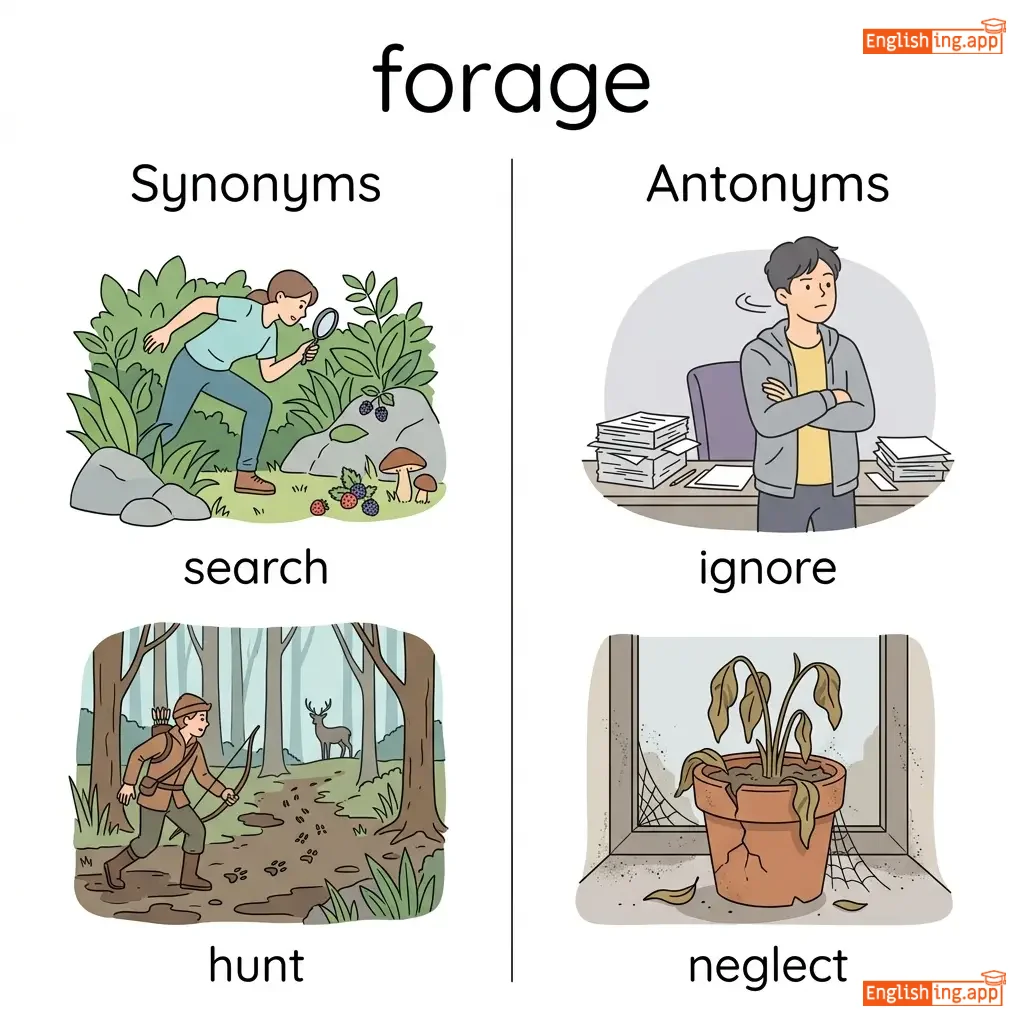
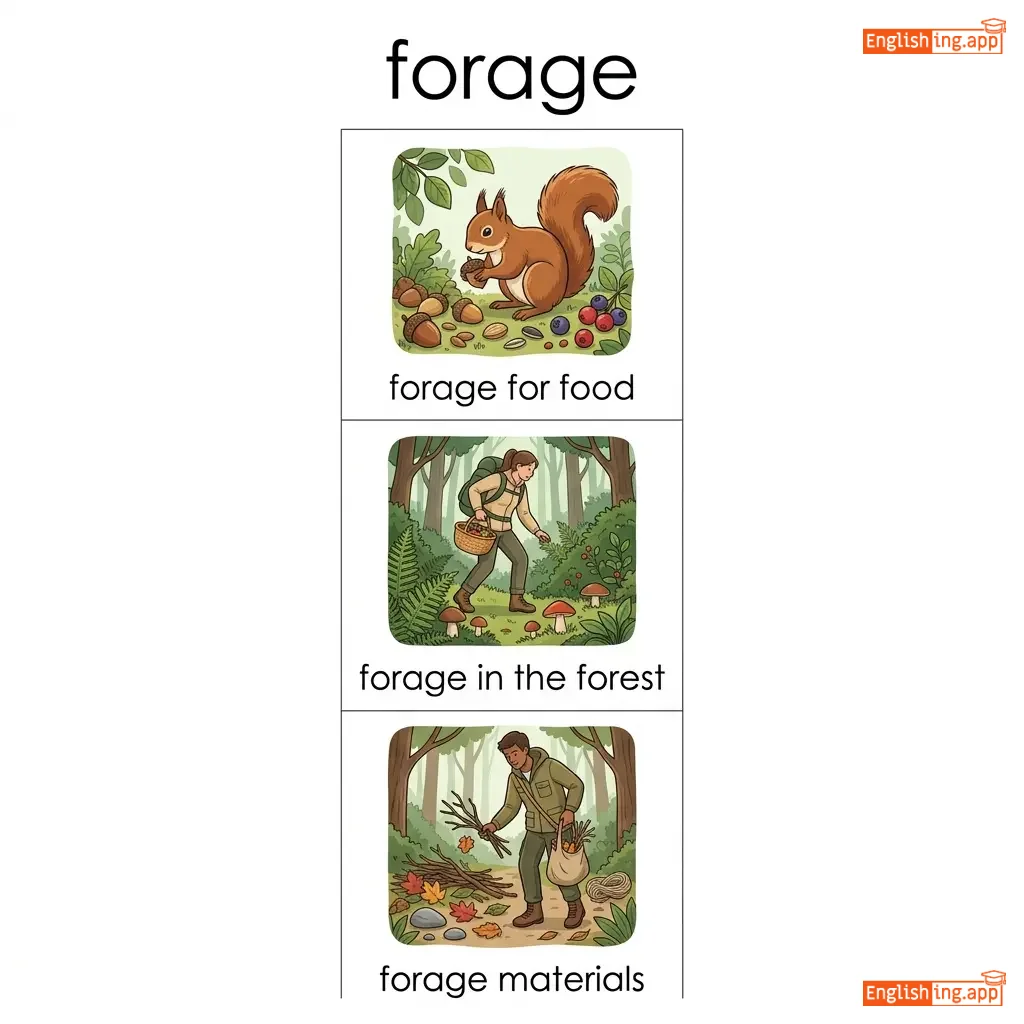
ˈfɒr.ɪdʒ
noun/verb
••••••
|
|
Food for horses and cattle, especially dried hay or feed; to search for food.
••••••
|
Animals forage for food during the winter months. |
scavenge, hunt
••••••
|
starvation, deprivation
••••••
|
|
#3333
🎯
|
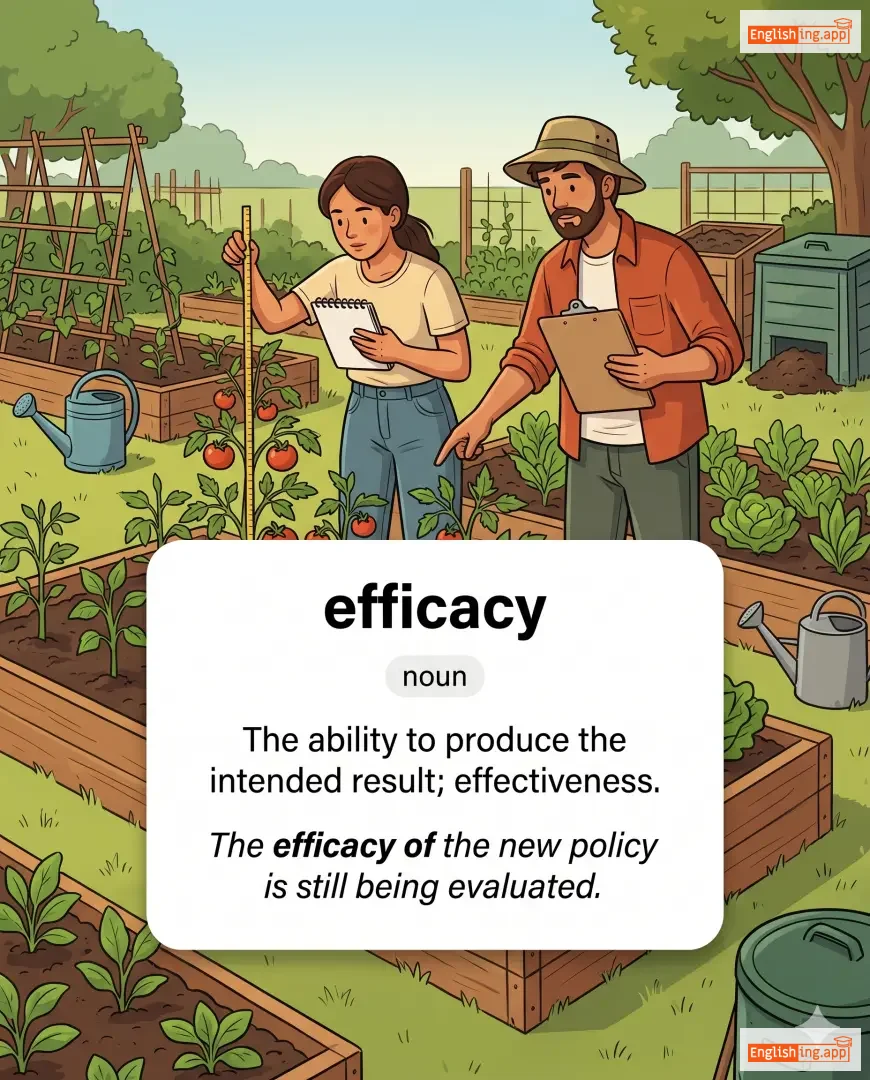
ˈef.ɪ.kə.si
noun
••••••
|
|
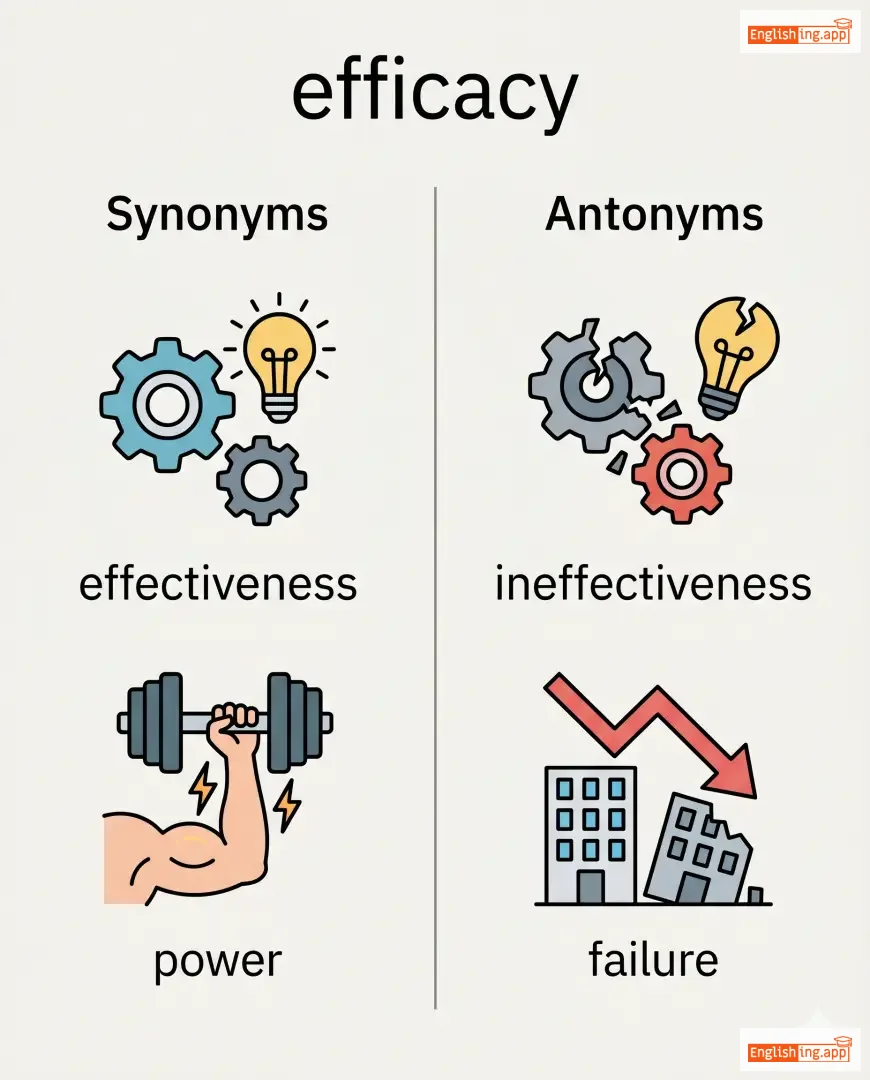
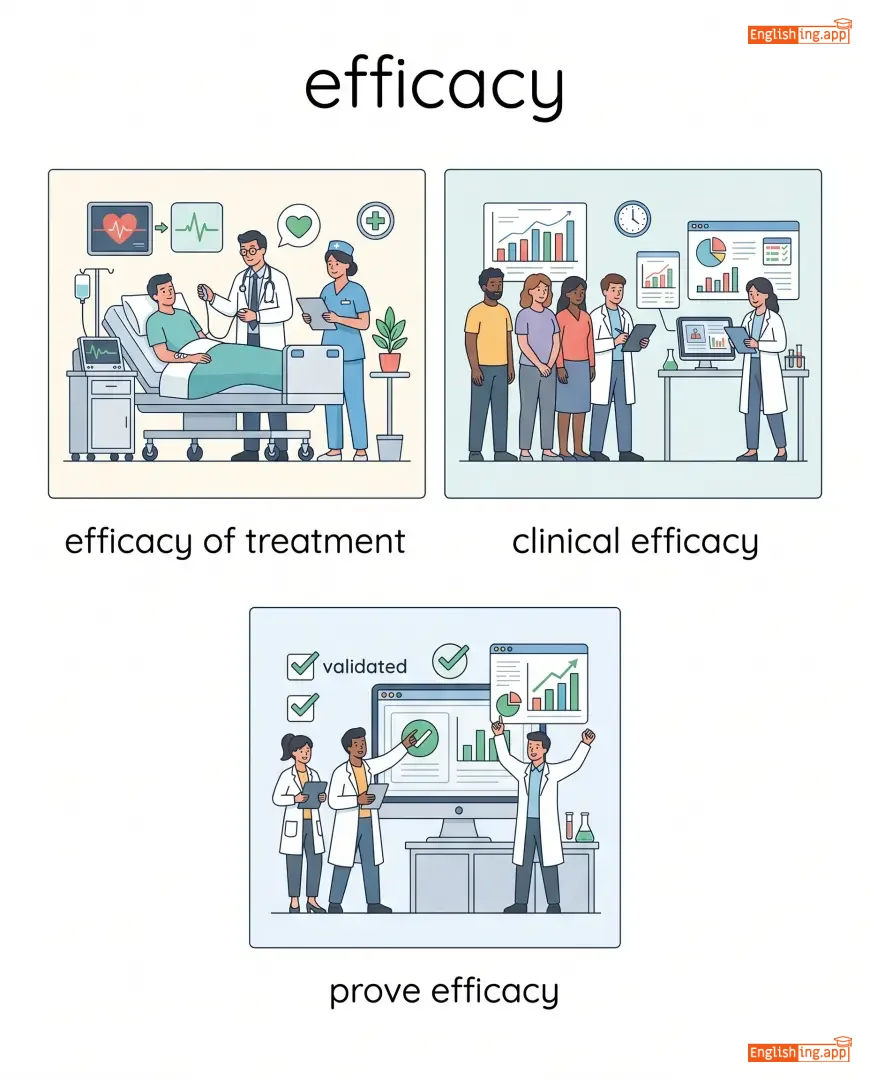
The ability to produce a desired or intended result; effectiveness.
••••••
|
The efficacy of the new vaccine has been proven. |
effectiveness, potency
••••••
|
ineffectiveness, uselessness
••••••
|
|
#3334
👥
|
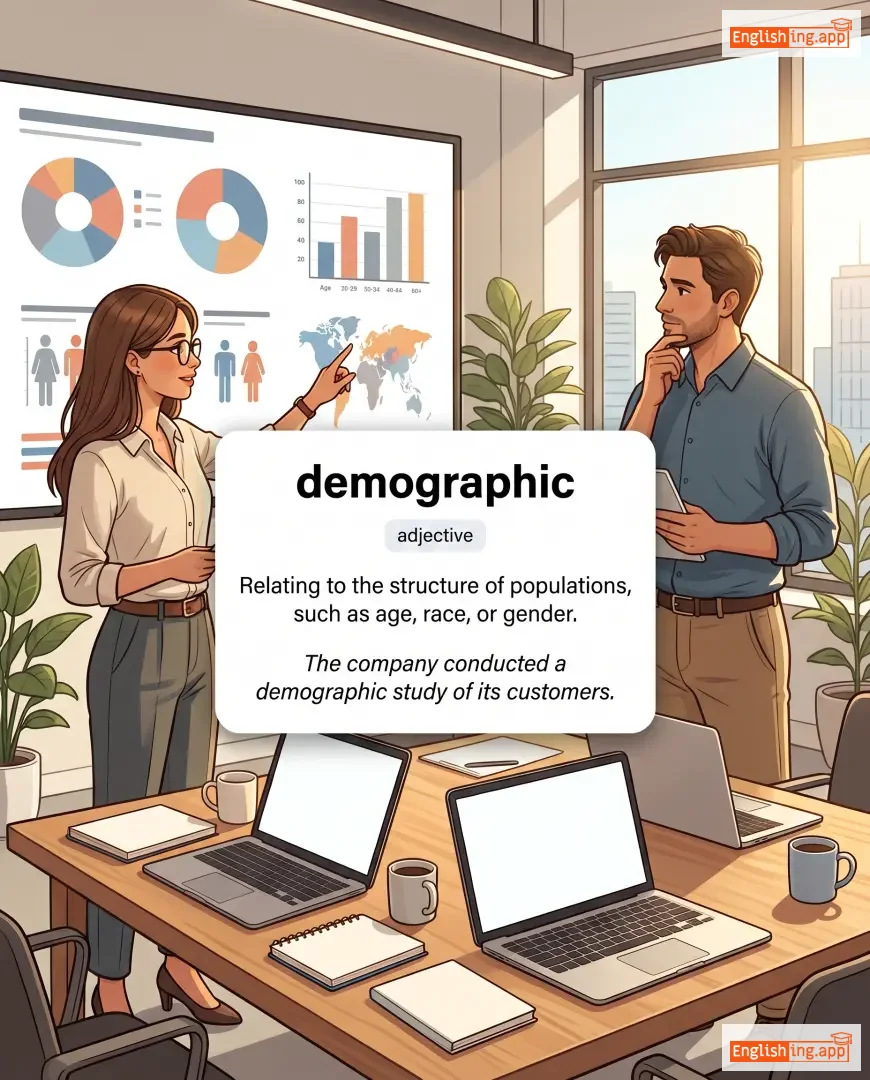
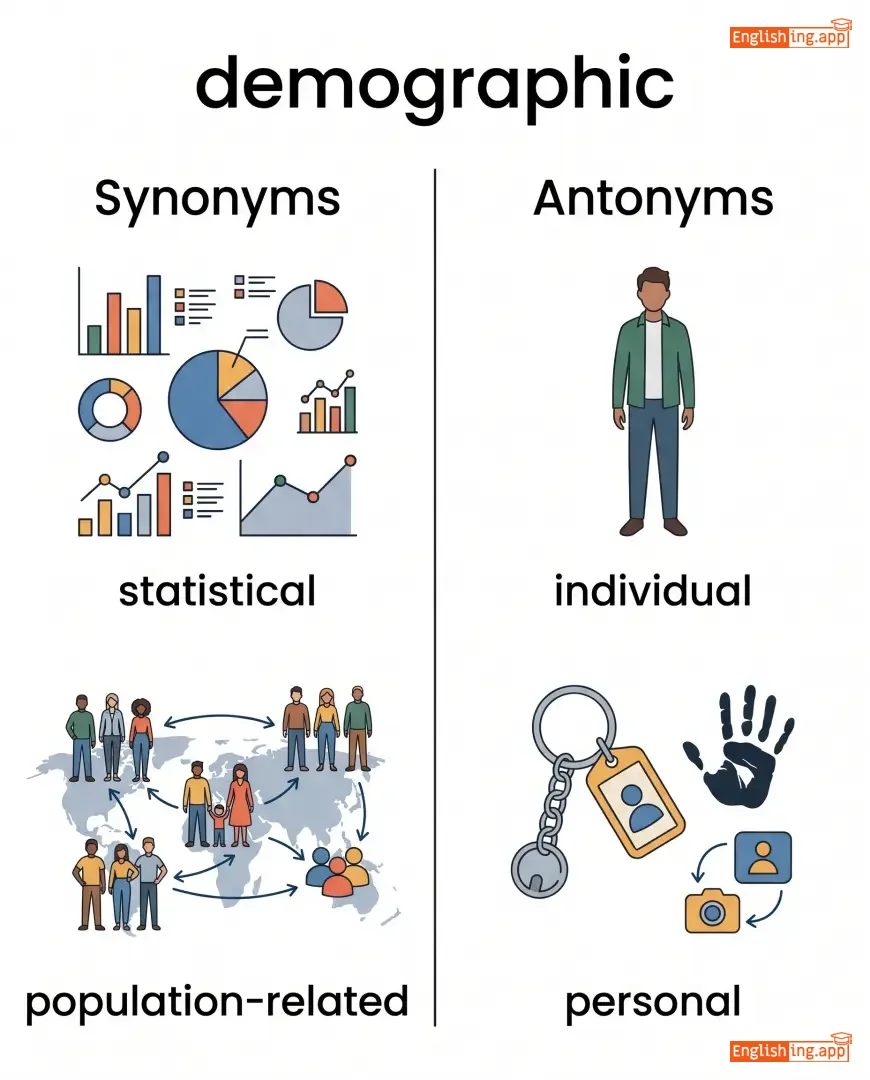
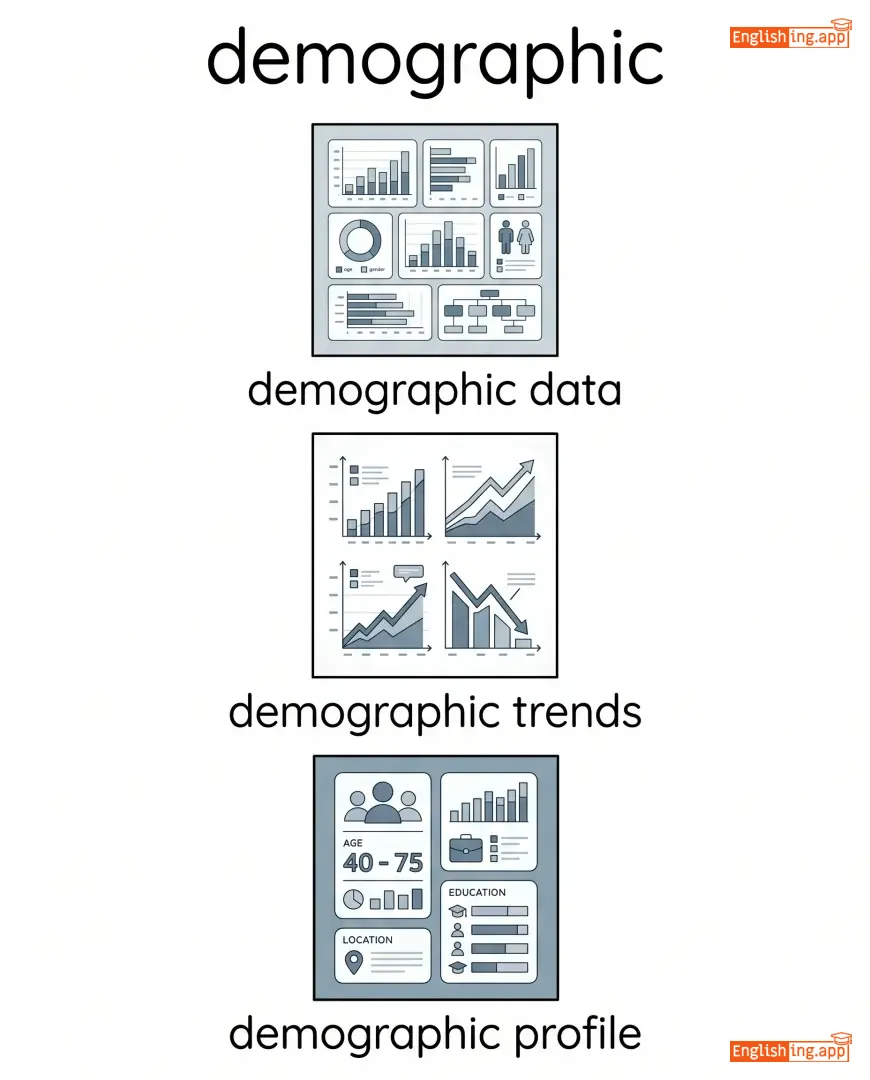
ˌdem.əˈɡræf.ɪk
adjective/noun
••••••
|
|
Relating to the structure of populations; statistical data relating to the population and particular groups within it.
••••••
|
The company analyzes demographic trends before launching a product. |
population data, census analysis
••••••
|
individual, specific
••••••
|
|
#3335
🏔️
|
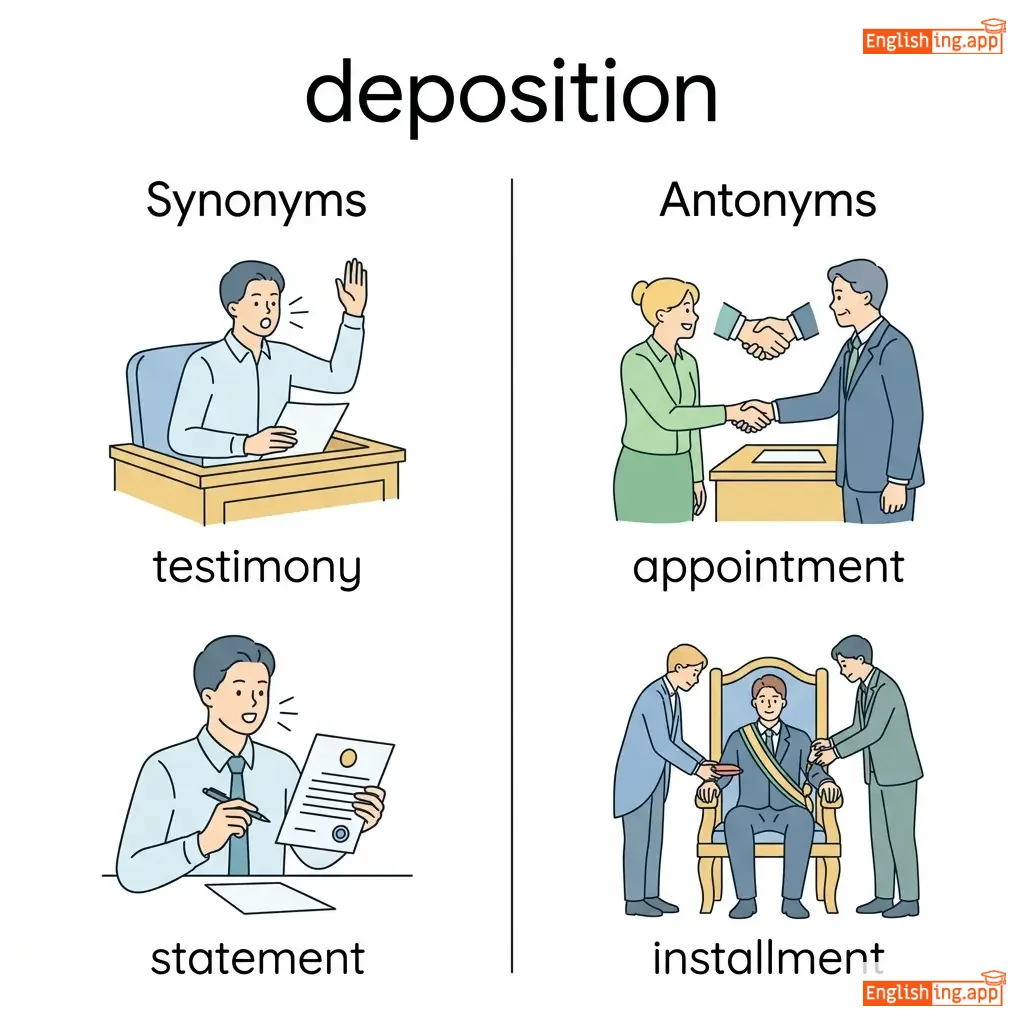
ˌdep.əˈzɪʃ.ən
noun
••••••
|

|
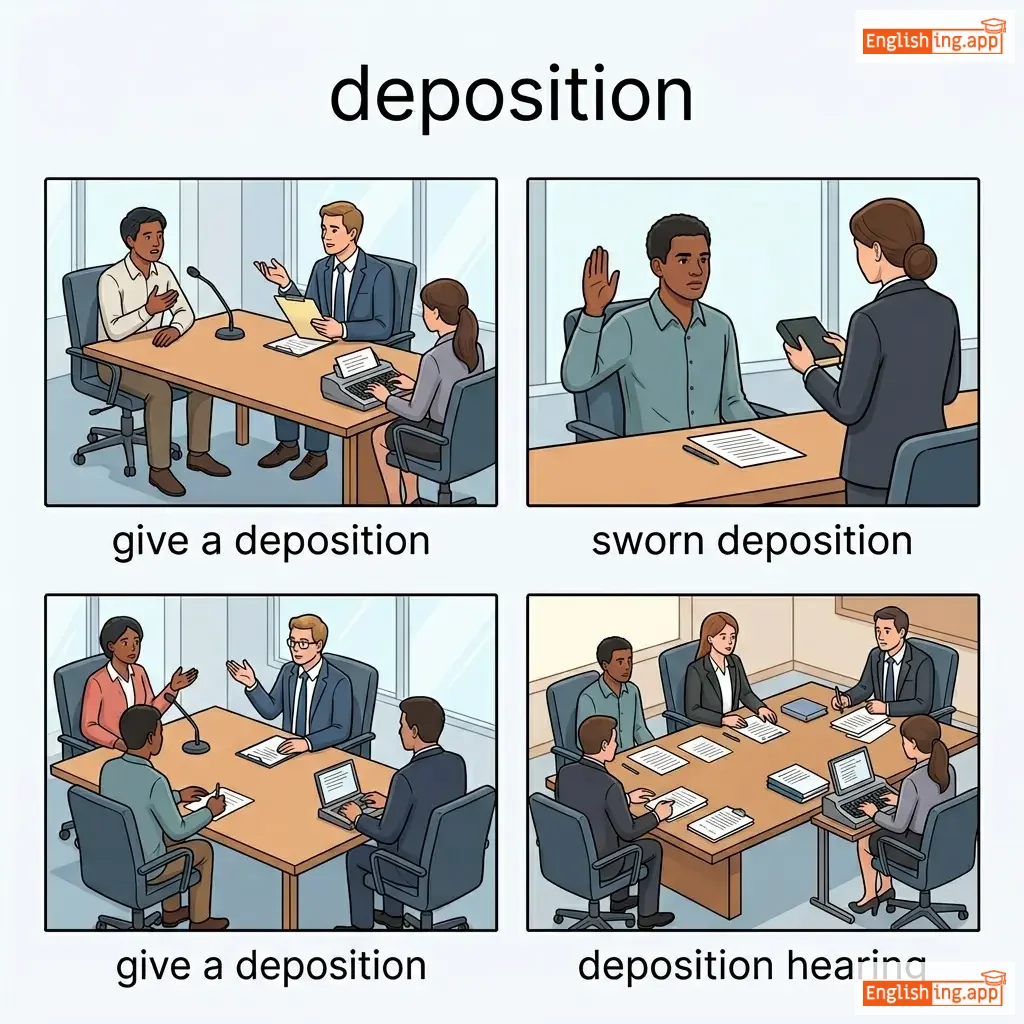
The action of depositing something; the laying down of matter by a natural process.
••••••
|
River deposition leads to the formation of new landmasses. |
sedimentation, removal
••••••
|
erosion, depletion
••••••
|
|
#3336
🏛️
|
ˈɔː.tɑː.ki
noun
••••••
|
|
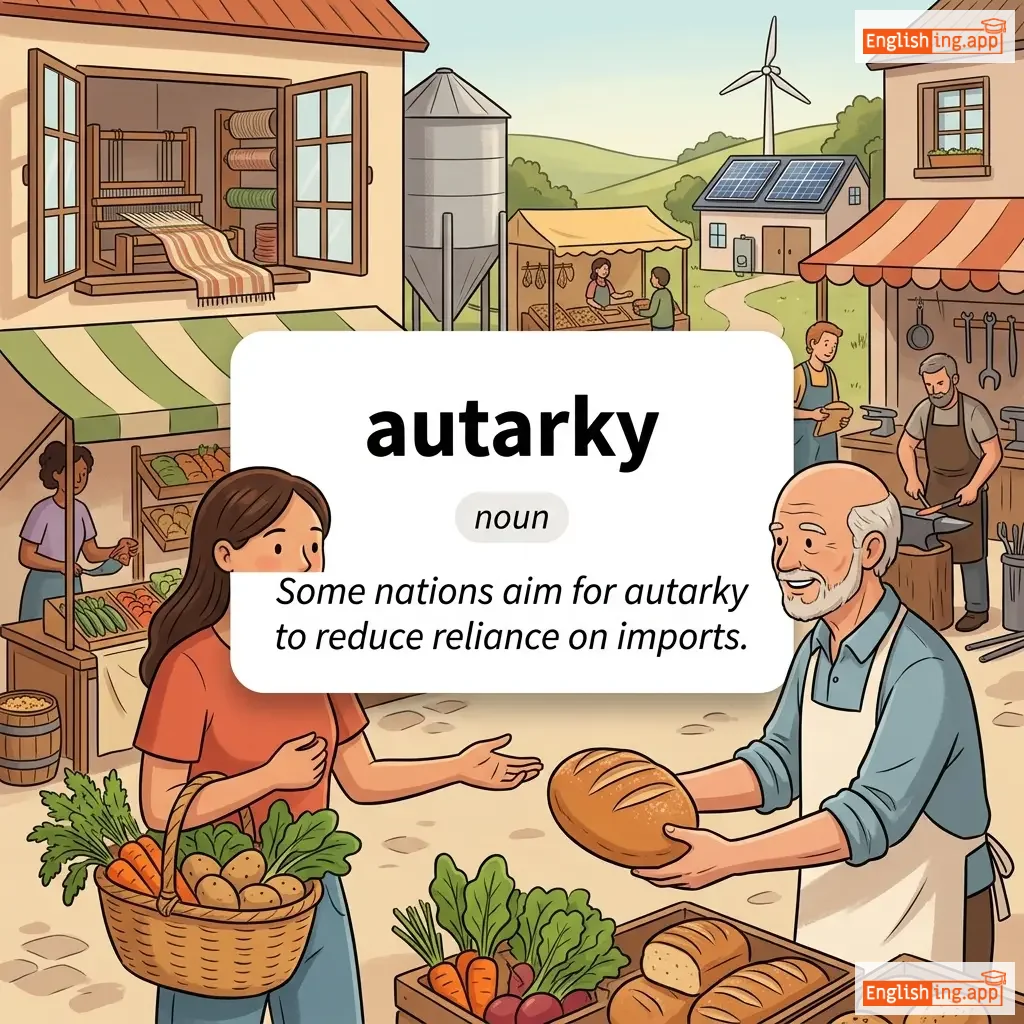
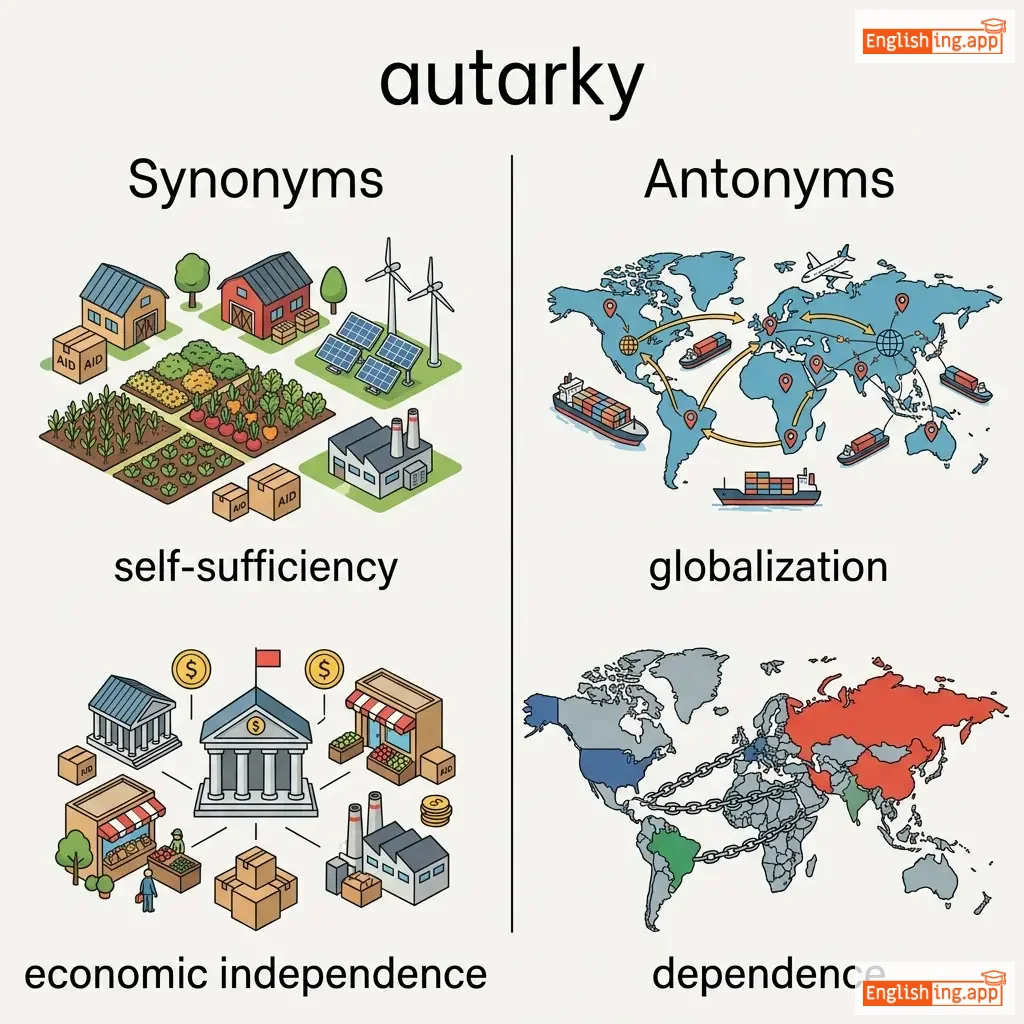
Economic independence or self-sufficiency; a policy of establishing a self-sufficient national economy.
••••••
|
Some nations aim for autarky to reduce reliance on imports. |
self-sufficiency, economic independence
••••••
|
globalization, dependence
••••••
|
|
#3337
💪
|
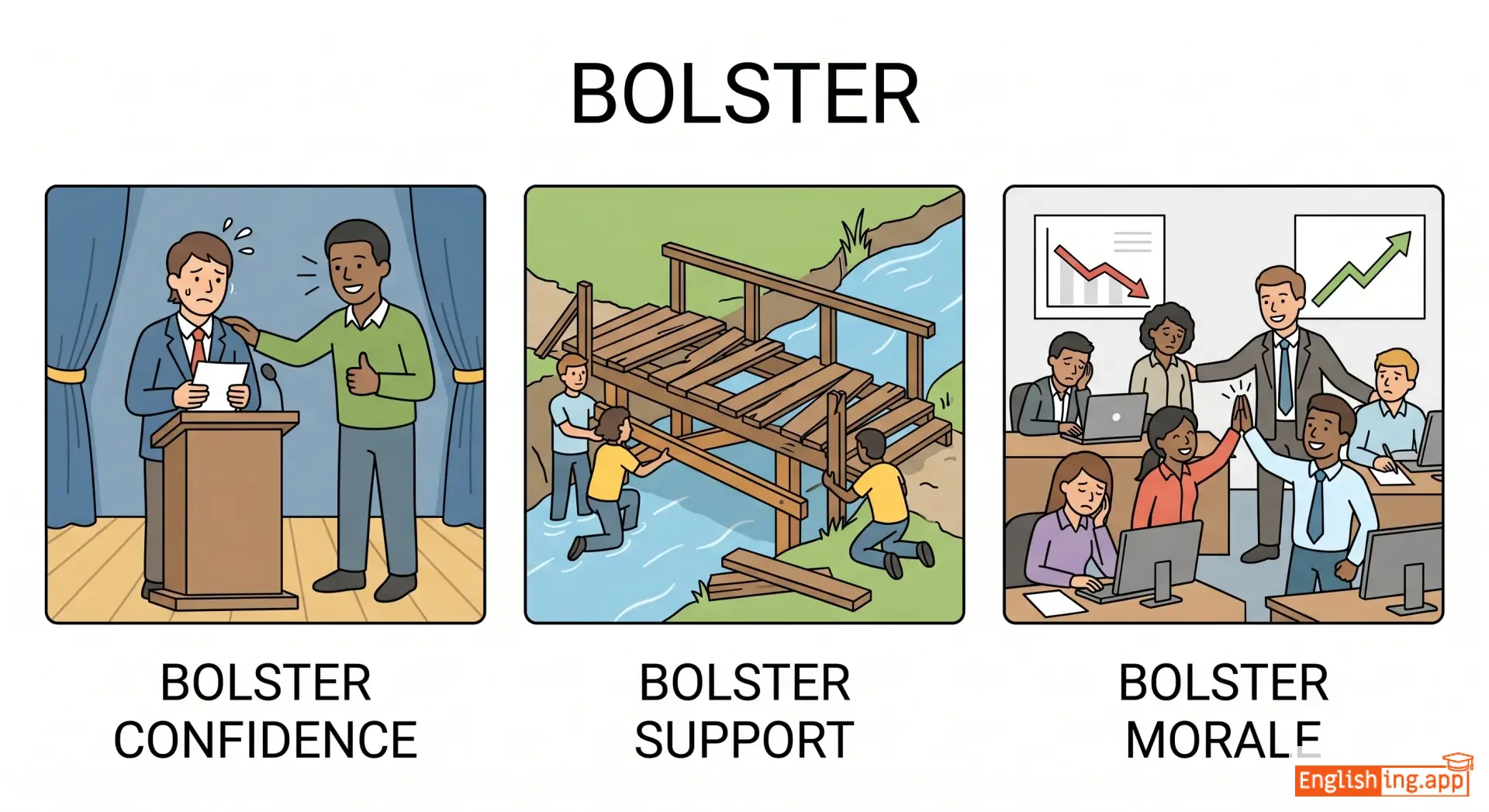
ˈbɒl.stər
verb
••••••
|

|
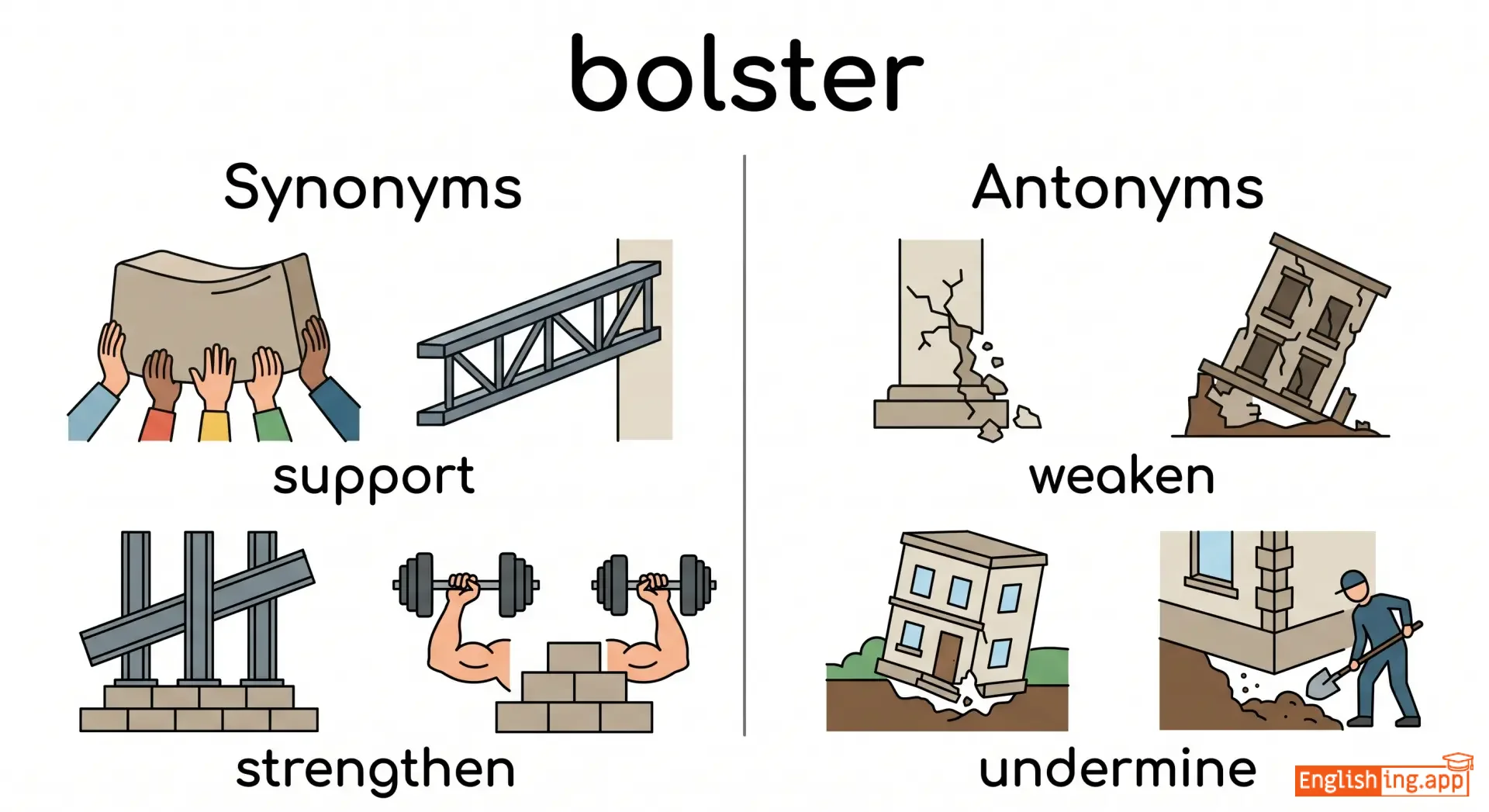
To support or strengthen; to make stronger or more confident.
••••••
|
The government plans to bolster economic growth through subsidies. |
strengthen, support
••••••
|
undermine, weaken
••••••
|
|
#3338
⚡
|
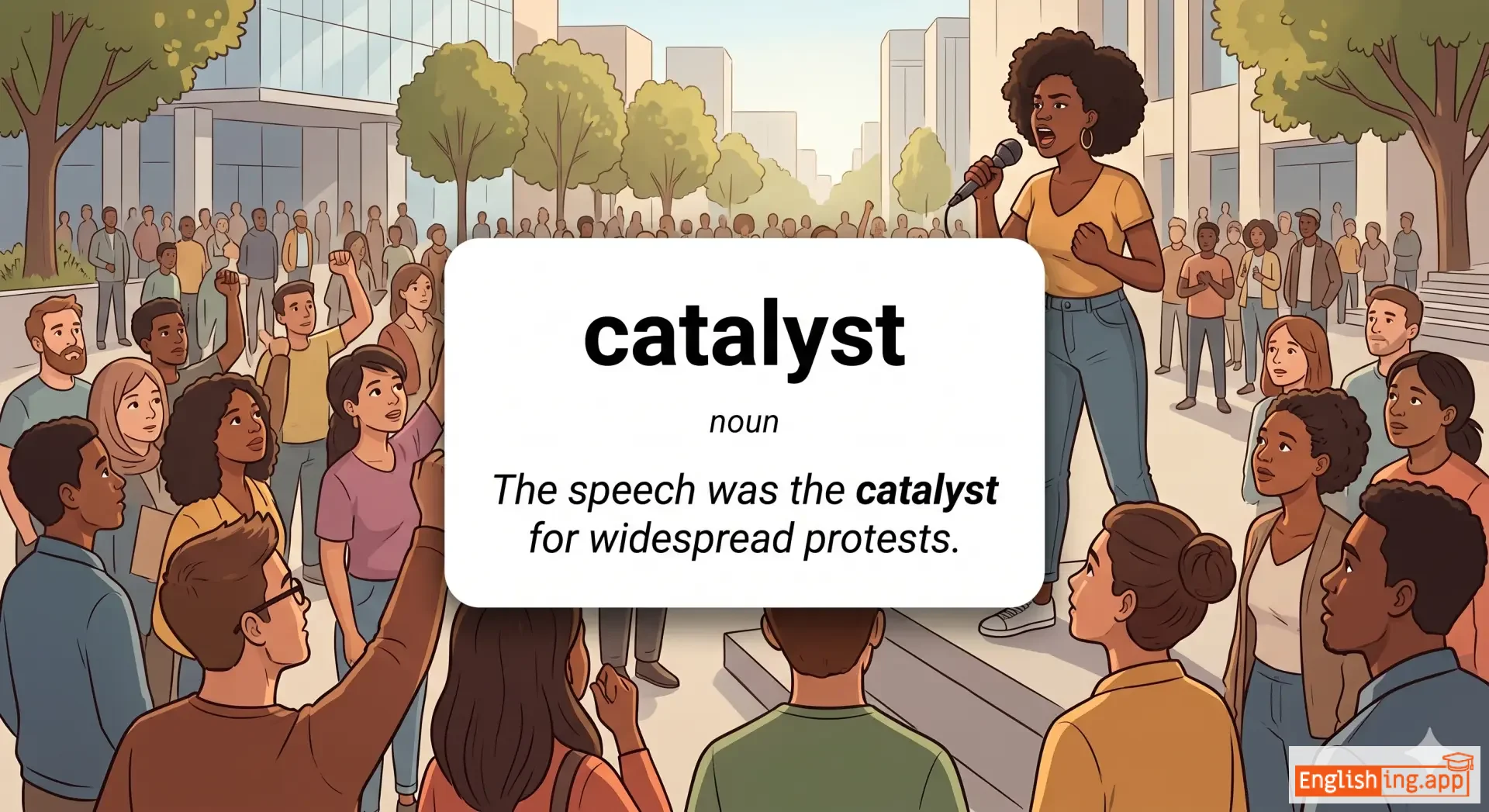
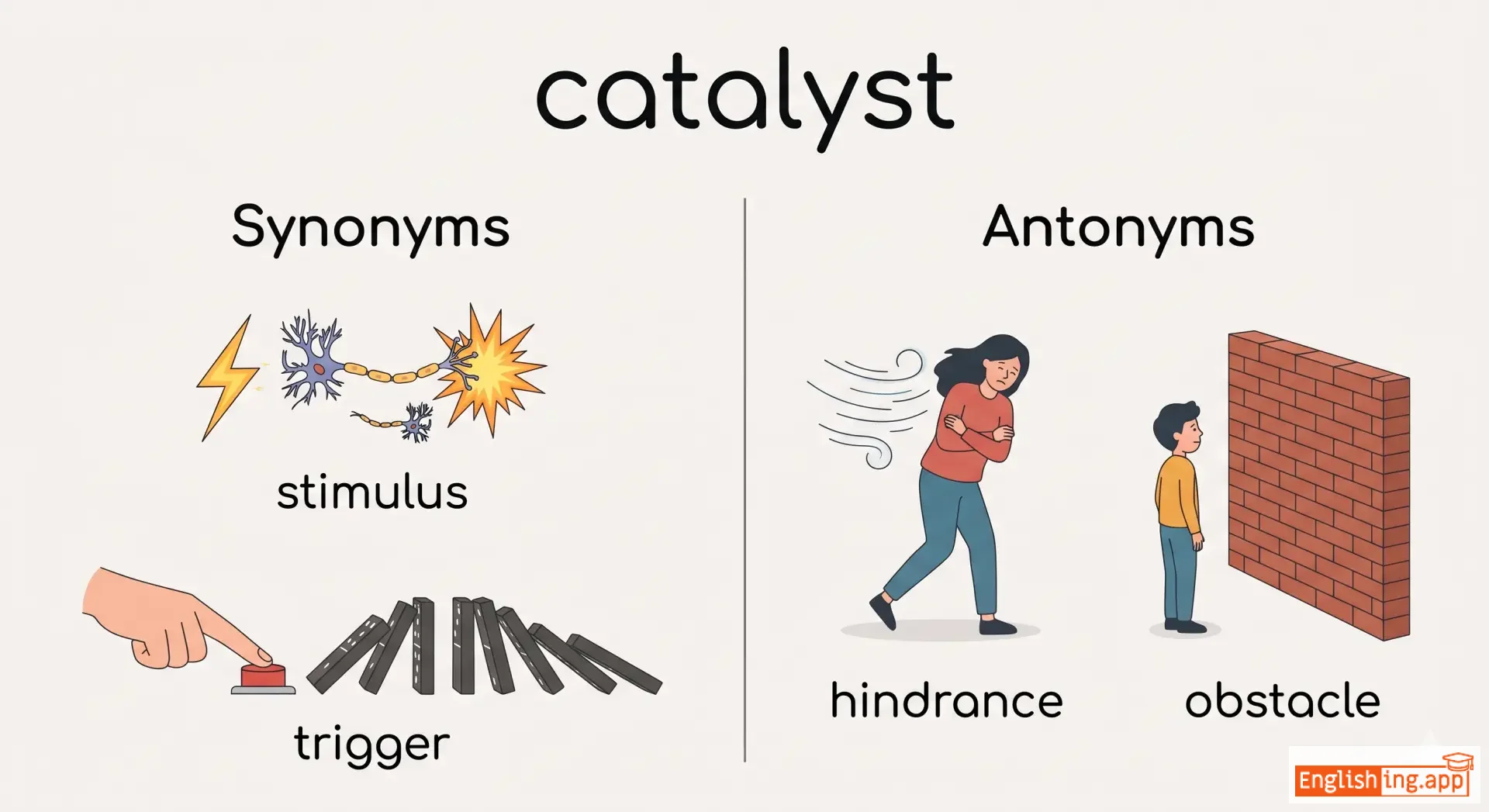
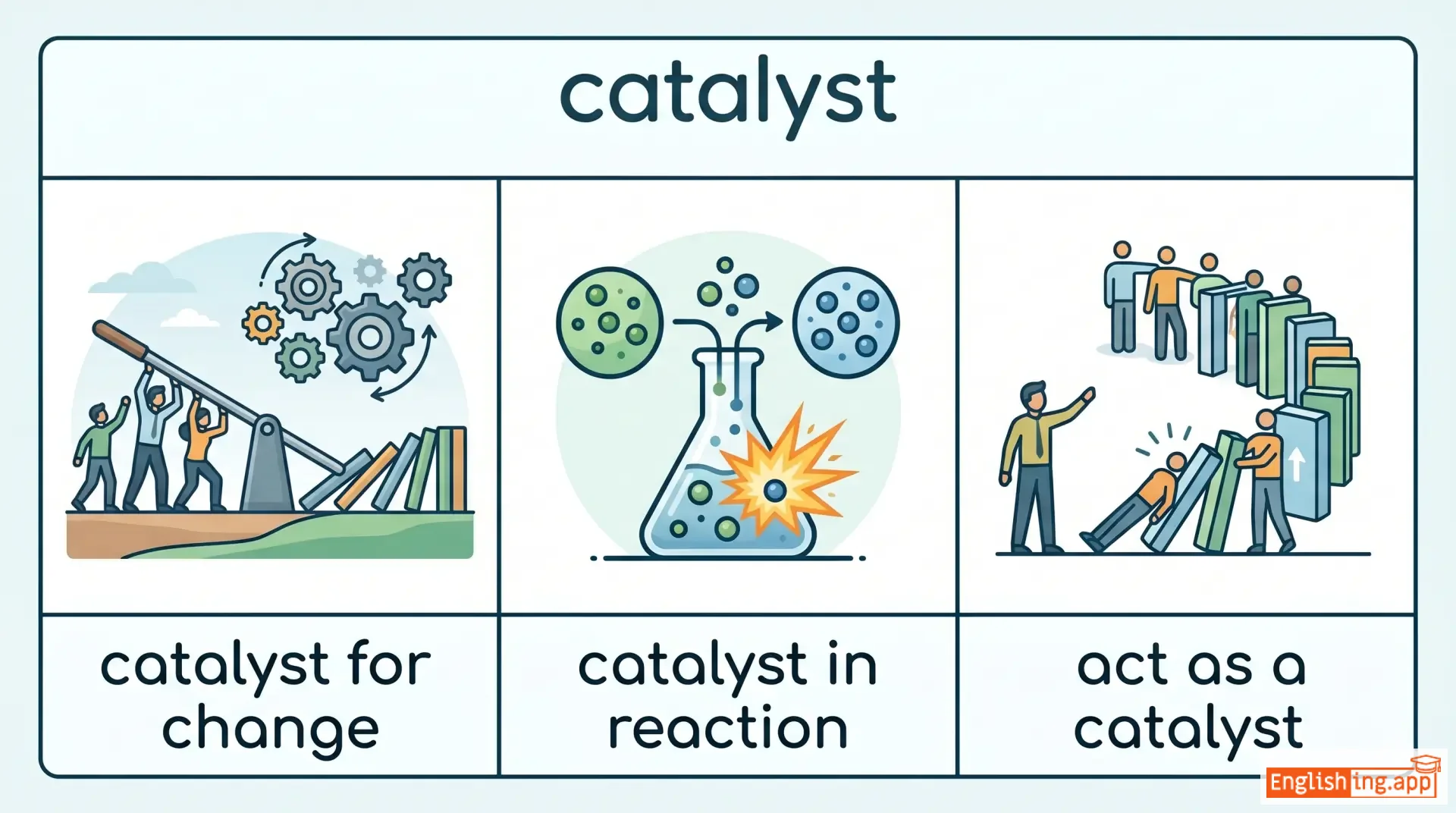
ˈkæt.əl.ɪst
noun
••••••
|
|
A person or thing that precipitates an event; something that causes activity between two or more persons or forces without itself being affected.
••••••
|
Innovation acts as a catalyst for industrial growth. |
accelerator, stimulus
••••••
|
obstacle, hindrance
••••••
|

