Organic Farming vs. Conventional Farming
Разница между organic farming и conventional farming значительна с точки зрения экологии и здоровья. Organic farming в основном основано на agroecology, где поддерживаются biodiversity, microbial баланс и sustainability. С другой стороны, conventional farming использует synthetic удобрения и химикаты для получения более высоких yields, что может привести к долгосрочной soil erosion и degradation. Pesticide-residue может оставаться в пище, что опасно для здоровья человека. Основное преимущество organic farming заключается в том, что оно regenerative, повышает fertility с помощью composting и естественных методов. Это увеличивает resilience почвы и делает её устойчивой в долгосрочной перспективе. Хотя conventional farming более прибыльно, оно создаёт ecotoxicology в окружающей среде. Monoculture постепенно разрушает nutrient-dense компоненты почвы. При правильном планировании и integrated сельскохозяйственных системах можно найти holistic решения между двумя методами. В будущем subsidization и технологии сделают organic farming более продвинутым.
Получите неограниченный доступ ко всем словам с подпиской Pro
Обновить до ProПолучите неограниченный доступ ко всем предложениям с подпиской Pro
Обновить до Pro|
Эмодзи
|
Слово | Images | Значение | Пример предложения | Синонимы | Антонимы |
|---|---|---|---|---|---|---|
|
#2646
🌱
|
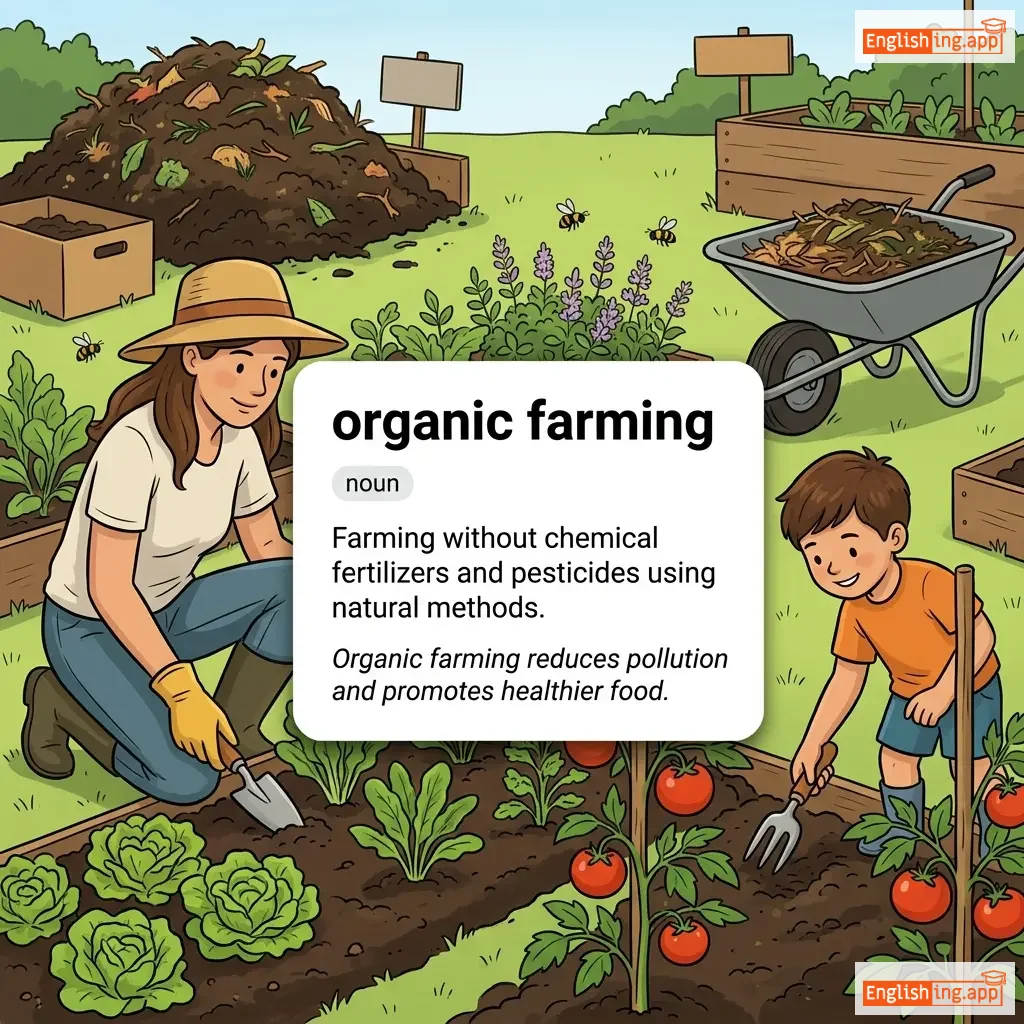
/ɔːrˈɡæn.ɪk ˈfɑːr.mɪŋ/
noun
••••••
|
|
Farming method that avoids synthetic chemicals and fertilizers, using natural methods instead.
••••••
|
Organic farming improves soil health and reduces pollution. |
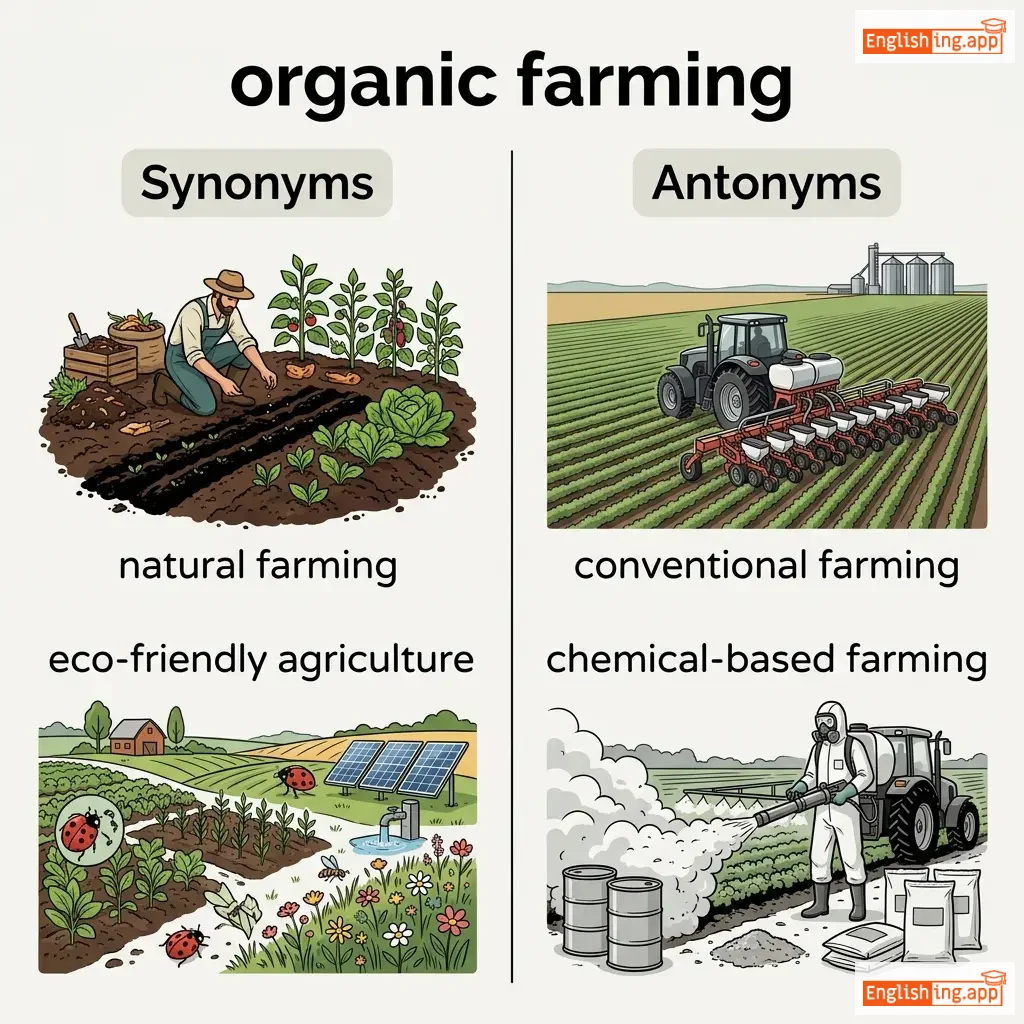
Natural Farming, Eco-friendly Agriculture, Sustainable Cultivation
••••••
|
Conventional Farming, Industrial Agriculture, Chemical-based Farming
••••••
|
|
#2647
🚜
|
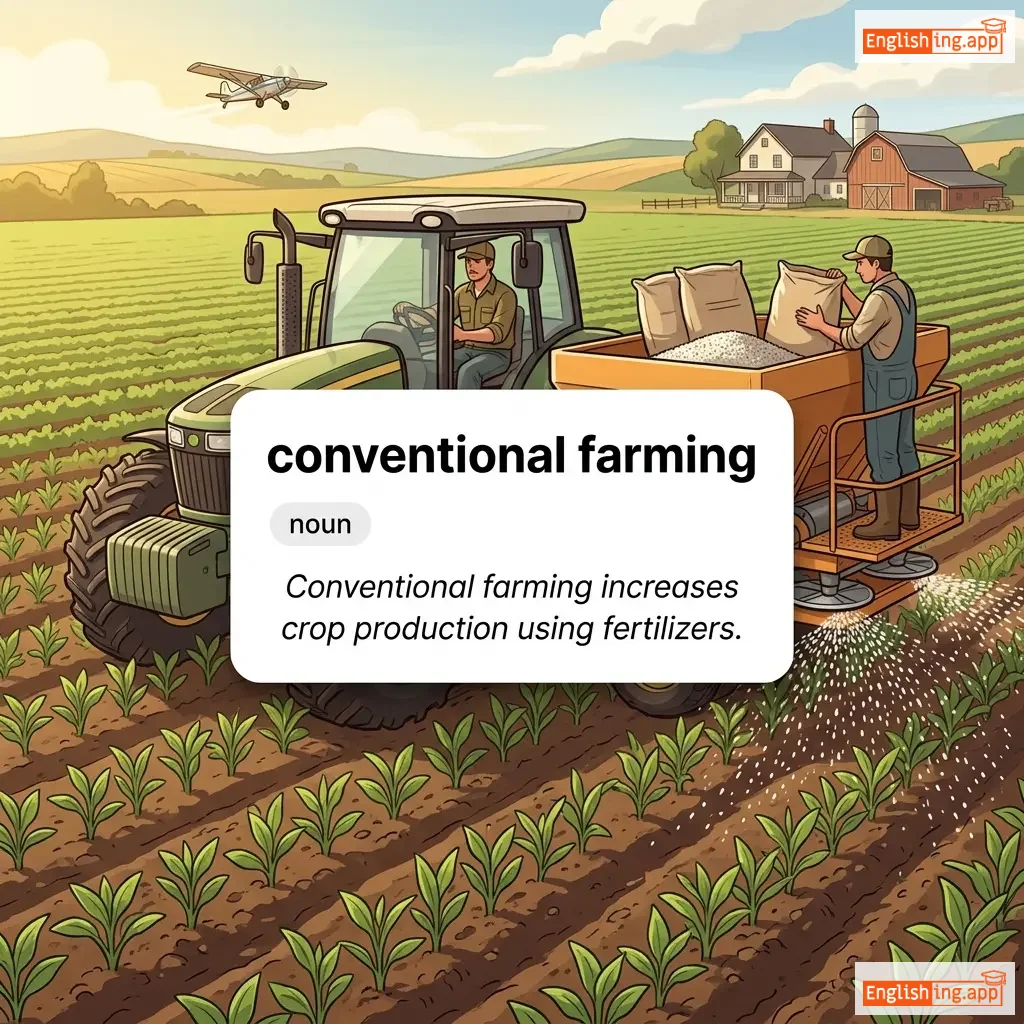
/kənˈvɛn.ʃən.əl ˈfɑːr.mɪŋ/
noun
••••••
|
|
Traditional farming method using synthetic fertilizers, pesticides, and modern technology.
••••••
|
Conventional farming increases crop production using fertilizers. |
Industrial Farming, Chemical Farming, Modern Agriculture
••••••
|
Organic Farming, Sustainable Agriculture, Eco-friendly Farming
••••••
|
|
#2648
🌾
|
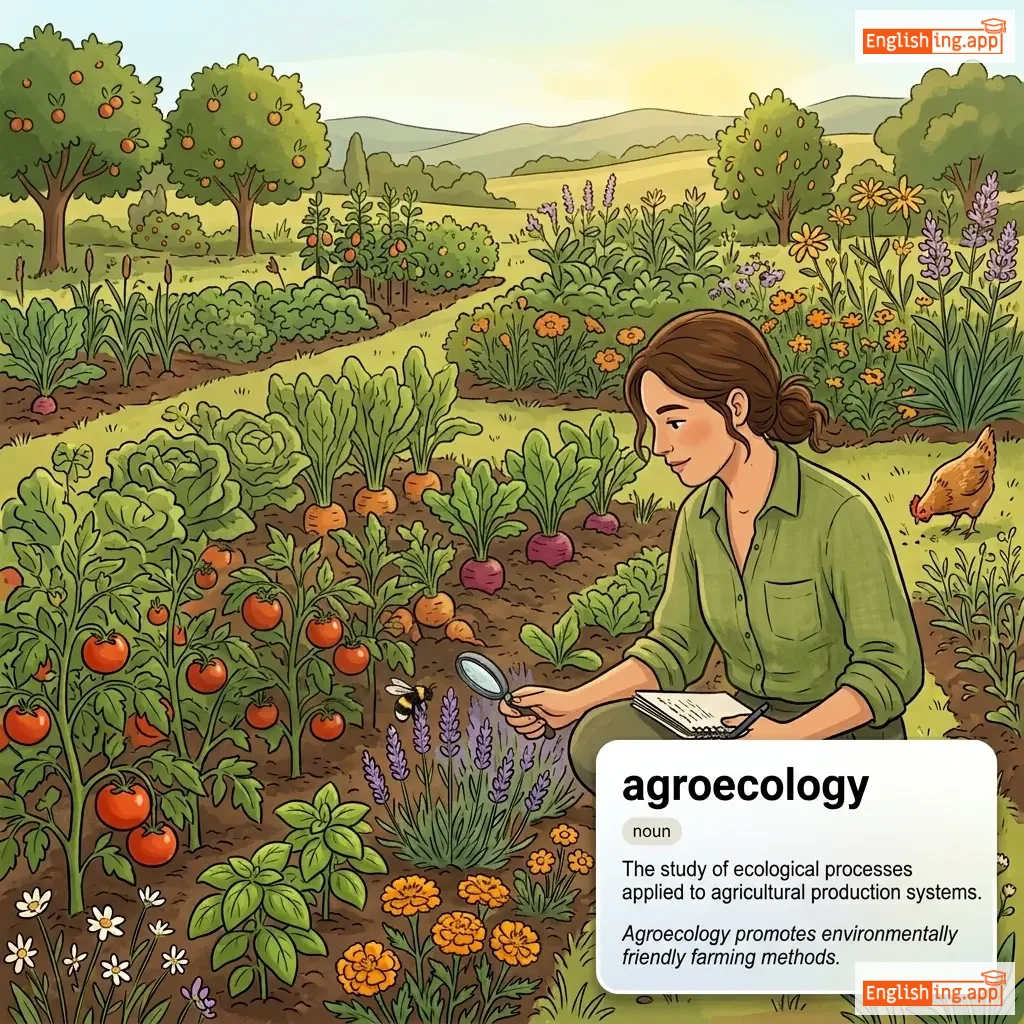
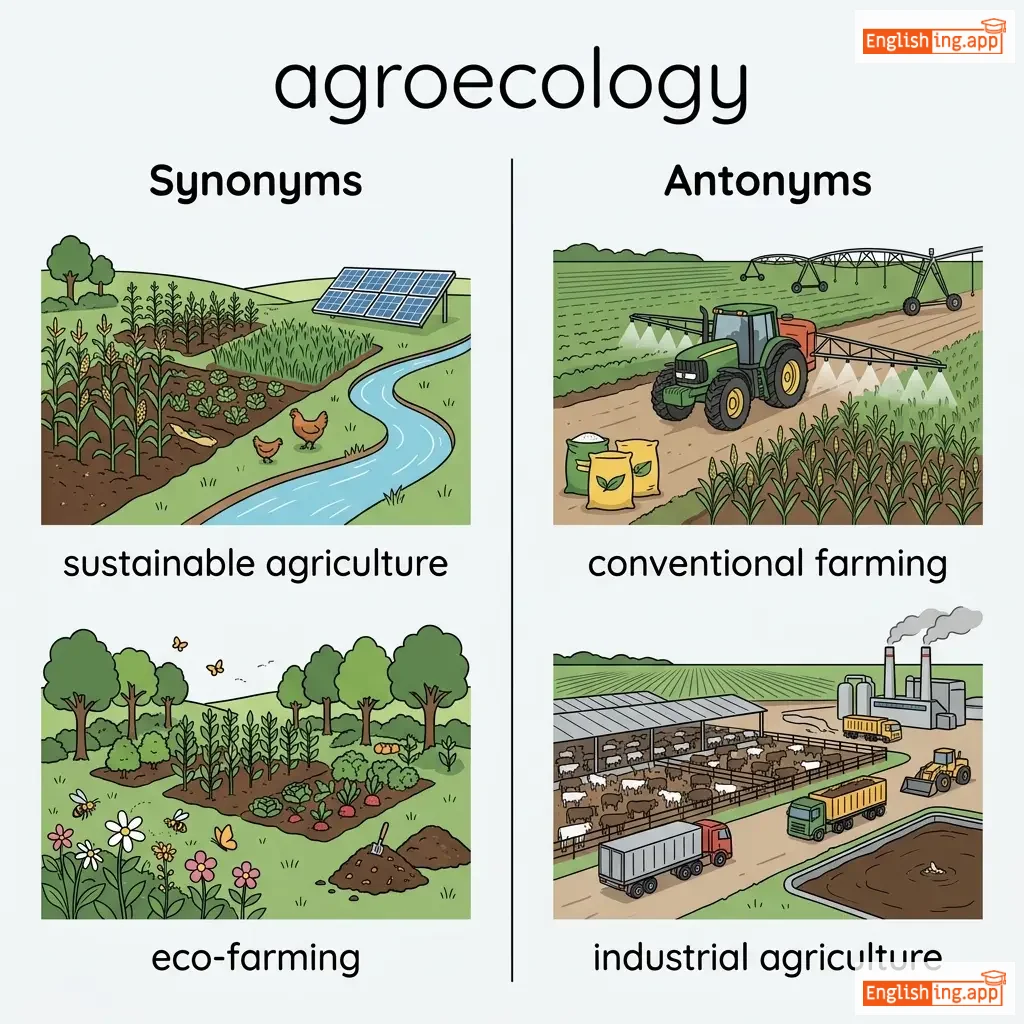
/ˌæɡ.roʊ.iːˈkɒl.ə.dʒi/
noun
••••••
|
|
A sustainable farming approach that integrates traditional farming with ecological principles.
••••••
|
Agroecology integrates traditional farming with modern sustainability. |
Ecological Farming, Sustainable Agriculture, Green Farming
••••••
|
Industrial Farming, Unsustainable Agriculture, Monoculture
••••••
|
|
#2649
🦋
|
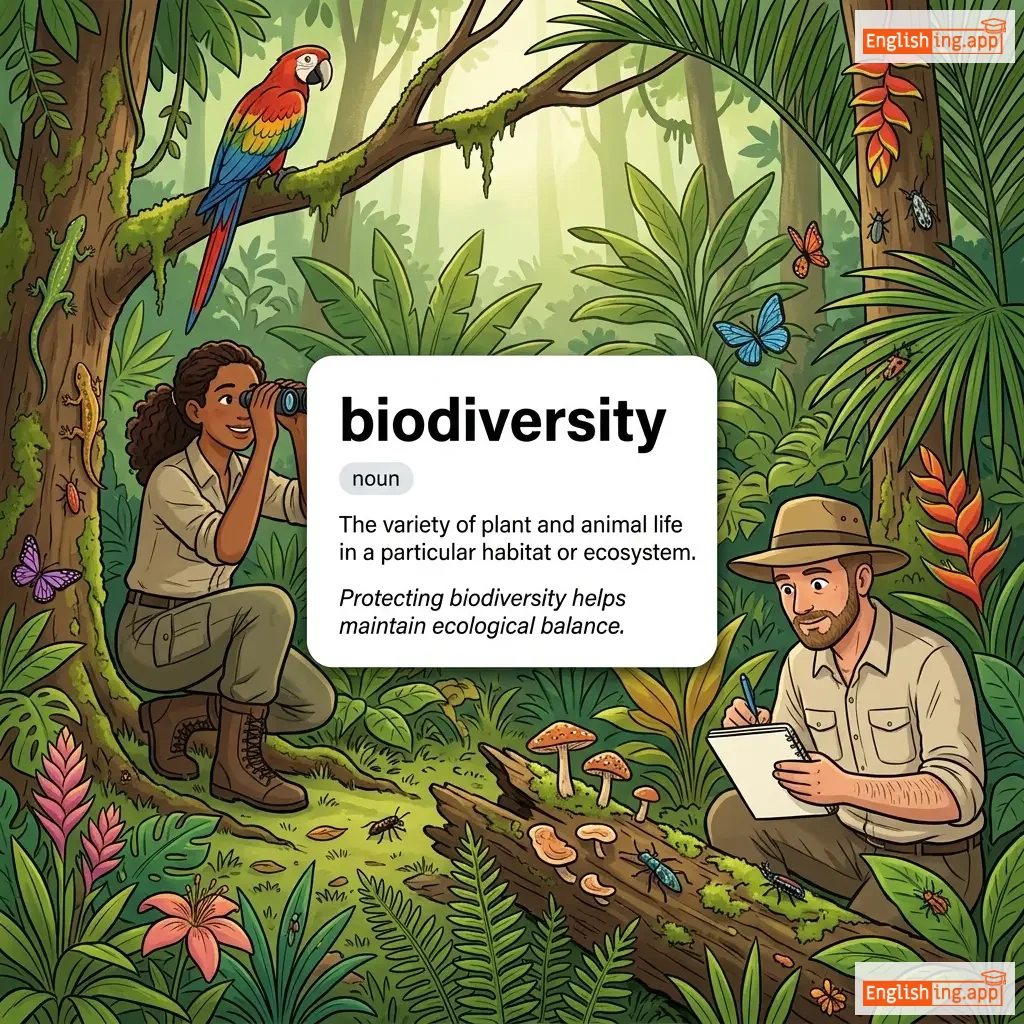
/ˌbaɪ.oʊ.daɪˈvɜːr.sə.ti/
noun
••••••
|
|
The variety of different living organisms in a particular area or throughout the world.
••••••
|
Biodiversity is essential for a balanced ecosystem. |
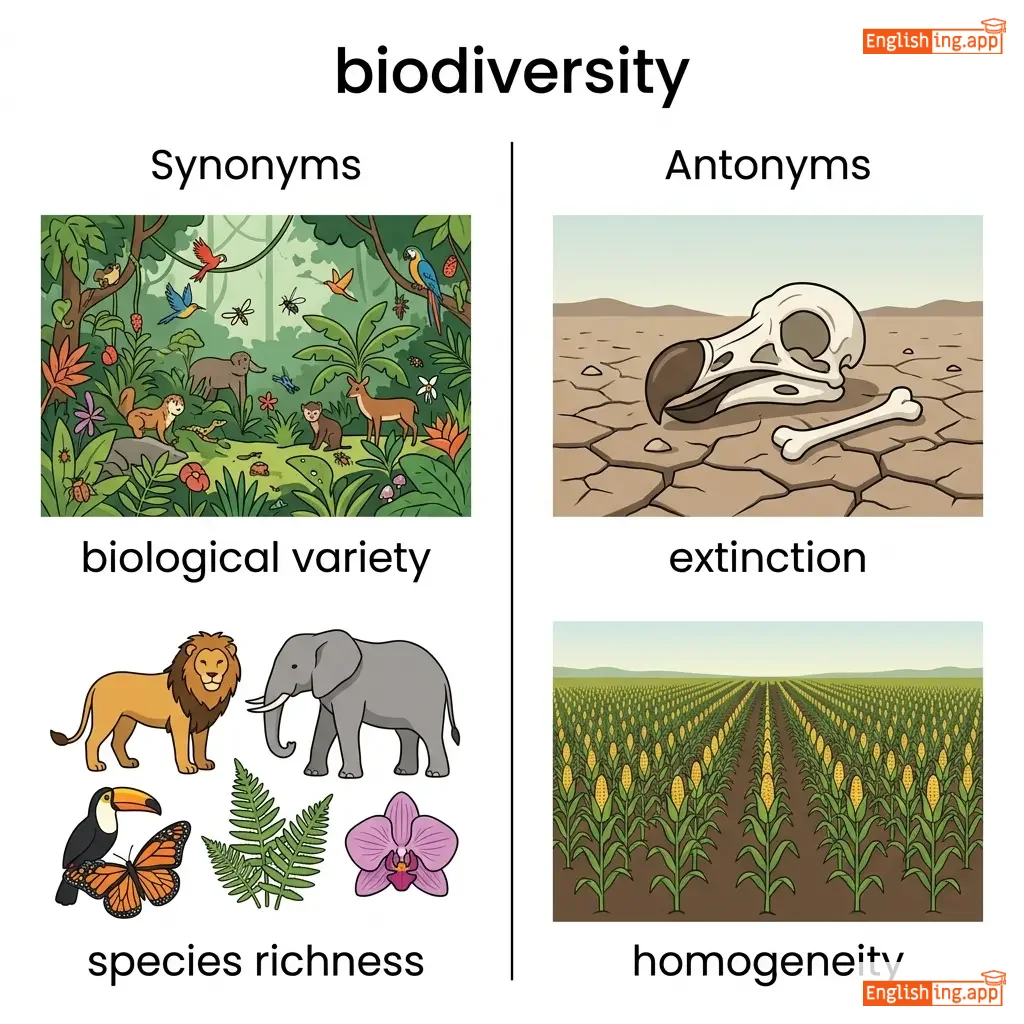
Biological Diversity, Ecosystem Variety, Species Richness
••••••
|
Monoculture, Homogeneity, Uniformity
••••••
|
|
#2650
🦠
|
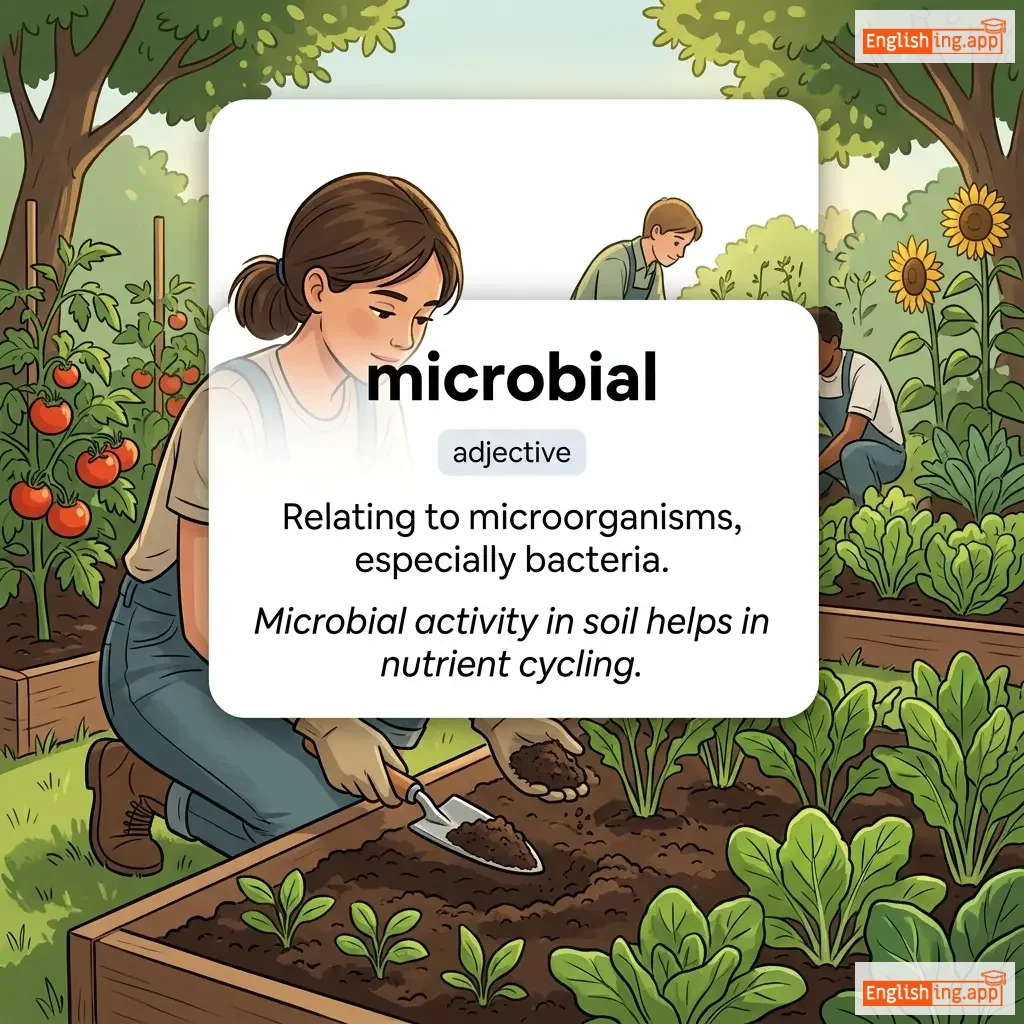
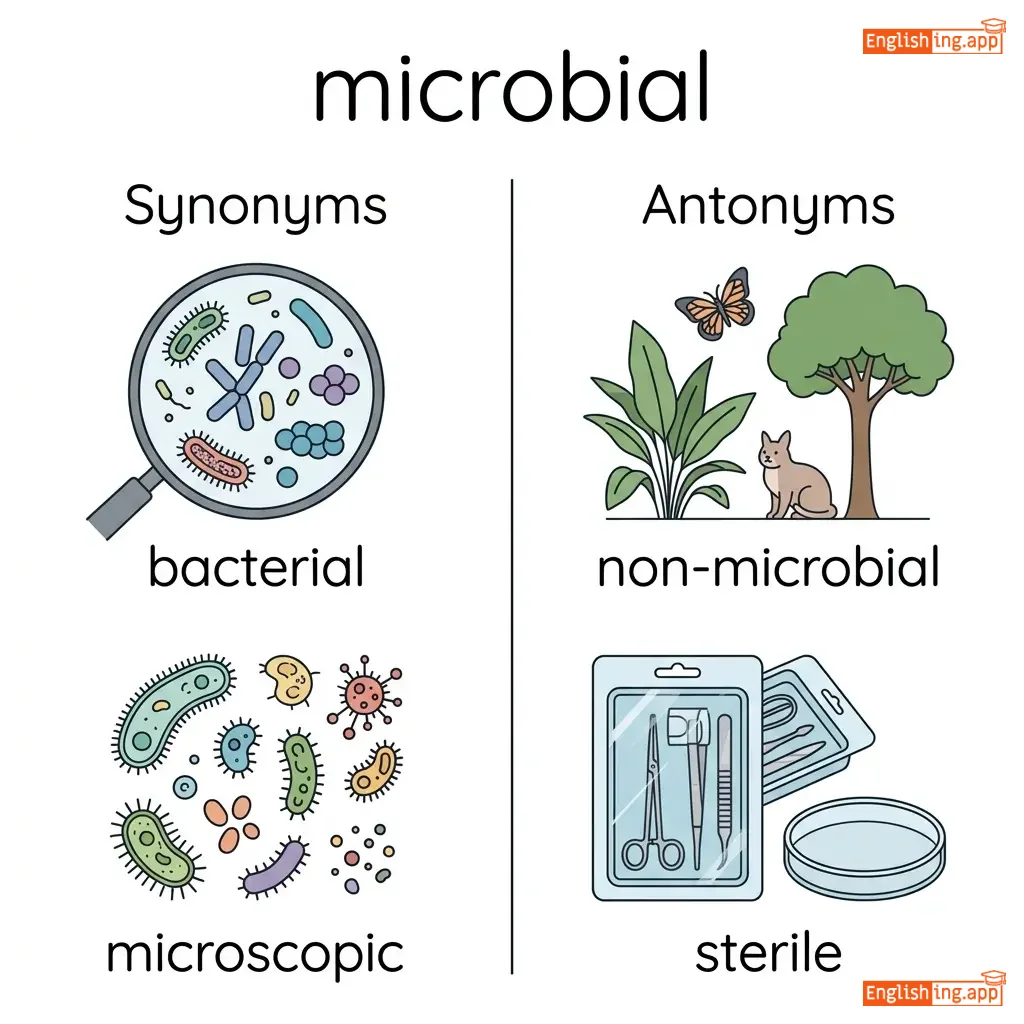
/maɪˈkroʊ.bi.əl/
adjective
••••••
|
|
Related to bacteria, fungi, and other microscopic organisms.
••••••
|
Microbial activity in the soil improves fertility. |
Bacterial, Microscopic, Microorganism-based
••••••
|
Sterile, Non-living, Inorganic
••••••
|
|
#2651
♻️
|
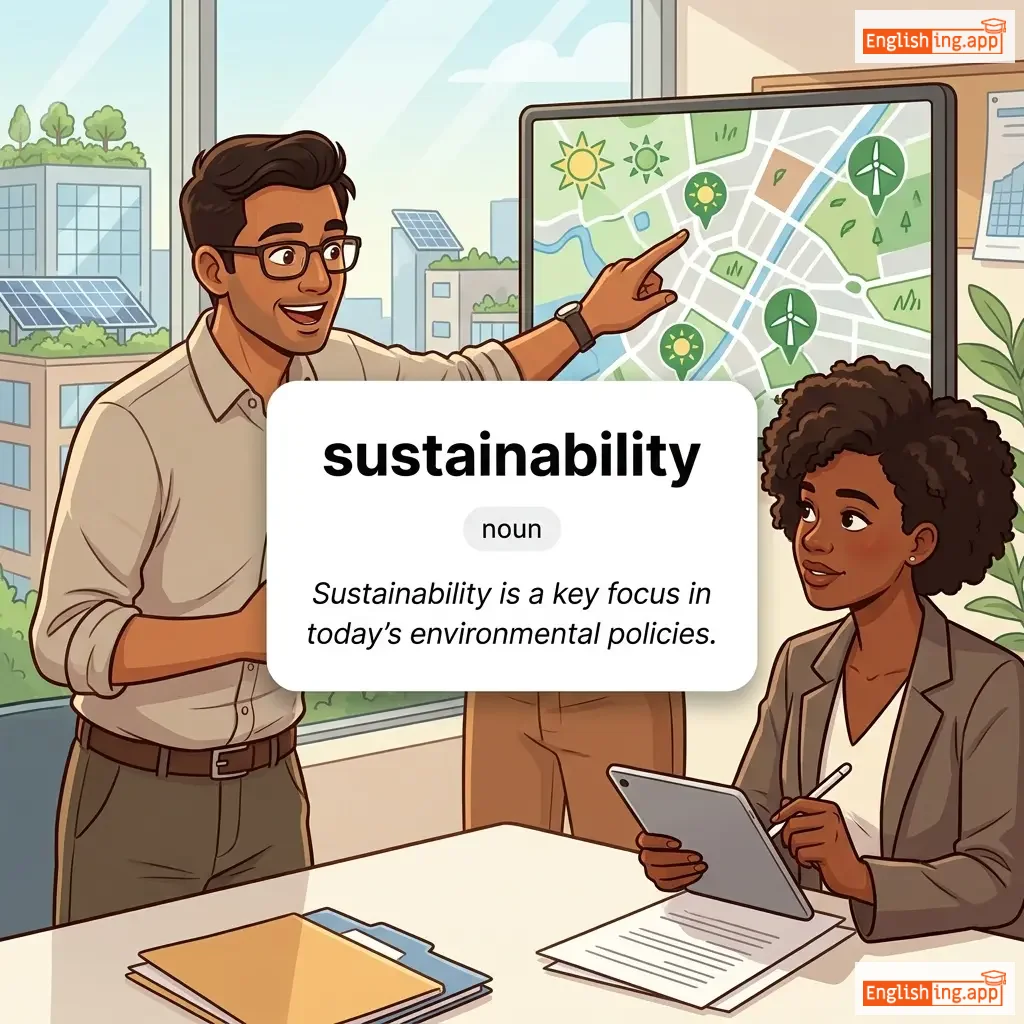
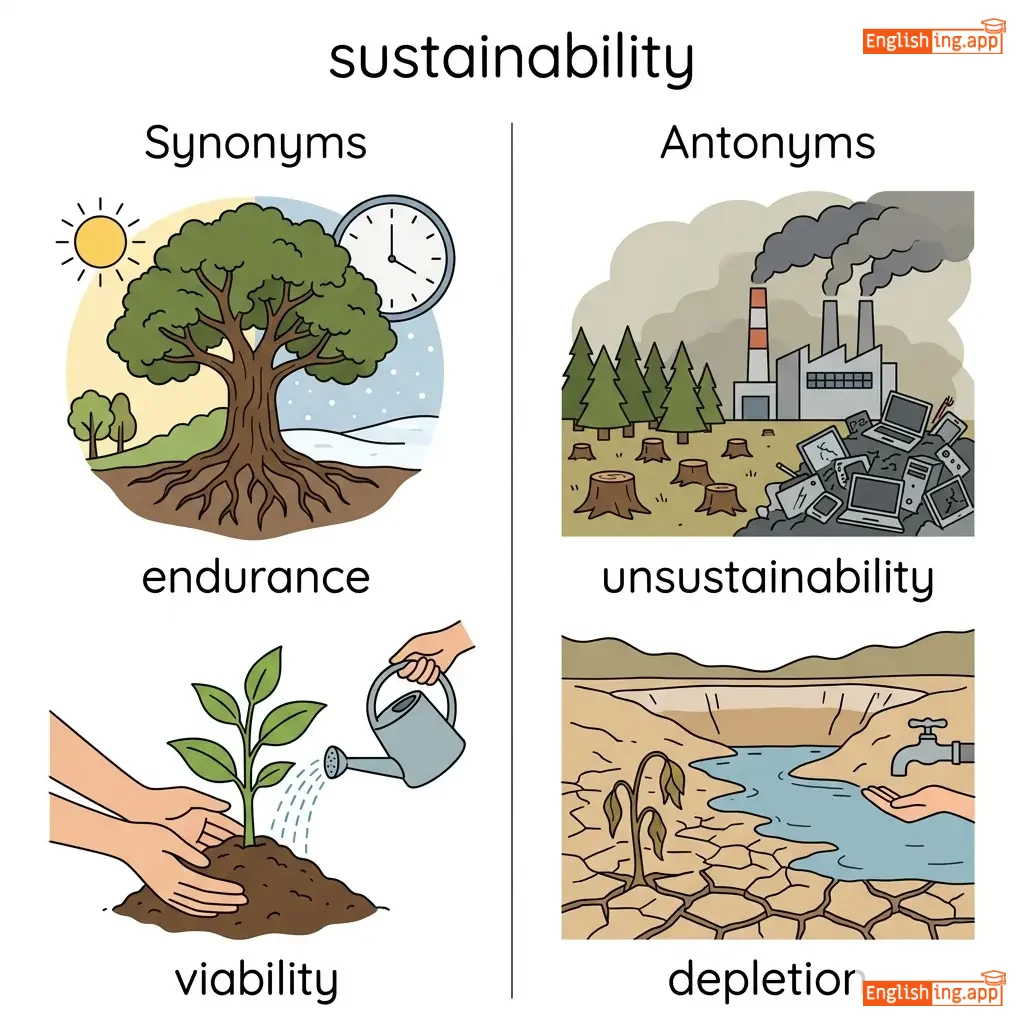
/səˌsteɪ.nəˈbɪl.ɪ.ti/
noun
••••••
|
|
The ability to maintain environmental and social balance over the long term.
••••••
|
Sustainability ensures that future generations can meet their needs. |
Durability, Eco-friendliness, Viability
••••••
|
Unsustainability, Instability, Depletion
••••••
|
|
#2652
📈
|
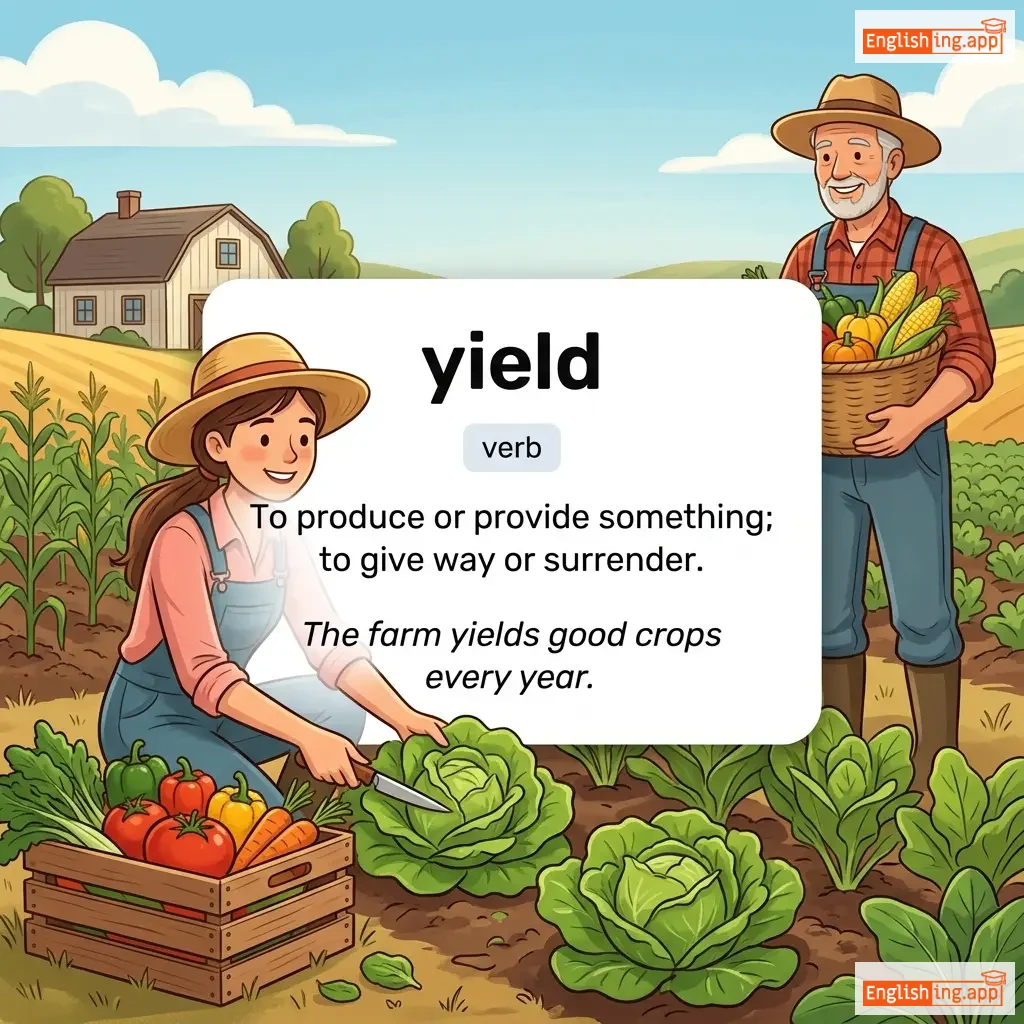
/jiːld/
noun
••••••
|
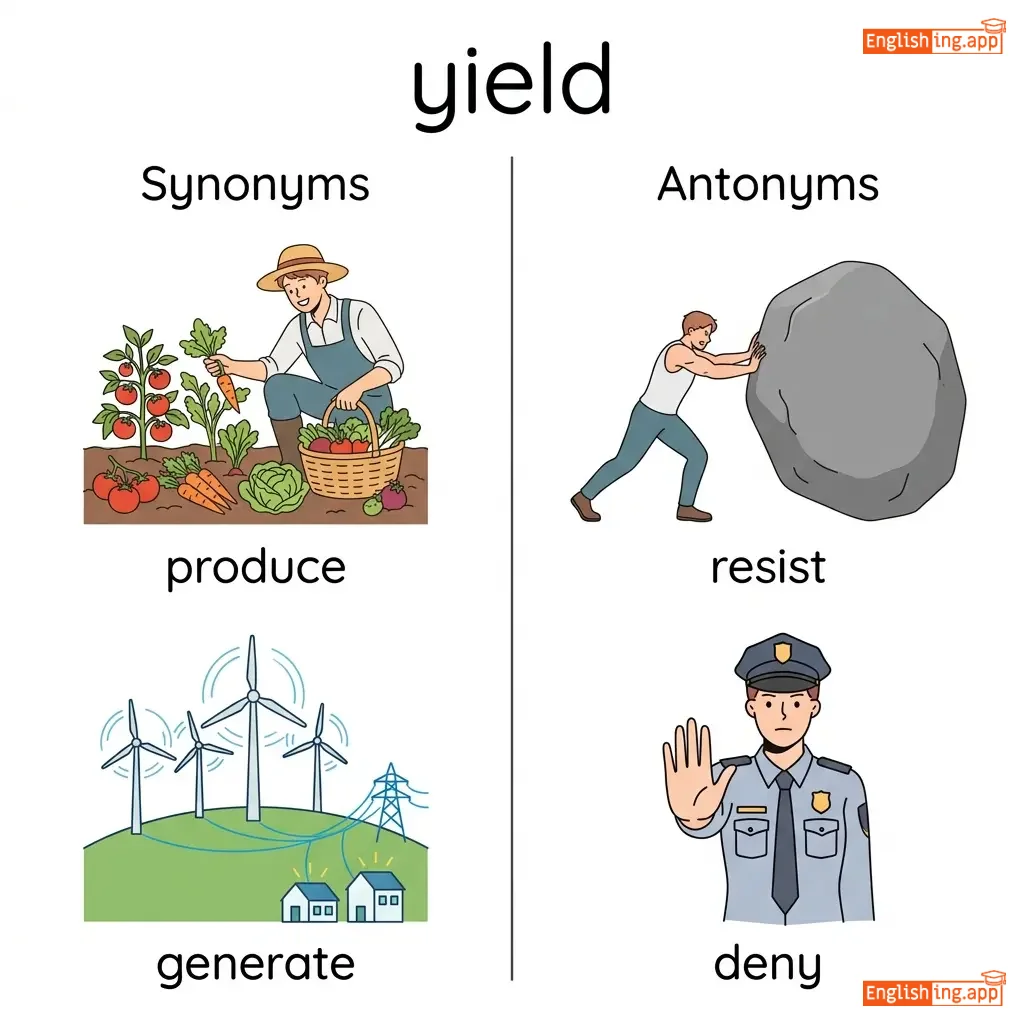
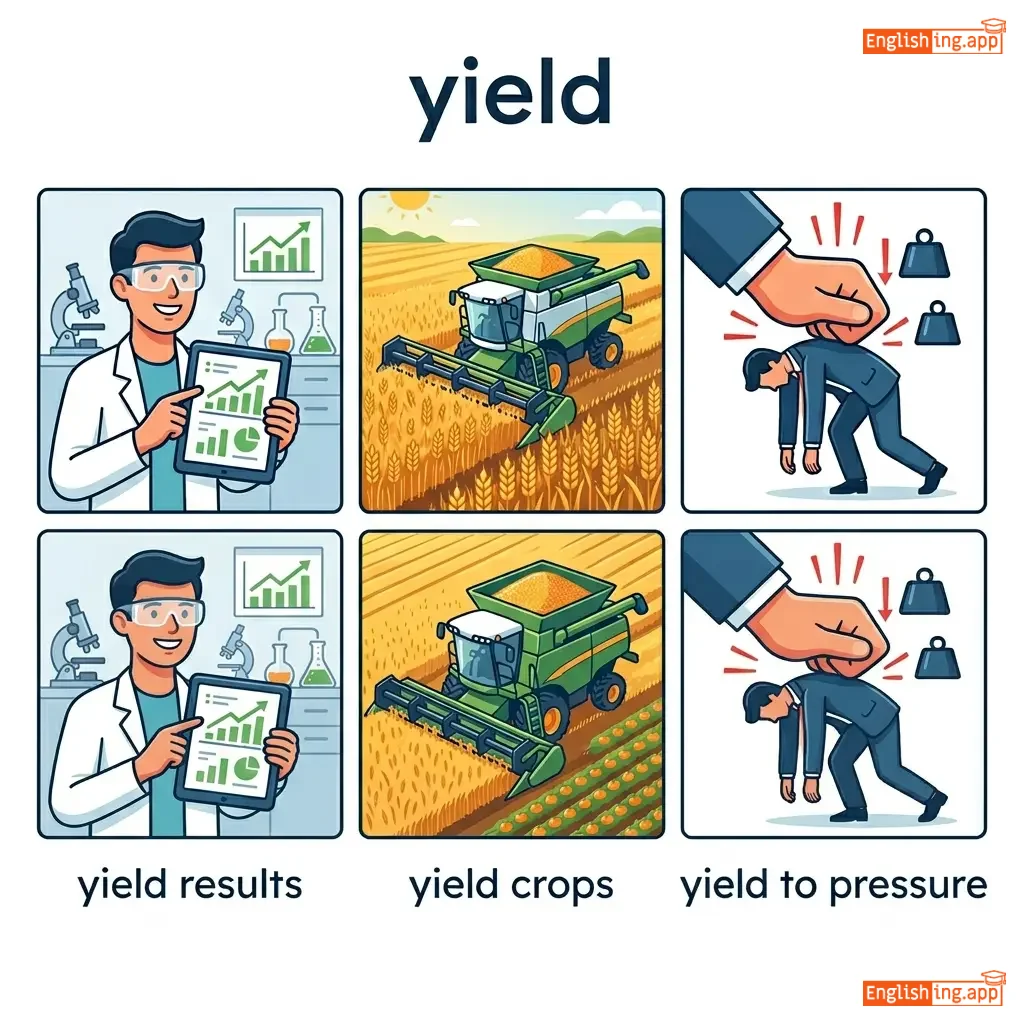
|
The amount of crops harvested from a field in a specific period.
••••••
|
Farmers aim to maximize yield while maintaining soil health. |
Output, Harvest, Production
••••••
|
Crop Failure, Loss, Reduction
••••••
|
|
#2653
⚗️
|
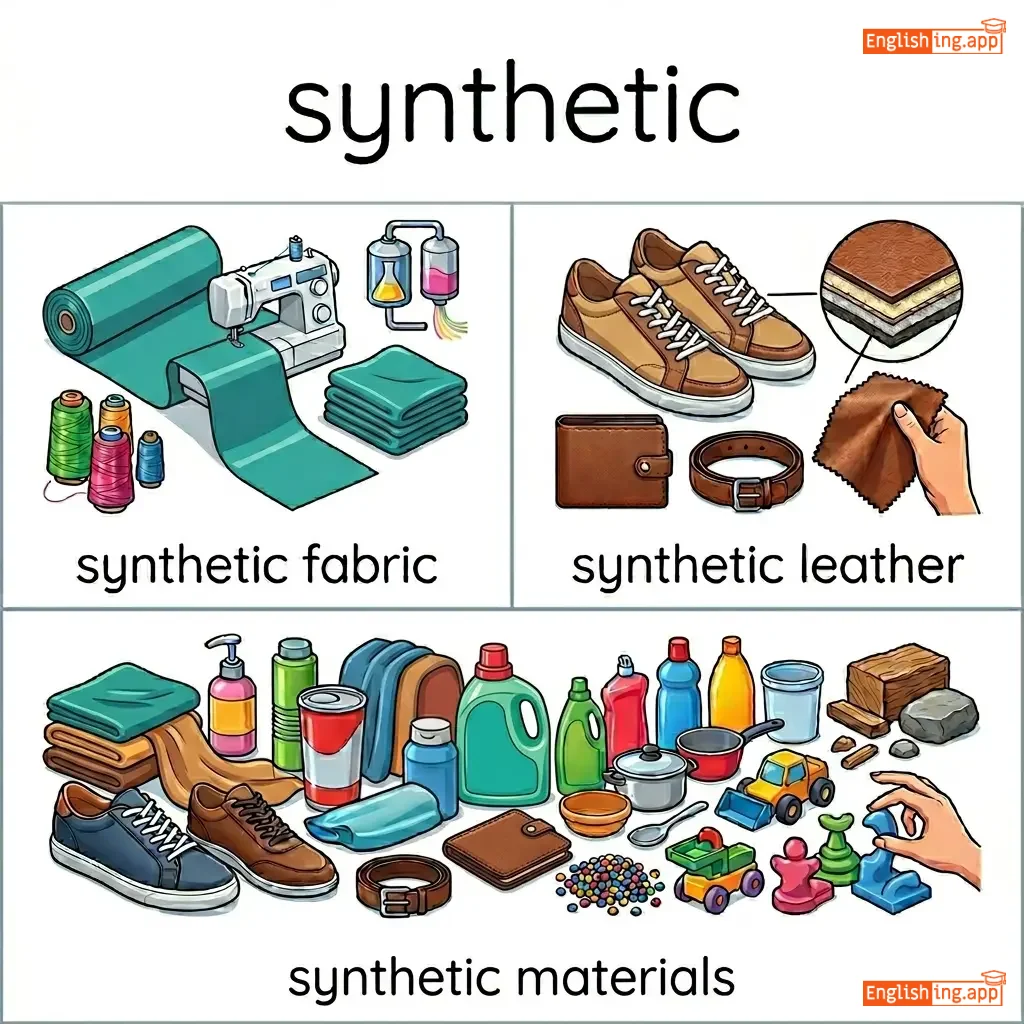
/sɪnˈθɛt.ɪk/
adjective
••••••
|
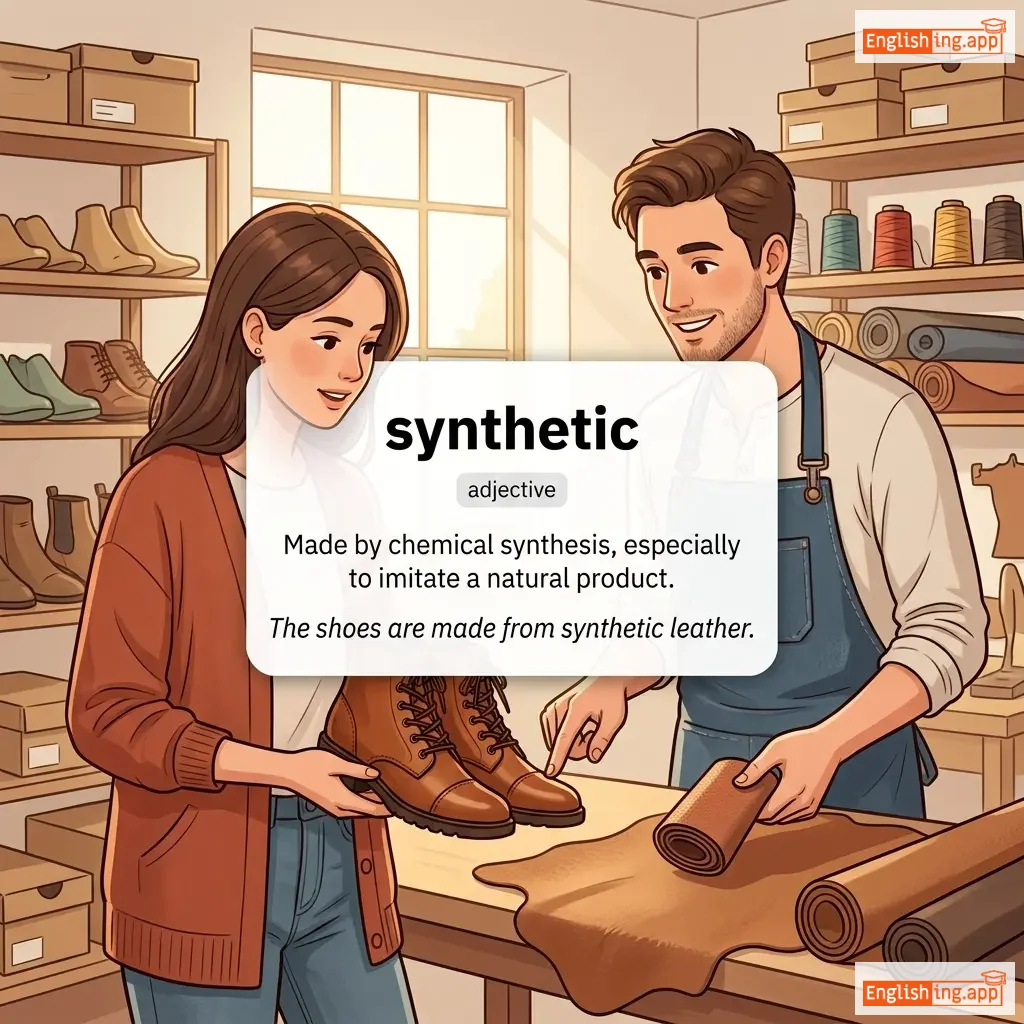
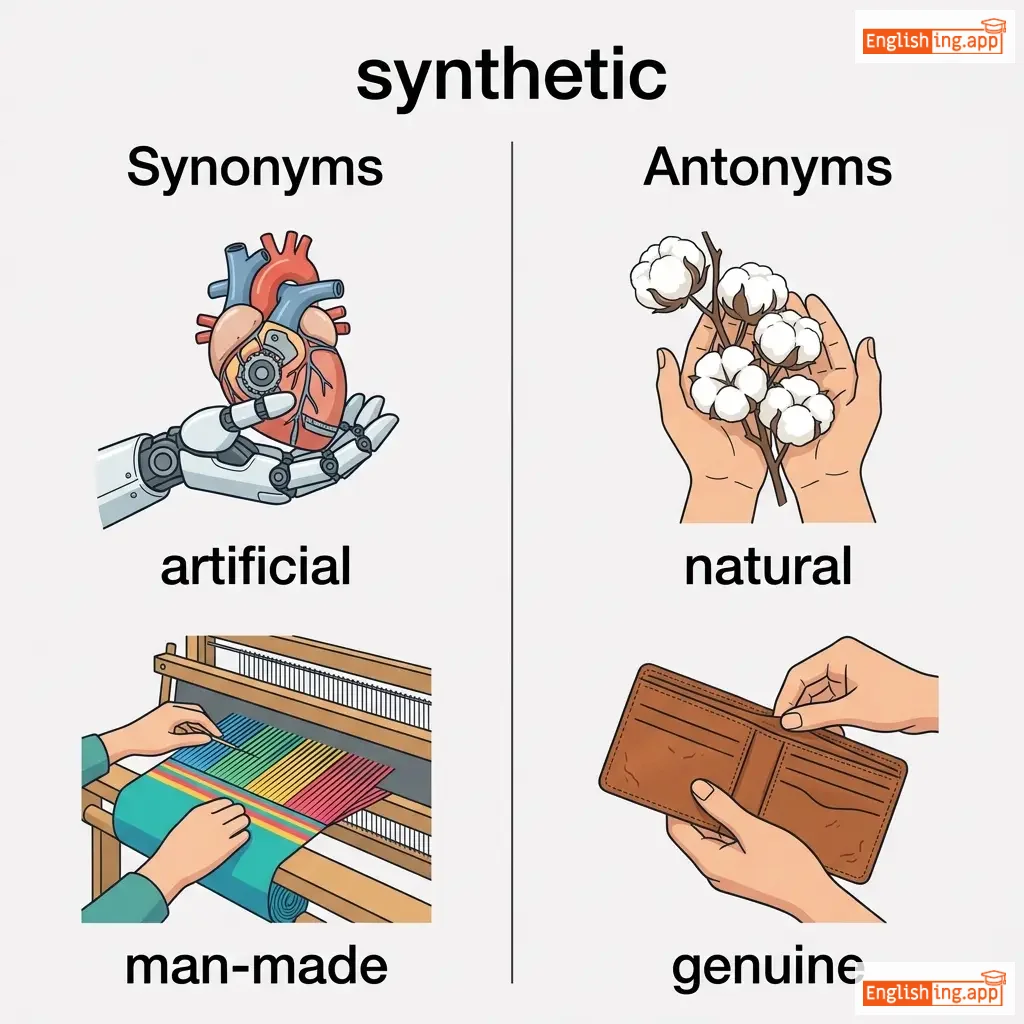
|
Made artificially through chemical processes rather than natural means.
••••••
|
Many synthetic fertilizers harm the environment. |
Artificial, Man-made, Chemically Engineered
••••••
|
Natural, Organic, Unprocessed
••••••
|
|
#2654
🌊
|
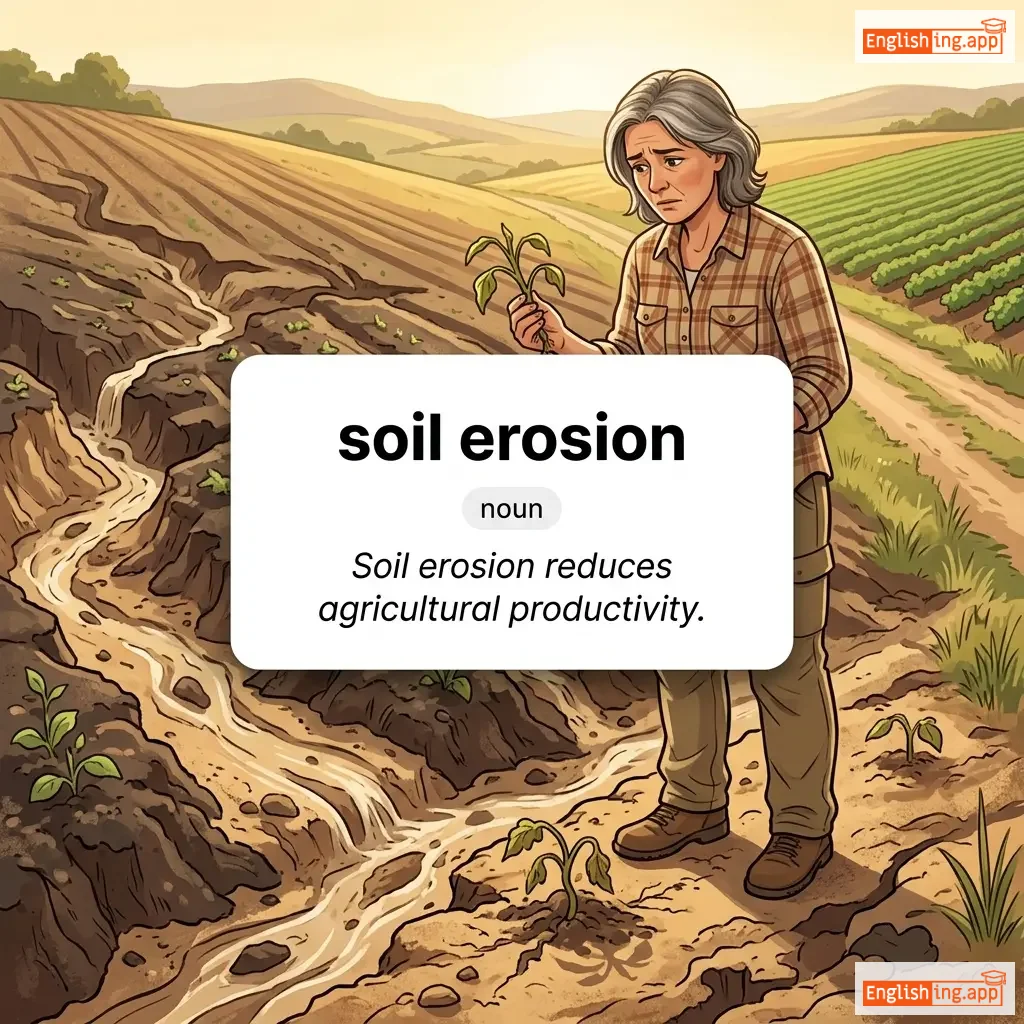
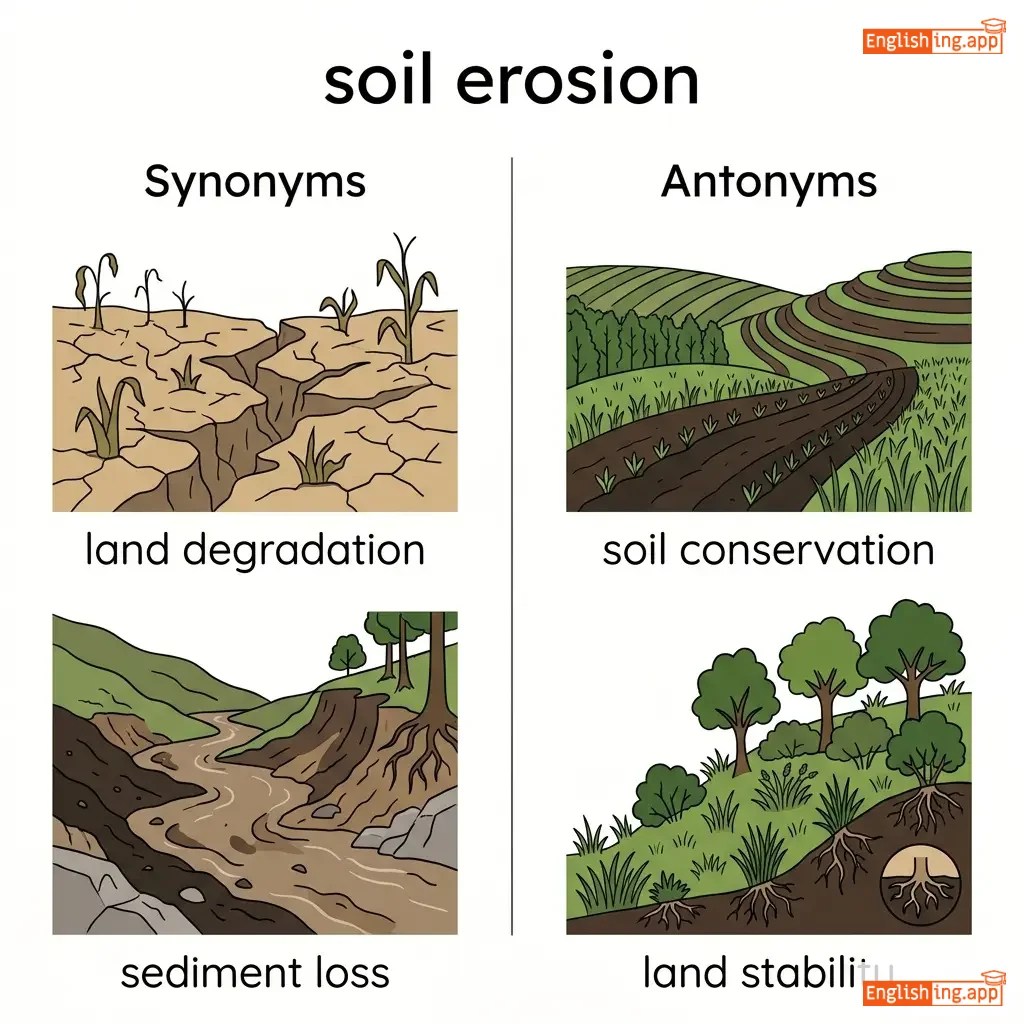
/sɔɪl ɪˈroʊ.ʒən/
noun
••••••
|
|
The gradual wearing away of soil layers due to wind, water, or agricultural practices.
••••••
|
Deforestation accelerates soil erosion and reduces fertility. |
Land Degradation, Soil Depletion, Erosion
••••••
|
Soil Conservation, Land Stability, Fertility Maintenance
••••••
|
|
#2655
📉
|
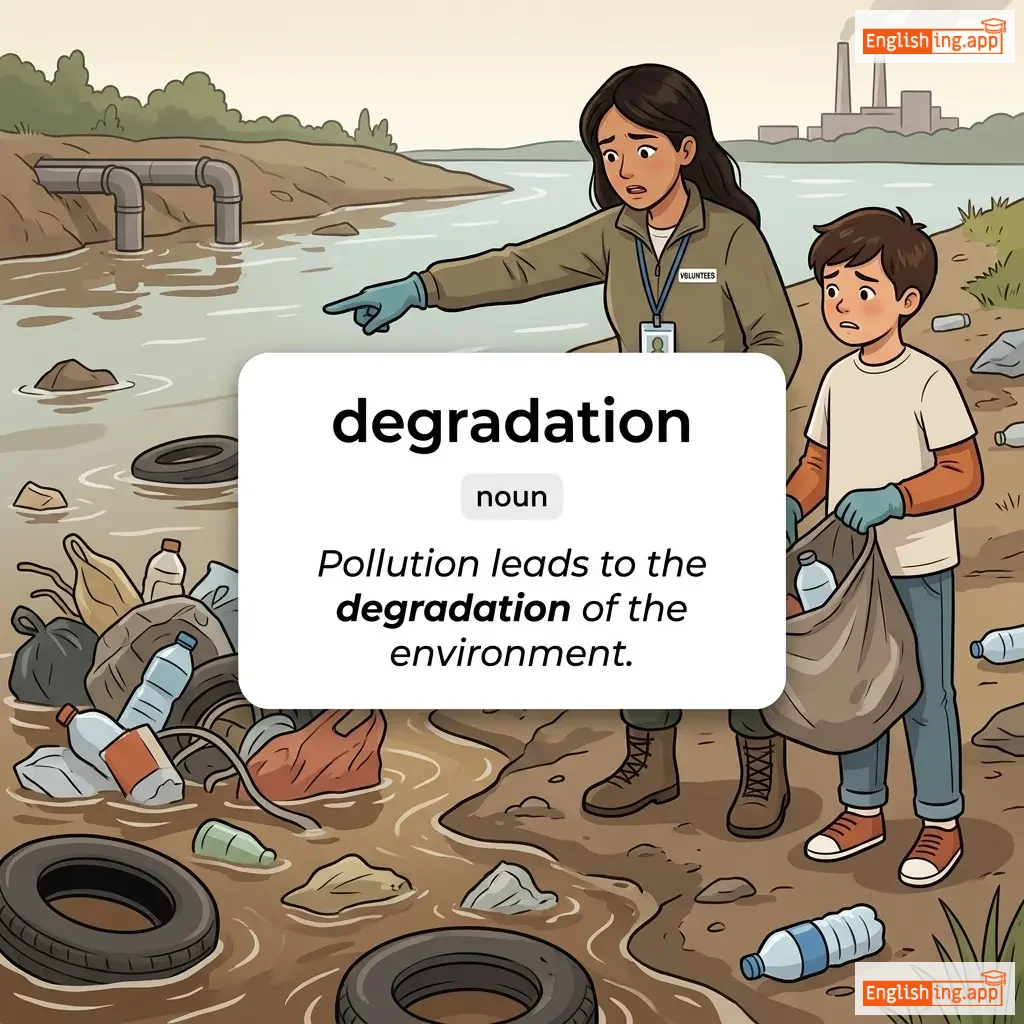
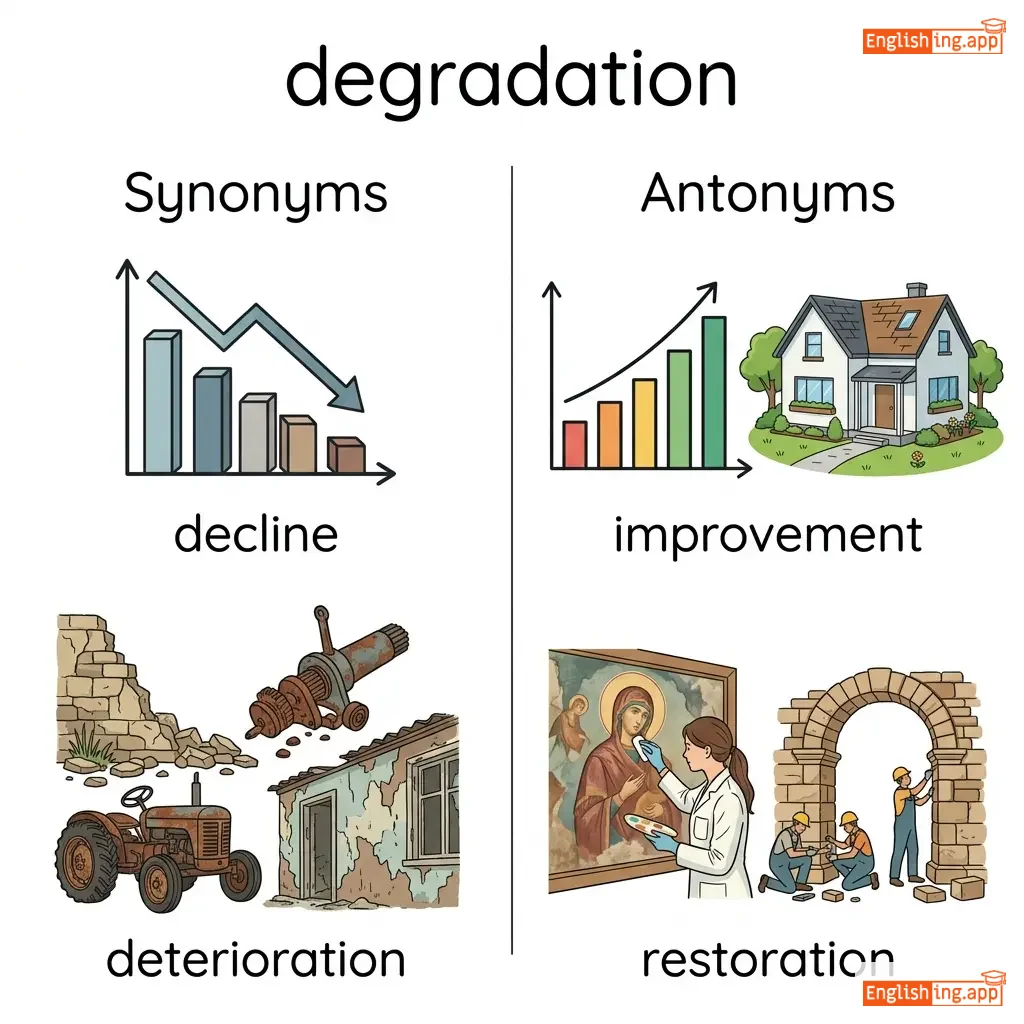
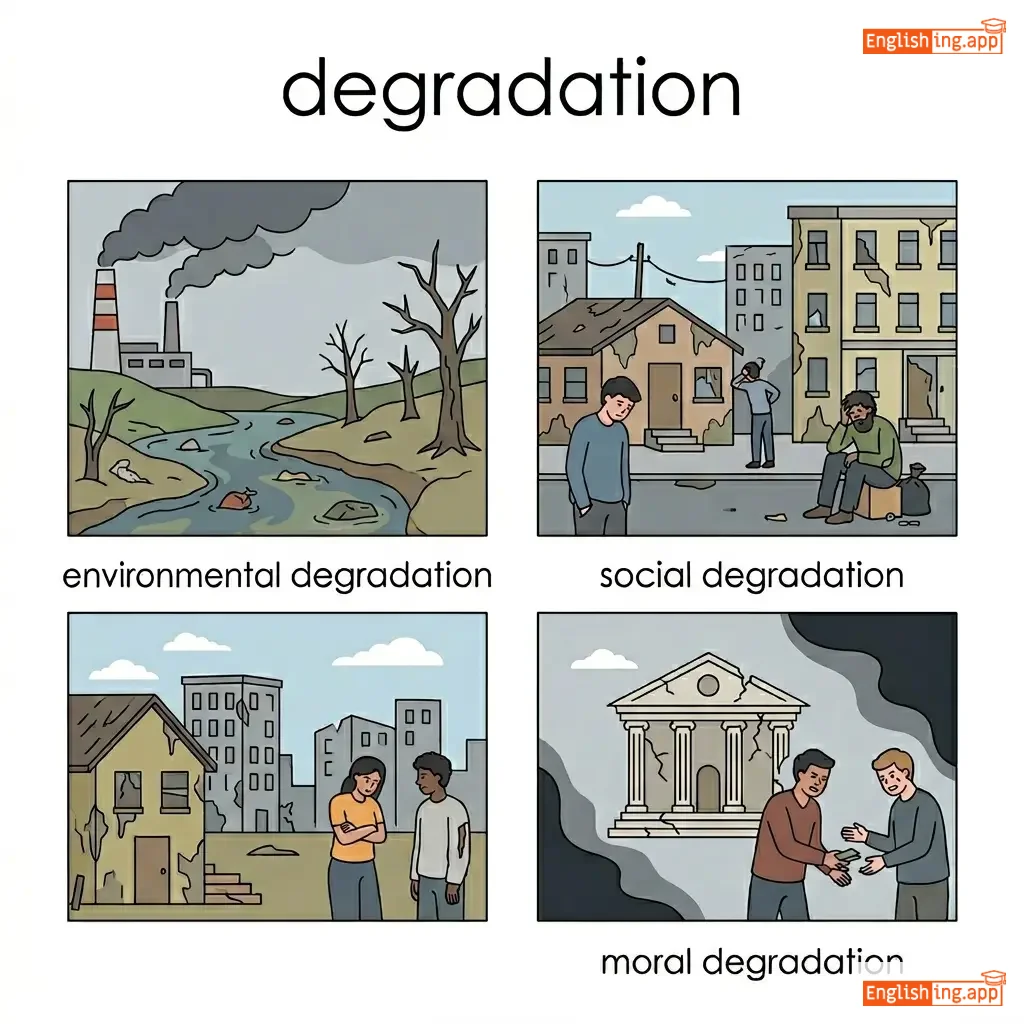
/ˌdɛɡ.rəˈdeɪ.ʃən/
noun
••••••
|
|
The decline in quality or condition of the environment or other things.
••••••
|
Soil degradation reduces agricultural productivity. |
Deterioration, Decline, Decay
••••••
|
Improvement, Restoration, Enhancement
••••••
|
|
#2656
☠️
|
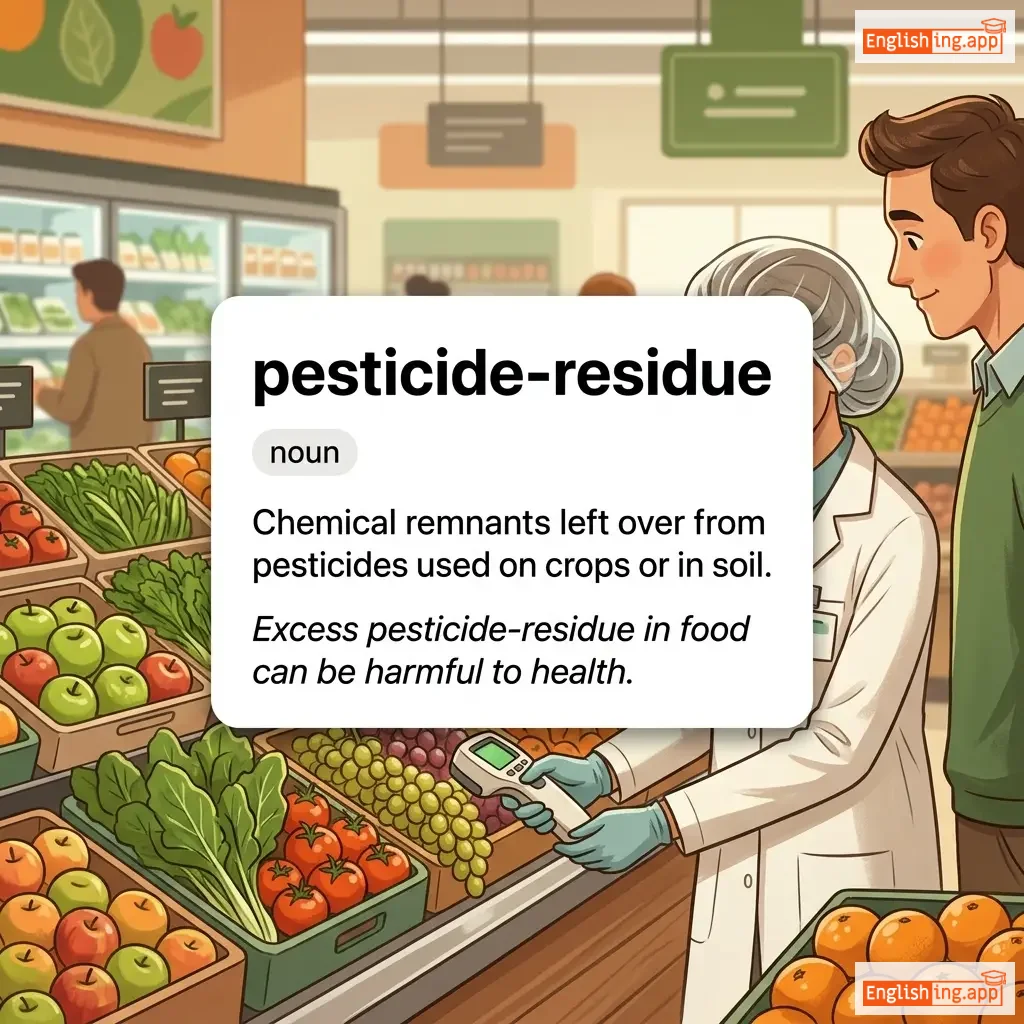
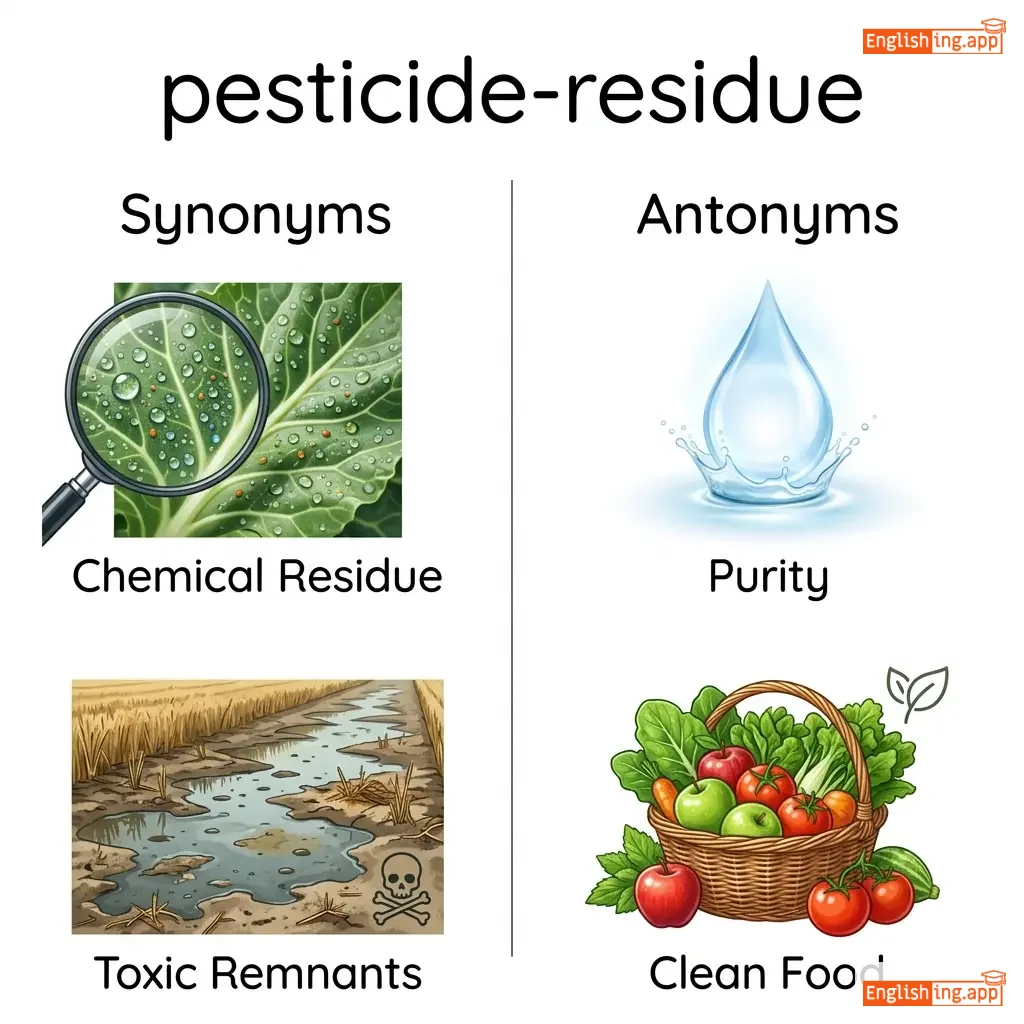
/ˈpɛs.tɪ.saɪd ˈrɛz.ɪ.djuː/
noun
••••••
|
|
Chemical remnants left over from pesticides used on crops or in soil.
••••••
|
Excess pesticide-residue in food can be harmful to health. |
Chemical Residue, Toxic Remnants, Agricultural Contaminants
••••••
|
Purity, Clean Food, Residue-free
••••••
|
|
#2657
🌿
|
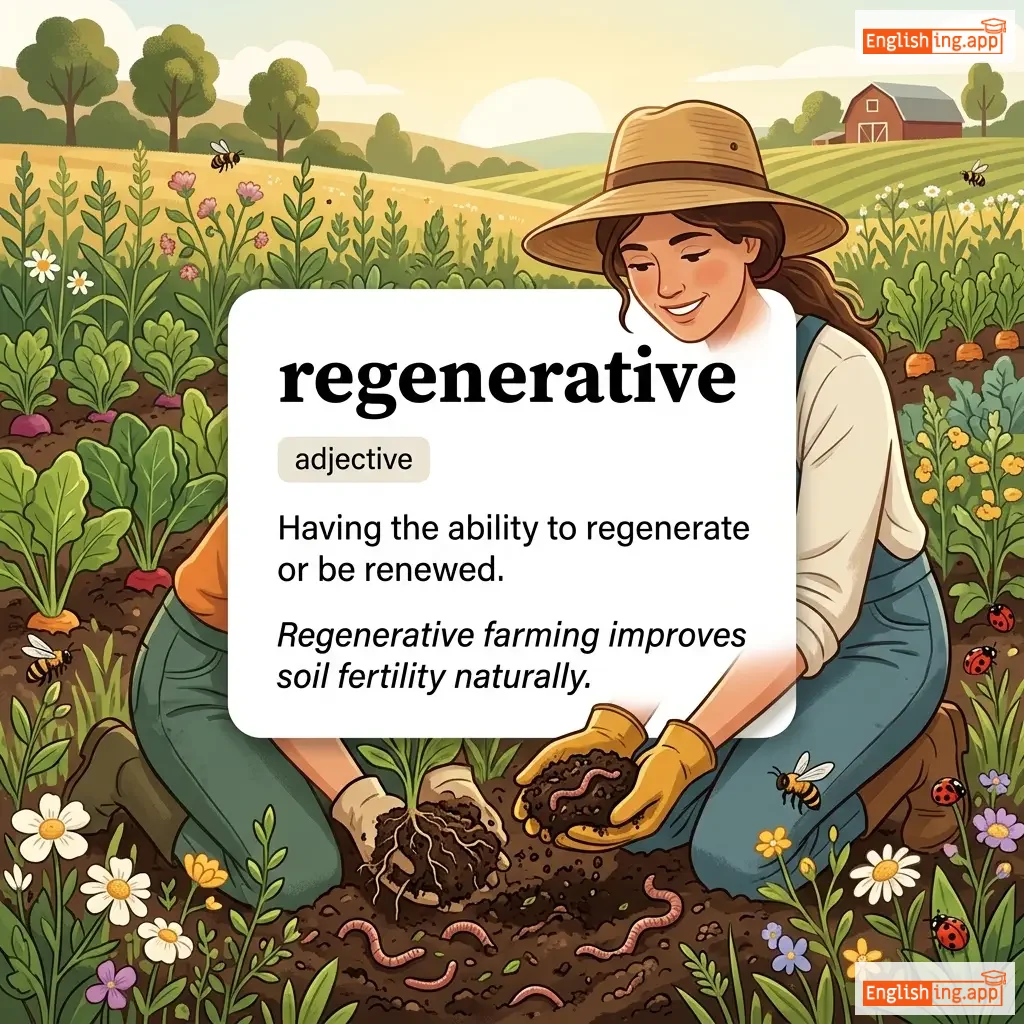
/rɪˈdʒɛn.ə.rə.tɪv/
adjective
••••••
|
|
Able to restore or renew damaged environments, soil, or resources.
••••••
|
Regenerative farming improves soil health and biodiversity. |
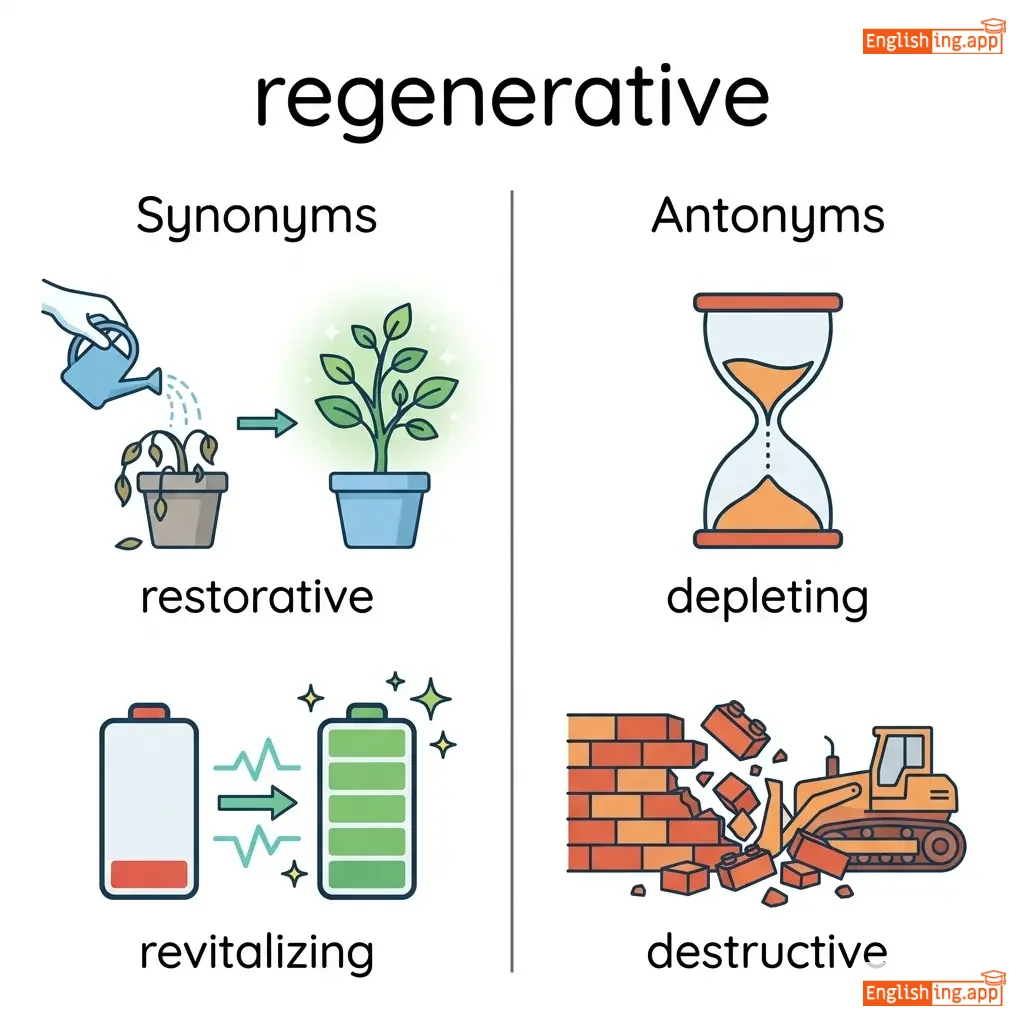
Restorative, Rejuvenating, Revitalizing
••••••
|
Depleting, Damaging, Exhaustive
••••••
|
|
#2658
🗑️
|
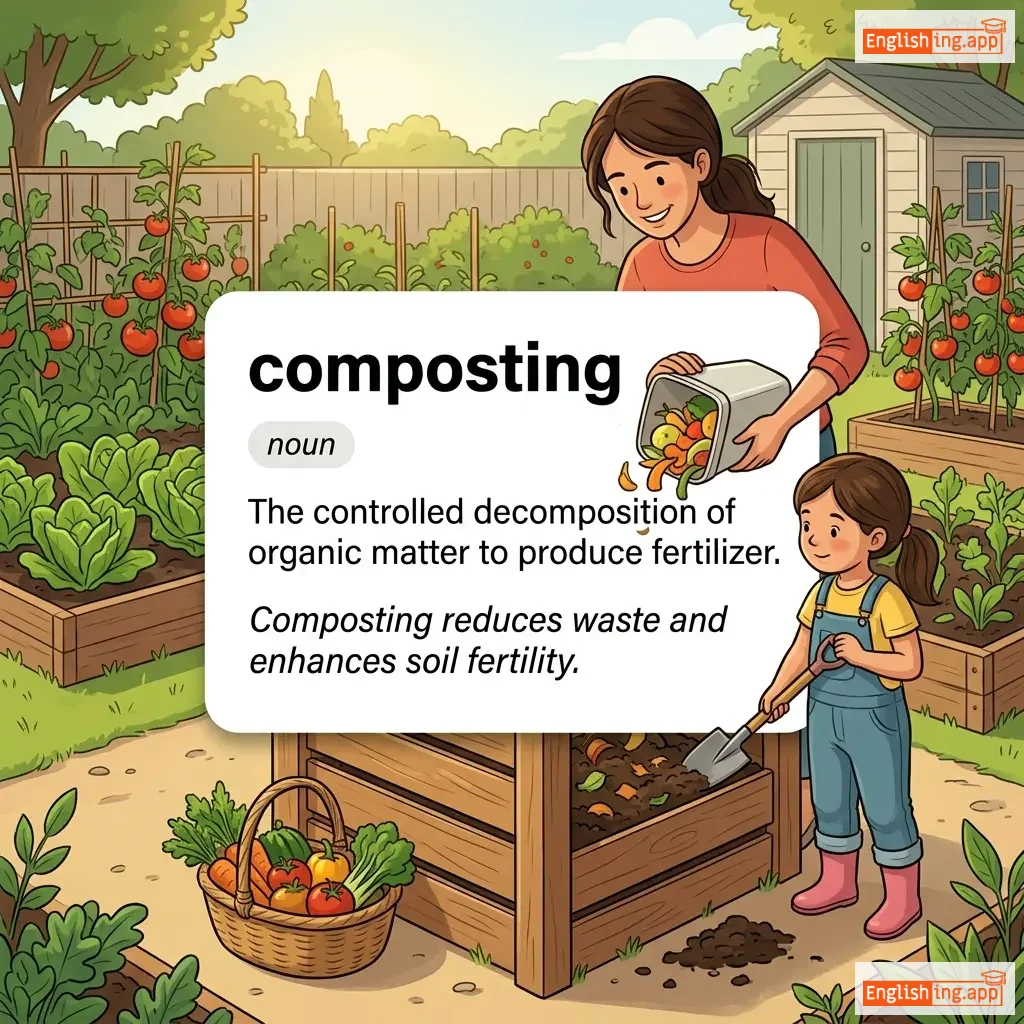
/ˈkɒm.pɒ.stɪŋ/
noun
••••••
|
|
The process of recycling organic waste into fertile fertilizer.
••••••
|
Composting reduces waste and enhances soil fertility. |
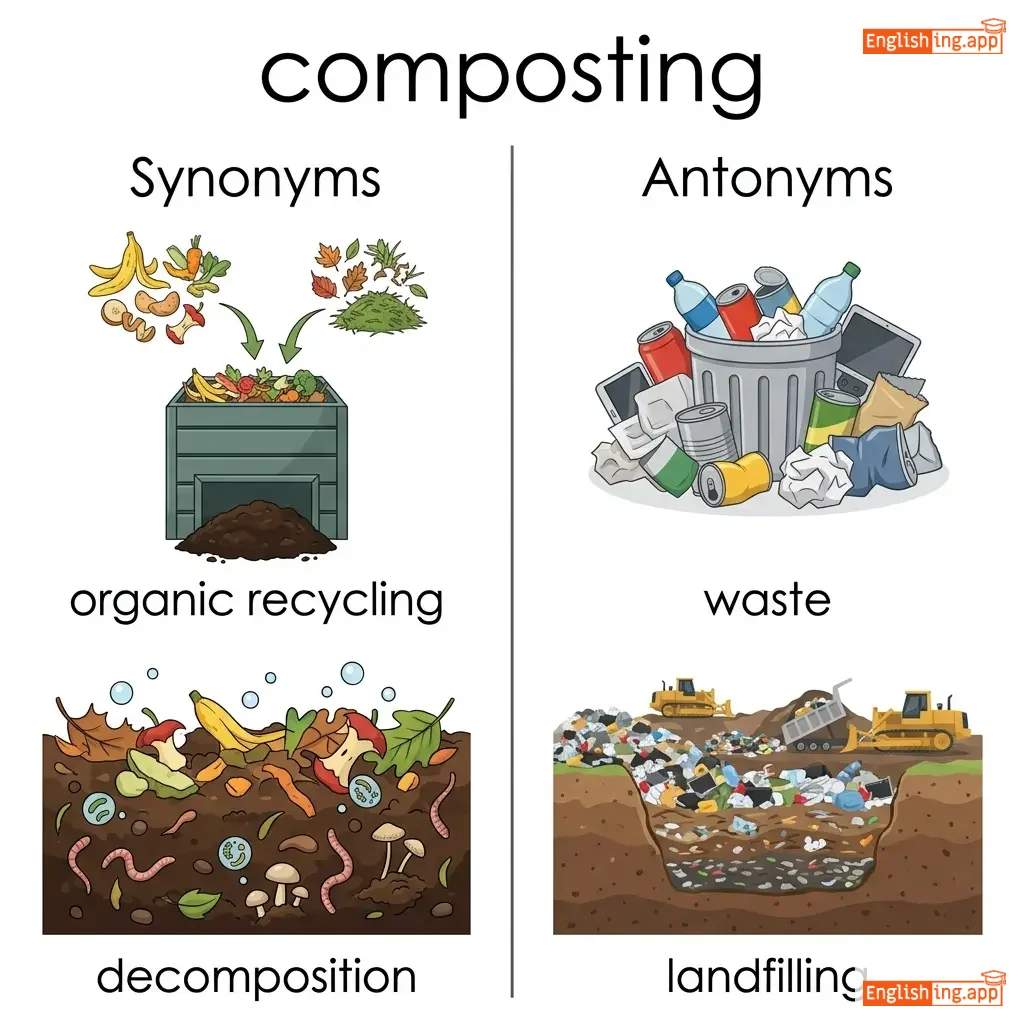
Organic Recycling, Decomposition, Fertilization
••••••
|
Waste, Landfilling, Chemical Fertilization
••••••
|
|
#2659
🌾
|
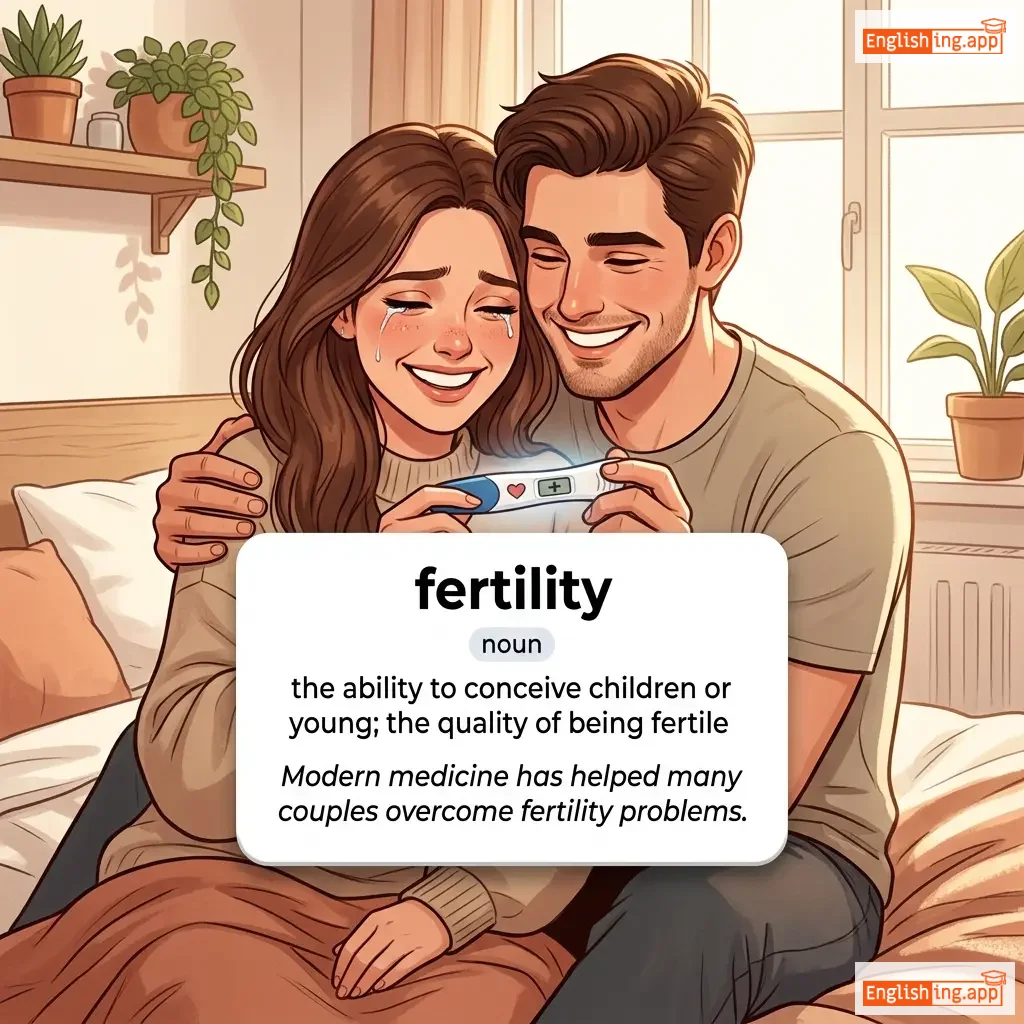
/fɜːˈtɪl.ɪ.ti/
noun
••••••
|
|
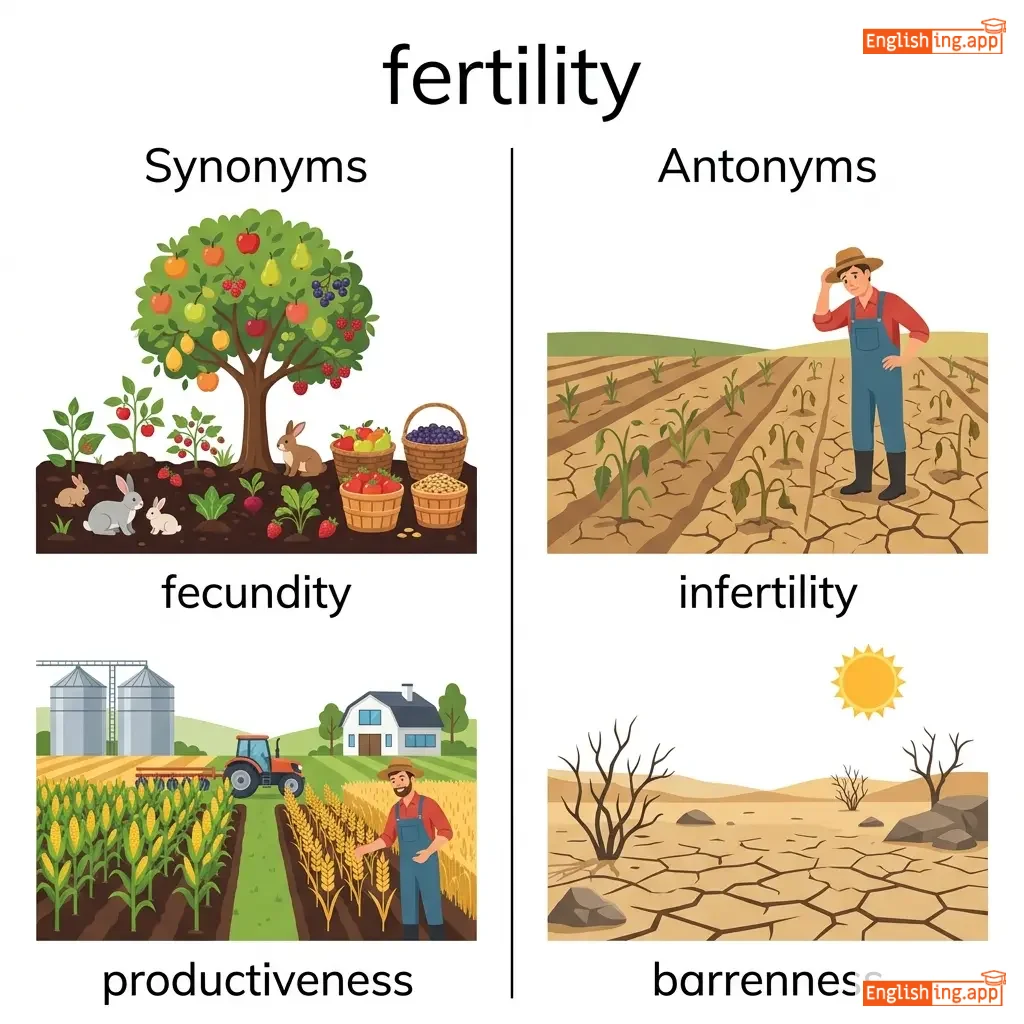
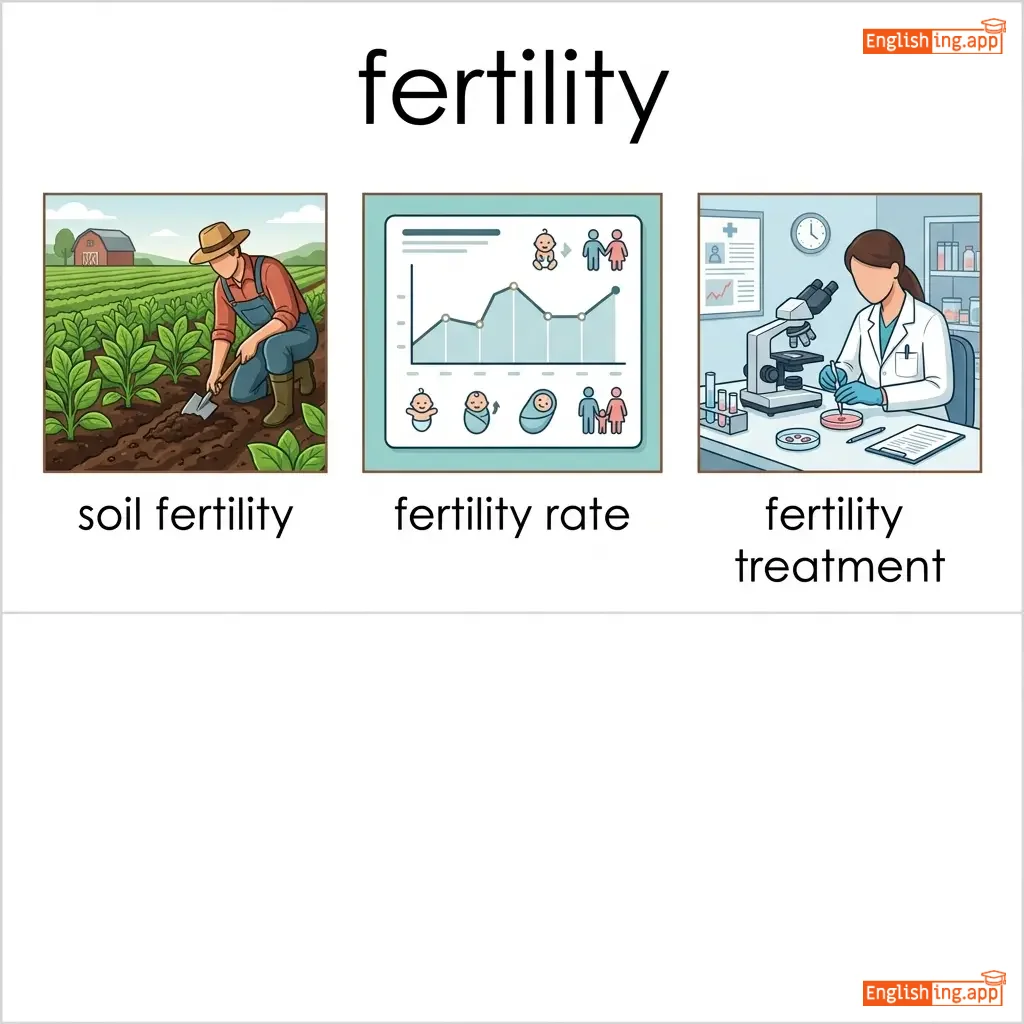
The ability of soil to produce crops or support plant growth.
••••••
|
Proper crop rotation maintains soil fertility. |
Productivity, Soil Richness, Fruitfulness
••••••
|
Infertility, Barren, Depletion
••••••
|
|
#2660
💪
|
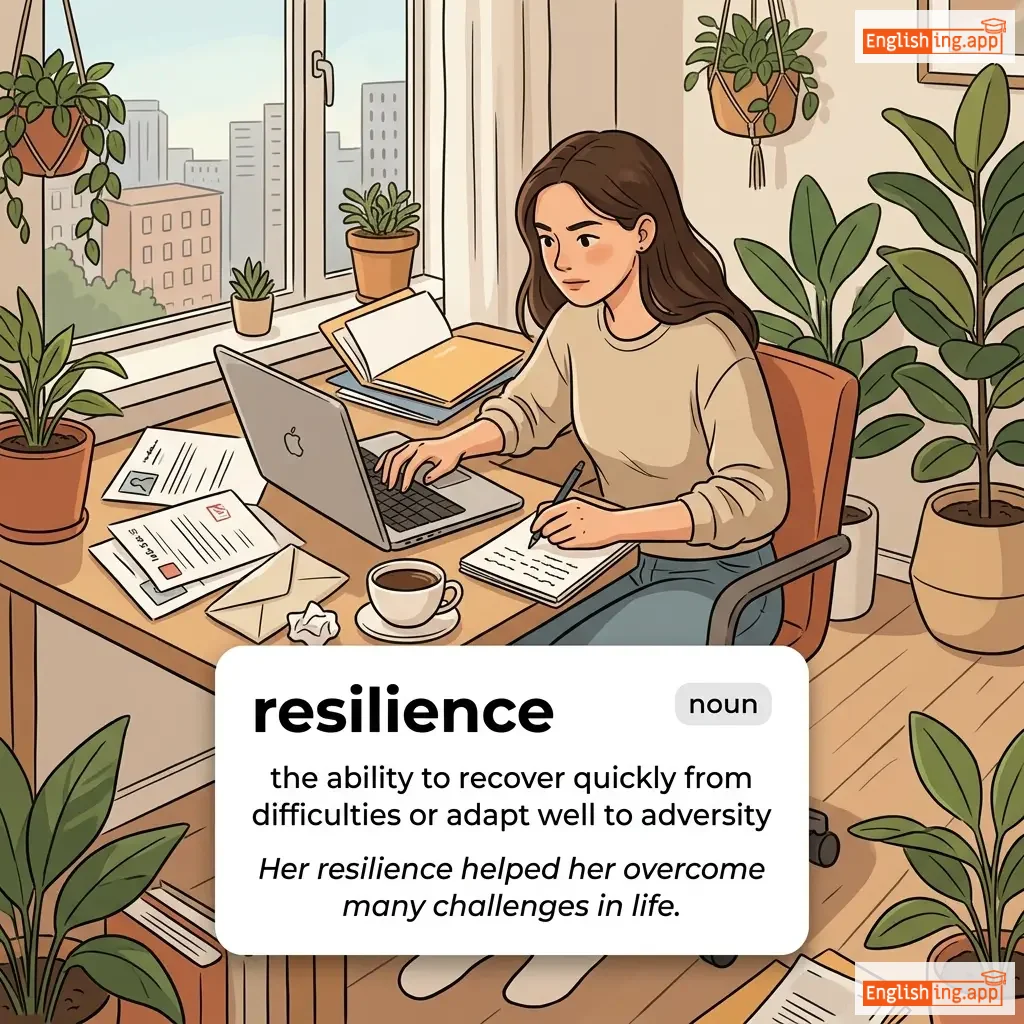
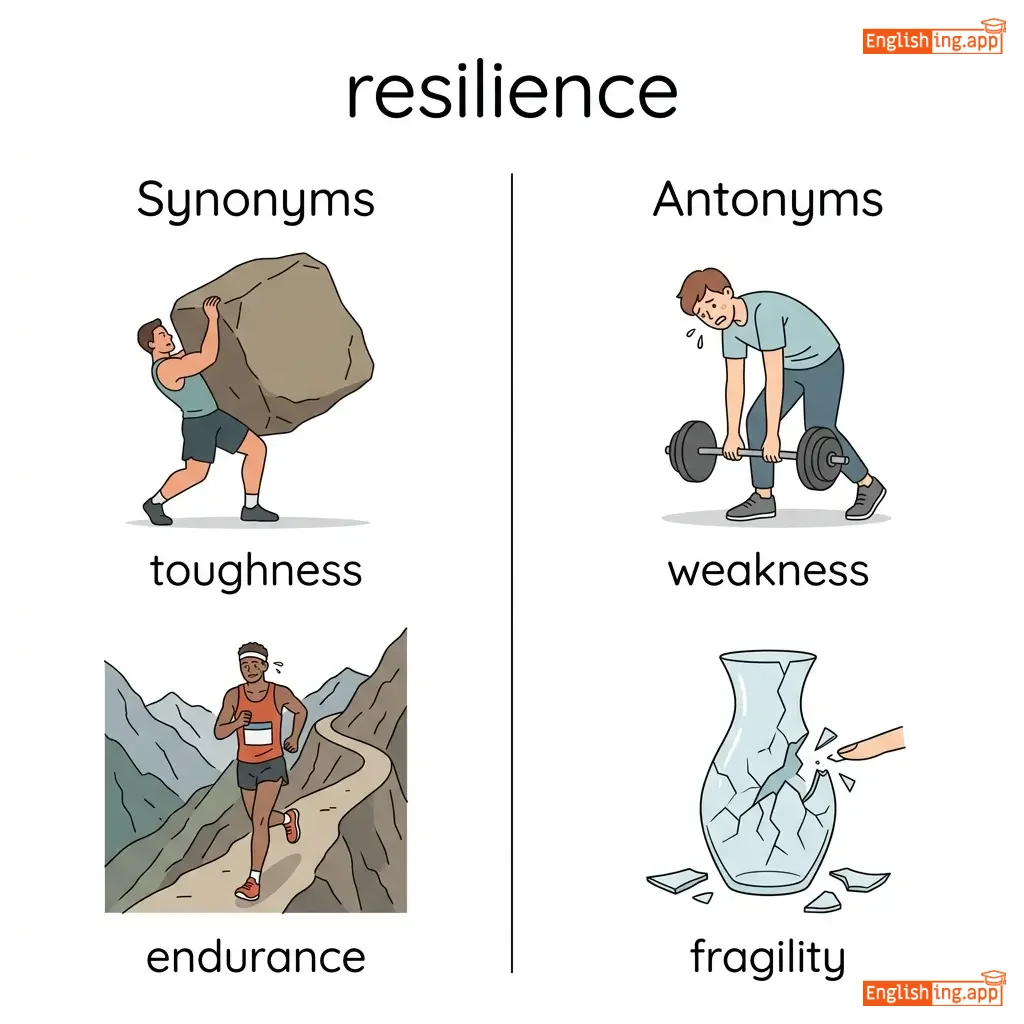
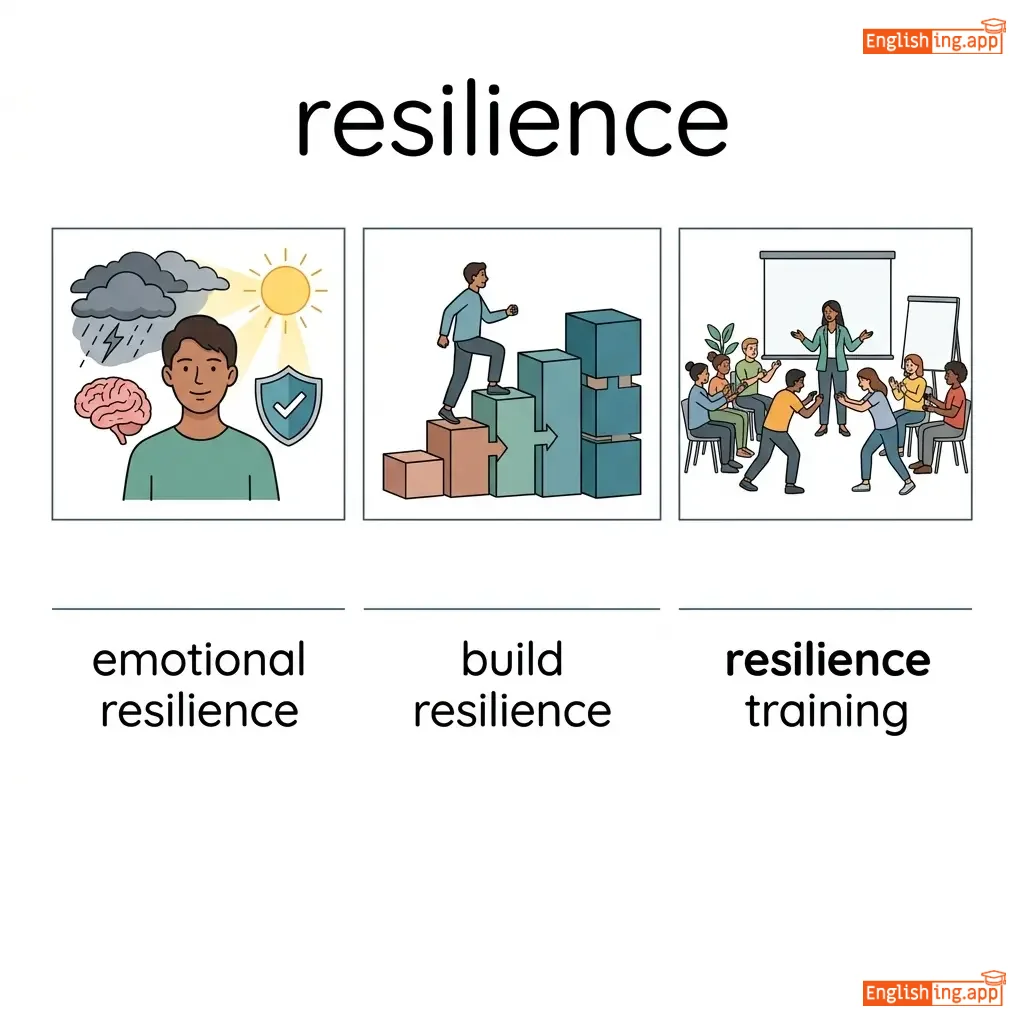
/rɪˈzɪl.jəns/
noun
••••••
|
|
The ability to withstand difficult conditions and recover from damage.
••••••
|
Healthy ecosystems show high resilience to climate change. |
Strength, Endurance, Adaptability
••••••
|
Fragility, Weakness, Vulnerability
••••••
|
|
#2661
☣️
|
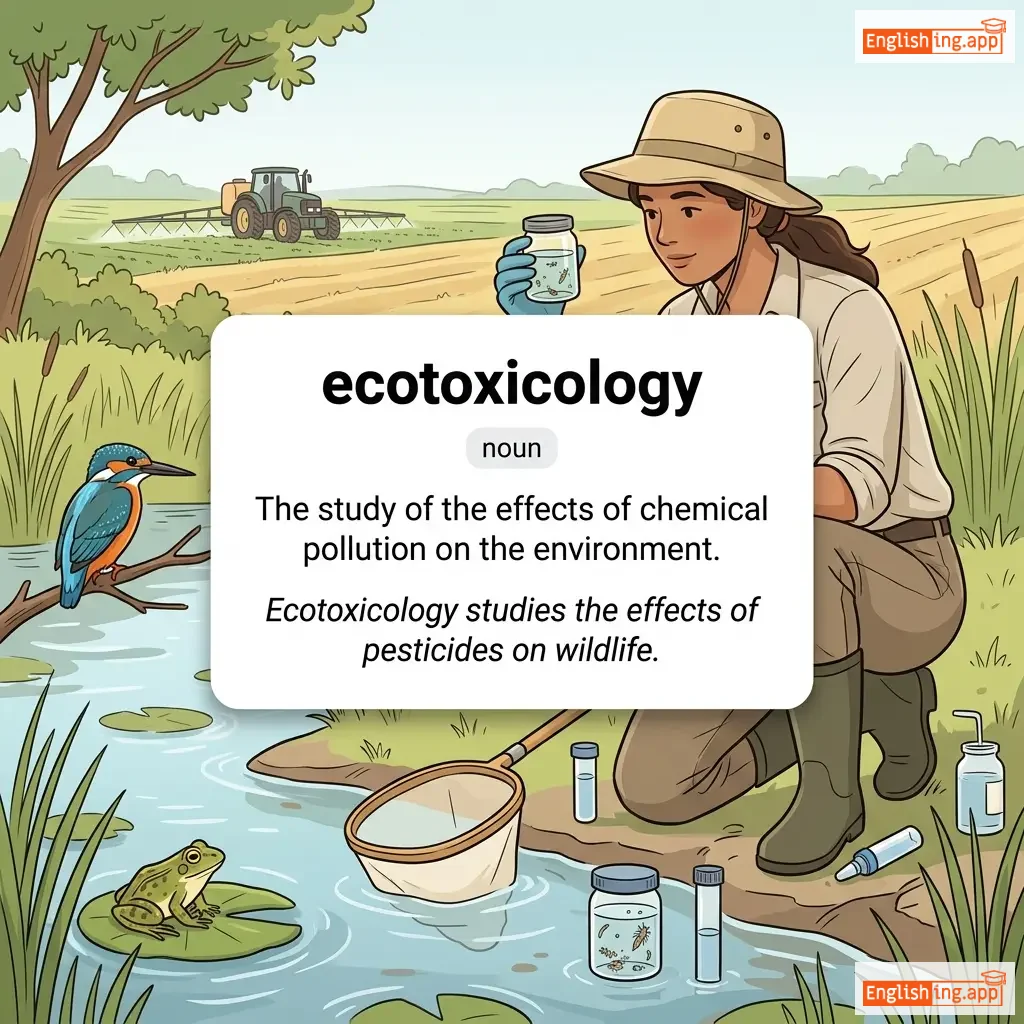
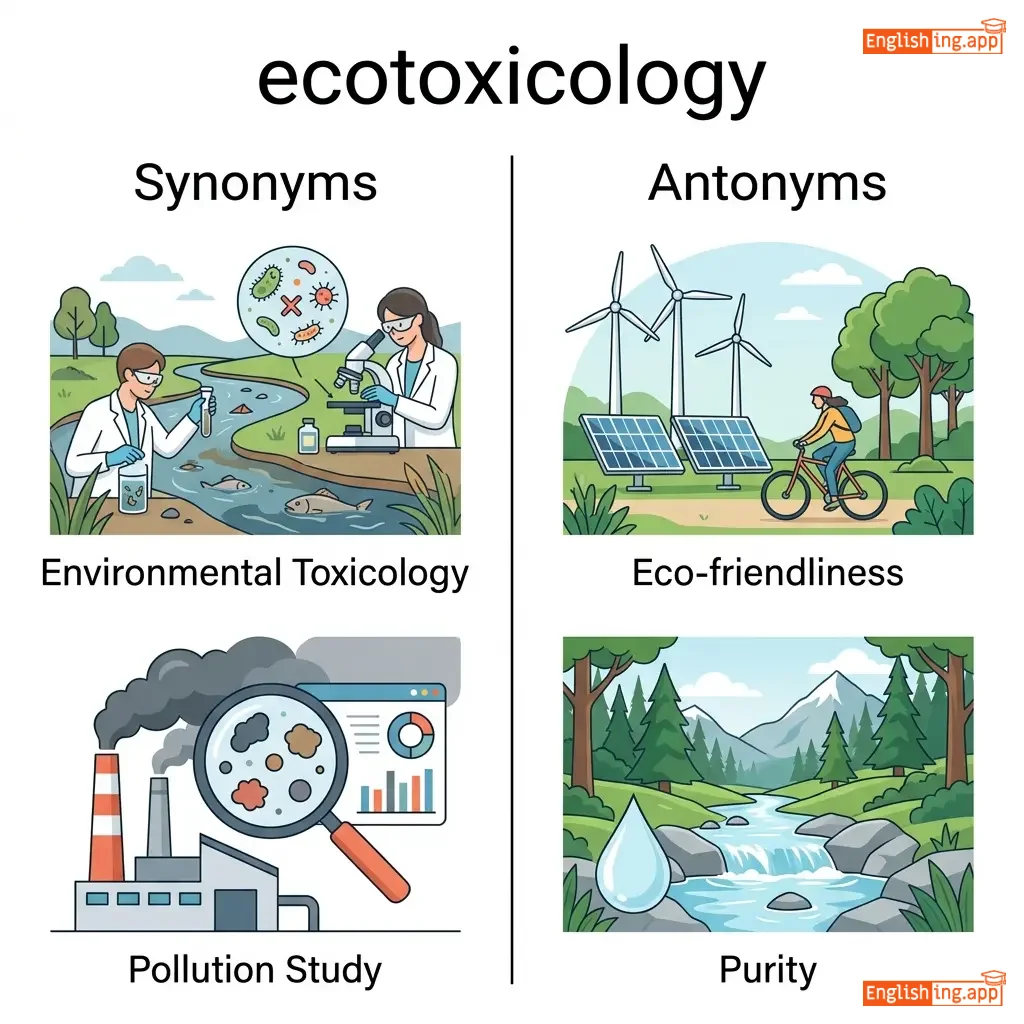
/ˌiː.kəʊ.tɒkˈsɪ.kə.lə.dʒi/
noun
••••••
|
|
The study of the effects of chemical pollution on the environment.
••••••
|
Ecotoxicology studies the effects of pesticides on wildlife. |
Environmental Toxicology, Pollution Study, Chemical Impact Analysis
••••••
|
Eco-friendliness, Purity, Non-toxicity
••••••
|
|
#2662
🌽
|
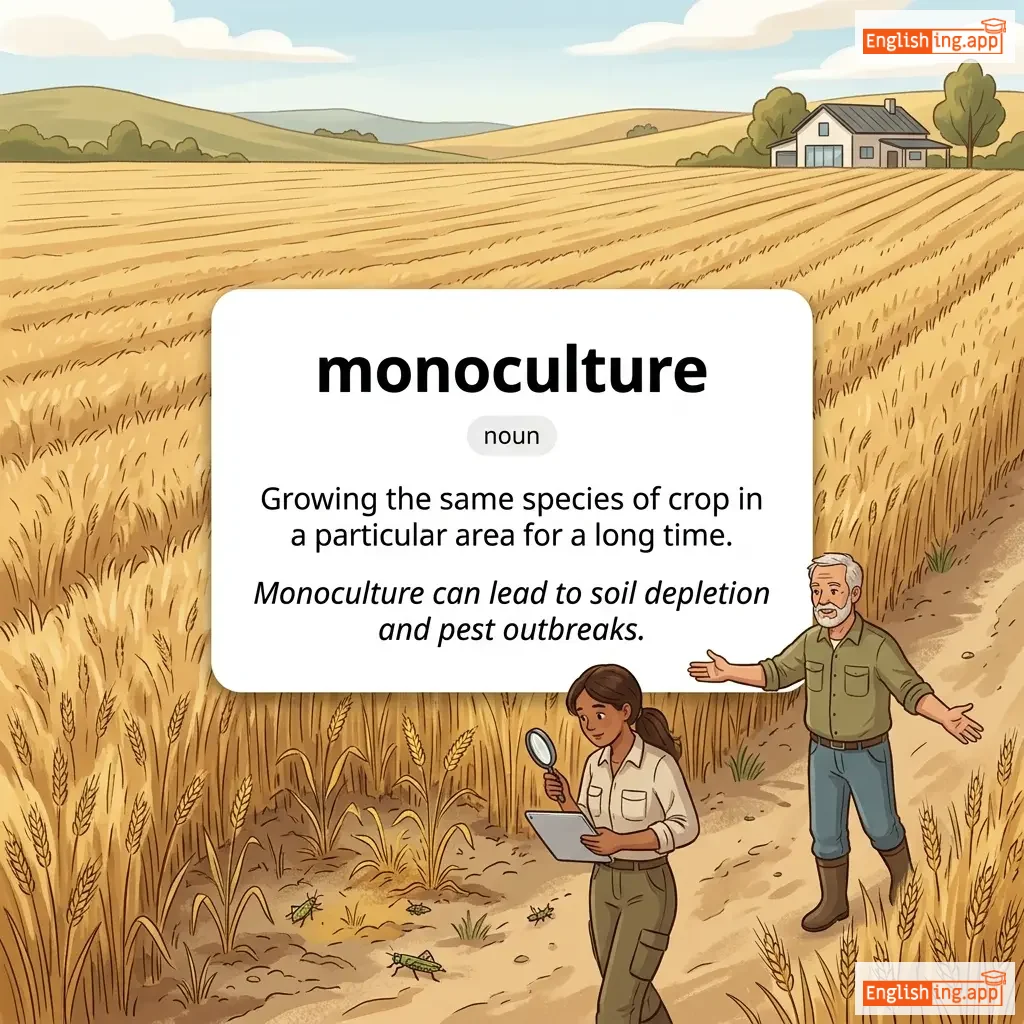
/ˈmɒn.əˌkʌl.tʃər/
noun
••••••
|
|
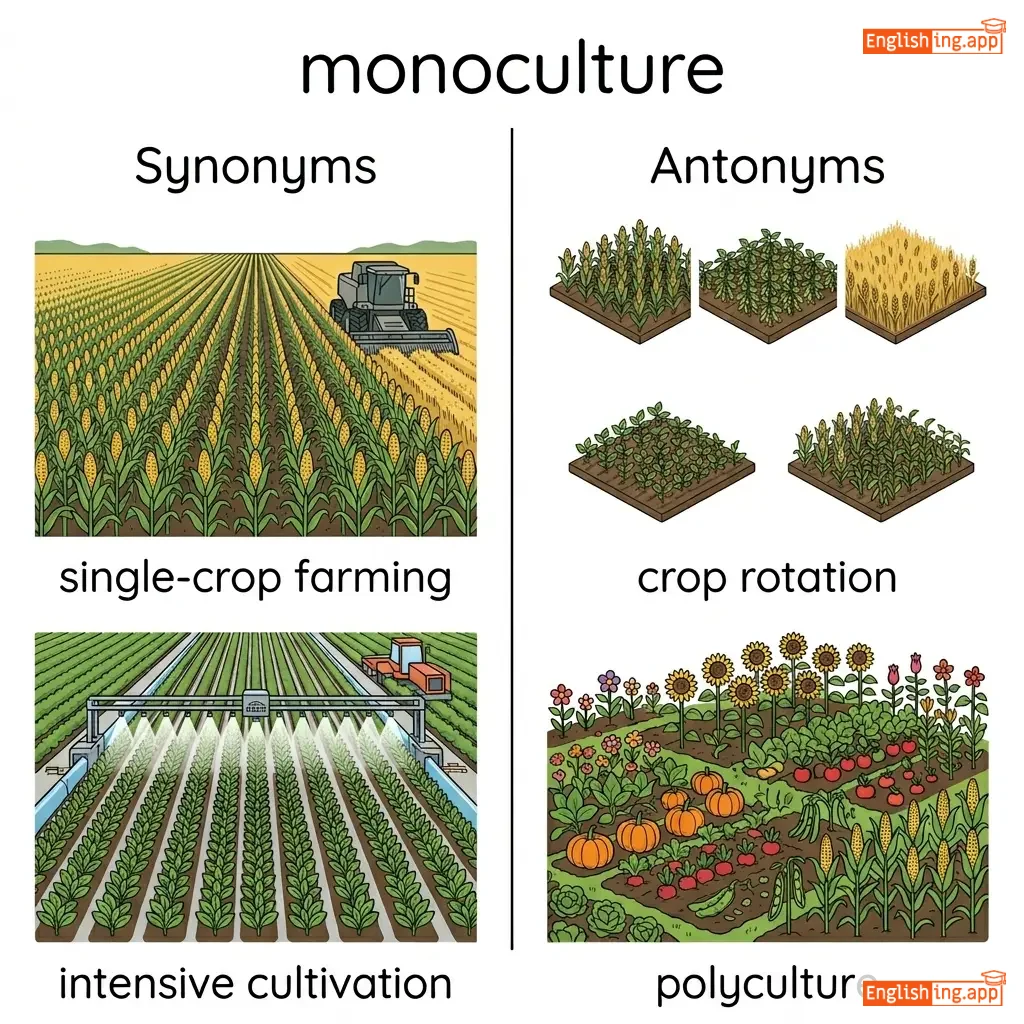
The practice of growing a single crop over a long period, which can deplete soil nutrients.
••••••
|
Monoculture reduces soil fertility and increases pest attacks. |
Single-crop Farming, Intensive Cultivation, Large-scale Farming
••••••
|
Crop Rotation, Polyculture, Diversified Farming
••••••
|
|
#2663
🥗
|
/ˈnjuː.tri.ənt dɛns/
adjective
••••••
|
|
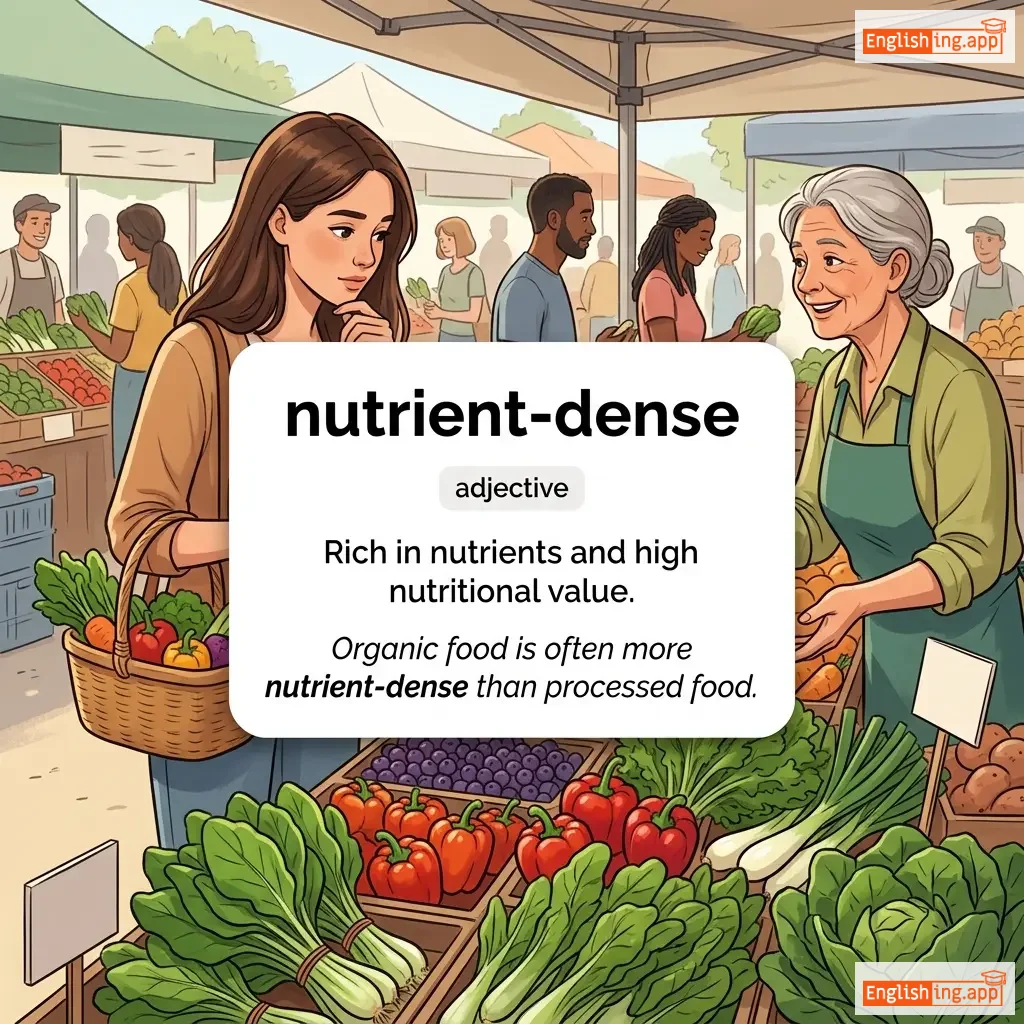
Rich in nutrients and high nutritional value.
••••••
|
Organic food is often more nutrient-dense than processed food. |
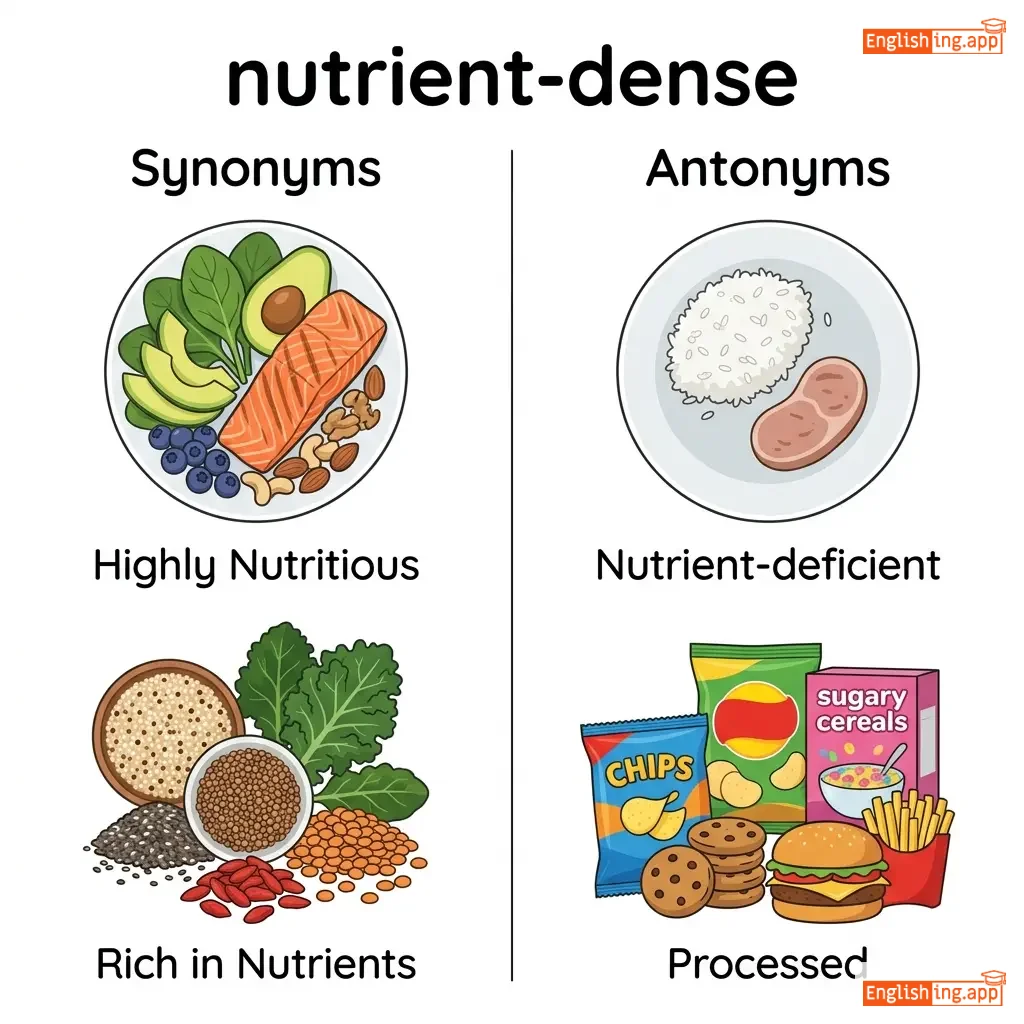
Highly Nutritious, Rich in Nutrients, Wholesome
••••••
|
Nutrient-deficient, Processed, Empty Calories
••••••
|
|
#2664
🔗
|
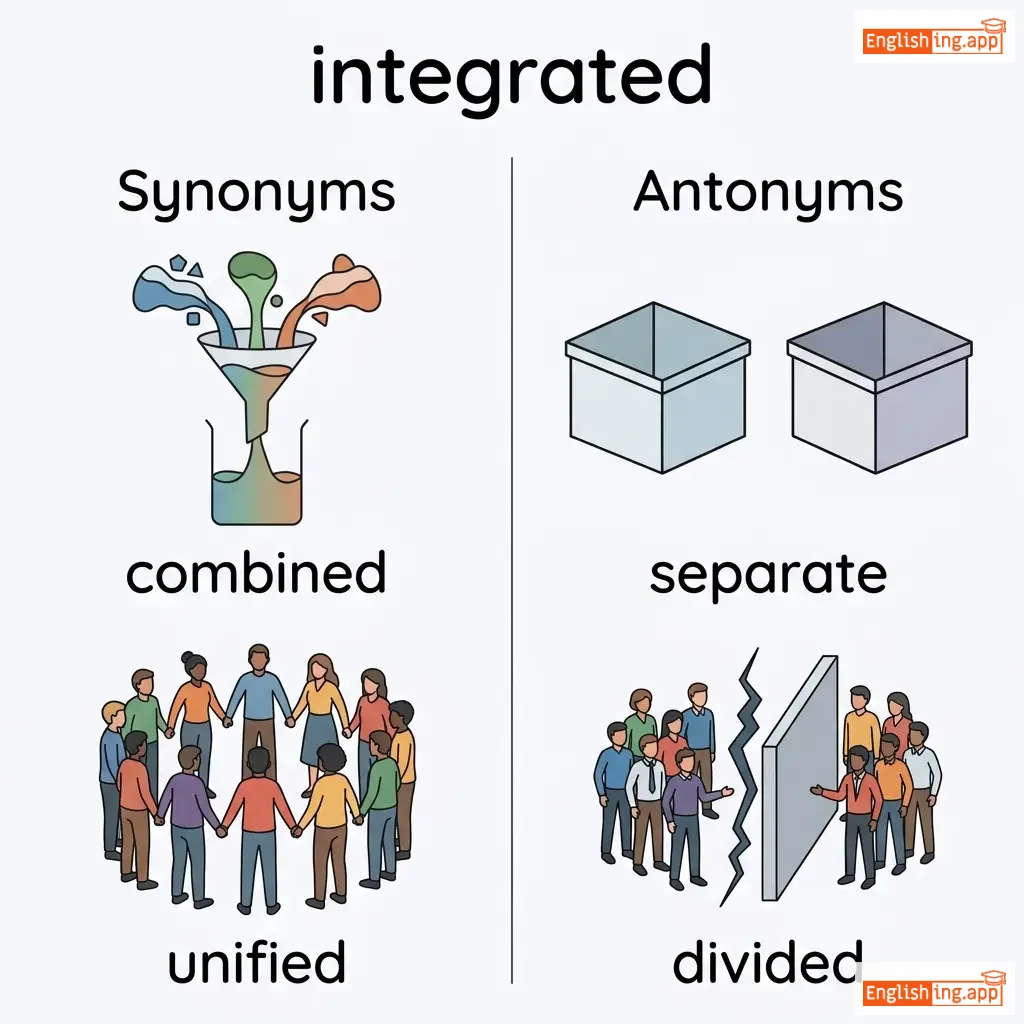
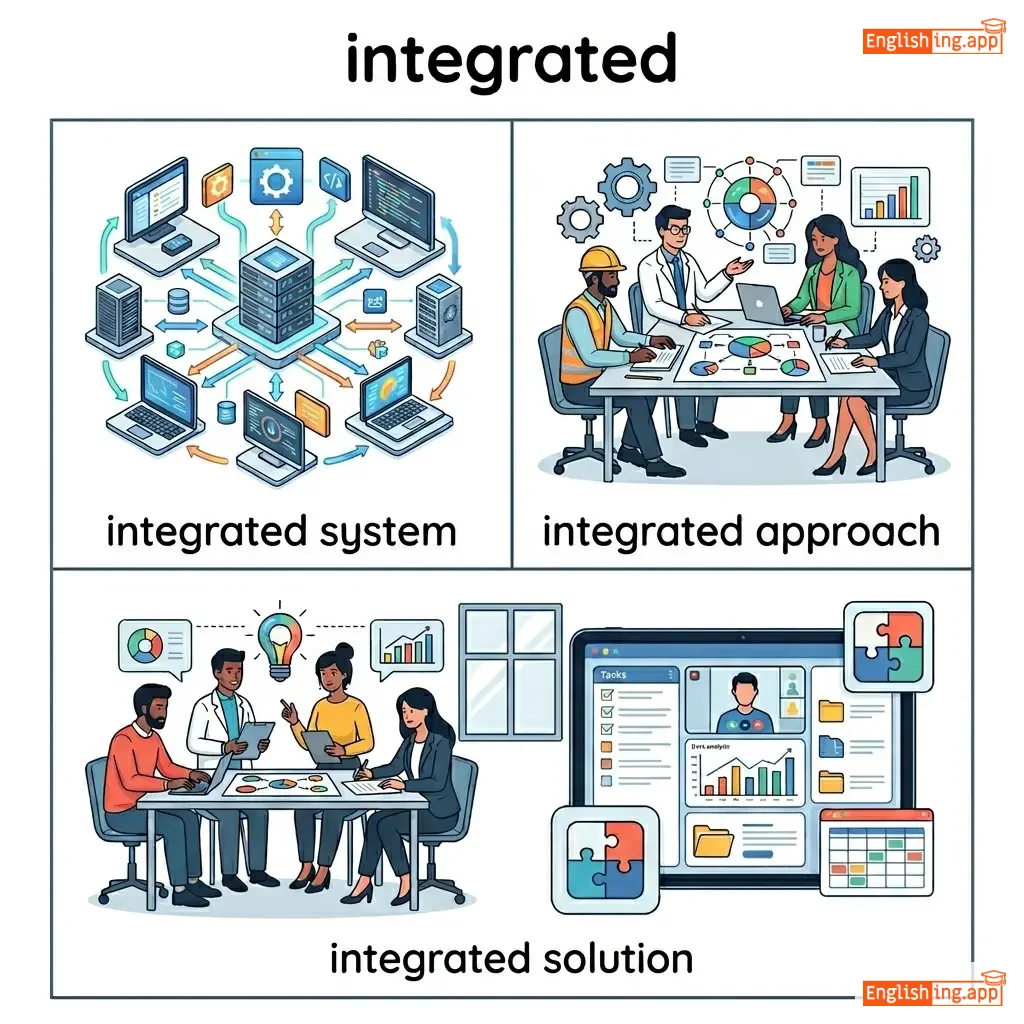
/ˈɪn.tɪ.ɡreɪ.tɪd/
adjective
••••••
|

|
Combined different elements together to create a comprehensive solution.
••••••
|
Integrated farming includes both crops and livestock for sustainability. |
Combined, Unified, Holistic
••••••
|
Isolated, Fragmented, Disconnected
••••••
|
|
#2665
🌍
|
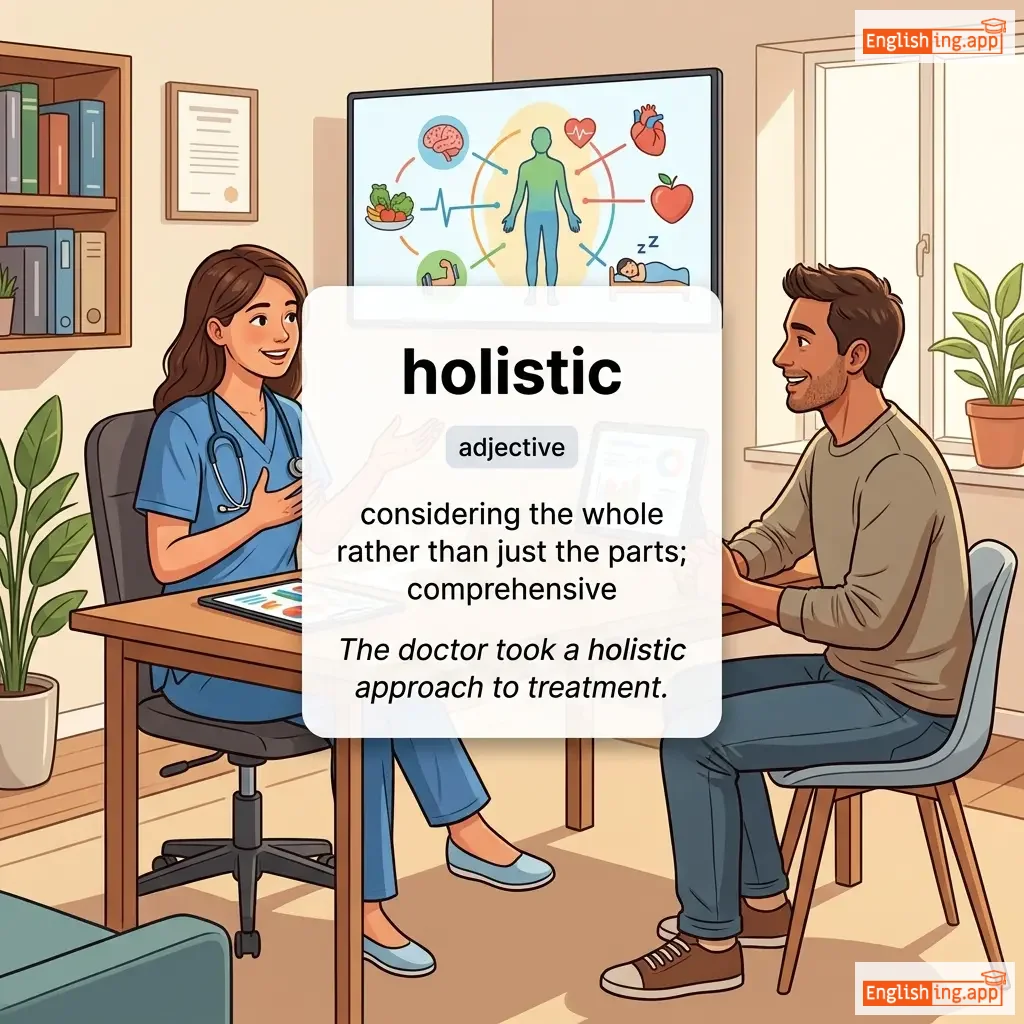
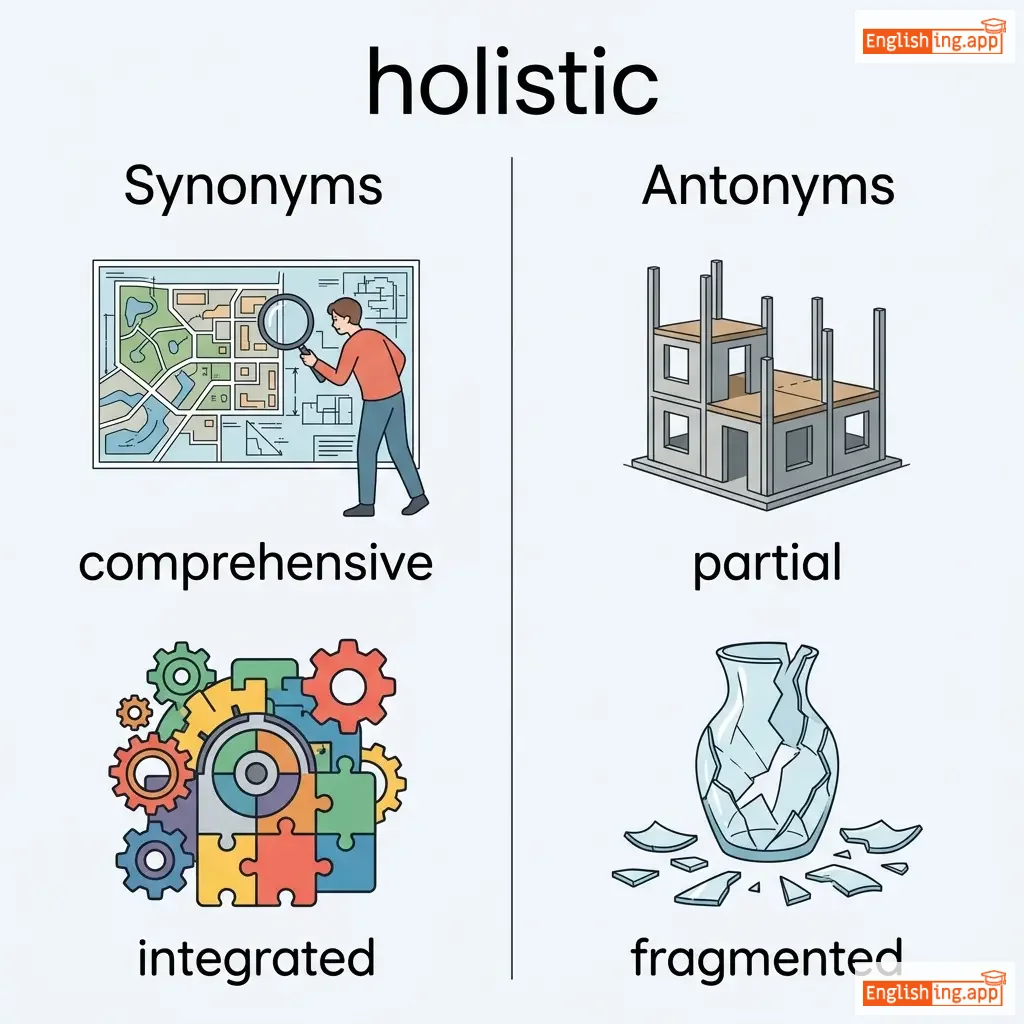
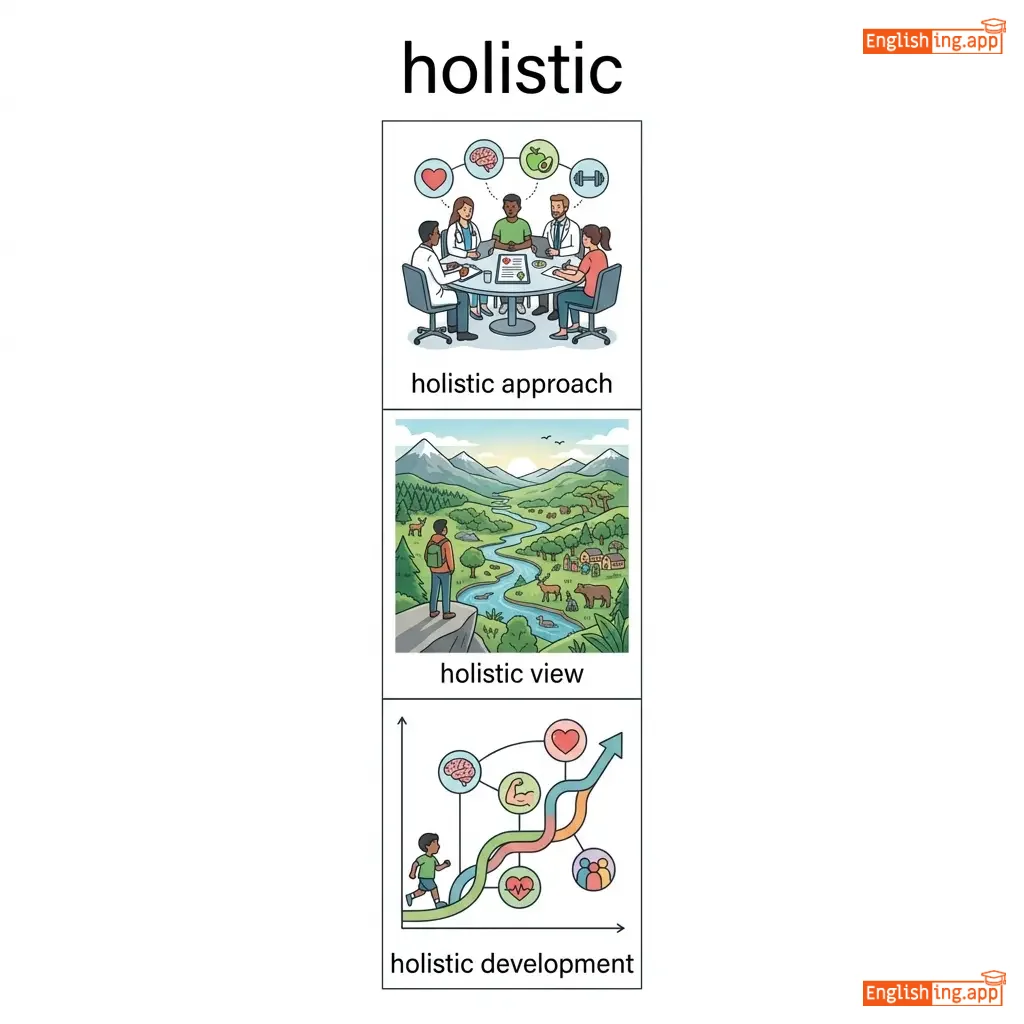
/hoʊˈlɪs.tɪk/
adjective
••••••
|
|
Considering all aspects of a problem or situation comprehensively.
••••••
|
A holistic approach to farming ensures long-term productivity. |
Comprehensive, All-encompassing, Complete
••••••
|
Partial, Fragmented, Limited
••••••
|
|
#2666
💰
|
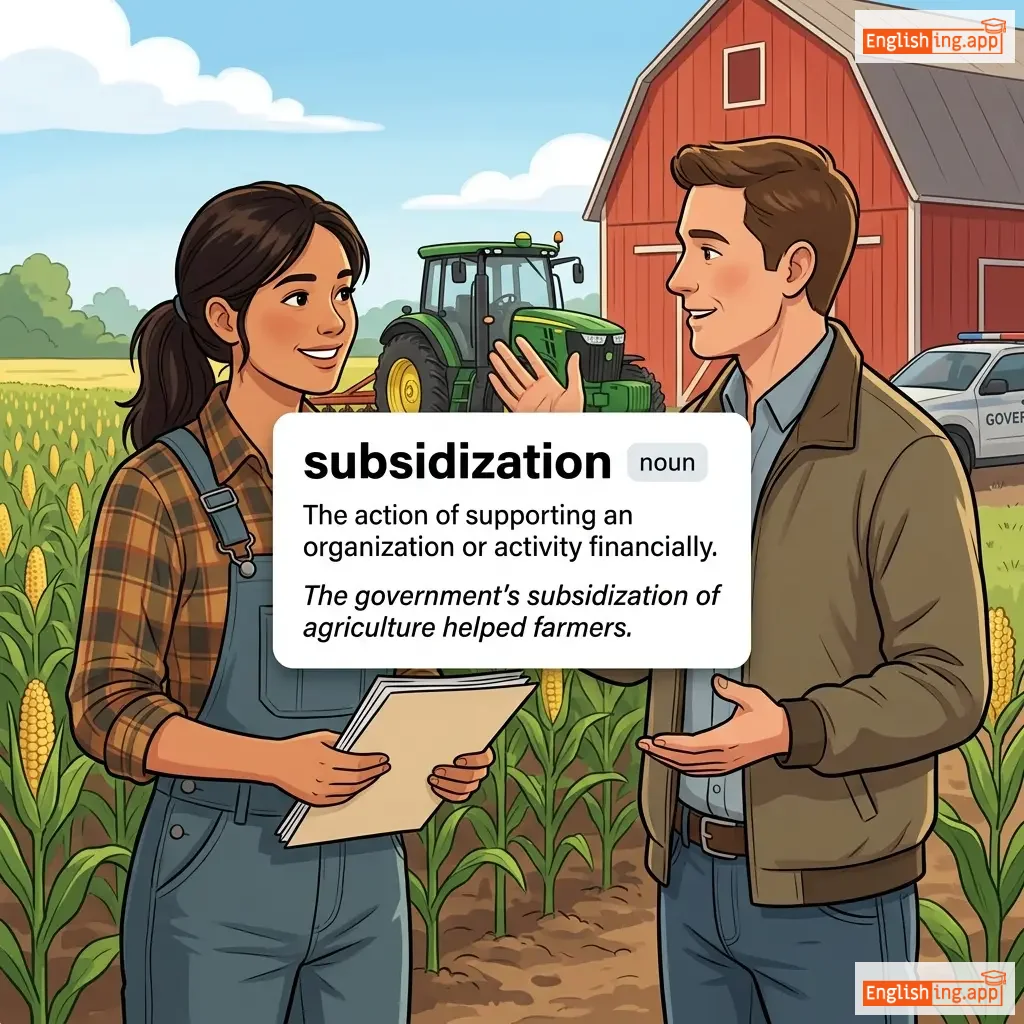
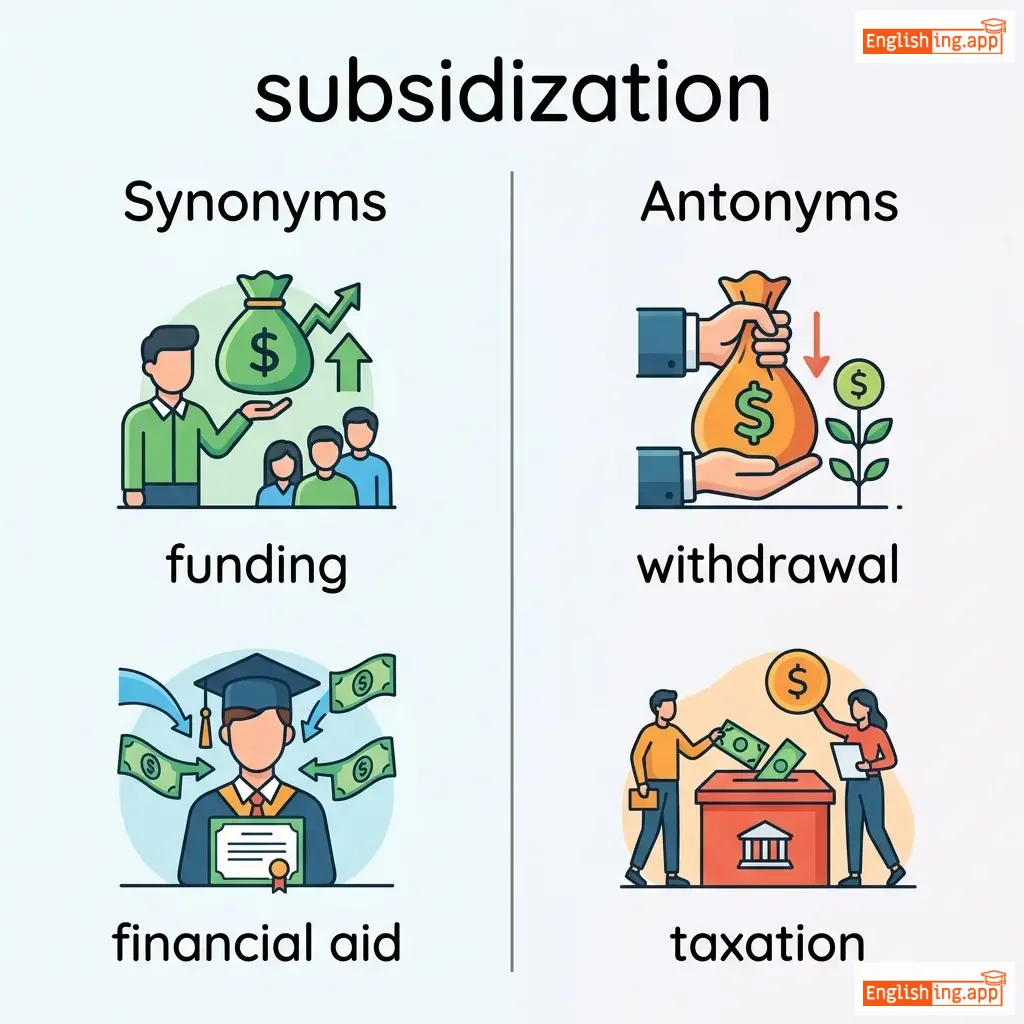
/ˌsʌb.sɪ.dɪˈzeɪ.ʃən/
noun
••••••
|
|
Financial support provided by government or organizations for agriculture or production.
••••••
|
Subsidization of organic farming encourages sustainable agriculture. |
Financial Support, Government Aid, Grants
••••••
|
Taxation, Cost Increase, Deregulation
••••••
|

