Agriculture biologique vs. agriculture conventionnelle

Organic Farming vs. Conventional Farming

La différence entre organic farming et conventional farming est significative du point de vue environnemental et sanitaire. L’organic farming repose principalement sur l’agroecology, où la biodiversity, l’équilibre microbial et la sustainability sont maintenus. En revanche, l’conventional farming utilise des engrais et produits chimiques synthetic pour obtenir de meilleurs yields, ce qui peut entraîner une soil erosion et une degradation à long terme. Les pesticide-residue peuvent rester dans les aliments, ce qui est risqué pour la santé humaine. L’avantage principal de l’organic farming est qu’elle est regenerative, augmentant la fertility grâce au composting et à des méthodes naturelles. Cela améliore la resilience du sol et le rend durable à long terme. D’un autre côté, bien que l’conventional farming soit plus rentable, elle crée une ecotoxicology dans l’environnement. La monoculture détruit progressivement les composants nutrient-dense du sol. Grâce à une planification appropriée et à des systèmes agricoles integrated, des solutions holistic peuvent être trouvées entre les deux méthodes. À l’avenir, la subsidization et la technologie rendront l’organic farming plus avancée.
Organic Farming vs. Conventional FarmingAgriculture biologique vs. agriculture conventionnelle
/
/

Organic Farming vs. Conventional FarmingAgriculture biologique vs. agriculture conventionnelle - Basculement de Masque

Émoji
Mot Images Signification Phrase d'Exemple Synonymes Antonymes
#2646
🌱
••••••
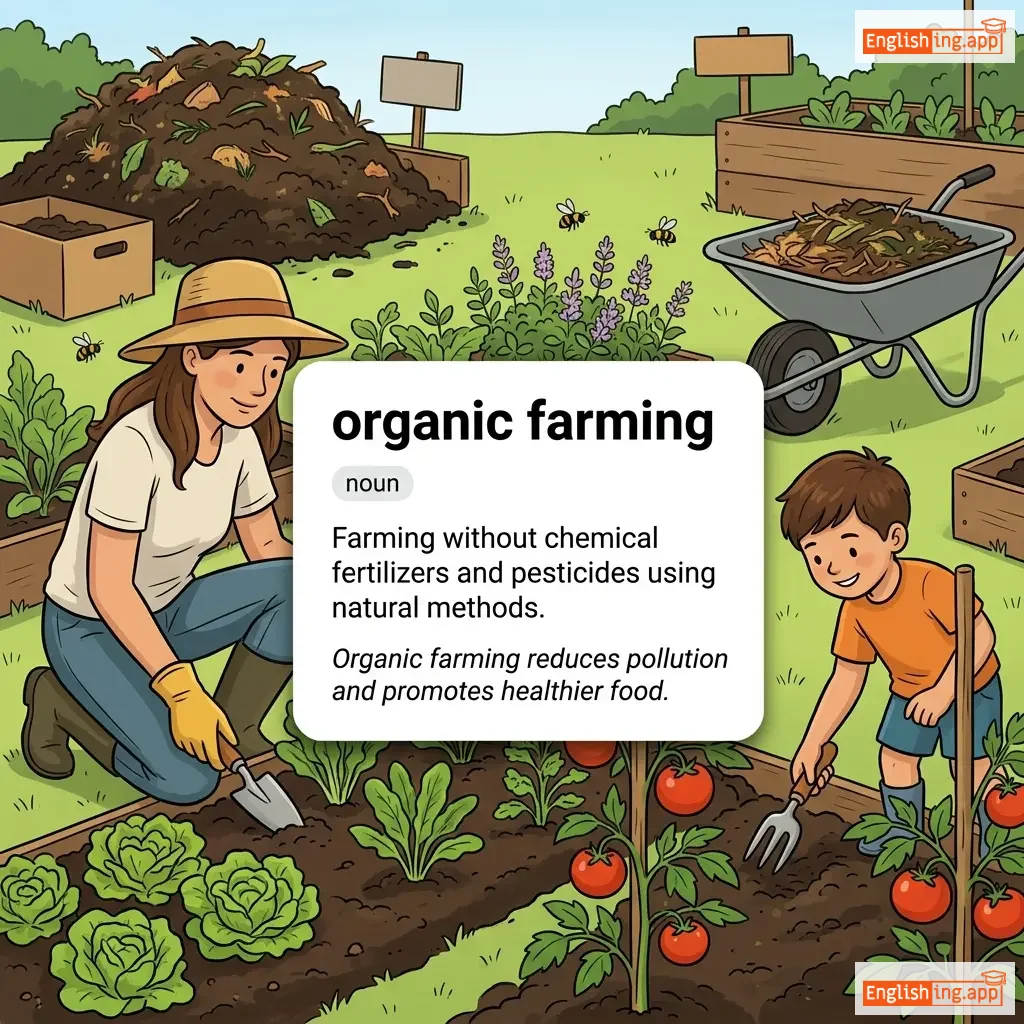
/ɔːrˈɡæn.ɪk ˈfɑːr.mɪŋ/
noun
••••••
••••••
Farming method that avoids synthetic chemicals and fertilizers, using natural methods instead.
••••••

Organic farming improves soil health and reduces pollution.

••••••
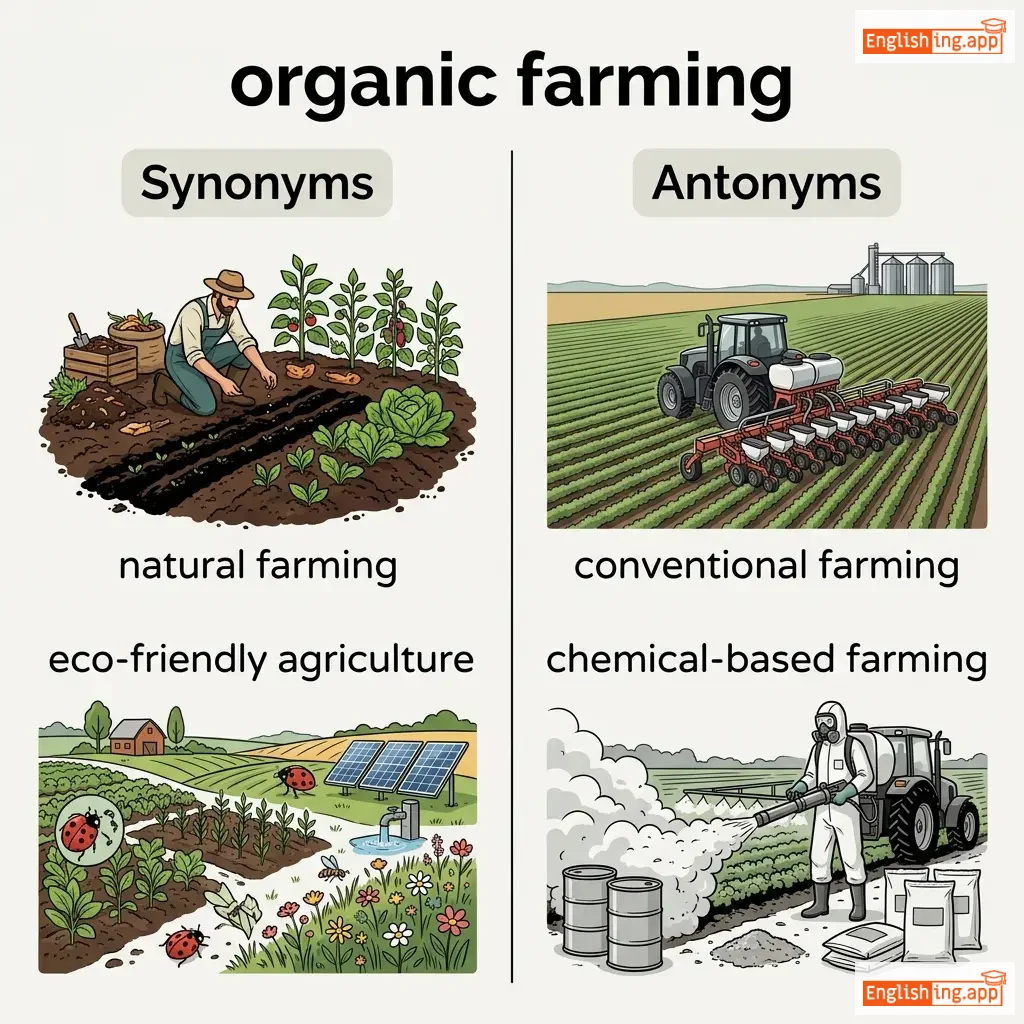
Natural Farming, Eco-friendly Agriculture, Sustainable Cultivation
••••••
Conventional Farming, Industrial Agriculture, Chemical-based Farming
••••••
#2647
🚜
••••••
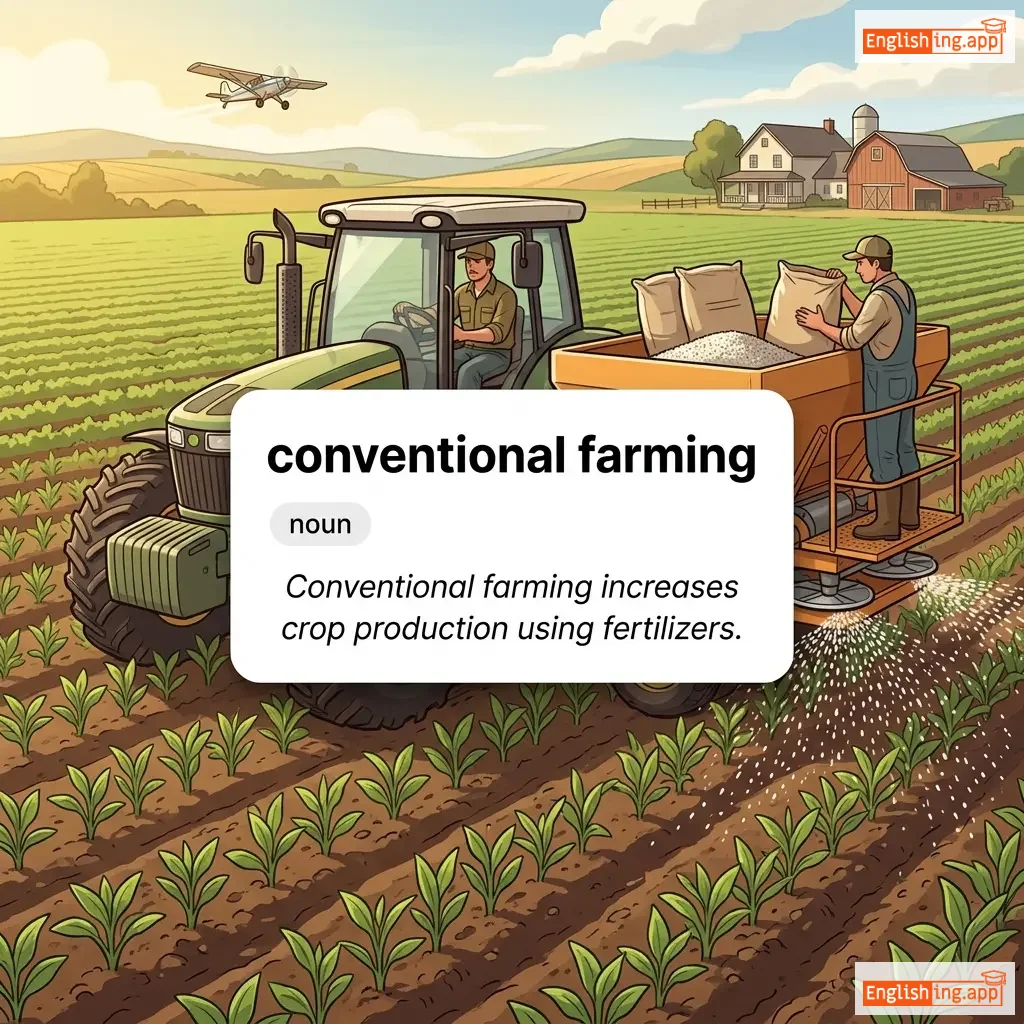
/kənˈvɛn.ʃən.əl ˈfɑːr.mɪŋ/
noun
••••••
••••••
Traditional farming method using synthetic fertilizers, pesticides, and modern technology.
••••••

Conventional farming increases crop production using fertilizers.

••••••
Industrial Farming, Chemical Farming, Modern Agriculture
••••••
Organic Farming, Sustainable Agriculture, Eco-friendly Farming
••••••
#2648
🌾
••••••
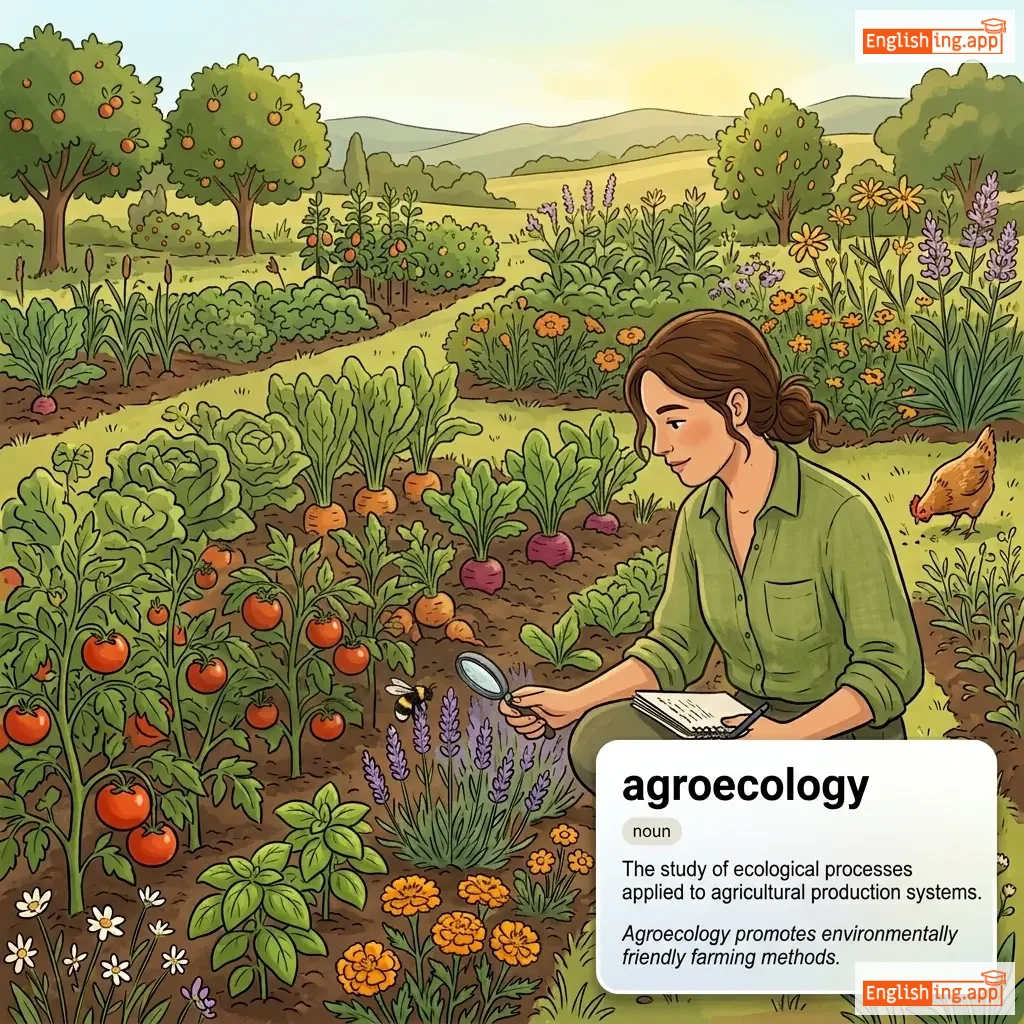
/ˌæɡ.roʊ.iːˈkɒl.ə.dʒi/
noun
••••••
••••••
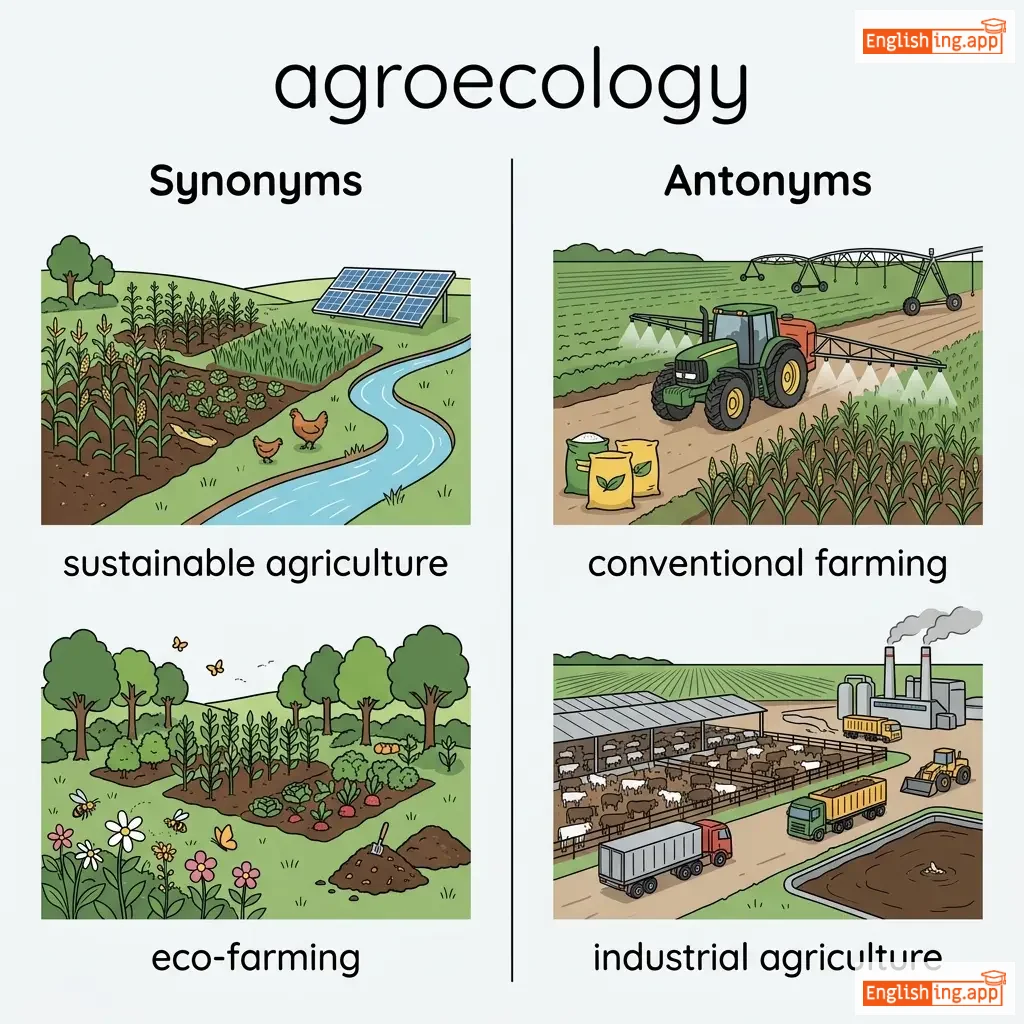
A sustainable farming approach that integrates traditional farming with ecological principles.
••••••

Agroecology integrates traditional farming with modern sustainability.

••••••
Ecological Farming, Sustainable Agriculture, Green Farming
••••••
Industrial Farming, Unsustainable Agriculture, Monoculture
••••••
#2649
🦋
••••••
/ˌbaɪ.oʊ.daɪˈvɜːr.sə.ti/
noun
••••••
••••••
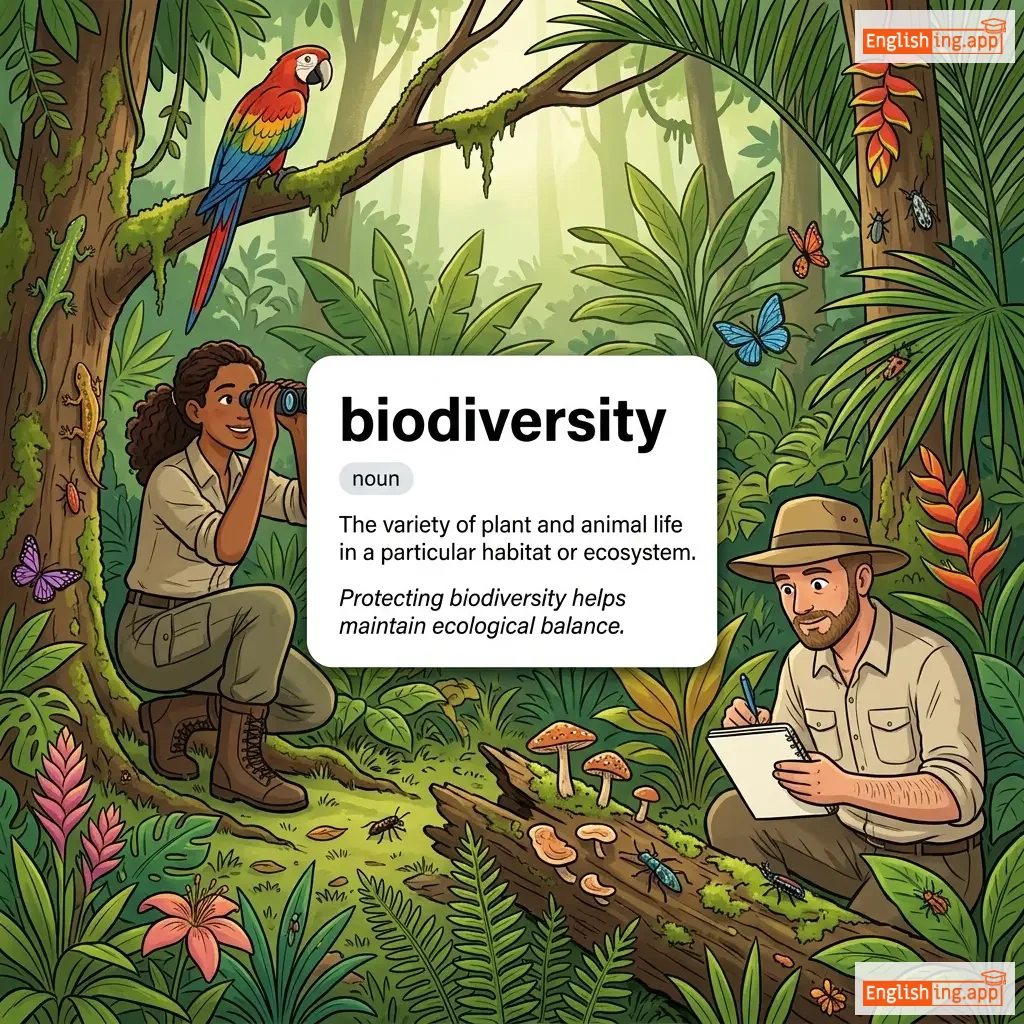
The variety of different living organisms in a particular area or throughout the world.
••••••

Biodiversity is essential for a balanced ecosystem.
••••••
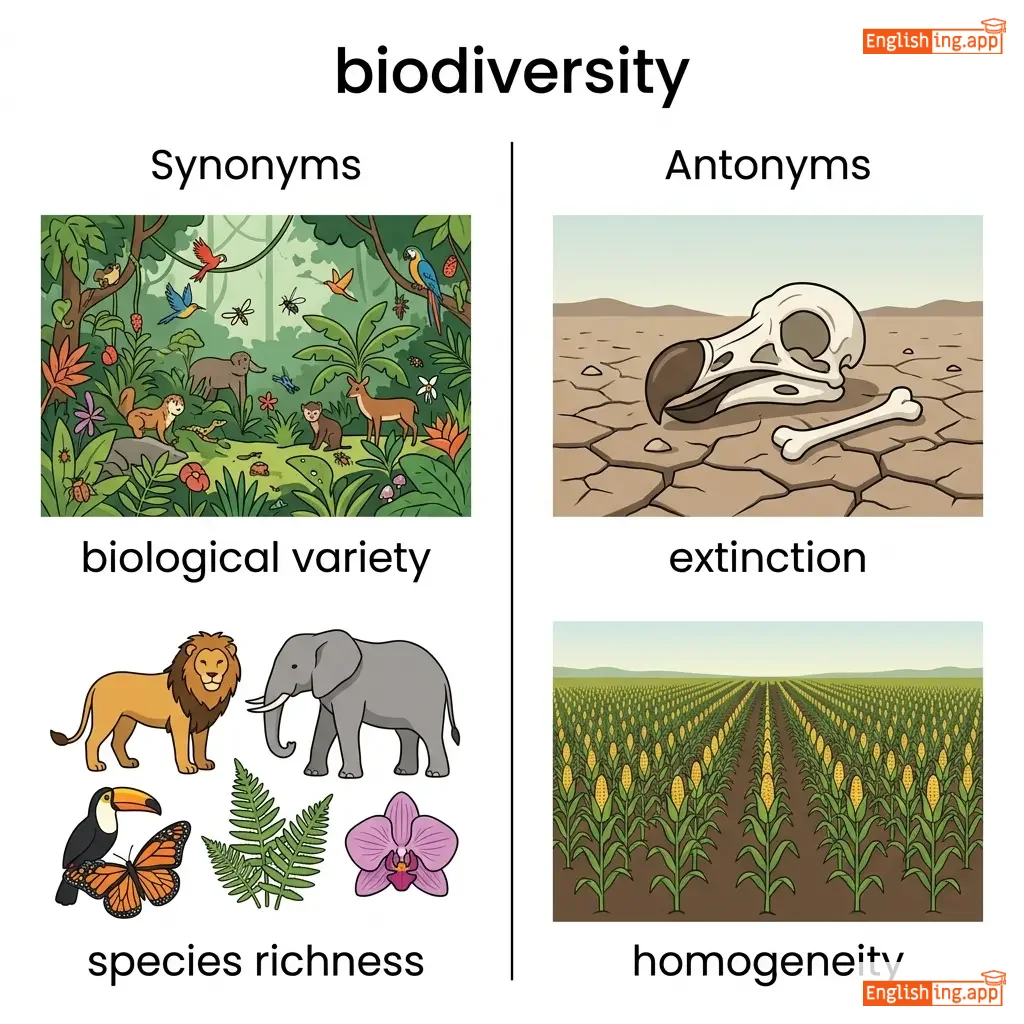
Biological Diversity, Ecosystem Variety, Species Richness
••••••
Monoculture, Homogeneity, Uniformity
••••••
#2650
🦠
••••••
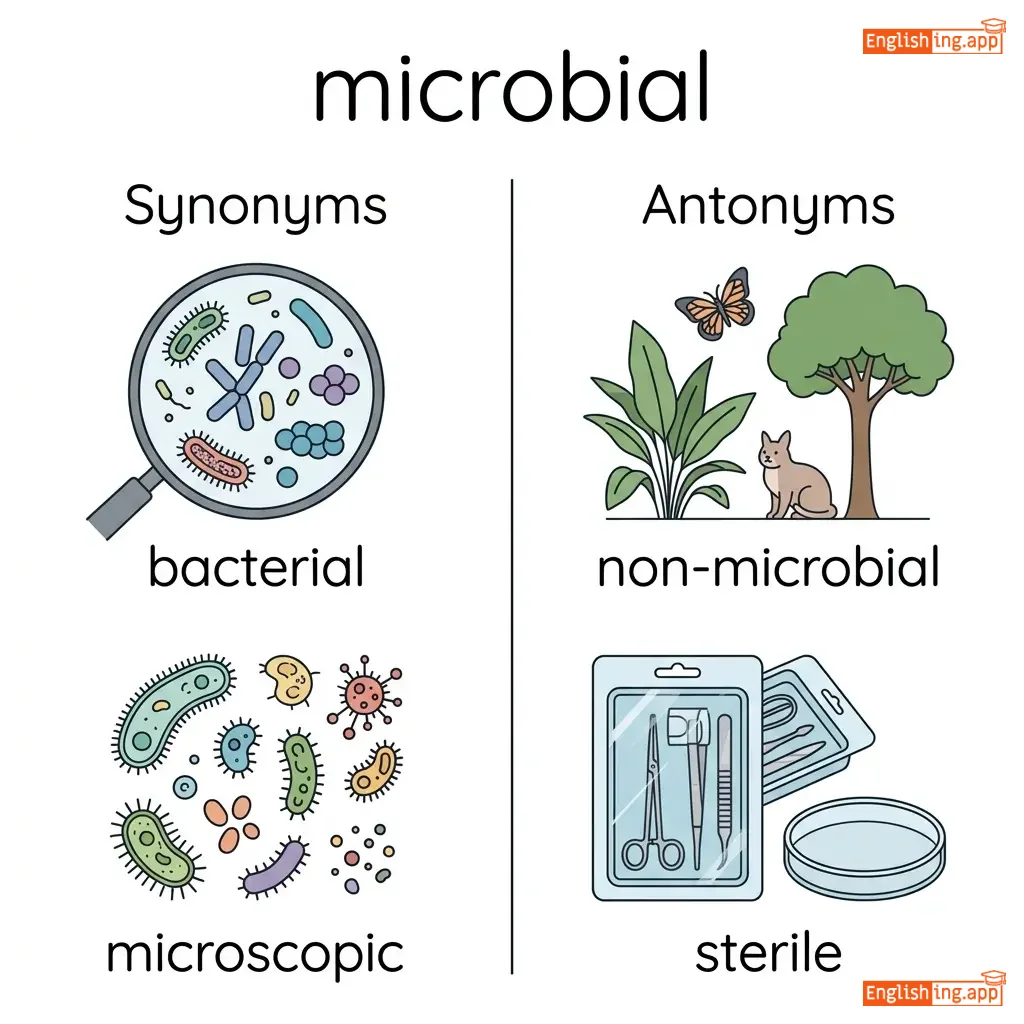
/maɪˈkroʊ.bi.əl/
adjective
••••••
••••••
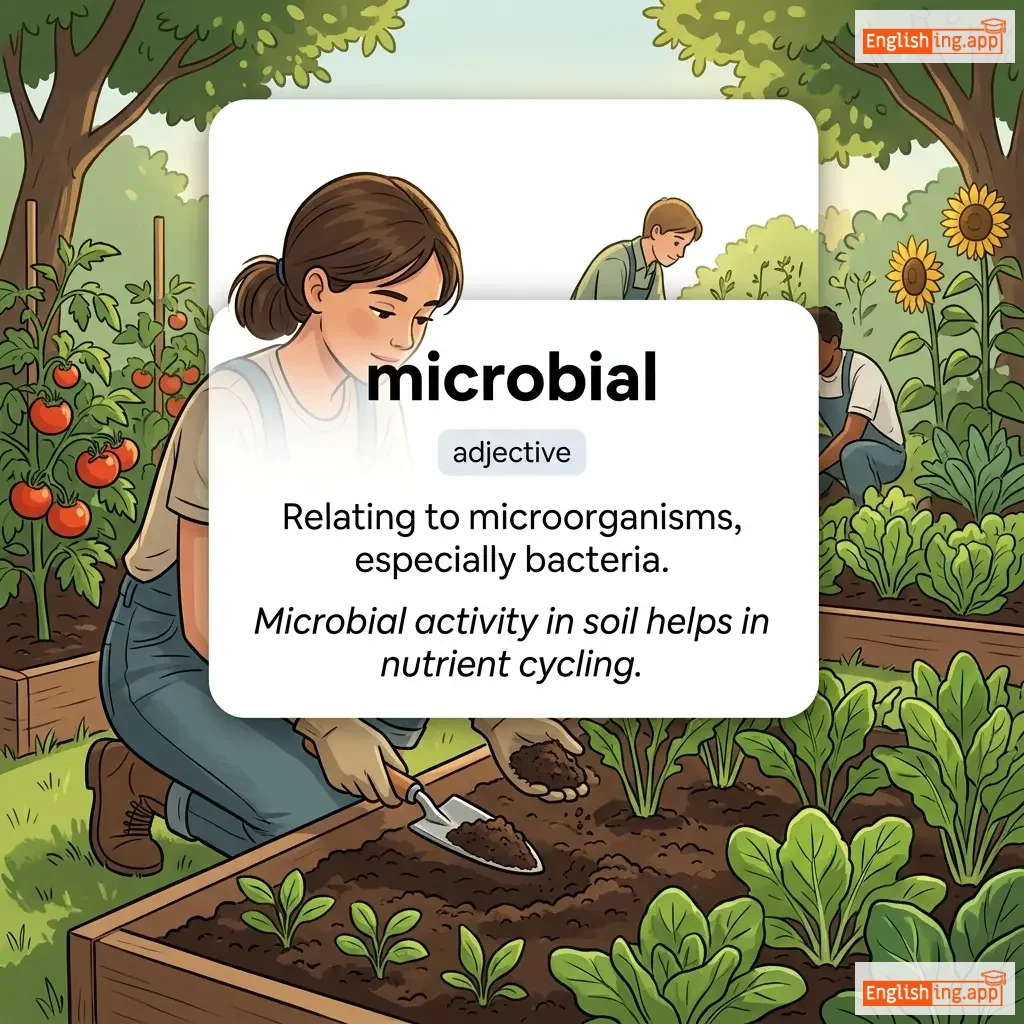
Related to bacteria, fungi, and other microscopic organisms.
••••••

Microbial activity in the soil improves fertility.

••••••
Bacterial, Microscopic, Microorganism-based
••••••
Sterile, Non-living, Inorganic
••••••
#2651
♻️
••••••
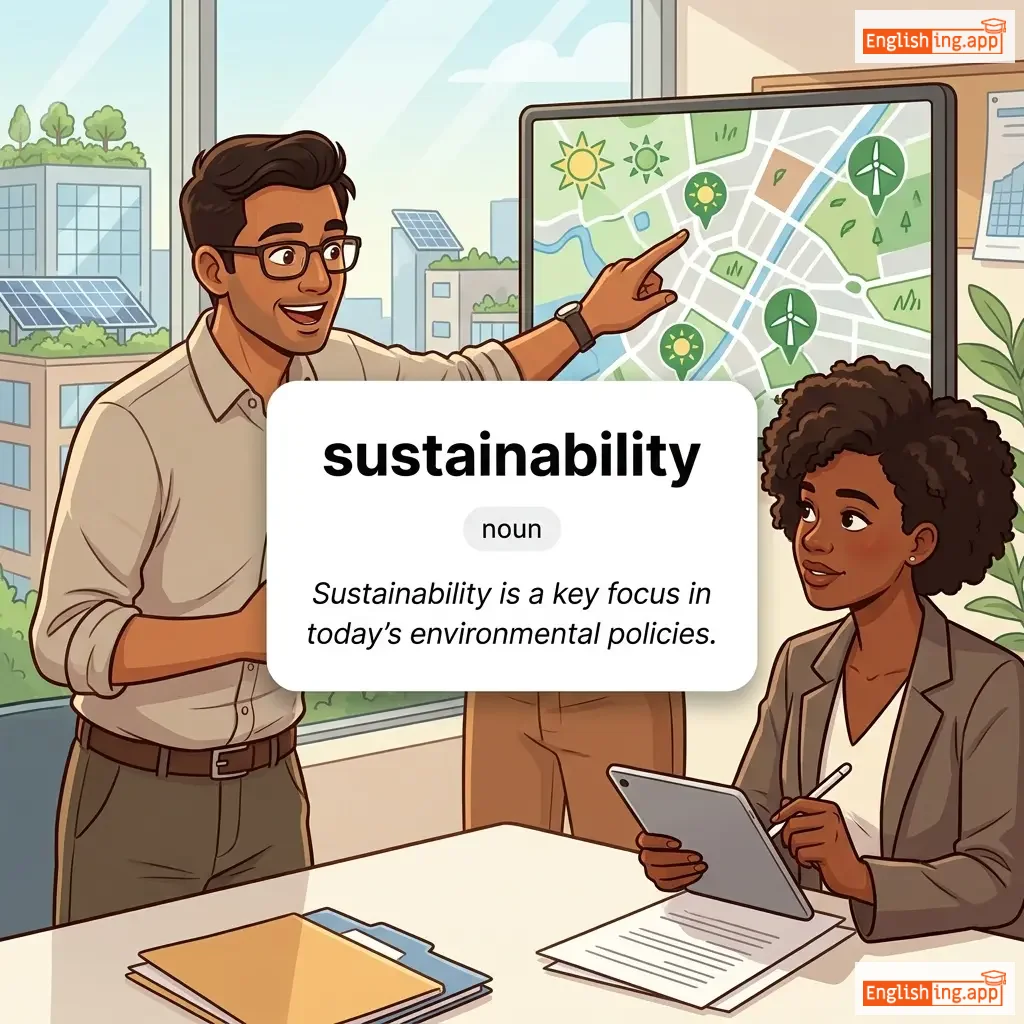
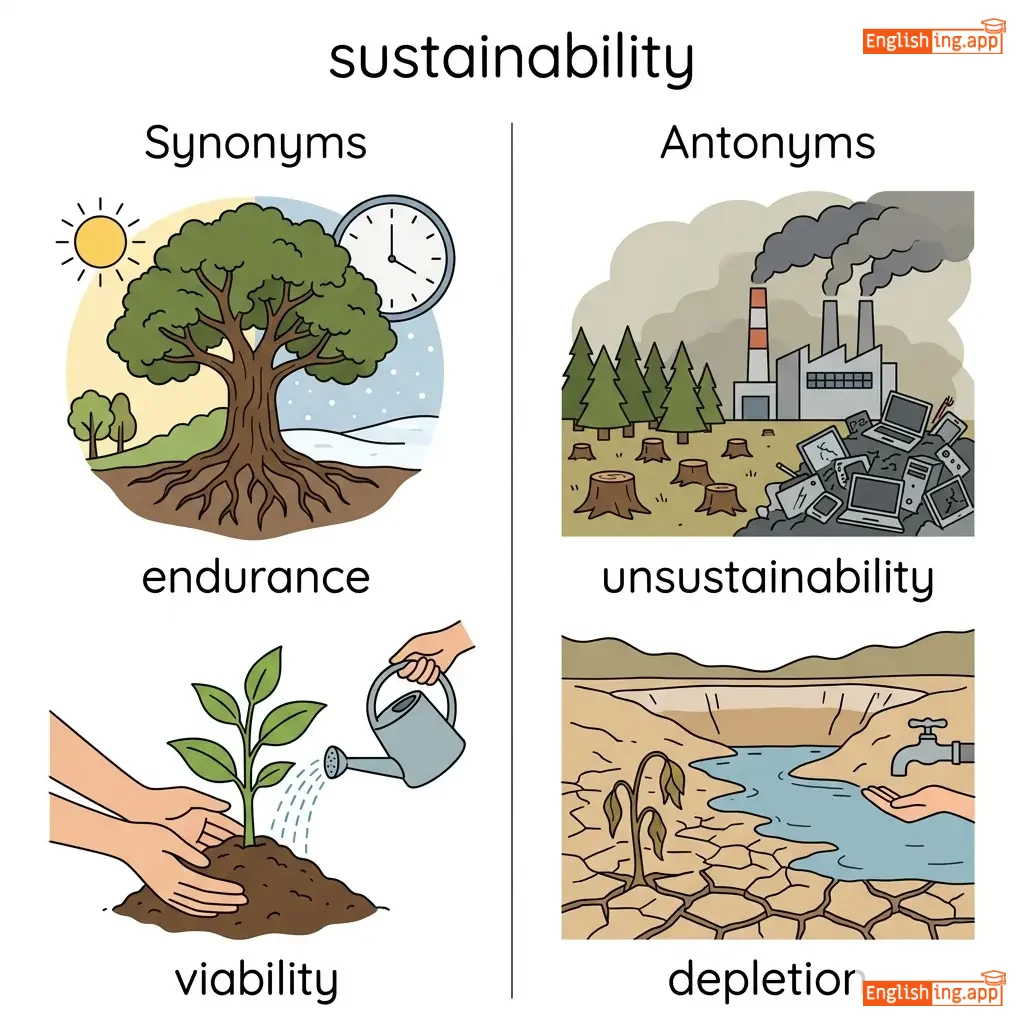
/səˌsteɪ.nəˈbɪl.ɪ.ti/
noun
••••••
••••••
The ability to maintain environmental and social balance over the long term.
••••••

Sustainability ensures that future generations can meet their needs.

••••••
Durability, Eco-friendliness, Viability
••••••
Unsustainability, Instability, Depletion
••••••
#2652
📈
••••••
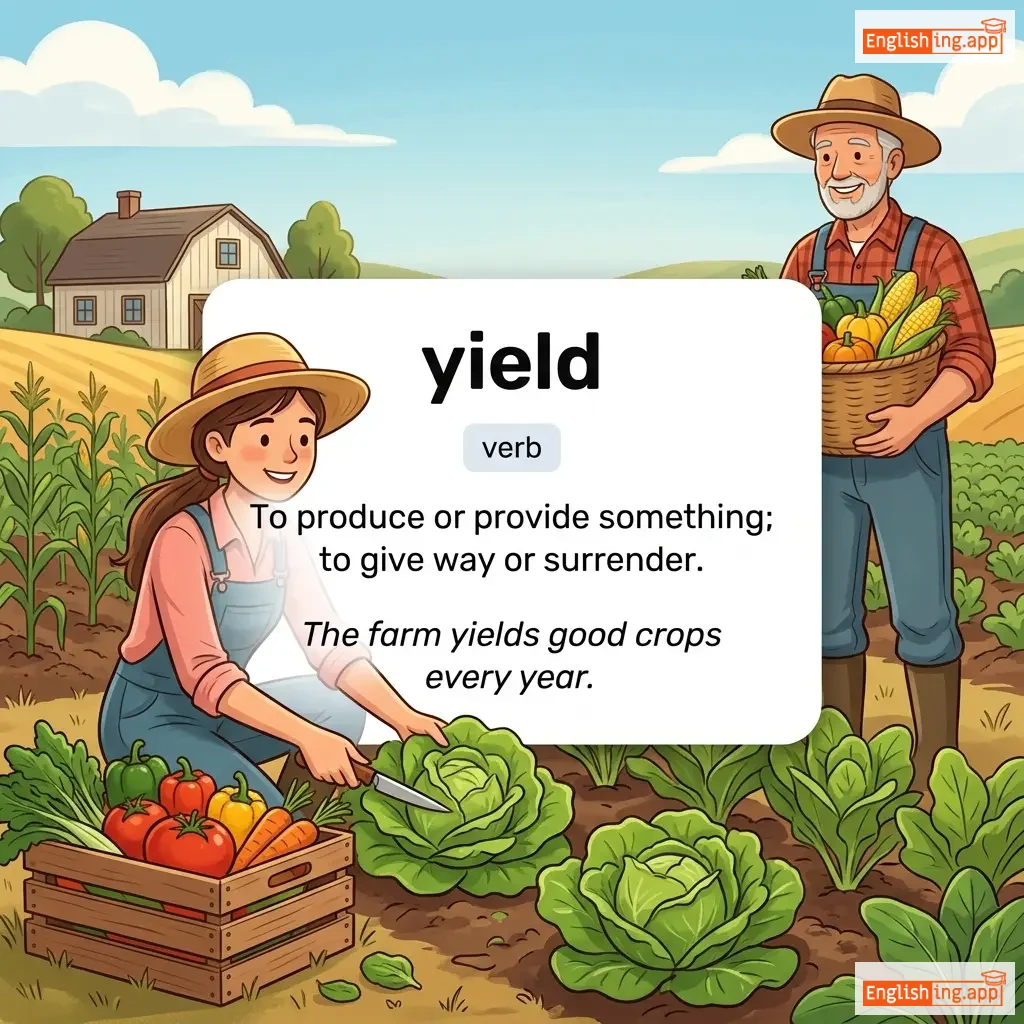
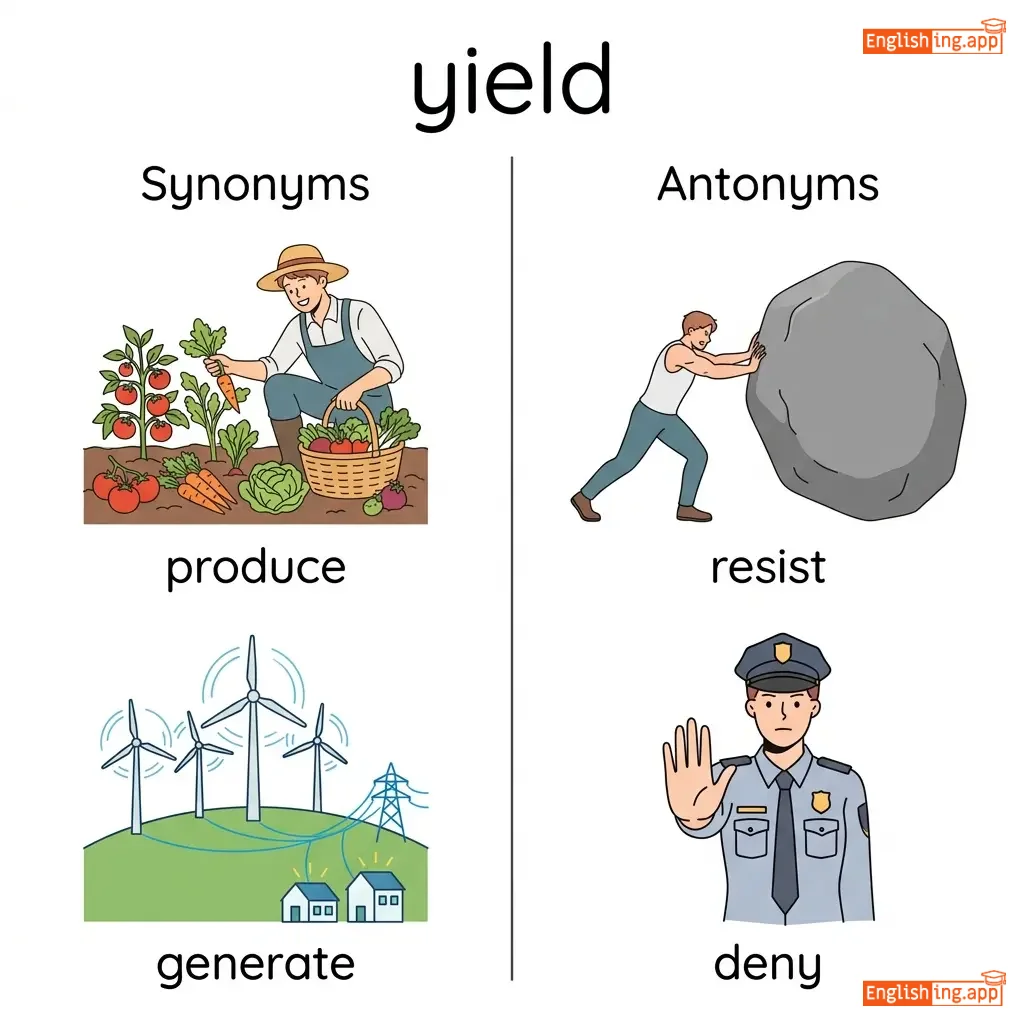
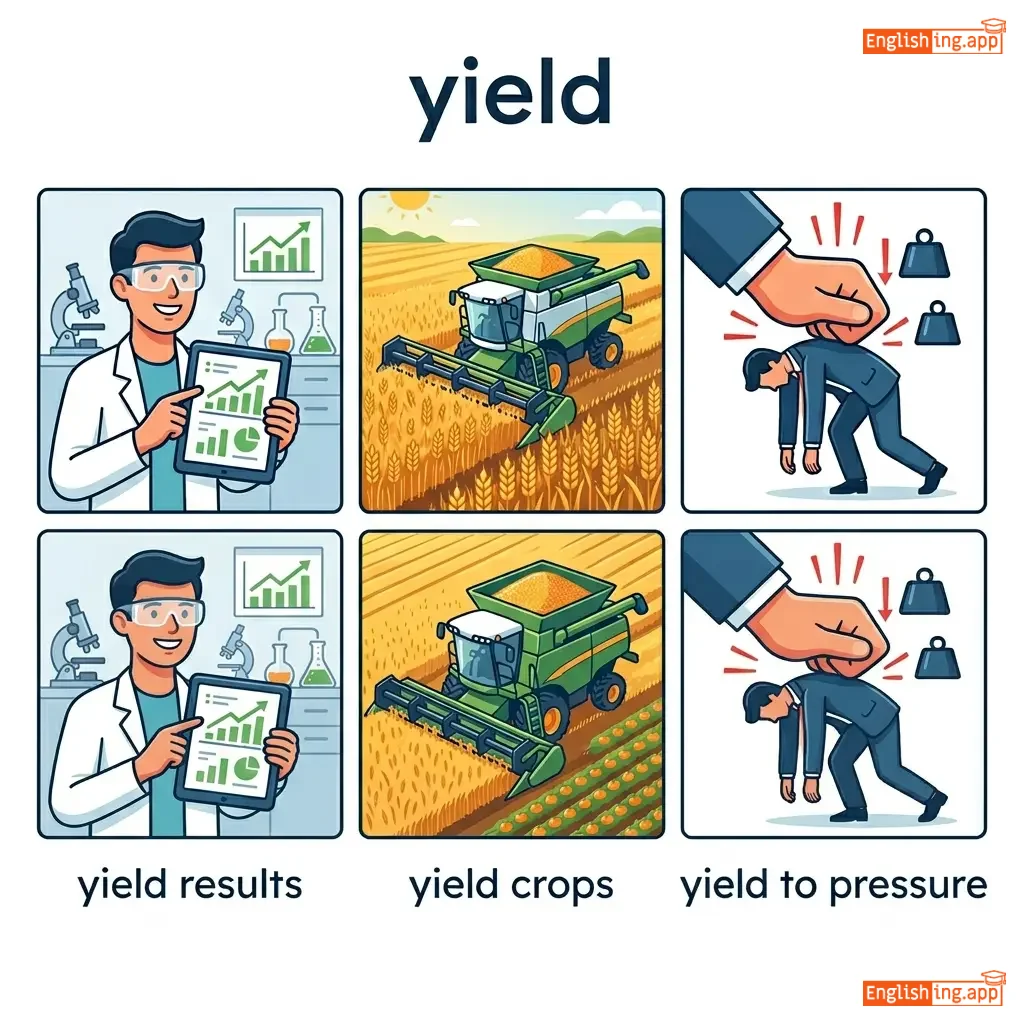
/jiːld/
noun
••••••
••••••
The amount of crops harvested from a field in a specific period.
••••••

Farmers aim to maximize yield while maintaining soil health.

••••••
Output, Harvest, Production
••••••
Crop Failure, Loss, Reduction
••••••
#2653
⚗️
••••••
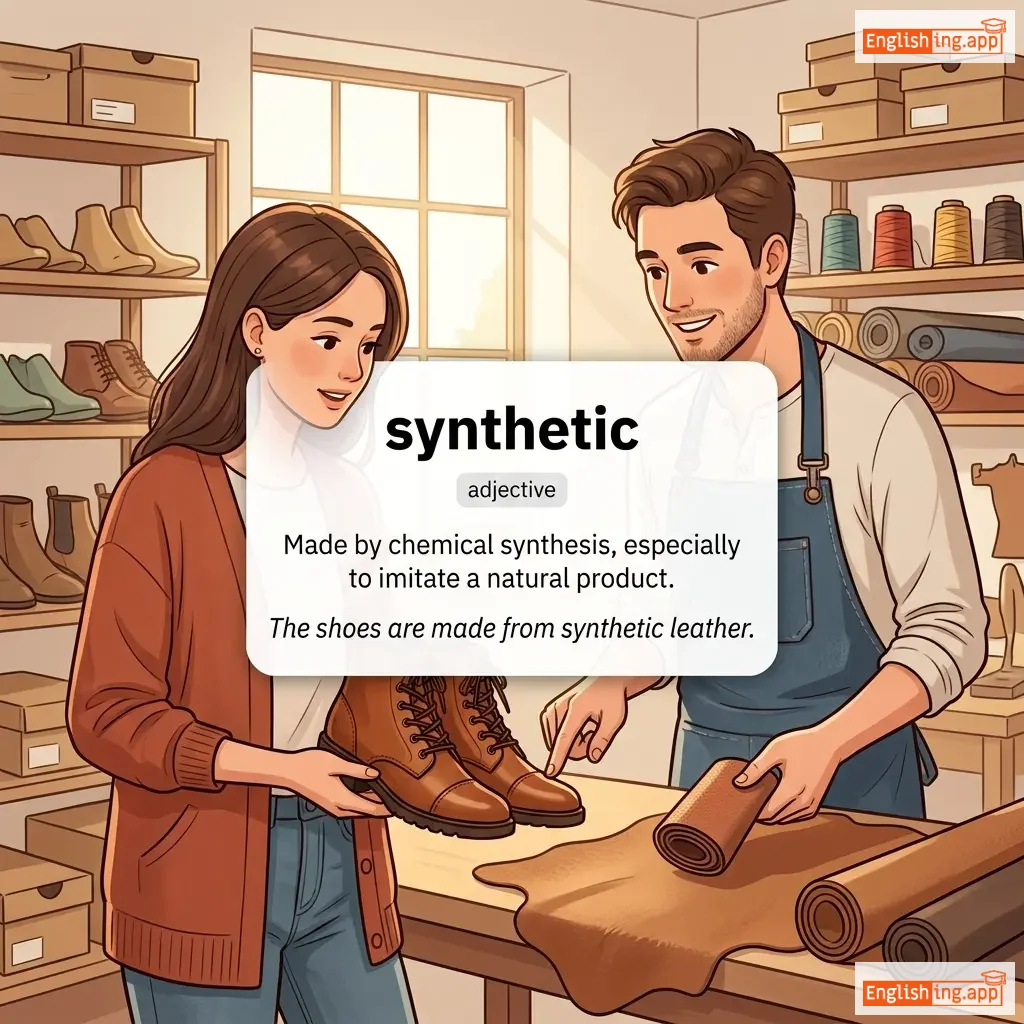
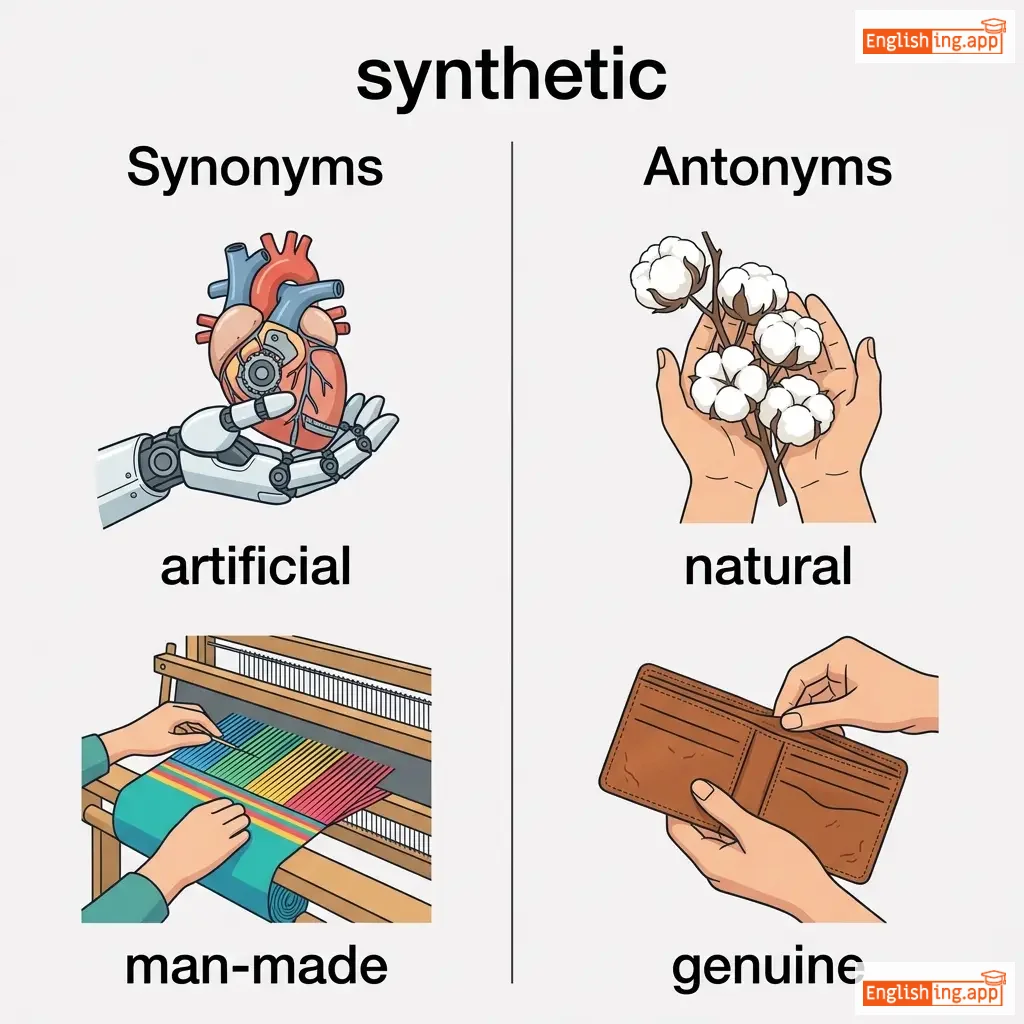
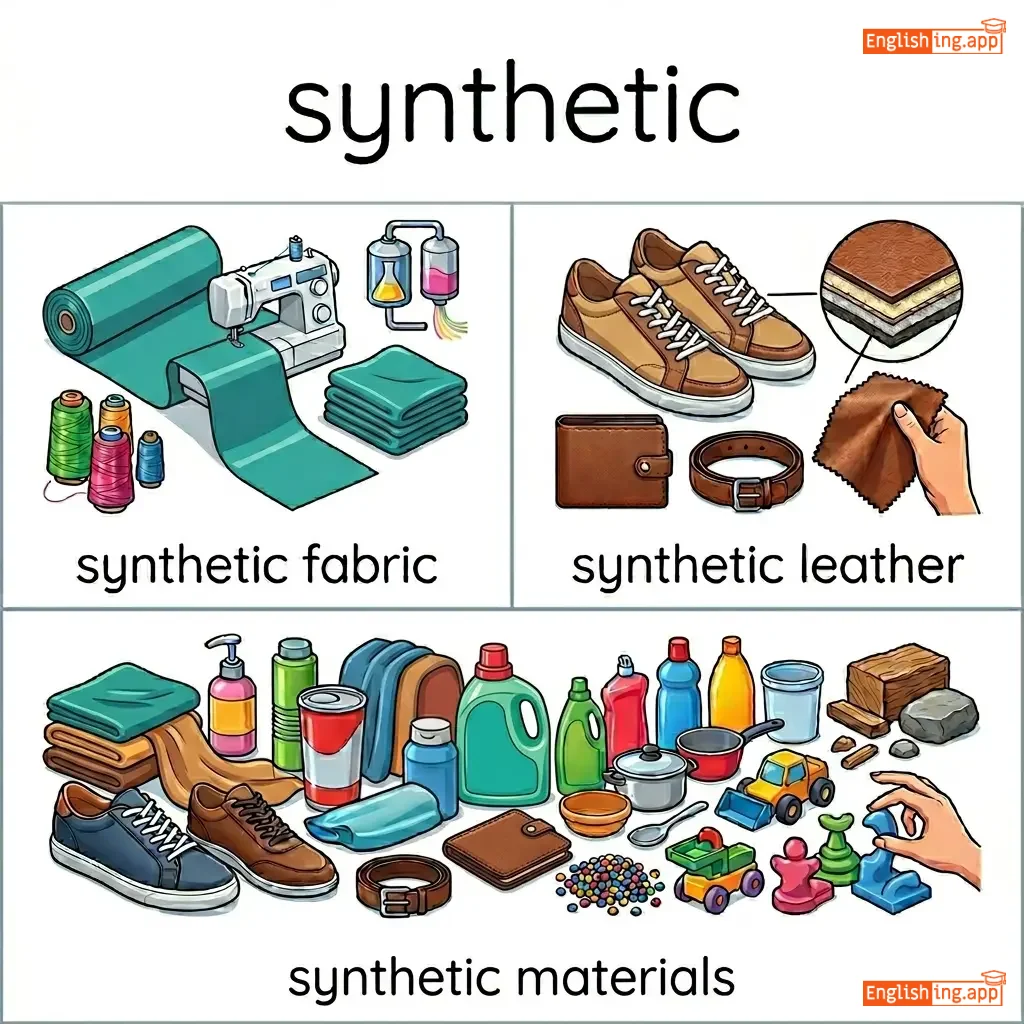
/sɪnˈθɛt.ɪk/
adjective
••••••
••••••
Made artificially through chemical processes rather than natural means.
••••••

Many synthetic fertilizers harm the environment.

••••••
Artificial, Man-made, Chemically Engineered
••••••
Natural, Organic, Unprocessed
••••••
#2654
🌊
••••••
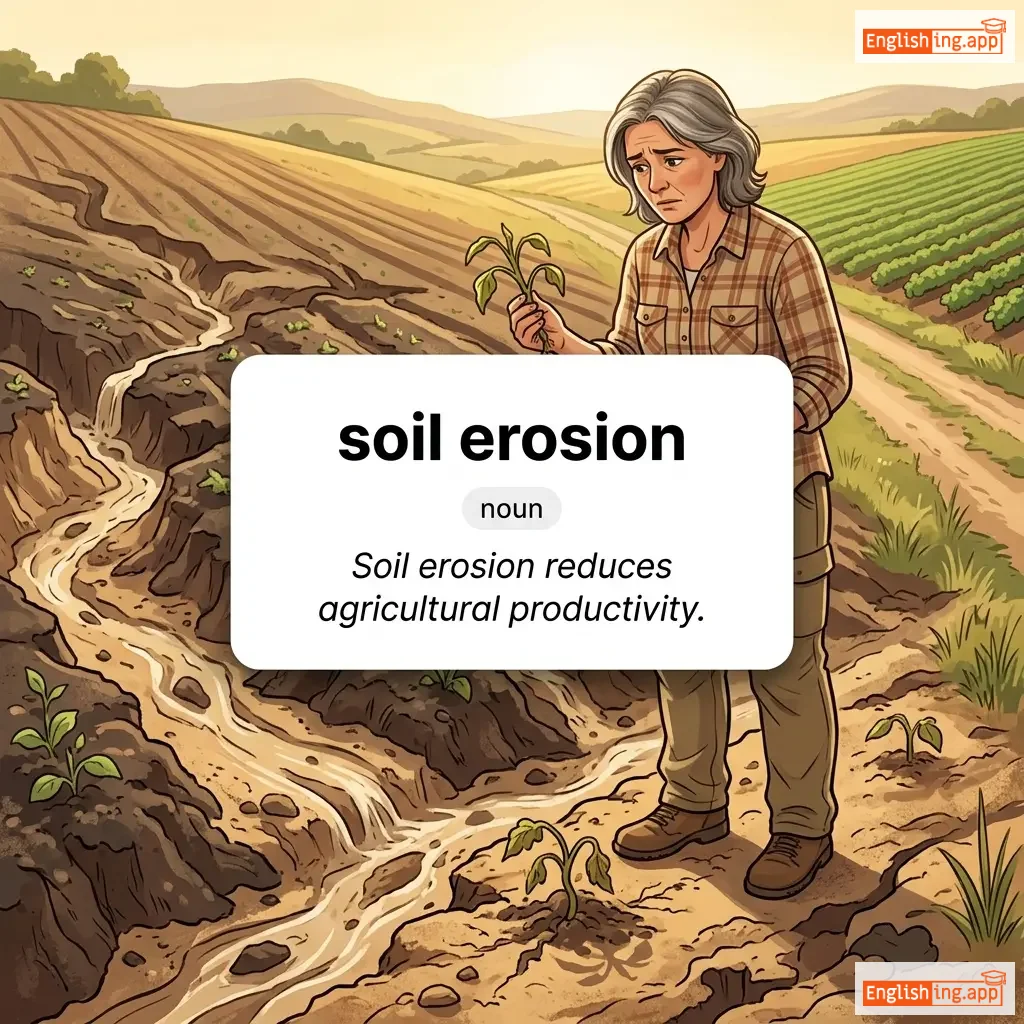
/sɔɪl ɪˈroʊ.ʒən/
noun
••••••
••••••
The gradual wearing away of soil layers due to wind, water, or agricultural practices.
••••••

Deforestation accelerates soil erosion and reduces fertility.

••••••
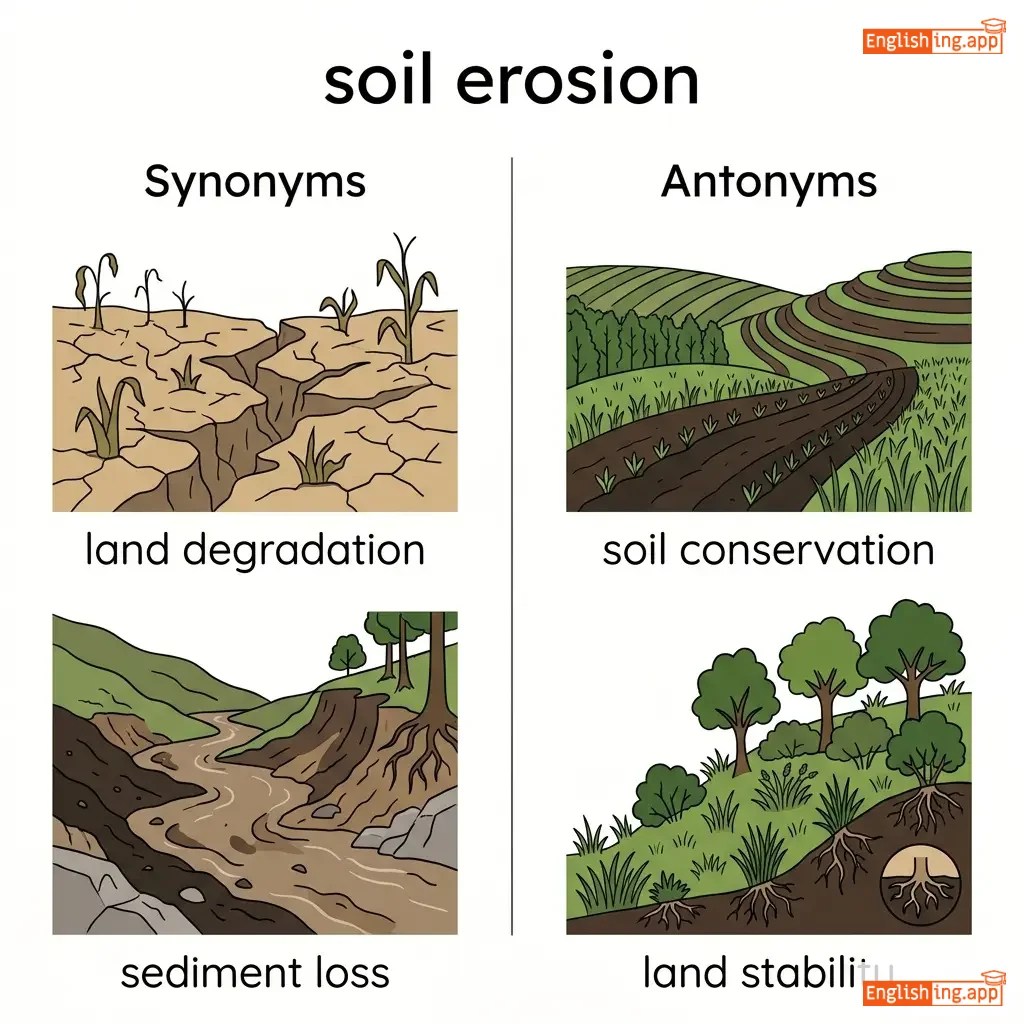
Land Degradation, Soil Depletion, Erosion
••••••
Soil Conservation, Land Stability, Fertility Maintenance
••••••
#2655
📉
••••••
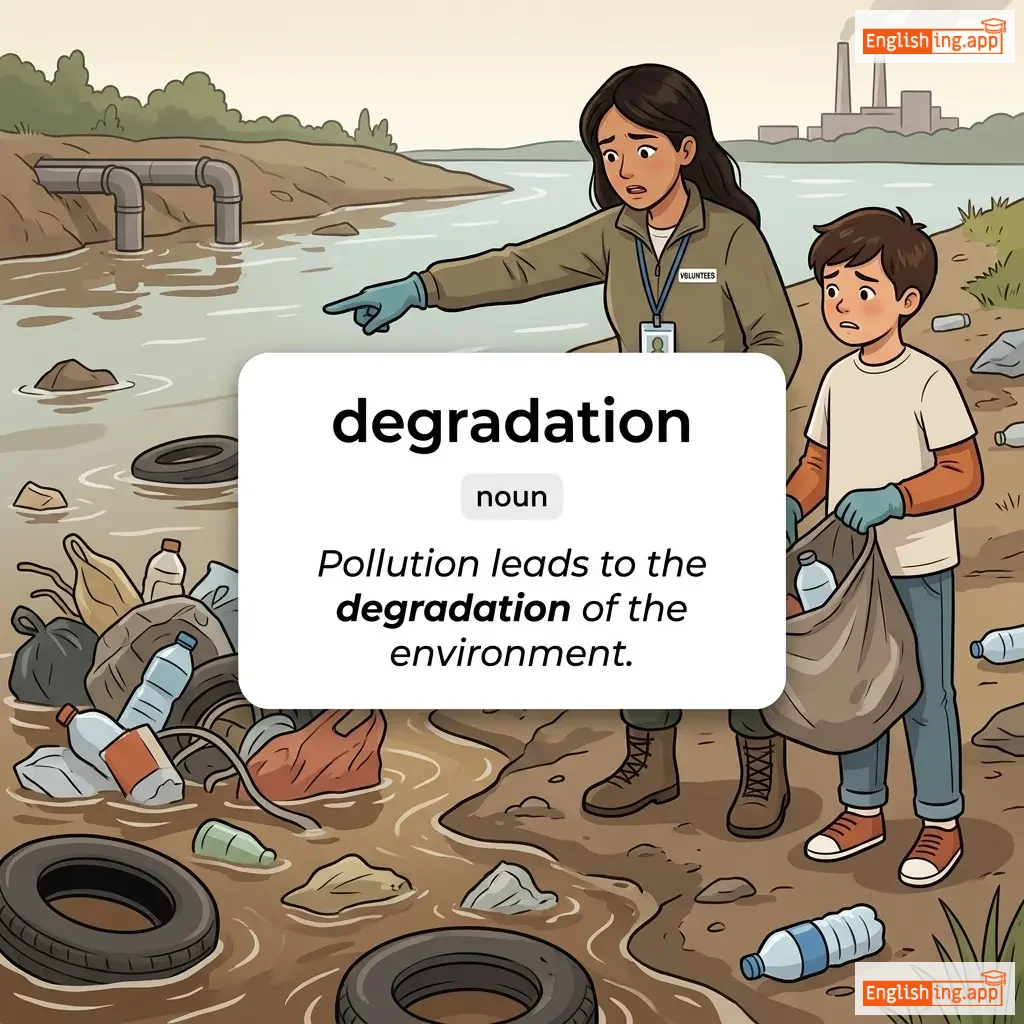
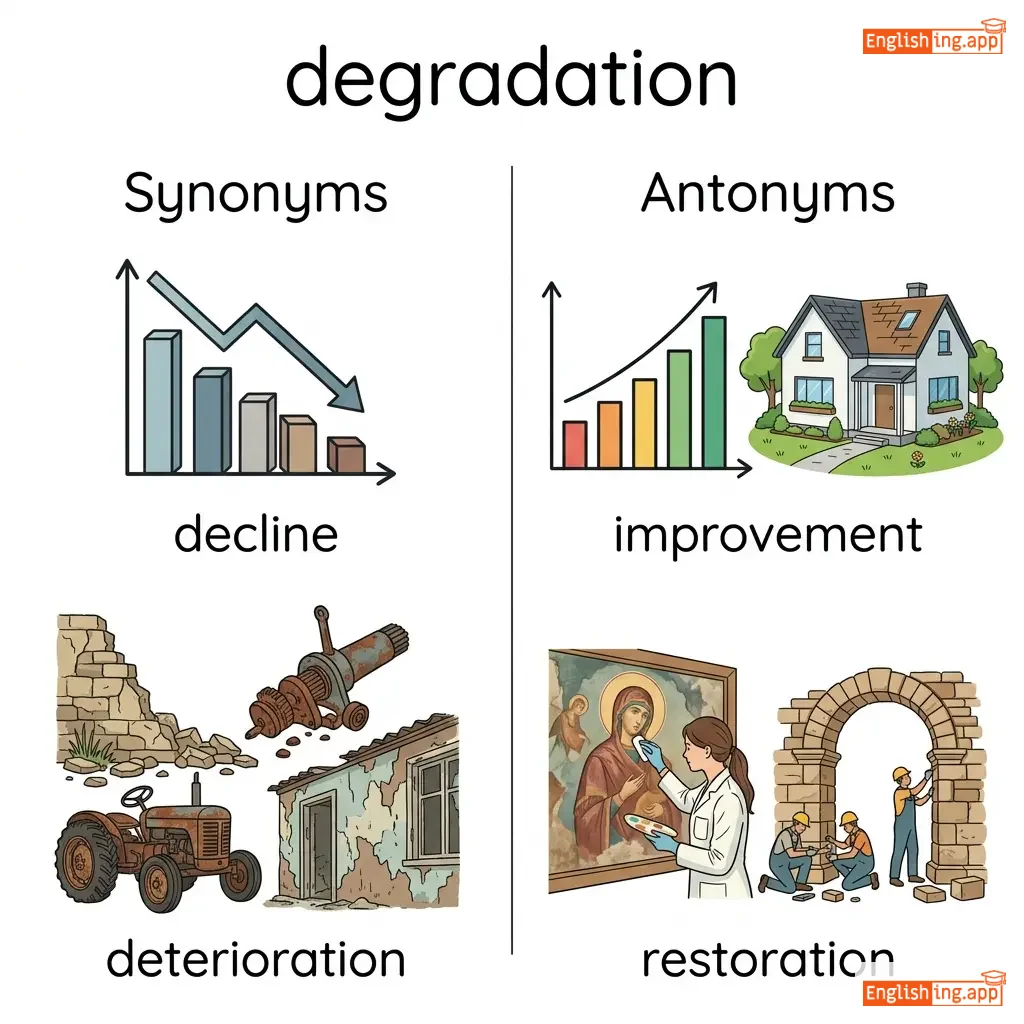
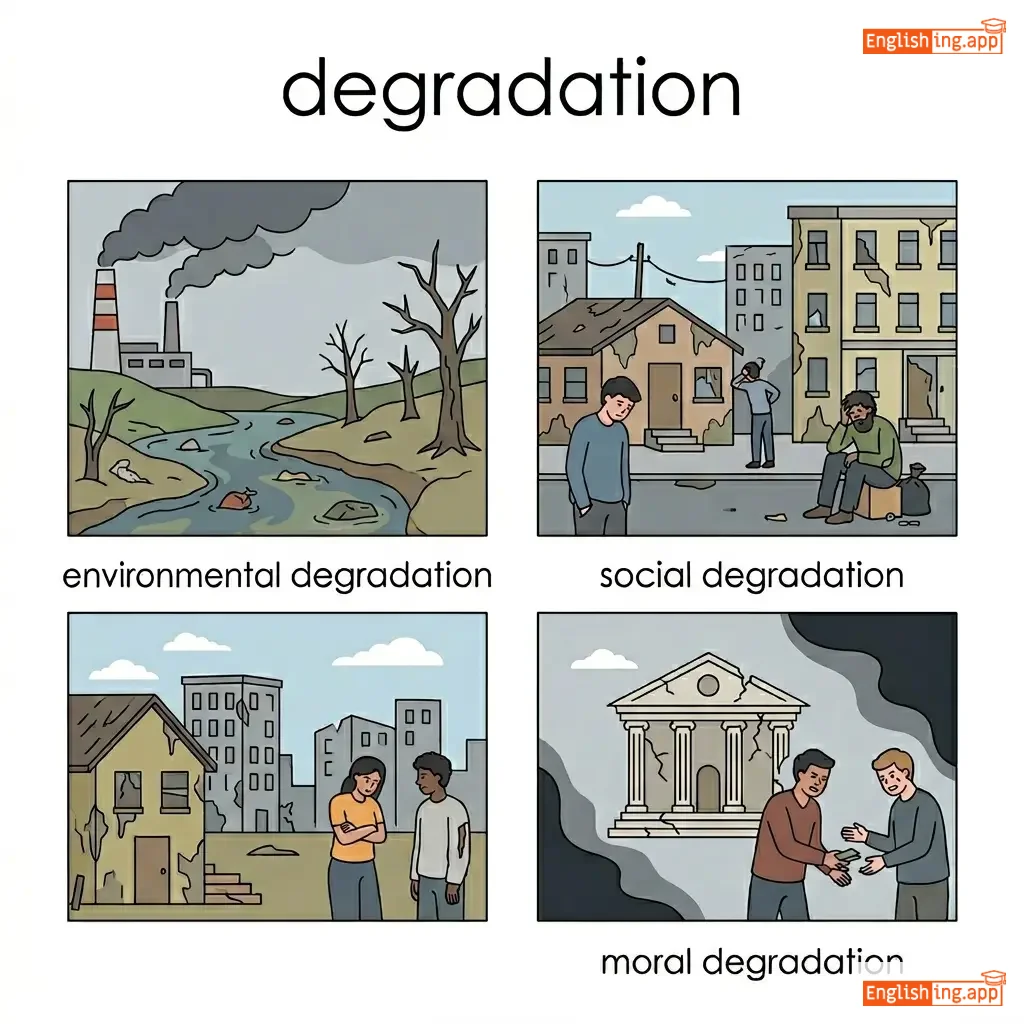
/ˌdɛɡ.rəˈdeɪ.ʃən/
noun
••••••
••••••
The decline in quality or condition of the environment or other things.
••••••

Soil degradation reduces agricultural productivity.

••••••
Deterioration, Decline, Decay
••••••
Improvement, Restoration, Enhancement
••••••
#2656
☠️
••••••
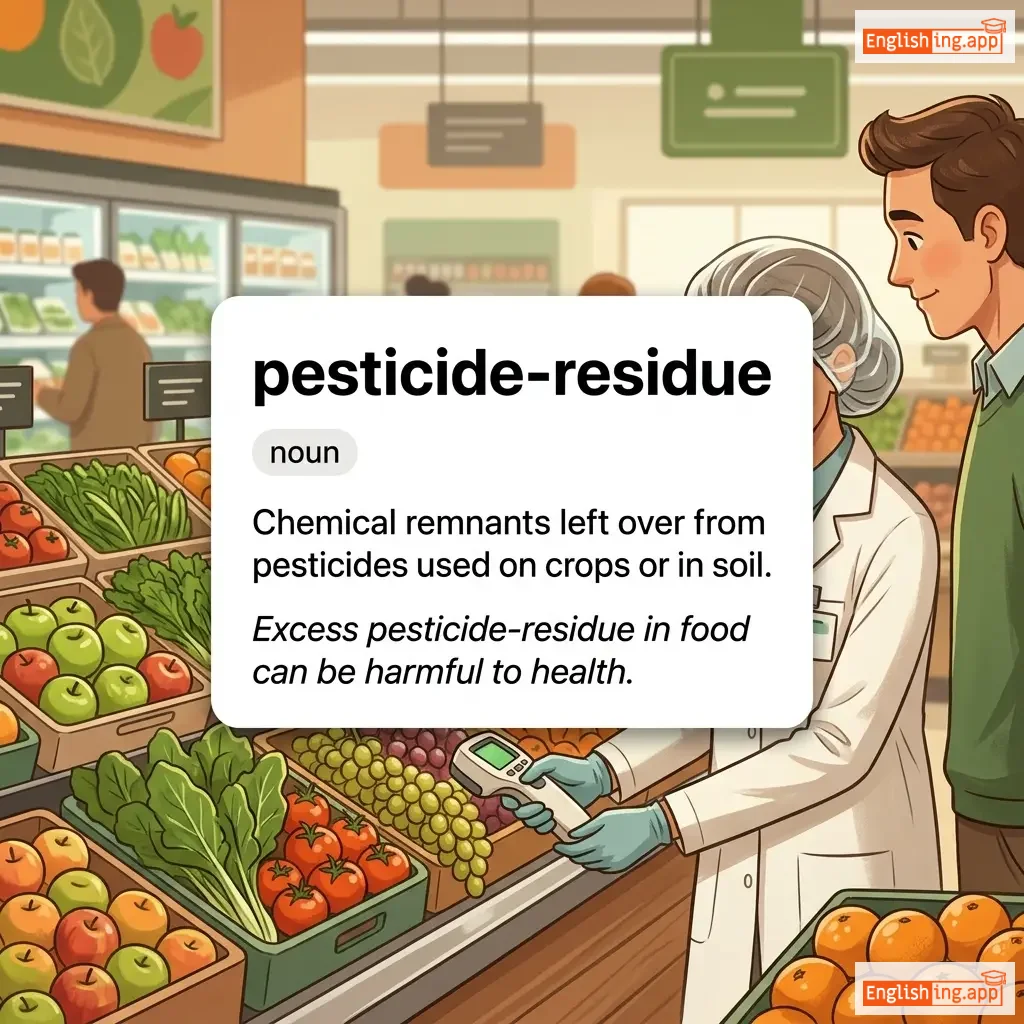
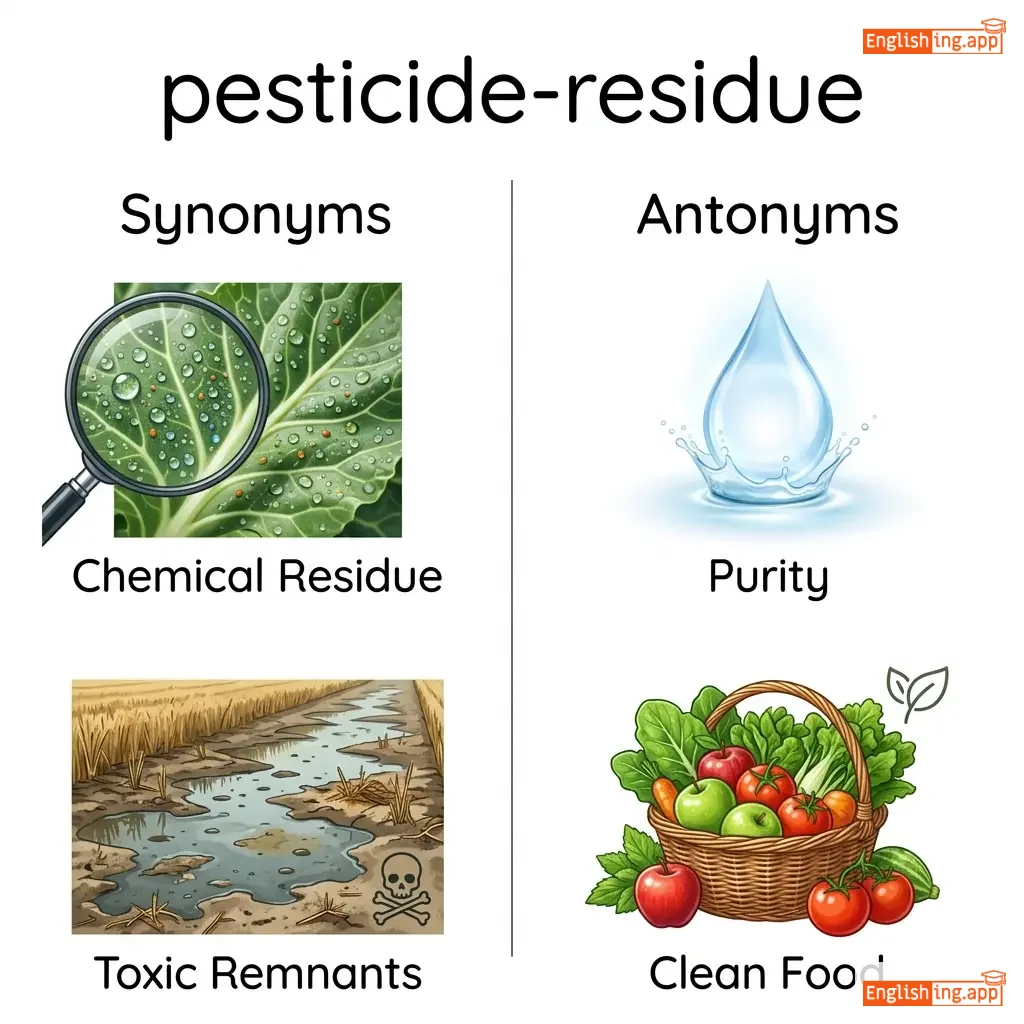
/ˈpɛs.tɪ.saɪd ˈrɛz.ɪ.djuː/
noun
••••••
••••••
Chemical remnants left over from pesticides used on crops or in soil.
••••••

Excess pesticide-residue in food can be harmful to health.

••••••
Chemical Residue, Toxic Remnants, Agricultural Contaminants
••••••
Purity, Clean Food, Residue-free
••••••
#2657
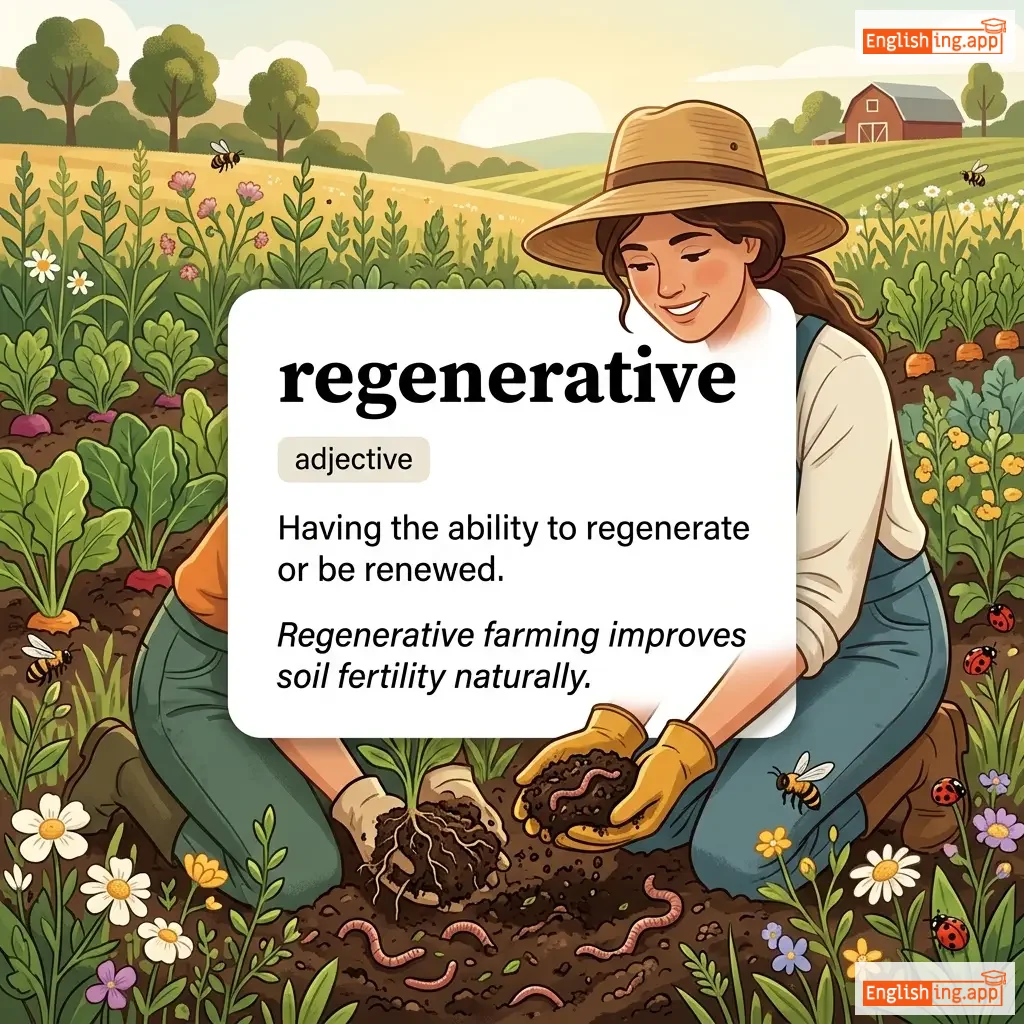
🌿
••••••
/rɪˈdʒɛn.ə.rə.tɪv/
adjective
••••••
••••••
Able to restore or renew damaged environments, soil, or resources.
••••••

Regenerative farming improves soil health and biodiversity.

••••••
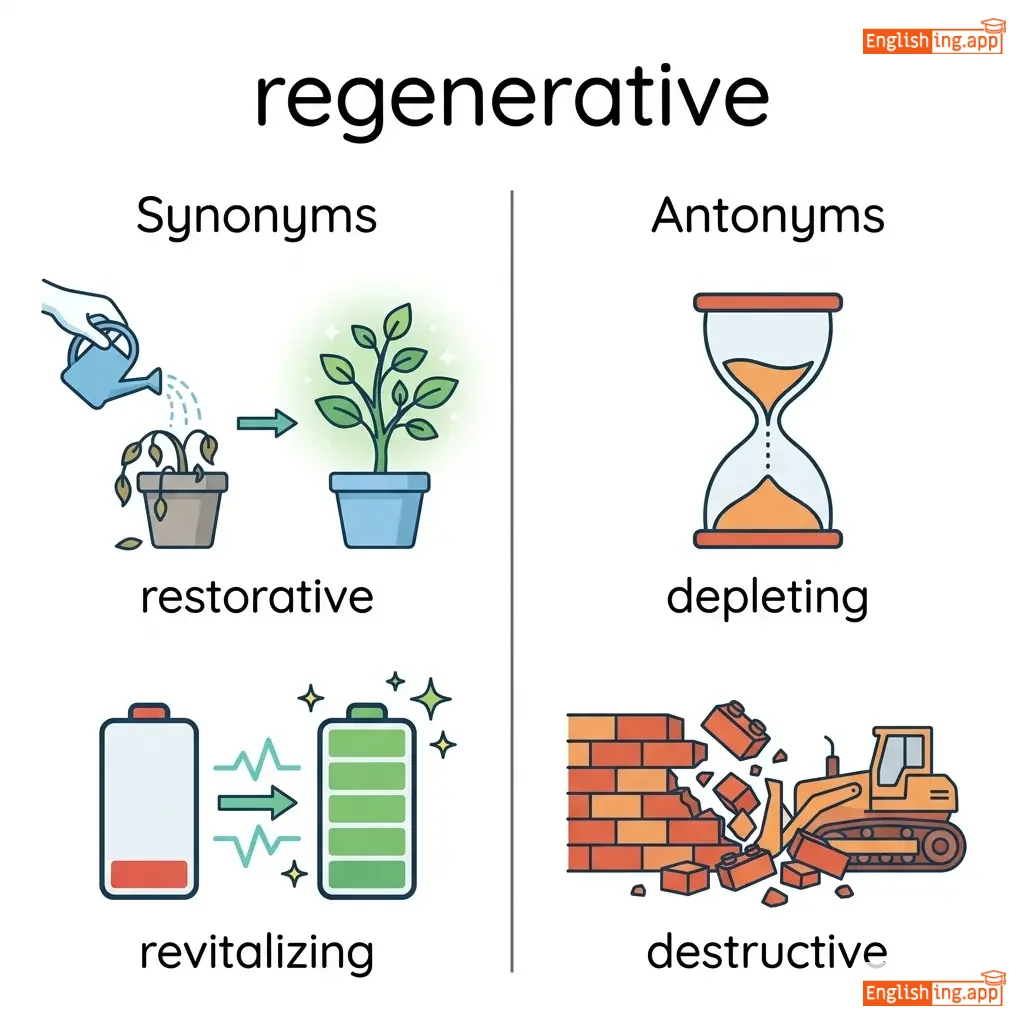
Restorative, Rejuvenating, Revitalizing
••••••
Depleting, Damaging, Exhaustive
••••••
#2658
🗑️
••••••
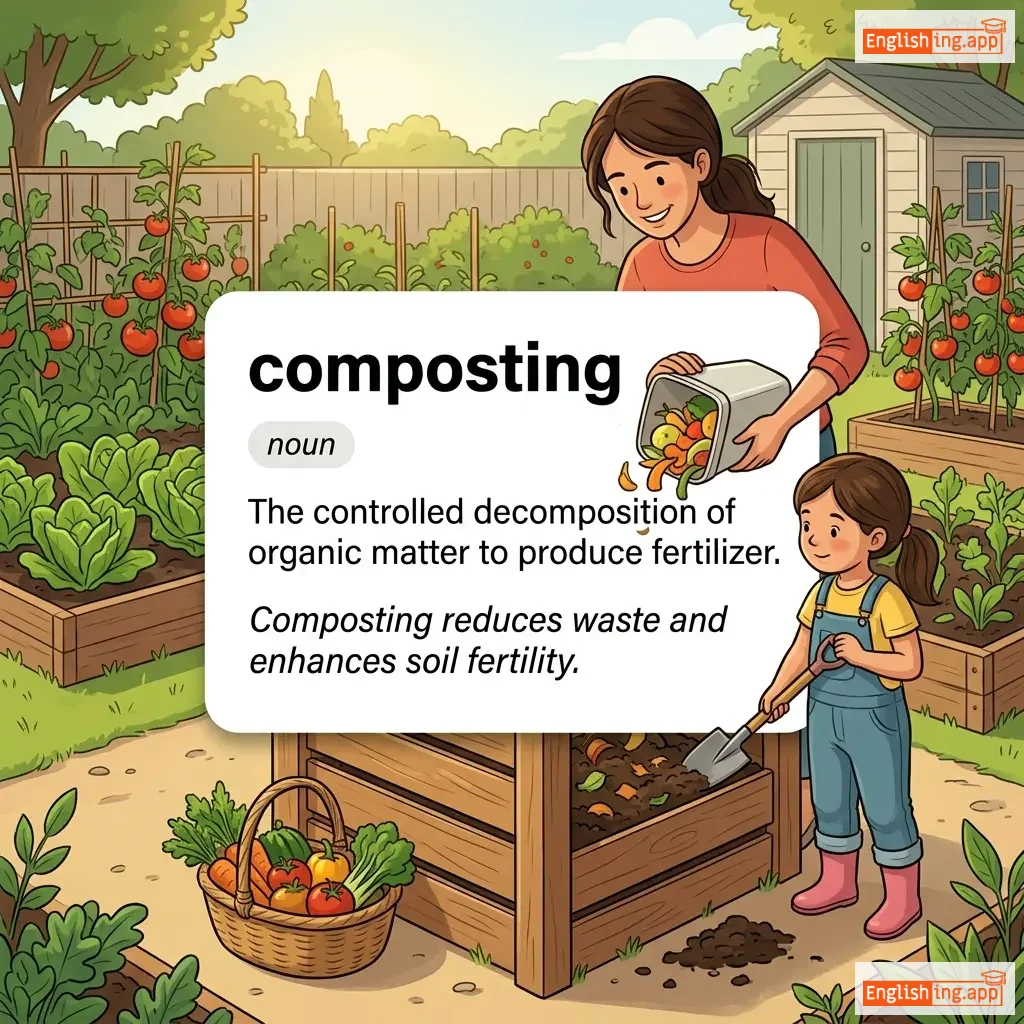
/ˈkɒm.pɒ.stɪŋ/
noun
••••••
••••••
The process of recycling organic waste into fertile fertilizer.
••••••

Composting reduces waste and enhances soil fertility.

••••••
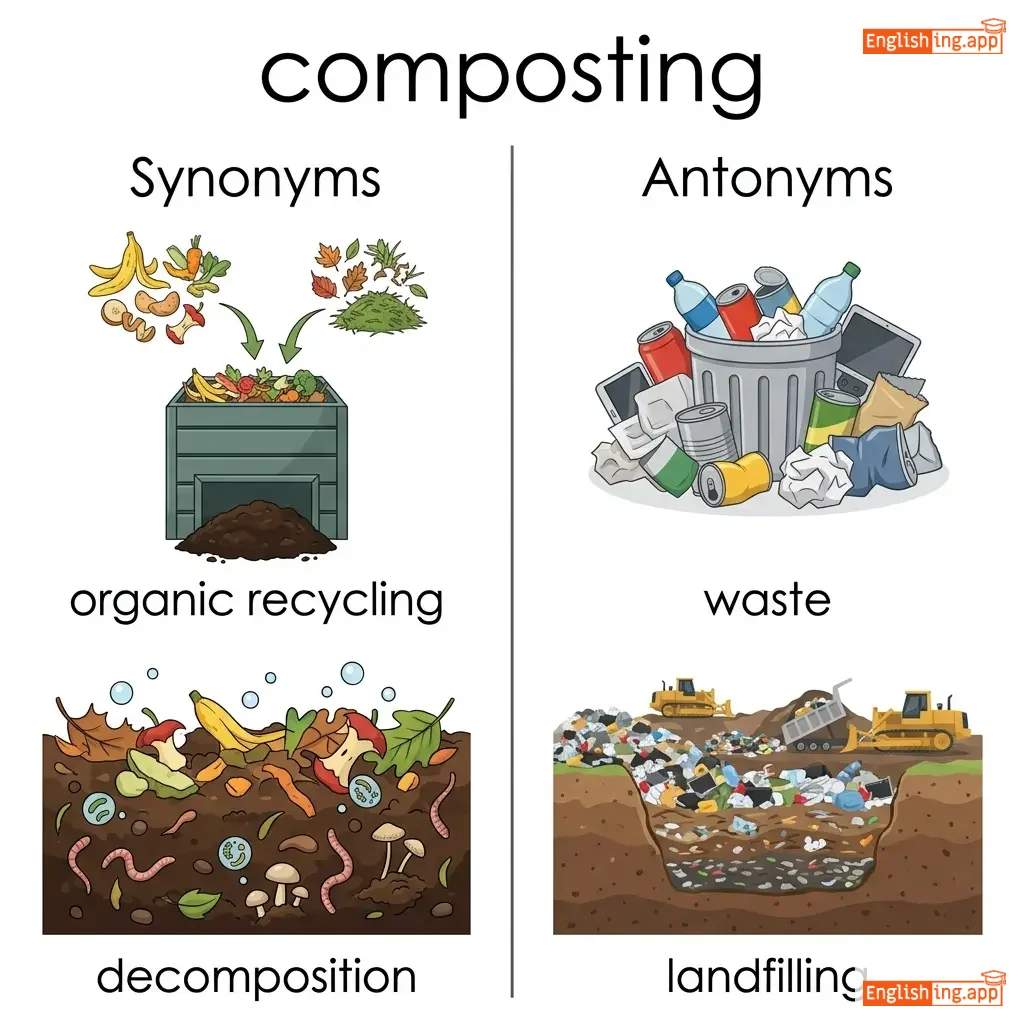
Organic Recycling, Decomposition, Fertilization
••••••
Waste, Landfilling, Chemical Fertilization
••••••
#2659
🌾
••••••
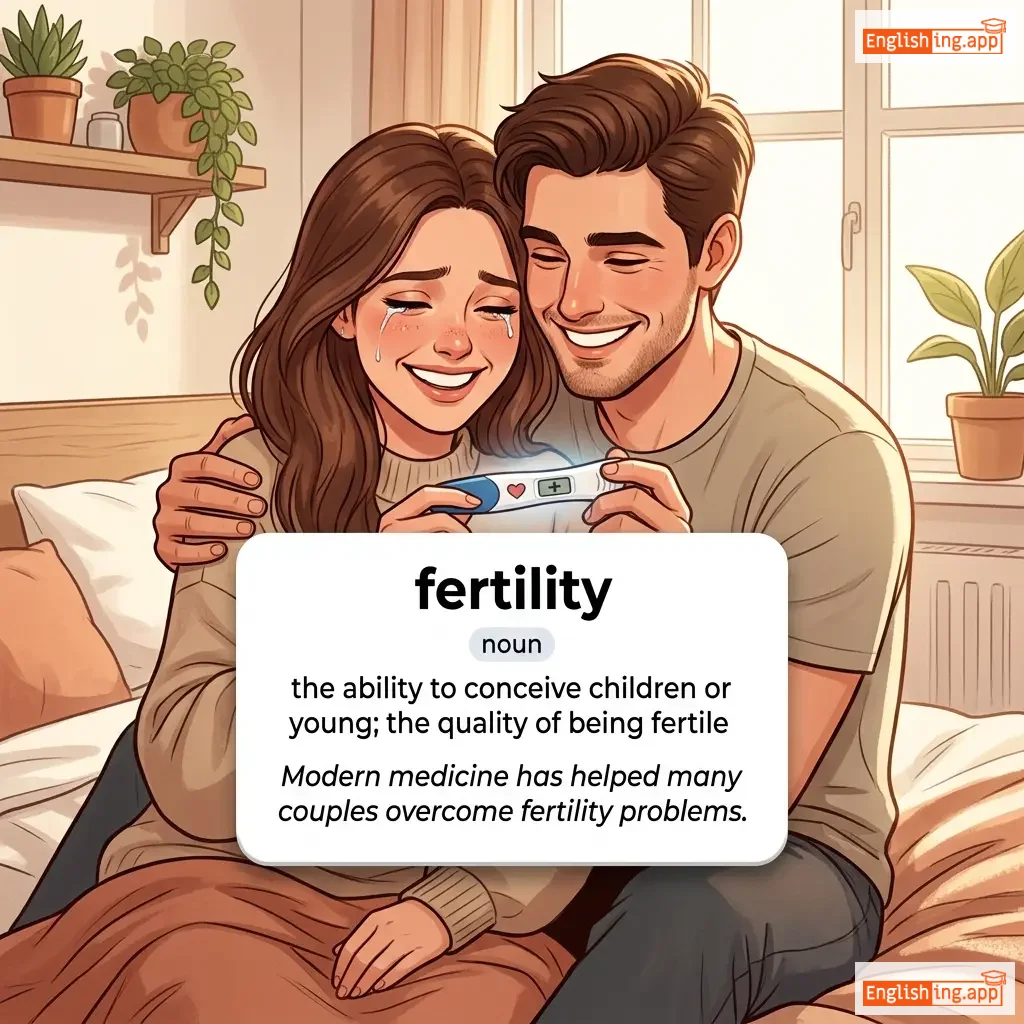
/fɜːˈtɪl.ɪ.ti/
noun
••••••
••••••
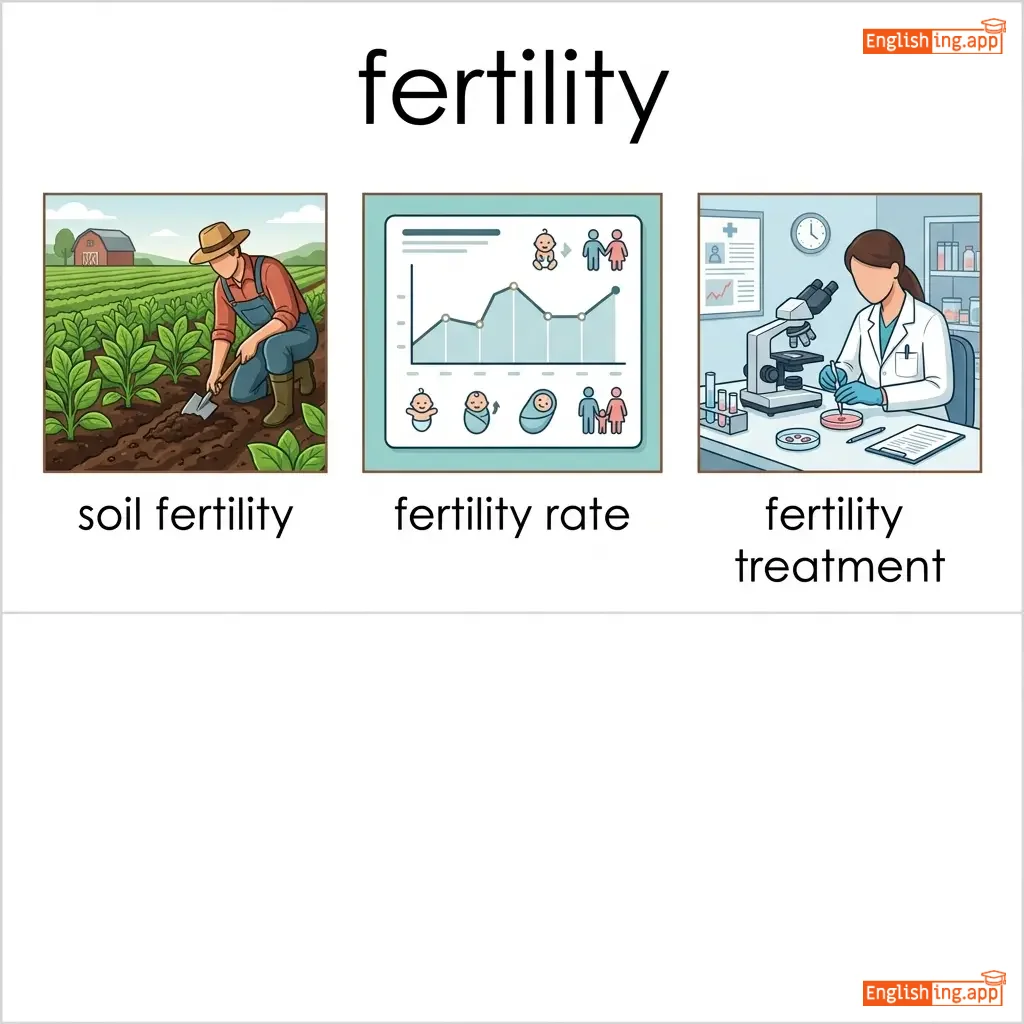
The ability of soil to produce crops or support plant growth.
••••••

Proper crop rotation maintains soil fertility.

••••••
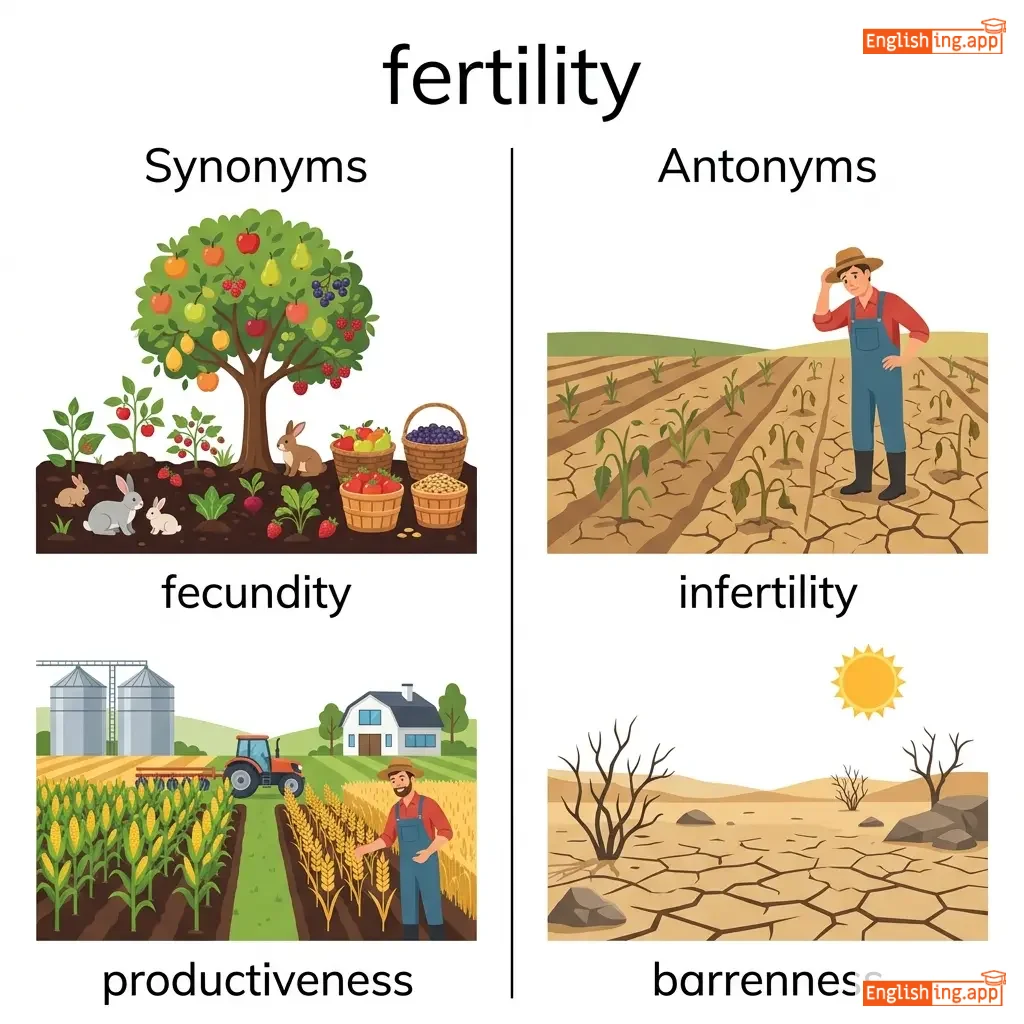
Productivity, Soil Richness, Fruitfulness
••••••
Infertility, Barren, Depletion
••••••
#2660
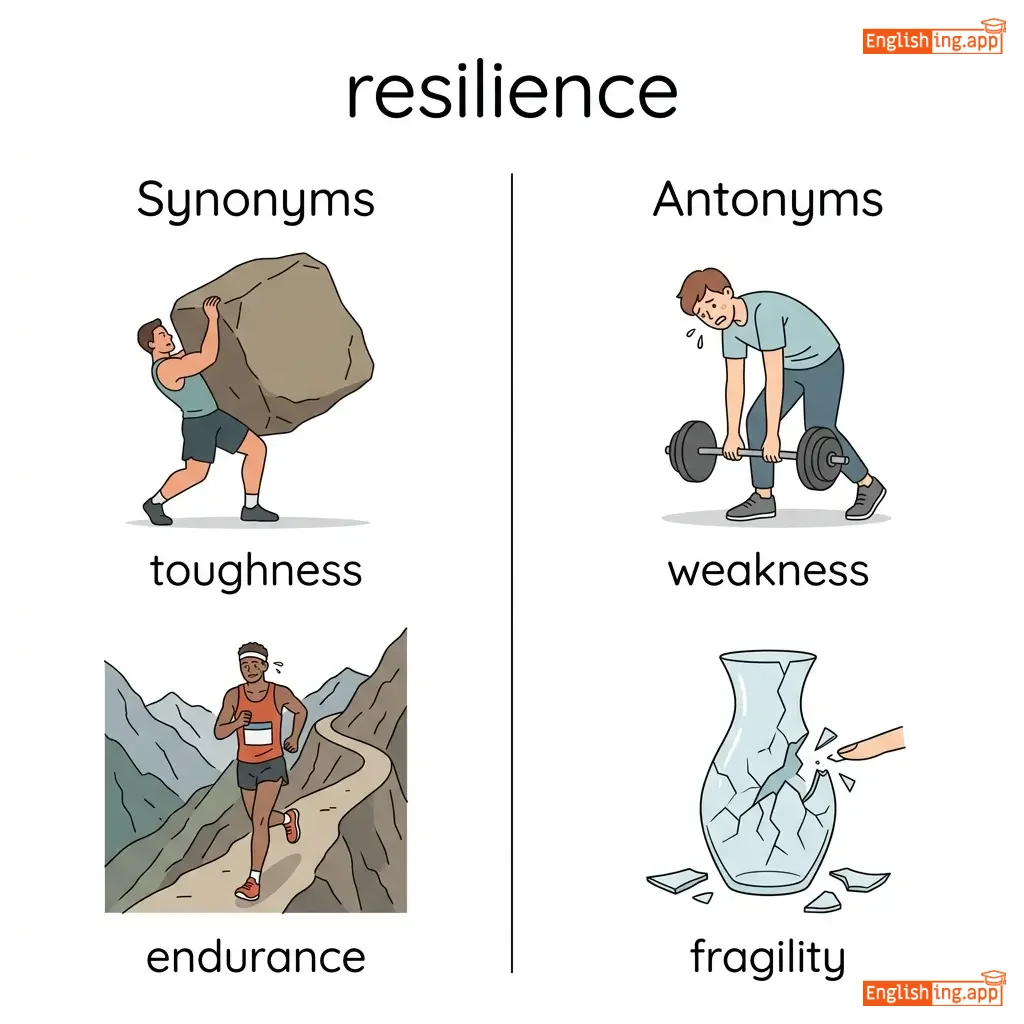
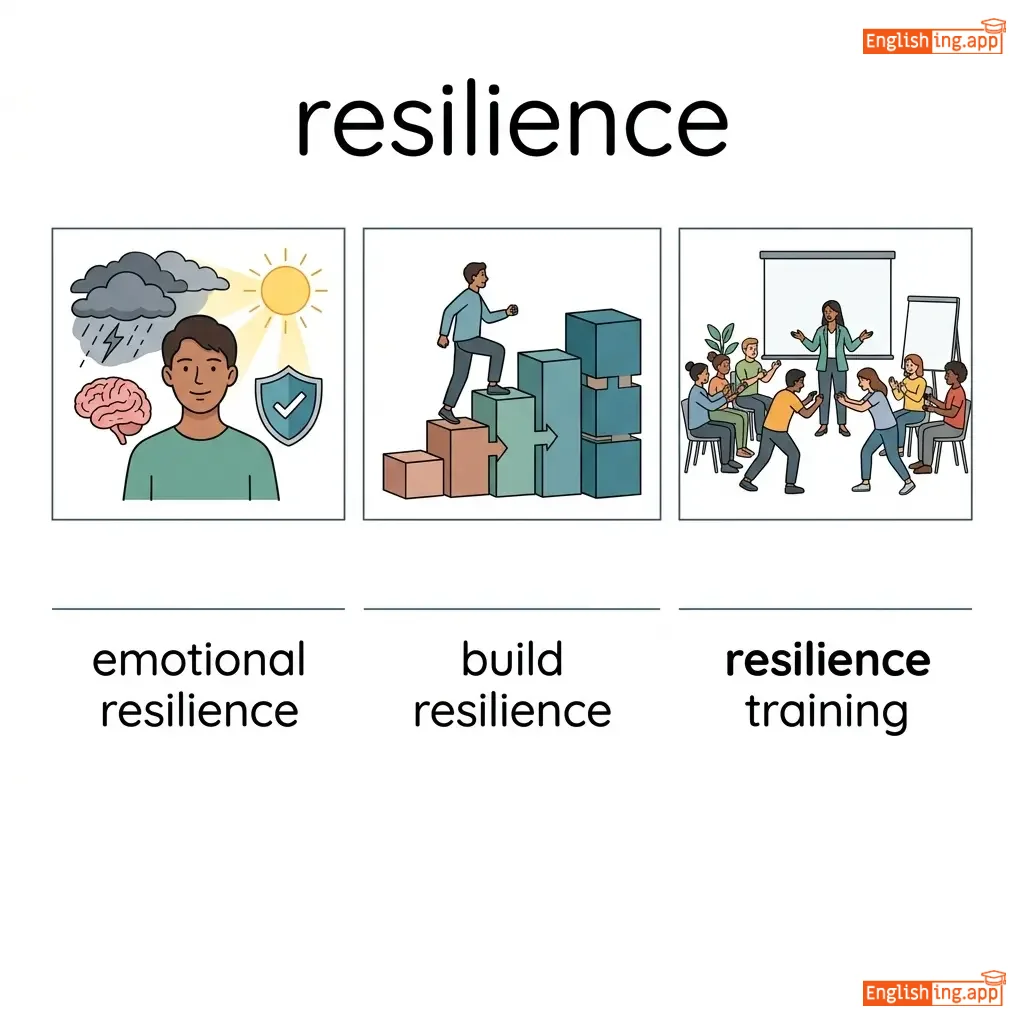
💪
••••••
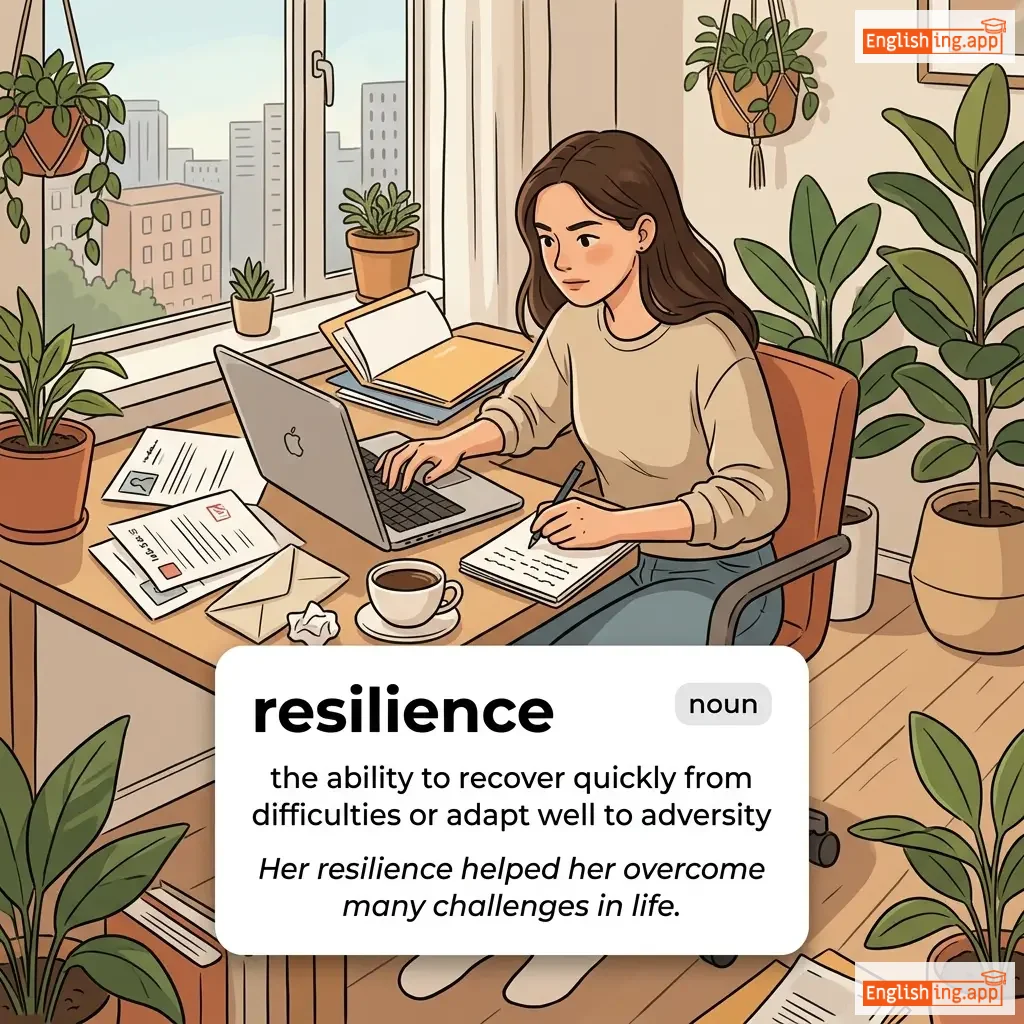
/rɪˈzɪl.jəns/
noun
••••••
••••••
The ability to withstand difficult conditions and recover from damage.
••••••

Healthy ecosystems show high resilience to climate change.

••••••
Strength, Endurance, Adaptability
••••••
Fragility, Weakness, Vulnerability
••••••
#2661
☣️
••••••
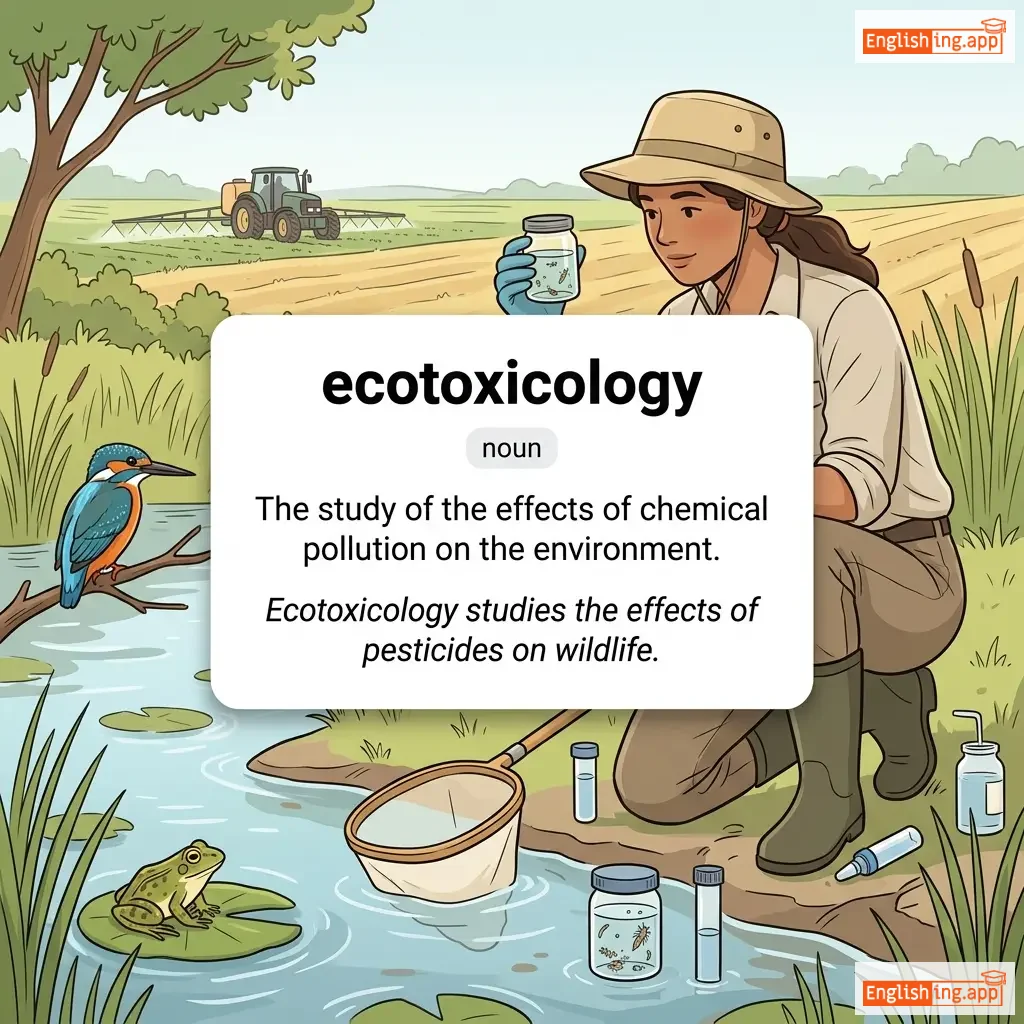
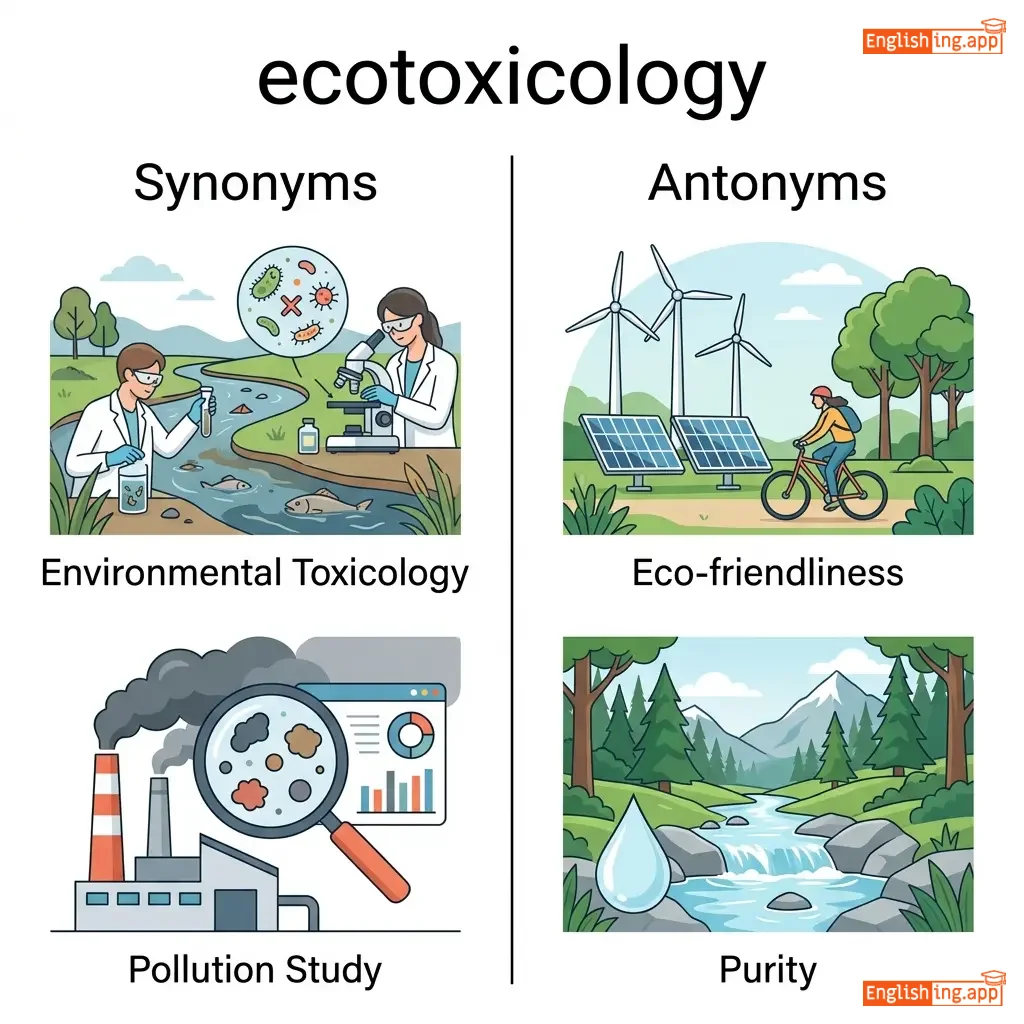
/ˌiː.kəʊ.tɒkˈsɪ.kə.lə.dʒi/
noun
••••••
••••••
The study of the effects of chemical pollution on the environment.
••••••

Ecotoxicology studies the effects of pesticides on wildlife.

••••••
Environmental Toxicology, Pollution Study, Chemical Impact Analysis
••••••
Eco-friendliness, Purity, Non-toxicity
••••••
#2662
🌽
••••••
/ˈmɒn.əˌkʌl.tʃər/
noun
••••••
••••••
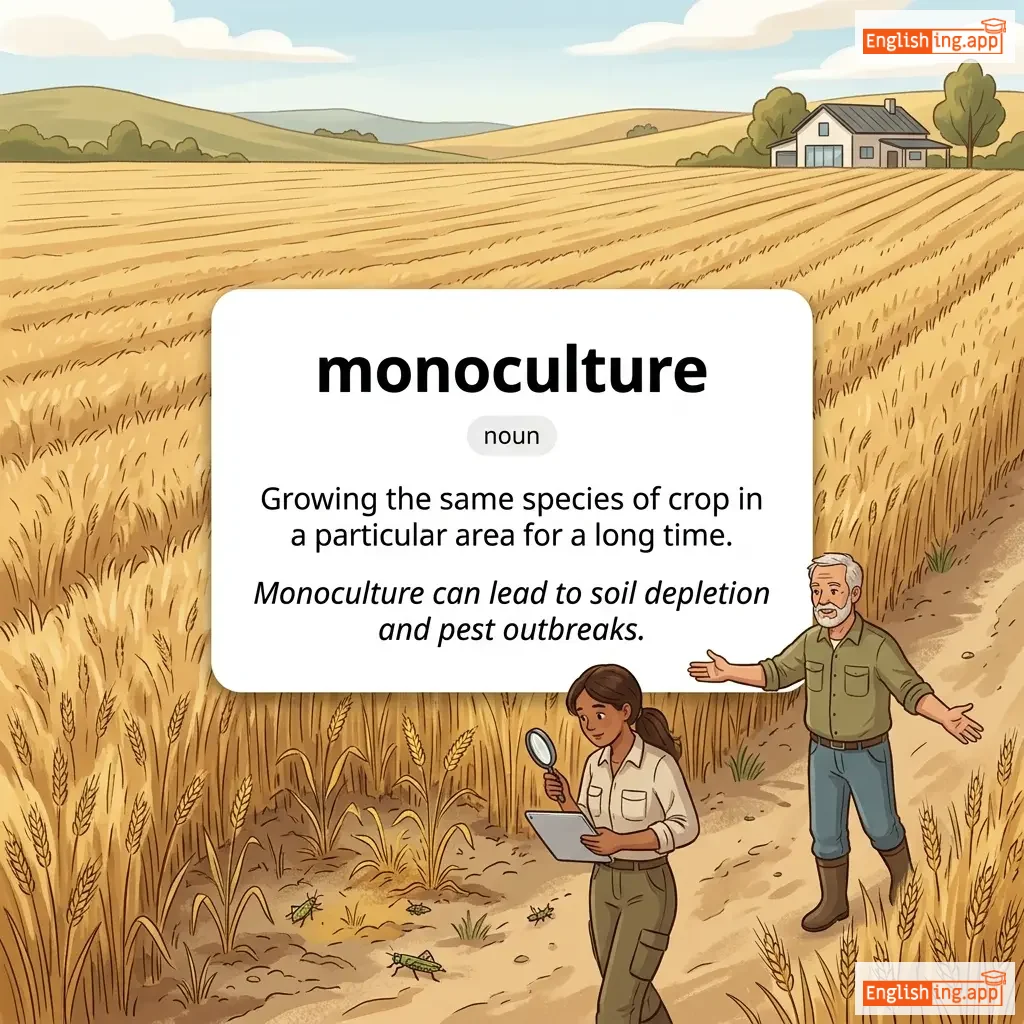
The practice of growing a single crop over a long period, which can deplete soil nutrients.
••••••

Monoculture reduces soil fertility and increases pest attacks.

••••••
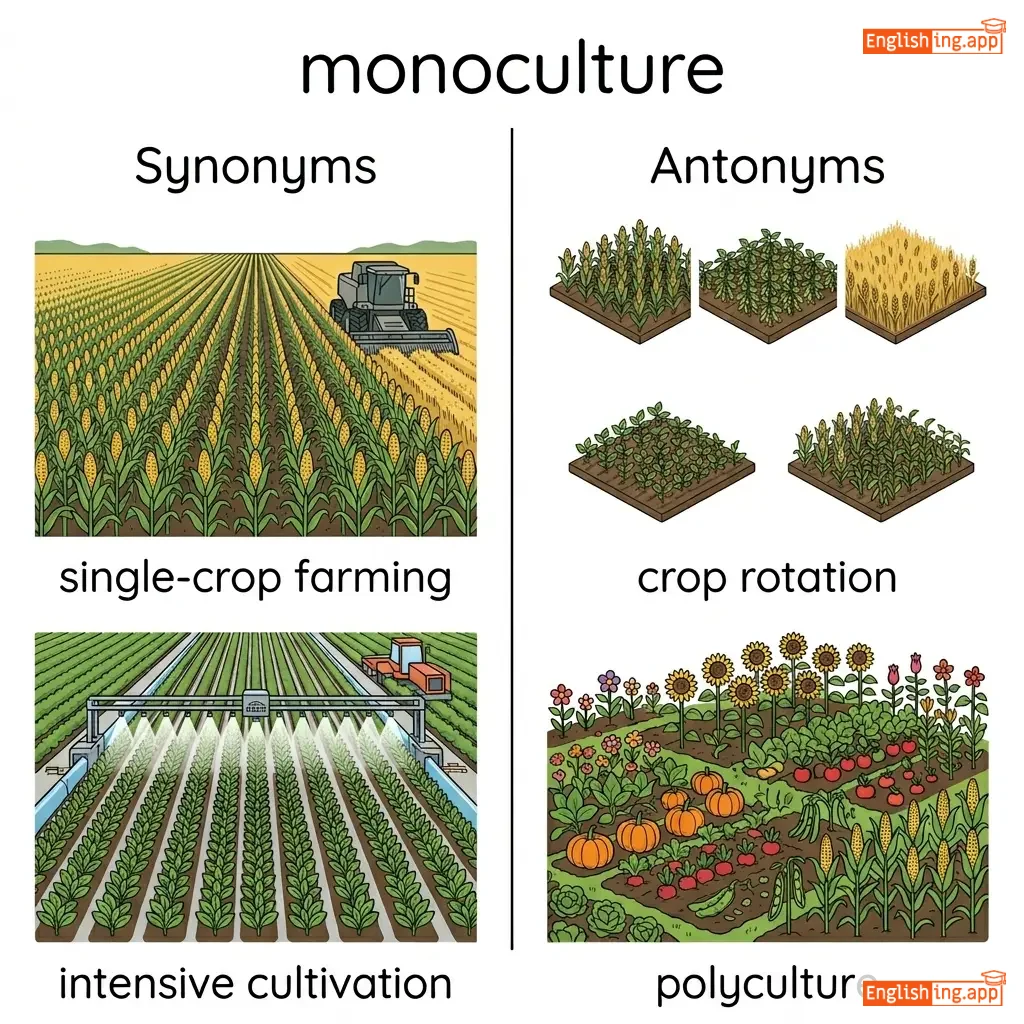
Single-crop Farming, Intensive Cultivation, Large-scale Farming
••••••
Crop Rotation, Polyculture, Diversified Farming
••••••
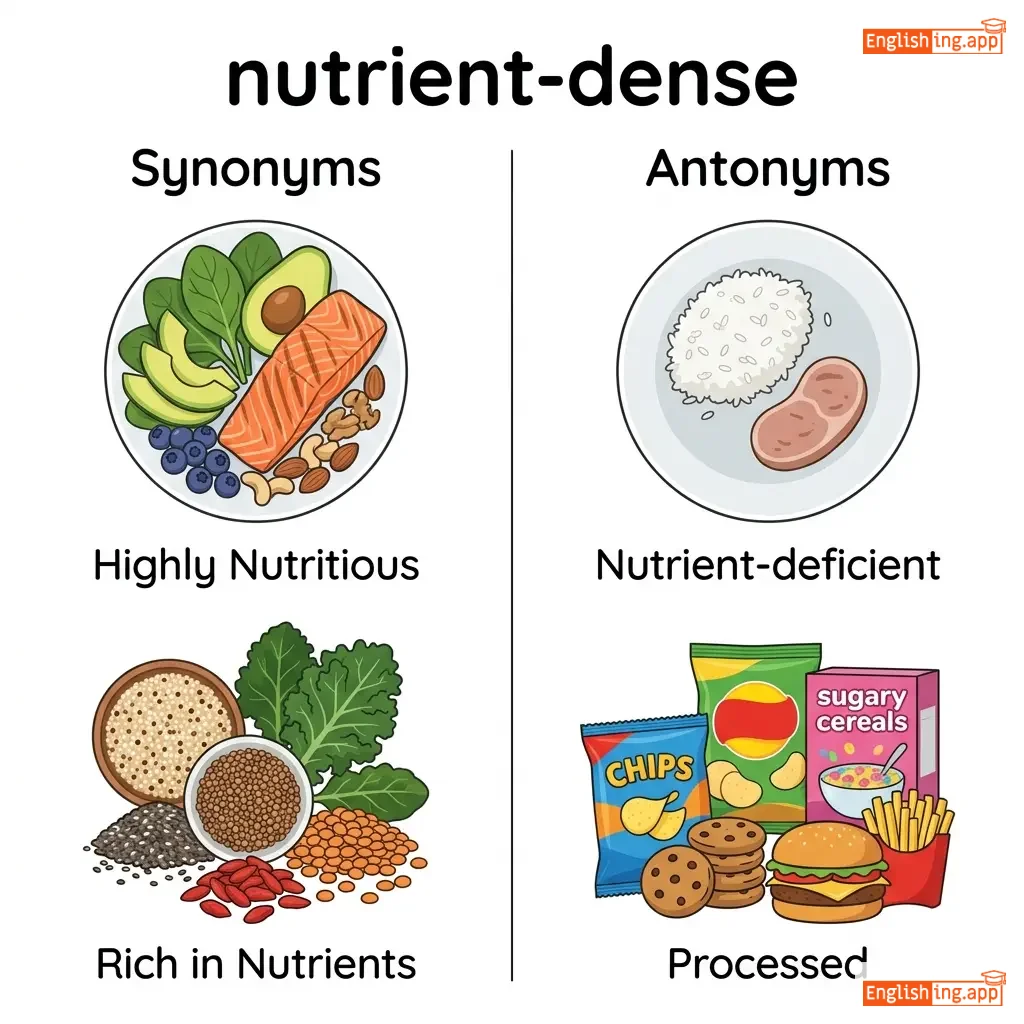
#2663
🥗
••••••
/ˈnjuː.tri.ənt dɛns/
adjective
••••••
••••••
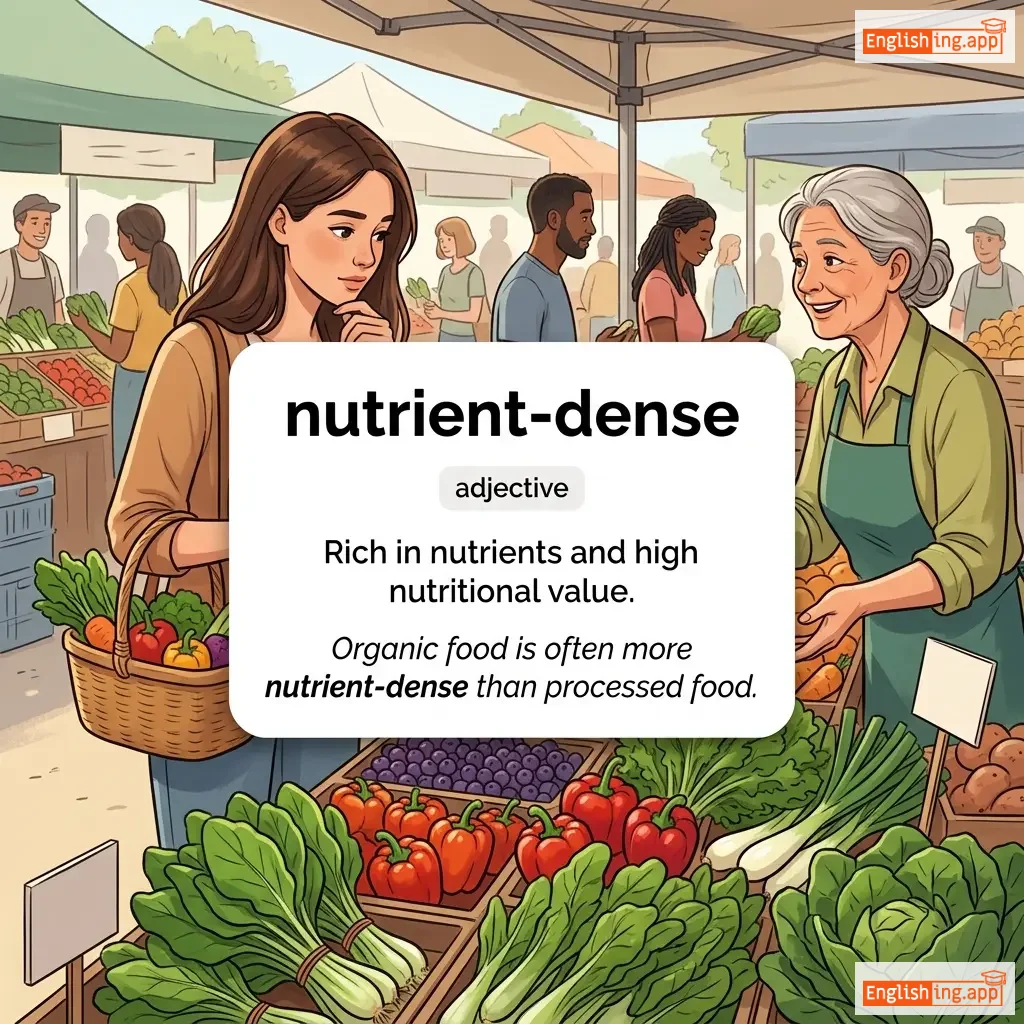
Rich in nutrients and high nutritional value.
••••••

Organic food is often more nutrient-dense than processed food.

••••••
Highly Nutritious, Rich in Nutrients, Wholesome
••••••
Nutrient-deficient, Processed, Empty Calories
••••••
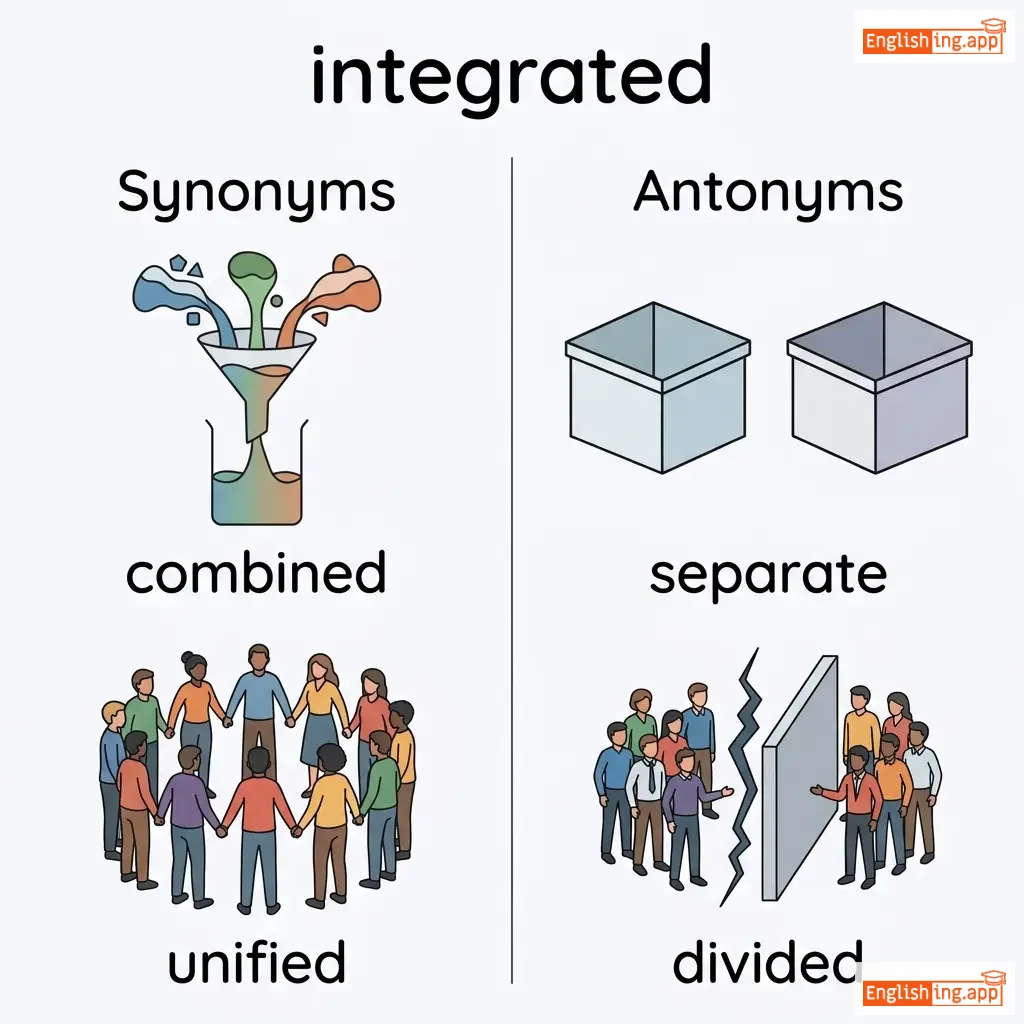
#2664
🔗
••••••
/ˈɪn.tɪ.ɡreɪ.tɪd/
adjective
••••••
••••••
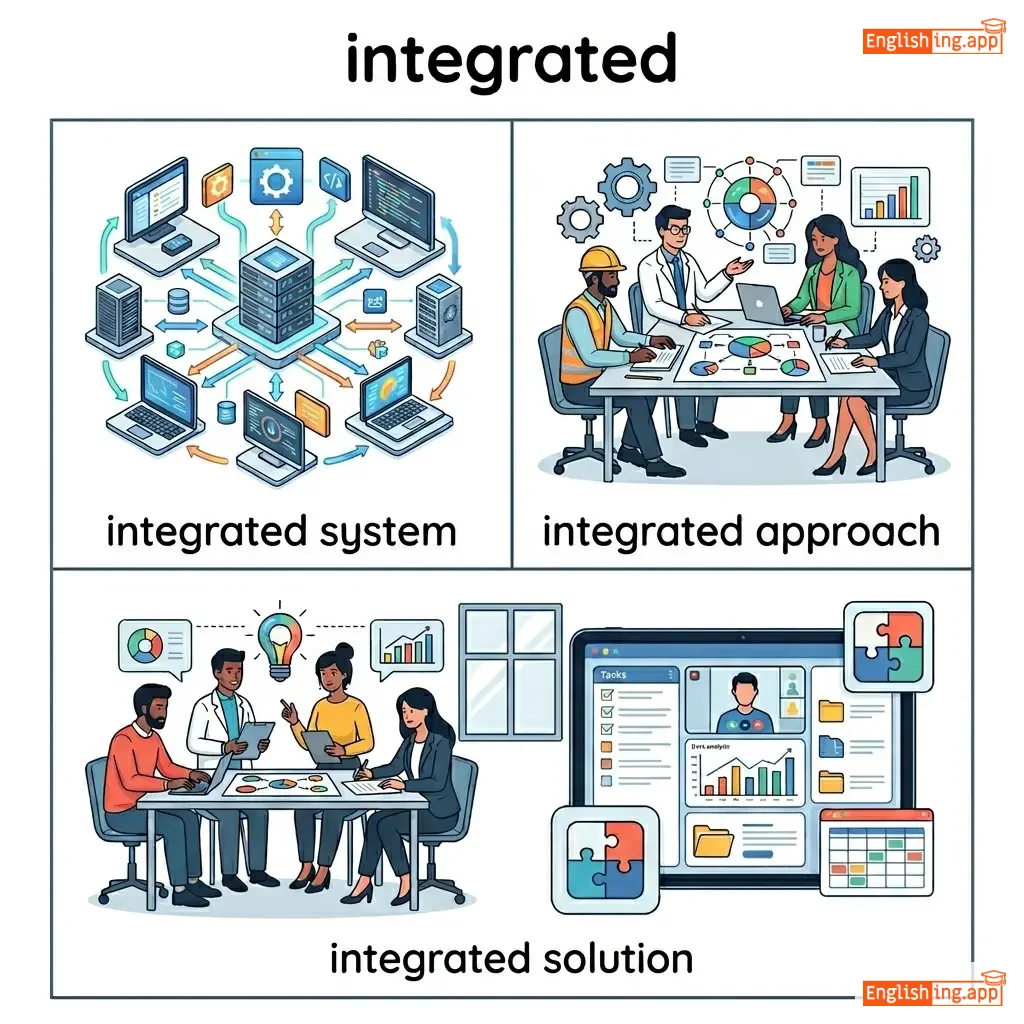
Combined different elements together to create a comprehensive solution.
••••••

Integrated farming includes both crops and livestock for sustainability.

••••••
Combined, Unified, Holistic
••••••
Isolated, Fragmented, Disconnected
••••••
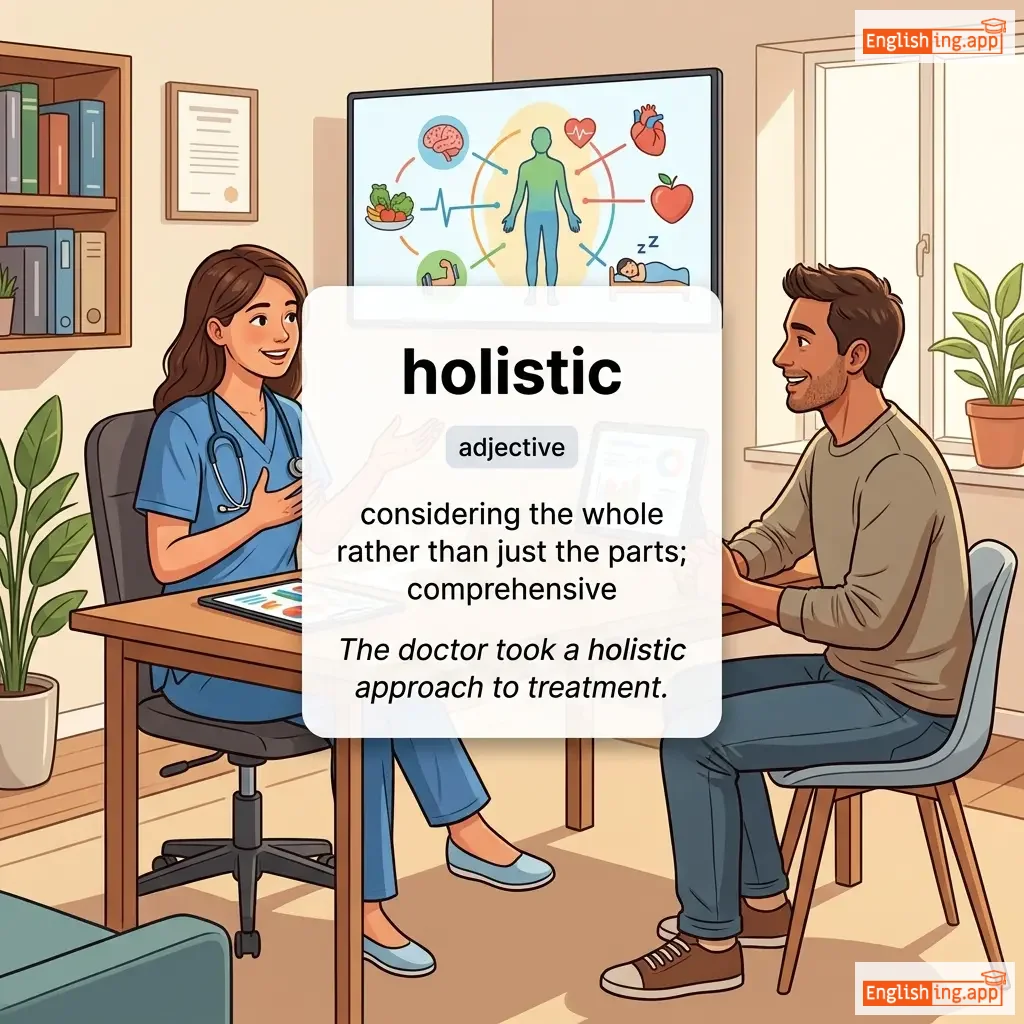
#2665
🌍
••••••
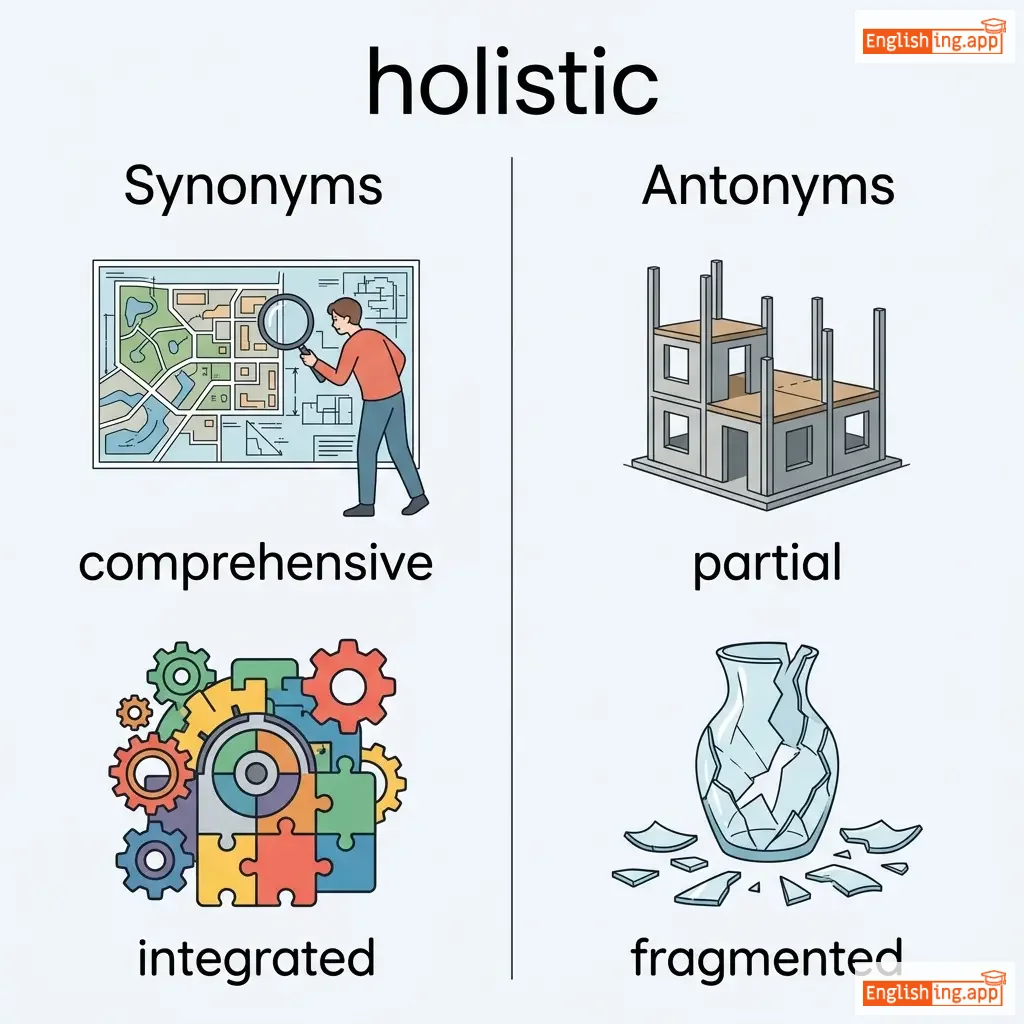
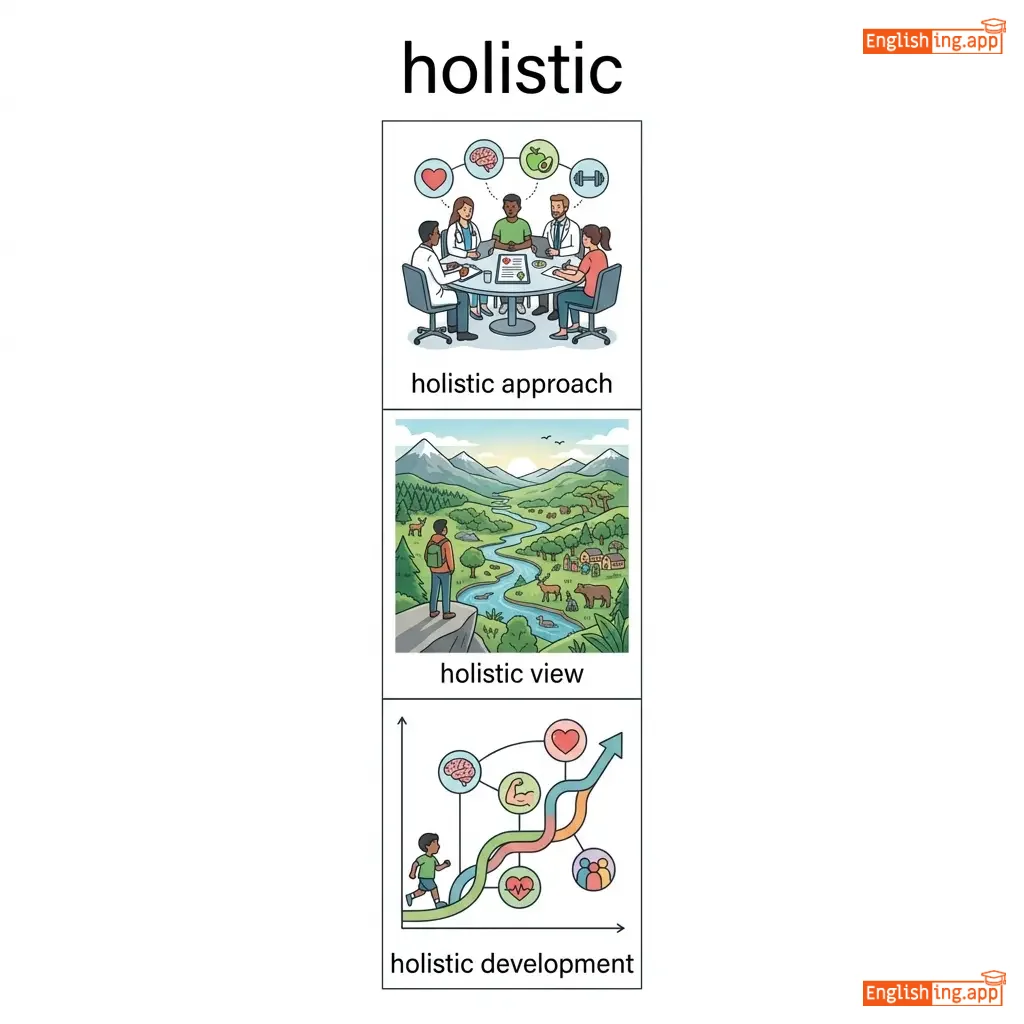
/hoʊˈlɪs.tɪk/
adjective
••••••
••••••
Considering all aspects of a problem or situation comprehensively.
••••••

A holistic approach to farming ensures long-term productivity.

••••••
Comprehensive, All-encompassing, Complete
••••••
Partial, Fragmented, Limited
••••••
#2666
💰
••••••
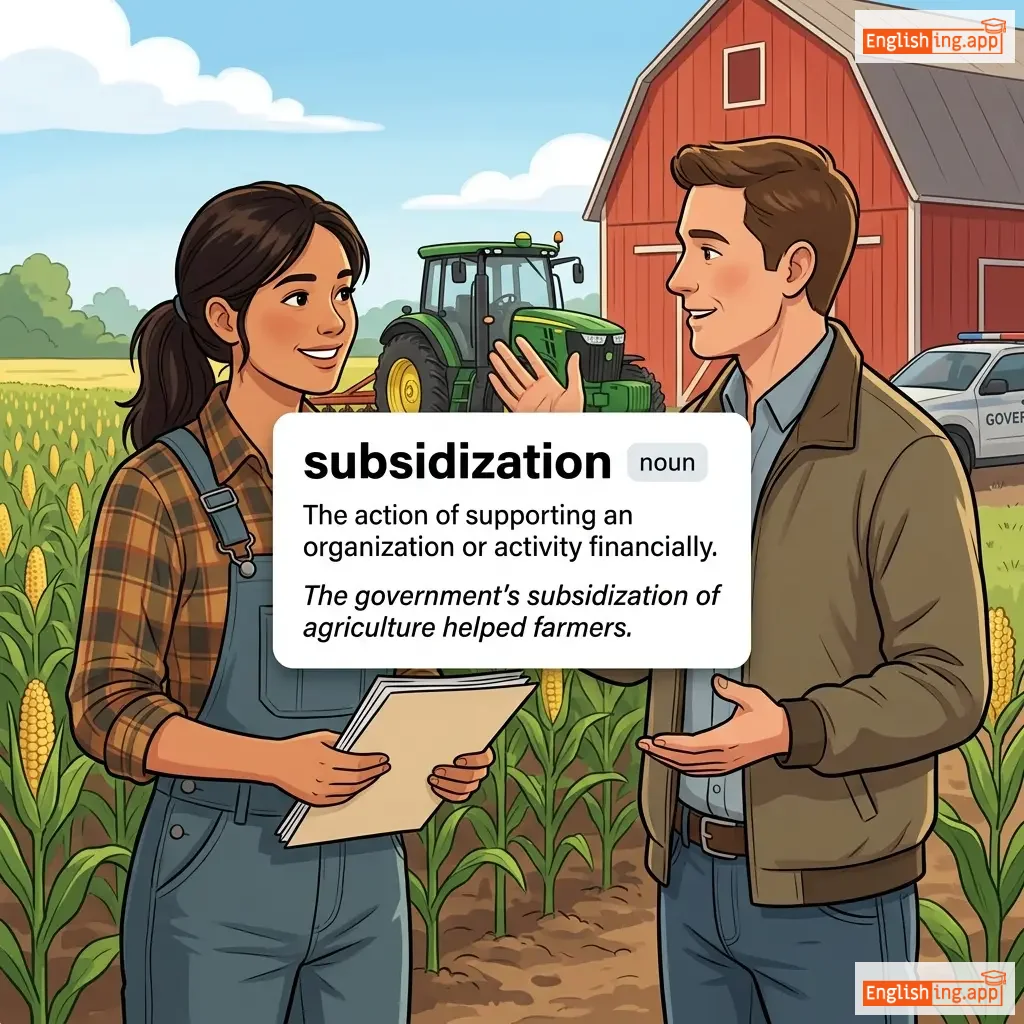
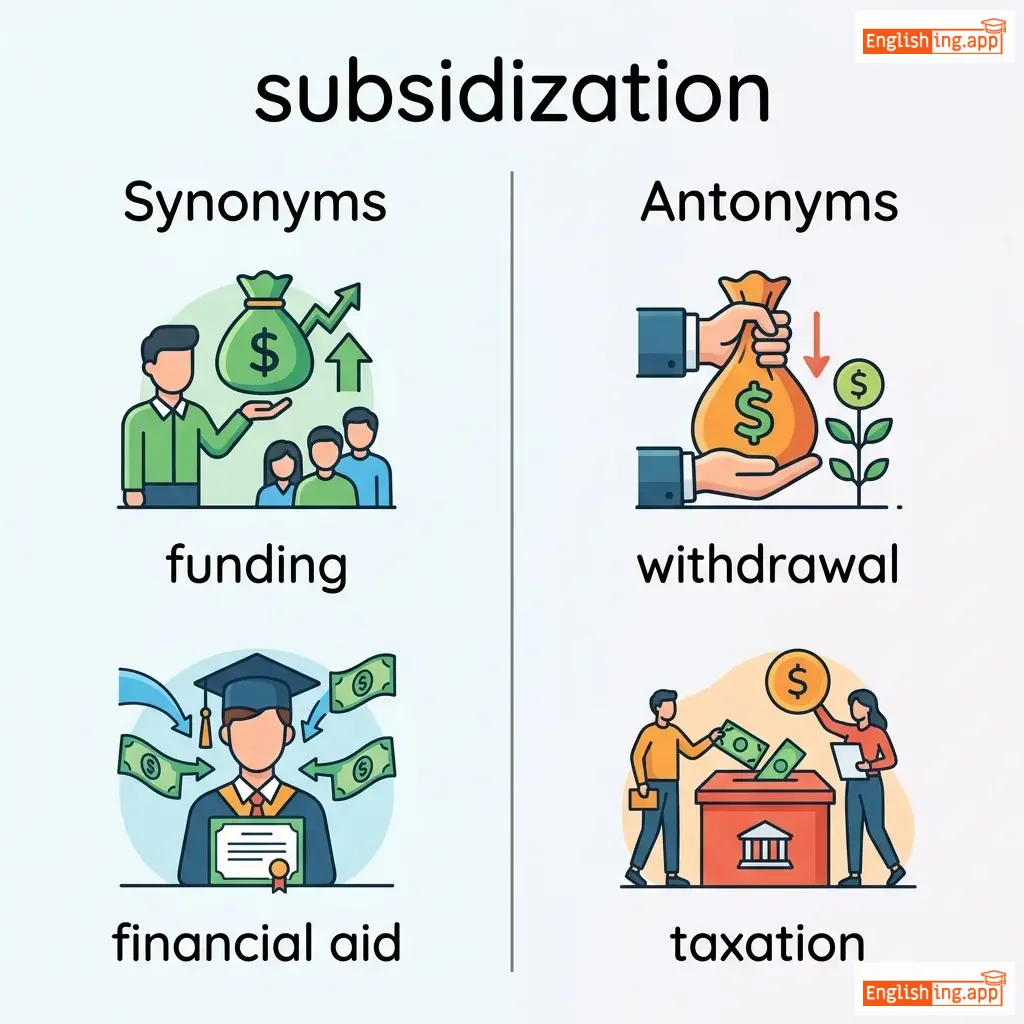
/ˌsʌb.sɪ.dɪˈzeɪ.ʃən/
noun
••••••
••••••
Financial support provided by government or organizations for agriculture or production.
••••••

Subsidization of organic farming encourages sustainable agriculture.

••••••
Financial Support, Government Aid, Grants
••••••
Taxation, Cost Increase, Deregulation
••••••