CEFR Level
A person with an uncontrollable craving for alcoholic drinks.
"The novel portrayed the tragic downfall of a dipsomaniac who lost everything to alcohol."
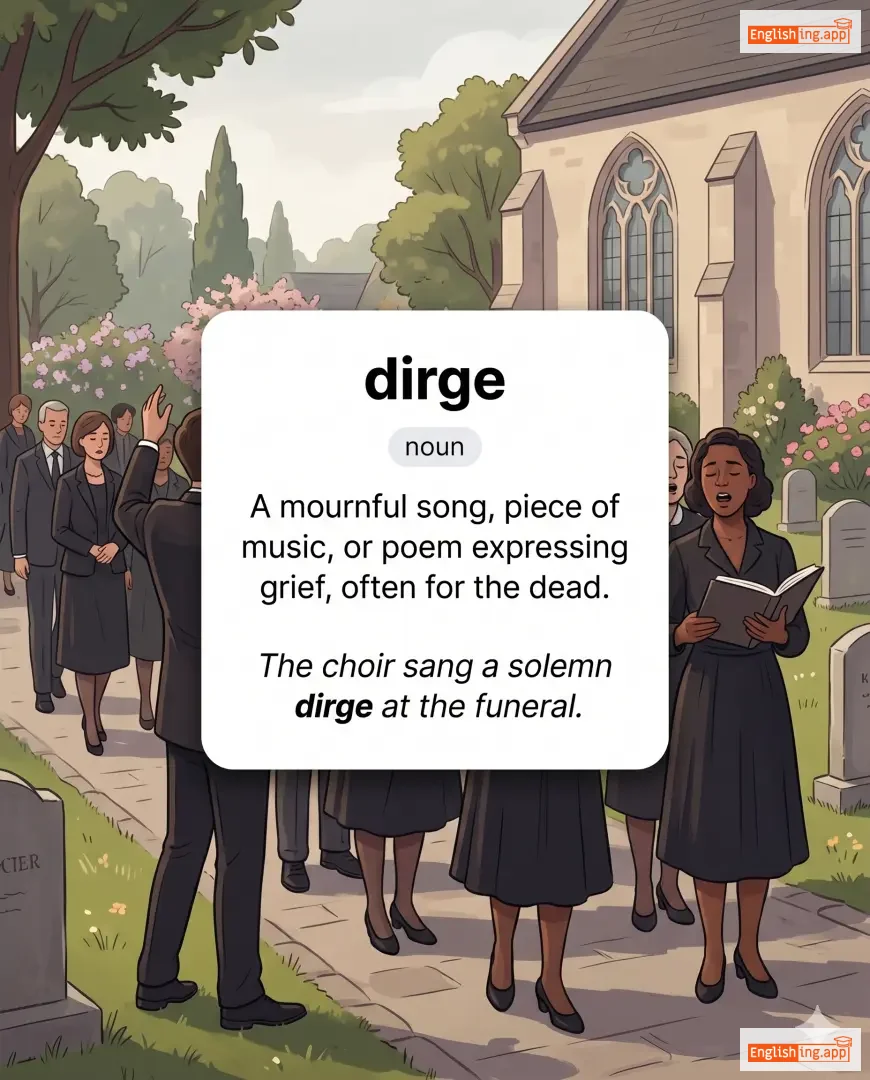
A mournful song, piece of music, or poem expressing grief, often for the dead.
"The choir sang a solemn dirge at the funeral."
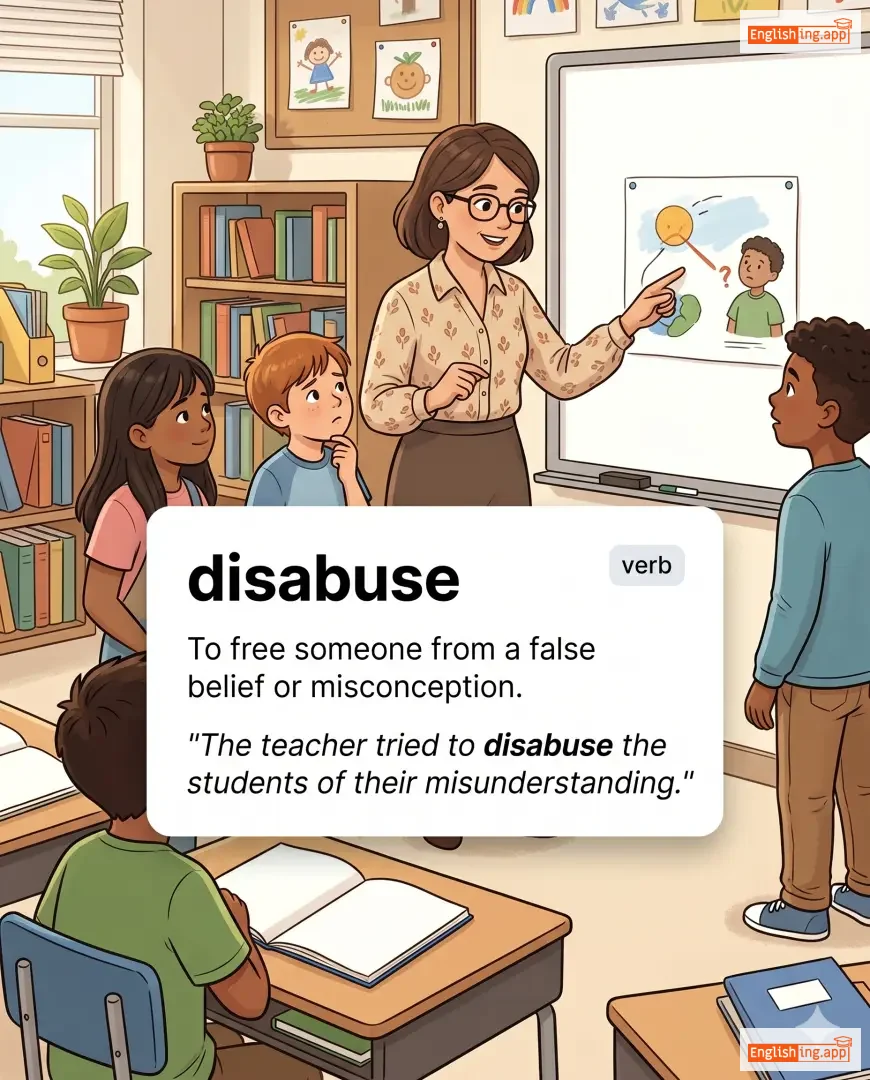
To free someone from a false belief or misconception.
"The teacher tried to disabuse the students of their misunderstanding."
Dissatisfied and rebellious, especially against authority or leadership.
"The reforms were introduced to calm the disaffected youth."
strong disapproval, typically on moral grounds
"The policy was met with widespread disapprobation."
to disturb the order or arrangement of something
"The wind disarranged her hair."
to deny responsibility for or connection with something
"He disavowed any involvement in the scandal."
the denial of any responsibility, connection, or support
"The politician issued a firm disavowal of the controversial remarks."
to officially remove a lawyer from the legal profession
"The corrupt lawyer was disbarred for unethical conduct."
to relieve someone of a burden or load
"She disburdened herself of worries by sharing them with her friend."
to pay out money, especially from a fund
"The organization will disburse the funds to the affected families."
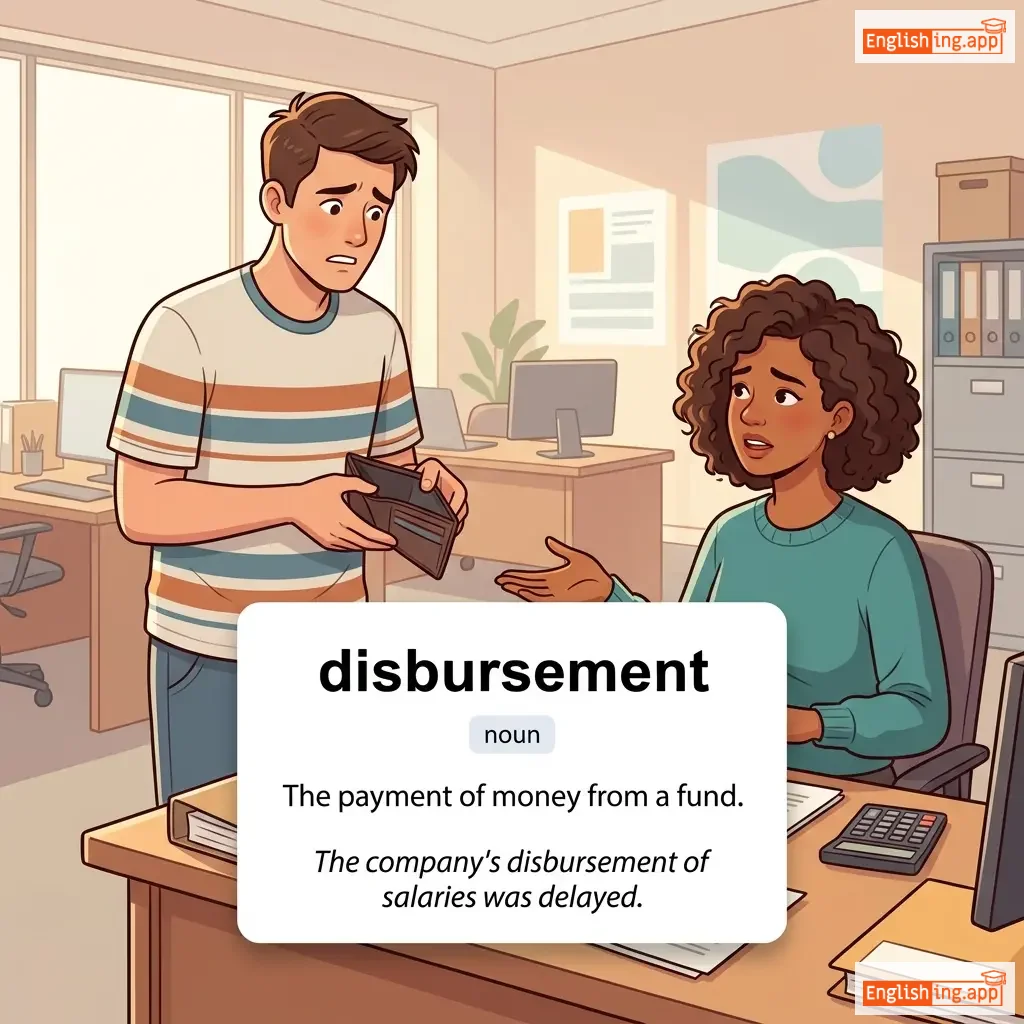
The payment of money from a fund.
"The company's disbursement of salaries was delayed."
to confuse or disconcert; to upset the normal order
"The sudden question seemed to discombobulate him."
confused and disoriented; feeling unsettled
"She looked discombobulated after hearing the unexpected news."
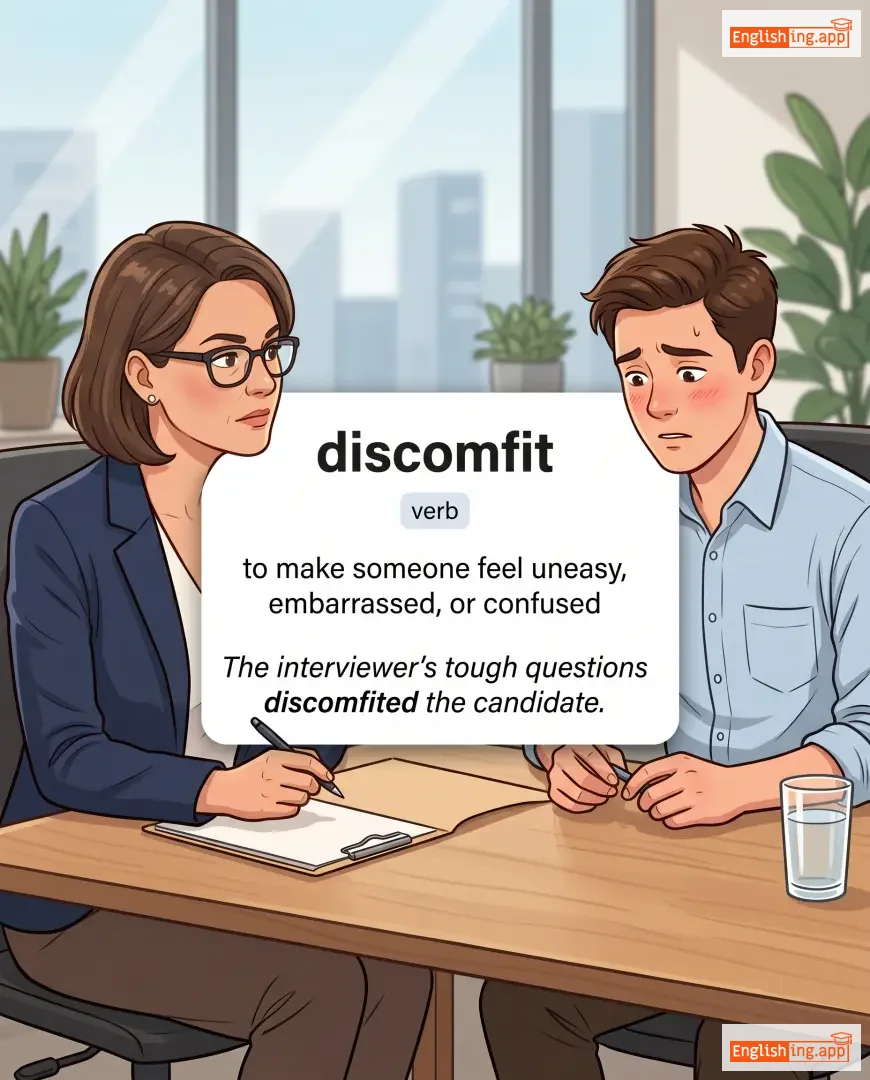
to make someone feel uneasy, embarrassed, or confused
"The interviewer’s tough questions discomfited the candidate."
Causing unease, embarrassment, or discomfort.
"His discomfiting questions made everyone shift uncomfortably in their seats."
To cause inconvenience or trouble to someone.
"I hope my request does not discommode you."
To disturb the order or calmness of something or someone.
"The unexpected question seemed to discompose her."
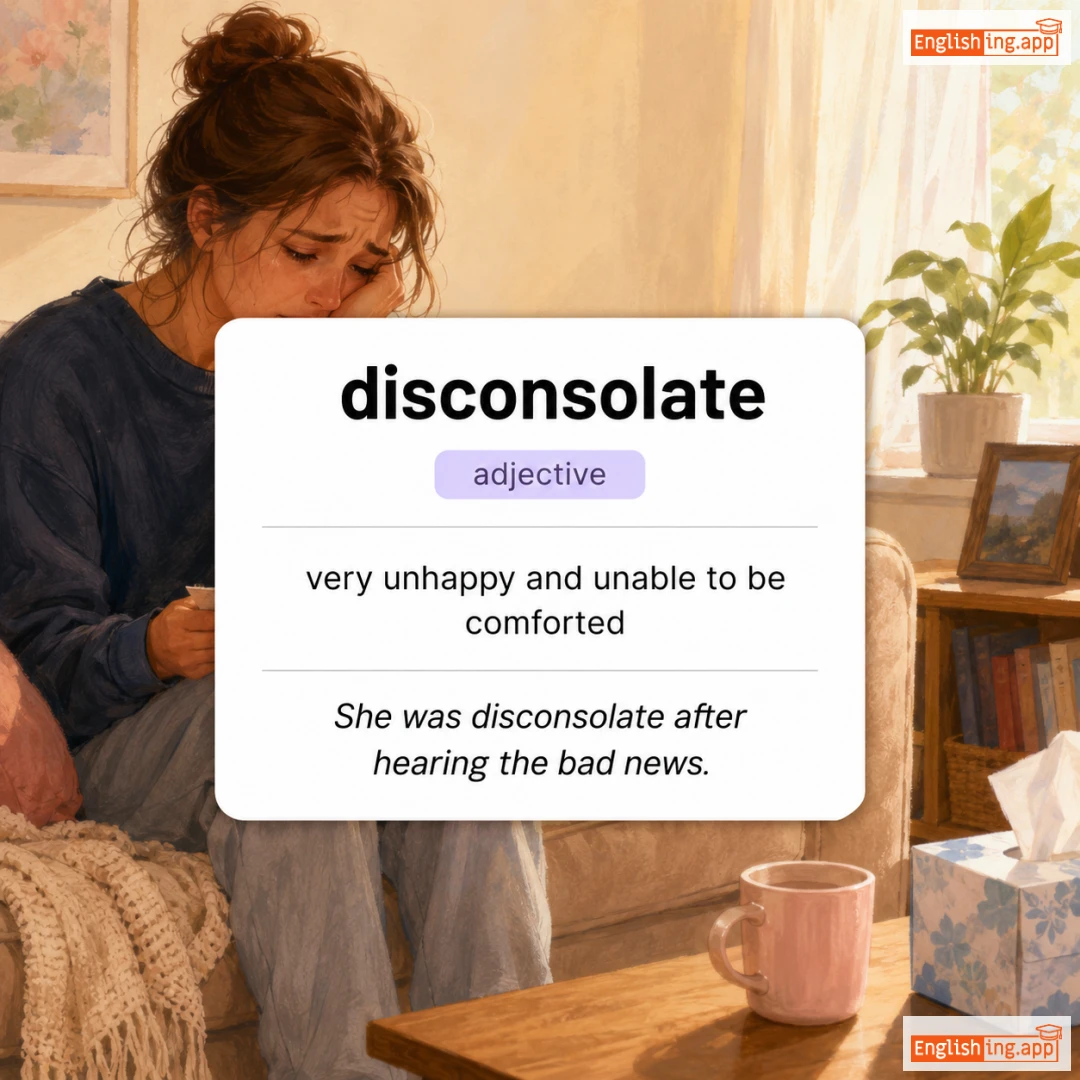
very unhappy and unable to be comforted
"She was disconsolate after hearing the bad news."
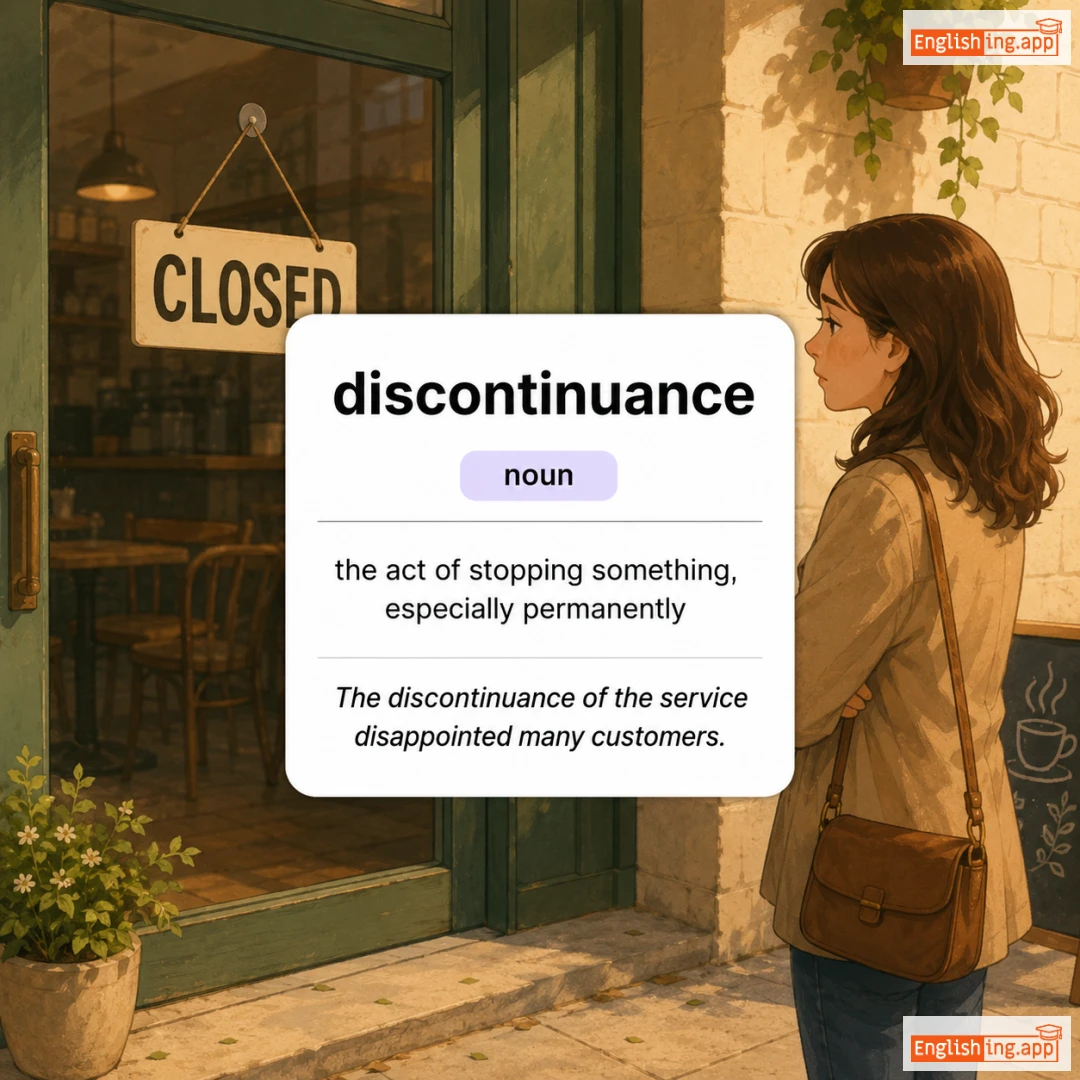
the act of stopping something, especially permanently
"The discontinuance of the service disappointed many customers."
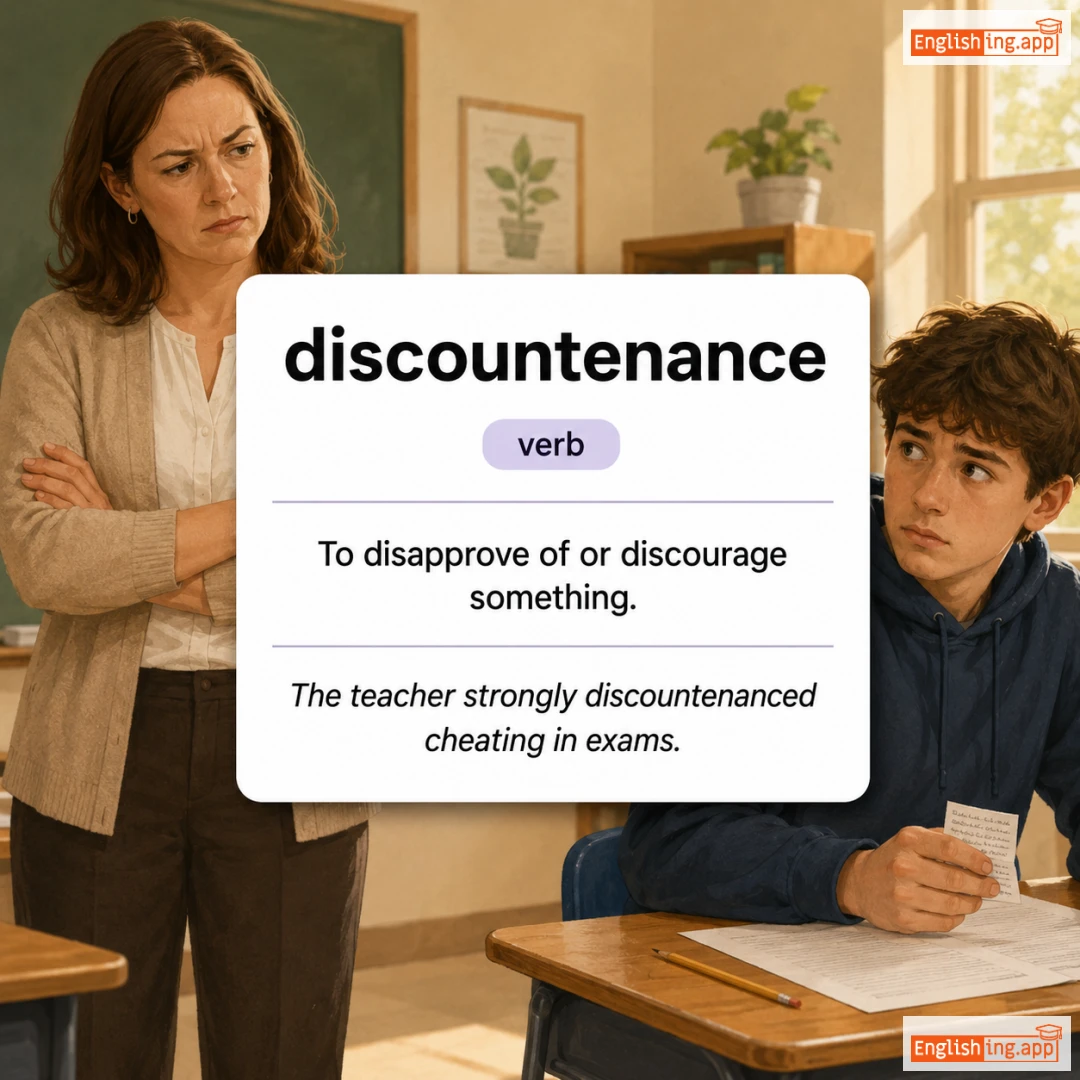
To disapprove of or discourage something.
"The teacher strongly discountenanced cheating in exams."
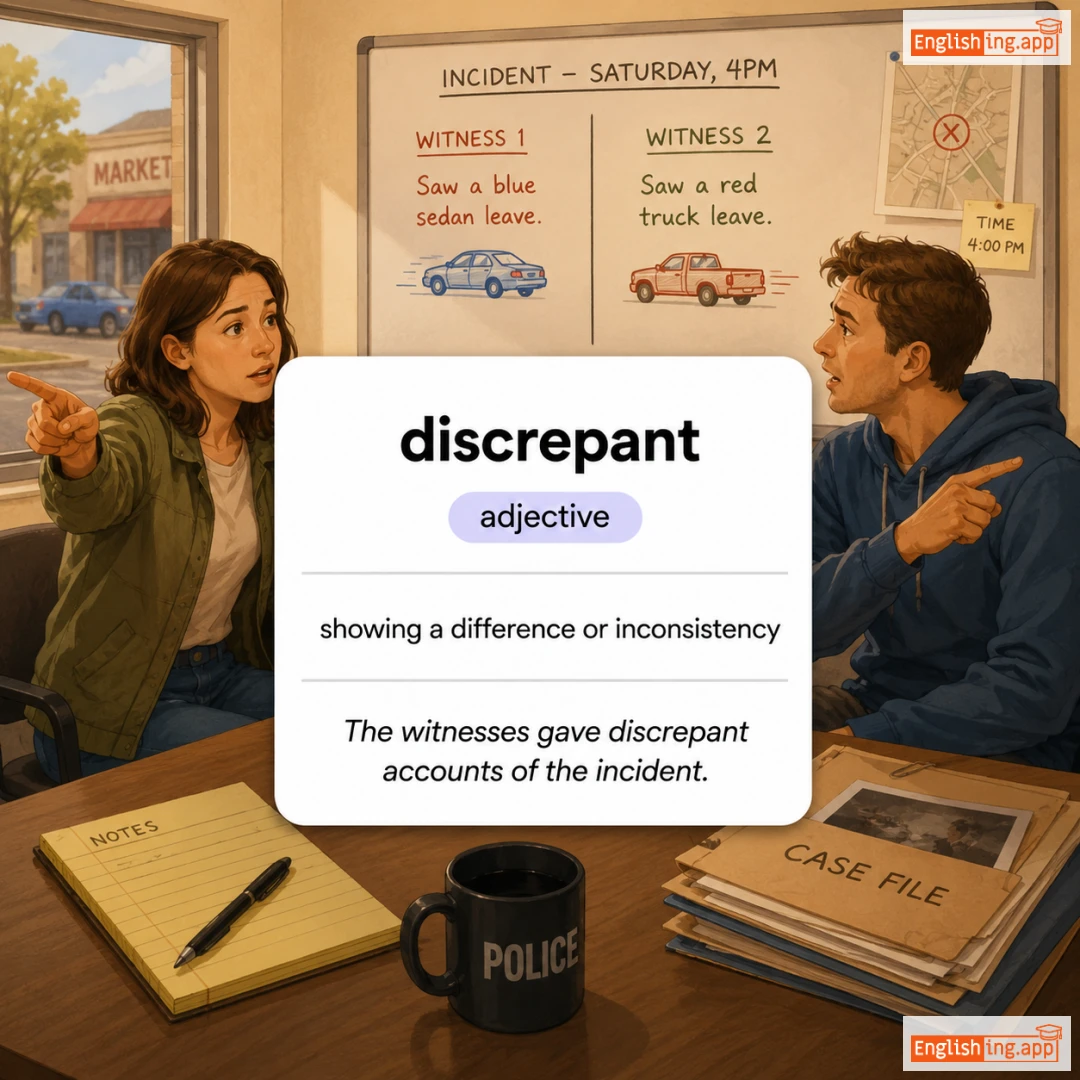
showing a difference or inconsistency
"The witnesses gave discrepant accounts of the incident."
Tending to digress or move from topic to topic; lengthy and rambling.
"His discursive style made the lecture hard to follow."
To deprive someone of the right to vote or other rights.
"The new law could disenfranchise thousands of voters."
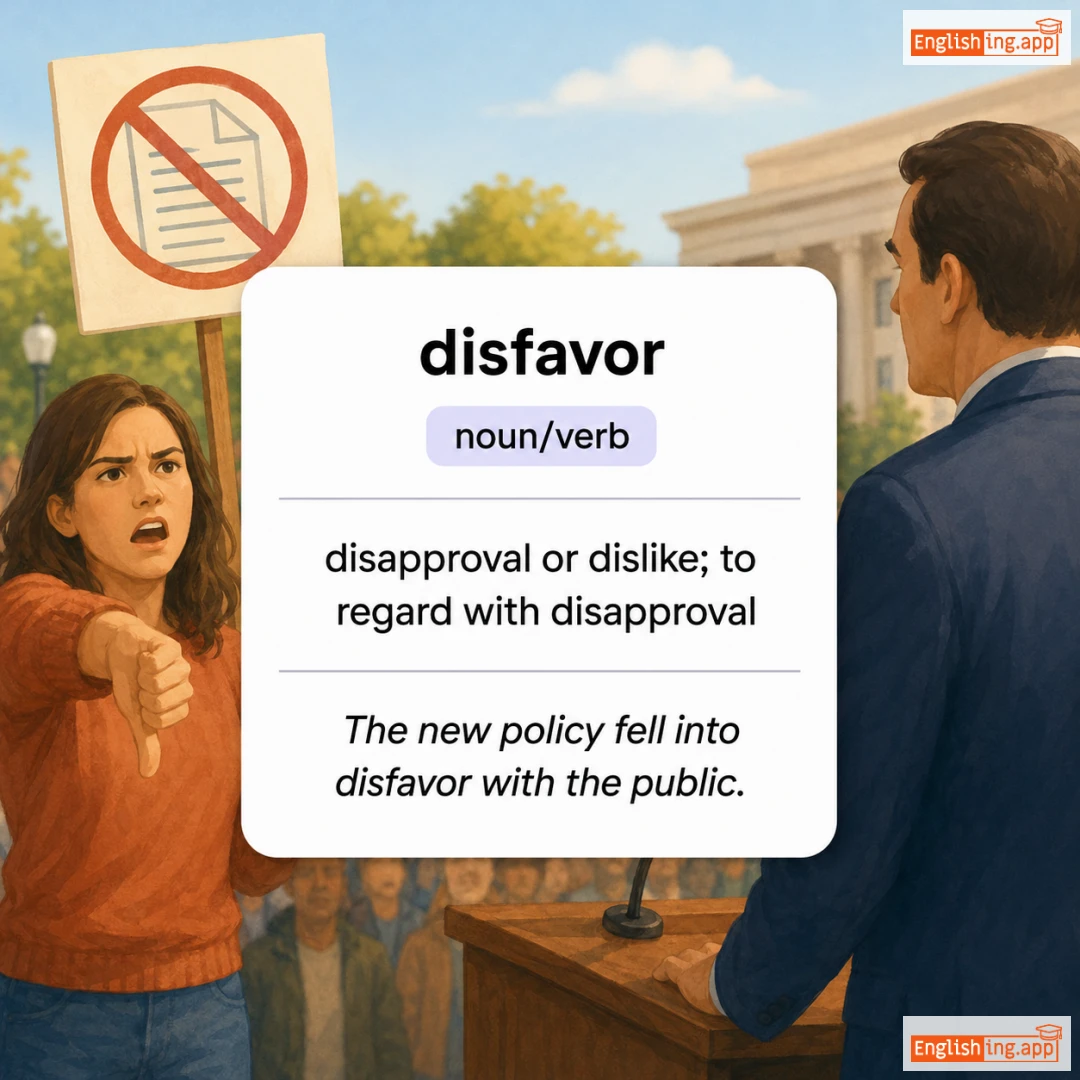
disapproval or dislike; to regard with disapproval
"The new policy fell into disfavor with the public."
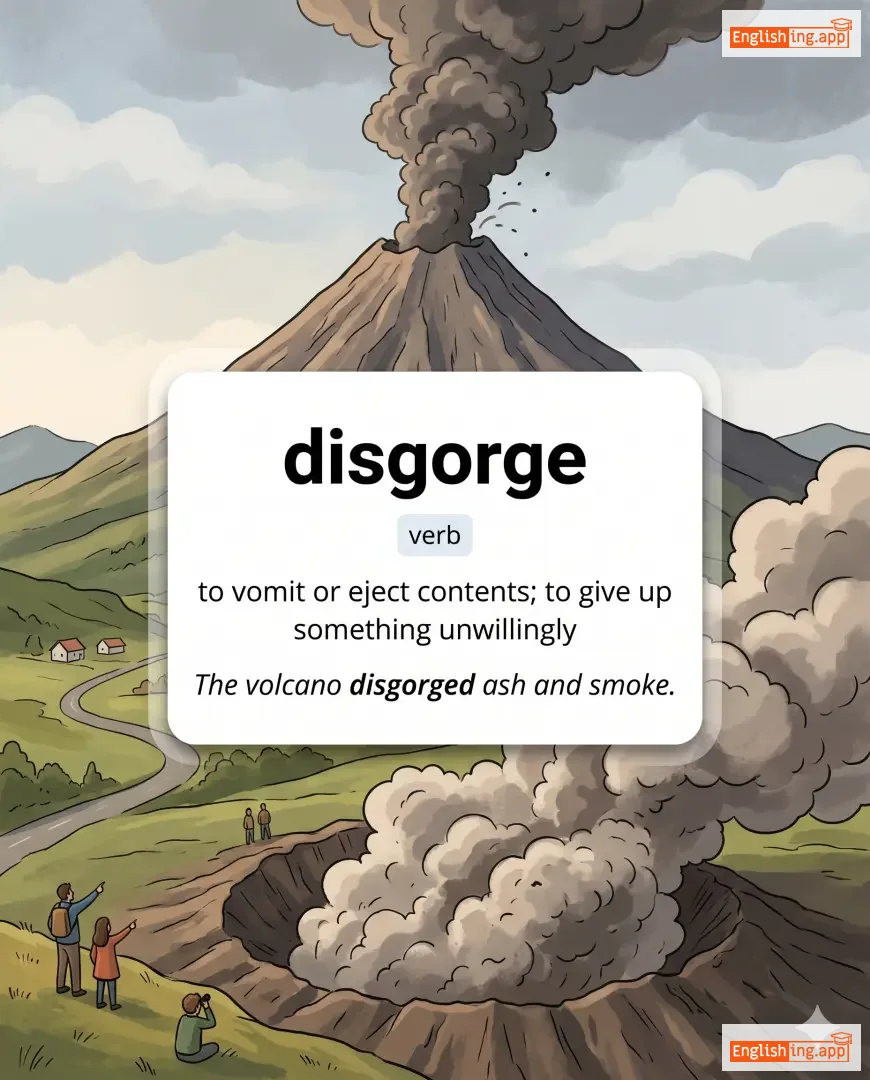
to vomit or eject contents; to give up something unwillingly
"The volcano disgorged ash and smoke."
The state of being only partly or loosely dressed; casual or careless attire.
"She answered the door in a state of dishabille, wearing just a robe."
a lack of willingness or desire to do something
"She showed a clear disinclination to join the meeting."
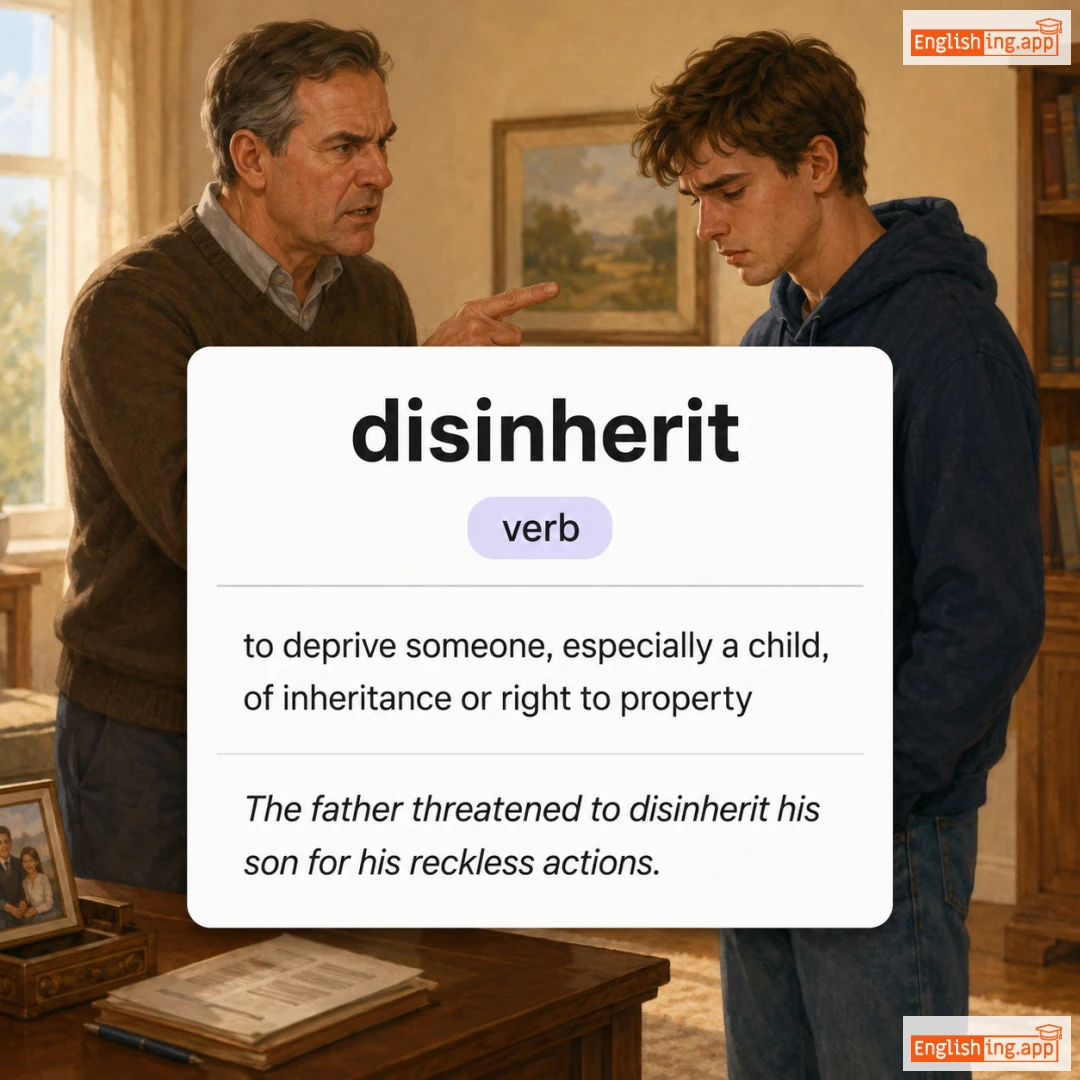
to deprive someone, especially a child, of inheritance or right to property
"The father threatened to disinherit his son for his reckless actions."
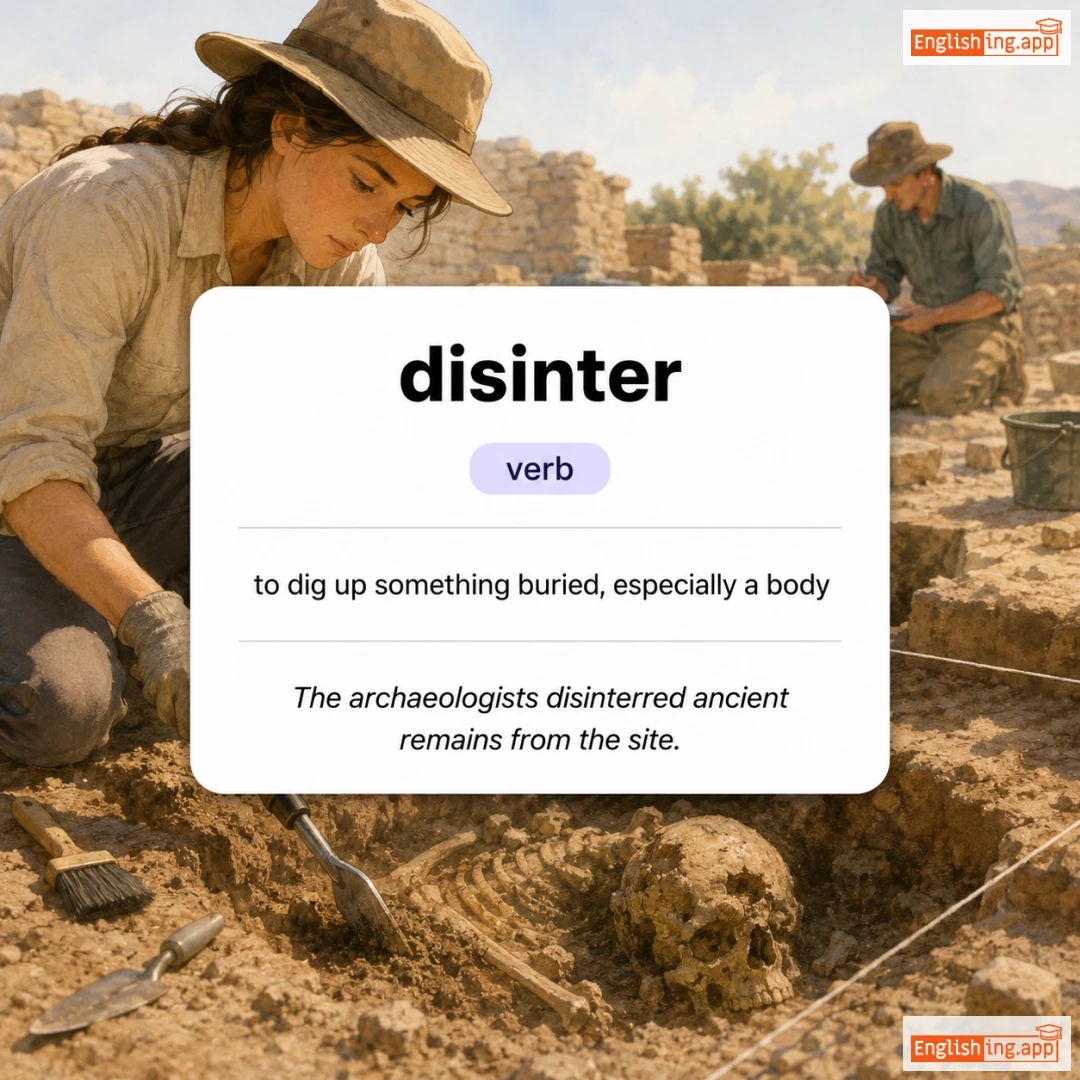
to dig up something buried, especially a body
"The archaeologists disinterred ancient remains from the site."
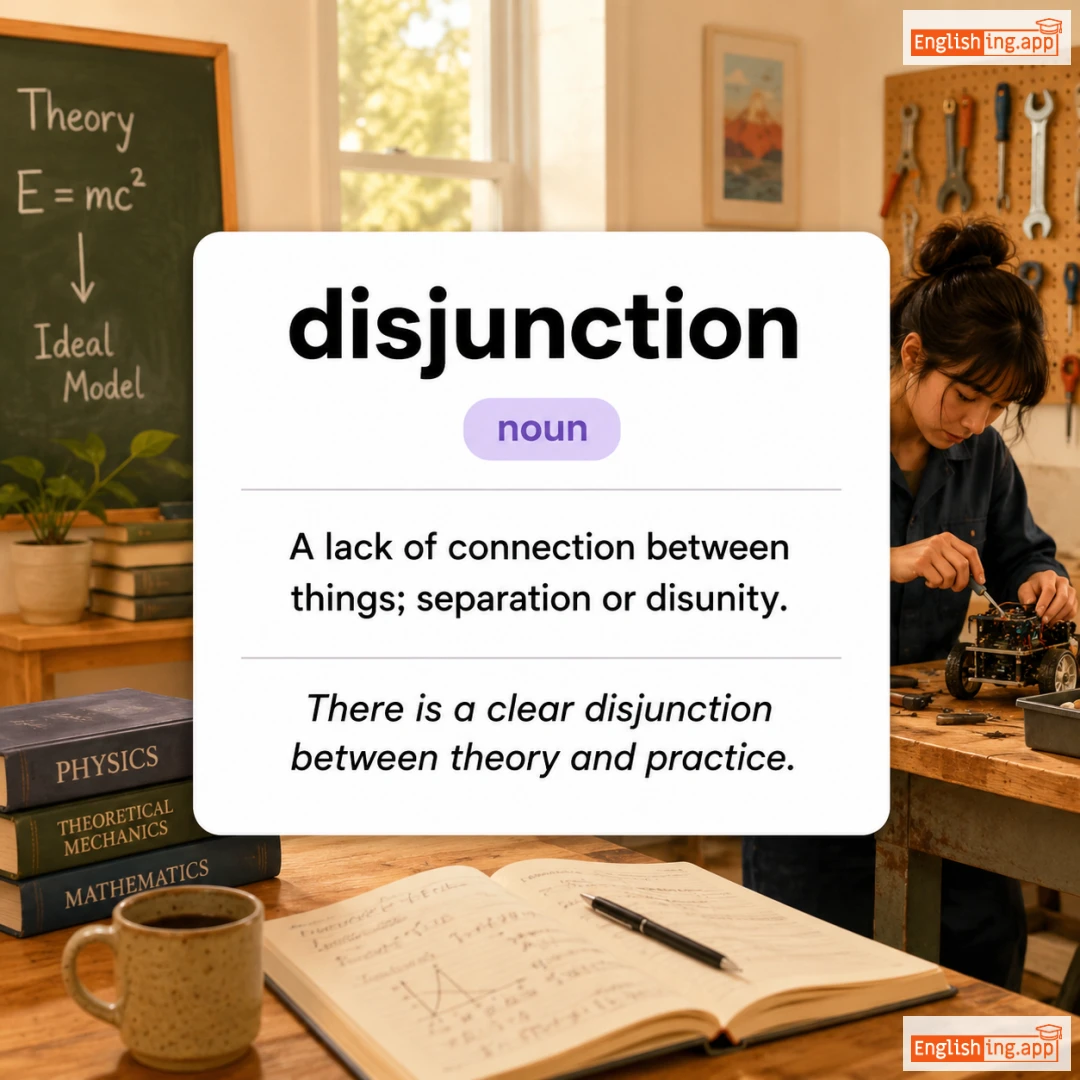
A lack of connection between things; separation or disunity.
"There is a clear disjunction between theory and practice."
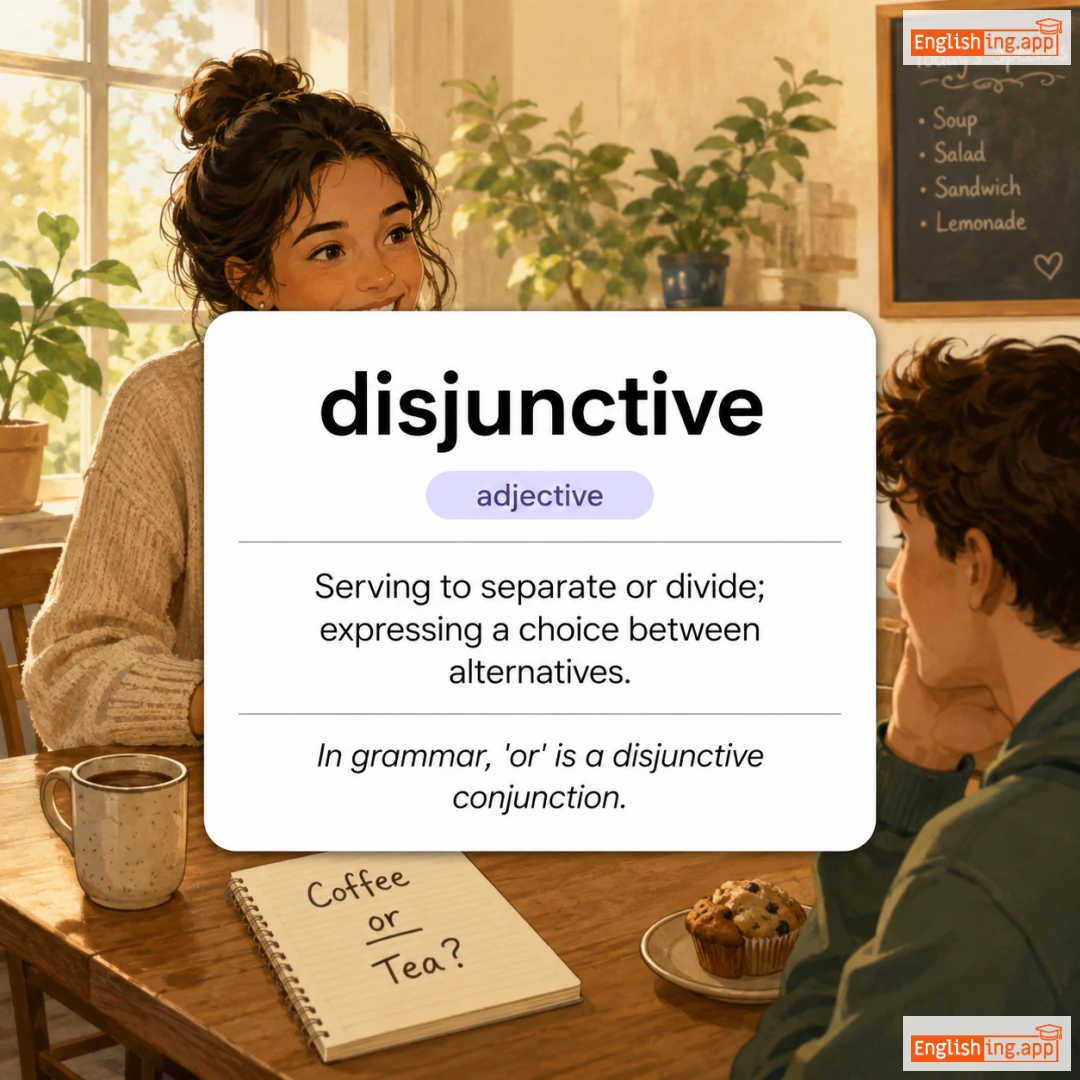
Serving to separate or divide; expressing a choice between alternatives.
"In grammar, 'or' is a disjunctive conjunction."
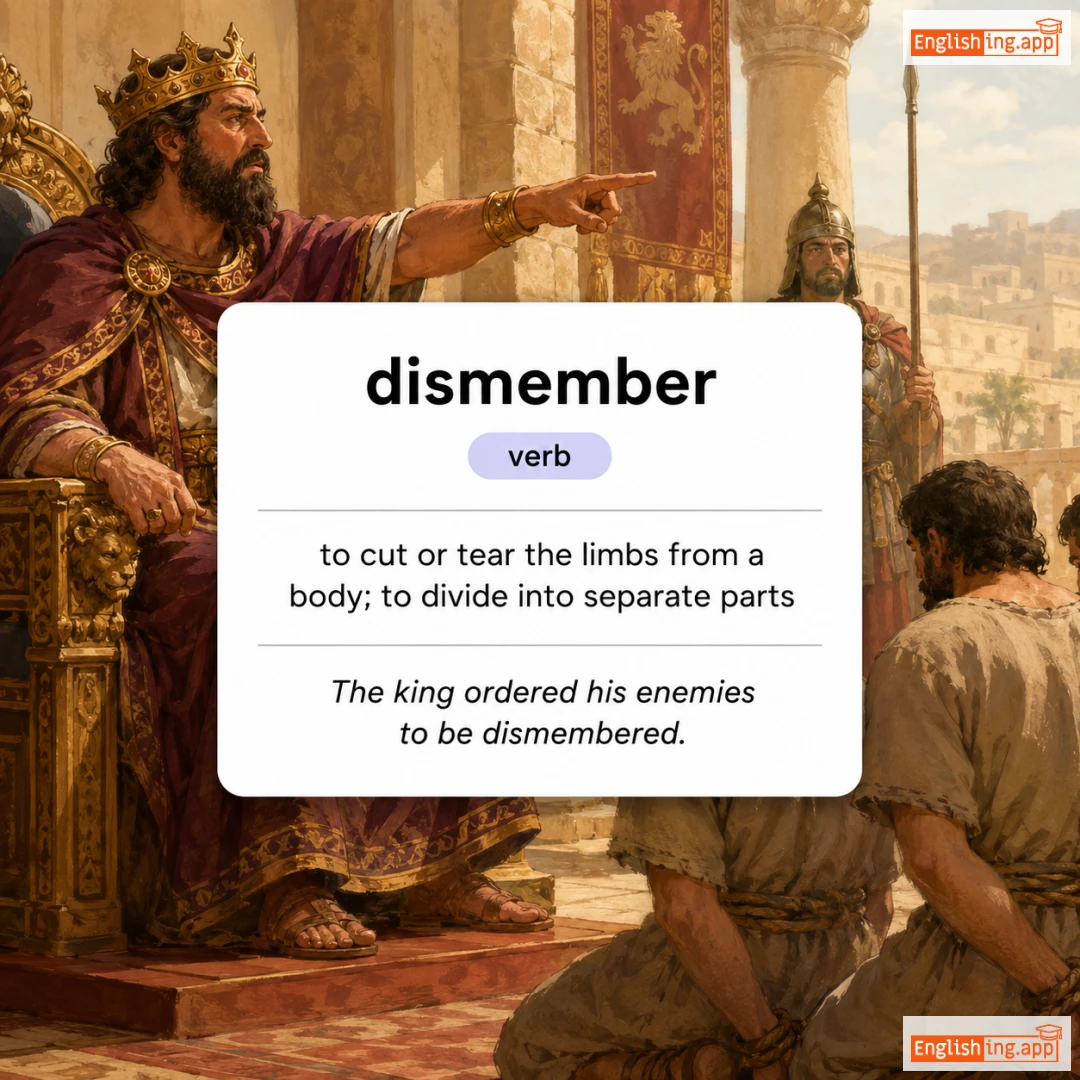
to cut or tear the limbs from a body; to divide into separate parts
"The king ordered his enemies to be dismembered."
To amuse oneself in a lively or playful way.
"The children disported themselves in the garden."
to deprive someone of land, property, or other possessions
"The new law threatened to dispossess many farmers of their land."
a lack of balance or symmetry; an inequality
"There is a clear disproportion between rich and poor in many societies."
open to debate or argument; questionable
"The facts in the case are disputable and need further investigation."
a formal debate or argument
"The disputation between the two scholars lasted for hours."
fond of or given to argument and debate
"His disputatious nature often led to heated conversations."
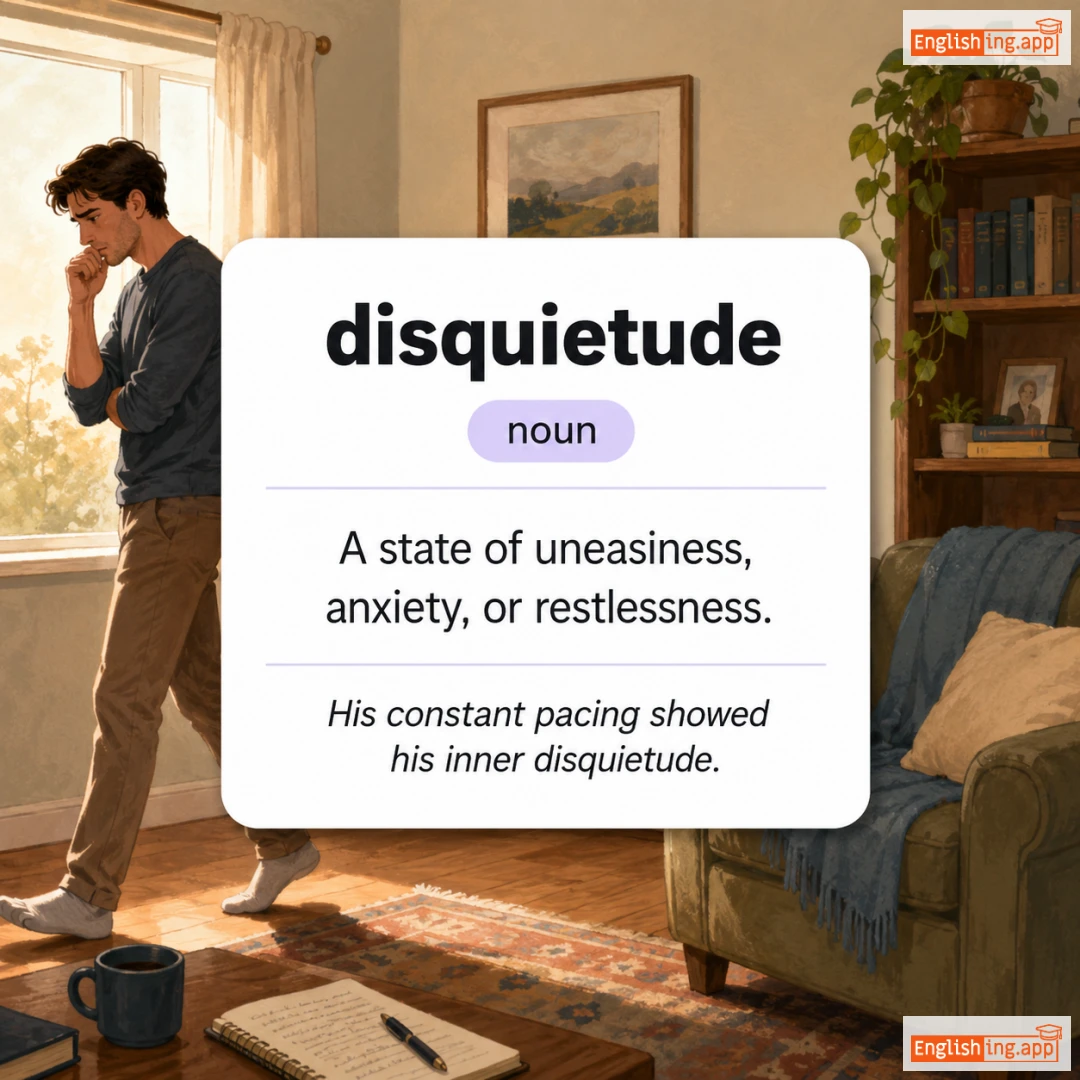
A state of uneasiness, anxiety, or restlessness.
"His constant pacing showed his inner disquietude."
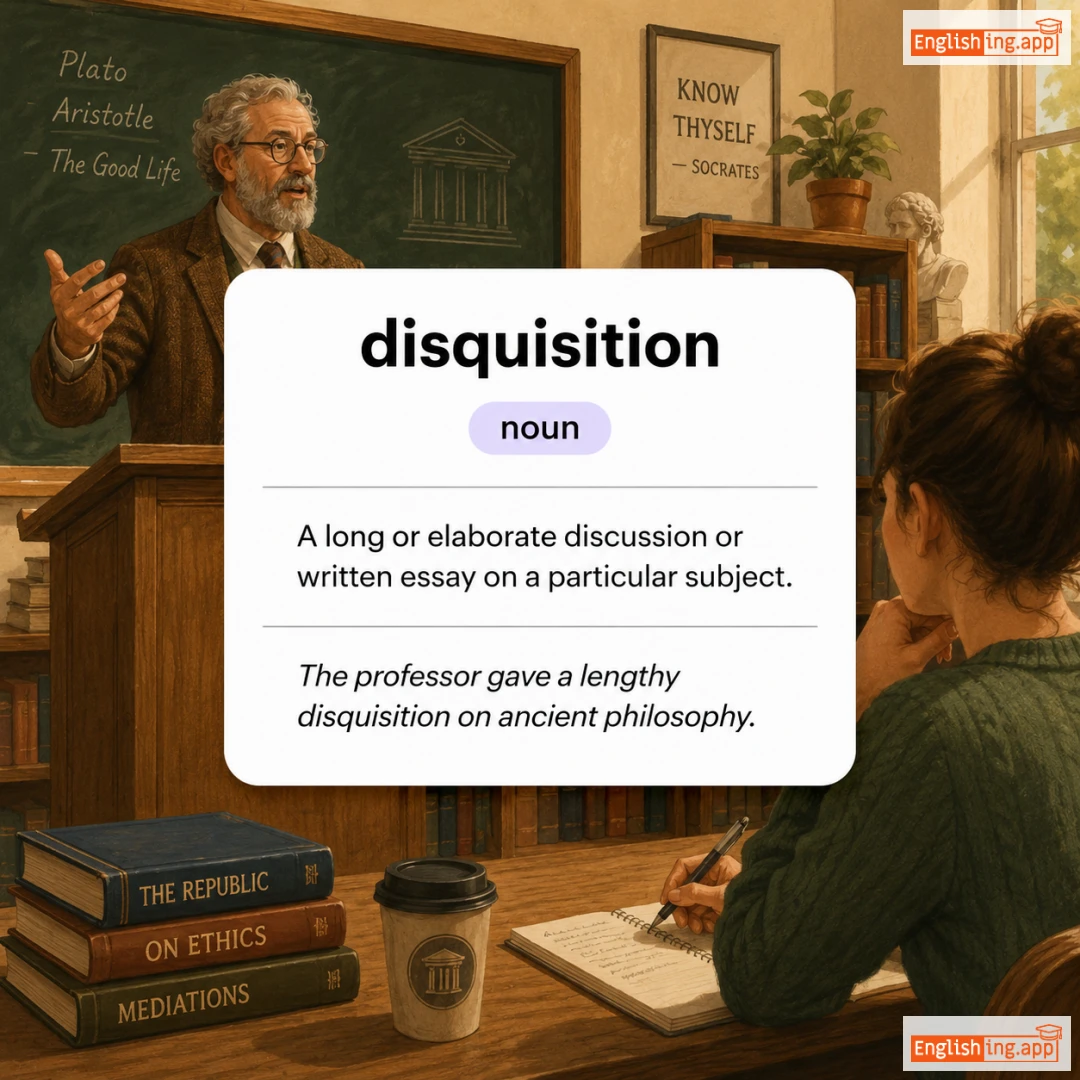
A long or elaborate discussion or written essay on a particular subject.
"The professor gave a lengthy disquisition on ancient philosophy."
the state of being held in low esteem or having a bad reputation
"The scandal brought the politician into disrepute."
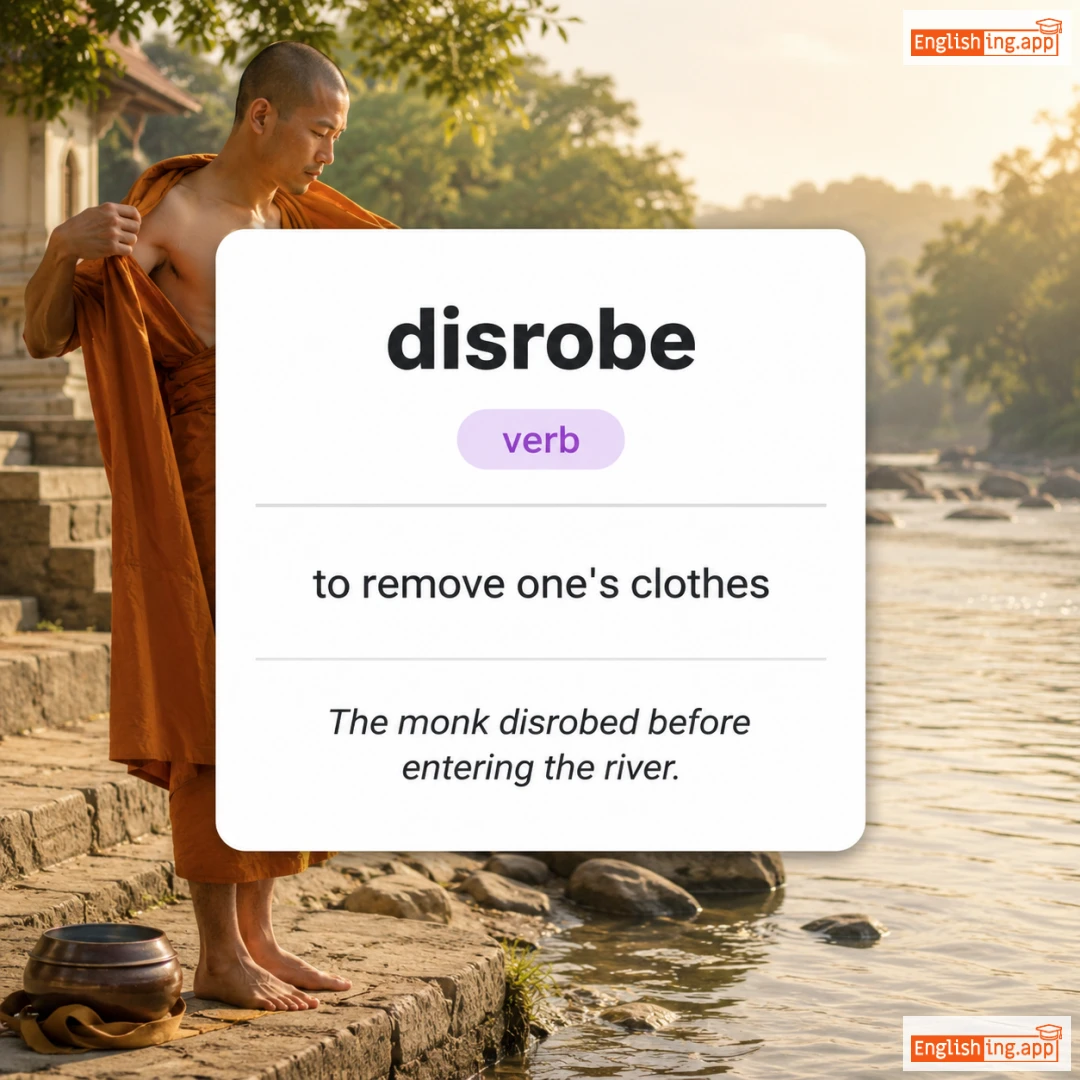
to remove one's clothes
"The monk disrobed before entering the river."
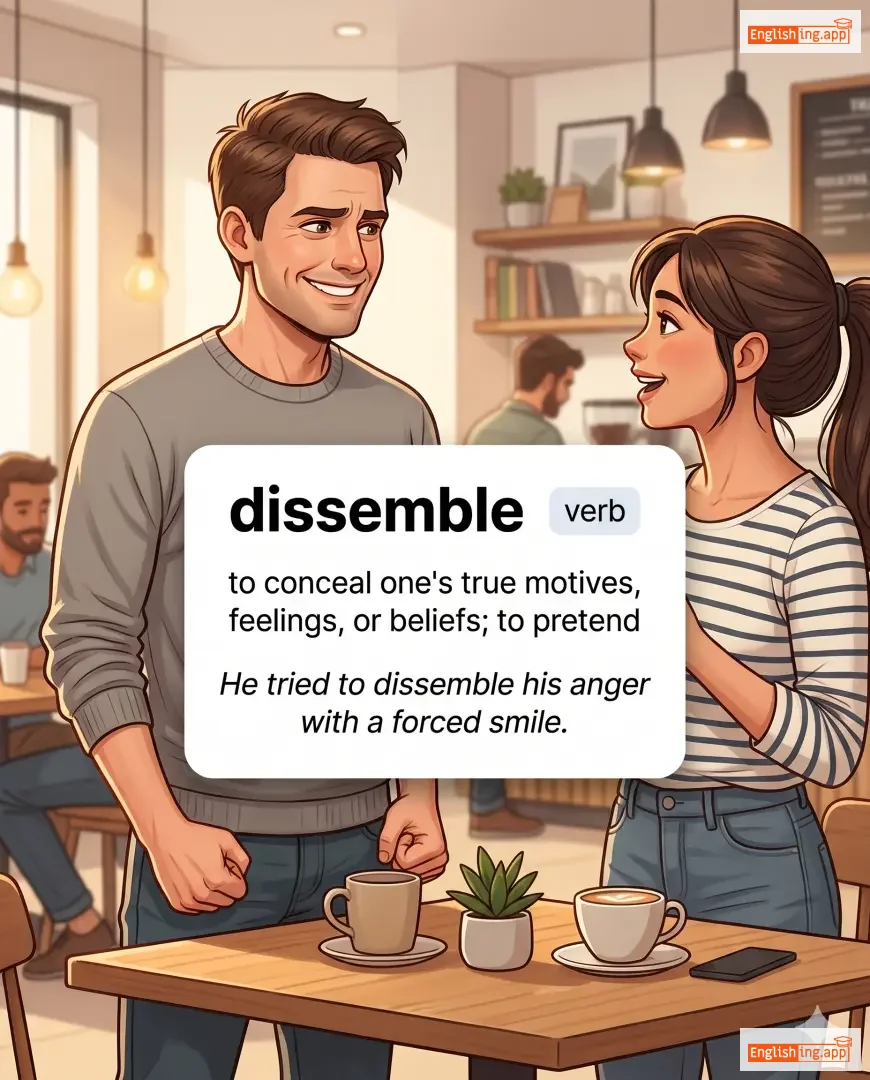
to conceal one's true motives, feelings, or beliefs; to pretend
"He tried to dissemble his anger with a forced smile."
a person who conceals their real feelings or intentions; a hypocrite or pretender
"The politician was accused of being a dissembler who never revealed his true plans."
Strong disagreement or difference of opinion, especially leading to discord within a group.
"The meeting ended in dissension among the committee members."
Expressing or holding opinions that are opposed to the majority or official view.
"Only a few dissentient voices were heard during the debate."
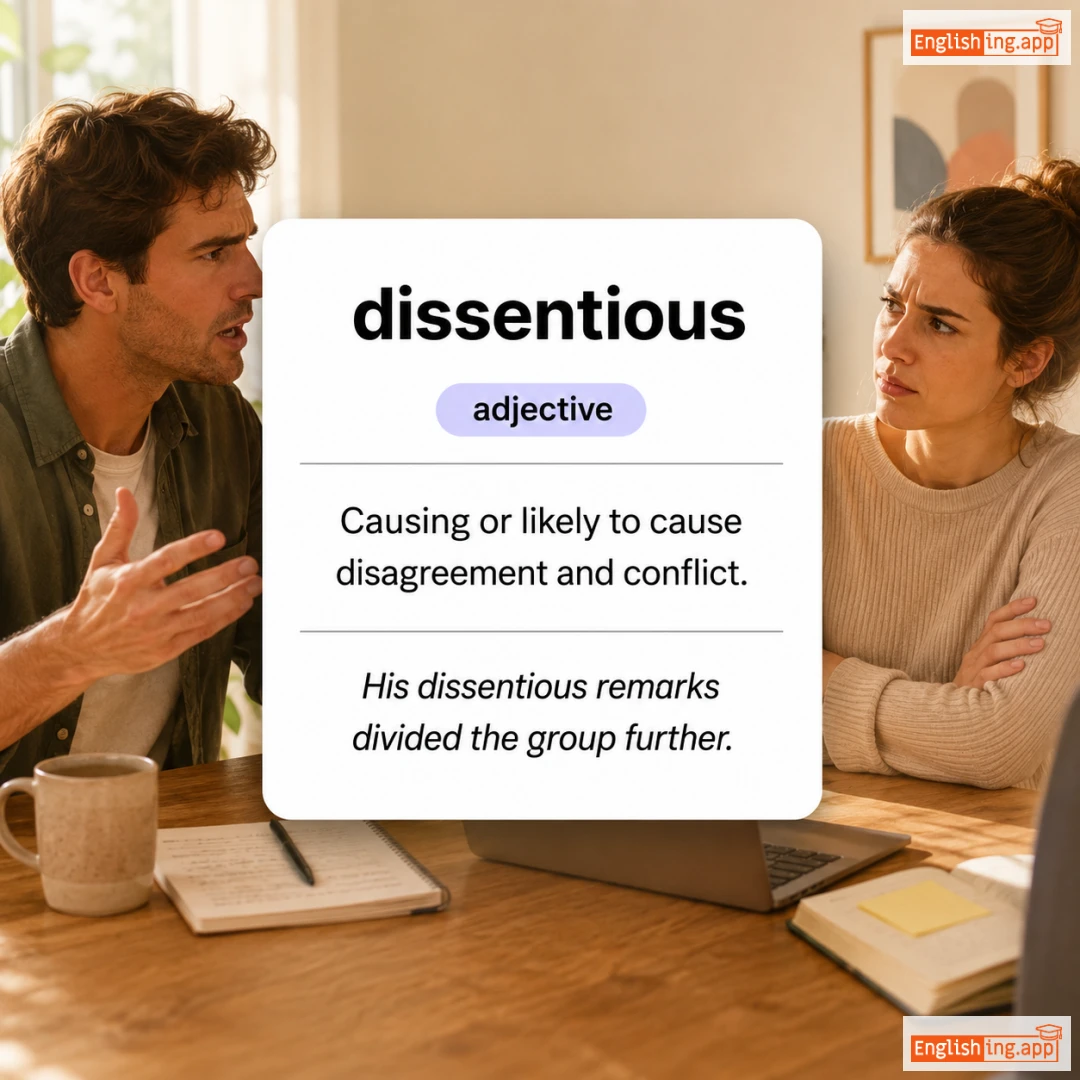
Causing or likely to cause disagreement and conflict.
"His dissentious remarks divided the group further."
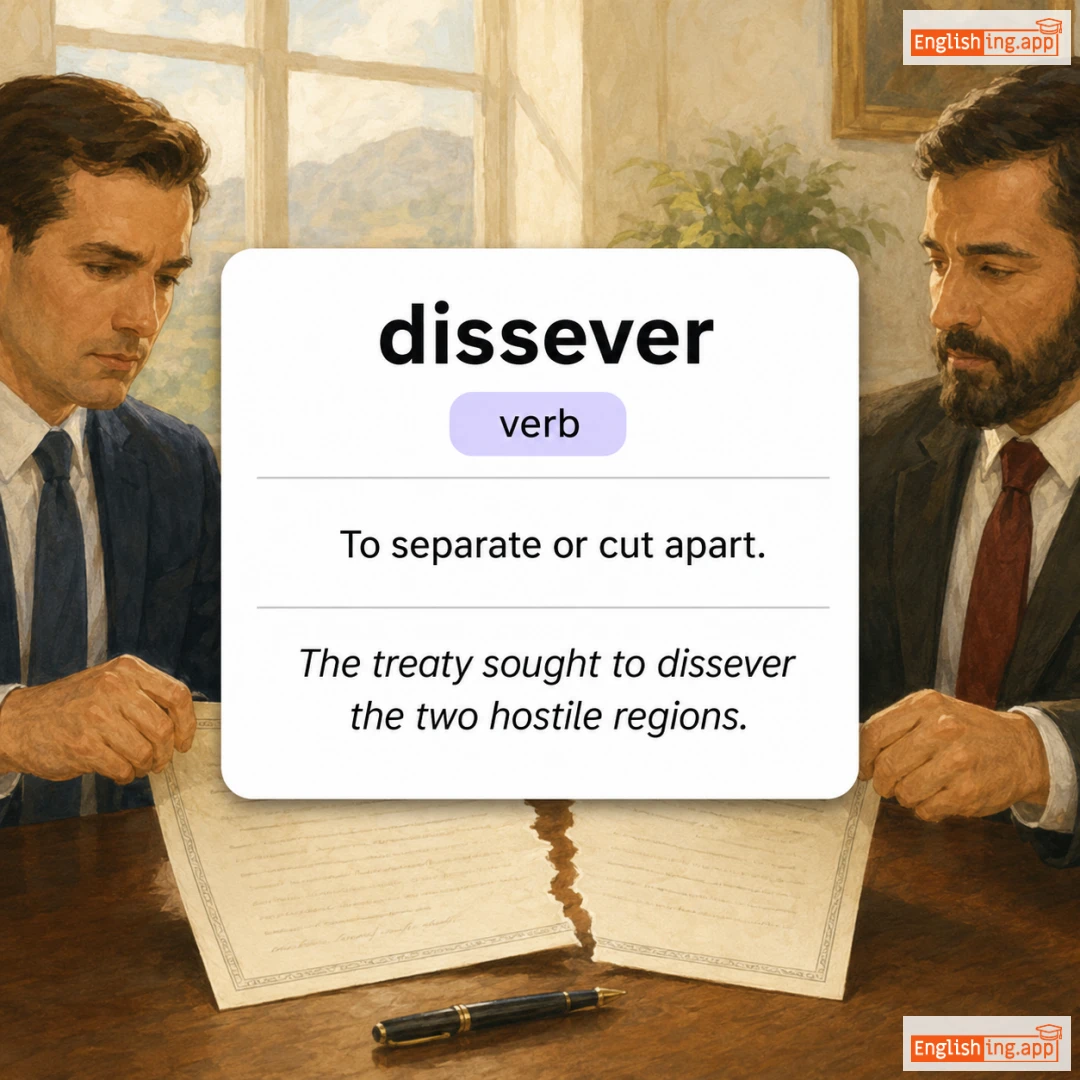
To separate or cut apart.
"The treaty sought to dissever the two hostile regions."
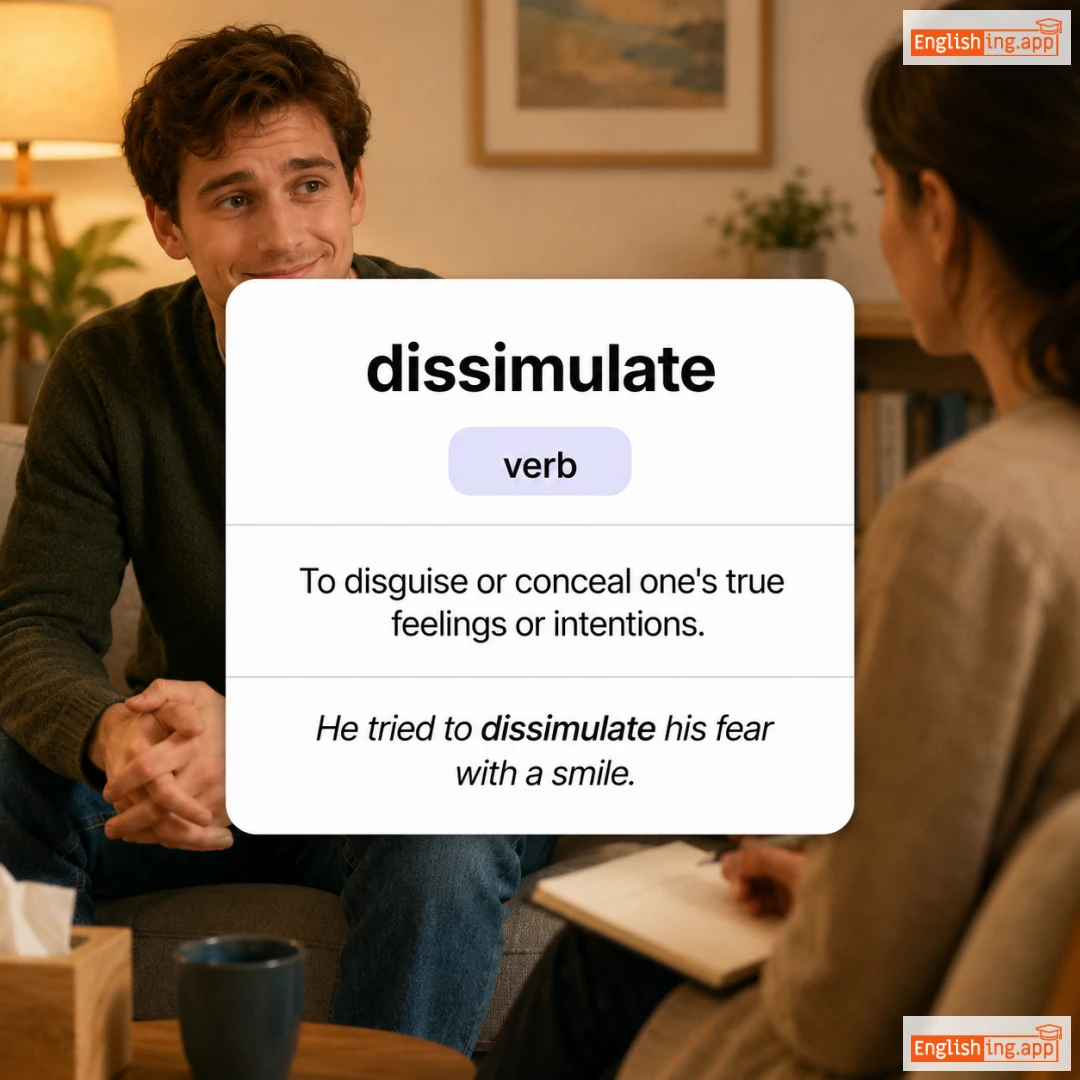
To disguise or conceal one's true feelings or intentions.
"He tried to dissimulate his fear with a smile."

