語彙集

英単語辞書 | 単語の意味、定義、例文

verb C1
/skʌlpt/
счастье (schast'ye)

to create or shape something by carving or molding

"The artist sculpted a beautiful statue from marble."

"Она не могла скрыть своего счастья, когда она получила награду." (Ona ne mogla skryt' svoego schast'ya, kogda ona poluchila nagradu.)
verb C1
/ˈskʌr.i/
бежать быстро (bezhat’ bystro)

To move quickly with short, hurried steps.

"The mice scurried across the kitchen floor when the lights turned on."

"Мыши быстро бегали по кухонному полу, когда включились огни." (Myshi bystro begali po kukhonnomu polu, kogda vkluchilis’ ogni.)
verb C1
/ˈskʌt.əl/
счастье (schastye)

To run hurriedly with short, quick steps; or to deliberately sink a ship.

"The children scuttled back to their seats when the teacher entered."

"Она не могла скрыть своего счастья, когда она получила награду." (Ona ne mogla skryt' svoego schast'ya, kogda ona poluchila nagradu.)
noun C1
/saɪð/
коса (kosa)

A tool with a long curved blade used for cutting grass or grain.

"The farmer sharpened his scythe before harvesting the wheat."

"Фермер заточил свою косу перед тем, как собирать пшеницу." (Fermyer zatochil svoyu kosu pered tem, kak sobirat' pshenitsu.)
noun C1
/ˈseɪɑːns/
сеанс спиритизма (seans spiritizma)

A meeting where people attempt to communicate with the spirits of the dead.

"They held a seance to contact their late grandmother."

"Они провели сеанс спиритизма, чтобы связаться с их покойной бабушкой." (Oni provedli seans spiritizma, chtoby svyazat'sya s ikh pokoynoy babushkoy.)
verb C1
/sɪr/
обжигать (obzhigat)

To burn or scorch the surface of something with intense heat.

"The chef seared the steak to lock in the flavor."

"Шеф обжарил стейк, чтобы запереть вкус." (Shef obzharil steik, chtoby zaperyet' vkus.)
adverb C1
/ˈsɜːrtʃɪŋli/
исследовательно (issledovatel'no)

In a way that seems to look for hidden meanings or truth.

"She looked at him searchingly, hoping for an honest answer."

"Она посмотрела на него с любопытством, ожидая честного ответа." (Ona posmotrela na nego s lyubopytstvom, ozhidaya chestnogo otveta.)
noun C1
/ˈsiːskeɪp/
морской пейзаж (morskoj pejzazh)

A view or painting of the sea.

"The artist painted a beautiful seascape at sunset."

"Художник нарисовал красивый морской пейзаж на закате." (Kudozhnik narisoval krasivyj morskoj pejzazh na zakate.)
adjective C1
/ˈsiːzənəbl/
сезонный (sezonnij)

Appropriate to the time of year or season.

"We had seasonable weather for autumn."

"У нас была подходящая погода для осени." (U nas byla podkhodyashchaya pogoda dlya oseni.)
adjective/verb C1
/ˈsiːzənd/
опытный / приправленный (opytnyy / pripravljennyy)

Experienced in a particular activity; also, flavored with spices.

"She is a seasoned teacher with over 20 years of experience."

"Она опытный учитель с более чем 20-летним стажем." (Ona opytnyy uchitel' s bolee chem 20-letnim stazhem.)
verb C1
/sɪˈsiːd/
выходить (vikhodit)

To formally withdraw from a political or organizational union.

"Several states threatened to secede from the union."

"Несколько штатов угрожали выйти из союза." (Neskol'ko shtatov ugrozhali vyyti iz soyuza.)
noun C1
/sɪˈsɛʃən/
сецессия (tsetesiya)

The action of formally withdrawing from membership of a federation or body.

"The secession of the southern states led to the Civil War."

"Сецессия южных штатов привела к Гражданской войне." (Tsetesiya yuzhnykh shtatov privela k Grazhdanskoy voyne.)
verb C1
/sɪˈkluːd/
изолировать (izolirovat)

To keep someone away from other people; to isolate.

"The monk chose to seclude himself in the mountains."

"Монах выбрал изолироваться в горах." (Monakh vybral izolirovat'sya v gorakh.)
adjective C1
/sɪˈkluːdɪd/
уединённый (uyedinenny)

Placed apart from other people or things; private and quiet.

"They spent their vacation in a secluded beach house."

"Они провели свой отпуск в уединённом домике на пляже." (Oni proveli svoy otpusk v uyedinennom domike na plyazhe.)
noun C1
/sɪˈkluːʒən/
уединение (uedinenie)

The state of being private, away from other people.

"She spent the weekend in complete seclusion in her cabin."

"Она провела выходные в полном уединении в своей хижине." (Ona provela vykhodnye v polnom uedinenii v svoey khizhine.)
adjective C1
/ˌsekənd ˈreɪt/
второсортный (vtorosortnyy)

Of mediocre or inferior quality.

"The movie was entertaining but clearly second-rate compared to the original."
"Фильм был увлекательным, но явно второсортным по сравнению с оригиналом." (Film byl uvelikatel'nym, no yavno vtorosortnym po sravneniyu s originalom.)
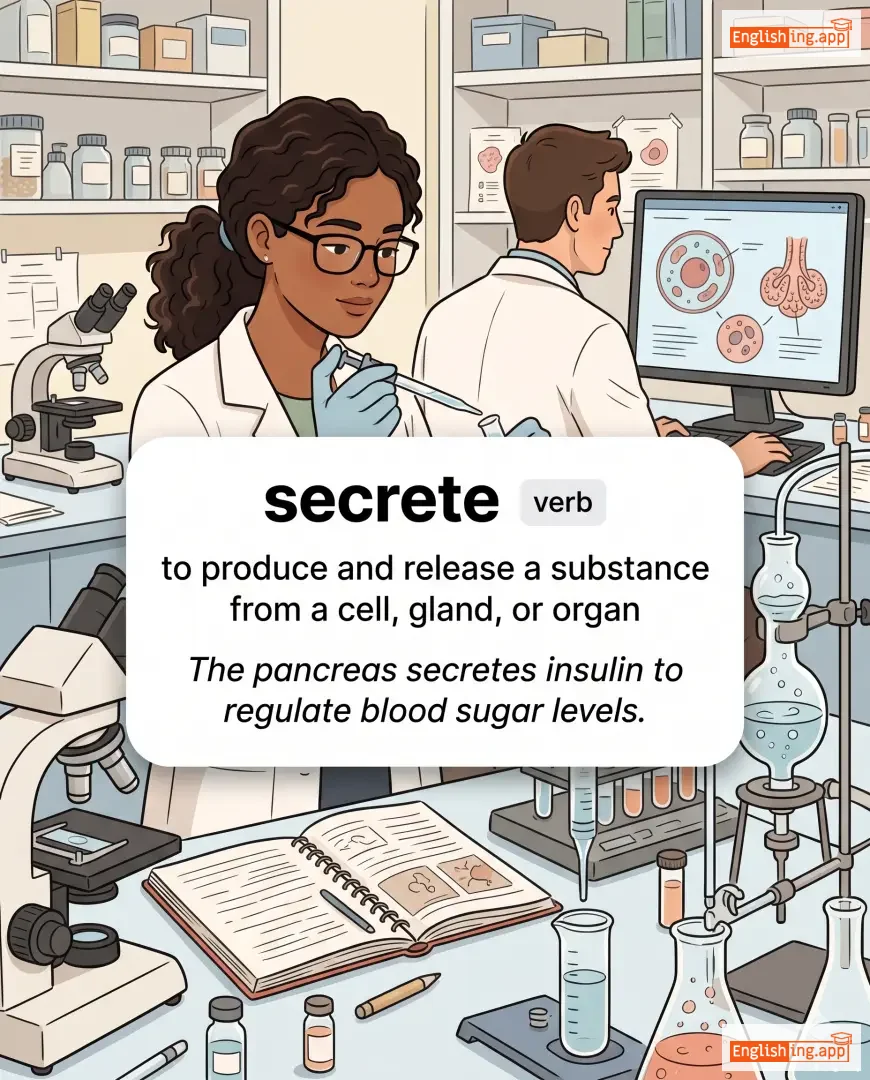
secrete definition card — visual illustration of the meaning
verb C1
/sɪˈkriːt/
секретировать (sekretirovat)

to produce and release a substance from a cell, gland, or organ

"The pancreas secretes insulin to regulate blood sugar levels."
"Поджелудочная железа секретирует инсулин для регуляции уровня сахара в крови." (Podzheludochnaya zheleza sekretiruet insulín dlya regulatsii urovnya sakhara v krovi.)
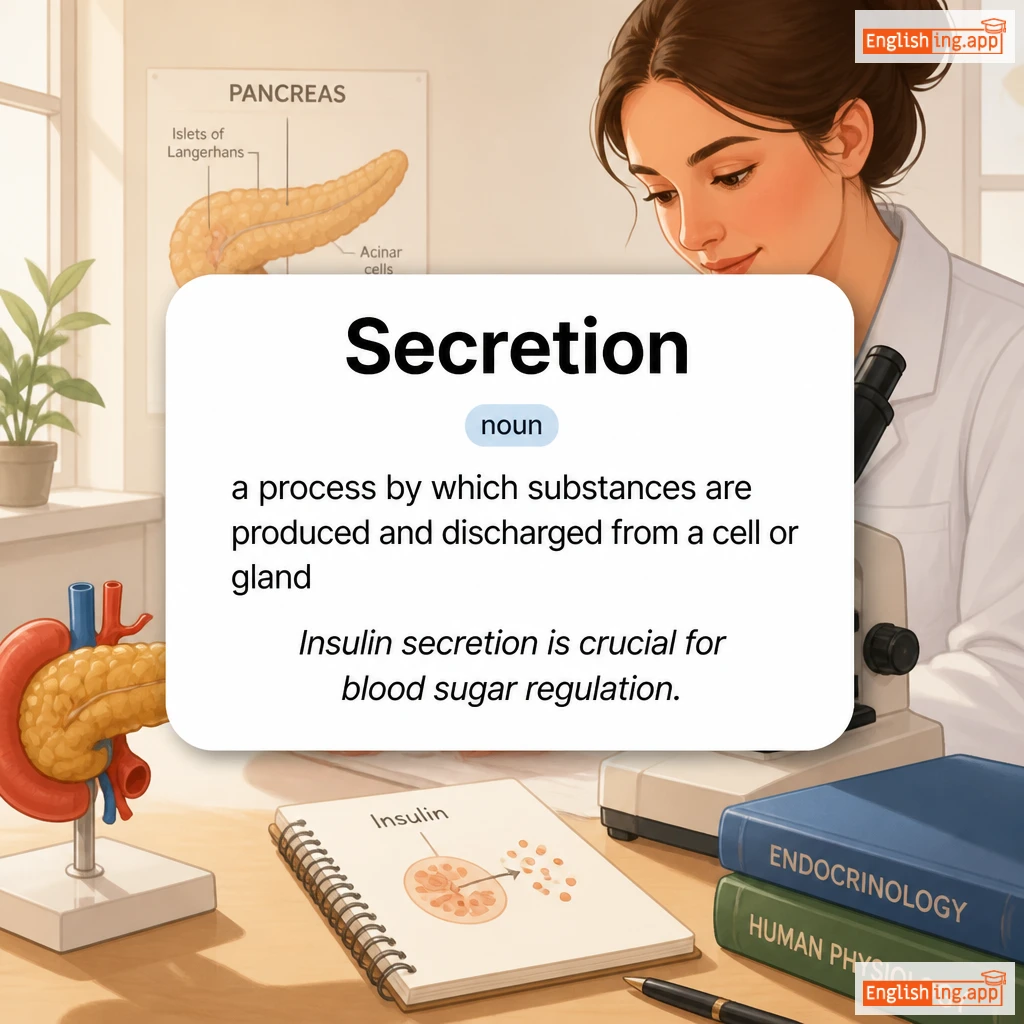
Secretion definition card — visual illustration of the meaning
noun C1
/sɪˈkriː.ʃən/
секреция (sekreciya)

a process by which substances are produced and discharged from a cell or gland

"Insulin secretion is crucial for blood sugar regulation."

"Секреция инсулина имеет решающее значение для регулирования уровня сахара в крови." (sekreciya insulina imeet reshayushchee znachenie dlya regulirovaniya urovnya sahara v krovi)
noun C1
/sɛkt/
секта (sekta)

a subgroup of a larger religious or political group, often with differing beliefs

"The group split into different sects due to doctrinal differences."

"Группа разделилась на разные секты из-за доктринальных различий." (Gruppa razdelilas' na raznye sekty iz-za doktrinal'nykh razlichiy.)
adjective C1
/sɛkˈtɛəriən/
сектантский (sektantskiy)

relating to or characterized by the differences between sects, often leading to conflict

"The region has been troubled by sectarian violence for decades."

"Регион страдает от сектантского насилия на протяжении десятилетий." (Region stradayet ot sektantskogo nasiliya na protyazhenii desyatiletiy.)
sector-specific definition card — visual illustration of the meaning
adjective C1
ˈsek.tər spəˈsɪf.ɪk
секторный (sektornyy)

Relating to or designed for a particular sector or industry.

"Sector-specific policies attract targeted investments."

"Секторные политики привлекают целевые инвестиции." (Sektornye politiki privlekayut tselevye investitsii.)
Secular definition card — visual illustration of the meaning
adjective C1
/ˈsɛkjʊlər/
светский (svetskiy)

not connected with religious or spiritual matters

"The country adopted a secular constitution separating religion from state affairs."

"Страна приняла светскую конституцию, отделяющую религию от государственных дел." (Strana prinяла svetskuyu konstitutsiyu, otdelyayushchuyu religiyu ot gosudarstvennykh del.)
adjective, verb C1
/sɪˈdeɪt/
седировать (sedirovat)

calm, quiet, and composed; or to administer a drug to make someone calm or sleep

"The nurse sedated the patient before the operation."

"Медсестра оседлатила пациента перед операцией." (Medsestra osedlatila patsiyenta pered operatsiyey.)
noun C1
/ˈsɛdətɪv/
успокаивающее средство (uspokaivayushchee sredstva)

A substance that calms the nerves or induces sleep.

"The doctor prescribed a sedative to help the patient sleep."

"Врач прописал седативное средство, чтобы помочь пациенту уснуть." (Vrach propisal sedativnoe sredstva, chtoby pomoch' patsiyentu usnut'.)
sedentary definition card — visual illustration of the meaning
adjective C1
/ˈsɛdntɛri/
малоподвижный (malopodvizhnyy)

Characterized by much sitting and little physical activity.

"A sedentary lifestyle can lead to health problems."
"Малоподвижный образ жизни может привести к проблемам со здоровьем." (malopodvizhnyy obraz zhizni mozhet privesti k problemam so zdorovyem)
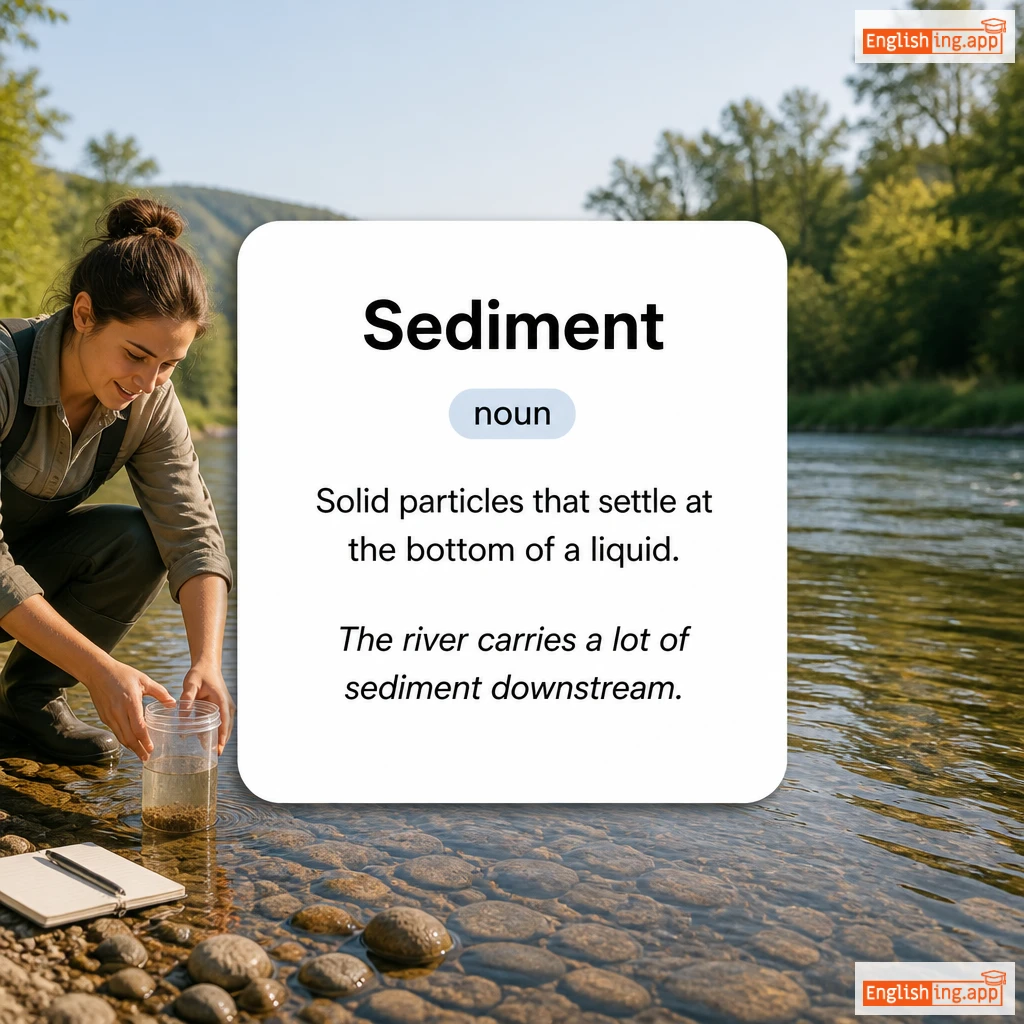
Sediment definition card — visual illustration of the meaning
noun C1
/ˈsɛdəmənt/
осадок (osadok)

Solid particles that settle at the bottom of a liquid.

"The river carries a lot of sediment downstream."

"Река несет много осадка вниз по течению." (Reka neset mnogo osadka vniz po techyonyu.)
verb C1
/sɪˈdjuːs/
соблазнять (soblaznyat)

to attract someone into doing something, especially something they might not normally do

"The advertisement was designed to seduce customers into buying luxury products."
"Реклама была разработана, чтобы соблазнить покупателей купить роскошные товары." (Reklama byla razrabotana, chtoby soblaznit' pokupateley kupit' roskoshnyye tovaru.)
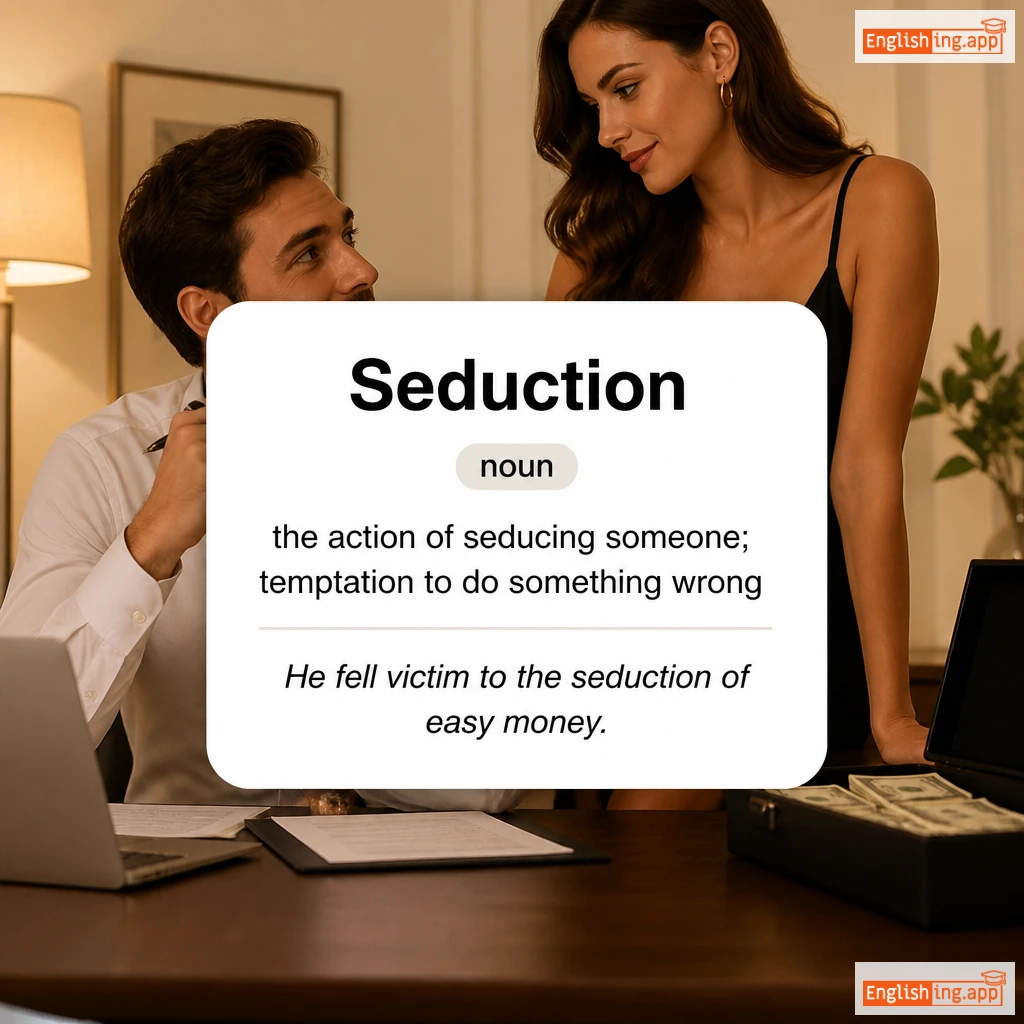
Seduction definition card — visual illustration of the meaning
noun C1
/sɪˈdʌk.ʃən/
соблазн; искушение (soblazn; iskushenie)

the action of seducing someone; temptation to do something wrong

"He fell victim to the seduction of easy money."

"Он стал жертвой соблазна легких денег." (On stal zhertvoy soblazna legkikh deneg.)
adjective C1
/ˈsiːdi/
грязный / обветшалый (gryaznyy / obvetshalyy)

dirty, shabby, or in bad condition; also feeling slightly unwell

"He stayed in a seedy motel near the bus station."

"Он остановился в захудалом мотеле возле автовокзала." (On ostanovilsya v zakhudalom motele vozle avtovokzala.)
verb C1
/siːp/
просачиваться медленно (prosachivat'sya medlenno)

to flow or leak slowly through small openings or pores

"Water began to seep through the cracks in the wall."

"Вода начала просачиваться через трещины в стене." (Voda nachala prosachivatsya cherez treshchiny v stene.)
noun C1
/sɪr/
ясновидящий (yasnovidyashchiy)

A person who is supposed to be able to see what will happen in the future; a prophet.

"The seer predicted a great change in the kingdom."

"Ясновидящий предсказал большое изменение в королевстве." (Yasnovidyashchiy predskazal bol'shoye izmeneniye v korolevstve.)
verb C1
/siːð/
кипеть от ярости (kipet' ot yarosti)

To be filled with intense but unexpressed anger or agitation.

"She was seething with anger after the unfair decision."
"Она кипела от ярости после несправедливого решения." (Ona kipela ot yarosti posle nespravedlivogo resheniya.)
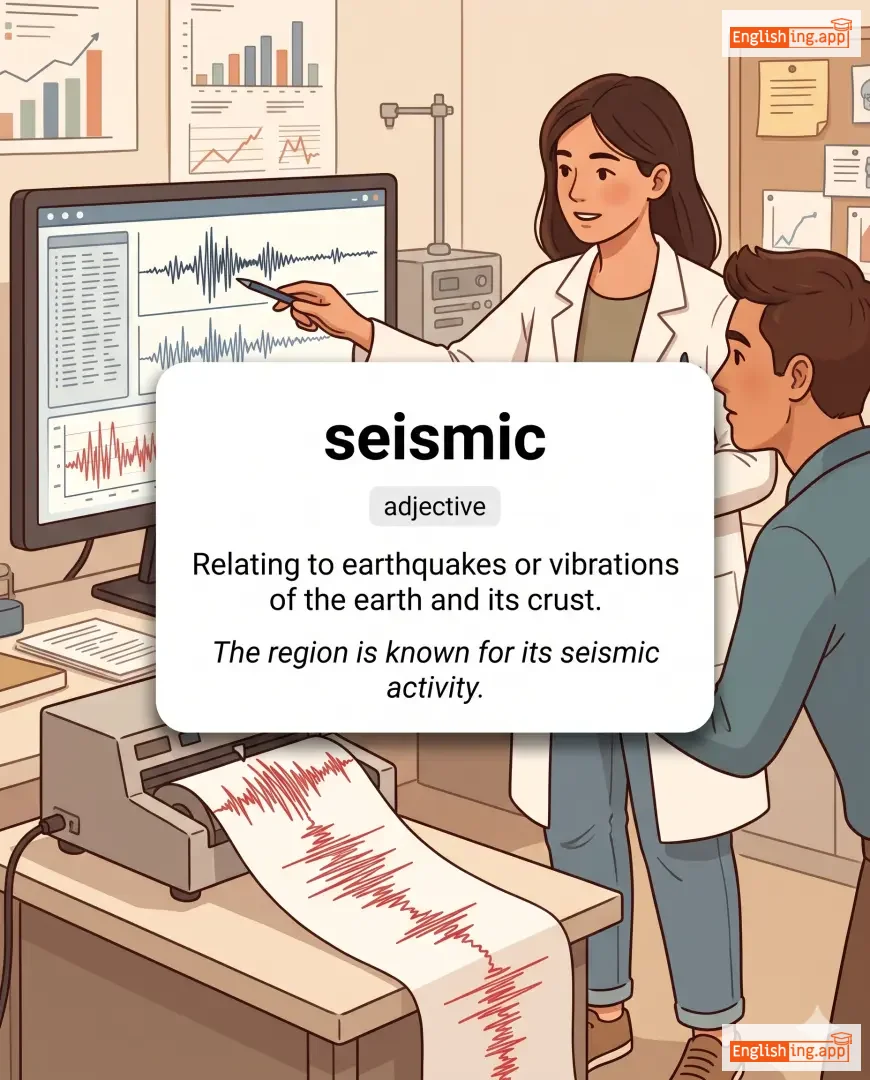
seismic definition card — visual illustration of the meaning
adjective C1
/ˈsaɪz.mɪk/
сейсмический (seysmicheskiy)

Relating to earthquakes or vibrations of the earth and its crust.

"The region is known for its seismic activity."

"Регион известен своей сейсмической активностью." (Region izvesten svoey seysmicheskoy aktivnost'yu.)
adjective C1
/ˌsɛlf əbˈzɔːrbd/
эгоцентричный (egotsentrichnyy)

Excessively preoccupied with oneself and one’s own thoughts, feelings, or interests.

"He was too self-absorbed to notice his friend's distress."

"Он был слишком эгоцентричным, чтобы заметить тревогу своего друга." (On byl slishkom egotsentrichnym, chtoby zamechit' trevogu svoego druga.)
self-affirmation definition card — visual illustration of the meaning
noun C1
/ˌsɛlf əˌfɜːˈmeɪʃən/
самоутверждение (samoutverzhdenie)

The practice of affirming one's own worthiness and value as an individual.

"Daily self-affirmation can boost your confidence."

"Ежедневное самоутверждение может повысить вашу уверенность в себе." (Ezhednevnoe samoutverzhdenie mozhet povysit' vashu uverennost' v sebe.)
adjective C1
/ˌsɛlf ɪˈfeɪsɪŋ/
скромный (skromnyy)

not drawing attention to oneself; modest

"Despite his success, he remained self-effacing and humble."

"Несмотря на его успех, он остался скромным и смиренным." (Nesmotrya na ego uspek, on ostalsya skromnym i smirennym.)
noun C1
/ˌsɛlf ɪnˈdʌldʒəns/
самоудовлетворение (samoudovletvorenie)

The act of allowing oneself to enjoy pleasures or desires excessively.

"His weekend of self-indulgence included eating sweets and watching movies nonstop."
"Его уикенд самоудовлетворения включал поедание сладкого и просмотр фильмов без остановки." (Ego uikend samoudovletvoreniya vklyuchal poedanie sladkogo i prosmotr' filmov bez ostanovki.)
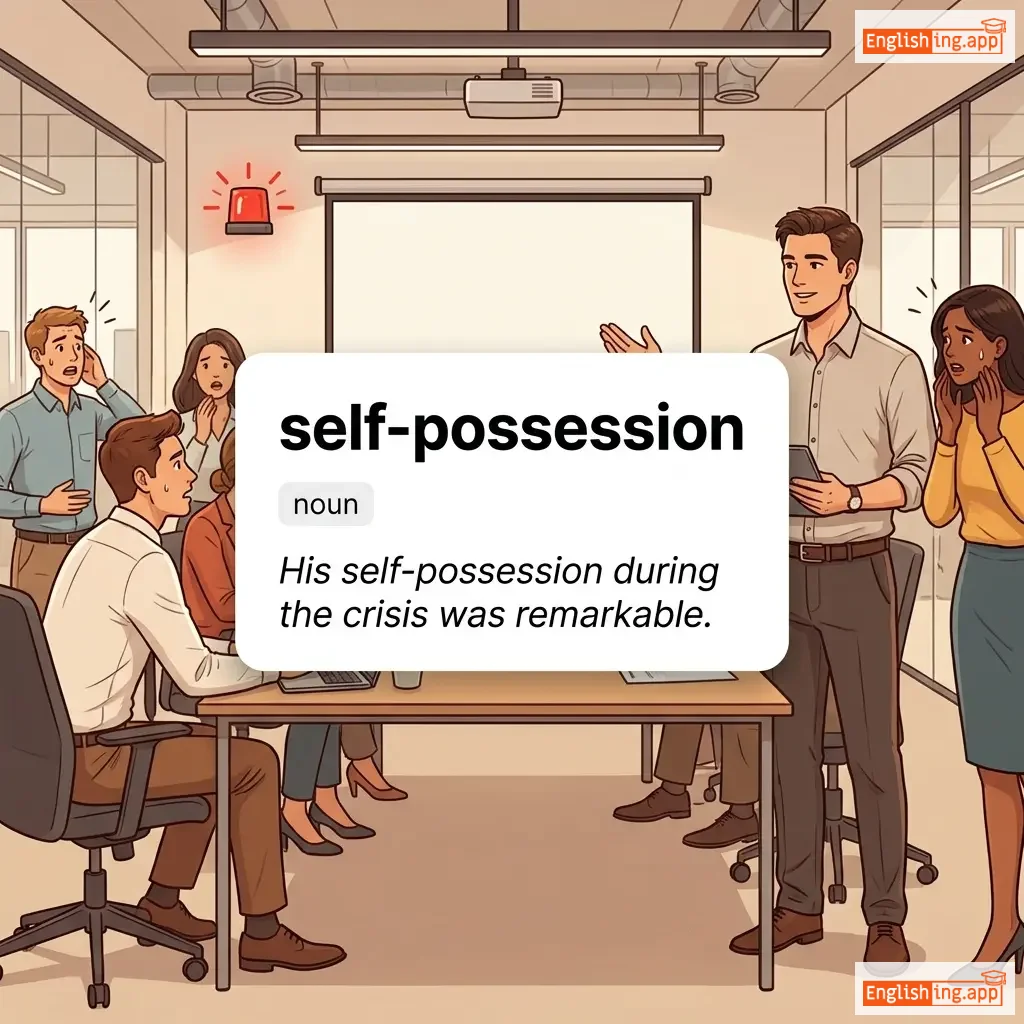
self-possession definition card — visual illustration of the meaning
noun C1
ˈsɛlf pəˈzɪʃən
самообладание (samoobladanie)

The quality of being calm and confident and in control of one's emotions; composure.

"His self-possession during the crisis was remarkable."
"Его самообладание во время кризиса было замечательным." (Ego samoobladanie vo vremya krizisa bylo zamechatelnym.)
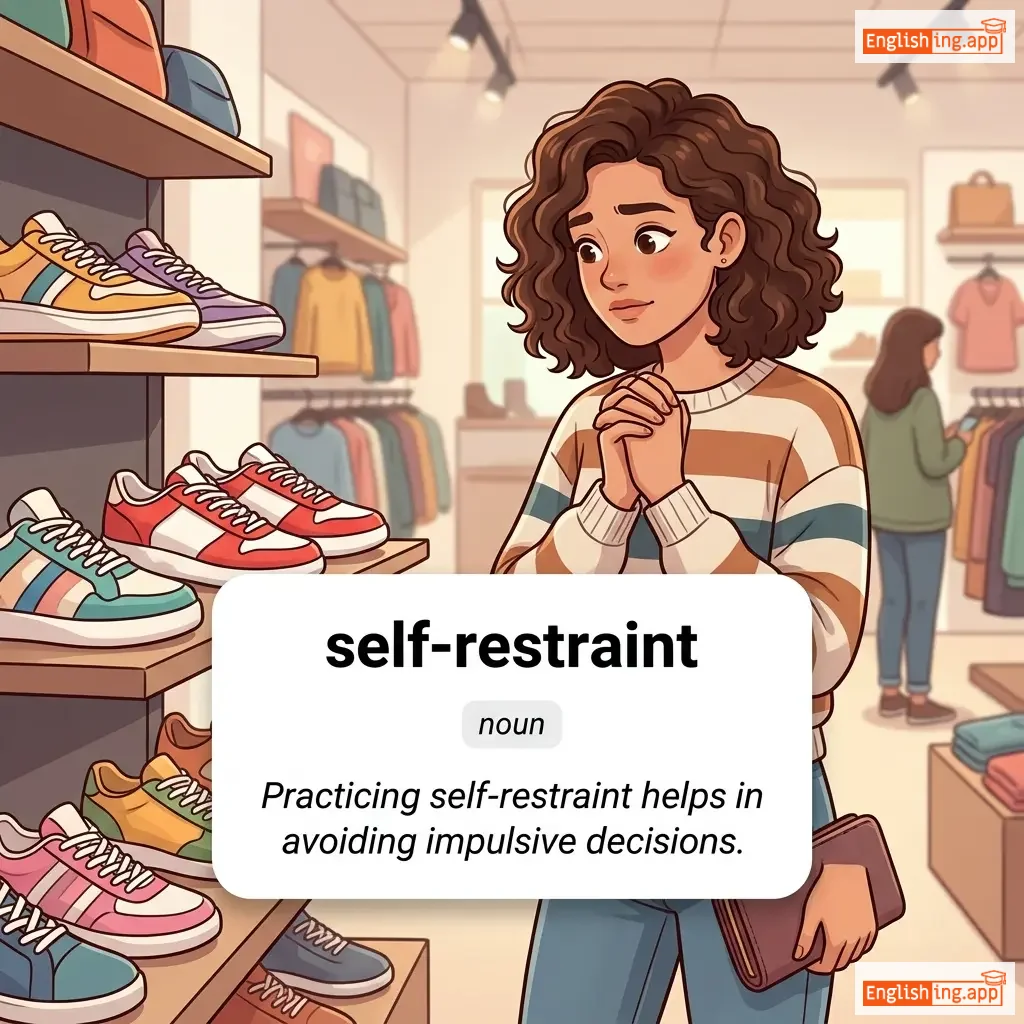
self-restraint definition card — visual illustration of the meaning
noun C1
ˌsɛlf.rɪˈstreɪnt
самоконтроль (samokontrol)

The practice of restraining oneself from indulging in something, typically an impulse or desire.

"Practicing self-restraint helps in avoiding impulsive decisions."

"Практика самоконтроля помогает избегать импульсивных решений." (Praktika samokontrolya pomogaet izbegat' impulsivnykh resheniy.)
adjective C1
/ˌsɛlf ˈraɪtʃəs/
самодовольный (samodovol'nyy)

Having or showing an attitude of moral superiority; believing one’s own beliefs are the only right ones.

"His self-righteous comments made everyone uncomfortable."
"Его самодовольные комментарии заставили всех почувствовать себя неуютно." (E-go sa-mo-do-vol'nye ko-men-ta-rii zas-ta-vi-li vsekh po-chuv-stvo-vat' se-bya ne-uyut-no.)
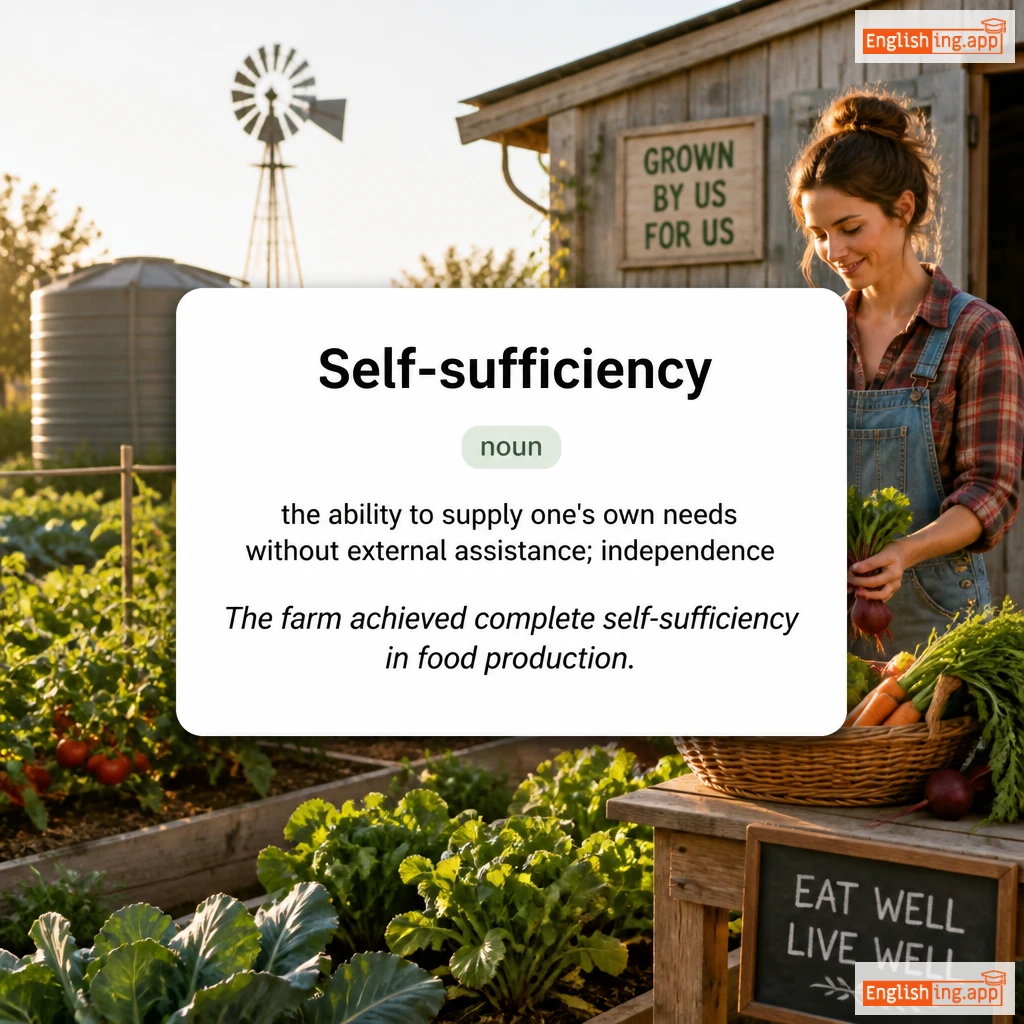
Self-sufficiency definition card — visual illustration of the meaning
noun C1
/ˌsɛlfsəˈfɪʃənsi/
самодостаточность (samodostatochnost)

the ability to supply one's own needs without external assistance; independence

"The farm achieved complete self-sufficiency in food production."
"Ферма достигла полной самодостаточности в производстве пищи." (Ferma doshchigla polnoy samodostatochnosti v proizvodstve pishchi.)
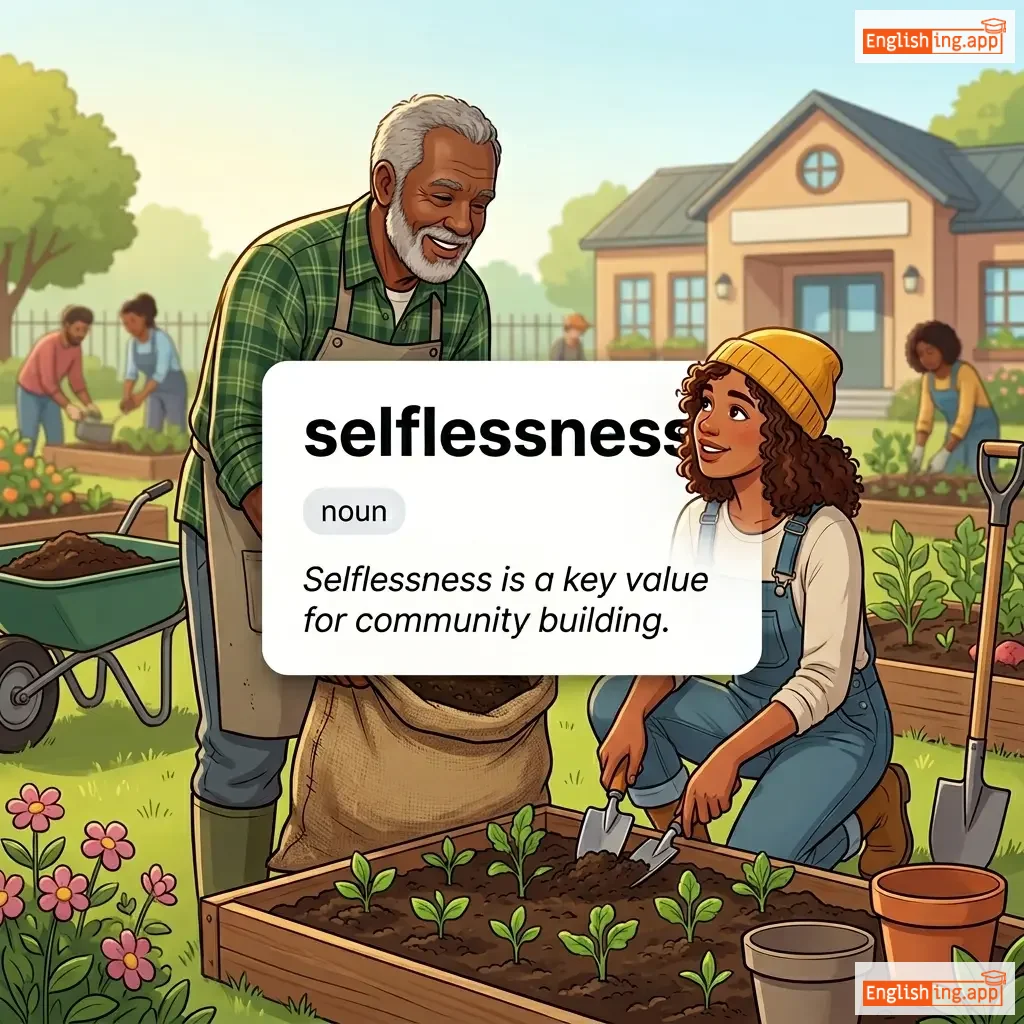
selflessness definition card — visual illustration of the meaning
noun C1
ˈsɛlfləsnɪs
бескорыстие (beskorystie)

The quality of being concerned more with the needs of others than with one's own.

"Selflessness is a key value for community building."

"Бескорыстие - важная ценность для построения сообщества." (Beskorystie - vazhnaya tsennost dlya postroeniya soobshchestva.)
semantic definition card — visual illustration of the meaning
adjective C1
/sɪˈmæntɪk/
семантический (semanticheskiy)

Relating to meaning in language or logic.

"The argument was more about semantic differences than real issues."
"Аргумент больше касался семантических различий, чем реальных проблем." (Argument bol'she kasalsya semanticheskikh razlichiy, chem real'nykh problem.)
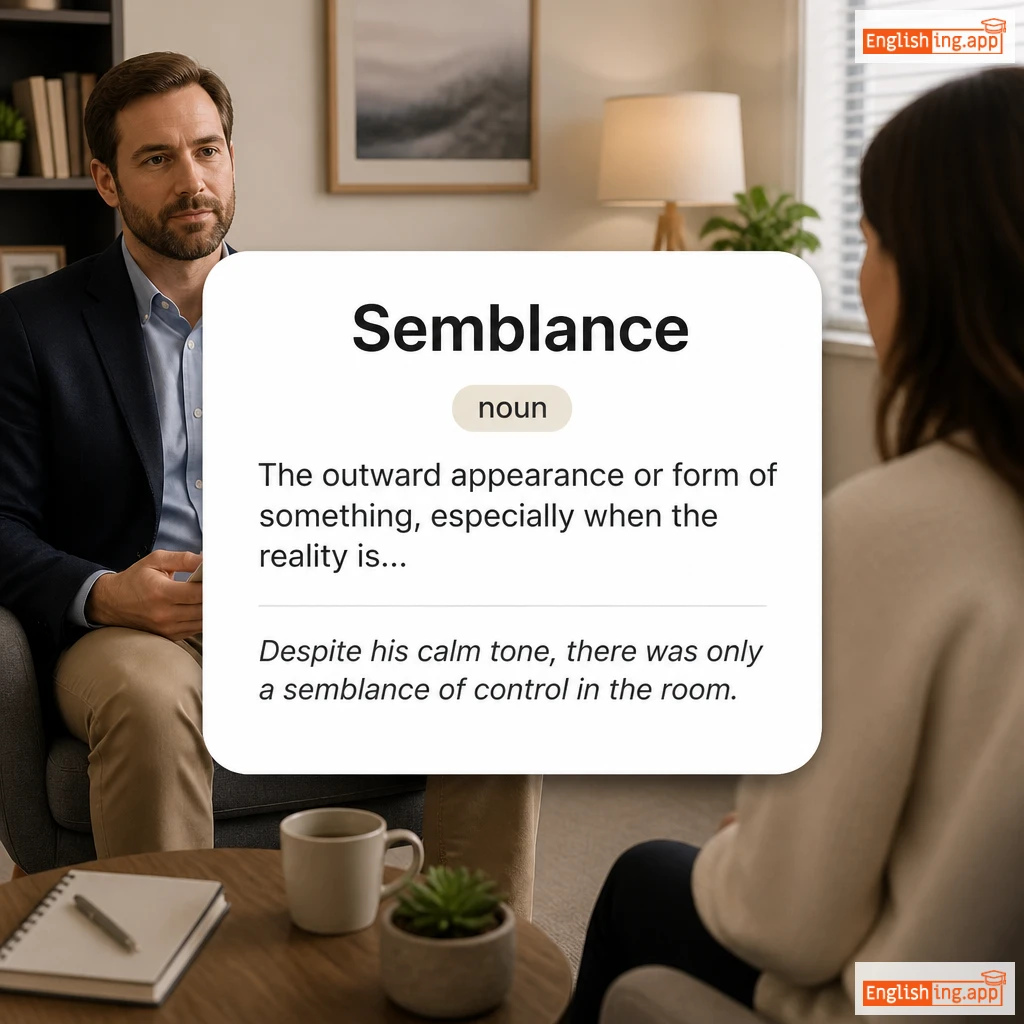
Semblance definition card — visual illustration of the meaning
noun C1
/ˈsɛm.bləns/
видимость, внешнее проявление (vidimost, vneshnee proyavlenie)

The outward appearance or form of something, especially when the reality is different.

"Despite his calm tone, there was only a semblance of control in the room."

"Несмотря на его спокойный тон, в комнате была только видимость контроля." (Nesmotrya na ego spokoynyy ton, v komnate byla tol'ko vidimost' kontrolya.)
adjective C1
/ˌsɛm.iˈæn.ju.əl/
полугодовой (polugodovoy)

Occurring twice a year; every six months.

"The company holds a semiannual meeting with all employees."

"Компания проводит полугодовую встречу со всеми сотрудниками." (Kompaniya proyhodit polugodovuyu vstrechu so vsemi sotrudnikami.)
adjective C1
/ˈsɛm.ɪ.nəl/
счастье (schastye)

Strongly influencing later developments; highly original and influential.

"His seminal book changed the course of modern philosophy."

"Она не могла скрыть своего счастья, когда получила награду." (Ona ne mogla skryt' svoego schast'ya, kogda poluchila nagradu.)
adjective C1
/ˈsiː.naɪl/
слабость, связанная с возрастом (slabost', svyazannaya s vozrastom)

Showing the weaknesses of old age, especially mental decline.

"The old man became senile and forgot familiar faces."

"Старик стал сенильным и забыл знакомые лица." (Starik stal senil'nym i zabyl znakomye litsa.)
noun C1
/sɪˈnɪləti/
старческое слабоумие (starcheskoye slaboumye)

The state of being old and showing the weaknesses of age, especially mental decline.

"His forgetfulness was attributed to senility."
"Его забывчивость была приписана старческому слабоумию." (Yego zabyvchivost' byla pririsena starcheskomu slaboumiyu.)
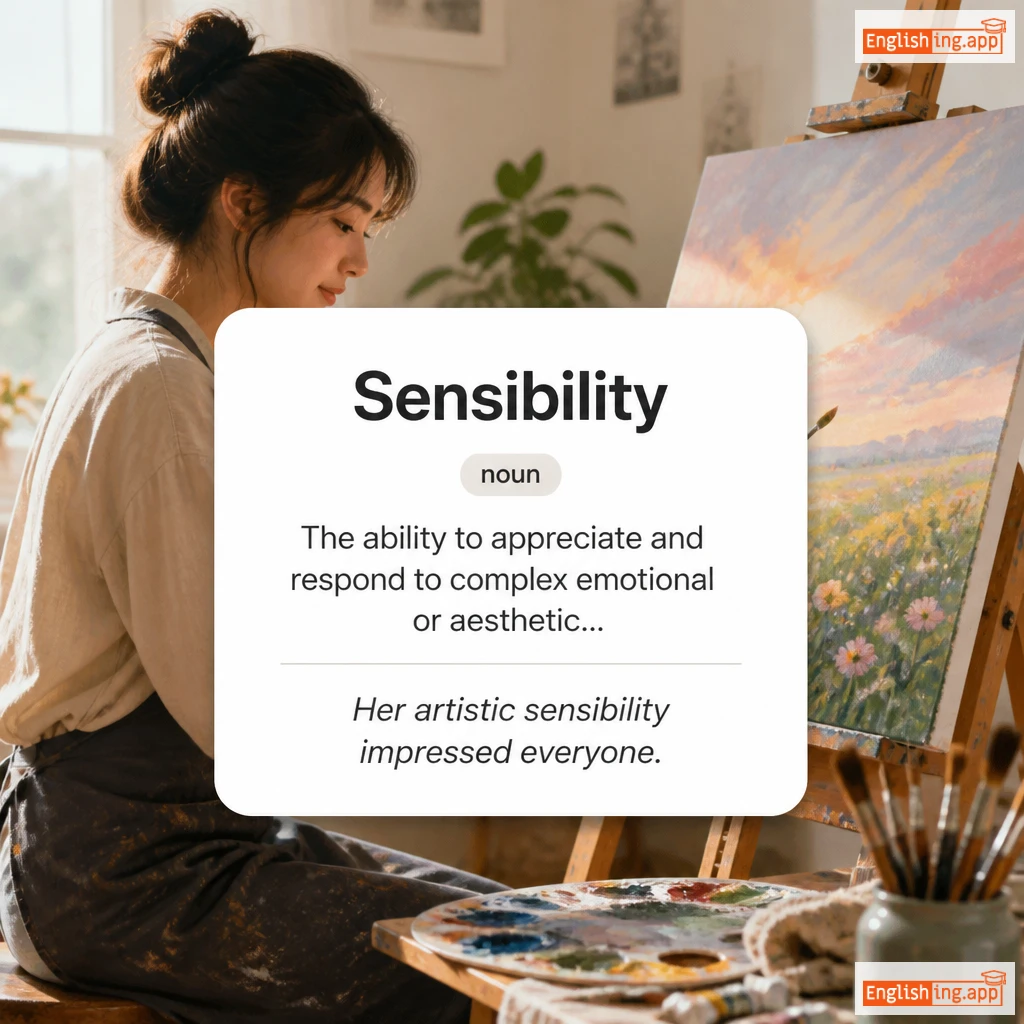
Sensibility definition card — visual illustration of the meaning
noun C1
/ˌsɛnsəˈbɪləti/
чувствительность (chuvstvitel'nost')

The ability to appreciate and respond to complex emotional or aesthetic influences; sensitivity.

"Her artistic sensibility impressed everyone."

"Ее художественная чувствительность впечатлила всех." (Eye khudozhestvennaya chuvstvitel'nost' vpechatlila vsekh.)
noun C1
/ˌsɛnsɪtaɪˈzeɪʃən/
сенсибилизация (sensibilizatsiya)

The process of becoming sensitive to a substance, situation, or influence.

"The doctor warned about the sensitization caused by repeated exposure to chemicals."

"Врач предупредил о сенсибилизации, вызванной повторным воздействием химических веществ." (Vrach predupredil o sensibillizatsii, vyzvannoy povtornym vozdeystviyem khimicheskikh veshchestv.)