|
絵文字
|
単語 | Images | 翻訳 | 過去 | 過去分詞 | 三人称単数 | 動名詞 | 意味 | 例文 | 例文の翻訳 | 表現例 | 表現例の意味 | 表現例の翻訳 | 同義語 | 対義語 | コロケーション | ニーモニック |
|---|---|---|---|---|---|---|---|---|---|---|---|---|---|---|---|---|---|
|
🌧️
••••••
|
/əˈbeɪt/
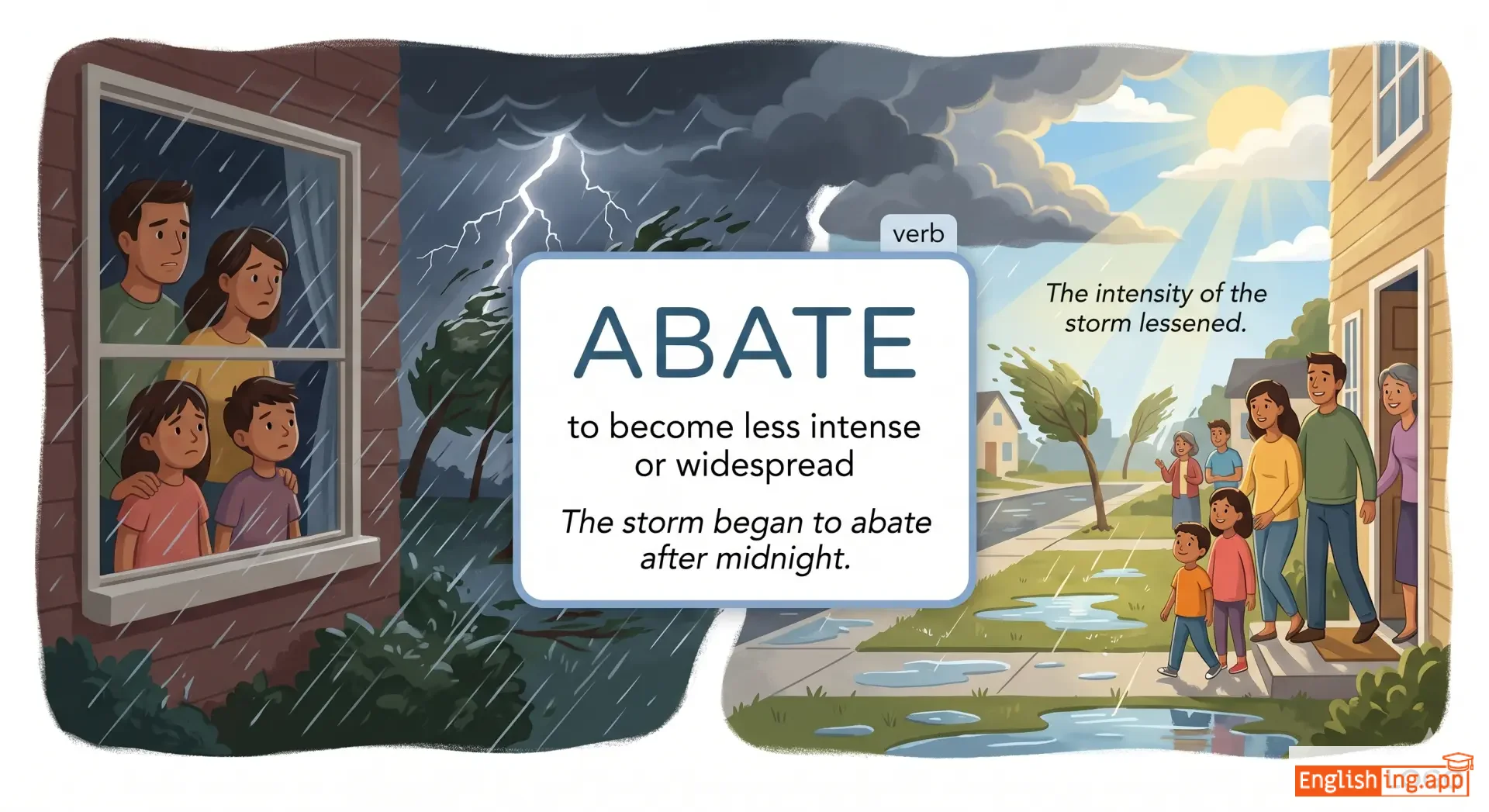
verb
(アベイト)
••••••
|
|
減少する
genshō suru
••••••
|
abated
アベイテッド
••••••
|
abated
アベイテッド
••••••
|
abates
アベイツ
••••••
|
abating
アベイティング
••••••
|
to become less intense or widespread
••••••
|
The storm began to abate after midnight.
嵐は真夜中に弱まり始めました。
••••••
|
嵐は真夜中に弱まり始めました。
Arashi wa mayonaka ni yowamari hajimemashita.
••••••
|
- •••••• | - •••••• | - •••••• |
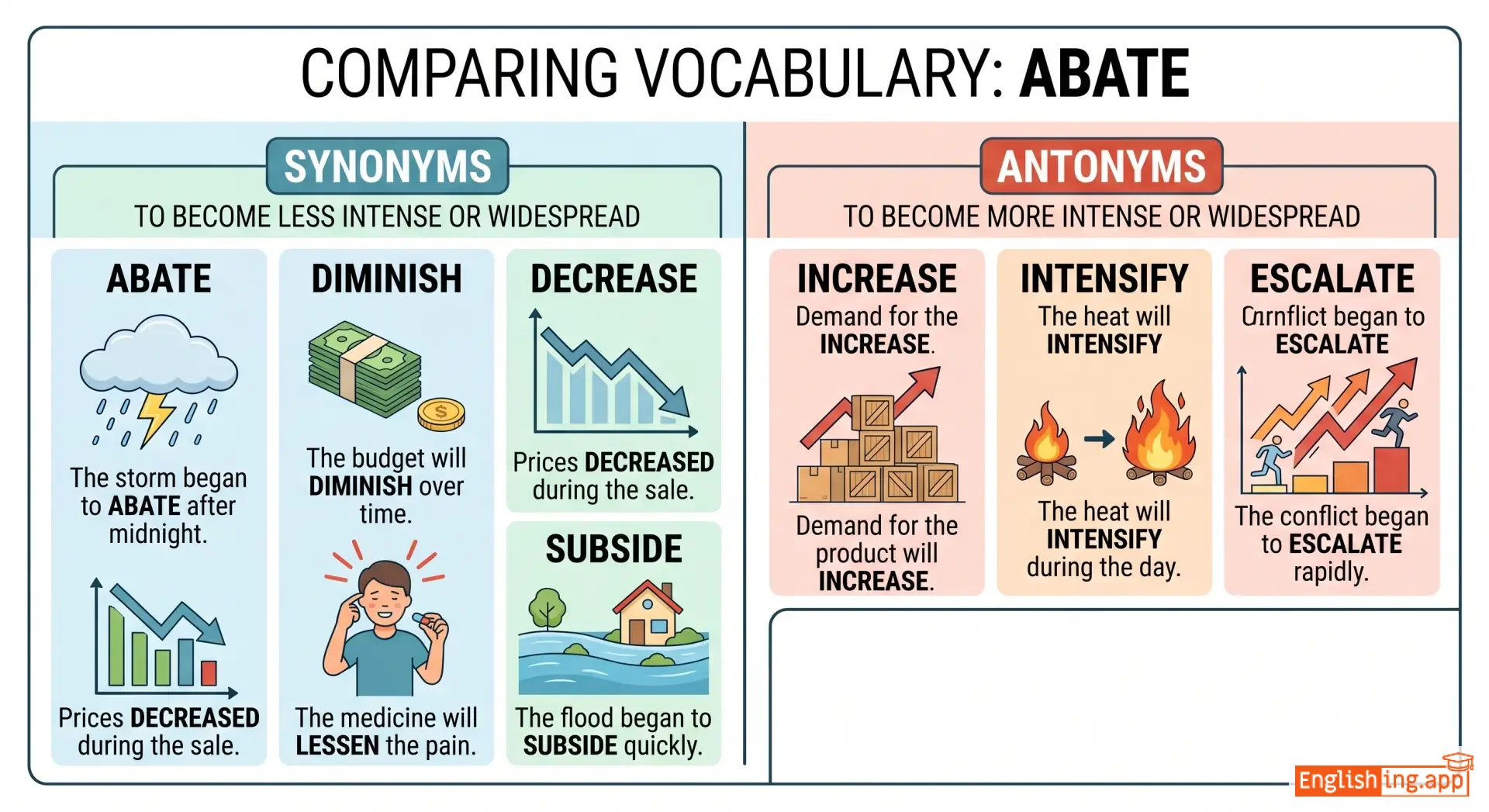
diminish, decrease, lessen, subside
••••••
|
increase, intensify, escalate
••••••
|
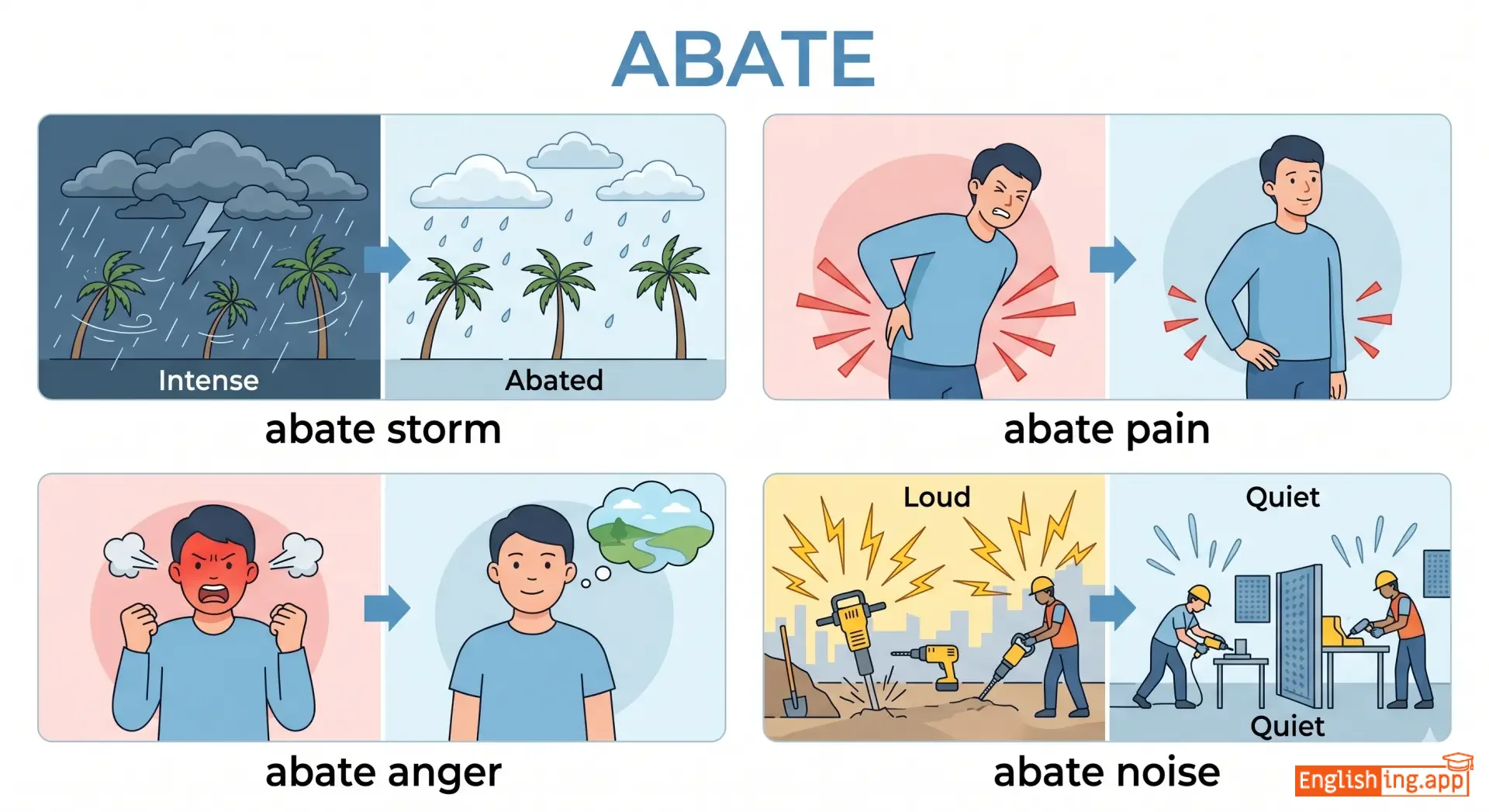
abate storm, abate pain, abate anger, abate noise
••••••
|
No •••••• |
|
👑
••••••
|
/ˈæbdɪkeɪt/
verb
(アブディケイト)
••••••
|
|
放棄する
hōki suru
••••••
|
abdicated
アブディケイテッド
••••••
|
abdicated
アブディケイテッド
••••••
|
abdicates
アブディケイツ
••••••
|
abdicating
アブディケイティング
••••••
|
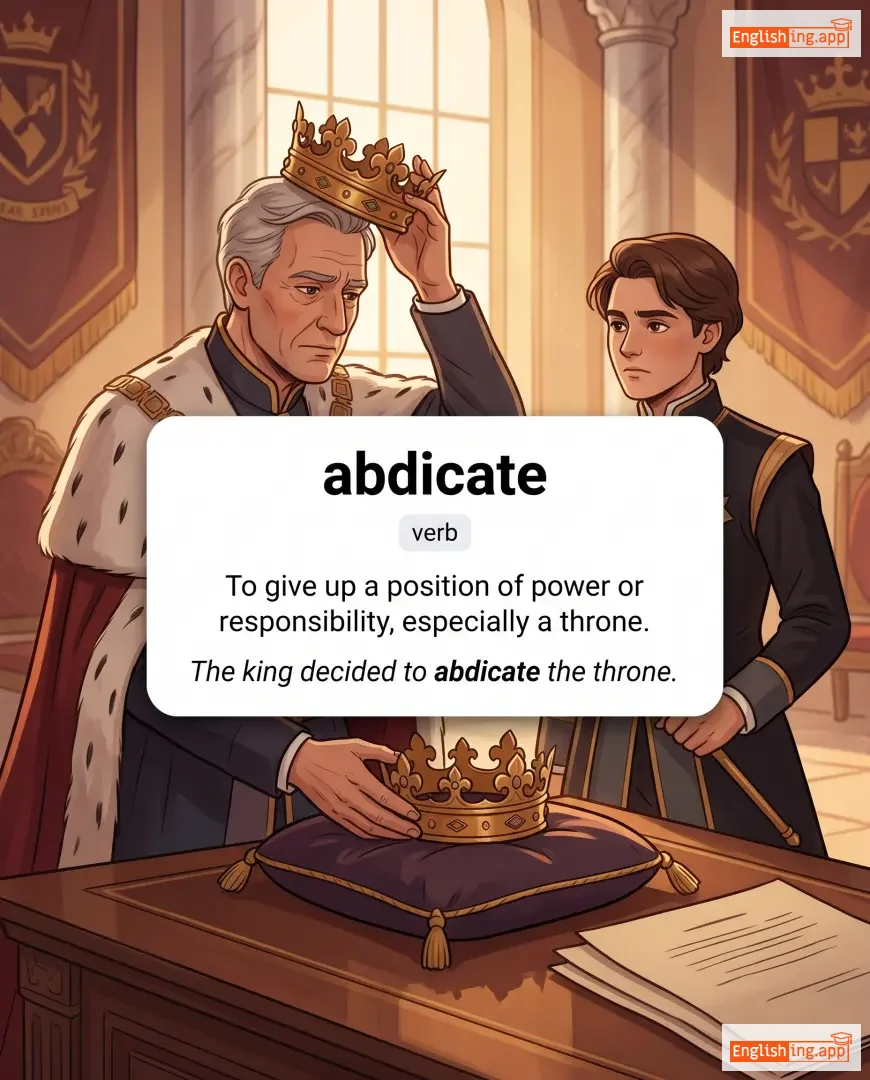
To give up a position of power or responsibility, especially a throne.
••••••
|
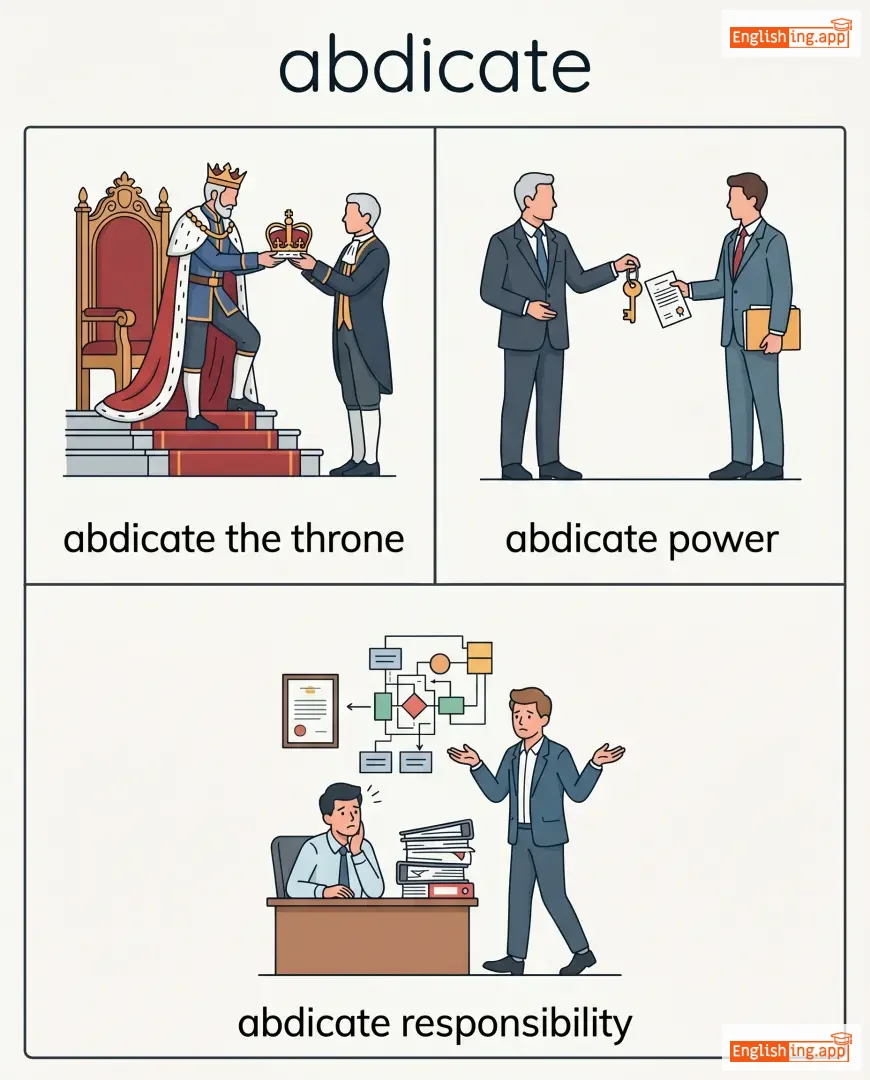
The king decided to abdicate the throne.
王は王位を放棄することに決めました。
••••••
|
王は王位を放棄することに決めました。
Ō wa ōi o hōki suru koto ni kimemashita.
••••••
|
abdicate responsibility
責任を放棄する
••••••
|
To avoid or refuse to take responsibility.
••••••
|
責任を放棄する
sekinin o hōki suru
••••••
|
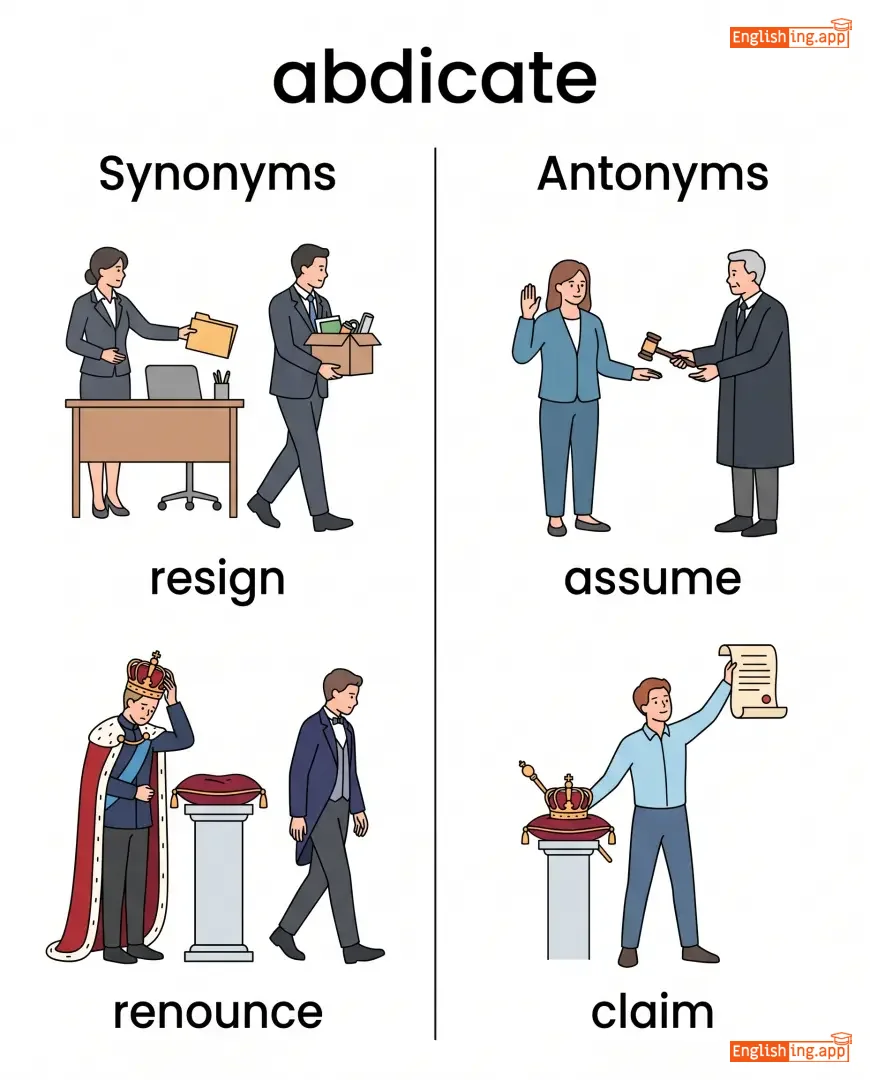
resign, renounce, relinquish, quit, surrender
••••••
|
assume, claim, retain
••••••
|
abdicate the throne, abdicate power, abdicate responsibility, forced to abdicate
••••••
|
Abdicate は王位を放棄すること — 'アブ'が王位を放棄する場面を想像してみてください。
••••••
|
|
⚠️
••••••
|
/ˈæb.ə.rənt/
adjective
(アベラント)
••••••
|
|
異常
ijou
••••••
|
- •••••• | - •••••• | - •••••• | - •••••• |
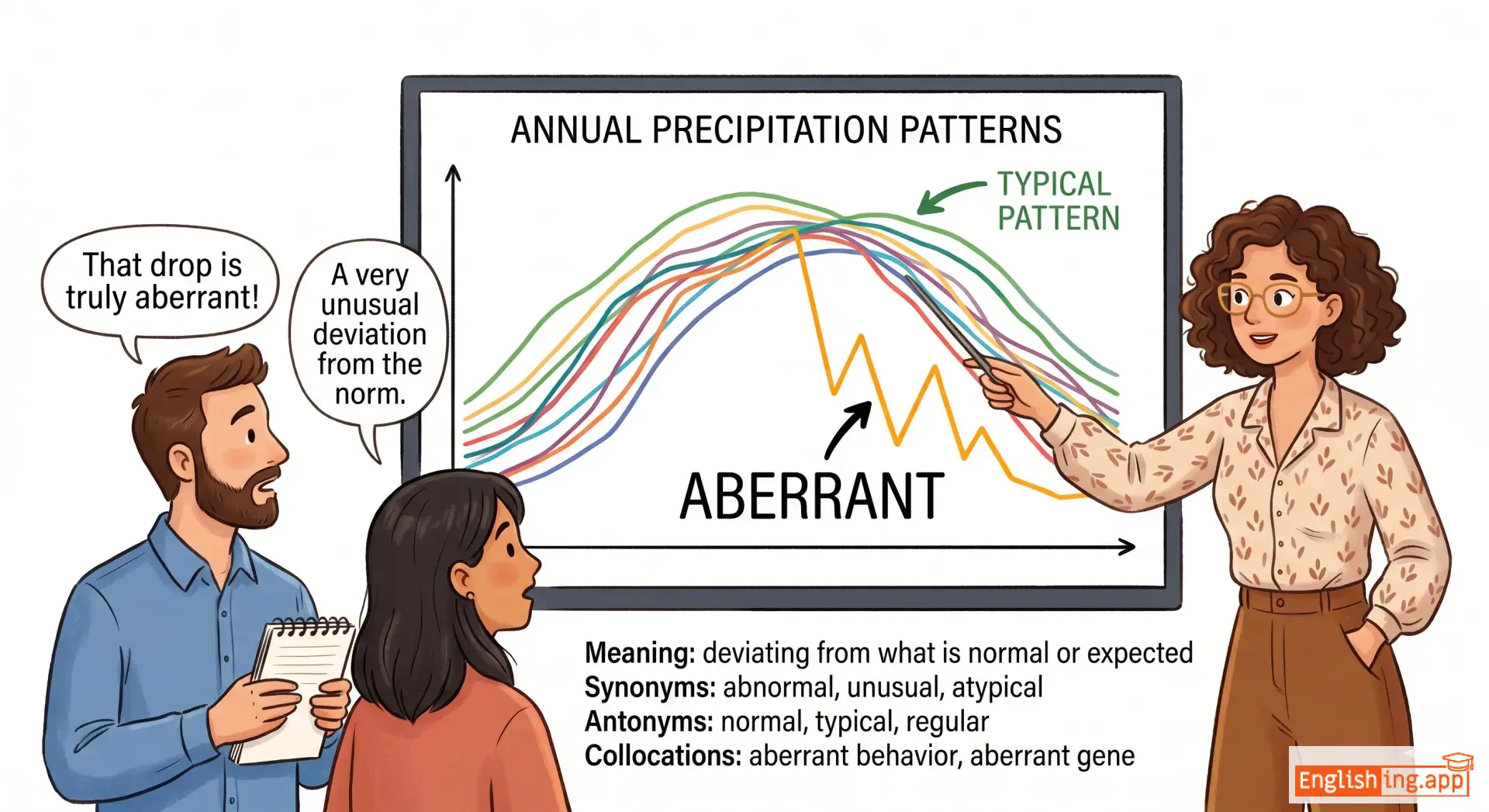
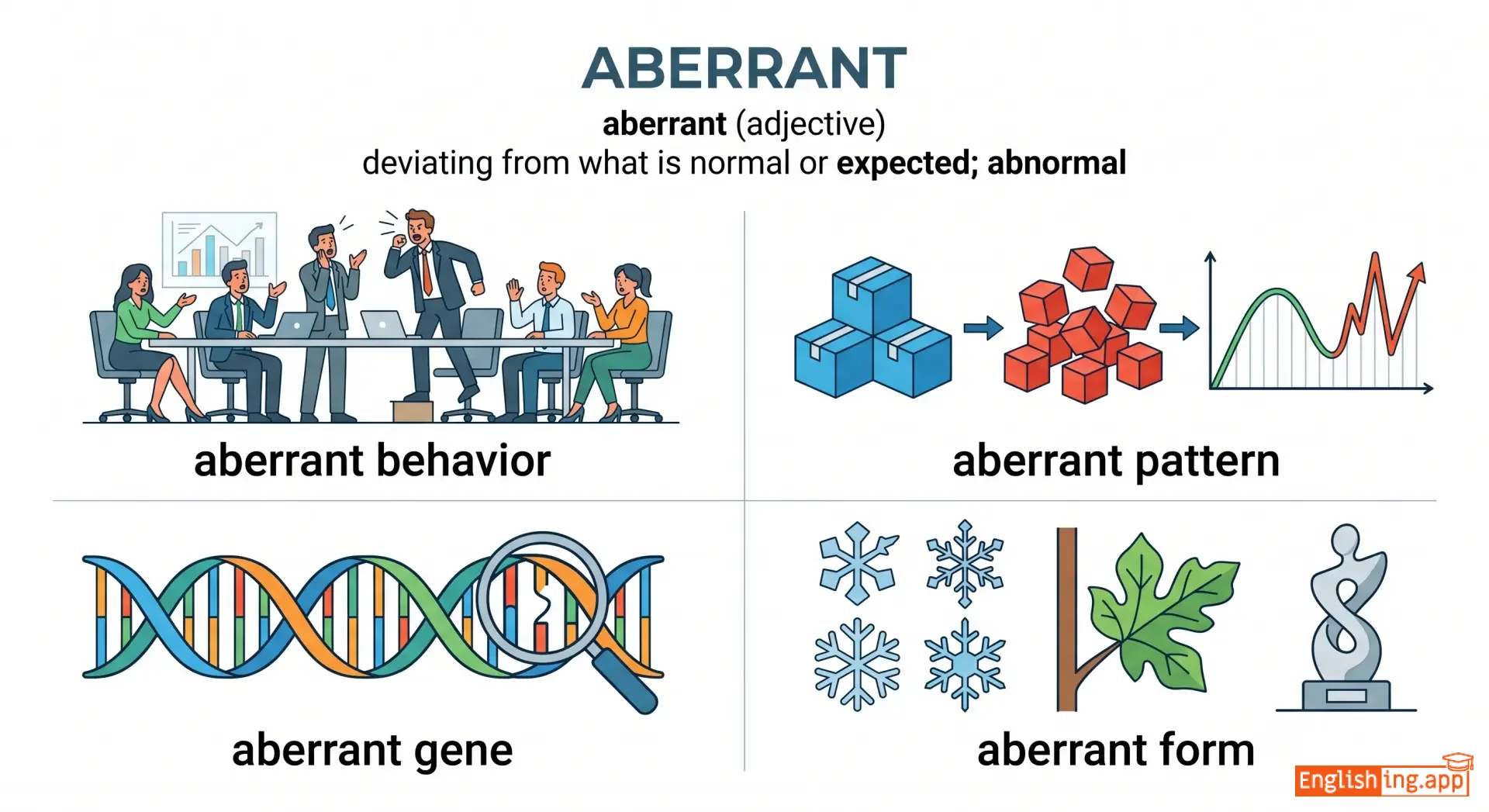
deviating from what is normal or expected; abnormal
••••••
|
His aberrant behavior shocked everyone at the meeting.
彼の異常な行動は会議で誰もが驚かせた。
••••••
|
彼の異常な行動は会議で誰もが驚かせた。
Kare no ijou na koudou wa kaigi de dare mo ga odorokaseta.
••••••
|
- •••••• | - •••••• | - •••••• |
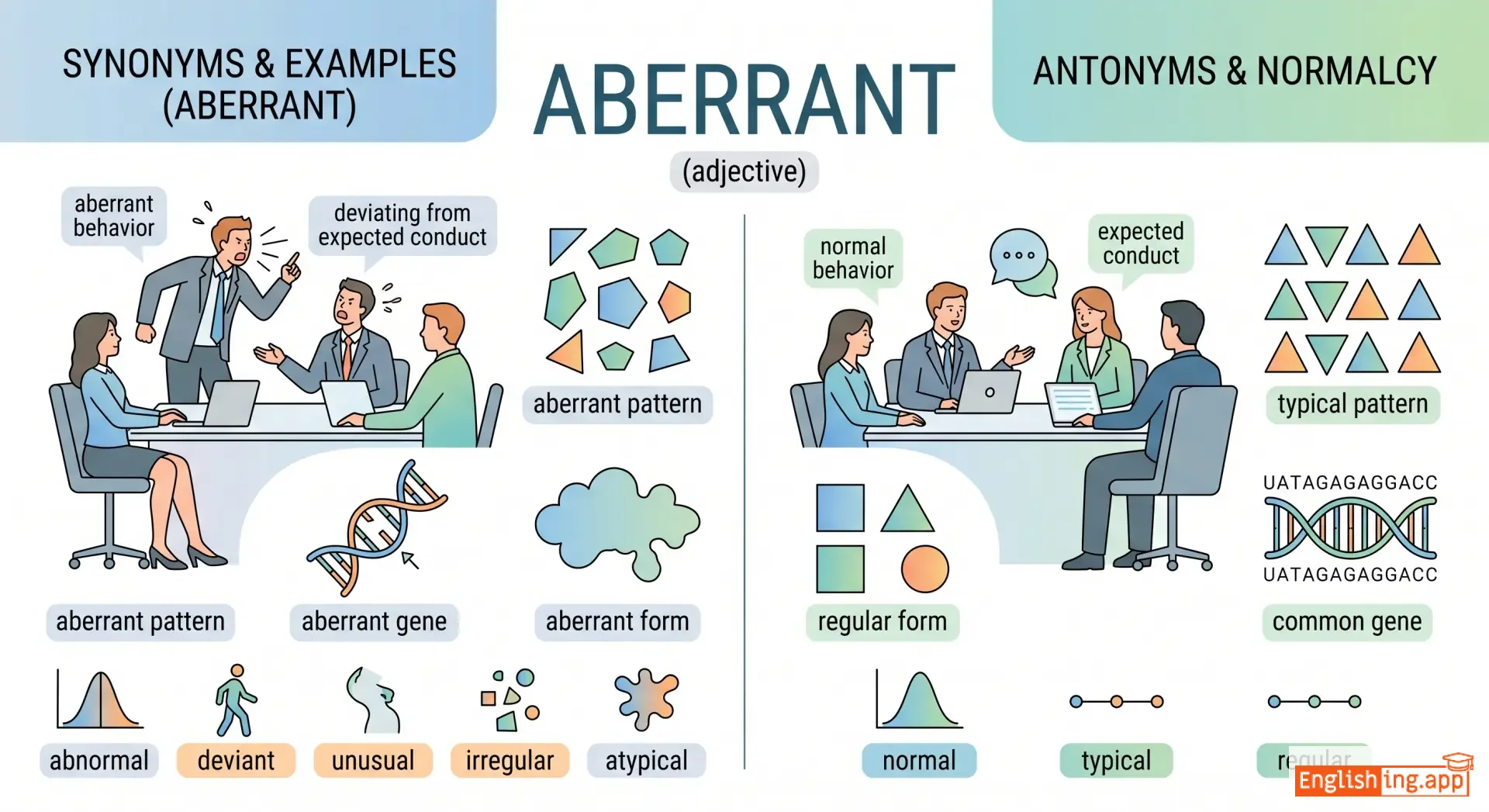
abnormal, deviant, unusual, irregular, atypical
••••••
|
normal, typical, regular
••••••
|
aberrant behavior, aberrant pattern, aberrant gene, aberrant form
••••••
|
Aberrantは異常を意味します、覚えておいてください - 異常 + 迷子 = 異常な道
••••••
|
|
⏸️
••••••
|
/əˈbeɪəns/
noun
(abeiansu)
••••••
|
|
一時的な保留
ichiji-teki na horyu
••••••
|
- •••••• | - •••••• | - •••••• | - •••••• |
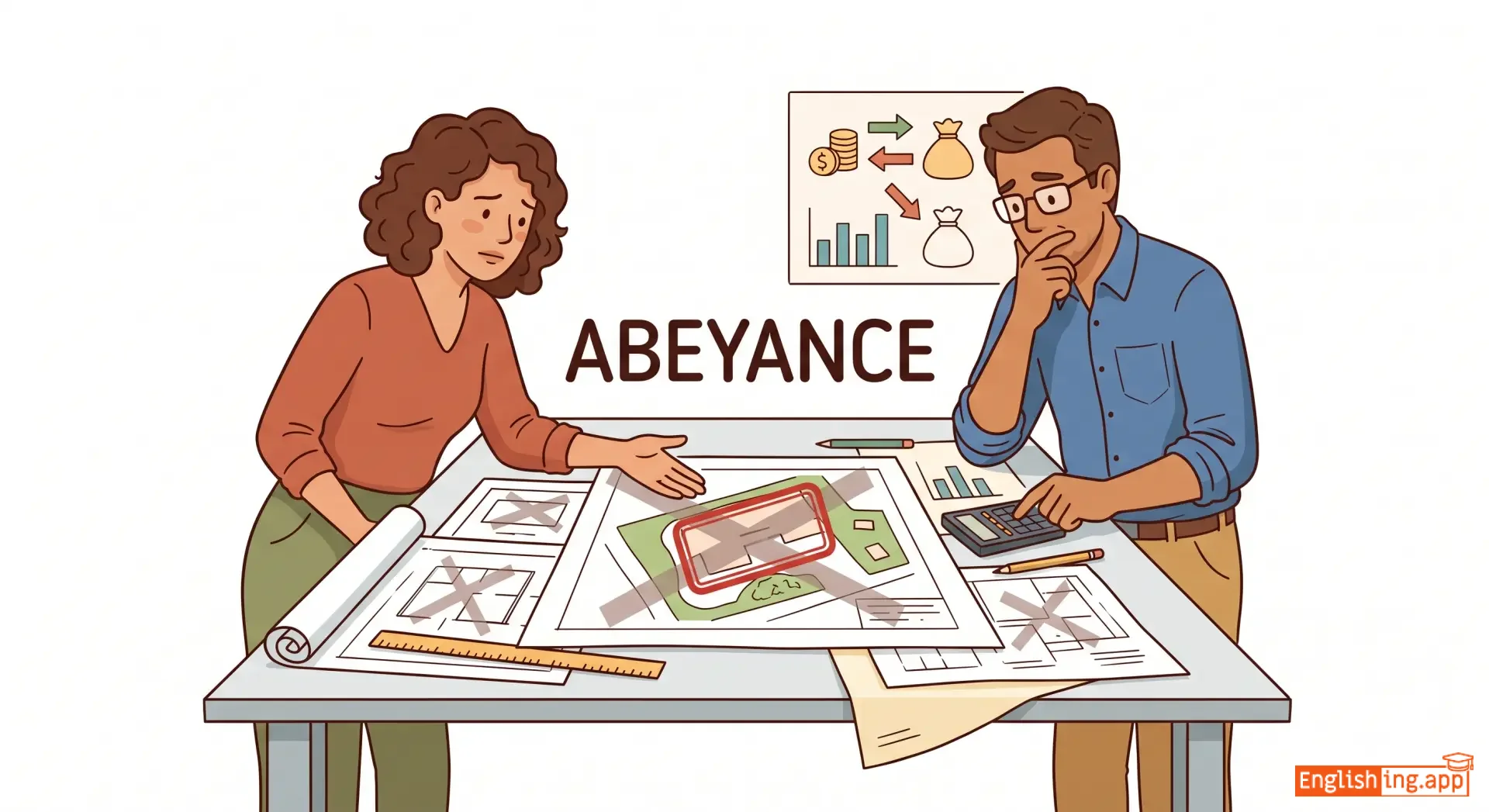
a state of temporary suspension or inactivity
••••••
|
The project was held in abeyance until funds became available.
そのプロジェクトは資金が利用可能になるまで保留されていました。
••••••
|
そのプロジェクトは資金が利用可能になるまで保留されていました。
Sono purojekuto wa shikin ga riyou kanou ni naru made horyu sarete imashita.
••••••
|
- •••••• | - •••••• | - •••••• |
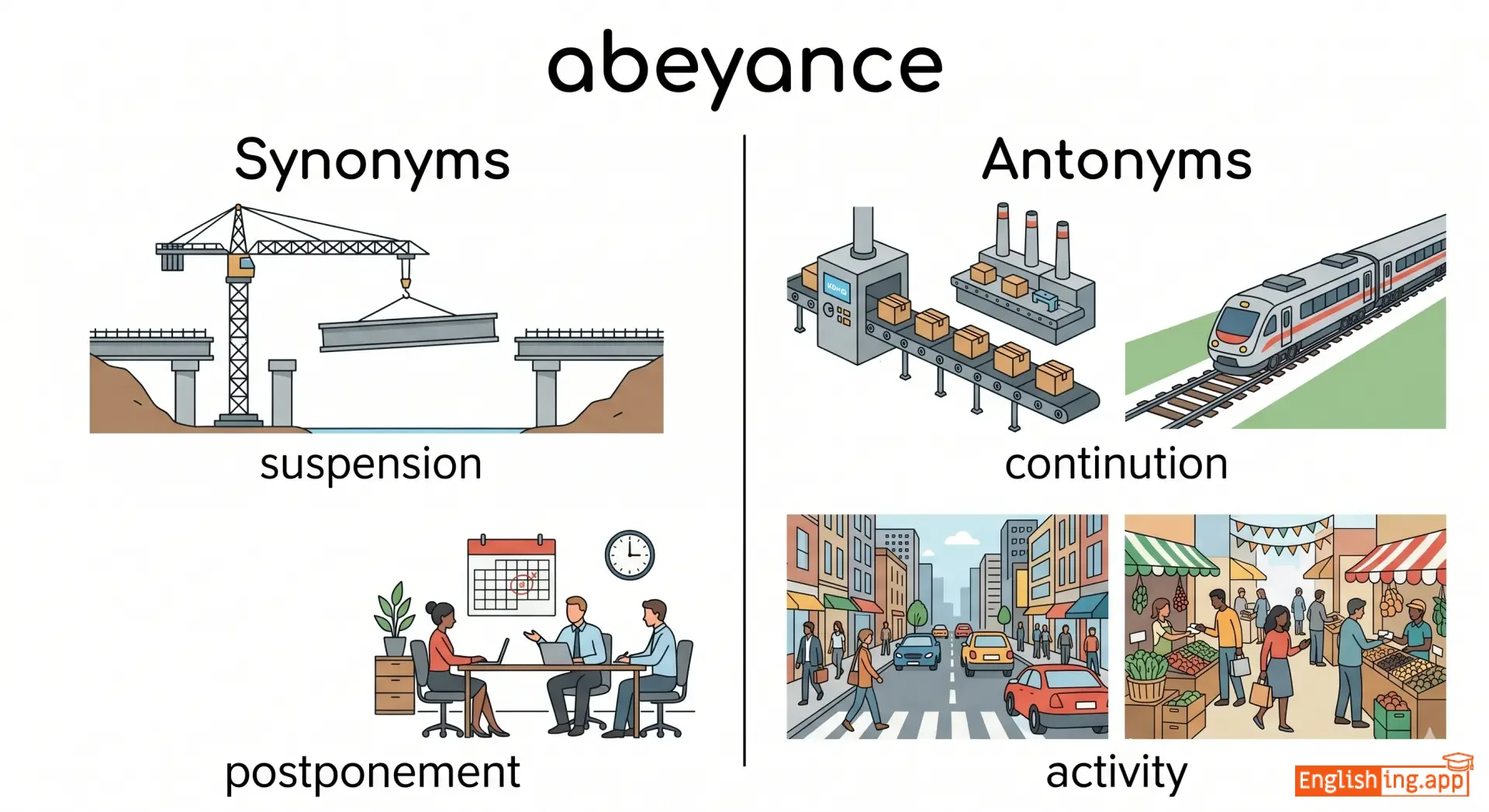
suspension, postponement, delay, dormancy
••••••
|
continuation, activity
••••••
|
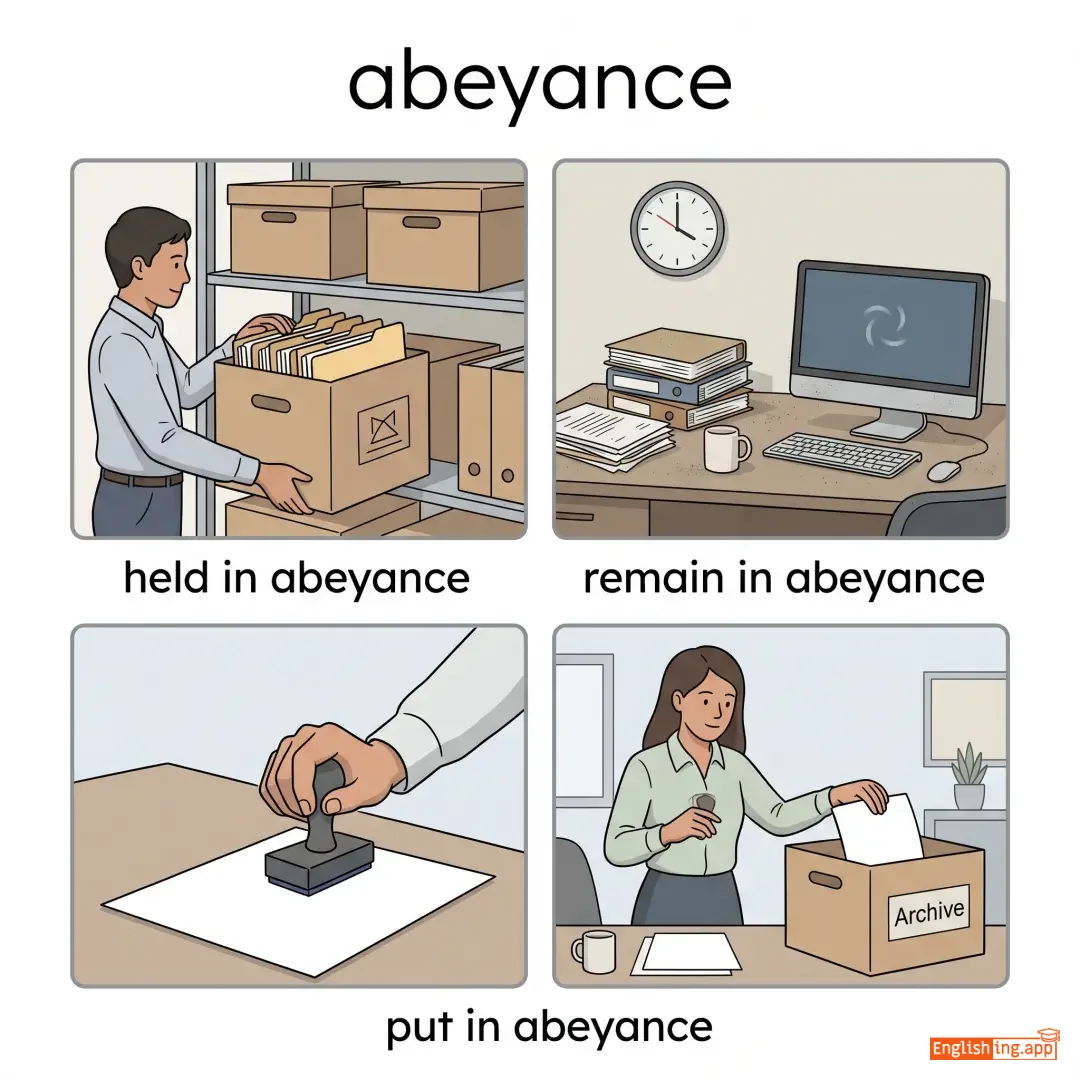
held in abeyance, remain in abeyance, put in abeyance
••••••
|
A BAY 一時的に保留されました - abeyance は保留を意味します
••••••
|
|
😞
••••••
|
/ˈæbdʒɛkt/
adjective
(エイビジェクト)
••••••
|
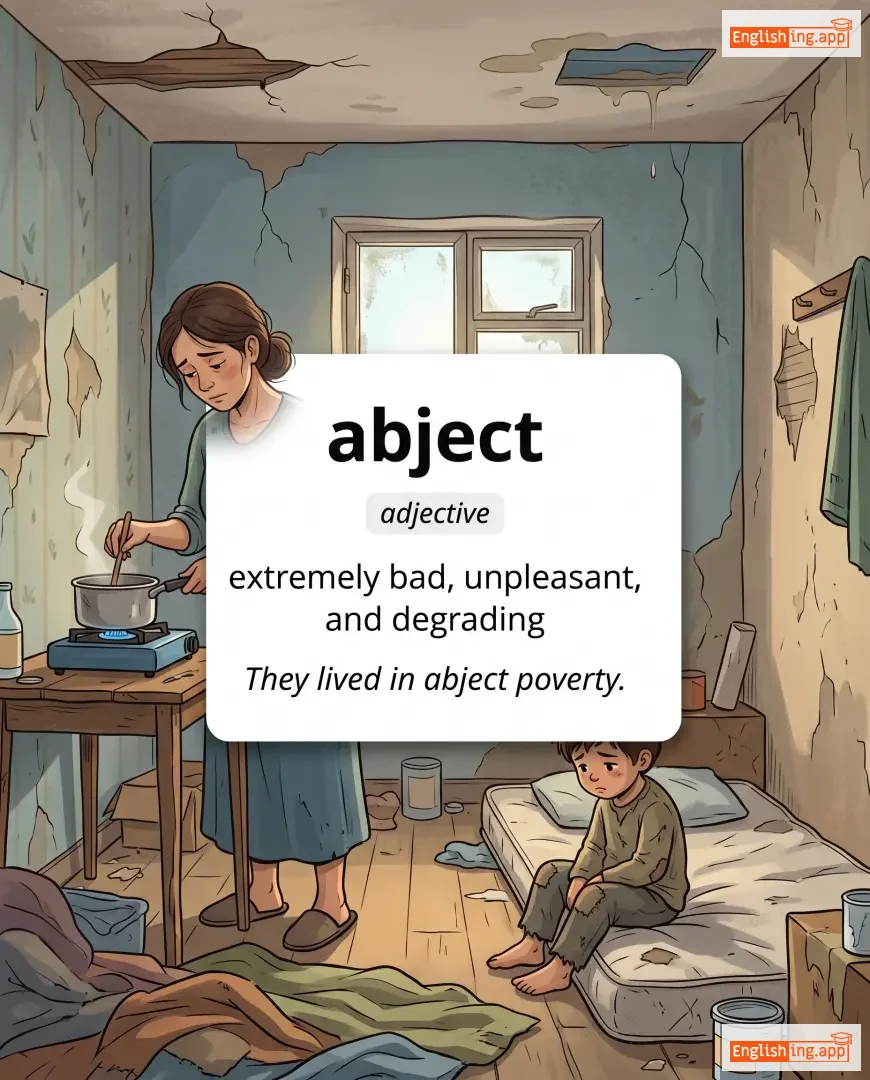
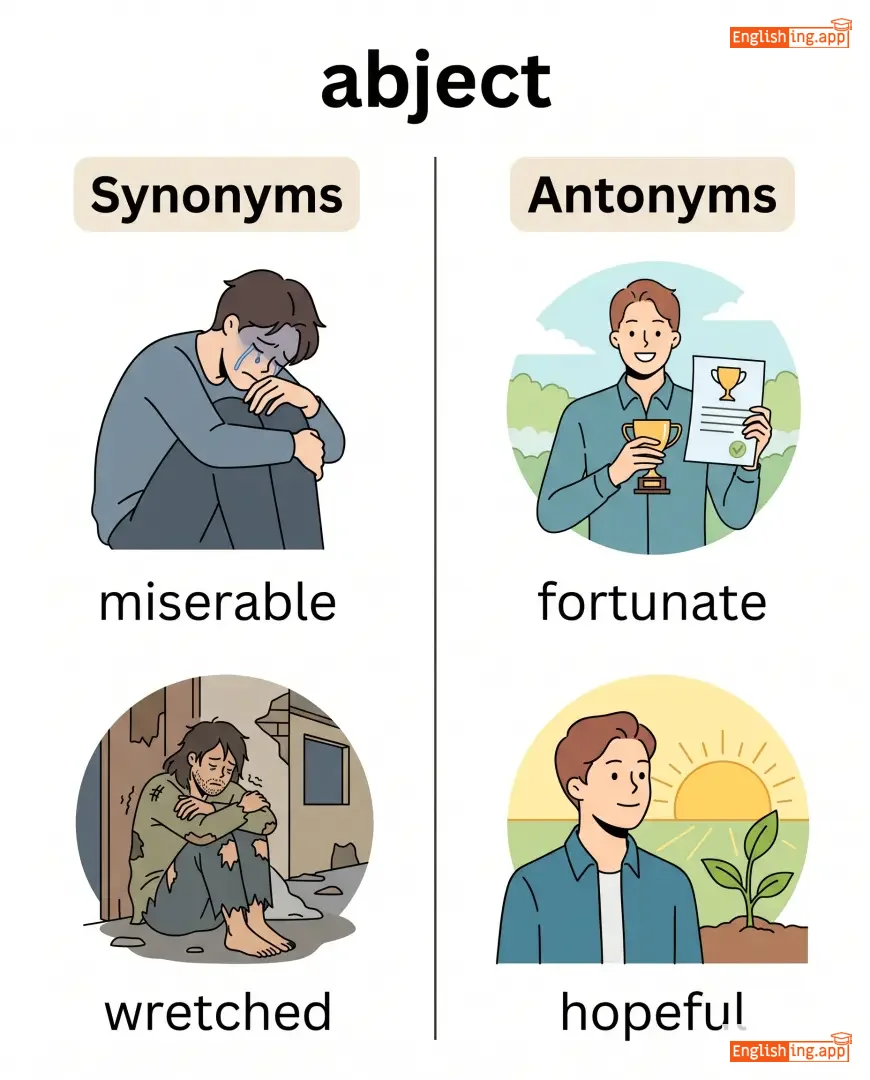
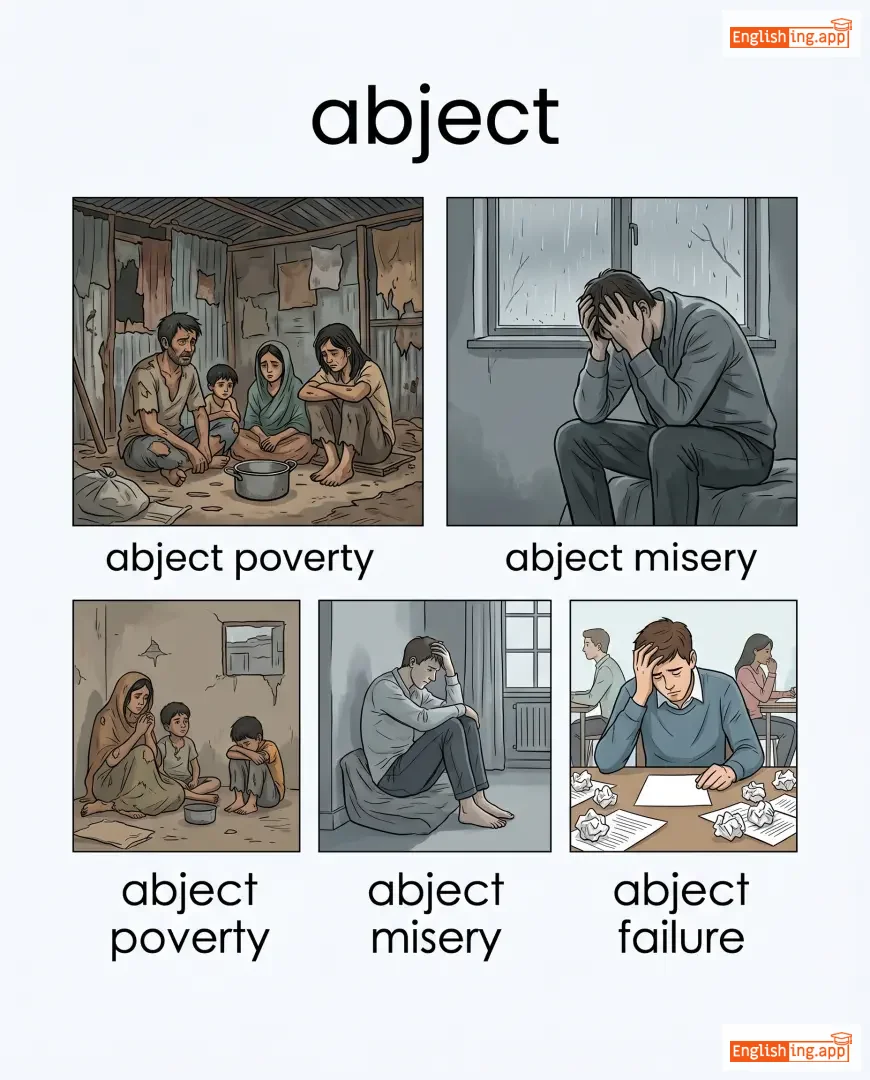
|
卑劣
hiretsu
••••••
|
- •••••• | - •••••• | - •••••• | - •••••• |
extremely bad, unpleasant, and degrading
••••••
|
They lived in abject poverty. |
彼らは卑劣な貧困の中で生きていました。
Karera wa hiretsu na hinkon no naka de ikite imashita.
••••••
|
abject poverty |
a condition of extreme poverty
••••••
|
卑劣な貧困
hiretsu na hinkon
••••••
|
miserable, wretched, hopeless, pitiful
••••••
|
fortunate, hopeful
••••••
|
abject poverty, abject misery, abject failure
••••••
|
Abject = 卑劣, それは貧困の中で最も悪い状態です。
••••••
|
|
🙅
••••••
|
/æbˈdʒʊər/
verb
(アブジュア)
••••••
|
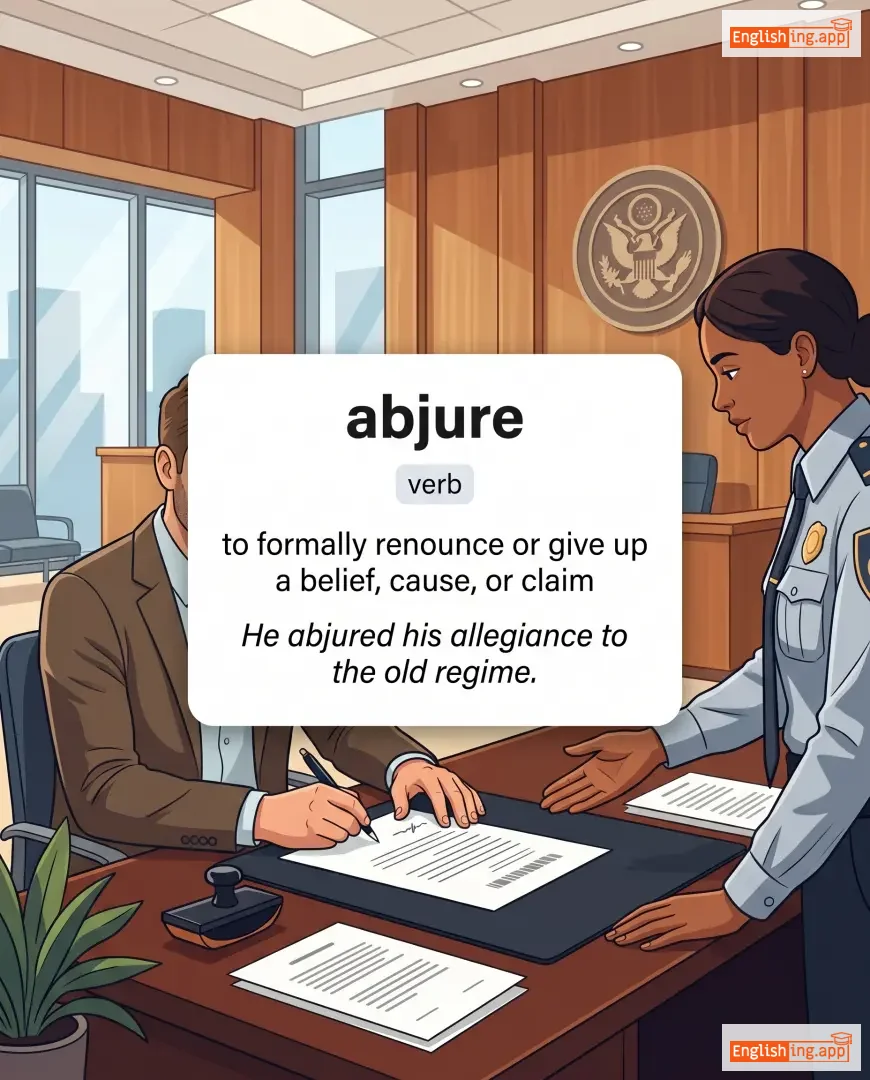

|
放棄する
hōki suru
••••••
|
abjured
アブジュアード
••••••
|
abjured
アブジュアード
••••••
|
abjures
アブジュアーズ
••••••
|
abjuring
アブジュアリング
••••••
|
to formally renounce or give up a belief, cause, or claim
••••••
|
He abjured his allegiance to the old regime.
彼は古い政権への忠誠を放棄した。
••••••
|
彼は古い政権への忠誠を放棄した。
Kare wa furui seiken e no chūsei o hōki shita.
••••••
|
- •••••• | - •••••• | - •••••• |
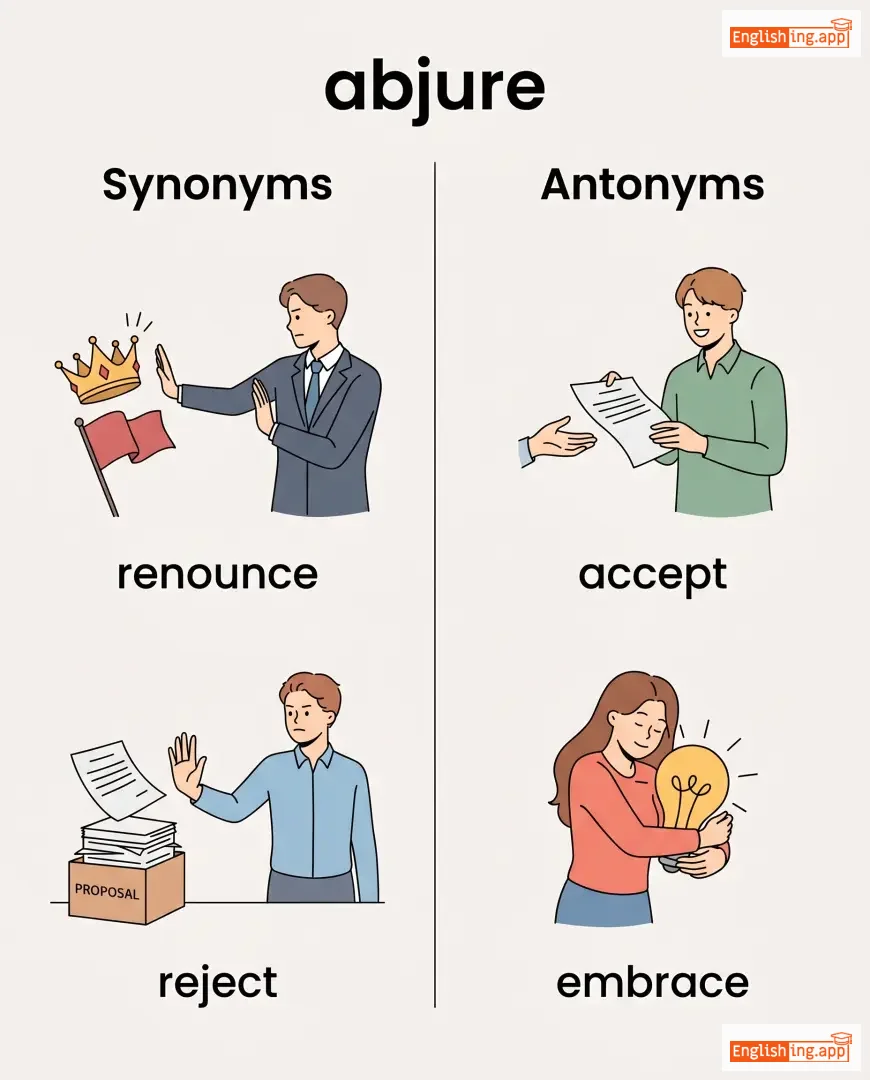
renounce, reject, repudiate, forswear
••••••
|
accept, embrace
••••••
|
abjure violence, abjure faith, abjure allegiance
••••••
|
Abjure = ABandon + JURy = 公式に何かを放棄する。
••••••
|
|
🍂
••••••
|
/æbˈsɪʒən/
noun
(アブシッション)
••••••
|
|
葉の落下
ha no rakkā
••••••
|
- •••••• | - •••••• | - •••••• | - •••••• |
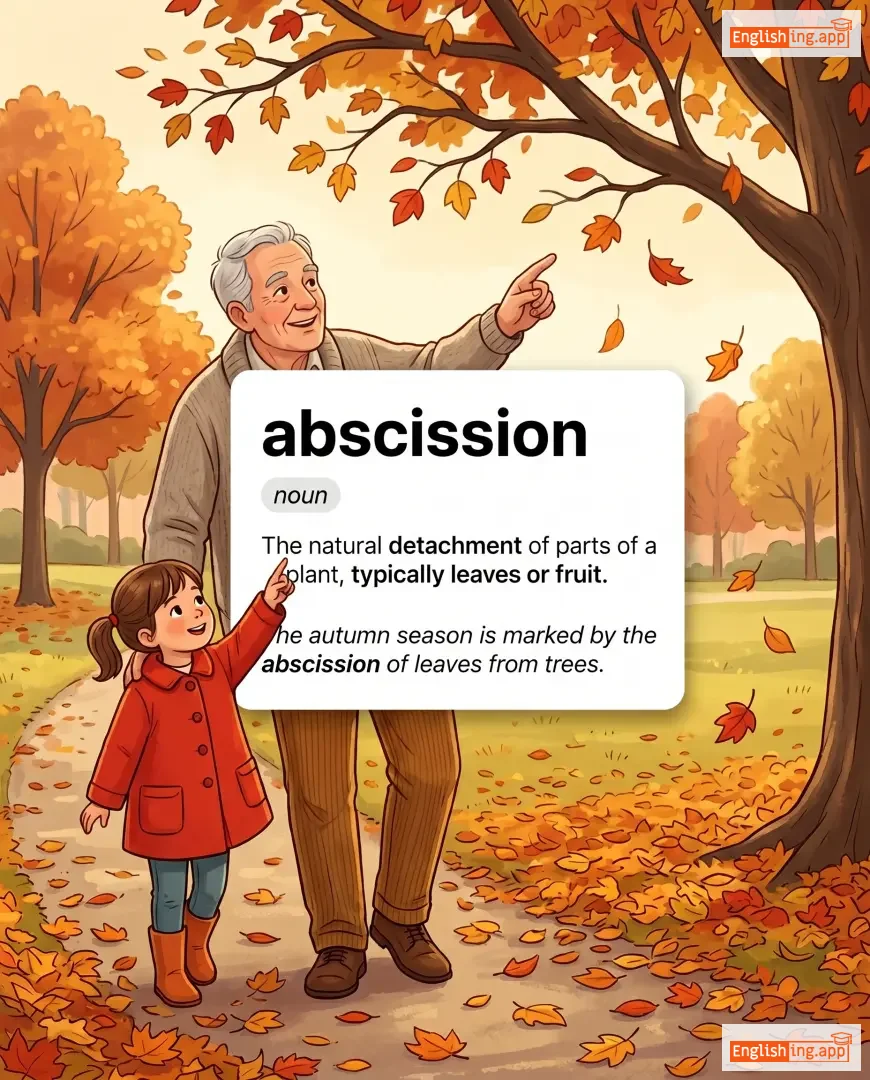
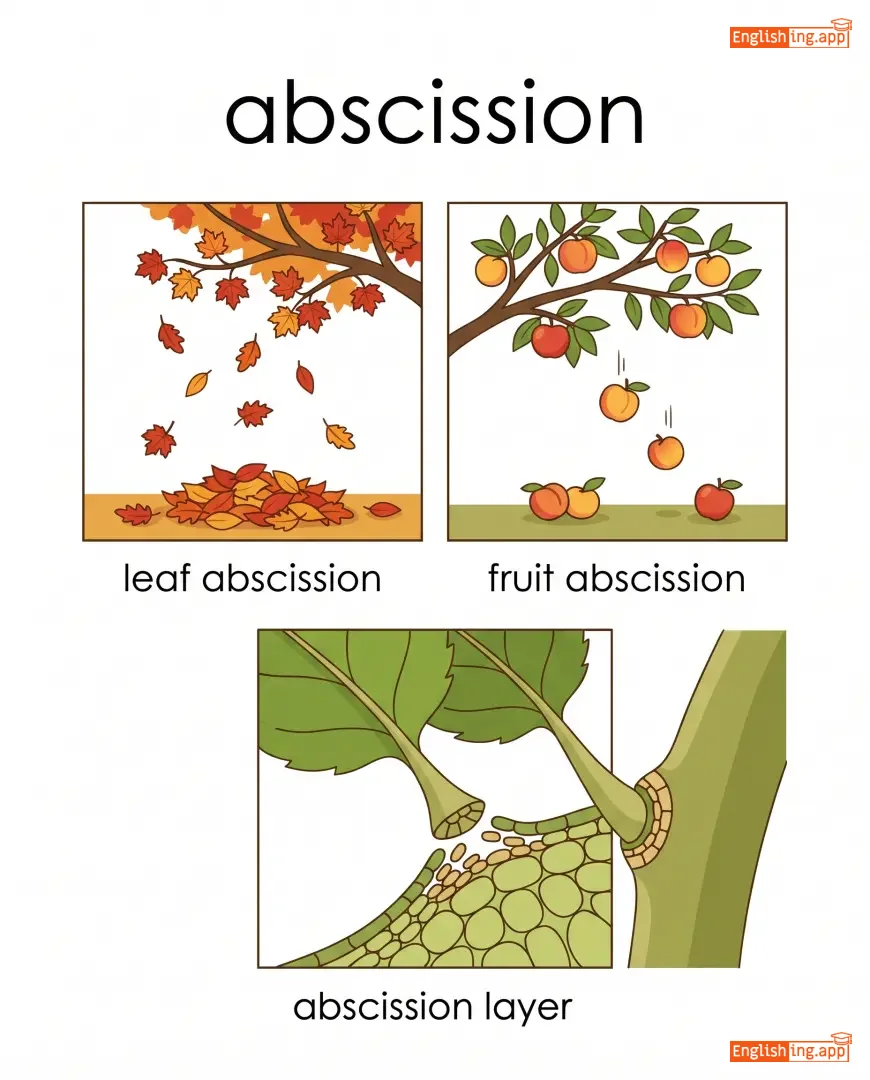
The natural detachment of parts of a plant, typically leaves or fruit.
••••••
|
The autumn season is marked by the abscission of leaves from trees. |
秋は木々から葉が落ちることで特徴づけられます。
Aki wa kigi kara ha ga ochiru koto de tokuchou dzukeraremasu.
••••••
|
- •••••• | - •••••• | - •••••• |
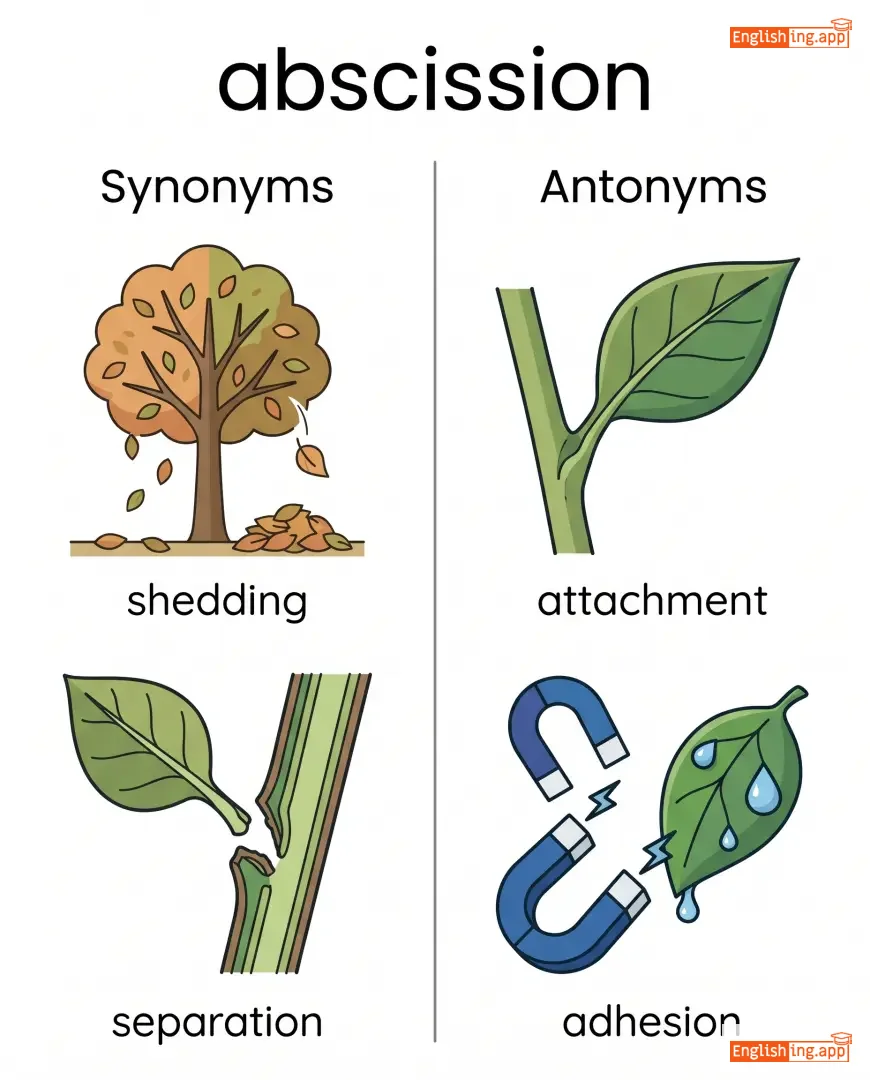
shedding, separation, detachment, removal, dropping
••••••
|
attachment, adhesion, union
••••••
|
leaf abscission, fruit abscission, abscission layer
••••••
|
Abscissionは葉が落ちること → 木から葉が落ちるのを思い出す。
••••••
|
|
🏃♂️
••••••
|
/əbˈskɒnd/
verb
(アブスコンド)
••••••
|
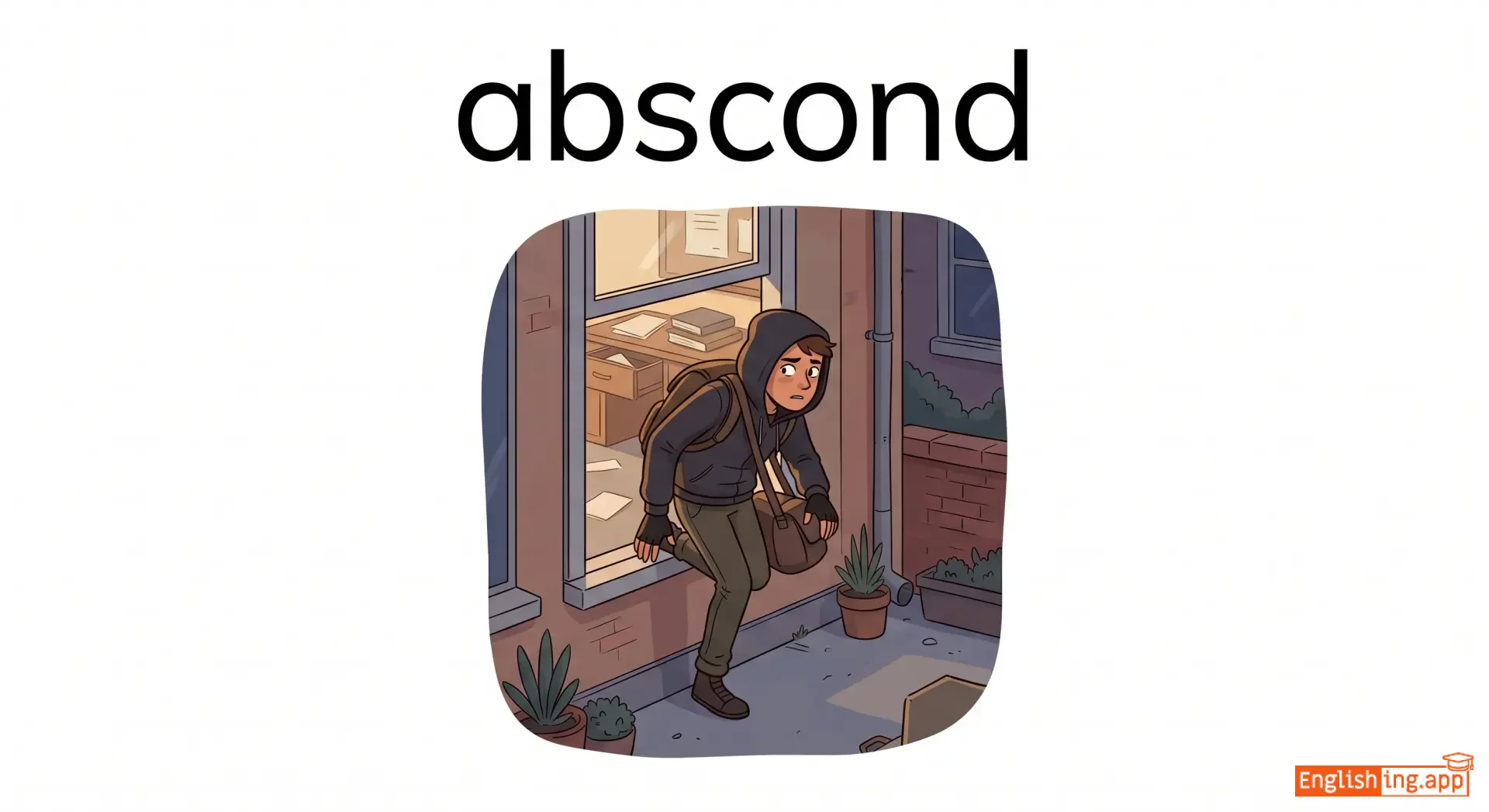
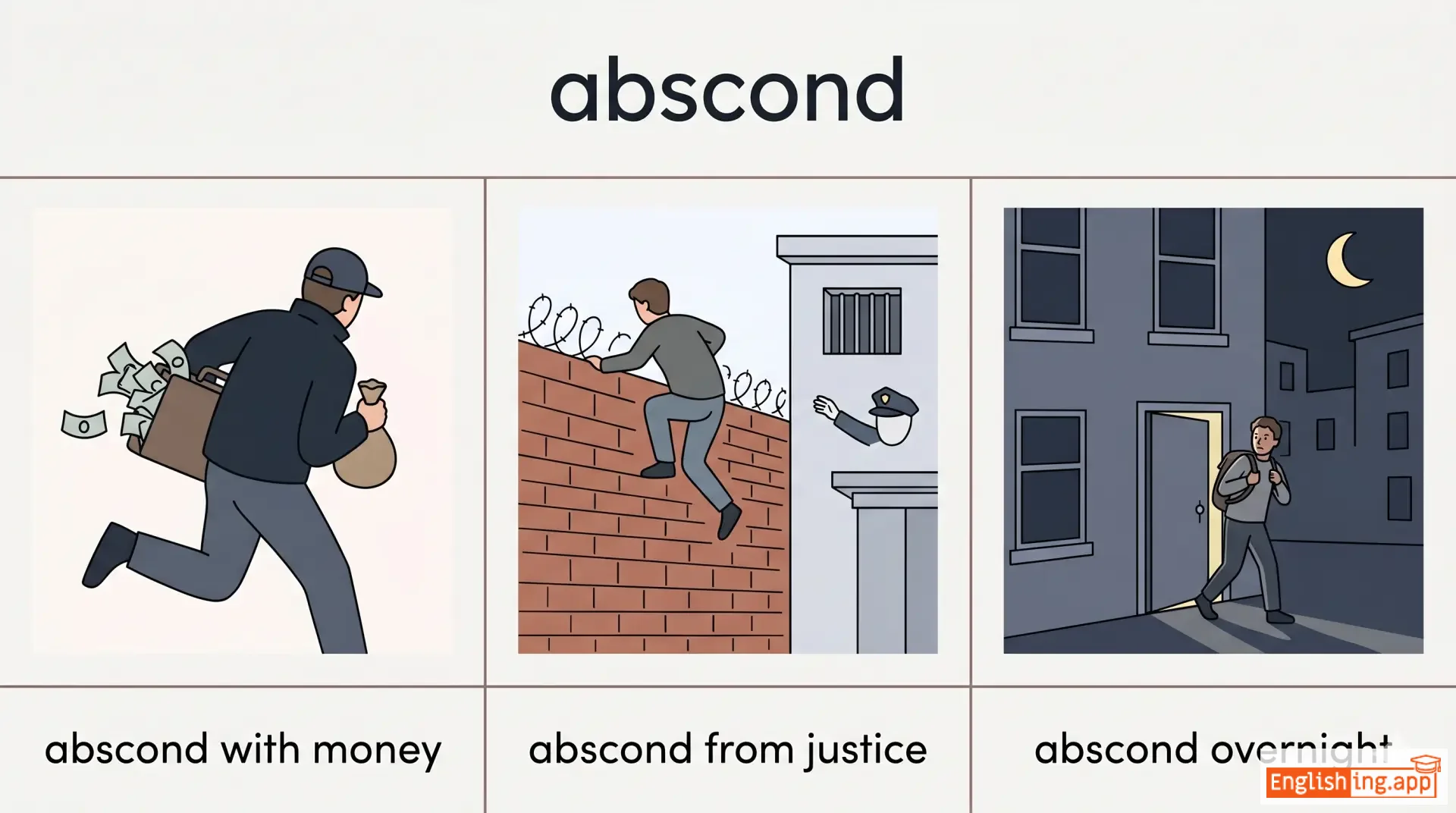
|
密かに逃げる
hisokani nigeru
••••••
|
absconded
アブスコンドッド
••••••
|
absconded
アブスコンドッド
••••••
|
absconds
アブスコンズ
••••••
|
absconding
アブスコンドイング
••••••
|
to leave secretly and quickly, often to avoid arrest or punishment
••••••
|
The thief tried to abscond with the stolen jewelry.
泥棒は盗まれた宝石を持って逃げようとした。
••••••
|
泥棒は盗まれた宝石を持って逃げようとした。
Dorobo wa nusumareta houseki wo motte nigeyou to shita.
••••••
|
abscond with
アブスコンド ウィズ
••••••
|
to take something secretly and escape
••••••
|
何かを持って逃げる
nanika wo motte nigeru
••••••
|
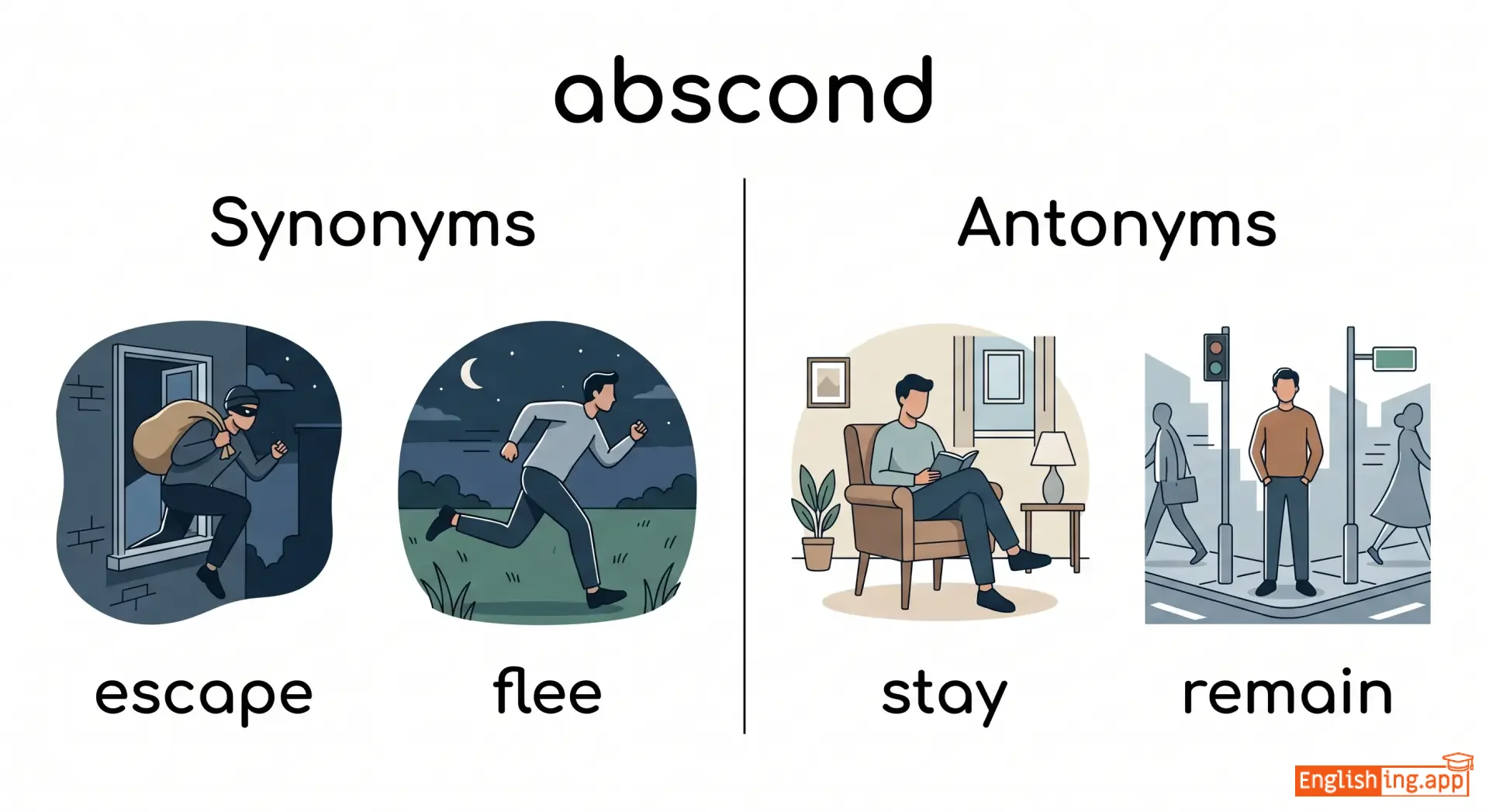
escape, flee, run away, vanish, bolt
••••••
|
stay, remain, appear
••••••
|
abscond with money, abscond from justice, abscond overnight
••••••
|
Abscond = ABsent + sCOND = 急いで密かに逃げる
••••••
|
|
🍵
••••••
|
/æbˈstiːmiəs/
adjective
••••••
|
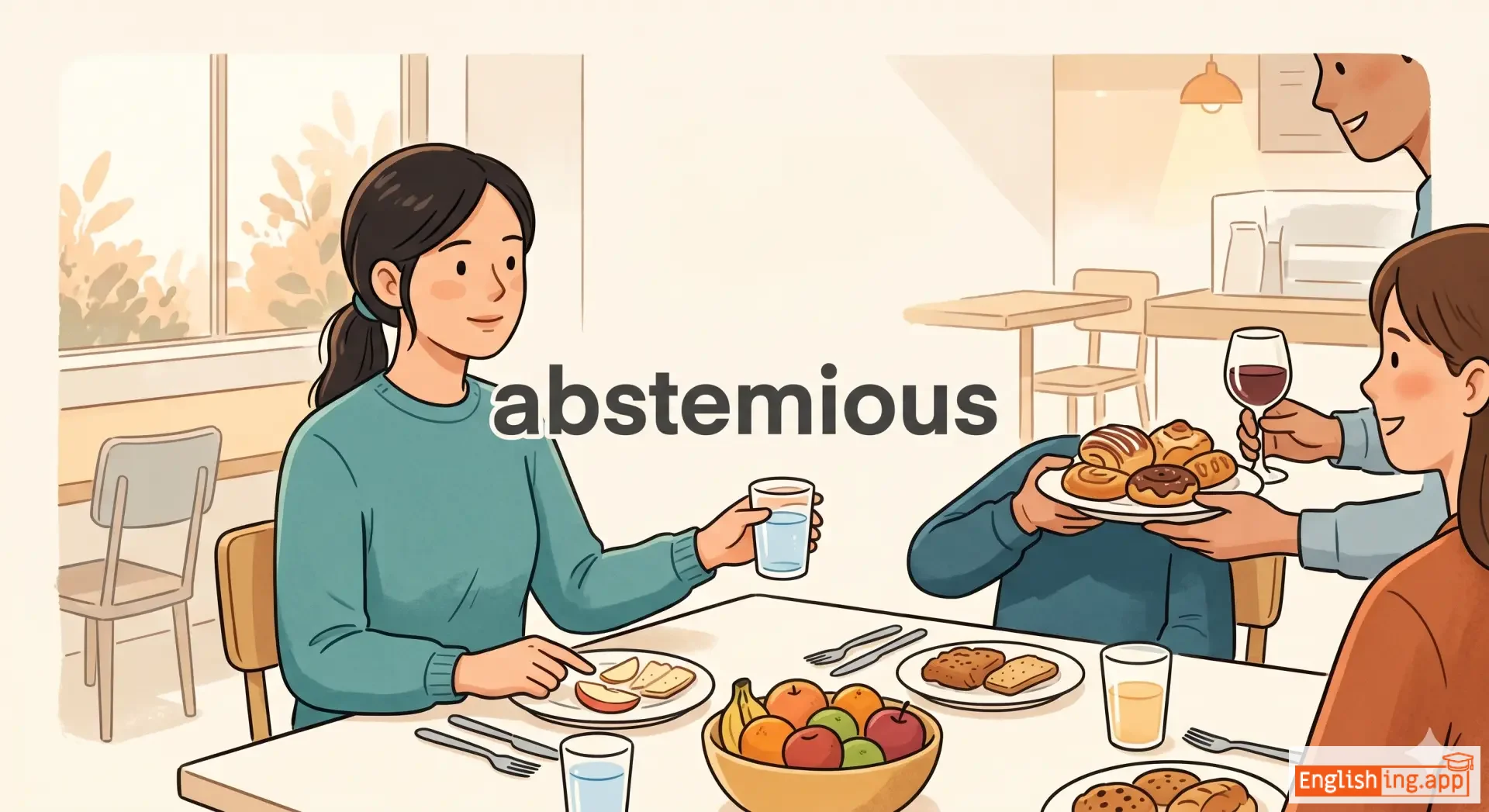
|
- •••••• | - •••••• | - •••••• | - •••••• | - •••••• |
not self-indulgent, especially when eating and drinking; moderate or sparing in consumption
••••••
|
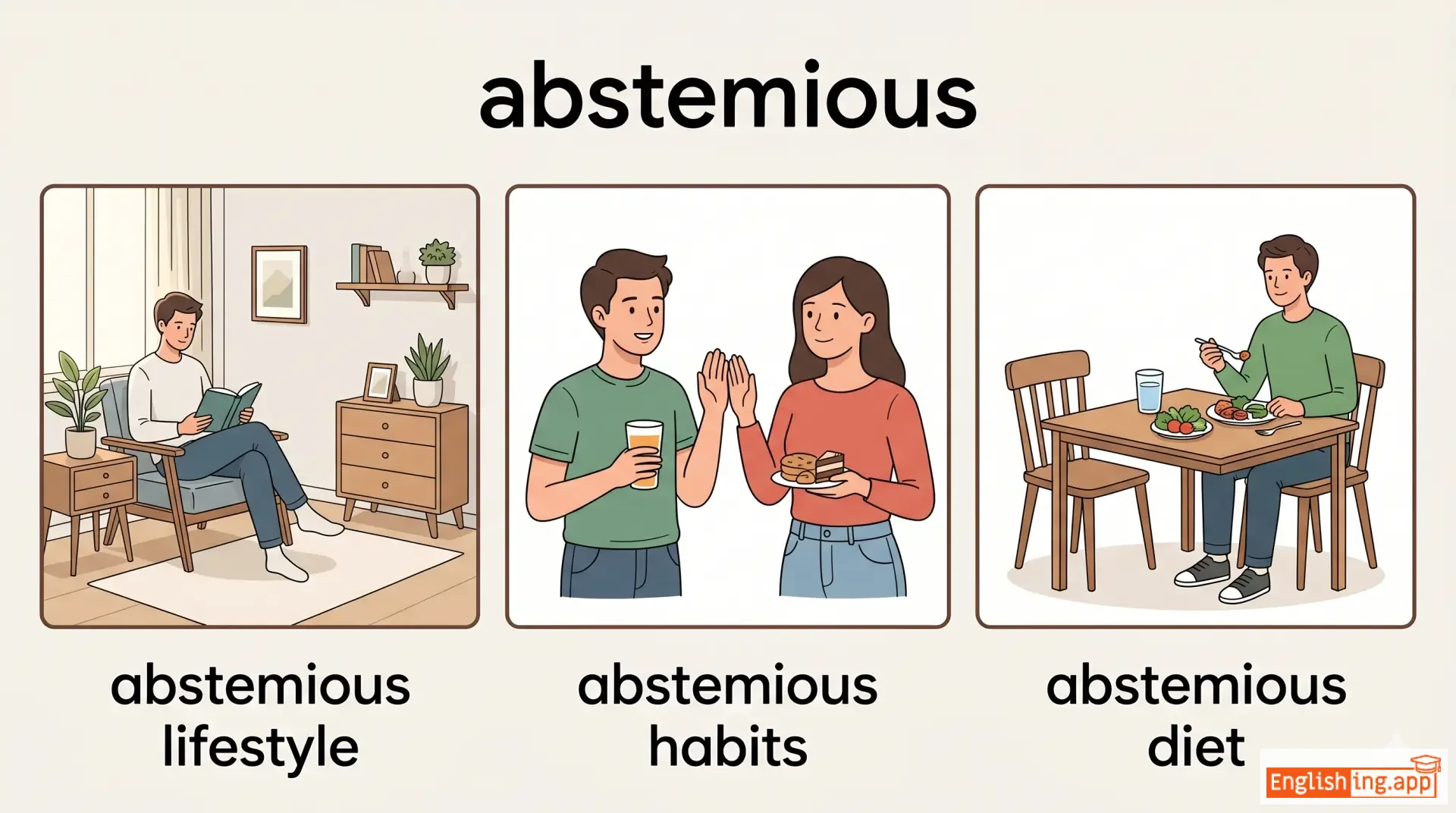
She lived an abstemious lifestyle, avoiding excesses of all kinds. |
- •••••• |
abstemious habits |
the practice of moderate and restrained consumption
••••••
|
- •••••• |
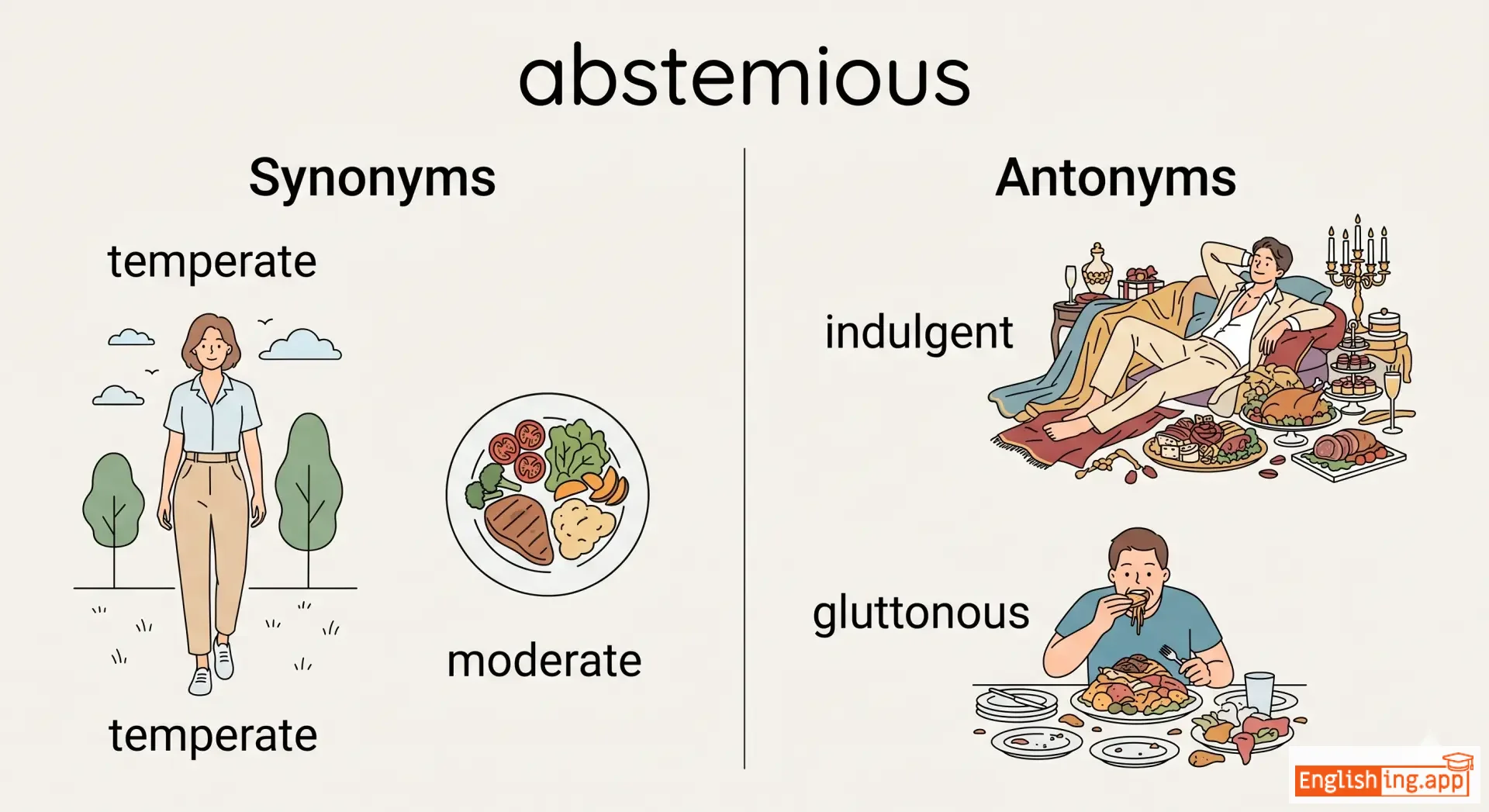
temperate, moderate, restrained, austere, ascetic
••••••
|
indulgent, gluttonous, excessive
••••••
|
abstemious lifestyle, abstemious habits, abstemious diet, abstemious person
••••••
|
No •••••• |
|
🚫
••••••
|
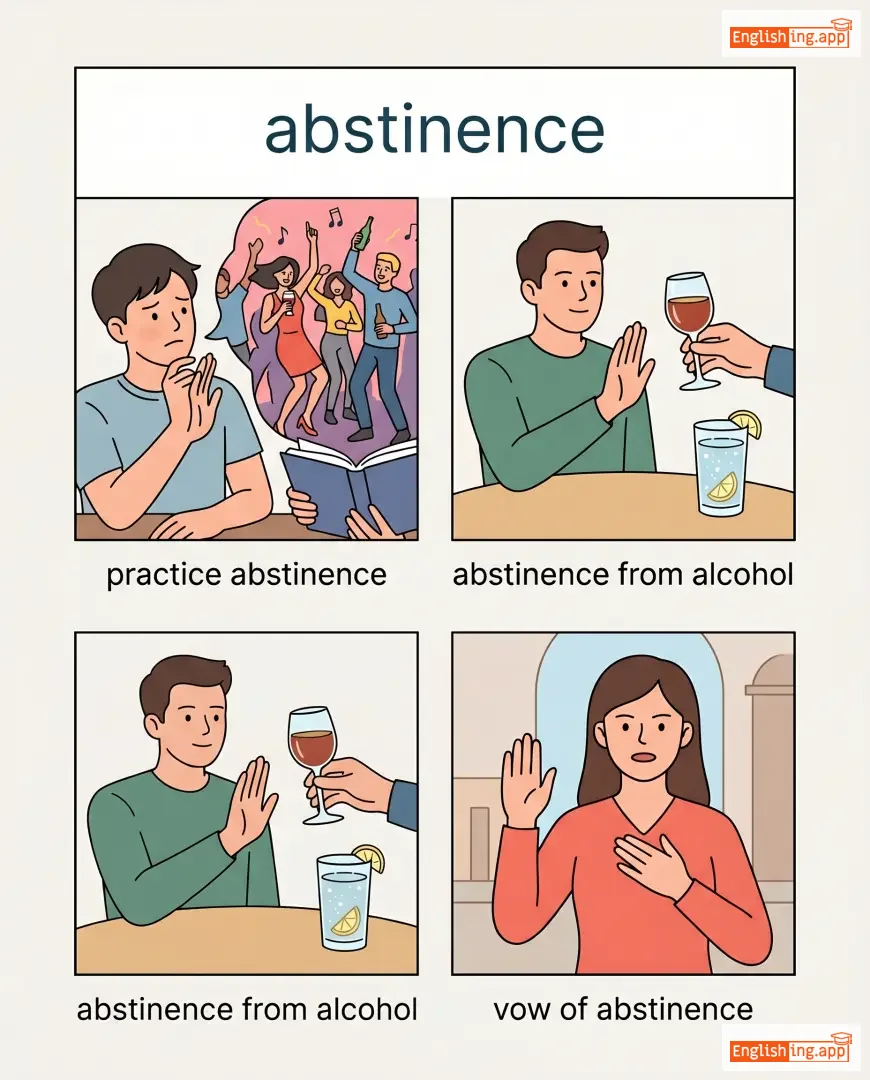
/ˈæb.stɪ.nəns/
noun
(アブスティネンス)
••••••
|
|
禁欲、節制
kinyoku, sessē
••••••
|
- •••••• | - •••••• | - •••••• | - •••••• |
the practice of restraining oneself from indulging in something, typically alcohol or sex
••••••
|
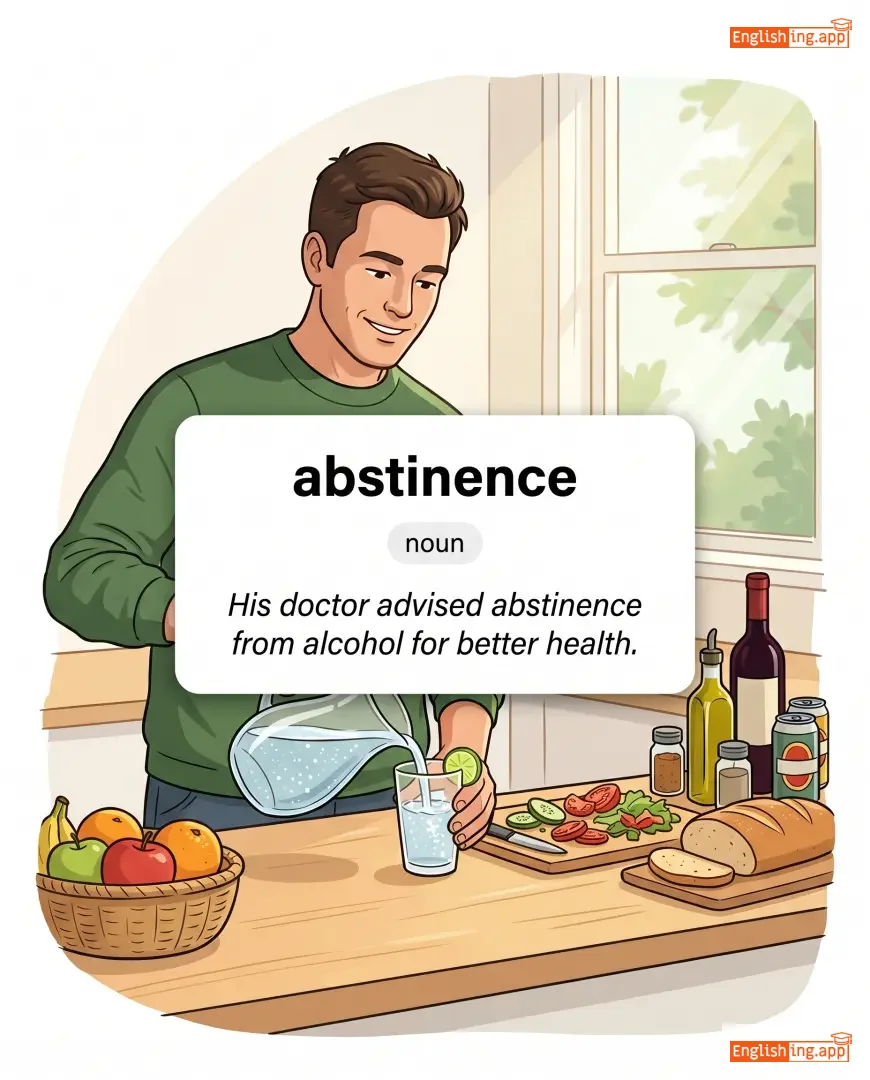
His doctor advised abstinence from alcohol for better health. |
彼の医者は健康のためにアルコールを控えるように助言しました。
Kare no isha wa kenkō no tame ni arukōru o hikaeru yō ni jogen shimashita.
••••••
|
- •••••• | - •••••• | - •••••• |
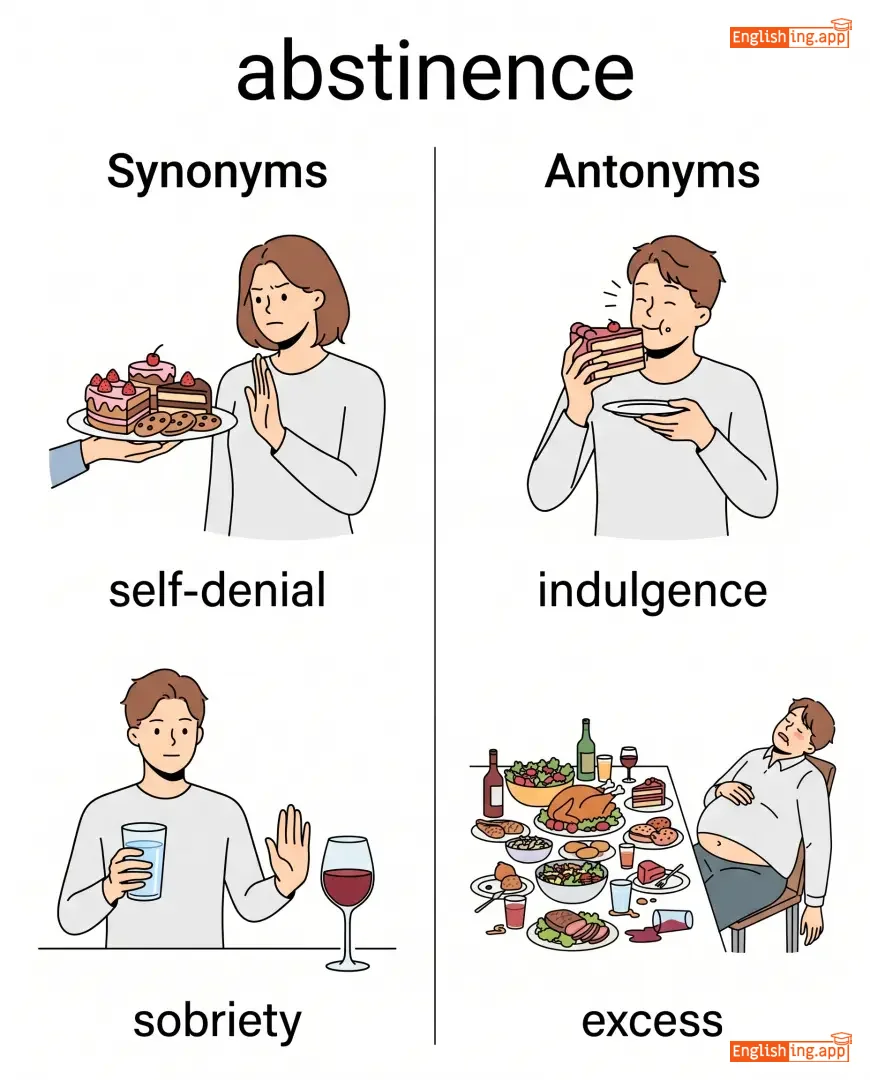
self-denial, sobriety, temperance, restraint
••••••
|
indulgence, excess, intemperance
••••••
|
practice abstinence, abstinence from alcohol, vow of abstinence
••••••
|
Abs (腹筋) を強くするためには禁欲が必要です。
••••••
|
|
💔
••••••
|
/əˈbɪzməl/
adjective
(アビスマル)
••••••
|
|
ひどい / 恐ろしい
hidoi / osoroshii
••••••
|
- •••••• | - •••••• | - •••••• | - •••••• |
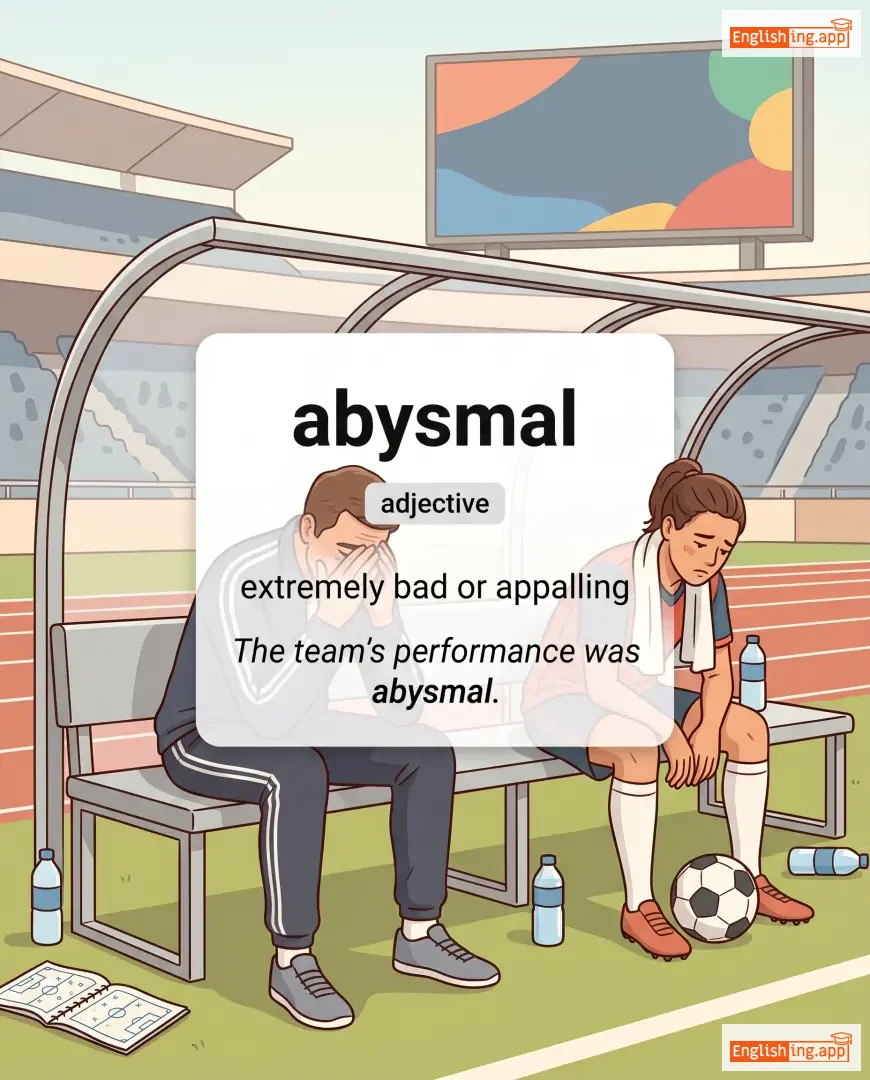
extremely bad or appalling
••••••
|
The team's performance was abysmal. |
チームのパフォーマンスはひどかった。
Chīmu no pafōmansu wa hido katta.
••••••
|
- •••••• | - •••••• | - •••••• |
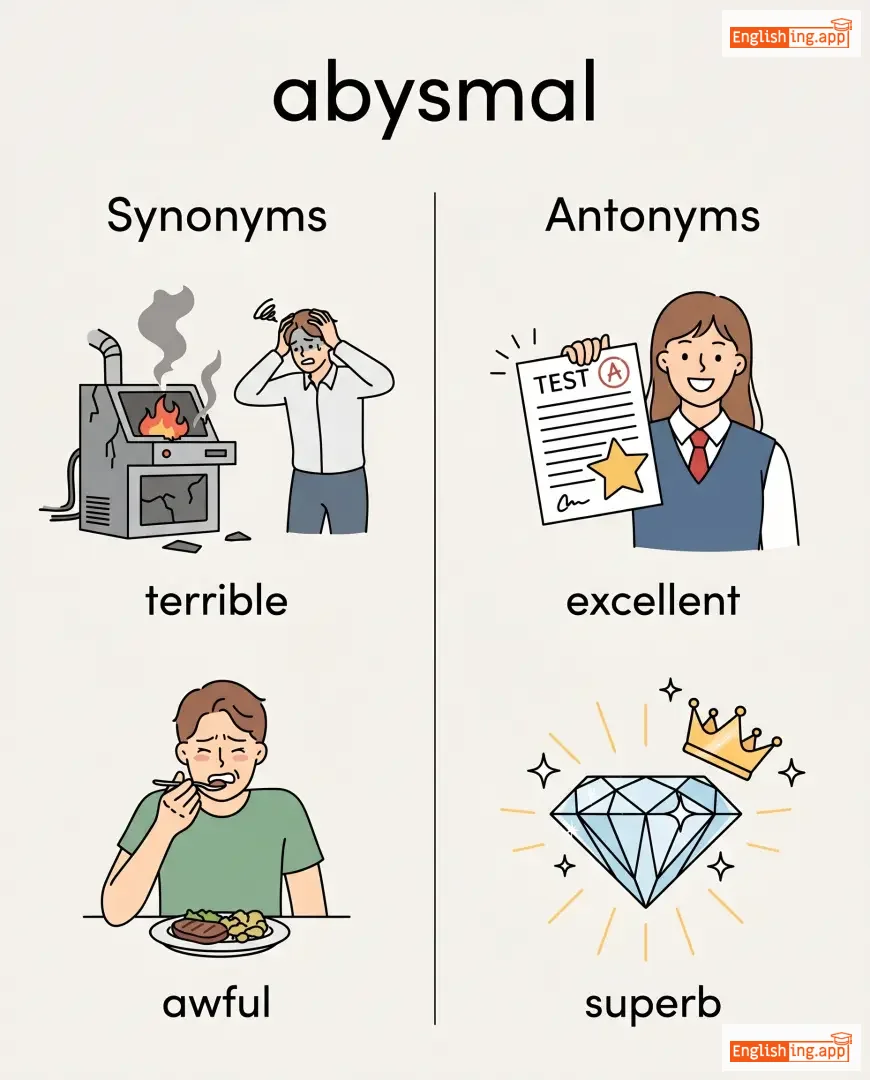
terrible, awful, dreadful, appalling, horrible
••••••
|
excellent, superb, outstanding
••••••
|
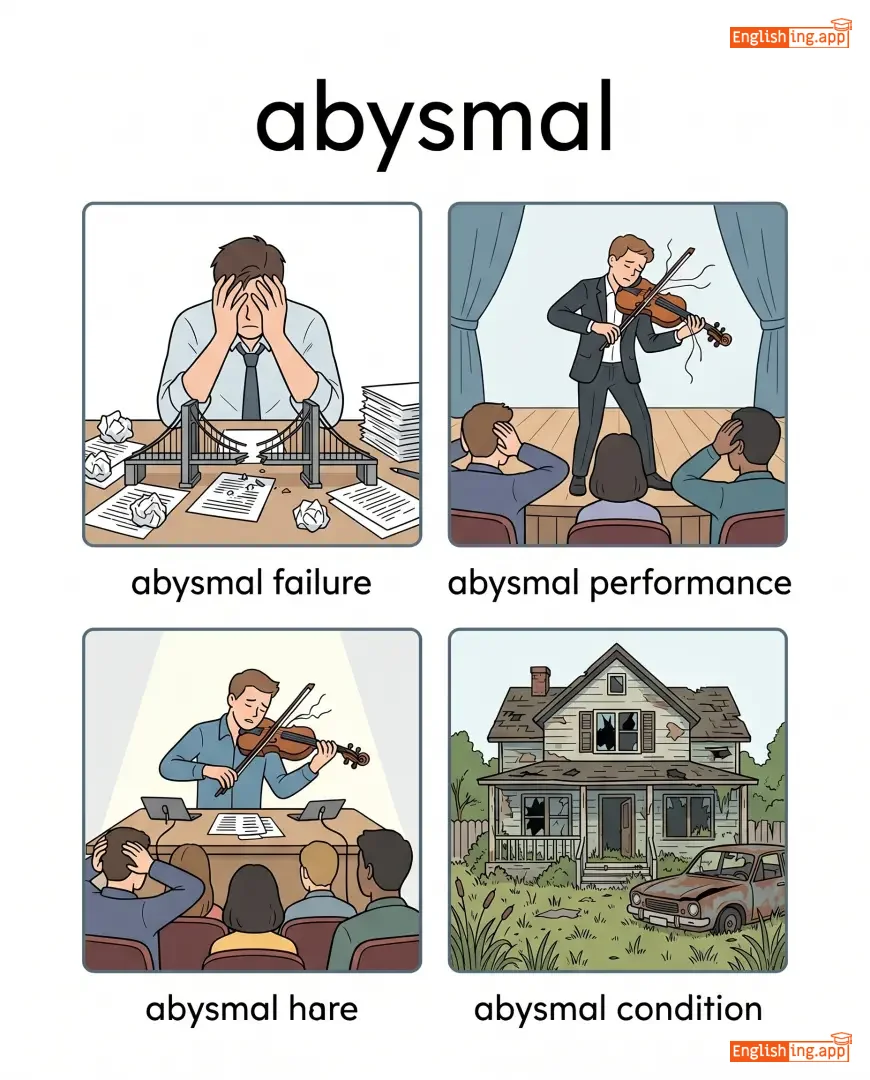
abysmal failure, abysmal performance, abysmal condition, abysmal ignorance
••••••
|
Abysmalはひどいという意味 — 闇の底に落ちたようなもの💔
••••••
|
|
📈
••••••
|
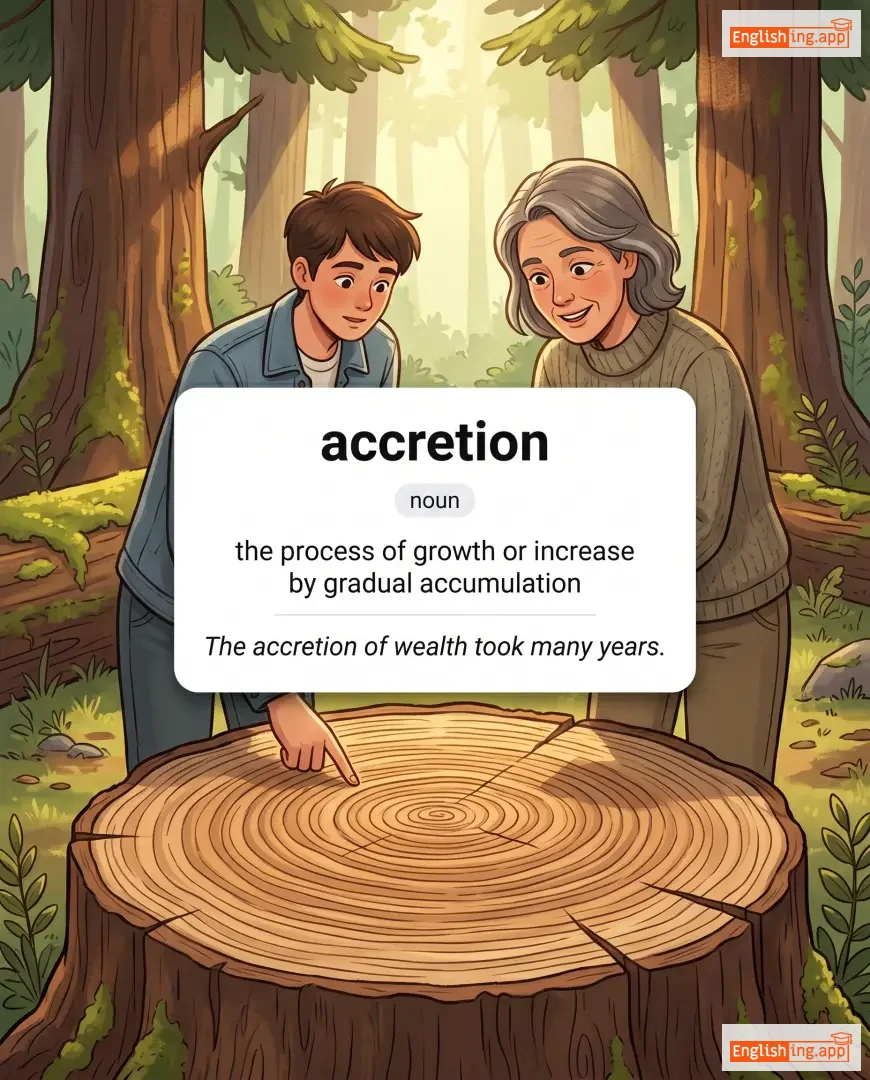
/əˈkriːʃən/
noun
(アクリション)
••••••
|
|
徐々に蓄積
jojoni chikuseki
••••••
|
- •••••• | - •••••• | - •••••• | - •••••• |
the process of growth or increase by gradual accumulation
••••••
|
The accretion of wealth took many years.
富のアクリションには多くの年がかかりました。
••••••
|
富の蓄積には多くの年がかかりました。
Tomi no chikuseki ni wa ooku no toshi ga kakarimashita.
••••••
|
- •••••• | - •••••• | - •••••• |
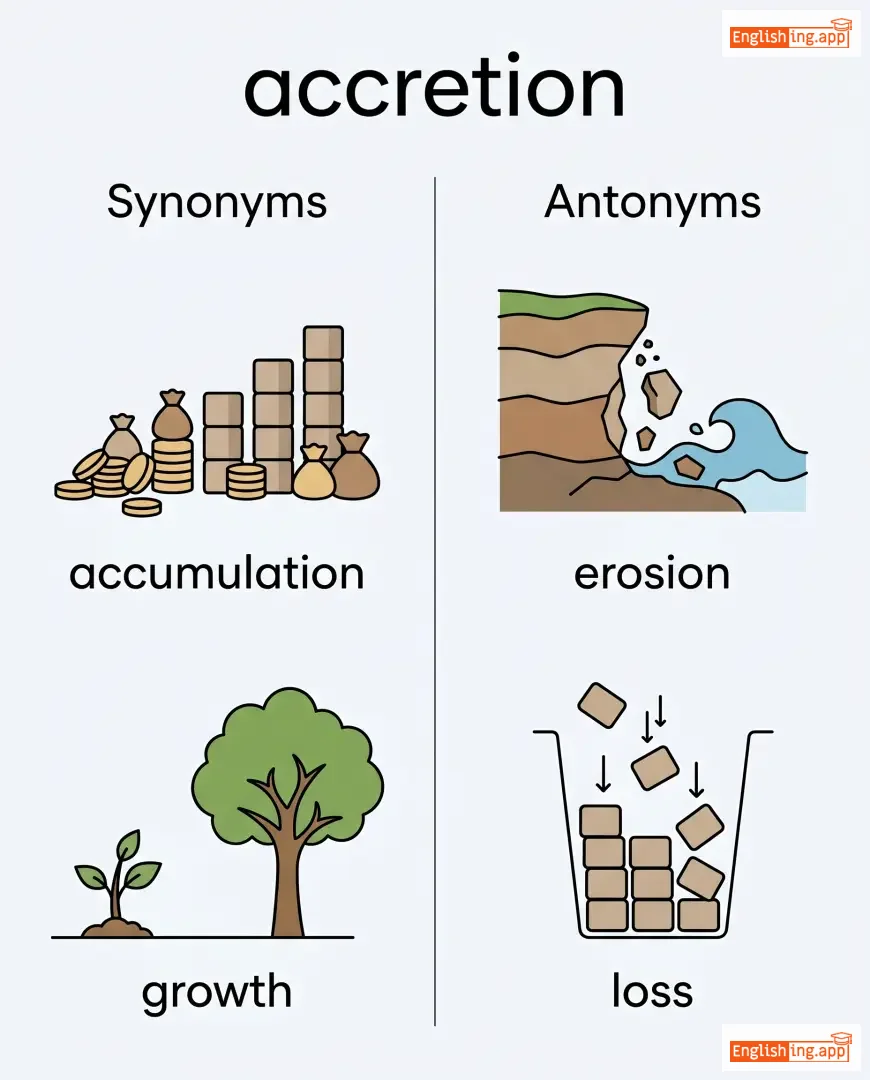
accumulation, growth, buildup, addition, amassing
••••••
|
erosion, loss, decrease
••••••
|
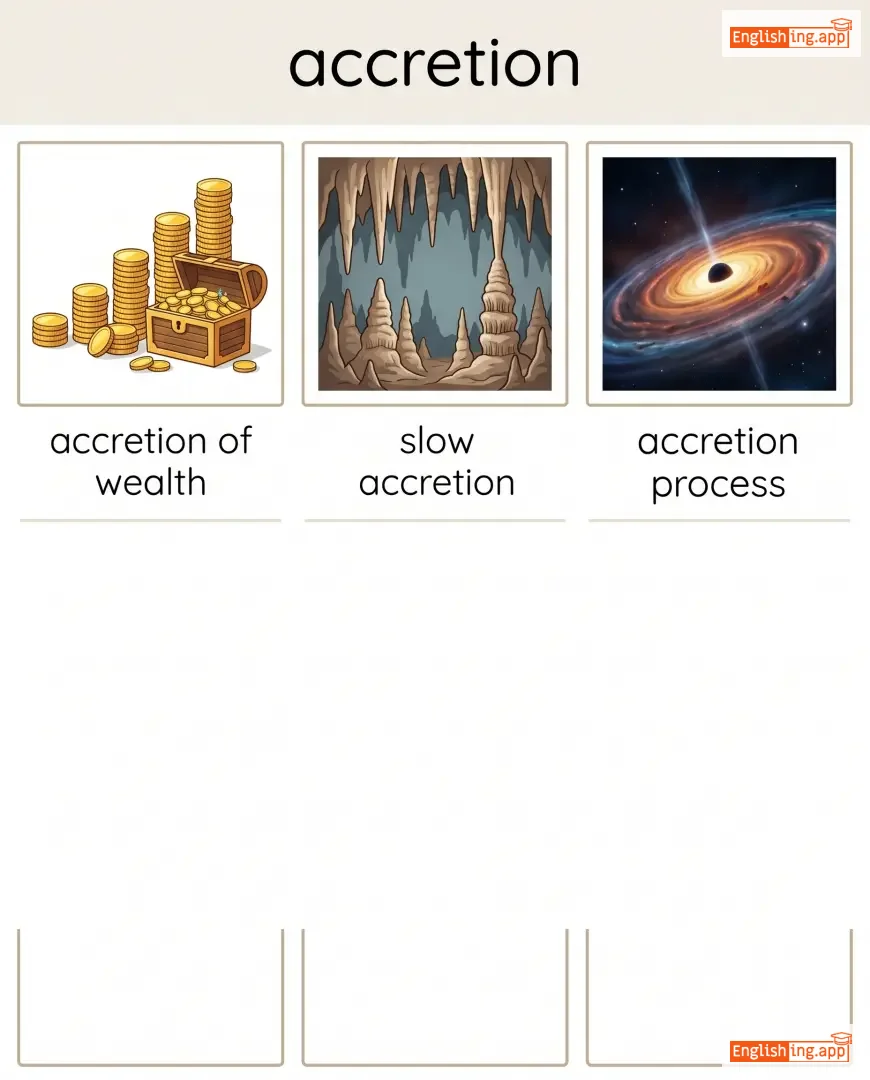
accretion of wealth, slow accretion, accretion process, accretion disk
••••••
|
Accretion → A Collection → 徐々に蓄積
••••••
|
|
💰
••••••
|
/əˈkruː/
verb
(アクル)
••••••
|

|
積み立てる
tsumetateru
••••••
|
accrued
アクルード
••••••
|
accrued
アクルード
••••••
|
accrues
アクルーズ
••••••
|
accruing
アクルイング
••••••
|
to accumulate or receive over time, especially payments or benefits
••••••
|
Interest will accrue on the savings account monthly.
利息は毎月貯金口座に積み立てられます。
••••••
|
利息は毎月貯金口座に積み立てられます。
Risoku wa maitsuki chokin kōza ni tsumetateraremasu.
••••••
|
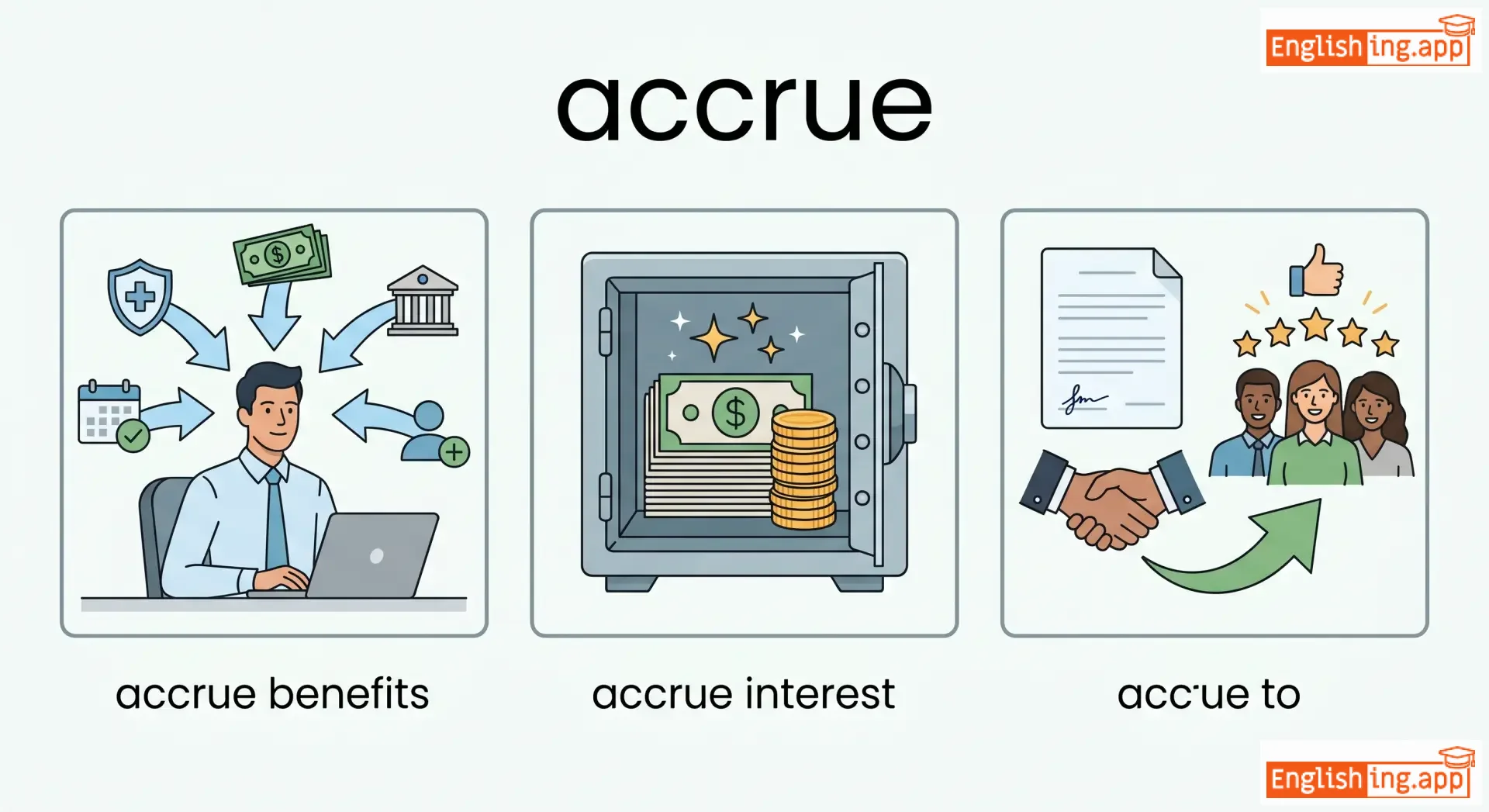
accrue interest
積み立て利息
••••••
|
to accumulate interest over time
••••••
|
積み立て利息
tsumetate risoku
••••••
|
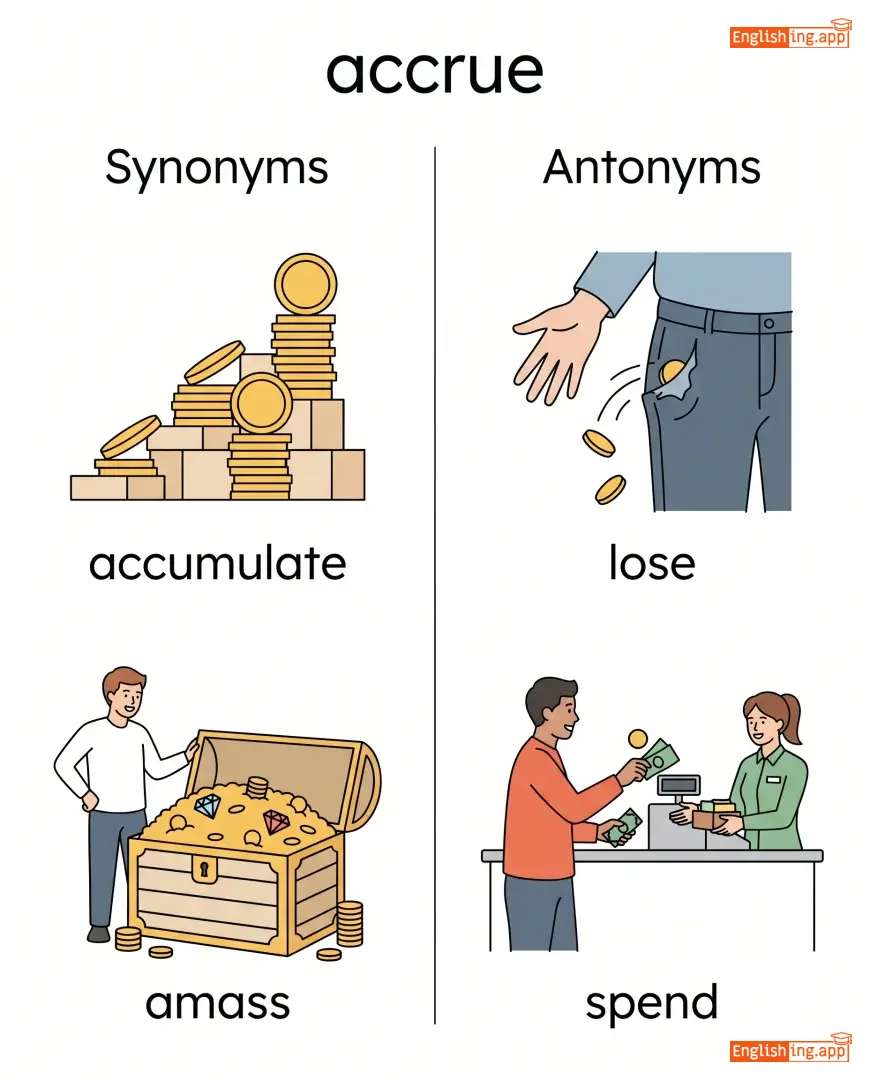
accumulate, amass, build up, collect, gather
••••••
|
lose, spend, diminish
••••••
|
accrue benefits, accrue interest, accrue to, accrue over time
••••••
|
Accrueは時間とともにお金を積み立てることです
••••••
|
|
💪
••••••
|
/ˈædəmənt/
adjective
(アダマント)
••••••
|
|
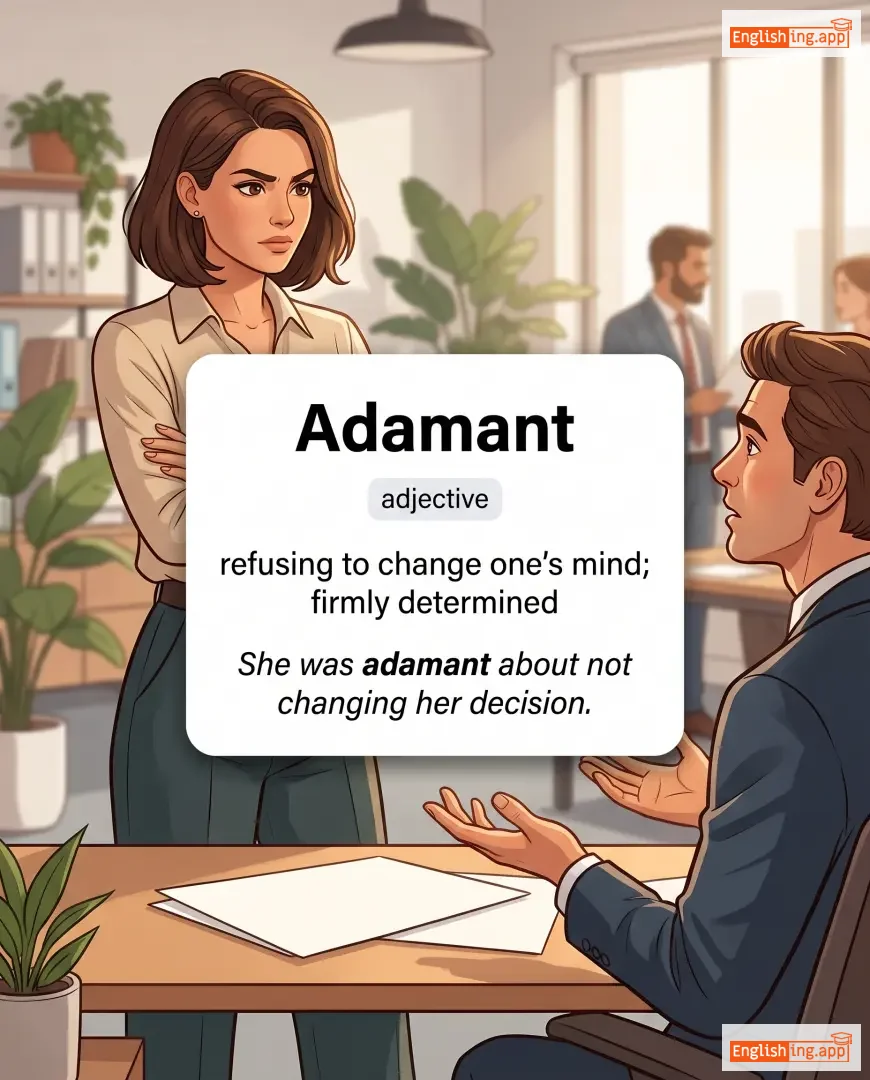
頑固な; 断固とした; 不屈の
ganko na; danko to shita; fukutsu no
••••••
|
- •••••• | - •••••• | - •••••• | - •••••• |
একগুঁয়ে; জেদী; দৃঢ়সংকল্প; অনমনীয়;
••••••
|
She was adamant about her decision to leave the company. |
彼女は会社を辞める決断に対して頑固だった。
kanojo wa kaisha o yameru ketsudan ni taishite ganko datta.
••••••
|
- •••••• | - •••••• | - •••••• |
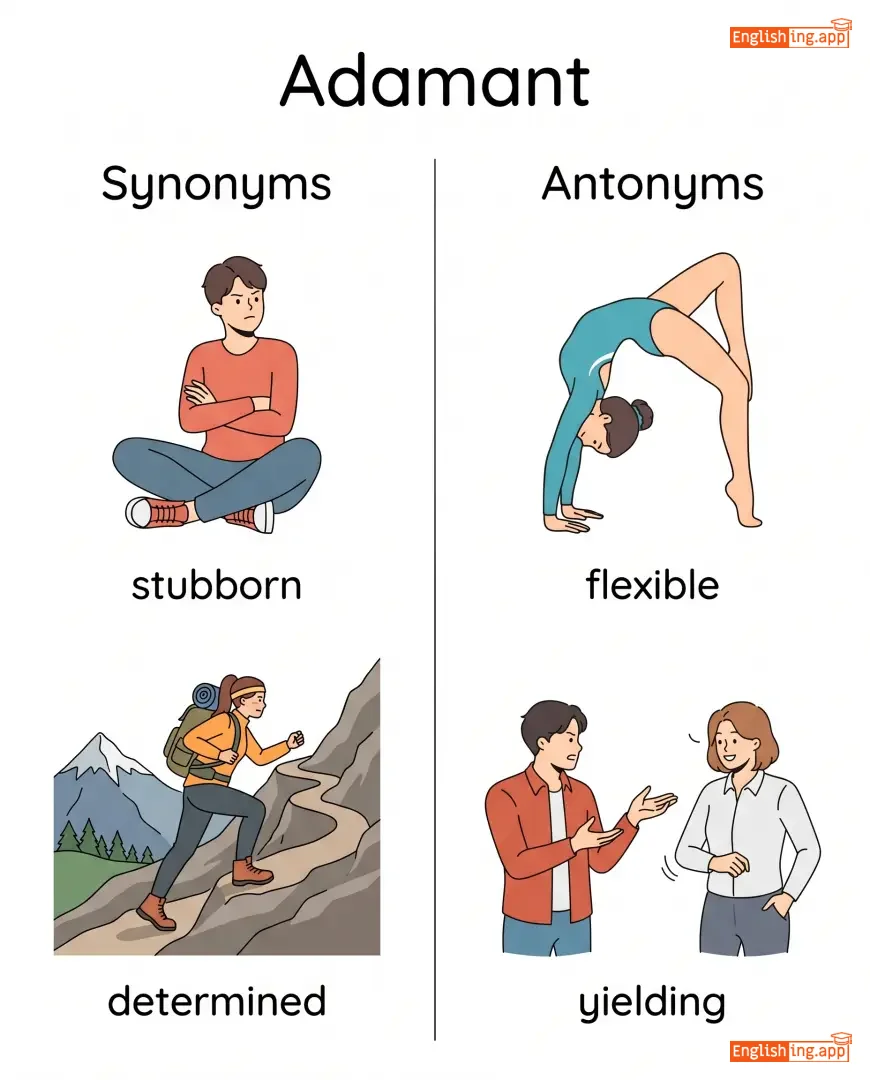
stubborn, inflexible, unyielding, resolute
••••••
|
flexible, yielding, compromising, compliant
••••••
|
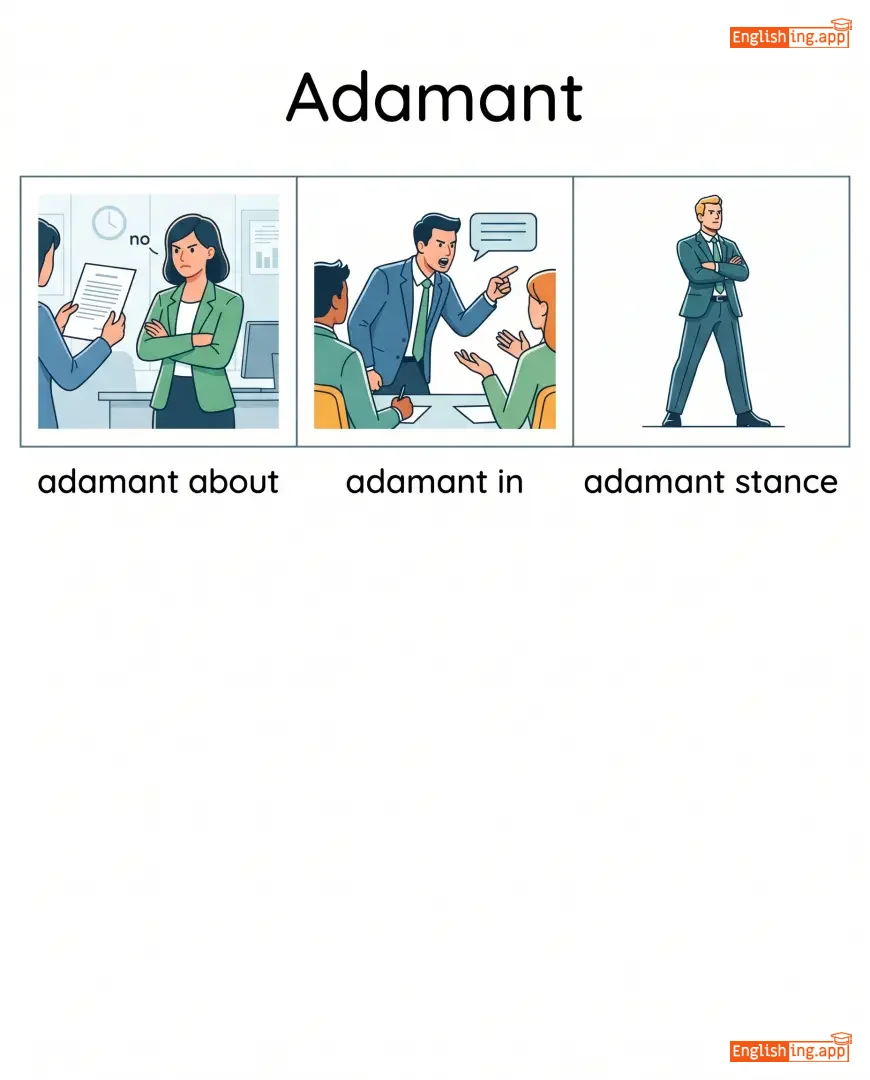
adamant refusal, adamant opposition, remain adamant
••••••
|
頑固な人は不屈の精神を持っている!
••••••
|
|
➕
••••••
|
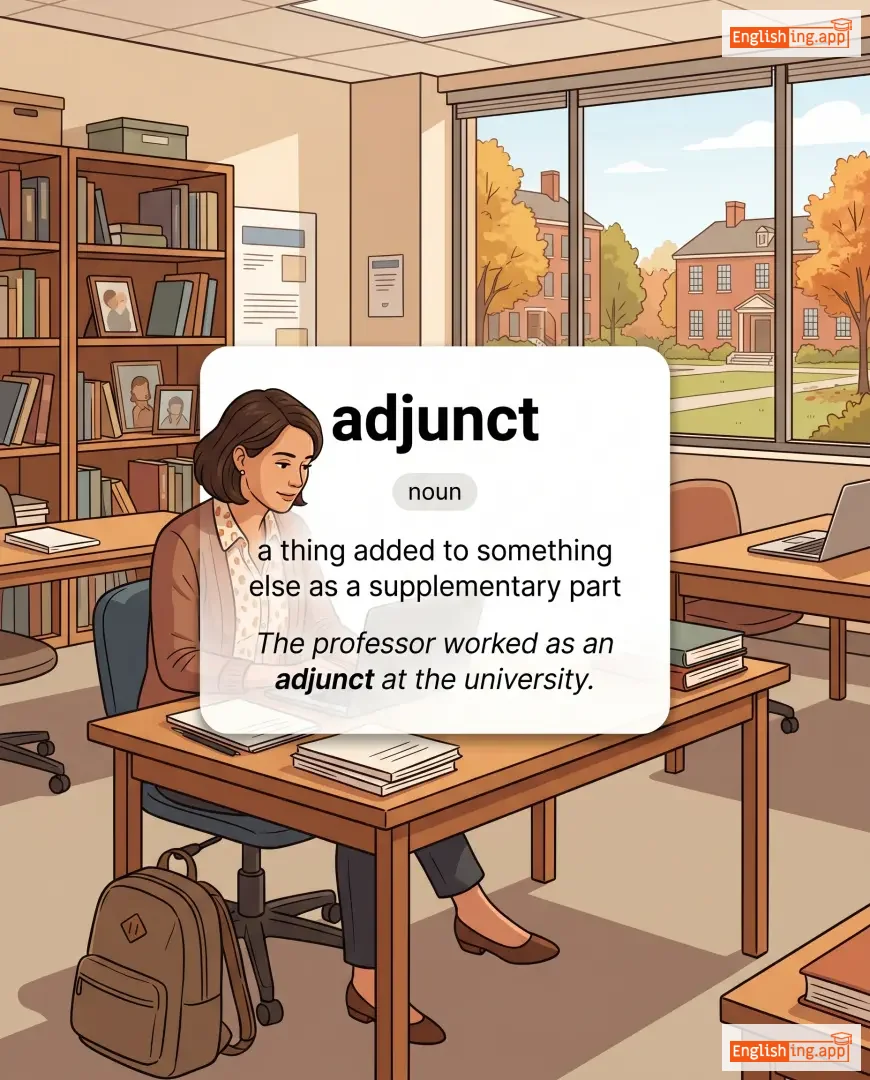
/ˈædʒʌŋkt/
noun
(ædʒʌŋkt)
••••••
|
|
補助的
hojoteki
••••••
|
- •••••• | - •••••• | - •••••• | - •••••• |
a thing added to something else as a supplementary part
••••••
|
The professor worked as an adjunct at the university. |
教授は大学で補助的な役職で働いていました。
Kyoju wa daigaku de hojoteki na yakushoku de hataraite imashita.
••••••
|
- •••••• | - •••••• | - •••••• |
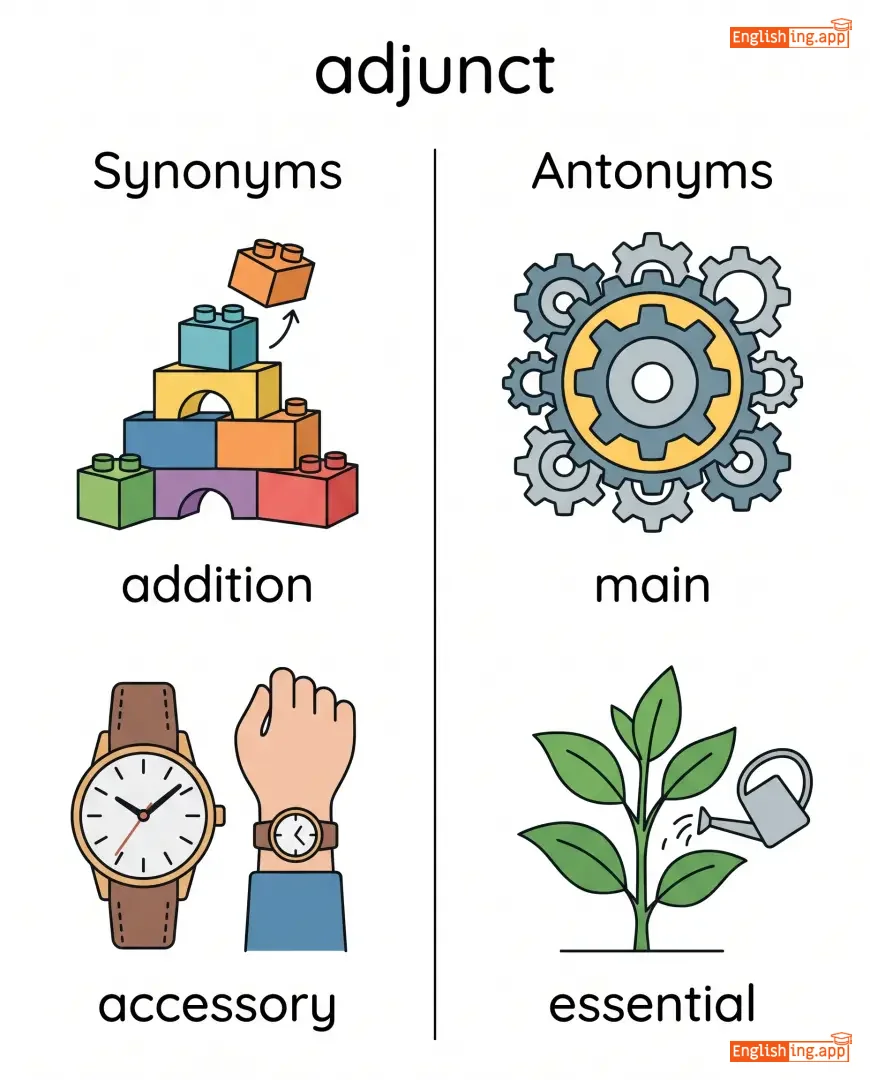
addition, accessory, supplement, appendage, auxiliary
••••••
|
main, essential, principal
••••••
|
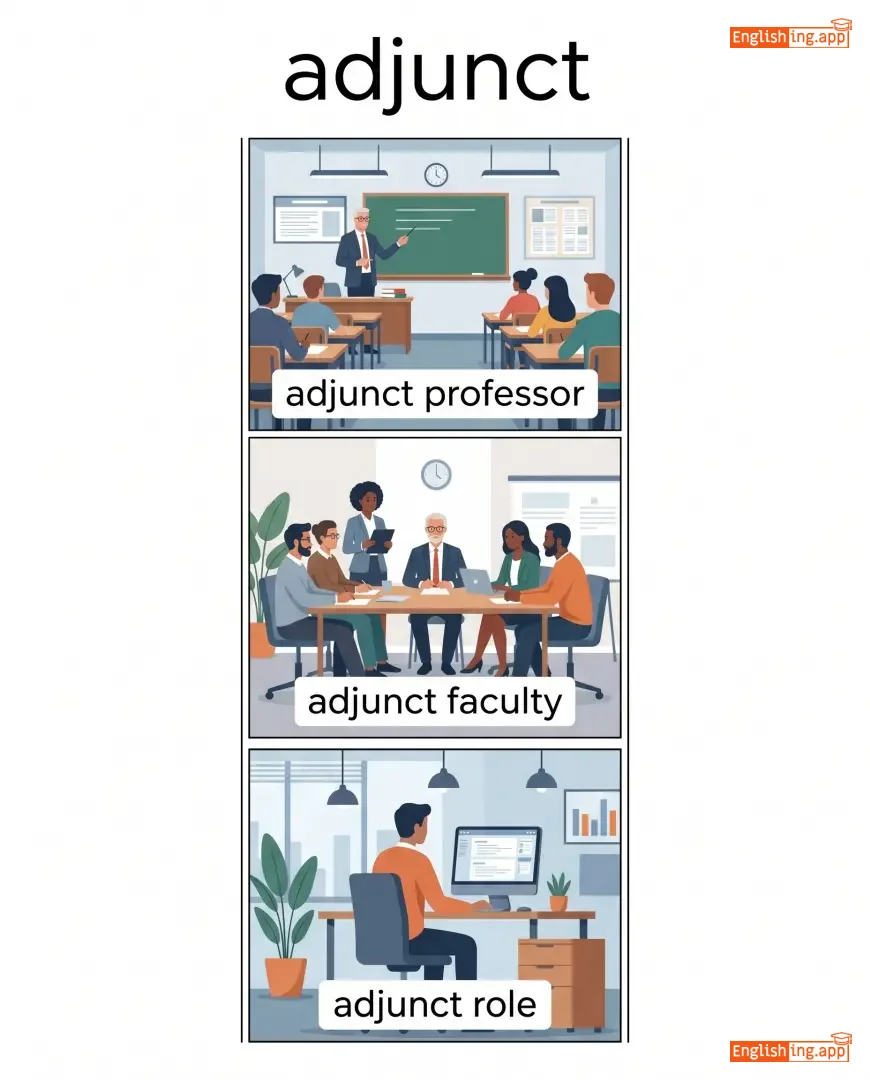
adjunct professor, adjunct faculty, adjunct role, adjunct therapy
••••••
|
Adjunct = 追加 + 連結、つまり追加されたもの。
••••••
|
|
⚠️
••••••
|
/ədˈmɒnɪʃ/
verb
(admonish)
••••••
|
|
注意する / 叱る
chūi suru / shikaru
••••••
|
admonished
admonished
••••••
|
admonished
admonished
••••••
|
admonishes
admonishes
••••••
|
admonishing
admonishing
••••••
|
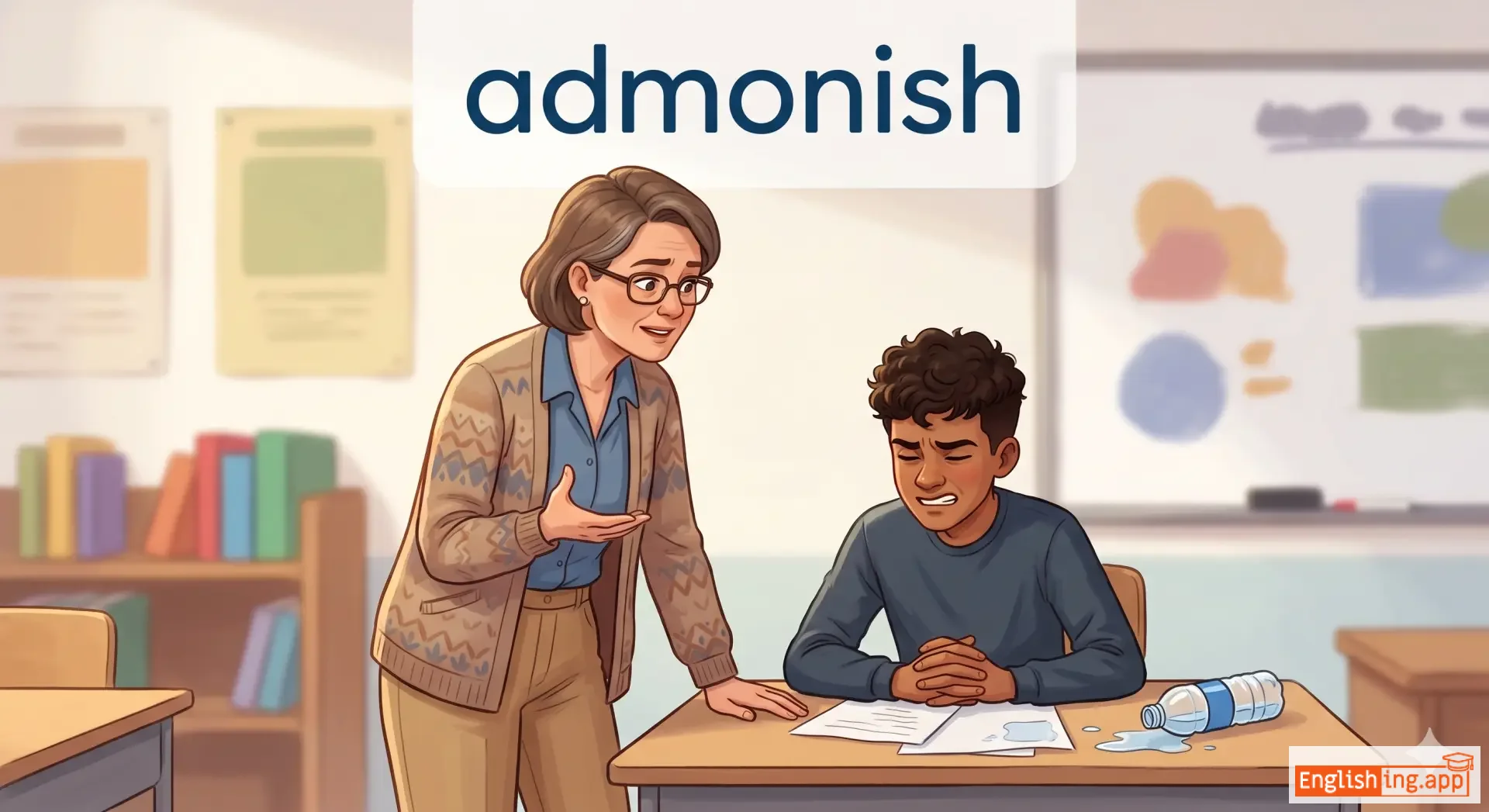
to warn or reprimand someone firmly; to advise or urge earnestly
••••••
|
The teacher admonished the students for being late.
The teacher admonished the students for being late.
••••••
|
先生は遅刻した生徒を注意しました。
Sensei wa chikoku shita seito o chūi shimashita.
••••••
|
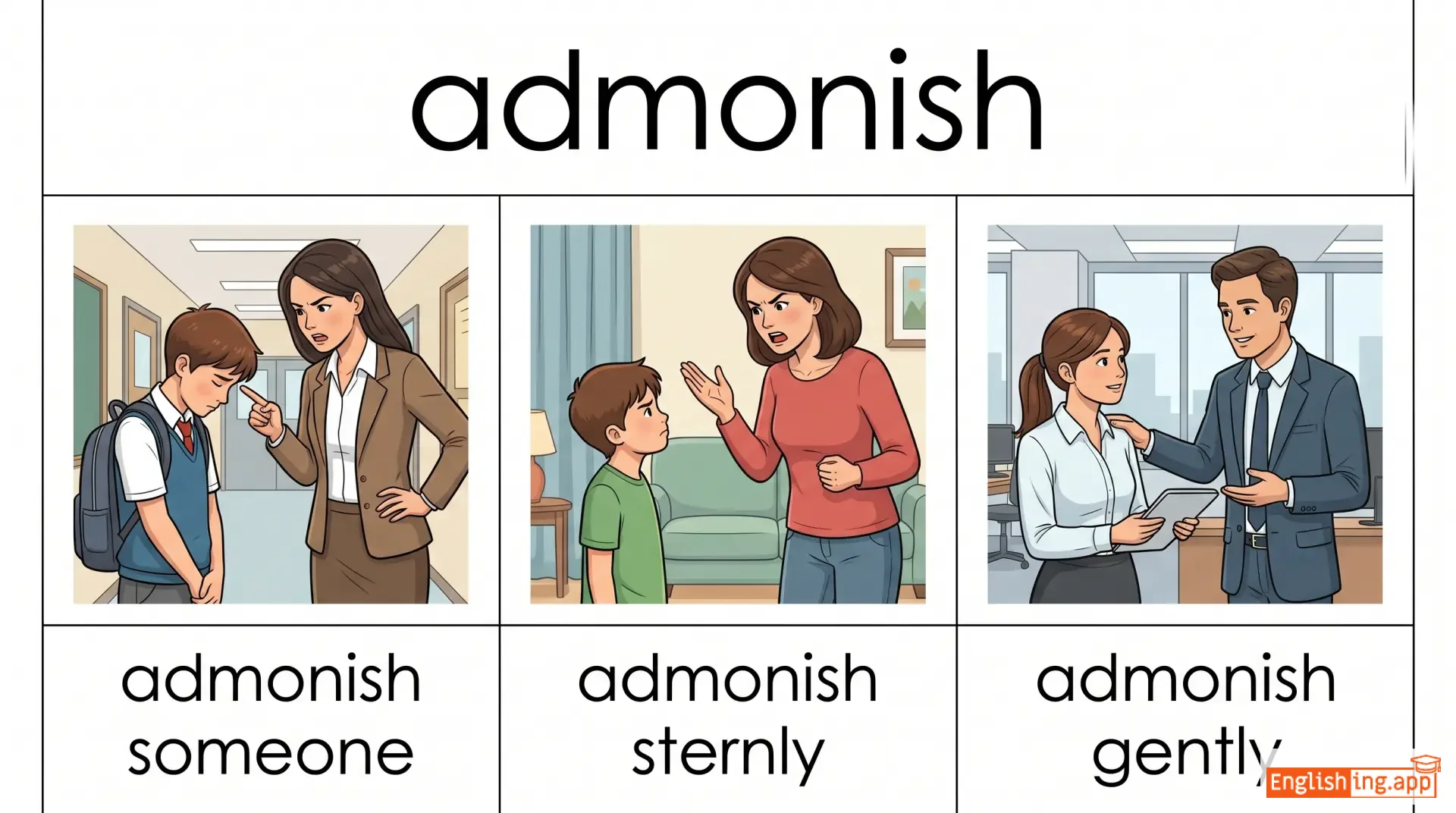
admonish someone gently
admonish someone gently
••••••
|
to caution someone in a mild or kind manner
••••••
|
優しく注意する
Yasashiku chūi suru
••••••
|
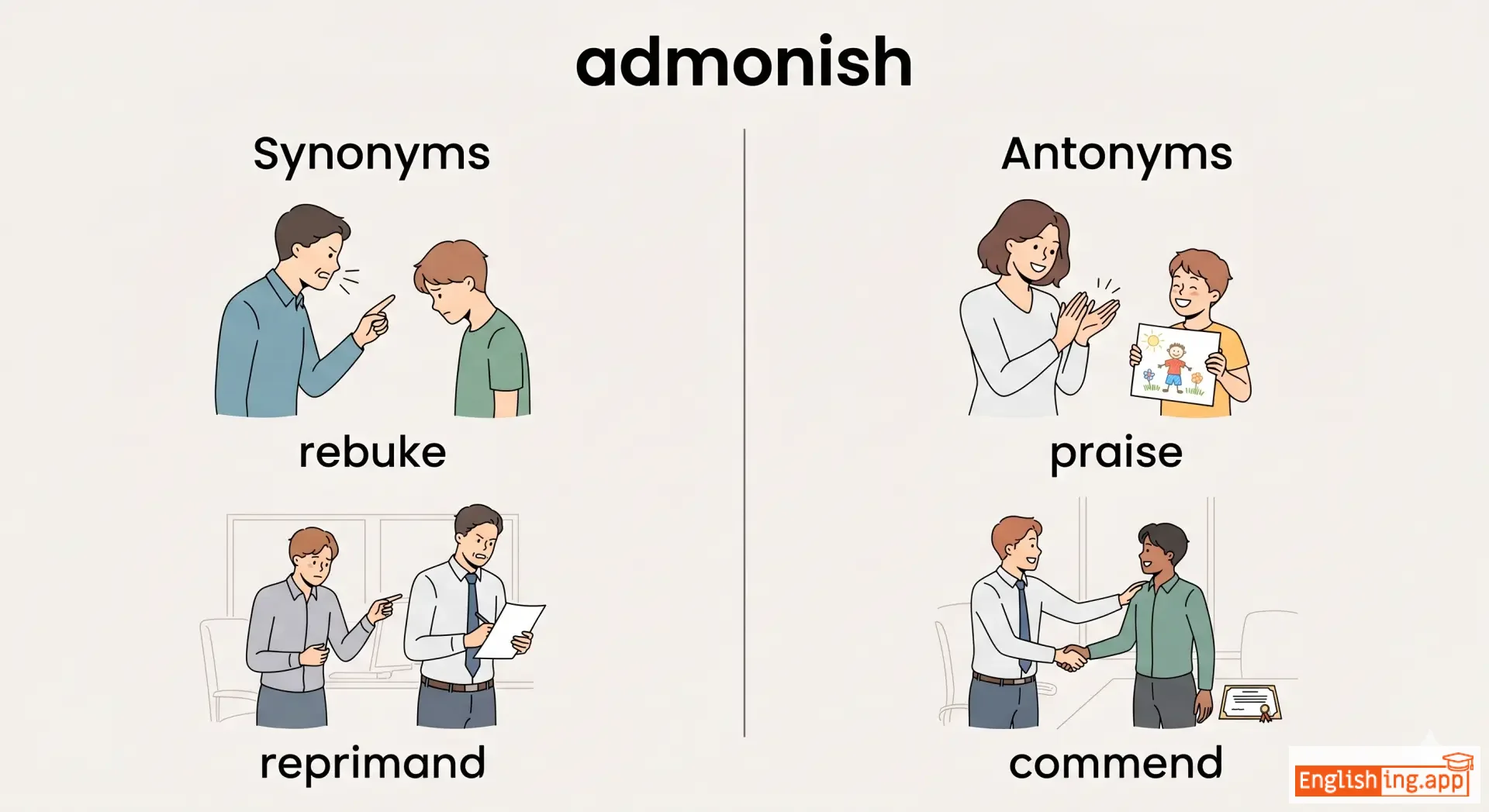
rebuke, reprimand, scold, caution, warn
••••••
|
praise, commend, approve
••••••
|
admonish someone, admonish sternly, admonish gently, admonish for behavior
••••••
|
注意するは‘注意’(chūi)と‘叱る’(shikaru)の組み合わせで警告すること!
••••••
|
|
🥛
••••••
|
/əˈdʌltəreɪt/
verb
(アダルテレート)
••••••
|
|
不正混入
fusei konnyū
••••••
|
adulterated
アダルテレイティッド
••••••
|
adulterated
アダルテレイティッド
••••••
|
adulterates
アダルテレイツ
••••••
|
adulterating
アダルテレイティング
••••••
|
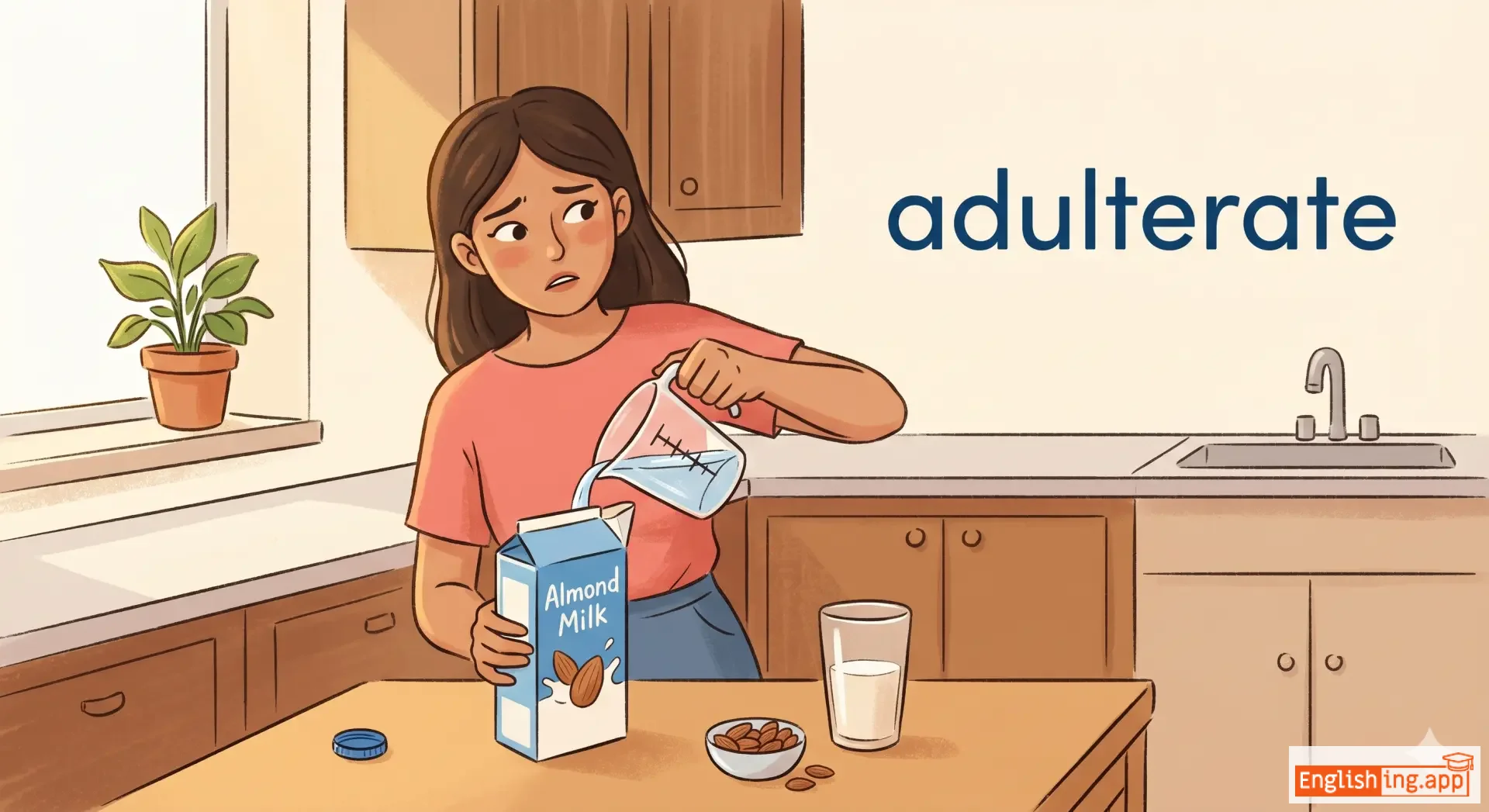
to make something poorer in quality by adding another substance, usually of lower quality
••••••
|
The company was fined for adulterating its products with cheap chemicals.
その会社は安価な化学物質で製品をアダルテレートしたため、罰金を科せられました。
••••••
|
その会社は安価な化学物質で製品をアダルテレートしたため、罰金を科せられました。
Sono kaisha wa anka na kagaku busshitsu de seihin o adarutereito shita tame, bakkin o kase raremashita.
••••••
|
- •••••• | - •••••• | - •••••• |
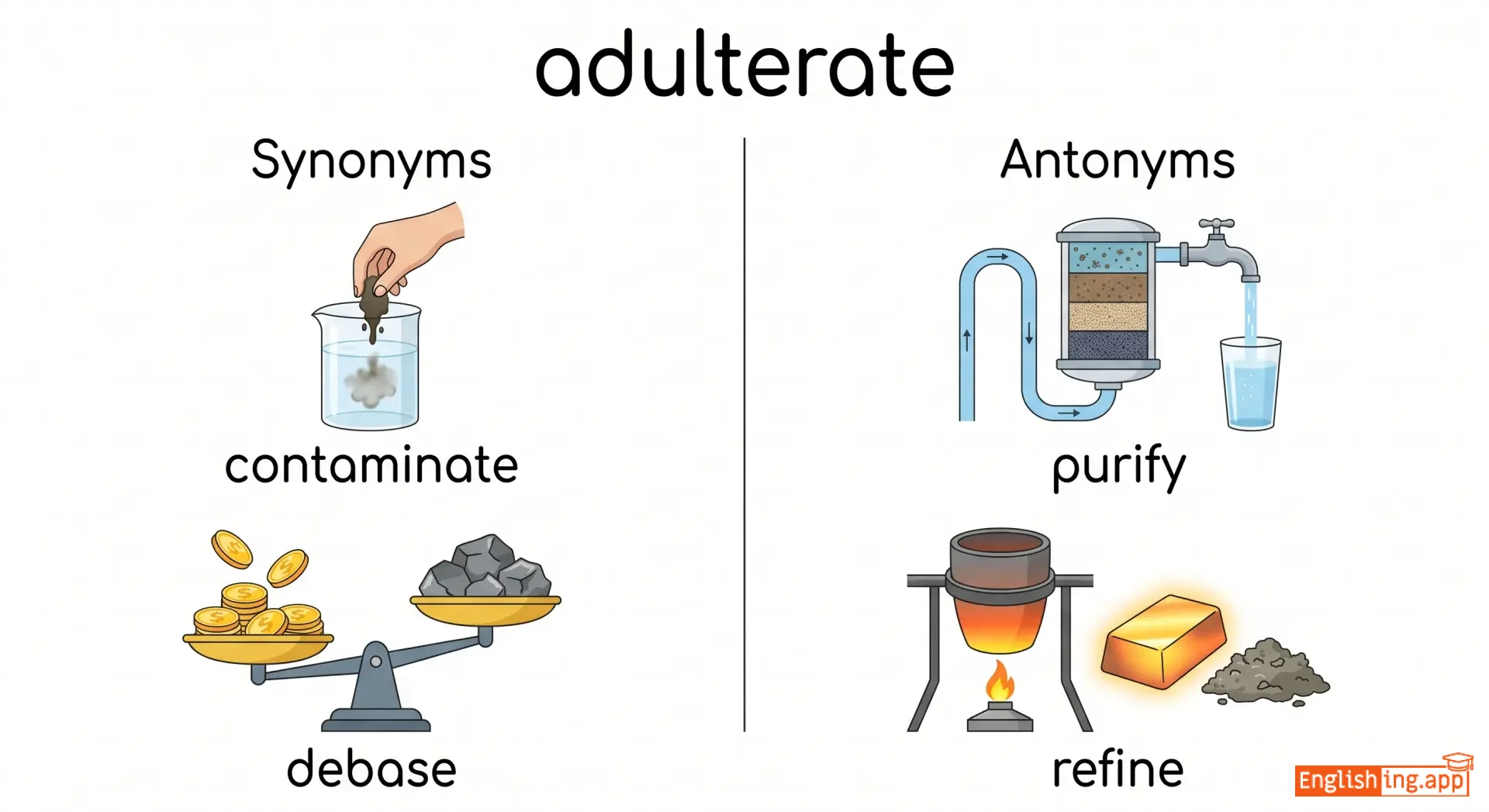
contaminate, debase, dilute, taint, spoil
••••••
|
purify, refine, cleanse
••••••
|
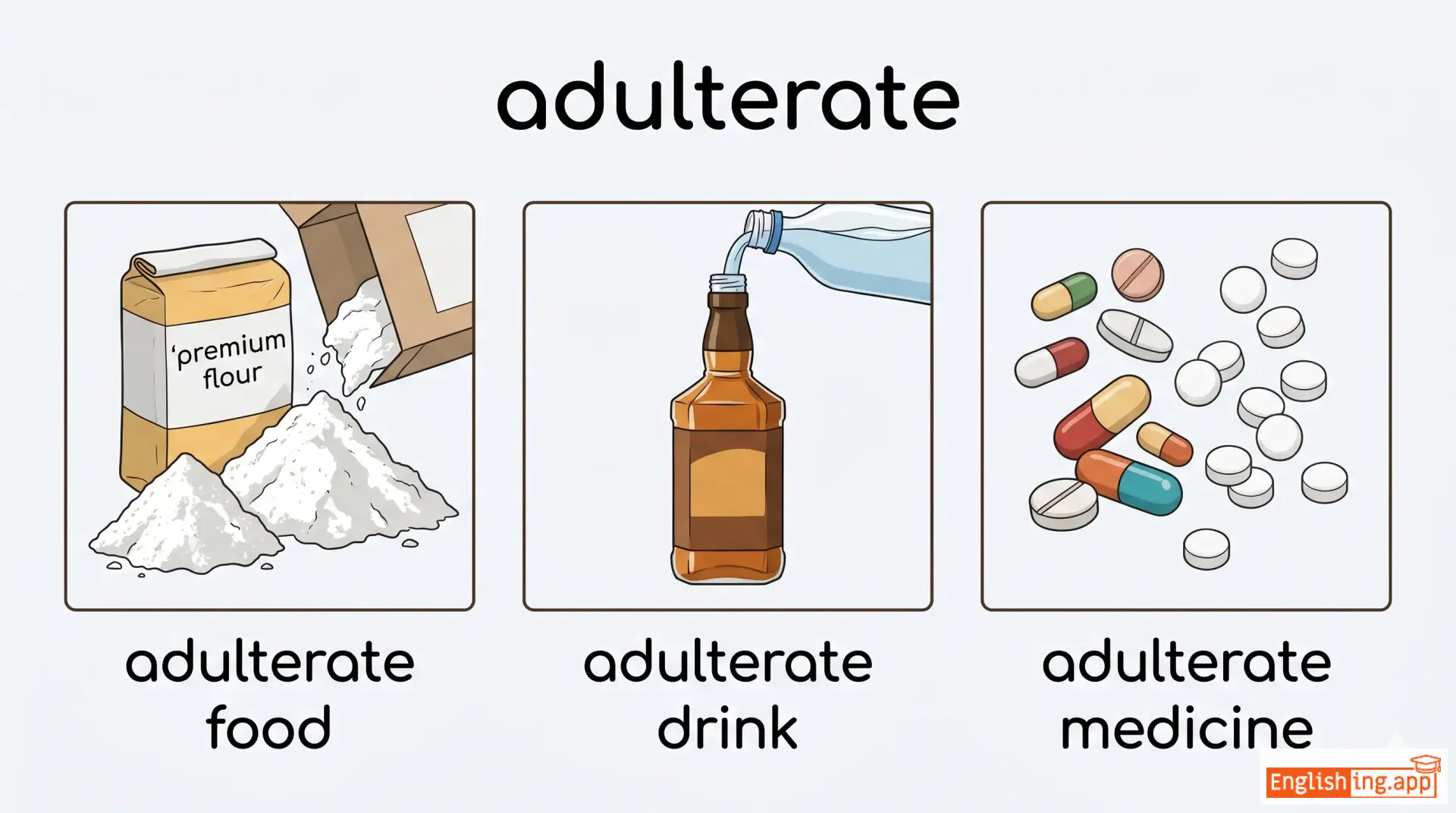
adulterate food, adulterate drink, adulterate medicine
••••••
|
アダルトレートは不正に混入すること - adulterate = 不正混入
••••••
|
|
🎨
••••••
|
/ɛsˈθɛtɪk/
adjective
(エステティック)
••••••
|
|
美的
biteki
••••••
|
- •••••• | - •••••• | - •••••• | - •••••• |
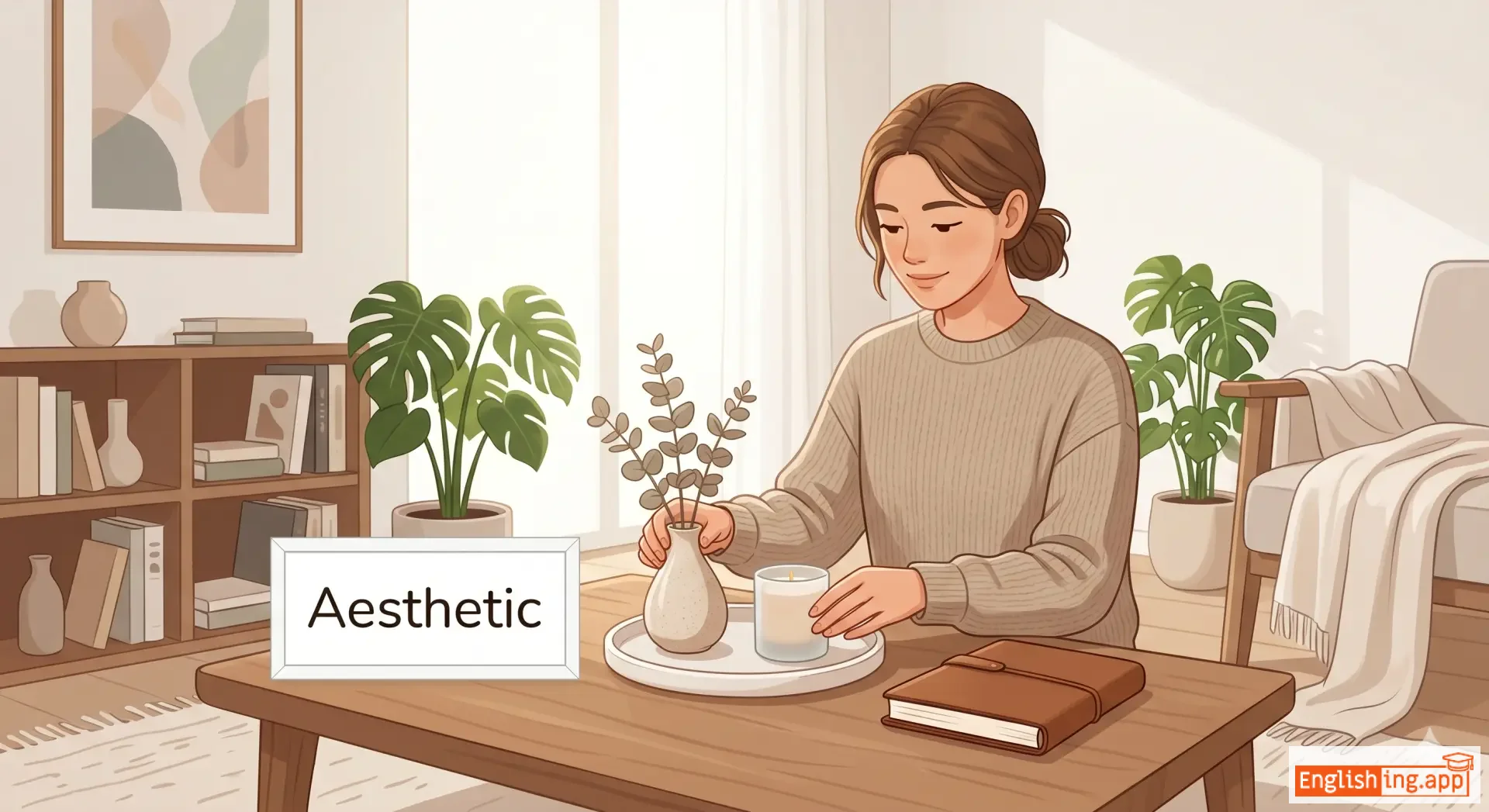
concerned with beauty or the appreciation of beauty
••••••
|
The room was decorated in an aesthetic style that pleased everyone.
部屋はエステティックなスタイルで装飾され、全員が喜びました。
••••••
|
部屋は美的なスタイルで装飾され、全員が喜びました。
Heya wa biteki na sutairu de sōshoku sare, zen'in ga yorokobimashita.
••••••
|
aesthetic appeal
エステティックな魅力
••••••
|
the quality of being visually attractive
••••••
|
美的魅力
biteki miryoku
••••••
|
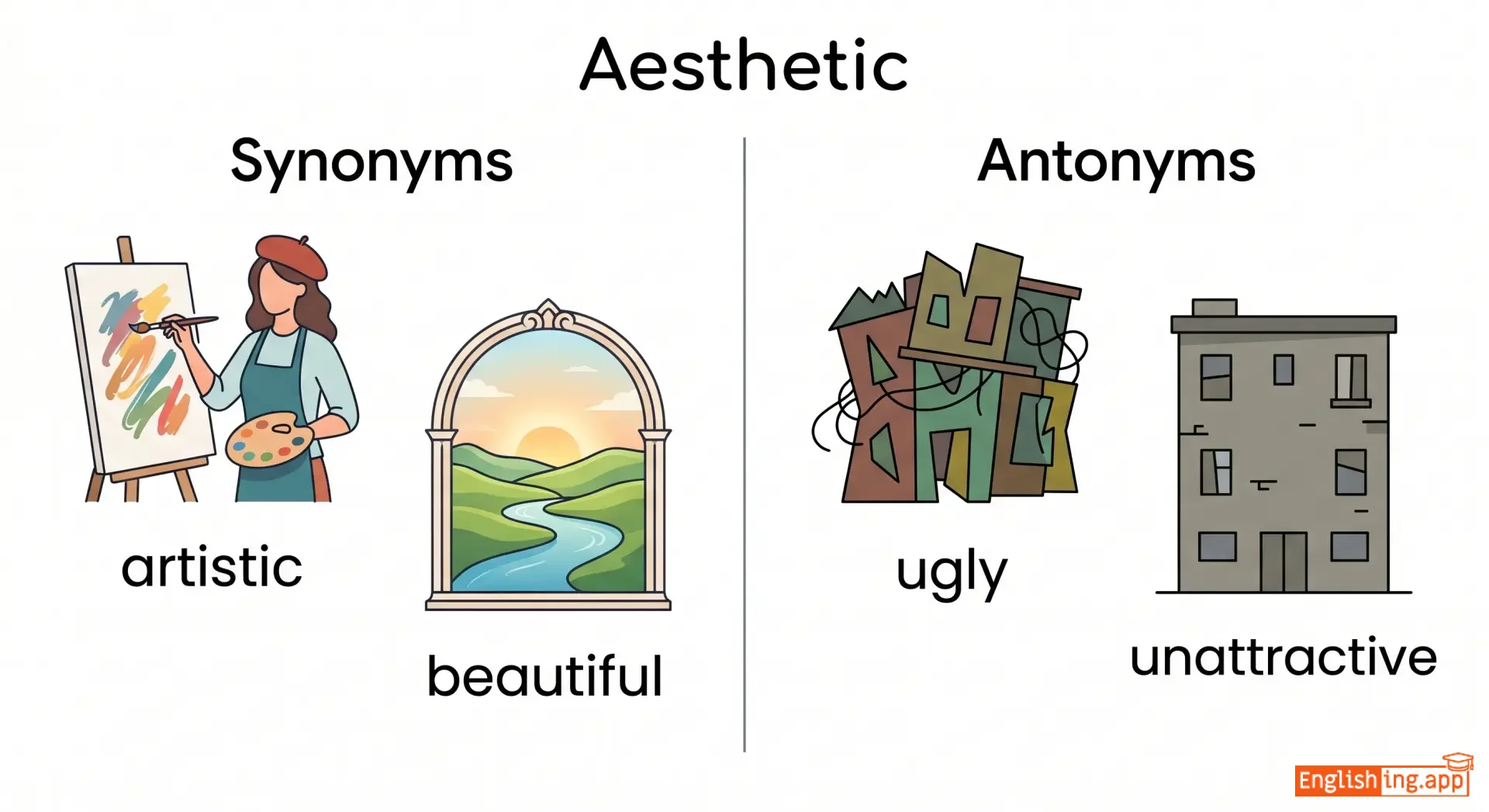
artistic, beautiful, elegant, tasteful
••••••
|
ugly, unattractive, plain
••••••
|
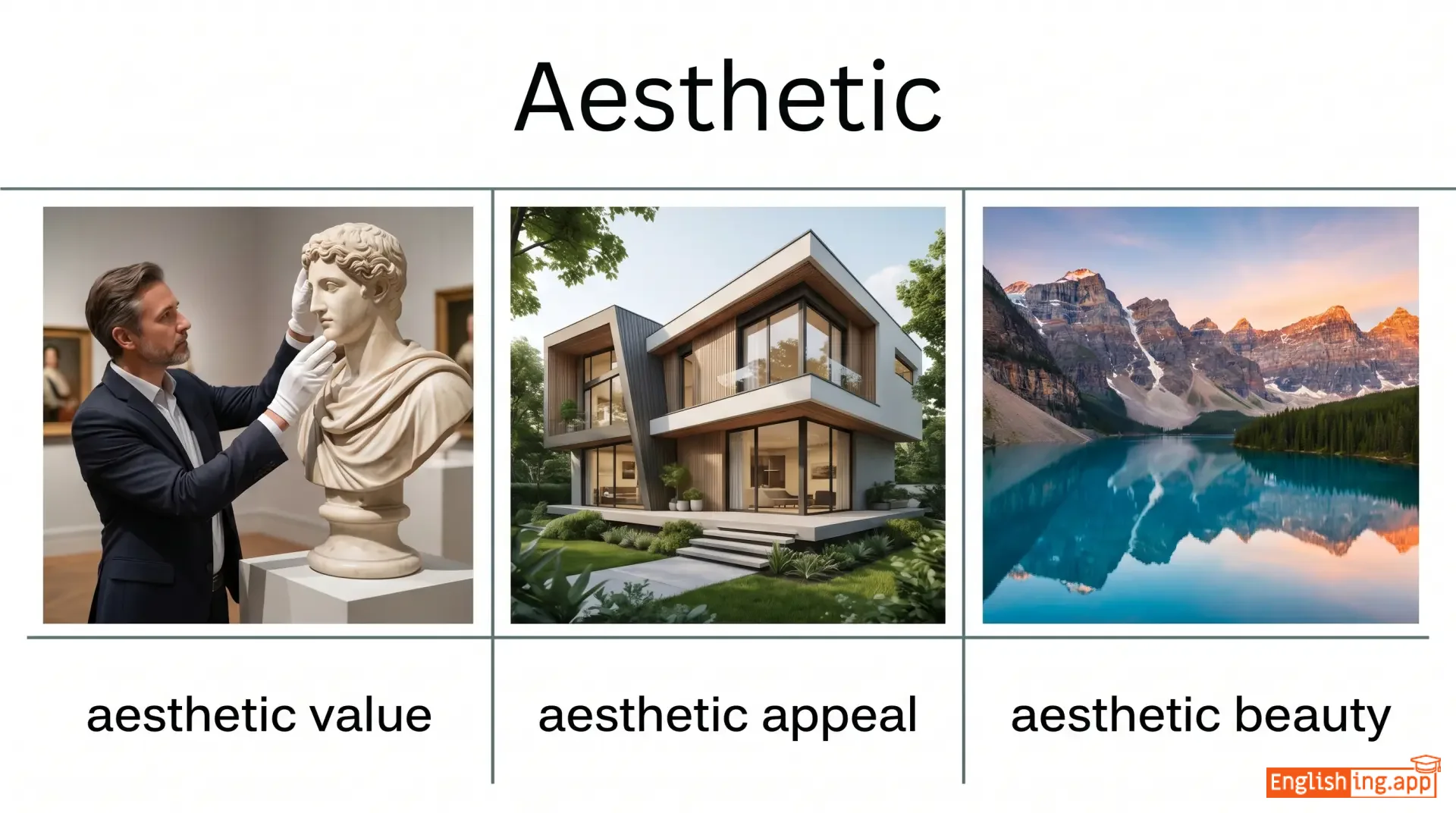
aesthetic value, aesthetic appeal, aesthetic beauty, aesthetic design
••••••
|
Aestheticは美しさを意味しますので、美的も美しさに関連しています。
••••••
|
|
😔
••••••
|
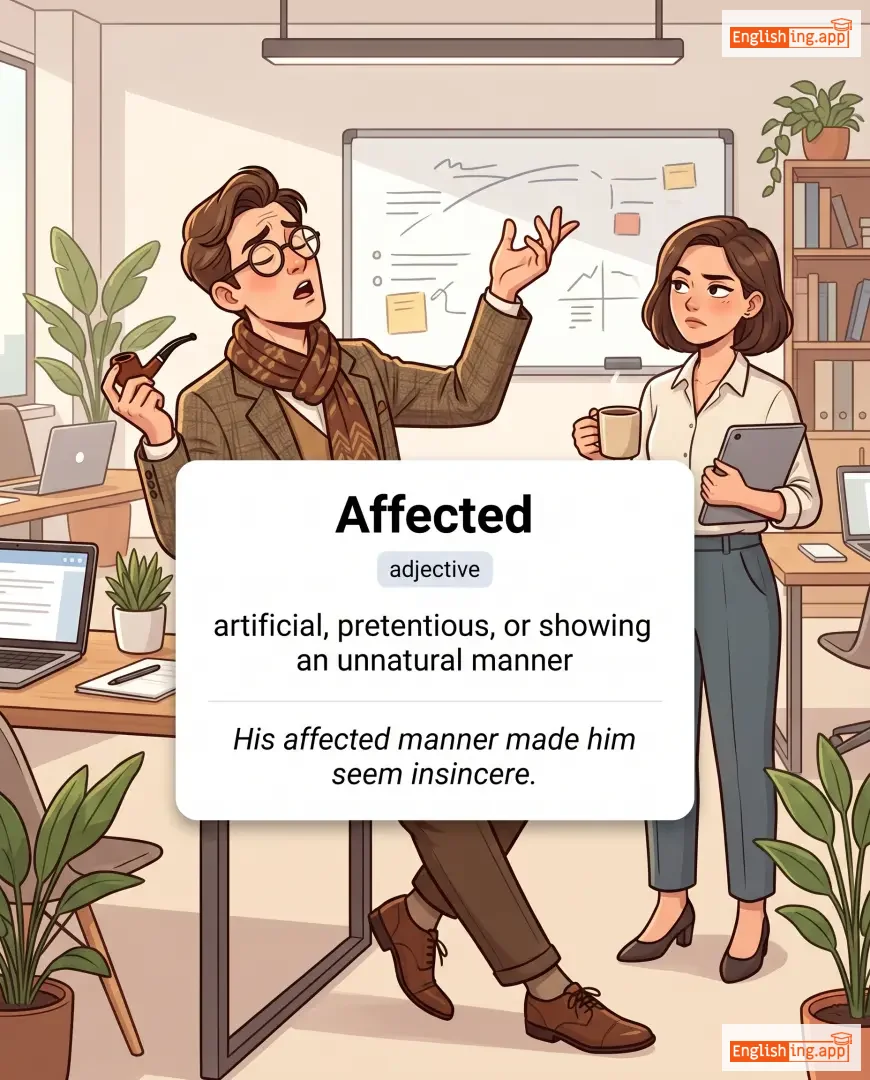
/əˈfektɪd/
adjective
(アフェクテッド)
••••••
|
|
影響を受けた;影響を与えられた
eikyō o uketa; eikyō o ataerareta
••••••
|
- •••••• | - •••••• | - •••••• | - •••••• |
influenced; impacted; touched by something
••••••
|
The flood-affected areas need immediate assistance. |
洪水の影響を受けた地域は、即時の支援が必要です。
Kōzui no eikyō o uketa chiiki wa, sokujitsu no shien ga hitsuyō desu.
••••••
|
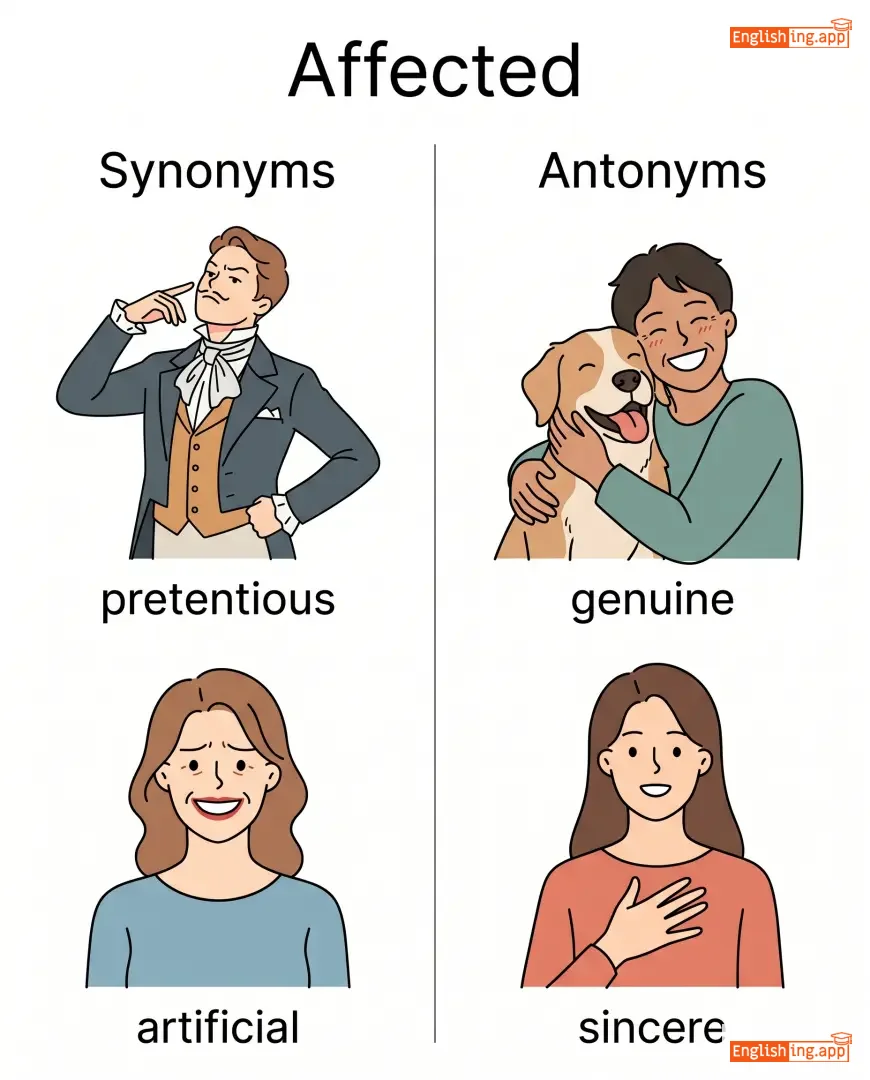
- •••••• | - •••••• | - •••••• |
influenced, impacted, touched
••••••
|
unaffected, untouched, immune
••••••
|
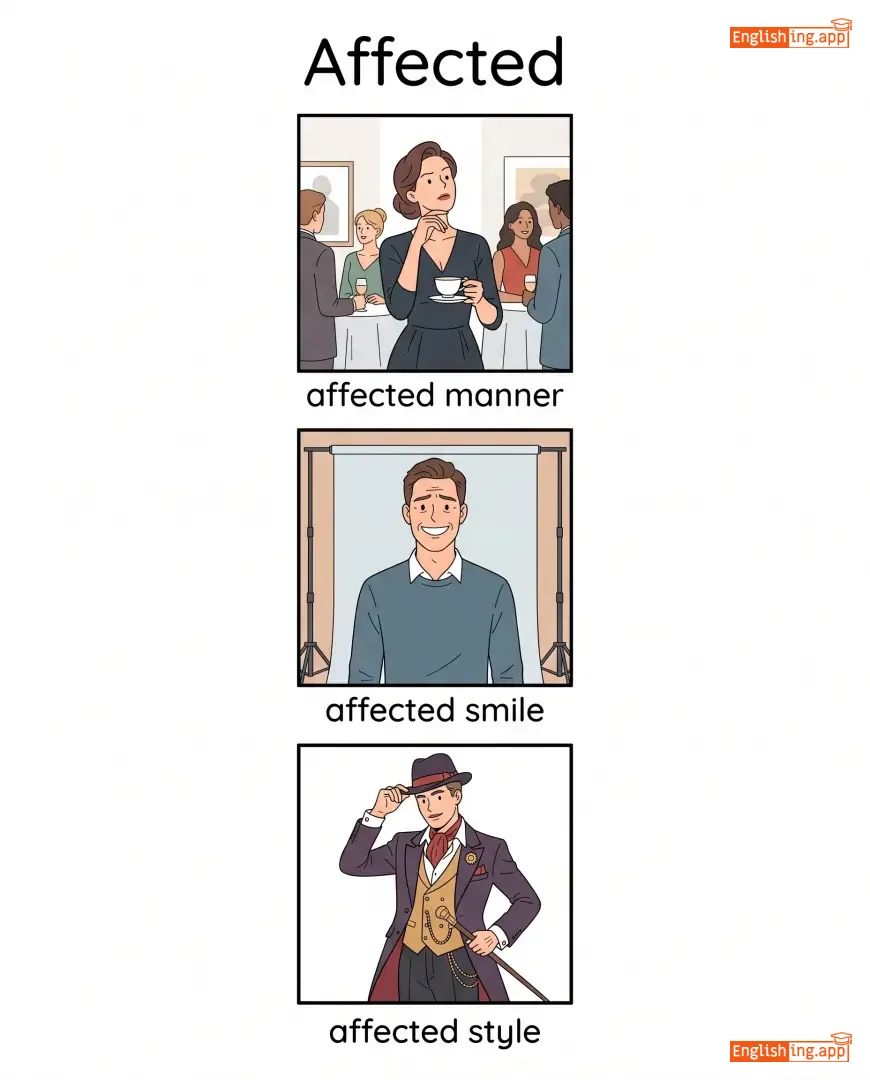
badly affected, seriously affected, directly affected
••••••
|
影響を受けた: 洪水の影響
••••••
|
|
🤝
••••••
|
/əˈfɪnɪti/
noun
(アフィニティ)
••••••
|
|
親和性
shingosei
••••••
|
- •••••• | - •••••• | - •••••• | - •••••• |
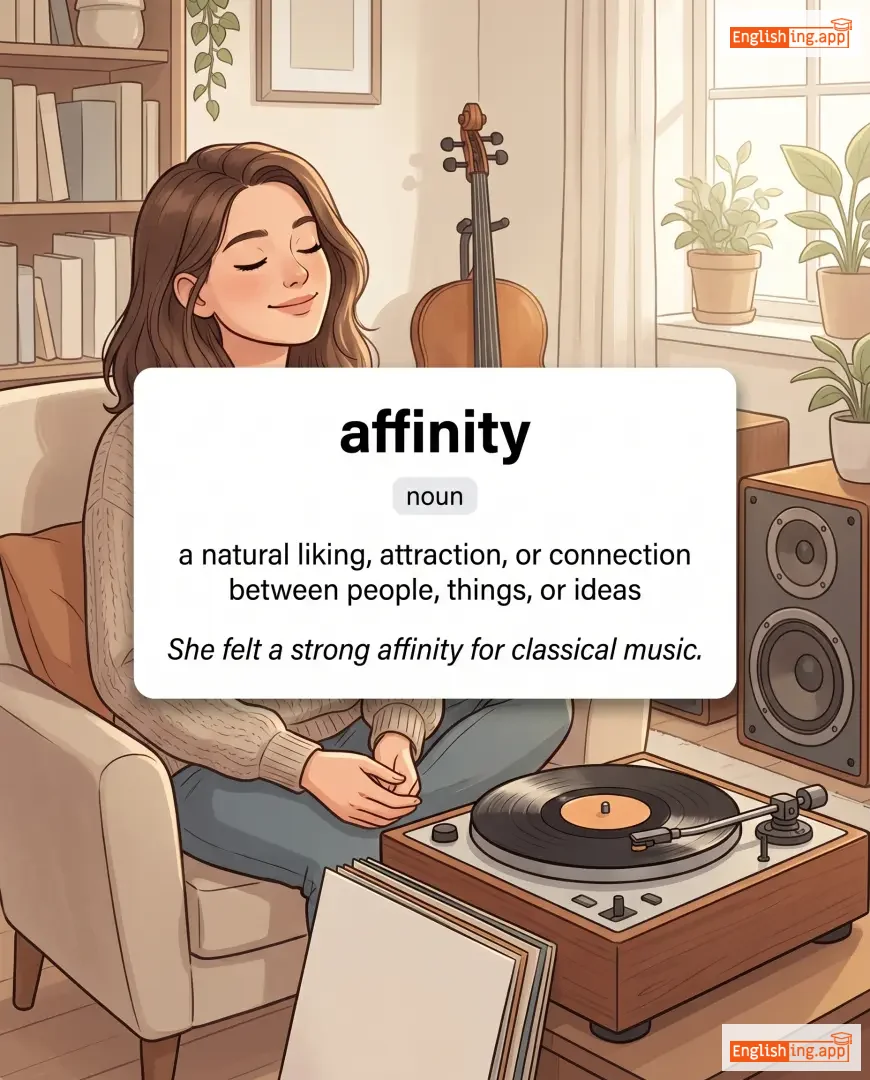
a natural liking, attraction, or connection between people, things, or ideas
••••••
|
She felt a strong affinity for classical music. |
彼女はクラシック音楽に強い親和性を感じた。
Kanojo wa kurashikku ongaku ni tsuyoi shingosei o kanjita.
••••••
|
have an affinity with |
to have a natural connection or attraction to something or someone
••••••
|
〜と親和性がある
〜to shingosei ga aru
••••••
|
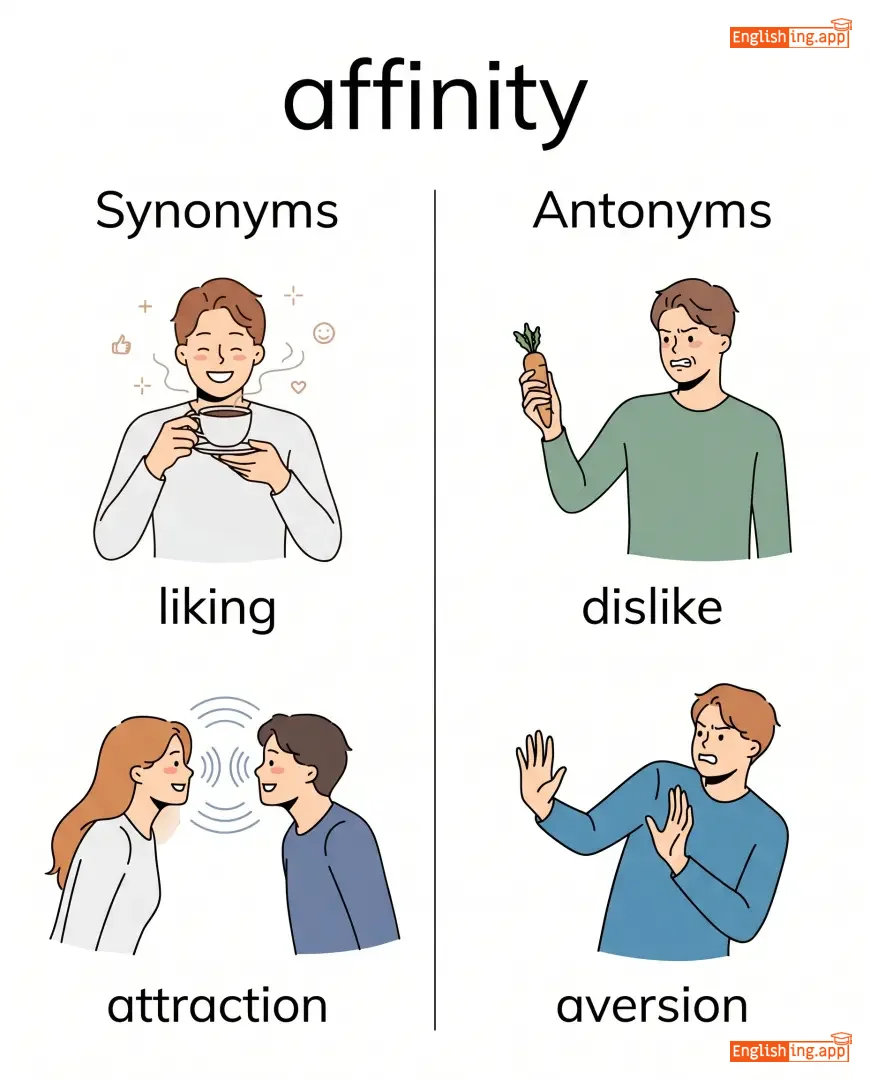
liking, attraction, connection, bond, sympathy
••••••
|
dislike, aversion, repulsion
••••••
|
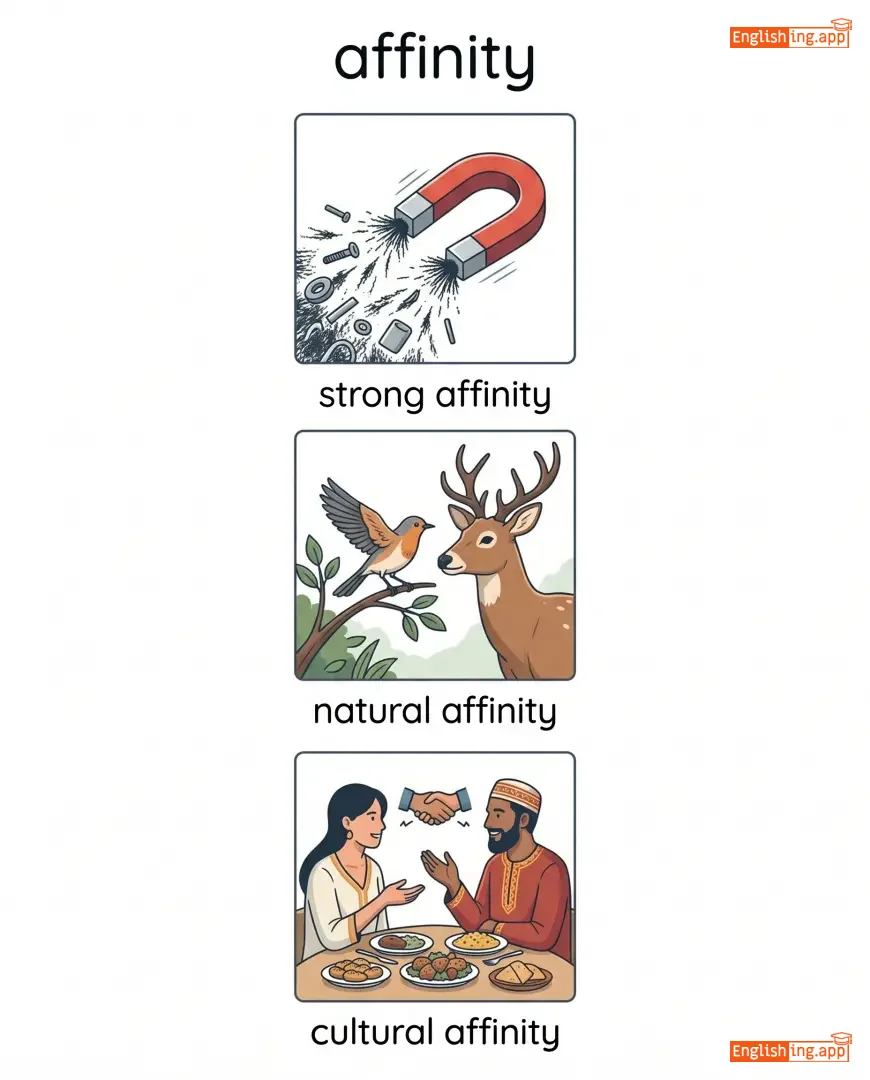
strong affinity, natural affinity, cultural affinity, affinity with
••••••
|
Affinityは音楽に対する自然な魅力やつながりのようなものです。
••••••
|
|
📈
••••••
|
/əˈɡræn.daɪz/
verb
(アグランダイズ)
••••••
|
|
拡大する
kakudai suru
••••••
|
aggrandized
アグランダイズド
••••••
|
aggrandized
アグランダイズド
••••••
|
aggrandizes
アグランダイズズ
••••••
|
aggrandizing
アグランダイジング
••••••
|
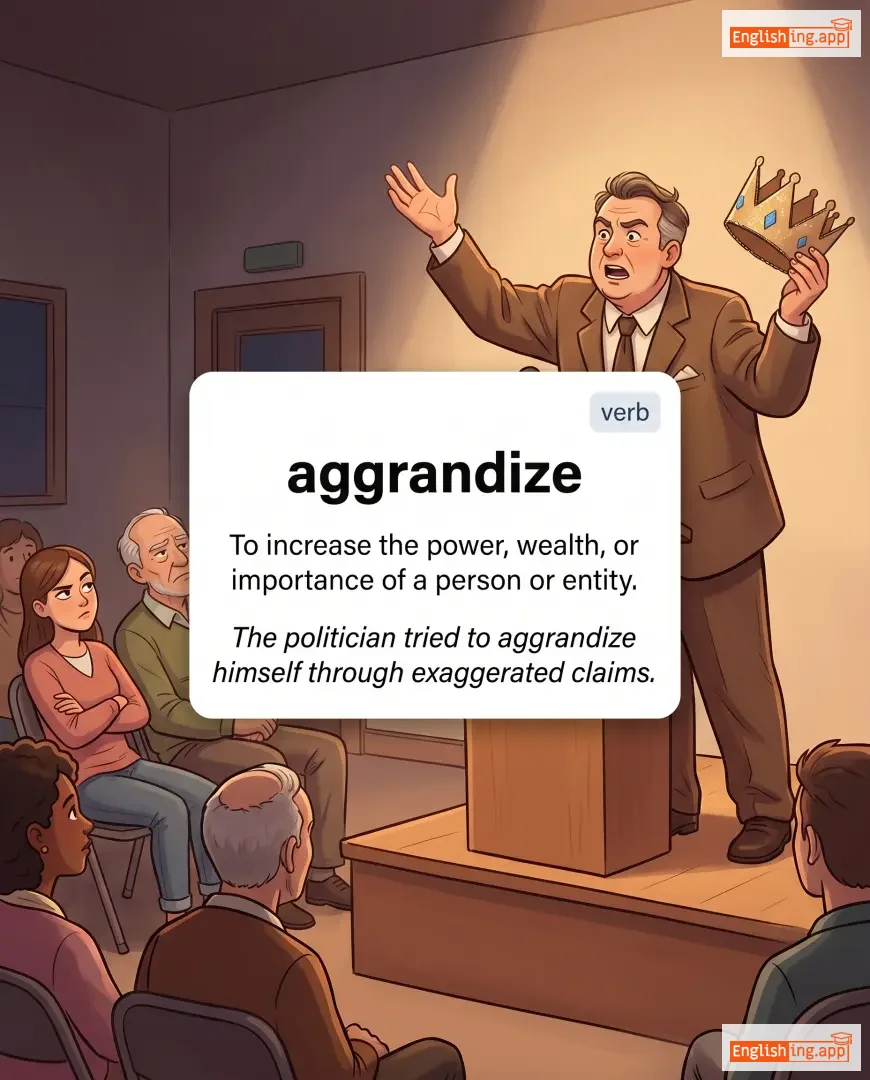
To increase the power, wealth, or importance of a person or entity.
••••••
|
The politician tried to aggrandize himself through exaggerated claims.
政治家は誇張された主張を通じて自分を拡大しようとした。
••••••
|
政治家は誇張された主張を通じて自分を拡大しようとした。
Seijika wa kojō sareta shuchō o tōjite jibun o kakudai shiyō to shita.
••••••
|
- •••••• | - •••••• | - •••••• |
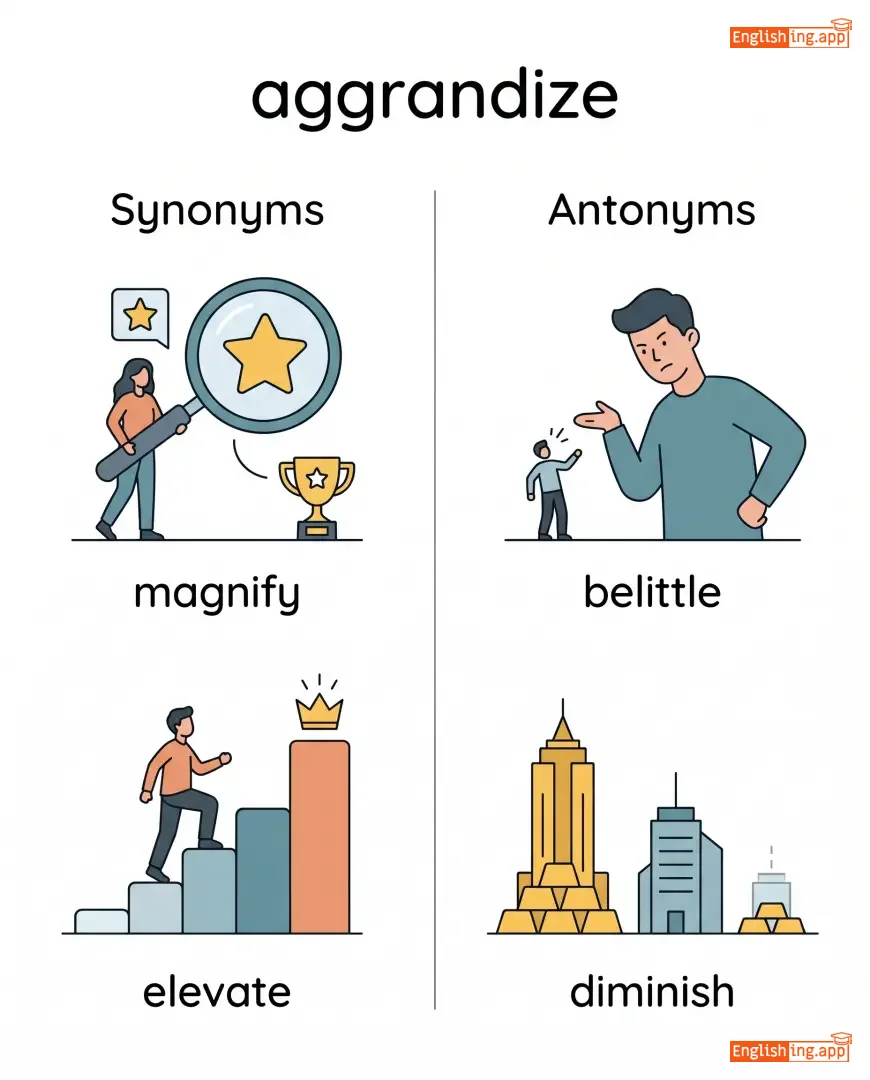
magnify, elevate, exalt, glorify
••••••
|
belittle, diminish, humiliate
••••••
|
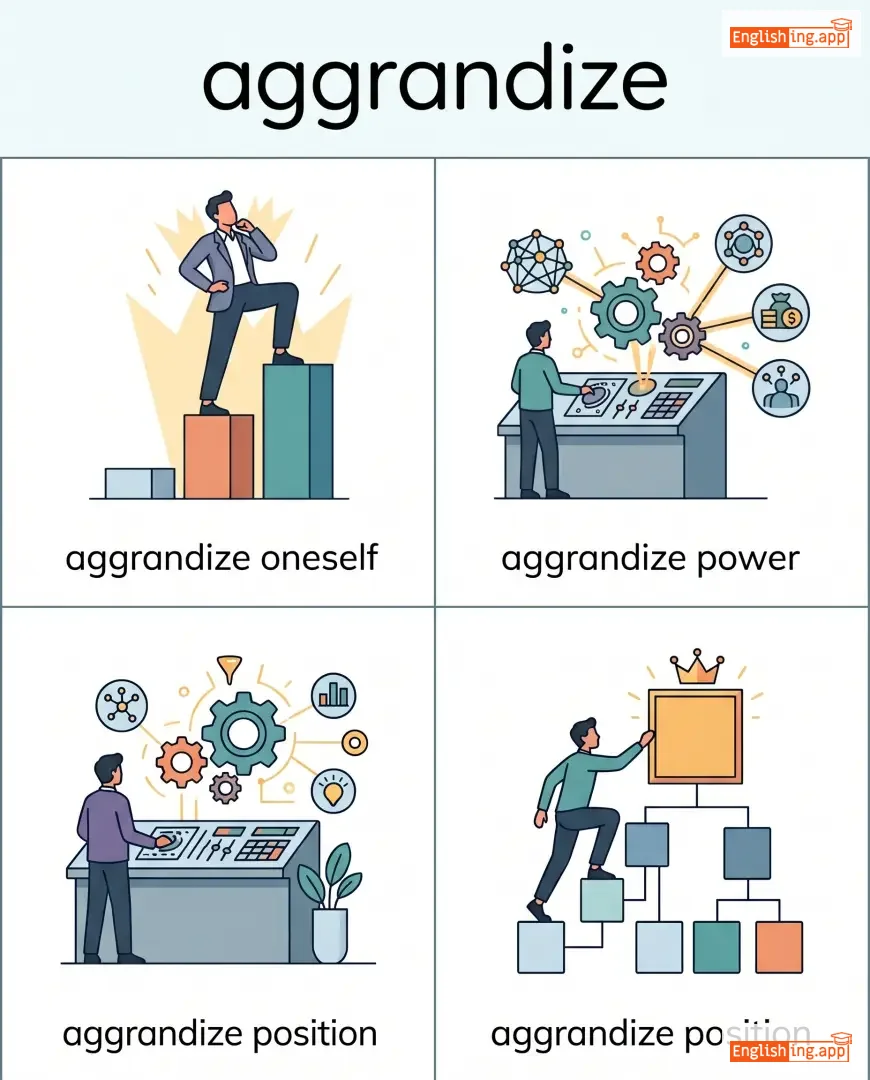
aggrandize oneself, aggrandize power, aggrandize position
••••••
|
Aggrandize は誰かをより大きくすることを意味します。
••••••
|
|
➕
••••••
|
/ˈæɡ.rɪ.ɡət/ (noun/adjective), /ˈæɡ.rɪ.ɡeɪt/ (verb)
noun, verb, adjective
(アグリゲート)
••••••
|
|
集合体, 総体
shūgōtai, sōtai
••••••
|
aggregated
アグリゲイテッド
••••••
|
aggregated
アグリゲイテッド
••••••
|
aggregates
アグリゲイツ
••••••
|
aggregating
アグリゲイティング
••••••
|
A whole formed by combining several elements; to combine into a total.
••••••
|
The data was aggregated to provide a clearer picture of the market.
データは市場のより明確な画像を提供するために集約されました。
••••••
|
データは市場のより明確な画像を提供するために集約されました。
Dēta wa shijō no yori meikaku na gazō o teikyō suru tame ni shūyaku saremashita.
••••••
|
- •••••• | - •••••• | - •••••• |
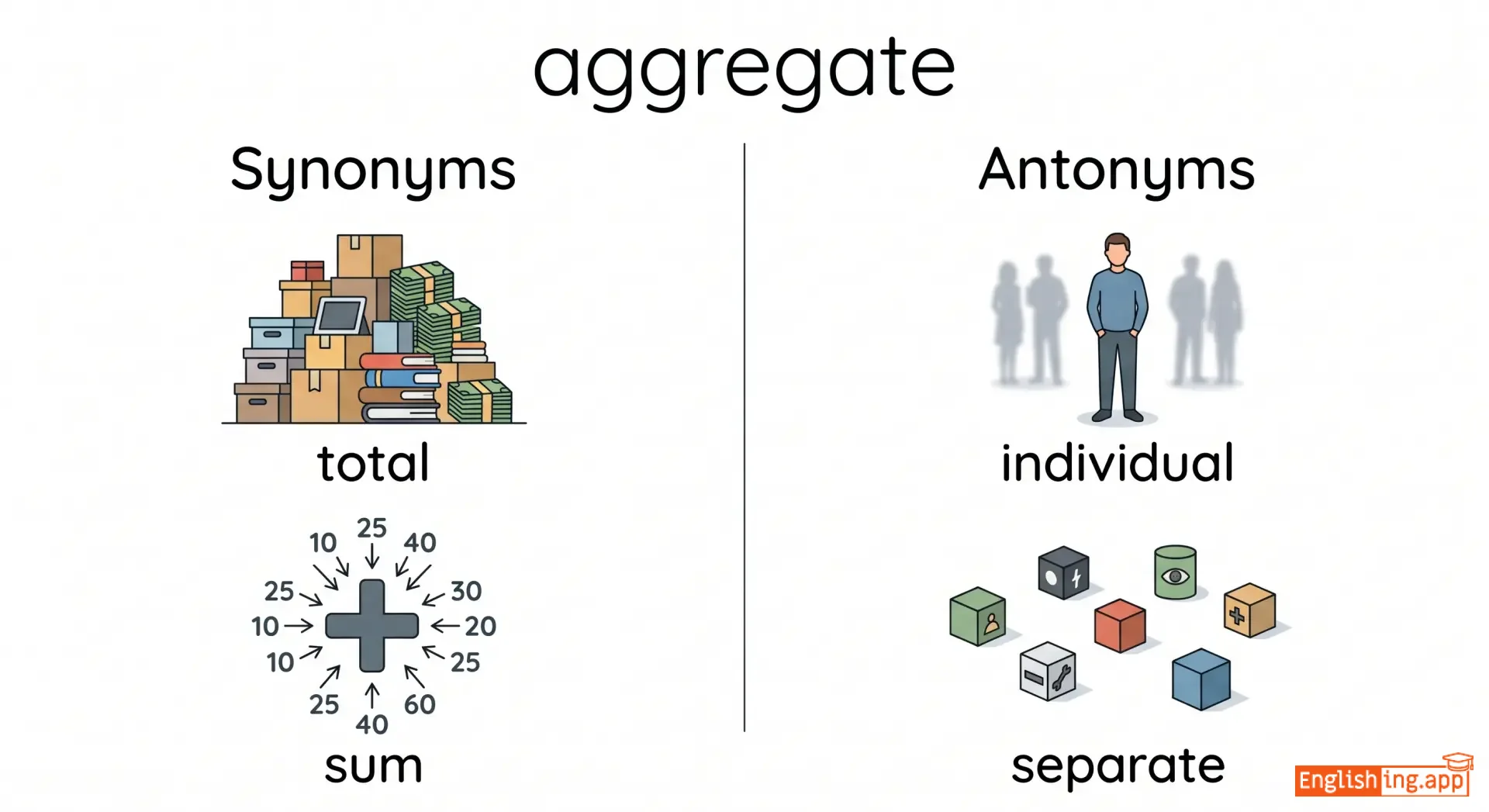
total, sum, collection, accumulate
••••••
|
individual, separate, divide
••••••
|
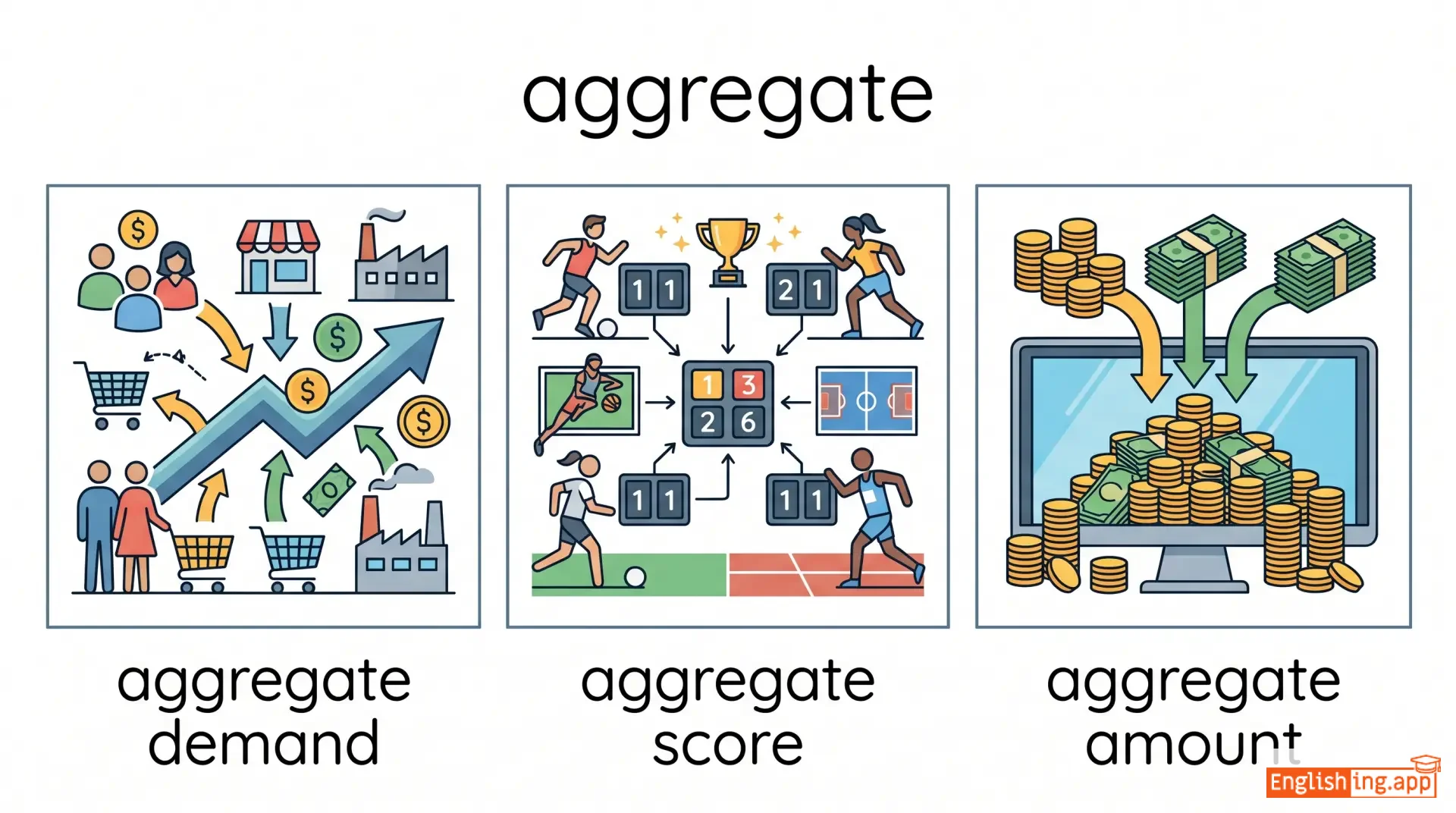
aggregate demand, aggregate score, aggregate amount, aggregate data
••••••
|
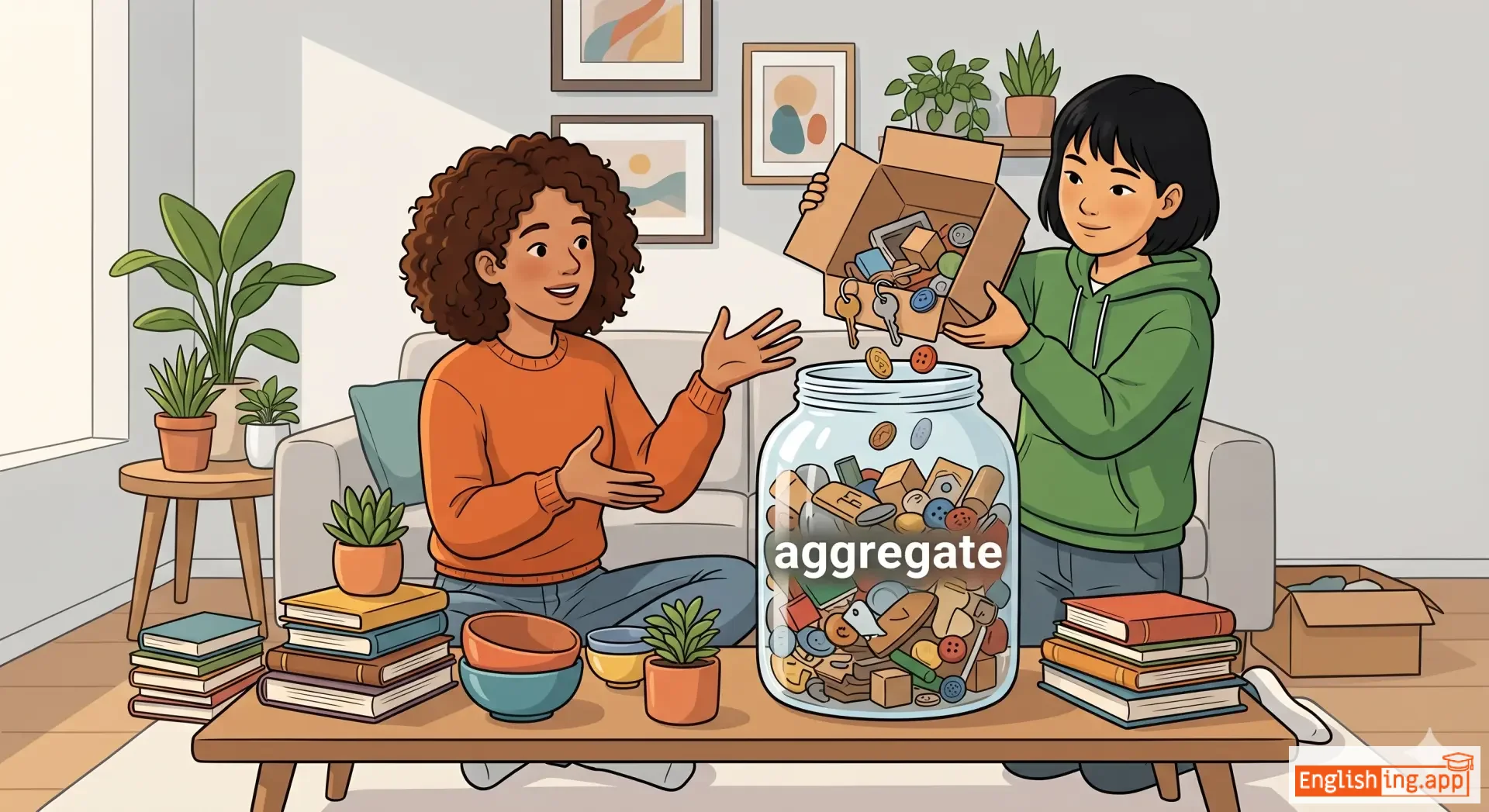
Aggregateはすべてを一緒にして大きな集合体を作ることです。
••••••
|
|
⚡
••••••
|
/əˈlæk.rə.ti/
noun
(アラクリティ)
••••••
|

|
機敏
alacrity
••••••
|
- •••••• | - •••••• | - •••••• | - •••••• |
Cheerful willingness, eagerness, or readiness to do something.
••••••
|
She accepted the invitation with alacrity. |
彼女は喜んで招待を受け入れました。
Kanojo wa yorokonde shōtai o ukeiremashita.
••••••
|
- •••••• | - •••••• | - •••••• |
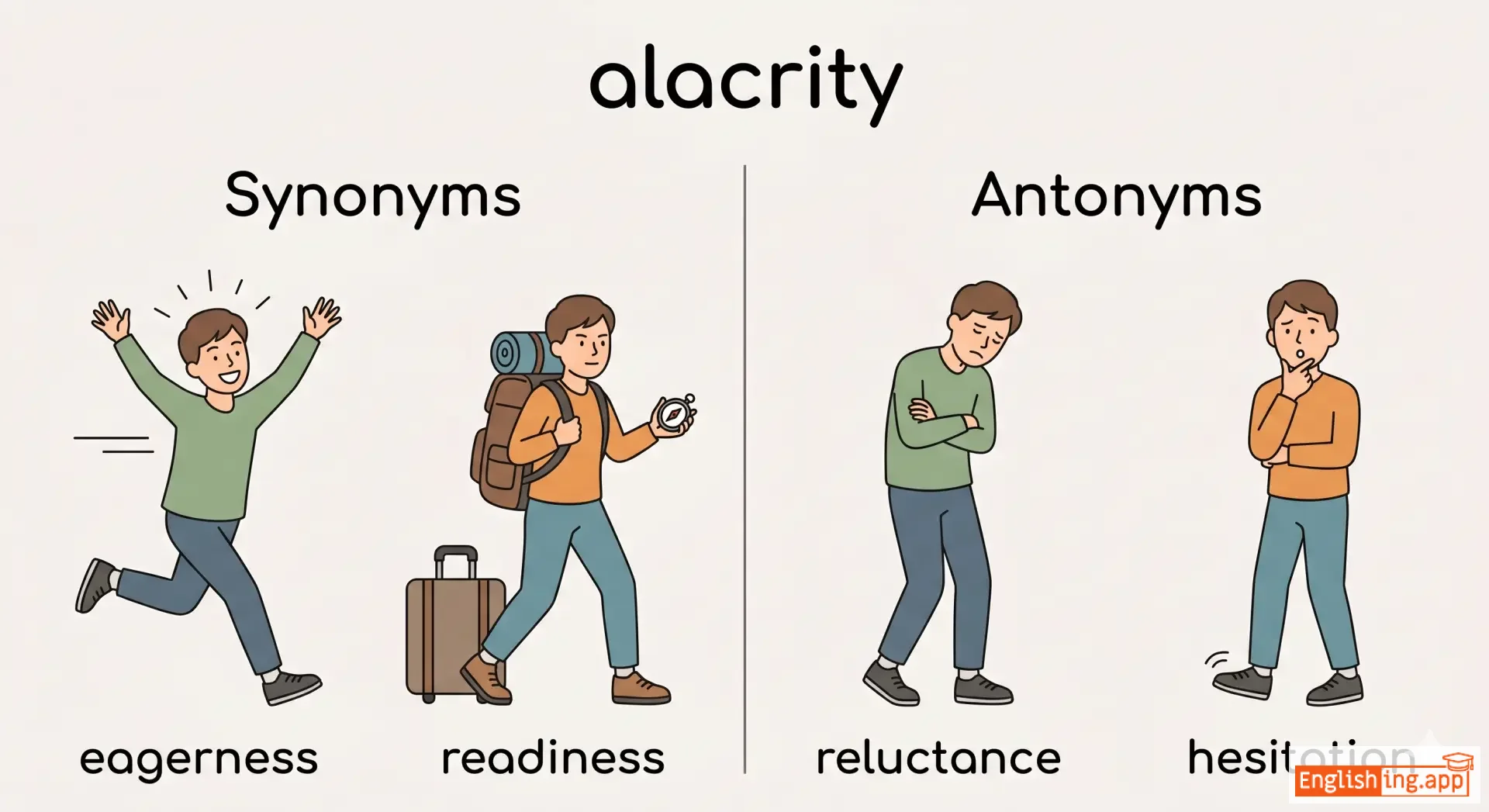
eagerness, readiness, enthusiasm, willingness, promptness
••••••
|
reluctance, hesitation, unwillingness
••••••
|
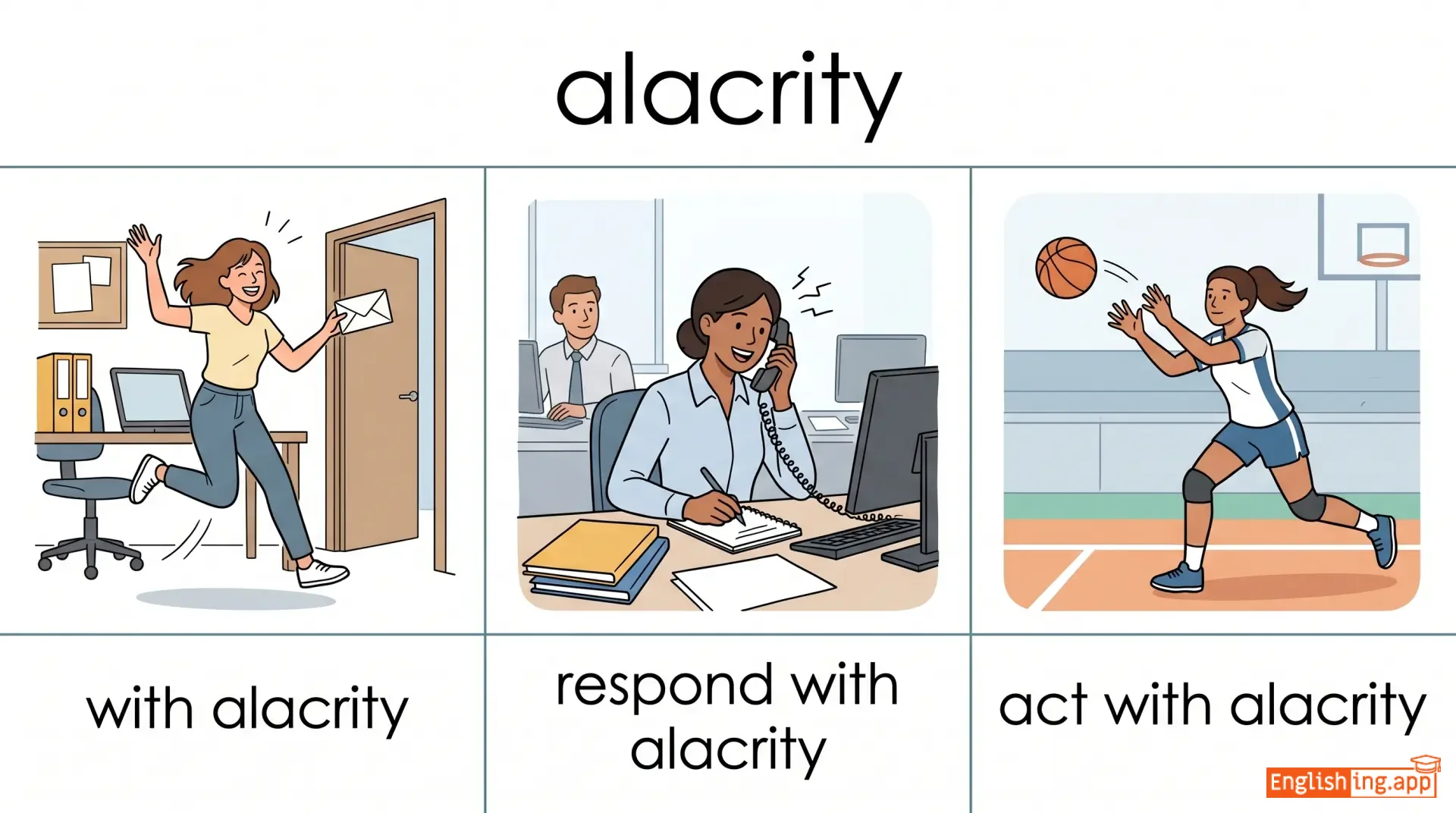
with alacrity, respond with alacrity, act with alacrity
••••••
|
Alacrityは「電光」のように素早い行動を意味します。
••••••
|
|
⚗️
••••••
|
/ˈælkəmi/
noun
(錬金術)
••••••
|
|
錬金術
renkinjutsu
••••••
|
- •••••• | - •••••• | - •••••• | - •••••• |
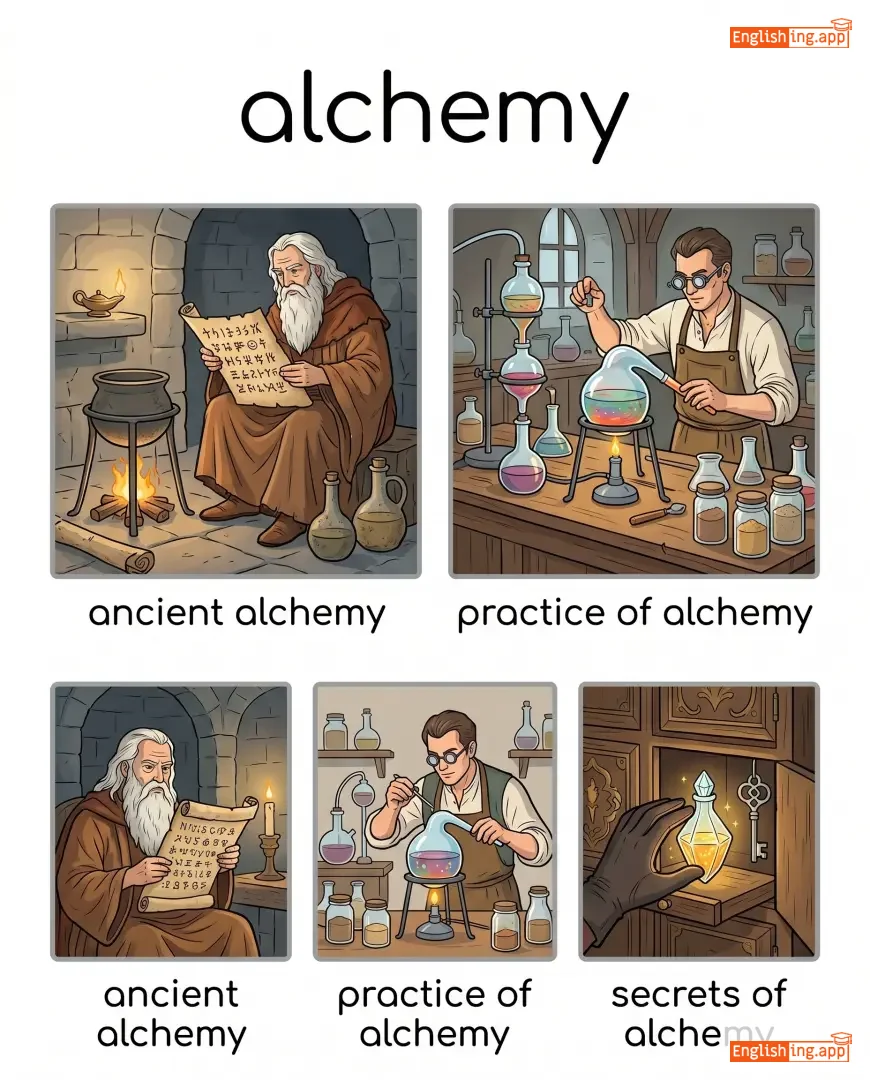
A medieval practice combining elements of chemistry and philosophy, aimed at transforming matter, especially turning base metals into gold.
••••••
|
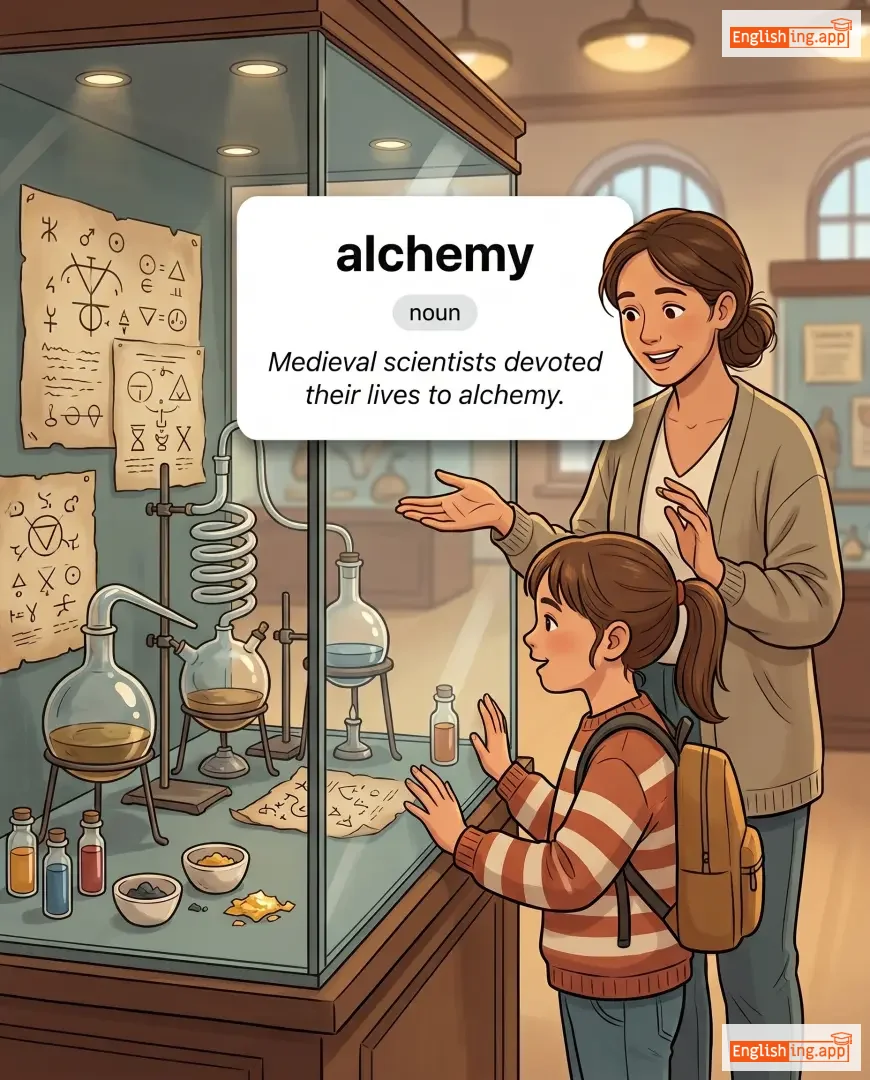
Medieval scientists devoted their lives to alchemy. |
中世の科学者たちは命を錬金術に捧げました。
Chūsei no kagakusha-tachi wa inochi o renkinjutsu ni sasagemashita.
••••••
|
turn lead into gold |
Attempt to achieve something impossible or miraculous.
••••••
|
鉛を金に変える
Namari o kin ni kaeru
••••••
|
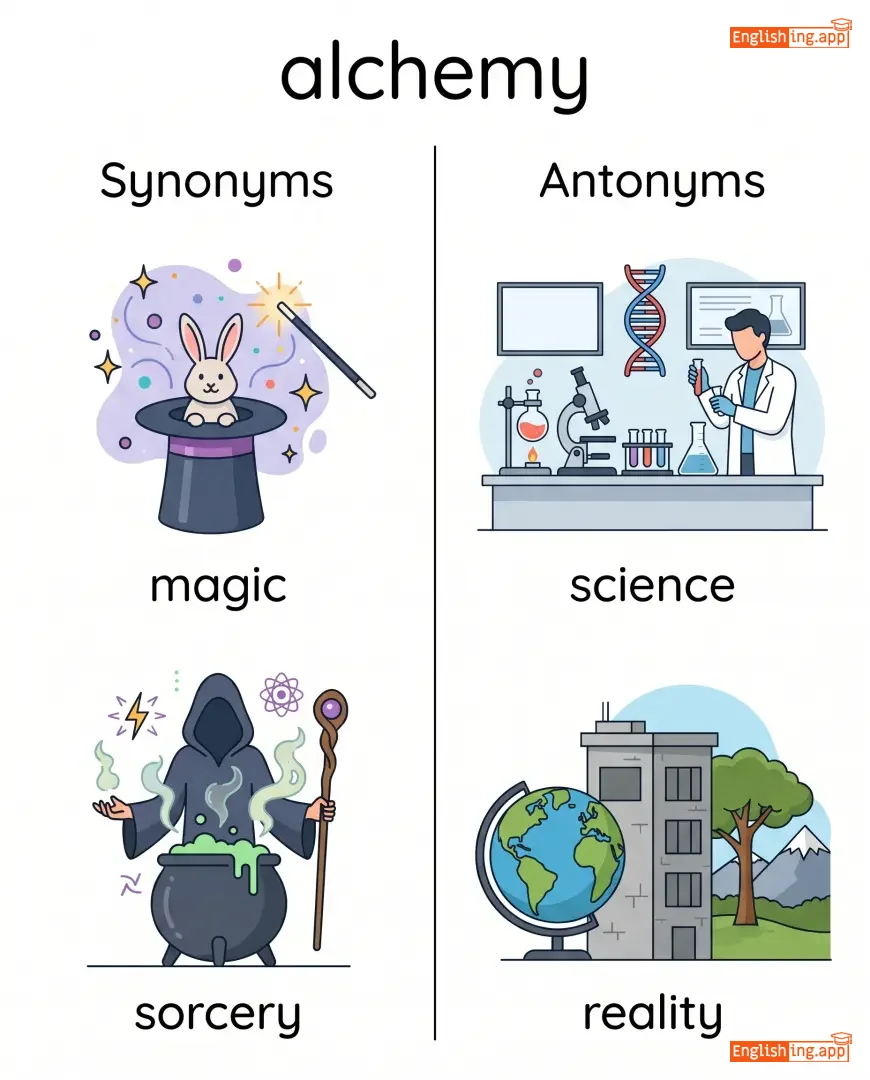
magic, sorcery, transmutation, wizardry, chemistry
••••••
|
science, reality
••••••
|
ancient alchemy, practice of alchemy, secrets of alchemy
••••••
|
錬金術 = 魔法で金に変える技術
••••••
|
|
😌
••••••
|
/əˈleɪ/
verb
(アレイ)
••••••
|
|
和らげる
yawararageru
••••••
|
allayed
アレイド
••••••
|
allayed
アレイド
••••••
|
allays
アレイズ
••••••
|
allaying
アレイイング
••••••
|
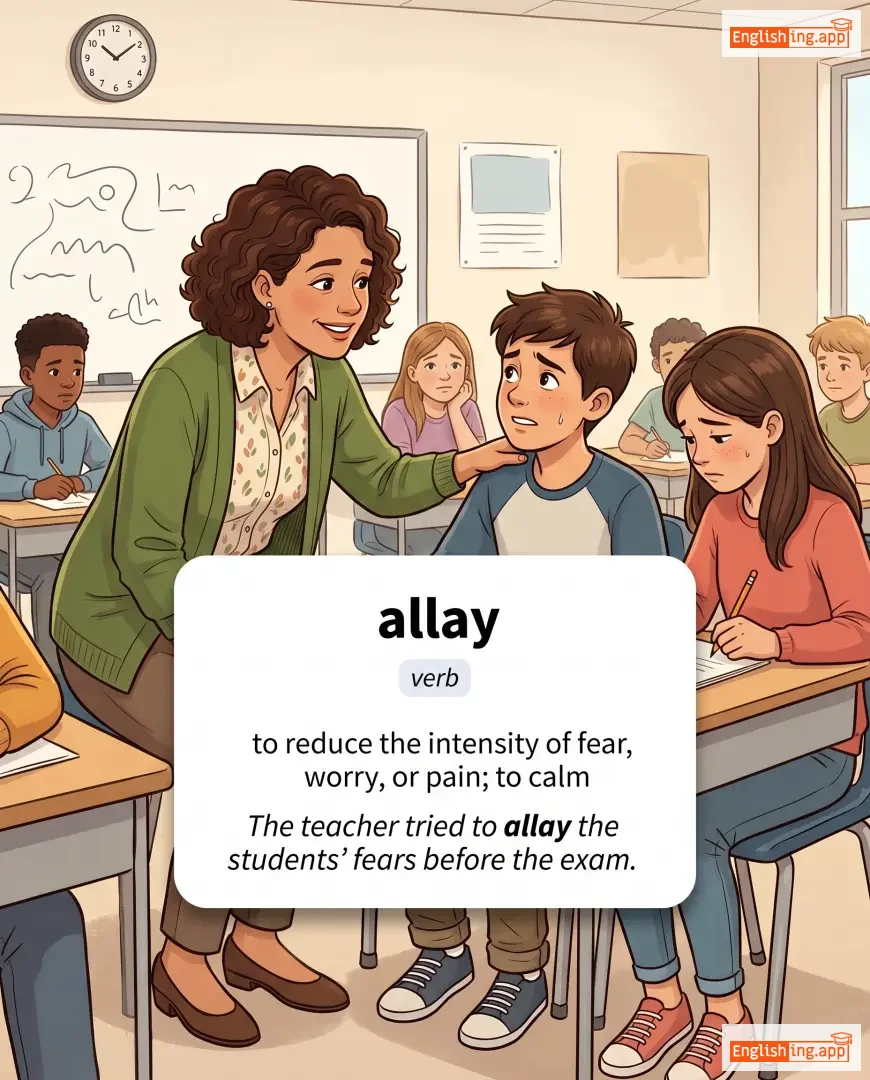
to reduce the intensity of fear, worry, or pain; to calm
••••••
|
The teacher tried to allay the students’ fears before the exam.
教師は試験前に生徒たちの恐怖を和らげようとしました。
••••••
|
教師は試験前に生徒たちの恐怖を和らげようとしました。
Kyōshi wa shiken mae ni seito-tachi no kyōfu o yawarageyō to shimashita.
••••••
|
- •••••• | - •••••• | - •••••• |
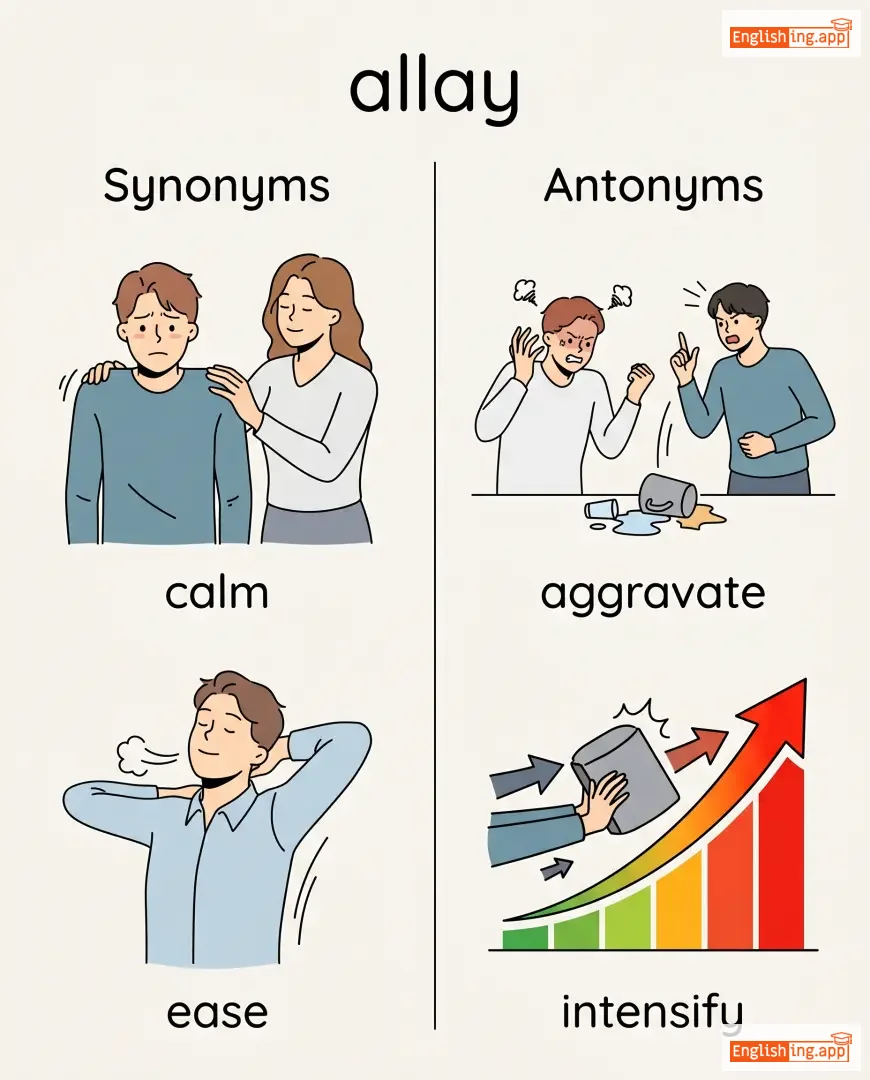
calm, ease, reduce, alleviate, pacify
••••••
|
aggravate, intensify, worsen
••••••
|
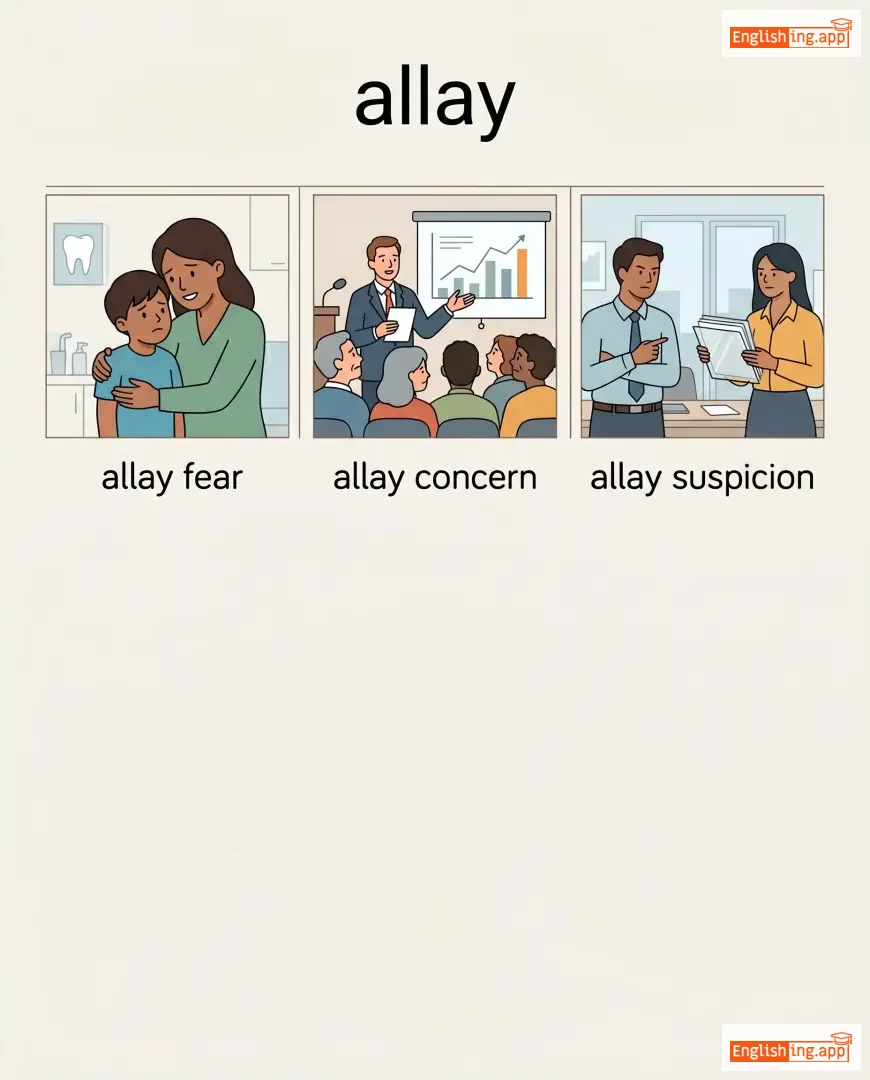
allay fear, allay concern, allay suspicion, allay anxiety
••••••
|
和らげるはAll Away - すべての恐怖を取り除く
••••••
|

