Bangladesh's Environmental Problems
バングラデシュは面積147,570平方キロメートルのflood-prone deltaic landscapeです。この国は、水、土地、漁業、森林、野生生物などの自然資源に依存しています。しかし、さまざまな環境問題がこれらのvital resourcesを脅かしています。
主な問題には、地下水のmetal contamination、塩分濃度の上昇、サイクロンや洪水、水流パターンの変化などがあります。lead contaminationやsalinity intrusionなどの問題は、人間の活動やindustrial processesによって引き起こされています。一方、サイクロンや洪水は自然のcatastrophic eventsです。
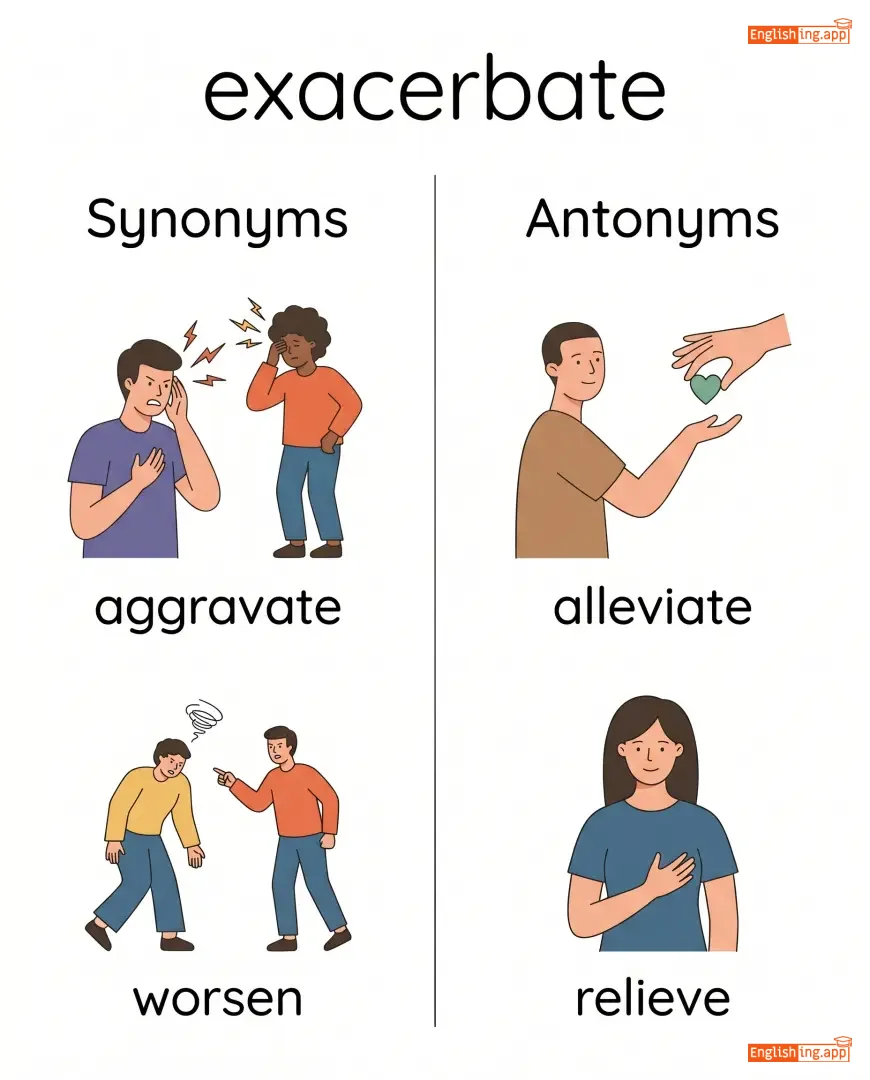
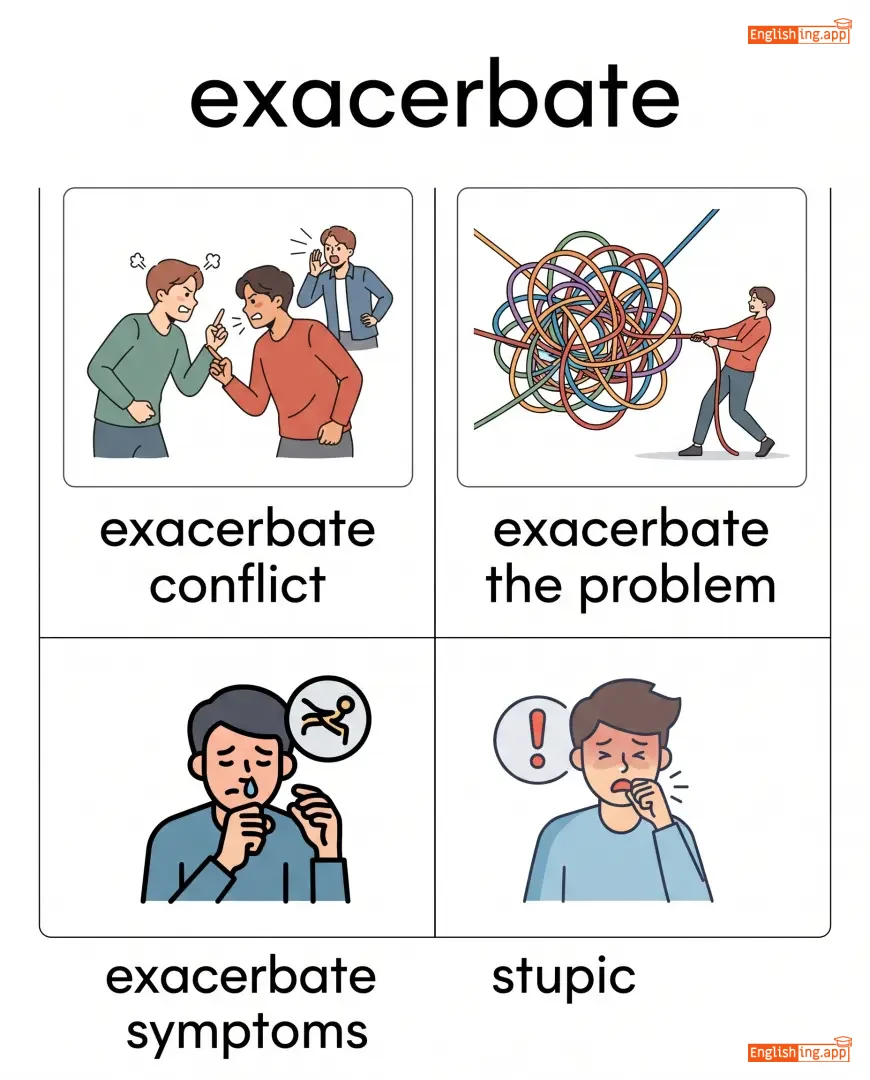
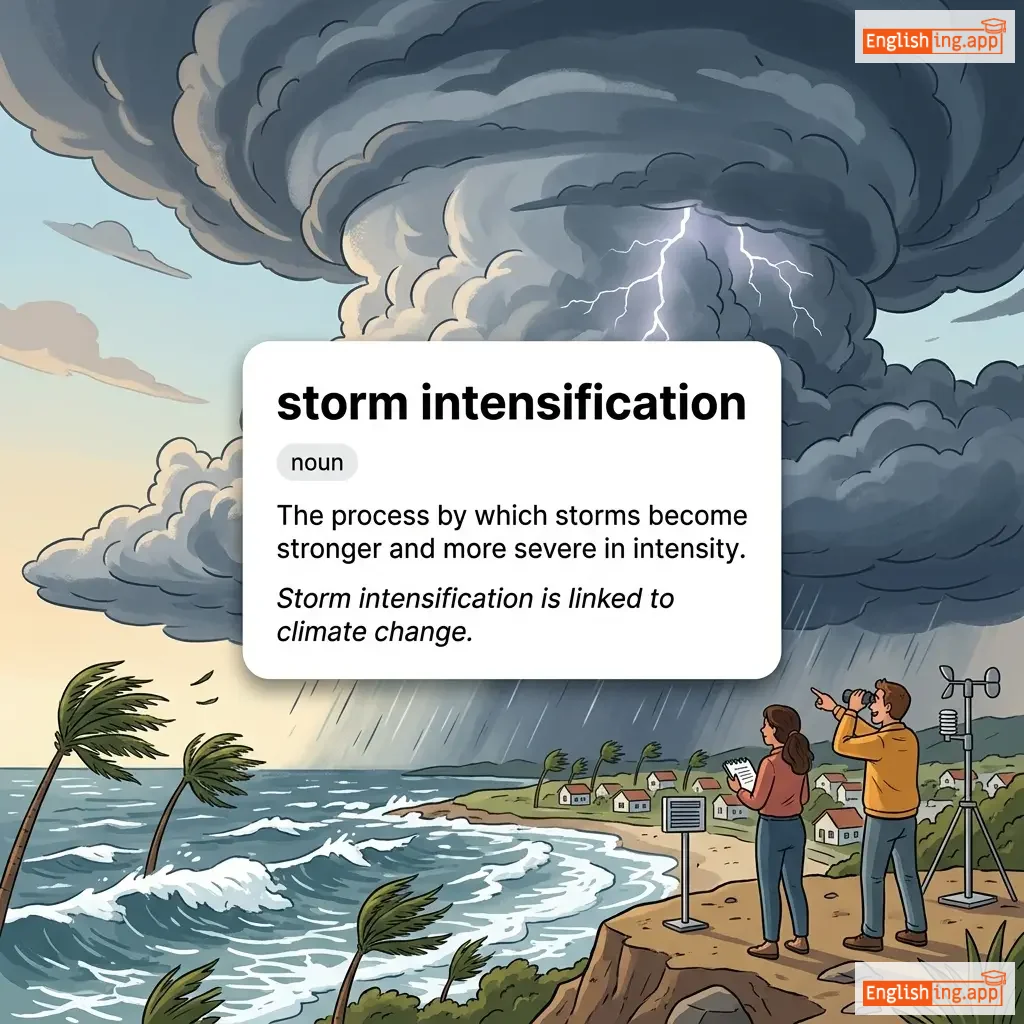
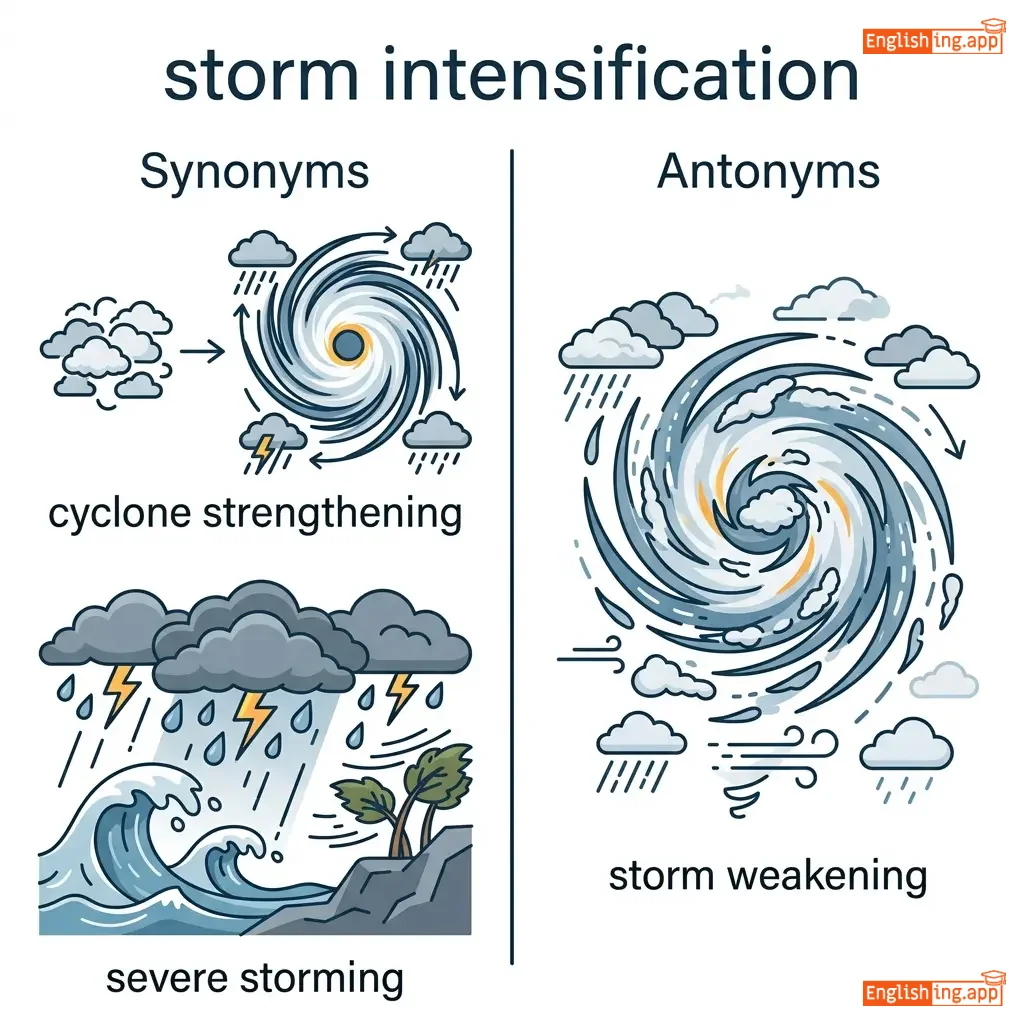
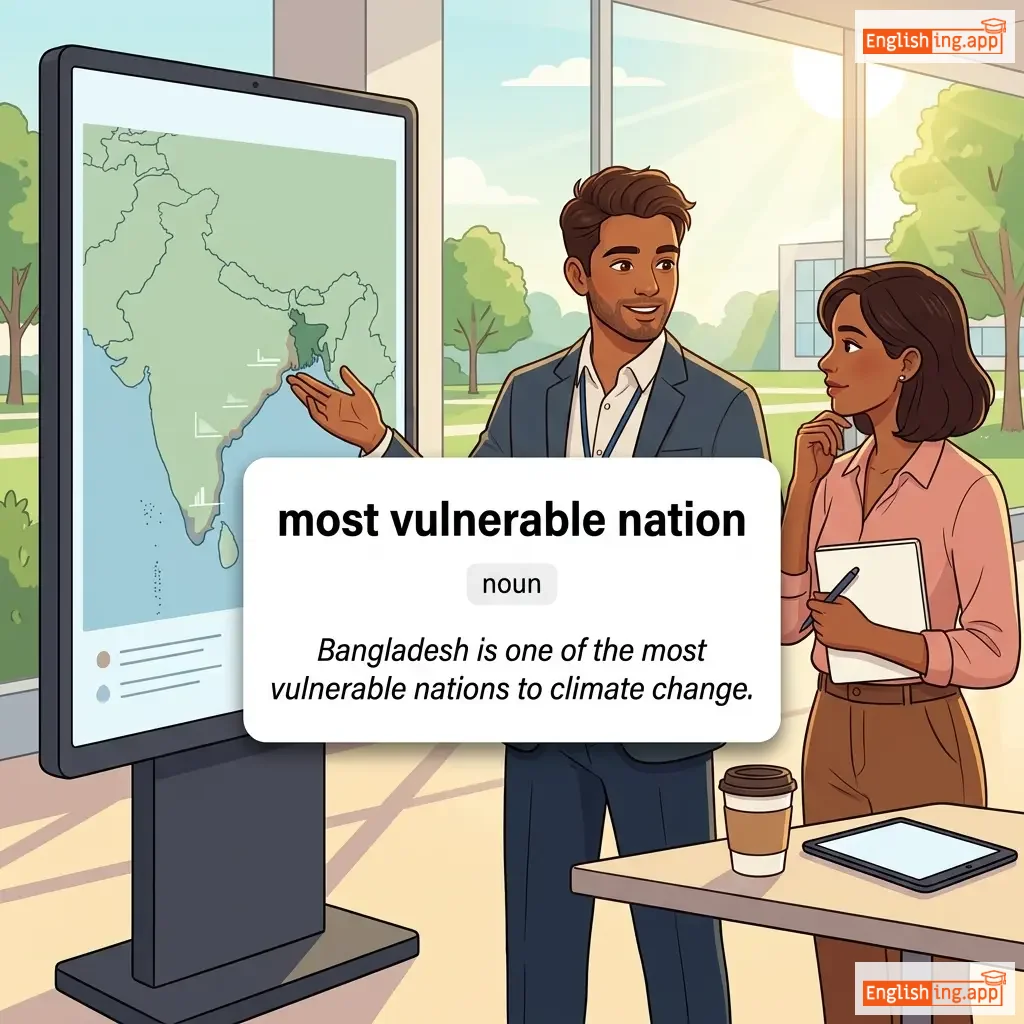
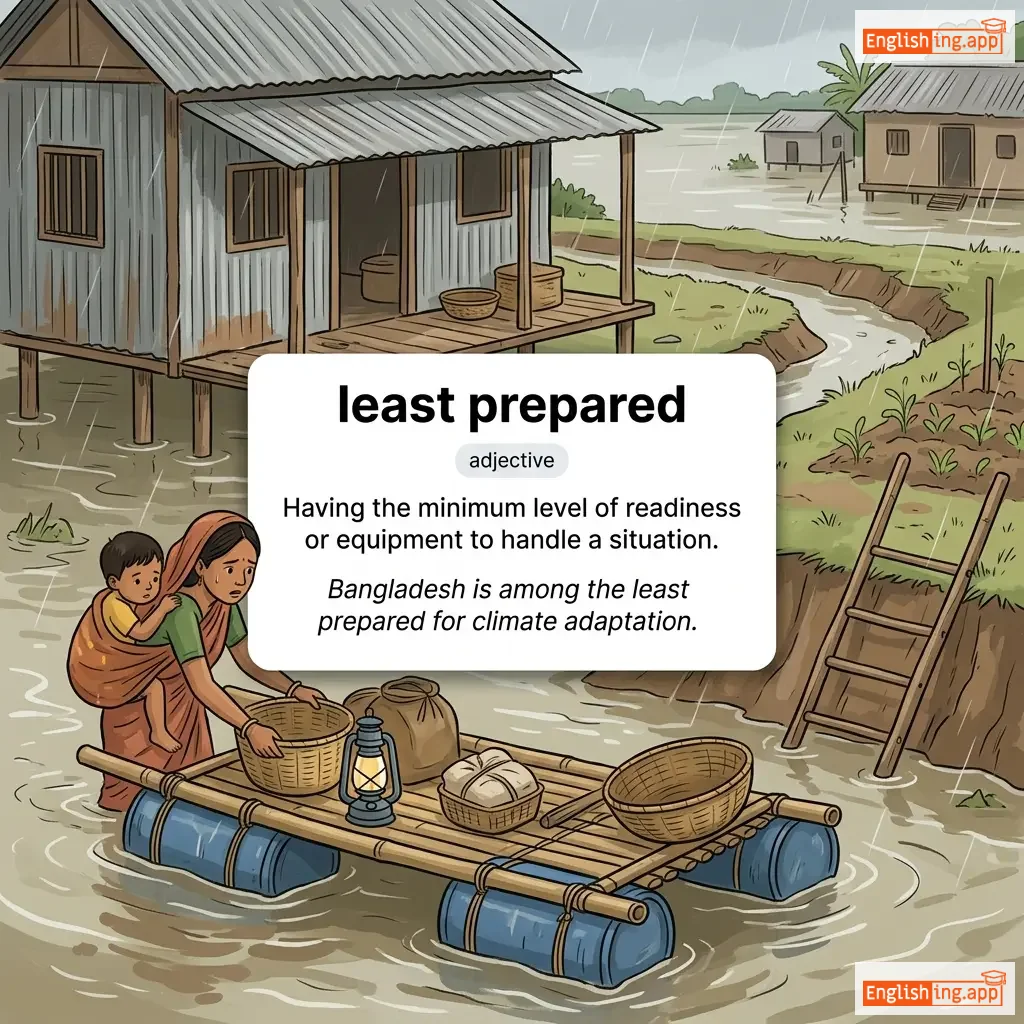
気候変動はこれらの問題をさらにexacerbatingし、storm intensificationや海面上昇を引き起こしています。ノートルダム・グローバル適応指数によると、バングラデシュは気候変動に対して世界で43番目のmost vulnerable nationであり、適応の準備が最も遅れている国のうち第37位のleast prepared国です。
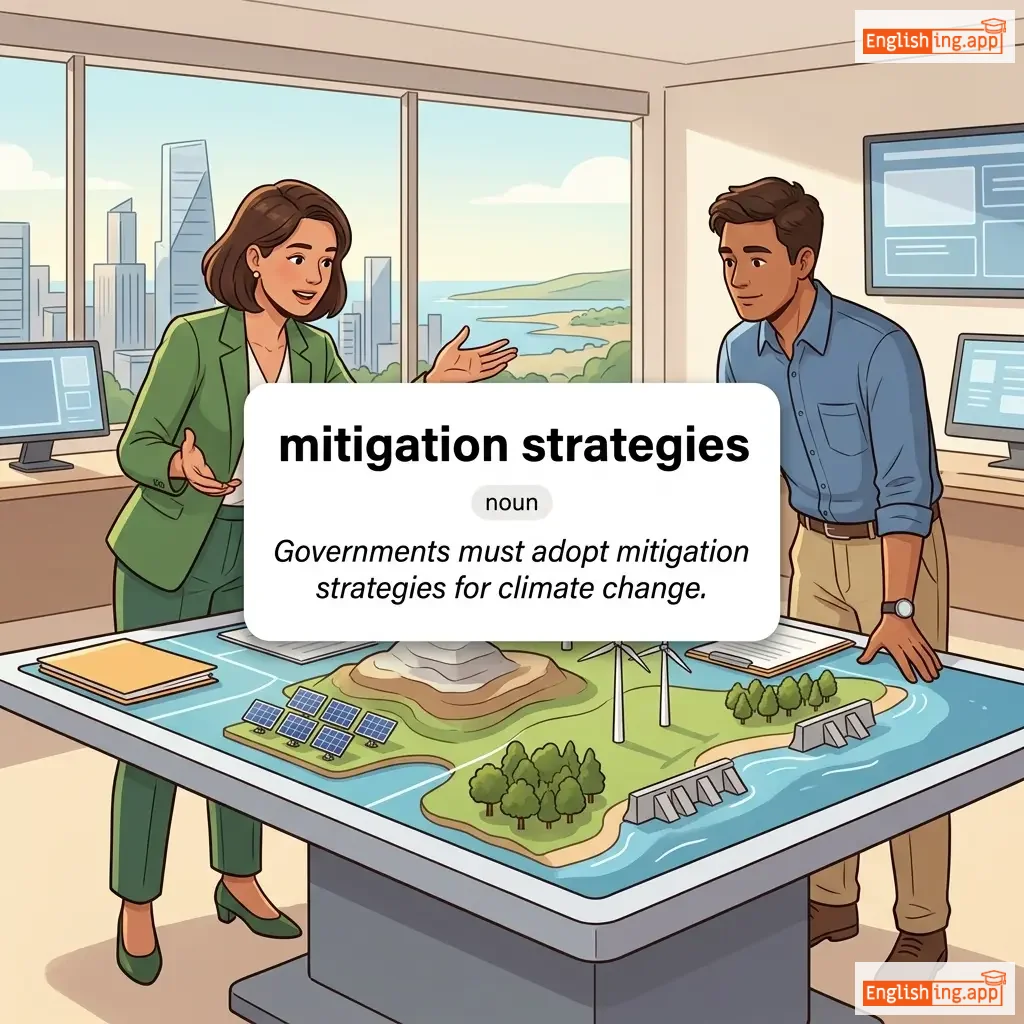
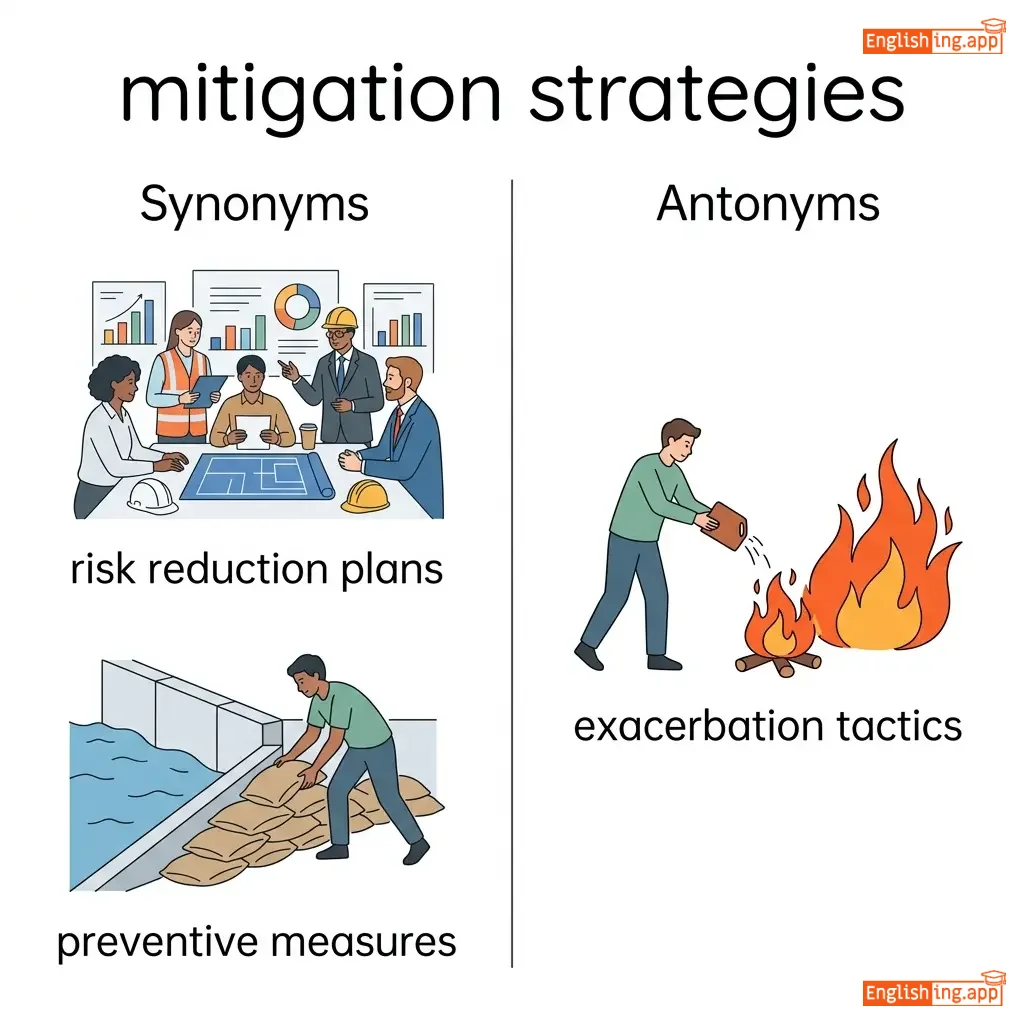
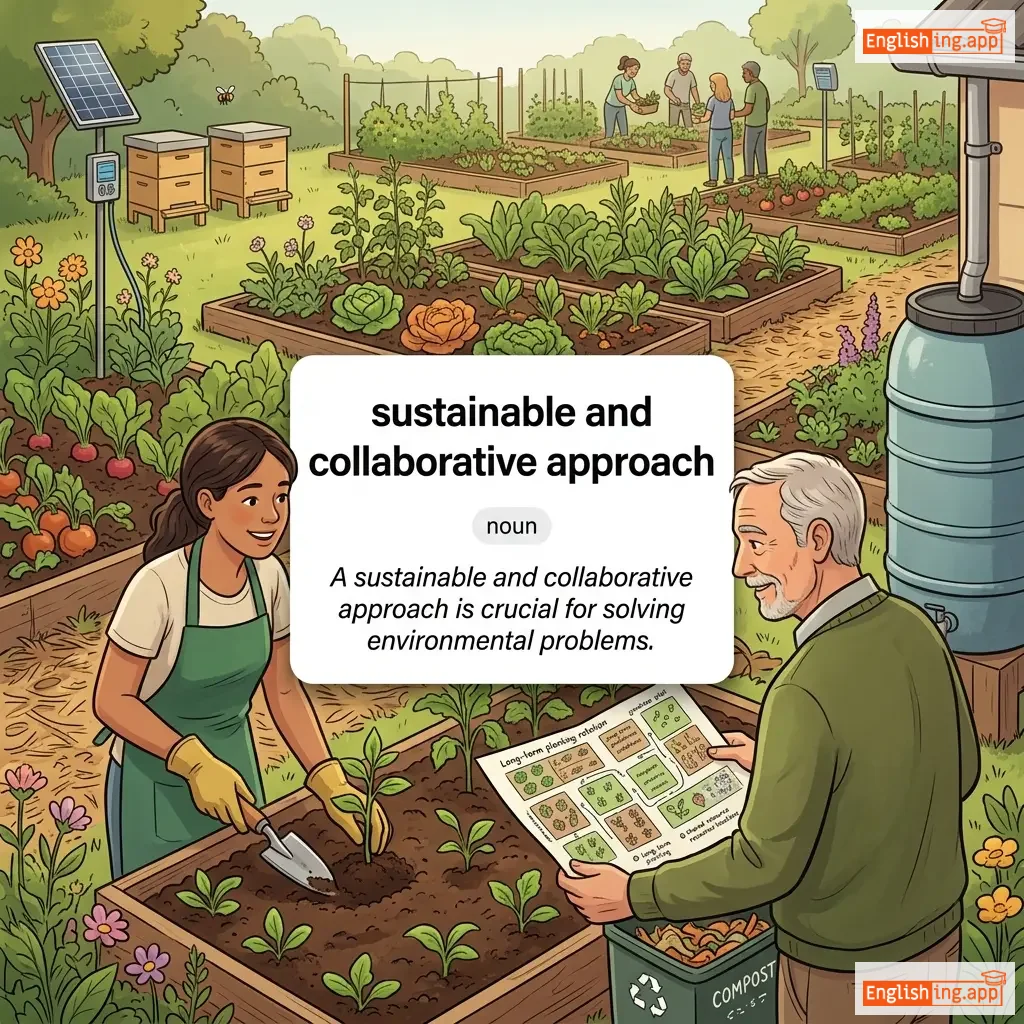
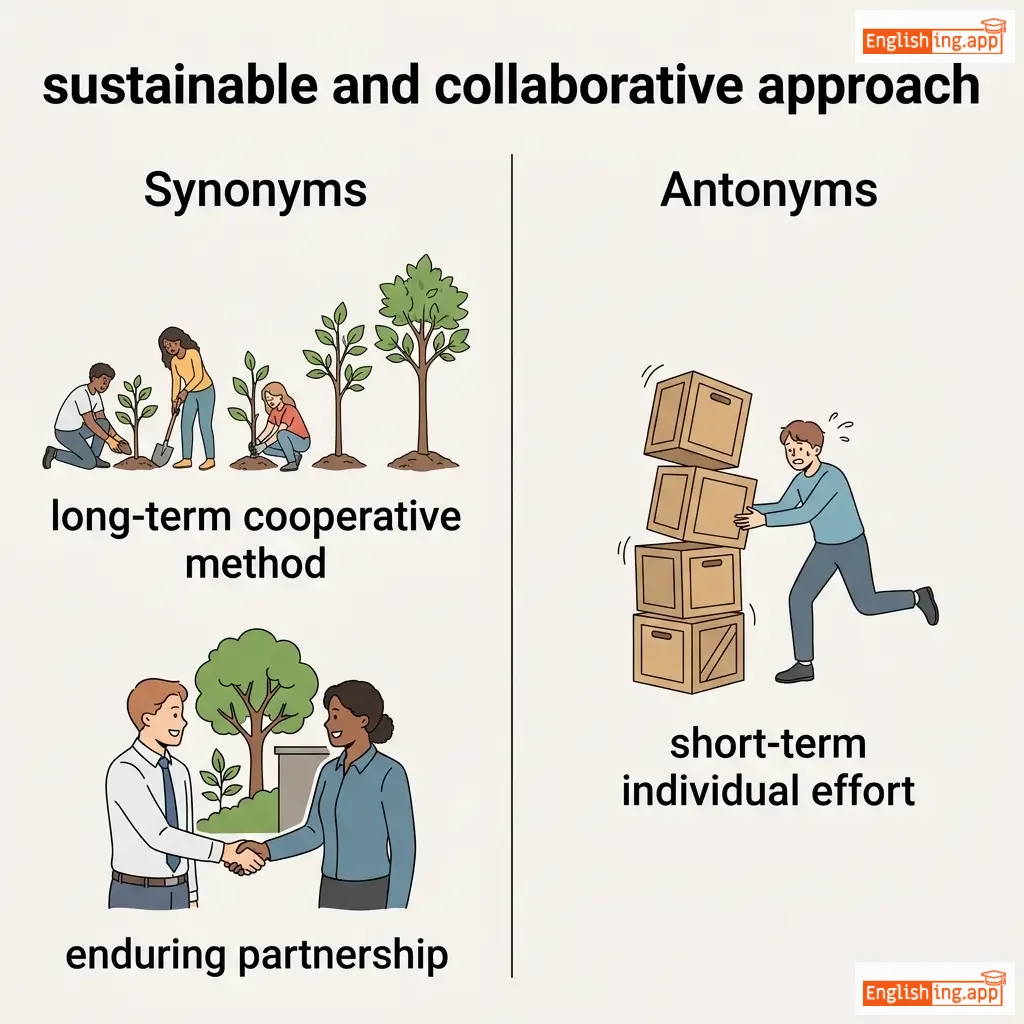
政府はこれらの課題に対処するために複数のmitigation strategiesを採用してきました。しかし、sustainable and collaborative approachなしでは、これらの問題を解決することは不可能です。
|
絵文字
|
単語 | Images | 意味 | 例文 | 同義語 | 対義語 |
|---|---|---|---|---|---|---|
|
#832
🌊
|
ˈflʌd proʊn
adjective
••••••
|
|
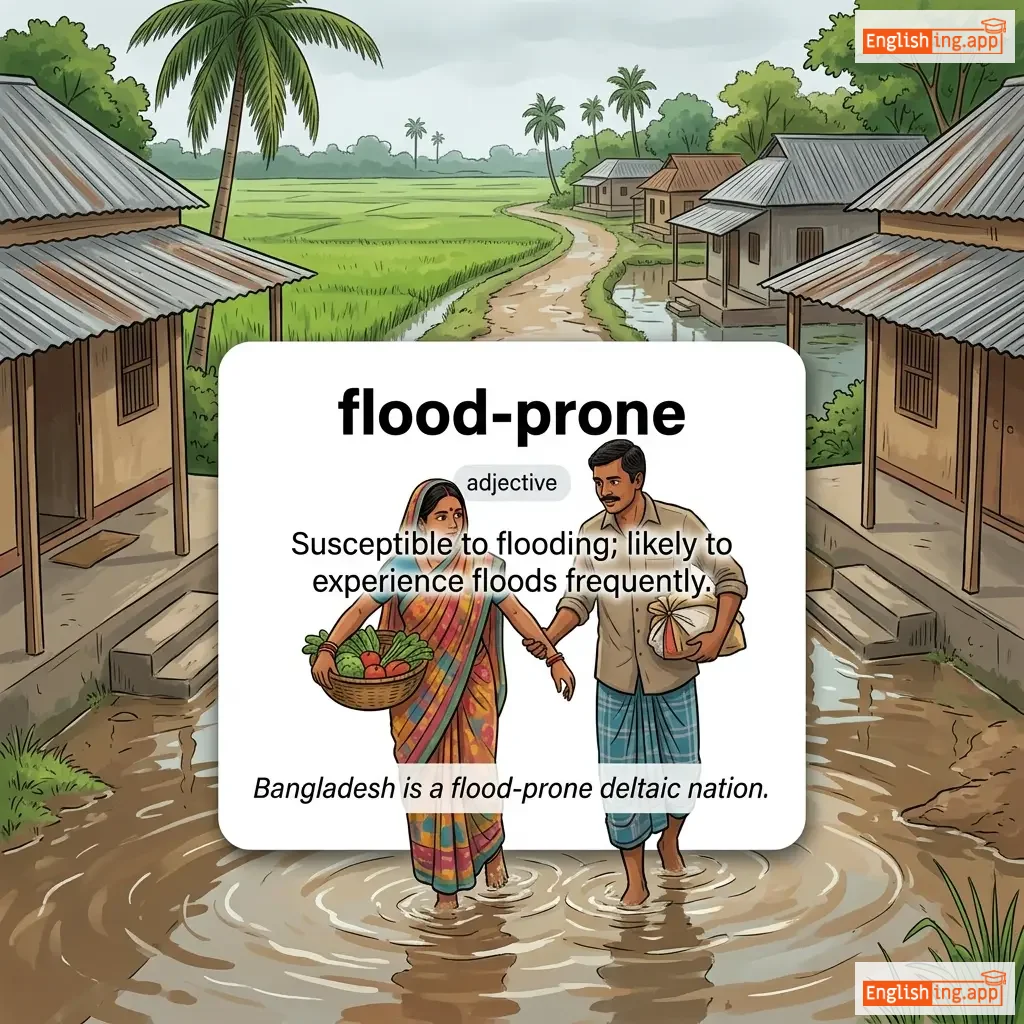
Susceptible to flooding; likely to experience floods frequently.
••••••
|
Bangladesh is a flood-prone deltaic nation. |
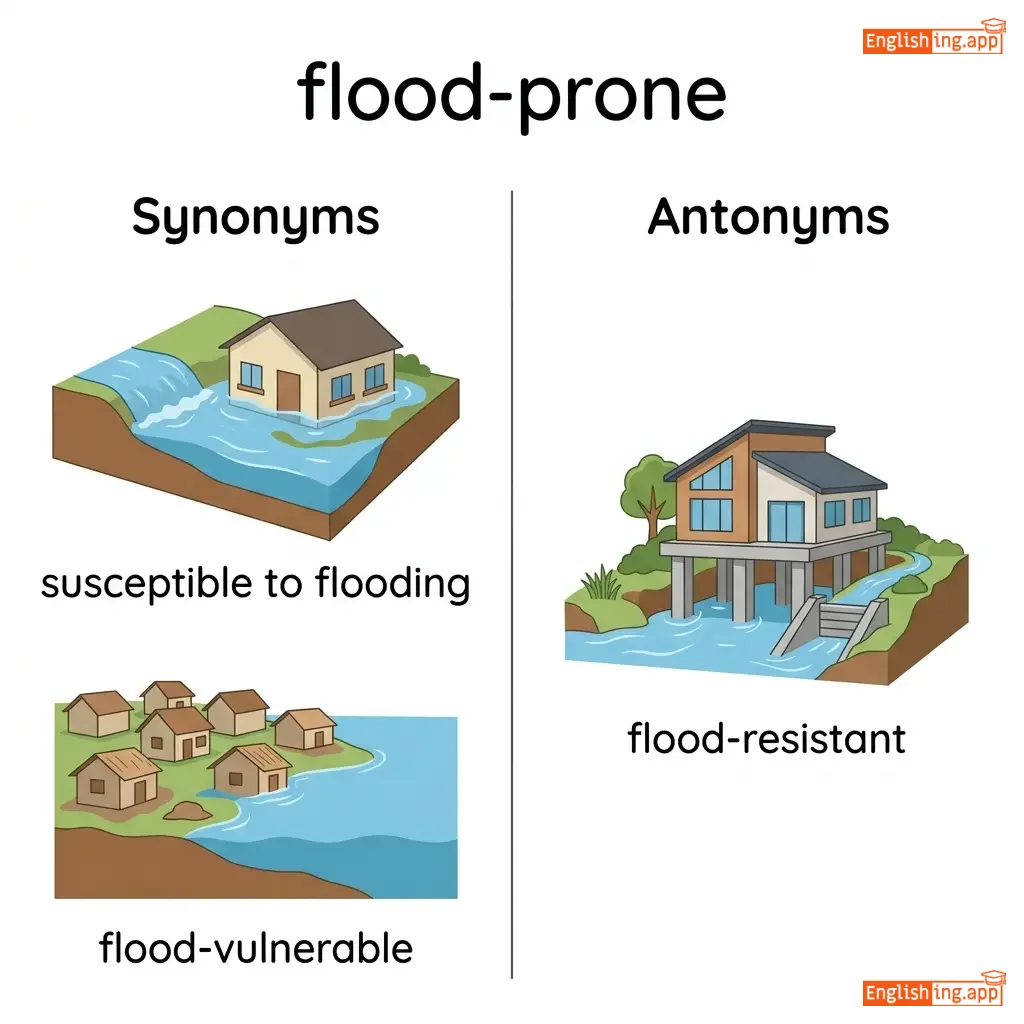
susceptible to flooding, flood-vulnerable
••••••
|
flood-resistant
••••••
|
|
#833
🏞️
|
delˈteɪɪk ˈlændskeɪp
noun
••••••
|

|
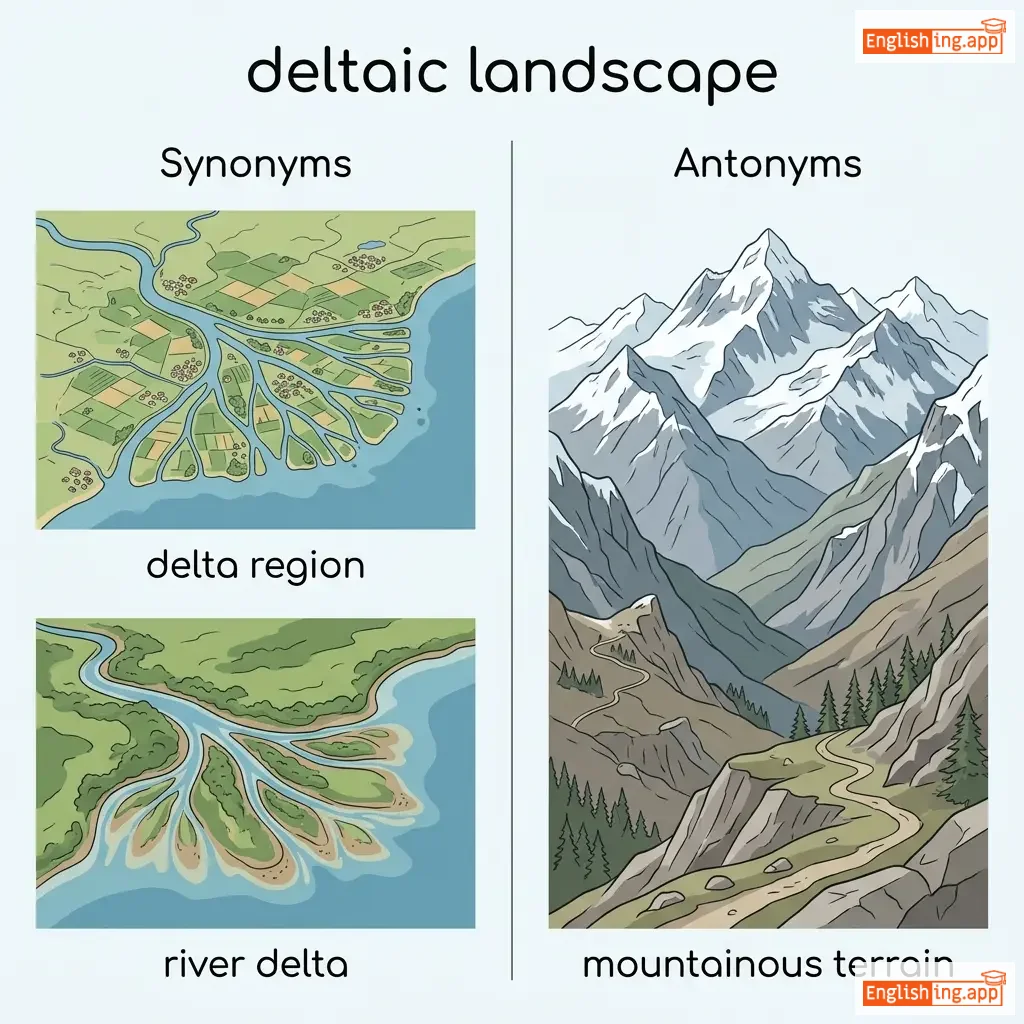
A geographical area formed by sediment deposits at the mouth of a river, creating a triangular land formation.
••••••
|
Bangladesh has a unique deltaic landscape. |
delta region, river delta
••••••
|
mountainous terrain
••••••
|
|
#834
🌱
|
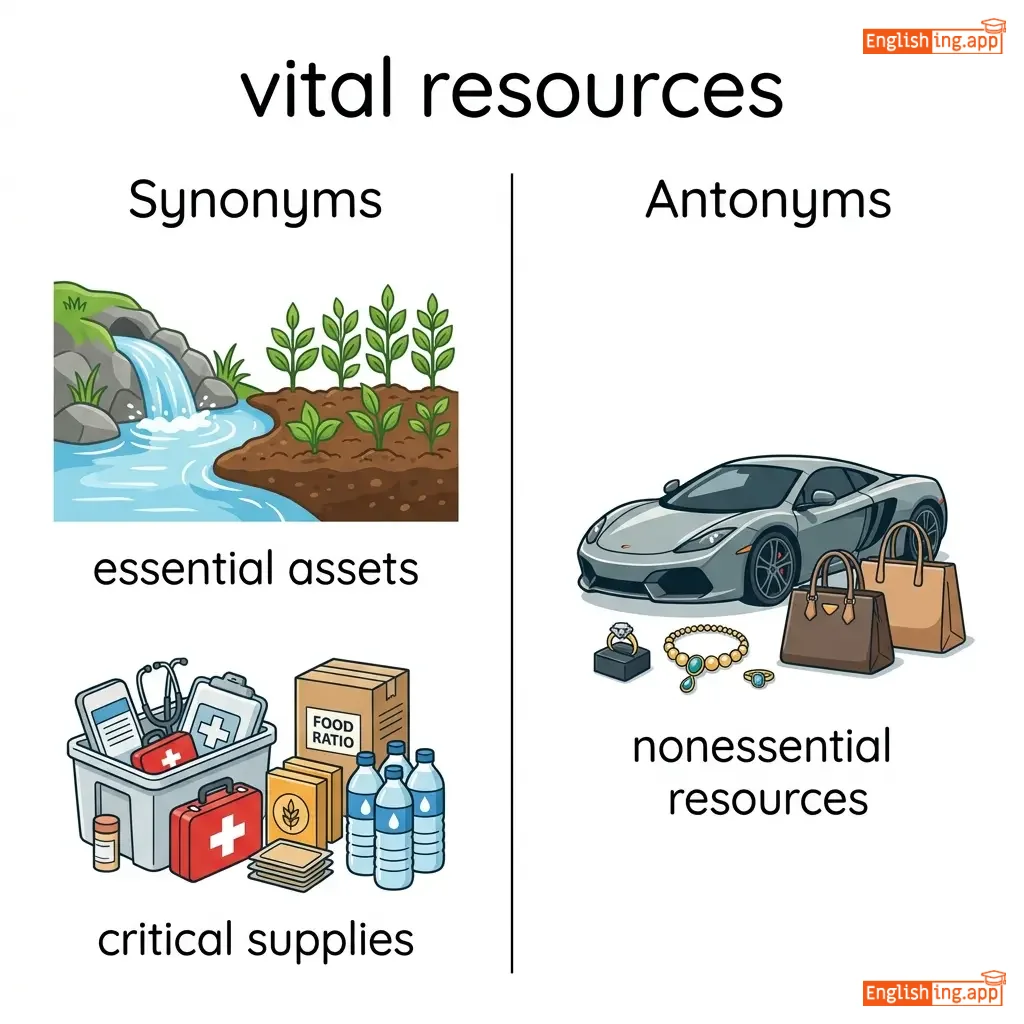
ˈvaɪtəl rɪˈsɔːrsɪz
noun
••••••
|
|
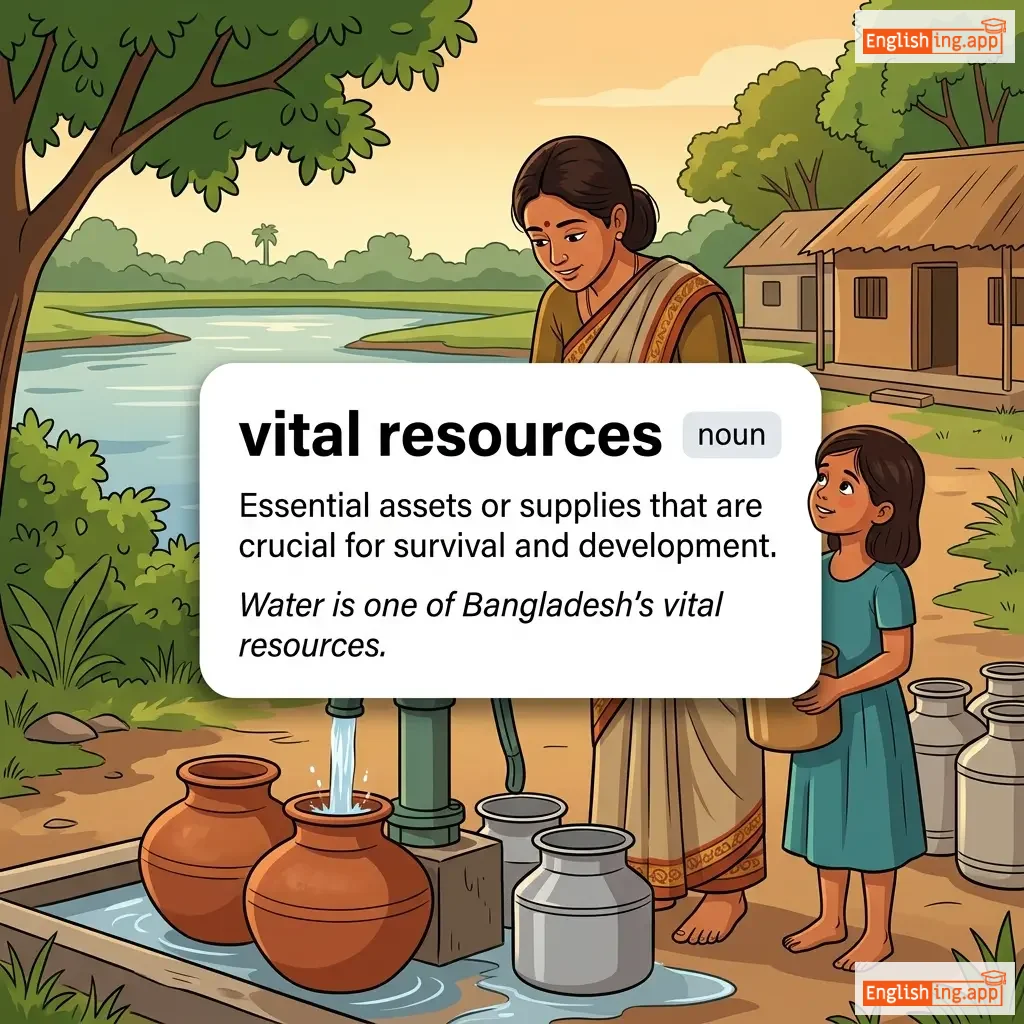
Essential assets or supplies that are crucial for survival and development.
••••••
|
Water is one of Bangladesh's vital resources. |
essential assets, critical supplies
••••••
|
nonessential resources
••••••
|
|
#835
☠️
|
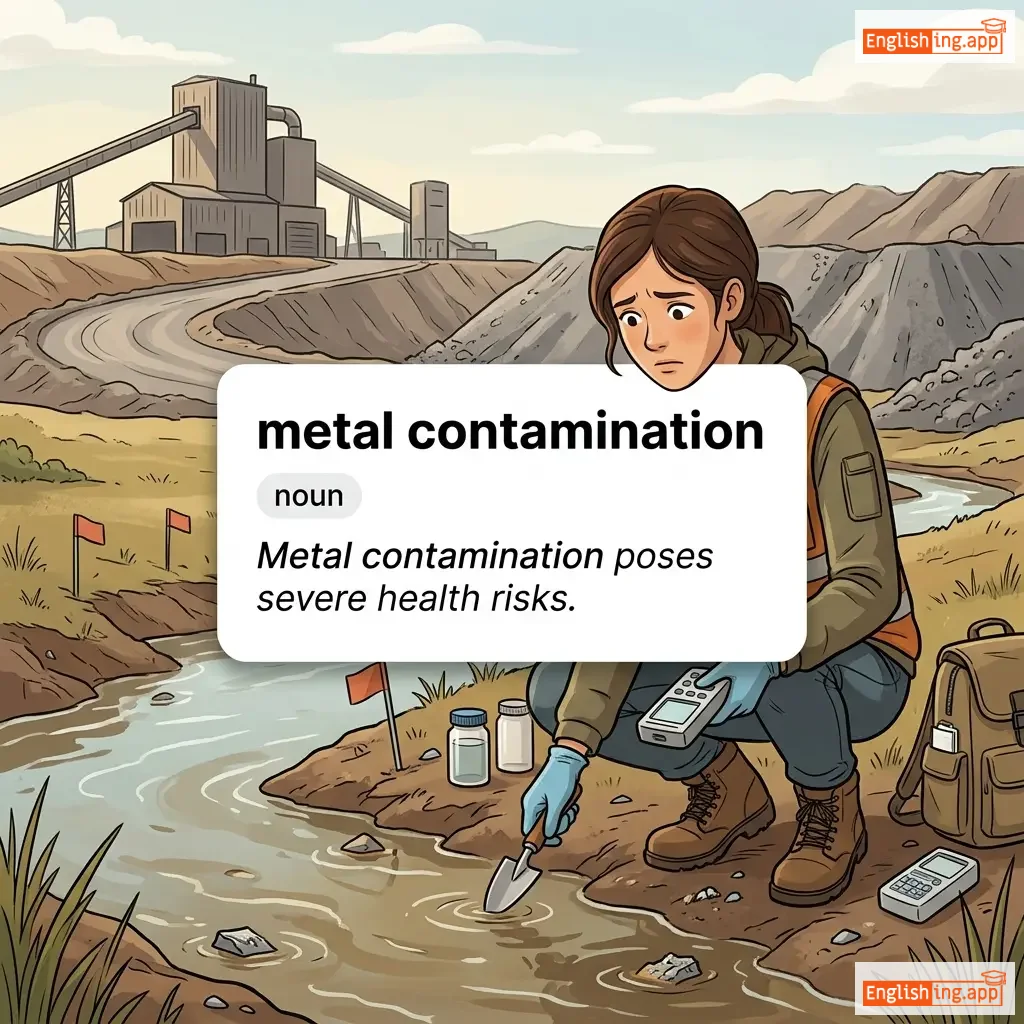
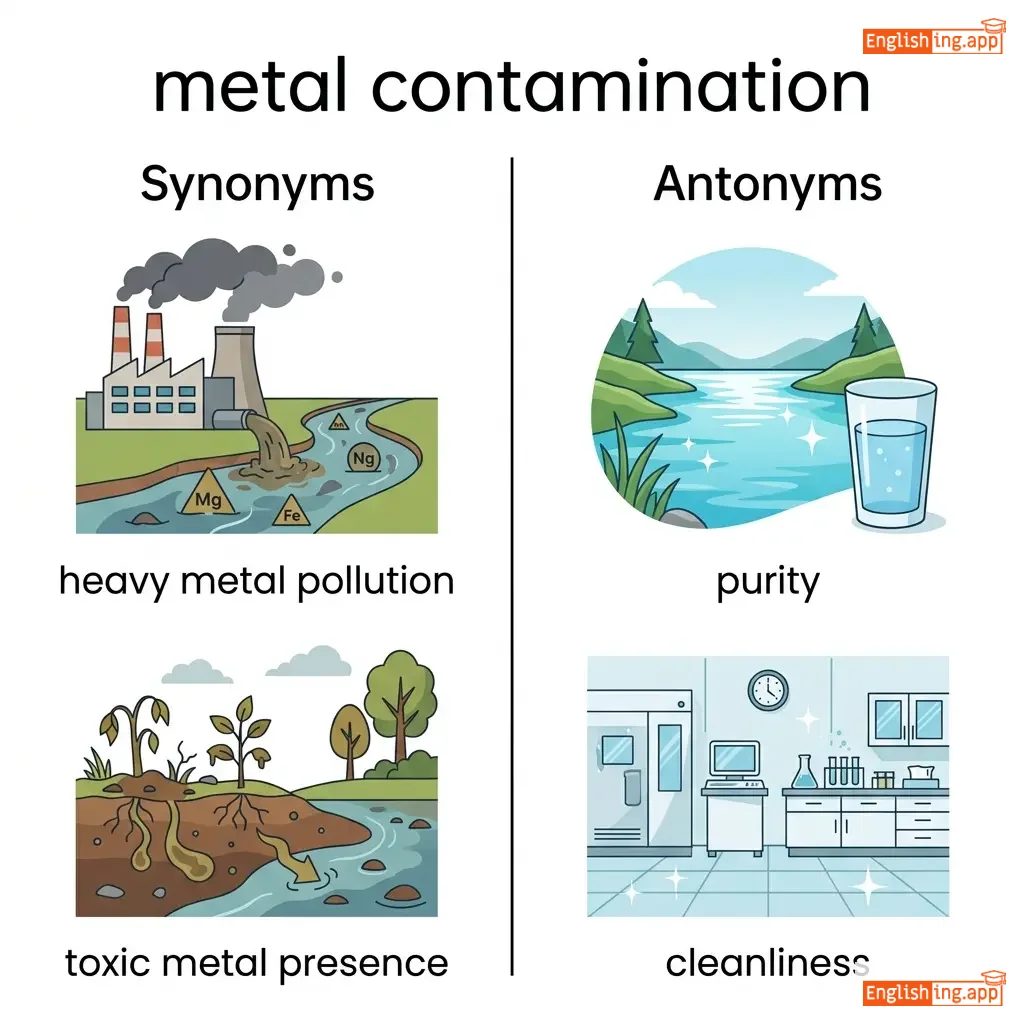
ˈmetəl kənˌtæməˈneɪʃən
noun
••••••
|
|
The presence of toxic metals in the environment that pose health and environmental risks.
••••••
|
Metal contamination poses severe health risks. |
heavy metal pollution, toxic metal presence
••••••
|
purity, cleanliness
••••••
|
|
#836
🧂
|
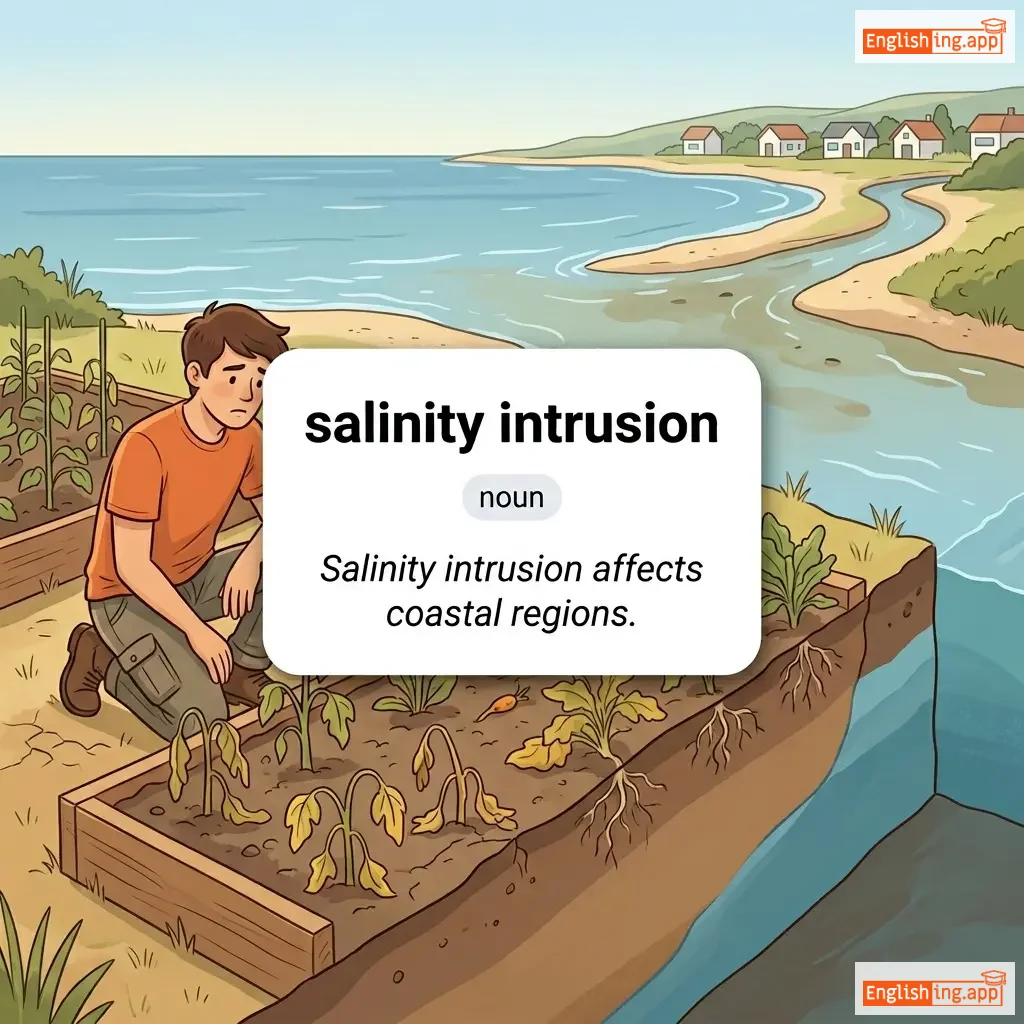
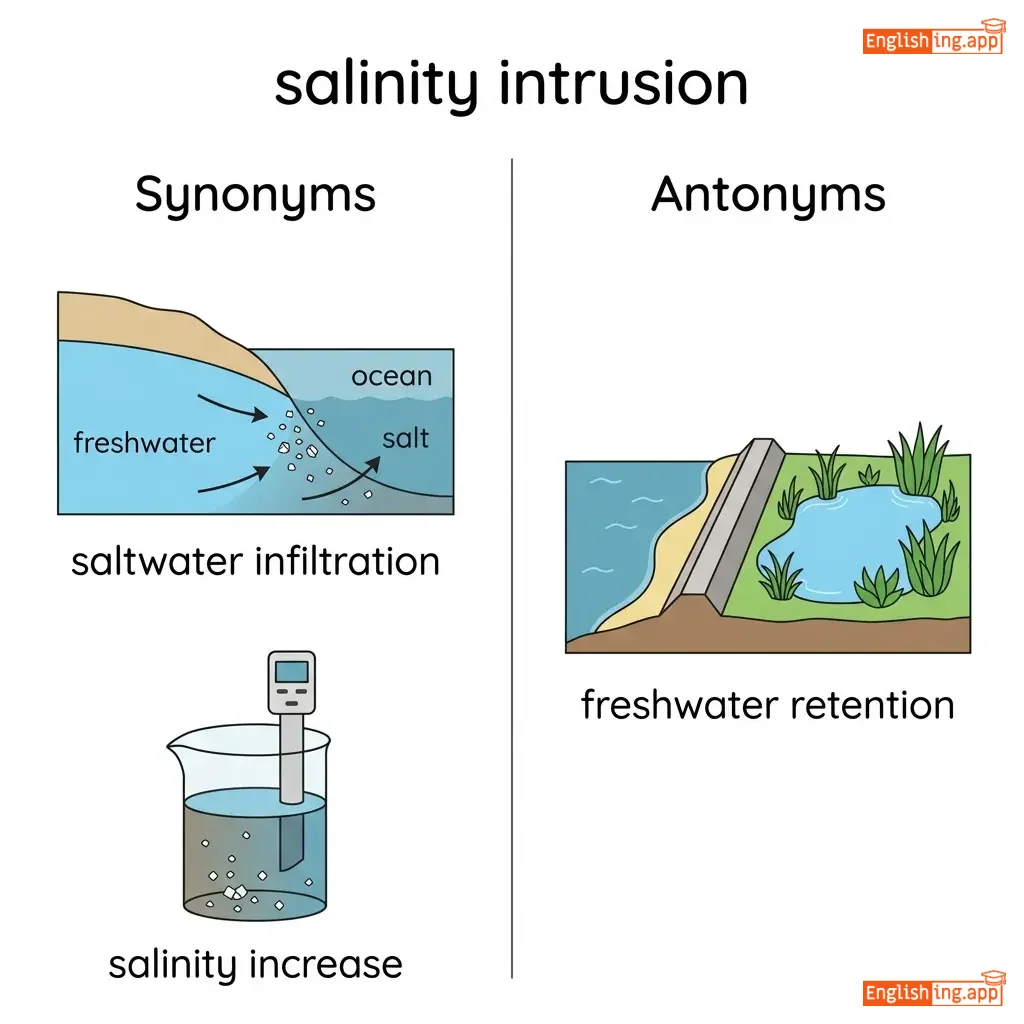
səˈlɪnɪti ɪnˈtruːʒən
noun
••••••
|
|
The movement of salt water into freshwater areas, typically affecting coastal regions.
••••••
|
Salinity intrusion affects coastal regions. |
saltwater infiltration, salinity increase
••••••
|
freshwater retention
••••••
|
|
#837
🌪️
|
ˌkætəˈstrɒfɪk ɪˈvents
noun
••••••
|
|
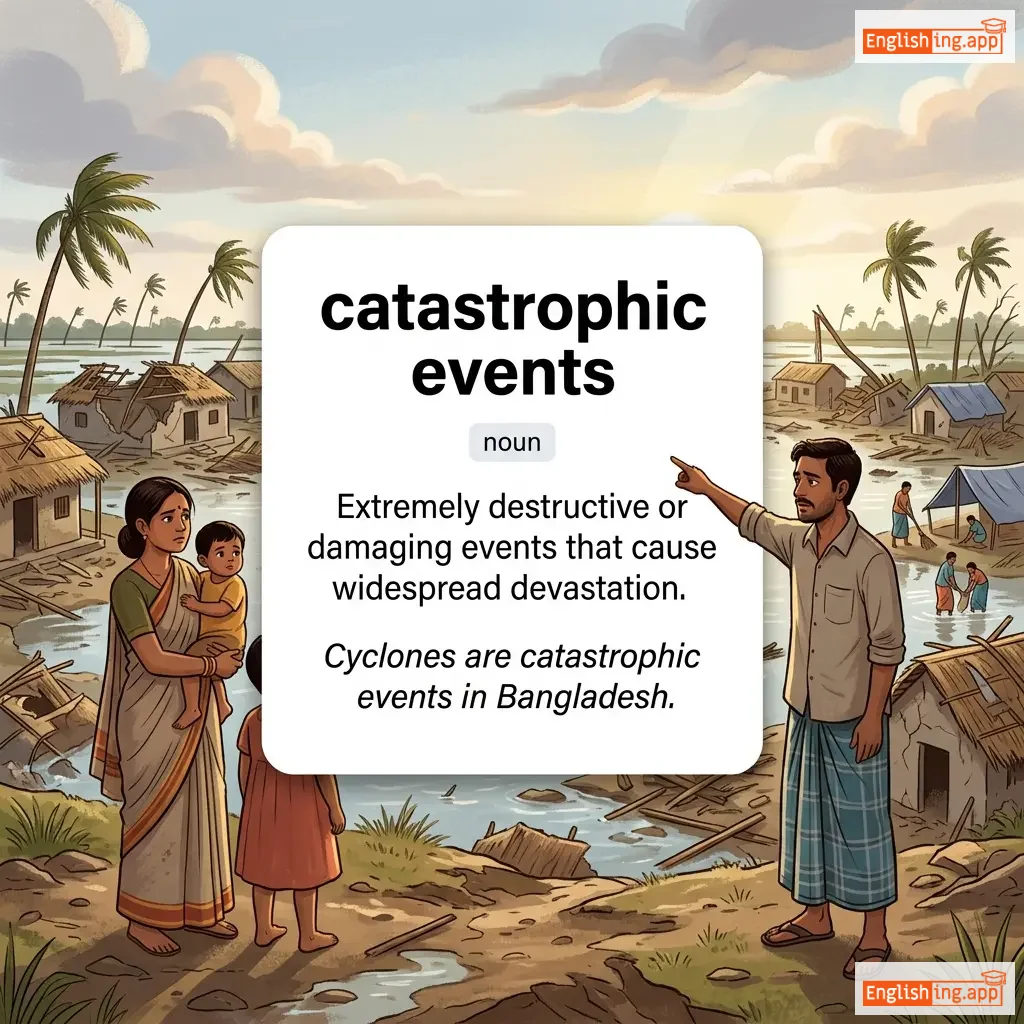
Extremely destructive or damaging events that cause widespread devastation.
••••••
|
Cyclones are catastrophic events in Bangladesh. |
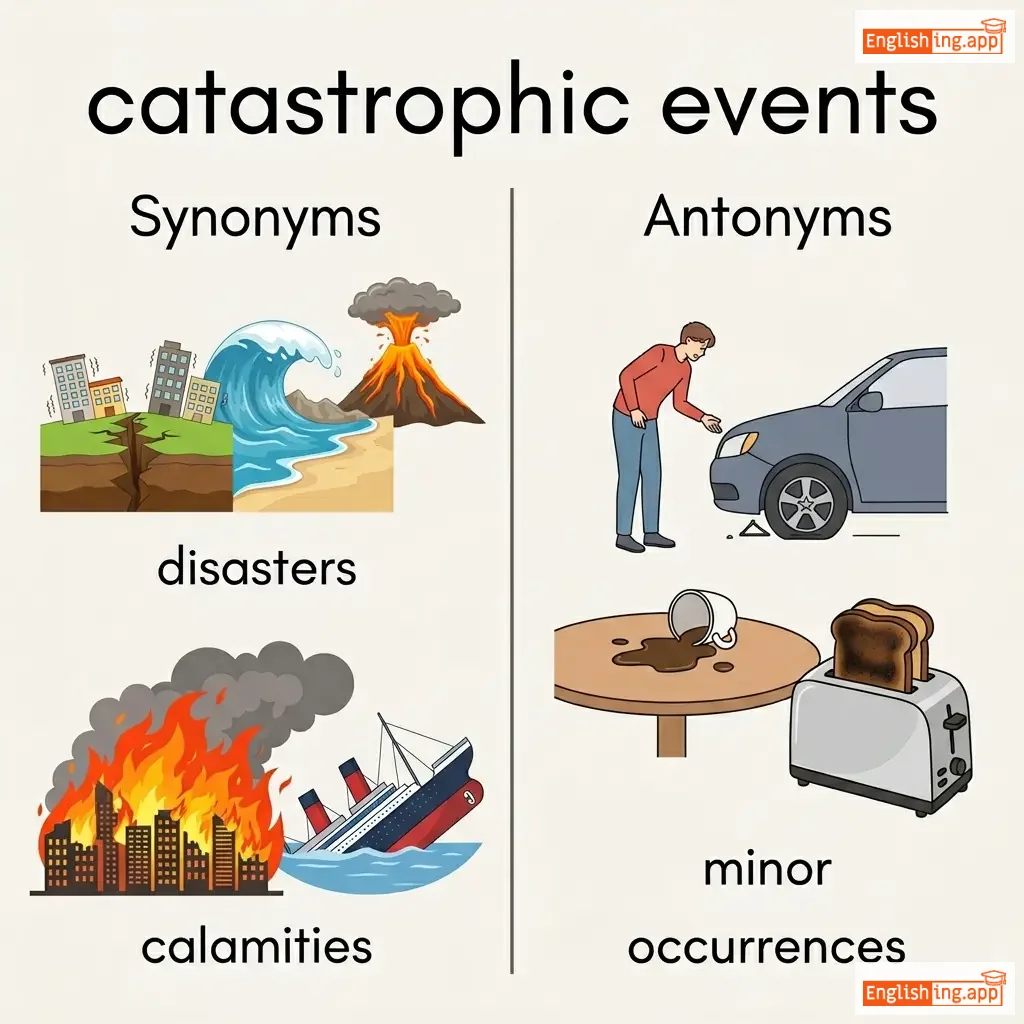
disasters, calamities
••••••
|
minor occurrences
••••••
|
|
#838
📈
|
ɪɡˈzæsərbeɪt
verb
••••••
|
|
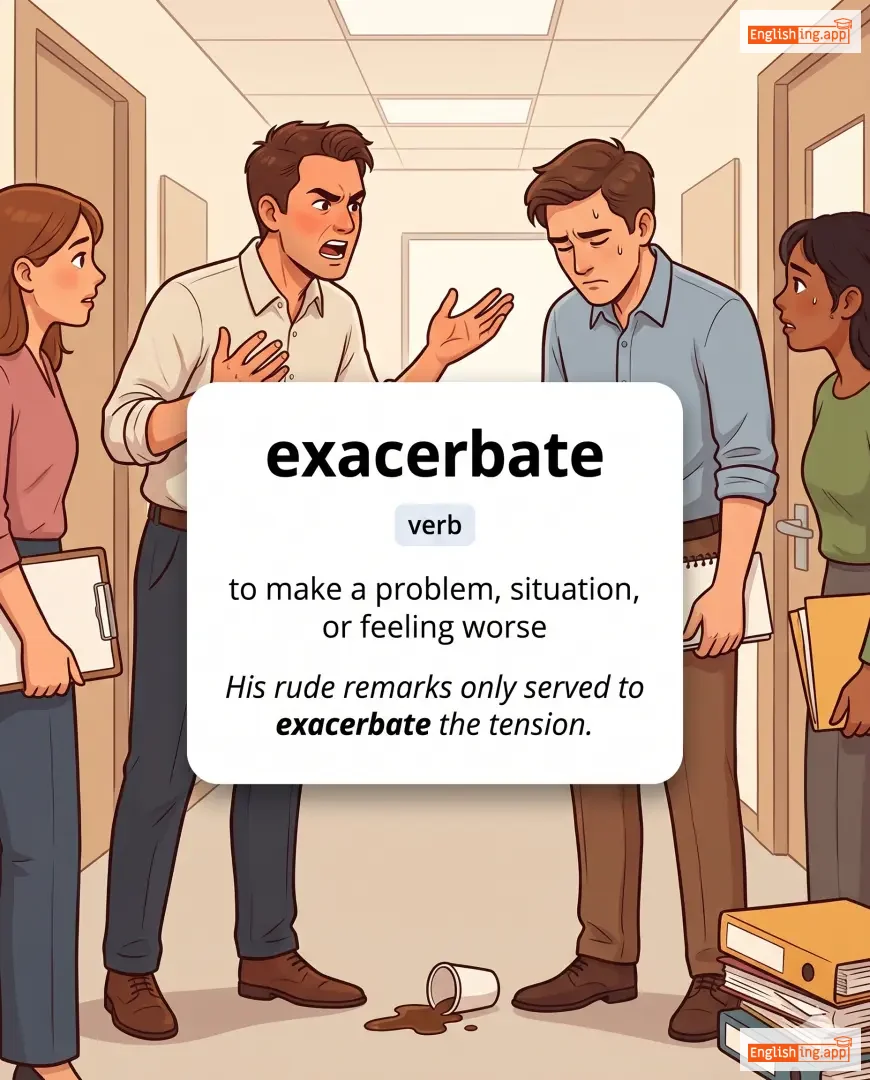
To make a problem, bad situation, or negative feeling worse.
••••••
|
Climate change exacerbates flooding issues. |
aggravate, intensify
••••••
|
alleviate, mitigate
••••••
|
|
#839
⛈️
|
stɔːrm ɪnˌtensɪfɪˈkeɪʃən
noun
••••••
|
|
The process by which storms become stronger and more severe in intensity.
••••••
|
Storm intensification is linked to climate change. |
cyclone strengthening, severe storming
••••••
|
storm weakening
••••••
|
|
#840
🛡️
|
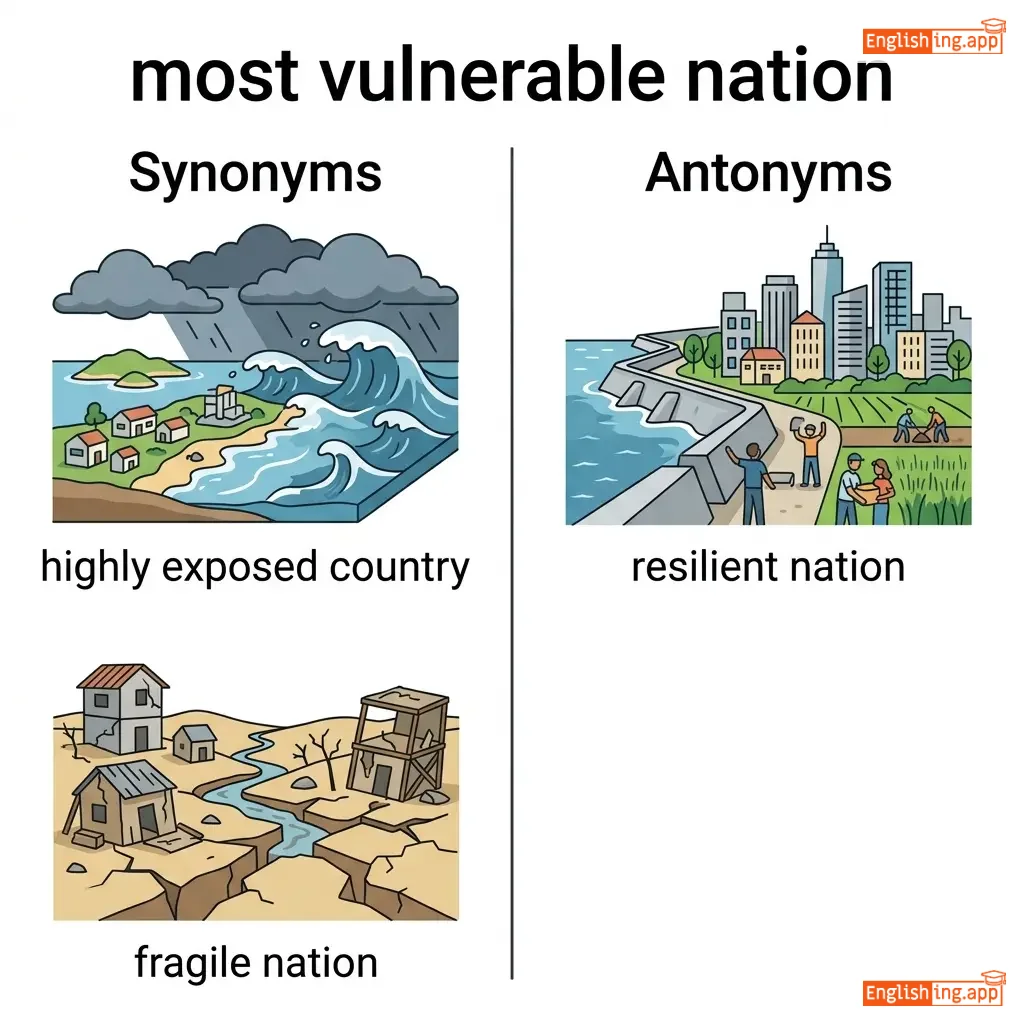
moʊst ˈvʌlnərəbəl ˈneɪʃən
noun
••••••
|
|
A country that is highly exposed to risks and lacks adequate protection or resilience.
••••••
|
Bangladesh is one of the most vulnerable nations to climate change. |
highly exposed country, fragile nation
••••••
|
resilient nation
••••••
|
|
#841
❌
|
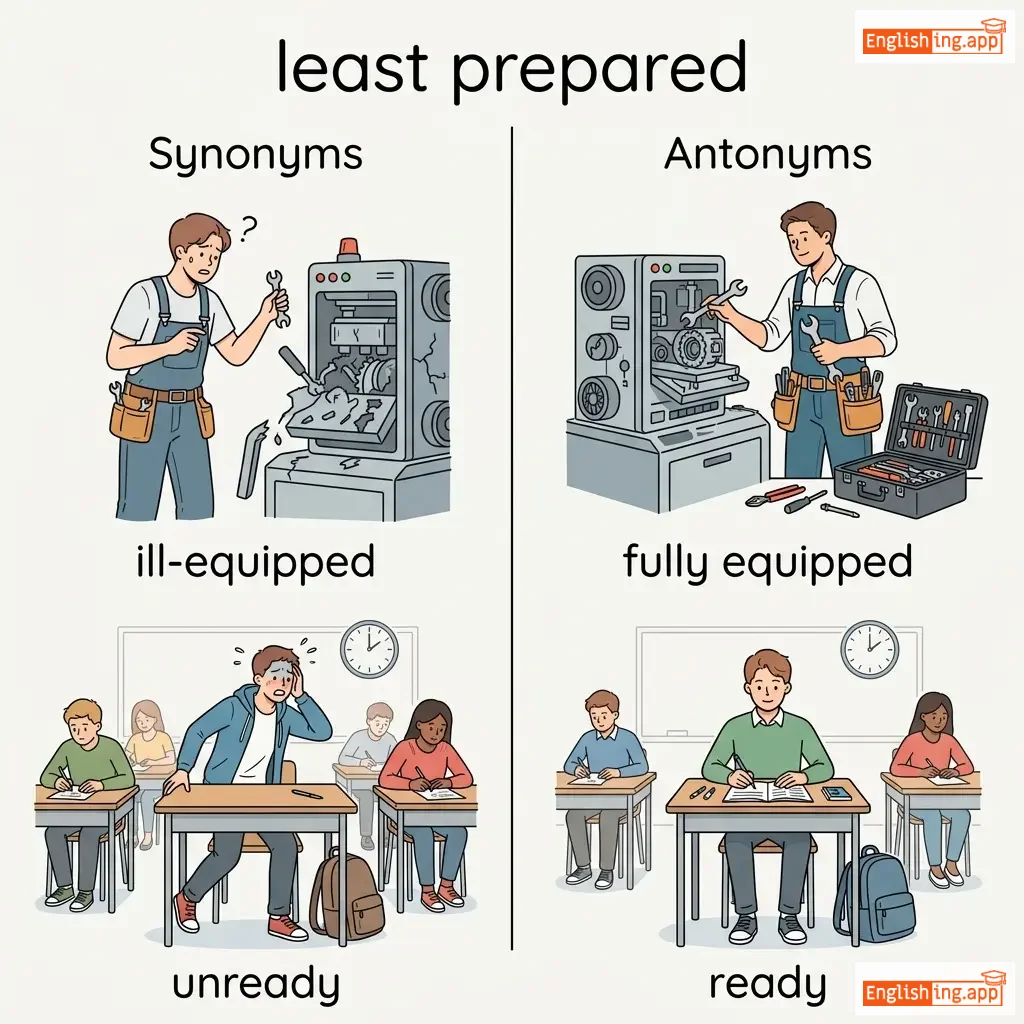
liːst prɪˈpeərd
adjective
••••••
|
|
Having the minimum level of readiness or equipment to handle a situation.
••••••
|
Bangladesh is among the least prepared for climate adaptation. |
ill-equipped, unready
••••••
|
fully equipped, ready
••••••
|
|
#842
🛠️
|
ˌmɪtɪˈɡeɪʃən ˈstrætədʒiz
noun
••••••
|
|
Plans and actions designed to reduce the severity or impact of problems or risks.
••••••
|
Governments must adopt mitigation strategies for climate change. |
risk reduction plans, preventive measures
••••••
|
exacerbation tactics
••••••
|
|
#843
🤝
|
səˈsteɪnəbəl ænd kəˈlæbərətɪv əˈproʊtʃ
noun
••••••
|
|
A method of working together that can be maintained over time without depleting resources or causing harm.
••••••
|
A sustainable and collaborative approach is crucial for solving environmental problems. |
long-term cooperative method, enduring partnership
••••••
|
short-term individual effort
••••••
|

