Rainforests: The Lungs of Earth
地球の rainforest は単なる緑の森ではなく、私たちの生命を支えるために不可欠な巨大な ecosystem です。酸素を生成し、carbon sequestration プロセスによって環境を汚染から守り、多様な biodiversity を保護しています。
これらの森はさまざまな endemic 種の生息地であり、flora and fauna は何千年も生き延びてきました。しかし、deforestation と森林の degradation によって貴重な資源が破壊されています。森林の fragmentation が進むことで、多くの keystone species が絶滅の危機に瀕しています。
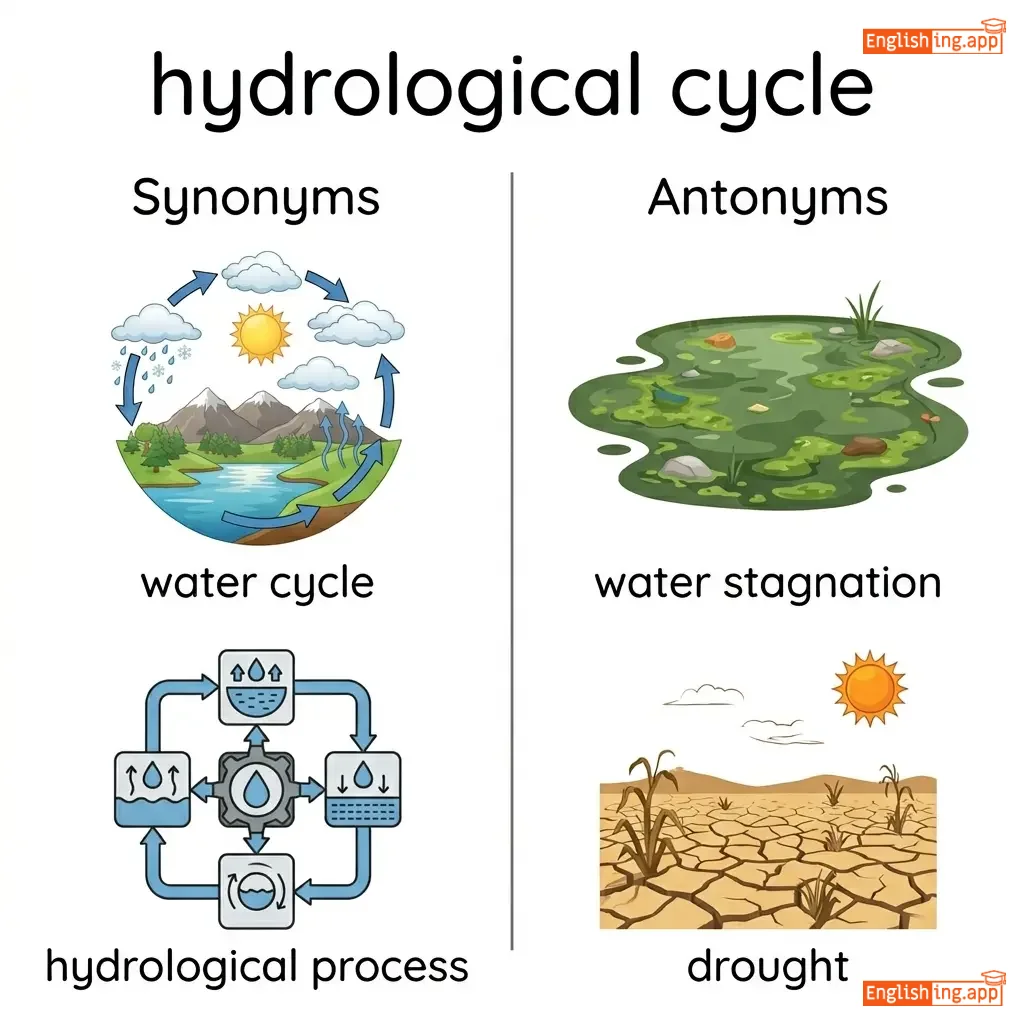
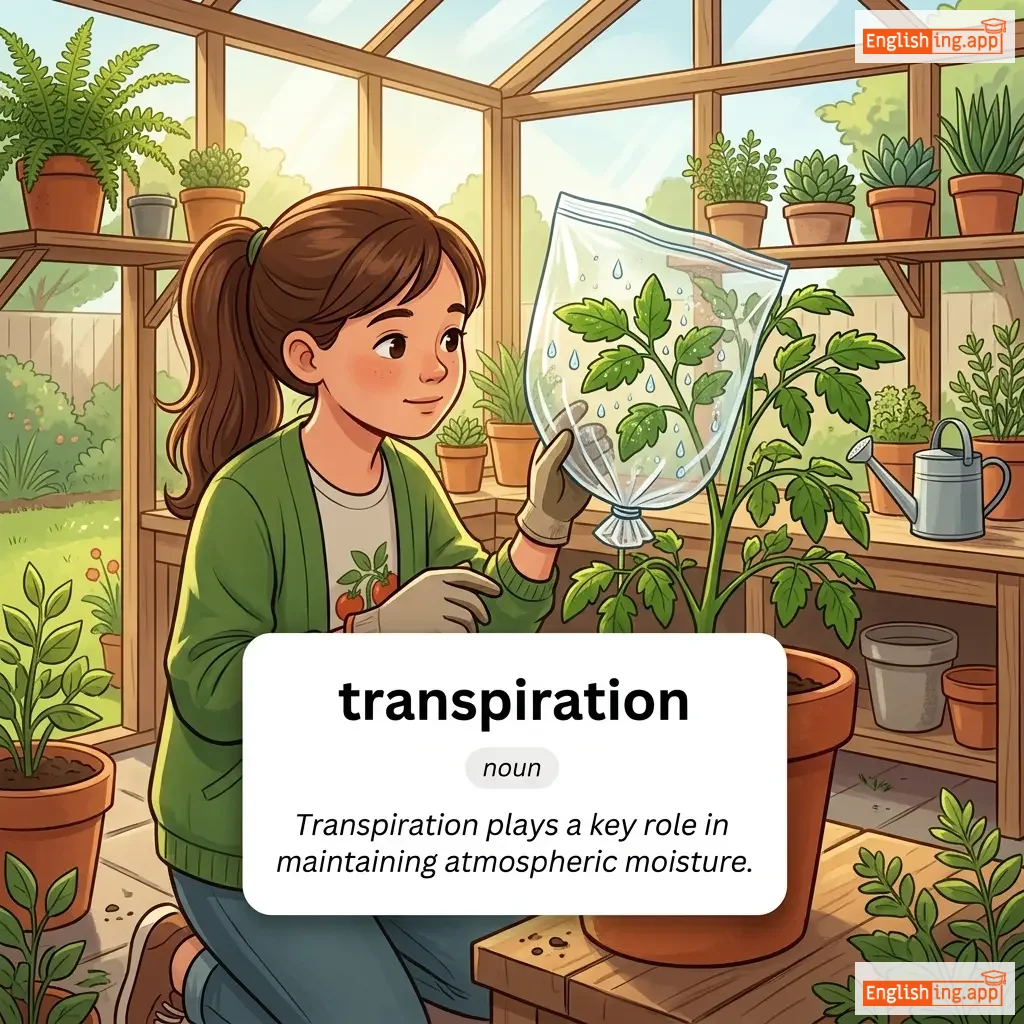
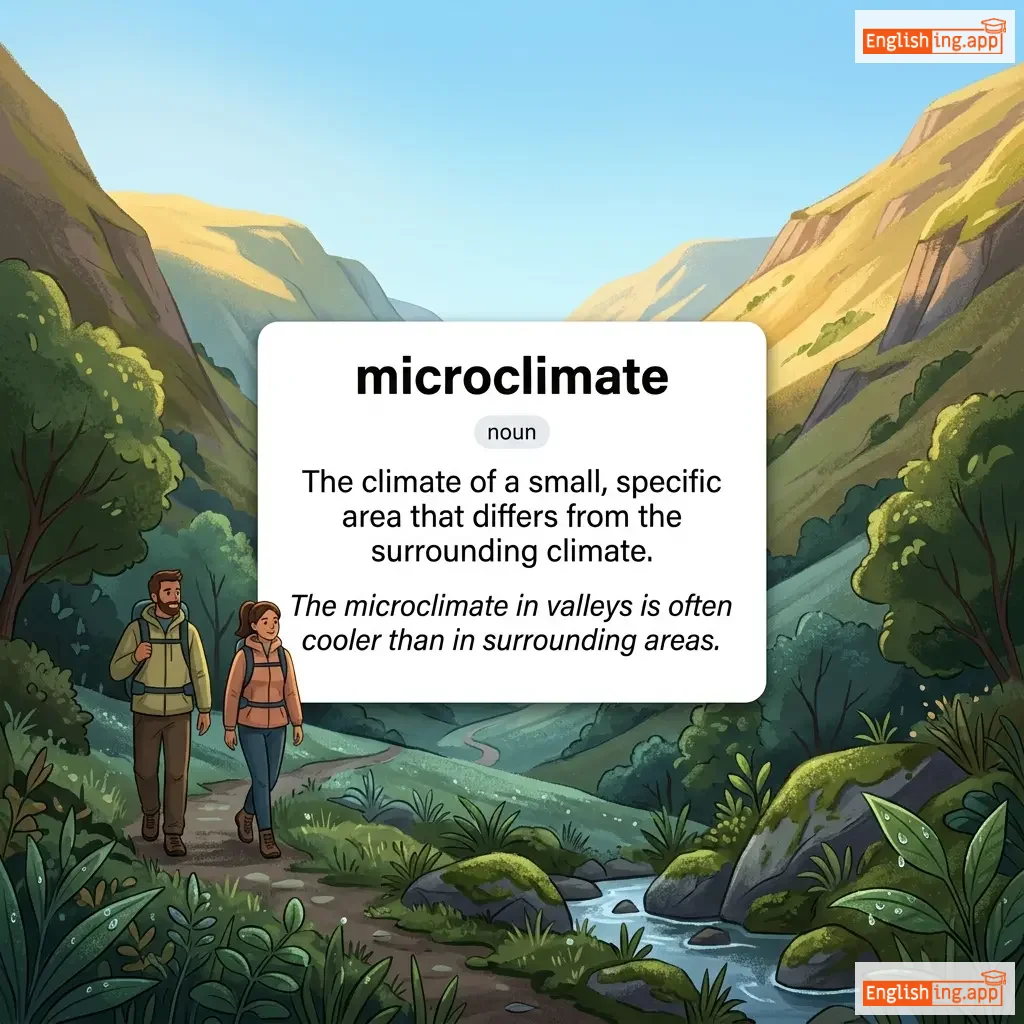
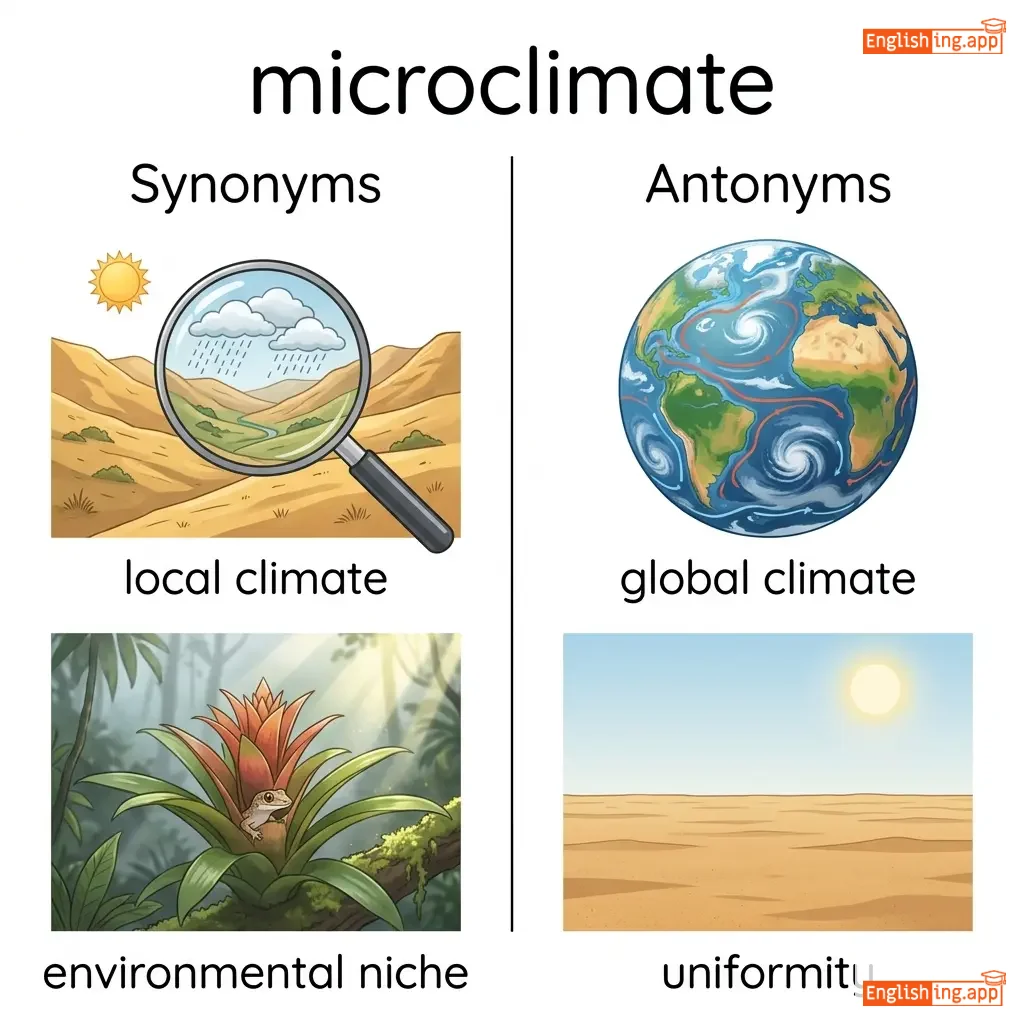
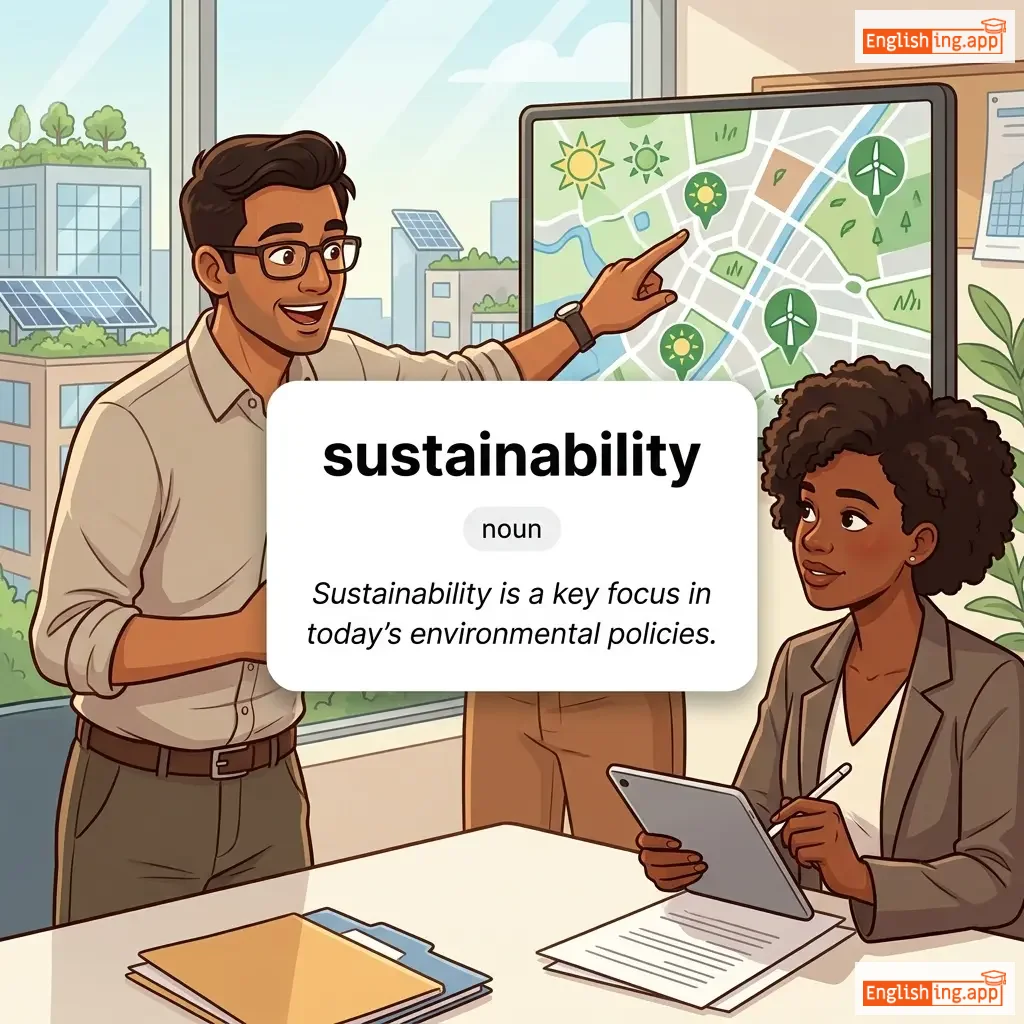
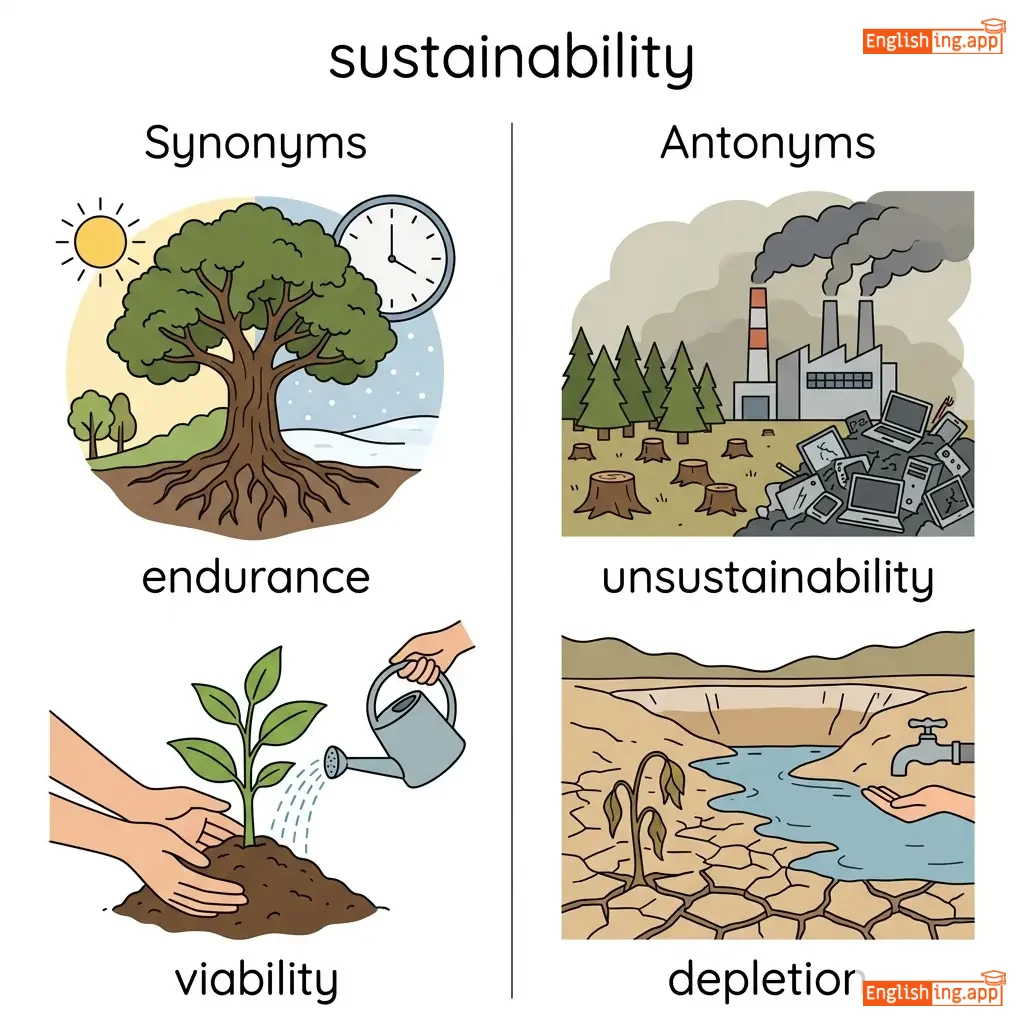
Rainforest は動物だけでなく、気候の調節にも重要な役割を果たしています。hydrological cycle を維持し、transpiration プロセスを通じて降雨量を決定します。microclimate を形成することで温度を制御し、sustainability を確保します。
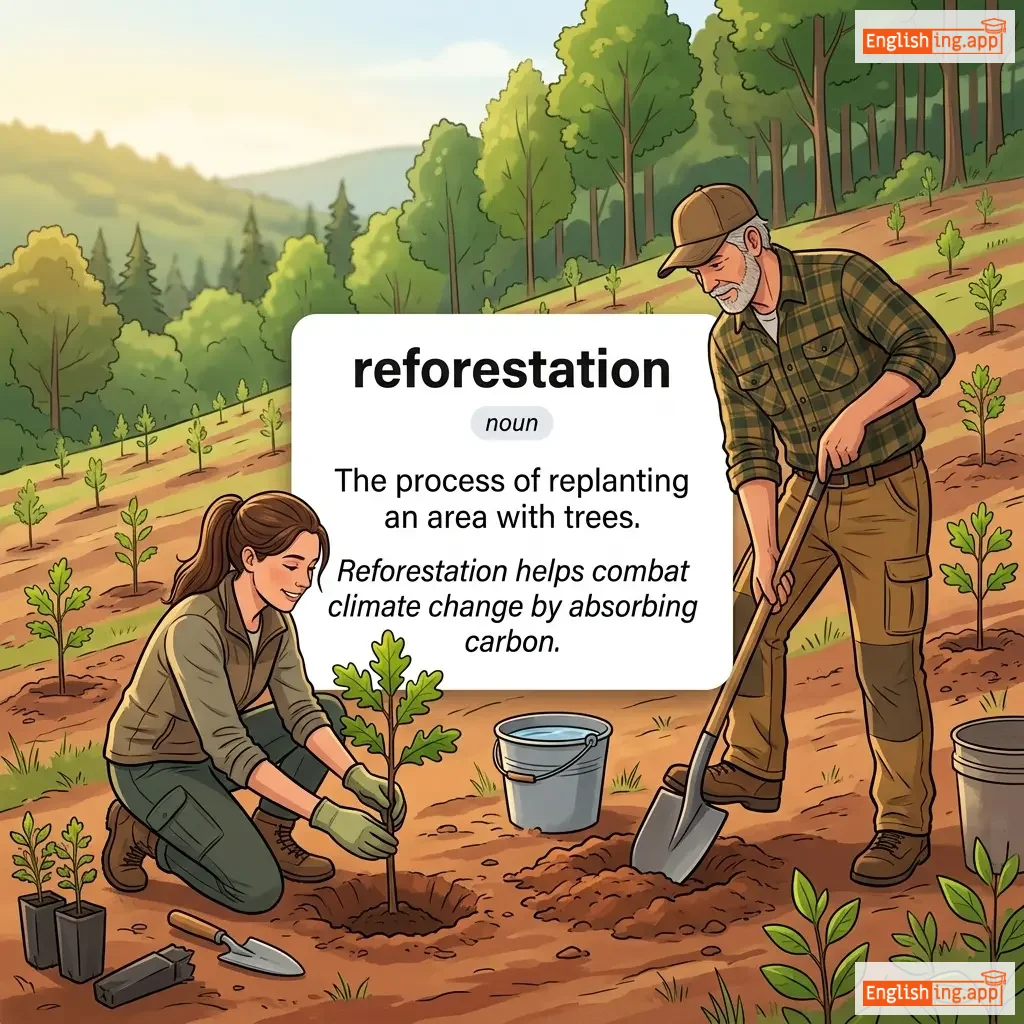
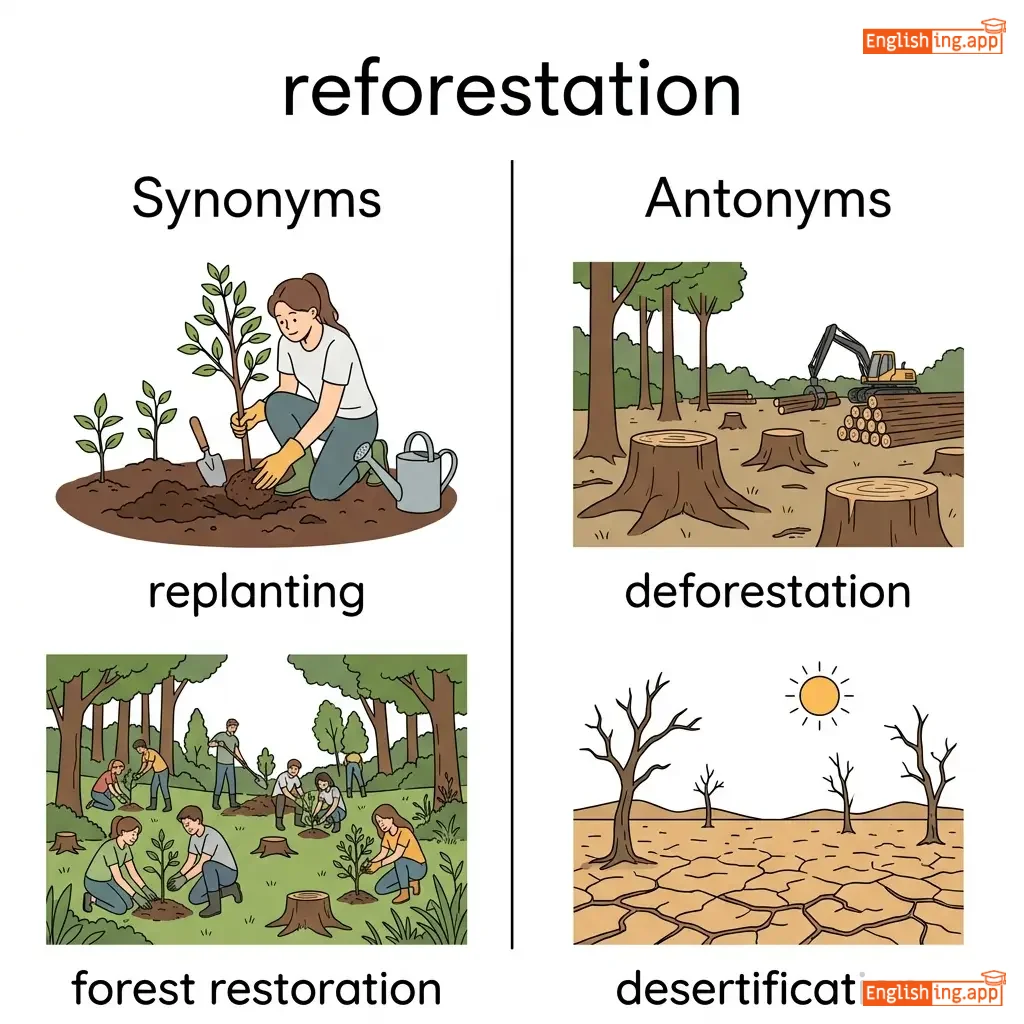
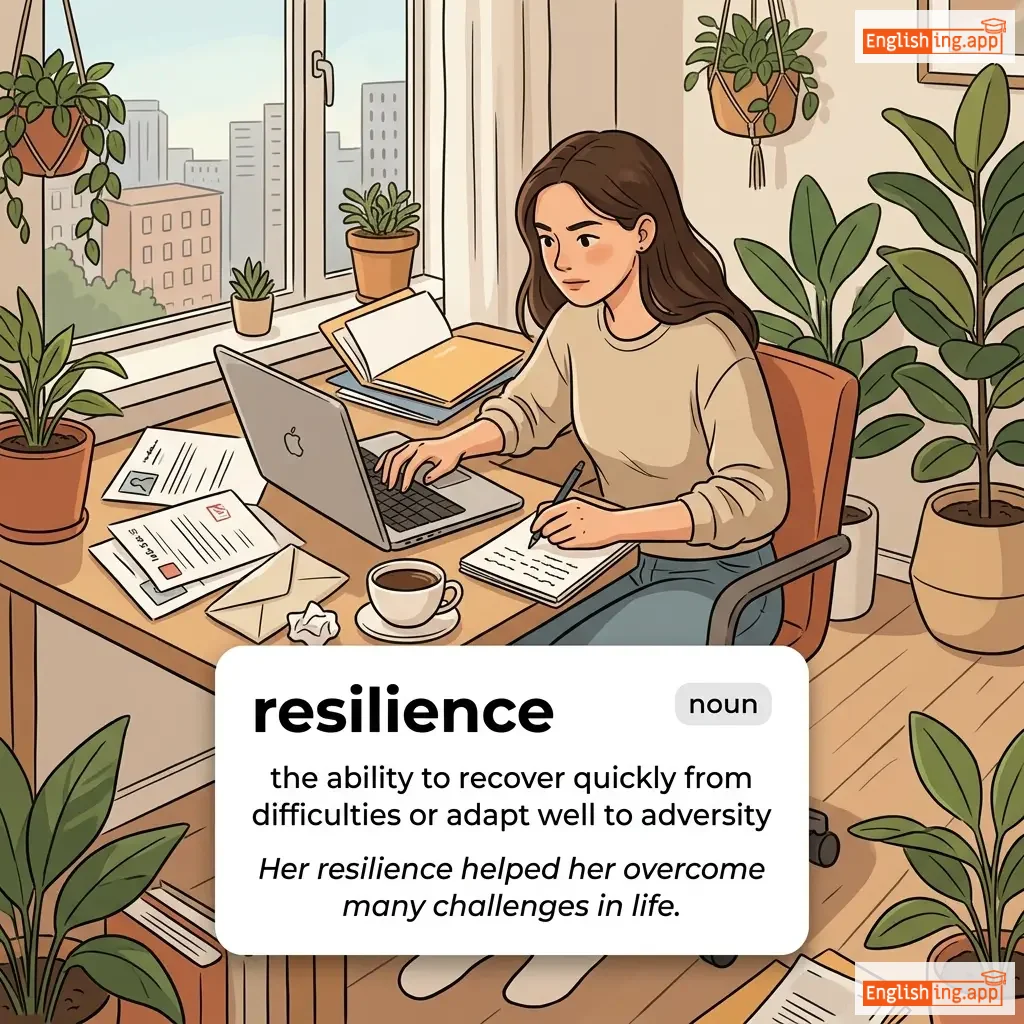
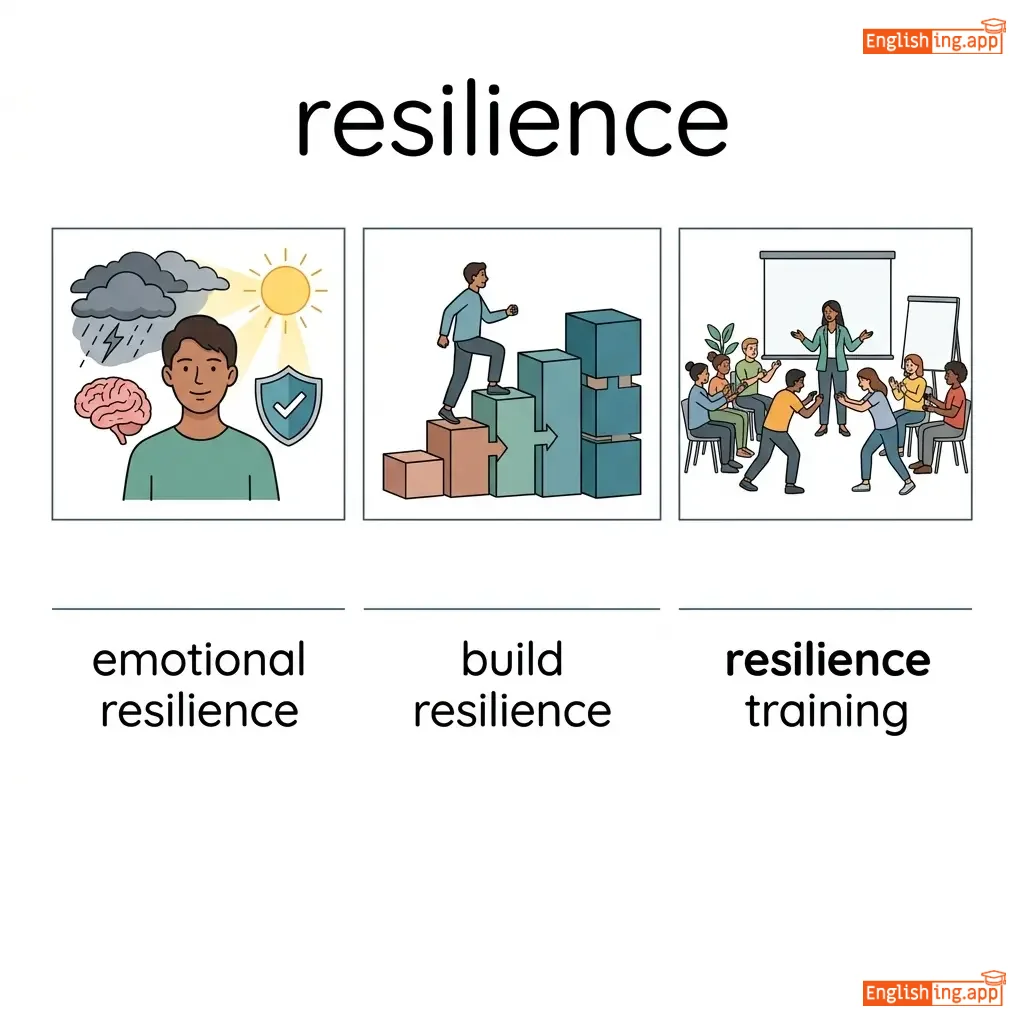
今こそ reforestation と森林保護に注力する時です。自然の resilience を高めることで、私たちは環境を守ることができます。
|
絵文字
|
単語 | Images | 意味 | 例文 | 同義語 | 対義語 |
|---|---|---|---|---|---|---|
|
#2808
🌲
|
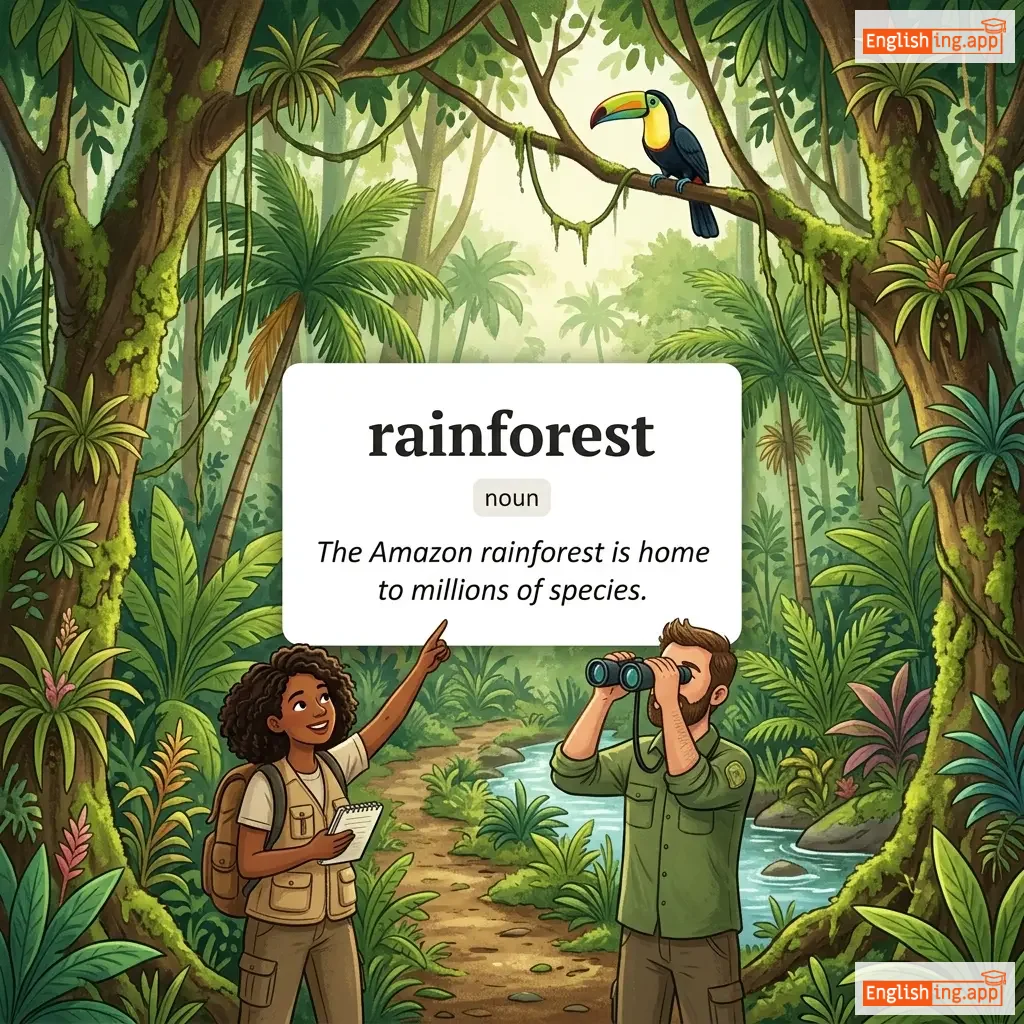
ˈreɪn.fɒr.ɪst
noun
••••••
|
|
A luxuriant, dense forest rich in biodiversity, found typically in tropical areas with consistently heavy rainfall.
••••••
|
The Amazon rainforest is home to millions of species. |
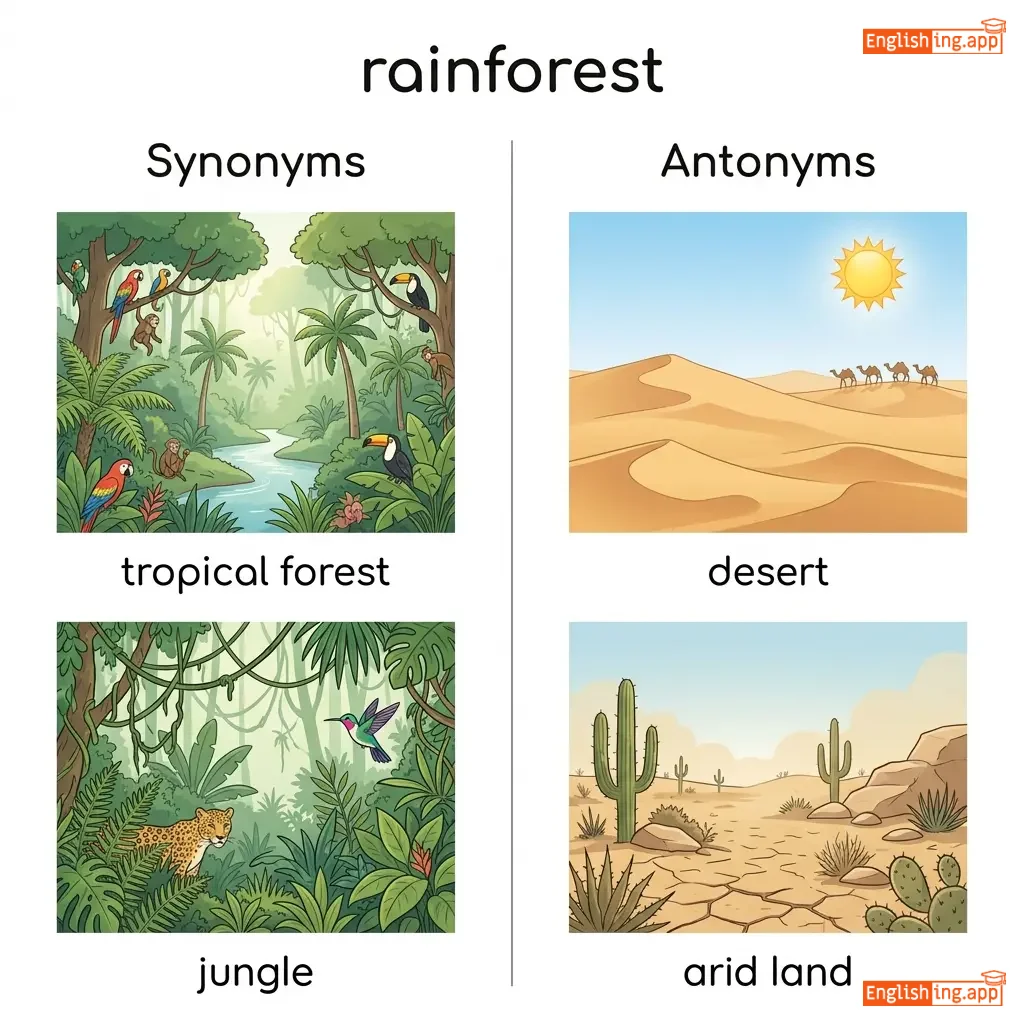
tropical forest, jungle, woodland
••••••
|
desert, arid land, deforested area
••••••
|
|
#2809
🌍
|
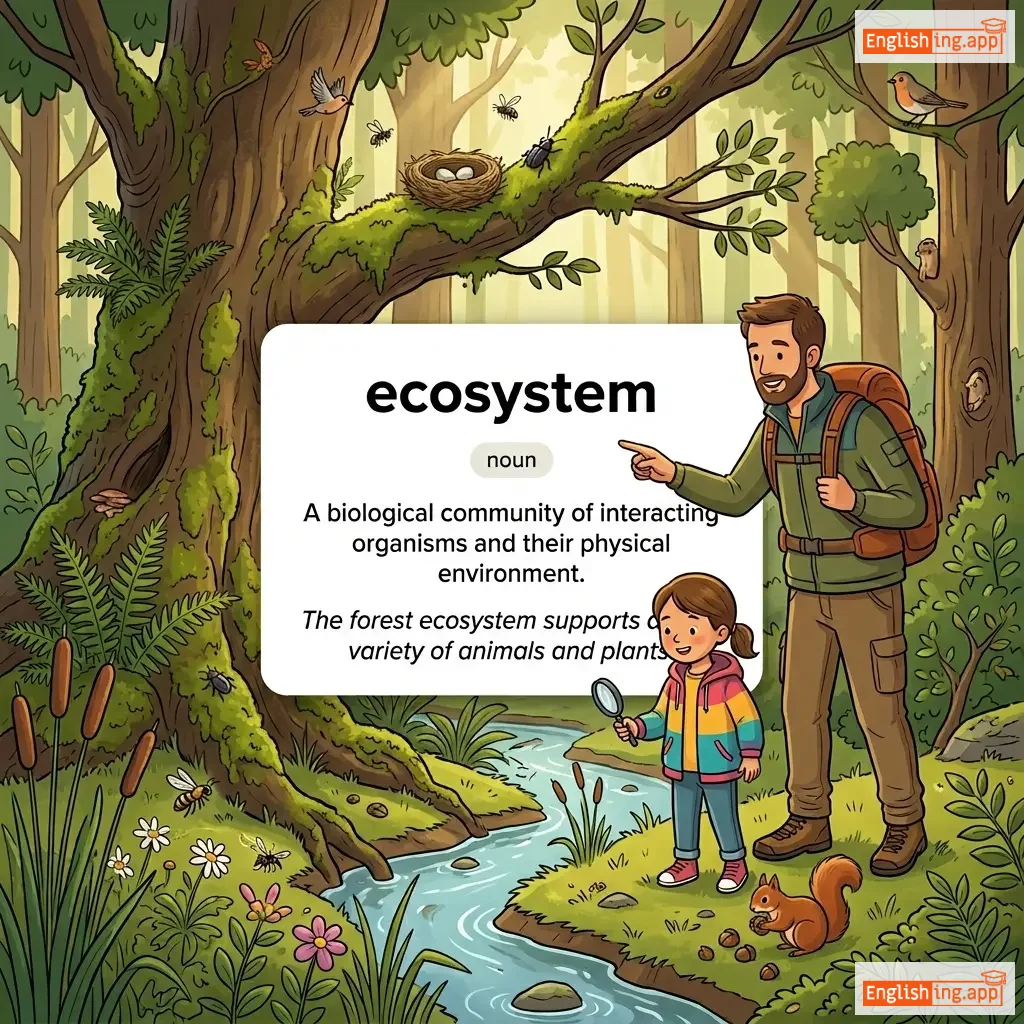
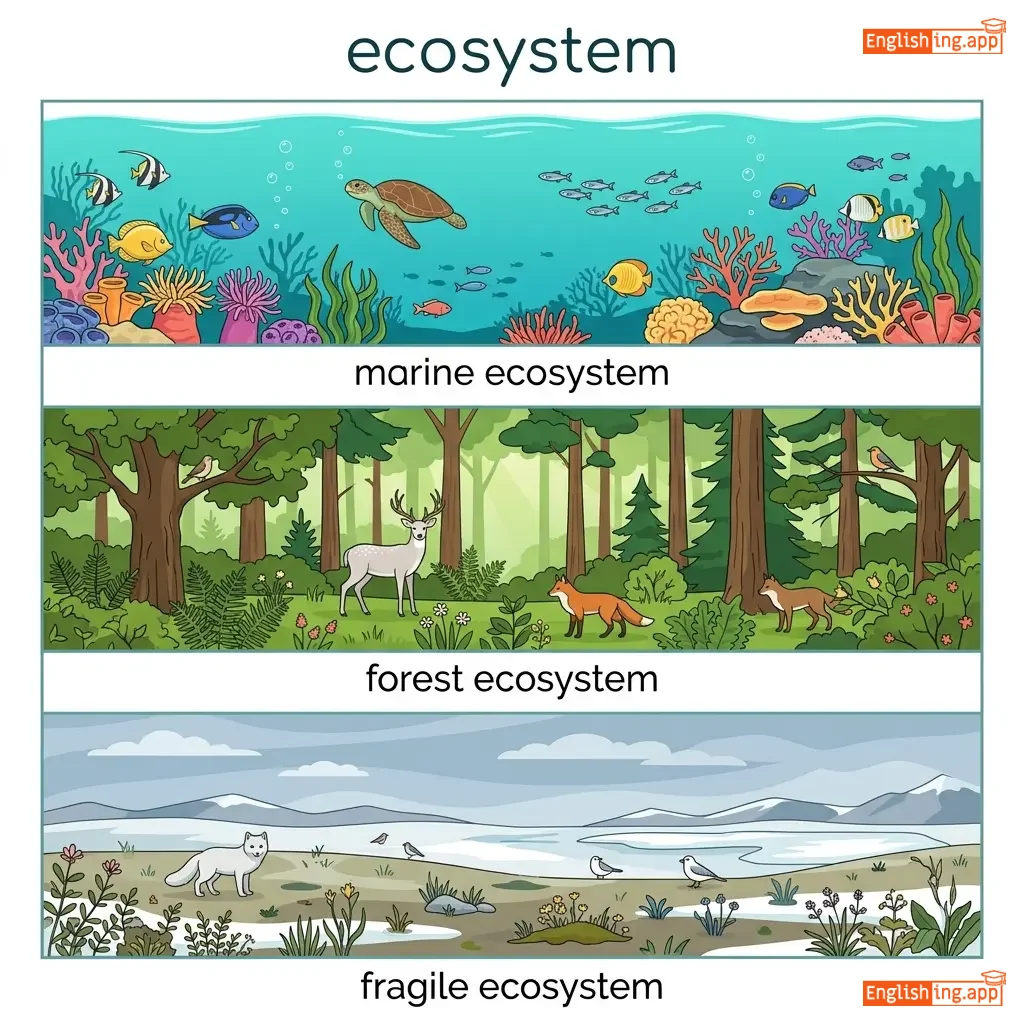
ˈiː.kəʊˌsɪs.təm
noun
••••••
|
|
A biological community of interacting organisms and their physical environment.
••••••
|
A balanced ecosystem is crucial for environmental sustainability. |
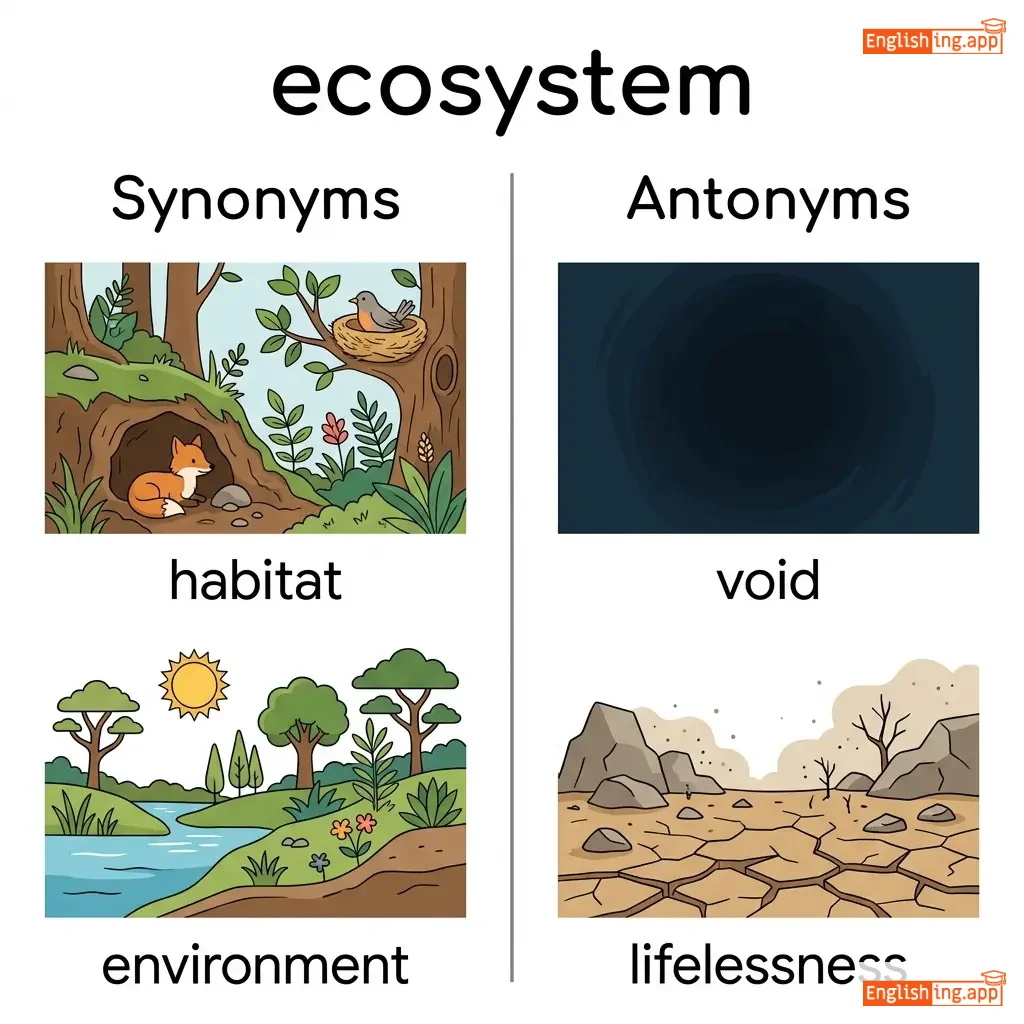
habitat, biome, ecological system
••••••
|
environmental imbalance, destruction, isolation
••••••
|
|
#2810
🌱
|
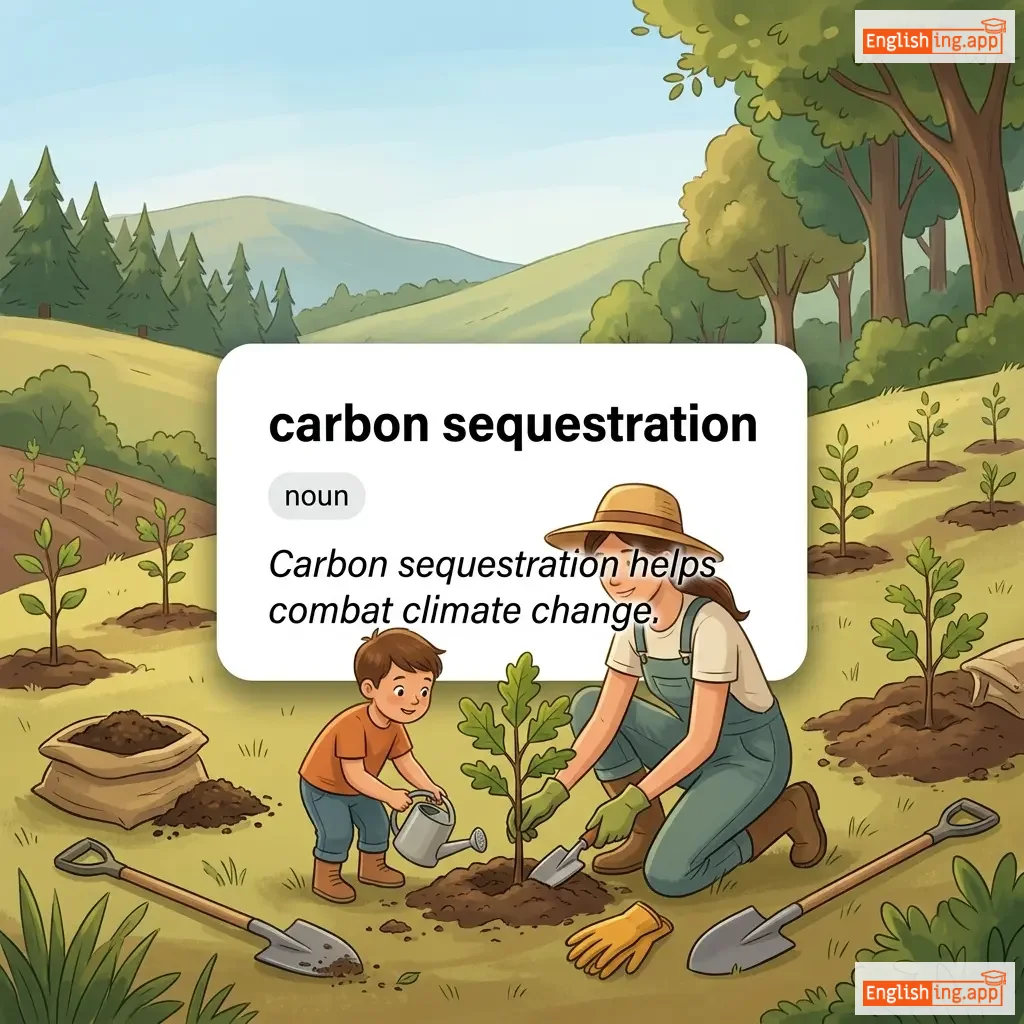
ˈkɑː.bən ˌsɛk.wəˈstreɪ.ʃən
noun
••••••
|
|
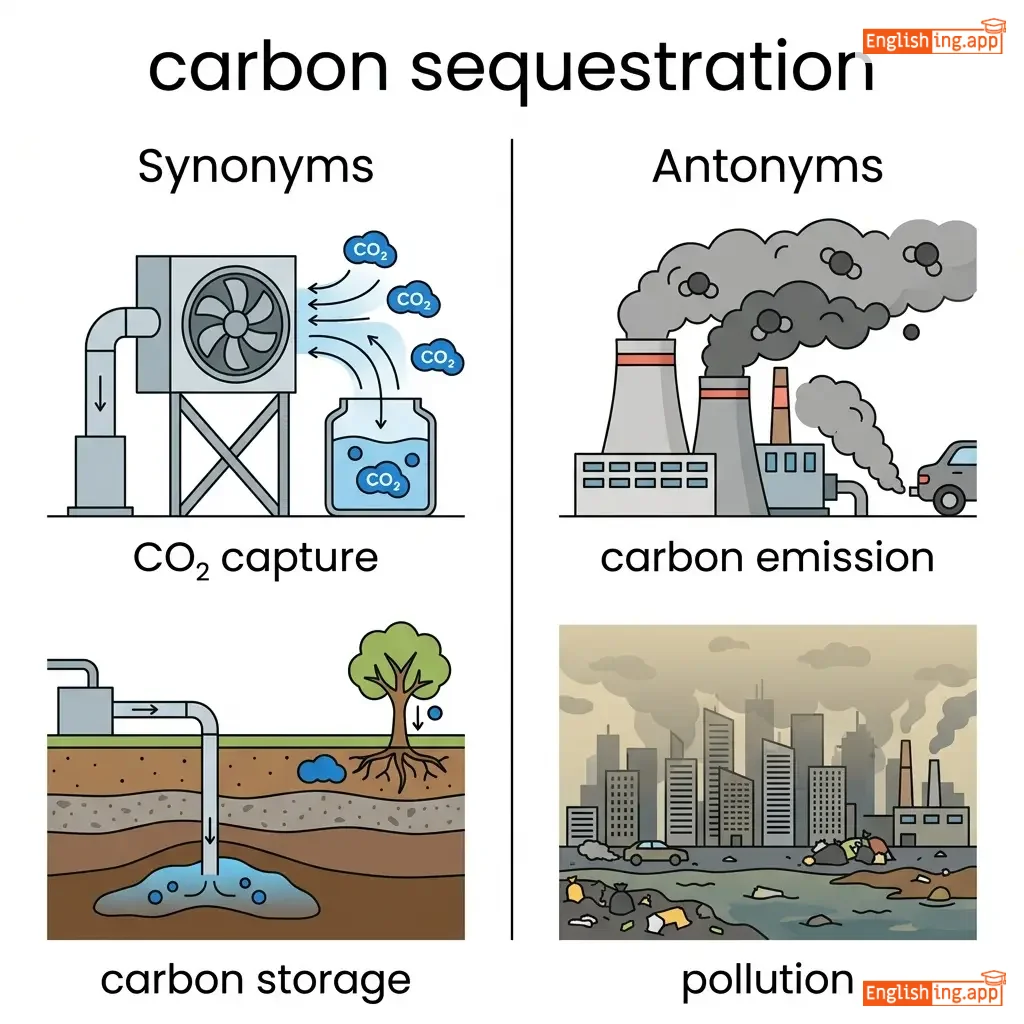
The process of capture and long-term storage of atmospheric carbon dioxide to mitigate climate change.
••••••
|
Trees play a vital role in carbon sequestration by absorbing CO₂. |
carbon storage, CO₂ capture, carbon retention
••••••
|
carbon emission, air pollution, greenhouse effect
••••••
|
|
#2811
🦋
|
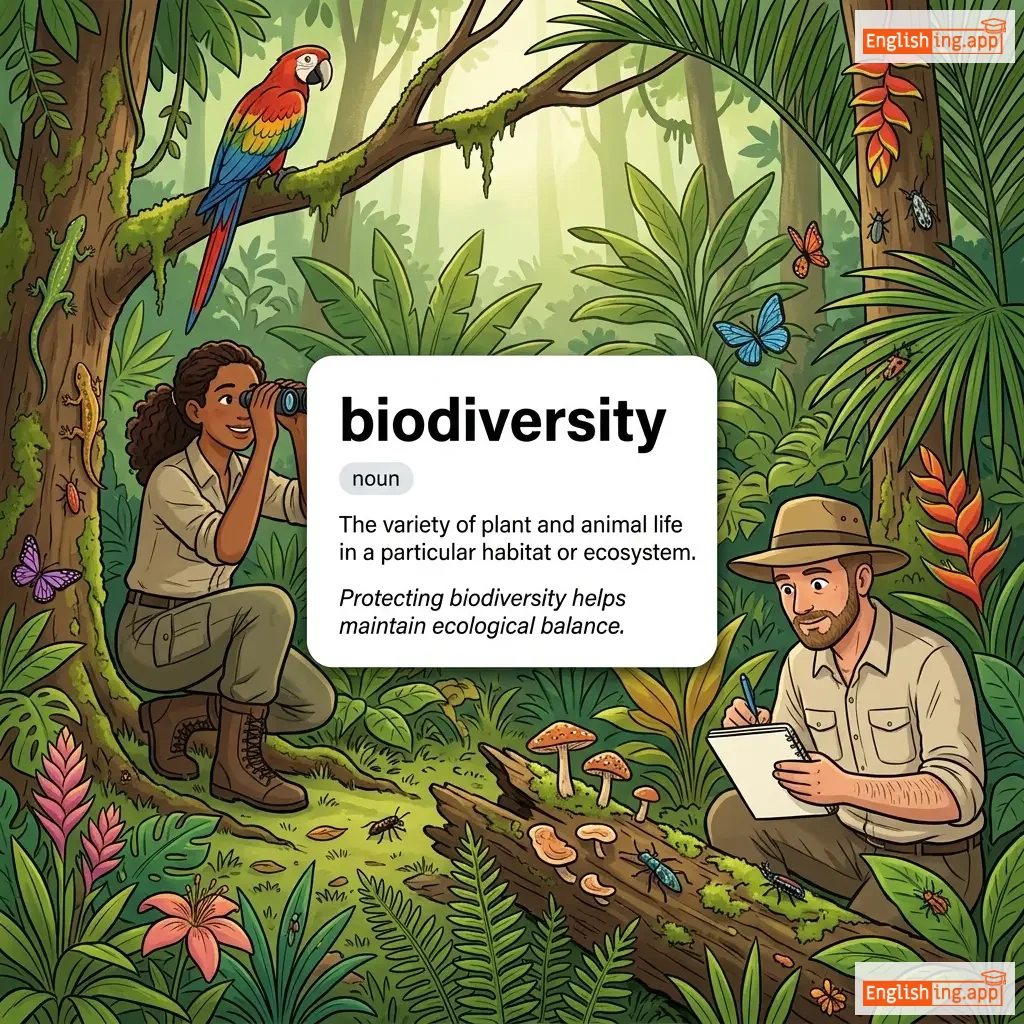
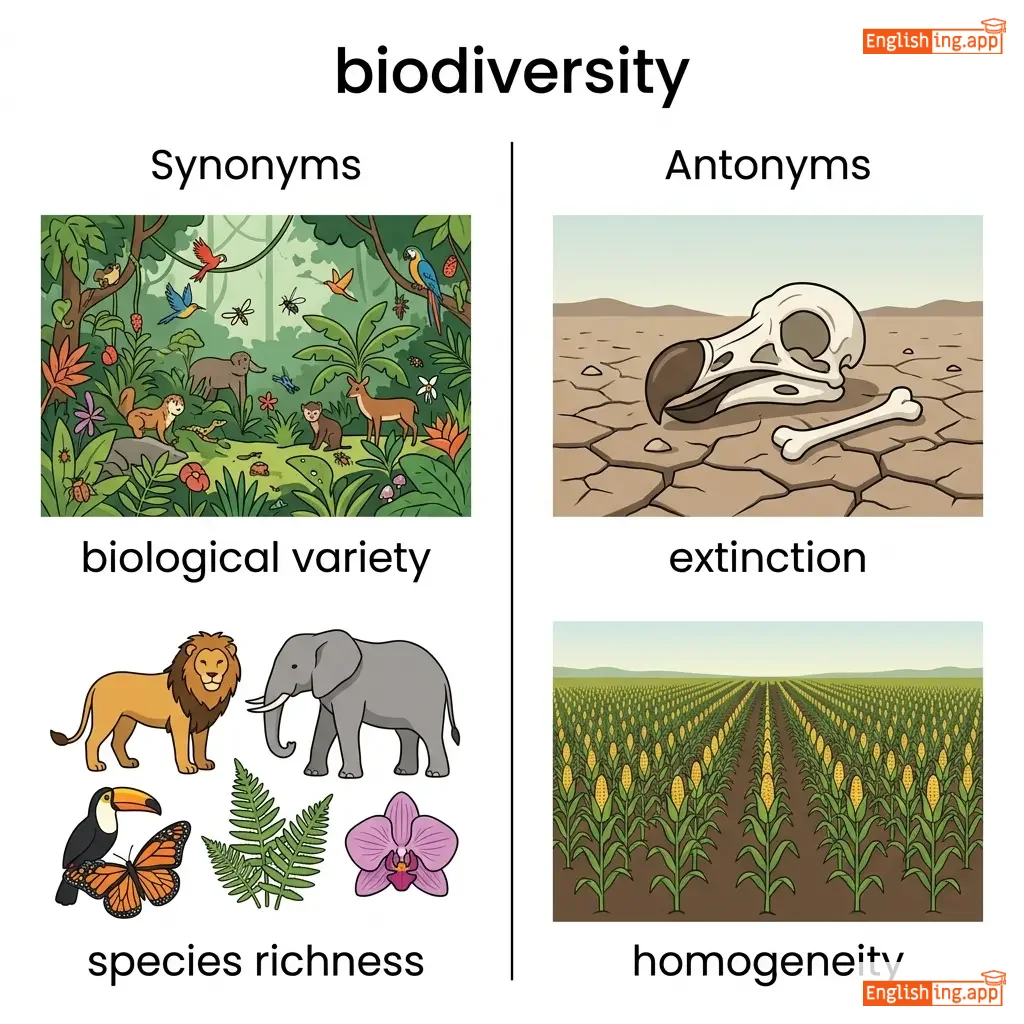
ˌbaɪ.əʊ.daɪˈvɜː.sɪ.ti
noun
••••••
|
|
The variety of life in the world or in a particular habitat or ecosystem.
••••••
|
Protecting biodiversity helps maintain ecological balance. |
biological variety, species richness, ecological diversity
••••••
|
extinction, homogeneity, monoculture
••••••
|
|
#2812
🦎
|
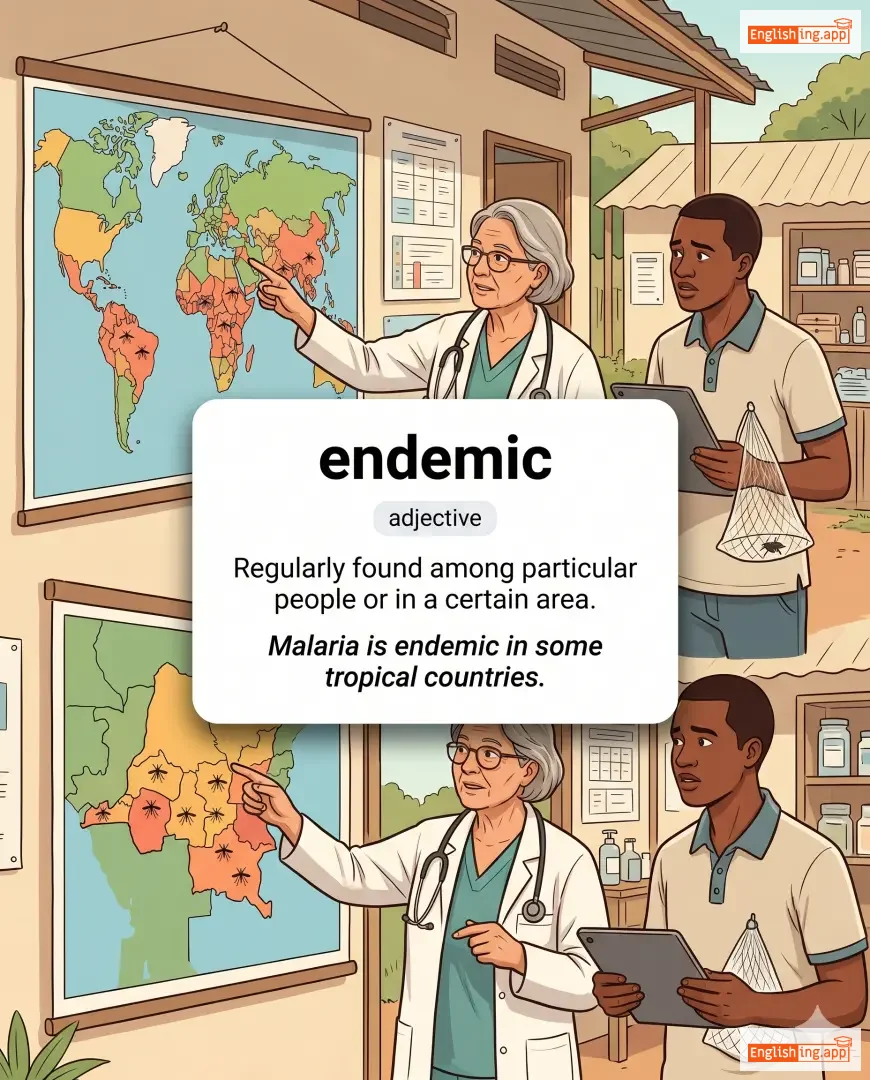
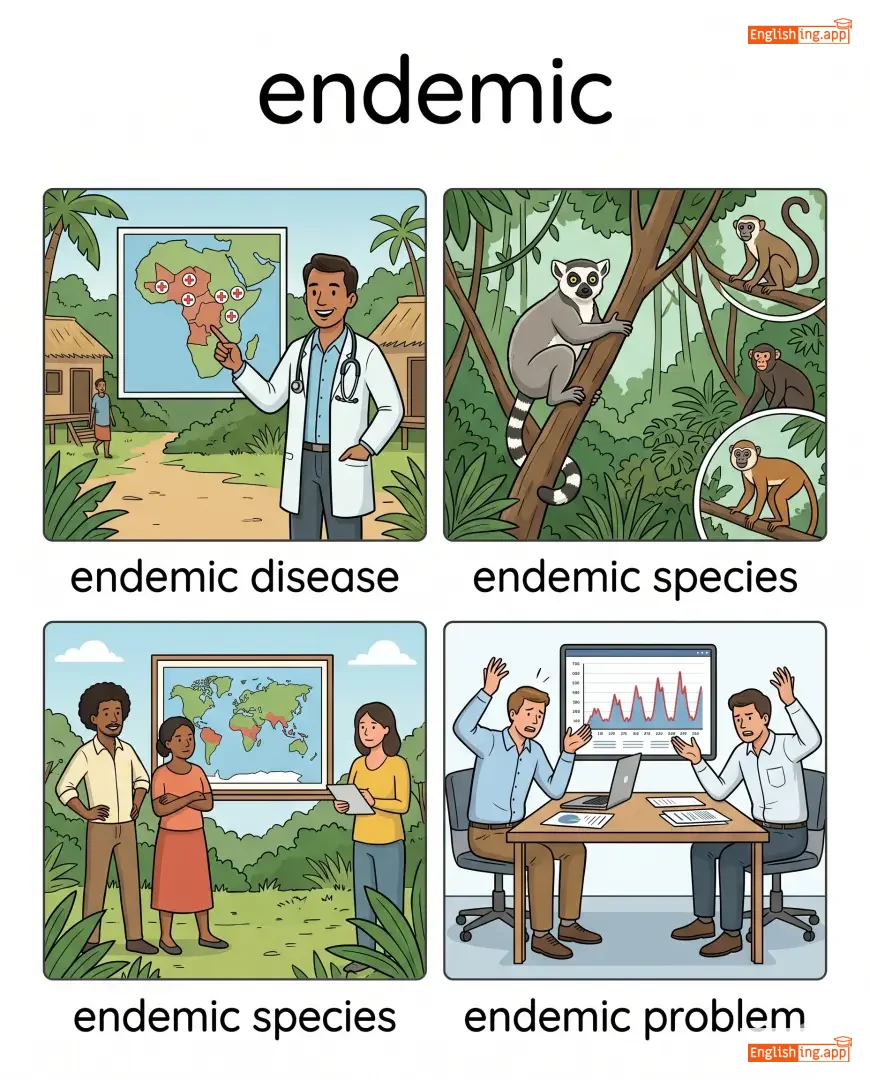
ɛnˈdɛm.ɪk
adjective
••••••
|
|
Native and restricted to a certain place.
••••••
|
The Bengal tiger is endemic to the Indian subcontinent. |
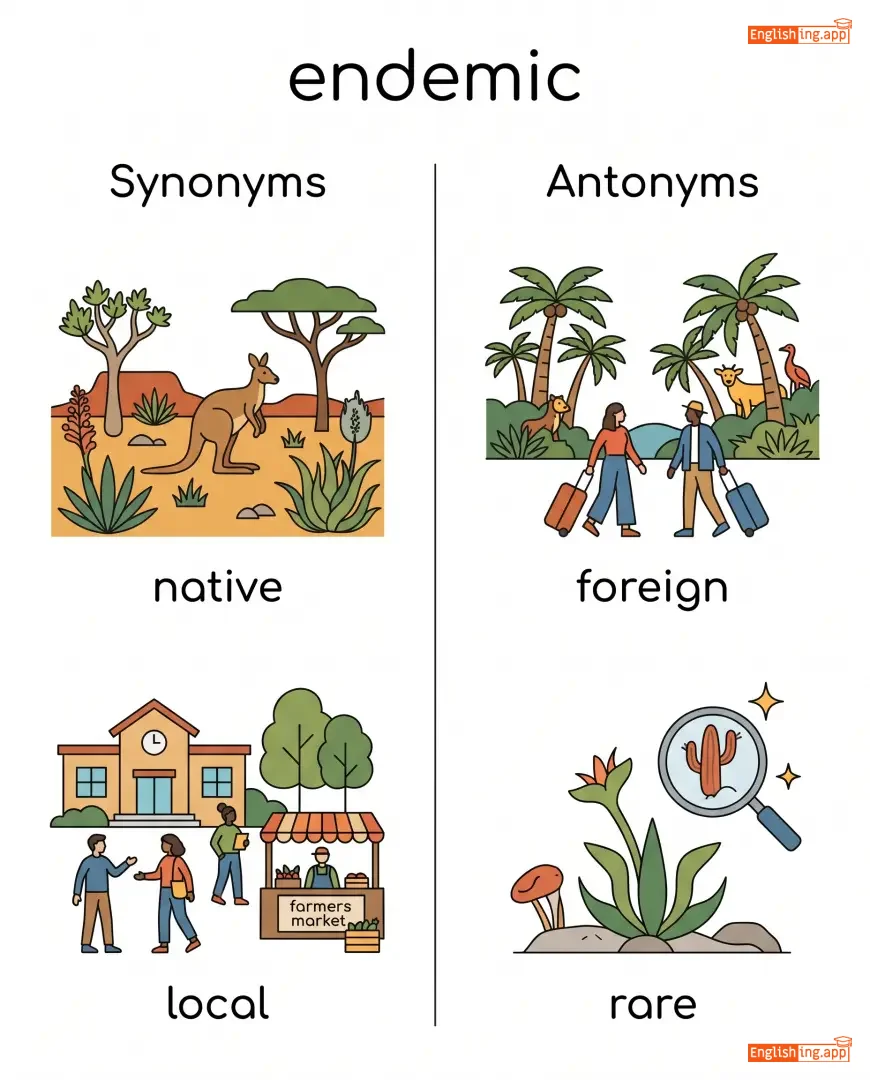
native, localized, indigenous
••••••
|
foreign, non-native, exotic
••••••
|
|
#2813
🌿🦜
|
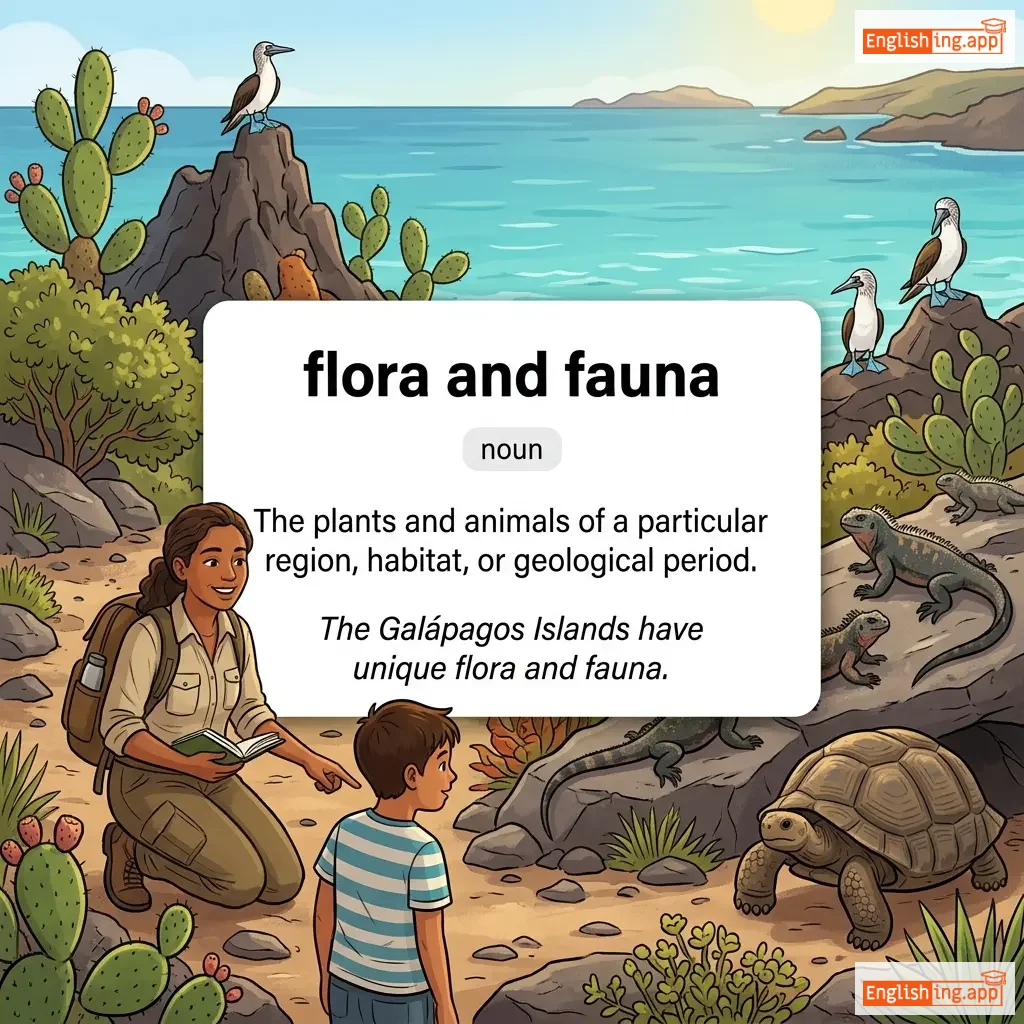
ˈflɔː.rə ænd ˈfɔː.nə
noun
••••••
|
|
The plants and animals of a particular region, habitat, or geological period.
••••••
|
The Galápagos Islands have unique flora and fauna. |
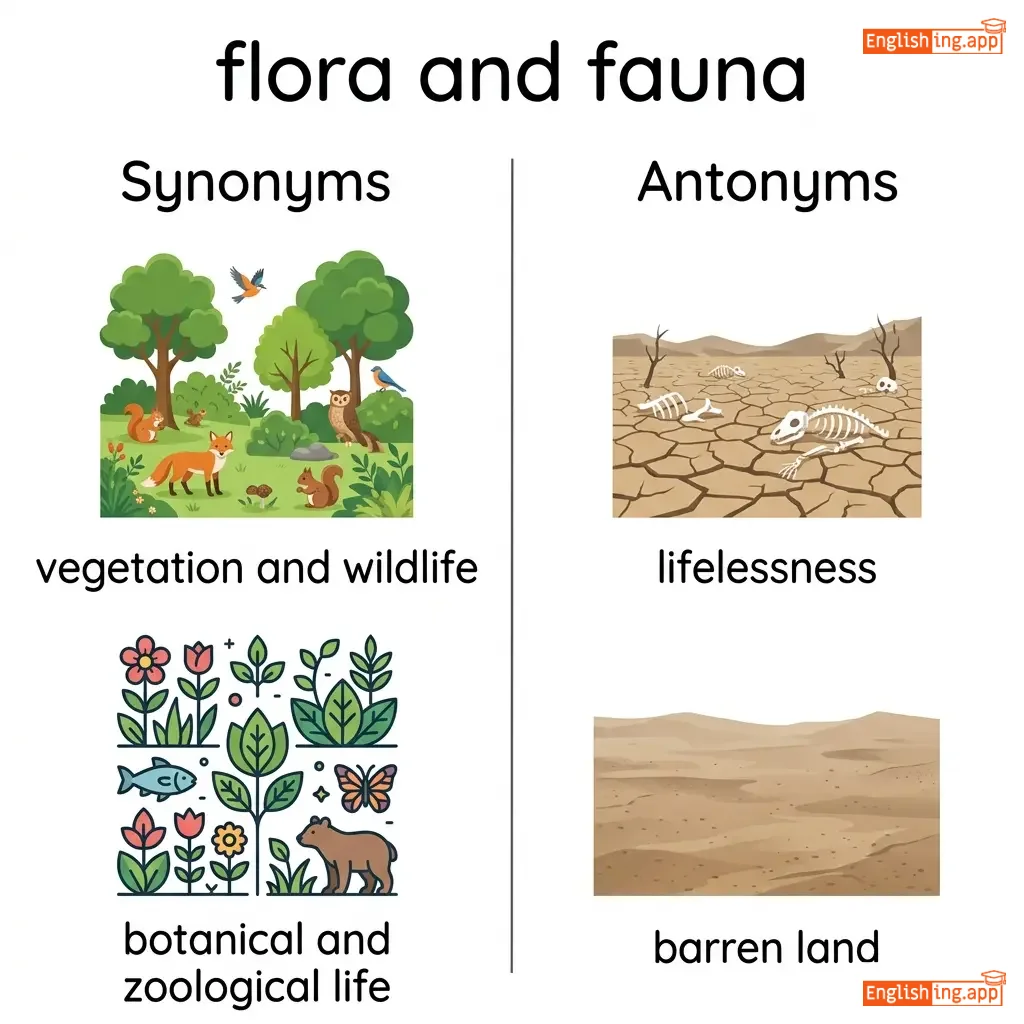
vegetation and wildlife, botanical and zoological life
••••••
|
lifelessness, barren land, destruction
••••••
|
|
#2814
🪓
|
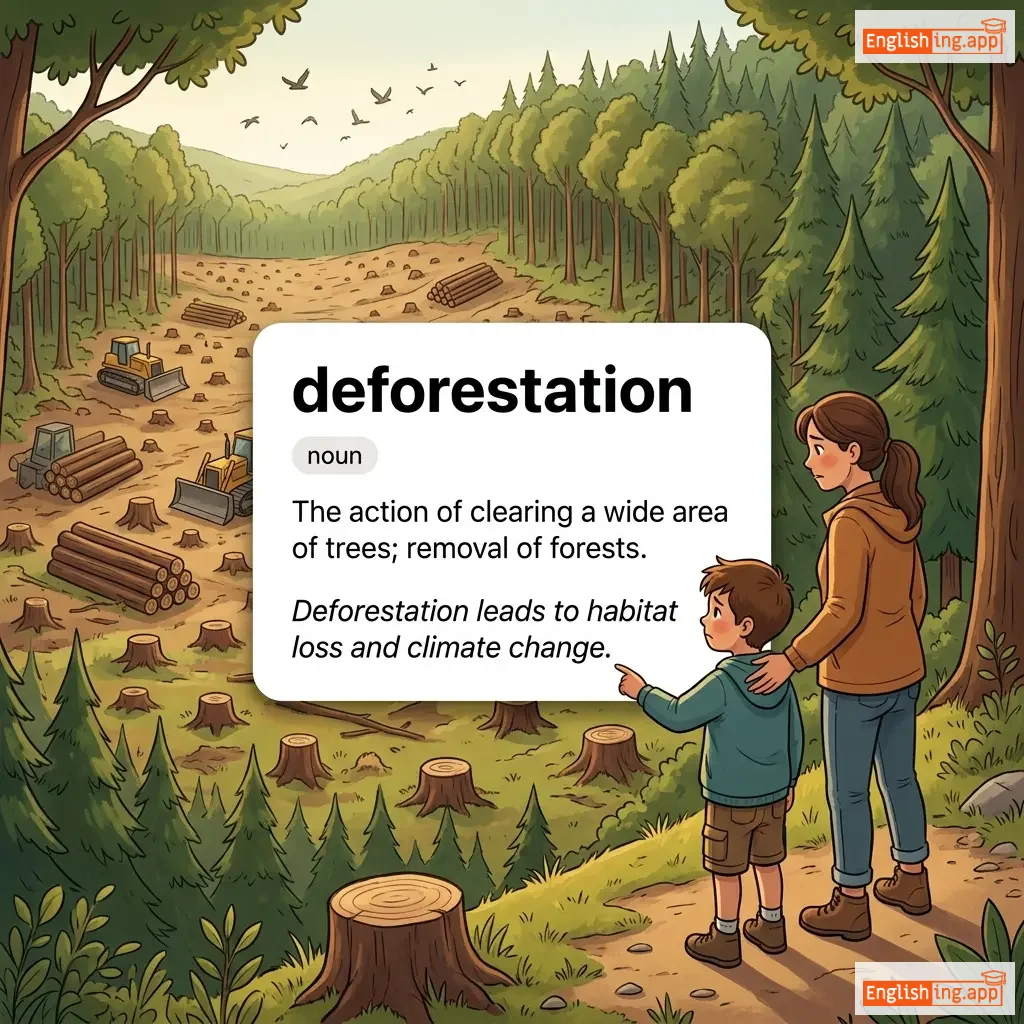
ˌdiː.fɒr.ɪˈsteɪ.ʃən
noun
••••••
|
|
The action of clearing a wide area of trees.
••••••
|
Deforestation leads to habitat loss and climate change. |
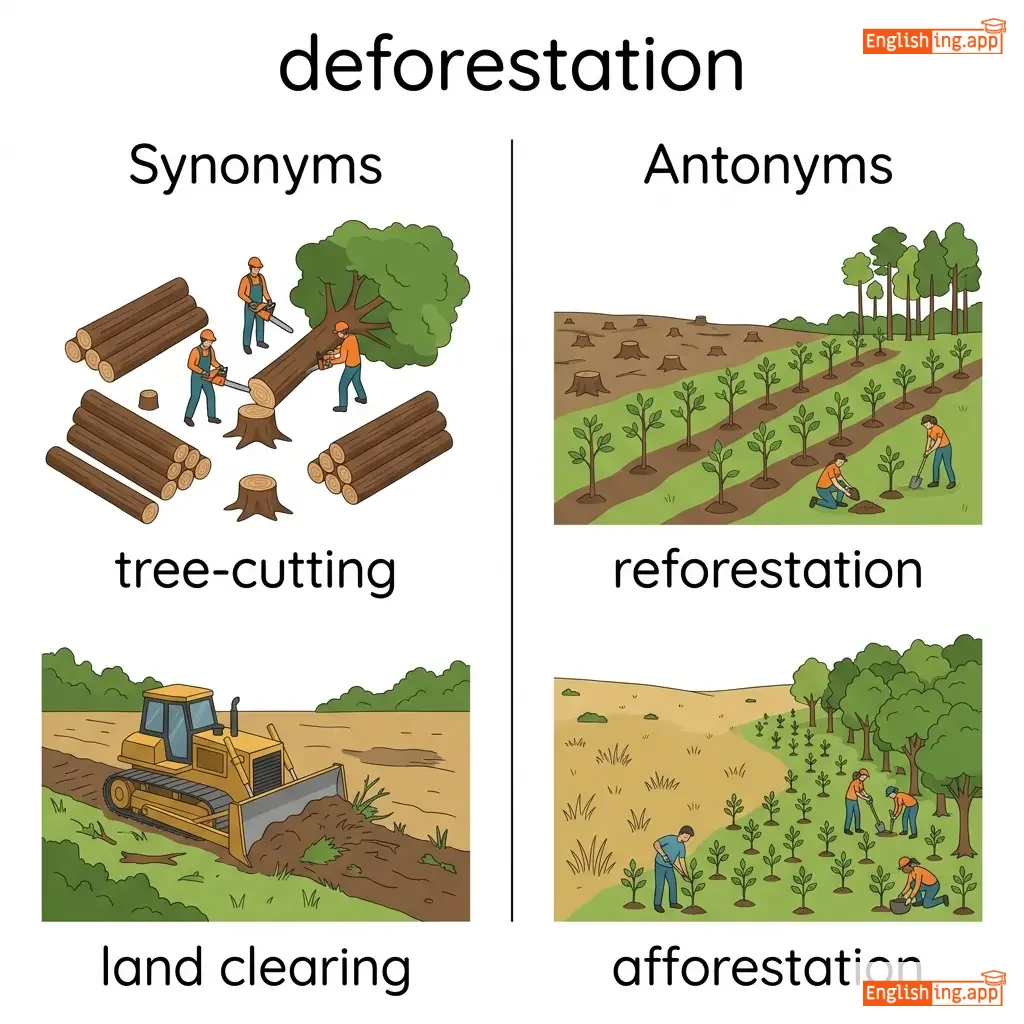
tree-cutting, land clearing, deforesting
••••••
|
reforestation, afforestation, forest preservation
••••••
|
|
#2815
📉
|
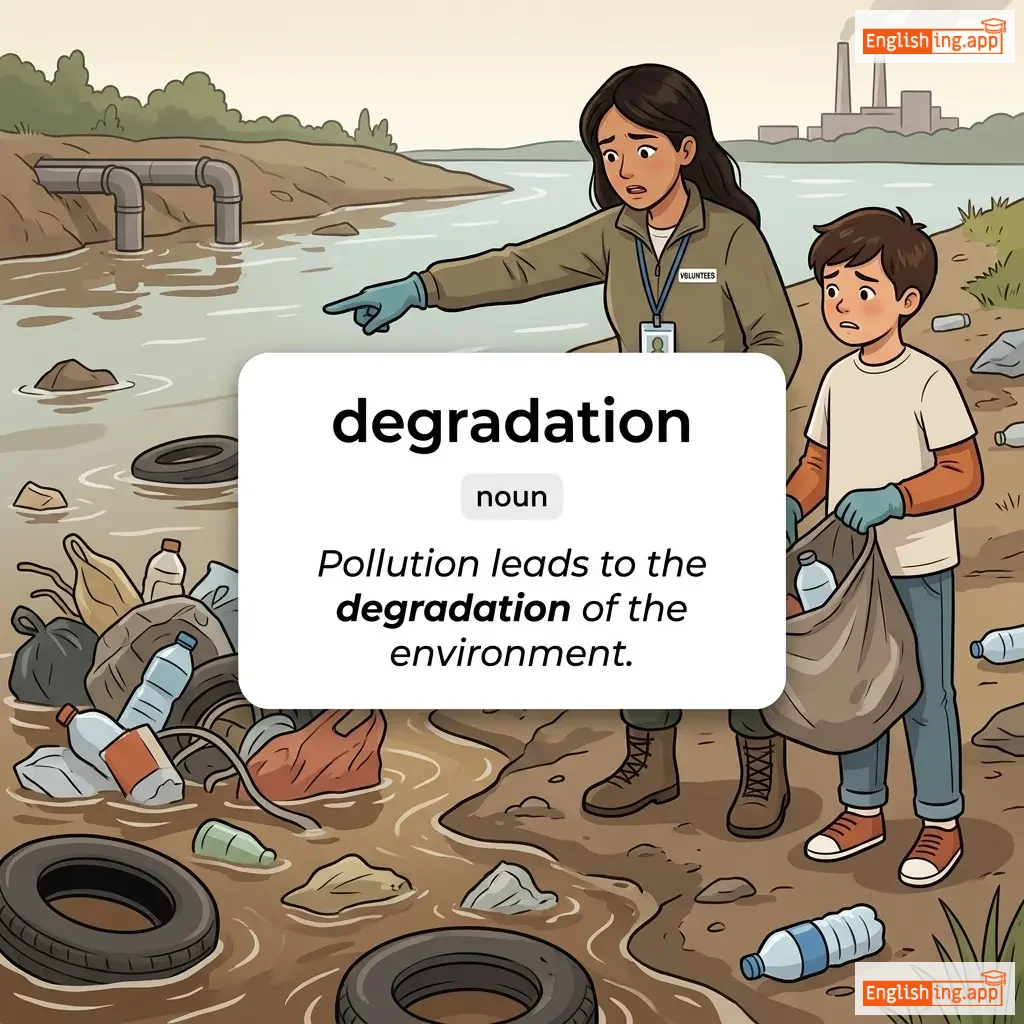
ˌdɛɡ.rəˈdeɪ.ʃən
noun
••••••
|
|
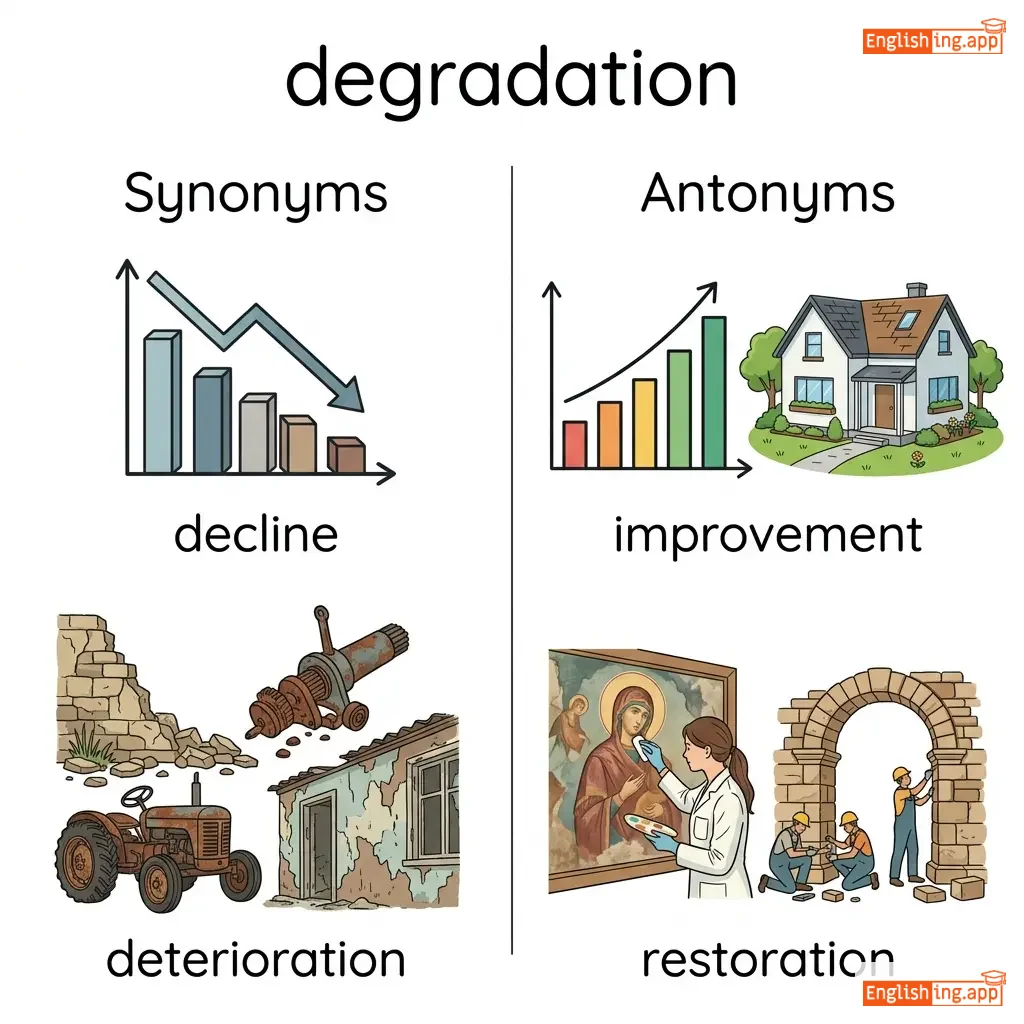
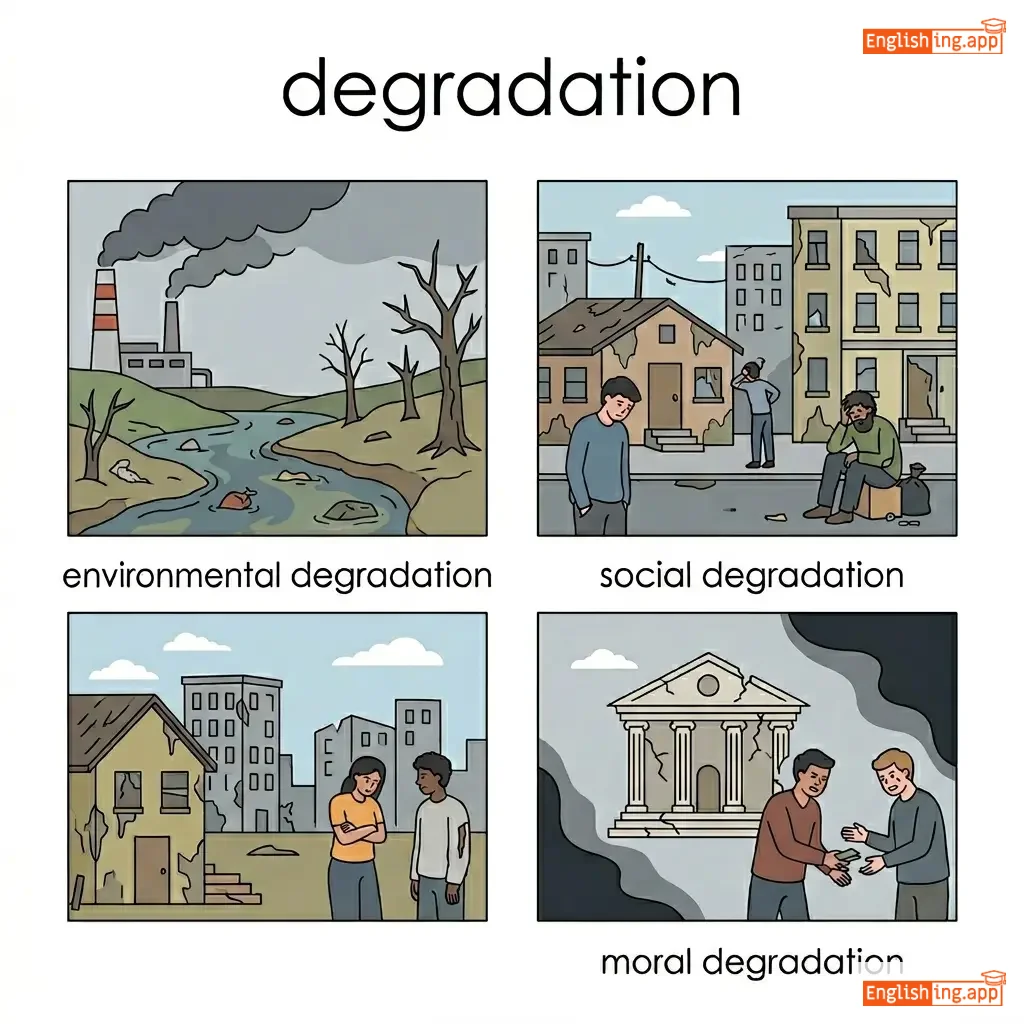
The condition or process of degrading or being degraded.
••••••
|
Deforestation causes environmental degradation. |
deterioration, decline, erosion
••••••
|
improvement, restoration, conservation
••••••
|
|
#2816
🧩
|
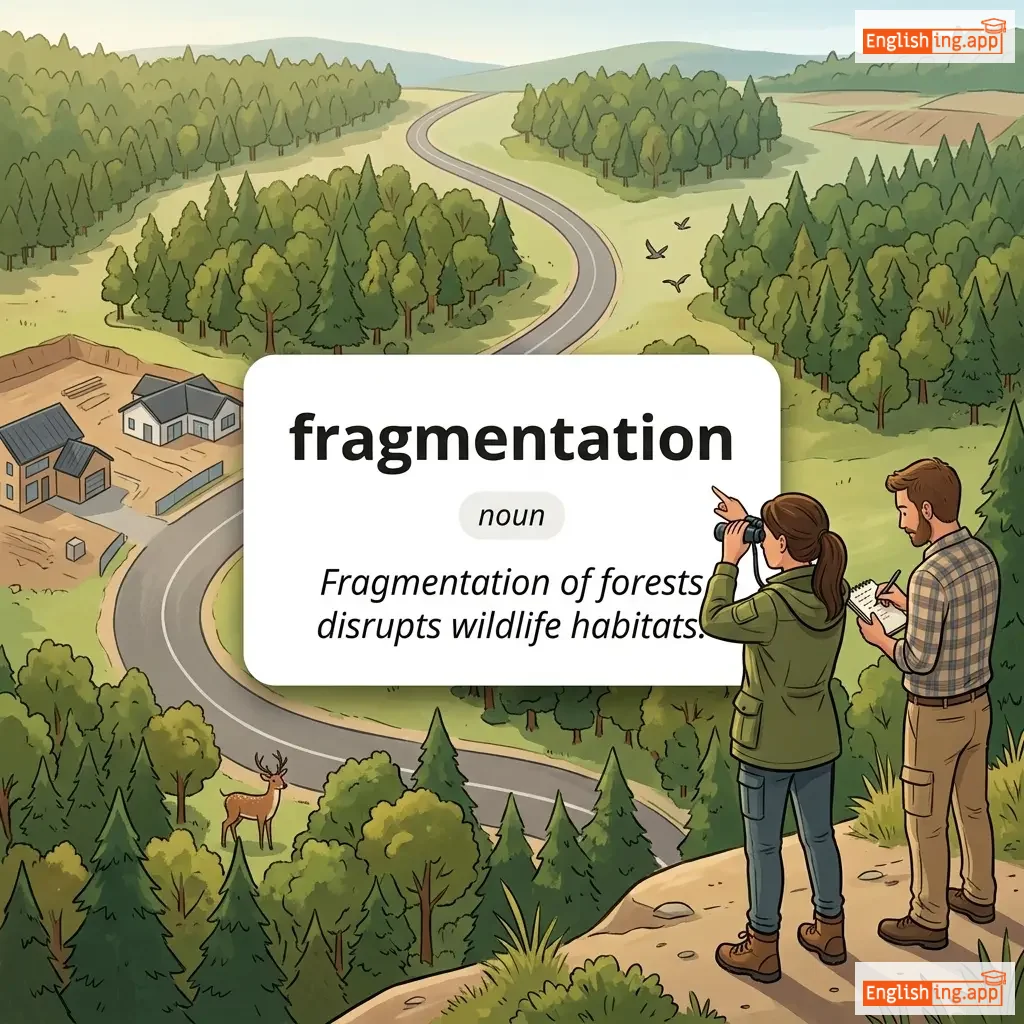
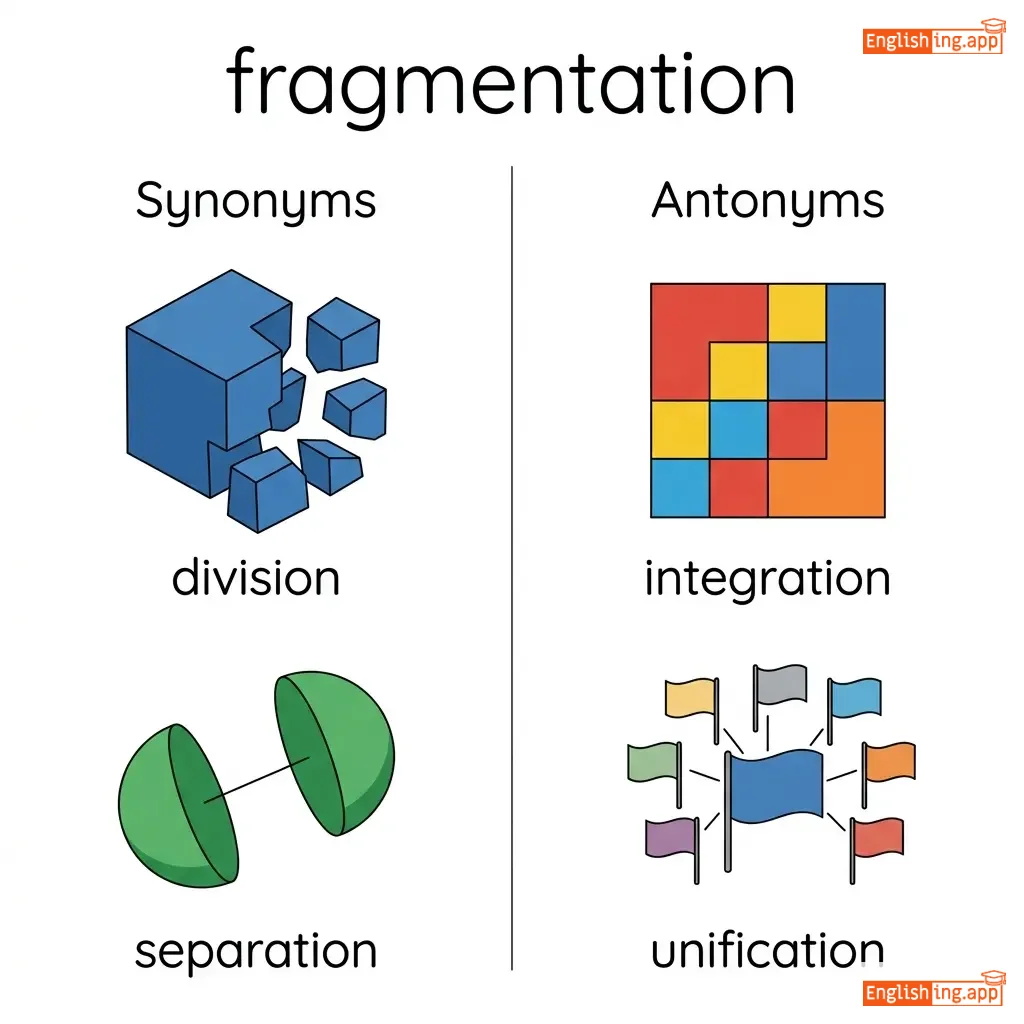
ˌfræɡ.mənˈteɪ.ʃən
noun
••••••
|
|
The process or state of breaking or being broken into fragments.
••••••
|
Fragmentation of forests disrupts wildlife habitats. |
division, separation, disintegration
••••••
|
integration, unification, continuity
••••••
|
|
#2817
🐺
|
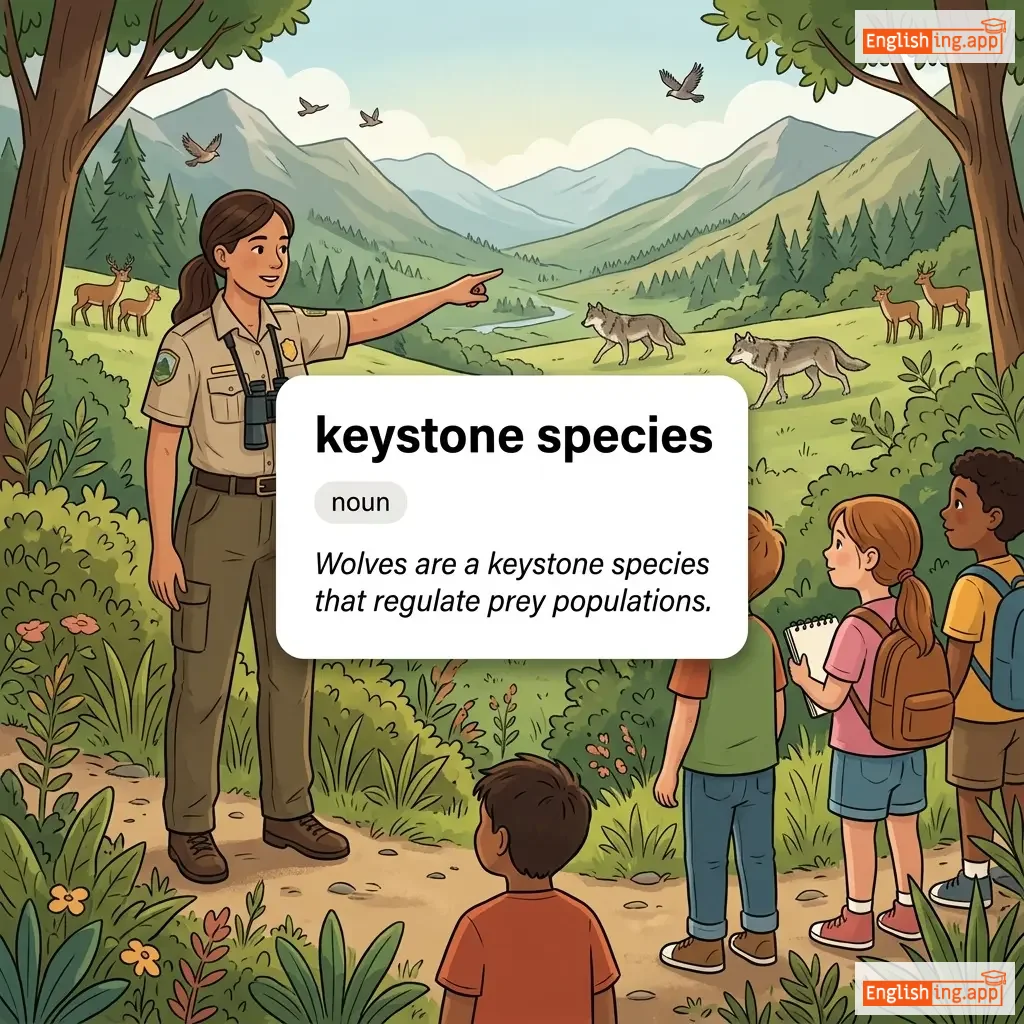
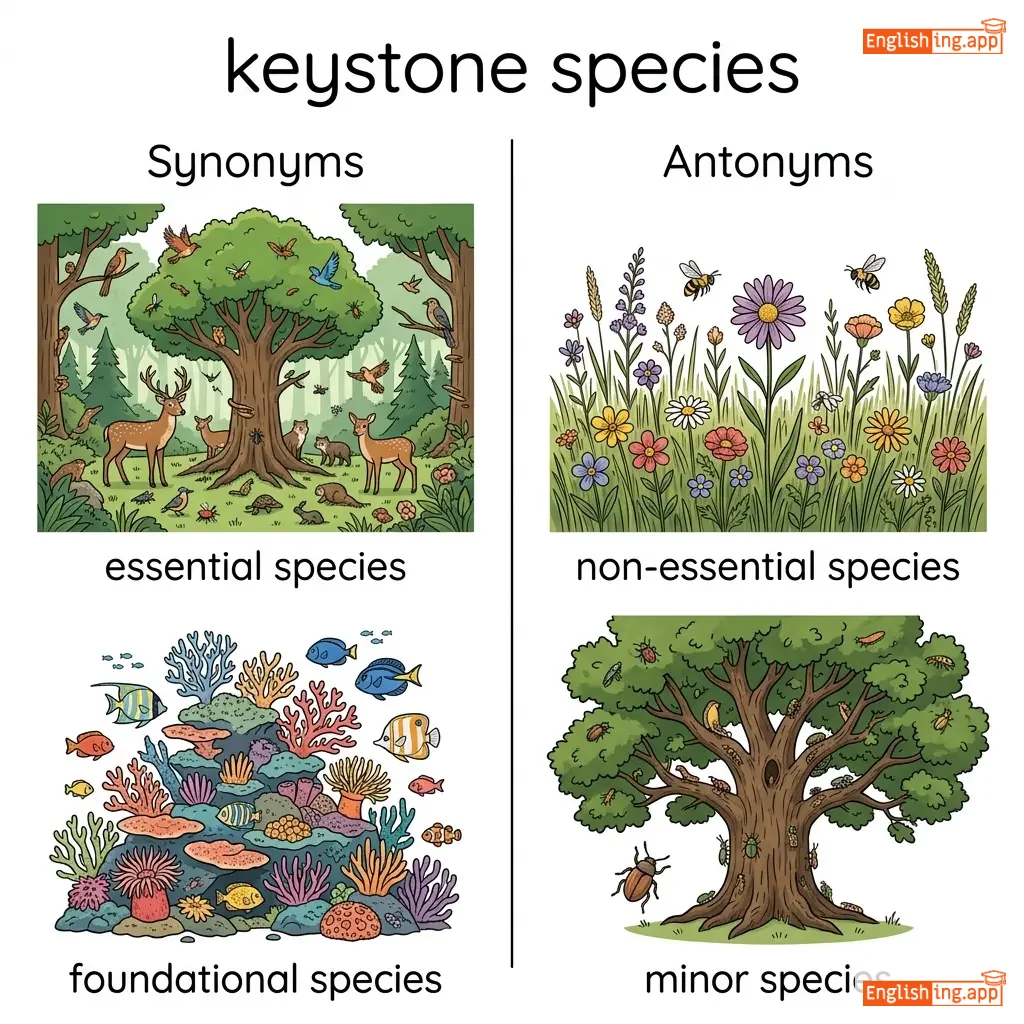
ˈkiː.stəʊn ˈspiː.ʃiːz
noun
••••••
|
|
A species on which other species in an ecosystem largely depend, such that if it were removed the ecosystem would change drastically.
••••••
|
Wolves are a keystone species that regulate prey populations. |
essential species, foundational species, ecosystem regulator
••••••
|
non-essential species, minor species, dispensable
••••••
|
|
#2818
🌊
|
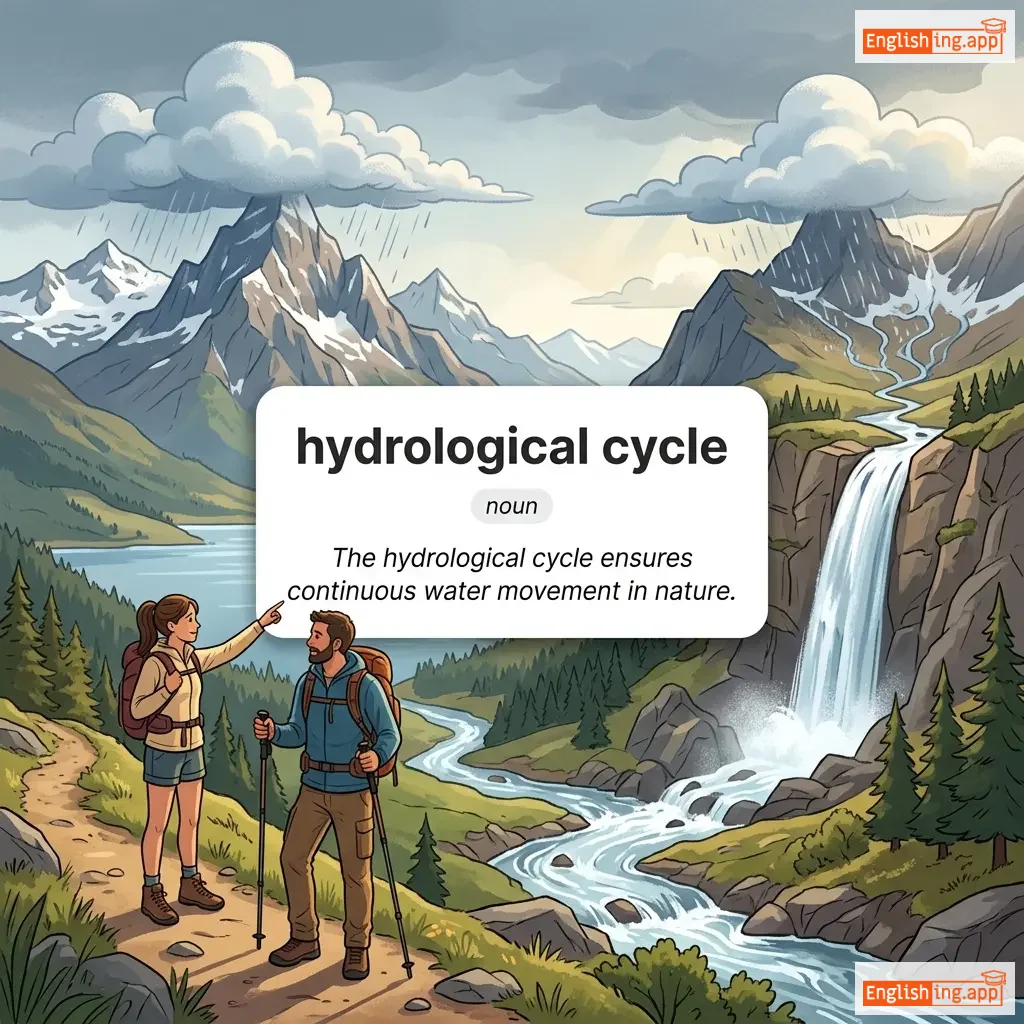
ˌhaɪ.drəˈlɒdʒ.ɪ.kəl ˈsaɪ.kəl
noun
••••••
|
|
The cycle of processes by which water circulates between the earth's oceans, atmosphere, and land.
••••••
|
The hydrological cycle ensures continuous water movement in nature. |
water cycle, hydrological process, evaporation cycle
••••••
|
water stagnation, drought, static water
••••••
|
|
#2819
🍃
|
ˌtræn.spɪˈreɪ.ʃən
noun
••••••
|
|
The process by which moisture is carried through plants from roots to small pores on the underside of leaves, where it changes to vapor and is released to the atmosphere.
••••••
|
Transpiration plays a key role in maintaining atmospheric moisture. |
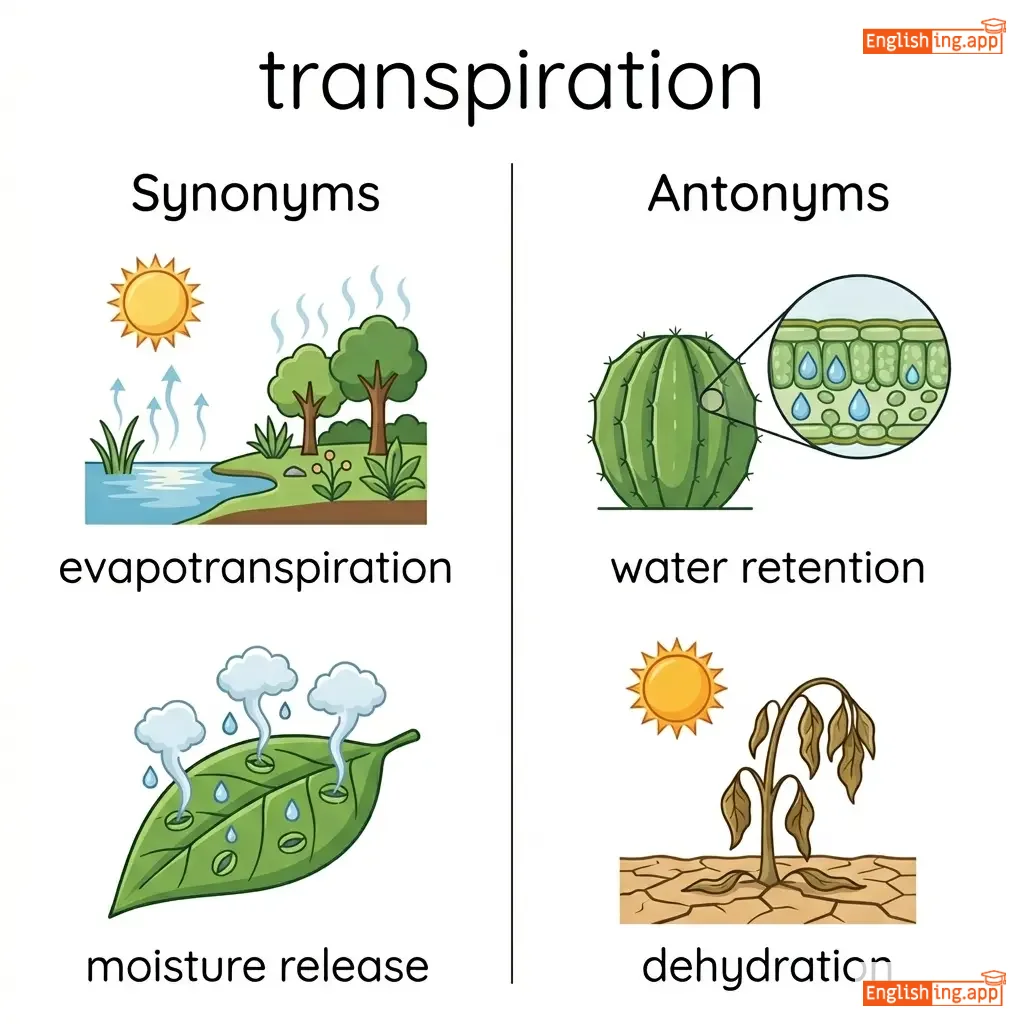
evapotranspiration, moisture release, plant respiration
••••••
|
water retention, dehydration, drought
••••••
|
|
#2820
🌡️
|
ˈmaɪ.krəʊˌklaɪ.mət
noun
••••••
|
|
The climate of a very small or restricted area, especially when this differs from the climate of the surrounding area.
••••••
|
The microclimate in valleys is often cooler than in surrounding areas. |
local climate, environmental niche, weather condition
••••••
|
global climate, uniformity, general weather
••••••
|
|
#2821
♻️
|
səˌsteɪ.nəˈbɪl.ə.ti
noun
••••••
|
|
The ability to be maintained at a certain rate or level; avoidance of the depletion of natural resources in order to maintain an ecological balance.
••••••
|
Sustainability is key to preserving natural ecosystems. |
longevity, eco-friendliness, stability
••••••
|
unsustainability, instability, exhaustion
••••••
|
|
#2822
🌳
|
ˌriː.fɒr.ɪˈsteɪ.ʃən
noun
••••••
|
|
The natural or intentional restocking of existing forests and woodlands that have been depleted.
••••••
|
Reforestation helps restore biodiversity and combat climate change. |
tree planting, forest restoration, afforestation
••••••
|
deforestation, land clearing, tree cutting
••••••
|
|
#2823
💪
|
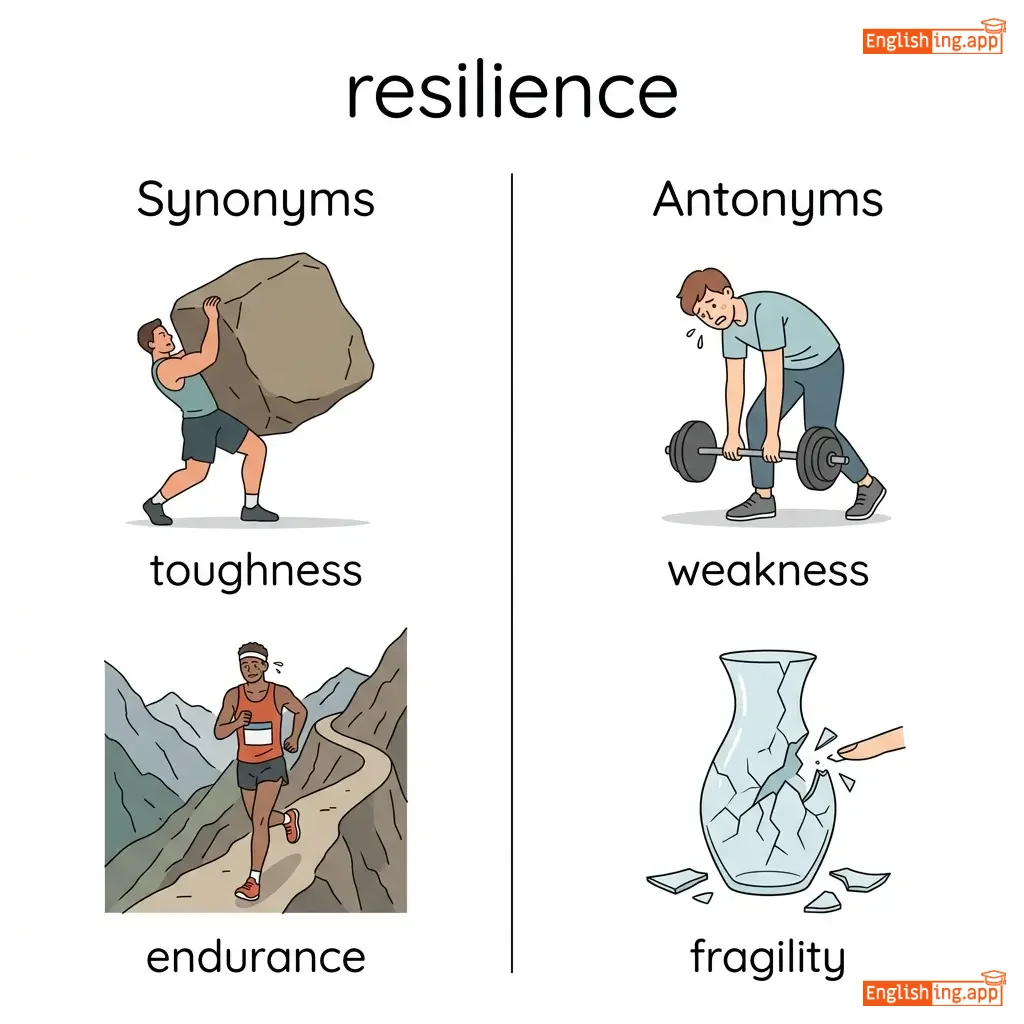
rɪˈzɪl.i.əns
noun
••••••
|
|
The capacity to recover quickly from difficulties; toughness.
••••••
|
Soil resilience helps maintain crop productivity during droughts. |
toughness, adaptability, endurance
••••••
|
fragility, weakness, vulnerability
••••••
|

