The Scholar Who Bridged Two Worlds
ナスリン教授は著名な知識人で、古代の文明の建築を研究しています。彼女の包括的な研究は、単に理論的なものであるだけでなく、現代的な社会にとって特徴的な洞察を提供しました。彼女は機関の支援を受けて、古代の遺跡の識別と分類を行う素晴らしいドキュメンテーションプロジェクトを開始しました。彼女の方法論は独自のもので、古代のテキストを翻訳と解釈を通じて読み、哲学を理解しました。"再建のためには、発展的なアプローチを取らなければならない"と彼女は言いました。彼女の国際的な協力は、歴史的な場所の修復に貢献しました。多くの現代的な学者は、彼女の仕事を素晴らしいと考えていました。なぜなら、彼女は特徴的な詳細に焦点を当てていたからです。機関の障害にもかかわらず、彼女は包括的なドキュメンテーションを完成させました。彼女の古代の哲学と文明の解釈は、国際的なコミュニティ全体にインスピレーションを与えました。再建と修復を通じて、彼女は理論的知識が現代的な社会の発展的なニーズにとって非常に重要であることを証明しました。彼女の仕事は建築と文明の特徴的な理解に新しい次元を加えました。
|
絵文字
|
単語 | Images | 翻訳 | 意味 | 例文 | 例文の翻訳 | 表現例 | 表現例の意味 | 表現例の翻訳 | 同義語 | 対義語 | コロケーション | ニーモニック |
|---|---|---|---|---|---|---|---|---|---|---|---|---|---|
|
🏛️
••••••
|
/ˈɑːkɪˌtɛktʃər/
noun
(アーキテクチャ)
••••••
|

|
建築学
kenchikugaku
••••••
|
the art and practice of designing and constructing buildings
••••••
|
The ancient temples of Greece are famous for their architecture. |
古代ギリシャの寺院はその建築学で有名です。
Kodai Girisha no jiin wa sono kenchikugaku de yuumei desu.
••••••
|
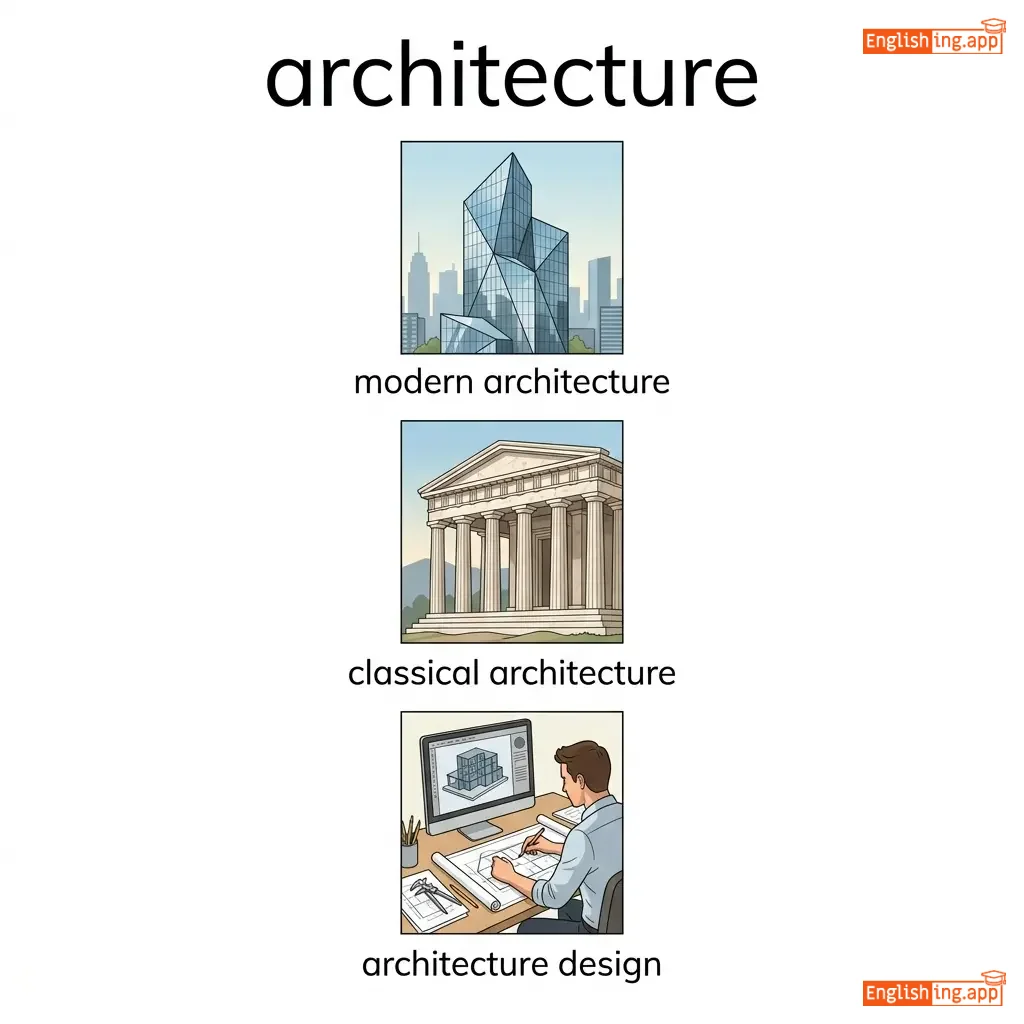
modern architecture |
a style of architecture characterized by simplicity and functional design
••••••
|
現代建築学
gendai kenchikugaku
••••••
|
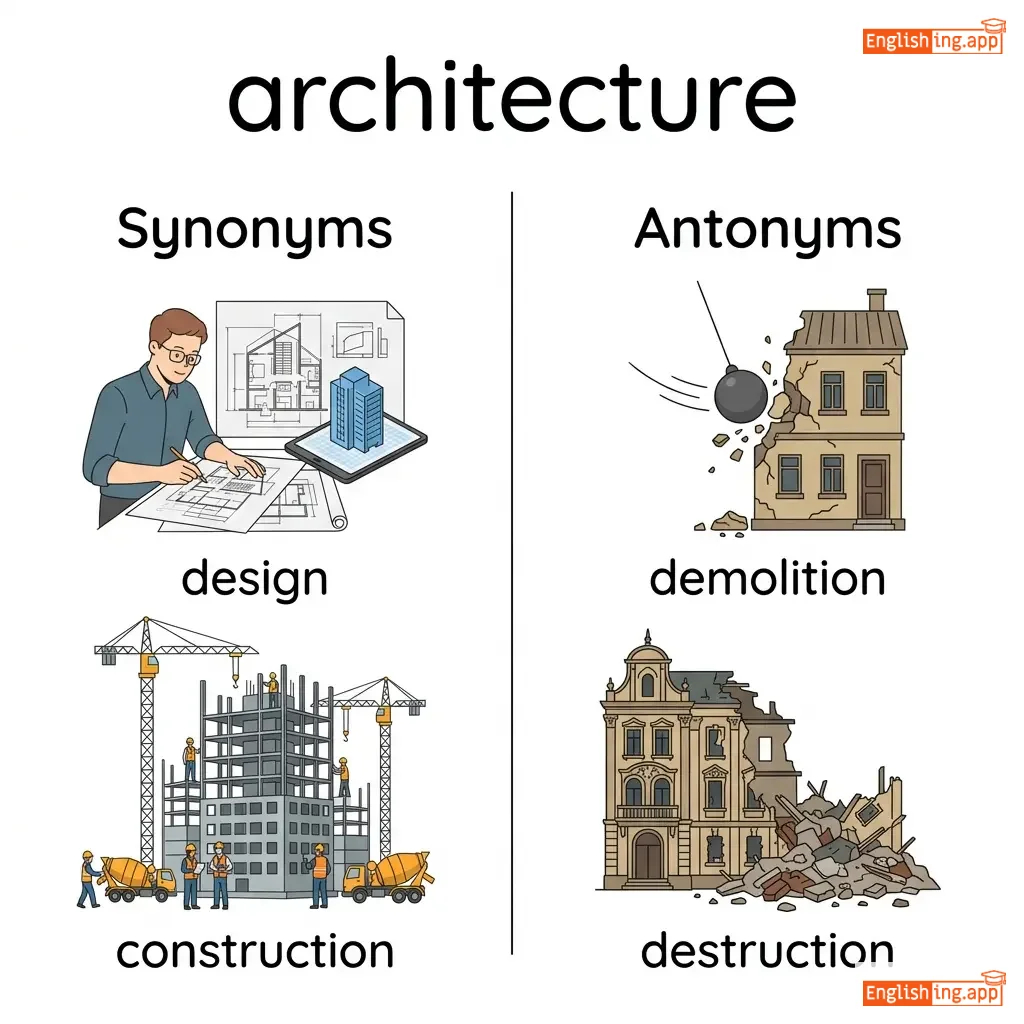
design, construction, structure, framework
••••••
|
demolition, destruction
••••••
|
modern architecture, classical architecture, architecture design, architecture firm
••••••
|
Architecture は建物をデザインすることを意味するので、建築学は建物を作る芸術です 🏛️
••••••
|
|
🔑
••••••
|
/ˌkærəktəˈrɪstɪk/
noun/adjective
(キャラクタリスティック)
••••••
|
- •••••• |
特徴
tokuchō
••••••
|
A distinguishing quality or feature of a person, place, or thing.
••••••
|
Kindness is a characteristic of true leadership.
親切は真のリーダーシップの特徴です。
••••••
|
親切は真のリーダーシップの特徴です。
Shinsetsu wa shin no rīdāshippu no tokuchō desu.
••••••
|
Characteristic feature
特徴的な特徴
••••••
|
A notable quality that identifies something.
••••••
|
特徴的な特徴
tokuchōteki na tokuchō
••••••
|
trait, quality, feature, attribute, hallmark
••••••
|
anomaly, exception
••••••
|
unique characteristic, human characteristic, defining characteristic
••••••
|
Characteristic = 特徴, イメージは 'character' + 'istic'.
••••••
|
|
🏺
••••••
|
/ˌsɪvɪlaɪˈzeɪʃən/
noun
(sivilaiˈzeɪʃən)
••••••
|
- •••••• |
文明
bunmei
••••••
|
the stage of human social and cultural development and organization considered most advanced
••••••
|
Ancient Egypt is known for its remarkable civilization.
古代エジプトはその優れた文明で知られています。
••••••
|
古代エジプトはその優れた文明で知られています。
Kodai Ejiputo wa sono sugureta bunmei de shirareteimasu.
••••••
|
modern civilization
現代文明
••••••
|
the advanced state of contemporary human society
••••••
|
現代文明
gendai bunmei
••••••
|
culture, society, advancement, progress, refinement
••••••
|
barbarism, savagery
••••••
|
ancient civilization, modern civilization, lost civilization, human civilization
••••••
|
Civilは文明を意味するので、Civilizationは文明を意味する — 簡単で賢い連想法!
••••••
|
|
📊
••••••
|
/ˌklæsɪfɪˈkeɪʃən/
noun
(クラシフィケーション)
••••••
|
- •••••• |
分類
bunrui
••••••
|
the action or process of classifying something into groups based on shared characteristics.
••••••
|
The classification of animals helps in understanding their biology. |
動物の分類は、彼らの生物学を理解するのに役立ちます。
Dōbutsu no bunrui wa, karera no seibutsugaku o rikai suru no ni yakudachimasu.
••••••
|
- •••••• | - •••••• | - •••••• |
categorization, sorting, organization, classification
••••••
|
disorganization, confusion
••••••
|
classification system, scientific classification, animal classification
••••••
|
Classify for clarity—分類のために明確に
••••••
|
|
📚
••••••
|
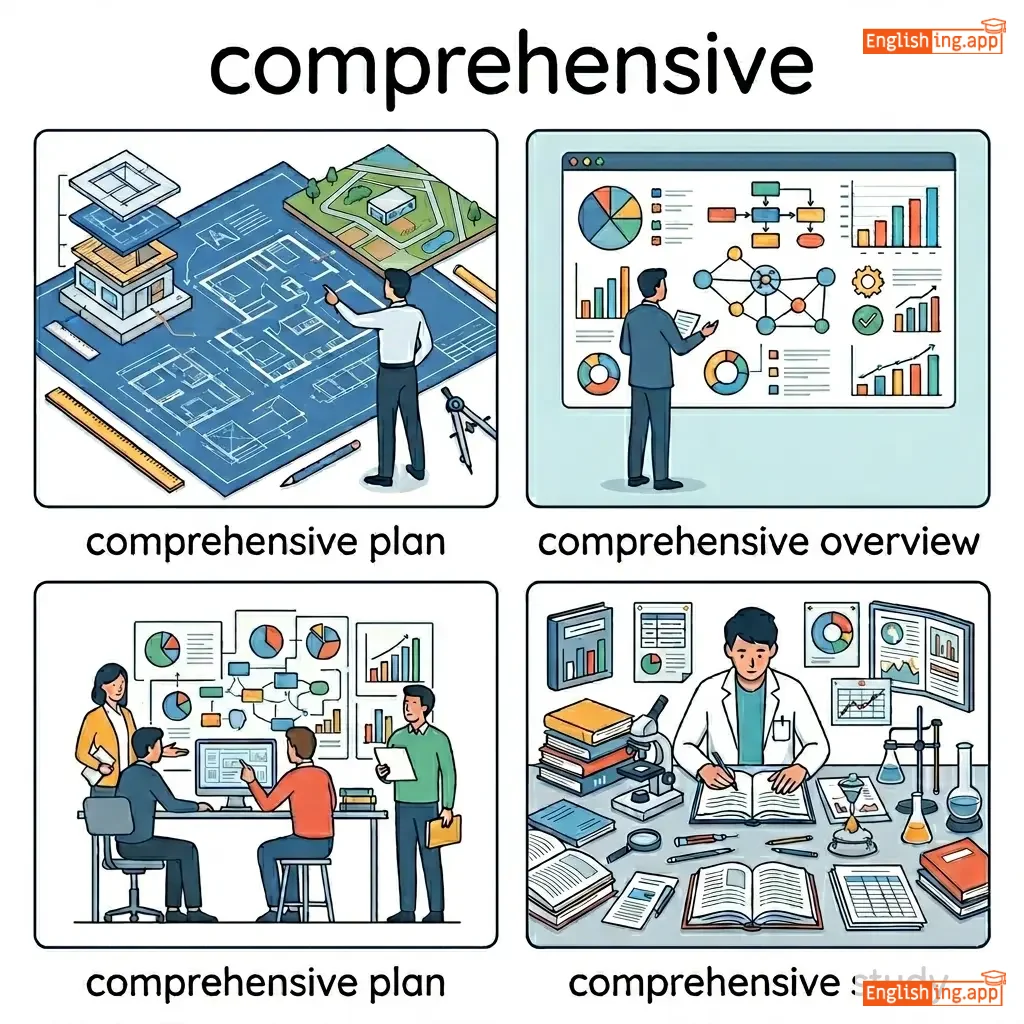
/ˌkɒm.prɪˈhen.sɪv/
adjective
(コンプリヘンシブ)
••••••
|
|
包括的な; 完全な; 総合的な
hōkatsuteki na; kanzen na; sōgōteki na
••••••
|
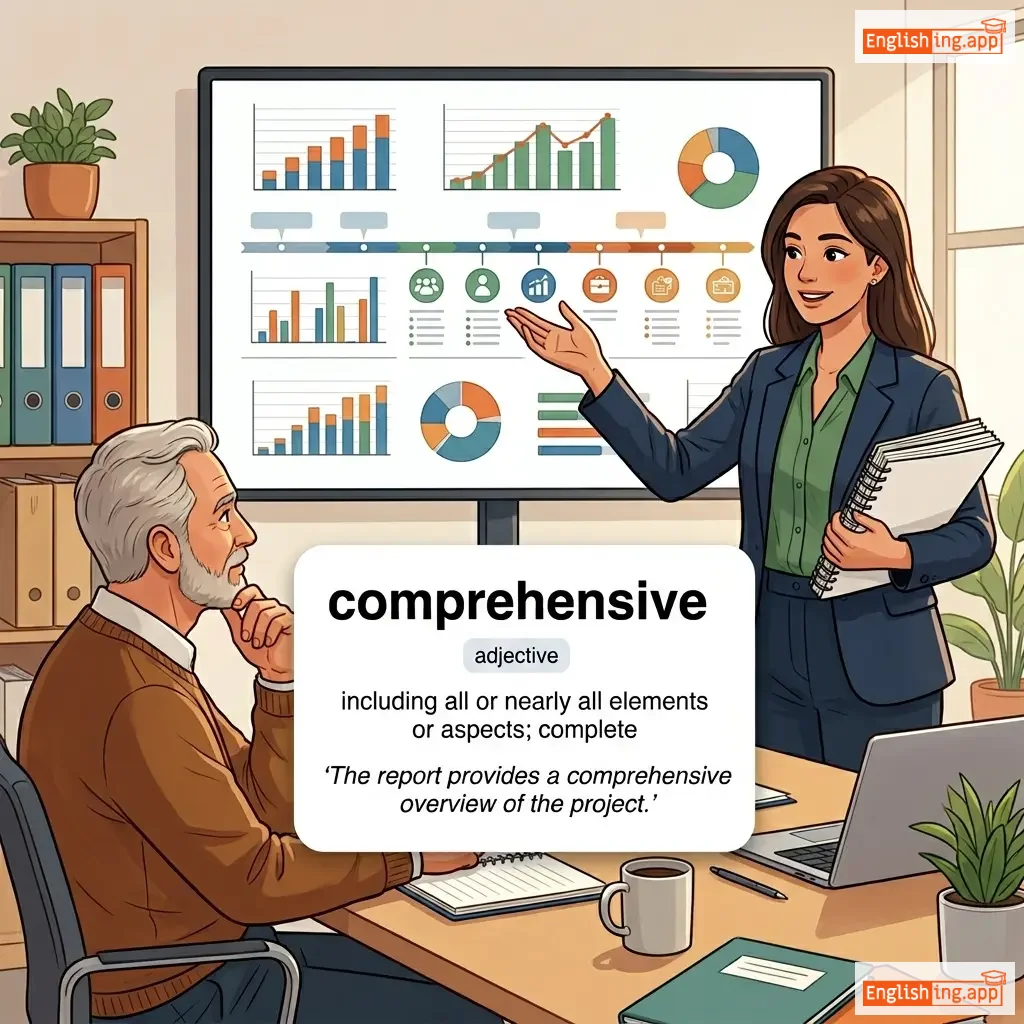
complete and including everything that is necessary; covering a wide range of topics
••••••
|
The report provides a comprehensive analysis of the market trends. |
報告書は市場動向の包括的な分析を提供します。
hōkokusho wa shijō dōkō no hōkatsuteki na bunseki o teikyō shimasu.
••••••
|
- •••••• | - •••••• | - •••••• |
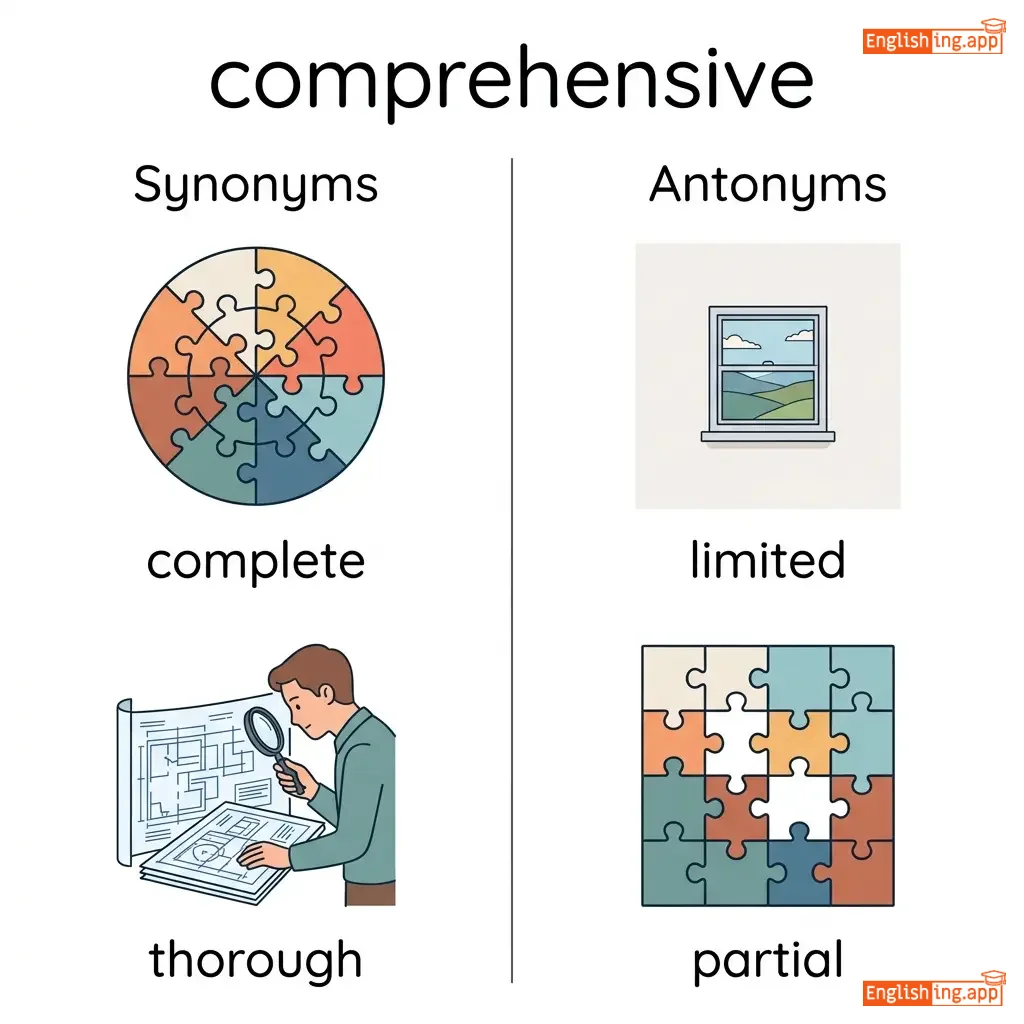
complete, thorough, extensive, all-inclusive
••••••
|
partial, incomplete, limited, narrow
••••••
|
comprehensive study, comprehensive report, comprehensive coverage
••••••
|
完全に理解するには、すべてをカバーすることが大切です。
••••••
|
|
🎨
••••••
|
/kənˈtɛmpərɛri/
adjective
(コンテンポラリー)
••••••
|
- •••••• |
現代的な, 現代の
gendai-teki na, gendai no
••••••
|
belonging to the same time period; modern
••••••
|
She enjoys contemporary art exhibitions.
彼女は現代アートの展示を楽しんでいます。
••••••
|
彼女は現代アートの展示を楽しんでいます。
Kanojo wa gendai āto no tenji o tanoshindeimasu.
••••••
|
contemporary issues
現代の問題
••••••
|
current problems or topics relevant to the present time
••••••
|
現代の問題
gendai no mondai
••••••
|
modern, current, present-day, up-to-date
••••••
|
old-fashioned, outdated, ancient
••••••
|
contemporary art, contemporary culture, contemporary society, contemporary issues
••••••
|
Contemporary = con+temporary = 同じ時代に現代的/現代の。
••••••
|
|
🌱
••••••
|
/dɪˌveləpˈmentl/
adjective
(ディベロップメンタル)
••••••
|
- •••••• |
発展的
hatenteki
••••••
|
relating to the process of growth or progress
••••••
|
Early childhood is a crucial developmental stage for learning. |
幼児期は学習にとって重要な発展的段階です。
Yōjiki wa gakushū ni totte jūyōna hatten-teki dankai desu.
••••••
|
- •••••• | - •••••• | - •••••• |
evolutionary, progressive, formative, educational
••••••
|
regressive, stagnant
••••••
|
developmental stage, developmental psychology, developmental delay
••••••
|
Development + al = 開発に関連する — だから発展的は開発に関連することを意味する
••••••
|
|
📄
••••••
|
/ˌdɒkjʊmɛnˈteɪʃən/
noun
(ドキュメンテーション)
••••••
|
- •••••• |
ドキュメンテーション
dokyumenteshon
••••••
|
material that provides official information or evidence
••••••
|
The documentation for the project is available for review. |
プロジェクトのドキュメンテーションはレビューのために利用可能です。
Purojekuto no dokyumenteshon wa rebyū no tame ni riyō kanō desu.
••••••
|
- •••••• | - •••••• | - •••••• |
records, paperwork, files, archives
••••••
|
neglect, disregard
••••••
|
project documentation, legal documentation, technical documentation, documentation review
••••••
|
Documentation (ドキュメンテーション) is your guide to the information, like a map to navigate the project!
••••••
|
|
🪪
••••••
|
/aɪˌdɛntɪfɪˈkeɪʃən/
noun
(アイデンティフィケーション)
••••••
|
- •••••• |
身分証明
minbun shoumei
••••••
|
the process of recognizing or proving who or what someone or something is
••••••
|
You need proper identification to enter the building. |
ビルに入るには適切な身分証明が必要です。
Biru ni hairu ni wa tekisetsu na minbun shoumei ga hitsuyou desu.
••••••
|
- •••••• | - •••••• | - •••••• |
recognition, verification, authentication, validation
••••••
|
misidentification, confusion
••••••
|
identity card, identification number, personal identification, photo identification
••••••
|
Identification は日本語で身分証明書。IDカードを見せれば覚えやすい!
••••••
|
|
🏛️
••••••
|
/ˌɪnstɪˈtjuːʃənl/
adjective
(in-sTi-tyu-sho-nal)
••••••
|
- •••••• |
制度的
seido-teki
••••••
|
Relating to an organization or established practice.
••••••
|
The government made several institutional reforms in education. |
政府は教育においていくつかの制度的改革を実施しました。
Seifu wa kyōiku ni oite ikutsu ka no seido-teki kaikaku o jisshi shimashita.
••••••
|
- •••••• | - •••••• | - •••••• |
organizational, structural, official, systemic
••••••
|
individual, personal, informal
••••••
|
institutional reform, institutional framework, institutional support, institutional structure
••••••
|
制度的は、制度に関連するという意味で、制度改革を示しています。
••••••
|
|
📚
••••••
|
/ˌɪn.təlˈɛk.tʃu.əl/
adjective, noun
(インテレクチュアル)
••••••
|
- •••••• |
知的な
chiteki na
••••••
|
Relating to the intellect; a person who engages in critical thinking and study.
••••••
|
She enjoys intellectual discussions about philosophy. |
彼女は哲学についての知的な議論を楽しんでいます。
Kanojo wa tetsugaku ni tsuite no chiteki na giron o tanoshindeimasu.
••••••
|
intellectual curiosity |
a strong desire to learn and understand new things
••••••
|
知的好奇心
chiteki kōkishin
••••••
|
academic, scholarly, thinker, brainy
••••••
|
ignorant, uneducated
••••••
|
intellectual debate, intellectual growth, intellectual pursuit, intellectual class
••••••
|
知的な = 知識 + 実際、つまり知性を実際に活用すること
••••••
|
|
🌍
••••••
|
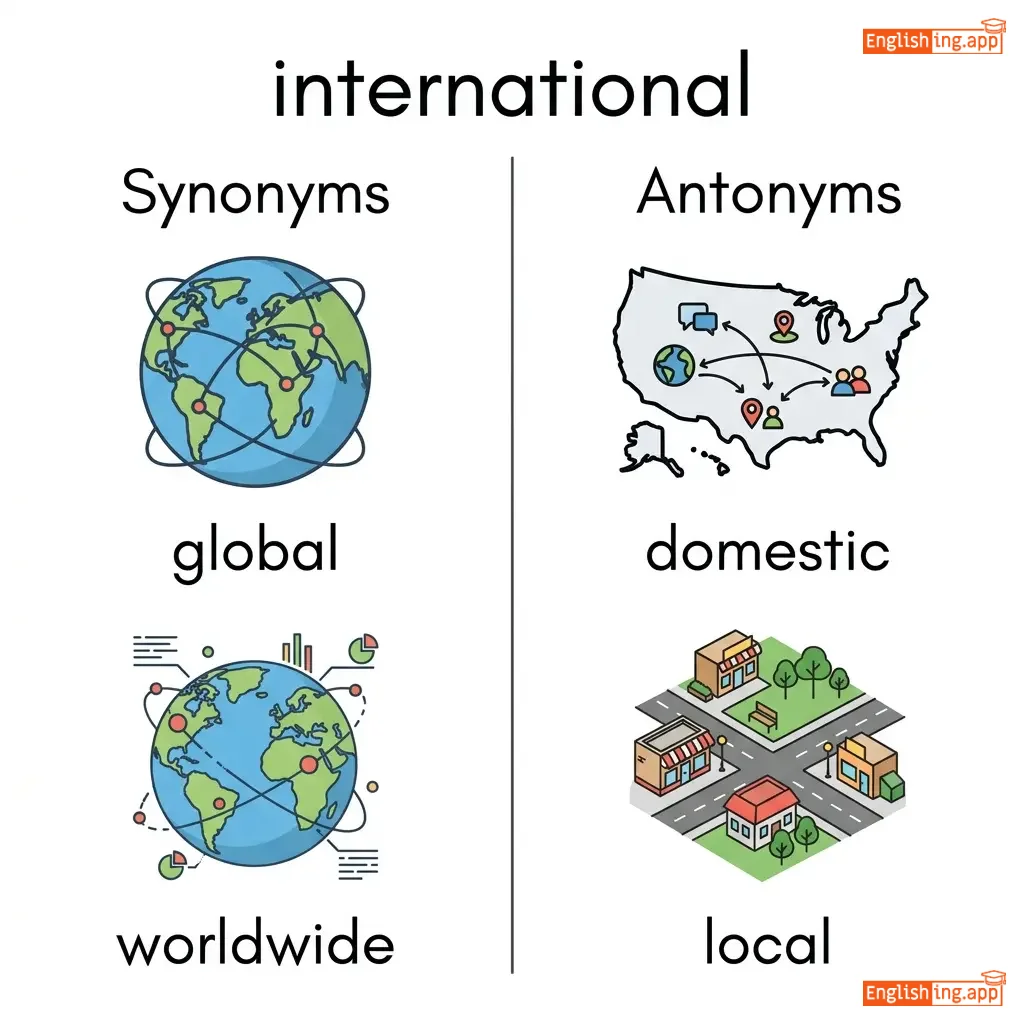
/ˌɪntərˈnæʃənəl/
adjective
(インターナショナル)
••••••
|


|
国際的
kokusai teki
••••••
|
Existing, occurring, or carried on between nations.
••••••
|
The company is planning to expand into international markets. |
その会社は国際市場に拡大する計画を立てています。
Sono kaisha wa kokusai shijou ni kakudai suru keikaku o tateteimasu.
••••••
|
international relations |
relationships between different countries
••••••
|
国際関係
kokusai kankei
••••••
|
global, worldwide, universal, foreign
••••••
|
domestic, local
••••••
|
international trade, international law, international relations, international organization
••••••
|
Internationalはinter(間)+ national(国)=国と国の間の関係
••••••
|
|
📖
••••••
|
/ɪnˌtɜːrprəˈteɪʃən/
noun
(インタープリテーション)
••••••
|
- •••••• |
解釈
kaishaku
••••••
|
the action of explaining the meaning of something
••••••
|
The teacher gave her own interpretation of the poem. |
教師は詩の自分の解釈を示しました。
Kyōshi wa shi no jibun no kaishaku o shimeshita.
••••••
|
open to interpretation |
something that can be understood in different ways
••••••
|
解釈に開かれている
kaishaku ni hirakarete iru
••••••
|
explanation, clarification, analysis, understanding, rendering
••••••
|
misinterpretation, confusion, misunderstanding
••••••
|
artistic interpretation, legal interpretation, correct interpretation, interpretation of law
••••••
|
Interpretation は解釈です — 映画のように、結末は常に解釈に開かれています。
••••••
|
|
🌄
••••••
|
/mæɡˈnɪfɪsənt/
adjective
(マグニフィセント)
••••••
|
- •••••• |
素晴らしい
subarashii
••••••
|
extremely beautiful, impressive, or splendid
••••••
|
The view from the mountain was truly magnificent.
山からの景色は本当に素晴らしかった。
••••••
|
山からの景色は本当に素晴らしかった。
Yama kara no keshiki wa hontou ni subarashikatta.
••••••
|
in magnificent style
素晴らしいスタイルで
••••••
|
to do something in an impressive or splendid way
••••••
|
素晴らしいスタイルで
subarashii sutairu de
••••••
|
splendid, glorious, majestic, superb, wonderful
••••••
|
awful, ordinary, poor
••••••
|
magnificent view, magnificent palace, magnificent effort
••••••
|
Magnificent = 素晴らしい = 驚くべき景色。
••••••
|
|
📊
••••••
|
/ˌmɛθəˈdɑlədʒi/
noun
(メソドロジー)
••••••
|
- •••••• |
方法論
hōhōron
••••••
|
A system of methods used in a particular area of study or activity.
••••••
|
The research was conducted using a new methodology.
その研究は新しいメソドロジーを使って行われました。
••••••
|
その研究は新しいメソドロジーを使って行われました。
Sono kenkyū wa atarashī mesodorojī o tsukatte okonaware mashita.
••••••
|
- •••••• | - •••••• | - •••••• |
approach, technique, process, strategy, system
••••••
|
disorganization, randomness
••••••
|
research methodology, scientific methodology, teaching methodology, standard methodology
••••••
|
メソドロジーは方法のシステム—方法の方法です。
••••••
|
|
📚
••••••
|
/fɪˈlɒs.ə.fi/
noun
(フィロソフィー)
••••••
|
- •••••• |
哲学
tetsugaku
••••••
|
the study of the fundamental nature of knowledge, reality, and existence
••••••
|
Her philosophy emphasizes kindness and empathy. |
彼女の哲学は親切さと共感を強調しています。
Kanojo no tetsugaku wa shinsetsu-sa to kyokan o kyouchou shiteimasu.
••••••
|
- •••••• | - •••••• | - •••••• |
belief, doctrine, wisdom, thought
••••••
|
ignorance, foolishness
••••••
|
personal philosophy, philosophy of life, moral philosophy, philosophical principles
••••••
|
Philo (愛) + sophy (知恵) = 愛 + 知恵 = 哲学
••••••
|
|
🏗️
••••••
|
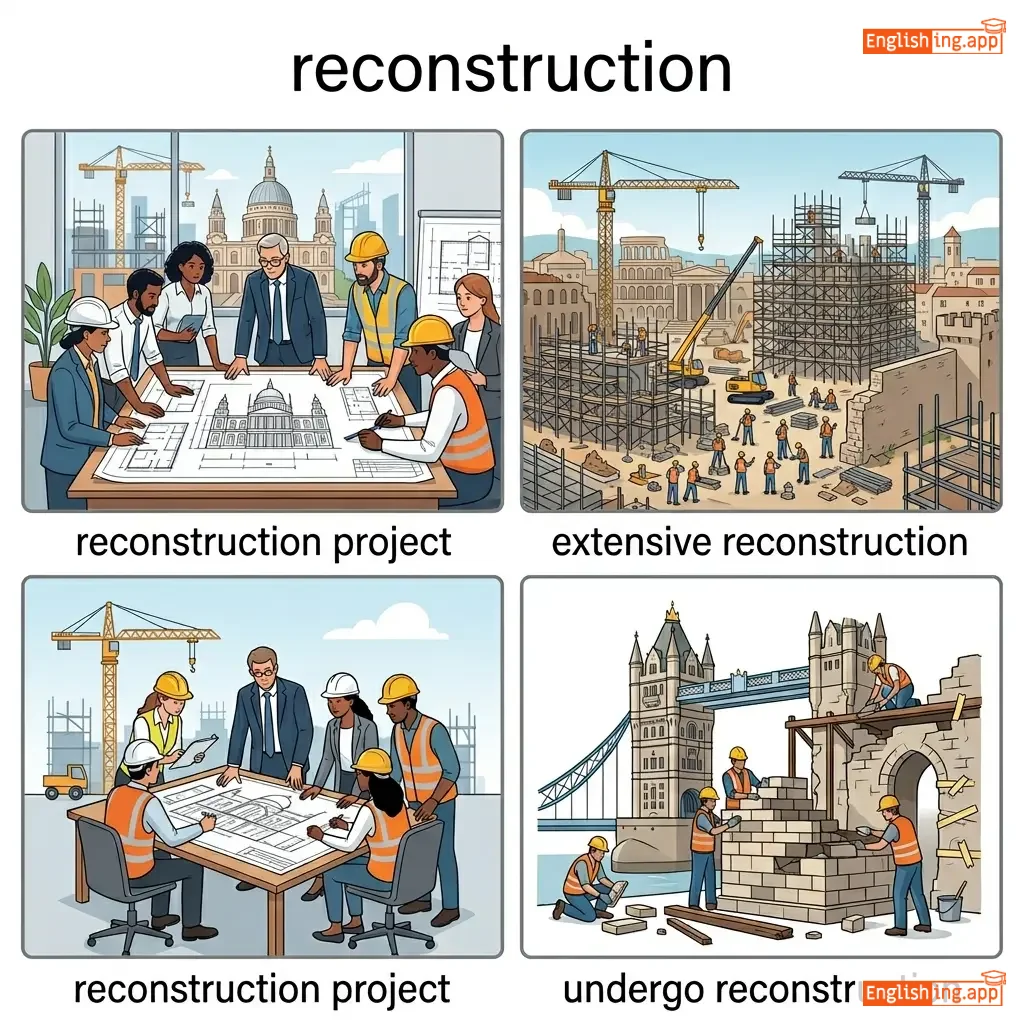
/ˌriːkənˈstrʌkʃən/
noun
(リコンストラクション)
••••••
|
|
再建
saiken
••••••
|
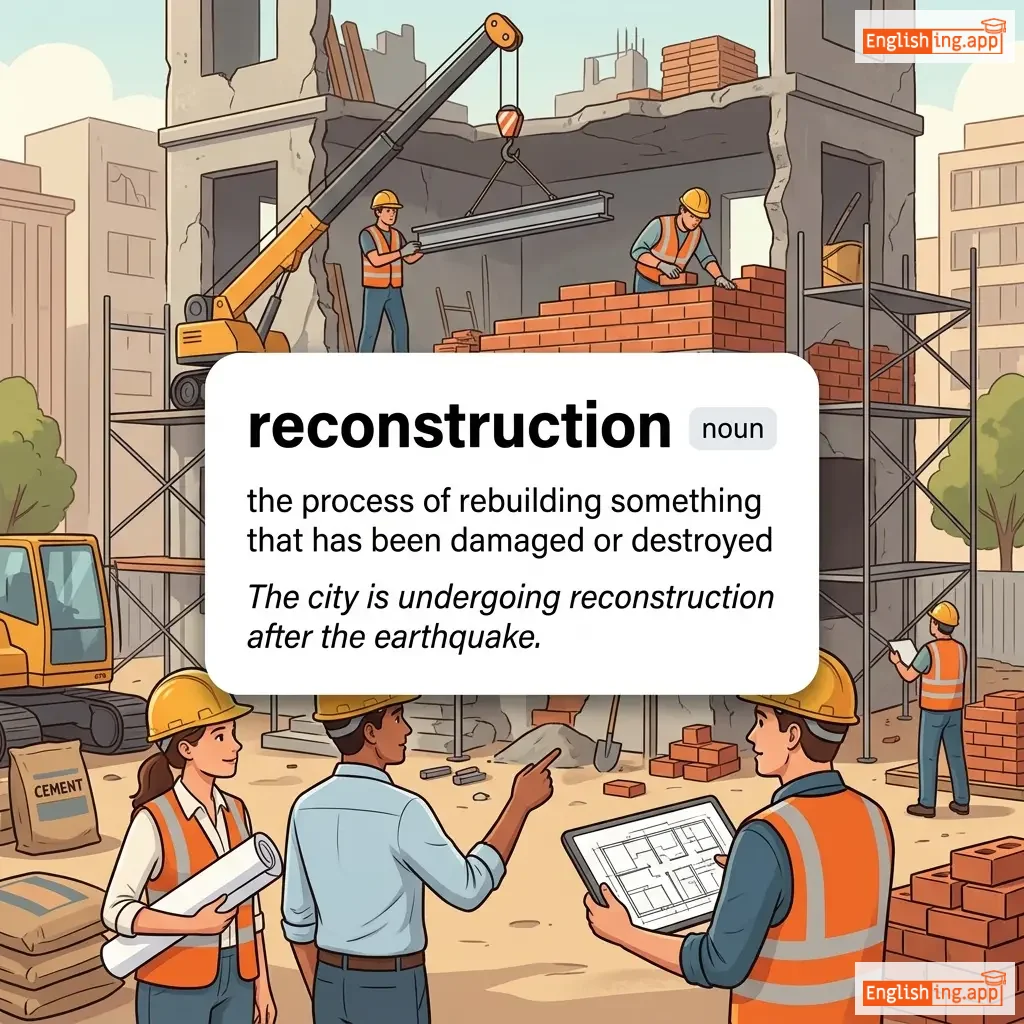
the process of rebuilding something that has been damaged or destroyed
••••••
|
The city is undergoing reconstruction after the earthquake. |
その都市は地震後、再建の最中です。
Sono toshi wa jishin go, saiken no saichū desu.
••••••
|
- •••••• | - •••••• | - •••••• |
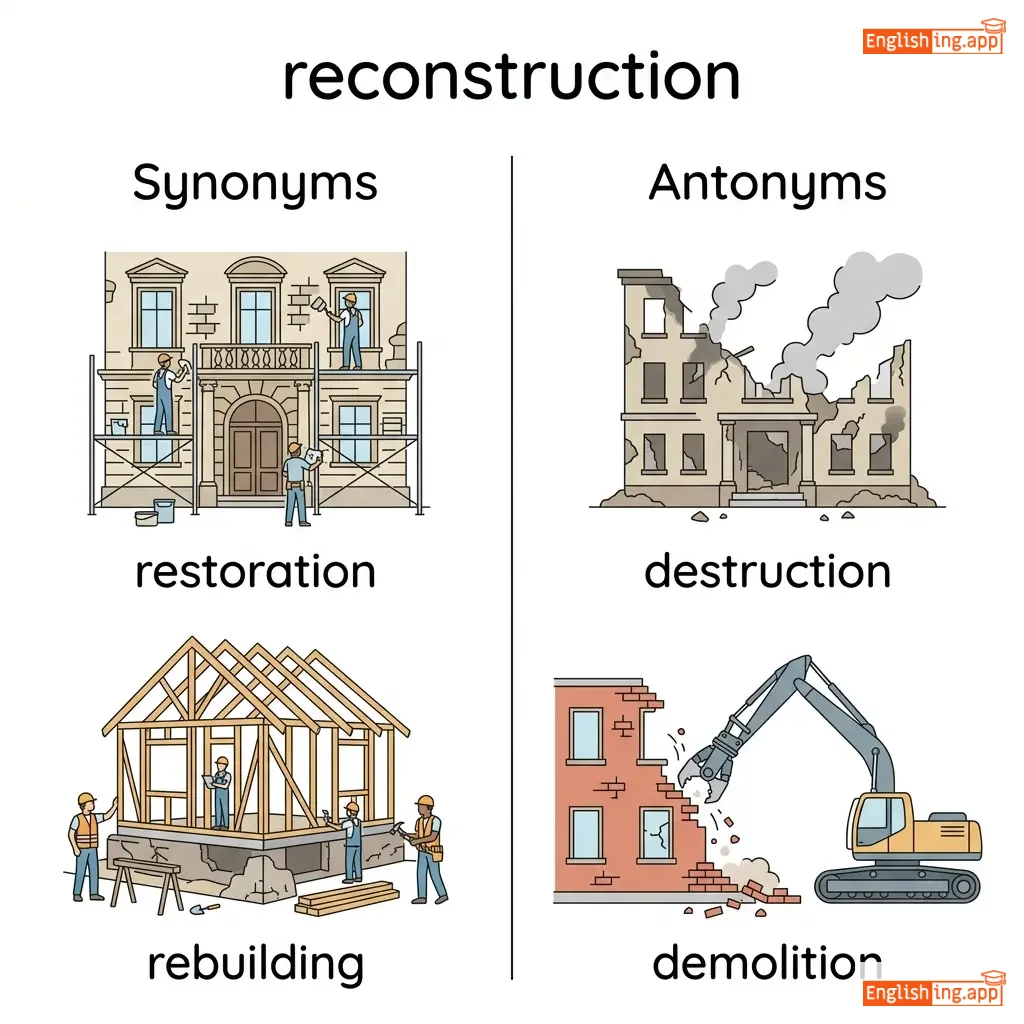
restoration, rebuilding, renewal, refurbishment
••••••
|
destruction, demolition
••••••
|
reconstruction project, extensive reconstruction, undergo reconstruction
••••••
|
再建は壊れたものを再び建て直すこと、'再'という文字が再びを意味します。
••••••
|
|
💪
••••••
|
/ˌriːhəˌbɪlɪˈteɪʃən/
noun
(hapinesu)
••••••
|
- •••••• |
幸福
kōfuku
••••••
|
the process of restoring someone or something to health or normal life through training or therapy
••••••
|
After the accident, he went through months of rehabilitation to walk again.
彼女は賞を受け取ったとき、自分の幸福を隠せなかった。
••••••
|
彼女は賞を受け取ったとき、自分の幸福を隠せなかった。
Kanojo wa shō o uketotta toki, jibun no kōfuku o kakusenakatta.
••••••
|
rehabilitation center
幸せを追い求める
••••••
|
a place where people recover physically or mentally
••••••
|
幸せを追い求める
shiawase o oimotomeru
••••••
|
recovery, therapy, restoration, renewal
••••••
|
damage, decline
••••••
|
physical rehabilitation, rehabilitation program, rehabilitation center, drug rehabilitation
••••••
|
幸せは追い求めるもの、見つけるもの。
••••••
|
|
💡
••••••
|
/ˌθiːəˈrɛtɪkl/
adjective
(θɪəˈrɛtɪkəl)
••••••
|
- •••••• |
理論的
riron-teki
••••••
|
Concerned with or based on theory rather than practical application.
••••••
|
The idea remains largely theoretical without real-world evidence. |
そのアイデアは実際の証拠がなくても、主に理論的なものとして残ります。
Sono aidea wa jissai no shouko ga nakute mo, omoni riron-teki na mono toshite nokorimasu.
••••••
|
- •••••• | - •••••• | - •••••• |
abstract, conceptual, hypothetical, speculative
••••••
|
practical, applied
••••••
|
theoretical framework, theoretical knowledge, theoretical approach, purely theoretical
••••••
|
理論的は頭の中にあるアイデア、実証がない — ただの電球💡。
••••••
|
|
🌐
••••••
|
/trænzˈleɪʃən/
noun
(トランスレーション)
••••••
|
- •••••• |
翻訳
hon'yaku
••••••
|
the process of converting text or speech from one language into another
••••••
|
She completed the translation of the book within two months.
彼女は2ヶ月でその本の翻訳を終えました。
••••••
|
彼女は2ヶ月でその本の翻訳を終えました。
Kanojo wa 2 kagetsu de sono hon no hon'yaku o oemashita.
••••••
|
lost in translation
翻訳の中で失われる
••••••
|
when something loses its original meaning in another language
••••••
|
翻訳の中で失われる
Hon'yaku no naka de ushinawareru
••••••
|
interpretation, version, conversion, rendering, adaptation
••••••
|
original, source, misinterpretation
••••••
|
machine translation, language translation, translation service, translation app
••••••
|
翻訳は言葉を異なる世界に持っていく魔法 🌍
••••••
|

