|
••••••
|
/naɪn/
noun
(नाइन)
••••••
|
-
••••••
|
नौ
nau
••••••
|
-
••••••
|
-
••••••
|
-
••••••
|
-
••••••
|
the number that is one more than eight
|
She has nine books in her collection.
उसके पास अपनी संग्रह में नौ किताबें हैं।
••••••
|
उसके पास अपनी संग्रह में नौ किताबें हैं।
Uske paas apni sangrah mein nau kitabein hain.
••••••
|
••••••
|
••••••
|
nine o'clock, nine days, nine years
|
नौ में, नाइन वाली नौ किताबें
••••••
|
|
••••••
|
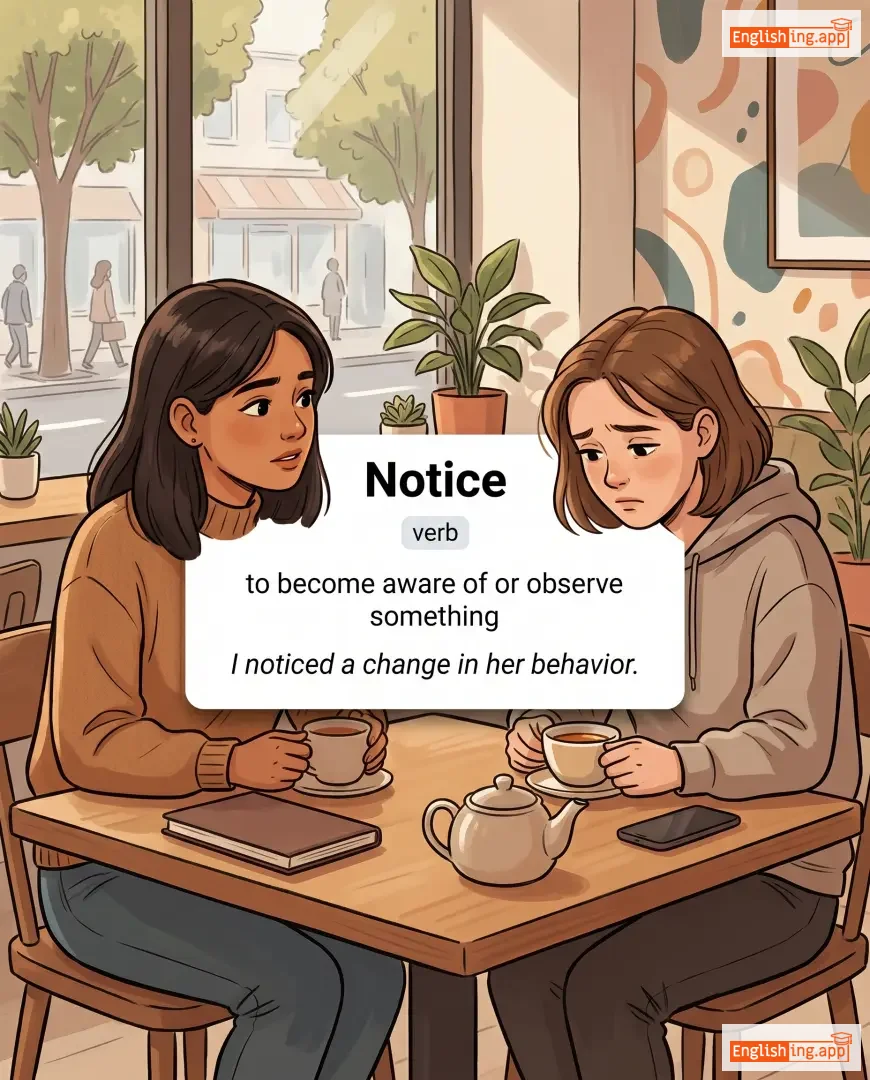
/ˈnoʊtɪs/
noun
(नोटिस)
••••••
|
••••••
|
नोटिस
notis
••••••
|
-
••••••
|
-
••••••
|
-
••••••
|
-
••••••
|
a written or printed announcement or notification
|
He gave me a notice about the meeting.
उसने मुझे बैठक के बारे में एक नोटिस दिया।
••••••
|
उसने मुझे बैठक के बारे में एक नोटिस दिया।
Usne mujhe baithak ke baare mein ek notis diya.
••••••
|
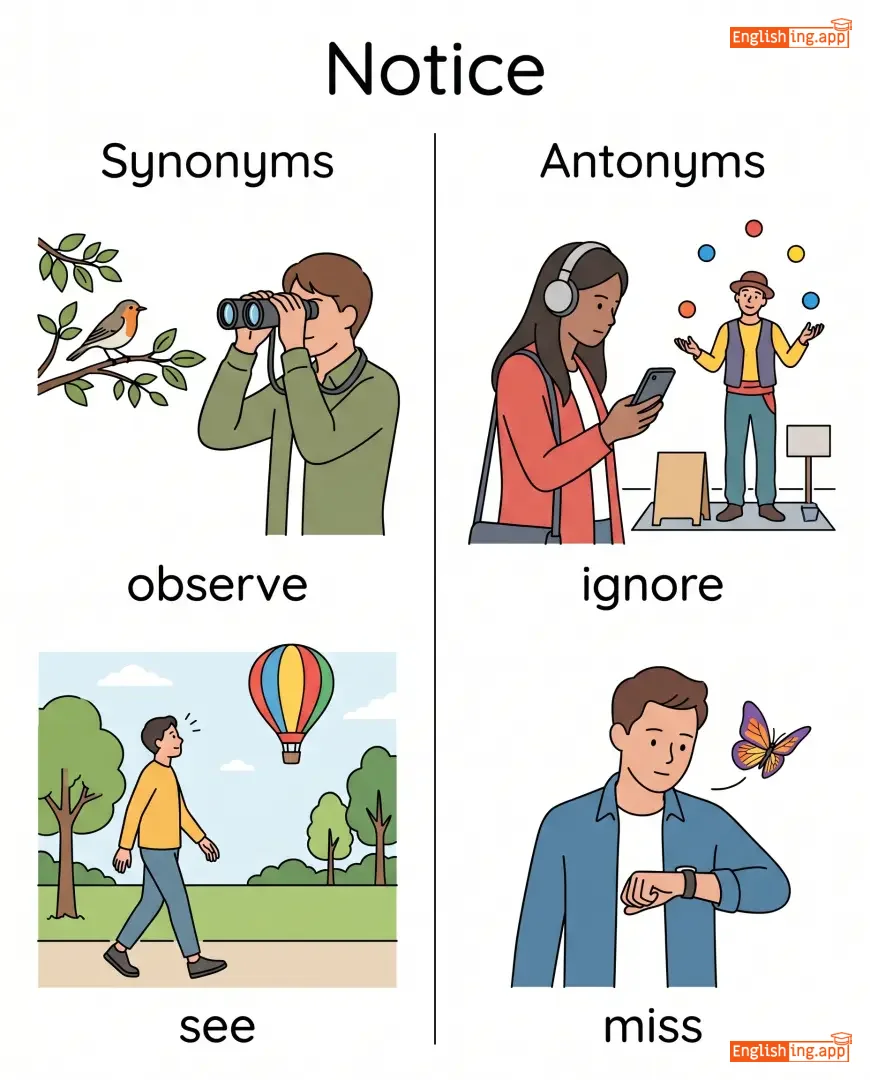
announcement, memo, bulletin, notification
|
••••••
|
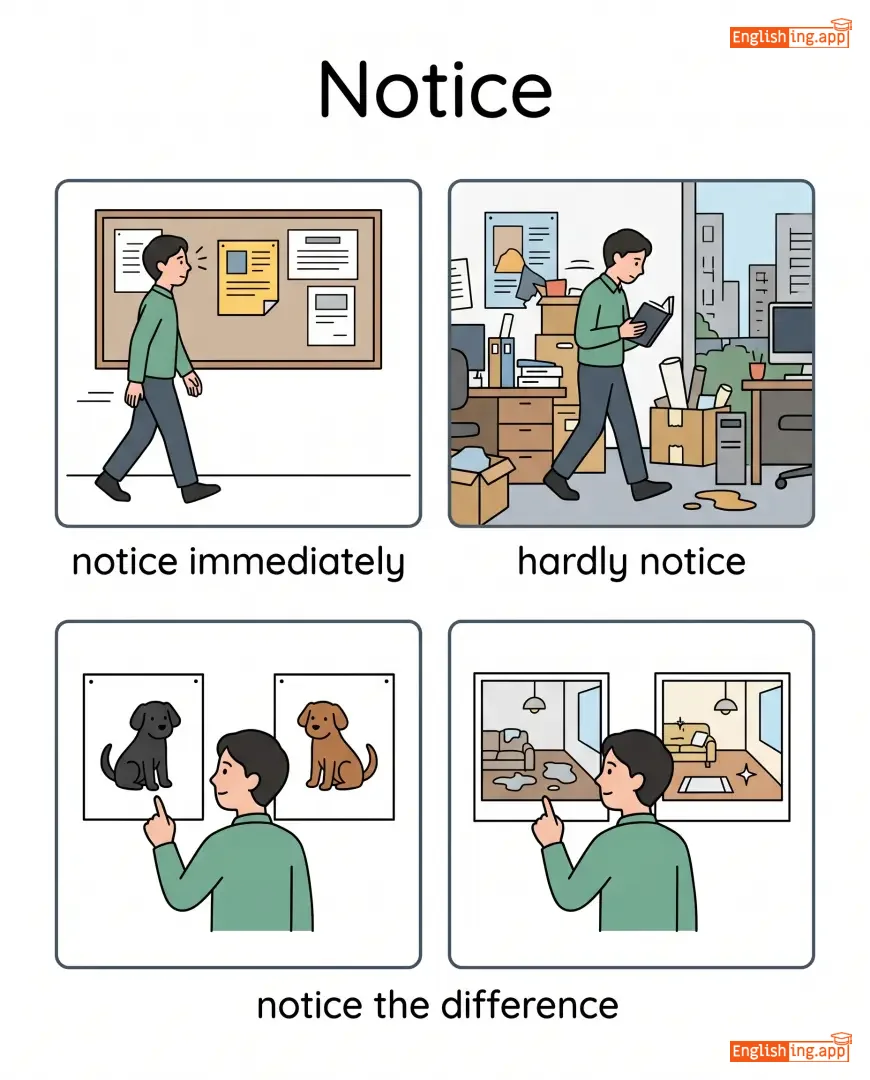
give notice, receive notice, serve notice
|
Notice is like NO ti SEE – Notice is a SEE-able message.
••••••
|
|
••••••
|
/ˈnʌθɪŋ/
pronoun
(नथिंग)
••••••
|
-
••••••
|
कुछ भी नहीं
kuch bhi nahin
••••••
|
-
••••••
|
-
••••••
|
-
••••••
|
-
••••••
|
••••••
|
She has nothing to worry about.
••••••
|
उसके पास सोचने के लिए कुछ भी नहीं था।
Uske paas sochne ke liye kuch bhi nahin tha.
••••••
|
••••••
|
••••••
|
nothing to do, nothing at all, nothing left
|
Nothing (कुछ भी नहीं) – Imagine having nothing to worry about!
••••••
|
|
••••••
|
/nɒt/
adverb
(नॉट)
••••••
|
-
••••••
|
नहीं
nahi
••••••
|
-
••••••
|
-
••••••
|
-
••••••
|
-
••••••
|
used to make a word or phrase negative
|
I do not like spicy food.
••••••
|
मैं तीखा खाना पसंद नहीं करता।
Main teekha khana pasand nahi karta.
••••••
|
••••••
|
••••••
|
not sure, not at all, not yet, not going
|
Not (नहीं) – ‘No’ means not liking something.
••••••
|
|
••••••
|
/noʊz/
noun
(नोज)
••••••
|
-
••••••
|
नाक
nak
••••••
|
-
••••••
|
-
••••••
|
-
••••••
|
-
••••••
|
the part of the face that contains the nostrils and is used for breathing and smelling
|
He has a sharp nose and can smell things from far away.
••••••
|
उसकी नाक तेज है और वह दूर से चीजों की गंध ले सकता है।
Uski nak tez hai aur vah door se cheezon ki gandh le sakta hai.
••••••
|
••••••
|
••••••
|
runny nose, pick your nose, nose ring
|
Nose (नाक) – Hindi ‘N’ in Nak is a reminder of the sharp nose!
••••••
|
|
••••••
|
/ˈnɔːðərn/
adjective
(नॉर्दर्न)
••••••
|
-
••••••
|
उत्तर का
uttar ka
••••••
|
-
••••••
|
-
••••••
|
-
••••••
|
-
••••••
|
relating to the north or situated in the north
|
The northern part of the country is known for its cold climate.
••••••
|
देश का उत्तरी हिस्सा अपने ठंडे मौसम के लिए जाना जाता है।
Desh ka uttari hissa apne thande mausam ke liye jana jata hai.
••••••
|
••••••
|
••••••
|
northern lights, northern regions, northern hemisphere
|
Think of the cold northern winds – 'Uttar' is north in Hindi!
••••••
|
|
••••••
|
/nɔːrθ/
noun
(नॉर्थ)
••••••
|
-
••••••
|
उत्तर
uttar
••••••
|
-
••••••
|
-
••••••
|
-
••••••
|
-
••••••
|
the direction toward the top of a map or the opposite of south
|
We traveled north to reach the mountains.
••••••
|
हम पर्वतों तक पहुँचने के लिए उत्तर की ओर यात्रा कर रहे थे।
Ham parvaton tak pahuchne ke liye uttar ki or yatra kar rahe the.
••••••
|
••••••
|
••••••
|
north pole, north wind, go north, head north
|
North is UP on a map, just like 'Uttar' (उत्तर) is UP in Hindi!
••••••
|
|
••••••
|
/ˈnɔːməli/
adverb
(नॉर्मली)
••••••
|
-
••••••
|
सामान्य रूप से
saamanya roop se
••••••
|
-
••••••
|
-
••••••
|
-
••••••
|
-
••••••
|
in a usual or expected way
|
I normally wake up at 7 AM.
••••••
|
मैं सामान्य रूप से सुबह 7 बजे उठता हूँ।
Main saamanya roop se subah 7 baje uthta hoon.
••••••
|
typically, usually, generally, regularly
|
••••••
|
normally do, normally happen, normally expect
|
Normally you wake up at a normal time!
••••••
|
|
••••••
|
/nɔːr/
conjunction
(नॉर)
••••••
|
-
••••••
|
या नहीं
ya nahin
••••••
|
-
••••••
|
-
••••••
|
-
••••••
|
-
••••••
|
used to introduce a negative clause after a negative statement
|
He didn't call, nor did he send a message.
••••••
|
उसने कॉल नहीं किया, और न ही उसने कोई संदेश भेजा।
Usne kol nahin kiya, aur na hi usne koi sandesh bheja.
••••••
|
••••••
|
••••••
|
••••••
|
Nor - 'Not' after a negative statement.
••••••
|
|
••••••
|
/ˌnʌnðəˈlɛs/
adverb
(नंथलेस)
••••••
|
-
••••••
|
फिर भी
phir bhi
••••••
|
-
••••••
|
-
••••••
|
-
••••••
|
-
••••••
|
in spite of that; nevertheless
|
It was raining, but nonetheless, they went hiking.
••••••
|
बारिश हो रही थी, लेकिन फिर भी वे ट्रैकिंग पर गए।
Barish ho rahi thi, lekin phir bhi ve trekking par gaye.
••••••
|
nevertheless, however, still, yet
|
••••••
|
nonetheless important, nonetheless true, nonetheless, despite that
|
Noneth- like 'none-the-less' means despite.
••••••
|
|
••••••
|
/nʌn/
pronoun
(नन)
••••••
|
-
••••••
|
कोई भी नहीं
koi bhi nahi
••••••
|
-
••••••
|
-
••••••
|
-
••••••
|
-
••••••
|
••••••
|
None of the students passed the exam.
••••••
|
कोई भी छात्र परीक्षा में उत्तीर्ण नहीं हुआ।
Koi bhi chhatr pariksha mein uttirn nahi hua.
••••••
|
••••••
|
••••••
|
none of, none left, none at all
|
None sounds like 'koi bhi nahi'.
••••••
|
|
••••••
|
/nɔɪz/
noun
(नॉइज़)
••••••
|
-
••••••
|
शोर
shor
••••••
|
-
••••••
|
-
••••••
|
-
••••••
|
-
••••••
|
a sound, especially when it is unwanted, unpleasant, or loud
|
The noise from the construction site was unbearable.
निर्माण स्थल से आवाज़ असहनीय थी।
••••••
|
निर्माण स्थल से शोर असहनीय था।
Nirman sthal se shor asahniya tha.
••••••
|
sound, racket, clamor, din, commotion
|
••••••
|
loud noise, background noise, noise pollution, white noise
|
Noise can 'annoy' you, remember it by associating 'noise' with 'annoy'.
••••••
|
|
••••••
|
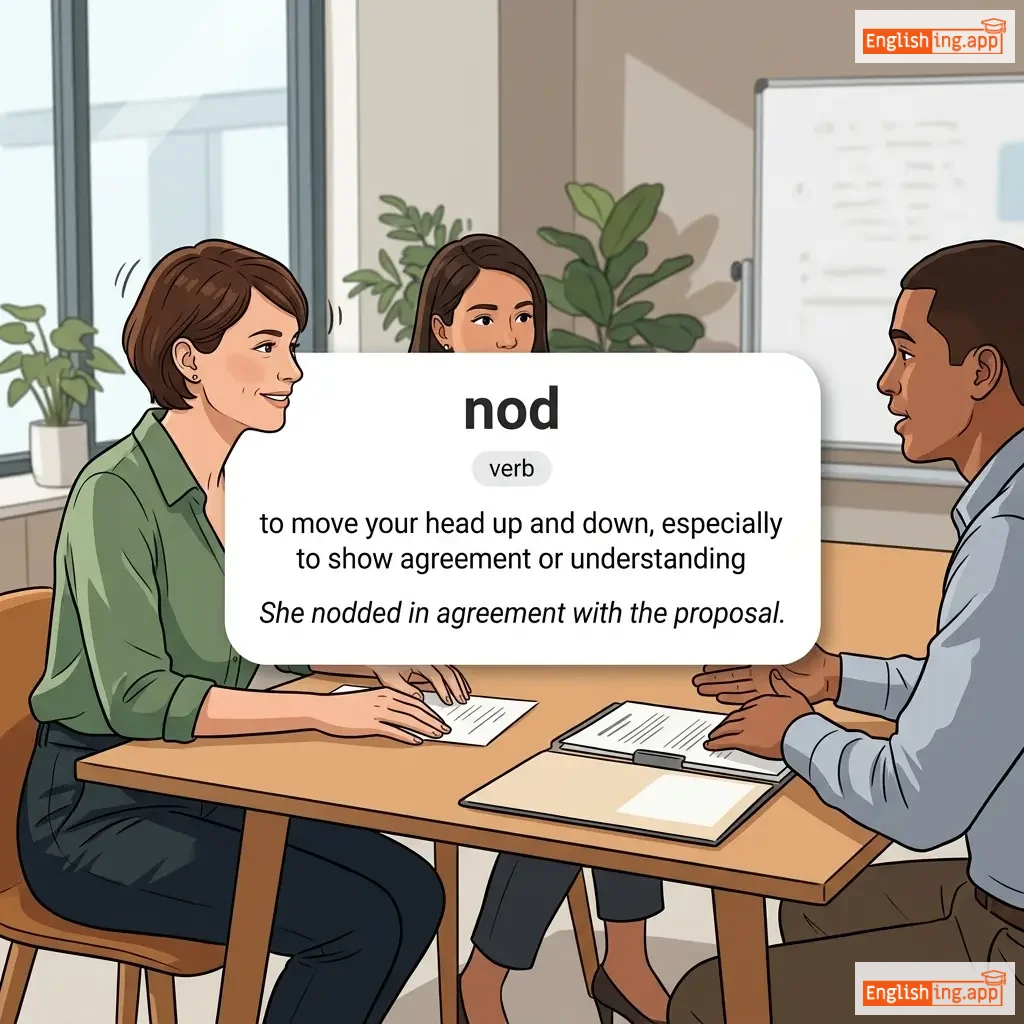
/nɒd/
verb
(नॉड)
••••••
|
••••••
|
सिर हिलाना
sir hilana
••••••
|
नॉडेड
••••••
|
नॉडेड
••••••
|
नॉड्स
••••••
|
नॉडिंग
••••••
|
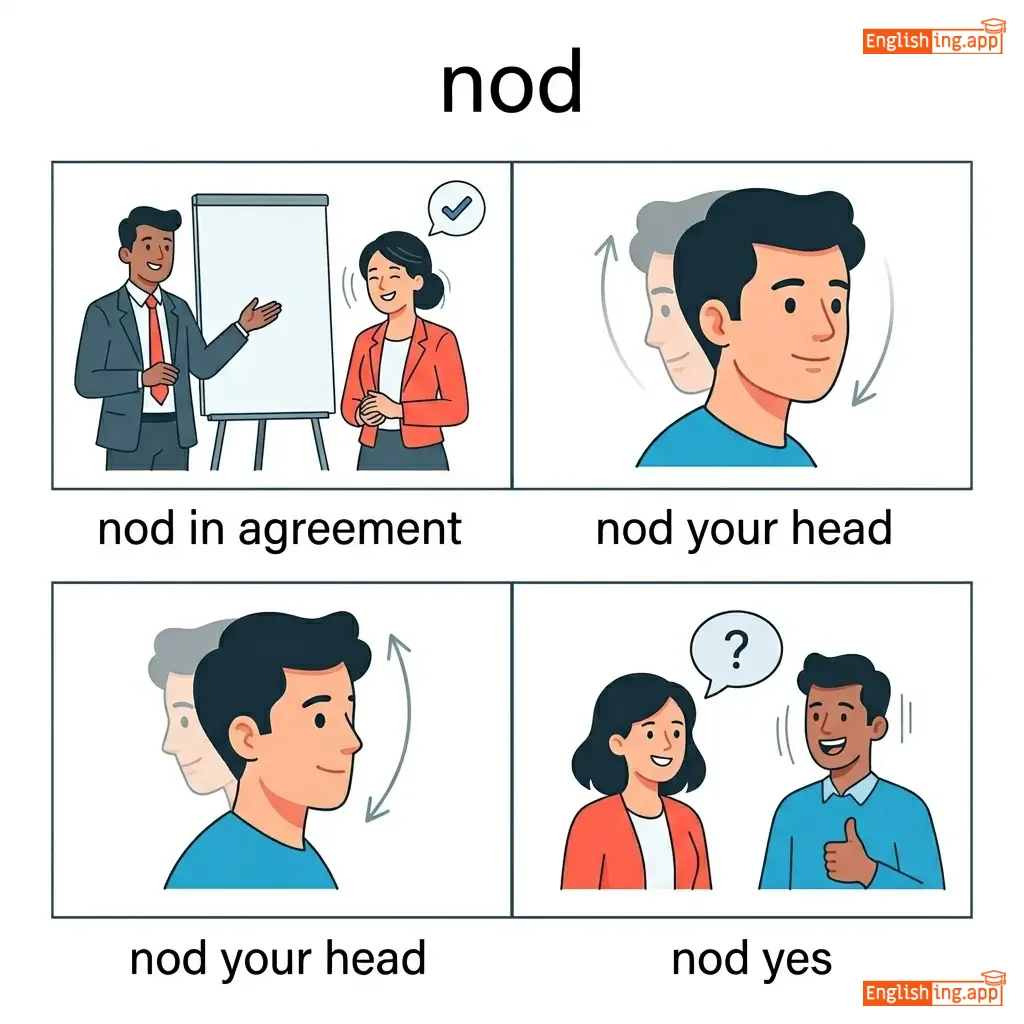
to move your head up and down, especially to show agreement or understanding
|
She nodded in agreement with the proposal.
वह प्रस्ताव के साथ सहमति में नॉड की।
••••••
|
वह प्रस्ताव के साथ सहमति में नॉड की।
Wah prastav ke saath sahmati mein nod ki.
••••••
|
••••••
|
••••••
|
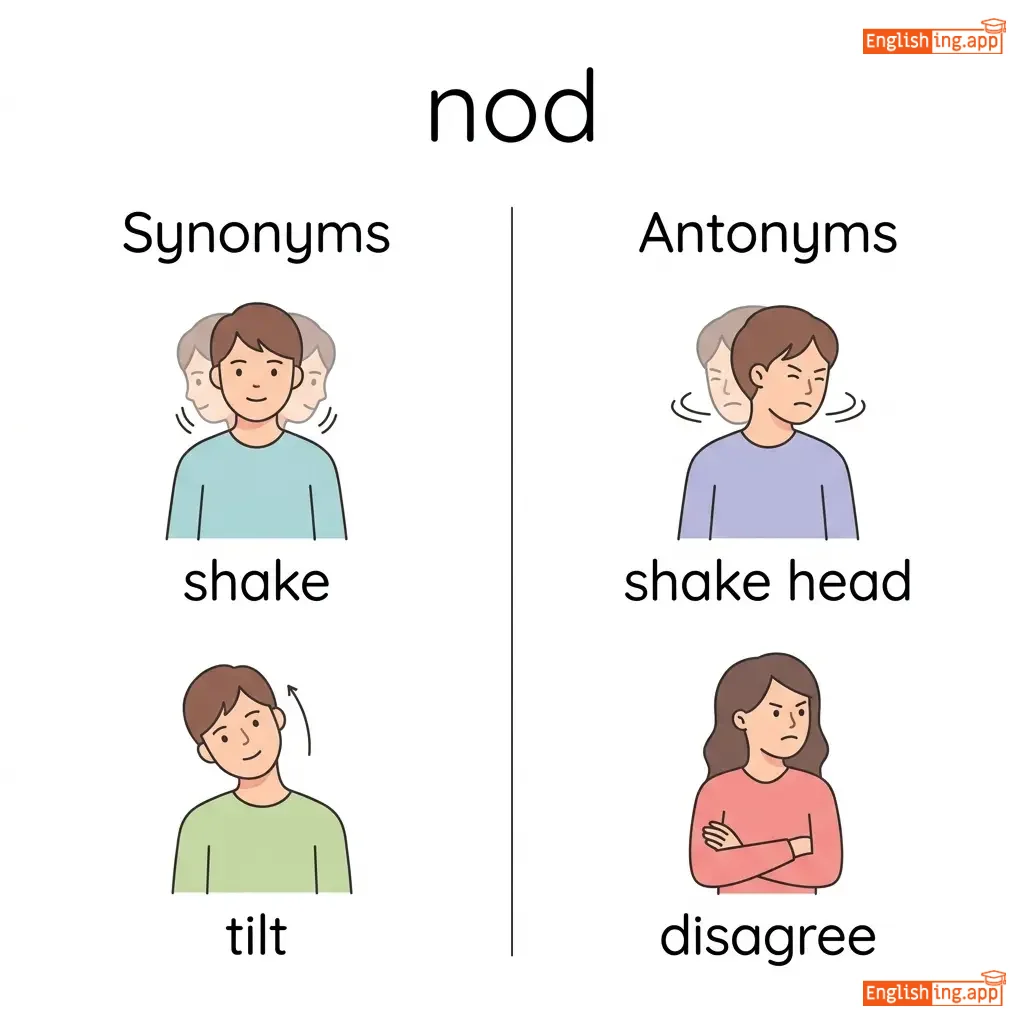
nod in agreement, nod your head, nod yes
|
नॉड (nod) करने से सहमति दिखती है - Nod to show agreement.
••••••
|
|
••••••
|
/ˈnoʊˌbɑːdi/
pronoun
(नोबडी)
••••••
|
-
••••••
|
कोई नहीं
koi nahin
••••••
|
-
••••••
|
-
••••••
|
-
••••••
|
-
••••••
|
••••••
|
Nobody came to the party.
कोई पार्टी में नहीं आया।
••••••
|
कोई पार्टी में नहीं आया।
Koi party mein nahin aaya.
••••••
|
••••••
|
••••••
|
nobody knows, nobody cares, nobody else
|
नोबडी सुनकर कोई नहीं आता - Nobody comes after hearing nobody
••••••
|
|
••••••
|
/noʊ/
adverb
(नौ)
••••••
|
-
••••••
|
ना
na
••••••
|
-
••••••
|
-
••••••
|
-
••••••
|
-
••••••
|
used to give a negative response or to show disagreement
|
She said no to the invitation.
उसने निमंत्रण को ना कहा।
••••••
|
उसने निमंत्रण को ना कहा।
Usne nimantran ko na kaha.
••••••
|
nope, never, negative, not at all
|
••••••
|
say no, no way, no problem, no need
|
नौ (no) कहने से सब कुछ रुक जाता है - Saying no stops everything.
••••••
|
|
••••••
|
/ˈnɪəli/
adverb
(नियरली)
••••••
|
-
••••••
|
लगभग
lagbhag
••••••
|
-
••••••
|
-
••••••
|
-
••••••
|
-
••••••
|
almost, but not completely
|
She nearly missed the bus.
••••••
|
वह लगभग बस को मिस कर गई।
vah lagbhag bas ko mis kar gayi.
••••••
|
almost, practically, just about, close to
|
completely, entirely, fully
|
nearly lost, nearly there, nearly finished
|
लगभग (lagbhag) जैसे 'nearly' याद आता है - Almost there!
••••••
|
|
••••••
|
/naɪt/
noun
(नाइट)
••••••
|
-
••••••
|
रात्रि
ratri
••••••
|
-
••••••
|
-
••••••
|
-
••••••
|
-
••••••
|
the time of darkness between one day and the next, when most people sleep
|
She loves going for walks at night.
••••••
|
वह रात को चलने जाना पसंद करती है।
Wah raat ko chalne jana pasand karti hai.
••••••
|
evening, nighttime, dusk, dark
|
••••••
|
night sky, night time, at night, good night
|
रात्रि में नींद, रात की तरह (Night in the night)
••••••
|
|
••••••
|
/nɛkst/
adjective
(नेक्स्ट)
••••••
|
-
••••••
|
अगला
agla
••••••
|
-
••••••
|
-
••••••
|
-
••••••
|
-
••••••
|
immediately following in time, order, or place
|
The next train leaves at 9:00 AM.
••••••
|
अगला ट्रेन सुबह 9:00 बजे चलेगी।
Agla train subah 9:00 baje chalegi.
••••••
|
following, subsequent, upcoming, nearest
|
••••••
|
next day, next year, next time, next week
|
Next is always the NEXT thing to happen
••••••
|
|
••••••
|
/ˈnjuːzˌpeɪpər/
noun
(न्यूज़पेपर)
••••••
|
-
••••••
|
अखबार
akhbaar
••••••
|
-
••••••
|
-
••••••
|
-
••••••
|
-
••••••
|
a printed publication (usually daily or weekly) containing news, articles, advertisements, and correspondence
|
I read the newspaper every morning.
मैं हर सुबह अखबार पढ़ता हूँ।
••••••
|
मैं हर सुबह अखबार पढ़ता हूँ।
Main har subah akhbaar padhta hoon.
••••••
|
periodical, journal, publication, paper
|
••••••
|
daily newspaper, local newspaper, national newspaper, newspaper article
|
Newspapers are the first place to get the NEWS
••••••
|
|
••••••
|
/nuːz/
noun
(न्यूज़)
••••••
|
-
••••••
|
समाचार
samachar
••••••
|
-
••••••
|
-
••••••
|
-
••••••
|
-
••••••
|
newly received or noteworthy information, especially about recent events
|
The news about the storm spread quickly.
••••••
|
आंधी के बारे में समाचार जल्दी फैल गए।
Aandhi ke baare mein samachar jaldi phail gaye.
••••••
|
information, report, bulletin, update
|
••••••
|
breaking news, latest news, good news, bad news
|
NEWS = Naye Events Jo Sabko pata hona chahiye
••••••
|
|
••••••
|
/ˈnjuːli/
adverb
(न्यूली)
••••••
|
-
••••••
|
नवीनतम तरीके से
naveenatam tareeke se
••••••
|
-
••••••
|
-
••••••
|
-
••••••
|
-
••••••
|
in a new or recent manner
|
She has newly renovated her house.
उसने हाल ही में अपने घर का नवीनीकरण किया है।
••••••
|
उसने हाल ही में अपने घर का नवीनीकरण किया है।
Usne haal hi mein apne ghar ka naveenikaran kiya hai.
••••••
|
recently, freshly, just, newly made
|
••••••
|
newly appointed, newly built, newly married, newly discovered
|
NEWLY means NEW + LY (recently done with love)
••••••
|
|
••••••
|
/ˈnɛvər/
adverb
(नेवर)
••••••
|
-
••••••
|
कभी नहीं
kabhi nahin
••••••
|
-
••••••
|
-
••••••
|
-
••••••
|
-
••••••
|
at no time in the past or future; not ever
|
I have never seen such a beautiful sunset.
••••••
|
मैंने कभी ऐसी सुंदर सूर्यास्त नहीं देखा।
Maine kabhi aisi sundar suryast nahi dekha.
••••••
|
not at all, under no circumstances, in no way, by no means
|
••••••
|
never seen, never been, never heard, never thought
|
NEVER forget to say NO (nahin) to things that waste time
••••••
|
|
••••••
|
/ˈniːðər/
conjunction
(नीदर)
••••••
|
-
••••••
|
न तो यह न वह
na to yeh na vah
••••••
|
-
••••••
|
-
••••••
|
-
••••••
|
-
••••••
|
used to connect two negative alternatives
|
Neither the manager nor the assistant could attend the meeting.
नीदर द मैनेजर नॉर द असिस्टेंट कुड अटेंड द मीटिंग।
••••••
|
न तो मैनेजर और न ही सहायक मीटिंग में शामिल हो सके।
na to manager aur na hi sahayak meeting mein shamil ho sake
••••••
|
••••••
|
••••••
|
neither nor, neither of them
|
Neither means not this, not that—don’t choose either!
••••••
|
|
••••••
|
/ˈneɪbərˌhʊd/
noun
(नेबरहुड)
••••••
|
-
••••••
|
पड़ोस
pados
••••••
|
-
••••••
|
-
••••••
|
-
••••••
|
-
••••••
|
a district or area around or near a particular place
|
I grew up in a quiet neighborhood.
••••••
|
मैं एक शांत पड़ोस में बड़ा हुआ।
Main ek shant pados mein bada hua.
••••••
|
community, locality, district, area
|
••••••
|
peaceful neighborhood, residential neighborhood, urban neighborhood
|
Neighborhood याद रखें, जहां लोग एक दूसरे के साथ अच्छे रिश्ते रखते हैं
••••••
|
|
••••••
|
/ˈneɪbər/
noun
(नेबर)
••••••
|
-
••••••
|
पड़ोसी
padosi
••••••
|
-
••••••
|
-
••••••
|
-
••••••
|
-
••••••
|
a person living next door or nearby
|
My neighbor lent me some sugar when I ran out.
माई नेबर लेन्ट मी सम शुगर व्हेन आई रैन आउट।
••••••
|
मेरे पड़ोसी ने मुझे कुछ चीनी दी जब मैं खत्म हो गया था।
Mere padosi ne mujhe kuch cheeni dee jab main khatam ho gaya tha.
••••••
|
adjacent resident, nearby person, local
|
••••••
|
good neighbor, friendly neighbor, next-door neighbor
|
Your neighbor never says ‘no’, it’s sweet like sugar!
••••••
|
|
••••••
|
/nɪɡoʊˈʃiːeɪʃən/
noun
(निगोशिएशन)
••••••
|
-
••••••
|
बातचीत
baatcheet
••••••
|
-
••••••
|
-
••••••
|
-
••••••
|
-
••••••
|
a discussion aimed at reaching an agreement
|
The negotiation between the two companies was successful.
••••••
|
दो कंपनियों के बीच बातचीत सफल रही।
Do kompaniyon ke beech baatcheet safal rahi.
••••••
|
discussion, bargaining, dialogue, talks
|
conflict, disagreement, dispute
|
peace negotiation, business negotiation, successful negotiation
|
Negotiation याद रखो, ‘आपस में बातचीत’ – समझौता करने के लिए
••••••
|
|
••••••
|
/ˈnɛɡətɪv/
adjective
(नेगेटिव)
••••••
|
••••••
|
नकारात्मक
nakaratmak
••••••
|
-
••••••
|
-
••••••
|
-
••••••
|
-
••••••
|
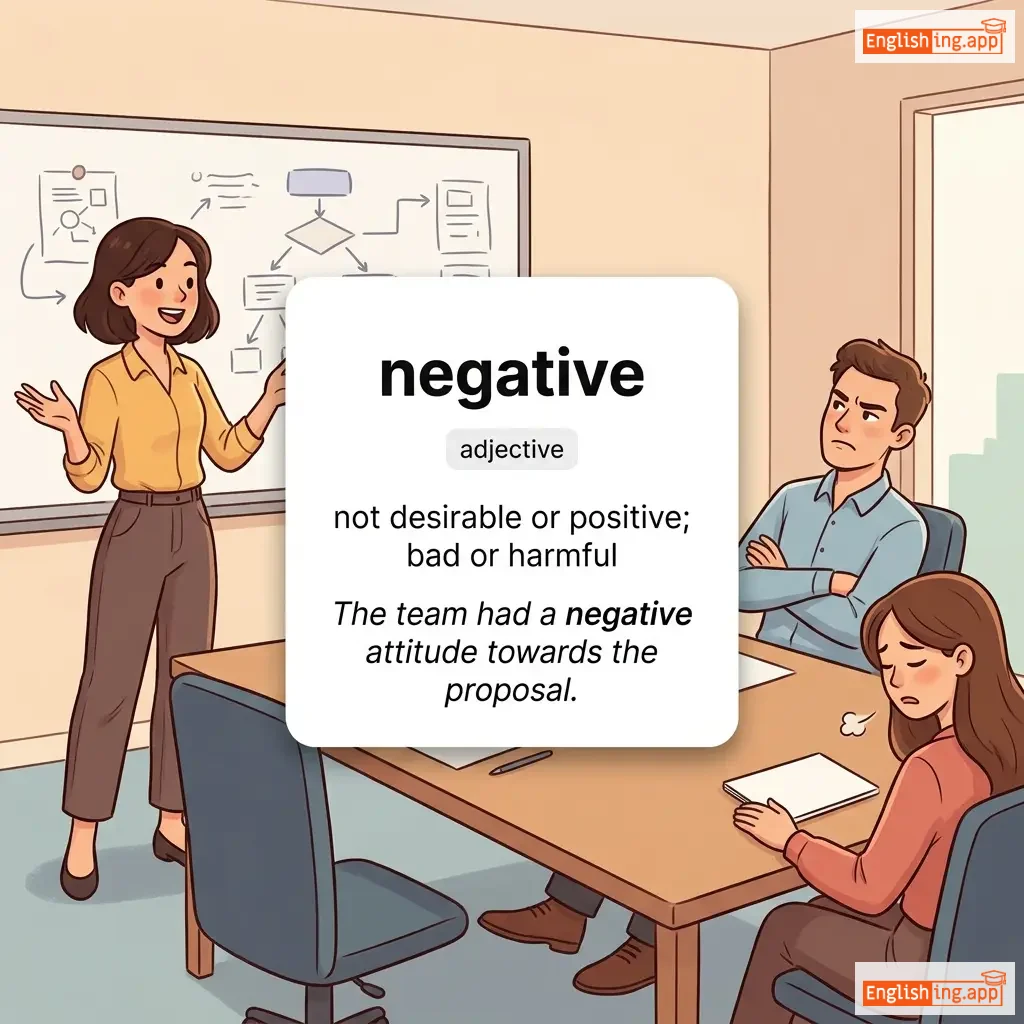
not desirable or positive; bad or harmful
|
The team had a negative attitude towards the proposal.
••••••
|
टीम का प्रस्ताव के प्रति नकारात्मक रुख था।
Teem ka prastaav ke prati nakaratmak rukh tha.
••••••
|
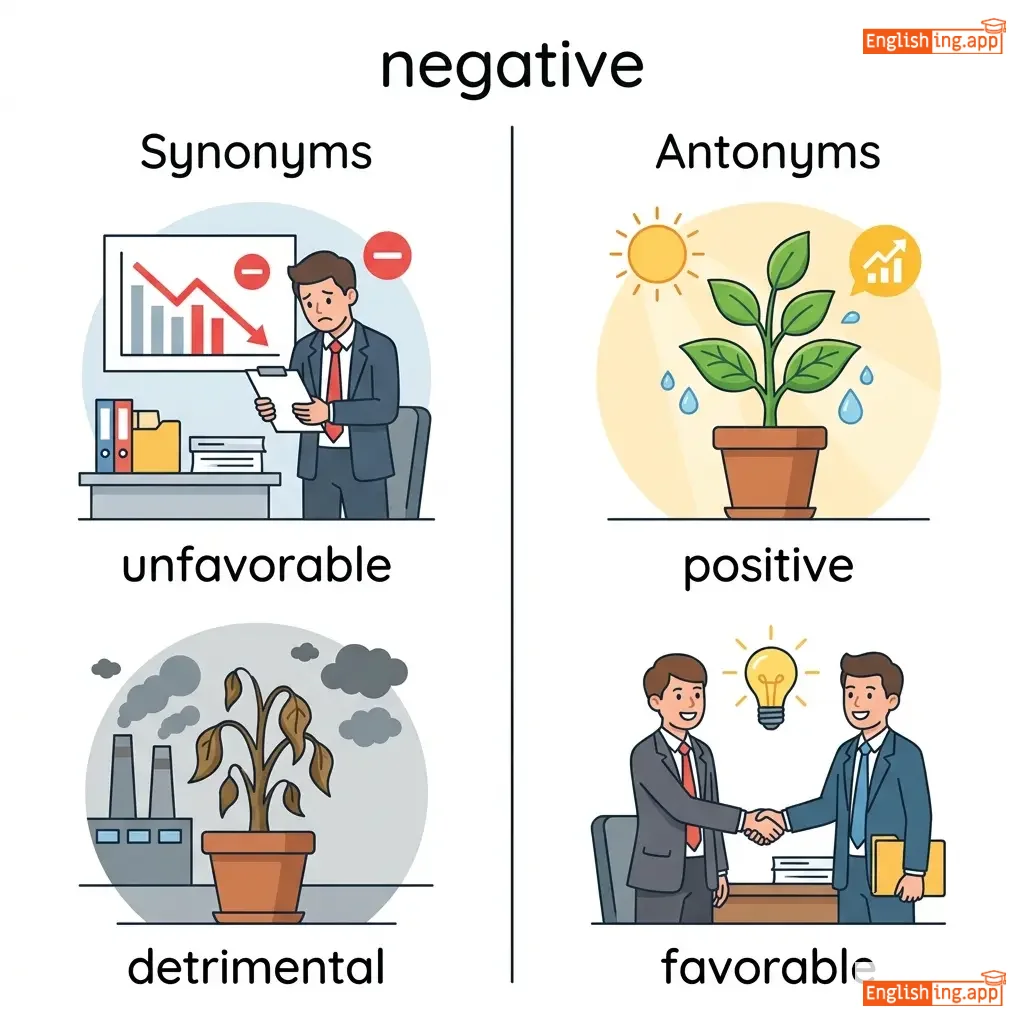
unfavorable, detrimental, harmful, pessimistic
|
positive, favorable, optimistic
|
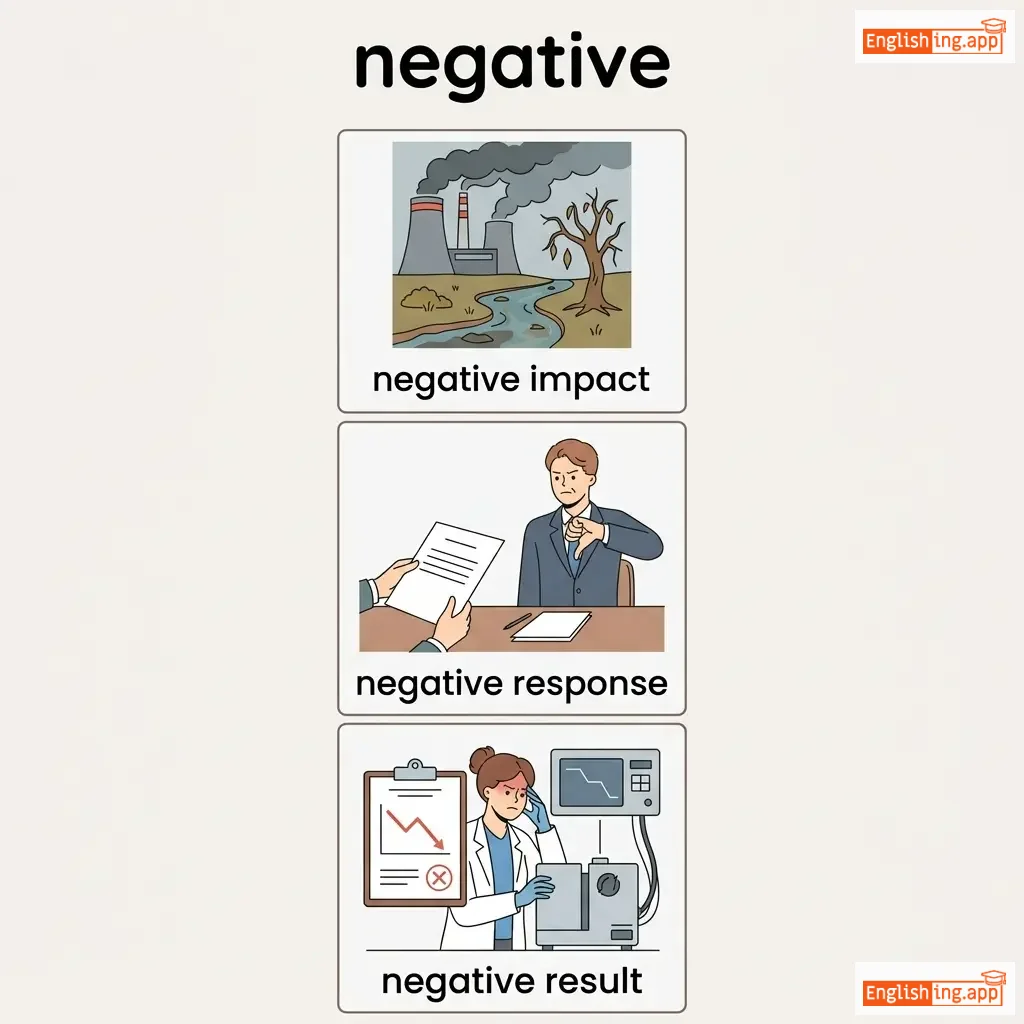
negative impact, negative response, negative result
|
Negative शब्द को याद करो, नकारात्मक (नहीं) कुछ अच्छा मिलेगा!
••••••
|
|
••••••
|
/niːd/
verb
(नीड)
••••••
|
••••••
|
आवश्यकता
avashyakta
••••••
|
नीडेड
••••••
|
नीडेड
••••••
|
नीड्स
••••••
|
नीडिंग
••••••
|
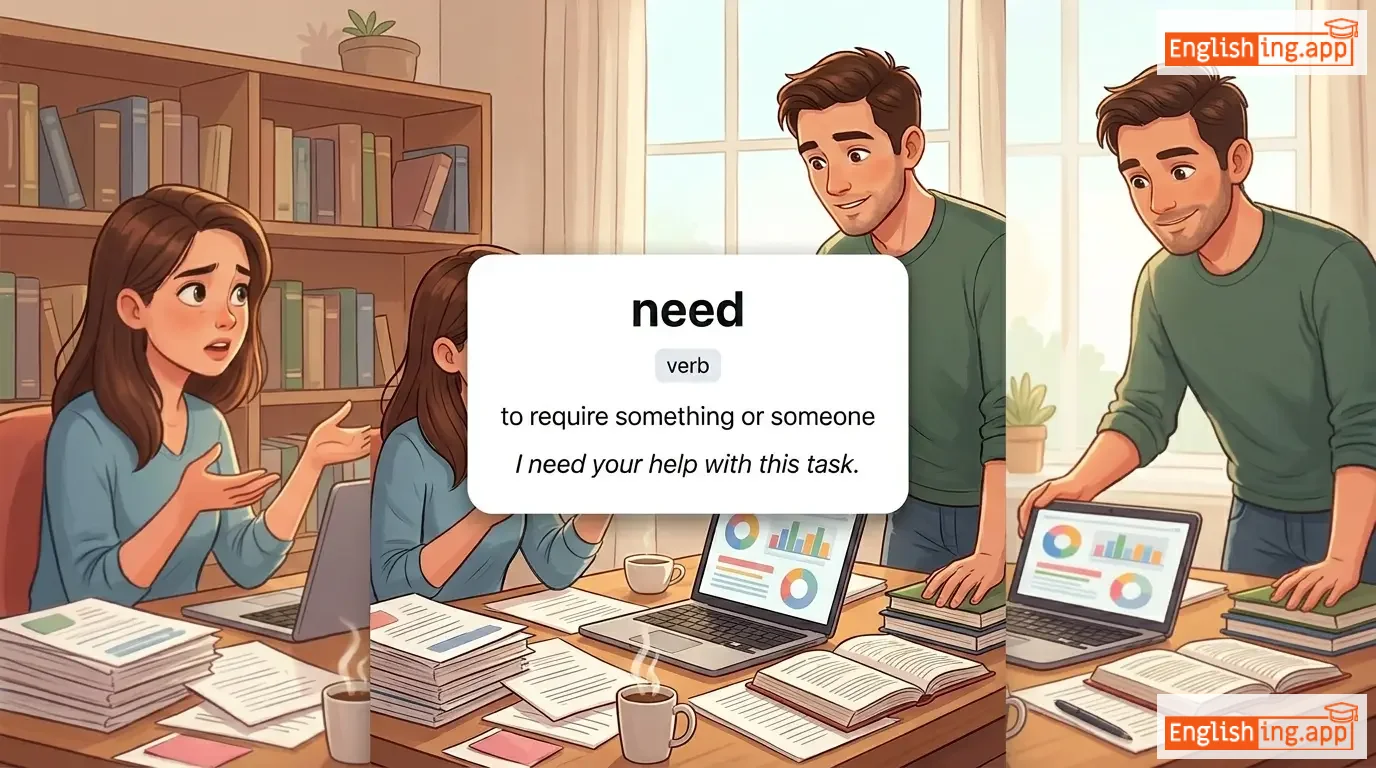
to require something or someone
|
I need your help with this task.
मुझे इस काम के लिए आपकी मदद चाहिए।
••••••
|
मुझे इस काम के लिए आपकी मदद चाहिए।
Mujhe is kaam ke liye aapki madad chahiye.
••••••
|
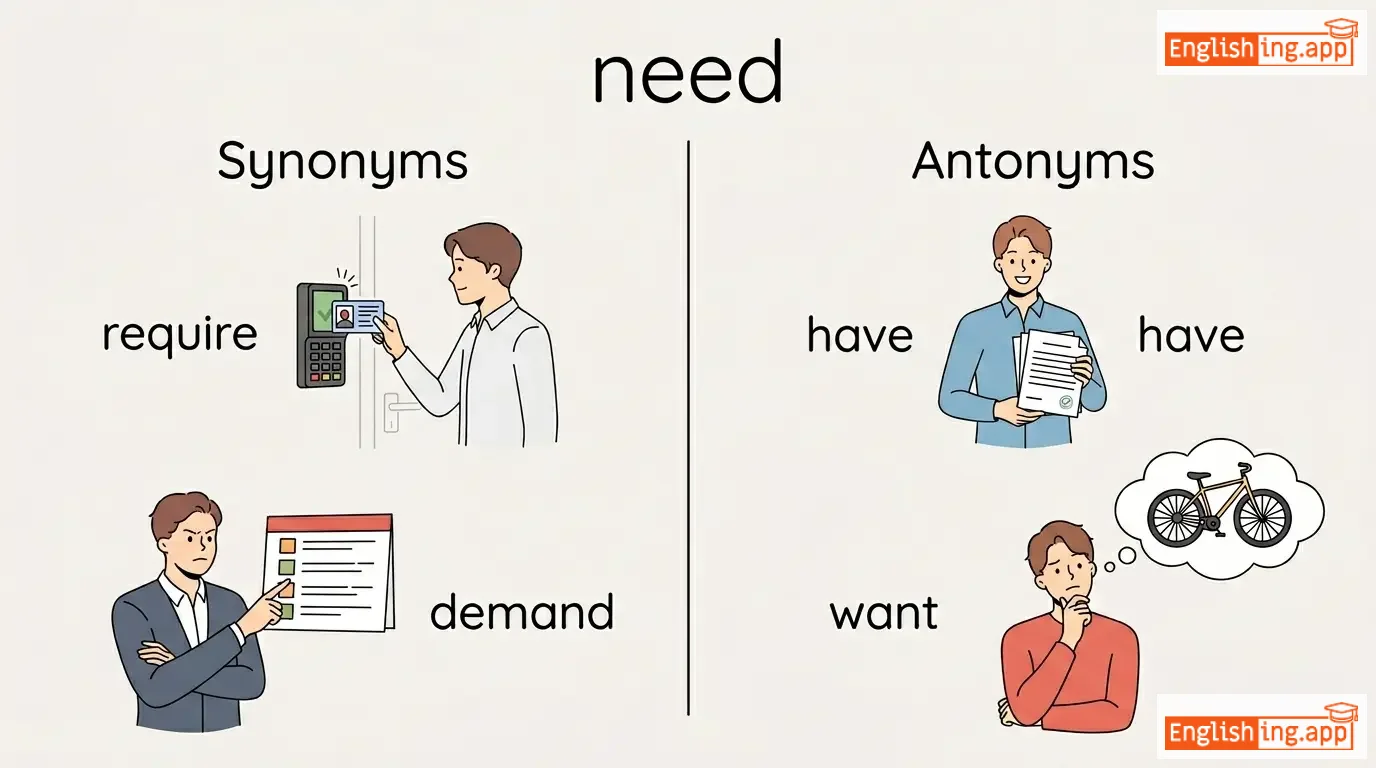
require, demand, want, desire
|
••••••
|
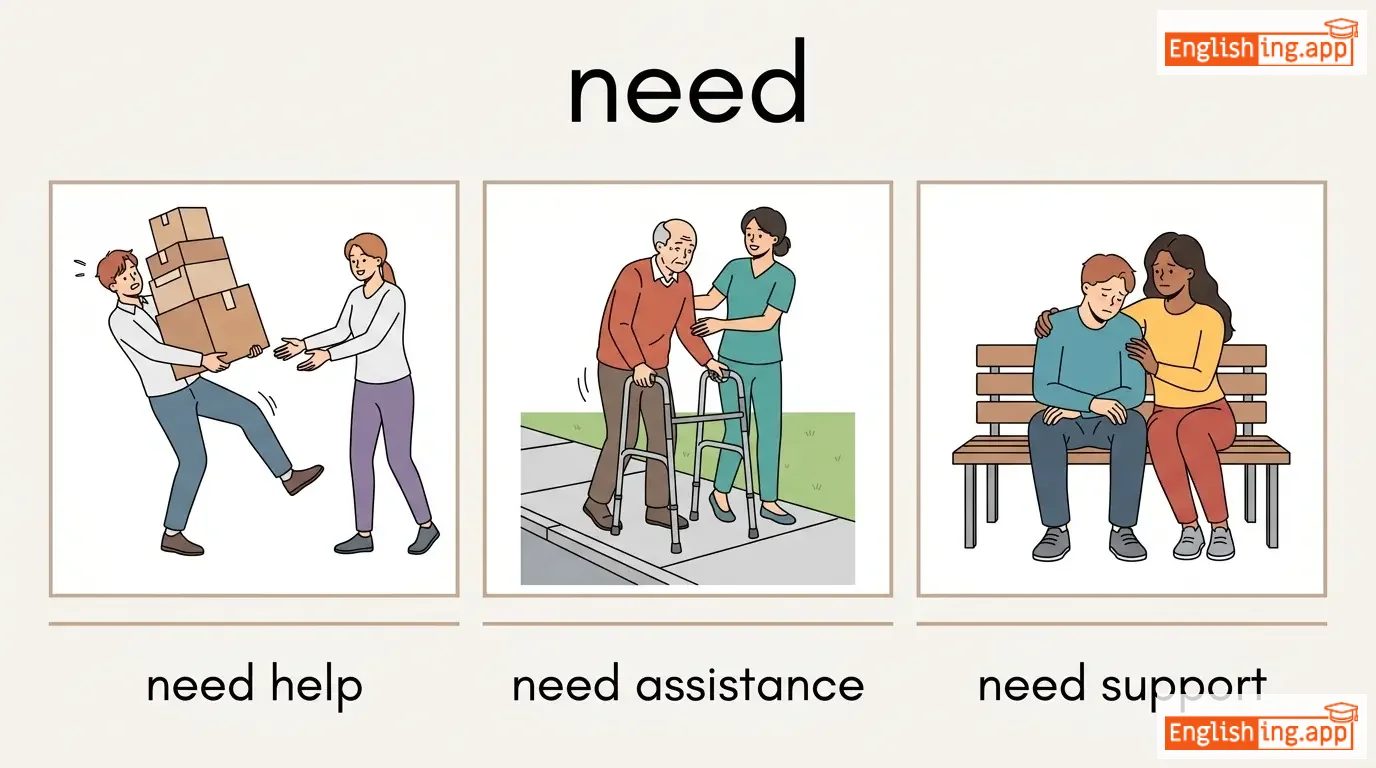
need help, need assistance, need support
|
आवश्यकता (avashyakta) जैसे 'need' याद आता है - Need something? You avashyakta it!
••••••
|
|
••••••
|
/nɛk/
noun
(नेक)
••••••
|
-
••••••
|
गला
gala
••••••
|
-
••••••
|
-
••••••
|
-
••••••
|
-
••••••
|
the part of the body connecting the head and the shoulders
|
She wore a necklace around her neck.
••••••
|
उसने अपनी गर्दन में एक हार पहना था।
usne apni gardan mein ek haar pehna tha.
••••••
|
••••••
|
••••••
|
neck pain, neck injury, neck of the bottle
|
गला (gala) जैसा neck याद आता है - Neck is where your gala is!
••••••
|
|
••••••
|
/ˌnɛsəˈsɛrɪli/
adverb
(नेसेसरीली)
••••••
|
-
••••••
|
अनिवार्य रूप से
anivarya roop se
••••••
|
-
••••••
|
-
••••••
|
-
••••••
|
-
••••••
|
as a necessary result; inevitably
|
It doesn’t necessarily mean you’re wrong.
••••••
|
इसका मतलब यह नहीं है कि आप गलत हैं।
Iska matlab yeh nahin hai ki aap galat hain.
••••••
|
inevitably, necessarily, certainly, of course
|
optionally, optionally, incidentally
|
necessarily true, necessarily result, necessarily mean
|
अनिवार्य रूप से (anivarya roop se) - जैसे 'necessarily' का मतलब है कि यह होना ही है!
••••••
|