|
••••••
|
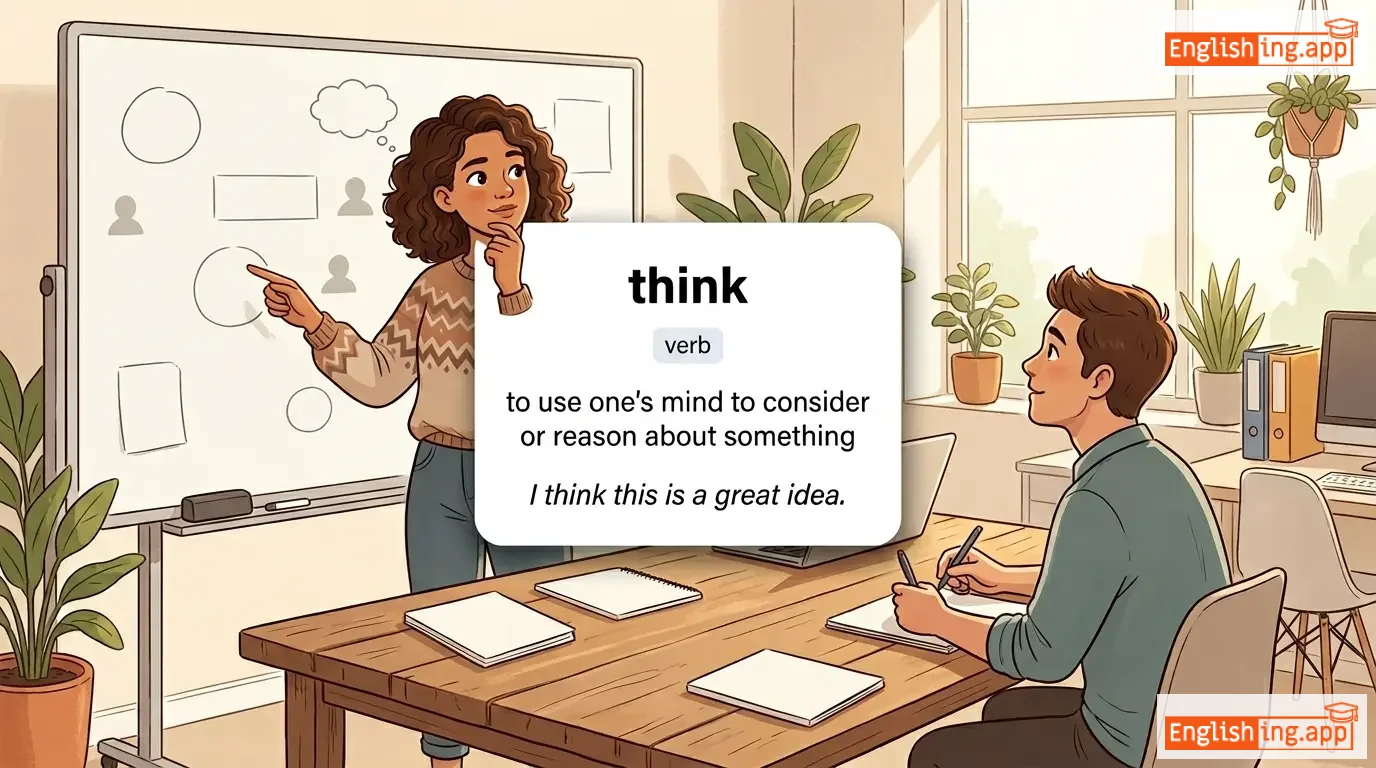
/θɪŋk/
verb
(zink)
••••••
|
••••••
|
pensar
pensar
••••••
|
zot
••••••
|
zot
••••••
|
zinkz
••••••
|
zinking
••••••
|
to use one's mind to consider or reason about something
|
I think this is a great idea.
Creo que esta es una gran idea.
••••••
|
Creo que esta es una gran idea.
Creo que esta es una gran idea.
••••••
|
Piensa dos veces
••••••
|
Consider something carefully before making a decision
|
Piensa dos veces
Piensa dos veces
••••••
|
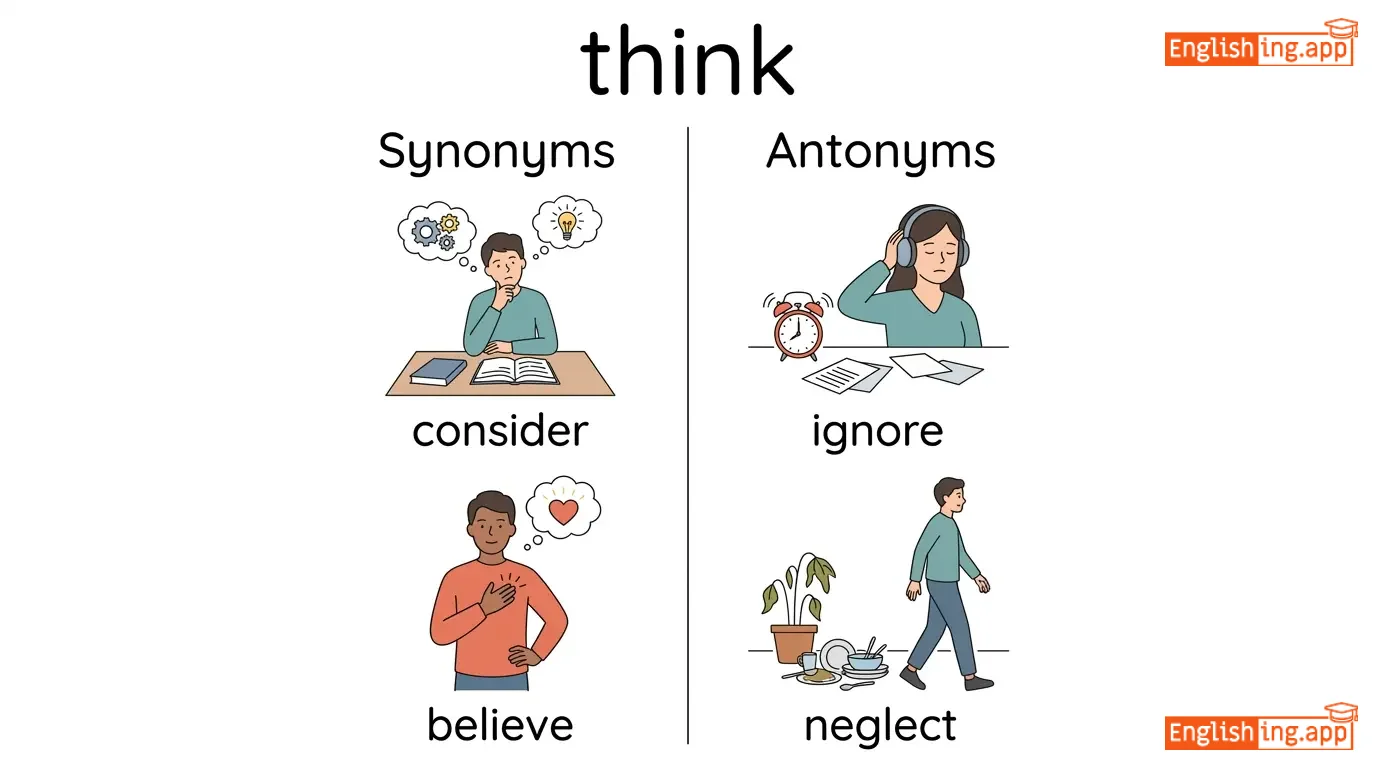
consider, believe, reflect, ponder
|
••••••
|
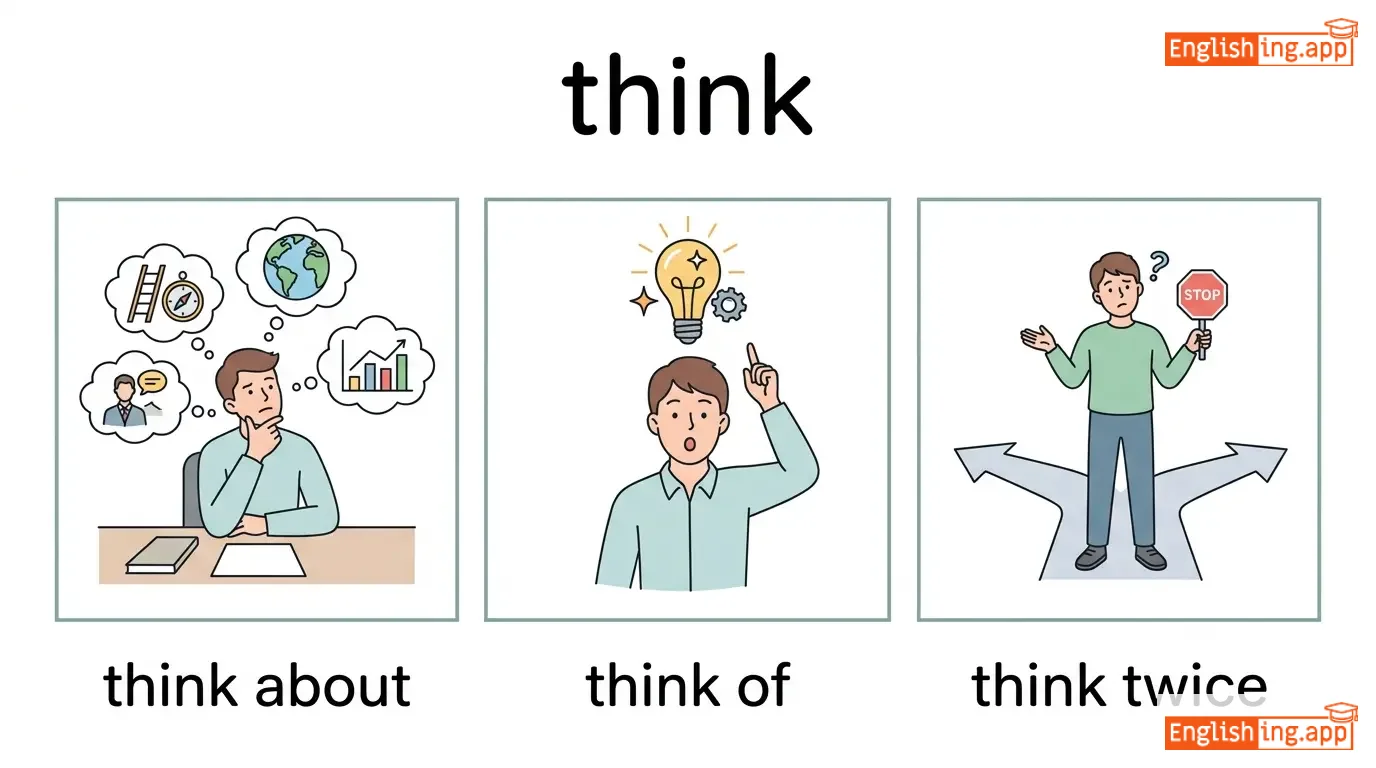
think about, think of, think twice, think hard
|
Pensar es como dar un giro mental para encontrar la mejor solución.
••••••
|
|
••••••
|
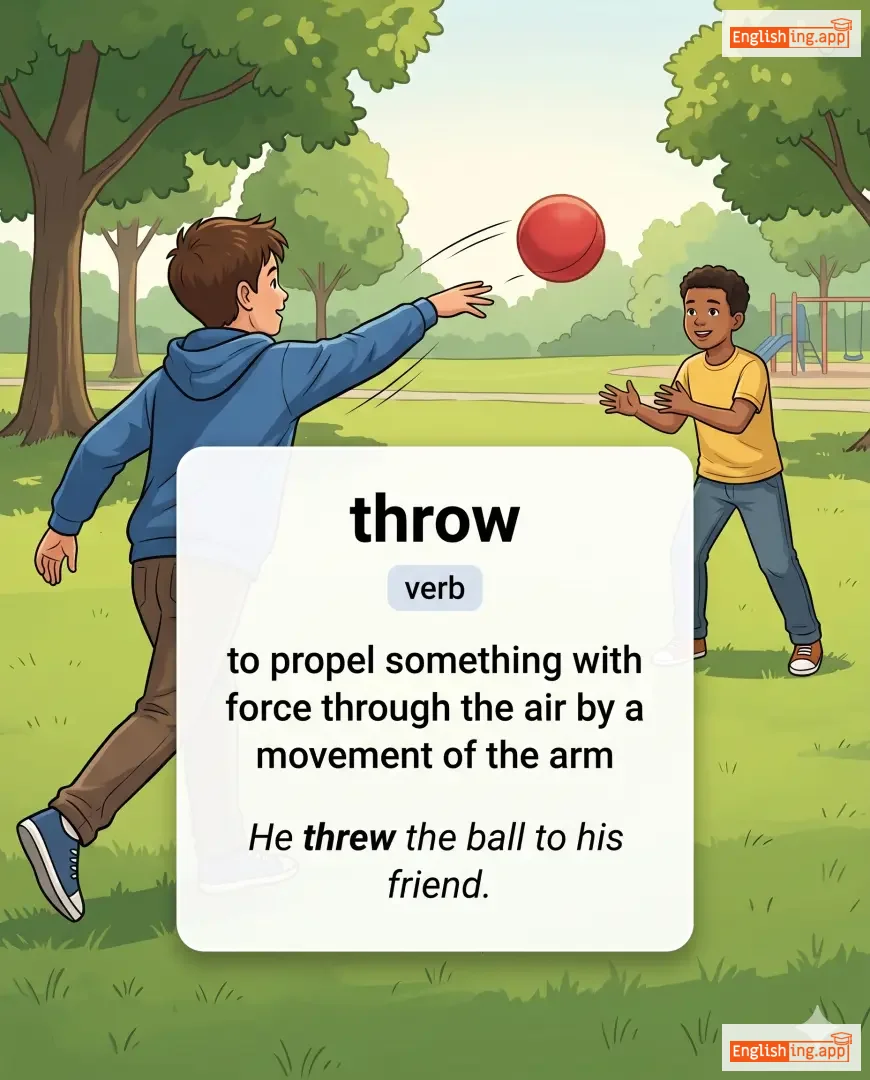
/θroʊ/
verb
(zró)
••••••
|
••••••
|
lanzar
lanzar
••••••
|
zru
••••••
|
zron
••••••
|
zroza
••••••
|
zroing
••••••
|
to propel something with force through the air by a movement of the arm
|
He threw the ball to his friend.
Él lanzó la pelota a su amigo.
••••••
|
Él lanzó la pelota a su amigo.
Él lanzó la pelota a su amigo.
••••••
|
tirar la toalla
••••••
|
to give up or admit defeat
|
admitir derrota
admitir derrota
••••••
|
••••••
|
••••••
|
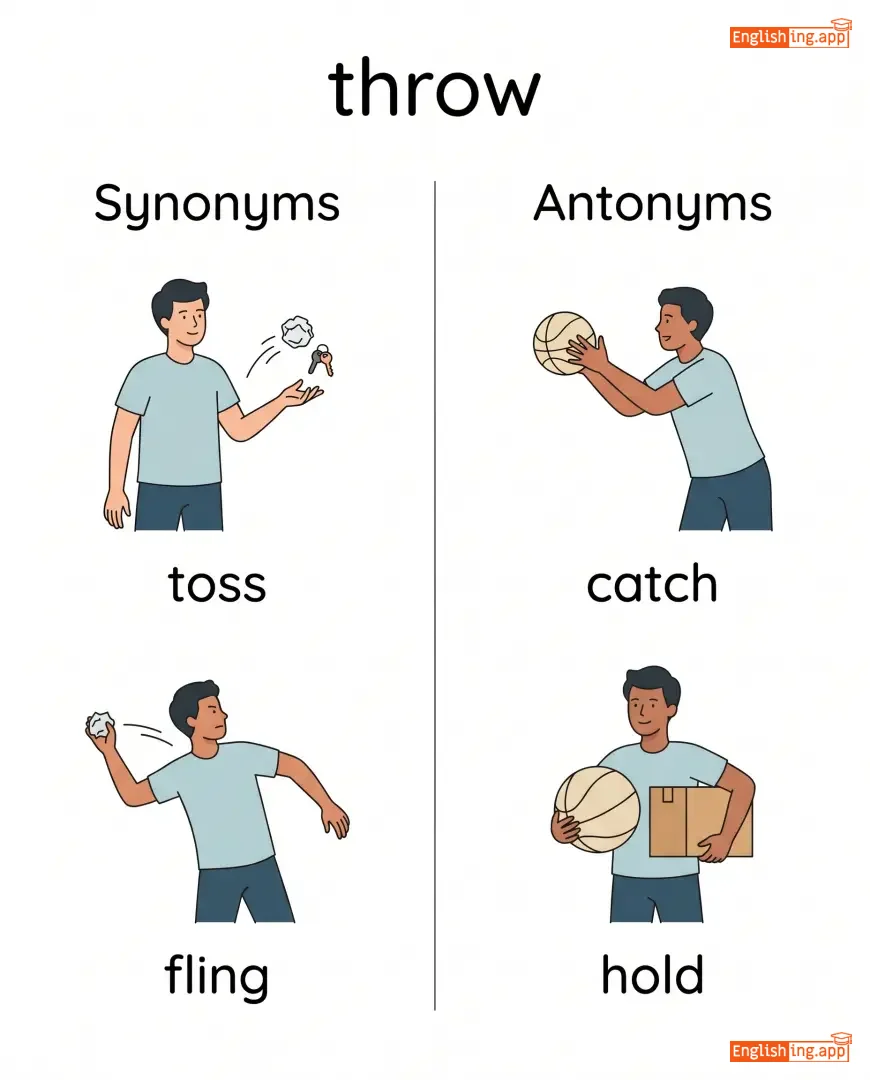
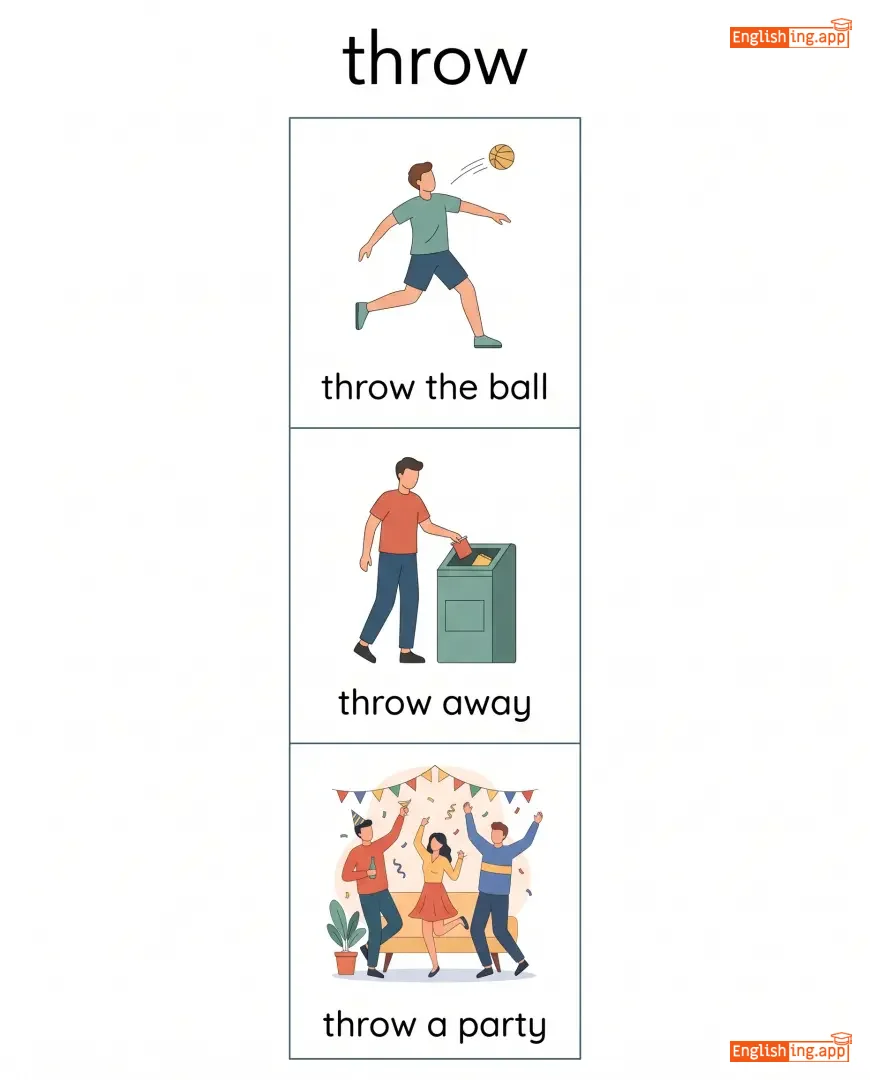
throw the ball, throw away, throw a party
|
Lanza la pelota con fuerza y da un buen tiro!
••••••
|
|
••••••
|
/θruːˈaʊt/
preposition
(zrú-aut)
••••••
|
-
••••••
|
a lo largo
a lo largo
••••••
|
-
••••••
|
-
••••••
|
-
••••••
|
-
••••••
|
in every part of a place or during the whole time of an event
|
She worked throughout the night.
••••••
|
Ella trabajó toda la noche.
Ella trabajó toda la noche.
••••••
|
-
••••••
|
-
••••••
|
-
••••••
|
all over, everywhere, during, across
|
••••••
|
throughout the day, throughout the country
|
Throughout = por todo el camino, sin parar.
••••••
|
|
••••••
|
/θruː/
preposition
(zru)
••••••
|
-
••••••
|
a través de
a traves de
••••••
|
-
••••••
|
-
••••••
|
-
••••••
|
-
••••••
|
moving in one side and out the other side of something
|
The train passed through the tunnel.
El tren pasó a través del túnel.
••••••
|
El tren pasó a través del túnel.
El tren paso a traves del tunel.
••••••
|
-
••••••
|
-
••••••
|
-
••••••
|
across, past, beyond, into
|
••••••
|
go through, pass through, walk through
|
Through sounds like crossing a bridge, moving from one side to the other.
••••••
|
|
••••••
|
/θroʊt/
noun
(zroʊt)
••••••
|
-
••••••
|
garganta
garganta
••••••
|
-
••••••
|
-
••••••
|
-
••••••
|
-
••••••
|
the front part of the neck, containing the pharynx and larynx
|
He felt a lump in his throat while speaking.
••••••
|
Sintió un bulto en su garganta mientras hablaba.
Sintió un bulto en su garganta mientras hablaba.
••••••
|
-
••••••
|
-
••••••
|
-
••••••
|
••••••
|
••••••
|
sore throat, clear your throat
|
Throat = garganta, donde se producen las vibraciones de la voz.
••••••
|
|
••••••
|
/θriː/
numeral
(tʁi)
••••••
|
-
••••••
|
tres
tres
••••••
|
-
••••••
|
-
••••••
|
-
••••••
|
-
••••••
|
the number equivalent to the sum of two and one
|
She has three dogs at home.
••••••
|
Ella tiene tres perros en casa.
Ella tiene tres perros en casa.
••••••
|
-
••••••
|
-
••••••
|
-
••••••
|
••••••
|
••••••
|
three times, three people, three years
|
Tres es el número afortunado en una familia de tres
••••••
|
|
••••••
|
/ˈθrɛtən/
verb
(happiness)
••••••
|
••••••
|
felicidad
felicidad
••••••
|
••••••
|
••••••
|
••••••
|
••••••
|
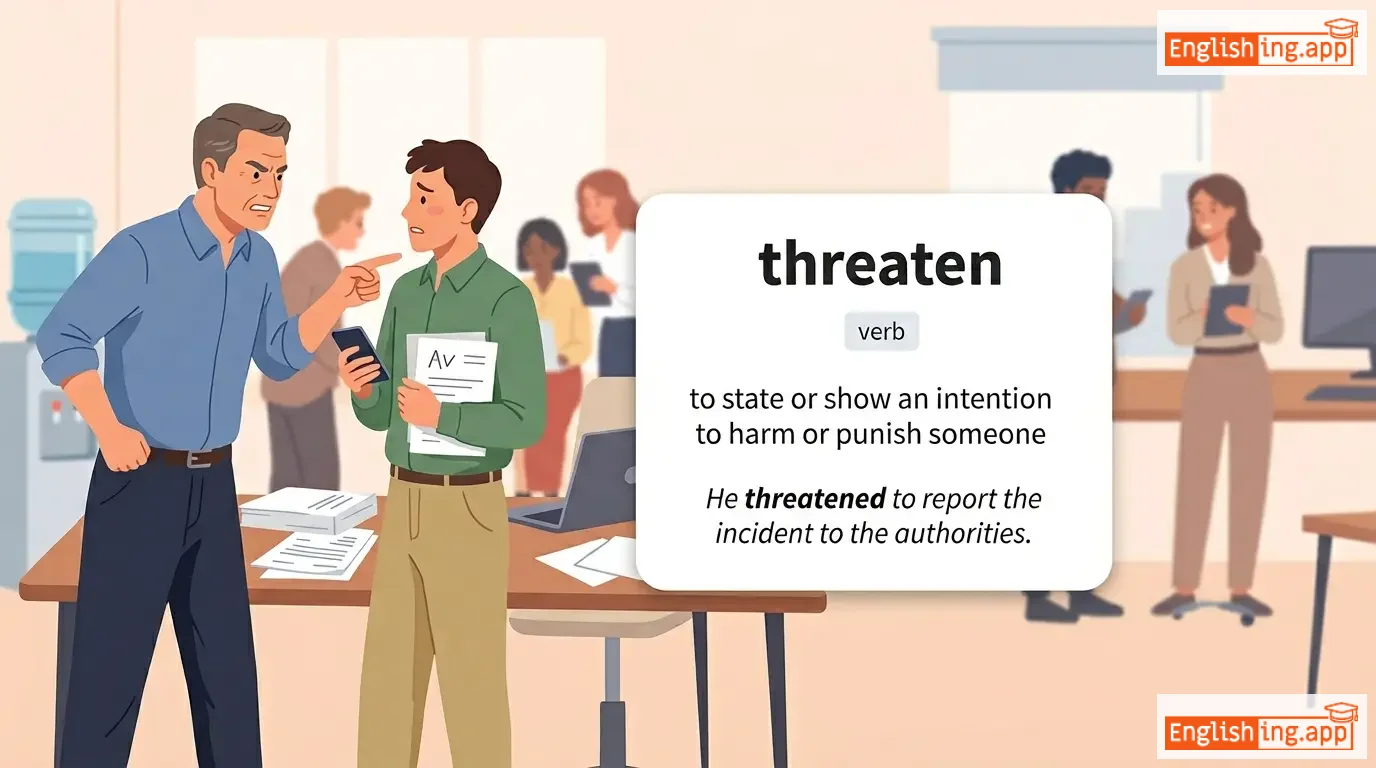
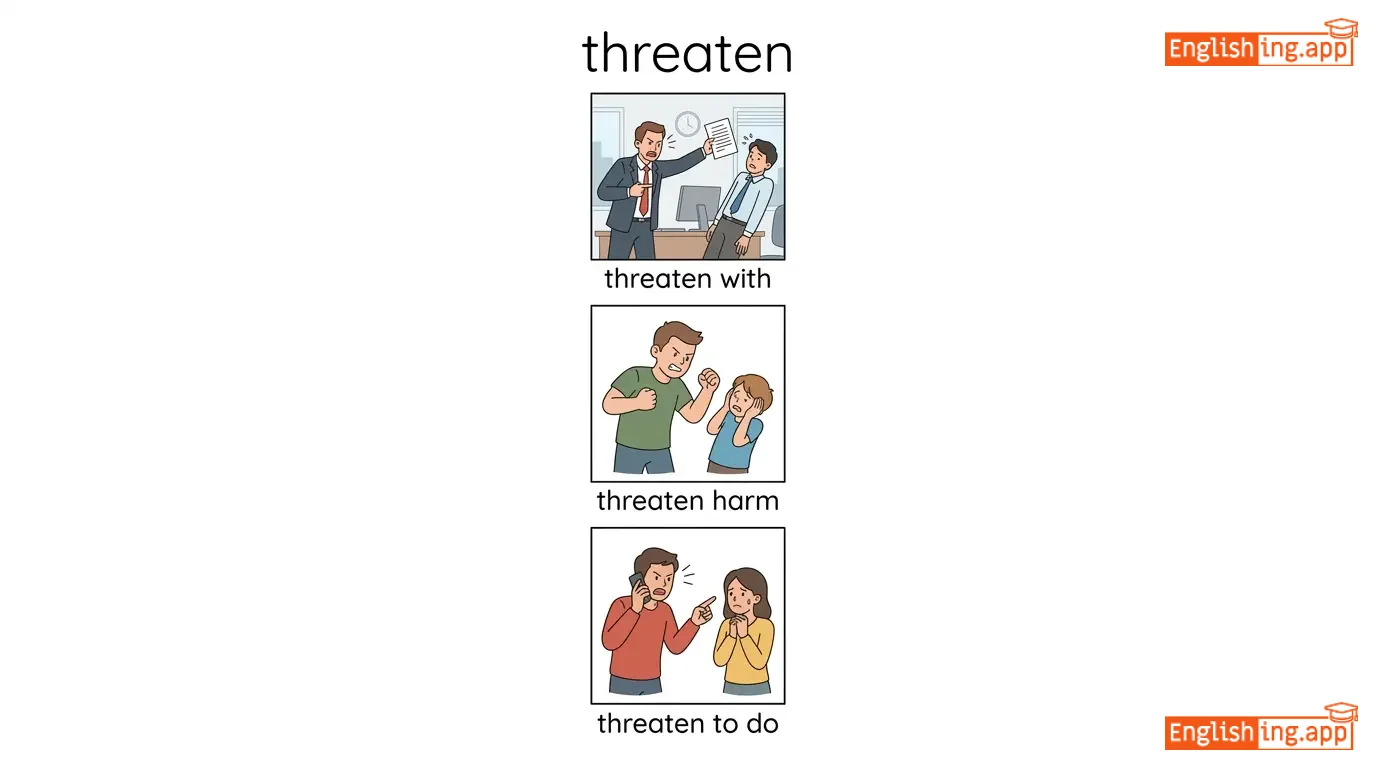
to state or show an intention to harm or punish someone
|
He threatened to report the incident to the authorities.
••••••
|
No pudo esconder su felicidad cuando recibió el premio.
No pudo esconder su felicidad cuando recibió el premio.
••••••
|
-
••••••
|
-
••••••
|
-
••••••
|
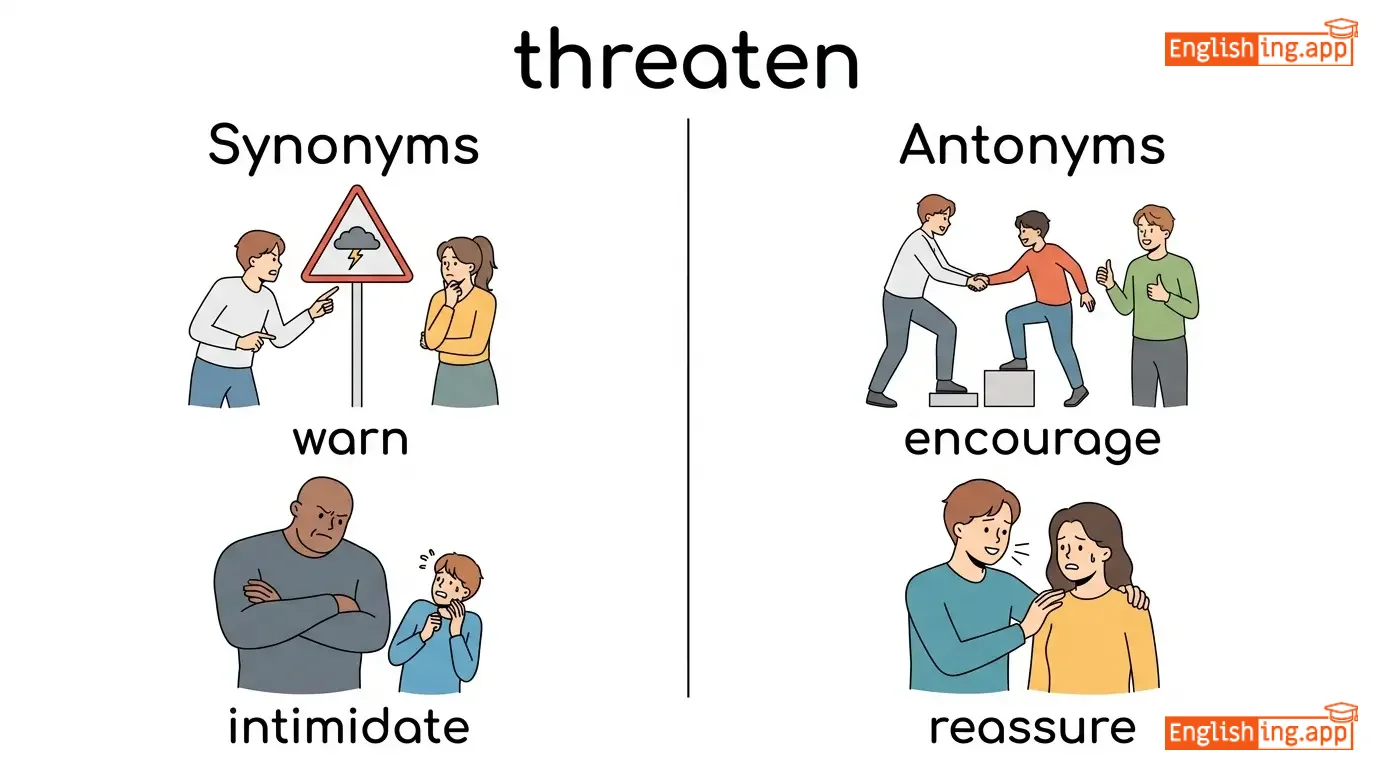
warn, intimidate, menace, coerce
|
encourage, reassure, support
|
threaten with, threaten harm, threaten to do
|
Felicidad = felicidad, que trae alegría como la palabra Happiness.
••••••
|
|
••••••
|
/ˈθaʊzənd/
noun
(ˈθaʊzənd)
••••••
|
-
••••••
|
mil
mil
••••••
|
-
••••••
|
-
••••••
|
-
••••••
|
-
••••••
|
the number equal to 10 hundred or 1,000
|
There were a thousand people at the concert.
••••••
|
Había mil personas en el concierto.
Había mil personas en el concierto.
••••••
|
-
••••••
|
-
••••••
|
-
••••••
|
••••••
|
••••••
|
thousand dollars, thousand people, thousand years
|
Mil personas en un concierto (mil personas en un concierto)
••••••
|
|
••••••
|
/θɔːt/
noun
(zót)
••••••
|
-
••••••
|
pensamiento
pensamiento
••••••
|
-
••••••
|
-
••••••
|
-
••••••
|
-
••••••
|
an idea or opinion produced by thinking or considering something
|
She had a sudden thought about the future.
••••••
|
Ella tuvo un pensamiento repentino sobre el futuro.
Ella tuvo un pensamiento repentino sobre el futuro.
••••••
|
-
••••••
|
-
••••••
|
-
••••••
|
idea, notion, belief, concept
|
••••••
|
deep thought, quick thought, passing thought
|
Pensamiento (pensamiento) llega de repente
••••••
|
|
••••••
|
/ðoʊ/
conjunction
(zóu)
••••••
|
-
••••••
|
aunque
aunque
••••••
|
-
••••••
|
-
••••••
|
-
••••••
|
-
••••••
|
used to introduce a fact that makes the main statement of the sentence seem surprising or unexpected
|
Though it was raining, they still went outside.
••••••
|
Aunque estaba lloviendo, ellos aún salieron.
Aunque estaba lloviendo, ellos aún salieron.
••••••
|
-
••••••
|
-
••••••
|
-
••••••
|
••••••
|
••••••
|
though difficult, though tired, though happy
|
'aunque' (aunque) a pesar de la lluvia, salir
••••••
|
|
••••••
|
/ðoʊz/
pronoun
(ðoʊz)
••••••
|
-
••••••
|
esos
esos
••••••
|
-
••••••
|
-
••••••
|
-
••••••
|
-
••••••
|
used to refer to people or things that are far away or distant in space, time, or thought
|
Those are the shoes I want.
••••••
|
Esos son los zapatos que quiero.
Esos son los zapatos que quiero.
••••••
|
-
••••••
|
-
••••••
|
-
••••••
|
those ones, those people, those things
|
••••••
|
those shoes, those days, those people
|
lejos en espacio o tiempo, 'esos' (esos)
••••••
|
|
••••••
|
/ðɪs/
pronoun
(dis)
••••••
|
-
••••••
|
esto
esto
••••••
|
-
••••••
|
-
••••••
|
-
••••••
|
-
••••••
|
used to refer to a person or thing that is close or near in space, time, or thought
|
This is my favorite book.
••••••
|
Este es mi libro favorito.
Este es mi libro favorito.
••••••
|
-
••••••
|
-
••••••
|
-
••••••
|
••••••
|
••••••
|
this book, this place, this idea
|
Recuerda 'esto' como lo más cercano a ti en espacio o pensamiento.
••••••
|
|
••••••
|
/ˈθɜrti/
adjective
(terti)
••••••
|
-
••••••
|
treinta
treinta
••••••
|
-
••••••
|
-
••••••
|
-
••••••
|
-
••••••
|
equivalent to the number 30
|
••••••
|
Él tiene treinta años.
El tiene treinta años.
••••••
|
-
••••••
|
-
••••••
|
-
••••••
|
••••••
|
••••••
|
thirty years old, thirty days, thirty minutes
|
To remember 'thirty', think of the number 30 (3️⃣0️⃣).
••••••
|
|
••••••
|
/θɜrd/
adjective
(θɜrd)
••••••
|
-
••••••
|
tercero
terthero
••••••
|
-
••••••
|
-
••••••
|
-
••••••
|
-
••••••
|
constituting number three in a sequence
|
She finished in third place.
••••••
|
Ella terminó en tercer lugar.
Ella termino en tercer lugar.
••••••
|
-
••••••
|
-
••••••
|
-
••••••
|
thirdly, tertiary, trinal
|
••••••
|
third place, third time, third attempt
|
Piensa en la medalla del 'tercer' lugar (🥉).
••••••
|
|
••••••
|
/ˈθɪŋkɪŋ/
noun
(ˈθɪŋkɪŋ)
••••••
|
-
••••••
|
pensamiento
pensamiento
••••••
|
-
••••••
|
-
••••••
|
-
••••••
|
-
••••••
|
the process of considering or reasoning about something
|
Her thinking was clear and precise.
••••••
|
Su pensamiento era claro y preciso.
Su pensamiento era claro y preciso.
••••••
|
-
••••••
|
-
••••••
|
-
••••••
|
thought, contemplation, reflection, reasoning
|
••••••
|
critical thinking, logical thinking, abstract thinking
|
Thinking is like 'pensar' in Spanish, like making clear plans.
••••••
|
|
••••••
|
/ðæt/
pronoun
(ðæt)
••••••
|
-
••••••
|
ese
ese
••••••
|
-
••••••
|
-
••••••
|
-
••••••
|
-
••••••
|
used to identify a specific person or thing observed or heard
|
That is my book on the table.
Ese es mi libro en la mesa.
••••••
|
Ese es mi libro en la mesa.
Ese es mi libro en la mesa.
••••••
|
-
••••••
|
-
••••••
|
-
••••••
|
••••••
|
••••••
|
that book, that person, that idea
|
That - Esto (Esto) está sobre la mesa
••••••
|
|
••••••
|
/θɪŋ/
noun
(zɪŋ)
••••••
|
-
••••••
|
cosa
cosa
••••••
|
-
••••••
|
-
••••••
|
-
••••••
|
-
••••••
|
an object, idea, or matter that is being referred to or dealt with
|
This is the thing I was looking for.
••••••
|
Esta es la cosa que estaba buscando.
Esta es la cosa que estaba buscando.
••••••
|
-
••••••
|
-
••••••
|
-
••••••
|
item, object, matter, article
|
••••••
|
the thing, a thing, important thing, one thing
|
Think of a 'thing' as a 'cosa' (cosa) you can always point to.
••••••
|
|
••••••
|
/θɪn/
adjective
(thin)
••••••
|
-
••••••
|
delgado
delgado
••••••
|
-
••••••
|
-
••••••
|
-
••••••
|
-
••••••
|
having little thickness or width
|
She wore a thin scarf in the winter.
Ella llevaba una bufanda delgada en el invierno.
••••••
|
Ella llevaba una bufanda delgada en el invierno.
Ella llevaba una bufanda delgada en el invierno.
••••••
|
-
••••••
|
-
••••••
|
-
••••••
|
••••••
|
••••••
|
thin paper, thin hair, thin layer
|
Thin as in a feather - delgado, como una pluma.
••••••
|
|
••••••
|
/ðeɪ/
pronoun
(ðeɪ)
••••••
|
-
••••••
|
ellos
ellos
••••••
|
-
••••••
|
-
••••••
|
-
••••••
|
-
••••••
|
used to refer to people or things previously mentioned or easily identified
|
They are going to the park.
••••••
|
Ellos van al parque.
Ellos van al parque.
••••••
|
-
••••••
|
-
••••••
|
-
••••••
|
••••••
|
••••••
|
they are, they have, they will
|
They are our friends - Ellos son nuestros amigos.
••••••
|
|
••••••
|
/ðiːz/
pronoun
(ðiz)
••••••
|
-
••••••
|
estos
estos
••••••
|
-
••••••
|
-
••••••
|
-
••••••
|
-
••••••
|
used to refer to things or people that are near or present
|
••••••
|
Estos son mis amigos.
Estos son mis amigos.
••••••
|
-
••••••
|
-
••••••
|
-
••••••
|
••••••
|
••••••
|
these things, these people, these books
|
These things are close to me - Estas cosas están cerca de mí.
••••••
|
|
••••••
|
/ðɛəˈfɔː/
conjunction
(derfor)
••••••
|
-
••••••
|
por lo tanto
derfor
••••••
|
-
••••••
|
-
••••••
|
-
••••••
|
-
••••••
|
for that reason; because of that
|
She was tired; therefore, she went to bed early.
Ella estaba cansada; por lo tanto, se acostó temprano.
••••••
|
Ella estaba cansada; por lo tanto, se acostó temprano.
Ella estaba cansada; por lo tanto, se acosto temprano.
••••••
|
-
••••••
|
-
••••••
|
-
••••••
|
thus, hence, so, accordingly
|
••••••
|
therefore, therefore decided, therefore necessary
|
There fore = There for E, remember por eso as the Spanish meaning
••••••
|
|
••••••
|
/ðɛə/
adverb
(ðɛə)
••••••
|
-
••••••
|
allí
alli
••••••
|
-
••••••
|
-
••••••
|
-
••••••
|
-
••••••
|
in, at, or to that place or position
|
We are going there tomorrow.
••••••
|
Vamos allí mañana.
Vamos alli manana.
••••••
|
-
••••••
|
-
••••••
|
-
••••••
|
here, in that place, at that location
|
••••••
|
be there, go there, get there, come here
|
There’s a place, it’s over there - Estás allí ahora.
••••••
|
|
••••••
|
/ˈθɛrəpi/
noun
(terapia)
••••••
|
••••••
|
terapia
terapia
••••••
|
-
••••••
|
-
••••••
|
-
••••••
|
-
••••••
|
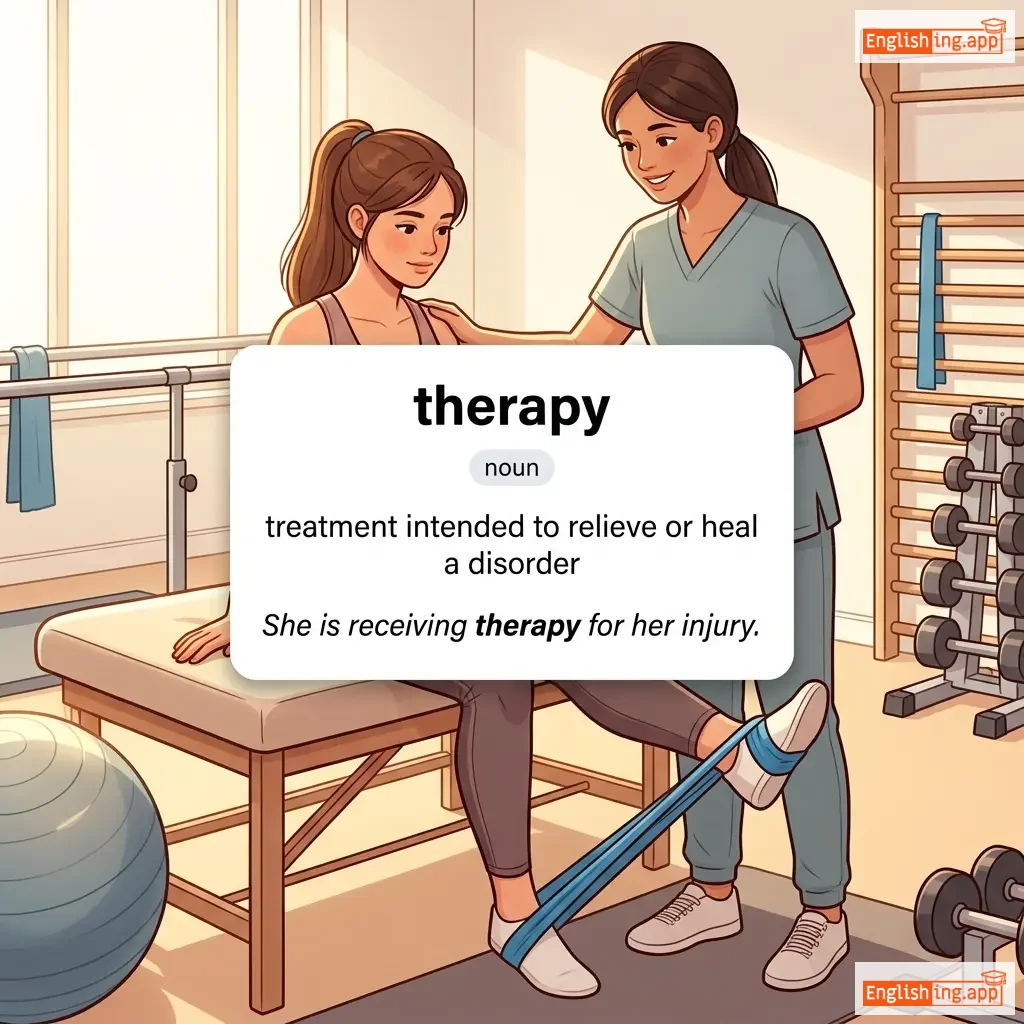
treatment intended to relieve or heal a disorder
|
She is receiving therapy for her injury.
Ella está recibiendo terapia para su lesión.
••••••
|
Ella está recibiendo terapia para su lesión.
Ella está recibiendo terapia para su lesión.
••••••
|
-
••••••
|
-
••••••
|
-
••••••
|
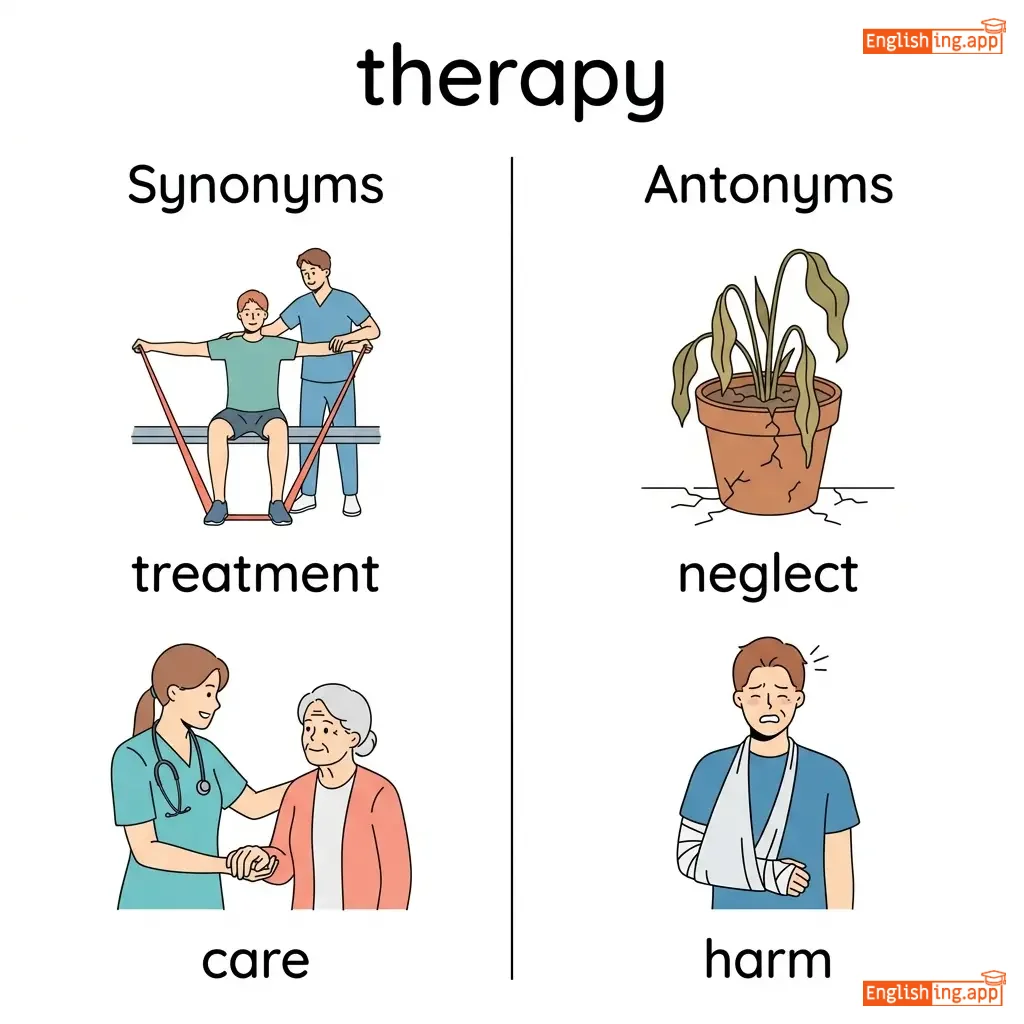
treatment, care, healing, rehabilitation
|
••••••
|
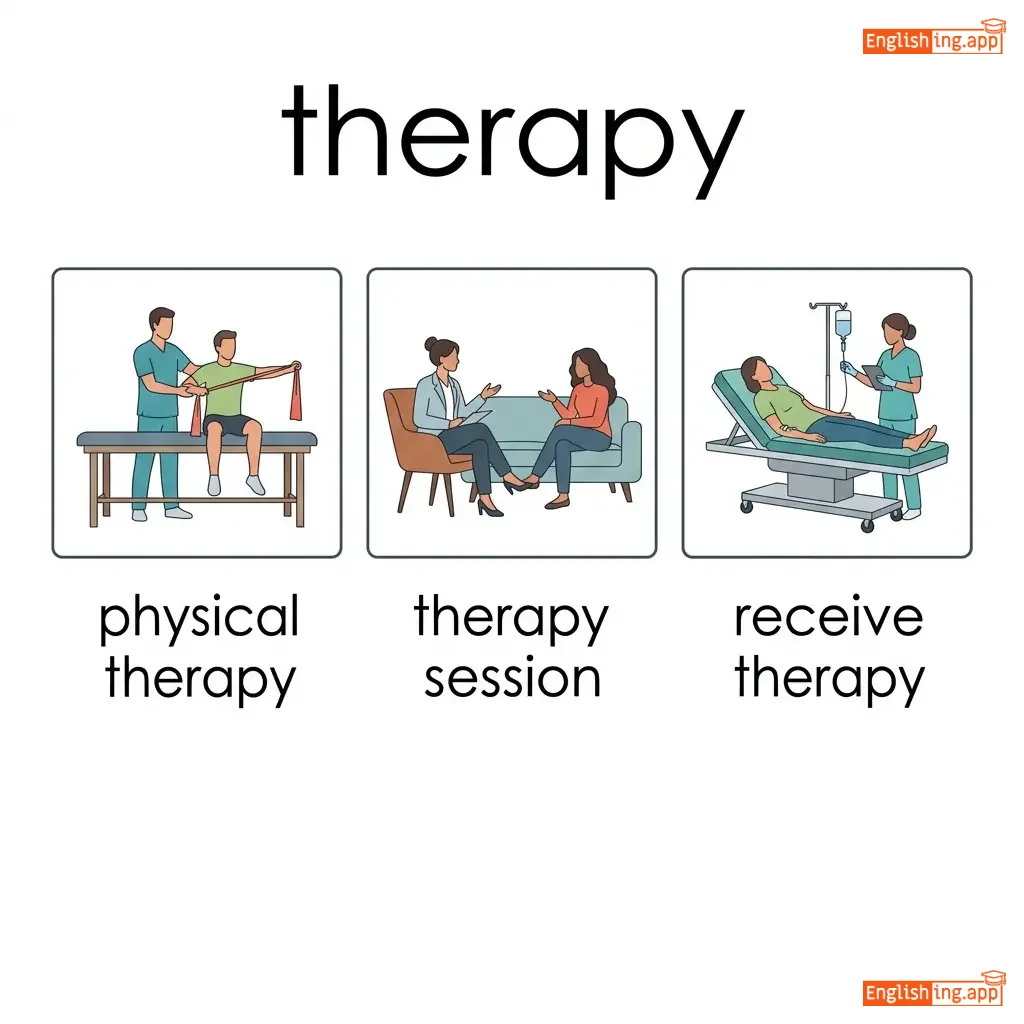
physical therapy, therapy session, receive therapy
|
Terapia (therapy) para recuperar bienestar físico y mental
••••••
|
|
••••••
|
/ðɛn/
adverb
(zen)
••••••
|
-
••••••
|
entonces
entonces
••••••
|
-
••••••
|
-
••••••
|
-
••••••
|
-
••••••
|
at that time; next in order of time or place
|
We went to the park, and then we had lunch.
Fuimos al parque, y luego comimos.
••••••
|
Fuimos al parque, y luego comimos.
Fuimos al parque, y luego comimos.
••••••
|
en ese entonces
••••••
|
used to refer to a time in the past
|
en ese entonces
en ese entonces
••••••
|
afterward, subsequently, later, next
|
••••••
|
then what, then go, then what happened
|
Entonces (then) para recordar el tiempo en el pasado
••••••
|
|
••••••
|
/ðəmˈsɛlvz/
pronoun
(ðeˈmsɛlvz)
••••••
|
-
••••••
|
a sí mismos
a si mismos
••••••
|
-
••••••
|
-
••••••
|
-
••••••
|
-
••••••
|
used to emphasize the subject of the sentence or to refer to the subject doing something to itself
|
They fixed the problem themselves.
••••••
|
Ellos arreglaron el problema por sí mismos.
Ellos arreglaron el problema por si mismos.
••••••
|
-
••••••
|
-
••••••
|
-
••••••
|
themselves alone, personally, independently
|
••••••
|
do it themselves, solve it themselves, they themselves
|
a sí mismos (themselves) ayuda a recordar que lo hacen por ellos mismos
••••••
|
|
••••••
|
/θiːm/
noun
(tɪːm)
••••••
|
••••••
|
tema
tema
••••••
|
-
••••••
|
-
••••••
|
-
••••••
|
-
••••••
|
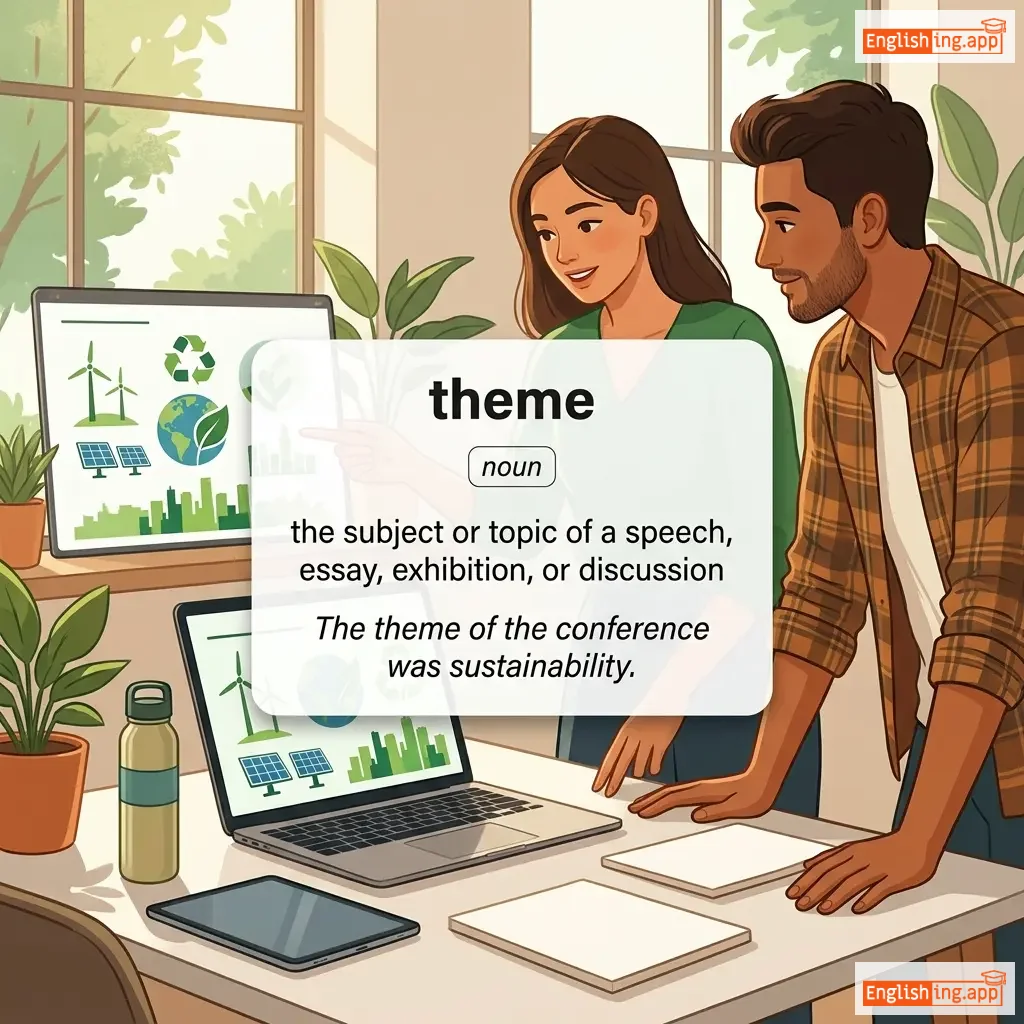
the subject or topic of a speech, essay, exhibition, or discussion
|
The theme of the conference was sustainability.
••••••
|
El tema de la conferencia fue la sostenibilidad.
El tema de la conferencia fue la sostenibilidad.
••••••
|
-
••••••
|
-
••••••
|
-
••••••
|
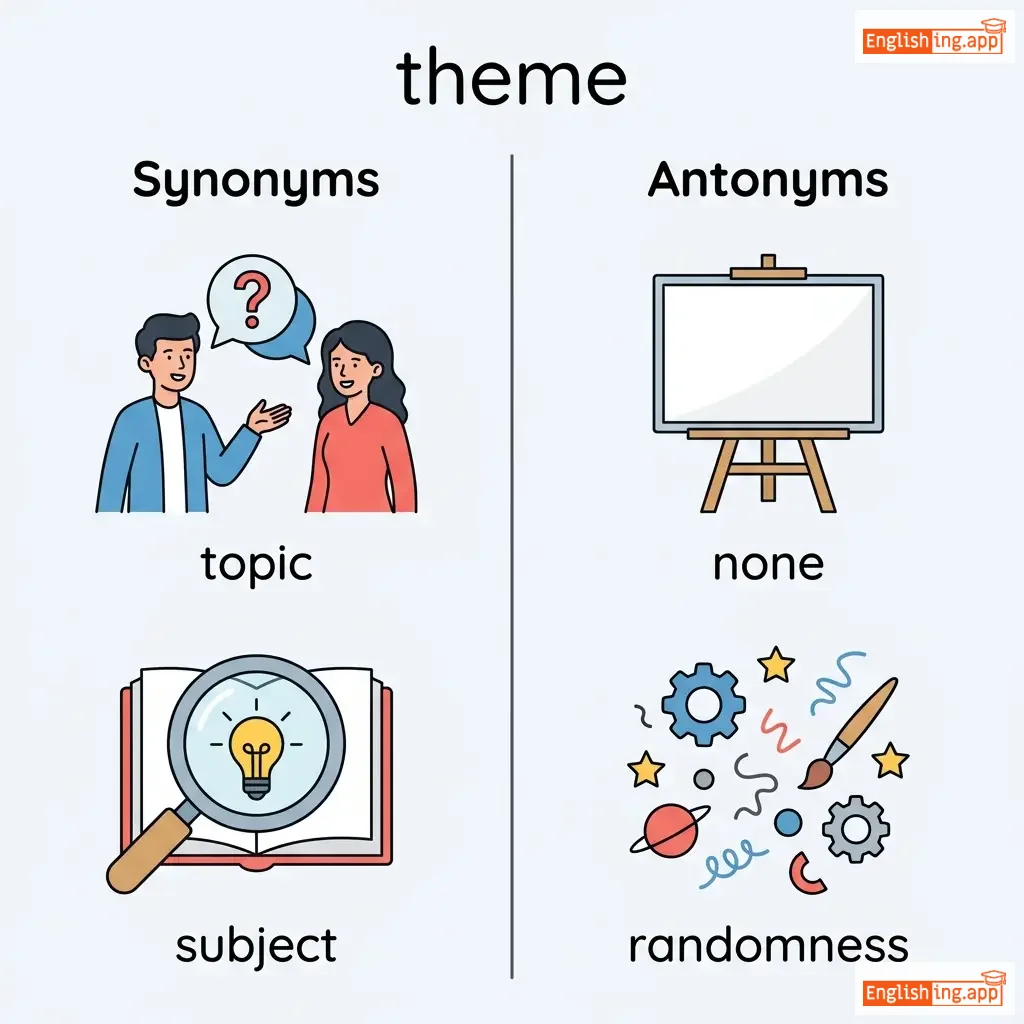
topic, subject, motif, idea
|
••••••
|
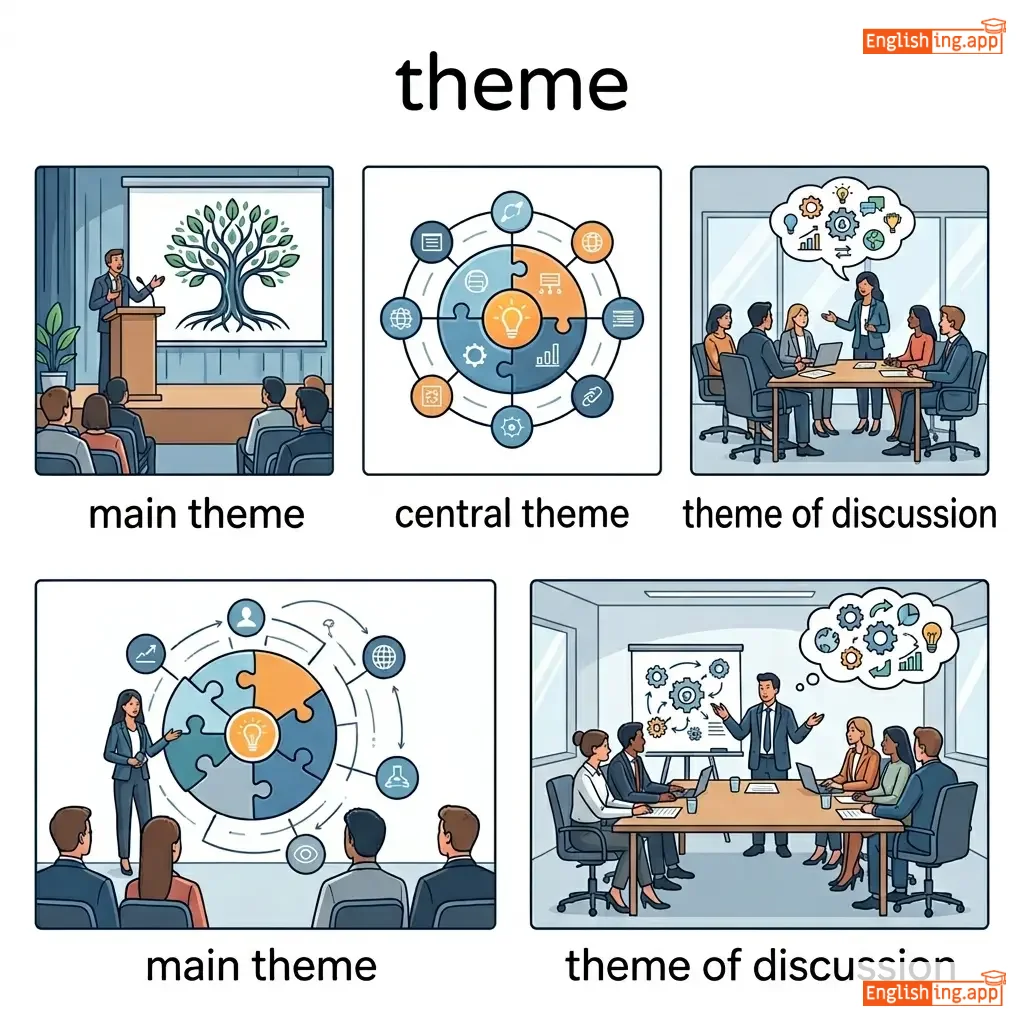
main theme, central theme, theme of discussion
|
Tema (theme) es el corazón de cualquier presentación
••••••
|
|
••••••
|
/ðɛm/
pronoun
(ðɛm)
••••••
|
-
••••••
|
ellos
ellos
••••••
|
-
••••••
|
-
••••••
|
-
••••••
|
-
••••••
|
used to refer to people or things previously mentioned or easily identified
|
I saw them at the park yesterday.
••••••
|
Los vi a ellos en el parque ayer.
Los vi a ellos en el parque ayer.
••••••
|
-
••••••
|
-
••••••
|
-
••••••
|
••••••
|
••••••
|
see them, tell them, help them
|
Ellos (them) son fáciles de recordar en cualquier lugar.
••••••
|
|
••••••
|
/ðɛər/
pronoun
(ðɛər)
••••••
|
-
••••••
|
su
su
••••••
|
-
••••••
|
-
••••••
|
-
••••••
|
-
••••••
|
belonging to or associated with the people or things previously mentioned
|
Their house is on the corner.
••••••
|
Su casa está en la esquina.
Su casa está en la esquina.
••••••
|
-
••••••
|
-
••••••
|
-
••••••
|
••••••
|
••••••
|
their car, their family, their opinion
|
Their - su casa
••••••
|
|
••••••
|
/ˈθiːətər/
noun
(teáter)
••••••
|
-
••••••
|
teatro
teatro
••••••
|
-
••••••
|
-
••••••
|
-
••••••
|
-
••••••
|
a building or area for dramatic performances
|
We are going to the theater tonight.
••••••
|
Vamos al teatro esta noche.
Vamos al teatro esta noche.
••••••
|
-
••••••
|
-
••••••
|
-
••••••
|
playhouse, cinema, auditorium
|
••••••
|
movie theater, local theater, drama theater
|
Teatro - Piensa en una 't' de teatro y una 'o' de obra.
••••••
|
|
••••••
|
/ðə/
article
(Dhe)
••••••
|
-
••••••
|
el/la/los/las
el/la/los/las
••••••
|
-
••••••
|
-
••••••
|
-
••••••
|
-
••••••
|
used to specify a noun as something already mentioned or known
|
The sun rises in the east.
Dhe san raiziz in dhe eest.
••••••
|
El sol sale por el este.
El sol sale por el este.
••••••
|
-
••••••
|
-
••••••
|
-
••••••
|
••••••
|
-
••••••
|
the best, the first, the last
|
The spanish definite article wears EL/LA/LOS/LAS, so remember: The sun becomes El sol, The moon La luna, The seas Los mares, The clouds Las nubes
••••••
|