The Role of Inflation in Economies

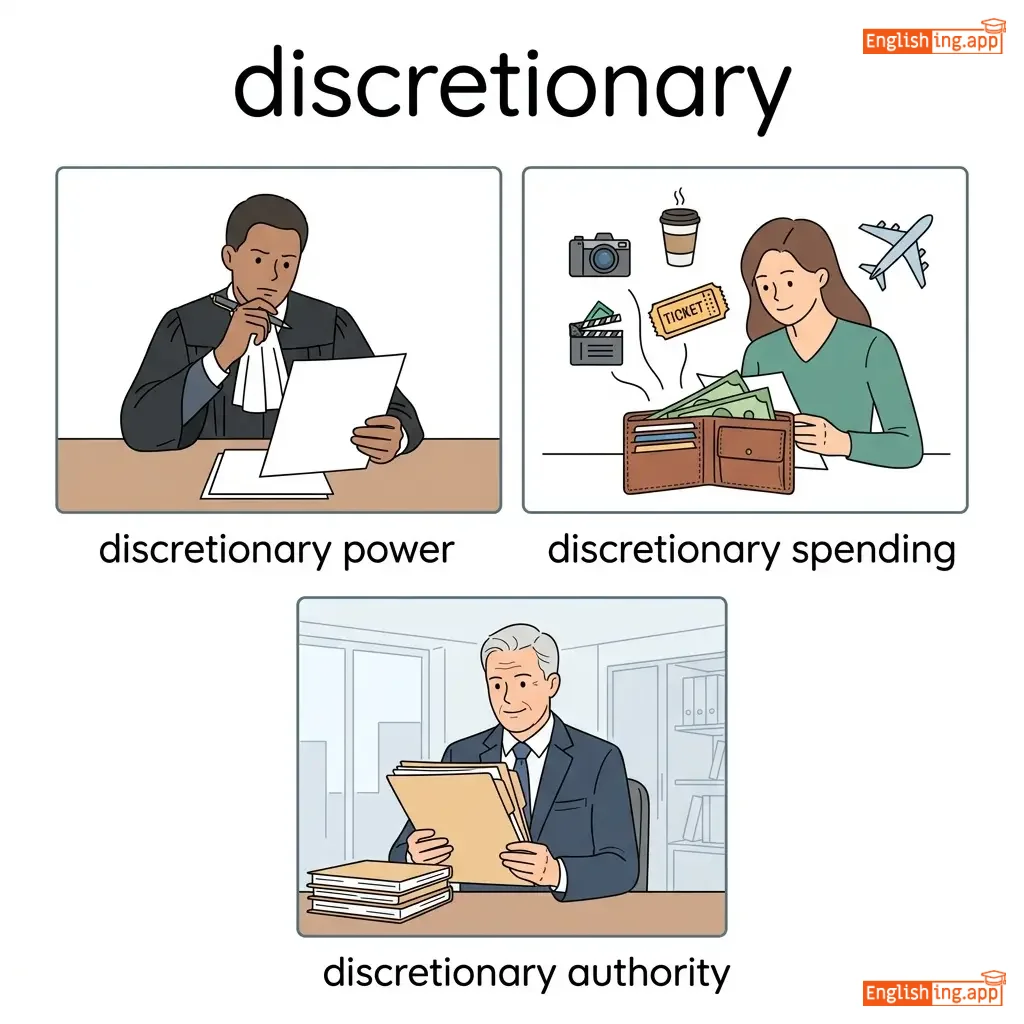
Inflation is a crucial economic indicator that relates to market prices and monetary supply. When it becomes excessive, exorbitant price increases reduce people's purchasing power, affecting discretionary spending.

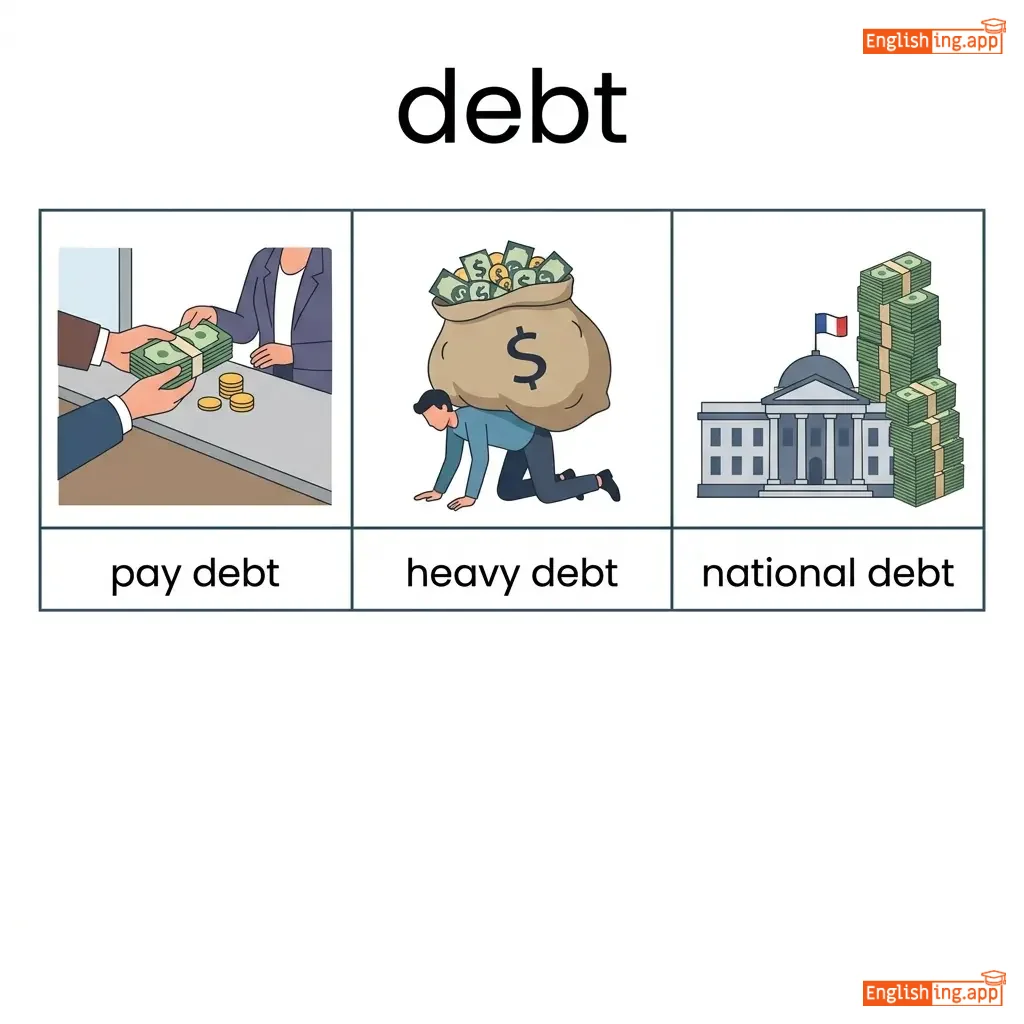
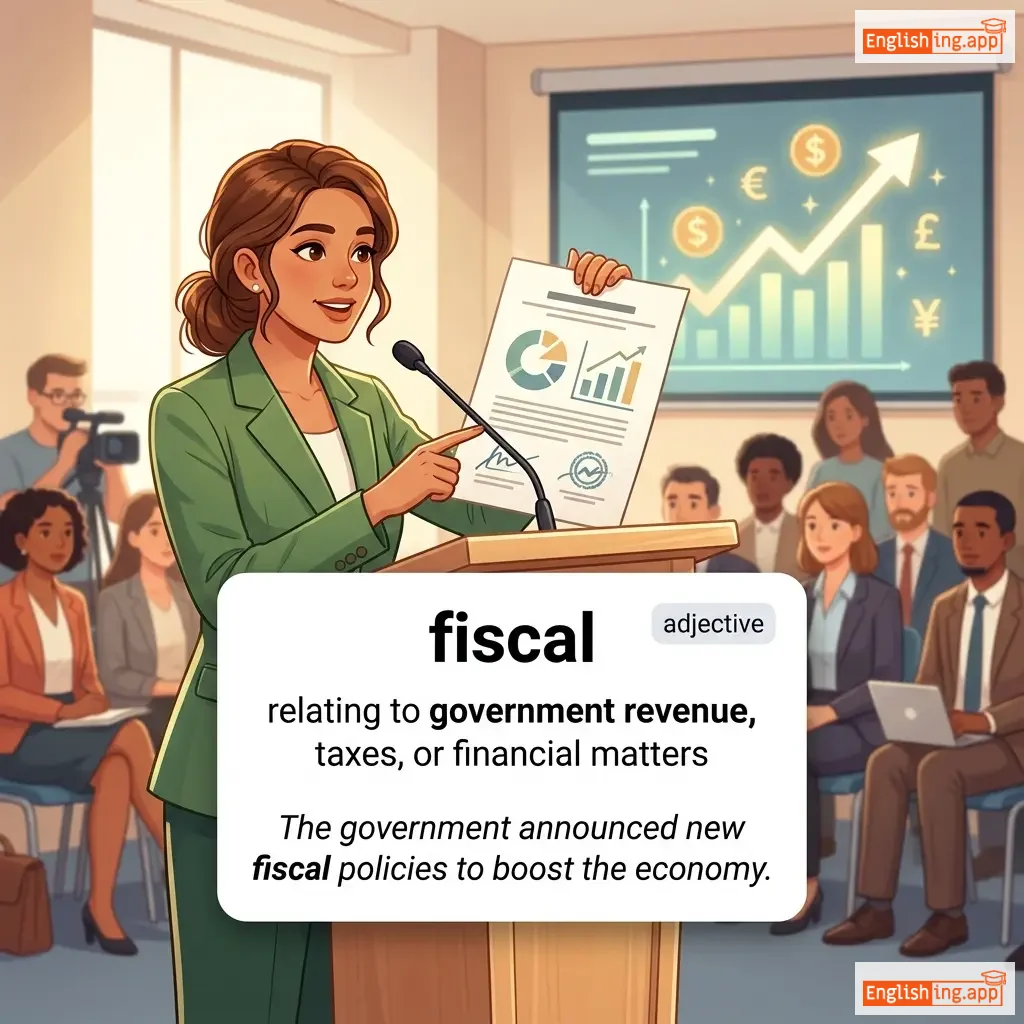
It sometimes causes contraction, and sometimes leads to proliferation. Inflation is usually caused by speculation and increased market volatility. Its adverse effects are seen in the country's sovereign debt and fiscal policy.
When deflation occurs in the market, the economy can go into stagnation or recession, which becomes a crisis for the government. However, in some cases, inflation can create a healthy equilibrium if properly controlled and incentives are provided.

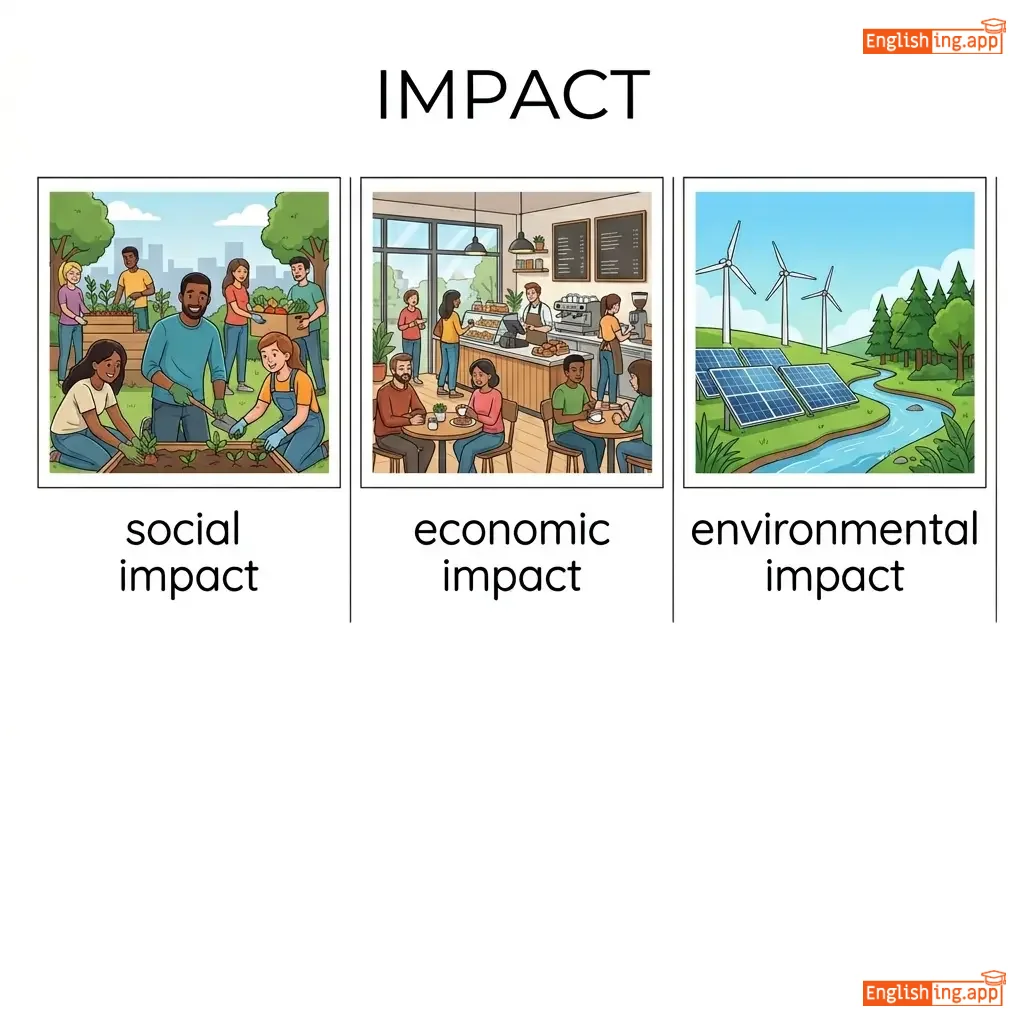
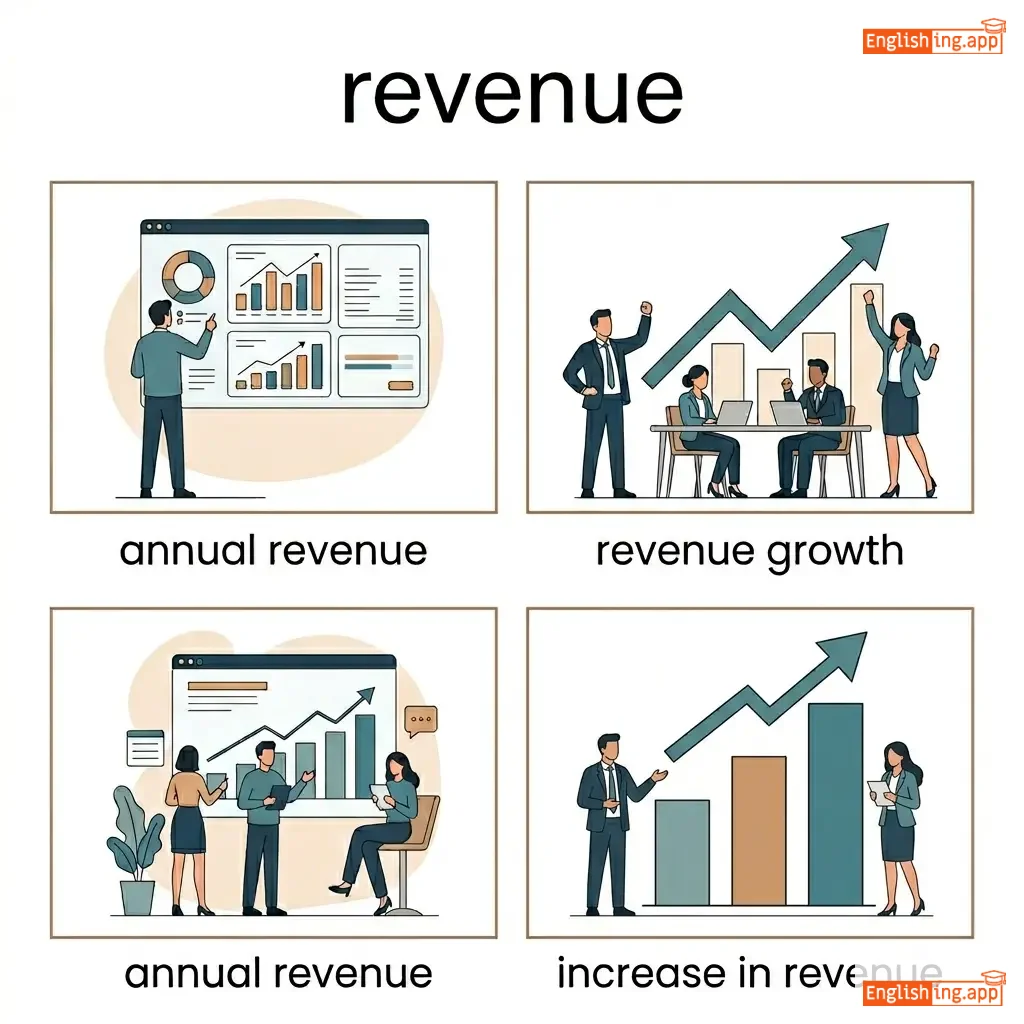
This is an important issue for every economy around the world, and its impact is clearly visible in goods, services, and revenue.

The Role of Inflation in Economies
/
/

The Role of Inflation in Economies - Mask Toggle

Emoji
Word Images Meaning Example Sentence Synonyms Antonyms
#3547
📈
••••••
ɪnˈfleɪʃən
noun
••••••
••••••
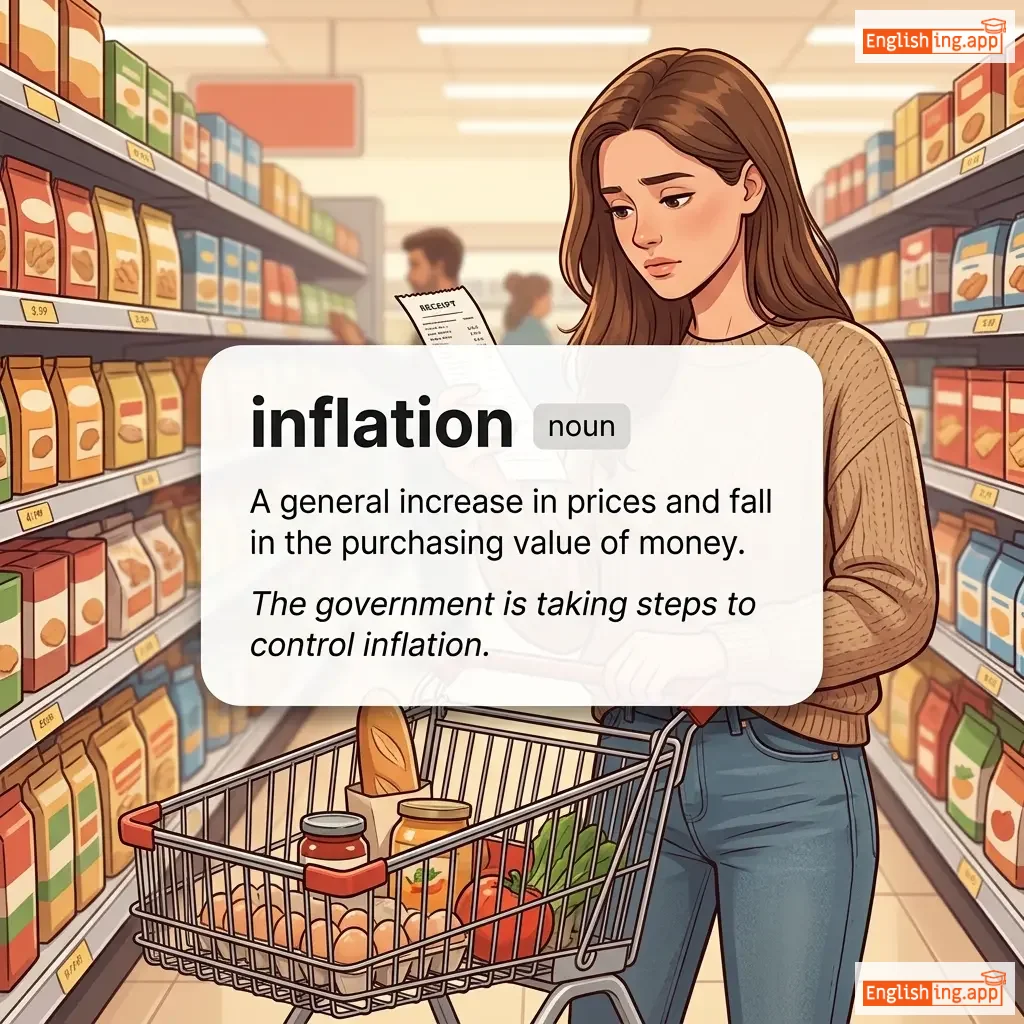
A general increase in prices and fall in the purchasing value of money.
••••••

Inflation reduces the purchasing power of money.

••••••
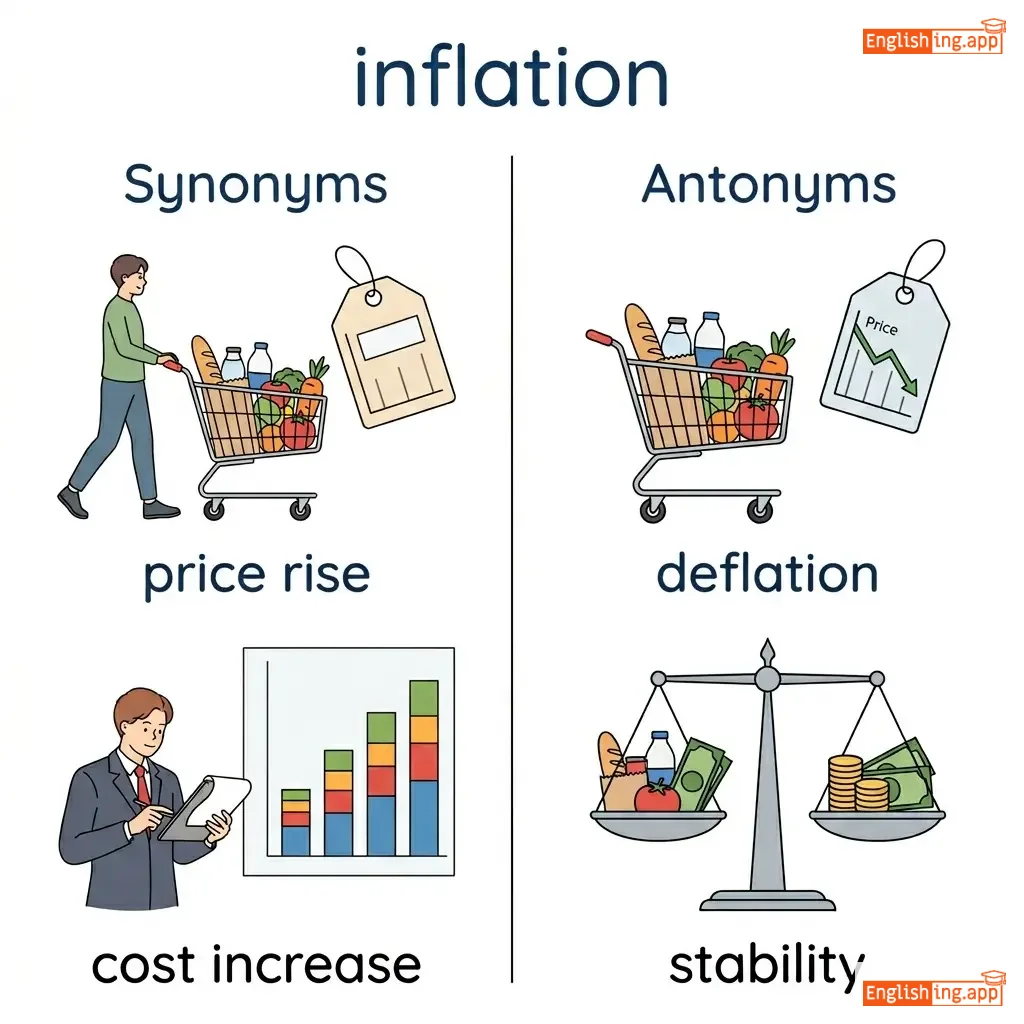
price rise, cost increase
••••••
deflation, decrease
••••••
#3548
💼
••••••
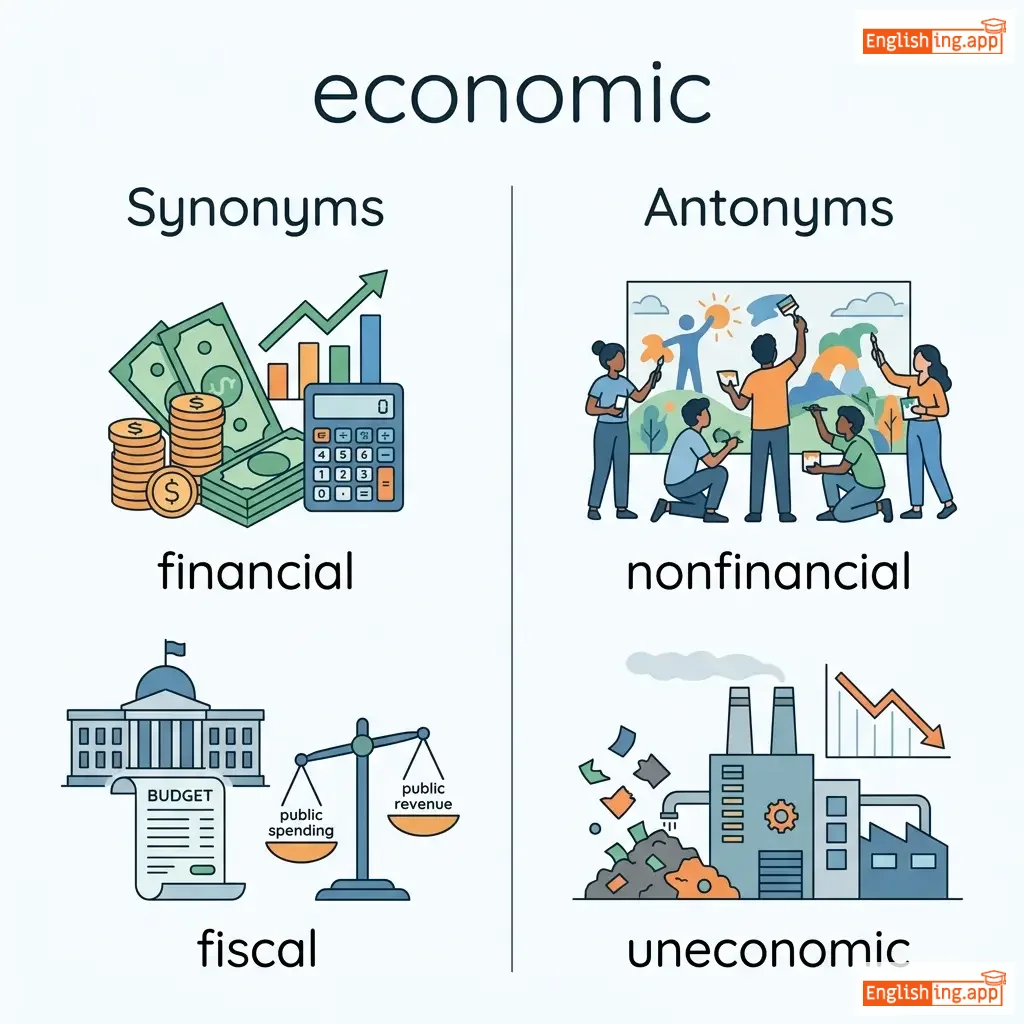
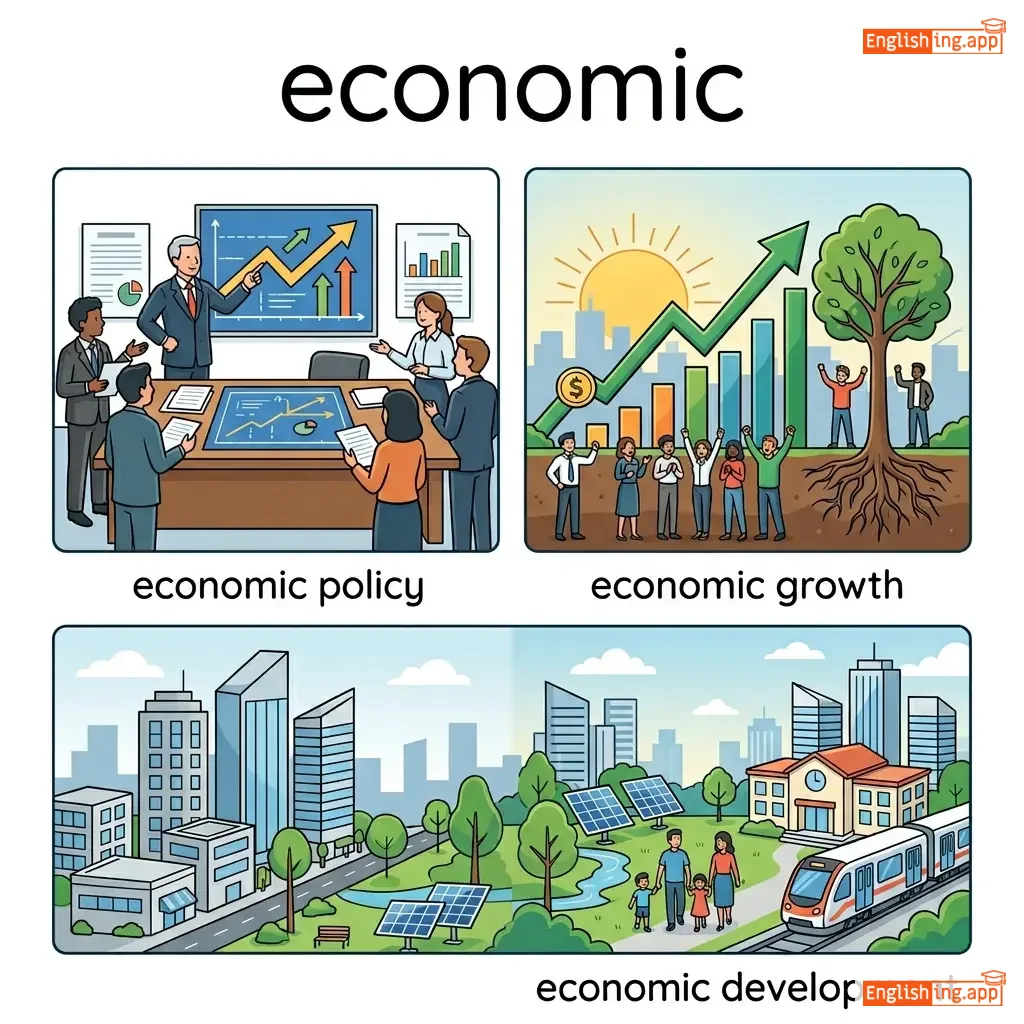
ˌiːkəˈnɒmɪk
adjective
••••••
••••••
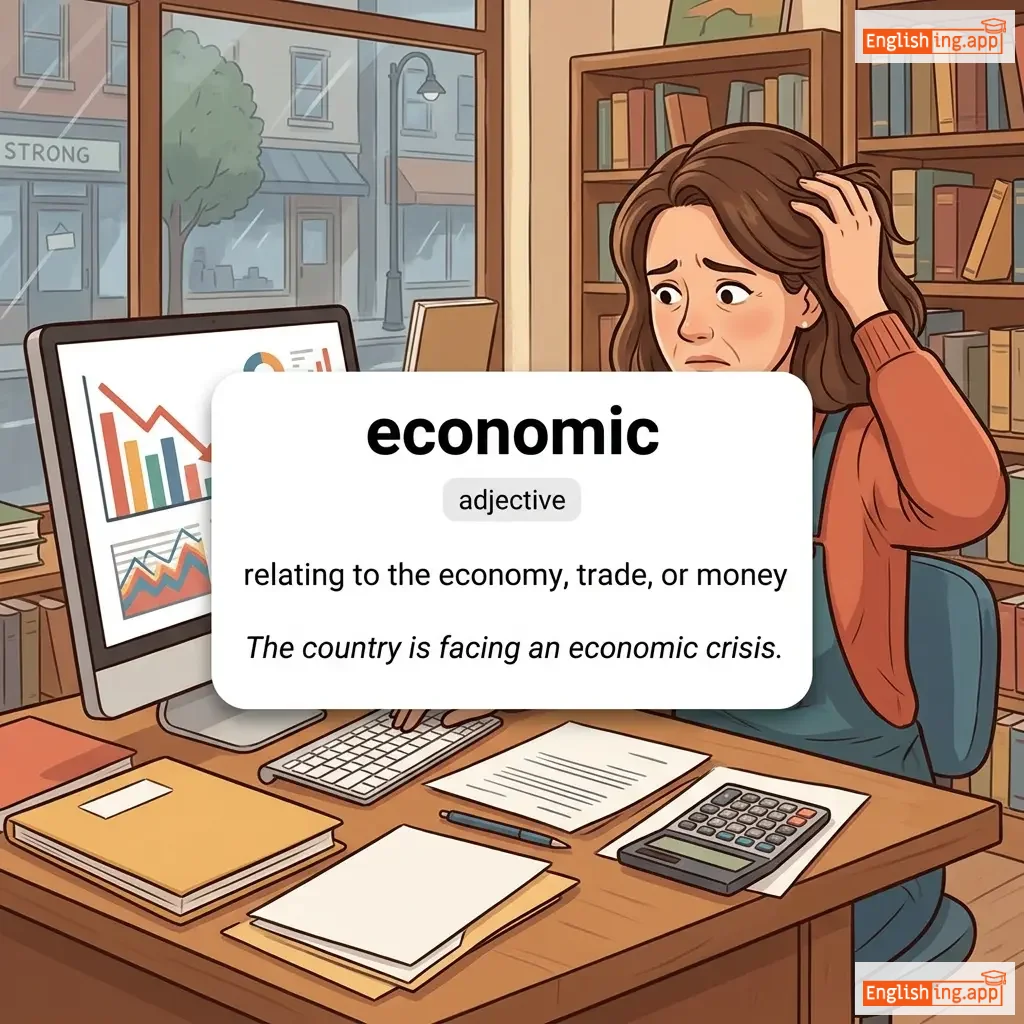
Relating to economics or the economy.
••••••

Economic growth is crucial for national prosperity.

••••••
financial, fiscal
••••••
non-economic, unrelated
••••••
#3549
📊
••••••
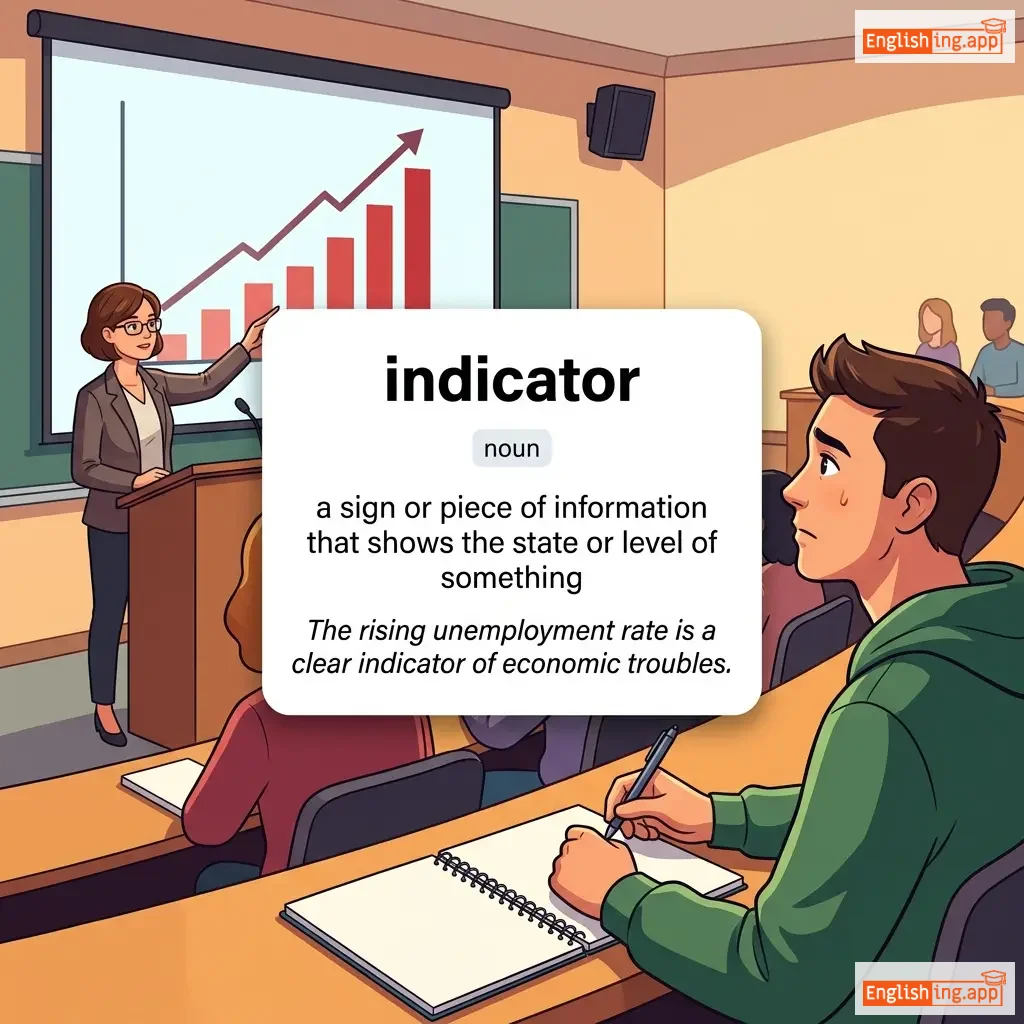
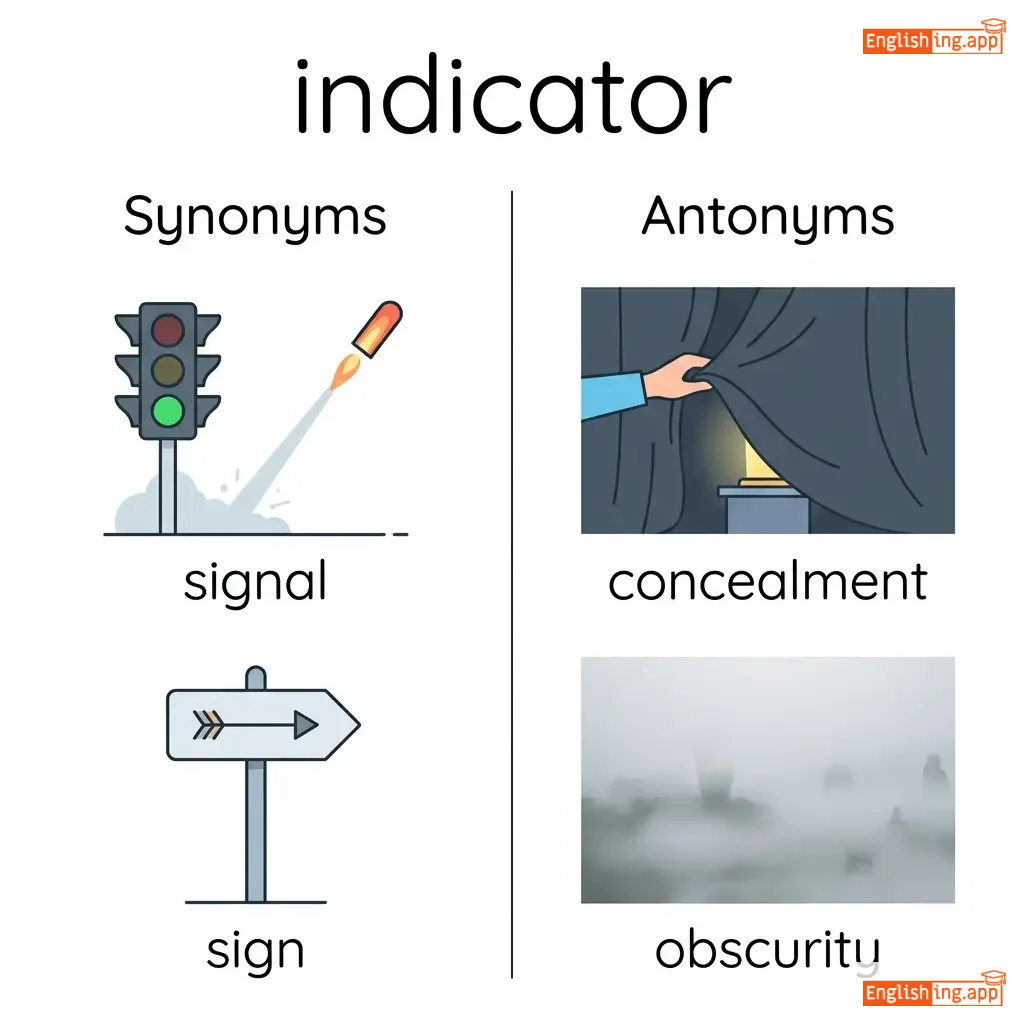
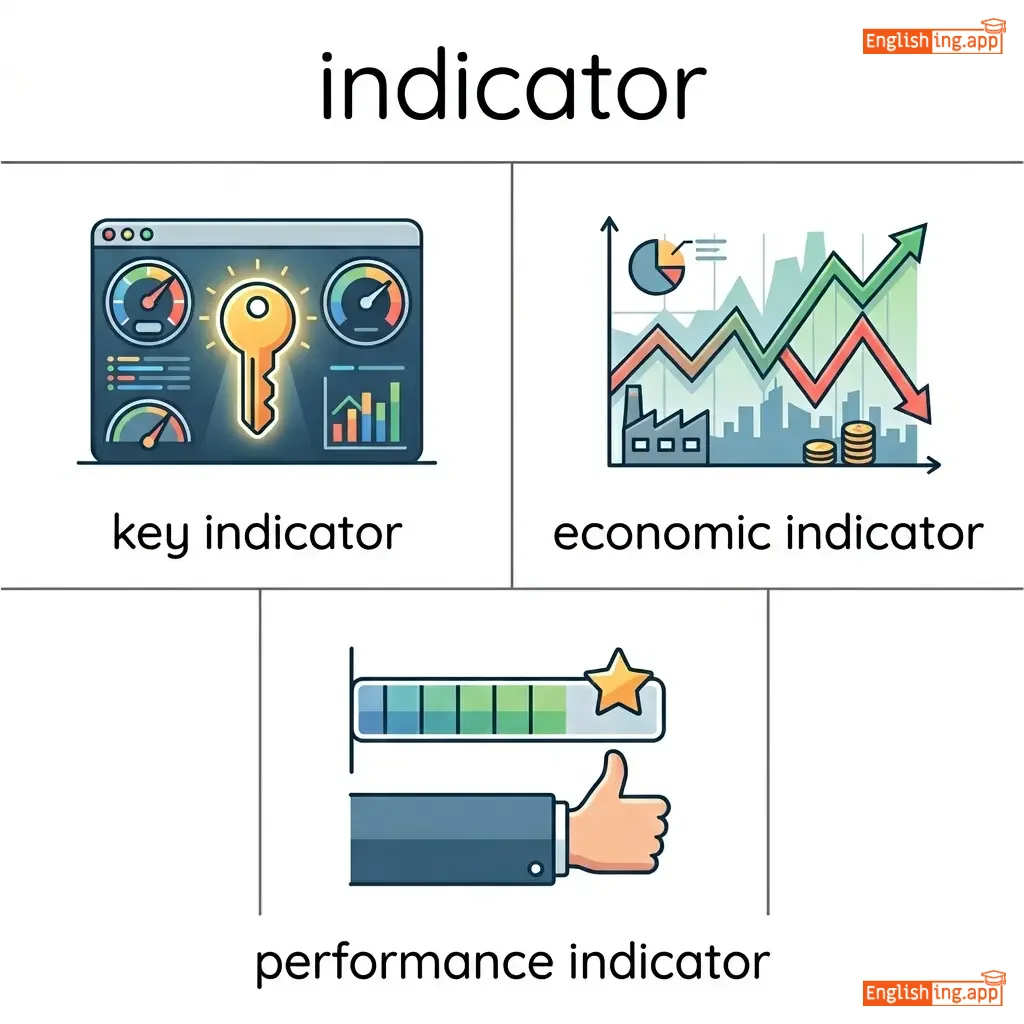
ˈɪndɪkeɪtə
noun
••••••
••••••
A thing that indicates the state or level of something.
••••••

The unemployment rate is a key indicator of economic health.

••••••
signal, pointer
••••••
obscurity, uncertainty
••••••
#3550
💰
••••••
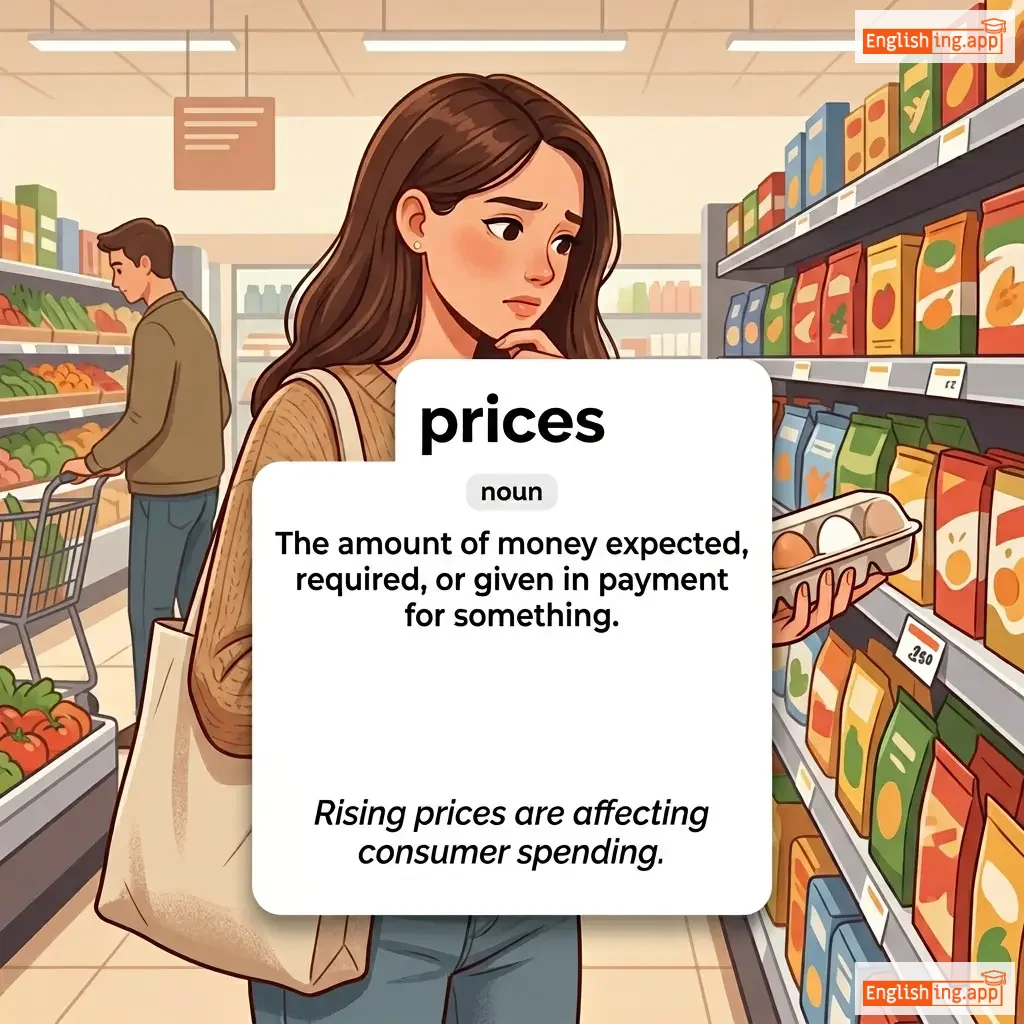
ˈpraɪsɪz
noun
••••••
••••••
The amount of money expected, required, or given in payment for something.
••••••

Rising prices are affecting consumer spending.

••••••
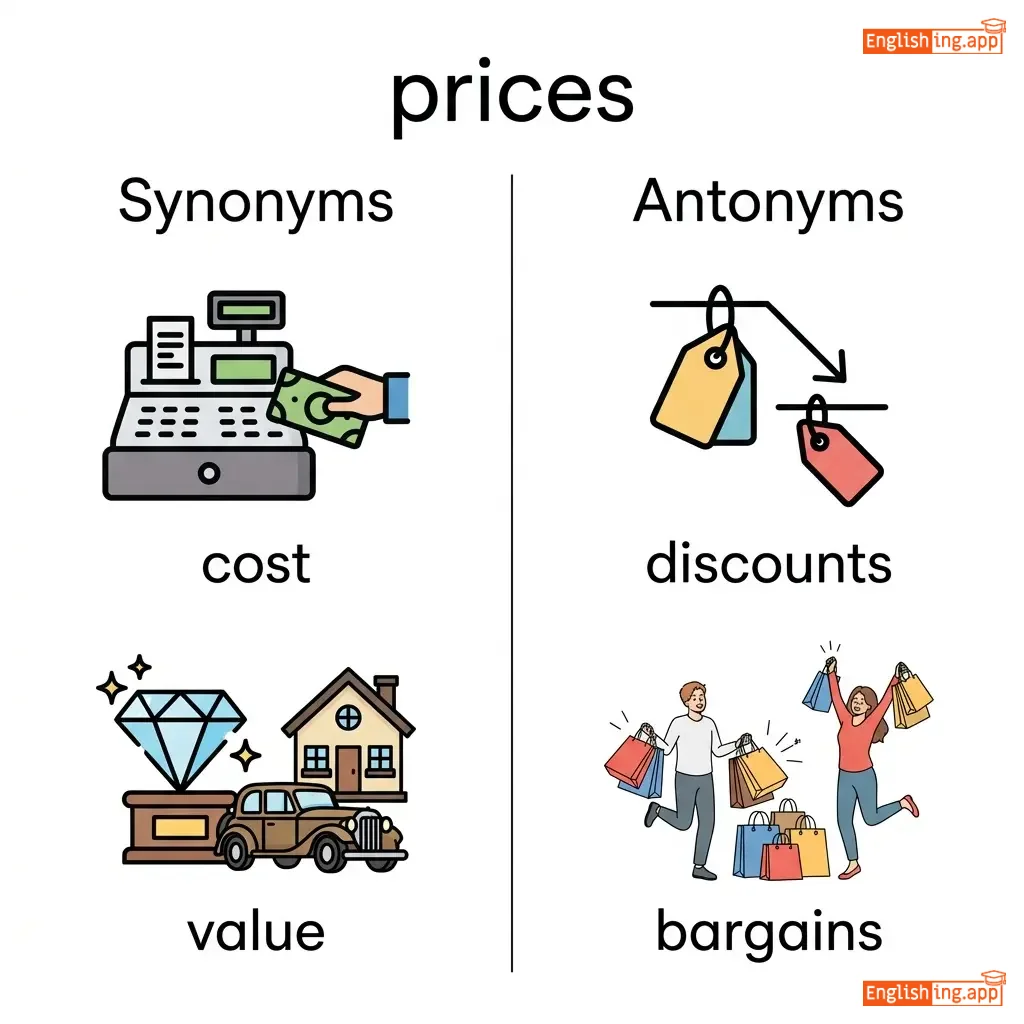
cost, value
••••••
discounts, bargains
••••••
#3551
💵
••••••
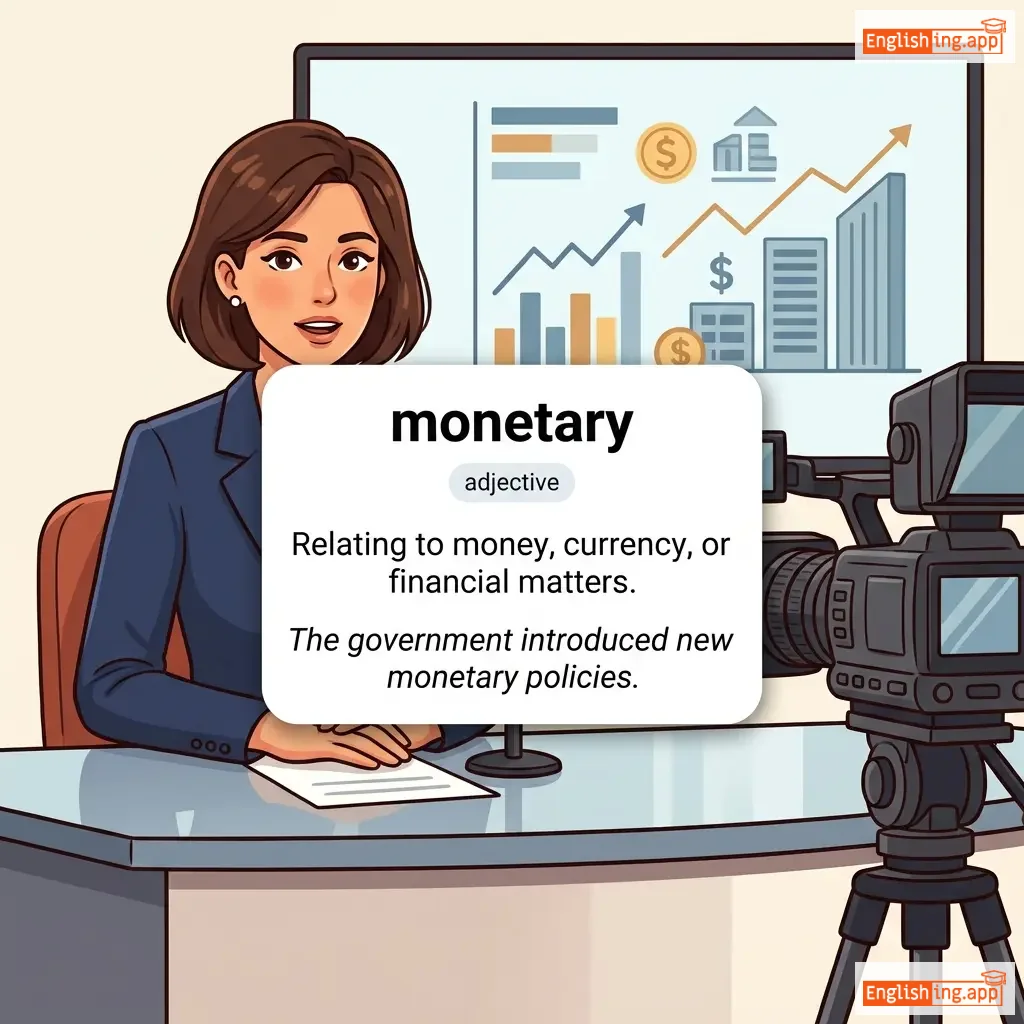
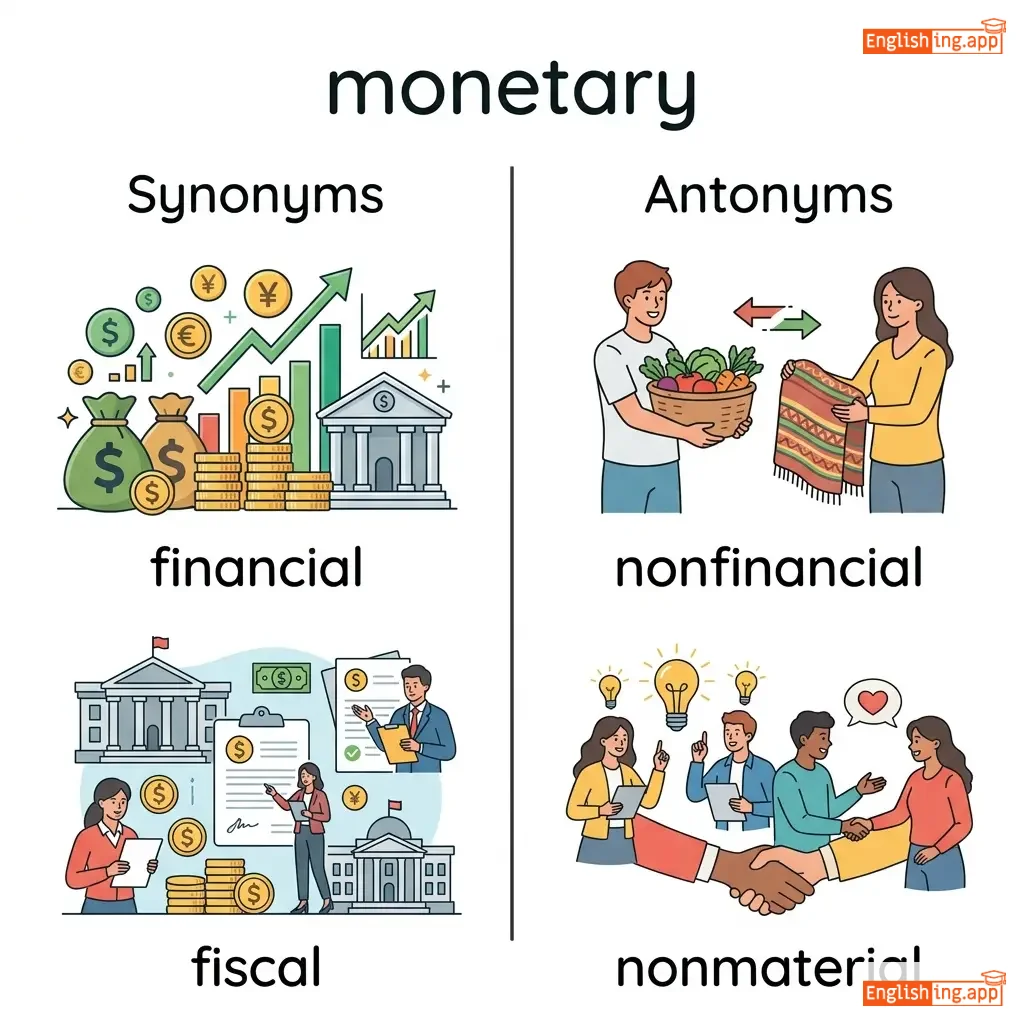
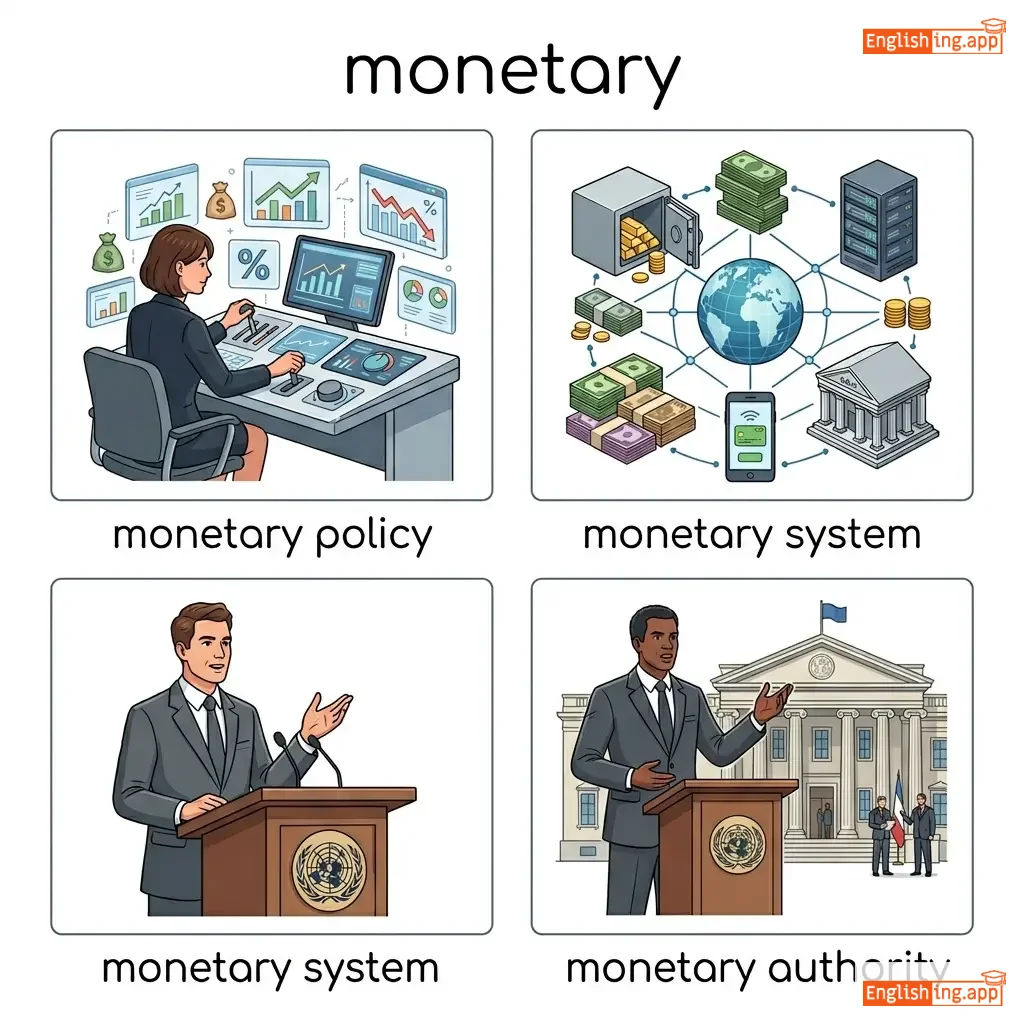
ˈmʌnɪtəri
adjective
••••••
••••••
Relating to money or currency.
••••••

The central bank controls monetary policy to stabilize the economy.

••••••
financial, fiscal
••••••
non-monetary, in-kind
••••••
#3552
💸
••••••
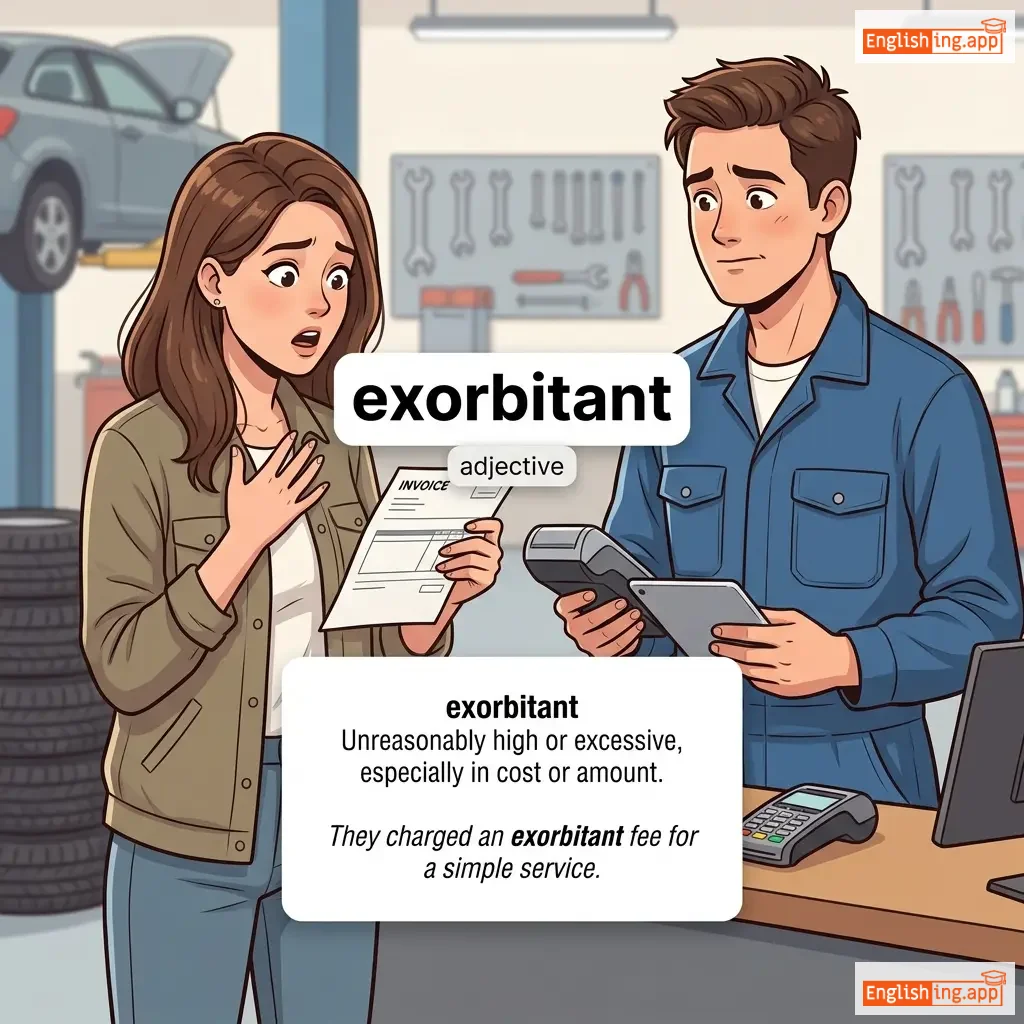
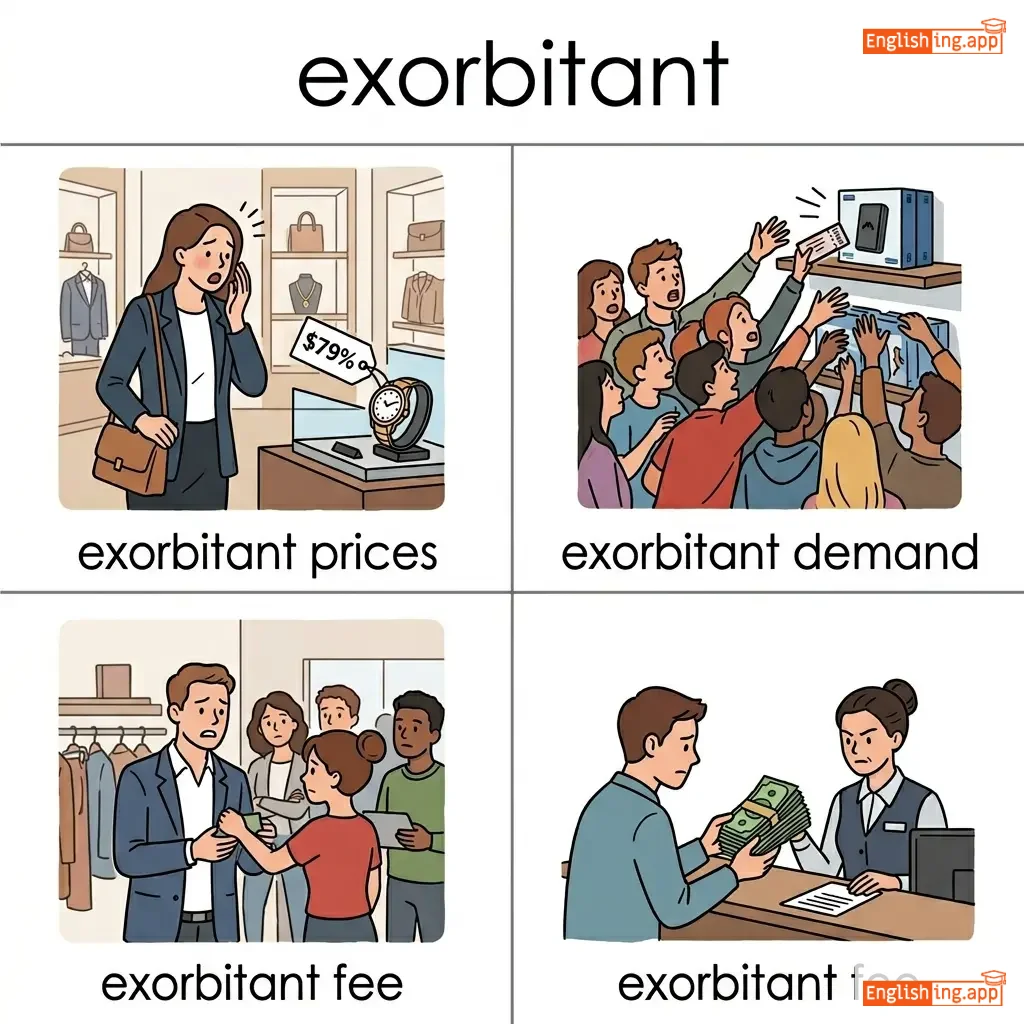
ɪɡˈzɔːbɪtənt
adjective
••••••
••••••
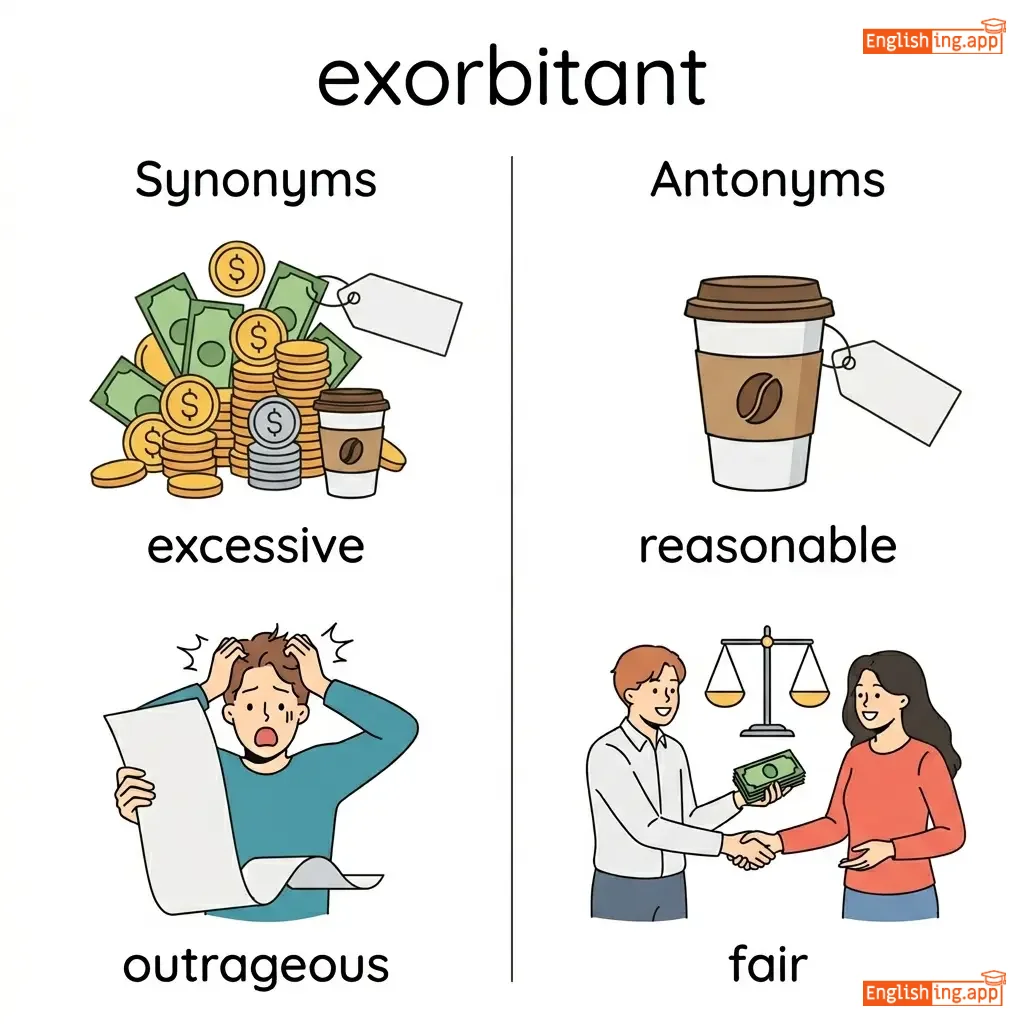
Unreasonably high (of a price or amount charged).
••••••

The prices of the new smartphones are exorbitant.

••••••
excessive, overpriced
••••••
reasonable, moderate
••••••
#3553
💪
••••••
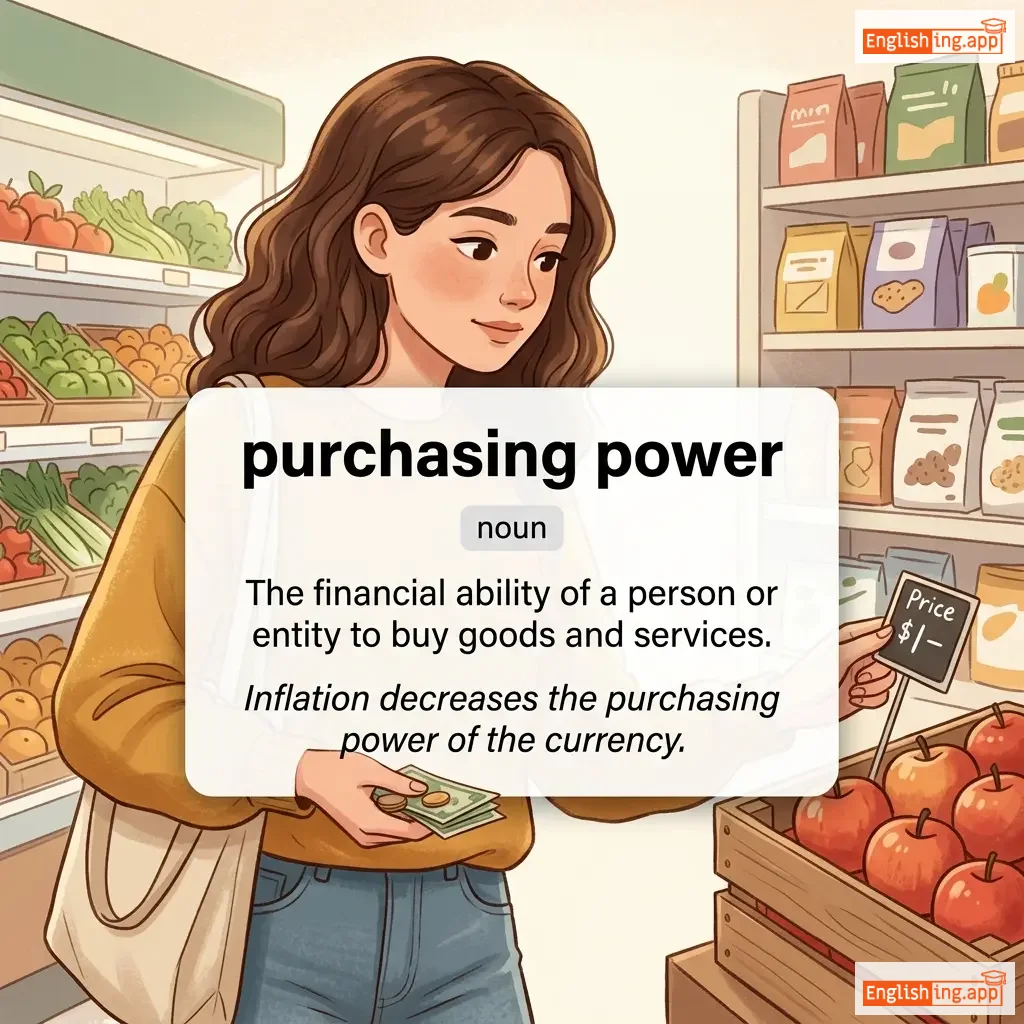
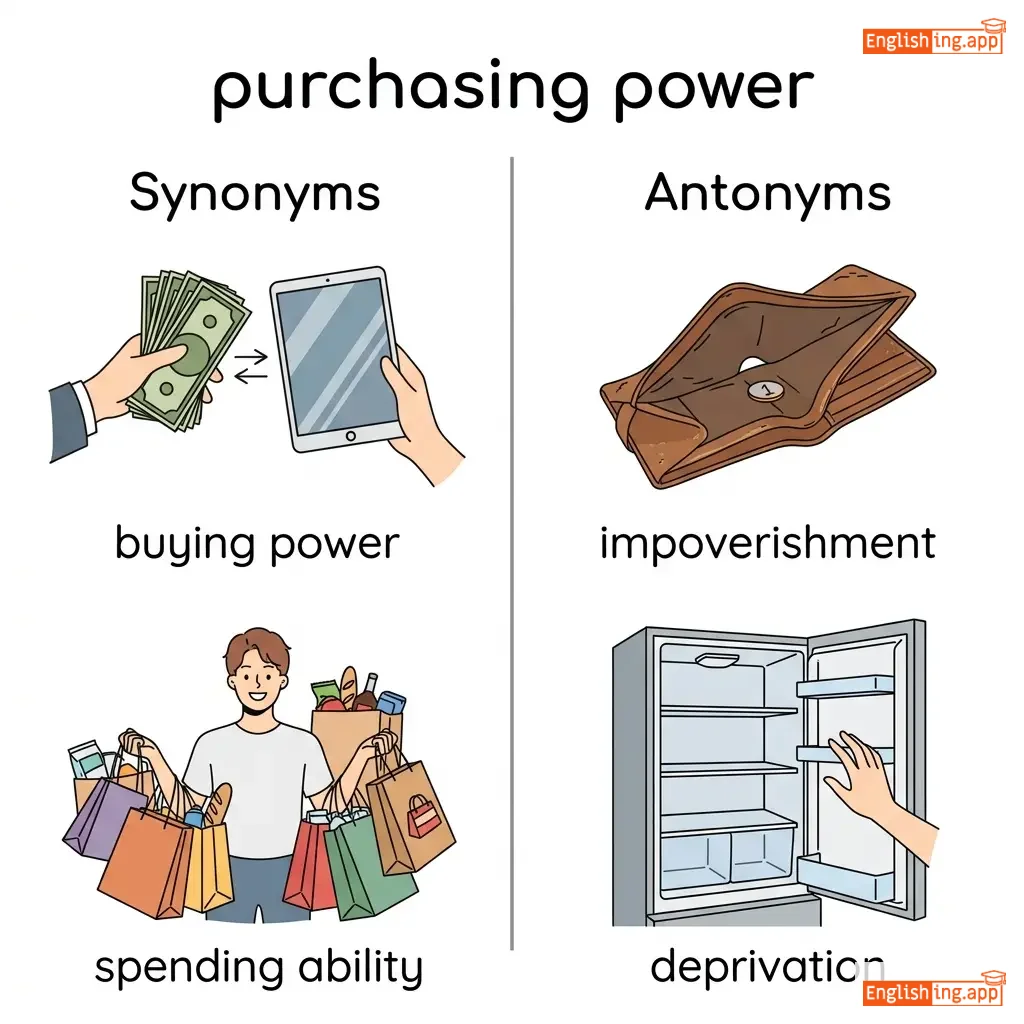
ˈpɜːtʃəsɪŋ ˈpaʊər
noun
••••••
••••••
The financial ability of a person or entity to buy goods and services.
••••••

Inflation decreases the purchasing power of the currency.

••••••
buying power, spending ability
••••••
impoverishment, deprivation
••••••
#3554
🎯
••••••
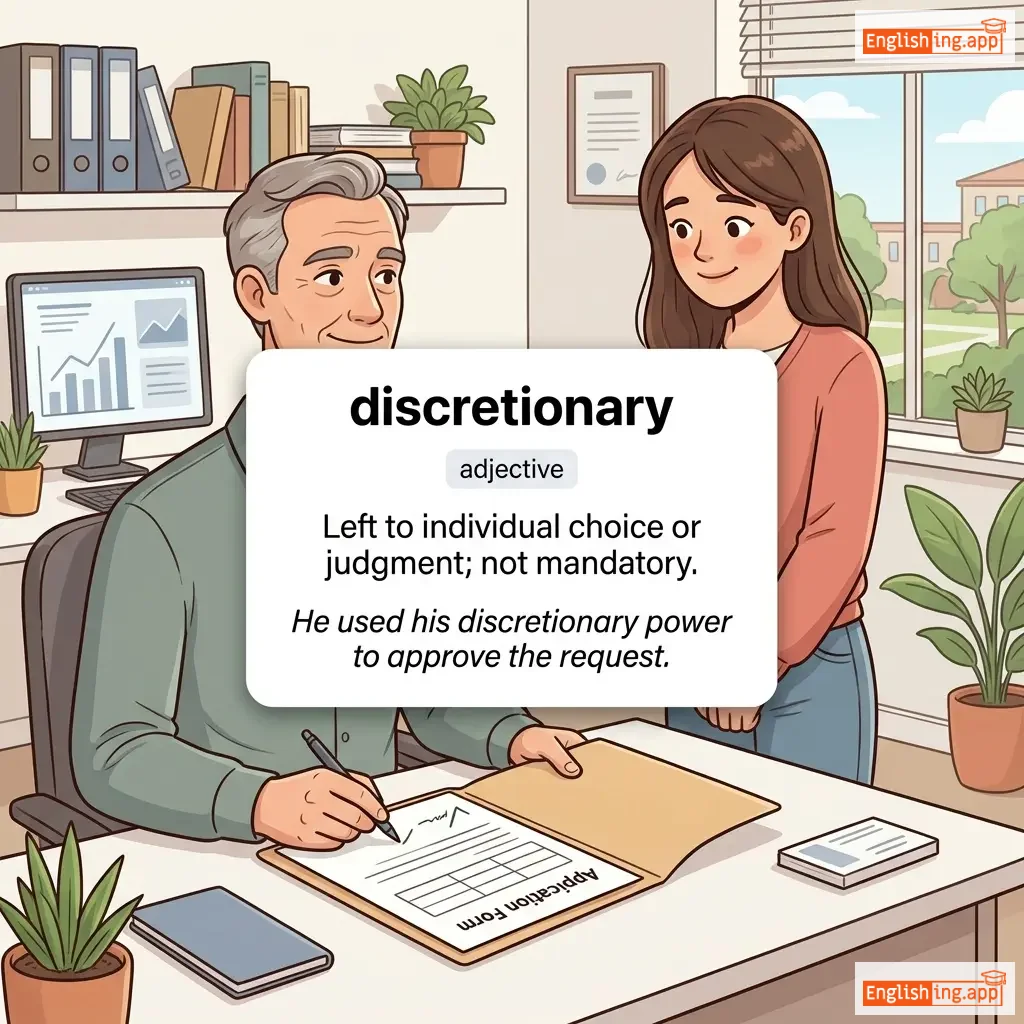
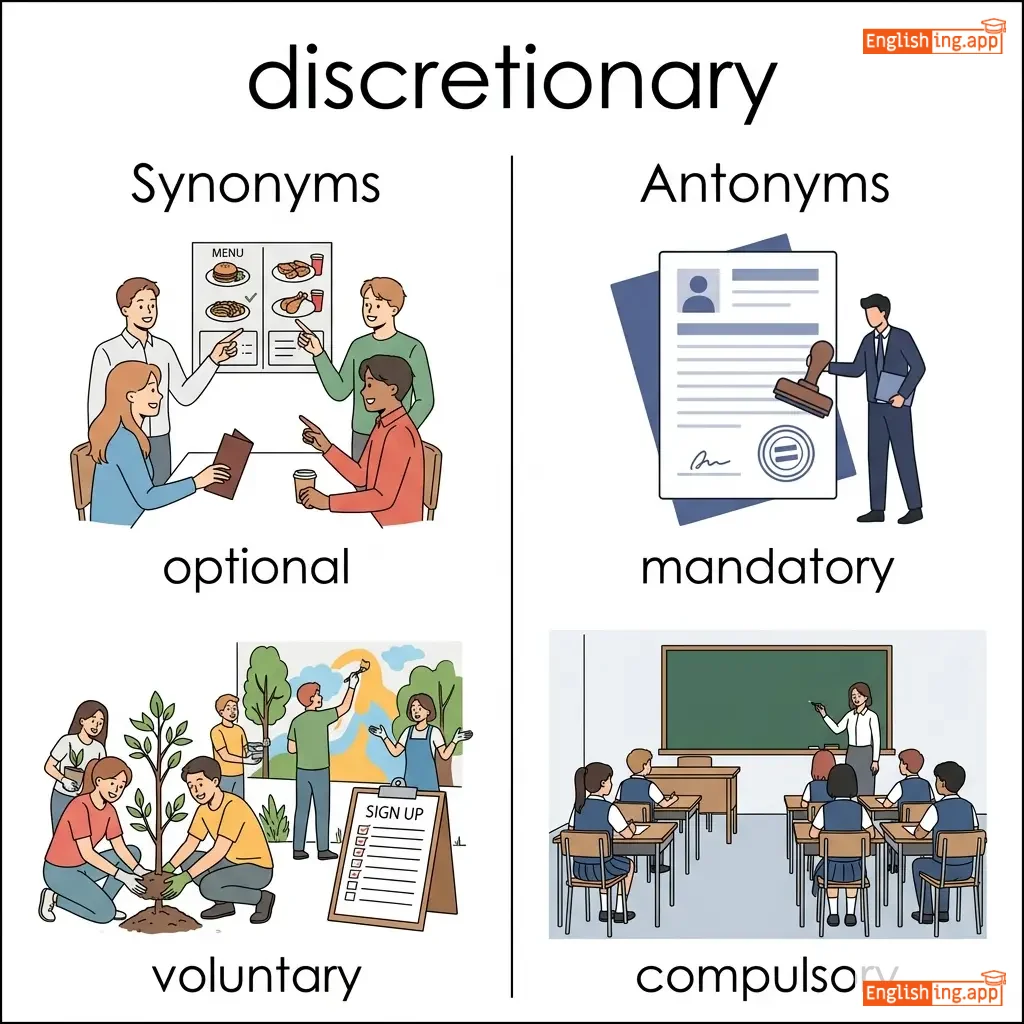
dɪˈskrɛʃəneri
adjective
••••••
••••••
Available for use at the discretion of the user; optional.
••••••

Discretionary spending is the money left over after essential expenses.

••••••
optional, voluntary
••••••
mandatory, obligatory
••••••
#3555
📉
••••••
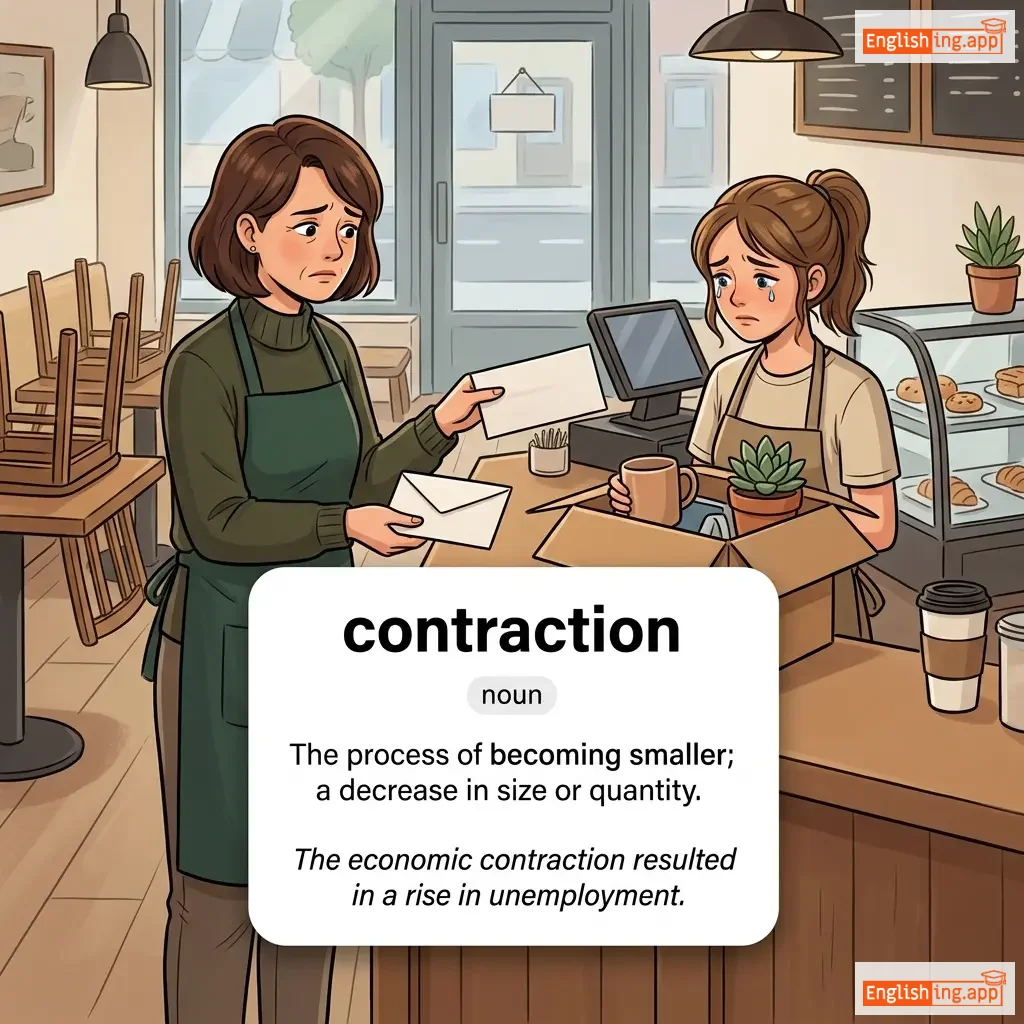
kənˈtrækʃən
noun
••••••
••••••
The process of becoming smaller; a decrease in size or quantity.
••••••

The economic contraction resulted in a rise in unemployment.

••••••
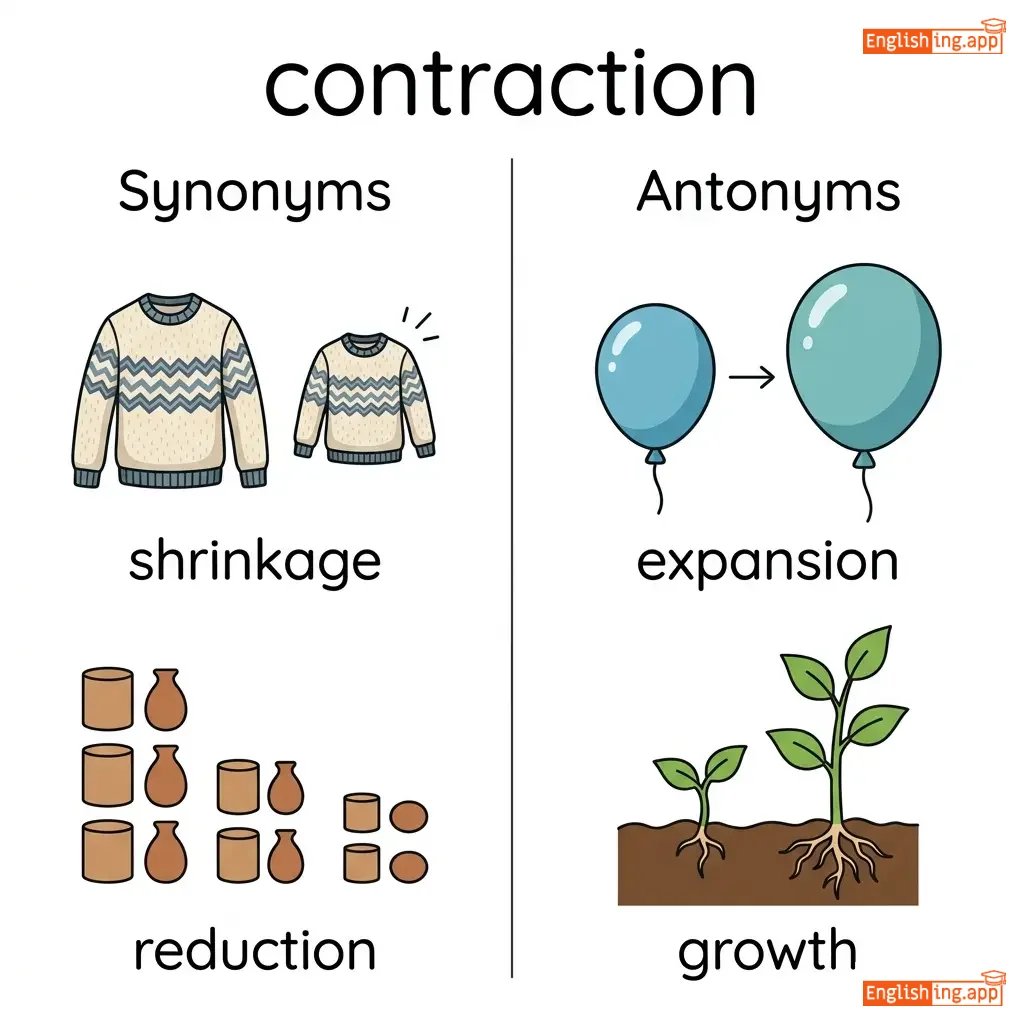
shrinkage, reduction
••••••
expansion, growth
••••••
#3556
📈
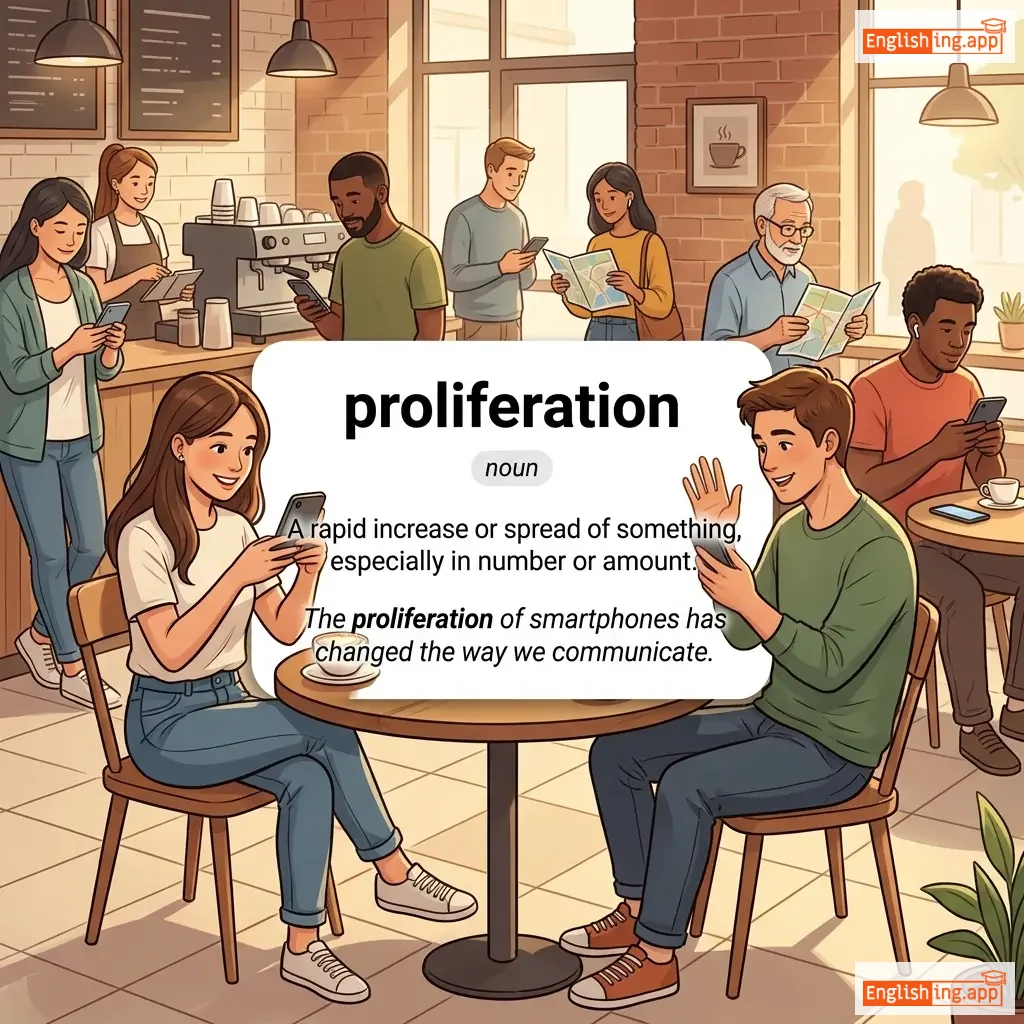
••••••
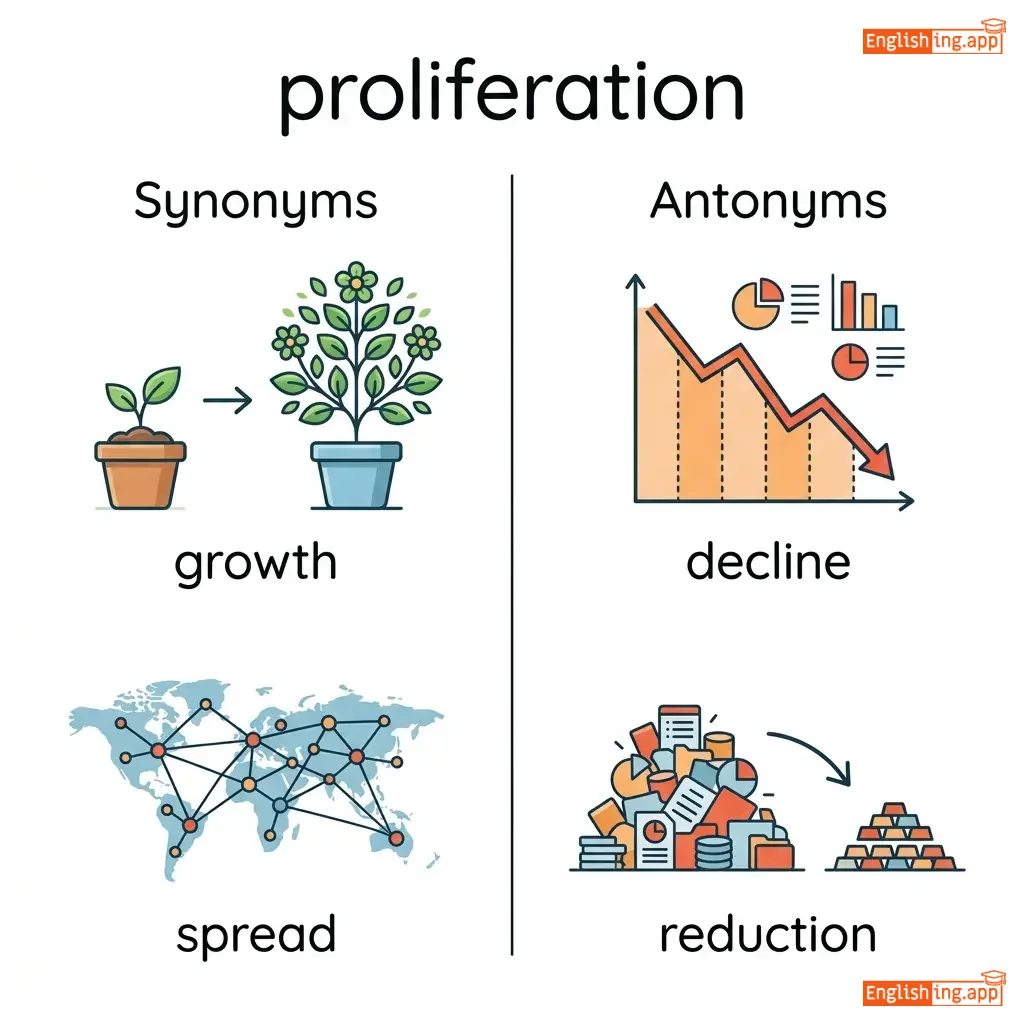
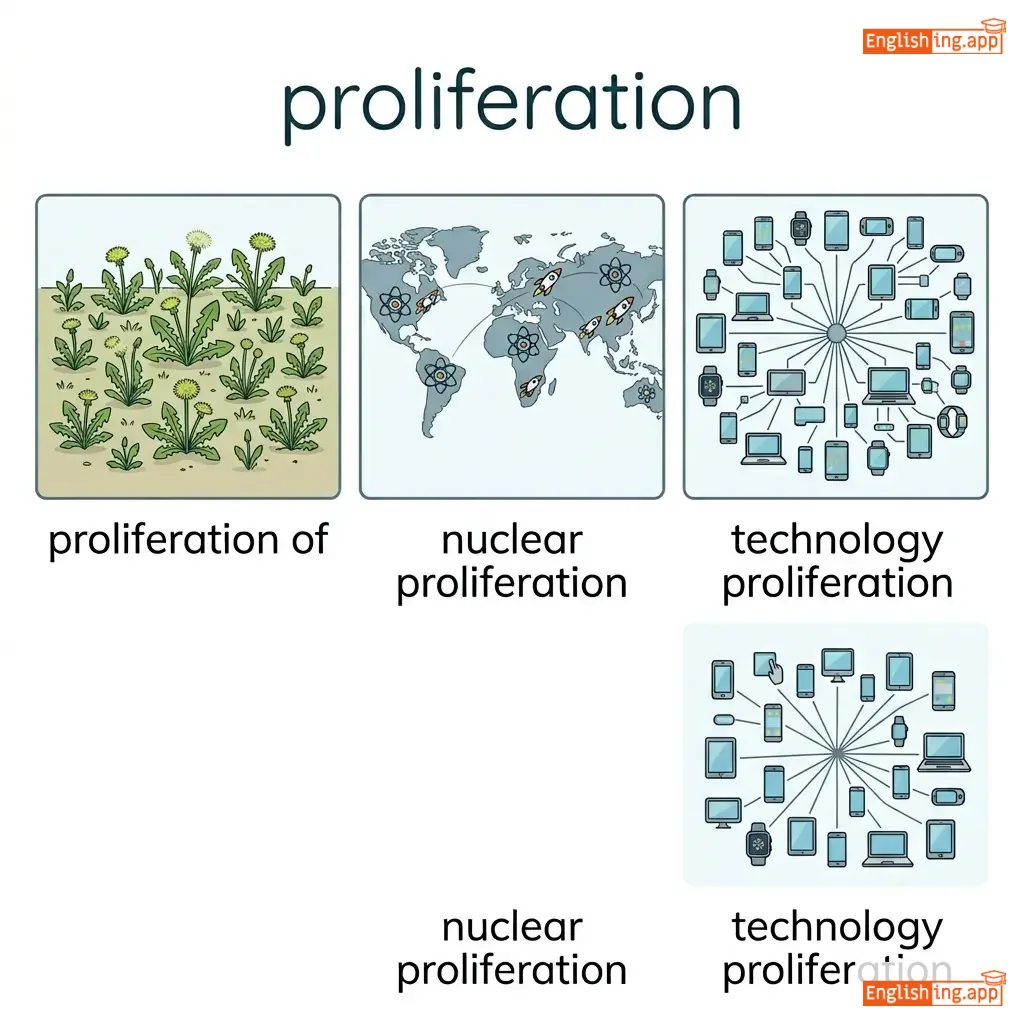
prəˌlɪfəˈreɪʃən
noun
••••••
••••••
Rapid increase in numbers; rapid reproduction or spread.
••••••

The proliferation of technology has greatly impacted all industries.

••••••
spread, increase
••••••
reduction, decline
••••••
#3557
🤔
••••••
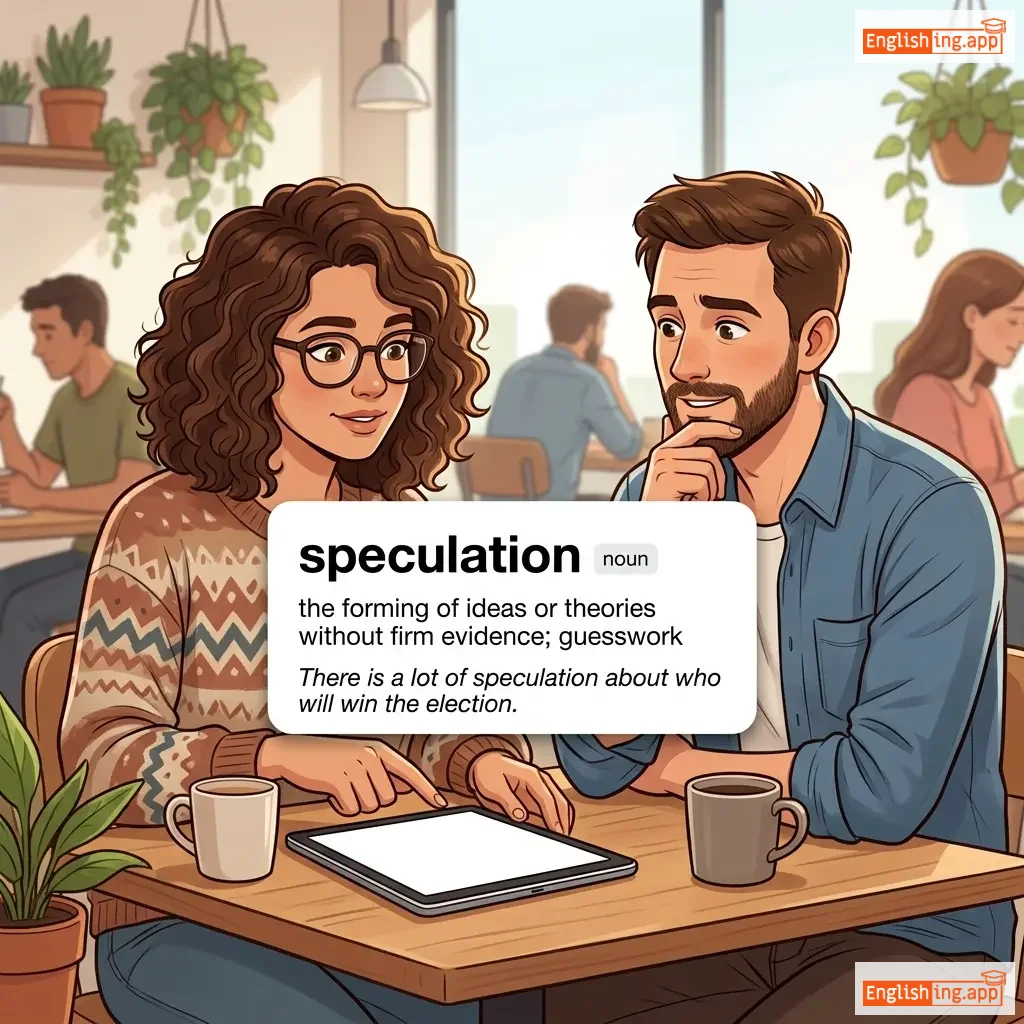
ˌspɛkjʊˈleɪʃən
noun
••••••
••••••
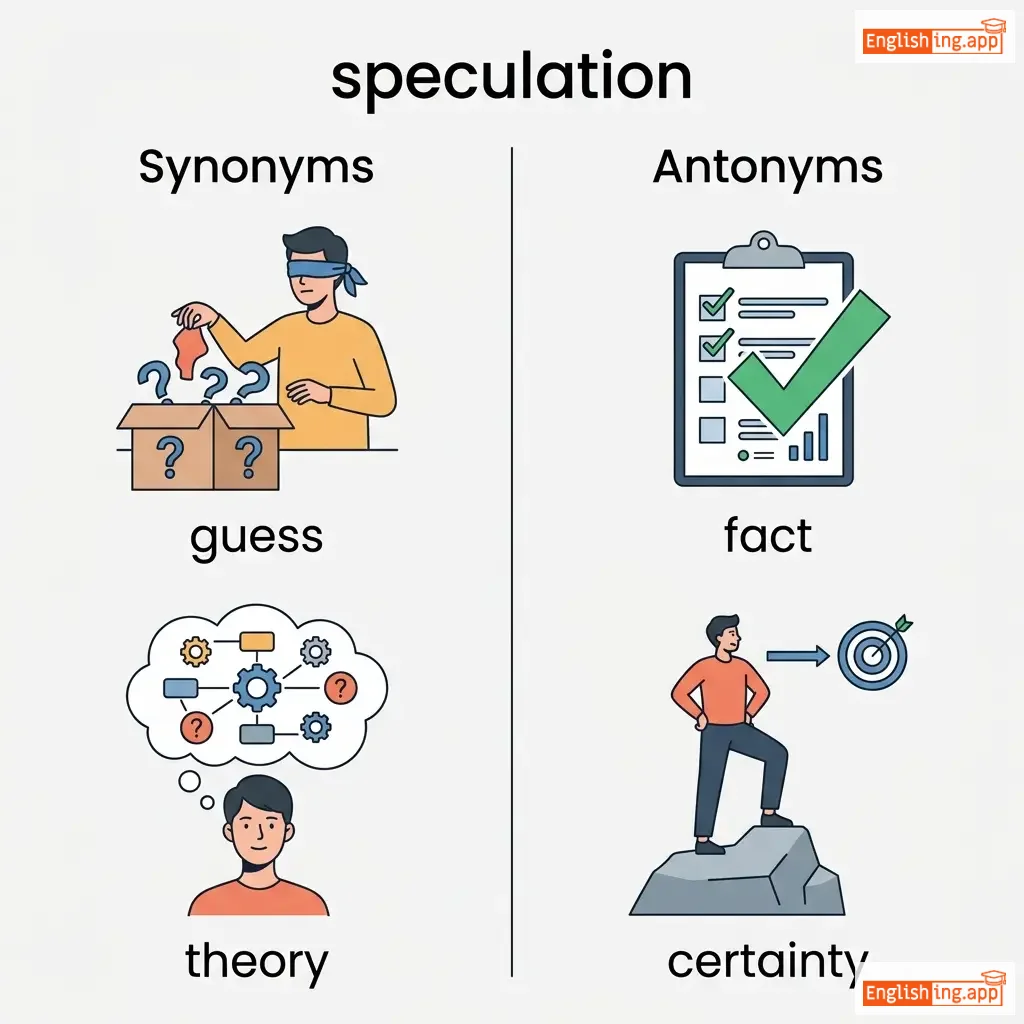
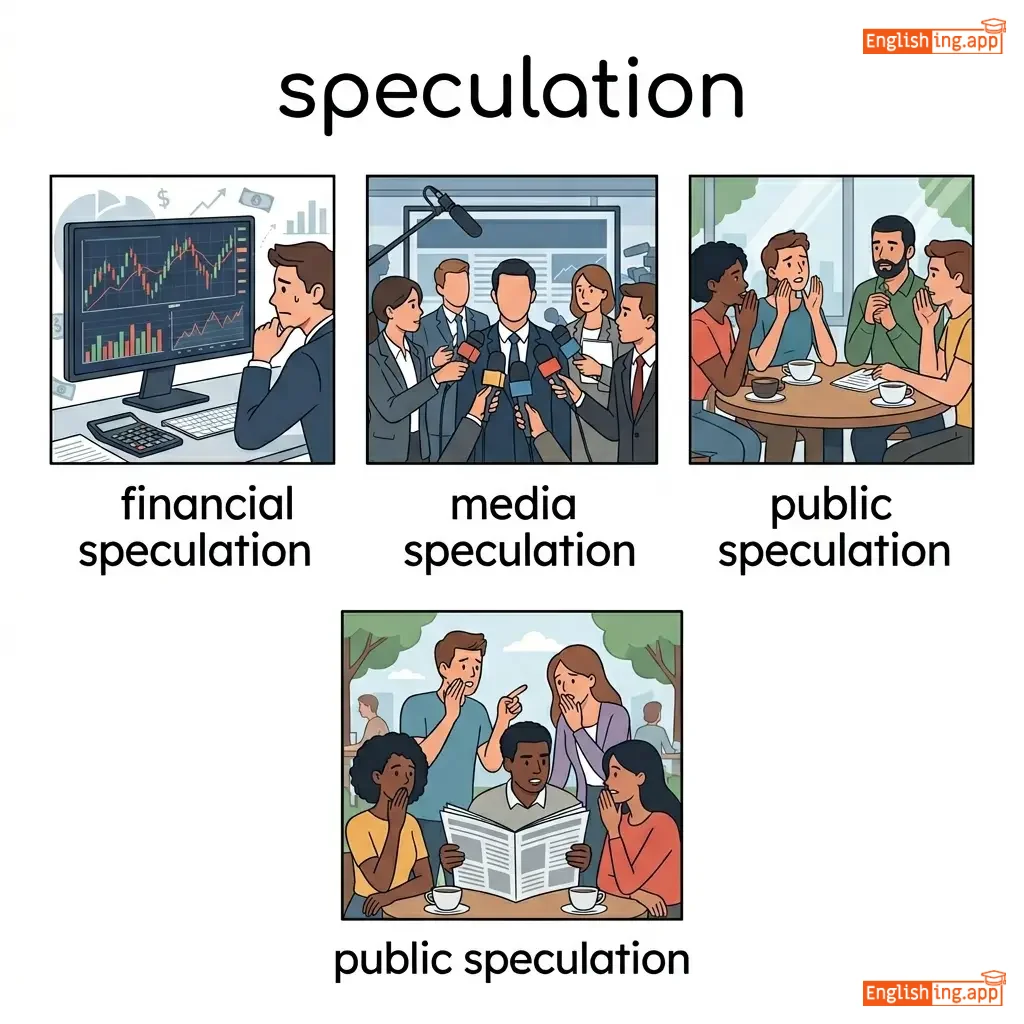
The forming of a theory or conjecture without firm evidence.
••••••

Speculation about the economy's future is rife among experts.

••••••
conjecture, guess
••••••
certainty, fact
••••••
#3558
🎢
••••••
ˌvɒləˈtɪləti
noun
••••••
••••••
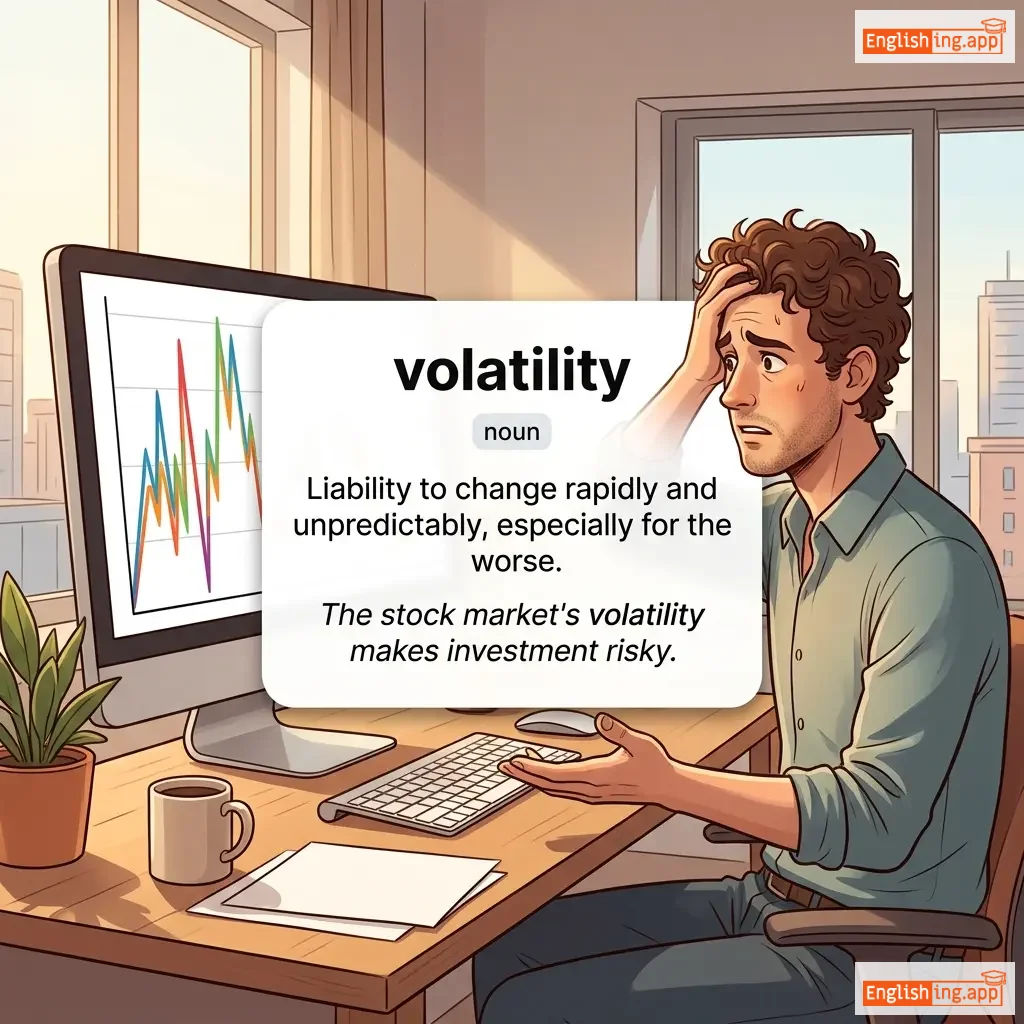
Liability to change rapidly and unpredictably, especially for the worse.
••••••

The stock market is known for its volatility, with prices changing rapidly.

••••••
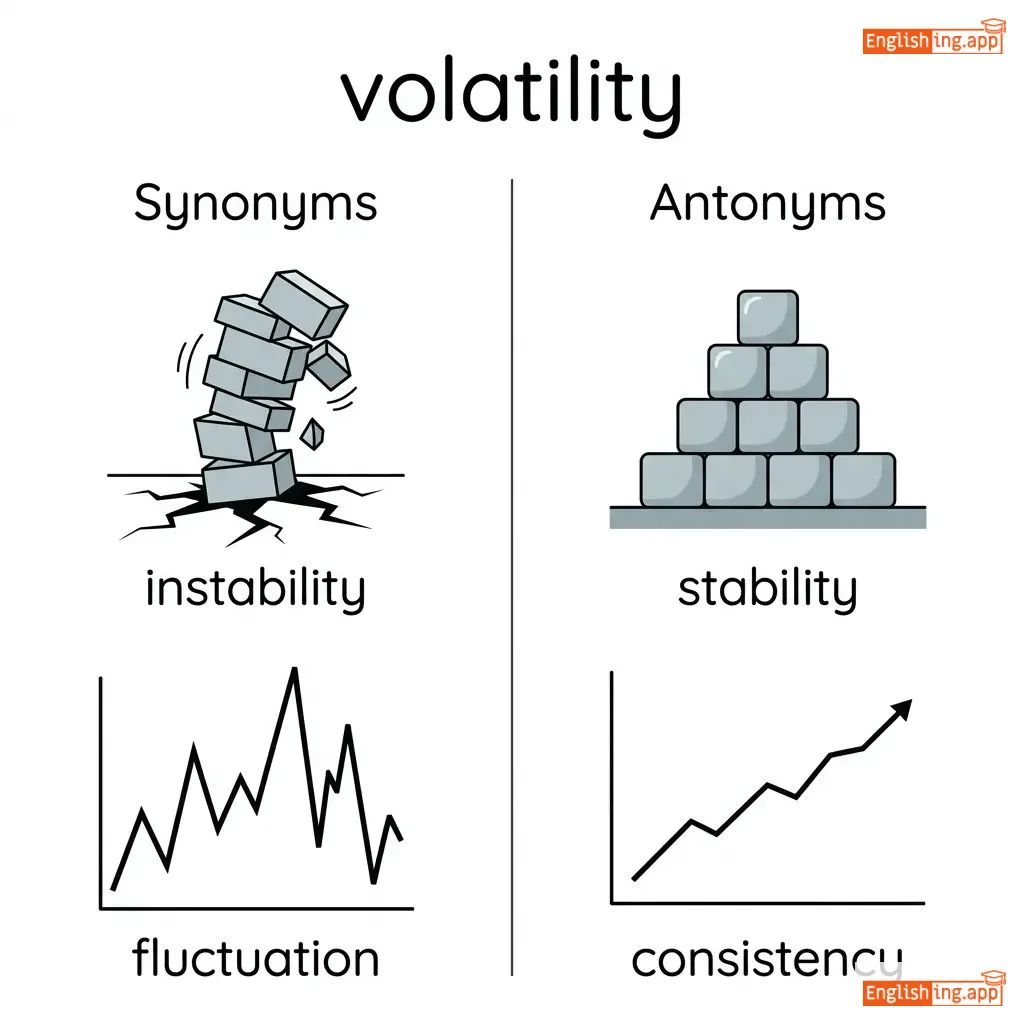
instability, fluctuation
••••••
stability, consistency
••••••
#3559
👑
••••••
ˈsɒvrɪn
adjective
••••••
••••••
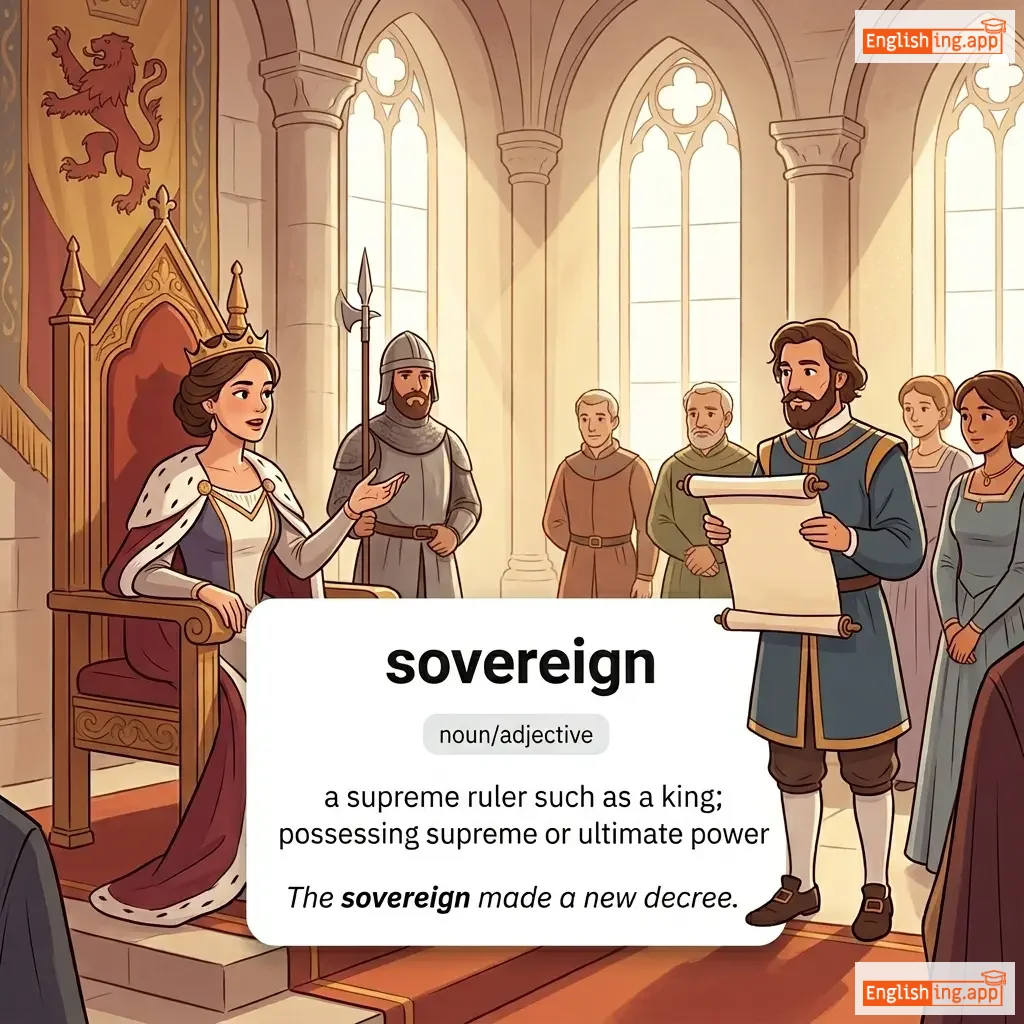
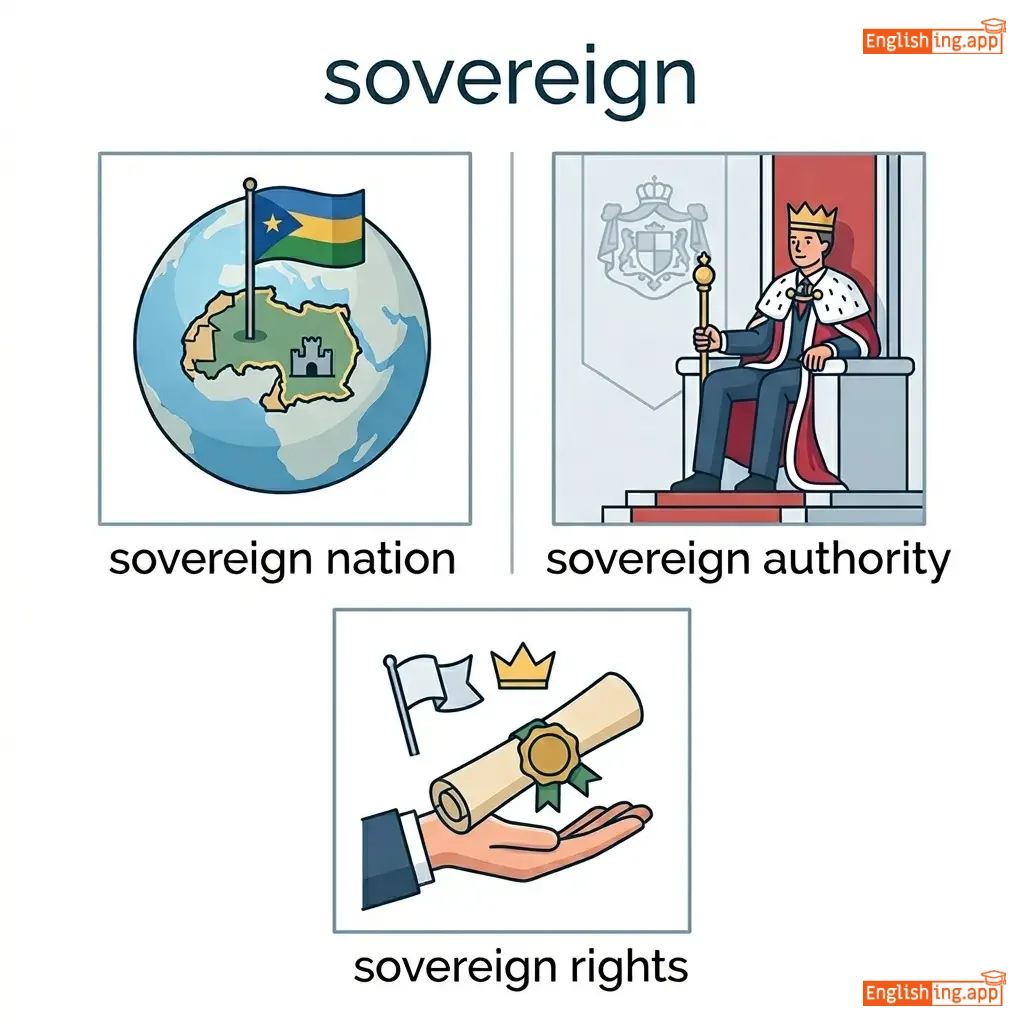
Possessing supreme or ultimate power; independent.
••••••

The sovereign government has control over its currency.

••••••
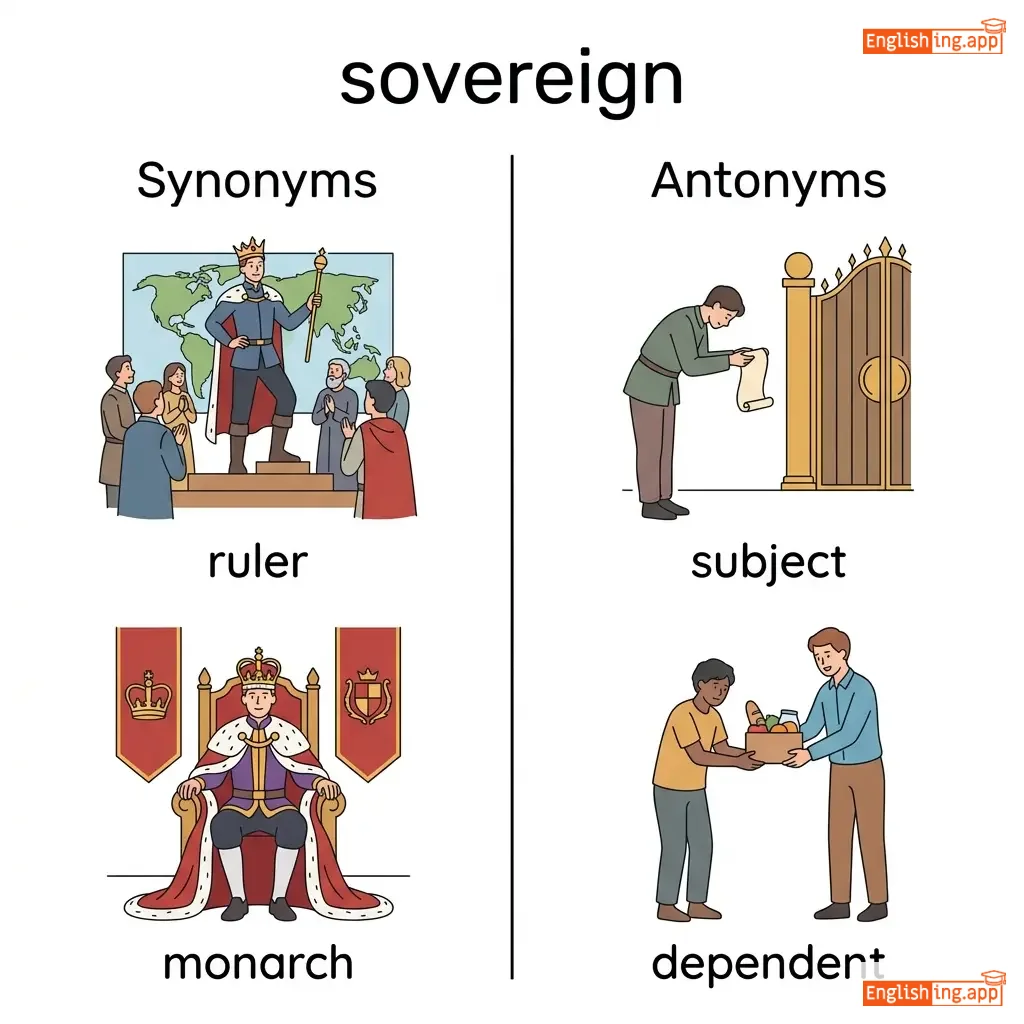
supreme, autonomous
••••••
subordinate, dependent
••••••
#3560
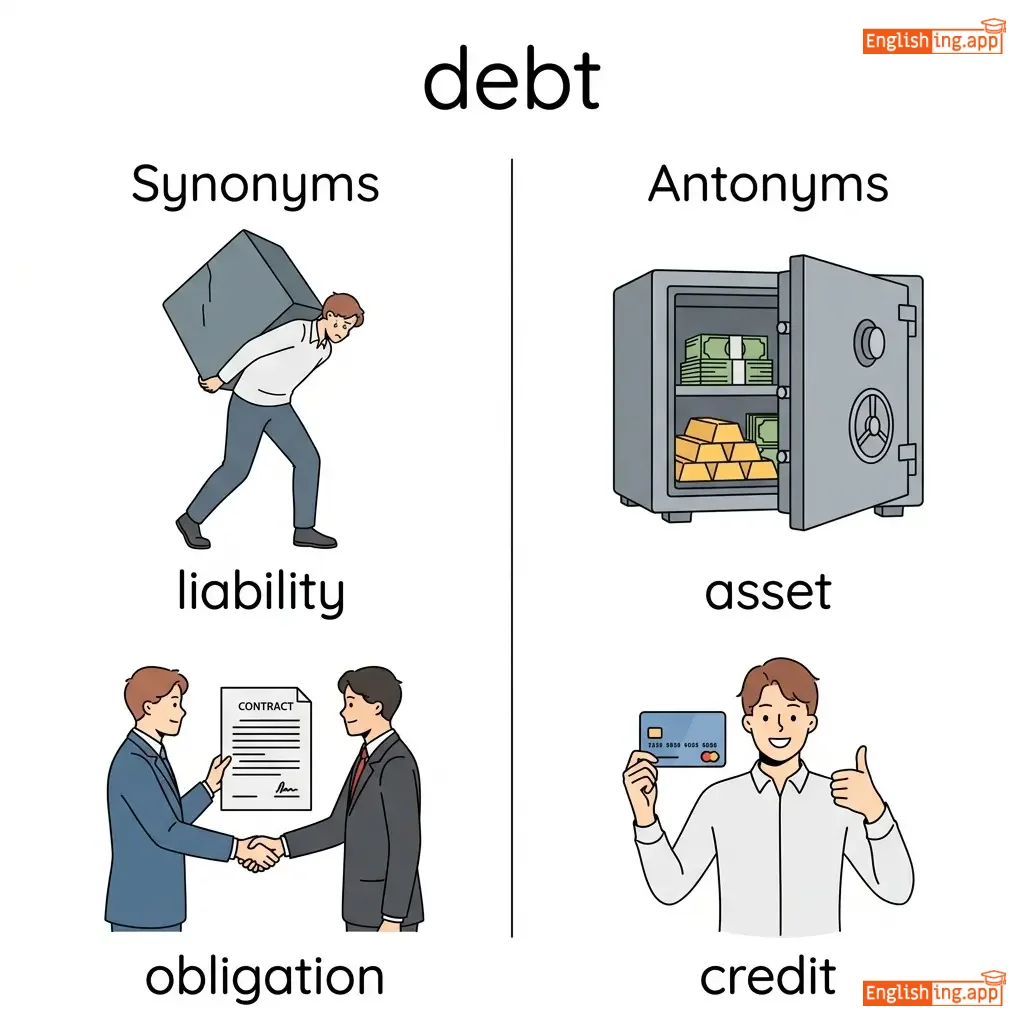
💳
••••••
dɛt
noun
••••••
••••••
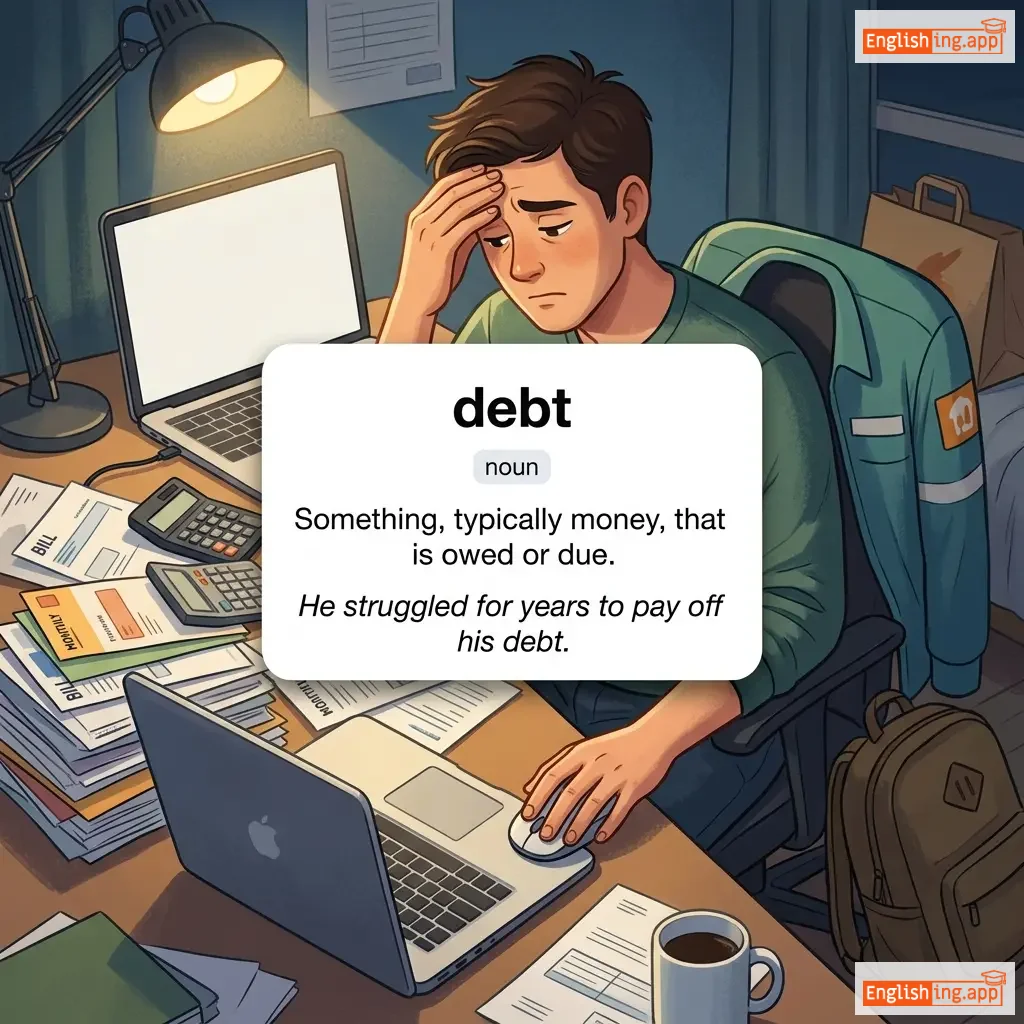
A sum of money that is owed or due.
••••••

High levels of debt can lead to a financial crisis.

••••••
liability, obligation
••••••
credit, surplus
••••••
#3561
📊
••••••
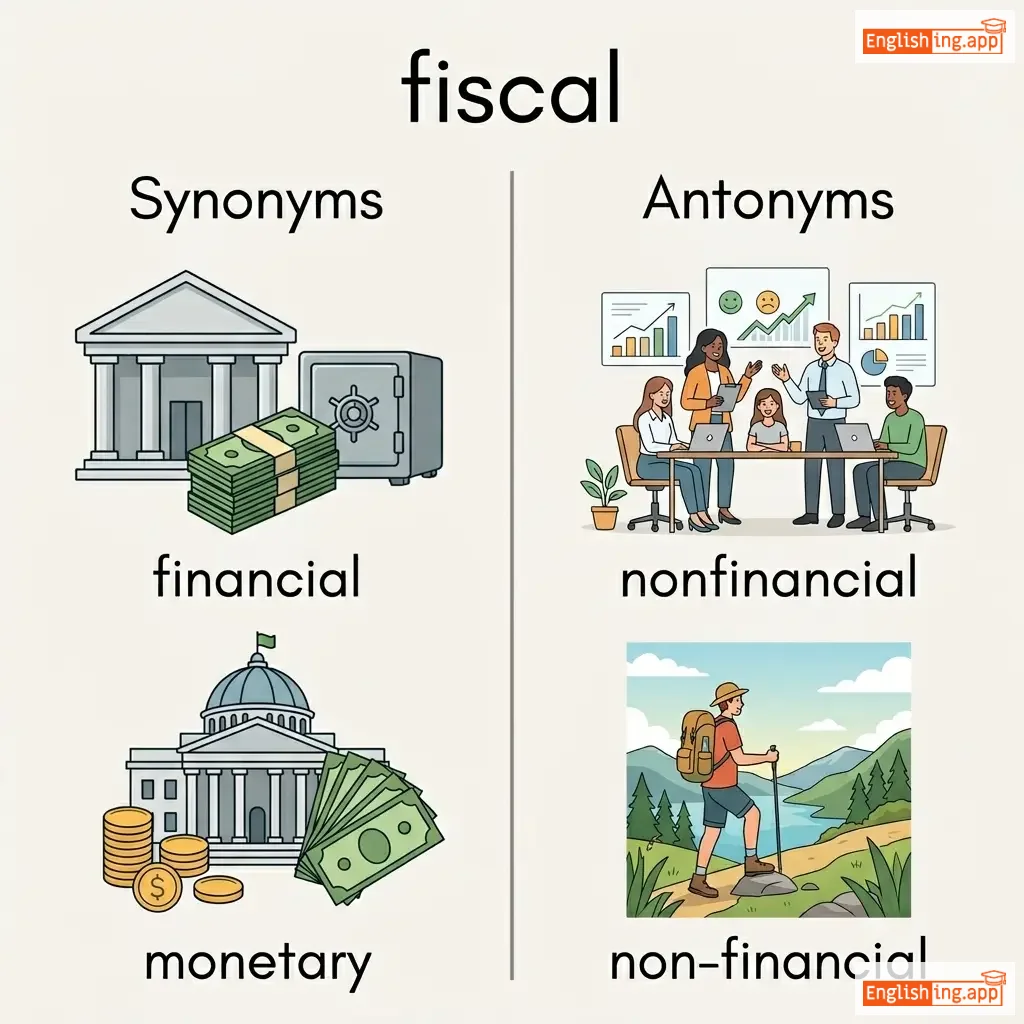
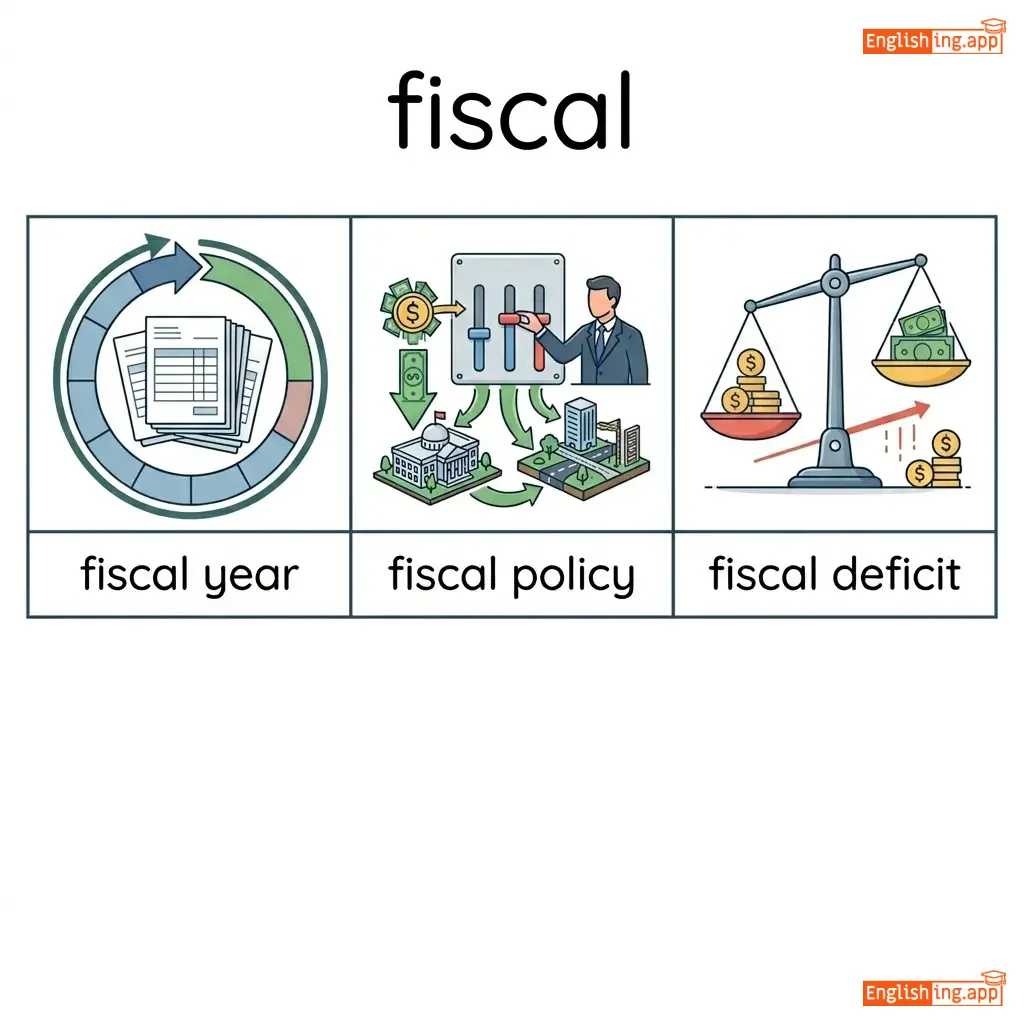
ˈfɪskəl
adjective
••••••
••••••
Relating to government revenue, especially taxes.
••••••

The fiscal policy of the government influences inflation.

••••••
budgetary, monetary
••••••
non-financial, irrelevant
••••••
#3562
📉
••••••
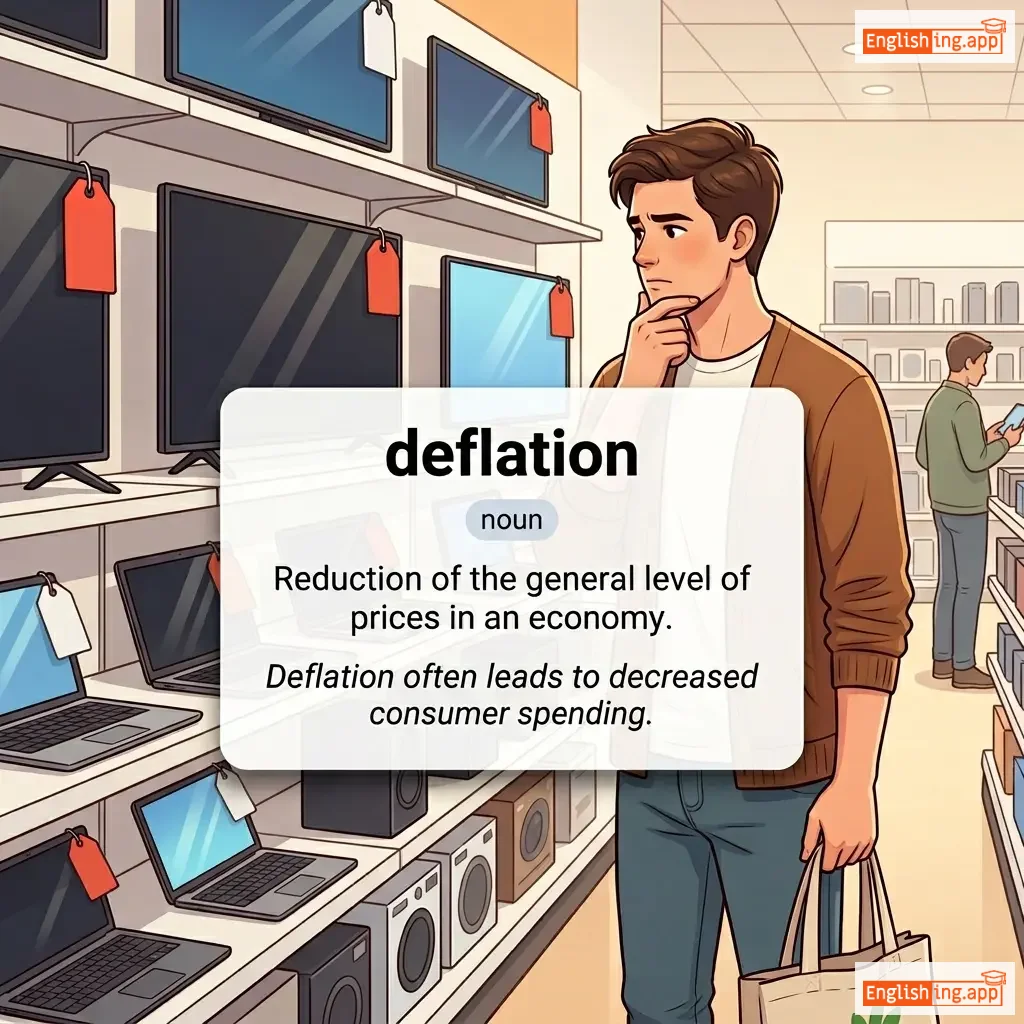
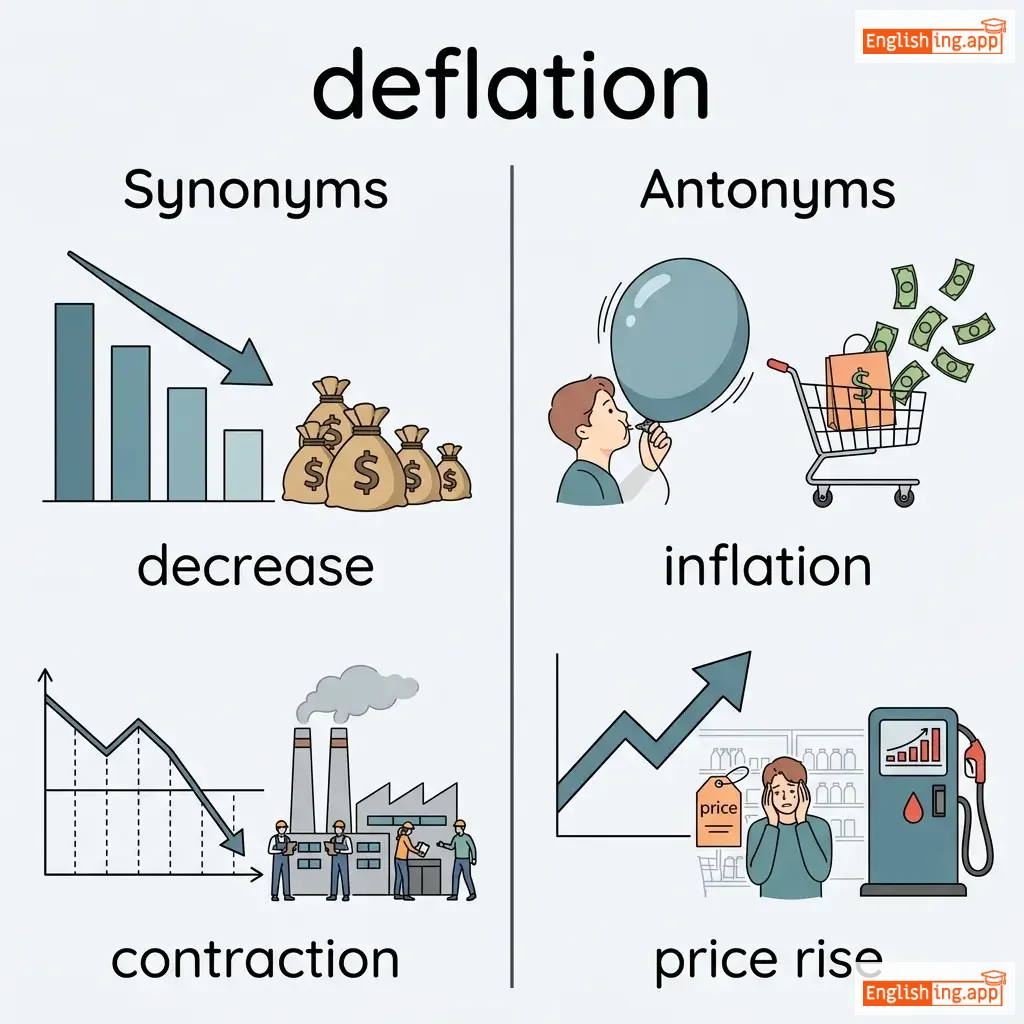
dɪˈfleɪʃən
noun
••••••
••••••
Reduction of the general level of prices in an economy.
••••••

Deflation often leads to decreased consumer spending.

••••••
decrease, contraction
••••••
inflation, price rise
••••••
#3563
⏸️
••••••
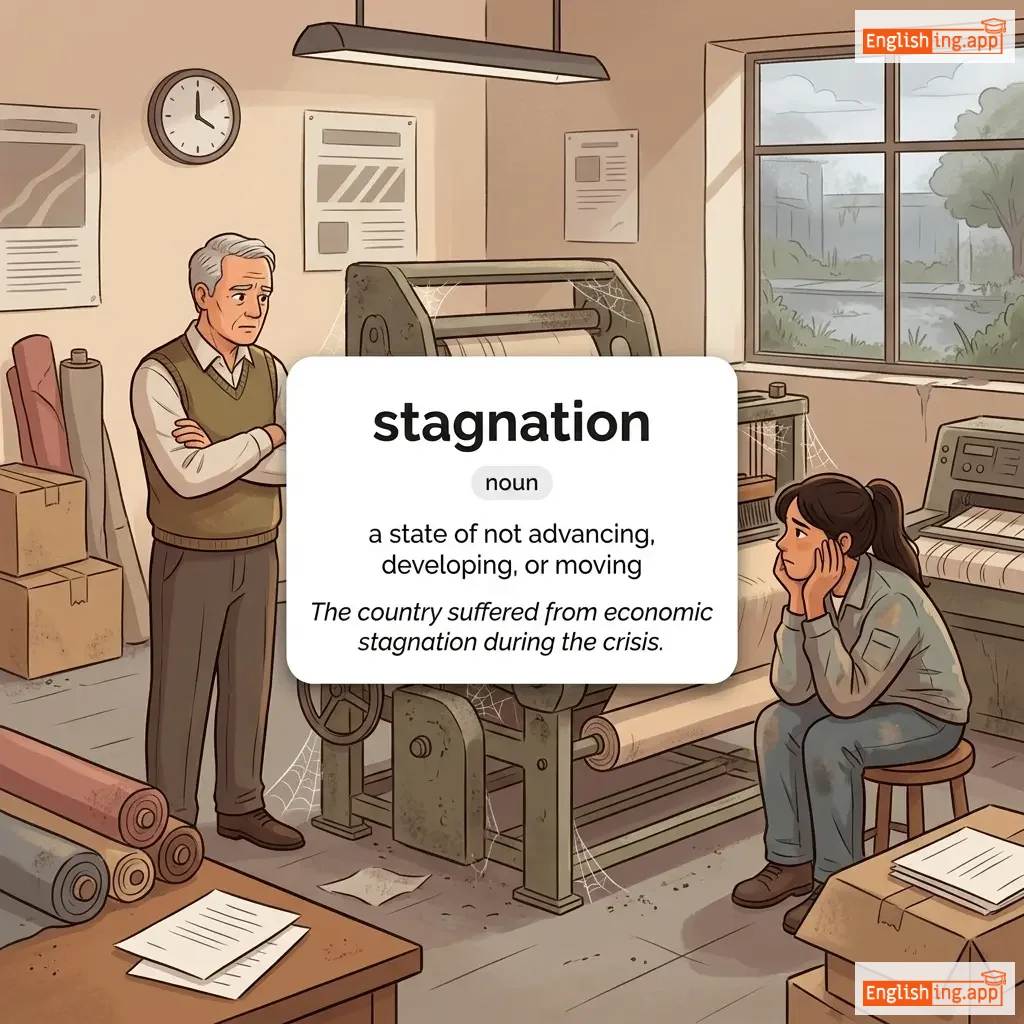
stæɡˈneɪʃən
noun
••••••
••••••
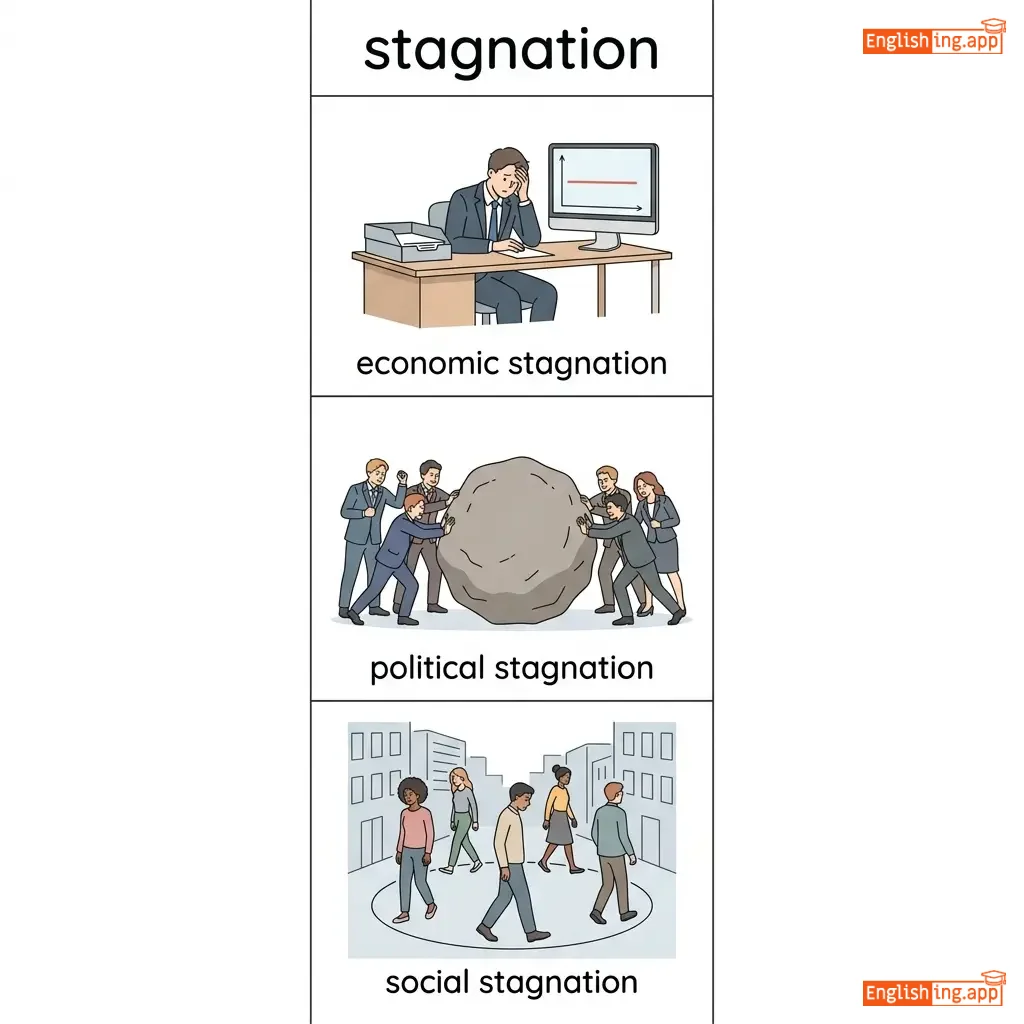
A period of little or no growth in an economy.
••••••

Economic stagnation leads to a lack of growth in the job market.

••••••
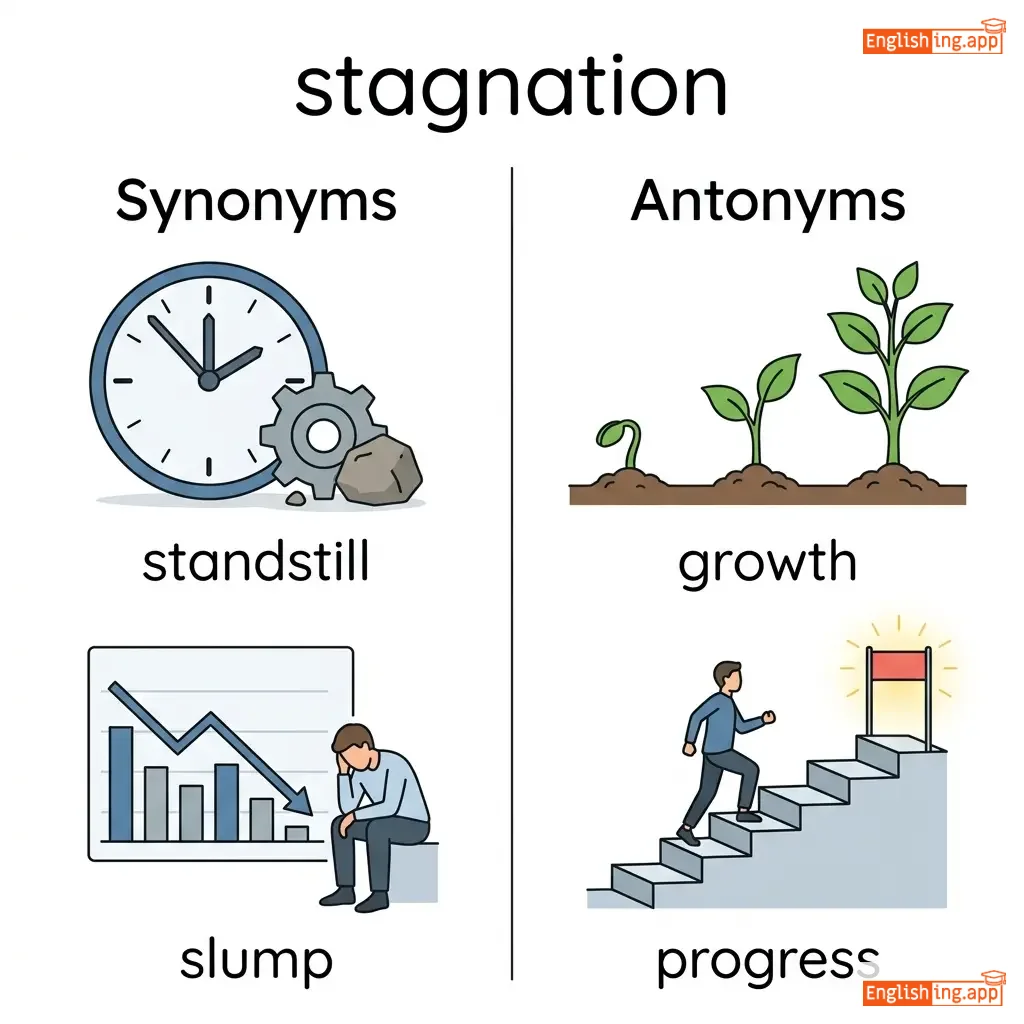
inactivity, stasis
••••••
progress, advancement
••••••
#3564
📉
••••••
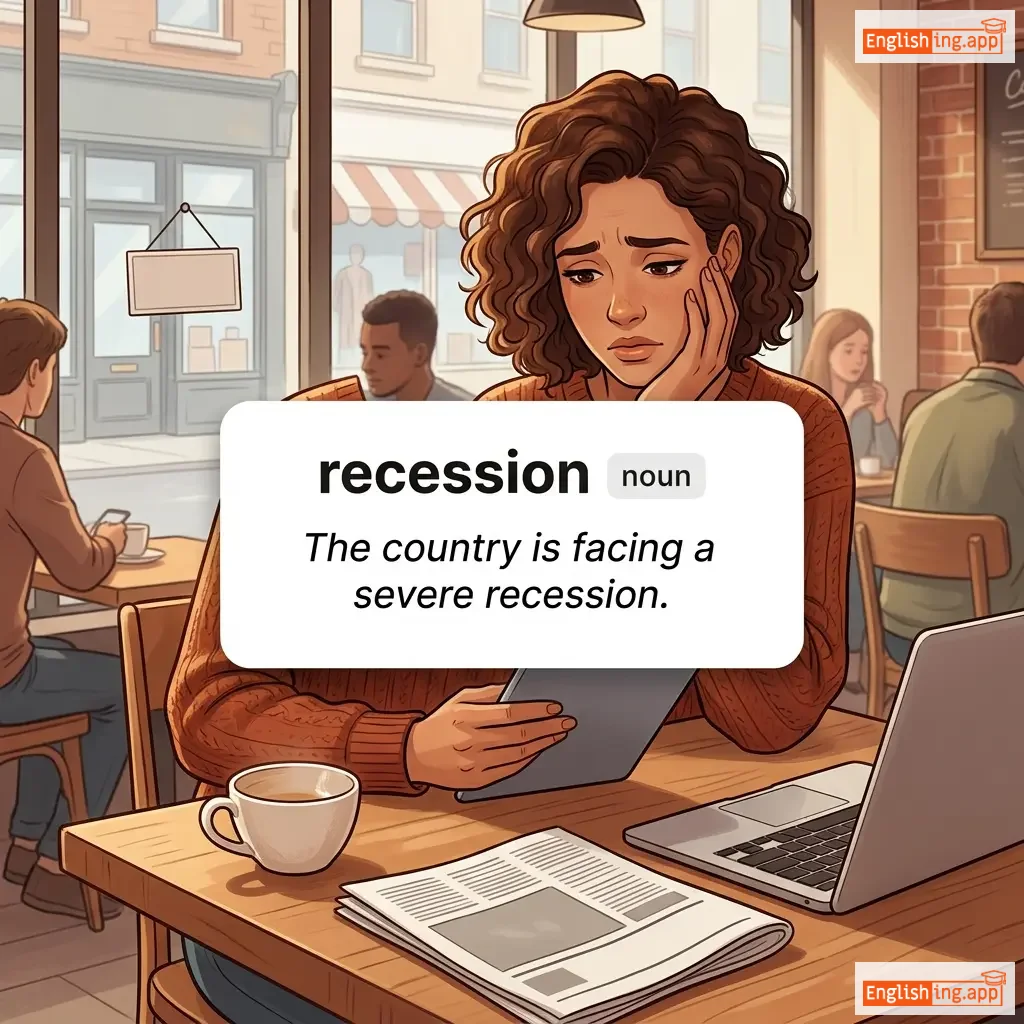
rɪˈsɛʃən
noun
••••••
••••••
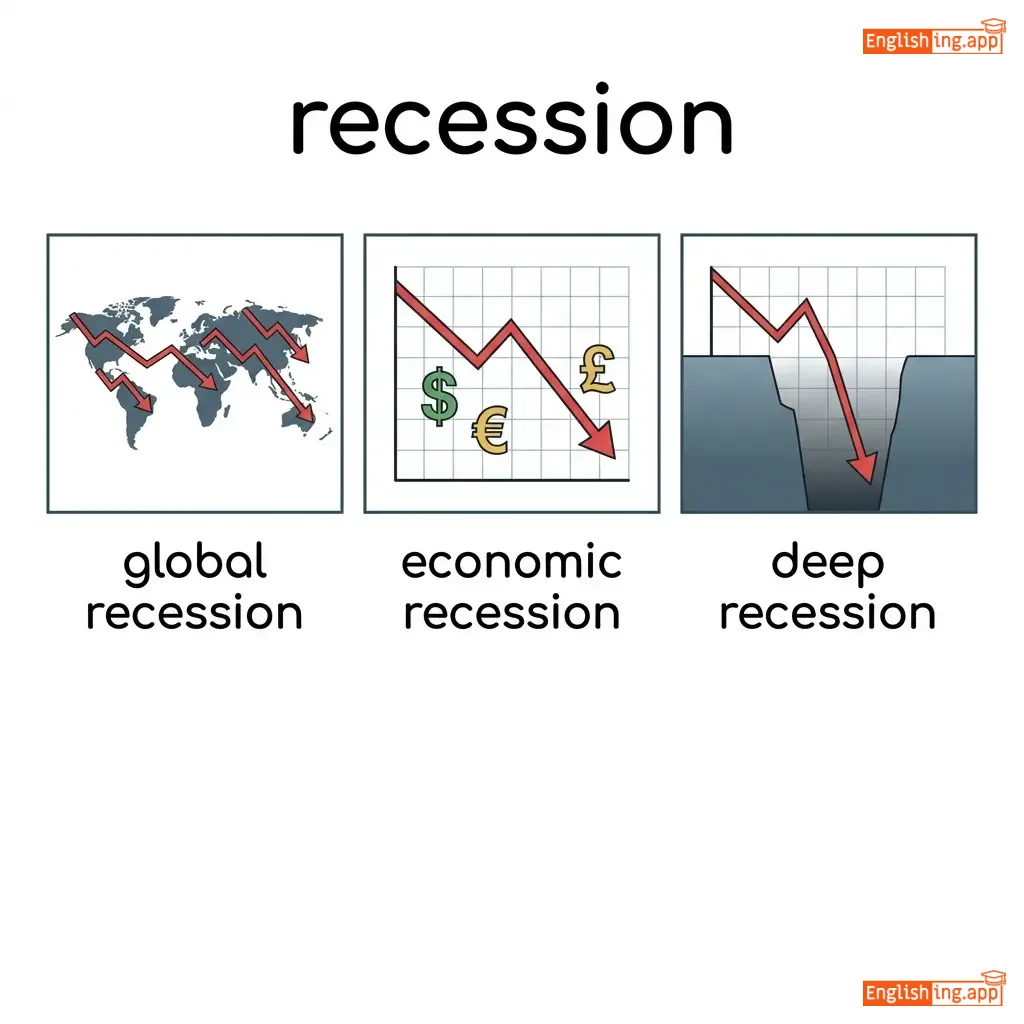
A period of temporary economic decline during which trade and industrial activity are reduced.
••••••

The economy is experiencing a recession due to external factors.

••••••
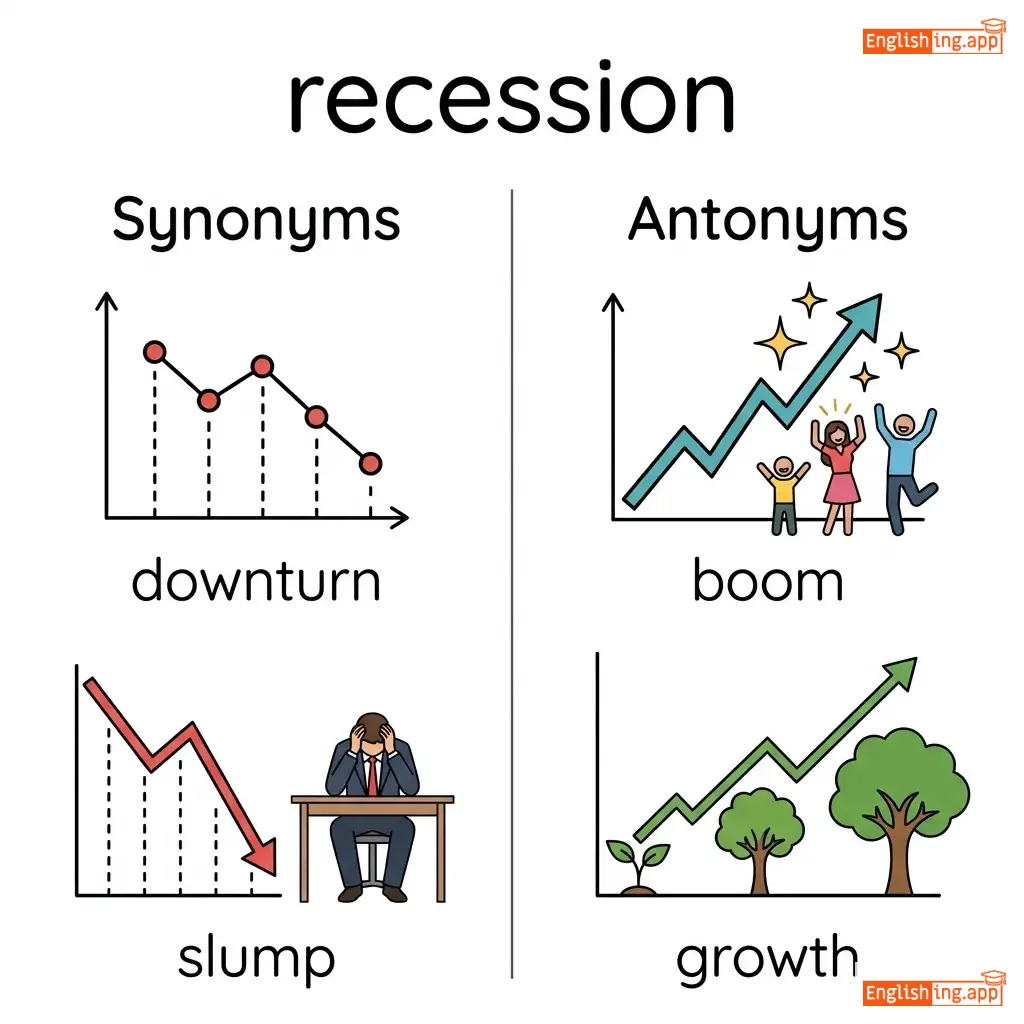
downturn, decline
••••••
growth, recovery
••••••
#3565
⚠️
••••••
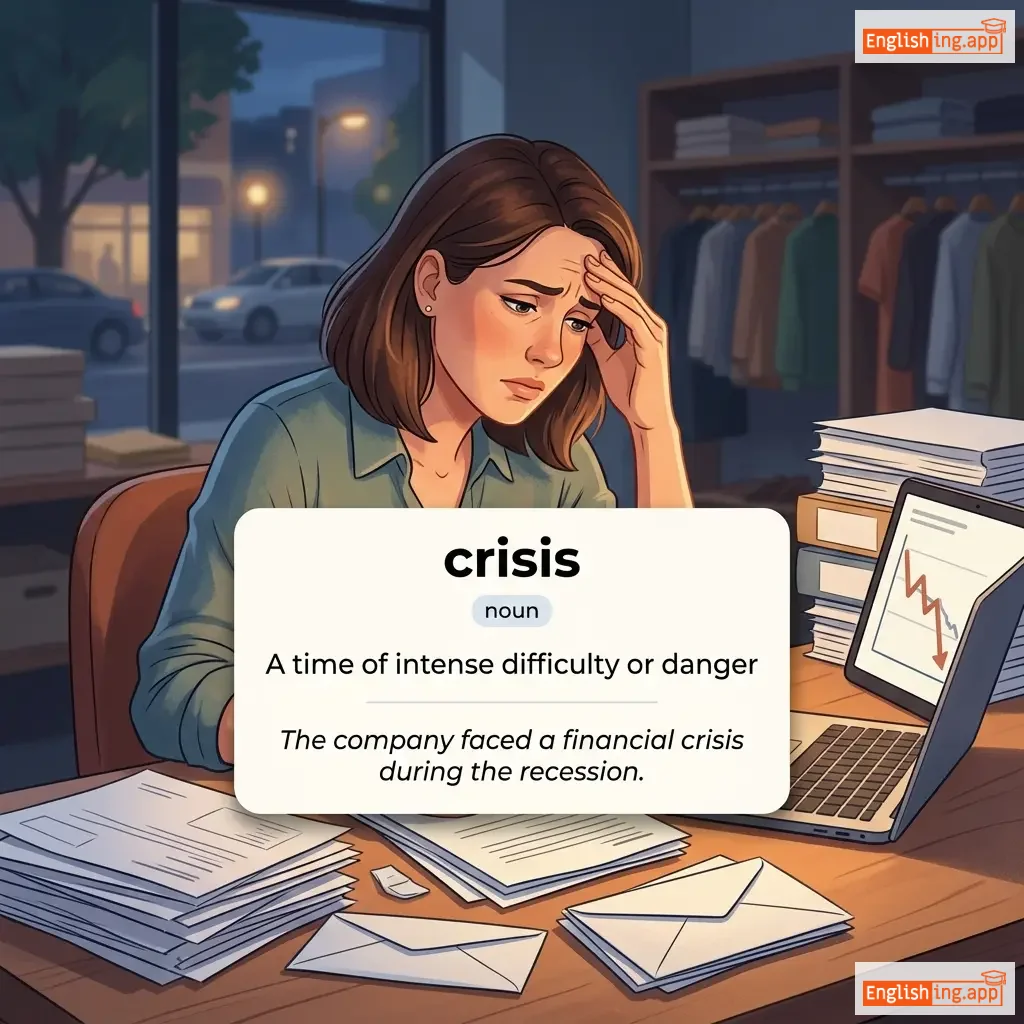
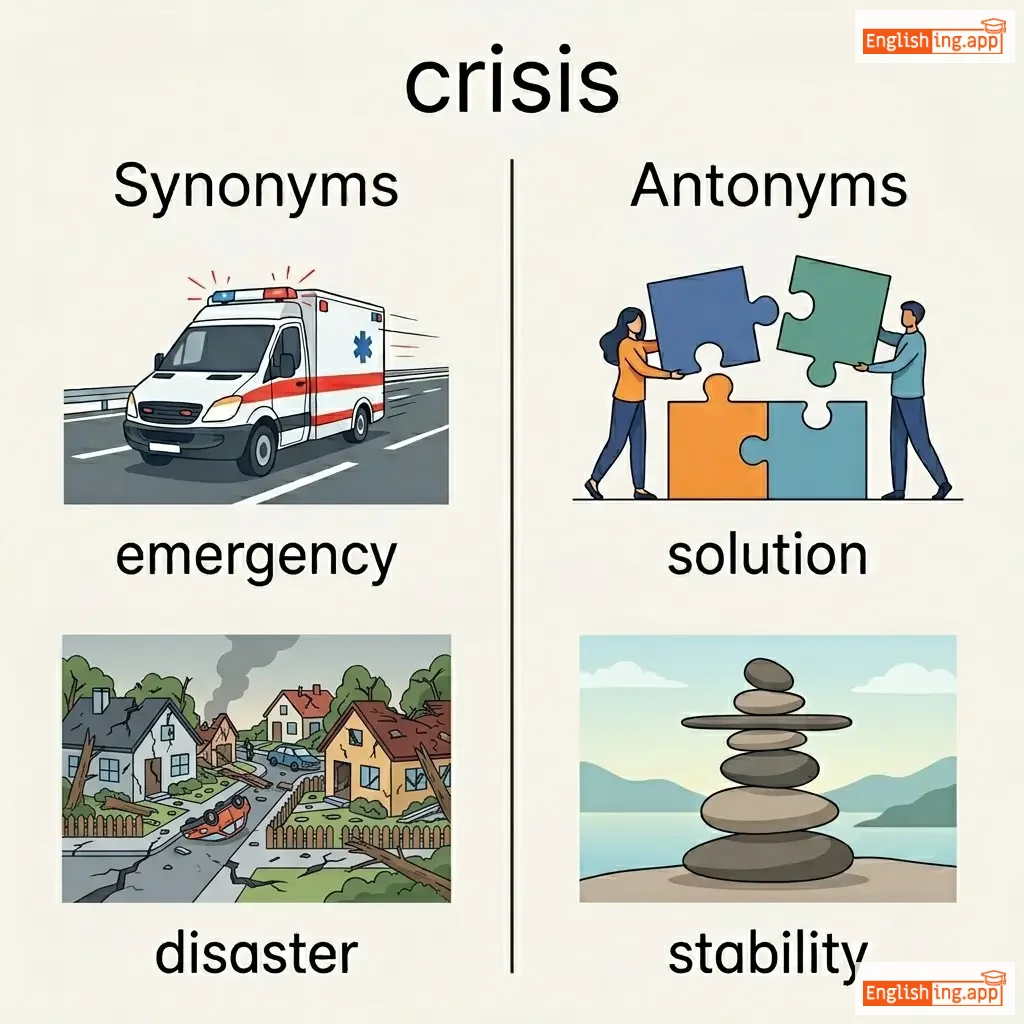
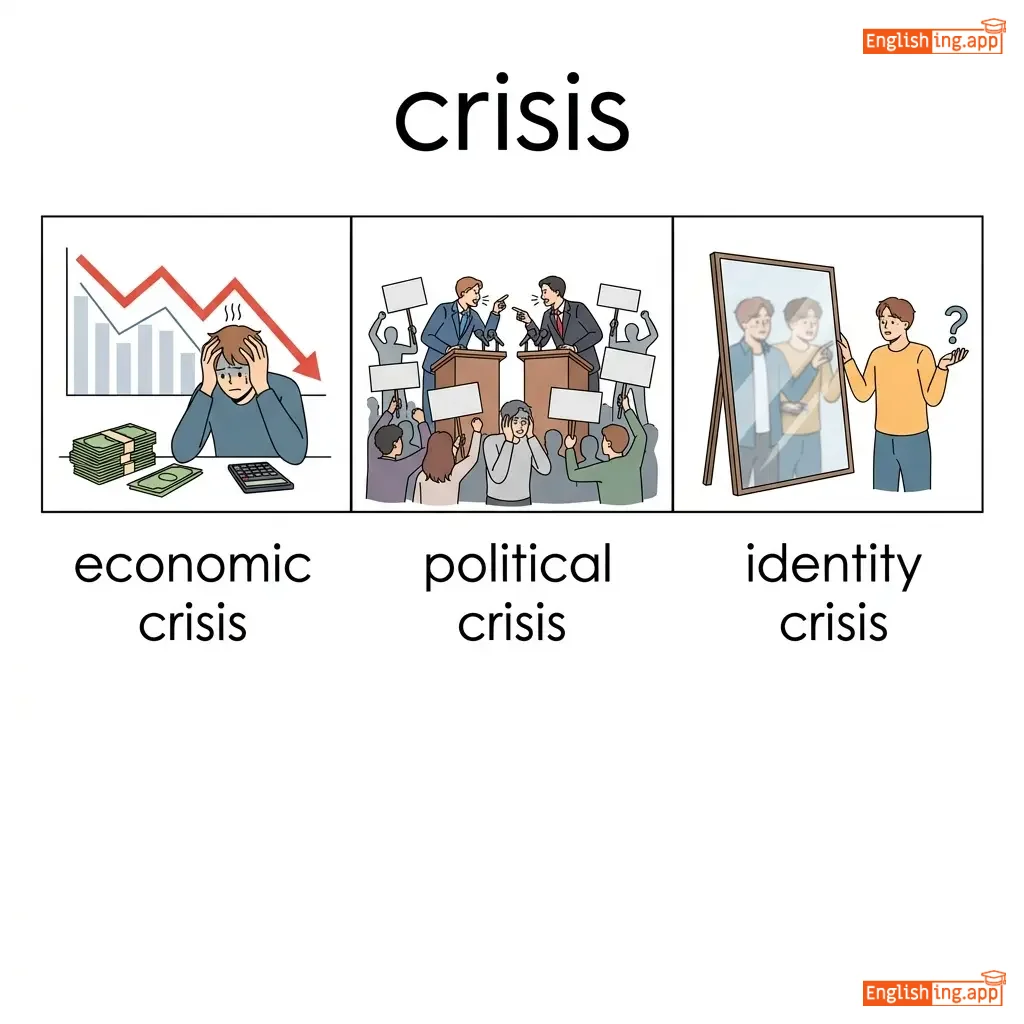
ˈkraɪsɪs
noun
••••••
••••••
A time of intense difficulty, trouble, or danger.
••••••

The financial crisis affected global markets.

••••••
disaster, emergency
••••••
stability, solution
••••••
#3566
⚖️
••••••
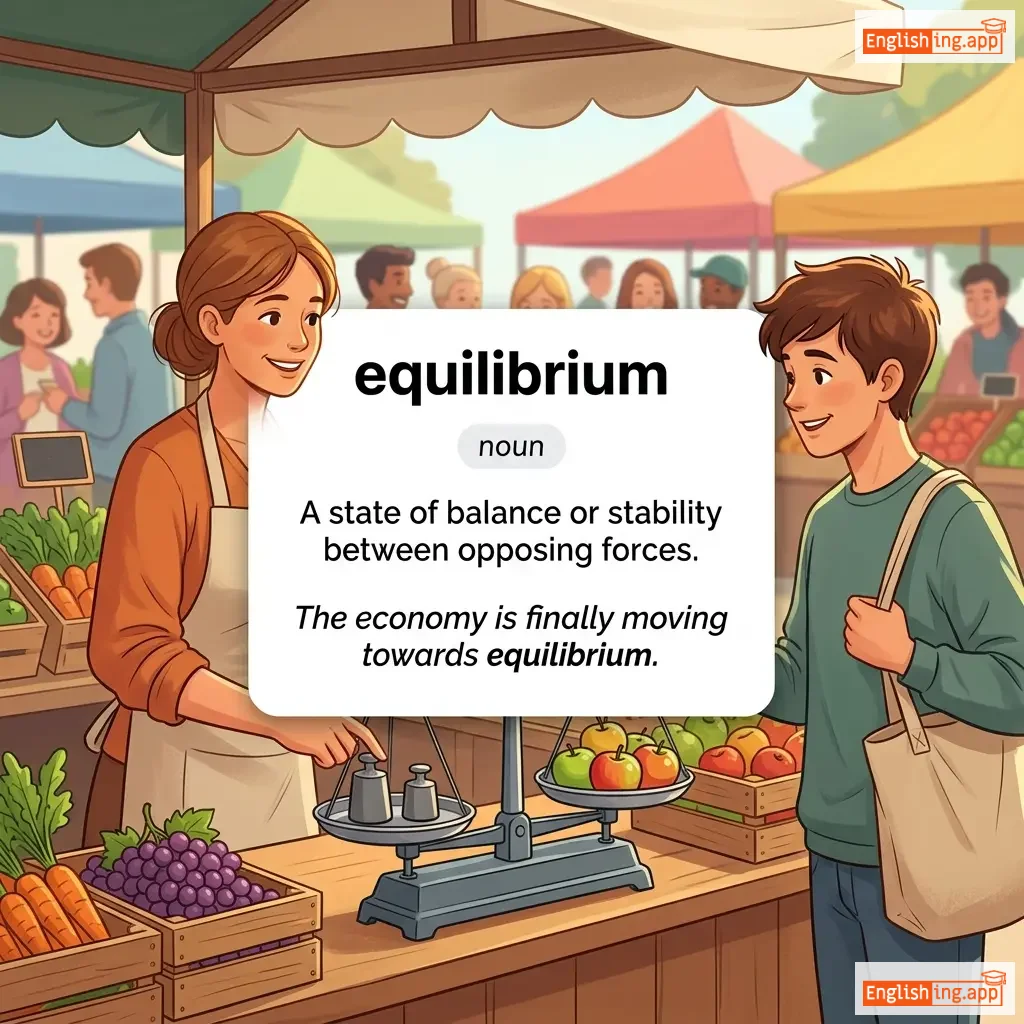
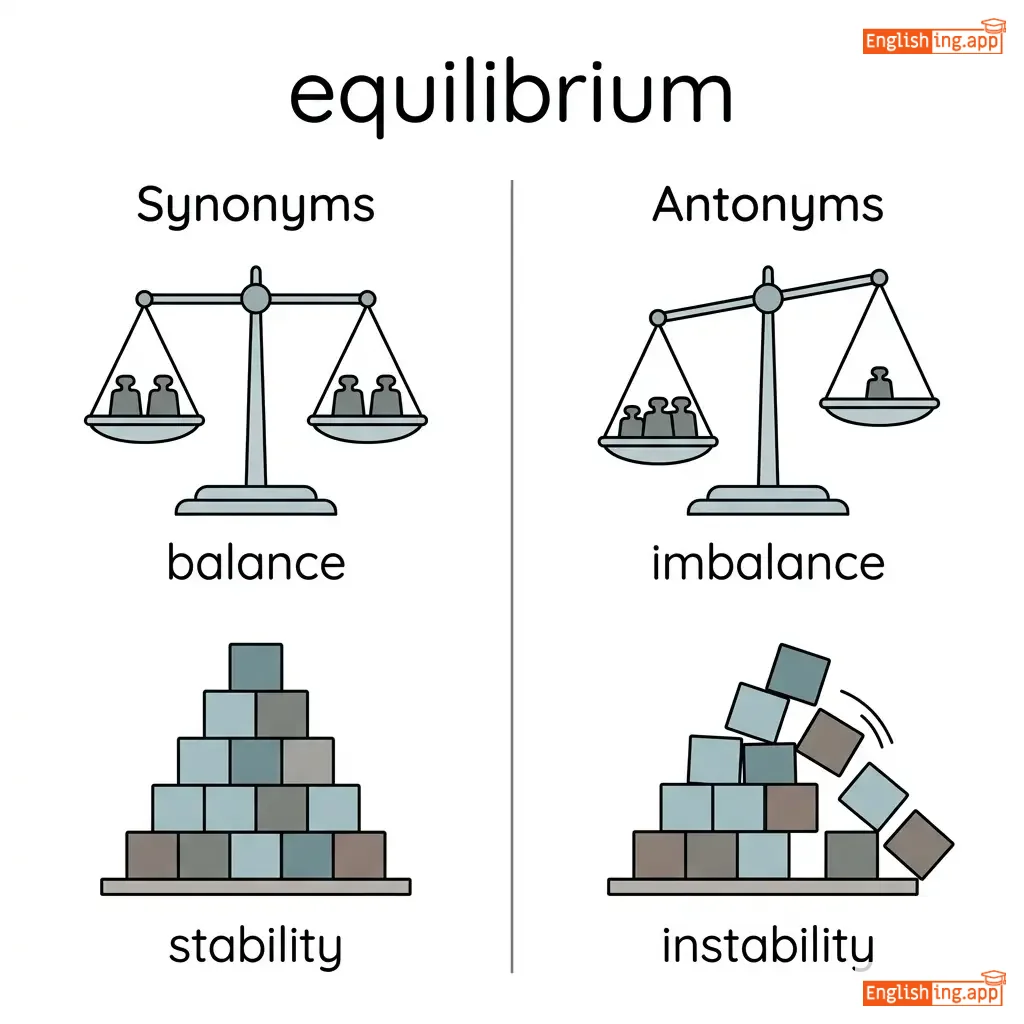
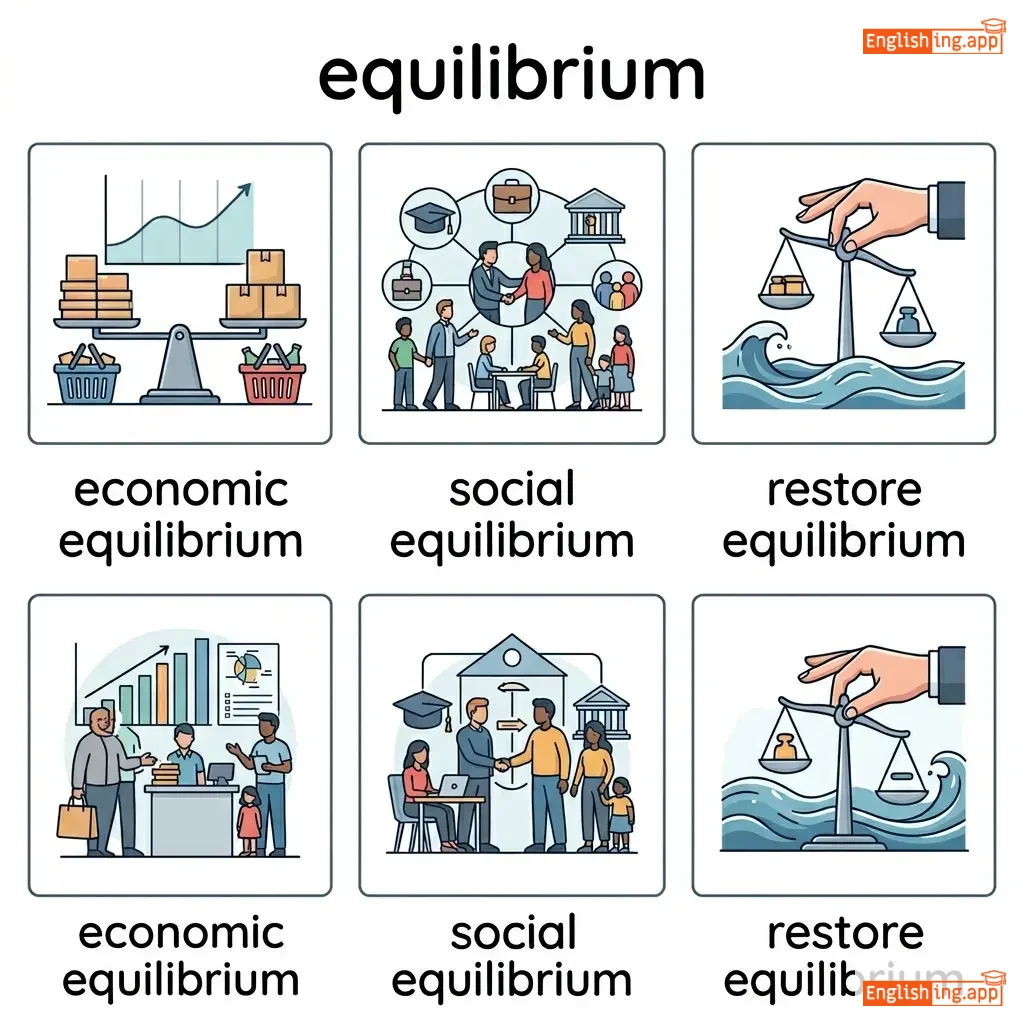
ˌikwɪˈlɪbrɪəm
noun
••••••
••••••
A state in which opposing forces or influences are balanced.
••••••

Achieving economic equilibrium is essential for long-term stability.

••••••
balance, harmony
••••••
imbalance, disruption
••••••
#3567
🎁
••••••
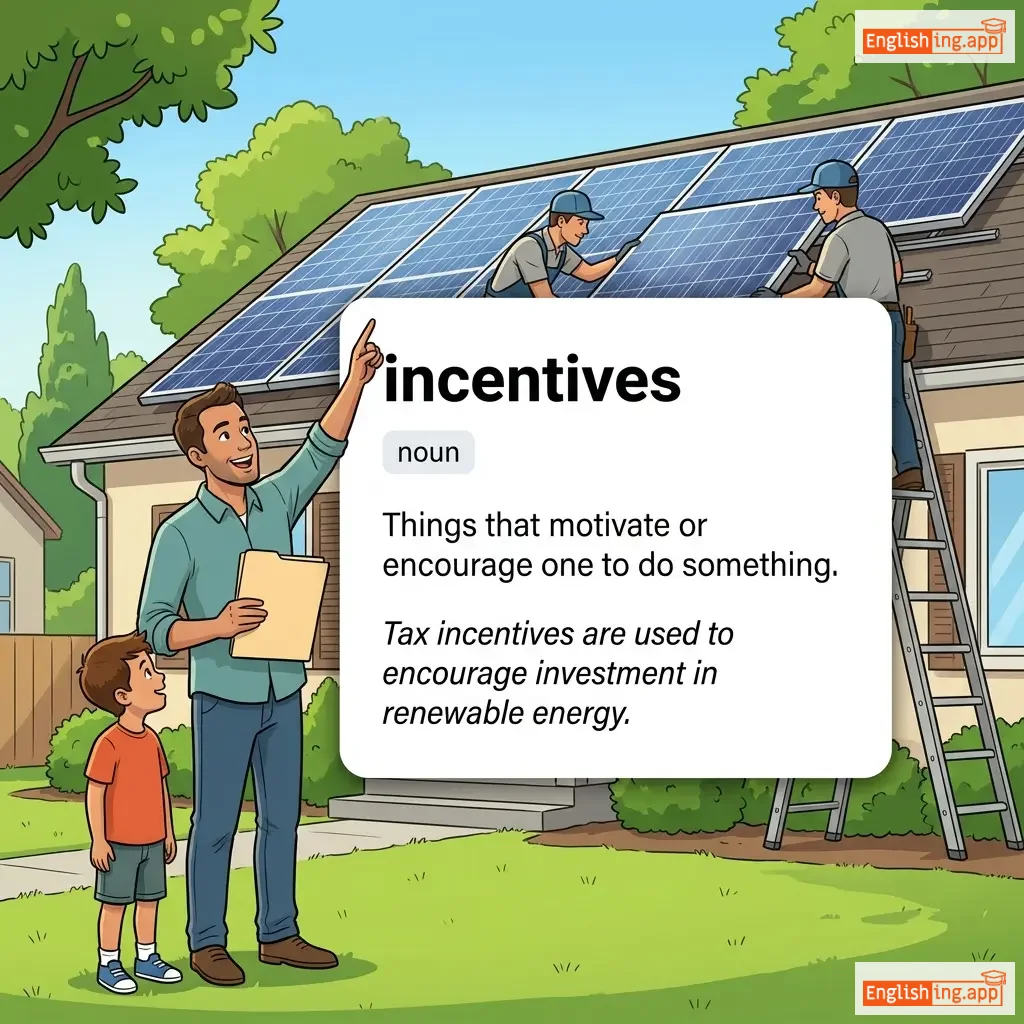
ɪnˈsɛntɪvz
noun
••••••
••••••
Things that motivate or encourage one to do something.
••••••

Tax incentives are used to encourage investment in renewable energy.

••••••
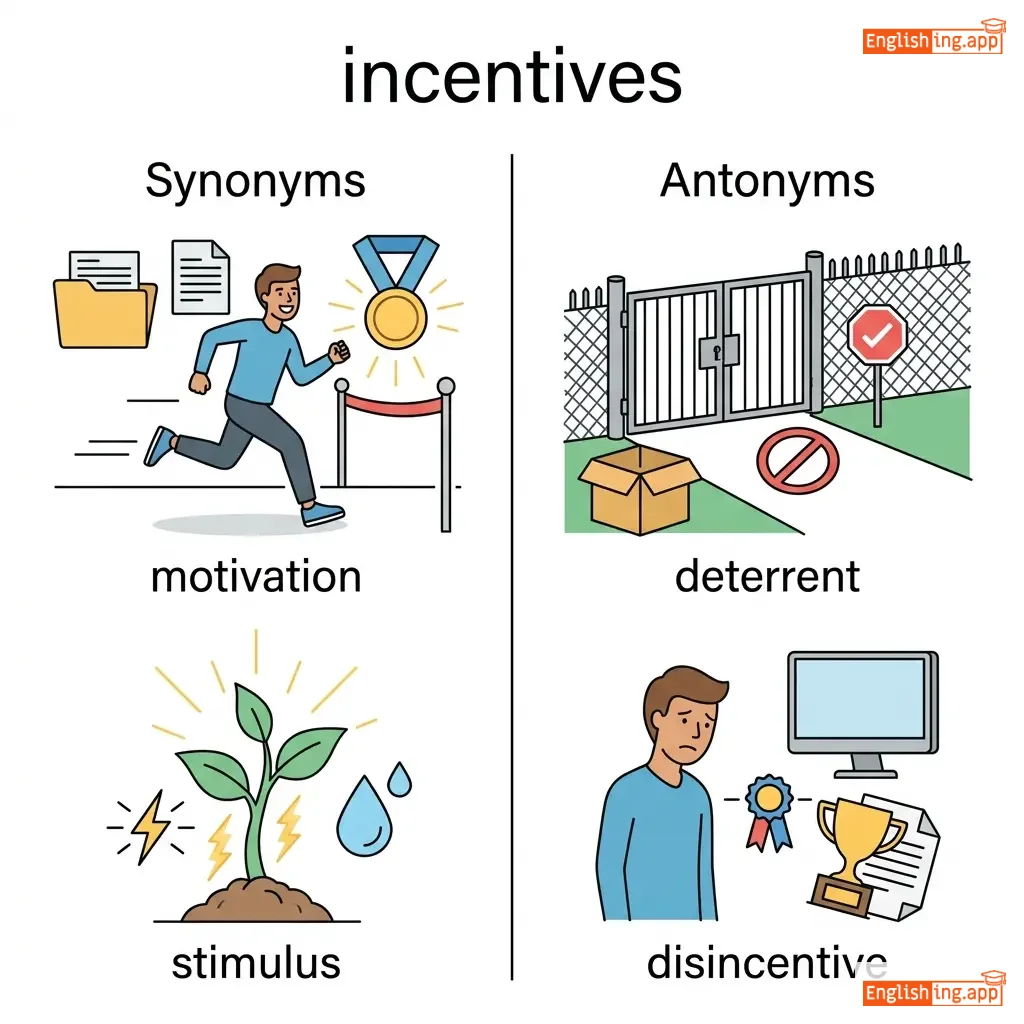
motivation, stimulus
••••••
deterrent, disincentive
••••••
#3568
🌍
••••••
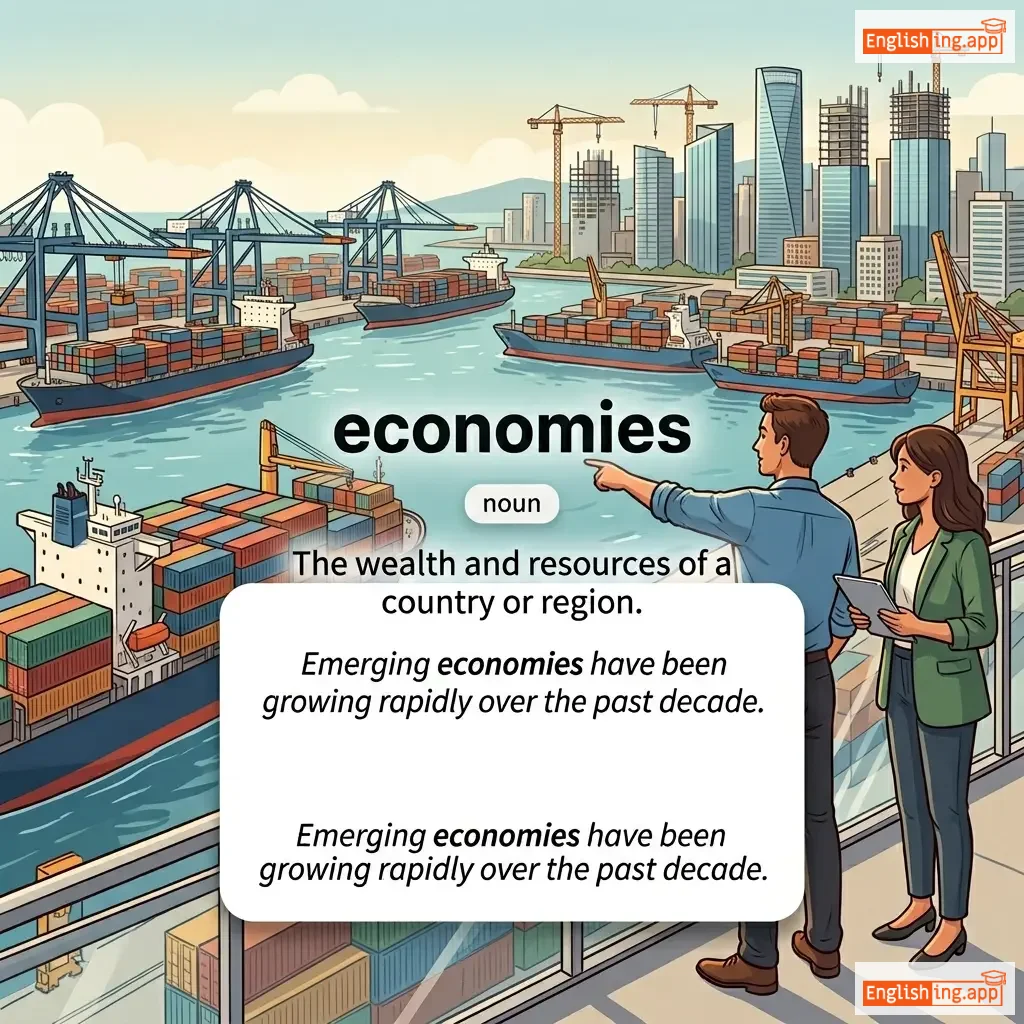
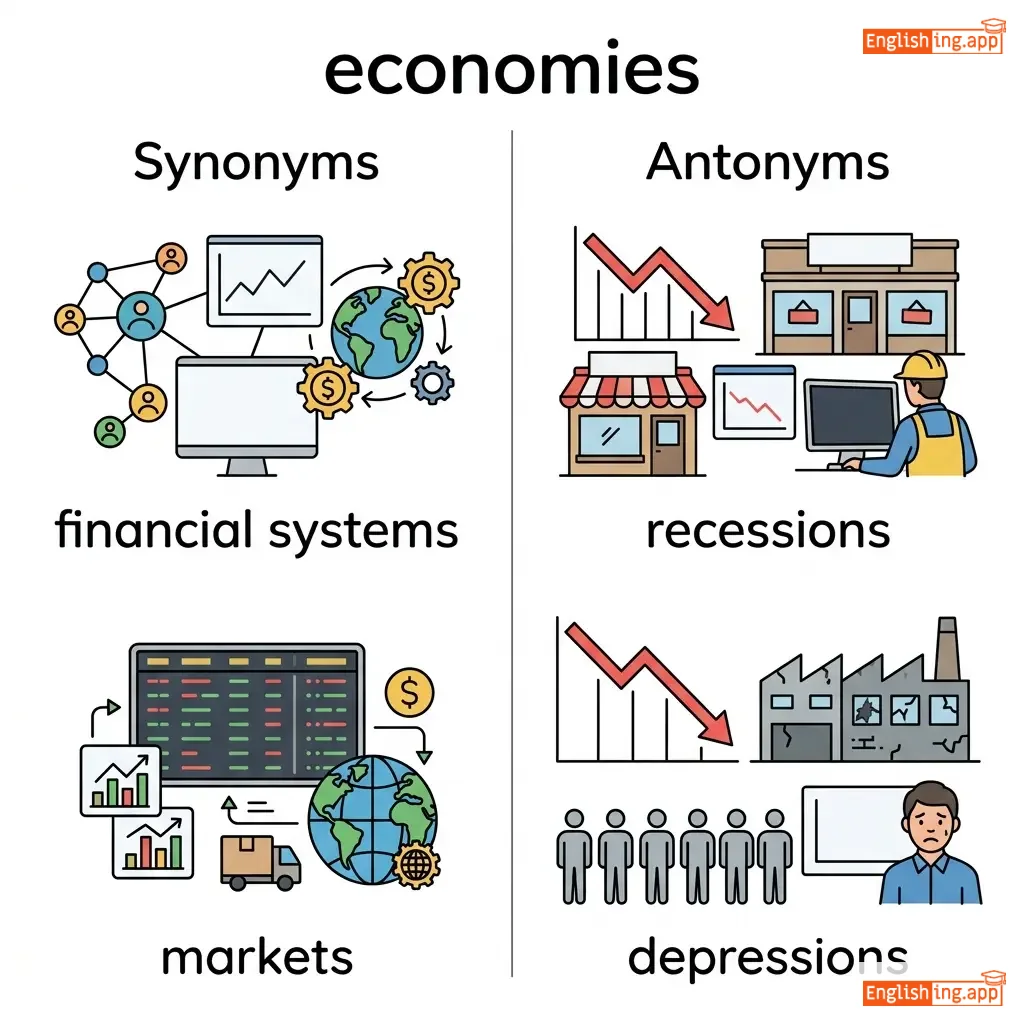
ɪˈkɒnəmiːz
noun
••••••
••••••
The wealth and resources of a country or region.
••••••

Emerging economies have been growing rapidly over the past decade.

••••••
financial systems, markets
••••••
recessions, depressions
••••••
#3569
💥
••••••
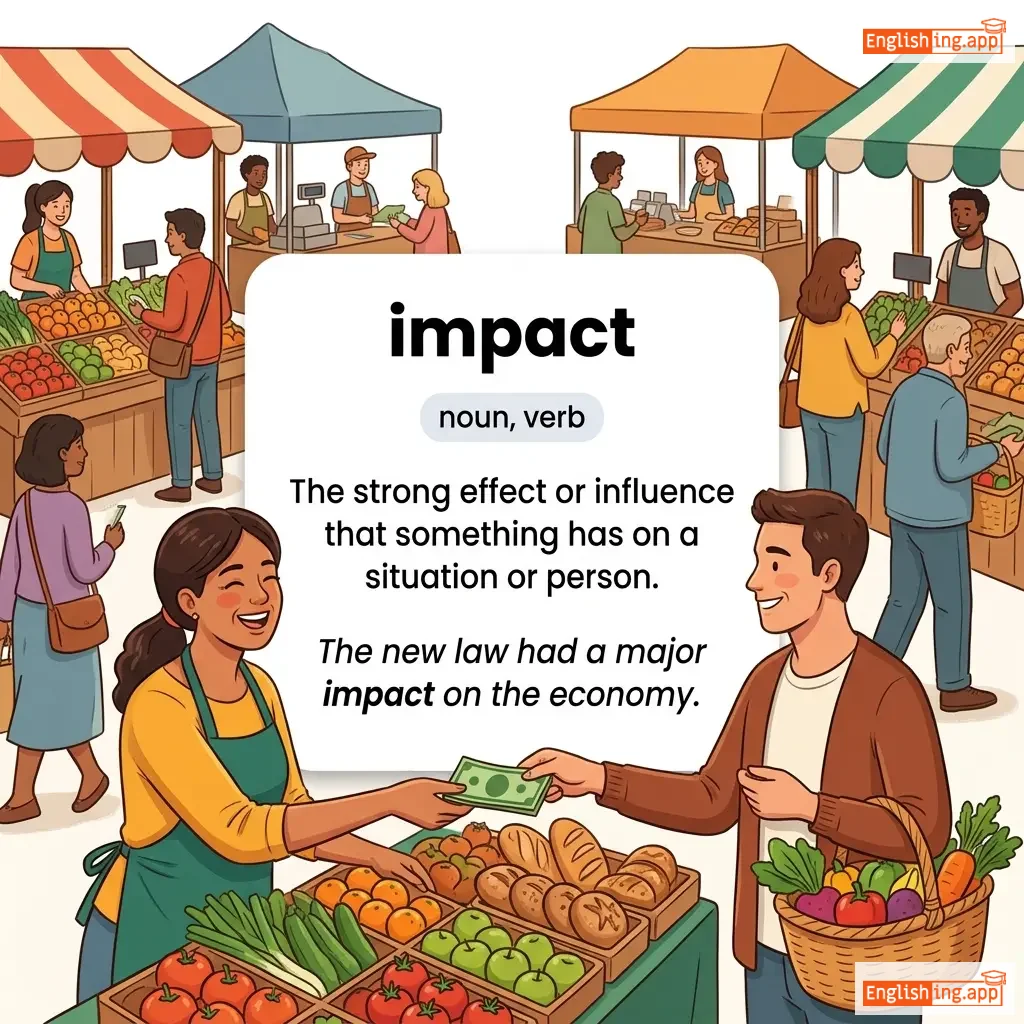
ˈɪmpækt
noun
••••••
••••••
The action of one object coming forcibly into contact with another; a marked effect or influence.
••••••

The impact of climate change can be seen in rising sea levels.

••••••
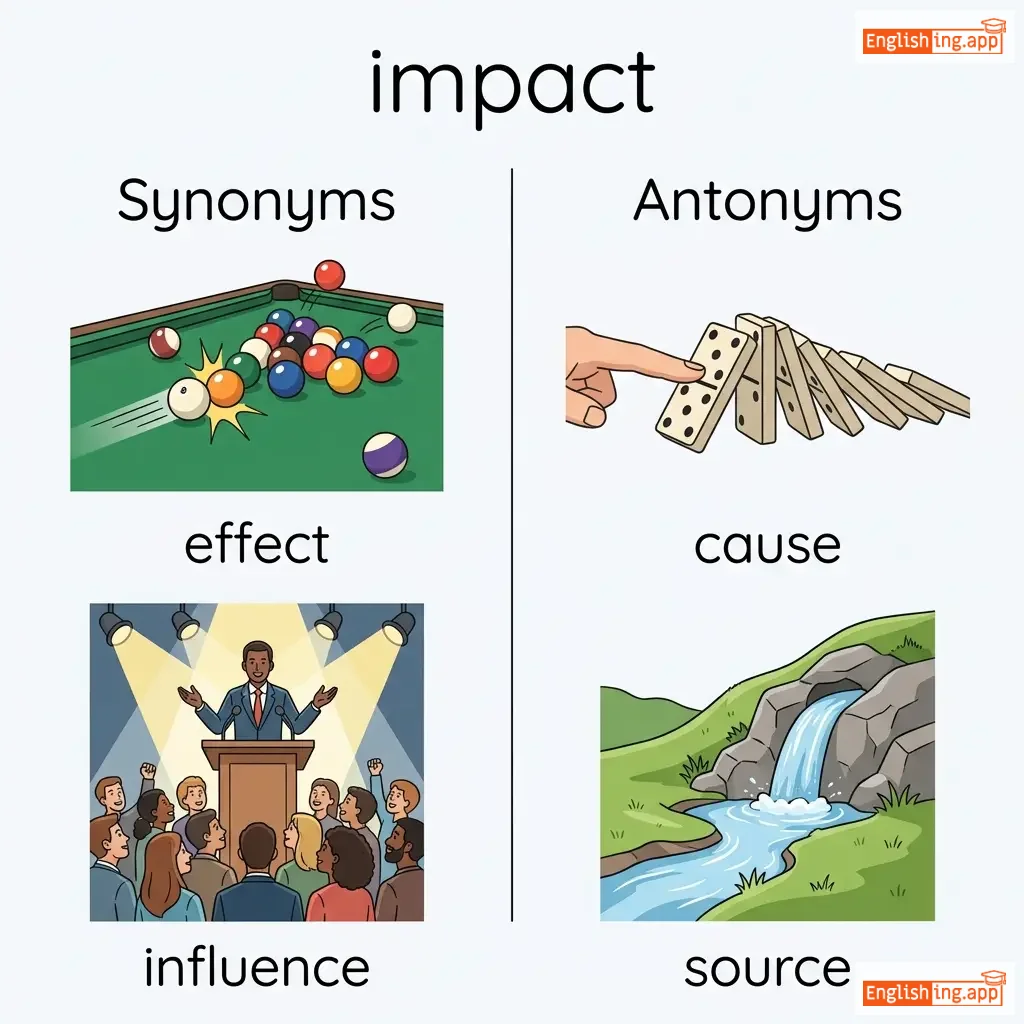
effect, consequence
••••••
inaction, indifference
••••••
#3570
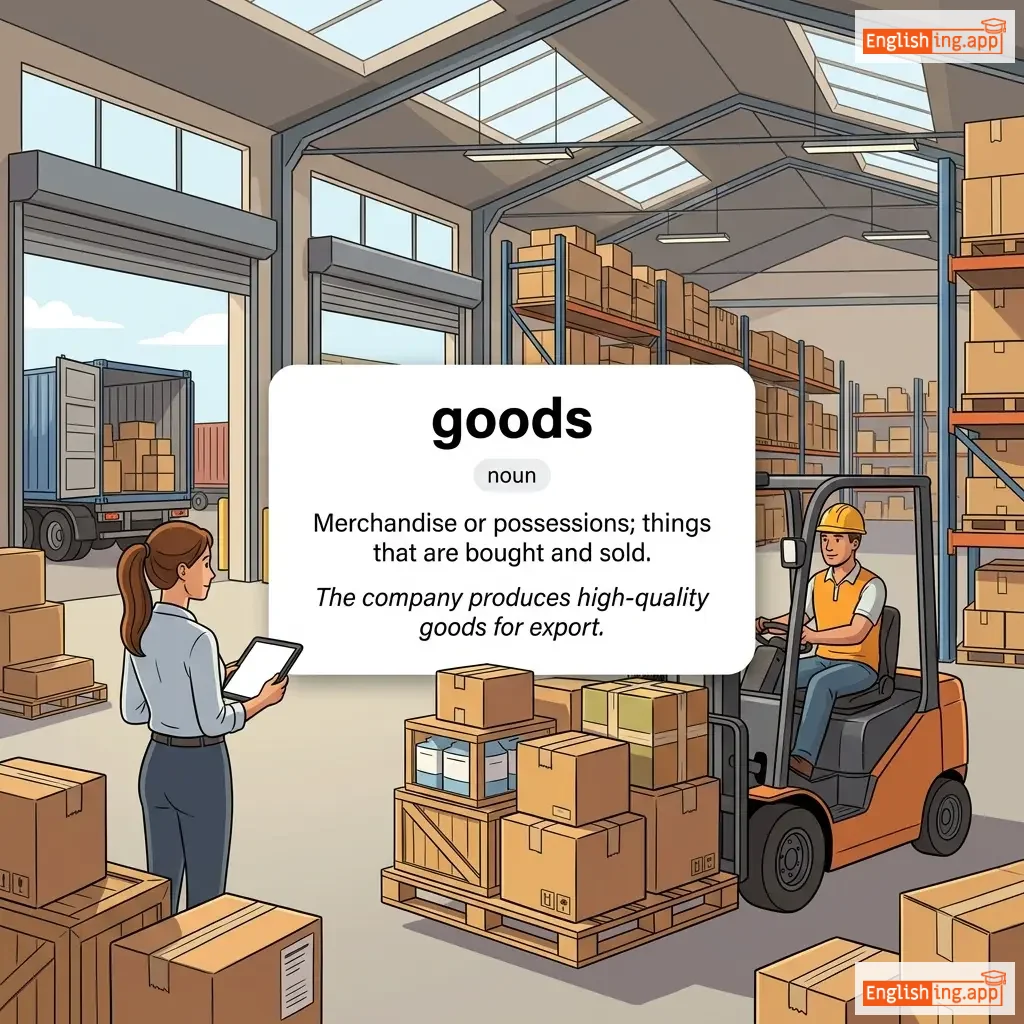
📦
••••••
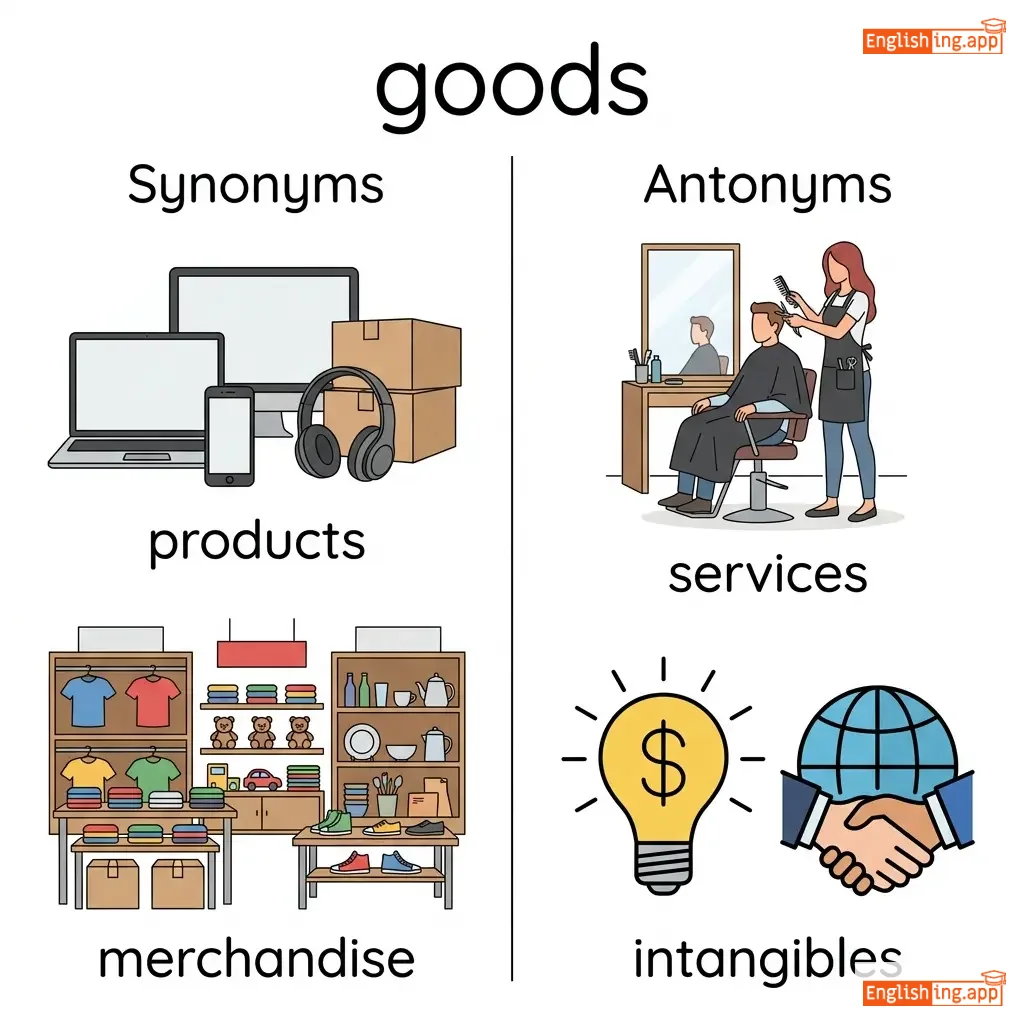
ɡʊdz
noun
••••••
••••••
Merchandise or possessions; things that are bought and sold.
••••••

The company produces high-quality goods for export.

••••••
products, merchandise
••••••
services, intangibles
••••••
#3571
🤝
••••••
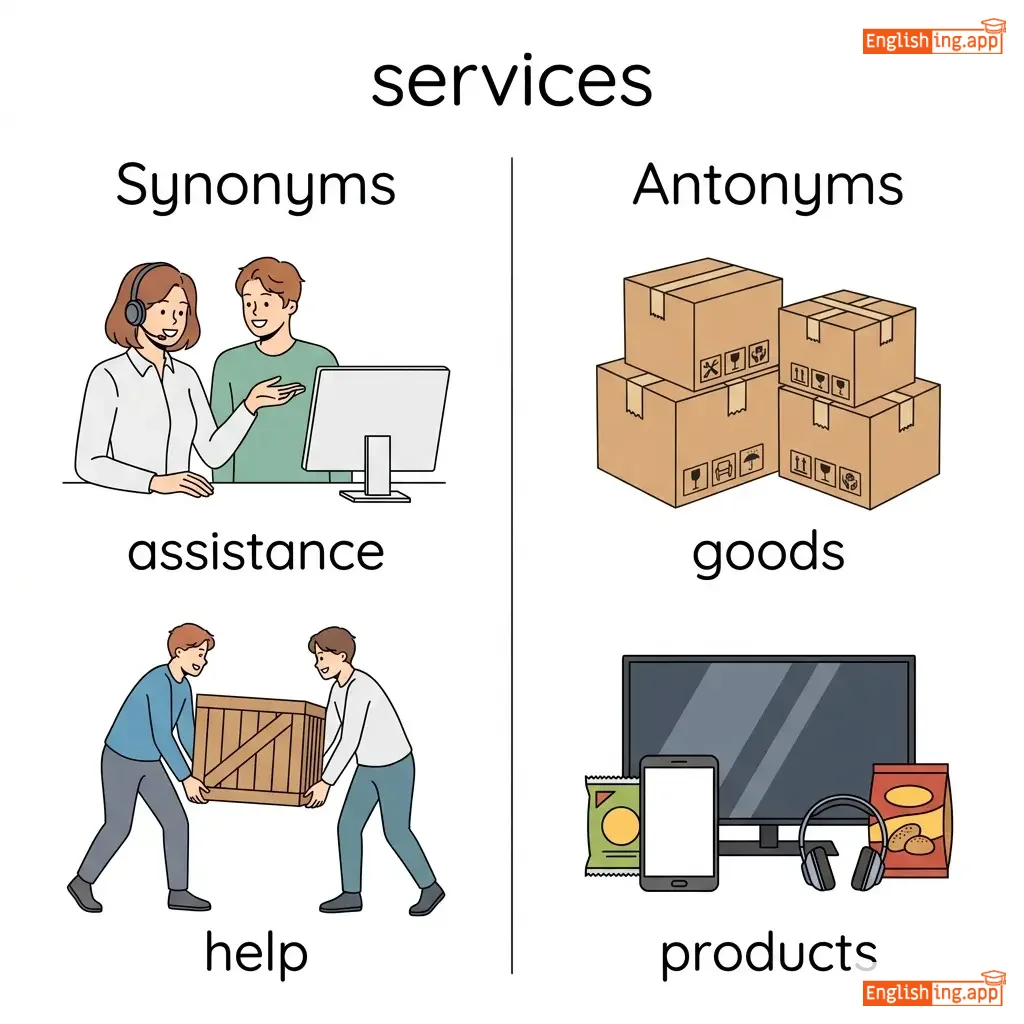
ˈsɜːvɪsɪz
noun
••••••
••••••
The action of helping or doing work for someone.
••••••

Services in the healthcare industry are essential for well-being.

••••••
assistance, help
••••••
goods, products
••••••
#3572
💰
••••••
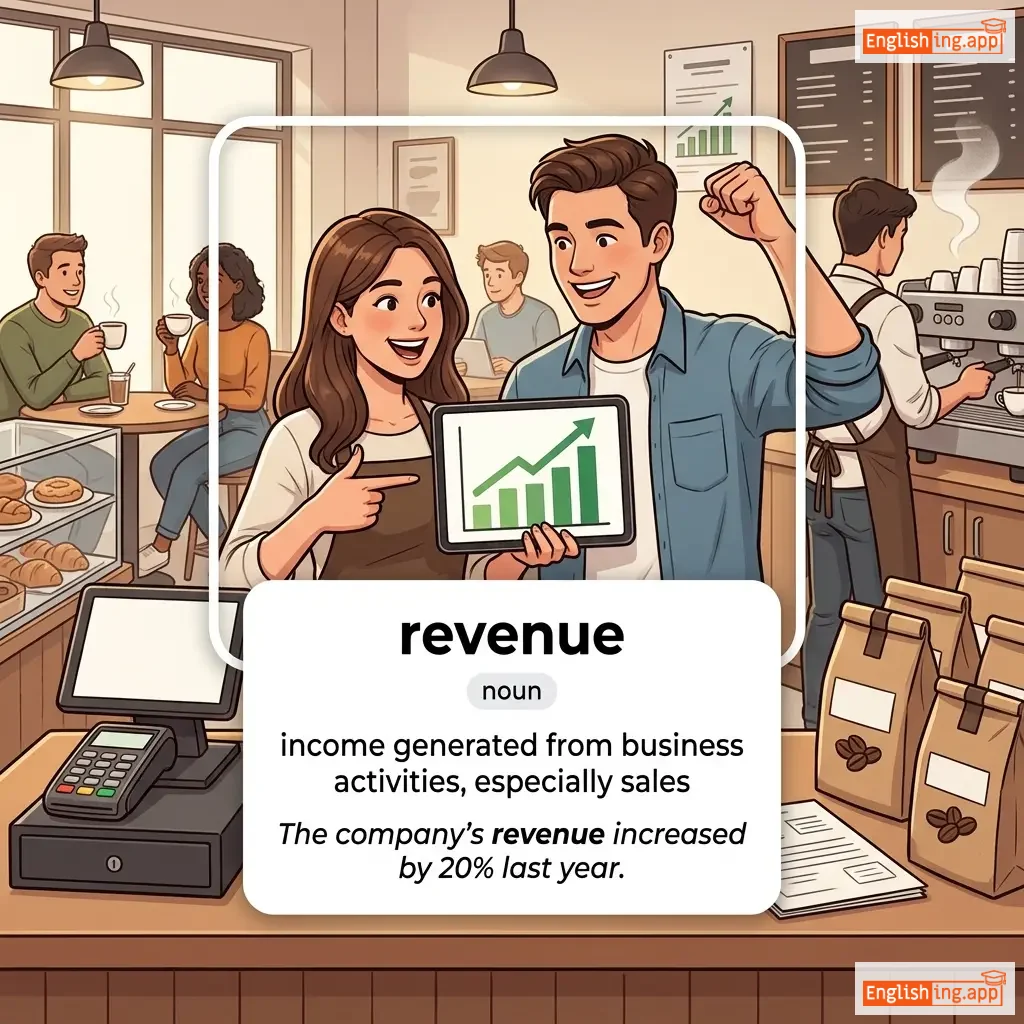
ˈrɛvənuː
noun
••••••
••••••
Income, especially when of a company or organization.
••••••

The company's revenue grew by 10% this year.

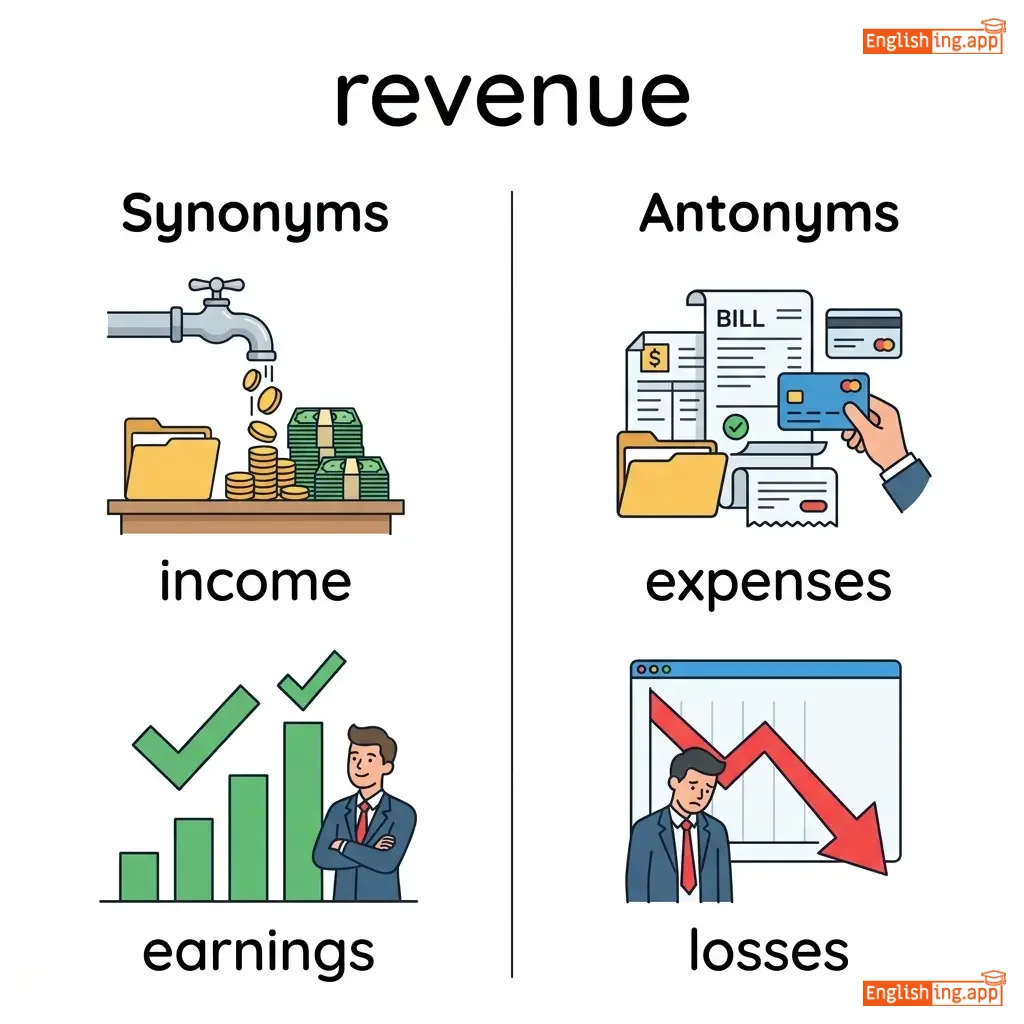
••••••
income, earnings
••••••
loss, deficit
••••••