词汇表

英语词汇词典 | 单词含义、定义和示例

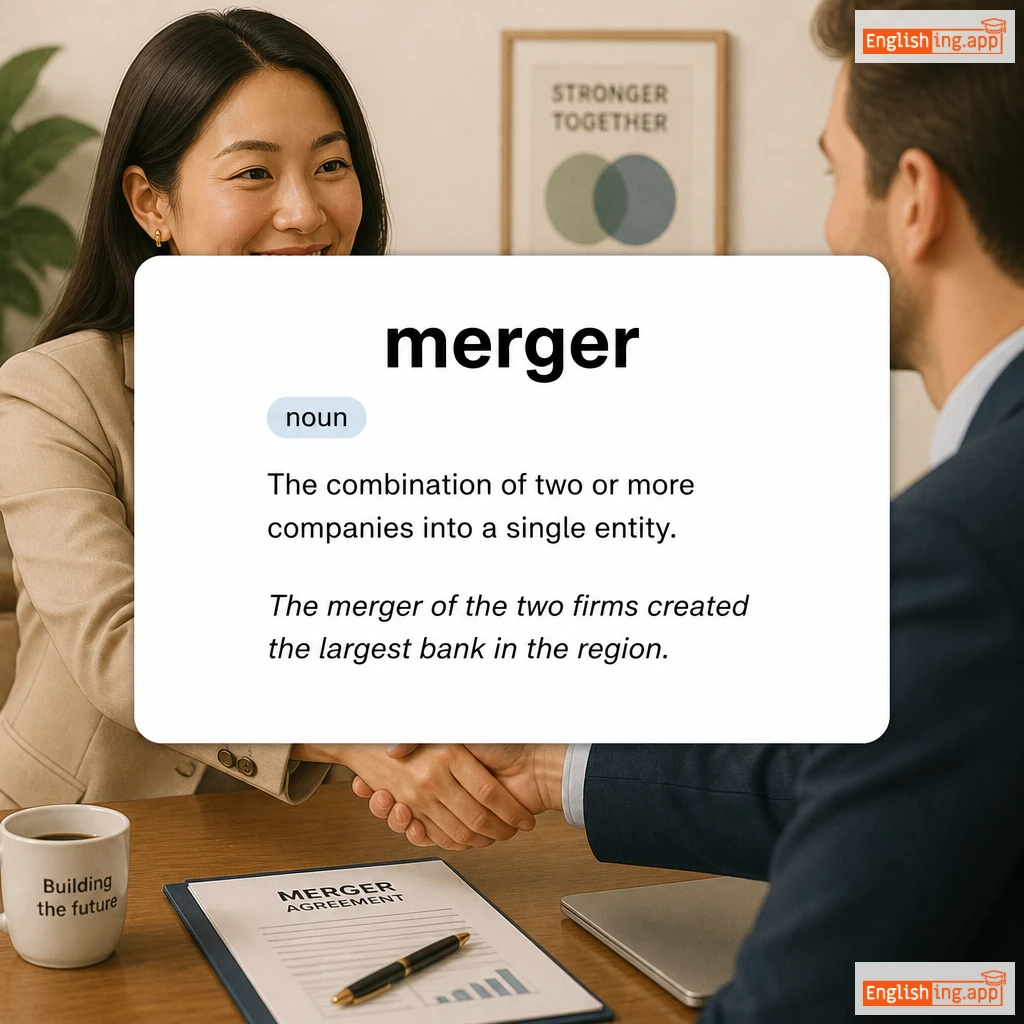
merger definition card — visual illustration of the meaning
noun C1
/ˈmɜːrdʒər/
合併 (gappei)

The combination of two or more companies into a single entity.

"The merger of the two firms created the largest bank in the region."

"2社の合併により、地域で最大の銀行が設立されました。" (2sha no gappei ni yori, chiiki de saidai no ginkō ga setsuritsu saremashita.)
noun C1
/məˈræŋ/
メレンゲ (デザートトッピング) (merenge (dezāto toppingu))

A light dessert topping made from whipped egg whites and sugar.

"She decorated the pie with a fluffy meringue topping."
"彼女はパイにふわふわのメレンゲを飾った。" (Kanojo wa pai ni fuwafuwa no merenge o kazatta.)
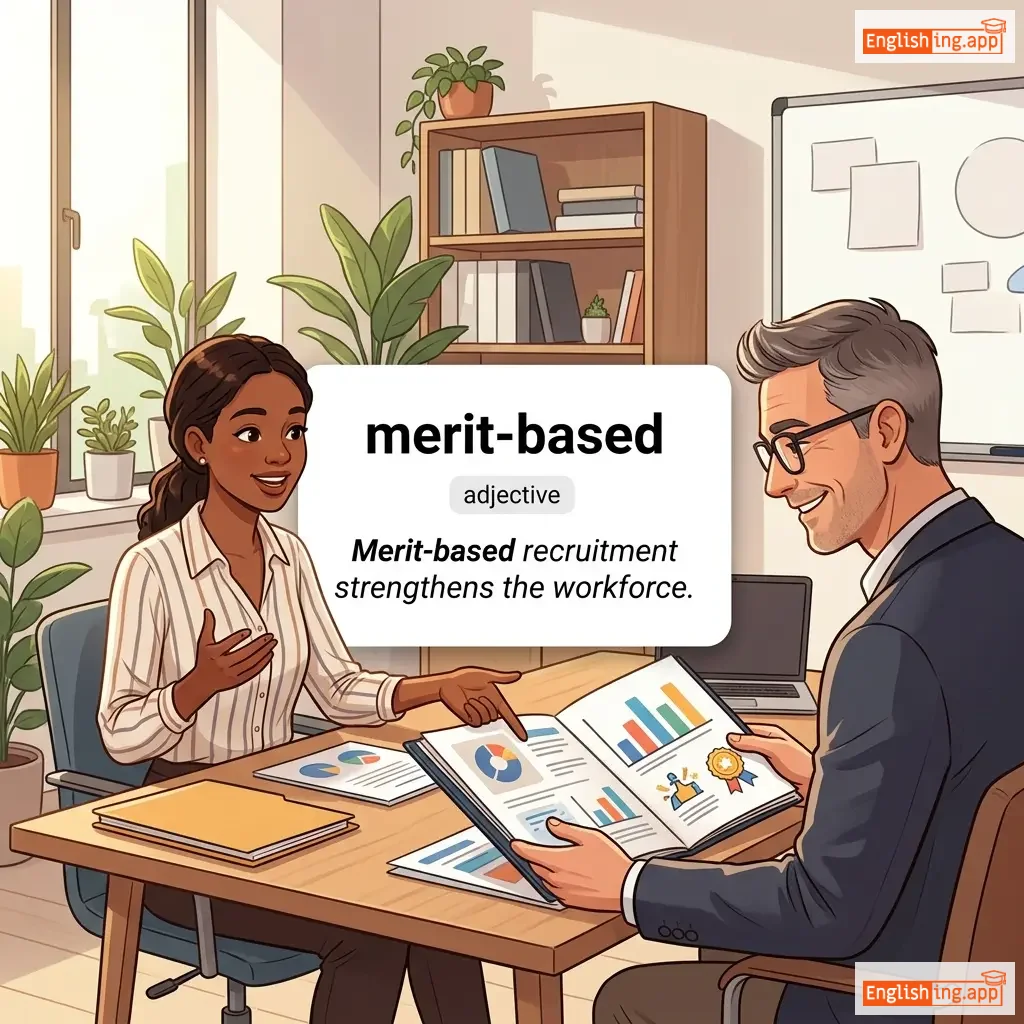
merit-based definition card — visual illustration of the meaning
adjective C1
ˈmer.ɪt beɪst
実力主義 (jitsuryoku shugi)

Based on or determined by individual merit, ability, or achievement rather than other factors.

"Merit-based recruitment strengthens the workforce."

"実力主義の採用は労働力を強化します。" (Jitsuryoku shugi no saiyō wa rōdōryoku o kyōka shimasu.)
verb (past) C1
/ˈmɛrɪtɪd/
価値がある (kachiga aru)

Deserved or earned something.

"Her dedication merited recognition from the community."

"彼女の献身はコミュニティからの認識を得るに値しました。" (Kanojo no kenshin wa komyuniti kara no ninshiki o eru ni ataimashita.)
noun C1
/ˌmɛrɪˈtɒkrəsi/
メリトクラシー (meritokurashī)

A system in which advancement is based on individual ability or achievement.

"In a true meritocracy, the most capable people rise to leadership positions."
"真のメリトクラシーでは、最も有能な人々がリーダーシップの地位に上がります。" (Shin no meritokurashī de wa, mottomo yūnōna hitobito ga rīdāshippu no chii ni agari masu.)
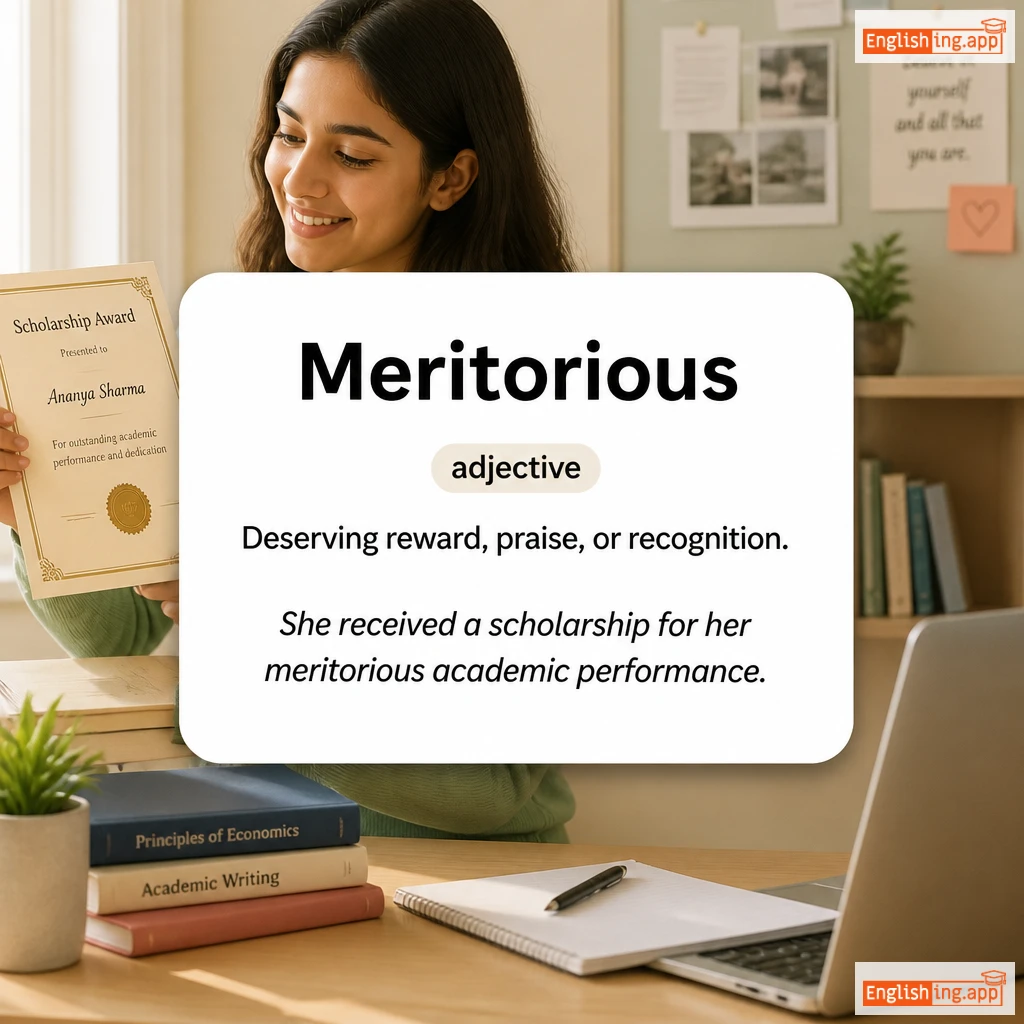
Meritorious definition card — visual illustration of the meaning
adjective C1
/ˌmɛrɪˈtɔːriəs/
功績がある (kōseki ga aru)

Deserving reward, praise, or recognition.

"She received a scholarship for her meritorious academic performance."

"彼女はその功績がある学業成績で奨学金を受け取った。" (Kanojo wa sono kōseki ga aru gakugyō seiseki de shōgakukin o uketotta.)
adverb C1
/ˈmerɪli/
楽しそうに (tanoshisou ni)

in a cheerful and joyful manner

"The children played merrily in the garden."

"子供たちは庭で楽しそうに遊んでいました。" (Kodomotachi wa niwa de tanoshisou ni asonde imashita.)
verb, noun C1
/mɛʃ/
メッシュ, 絡ませる (messhu, karamaseru)

To fit or work together properly; or a material made of interlaced threads.

"The two gears mesh perfectly to keep the machine running smoothly."
"二つの歯車が完璧に噛み合って、機械がスムーズに動く。" (Futatsu no haguruma ga kanpeki ni kamiatte, kikai ga sumūzu ni ugoku.)
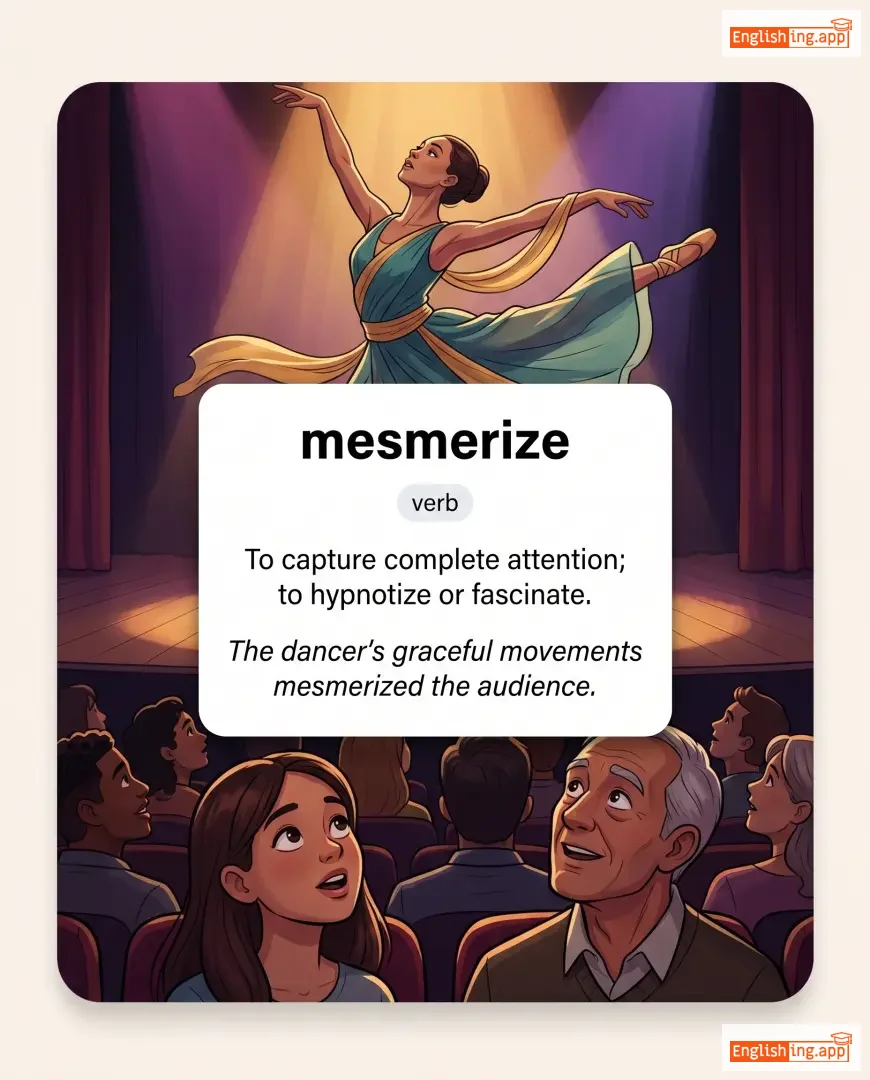
mesmerize definition card — visual illustration of the meaning
verb C1
/ˈmɛzməˌraɪz/
魅了する (miryou suru)

To capture complete attention; to hypnotize or fascinate.

"The dancer's graceful movements mesmerized the audience."

"ダンサーの優雅な動きは観客を魅了しました。" (Dānsā no yūga na ugoki wa kankyaku o miryō shimashita.)
metabolic definition card — visual illustration of the meaning
adjective C1
ˌmet.əˈbɒl.ɪk
代謝の (taisha no)

Related to the chemical processes within living organisms to maintain life.

"A fast metabolic rate helps in weight management."

"速い代謝率は体重管理に役立ちます。" (Hayai taisha ritsu wa taijū kanri ni yakudachimasu.)
metabolize definition card — visual illustration of the meaning
verb C1
məˈtæb.ə.laɪz
成長のために食物を処理して利用する (seichou no tame ni shokumotsu o shori shite riyou suru)

Process and use food for growth and to replace tissue, or process other substances in the body.

"The liver helps to metabolize toxins."
"肝臓は毒素をメタボライズするのを助けます。" (Kanzou wa dokuso o metabolize suru no o tasukemasu.)
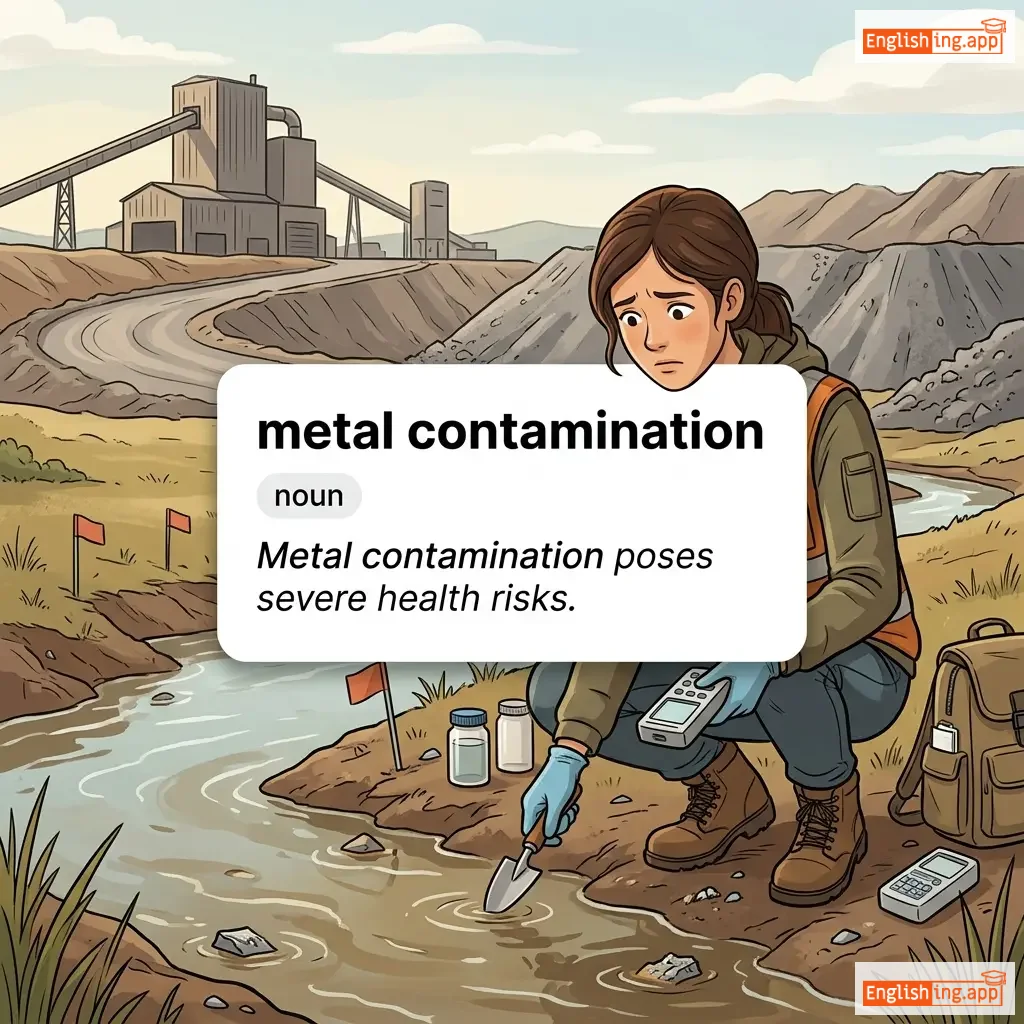
metal contamination definition card — visual illustration of the meaning
noun C1
ˈmetəl kənˌtæməˈneɪʃən
金属汚染 (kinzoku osen)

The presence of toxic metals in the environment that pose health and environmental risks.

"Metal contamination poses severe health risks."
"金属汚染は健康に深刻なリスクをもたらす。" (Kinzoku osen wa kenkō ni shinkoku na risuku o motarasu.)
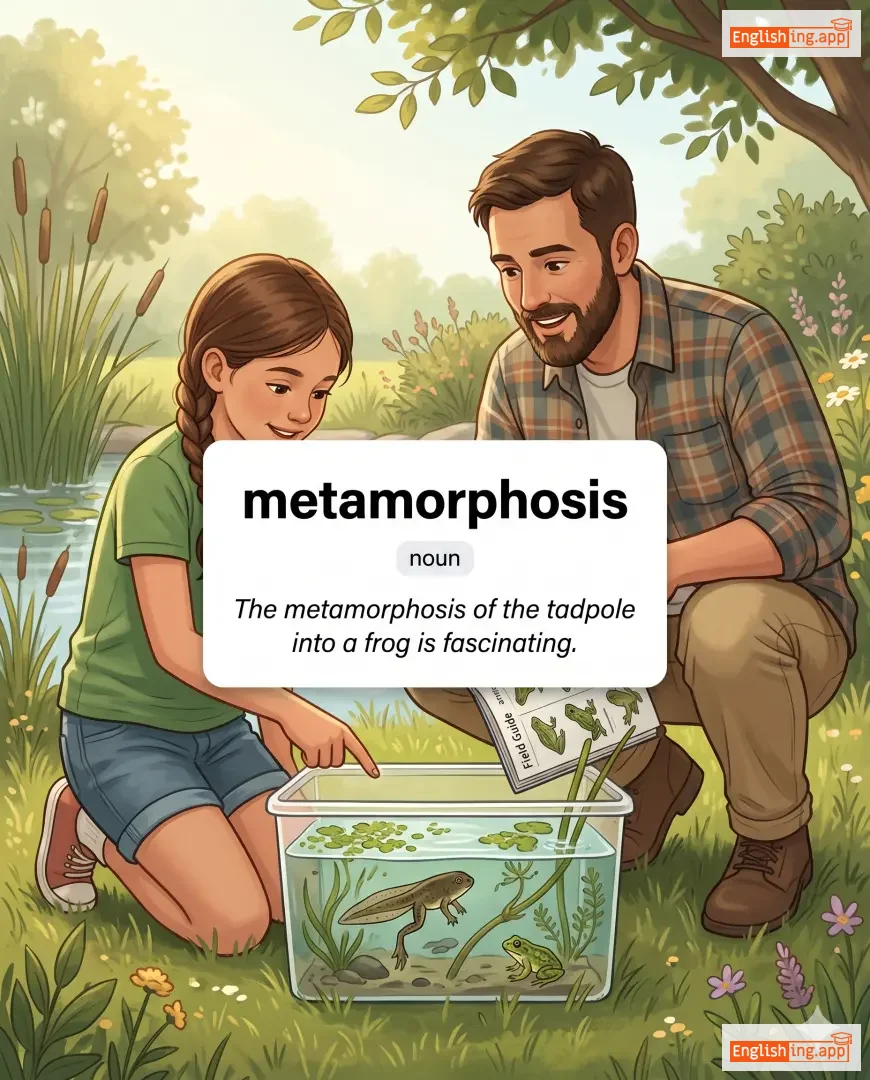
metamorphosis definition card — visual illustration of the meaning
noun C1
/ˌmɛtəˈmɔrfəsɪs/
変態 (hentai)

A process of transformation from one form to another, especially in biology, such as the change from a caterpillar to a butterfly.

"The metamorphosis of the tadpole into a frog is fascinating."

"オタマジャクシからカエルへの変態は魅力的です。" (Otamajakushi kara kaeru e no hentai wa miryokuteki desu.)
adjective C1
/ˌmɛtəˈfɔːrɪkəl/
比喩的な (hiyuteki na)

Characteristic of or relating to metaphor; figurative rather than literal.

"He used metaphorical language to describe his emotions."

"彼は感情を表現するために比喩的な言葉を使った。" (Kare wa kanjou o hyougen suru tame ni hiyuteki na kotoba o tsukatta.)
adjective C1
/ˌmiːtiˈɔːrɪk/
流星に関連する; 非常に迅速で、しばしば一時的な。 (ryuusei ni kanren suru; hijou ni jinsoku de, shibashiba ichijiteki na.)

Relating to meteors; very rapid and often temporary.

"The singer’s meteoric rise to fame surprised everyone."
"歌手の流星のような名声の上昇は皆を驚かせた。" (Kashu no ryuusei no you na meisei no joushou wa mina o odorokaseta.)
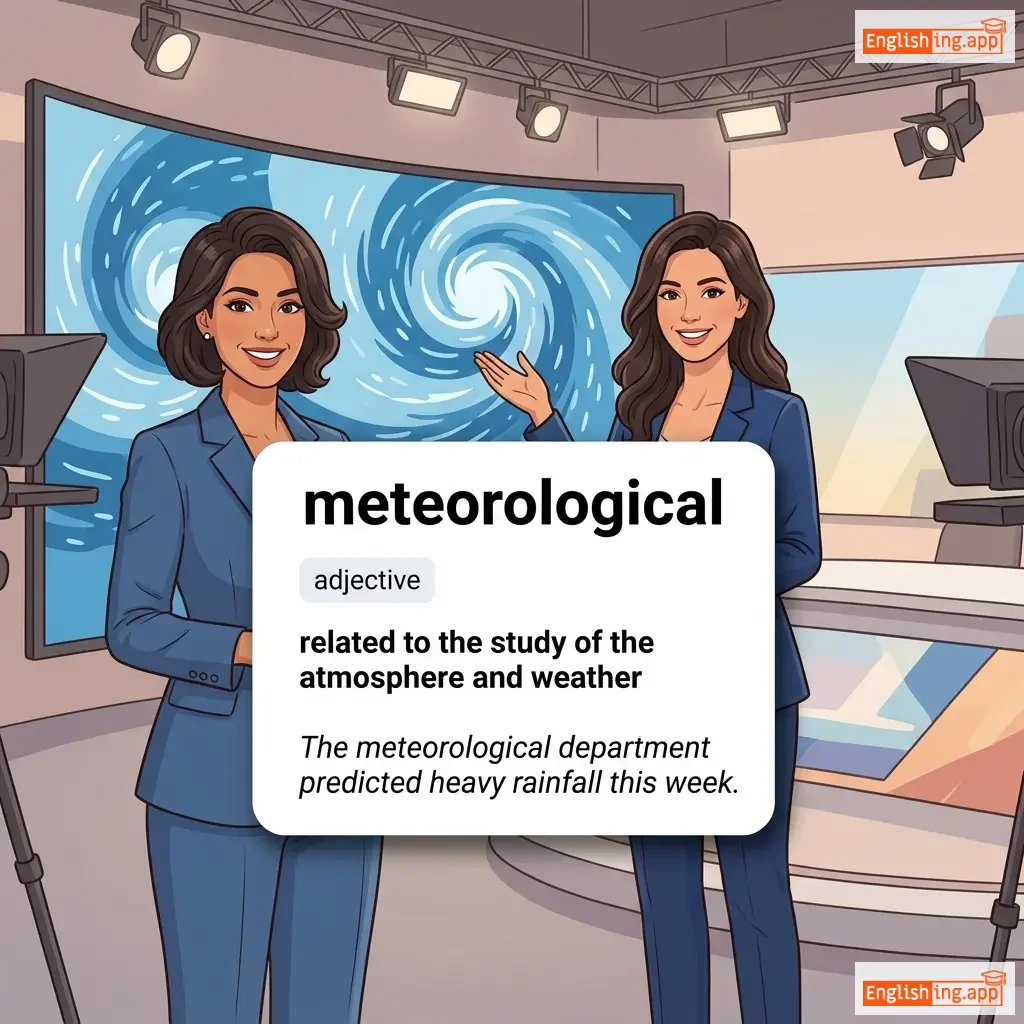
meteorological definition card — visual illustration of the meaning
adjective C1
/ˌmiː.ti.ə.rəˈlɒ.dʒɪ.kəl/
気象学的 (kishōgakuteki)

related to the study of the atmosphere and weather

"The meteorological department predicted heavy rainfall this week."

"気象学部門は今週の大雨を予測しました。" (Kishōgakubumon wa konshū no ōame o yosoku shimashita.)
noun C1
/ˌmiːtiəˈrɒlədʒi/
気象学 (kishougaku)

The scientific study of the atmosphere and weather.

"He chose to specialize in meteorology to study weather patterns."
"彼は天気のパターンを研究するために気象学を専門に選びました。" (Kare wa tenki no pataan wo kenkyuu suru tame ni kishougaku wo senmon ni erabimashita.)
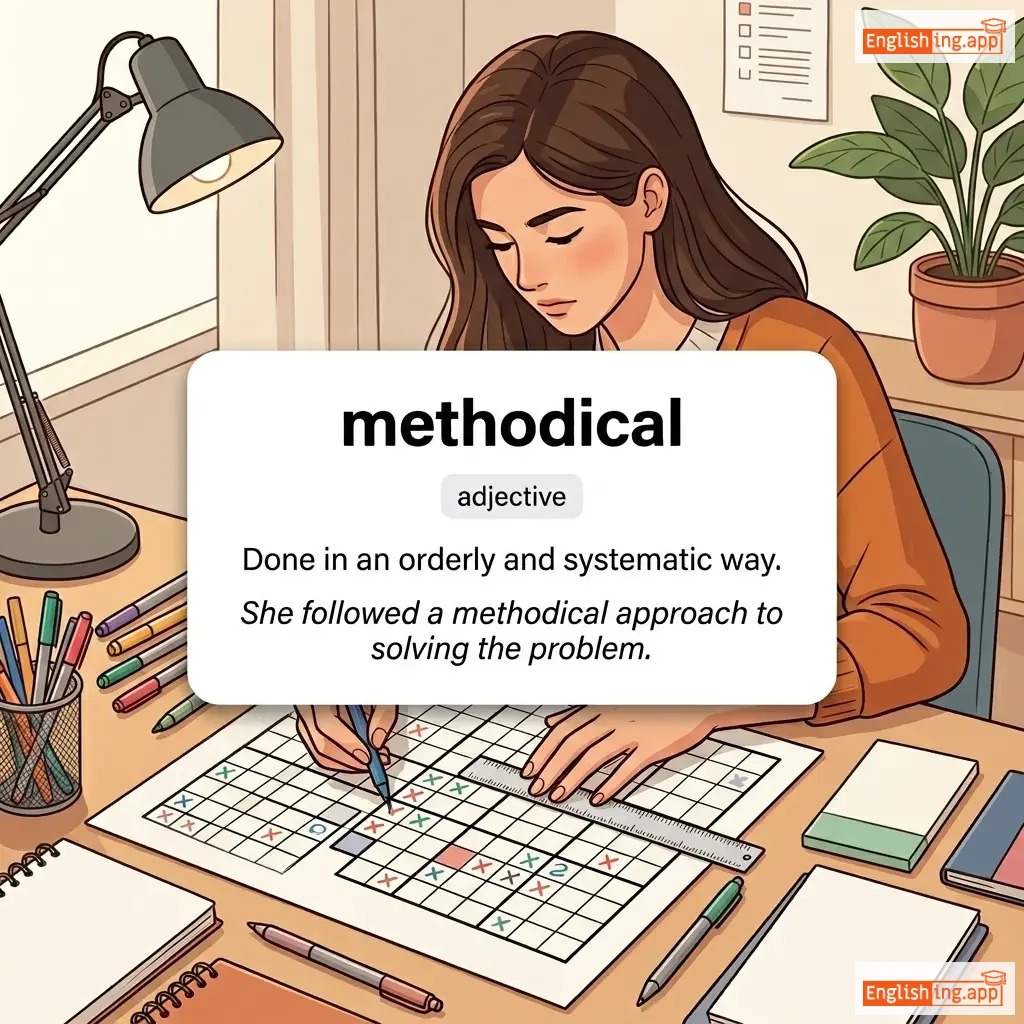
methodical definition card — visual illustration of the meaning
adjective C1
/məˈθɒdɪkəl/
体系的な (taikeiteki na)

Done in an orderly and systematic way.

"She followed a methodical approach to solving the problem."
"彼女は問題解決に体系的なアプローチを取った。" (Kanojo wa mondai kaiketsu ni taikeiteki na apurōchi o totta.)
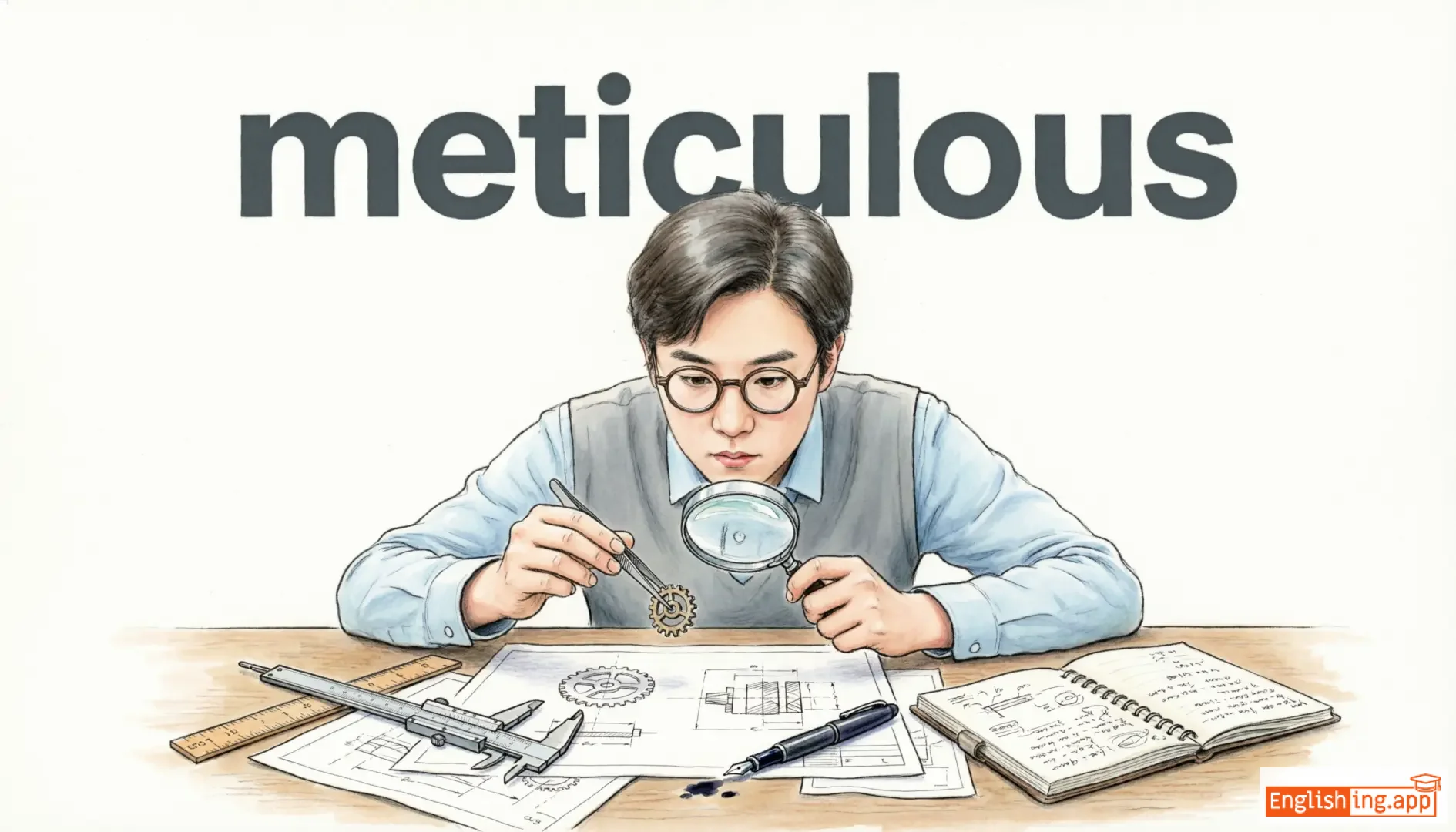
meticulous definition card — visual illustration of the meaning
adjective C1
/məˈtɪkjʊləs/
几帳面 (kichoumen)

Showing great attention to detail; very careful and precise.

"The artist was meticulous in painting every tiny detail."
"その芸術家は、すべての小さな詳細を描くのに几帳面でした。" (Sono geijutsuka wa, subete no chiisana shousai o kaku no ni kichoumen deshita.)
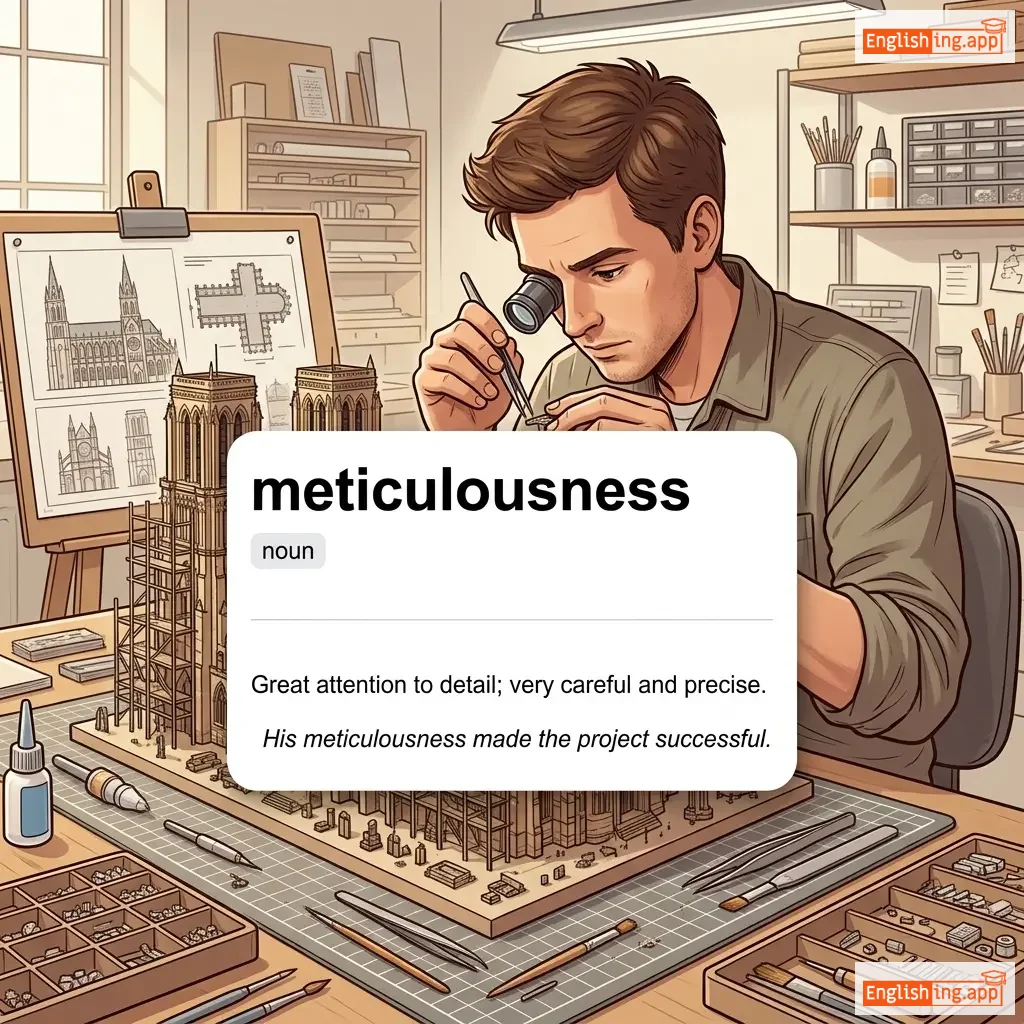
meticulousness definition card — visual illustration of the meaning
noun C1
mɪˈtɪkjʊləsnɪs
詳細への注意 (shousai e no chuui)

Great attention to detail; very careful and precise.

"His meticulousness made the project successful."
"彼のメティキュラスネスはプロジェクトを成功させました。" (Kare no metikyurasunesu wa purojekuto wo seikou saseshimashita.)
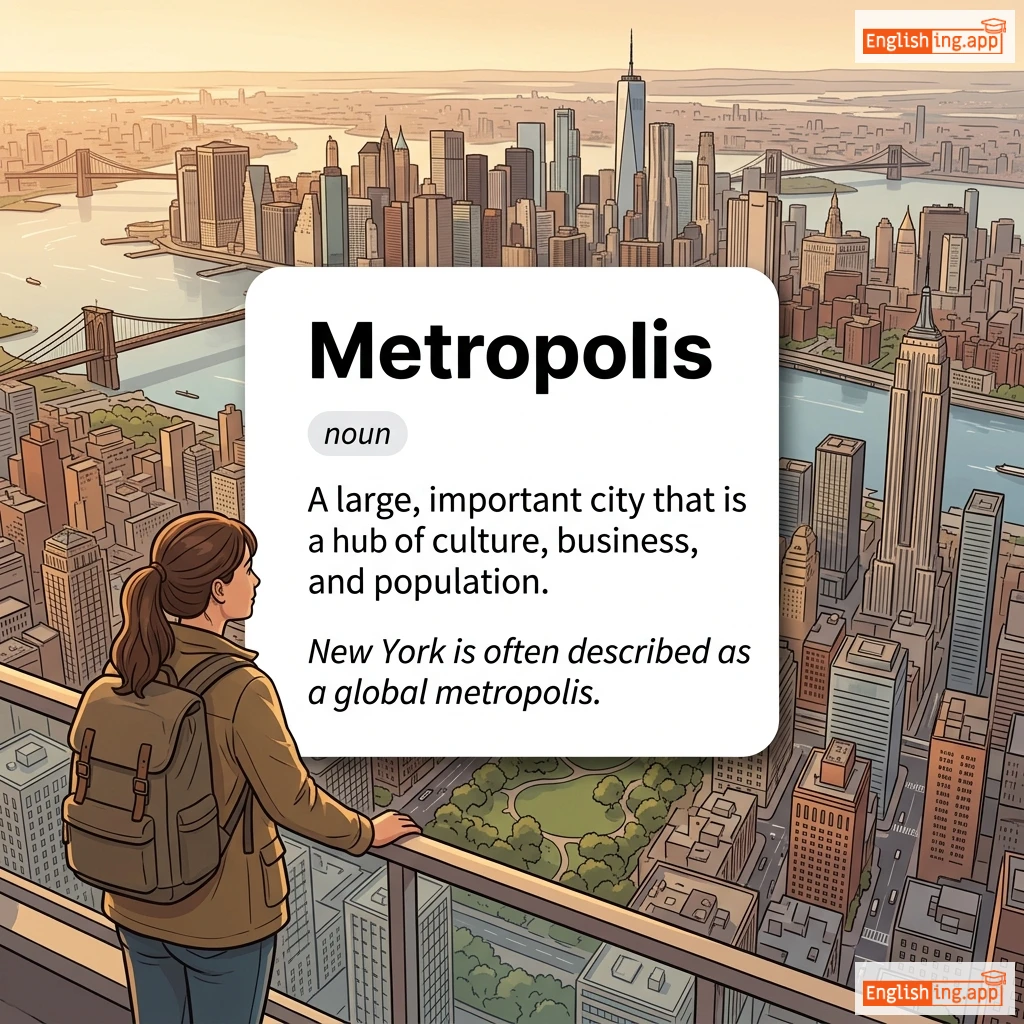
Metropolis definition card — visual illustration of the meaning
noun C1
/məˈtrɒpəlɪs/
大都市 (daitoshi)

A large, important city that is a hub of culture, business, and population.

"New York is often described as a global metropolis."
"ニューヨークはしばしば世界的な大都市として説明されます。" (Nyū Yōku wa shibashiba sekaiteki na daitoshi toshite setsumei saremasu.)
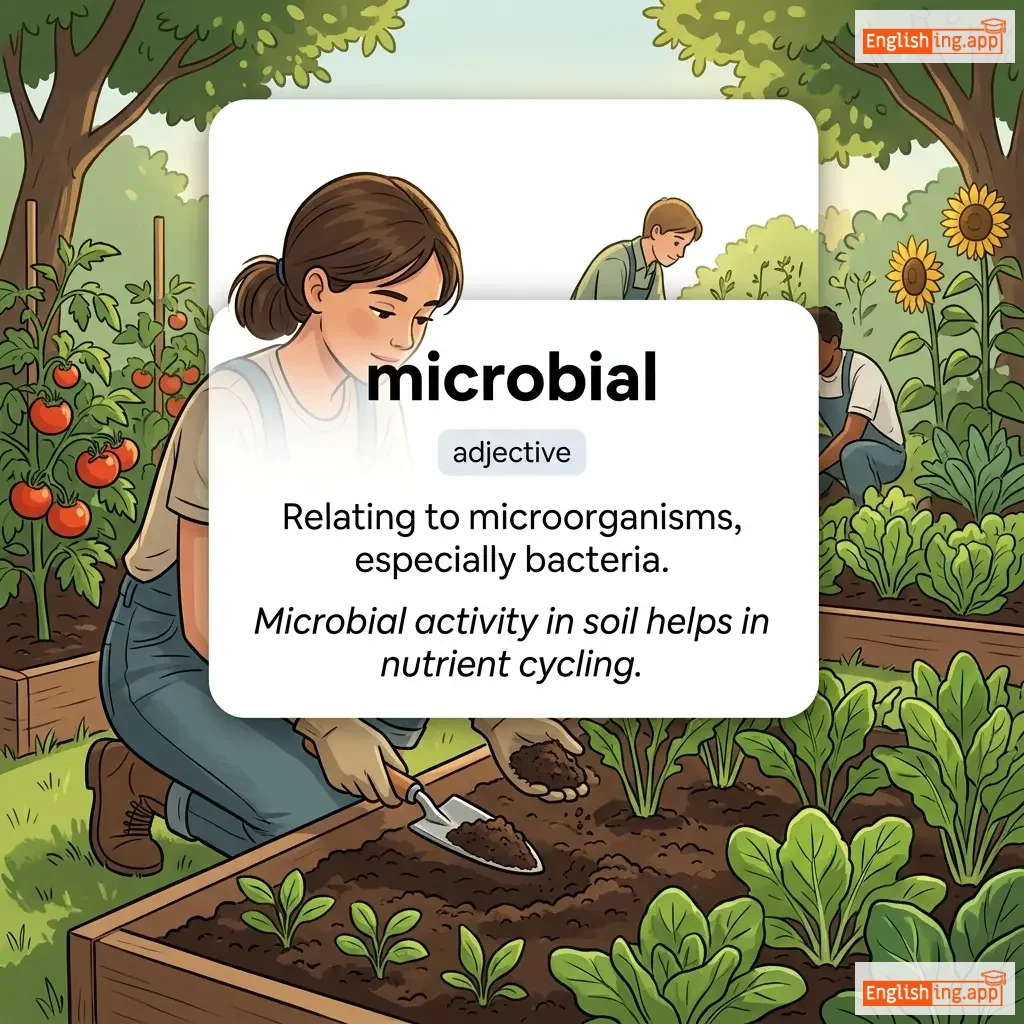
microbial definition card — visual illustration of the meaning
adjective C1
/maɪˈkroʊ.bi.əl/
微生物に関連する (biseibutsu ni kanren suru)

Relating to microorganisms, especially bacteria.

"Microbial activity in soil helps in nutrient cycling."
"土壌中の微生物活動は栄養素の循環に役立ちます。" (Dojo-chu no biseibutsu katsudō wa eiyōso no junkan ni yakudachimasu.)
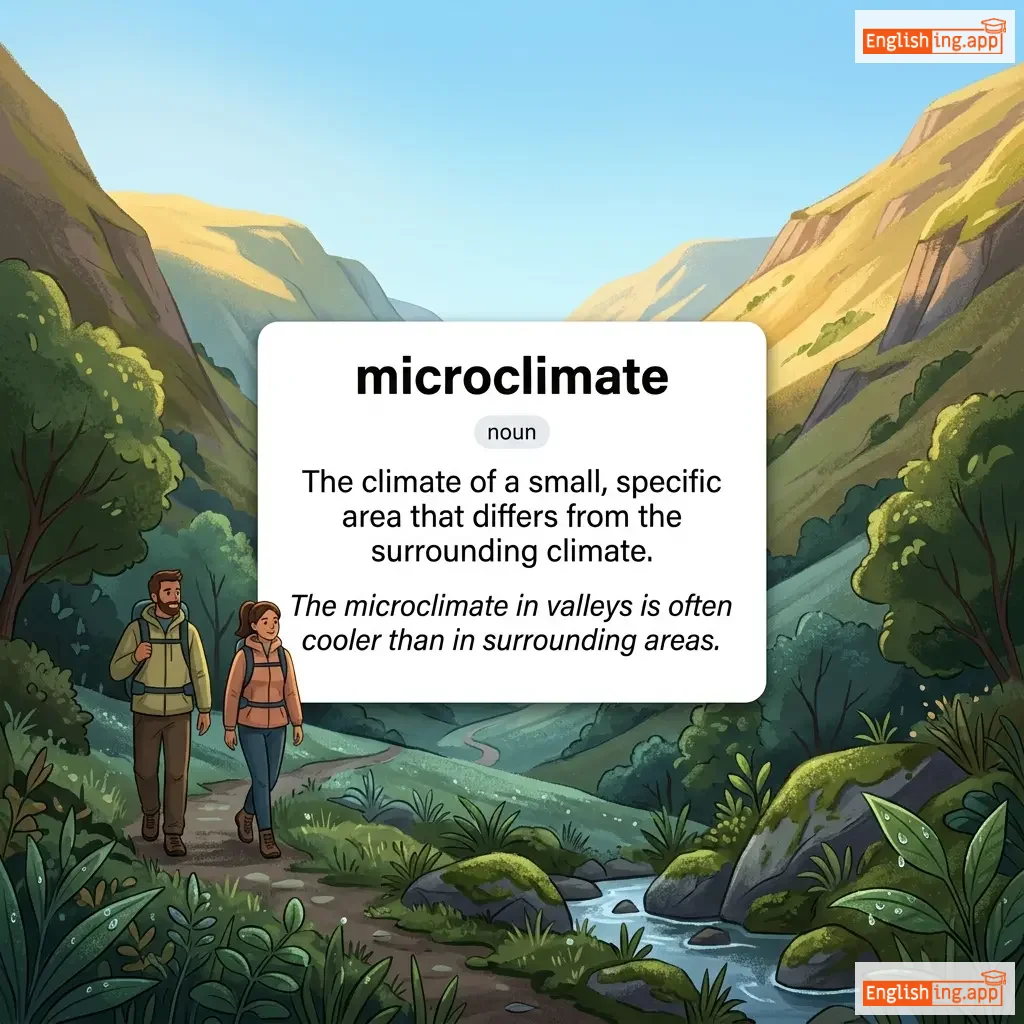
microclimate definition card — visual illustration of the meaning
noun C1
/ˈmaɪ.krəʊˌklaɪ.mət/
ミクロクライメート (mikurokuraimeto)

The climate of a small, specific area that differs from the surrounding climate.

"The microclimate in valleys is often cooler than in surrounding areas."
"谷間のマイクロクライメートは周囲の地域よりも涼しいことがよくあります。" (Tani ma no mikurokuraimeto wa shuui no chiiki yori mo suzushii koto ga yoku arimasu.)
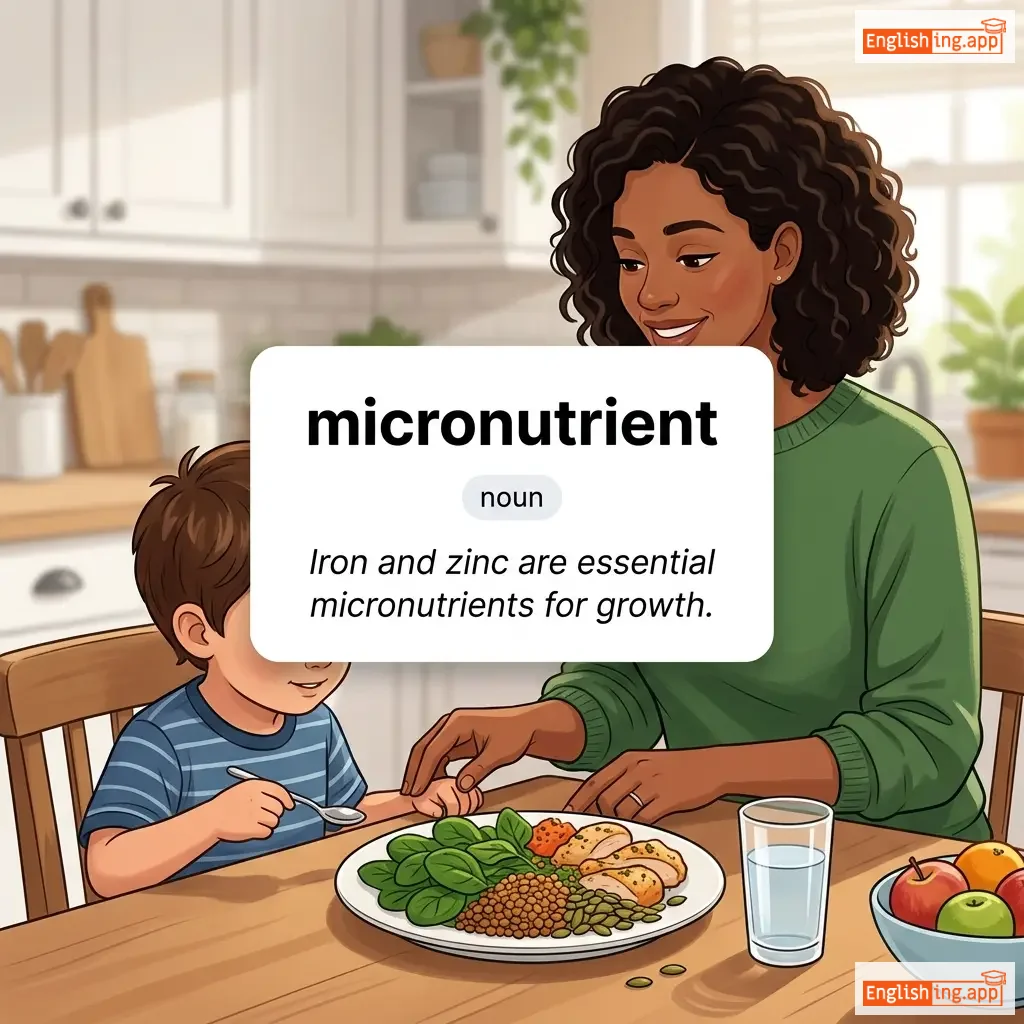
micronutrient definition card — visual illustration of the meaning
noun C1
ˈmaɪ.krəʊˌnjuː.tri.ənt
微量栄養素 (biryō eiyōso)

Essential nutrients required by the body in small amounts, including vitamins and minerals.

"Iron and zinc are essential micronutrients for growth."

"鉄分と亜鉛は成長に必要な微量栄養素です。" (Tetsubun to aen wa seichō ni hitsuyōna biryō eiyōso desu.)
micronutrients definition card — visual illustration of the meaning
noun C1
/ˈmaɪ.krəʊˌnjuː.tri.ənts/
微量栄養素 (biryou eiyouso)

Essential nutrients required in small amounts for proper body function, including vitamins and minerals.

"Micronutrients like iron and zinc are essential for immunity."

"鉄や亜鉛などのマイクロニュートリエントは免疫力にとって重要です。" (Tetsu ya aen nado no maikuro nyuutoriento wa men'eki-ryoku ni totte juuyou desu.)
adjective C1
/ˌmaɪ.krəˈskɑː.pɪk/
顕微鏡的 (kenbikyō-teki)

Extremely small and only visible with a microscope.

"The sample contained microscopic particles."
"サンプルには顕微鏡的な粒子が含まれていました。" (Sanpuru ni wa kenbikyō-teki na ryūshi ga fukumarete imashita.)
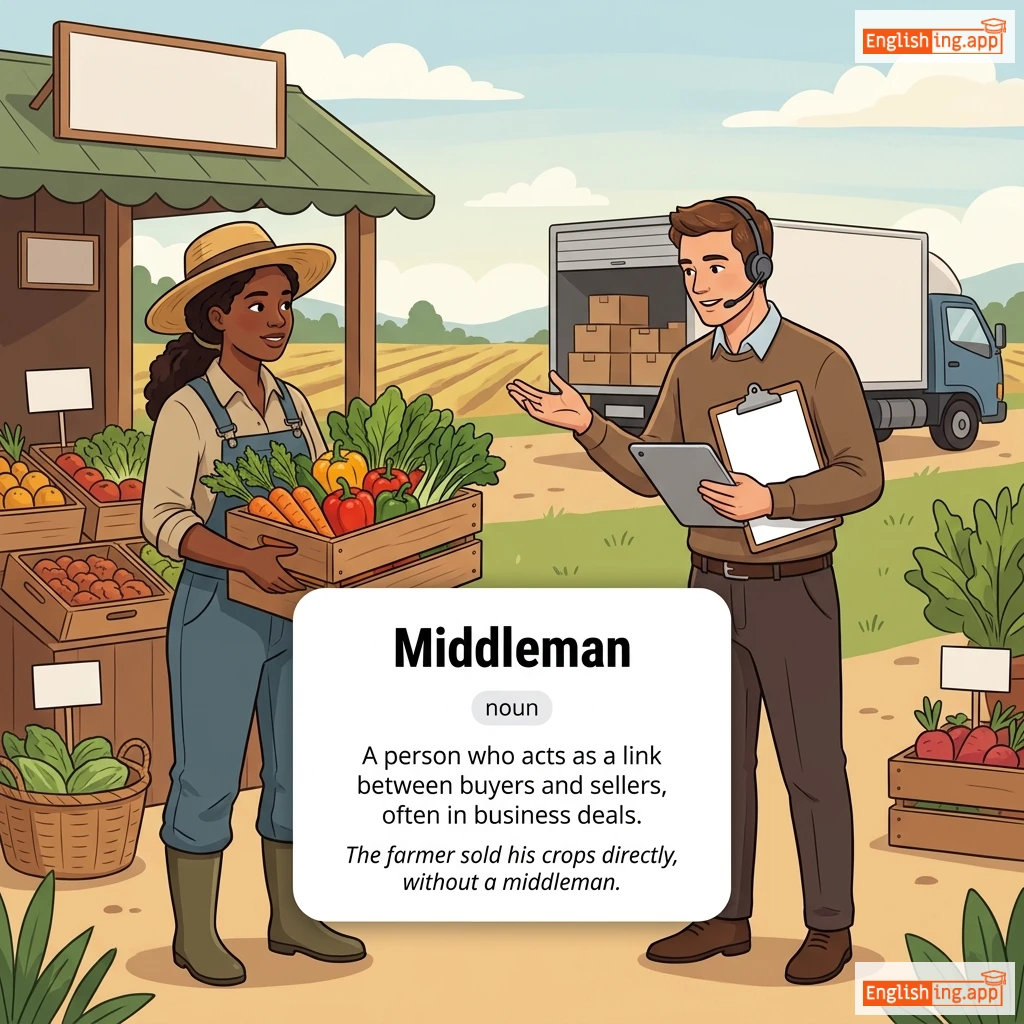
Middleman definition card — visual illustration of the meaning
noun C1
/ˈmɪdəlˌmæn/
仲介者 (chūkaisha)

A person who acts as a link between buyers and sellers, often in business deals.

"The farmer sold his crops directly, without a middleman."

"農夫は直接作物を売りました、仲介者なしで。" (Nōfu wa chokusetsu sakumotsu o urimashita, chūkai-sha nashi de.)
noun C1
/ˌmɪdˈsʌm.ər/
真夏 (manatsu)

The middle of summer, often around the summer solstice in June.

"We had a festival to celebrate midsummer."

"私たちは真夏を祝うためにフェスティバルを開きました。" (Watashitachi wa manatsu o iwau tame ni fesutibaru o hirakimashita.)
adverb C1
/ˈmɪd.weɪ/
途中 (tochū)

in the middle of an event, process, or distance

"He stopped midway through his speech."

"彼はスピーチの途中で止まりました。" (Kare wa supīchi no tochū de tomarimashita.)
noun C1
/ˈmɪd.waɪf/
助産師 (josanshi)

A person, typically a woman, trained to assist women during childbirth.

"The midwife stayed with the mother throughout her labor."

"助産師は出産中ずっと母親と一緒にいました。" (Josanshi wa shussan-chū zutto hahaoya to issho ni imashita.)
adjective C1
/ˈmaɪɡrəˌtɔːri/
渡り鳥の (watari tori no)

Relating to or characterized by migration, especially animals or people moving from one place to another.

"Migratory birds travel thousands of miles each year."

"渡り鳥は毎年何千マイルも旅をする。" (Watari tori wa mainen nan sen mairu mo tabi o suru.)
noun C1
/ˈmaɪlɪdʒ/
燃費 (nenpi)

The distance traveled in miles, or the fuel efficiency of a vehicle.

"This car gives excellent mileage on highways."

"この車は高速道路で優れた燃費を提供します。" (Kono kuruma wa kōsokudōro de yūretta nenpi o teikyō shimasu.)
noun C1
/miːlˈjuː/
環境 (kankyō)

A person's social environment or surroundings.

"She grew up in an artistic milieu."
"彼女は芸術的な環境で育ちました。" (Kanojo wa geijutsuteki na kankyō de sodachimashita.)
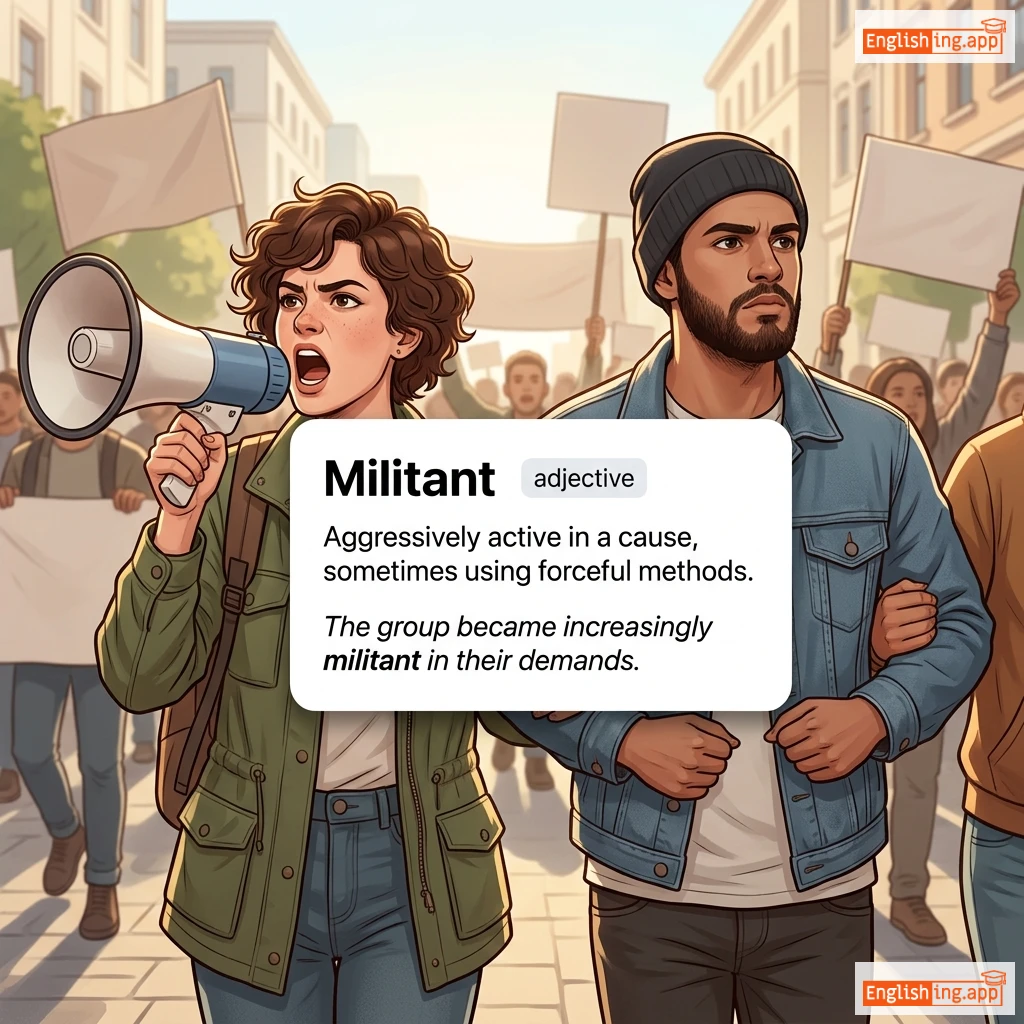
Militant definition card — visual illustration of the meaning
adjective C1
/ˈmɪlɪtənt/
過激 (kageki)

Aggressively active in a cause, sometimes using forceful methods.

"The group became increasingly militant in their demands."

"そのグループは彼らの要求においてますます過激になった。" (Sono gurūpu wa karera no yōkyū ni oite masumasu kageki ni natta.)
noun C1
/ˈmɪlɪtəˌrɪzəm/
軍国主義 (gunkokushugi)

The belief in maintaining a strong military and using it aggressively to defend or promote national interests.

"The rise of militarism in the region caused tension among neighboring countries."
"地域での軍国主義の台頭は、隣国間の緊張を引き起こしました。" (Chiiki de no gunkokushugi no taitō wa, ringokukan no kinchō o hikiokoshimashita.)
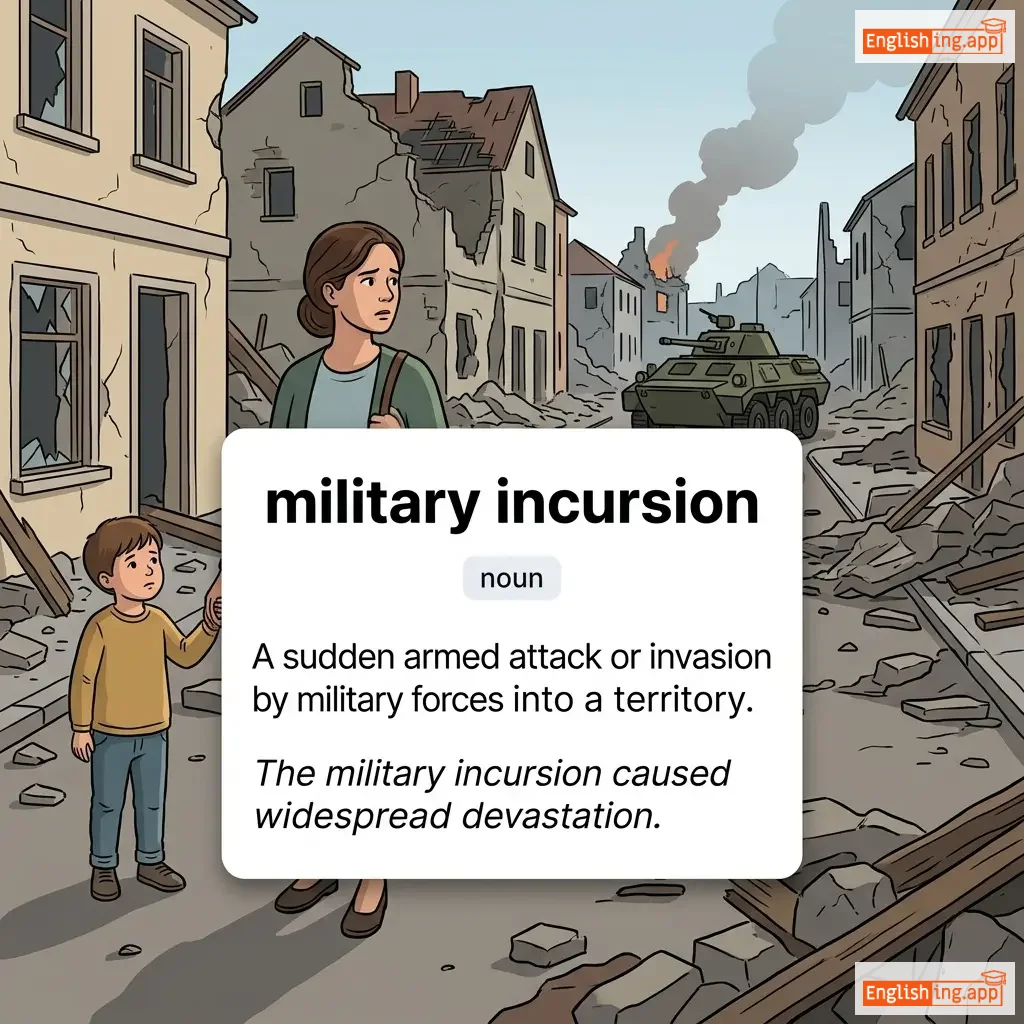
military incursion definition card — visual illustration of the meaning
noun C1
ˈmɪl.ɪ.tər.i ɪnˈkɜː.ʃən
軍事侵入 (gunji shinnyū)

A sudden armed attack or invasion by military forces into a territory.

"The military incursion caused widespread devastation."
"軍事侵入は広範囲にわたる破壊を引き起こしました。" (Gunji shinnyū wa kōhan'i ni wataru hakai o hikiokoshimashita.)
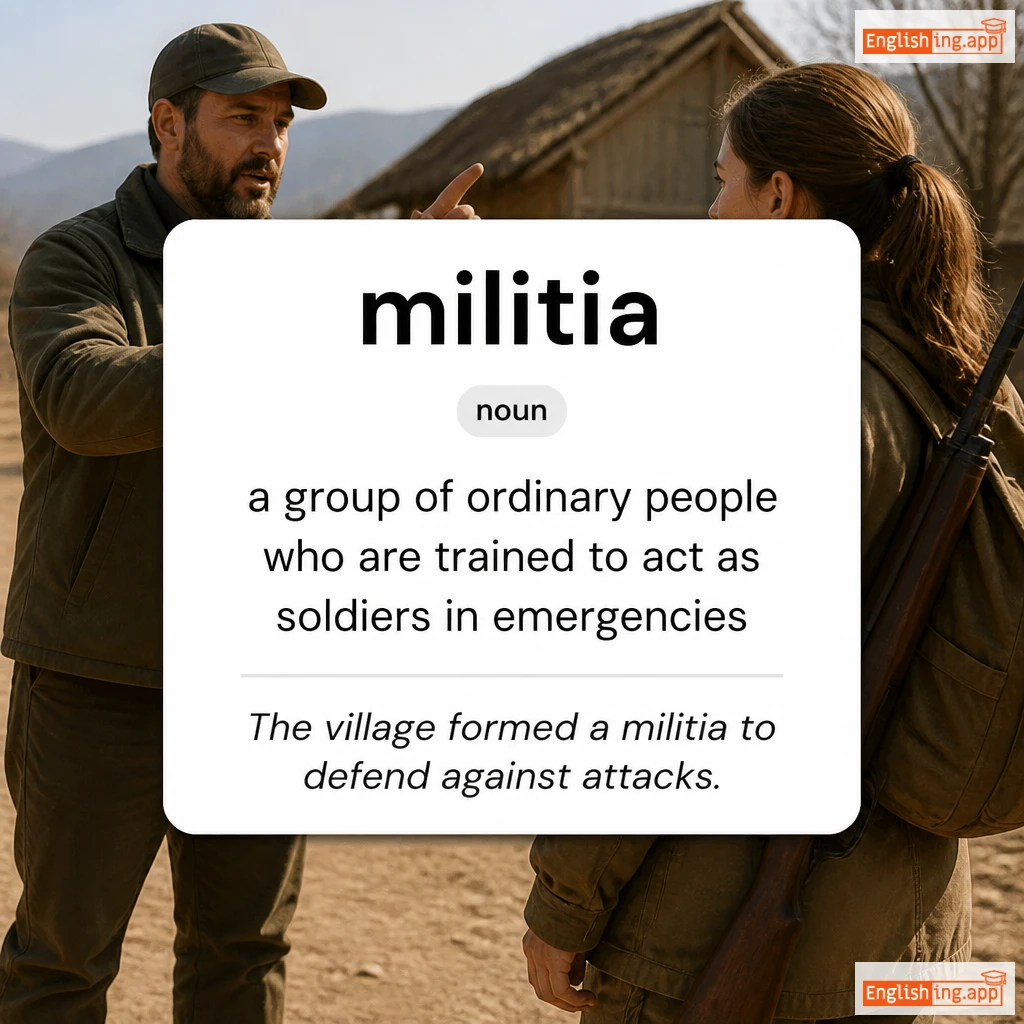
militia definition card — visual illustration of the meaning
noun C1
/mɪˈlɪʃə/
民兵 (minpei)

a group of ordinary people who are trained to act as soldiers in emergencies

"The village formed a militia to defend against attacks."

"村は攻撃から守るために民兵を結成した。" (Mura wa kougeki kara mamoru tame ni minpei wo kessei shita.)
noun C1
/mɪˈlɛniəm/
千年紀 (sennenki)

a period of one thousand years; often used to mark an anniversary

"The year 2000 was celebrated as the beginning of a new millennium."
"2000年は新しい千年紀の始まりとして祝われました。" (2000nen wa atarashī sennenki no hajimari toshite iwawaremashita.)
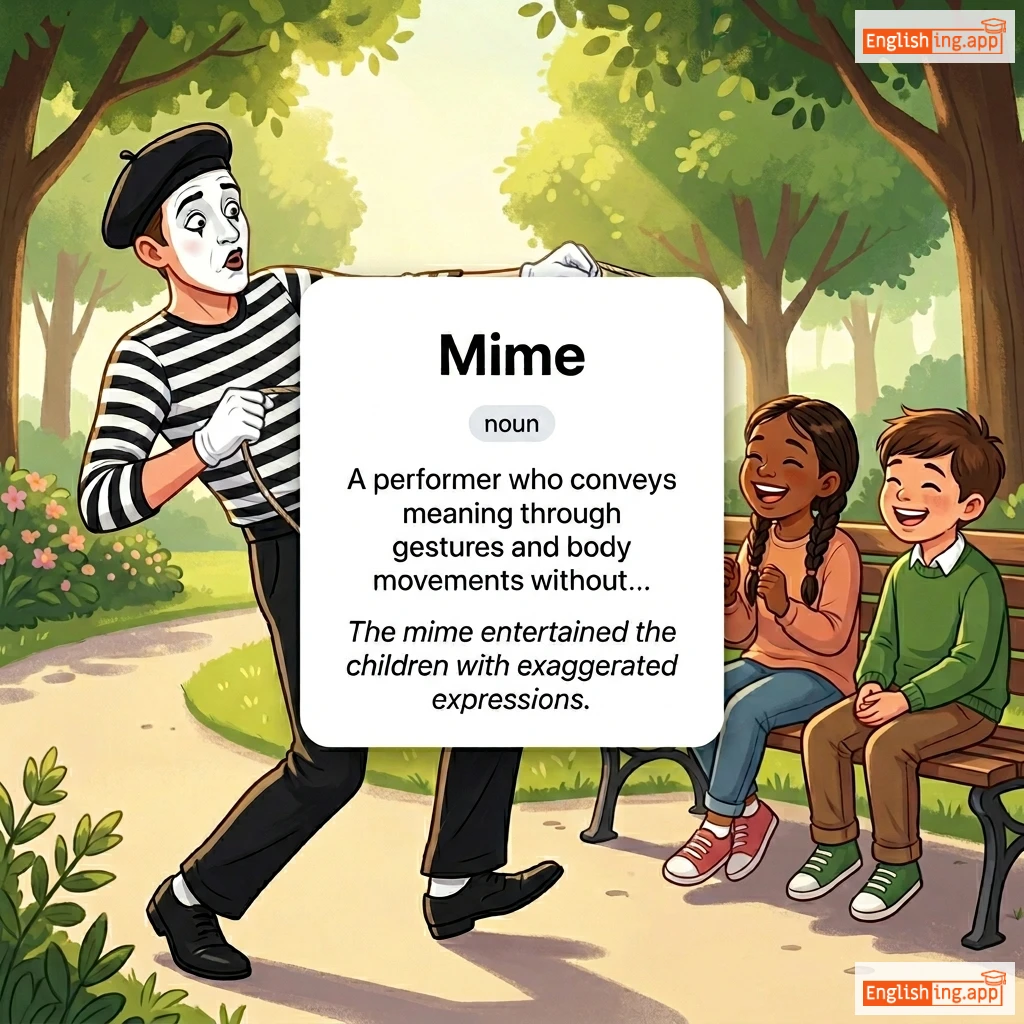
Mime definition card — visual illustration of the meaning
noun C1
/maɪm/
マイムアーティスト (maimu atisuto)

A performer who conveys meaning through gestures and body movements without speech.

"The mime entertained the children with exaggerated expressions."

"マイムは誇張した表情で子供たちを楽しませました。" (Maimu wa kochō shita hyōjō de kodomotachi o tanoshimasemashita.)
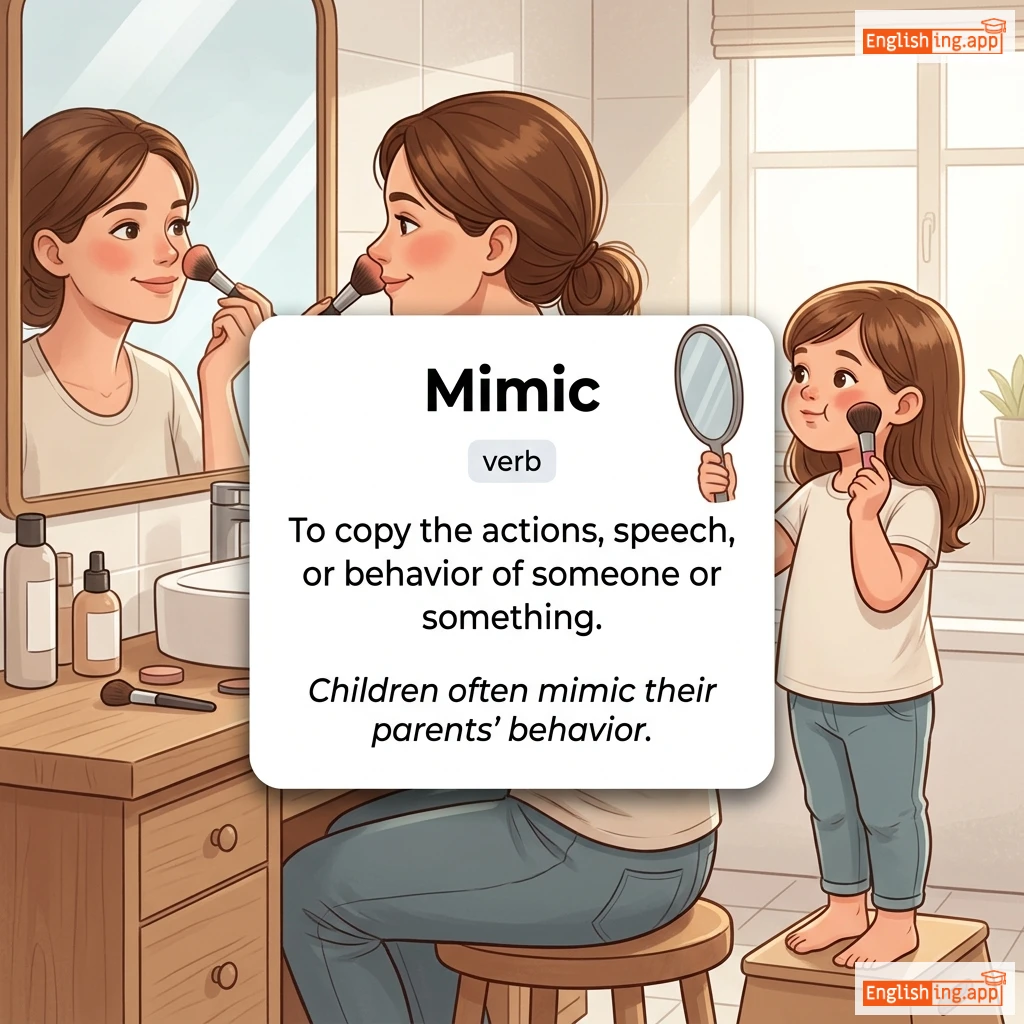
Mimic definition card — visual illustration of the meaning
🦜

Mimic

verb C1
/ˈmɪmɪk/

To copy the actions, speech, or behavior of someone or something.

"Children often mimic their parents' behavior."

noun C1
/ˈmɪmɪkri/
模倣 (mohou)

The act of imitating someone or something, often for humor or learning.

"The comedian’s mimicry of celebrities made the audience laugh."
"コメディアンの有名人の模倣で観客を笑わせました。" (Komedian no yuumeijin no mohou de kankyaku wo warawasemashita.)
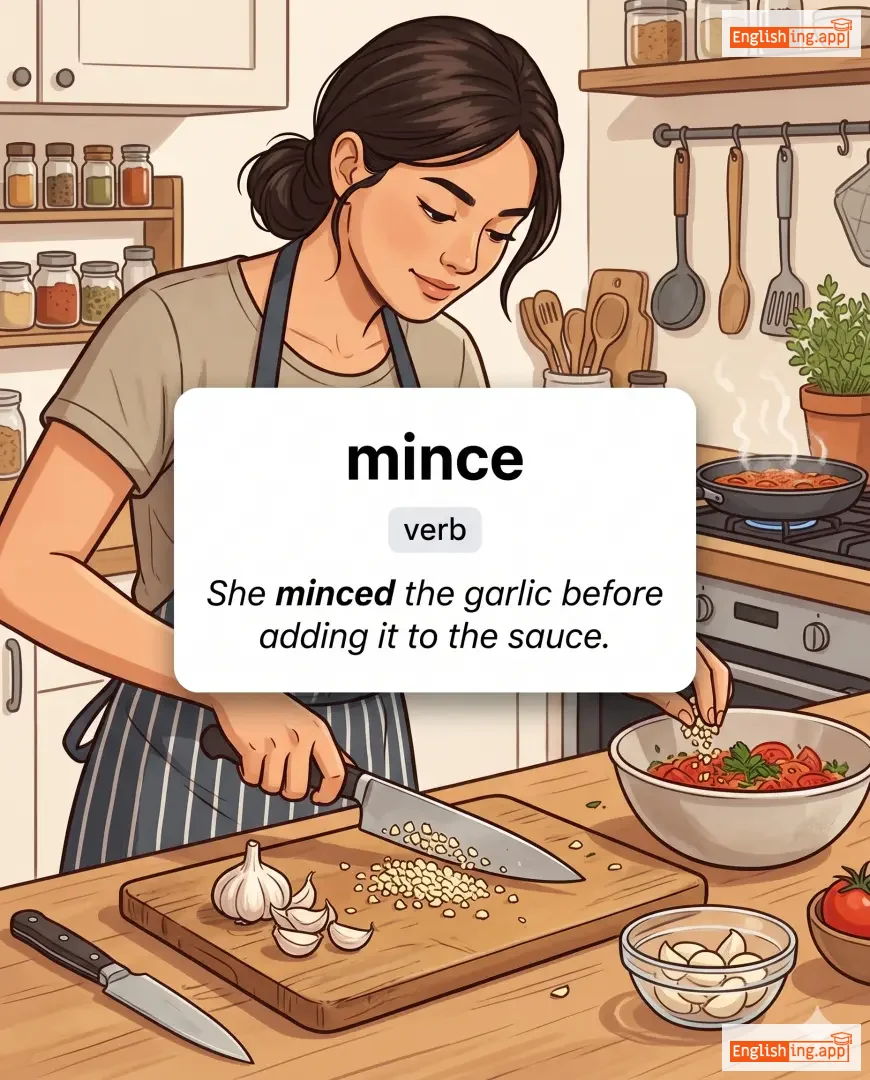
mince definition card — visual illustration of the meaning
verb C1
/mɪns/
刻む (kizamu)

to cut food, especially meat, into very small pieces; to speak in an affectedly delicate or refined way

"She minced the garlic before adding it to the sauce."

"彼女はソースに加える前にニンニクをみじん切りにしました。" (Kanojo wa sōsu ni kuwaeru mae ni nin'niku wo mijingiri ni shimashita.)
adjective C1
/ˈmaɪndləs/
無意味な (muimi na)

without thought or intelligence; done without consideration

"He was bored by the mindless tasks at work."

"彼は仕事の中で無意味な作業に退屈していた。" (Kare wa shigoto no naka de muimi na sagyō ni taikutsu shite ita.)
verb C1
/ˈmɪŋɡl/

to mix or combine; to move among people and engage socially

"Guests mingled at the party, chatting and laughing together."

adjective C1
/ˈmɪnəskjuːl/
微細 (bisai)

extremely small in size or importance

"She made only a minuscule contribution to the project."

"彼女はプロジェクトにほんのわずかな貢献をしました。" (Kanojo wa purojekuto ni honno wazukana kouken o shimashita.)
adverb C1
/maɪˈnjuːtli/
慎重に (shinchou ni)

in very small detail; extremely carefully

"The detective examined the evidence minutely."

"探偵は証拠を慎重に調べました。" (Tantei wa shouko wo shinchou ni shirabemashita.)
adjective C1
/mɪˈrækjələs/
奇跡的な (kiseki-tekina)

Extraordinarily wonderful or unusual, as if by a miracle.

"Her recovery after the accident was truly miraculous."
"事故後の彼女の回復は本当に奇跡的でした。" (Jiko go no kanojo no kaifuku wa hontōni kiseki-tekideshita.)
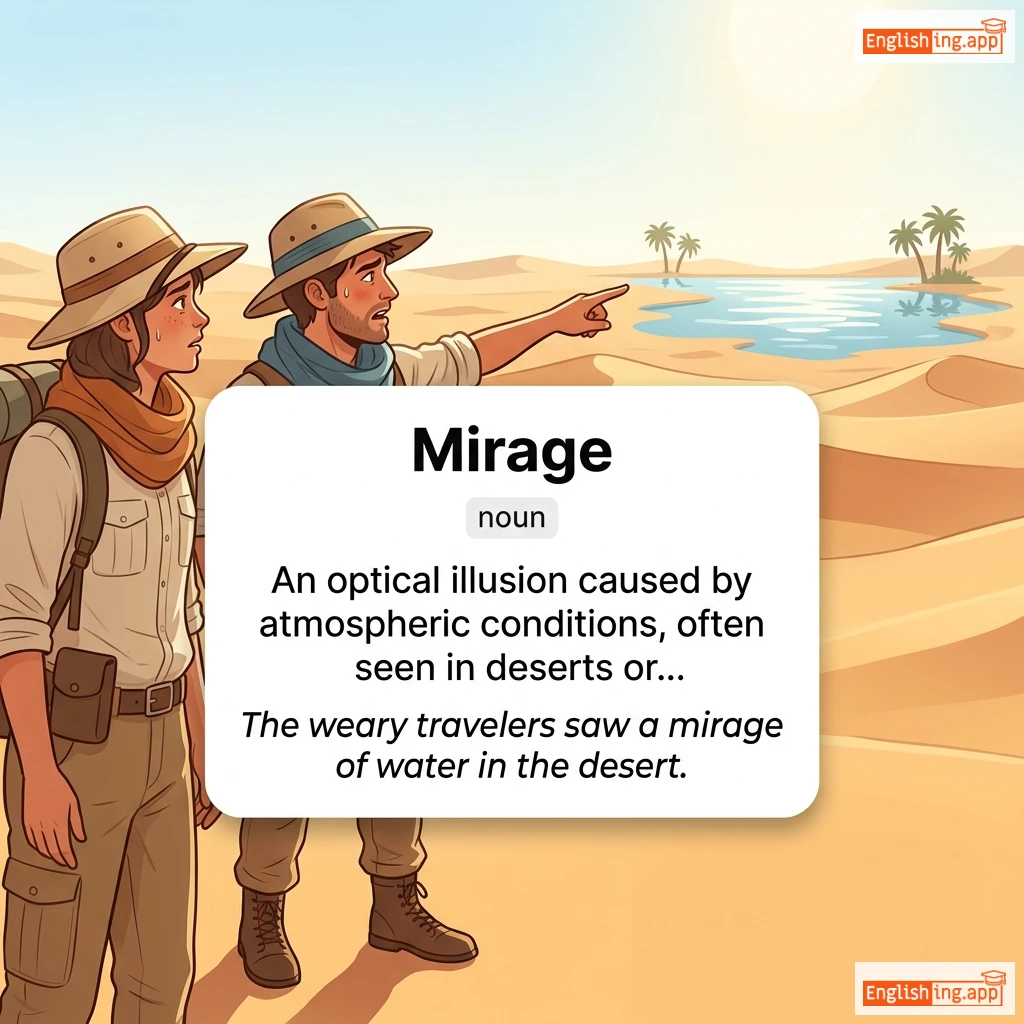
Mirage definition card — visual illustration of the meaning
noun C1
/məˈrɑːʒ/
蜃気楼 (shinkirou)

An optical illusion caused by atmospheric conditions, often seen in deserts or hot roads, where water or objects appear to exist but do not.

"The weary travelers saw a mirage of water in the desert."

"疲れた旅行者たちは砂漠で水の蜃気楼を見ました。" (Tsukareta ryokousha-tachi wa sabaku de mizu no shinkirou wo mimashita.)
adjective, verb (past tense/participle of mire) C1
/ˈmaɪərd/
困難な状況に巻き込まれる (konnan na joukyou ni makikomaru)

Trapped or entangled in something, typically a difficult situation.

"The politician was mired in scandal."

"その政治家はスキャンダルに巻き込まれていた。" (Sono seijika wa sukyandaru ni makikomararete ita.)
noun C1
/mɜːrθ/
喜び (yorokobi)

Great joy, amusement, or laughter.

"The festival was full of mirth and laughter."

"フェスティバルは喜びと笑いでいっぱいでした。" (Fesutibaru wa yorokobi to warai de ippai deshita.)