词汇表

英语词汇词典 | 单词含义、定义和示例

verb C1
/rɪˈvɜːrbəreɪt/
回响 (huíxiǎng)

To echo repeatedly or have continuing effects.

"The sound of the explosion reverberated through the valley."

"爆炸声在山谷中回响。" (Bàozhà shēng zài shāngǔ zhōng huíxiǎng.)
verb C1
/rɪˈvɪər/
敬仰 (jìng yǎng)

To deeply respect or admire someone or something.

"The students revered their teacher for his wisdom."

"学生们因他的智慧而敬重老师。" (Xuéshēngmen yīn tā de zhìhuì ér jìngzhòng lǎoshī.)
noun C1
/ˈrɛvərəns/
崇敬 (chongjing)

deep respect for someone or something

"The students showed reverence to their teacher."

"学生们向他们的老师表达了崇敬。" (Xueshengmen xiang tamen de laoshi biaodale chongjing.)
noun, adjective C1
/ˈrɛvərənd/
牧师,尊敬的 (mùshī, zūnjìng de)

A title of respect used for members of the clergy; deserving deep respect.

"The Reverend gave an inspiring sermon at the church."

"牧师在教堂发表了鼓舞人心的讲道。" (Mùshī zài jiàotáng fābiǎo le gǔwǔ rénxīn de jiǎngdào.)
reverent definition card — visual illustration of the meaning
adjective C1
/ˈrɛvərənt/
虔诚的 (qiánchéng de)

Showing deep and solemn respect.

"They listened to the speech in a reverent silence."

"他们在虔诚的沉默中听取了演讲。" (Tāmen zài qiánchéng de chénmò zhōng tīngqǔle yǎnjiǎng.)
adjective C1
/rɪˈvɜː.sə.bəl/
可逆的 (rihversuhbul)

able to be turned the other way around; able to be undone or changed back

"This jacket is reversible and can be worn on both sides."

"这件夹克是可翻面的,可以正反两面穿着。" (zhejianjiakeshikefanmiandekeyizhengfanliangmianchuanzhuo)
noun C1
/rɪˈvɜːrʒən/
逆转 (nì zhuǎn)

the act of returning to a previous state or condition

"The new policy marked a reversion to traditional methods."
"新政策标志着回归传统方法。" (Xīn zhèngcè biāozhìzhe huíguī chuántǒng fāngfǎ.)
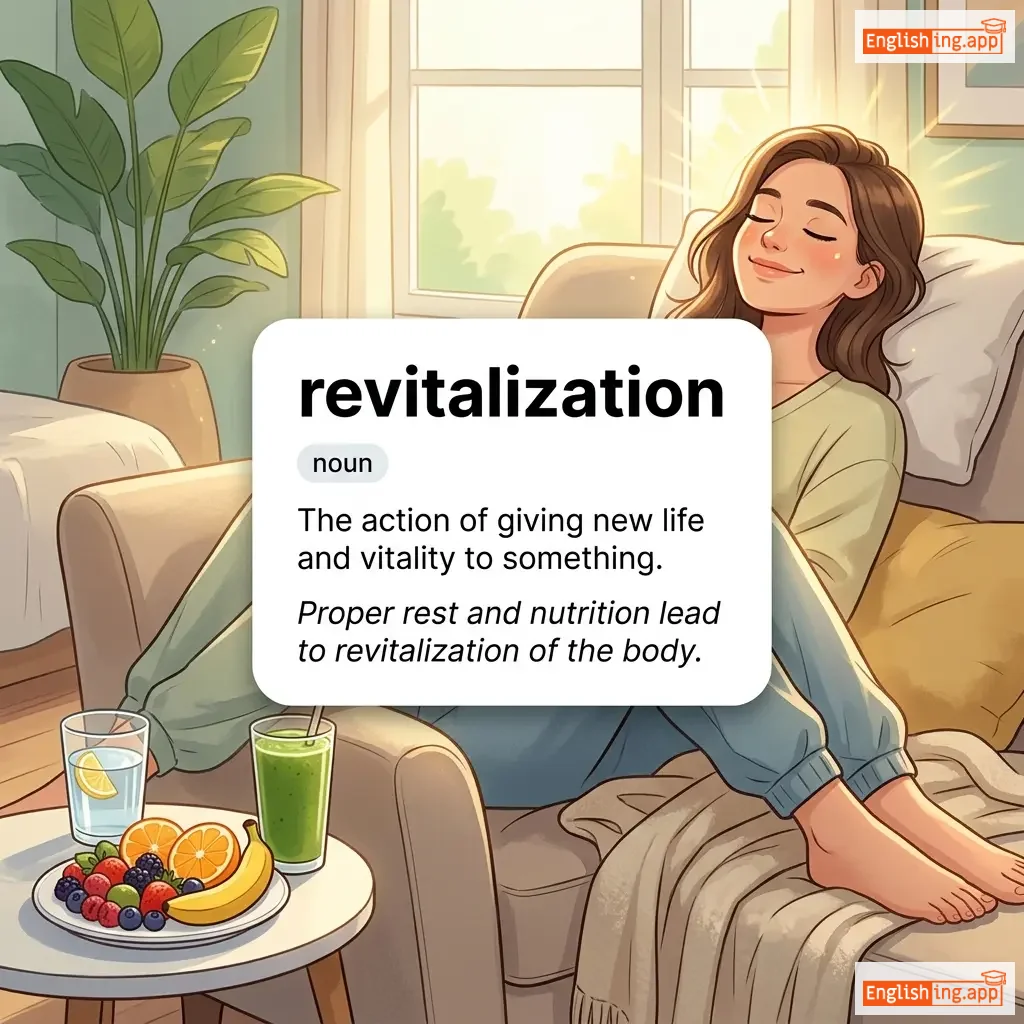
revitalization definition card — visual illustration of the meaning
noun C1
ˌriːˌvaɪ.təl.aɪˈzeɪ.ʃən
复兴 (fùxīng)

The action of giving new life and vitality to something.

"Proper rest and nutrition lead to revitalization of the body."
"适当的休息和营养有助于身体的复兴。" (Shìdàng de xiūxí hé yíngyǎng yǒuzhù yú shēntǐ de fùxīng.)
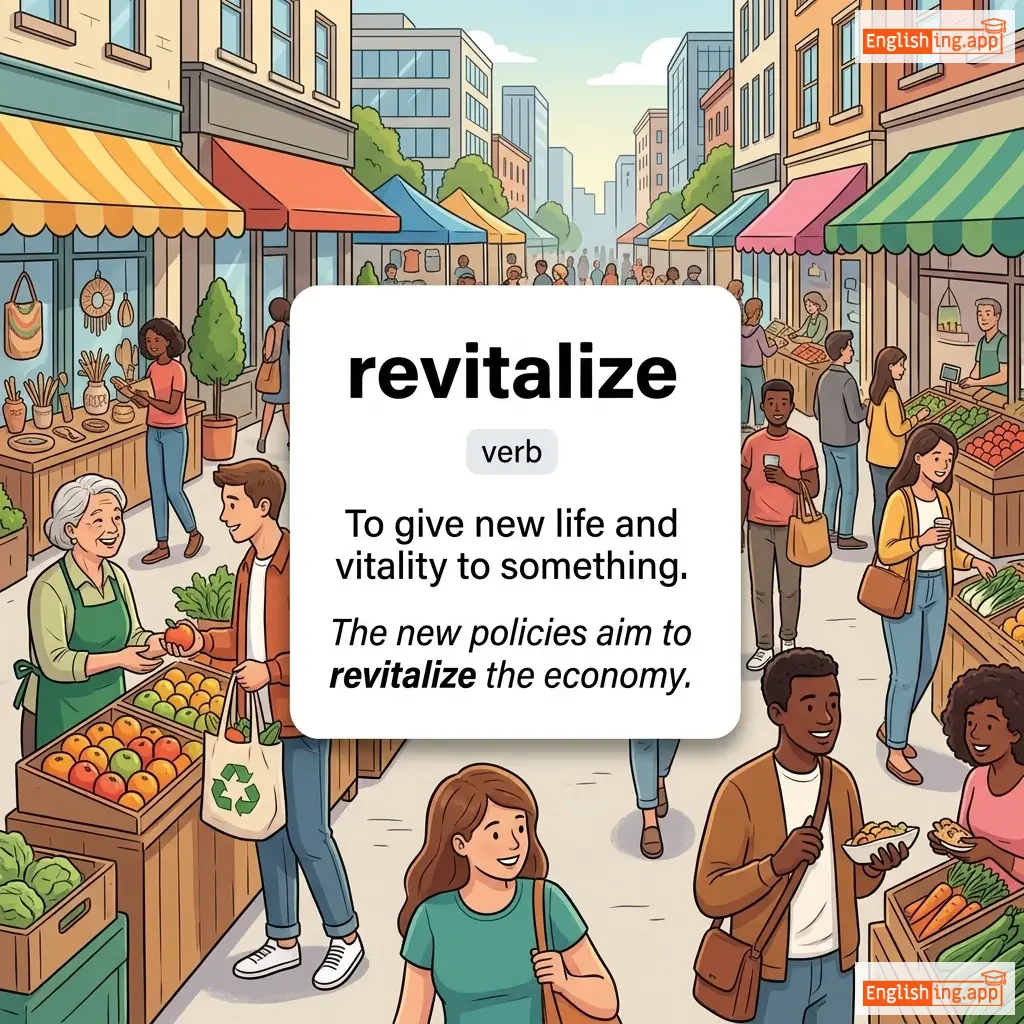
revitalize definition card — visual illustration of the meaning
verb C1
/ˌriːˈvaɪ.təl.aɪz/
复兴 (fùxīng)

To give new life and vitality to something.

"The new policies aim to revitalize the economy."

"新政策旨在复兴经济。" (Xīn zhèngcè zhǐ zài fùxīng jīngjì.)
verb C1
/rɪˈvoʊk/
撤销 (chèxiāo)

To officially cancel or withdraw a decision, privilege, or right.

"The government decided to revoke his passport."

"政府决定撤销他的护照。" (Zhèngfǔ juédìng chèxiāo tā de hùzhào.)
adjective C1
/rɪˈvoʊltɪŋ/
令人作呕的 (ling ren zuo ou de)

extremely unpleasant or disgusting

"The smell of the garbage was revolting."
"垃圾的气味令人作呕。" (la ji de qi wei ling ren zuo ou)
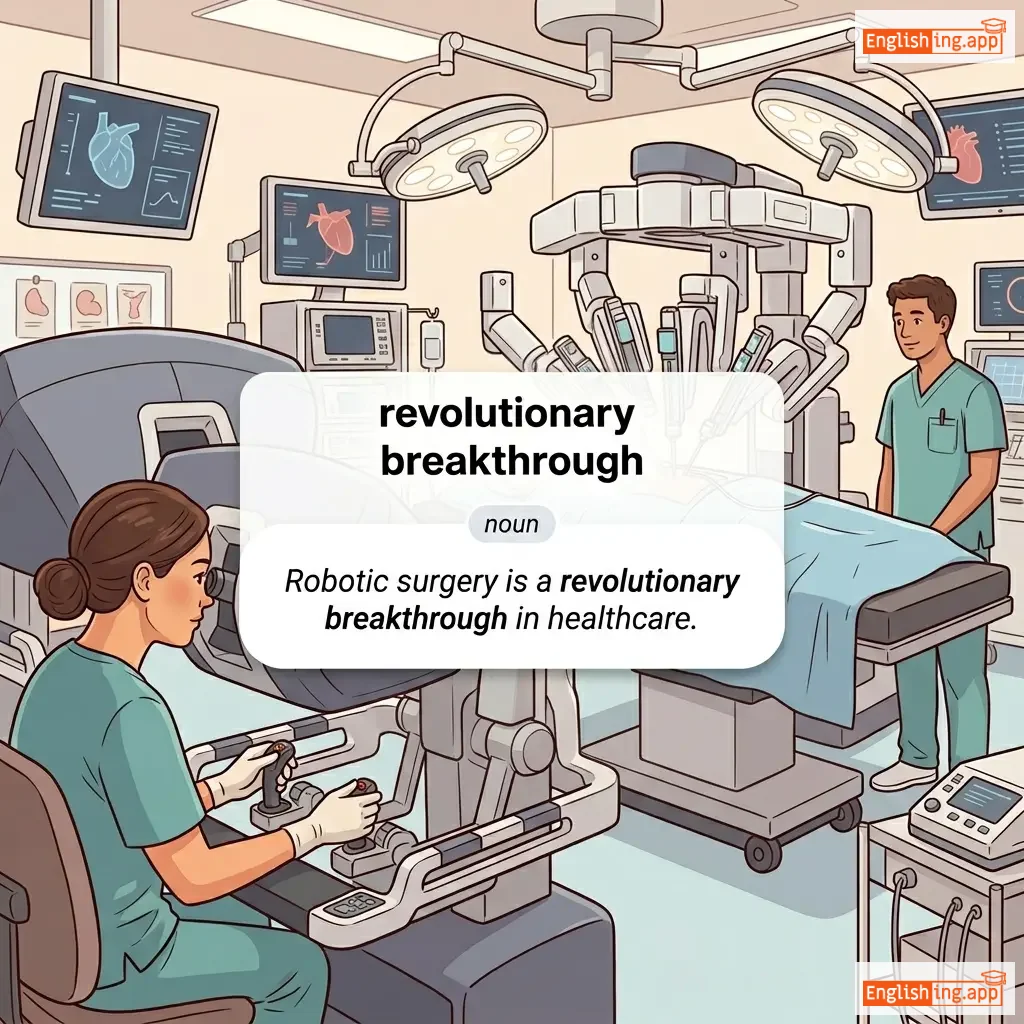
revolutionary breakthrough definition card — visual illustration of the meaning
noun C1
/ˌrev.əˈluː.ʃən.ər.i ˈbreɪk.θruː/
革命性的突破 (gemingxing de tupo)

A sudden, dramatic, and important discovery or development that changes everything.

"Robotic surgery is a revolutionary breakthrough in healthcare."

"机器人手术是医疗领域的革命性突破。" (Jīqìrén shǒushù shì yīliáo lǐngyù de gémìngxìng túpò.)
revolutionary initiative definition card — visual illustration of the meaning
noun C1
ˌrev.əˈluː.ʃən.ər.i ɪˈnɪʃ.ə.tɪv
革命性倡议 (gemingxing changyi)

A groundbreaking action or plan that brings about significant change or transformation.

"The revolutionary initiative promotes sustainable energy."
"革命性倡议促进可持续能源。" (Gemingxing changyi cujin keshichu nengyuan.)
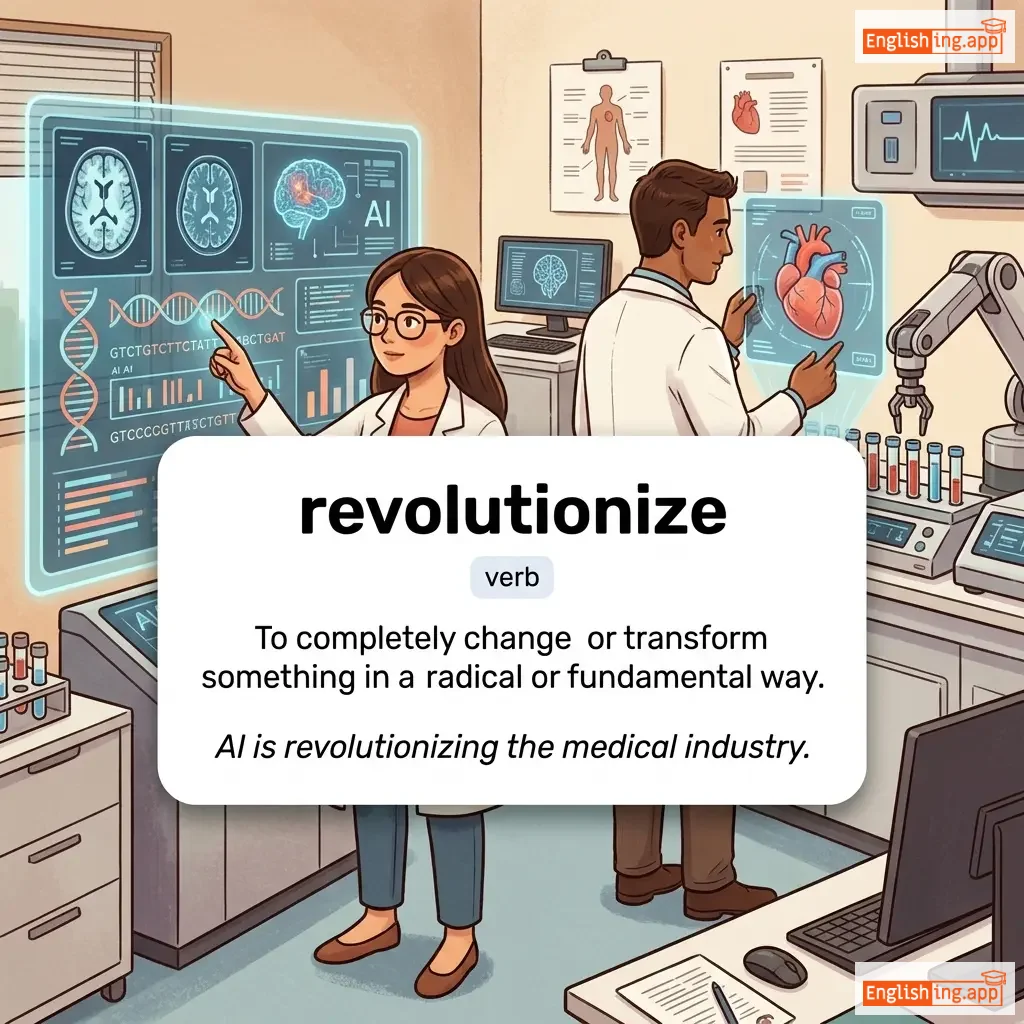
revolutionize definition card — visual illustration of the meaning
verb C1
ˌrev.əˈluː.ʃən.aɪz
革命化 (ge ming hua)

To completely change or transform something in a radical or fundamental way.

"AI is revolutionizing the medical industry."
"人工智能正在革命化医疗行业。" (Ren gong zhi neng zheng zai ge ming hua yi liao hang ye.)
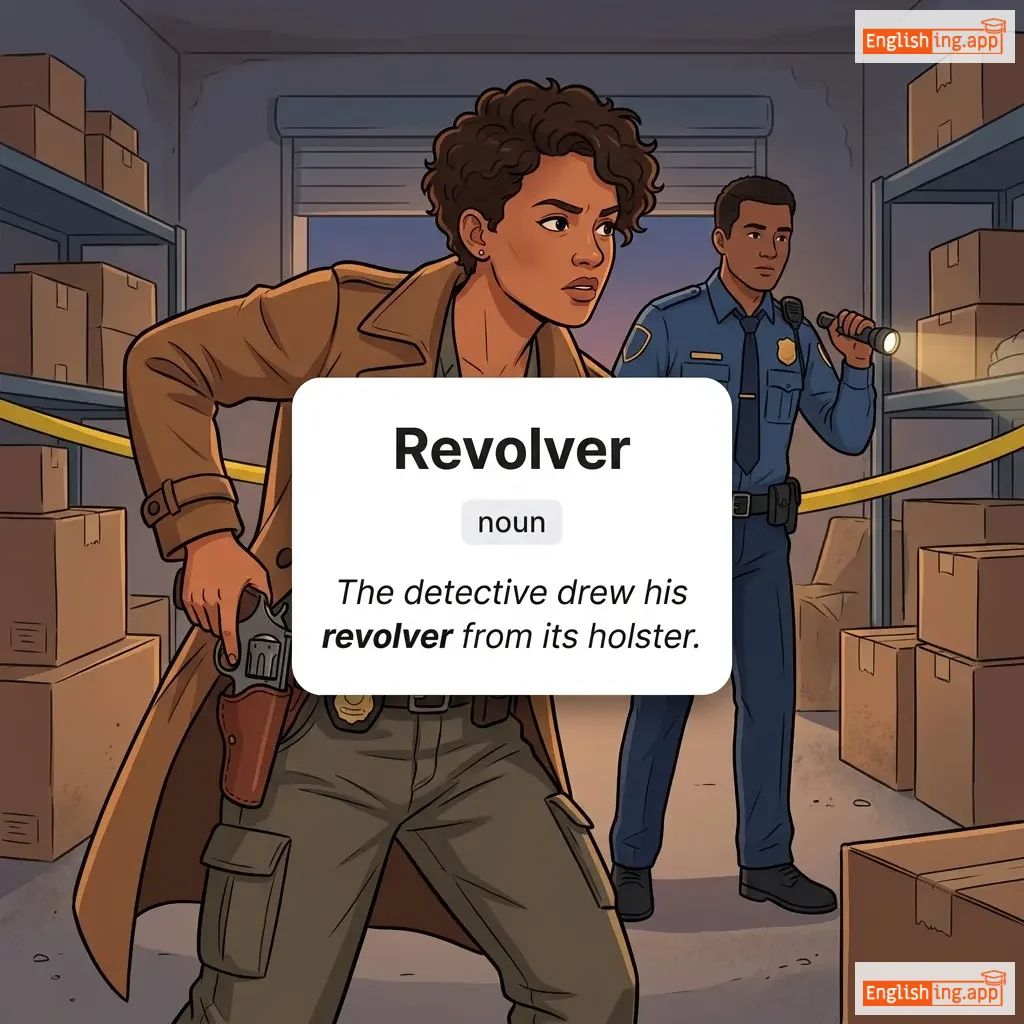
Revolver definition card — visual illustration of the meaning
noun C1
/rɪˈvɒl.vər/
左轮手枪 (zuǒ lún shǒu qiāng)

a pistol with revolving chambers enabling several shots to be fired without reloading

"The detective drew his revolver from its holster."

"侦探从枪套中拔出了他的左轮手枪。" (Zhēntàn cóng qiāng tào zhōng bá chūle tā de zuǒ lún shǒu qiāng.)
noun C1
/rɪˈvʌlʃən/
厌恶 (yànwù)

a strong feeling of disgust or repulsion

"She felt revulsion at the sight of the cruel act."

"她看到残忍的行为时感到厌恶。" (Tā kàn dào cánrěn de xíngwéi shí gǎndào yànwù.)
rhetoric definition card — visual illustration of the meaning
noun C1
/ˈrɛtərɪk/
修辞 (xiuci)

the art of effective or persuasive speaking or writing

"The politician’s speech was full of inspiring rhetoric."

"那位政治家的演讲充满了鼓舞人心的修辞。" (Na wei zhengzhijia de yanjiang chongman le gumu renxin de xiuci.)
adjective C1
/rɪˈtɔːrɪkəl/
修辞的 (xiūcí de)

relating to the art of effective or persuasive speaking or writing; often a question asked to make a point rather than get an answer

"He asked a rhetorical question during the debate."

"他在辩论中提出了一个修辞性问题。" (Tā zài biànlùn zhōng tíchūle yīgè xiūcí xìng wèntí.)
adjective C1
/ˈrɪkɪti/
摇摇欲坠 (yáo yáo yù zhuì)

Poorly made and likely to collapse; shaky.

"They crossed a rickety wooden bridge over the river."

"他们过了一座摇摇欲坠的木桥。" (Tāmen guò le yī zuò yáo yáo yù zhuì de mù qiáo.)
noun C1
/ˈrɪdəns/
摆脱 (bǎituō)

The action of getting rid of something unwanted or unpleasant.

"His departure was considered a welcome riddance by the team."

"他的离开被团队视为一种欢迎的摆脱。" (Tā de líkāi bèi tuánduì shì wéi yī zhǒng huānyíng de bǎituō.)
ridge definition card — visual illustration of the meaning
noun C1
/rɪdʒ/
山脊或山顶 (shan ji huo shan ding)

a long, narrow hilltop, mountain range, or raised strip

"We walked along the mountain ridge."

"我们沿着山脊走。" (Wo men yan zhe shan ji zou.)
verb C1
/ˈrɪdɪkjuːl/
嘲笑 (chaoxiaoxiao)

To make fun of someone or something in a cruel or dismissive way.

"He was ridiculed for his strange ideas."

"他因奇怪的想法而被嘲笑。" (Ta yin qiguai de xiangfa er bei chaoxiaoxiao.)
adjective C1
/raɪf/
普遍 (pǔbiàn)

widespread or common, often in a negative sense

"Corruption was rife in the old government system."

"腐败在旧政府体制中盛行。" (fǔbài zài jiù zhèngfǔ tǐzhì zhōng shèngxíng.)
noun C1
/rɪft/
裂缝 (lièfèng)

a serious break in a relationship; a split or crack

"A rift developed between the two friends after the argument."

"争执后,两个朋友之间产生了裂缝。" (Zhēngzhí hòu, liǎng gè péngyǒu zhī jiān chǎnshēngle lièfèng.)
🛠️

rig (rig)

verb C1
/rɪɡ/
操控 (caokong)

to manipulate or control something dishonestly; to set up equipment

"The election was rigged by corrupt officials."

"选举被腐败官员操控了。" (Xuanju bei fubai guanyuan caokong le.)
adjective C1
/ˈraɪtʃəs/
正义 (zhèngyì)

morally right or justifiable; virtuous

"She is known for her righteous actions and honesty."

"她以正义的行为和诚实而闻名。" (Tā yǐ zhèngyì de xíngwéi hé chéngshí ér wénmíng.)
noun C1
/ˈraɪtʃəsnəs/
正义 (zhèngyì)

the quality of being morally right or justifiable

"His life was dedicated to righteousness and truth."

"他的一生致力于正义和真理。" (Tā de yīshēng zhìlì yú zhèngyì hé zhēnlǐ.)
adjective C1
/ˈraɪtfəl/
合法的 (héfǎ de)

having a legitimate or just claim; proper or lawful

"She is the rightful owner of the property."
"她是该财产的合法所有者。" (Tā shì gāi cáichǎn de héfǎ suǒyǒu zhě.)
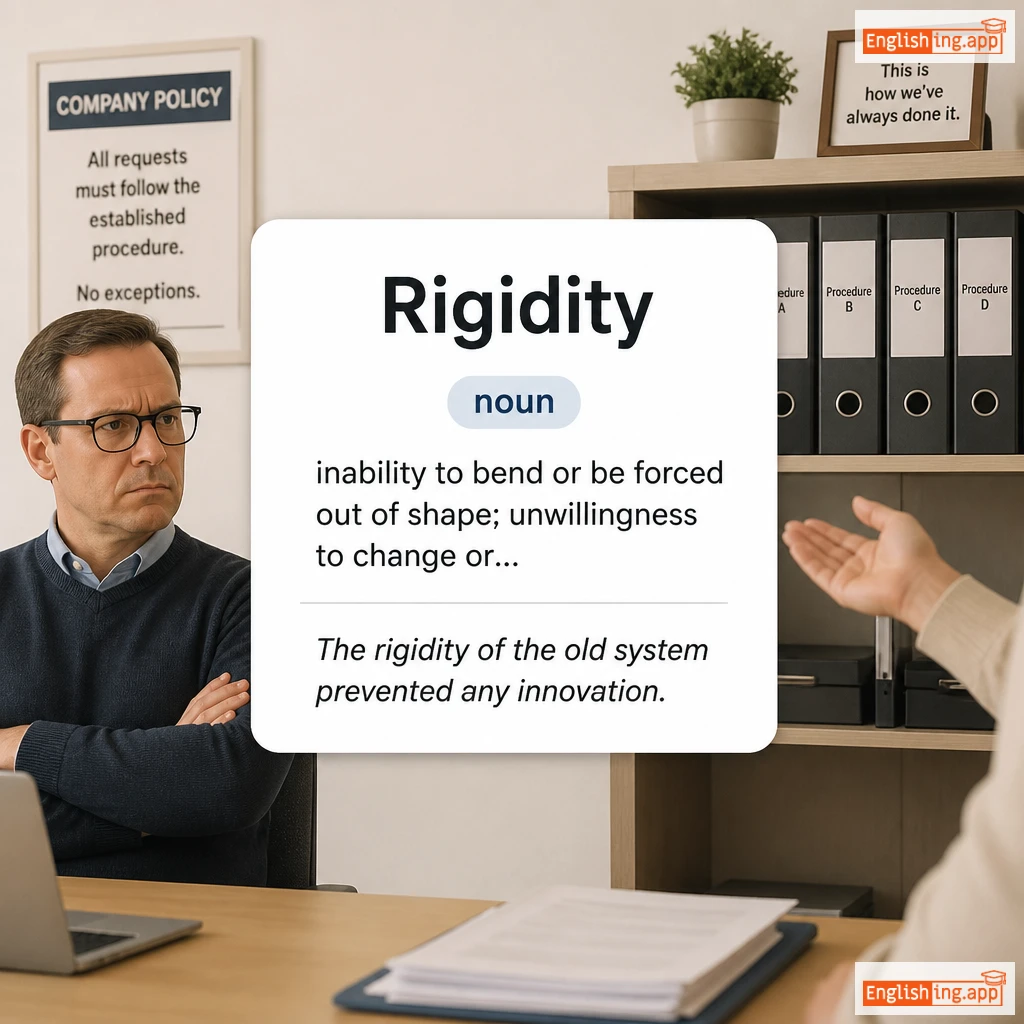
Rigidity definition card — visual illustration of the meaning
noun C1
/rɪˈdʒɪdəti/
刚性 (gangxing)

inability to bend or be forced out of shape; unwillingness to change or compromise

"The rigidity of the old system prevented any innovation."

"旧系统的刚性阻止了任何创新。" (Jiu xitong de gangxing zuzhi le renhe chuangxin.)
adverb C1
/ˈrɪdʒɪdli/
严格地; 不妥协地 (yángé de; bù tuǒxié de)

in a strict, inflexible manner; without compromise

"The rules are rigidly enforced in this institution."

"这些规则在这个机构中被严格执行。" (Zhèxiē guīzé zài zhège jīgòu zhōng bèi yángé zhíxíng.)
noun C1
/ˈrɪɡər/
严格 (yángé)

strictness, severity, or demanding conditions

"The training was carried out with great rigor."

"培训以极大的严格性进行。" (Péixùn yǐ jí dà de yángé xìng jìnxíng.)
😠

rile

verb C1
/raɪl/

to irritate or annoy someone

"His careless comments really riled her."

Ripple definition card — visual illustration of the meaning
verb C1
/ˈrɪp.l̩/
波纹 (bōwén)

to form or cause small waves on the surface of water or spread through like waves

"The wind rippled the surface of the pond."

"风在池塘表面引起了波纹。" (Fēng zài chí táng biǎo miàn yǐnqǐ le bōwén.)
risk-adjusted definition card — visual illustration of the meaning
adjective C1
rɪsk-ədˈʤɛstɪd
风险调整 (fēngxiǎn tiáozhěng)

Modified or calibrated to account for risk factors in investment returns.

"Risk-adjusted returns consider both potential profit and loss."

"风险调整后的回报同时考虑潜在的利润和损失。" (Fēngxiǎn tiáozhěng hòu de huíbào tóngshí kǎolǜ qiánzài de lìrùn hé sǔnshī.)
noun C1
/raɪt/
仪式 (yí shì)

a religious or ceremonial act

"The wedding rite was performed with great solemnity."

"婚礼仪式庄严举行。" (Hūn lǐ yí shì zhuāng yán jǔ xíng.)
verb C1
/ˈrɪvɪt/
用铆钉固定 / 吸引注意 (yòng mǎodīng gùdìng / xīyǐn zhùyì)

to fasten or secure with a rivet; to hold someone’s attention firmly

"The craftsman riveted the metal plates together."

"工匠用铆钉把金属板固定在一起。" (Gōngjiàng yòng mǎodīng bǎ jīnshǔ bǎn gùdìng zài yīqǐ.)
adjective C1
/ˈrɪvɪtɪŋ/
引人入胜 (yǐn rén rù shèng)

extremely interesting; holding the complete attention

"The movie was so riveting that nobody looked away."
"这部电影如此引人入胜,以至于没有人移开视线。" (Zhè bù diànyǐng rúcǐ yǐn rén rù shèng, yǐ zhì yú méiyǒu rén yí kāi shìxiàn.)
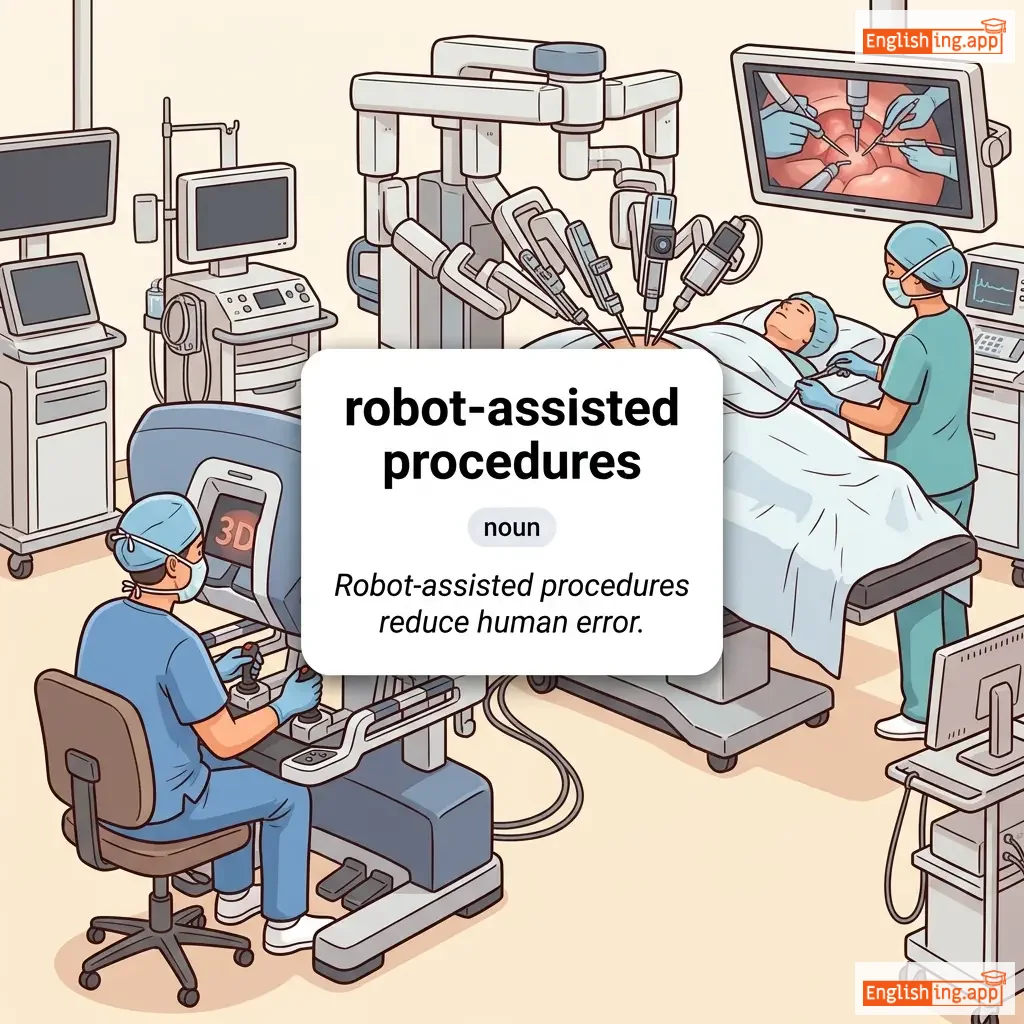
robot-assisted procedures definition card — visual illustration of the meaning
noun C1
/ˈrəʊ.bɒt əˈsɪs.tɪd prəˈsiː.dʒərz/
机器人辅助程序 (jīqìrén fǔzhù chéngxù)

Medical operations performed with the help of robotic systems to enhance precision and control.

"Robot-assisted procedures reduce human error."
"机器人辅助程序减少了人为错误。" (Jīqìrén fǔzhù chéngxù jiǎnshǎo le rénwéi cuòwù.)
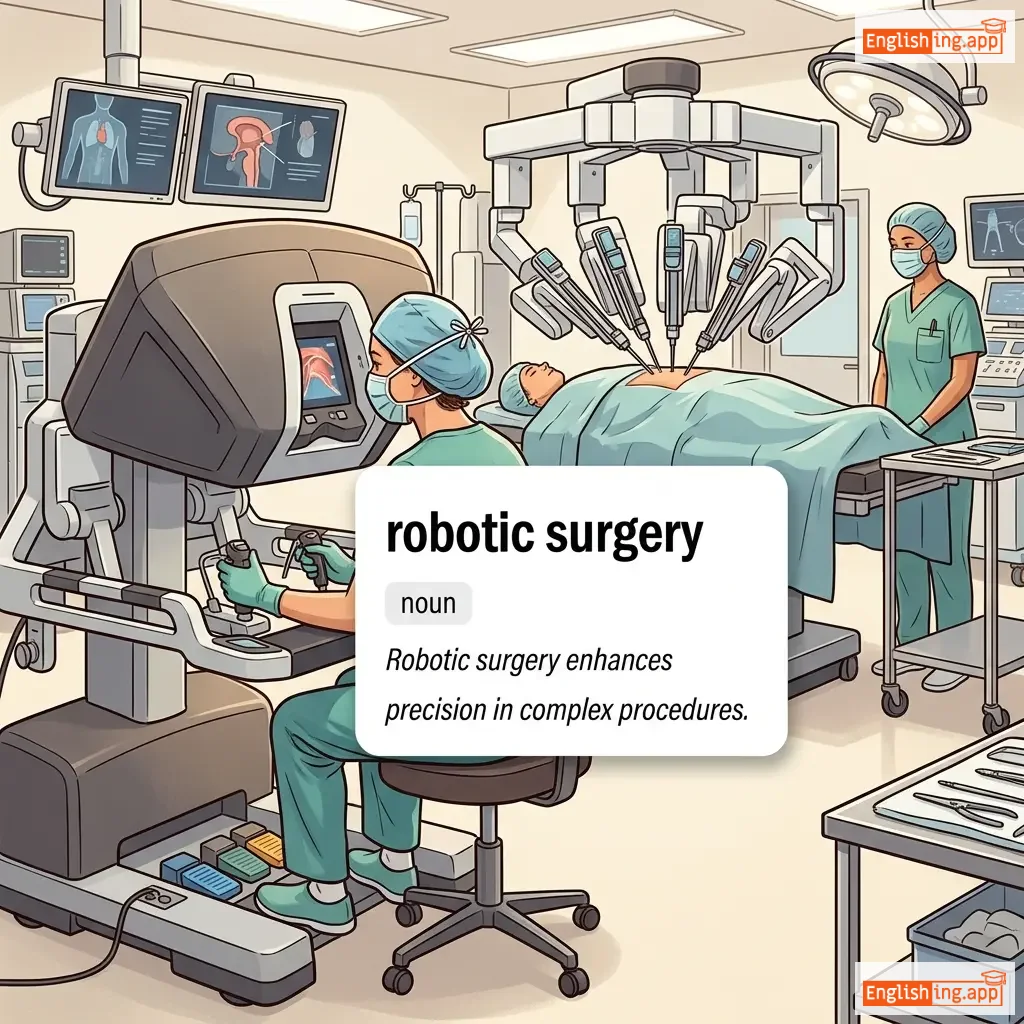
robotic surgery definition card — visual illustration of the meaning
noun C1
/rəʊˈbɒt.ɪk ˈsɜː.dʒər.i/
机器人手术 (jīqìrén shǒushù)

Surgery performed with the assistance of robotic systems to enhance precision and reduce invasiveness.

"Robotic surgery enhances precision in complex procedures."
"机器人手术提高了复杂程序的精确度。" (Jīqìrén shǒushù tígāo le fùzá chéngxù de jīngquèdù.)
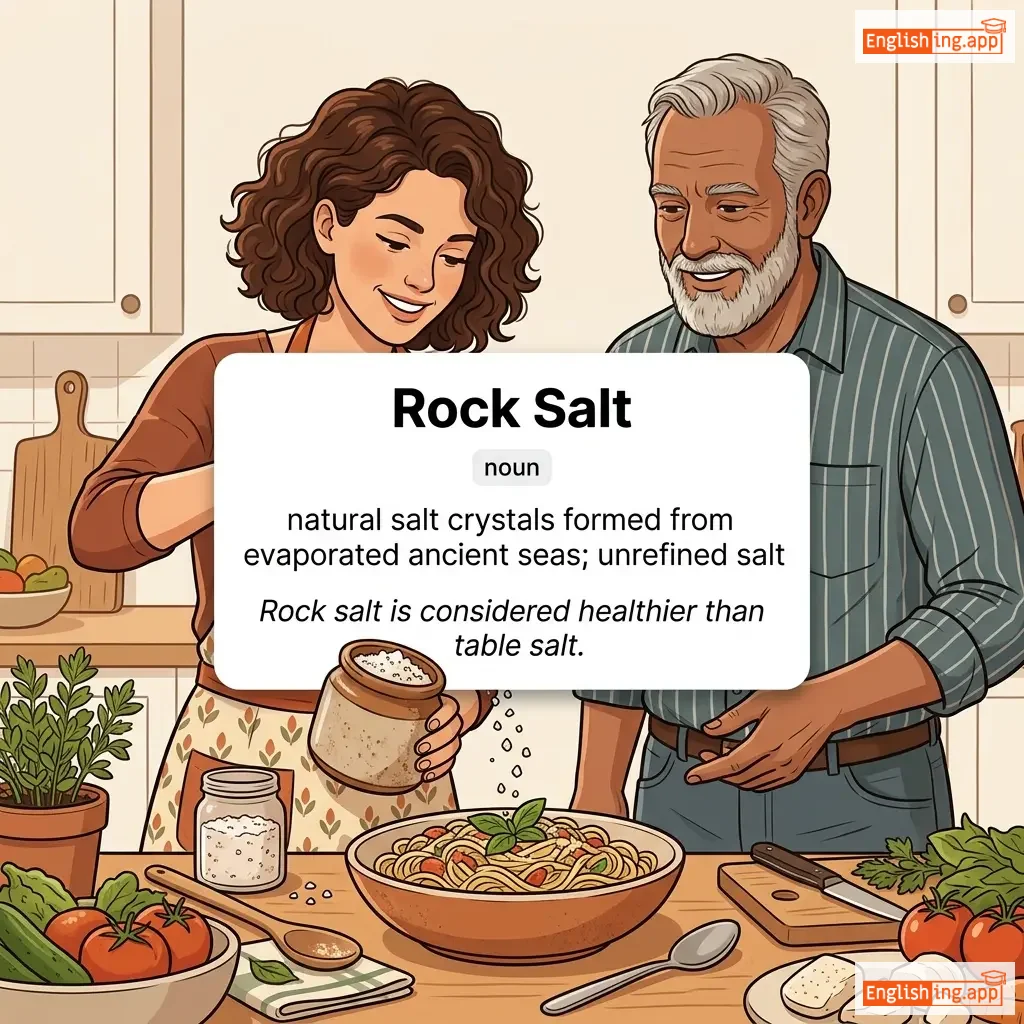
Rock Salt definition card — visual illustration of the meaning
noun C1
/rɑk sɔlt/
岩盐 (yan yán)

natural salt crystals formed from evaporated ancient seas; unrefined salt

"Rock salt is considered healthier than table salt."

"岩盐被认为比食盐更健康。" (Yán yán bèi rènwéi bǐ shíyán gèng jiànkāng.)
noun C1
/ˈroʊdənt/
啮齿动物 (nièchǐ dòngwù)

a small mammal such as a mouse, rat, or squirrel, characterized by constantly growing incisors

"The farmer set traps to catch the rodents in his barn."

"农民设置了陷阱,以捕捉谷仓中的啮齿动物。" (Nóngmín shèzhìle xiànjǐng, yǐ bǔzhuō gǔcāng zhōng de nièchǐ dòngwù.)
adjective C1
/ˈroʊ.ɡɪʃ/
调皮的; 狡猾的 (tiáopí de; jiǎohuá de)

mischievous; playfully dishonest

"His roguish smile suggested he was up to some mischief."

"他的调皮笑容暗示着他正在策划一些恶作剧。" (Tā de tiáopí xiàoróng ànshìzhe tā zhèngzài cèhuà yīxiē èzuòjù.)
noun C1
/ˈroʊ.lɪŋ bɔːrd/
擀面板 (ganmianban)

a flat wooden or marble surface used for rolling out dough

"She placed the dough on the rolling board."

"她把面团放在了擀面板上。" (Tā bǎ miàntuán fàng zài le gǎn miànbǎn shàng.)
verb C1
/rɒmp/
快乐地玩耍 (kuaile de wan shua)

to play or move in a lively, carefree, and energetic way

"The children romped happily in the garden."
"孩子们在花园里高兴地玩耍。" (Haizimen zai huayuan li gaoxing de wanshua.)
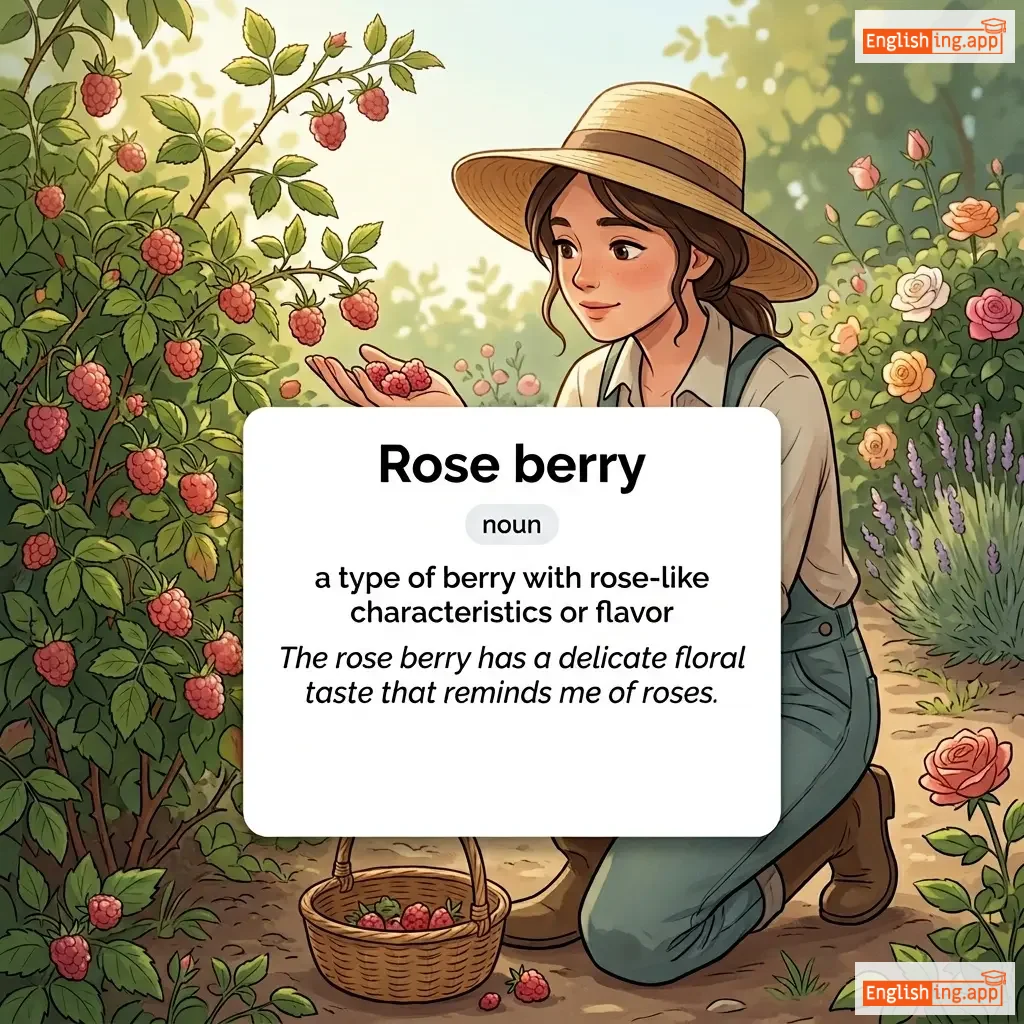
Rose berry definition card — visual illustration of the meaning
noun C1
/roʊz ˈber.i/
玫瑰莓 (luo si bei rui)

a type of berry with rose-like characteristics or flavor

"The rose berry has a delicate floral taste that reminds me of roses."
"玫瑰莓具有细腻的花香口感,让我想起玫瑰花。" (mei gui mei ju you xi ni de hua xiang kou gan rang wo xiang qi mei gui hua)
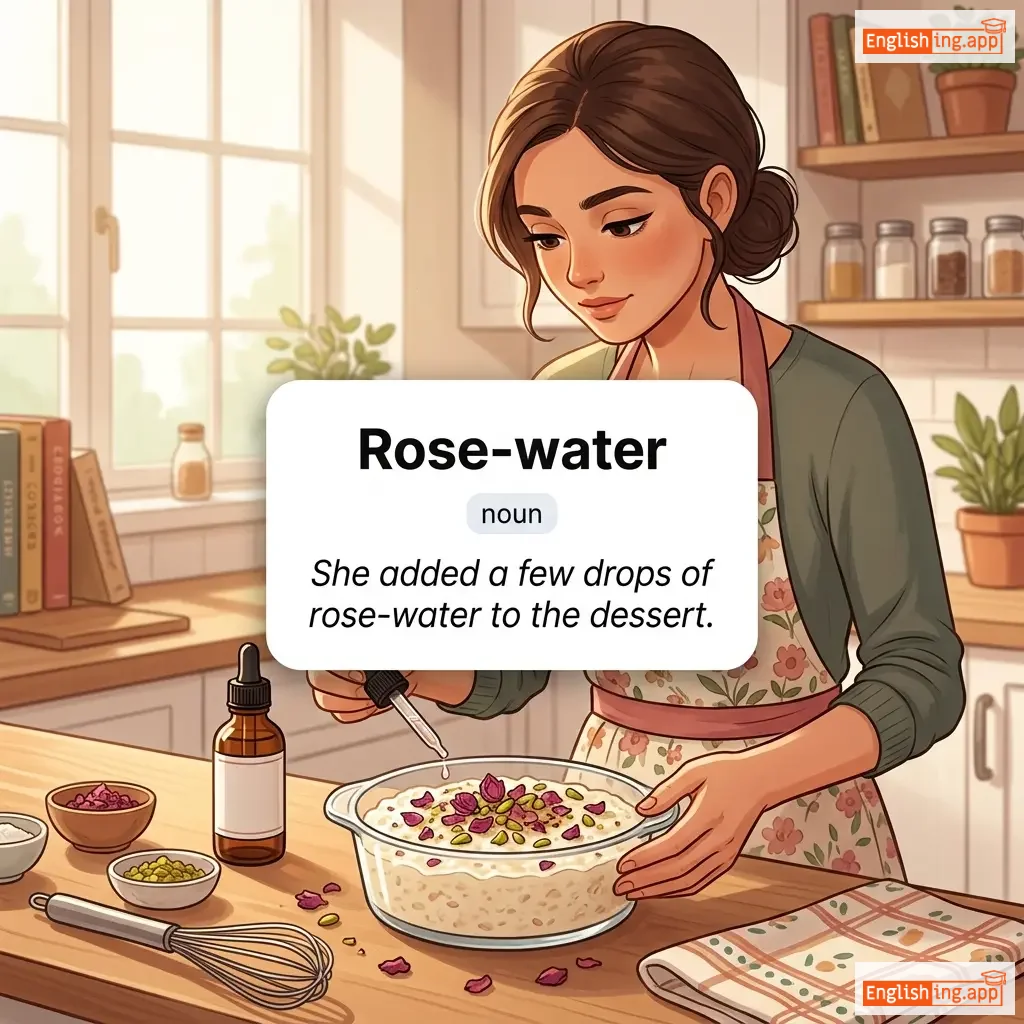
Rose-water definition card — visual illustration of the meaning
noun C1
/ˈroʊz ˈwɔː.tər/
玫瑰水 (méiguī shuǐ)

a flavored water made by steeping rose petals in water, used in cooking and cosmetics

"She added a few drops of rose-water to the dessert."
"她在甜点中加入了几滴玫瑰水。" (tā zài tiándiǎn zhōng jiārùle jǐ dī méiguī shuǐ.)
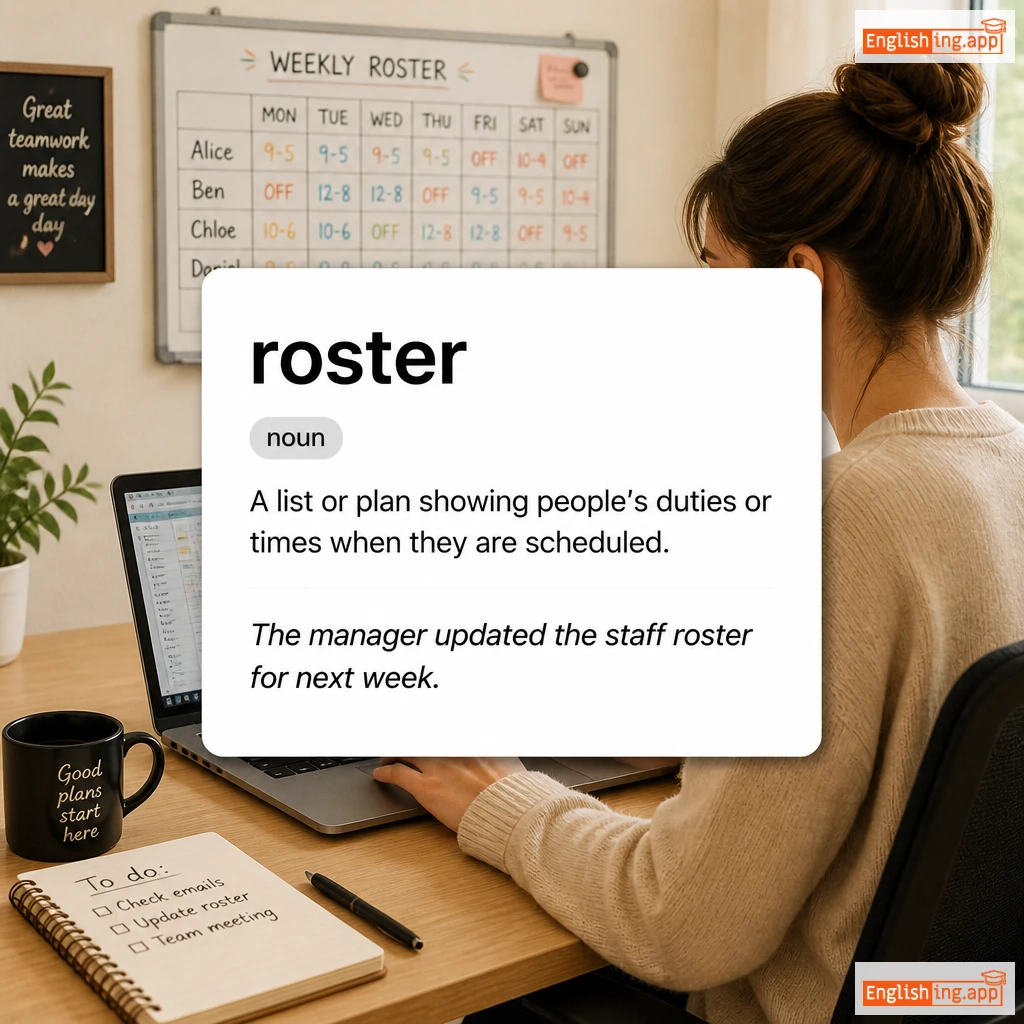
roster definition card — visual illustration of the meaning
noun C1
/ˈrɑːstər/
名单 (mingdan)

A list or plan showing people’s duties or times when they are scheduled.

"The manager updated the staff roster for next week."

"经理更新了下周的员工名单。" (Jīnglǐ gēngxīnle xià zhōu de yuángōng míngdān.)
noun C1
/ˈrɒstrəm/
讲台 (jiangtai)

A raised platform for speakers, performers, or leaders.

"The politician delivered a speech from the rostrum."

"政治家在讲台上发表了演讲。" (zhengzhijia zai jiangtai shang fabiao le yanjiang.)
adjective C1
/ˈroʊtəri/
旋转的 (xuán zhuǎn de)

Relating to or characterized by rotation; revolving around an axis.

"The machine uses a rotary engine to function efficiently."

"这台机器使用旋转引擎高效地工作。" (Zhè tái jīqì shǐyòng xuánzhuǎn yǐnqíng gāoxiào de gōngzuò.)
noun C1
/roʊt/
死记硬背 (siji yingbei)

mechanical or habitual repetition, often without understanding

"He learned the poem by rote without understanding its meaning."

"他通过死记硬背学会了这首诗,但没有理解其含义。" (Ta tongguo siji yingbei xuehui le zhe shou shi, dan mei you lijie qi hanyi.)