The Transformation Journey
有一天,Rashed 意识到自己的 body 很 weak,经常感到 sick 和 tired。稍微 walking 一下就会引起 pain,climbing 楼梯更是无法做到。“我需要 change,”他 decided。
他 started 从小处做起。第一天只 walked 了 10 分钟。他的 muscles ached,body 抗议着,但他坚持了下来。“要 begin 是最困难的部分,”教练说。
一周又一周,Rashed 不断 pushed 自己。他 started lifting 轻重量,早晨 stretching,walking 更长的距离。每一次动作都有 pain,但慢慢地,他的 body 开始有反应。
“你的 fitness 在 improving,”医生在检查时说。“继续 pushing。你的 body 变得 stronger,muscles 在发展。你正在变得 healthier。”
Rashed began 能轻松 carry 更重的杂货。以前无法攀登的楼梯,如今他轻松 climbed。他 weak body 正在变成更 better、更 stronger 的样子。
“我能看到 change,”妻子说。“你不再 sick,看起来 better,精神更 healthier。这段 fitness 旅程真的有效!”
但最大的 change 是内在的。Rashed felt better,精神更好。再也没有持续的 pain,也不再觉得 weak。他的 body 变得 stronger,头脑更加清晰。
“我以前总是避免 pushing 自己,”Rashed 在支持小组中分享道。“一旦有 pain,我就放弃。我很 weak,不仅身体上,也心理上。Starting 这段 fitness 旅程很可怕。但我 began 从小开始——只是 walking,基本的 stretches,轻度 lifting。每天我的 body improved,muscles 更 stronger。Pain 减轻了,sickness 消失了。我学会了,只要愿意 push 过不适,继续 carry 面对挑战,就能 climb 向 better 健康。现在我能轻松 lift 东西,长时间 walk,stretch 没有 pain。我的 body 感觉 healthy、strong、有力量。记住,你不必完美 start,你只需要 begin。”
他的故事激励了许多感到 weak、sick、无法 change 的人。他们 started 自己的 fitness 旅程,克服最初的 pain,逐渐看到 bodies 变得 stronger,health improved,生活更 better。
|
表情符号
|
单词 | Images | 翻译 | 过去时 | 过去分词 | 第三人称单数 | 动名词 | 含义 | 例句 | 例句翻译 | 示例表达 | 示例表达含义 | 示例表达翻译 | 同义词 | 反义词 | 搭配词 | 助记符 |
|---|---|---|---|---|---|---|---|---|---|---|---|---|---|---|---|---|---|
|
🚀
••••••
|
/bɪˈɡɪn/
verb
(bɪˈɡɪn)
••••••
|
|
开始
kaishi
••••••
|
began
bɪˈɡæn
••••••
|
begun
bɪˈɡʌn
••••••
|
begins
bɪˈɡɪnz
••••••
|
beginning
bɪˈɡɪnɪŋ
••••••
|
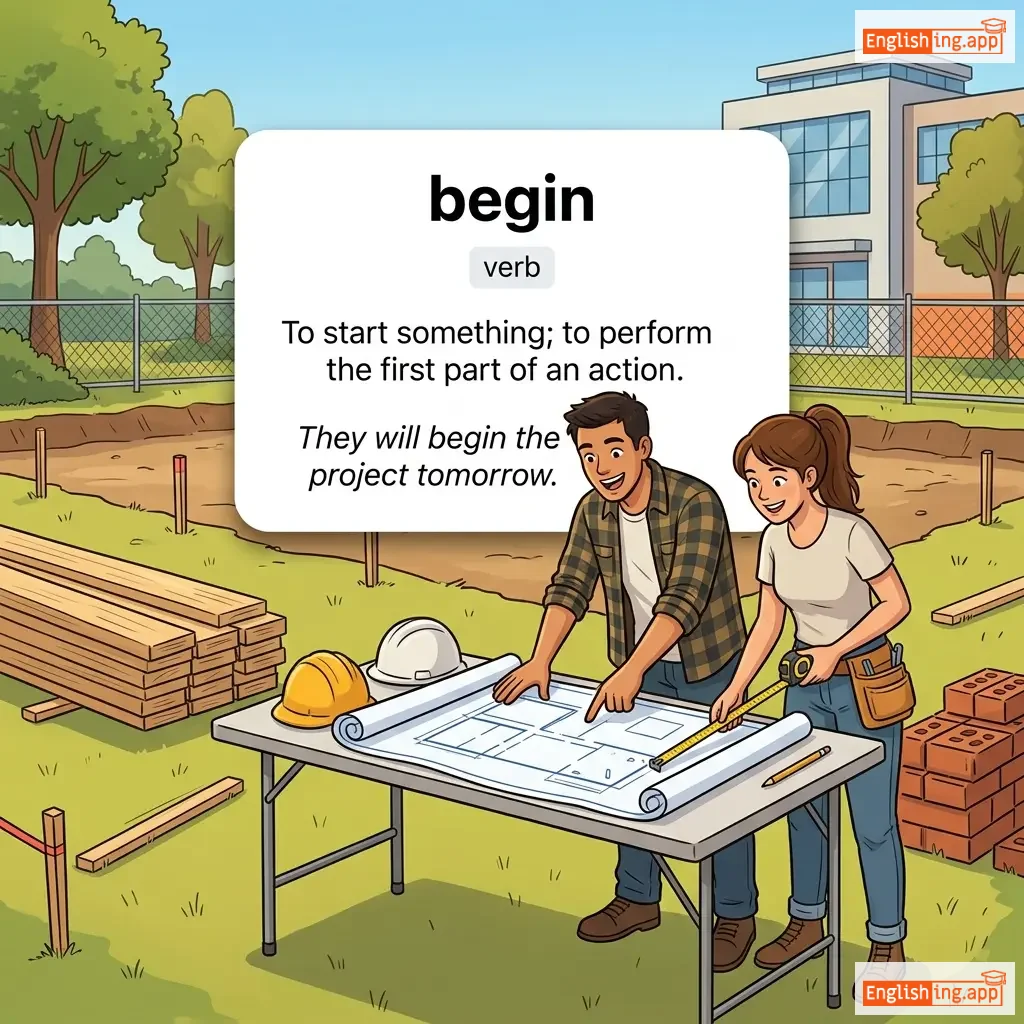
To start something; to perform the first part of an action.
••••••
|
They will begin the project tomorrow.
他们明天将开始项目。
••••••
|
他们明天将开始项目。
Tāmen míngtiān jiāng kāishǐ xiàngmù.
••••••
|
to begin with
首先
••••••
|
as the first consideration
••••••
|
首先
shǒuxiān
••••••
|
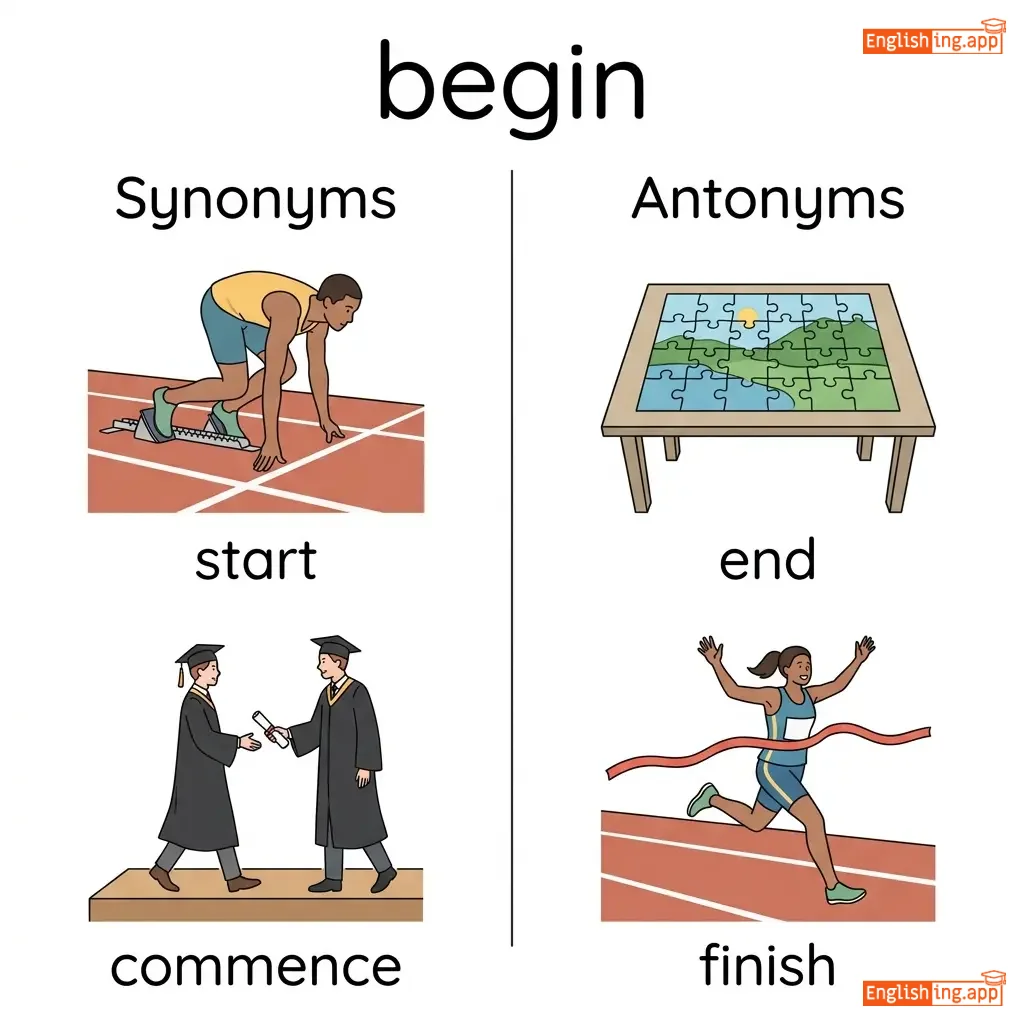
start, commence, initiate, launch
••••••
|
end, finish, conclude
••••••
|
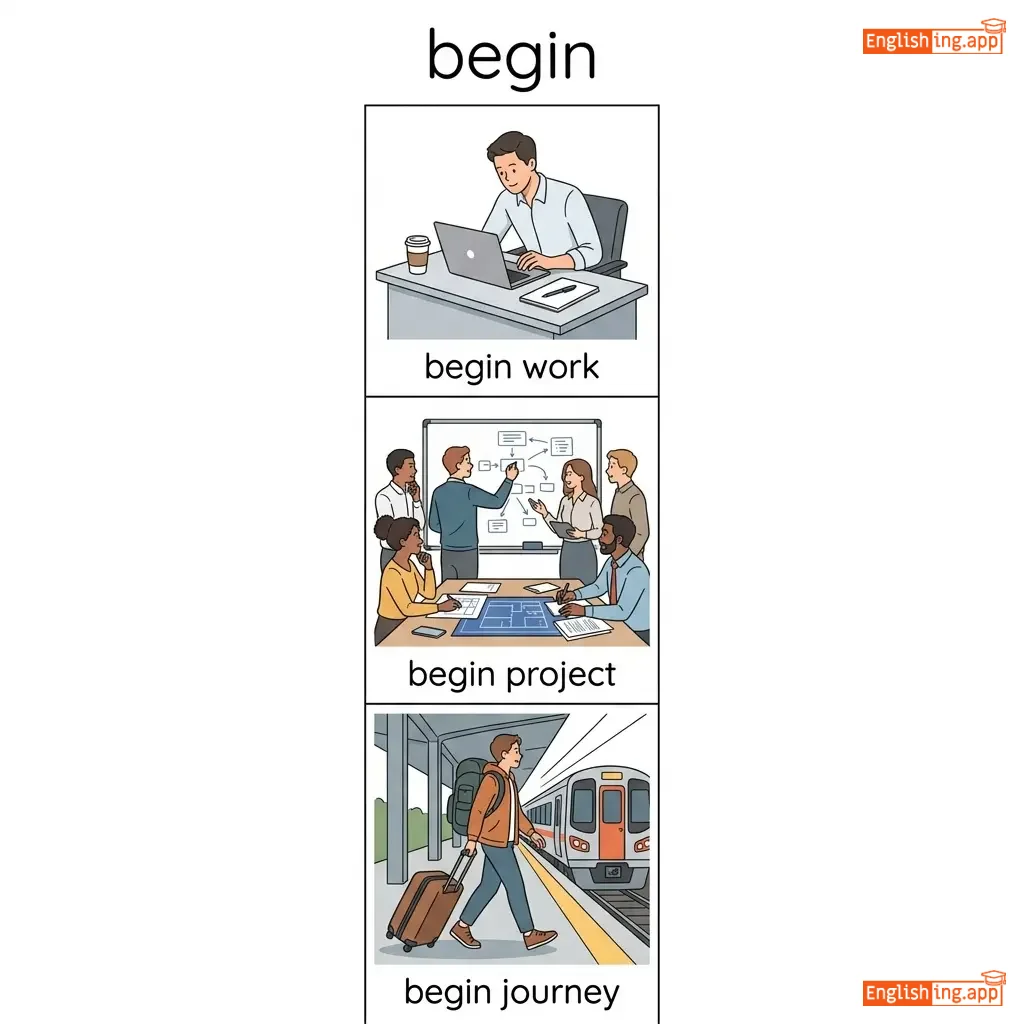
begin work, begin project, begin journey, begin process
••••••
|
开始等于启动。记住,‘开始’意味着启动!
••••••
|
|
👍
••••••
|
/ˈbɛtər/
adjective, adverb, verb
••••••
|
- •••••• | - •••••• |
bettered
••••••
|
bettered
••••••
|
betters
••••••
|
bettering
••••••
|
of a more excellent or effective type or quality; to surpass or improve
••••••
|
He felt better after taking the medicine. |
- •••••• |
better late than never |
It is better to do something late than not do it at all.
••••••
|
- •••••• |
improved, superior, greater, finer, enhanced
••••••
|
worse, inferior, poorer
••••••
|
better chance, better understanding, better option, feel better
••••••
|
No •••••• |
|
🧍
••••••
|
/ˈbɒdi/
noun
(bodi)
••••••
|
- •••••• |
身体
shenti
••••••
|
- •••••• | - •••••• | - •••••• | - •••••• |
the physical structure of a person or animal
••••••
|
Exercise helps keep the body healthy. |
锻炼有助于保持身体健康。
duànliàn yǒu zhù yú bǎochí shēntǐ jiànkāng.
••••••
|
over my dead body |
absolutely not allowed
••••••
|
越过我的尸体
yuèguò wǒ de shītǐ
••••••
|
form, figure, corpse, frame, physique
••••••
|
soul, spirit
••••••
|
human body, body parts, body weight, body language
••••••
|
Body = 身体, 锻炼让身体保持强壮.
••••••
|
|
👜
••••••
|
/ˈkæri/
verb
(凯瑞)
••••••
|
- •••••• |
携带
xiédài
••••••
|
carried
凯瑞德
••••••
|
carried
凯瑞德
••••••
|
carries
凯瑞斯
••••••
|
carrying
凯瑞英
••••••
|
To support and move something or someone from one place to another.
••••••
|
She carried the bag across the street.
她把包从街对面带了过来。
••••••
|
她把包从街对面带了过来。
Tā bǎ bāo cóng jiē duìmiàn dài le guòlái.
••••••
|
carry weight
承受重量
••••••
|
to have influence or importance
••••••
|
有影响力
yǒu yǐngxiǎng lì
••••••
|
transport, convey, bear, haul, move
••••••
|
drop, abandon
••••••
|
carry out, carry forward, carry over, carry responsibility
••••••
|
Carry就是'携带',意思是把东西从一个地方带到另一个地方。
••••••
|
|
🔄
••••••
|
/tʃeɪndʒ/
verb
(改变)
••••••
|
|
改变
gǎibiàn
••••••
|
changed
改变了
••••••
|
changed
改变了
••••••
|
changes
改变
••••••
|
changing
改变着
••••••
|
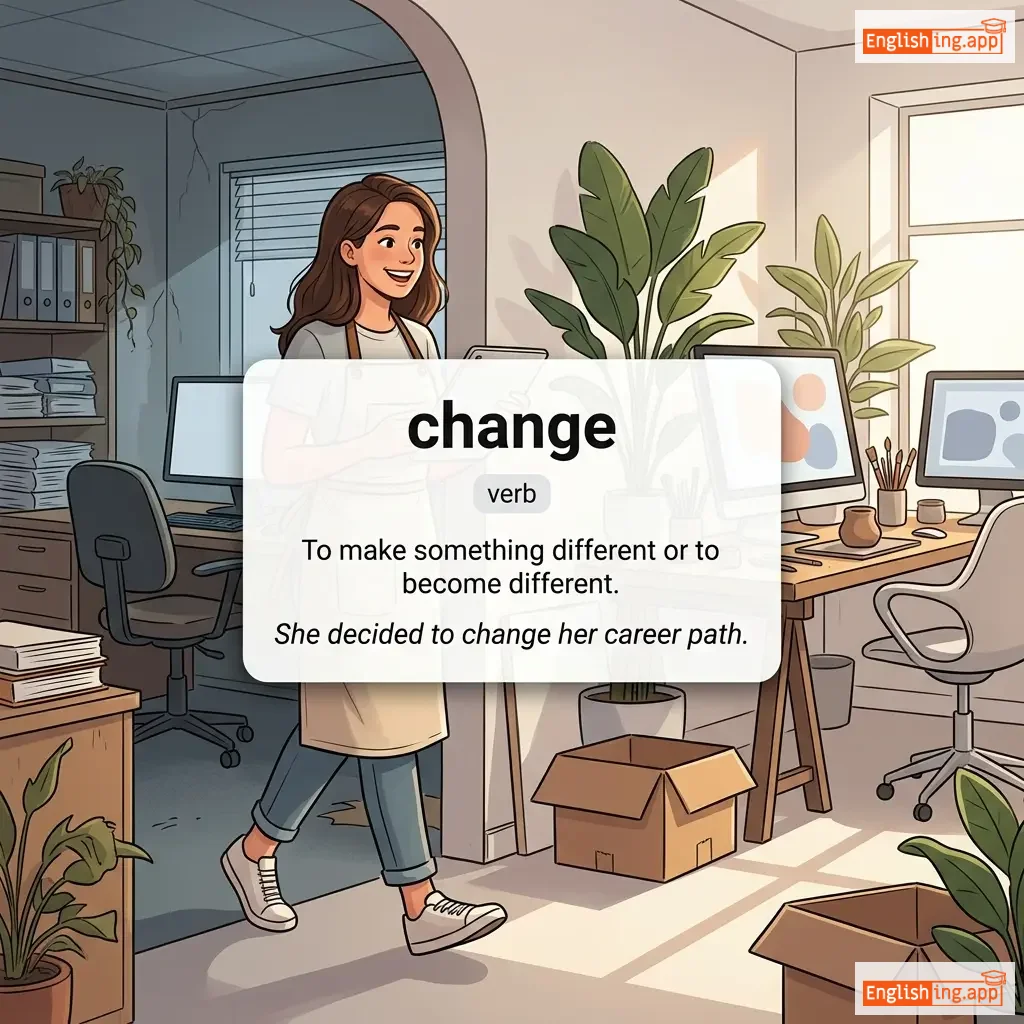
To make something different or to become different.
••••••
|
She decided to change her career path.
她决定改变她的职业道路。
••••••
|
她决定改变她的职业道路。
Tā juédìng gǎibiàn tā de zhíyè dàolù.
••••••
|
change of heart
心意变化
••••••
|
a change in one's opinion or feelings
••••••
|
心意变化
xīnyì biànhuà
••••••
|
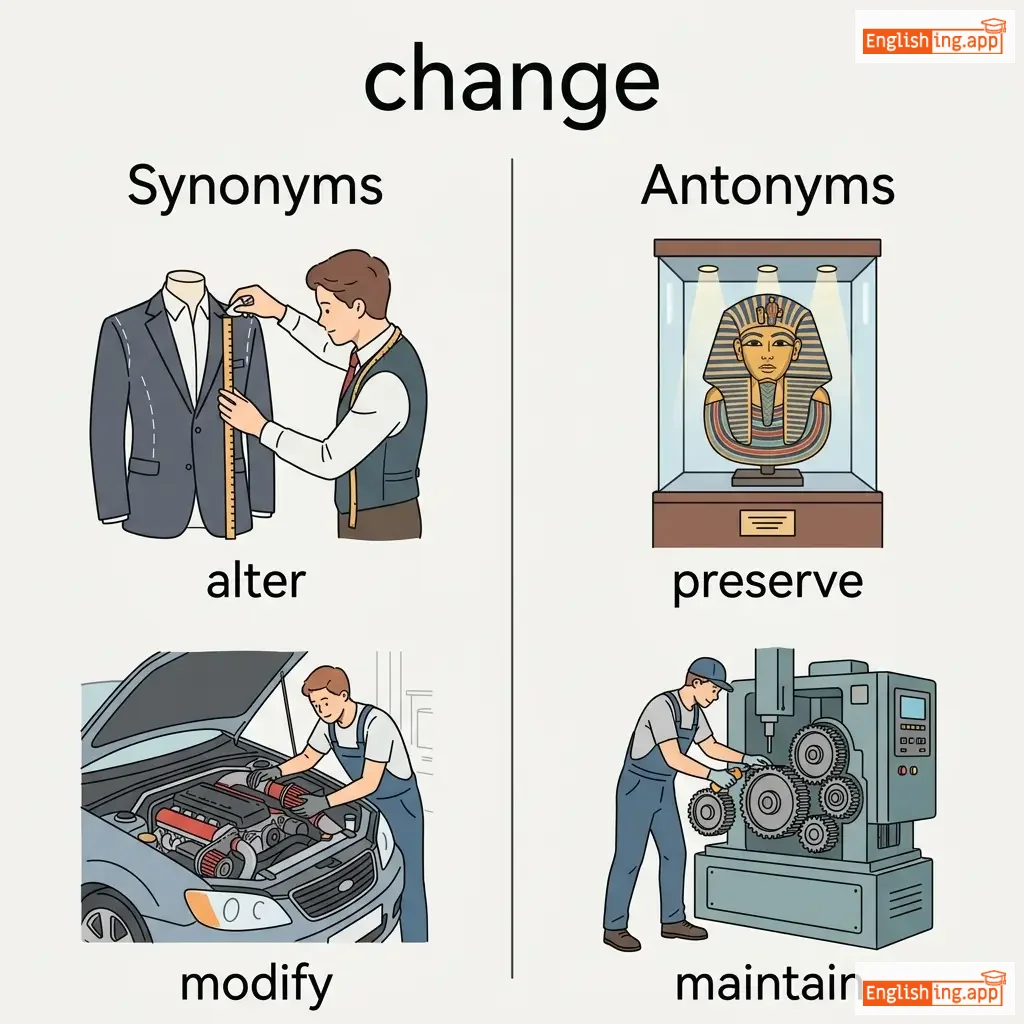
alter, modify, transform, adjust, shift
••••••
|
preserve, maintain, keep
••••••
|
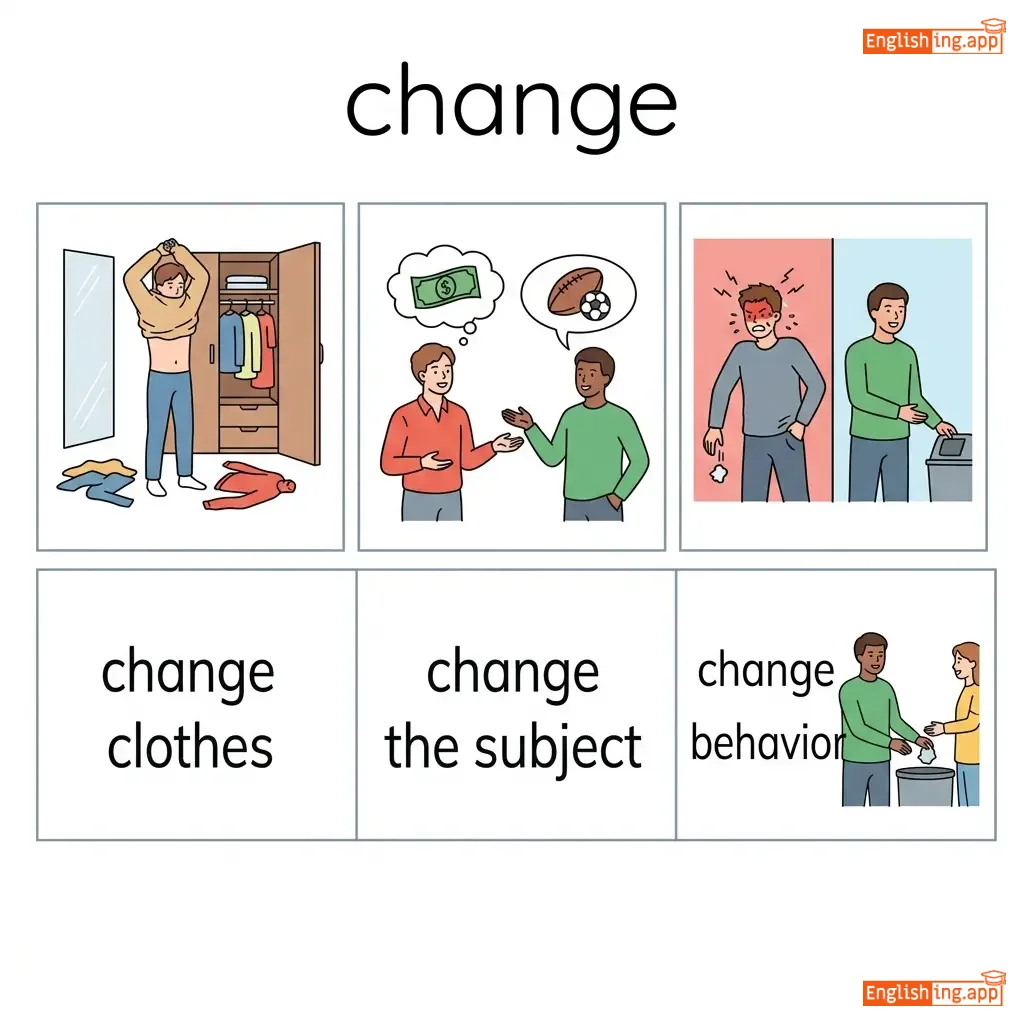
change clothes, change the subject, change behavior, change mind
••••••
|
Change意味着改变 – 在气候变化中,气候会发生变化 🌍
••••••
|
|
🧗
••••••
|
/klaɪm/
verb
(克莱姆)
••••••
|

|
攀爬
panpa
••••••
|
climbed
克莱姆德
••••••
|
climbed
克莱姆德
••••••
|
climbs
克莱姆斯
••••••
|
climbing
克莱米恩
••••••
|
To go up something using your feet and often your hands.
••••••
|
She climbed the mountain in two days.
她在两天内爬上了山。
••••••
|
她在两天内爬上了山。
Ta zai liang tian nei pa shang le shan.
••••••
|
climb the ladder
爬梯子
••••••
|
To make progress in a career or social hierarchy.
••••••
|
爬梯子
Pa titi
••••••
|
ascend, scale, mount, rise, go up
••••••
|
descend, fall, drop
••••••
|
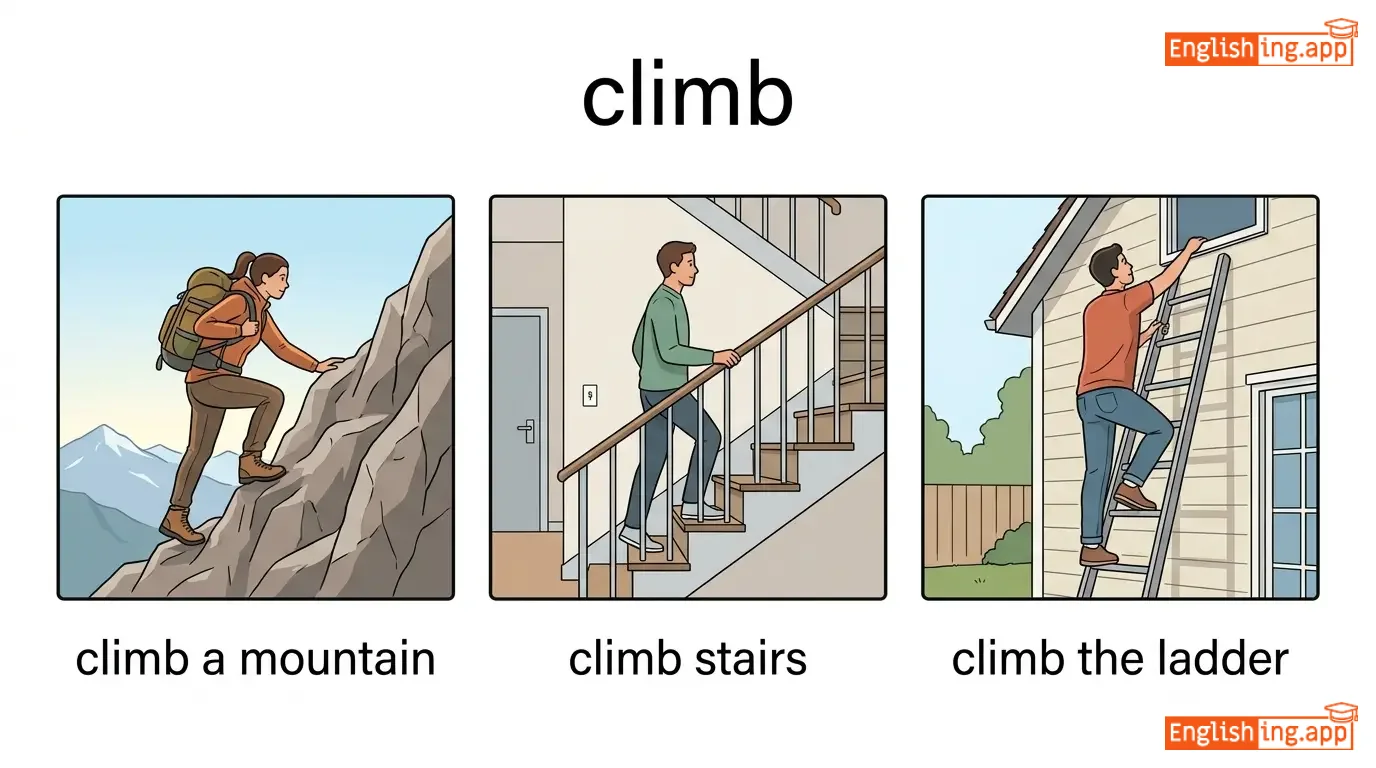
climb a mountain, climb stairs, climb the ladder, climb high, climb up
••••••
|
攀爬就像登山,记得爬梯子是向上爬,迈向成功!
••••••
|
|
💪
••••••
|
/ˈfɪtnəs/
noun
(fìt nès)
••••••
|
|
体能
tǐnéng
••••••
|
- •••••• | - •••••• | - •••••• | - •••••• |
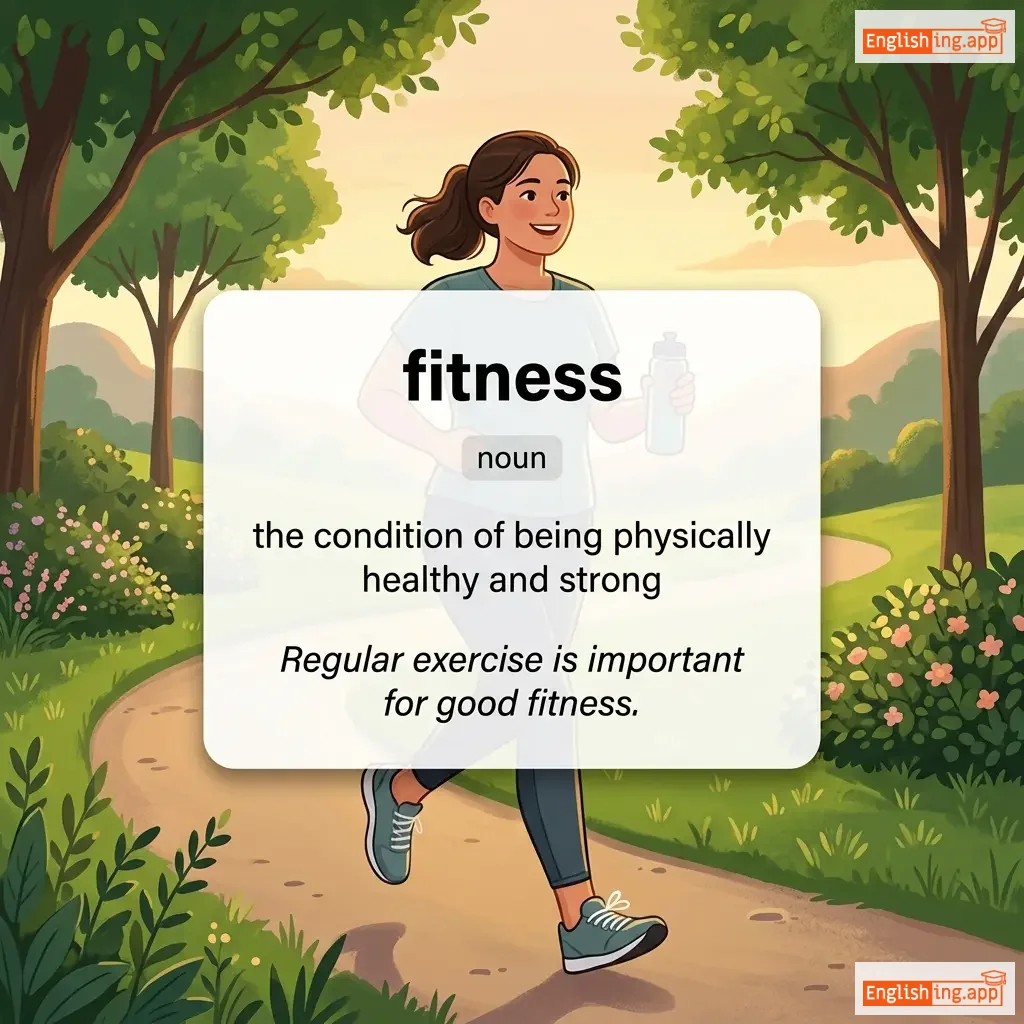
the condition of being physically healthy and strong
••••••
|
Regular exercise is important for good fitness. |
定期运动对保持良好的体能非常重要。
Dìngqī yùndòng duì bǎochí liánghǎo de tǐnéng fēicháng zhòngyào.
••••••
|
peak fitness |
the best level of physical health and strength
••••••
|
最佳体能
zuìjiā tǐnéng
••••••
|
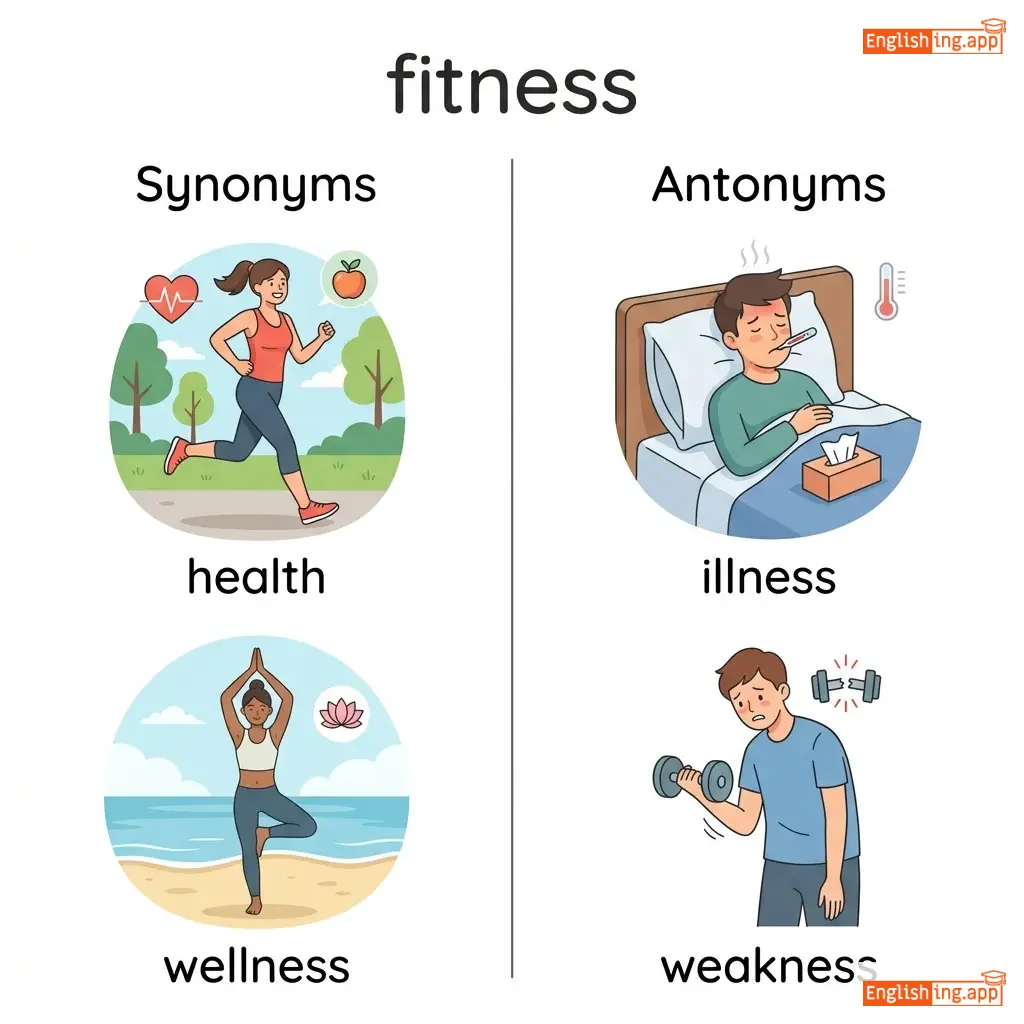
health, wellness, strength, conditioning, vitality
••••••
|
illness, weakness, unhealthiness
••••••
|
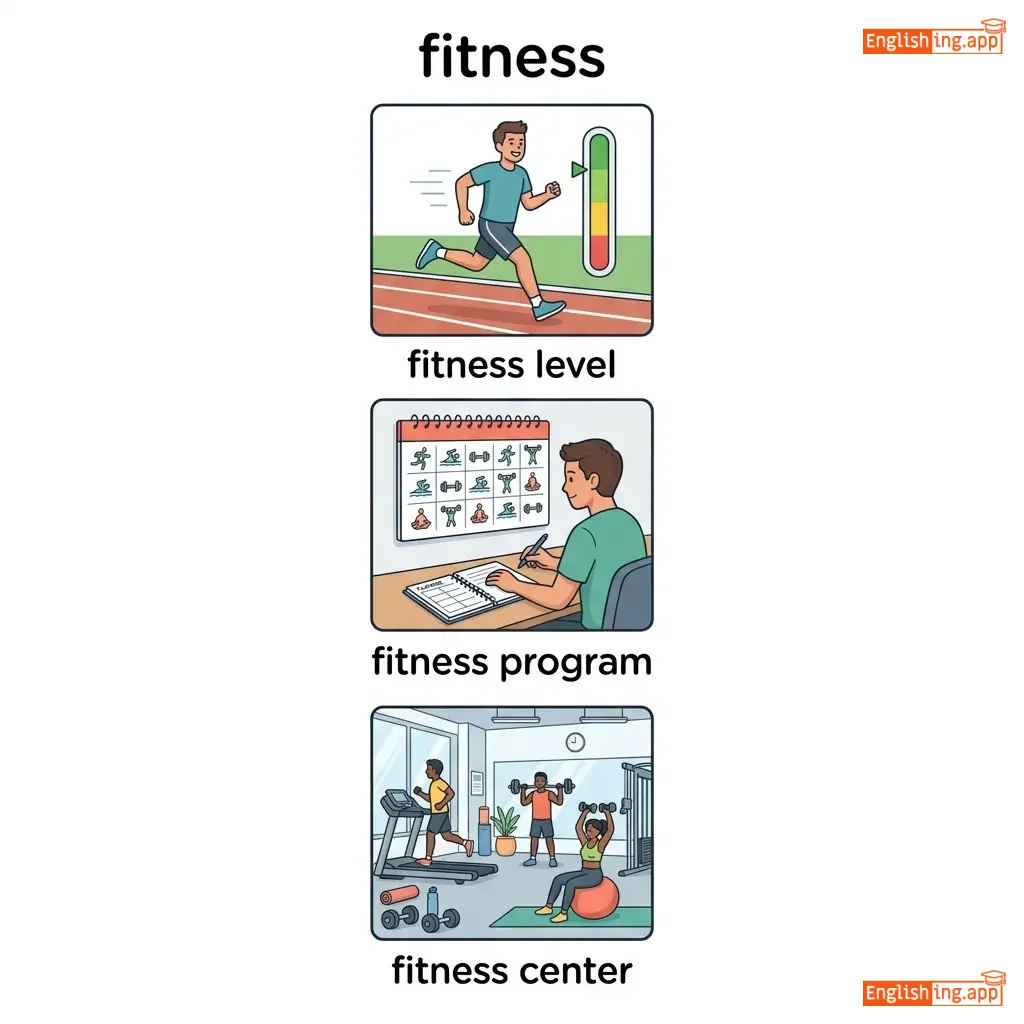
fitness level, fitness program, fitness center, fitness test
••••••
|
体能就像总是为马拉松做准备,永远保持最佳状态。
••••••
|
|
🍎
••••••
|
/ˈhɛlθi/
adjective
(海皮尼斯)
••••••
|
|
幸福
xìng fú
••••••
|
- •••••• | - •••••• | - •••••• | - •••••• |
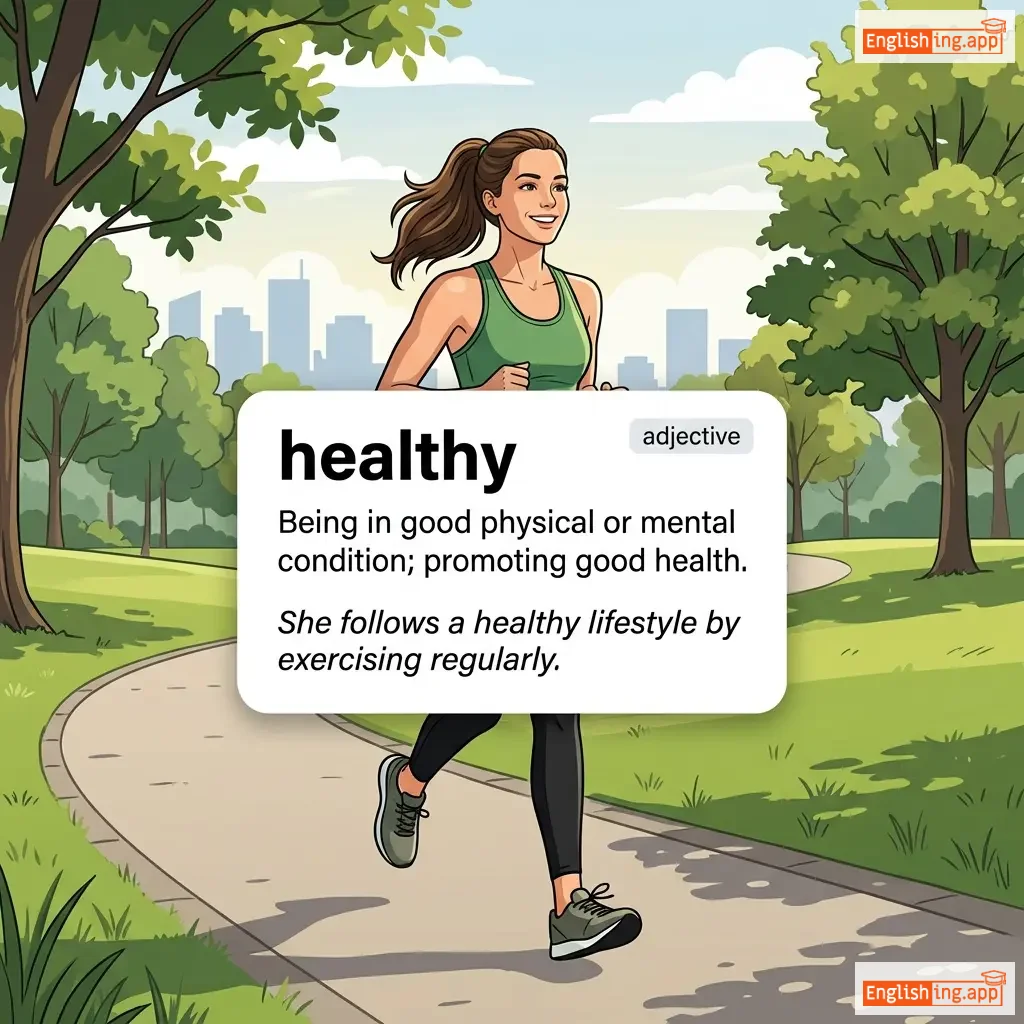
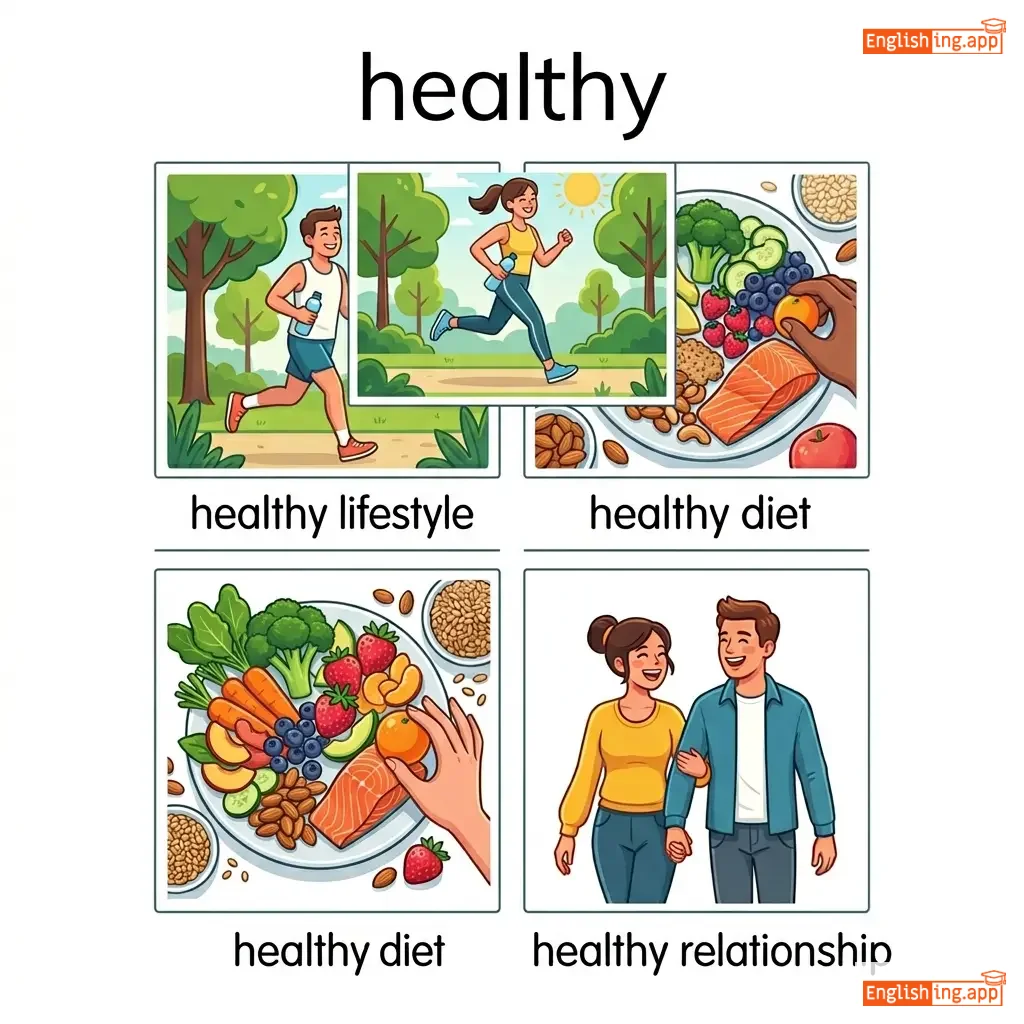
Being in good physical or mental condition; promoting good health.
••••••
|
She follows a healthy lifestyle by exercising regularly.
她无法掩饰收到奖项时的快乐。
••••••
|
她无法掩饰收到奖项时的快乐。
Tā wúfǎ yǎnshì shōudào jiǎngxiàng shí de kuàilè.
••••••
|
healthy competition
幸福的追求
••••••
|
A form of competition that is fair and encourages improvement.
••••••
|
幸福的追求
xìng fú de zhuī qiú
••••••
|
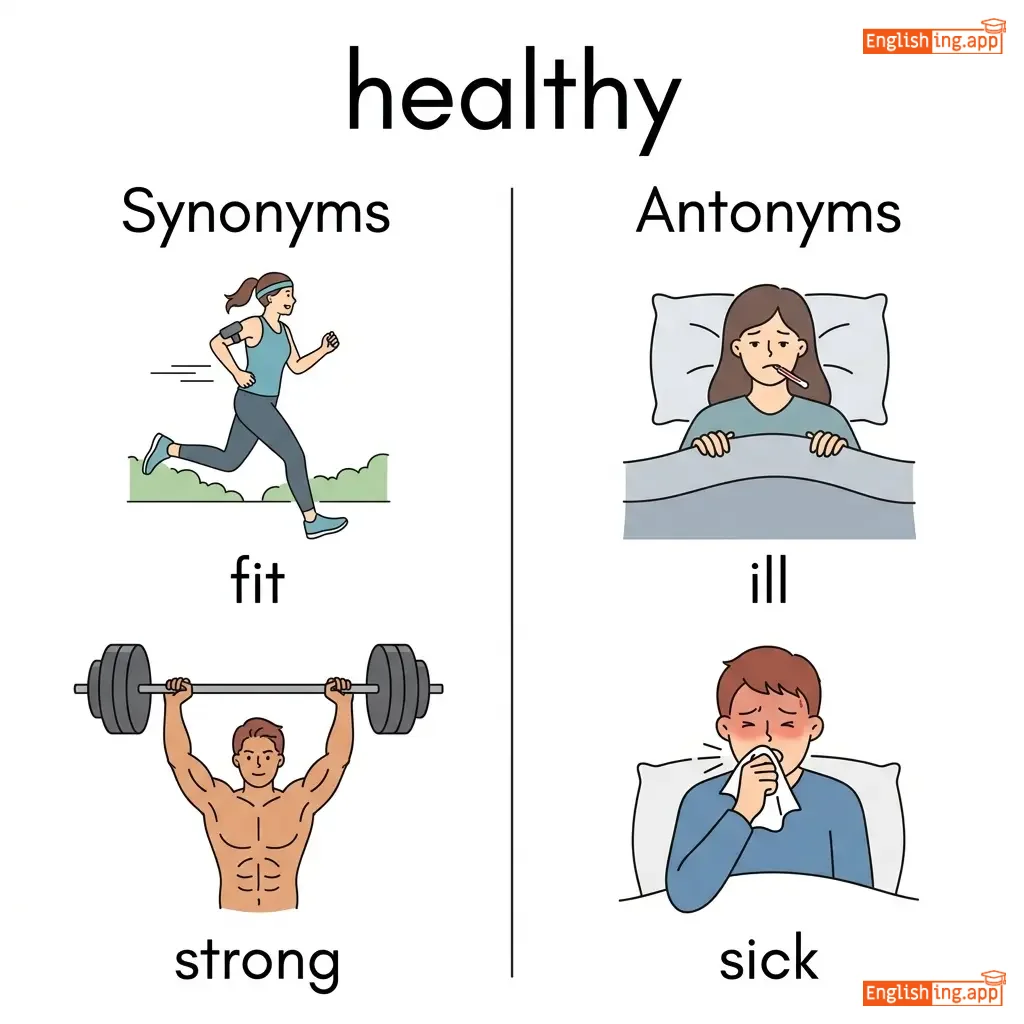
fit, strong, well, robust, sound
••••••
|
ill, sick, weak
••••••
|
healthy lifestyle, healthy diet, healthy relationship, healthy environment
••••••
|
幸福 = 感觉到愉快和满足的状态
••••••
|
|
📈
••••••
|
/ɪmˈpruːvd/
adjective
(imprúvd)
••••••
|
- •••••• |
改进的
gǎijìn de
••••••
|
- •••••• | - •••••• | - •••••• | - •••••• |
made better or enhanced in quality or condition
••••••
|
Her health has significantly improved since last month.
她的健康自上个月以来显著改善。
••••••
|
她的健康自上个月以来显著改善。
Tā de jiànkāng zì shàng gè yuè yǐlái xiǎnzhù gǎishàn.
••••••
|
improved version
改进版
••••••
|
a newer and better form of something
••••••
|
改进版
gǎijìn bǎn
••••••
|
enhanced, upgraded, refined, developed, advanced
••••••
|
worsened, declined, deteriorated
••••••
|
improved performance, improved quality, improved system, improved health
••••••
|
Improved 意味着更好 — 就像更新的手机,改进版 📱
••••••
|
|
🛗
••••••
|
/lɪft/
verb
(lɪft)
••••••
|
- •••••• |
举起
juqi
••••••
|
lifted
lɪftɪd
••••••
|
lifted
lɪftɪd
••••••
|
lifts
lɪfts
••••••
|
lifting
lɪftɪŋ
••••••
|
To raise something to a higher position or level.
••••••
|
He lifted the heavy box with ease.
他轻松地抬起了重箱子。
••••••
|
他轻松地抬起了重箱子。
Ta qingsong de taqi le zhong xiangzi.
••••••
|
lift your spirits
提升你的精神
••••••
|
To make someone feel happier or more cheerful.
••••••
|
提升精神
Tisheng jingshen
••••••
|
raise, elevate, hoist, boost, uplift
••••••
|
lower, drop
••••••
|
lift weights, lift a ban, lift up, lift out
••••••
|
举起重物的动作,也可以提升精神。
••••••
|
|
💪
••••••
|
/ˈmʌsl/
noun
(māsīl)
••••••
|
- •••••• |
肌肉
jīròu
••••••
|
- •••••• | - •••••• | - •••••• | - •••••• |
a band of fibrous tissue in the body that produces movement; physical strength
••••••
|
He exercises daily to build strong muscles. |
他每天锻炼以增强肌肉力量。
tā měitiān duànliàn yǐ zēngqiáng jīròu lìliàng.
••••••
|
flex your muscles |
to show strength or power
••••••
|
展示你的肌肉
zhǎnshì nǐ de jīròu
••••••
|
strength, power, force, sinew
••••••
|
weakness, frailty
••••••
|
muscle strength, muscle pain, muscle building, flex muscles
••••••
|
Muscle 意思是肌肉 — 展示你的肌肉,大家都会惊讶!
••••••
|
|
😢
••••••
|
/peɪn/
noun
(pein)
••••••
|
- •••••• |
疼痛; 身体的痛苦或情感困扰
téngtòng; shēntǐ de tòngkǔ huò qínggǎn kùnrǎo
••••••
|
- •••••• | - •••••• | - •••••• | - •••••• |
physical suffering or discomfort; mental or emotional distress
••••••
|
The patient felt severe pain in his back.
病人感到背部剧烈的疼痛。
••••••
|
病人感到背部剧烈的疼痛。
bìngrén gǎndào bèibù jùliè de téngtòng.
••••••
|
- •••••• | - •••••• | - •••••• |
ache, suffering, agony, discomfort
••••••
|
pleasure, comfort, relief, ease
••••••
|
severe pain, chronic pain, feel pain
••••••
|
想到 'pain' 这个词,它和 '疼痛' 相关。
••••••
|
|
🖐️
••••••
|
/pʊl/
verb
(pul)
••••••
|
- •••••• |
拉
lā
••••••
|
pulled
pulled
••••••
|
pulled
pulled
••••••
|
pulls
puls
••••••
|
pulling
pulling
••••••
|
to exert force on something in order to move it toward oneself
••••••
|
She pulled the door open with all her strength.
tā yǐ jīng jiāng mén kāi le yòng quán lì.
••••••
|
她用所有的力量将门拉开。
Tā yòng suǒyǒu de lìliàng jiāng mén lā kāi.
••••••
|
pull one's weight
chuí yǐ bù tóu
••••••
|
to do one's fair share of work
••••••
|
尽自己的一份力
jìn zìjǐ de yī fèn lì
••••••
|
drag, tug, haul, draw
••••••
|
push, shove
••••••
|
pull the lever, pull the rope, pull hard, pull away
••••••
|
拉门 - 拉动任何物品
••••••
|
|
➡️
••••••
|
/pʊʃ/
verb
(push)
••••••
|
|
推
tui
••••••
|
pushed
pushed
••••••
|
pushed
pushed
••••••
|
pushes
pushes
••••••
|
pushing
pushing
••••••
|
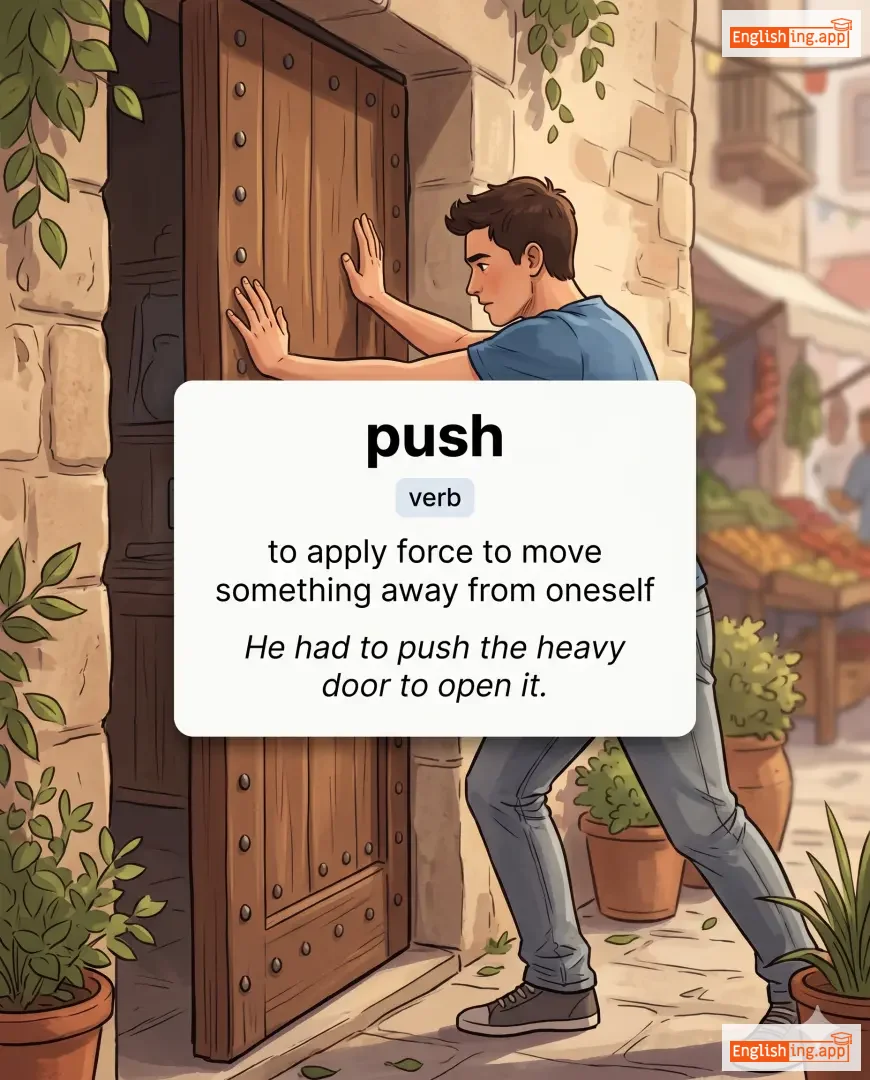
to apply force to move something away from oneself
••••••
|
He had to push the heavy door to open it.
他必须推开那扇沉重的门才能打开它。
••••••
|
他必须推开那扇沉重的门才能打开它。
Ta bixu tuikai na shan chenzhong de men cai neng dakai ta.
••••••
|
push the envelope
推信封
••••••
|
to go beyond the limits of what is normally done
••••••
|
突破极限
tupo jixian
••••••
|
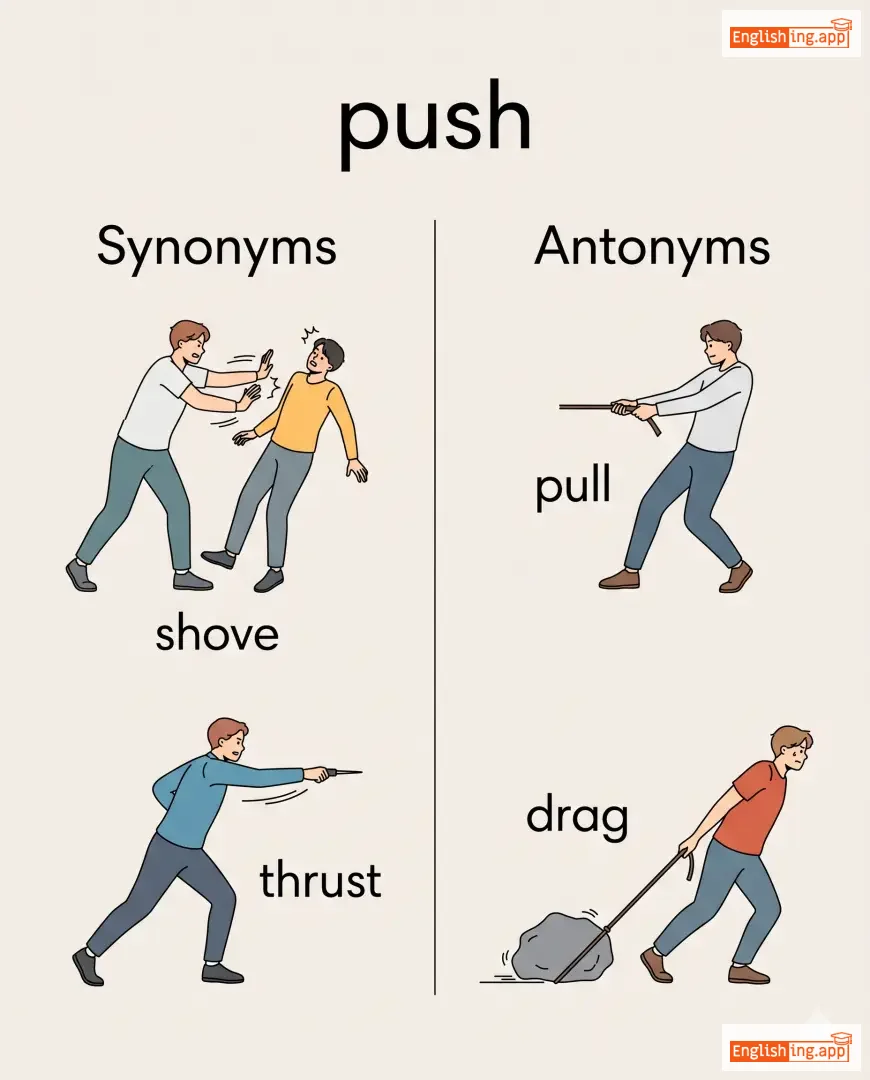
shove, thrust, propel, drive
••••••
|
pull, drag
••••••
|
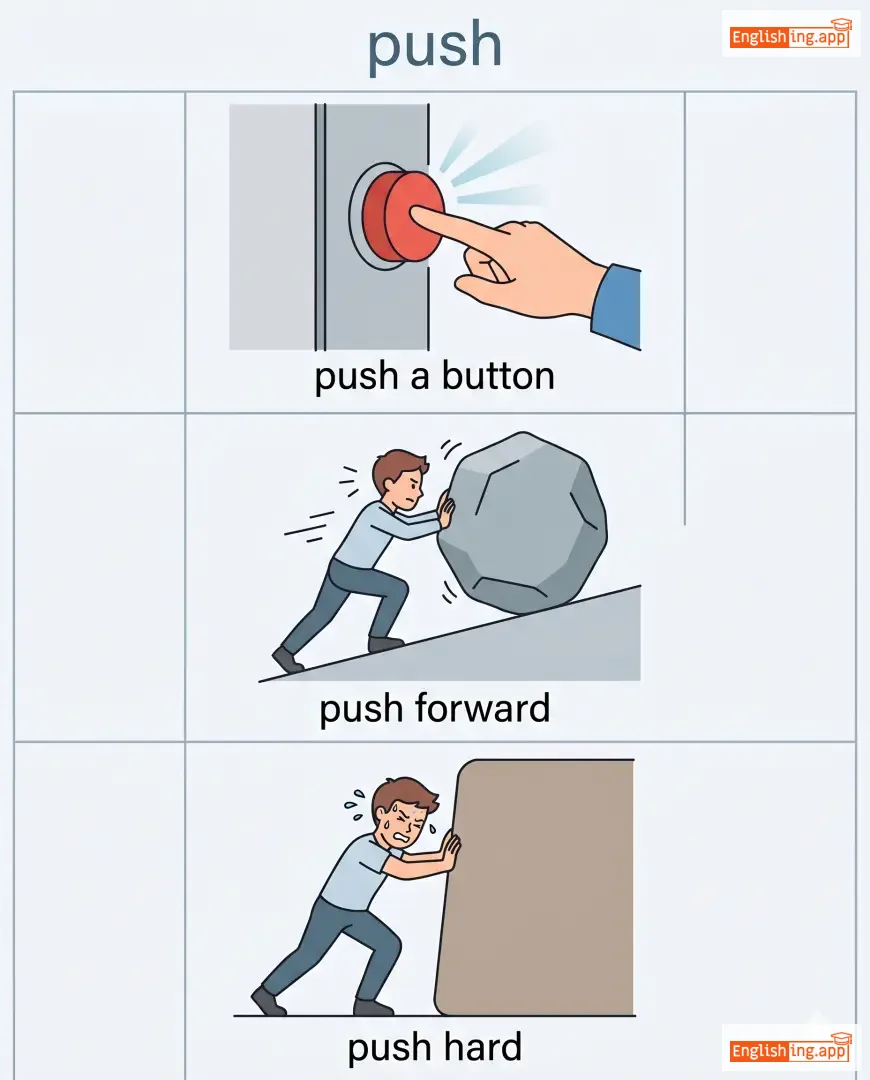
push a button, push forward, push hard, push back
••••••
|
Push意思是推——和拉正好相反。
••••••
|
|
🤒
••••••
|
/sɪk/
adjective
(西克)
••••••
|
- •••••• |
生病
sheng bing
••••••
|
- •••••• | - •••••• | - •••••• | - •••••• |
feeling unwell or suffering from illness
••••••
|
She stayed home because she was feeling sick.
她留在家里,因为她感觉不舒服。
••••••
|
她留在家里,因为她感觉生病了。
ta liu zai jia li yin wei ta gan jue sheng bing le
••••••
|
sick and tired
厌倦
••••••
|
completely fed up or annoyed
••••••
|
厌倦和疲倦
yan juan he pi juan
••••••
|
ill, unwell, unhealthy, nauseous, ailing
••••••
|
healthy, well, fit
••••••
|
feel sick, get sick, sick leave, sick child, sick person
••••••
|
Sick sounds like 西克 — 当你生病时不要去上学!
••••••
|
|
🚀
••••••
|
/stɑːrt/
verb
(start)
••••••
|
|
开始
kaishi
••••••
|
started
started
••••••
|
started
started
••••••
|
starts
starts
••••••
|
starting
starting
••••••
|
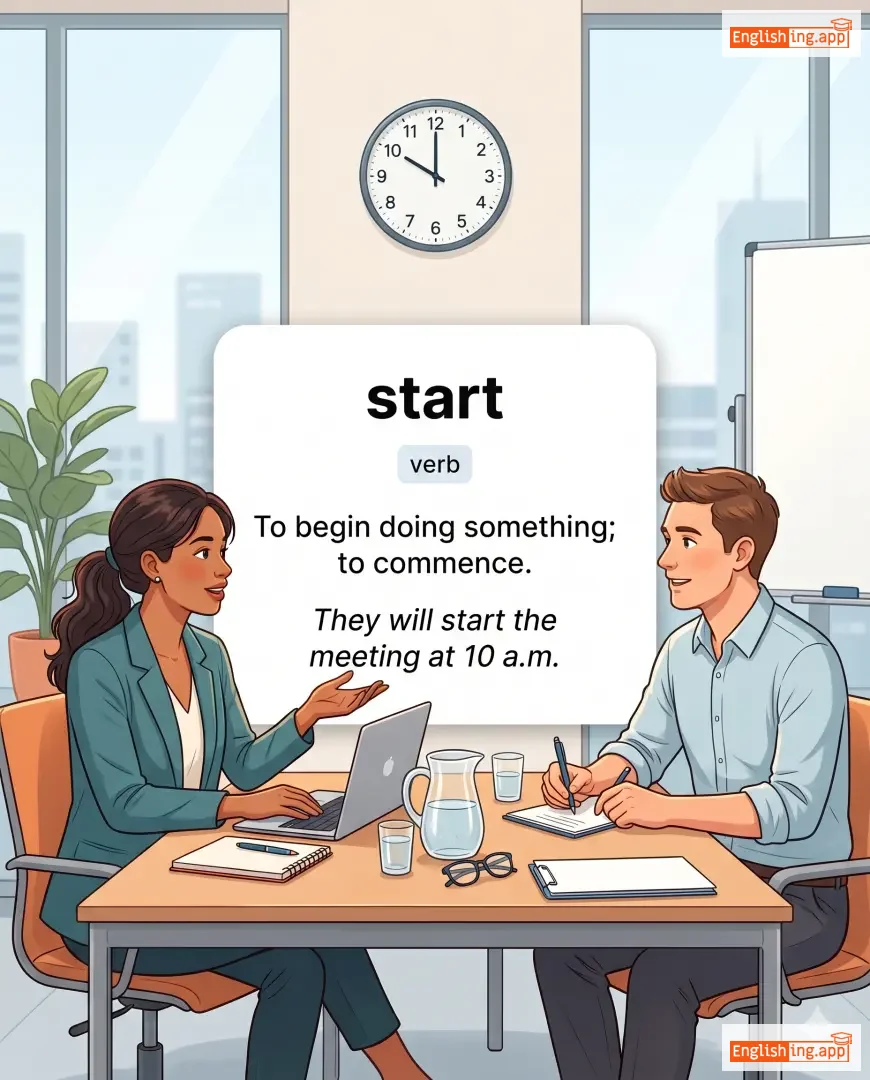
To begin doing something; to commence.
••••••
|
They will start the meeting at 10 a.m.
他们将在上午10点开始会议。
••••••
|
他们将在上午10点开始会议。
Tāmen jiāng zài shàngwǔ 10 diǎn kāishǐ huìyì.
••••••
|
start from scratch
从头开始
••••••
|
To begin again from nothing.
••••••
|
从头开始
Cóng tóu kāishǐ
••••••
|
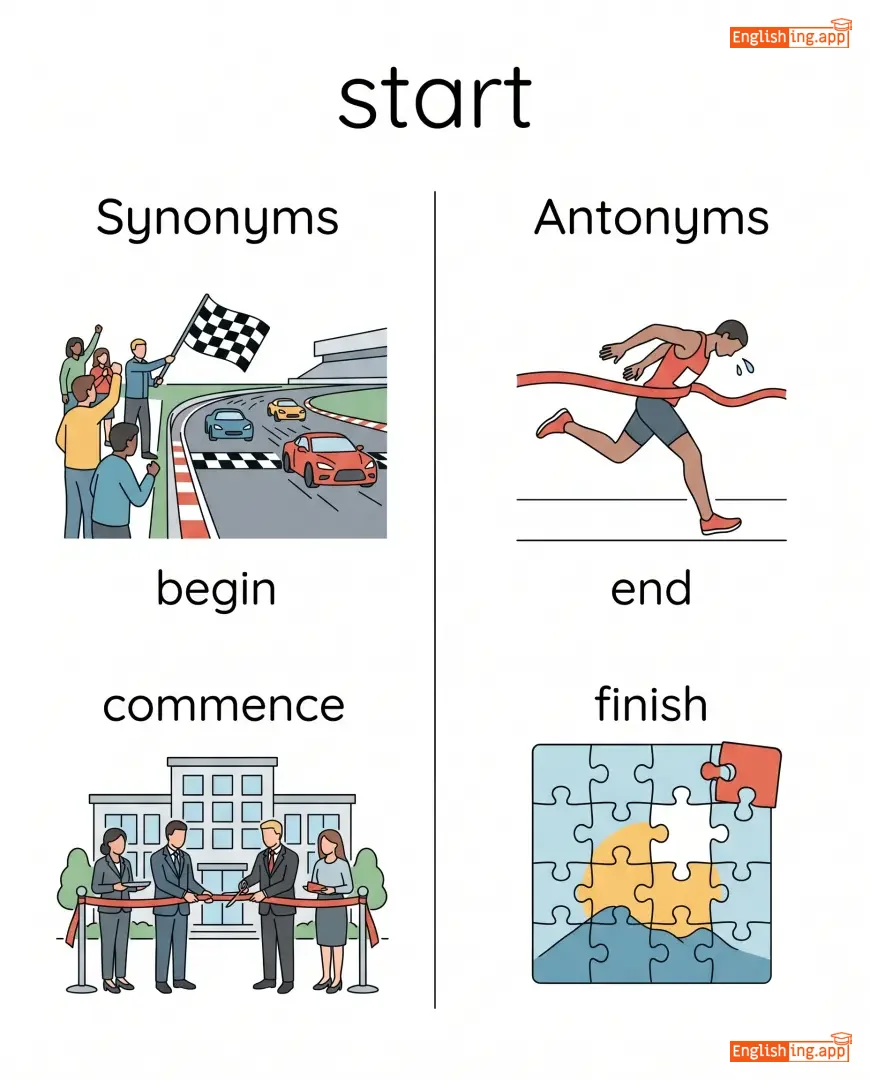
begin, commence, initiate, launch, open
••••••
|
end, finish, stop
••••••
|
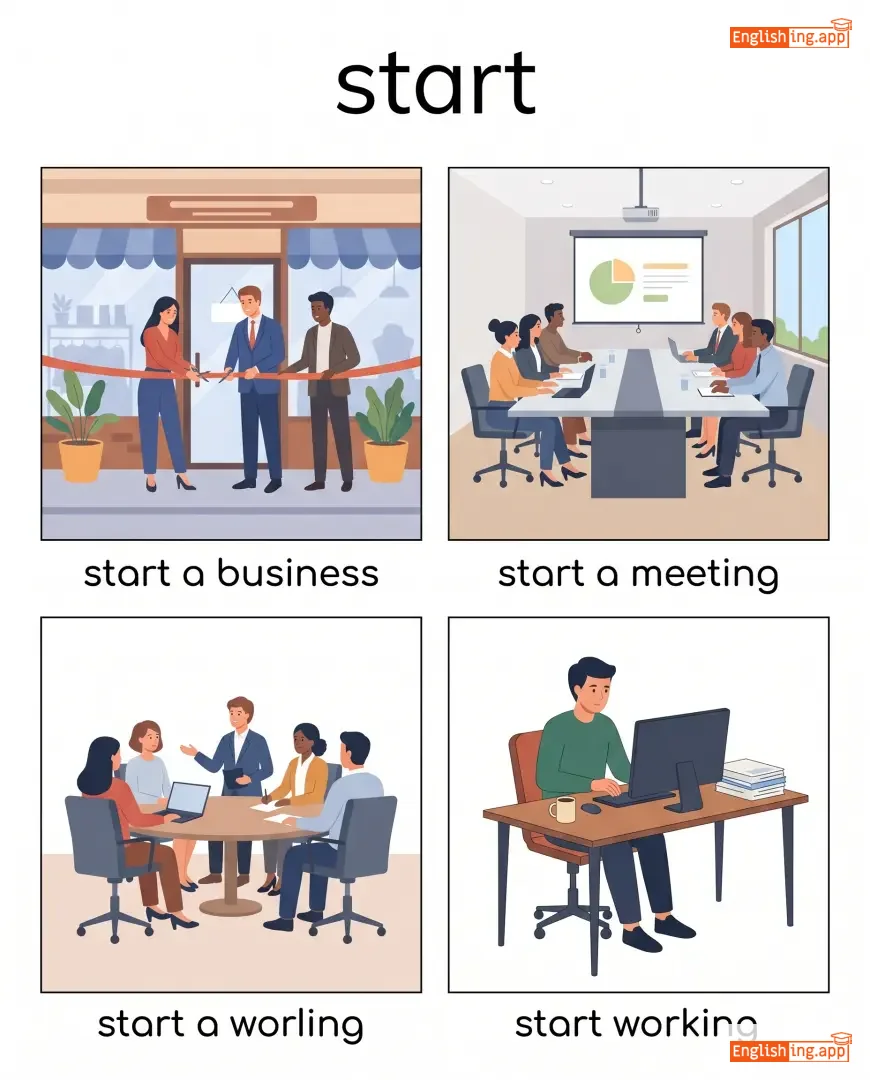
start a business, start a meeting, start working, start again
••••••
|
'START'按键开始一切
••••••
|
|
🤸
••••••
|
/stretʃ/
verb
(斯特雷奇)
••••••
|
- •••••• |
拉伸
lashen
••••••
|
stretched
拉伸
••••••
|
stretched
拉伸
••••••
|
stretches
拉伸
••••••
|
stretching
拉伸中
••••••
|
to extend or expand; to make or become longer or wider
••••••
|
Athletes stretch their muscles before exercising.
运动员在锻炼前拉伸他们的肌肉。
••••••
|
运动员在锻炼前拉伸他们的肌肉。
Yundongyuan zai duanlian qian lashen tamen de jirou.
••••••
|
- •••••• | - •••••• | - •••••• |
extend, expand, lengthen, reach
••••••
|
contract, shrink, compress, shorten
••••••
|
stretch muscles, stretch out, stretch further, stretch limits
••••••
|
Stretch before exercise, just like an athlete!
••••••
|
|
💪
••••••
|
/strɔːŋ/
adjective
(斯特龙)
••••••
|
|
强壮
qiángzhuàng
••••••
|
- •••••• | - •••••• | - •••••• | - •••••• |
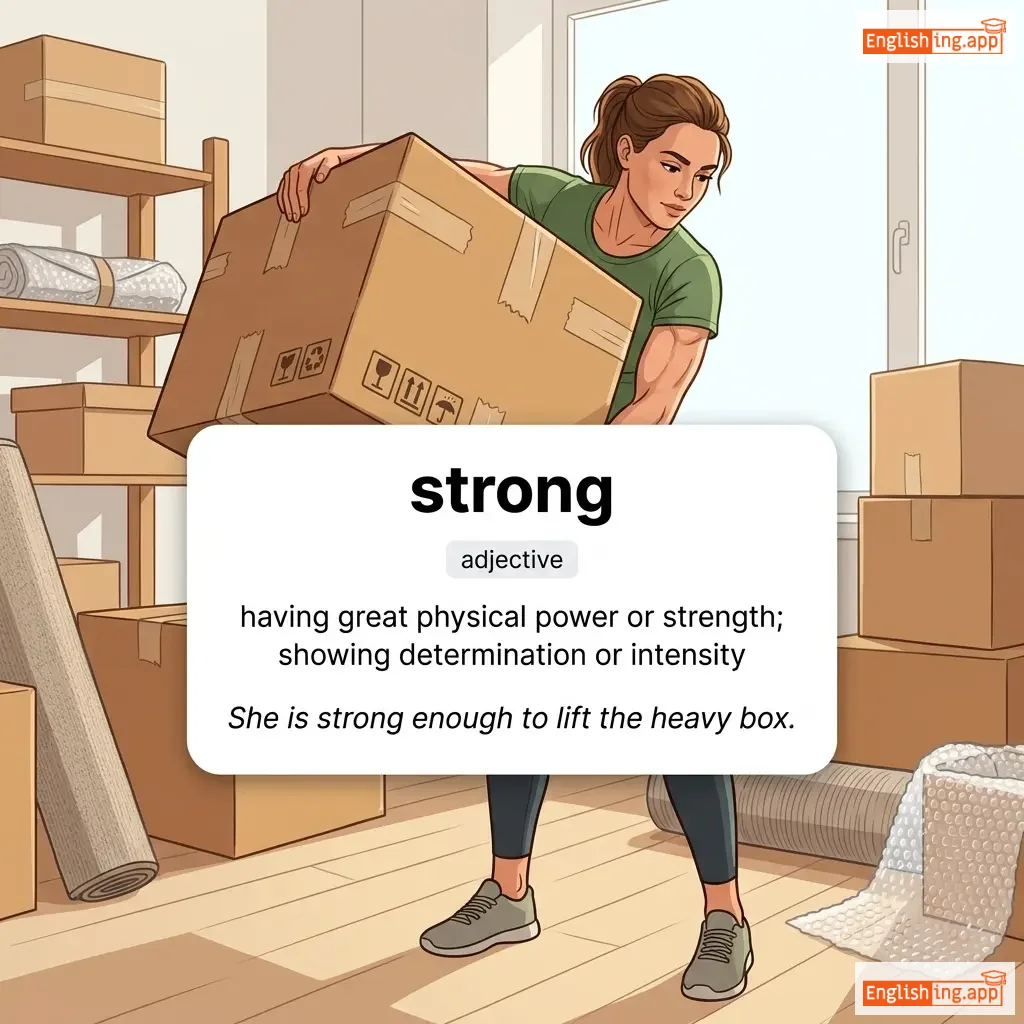
having great physical power or strength; showing determination or intensity
••••••
|
She is strong enough to lift the heavy box. |
她足够强壮,能够举起重箱子。
Tā zúgòu qiángzhuàng, nénggòu jǔqǐ zhòng xiāngzi.
••••••
|
strong suit |
a particular skill or strength someone is especially good at
••••••
|
强项
qiángxiàng
••••••
|
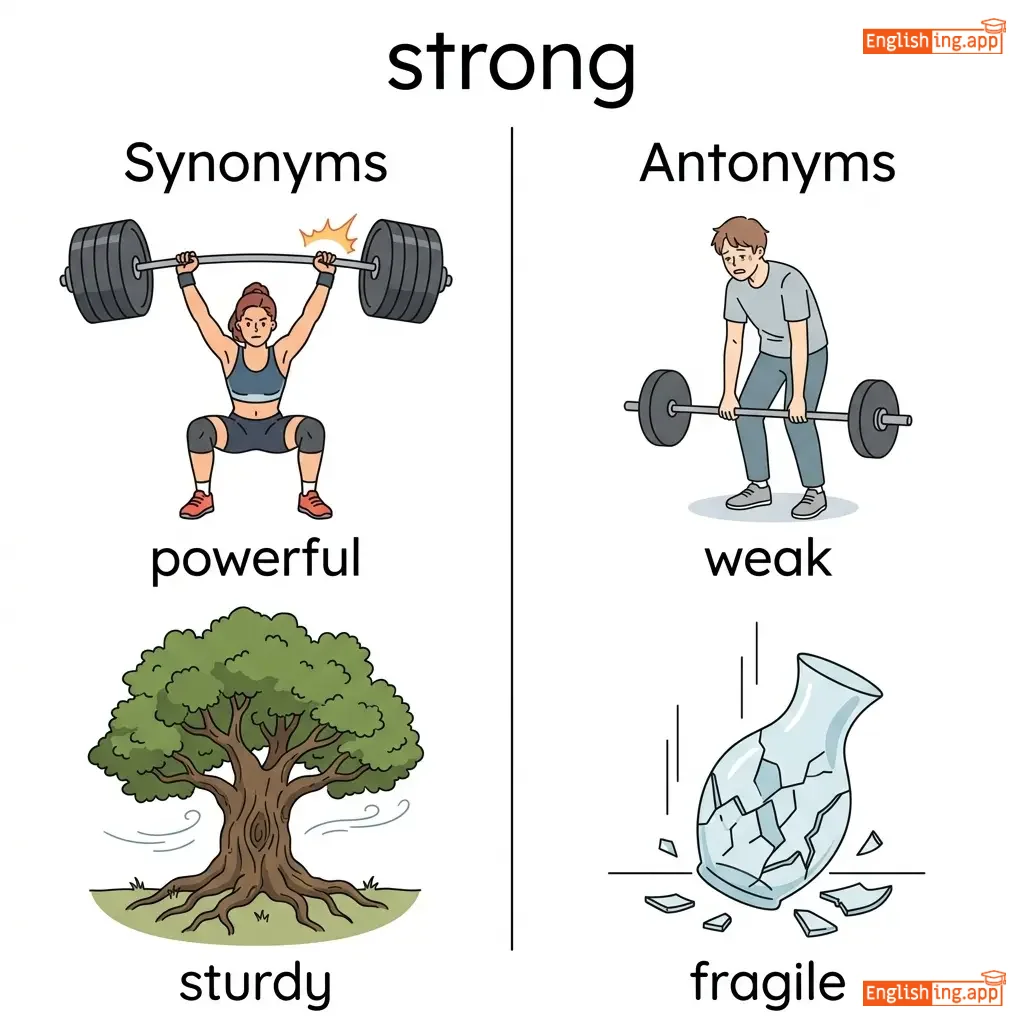
powerful, sturdy, tough, resilient, vigorous
••••••
|
weak, fragile, feeble
••••••
|
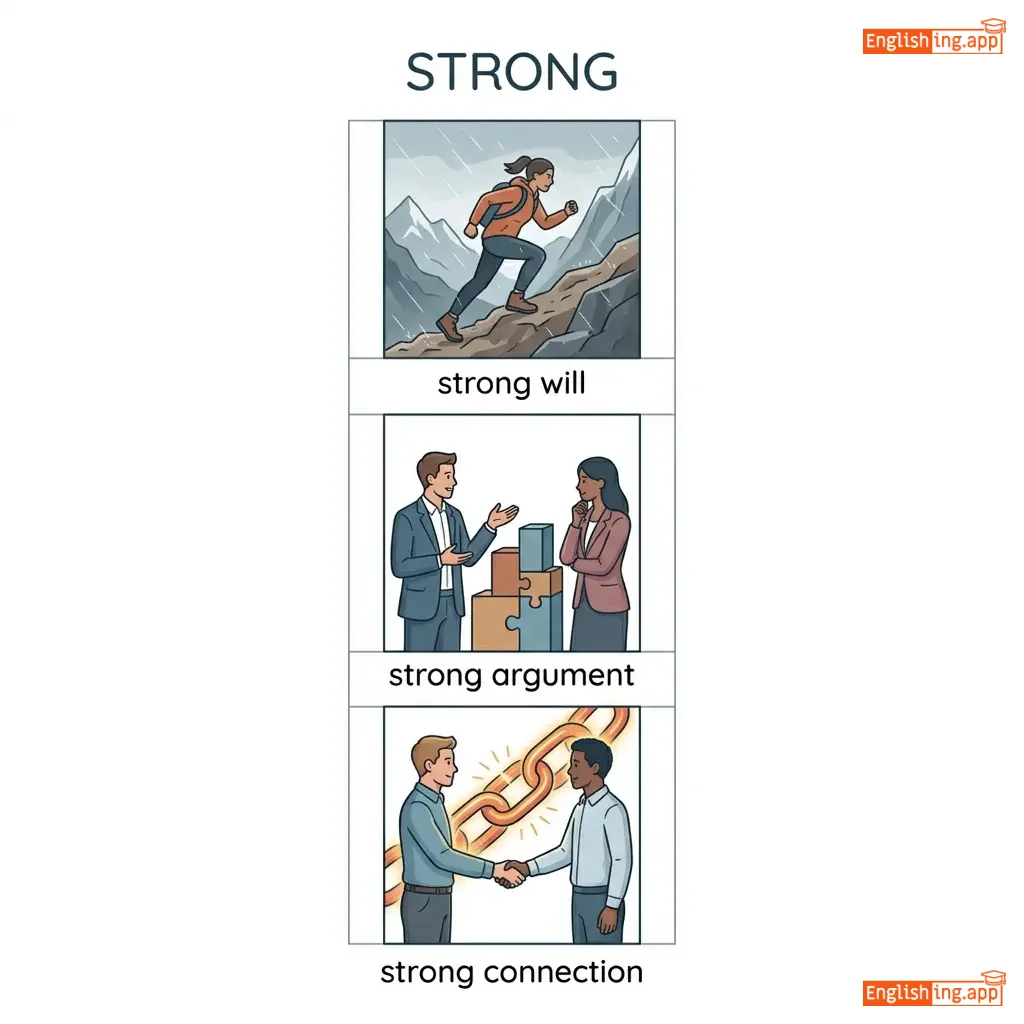
strong will, strong argument, strong connection, strong influence, strong flavor
••••••
|
Strong 是 💪 强壮,记住 'Strong 就能做到'
••••••
|
|
🚶
••••••
|
/wɔːk/
verb
(沃克)
••••••
|
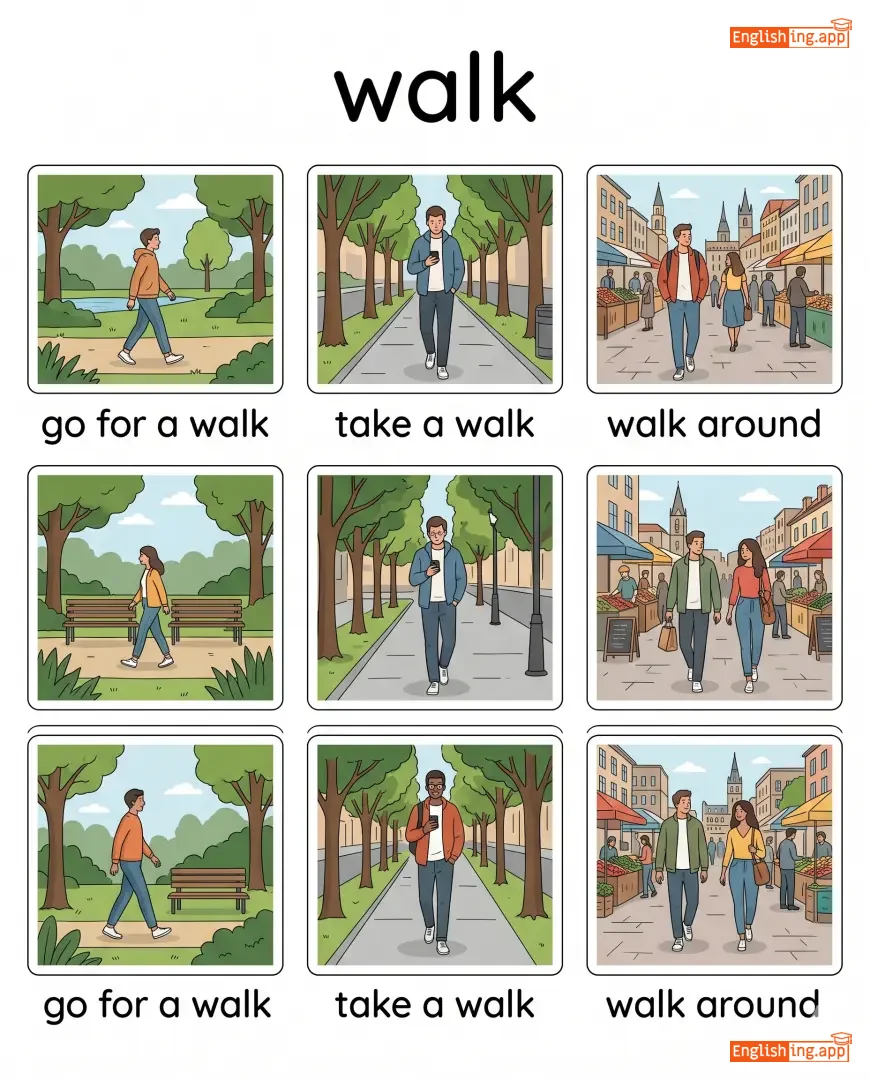
|
走
zou
••••••
|
walked
沃克德
••••••
|
walked
沃克德
••••••
|
walks
沃克斯
••••••
|
walking
沃金
••••••
|
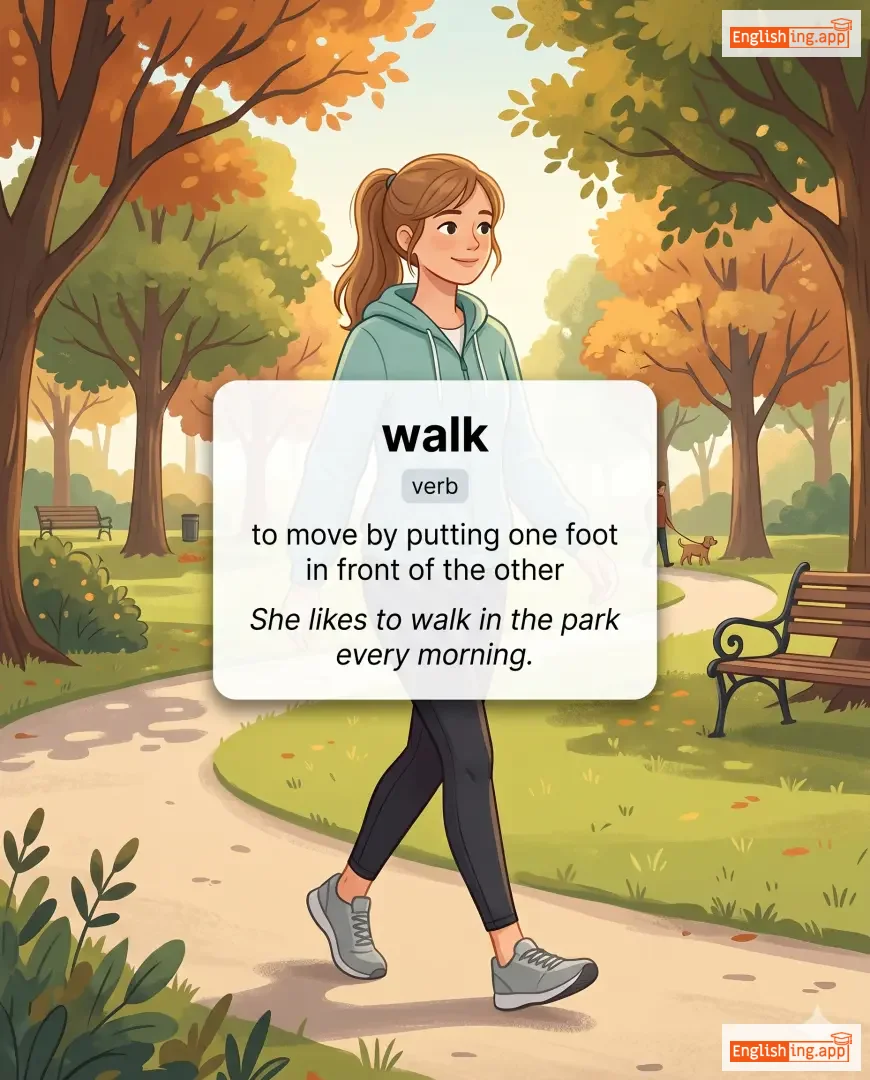
to move forward by putting one foot in front of the other
••••••
|
I walk to school every morning.
我每天早晨步行去学校。
••••••
|
我每天早晨步行去学校。
Wo meitian zaocheng buxing qu xuexiao.
••••••
|
- •••••• | - •••••• | - •••••• |
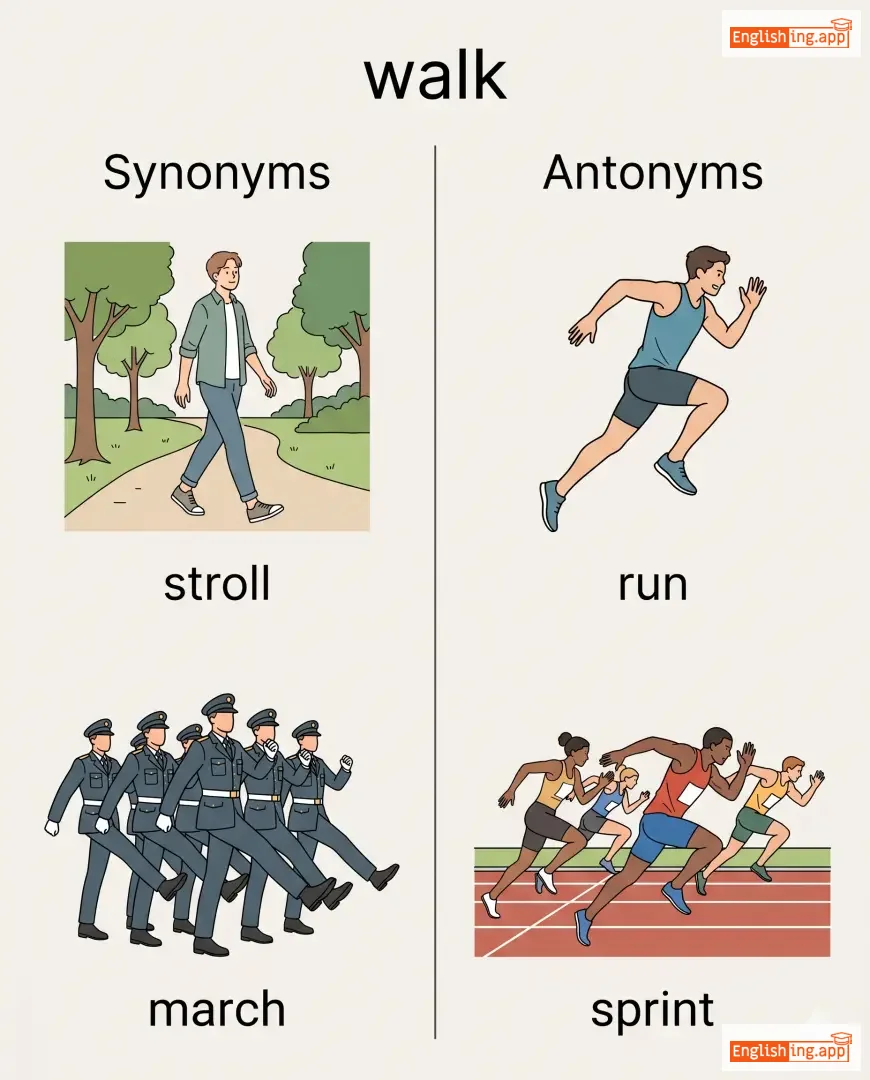
stroll, march, stride, step
••••••
|
run, fly, drive, ride
••••••
|
walk slowly, walk together, walk alone, walk home
••••••
|
走路就像在生活中前行!
••••••
|
|
💪❌
••••••
|
/wiːk/
adjective
(wēk)
••••••
|
- •••••• |
虚弱; 脆弱
xūruò; cuìruò
••••••
|
- •••••• | - •••••• | - •••••• | - •••••• |
lacking physical strength; not strong; fragile
••••••
|
After the illness, he felt weak and tired.
生病后,他感到虚弱和疲惫。
••••••
|
生病后,他感到虚弱和疲惫。
Shēngbìng hòu, tā gǎndào xūruò hé píbèi.
••••••
|
- •••••• | - •••••• | - •••••• |
feeble, frail, fragile, powerless
••••••
|
strong, powerful, robust, sturdy
••••••
|
weak point, weak signal, feel weak, grow weak
••••••
|
Weak in English sounds like 'wēk' in Chinese, both meaning '虚弱'.
••••••
|

