The Teacher's Journey to Peace
萨尔玛曾在达卡的一所 busy 学校任教。每天她都要面对各种 pressure 和 obstacles。对学生成绩的担忧、校长的要求、家长的抱怨——这些让她的生活远离了 ordinary peace。
有一天,医生告诉她,为了她的 recovery,她需要在一个 remote 的地方度过一段 peaceful 的时光。起初,萨尔玛感到 regret——她怎么能离开她的学生呢?但她的 mentor、资深教师拉希姆先生 reassured 她:“如果你不保持健康,你就无法教给别人任何好东西。”
萨尔玛回到了自己的乡村老家。最初的几天她感到非常 lonely。但渐渐地,她开始 notice 到一些小事——清晨的鸟鸣、宁静的池水、neighbors 简朴的生活。一位年长的 neighbor 阿姨告诉她:“亲爱的,生活需要 patience。一切都是 possible 的,你能 overcome 所有困难,只需要时间。”
当村里的孩子们知道她是老师时,他们请她教他们一些东西。萨尔玛开办了一个小型的非正式课堂。这一次没有 pressure,只有教学的快乐。孩子们专心地听着,她被他们的 positive 能量所 motivate。
三个月后,萨尔玛成功 managed 了她的心理 recovery。她现在 remembers,教学不仅是一种职业,更是一种热情。那些来自乡村的 lessons reminded 她,生活中的 progress 不仅意味着前进,也意味着 pursuing 自己的内心和平。
回到达卡后,萨尔玛变得不同了。她仍然教学,但现在她知道如何以 positive 的心态 overcome obstacles,而不会给自己带来 pressure。这段旅程给了她一个重要的 lesson——有时候,停下来才是前进的最好方式。
|
表情符号
|
单词 | Images | 翻译 | 过去时 | 过去分词 | 第三人称单数 | 动名词 | 含义 | 例句 | 例句翻译 | 示例表达 | 示例表达含义 | 示例表达翻译 | 同义词 | 反义词 | 搭配词 | 助记符 |
|---|---|---|---|---|---|---|---|---|---|---|---|---|---|---|---|---|---|
|
📚
••••••
|
/ˈlɛsən/
noun
(lèxùn)
••••••
|
- •••••• |
课
ke
••••••
|
- •••••• | - •••••• | - •••••• | - •••••• |
A unit of teaching or something learned through experience.
••••••
|
The teacher explained the lesson clearly. |
老师清楚地解释了这节课。
Laoshi qingchu de jieshi le zhe jie ke.
••••••
|
learn a lesson |
to gain knowledge or understanding from a mistake or event
••••••
|
学到一课
xue dao yi ke
••••••
|
class, session, lecture, instruction
••••••
|
ignorance, neglect
••••••
|
math lesson, life lesson, teach a lesson, learn a lesson
••••••
|
Lesson意味着课 📚 — 学习一课就是学到新的东西。
••••••
|
|
😔
••••••
|
/ˈloʊnli/
adjective
(lónglí)
••••••
|
- •••••• |
孤独
gūdú
••••••
|
- •••••• | - •••••• | - •••••• | - •••••• |
feeling sad because one has no friends or company.
••••••
|
He felt lonely after moving to a new city. |
他在搬到新城市后感到孤独。
Tā zài bān dào xīn chéngshì hòu gǎndào gūdú.
••••••
|
lonely heart |
a person who feels emotionally isolated or unloved
••••••
|
孤独的心
gūdú de xīn
••••••
|
isolated, alone, solitary, desolate, sad
••••••
|
friendly, sociable, connected
••••••
|
feel lonely, become lonely, lonely night, lonely person
••••••
|
Lonely意味着孤独,就像孤独的心。
••••••
|
|
🛠️
••••••
|
/ˈmænɪdʒ/
verb
(曼内吉)
••••••
|

|
管理
guanli
••••••
|
managed
曼内吉德
••••••
|
managed
曼内吉德
••••••
|
manages
曼内杰斯
••••••
|
managing
曼内吉英
••••••
|
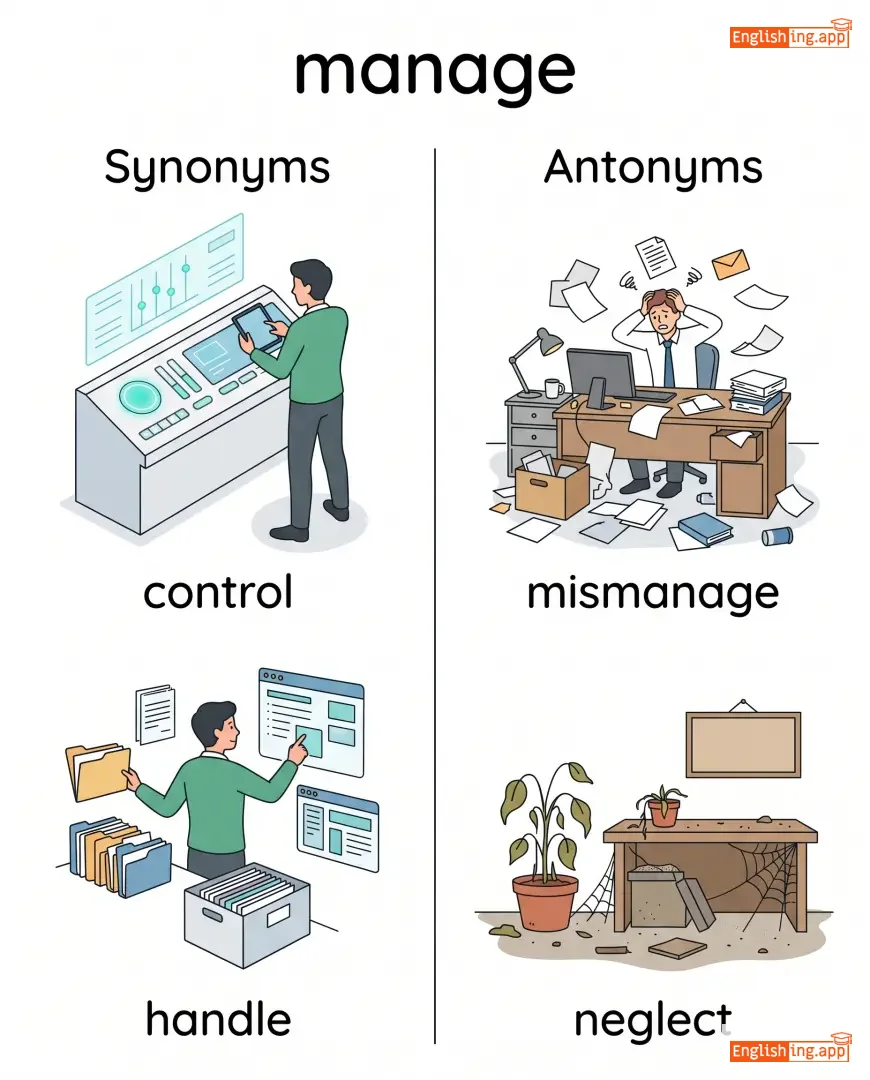
to be in charge of or control something
••••••
|
She manages a small bookstore in town.
她在镇上经营着一家小书店。
••••••
|
她在镇上经营着一家小书店。
Ta zai zhen shang jingying zhe yijia xiao shudian.
••••••
|
manage to do
设法去做
••••••
|
succeed in doing something, especially with difficulty
••••••
|
设法去做
shefa qu zuo
••••••
|
control, handle, supervise, oversee, direct
••••••
|
mismanage, neglect
••••••
|
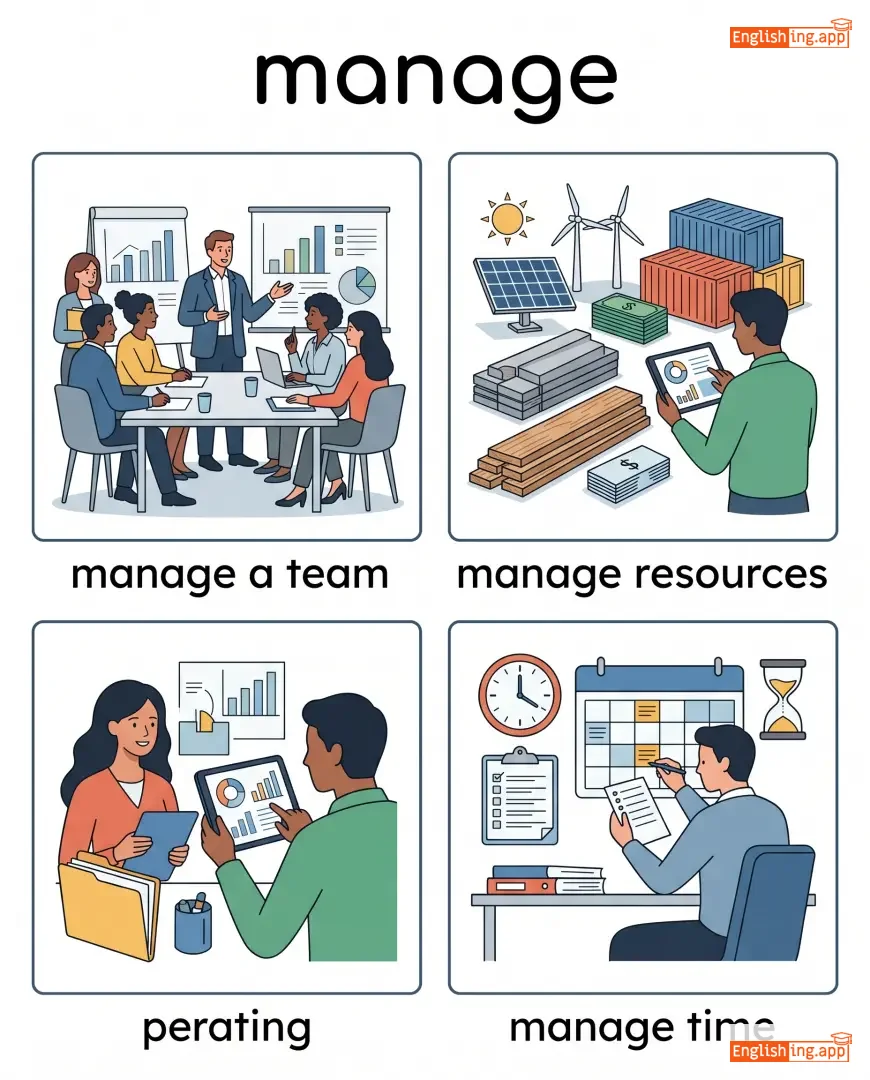
manage a team, manage resources, manage time, manage business
••••••
|
经理管理一切!
••••••
|
|
👩🏫
••••••
|
/ˈmɛntɔːr/
noun
(mɛntɔr)
••••••
|
- •••••• |
导师
dǎoshī
••••••
|
- •••••• | - •••••• | - •••••• | - •••••• |
an experienced person who advises and guides someone less experienced
••••••
|
She acted as a mentor for the new employees. |
她担任新员工的导师。
Tā dānrèn xīn yuángōng de dǎoshī.
••••••
|
mentor-mentee relationship |
a guiding relationship where a mentor advises a mentee
••••••
|
导师与学员关系
dǎoshī yǔ xuéyuán guānxì
••••••
|
advisor, guide, coach, counselor
••••••
|
student, pupil
••••••
|
trusted mentor, career mentor, mentor program, mentor relationship
••••••
|
导师,如同老师,为你指引方向。
••••••
|
|
🔥
••••••
|
/ˈmoʊtɪveɪt/
verb
••••••
|
- •••••• | - •••••• |
motivated
••••••
|
motivated
••••••
|
motivates
••••••
|
motivating
••••••
|
To provide someone with a reason or incentive to do something.
••••••
|
The coach motivated the players to give their best performance. |
- •••••• |
self-motivate |
To inspire oneself to take action or improve.
••••••
|
- •••••• |
encourage, inspire, stimulate, urge, drive
••••••
|
discourage, demotivate
••••••
|
motivate people, motivate employees, motivate to succeed, motivated by
••••••
|
No •••••• |
|
🏘️
••••••
|
/ˈneɪbər/
noun
(内博)
••••••
|
- •••••• |
邻居
línjū
••••••
|
- •••••• | - •••••• | - •••••• | - •••••• |
a person living next door or nearby
••••••
|
My neighbor lent me some sugar when I ran out.
迈 内博 伦特 米 山 砂糖 温 艾 瑞 安 奥特。
••••••
|
我的邻居在我糖用完时借给了我一些糖。
Wǒ de línjū zài wǒ táng yòng wán shí jiè gěi le wǒ yīxiē táng.
••••••
|
- •••••• | - •••••• | - •••••• |
adjacent resident, nearby person, local
••••••
|
stranger, outsider
••••••
|
good neighbor, friendly neighbor, next-door neighbor
••••••
|
Your neighbor never says ‘no’, it’s sweet like sugar!
••••••
|
|
👀
••••••
|
/ˈnoʊtɪs/
verb
(nòutī sī)
••••••
|

|
注意
zhùyì
••••••
|
noticed
nòutī sī dé
••••••
|
noticed
nòutī sī dé
••••••
|
notices
nòutī sī es
••••••
|
noticing
nòutī sī yīng
••••••
|
to become aware of or observe something
••••••
|
I noticed a change in her behavior.
我注意到她的行为有了变化。
••••••
|
我注意到她的行为有了变化。
Wǒ zhùyì dào tā de xíngwéi yǒu le biànhuà.
••••••
|
- •••••• | - •••••• | - •••••• |
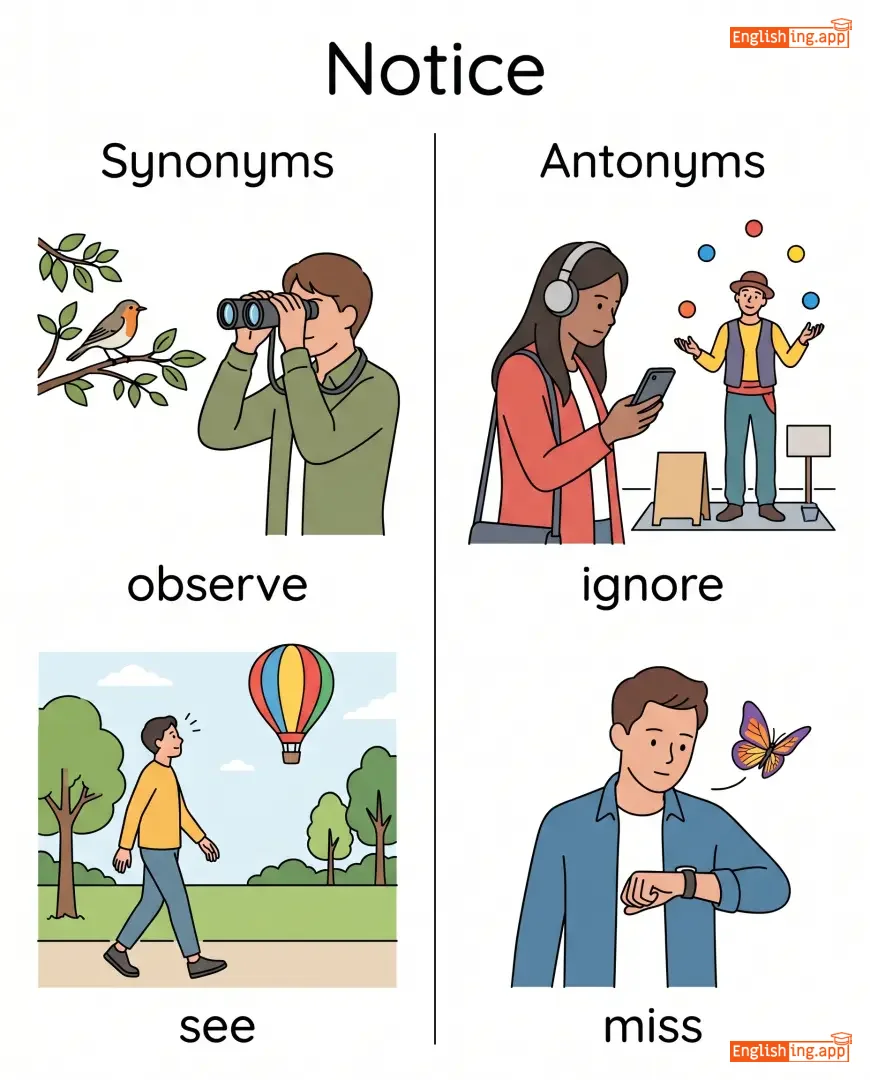
observe, see, spot, detect
••••••
|
ignore, miss, overlook
••••••
|
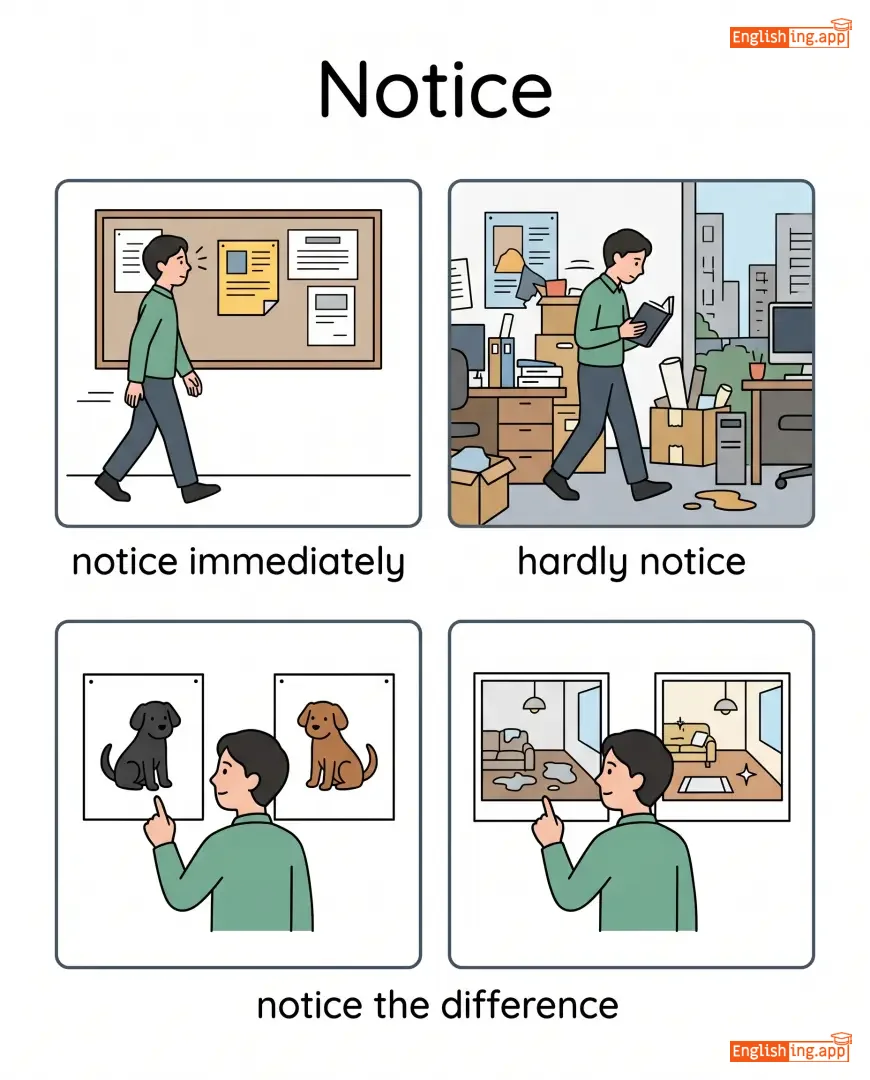
notice immediately, hardly notice, notice the difference, take notice, advance notice
••••••
|
Noticing something is like 'zhùyì' in Chinese, instantly recognizing things!
••••••
|
|
🚧
••••••
|
/ˈɒbstəkəl/
noun
(obuseutai)
••••••
|
- •••••• |
障碍
zhàng'ài
••••••
|
- •••••• | - •••••• | - •••••• | - •••••• |
something that blocks your way or prevents progress
••••••
|
Lack of money was the main obstacle to his success. |
缺钱是他成功的主要障碍。
quē qián shì tā chénggōng de zhǔyào zhàng'ài.
••••••
|
overcome an obstacle |
to deal with and successfully get past a problem or barrier
••••••
|
克服障碍
kèfú zhàng'ài
••••••
|
barrier, hurdle, hindrance, block, difficulty
••••••
|
aid, help, support
••••••
|
major obstacle, face an obstacle, overcome obstacle, obstacle course, create obstacle
••••••
|
障碍 = 障碍物,阻止进程 🚧
••••••
|
|
📘
••••••
|
/ˈɔːrdəˌnɛri/
adjective
(普通)
••••••
|
- •••••• |
普通的
putong de
••••••
|
- •••••• | - •••••• | - •••••• | - •••••• |
Common, usual, or not special; something that happens regularly.
••••••
|
She wore an ordinary dress to the party. |
她穿着一件普通的裙子去参加派对。
Ta chuanzhuo yijian putong de qunzi qu canjia paidui.
••••••
|
out of the ordinary |
Something unusual or different from what is normal.
••••••
|
非同寻常
fei tong xun chang
••••••
|
common, usual, regular, normal, typical
••••••
|
extraordinary, exceptional, unusual
••••••
|
ordinary life, ordinary people, ordinary day, ordinary circumstances
••••••
|
‘Ordinary’ 意味着‘秩序’—一切都在秩序中,一切都很普通。
••••••
|
|
💪
••••••
|
/ˌoʊvərˈkʌm/
verb
(欧弗卡姆)
••••••
|
|
克服
kèfú
••••••
|
overcame
欧弗凯姆
••••••
|
overcome
欧弗卡姆
••••••
|
overcomes
欧弗卡姆斯
••••••
|
overcoming
欧弗卡明
••••••
|
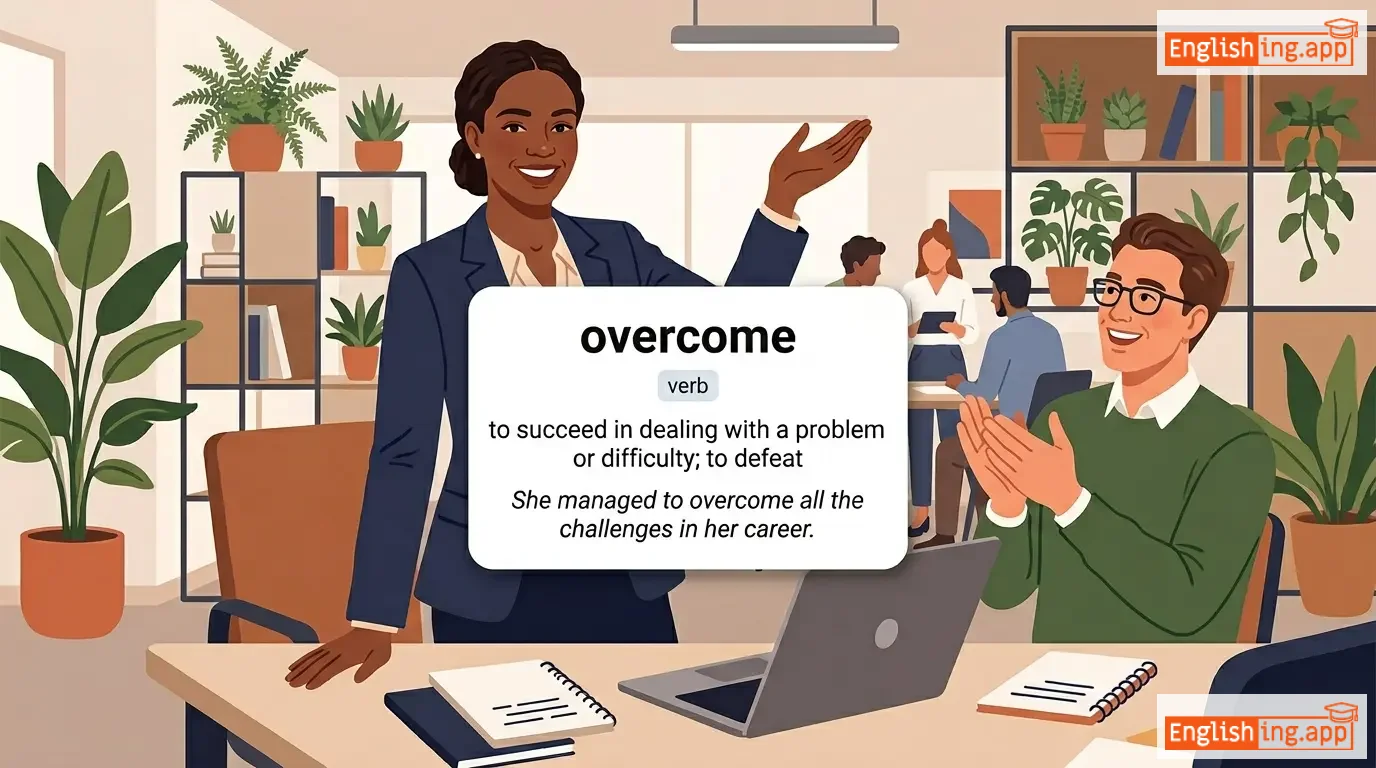
to succeed in dealing with a problem or difficulty; to defeat
••••••
|
She managed to overcome all the challenges in her career.
她成功地克服了职业生涯中的所有挑战。
••••••
|
她成功地克服了职业生涯中的所有挑战。
Tā chénggōng de kèfú le zhíyè shēngyá zhōng de suǒyǒu tiǎozhàn.
••••••
|
overcome with emotion
情感的压倒
••••••
|
deeply affected by strong feelings
••••••
|
情感的压倒
qínggǎn de yādǎo
••••••
|
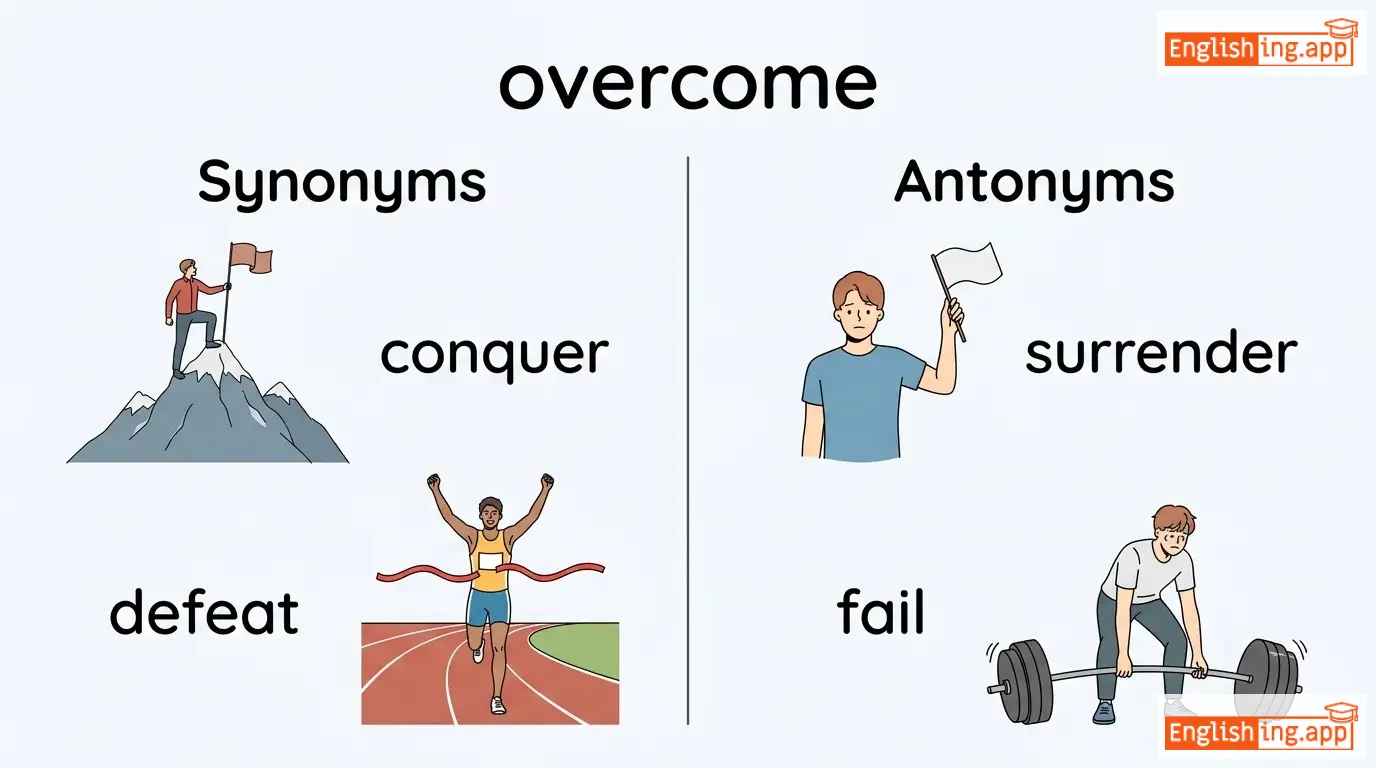
conquer, defeat, prevail, master
••••••
|
surrender, fail
••••••
|
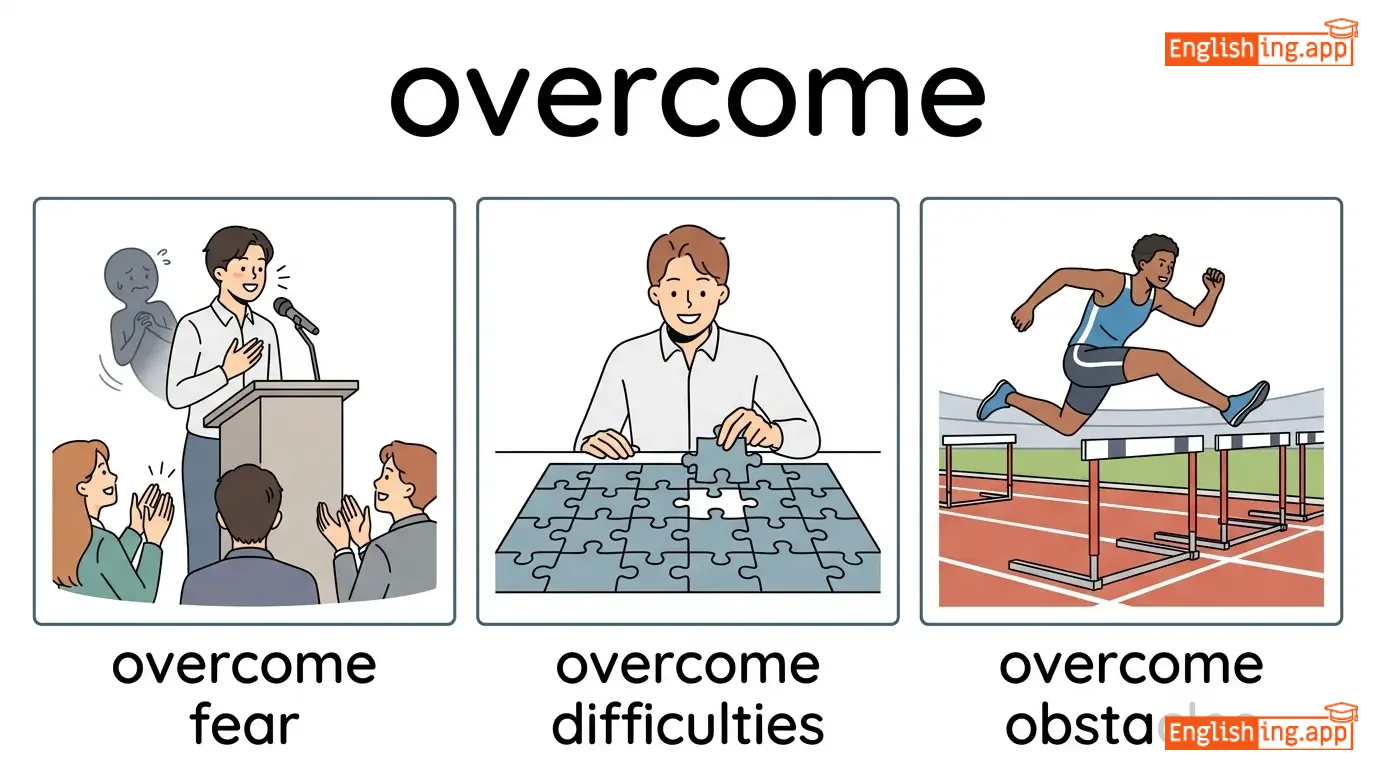
overcome fear, overcome difficulties, overcome obstacles, overcome challenges
••••••
|
克服就像战胜障碍 - 解决困难,取得胜利。
••••••
|
|
🧘
••••••
|
/ˈpeɪ.ʃəns/
noun
(péi shén sī)
••••••
|
|
耐心
naixin
••••••
|
- •••••• | - •••••• | - •••••• | - •••••• |
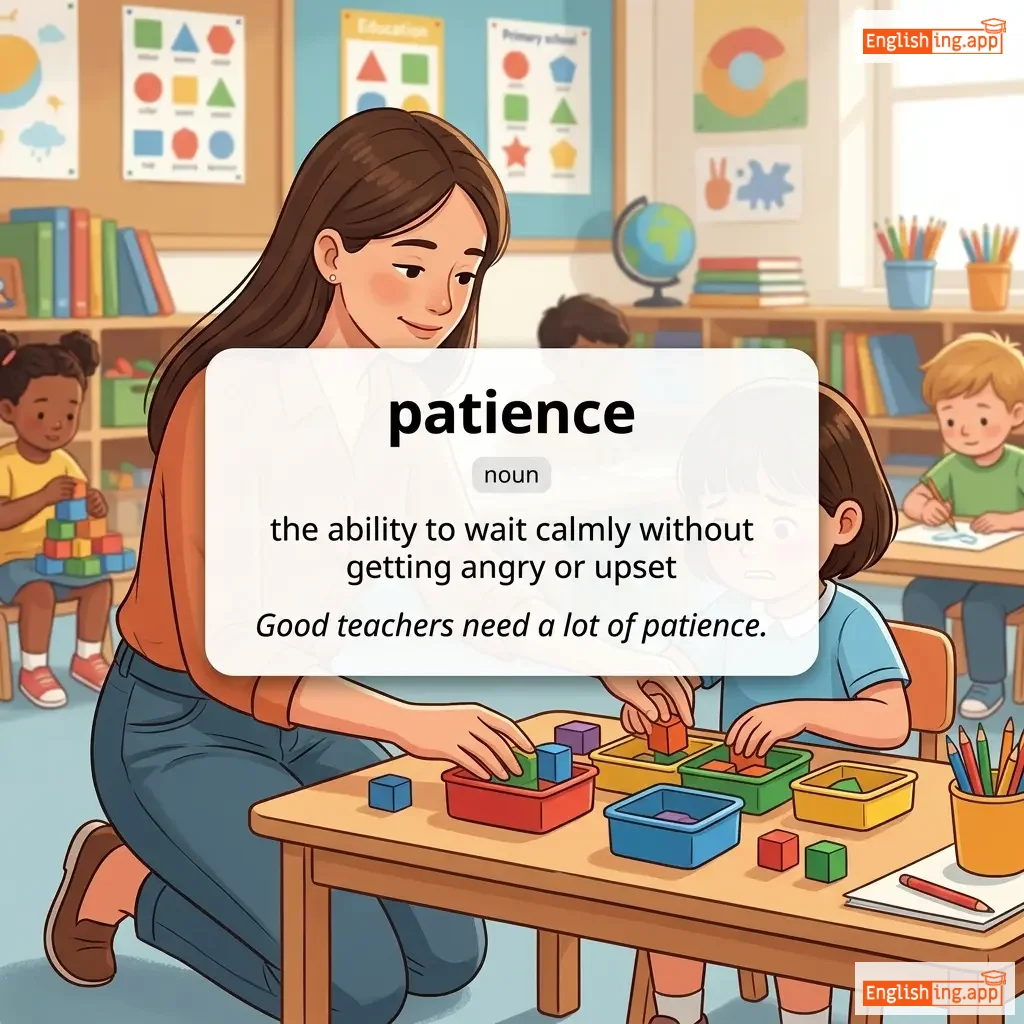
the ability to wait calmly without getting angry or upset
••••••
|
Good teachers need a lot of patience. |
好老师需要很多耐心。
Hao laoshi xuyao henduo naixin.
••••••
|
lose patience |
to become annoyed because of delay or difficulty
••••••
|
失去耐心
shiqu naixin
••••••
|
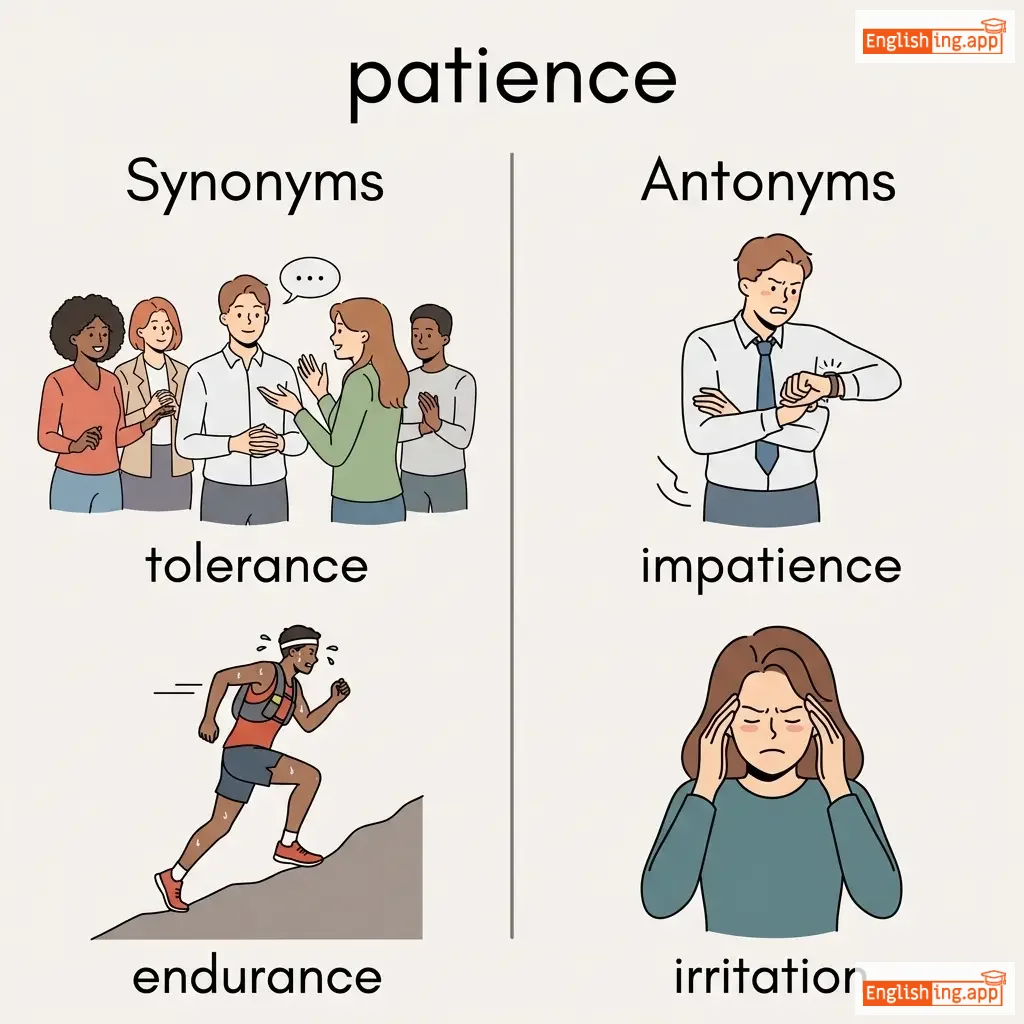
tolerance, endurance, calmness, perseverance, forbearance
••••••
|
impatience, irritation, frustration
••••••
|
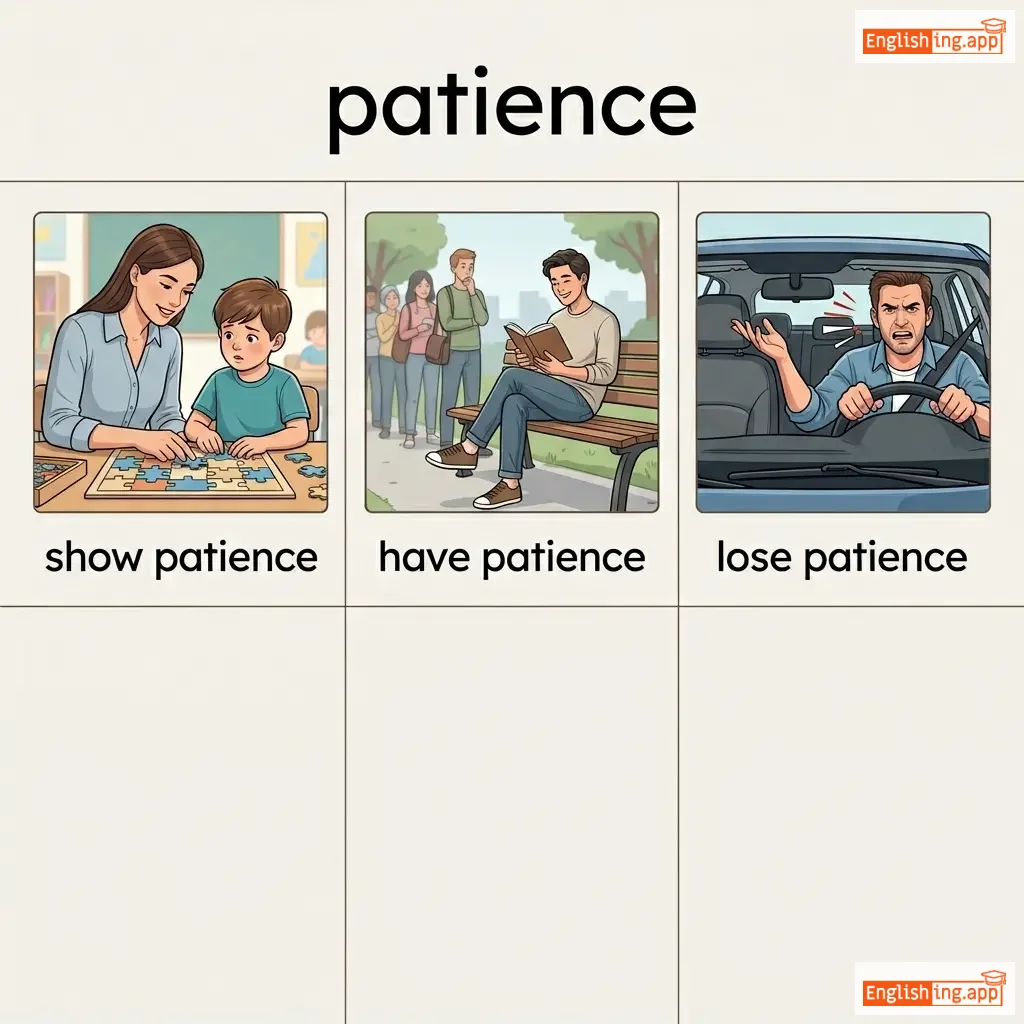
show patience, have patience, lose patience, test patience
••••••
|
耐心就像一个病人安静等待治疗。
••••••
|
|
☮️
••••••
|
/ˈpiːsfl/
adjective
(海皮尼斯)
••••••
|
- •••••• |
幸福
xingfu
••••••
|
- •••••• | - •••••• | - •••••• | - •••••• |
free from disturbance; calm and tranquil
••••••
|
The village remained peaceful even during the festival. |
当她收到奖项时,她无法掩饰她的幸福。
Dāng tā shōudào jiǎngxiàng shí, tā wúfǎ yǎnshì tā de xìngfú.
••••••
|
peaceful coexistence |
a situation in which different groups live together without conflict
••••••
|
幸福的追求
Xìngfú de zhuīqiú
••••••
|
calm, serene, tranquil, restful, quiet
••••••
|
chaotic, violent, disturbed
••••••
|
peaceful life, peaceful protest, peaceful solution, peaceful environment
••••••
|
幸福 = 这是我们都在寻找的东西
••••••
|
|
➕
••••••
|
/ˈpɒzɪtɪv/
adjective
(pozitiv)
••••••
|

|
积极的
jī jí de
••••••
|
- •••••• | - •••••• | - •••••• | - •••••• |
Characterized by optimism, certainty, or something favorable.
••••••
|
She always tries to maintain a positive attitude. |
她总是尽力保持积极的态度。
Tā zǒng shì jìnlì bǎochí jījí de tàidù.
••••••
|
positive thinking |
focusing on the good aspects and expecting favorable outcomes
••••••
|
积极思考
jījí sīkǎo
••••••
|
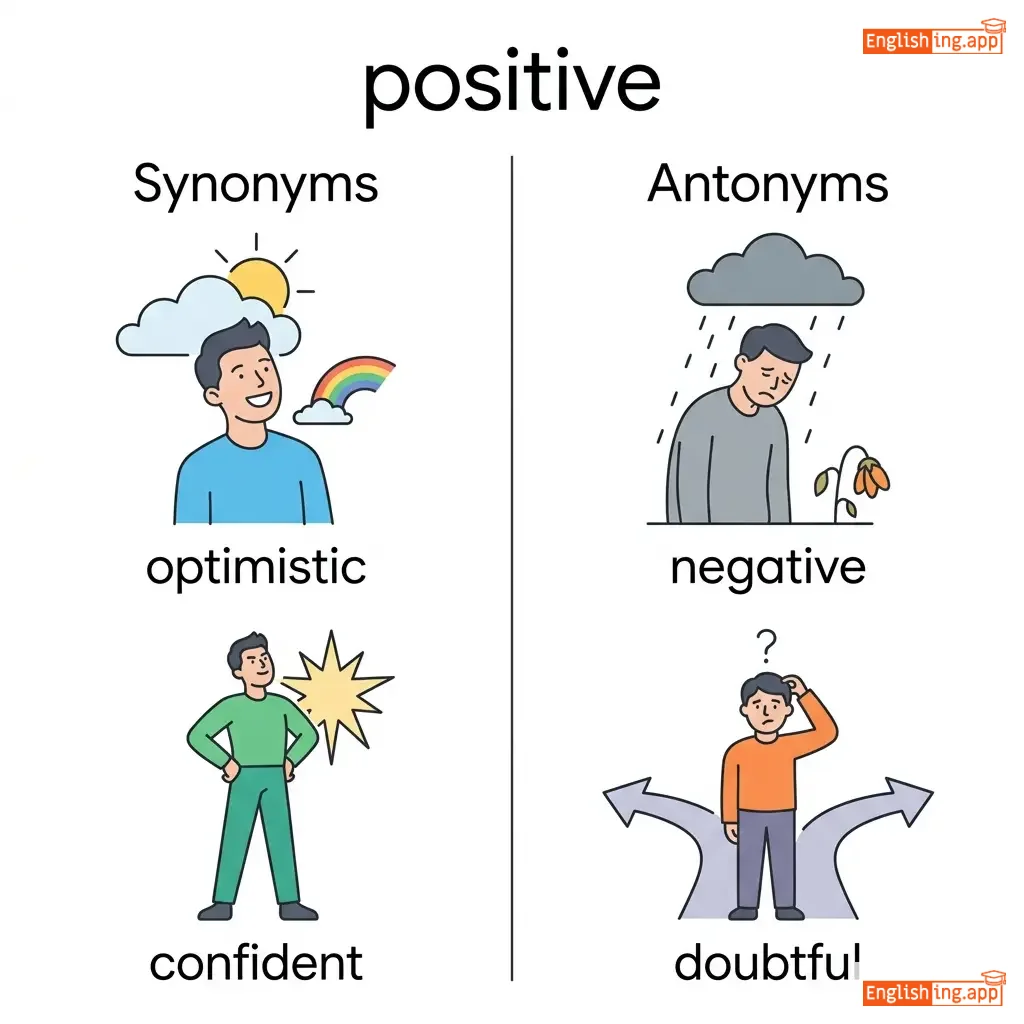
optimistic, confident, assured, constructive, certain
••••••
|
negative, doubtful, pessimistic
••••••
|
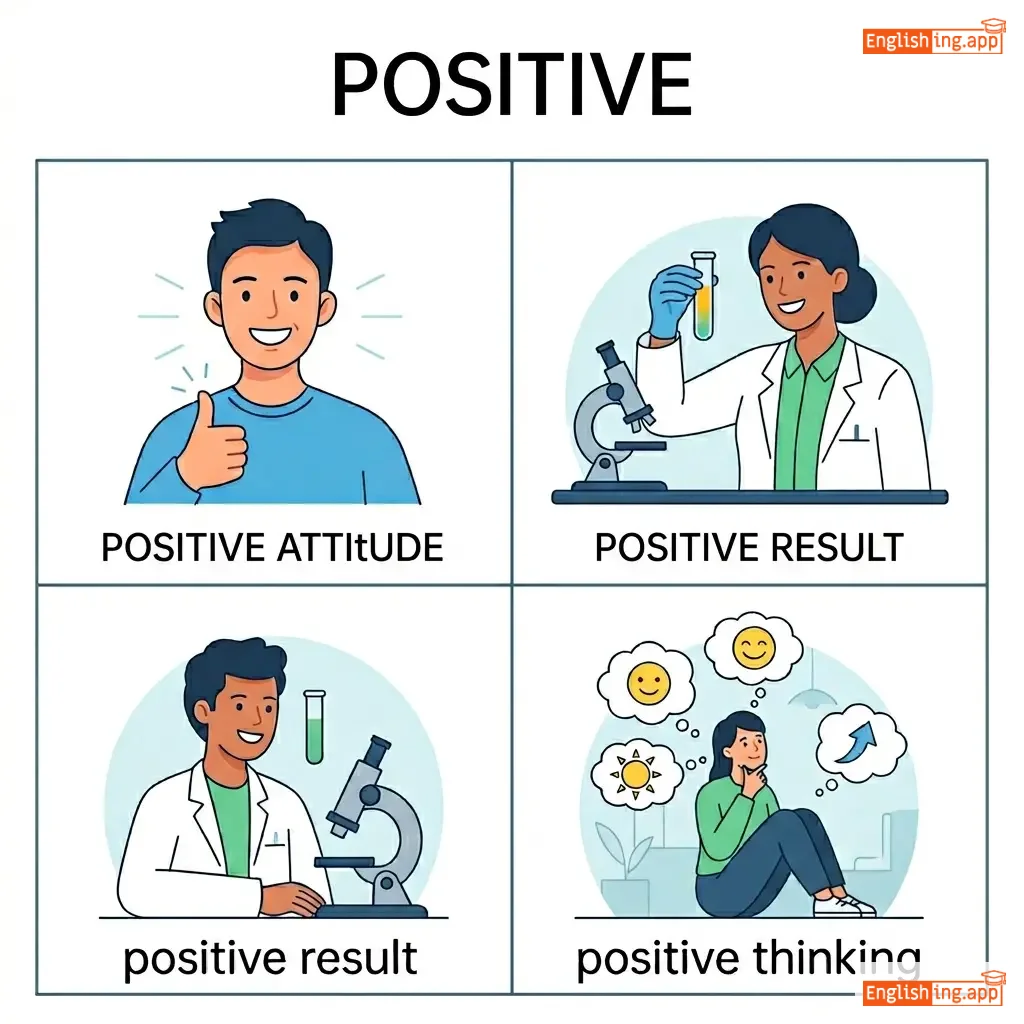
positive attitude, positive result, positive thinking, positive feedback, positive impact
••••••
|
积极的心态,向前看,必定有好的结果!
••••••
|
|
✨
••••••
|
/ˈpɒsəbl̩/
adjective
(pɔsɪbl)
••••••
|
- •••••• |
可能
keneng
••••••
|
- •••••• | - •••••• | - •••••• | - •••••• |
Able to be done or achieved.
••••••
|
Anything is possible if you work hard.
如果你努力工作,一切皆有可能。
••••••
|
如果你努力工作,一切皆有可能。
Ruguo ni nuli gongzuo, yiqie jie you keneng.
••••••
|
make it possible
让它变得可能
••••••
|
To cause something to happen or be achievable.
••••••
|
让它变得可能
rang ta biande keneng
••••••
|
feasible, achievable, attainable, doable
••••••
|
impossible, unachievable, unattainable
••••••
|
as soon as possible, possible solution, possible outcome
••••••
|
可能就是 '可 - 能',只要你努力,就一切皆有可能。
••••••
|
|
💥
••••••
|
/ˈprɛʃər/
noun/verb
(pǔlèshì)
••••••
|
- •••••• |
压力
yali
••••••
|
pressured
pǔlèshí
••••••
|
pressured
pǔlèshí
••••••
|
pressures
pǔlèshí
••••••
|
pressuring
pǔlèshì
••••••
|
the force applied to something or the feeling of stress or tension
••••••
|
The pressure of the situation made him nervous.
情境的压力让他感到紧张。
••••••
|
情境的压力让他感到紧张。
Qíngjìng de yālì ràng tā gǎndào jǐnzhāng.
••••••
|
under pressure
承受压力
••••••
|
feeling stressed or forced to perform
••••••
|
承受压力
Chéngshòu yālì
••••••
|
stress, tension, force
••••••
|
relaxation, ease
••••••
|
high pressure, pressure to succeed, under pressure, pressure point
••••••
|
压力 (Pressure) 是一种需要承受的感受
••••••
|
|
📈
••••••
|
/ˈprəʊɡrɛs/ (noun), /prəˈɡrɛs/ (verb)
noun, verb
(púluógé sī)
••••••
|
|
进展
jìnzhǎn
••••••
|
progressed
púluógé sī dé
••••••
|
progressed
púluógé sī dé
••••••
|
progresses
púluógé sī sī
••••••
|
progressing
púluógé sī xíng
••••••
|
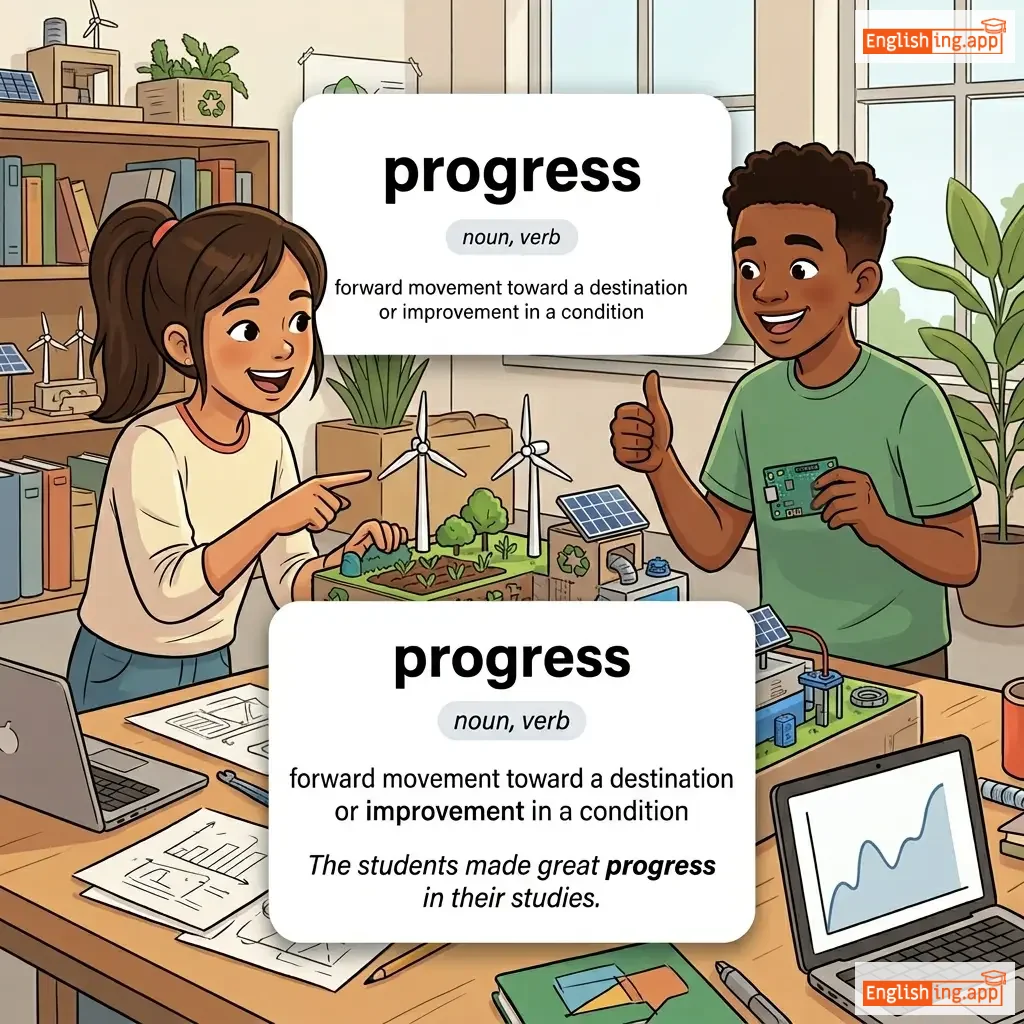
forward movement toward a destination or improvement in a condition
••••••
|
The students made great progress in their studies.
学生们在学习上取得了巨大进展。
••••••
|
学生们在学习上取得了巨大进展。
Xuéshēngmen zài xuéxí shàng qǔdéle jùdà jìnzhǎn.
••••••
|
work in progress
工作进行中
••••••
|
something that is still being developed or unfinished
••••••
|
工作进行中
Gōngzuò jìnxíng zhōng
••••••
|
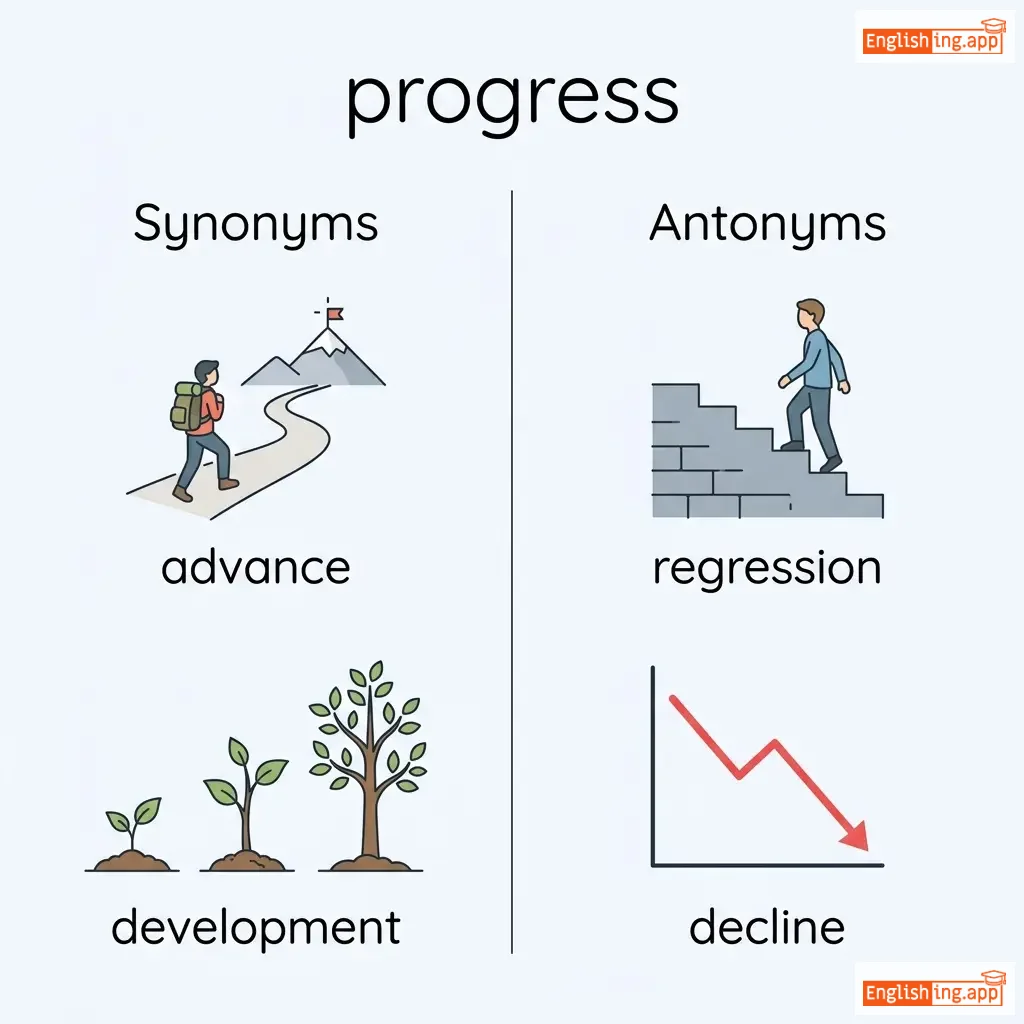
advance, development, improvement, growth, headway
••••••
|
regression, decline, setback
••••••
|
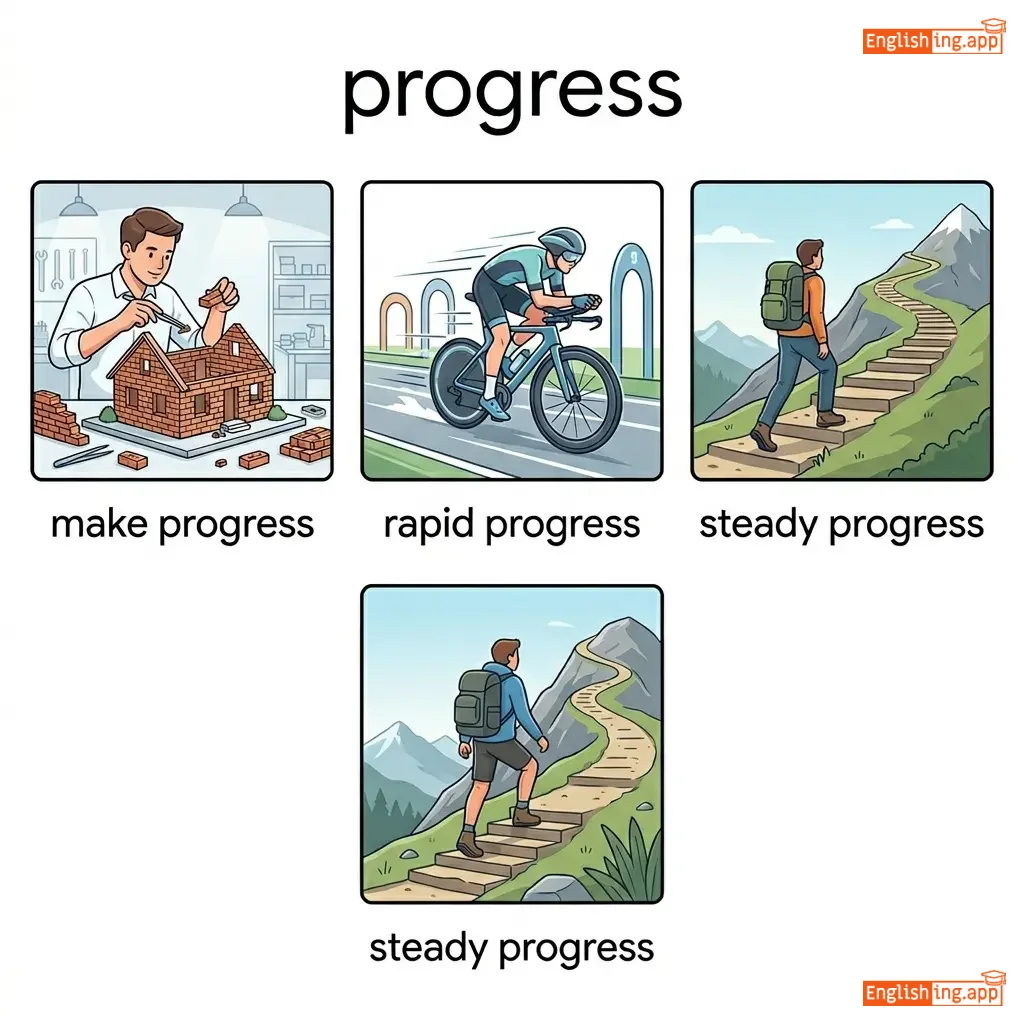
make progress, rapid progress, steady progress, slow progress
••••••
|
Progress = Pro + gress = 向前走 (进展)
••••••
|
|
🏃♀️
••••••
|
/pərˈsuː/
verb
(pərˈsuː)
••••••
|
- •••••• |
追求
zhuīqiú
••••••
|
pursued
pərˈsuːd
••••••
|
pursued
pərˈsuːd
••••••
|
pursues
pərˈsuːz
••••••
|
pursuing
pərˈsuːɪŋ
••••••
|
to follow or chase with the intent to catch or achieve something
••••••
|
She decided to pursue her dreams of becoming a doctor.
她决定追求成为医生的梦想。
••••••
|
她决定追求成为医生的梦想。
Tā juédìng zhuīqiú chéngwéi yīshēng de mèngxiǎng.
••••••
|
- •••••• | - •••••• | - •••••• |
chase, seek, follow, strive
••••••
|
abandon, neglect, avoid
••••••
|
pursue a goal, pursue a career, pursue happiness, pursue success
••••••
|
要成为医生,你必须追求 (zhuīqiú) 你的梦想。
••••••
|
|
🤗
••••••
|
/ˌriːəˈʃʊr/
verb
(rì'āxǔ'ěr)
••••••
|
- •••••• |
安慰
ānwèi
••••••
|
reassured
rì'āxǔ'ěr de
••••••
|
reassured
rì'āxǔ'ěr de
••••••
|
reassures
rì'āxǔ'ěr
••••••
|
reassuring
rì'āxǔ'ěr zhèngzài
••••••
|
to say or do something to remove someone's doubts or fears
••••••
|
The teacher reassured the students before the exam.
老师在考试前安慰了学生。
••••••
|
老师在考试前安慰了学生。
Lǎoshī zài kǎoshì qián ānwèi le xuéshēng.
••••••
|
- •••••• | - •••••• | - •••••• |
comfort, encourage, console, support, calm
••••••
|
alarm, worry, upset
••••••
|
reassure someone, reassured by, reassured that
••••••
|
Reassure 意味着安慰—老师安慰学生以减少考试前的紧张。
••••••
|
|
🛌
••••••
|
/rɪˈkʌvəri/
noun
(恢复)
••••••
|
- •••••• |
恢复
huifu
••••••
|
- •••••• | - •••••• | - •••••• | - •••••• |
the process of recovering or returning to a normal state
••••••
|
The patient is in recovery after the surgery.
患者在手术后正在恢复中。
••••••
|
患者在手术后正在恢复中。
Huanzhe zai shoushu hou zhengzai huifu zhong.
••••••
|
- •••••• | - •••••• | - •••••• |
restoration, rehabilitation, healing
••••••
|
decline, deterioration
••••••
|
make a recovery, in recovery, full recovery
••••••
|
恢复就像恢复身体健康一样 (Huifu jiu xiang huifu shenti jiankang yiyang)
••••••
|
|
😔
••••••
|
/rɪˈɡrɛt/
verb
(rìgrèt)
••••••
|
- •••••• |
后悔
hòuhuǐ
••••••
|
regretted
rìgrèted
••••••
|
regretted
rìgrèted
••••••
|
regrets
rìgrèts
••••••
|
regretting
rìgrèting
••••••
|
to feel sad or disappointed about something that has happened or been done
••••••
|
I deeply regret saying those harsh words to her.
我深深后悔对她说了那些严厉的话。
••••••
|
我深深后悔对她说了那些严厉的话。
Wǒ shēn shēn hòuhuǐ duì tā shuō le nàxiē yánlì de huà.
••••••
|
express regret
表示遗憾
••••••
|
to show that you are sorry about something
••••••
|
表示遗憾
biǎoshì yíhàn
••••••
|
lament, repent, remorse, rue
••••••
|
rejoice, celebrate, delight
••••••
|
regret deeply, express regret, feel regret, lifelong regret
••••••
|
后悔是那种我们说出来时,心中感到遗憾的感觉
••••••
|
|
😌
••••••
|
/rɪˈliːf/
noun
(瑞利夫)
••••••
|
- •••••• |
宽慰; 安慰; 援助
kuānwèi, ānwèi, yuánzhù
••••••
|
- •••••• | - •••••• | - •••••• | - •••••• |
a feeling of comfort after worry or distress; assistance given to those in need
••••••
|
She felt great relief when the exam was over.
她在考试结束时感到极大的宽慰。
••••••
|
她在考试结束时感到极大的宽慰。
Tā zài kǎoshì jiéshù shí gǎndào jí dà de kuānwèi.
••••••
|
- •••••• | - •••••• | - •••••• |
comfort, ease, assistance, aid
••••••
|
anxiety, worry, stress, burden
••••••
|
pain relief, relief work, great relief, tax relief
••••••
|
宽慰意味着放松!
••••••
|
|
💭
••••••
|
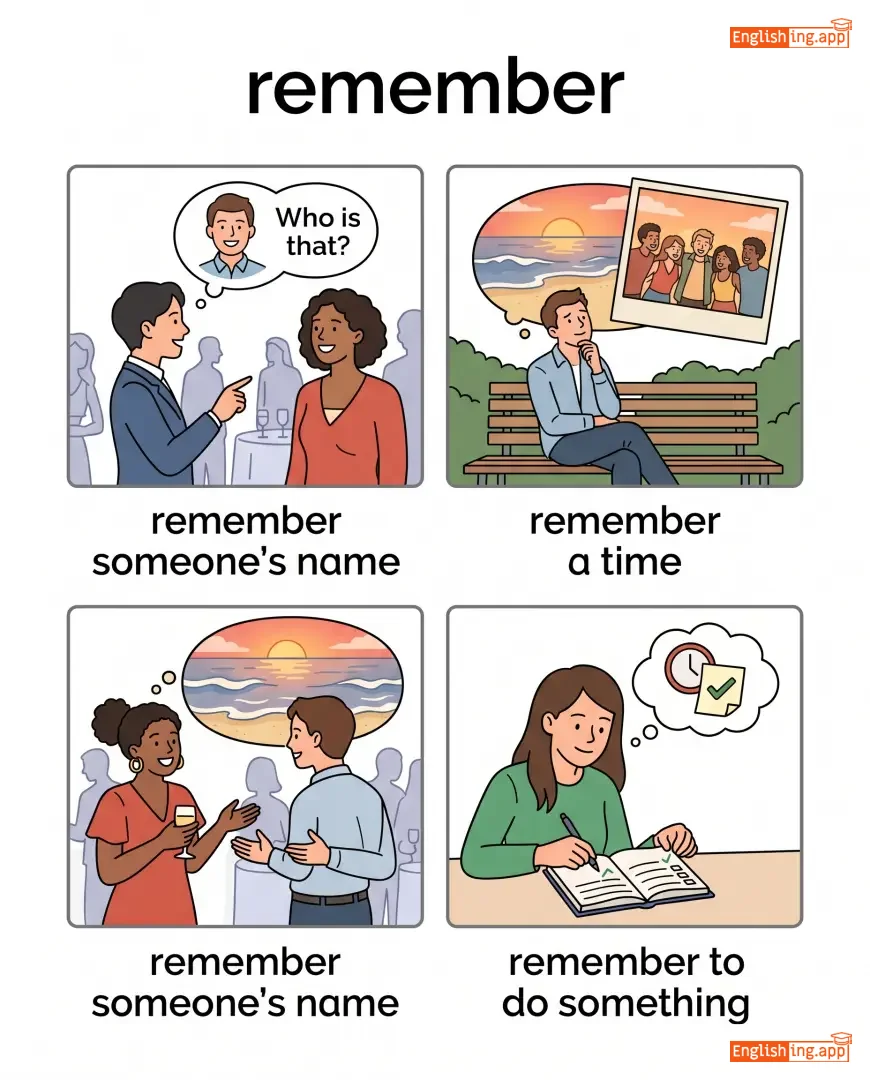
/rɪˈmembə/
verb
(rɪˈmɛmbə)
••••••
|

|
记得
jìdé
••••••
|
remembered
rɪˈmɛmbəd
••••••
|
remembered
rɪˈmɛmbəd
••••••
|
remembers
rɪˈmɛmbəz
••••••
|
remembering
rɪˈmɛmbəɹɪŋ
••••••
|
to bring a past event back into one's mind; to keep in memory
••••••
|
I remember my first day at school.
我记得我在学校的第一天。
••••••
|
我记得我在学校的第一天。
Wǒ jìdé wǒ zài xuéxiào de dì yī tiān.
••••••
|
- •••••• | - •••••• | - •••••• |
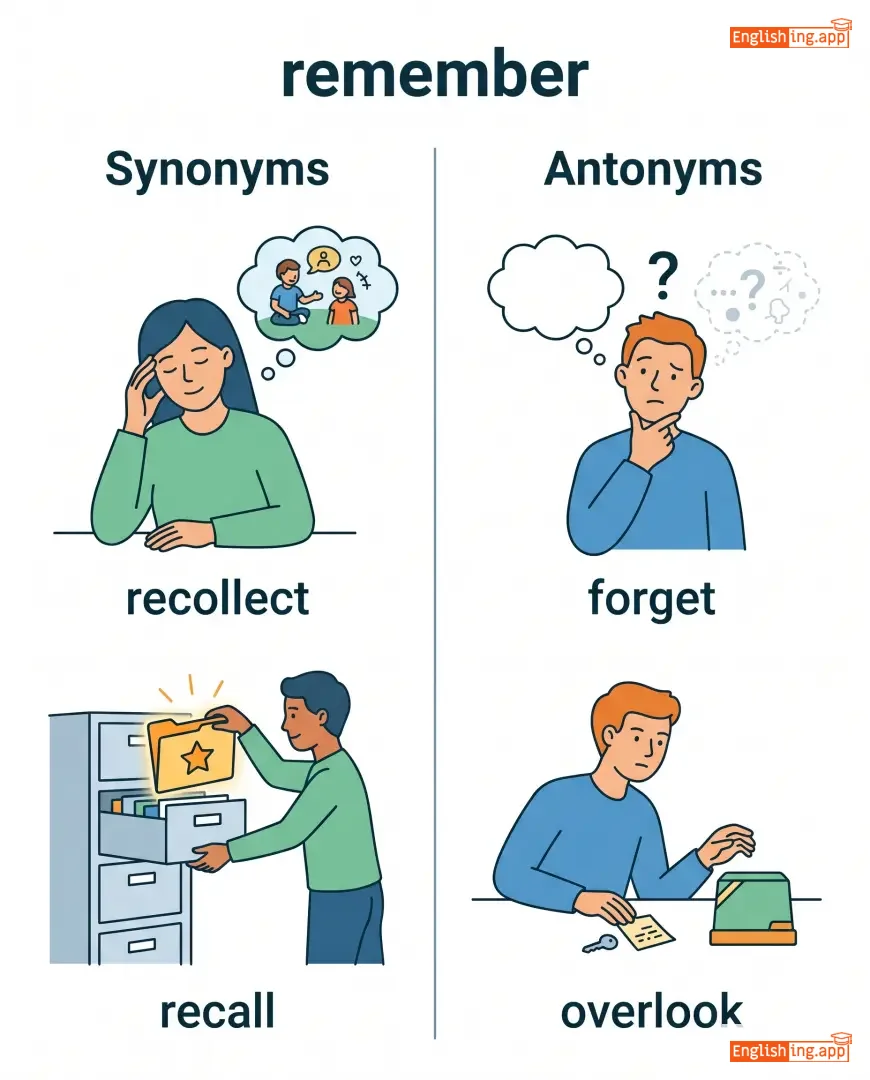
recall, recollect, reminisce, retain
••••••
|
forget, overlook, ignore
••••••
|
remember clearly, remember well, remember to do, remember when
••••••
|
记住你在学校的第一个日子!
••••••
|
|
🔔
••••••
|
/rɪˈmaɪnd/
verb
(瑞麦因德)
••••••
|
- •••••• |
提醒
tíxǐng
••••••
|
reminded
瑞麦因德德
••••••
|
reminded
瑞麦因德德
••••••
|
reminds
瑞麦因德斯
••••••
|
reminding
瑞麦因丁
••••••
|
to cause someone to remember something
••••••
|
Please remind me to call her tomorrow.
请提醒我明天打电话给她。
••••••
|
请提醒我明天打电话给她。
Qǐng tíxǐng wǒ míngtiān dǎ diànhuà gěi tā.
••••••
|
- •••••• | - •••••• | - •••••• |
alert, notify, jog memory, prompt
••••••
|
forget, neglect
••••••
|
remind someone of something, remind to do something
••••••
|
提醒就像英文的'remind',帮助记住!
••••••
|
|
🌍
••••••
|
/rɪˈmoʊt/
adjective
(リモート)
••••••
|
- •••••• |
远程
yuan cheng
••••••
|
- •••••• | - •••••• | - •••••• | - •••••• |
Situated far from the main centers of population; distant.
••••••
|
They stayed in a remote village during their trip. |
他们在旅行期间住在一个偏远的村庄。
Tāmen zài lǚxíng qījiān zhù zài yīgè piānyuǎn de cūnzhuāng.
••••••
|
remote possibility |
A very unlikely chance.
••••••
|
远程可能性
yuan cheng ke neng xing
••••••
|
distant, faraway, isolated, secluded, outlying
••••••
|
near, close, central
••••••
|
remote area, remote control, remote access, remote work
••••••
|
Remote 就像 '远程控制',从远处工作。
••••••
|

