The Deal That Shook the Market
作为自己公司的总裁,艾哈迈德先生忙于一场重要的谈判。他们的竞争对手提出了一笔巨大的投资,这可能潜在地改变他们在市场中的位置。顾问们表示,这笔交易从战略角度来看会非常有利可图。但是,一些股东产生了争议,认为这笔商业交易会损害公司的声誉。艾哈迈德先生检查了所有的要求,发现他们可以提高他们的制造能力。他想到了一个妥协,他们可以采取创新的方法。在董事会会议上,他解释了这笔交易如何增加生产力并扩大他们的市场份额。他清晰的愿景和战略规划说服了每一个人。最终,每个人都同意了,交易成功完成。这项决策将他们的公司带到了行业的新高度。
|
表情符号
|
单词 | Images | 翻译 | 过去时 | 过去分词 | 第三人称单数 | 动名词 | 含义 | 例句 | 例句翻译 | 示例表达 | 示例表达含义 | 示例表达翻译 | 同义词 | 反义词 | 搭配词 | 助记符 |
|---|---|---|---|---|---|---|---|---|---|---|---|---|---|---|---|---|---|
|
💼
••••••
|
/kəˈmɜːʃəl/
adjective
(kəmɪrˈʂʲɪəl)
••••••
|
|
商业的
shāngyè de
••••••
|
- •••••• | - •••••• | - •••••• | - •••••• |
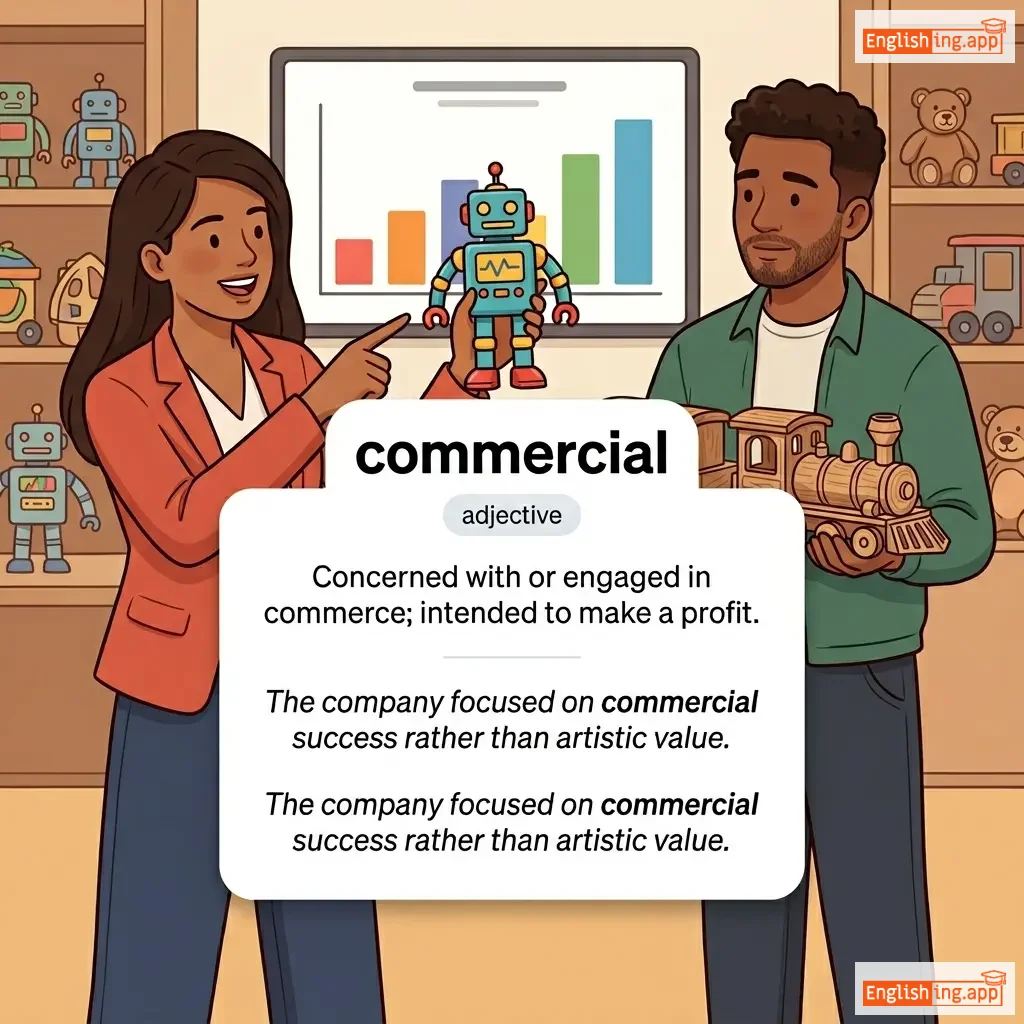
Concerned with or engaged in commerce; intended to make a profit.
••••••
|
The company focused on commercial success rather than artistic value. |
公司专注于商业成功,而不是艺术价值。
Gōngsī zhuānzhù yú shāngyè chénggōng, ér bù shì yìshù jiàzhí.
••••••
|
commercial break |
An interruption in a broadcast for advertisements.
••••••
|
商业广告时间
shāngyè guǎnggào shíjiān
••••••
|
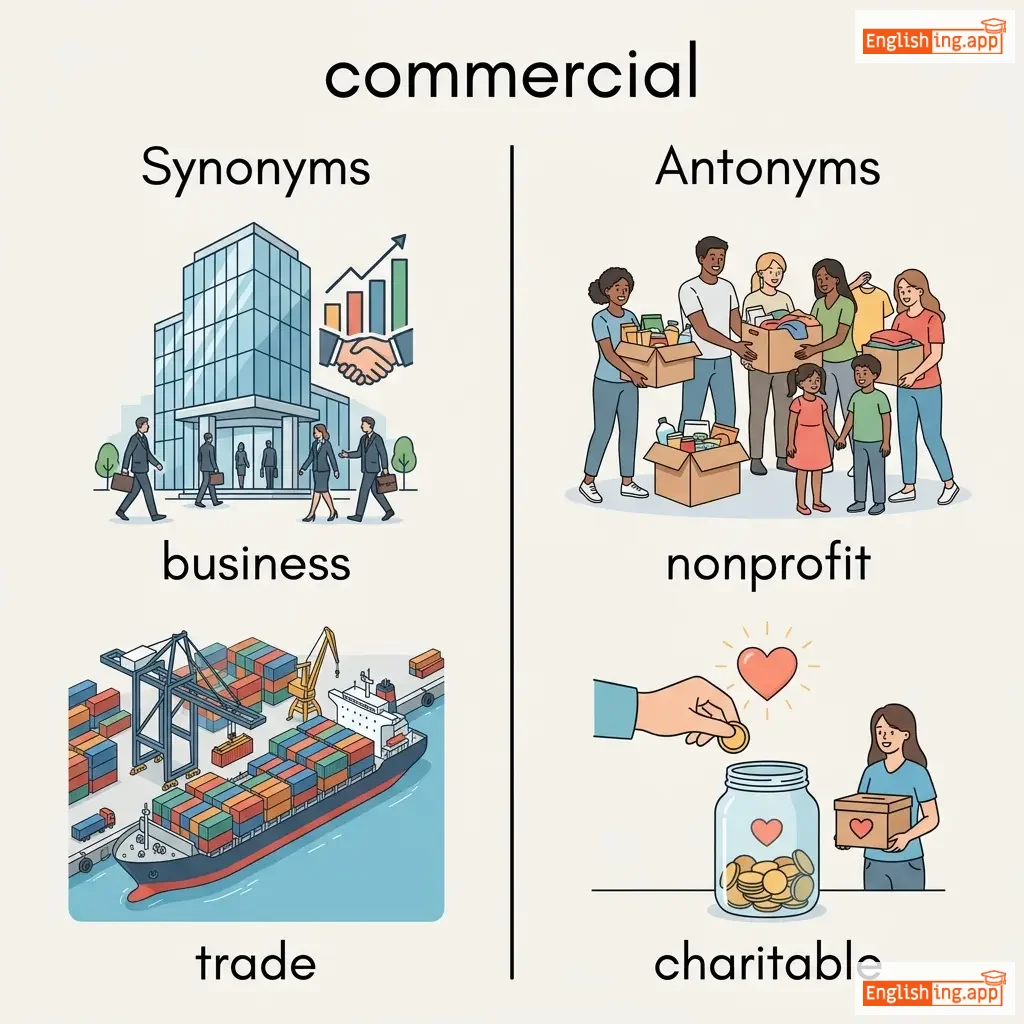
business, trade, financial, profit-driven, market-oriented
••••••
|
nonprofit, charitable, artistic
••••••
|
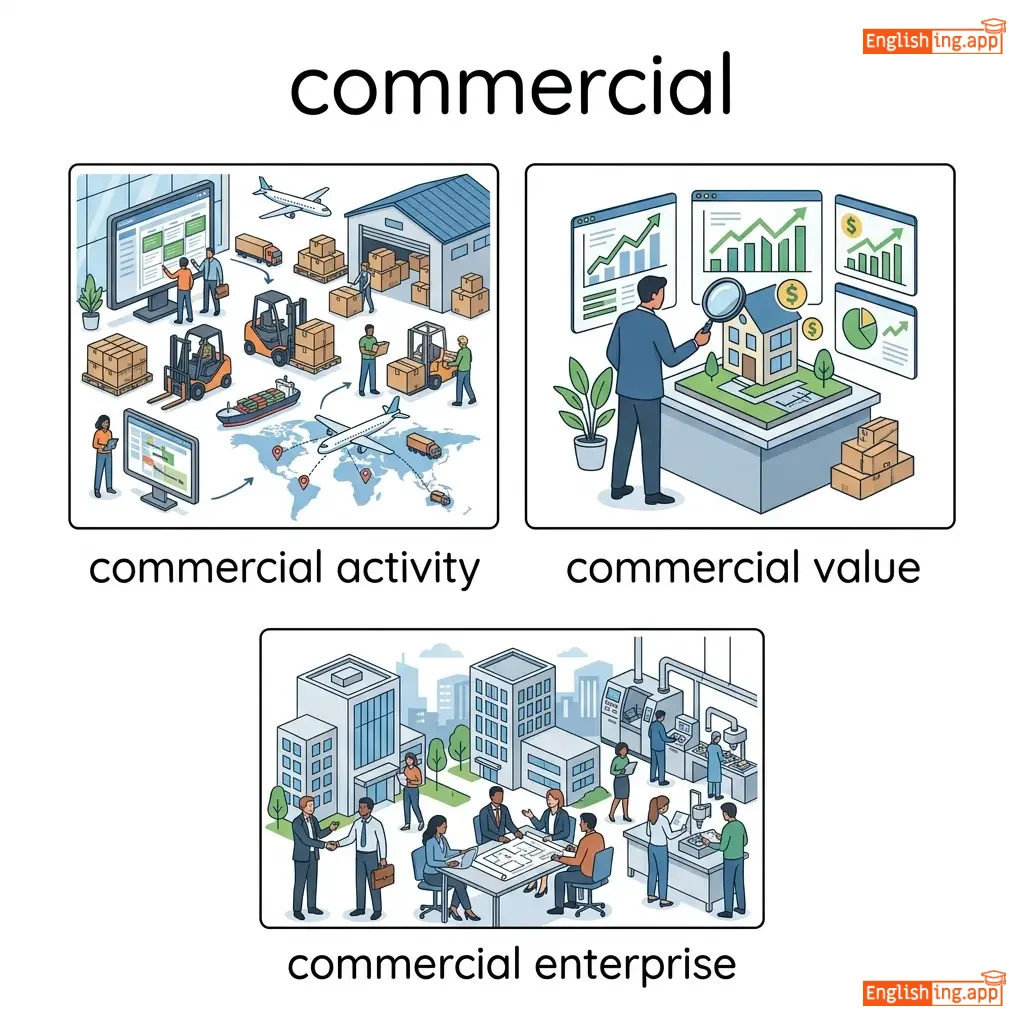
commercial activity, commercial value, commercial enterprise, commercial success
••••••
|
商业的 = 商业 + 的, 就是与做生意有关的事。
••••••
|
|
⚔️
••••••
|
/kəmˈpɛtɪtər/
noun
(kəmˈpɛtɪtər)
••••••
|
- •••••• |
竞争者
jingzhengzhe
••••••
|
- •••••• | - •••••• | - •••••• | - •••••• |
a person, team, or company that competes with others
••••••
|
The company lowered its prices to beat its main competitor. |
公司降低了价格以击败其主要竞争者。
Gongsi jiangdi le jiage yi jiba qi zhuyao jingzhengzhe.
••••••
|
know your competition |
to understand your rivals in order to succeed
••••••
|
了解你的竞争对手
Liaojie nide jingzheng duishou
••••••
|
rival, challenger, opponent, contender, adversary
••••••
|
ally, partner, supporter
••••••
|
main competitor, direct competitor, strong competitor, market competitor
••••••
|
竞争者是与你竞争的人,像比赛中的对手一样。
••••••
|
|
⚖️
••••••
|
/ˈkɒmprəmaɪz/
noun, verb
(kòng pì rù mǐ sī)
••••••
|
|
妥协
tuǒxié
••••••
|
compromised
kòng pì rù mǐ sī
••••••
|
compromised
kòng pì rù mǐ sī
••••••
|
compromises
kòng pì rù mǐ sī
••••••
|
compromising
kòng pì rù mǐ sī
••••••
|
A settlement of differences in which each side makes concessions; or to weaken or put at risk.
••••••
|
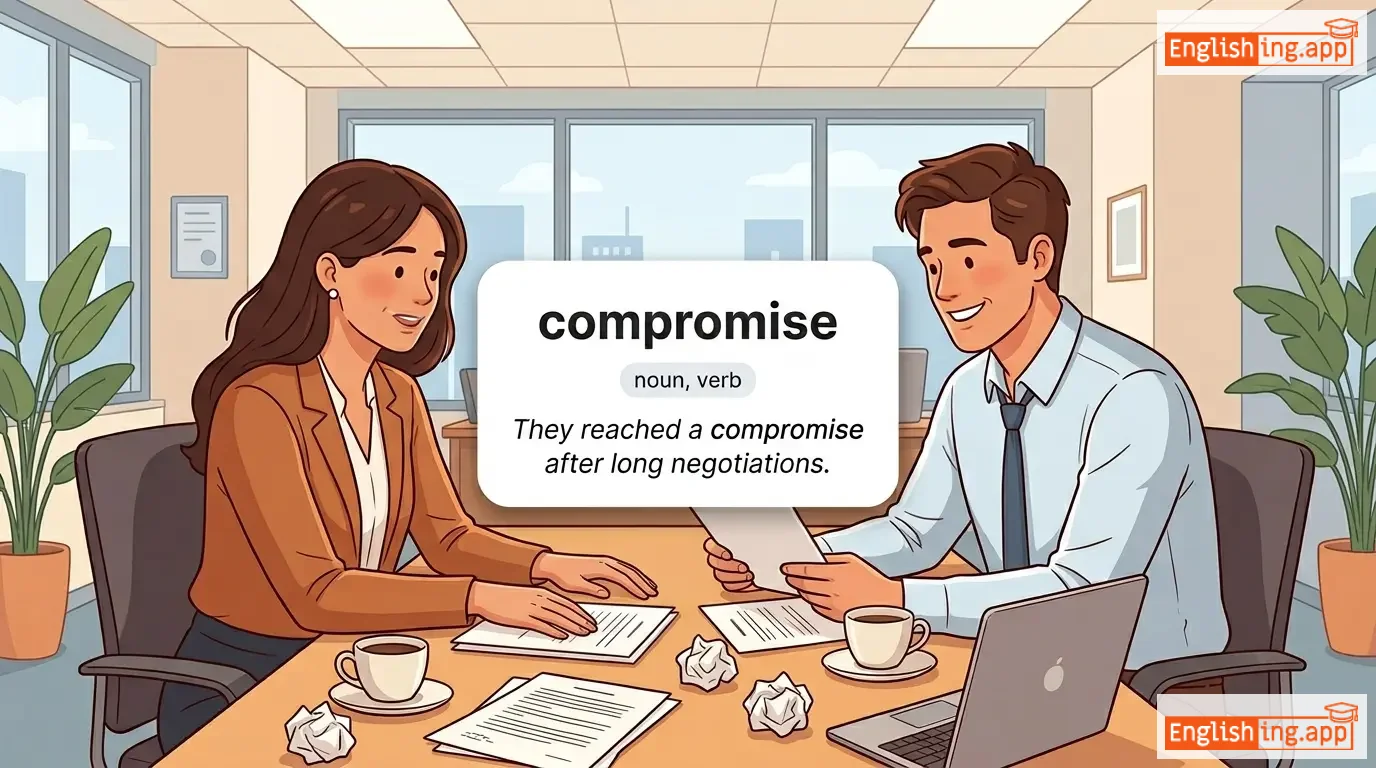
They reached a compromise after long negotiations.
他们在长时间的谈判后达成了妥协。
••••••
|
他们在长时间的谈判后达成了妥协。
Tāmen zài cháng shíjiān de tánpàn hòu dáchéngle tuǒxié.
••••••
|
reach a compromise
达成妥协
••••••
|
To come to an agreement by mutual concession.
••••••
|
达成妥协
dáchéng tuǒxié
••••••
|
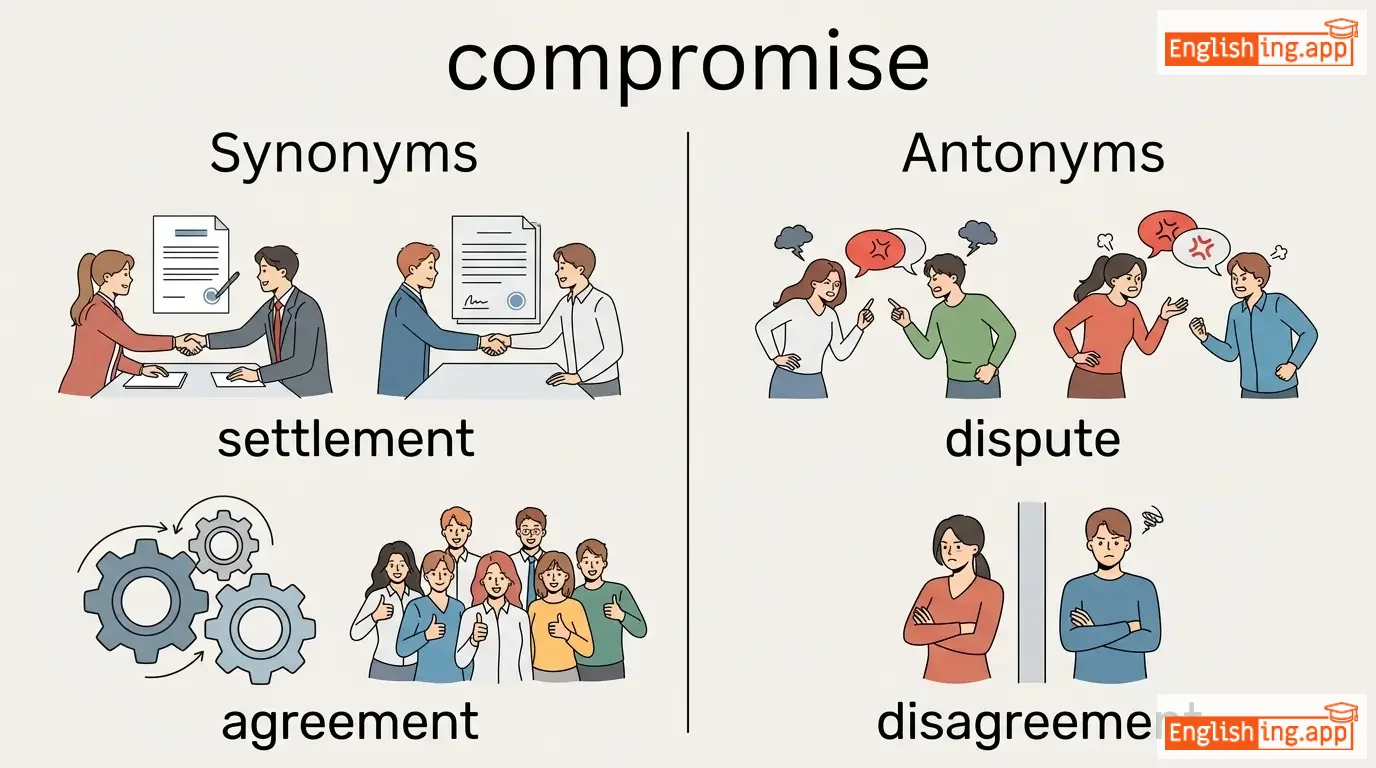
settlement, agreement, deal, concession
••••••
|
dispute, disagreement
••••••
|
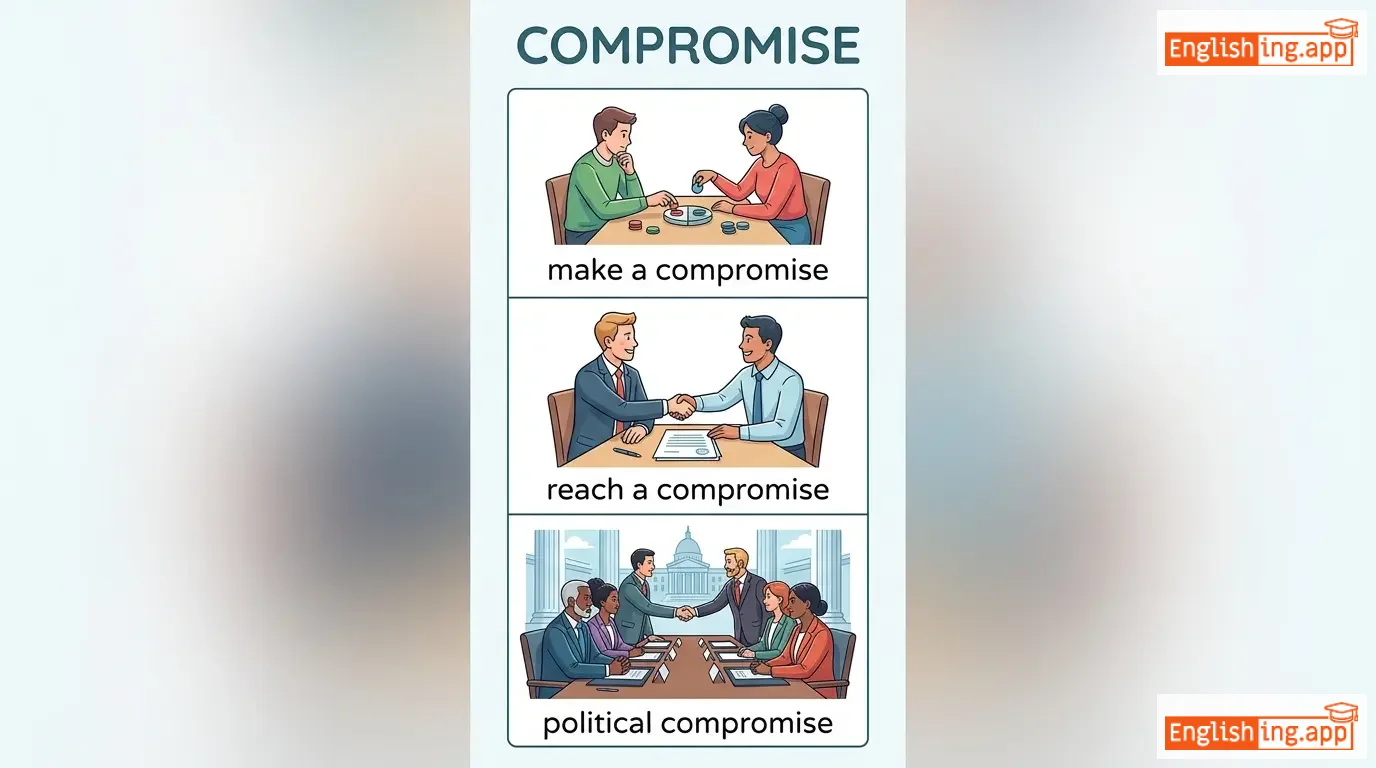
make a compromise, reach a compromise, political compromise, compromise solution
••••••
|
妥协 — 比如通过让步做出决定
••••••
|
|
👨💼
••••••
|
/kənˈsʌltənt/
noun
(kənˈsʌltənt)
••••••
|
- •••••• |
顾问
gùwèn
••••••
|
- •••••• | - •••••• | - •••••• | - •••••• |
A professional who provides expert advice in a particular area.
••••••
|
The company hired a consultant to improve its marketing strategy. |
公司聘请了一位顾问来改善其市场营销战略。
Gōngsī pìnqǐngle yī wèi gùwèn lái gǎishàn qí shìchǎng yíngxiāo zhànlüè.
••••••
|
- •••••• | - •••••• | - •••••• |
advisor, expert, specialist, counselor, mentor
••••••
|
client, novice, amateur
••••••
|
management consultant, business consultant, IT consultant, financial consultant
••••••
|
顾问就是提供建议的人,'顾'有‘给’的意思。
••••••
|
|
🔥
••••••
|
/ˈkɒn.trə.vɜːr.si/
noun
(kontrovèrsī)
••••••
|
- •••••• |
争议
zhēngyì
••••••
|
- •••••• | - •••••• | - •••••• | - •••••• |
A prolonged public disagreement or heated discussion.
••••••
|
The new policy sparked a major controversy. |
新政策引发了巨大争议。
Xīn zhèngcè yǐn fàle jùdà zhēngyì.
••••••
|
spark controversy |
To cause strong public disagreement or debate.
••••••
|
引发争议
yǐn fà zhēngyì
••••••
|
dispute, argument, debate, conflict, quarrel
••••••
|
agreement, harmony
••••••
|
major controversy, spark controversy, cause controversy, political controversy
••••••
|
Controversy意味着control + verse,在中文中是争议。
••••••
|
|
🏢
••••••
|
/ˌkɔːrpəˈreɪʃən/
noun
(公司)
••••••
|
- •••••• |
公司
gongsi
••••••
|
- •••••• | - •••••• | - •••••• | - •••••• |
A large company or group of companies that is legally recognized as a single entity.
••••••
|
The corporation invested heavily in renewable energy projects. |
该公司在可再生能源项目上进行了大量投资。
Gai gongsi zai kezai sheng nengyuan xiangmu shang jinxingle dali touzi.
••••••
|
multinational corporation |
A corporation that operates in multiple countries.
••••••
|
跨国公司
Kuaguo gongsi
••••••
|
company, firm, business, enterprise, organization
••••••
|
individual, partnership
••••••
|
large corporation, multinational corporation, corporation tax, corporation law
••••••
|
公司就是一个大企业,跨国就是跨国公司。
••••••
|
|
💡
••••••
|
/ˈɪnəˌveɪtɪv/
adjective
(inovétiv)
••••••
|

|
创新的
chuàngxīn de
••••••
|
- •••••• | - •••••• | - •••••• | - •••••• |
introducing new ideas, methods, or products; creative and original
••••••
|
The company is known for its innovative solutions.
这家公司以其创新的解决方案而闻名。
••••••
|
这家公司以其创新的解决方案而闻名。
Zhè jiā gōngsī yǐ qí chuàngxīn de jiějuéfāng'àn ér wénmíng.
••••••
|
- •••••• | - •••••• | - •••••• |
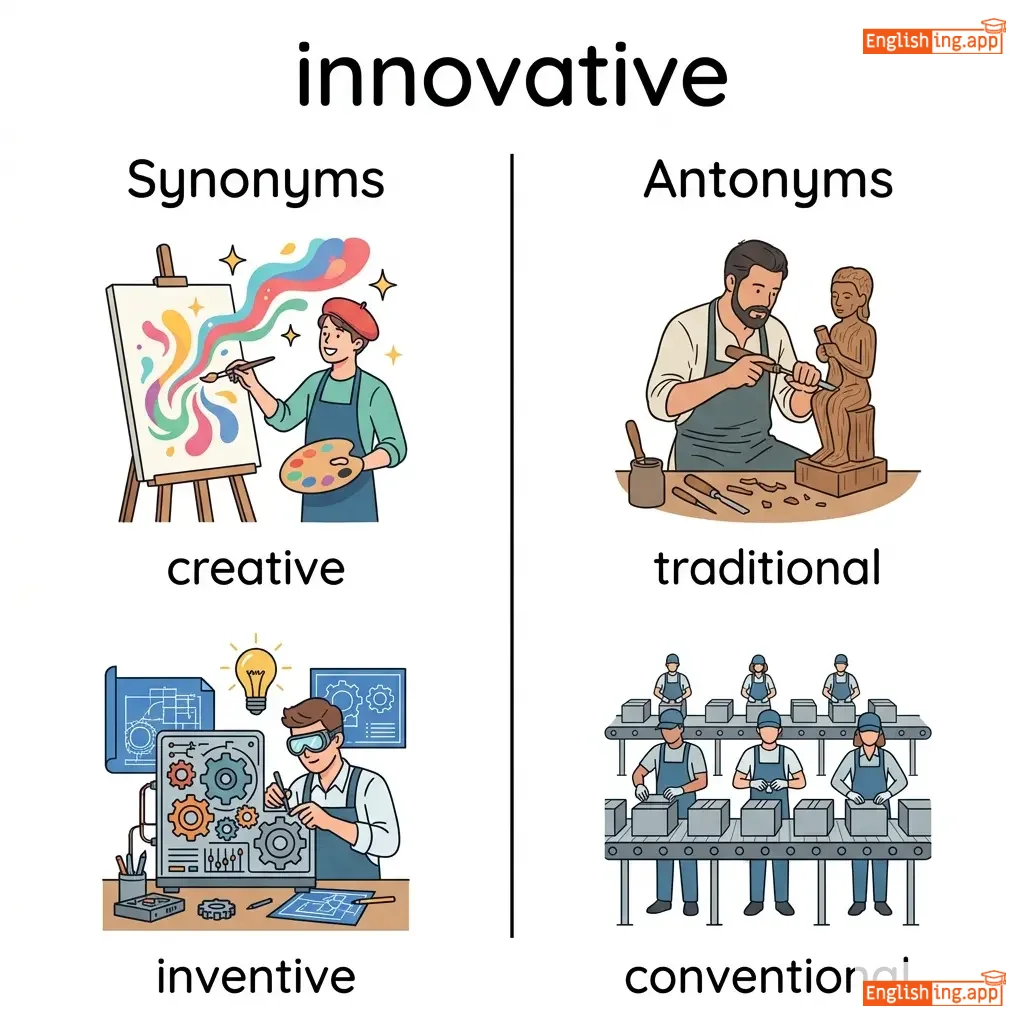
creative, inventive, original, cutting-edge, imaginative
••••••
|
traditional, conventional, old-fashioned
••••••
|
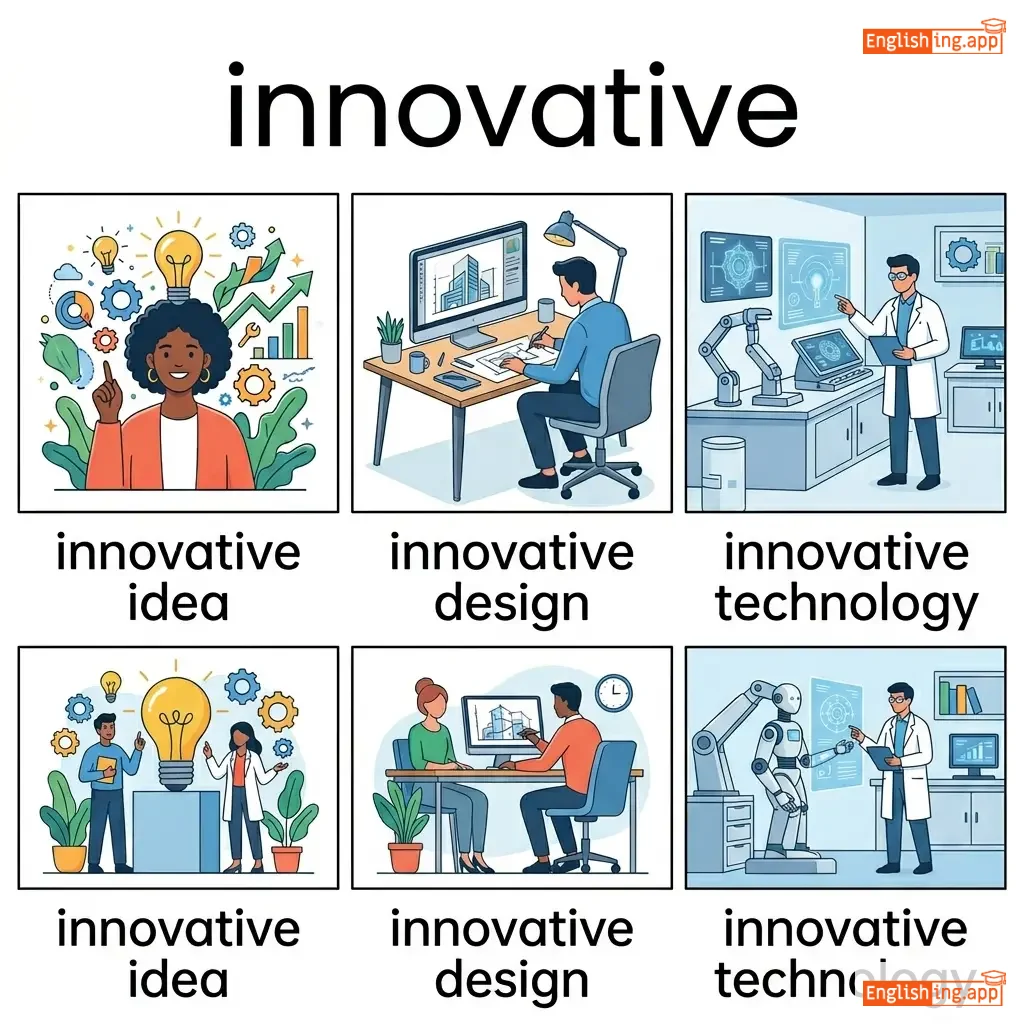
innovative idea, innovative design, innovative technology, innovative approach
••••••
|
创新的意味着引入新奇、原创的东西,就像创意一样。
••••••
|
|
📈
••••••
|
/ɪnˈvɛst.mənt/
noun
(投资)
••••••
|
|
投资
tóu zī
••••••
|
- •••••• | - •••••• | - •••••• | - •••••• |
the action or process of putting money, time, or resources into something for future benefit
••••••
|
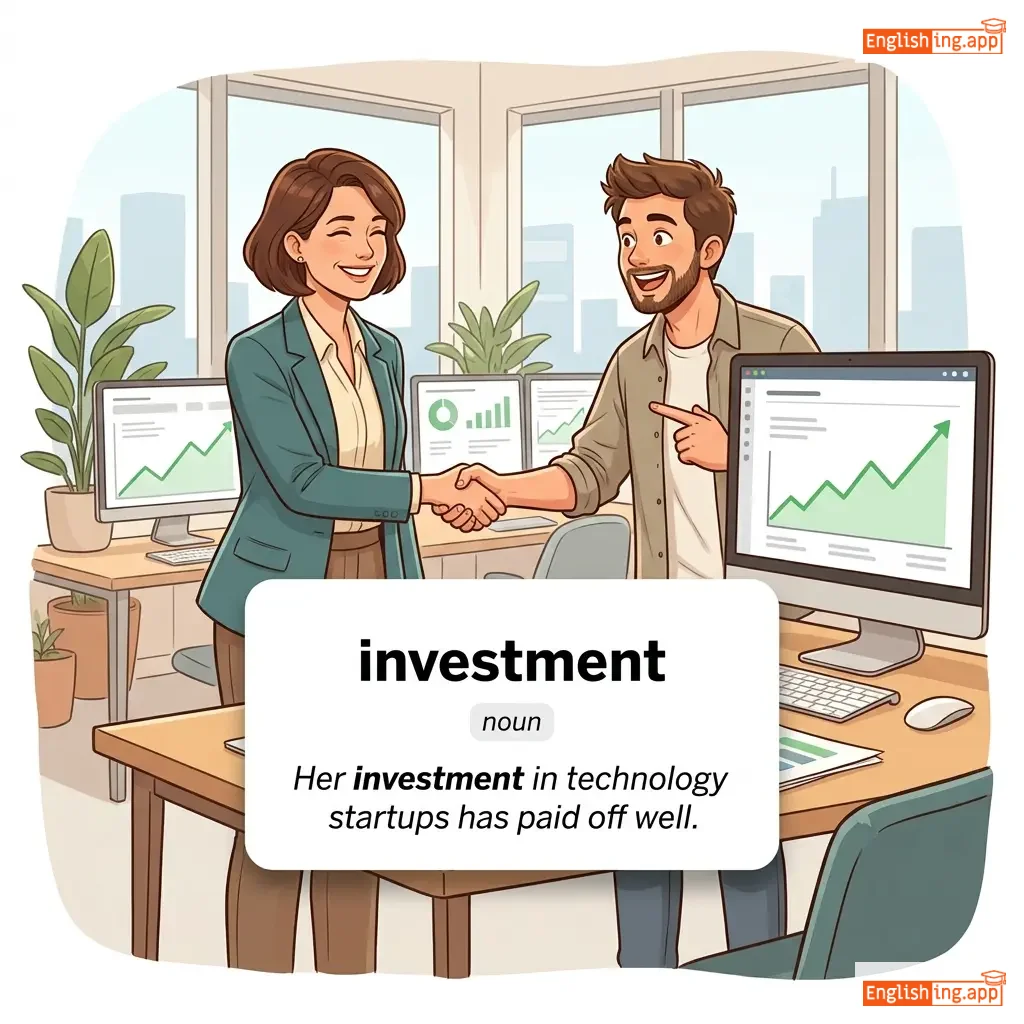
Her investment in technology startups has paid off well. |
她对科技创业公司的投资获得了不错的回报。
Tā duì kējì chuàngyè gōngsī de tóuzī huòqǔle bùcuò de huíbào.
••••••
|
return on investment |
the profit or loss derived from an investment
••••••
|
投资回报
tóu zī huí bào
••••••
|
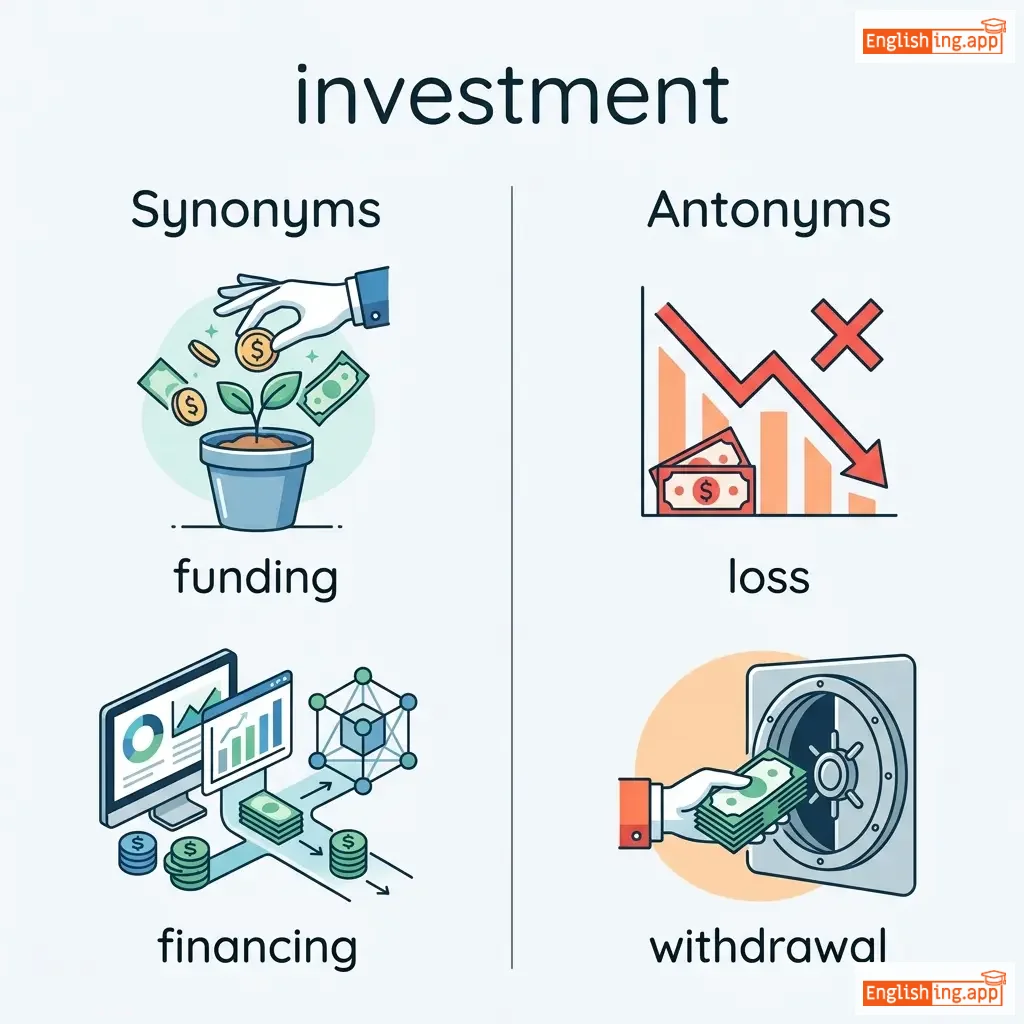
funding, financing, contribution, allocation, venture
••••••
|
loss, withdrawal
••••••
|
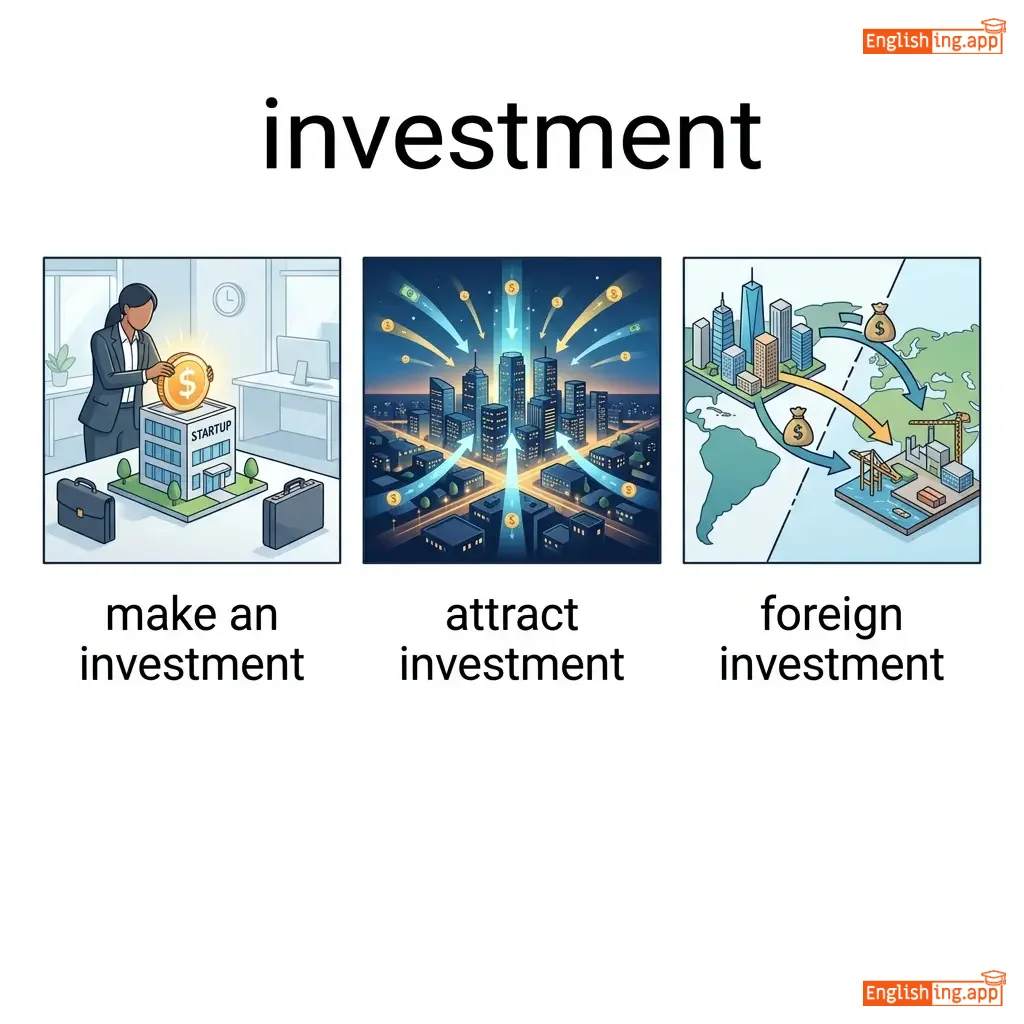
make an investment, attract investment, foreign investment, wise investment
••••••
|
投资是今天投入,明天回报。
••••••
|
|
🏭
••••••
|
/ˌmænjʊˈfæktʃər/
verb
(制造)
••••••
|
|
制造
zhìzào
••••••
|
manufactured
制造的
••••••
|
manufactured
制造的
••••••
|
manufactures
制造
••••••
|
manufacturing
制造中
••••••
|
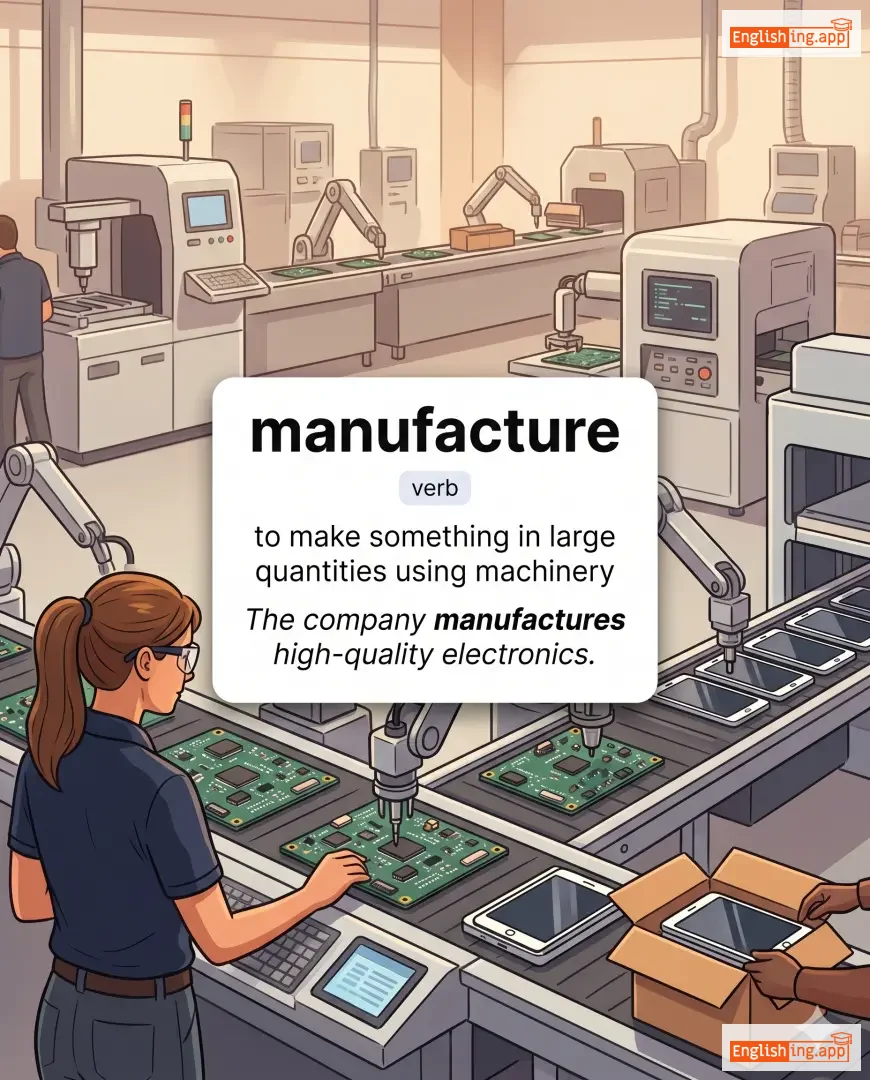
to produce goods in large quantities using machinery; to make or create something
••••••
|
The company manufactures electronic devices for global markets.
该公司为全球市场制造电子设备。
••••••
|
该公司为全球市场生产电子设备。
Gāi gōngsī wèi quánqiú shìchǎng shēngchǎn diànzǐ shèbèi.
••••••
|
- •••••• | - •••••• | - •••••• |
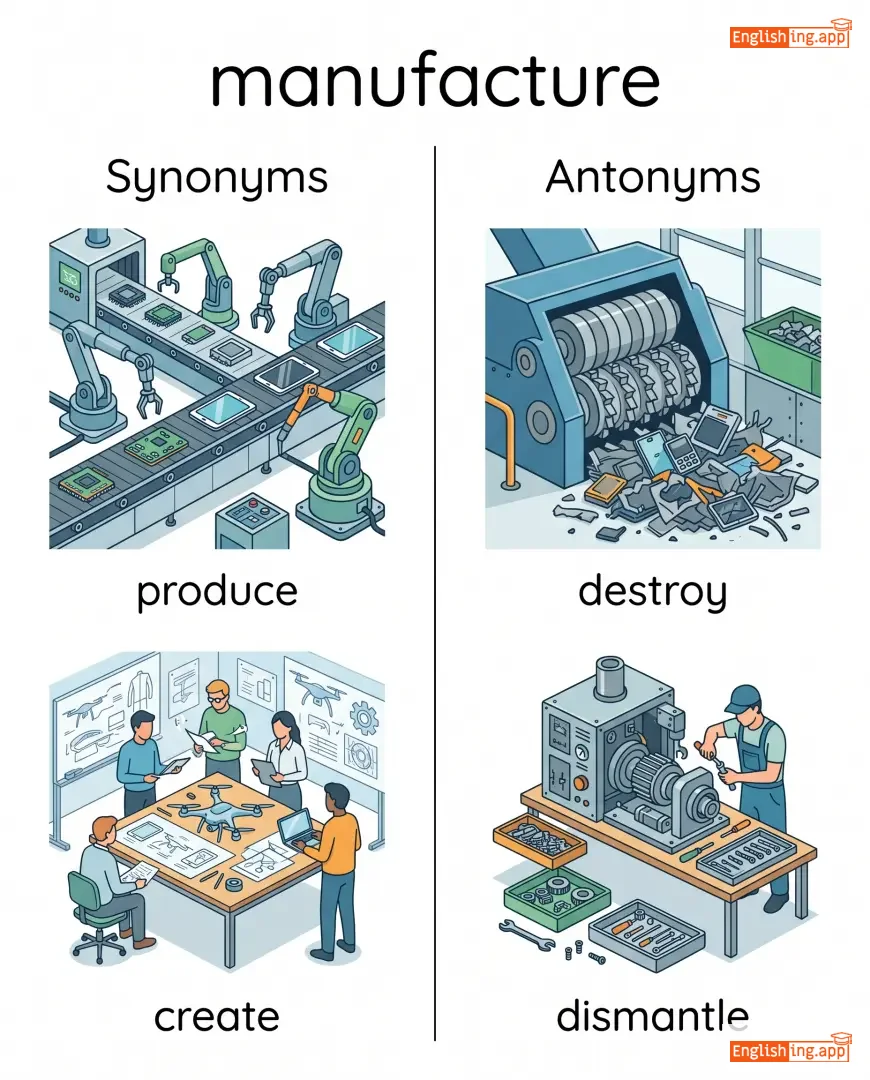
produce, make, create, fabricate
••••••
|
destroy, dismantle, demolish, break
••••••
|
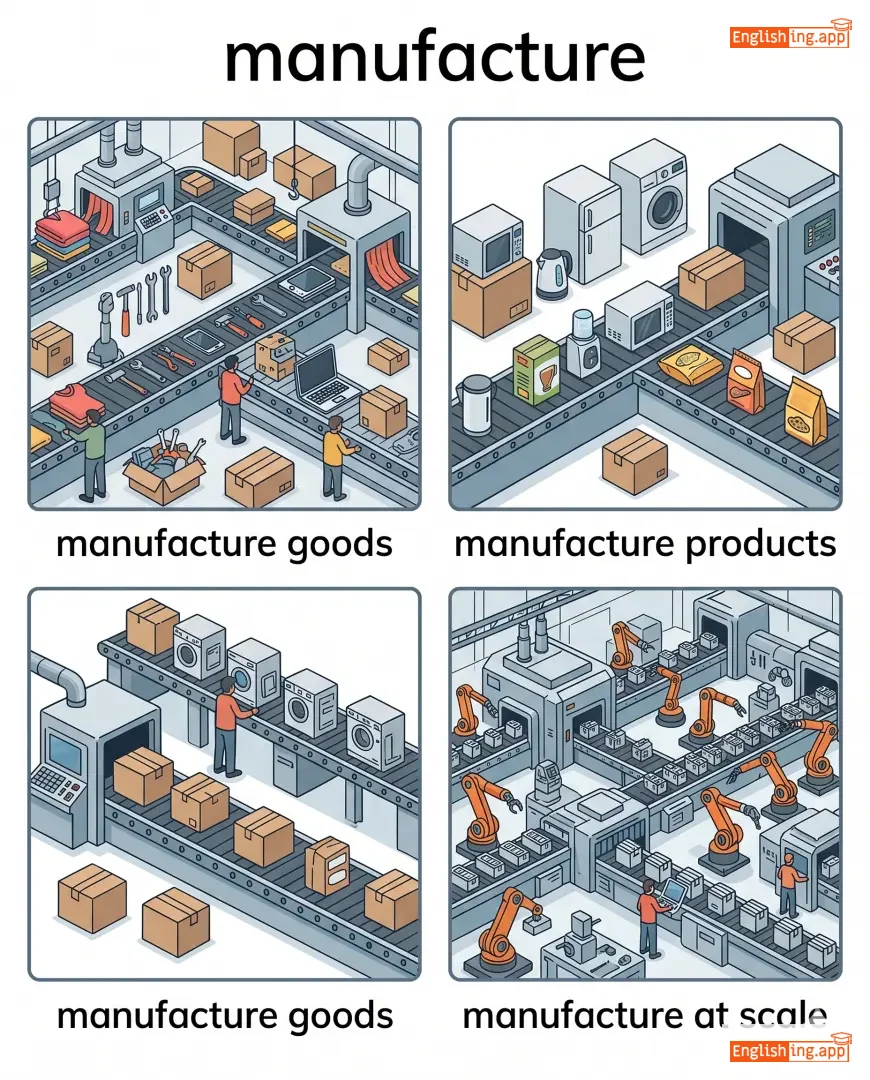
manufacture goods, manufacture products, manufacture cars, mass manufacture
••••••
|
制造就像在工厂里生产大量物品,就像制造手机一样。
••••••
|
|
🏬
••••••
|
/ˈmɑːrkɪtˌpleɪs/
noun
(市场)
••••••
|
- •••••• |
市场
shìchǎng
••••••
|
- •••••• | - •••••• | - •••••• | - •••••• |
a place where goods and services are bought and sold; an open area for trade
••••••
|
The town's marketplace is crowded every Friday morning. |
城市的市场每个星期五早上都很拥挤。
Chéngshì de shìchǎng měi gè xīngqī wǔ zǎoshang dōu hěn yōngjǐ.
••••••
|
- •••••• | - •••••• | - •••••• |
bazaar, fair, mart, trading center, exchange
••••••
|
home, residence
••••••
|
online marketplace, local marketplace, global marketplace, bustling marketplace
••••••
|
Market + place = 买卖的地方 — 市场是交易的地方。
••••••
|
|
🤝
••••••
|
/nɪˌɡoʊ.siˈeɪ.ʃən/
noun
(谈判)
••••••
|
- •••••• |
旨在达成协议的讨论; 谈判
tanpan
••••••
|
- •••••• | - •••••• | - •••••• | - •••••• |
discussion aimed at reaching an agreement; bargaining
••••••
|
The negotiation between the two companies lasted for weeks. |
两家公司之间的谈判持续了好几个星期。
Liǎng jiā gōngsī zhī jiān de tánpàn chíxù le hǎo jǐ gè xīngqī.
••••••
|
- •••••• | - •••••• | - •••••• |
discussion, bargaining, talks, mediation
••••••
|
conflict, disagreement, deadlock
••••••
|
peace negotiation, contract negotiation, salary negotiation
••••••
|
谈判是为了达成协议的讨论
••••••
|
|
🤔
••••••
|
/pəˈtɛnʃəli/
adverb
(潜在地)
••••••
|
- •••••• |
潜在地
qiánzài de
••••••
|
- •••••• | - •••••• | - •••••• | - •••••• |
with the possibility of becoming something in the future
••••••
|
This project is potentially a huge success.
这个项目潜在地可能是一个巨大的成功。
••••••
|
这个项目潜在地可能是一个巨大的成功。
Zhège xiàngmù qiánzài de kěnéng shì yīgè jùdà de chénggōng.
••••••
|
- •••••• | - •••••• | - •••••• |
possibly, maybe, conceivably
••••••
|
impossibly, unlikely
••••••
|
potentially dangerous, potentially successful, potentially harmful
••••••
|
潜在地, 就像未来的希望一样
••••••
|
|
👨💼
••••••
|
/ˈprɛzɪdənt/
noun
(总统)
••••••
|
- •••••• |
总统
zongtong
••••••
|
- •••••• | - •••••• | - •••••• | - •••••• |
the elected head of a republican state
••••••
|
The president addressed the nation last night. |
总统昨晚向全国发表了演讲。
Zǒngtǒng zuówǎn xiàng quánguó fābiǎo le yǎnjiǎng.
••••••
|
- •••••• | - •••••• | - •••••• |
leader, chief, head of state
••••••
|
subordinate, follower
••••••
|
president of the United States, elected president, president's speech
••••••
|
总统就像是国家的船长,指引国家前进。
••••••
|
|
⚙️
••••••
|
/ˌprɒdʌkˈtɪvɪti/
noun
(生产力)
••••••
|
|
生产力
shengchanli
••••••
|
- •••••• | - •••••• | - •••••• | - •••••• |
the rate at which work is done or goods are produced, especially in relation to the time and resources used
••••••
|
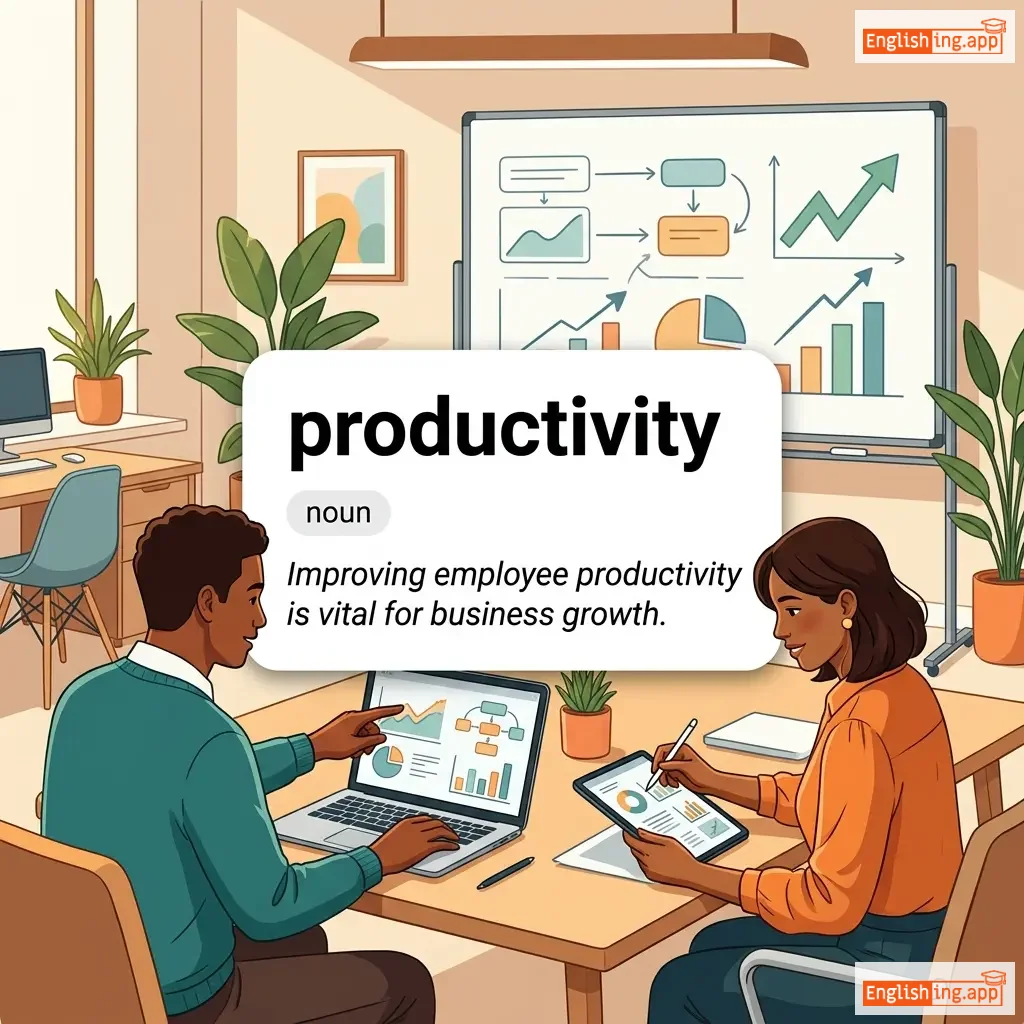
Improving employee productivity is vital for business growth. |
提高员工生产力对业务增长至关重要。
Tigao yuangong shengchanli dui yewu zengzhang zhiguan zhongyao.
••••••
|
- •••••• | - •••••• | - •••••• |
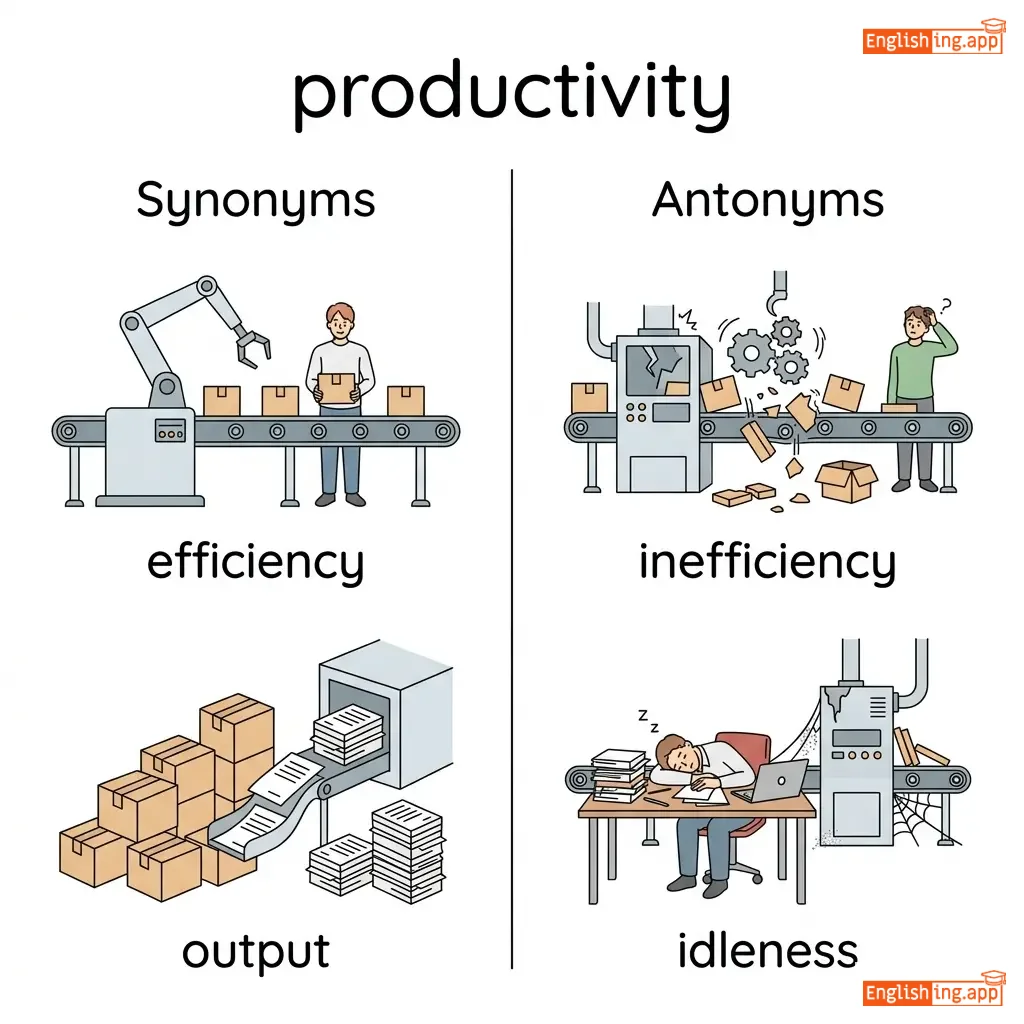
efficiency, output, performance, effectiveness, capacity
••••••
|
inefficiency, idleness, unproductiveness
••••••
|
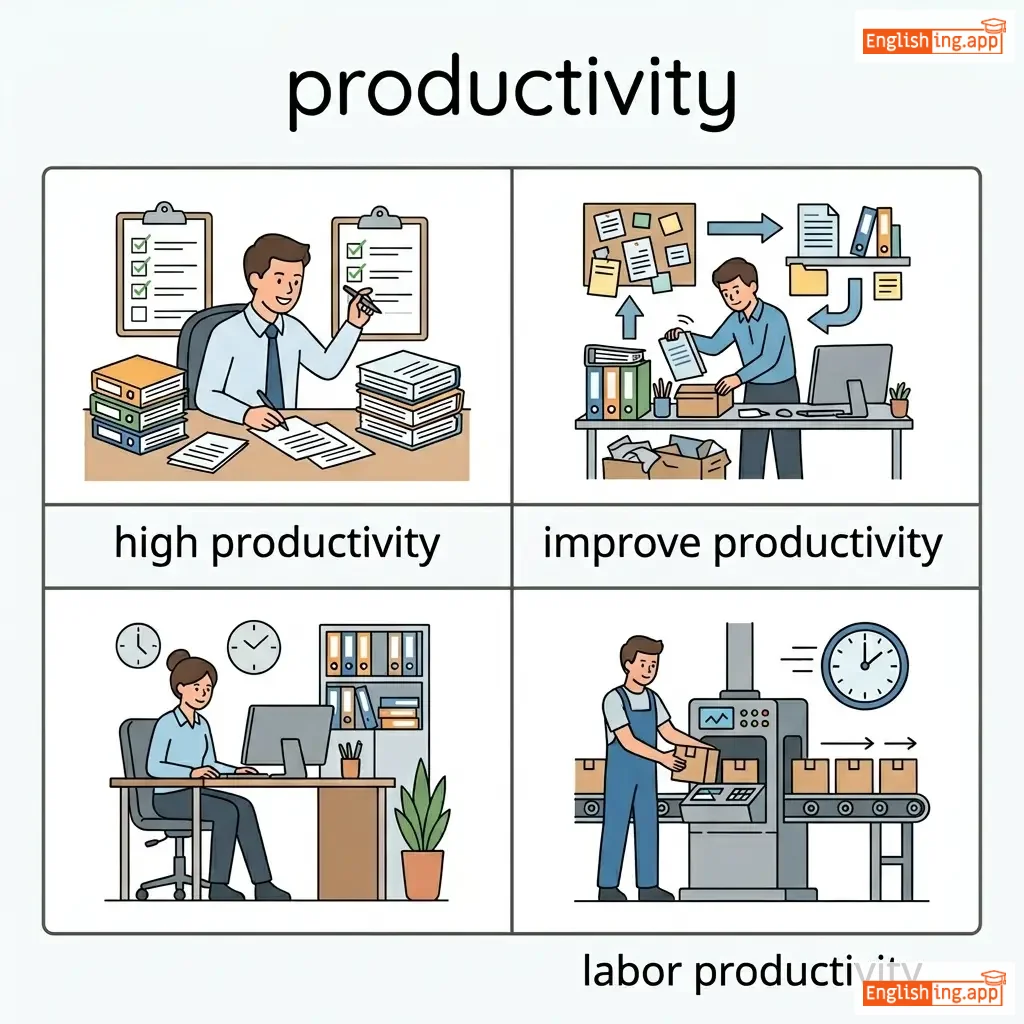
high productivity, improve productivity, labor productivity, productivity growth
••••••
|
生产力是提高效率的关键,快就是好!
••••••
|
|
💰
••••••
|
/ˈprɒfɪtəbl/
adjective
(prófìtābù)
••••••
|
- •••••• |
盈利的
yí lì de
••••••
|
- •••••• | - •••••• | - •••••• | - •••••• |
yielding profit or financial gain
••••••
|
The company has become highly profitable after the new strategy was implemented. |
公司在实施新策略后变得极具盈利性。
Gōngsī zài shíshī xīn cèlüè hòu biàn dé jí jù yí lì xìng.
••••••
|
- •••••• | - •••••• | - •••••• |
lucrative, rewarding, beneficial
••••••
|
unprofitable, loss-making
••••••
|
highly profitable, profitable business, profitable investment
••••••
|
盈利的 - 类似于利润,盈利的业务将赚更多的钱!
••••••
|
|
⭐
••••••
|
/ˌrepjʊˈteɪʃən/
noun
(声誉)
••••••
|
|
声誉
shengyu
••••••
|
- •••••• | - •••••• | - •••••• | - •••••• |
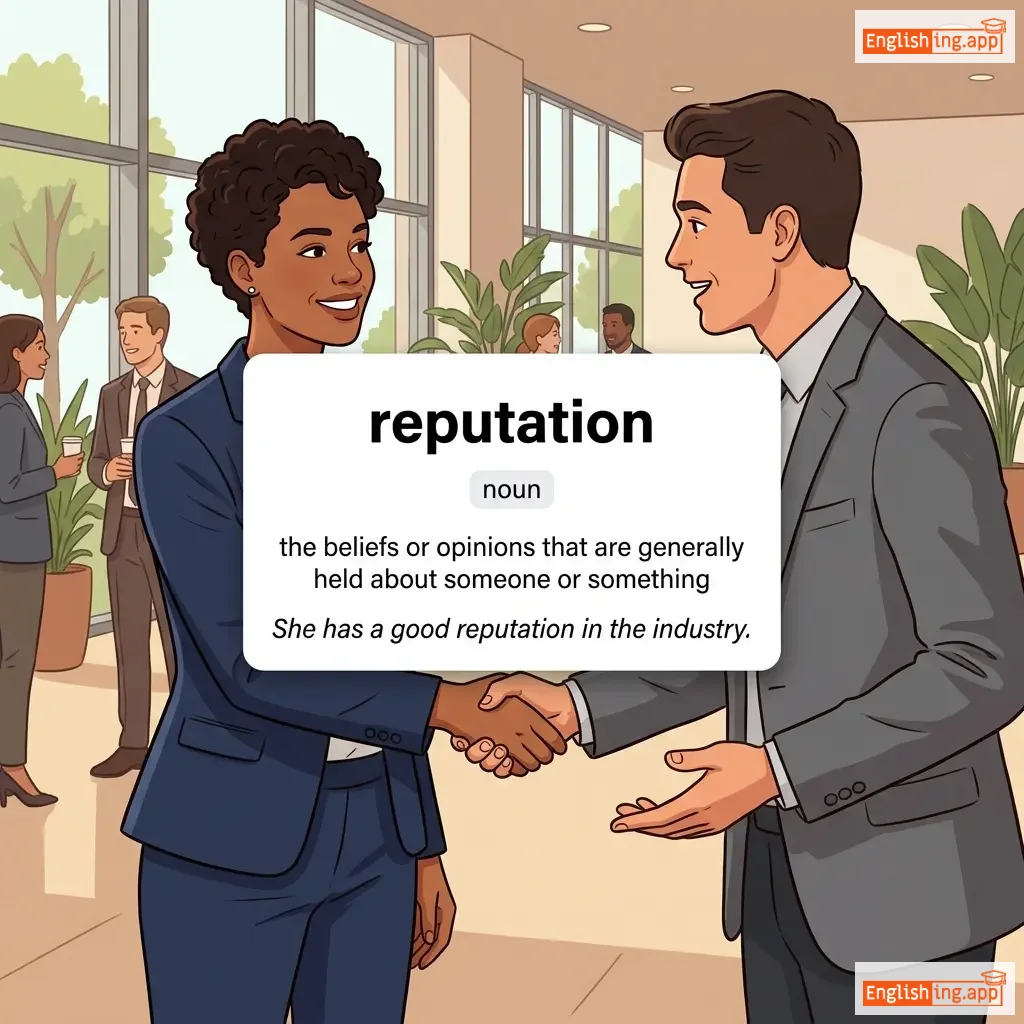
the beliefs or opinions that are generally held about someone or something; a widespread belief that someone or something has a particular habit or characteristic
••••••
|
The company has built a solid reputation for quality products.
公司凭借优质产品建立了牢固的声誉。
••••••
|
公司凭借优质产品建立了牢固的声誉。
Gongsi pingjie youzhi chanpin jianli le laogu de shengyu.
••••••
|
- •••••• | - •••••• | - •••••• |
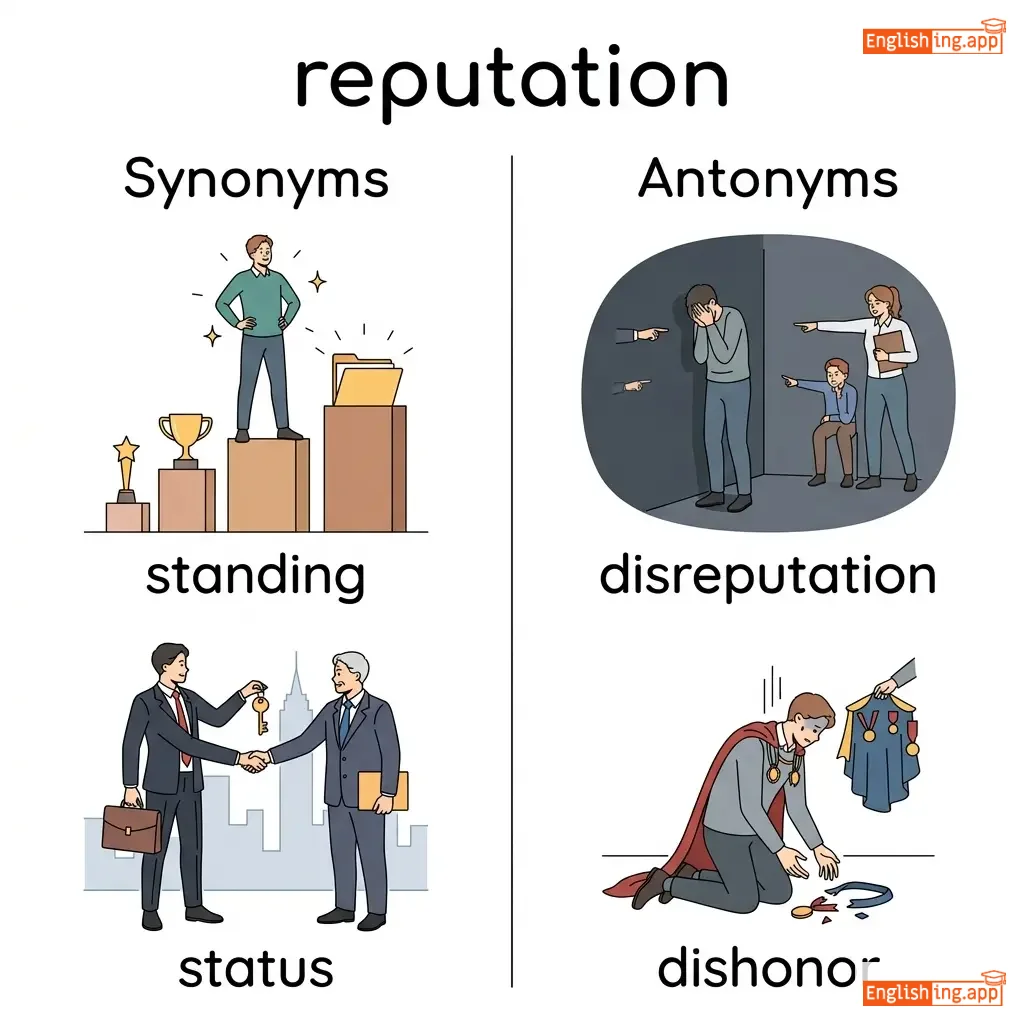
fame, standing, status, renown
••••••
|
infamy, disgrace, dishonor, notoriety
••••••
|
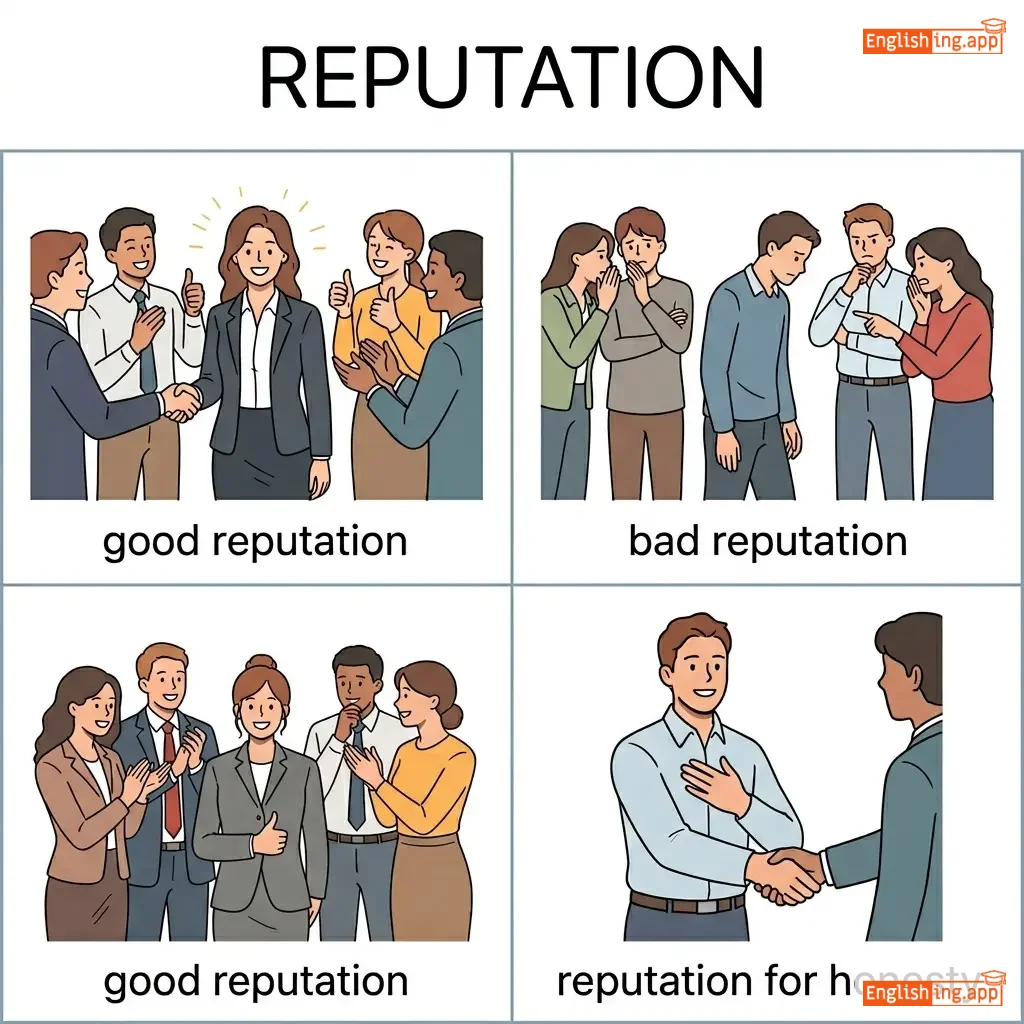
good reputation, stellar reputation, reputation for excellence, damage reputation
••••••
|
声誉与质量挂钩,就像一个顶尖公司。
••••••
|
|
📋
••••••
|
/rɪˈkwaɪə(r)mənt/
noun
(rè-kwài-èr-mènt)
••••••
|
- •••••• |
要求
yaoqiu
••••••
|
- •••••• | - •••••• | - •••••• | - •••••• |
something that is necessary or demanded
••••••
|
The job has specific educational requirements. |
这项工作有特定的教育要求。
Zhe xiang gongzuo you tedi de jiaoyu yaoqiu.
••••••
|
- •••••• | - •••••• | - •••••• |
necessity, condition, prerequisite, obligation
••••••
|
option, choice
••••••
|
meet requirements, educational requirement, job requirement, legal requirement
••••••
|
'Requirement' sounds like 're-quire' - something you need to 'quire' or ask for.
••••••
|
|
📊
••••••
|
/ˈʃɛərˌhoʊldər/
noun
(shèhuò hòudà)
••••••
|
- •••••• |
股东
gǔdōng
••••••
|
- •••••• | - •••••• | - •••••• | - •••••• |
an individual or organization that owns shares in a company
••••••
|
Each shareholder has the right to vote at the annual meeting. |
每个股东都有权在年度大会上投票。
Měi gè gǔdōng dōu yǒu quán zài nián dù dà huì shàng tóu piào.
••••••
|
major shareholder |
a person owning a large number of shares in a company
••••••
|
主要股东
zhǔ yào gǔ dōng
••••••
|
stockholder, investor, stakeholder, owner
••••••
|
non-investor, outsider
••••••
|
shareholder meeting, shareholder rights, shareholder value, minority shareholder
••••••
|
股东就是持有股权的人,代表着企业的股东!
••••••
|
|
🎯
••••••
|
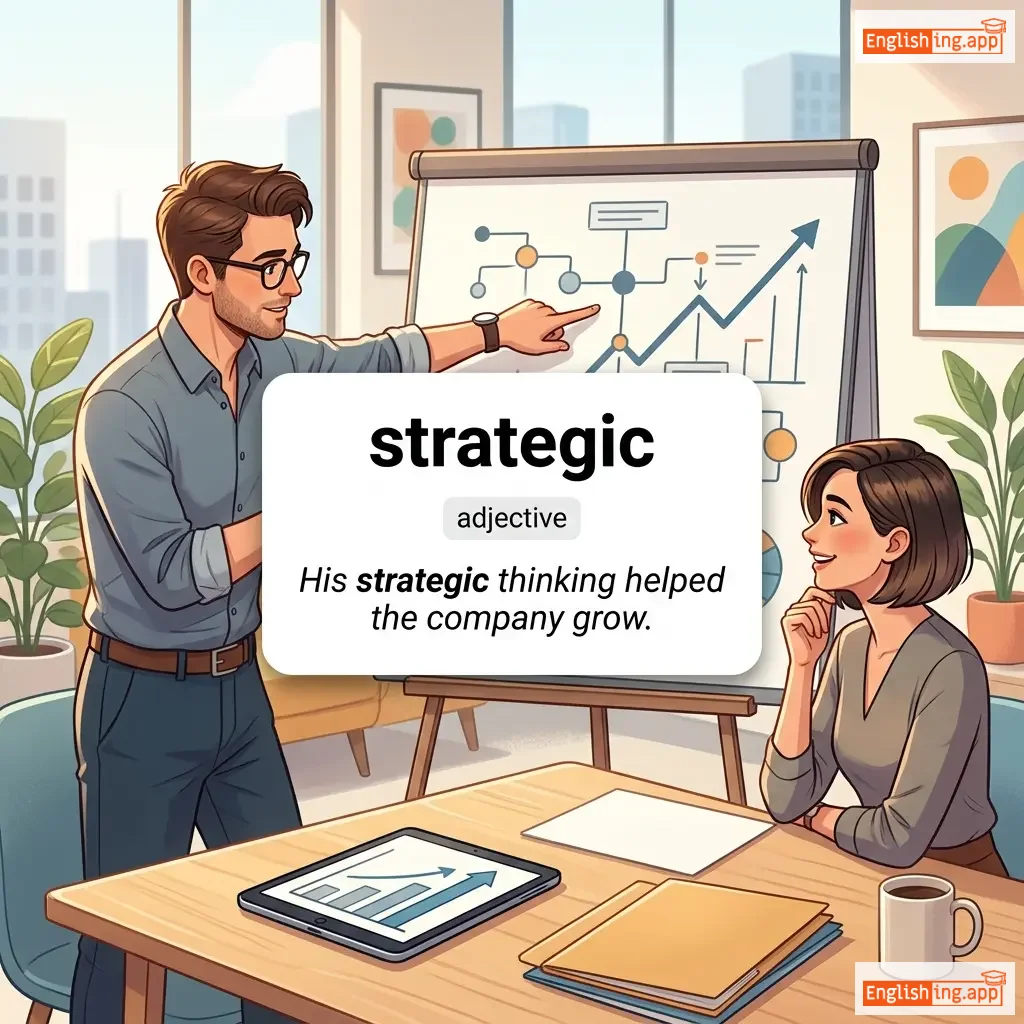
/strəˈtiːdʒɪk/
adjective
(战略性)
••••••
|
|
战略的
zhànlüè de
••••••
|
- •••••• | - •••••• | - •••••• | - •••••• |
relating to the identification of long-term or overall aims and interests and the means of achieving them
••••••
|
His strategic thinking helped the company grow. |
他的战略性思维帮助公司成长。
Tā de zhànlüè xìng sīwéi bāngzhù gōngsī chéngzhǎng.
••••••
|
- •••••• | - •••••• | - •••••• |
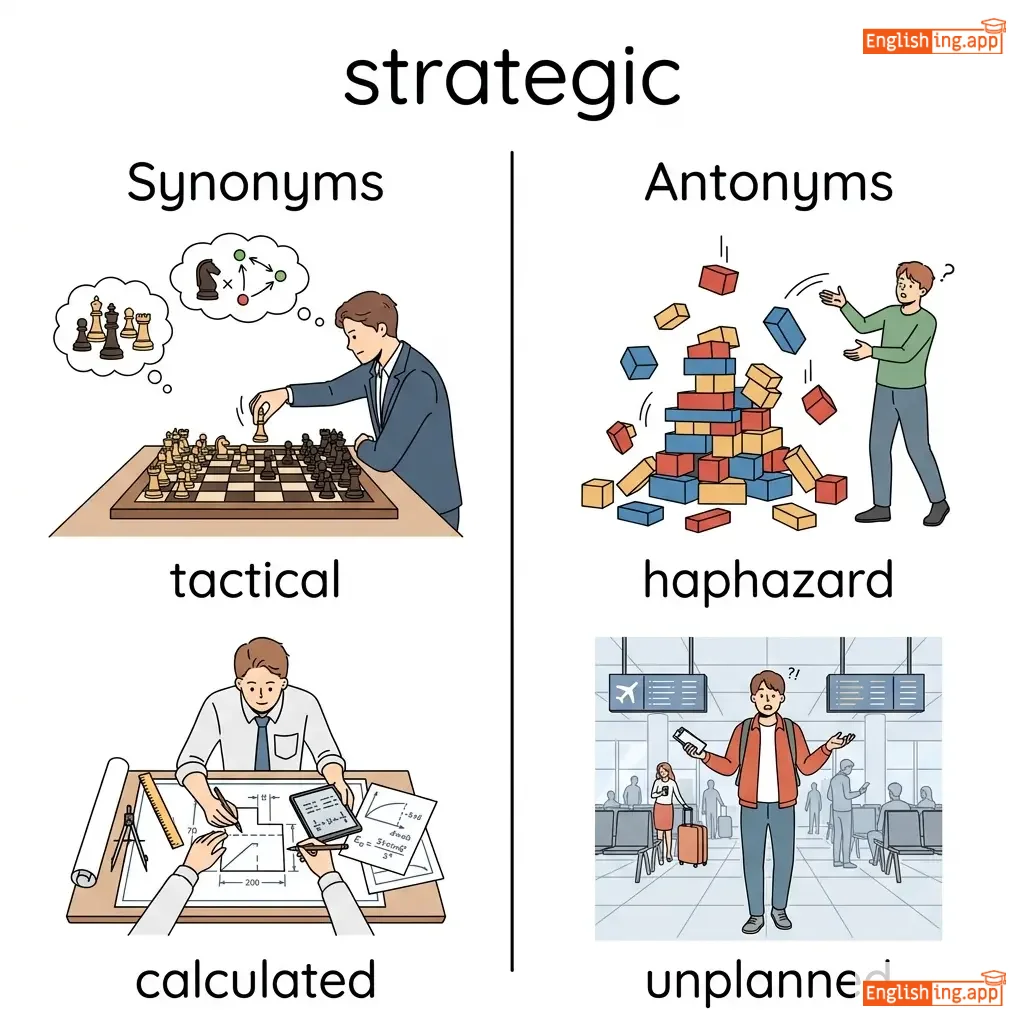
tactical, calculated, planned, deliberate
••••••
|
haphazard, unplanned, random
••••••
|
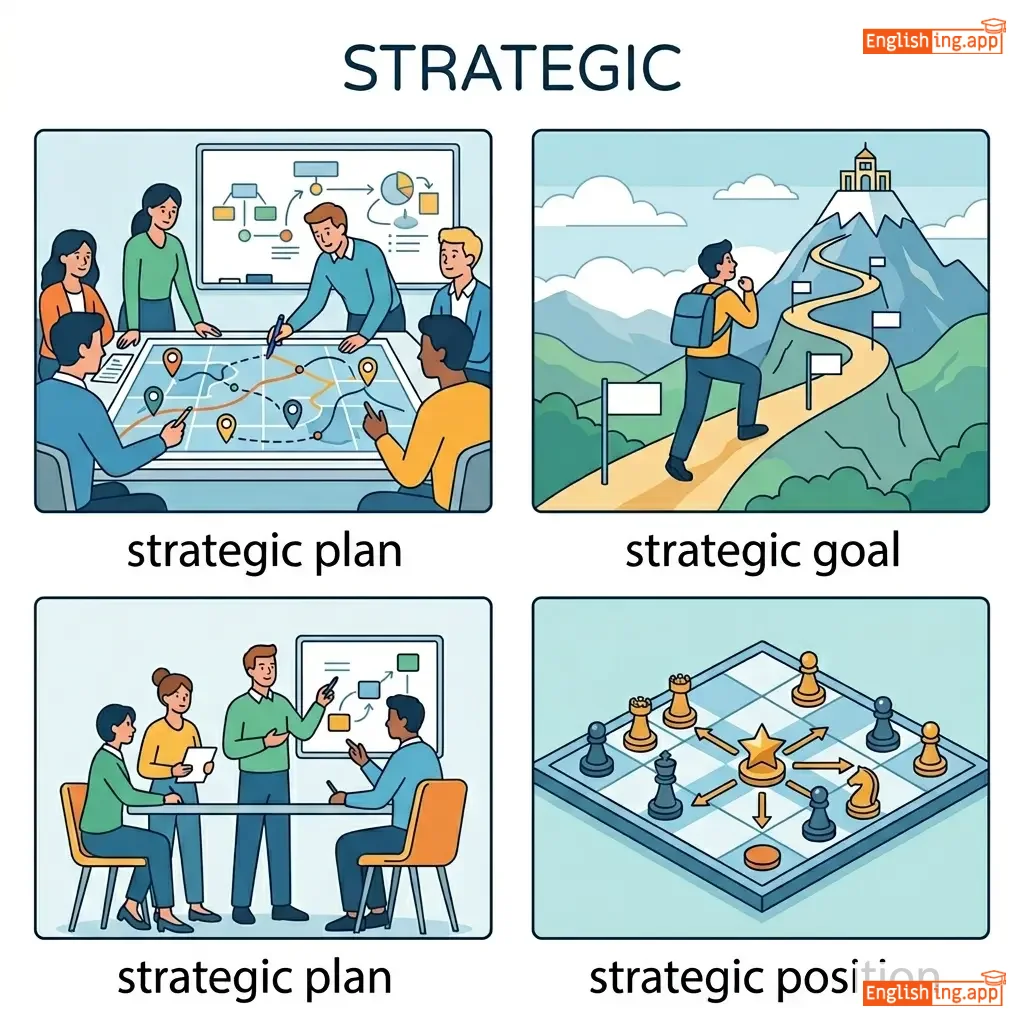
strategic plan, strategic goal, strategic position, strategic decision
••••••
|
战略思维是成功的关键 - Strategic thinking is key to success
••••••
|
|
💳
••••••
|
/trænˈzækʃən/
noun
(交易)
••••••
|
- •••••• |
交易
jiaoyi
••••••
|
- •••••• | - •••••• | - •••••• | - •••••• |
an instance of buying or selling something; a business deal or exchange
••••••
|
Every online transaction is recorded for security purposes.
每一笔在线交易都会为了安全目的而被记录。
••••••
|
每一笔在线交易都会为了安全目的而被记录。
mei yi bi zaixian jiaoyi dou hui weile anquan mudi er bei jilu.
••••••
|
financial transaction
金融交易
••••••
|
an exchange involving money or payment
••••••
|
金融交易
jinrong jiaoyi
••••••
|
deal, exchange, trade, operation, agreement
••••••
|
gift, donation, withdrawal
••••••
|
online transaction, bank transaction, business transaction, secure transaction
••••••
|
交易就是金钱交换,所有商业活动!
••••••
|

