Meantime Measures by the River
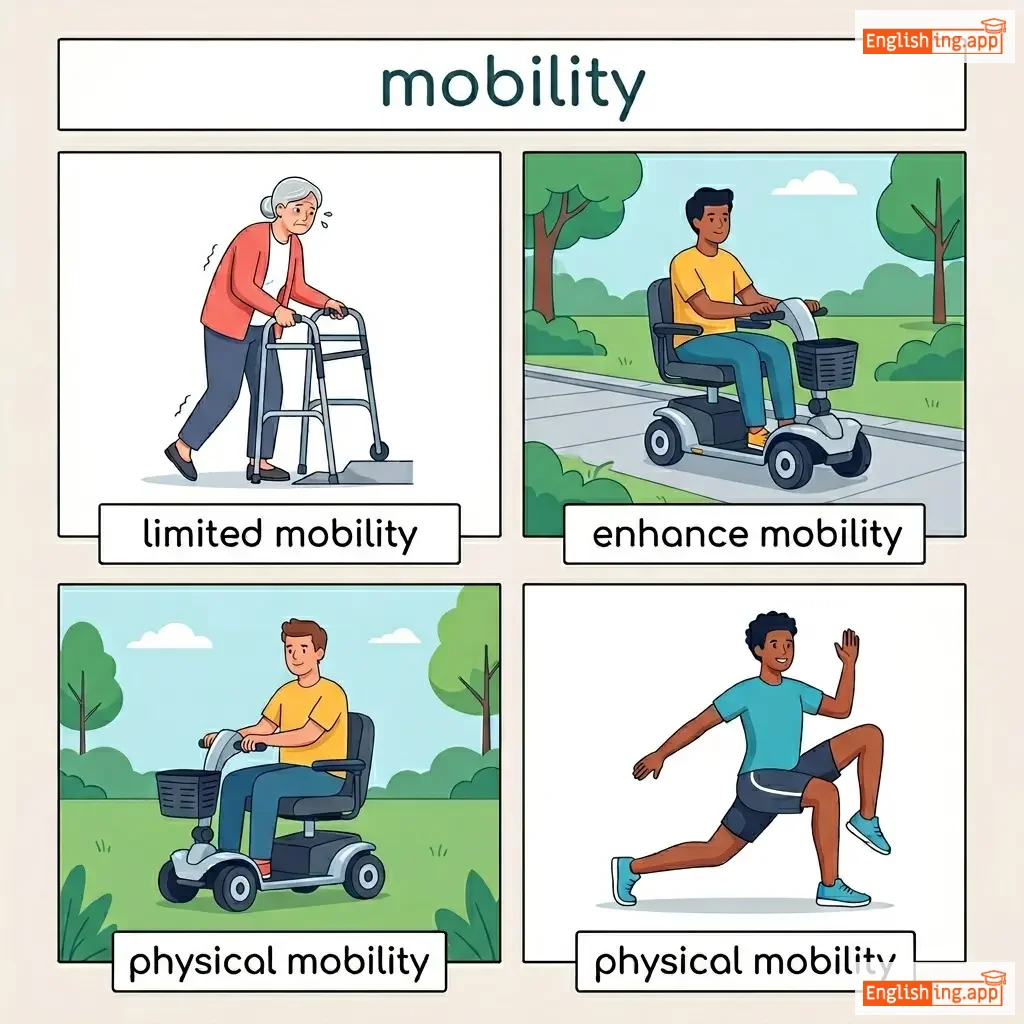
主要报告指出,在meantime将使用临时堤坝。 河边的mechanic承诺修理重要设备。 历史学家展示了河流的medieval地图。 心理学家表示,河流的损害会mentally影响人们。 merchant协会提议改善运输渠道。 一位诗人为河流创造了流畅的metaphor。 工程师们努力minimize废料。 该地区的minister检查了项目。 ministry发布了新的环境指南。 一个边缘化的minority社区分享了他们的故事。 卫生官员安装了坡道,以改善河边的mobility。 青年组织mobilize邻里参与。 几个提案针对moderate调整。 警告确保没有monopoly控制当地经济。 演讲者强调了河流的morality对社区的重要性。 报告补充道,'moreover,这条河承载着人们的情感。' 一家国有银行宣布了用于恢复的特别mortgage选项。 卫生团队警告沿河岸的mosquito问题。 工作坊提出了multiple个项目创意。 大家晚上以河岸的mushroom做饭结束了。
|
表情符号
|
单词 | Images | 翻译 | 过去时 | 过去分词 | 第三人称单数 | 动名词 | 含义 | 例句 | 例句翻译 | 示例表达 | 示例表达含义 | 示例表达翻译 | 同义词 | 反义词 | 搭配词 | 助记符 |
|---|---|---|---|---|---|---|---|---|---|---|---|---|---|---|---|---|---|
|
⏳
••••••
|
/ˈmiːnˌtaɪm/
noun/adverb
(mín-tāi-mù)
••••••
|
- •••••• |
同时
tóng shí
••••••
|
- •••••• | - •••••• | - •••••• | - •••••• |
the period of time between two events; meanwhile
••••••
|
The train will be late, so in the meantime let's have some tea. |
火车会迟到,所以同时我们来喝点茶。
huǒchē huì chídào, suǒyǐ tóngshí wǒmen lái hē diǎn chá.
••••••
|
in the meantime |
during the time between events
••••••
|
同时
tóng shí
••••••
|
meanwhile, interim, interval, intermission
••••••
|
afterward, later
••••••
|
in the meantime, meantime period, meantime activities
••••••
|
Meantime 表示 '在事件之间' → 同时.
••••••
|
|
🔧
••••••
|
/məˈkænɪk/
noun
(mìkānīk)
••••••
|
- •••••• |
机械师
jixieshi
••••••
|
- •••••• | - •••••• | - •••••• | - •••••• |
a person who repairs and maintains machines or vehicles
••••••
|
The mechanic fixed the engine in less than an hour.
机械师在不到一个小时的时间内修好了引擎。
••••••
|
机械师在不到一个小时的时间内修好了引擎。
Jixieshi zai budao yi ge xiaoshi de shijian nei xiuli hao le yinqing.
••••••
|
grease monkey
油猴子
••••••
|
a slang term for a car mechanic
••••••
|
汽车修理工的俚语
qiche xiuli gong de liyu
••••••
|
technician, repairman, engineer, fitter, machinist
••••••
|
driver, operator
••••••
|
car mechanic, skilled mechanic, aircraft mechanic, auto mechanic
••••••
|
机械师就像是修复机器的专家 🔧
••••••
|
|
🏰
••••••
|
/ˌmiː.diˈiː.vəl/
adjective
(中世纪)
••••••
|
- •••••• |
中世纪的
zhōng shìjì de
••••••
|
- •••••• | - •••••• | - •••••• | - •••••• |
Relating to the Middle Ages, the period in European history from about the 5th to the 15th century.
••••••
|
The castle is a famous medieval monument. |
这座城堡是一个著名的中世纪纪念碑。
Zhè zuò chéngbǎo shì yīgè zhùmíng de zhōng shìjì jìniànbēi.
••••••
|
- •••••• | - •••••• | - •••••• |
middle ages, feudal, ancient, old
••••••
|
modern, contemporary
••••••
|
medieval castle, medieval history, medieval times, medieval architecture
••••••
|
Medieval 听起来像 '中' - 记得中世纪的历史。
••••••
|
|
🧠
••••••
|
/ˈmɛntəli/
adverb
(mɛntəli)
••••••
|
- •••••• |
精神上
jingshen shang
••••••
|
- •••••• | - •••••• | - •••••• | - •••••• |
in a way that relates to the mind or intellect rather than the body
••••••
|
She felt mentally exhausted after the long exam.
她在长时间考试后感到精神上疲惫。
••••••
|
她在长时间考试后感到精神上疲惫。
Tā zài cháng shíjiān kǎoshì hòu gǎndào jīngshén shàng píbèi.
••••••
|
mentally prepared
精神上准备好
••••••
|
ready in mind for a challenge or situation
••••••
|
精神上准备好
jīngshén shàng zhǔnbèi hǎo
••••••
|
psychologically, intellectually, cognitively, emotionally
••••••
|
physically, bodily
••••••
|
mentally strong, mentally ill, mentally prepared, mentally active
••••••
|
Mental = 思维, 所以 'mentally' = 精神上。
••••••
|
|
💰
••••••
|
/ˈmɜːrtʃənt/
noun
(mòchāng)
••••••
|
- •••••• |
商人
shāngrén
••••••
|
- •••••• | - •••••• | - •••••• | - •••••• |
a person or company involved in the trade of goods, especially in large quantities
••••••
|
The merchant sold spices from distant lands. |
商人出售来自遥远土地的香料。
Shāngrén chūshòu láizì yáoyuǎn tǔdì de xiāngliào.
••••••
|
sea merchant |
a trader who conducts business by sea
••••••
|
海上商人
hǎishàng shāngrén
••••••
|
trader, dealer, seller, vendor, businessman
••••••
|
buyer, customer, consumer
••••••
|
merchant ship, merchant trade, local merchant, online merchant
••••••
|
商人就像市场里的大亨,靠交易获取财富
••••••
|
|
🖼️
••••••
|
/ˈmɛtəfɔːr/
noun
(happiness)
••••••
|
- •••••• |
幸福
xingfu
••••••
|
- •••••• | - •••••• | - •••••• | - •••••• |
A figure of speech in which a word or phrase is applied to something to which it is not literally applicable.
••••••
|
Time is a thief is a common metaphor for how quickly life passes. |
当她获得奖项时,她无法掩饰自己的幸福。
Dāng tā huò dé jiǎngxiàng shí, tā wúfǎ yǎnshì zìjǐ de xìngfú.
••••••
|
mixed metaphor |
A combination of two or more inconsistent metaphors in a single expression.
••••••
|
追求幸福
zhuīqiú xìngfú
••••••
|
analogy, symbol, image, comparison, allegory
••••••
|
literalness, fact, reality
••••••
|
common metaphor, extended metaphor, metaphor for, use a metaphor
••••••
|
Xìngfú + 求 → 永不放弃追寻幸福
••••••
|
|
➖
••••••
|
/ˈmɪnɪmaɪz/
verb
(米尼迈兹)
••••••
|
|
最小化
zuìxiǎohuà
••••••
|
minimized
最小化
••••••
|
minimized
最小化
••••••
|
minimizes
最小化
••••••
|
minimizing
最小化中
••••••
|
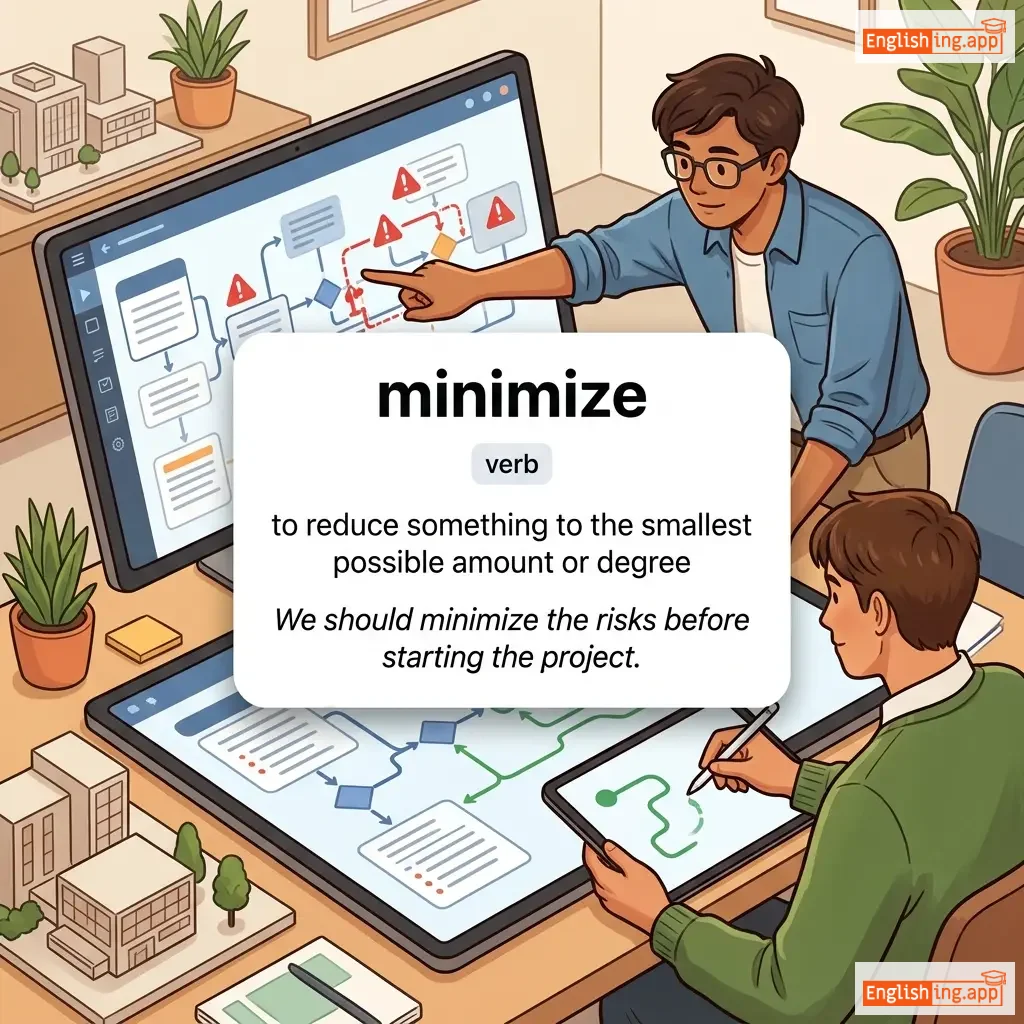
to reduce something to the smallest possible amount or degree
••••••
|
We should minimize the risks before starting the project.
在开始项目之前,我们应该最小化风险。
••••••
|
在开始项目之前,我们应该最小化风险。
Zài kāishǐ xiàngmù zhīqián, wǒmen yīnggāi zuìxiǎohuà fēngxiǎn.
••••••
|
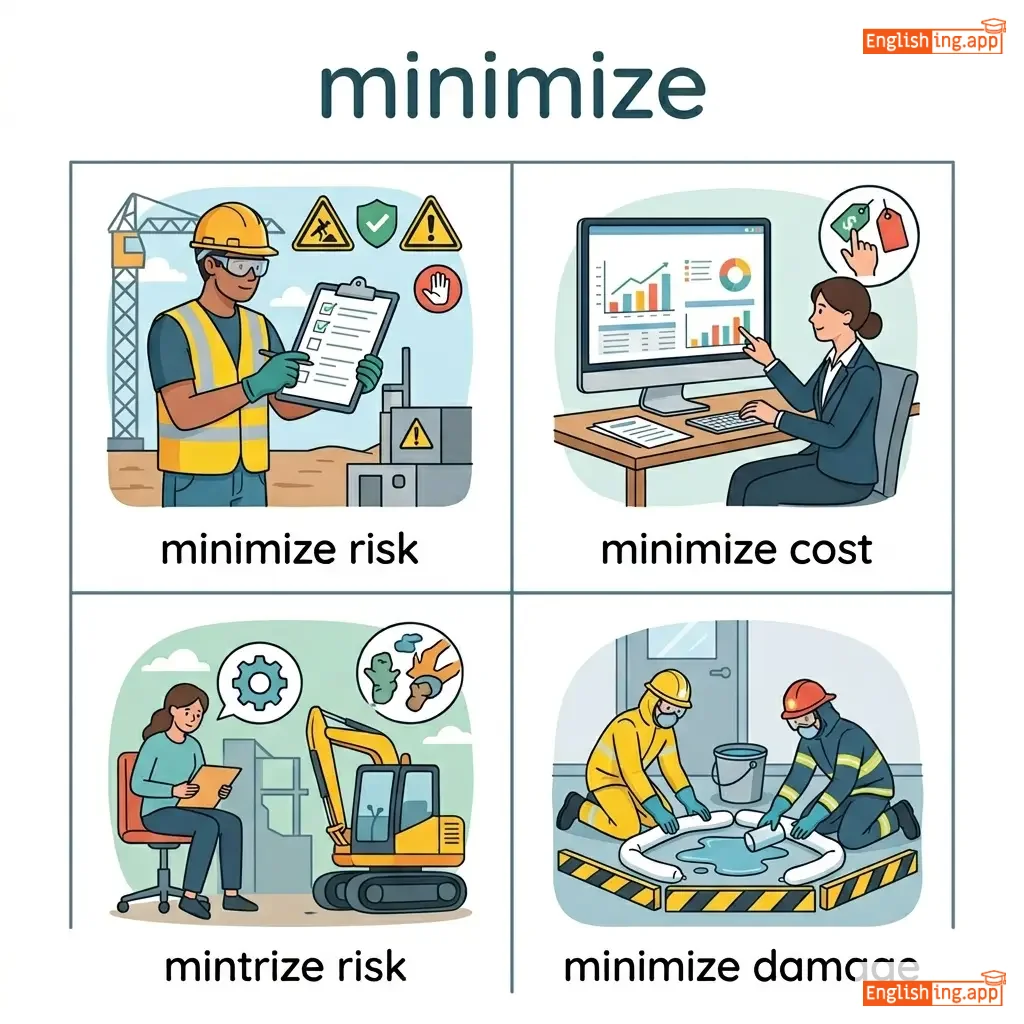
minimize the damage
最小化损害
••••••
|
to reduce the harmful effects as much as possible
••••••
|
最小化损害
zuìxiǎohuà sǔnhài
••••••
|
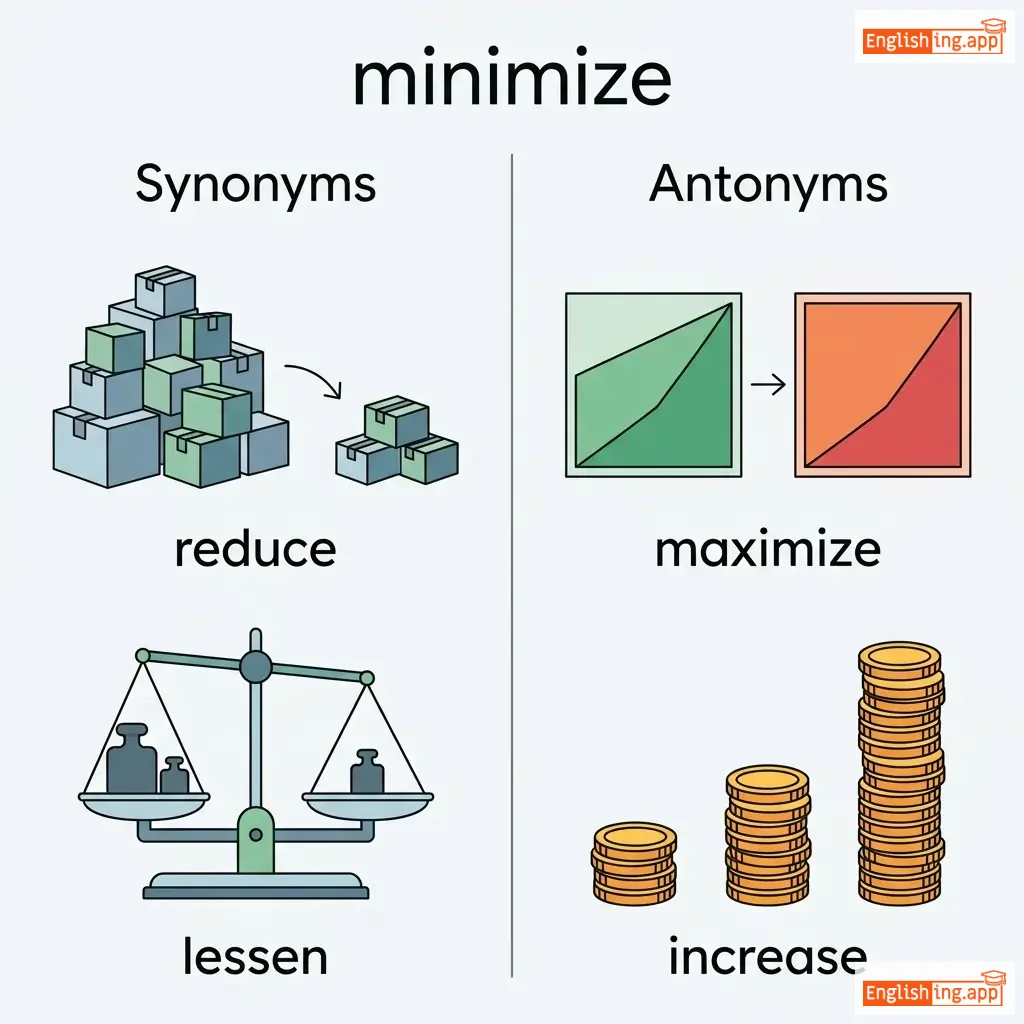
reduce, lessen, decrease, diminish, cut down
••••••
|
maximize, increase, enlarge
••••••
|
minimize risk, minimize cost, minimize damage, minimize error
••••••
|
最小化就像是把东西缩小,像缩小图片一样。
••••••
|
|
👔
••••••
|
/ˈmɪnɪstər/
noun
(mí-nì-sī-tè)
••••••
|
- •••••• |
部长
bù zhǎng
••••••
|
- •••••• | - •••••• | - •••••• | - •••••• |
a head of a government department; a person who leads a church
••••••
|
The finance minister announced new tax policies. |
财政部长宣布了新的税收政策。
Cái zhèng bù zhǎng xuānbùle xīn de shuì shōu zhèng cè.
••••••
|
prime minister |
the head of a government
••••••
|
总理
zǒng lǐ
••••••
|
official, clergyman, preacher, secretary
••••••
|
layman, citizen
••••••
|
prime minister, foreign minister, finance minister, minister of health
••••••
|
Minister是部长—部长是领导
••••••
|
|
🏛️
••••••
|
/ˈmɪn.ɪ.stri/
noun
(mínísītrī)
••••••
|
- •••••• |
部委
bù wěi
••••••
|
- •••••• | - •••••• | - •••••• | - •••••• |
A government department headed by a minister or the work of a religious minister.
••••••
|
He works at the Ministry of Education. |
他在教育部工作。
Tā zài jiàoyù bù gōngzuò.
••••••
|
Ministry of Truth |
a fictional propaganda department from Orwell's 1984
••••••
|
真理部
Zhēnlǐ bù
••••••
|
department, office, bureau, agency
••••••
|
private sector, individual enterprise
••••••
|
ministry of education, foreign ministry, ministry official
••••••
|
部委 = 由部长领导的部门,像教育部。
••••••
|
|
👥
••••••
|
/maɪˈnɔːr.ɪ.ti/
noun
(mái nuò lǐ tì)
••••••
|
- •••••• |
少数
shaoshu
••••••
|
- •••••• | - •••••• | - •••••• | - •••••• |
A smaller number or part, especially a group differing from the majority.
••••••
|
The law aims to protect the rights of ethnic minorities.
法律旨在保护少数民族的权利。
••••••
|
法律旨在保护少数民族的权利。
Fa lü zhi zai bao hu shao shu min zu de quan li.
••••••
|
minority report
少数报告
••••••
|
an official statement representing a smaller group's opinion
••••••
|
少数报告
Shaoshu baogao
••••••
|
few, subsection, group, faction
••••••
|
majority, mass
••••••
|
ethnic minority, religious minority, minority rights
••••••
|
Minority means less, so 少数 means small or few.
••••••
|
|
🚶
••••••
|
/moʊˈbɪləti/
noun
(莫比利提)
••••••
|

|
流动性
liudongxing
••••••
|
- •••••• | - •••••• | - •••••• | - •••••• |
The ability to move or be moved freely and easily.
••••••
|
The injury limited his mobility for several months. |
受伤限制了他的流动性几个月。
Shoushang xianzhi le tade liudongxing jige yue.
••••••
|
social mobility |
The ability to change one's social or economic status.
••••••
|
社会流动性
shehui liudongxing
••••••
|
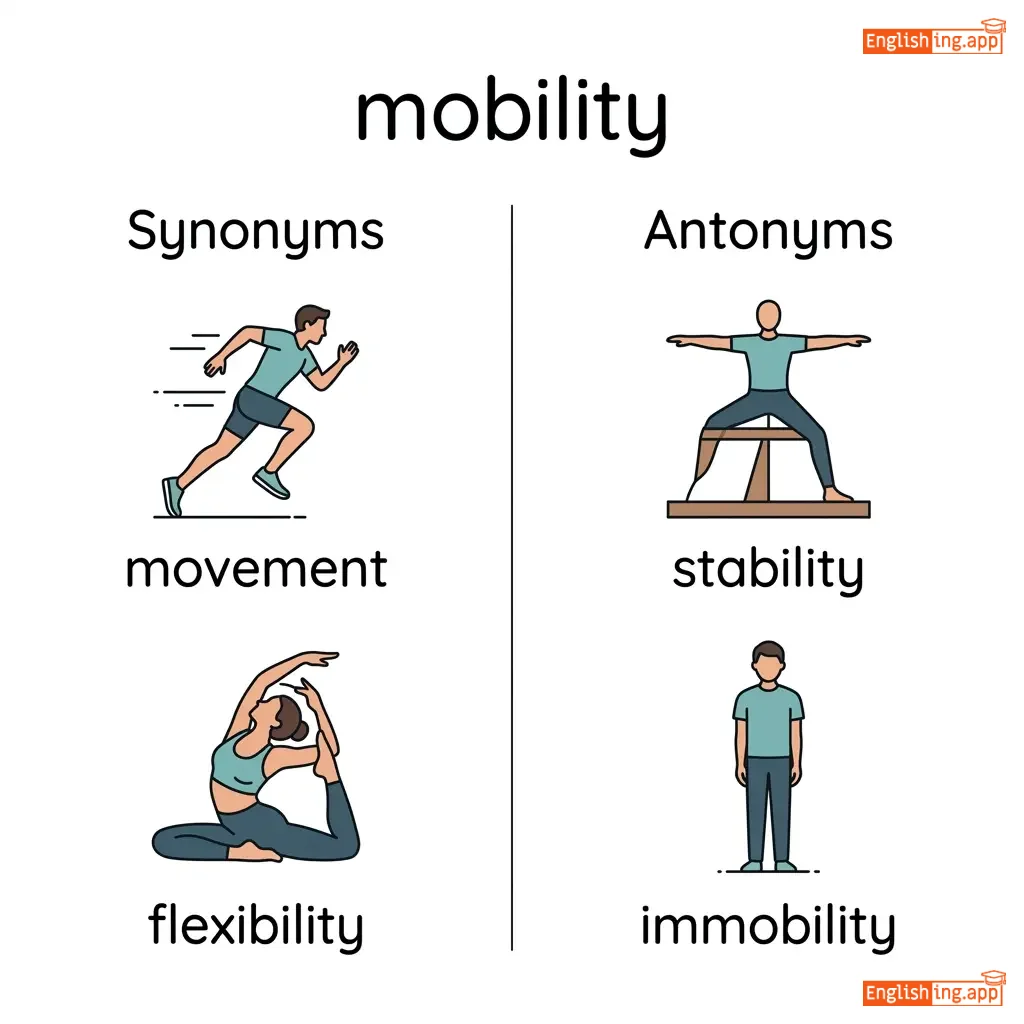
movement, flexibility, agility, locomotion, portability
••••••
|
stability, immobility, stiffness
••••••
|
limited mobility, enhance mobility, physical mobility, social mobility
••••••
|
Mobility是指可以自由地移动。
••••••
|
|
⚡
••••••
|
/ˈməʊbɪlaɪz/
verb
(动员)
••••••
|
- •••••• |
动员
dongyuan
••••••
|
mobilized
动员了
••••••
|
mobilized
动员了
••••••
|
mobilizes
动员
••••••
|
mobilizing
动员中
••••••
|
to organize or prepare people or resources for action
••••••
|
The leader worked hard to mobilize the community for the protest.
领导者努力动员社区参与抗议。
••••••
|
领导者努力动员社区参与抗议。
Lingdaozhe nuli dongyuan shequ canyu kangyi.
••••••
|
- •••••• | - •••••• | - •••••• |
organize, rally, summon, assemble
••••••
|
disband, scatter, ignore
••••••
|
mobilize resources, mobilize support, mobilize for action
••••••
|
动员就是组织所有事情进行行动。
••••••
|
|
⚖️
••••••
|
/ˈmɒdəreɪt/ (verb), /ˈmɒdərət/ (adj)
verb, adjective
(莫德雷特)
••••••
|

|
适度的, 控制
shidù de, kòngzhì
••••••
|
moderated
莫德雷特
••••••
|
moderated
莫德雷特
••••••
|
moderates
莫德雷特斯
••••••
|
moderating
莫德雷廷
••••••
|
To make something less extreme (verb); average in amount, intensity, quality, or degree (adjective).
••••••
|
She tried to moderate her tone during the argument.
她在争论中试图控制她的语气。
••••••
|
她在争论中试图控制她的语气。
Tā zài zhēnglùn zhōng shìtú kòngzhì tā de yǔqì.
••••••
|
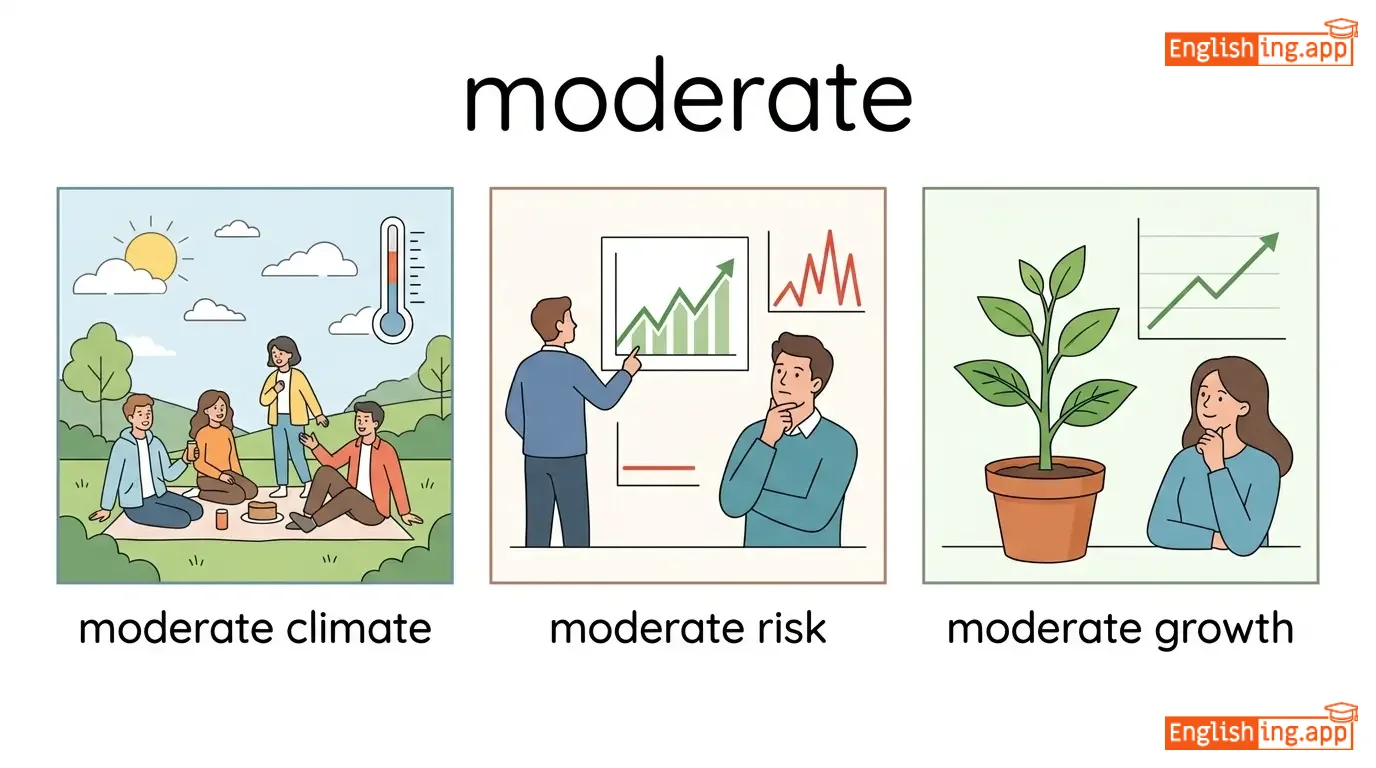
moderate growth
适度增长
••••••
|
Steady or average increase.
••••••
|
适度增长
shidù zēngzhǎng
••••••
|
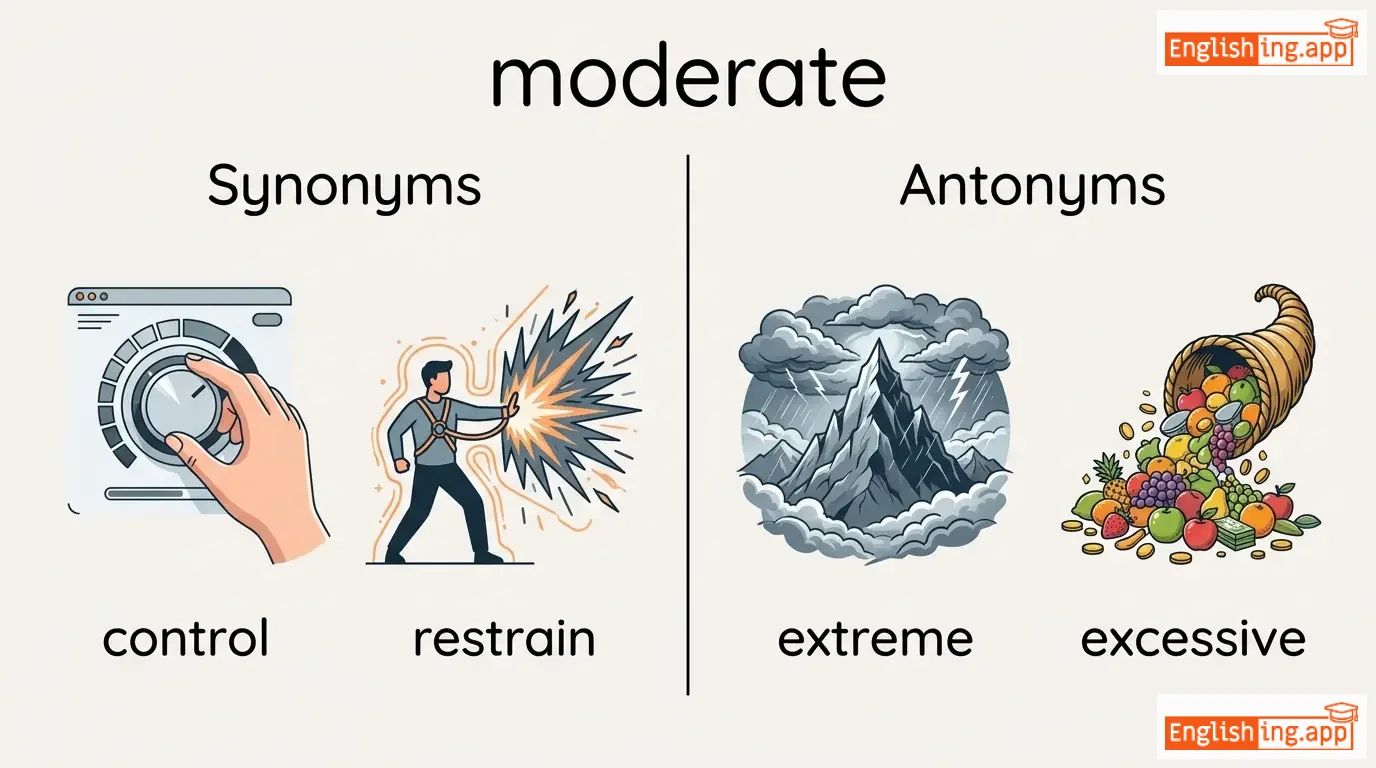
control, restrain, average, mild, temper
••••••
|
extreme, excessive
••••••
|
moderate climate, moderate risk, moderate growth, moderate opinion
••••••
|
Moderate意指使事情不那么极端,找到平衡。
••••••
|
|
🏦
••••••
|
/məˈnɒpəli/
noun
••••••
|
|
- •••••• | - •••••• | - •••••• | - •••••• | - •••••• |
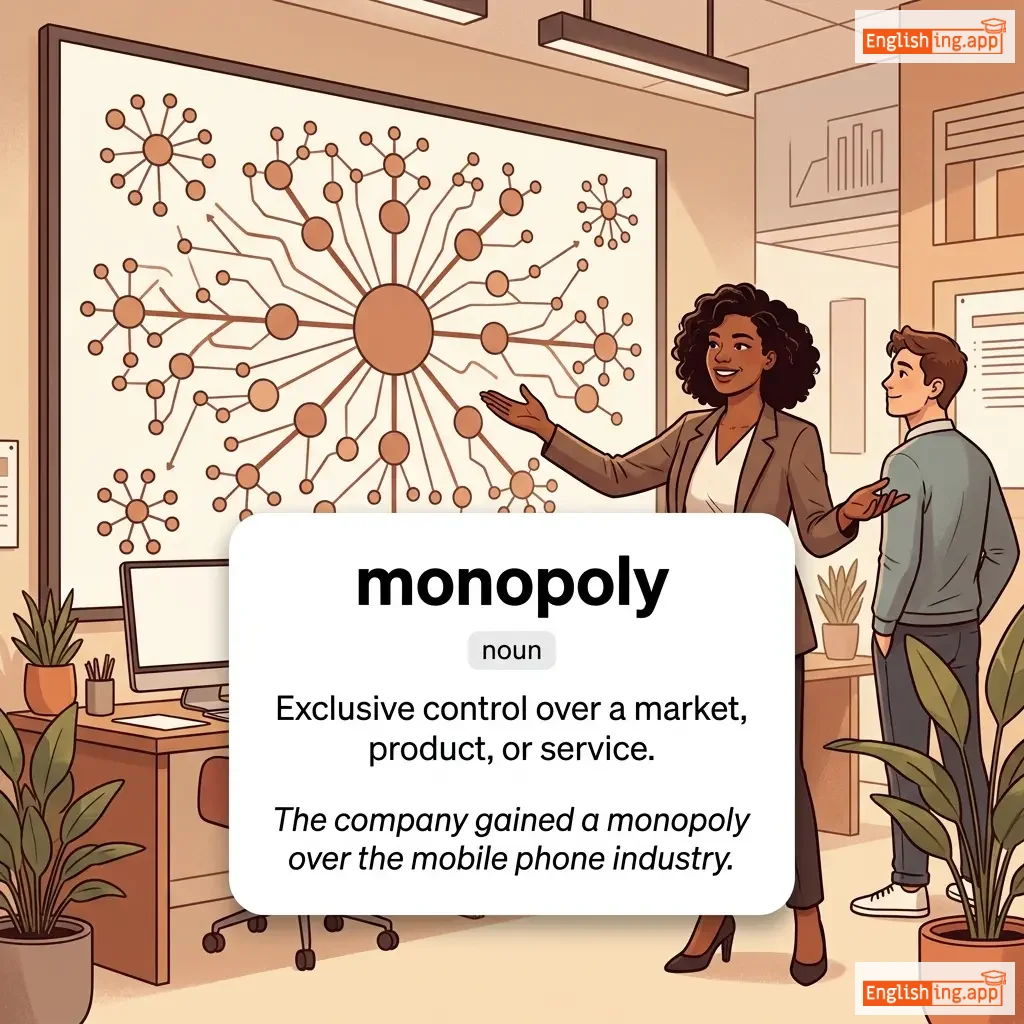
Exclusive control over a market, product, or service.
••••••
|
The company gained a monopoly over the mobile phone industry. |
- •••••• |
hold a monopoly |
To have complete control over a product, service, or market.
••••••
|
- •••••• |
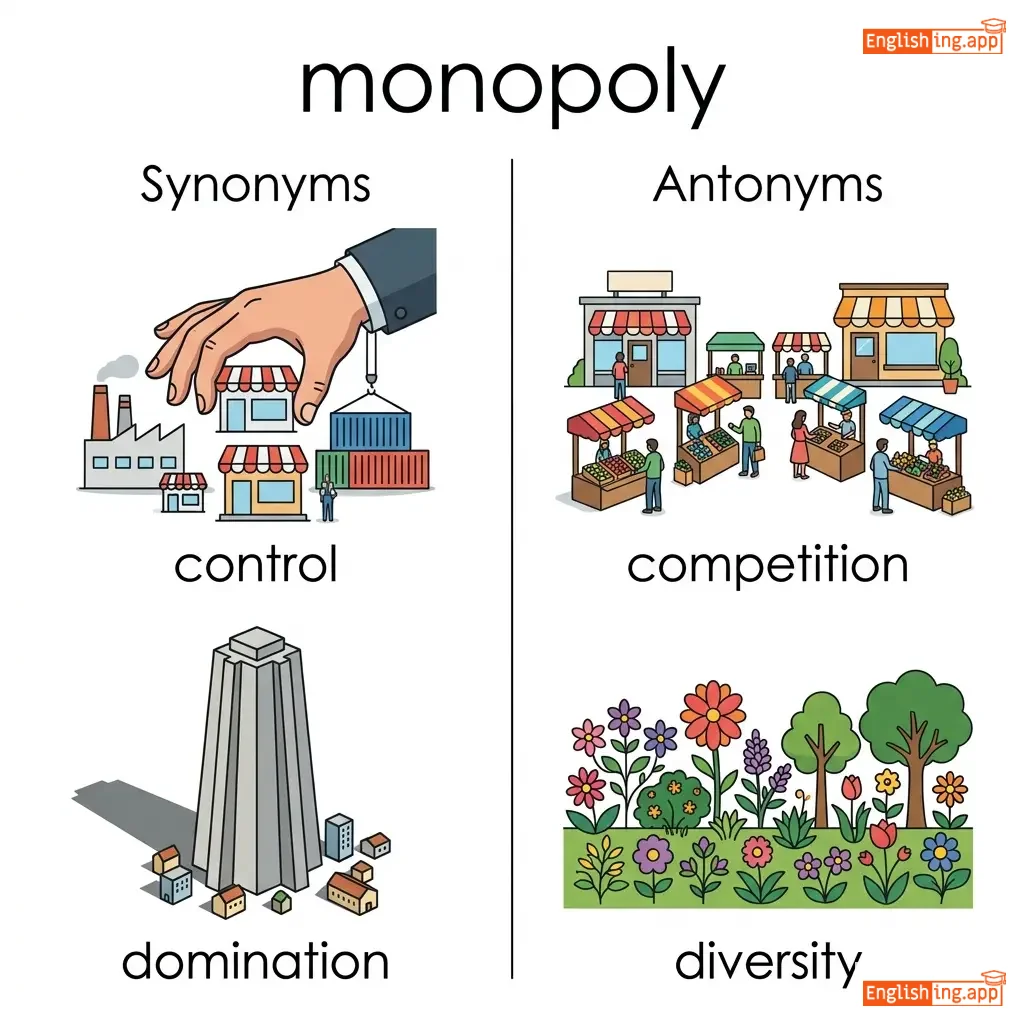
control, domination, exclusivity, cartel, ownership
••••••
|
competition, diversity
••••••
|
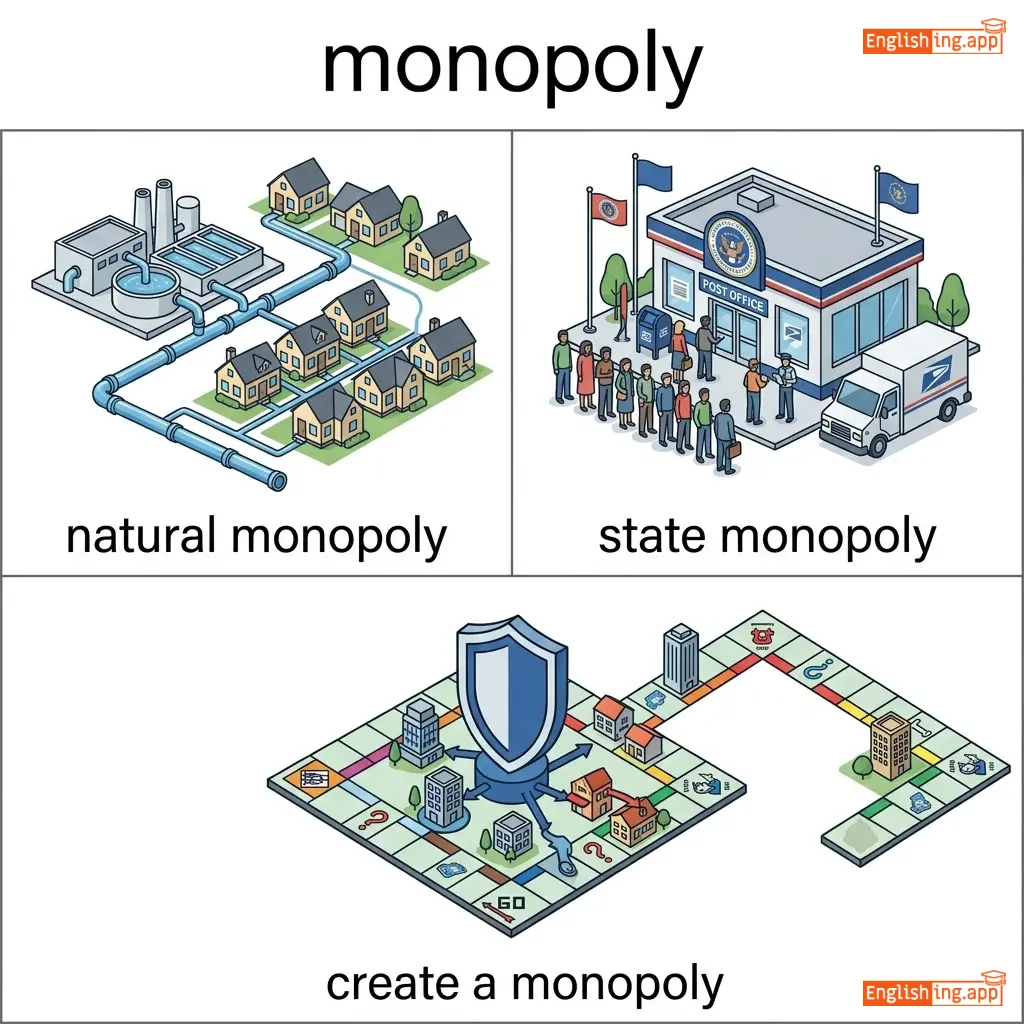
natural monopoly, state monopoly, create a monopoly
••••••
|
No •••••• |
|
⚖️
••••••
|
/məˈrælɪti/
noun
(mó rǎ lì tè)
••••••
|
- •••••• |
道德
daode
••••••
|
- •••••• | - •••••• | - •••••• | - •••••• |
Principles concerning the distinction between right and wrong or good and bad behavior.
••••••
|
Society's sense of morality changes over time. |
社会的道德感随着时间的推移而改变。
Shèhuì de dàodé gǎn suízhe shíjiān de tuīyí ér gǎibiàn.
••••••
|
high morality |
strong sense of right and wrong
••••••
|
高尚的道德
Gāoshàng de dàodé
••••••
|
ethics, principles, integrity, virtue, righteousness
••••••
|
immorality, corruption, wickedness
••••••
|
public morality, personal morality, code of morality, morality issues
••••••
|
道德是道德的基础。
••••••
|
|
➕
••••••
|
/mɔːrˈoʊvər/
adverb
(莫雷欧弗)
••••••
|
- •••••• |
此外
cì wài
••••••
|
- •••••• | - •••••• | - •••••• | - •••••• |
Used to add information that supports or emphasizes what has already been said.
••••••
|
The job is challenging; moreover, it requires excellent communication skills. |
这份工作具有挑战性;此外,它需要出色的沟通技能。
Zhè fèn gōngzuò jùyǒu tiǎozhànxìng; cì wài, tā xūyào chūsè de gōutōng jìnéng.
••••••
|
- •••••• | - •••••• | - •••••• |
besides, furthermore, also, additionally
••••••
|
however, but
••••••
|
moreover, it is..., challenging and moreover, moreover, he said
••••••
|
MOREOVER意味着添加其他内容 - 'more'意味着更多,'over'意味着额外 → 此外
••••••
|
|
🏠
••••••
|
/ˈmɔːrɡɪdʒ/
noun
(抵押贷款)
••••••
|
- •••••• |
抵押贷款
dǐyā dàikuǎn
••••••
|
- •••••• | - •••••• | - •••••• | - •••••• |
a legal agreement where a person borrows money to buy property and pays it back over time
••••••
|
They applied for a mortgage to buy their new house.
他们申请了抵押贷款来购买他们的新房。
••••••
|
他们申请了抵押贷款来购买他们的新房。
Tāmen shēnqǐngle dǐyā dàikuǎn lái gòumǎi tāmen de xīn fáng.
••••••
|
mortgage loan
抵押贷款
••••••
|
a loan taken against property
••••••
|
抵押贷款
dǐyā dàikuǎn
••••••
|
loan, home loan, property loan, debt, finance
••••••
|
repayment, ownership, clearance
••••••
|
mortgage loan, mortgage interest, mortgage payment, pay off mortgage
••••••
|
抵押贷款就像把房子放在'抵'字下,然后借钱买房。
••••••
|
|
🦟
••••••
|
/məˈskiːtəʊ/
noun
••••••
|
- •••••• | - •••••• | - •••••• | - •••••• | - •••••• | - •••••• |
a small flying insect known for biting and spreading diseases such as malaria
••••••
|
The mosquito bit me while I was sleeping under the net. |
- •••••• | - •••••• | - •••••• | - •••••• |
gnat, midge, insect, fly
••••••
|
none
••••••
|
mosquito bite, mosquito net, mosquito repellent
••••••
|
No •••••• |
|
🔢
••••••
|
/ˈmʌl.tɪ.pl̩/
adjective
(多重)
••••••
|
- •••••• |
多个; 多样的; 不同的
duo ge; duoyang de; butong de
••••••
|
- •••••• | - •••••• | - •••••• | - •••••• |
having many parts, elements, or members; numerous
••••••
|
She suffered multiple injuries in the accident. |
她在事故中受了多次伤。
Tā zài shìgù zhōng shòule duō cì shāng.
••••••
|
- •••••• | - •••••• | - •••••• |
numerous, many, several, various, manifold
••••••
|
single, sole, individual, unique
••••••
|
multiple choice, multiple injuries, multiple times
••••••
|
多样的、多元的,'多重'就是这么来的!
••••••
|
|
🍄
••••••
|
/ˈmʌʃruːm/
noun
(mushroom)
••••••
|
- •••••• |
蘑菇 (一种可食用的真菌)
mógu
••••••
|
- •••••• | - •••••• | - •••••• | - •••••• |
a type of fungus with a round top and a short stem, some of which are edible
••••••
|
We cooked a delicious soup with fresh mushrooms. |
我们用新鲜的蘑菇做了一碗美味的汤。
Wǒmen yòng xīnxiān de mógū zuòle yī wǎn měiwèi de tāng.
••••••
|
mushroom overnight |
to grow or increase very quickly
••••••
|
像蘑菇一样迅速生长
xiàng mógū yīyàng xùnsù shēngzhǎng
••••••
|
fungus, toadstool, champignon, spore, growth
••••••
|
shrink, decline, decrease
••••••
|
mushroom soup, mushroom farm, wild mushroom, edible mushroom
••••••
|
蘑菇像蘑菇一样快速生长,做汤美味极了!
••••••
|

