The Engineer Who Connected Villages
Tanvir 是一位专门从事 hardware 解决方案的工程师。他的 function 是为农村地区设计系统。他的工作 indicated 技术可以 generate 机会。发展的 frontier 是偏远的村庄。他经常出差,长途旅行让他头痛(headaches)。但他从不 hesitated 服务。基础设施的改进是 historic 的——带来了进步。村里的孩子们对网络接入心怀 grateful。它让他们看到了 greatest 的可能性。项目 handling 需要仔细规划。一位村里的 handsome 年轻人成为科技企业家。这个科技项目与普通援助项目 distinct。没有什么能 distract Tanvir 的使命。有些家庭因贫困而陷入 distress。Tanvir 的 doctrine 是:“科技惠及所有人”。清洁 drinking 水系统也实现了自动化。房屋有通往科技中心的小 driveways。Frequent 的停电是一个问题。Freshman 志愿者加入了项目。这是数字包容的 frontier。创新将 function 为桥梁。太阳能板 generated 电力。历史表明,当技术排斥穷人时,会发生机会的 genocide。但结果是 glorious 的——村庄被改变了。科技的 goodness 触及了每个人。Governor 访问了项目现场。数据 graphics 展示了成功指标。学生们对机会感到 grateful。Tanvir 认为这是他 greatest 的成就。Handling 技术转移需要耐心。一位 handsome 教师使用平板电脑授课。城市提供了 hardware 捐赠。每个中心都有 distinct 的特点。随着人们来上课,driveway 上的交通增加了。学生们不会让任何事 distract 他们。贫困带来 distress,但学习带来了希望。Tanvir 的指导 doctrine 是包容性科技。
|
表情符号
|
单词 | Images | 翻译 | 过去时 | 过去分词 | 第三人称单数 | 动名词 | 含义 | 例句 | 例句翻译 | 示例表达 | 示例表达含义 | 示例表达翻译 | 同义词 | 反义词 | 搭配词 | 助记符 |
|---|---|---|---|---|---|---|---|---|---|---|---|---|---|---|---|---|---|
|
✨
••••••
|
/dɪˈstɪŋkt/
adjective
(dɪsˈtɪŋkt)
••••••
|
- •••••• |
独特
dútè
••••••
|
- •••••• | - •••••• | - •••••• | - •••••• |
clearly different or separate from others of its kind
••••••
|
The twins have distinct personalities. |
这对双胞胎有着独特的个性。
Zhè duì shuāngbāotāi yǒuzhe dútè de gèxìng.
••••••
|
distinct possibility |
something that is clearly a real chance of happening
••••••
|
明显的可能性
míngxiǎn de kěnéngxìng
••••••
|
clear, separate, definite, unique, noticeable
••••••
|
indistinct, vague, unclear
••••••
|
distinct possibility, distinct feature, distinct voice, distinct style
••••••
|
Distinct 就是独特,像独特的性格一样与众不同。
••••••
|
|
🙃
••••••
|
/dɪˈstrækt/
verb
(迪斯特拉克特)
••••••
|
- •••••• |
分心
fēn xīn
••••••
|
distracted
分心
••••••
|
distracted
分心
••••••
|
distracts
分心
••••••
|
distracting
分心
••••••
|
to take someone's attention away from what they are doing or focusing on
••••••
|
The loud noise distracted her during the exam.
大声噪音让她在考试中分心。
••••••
|
大声噪音让她在考试中分心。
dà shēng zào yīn ràng tā zài kǎo shì zhōng fēn xīn
••••••
|
easily distracted
容易分心
••••••
|
to lose focus quickly due to small interruptions
••••••
|
容易分心
róng yì fēn xīn
••••••
|
divert, sidetrack, disturb, interrupt, absorb
••••••
|
focus, concentrate, attend
••••••
|
distract attention, distract someone, distract from, distract easily
••••••
|
分心就是让你的注意力从一个方向移开到另一个方向
••••••
|
|
😞
••••••
|
/dɪsˈtrɛs/
noun
(dɪsˈtrɛs)
••••••
|
- •••••• |
痛苦
tòngkǔ
••••••
|
- •••••• | - •••••• | - •••••• | - •••••• |
extreme anxiety, sorrow, or pain
••••••
|
He felt a deep sense of distress when he heard the bad news. |
当他听到坏消息时,他感到深深的痛苦。
Dāng tā tīngdào huài xiāoxī shí, tā gǎndào shēnshēn de tòngkǔ.
••••••
|
- •••••• | - •••••• | - •••••• |
misery, anguish, pain, sorrow
••••••
|
comfort, ease, happiness
••••••
|
emotional distress, financial distress, physical distress, mental distress
••••••
|
In distress (痛苦), you feel an intense pain that takes over your whole body.
••••••
|
|
📜
••••••
|
/ˈdɒktrɪn/
noun
(dǒkè lǐn)
••••••
|
- •••••• |
教义
jiaoyi
••••••
|
- •••••• | - •••••• | - •••••• | - •••••• |
A set of beliefs or principles held and taught by a religious, political, or other group.
••••••
|
The church follows a strict doctrine on moral values. |
教会遵循一项关于道德价值的严格教义。
Jiaohui zunxun yixiang guanyu daode jiazhi de yange jiaoyi.
••••••
|
official doctrine |
The established principles or policies endorsed by an authority.
••••••
|
官方教义
Guanfang jiaoyi
••••••
|
belief, principle, teaching, tenet, ideology
••••••
|
heresy, disbelief, doubt
••••••
|
religious doctrine, political doctrine, military doctrine, core doctrine
••••••
|
教义就像必须遵守的规则,严格且清晰。
••••••
|
|
🥤
••••••
|
/ˈdrɪŋkɪŋ/
noun
(drinking)
••••••
|
- •••••• |
喝
he
••••••
|
- •••••• | - •••••• | - •••••• | - •••••• |
the act of consuming liquids, especially alcohol
••••••
|
Drinking too much water at once can make you feel bloated. |
一次喝太多水可能会让你感到腹胀。
Yīcì hē tài duō shuǐ kěnéng huì ràng nǐ gǎndào fùzhàng.
••••••
|
drinking habit |
a regular pattern of alcohol consumption
••••••
|
饮酒习惯
yǐnjiǔ xíguàn
••••••
|
consumption, sipping, gulping, swigging
••••••
|
abstinence, fasting
••••••
|
drinking water, drinking habit, heavy drinking, social drinking
••••••
|
喝 = Drink - 记得 '喝' 意味着饮水和酒精
••••••
|
|
🚗
••••••
|
/ˈdraɪv.weɪ/
noun
(dài wèi)
••••••
|
- •••••• |
车道
chedao
••••••
|
- •••••• | - •••••• | - •••••• | - •••••• |
a short private road leading from a street to a house or garage
••••••
|
The car was parked in the driveway next to the garden. |
车子停在花园旁的车道上。
Chezi ting zai huayuan pang de chedao shang.
••••••
|
- •••••• | - •••••• | - •••••• |
path, lane, entrance, approach, access road
••••••
|
highway, street
••••••
|
private driveway, long driveway, clean the driveway, driveway entrance
••••••
|
Driveway就是停车的地方,直接开车到家门口!
••••••
|
|
🔄
••••••
|
/ˈfriː.kwənt/ (adj.), /friːˈkwent/ (verb)
adjective, verb
(fù kuān tè)
••••••
|
- •••••• |
频繁
pín fán
••••••
|
frequented
fù kuān tè dé
••••••
|
frequented
fù kuān tè dé
••••••
|
frequents
fù kuān tè sī
••••••
|
frequenting
fù kuān tè zhōng
••••••
|
Adjective: happening often; Verb: to visit a place regularly
••••••
|
He is a frequent visitor to the library.
他是图书馆的常客。
••••••
|
他是图书馆的常客。
Tā shì túshūguǎn de chángkè.
••••••
|
frequent flyer
常旅客
••••••
|
a person who travels often by plane
••••••
|
常旅客
cháng lǚ kè
••••••
|
regular, repeated, habitual, constant, usual
••••••
|
rare, occasional, infrequent
••••••
|
frequent visits, frequent traveler, frequent customer, frequent contact
••••••
|
Frequent 意味着频繁,比如一个朋友经常打电话。
••••••
|
|
🎓
••••••
|
/ˈfreʃmən/
noun
(fú réi shī mán)
••••••
|
- •••••• |
大一新生
da yi xin sheng
••••••
|
- •••••• | - •••••• | - •••••• | - •••••• |
a first-year student at a high school, college, or university
••••••
|
The freshman felt nervous on his first day at university. |
大一新生在大学的第一天感到紧张。
Da yi xin sheng zai da xue de di yi tian gan dao jin zhang.
••••••
|
freshman year |
the first year of high school or college
••••••
|
大一
da yi
••••••
|
first-year student, newcomer, novice, beginner
••••••
|
senior, experienced student
••••••
|
freshman year, freshman class, college freshman, new freshman
••••••
|
Fresh 意味着新的,所以 Freshman 意味着新生 — 新面孔进课堂!
••••••
|
|
🛂
••••••
|
/ˈfrʌntɪə(r)/
noun
(frontier)
••••••
|
|
边界
bianjie
••••••
|
- •••••• | - •••••• | - •••••• | - •••••• |
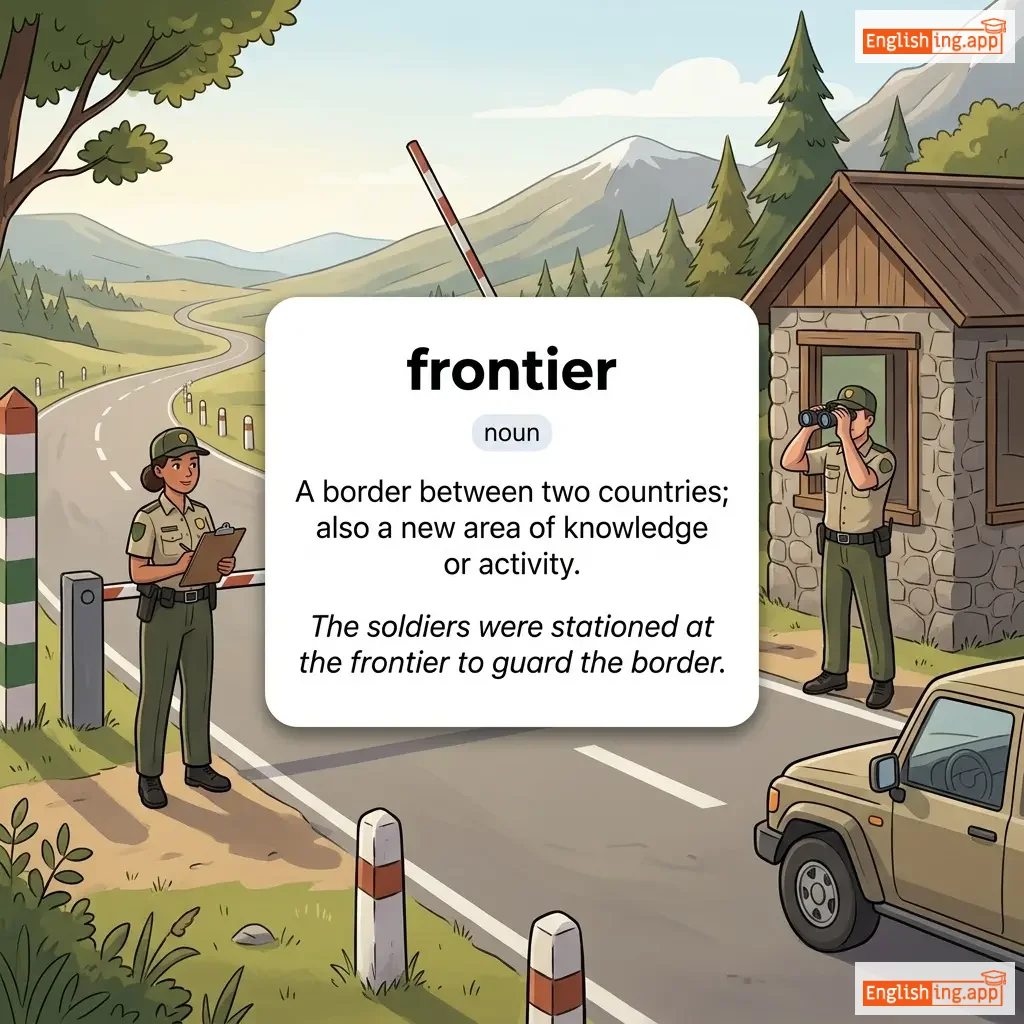
A border between two countries; also a new area of knowledge or activity.
••••••
|
The soldiers were stationed at the frontier to guard the border. |
士兵们驻扎在边界以守卫边境。
Shi bing men zhu zha zai bian jie yi shou wei bian jing.
••••••
|
frontier of knowledge |
The limits of what is known or understood
••••••
|
知识的边界
zhi shi de bian jie
••••••
|
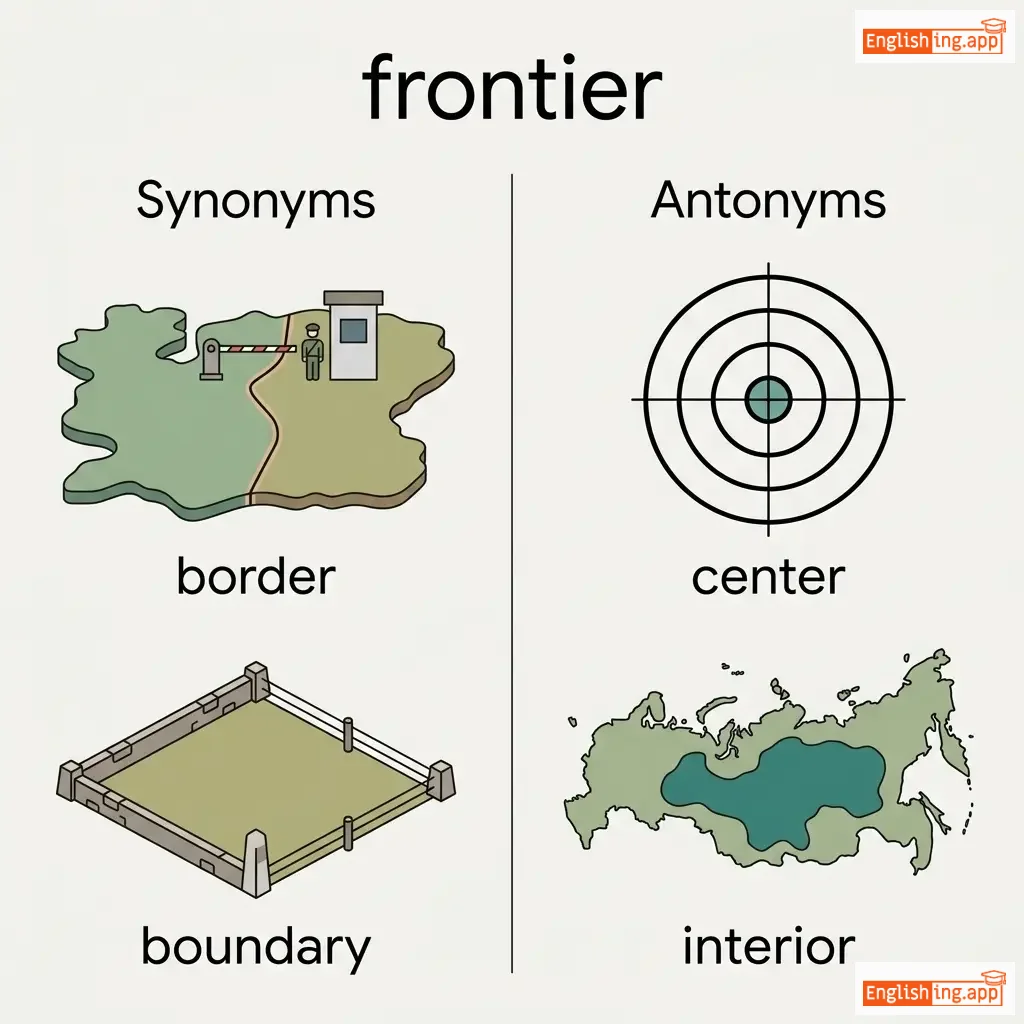
border, boundary, edge, limit, borderland
••••••
|
center, interior
••••••
|
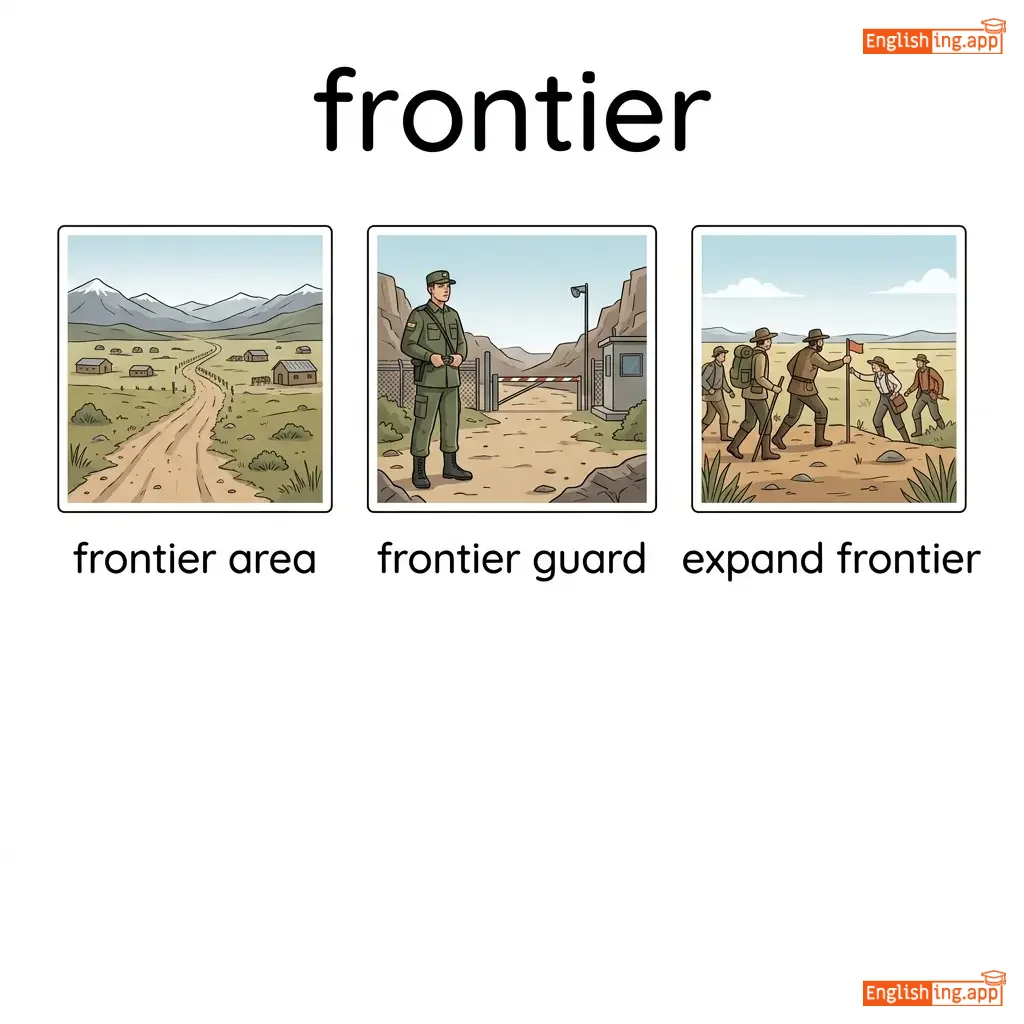
frontier area, frontier guard, expand frontier, frontier town
••••••
|
Front + 边界 = Frontier, 边界线 🛂
••••••
|
|
⚙️
••••••
|
/ˈfʌŋkʃən/
noun
(fángkèshùn)
••••••
|
- •••••• |
功能
gongneng
••••••
|
- •••••• | - •••••• | - •••••• | - •••••• |
An activity or purpose natural to or intended for a person or thing.
••••••
|
The main function of the heart is to pump blood. |
心脏的主要功能是泵送血液。
Xīnzàng de zhǔyào gōngnéng shì bèngsòng xuèyè.
••••••
|
perform a function |
to carry out a specific role or purpose
••••••
|
执行功能
Zhíxíng gōngnéng
••••••
|
role, purpose, duty, job, task
••••••
|
malfunction, failure, inactivity
••••••
|
main function, important function, perform a function, social function
••••••
|
功能在中文里指的是事物的特定作用,就像英文里的‘function’一样。
••••••
|
|
⚡
••••••
|
/ˈdʒɛnəreɪt/
verb
••••••
|
- •••••• | - •••••• |
generated
••••••
|
generated
••••••
|
generates
••••••
|
generating
••••••
|
to produce or create something
••••••
|
The machine generates electricity. |
- •••••• |
generate interest |
to make people feel curious or engaged
••••••
|
- •••••• |
produce, create, make, yield, cause
••••••
|
destroy, stop, halt
••••••
|
generate power, generate ideas, generate revenue, generate interest
••••••
|
No •••••• |
|
🙏
••••••
|
/ˈɡreɪtfəl/
adjective
(格雷特福尔)
••••••
|
- •••••• |
感激的
gǎnjī de
••••••
|
- •••••• | - •••••• | - •••••• | - •••••• |
feeling or showing thanks for something or someone
••••••
|
I am grateful for your help. |
我对你的帮助感激不尽。
Wǒ duì nǐ de bāngzhù gǎnjī bù jìn.
••••••
|
grateful heart |
a feeling of deep appreciation and thankfulness
••••••
|
感激的心
gǎnjī de xīn
••••••
|
thankful, appreciative, obliged, indebted, pleased
••••••
|
ungrateful, thankless, indifferent
••••••
|
grateful for, deeply grateful, grateful thanks, feel grateful
••••••
|
感激的意思是感激的心,记住要常怀感激之情!
••••••
|
|
🏆
••••••
|
/ˈɡreɪ.tɪst/
adjective (superlative)
(グレイテスト)
••••••
|
- •••••• |
最伟大
zui wei da
••••••
|
- •••••• | - •••••• | - •••••• | - •••••• |
The highest degree of greatness; the most outstanding or important.
••••••
|
He is considered one of the greatest leaders of all time.
他被认为是所有时代最伟大的领导人之一。
••••••
|
他被认为是所有时代最伟大的领导人之一。
Tā bèi rènwéi shì suǒyǒu shídài zuì wěidà de lǐngdǎo rén zhī yī.
••••••
|
the greatest of all time
历史上最伟大
••••••
|
Used to describe someone regarded as the best ever in a field.
••••••
|
历史上最伟大
lìshǐ shàng zuì wěidà
••••••
|
best, finest, top, supreme, foremost
••••••
|
least, worst
••••••
|
greatest achievement, greatest leader, greatest player, greatest strength, greatest challenge
••••••
|
Greatest 是最伟大,是领导者的象征。
••••••
|
|
🤲
••••••
|
/ˈhændlɪŋ/
noun
(hǎndélíng)
••••••
|
- •••••• |
处理
chuli
••••••
|
- •••••• | - •••••• | - •••••• | - •••••• |
the act of managing or dealing with something or someone
••••••
|
His handling of the situation was impressive. |
他对情况的处理令人印象深刻。
Tā duì qíngkuàng de chùlǐ lìng rén yìnxiàng shēnkè.
••••••
|
- •••••• | - •••••• | - •••••• |
management, administration, control, supervision
••••••
|
mismanagement, neglect
••••••
|
handling a crisis, handling an issue, handling customers
••••••
|
记住处理当你有效地处理任何情况时。
••••••
|
|
😎
••••••
|
/ˈhæn.səm/
adjective
••••••
|
- •••••• | - •••••• | - •••••• | - •••••• | - •••••• | - •••••• |
attractive in appearance, usually referring to men; also can mean generous or impressive in size.
••••••
|
He looked very handsome in his new suit. |
- •••••• |
handsome reward |
a large or generous reward
••••••
|
- •••••• |
attractive, good-looking, striking, dashing, elegant
••••••
|
ugly, unattractive, plain
••••••
|
handsome man, handsome reward, handsome profit, look handsome
••••••
|
No •••••• |
|
💻
••••••
|
/ˈhɑːrdˌwɛr/
noun
(哈德威尔)
••••••
|
- •••••• |
硬件
yingjiane
••••••
|
- •••••• | - •••••• | - •••••• | - •••••• |
the physical parts of a computer or electronic system, such as the monitor, keyboard, and processor
••••••
|
The company upgraded its computer hardware to improve performance. |
公司升级了计算机硬件以提高性能。
gongsi shengji le jisuanji yingjiane yi tigao xingneng.
••••••
|
hardware store |
a shop that sells tools, equipment, and building materials
••••••
|
硬件商店
yingjiane shangdian
••••••
|
equipment, machinery, device, apparatus, components
••••••
|
software, application, program
••••••
|
computer hardware, hardware components, upgrade hardware, hardware store
••••••
|
硬件是你可以触摸到的东西,比如键盘、显示器等。
••••••
|
|
🤕
••••••
|
/ˈhɛdeɪk/
noun
(hɛdeɪk)
••••••
|
- •••••• |
头痛
tóutòng
••••••
|
- •••••• | - •••••• | - •••••• | - •••••• |
a continuous pain in the head; something that causes worry or difficulty
••••••
|
Too much screen time can give you a terrible headache. |
过多的屏幕时间可能会导致你出现严重的头痛。
guòduō de píngmù shíjiān kěnéng huì dǎozhì nǐ chūxiàn yánzhòng de tóutòng.
••••••
|
a real headache |
something that causes a lot of trouble or difficulty
••••••
|
真正的头痛
zhēnzhèng de tóutòng
••••••
|
migraine, pain, nuisance, problem, discomfort
••••••
|
relief, comfort
••••••
|
severe headache, splitting headache, cause a headache, suffer from headache
••••••
|
Head ache 意味着头部的 ache (痛) – 记住头痛!
••••••
|
|
🤔
••••••
|
/ˈhezɪteɪt/
verb
(犹豫)
••••••
|
- •••••• |
犹豫
yóuyù
••••••
|
hesitated
犹豫了
••••••
|
hesitated
犹豫了
••••••
|
hesitates
犹豫
••••••
|
hesitating
犹豫中
••••••
|
to pause before saying or doing something because you are uncertain or nervous.
••••••
|
She hesitated before answering the question.
她在回答问题之前犹豫了一下。
••••••
|
她在回答问题之前犹豫了一下。
Tā zài huídá wèntí zhīqián yóuyùle yīxià.
••••••
|
without hesitation
毫不犹豫
••••••
|
immediately or without delay
••••••
|
毫不犹豫
háo bù yóuyù
••••••
|
pause, waver, delay, falter, doubt
••••••
|
decide, proceed, act
••••••
|
hesitate to ask, hesitate to speak, hesitate before, hesitate a moment
••••••
|
犹豫 - 不犹豫,马上行动!
••••••
|
|
🏛️
••••••
|
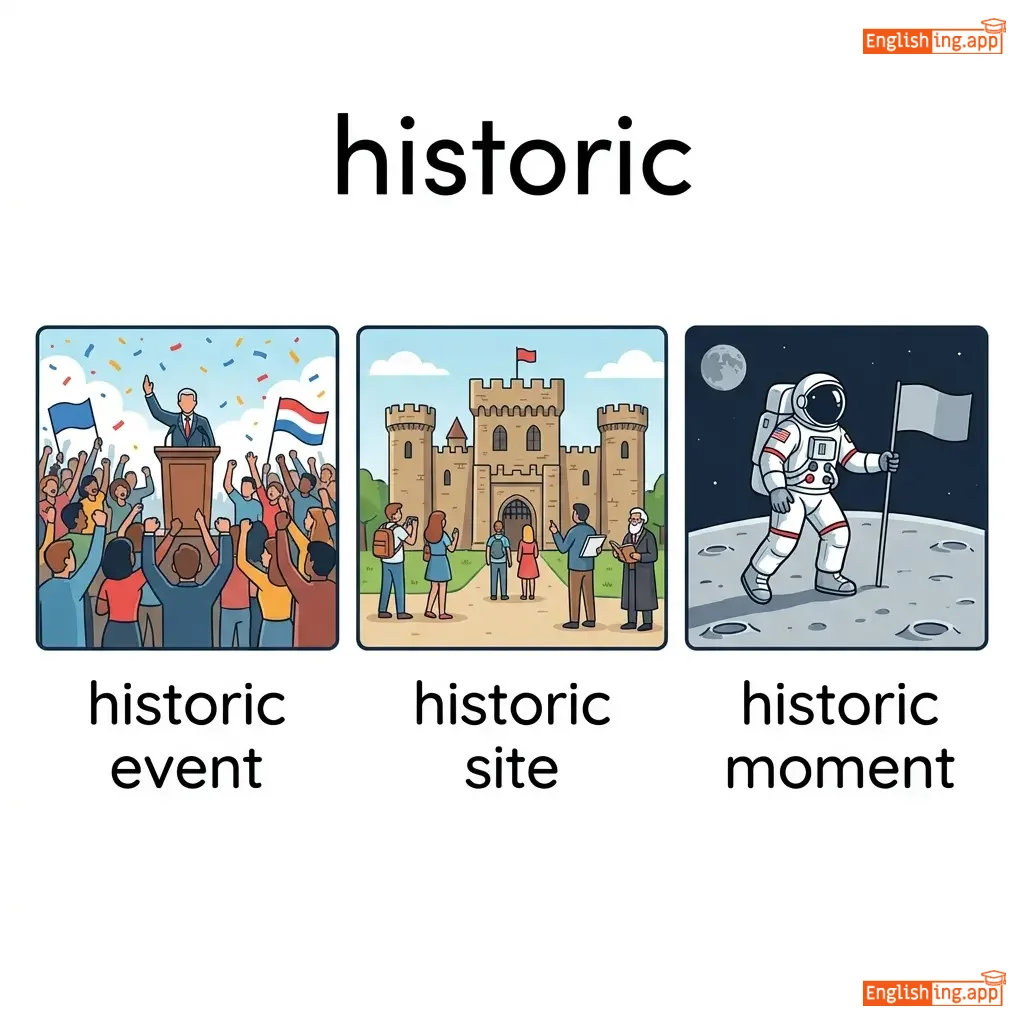
/hɪˈstɔːrɪk/
adjective
(hìs-tuò-lìk)
••••••
|

|
历史性的
lishixing de
••••••
|
- •••••• | - •••••• | - •••••• | - •••••• |
Famous or important in history; likely to be remembered in history.
••••••
|
The historic agreement changed the course of the nation. |
历史性的协议改变了国家的进程。
Lishi xing de xieyi gaibianle guojia de jincheng.
••••••
|
historic moment |
An event of great importance in history
••••••
|
历史时刻
Lishi shike
••••••
|
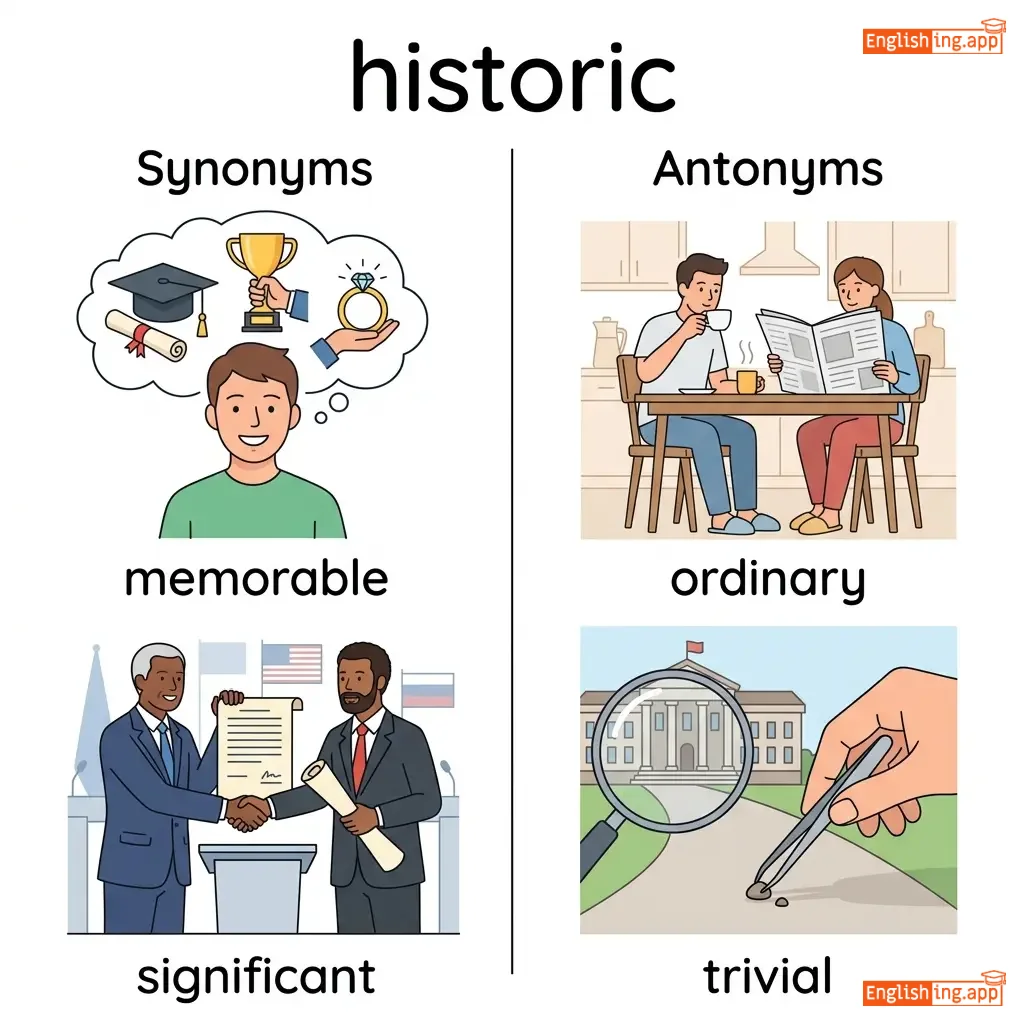
memorable, significant, important, monumental, notable
••••••
|
ordinary, trivial, forgettable
••••••
|
historic event, historic site, historic moment, historic decision
••••••
|
Historic = 与历史相关,因此是历史中重要的事情。
••••••
|
|
👉
••••••
|
/ˈɪndɪˌkeɪt/
verb
(印地凯特)
••••••
|
|
指示
zhǐshì
••••••
|
indicated
印地凯特德
••••••
|
indicated
印地凯特德
••••••
|
indicates
印地凯特斯
••••••
|
indicating
印地凯廷
••••••
|
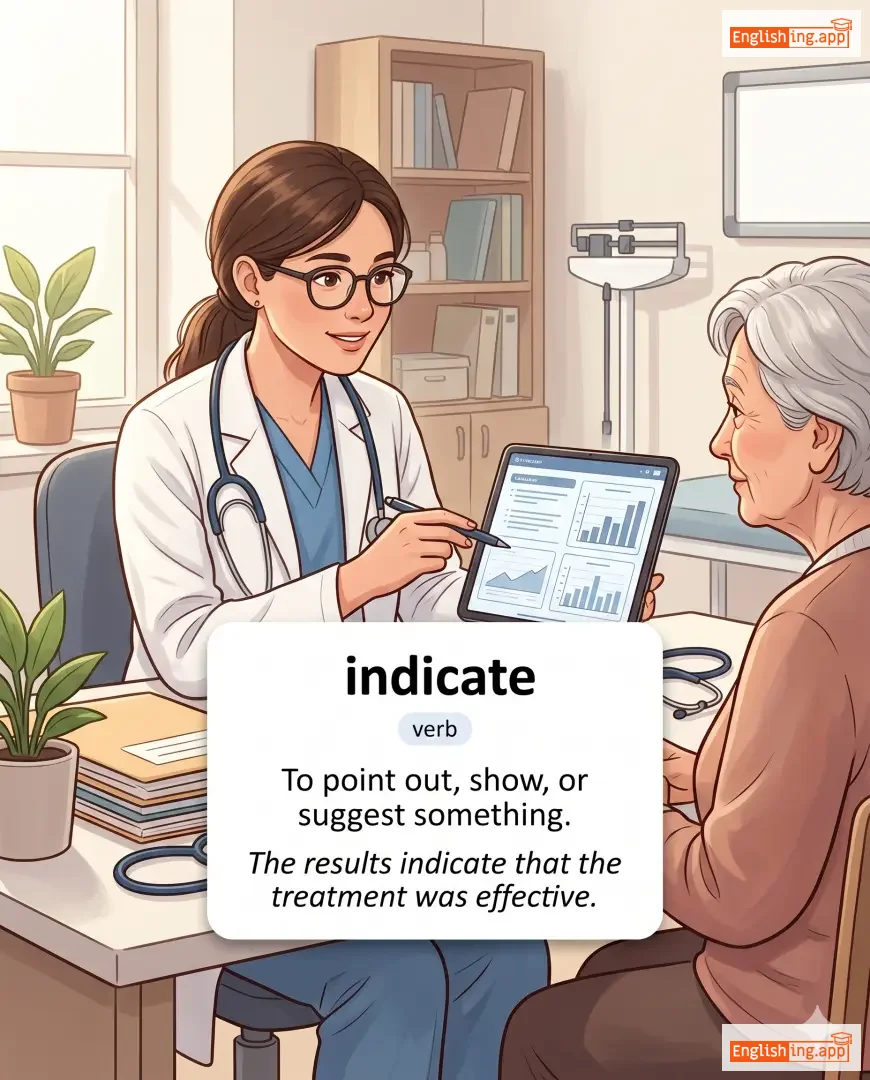
To point out, show, or suggest something.
••••••
|
The results indicate that the treatment was effective.
结果表明治疗有效。
••••••
|
结果表明治疗有效。
Jiéguǒ biǎomíng zhìliáo yǒuxiào.
••••••
|
indicate interest
表示兴趣
••••••
|
To show or express that one is interested.
••••••
|
表示兴趣
biǎoshì xìngqù
••••••
|
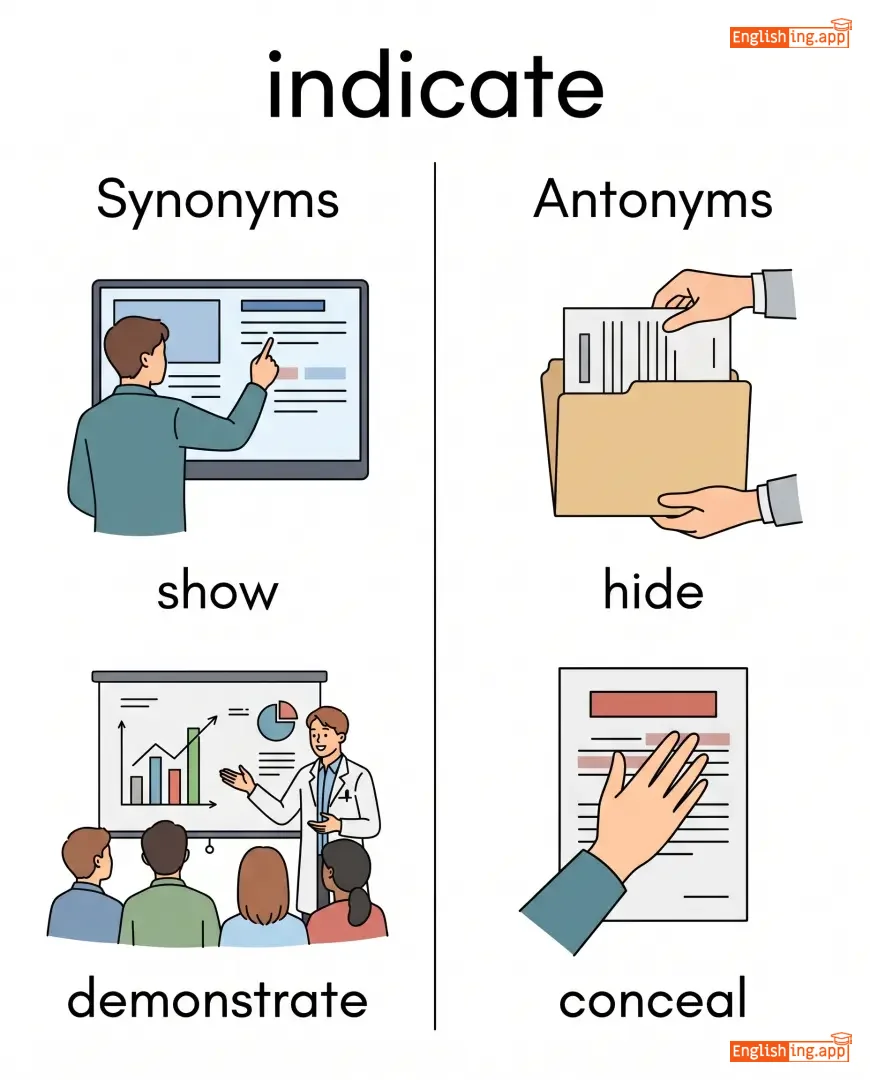
show, demonstrate, suggest, signal, reveal
••••••
|
hide, conceal, obscure
••••••
|
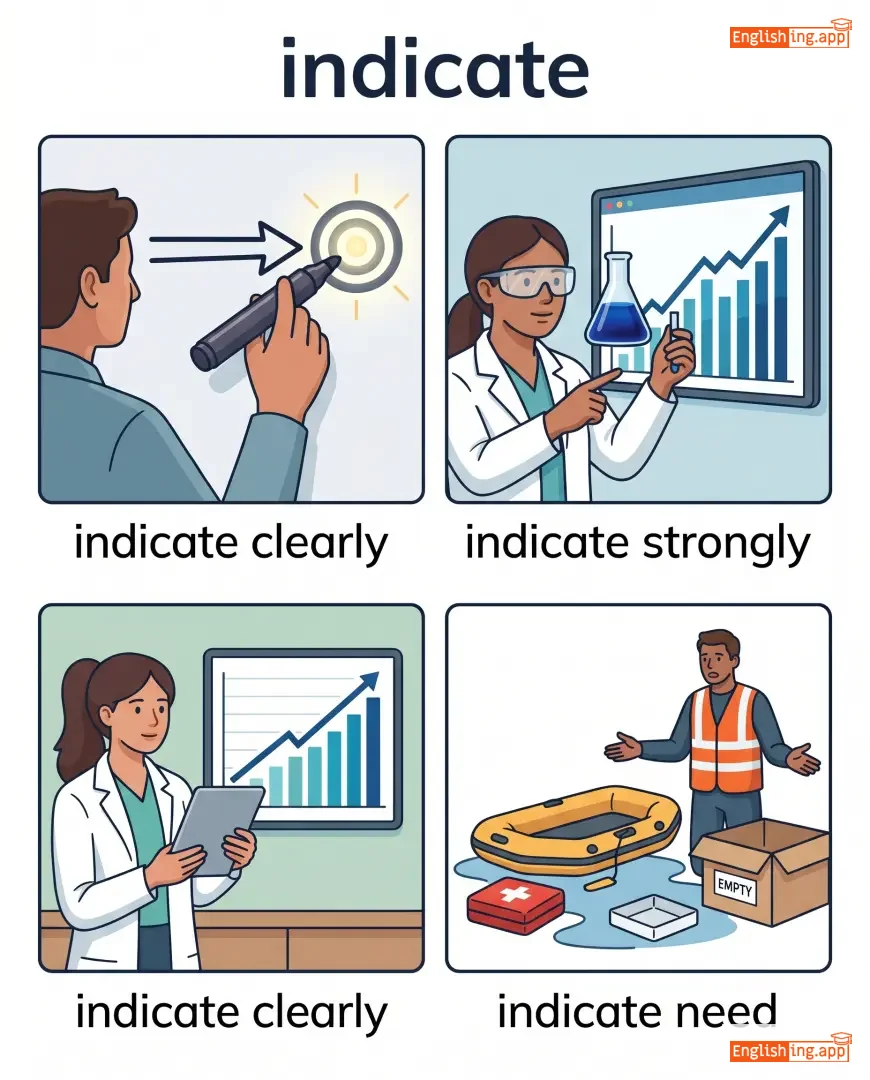
indicate clearly, indicate strongly, indicate need, indicate result
••••••
|
Indicate意味着指示 - 用手指指向 👉.
••••••
|

