The Artist's Creation
萨拉是一位年轻的artist。她的梦想是用她的art赢得人们的心。她坐在她的小工作室里开始了一幅新的painting。她的canvas是白色的,但她的脑海里充满了colors的混乱。她拿起她最喜欢的brush开始画画。她的style与别人完全不同。她喜欢用各种自然images来创作。整整一个月,她用她最好的craft创作了这幅画。画作的design非常吸引人。她把画作放入一个漂亮的frame里。她的画作有机会在城市最大的gallery里exhibited。在展览的那天,萨拉的画作被displayed在一个特别的地方。每个人都对她的作品感到惊讶。她通过她的art成功地create了一个新世界。
|
表情符号
|
单词 | Images | 翻译 | 过去时 | 过去分词 | 第三人称单数 | 动名词 | 含义 | 例句 | 例句翻译 | 示例表达 | 示例表达含义 | 示例表达翻译 | 同义词 | 反义词 | 搭配词 | 助记符 |
|---|---|---|---|---|---|---|---|---|---|---|---|---|---|---|---|---|---|
|
🎨
••••••
|
/ɑːrt/
noun
(艺术)
••••••
|
- •••••• |
艺术
yishu
••••••
|
- •••••• | - •••••• | - •••••• | - •••••• |
the expression or application of human creative skill and imagination
••••••
|
She studied art at the university. |
她在大学学习艺术。
Ta zai daxue xuexi yishu.
••••••
|
the art of |
the skill in doing something well
••••••
|
做...的艺术
zuo...de yishu
••••••
|
craft, creativity, skill, painting, expression
••••••
|
science, nature, reality
••••••
|
modern art, fine art, art gallery, art history
••••••
|
Art 是 🎨 - 艺术 (yishu) 是人类创造力的表达。
••••••
|
|
👩🎨
••••••
|
/ˈɑːrtɪst/
noun
(艺术家)
••••••
|
- •••••• |
艺术家
yishujia
••••••
|
- •••••• | - •••••• | - •••••• | - •••••• |
a person who creates art, especially paintings or drawings
••••••
|
The artist painted a beautiful landscape.
艺术家画了一幅美丽的风景画。
••••••
|
艺术家画了一幅美丽的风景画。
Yìshùjiā huàle yī fú měilì de fēngjǐnghuà.
••••••
|
con artist
骗子艺术家
••••••
|
a person who deceives others by gaining their trust
••••••
|
骗子
piànzi
••••••
|
painter, creator, illustrator, designer, performer
••••••
|
amateur, layman
••••••
|
famous artist, talented artist, street artist, young artist
••••••
|
Artist 👩🎨 意思是艺术家 - 艺术家画画。 但是 Con artist 意思是骗子。
••••••
|
|
🖌️
••••••
|
/brʌʃ/
noun/verb
••••••
|
- •••••• | - •••••• |
brushed
••••••
|
brushed
••••••
|
brushes
••••••
|
brushing
••••••
|
A tool with bristles for cleaning, painting, or grooming; to clean, arrange, or apply with a brush.
••••••
|
She used a brush to paint the fence. |
- •••••• |
brush up on |
To review or practice knowledge or skills to improve them.
••••••
|
- •••••• |
sweep, scrub, groom, polish, paint
••••••
|
neglect, dirty
••••••
|
paint brush, hair brush, brush teeth, brush off
••••••
|
No •••••• |
|
🎨
••••••
|
/ˈkænvəs/
noun
••••••
|
- •••••• | - •••••• | - •••••• | - •••••• | - •••••• | - •••••• |
A strong, coarse cloth used for tents, sails, or painting.
••••••
|
The artist prepared a canvas for his new painting. |
- •••••• |
under canvas |
living or sleeping in a tent
••••••
|
- •••••• |
cloth, fabric, sailcloth, tarpaulin
••••••
|
silk, satin
••••••
|
canvas painting, blank canvas, canvas tent
••••••
|
No •••••• |
|
🎨
••••••
|
/ˈkʌl.ər/
noun
(kè lò)
••••••
|
- •••••• |
颜色
yanse
••••••
|
- •••••• | - •••••• | - •••••• | - •••••• |
The property possessed by an object of producing different sensations on the eye as a result of the way it reflects or emits light.
••••••
|
Blue is her favorite color. |
蓝色是她最喜欢的颜色。
Lán sè shì tā zuì xǐhuān de yánsè.
••••••
|
show your true colors |
To reveal one's real character or intentions
••••••
|
展示你的真实色彩
Zhǎnshì nǐ de zhēnshí sècǎi
••••••
|
hue, shade, tint, tone, pigment
••••••
|
monochrome, colorless
••••••
|
bright color, favorite color, primary color, true color
••••••
|
颜色(yanse)和‘color’相似,容易记住。
••••••
|
|
🛠️
••••••
|
/kræft/
noun
(克拉夫特)
••••••
|
- •••••• |
技能,工艺,手工艺
jineng, gongyi, shougongyi
••••••
|
- •••••• | - •••••• | - •••••• | - •••••• |
an activity involving skill in making things by hand; a trade or occupation
••••••
|
She has mastered the craft of pottery. |
她精通陶艺的工艺。
Ta jingtong taoyi de gongyi.
••••••
|
- •••••• | - •••••• | - •••••• |
skill, art, trade, handiwork
••••••
|
ignorance, ineptitude
••••••
|
craft beer, craft skills, craft market, traditional craft
••••••
|
CRAFT 就像手工艺 - 记住 craft 作为技能
••••••
|
|
🎨
••••••
|
/kriˈeɪt/
verb
(创造)
••••••
|
|
创造
chuangzao
••••••
|
created
创造了
••••••
|
created
创造了
••••••
|
creates
创造
••••••
|
creating
创造ing
••••••
|
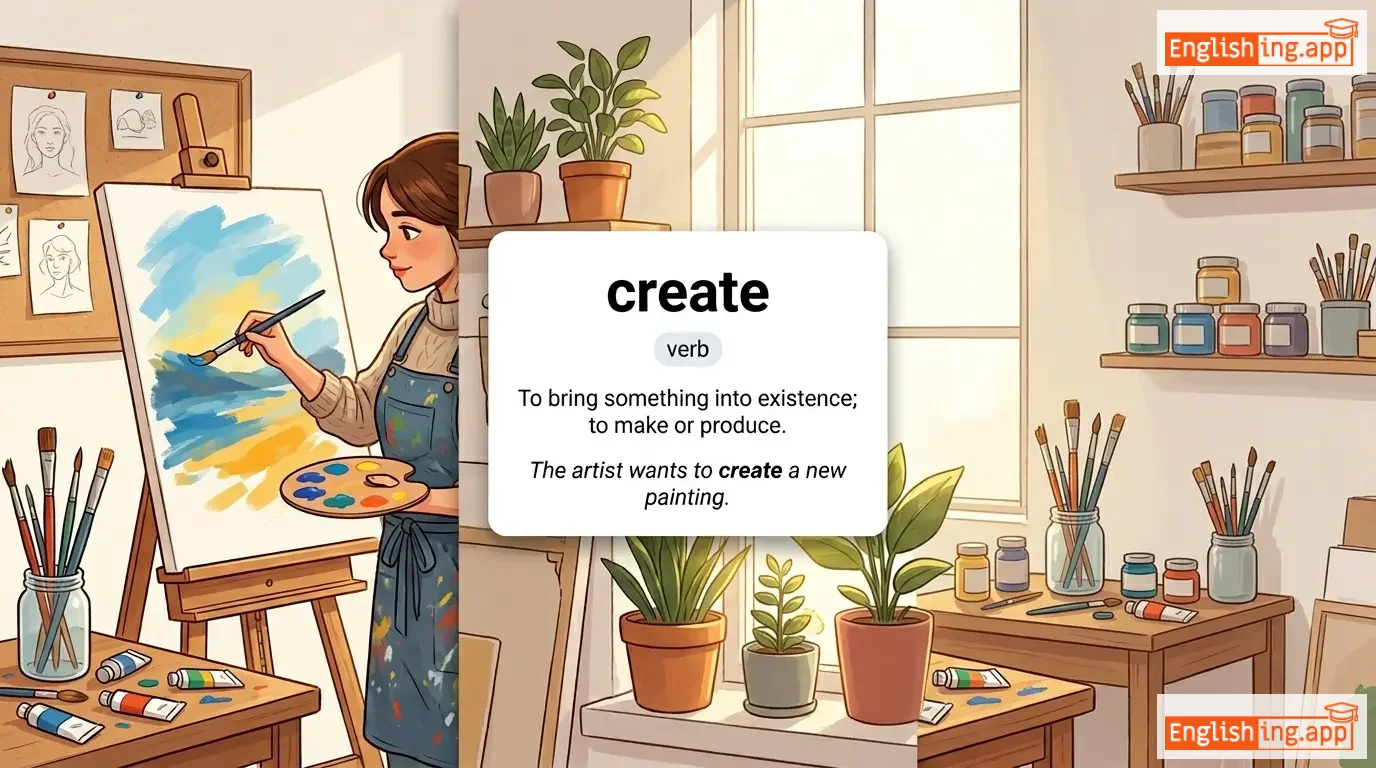
To bring something into existence; to make or produce.
••••••
|
The artist wants to create a new painting.
艺术家想创造一幅新画。
••••••
|
艺术家想创造一幅新画。
Yìshùjiā xiǎng chuàngzào yī fú xīn huà.
••••••
|
create a scene
创造一个场景
••••••
|
to behave in a loud or disruptive way
••••••
|
制造噪音
zhìzào zàoyīn
••••••
|
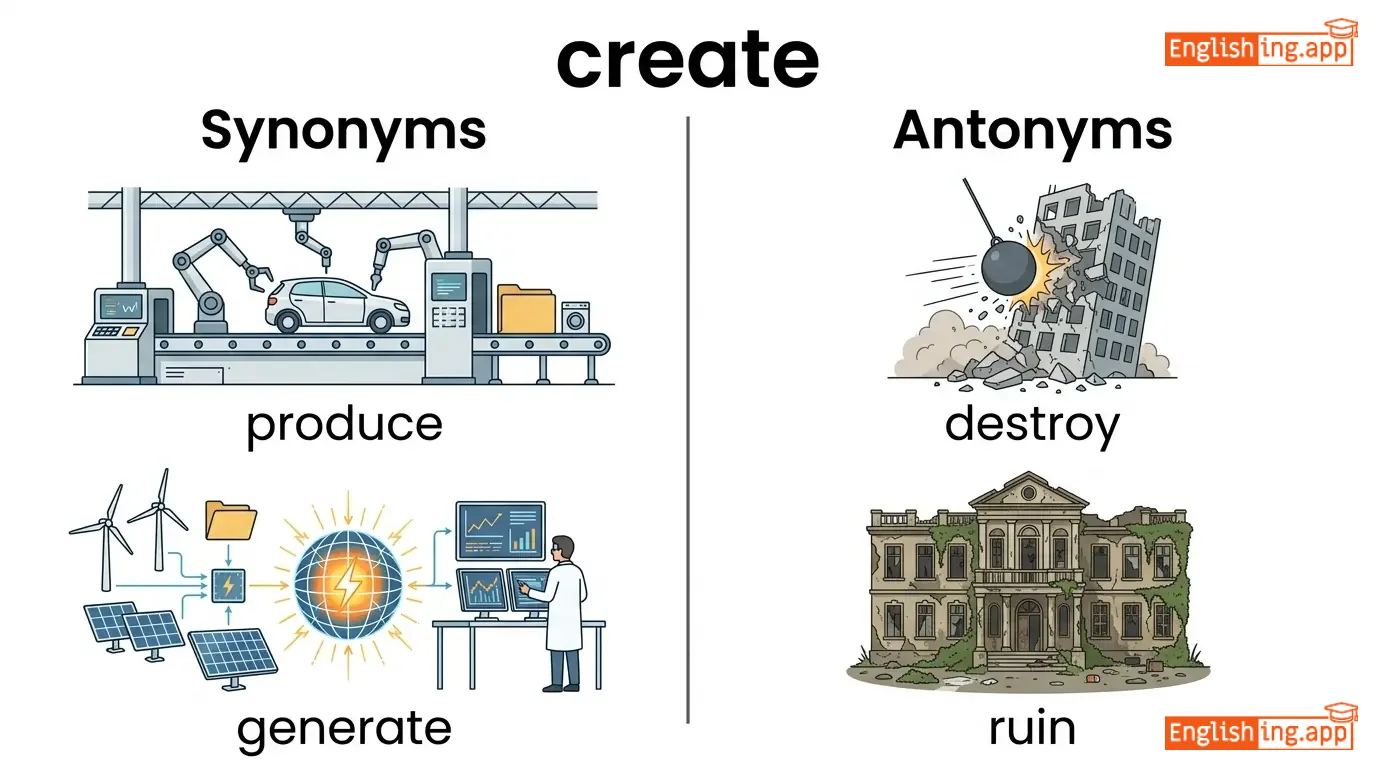
produce, generate, invent, design, build
••••••
|
destroy, ruin, abolish
••••••
|
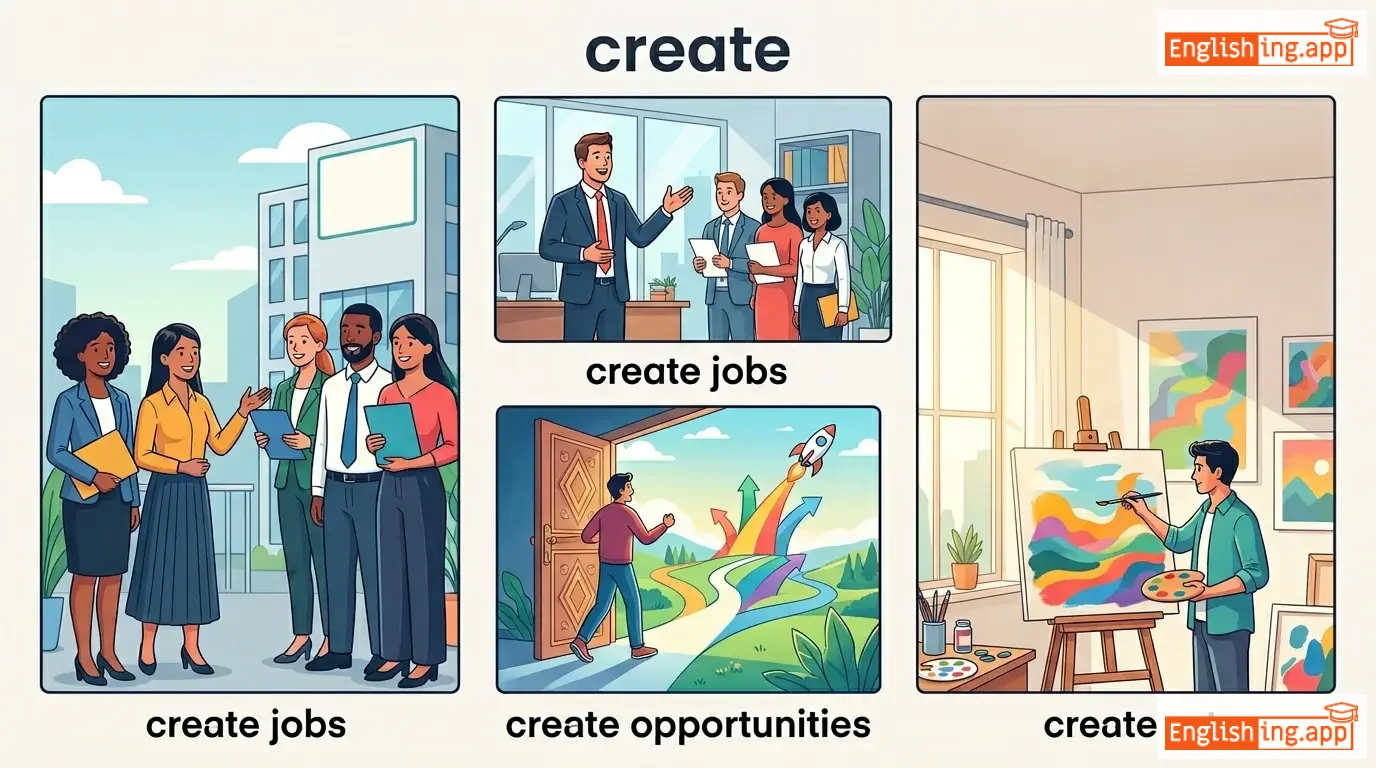
create jobs, create opportunities, create art, create value
••••••
|
创造就像是创造艺术作品一样,带给世界新的东西。
••••••
|
|
🎨
••••••
|
/dɪˈzaɪn/
verb
••••••
|
- •••••• | - •••••• |
designed
••••••
|
designed
••••••
|
designs
••••••
|
designing
••••••
|
to plan and create something with a particular purpose or look
••••••
|
She will design the new company logo. |
- •••••• |
design a plan |
to create or outline a detailed plan
••••••
|
- •••••• |
plan, create, draft, sketch, outline
••••••
|
destroy, ruin, neglect
••••••
|
design a logo, design a system, design clothes, interior design
••••••
|
No •••••• |
|
🖥️
••••••
|
/dɪˈspleɪ/
verb
(迪斯普雷)
••••••
|
- •••••• |
展示
zhǎnshì
••••••
|
displayed
展示过
••••••
|
displayed
展示过
••••••
|
displays
展示
••••••
|
displaying
展示中
••••••
|
To show or exhibit something to be seen.
••••••
|
The shop displayed its new products in the window.
商店在橱窗里展示了新产品。
••••••
|
商店在橱窗里展示了新产品。
Shāngdiàn zài chūchuāng lǐ zhǎnshìle xīn chǎnpǐn.
••••••
|
on display
展示中
••••••
|
Visible for people to see, usually in a public place.
••••••
|
展示中
zhǎnshì zhōng
••••••
|
show, exhibit, present, demonstrate, reveal
••••••
|
hide, conceal, cover
••••••
|
display information, display screen, proudly display, digital display
••••••
|
Display 意味着展示,就像在商店的展示窗里看到的新产品。
••••••
|
|
🖼️
••••••
|
/ɪɡˈzɪbɪt/
verb/noun
(展出)
••••••
|
- •••••• |
展出
zhǎnchū
••••••
|
exhibited
展出
••••••
|
exhibited
展出
••••••
|
exhibits
展出
••••••
|
exhibiting
展出
••••••
|
To display or show publicly; something put on display.
••••••
|
The museum will exhibit ancient artifacts.
博物馆将展出古代文物。
••••••
|
博物馆将展出古代文物。
Bówùguǎn jiāng zhǎnchū gǔdài wénwù.
••••••
|
exhibit behavior
展出行为
••••••
|
to show a particular kind of behavior
••••••
|
展出行为
zhǎnchū xíngwéi
••••••
|
display, present, demonstrate, showcase, reveal
••••••
|
conceal, hide
••••••
|
exhibit art, exhibit talent, exhibit symptoms, exhibit courage
••••••
|
Exhibit 意味着展示 — 在考试中,学生们展示他们的紧张情绪。
••••••
|
|
🖼️
••••••
|
/freɪm/
noun/verb
••••••
|
|
- •••••• |
framed
••••••
|
framed
••••••
|
frames
••••••
|
framing
••••••
|
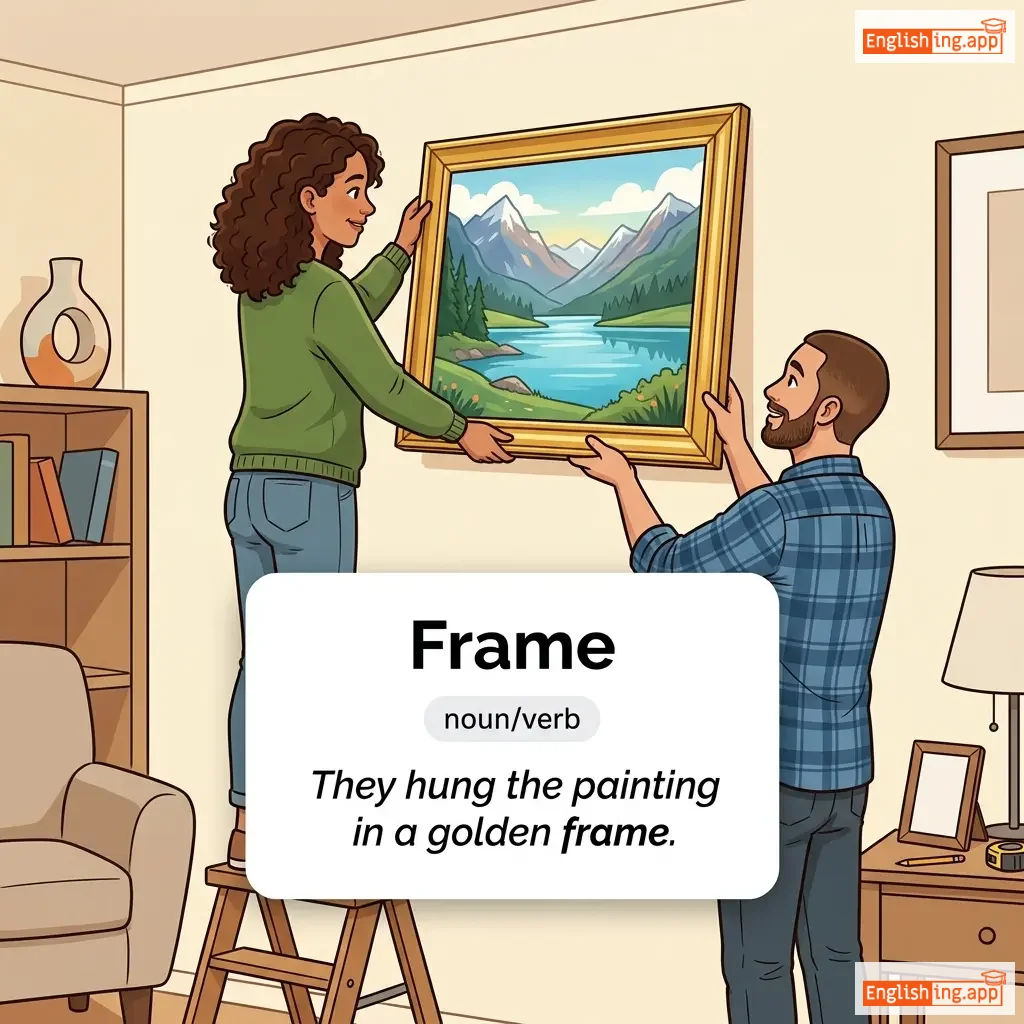
A rigid structure that surrounds or encloses something; to construct or formulate.
••••••
|
They hung the painting in a golden frame. |
- •••••• |
frame of mind |
a person's mood or mental state
••••••
|
- •••••• |
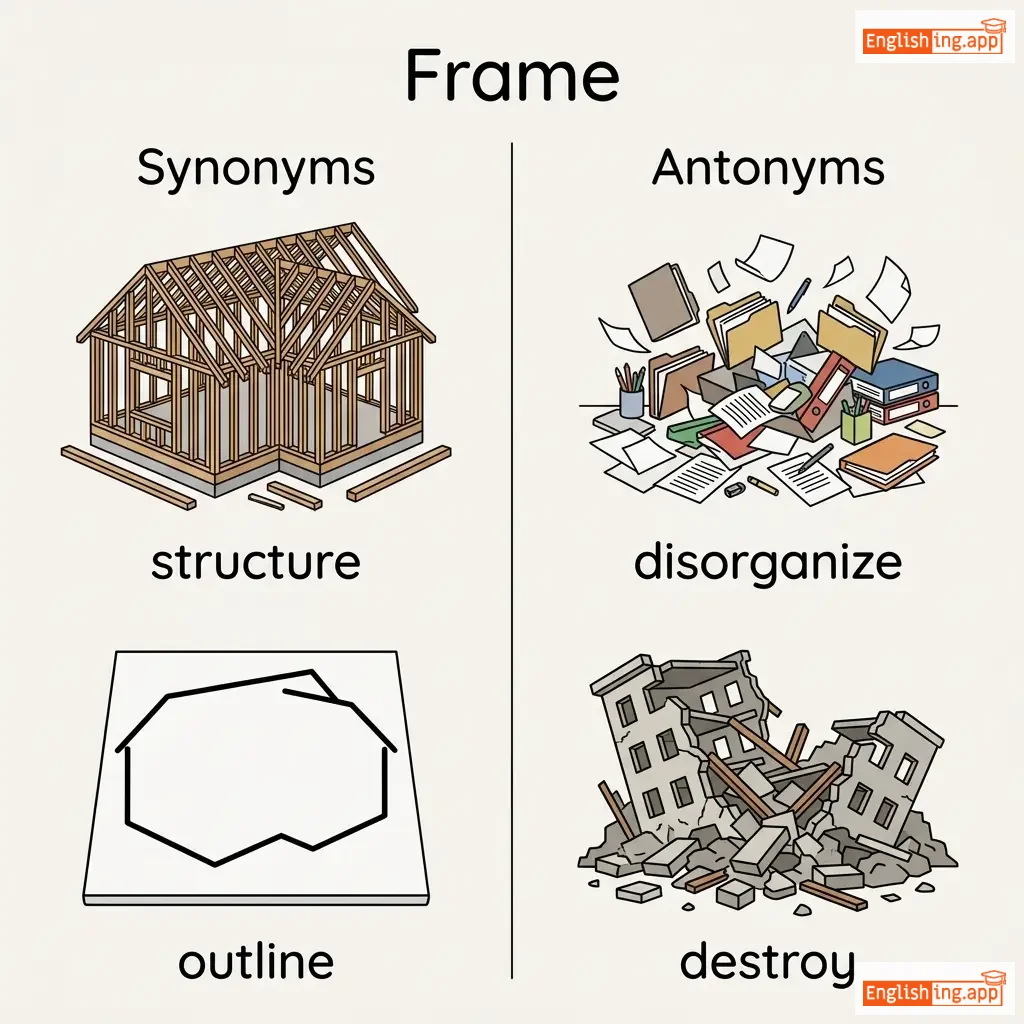
structure, outline, border, skeleton, formulate
••••••
|
disorganize, destroy
••••••
|
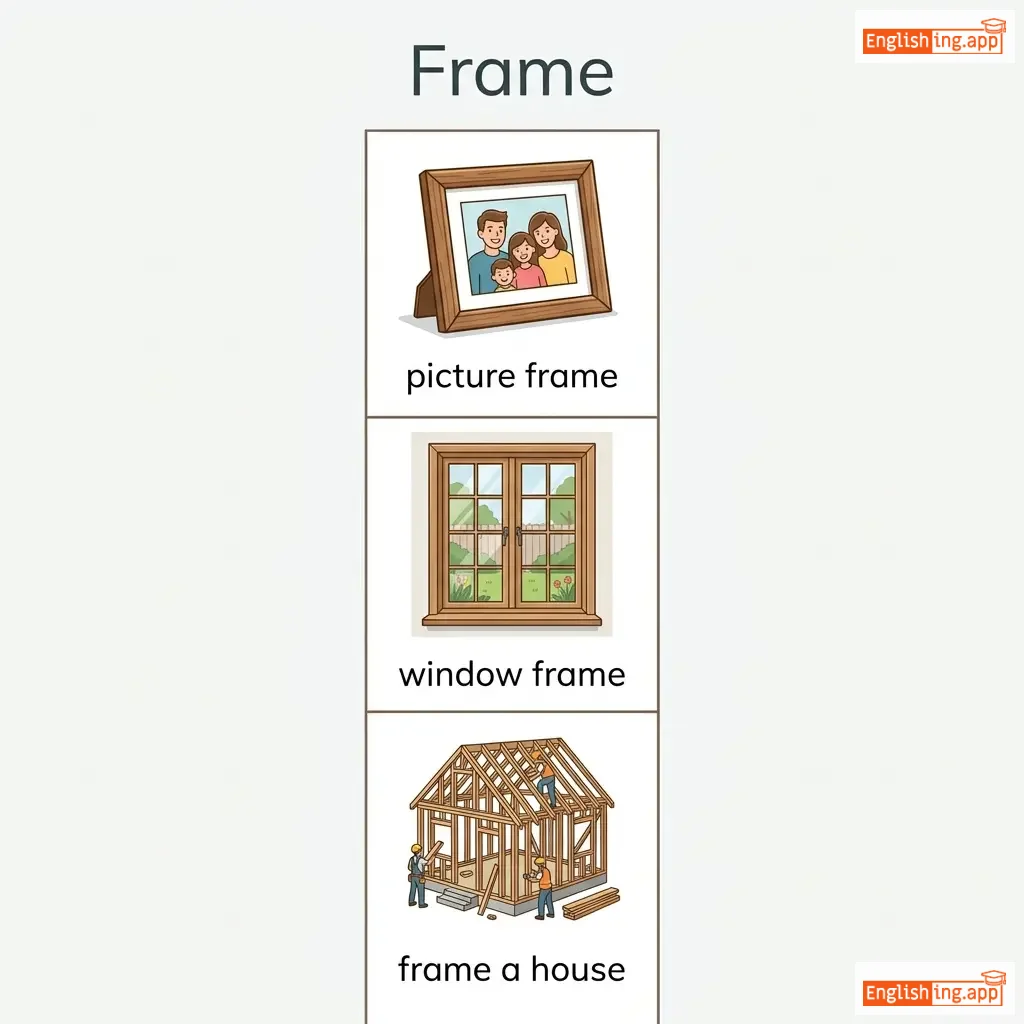
picture frame, window frame, frame a house, frame of reference
••••••
|
No •••••• |
|
🖼️
••••••
|
/ˈɡæləri/
noun
(画廊)
••••••
|
- •••••• |
画廊
huàláng
••••••
|
- •••••• | - •••••• | - •••••• | - •••••• |
A room or building for the display or sale of works of art.
••••••
|
The gallery showcased modern paintings by local artists. |
画廊展示了当地艺术家的现代画作。
Huàláng zhǎnshìle dāngdì yìshùjiā de xiàndài huàzuò.
••••••
|
peanut gallery |
an audience or group of critics, often giving unsolicited comments
••••••
|
花生画廊
huāshēng huàláng
••••••
|
exhibition hall, showroom, museum, studio, display room
••••••
|
storage, warehouse
••••••
|
art gallery, photo gallery, gallery space, gallery exhibition
••••••
|
画廊 🖼️ — 想象这个地方就是艺术的宝库。
••••••
|
|
🖼️
••••••
|
/ˈɪmɪdʒ/
noun
(yímázhèn)
••••••
|
- •••••• |
图像
túxiàng
••••••
|
- •••••• | - •••••• | - •••••• | - •••••• |
A visual representation of something, such as a picture or likeness.
••••••
|
The magazine published a clear image of the celebrity.
杂志发布了名人的清晰图像。
••••••
|
杂志发布了名人的清晰图像。
Zázhì fābùle míngrén de qīngxī túxiàng.
••••••
|
public image
公众形象
••••••
|
the perception that people have of a person or organization
••••••
|
公众形象
gōngzhòng xíngxiàng
••••••
|
picture, photo, likeness, representation, figure
••••••
|
reality, truth
••••••
|
digital image, mental image, image quality, image editing
••••••
|
图像 = 你看到的图像,记住它!
••••••
|
|
🎨
••••••
|
/peɪnt/
verb
(peɪnt)
••••••
|
- •••••• |
画画
huàhuà
••••••
|
painted
peɪntɪd
••••••
|
painted
peɪntɪd
••••••
|
paints
peɪnts
••••••
|
painting
peɪntɪŋ
••••••
|
to apply a colored substance to a surface
••••••
|
She loves to paint landscapes in her free time.
她喜欢在空闲时间画风景画。
••••••
|
她喜欢在空闲时间画风景画。
Tā xǐhuān zài kòngxián shíjiān huà fēngjǐng huà.
••••••
|
- •••••• | - •••••• | - •••••• |
decorate, color, coat, stain
••••••
|
erase, remove, strip
••••••
|
paint a picture, paint the walls, paint the house
••••••
|
Paint - 画画, 就像在画布上画风景画。
••••••
|
|
💅
••••••
|
/staɪl/
noun
(sītǎi'ěr)
••••••
|
- •••••• |
风格
fēnggé
••••••
|
- •••••• | - •••••• | - •••••• | - •••••• |
a particular way of doing something; a distinctive appearance or manner of expression
••••••
|
She has her own unique style of writing that captivates readers.
她有自己独特的写作风格,吸引了读者。
••••••
|
她有自己独特的写作风格,吸引了读者。
Tā yǒu zìjǐ dútè de xiězuò fēnggé, xīyǐnle dúzhě.
••••••
|
- •••••• | - •••••• | - •••••• |
manner, way, approach, fashion, method
••••••
|
uniformity, standardization
••••••
|
writing style, fashion style, leadership style, architectural style
••••••
|
‘Style’ 在英语中是 ‘风格’ 在中文的对应,表示个人的表达方式。
••••••
|

