Persistent Relief on the River Delta
在 Shariatpur 的河中小岛上,季风带来的 natural 洪水再次出现。Rashed 立刻召集朋友前去 observe 情况。他们意识到水势仍在 ongoing,因此必须迅速做出决定。志愿者中心整夜继续 operate。设想每一种可能的 outcome 后,他们分配了任务。团队在村里的开阔 outdoor 田地搭起临时营地。Rashed 取出笔记本,写下整个计划的 outline。第一项工作是把每个食品 package 仔细封好。妇女们说:‘我们必须 persist,否则人们会挨饿。’许多家庭长期处于深度 poverty,因此储备已所剩无几。他们决定乘船过河并继续 proceed 派送。学生们携带从社区 program 收集的物资赶到。每位志愿者都问自己能 qualify 做哪项工作。Rashed 不断安慰道:‘别害怕,我们会处理好这件事,迅速 release 大家脱离危险。’当年长妇女使用药包缓解疼痛时,脸上露出了温和的笑容,得以 relieve 她们的痛楚。即便夜色渐深,他们的目标依然明确:在危机未被 resolved 之前,没人会离开。站在孩子们面前,他们带着深深的 respect 说道,‘你们的勇气激励着我们。’河流的水流有时会 reverse,使船只难以操控。即便如此,黎明前他们的 routine 还是记录数据并起草新计划。最后,Rashed 向区公所发出正式的 request,请求增派更多船只。
|
表情符号
|
单词 | Images | 翻译 | 过去时 | 过去分词 | 第三人称单数 | 动名词 | 含义 | 例句 | 例句翻译 | 示例表达 | 示例表达含义 | 示例表达翻译 | 同义词 | 反义词 | 搭配词 | 助记符 |
|---|---|---|---|---|---|---|---|---|---|---|---|---|---|---|---|---|---|
|
🌿
••••••
|
/ˈnætʃərəl/
adjective
(nèi cháo ěr)
••••••
|
- •••••• |
自然的
zìrán de
••••••
|
- •••••• | - •••••• | - •••••• | - •••••• |
existing in or derived from nature; not made or caused by humankind
••••••
|
She prefers to use natural ingredients in her cooking. |
她更喜欢在烹饪中使用天然的食材。
Tā gèng xǐhuān zài pēngrèn zhōng shǐyòng tiānrán de shícái.
••••••
|
- •••••• | - •••••• | - •••••• |
organic, raw, pure, unprocessed
••••••
|
artificial, synthetic, man-made
••••••
|
natural resources, natural beauty, natural selection, natural talent
••••••
|
Natural = Zìrán de, dōu shì cóng zìrán lái de.
••••••
|
|
🔍
••••••
|
/əbˈzɜːrv/
verb
(obzɜːrv)
••••••
|
- •••••• |
观察
guānchá
••••••
|
observed
obzɜːrvd
••••••
|
observed
obzɜːrvd
••••••
|
observes
obzɜːrvs
••••••
|
observing
obzɜːrvɪŋ
••••••
|
to watch carefully; to notice or perceive something
••••••
|
Scientists observe the behavior of animals in the wild.
科学家观察野生动物的行为。
••••••
|
科学家观察野生动物的行为。
Kēxuéjiā guānchá yěshēng dòngwù de xíngwéi
••••••
|
- •••••• | - •••••• | - •••••• |
watch, study, examine, monitor
••••••
|
ignore, overlook, miss
••••••
|
observe closely, observe carefully, observe behavior, observe changes
••••••
|
Observe in Chinese - 观察 (look carefully) - Imagine an 'eagle' observing its prey from a high perch.
••••••
|
|
🔄
••••••
|
/ˈɒnɡəʊɪŋ/
adjective
(昂戈英)
••••••
|
- •••••• |
进行中
jinxing zhong
••••••
|
- •••••• | - •••••• | - •••••• | - •••••• |
continuing; still in progress
••••••
|
The ongoing project will finish next month. |
进行中的项目将在下个月完成。
Jinxing zhong de xiangmu jiang zai xiage yue wancheng.
••••••
|
- •••••• | - •••••• | - •••••• |
continuing, in progress, underway, persistent
••••••
|
finished, completed
••••••
|
ongoing process, ongoing work, ongoing issue
••••••
|
进行中 - 就像流水一样,不停地前进!
••••••
|
|
⚙️
••••••
|
/ˈɑːpəˌreɪt/
verb
(操作)
••••••
|
|
操作
caozuo
••••••
|
operated
操作了
••••••
|
operated
操作了
••••••
|
operates
操作
••••••
|
operating
操作ing
••••••
|
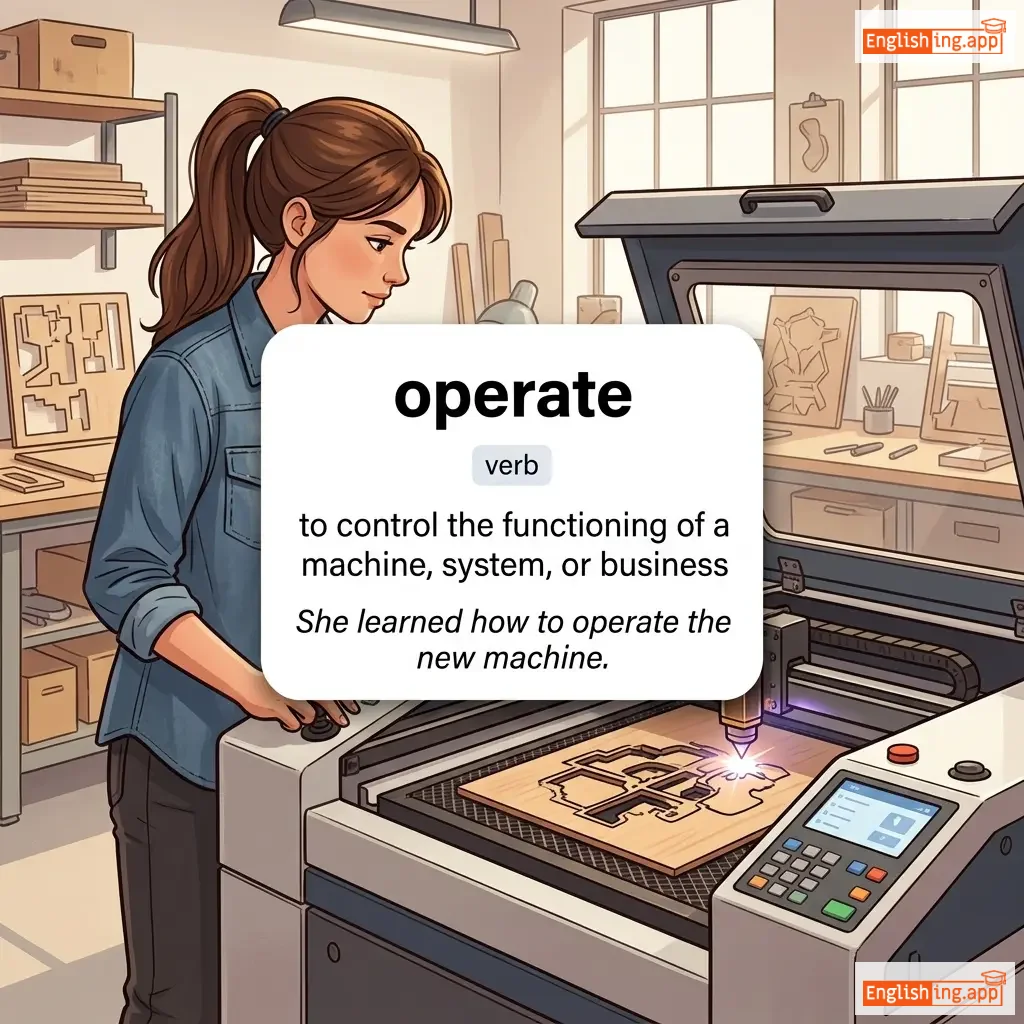
to control the functioning of a machine, system, or business
••••••
|
She learned how to operate the new machine.
她学会了如何操作这台新机器。
••••••
|
她学会了如何操作这台新机器。
Ta xuehui le ruhe caozuo zhe tai xin jiqi.
••••••
|
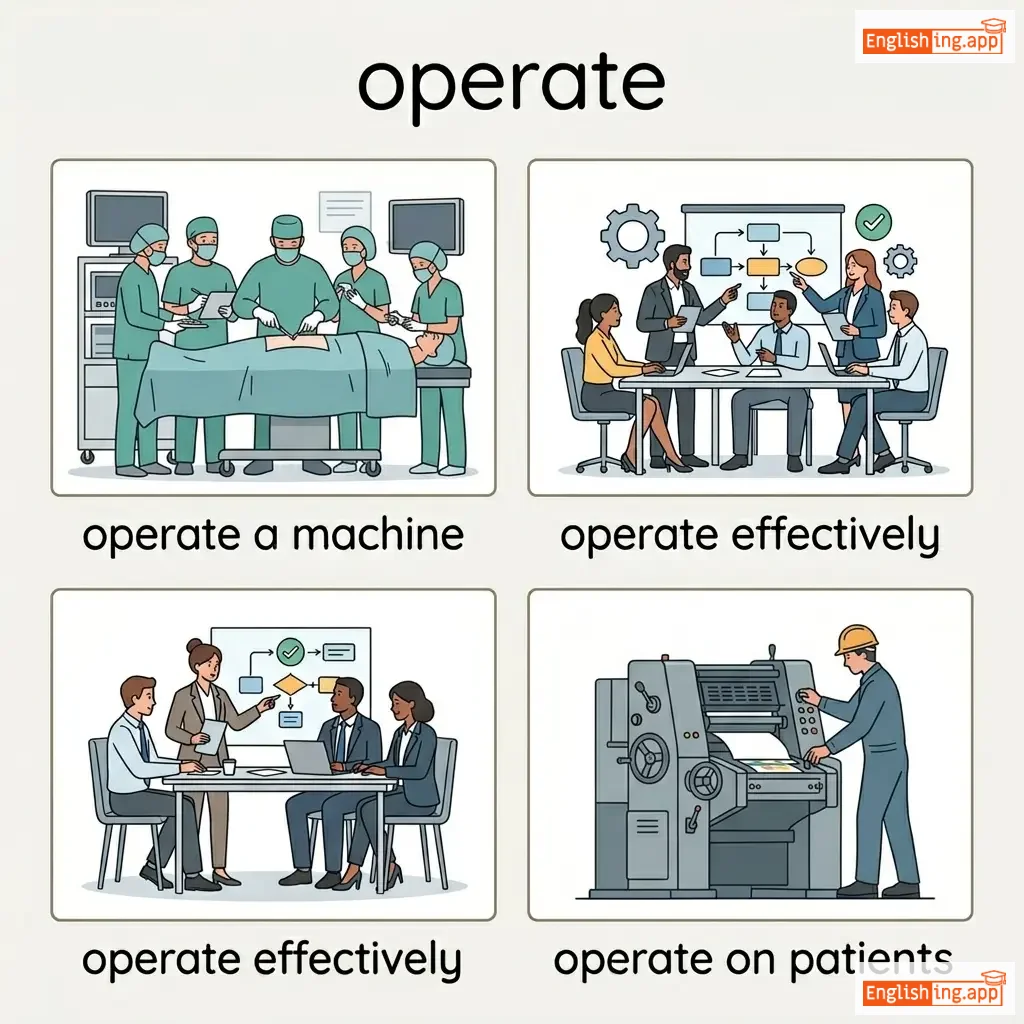
operate on
对...进行手术
••••••
|
to perform surgery on someone
••••••
|
做手术
zuo shoushu
••••••
|
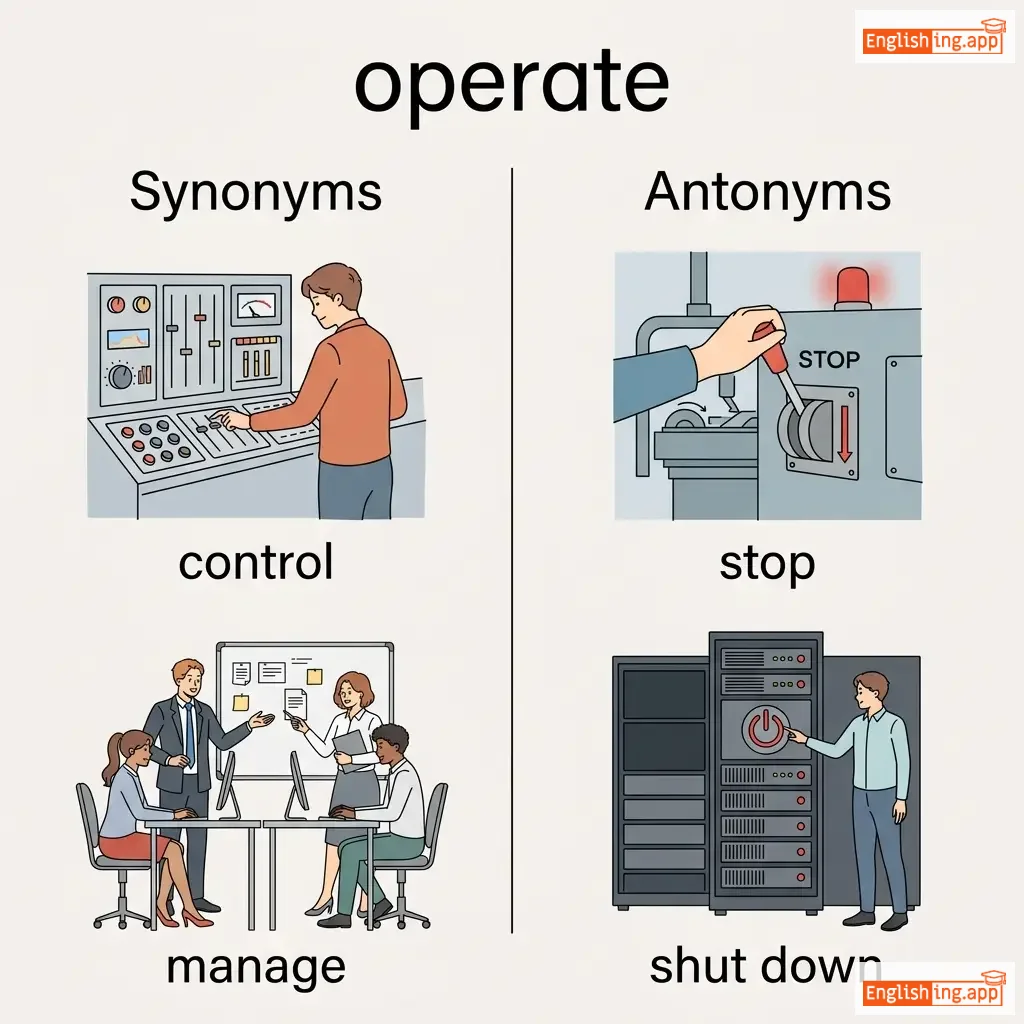
control, manage, run, handle, conduct
••••••
|
stop, shut down
••••••
|
operate a machine, operate effectively, operate on patients, operate smoothly
••••••
|
Operate 意味着操作,就像医生对病人进行手术一样。
••••••
|
|
🏆
••••••
|
/ˈaʊt.kʌm/
noun
(àotèkāng)
••••••
|
- •••••• |
结果; 后果;
jieguo; houguo
••••••
|
- •••••• | - •••••• | - •••••• | - •••••• |
the result or consequence of an action or situation; the final product
••••••
|
The outcome of the election surprised everyone.
选举的结果让所有人感到惊讶。
••••••
|
选举的结果让所有人感到惊讶。
Xuanju de jieguo rang suoyouren gandu jingya.
••••••
|
- •••••• | - •••••• | - •••••• |
result, consequence, conclusion, end result
••••••
|
beginning, cause, input, start
••••••
|
positive outcome, final outcome, predict outcome
••••••
|
结果 = 最终的结果
••••••
|
|
🌳
••••••
|
/ˈaʊtdɔːr/
adjective
(aʊtˈdɔːr)
••••••
|
- •••••• |
户外
hù wài
••••••
|
- •••••• | - •••••• | - •••••• | - •••••• |
situated, existing, or done outside a building
••••••
|
We planned an outdoor picnic for the weekend.
我们计划了一个户外野餐,周末进行。
••••••
|
我们计划了一个户外野餐,周末进行。
Wǒmen jìhuàle yīgè hùwài yěcān, zhōumò jìnxíng.
••••••
|
outdoor activities
户外活动
••••••
|
recreational things people do outside, like sports or camping
••••••
|
户外活动
hùwài huódòng
••••••
|
open-air, outside, external, exterior
••••••
|
indoor, inside
••••••
|
outdoor sports, outdoor event, outdoor seating, outdoor adventure
••••••
|
'Outdoor' 在中文中意味着 '户外' — 在外面做的活动
••••••
|
|
📝
••••••
|
/ˈaʊtlaɪn/
noun, verb
••••••
|
- •••••• | - •••••• |
outlined
••••••
|
outlined
••••••
|
outlines
••••••
|
outlining
••••••
|
a general description or plan that gives the main ideas without details; to describe something briefly or highlight main points
••••••
|
The teacher asked us to outline our research project before writing the report. |
- •••••• |
in outline |
in a general way, without details
••••••
|
- •••••• |
summary, sketch, draft, framework, plan
••••••
|
detail, elaboration
••••••
|
outline plan, outline strategy, outline proposal, outline the process
••••••
|
No •••••• |
|
📦
••••••
|
/ˈpækɪdʒ/
noun
(包裹)
••••••
|
- •••••• |
包裹
baoguo
••••••
|
- •••••• | - •••••• | - •••••• | - •••••• |
a container or wrapping in which something is packed
••••••
|
He received a package in the mail. |
他收到了一份包裹。
Ta shoudao le yi fen baoguo.
••••••
|
- •••••• | - •••••• | - •••••• |
parcel, bundle, box, shipment
••••••
|
unpacking, unpacked item
••••••
|
shipping package, gift package, delivery package, large package
••••••
|
包裹就像一个包裹着礼物的包裹!
••••••
|
|
💪
••••••
|
/pərˈsɪst/
verb
••••••
|
- •••••• | - •••••• |
persisted
••••••
|
persisted
••••••
|
persists
••••••
|
persisting
••••••
|
to continue firmly in an action or opinion despite difficulty or opposition
••••••
|
She decided to persist in her efforts to learn French. |
- •••••• |
persist with something |
to continue trying to do something despite difficulties
••••••
|
- •••••• |
continue, endure, persevere, remain, last
••••••
|
quit, stop, abandon
••••••
|
persist in, persist with, persist despite, persistently persist
••••••
|
No •••••• |
|
💸
••••••
|
/ˈpɑː.vər.t̬i/
noun
(贫困)
••••••
|
- •••••• |
贫困; 缺乏基本需求
pínkùn
••••••
|
- •••••• | - •••••• | - •••••• | - •••••• |
the state of being extremely poor; lack of basic necessities
••••••
|
Many organizations work to reduce poverty around the world.
许多组织致力于减少全球贫困。
••••••
|
许多组织致力于减少全球贫困。
Xǔduō zǔzhī zhìlì yú jiǎnshǎo quánqiú pínkùn.
••••••
|
- •••••• | - •••••• | - •••••• |
destitution, hardship, need, want
••••••
|
wealth, prosperity, affluence, riches
••••••
|
extreme poverty, poverty line, fight poverty, alleviate poverty
••••••
|
贫困就是缺乏最基本的生存资源。
••••••
|
|
➡️
••••••
|
/prəˈsiːd/
verb
••••••
|
- •••••• | - •••••• |
proceeded
••••••
|
proceeded
••••••
|
proceeds
••••••
|
proceeding
••••••
|
to begin or continue an action or process after a pause or interruption
••••••
|
After the short break, the speaker proceeded with his lecture. |
- •••••• |
proceed with caution |
to continue carefully and with attention to potential risks
••••••
|
- •••••• |
continue, advance, move forward, progress, go on
••••••
|
stop, halt, cease
••••••
|
proceed further, proceed with caution, proceed against, proceed to
••••••
|
No •••••• |
|
📱
••••••
|
/ˈprəʊɡræm/
noun
(程序)
••••••
|
- •••••• |
程序
chengxu
••••••
|
- •••••• | - •••••• | - •••••• | - •••••• |
a planned series of events or activities
••••••
|
The program starts at 9 AM sharp.
程序在上午9点准时开始。
••••••
|
程序在上午9点准时开始。
Chengxu zai shangwu 9 dian zhunshi kaishi.
••••••
|
- •••••• | - •••••• | - •••••• |
schedule, agenda, plan, event
••••••
|
disorganization, chaos
••••••
|
training program, software program, program schedule, educational program
••••••
|
程序 = Pro (专业) + 计划, 活动按计划进行!
••••••
|
|
✅
••••••
|
/ˈkwɒlɪfaɪ/
verb
(kwah-li-fai)
••••••
|

|
符合资格
fu he zi ge
••••••
|
qualified
kwah-li-feid
••••••
|
qualified
kwah-li-feid
••••••
|
qualifies
kwah-li-fais
••••••
|
qualifying
kwah-li-fai-ing
••••••
|
to meet the requirements or conditions for something
••••••
|
He worked hard to qualify for the final round.
他努力工作以符合最后一轮的资格。
••••••
|
他努力工作以符合最后一轮的资格。
Ta nuli gongzuo yi fuhe zuìhòu yī lún de zīgé.
••••••
|
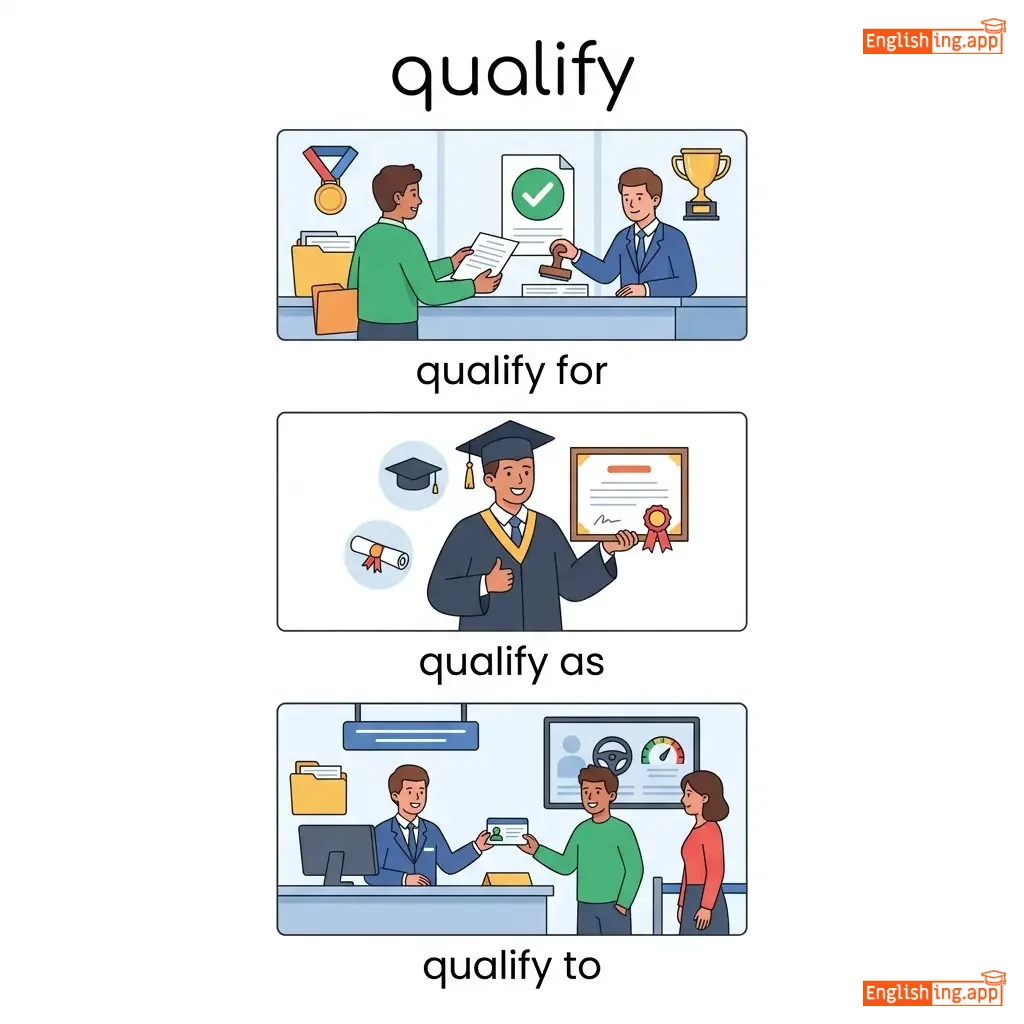
qualify for
符合资格
••••••
|
to be eligible for something
••••••
|
符合资格
fu he zi ge
••••••
|
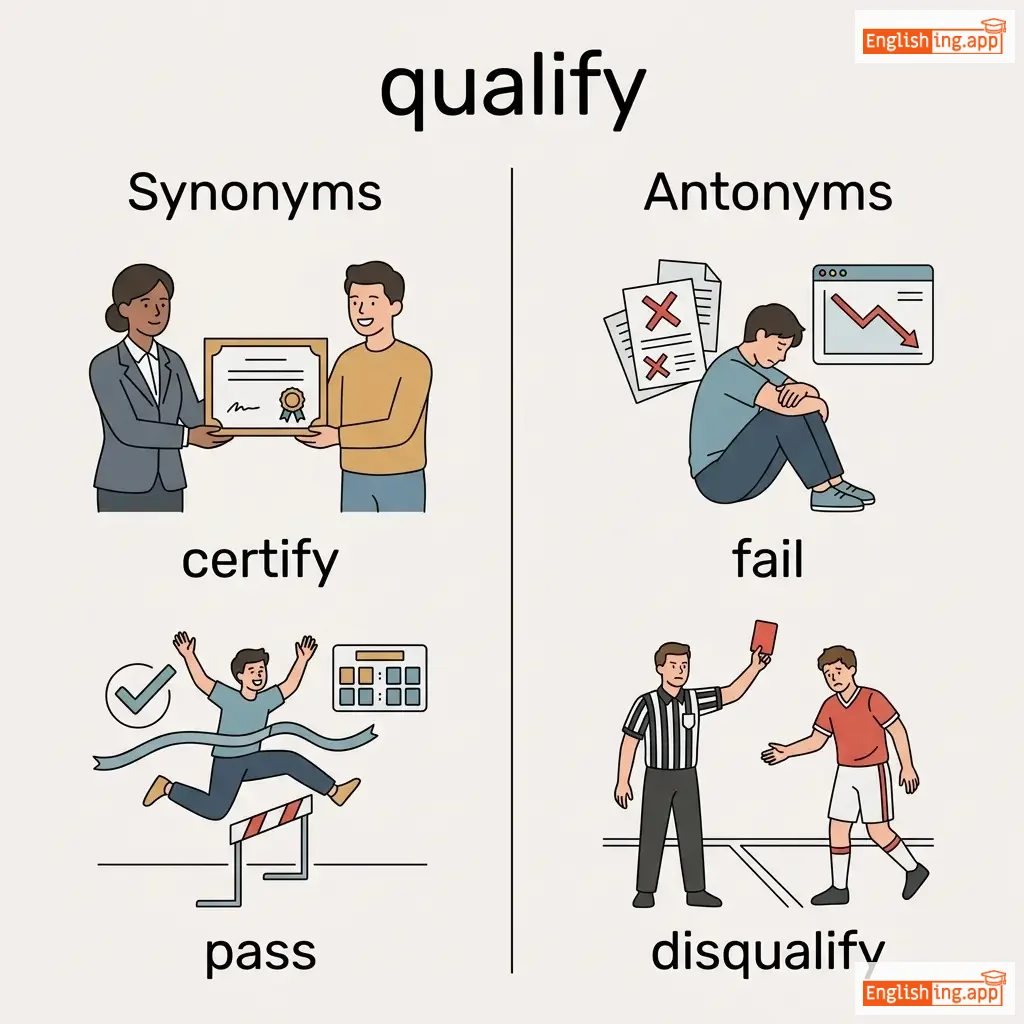
certify, pass, succeed, train, achieve
••••••
|
fail, disqualify
••••••
|
qualify for, qualify as, qualify to, newly qualified
••••••
|
Qualify在中文意味着符合资格,就像英语一样。
••••••
|
|
🕊️
••••••
|
/rɪˈliːs/
verb
(rílìzī)
••••••
|

|
释放, 发布
shifang, fabu
••••••
|
released
rílìzīle
••••••
|
released
rílìzīle
••••••
|
releases
rílìzī
••••••
|
releasing
rílìzīng
••••••
|
to set free, to make available, or to allow something to go out
••••••
|
The company will release the new product next month.
公司将在下个月发布新产品。
••••••
|
公司将在下个月发布新产品。
Gongsi jiang zai xiayige yue fabu xin chanpin.
••••••
|
release tension
释放紧张
••••••
|
to reduce or let go of stress or nervous energy
••••••
|
释放紧张
shifang jinzhang
••••••
|
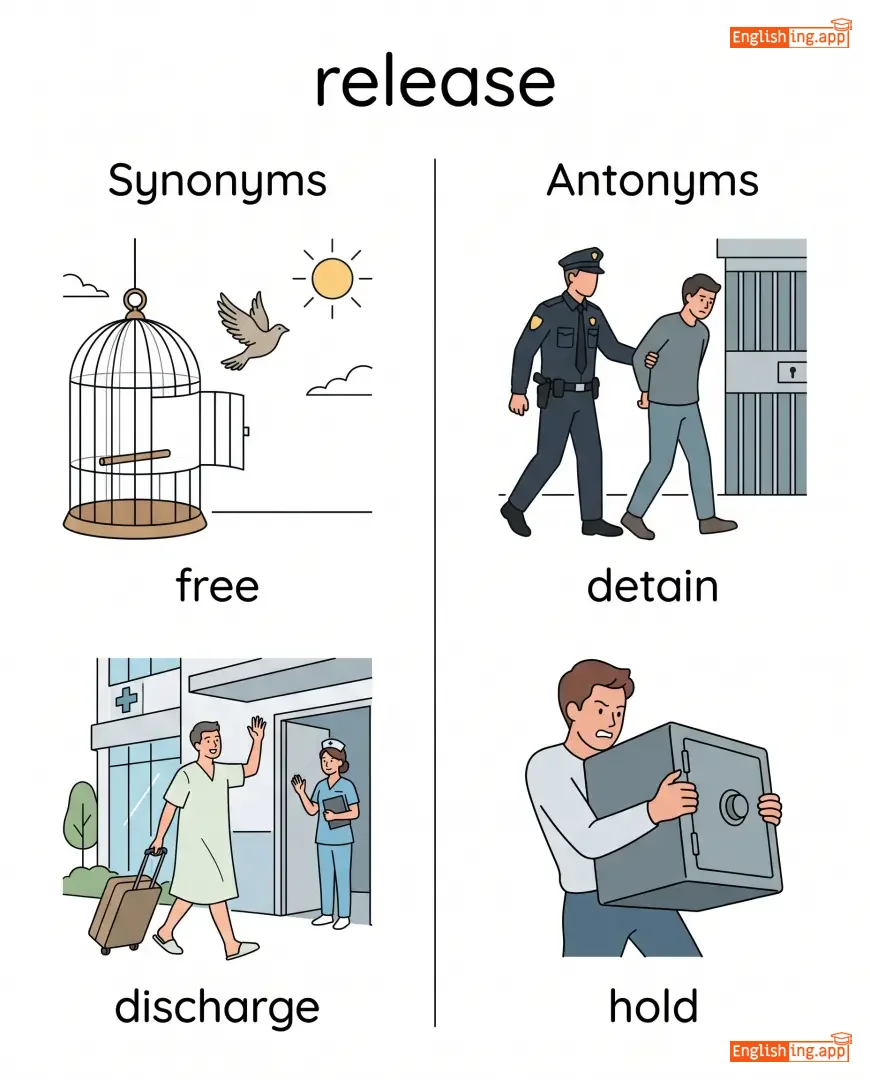
free, discharge, liberate, publish, issue
••••••
|
detain, hold, capture
••••••
|
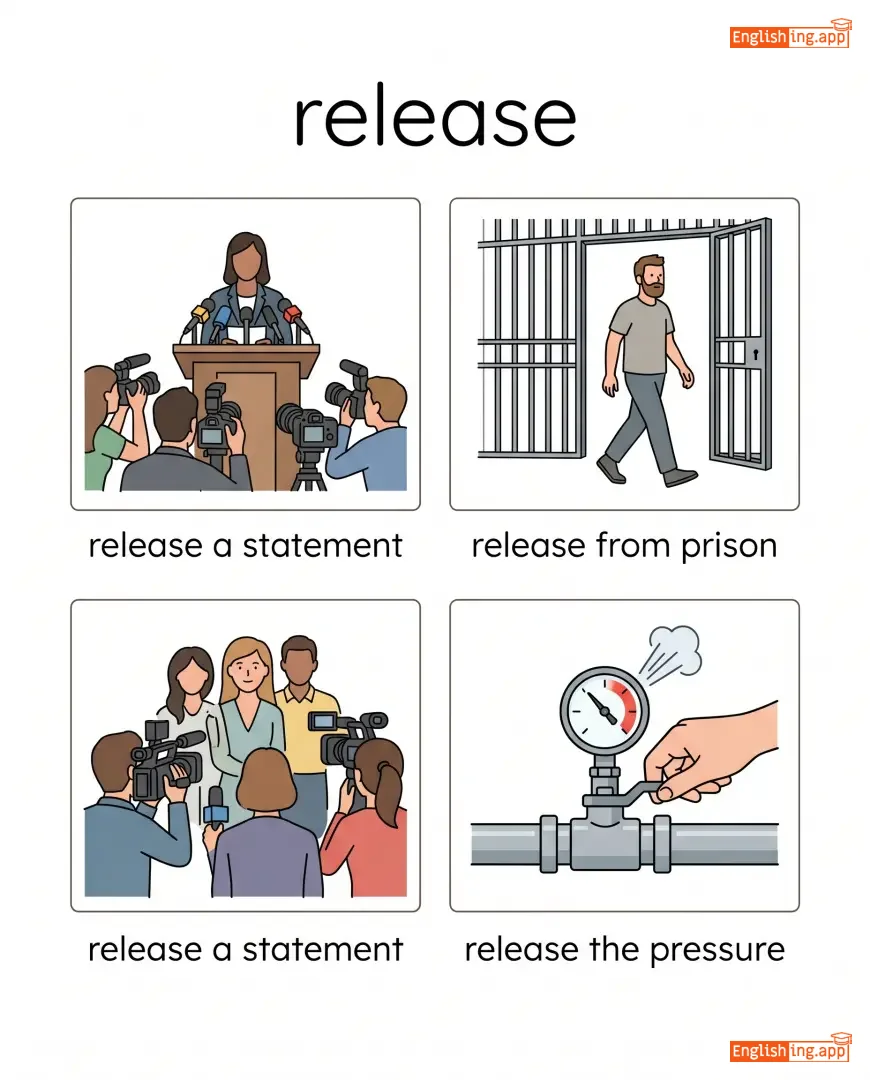
release a statement, release from prison, release the pressure, release an album
••••••
|
Release 意味着释放:发布新产品时,压力就释放了。
••••••
|
|
😌
••••••
|
/rɪˈliːv/
verb
••••••
|
- •••••• | - •••••• |
relieved
••••••
|
relieved
••••••
|
relieves
••••••
|
relieving
••••••
|
to make pain, distress, or difficulty less severe or serious
••••••
|
The medicine helped relieve his headache. |
- •••••• |
relieve stress |
to reduce or ease mental or emotional strain
••••••
|
- •••••• |
ease, reduce, lessen, soothe, alleviate
••••••
|
aggravate, worsen
••••••
|
relieve pain, relieve stress, relieve pressure, relieve symptoms
••••••
|
No •••••• |
|
📑
••••••
|
/rɪˈkwɛst/
noun
••••••
|
- •••••• | - •••••• | - •••••• | - •••••• | - •••••• | - •••••• |
a formal or polite demand for something
••••••
|
She made a request for additional time to complete the project. |
- •••••• | - •••••• | - •••••• | - •••••• |
demand, appeal, inquiry, petition
••••••
|
refusal, rejection
••••••
|
make a request, request information, request time, formal request
••••••
|
No •••••• |
|
✅
••••••
|
/rɪˈzɒlv/
verb
(rízǎolv)
••••••
|

|
解决
jie jue
••••••
|
resolved
rízǎolv-d
••••••
|
resolved
rízǎolv-d
••••••
|
resolves
rízǎolv-s
••••••
|
resolving
rízǎolving
••••••
|
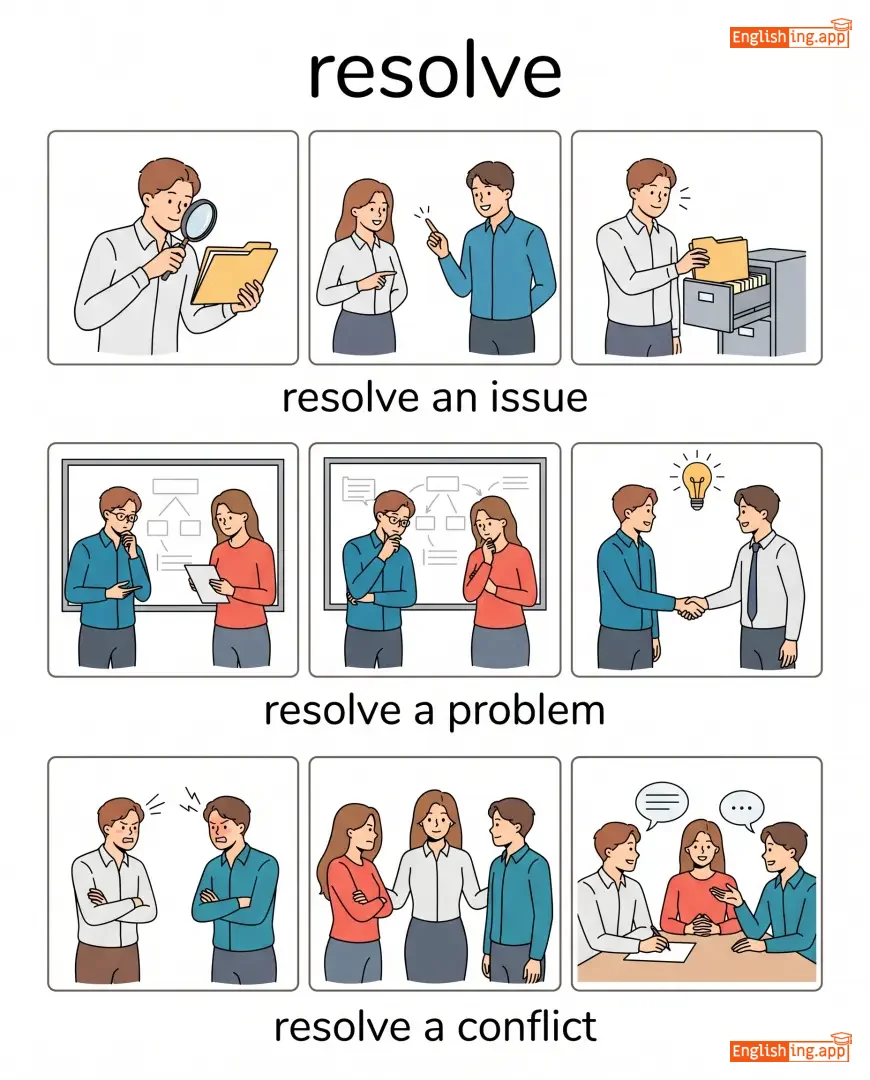
To decide firmly on a course of action; to settle or solve a problem.
••••••
|
They resolved to finish the project on time.
他们决定按时完成项目。
••••••
|
他们决定按时完成项目。
Tamen jueding anshi wancheng xiangmu.
••••••
|
resolve a conflict
解决冲突
••••••
|
To find a solution to a disagreement
••••••
|
解决冲突
jie jue chong tu
••••••
|
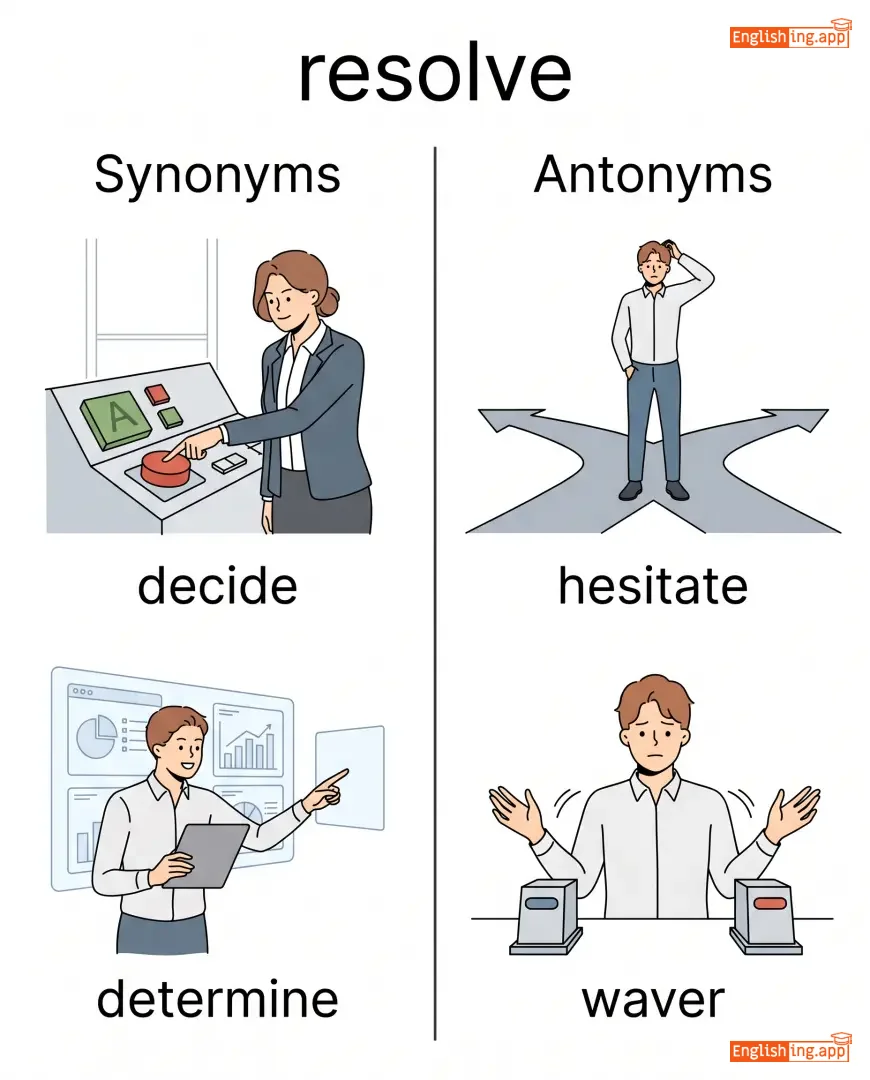
decide, determine, settle, conclude, fix
••••••
|
hesitate, waver, delay
••••••
|
resolve an issue, resolve a problem, resolve a conflict, resolve to do
••••••
|
Resolve = 解决, 就是解决一个问题。
••••••
|
|
🙏
••••••
|
/rɪˈspɛkt/
noun/verb
(rísīpèikè)
••••••
|

|
尊重
zūnzhòng
••••••
|
respected
rèisīpèikèd
••••••
|
respected
rèisīpèikèd
••••••
|
respects
rèisīpèikè s
••••••
|
respecting
rèisīpèikè
••••••
|
to treat someone with admiration or regard; high regard for someone or something
••••••
|
We should respect each other's opinions, even if we disagree.
我们应该尊重彼此的意见,即使我们不同意。
••••••
|
我们应该尊重彼此的意见,即使我们不同意。
Wǒmen yīnggāi zūnzhòng bǐcǐ de yìjiàn, jíshǐ wǒmen bùtóngyì.
••••••
|
- •••••• | - •••••• | - •••••• |
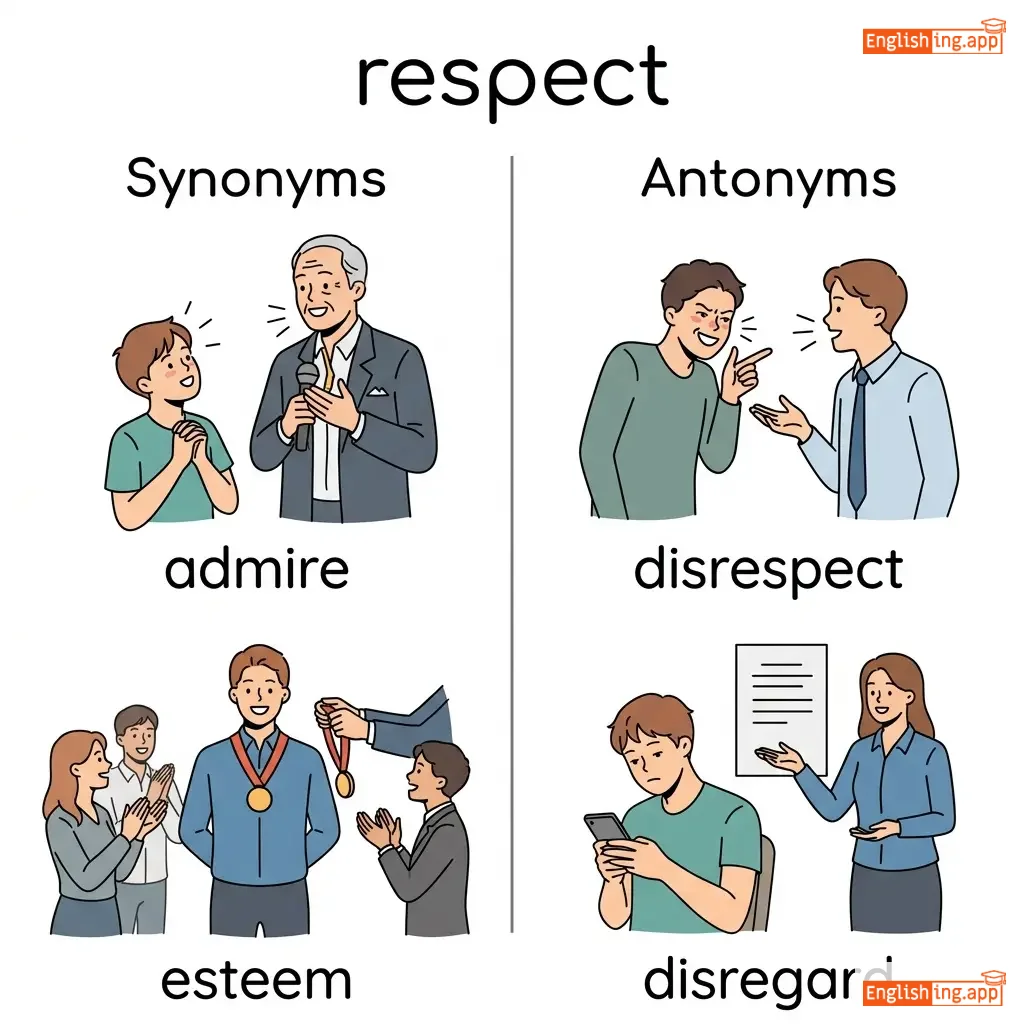
admire, esteem, honor, regard
••••••
|
disrespect, disregard, dishonor
••••••
|
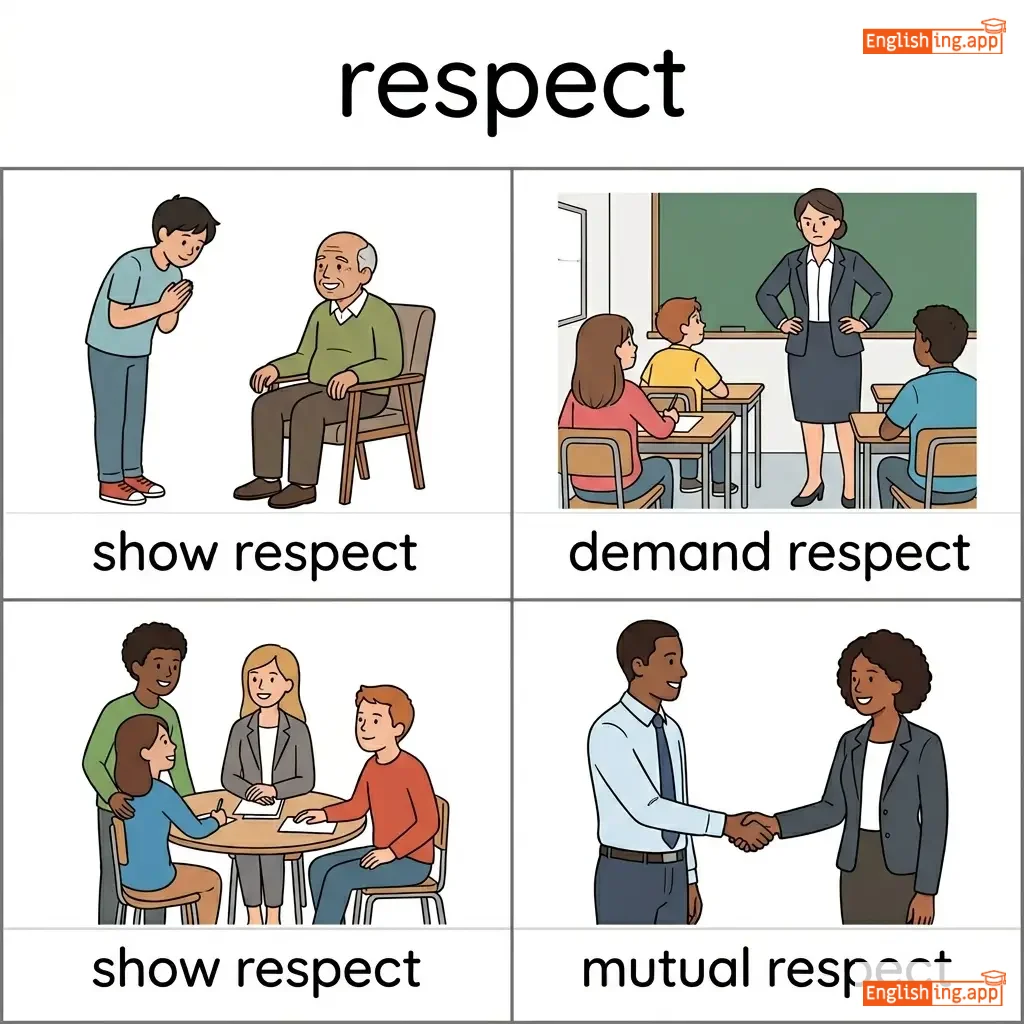
show respect, demand respect, mutual respect
••••••
|
Respect in Chinese is '尊重' - 'Zūn' for high regard and 'zhòng' for respect!
••••••
|
|
🔁
••••••
|
/rɪˈvɜːs/
verb
(rɪˈvɜːrs)
••••••
|
- •••••• |
反转
fǎn zhuǎn
••••••
|
reversed
rɪˈvɜːrsd
••••••
|
reversed
rɪˈvɜːrsd
••••••
|
reverses
rɪˈvɜːrses
••••••
|
reversing
rɪˈvɜːrsɪŋ
••••••
|
to change something to the opposite direction, position, or result
••••••
|
She quickly reversed the car out of the driveway.
她迅速把车从车道上倒了出来。
••••••
|
她迅速把车从车道上倒了出来。
Tā xùnsù bǎ chē cóng chē dào shàng dào le chū lái.
••••••
|
reverse course
改变方向
••••••
|
to change plans or direction completely
••••••
|
改变方向
gǎi biàn fāng xiàng
••••••
|
invert, overturn, flip, undo, back
••••••
|
continue, maintain, keep
••••••
|
reverse decision, reverse gear, reverse order, reverse effect
••••••
|
Re + verse = 反转! 所以reverse的意思是反转。
••••••
|
|
🔁
••••••
|
/ruːˈtiːn/
noun
(rutin)
••••••
|
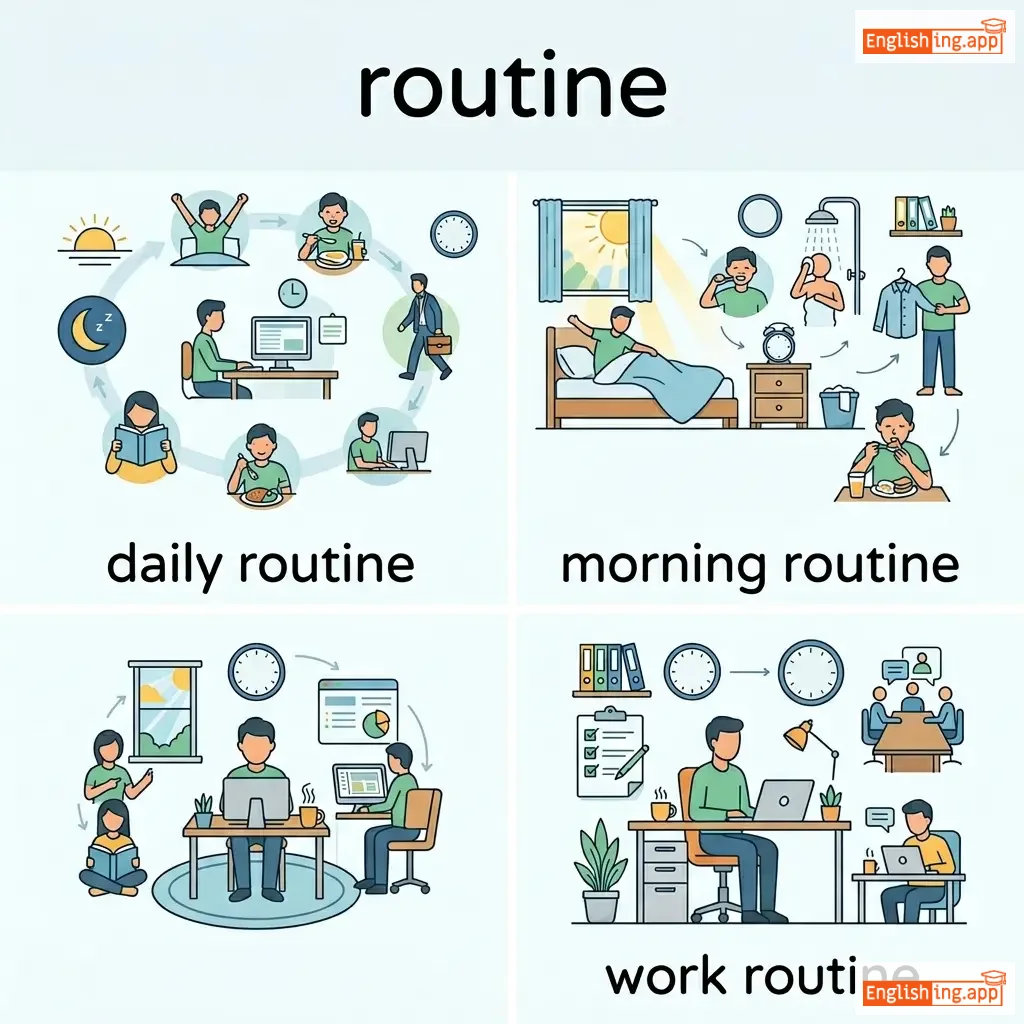
|
常规,定期遵循的行动序列
changgui, dingqi zunxun de xingdong xu lie
••••••
|
- •••••• | - •••••• | - •••••• | - •••••• |
a sequence of actions regularly followed; a fixed program
••••••
|
She follows a strict morning routine before work. |
她在上班前遵循严格的早晨常规。
Ta zai shangban qian zunxun yange de zaoshang changgui.
••••••
|
break the routine |
to do something different from one's usual habits
••••••
|
打破常规
dapo changgui
••••••
|
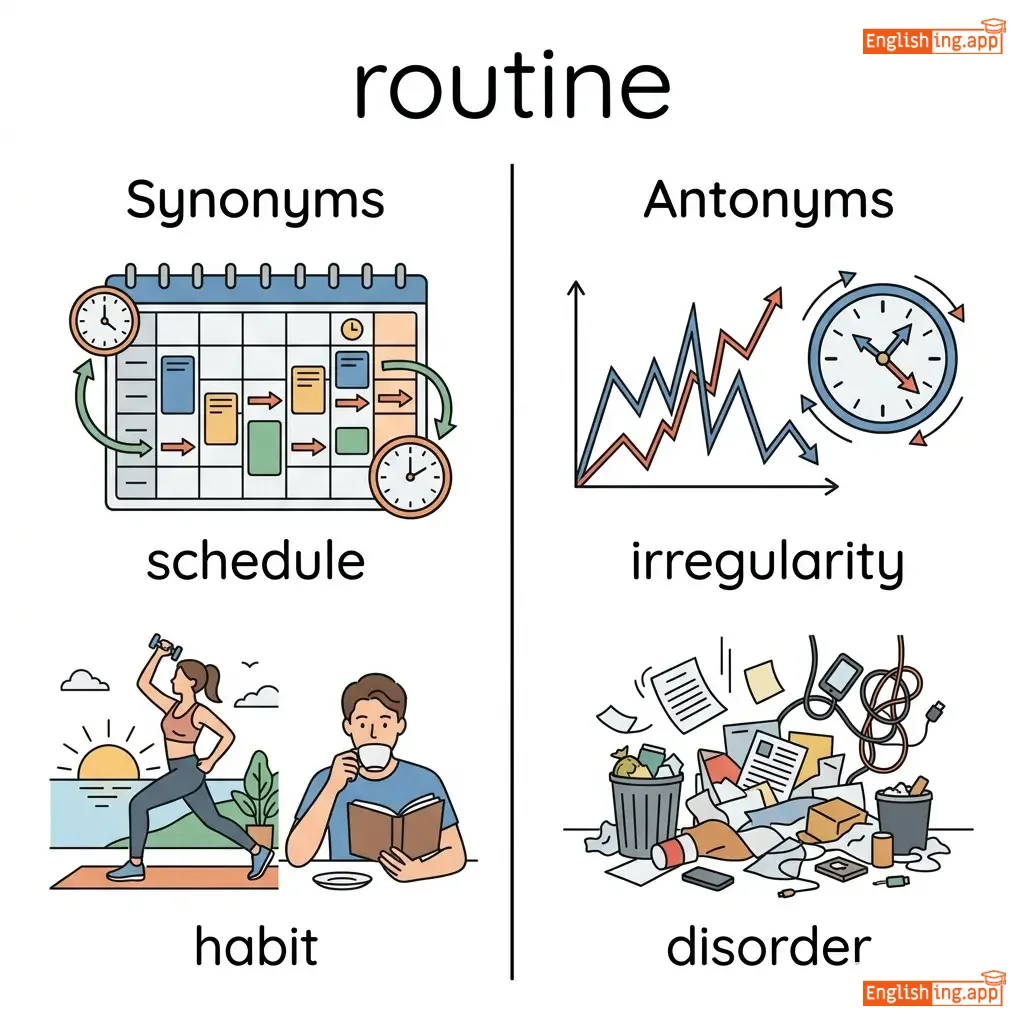
schedule, habit, pattern, procedure, practice
••••••
|
irregularity, disorder, spontaneity
••••••
|
daily routine, morning routine, work routine, routine check
••••••
|
常规就像是每天的计划,做的事情都固定
••••••
|

