Lights Over The Wilderness
在塔库尔高恩森林旁的文化营地里,大家聚集在一起计划一部新戏剧。当地的specialist苏米主持了早上的工作坊。她说,日常排练可以strengthen团队信任。青少年检查了舞台的structural安全性。中午时,他们收集了写好的剧本submissions。一群来自城市的subscriber到现场观看了排练。当一位年长的演员生病时,哈西代替他成为了substitute,并且团队保持了supportive,因此她没有感到恐惧。对于森林村民来说,氛围是surprising的。导演坚持要求工作保持systematic,以便让欢乐传播。一位technician在山顶搭建了一个临时塔用于灯光。一支当地的television队伍为现场直播做了准备。每个人都注意到天空是thankfully清澈的。傍晚带来了充满活力的theatrical排练。村民们throughout整个营地听着,陶醉其中。随后,学校的操场上举行了一个多队参加的tournament戏剧比赛。第二天的日程创造了从民歌到戏剧的独特transition。整个节目真的非常tremendous。他们的安全计划ultimately赢得了大家的信任。Underlying信息强调了保护森林的重要性。在开放的wilderness中,营地激发了每个人内心的勇气。
|
表情符号
|
单词 | Images | 翻译 | 过去时 | 过去分词 | 第三人称单数 | 动名词 | 含义 | 例句 | 例句翻译 | 示例表达 | 示例表达含义 | 示例表达翻译 | 同义词 | 反义词 | 搭配词 | 助记符 |
|---|---|---|---|---|---|---|---|---|---|---|---|---|---|---|---|---|---|
|
👨⚕️
••••••
|
/ˈspeʃəlɪst/
noun
(专家)
••••••
|
- •••••• |
专家
zhuānjiā
••••••
|
- •••••• | - •••••• | - •••••• | - •••••• |
a person who has specialized knowledge or training in a particular area; an expert
••••••
|
She consulted a heart specialist about her condition.
她就自己的情况咨询了一位心脏专家。
••••••
|
她就自己的情况咨询了一位心脏专家。
Tā jiù zìjǐ de qíngkuàng zīxún le yī wèi xīnzàng zhuānjiā.
••••••
|
- •••••• | - •••••• | - •••••• |
expert, professional, authority, consultant
••••••
|
generalist, amateur, novice, beginner
••••••
|
medical specialist, heart specialist, IT specialist, specialist knowledge
••••••
|
专家:你是这方面的专家
••••••
|
|
💪
••••••
|
/ˈstrɛŋkθən/
verb
(sī tèlèng tìng)
••••••
|

|
增强
zēngqiáng
••••••
|
strengthened
sī tèlèng déng
••••••
|
strengthened
sī tèlèng déng
••••••
|
strengthens
sī tèlèng sīng
••••••
|
strengthening
sī tèlèng nìng
••••••
|
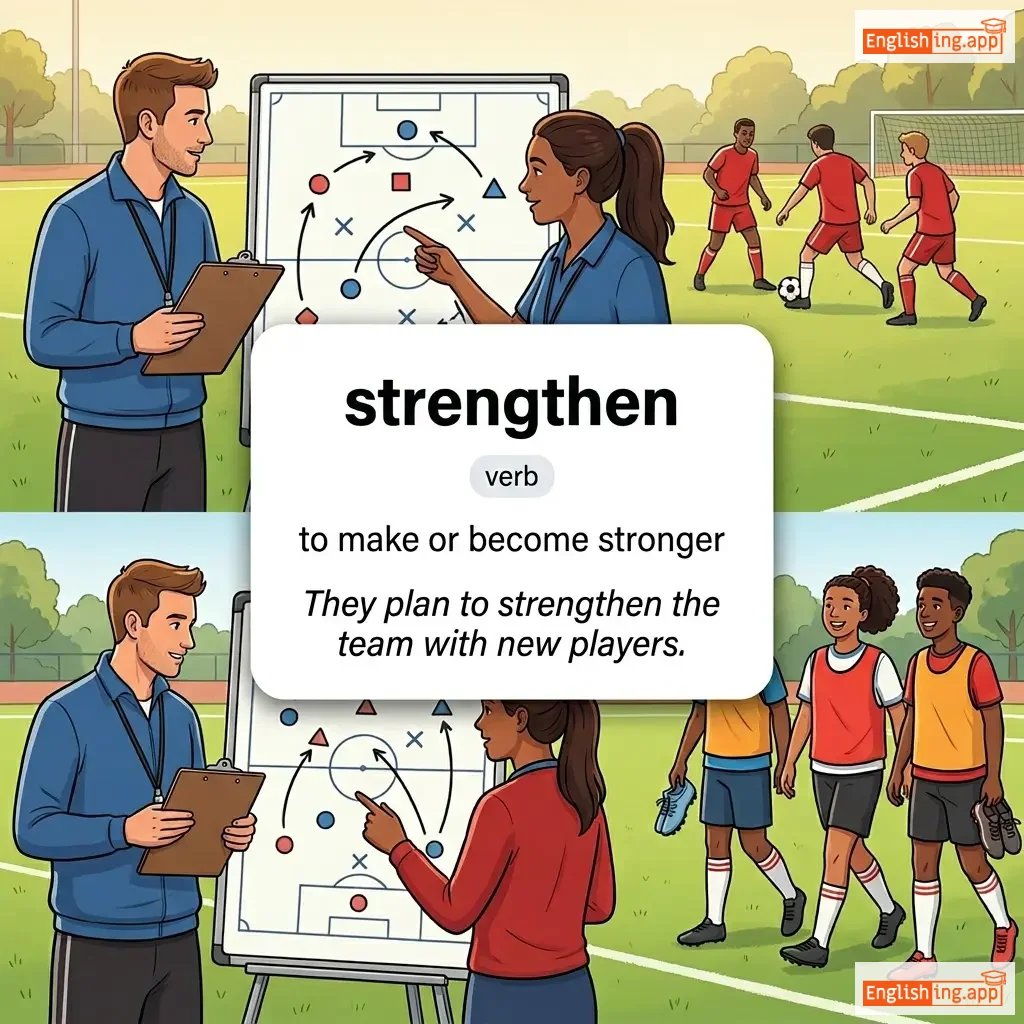
to make or become stronger
••••••
|
They plan to strengthen the team with new players.
他们计划通过加入新球员来增强团队的实力。
••••••
|
他们计划通过加入新球员来增强团队的实力。
Tāmen jìhuà tōngguò jiārù xīn qiúyuán lái zēngqiáng tuánduì de shílì.
••••••
|
- •••••• | - •••••• | - •••••• |
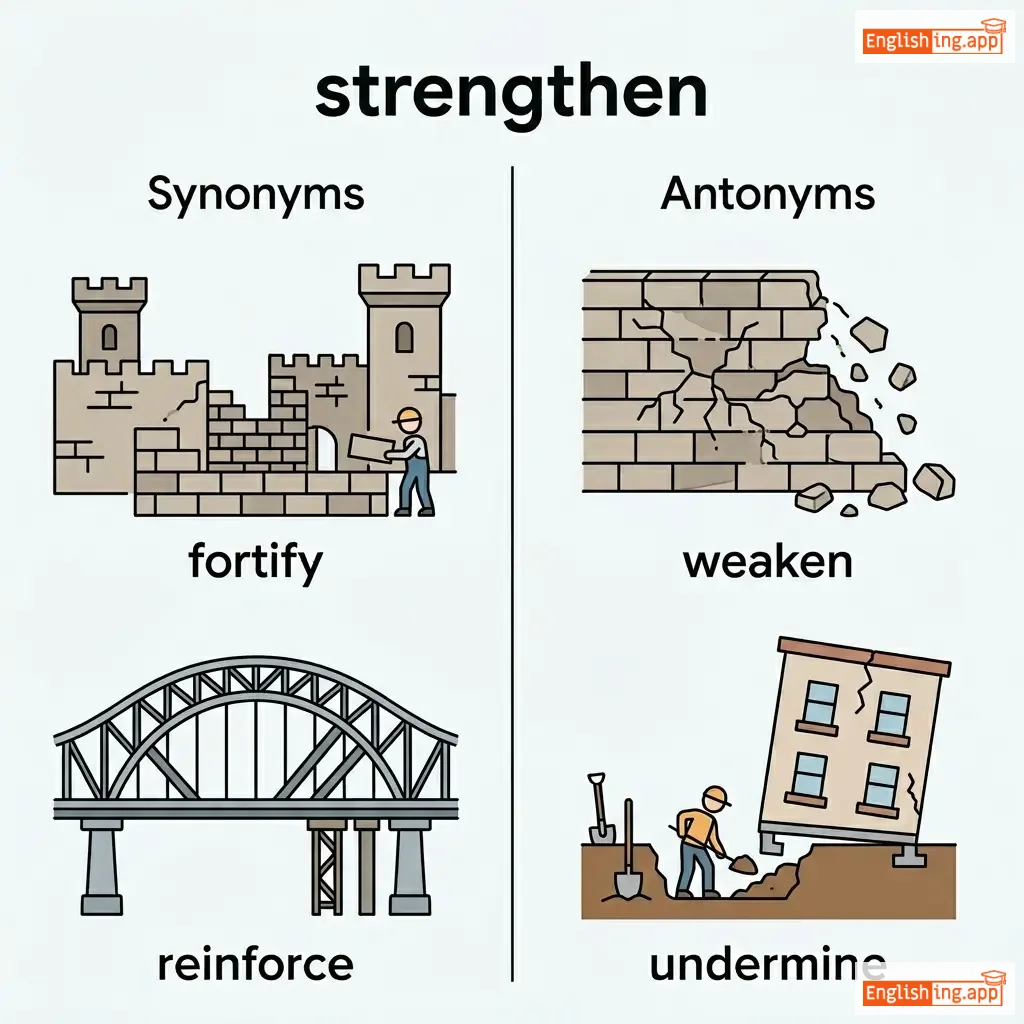
fortify, reinforce, empower, bolster
••••••
|
weaken, undermine
••••••
|
strengthen skills, strengthen position, strengthen muscles, strengthen bond
••••••
|
增强你的力量 - Strengthen your strength
••••••
|
|
🏗️
••••••
|
/ˈstrʌktʃərəl/
adjective
••••••
|


|
- •••••• | - •••••• | - •••••• | - •••••• | - •••••• |
relating to or forming part of the structure of something
••••••
|
Engineers found structural damage in the old bridge. |
- •••••• | - •••••• | - •••••• | - •••••• |
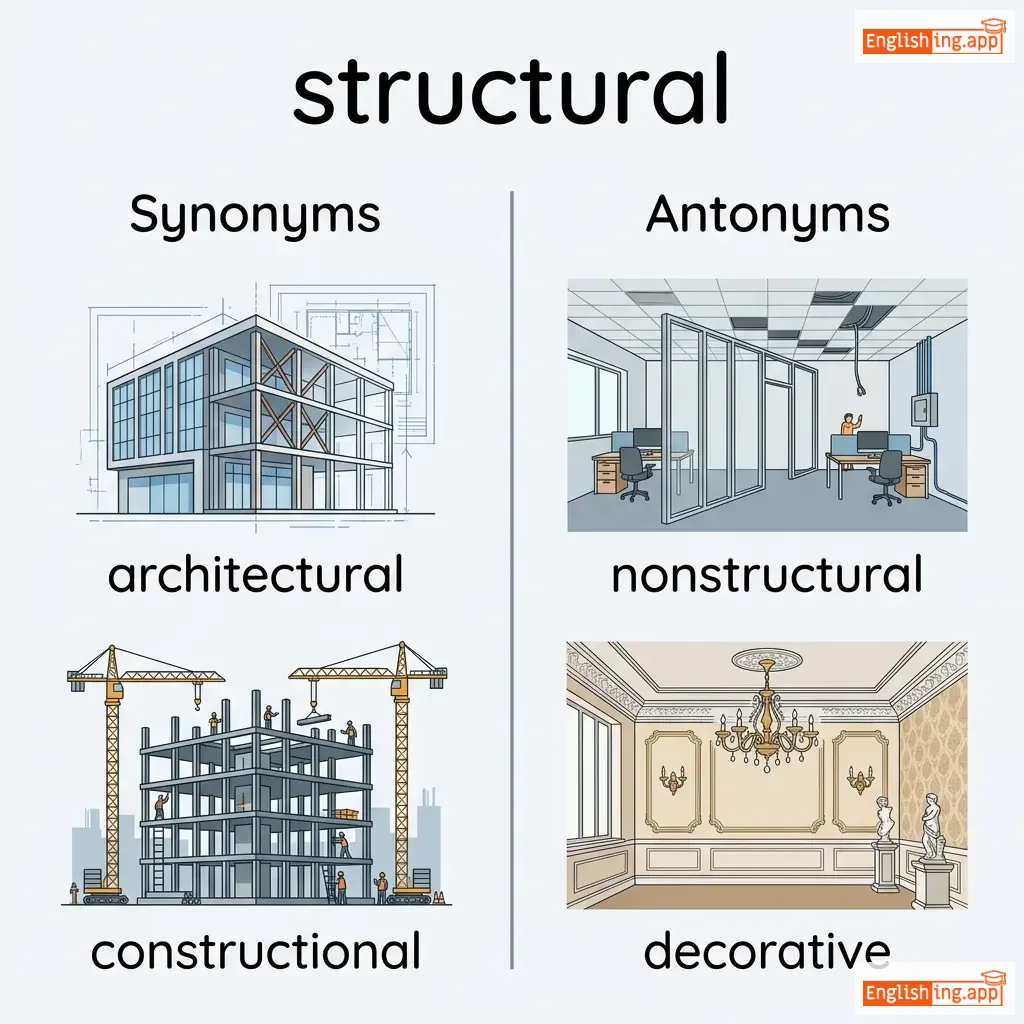
architectural, constructional, physical, organizational
••••••
|
nonstructural, decorative
••••••
|
structural damage, structural design, structural change, structural problem
••••••
|
No •••••• |
|
📩
••••••
|
/səbˈmɪʃən/
noun
(səbˈmɪʃən)
••••••
|
- •••••• |
提交, 顺从
tiji, shuncong
••••••
|
- •••••• | - •••••• | - •••••• | - •••••• |
the act of yielding to authority or presenting something for consideration
••••••
|
Her submission of the report was appreciated by the manager. |
她提交的报告受到了经理的赞赏。
Tā tiji de bàogào shòudàole jīnglǐ de zànshǎng.
••••••
|
in submission to |
yielding to someone or something
••••••
|
服从于
fukong yu
••••••
|
obedience, compliance, surrender, presentation, proposal
••••••
|
resistance, defiance, refusal
••••••
|
submission of report, submission deadline, complete submission, voluntary submission
••••••
|
Submission意味着提交报告,顺从意味着屈服或展示。
••••••
|
|
📩
••••••
|
/səbˈskraɪbər/
noun
(订阅者)
••••••
|
- •••••• |
订阅者
dīngyuè zhě
••••••
|
- •••••• | - •••••• | - •••••• | - •••••• |
a person who receives or subscribes to a service, magazine, or service
••••••
|
She is a subscriber to the monthly magazine. |
她是每月杂志的订阅者。
Tā shì měi yuè zázhì de dìngyuè zhě.
••••••
|
- •••••• | - •••••• | - •••••• |
member, follower, customer, supporter
••••••
|
non-subscriber, reader
••••••
|
new subscriber, regular subscriber, email subscriber
••••••
|
订阅者,订阅杂志的人
••••••
|
|
🔄
••••••
|
/ˈsʌb.stɪ.tjuːt/
verb
(萨布斯替特)
••••••
|
|
替代
tìdài
••••••
|
substituted
萨布斯替特德
••••••
|
substituted
萨布斯替特德
••••••
|
substitutes
萨布斯替特斯
••••••
|
substituting
萨布斯替特英
••••••
|
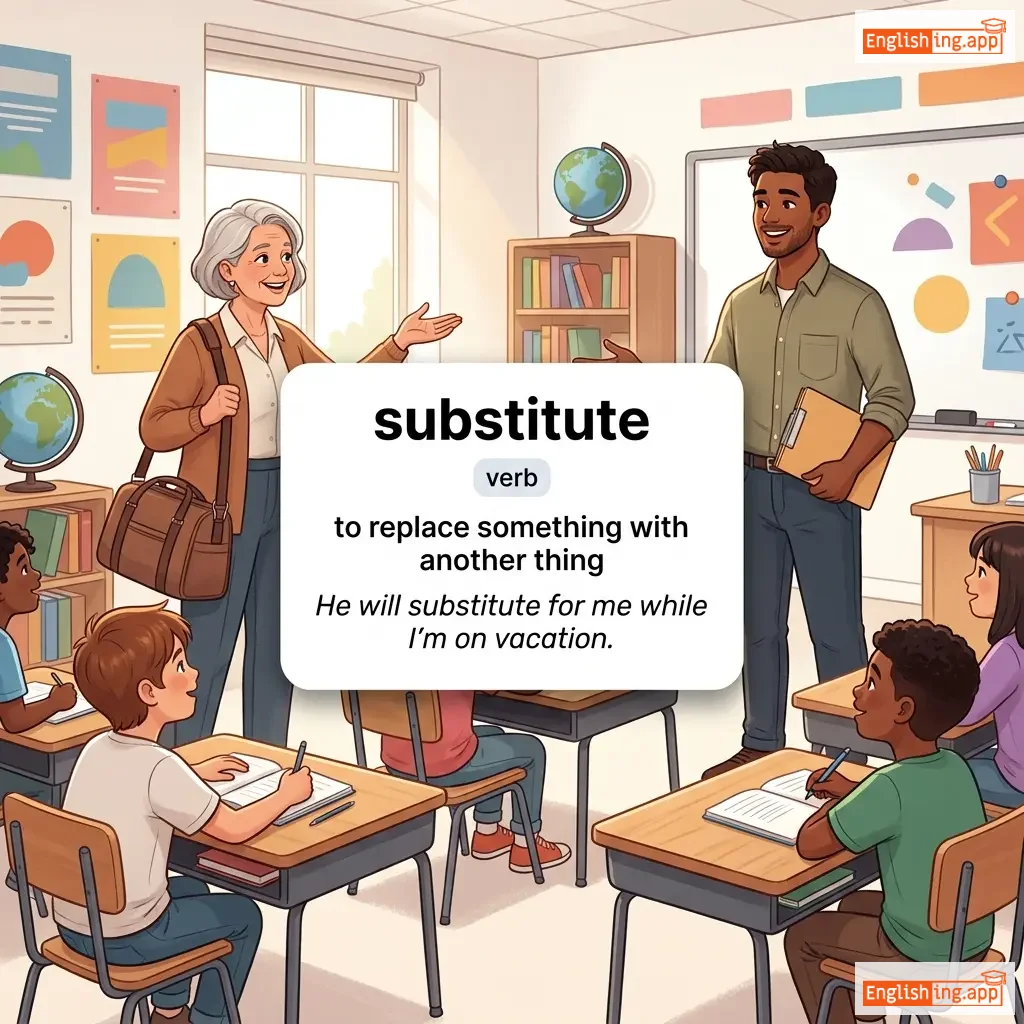
to replace something with another thing
••••••
|
He will substitute for me while I'm on vacation.
他将替我工作,直到我度假回来。
••••••
|
他将替我工作,直到我度假回来。
Tā jiāng tì wǒ gōngzuò, zhídào wǒ dùjià huílái.
••••••
|
- •••••• | - •••••• | - •••••• |
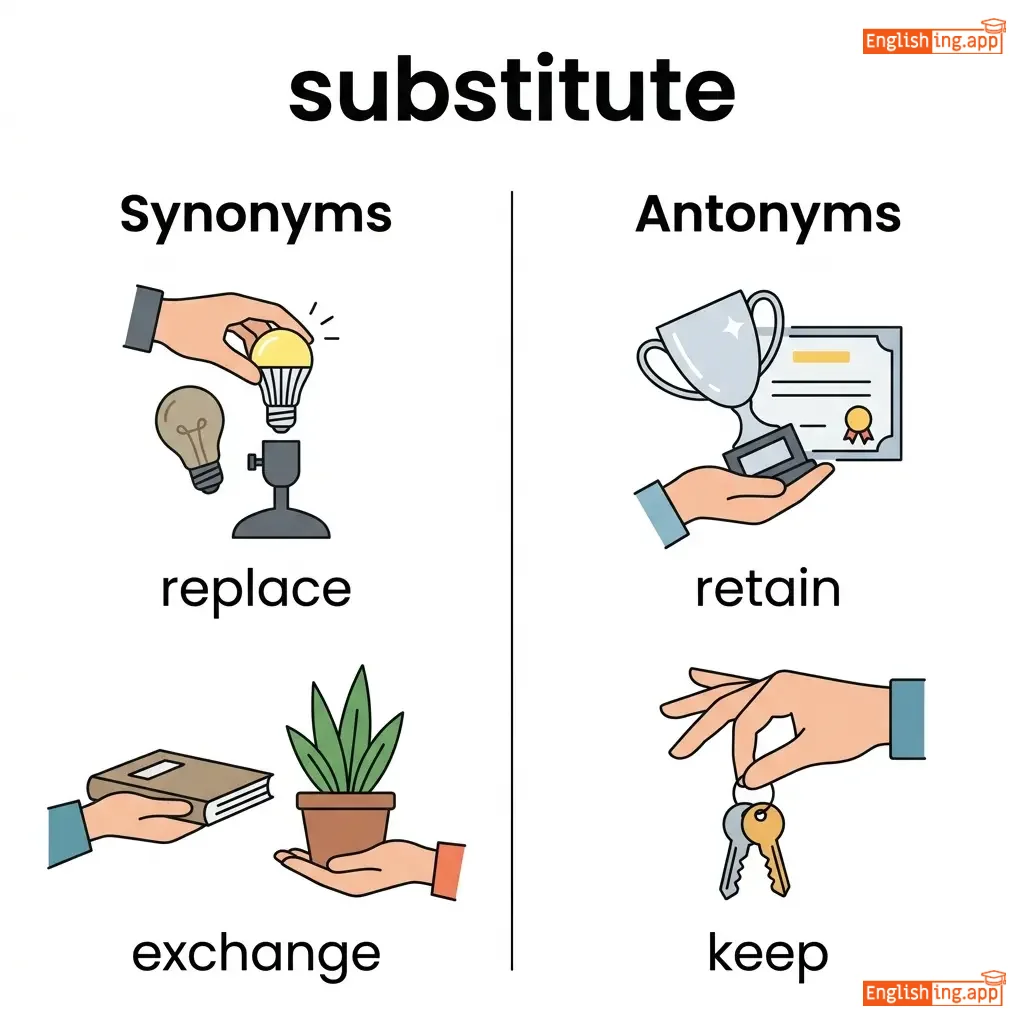
replace, exchange, swap, supersede
••••••
|
retain, keep
••••••
|
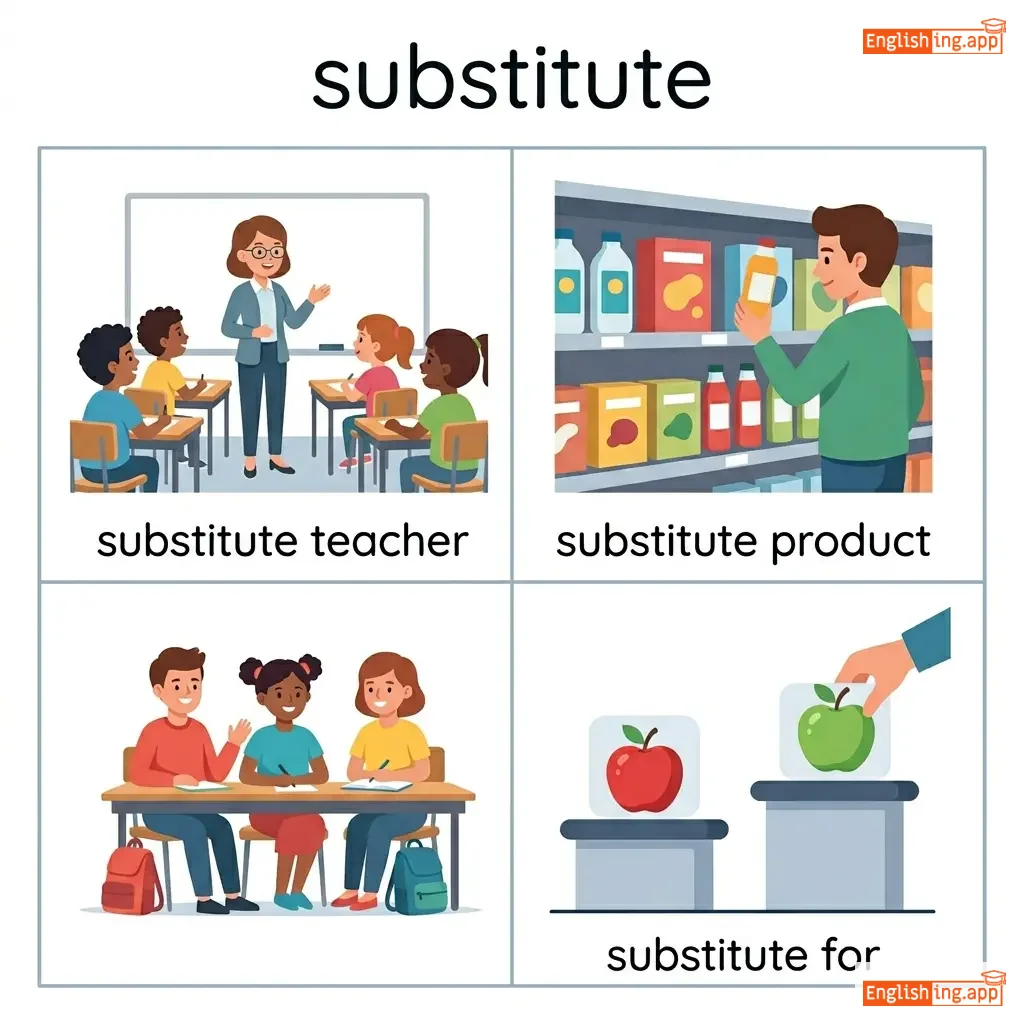
substitute teacher, substitute product, substitute for, substitute teacher
••••••
|
Substitute = 'Sub' means 'other' + 'stitute' means 'standing' - so replace by standing in for something else.
••••••
|
|
🤗
••••••
|
/səˈpɔːtɪv/
adjective
(su-por-tiv)
••••••
|
- •••••• |
支持的
zhīchí de
••••••
|
- •••••• | - •••••• | - •••••• | - •••••• |
providing encouragement or emotional help to someone
••••••
|
She was very supportive during my difficult times. |
在我困难的时刻,她非常支持我。
Zài wǒ kùnnán de shíkè, tā fēicháng zhīchí wǒ.
••••••
|
supportive role |
a role that helps or assists others rather than leading
••••••
|
支持角色
zhīchí juésè
••••••
|
helpful, encouraging, caring, understanding, kind
••••••
|
unsupportive, discouraging, neglectful
••••••
|
supportive friend, supportive family, supportive environment, supportive attitude
••••••
|
任何提供支持的人总是 supportive 🫶
••••••
|
|
😯
••••••
|
/sər'praɪz.ɪŋ/
adjective
(sànpūlài zìng)
••••••
|
- •••••• |
令人惊讶的; 出人意料的
lìng rén jīngyà de; chū rén yì liào de
••••••
|
- •••••• | - •••••• | - •••••• | - •••••• |
causing surprise; unexpected; remarkable
••••••
|
It's surprising how quickly children learn new languages. |
令人惊讶的是,孩子们学新语言的速度有多快。
lìng rén jīngyà de shì, háizimen xué xīn yǔyán de sùdù yǒu duō kuài.
••••••
|
- •••••• | - •••••• | - •••••• |
astonishing, amazing, unexpected, remarkable
••••••
|
predictable, expected, ordinary, unsurprising
••••••
|
surprising news, surprising result, not surprising
••••••
|
令人惊讶的 (surprising) 事件总是出人意料的 (unexpected).
••••••
|
|
📊
••••••
|
/ˌsɪstəˈmætɪk/
adjective
(sìtè mǎ tíkè)
••••••
|
- •••••• |
系统的
xitongde
••••••
|
- •••••• | - •••••• | - •••••• | - •••••• |
Done or acting according to a fixed plan or system; methodical.
••••••
|
The company took a systematic approach to solving the issue. |
公司采取了系统的方法来解决问题。
Gōngsī cǎiqǔle xìtǒng de fāngfǎ lái jiějué wèntí.
••••••
|
systematic error |
An error that consistently occurs in the same direction due to flaws in a system.
••••••
|
系统性错误
xìtǒng xìng cuòwù
••••••
|
methodical, organized, structured, logical, disciplined
••••••
|
random, chaotic, disorganized
••••••
|
systematic review, systematic study, systematic approach, systematic plan
••••••
|
系统化地做事,就像系统(systematic)一样有序
••••••
|
|
🧰
••••••
|
/tɛkˈnɪʃən/
noun
(技术员)
••••••
|
- •••••• |
技术员
jìshùyuán
••••••
|
- •••••• | - •••••• | - •••••• | - •••••• |
a person skilled in the practical aspects of a particular science, art, or job
••••••
|
The technician repaired the computer within an hour. |
技术员在一个小时内修好了电脑。
Jìshùyuán zài yī gè xiǎoshí nèi xiū hǎo le diànnǎo.
••••••
|
- •••••• | - •••••• | - •••••• |
mechanic, engineer, specialist, operator, expert
••••••
|
novice, amateur
••••••
|
computer technician, lab technician, skilled technician, service technician
••••••
|
技术员,是技术领域的专家
••••••
|
|
📺
••••••
|
/ˈtɛlɪˌvɪʒən/
noun
••••••
|
- •••••• | - •••••• | - •••••• | - •••••• | - •••••• | - •••••• |
a device that receives television signals and displays them on a screen
••••••
|
I like to watch the news on television. |
- •••••• | - •••••• | - •••••• | - •••••• |
TV, set, screen, monitor
••••••
|
radio, silence
••••••
|
television program, watch television, television show, color television
••••••
|
No •••••• |
|
🙏
••••••
|
/ˈθæŋkfəli/
adverb
(ˈθæŋkfəli)
••••••
|
- •••••• |
幸好
xing4 hao3
••••••
|
- •••••• | - •••••• | - •••••• | - •••••• |
used to express relief or gratitude
••••••
|
Thankfully, she arrived just in time for the meeting. |
幸好,她准时到达了会议。
Xing4 hao3, ta2 zhun3 shi2 dao4 da2 le hui4 yi.
••••••
|
- •••••• | - •••••• | - •••••• |
gratefully, luckily, fortunately, happily
••••••
|
unfortunately, regretfully
••••••
|
thankfully received, thankfully avoided, thankfully accepted
••••••
|
幸好,我以感恩的心态思考 (xing4 hao3, wo3 yi3 gan3 en1 de xin1 tai4 si1 kao3).
••••••
|
|
🎭
••••••
|
/θiˈætrɪkl/
adjective
(tiè tǔ rì kǎo)
••••••
|
- •••••• |
戏剧的
xijude
••••••
|
- •••••• | - •••••• | - •••••• | - •••••• |
Relating to the theater or exaggerated and dramatic in behavior or style.
••••••
|
Her theatrical performance won the audience's applause.
她的戏剧表演赢得了观众的掌声。
••••••
|
她的戏剧表演赢得了观众的掌声。
Ta de xiju biaoyan yingde le guanzhong de zhangsheng.
••••••
|
make a theatrical scene
做一个戏剧性的场景
••••••
|
to act dramatically in an exaggerated way
••••••
|
做一个戏剧性的场景
zuo yige xijuxing de changjing
••••••
|
dramatic, exaggerated, showy, stage-like, flamboyant
••••••
|
subtle, natural, modest
••••••
|
theatrical performance, theatrical gesture, theatrical costume, theatrical style
••••••
|
戏剧 → 戏剧性的表示戏剧化
••••••
|
|
🌍
••••••
|
/θruːˈaʊt/
preposition
(sīhào-āo)
••••••
|
- •••••• |
贯穿
guan chuan
••••••
|
- •••••• | - •••••• | - •••••• | - •••••• |
in every part of a place or during the whole time of an event
••••••
|
She worked throughout the night. |
她整夜工作。
Ta zheng ye gongzuo.
••••••
|
- •••••• | - •••••• | - •••••• |
all over, everywhere, during, across
••••••
|
none
••••••
|
throughout the day, throughout the country
••••••
|
Throughout = 穿越时间,从不停歇。
••••••
|
|
🏆
••••••
|
/ˈtʊənəmənt/
noun
(tóu ěr nà mén tè)
••••••
|
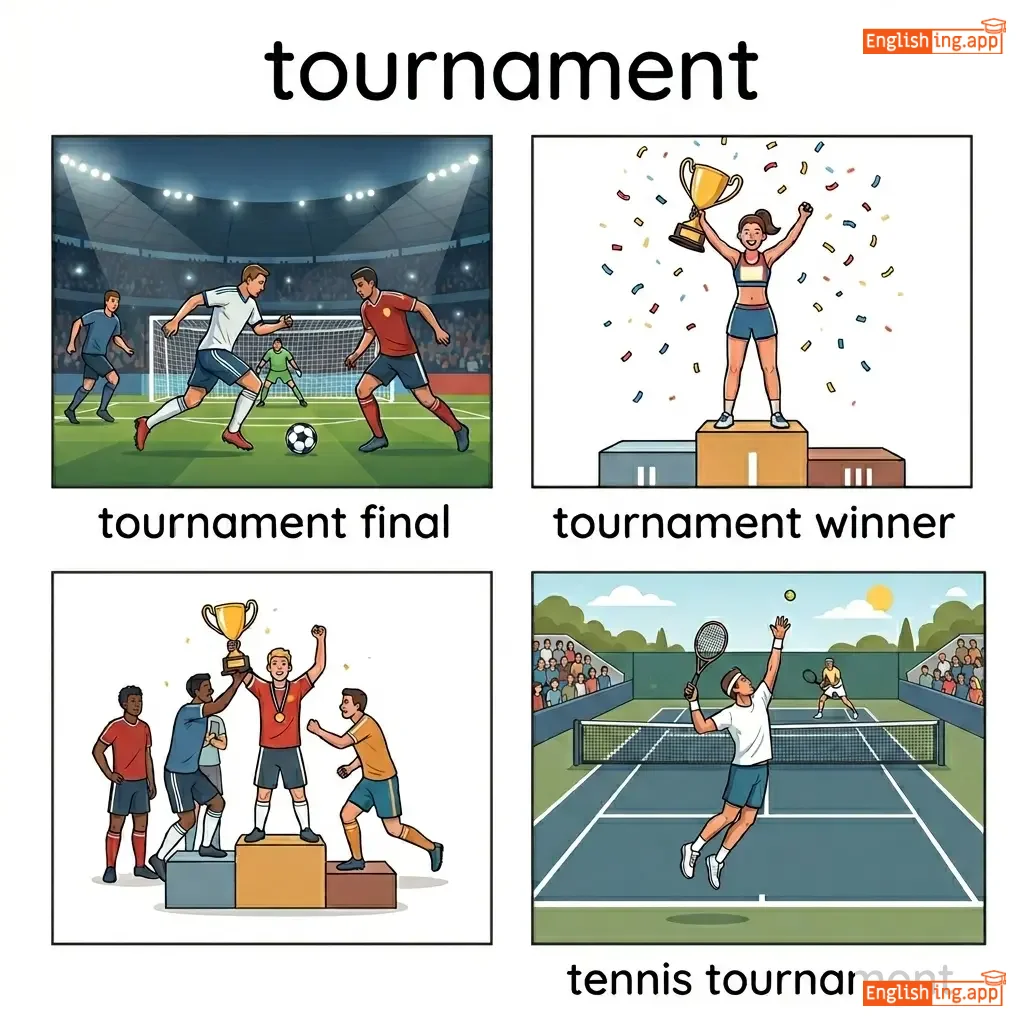
|
锦标赛
jinbiao sai
••••••
|
- •••••• | - •••••• | - •••••• | - •••••• |
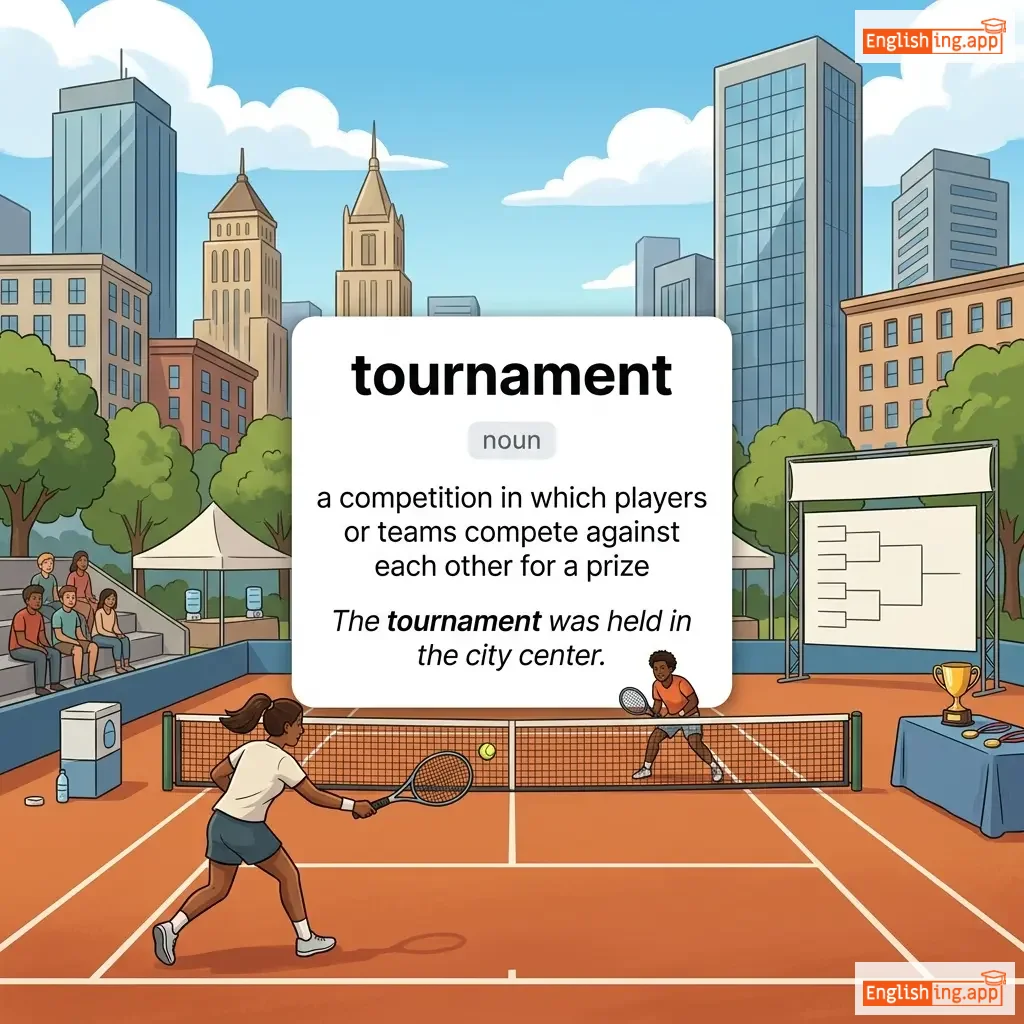
a competition in which players or teams compete against each other for a prize
••••••
|
The tournament was held in the city center. |
比赛在市中心举行。
Bisai zai shi zhongxin juxing.
••••••
|
- •••••• | - •••••• | - •••••• |
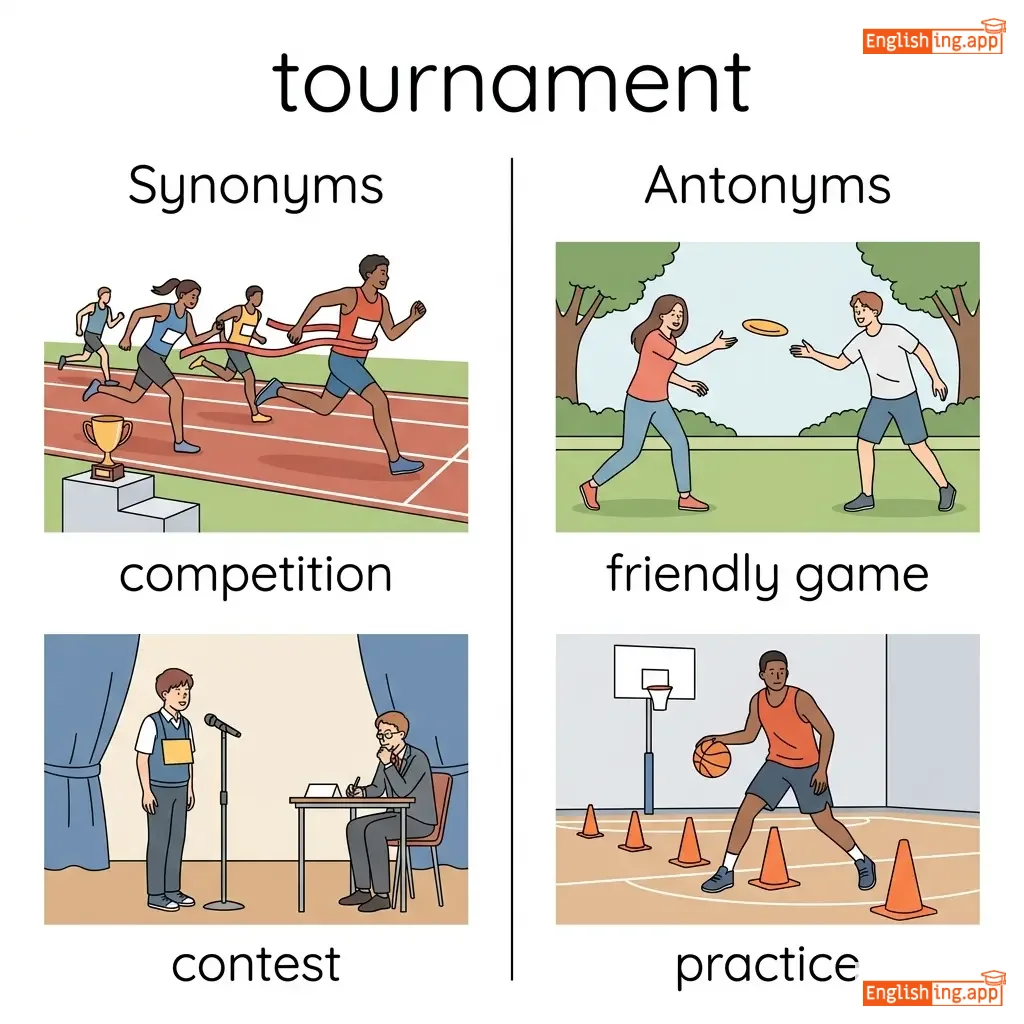
competition, contest, match, championship
••••••
|
friendly game
••••••
|
tournament final, tournament winner, tennis tournament
••••••
|
锦标赛是玩家们争夺奖品的激烈竞争!
••••••
|
|
🔄
••••••
|
/trænˈzɪʃən/
noun
(转型)
••••••
|
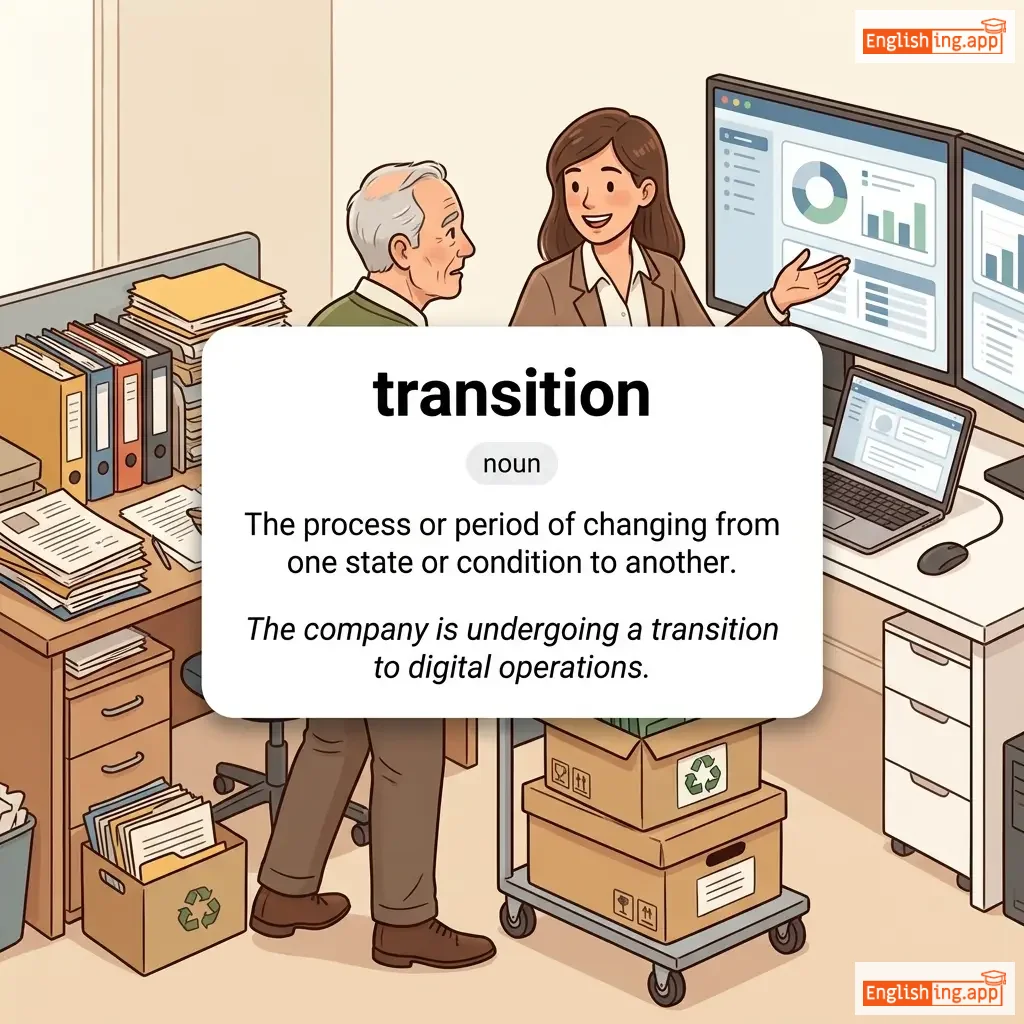
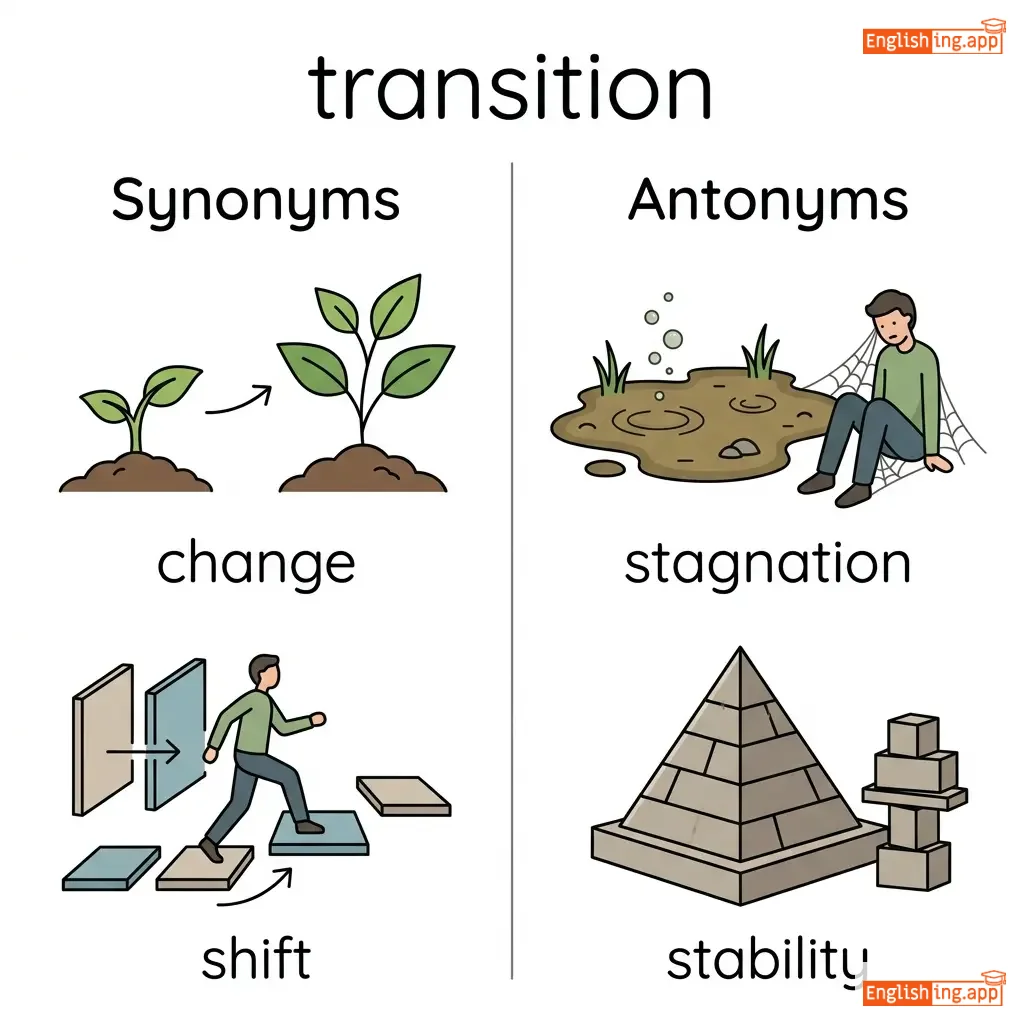
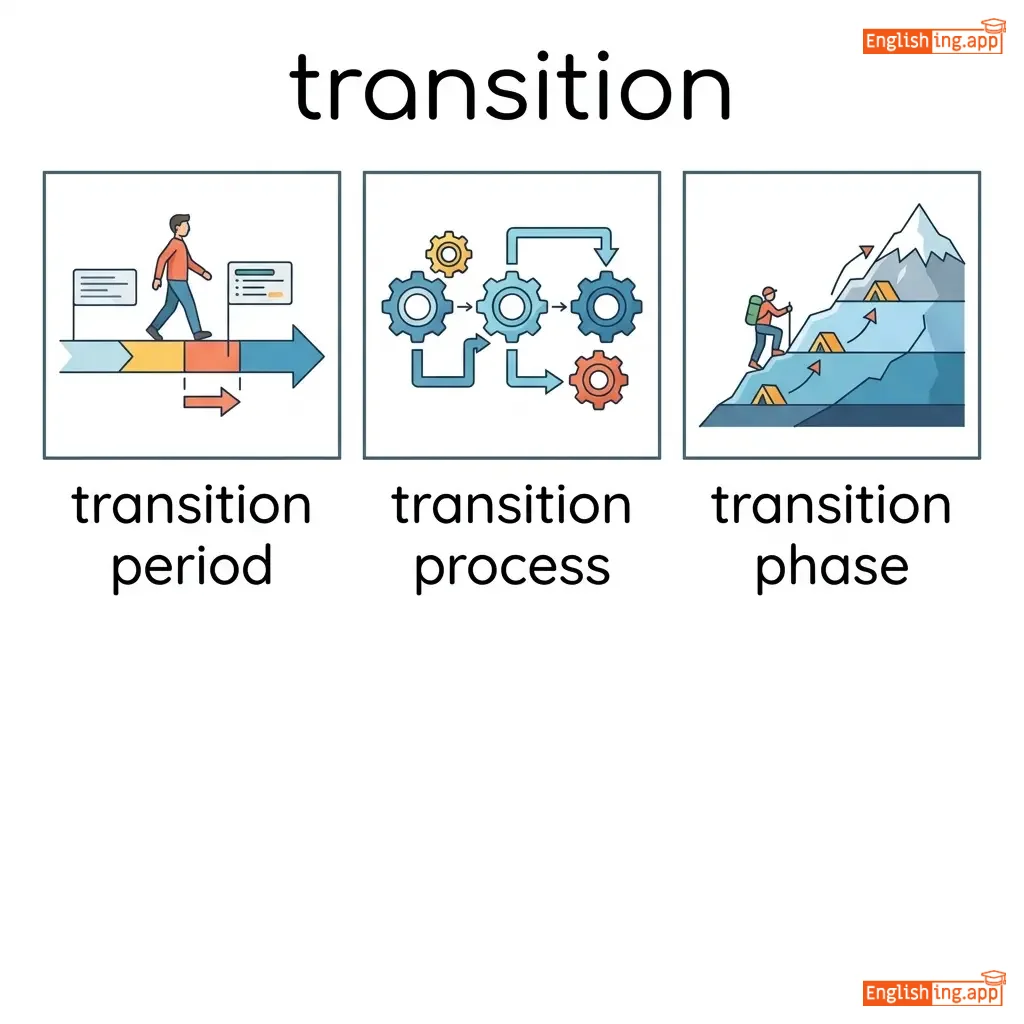
|
过渡
guodu
••••••
|
- •••••• | - •••••• | - •••••• | - •••••• |
The process or period of changing from one state or condition to another.
••••••
|
The company is undergoing a transition to digital operations.
公司正在经历向数字化运营的过渡。
••••••
|
公司正在经历向数字化运营的过渡。
Gongsi zhengzai jingli xiang shuzihua yunying de guodu.
••••••
|
smooth transition
平稳过渡
••••••
|
A gradual and easy change
••••••
|
平稳过渡
pingwen guodu
••••••
|
change, shift, conversion, transformation
••••••
|
stagnation, stability
••••••
|
transition period, transition process, transition phase
••••••
|
过渡就像从一个车站到另一个车站的平稳过渡
••••••
|
|
💥
••••••
|
/trəˈmɛndəs/
adjective
(特雷门德斯)
••••••
|
- •••••• |
巨大的
jù dà de
••••••
|
- •••••• | - •••••• | - •••••• | - •••••• |
very great in amount, scale, or intensity
••••••
|
She made a tremendous effort to finish the project on time. |
她付出了巨大的努力,以准时完成项目。
Tā fù chū le jù dà de nǔ lì, yǐ zhǔn shí wán chéng xiàng mù.
••••••
|
tremendous amount |
a very large quantity of something
••••••
|
巨大的数量
jù dà de shù liàng
••••••
|
huge, enormous, immense, colossal, vast
••••••
|
tiny, small, slight
••••••
|
tremendous effort, tremendous pressure, tremendous success, tremendous energy
••••••
|
Tremendous effort = 巨大的努力。
••••••
|
|
🏁
••••••
|
/ˈʌltəmətli/
adverb
(最终)
••••••
|
- •••••• |
最终
zuì zhōng
••••••
|
- •••••• | - •••••• | - •••••• | - •••••• |
in the end, after everything else
••••••
|
Ultimately, we decided to go ahead with the project. |
最终,我们决定继续推进该项目。
Zuì zhōng, wǒmen juédìng jìxù tuījin gāi xiàngmù.
••••••
|
- •••••• | - •••••• | - •••••• |
finally, eventually, in the end, conclusively
••••••
|
initially, prematurely
••••••
|
ultimately decide, ultimately succeed, ultimately fail
••••••
|
最终的一步,万事俱备!
••••••
|
|
🔎
••••••
|
/ˌʌndərˈlaɪɪŋ/
adjective
(安德赖英)
••••••
|
- •••••• |
基本的
jīběn de
••••••
|
- •••••• | - •••••• | - •••••• | - •••••• |
basic or hidden but important; forming the foundation of something
••••••
|
The underlying reason for the conflict was never addressed.
ðə 安德赖英 rīzən fɔr ðə kənˈflɪkt wəz nɛvər əˈdrɛst.
••••••
|
冲突的根本原因从未得到解决。
Chōngtú de gēnběn yuányīn cóng wèi dédào jiějué.
••••••
|
underlying cause
安德赖英 kɔz
••••••
|
the fundamental reason for something
••••••
|
根本原因
gēnběn yuányīn
••••••
|
basic, fundamental, hidden, root, essential
••••••
|
superficial, apparent, obvious
••••••
|
underlying cause, underlying problem, underlying principle
••••••
|
Underlying 代表深藏在下面的东西,就像中文的‘基本的’!
••••••
|
|
🌲
••••••
|
/ˈwɪldənəs/
noun
(荒野)
••••••
|
- •••••• |
荒野
huangye
••••••
|
- •••••• | - •••••• | - •••••• | - •••••• |
an area of land that has not been changed by people and is still in its natural state
••••••
|
They camped in the wilderness far from the city.
他们在远离城市的荒野中露营。
••••••
|
他们在远离城市的荒野中露营。
Tāmen zài yuǎn lí chéngshì de huāngyě zhōng lùyíng.
••••••
|
voice in the wilderness
荒野中的声音
••••••
|
a person or idea ignored by others
••••••
|
荒野中的声音
Huāngyě zhōng de shēngyīn
••••••
|
wilds, jungle, forest, backcountry, wasteland
••••••
|
city, civilization
••••••
|
in the wilderness, vast wilderness, explore the wilderness, wilderness area
••••••
|
Wilderness 就是荒野 — ‘wild’ 让你想起自然中的一片净土!
••••••
|

