語彙集

英単語辞書 | 単語の意味、定義、例文

noun C2
/ɑːlˈfækʃən/
嗅覚 (kyūkaku)

The sense of smell; the process of detecting and perceiving odors.

"Dogs have a highly developed sense of olfaction."
"犬は非常に発達した嗅覚を持っています。" (Inu wa hijō ni hattatsu shita kyūkaku o motteimasu.)
olfactory definition card — visual illustration of the meaning
adjective C2
/ɑːlˈfæktəri/

Relating to the sense of smell.

"The perfume activated her olfactory nerves immediately."

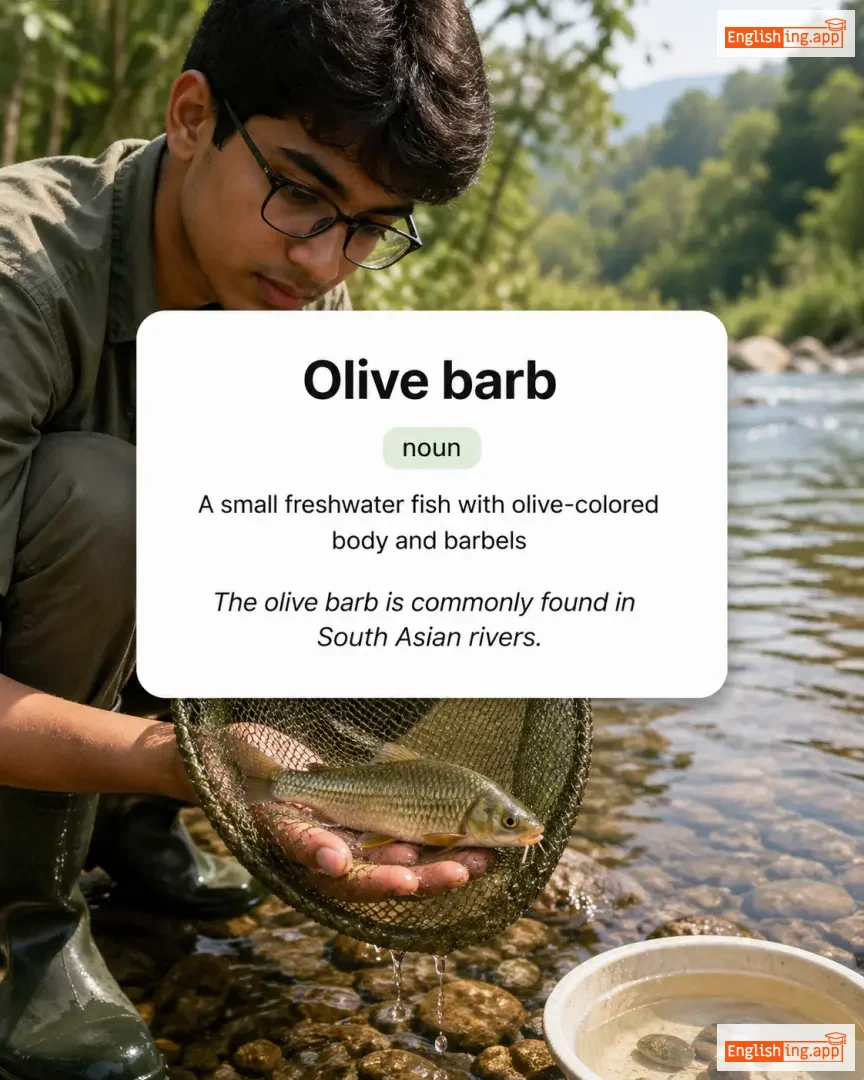
Olive barb definition card — visual illustration of the meaning
noun C2
/ˈɒlɪv bɑːb/
オリーブバーブ (oriibu baabu)

A small freshwater fish with olive-colored body and barbels

"The olive barb is commonly found in South Asian rivers."

"オリーブバーブは南アジアの川によく見られます。" (oriibu baabu wa minami ajia no kawa ni yoku mirareru)
noun C2
/ˈɒlɪv brɑːntʃ/
オリーブの枝 (orību no eda)

A symbol of peace or reconciliation; an offer to end conflict.

"He extended an olive-branch to his rival after years of hostility."

"彼は長年の敵対後、ライバルにオリーブの枝を差し出した。" (Kare wa naganen no tekitaigo, raibaru ni orību no eda o sashidashita.)
noun C2
/ɒmˈnɪpətəns/
全能 (zennou)

The quality of having unlimited power or authority.

"Many religions describe God’s omnipotence as absolute."

"多くの宗教では神の全能は絶対的なものと説明されています。" (Ōku no shūkyō de wa kami no zennō wa zettaiteki na mono to setsumei sareteimasu.)
omnipotent definition card — visual illustration of the meaning
adjective C2
/ɒmˈnɪpətənt/
全能の (zen'nō no)

Having unlimited power; able to do anything.

"The CEO acted as if he were omnipotent in the company."

"CEOは会社で全能であるかのように振舞った。" (CEO wa kaisha de zennō de aru ka no yō ni furumatta.)
noun C2
/ɒmˈnɪʃəns/
全知 (zenchi)

the state of knowing everything

"The novel's narrator has an air of omniscience, revealing every character's thoughts."

"小説の語り手は全知の空気をまとい、すべてのキャラクターの考えを明らかにしている。" (shosetsu no katarite wa zenchi no kuuki o matoi, subete no kyarakuta no kangae o akirakani shite iru.)
adjective C2
/ɒmˈnɪʃənt/
全知 (zenchi)

having complete or unlimited knowledge and awareness

"Some religions describe God as omniscient and all-powerful."
"いくつかの宗教は神を全知かつ全能であると説明しています。" (Ikutsuka no shukyo wa kami o zenchi katsu zennou de aru to setsumei shiteimasu.)
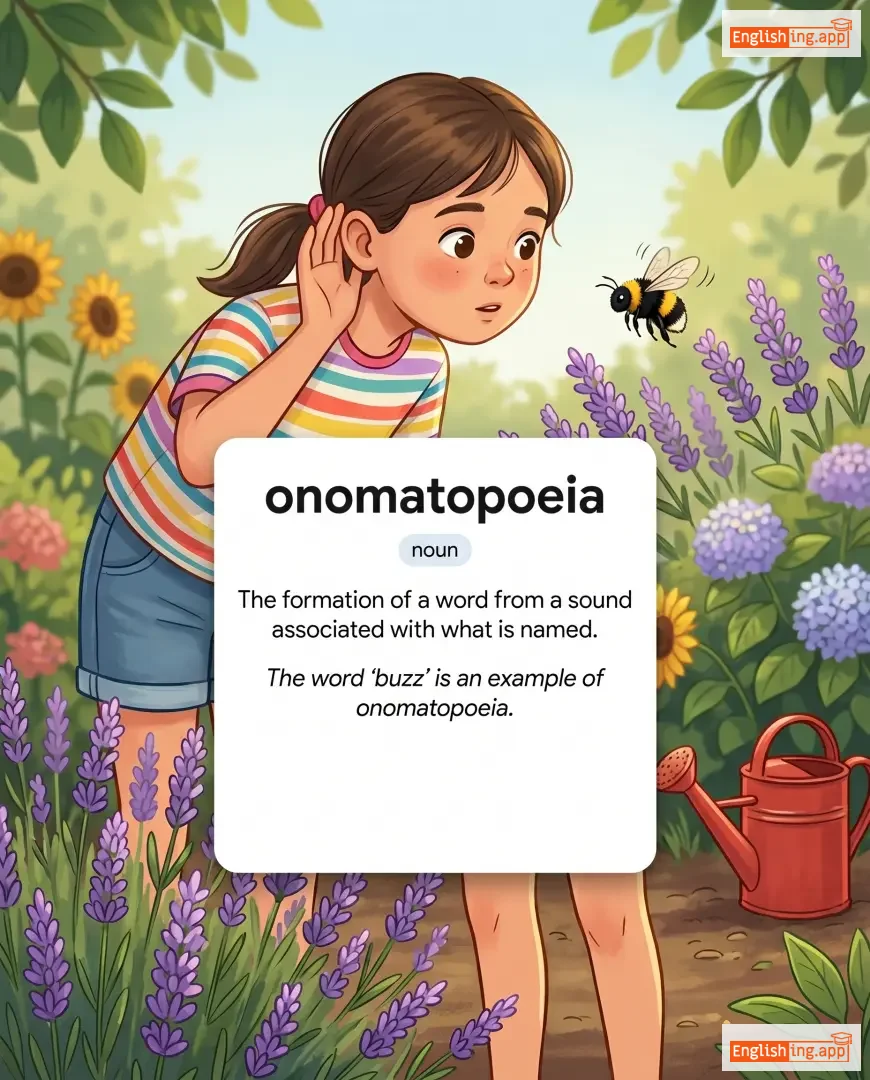
onomatopoeia definition card — visual illustration of the meaning
noun C2
/ˌɒn.əˌmæt.əˈpiː.ə/
オノマトペ (onomatope)

The formation of a word from a sound associated with what is named.

"The word 'buzz' is an example of onomatopoeia."

"'バズ'という言葉はオノマトペの一例です。" ('Bazu' to iu kotoba wa onomatope no ichirei desu.)
noun C2
/ˈɒn.rʌʃ/
突発的な流れ (toppatsuteki na nagare)

A sudden powerful forward or downward rush or flow.

"The onrush of water swept away the bridge."

"水の突発的な流れが橋を流しました。" (Mizu no toppatsuteki na nagare ga hashi o nagashimashita.)
noun C2
/ˌoʊpəˈlɛsəns/
オパレスセンス (oparesensu)

a milky or pearly appearance of a surface like that of an opal

"The pearl had a gentle opalescence under the light."

"パールは光の下で優しいオパレスセンスを持っていました。" (Pāru wa hikari no shita de yasashī oparesensu o motte imashita.)
adjective C2
/ˌoʊpəˈlɛsənt/
オパール色の (opāru iro no)

showing or reflecting a milky, iridescent light like an opal

"The opalescent sky glowed with shades of pink and blue."

"オパレッセントな空はピンクと青の色合いで輝いていた。" (Opāressento na sora wa pinku to ao no iroai de kagayaite ita.)
adjective C2
/ˈoʊ.pən ˈhæn.dɪd/
寛大な; 自由な (kandaina; jiyūna)

Generous; liberal; giving freely;

"He is very open-handed with his money and always helps those in need."

"彼は自分の金に非常に寛大で、いつも困っている人々を助けています。" (Kare wa jibun no kane ni hijō ni kandaina de, itsumo komatte iru hitobito o tasuketeimasu.)
adjective C2
/ˈoʊ.pən ˈhɑrt.ɪd/
オープンハート; 寛大で誠実; 心温かく受け入れる; (o-pun ha-to; kandai de seijitsu; kokoro atatakai ukeireru;)

Kind and generous; sincere and honest; warmly receptive;

"She welcomed the strangers with an open-hearted smile and invited them for dinner."

"彼女は見知らぬ人々を心温かい笑顔で迎え、夕食に招待した。" (Kanojo wa mishiranu hitobito o kokoro atatakai egao de mukae, yuushoku ni shoutai shita.)
noun C2
/ˌɒpəˈrɛtə/
軽いオペラ (karui opera)

a short opera with light and humorous themes

"The theater staged a famous operetta by Gilbert and Sullivan."

"劇場はギルバートとサリヴァンの有名な軽いオペラを上演しました。" (Gekijō wa Girubāto to Sarivan no yūmei na karui opera o jōen shimashita.)
noun C2
/ˈoʊpiət/

a drug containing opium or its derivatives, used to relieve pain or cause sleep

"The doctor prescribed an opiate to relieve the patient's pain."

verb C2
/oʊˈpaɪn/
意見を述べる (iken o noberu)

to express an opinion or belief

"The professor opined that the policy would fail."

"教授はその政策が失敗するだろうと述べました。" (Kyoju wa sono seisaku ga shippai suru darou to nobemashita.)
noun C2
/ˌɑːpərˈtuːnɪzəm/
機会主義 (kikai shugi)

The practice of taking advantage of opportunities regardless of principles or ethics.

"His decision was driven by opportunism, not values."

"彼の決定は、価値観ではなくオポチュニズムに動機づけられていました。" (Kare no kettei wa, kachikan de wa naku opochnizumu ni doukizukerareteimashita.)
adjective C2
/əˈprəʊ.bri.əs/
侮辱的な (bujokuteki na)

Expressing strong criticism or scorn.

"He made opprobrious remarks about his opponent."
"彼は対戦相手に対して侮辱的な発言をしました。" (Kare wa taisen aite ni taishite bujokuteki na hatsugen o shimashita.)
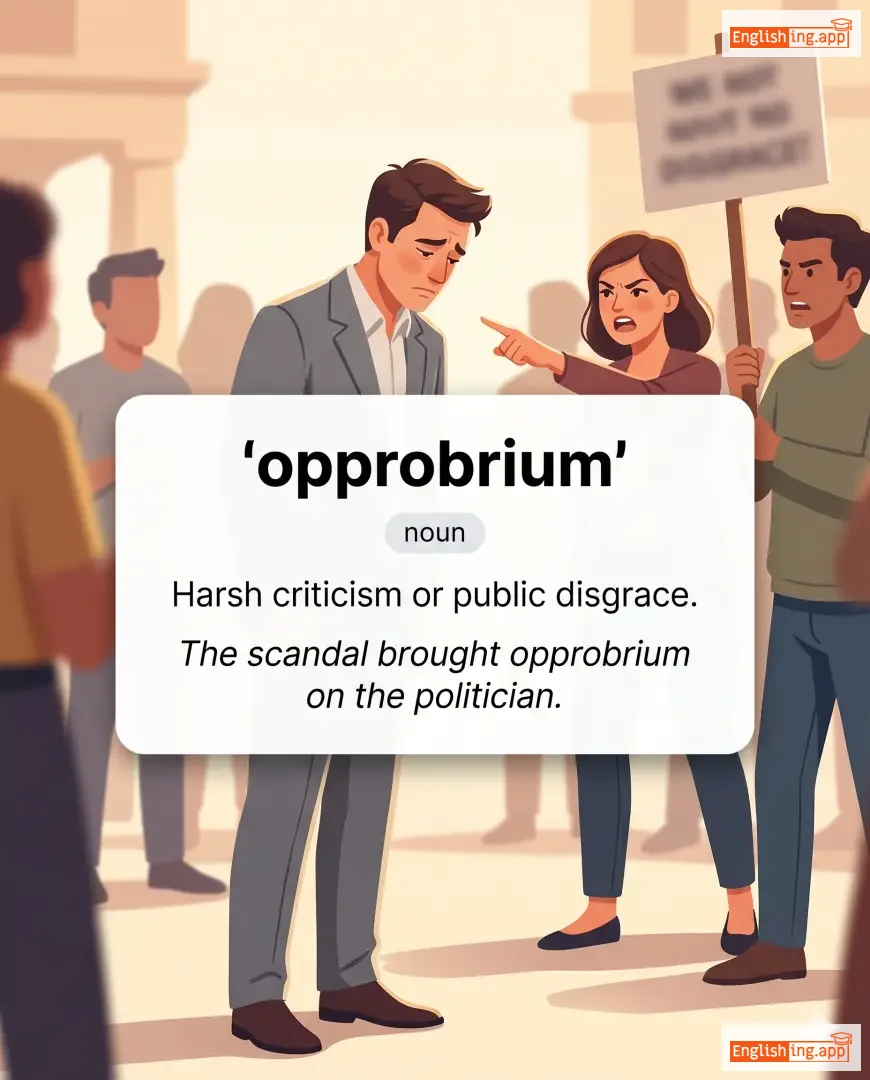
opprobrium definition card — visual illustration of the meaning
noun C2
/əˈprəʊ.bri.əm/
非難, 恥辱 (hinan, chijoku)

Harsh criticism or public disgrace.

"The scandal brought opprobrium on the politician."
"スキャンダルは政治家に非難を浴びせた。" (Sukyandaru wa seijika ni hinan o abiseta.)
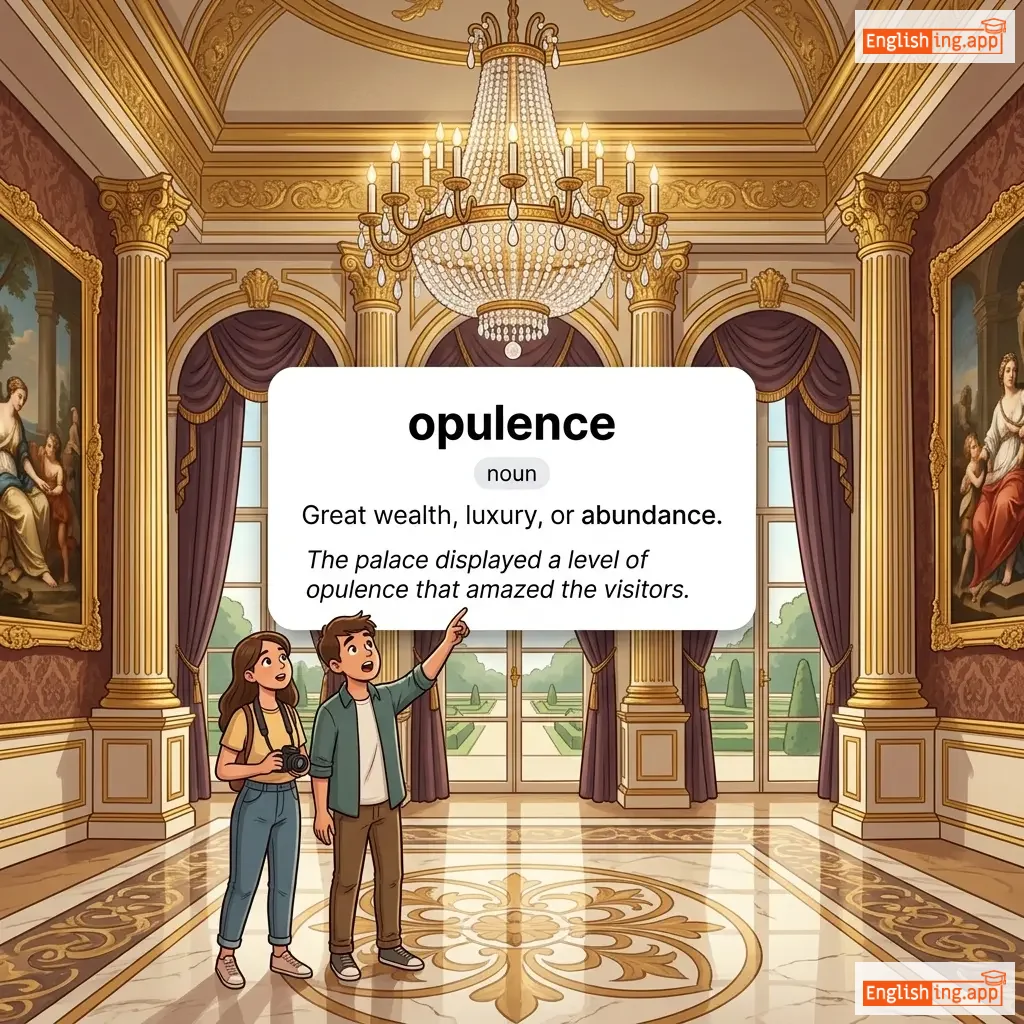
opulence definition card — visual illustration of the meaning
noun C2
/ˈɒpjʊləns/
豪華 (gōka)

Great wealth, luxury, or abundance.

"The palace displayed a level of opulence that amazed the visitors."

"宮殿は、訪問者を驚かせるような豪華さを展示していた。" (Kyūden wa, hōmon-sha o odorokasu yōna gōkasa o tenji shite ita.)
adjective C2
/ˈɒpjʊlənt/
豪華な (gōkana)

Ostentatiously rich, luxurious, or lavish.

"They hosted an opulent wedding with gold decorations."

"彼らは金色の装飾を施した豪華な結婚式を開催しました。" (Karera wa kin'iro no sōshoku o hodokoshita gōkana kekkonshiki o kaisai shimashita.)
noun C2
/ˈəʊpəs/
創作作品 (sousaku sakuhin)

A creative work, especially a large and important piece of music or art.

"The composer considered the symphony his greatest opus."

"作曲家は交響曲を自分の最も偉大な創作作品と見なしていました。" (Sakkyokuka wa kōkyōkyoku o jibun no mottomo idaina sōsaku sakuhin to minashite imashita.)
adjective C2
/əˈrækjələr/
神託のような (shintaku no yōna)

Resembling an oracle; giving wise, mysterious, or prophetic statements

"Her oracular words left the audience deep in thought."
"彼女の神託のような言葉は、観客を深く考えさせた。" (Kanojo no shintaku no yōna kotoba wa, kankyaku o fukaku kangaeseta.)
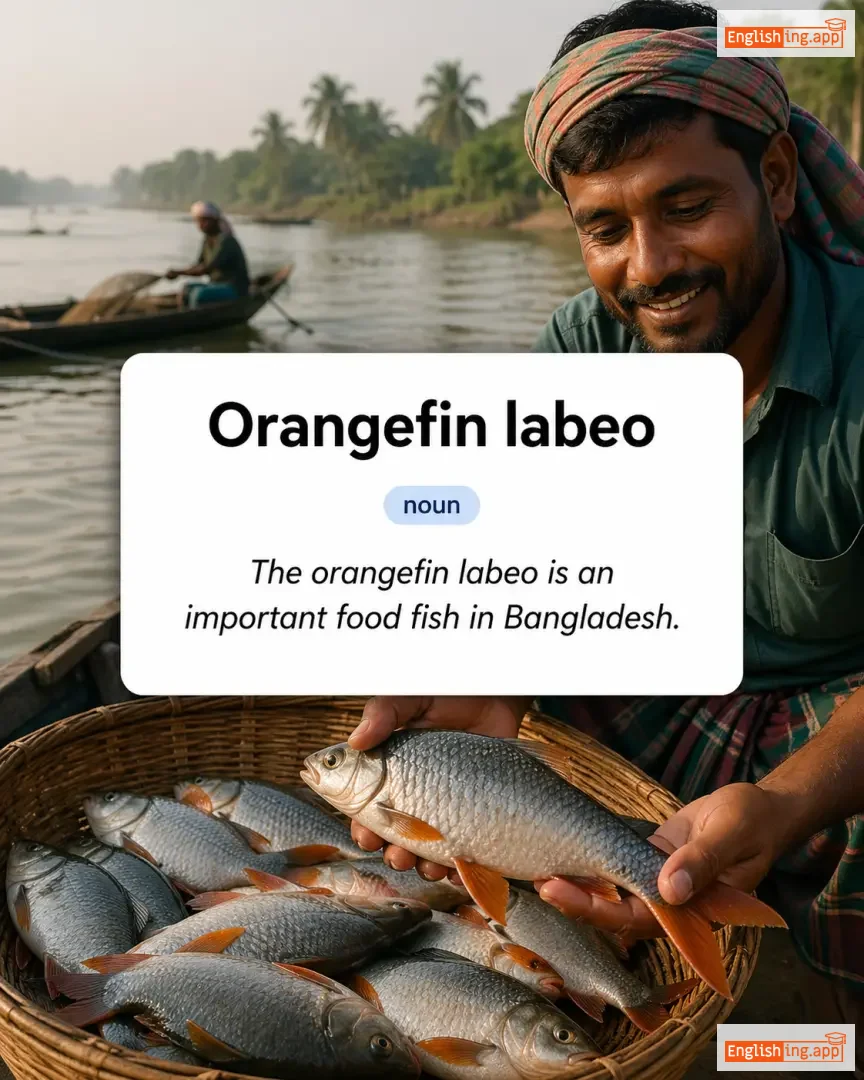
Orangefin labeo definition card — visual illustration of the meaning
noun C2
/ˈɔːrɪndʒfɪn ˈleɪbiːoʊ/
オレンジフィンラベオ (orenjifin rabeo)

a freshwater fish species native to South Asian rivers, commonly found in Bangladesh and India

"The orangefin labeo is an important food fish in Bangladesh."

"オレンジフィンラベオはバングラデシュで重要な食用魚です。" (orenjifin rabeo wa banguradeshu de juuyou na shokuyou gyo desu)
verb C2
/ˈɔːreɪt/
演説する (enzetsu suru)

To speak in a formal, often pompous manner

"He began to orate at the ceremony."

"彼は式で演説を始めました。" (Kare wa shiki de enzetsu o hajimemashita.)
noun C2
/ɔːˈreɪʃən/
演説 (enzetsu)

A formal speech, especially one given on a ceremonial occasion

"The president delivered an inspiring oration."

"大統領は感動的な演説を行いました。" (Daitōryō wa kandōteki na enzetsu o okonawashita.)
noun C2
/ˌɔːrəˈtɔːri.oʊ/
宗教音楽作品 (shūkyō ongaku sakuhin)

A large-scale musical composition for orchestra, choir, and soloists, usually on a sacred theme, performed without costumes or scenery.

"Handel's 'Messiah' is one of the most famous oratorios ever written."

"ヘンデルの『メサイア』は最も有名なオラトリオの1つです。" (Henderu no 'Mesaiya' wa mottomo yūmei na oratorio no 1tsu desu.)
noun C2
/ˌɔːrdɪˈneɪʃən/
任命式 (ninmeishiki)

The ceremony of conferring holy orders or official religious authority.

"The church held a special service for the ordination of new priests."

"教会は新しい神父の任命のために特別なサービスを行いました。" (Kyōkai wa atarashī shinpu no ninmei no tame ni tokubetsu na sābisu o okonaimashita.)
noun C2
/ˈɔːrdnəns/
軍需品 (gunjuhin)

Military supplies including weapons, ammunition, and combat equipment.

"The army stored ordnance in a secure facility outside the city."

"軍隊は都市外の安全な施設に軍需品を保管していた。" (Guntai wa toshigai no anzen na shisetsu ni gunjuhin o hokan shite ita.)
noun (plural) C2
/ˈɔːrdʒiːz/
オルギー (orugī)

Wild gatherings involving excessive indulgence in food, drink, or sexual activity.

"The ancient Romans were infamous for their lavish feasts and orgies."

"古代ローマ人は豪華な宴会とオルギーで悪名高かった。" (Kodai Rōmajin wa gōka na enkai to orugī de akumei takakatta.)
noun C2
/ˈɔːrdʒi/
乱行 (rangkō)

A wild party involving excessive indulgence, especially of a sexual nature.

"The novel described a scandalous orgy in a wealthy mansion."

"その小説は、裕福な邸宅でのスキャンダラスな乱行を描いています。" (Sono shōsetsu wa, yūfukuna teitaku de no sukyandarasuna rankō o egaiteimasu.)
noun C2
/ˈɔː.rɪ.fɪs/
(kou)

an opening or hole, especially in the body or a device

"The medicine was applied through a small orifice in the device."

"薬は装置の小さな孔から適用されました。" (Kusuri wa souchi no chiisana kou kara tekiyou saremashita.)
noun C2
/ˈɒrɪz(ə)n/
祈り (inori)

a prayer, especially a devout or formal one

"He whispered a quiet orison before going to sleep."

"寝る前に静かな祈りをささやいた。" (Neru mae ni shizukana inori wo sasayaita.)
adjective C2
/ˈɔːrnəri/
気難しい (kimuzukashī)

bad-tempered and combative; stubborn

"The ornery old man refused to leave his chair."

"その気難しい老人は椅子を離れようとしませんでした。" (Sono kimuzukashī rōjin wa isu o hanareyō to shimasen deshita.)
noun C2
/ˌɔːrnɪˈθɒlədʒɪst/
鳥類学者 (chōruigakusha)

a scientist who studies birds

"The ornithologist spent years studying migratory birds."

"そのオルニソロジストは渡り鳥を研究するために何年も費やしました。" (Sono orunisorojisuto wa wataridori o kenkyū suru tame ni nannen mo費やしました。)
noun C2
/ˌɔːrnɪˈθɑːlədʒi/
鳥類学 (chōruigaku)

the scientific study of birds

"She pursued ornithology to understand the migration patterns of birds."

"彼女は鳥の移動パターンを理解するためにオルニソロジーを追求しました。" (Kanojo wa tori no idō pātern o rikai suru tame ni orunisorojī o tsuikyū shimashita.)
adjective C2
/ˈɔːrəˌtʌnd/
豊かで明確な声 (yutaka de meikaku na koe)

full, rich, and clear in sound; pompous in style

"The actor's orotund voice filled the theater."

"俳優の豊かな声が劇場に響き渡った。" (Haiyū no yutaka na koe ga gekijō ni hibiki watatta.)
adjective C2
/ɔːrˈθɑːɡənl/
直交 (chokkō)

at right angles; independent or unrelated

"In mathematics, two vectors are orthogonal if their dot product is zero."

"数学では、2つのベクトルが直交している場合、そのドット積はゼロです。" (Sūgaku de wa, futatsu no bekutoru ga chokkō shite iru baai, sono dotto seki wa zero desu.)
noun C2
/ɔːrˈθɑːɡrəfi/
正書法 (seishohou)

The conventional spelling system of a language.

"English orthography can be confusing for learners."

"英語の正書法は学習者にとって混乱を招くことがあります。" (Eigo no seishohou wa gakushū-sha ni totte konran o maneku koto ga arimasu.)
verb C2
/ˈɑːskjʊleɪt/
キスする (kisu suru)

To kiss.

"They osculated under the mistletoe during the party."

"彼らはパーティーの時にヤドリギの下でキスをしました。" (Karera wa pātī no toki ni yadorigi no shita de kisu o shimashita.)
adjective C2
/ˈɒsiəs/
骨のような (hone no you na)

consisting of or turned into bone; bony

"The fossil showed osseous structures of the ancient creature."

"化石は古代の生物の骨のような構造を示しました。" (Kaseki wa kodai no seibutsu no hone no you na kouzou wo shimeshimashita.)
adjective C2
/ˈɑːsɪˌfaɪd/
骨に変わった、硬直した (hone ni kawatta, kōchoku shita)

Turned into bone or become rigid; unwilling to change.

"The company had an ossified management structure that resisted innovation."

"その会社は、革新に抵抗する硬直した管理構造を持っていました。" (Sono kaisha wa, kakushin ni teikō suru kōchoku shita kanri kōzō o motte imashita.)
verb C2
/ˈɒsɪfaɪ/
骨化する (kotsuka suru)

to turn into bone or become rigid and inflexible

"With age, some tissues tend to ossify."

"年を重ねると、一部の組織が骨化する傾向があります。" (Toshi o kasaneru to, ichibu no soshiki ga kotsuka suru keiko ga arimasu.)
adjective C2
/ɒˈstɛnsɪv/
明示的 (meishiteki)

clearly demonstrative or pointing out; explicitly shown

"The teacher gave an ostensive example to clarify the concept."

"先生はその概念を明確にするために、明示的な例を示しました。" (Sensei wa sono gainen o meikaku ni suru tame ni, meishiteki na rei o shimeshimashita.)
noun C2
/ˌɒstɛnˈteɪʃən/
見せびらかし (misebirakashi)

excessive display of wealth or knowledge intended to attract admiration or envy

"The billionaire’s party was full of ostentation and luxury."

"億万長者のパーティーは、見せびらかしと贅沢で満ちていた。" (Okumanchouja no paatii wa, misebirakashi to zeitaku de michite ita.)
verb C2
/ˌaʊtməˈnuːvər/
巧妙に出し抜く (kōmyō ni dashinuku)

to gain an advantage over an opponent by skillful or clever action

"The smaller company managed to outmaneuver its larger rival."

"小さな会社は大きな競争相手を巧妙に出し抜くことに成功した。" (Chīsana kaisha wa ōkina kyōsō aite o kōmyō ni dashinuku koto ni seikō shita.)
verb C2
/aʊtˈraɪd/
追い越す (oikosu)

to ride faster, farther, or better than someone else

"The young rider managed to outride his competitors in the race."

"若いライダーはレースで競技者たちを追い越しました。" (Wakai raidaa wa reesu de kyoushijatachi o oikoshimashita.)
noun C2
/ˈaʊtˌrɪɡər/
安定構造 (antei kōzō)

a projecting structure on a boat, used for stability, or a boat fitted with such support

"The fisherman paddled his outrigger canoe across the lagoon."

"漁師はアウトリガー付きのカヌーをラグーンを越えて漕ぎました。" (Ryōshi wa autrigā tsuki no kanū o ragūn o koete kogimashita.)
verb C2
/ˌoʊvərˈliːp/
飛び越える (tobikoeru)

To jump over something; to omit or disregard something.

"He managed to overleap the fence easily."

"彼は簡単にフェンスを飛び越えました。" (Kare wa kantan ni fensu o tobi koemashita.)