World's Most Polluted Country Bangladesh
汚染は公衆衛生に深刻な adverse impact を与え、世界中で devastating consequences を引き起こしています。最大の影響は大気汚染から emerges し、これは汚染関連の死亡の主な原因です。大気汚染は極めて hazardous であり、毎年約 650 万人の早死を triggers します。これには toxic gases、空気中の微粒子、屋内燃焼の煙が含まれます。水質汚染は 2 番目に大きな risk factor で、180 万人の死亡を引き起こします。職場での汚染も重要な課題で、80 万人の命を claims しています。汚染は貧しい、そして急速に developing regions に最も大きな影響を与えます。それは環境だけでなく、経済発展にも大きな障害を creates します。専門家によると、innovative strategies、sustainable practices、および国際的な collaboration がこの汚染危機を解決するために非常に重要です。汚染管理の適切な implementation の欠如が、この問題をさらに複雑にしています。
バングラデシュは世界で最も汚染関連の死亡者数が多い国です。
|
絵文字
|
単語 | Images | 意味 | 例文 | 同義語 | 対義語 |
|---|---|---|---|---|---|---|
|
#109
⚠️
|
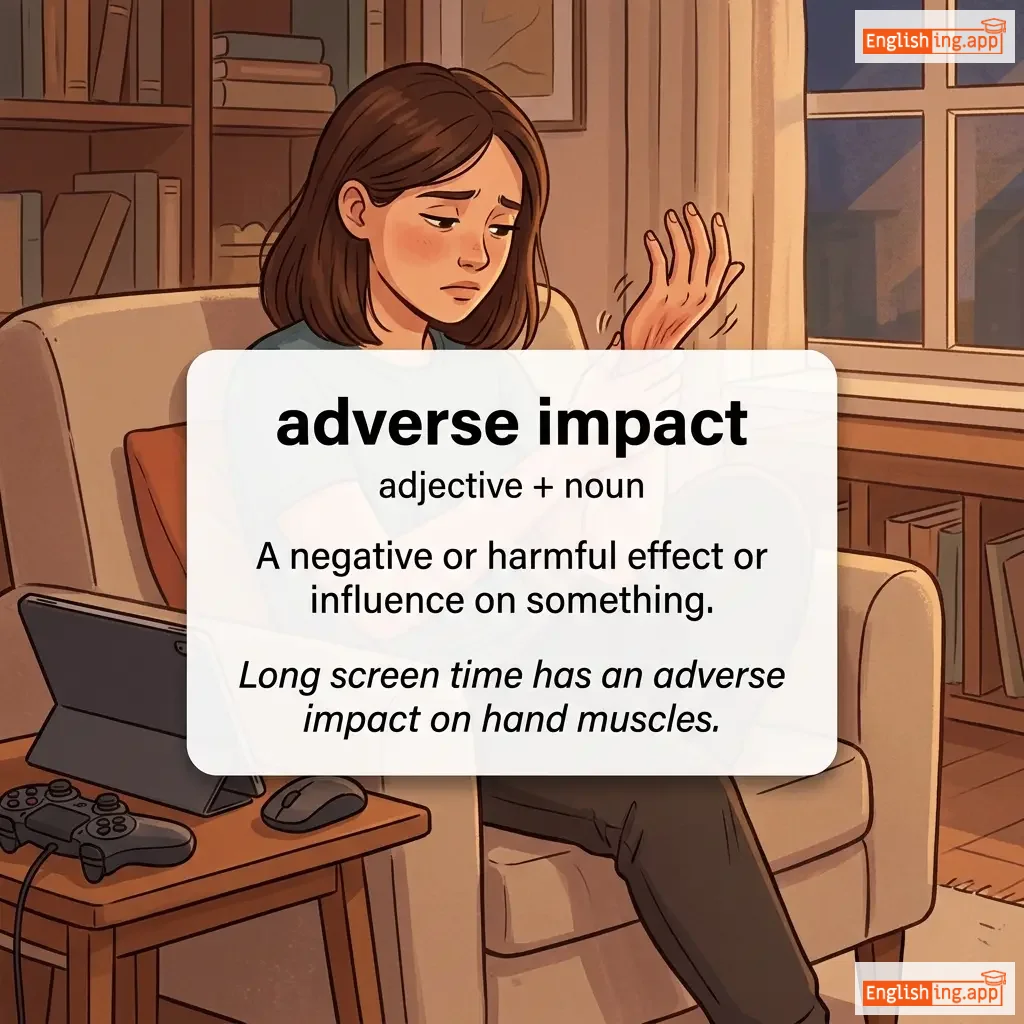
ˈædvɜːs ˈɪmpækt
noun
••••••
|
|
A negative or harmful effect or consequence
••••••
|
Pollution has an adverse impact on public health. |
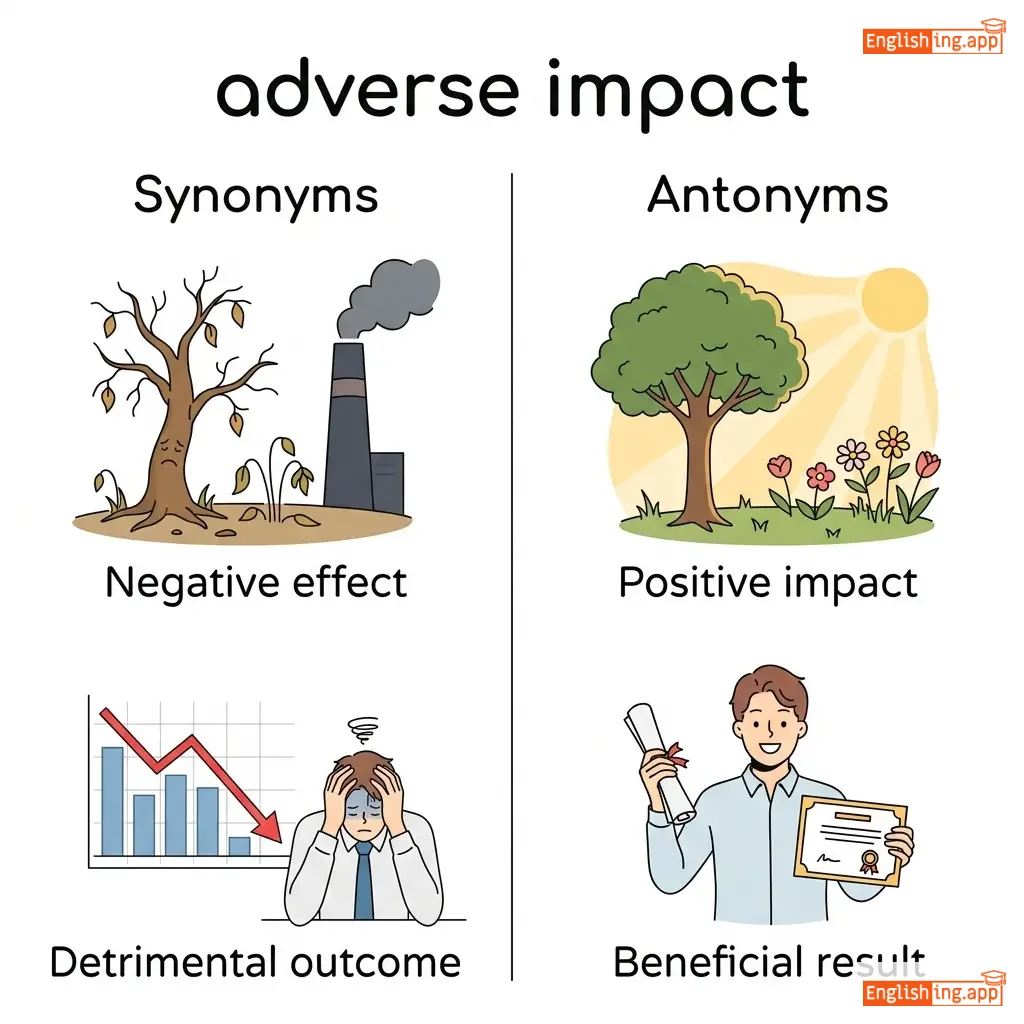
negative effect, harmful consequence
••••••
|
positive impact, beneficial
••••••
|
|
#110
💥
|
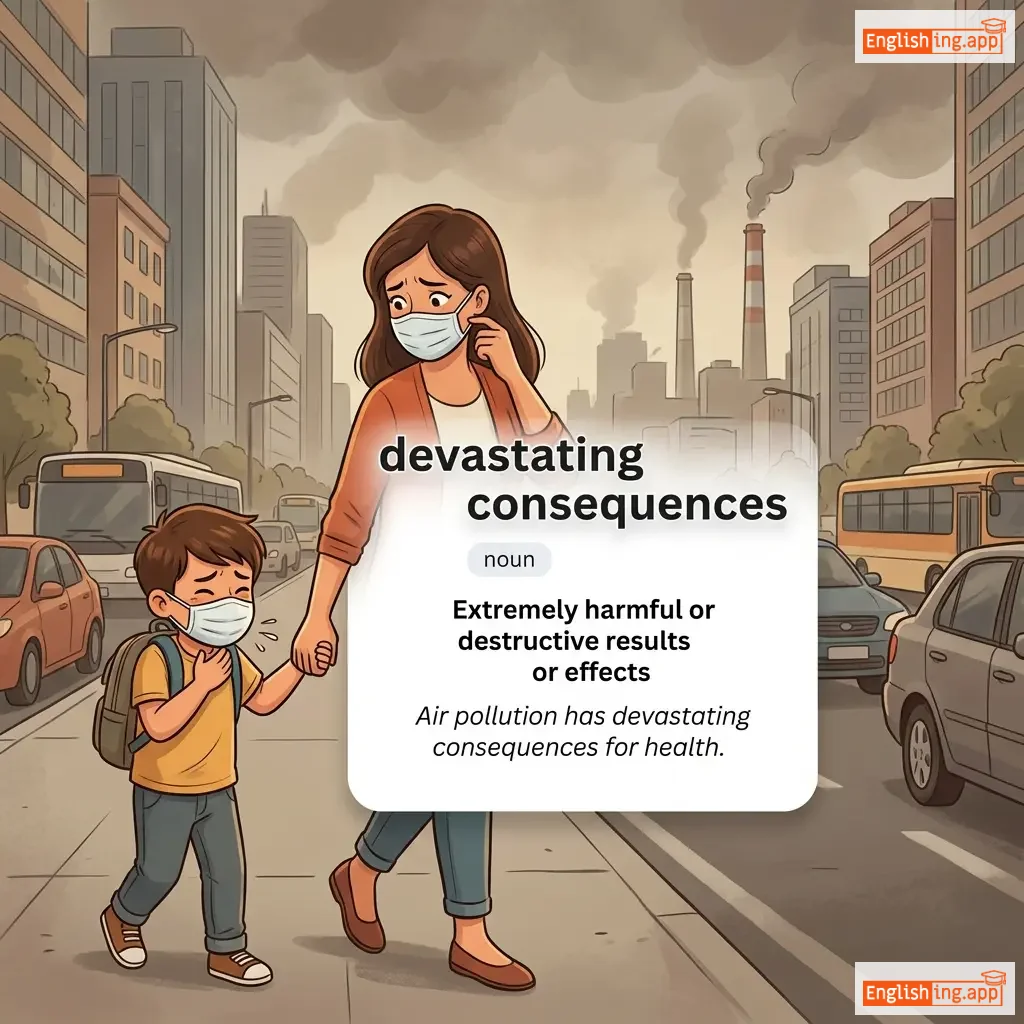
ˈdevəsteɪtɪŋ ˈkɒnsɪkwənsɪz
noun
••••••
|
|
Extremely harmful or destructive results or effects
••••••
|
Air pollution has devastating consequences for health. |
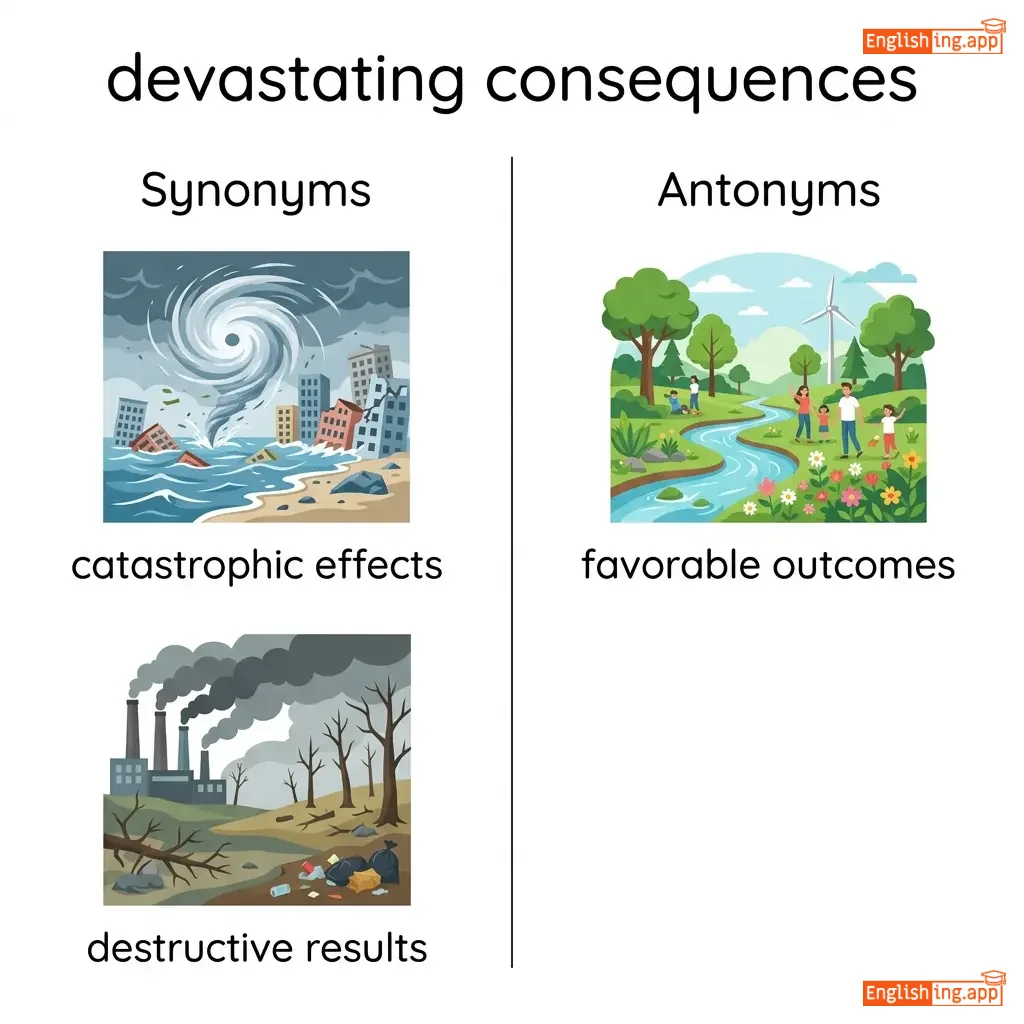
catastrophic effects, destructive results
••••••
|
favorable outcomes
••••••
|
|
#111
🌅
|
ɪˈmɜːdʒɪz
verb
••••••
|
|
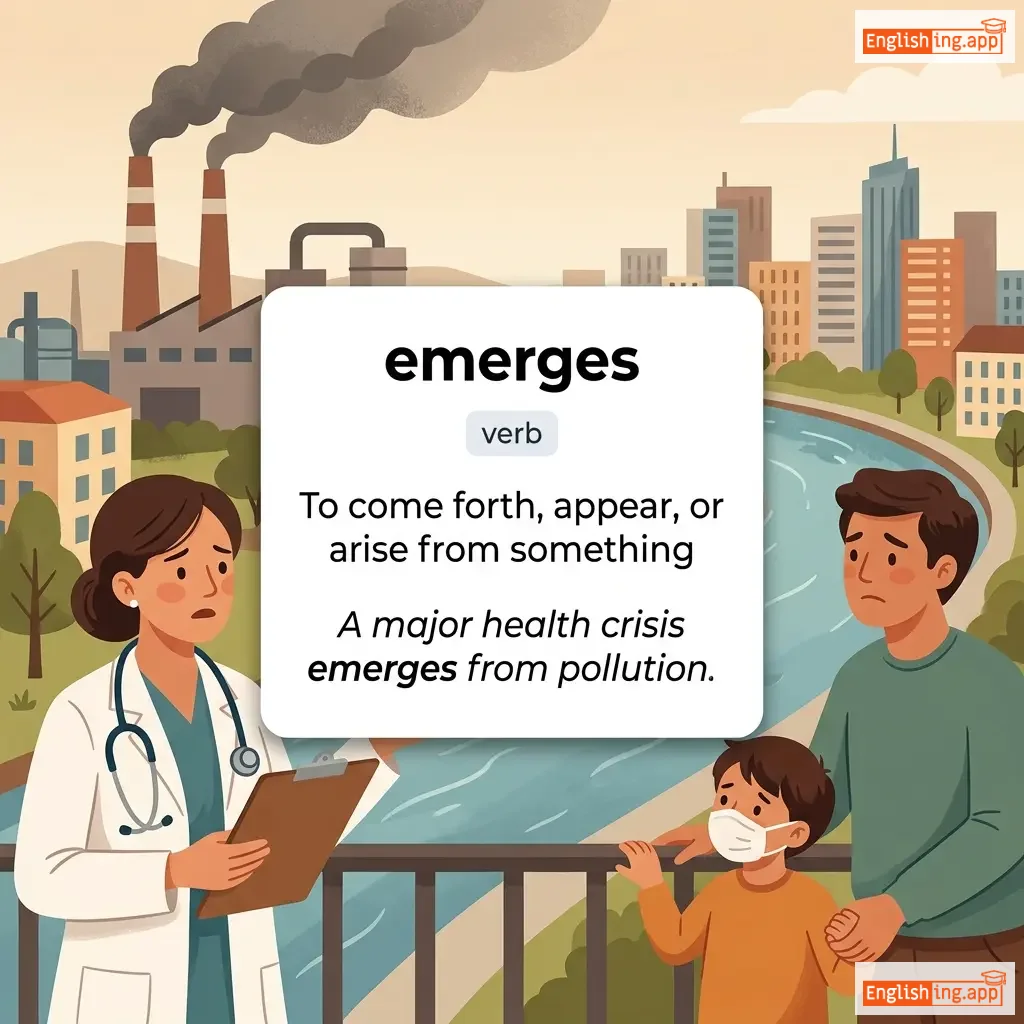
To come forth, appear, or arise from something
••••••
|
A major health crisis emerges from pollution. |
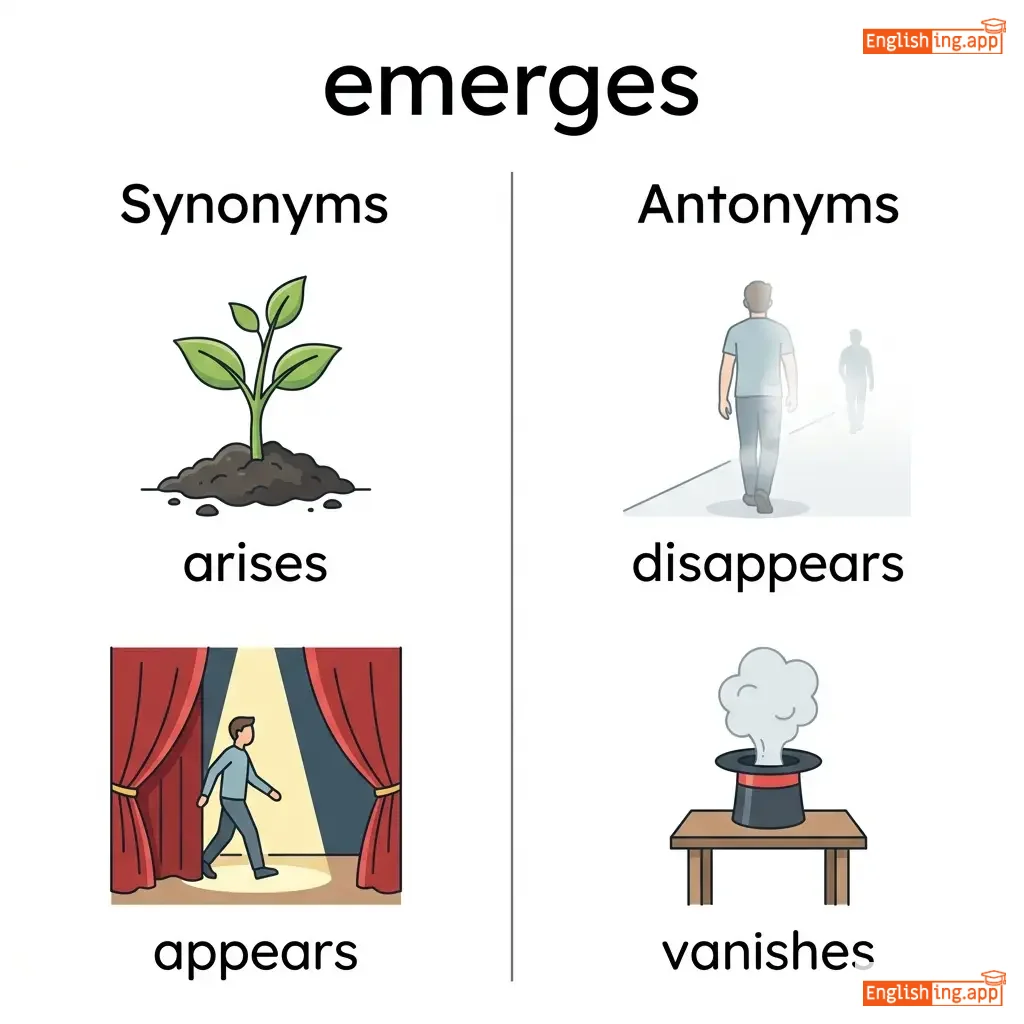
arises, appears
••••••
|
disappears, vanishes
••••••
|
|
#112
☢️
|
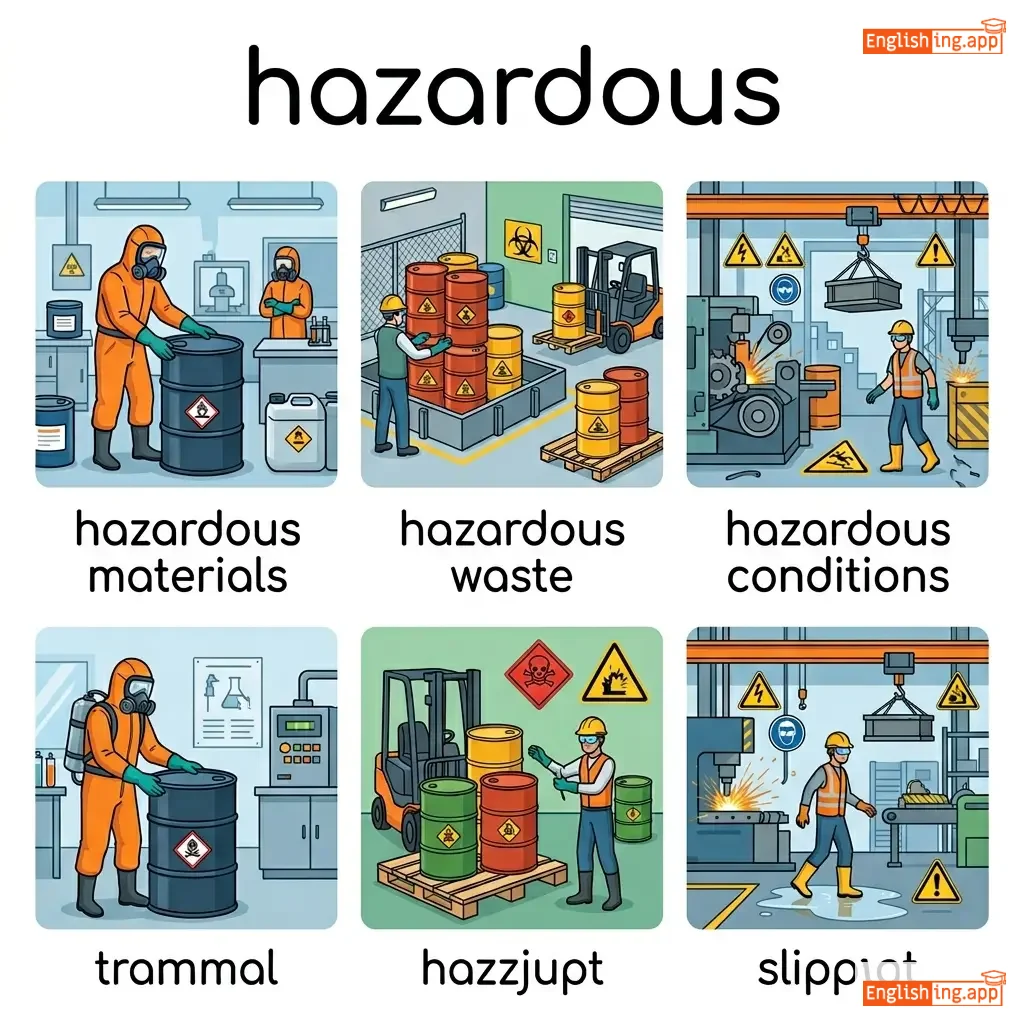
ˈhæzədəs
adjective
••••••
|
|
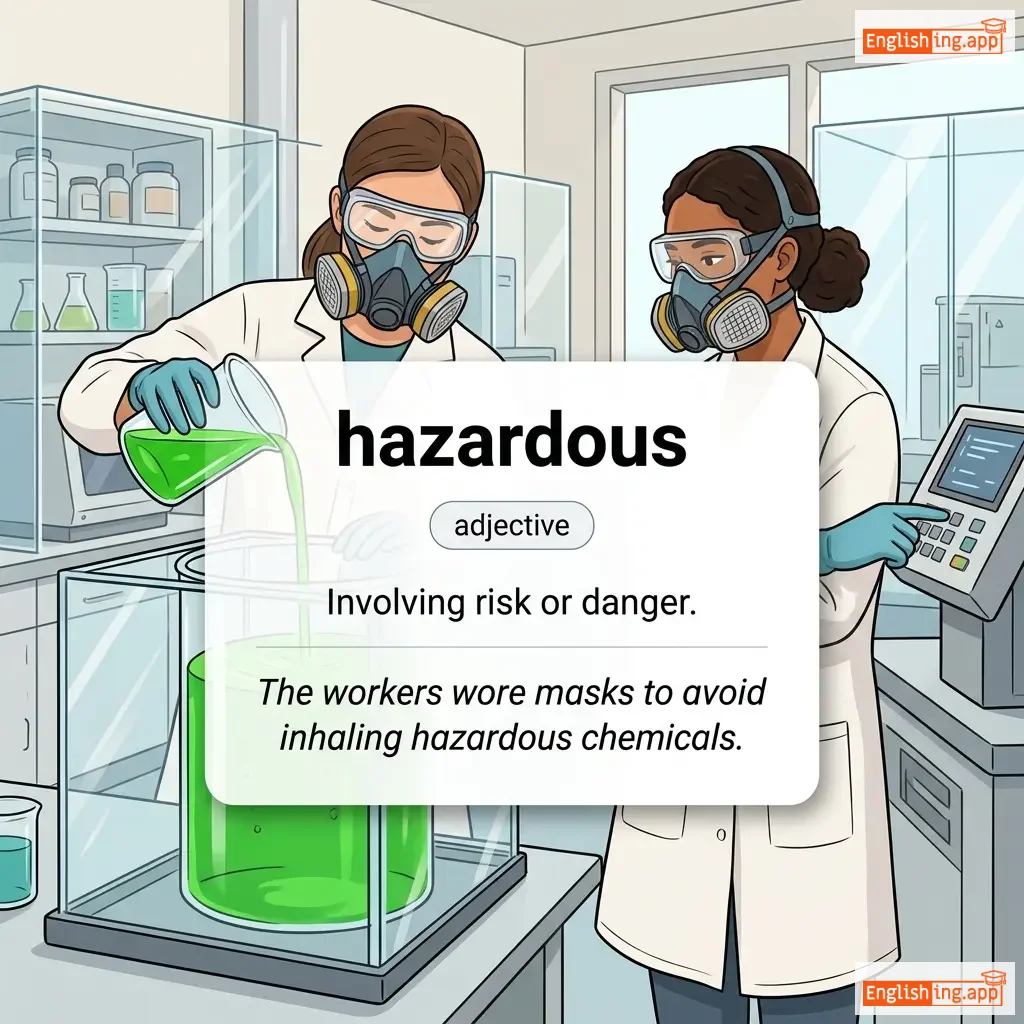
Dangerous, risky, or potentially harmful
••••••
|
Hazardous pollutants increase health risks. |
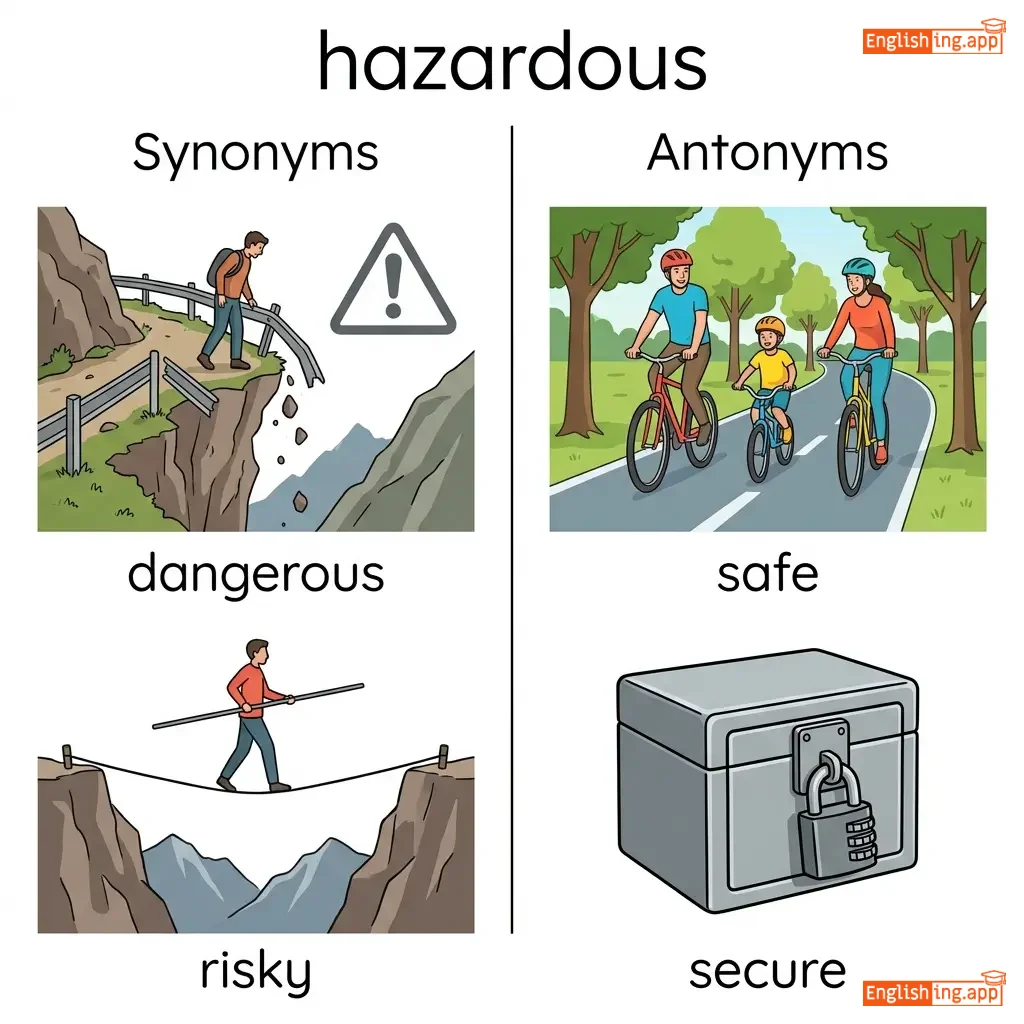
risky, perilous
••••••
|
safe, secure
••••••
|
|
#113
🔫
|
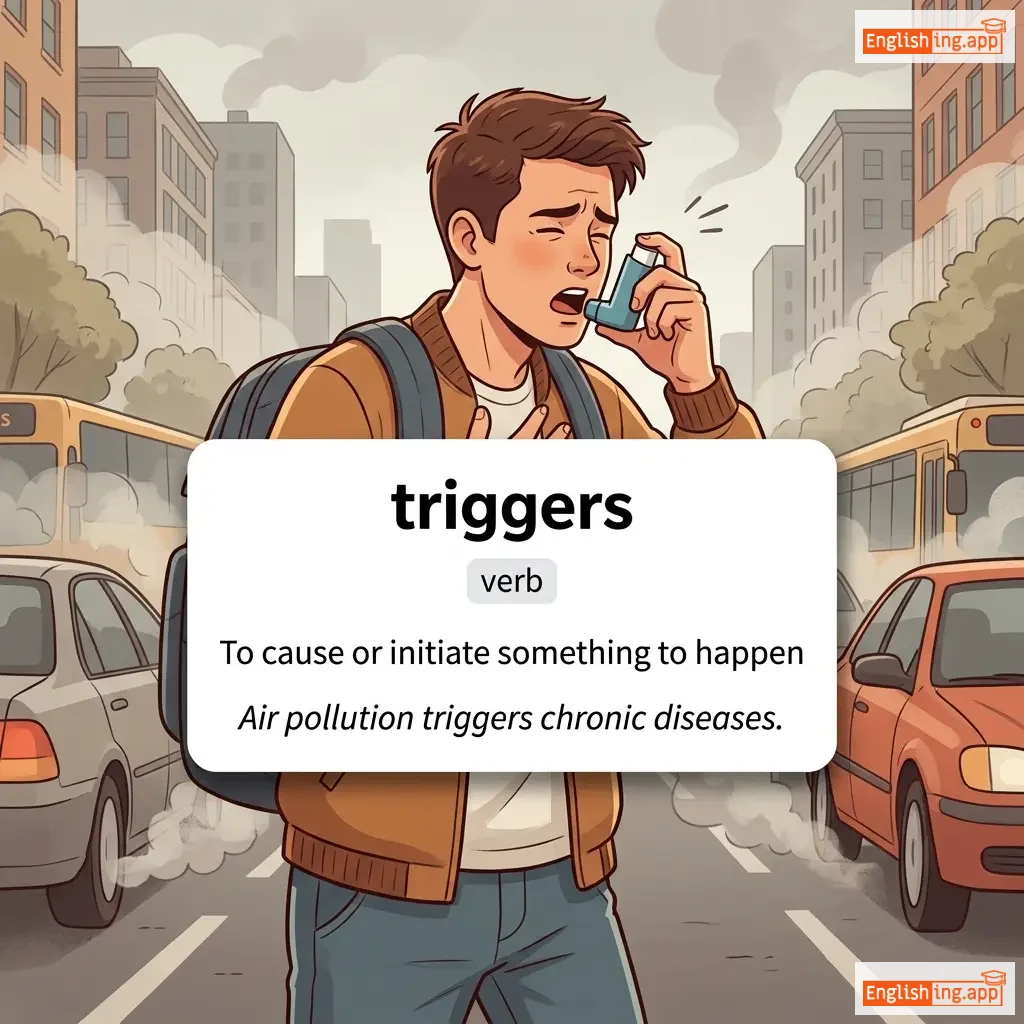
ˈtrɪɡərz
verb
••••••
|
|
To cause or initiate something to happen
••••••
|
Air pollution triggers chronic diseases. |
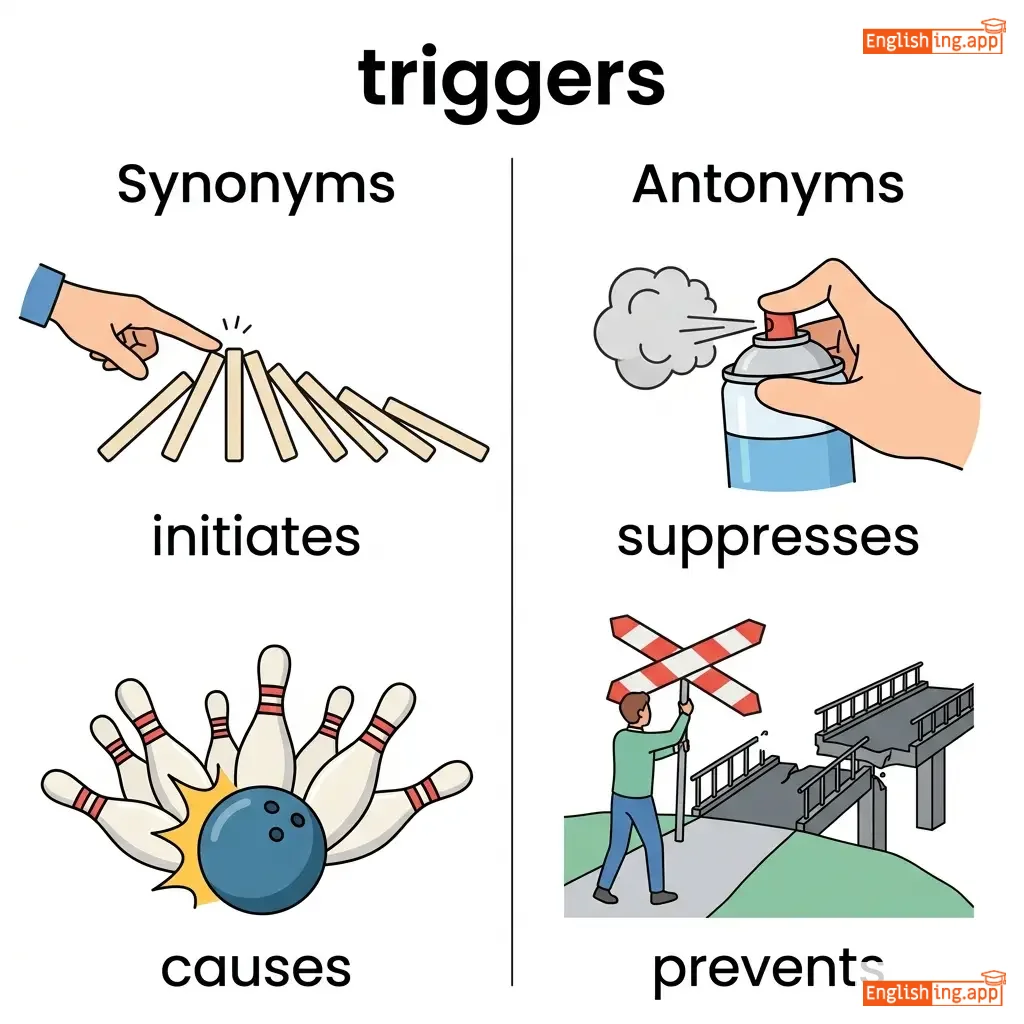
initiates, causes
••••••
|
suppresses, prevents
••••••
|
|
#114
☠️
|
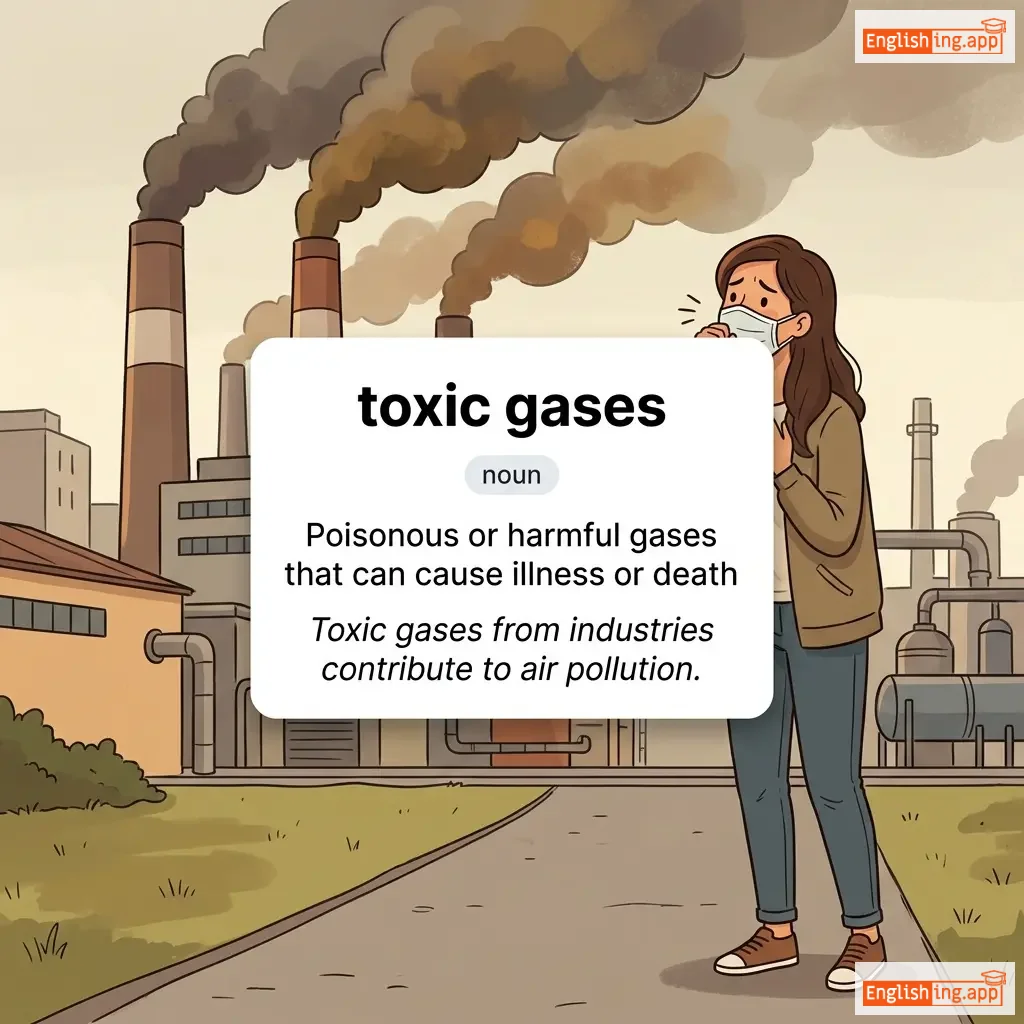
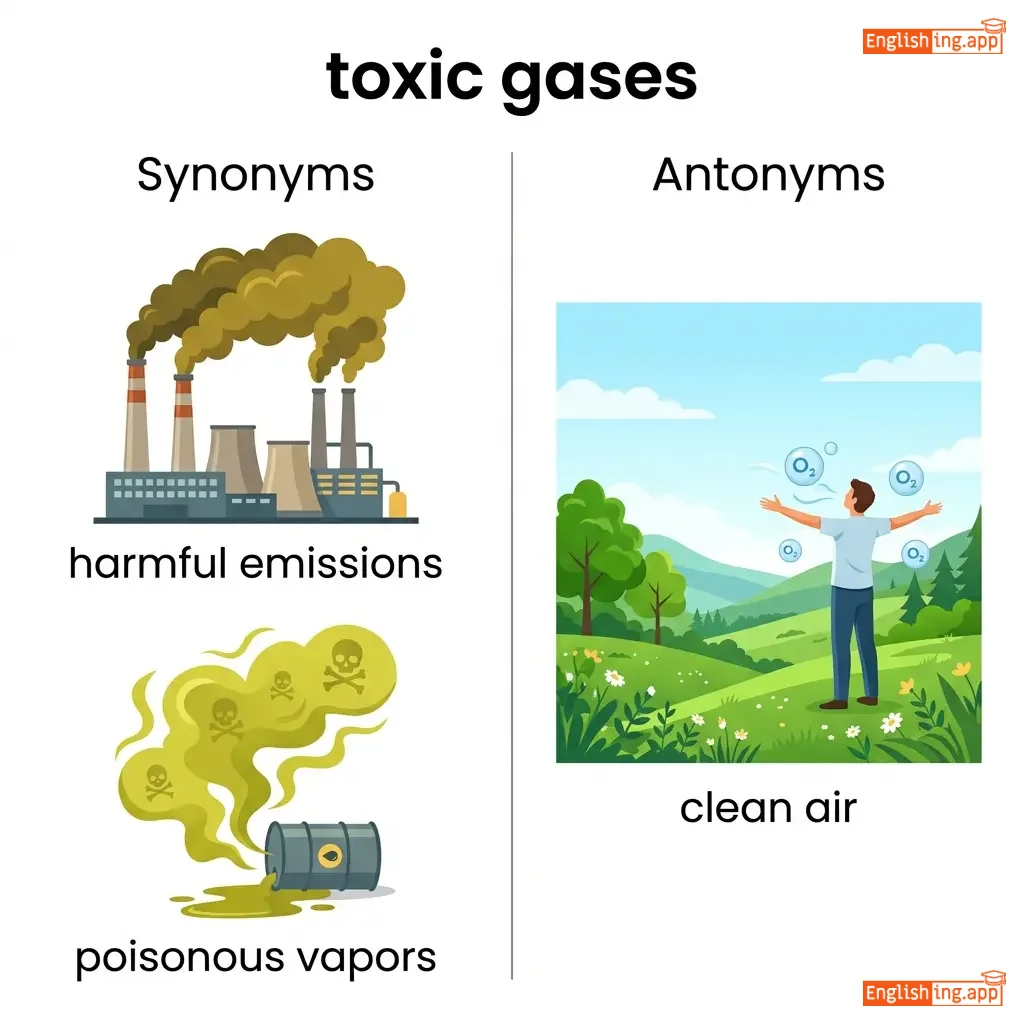
ˈtɒksɪk ˈɡæsɪz
noun
••••••
|
|
Poisonous or harmful gases that can cause illness or death
••••••
|
Toxic gases from industries contribute to air pollution. |
harmful emissions, poisonous vapors
••••••
|
clean air
••••••
|
|
#115
⚡
|
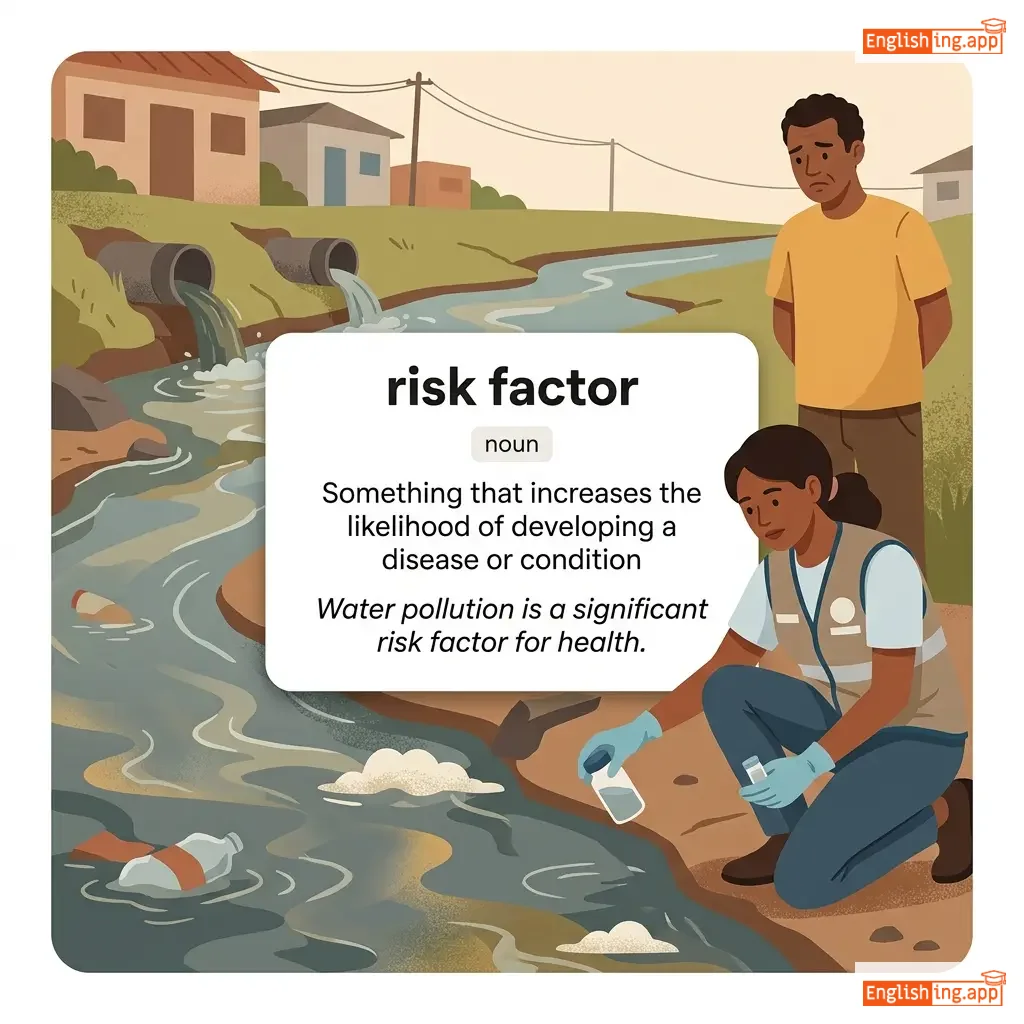
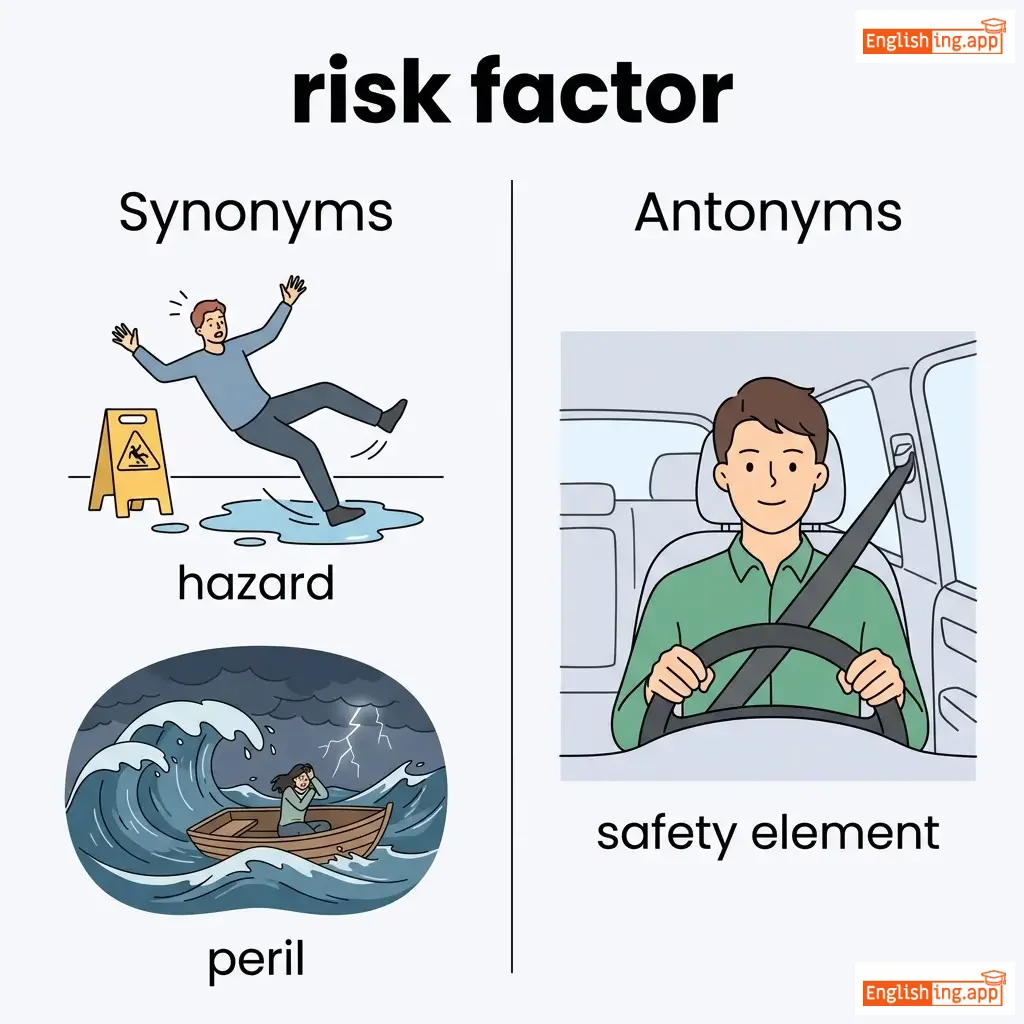
rɪsk ˈfæktər
noun
••••••
|
|
Something that increases the likelihood of developing a disease or condition
••••••
|
Water pollution is a significant risk factor for health. |
hazard, peril
••••••
|
safety element
••••••
|
|
#116
⚰️
|
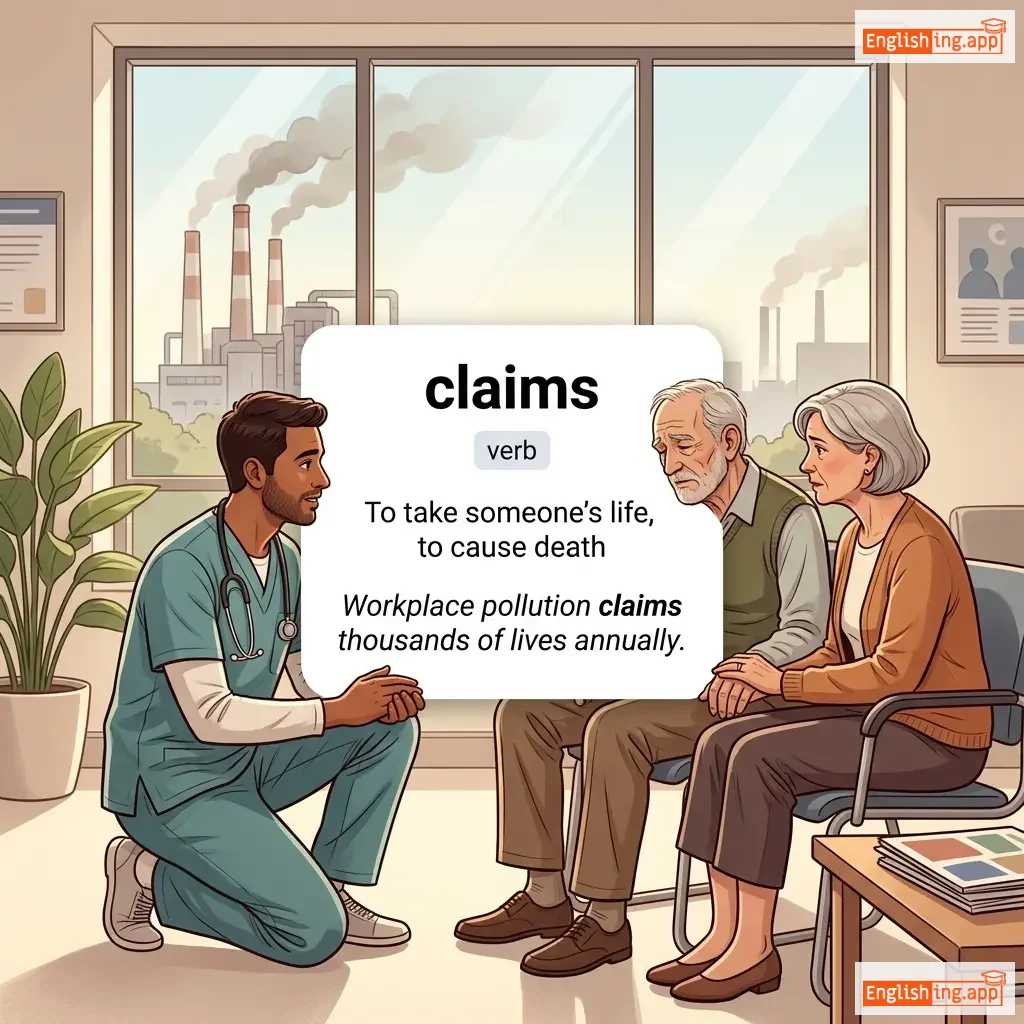
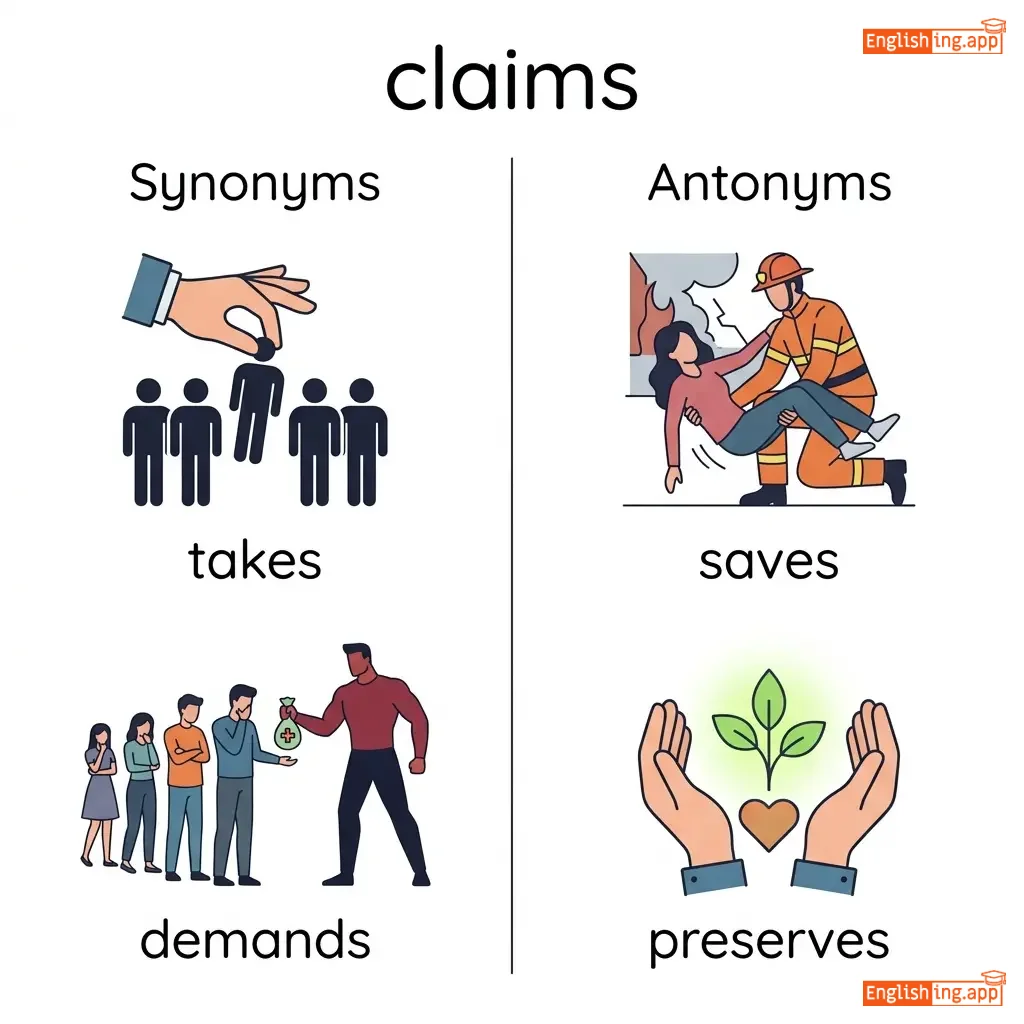
kleɪmz
verb
••••••
|
|
To take someone's life, to cause death
••••••
|
Workplace pollution claims thousands of lives annually. |
takes, demands
••••••
|
saves, preserves
••••••
|
|
#117
🌍
|
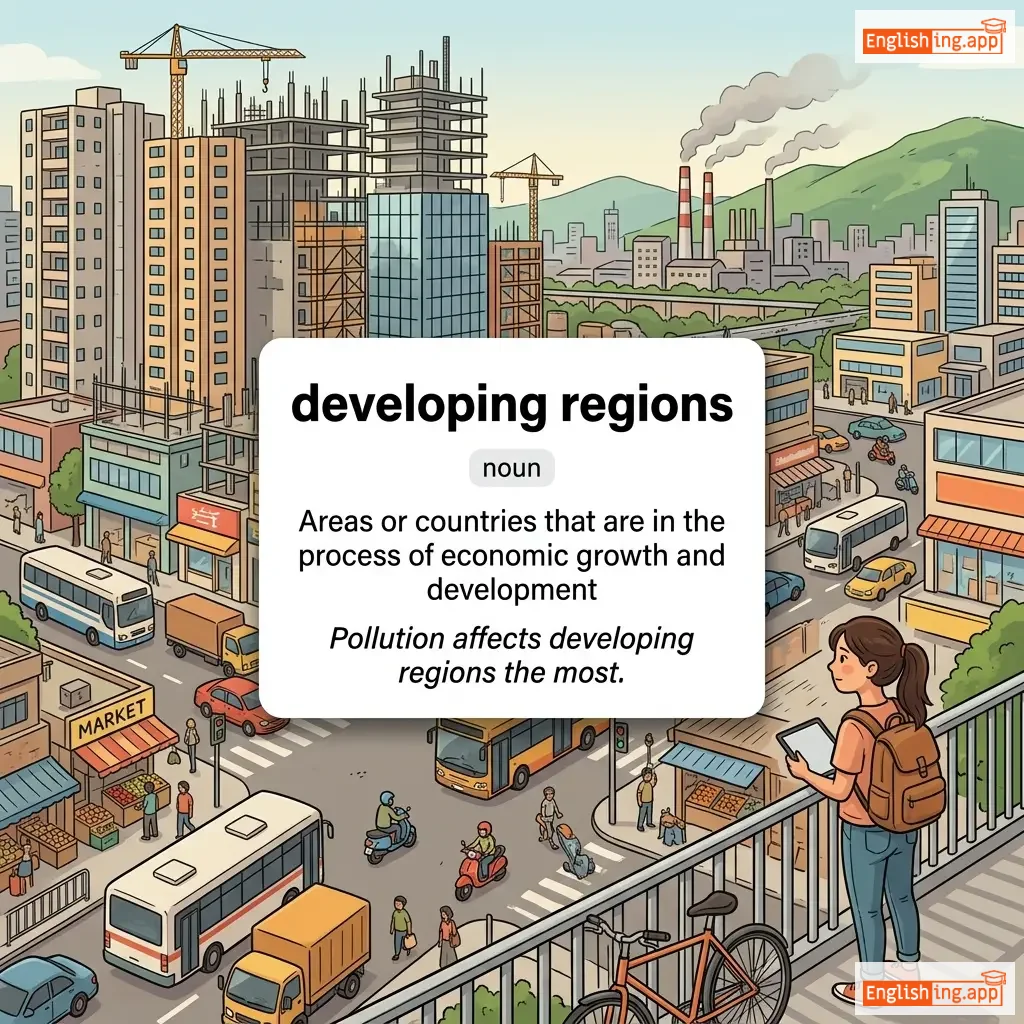
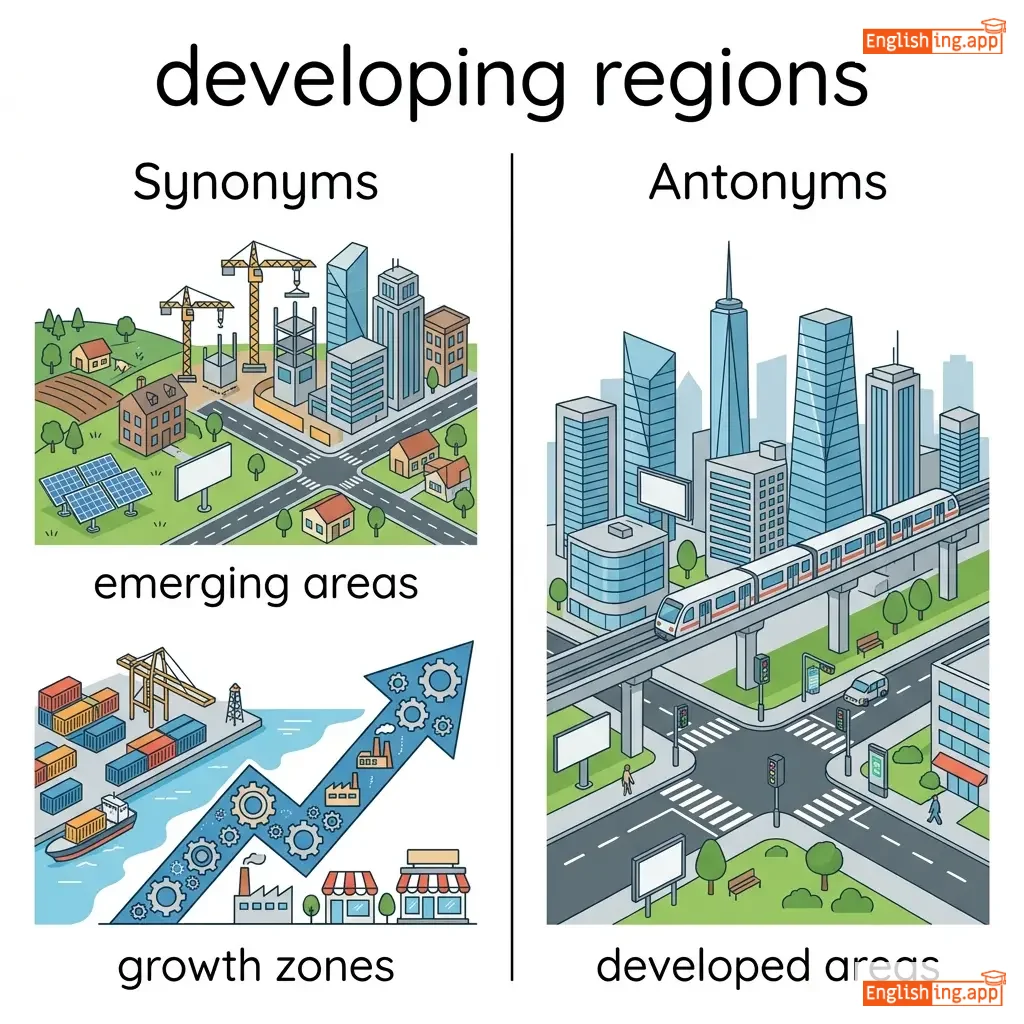
dɪˈveləpɪŋ ˈriːdʒənz
noun
••••••
|
|
Areas or countries that are in the process of economic growth and development
••••••
|
Pollution affects developing regions the most. |
emerging areas, growth zones
••••••
|
developed areas
••••••
|
|
#118
🔨
|
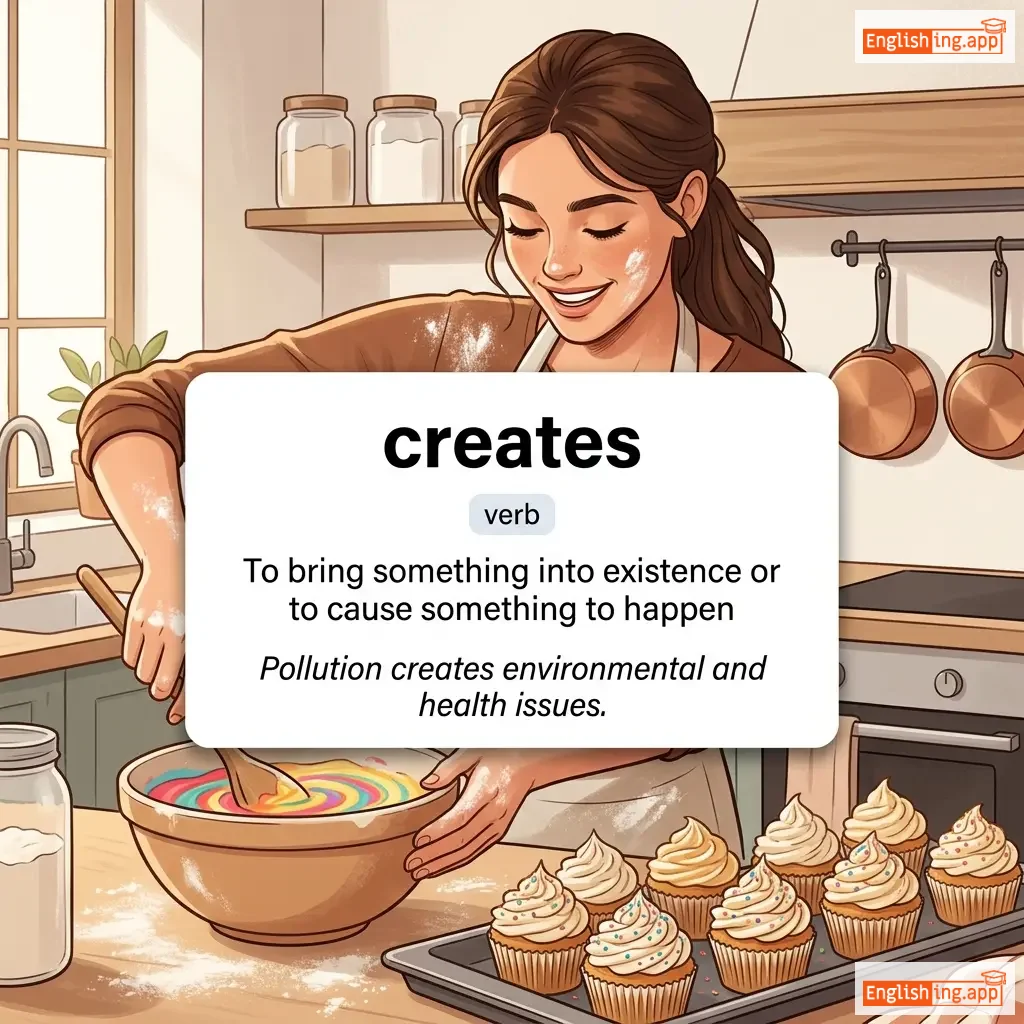
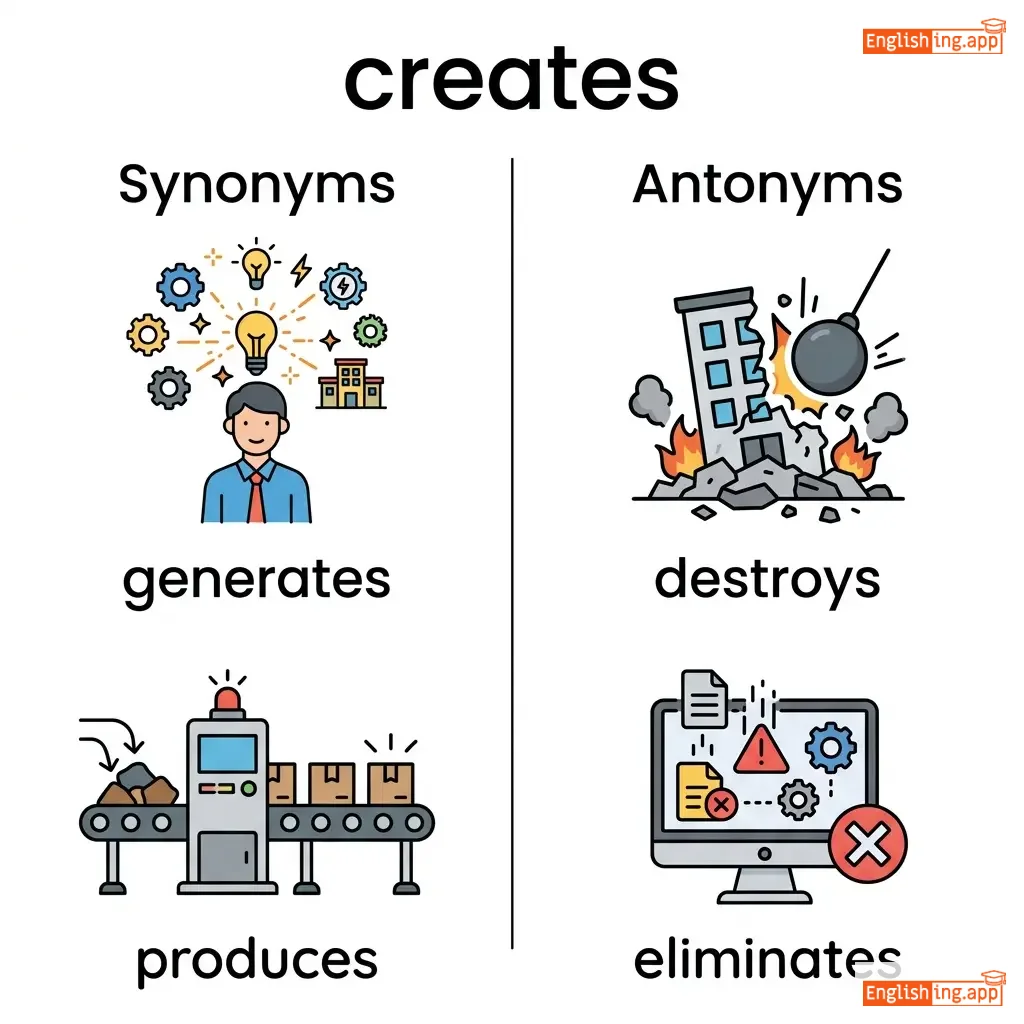
kriˈeɪts
verb
••••••
|
|
To bring something into existence or to cause something to happen
••••••
|
Pollution creates environmental and health issues. |
generates, produces
••••••
|
destroys, eliminates
••••••
|
|
#119
💡
|
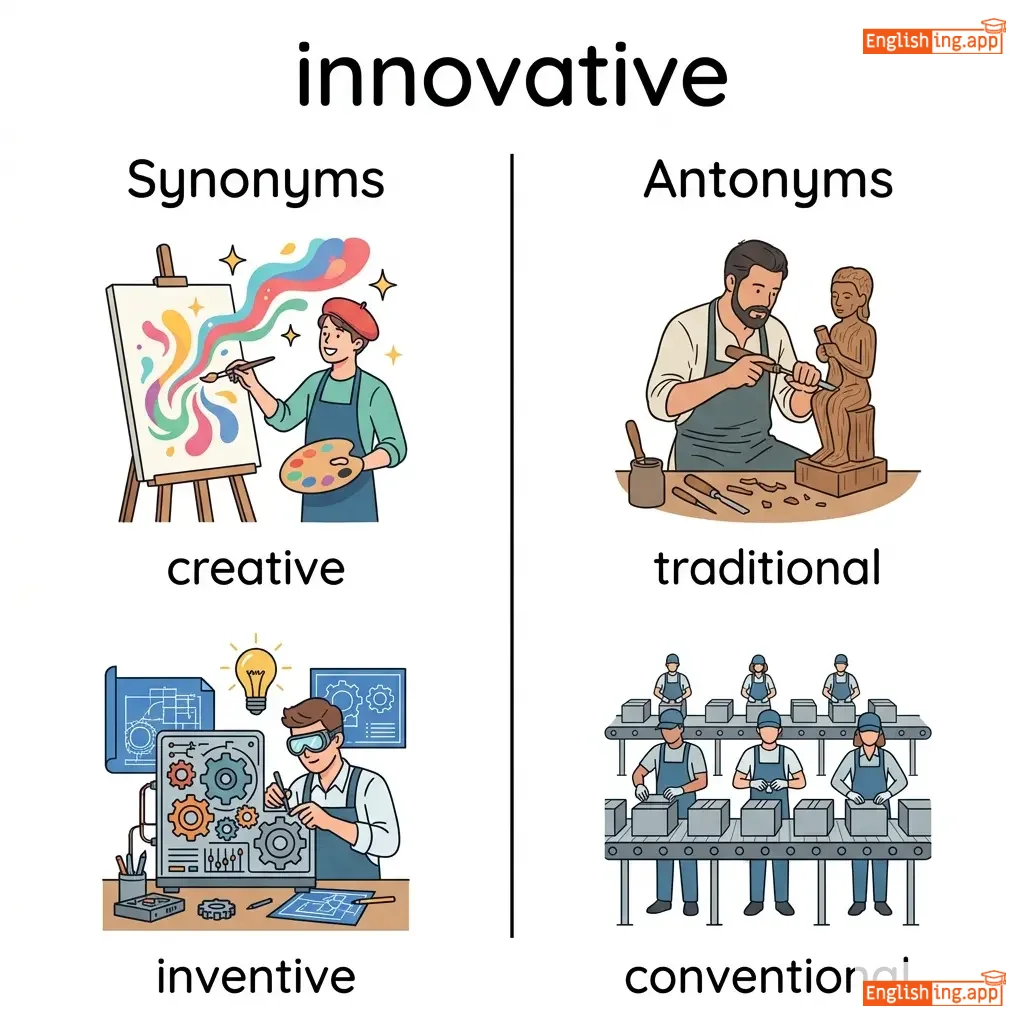
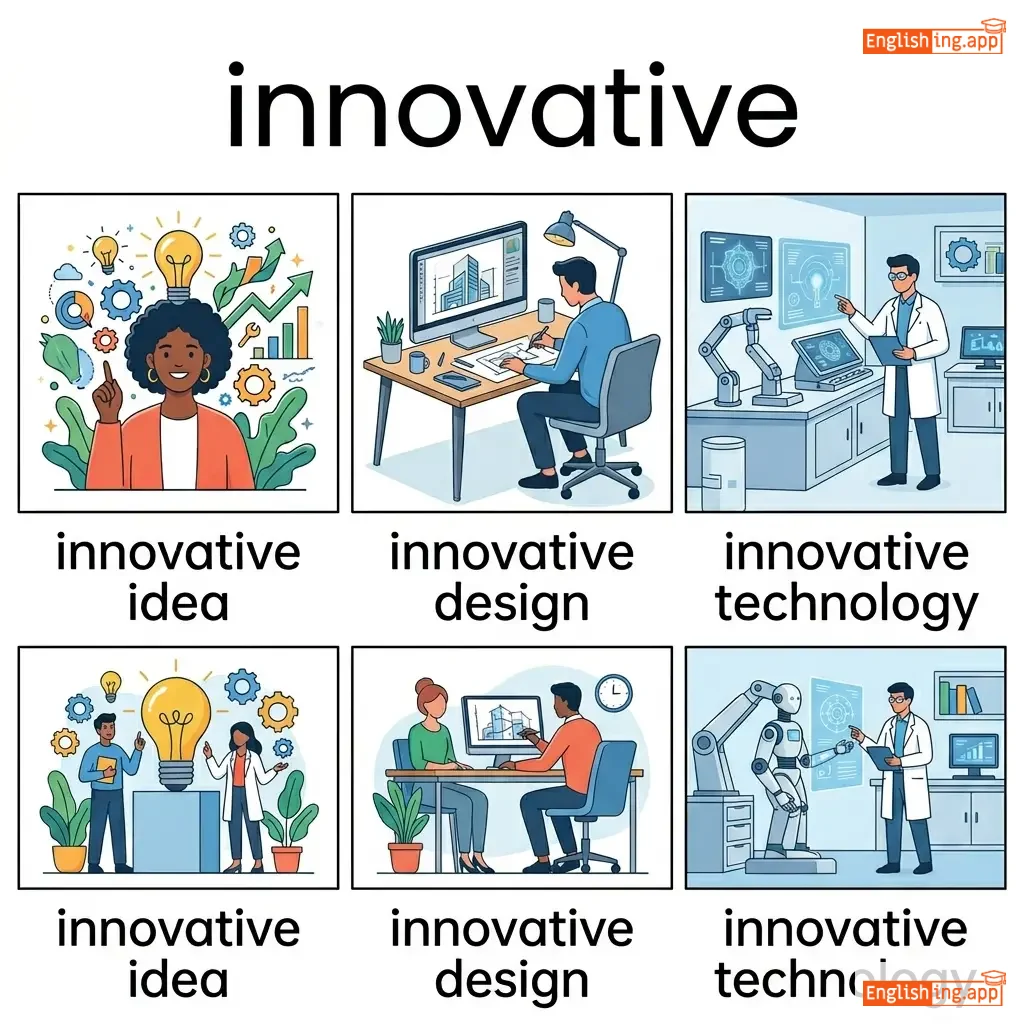
ˈɪnəveɪtɪv
adjective
••••••
|

|
Featuring new methods; advanced and original
••••••
|
Innovative strategies are required to combat pollution. |
creative, groundbreaking
••••••
|
conventional, old-fashioned
••••••
|
|
#120
♻️
|
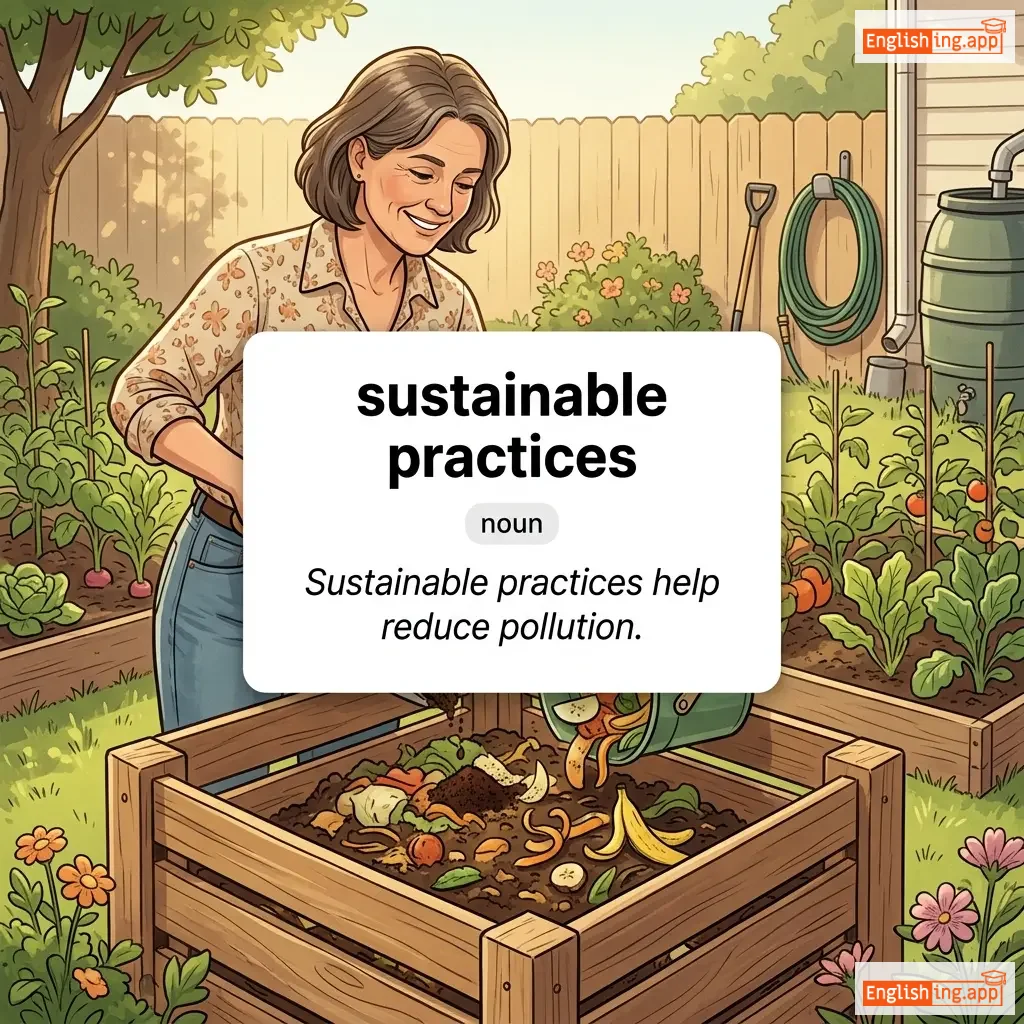
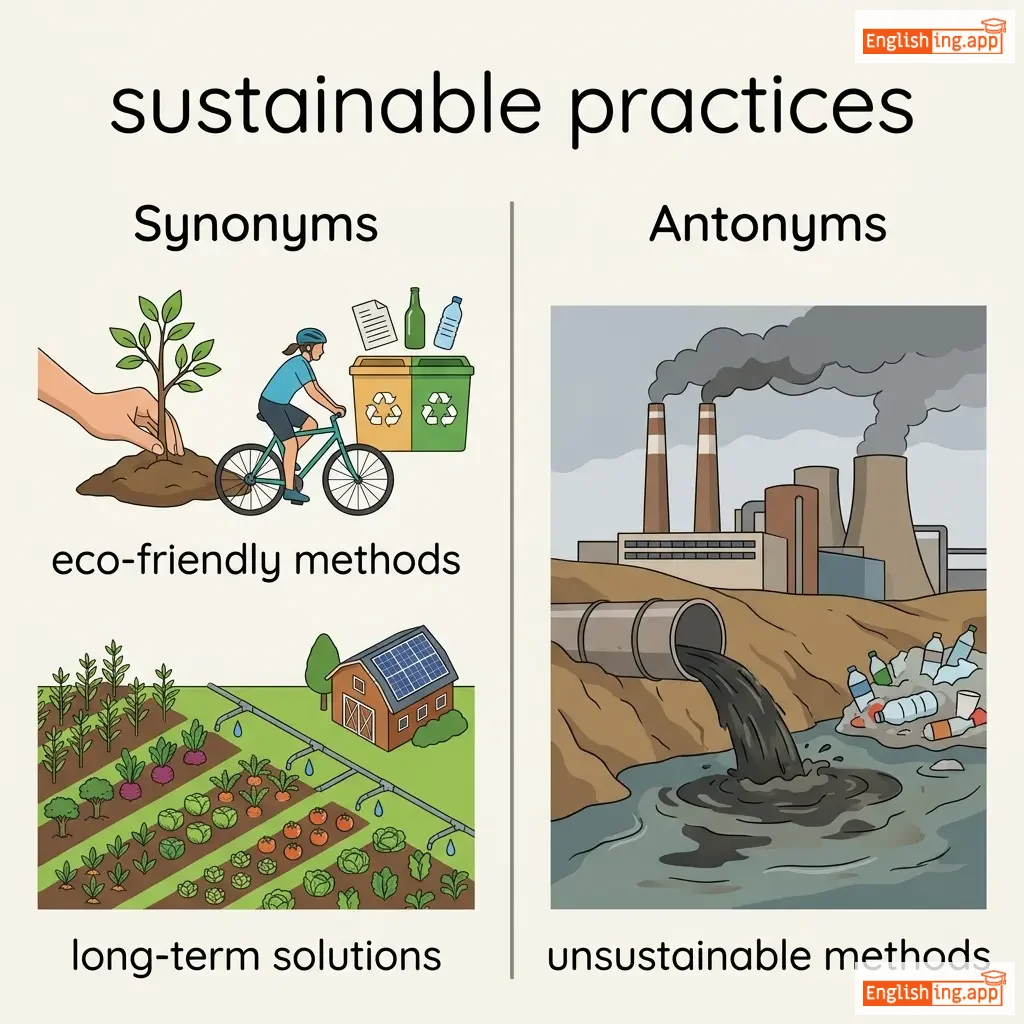
səˈsteɪnəbl ˈpræktɪsɪz
noun
••••••
|
|
Methods or actions that can be maintained long-term without depleting resources or causing environmental harm
••••••
|
Sustainable practices help reduce pollution. |
eco-friendly methods, long-term solutions
••••••
|
unsustainable methods
••••••
|
|
#121
🤝
|
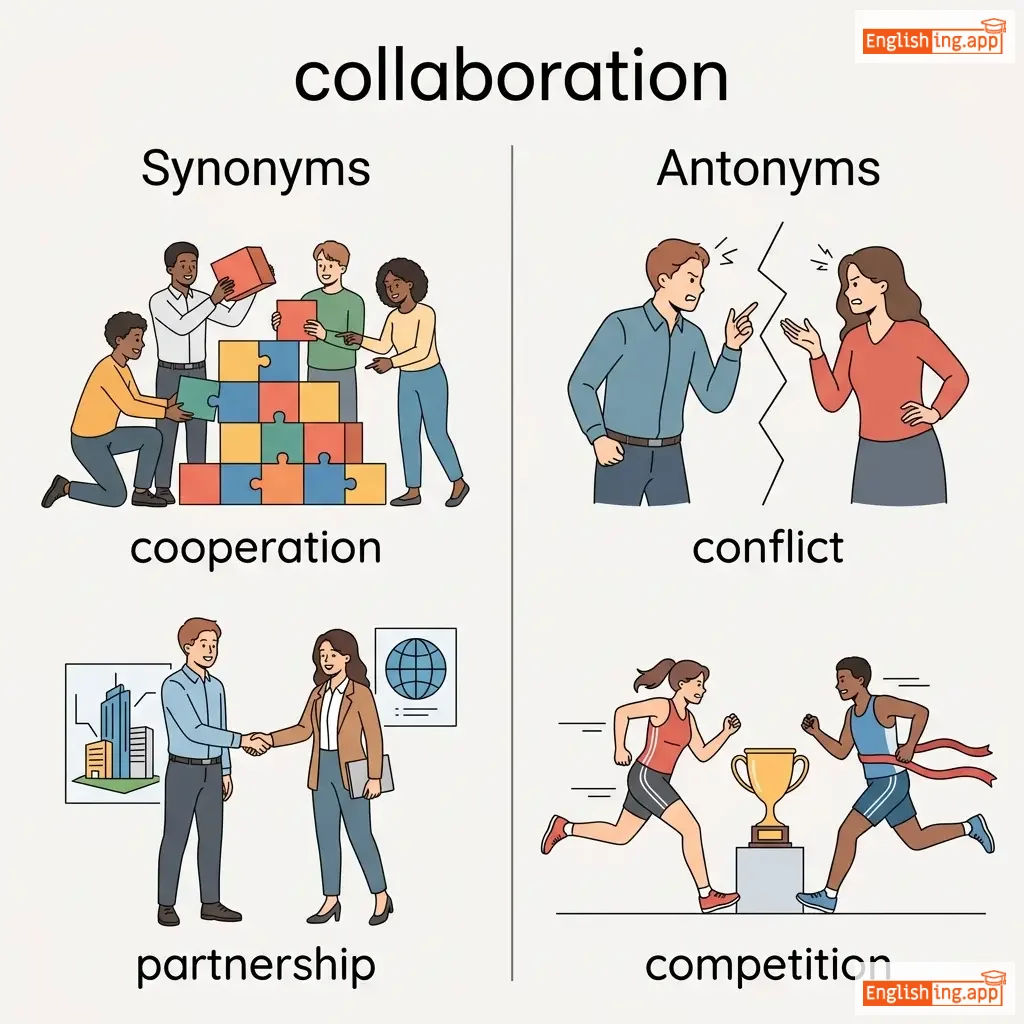
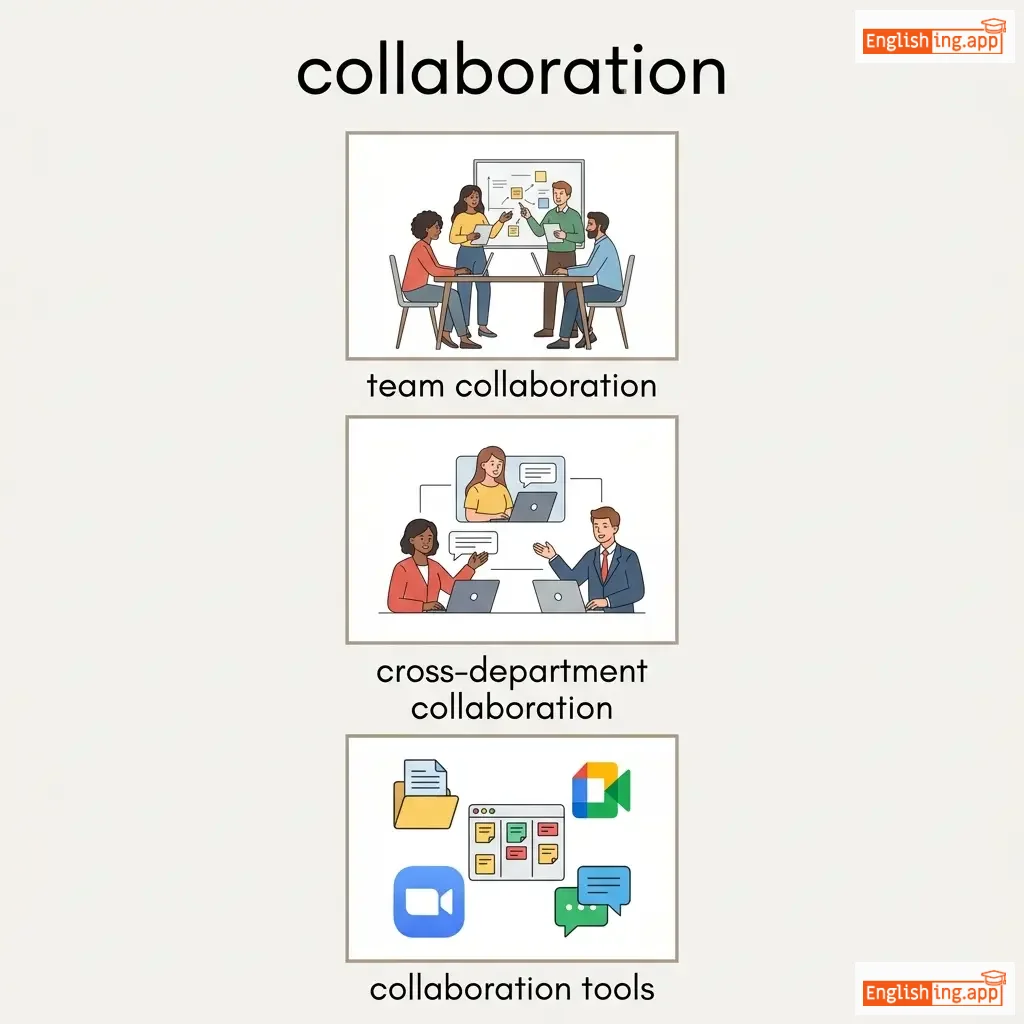
kəˌlæbəˈreɪʃən
noun
••••••
|

|
The action of working with someone to produce or create something
••••••
|
International collaboration is necessary to fight pollution. |
partnership, cooperation
••••••
|
isolation, competition
••••••
|
|
#122
⚙️
|
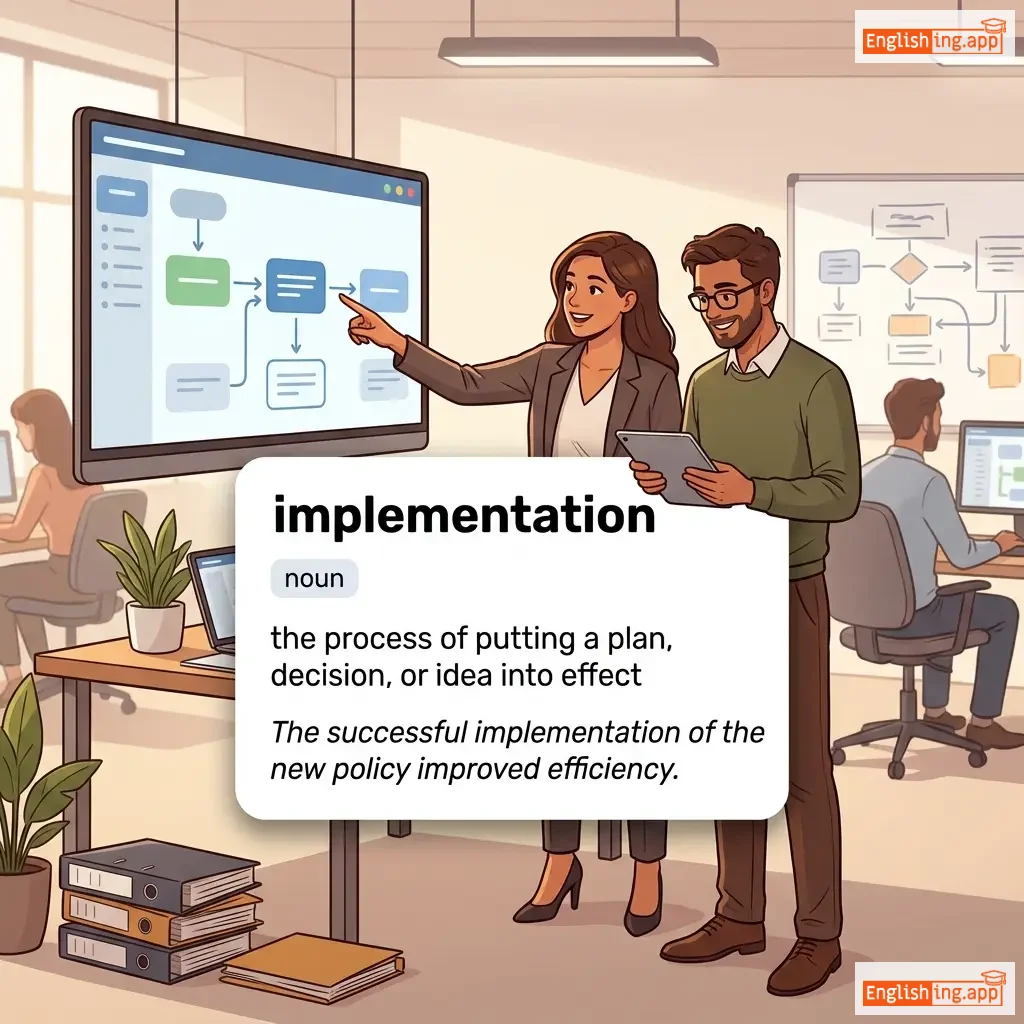
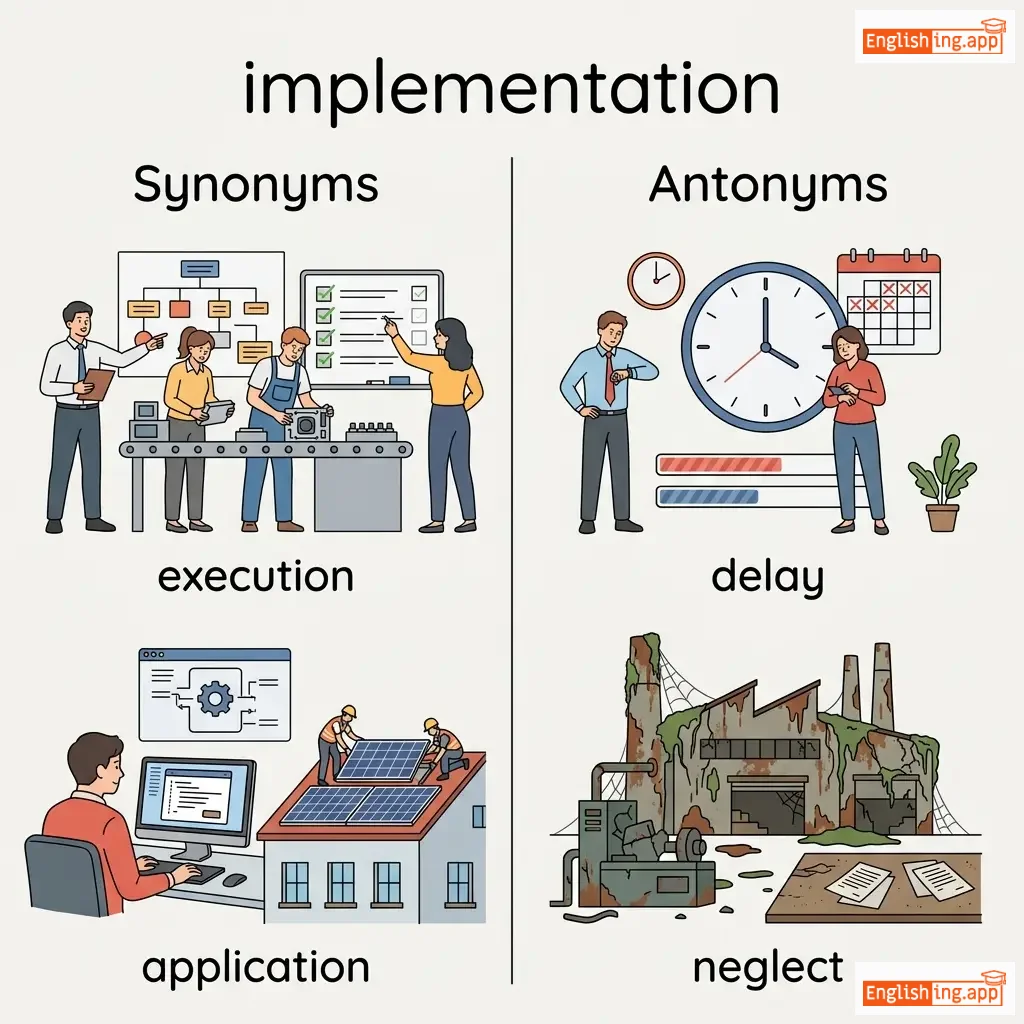
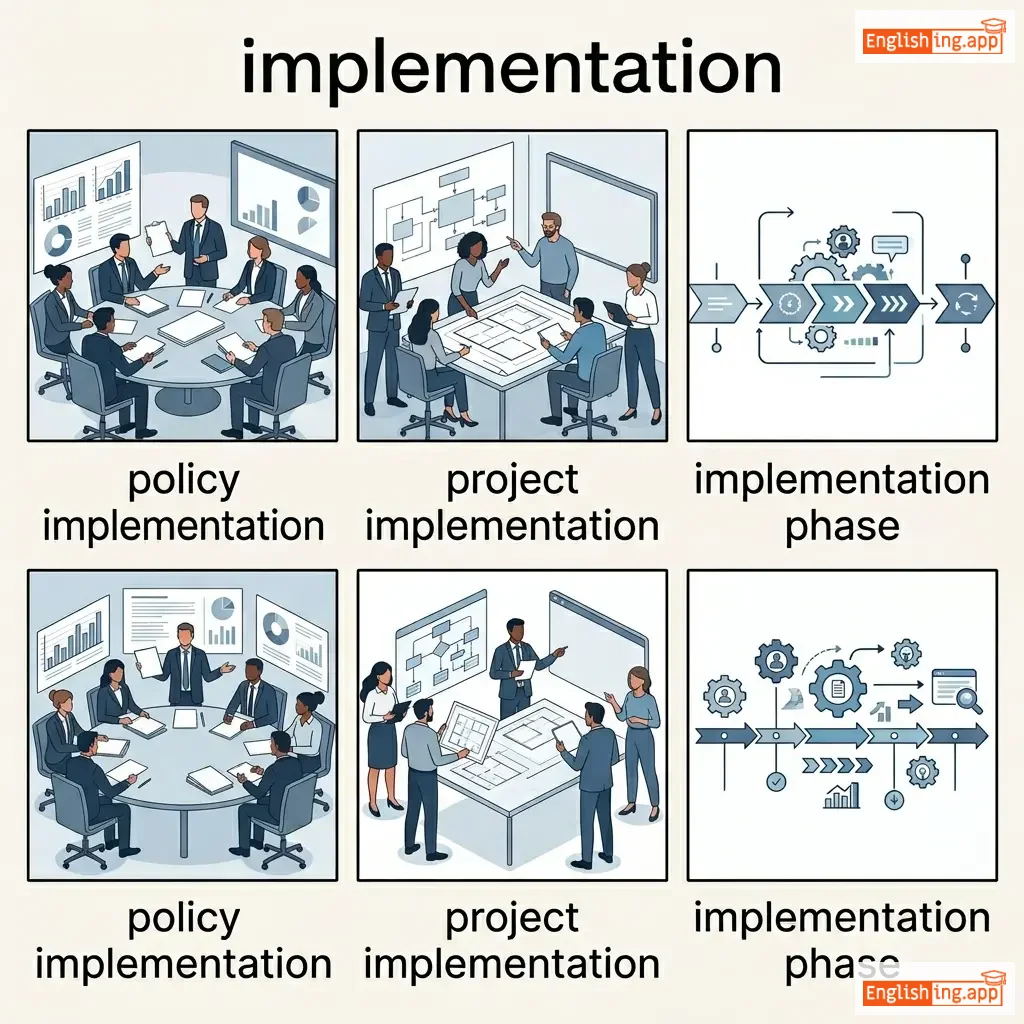
ˌɪmplɪmənˈteɪʃən
noun
••••••
|
|
The process of putting a decision or plan into effect; execution
••••••
|
Effective implementation of policies can mitigate pollution. |
execution, application
••••••
|
neglect, ignorance
••••••
|

