|
••••••
|
/ɪl/
adjective
(il)
••••••
|
-
••••••
|
enfermo
enfermo
••••••
|
-
••••••
|
-
••••••
|
-
••••••
|
-
••••••
|
Not in good health; sick or unwell.
|
He has been feeling ill since yesterday.
••••••
|
Ha estado sintiéndose enfermo desde ayer.
Ha estado sintiéndose enfermo desde ayer.
••••••
|
••••••
|
feeling uncomfortable or uneasy
|
malestar
malestar
••••••
|
sick, unwell, unhealthy, ailing
|
••••••
|
feel ill, fall ill, ill health, ill effects
|
Ill significa enfermo, recuerda 'ill' es igual a enfermo 🤒.
••••••
|
|
••••••
|
/ɪn/
preposition
(in)
••••••
|
-
••••••
|
en
en
••••••
|
-
••••••
|
-
••••••
|
-
••••••
|
-
••••••
|
expressing the situation of being enclosed or surrounded by something
|
She is in the kitchen preparing dinner.
••••••
|
Ella está en la cocina preparando la cena.
Ella esta en la cocina preparando la cena.
••••••
|
••••••
|
to be in a difficult or problematic situation
|
en problemas
en problemas
••••••
|
inside, within, enclosed, into, surrounded
|
••••••
|
in fact, in time, in charge, in need
|
En significa dentro de, como 'en la casa' significa dentro de la casa.
••••••
|
|
••••••
|
/ɪmˈpruːvmənt/
noun
(imprúvment)
••••••
|
-
••••••
|
mejora
mejora
••••••
|
-
••••••
|
-
••••••
|
-
••••••
|
-
••••••
|
the act of making something better
|
There has been a significant improvement in his health.
dɛr has bɪn ə sɪɡnɪfɪkənt imprúvment ɪn hɪz hɛlθ.
••••••
|
Ha habido una mejora significativa en su salud.
Ha habido una mejora significativa en su salud.
••••••
|
kəntɪnüəs imprúvment
••••••
|
the ongoing effort to make things better
|
mejora continua
mejora continua
••••••
|
progress, enhancement, advancement, growth, development
|
decline, deterioration, regression
|
health improvement, significant improvement, gradual improvement, scope for improvement
|
Improvement es como mejora – mejora es improvement
••••••
|
|
••••••
|
/ɪmˈpruːv/
verb
(imprúv)
••••••
|
-
••••••
|
mejorar
mejorar
••••••
|
imprúvd
••••••
|
imprúvd
••••••
|
imprúvs
••••••
|
imprúving
••••••
|
to make something better or become better
|
Regular practice will improve your skills.
la práctica regular mejorará tus habilidades.
••••••
|
la práctica regular mejorará tus habilidades.
la práctica regular mejorará tus habilidades.
••••••
|
espacio para mejorar
••••••
|
a possibility or need for something to be made better
|
espacio para mejorar
espacio para mejorar
••••••
|
enhance, develop, refine, upgrade, boost
|
••••••
|
improve performance, improve quality, improve skills, continuously improve
|
Improve es como decir mejorar para ser mejor
••••••
|
|
••••••
|
/ɪmˈprɛsɪv/
adjective
(im-pres-iv)
••••••
|
-
••••••
|
impresionante, digno de admiración
impresionante, digno de admiracion
••••••
|
-
••••••
|
-
••••••
|
-
••••••
|
-
••••••
|
causing admiration or respect; remarkable
|
The building is an impressive example of modern architecture.
El edificio es un ejemplo impresionante de arquitectura moderna.
••••••
|
El edificio es un ejemplo impresionante de arquitectura moderna.
El edificio es un ejemplo impresionante de arquitectura moderna.
••••••
|
-
••••••
|
-
••••••
|
-
••••••
|
remarkable, striking, extraordinary, admirable, notable
|
ordinary, unimpressive, dull
|
impressive achievement, impressive performance, impressive skills, impressive building
|
Impresionante significa algo que te deja una impresión fuerte.
••••••
|
|
••••••
|
/ɪmˈprɛʃən/
noun
(impresión)
••••••
|
-
••••••
|
impresión, concepto
impresion, concepto
••••••
|
-
••••••
|
-
••••••
|
-
••••••
|
-
••••••
|
an idea, feeling, or opinion about something or someone
|
The book gave me a good first impression.
••••••
|
El libro me dio una buena primera impresión.
El libro me dio una buena primera impresion.
••••••
|
••••••
|
to have a lasting effect on someone
|
dejar una impresión
dejar una impresion
••••••
|
impact, effect, influence, perception, opinion
|
••••••
|
first impression, strong impression, lasting impression, overall impression
|
First impression is last impression – La primera impresión es la que cuenta
••••••
|
|
••••••
|
/ɪmˈprɛs/
verb
(imprés)
••••••
|
-
••••••
|
impresionar
impresionar
••••••
|
impréssed
••••••
|
impréssed
••••••
|
imprésses
••••••
|
imprésing
••••••
|
to cause someone to feel admiration or respect
|
Her speech managed to impress the audience.
Su discurso logró impresionar a la audiencia.
••••••
|
Su discurso logró impresionar a la audiencia.
Su discurso logró impresionar a la audiencia.
••••••
|
dejar una impresión
••••••
|
to have a strong effect on someone
|
dejar una impresión
dejar una impresión
••••••
|
amaze, astonish, inspire, move, influence
|
bore, disappoint, discourage
|
impress deeply, impress someone, impress with, fail to impress
|
Si te impresiona algo, lo recuerdas como 'impresionante' – impresionar
••••••
|
|
••••••
|
/ɪmˈpɑːsəbl/
adjective
(impóssible)
••••••
|
-
••••••
|
imposible
imposible
••••••
|
-
••••••
|
-
••••••
|
-
••••••
|
-
••••••
|
not able to occur, exist, or be done
|
It is impossible to finish this work in one day.
Es imposible terminar este trabajo en un día.
••••••
|
Es imposible terminar este trabajo en un día.
Es imposible terminar este trabajo en un día.
••••••
|
Nada es imposible
••••••
|
everything can be achieved with effort
|
Nada es imposible
Nada es imposible
••••••
|
unachievable, unattainable, hopeless, impracticable
|
possible, achievable, feasible
|
seem impossible, make impossible, impossible task, impossible mission
|
Imposible es solo un reto a superar. 💪
••••••
|
|
••••••
|
/ɪmˈpoʊz/
verb
(impóz)
••••••
|
••••••
|
imponer
imponer
••••••
|
impósed
••••••
|
impósed
••••••
|
impósez
••••••
|
imposíndo
••••••
|
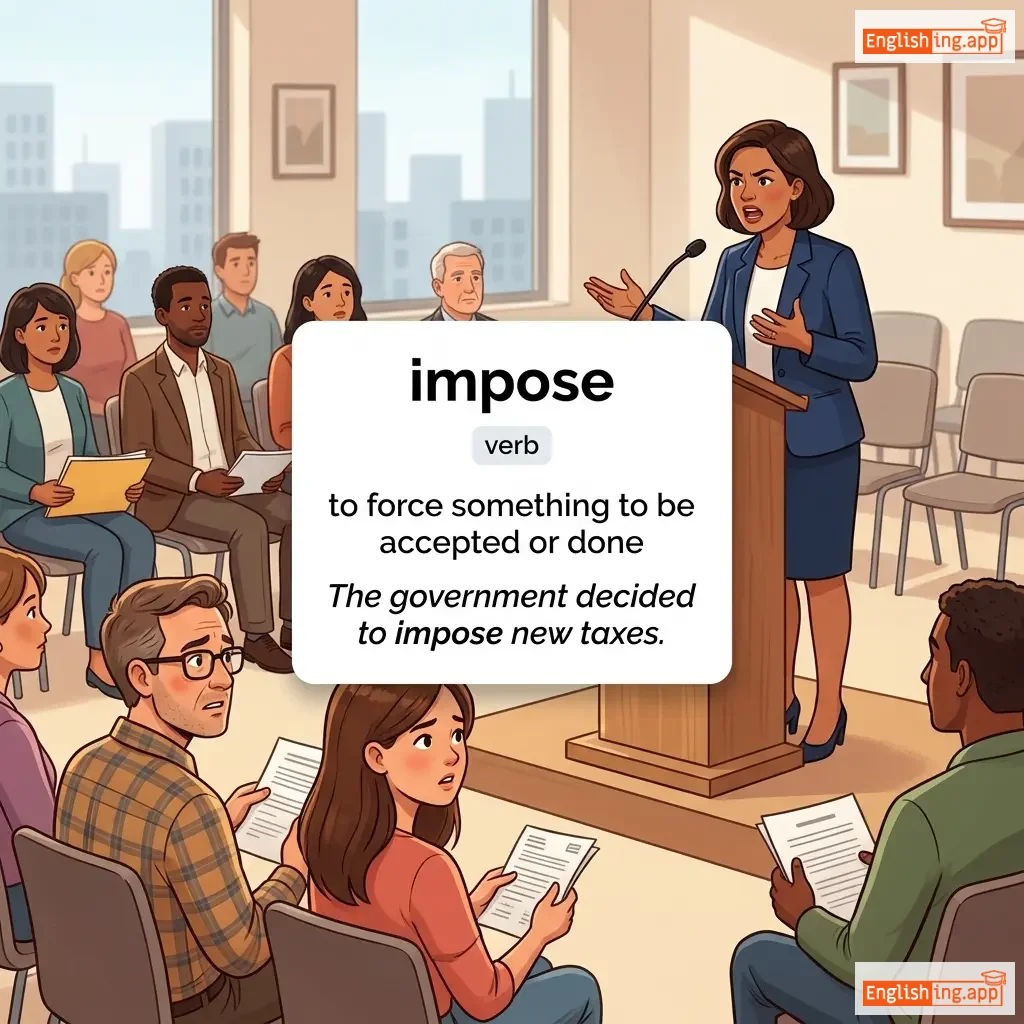
to force something to be accepted or done
|
The government decided to impose new taxes.
El gobierno decidió imponer nuevos impuestos.
••••••
|
El gobierno decidió imponer nuevos impuestos.
El gobierno decidió imponer nuevos impuestos.
••••••
|
imponer una prohibición
••••••
|
to officially prohibit something
|
imponer una prohibición
imponer una prohibición
••••••
|
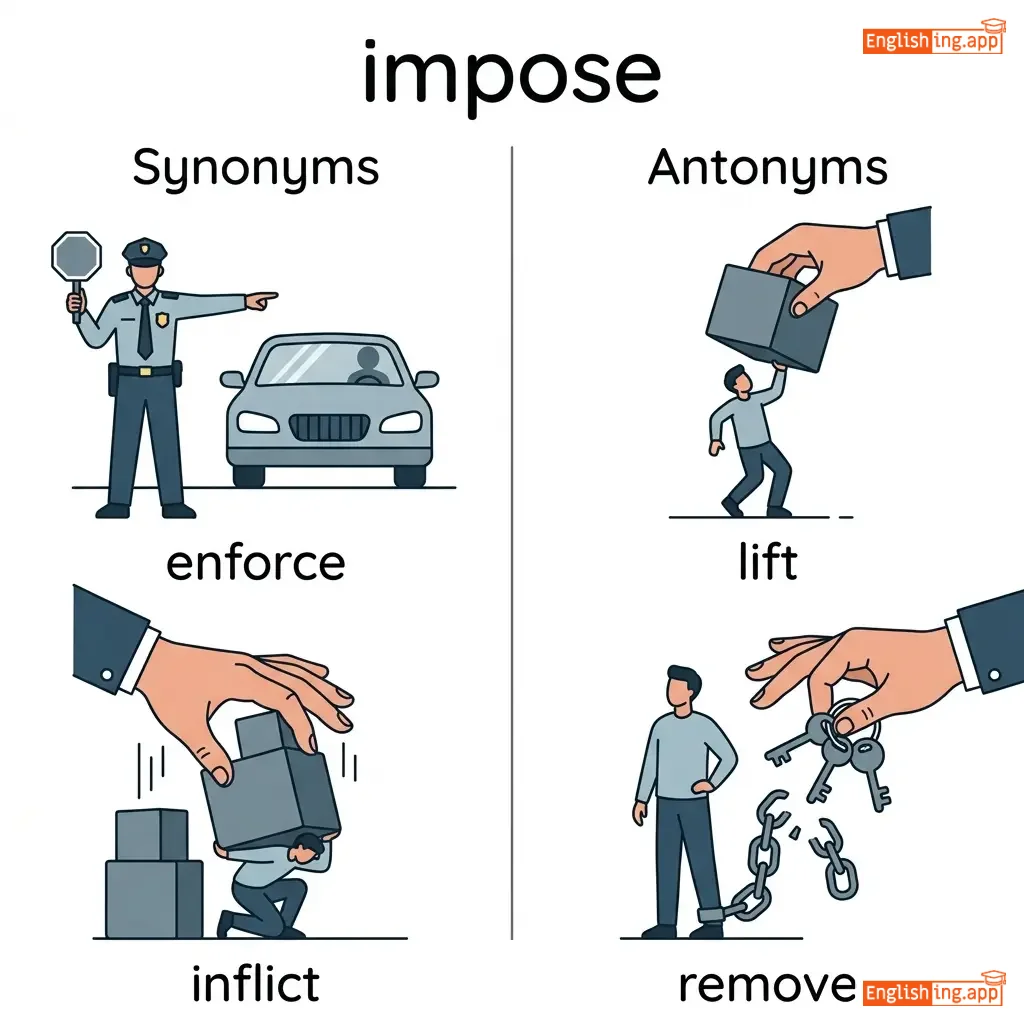
enforce, inflict, apply, establish, dictate
|
••••••
|
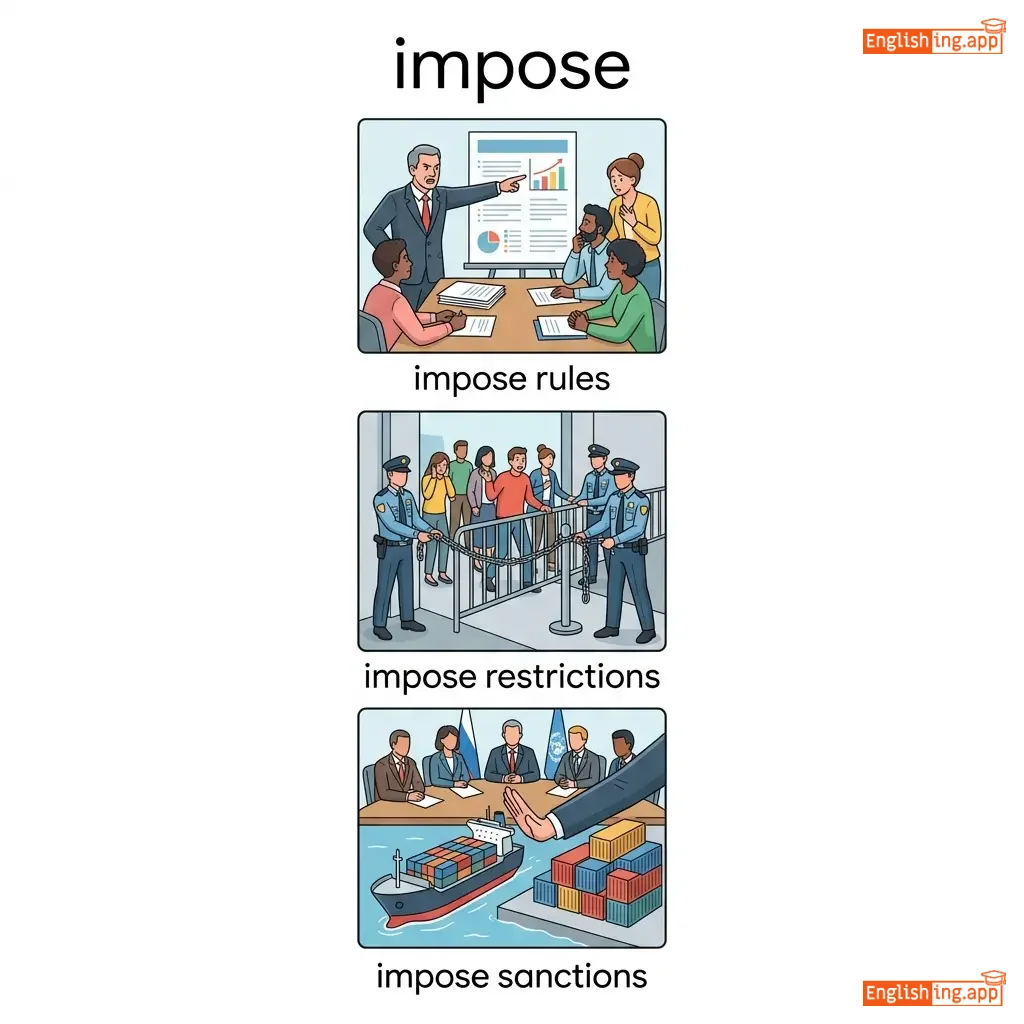
impose rules, impose restrictions, impose sanctions, impose fines
|
Impose significa imponer - imposición, ¡como una ley impuesta!
••••••
|
|
••••••
|
/ɪmˈpɔːrtəns/
noun
(importáns)
••••••
|
••••••
|
importancia
importancia
••••••
|
-
••••••
|
-
••••••
|
-
••••••
|
-
••••••
|
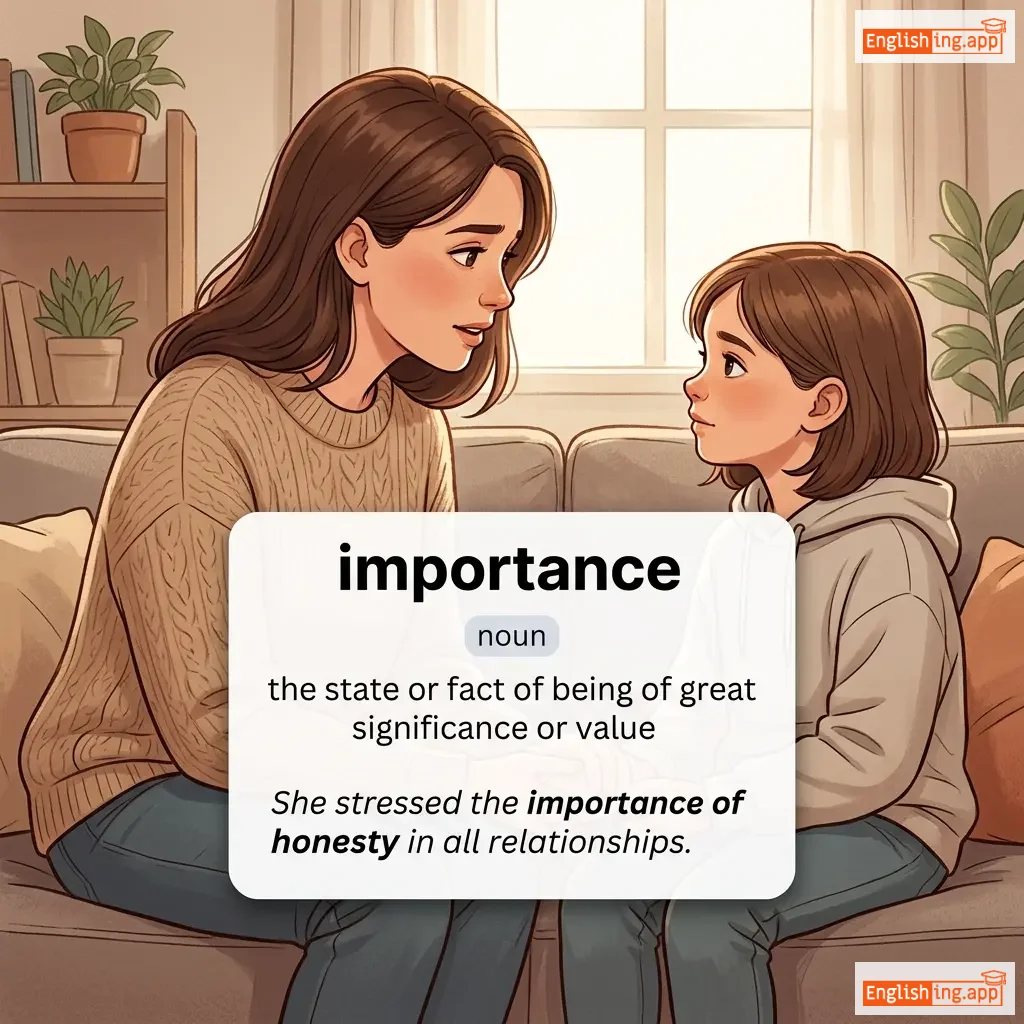
the state or fact of being of great significance or value
|
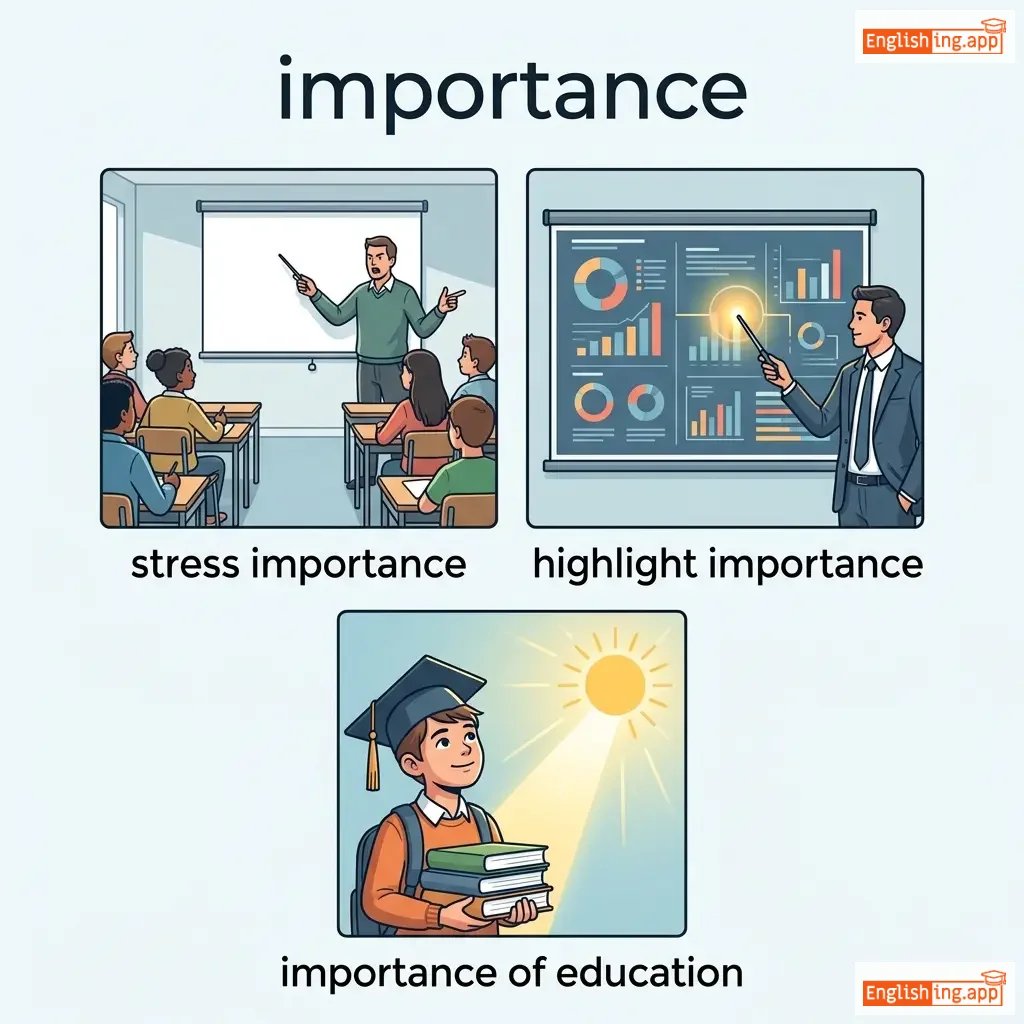
She stressed the importance of honesty in all relationships.
••••••
|
Ella enfatizó la importancia de la honestidad en todas las relaciones.
Ella enfatizó la importancia de la honestidad en todas las relaciones.
••••••
|
••••••
|
extremely valuable or significant
|
de gran importancia
de gran importancia
••••••
|
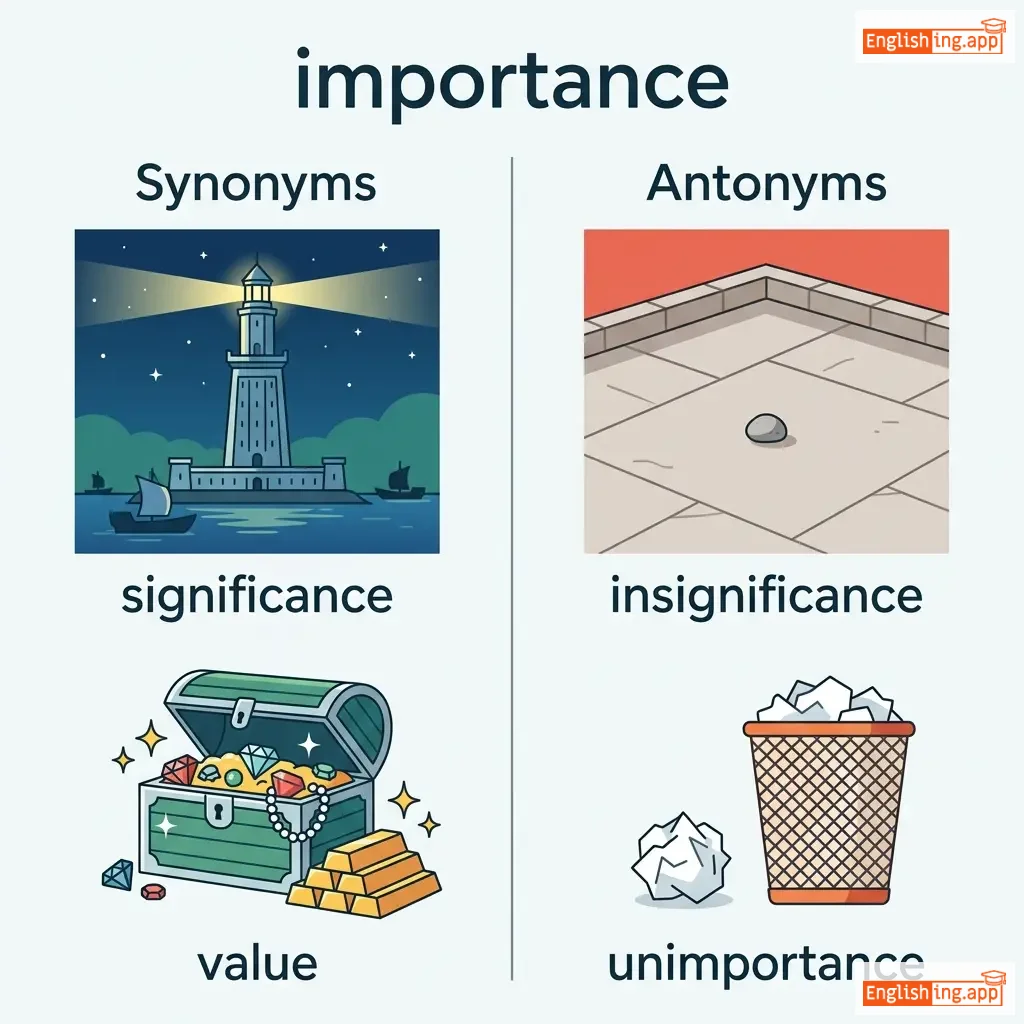
significance, value, weight, relevance, consequence
|
insignificance, unimportance
|
stress importance, highlight importance, importance of education, importance of health
|
Importancia = Important. Recuerda, ¡es clave! ⭐
••••••
|
|
••••••
|
/ˌɪmɪˈɡreɪʃən/
noun
(inmigración)
••••••
|
-
••••••
|
inmigración
inmigracion
••••••
|
-
••••••
|
-
••••••
|
-
••••••
|
-
••••••
|
the action of coming to live permanently in a foreign country
|
Immigration policies vary from country to country.
Las políticas de inmigración varían de un país a otro.
••••••
|
Las políticas de inmigración varían de un país a otro.
Las politicas de inmigracion varian de un pais a otro.
••••••
|
inmigración ilegal
••••••
|
the act of entering a country without legal permission
|
inmigración ilegal
inmigracion ilegal
••••••
|
migration, settlement, relocation, entry
|
••••••
|
immigration policy, immigration law, illegal immigration, mass immigration
|
Inmigración se refiere a 'in' + 'migración' - moverse hacia otro lugar.
••••••
|
|
••••••
|
/ɪˈmiːdiətli/
adverb
(inmediátamente)
••••••
|
-
••••••
|
inmediatamente
inmediatamente
••••••
|
-
••••••
|
-
••••••
|
-
••••••
|
-
••••••
|
••••••
|
She responded immediately to the emergency call.
••••••
|
Ella respondió inmediatamente a la llamada de emergencia.
Ella respondió inmediatamente a la llamada de emergencia.
••••••
|
••••••
|
right after something happens
|
inmediatamente después
inmediatamente después
••••••
|
instantly, promptly, directly, quickly, right away
|
later, eventually, afterward
|
respond immediately, happen immediately, immediately after, immediately before
|
Inmediato significa sin demora, como en responder inmediatamente.
••••••
|
|
••••••
|
/ɪˌmædʒɪˈneɪʃən/
noun
(imajinéišon)
••••••
|
-
••••••
|
imaginación
imaginacion
••••••
|
-
••••••
|
-
••••••
|
-
••••••
|
-
••••••
|
The ability of the mind to create ideas or pictures not present to the senses.
|
Children often use their imagination while playing.
••••••
|
Los niños a menudo usan su imaginación mientras juegan.
Los niños a menudo usan su imaginacion mientras juegan.
••••••
|
••••••
|
an ability to think of ideas or scenarios that are unusual or unrealistic
|
imaginación desbordante
imaginacion desbordante
••••••
|
creativity, fantasy, vision, invention, ingenuity
|
••••••
|
use imagination, vivid imagination, spark imagination, fertile imagination
|
Imaginación = Imaginación 🌈, recuerda 'Imagen en nación' significa imaginar imágenes dentro de la nación.
••••••
|
|
••••••
|
/ˈɪmɪdʒ/
noun
(imagen)
••••••
|
-
••••••
|
imagen
imagen
••••••
|
-
••••••
|
-
••••••
|
-
••••••
|
-
••••••
|
A visual representation of something, such as a picture or likeness.
|
The magazine published a clear image of the celebrity.
La revista publicó una imagen clara de la celebridad.
••••••
|
La revista publicó una imagen clara de la celebridad.
La revista publico una imagen clara de la celebridad.
••••••
|
imagen pública
••••••
|
the perception that people have of a person or organization
|
imagen pública
imagen publica
••••••
|
picture, photo, likeness, representation, figure
|
••••••
|
digital image, mental image, image quality, image editing
|
Imagen = la foto que ves, así que no lo olvides.
••••••
|
|
••••••
|
/ˈɪlnəs/
noun
(ílnes)
••••••
|
-
••••••
|
enfermedad
enfermedad
••••••
|
-
••••••
|
-
••••••
|
-
••••••
|
-
••••••
|
A condition of being unwell or suffering from a disease.
|
She missed school due to a serious illness.
Ella no fue a la escuela debido a una enfermedad grave.
••••••
|
Ella no fue a la escuela debido a una enfermedad grave.
Ella no fue a la escuela debido a una enfermedad grave.
••••••
|
-
••••••
|
-
••••••
|
-
••••••
|
sickness, disease, ailment, disorder
|
••••••
|
chronic illness, mental illness, recover from illness, illness symptoms
|
Illness = enfermedad. 'Ill' y 'ness' significa estar enfermo.
••••••
|
|
••••••
|
/haʊ/
adverb
(jaʊ)
••••••
|
-
••••••
|
cómo
como
••••••
|
-
••••••
|
-
••••••
|
-
••••••
|
-
••••••
|
in what way or manner; by what means
|
How do you solve this problem?
¿Cómo resuelves este problema?
••••••
|
¿Cómo resuelves este problema?
¿Cómo resuelves este problema?
••••••
|
¿Cómo es eso?
••••••
|
used to ask why something has happened
|
¿Cómo es eso?
¿Cómo es eso?
••••••
|
in what way, by what means, in what manner
|
••••••
|
how often, how much, how many, how long
|
How significa 'cómo', recuerda cómo lo decimos al preguntar algo en español.
••••••
|
|
••••••
|
/ˌaɪˈiː/
abbreviation
(ai i)
••••••
|
-
••••••
|
es decir
es decir
••••••
|
-
••••••
|
-
••••••
|
-
••••••
|
-
••••••
|
That is to say; used to clarify or explain something more precisely.
|
Many amphibians, i.e., frogs and salamanders, can live both in water and on land.
Muchos anfibios, i.e., ranas y salamandras, pueden vivir tanto en agua como en tierra.
••••••
|
Muchos anfibios, es decir, ranas y salamandras, pueden vivir tanto en agua como en tierra.
Muchos anfibios, es decir, ranas y salamandras, pueden vivir tanto en agua como en tierra.
••••••
|
-
••••••
|
-
••••••
|
-
••••••
|
that is, namely, specifically, in other words
|
••••••
|
i.e. meaning, i.e. used, i.e. example
|
i.e. significa es decir - recuerda 'ie = es decir' para aclarar siempre.
••••••
|
|
••••••
|
/aɪˈdɛntɪti/
noun
(aɪˈdɛntɪti)
••••••
|
••••••
|
identidad
identidad
••••••
|
-
••••••
|
-
••••••
|
-
••••••
|
-
••••••
|
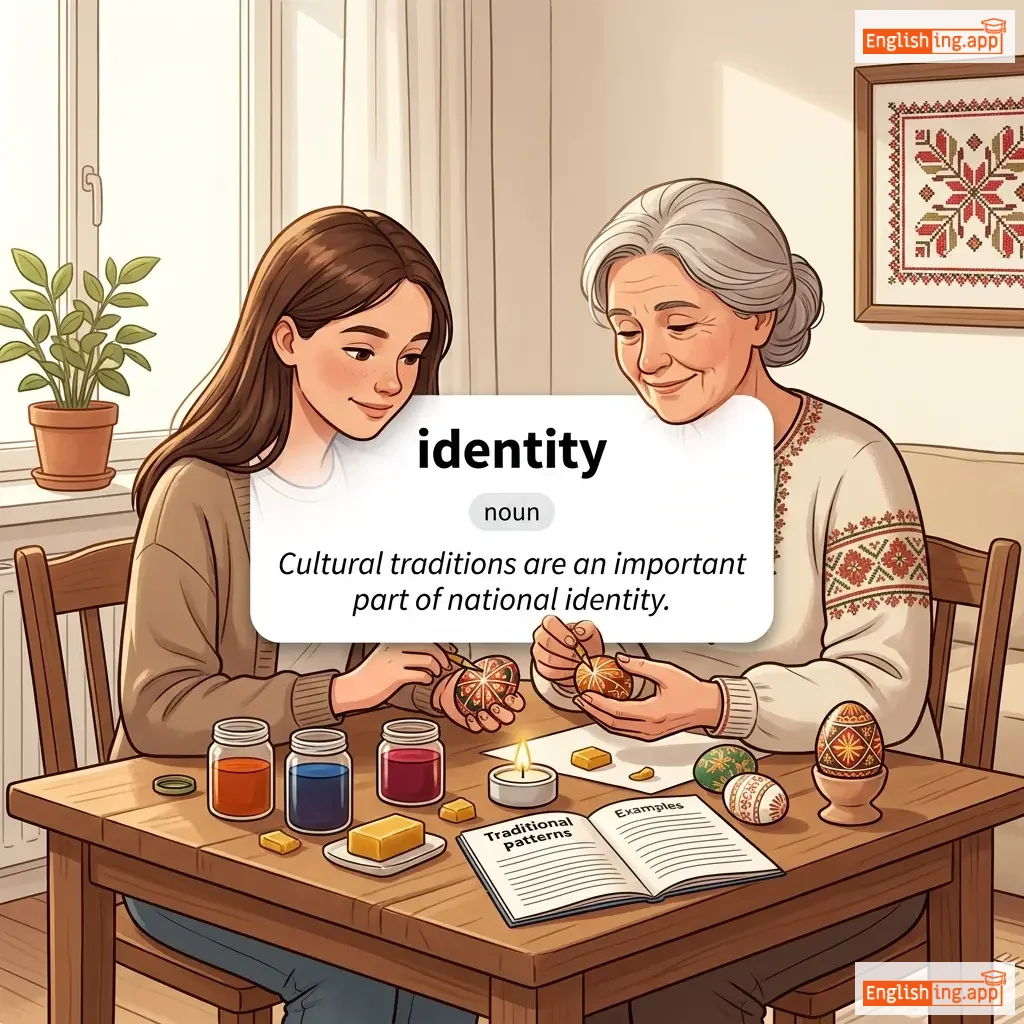
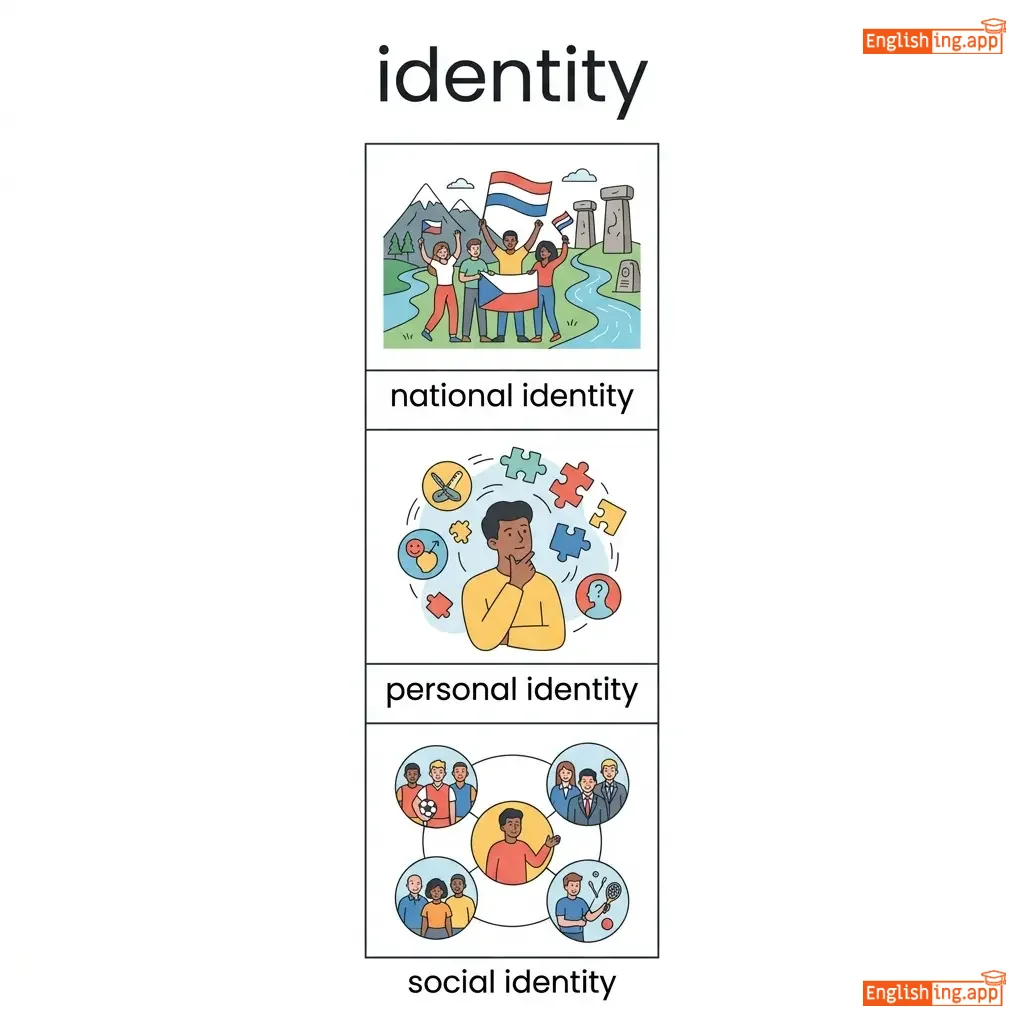
the characteristics, feelings, or beliefs that make a person or group different from others
|
Cultural traditions are an important part of national identity.
••••••
|
Las tradiciones culturales son una parte importante de la identidad nacional.
Las tradiciones culturales son una parte importante de la identidad nacional
••••••
|
••••••
|
a period of uncertainty about one's sense of self
|
crisis de identidad
crisis de identidad
••••••
|
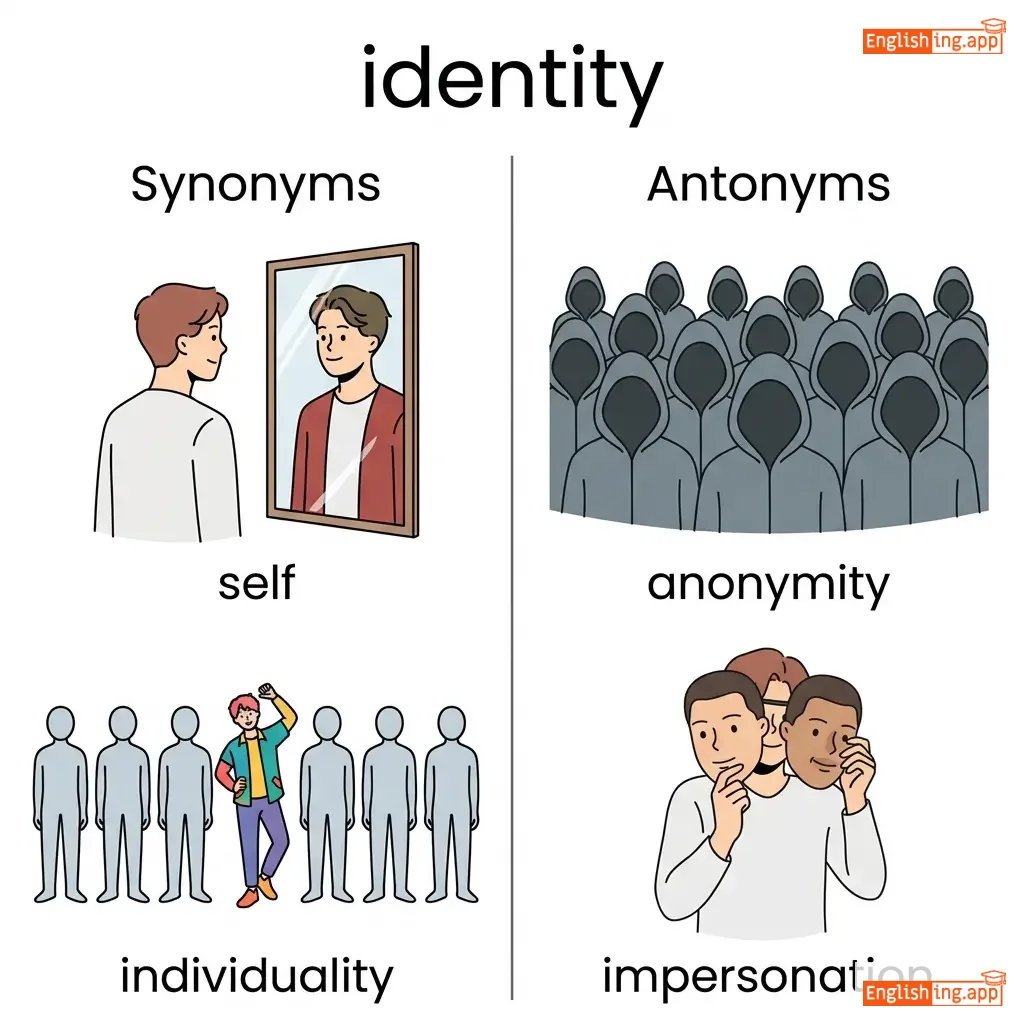
self, individuality, character, personality
|
••••••
|
national identity, personal identity, social identity, identity card
|
Identidad significa identidad - la cédula de identidad te da tu identidad
••••••
|
|
••••••
|
/aɪˈdɛntɪfaɪ/
verb
(ay-den-ti-fai)
••••••
|
••••••
|
identificar
identificar
••••••
|
ay-den-ti-faid
••••••
|
ay-den-ti-faid
••••••
|
ay-den-ti-fais
••••••
|
ay-den-ti-fai-ing
••••••
|
to recognize or establish what something or someone is
|
The police could not identify the suspect.
La policía no pudo identificar al sospechoso.
••••••
|
La policía no pudo identificar al sospechoso.
La po-li-cia no pu-do iden-ti-fi-car al sos-pe-cho-so.
••••••
|
identificar con
••••••
|
to feel that you understand someone because you have had similar experiences
|
sentir que entiendes a alguien
sen-teer ke en-tien-des a al-guien
••••••
|
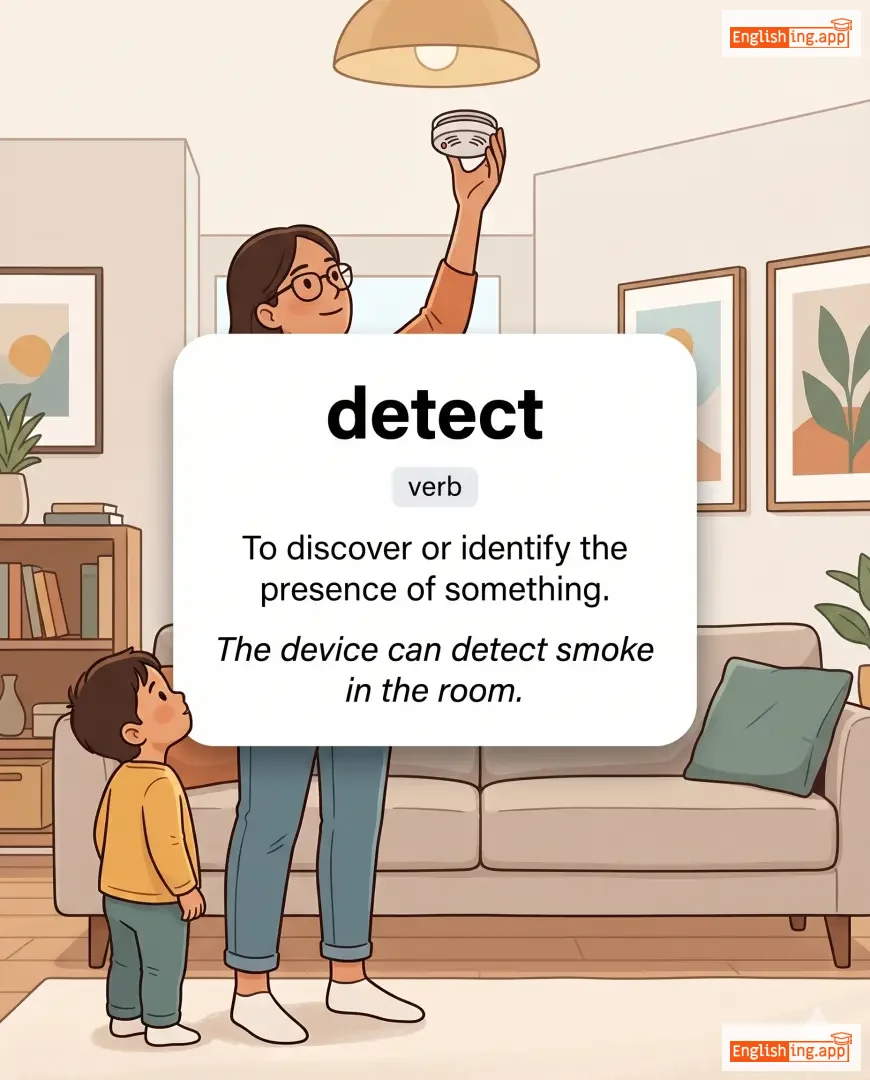
recognize, detect, determine, distinguish, verify
|
••••••
|
identify problems, identify needs, identify the source, identify correctly
|
Identificar significa reconocer, como con un ID.
••••••
|
|
••••••
|
/aɪˌdɛntɪfɪˈkeɪʃən/
noun
(ay-den-ti-fi-ka-syon)
••••••
|
-
••••••
|
identificación
identificacion
••••••
|
-
••••••
|
-
••••••
|
-
••••••
|
-
••••••
|
the process of recognizing or proving who or what someone or something is
|
You need proper identification to enter the building.
••••••
|
Necesitas una identificación adecuada para entrar al edificio.
Necesitas una identificacion adecuada para entrar al edificio.
••••••
|
-
••••••
|
-
••••••
|
-
••••••
|
recognition, verification, authentication, validation
|
misidentification, confusion
|
identity card, identification number, personal identification, photo identification
|
Identification suena como 'identificación' en español, solo necesitas tu ID para recordarlo.
••••••
|
|
••••••
|
/aɪˈdiːəl/
adjective
(aydíal)
••••••
|
-
••••••
|
ideal
ideal
••••••
|
-
••••••
|
-
••••••
|
-
••••••
|
-
••••••
|
the best possible; perfect for a situation
|
This place is ideal for a picnic.
••••••
|
Este lugar es ideal para un picnic.
Este lugar es ideal para un picnic.
••••••
|
-
••••••
|
-
••••••
|
-
••••••
|
perfect, excellent, optimal, model, flawless
|
imperfect, flawed, unsuitable
|
ideal situation, ideal choice, ideal candidate, ideal time
|
Ideal significa perfecto, como 'Ideal para ti' es algo perfecto para ti.
••••••
|
|
••••••
|
/aɪs/
noun
(áis)
••••••
|
-
••••••
|
hielo
yelo
••••••
|
-
••••••
|
-
••••••
|
-
••••••
|
-
••••••
|
frozen water, a solid form of water
|
The lake was covered with thick ice in winter.
••••••
|
El lago estaba cubierto de grueso hielo en invierno.
El lago estaba cubierto de grueso hielo en invierno.
••••••
|
••••••
|
to start a conversation in a social situation
|
romper el hielo
romper el hielo
••••••
|
frost, snow, glacier, icicle
|
••••••
|
ice cubes, ice cream, ice skating, thin ice
|
Ice = Hielo, como en el helado 🍦
••••••
|
|
••••••
|
/aɪ/
pronoun
(ai)
••••••
|
-
••••••
|
yo
yo
••••••
|
-
••••••
|
-
••••••
|
-
••••••
|
-
••••••
|
used by a speaker to refer to himself or herself
|
I am learning English every day.
••••••
|
Yo estoy aprendiendo inglés todos los días.
Yo estoy aprendiendo inglés todos los días.
••••••
|
-
••••••
|
-
••••••
|
-
••••••
|
••••••
|
••••••
|
I think, I know, I want, I am
|
I significa yo — 'ai' suena como 'yo'.
••••••
|
|
••••••
|
/hɜːrt/
verb/adjective
(hɜːrt)
••••••
|
-
••••••
|
hacer daño
hacer daño
••••••
|
hɜːrt
••••••
|
hɜːrt
••••••
|
hɜːrts
••••••
|
hɜːrting
••••••
|
to cause pain or injury; to feel pain
|
He hurt his knee while playing football.
hi hɜːrt hɪz ni wʌɪl pleɪɪŋ fʊtˌbɔːl
••••••
|
Se lastimó la rodilla mientras jugaba al fútbol.
Se lastimó la rodilla mientras jugaba al fútbol.
••••••
|
hɜːrt fɪlɪŋz
••••••
|
emotional pain caused by someone's words or actions
|
sentimientos heridos
sentimientos heridos
••••••
|
injure, wound, damage, bruise
|
••••••
|
hurt badly, hurt someone, hurt feelings
|
Hurt significa hacer daño — Si te duele, ¡te hiri!
••••••
|
|
••••••
|
/ˈhʌntɪŋ/
noun/verb
(junting)
••••••
|
-
••••••
|
caza
caza
••••••
|
-
••••••
|
-
••••••
|
jants
••••••
|
junting
••••••
|
the activity of chasing and killing wild animals
|
Hunting is strictly regulated in many countries.
La caza está estrictamente regulada en muchos países.
••••••
|
La caza está estrictamente regulada en muchos países.
La caza está estrictamente regulada en muchos países.
••••••
|
búsqueda de casa
••••••
|
the act of searching for a house to live in
|
búsqueda de casa
búsqueda de casa
••••••
|
pursuing, tracking, chasing, stalking
|
••••••
|
go hunting, hunting season, hunting ground
|
Hunting significa caza — Hunt suena como caza.
••••••
|
|
••••••
|
/ˈhʌntər/
noun
(hánter)
••••••
|
-
••••••
|
cazador
cazador
••••••
|
-
••••••
|
-
••••••
|
-
••••••
|
-
••••••
|
a person or animal that hunts animals for food or sport
|
The hunter tracked the deer through the forest.
El hánter rastreó al ciervo a través del bosque.
••••••
|
El cazador rastreó al ciervo a través del bosque.
El cazador rastreó al ciervo a través del bosque.
••••••
|
-
••••••
|
-
••••••
|
-
••••••
|
trapper, chaser, pursuer, stalker
|
••••••
|
skilled hunter, deer hunter, big-game hunter
|
Hunter significa cazador - Cazar para obtener comida o deporte.
••••••
|
|
••••••
|
/ˈhʌŋɡri/
adjective
(hʌŋɡri)
••••••
|
-
••••••
|
hambriento
hambriento
••••••
|
-
••••••
|
-
••••••
|
-
••••••
|
-
••••••
|
feeling or showing the need for food
|
The children were hungry after playing outside all day.
••••••
|
Los niños tenían hambre después de jugar afuera todo el día.
Los niños tenían hambre después de jugar afuera todo el día.
••••••
|
••••••
|
eager or ambitious to achieve something
|
hambriento de éxito
hambriento de éxito
••••••
|
starving, famished, ravenous, peckish
|
••••••
|
very hungry, feel hungry, go hungry, hungry eyes
|
Hungry significa hambriento — cuando tienes hambre, tu estómago ruge como un 'hunger' o rugido.
••••••
|
|
••••••
|
/ˈhʌndrəd/
noun, numeral
(jandréd)
••••••
|
-
••••••
|
cien
sien
••••••
|
-
••••••
|
-
••••••
|
-
••••••
|
-
••••••
|
••••••
|
There are a hundred students in the hall.
••••••
|
Hay cien estudiantes en el salón.
Hay cien estudiantes en el salon.
••••••
|
••••••
|
••••••
|
cien por ciento
sien por ciento
••••••
|
century, 100, large number
|
••••••
|
one hundred, hundred percent, hundred times
|
Cien = 100, cien por ciento significa completamente.
••••••
|
|
••••••
|
/ˈhjuːmən/
noun, adjective
(hjuːmən)
••••••
|
••••••
|
humano
humano
••••••
|
-
••••••
|
-
••••••
|
-
••••••
|
-
••••••
|
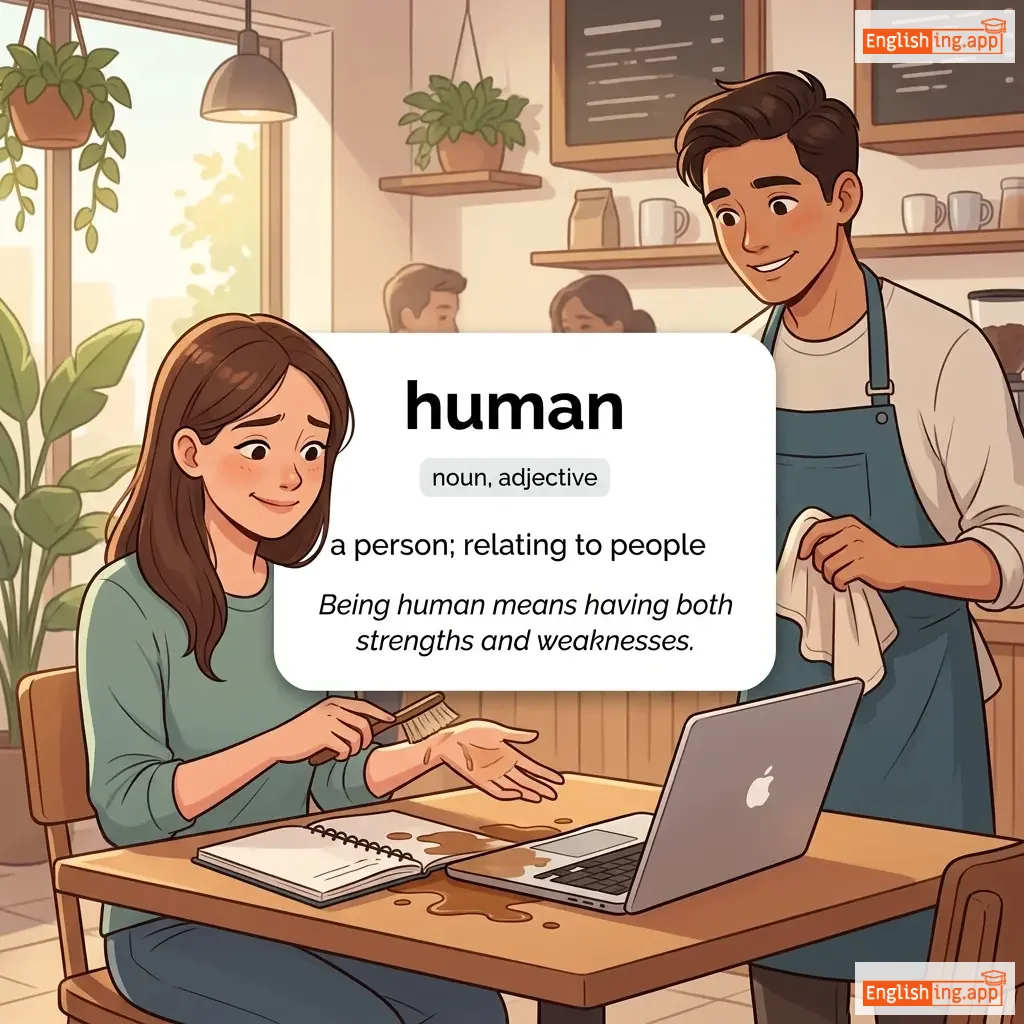
a person; relating to people
|
Being human means having both strengths and weaknesses.
••••••
|
Ser humano significa tener tanto fortalezas como debilidades.
Ser humano significa tener tanto fortalezas como debilidades.
••••••
|
••••••
|
making mistakes is a natural part of being human
|
errar es humano
errar es humano
••••••
|
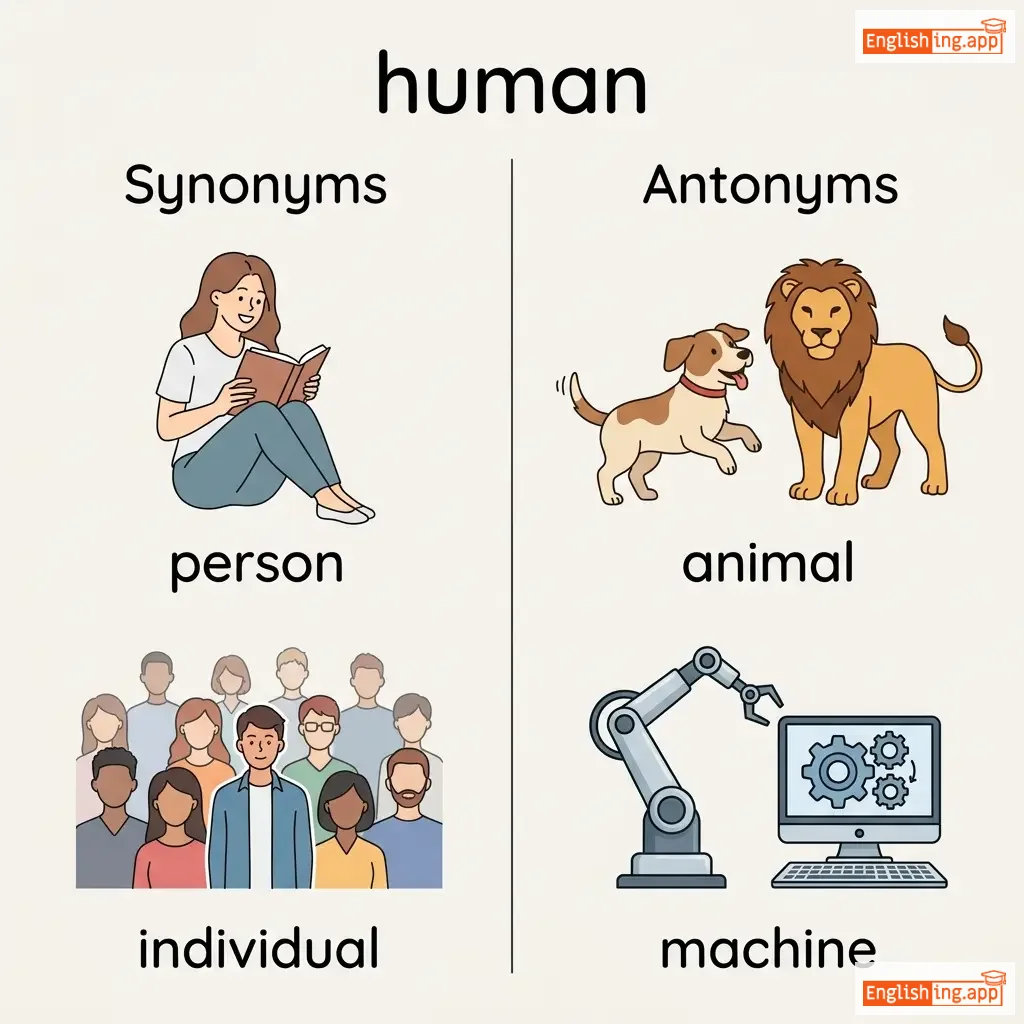
person, individual, mortal, man, woman
|
••••••
|
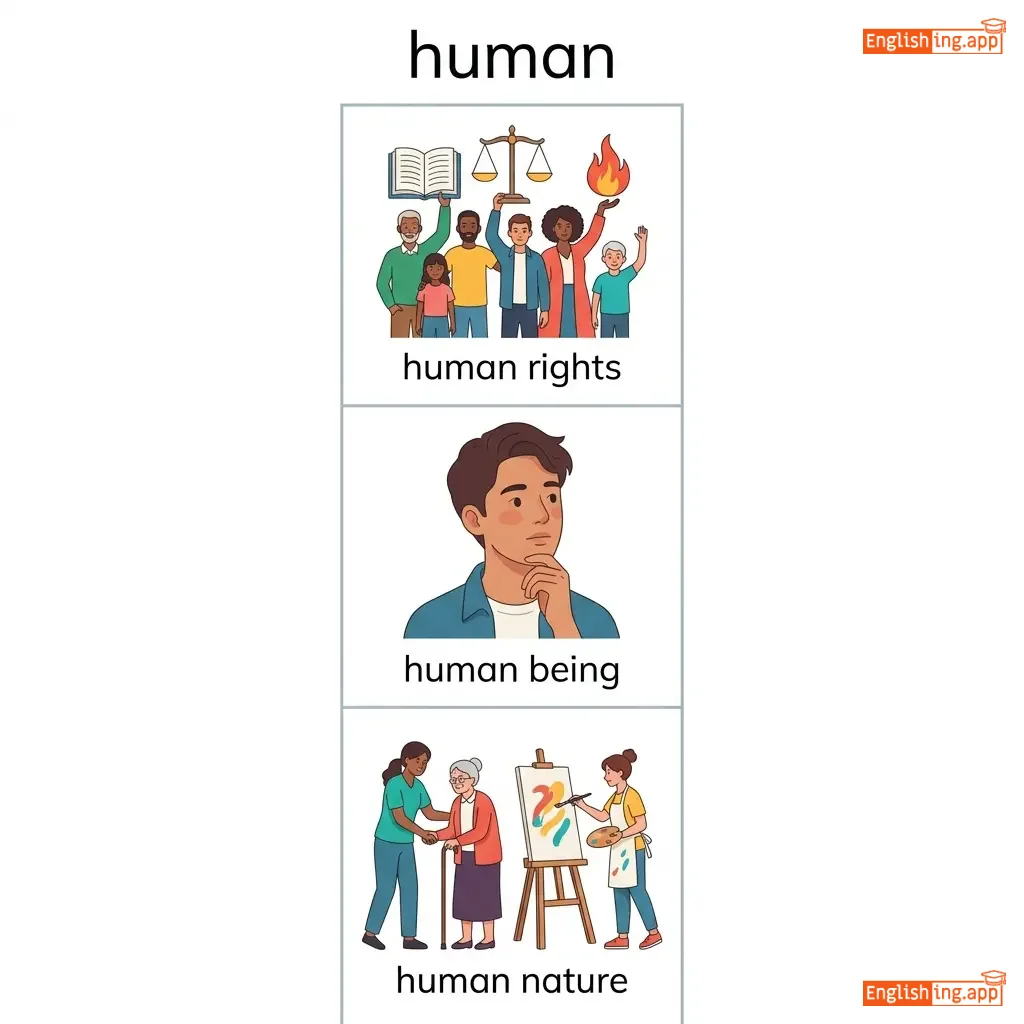
human rights, human being, human nature, human body
|
Human = 'hu' (de humano) + 'man' (hombre) → ser humano es como un hombre con naturaleza.
••••••
|
|
••••••
|
/haʊˈɛvər/
adverb, conjunction
(jauéber)
••••••
|
-
••••••
|
sin embargo
sin embargo
••••••
|
-
••••••
|
-
••••••
|
-
••••••
|
-
••••••
|
used to introduce a statement that contrasts with or seems to contradict something previously said
|
The journey was long; however, it was enjoyable.
••••••
|
El viaje fue largo; sin embargo, fue agradable.
El viaje fue largo; sin embargo, fue agradable.
••••••
|
-
••••••
|
-
••••••
|
-
••••••
|
nevertheless, but, still, yet
|
••••••
|
however hard, however much, however difficult
|
However significa sin embargo, imagina que el viaje fue largo, pero sin embargo, aún fue agradable.
••••••
|