Warum Multitasking die Produktivität Reduziert

Why Multitasking Reduces Productivity

In der heutigen Gesellschaft ist multitasking sehr beliebt, aber es kann die productivity verringern. Wenn mehrere Aufgaben simultaneously erledigt werden, fehlt es an cognitive Konzentration. Es entsteht eine distraction zwischen den Aufgaben, was die efficiency der Arbeit verringert.

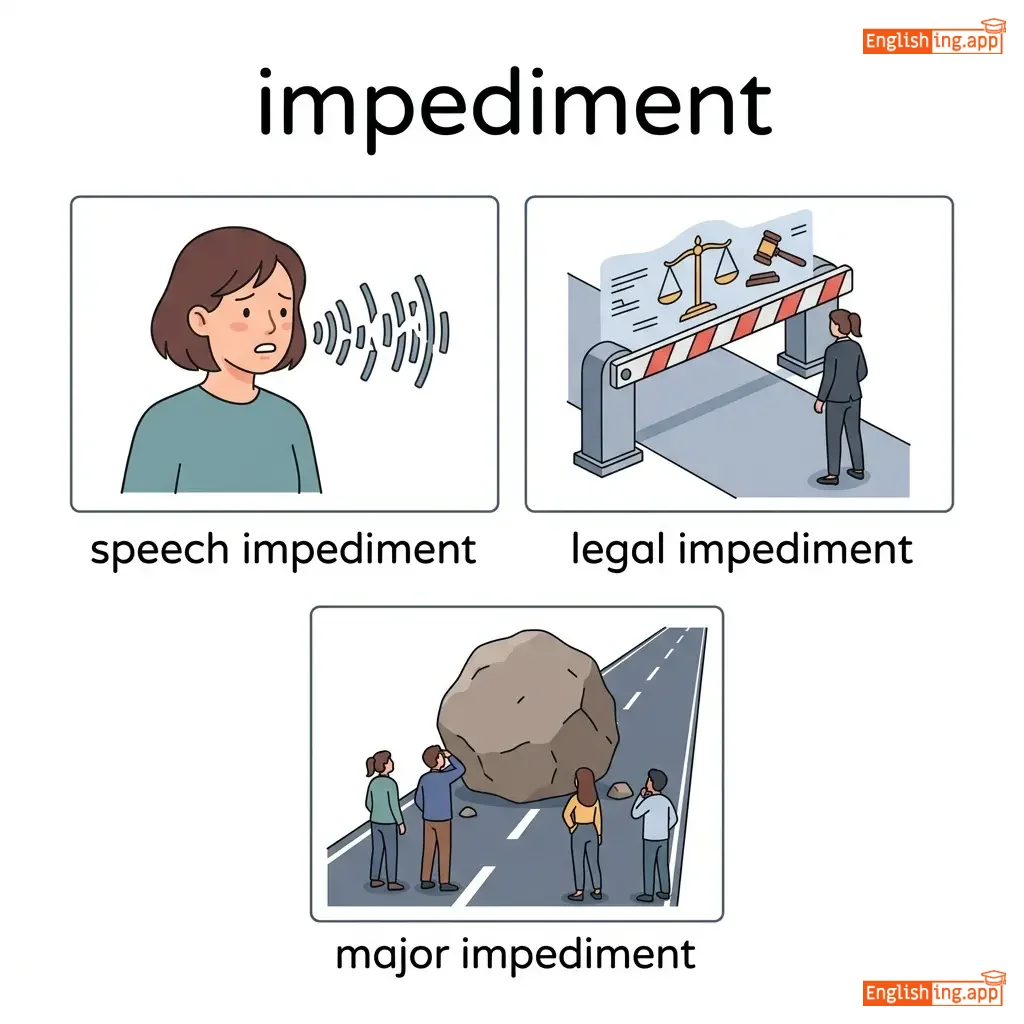
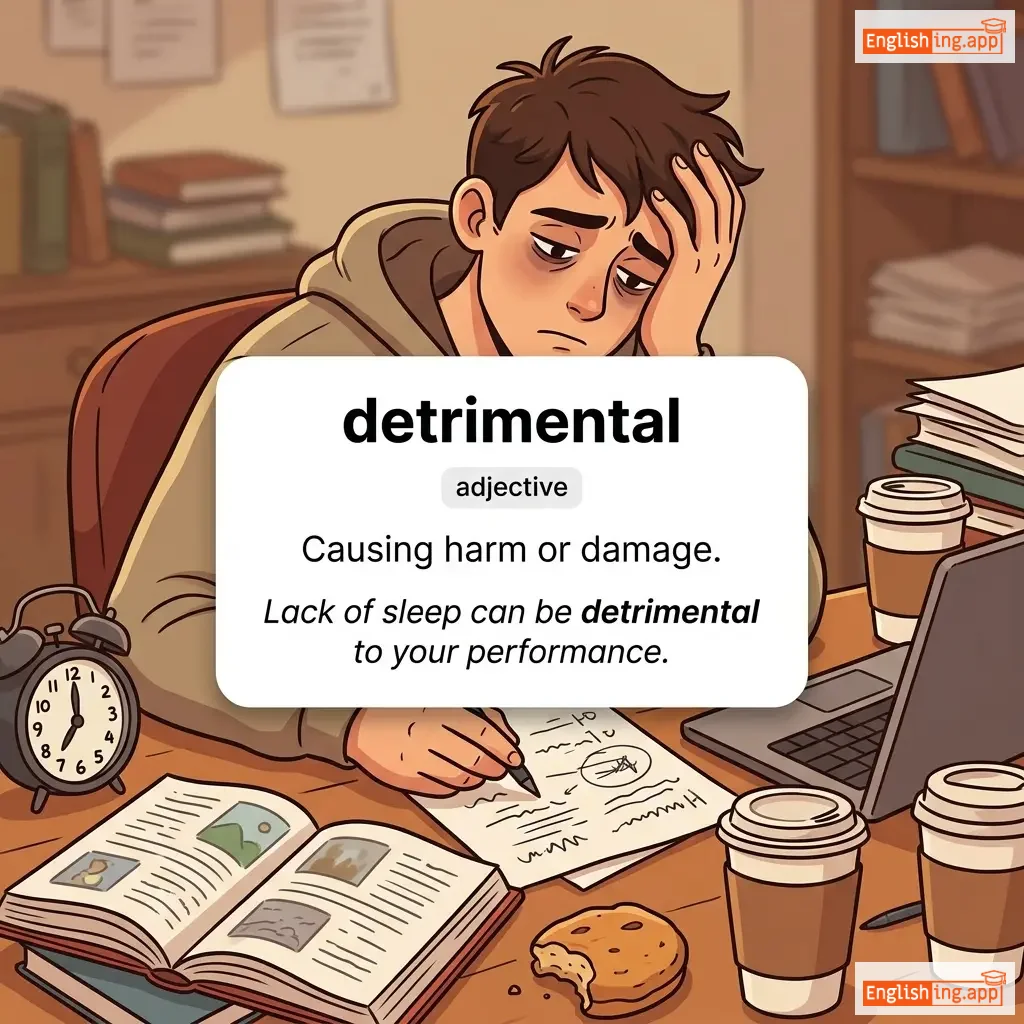
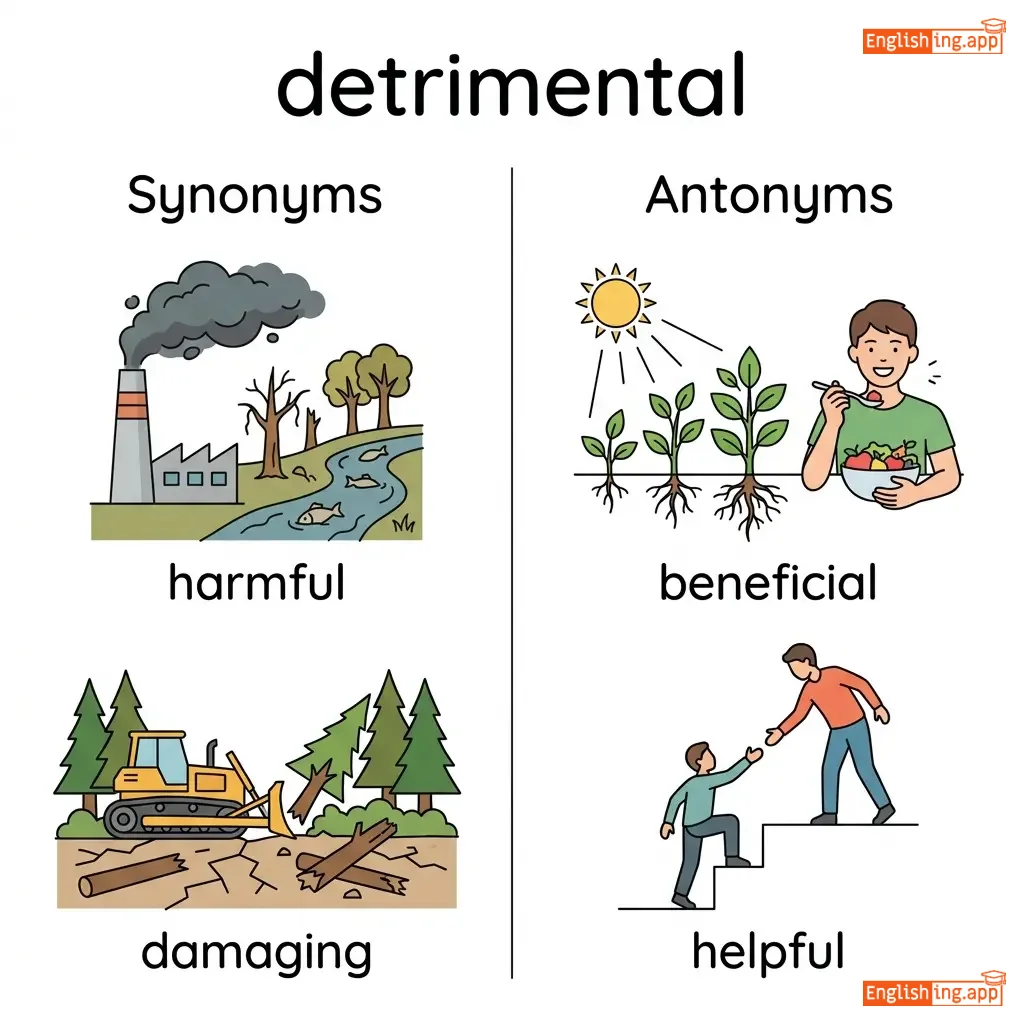
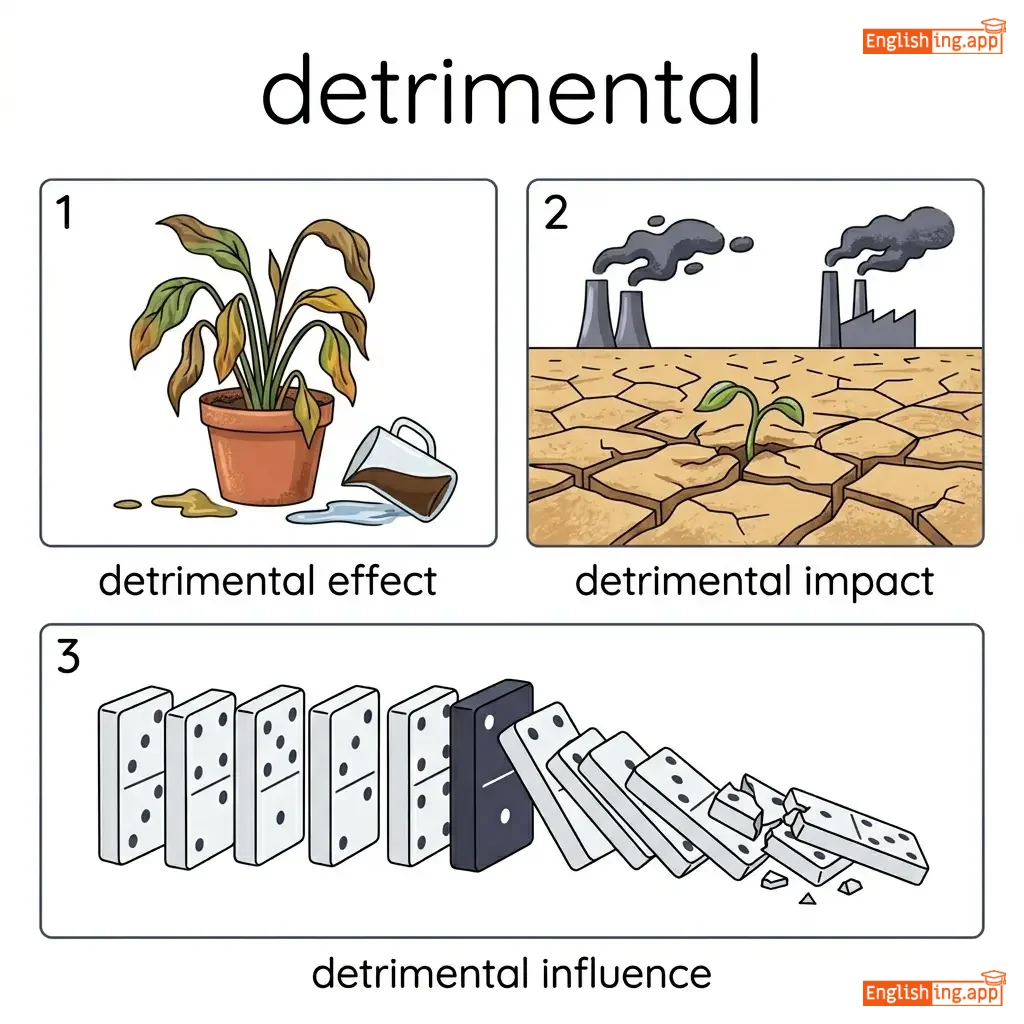
Es tritt eine fragmentation zwischen verschiedenen Aufgaben auf, was es unmöglich macht, jedem Task genügend concentration zu widmen. Diese impediments haben letztlich einen detrimental Effekt, und die subsequent Arbeit wird nicht richtig abgeschlossen.

Jedoch erhöht monotasking oder das Arbeiten nacheinander unsere Konzentration und synergy. Es schafft Fokus auf die Arbeit und optimizes die Zeitnutzung.

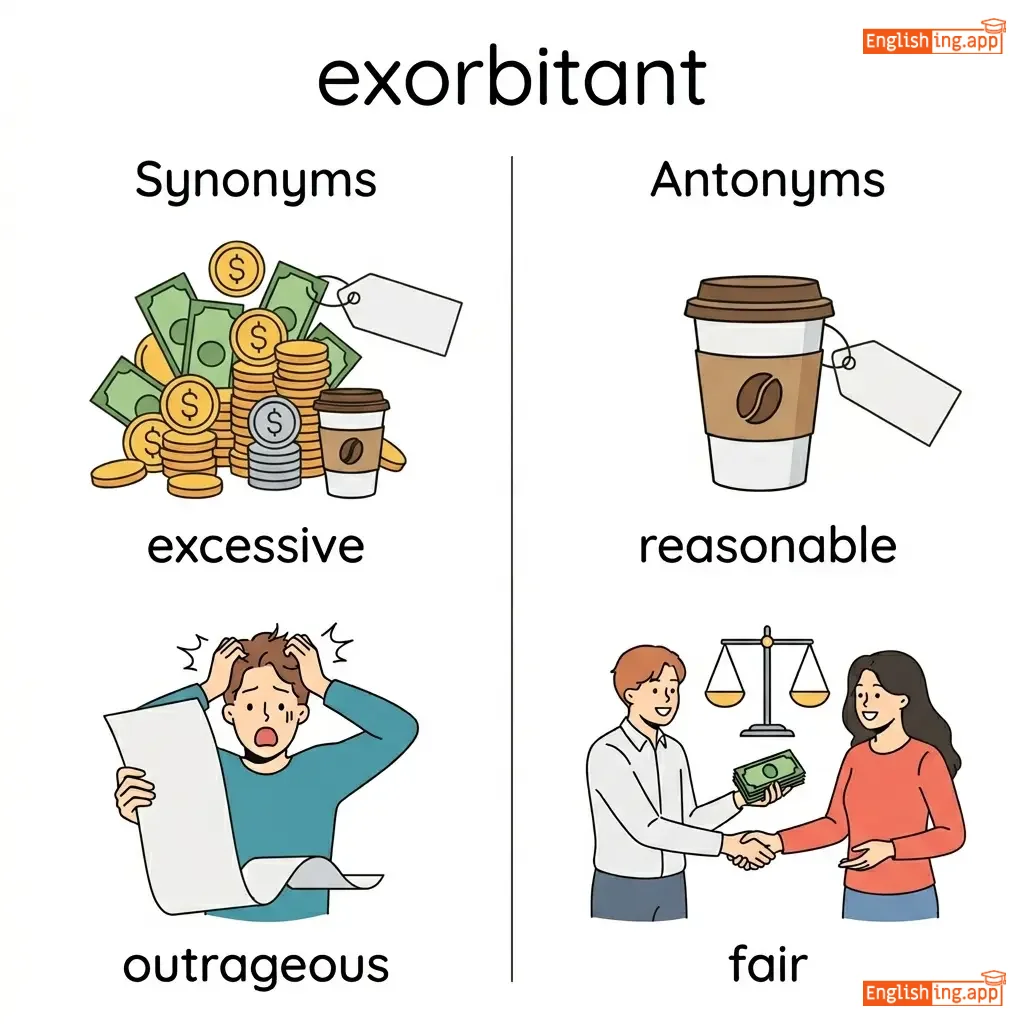
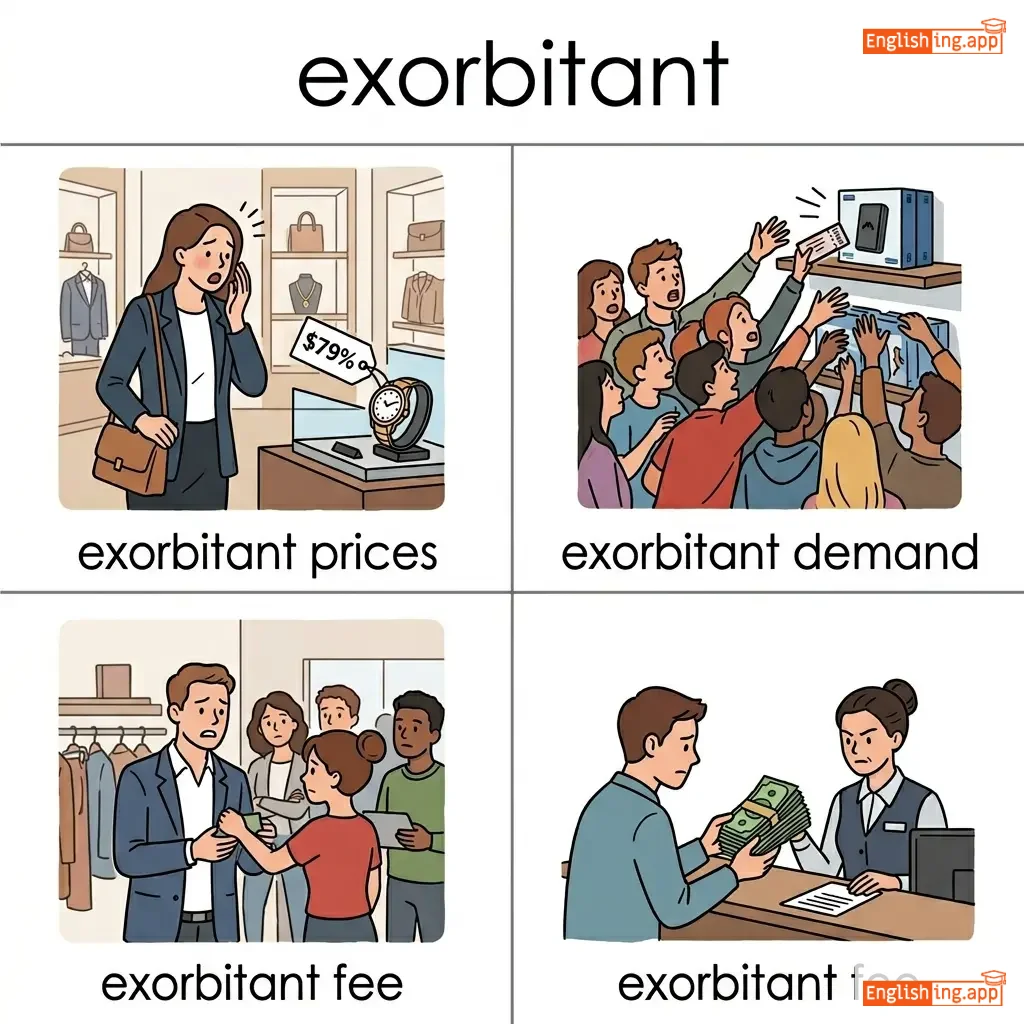
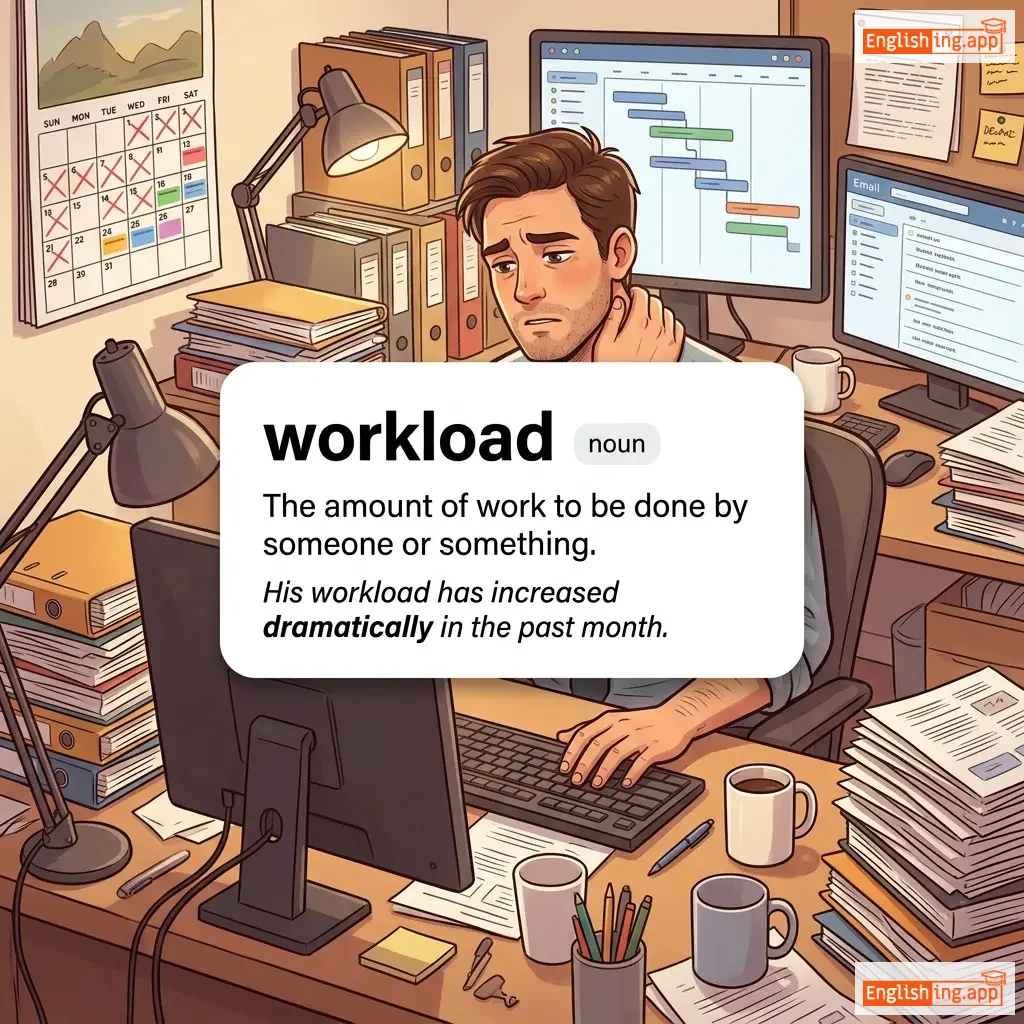
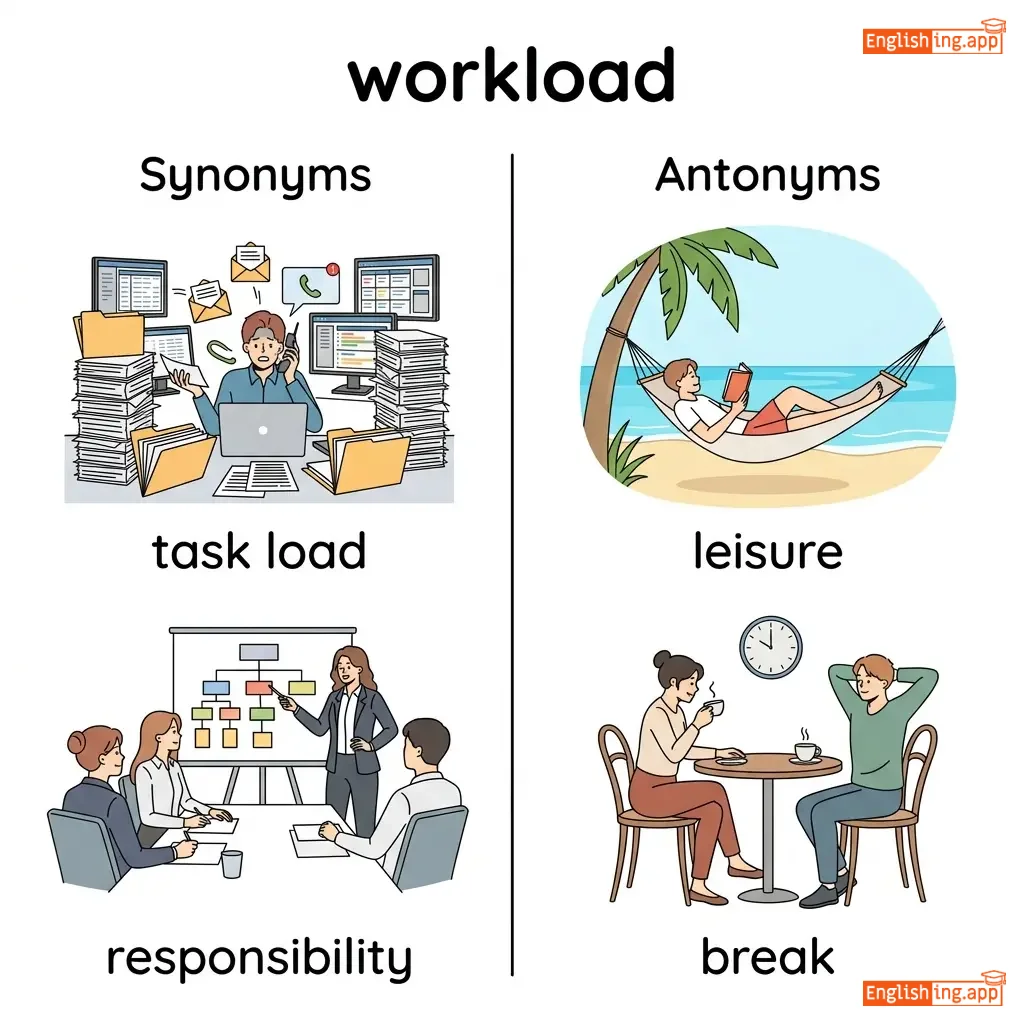
Deshalb ist es besser, multitasking mit einer exorbitant Menge an workload zu vermeiden und stattdessen deliberate und einzelne Aufgaben zu erledigen, die productive sind.

Why Multitasking Reduces ProductivityWarum Multitasking die Produktivität Reduziert
/
/

Why Multitasking Reduces ProductivityWarum Multitasking die Produktivität Reduziert - Maske umschalten

Emoji
Wort Images Bedeutung Beispielsatz Synonyme Antonyme
#3957
🔀
••••••
ˈmʌltɪˌtɑːskɪŋ
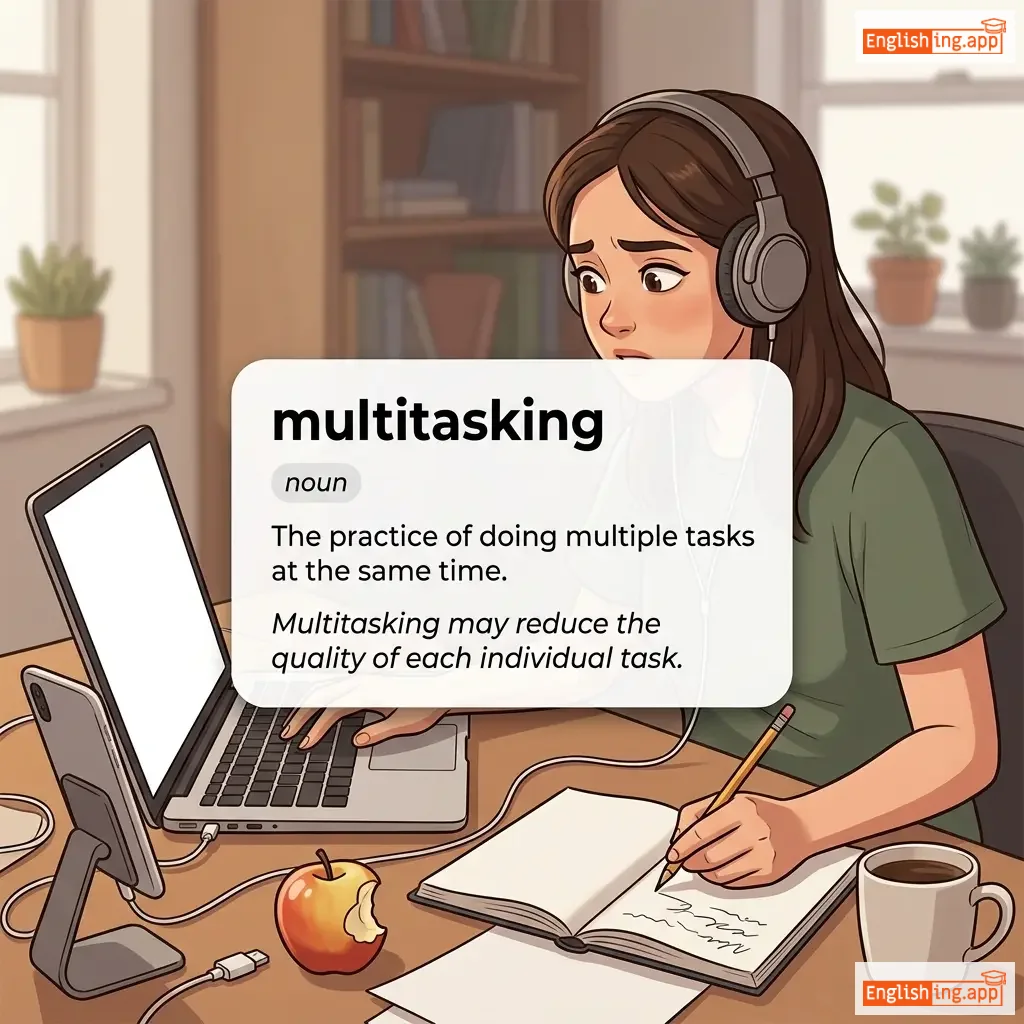
noun
••••••
••••••
The practice of doing multiple tasks at the same time.
••••••

Multitasking may reduce the quality of each individual task.

••••••
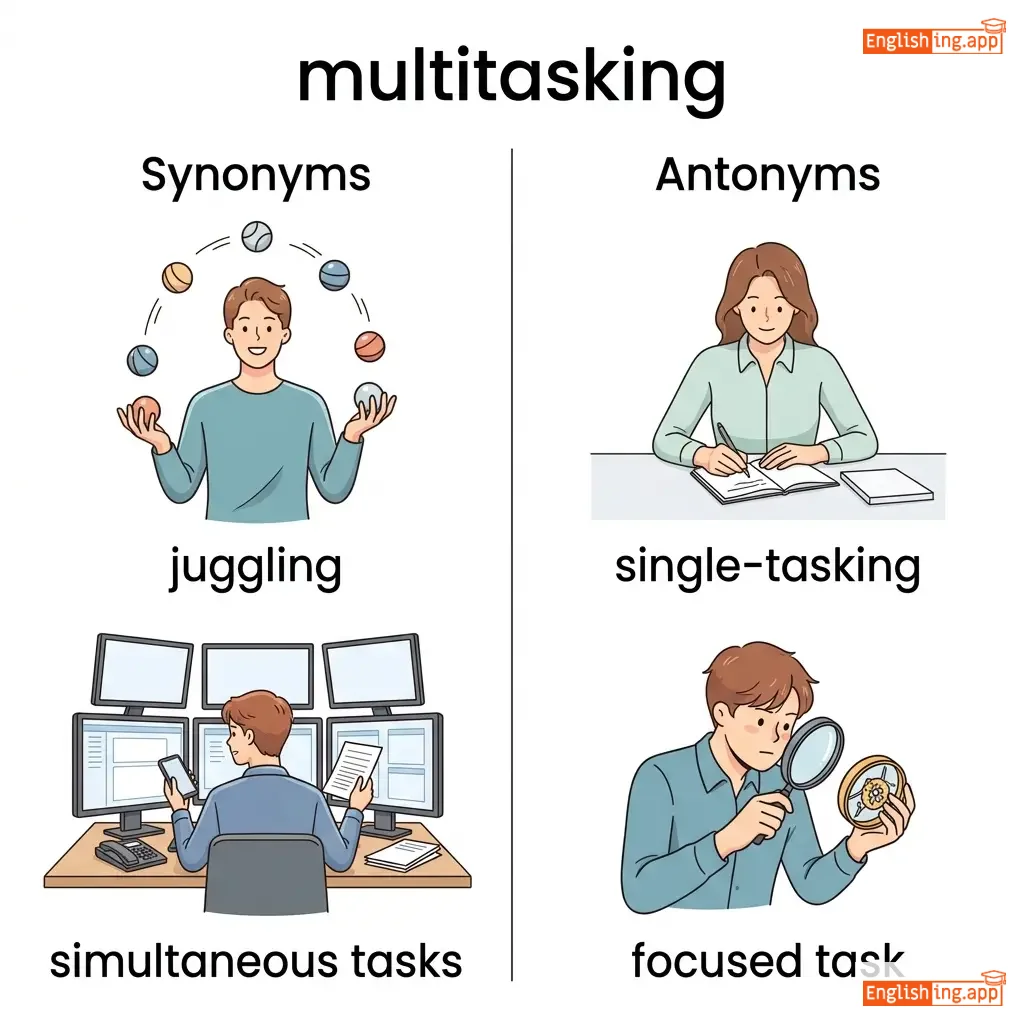
juggling, simultaneous tasks, concurrent work
••••••
single-tasking, focused task, unilateral task
••••••
#3958
📈
••••••
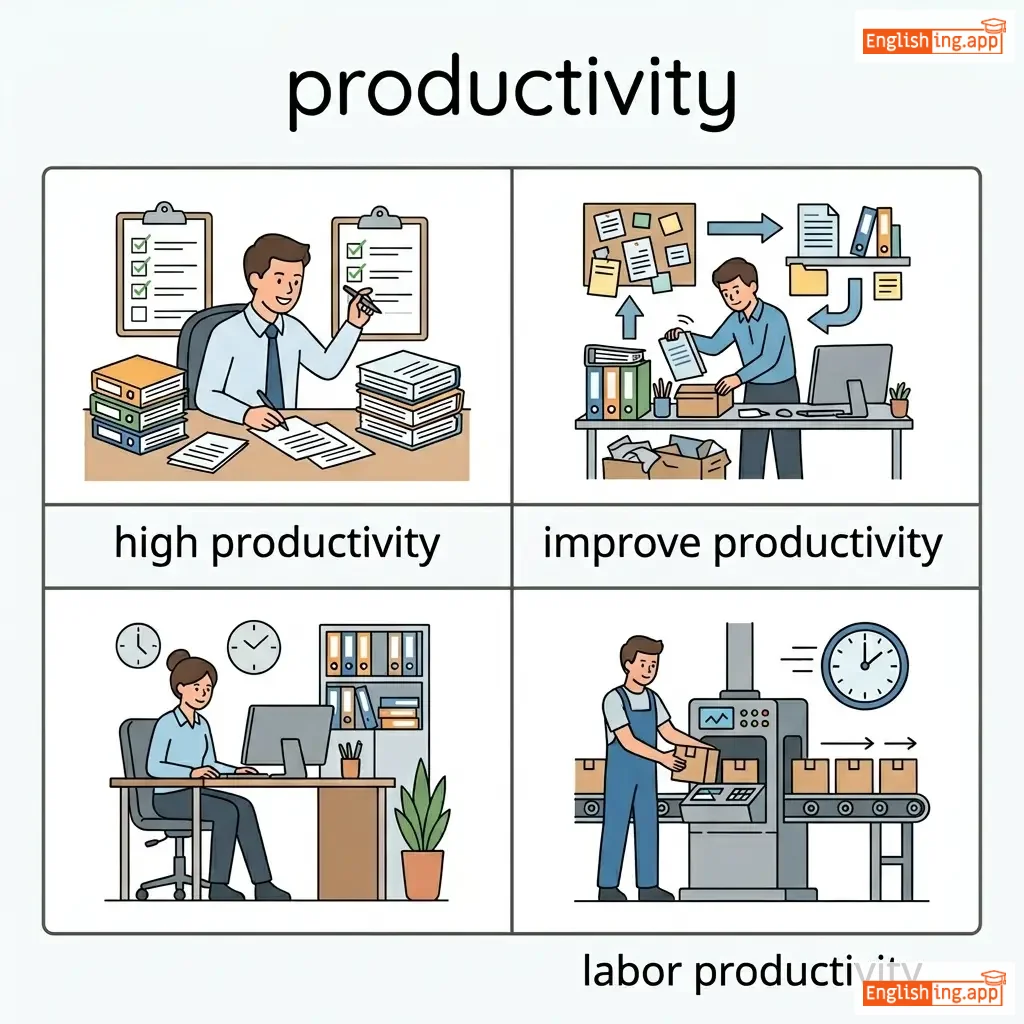
prəˈdʌktɪvɪti
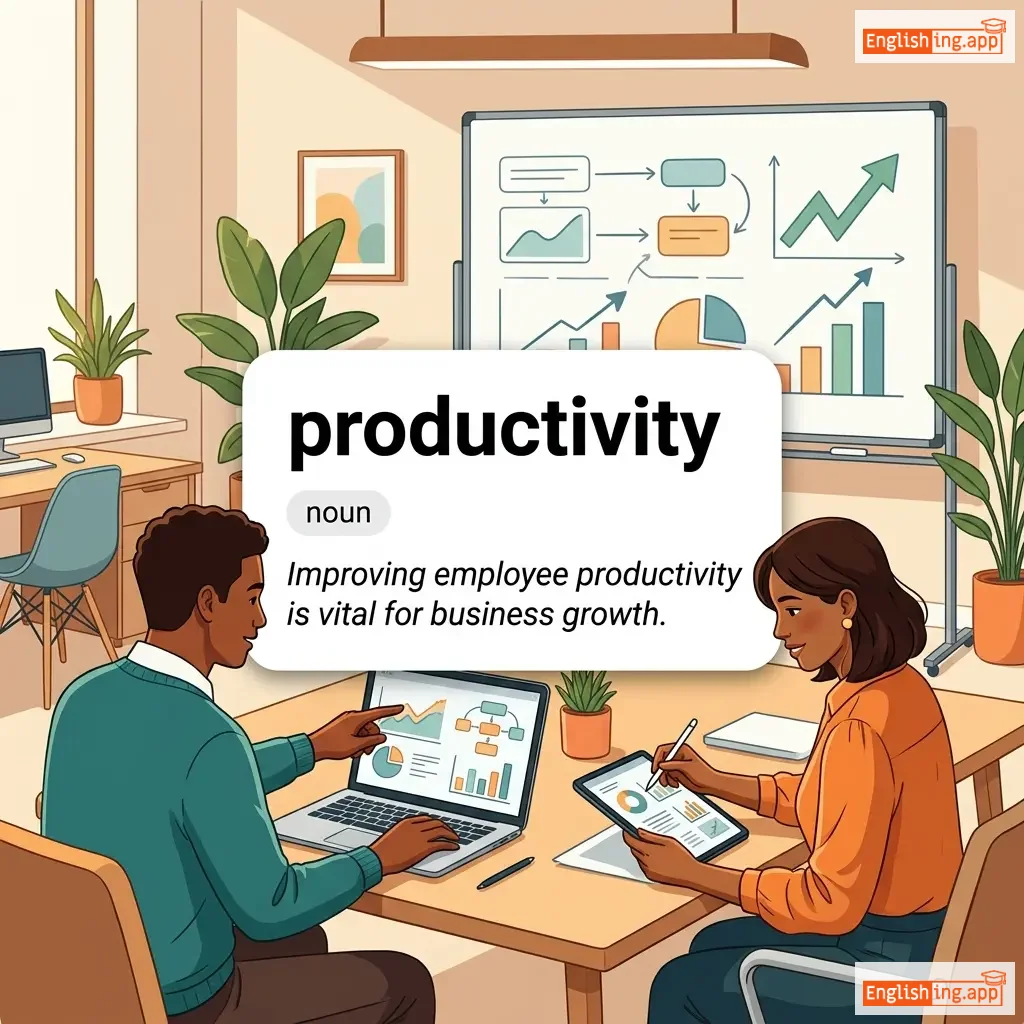
noun
••••••
••••••
The effectiveness of productive effort, especially in industry, as measured in terms of the rate of output per unit of input.
••••••

The team's productivity has increased due to streamlined processes.

••••••
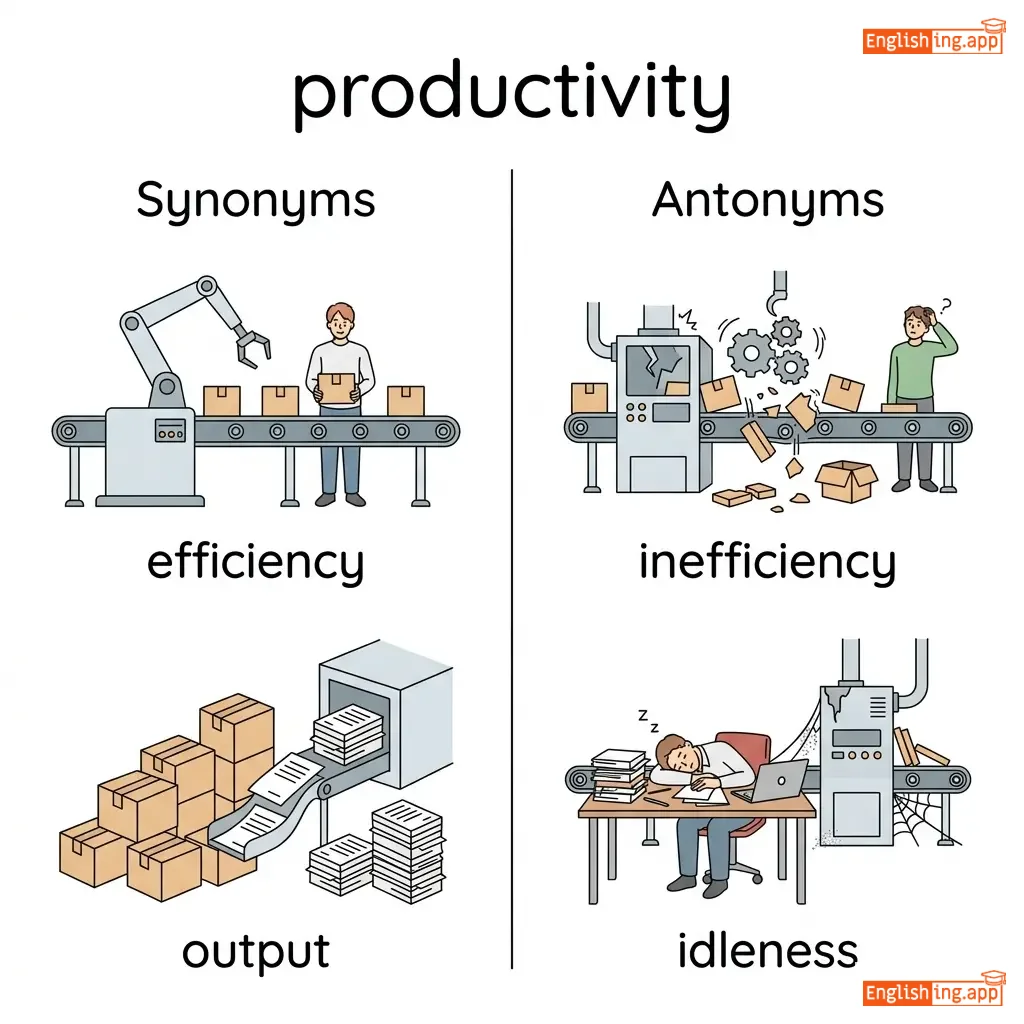
efficiency, output, performance
••••••
inefficiency, unproductiveness, stagnation
••••••
#3959
⏱️
••••••
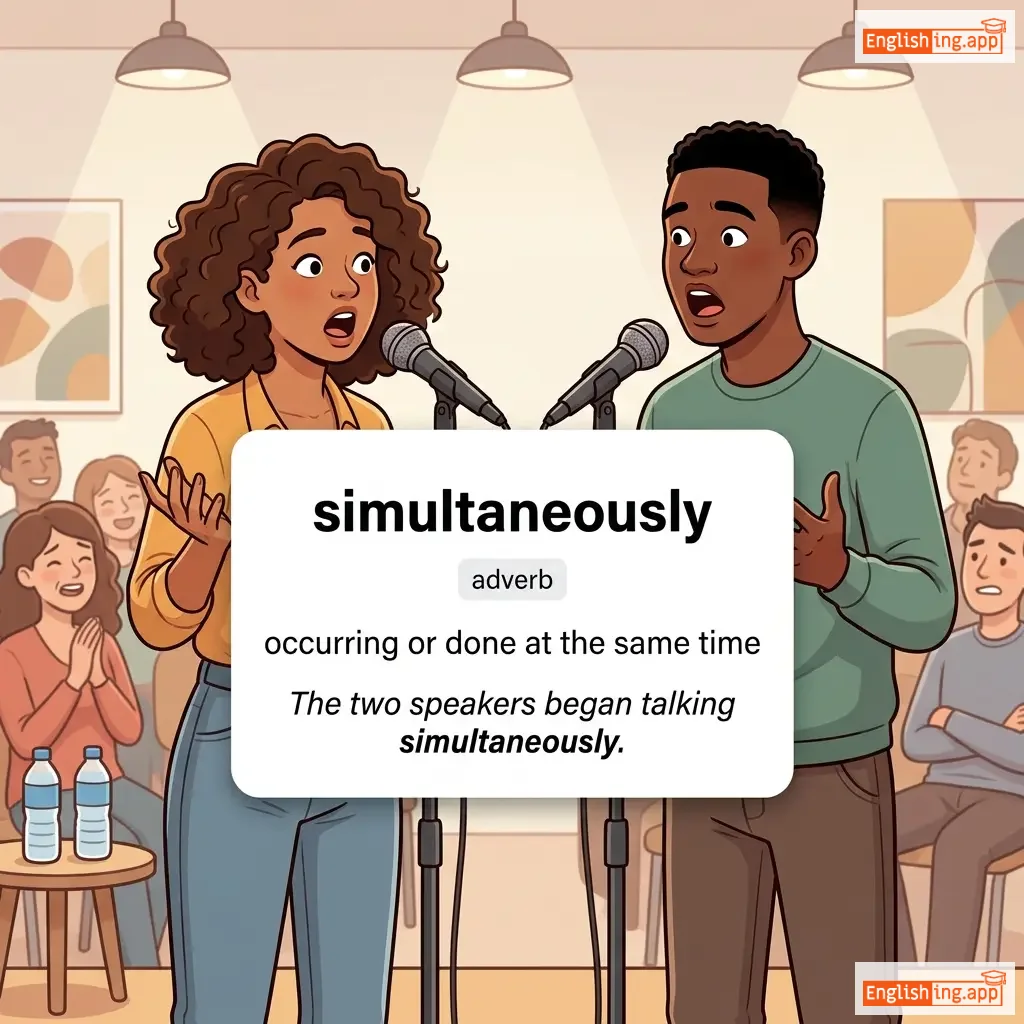
ˌsɪməlˈteɪnɪəsli
adverb
••••••
••••••
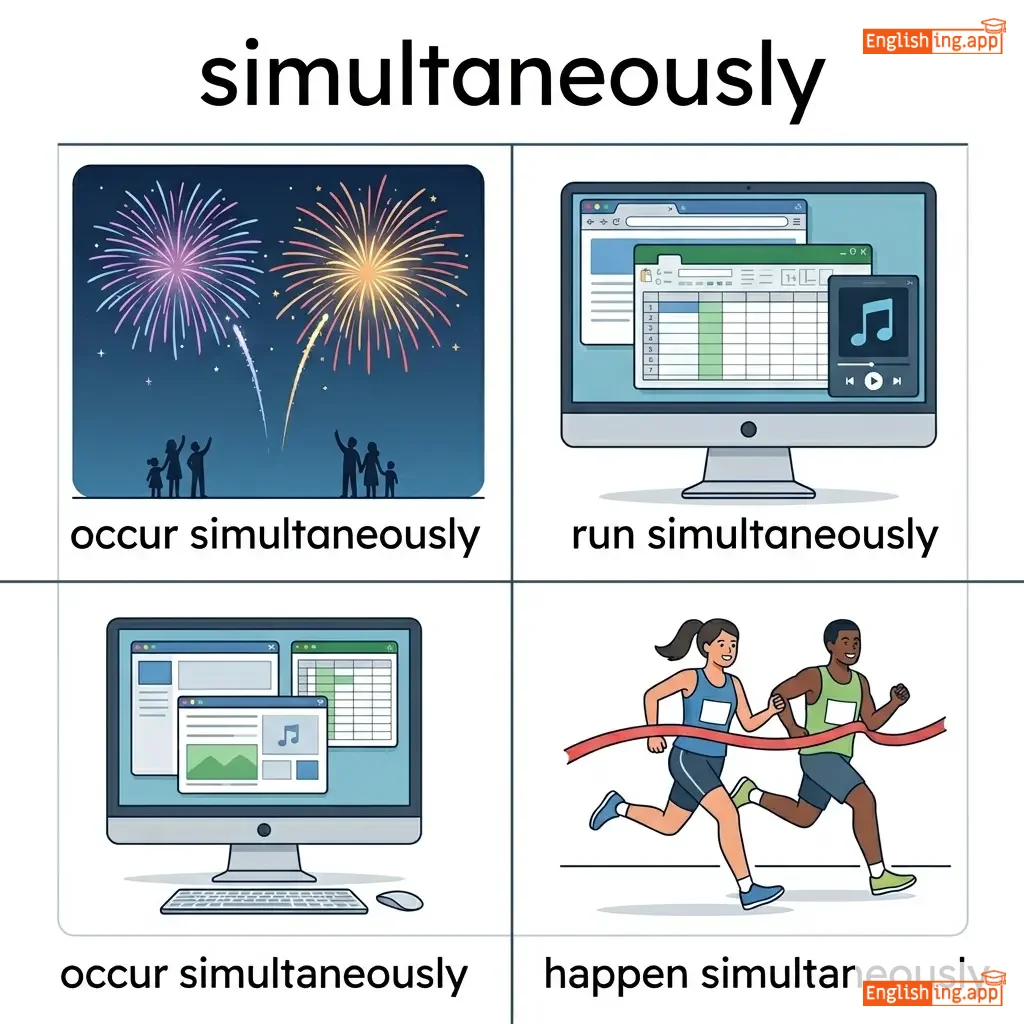
At the same time; occurring or existing at the same time.
••••••

He worked on two projects simultaneously.

••••••
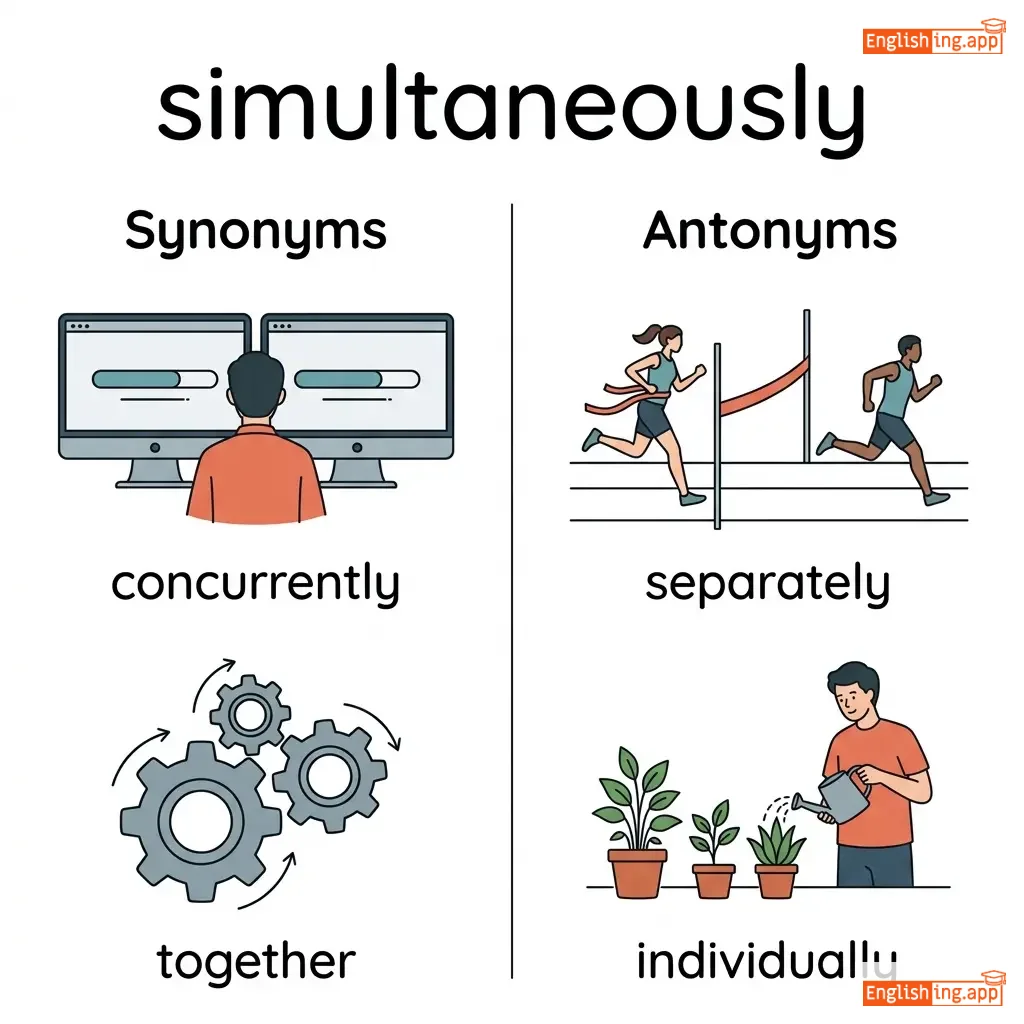
concurrently, in parallel, at the same time
••••••
separately, sequentially, disjointedly
••••••
#3960
🧠
••••••
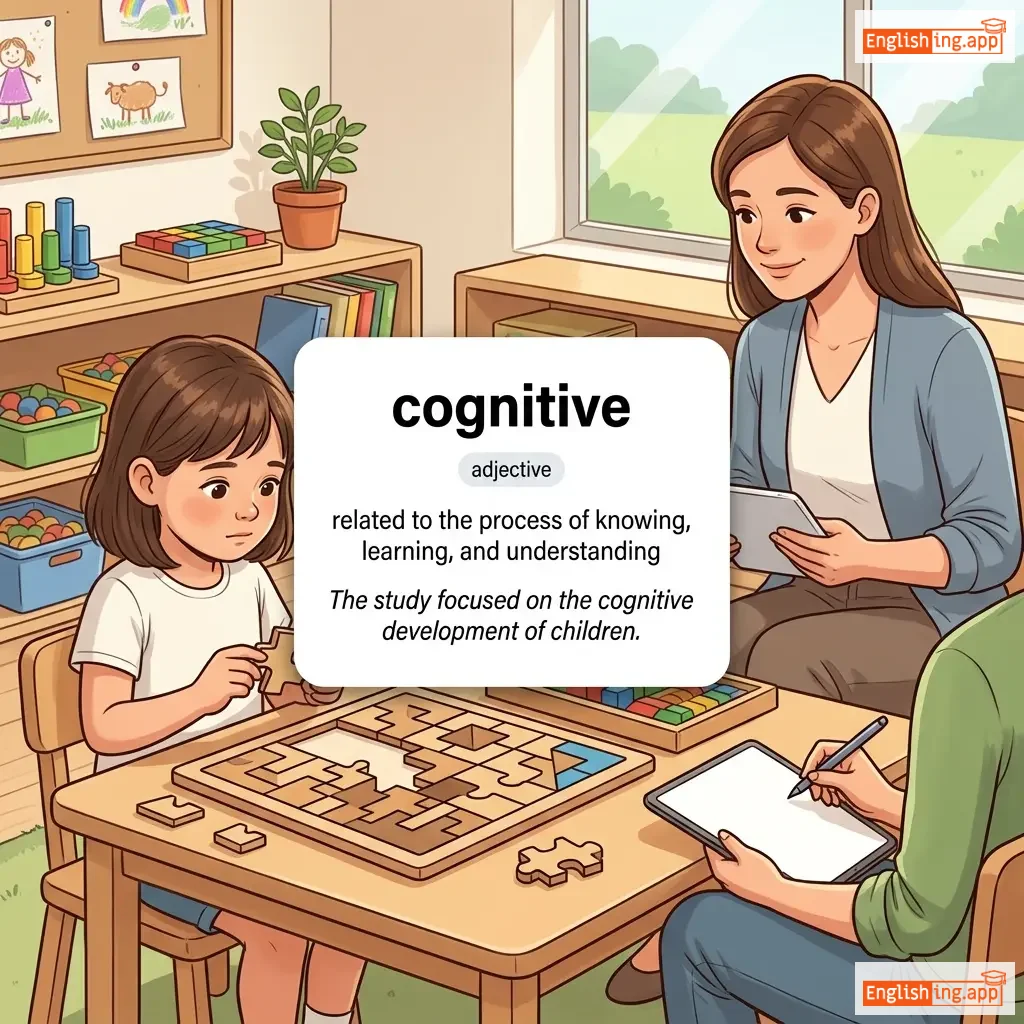
ˈkɒɡnɪtɪv
adjective
••••••
••••••
Related to cognition; involving or relating to thinking or conscious mental activities.
••••••

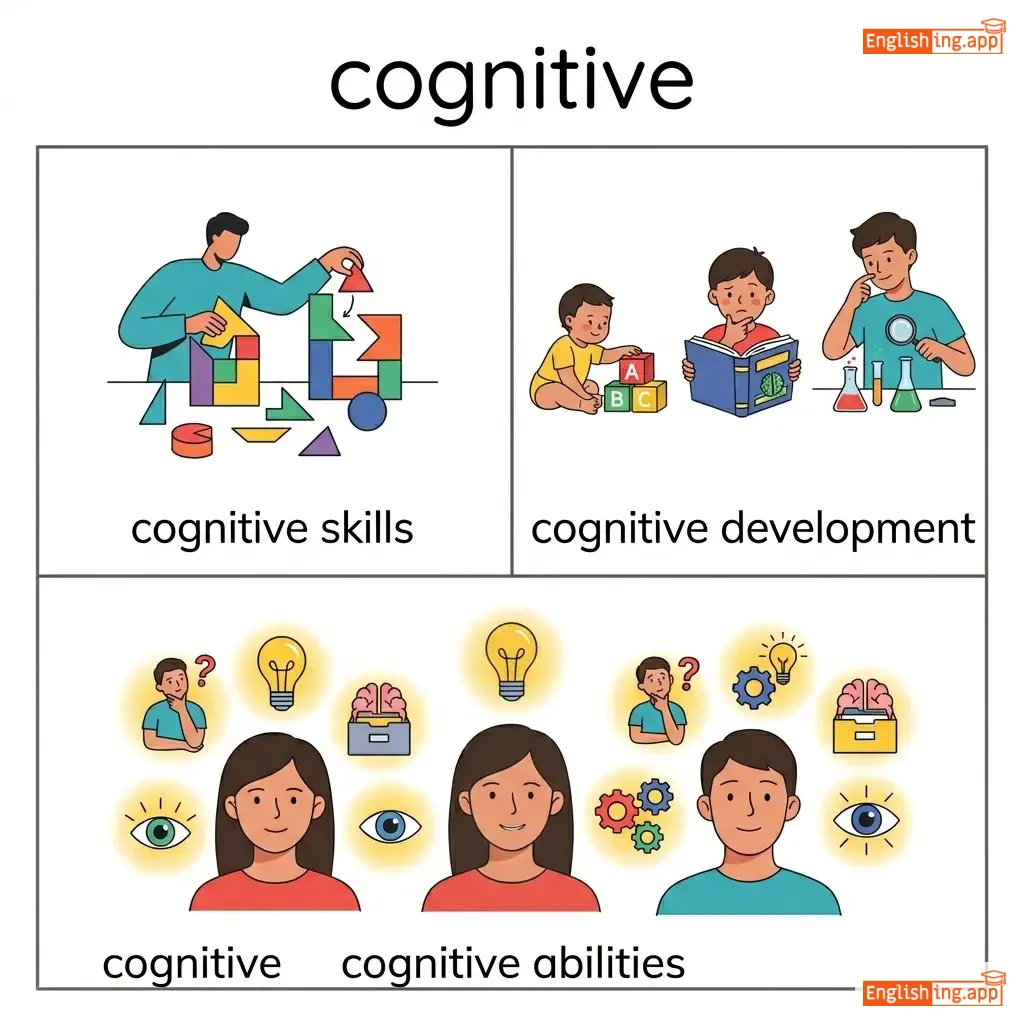
Cognitive skills are important for problem-solving.

••••••
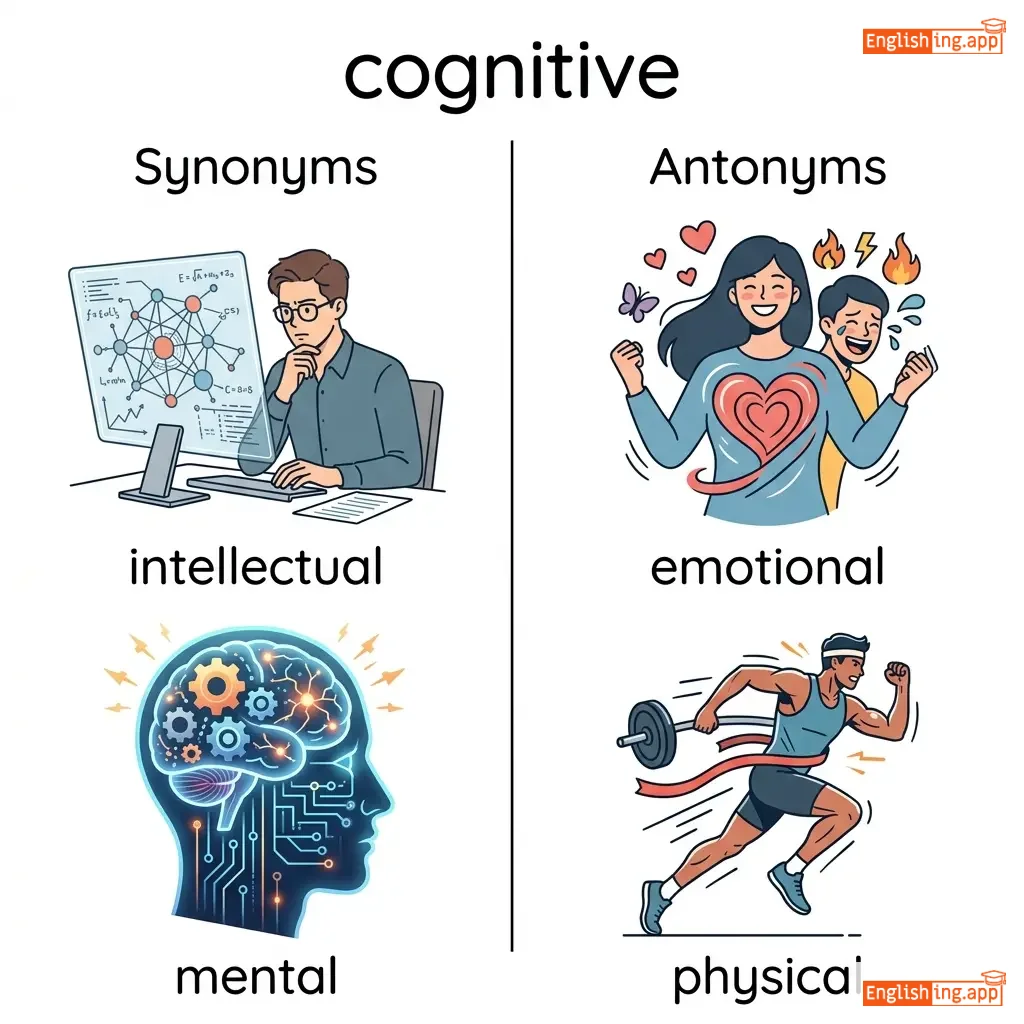
intellectual, mental, psychological
••••••
physical, emotional, unrelated
••••••
#3961
💭
••••••
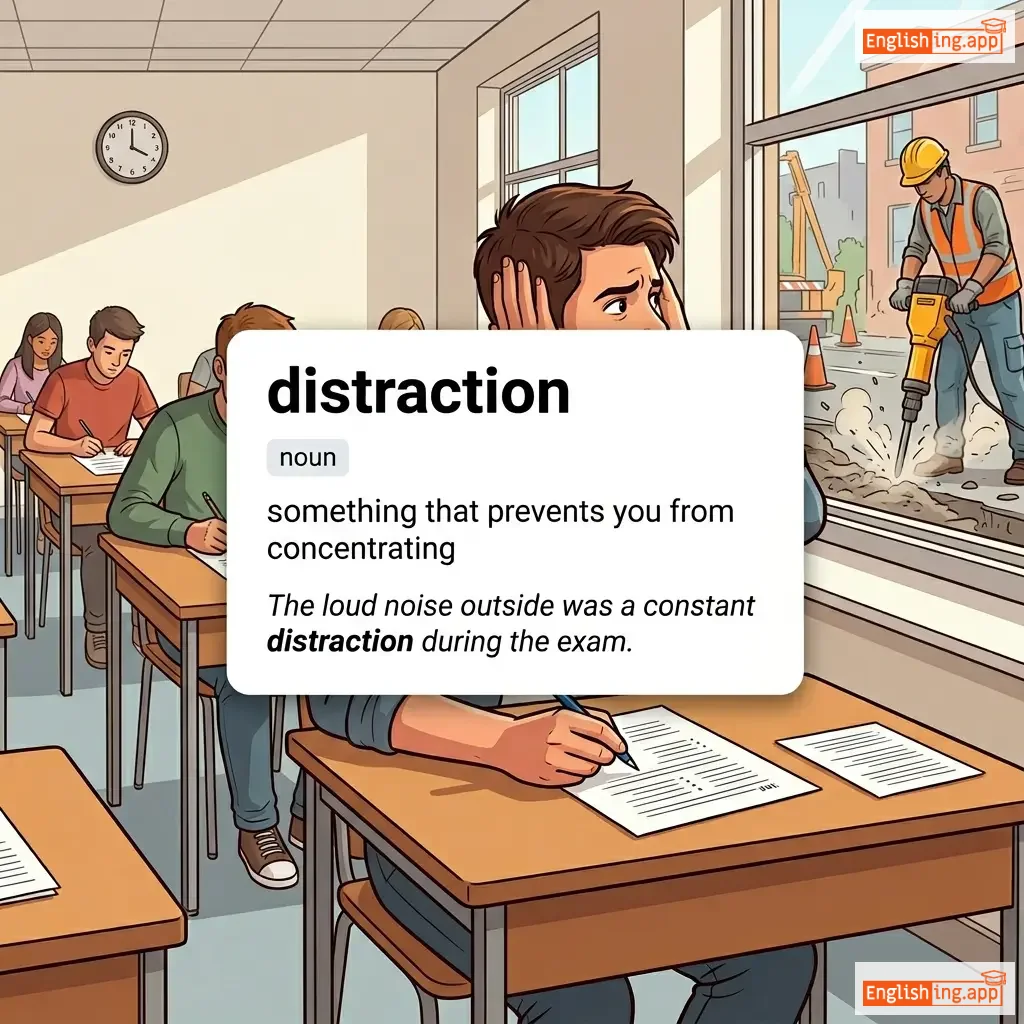
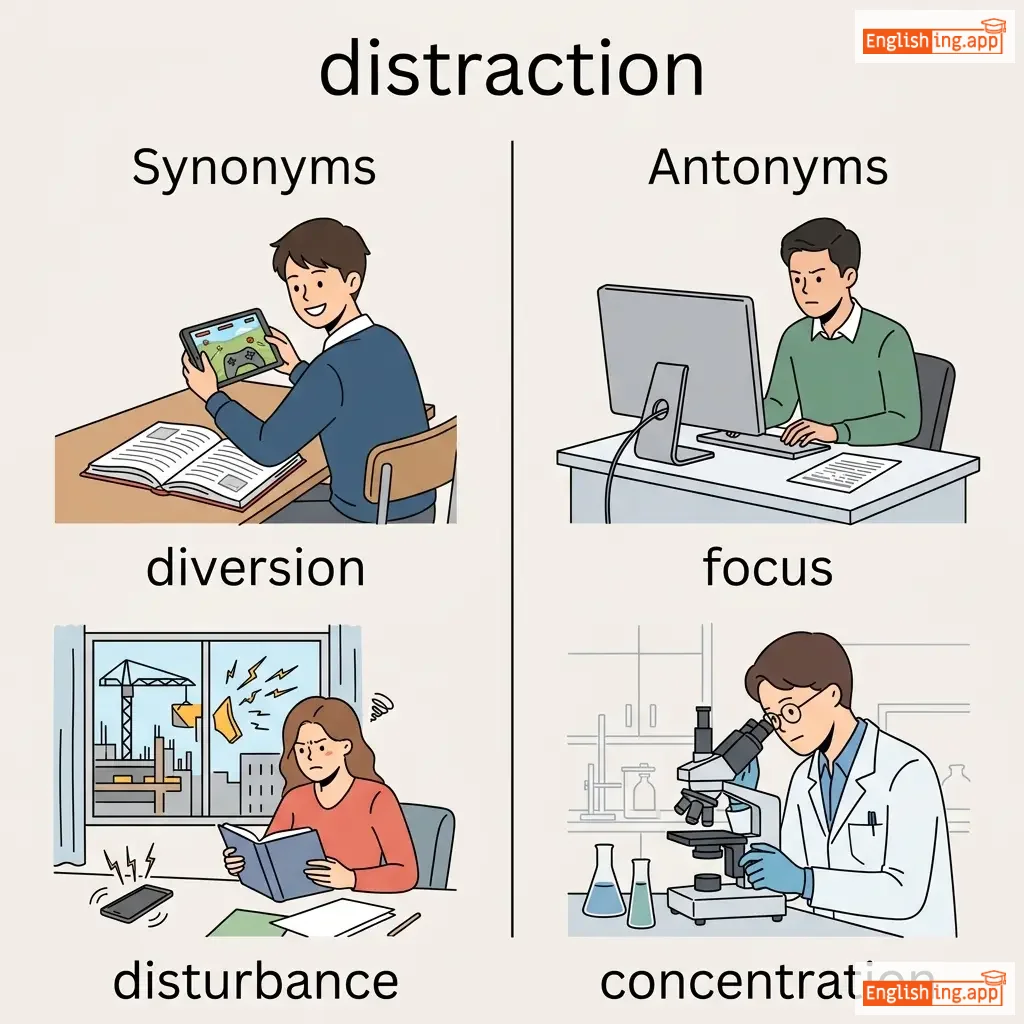
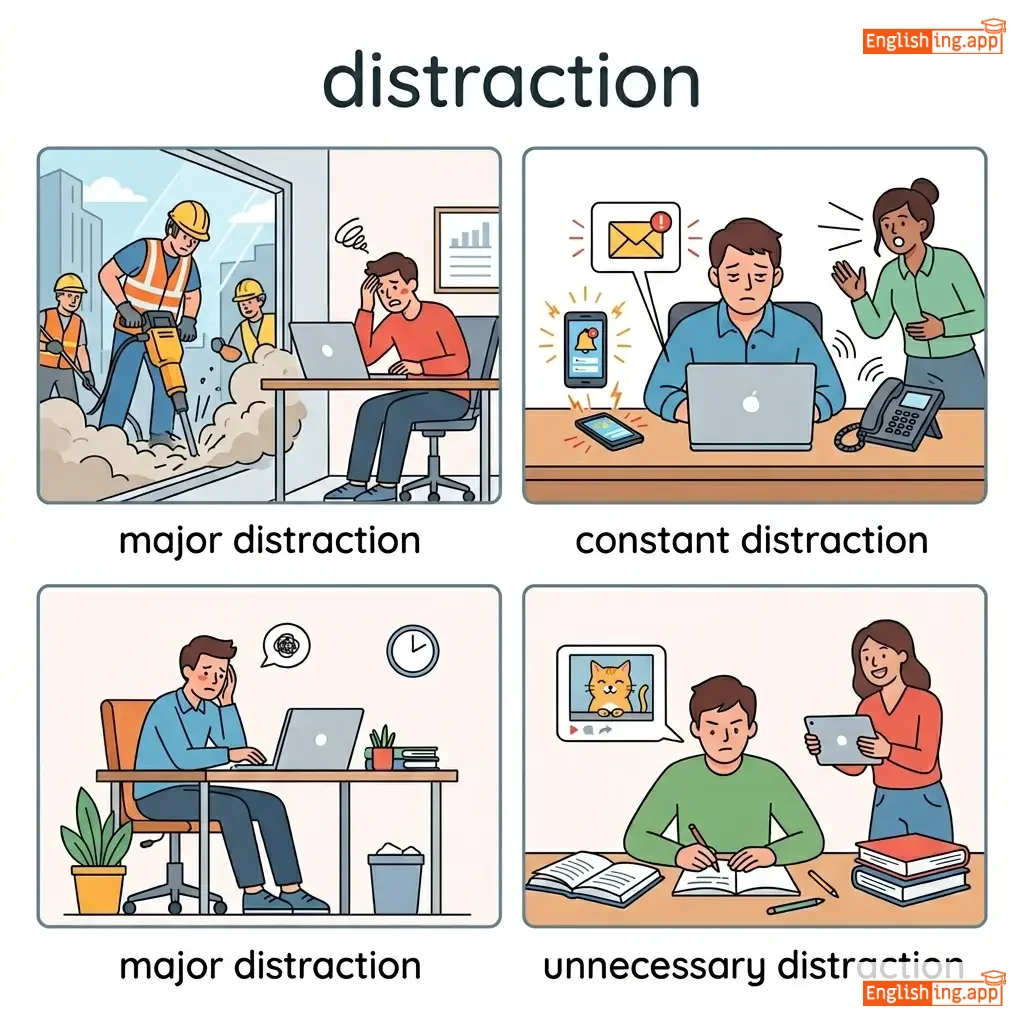
dɪˈstrækʃən
noun
••••••
••••••
A thing that prevents someone from giving full attention to something else.
••••••

Distractions can reduce productivity in the workplace.

••••••
interruption, diversion, disturbance
••••••
focus, concentration, attention
••••••
#3962
••••••
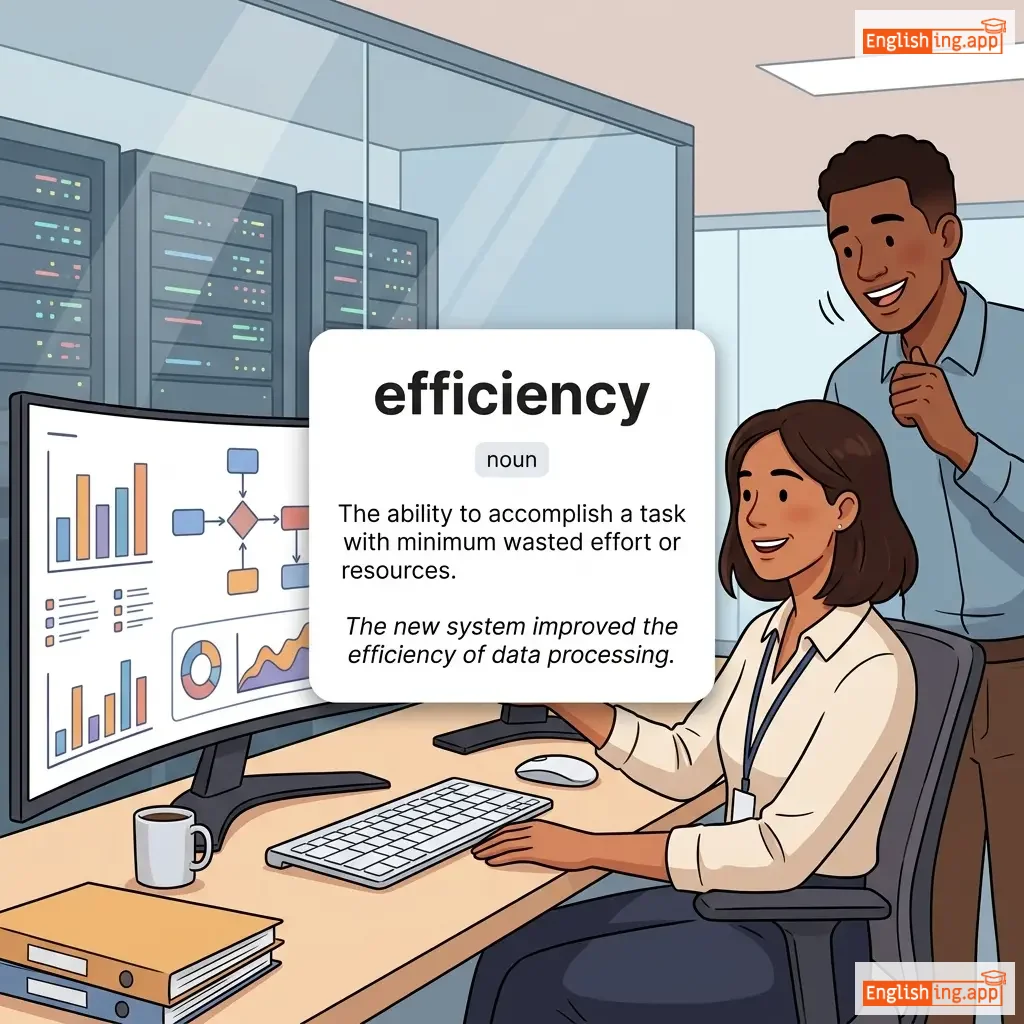
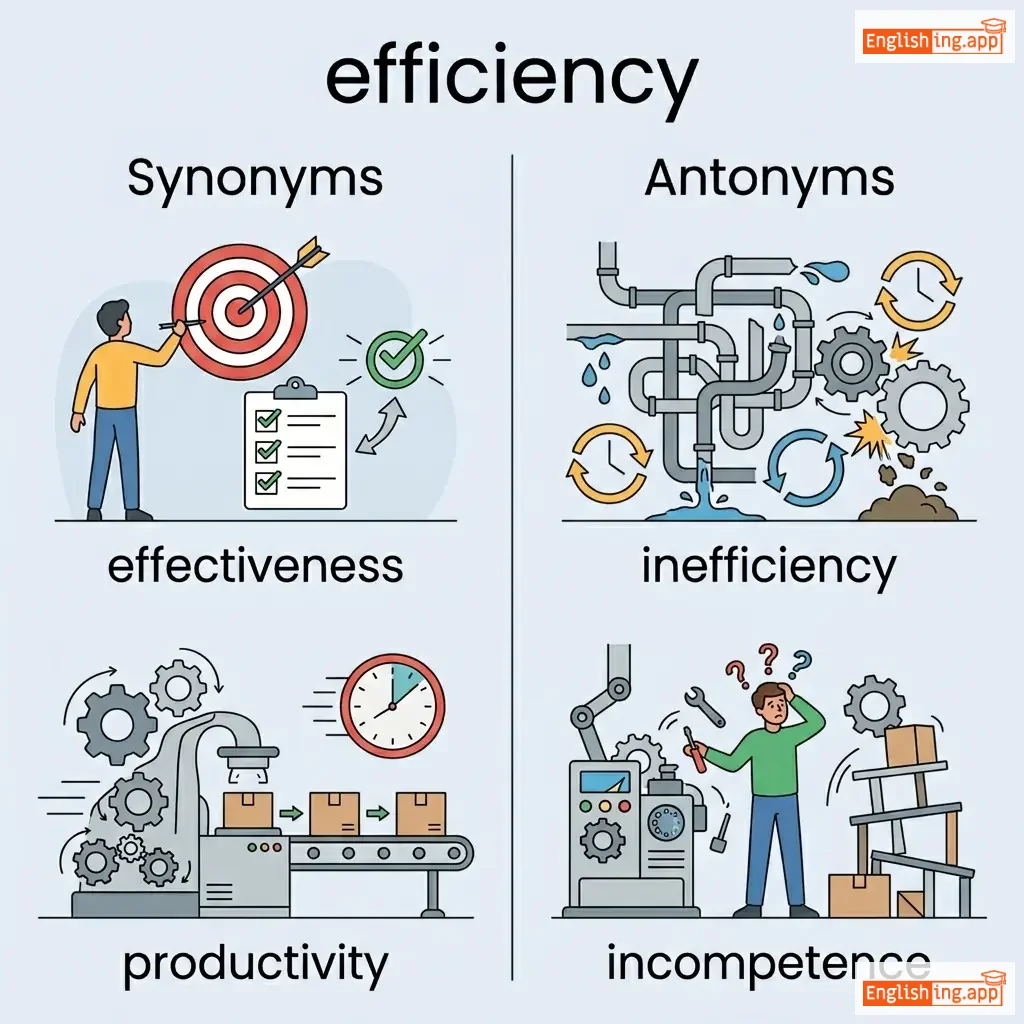
ɪˈfɪʃənsi
noun
••••••
••••••
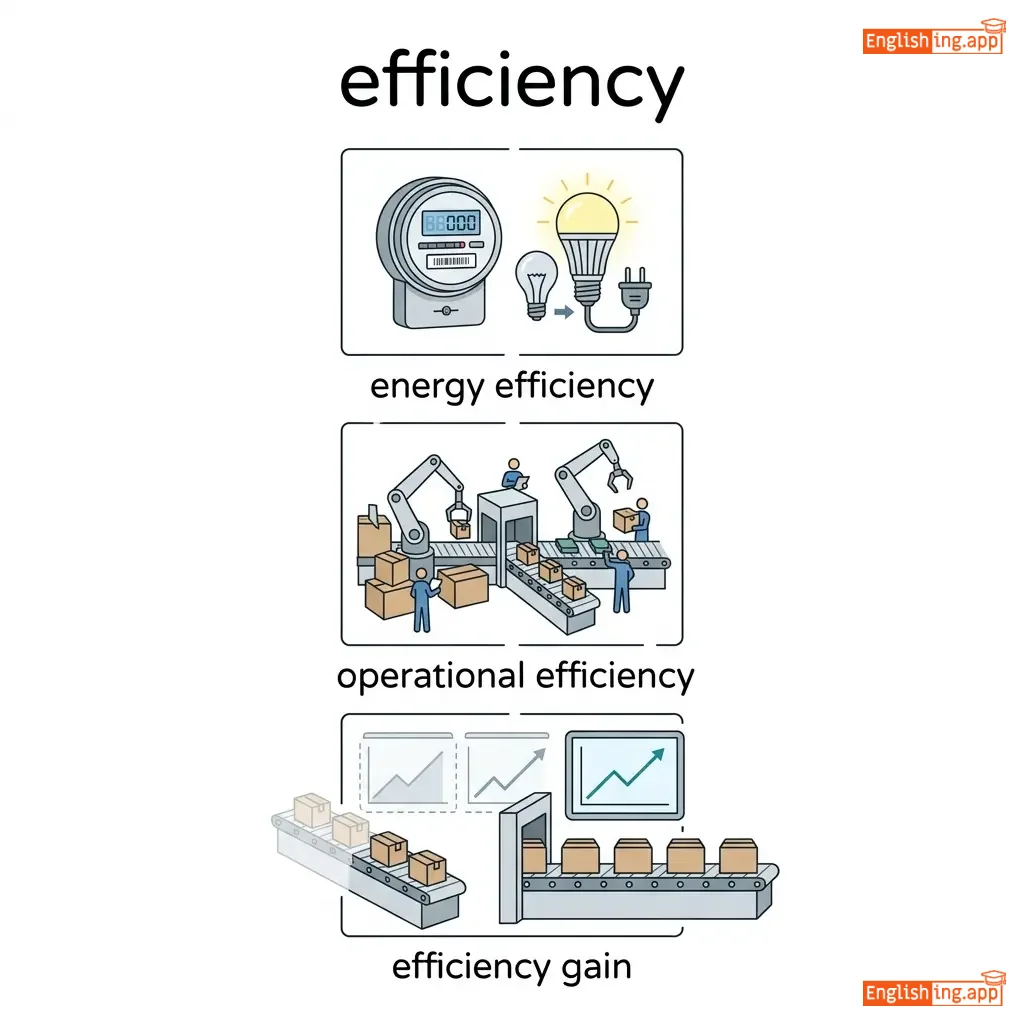
The state or quality of being efficient; achieving maximum productivity with minimum wasted effort or expense.
••••••

His efficiency at work has increased significantly.

••••••
productivity, effectiveness, competence
••••••
inefficiency, wastefulness, unproductiveness
••••••
#3963
🧩
••••••
ˌfræɡmɛnˈteɪʃən
noun
••••••
••••••
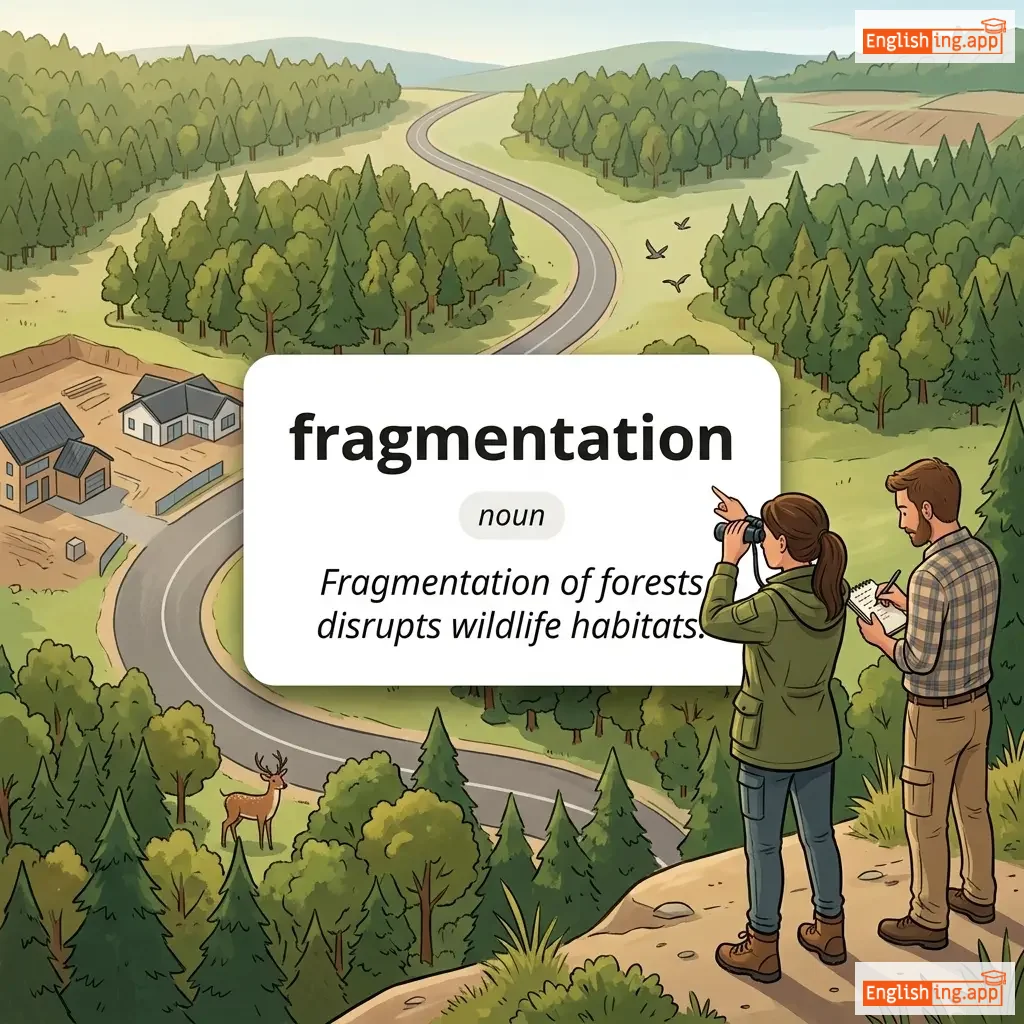
The process or state of breaking or being broken into fragments.
••••••

The fragmentation of the report made it difficult to understand.

••••••
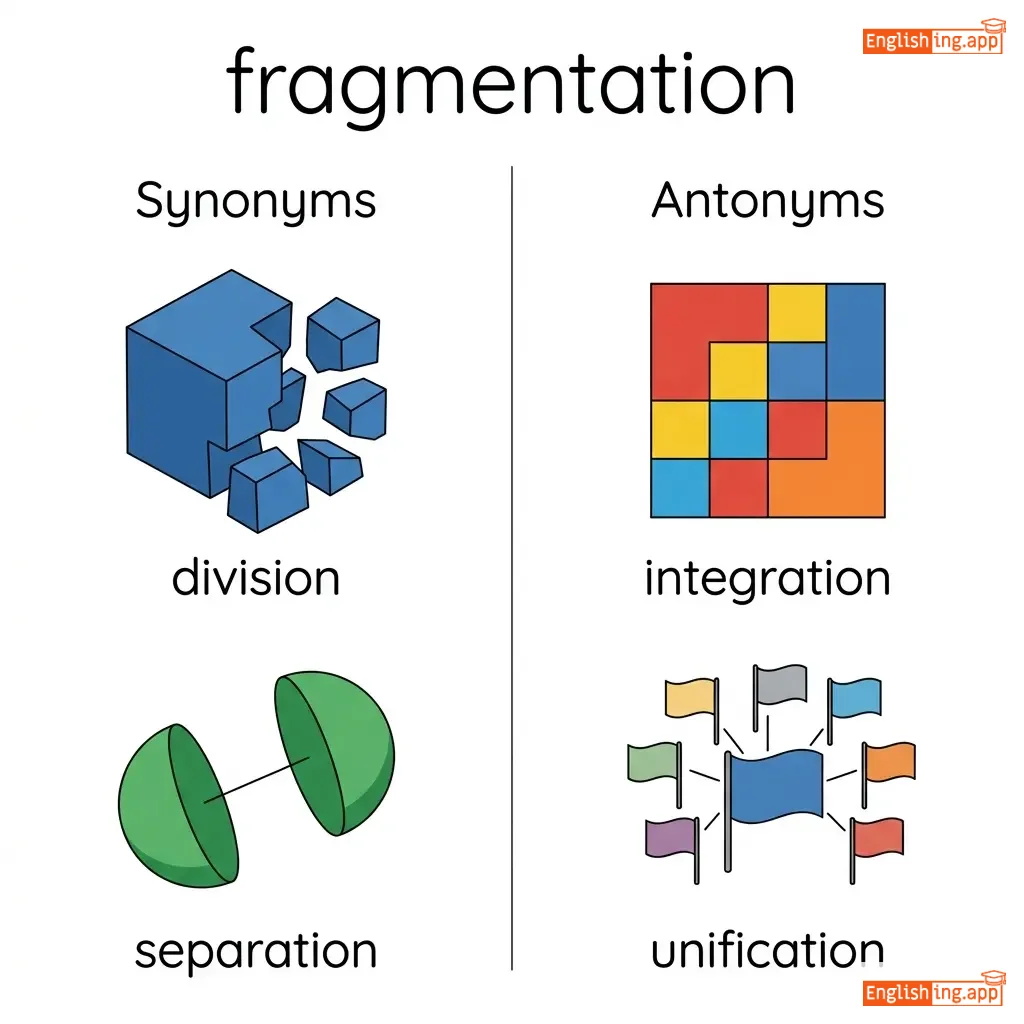
division, disintegration, separation
••••••
integration, unity, cohesion
••••••
#3964
🎯
••••••
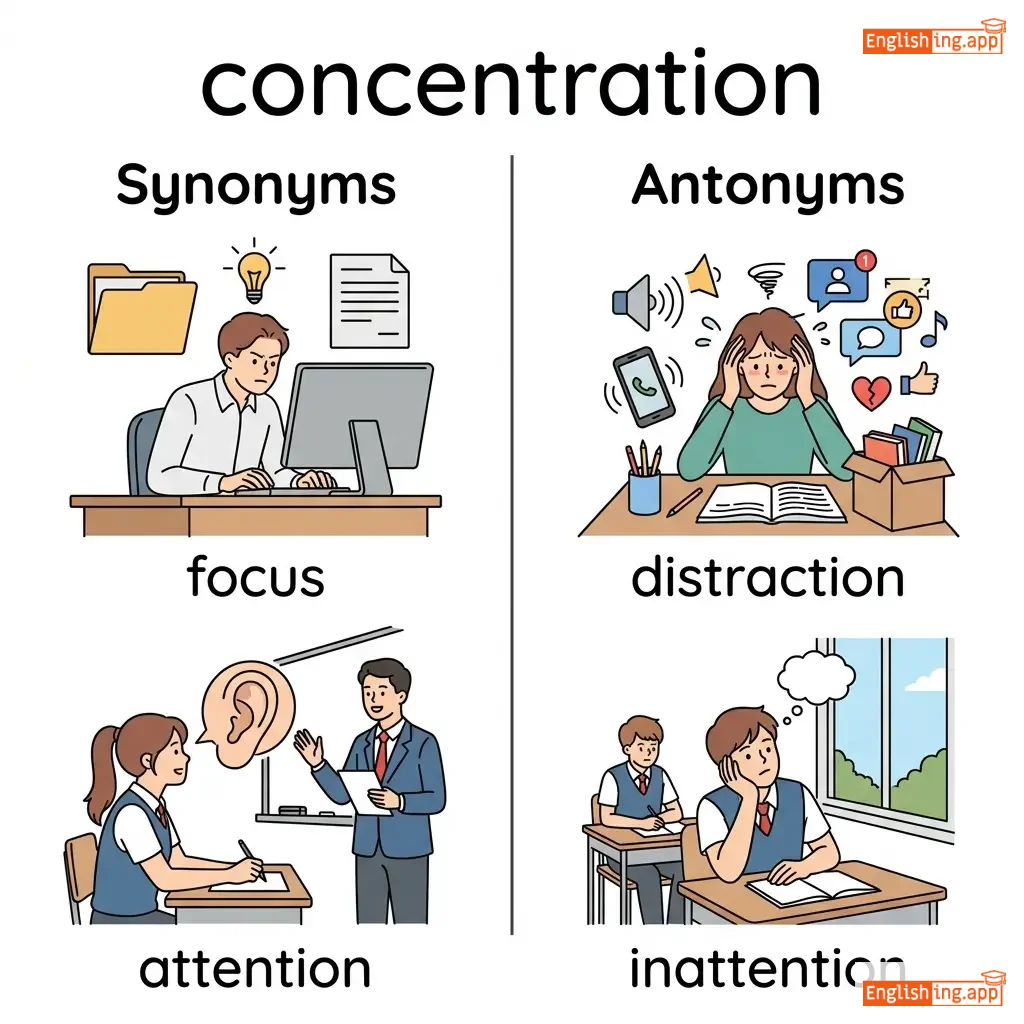
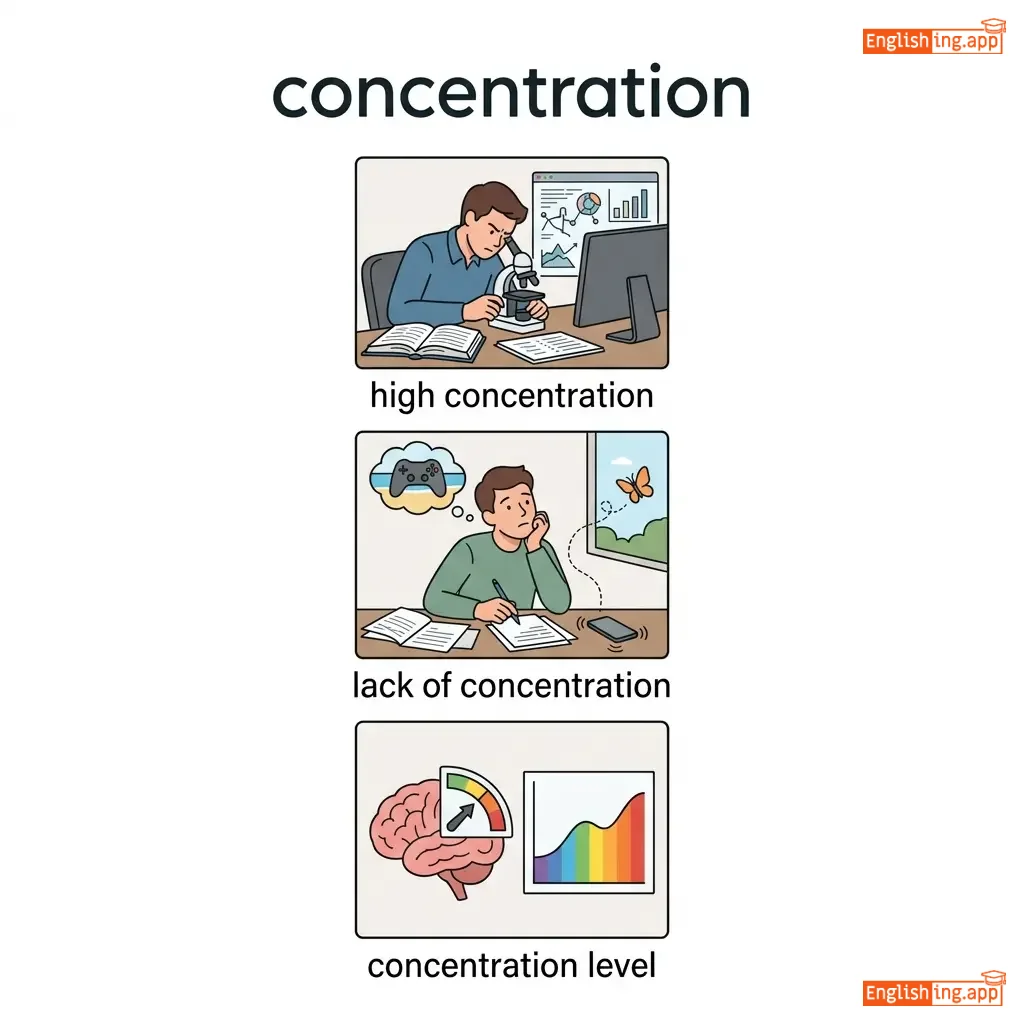
ˌkɒnsnˈtreɪʃən
noun
••••••
••••••
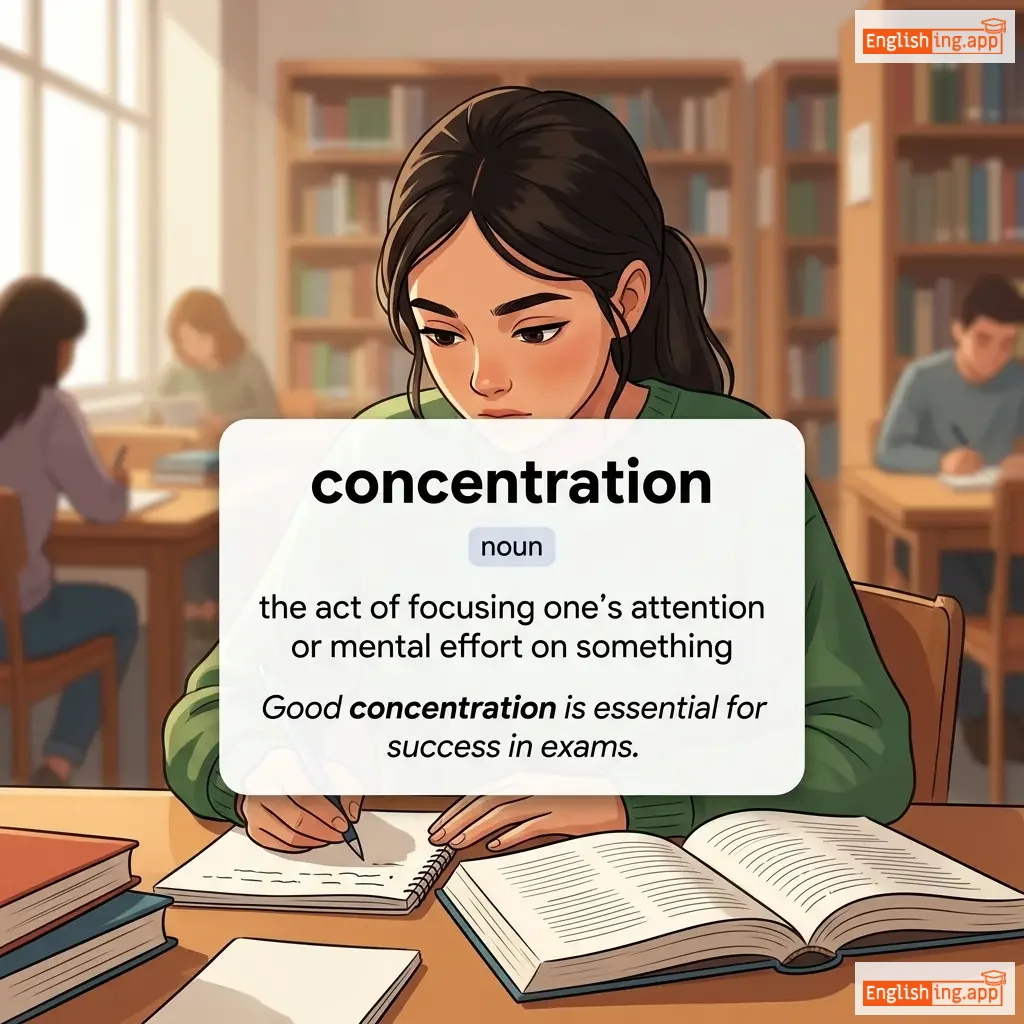
The action or power of focusing one's attention or mental effort on a particular object or activity.
••••••

Concentration is key to completing tasks efficiently.

••••••
focus, attention, intensity
••••••
distraction, diverted attention, diffusion
••••••
#3965
🚧
••••••
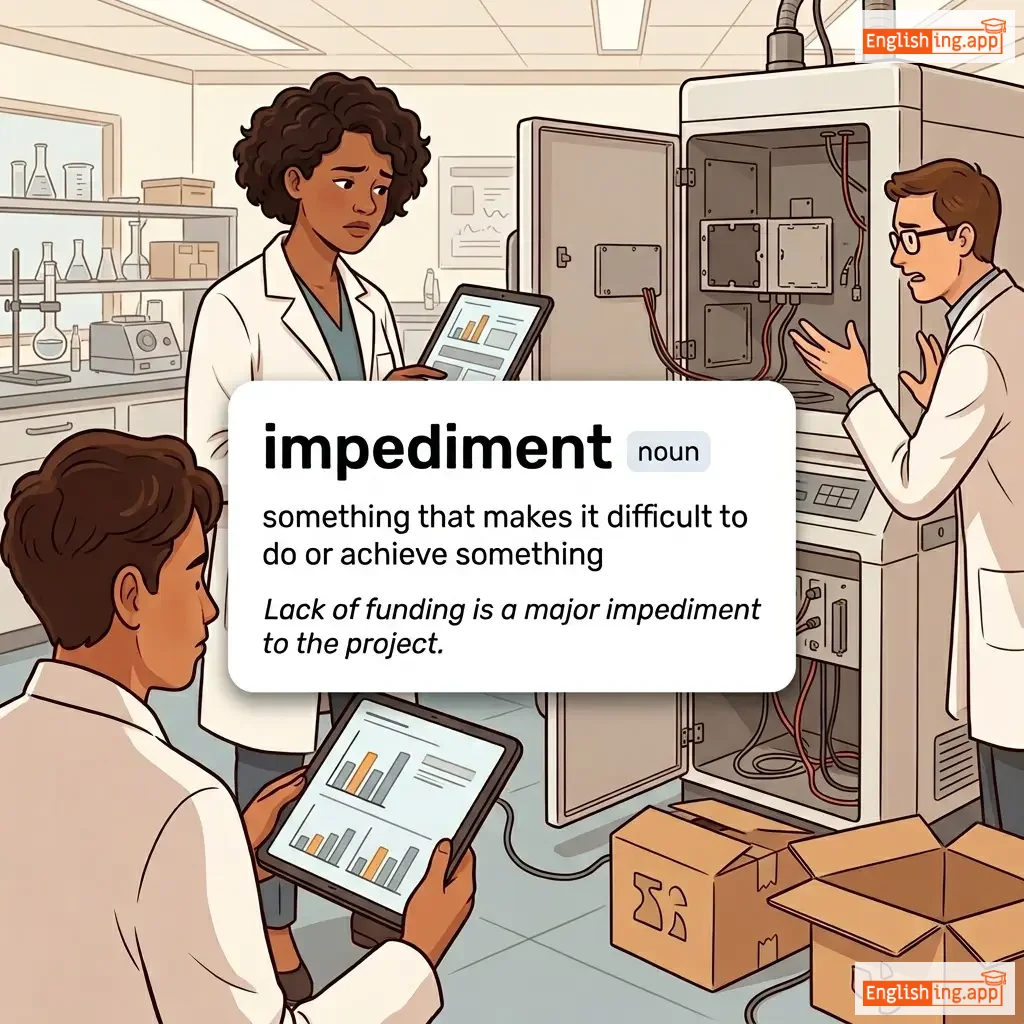
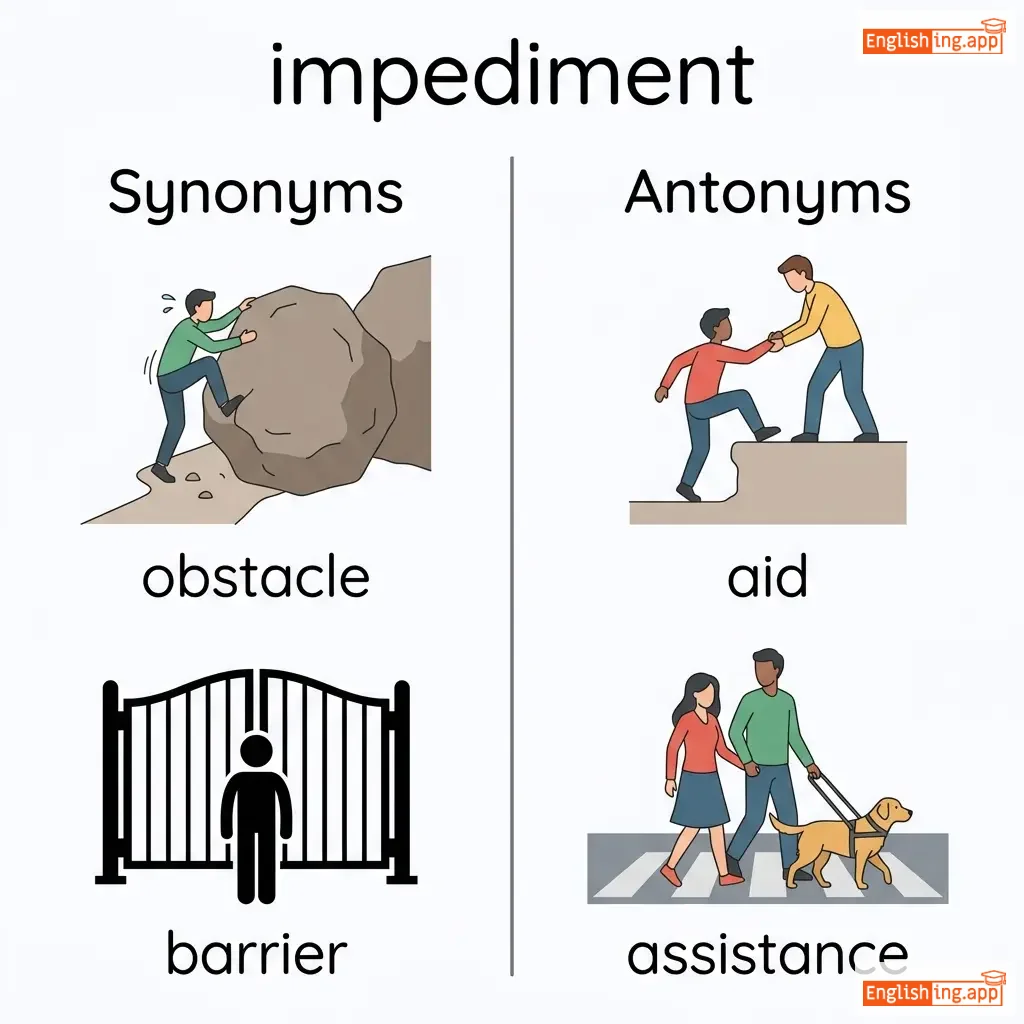
ɪmˈpɛdɪmənt
noun
••••••
••••••
A hindrance or obstruction in doing something; an obstacle.
••••••

Language barriers can be an impediment to communication.

••••••
obstacle, barrier, hindrance
••••••
aid, assistance, help
••••••
#3966
⚠️
••••••
ˌdɛtrɪˈmɛntəl
adjective
••••••
••••••
Tending to cause harm; harmful or damaging.
••••••

Smoking has detrimental effects on health.

••••••
harmful, damaging, injurious
••••••
beneficial, advantageous, helpful
••••••
#3967
⏭️
••••••
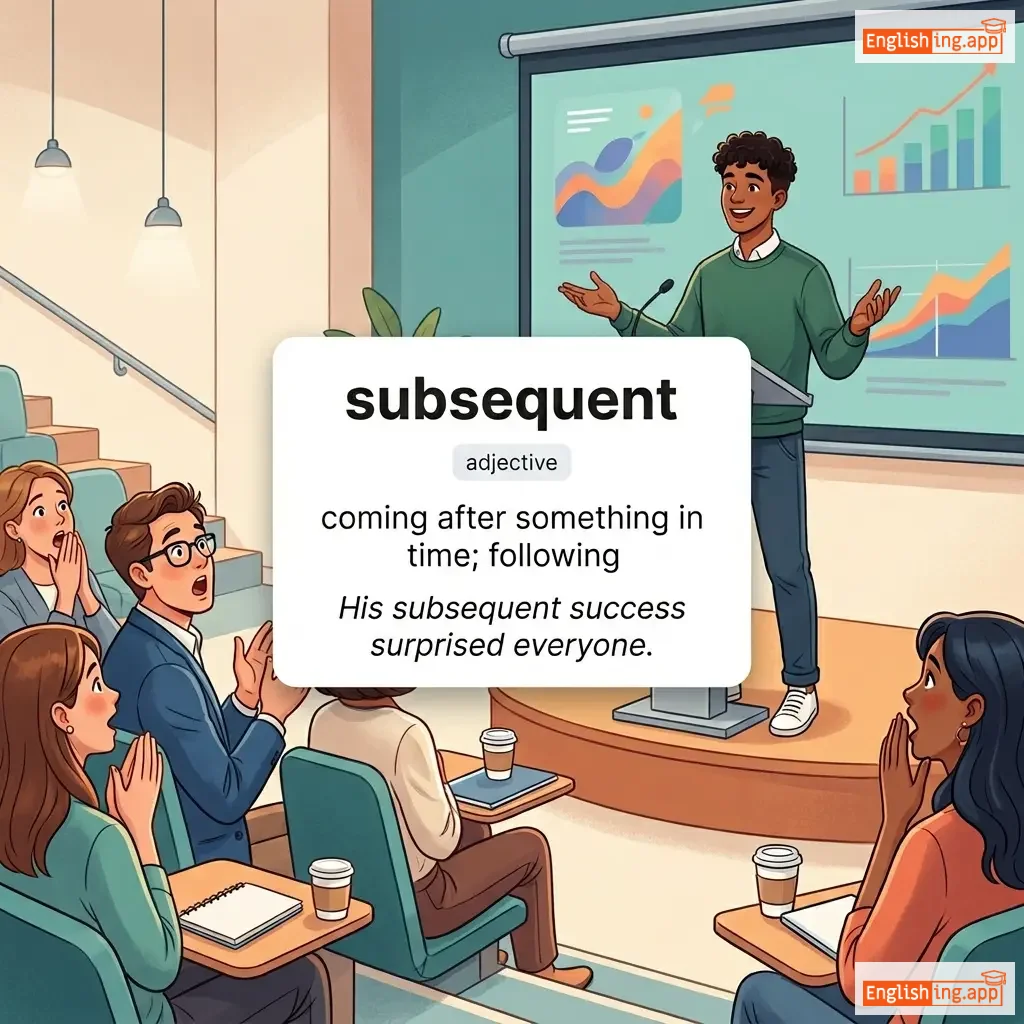
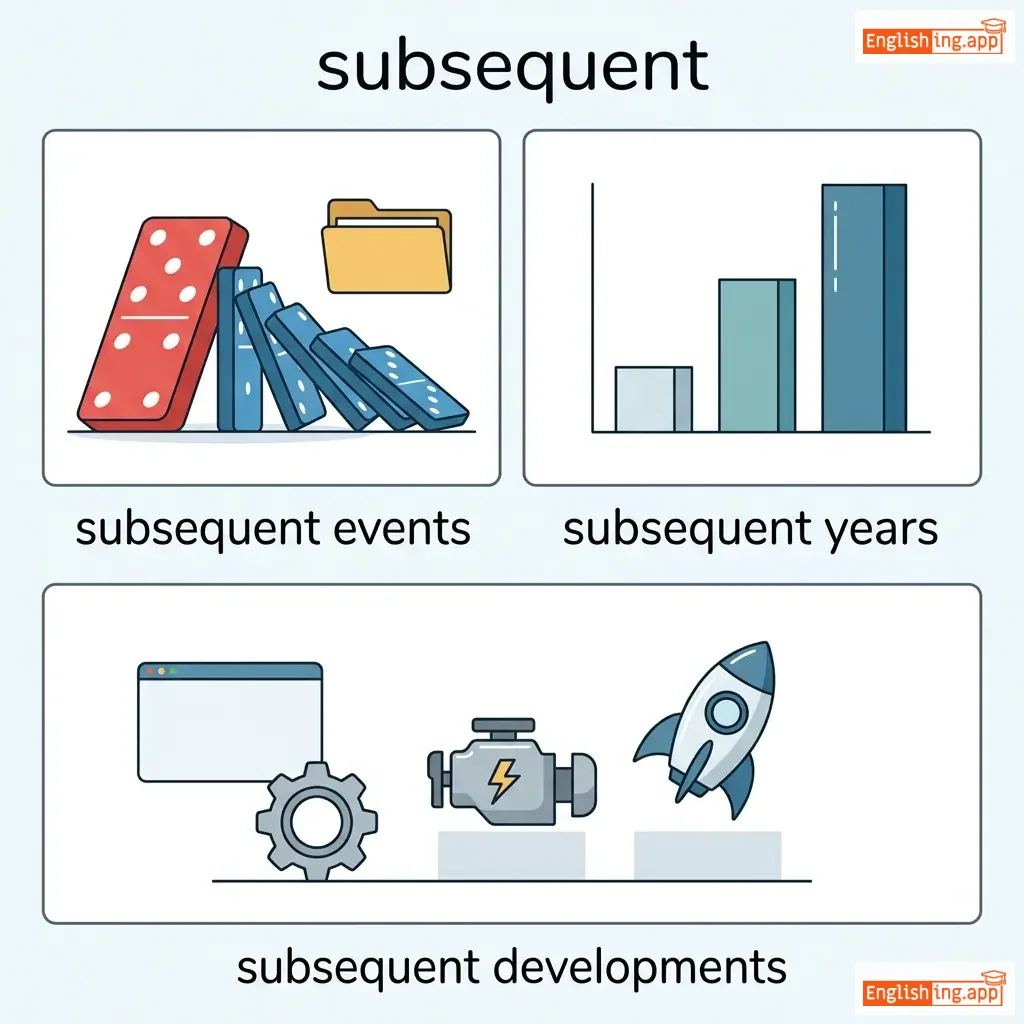
ˈsʌbsɪkwənt
adjective
••••••
••••••
Coming after something in time; following in time or order.
••••••

The subsequent meeting was more productive.

••••••
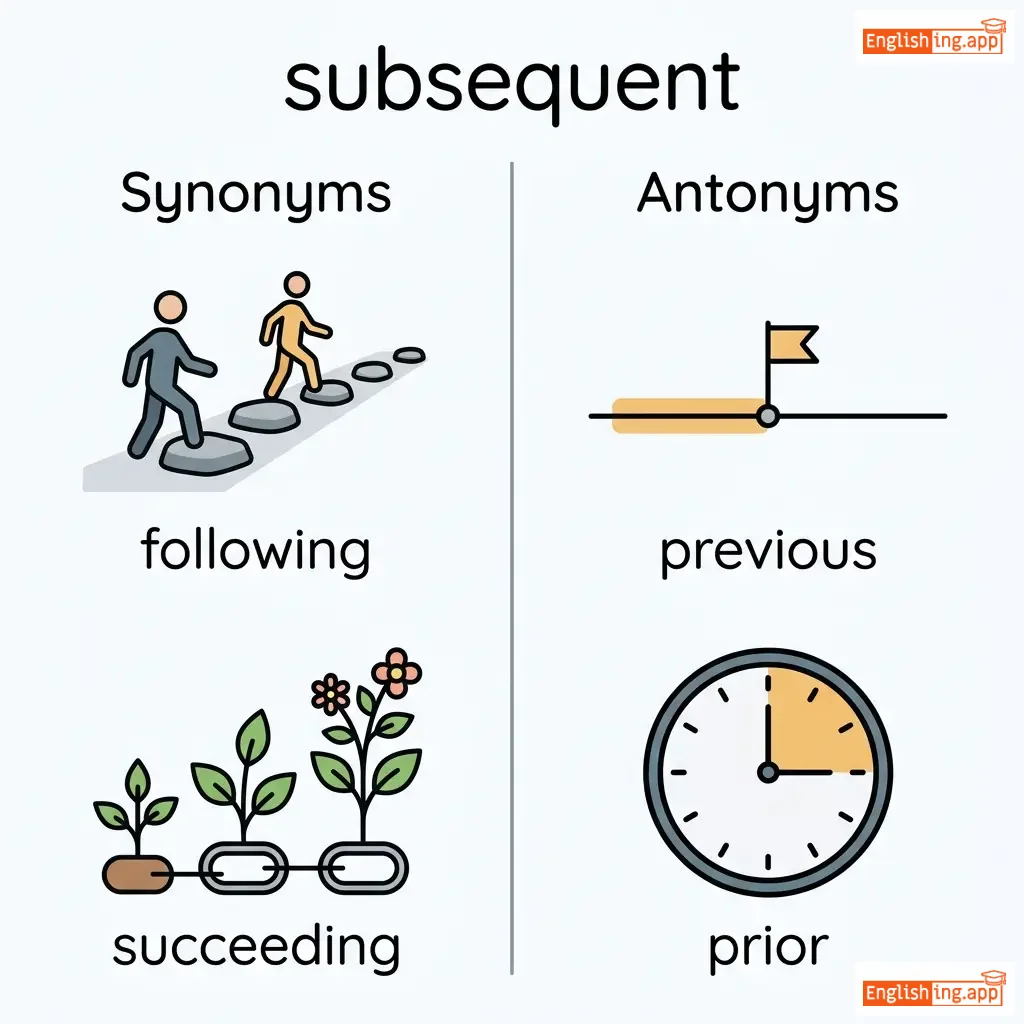
following, succeeding, afterward
••••••
preceding, prior, former
••••••
#3968
🎯
••••••
mɒnəˈtɑːskɪŋ
noun
••••••
••••••
The practice of dedicating oneself to a given task and minimizing potential interruptions until the task is completed or a significant period of time has elapsed.
••••••

Monotasking can often lead to higher quality work.

••••••
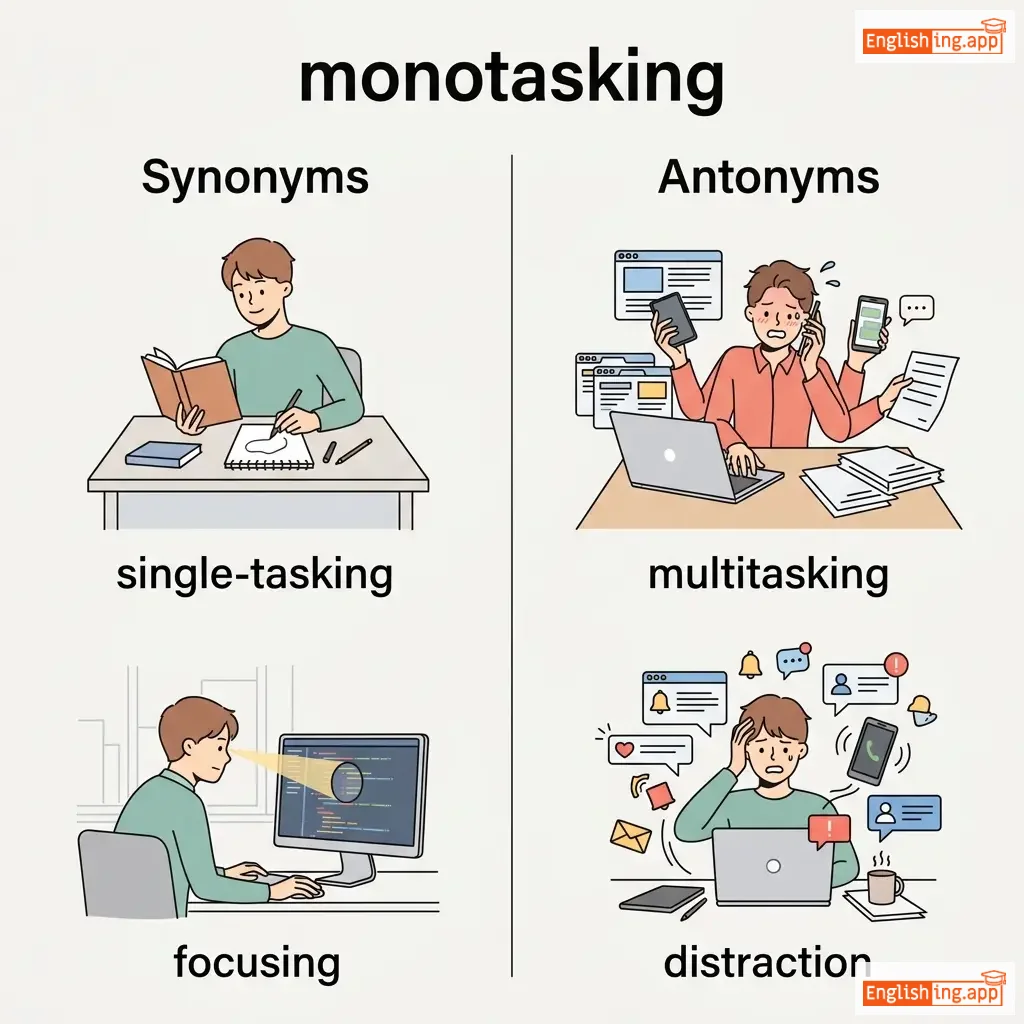
single-tasking, focusing, concentrating
••••••
multitasking, distraction, diversion
••••••
#3969
🤝
••••••
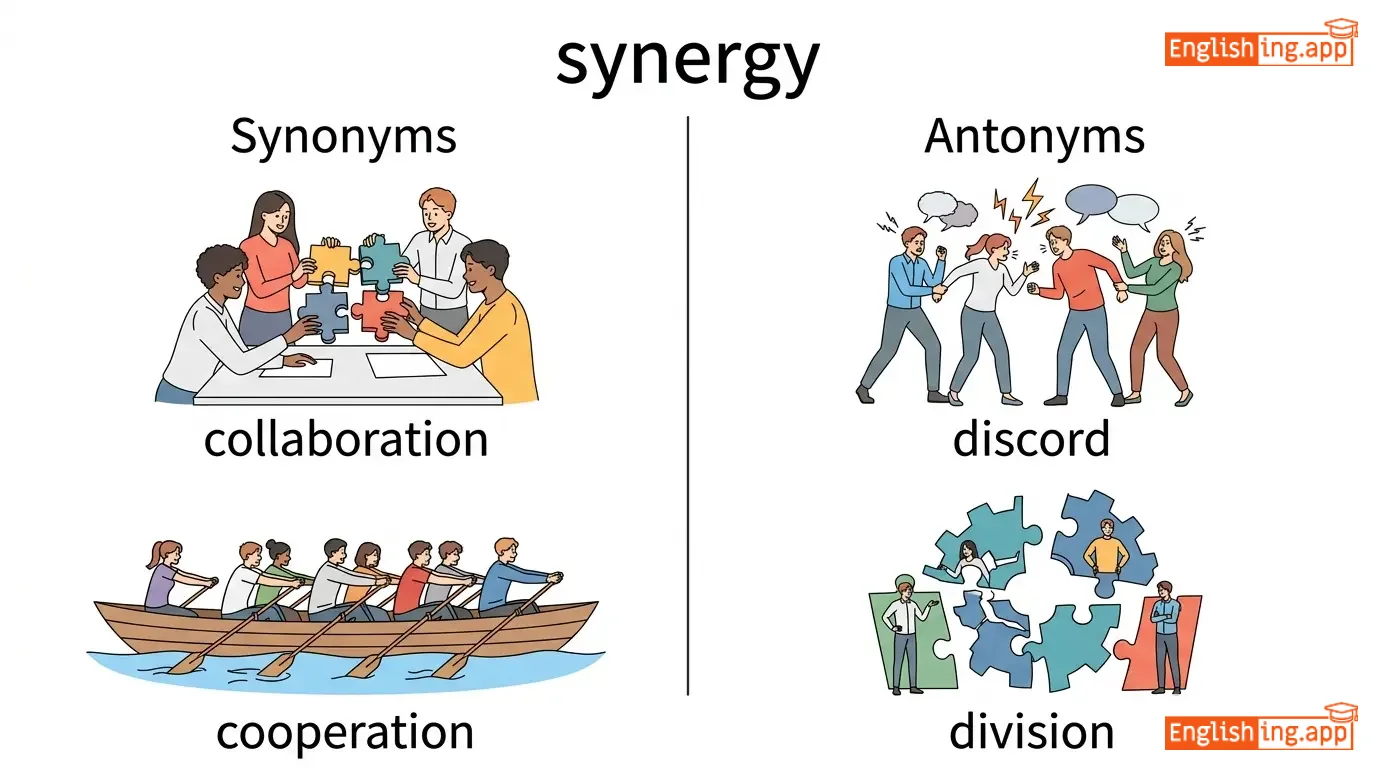
ˈsɪnərdʒi
noun
••••••
••••••
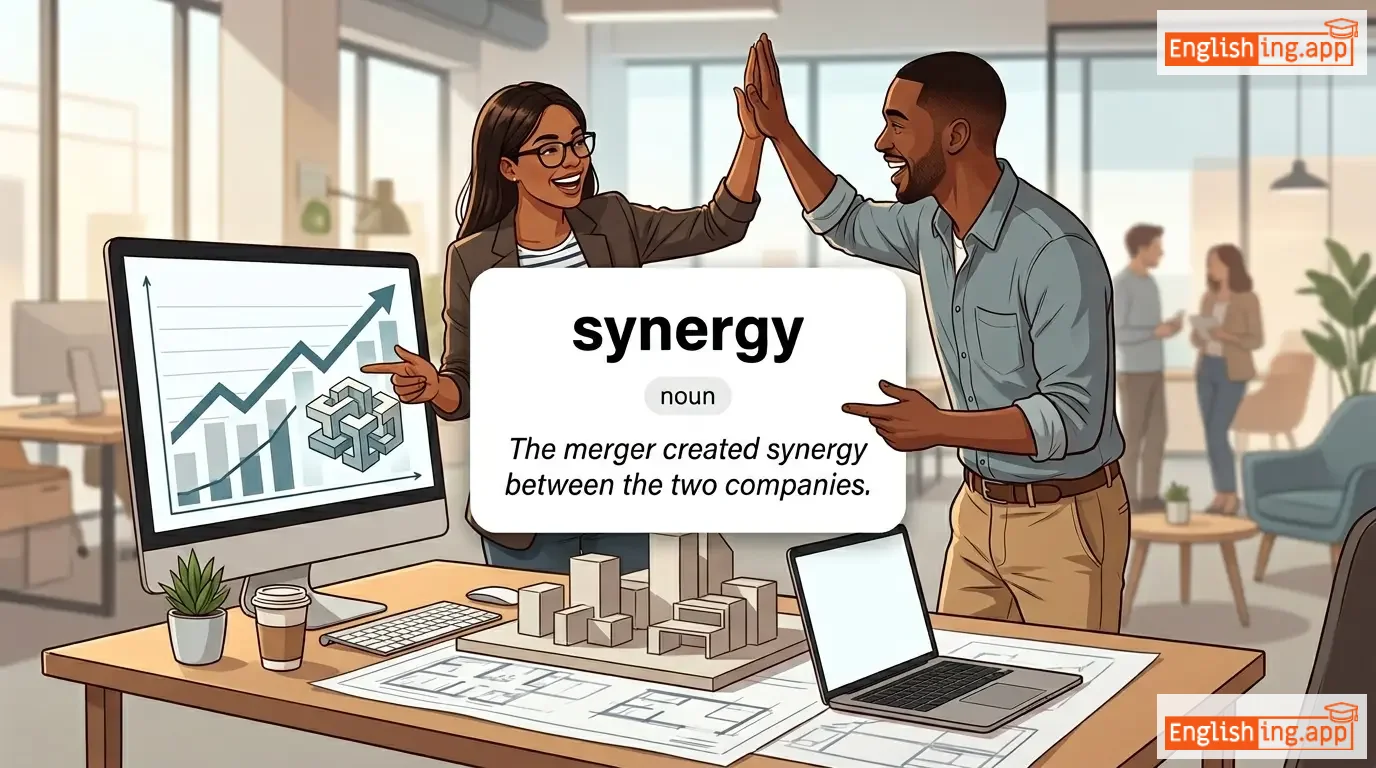
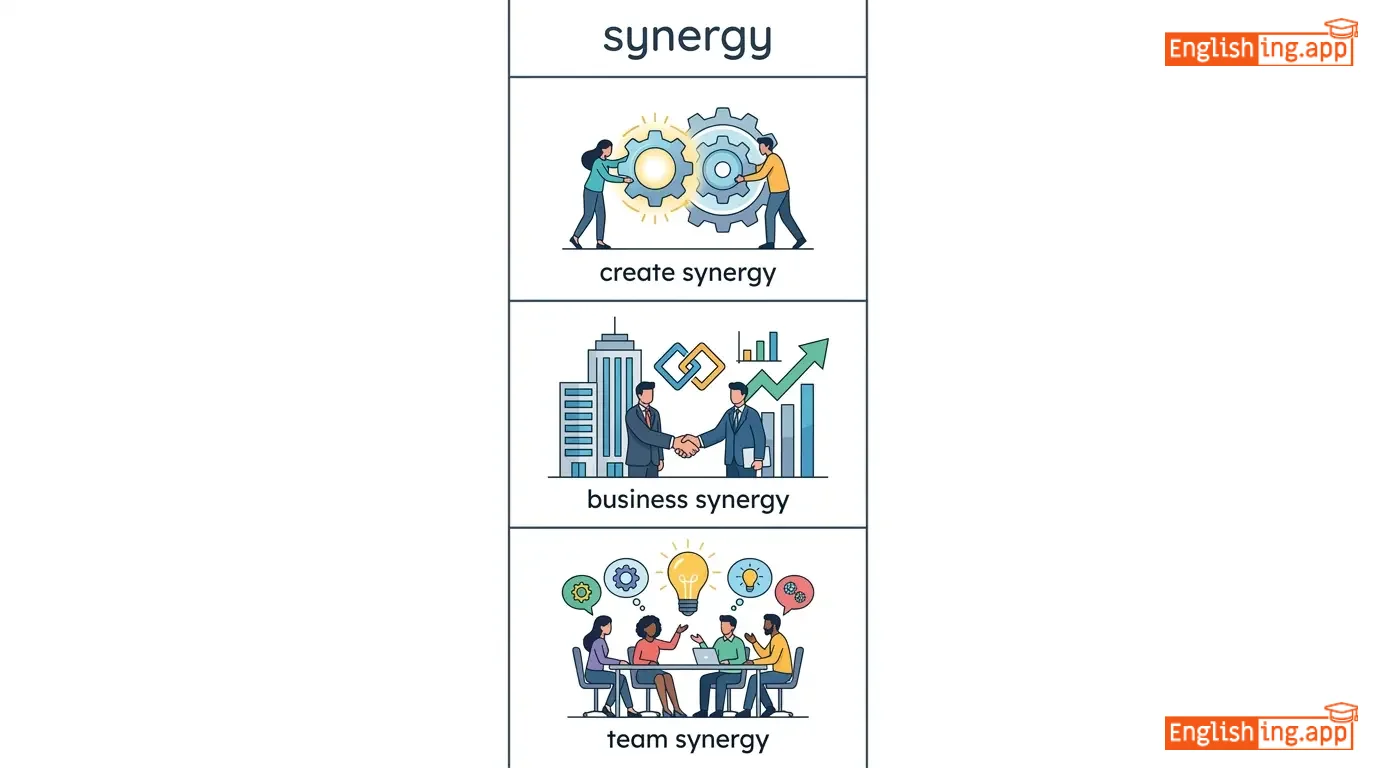
The interaction or cooperation of two or more organizations, substances, or other agents to produce a combined effect greater than the sum of their separate effects.
••••••

The synergy between the two teams led to great success.

••••••
cooperation, collaboration, alliance
••••••
disagreement, conflict, disunity
••••••
#3970
⚙️
••••••
ˈɒptɪmaɪz
verb
••••••
••••••
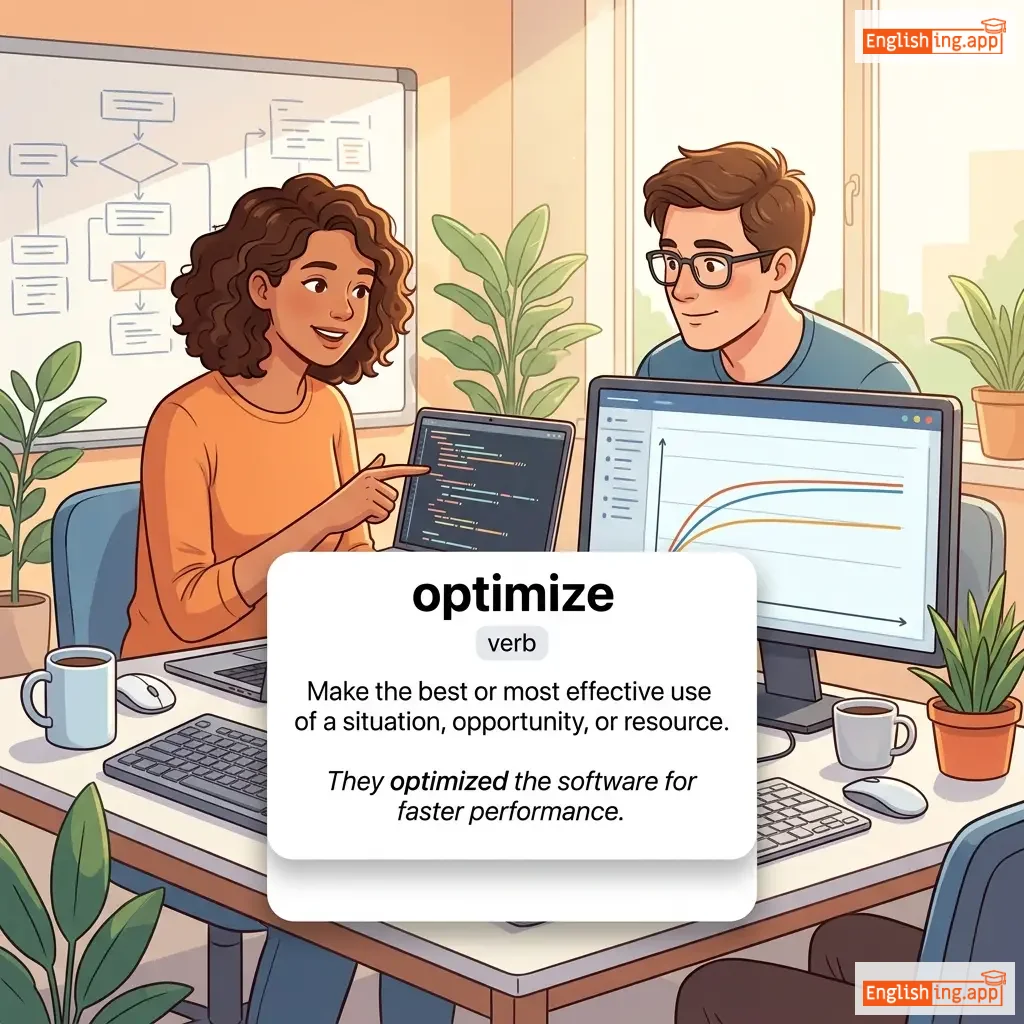
Make the best or most effective use of a situation, opportunity, or resource.
••••••

They optimized the software for faster performance.

••••••
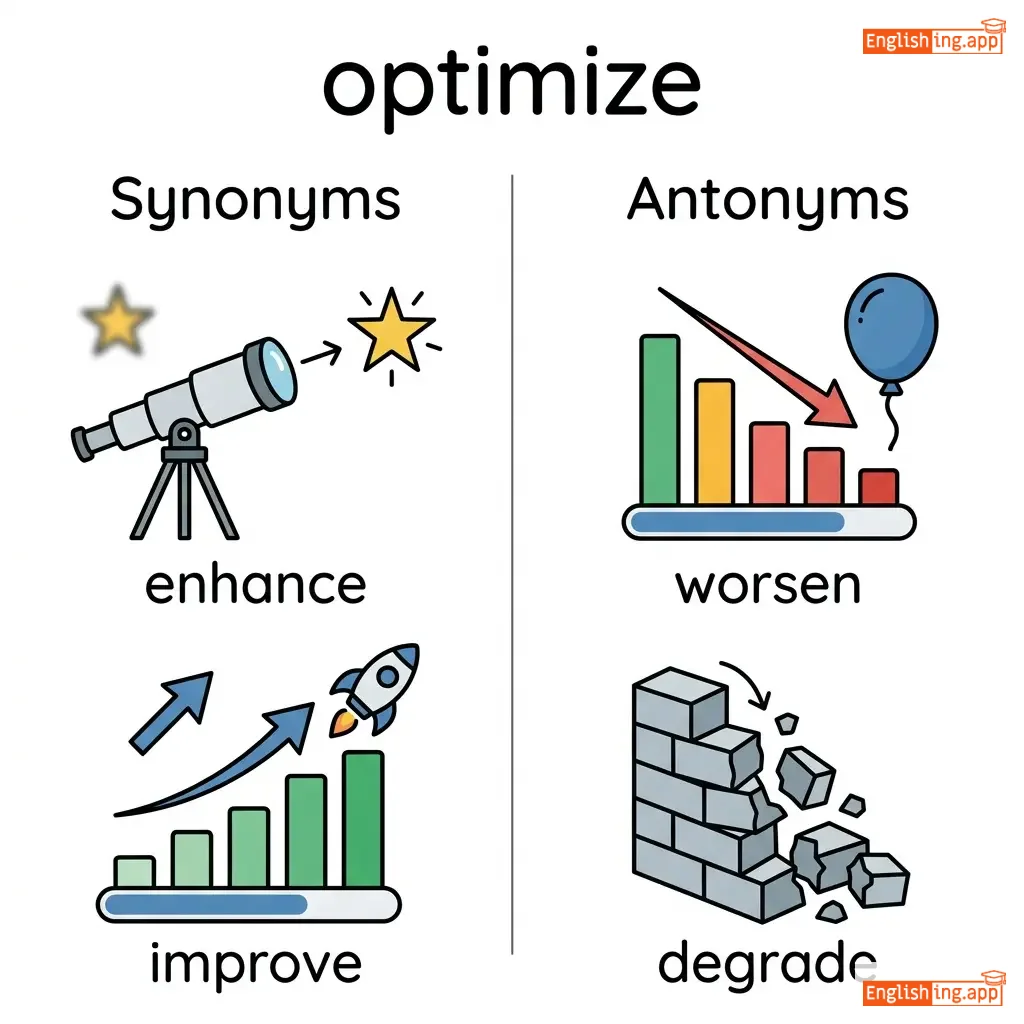
enhance, improve, refine
••••••
worsen, degrade, diminish
••••••
#3971
💰
••••••
ɪɡˈzɔːbɪtənt
adjective
••••••
••••••
Unreasonably high in price or amount; excessive.
••••••

The price of the concert tickets was exorbitant.

••••••
excessive, overpriced, outrageous
••••••
reasonable, affordable, modest
••••••
#3972
📊
••••••
ˈwɜːrkˌləʊd
noun
••••••
••••••
The amount of work to be done by someone or something.
••••••

His workload has increased dramatically in the past month.

••••••
task load, responsibility, duty
••••••
leisure, break, rest
••••••
#3973
🤔
••••••
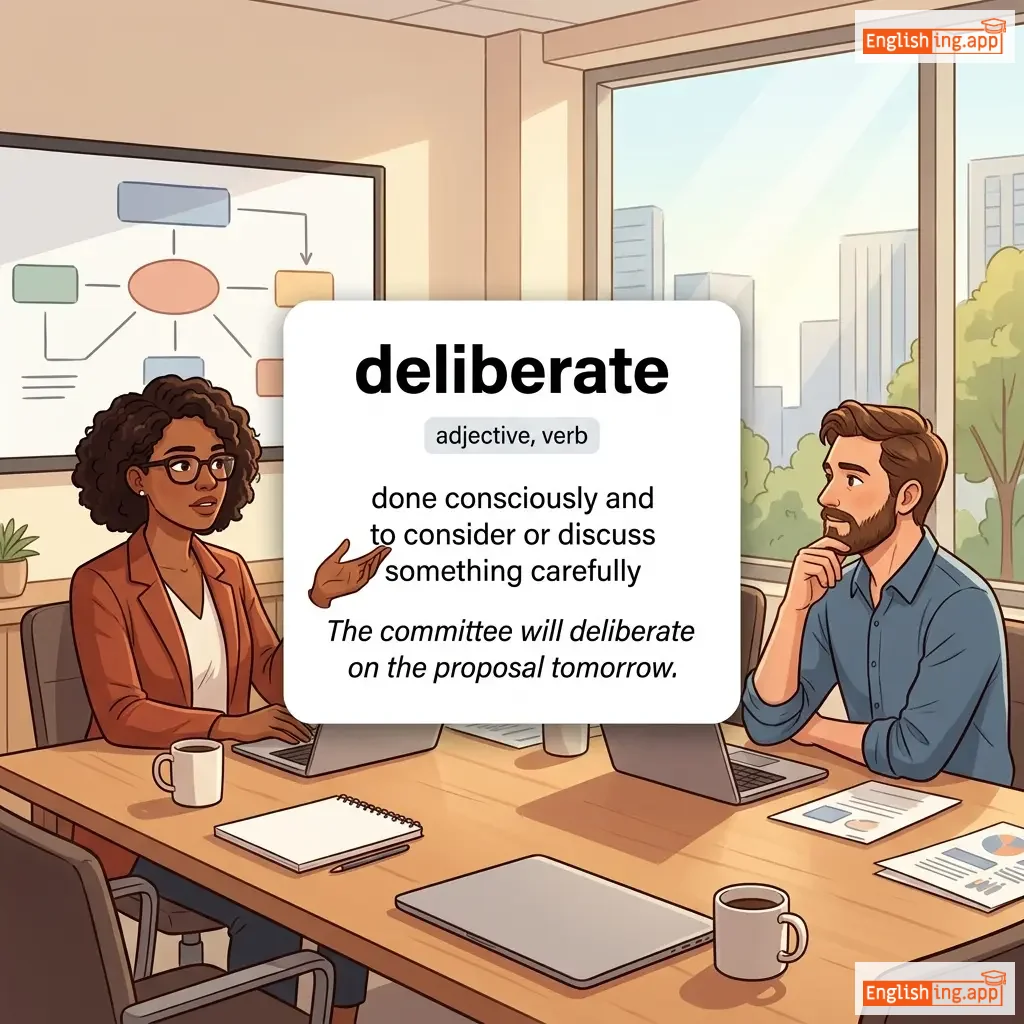
dɪˈlɪbəreɪt
adjective
••••••
••••••
Done consciously and intentionally; carefully considered.
••••••

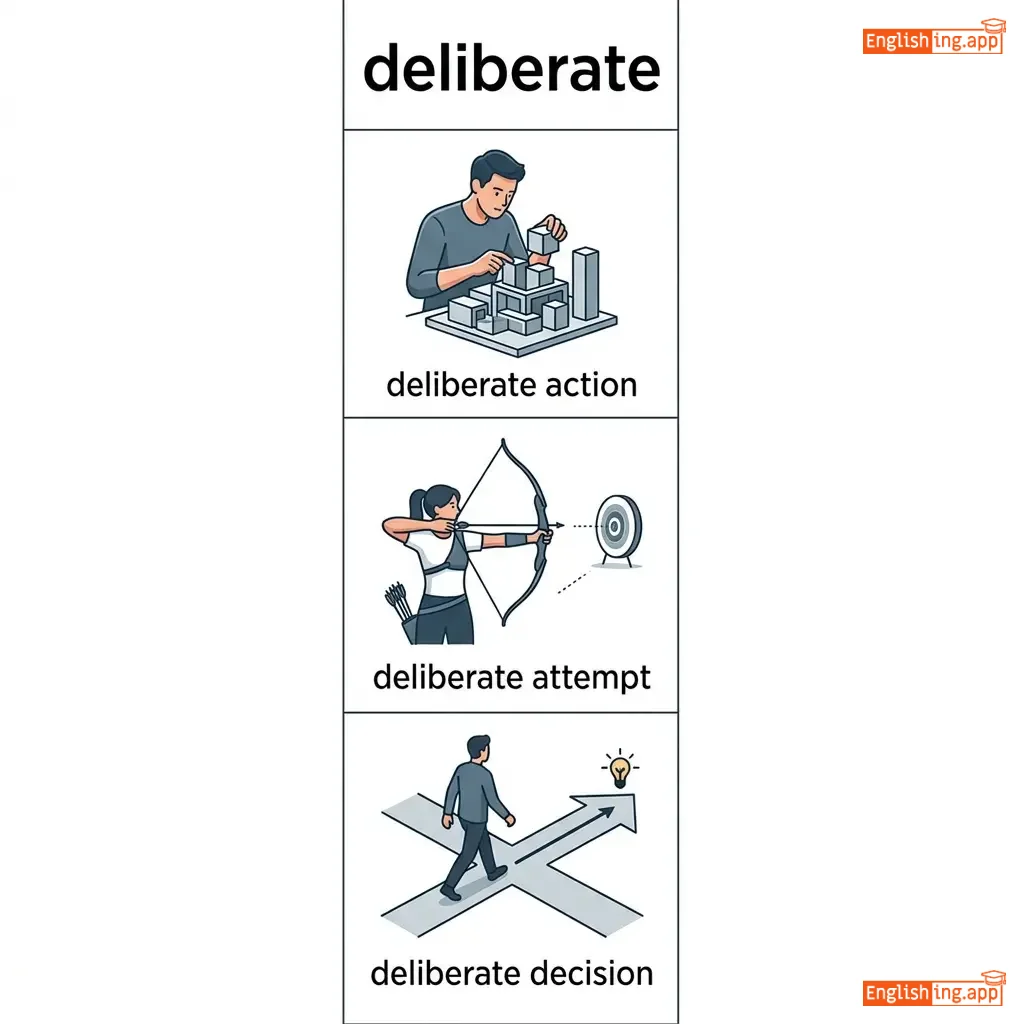
His deliberate actions showed great care and thoughtfulness.
••••••
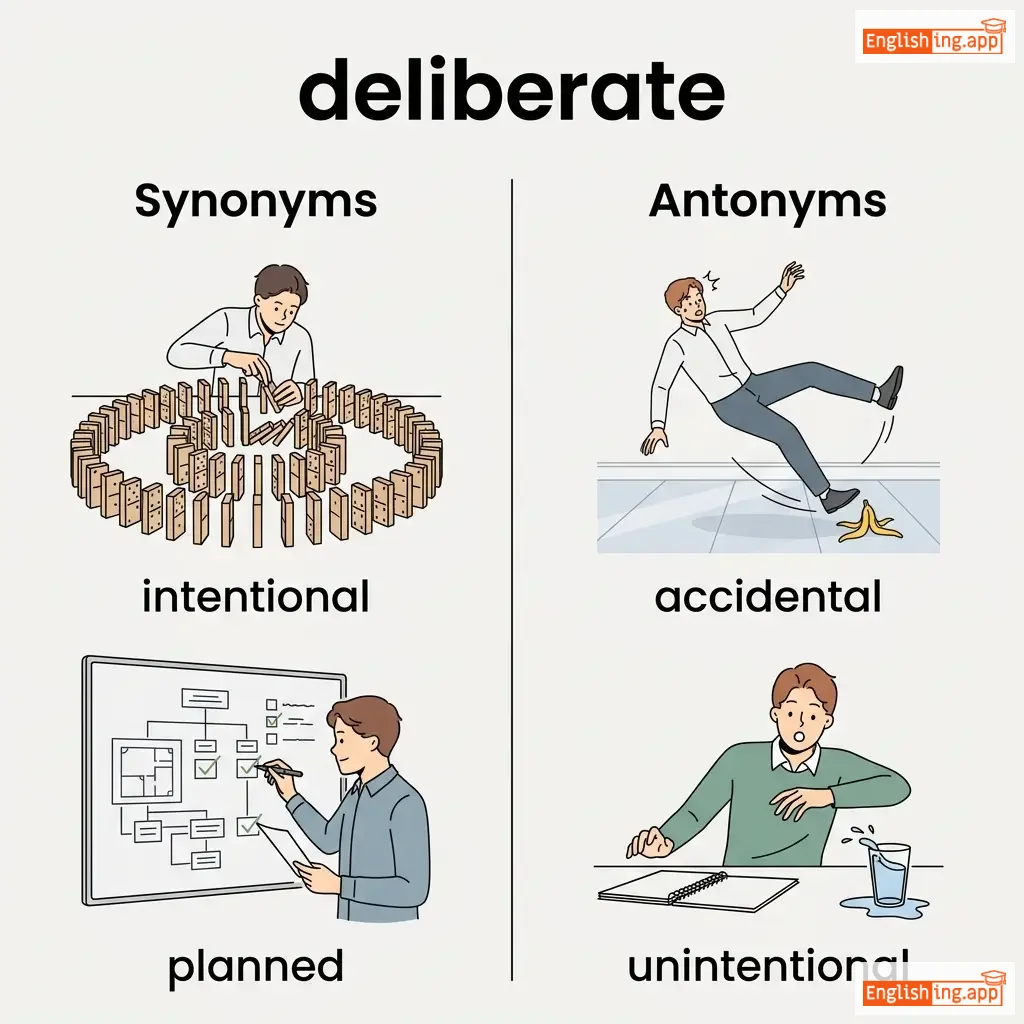
intentional, thoughtful, considered
••••••
hasty, impulsive, careless
••••••