••••••
/ˌɜː.bən.aɪˈzeɪ.ʃən/
noun
••••••
••••••
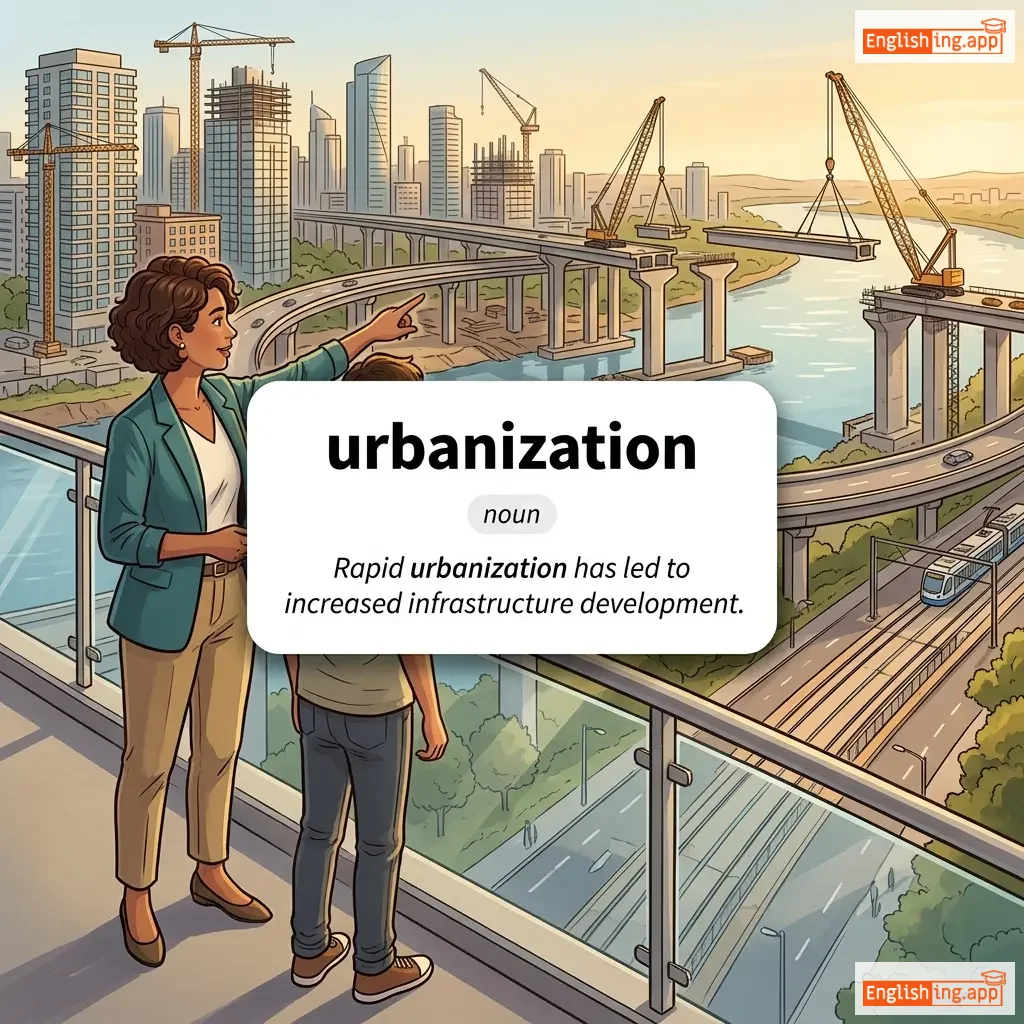
The process by which towns and cities are formed and become larger as more people begin living and working in central areas.
••••••
Rapid urbanization has led to increased infrastructure development.
••••••
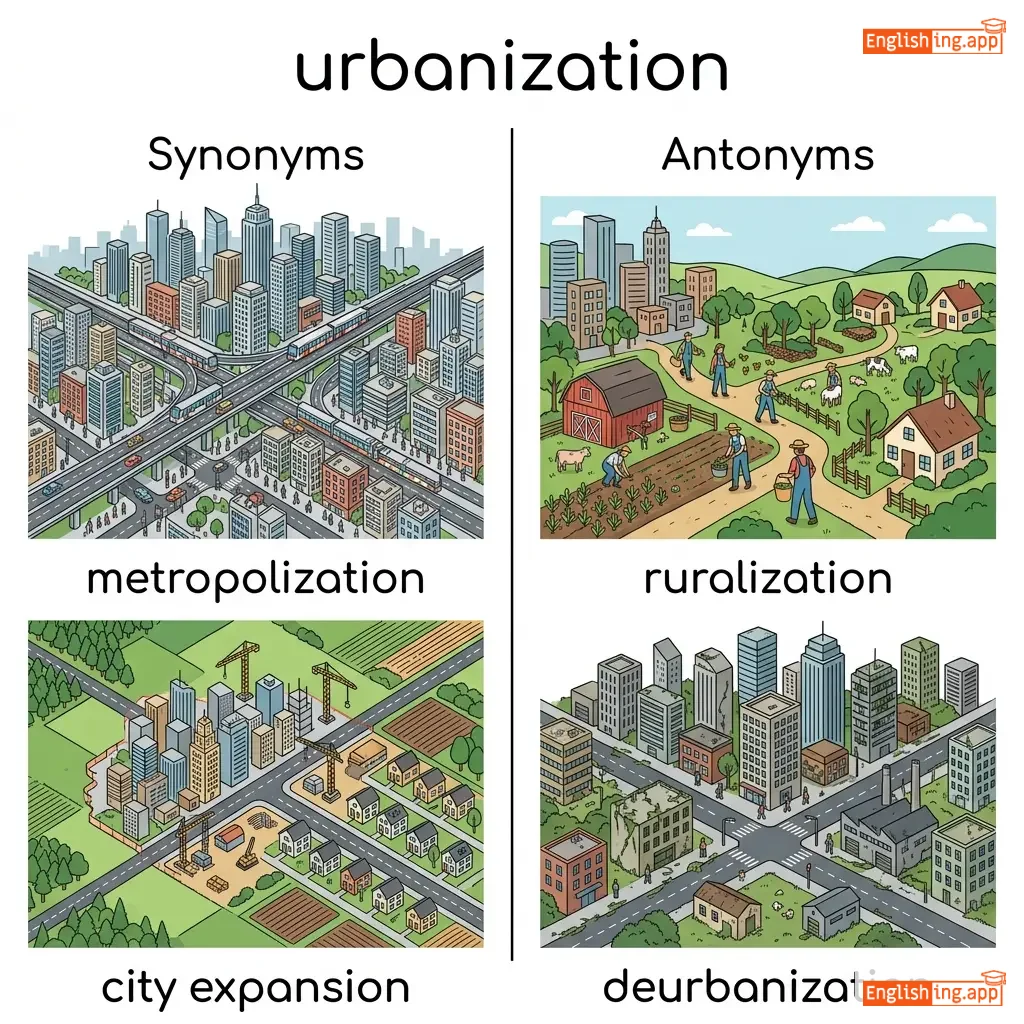
metropolization, city expansion, urban development
••••••
ruralization, deurbanization, countrification
••••••
••••••
/ˈvɜː.tɪ.kəl ˈfɑː.mɪŋ/
noun
••••••
••••••
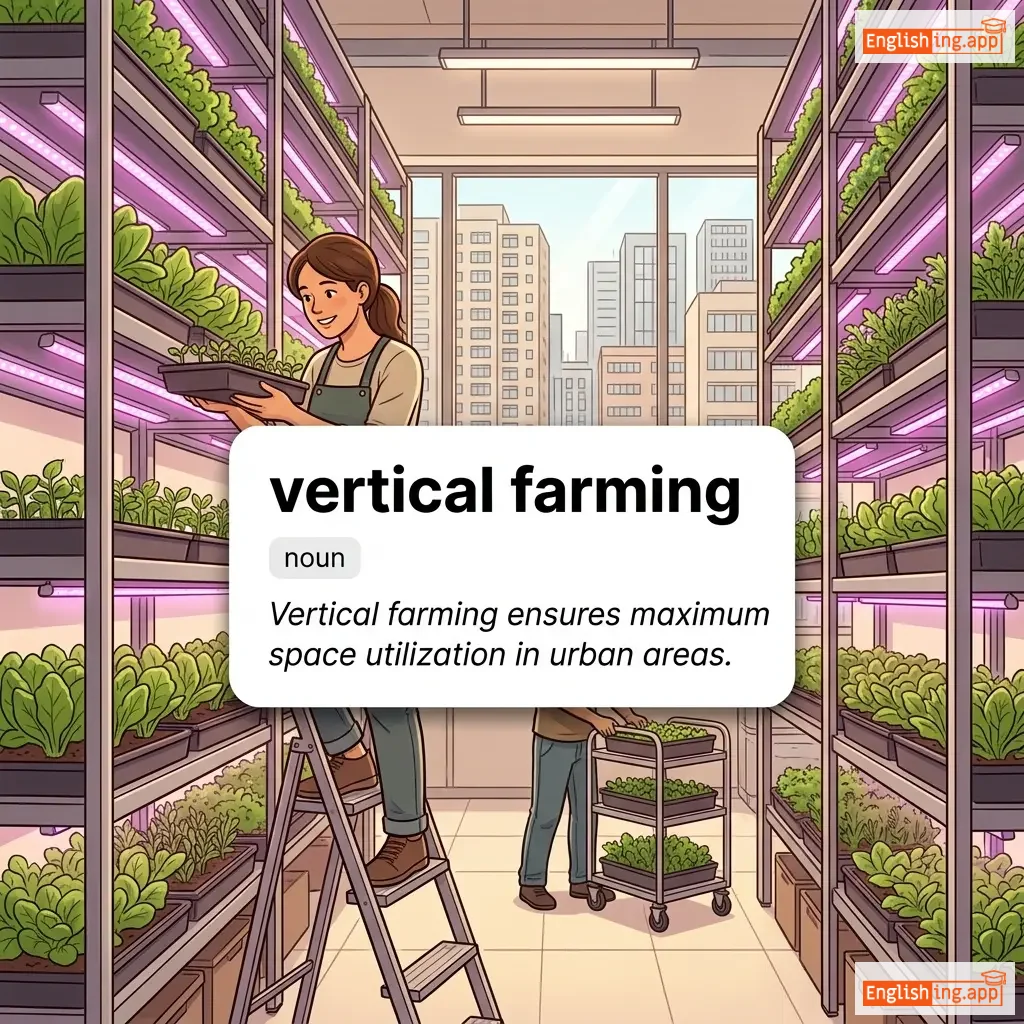
The practice of growing crops in vertically stacked layers, often incorporating controlled-environment agriculture.
••••••
Vertical farming ensures maximum space utilization in urban areas.
••••••
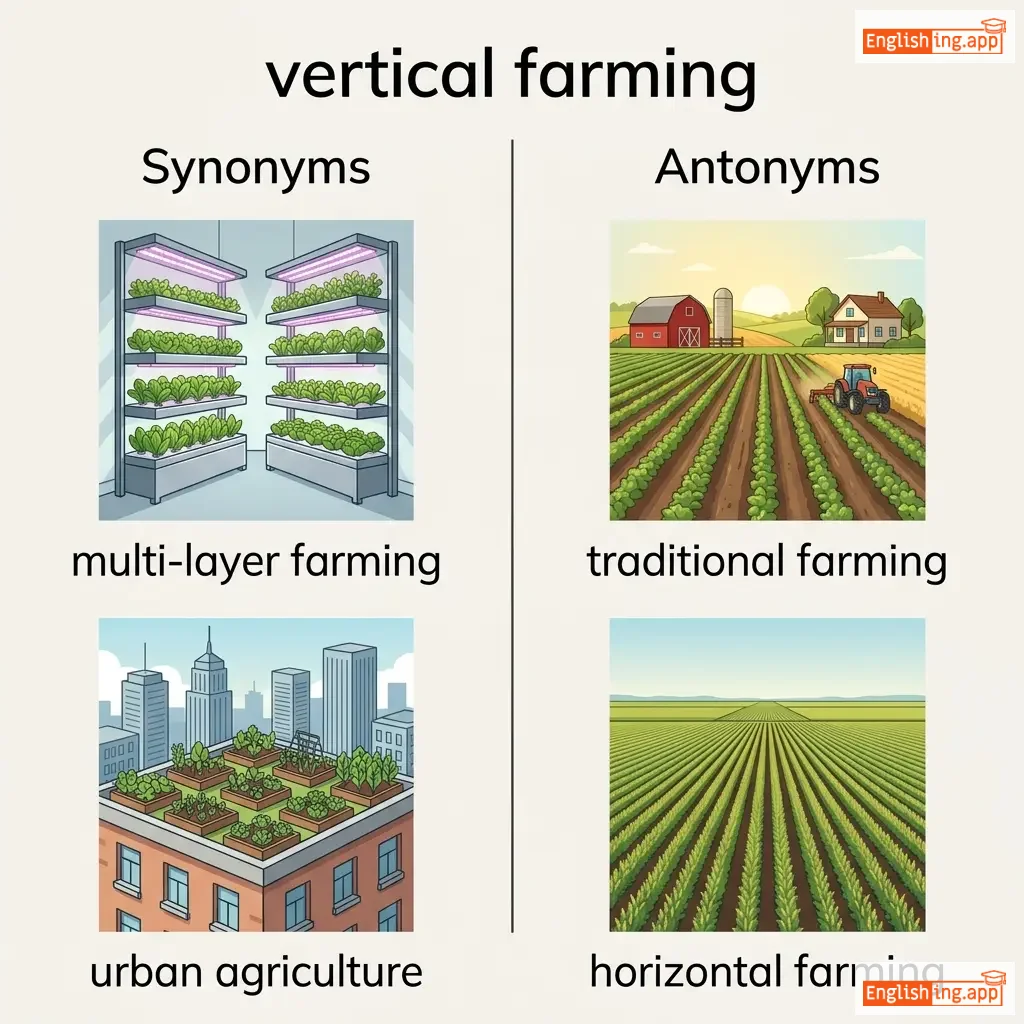
multi-layer farming, urban agriculture, indoor cultivation
••••••
traditional farming, horizontal farming, conventional agriculture
••••••
••••••
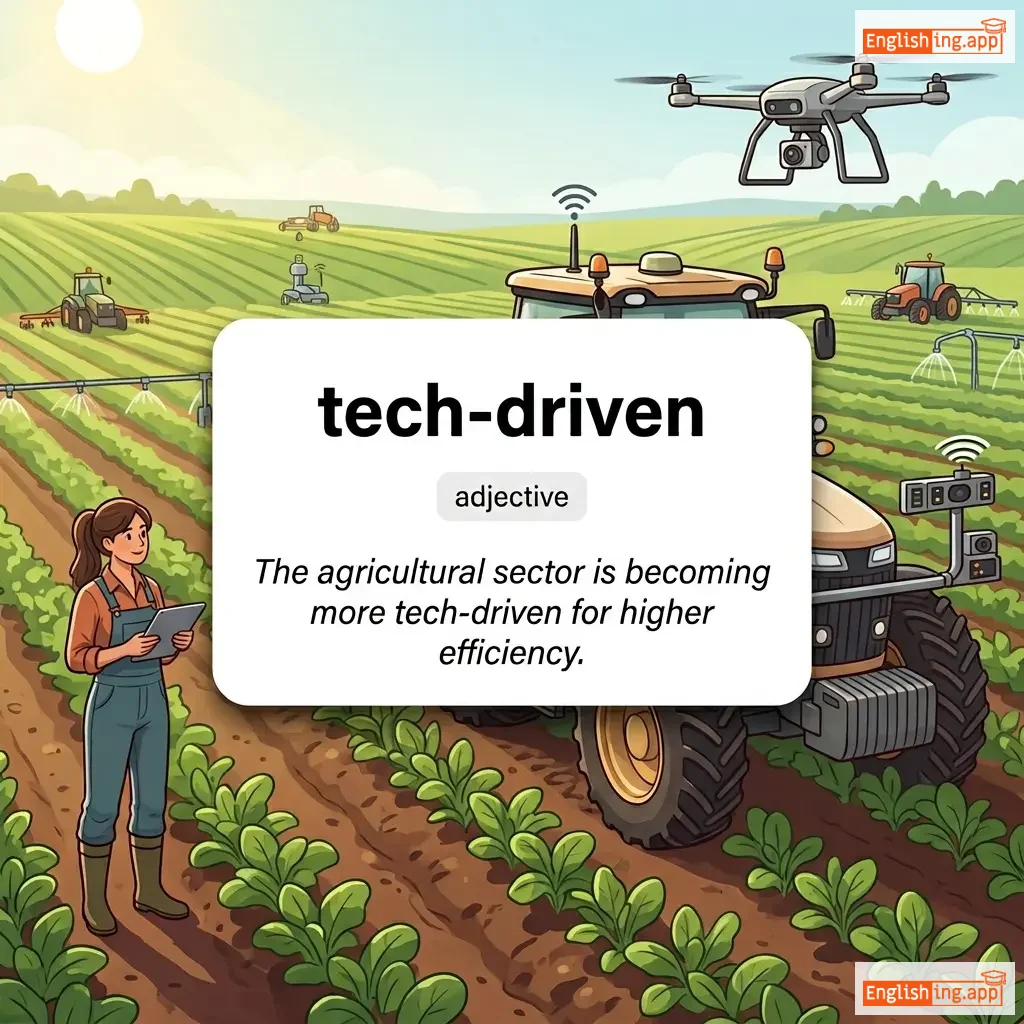
/tɛk ˈdrɪv.ən/
adjective
••••••
••••••
Powered or guided by technology; dependent on technological advancement for operation.
••••••
The agricultural sector is becoming more tech-driven for higher efficiency.
••••••
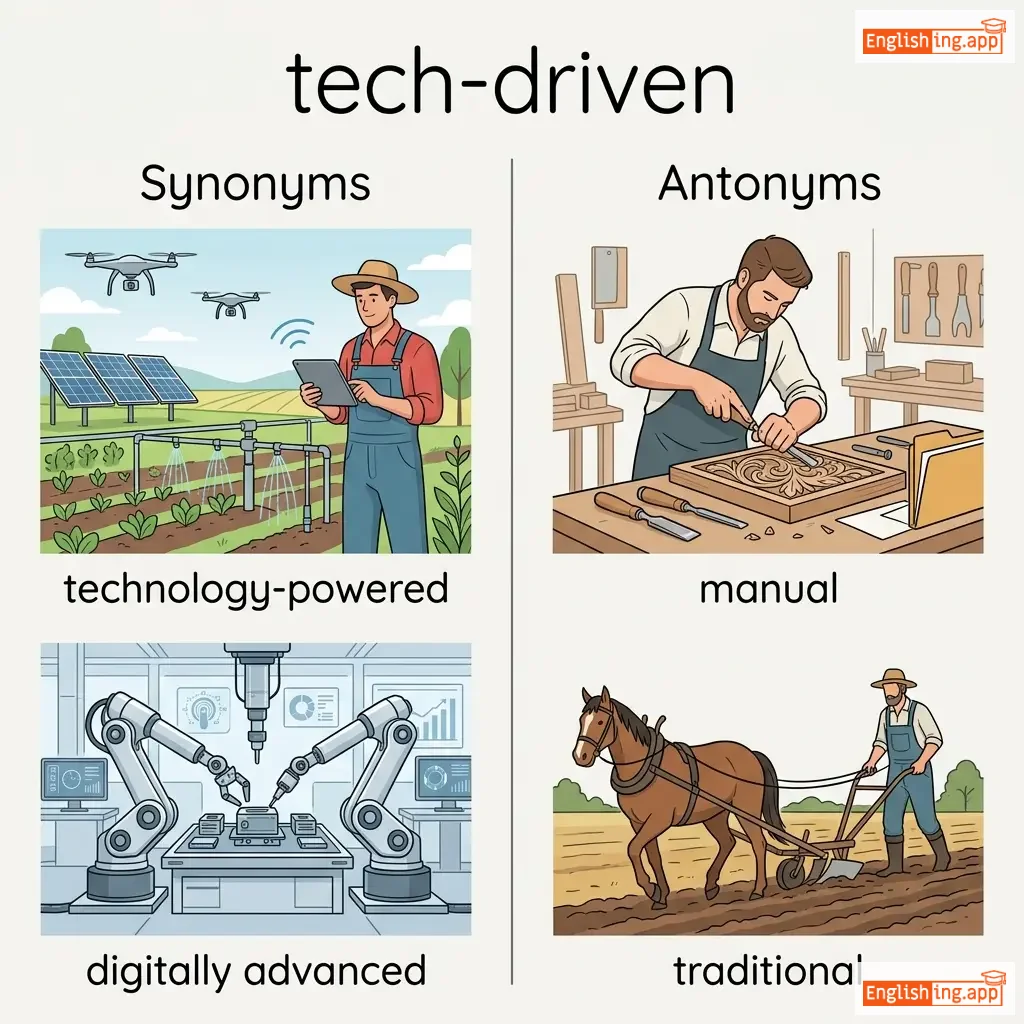
technology-powered, digitally advanced, innovation-led
••••••
manual, traditional, non-automated
••••••
••••••
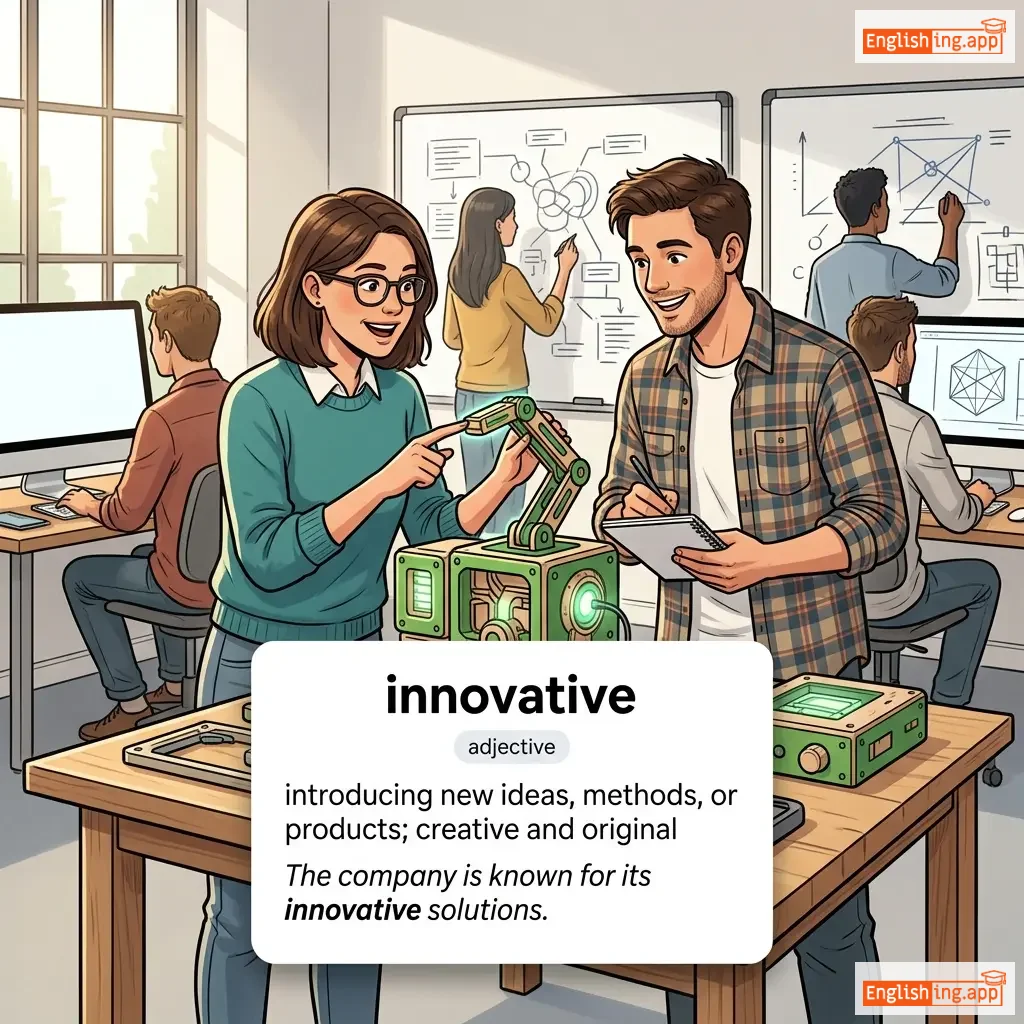
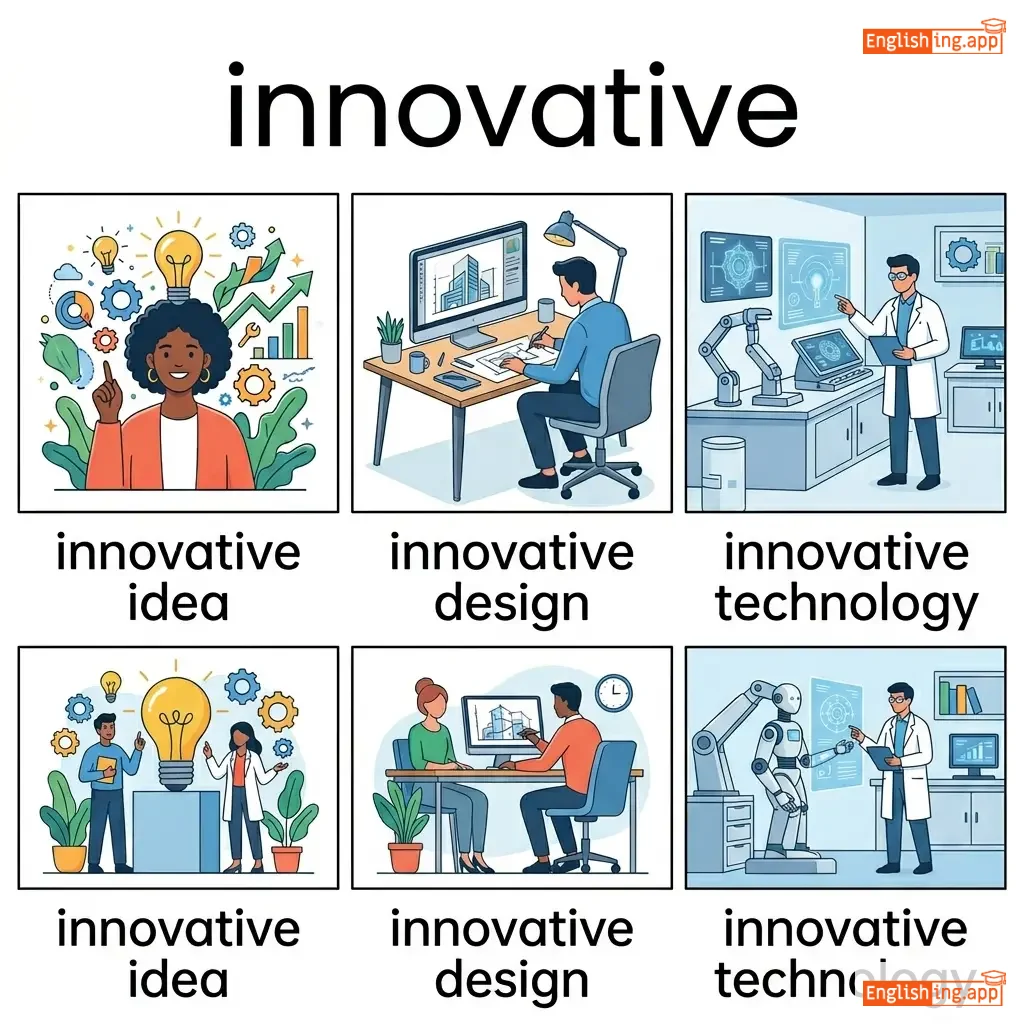
/ˈɪn.ə.və.tɪv/
adjective
••••••
••••••
Featuring new methods; advanced and original.
••••••
Innovative solutions are required for sustainable agriculture.
••••••
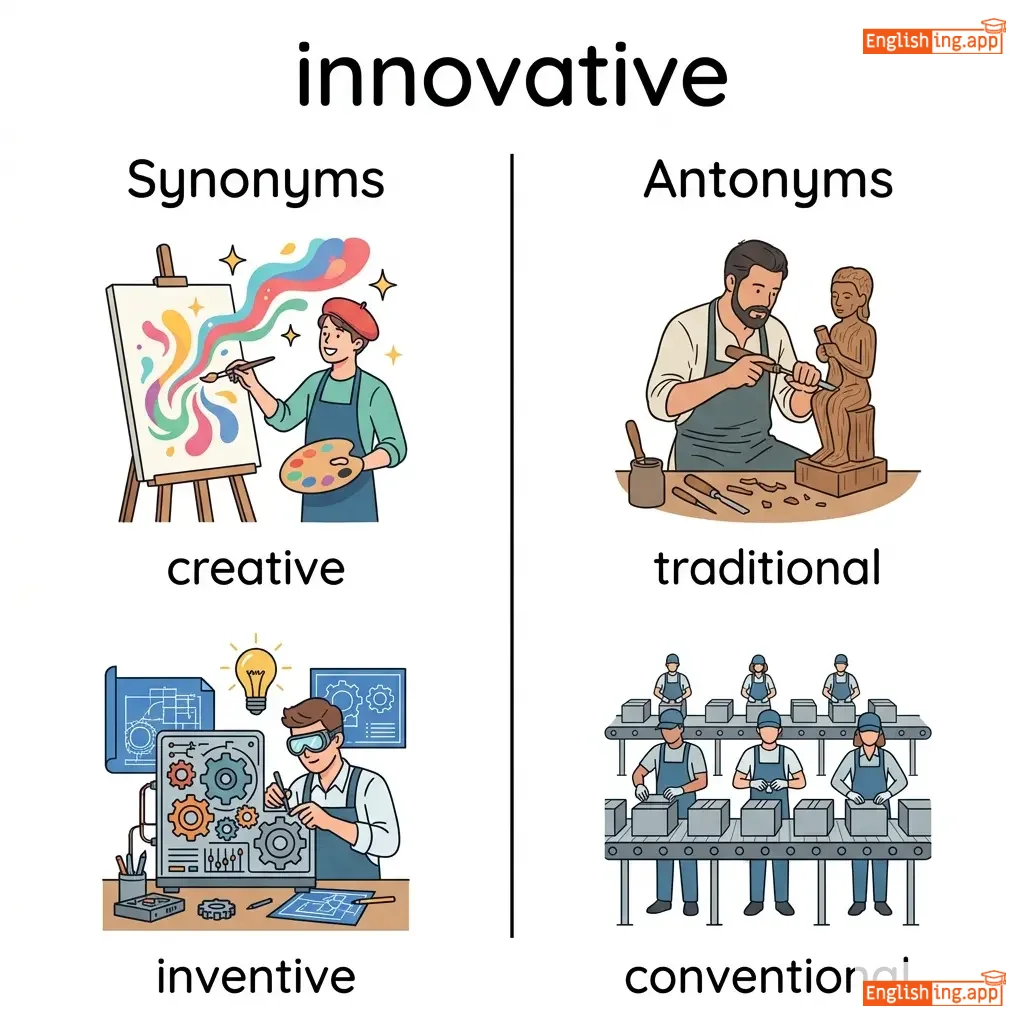
groundbreaking, pioneering, revolutionary
••••••
conventional, unoriginal, stagnant
••••••
••••••
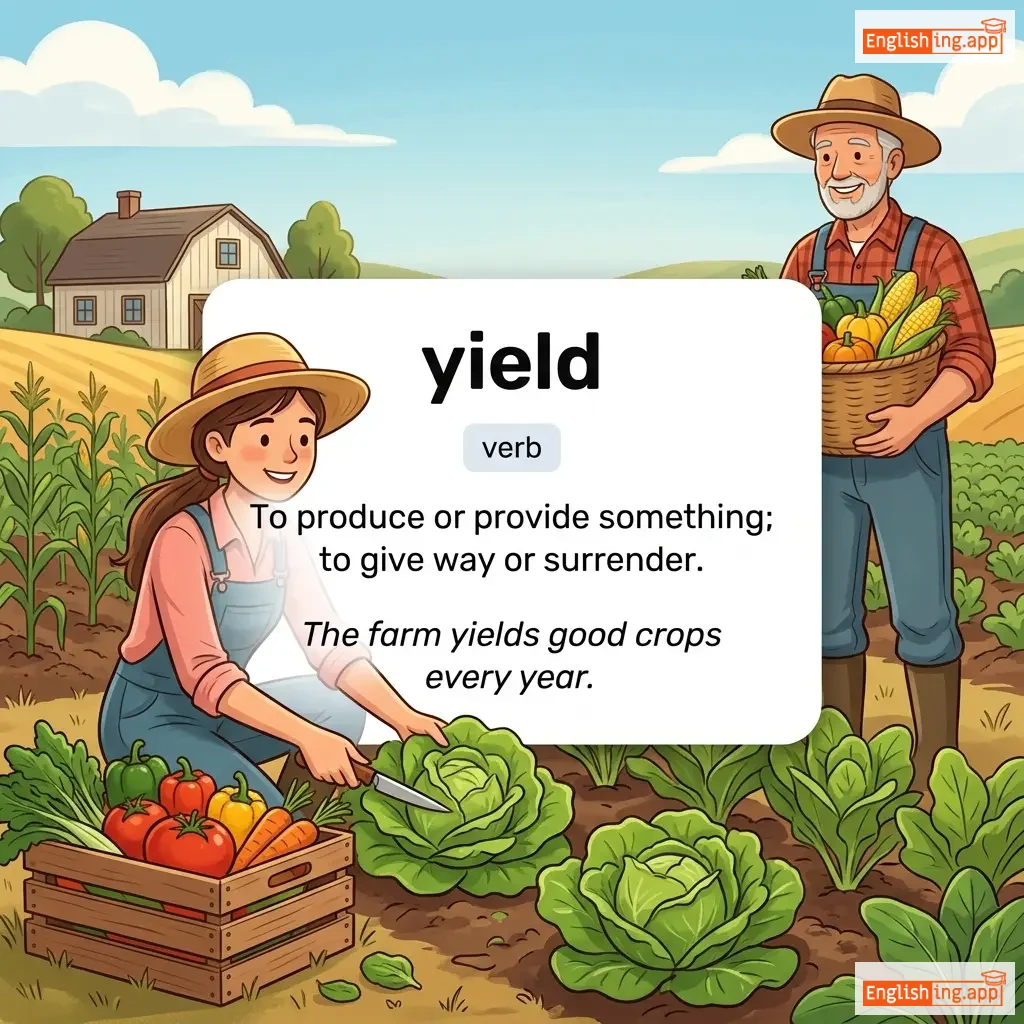
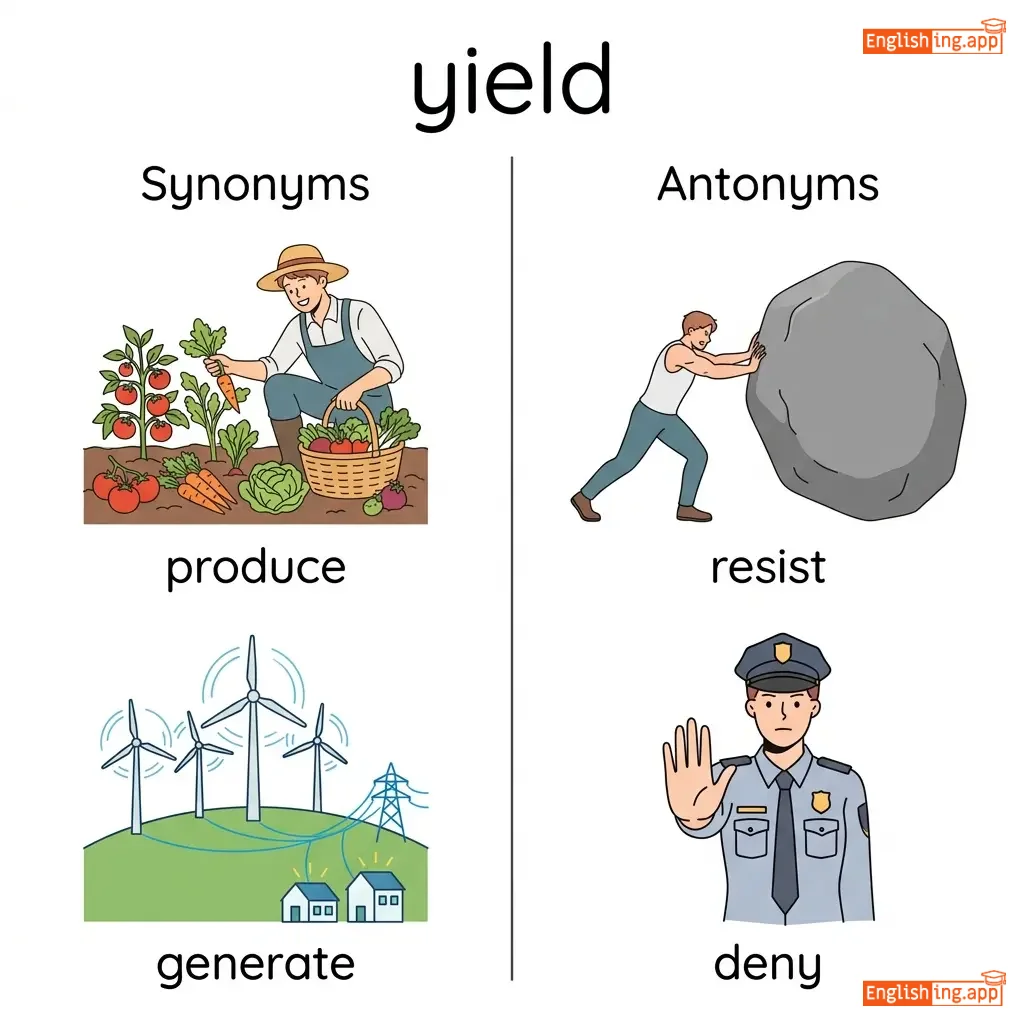
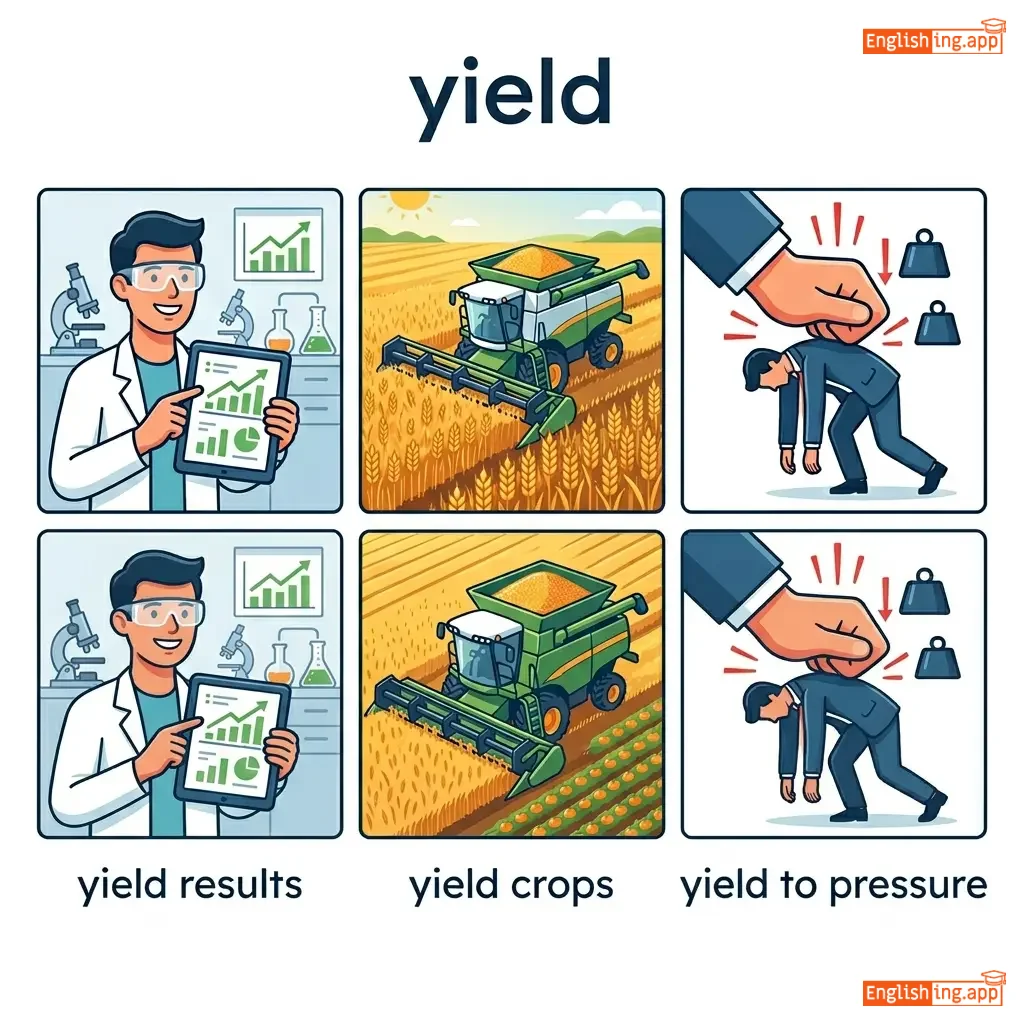
/jiːld/
noun
••••••
••••••
The amount of a crop harvested from a particular area.
••••••
The new farming technique has increased crop yield by 30%.
••••••
harvest, output, productivity
••••••
••••••
••••••
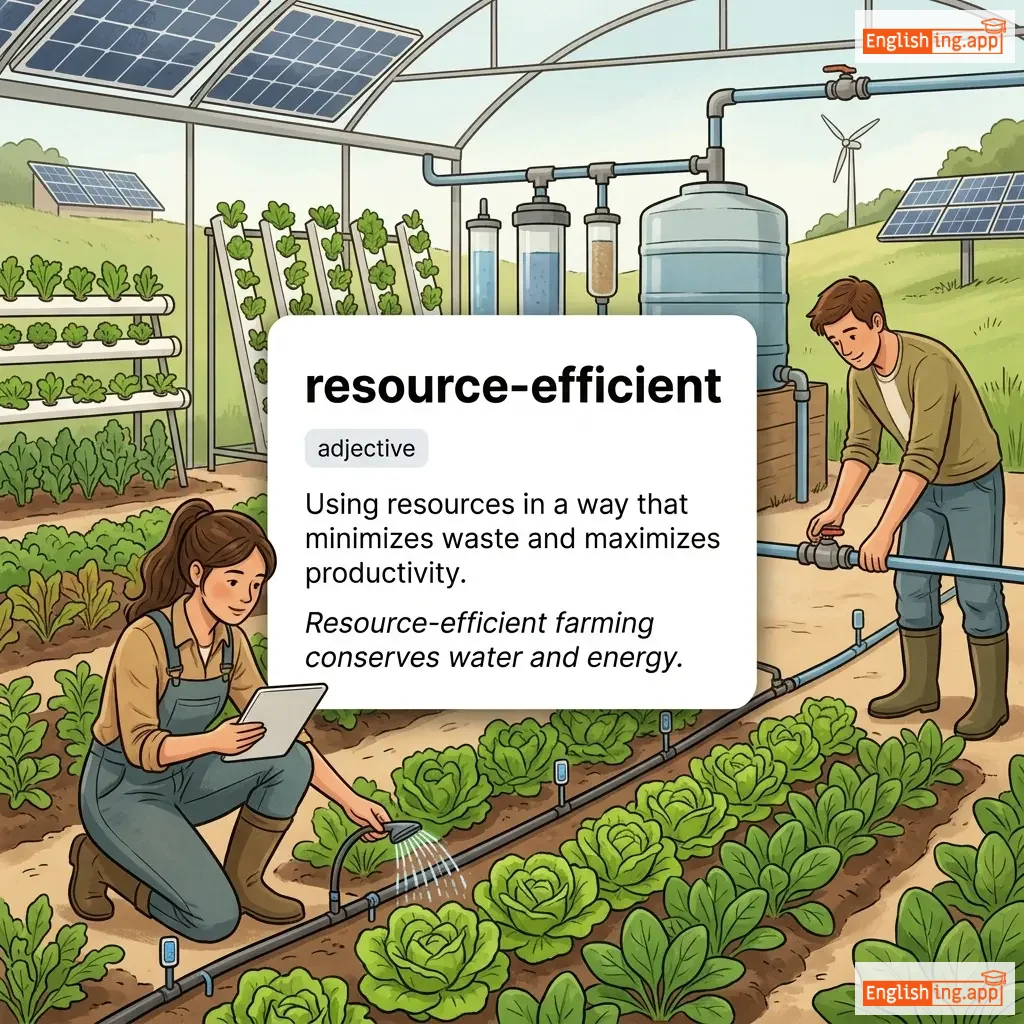
/rɪˈsɔːrs ɪˈfɪʃ.ənt/
adjective
••••••
••••••
Using resources in a way that minimizes waste and maximizes productivity.
••••••
Resource-efficient farming conserves water and energy.
••••••
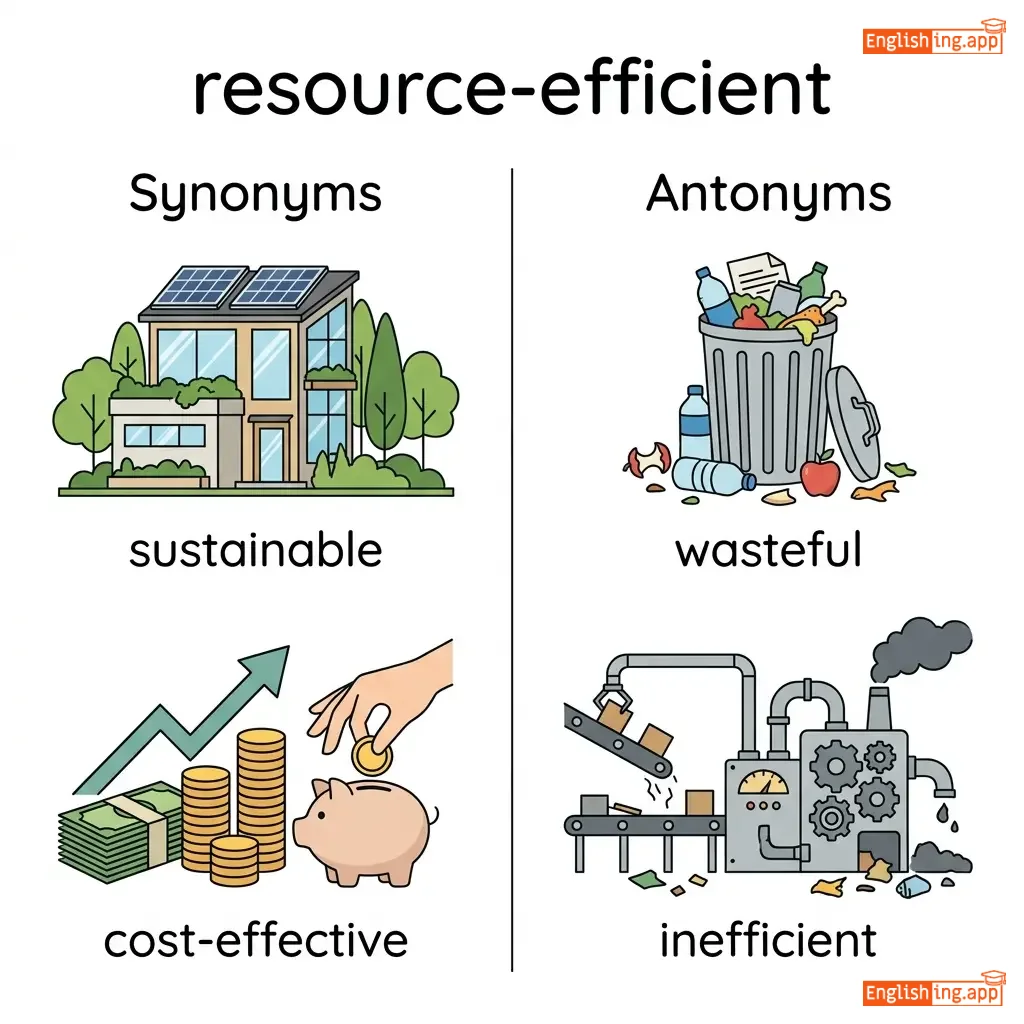
sustainable, cost-effective, energy-efficient
••••••
wasteful, inefficient, extravagant
••••••
••••••
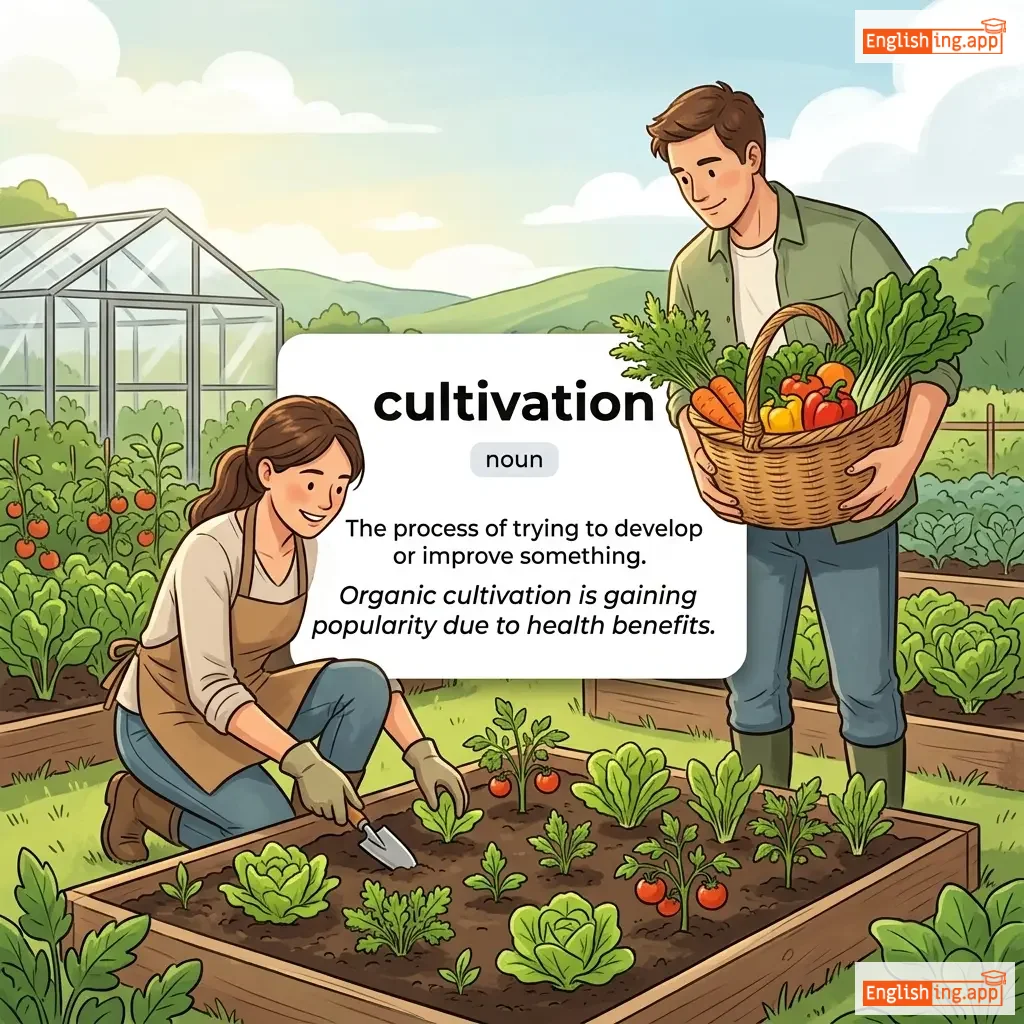
/ˌkʌl.tɪˈveɪ.ʃən/
noun
••••••
••••••
The process of trying to develop or improve something.
••••••
Organic cultivation is gaining popularity due to health benefits.
••••••
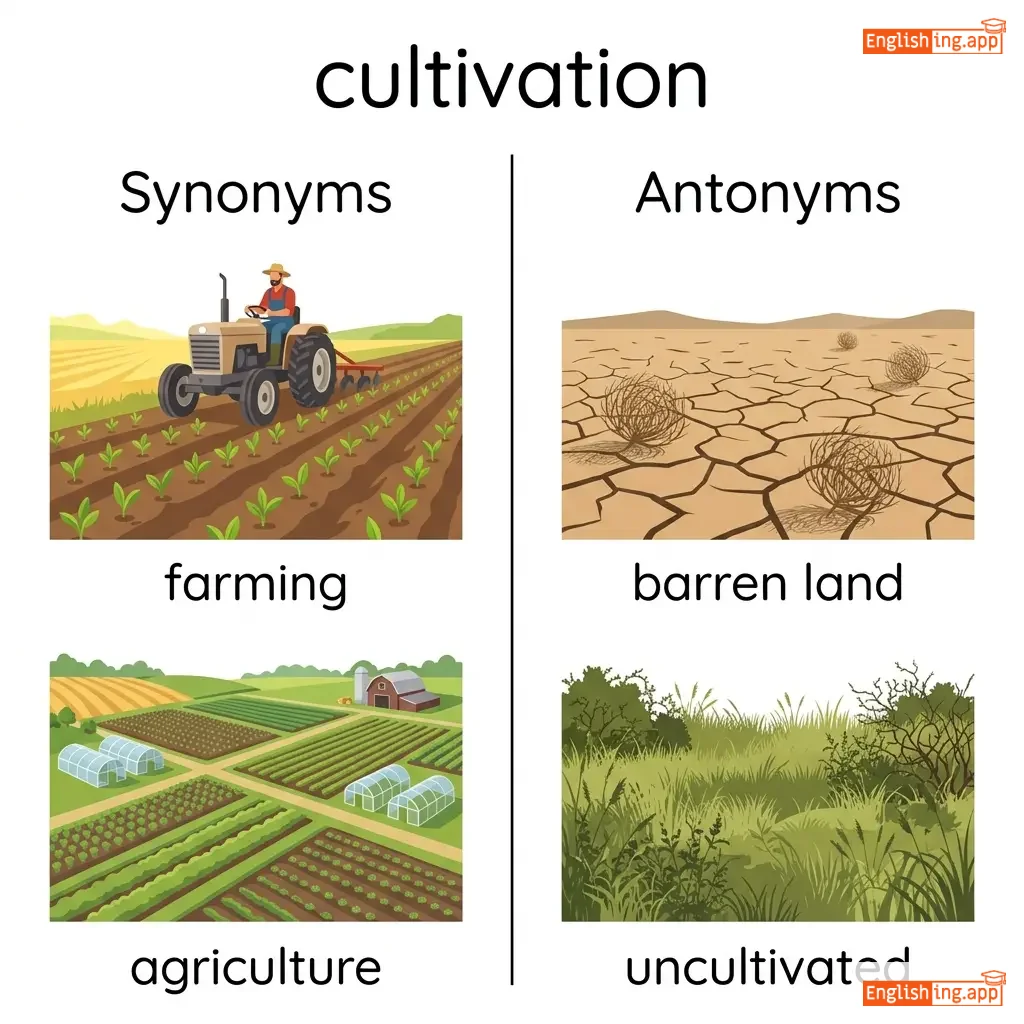
farming, agriculture, plantation
••••••
barren land, uncultivated, neglect
••••••
••••••
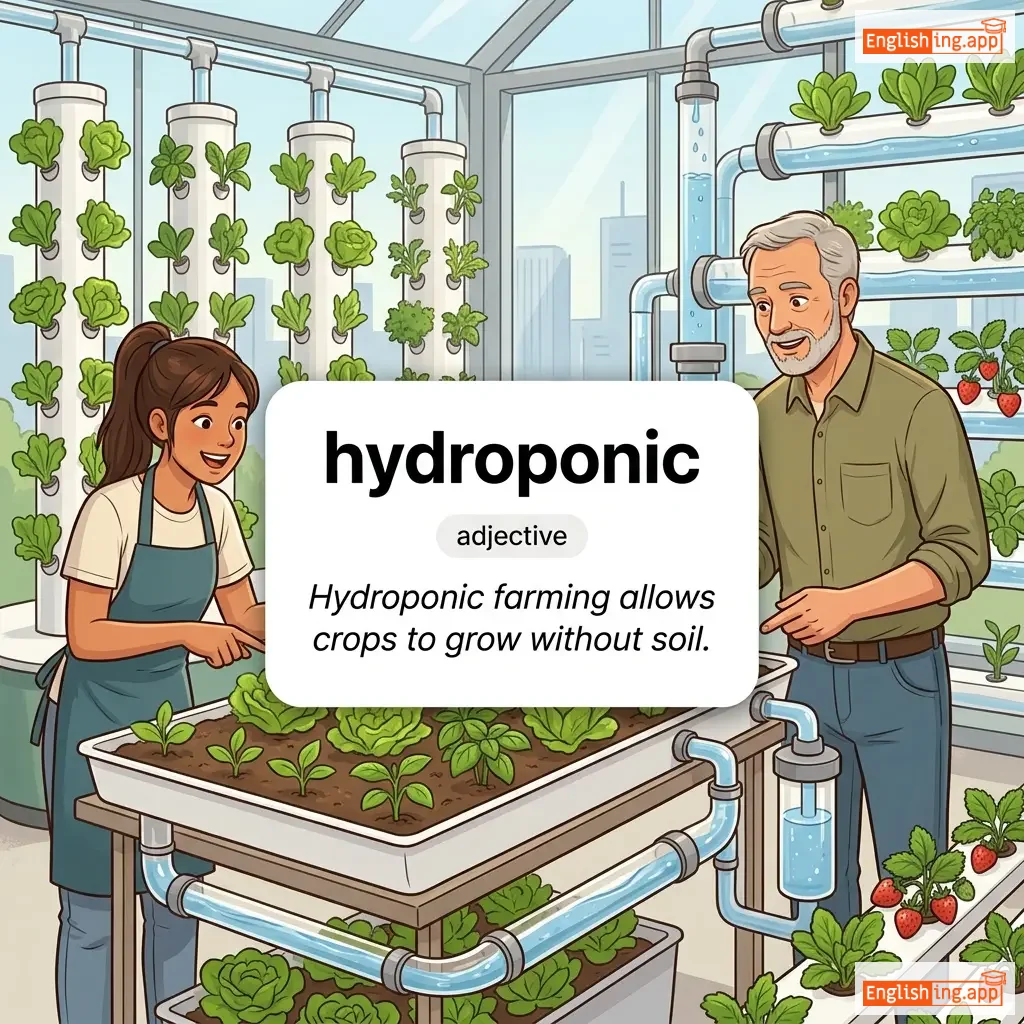
/ˌhaɪ.drəˈpɒn.ɪk/
adjective
••••••
••••••
Relating to the process of growing plants in sand, gravel, or liquid, with added nutrients but without soil.
••••••
Hydroponic farming allows crops to grow without soil.
••••••
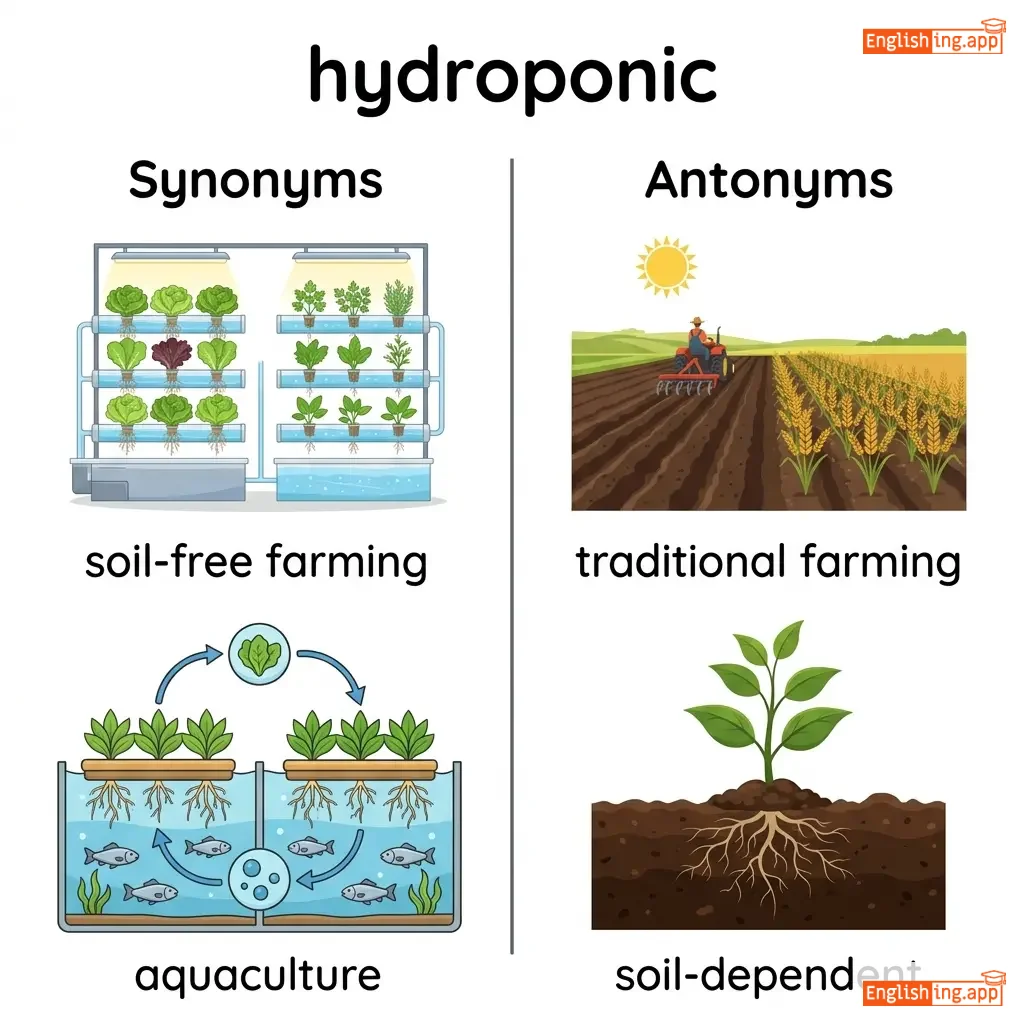
soil-free farming, aquaculture, nutrient-based growth
••••••
traditional farming, soil-dependent, conventional
••••••
••••••
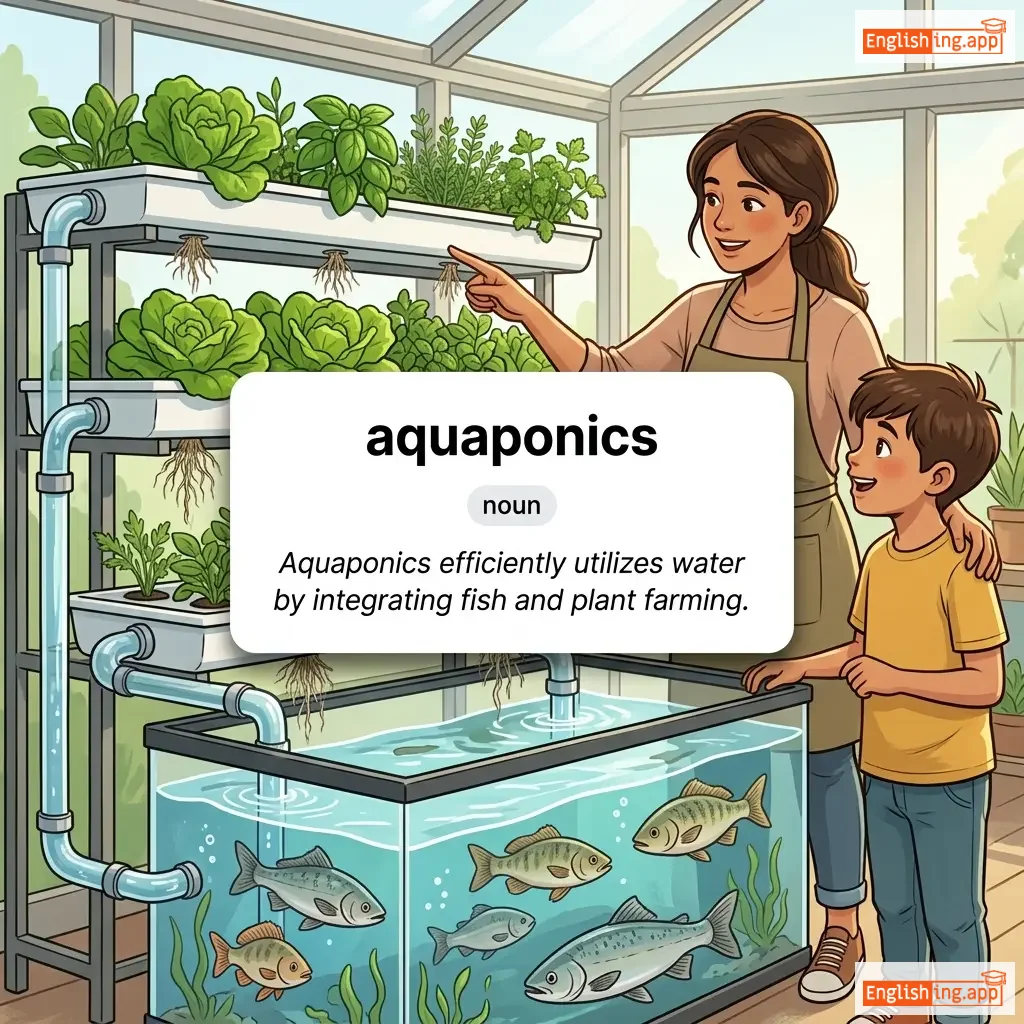
/ˌækwəˈpɒnɪks/
noun
••••••
••••••
A system of aquaculture in which the waste produced by farmed fish or other aquatic animals supplies nutrients for plants grown hydroponically.
••••••
Aquaponics efficiently utilizes water by integrating fish and plant farming.
••••••
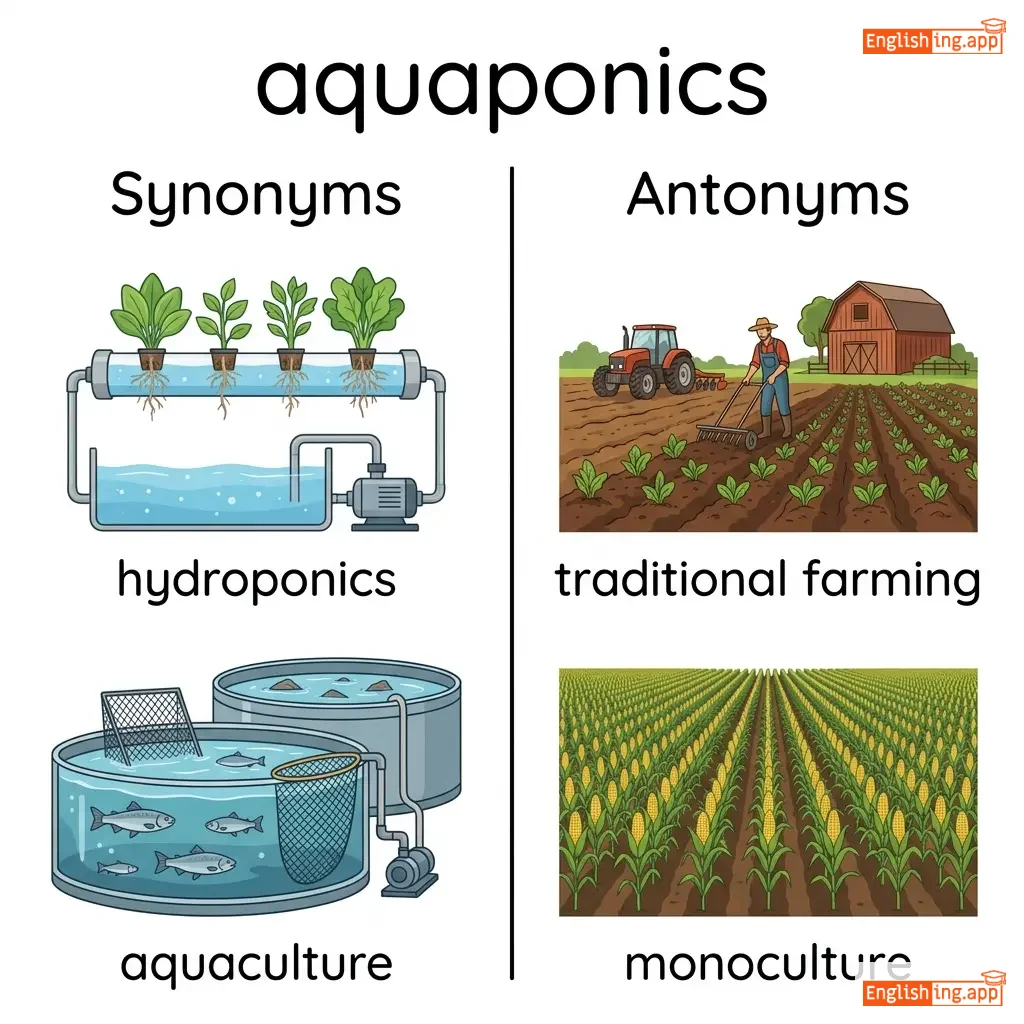
hydroponics, aquaculture, integrated farming
••••••
traditional farming, monoculture, soil-based agriculture
••••••
••••••
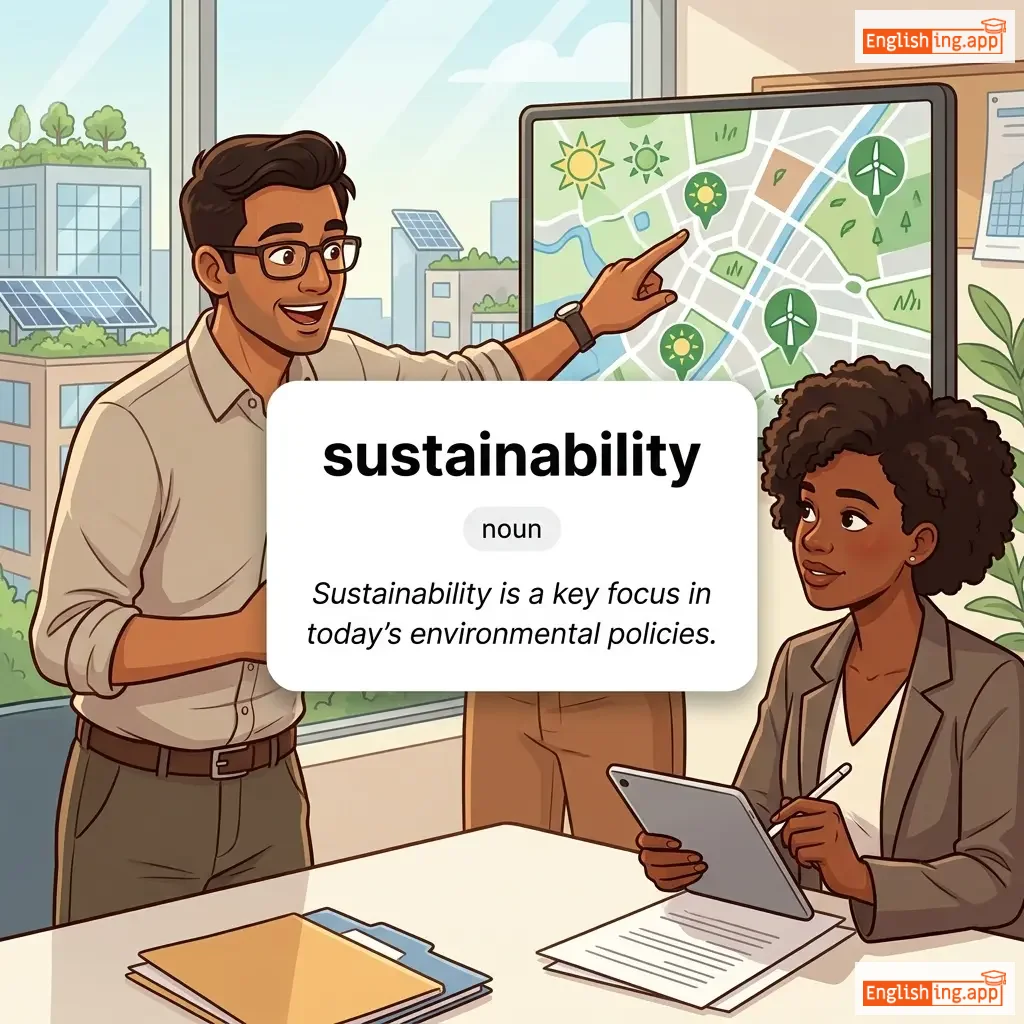
/səˌsteɪ.nəˈbɪl.ə.ti/
noun
••••••
••••••
The ability to be maintained at a certain rate or level.
••••••
Sustainability in agriculture ensures long-term food security.
••••••
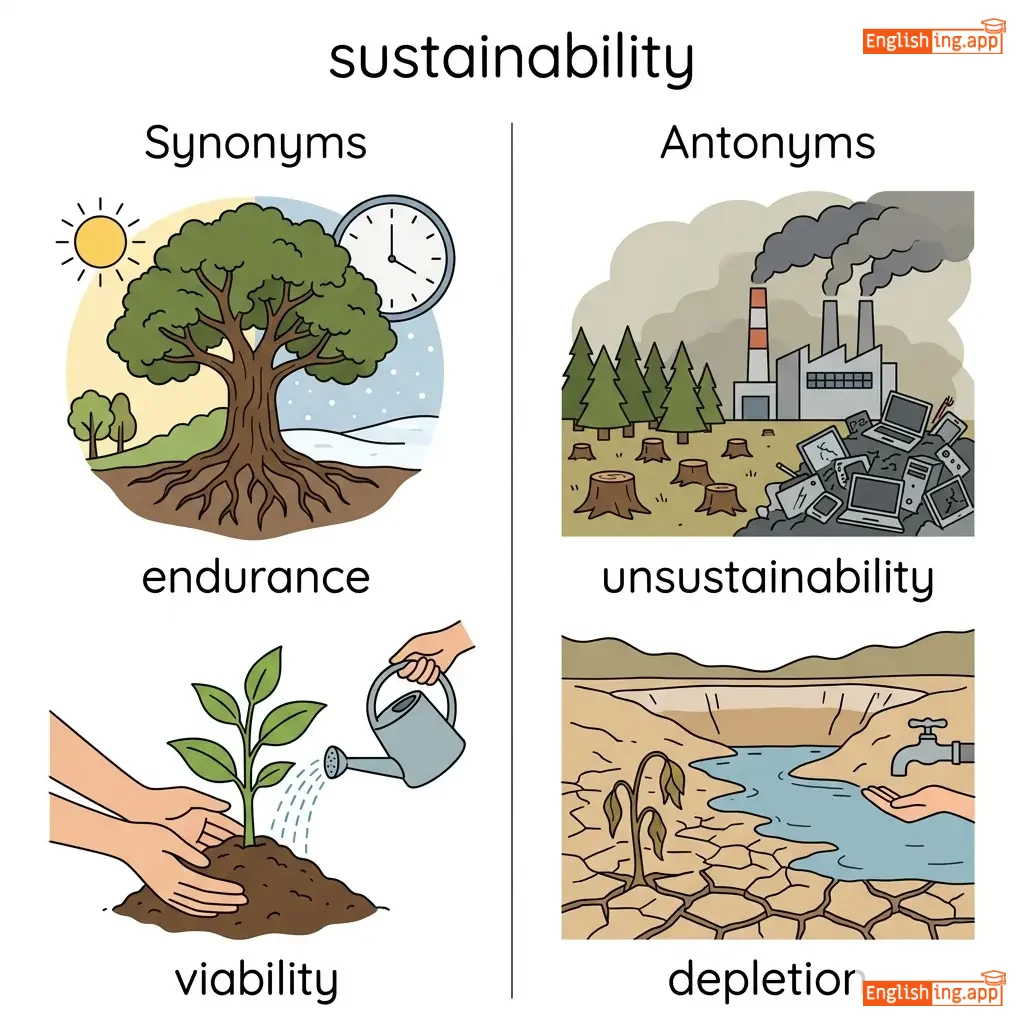
longevity, eco-friendliness, viability
••••••
unsustainable, short-lived, depletion
••••••
••••••
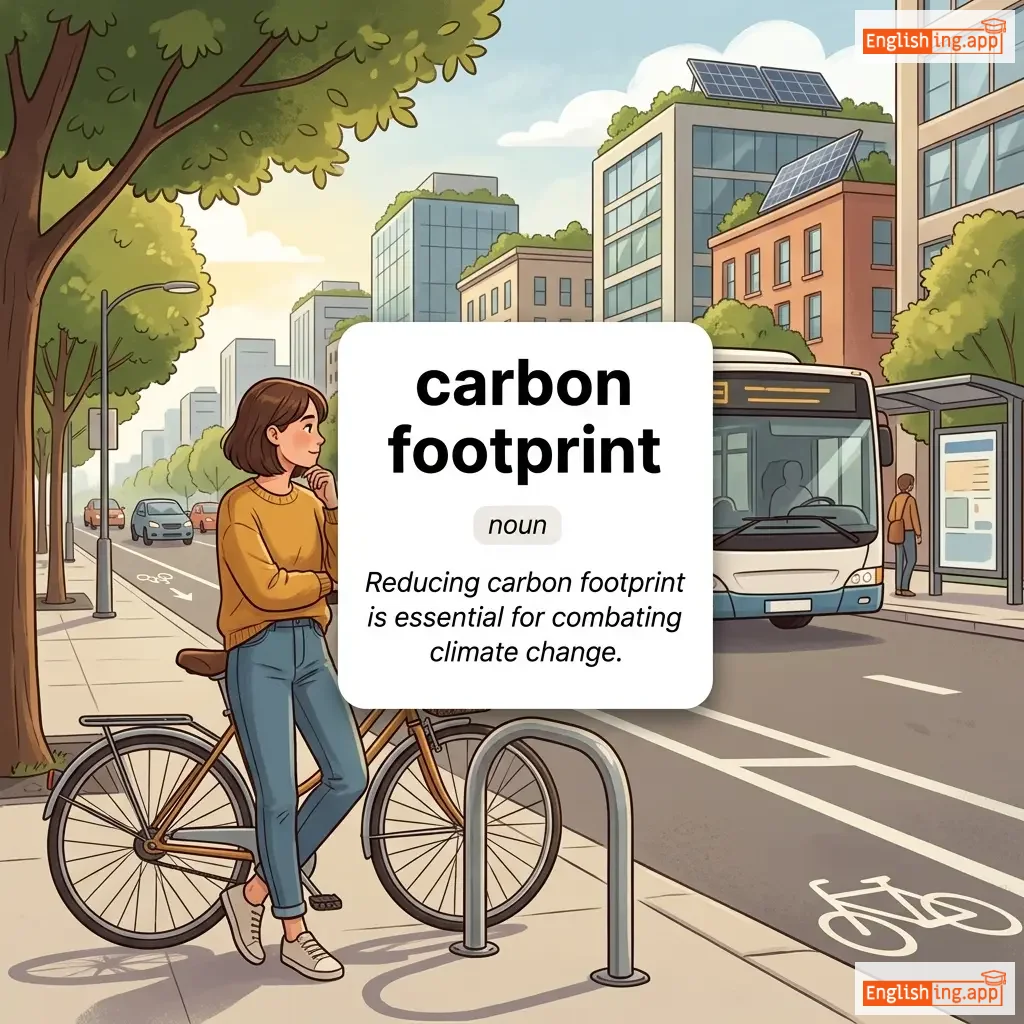
/ˈkɑː.bən ˈfʊt.prɪnt/
noun
••••••
••••••
The amount of carbon dioxide and other carbon compounds emitted due to the consumption of fossil fuels by a particular person, group, etc.
••••••
Reducing carbon footprint is essential for combating climate change.
••••••
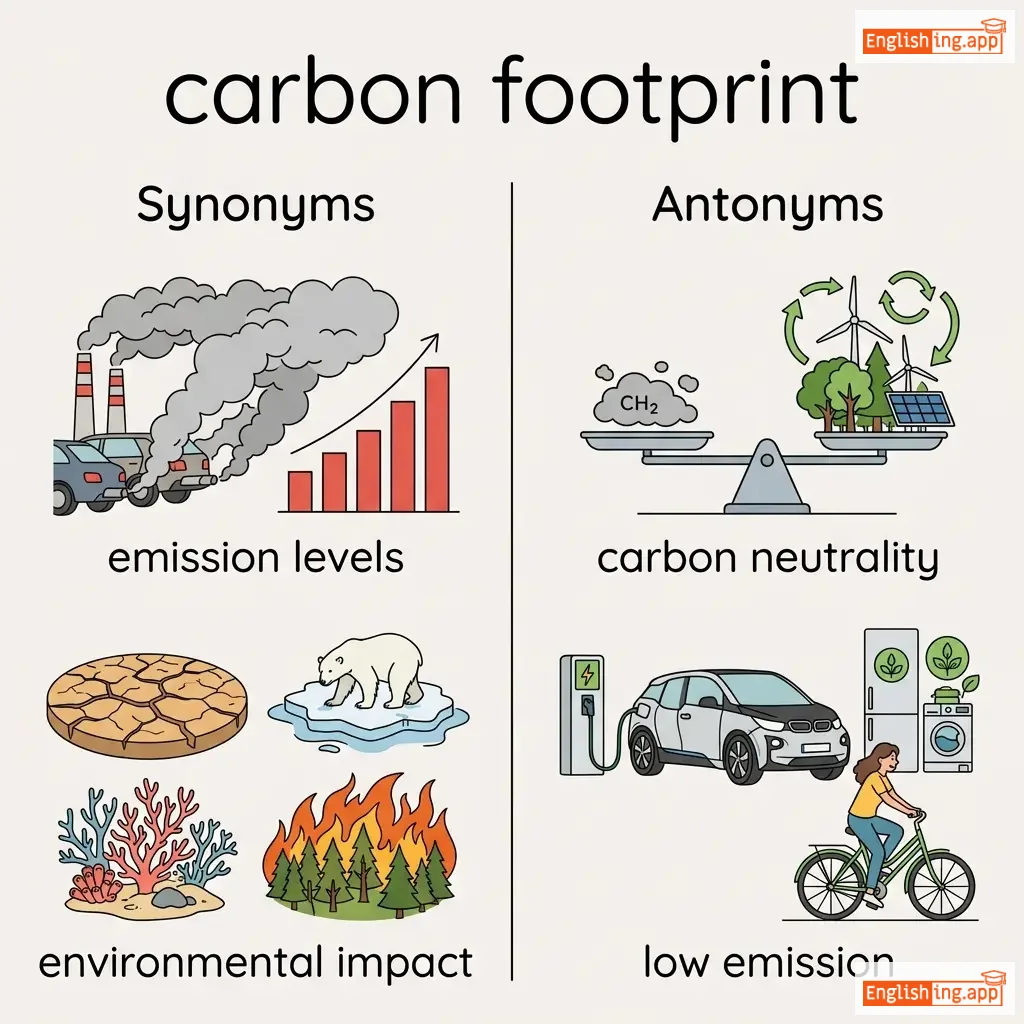
emission levels, environmental impact, carbon output
••••••
carbon neutrality, low emission, eco-friendly practices
••••••
••••••
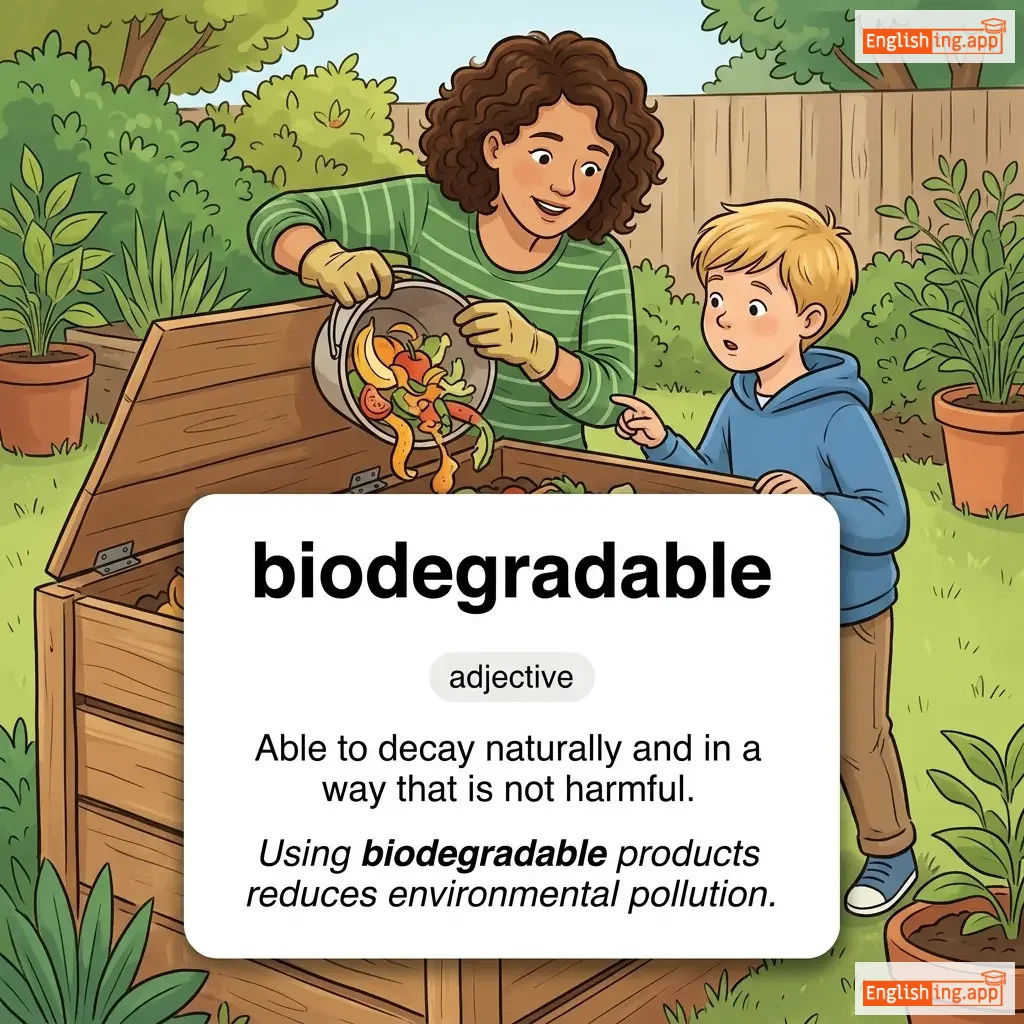
/ˌbaɪ.oʊ.dɪˈɡreɪ.də.bəl/
adjective
••••••
••••••
Able to decay naturally and in a way that is not harmful.
••••••
Using biodegradable products reduces environmental pollution.
••••••
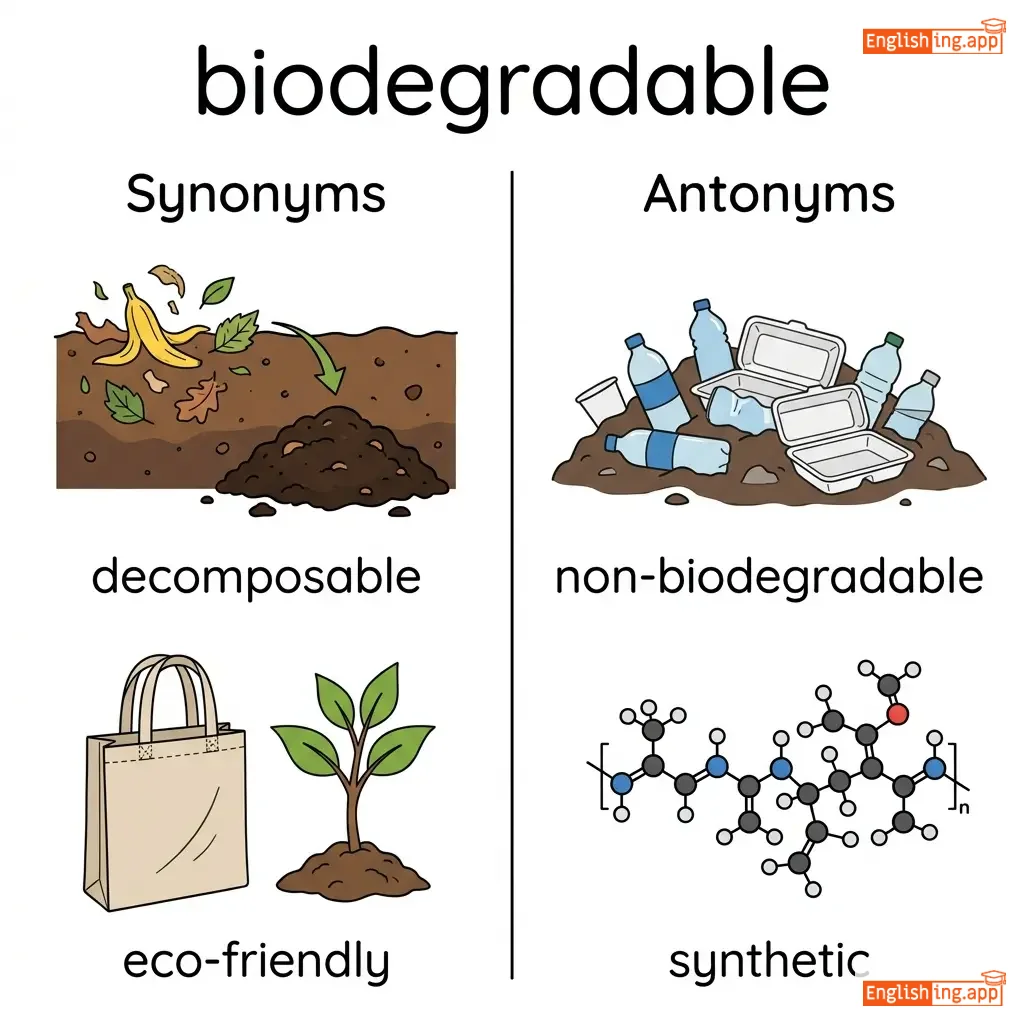
decomposable, eco-friendly, organic
••••••
non-biodegradable, synthetic, plastic-based
••••••
••••••
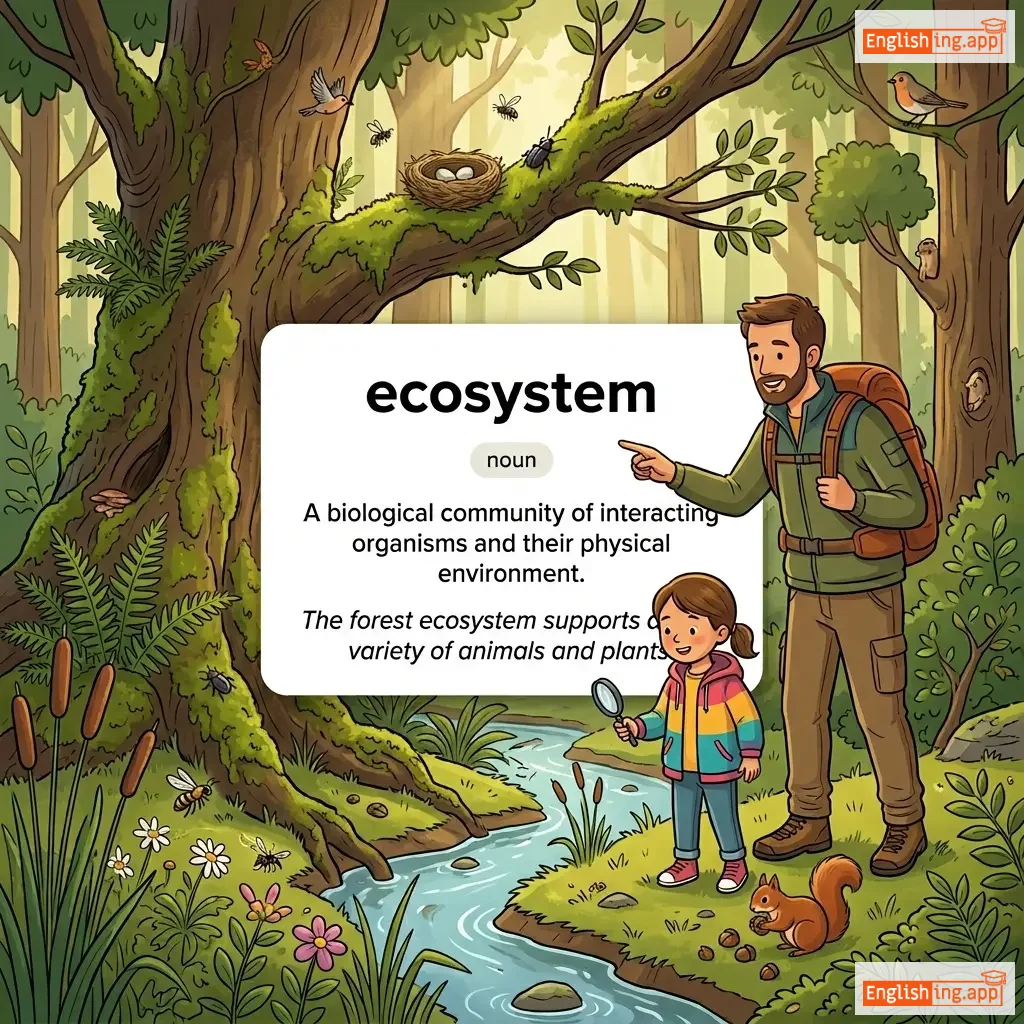
/ˈiː.kəʊˌsɪs.təm/
noun
••••••
••••••
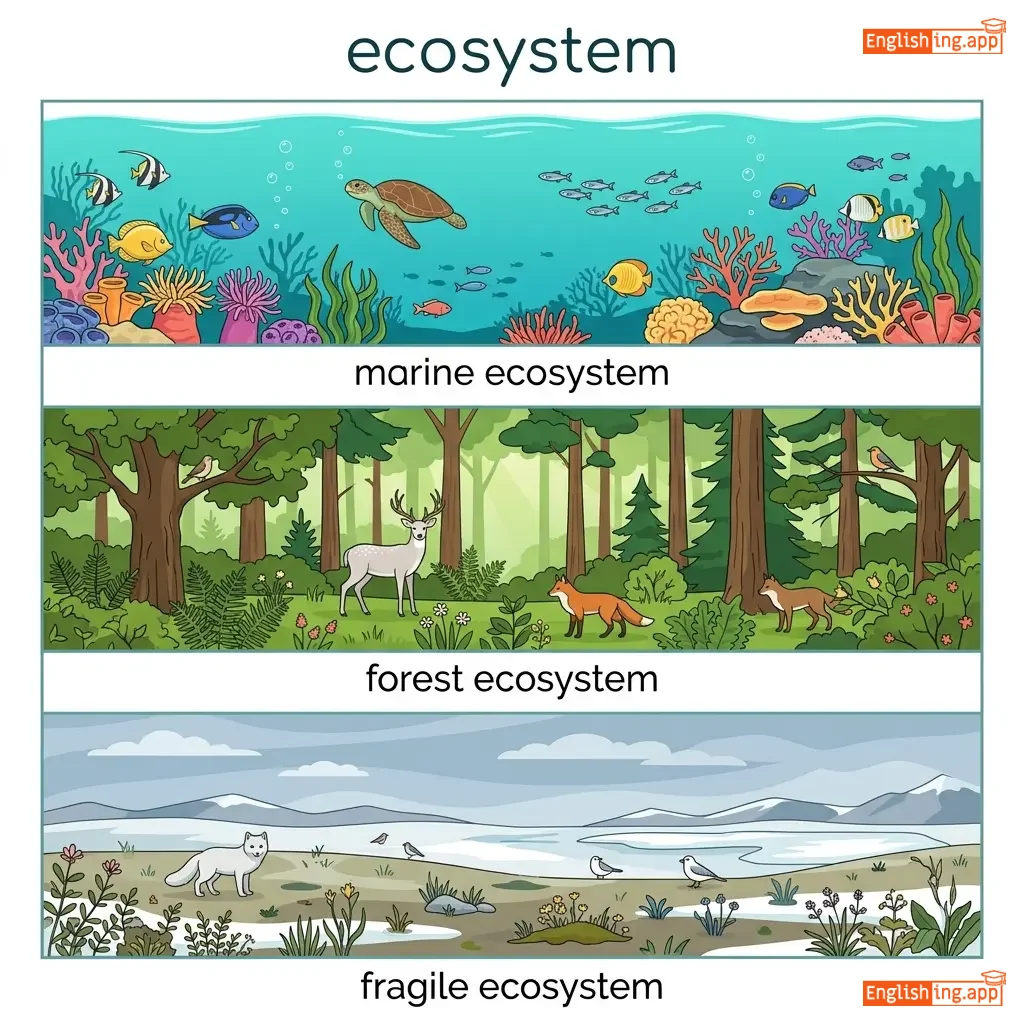
A biological community of interacting organisms and their physical environment.
••••••
Protecting the ecosystem is crucial for maintaining biodiversity.
••••••
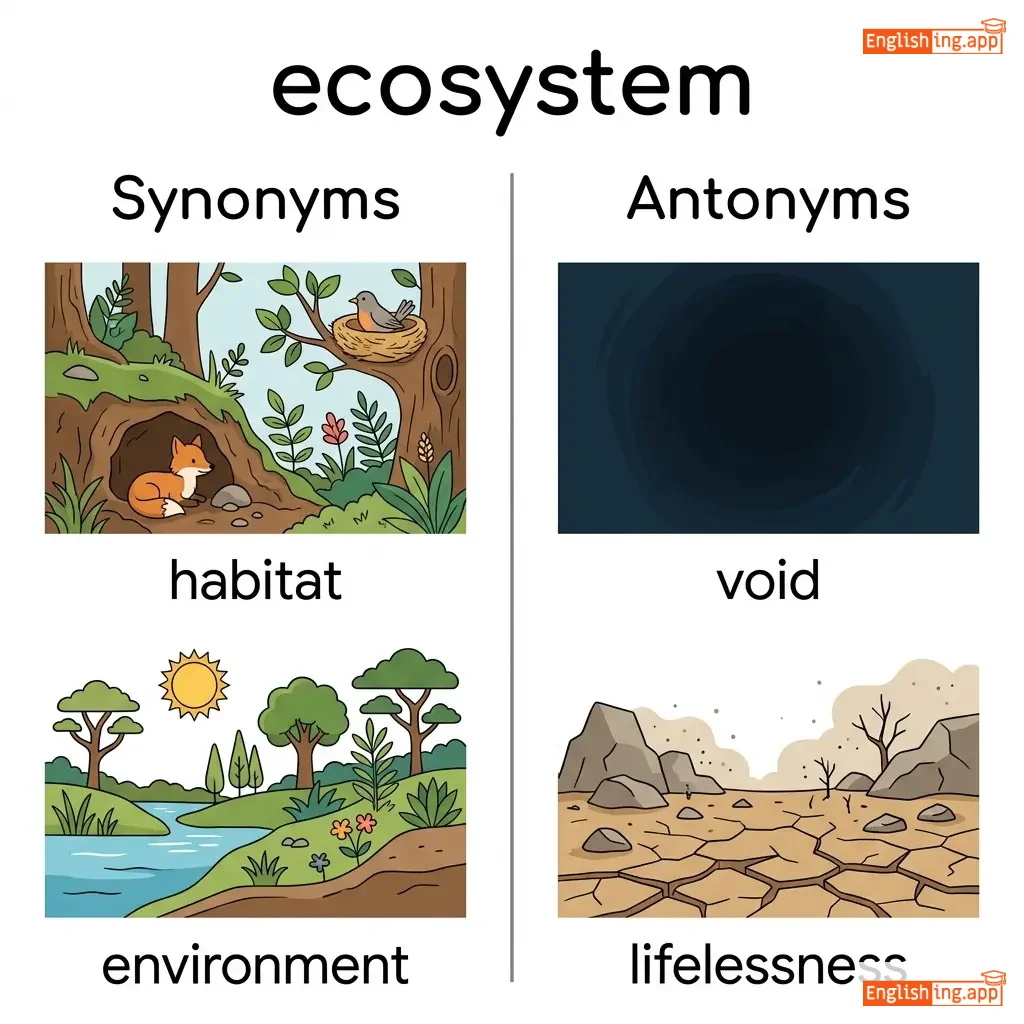
biome, ecological system, habitat
••••••
artificial environment, desertification, degradation
••••••
••••••
/ˌbaɪ.oʊ.daɪˈvɜː.sɪ.ti/
noun
••••••
••••••
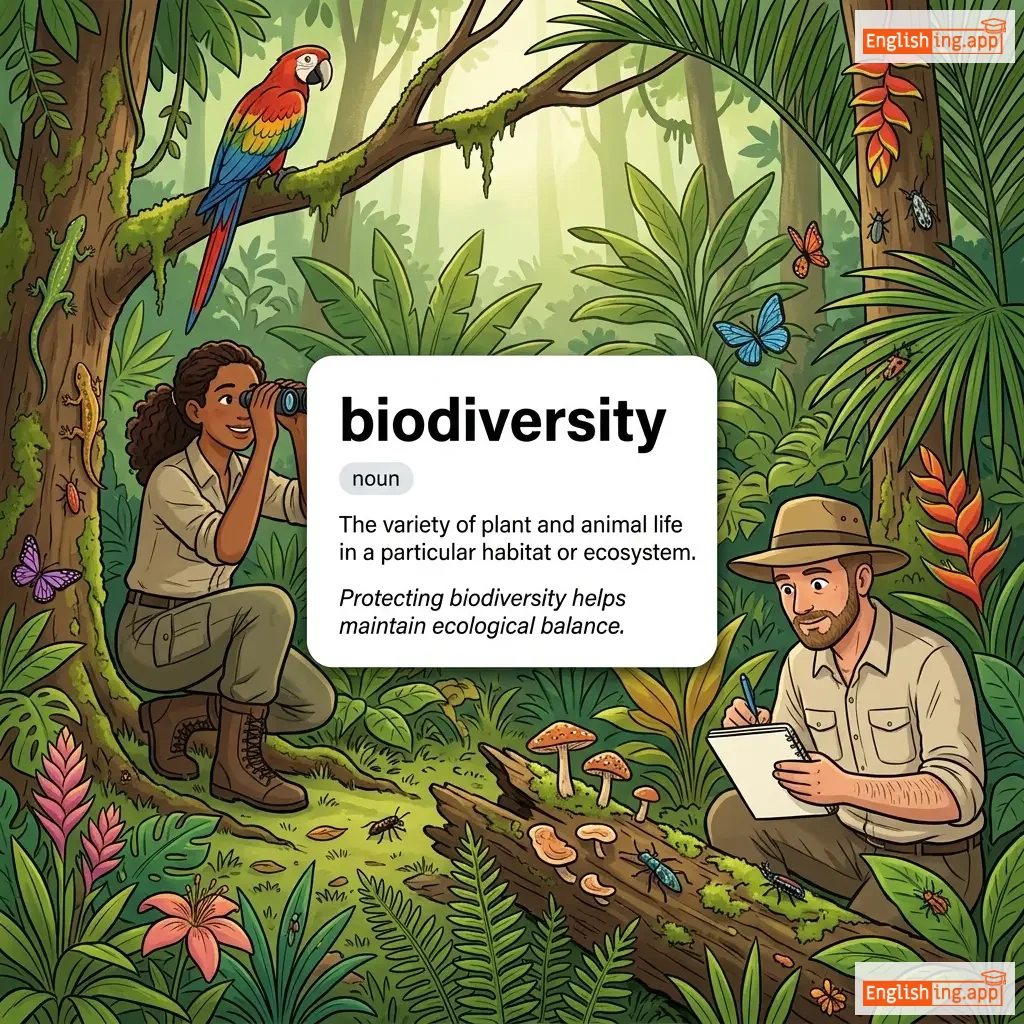
The variety of life in the world or in a particular habitat or ecosystem.
••••••
Deforestation is a major threat to biodiversity .
••••••
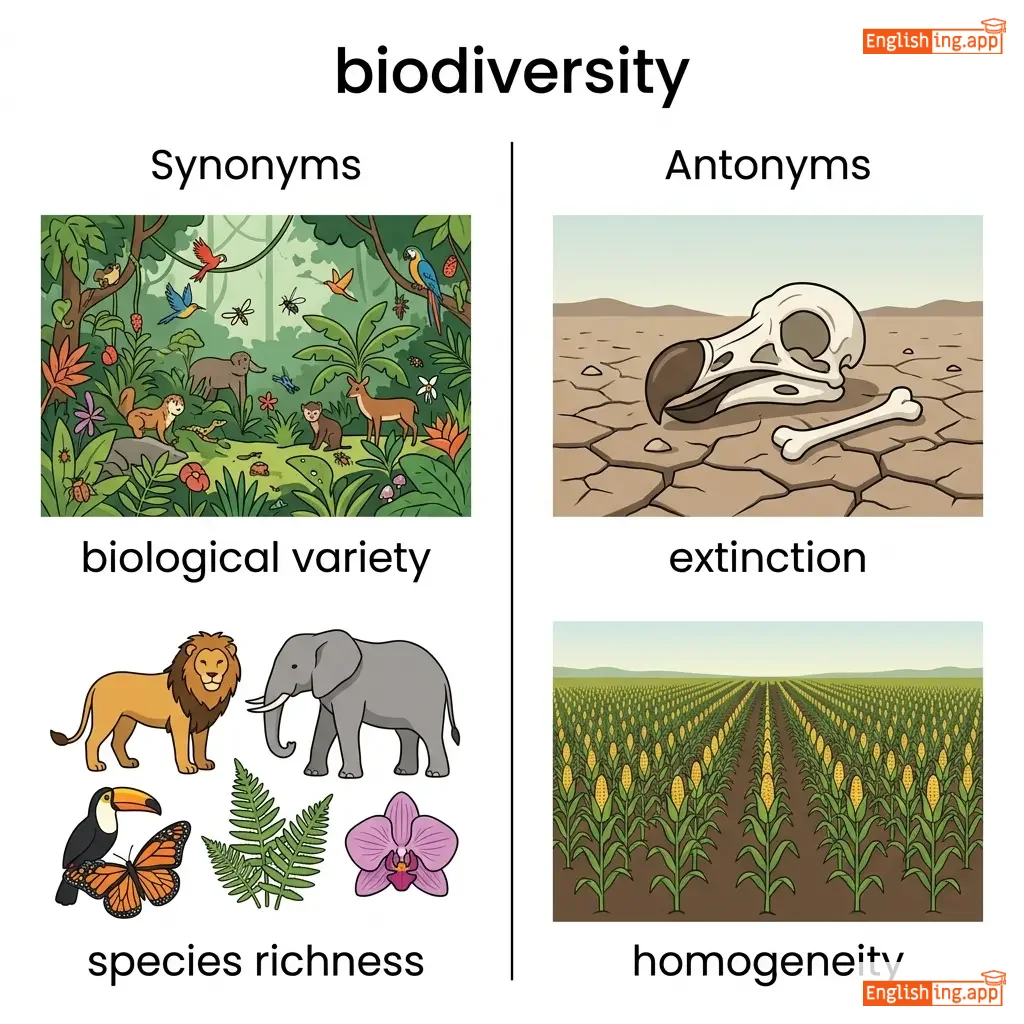
species variety, genetic diversity, biological richness
••••••
extinction, habitat destruction, monoculture
••••••
••••••
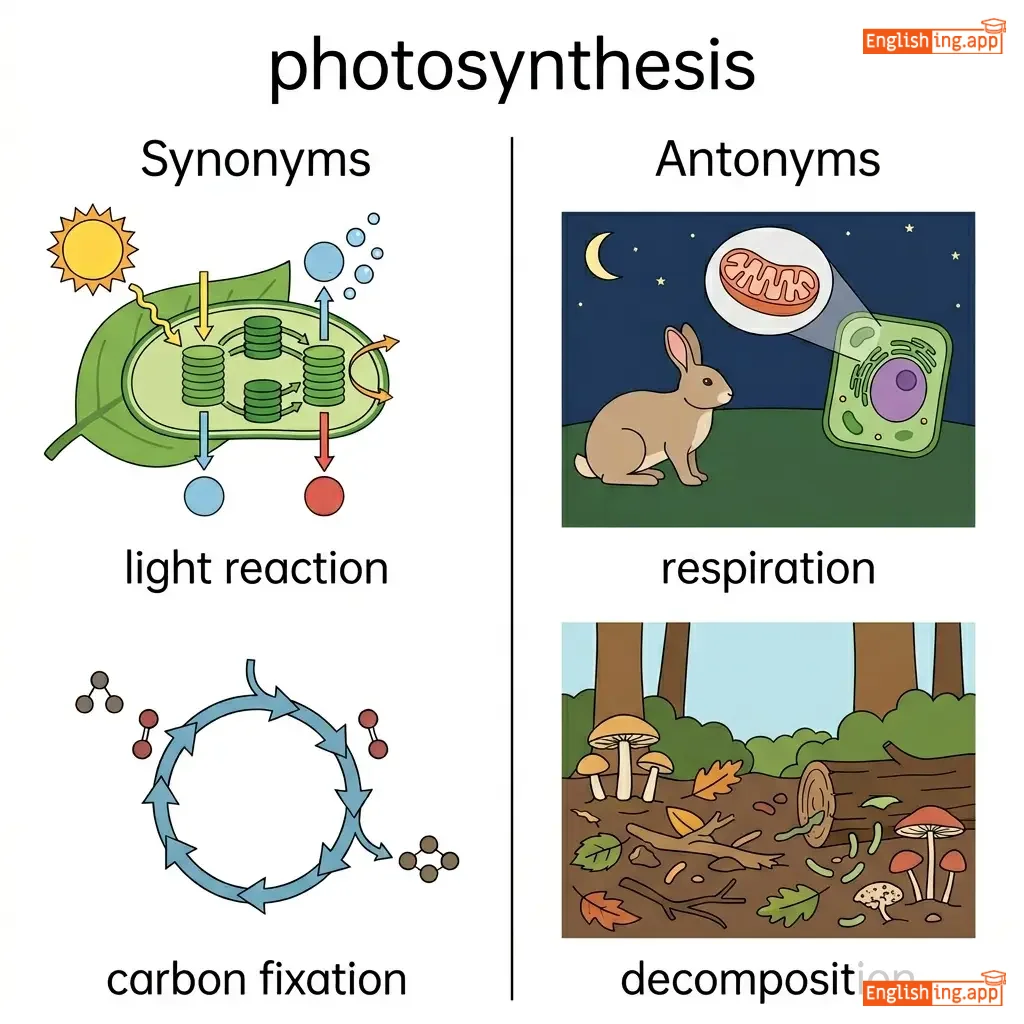
/ˌfoʊ.t̬oʊˈsɪn.θə.sɪs/
noun
••••••
••••••
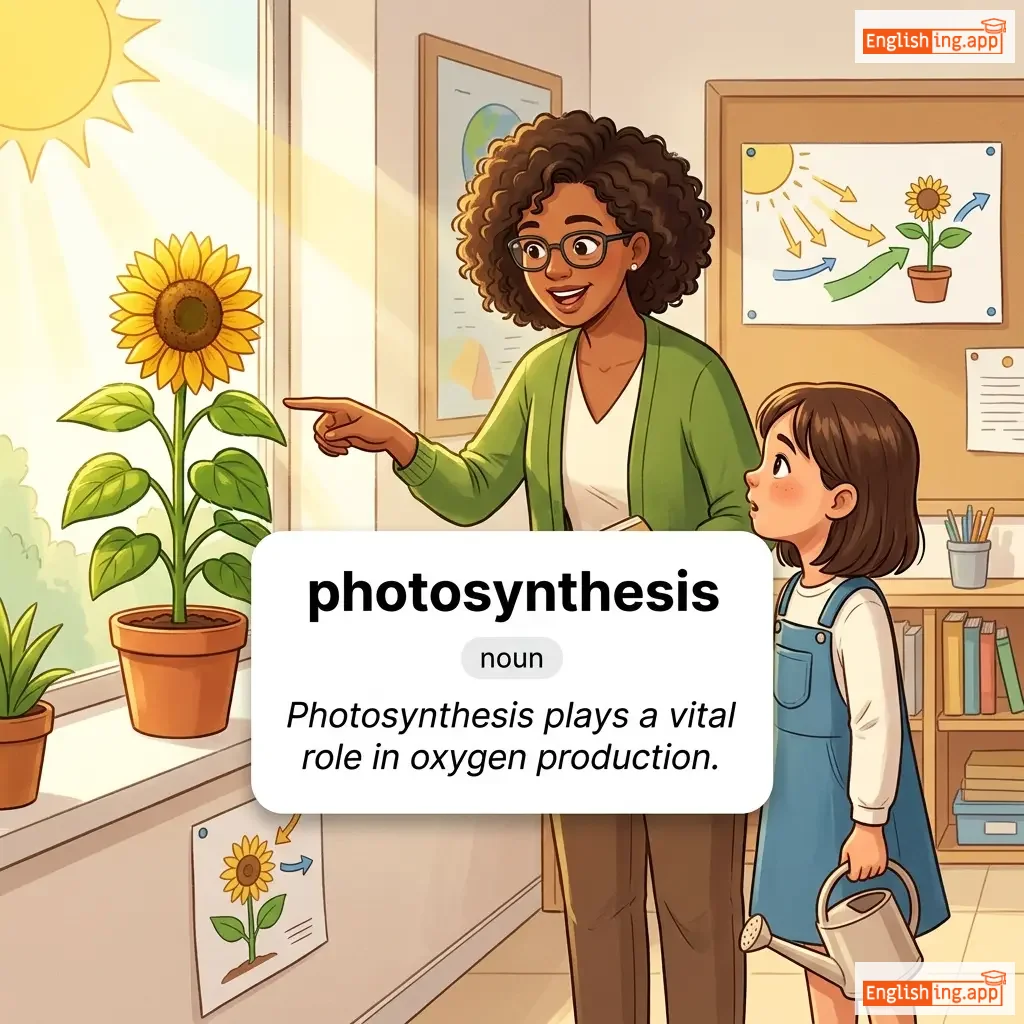
The process by which green plants and some other organisms use sunlight to synthesize nutrients from carbon dioxide and water.
••••••
Photosynthesis plays a vital role in oxygen production.
••••••
light reaction, carbon fixation, chlorophyll process
••••••
respiration, decomposition, non-photosynthetic
••••••
••••••
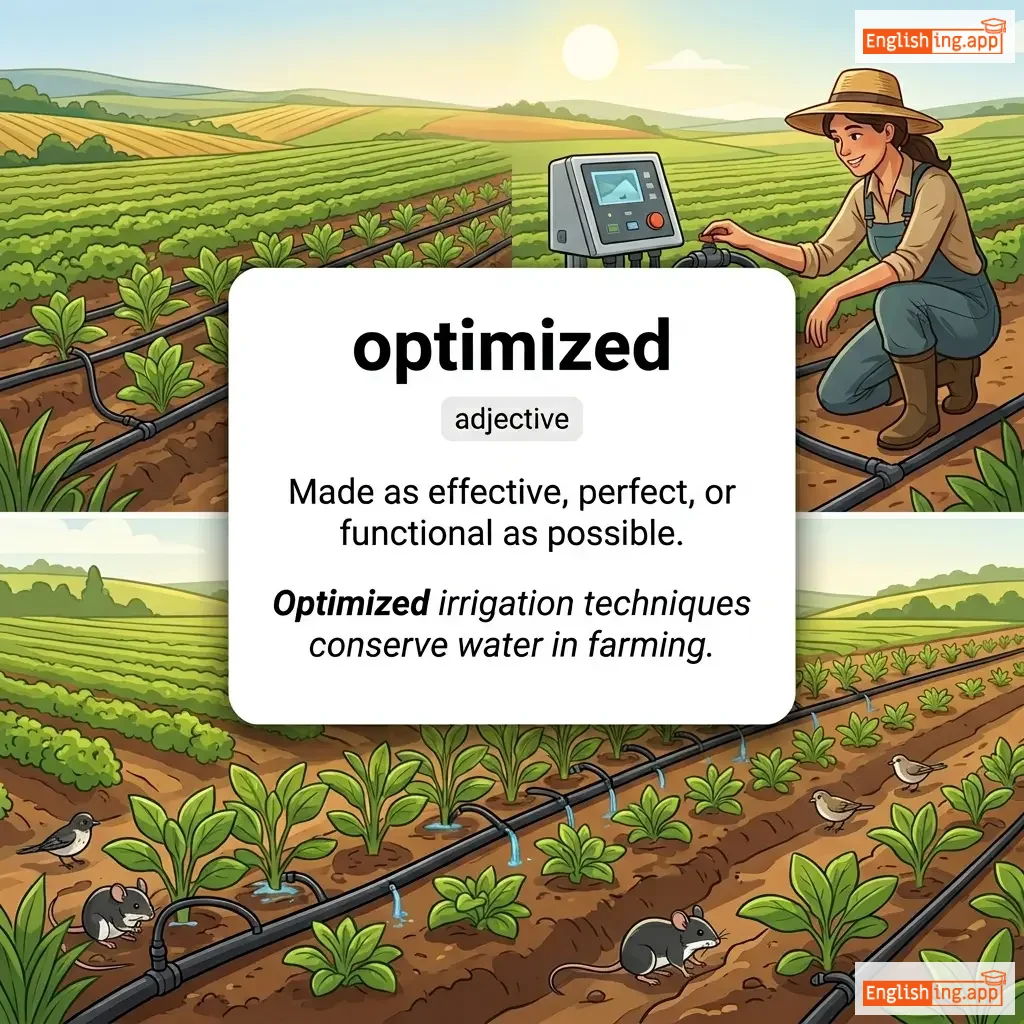
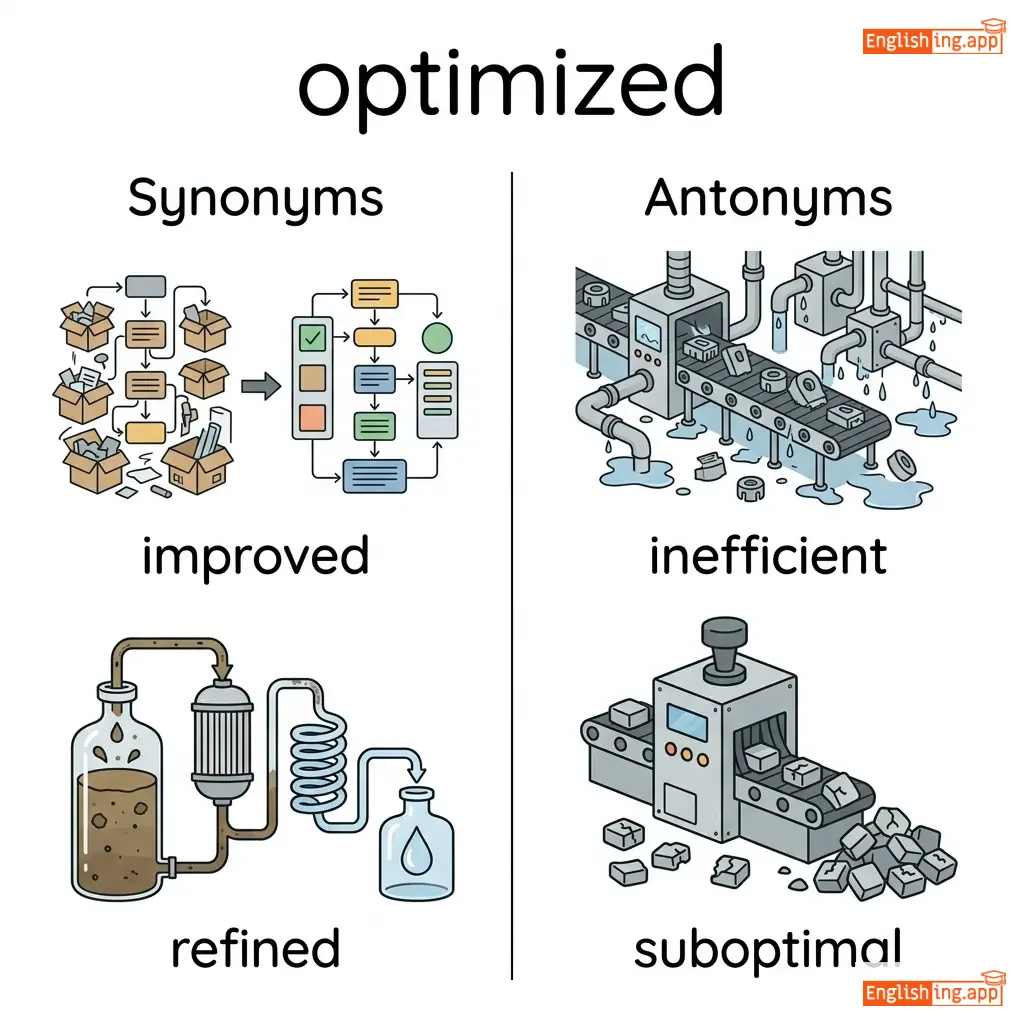
/ˈɒp.tɪ.maɪzd/
adjective
••••••
••••••
Made as effective, perfect, or functional as possible.
••••••
Optimized irrigation techniques conserve water in farming.
••••••
improved, refined, maximized
••••••
inefficient, suboptimal, wasted
••••••
••••••
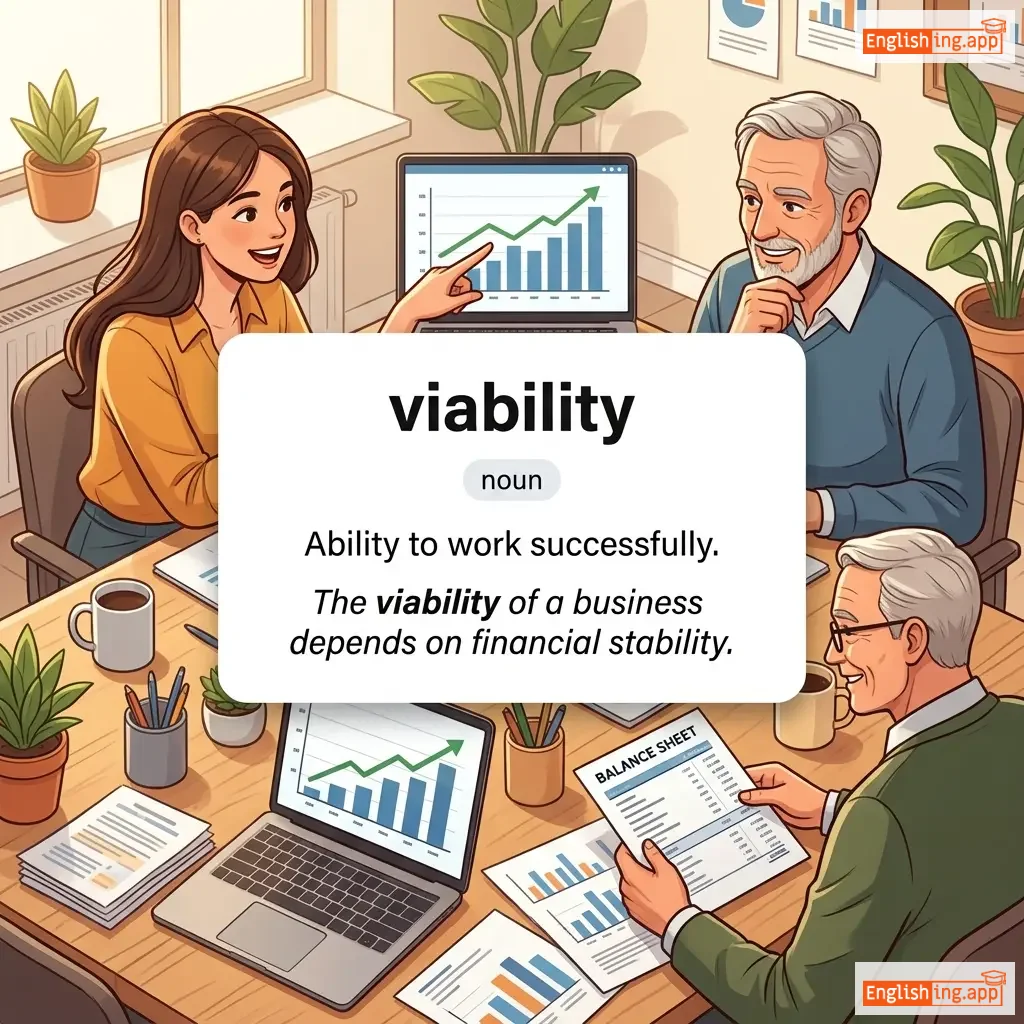
/ˌvaɪ.əˈbɪl.ə.ti/
noun
••••••
••••••
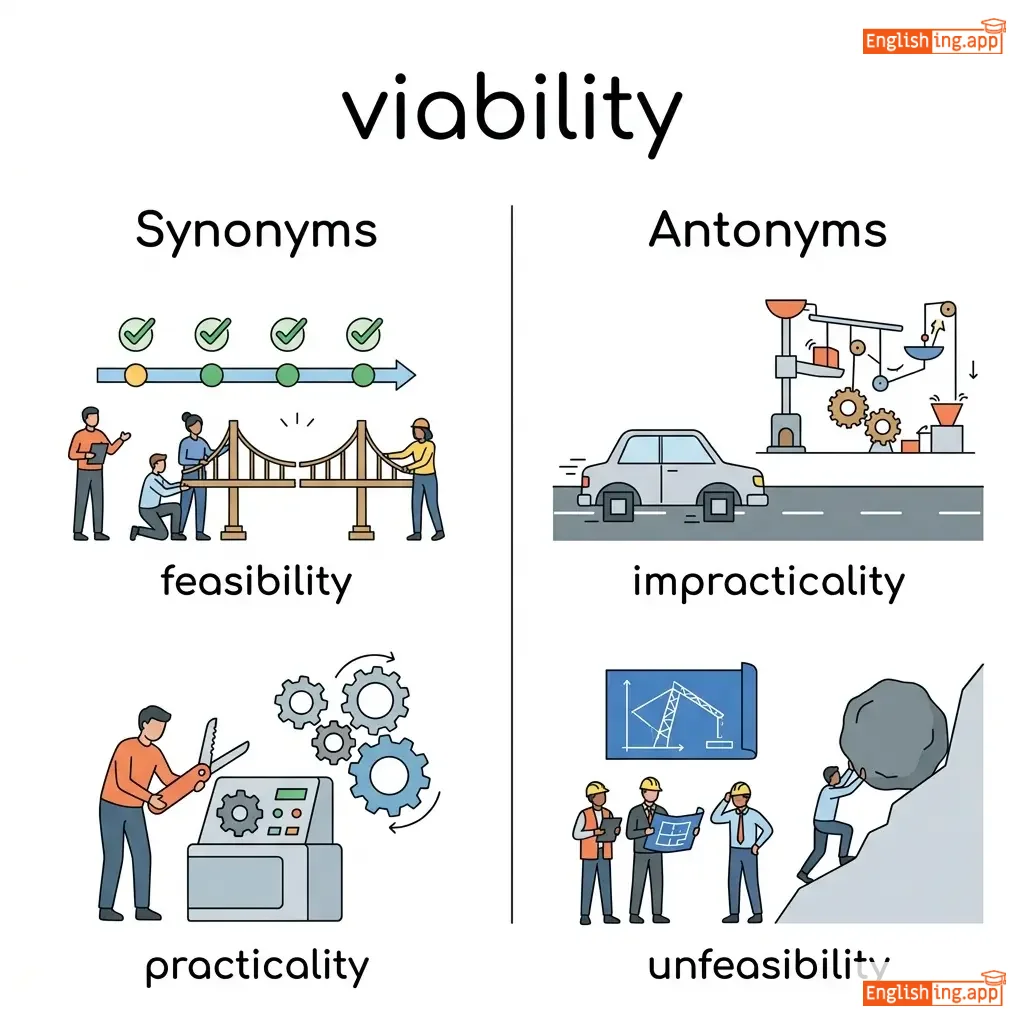
Ability to work successfully.
••••••
The viability of a business depends on financial stability.
••••••
feasibility, practicality, sustainability
••••••
impracticality, unfeasibility, failure
••••••
••••••
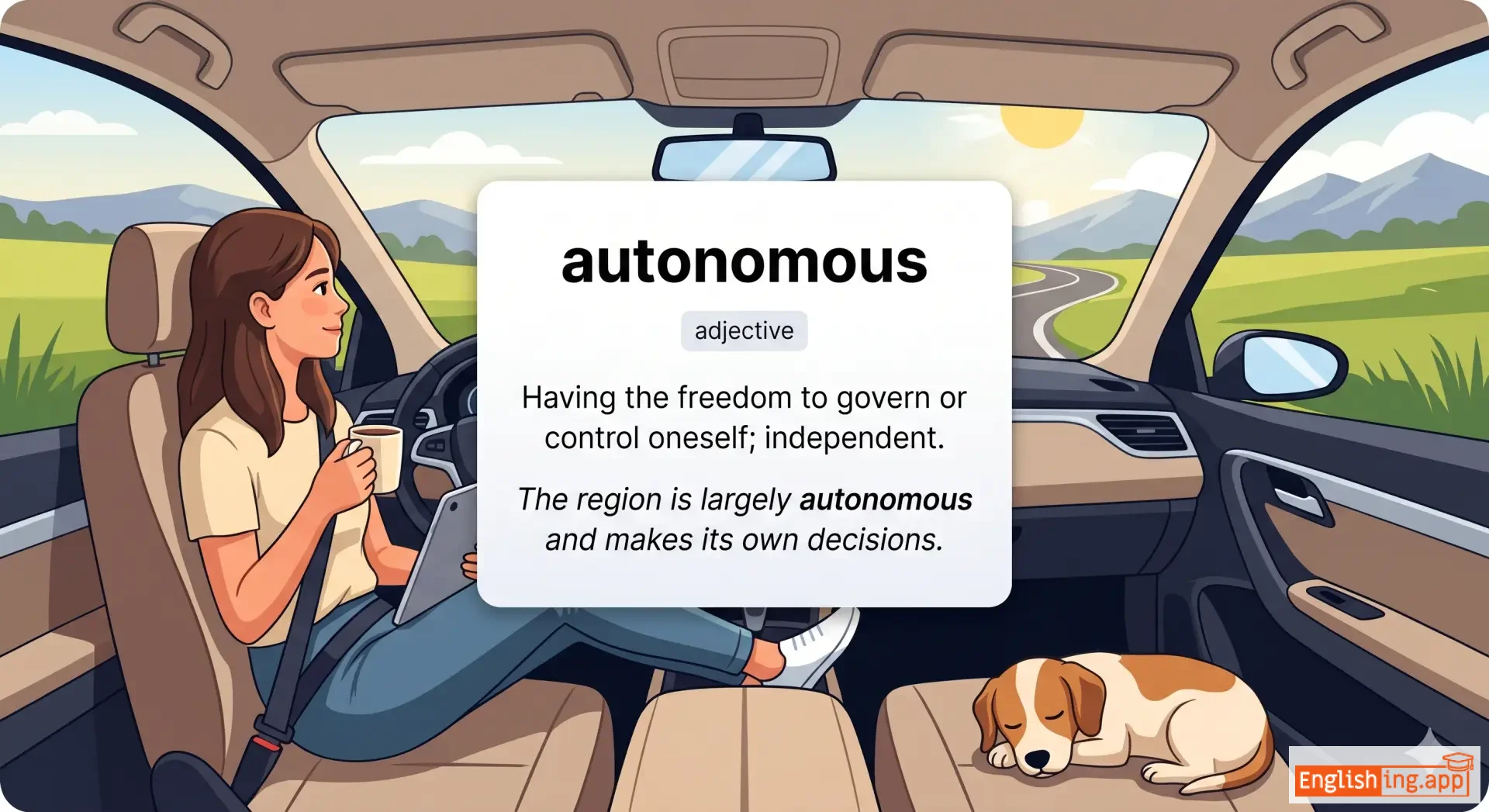
/ɔːˈtɒn.ə.məs/
adjective
••••••
••••••
Acting independently or having the freedom to do so.
••••••
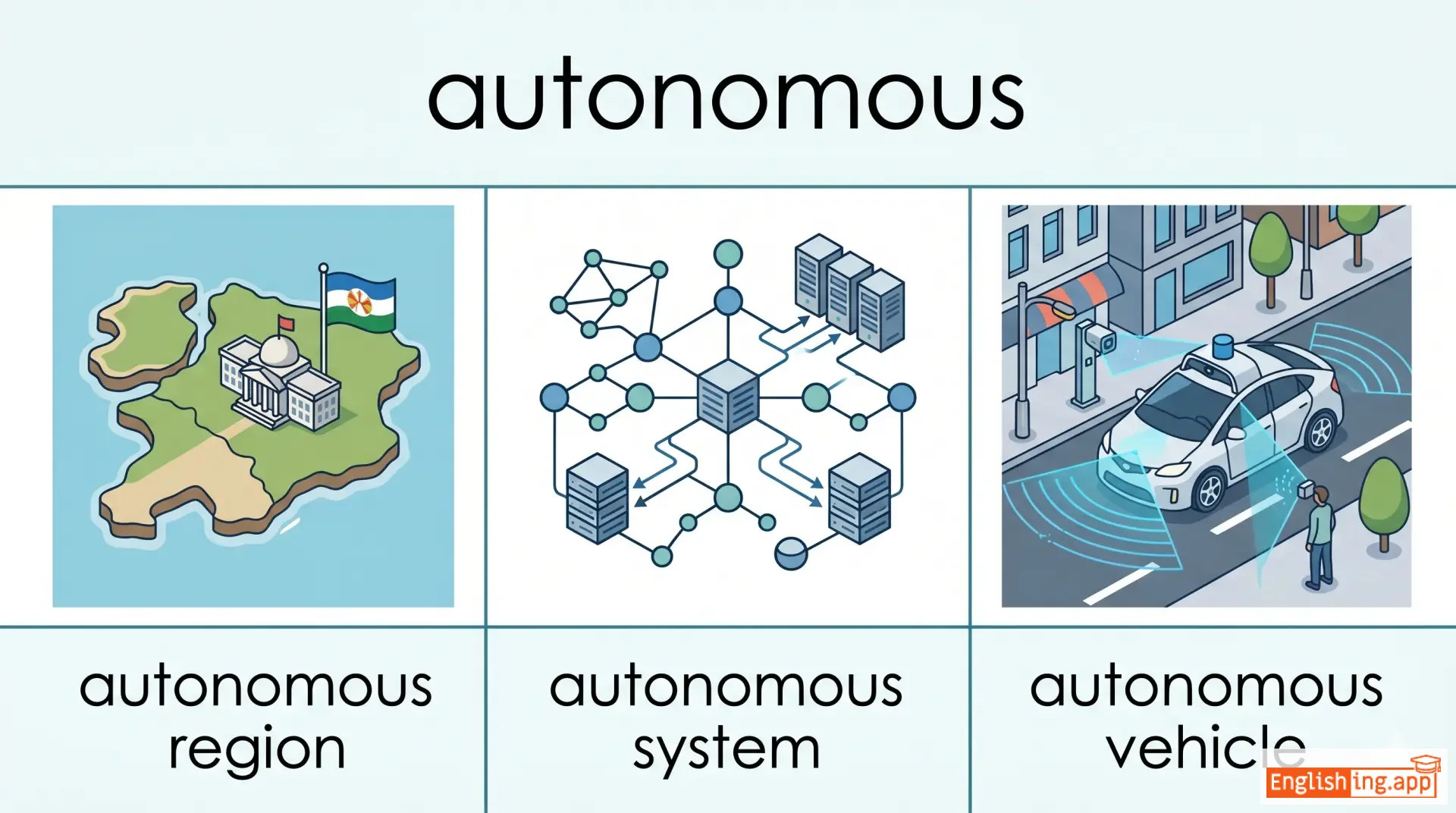
Autonomous vehicles will revolutionize transportation.
••••••
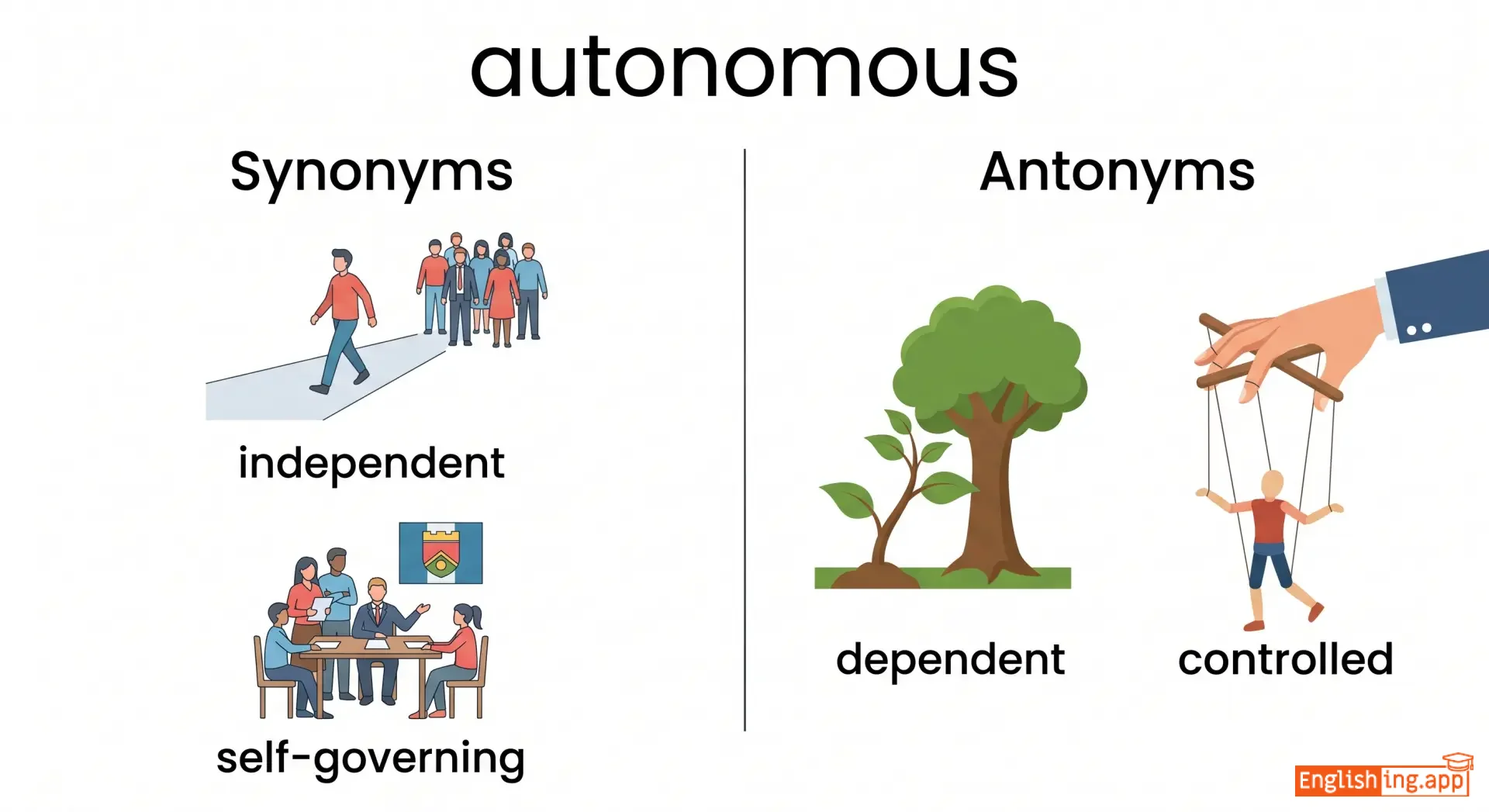
independent, self-sufficient, self-governing
••••••
dependent, controlled, subordinate
••••••
••••••
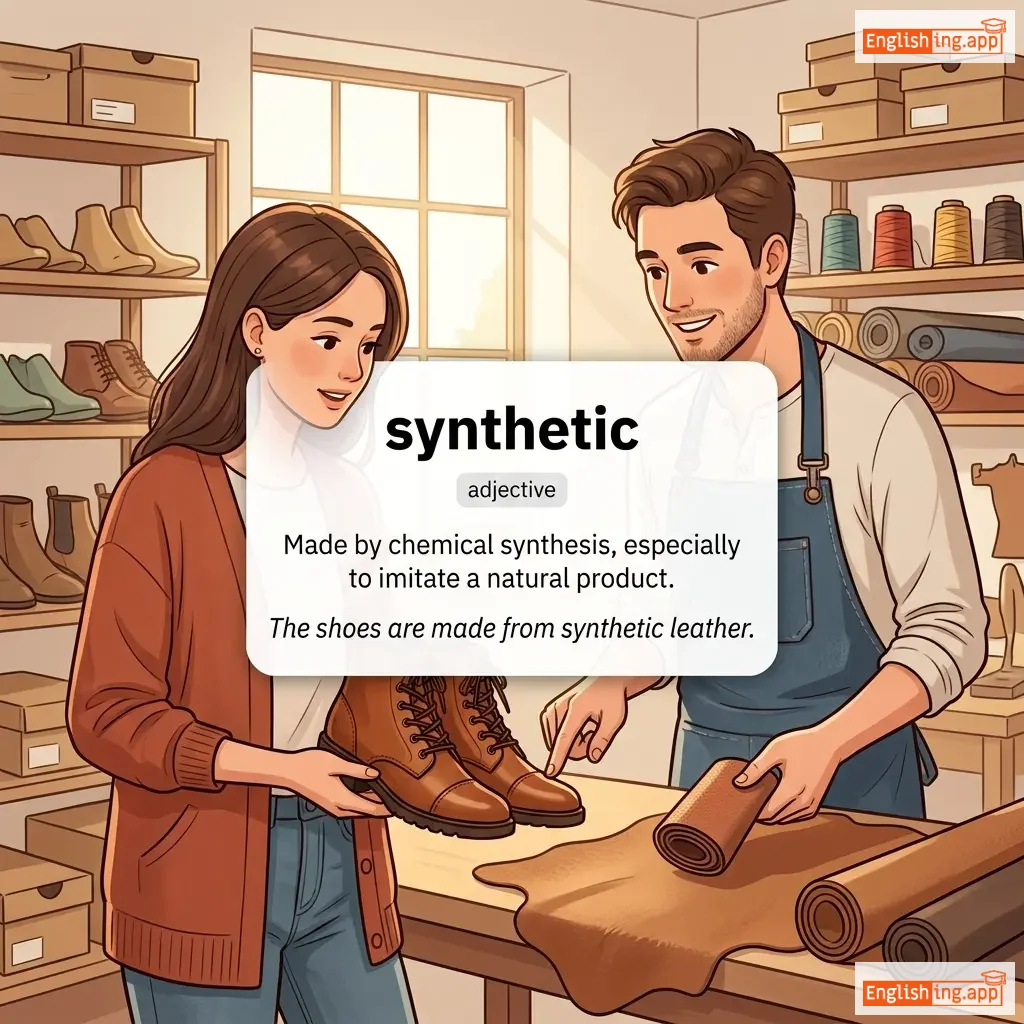
/sɪnˈθet.ɪk/
adjective
••••••
••••••
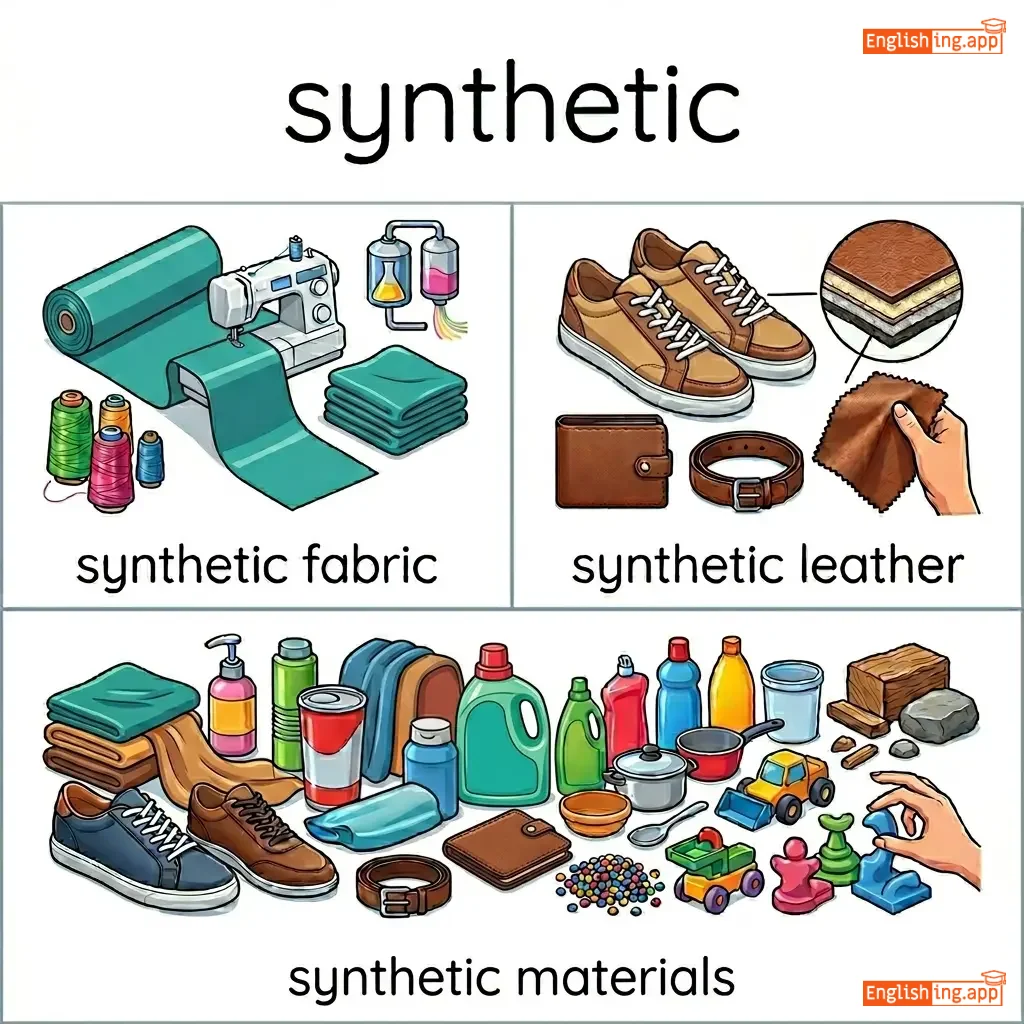
Made by chemical synthesis, especially to imitate a natural product.
••••••
Synthetic fabrics are often cheaper than natural fibers.
••••••
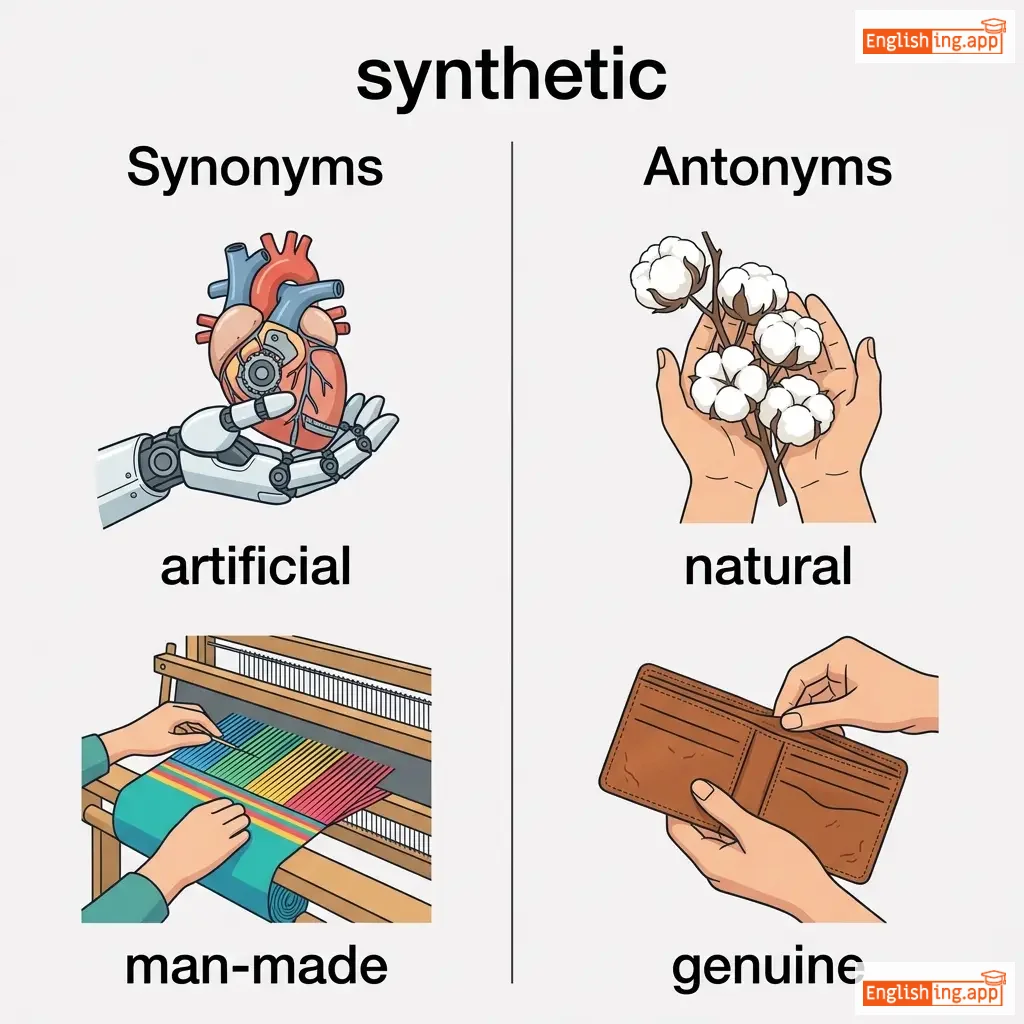
artificial, man-made, fabricated
••••••
natural, organic, genuine
••••••
••••••
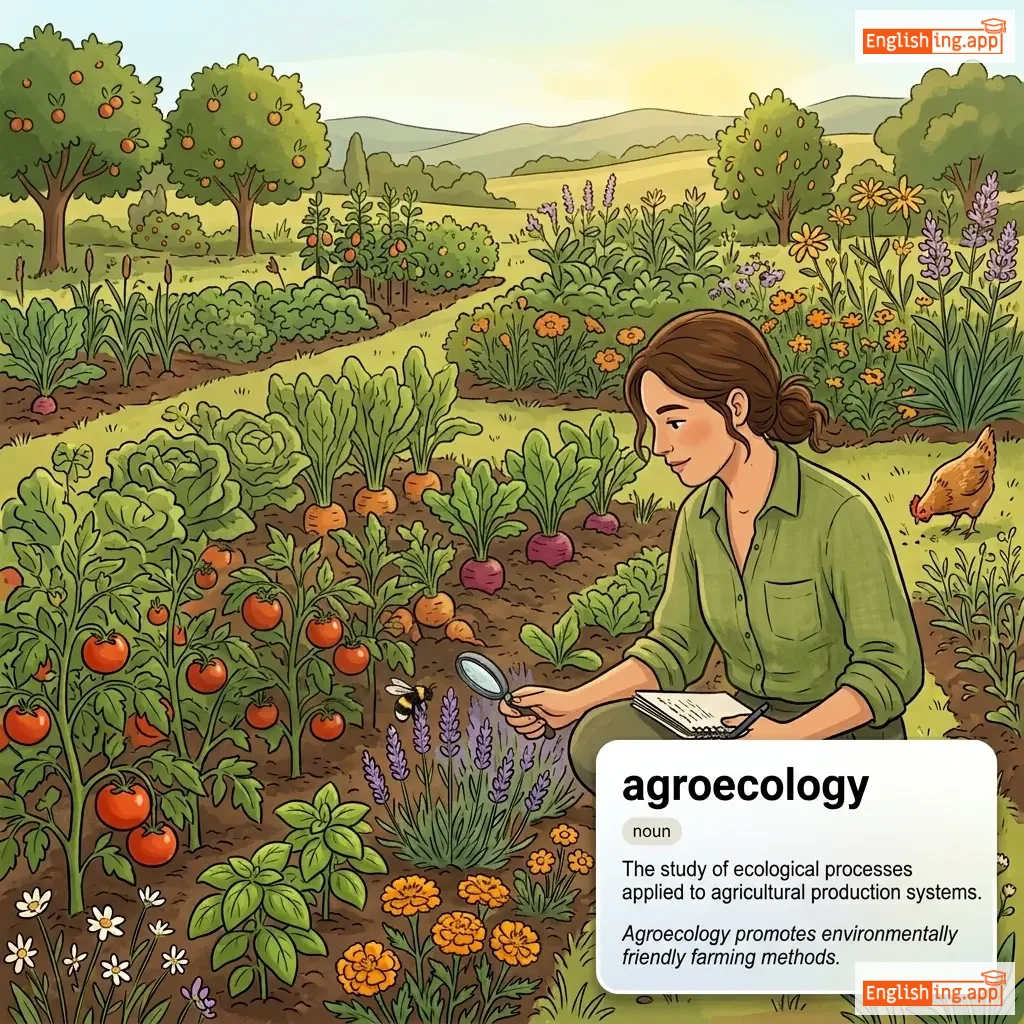
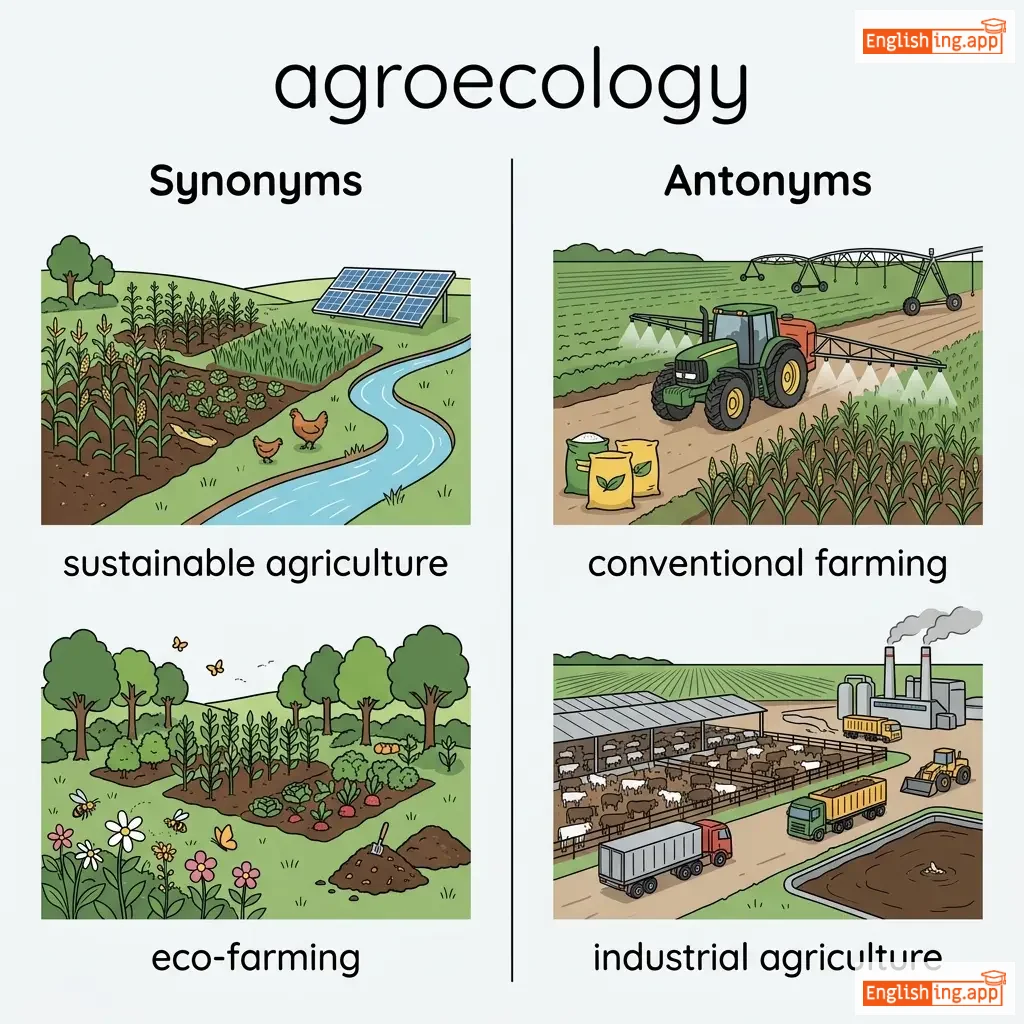
/ˌæɡ.roʊ.iˈkɑː.lə.dʒi/
noun
••••••
••••••
The study of ecological processes applied to agricultural production systems.
••••••
Agroecology promotes environmentally friendly farming methods.
••••••
sustainable agriculture, eco-farming, agroforestry
••••••
conventional farming, industrial agriculture, chemical-based farming
••••••