ভোকাবুলারিসমূহ

ইংরেজি শব্দের বাংলা অর্থ | English to Bangla Word Meaning Dictionary

adjective C1
/ˈtæn.tə.laɪ.zɪŋ/
魅惑的な (miwakuteki na)

Something that excites desire or interest, often by being just out of reach.

"She wore a tantalizing perfume that caught everyone's attention."

"彼女はみんなの注目を集める魅惑的な香水をつけていた。" (Kanojo wa minna no chūmoku o atsumeru miwakuteki na kōsui o tsukete ita.)
adjective C1
/ˈtæntəmaʊnt/
同等 (doutou)

Equivalent in seriousness or effect; virtually the same as.

"His refusal to speak was tantamount to an admission of guilt."

"彼の話さないことは罪を認めることと同等だった。" (Kare no hanasanai koto wa tsumi o mitomeru koto to doutou datta.)
noun C1
/ˈtæntrəm/
癇癪 (kanshaku)

An uncontrolled outburst of anger and frustration, typically in a young child.

"The child threw a tantrum when he didn’t get the toy."

"子供はおもちゃをもらえなくて癇癪を起こした。" (Kodomo wa omocha o moraenakute kanshaku o okoshita.)
verb C1
/ˈteɪpər/
先細りになる (sakihosori ni naru)

To gradually decrease in width, thickness, or intensity.

"The road tapers off as it reaches the mountains."

"道路は山に到達するにつれて細くなります。" (Dōro wa yama ni tōtatsu suru ni tsurete hosoku narimasu.)
noun C1
/ˈtæpəstri/

A piece of thick textile fabric with pictures or designs woven into it, often hung on walls.

"The museum displayed an ancient tapestry from the 15th century."

noun C1
/təˈræntjʊlə/
タランチュラ (taranchura)

A large hairy spider found in warm regions.

"The tarantula crawled across the desert floor."

"タランチュラは砂漠の地面を這っていた。" (Tarantyura wa sabaku no jimen o hatte ita.)
adjective C1
/ˈtɑːrdi/
遅刻 (chikoku)

Delayed; arriving or happening late.

"The student received a warning for being tardy to class."

"学生は授業に遅れて警告を受けました。" (Gakusei wa jugyou ni okurete keikoku o ukemashita.)
tariff definition card — visual illustration of the meaning
noun C1
/ˈtær.ɪf/
関税 (kansetai)

A tax imposed by the government on imported or exported goods, also known as duty, customs tax, or levy.

"The new tariff increased the cost of imported goods."

"新しい関税は輸入品のコストを増加させました。" (Atarashī kansetai wa yunyūhin no kosuto o zōka sasemashita.)
verb C1
/ˈtɑːrnɪʃ/

To lose luster, especially as a result of exposure to air or moisture; to damage reputation.

"The silver jewelry tarnished quickly when left in the open air."

noun C1
/tɑːrˈpɔːlɪn/

A large sheet of strong, flexible, water-resistant material used for covering or protecting things.

"The workers used a tarpaulin to cover the construction materials from rain."

noun, verb C1
/ˈtætər/

A torn piece of cloth or clothing; to become ragged or torn.

"The old flag hung in tatters after the storm."

adjective C1
/ˈtæti/
使い古しの (tsukai furushi no)

Worn out, shabby, or in poor condition.

"The sofa looked old and tatty after years of use."

"ソファは長年の使用で古くて使い古しのように見えた。" (Sofa wa naganen no shiyou de furukute tsukai furushi no you ni mieta.)
verb C1
/tɔːnt/
からかう (karakau)

to provoke or challenge someone with insulting remarks

"The bully tried to taunt him with cruel words."

"いじめっ子は残酷な言葉で彼をからかおうとした。" (Ijimekko wa zankokuna kotoba de kare wo karakaou to shita.)
adjective C1
/tɔːt/
ぴんと張った (pinto hatta)

stretched or pulled tight; tense

"The rope was pulled taut between the two poles."

"ロープは二つのポールの間でぴんと張られていました。" (Roopu wa futatsu no pooru no aida de pinto hararete imashita.)
adjective C1
/ˈtæksɪŋ/
大変 (taihen)

Requiring a lot of effort; physically or mentally demanding.

"Preparing for the exam was a taxing experience."

"試験の準備は大変な経験でした。" (Shiken no junbi wa taihen na keiken deshita.)
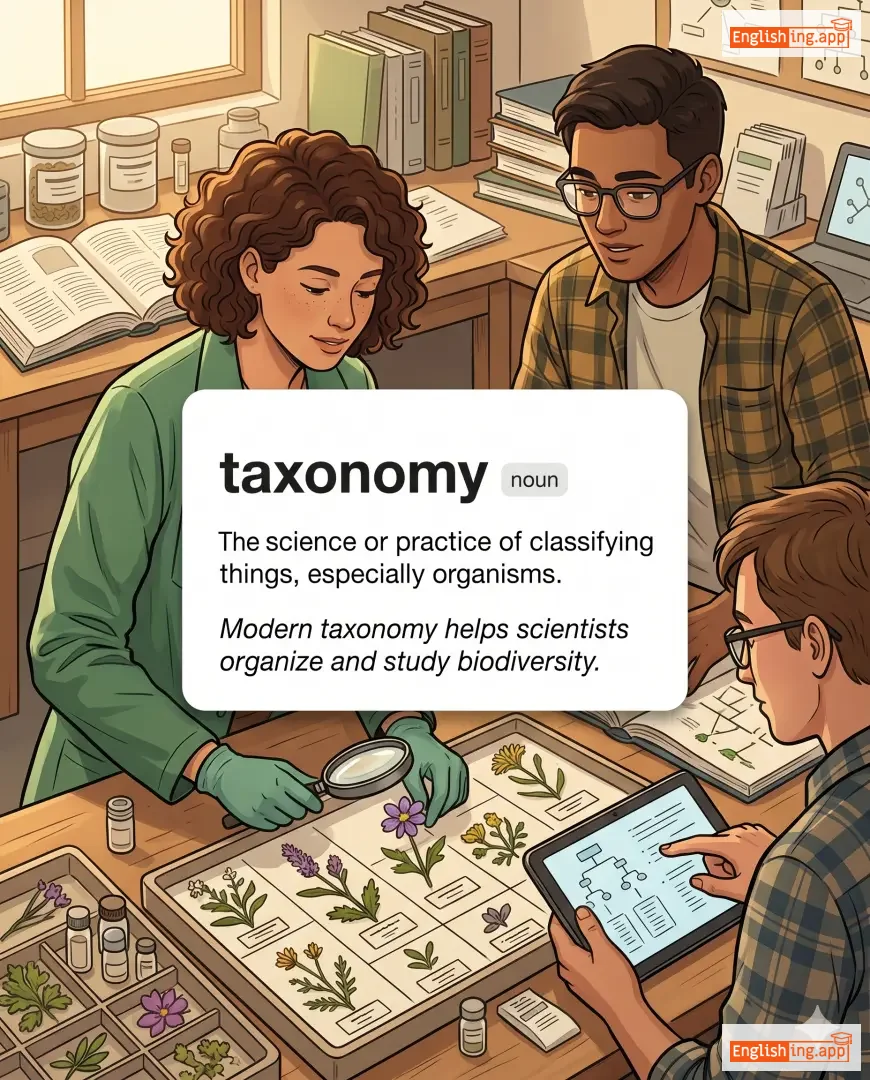
taxonomy definition card — visual illustration of the meaning
noun C1
/tækˈsɒnəmi/
分類学 (bunruigaku)

The science or practice of classifying things, especially organisms.

"Modern taxonomy helps scientists organize and study biodiversity."

"現代の分類学は、科学者たちが生物多様性を整理し、研究するのを助けます。" (gendai no bunruigaku wa, kagakusha-tachi ga seibutsu tayousei wo seiri shi, kenkyuu suru no wo tasukemasu.)
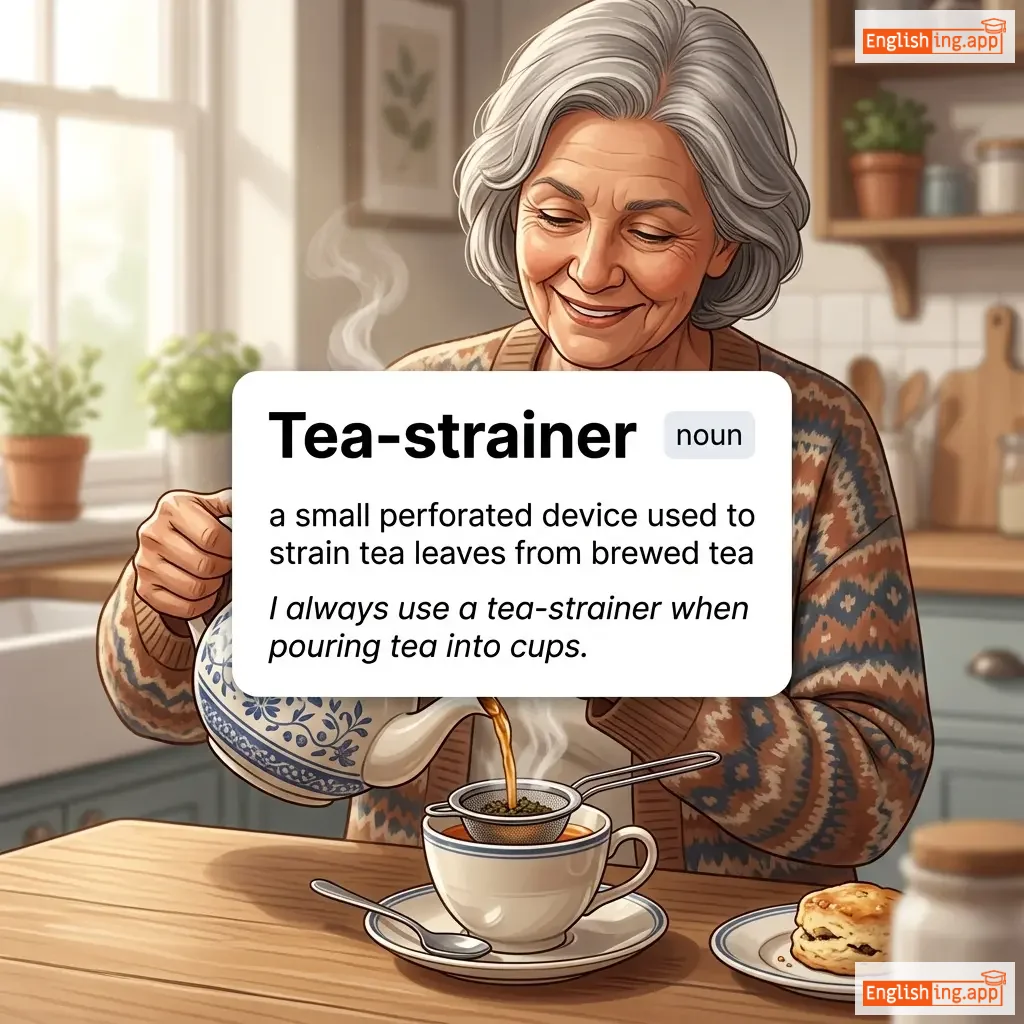
Tea-strainer definition card — visual illustration of the meaning
noun C1
/tiː ˈstreɪnər/
茶こし (chakoshi)

a small perforated device used to strain tea leaves from brewed tea

"I always use a tea-strainer when pouring tea into cups."

"私はお茶をカップに注ぐとき、いつも茶こしを使います。" (watashi wa ocha o kappu ni sosogu toki, itsumo chakoshi o tsukaimasu.)
adjective C1
/ˈtɪərfəl/
涙を流す; 泣きやすい (namida o nagasu; nakiyasui)

expressing or showing sadness and sorrow; inclined to weep

"She gave a tearful goodbye to her friends at the airport."

"彼女は空港で友達に涙ながらの別れを告げた。" (Kanojo wa kūkō de tomodachi ni namida nagara no wakare o tsugeta.)
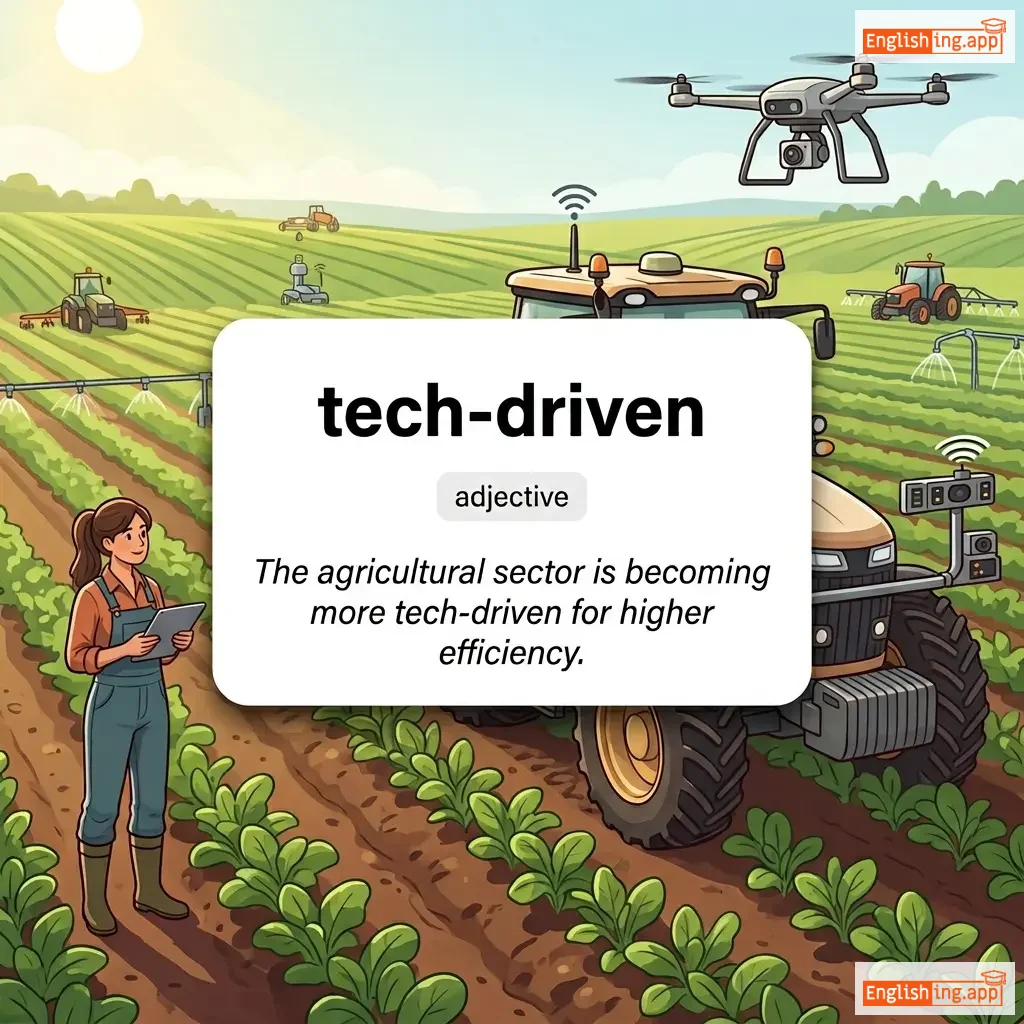
tech-driven definition card — visual illustration of the meaning
adjective C1
/tɛk ˈdrɪv.ən/
テクノロジー駆動 (tekunorojī kudō)

Powered or guided by technology; dependent on technological advancement for operation.

"The agricultural sector is becoming more tech-driven for higher efficiency."

"農業セクターは、効率を高めるためにますますテクノロジー駆動になっています。" (Nōgyō sekutā wa, kōritsu o takameru tame ni masumasu tekunorojī kudō ni natteimasu.)
noun C1
/ˈtɛknɪk/
技術 (gijutsu)

A method, skill, or art in a particular field, especially in the arts or sciences.

"The artist’s technic in watercolor impressed the judges."

"水彩画のアーティストのテクニックは審査員に感銘を与えた。" (Suisaiga no ātisuto no tekunikku wa shinsain ni kanmei o ataeta.)
noun C1
/ˌtɛknɪˈkæləti/
テクニカルリティ (tekunikariti)

A small detail of law, rule, or procedure; a minor point that affects an outcome.

"The case was dismissed on a technicality."

"その事件はテクニカルリティで却下された。" (Sono jiken wa tekunikariti de kyakka sareta.)
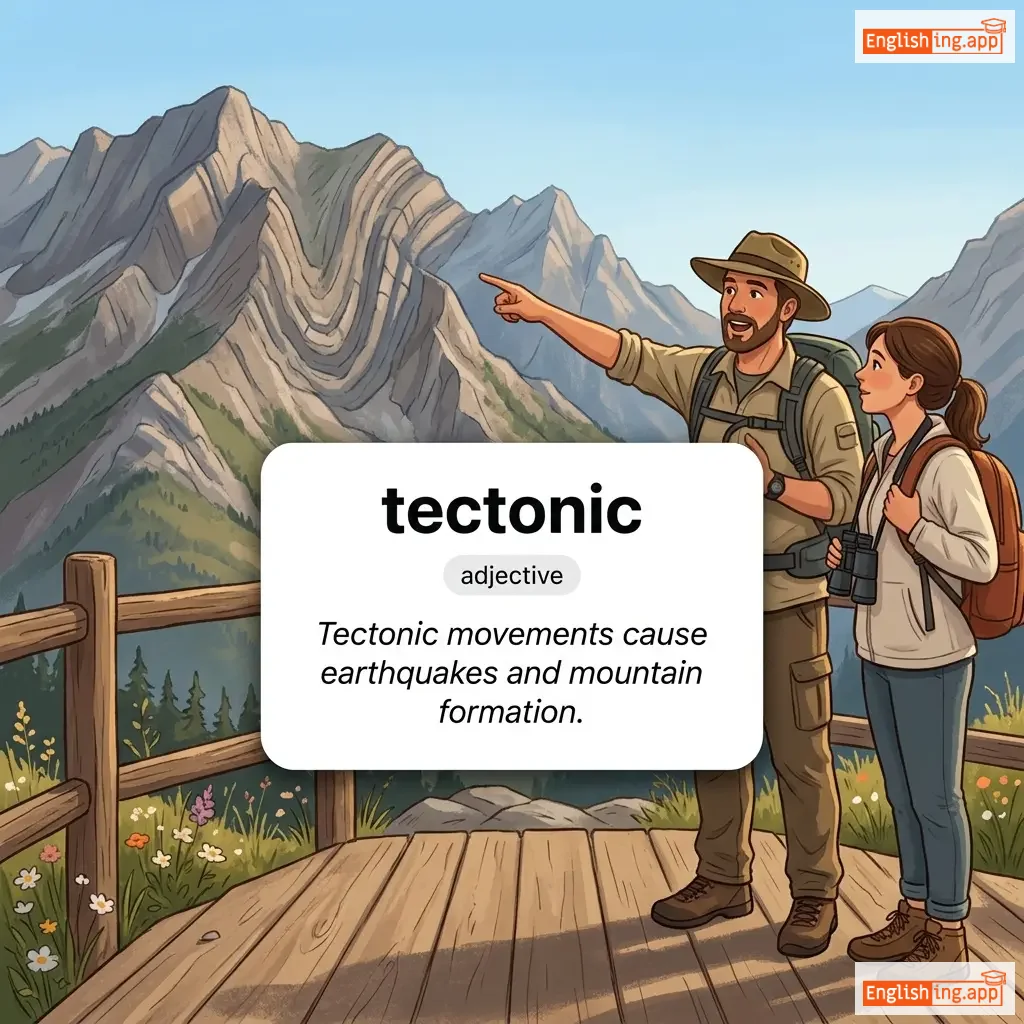
tectonic definition card — visual illustration of the meaning
adjective C1
/tɛkˈtɑː.nɪk/
構造的 (kōzō-teki)

Relating to the structure of the earth's crust and the large-scale processes that take place within it.

"Tectonic movements cause earthquakes and mountain formation."

"テクトニック運動は地震や山の形成を引き起こします。" (Tekutonikku undō wa jishin ya yama no keisei o hikiokoshimasu.)
noun C1
/ˈtiːdiəm/
退屈 (taikutsu)

the state of being tedious; monotony or boredom

"The tedium of long meetings often drains motivation."

"長時間の会議の退屈さはしばしばモチベーションを奪います。" (Chou jikan no kaigi no taikutsu-sa wa shibashiba mochibēshon o ubai masu.)
verb C1
/tiːm/
溢れる (afureru)

to be full of or swarming with

"The forest teems with wildlife."

"森は動物で溢れている。" (Mori wa dōbutsu de afurete iru.)
adjective C1
/ˈtiːmɪŋ/
人でいっぱい (hito de ippai)

full of or swarming with things or people

"The market was teeming with shoppers."

"市場は買い物客でいっぱいだった。" (Ichiba wa kaimono kyaku de ippai datta.)
verb C1
/ˈtiːtər/
揺れる (yureru)

to move or balance unsteadily; to wobble

"The glass began to teeter on the edge of the table."

"グラスがテーブルの端で揺れ始めた。" (Gurasu ga teeburu no hashi de yurehajimeta.)
noun C1
/təˈlɛpəθi/

the supposed communication of thoughts or ideas by means other than the known senses

"The twins claimed to share telepathy with each other."

noun C1
/təˈlɛfəni/
電話技術 (denwa gijutsu)

the technology and systems for transmitting voice over distances by telephone

"Modern telephony has evolved to include internet-based calls."

"現代のテレフォニーはインターネットベースの通話を含むように進化しました。" (Gendai no terefonī wa intānetto bēsu no tsūwa o fukumu yō ni shinka shimashita.)
adjective C1
/ˈtɛlˌteɪl/
明白な (meihaku na)

Revealing something that is usually hidden; giving away a secret or clue.

"The telltale signs of fatigue were visible on his face."

"疲労の明白な兆候が彼の顔に現れていた。" (Hirou no meihaku na choukou ga kare no kao ni arawarete ita.)
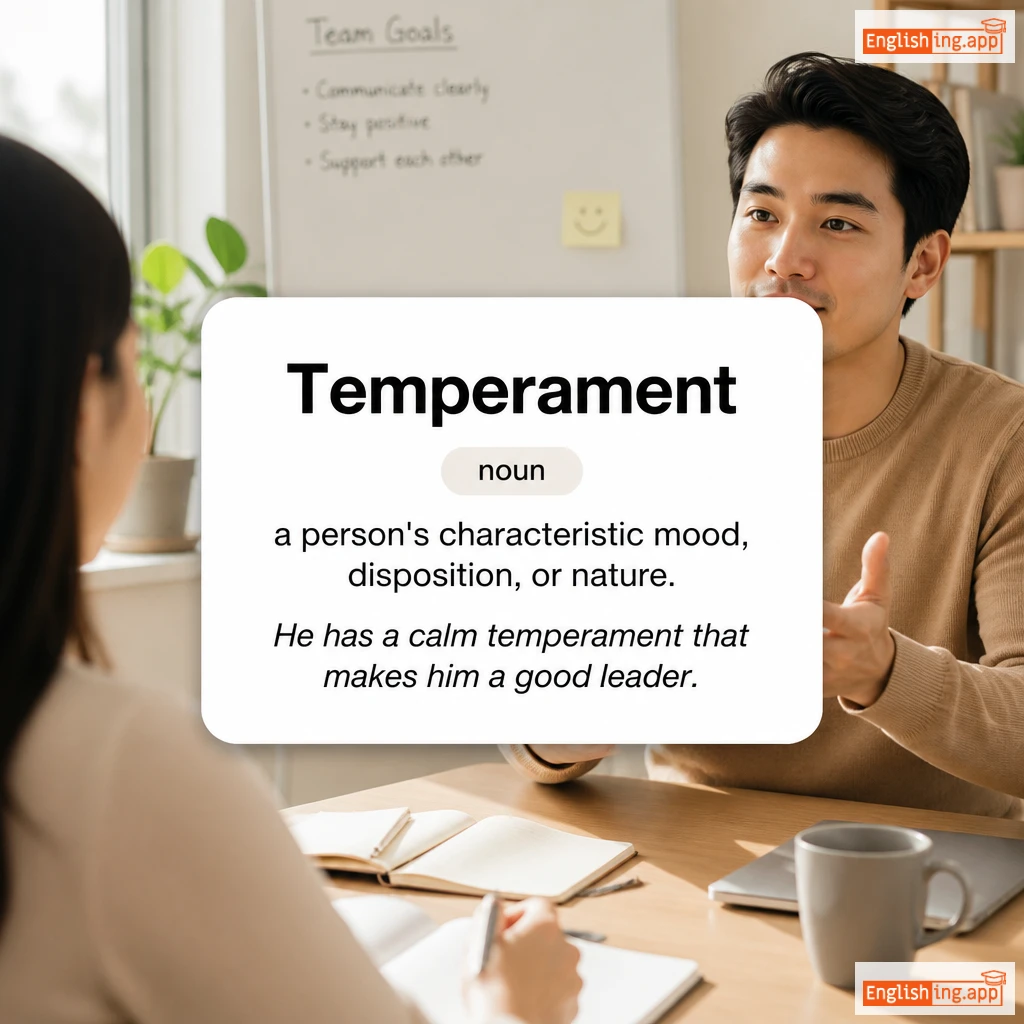
Temperament definition card — visual illustration of the meaning
noun C1
/ˈtɛmpərəmənt/
気質 (kishitsu)

a person's characteristic mood, disposition, or nature.

"He has a calm temperament that makes him a good leader."

"彼は落ち着いた気質を持っており、それが彼を優れたリーダーにしています。" (Kare wa ochitsuita kishitsu o motte ori, sore ga kare o sugureta rīdā ni shiteimasu.)
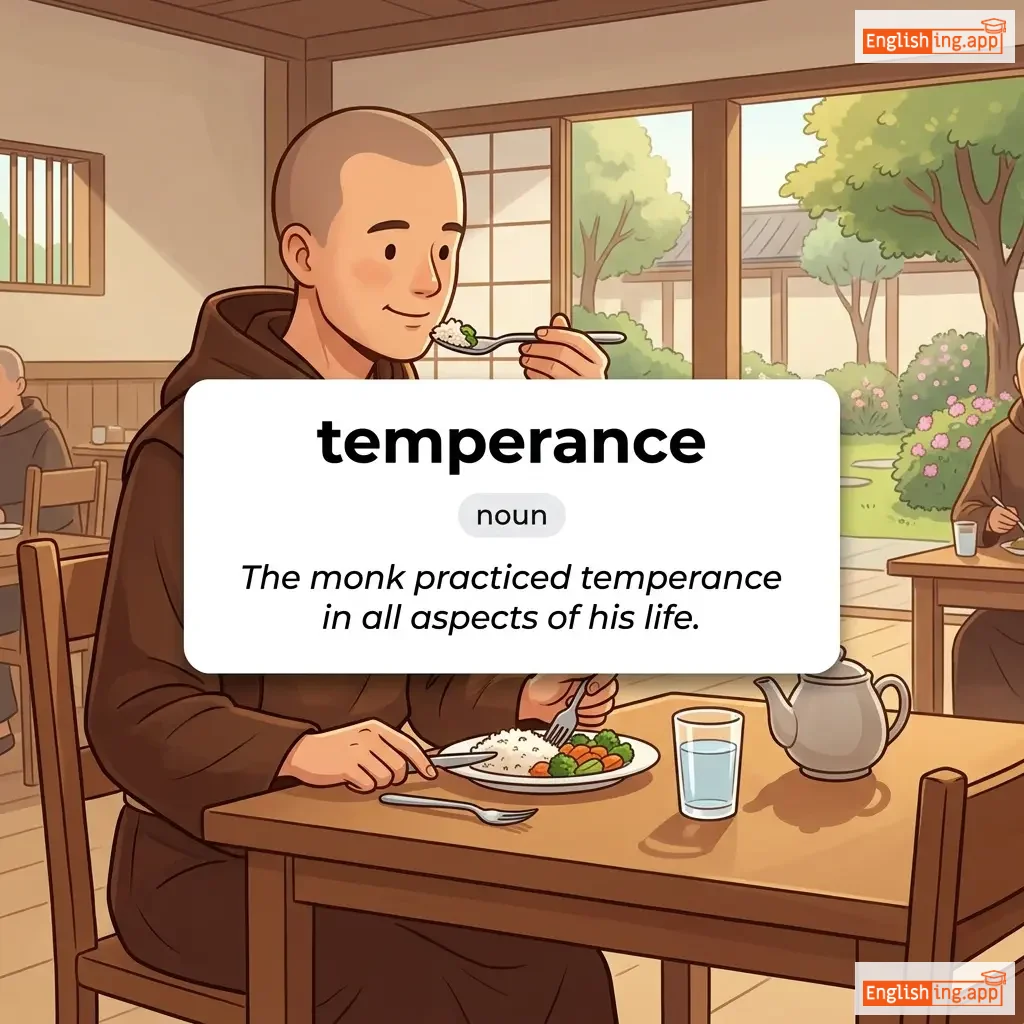
temperance definition card — visual illustration of the meaning
noun C1
/ˈtɛmpərəns/
節制 (sessai)

moderation in action, thought, or feeling; restraint, especially regarding alcohol.

"The monk practiced temperance in all aspects of his life."

"修道士は彼の生活のあらゆる面で節制を実践していました。" (Shuudoushi wa kare no seikatsu no arayuru men de sessai o jissen shite imashita.)
adjective C1
/ˈtɛmpərət/
温和な (onga na)

showing moderation or self-restraint; also describing mild climate.

"He is known for his temperate behavior even in stressful situations."

"彼はストレスの多い状況でも温和な行動で知られています。" (Kare wa sutoresu no ooi joukyou demo onga na koudou de shirareteimasu.)
adjective C1
/ˈtɛmpərd/
調整された (chousei sareta)

having a specified temper or disposition; strengthened or moderated.

"She gave a tempered response to the criticism."

"彼女は批判に調整された反応を示しました。" (Kanojo wa hihan ni chōsei sareta hannō o shimashita.)
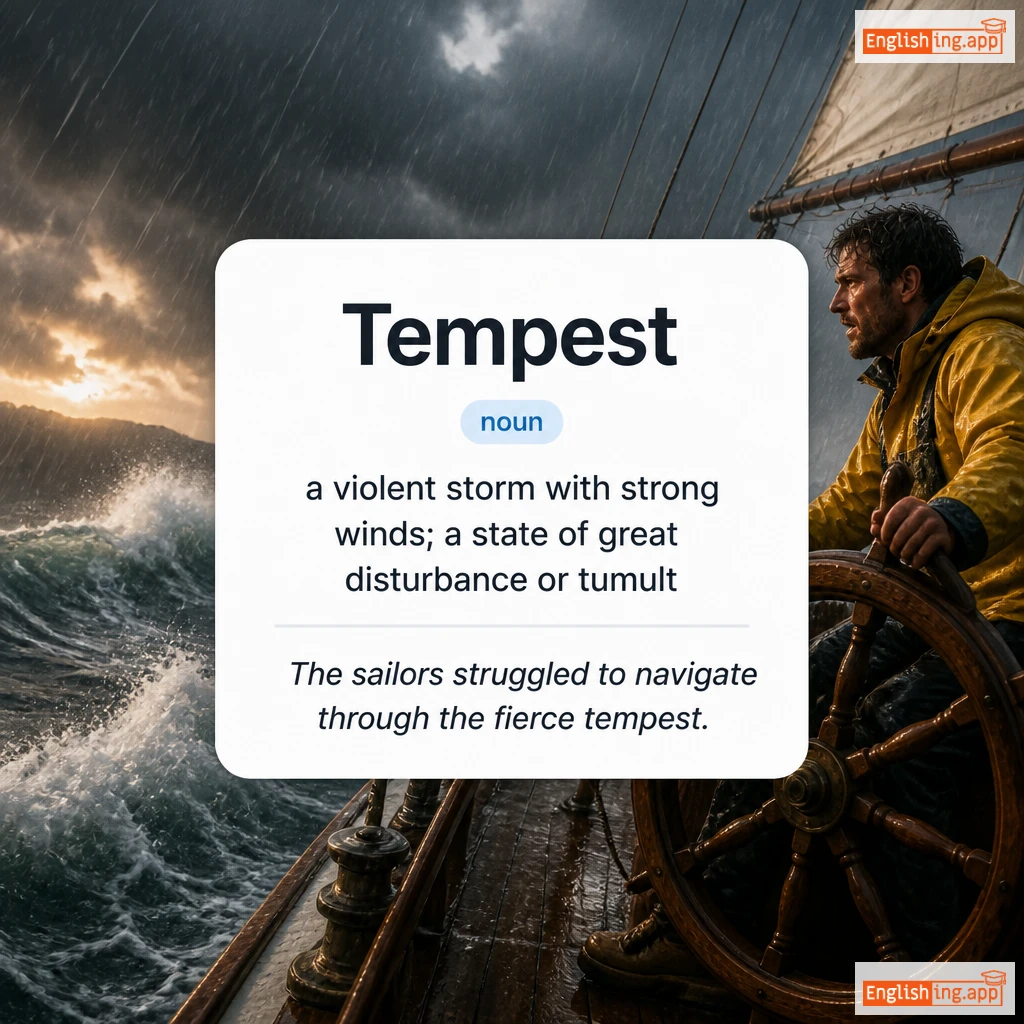
Tempest definition card — visual illustration of the meaning
noun C1
/ˈtem.pɪst/
(arashi)

a violent storm with strong winds; a state of great disturbance or tumult

"The sailors struggled to navigate through the fierce tempest."

"船員たちは激しい嵐を乗り越えようと戦った。" (Sen'in-tachi wa hageshī arashi o norikoeyō to tatakatta.)
adjective C1
/tɛmˈpɛstjuəs/

Characterized by strong and turbulent emotions or stormy conditions.

"Their tempestuous relationship often swung between love and anger."

adjective C1
/ˈtɛmpərəl/
世俗的な、時間的な (sesokuteki na, jikan teki na)

Relating to worldly affairs or to time rather than spiritual matters.

"The monk gave up his temporal possessions to live a simple life."

"僧侶は彼の世俗的な所有物を放棄して、簡素な生活を送りました。" (Sōryo wa kare no sesokuteki na shoyūbutsu o hōki shite, kanso na seikatsu o okurimashita.)
noun C1
/ˈtɛmptər/
誘惑者 (yūwaku-sha)

a person or thing that entices someone into doing something wrong

"The tempter whispered false promises into his ear."

"誘惑者は彼の耳に嘘の約束をささやいた。" (Yūwaku-sha wa kare no mimi ni uso no yakusoku o sasayaita.)
adjective C1
/ˈtɛnəbl/
防御可能な (bōgyo kanō na)

able to be defended or maintained against attack or objection

"His argument was strong and tenable in court."

"彼の主張は強力で、法廷で防御可能だった。" (Kare no shuchō wa kyōryoku de, hōtei de bōgyo kanō datta.)
tenacious definition card — visual illustration of the meaning
adjective C1
/təˈneɪʃəs/
粘り強い (nebarizuyoi)

holding firmly to something; persistent and determined

"She was tenacious in pursuing her goals."

"彼女は目標を追求するのに粘り強かった。" (Kanojo wa mokuhyou wo tsuikyuu suru no ni nebarizuyokatta.)
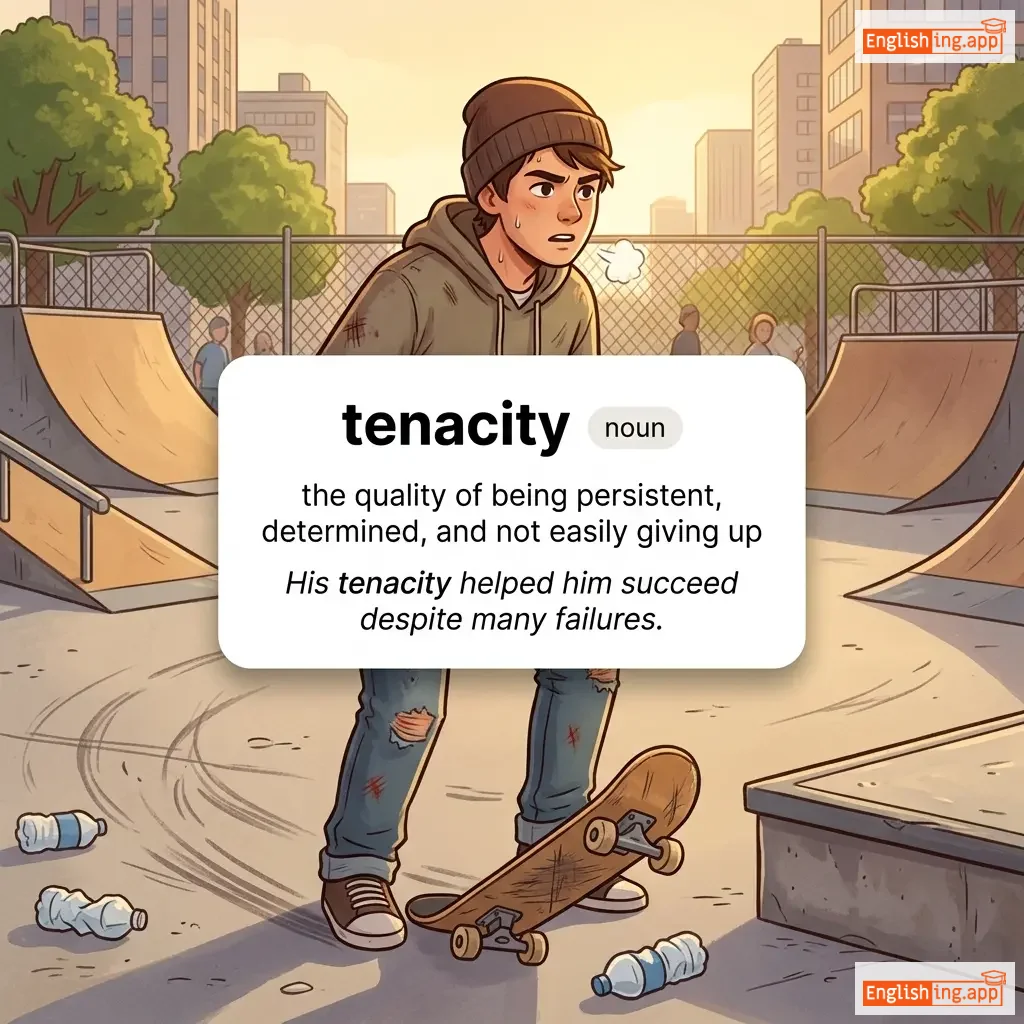
tenacity definition card — visual illustration of the meaning
noun C1
/təˈnæsəti/
粘り強さ (nebarizuyosa)

the quality of being persistent, determined, and not easily giving up

"His tenacity helped him succeed despite many failures."

"彼の粘り強さが、数々の失敗を乗り越え成功に導いた。" (Kare no nebarizuyosa ga, kazukazu no shippai o norikoete seikou ni michibita.)
noun C1
/ˈtɛnəmənt/
アパートメント (apātomento)

a large building divided into separate apartments, often in poor condition

"The family lived in a crowded tenement in the city."

"その家族は街の混雑したアパートメントに住んでいました。" (Sono kazoku wa machi no konzatsu shita apātomento ni sunde imashita.)
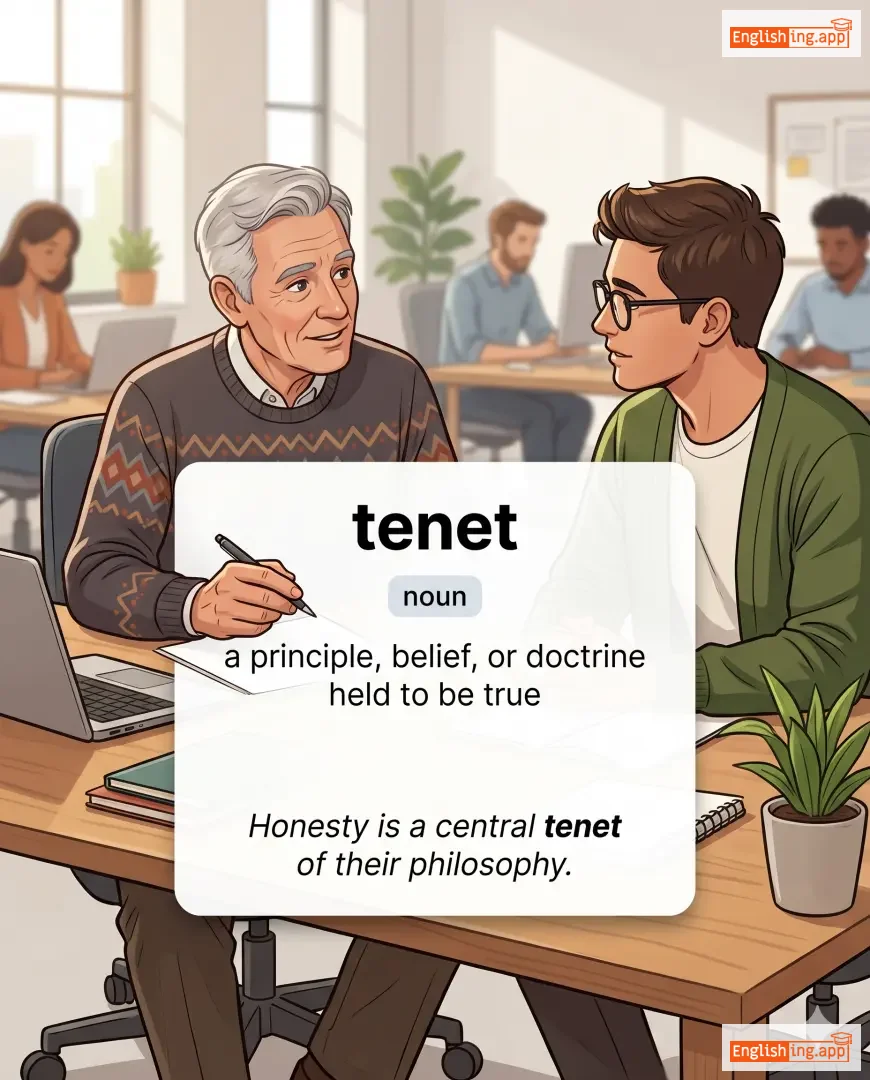
tenet definition card — visual illustration of the meaning
noun C1
/ˈtɛnɪt/
原則 (gensoku)

a principle, belief, or doctrine held to be true

"Honesty is a central tenet of their philosophy."

"誠実は彼らの哲学の中心的な原則です。" (Seijitsu wa karera no tetsugaku no chūshin-tekina gensoku desu.)
noun C1
/ˈtɛnər/
テノール / 一般的なトーン (tenooru / ippantekina toon)

the general meaning, drift, or character of something; a male singing voice between baritone and alto

"The overall tenor of his speech was hopeful and reassuring."

"彼のスピーチの全体的なトーンは希望に満ち、安心感を与えるものでした。" (Kare no supīchi no zentaiteki na tōn wa kibō ni michi, anshinkan o ataeru mono deshita.)
adjective C1
/ˈtɛn.tə.tɪv/
仮の (kari no)

Not certain or fixed; done without confidence.

"She gave a tentative smile before agreeing."

"彼女は同意する前に仮の笑顔を見せた。" (Kanojo wa dōi suru mae ni kari no egao o miseta.)
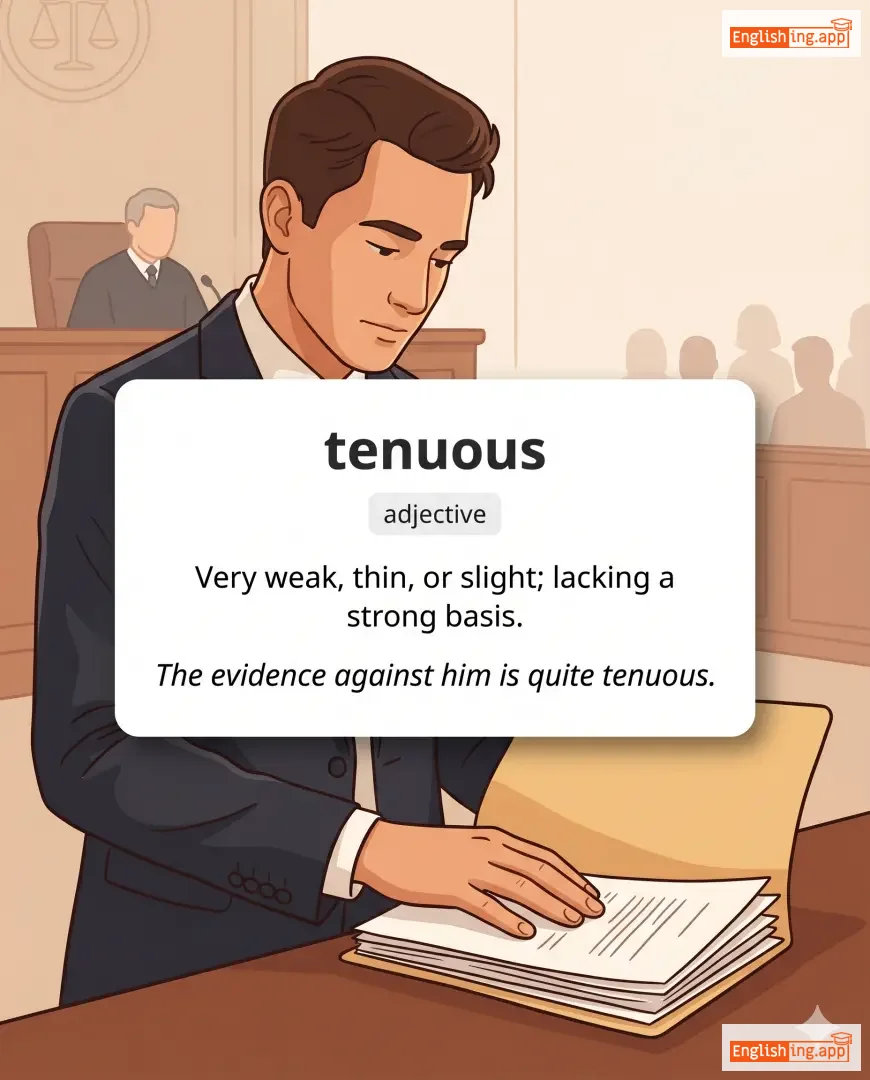
tenuous definition card — visual illustration of the meaning
adjective C1
/ˈtɛn.ju.əs/
弱い / 薄い (yowai / usui)

Very weak, thin, or slight; lacking a strong basis.

"The evidence against him is quite tenuous."

"彼に対する証拠はかなり弱いです。" (Kare ni taisuru shōko wa kanari yowai desu.)
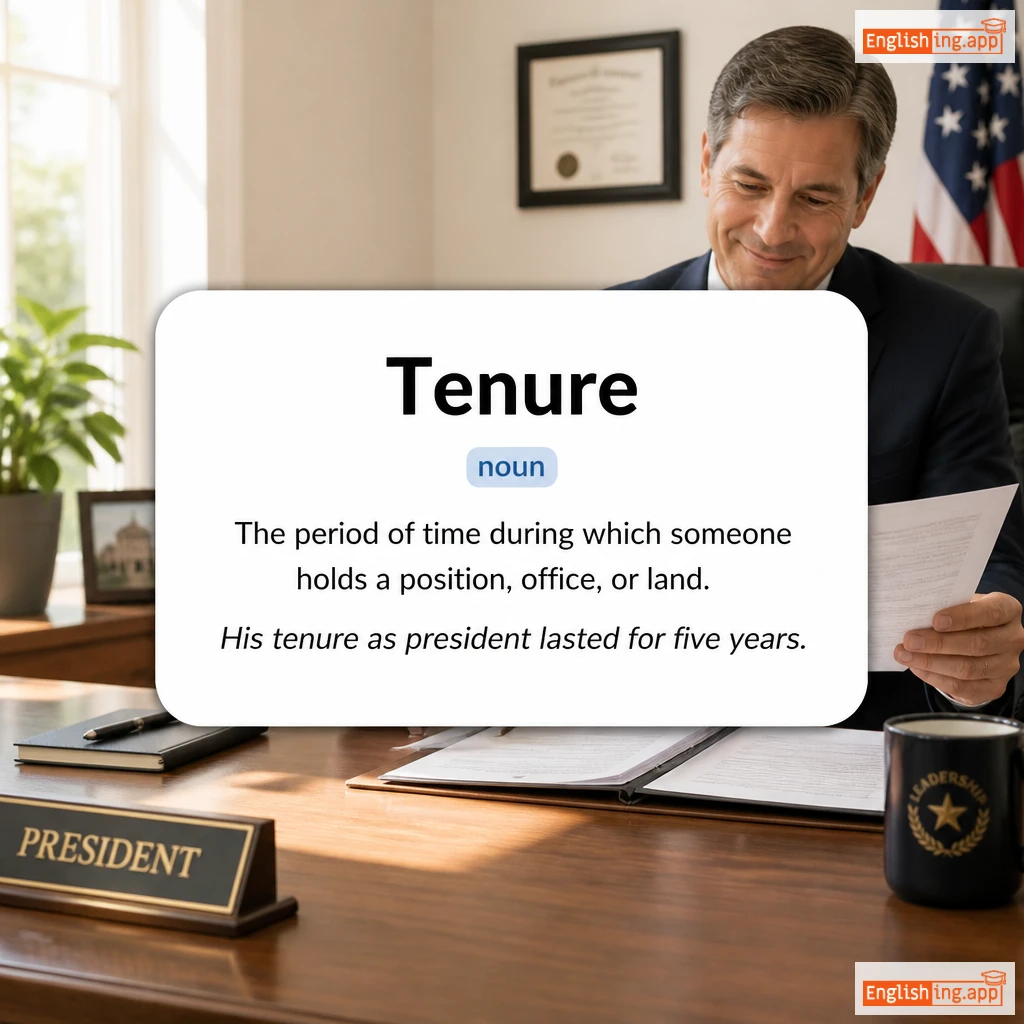
Tenure definition card — visual illustration of the meaning
noun C1
/ˈtɛnjər/
任期 (ninki)

The period of time during which someone holds a position, office, or land.

"His tenure as president lasted for five years."

"彼の大統領としての任期は5年間続きました。" (Kare no daitōryō toshite no ninki wa 5-nenkan tsuzukimashita.)
adjective C1
/ˈtɛpɪd/
ぬるい, 無関心 (nurui, mukanshin)

Lukewarm; showing little enthusiasm or force.

"His speech received only a tepid response from the audience."

"彼のスピーチは観客からただのぬるい反応しか受けなかった。" (Kare no supīchi wa kankyaku kara tada no nurui hannō shika ukenakatta.)
noun C1
/ˈtɜːrmɪnəs/
終点 (shūten)

the final point or end of something, especially the final station on a railway line

"The train finally arrived at the terminus after a long journey."

"長い旅の後、電車はついに終点に到着しました。" (Nagai tabi no ato, densha wa tsuini shūten ni tōchaku shimashita.)
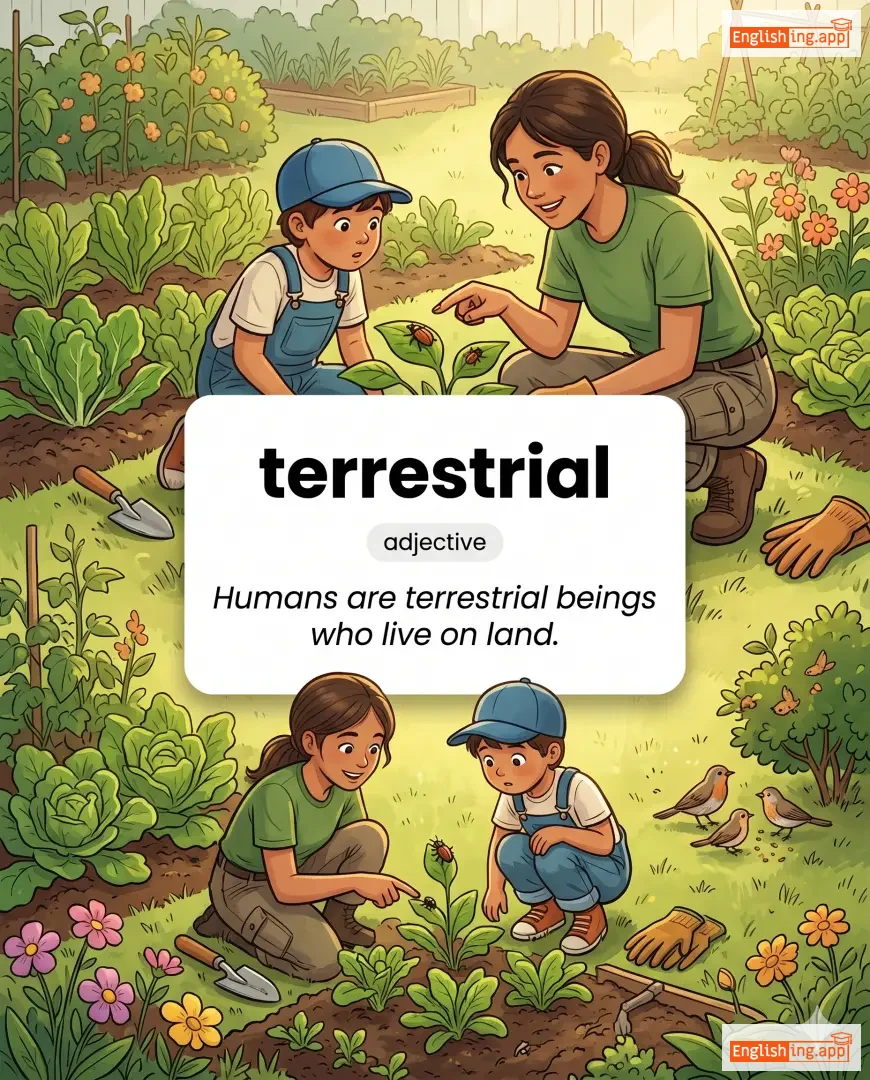
terrestrial definition card — visual illustration of the meaning
adjective C1
/təˈrɛstriəl/
陸生 (rikusei)

Relating to the Earth or land as opposed to the sea or air; living or growing on land.

"Humans are terrestrial beings who live on land."

"人間は陸上で生きる陸生の生物です。" (Ningen wa rikujō de ikiru rikusei no seibutsu desu.)
adjective C1
/tɜːrs/
簡潔 (kanketsu)

brief and to the point; sparing in the use of words

"His reply was terse and ended the conversation quickly."

"彼の返答は簡潔で、すぐに会話を終わらせた。" (kare no hentou wa kanketsu de, sugu ni kaiwa o owaraseta.)