ভোকাবুলারিসমূহ

ইংরেজি শব্দের বাংলা অর্থ | English to Bangla Word Meaning Dictionary

verb C1
/swɜːrv/
急に方向を変える (kyūni hōkō o kaeru)

to change direction suddenly, especially to avoid hitting something

"The car swerved to avoid the dog."

"車は犬を避けるために急に方向を変えた。" (Kuruma wa inu o yokeru tame ni kyūni hōkō o kaeta.)
verb C1
/ˈswɪndl/
詐欺する (sagi suru)

to cheat someone out of money or possessions by deceit

"The con artist tried to swindle the old man out of his savings."

"コンアーティストは、老人の貯金を騙し取ろうとした。" (kon ātisuto wa, rōjin no chokin o damashitorō to shita.)
noun C1
/ˈswɪndlɚ/
詐欺師 (sagishi)

a person who cheats or deceives others for money or gain

"The police finally caught the notorious swindler."

"警察はついに悪名高い詐欺師を捕まえた。" (Keisatsu wa tsuini akumei takai sagishi o tsukamaeta.)
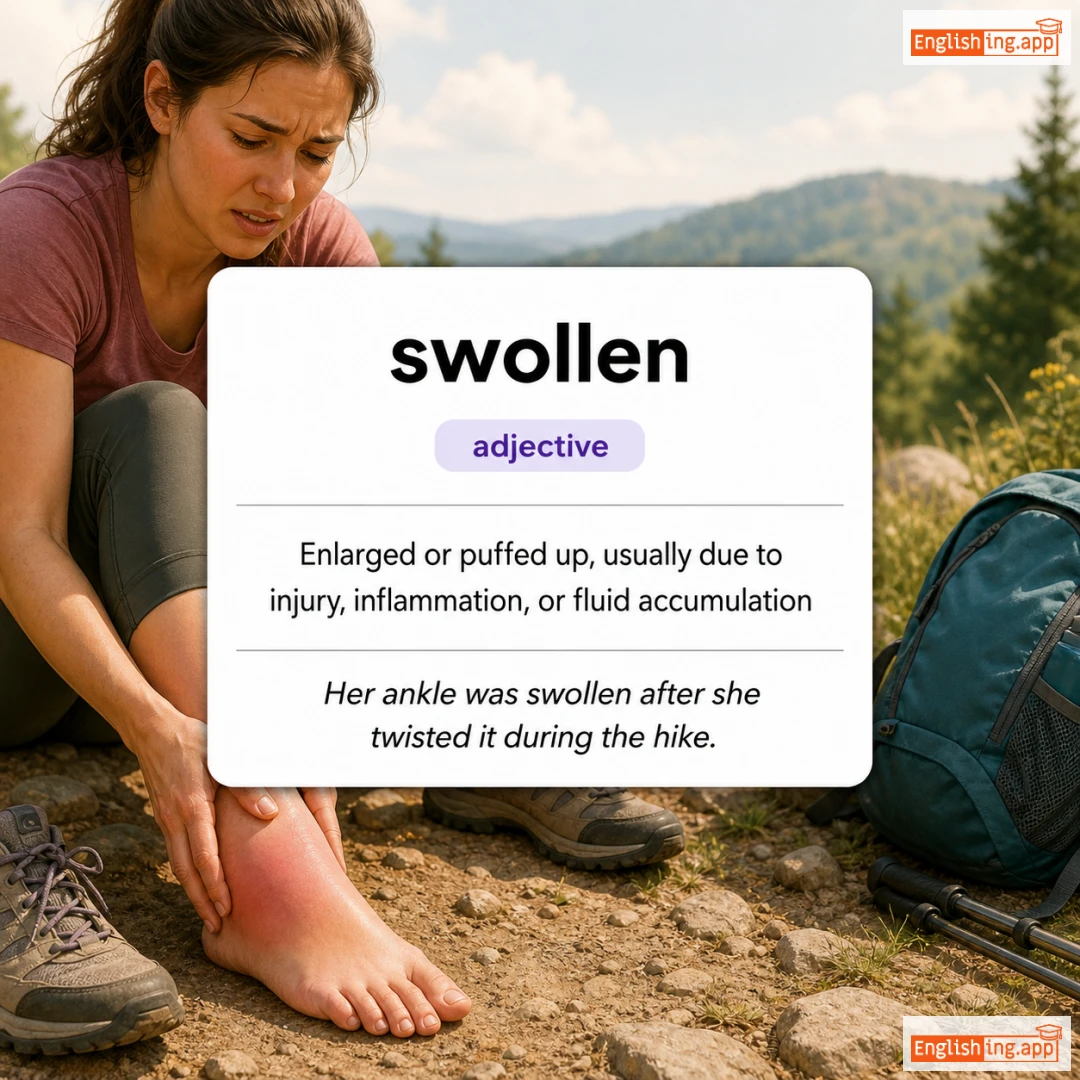
swollen definition card — visual illustration of the meaning
adjective C1
/ˈswoʊlən/
腫れた (hareta)

Enlarged or puffed up, usually due to injury, inflammation, or fluid accumulation

"Her ankle was swollen after she twisted it during the hike."

"ハイキング中に足首をひねった後、足首が腫れていました。" (Haikingu-chuu ni ashikubi o hinetta ato, ashikubi ga harete imashita.)
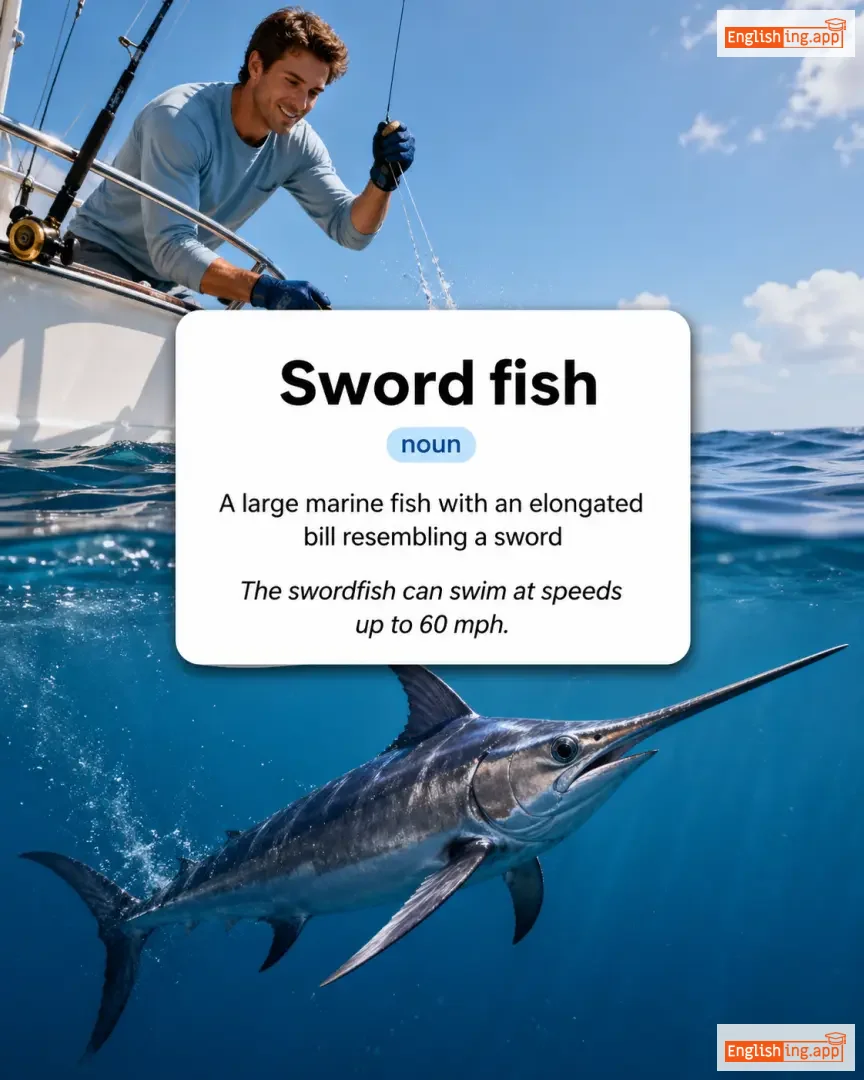
Sword fish definition card — visual illustration of the meaning
noun C1
/sɔːd fɪʃ/
メカジキ (mekajiki)

A large marine fish with an elongated bill resembling a sword

"The swordfish can swim at speeds up to 60 mph."

"メカジキは時速60マイルで泳ぐことができます。" (mekajiki wa jisoku rokuju mairu de oyogu koto ga dekimasu)
noun C1
/ˈsɪləbəl/
音節 (onsetsu)

A unit of pronunciation having one vowel sound, with or without surrounding consonants, forming the whole or part of a word.

"The word 'computer' has three syllables."

"‘コンピュータ’という言葉は3つの音節から成り立っています。" ('Konpyu-ta' to iu kotoba wa mittsu no onsetsu kara naritatte imasu.)
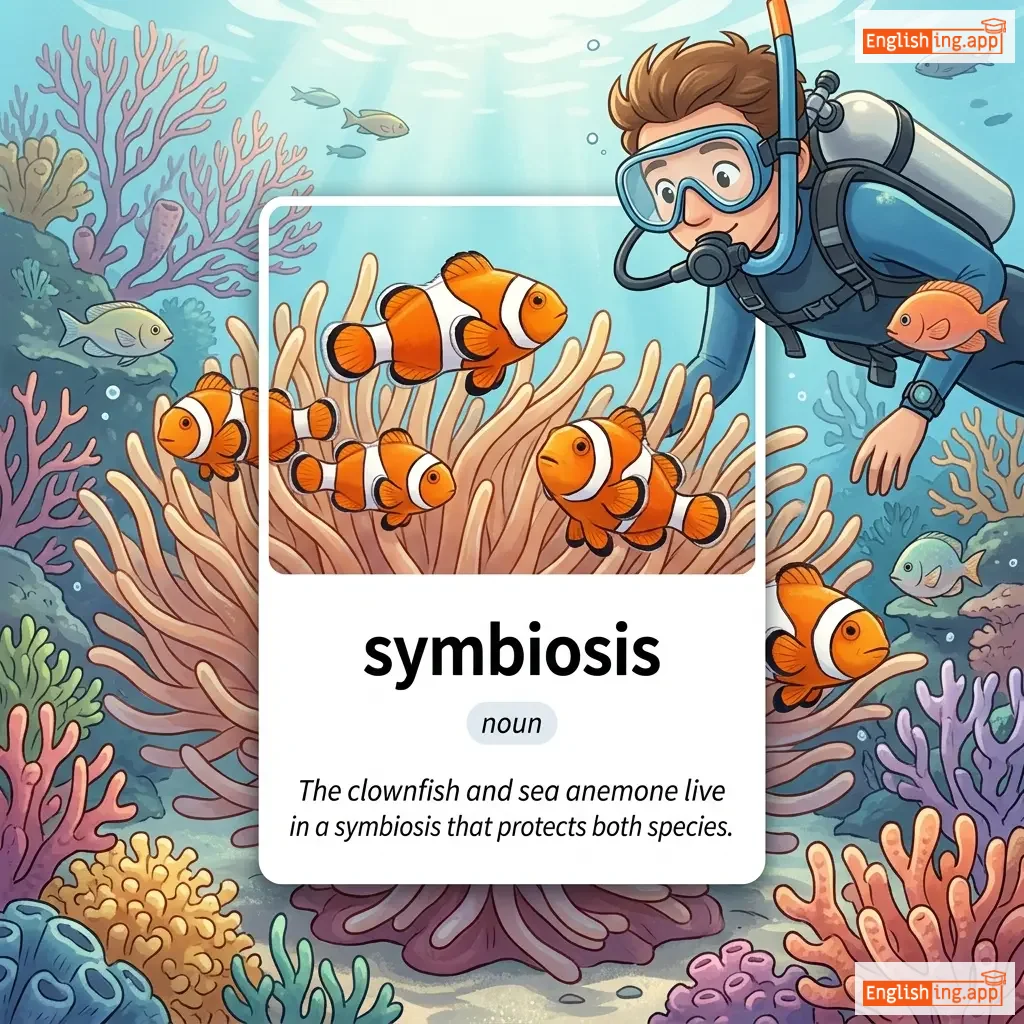
symbiosis definition card — visual illustration of the meaning
noun C1
/ˌsɪmbaɪˈoʊsɪs/
共生 (kyousei)

A close and often long-term interaction between two different species that benefits both.

"The clownfish and sea anemone live in a symbiosis that protects both species."

"クマノミとイソギンチャクは、両方の種を保護する共生関係の中で生活しています。" (Kumanomi to isoginchaku wa, ryōhō no shū wo hogo suru kyōsei kankei no naka de seikatsu shiteimasu.)
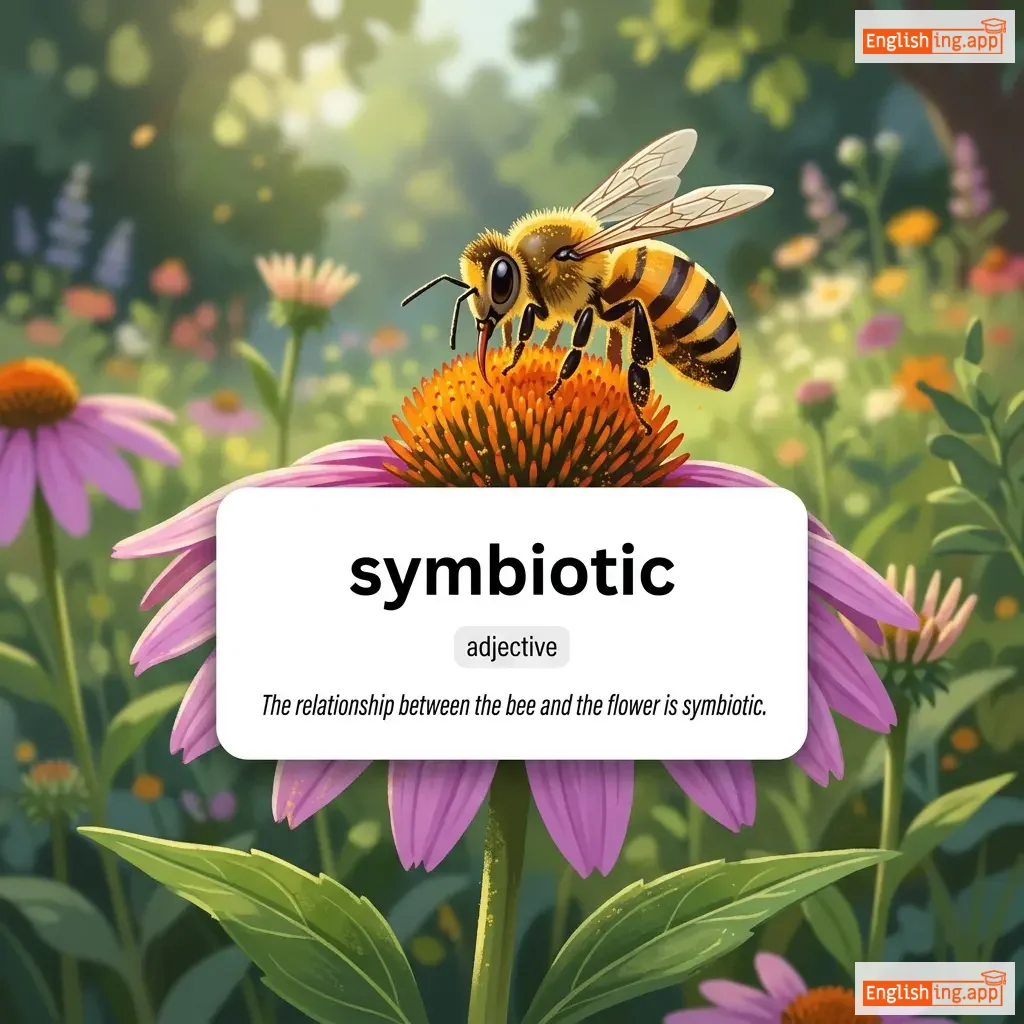
symbiotic definition card — visual illustration of the meaning
adjective C1
ˌsɪmbɪˈɒtɪk
共生的な (kyōsei-teki na)

Involving interaction between two different organisms living in close physical association.

"The relationship between the bee and the flower is symbiotic."

"ミツバチと花の関係は共生的です。" (Mitsubachi to hana no kankei wa kyōsei-teki desu.)
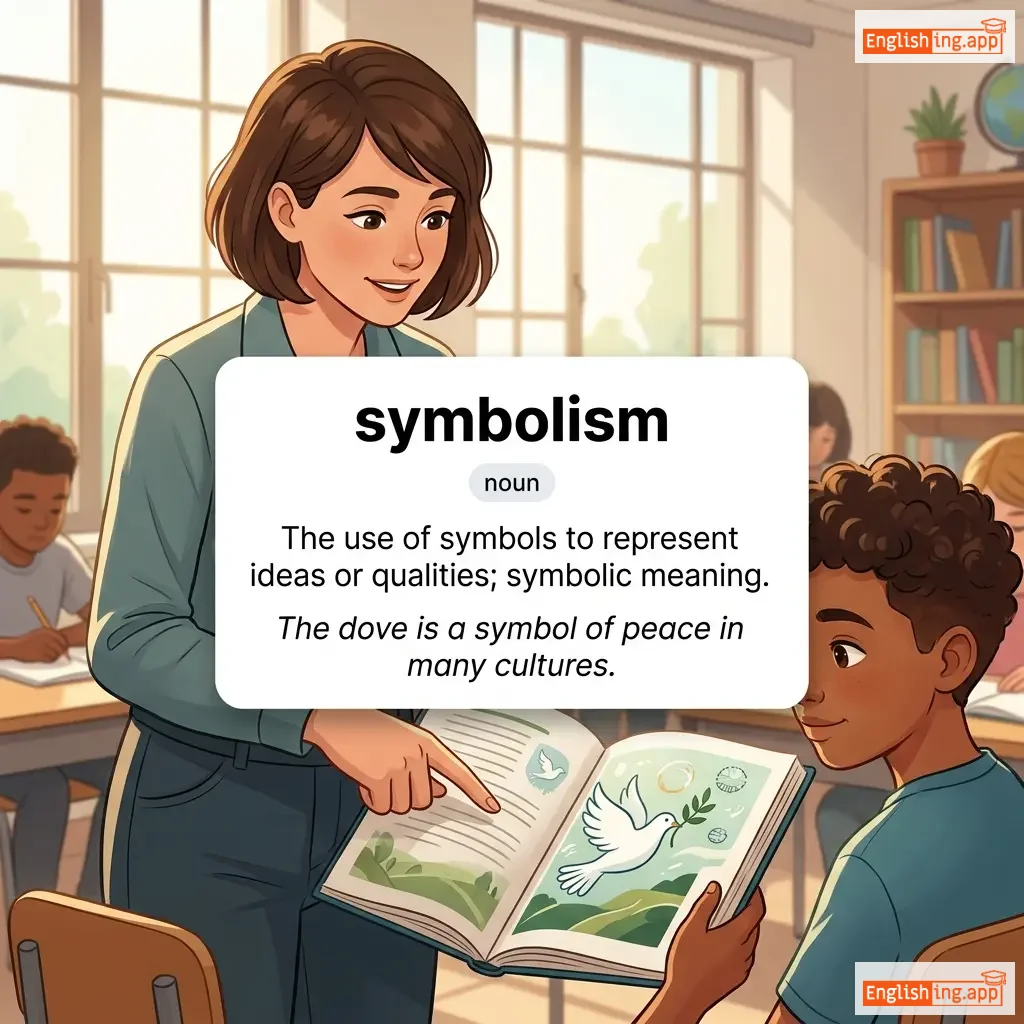
symbolism definition card — visual illustration of the meaning
noun C1
ˈsɪmbəlɪzəm
象徴主義 (shōchō shugi)

The use of symbols to represent ideas or qualities; symbolic meaning.

"The dove is a symbol of peace in many cultures."

"鳩は多くの文化で平和の象徴です。" (Hato wa ōku no bunka de heiwa no shōchō desu.)
adjective C1
/sɪˈmɛtrɪkəl/
対称的 (taishō-teki)

having parts on either side that match or are the same in shape, size, or arrangement

"The artist designed a symmetrical pattern on the floor."

"アーティストは床に対称的なパターンをデザインしました。" (Ātisuto wa yuka ni taishō-teki na patān o dezain shimashita.)
noun C1
/ˈsɪmətri/
対称 (taishou)

the quality of having balanced proportions or identical parts facing each other

"The building’s symmetry impressed the visitors."

"建物の対称性は訪問者に感銘を与えました。" (Tatemono no taishousei wa hōmonsha ni kanmei o ataemashita.)
adjective C1
/sɪmˈfɒnɪk/
交響曲の (koukyoukyoku no)

relating to or having the character of a symphony or symphony orchestra

"The concert featured a symphonic masterpiece."

"コンサートでは交響曲の傑作が披露されました。" (Konsaato de wa koukyoukyoku no kessaku ga hirou saremashita.)
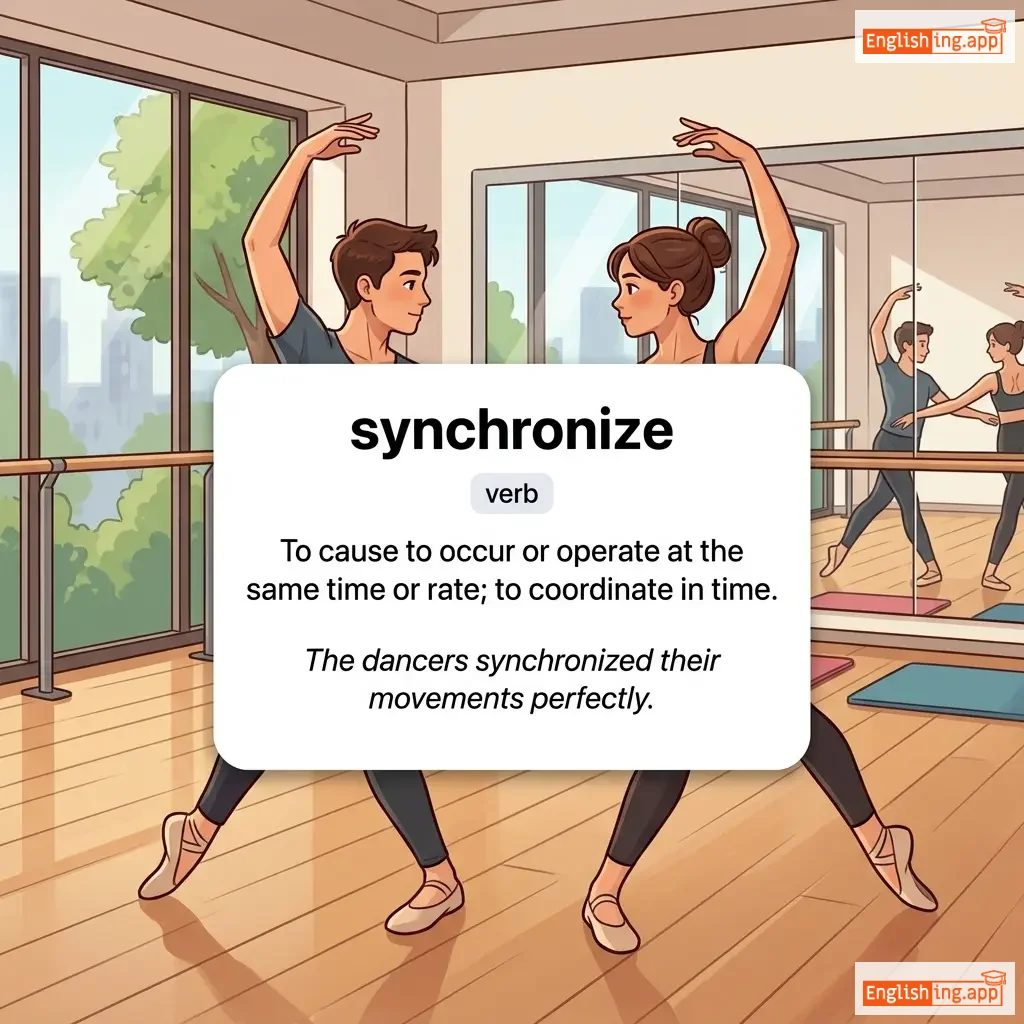
synchronize definition card — visual illustration of the meaning
verb C1
/ˈsɪŋ.krə.naɪz/
同期する (dōki suru)

To cause to occur or operate at the same time or rate; to coordinate in time.

"The dancers synchronized their movements perfectly."

"ダンサーたちは完璧に動きを同期させた。" (Dansā-tachi wa kanpeki ni ugoki o dōki saseta.)
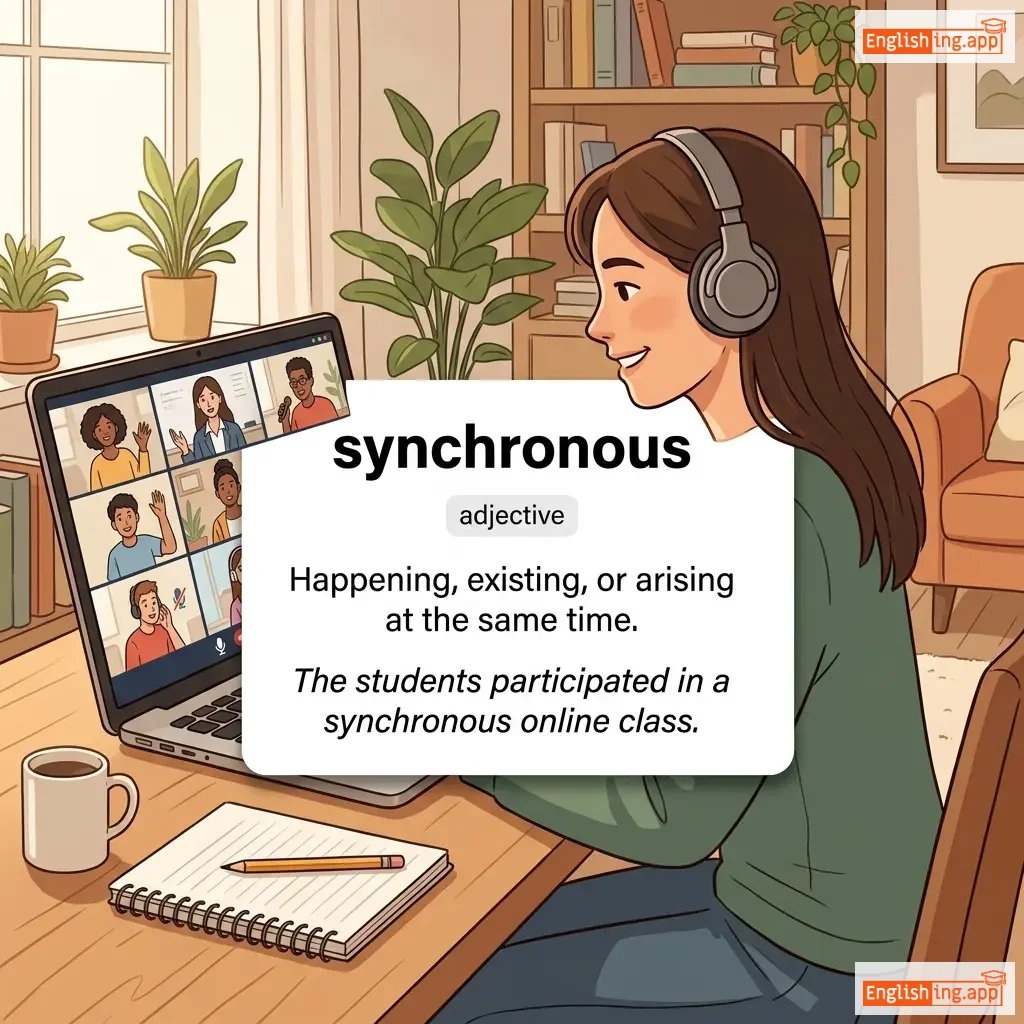
synchronous definition card — visual illustration of the meaning
adjective C1
/ˈsɪŋkrənəs/
同期の (dōki no)

Happening, existing, or arising at the same time.

"The students participated in a synchronous online class."

"学生たちは同期のオンラインクラスに参加しました。" (Gakuseitachi wa dōki no onrain kurasu ni sankashimashita.)
noun C1
/ˈsɪndɪkət/
シンジケート (shinjikēto)

A group of individuals or organizations combined to promote a common interest or carry out a business venture.

"A syndicate of investors bought the struggling company."

"投資家のシンジケートが困難な会社を買収しました。" (Tōshika no shinjikēto ga konnan na kaisha o baishū shimashita.)
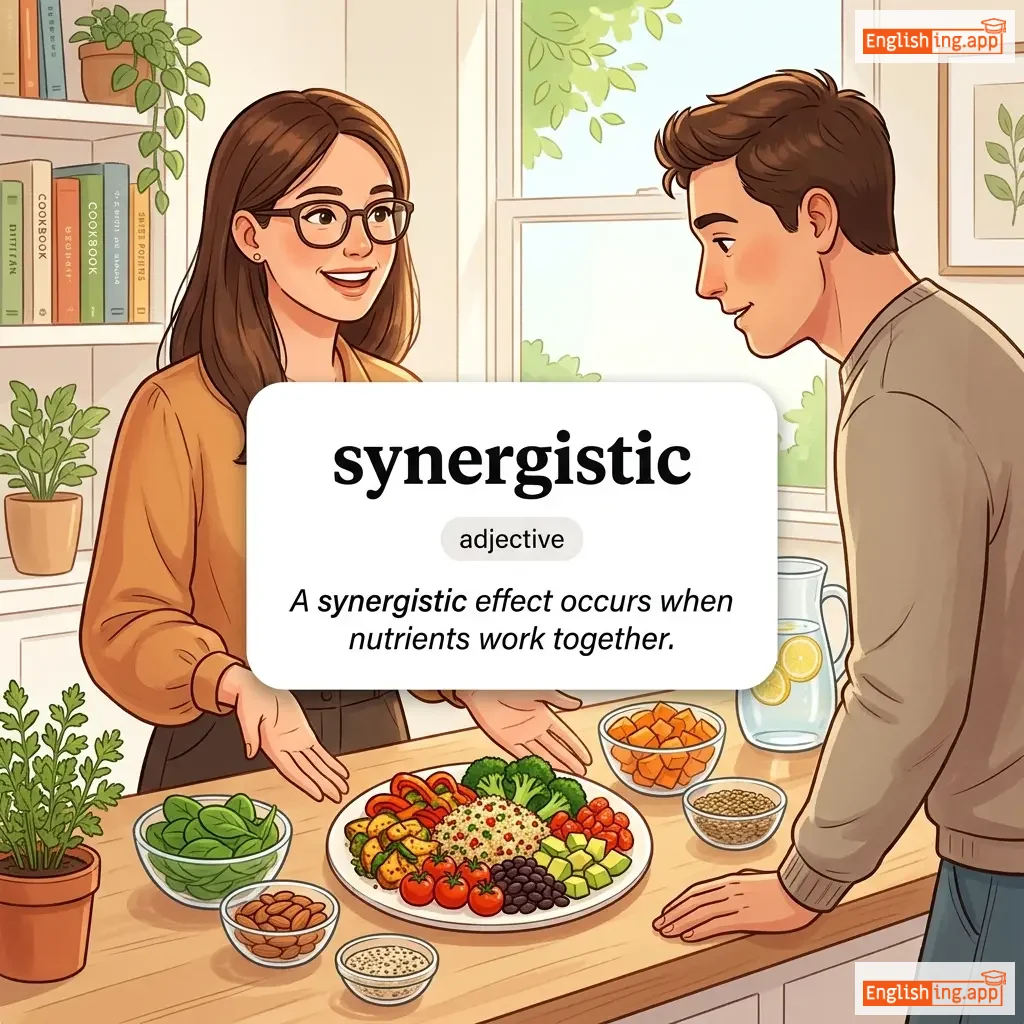
synergistic definition card — visual illustration of the meaning
adjective C1
ˌsɪn.əˈdʒɪs.tɪk
相乗的な (sōjōteki na)

Relating to the interaction of elements that when combined produce a greater effect than the sum of their individual effects.

"A synergistic effect occurs when nutrients work together."

"相乗的な効果は、栄養素が一緒に働くときに発生します。" (Sōjōteki na kōka wa, eiyōso ga issho ni hataraku toki ni hasseishimasu.)
synergize definition card — visual illustration of the meaning
verb C1
ˈsɪnərdʒaɪz
協力する, 一緒に働く (kyōryoku suru, issho ni hataraku)

To combine in such a way that the total effect is greater than the sum of the individual effects; to work together cooperatively.

"The two companies plan to synergize their efforts for greater success."

"2つの企業は、より大きな成功を収めるために協力する計画です。" (Futatsu no kigyō wa, yori ōkina seikō o osameru tame ni kyōryoku suru keikaku desu.)
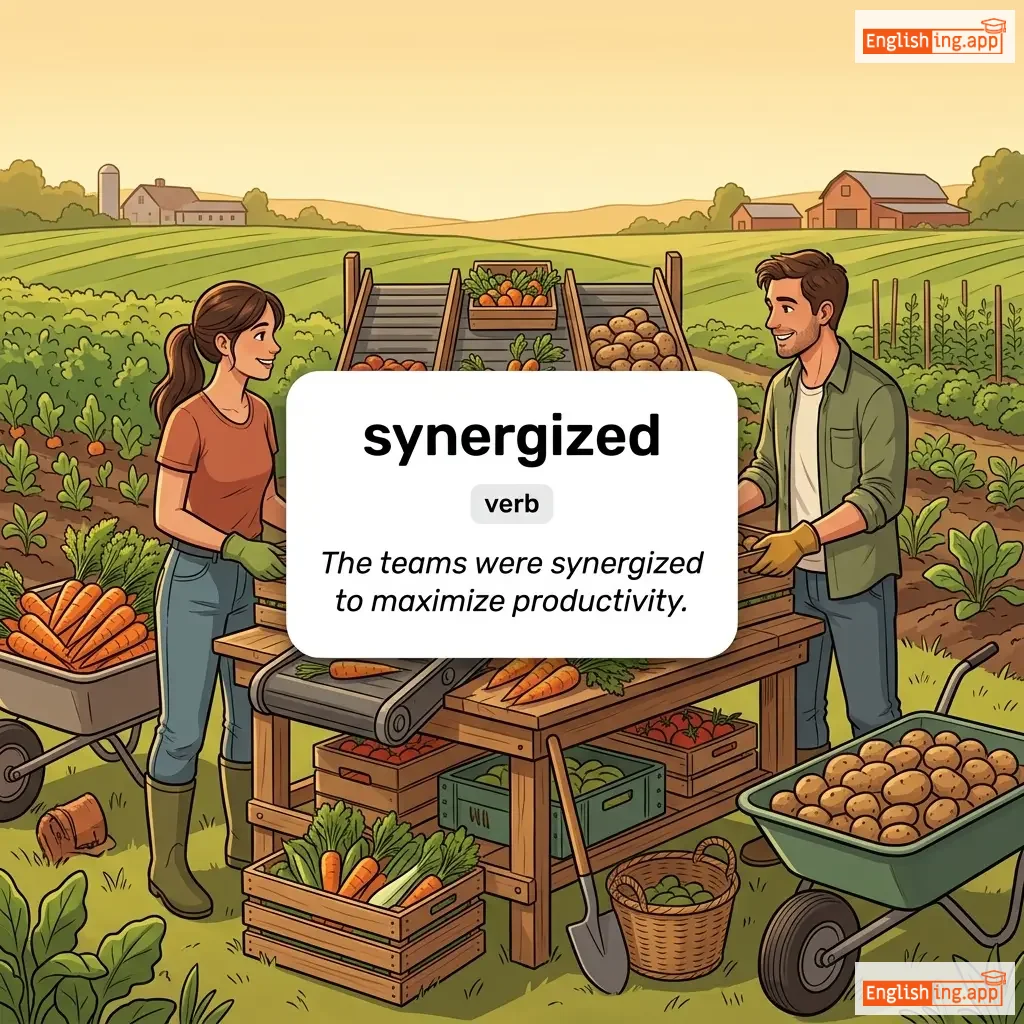
synergized definition card — visual illustration of the meaning
verb C1
/ˈsɪnɚdʒaɪzd/
シナジー効果が得られるようにする, 力を合わせる, 協力する (shinajī kōka ga erareru yō ni suru, chikara o awaseru, kyōryoku suru)

Combine in such a way that the total effect is greater than the sum of the individual effects.

"The teams were synergized to maximize productivity."

"チームは生産性を最大化するために協力しました。" (Chīmu wa seisan-sei o saidaika suru tame ni kyōryoku shimashita.)
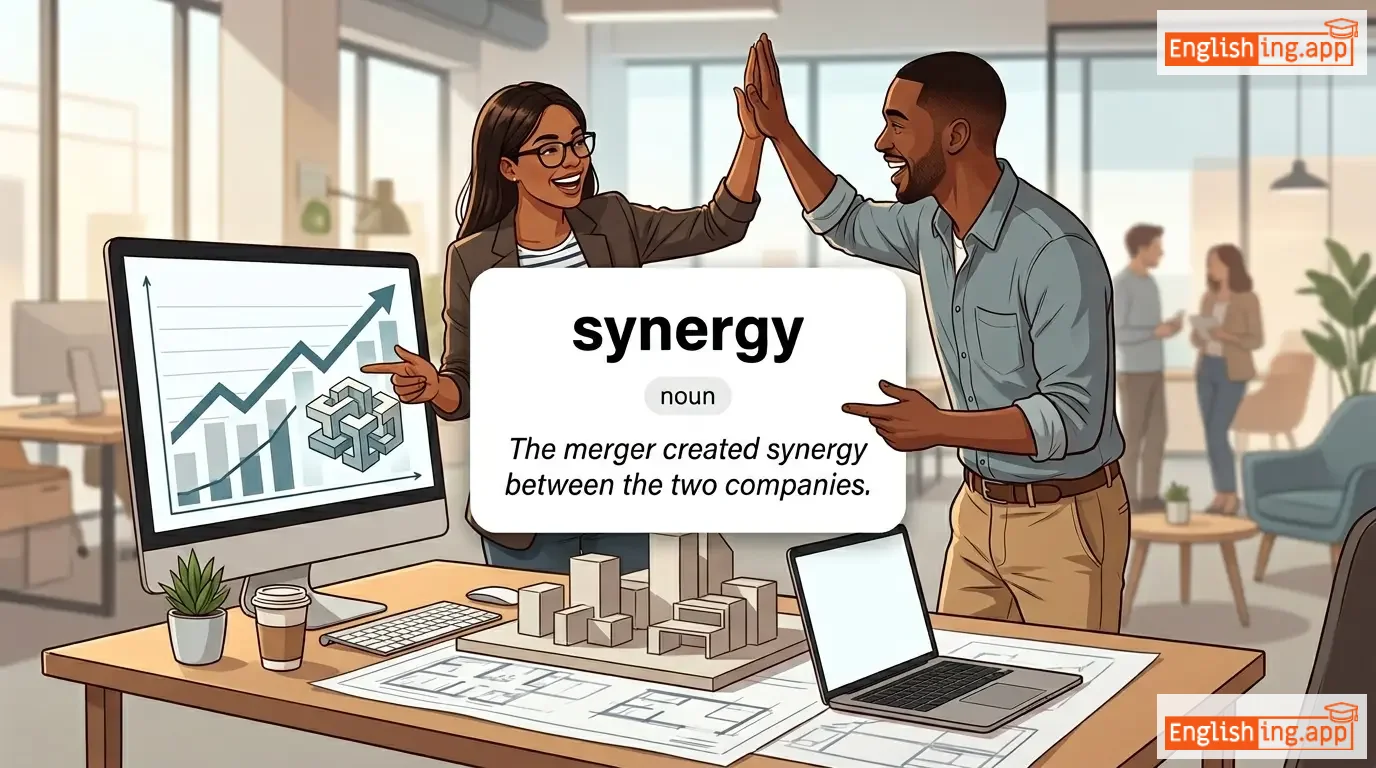
synergy definition card — visual illustration of the meaning
noun C1
/ˈsɪnərdʒi/
シナジー (shinajī)

The increased effectiveness that results when two or more people or organizations work together.

"The merger created synergy between the two companies."

"合併は二つの企業間にシナジーを生み出した。" (Gōbetsu wa futatsu no kigyō-kan ni shinajī o umidashita.)
adjective C1
/sɪˈnɒnɪməs/
同義語 (dougigo)

having the same or nearly the same meaning; closely associated with something

"For many people, her name is synonymous with generosity."

"多くの人にとって、彼女の名前は寛大さの同義語です。" (ooku no hito ni totte, kanojo no namae wa kandaisa no dougigo desu.)
noun C1
/sɪˈnɒpsɪs/
概要 (gaiyō)

a brief summary of the main points of a text, film, or research

"The publisher asked the author to submit a one-page synopsis of the novel."

"出版社は著者に小説の1ページ分の概要を提出するよう依頼しました。" (shuppansha wa chosha ni shōsetsu no 1 pēji bun no gaiyō o teishutsu suru yō irai shimashita.)
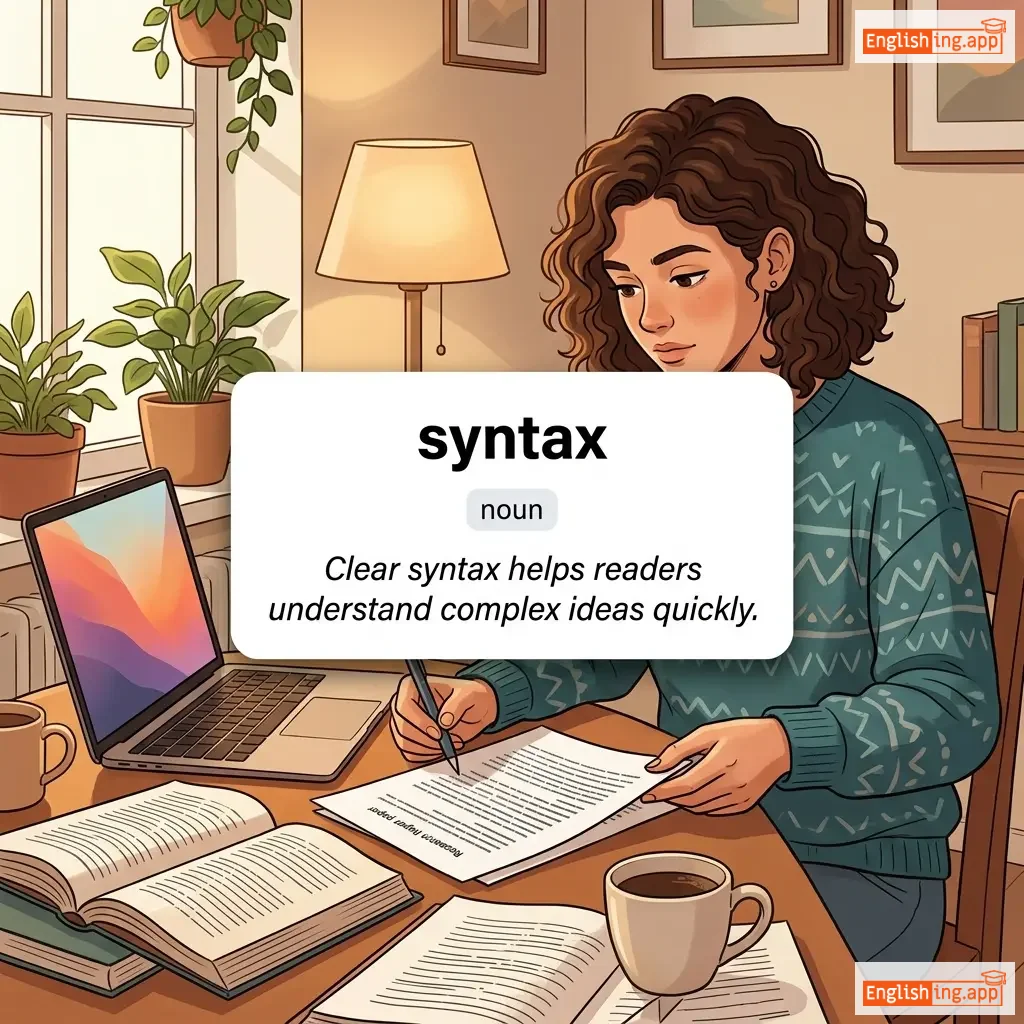
syntax definition card — visual illustration of the meaning
noun C1
/ˈsɪntæks/
構文 (koubun)

the rules for arranging words and phrases to create well-formed sentences in a language or code

"Clear syntax helps readers understand complex ideas quickly."

"明確な構文は、読者が複雑なアイデアを迅速に理解するのに役立ちます。" (Meikaku na kōbun wa, dokusha ga fukuzatsu na aidea o jinsoku ni rikai suru no ni yakudachimasu.)
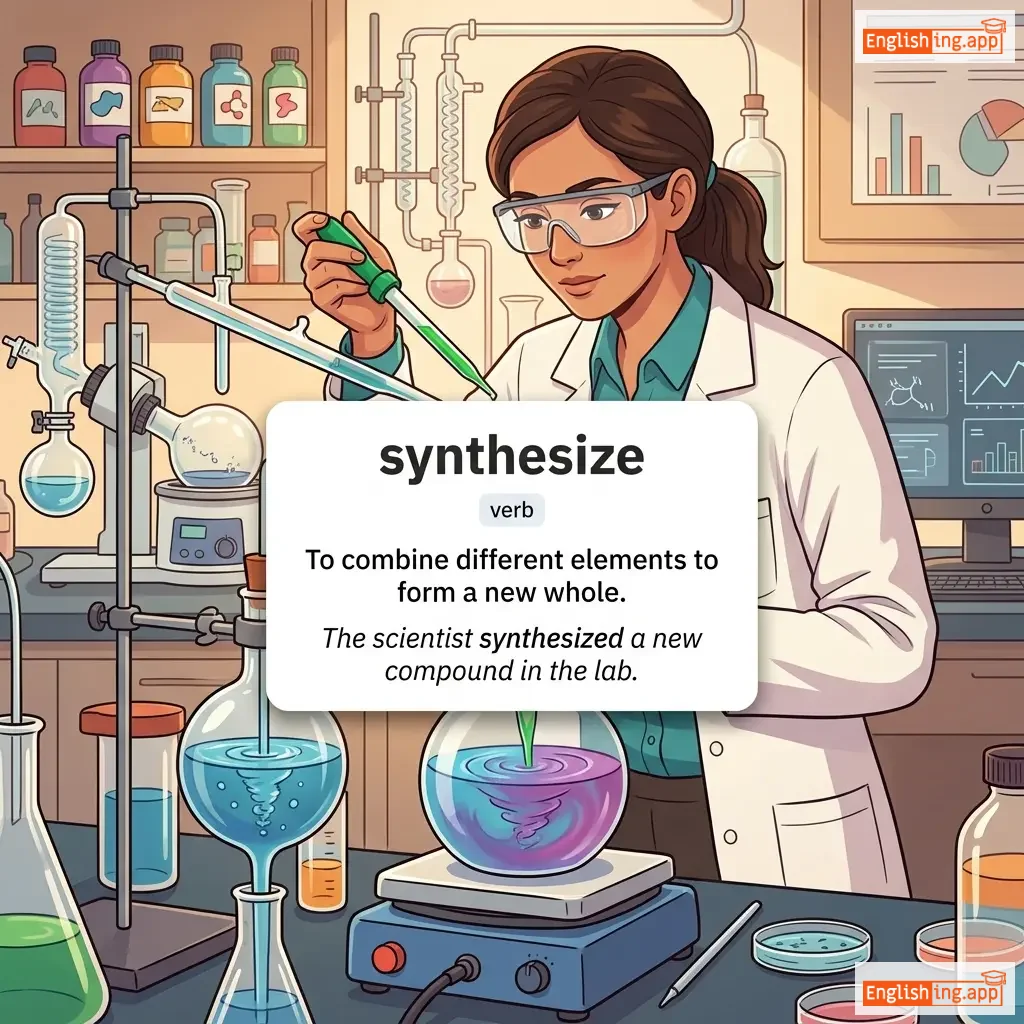
synthesize definition card — visual illustration of the meaning
verb C1
/ˈsɪnθəsaɪz/
合成する (gōsei suru)

To combine different elements to form a new whole.

"The scientist synthesized a new compound in the lab."

"科学者は実験室で新しい化合物を合成しました。" (Kagakusha wa jikken-shitsu de atarashī kagōbutsu o gōsei shimashita.)
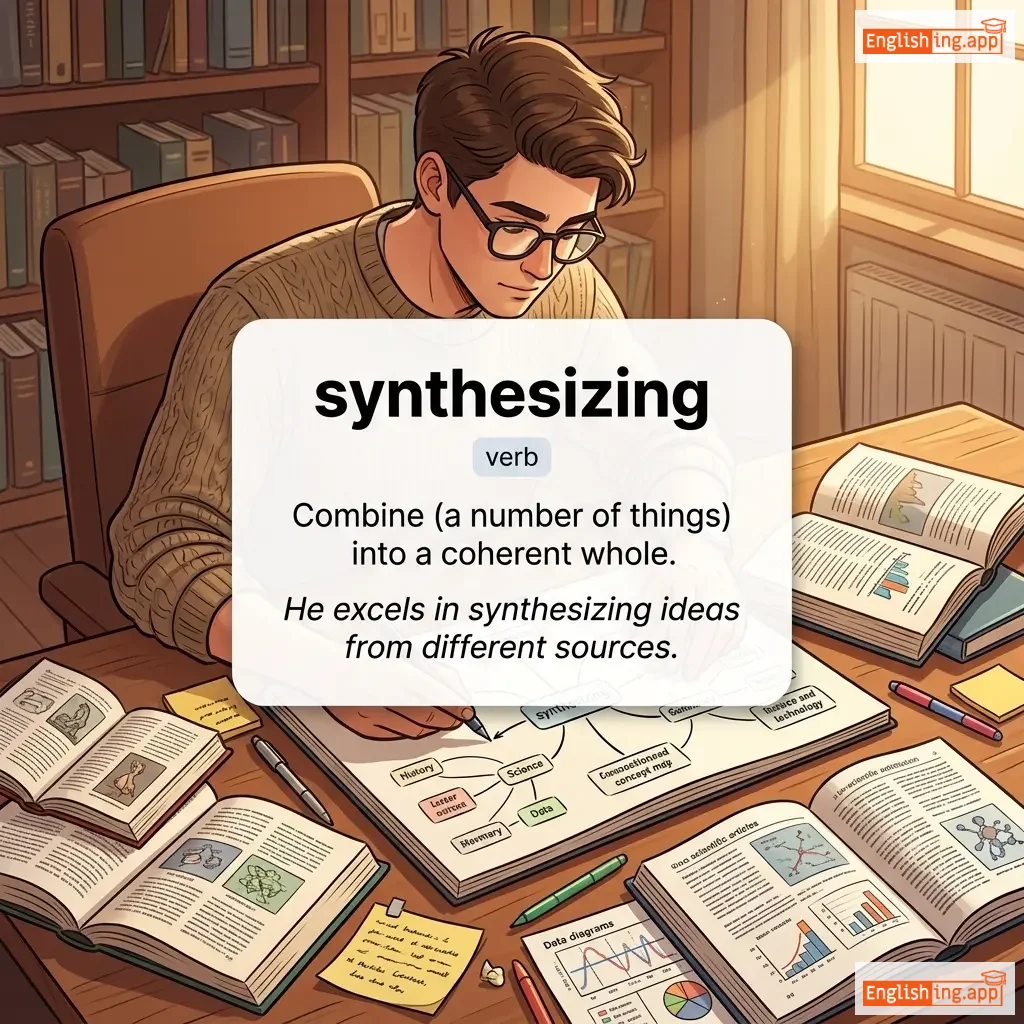
synthesizing definition card — visual illustration of the meaning
verb C1
ˈsɪn.θə.saɪ.zɪŋ
合成する, 組み合わせる, 論理的に提示する (gōsei suru, kumiawaseru, ronriteki ni teiji suru)

Combine (a number of things) into a coherent whole.

"He excels in synthesizing ideas from different sources."

"彼は異なるソースからアイデアを合成するのが得意です。" (Kare wa kotonaru sōsu kara aidea o gōsei suru no ga tokui desu.)
systematic savings definition card — visual illustration of the meaning
noun C1
ˌsɪstəˈmætɪk ˈseɪvɪŋz
計画的貯蓄 (keikakuteki chochiku)

A structured and organized approach to regularly saving money according to a planned schedule

"Systematic savings can mitigate financial crises in old age."

"計画的貯蓄は高齢期の財務危機を軽減することができます。" (Keikakuteki chochiku wa kōreiki no zaimu kiki o keigen suru koto ga dekimasu.)
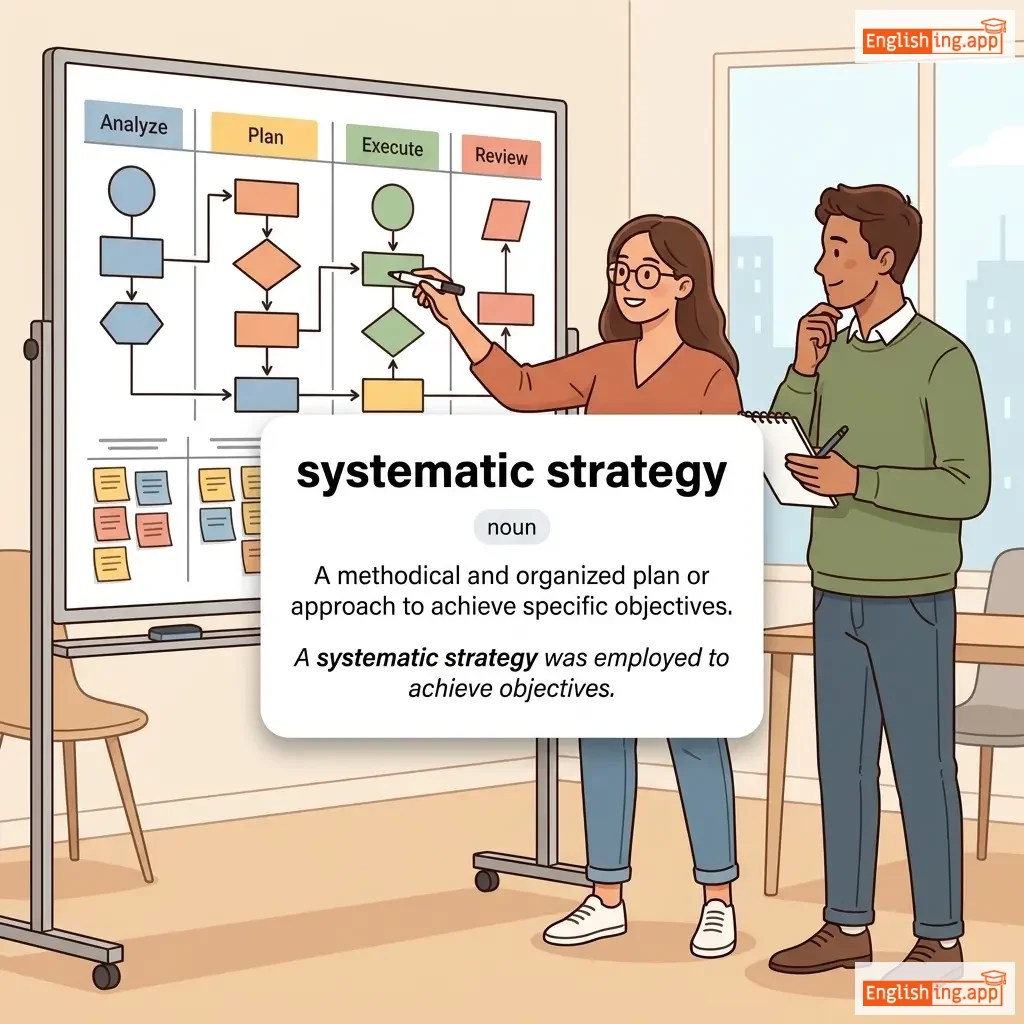
systematic strategy definition card — visual illustration of the meaning
noun C1
ˌsɪs.təˈmæt.ɪk ˈstræt.ə.dʒi
体系的戦略 (taikeiteki senryaku)

A methodical and organized plan or approach to achieve specific objectives.

"A systematic strategy was employed to achieve objectives."

"目標を達成するために体系的戦略が採用されました。" (Mokuhyō o tassei suru tame ni taikeiteki senryaku ga saiyō saremashita.)
noun C1
/ˈtæbloʊ/
タブロー (taburo)

a striking or artistic scene or arrangement of people or objects, often presented on stage or in art

"The actors froze in a tableau that captured the final moment of the play."

"俳優たちは、舞台の最後の瞬間を捉えたタブローで凍りつきました。" (Haiyū-tachi wa, butai no saigo no shunkan o toraeta taburō de kōritsukimashita.)
🚫

taboo

noun C1
/təˈbuː/

a social or cultural prohibition against certain practices or discussions

"Talking about money is considered a taboo in some cultures."

tacit definition card — visual illustration of the meaning
adjective C1
/ˈtæsɪt/
暗黙の了解 (anmoku no ryōkai)

understood or implied without being stated

"There was a tacit agreement to avoid the subject."

"そのテーマを避けるために暗黙の了解があった。" (Sono tēma o yokeru tame ni anmoku no ryōkai ga atta.)
📌

tack

noun/verb C1
/tæk/

a small sharp nail; or to change direction in sailing or approach something differently

"She used a tack to pin the paper on the wall."

tact definition card — visual illustration of the meaning
noun C1
/tækt/
機転, 思いやり (kiten, omoiyari)

the ability to say or do the right thing without offending others

"She handled the situation with great tact."

"彼女はその状況を非常に上手く対処しました。" (Kanojo wa sono jōkyō o hijō ni umaku taisho shimashita.)
adjective C1
/ˈtækt.fəl/
機転の利いた (kiten no kiita)

showing skill and sensitivity in dealing with others

"He is always tactful when giving feedback."

"彼はフィードバックを与える時、いつも機転の利いた対応をします。" (Kare wa fīdobakku o ataeru toki, itsumo kiten no kiita taiō o shimasu.)
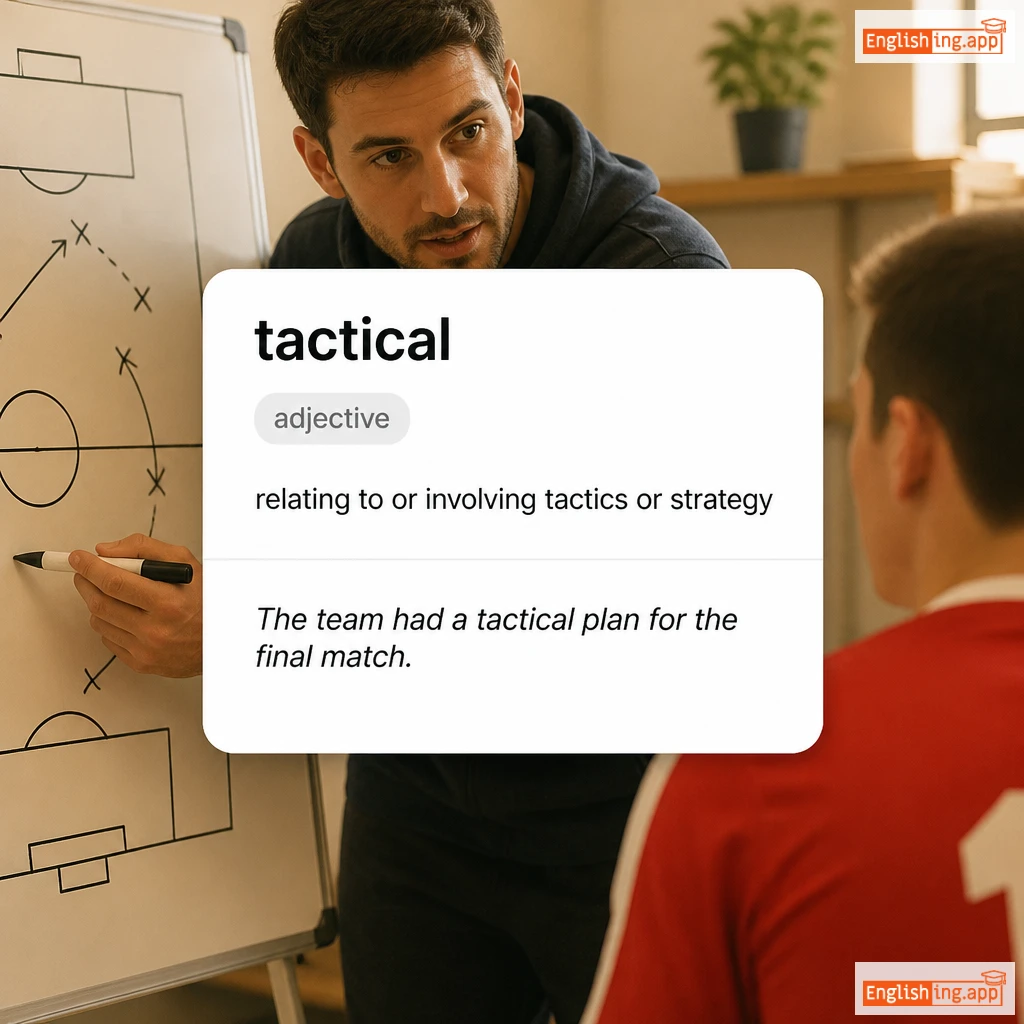
tactical definition card — visual illustration of the meaning
adjective C1
/ˈtæktɪkəl/
戦略に関連する (senryaku ni kanren suru)

relating to or involving tactics or strategy

"The team had a tactical plan for the final match."

"チームは最終試合のための戦術的な計画を立てていた。" (Chīmu wa saishū shiai no tame no senjutsuteki na keikaku o tatete ita.)
noun C1
/tækˈtɪʃ.ən/
戦術家 (senjutsuka)

a person who is skilled at planning and achieving goals, especially in military or business

"Napoleon was a brilliant tactician."

"ナポレオンは素晴らしい戦術家でした。" (Napoleon wa subarashī senjutsuka deshita.)
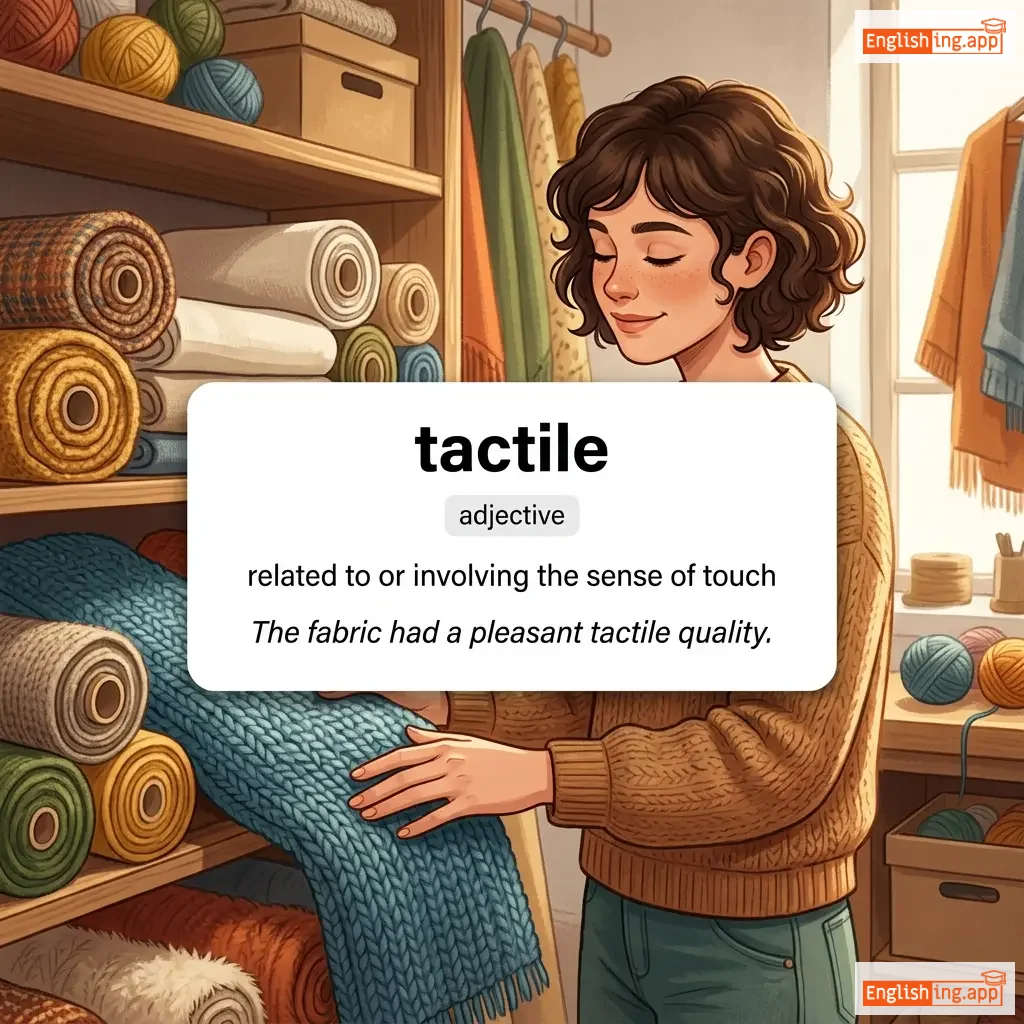
tactile definition card — visual illustration of the meaning
adjective C1
/ˈtæk.taɪl/
触覚の (shokkaku no)

related to or involving the sense of touch

"The fabric had a pleasant tactile quality."

"その生地は心地よい触覚の質感がありました。" (Sono kiji wa kokochi yoi shokkaku no shitsukan ga arimashita.)
adjective C1
/ˈtækt.ləs/
不作法 (fusaho)

showing a lack of sensitivity in dealing with others

"His tactless remark embarrassed everyone at the meeting."

"彼の不作法なコメントは、会議でみんなを恥ずかしがらせました。" (Kare no fusaho na komento wa, kaigi de minna wo hazukashigarasemashita.)
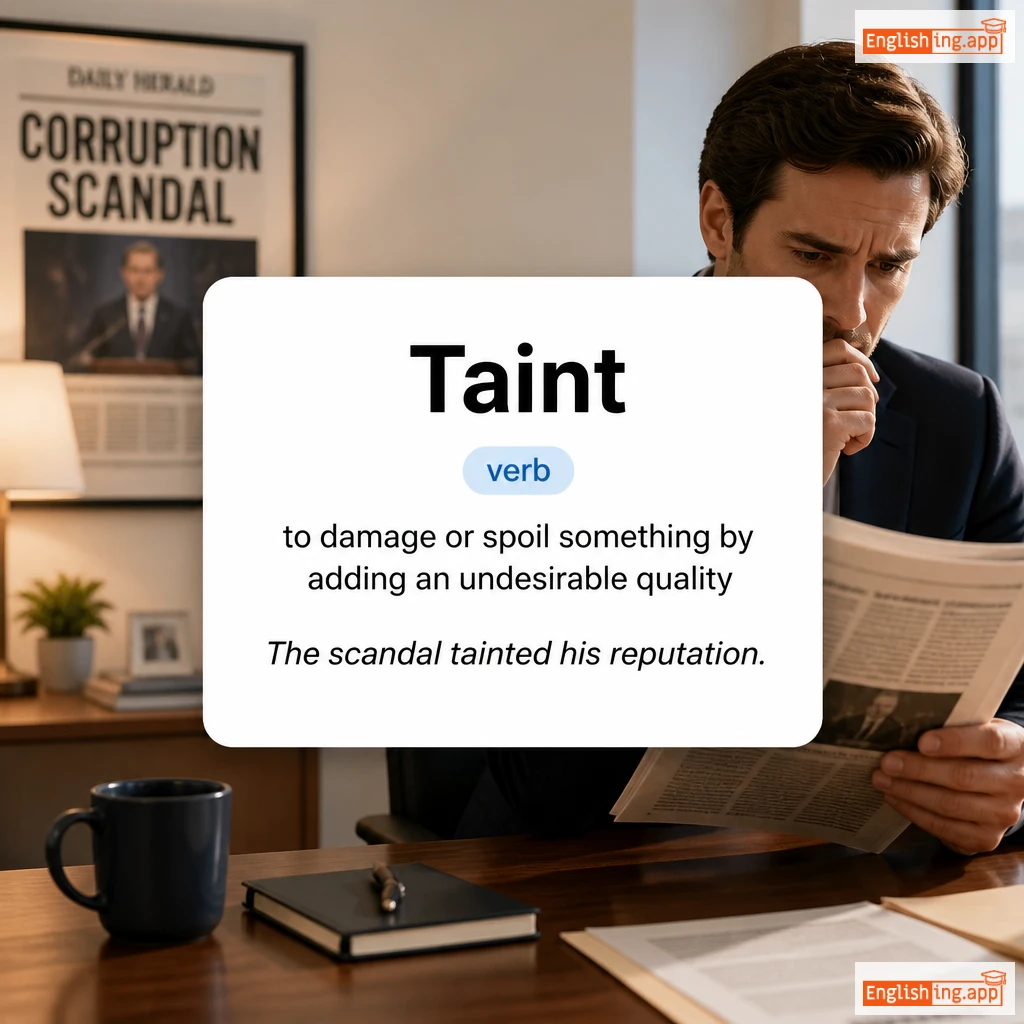
Taint definition card — visual illustration of the meaning
verb C1
/teɪnt/
汚す (yogosu)

to damage or spoil something by adding an undesirable quality

"The scandal tainted his reputation."

"そのスキャンダルは彼の評判を汚した。" (Sono sukyandaru wa kare no hyōban o yogoshita.)
adjective C1
/ˈteɪn.tɪd/
汚れた (yogoreta)

spoiled, corrupted, or made impure

"The tainted food caused several people to fall ill."

"汚れた食べ物は何人かを病気にさせました。" (Yogoreta tabemono wa nanninka o byōki ni sasemashita.)
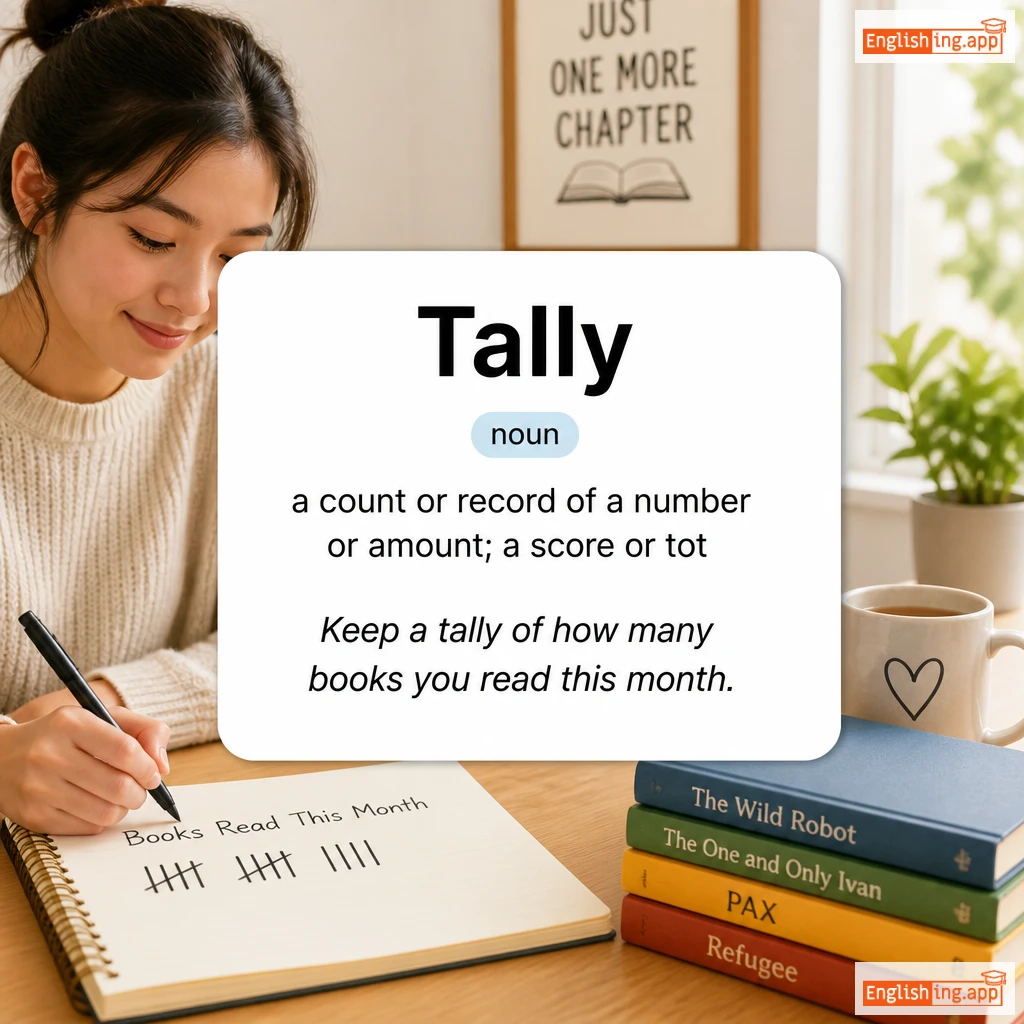
Tally definition card — visual illustration of the meaning
noun C1
/ˈtæl.i/
集計; 記録; スコア (shūkei; kiroku; sukōa)

a count or record of a number or amount; a score or total

"Keep a tally of how many books you read this month."

"今月読んだ本の数を集計してください。" (Kongetsu yonda hon no kazu o shūkei shite kudasai.)
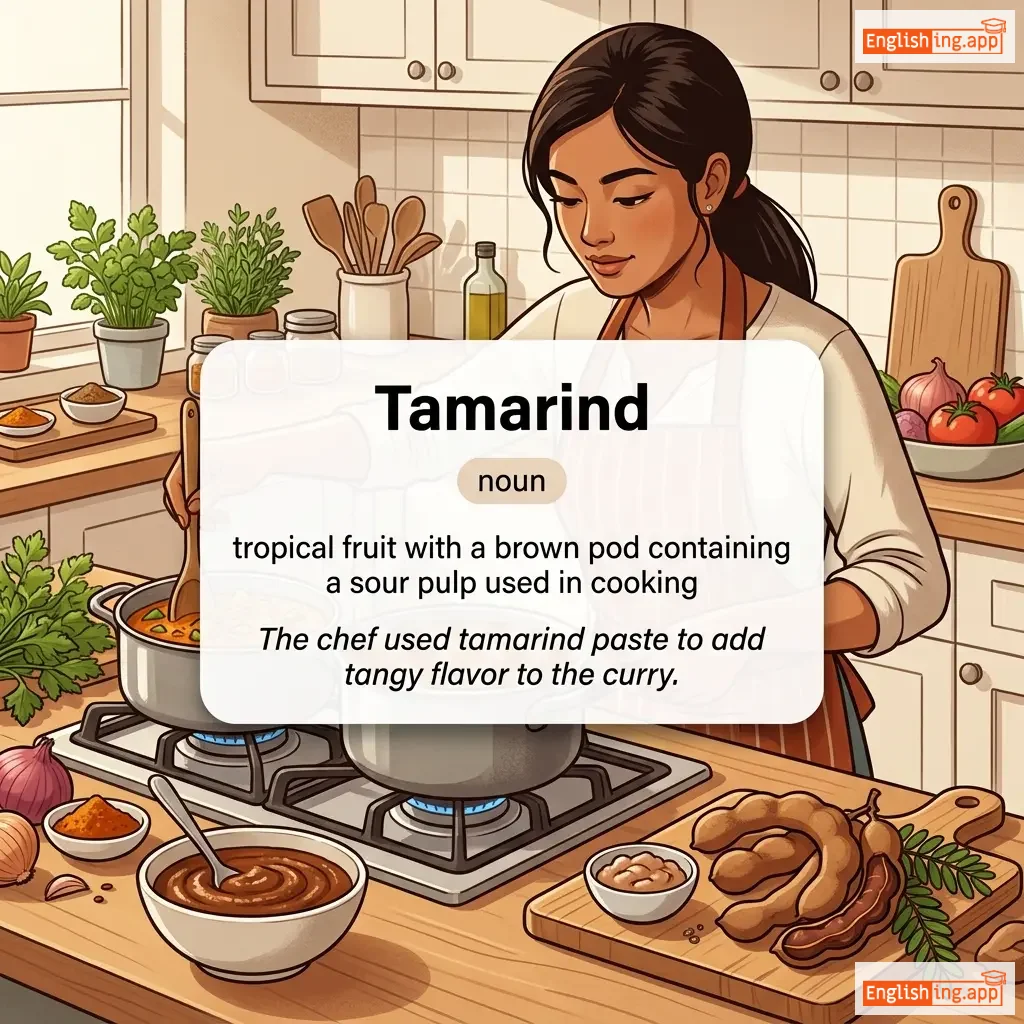
Tamarind definition card — visual illustration of the meaning
noun C1
/ˈtæm.ə.rɪnd/
タマリンド (tamarindo)

tropical fruit with a brown pod containing a sour pulp used in cooking

"The chef used tamarind paste to add tangy flavor to the curry."

"シェフはカレーに酸味を加えるためにタマリンドペーストを使用しました。" (shefu wa karē ni sanmi o kuwaeru tame ni tamarindo pēsu to shiyō shimashita.)
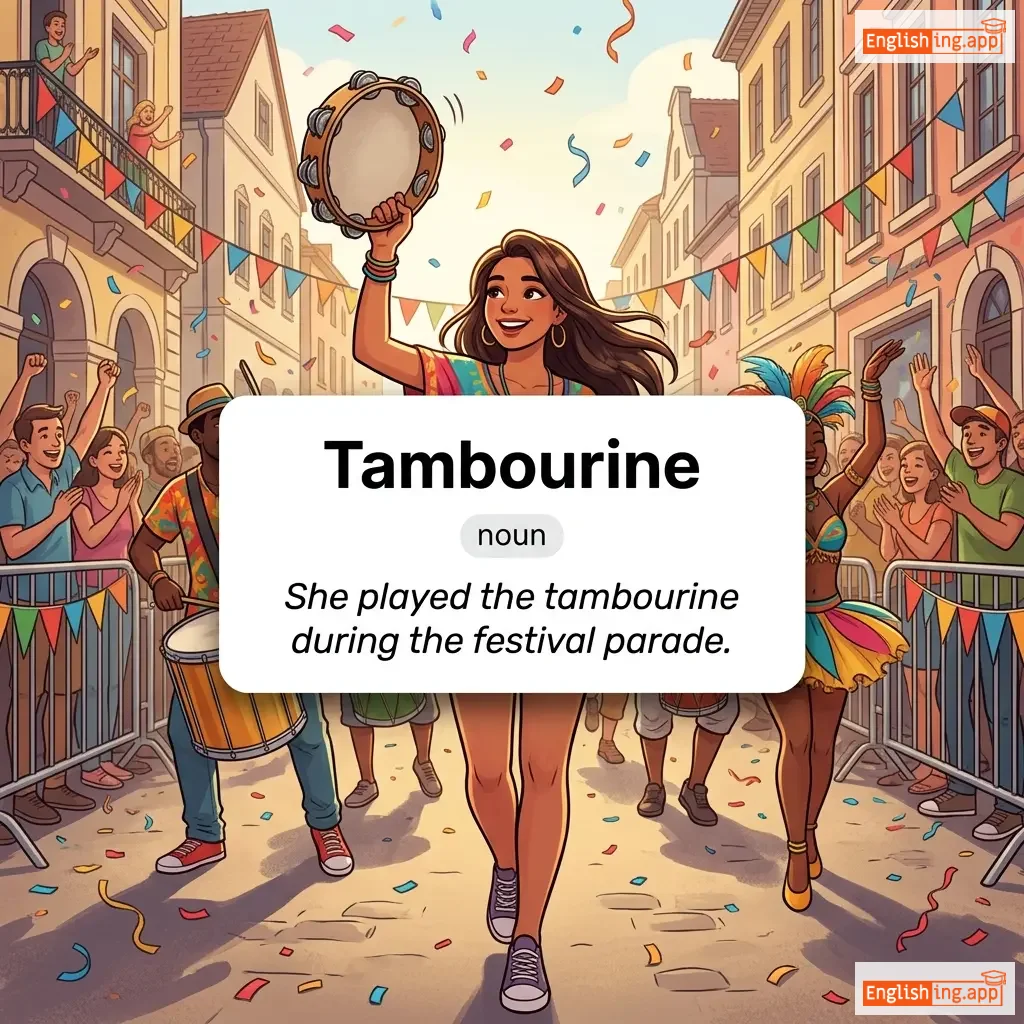
Tambourine definition card — visual illustration of the meaning
noun C1
/ˌtæmbəˈriːn/
タンバリン (tanbarin)

A musical instrument with a circular frame, metal jingles, and a drumhead, played by shaking or striking.

"She played the tambourine during the festival parade."

"彼女は祭りのパレードでタンバリンを演奏しました。" (Kanojo wa matsuri no parēdo de tanbarin o ensō shimashita.)
⚠️

tamper

verb C1
/ˈtæmpər/

To interfere with something in a harmful, unauthorized, or improper way.

"The evidence was tampered with before the trial."

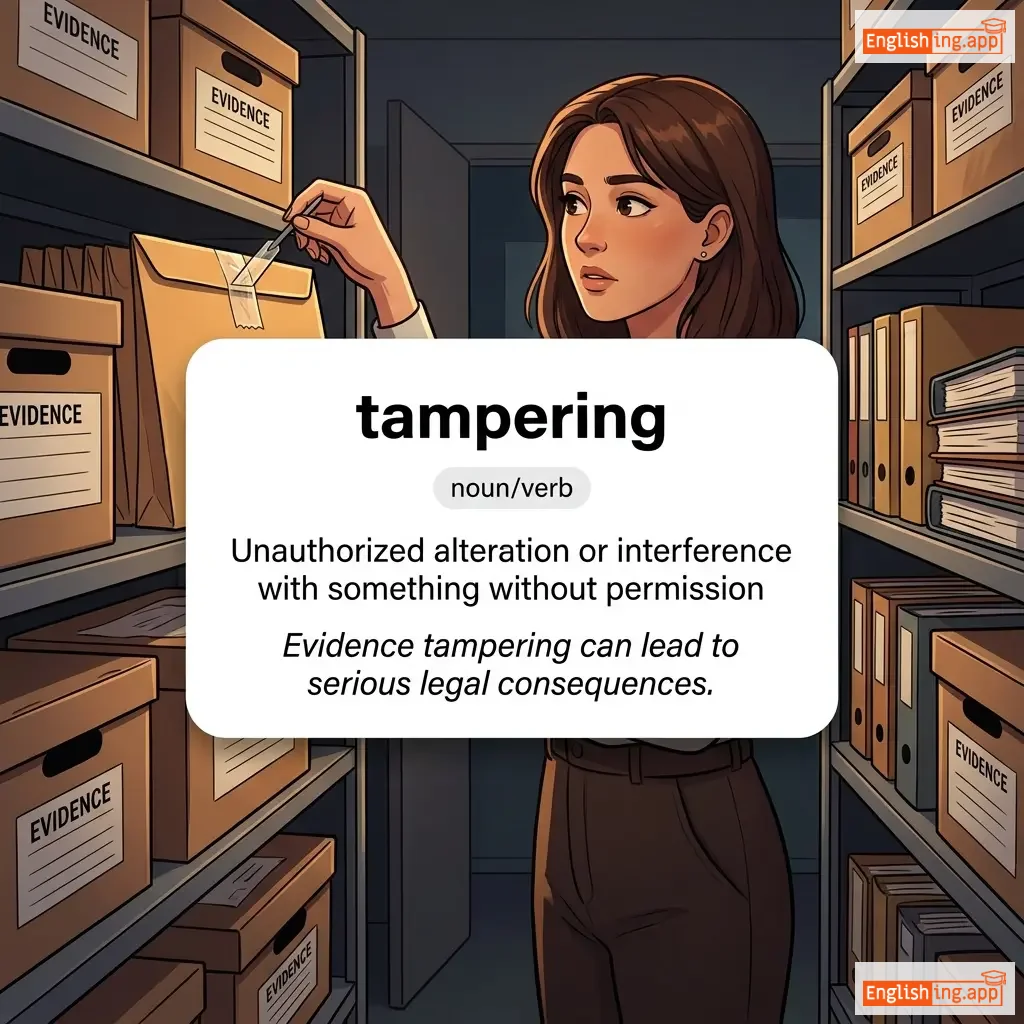
tampering definition card — visual illustration of the meaning
noun/verb C1
/ˈtæm.pər.ɪŋ/
不正な改ざんまたは干渉 (fusei na kaizan matawa kanshou)

Unauthorized alteration or interference with something without permission

"Evidence tampering can lead to serious legal consequences."

"証拠の改ざんは深刻な法的影響を引き起こす可能性があります。" (shouko no kaizan wa shinkoku na houteki eikyou wo hikiokosu kanousei ga arimasu.)
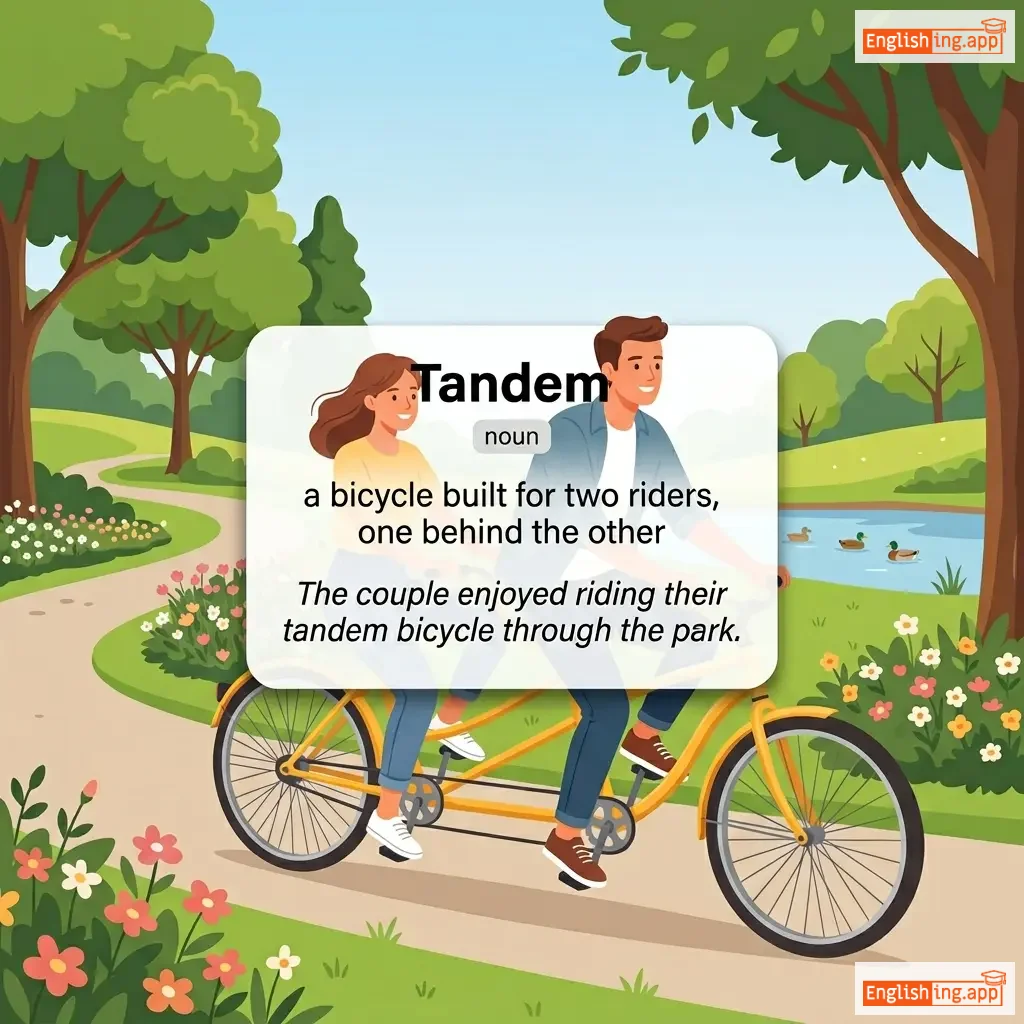
Tandem definition card — visual illustration of the meaning
noun C1
/ˈtæn.dəm/
タンデム自転車 (tandemu jitensha)

a bicycle built for two riders, one behind the other

"The couple enjoyed riding their tandem bicycle through the park."

"カップルは公園で自分たちのタンデム自転車に乗って楽しんでいました。" (Kappuru wa kōen de jibun-tachi no tandemu jitensha ni notte tanoshinde imashita.)
noun C1
/ˈtændʒənt/

a straight line or plane that touches a curve or curved surface at a point but does not cross it

"The teacher drew a tangent to the circle on the board."

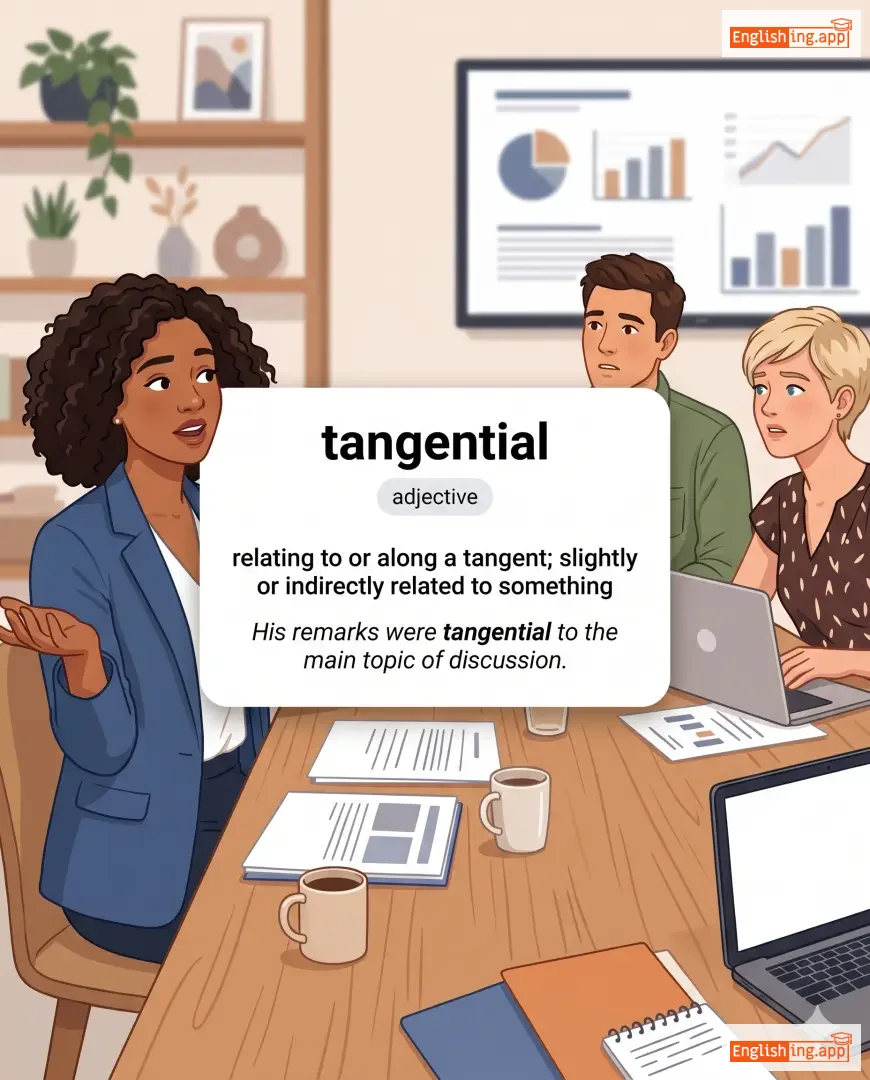
tangential definition card — visual illustration of the meaning
adjective C1
/tænˈdʒɛnʃəl/
接線の (sessenn no)

relating to or along a tangent; slightly or indirectly related to something

"His remarks were tangential to the main topic of discussion."

"彼のコメントは議論の主要なトピックには関連していなかった。" (Kare no komento wa giron no shuyōna topikku ni wa kanren shite inakatta.)
adjective C1
/ˈtæŋ.i/
辛い (tsurai)

Having a strong, sharp, and pleasantly biting flavor or taste.

"The sauce had a tangy flavor that brightened the dish."

"そのソースは、料理をさらに美味しくした辛い味を持っていました。" (Sono sōsu wa, ryōri o sara ni oishiku shita tsurai aji o motte imashita.)
noun C1
/ˈtæn.ər/
皮革職人 (hikaku shokunin)

A person whose job is to tan animal hides to make leather.

"The tanner worked long hours to produce fine leather."

"皮革職人は優れた革を作るために長時間働きました。" (Hikaku shokunin wa sugureta kawa o tsukuru tame ni chōjikan hatarakimashita.)
noun C1
/ˈtæn.ə.ri/
なめし革工場 (nameshi kawa koujou)

A place where animal hides are processed into leather.

"The tannery produced high-quality leather for export."

"なめし革工場は輸出のために高品質な革を生産しました。" (Nameshi kawa koujou wa yushutsu no tame ni kouhinshitsu na kawa o seisan shimashita.)
verb C1
/ˈtæn.tə.laɪz/
誘惑する (yūwaku suru)

To tease or torment someone with the promise of something desirable but unattainable.

"The aroma of the bakery tantalized the hungry children."

"ベーカリーの香りが空腹の子供たちを誘惑した。" (Bēkary no kaori ga kūfuku no kodomotachi wo yūwaku shita.)