ভোকাবুলারিসমূহ

ইংরেজি শব্দের বাংলা অর্থ | English to Bangla Word Meaning Dictionary

noun C1
/ˈɛksɜːrpt/
抜粋 (batsui)

A short portion taken from a text, film, or piece of music.

"The teacher read an excerpt from the novel."

"先生は小説から一節を読みました。" (Sensei wa shousetsu kara issetsu o yomimashita.)
excessive strain definition card — visual illustration of the meaning
adjective + noun C1
এক্সেসিভ স্ট্রেইন
過度のストレス (kado no sutoresu)

An amount of physical pressure or stress that is more than what is normal or acceptable.

"Excessive strain on fingers can cause musculoskeletal issues."

"指に過度のストレスがかかると、筋骨格の問題を引き起こす可能性があります。" (Yubi ni kado no sutoresu ga kakaru to, kinkokkaku no mondai o hikiokosu kanousei ga arimasu.)
verb C1
/ˈɛkˌsaɪz/
切除する (sessuru)

to cut out or remove completely, often by surgery

"The surgeon excised the tumor successfully."

"外科医は腫瘍を成功裏に切除しました。" (Geka-i wa shuyō o seikōri ni sesshō shimashita.)
adjective C1
/ɪkˈsaɪtəbl̩/
興奮しやすい (koufun shiyasui)

easily excited or emotionally aroused

"The child was excitable and laughed at every small thing."

"その子供は興奮しやすく、何でも小さなことで笑っていた。" (Sono kodomo wa koufun shiyasuku, nandemo chiisana koto de waratte ita.)
verb C1
/ɪkˈskriːt/
排泄する (haisetsu suru)

to eliminate waste matter from the body

"Humans excrete carbon dioxide through breathing."

"人間は呼吸を通じて二酸化炭素を排出します。" (Ningen wa kokyū o tōjite ni sankatanso o haishutsu shimasu.)
noun C1
/ɪkˈskriːʃən/
排泄 (haisetsu)

the process of eliminating waste matter from the body

"Excretion is vital for maintaining a healthy body."

"排泄は健康な体を維持するために不可欠です。" (Haisetsu wa kenkou na karada o iji suru tame ni fukaketsu desu.)
adjective C1
/ɪkˈskruːʃieɪtɪŋ/
耐えられない痛み (taerarenai itami)

causing extreme physical or mental pain

"She was in excruciating pain after the accident."

"彼女は事故の後、耐えられない痛みを感じていた。" (Kanojo wa jiko no ato, taerarenai itami o kanjite ita.)
adjective C1
/ɪkˈskjuːzəbl/
許容可能な (kyoryō kanō na)

Able to be forgiven or justified.

"Her mistake was excusable given the circumstances."

"彼女の間違いは状況を考慮すれば許容可能でした。" (Kanojo no machigai wa jōkyō o kōryo sureba kyoryō kanō deshita.)
noun C1
/ˌɛksɪˈkjuːʃənər/
処刑人 (shokeinin)

A person who carries out a death sentence by execution.

"The executioner prepared the gallows for the condemned prisoner."

"処刑人は死刑囚のために絞首台を準備した。" (Shokeinin wa shikeishuu no tame ni koushutai wo junbi shita.)
noun C1
/ɪɡˈzɛkjətər/
遺言執行者 (yigon shikkōsha)

A person appointed to carry out the terms of someone's will after their death.

"The executor managed the estate according to the deceased’s wishes."

"遺言執行者は故人の意志に従って財産を管理しました。" (Yigon shikkōsha wa kojin no ishi ni shitagatte zaisan o kanri shimashita.)
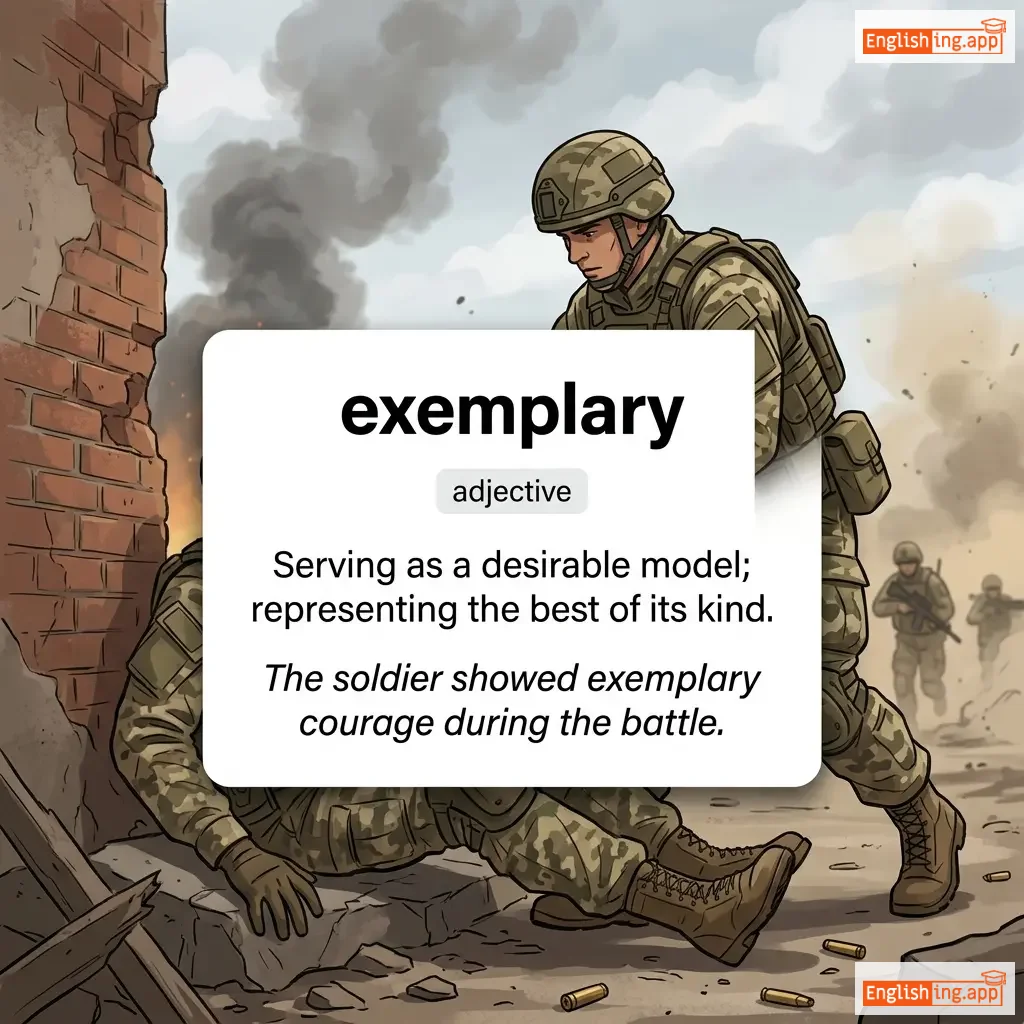
exemplary definition card — visual illustration of the meaning
adjective C1
/ɪɡˈzɛmpləri/
模範的な (mohanteki na)

Serving as a desirable model; representing the best of its kind.

"The soldier showed exemplary courage during the battle."

"兵士は戦闘中に模範的な勇気を示しました。" (Heishi wa sentō-chū ni mohan-teki na yūki o shimeshimashita.)
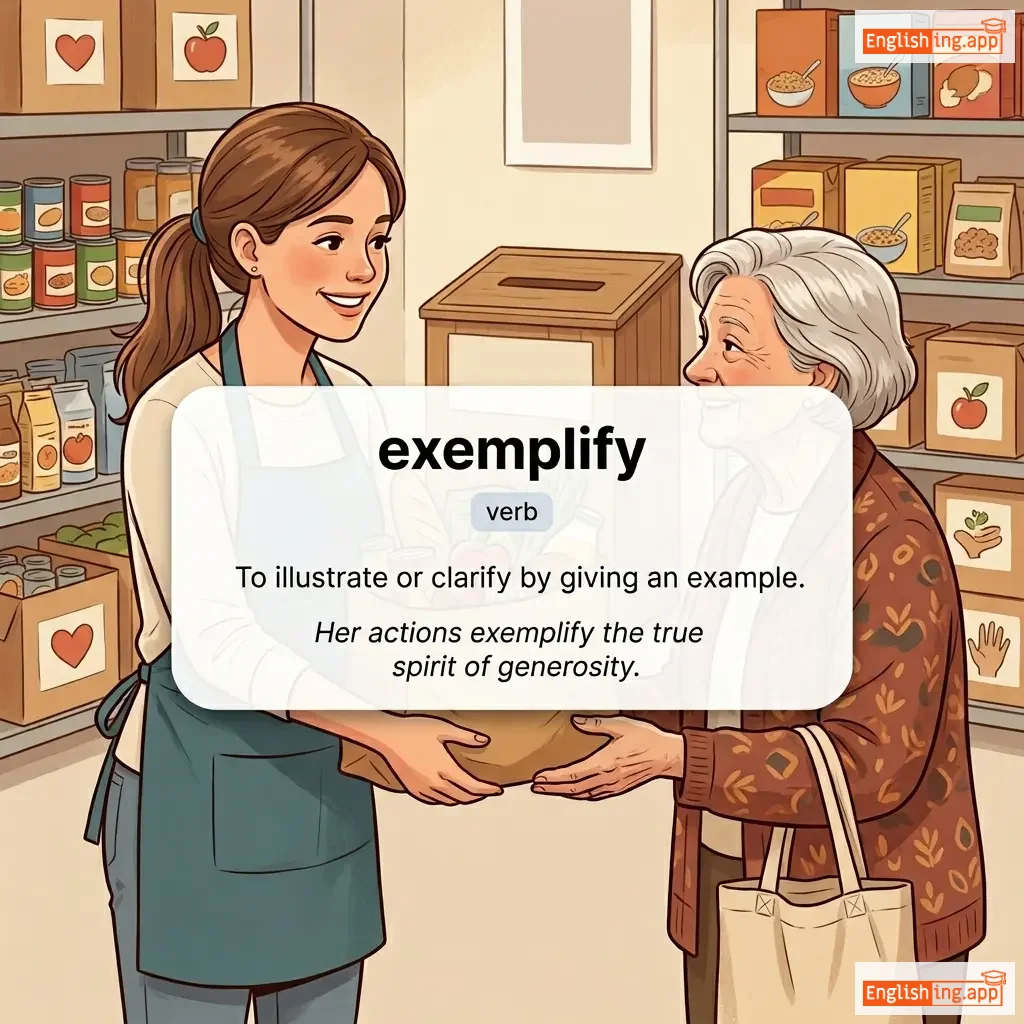
exemplify definition card — visual illustration of the meaning
verb C1
/ɪɡˈzɛmplɪfaɪ/
例を挙げて説明する (rei wo agete setsumei suru)

To illustrate or clarify by giving an example.

"Her actions exemplify the true spirit of generosity."

"彼女の行動は、寛大さの真の精神を例示しています。" (Kanojo no kōdō wa, kandai-sa no shin no seishin o reiji shiteimasu.)
adjective, verb C1
/ɪɡˈzɛmpt/
免除 (menjo)

Free from an obligation or liability imposed on others.

"Students with high grades are exempt from the final exam."

"優秀な成績を収めた学生は、最終試験を免除されます。" (Yūshū na seiseki o osameta gakusei wa, saishū shiken o menjo saremasu.)
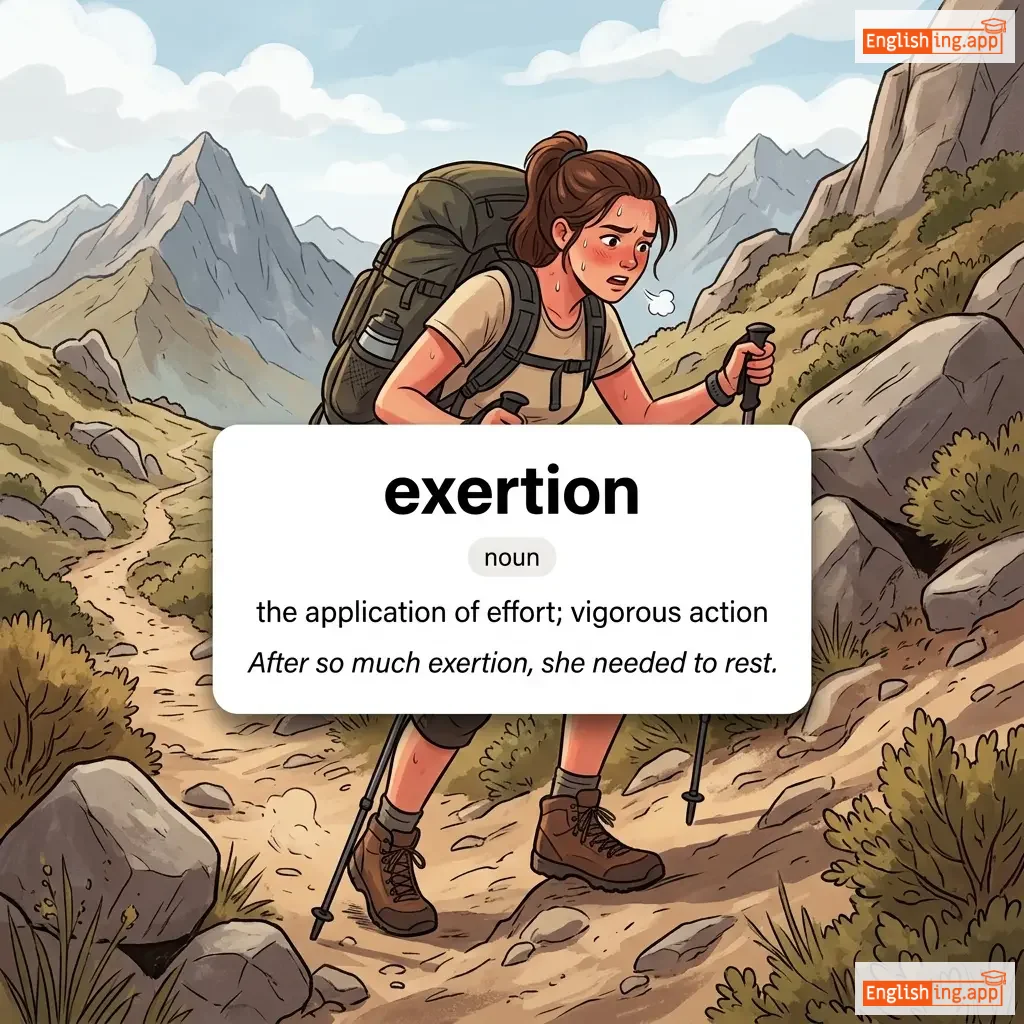
exertion definition card — visual illustration of the meaning
noun C1
/ɪɡˈzɜːrʃən/
努力 (doryoku)

the application of effort; vigorous action

"After so much exertion, she needed to rest."

"これほどの努力の後、彼女は休む必要があった。" (Kore hodo no doryoku no ato, kanojo wa yasumu hitsuyō ga atta.)
exhalation definition card — visual illustration of the meaning
noun C1
/ˌɛks.həˈleɪ.ʃən/
息を吐くこと (iki wo haku koto)

The action of breathing out.

"Slow exhalation calms the nervous system."

"ゆっくりした息を吐くことは神経系を落ち着かせます。" (Yukkuri shita iki wo haku koto wa shinkei-kei wo ochitsukasemasu.)
adjective C1
/ɪɡˈzɔːstɪv/
包括的で完全な (hōkatsuteki de kanzen na)

Fully comprehensive and including all possibilities.

"The report provides an exhaustive analysis of the issue."

"その報告書は問題に関する包括的な分析を提供します。" (Sono hōkokusho wa mondai ni kansuru hōkatsuteki na bunseki o teikyō shimasu。)
adjective C1
/ɪɡˈzɪləreɪtɪd/
興奮した (koufun shita)

feeling very happy, animated, or elated

"She felt exhilarated after finishing the marathon."

"彼女はマラソンを終えた後、とても興奮していた。" (Kanojo wa marason o oeta ato, totemo koufun shite ita.)
adjective C1
/ɪɡˈzɪləreɪtɪŋ/
興奮させる (koufun saseru)

Making someone feel very excited, happy, or thrilled.

"Skydiving was the most exhilarating experience of his life."

"スカイダイビングは彼の人生で最も興奮する経験でした。" (Sukaidaibingu wa kare no jinsei de mottomo kōfun suru keiken deshita.)
exhilaration definition card — visual illustration of the meaning
noun C1
/ɪɡˌzɪl.əˈreɪ.ʃən/
興奮または喜び (koufun mata wa yorokobi)

A feeling of excitement, happiness, or elation.

"The feeling of exhilaration after a roller-coaster ride is amazing."

"ジェットコースターの後のエクスヒラレーションの感覚は素晴らしいです。" (Jettokosutaa no ato no ekusuhirareeshon no kankaku wa subarashii desu.)
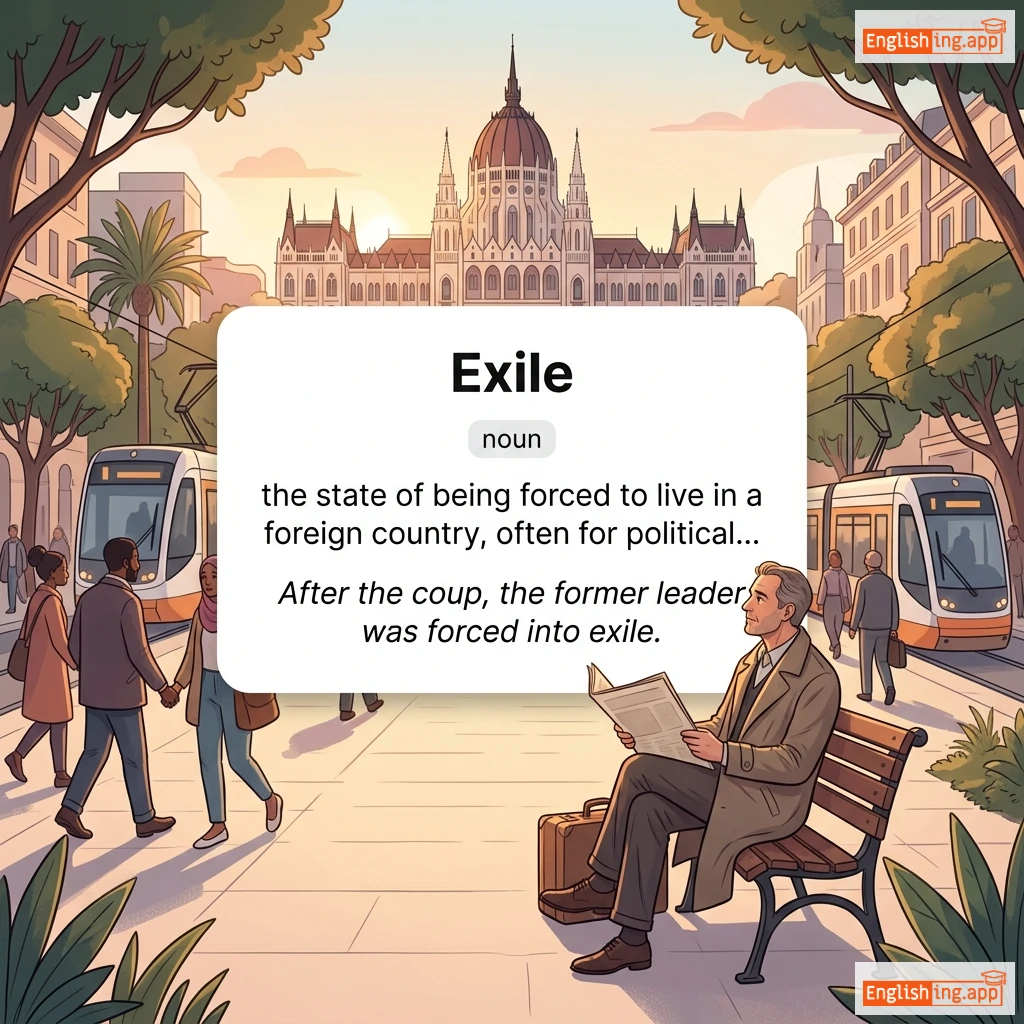
Exile definition card — visual illustration of the meaning
noun C1
/ˈɛksaɪl/
追放 (tsuihō)

the state of being forced to live in a foreign country, often for political reasons

"After the coup, the former leader was forced into exile."

"クーデター後、元リーダーは追放されました。" (Kūdetā go, moto rīdā wa tsuihō saremashita.)
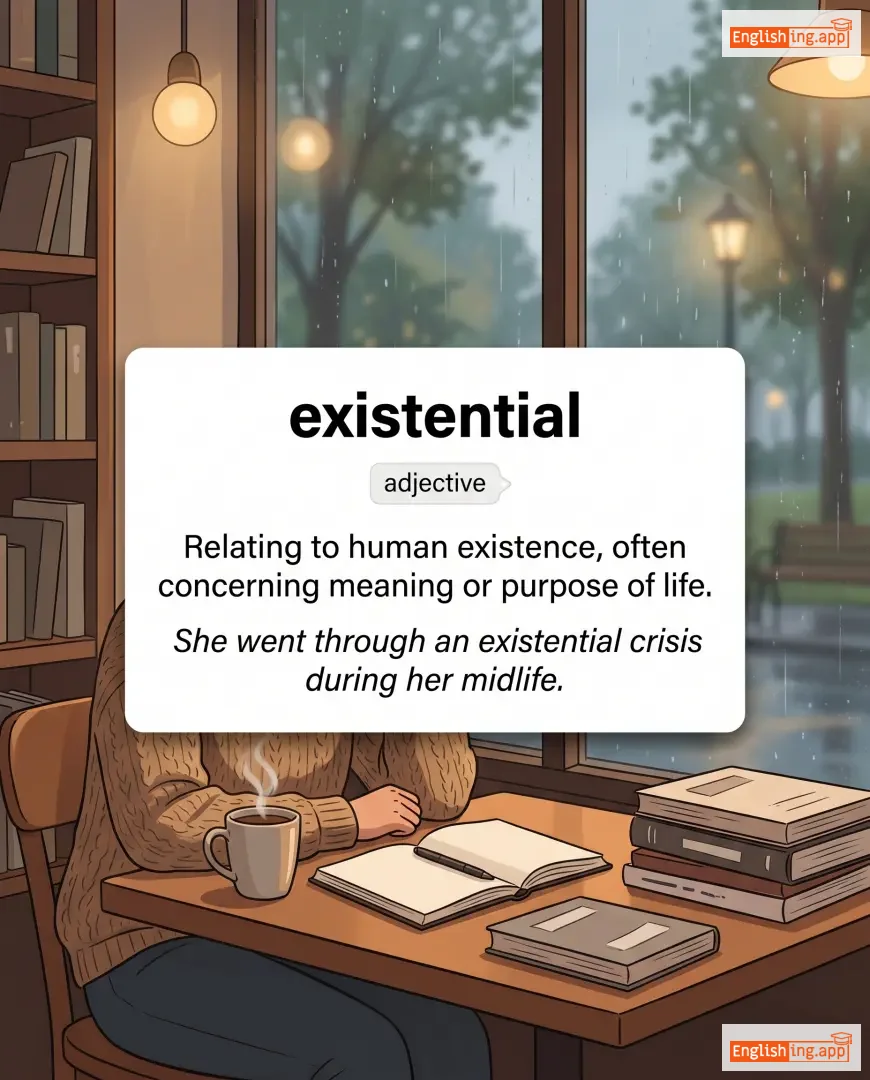
existential definition card — visual illustration of the meaning
adjective C1
/ˌɛɡzɪˈstɛnʃəl/
実存的 (jitsuzonteki)

Relating to human existence, often concerning meaning or purpose of life.

"She went through an existential crisis during her midlife."

"彼女は中年に実存的な危機を経験した。" (Kanojo wa chūnen ni jitsuzonteki na kiki o keiken shita.)
noun C1
/ˈɛksədəs/
出エジプト (shutsu Ejiputo)

A mass departure of people from a place.

"There was a sudden exodus of workers after the strike began."

"ストライキが始まった後、労働者たちは突然出エジプトした。" (Sutoraiki ga hajimatta ato, rōdōshatachi wa totsuzen shutsu Ejiputo shita.)
verb C1
/ɪɡˈzɒnəreɪt/
免責 (menseki)

To clear someone from blame or accusation.

"The court exonerated her from all charges."

"裁判所は彼女をすべての告発から免除しました。" (Saibansho wa kanojo o subete no kokuhatsu kara menjo shimashita.)
exoplanet definition card — visual illustration of the meaning
noun C1
ˈɛksəʊˌplænɪt
太陽系外の星の周りを回る惑星 (taiyoukeigai no hoshi no mawari o mawaru wakusei)

A planet that orbits a star outside the solar system.

"Astronomers have discovered thousands of exoplanets in the last decade."

"天文学者たちは、過去10年間で何千ものエクソプラネットを発見しました。" (Tenmongakusha-tachi wa, kako 10-nenkan de nansen mo no ekusopuranetto o hakken shimashita.)
exorbitant definition card — visual illustration of the meaning
adjective C1
/ɪɡˈzɔːrbɪtənt/
法外 (hōgai)

Unreasonably high or excessive, especially in cost or amount.

"They charged an exorbitant fee for a simple service."

"彼らは簡単なサービスに法外な料金を請求した。" (Karera wa kantan na sābisu ni hōgai na ryōkin o seikyū shita.)
noun C1
/ɪkˈspæns/
広大な地域 (kōdaina chiiki)

a wide, open area of land, sea, or sky

"The desert is a vast expanse of sand and rock."

"砂漠は広大な砂と岩の地域です。" (Sabaku wa kōdaina suna to iwa no chiiki desu.)
adjective C1
/ɪkˈspænsɪv/
広範囲な (kōhan'i na)

covering a wide area or having a wide range of ideas or emotions

"They enjoyed the expansive view from the hilltop."

"彼らは丘の頂上からの広範囲な景色を楽しんだ。" (Karera wa oka no chōjō kara no kōhan'i na keshiki o tanoshinda.)
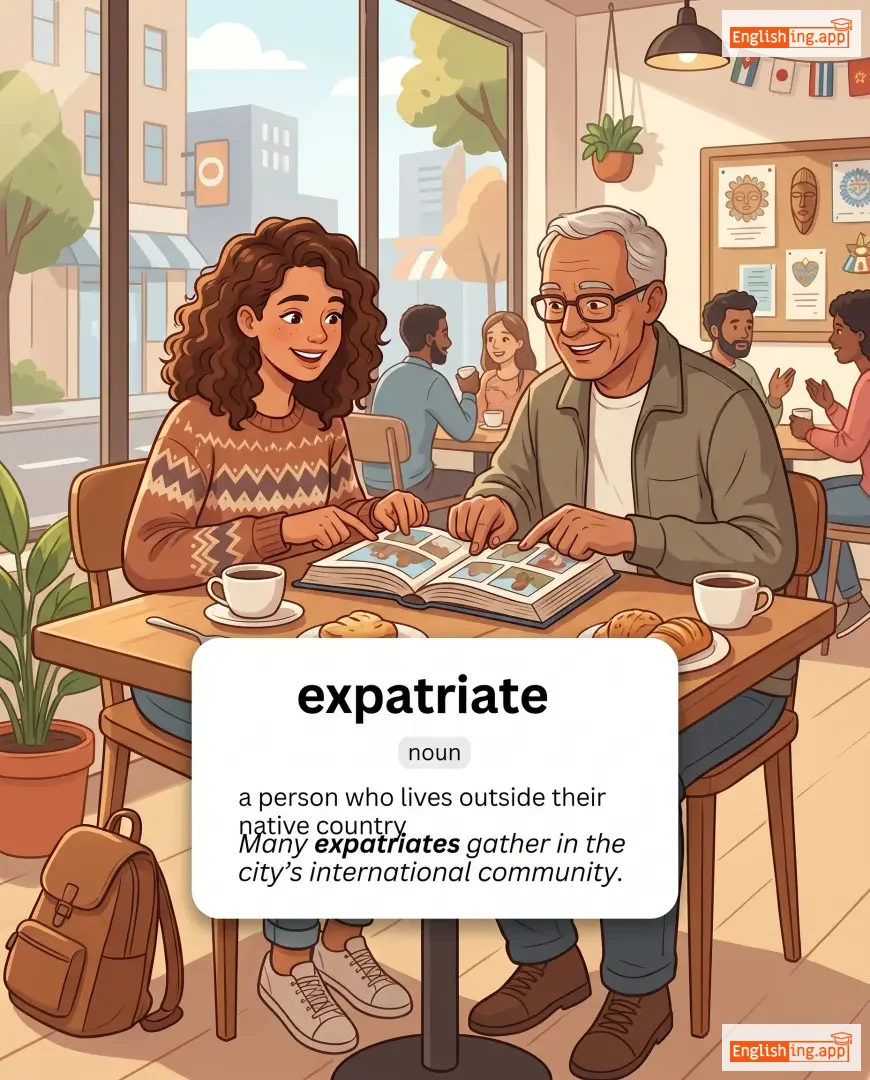
expatriate definition card — visual illustration of the meaning
noun C1
/ɛkˈspeɪtriət/
外国人 (gaikokujin)

a person who lives outside their native country

"Many expatriates gather in the city’s international community."

"多くの外国人が都市の国際コミュニティに集まっています。" (Ooku no gaikokujin ga toshi no kokusai komyuniti ni atsumatteimasu.)
noun C1
/ɪkˈspɛktənsi/
期待 (kitai)

the state of expecting something; anticipation or likelihood

"There was a sense of expectancy in the room before the results were announced."

"結果が発表される前、部屋には期待の感覚があった。" (Kekka ga happyou sareru mae, heya ni wa kitai no kankaku ga atta.)
adjective C1
/ɪkˈspiːdiənt/
便宜的 (ben'iteki)

suitable or convenient for achieving a particular end, sometimes at the expense of morality

"It was expedient to take the shortcut despite the risks."

"リスクにもかかわらず、近道を取ることは便宜的だった。" (Risuku ni mo kakawarazu, chikamichi o toru koto wa ben'iteki datta.)
expedite definition card — visual illustration of the meaning
verb C1
/ˈɛkspəˌdaɪt/
加速する (kasoku suru)

to make a process or action happen more quickly

"The company promised to expedite the delivery of the package."

"その会社はパッケージの配送を迅速にすると約束しました。" (Sono kaisha wa pakkēji no haisō o jinsoku ni suru to yakusoku shimashita.)
expend definition card — visual illustration of the meaning
verb C1
/ɪkˈspɛnd/
使う (tsukau)

to use up or spend resources such as time, money, or energy

"She expended a lot of energy preparing for the presentation."

"彼女はプレゼンテーションの準備に多くのエネルギーを使いました。" (Kanojo wa purezenteishon no junbi ni ooku no enerugi- wo tsukaimashita.)
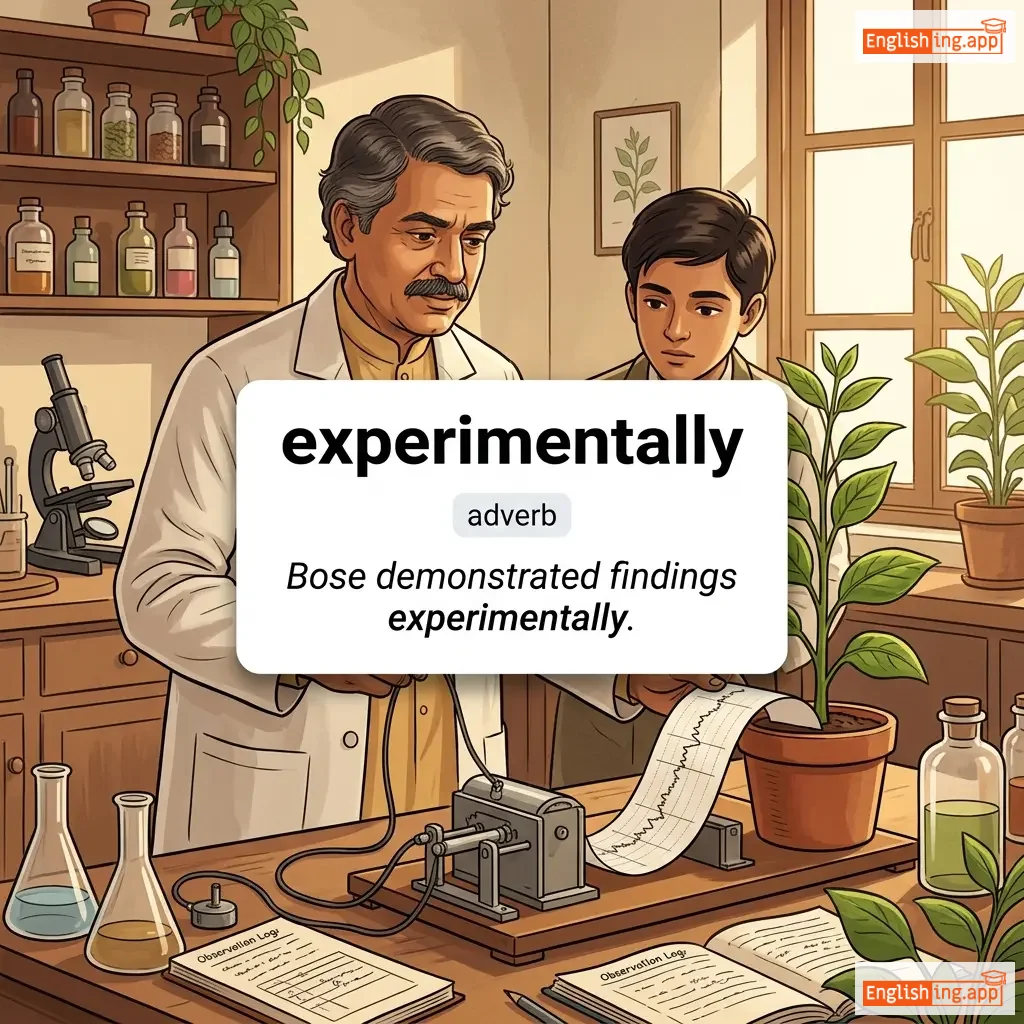
experimentally definition card — visual illustration of the meaning
adverb C1
ɪkˌsperɪˈmentəli
実験的に (jikken-teki ni)

In a way that is based on or derived from experiment and observation rather than theory.

"Bose demonstrated findings experimentally."

"ボーズは実験的に結果を示しました。" (Bōzu wa jikken-teki ni kekka o shimeshimashita.)
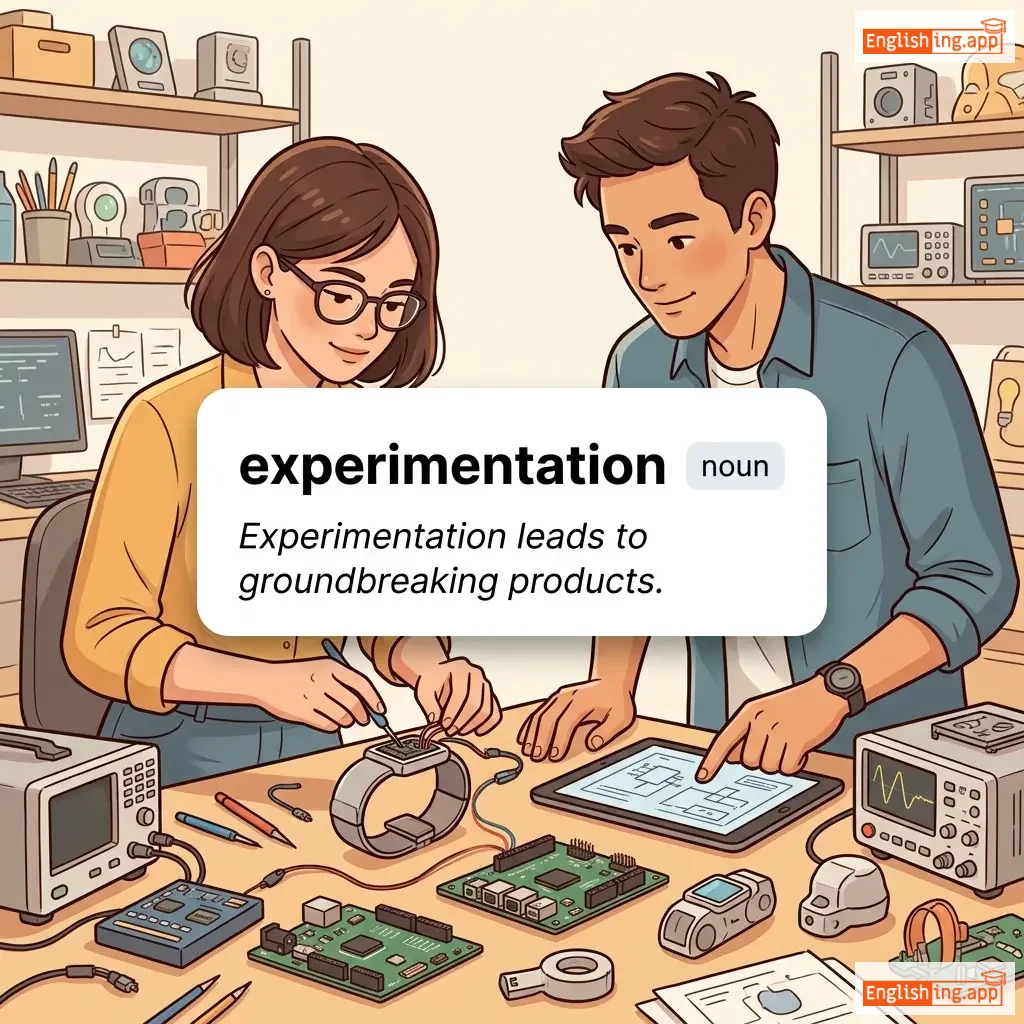
experimentation definition card — visual illustration of the meaning
noun C1
/ɪkˌsperɪˈmɛnteɪʃən/
実験 (jikken)

The process of performing a scientific procedure to make a discovery, test a hypothesis, or demonstrate a known fact.

"Experimentation leads to groundbreaking products."

"実験は革新的な製品を生み出します。" (Jikken wa kakushinteki na seihin o umidashimasu.)
adjective C1
/ɪkˈsplɔɪtətɪv/
搾取的な (sakushuteki na)

making use of a situation or people unfairly and unethically for one's own advantage

"The workers protested against the exploitative practices of the factory."

"労働者たちは工場の搾取的な行動に抗議した。" (Rōdō-sha-tachi wa kōjō no sakushuteki na kōdō ni kōgi shita.)
noun C1
/ɪkˈspoʊnənt/
指数 (shisū)

a person who supports, promotes, or explains an idea; in math, a symbol denoting power

"She is a leading exponent of modern dance."

"彼女は現代舞踏の先駆者です。" (Kanojo wa gendai butō no senkusha desu.)
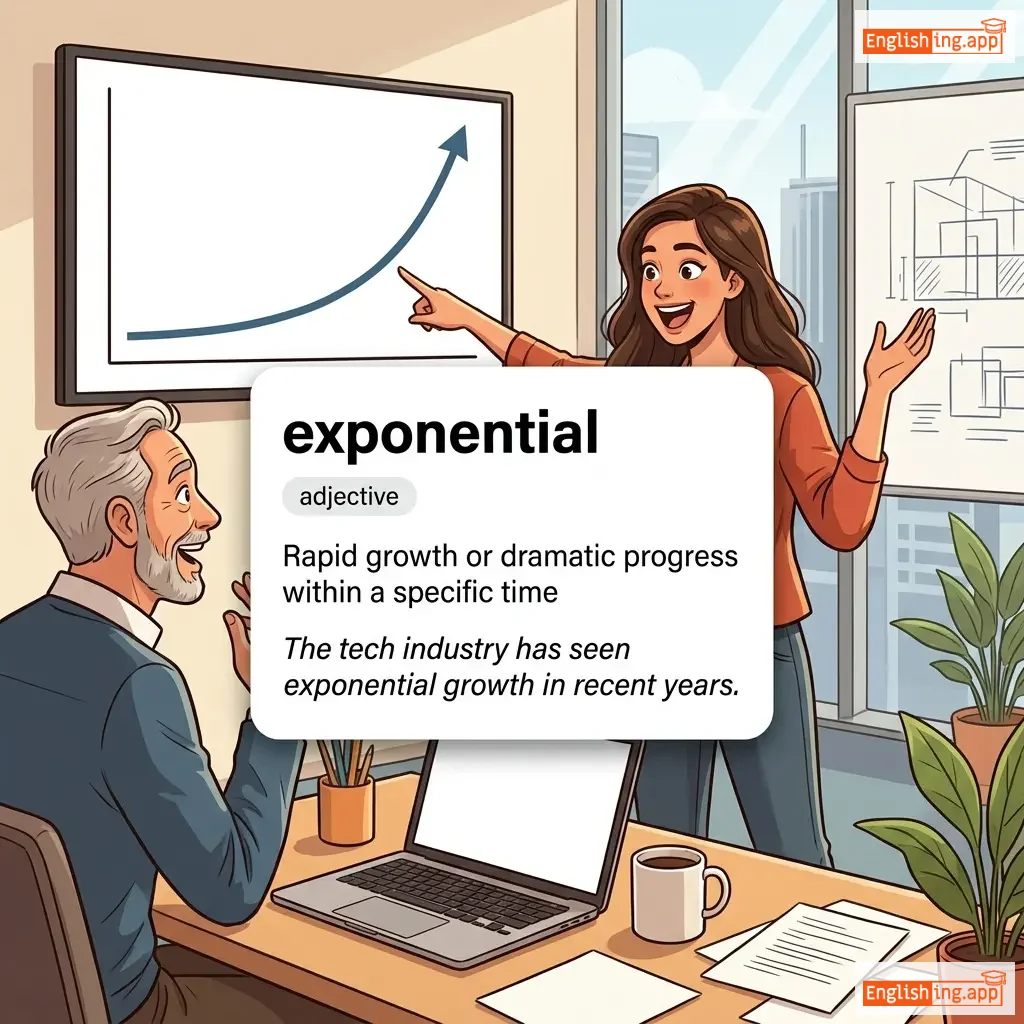
exponential definition card — visual illustration of the meaning
adjective C1
/ˌɛk.spəˈnɛn.ʃəl/
指数関数的 (shisū kansū teki)

Rapid growth or dramatic progress within a specific time

"The tech industry has seen exponential growth in recent years."

"テクノロジー業界はここ数年で指数関数的な成長を遂げています。" (Tekunorojī gyōkai wa koko sūnen de shisū kansū-teki na seichō o toge teimasu.)
exponentially definition card — visual illustration of the meaning
adverb C1
ˌekspəˈnenʃəli
指数的に (shisū-teki ni)

At a rapidly increasing rate; growing or expanding very quickly and intensely.

"Internet adoption is growing exponentially worldwide."

"インターネットの採用は世界中で指数的に増加しています。" (Intānetto no saiyō wa sekaijū de shisū-teki ni zōka shiteimasu.)
noun C1
/ˌekspəˈzɪʃən/
説明 / 展覧会 (setsumei / tenrankai)

a detailed explanation or a large public exhibition

"The scientist gave a clear exposition of the theory."

"科学者は理論を明確に説明しました。" (Kagakusha wa riron o meikaku ni setsumei shimashita.)
verb C1
/ɪkˈspaʊnd/
詳しく説明する (kuwashiku setsumei suru)

to present and explain in detail

"The professor expounded the theory in simple terms."

"教授は簡単な言葉で理論を詳しく説明しました。" (Kyouju wa kantan na kotoba de riron o kuwashiku setsumei shimashita.)
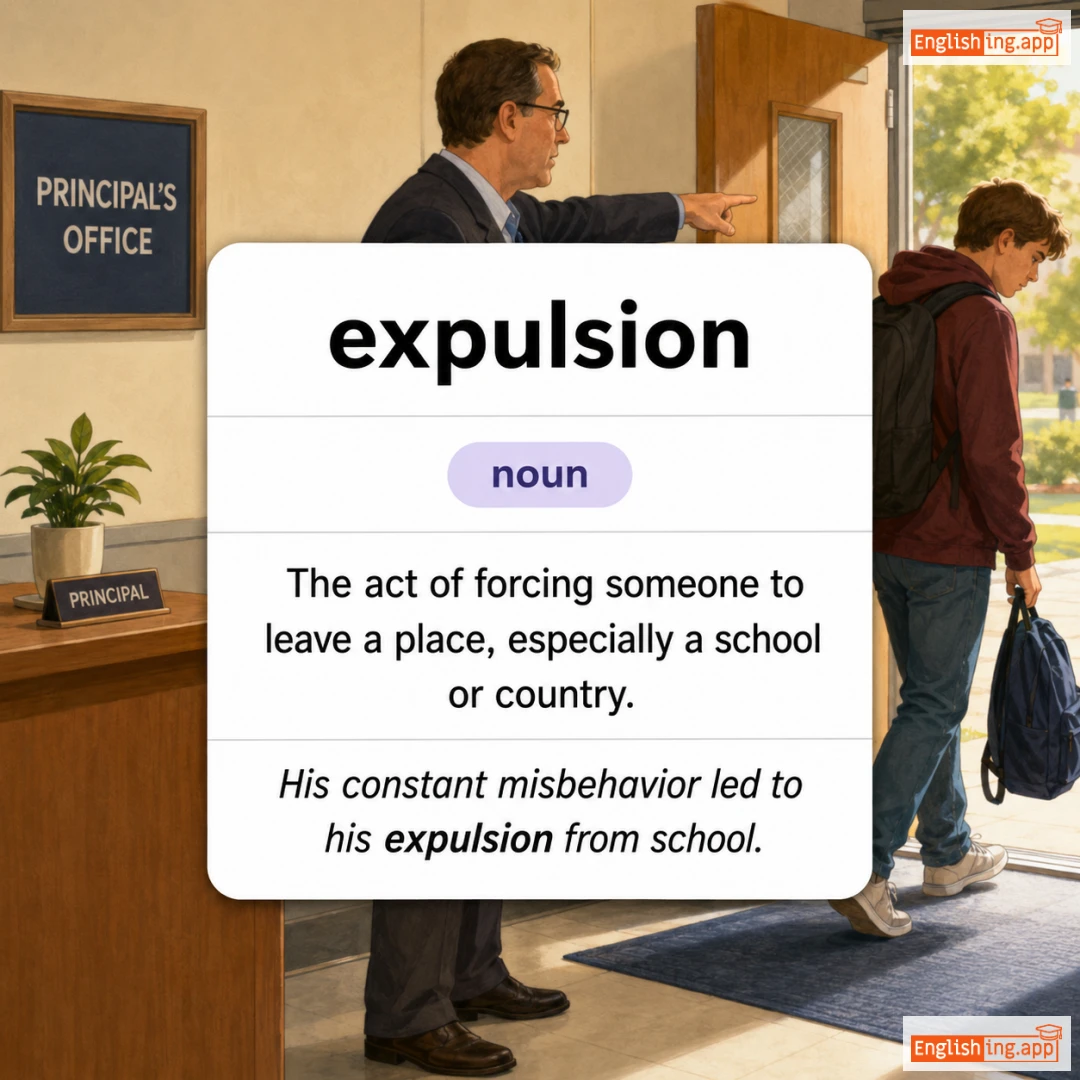
expulsion definition card — visual illustration of the meaning
noun C1
/ɪkˈspʌlʃən/
退学 (taigaku)

The act of forcing someone to leave a place, especially a school or country.

"His constant misbehavior led to his expulsion from school."

"彼の絶え間ない悪い行動は、学校からの退学につながった。" (Kare no taemai nai warui kōdō wa, gakkō kara no taigaku ni tsunagatta.)
exquisite definition card — visual illustration of the meaning
adjective C1
/ɪkˈskwɪzɪt/
精緻な (seichina)

Extremely beautiful, delicate, or finely made.

"The bride wore an exquisite gown made of silk."

"花嫁は絹の精緻なドレスを着ていました。" (Hanayome wa kinu no seichina doresu o kite imashita.)
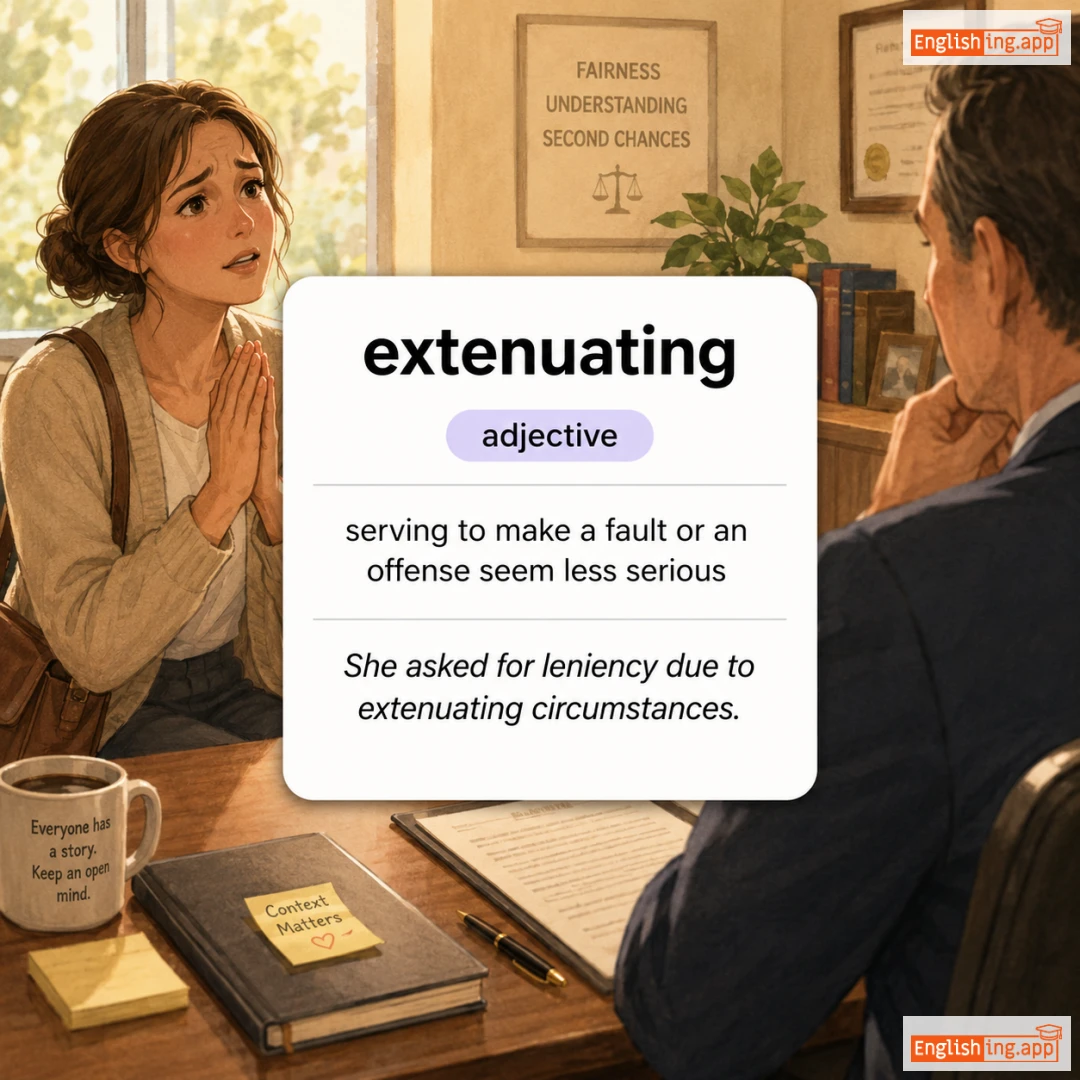
extenuating definition card — visual illustration of the meaning
adjective C1
/ɪkˈstɛnjueɪtɪŋ/
軽減する (keigen suru)

serving to make a fault or an offense seem less serious

"She asked for leniency due to extenuating circumstances."

"彼女は軽減する状況のために寛容を求めました。" (Kanojo wa keigen suru jōkyō no tame ni kanyō o motomemashita.)
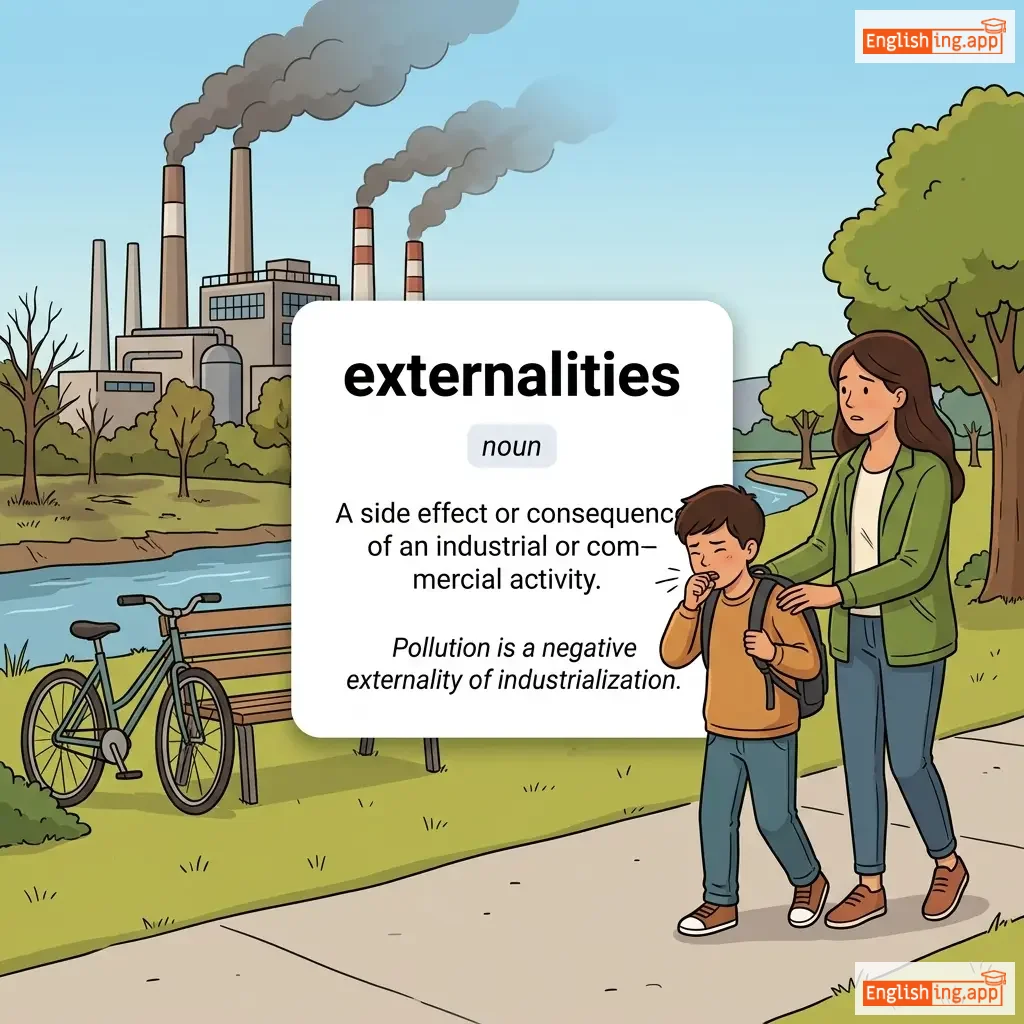
externalities definition card — visual illustration of the meaning
noun C1
ˌɛkstərˈnælɪtiz
外部性 (gaibusei)

A side effect or consequence of an industrial or commercial activity.

"Pollution is a negative externality of industrialization."

"汚染は産業化の負の外部性です。" (Osen wa sangyōka no fu no gaibusei desu.)
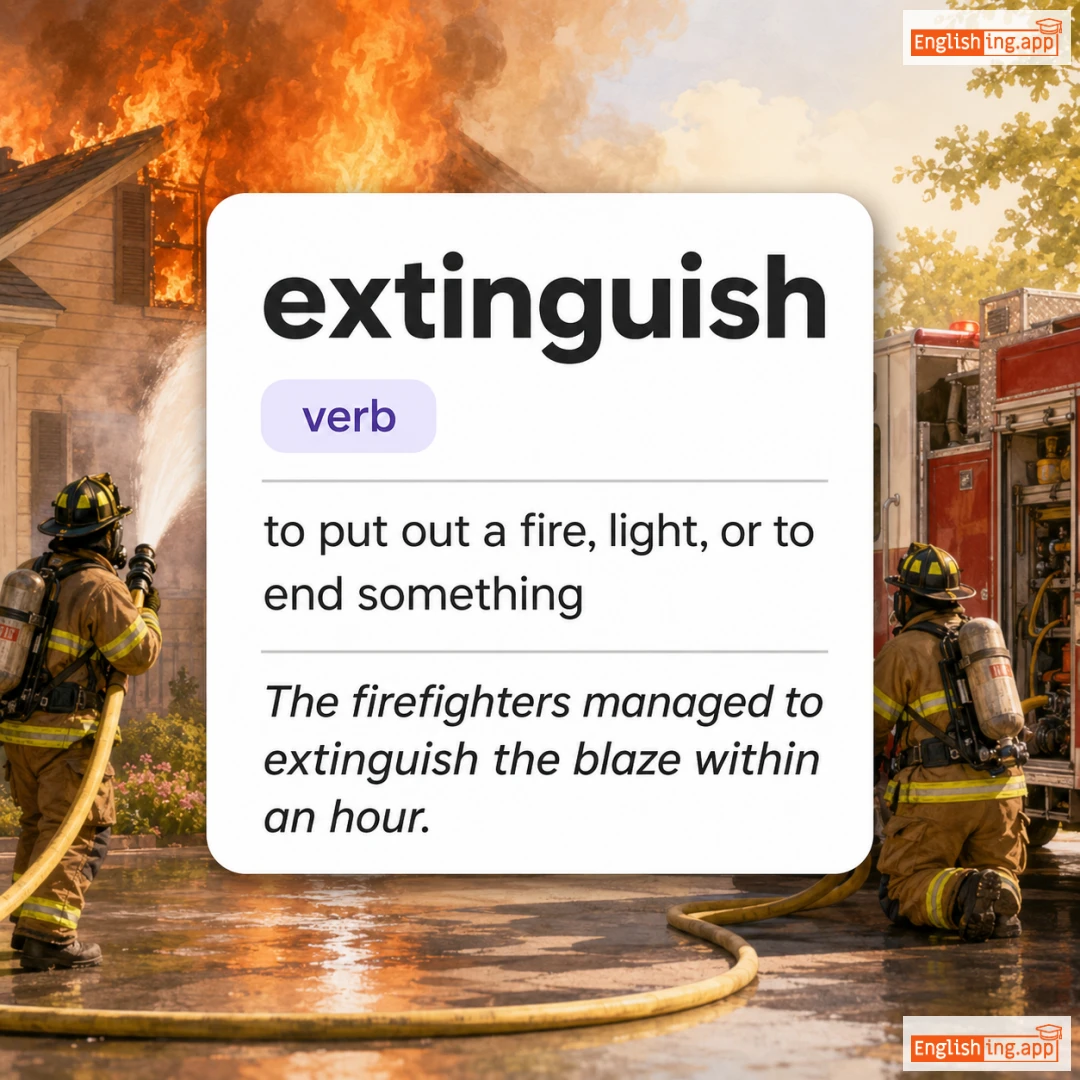
extinguish definition card — visual illustration of the meaning
verb C1
/ɪkˈstɪŋ.ɡwɪʃ/
消す (kesu)

to put out a fire, light, or to end something

"The firefighters managed to extinguish the blaze within an hour."

"消防士たちは1時間以内に火を消し止めました。" (Shouboushi-tachi wa 1-jikan inai ni hi o keshitomemashita.)
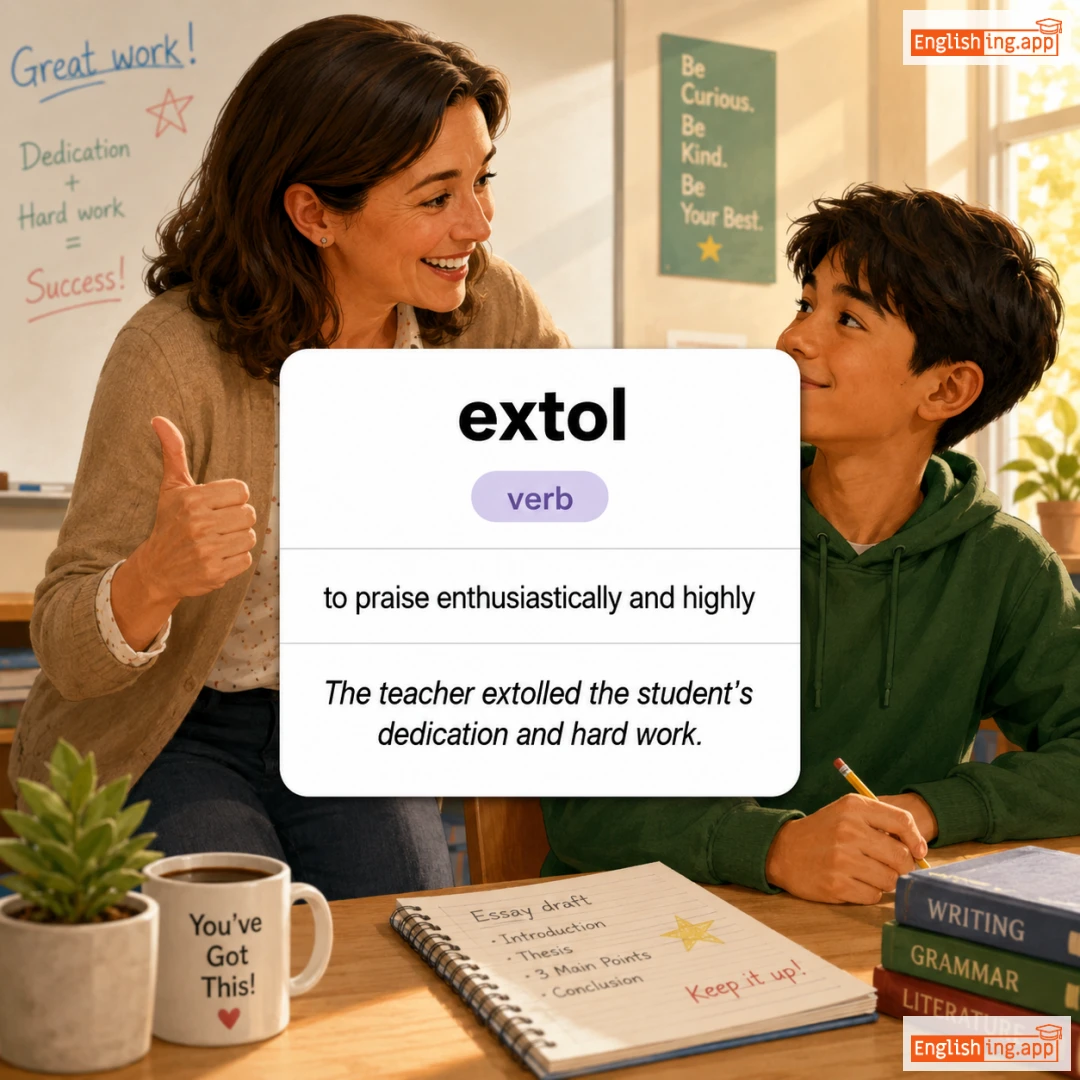
extol definition card — visual illustration of the meaning
verb C1
/ɪkˈstoʊl/
称賛する (shōsan suru)

to praise enthusiastically and highly

"The teacher extolled the student's dedication and hard work."

"先生は生徒の献身と努力を称賛しました。" (Sensei wa seito no kenshin to doryoku o shōsan shimashita.)
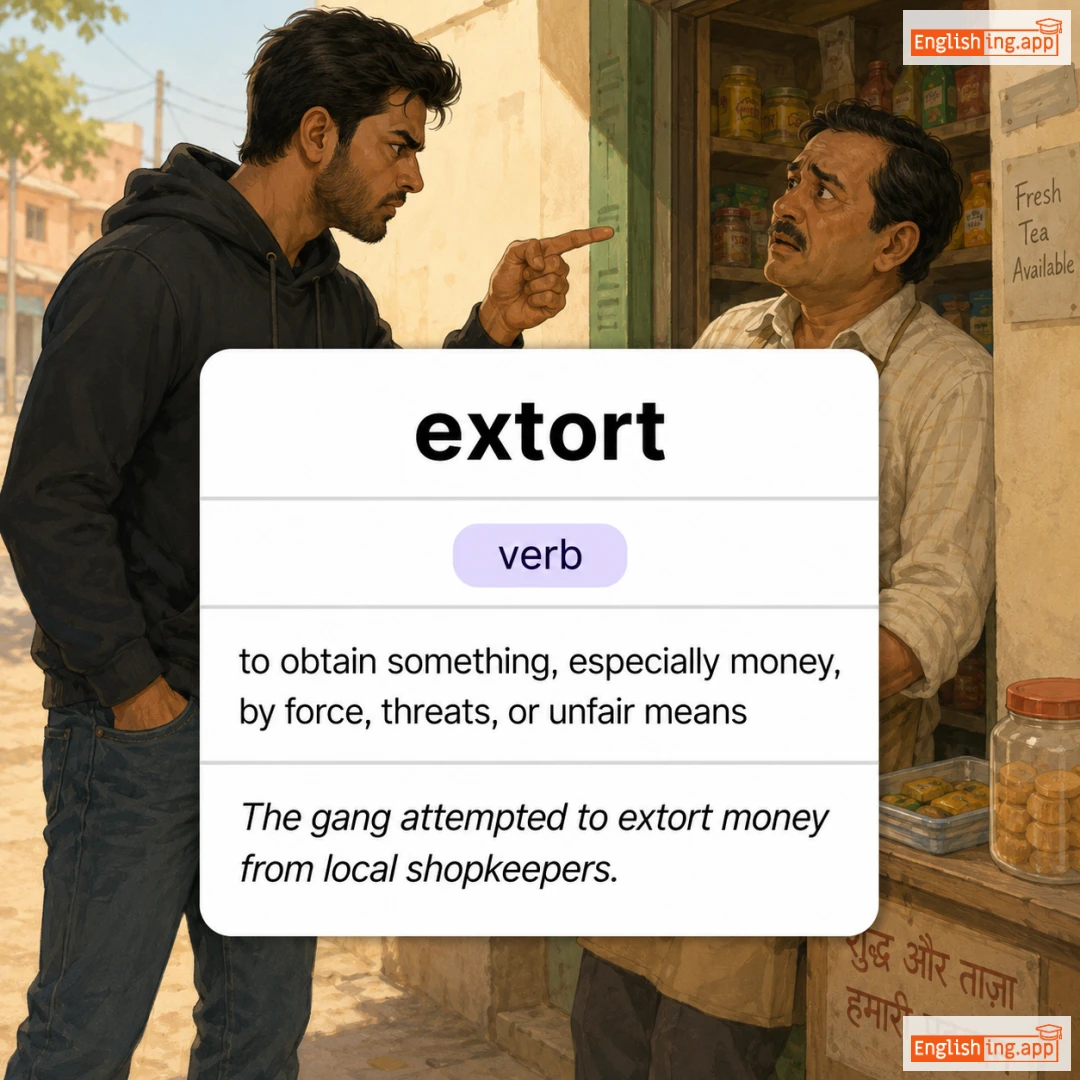
extort definition card — visual illustration of the meaning
verb C1
/ɪkˈstɔːrt/
強奪する (kyōdatsu suru)

to obtain something, especially money, by force, threats, or unfair means

"The gang attempted to extort money from local shopkeepers."

"ギャングは地元の店主からお金を強奪しようとした。" (Gyangu wa jimoto no ten-shu kara okane o kyōdatsu shiyō to shita.)
extortion definition card — visual illustration of the meaning
noun C1
/ɪkˈstɔːr.ʃən/
恐喝 (kyōkatsu)

the practice of obtaining something, especially money, through force or threats

"The businessman was arrested for extortion after threatening his partner."

"そのビジネスマンは、パートナーを脅迫した後、恐喝で逮捕されました。" (Sono bijinesuman wa, pātonā o kyōkaku shita ato, kyōkatsu de taiho saremashita.)
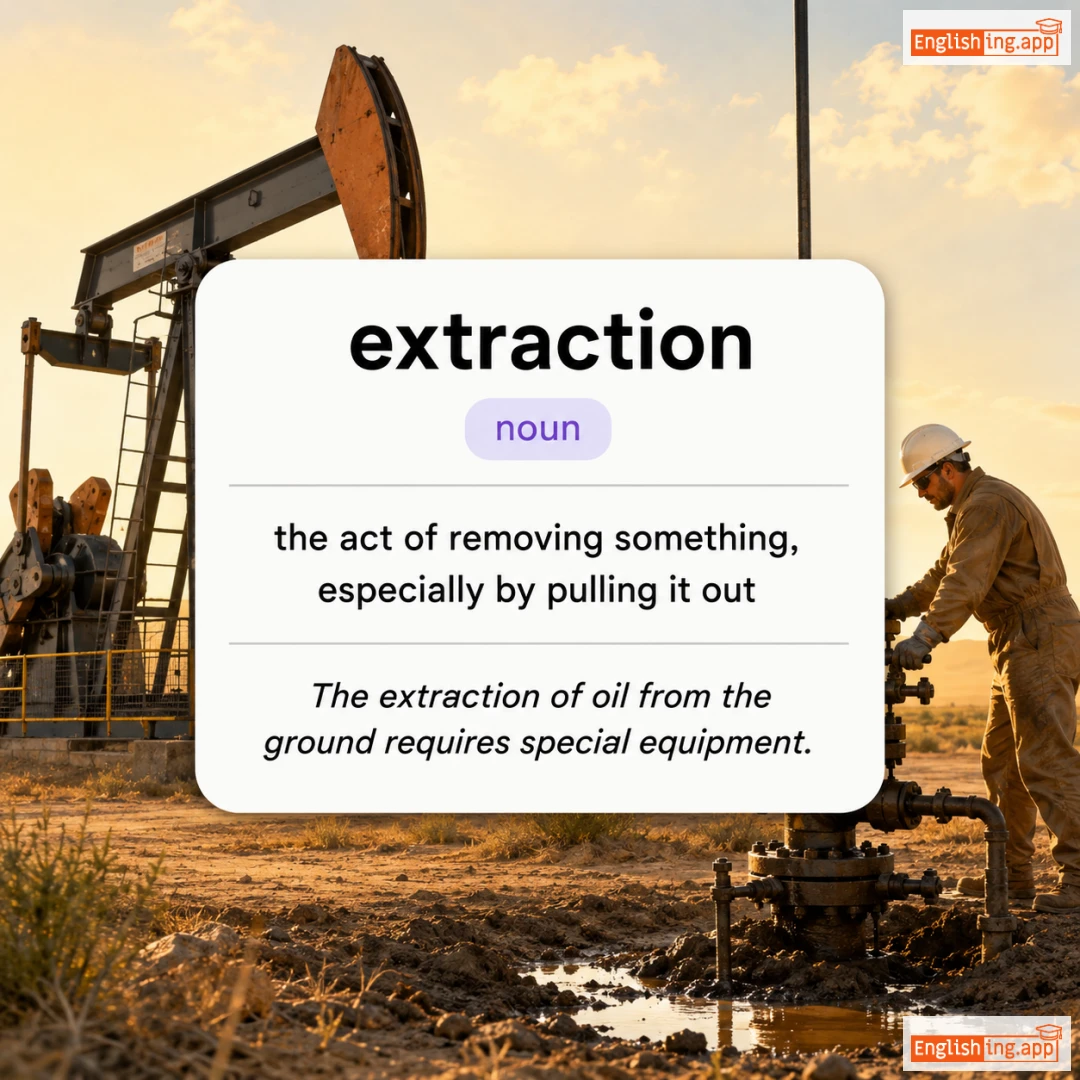
extraction definition card — visual illustration of the meaning
noun C1
/ɪkˈstrækʃən/
抽出 (chūshutsu)

the act of removing something, especially by pulling it out

"The extraction of oil from the ground requires special equipment."

"地面からの石油の抽出には特別な機器が必要です。" (Jimen kara no sekiyu no chūshutsu ni wa tokubetsu na kiki ga hitsuyō desu.)
extradite definition card — visual illustration of the meaning
verb C1
/ˈɛkstrəˌdaɪt/
引き渡す (hikiwatasu)

to hand over a person accused or convicted of a crime to another country or state

"The government agreed to extradite the fugitive to his home country."

"政府はその逃亡者を自国に引き渡すことに同意した。" (Seifu wa sono tōbōsha o jikoku ni hikiwatasu koto ni dōi shita.)