English Vocabulary Dictionary | Word Meanings, Definitions & Examples
CEFR Level
the collection and study of postage stamps
"Philately is a hobby enjoyed by people of all ages."
a person who is indifferent or hostile to culture and the arts
"He was criticized as a philistine for dismissing modern art."
a person who loves or admires women
"As a known philogynist, he advocated for women's education."
a person who studies languages and their history
"The philologist analyzed ancient texts to understand language evolution."
the study of language in written historical sources; linguistics
"She devoted her career to philology, researching ancient manuscripts."
to think or talk about the fundamental nature of knowledge, reality, and existence
"He likes to philosophize about life and its meaning."
having an unemotional and stolidly calm disposition
"Despite the chaos, he remained phlegmatic and composed."
a written symbol representing a speech sound
"The teacher showed how each phonogram represents a particular sound."
the study of the sound system of a language
"She is studying phonology to understand how sounds function in English."
the property of emitting light without noticeable heat
"The deep-sea creatures displayed a beautiful phosphorescence."
relating to the emission of electrons or other free carriers when light shines on a material
"The photoelectric effect is fundamental in solar panels."
an instrument for measuring the intensity of light
"The scientist used a photometer to measure the light in the laboratory."
the science of measuring visible light in terms of its perceived brightness to human eyes
"Photometry helps in designing efficient lighting systems."
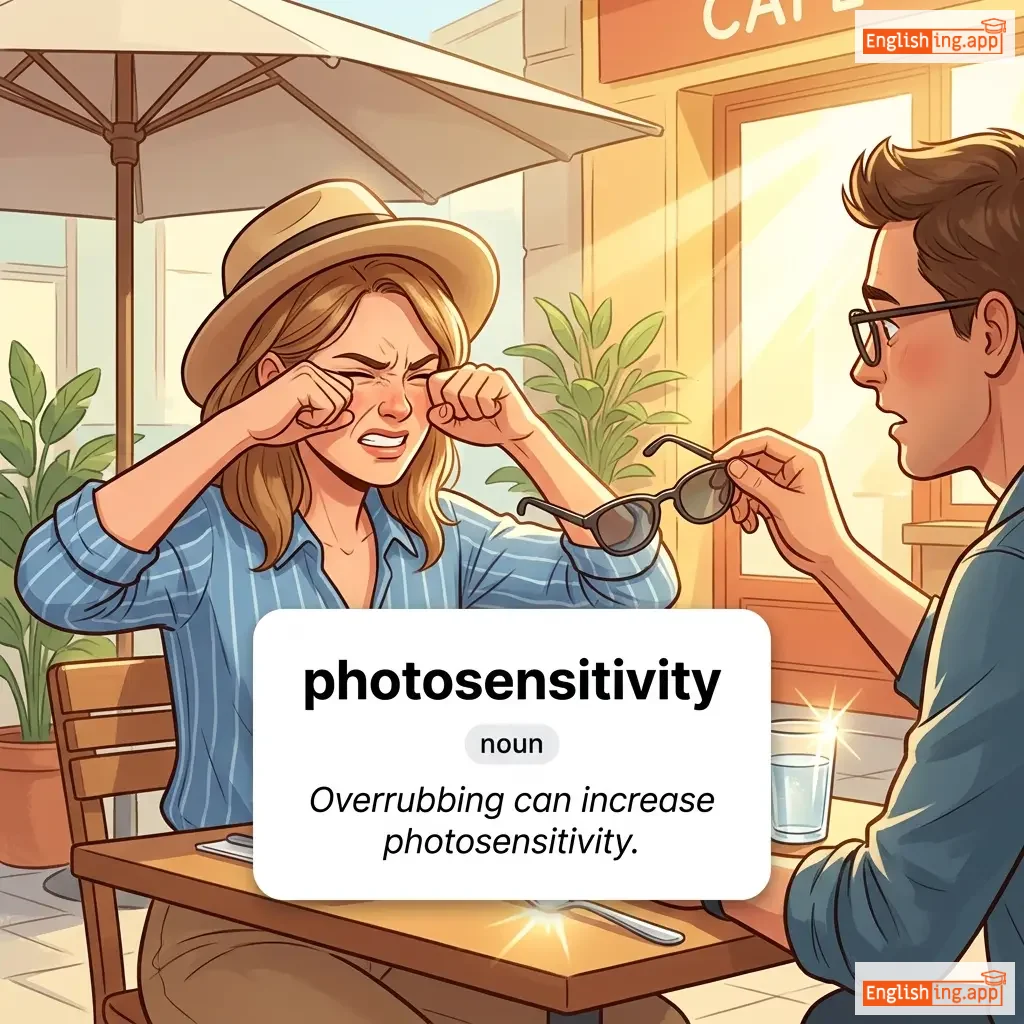
Sensitivity to light, especially abnormal sensitivity that may cause discomfort or damage.
"Overrubbing can increase photosensitivity."
a primary category in the biological classification of organisms, above class and below kingdom
"Humans belong to the phylum Chordata."
an economic theory that land and its natural products are the source of wealth
"Physiocracy emphasized the importance of agriculture in national wealth."
the study of facial features to judge character or personality
"He believed in physiognomy and tried to read people's personalities from their faces."
the study of the physical features of the earth's surface
"He specialized in physiography to understand the landscape of the region."
Natural chemical compounds produced by plants that provide health benefits beyond basic nutrition, often having antioxidant properties.
"Phytochemicals in green tea help reduce inflammation."
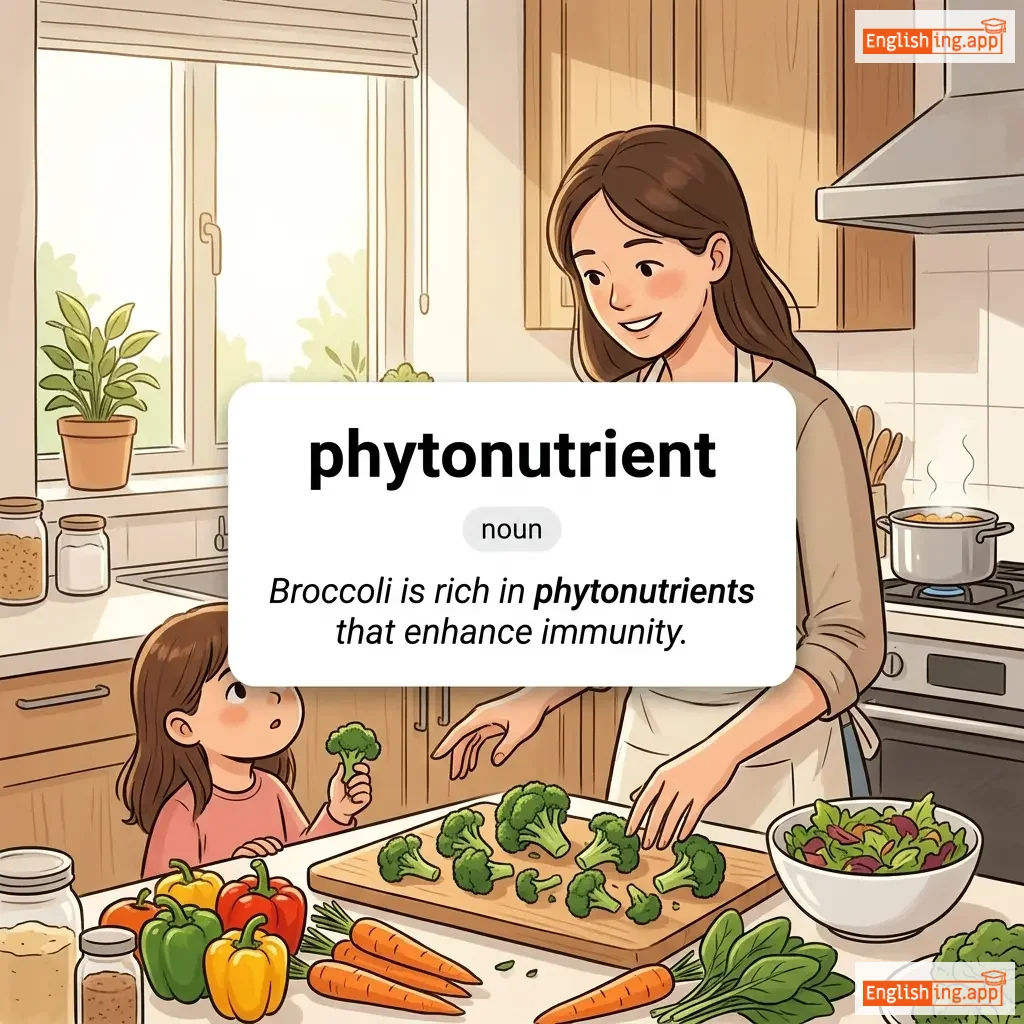
Chemical compounds produced by plants that are beneficial to human health but not essential nutrients.
"Broccoli is rich in phytonutrients that enhance immunity."
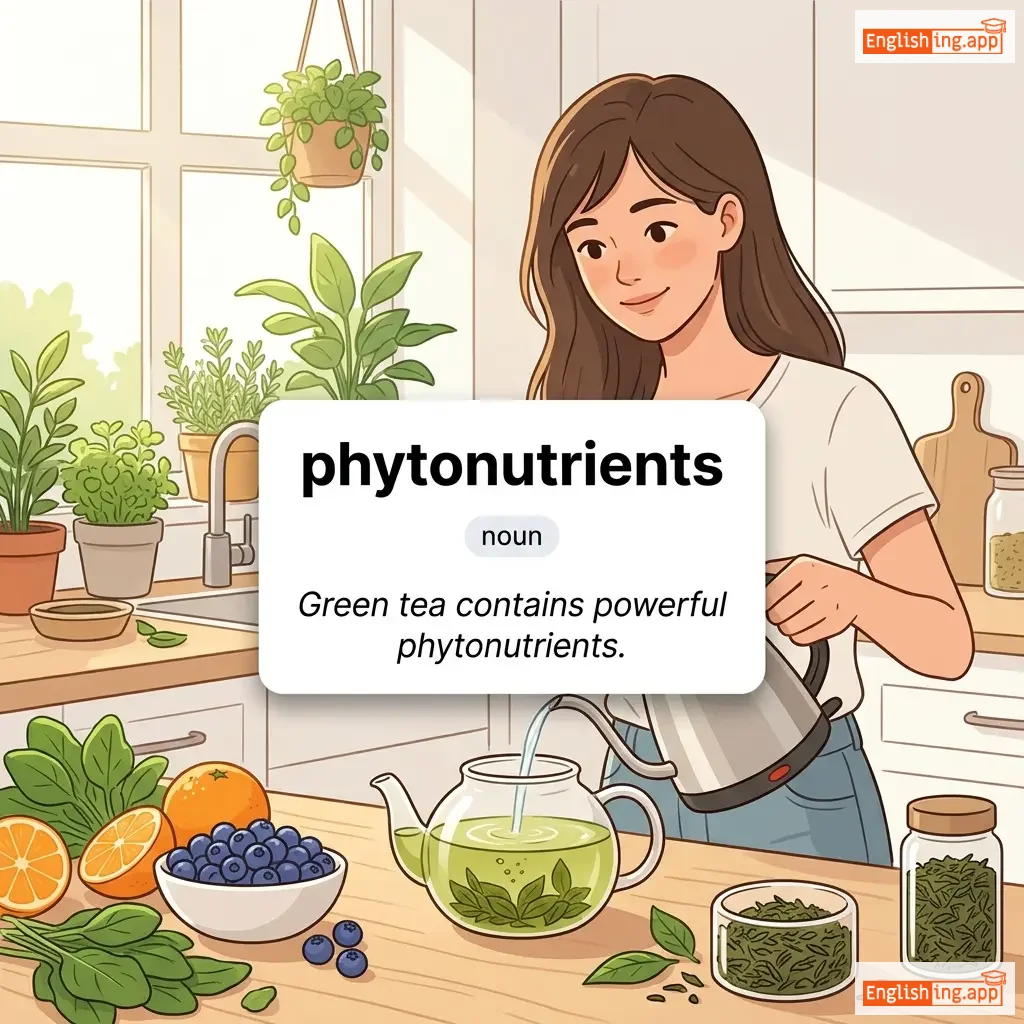
Bioactive compounds found in plants that have health benefits beyond basic nutrition.
"Green tea contains powerful phytonutrients."
relating to a style of fiction depicting the adventures of a roguish hero
"The novel is a picaresque tale of a clever vagabond."
of little value or importance; trivial
"He complained about the picayune details of the contract."
a small flute, higher in pitch than the regular flute
"She played a lively tune on the piccolo during the concert."
trivial or insignificant; very small
"He made a piddling amount of money from that deal."
having irregular patches of two colors, especially black and white
"The farmer owns a piebald horse with black and white spots."
textiles or fabrics sold by the yard or meter; cloth materials
"The tailor bought piece-goods from the wholesale market to make custom dresses."
having two or more different colors, typically in blotches
"The pied cat had black and white patches all over its body."
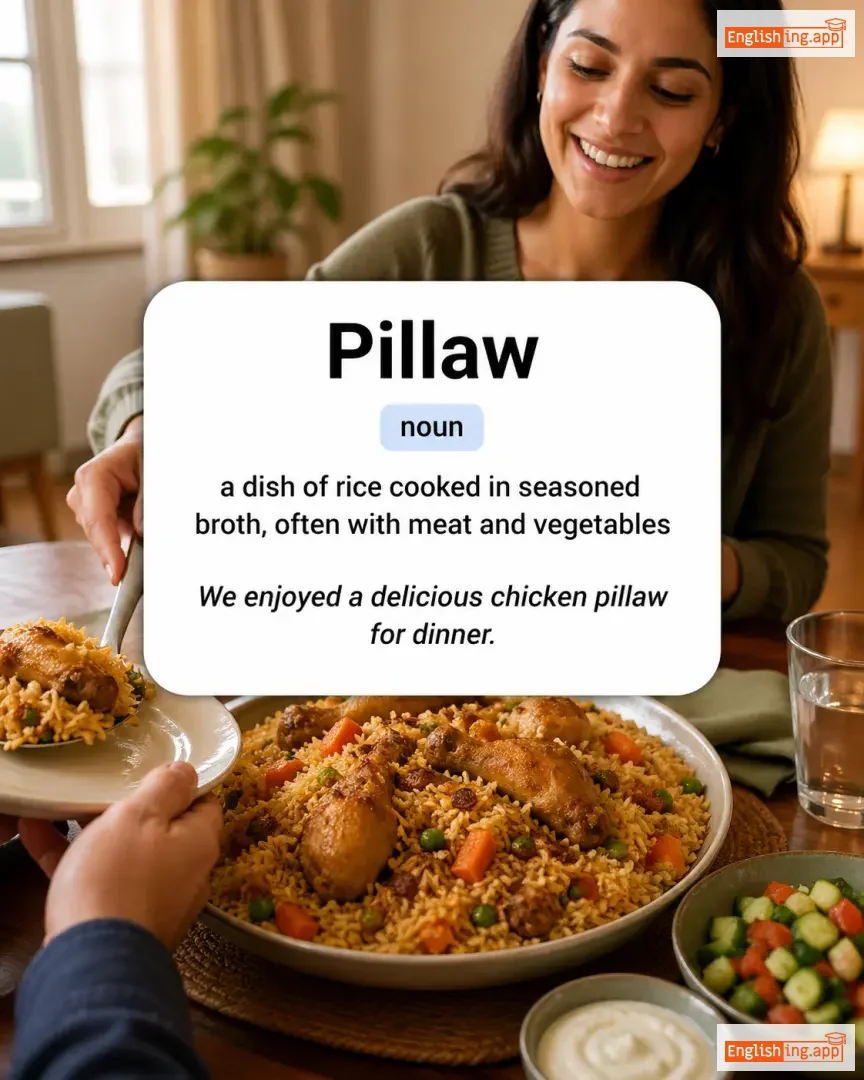
a dish of rice cooked in seasoned broth, often with meat and vegetables
"We enjoyed a delicious chicken pillaw for dinner."
a device for publicly punishing someone / to expose to public ridicule
"The corrupt official was placed in the pillory for the town to jeer at."
a small gear or the outer part of a bird's wing; to restrain or immobilize
"The bird's pinion was injured, preventing it from flying."
a small boat, often carried by a larger ship
"The sailors used a pinnace to reach the shore."
relating to fishing or fishermen
"He has a deep knowledge of piscatorial techniques and fish species."
the essential or central part of something
"The pith of his argument was that honesty matters most."
having a loud, mournful sound; resonant
"The plangent toll of the church bell echoed through the village."
a rotating star chart used to display the visible stars for any time and date
"The astronomer used a planisphere to identify the constellations."
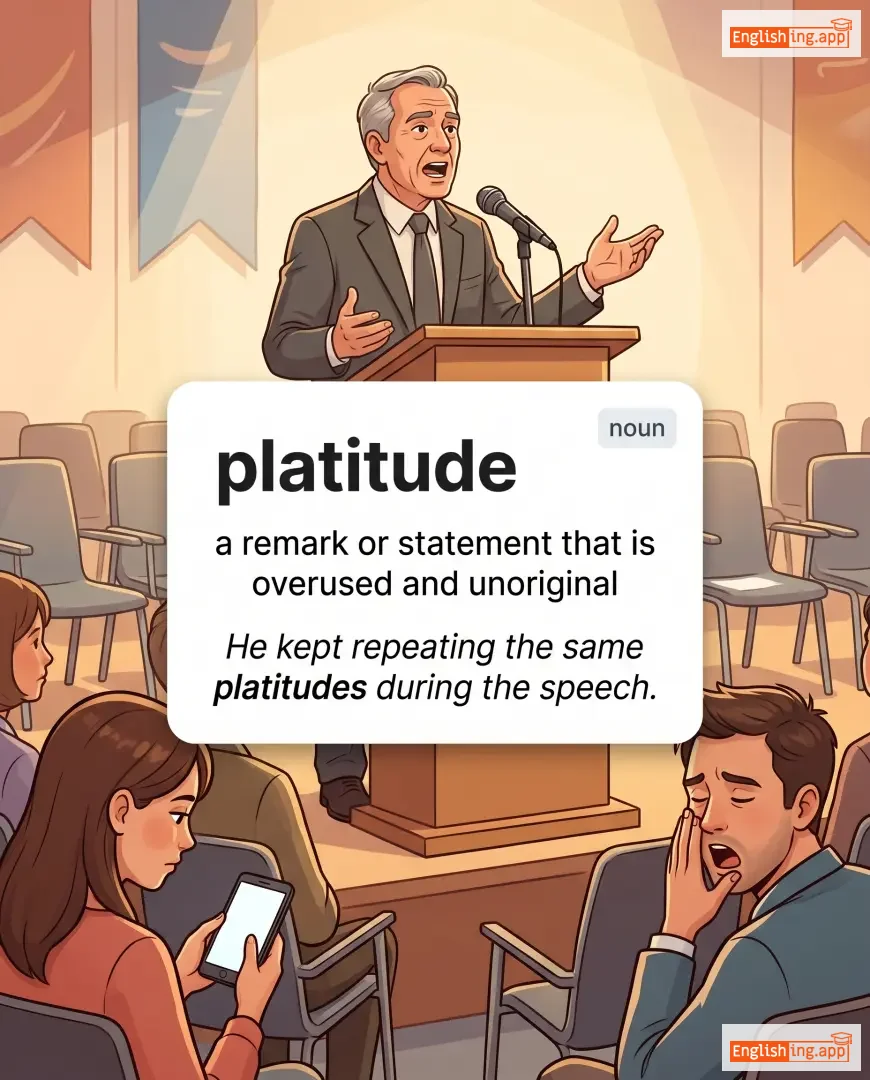
a remark or statement that is overused and unoriginal
"He kept repeating the same platitudes during the speech."
an expression of praise or approval
"The actor received plaudit for his outstanding performance."
expressions of praise or approval
"The scientist received plaudits from the international community."
common, ordinary, or belonging to the lower social classes
"The festival was enjoyed by both plebeian and noble citizens."
alternate spelling of 'plebeian'; common or ordinary
"His tastes were rather plebian, favoring simple food and clothes."
a direct vote by the electorate on an important public question
"The government held a plebiscite to decide on the new constitution."
a person to whom something is pledged or given as security
"The bank is the pledgee of the collateral until the loan is repaid."
a person who gives or offers a pledge or security
"The bank accepted the jewelry from the pledgeor as collateral for the loan."
complete in every way; fully attended or absolute
"The committee held a plenary session to discuss all matters of importance."
a person invested with full power to act on behalf of another, especially in diplomacy
"The ambassador was a plenipotentiary sent to negotiate the treaty."
the condition of being full or abundant; a great quantity
"The garden was a plenitude of flowers in spring."
existing in great quantity; abundant
"The harvest was plenteous, providing enough food for the entire village."
the condition of being full or abundant
"The garden offered a plentitude of flowers in spring."
a verb tense expressing an action completed before another past action
"By the time she arrived, he had finished his homework, showing the pluperfect tense."